
Explore by activity
Not listed yet

We run Motorbiking & Overland trips — we just haven’t put the itinerary on the site yet. Tell us your dates and we’ll send a costed day-by-day plan.

Explore by experience
Explore by region
by gomayu
Search Tours or Places

Nepal Travel Guide: Plan Your First Trip

24 min read Posted 08 Oct 2026Updated 01 Nov 2026
Nepal Travel Guide: Plan Your First Trip

By Uncover Nepal Team · Checked by our Kathmandu travel team · Last checked 8 October 2026

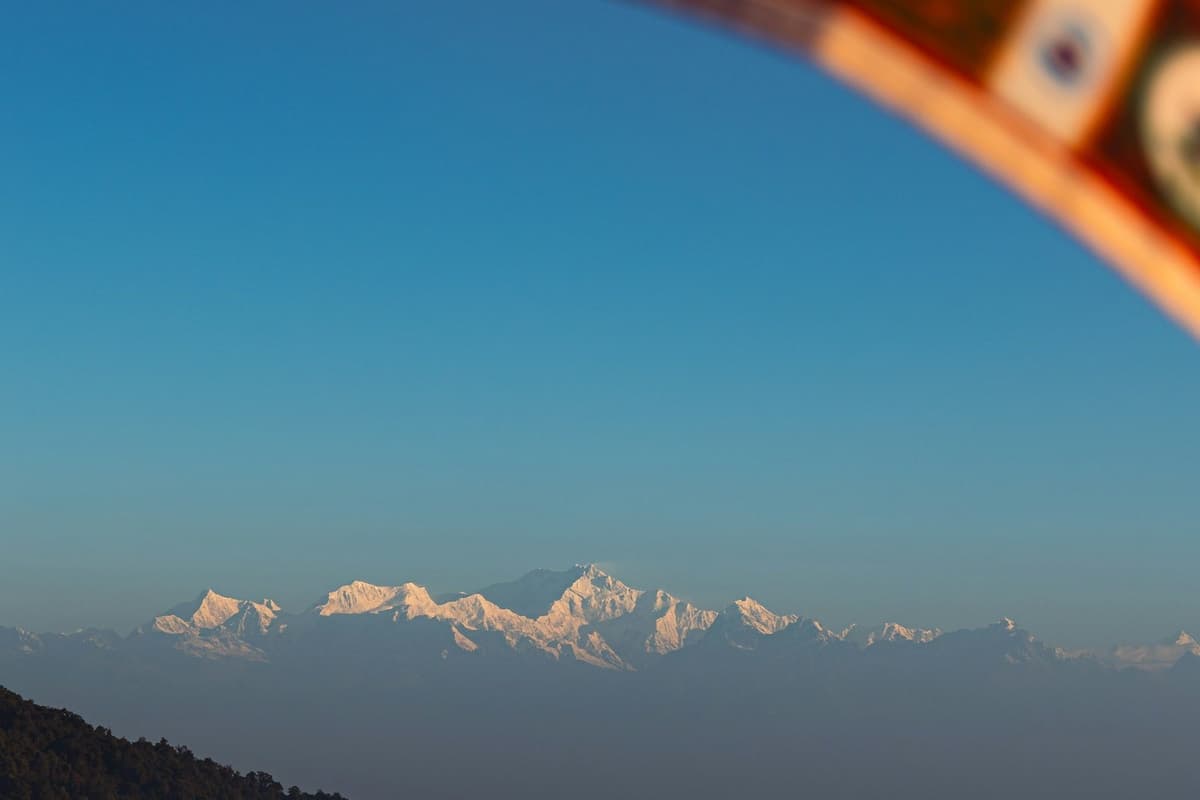
The first thing most people notice in Kathmandu is the sound. Motorbike horns in the lanes, a bell at a corner shrine, pigeons lifting off a temple roof all at once. Then, on a clear morning, you look north between the buildings and see snow.

This Nepal travel guide answers the questions most first-time visitors have. In short: come in October to November or March to May, sort your own visa (most nationalities get one on arrival), carry some rupees, and allow more days than you think. Kathmandu, Pokhara and Chitwan make a good first loop.

This page is the hub for our planning articles. For places, treks and seasons in more depth, browse all our Insights articles.

Key facts

Tourist visa on arrival
15 days USD 30, 30 days USD 50, 90 days USD 125, all multiple entry (Nepal Tourism Board (NTB), 8 Oct 2026)
Indian nationals
No visa; carry accepted ID (passport or Election Commission voter card for adults 18 to 65) (NTB, 8 Oct 2026)
Currency and rate
Nepalese rupee (NPR); USD 1 = NPR 155.15 (sell) (Nepal Rastra Bank, 8 Oct 2026)
Indian rupee rate
INR 100 = NPR 160.15 (sell) (Nepal Rastra Bank, 8 Oct 2026)
Clearest skies
"after the monsoon in October and November" (NTB climate page, 8 Oct 2026)
World Heritage sites
4: Kathmandu Valley, Sagarmatha National Park, Chitwan National Park, Lumbini (UNESCO, 8 Oct 2026)
Time zone
UTC +5:45, no daylight saving (timeanddate.com, 8 Oct 2026)
Electricity
230 V, 50 Hz; plug types C, D and M (WorldStandards, 8 Oct 2026)
Emergency numbers
Tourist Police 1144 (toll-free); police 100; ambulance 102 (Nepal Police; UK FCDO, 8 Oct 2026)
Kathmandu to Pokhara
About 30 minutes by air; most of a day by road, often six to nine hours (Our operations team, 4 Oct 2026)

In this guide

  • Is Nepal a good choice for a first trip?
  • When to go, and the 2026 festival dates
  • Visa and entry: what you arrange yourself
  • Money: rupees, rates and Indian notes
  • Where to go: a Nepal travel guide to the main places
  • Trekking on a first trip
  • Permits: which ones, and who arranges them
  • Getting around Nepal
  • Health, altitude and food
  • Safety, phones and everyday basics
  • Etiquette in temples and homes
  • Frequently asked questions

Is Nepal a good choice for a first trip?

Yes, for most travellers. Nepal is compact enough to see a city, a lake town and a national park in one trip, its main routes have lodges and guides, and over a million foreign visitors came in 2025. The hard parts are slow roads, mountain weather and altitude, and planning handles all three.

Nepal received 1,158,459 foreign tourists in 2025, with India the largest single market at 292,438. This year is busier: 865,920 visitors arrived from January to September 2026, and September alone saw 88,248, up 12.1% on September 2025. You will have company on the main routes, but outside the busiest weeks you will not be queueing.

The mix is what suits first-timers: living temple squares in the Kathmandu Valley, lake and mountain views in Pokhara without a hard walk, jungle and wildlife in Chitwan, and short treks for fit beginners.

The honest limits:

  • Roads are slow. Mountain highways, traffic and roadworks stretch travel days.
  • Mountain weather changes plans. Cloud can delay or cancel flights to mountain airstrips.
  • Altitude is real. Even fit people feel it on treks; see the health section.

Takeaway: if you like culture, walking and a little improvisation, Nepal is an easy Himalayan country to start with. If you need everything to run to the minute, build in spare days.

When to go, and the 2026 festival dates

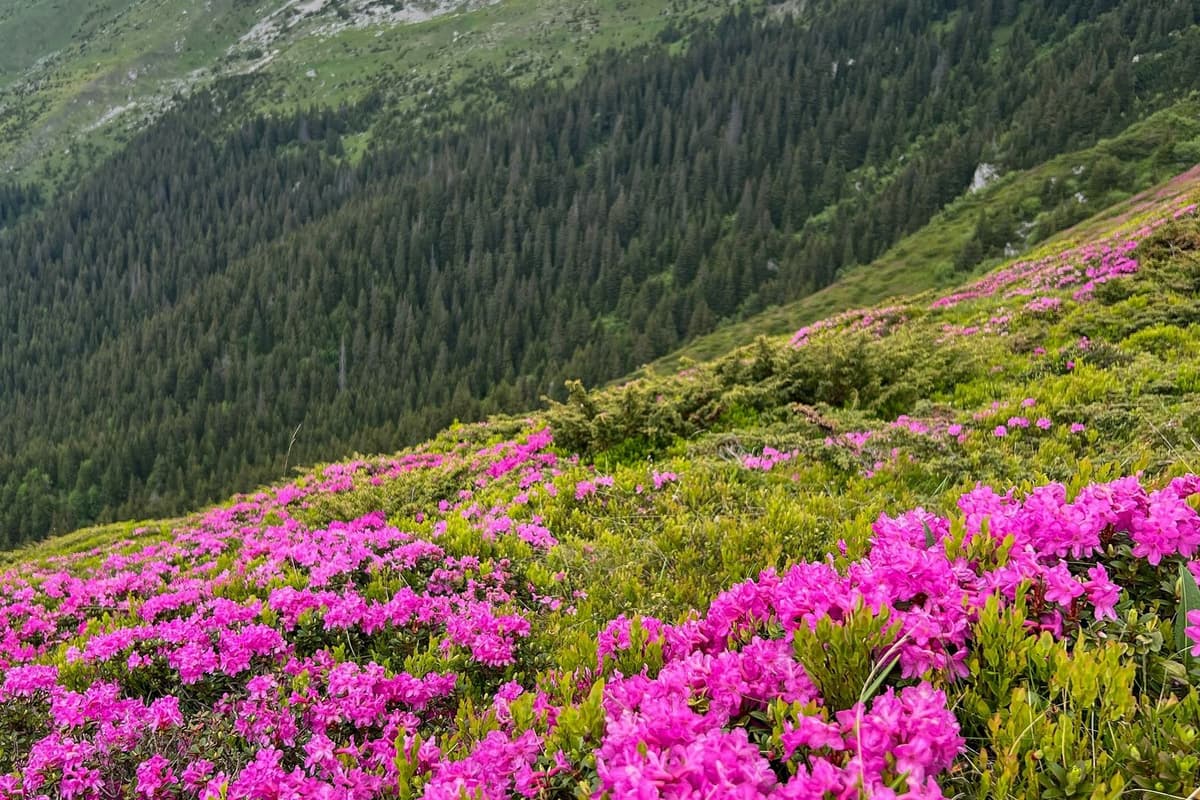
The best time for a first trip is autumn, October to November, when NTB says skies are clearest, or spring, March to May, when rhododendrons flower and days are warm. Winter suits lower areas and short treks. The monsoon, June to September, brings most of the year's rain.

NTB describes "five seasons: spring, summer, monsoon, autumn and winter." For planning, the table below groups summer and the monsoon together. Rain is concentrated: "Eighty percent of all the rain in Nepal is received during the monsoon (June-September)." The Department of Hydrology and Meteorology (DHM) gives 13 June as the normal monsoon onset and 2 October as the normal withdrawal, though withdrawal ran later than that every year from 2020 to 2025. This year DHM reported the monsoon withdrawing from the west on 3 October; full withdrawal had not been confirmed as of 8 October.

Height matters as much as the month. NTB notes that "Average temperatures in Nepal drop 6°C for every 1,000 m you gain in altitude."

Season Months What it is like
Spring March to May Warmer days, rhododendrons in flower
Summer and monsoon June to September Most of the year's rain falls now
Autumn October to November "the clearest skies" after the monsoon
Winter December to February Cold nights, clear spells; high routes harder

For month-by-month detail, read our guide to the best time to visit Nepal, our Nepal in December guide, and which winter treks in Nepal still work in the cold months.

Festival dates, October to December 2026

These dates come from the Ministry of Home Affairs public-holiday list for 2083 BS (2026-27).

Festival 2026 date
Ghatasthapana (Dashain begins) 11 October
Dashain public holidays 17 to 23 October
Phulpati; Vijaya Dashami (tika day) 17 October; 21 October
Tihar public holidays 8 to 12 November
Laxmi Puja; Bhai Tika 8 November; 11 November
Chhath 15 November
Yomari Punhi, Christmas, Tamu Lhosar 24, 25 and 30 December

Dashain is Nepal's biggest Hindu festival, a time of family visits and blessings with red tika on the forehead. Tihar, the festival of lights, brings oil lamps and garlands to every house. Both are lovely to see, and both change how the country moves: many offices close and buses and flights fill with people going home, so book your transport early.

Takeaway: pick the season first, then check whether your dates fall in Dashain or Tihar.

Visa and entry: what you arrange yourself

Your Nepal visa is your own arrangement; we do not arrange visas or international flights. Most nationalities can get a tourist visa on arrival: NTB lists 15 days at USD 30, 30 days at USD 50 and 90 days at USD 125, all multiple entry. Indian nationals need no visa but must carry an accepted ID.

This section is information only. Rules change, so check the official NTB tourist-visa page (https://ntb.gov.np/plan-your-trip/before-you-come/tourist-visa) before you travel.

  • Paying: NTB says the fee can be paid in US dollars or an equivalent convertible currency, and that international credit cards are also accepted. Nepal's embassy in Ottawa lists the same fees and advises carrying them in cash, which is the safer plan.
  • Extensions: at the Department of Immigration in Kathmandu or Pokhara, minimum 15 days for USD 45, then USD 3 per extra day; if you extend late, NTB lists a late fine of USD 5 a day.
  • Free visas: children below 10 (except US citizens), SAARC citizens for up to 30 days on a first visit in a visa year (except Afghanistan), Chinese nationals and NRN card holders.
  • Not eligible on arrival: citizens of Nigeria, Ghana, Zimbabwe, Swaziland, Cameroon, Somalia, Liberia, Ethiopia, Iraq, Palestine, Afghanistan, Iran and Syria, and refugee travel-document holders, must get a visa from a Nepali mission first.
  • Online form: NTB links a pre-arrival form at http://nepaliport.immigration.gov.np/.
  • Entry points: Tribhuvan International Airport (Kathmandu), Pokhara International Airport and Gautam Buddha International Airport (Bhairahawa), plus land borders including Kakarvitta, Birgunj, Belahia, Jamunaha, Mohana, Gaddachauki, Kodari, Rasuwagadhi, Hilsa, Biratnagar and Korala.

Indian nationals: which ID to carry

Indian nationals do not need a visa. Adults aged 18 to 65 should carry a valid Indian passport or an Election Commission of India voter card. NTB accepts a PAN card, driving licence or ration card with photo and age proof only for people above 65, and a school identity card from the principal for children below 18. NTB states that the Aadhaar card is not accepted, and neither is the Indian Embassy's "Certificate of Registration". Airlines can be stricter than the land border, so check with your airline and the Indian Embassy before you travel.

Takeaway: sort your visa or ID before you leave home; if you travel with us, we handle the in-country side from Kathmandu.

Money: rupees, rates and Indian notes

Nepal uses the Nepalese rupee (NPR). On 8 October 2026 Nepal Rastra Bank's rate was USD 1 = NPR 154.55 buying and NPR 155.15 selling. The Indian rupee is pegged at INR 100 = NPR 160.15 selling. Small Indian notes can be carried freely, and INR 200 and 500 notes are now allowed up to INR 25,000.

Official fees are set in rupees. Here is what common ones mean in dollars at the 8 October 2026 NRB sell rate; the rate moves, so treat these as a guide.

Fee in rupees About, in US dollars Example
NPR 1,000 USD 6.45 ACAP permit, SAARC rate
NPR 1,500 USD 9.67 Sagarmatha National Park, SAARC rate
NPR 3,000 USD 19.34 ACAP or Sagarmatha National Park, foreign rate
  • Indian notes: notes of INR 100 and below can be carried in any amount. As reported in July 2026, NRB now allows INR 200 and 500 notes issued on or after 9 November 2016, up to INR 25,000 per person; old pre-2016 INR 500 and 1,000 notes are still banned. Expect your change in Nepalese rupees.
  • Other cash: visitors other than Indian citizens may carry up to USD 5,000, or the equivalent, without a customs declaration, as reported in July 2026. Change money at banks or licensed changers and keep the receipt.
  • Cards and cash: cards work in many city hotels and larger shops; on treks and in villages, plan to pay in rupees cash.
  • Tipping: tipping guides, porters and drivers is a personal choice, not a fee; ask us what is usual.

Takeaway: bring dollars or euros for the visa, change the rest into rupees in Kathmandu, and carry enough cash for days away from towns.

Where to go: a Nepal travel guide to the main places

For a first trip, most people combine the Kathmandu Valley for temples and old squares, Pokhara for the lake and mountain views, and Chitwan National Park for wildlife. Lumbini, the Buddha's birthplace, and the hill towns are easy additions. Nepal has four UNESCO World Heritage sites, and three are on this list.
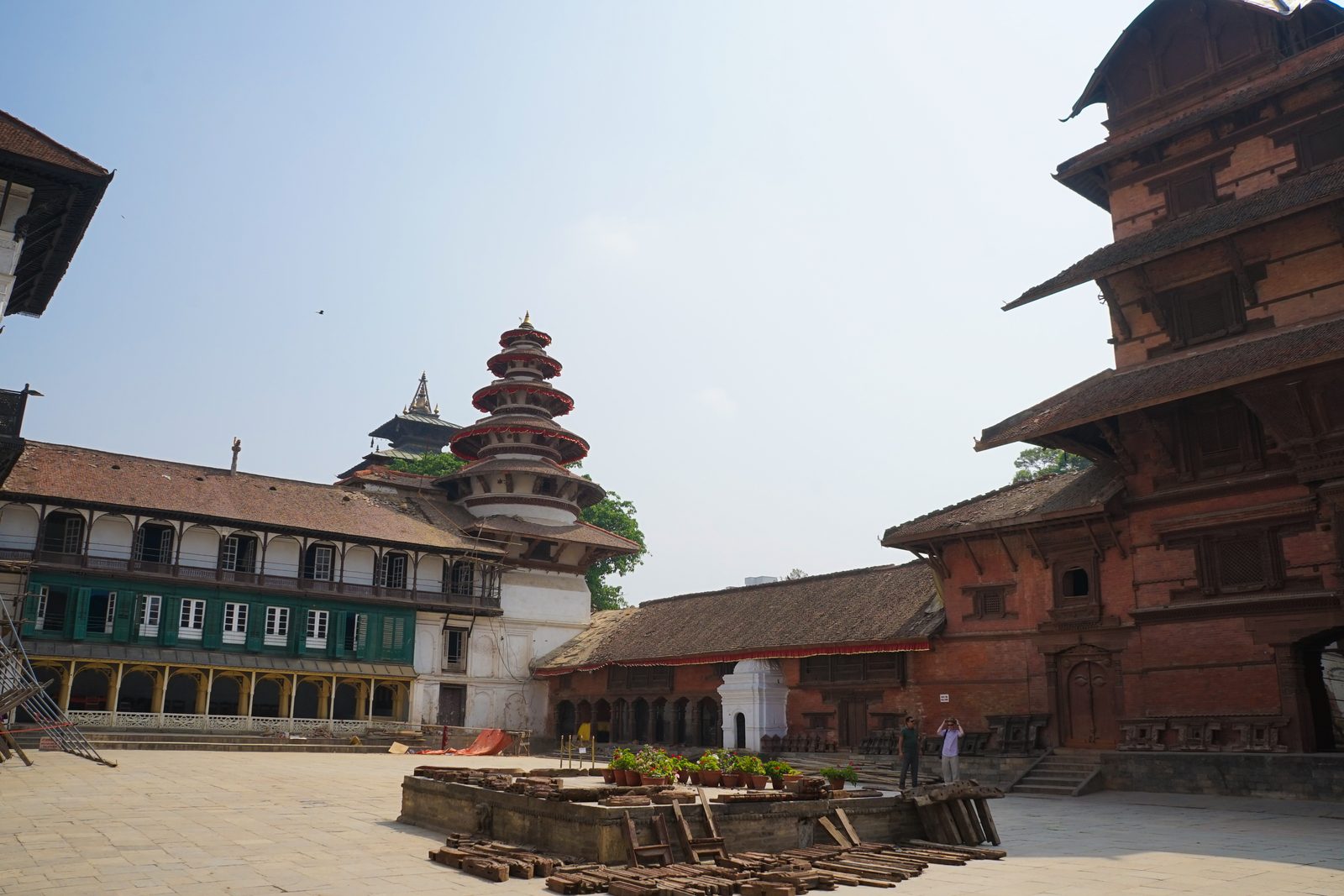
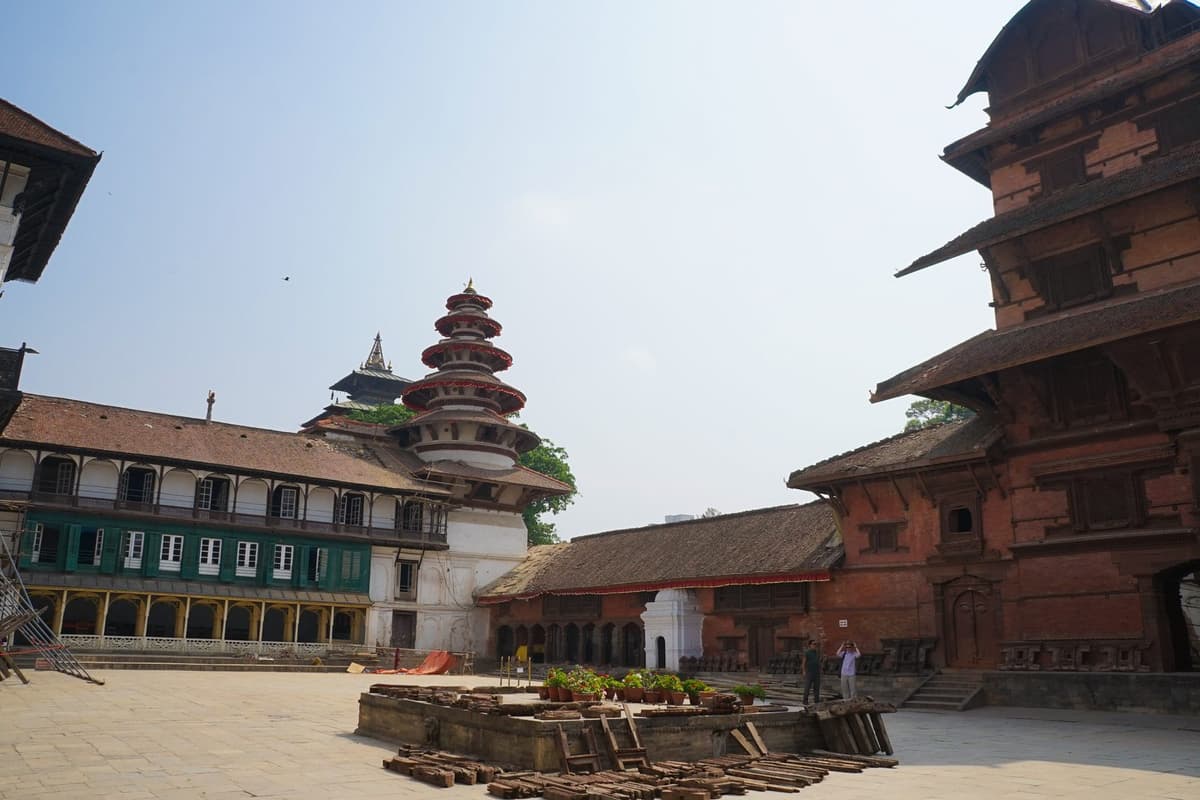
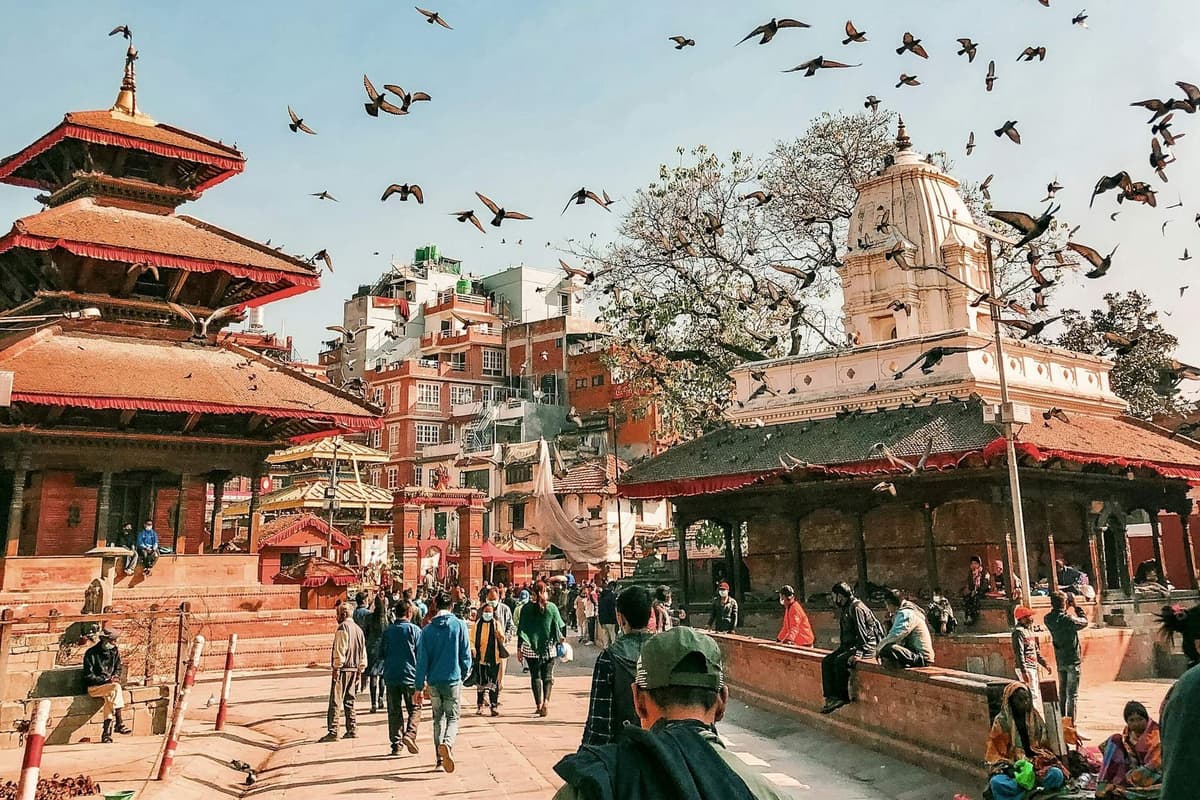
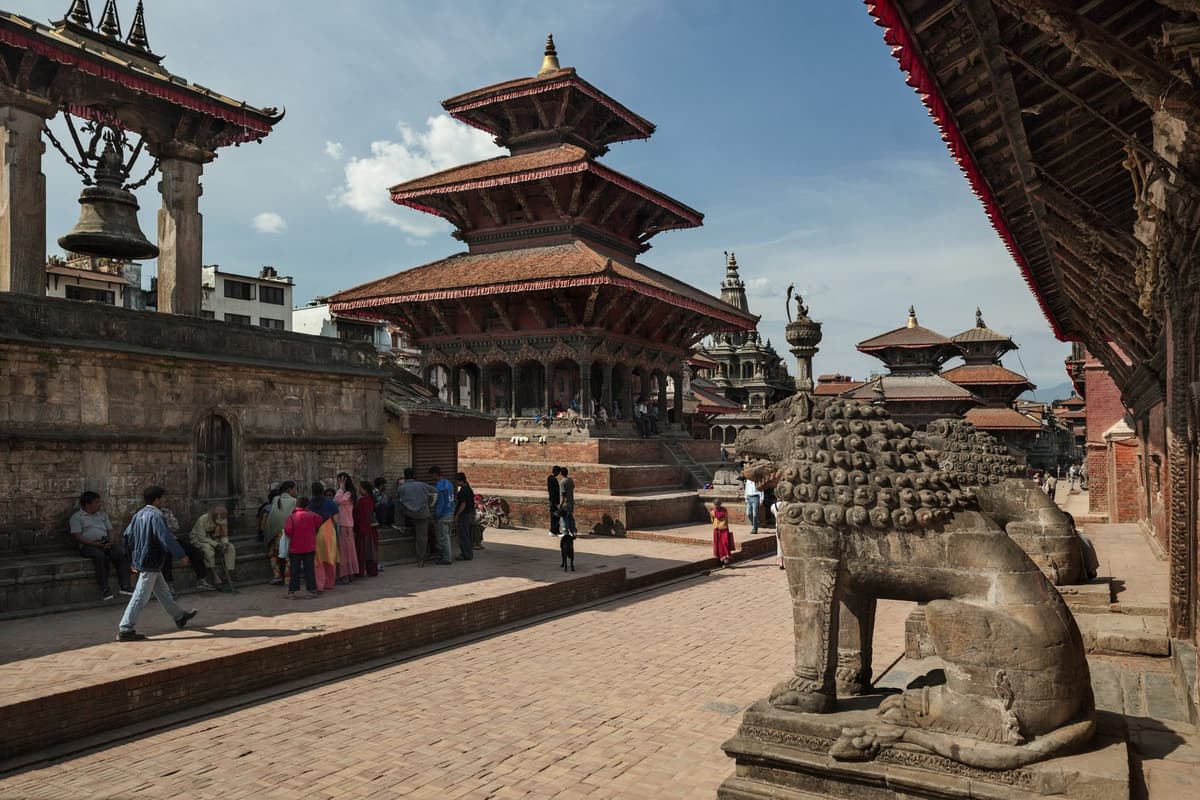
Temples of Kathmandu Durbar Square, one of the seven monument zones of the Kathmandu Valley World Heritage site
Kathmandu Durbar Square, one of the valley's seven World Heritage monument zones.

UNESCO inscribed the Kathmandu Valley and Sagarmatha National Park in 1979, Chitwan National Park in 1984 and Lumbini, the Birthplace of the Lord Buddha, in 1997; its tentative list holds 15 more.

Place Go for From Kathmandu Read more
Kathmandu Valley Durbar squares, stupas, temples You are there Places to visit in Kathmandu (guide coming)
Pokhara Lake, viewpoints, short treks About 30 minutes by air; most of a day by road Things to do in Pokhara (guide coming)
Chitwan National Park Rhinos, birds, jungle walks 20 to 25 minutes by air to Bharatpur; a long day's drive Chitwan National Park guide
Lumbini The Buddha's birthplace, monasteries Fly to Gautam Buddha International Airport Lumbini, Nepal (guide coming)
Hill towns Sunrise views, old bazaars Short drives, or on the way to Pokhara Hill stations in Nepal
Everest region Sherpa villages, the highest mountain Flight to Lukla, sometimes from Ramechhap See "Trekking on a first trip" below

The Kathmandu Valley

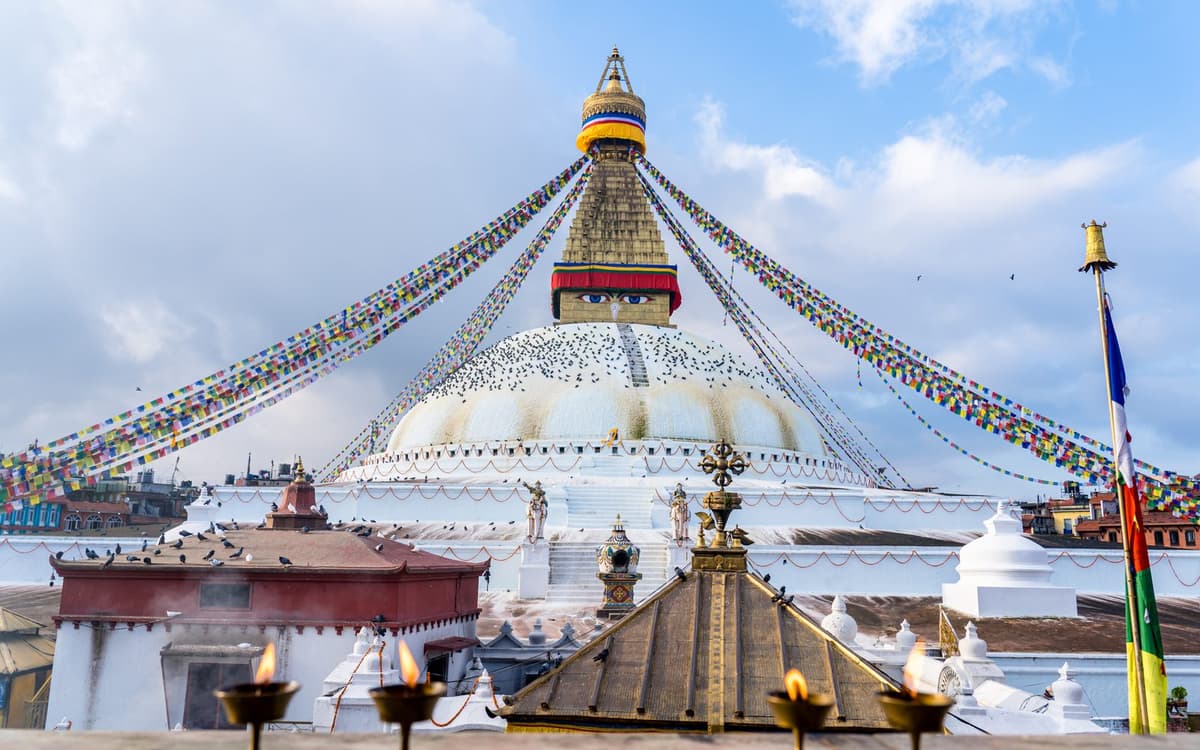
The valley holds three old royal cities, Kathmandu, Patan and Bhaktapur, and some of the most important Hindu and Buddhist sites in the Himalaya.

"The cultural heritage of the Kathmandu Valley is illustrated by seven groups of monuments and buildings."

UNESCO World Heritage Centre, Kathmandu Valley listing

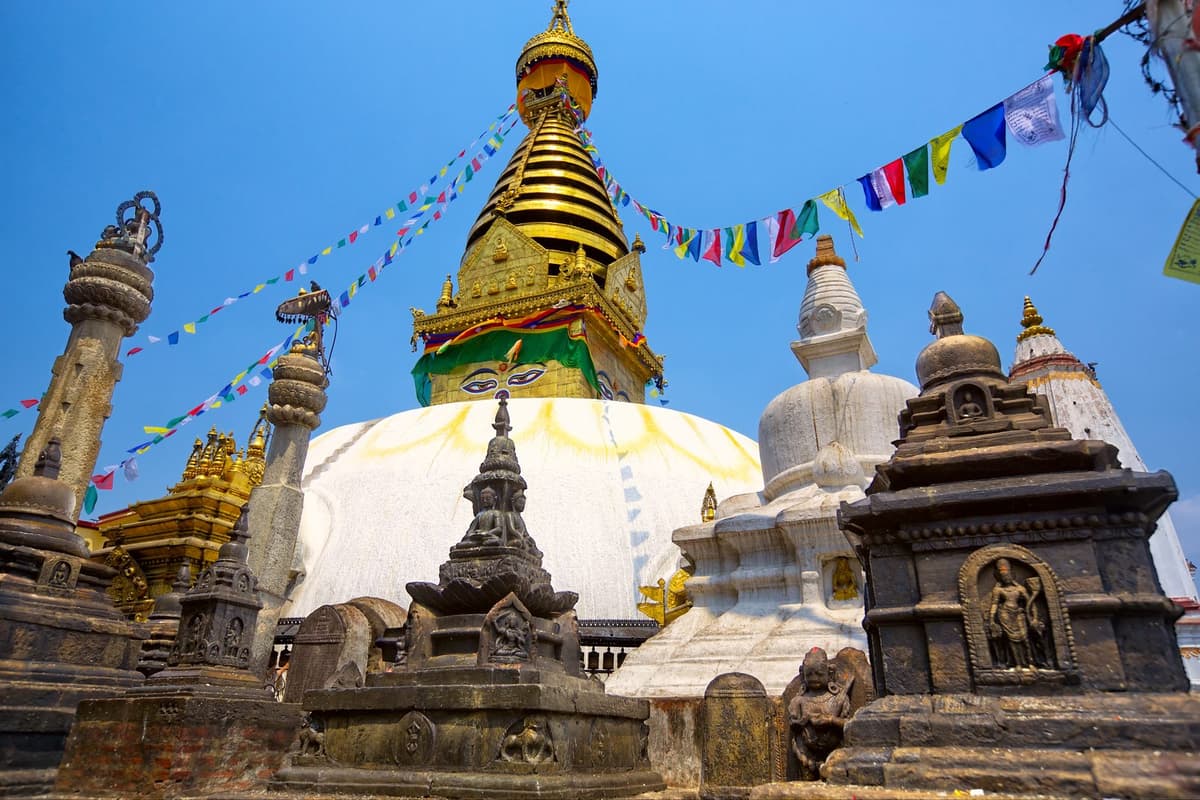
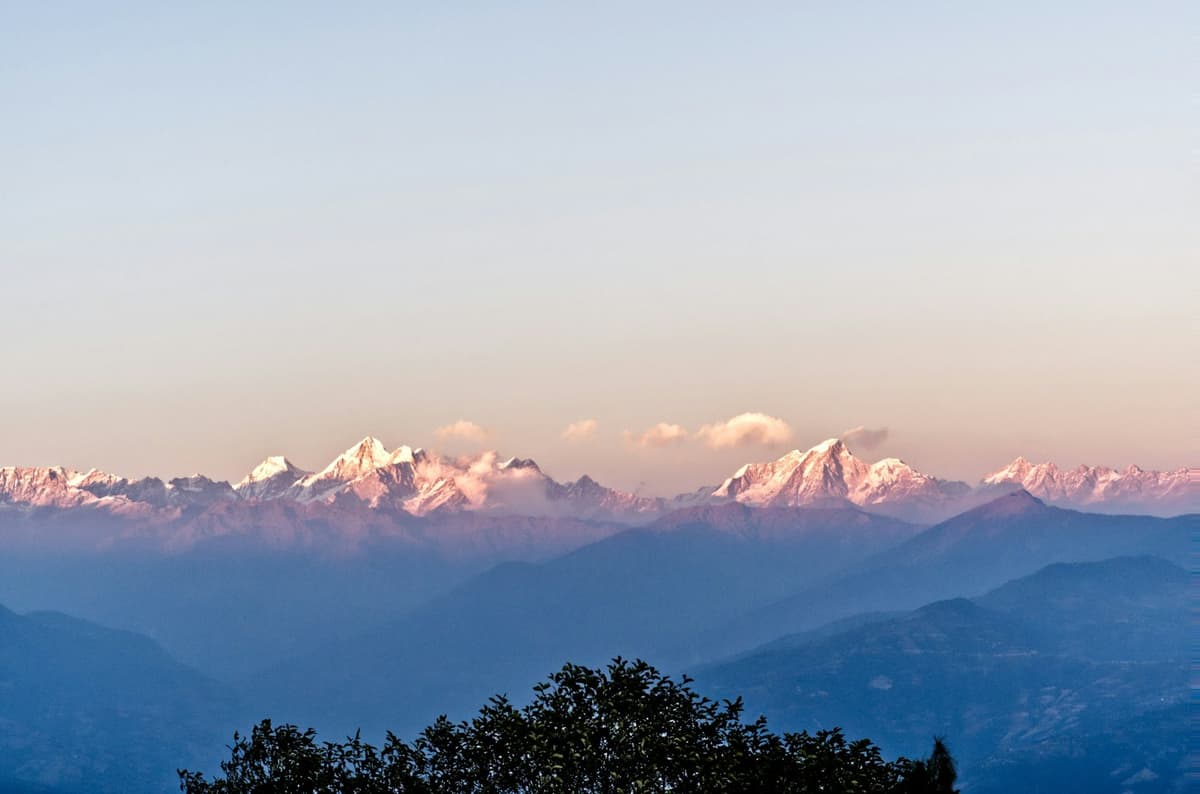
The seven are Hanuman Dhoka Durbar Square, Patan Durbar Square, Bhaktapur Durbar Square, Swayambhu, Bauddhanath, Pashupati and Changu Narayan; the site spent 2003 to 2007 on UNESCO's danger list. Give the valley a couple of full days, because the squares reward slow walking. Nearby, ride the Chandragiri cable car to a hilltop viewpoint, or stay a night in Nagarkot for sunrise over the Himalaya.

Pokhara

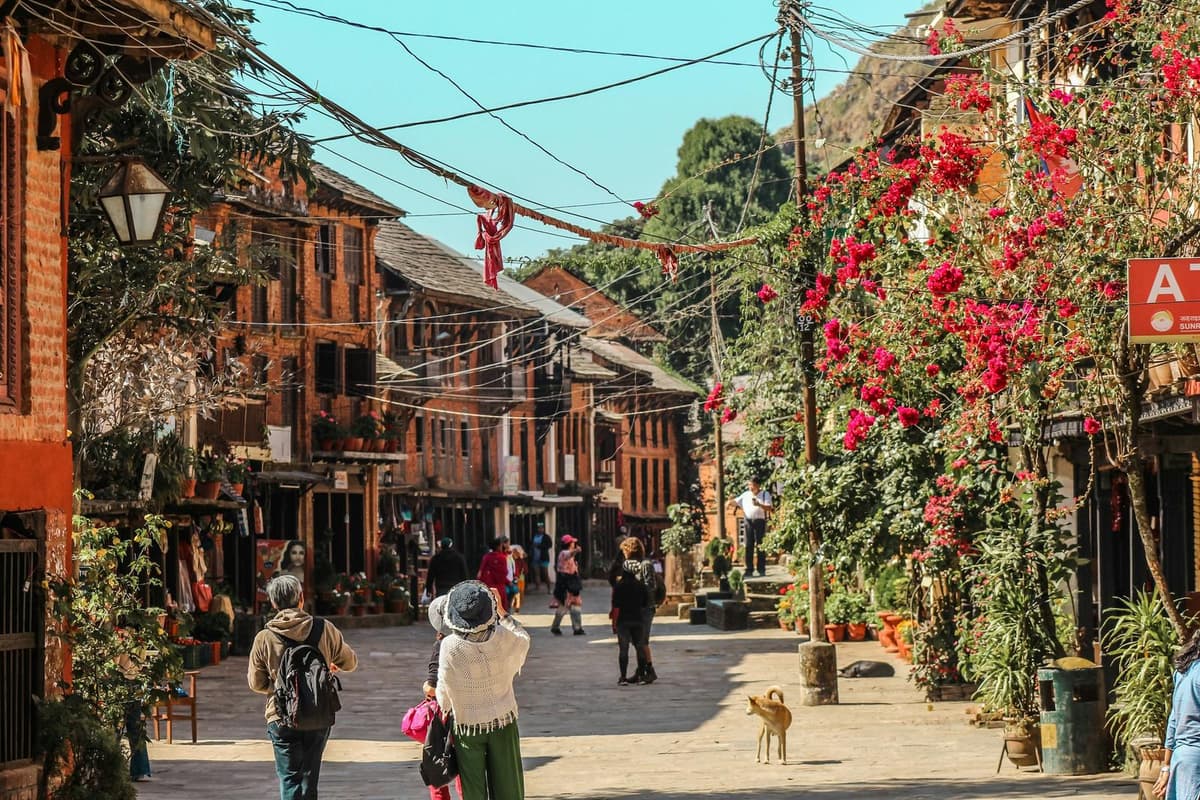
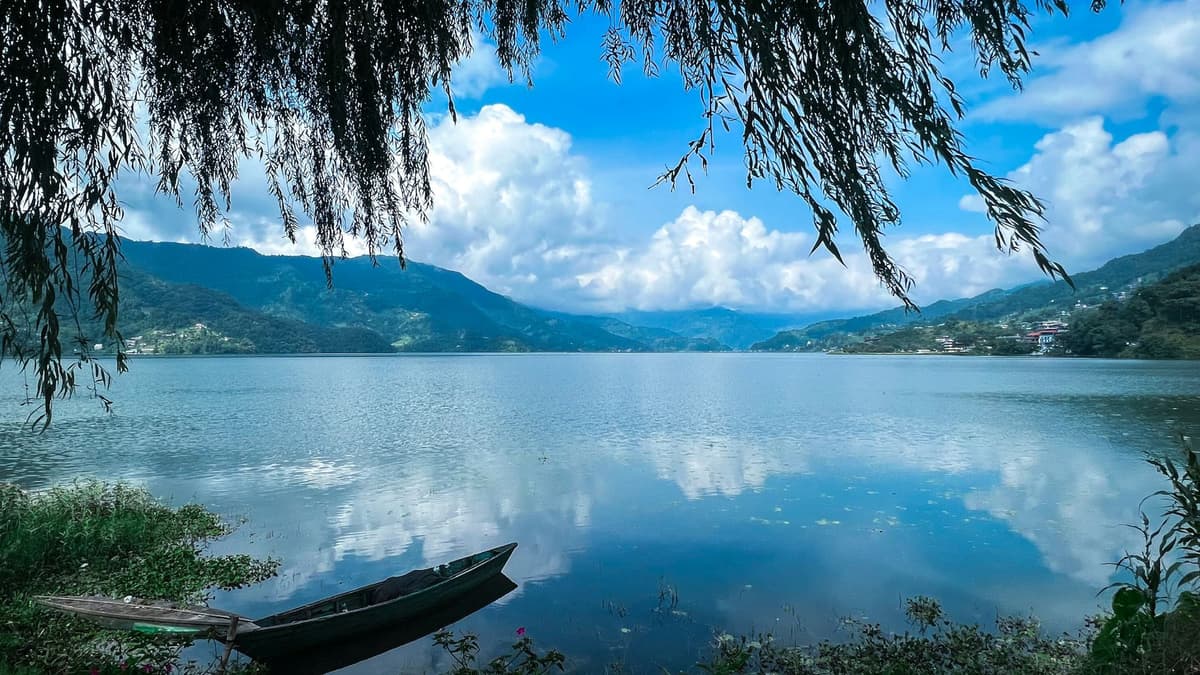
Pokhara, the lakeside city west of Kathmandu, is the start point for most Annapurna treks and the most relaxed base in the country. It is about 30 minutes by air, or most of a day by road, often six to nine hours with traffic and roadworks. Pokhara International Airport opened formally on 1 January 2023. By road, Bandipur, an old Newar trading town on a ridge, makes a good overnight break.
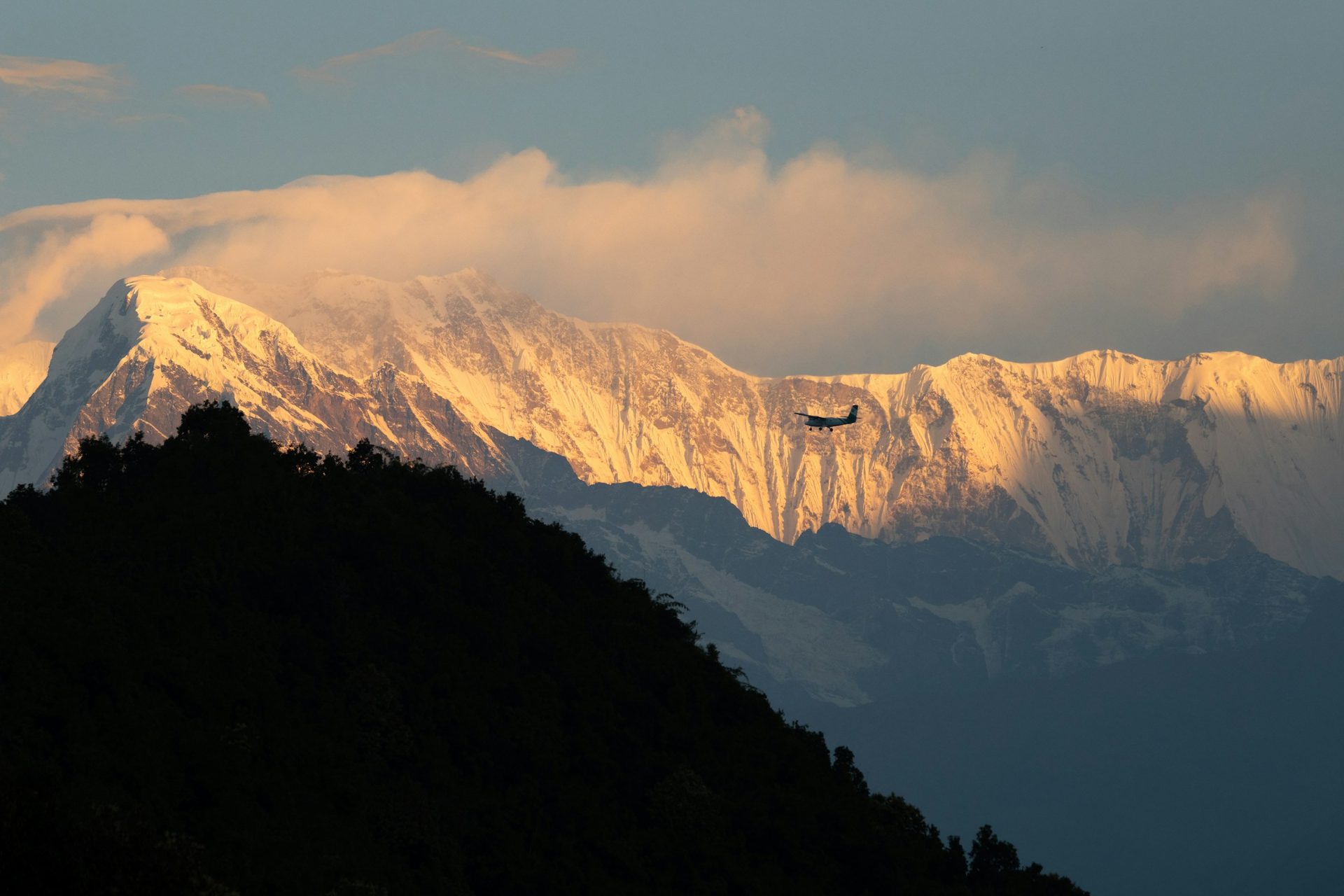
Sunrise light on the Annapurna range seen from Sarangkot above Pokhara
Sunrise on the Annapurna range from Sarangkot, above Pokhara.

Chitwan National Park

Chitwan, in the southern lowlands, has more than 525 bird species and more than 50 mammals. Entry is NPR 2,000 for foreigners and NPR 1,000 for SAARC nationals, children under 10 free, and in practice you buy one permit for each park day. Inside the park you go with a park-certified guide. The flight to Bharatpur takes 20 to 25 minutes; by road it is a long day's drive. For what to do once you are there, see places to visit in Chitwan.
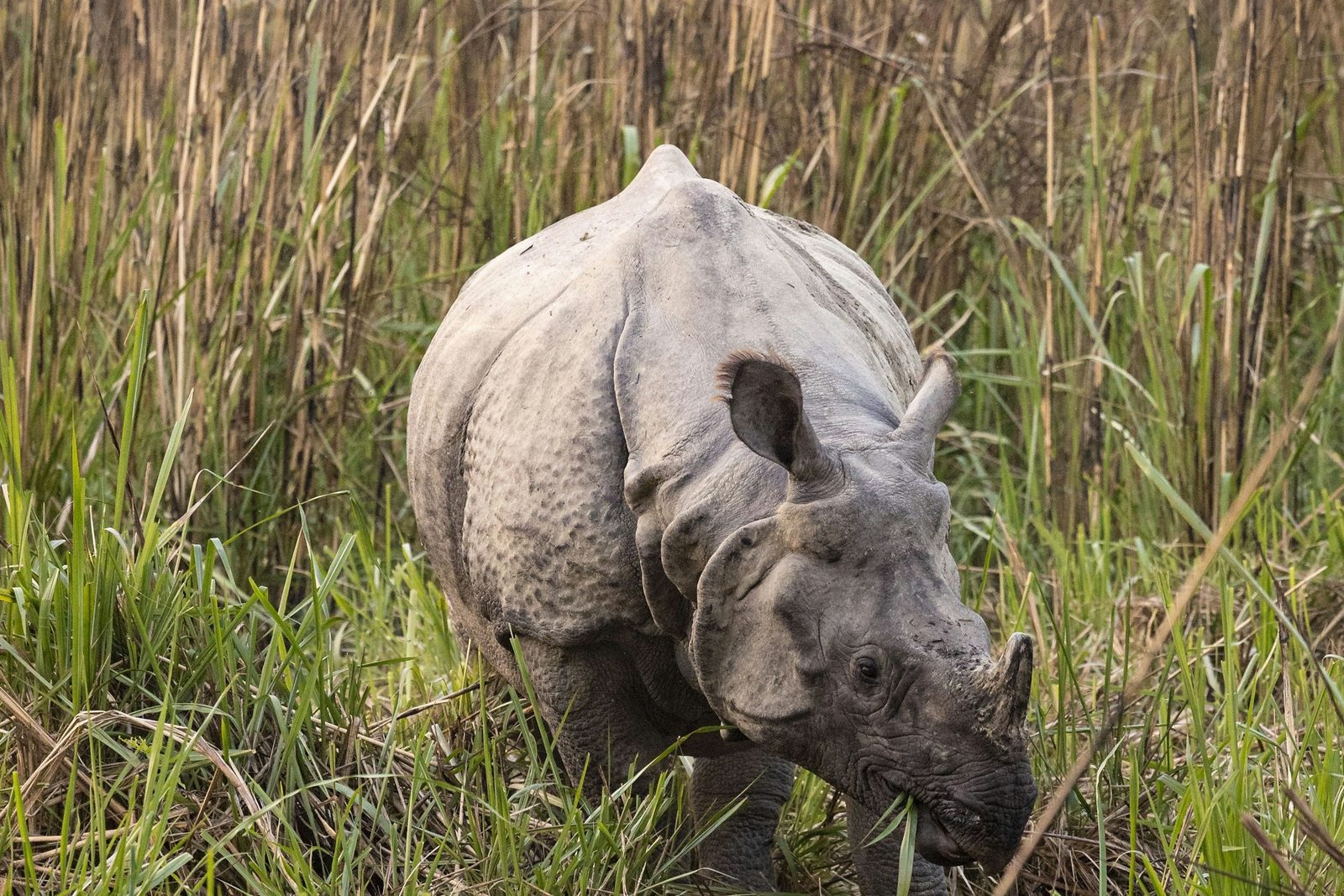
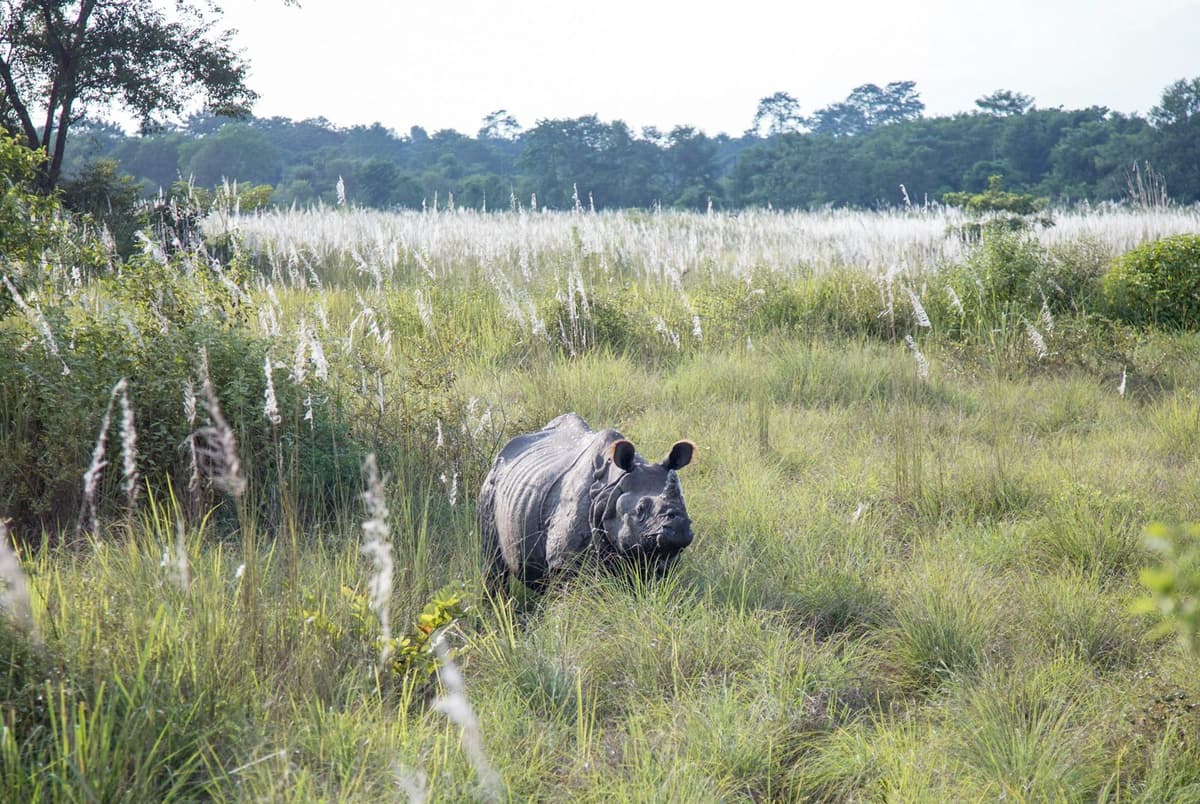
One-horned rhino in tall grass in Chitwan National Park
A one-horned rhino in Chitwan's tall grass.

Lumbini

Lumbini, in the plains near the Indian border, is where the Buddha was born, inscribed by UNESCO in 1997. Gautam Buddha International Airport near Bhairahawa is the closest airport. It pairs well with Chitwan for travellers interested in Buddhist sites.

The mountains

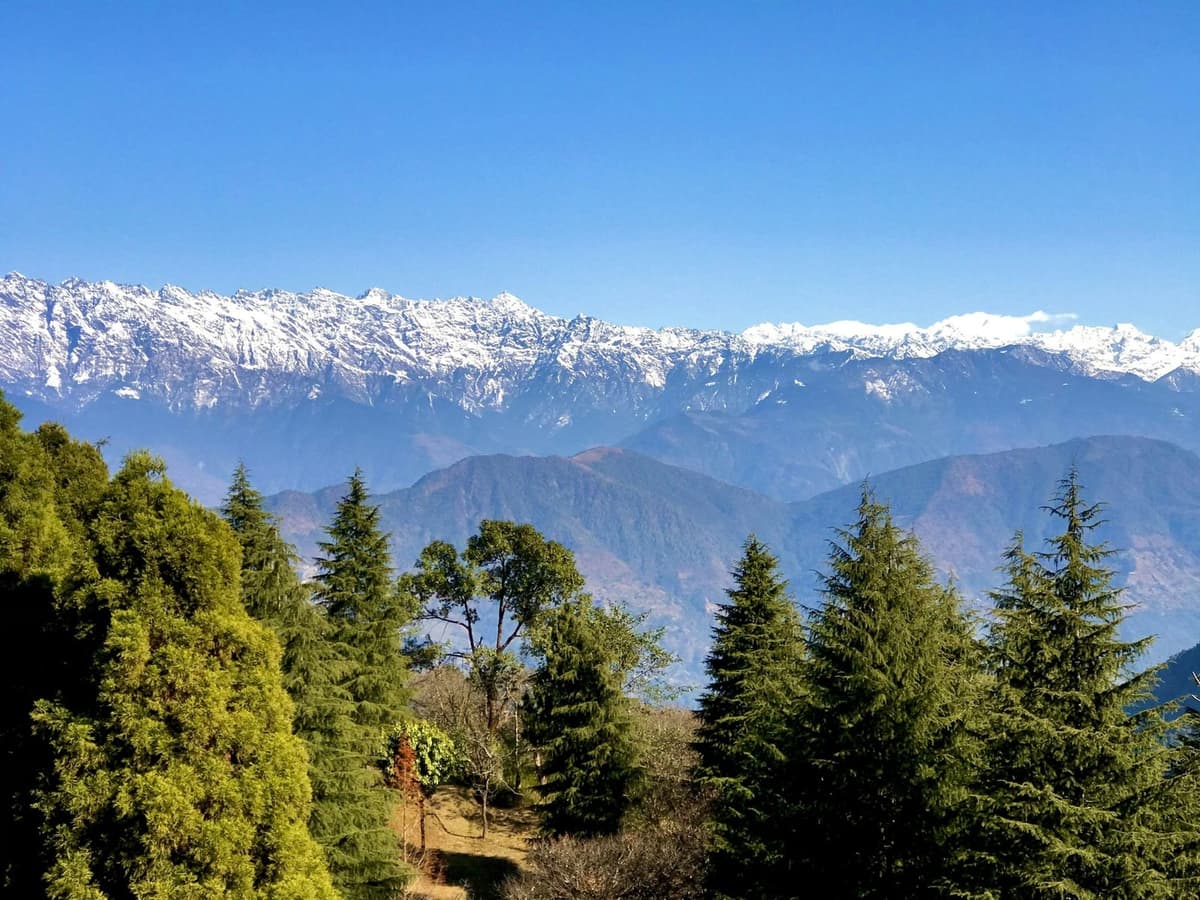
Mount Everest stands 8,848.86 m (29,032 ft), the height Nepal and China announced jointly on 8 December 2020. You do not need a long trek to see the Himalaya: on clear mornings the range shows from the valley rim, Nagarkot and Pokhara.

Takeaway: Kathmandu plus Pokhara plus Chitwan covers culture, mountains and wildlife; add a short trek or Lumbini if your days allow. Our Nepal multi-city tours show how these places link up.

Trekking on a first trip

Yes, first-timers can trek in Nepal. Teahouse treks, where you sleep and eat in lodges along the trail, need fitness but no climbing skills. Poon Hill tops out at 3,210 m; Annapurna Base Camp reaches 4,130 m and Everest Base Camp 5,364 m, which needs more days and care with altitude.
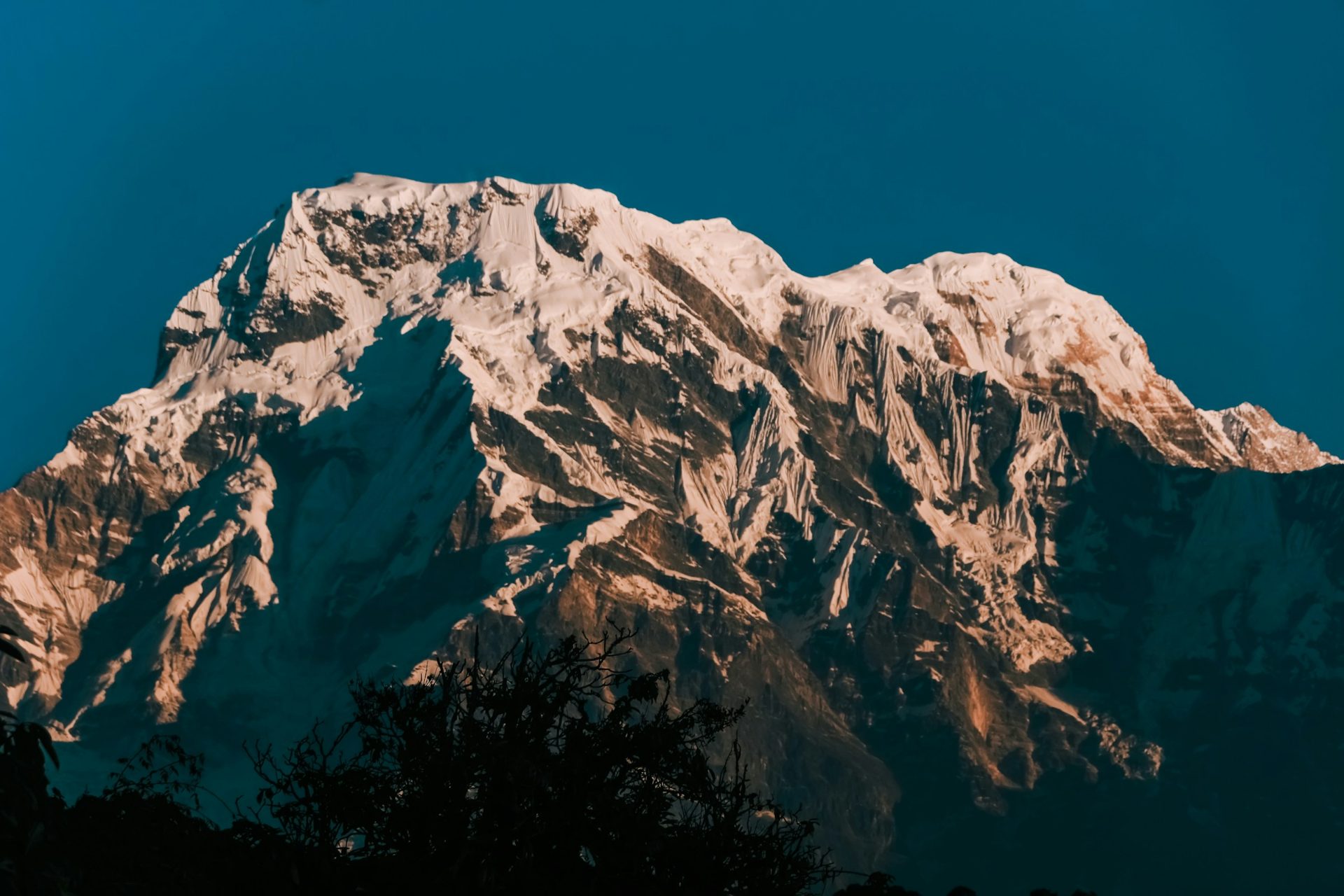
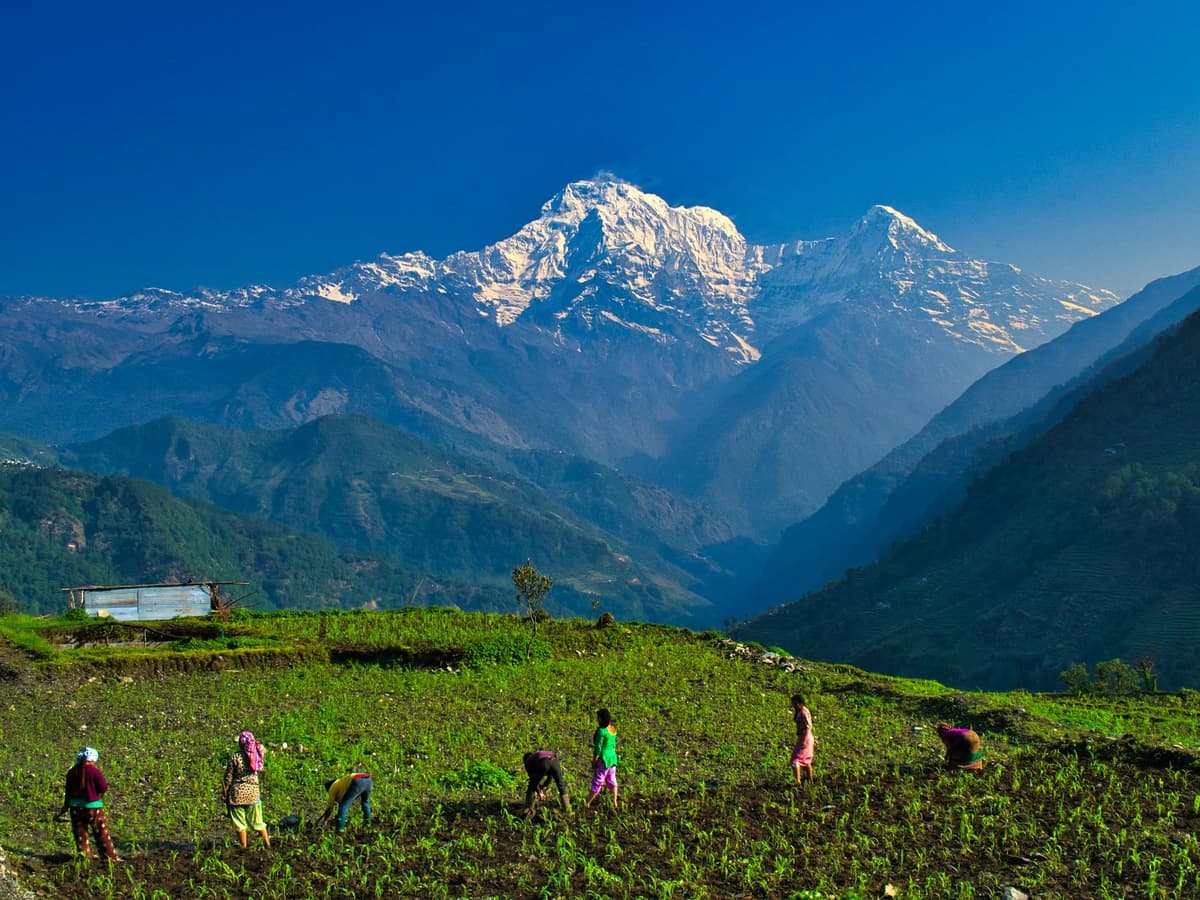
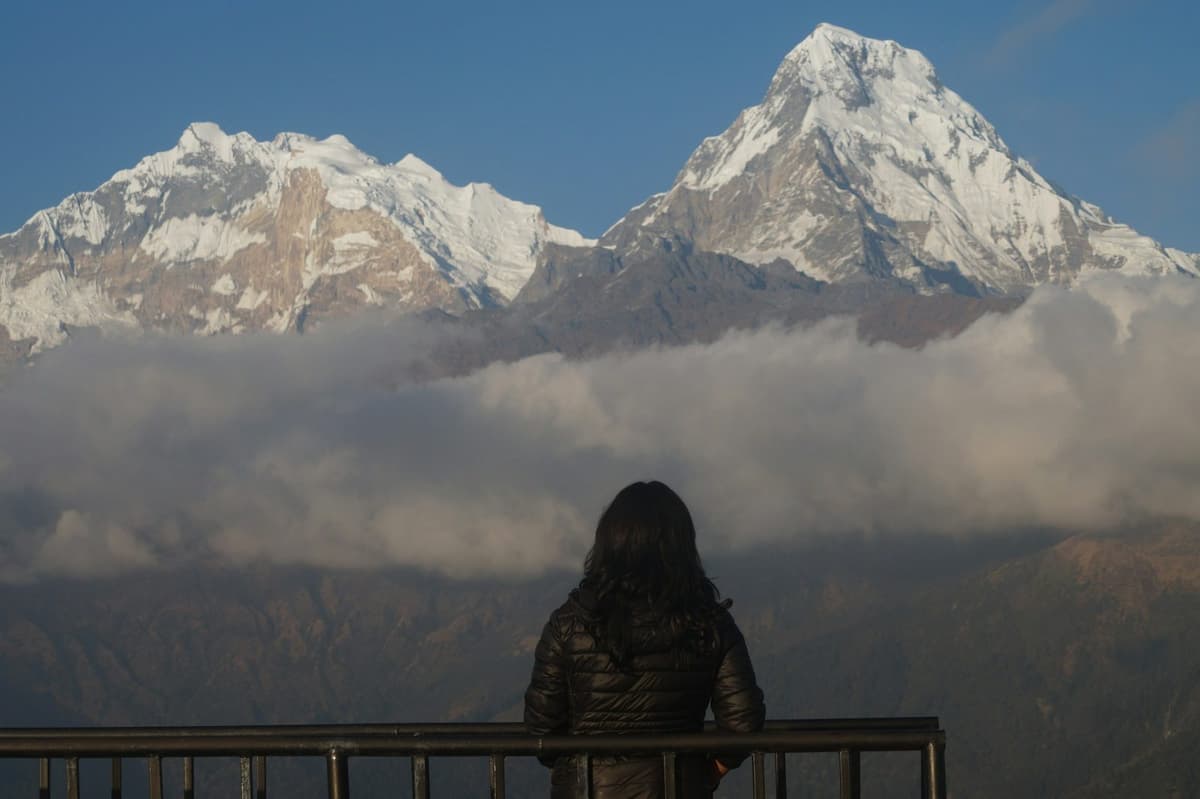
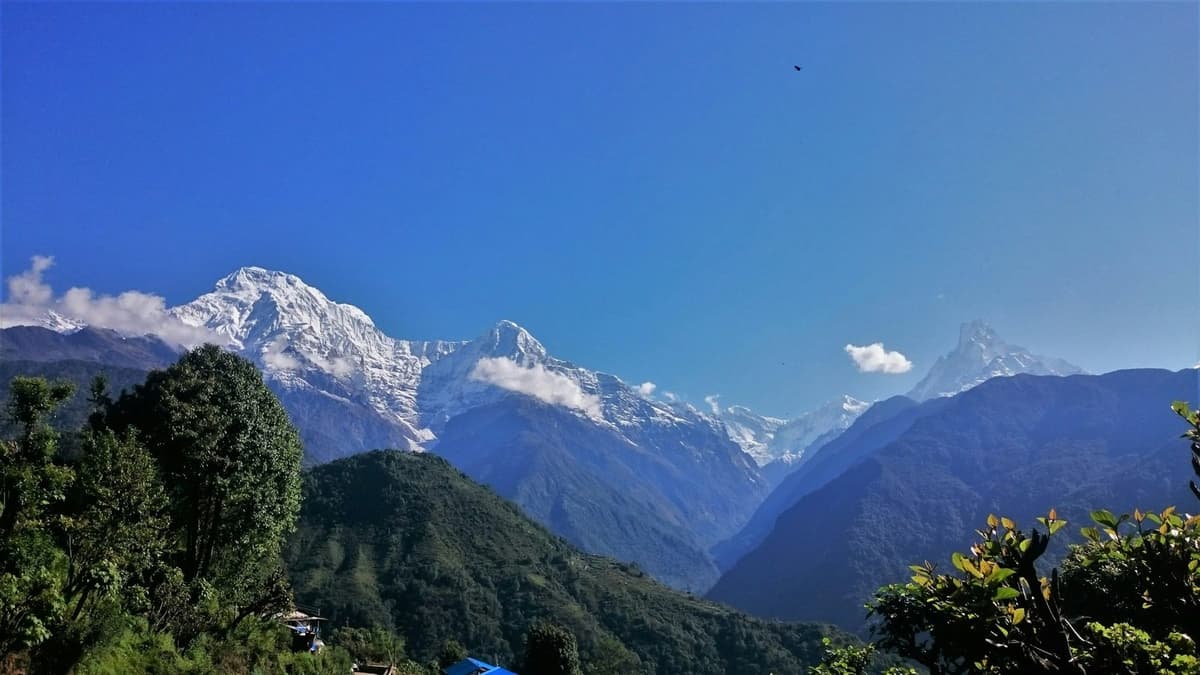
Annapurna South seen from the trail near Pothana on a short Annapurna trek
Annapurna South from the trail near Pothana, on one of the short Annapurna treks.

You walk village to village, sleep in teahouses (simple family-run lodges) and eat dal bhat, the rice-and-lentil meal that keeps Nepal going. You carry a day pack; a porter can carry the rest if you choose.

Trek point Altitude Suits Read more
Poon Hill 3,210 m (10,531 ft) Fit beginners, families, short trips Best treks in Nepal
Annapurna Base Camp 4,130 m (13,550 ft) A first proper high trek ABC trek cost
Everest Base Camp 5,364 m (17,598 ft) Fit walkers with time to acclimatise EBC trek cost
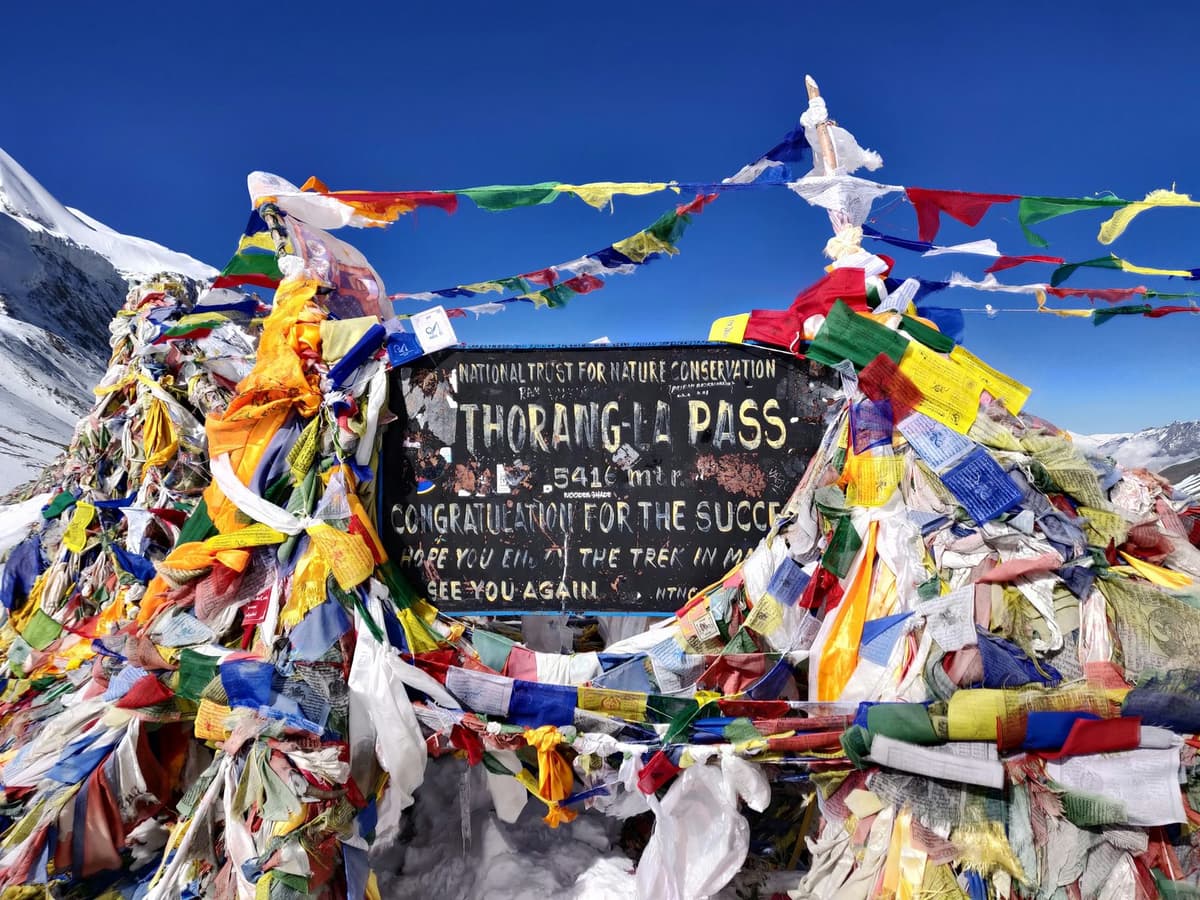
Thorong La (Annapurna Circuit) 5,416 m (17,769 ft) Experienced walkers, a high pass ABC vs Circuit vs Poon Hill

Do you need a guide?

Not on our trips. A licensed guide walks with you on every trek we run. NTB's own rule says that "specific Protected Areas of Nepal need trekker to be accompanied by licensed trekking guide", a rule in force since 31 March 2023. Restricted areas have their own rule, covered under permits below. On a high pass such as Thorong La, your guide, who knows the route, decides when and how to cross, based on snow and the forecast.

Which trek first?

If you have never walked several days in a row, start with Poon Hill or a short Annapurna trek. Our Ghorepani Poon Hill trek is a short route that suits first-timers, and our treks page lists every route. For Everest, remember that in the busiest months Lukla flights may leave from Ramechhap (Manthali) rather than Kathmandu, and they are weather-dependent.

Takeaway: choose the trek by your days and fitness, not by the most famous name.

Permits: which ones, and who arranges them

Most treks need a national park or conservation area permit. Fees are set in rupees: the Annapurna Conservation Area permit is NPR 3,000 for foreigners. We arrange the in-country permits on every trek we run.

Permit Foreigners SAARC nationals Notes
Annapurna Conservation Area (ACAP) NPR 3,000 NPR 1,000 Under 10 free; double if bought at a checkpost
Sagarmatha National Park (Everest) NPR 3,000 NPR 1,500 Per person per entry; under 10 free
Khumbu Pasang Lhamu Trek-Card (Everest) NPR 3,000 NPR 2,000 (SAARC and China) Issued at the Tourist Information Centre in Lukla
Langtang National Park NPR 3,000 NPR 1,500 Check the current trail status before you book
Chitwan National Park NPR 2,000 NPR 1,000 Under 10 free; one permit per park day

Park fees can be paid at the Tourist Service Center in Bhrikutimandap, Kathmandu, or at park entry points.

Everest: we arrange the Sagarmatha National Park entry permit and the Khumbu municipality Trek-Card before you fly to Lukla.

Restricted areas: regions such as Upper Mustang need a restricted-area permit from the Department of Immigration, arranged through a registered agency; NTB lists Upper Mustang's at USD 50 per person per day. Since a Department of Immigration notice of 22 March 2026, a solo traveller can be issued one, but the trip must still be arranged by a registered agency with a licensed guide.

Our Nepal trekking permits guide, due soon, will cover every permit route by route.

Takeaway: trek with us and you do not queue for permits; send a clear passport copy and we handle the rest.

Getting around Nepal

Within Nepal you travel by road or on short domestic flights. Roads are cheaper and scenic but slow: Kathmandu to Pokhara is most of a day by road, often six to nine hours, against about 30 minutes by air. Mountain flights depend on the weather. We book domestic transport on our trips.

Route By air By road
Kathmandu to Pokhara About 30 minutes Most of a day, often six to nine hours with traffic and roadworks
Kathmandu to Chitwan (Bharatpur) 20 to 25 minutes A long day's drive
Kathmandu to Lukla (Everest) May leave from Ramechhap (Manthali) in the busiest months; check your ticket Not practical for most visitors
  1. Decide by your days. Driving shows you the hills; flying saves most of a day. A private car lets you stop where you like.
  2. Expect delays, from roadworks, wet-season landslides and festival traffic.
  3. Keep a buffer day after any mountain flight, because they are weather-dependent.
  4. Book early around Dashain and Tihar, when buses and flights fill up.

Our route guides, Kathmandu to Chitwan and Kathmandu to Pokhara, cover each journey in detail as they go live.

Takeaway: on a short trip, one flight in place of one long drive often buys you a whole day.

Health, altitude and food

See your doctor before you travel. The US CDC advises routine vaccines, hepatitis A for unvaccinated travellers and typhoid for most travellers, reports no malaria in Kathmandu, Pokhara or on typical Himalayan treks, and warns about unsafe food and water. On treks, altitude is the main risk: go up slowly and never climb higher with symptoms.

Vaccines and malaria

The CDC's Nepal page (last reviewed 25 August 2026) recommends routine vaccines; hepatitis A for unvaccinated travellers aged one and over; typhoid, "Recommended for most travelers"; hepatitis B for unvaccinated travellers under 60; and Japanese encephalitis and rabies depending on your activities, so ask your doctor. Yellow fever vaccine is not recommended, but is required if you arrive from a yellow-fever-risk country (age 9 months and over). The CDC says there is "No malaria transmission in Kathmandu (the capital), Pokhara, or on typical Himalayan treks"; medicine is advised only below 2,000 m in Sudurpashchim and Karnali provinces.

Food and water

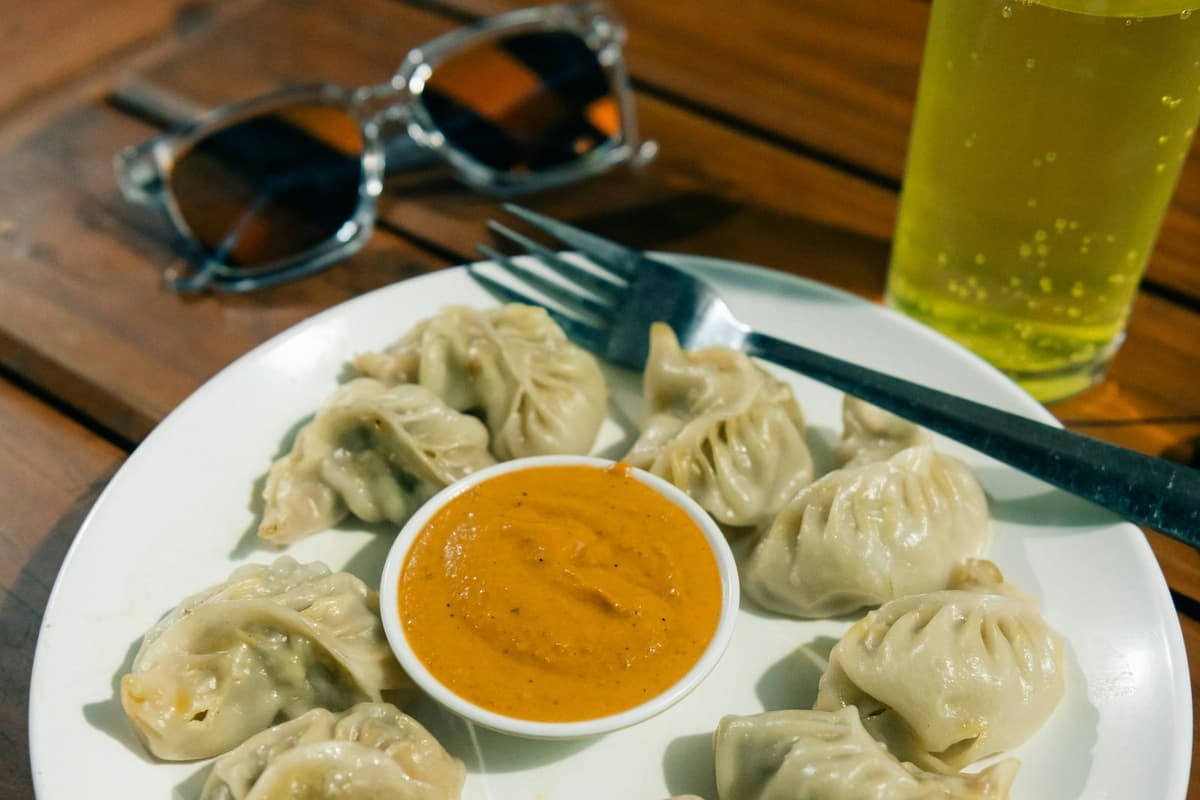
The CDC advises avoiding unsafe food and water and washing your hands, because of cholera and typhoid. In practice: drink bottled, boiled or treated water and carry a filter or purification tablets on treks; eat food cooked and served hot; peel fruit yourself. Vegetarians eat well: dal bhat, vegetable momos and curries are on almost every menu.

Altitude sickness: what actually works

Altitude sickness can affect anyone who goes high too fast, whatever their fitness. This advice follows the CDC and the Wilderness Medical Society.

Proven steps:

  1. Go up slowly. Above 3,000 m, do not raise your sleeping height by more than about 500 m a night, and take a rest day every three to four days.
  2. Walk slowly. Guides say "bistarai, bistarai" (slowly, slowly) for a reason.
  3. Drink enough water, and avoid alcohol for the first days.
  4. Know the symptoms: headache, nausea, tiredness and poor sleep.
  5. Never go higher with symptoms. If they get worse, go down.
  6. Ask your doctor before the trip about preventive medicine, for example acetazolamide.

Local habits: almost every teahouse serves garlic soup and other hot soups. They are warming and help you drink more fluid; treat them as a comforting local tradition, not a proven cure.

Emergency: severe symptoms, such as confusion, breathlessness at rest or unsteady walking, mean descend at once and get medical help. Our guide arranges a rescue if needed.

Read our full guide on how to avoid altitude sickness; our travel insurance guide, due soon, will explain what to check in your insurance, including helicopter evacuation at your trek's altitude.

Takeaway: sort vaccines and insurance before you fly, drink safe water, and let your itinerary, not your ego, set the pace uphill.

Safety, phones and everyday basics

Nepal is generally safe for visitors, with a dedicated Tourist Police service on toll-free 1144. Use 100 for police and 102 for an ambulance. Nepal runs on UTC +5:45, uses 230 V power with C, D and M plugs, and you can buy a local SIM at Kathmandu airport with your passport.

Service Number
Tourist Police (toll-free) 1144
Police / fire / ambulance / traffic police 100 / 101 / 102 / 103
Tourist Police, Thamel 9851289453
Tourist Police, Kathmandu airport 9851289450
Tourist Police, Pokhara 061-462761 or 9856082761
Tourist Police, Sauraha (Chitwan) 9844208699
Tourist Police, Lukla 9852821304

Everyday safety is mostly common sense: watch your bag in crowded squares and buses, use a car we arrange or a licensed taxi at night, and keep a passport copy apart from the original. If you are a woman travelling alone, our guide is Nepal safe for solo female travellers? covers safety in more detail.

  • SIM cards: Nepal has two operators, Ncell and Nepal Telecom (NTC, sold as "Namaste"), with counters in the arrivals hall at Tribhuvan International Airport. Bring your original passport, as staff copy the photo and visa or entry-stamp pages, and a passport photo if you have one. Coverage thins out in the high mountains.
  • Power: 230 V, 50 Hz, with plug types C, D and M; WorldStandards notes there is no real official plug standard in Nepal, and many homes and hotels have universal sockets. Pack a universal adapter, and a power bank for treks, where charging can cost extra.
  • Time: Nepal Time is UTC +5:45, with no daylight saving.

Takeaway: save 1144 and 102, buy a SIM at the airport, and pack an adapter and a power bank.

Etiquette in temples and homes

Nepalis are relaxed and welcoming, and a few habits go a long way.

  • Shoes off before entering a temple, a monastery prayer hall or a home.
  • Walk clockwise around stupas and prayer wheels.
  • Ask before photographing people, and follow signs where photos or entry are restricted; some Hindu temple interiors are open only to Hindus.
  • Dress modestly at religious sites, with shoulders and knees covered.
  • Greet with "Namaste", palms together. It works everywhere.

Takeaway: when in doubt, watch what local people do, or ask your guide.

Read next: places to visit in Kathmandu, Kathmandu to Chitwan by road or air, altitude sickness on Nepal treks, the Manaslu Circuit trek cost, arriving at Kathmandu airport, Nepal travel insurance for treks, Nepal trekking permits and Kathmandu to Lumbini by flight or road.

Frequently asked questions

Do I need a visa to visit Nepal?

Most nationalities need a tourist visa but can get one on arrival at Kathmandu, Pokhara or Bhairahawa airports and at listed land borders; NTB lists 15 days at USD 30, 30 days at USD 50 and 90 days at USD 125. Indian nationals need no visa. Some nationalities must apply at a Nepali mission first. This is your own arrangement, so check the NTB tourist-visa page before you travel.

Can Indians travel to Nepal with an Aadhaar card?

No. NTB states that the Aadhaar card is not an acceptable travel document. Indian adults aged 18 to 65 should carry a valid passport or an Election Commission of India voter card. A PAN card, driving licence or ration card with photo is accepted only for people above 65, and children below 18 can use a school identity card. Check with your airline and the Indian Embassy before you travel.

What is the best month to visit Nepal?

October and November are the most reliable months, because NTB says "the clearest skies are found after the monsoon in October and November." March to May comes next, with warm days and rhododendrons in flower. June to September is the monsoon, when about eighty per cent of the year's rain falls. Our best time to visit Nepal guide goes month by month.

Can I trek in Nepal without a guide?

Not on our trips. A licensed guide walks with you on every trek we run. NTB's revised trekking rule, effective from 31 March 2023, says that "specific Protected Areas of Nepal need trekker to be accompanied by licensed trekking guide". Restricted areas such as Upper Mustang always need a licensed guide through a registered agency.

Can I use Indian rupees in Nepal?

Yes. NRB fixes the rate at INR 100 = NPR 160.15 selling (8 October 2026). Notes of INR 100 and below can be carried in any amount. As reported in July 2026, INR 200 and 500 notes issued on or after 9 November 2016 are now allowed, up to INR 25,000 per person. Expect your change in Nepalese rupees.

Is Nepal safe for tourists?

Yes, Nepal is generally safe for visitors who take normal precautions, and over a million foreign tourists came in 2025. There is a dedicated Tourist Police service on toll-free 1144, and the ambulance number is 102. The bigger risks are altitude, mountain weather and road travel, and the sections above give practical steps for each.

Plan your first Nepal trip with us

You now have the picture: when to go, what you arrange yourself, and what is worth your days. The next step is matching it to your dates.

  • Cities and culture: see how Kathmandu, Pokhara and Chitwan fit together on our Nepal multi-city tours.
  • A first trek: start with the Ghorepani Poon Hill trek, or compare routes on our treks page.
  • Not sure yet? Message us on WhatsApp or send an enquiry with your dates, group size and interests. We reply with a suggested plan and a quote.

More from this planning guide

This page is the hub for our trip-preparation articles; each one is linked here as it goes live.

For places, treks and seasons, browse all our Insights articles.

Sources: Nepal Tourism Board (visa, park entry, climate, trekking permits); Embassy of Nepal, Ottawa; Nepal Rastra Bank; NTNC ACAP e-permit; Khumbu Pasang Lhamu Rural Municipality; UNESCO; US CDC; DHM; Nepal Police; UK FCDO; Ministry of Home Affairs holiday list 2083 BS; NTB arrival figures via The Himalayan Times, ShareSansar, Rising Nepal, B360 and Himal Press. Checked 8 October 2026 unless stated.
Tags
nepal travel guideplan a trip to nepalnepal visa on arrivalnepal for indian travellersnepal trekking permitsnepal travel tipsfirst trip to nepal
Share
U
Uncover Nepal Team
Writer at Uncover Nepal
More in Plan your tripSee all Plan your trip

Nepal Travel Guide: Plan Your First Trip

24 min read Posted 08 Oct 2026Updated 01 Nov 2026
Nepal Travel Guide: Plan Your First Trip

By Uncover Nepal Team · Checked by our Kathmandu travel team · Last checked 8 October 2026

The first thing most people notice in Kathmandu is the sound. Motorbike horns in the lanes, a bell at a corner shrine, pigeons lifting off a temple roof all at once. Then, on a clear morning, you look north between the buildings and see snow.

This Nepal travel guide answers the questions most first-time visitors have. In short: come in October to November or March to May, sort your own visa (most nationalities get one on arrival), carry some rupees, and allow more days than you think. Kathmandu, Pokhara and Chitwan make a good first loop.

This page is the hub for our planning articles. For places, treks and seasons in more depth, browse all our Insights articles.

Key facts

Tourist visa on arrival
15 days USD 30, 30 days USD 50, 90 days USD 125, all multiple entry (Nepal Tourism Board (NTB), 8 Oct 2026)
Indian nationals
No visa; carry accepted ID (passport or Election Commission voter card for adults 18 to 65) (NTB, 8 Oct 2026)
Currency and rate
Nepalese rupee (NPR); USD 1 = NPR 155.15 (sell) (Nepal Rastra Bank, 8 Oct 2026)
Indian rupee rate
INR 100 = NPR 160.15 (sell) (Nepal Rastra Bank, 8 Oct 2026)
Clearest skies
"after the monsoon in October and November" (NTB climate page, 8 Oct 2026)
World Heritage sites
4: Kathmandu Valley, Sagarmatha National Park, Chitwan National Park, Lumbini (UNESCO, 8 Oct 2026)
Time zone
UTC +5:45, no daylight saving (timeanddate.com, 8 Oct 2026)
Electricity
230 V, 50 Hz; plug types C, D and M (WorldStandards, 8 Oct 2026)
Emergency numbers
Tourist Police 1144 (toll-free); police 100; ambulance 102 (Nepal Police; UK FCDO, 8 Oct 2026)
Kathmandu to Pokhara
About 30 minutes by air; most of a day by road, often six to nine hours (Our operations team, 4 Oct 2026)

In this guide

  • Is Nepal a good choice for a first trip?
  • When to go, and the 2026 festival dates
  • Visa and entry: what you arrange yourself
  • Money: rupees, rates and Indian notes
  • Where to go: a Nepal travel guide to the main places
  • Trekking on a first trip
  • Permits: which ones, and who arranges them
  • Getting around Nepal
  • Health, altitude and food
  • Safety, phones and everyday basics
  • Etiquette in temples and homes
  • Frequently asked questions

Is Nepal a good choice for a first trip?

Yes, for most travellers. Nepal is compact enough to see a city, a lake town and a national park in one trip, its main routes have lodges and guides, and over a million foreign visitors came in 2025. The hard parts are slow roads, mountain weather and altitude, and planning handles all three.

Nepal received 1,158,459 foreign tourists in 2025, with India the largest single market at 292,438. This year is busier: 865,920 visitors arrived from January to September 2026, and September alone saw 88,248, up 12.1% on September 2025. You will have company on the main routes, but outside the busiest weeks you will not be queueing.

The mix is what suits first-timers: living temple squares in the Kathmandu Valley, lake and mountain views in Pokhara without a hard walk, jungle and wildlife in Chitwan, and short treks for fit beginners.

The honest limits:

  • Roads are slow. Mountain highways, traffic and roadworks stretch travel days.
  • Mountain weather changes plans. Cloud can delay or cancel flights to mountain airstrips.
  • Altitude is real. Even fit people feel it on treks; see the health section.

Takeaway: if you like culture, walking and a little improvisation, Nepal is an easy Himalayan country to start with. If you need everything to run to the minute, build in spare days.

When to go, and the 2026 festival dates

The best time for a first trip is autumn, October to November, when NTB says skies are clearest, or spring, March to May, when rhododendrons flower and days are warm. Winter suits lower areas and short treks. The monsoon, June to September, brings most of the year's rain.

NTB describes "five seasons: spring, summer, monsoon, autumn and winter." For planning, the table below groups summer and the monsoon together. Rain is concentrated: "Eighty percent of all the rain in Nepal is received during the monsoon (June-September)." The Department of Hydrology and Meteorology (DHM) gives 13 June as the normal monsoon onset and 2 October as the normal withdrawal, though withdrawal ran later than that every year from 2020 to 2025. This year DHM reported the monsoon withdrawing from the west on 3 October; full withdrawal had not been confirmed as of 8 October.

Height matters as much as the month. NTB notes that "Average temperatures in Nepal drop 6°C for every 1,000 m you gain in altitude."

Season Months What it is like
Spring March to May Warmer days, rhododendrons in flower
Summer and monsoon June to September Most of the year's rain falls now
Autumn October to November "the clearest skies" after the monsoon
Winter December to February Cold nights, clear spells; high routes harder

For month-by-month detail, read our guide to the best time to visit Nepal, our Nepal in December guide, and which winter treks in Nepal still work in the cold months.

Festival dates, October to December 2026

These dates come from the Ministry of Home Affairs public-holiday list for 2083 BS (2026-27).

Festival 2026 date
Ghatasthapana (Dashain begins) 11 October
Dashain public holidays 17 to 23 October
Phulpati; Vijaya Dashami (tika day) 17 October; 21 October
Tihar public holidays 8 to 12 November
Laxmi Puja; Bhai Tika 8 November; 11 November
Chhath 15 November
Yomari Punhi, Christmas, Tamu Lhosar 24, 25 and 30 December

Dashain is Nepal's biggest Hindu festival, a time of family visits and blessings with red tika on the forehead. Tihar, the festival of lights, brings oil lamps and garlands to every house. Both are lovely to see, and both change how the country moves: many offices close and buses and flights fill with people going home, so book your transport early.

Takeaway: pick the season first, then check whether your dates fall in Dashain or Tihar.

Visa and entry: what you arrange yourself

Your Nepal visa is your own arrangement; we do not arrange visas or international flights. Most nationalities can get a tourist visa on arrival: NTB lists 15 days at USD 30, 30 days at USD 50 and 90 days at USD 125, all multiple entry. Indian nationals need no visa but must carry an accepted ID.

This section is information only. Rules change, so check the official NTB tourist-visa page (https://ntb.gov.np/plan-your-trip/before-you-come/tourist-visa) before you travel.

  • Paying: NTB says the fee can be paid in US dollars or an equivalent convertible currency, and that international credit cards are also accepted. Nepal's embassy in Ottawa lists the same fees and advises carrying them in cash, which is the safer plan.
  • Extensions: at the Department of Immigration in Kathmandu or Pokhara, minimum 15 days for USD 45, then USD 3 per extra day; if you extend late, NTB lists a late fine of USD 5 a day.
  • Free visas: children below 10 (except US citizens), SAARC citizens for up to 30 days on a first visit in a visa year (except Afghanistan), Chinese nationals and NRN card holders.
  • Not eligible on arrival: citizens of Nigeria, Ghana, Zimbabwe, Swaziland, Cameroon, Somalia, Liberia, Ethiopia, Iraq, Palestine, Afghanistan, Iran and Syria, and refugee travel-document holders, must get a visa from a Nepali mission first.
  • Online form: NTB links a pre-arrival form at http://nepaliport.immigration.gov.np/.
  • Entry points: Tribhuvan International Airport (Kathmandu), Pokhara International Airport and Gautam Buddha International Airport (Bhairahawa), plus land borders including Kakarvitta, Birgunj, Belahia, Jamunaha, Mohana, Gaddachauki, Kodari, Rasuwagadhi, Hilsa, Biratnagar and Korala.

Indian nationals: which ID to carry

Indian nationals do not need a visa. Adults aged 18 to 65 should carry a valid Indian passport or an Election Commission of India voter card. NTB accepts a PAN card, driving licence or ration card with photo and age proof only for people above 65, and a school identity card from the principal for children below 18. NTB states that the Aadhaar card is not accepted, and neither is the Indian Embassy's "Certificate of Registration". Airlines can be stricter than the land border, so check with your airline and the Indian Embassy before you travel.

Takeaway: sort your visa or ID before you leave home; if you travel with us, we handle the in-country side from Kathmandu.

Money: rupees, rates and Indian notes

Nepal uses the Nepalese rupee (NPR). On 8 October 2026 Nepal Rastra Bank's rate was USD 1 = NPR 154.55 buying and NPR 155.15 selling. The Indian rupee is pegged at INR 100 = NPR 160.15 selling. Small Indian notes can be carried freely, and INR 200 and 500 notes are now allowed up to INR 25,000.

Official fees are set in rupees. Here is what common ones mean in dollars at the 8 October 2026 NRB sell rate; the rate moves, so treat these as a guide.

Fee in rupees About, in US dollars Example
NPR 1,000 USD 6.45 ACAP permit, SAARC rate
NPR 1,500 USD 9.67 Sagarmatha National Park, SAARC rate
NPR 3,000 USD 19.34 ACAP or Sagarmatha National Park, foreign rate
  • Indian notes: notes of INR 100 and below can be carried in any amount. As reported in July 2026, NRB now allows INR 200 and 500 notes issued on or after 9 November 2016, up to INR 25,000 per person; old pre-2016 INR 500 and 1,000 notes are still banned. Expect your change in Nepalese rupees.
  • Other cash: visitors other than Indian citizens may carry up to USD 5,000, or the equivalent, without a customs declaration, as reported in July 2026. Change money at banks or licensed changers and keep the receipt.
  • Cards and cash: cards work in many city hotels and larger shops; on treks and in villages, plan to pay in rupees cash.
  • Tipping: tipping guides, porters and drivers is a personal choice, not a fee; ask us what is usual.

Takeaway: bring dollars or euros for the visa, change the rest into rupees in Kathmandu, and carry enough cash for days away from towns.

Where to go: a Nepal travel guide to the main places

For a first trip, most people combine the Kathmandu Valley for temples and old squares, Pokhara for the lake and mountain views, and Chitwan National Park for wildlife. Lumbini, the Buddha's birthplace, and the hill towns are easy additions. Nepal has four UNESCO World Heritage sites, and three are on this list.

Temples of Kathmandu Durbar Square, one of the seven monument zones of the Kathmandu Valley World Heritage site
Kathmandu Durbar Square, one of the valley's seven World Heritage monument zones.

UNESCO inscribed the Kathmandu Valley and Sagarmatha National Park in 1979, Chitwan National Park in 1984 and Lumbini, the Birthplace of the Lord Buddha, in 1997; its tentative list holds 15 more.

Place Go for From Kathmandu Read more
Kathmandu Valley Durbar squares, stupas, temples You are there Places to visit in Kathmandu (guide coming)
Pokhara Lake, viewpoints, short treks About 30 minutes by air; most of a day by road Things to do in Pokhara (guide coming)
Chitwan National Park Rhinos, birds, jungle walks 20 to 25 minutes by air to Bharatpur; a long day's drive Chitwan National Park guide
Lumbini The Buddha's birthplace, monasteries Fly to Gautam Buddha International Airport Lumbini, Nepal (guide coming)
Hill towns Sunrise views, old bazaars Short drives, or on the way to Pokhara Hill stations in Nepal
Everest region Sherpa villages, the highest mountain Flight to Lukla, sometimes from Ramechhap See "Trekking on a first trip" below

The Kathmandu Valley

The valley holds three old royal cities, Kathmandu, Patan and Bhaktapur, and some of the most important Hindu and Buddhist sites in the Himalaya.

"The cultural heritage of the Kathmandu Valley is illustrated by seven groups of monuments and buildings."

UNESCO World Heritage Centre, Kathmandu Valley listing

The seven are Hanuman Dhoka Durbar Square, Patan Durbar Square, Bhaktapur Durbar Square, Swayambhu, Bauddhanath, Pashupati and Changu Narayan; the site spent 2003 to 2007 on UNESCO's danger list. Give the valley a couple of full days, because the squares reward slow walking. Nearby, ride the Chandragiri cable car to a hilltop viewpoint, or stay a night in Nagarkot for sunrise over the Himalaya.

Pokhara

Pokhara, the lakeside city west of Kathmandu, is the start point for most Annapurna treks and the most relaxed base in the country. It is about 30 minutes by air, or most of a day by road, often six to nine hours with traffic and roadworks. Pokhara International Airport opened formally on 1 January 2023. By road, Bandipur, an old Newar trading town on a ridge, makes a good overnight break.

Sunrise light on the Annapurna range seen from Sarangkot above Pokhara
Sunrise on the Annapurna range from Sarangkot, above Pokhara.

Chitwan National Park

Chitwan, in the southern lowlands, has more than 525 bird species and more than 50 mammals. Entry is NPR 2,000 for foreigners and NPR 1,000 for SAARC nationals, children under 10 free, and in practice you buy one permit for each park day. Inside the park you go with a park-certified guide. The flight to Bharatpur takes 20 to 25 minutes; by road it is a long day's drive. For what to do once you are there, see places to visit in Chitwan.

One-horned rhino in tall grass in Chitwan National Park
A one-horned rhino in Chitwan's tall grass.

Lumbini

Lumbini, in the plains near the Indian border, is where the Buddha was born, inscribed by UNESCO in 1997. Gautam Buddha International Airport near Bhairahawa is the closest airport. It pairs well with Chitwan for travellers interested in Buddhist sites.

The mountains

Mount Everest stands 8,848.86 m (29,032 ft), the height Nepal and China announced jointly on 8 December 2020. You do not need a long trek to see the Himalaya: on clear mornings the range shows from the valley rim, Nagarkot and Pokhara.

Takeaway: Kathmandu plus Pokhara plus Chitwan covers culture, mountains and wildlife; add a short trek or Lumbini if your days allow. Our Nepal multi-city tours show how these places link up.

Trekking on a first trip

Yes, first-timers can trek in Nepal. Teahouse treks, where you sleep and eat in lodges along the trail, need fitness but no climbing skills. Poon Hill tops out at 3,210 m; Annapurna Base Camp reaches 4,130 m and Everest Base Camp 5,364 m, which needs more days and care with altitude.

Annapurna South seen from the trail near Pothana on a short Annapurna trek
Annapurna South from the trail near Pothana, on one of the short Annapurna treks.

You walk village to village, sleep in teahouses (simple family-run lodges) and eat dal bhat, the rice-and-lentil meal that keeps Nepal going. You carry a day pack; a porter can carry the rest if you choose.

Trek point Altitude Suits Read more
Poon Hill 3,210 m (10,531 ft) Fit beginners, families, short trips Best treks in Nepal
Annapurna Base Camp 4,130 m (13,550 ft) A first proper high trek ABC trek cost
Everest Base Camp 5,364 m (17,598 ft) Fit walkers with time to acclimatise EBC trek cost
Thorong La (Annapurna Circuit) 5,416 m (17,769 ft) Experienced walkers, a high pass ABC vs Circuit vs Poon Hill

Do you need a guide?

Not on our trips. A licensed guide walks with you on every trek we run. NTB's own rule says that "specific Protected Areas of Nepal need trekker to be accompanied by licensed trekking guide", a rule in force since 31 March 2023. Restricted areas have their own rule, covered under permits below. On a high pass such as Thorong La, your guide, who knows the route, decides when and how to cross, based on snow and the forecast.

Which trek first?

If you have never walked several days in a row, start with Poon Hill or a short Annapurna trek. Our Ghorepani Poon Hill trek is a short route that suits first-timers, and our treks page lists every route. For Everest, remember that in the busiest months Lukla flights may leave from Ramechhap (Manthali) rather than Kathmandu, and they are weather-dependent.

Takeaway: choose the trek by your days and fitness, not by the most famous name.

Permits: which ones, and who arranges them

Most treks need a national park or conservation area permit. Fees are set in rupees: the Annapurna Conservation Area permit is NPR 3,000 for foreigners. We arrange the in-country permits on every trek we run.

Permit Foreigners SAARC nationals Notes
Annapurna Conservation Area (ACAP) NPR 3,000 NPR 1,000 Under 10 free; double if bought at a checkpost
Sagarmatha National Park (Everest) NPR 3,000 NPR 1,500 Per person per entry; under 10 free
Khumbu Pasang Lhamu Trek-Card (Everest) NPR 3,000 NPR 2,000 (SAARC and China) Issued at the Tourist Information Centre in Lukla
Langtang National Park NPR 3,000 NPR 1,500 Check the current trail status before you book
Chitwan National Park NPR 2,000 NPR 1,000 Under 10 free; one permit per park day

Park fees can be paid at the Tourist Service Center in Bhrikutimandap, Kathmandu, or at park entry points.

Everest: we arrange the Sagarmatha National Park entry permit and the Khumbu municipality Trek-Card before you fly to Lukla.

Restricted areas: regions such as Upper Mustang need a restricted-area permit from the Department of Immigration, arranged through a registered agency; NTB lists Upper Mustang's at USD 50 per person per day. Since a Department of Immigration notice of 22 March 2026, a solo traveller can be issued one, but the trip must still be arranged by a registered agency with a licensed guide.

Our Nepal trekking permits guide, due soon, will cover every permit route by route.

Takeaway: trek with us and you do not queue for permits; send a clear passport copy and we handle the rest.

Getting around Nepal

Within Nepal you travel by road or on short domestic flights. Roads are cheaper and scenic but slow: Kathmandu to Pokhara is most of a day by road, often six to nine hours, against about 30 minutes by air. Mountain flights depend on the weather. We book domestic transport on our trips.

Route By air By road
Kathmandu to Pokhara About 30 minutes Most of a day, often six to nine hours with traffic and roadworks
Kathmandu to Chitwan (Bharatpur) 20 to 25 minutes A long day's drive
Kathmandu to Lukla (Everest) May leave from Ramechhap (Manthali) in the busiest months; check your ticket Not practical for most visitors
  1. Decide by your days. Driving shows you the hills; flying saves most of a day. A private car lets you stop where you like.
  2. Expect delays, from roadworks, wet-season landslides and festival traffic.
  3. Keep a buffer day after any mountain flight, because they are weather-dependent.
  4. Book early around Dashain and Tihar, when buses and flights fill up.

Our route guides, Kathmandu to Chitwan and Kathmandu to Pokhara, cover each journey in detail as they go live.

Takeaway: on a short trip, one flight in place of one long drive often buys you a whole day.

Health, altitude and food

See your doctor before you travel. The US CDC advises routine vaccines, hepatitis A for unvaccinated travellers and typhoid for most travellers, reports no malaria in Kathmandu, Pokhara or on typical Himalayan treks, and warns about unsafe food and water. On treks, altitude is the main risk: go up slowly and never climb higher with symptoms.

Vaccines and malaria

The CDC's Nepal page (last reviewed 25 August 2026) recommends routine vaccines; hepatitis A for unvaccinated travellers aged one and over; typhoid, "Recommended for most travelers"; hepatitis B for unvaccinated travellers under 60; and Japanese encephalitis and rabies depending on your activities, so ask your doctor. Yellow fever vaccine is not recommended, but is required if you arrive from a yellow-fever-risk country (age 9 months and over). The CDC says there is "No malaria transmission in Kathmandu (the capital), Pokhara, or on typical Himalayan treks"; medicine is advised only below 2,000 m in Sudurpashchim and Karnali provinces.

Food and water

The CDC advises avoiding unsafe food and water and washing your hands, because of cholera and typhoid. In practice: drink bottled, boiled or treated water and carry a filter or purification tablets on treks; eat food cooked and served hot; peel fruit yourself. Vegetarians eat well: dal bhat, vegetable momos and curries are on almost every menu.

Altitude sickness: what actually works

Altitude sickness can affect anyone who goes high too fast, whatever their fitness. This advice follows the CDC and the Wilderness Medical Society.

Proven steps:

  1. Go up slowly. Above 3,000 m, do not raise your sleeping height by more than about 500 m a night, and take a rest day every three to four days.
  2. Walk slowly. Guides say "bistarai, bistarai" (slowly, slowly) for a reason.
  3. Drink enough water, and avoid alcohol for the first days.
  4. Know the symptoms: headache, nausea, tiredness and poor sleep.
  5. Never go higher with symptoms. If they get worse, go down.
  6. Ask your doctor before the trip about preventive medicine, for example acetazolamide.

Local habits: almost every teahouse serves garlic soup and other hot soups. They are warming and help you drink more fluid; treat them as a comforting local tradition, not a proven cure.

Emergency: severe symptoms, such as confusion, breathlessness at rest or unsteady walking, mean descend at once and get medical help. Our guide arranges a rescue if needed.

Read our full guide on how to avoid altitude sickness; our travel insurance guide, due soon, will explain what to check in your insurance, including helicopter evacuation at your trek's altitude.

Takeaway: sort vaccines and insurance before you fly, drink safe water, and let your itinerary, not your ego, set the pace uphill.

Safety, phones and everyday basics

Nepal is generally safe for visitors, with a dedicated Tourist Police service on toll-free 1144. Use 100 for police and 102 for an ambulance. Nepal runs on UTC +5:45, uses 230 V power with C, D and M plugs, and you can buy a local SIM at Kathmandu airport with your passport.

Service Number
Tourist Police (toll-free) 1144
Police / fire / ambulance / traffic police 100 / 101 / 102 / 103
Tourist Police, Thamel 9851289453
Tourist Police, Kathmandu airport 9851289450
Tourist Police, Pokhara 061-462761 or 9856082761
Tourist Police, Sauraha (Chitwan) 9844208699
Tourist Police, Lukla 9852821304

Everyday safety is mostly common sense: watch your bag in crowded squares and buses, use a car we arrange or a licensed taxi at night, and keep a passport copy apart from the original. If you are a woman travelling alone, our guide is Nepal safe for solo female travellers? covers safety in more detail.

  • SIM cards: Nepal has two operators, Ncell and Nepal Telecom (NTC, sold as "Namaste"), with counters in the arrivals hall at Tribhuvan International Airport. Bring your original passport, as staff copy the photo and visa or entry-stamp pages, and a passport photo if you have one. Coverage thins out in the high mountains.
  • Power: 230 V, 50 Hz, with plug types C, D and M; WorldStandards notes there is no real official plug standard in Nepal, and many homes and hotels have universal sockets. Pack a universal adapter, and a power bank for treks, where charging can cost extra.
  • Time: Nepal Time is UTC +5:45, with no daylight saving.

Takeaway: save 1144 and 102, buy a SIM at the airport, and pack an adapter and a power bank.

Etiquette in temples and homes

Nepalis are relaxed and welcoming, and a few habits go a long way.

  • Shoes off before entering a temple, a monastery prayer hall or a home.
  • Walk clockwise around stupas and prayer wheels.
  • Ask before photographing people, and follow signs where photos or entry are restricted; some Hindu temple interiors are open only to Hindus.
  • Dress modestly at religious sites, with shoulders and knees covered.
  • Greet with "Namaste", palms together. It works everywhere.

Takeaway: when in doubt, watch what local people do, or ask your guide.

Read next: places to visit in Kathmandu, Kathmandu to Chitwan by road or air, altitude sickness on Nepal treks, the Manaslu Circuit trek cost, arriving at Kathmandu airport, Nepal travel insurance for treks, Nepal trekking permits and Kathmandu to Lumbini by flight or road.

Frequently asked questions

Do I need a visa to visit Nepal?

Most nationalities need a tourist visa but can get one on arrival at Kathmandu, Pokhara or Bhairahawa airports and at listed land borders; NTB lists 15 days at USD 30, 30 days at USD 50 and 90 days at USD 125. Indian nationals need no visa. Some nationalities must apply at a Nepali mission first. This is your own arrangement, so check the NTB tourist-visa page before you travel.

Can Indians travel to Nepal with an Aadhaar card?

No. NTB states that the Aadhaar card is not an acceptable travel document. Indian adults aged 18 to 65 should carry a valid passport or an Election Commission of India voter card. A PAN card, driving licence or ration card with photo is accepted only for people above 65, and children below 18 can use a school identity card. Check with your airline and the Indian Embassy before you travel.

What is the best month to visit Nepal?

October and November are the most reliable months, because NTB says "the clearest skies are found after the monsoon in October and November." March to May comes next, with warm days and rhododendrons in flower. June to September is the monsoon, when about eighty per cent of the year's rain falls. Our best time to visit Nepal guide goes month by month.

Can I trek in Nepal without a guide?

Not on our trips. A licensed guide walks with you on every trek we run. NTB's revised trekking rule, effective from 31 March 2023, says that "specific Protected Areas of Nepal need trekker to be accompanied by licensed trekking guide". Restricted areas such as Upper Mustang always need a licensed guide through a registered agency.

Can I use Indian rupees in Nepal?

Yes. NRB fixes the rate at INR 100 = NPR 160.15 selling (8 October 2026). Notes of INR 100 and below can be carried in any amount. As reported in July 2026, INR 200 and 500 notes issued on or after 9 November 2016 are now allowed, up to INR 25,000 per person. Expect your change in Nepalese rupees.

Is Nepal safe for tourists?

Yes, Nepal is generally safe for visitors who take normal precautions, and over a million foreign tourists came in 2025. There is a dedicated Tourist Police service on toll-free 1144, and the ambulance number is 102. The bigger risks are altitude, mountain weather and road travel, and the sections above give practical steps for each.

Plan your first Nepal trip with us

You now have the picture: when to go, what you arrange yourself, and what is worth your days. The next step is matching it to your dates.

  • Cities and culture: see how Kathmandu, Pokhara and Chitwan fit together on our Nepal multi-city tours.
  • A first trek: start with the Ghorepani Poon Hill trek, or compare routes on our treks page.
  • Not sure yet? Message us on WhatsApp or send an enquiry with your dates, group size and interests. We reply with a suggested plan and a quote.

More from this planning guide

This page is the hub for our trip-preparation articles; each one is linked here as it goes live.

For places, treks and seasons, browse all our Insights articles.

Sources: Nepal Tourism Board (visa, park entry, climate, trekking permits); Embassy of Nepal, Ottawa; Nepal Rastra Bank; NTNC ACAP e-permit; Khumbu Pasang Lhamu Rural Municipality; UNESCO; US CDC; DHM; Nepal Police; UK FCDO; Ministry of Home Affairs holiday list 2083 BS; NTB arrival figures via The Himalayan Times, ShareSansar, Rising Nepal, B360 and Himal Press. Checked 8 October 2026 unless stated.
Tags
nepal travel guideplan a trip to nepalnepal visa on arrivalnepal for indian travellersnepal trekking permitsnepal travel tipsfirst trip to nepal
Share
U
Uncover Nepal Team
Writer at Uncover Nepal
More in Plan your tripSee all Plan your trip