



Explore by activity
Not listed yet

We run Motorbiking & Overland trips — we just haven’t put the itinerary on the site yet. Tell us your dates and we’ll send a costed day-by-day plan.

Explore by experience
Explore by region
by gomayu
Search Tours or Places

Nepal Trekking Permits: Which You Need and Who Issues Them

18 min read Posted 01 Nov 2026Updated 30 Oct 2026
Trekkers walking up the valley into the Annapurna Sanctuary, inside the Annapurna Conservation Area, where an ACAP entry permit is needed

At checkposts across Nepal's trekking regions, you stop, show your Nepal trekking permit and register your name before you walk on. The Nepal Tourism Board says your documents "will be checked along the trekking route". In a few valleys, the right permit decides if you may walk there at all.

By Uncover Nepal Team · Checked by our Kathmandu travel team · Last checked 31 October 2026

Most treks need one Nepal trekking permit: the entry permit for the national park or conservation area you walk through. The Everest region adds the Khumbu municipality's Trek-Card. Restricted areas such as Manaslu and Upper Mustang add a Department of Immigration permit, issued only through a registered agency, and you walk with a licensed guide. For the wider picture, see our Nepal travel guide.

In this guide

  • Key facts
  • Which Nepal trekking permit do you need for each trek?
  • Who issues each permit, and where do you get it?
  • What does an Annapurna permit cost, and how do you pay?
  • Can you get a Nepal trekking permit online?
  • What documents do you need?
  • How do restricted-area permits work since March 2026?
  • Do you need a licensed guide to trek in Nepal?
  • What can go wrong with permits, and how do you avoid it?
  • Frequently asked questions
  • How can we help with your trekking permits?

Key facts

National park entry
Paid at the Tourist Service Center, Bhrikutimandap, Kathmandu, or at the park entry point (Nepal Tourism Board, Park entry fees; checked 31 Oct 2026)
Annapurna and Manaslu conservation areas
ACAP and MCAP permits issued by NTNC, online or at counters in Kathmandu, Pokhara, Simpani and Ghasa (NTNC e-permit portal; checked 31 Oct 2026)
Annapurna (ACAP) fee
NPR 3,000 foreign, NPR 1,000 SAARC, tax included (NTNC e-permit portal and NTB, Park entry fees; checked 31 Oct 2026)
Sagarmatha National Park fee
NPR 3,000 foreign, NPR 1,500 SAARC (NTB, Park entry fees; checked 31 Oct 2026)
Khumbu Trek-Card
NPR 3,000 most nationalities, NPR 2,000 SAARC and China; issued in Lukla (Khumbu Pasang Lhamu Rural Municipality, Trek-Card page; checked 31 Oct 2026)
Restricted-area permits
Issued by the Department of Immigration, applied for through a registered agency (NTB, Trekking Permit; The Himalayan Times, 23 Mar 2026; checked 31 Oct 2026)
Solo trekkers in restricted areas
A permit can be issued to one trekker since 22 March 2026; a licensed guide is still required (Department of Immigration notice, as reported by The Himalayan Times, 23 Mar 2026; checked 31 Oct 2026)
Children
Under 10 need no national park or conservation area permit (NTB, Park entry fees, and NTNC; checked 31 Oct 2026)

Which Nepal trekking permit do you need for each trek?

Every Nepal trekking permit falls into one of three types: a protected-area entry permit (national park or conservation area), a local permit such as the Khumbu Trek-Card, and a restricted-area permit for border valleys. Most popular treks need only the first. Everest adds the second. Manaslu, Tsum, Nar Phu, Upper Mustang and Dolpo add the third.

A restricted-area permit does not replace the park or conservation area fee: where your route also enters a protected area, you pay both. Park and conservation area fees are in Nepali rupees, per person per entry. Restricted-area fees are set in US dollars, with no separate SAARC (South Asian) rate.

Trek Permits needed Issued by Fee: foreign / SAARC Source
Everest Base Camp, Gokyo, Everest View Sagarmatha National Park entry; Khumbu Trek-Card Park: paid in Kathmandu or at the entry point. Trek-Card: Khumbu Pasang Lhamu Rural Municipality, Lukla Park NPR 3,000 / 1,500; Trek-Card NPR 3,000 / 2,000 (SAARC and China) NTB Park entry fees; municipality Trek-Card page
Annapurna Base Camp, Poon Hill, Mardi Himal, Annapurna Circuit ACAP entry permit NTNC NPR 3,000 / 1,000 NTNC e-permit; NTB
Manaslu Circuit Manaslu restricted-area permit; MCAP; ACAP if you finish through the Annapurna area Department of Immigration through an agency; NTNC Restricted: Sep to Nov USD 100 a week, then USD 15 a day; Dec to Aug USD 75 a week, then USD 10 a day. MCAP NPR 3,000 / 1,000. ACAP as above NTB Trekking Permit; NTB Park entry fees
Tsum Valley Tsum restricted-area permit; MCAP Department of Immigration through an agency; NTNC Restricted: Sep to Nov USD 40 a week, Dec to Aug USD 30 a week, then USD 7 a day. MCAP NPR 3,000 / 1,000 NTB Trekking Permit
Nar Phu Nar Phu restricted-area permit; ACAP Department of Immigration through an agency; NTNC Restricted: Sep to Nov USD 100 a week, Dec to Aug USD 75 a week, then USD 15 a day. ACAP NPR 3,000 / 1,000 NTB Trekking Permit; NTNC
Upper Mustang Upper Mustang restricted-area permit; ACAP Department of Immigration through an agency; NTNC Restricted: USD 50 a person a day. ACAP NPR 3,000 / 1,000 NTB Trekking Permit; NTNC
Langtang valley Langtang National Park entry Paid in Kathmandu or at the entry point NPR 3,000 / 1,500. Check the current trail status before you book NTB Park entry fees
Kanchenjunga Kanchenjunga Conservation Area entry; restricted-area permit for the listed parts of Taplejung Kathmandu or entry point; Department of Immigration through an agency Conservation area NPR 2,000 / 500. Restricted: USD 20 a week for the first 4 weeks, then USD 25 a week NTB Park entry fees; NTB Trekking Permit
Makalu Barun Makalu-Barun National Park entry; restricted-area permit if your route enters the listed parts of Sankhuwasabha Kathmandu or entry point; Department of Immigration through an agency Park NPR 3,000 / 1,500. Restricted: USD 20 a week for the first 4 weeks, then USD 25 a week NTB Park entry fees; NTB Trekking Permit
Upper Dolpo Upper Dolpo restricted-area permit; Shey-Phoksundo National Park if your route enters the park Department of Immigration through an agency; Kathmandu or entry point Park NPR 3,000 / 1,500. Restricted: official sources disagree, ask us NTB Park entry fees; NTB Trekking Permit
Lower Dolpo Lower Dolpo restricted-area permit; Shey-Phoksundo National Park if your route enters the park As Upper Dolpo Park NPR 3,000 / 1,500. Restricted: USD 20 for the first week; the rate after that is printed inconsistently, ask us NTB Trekking Permit
Rara Lake Rara National Park entry Kathmandu or entry point NPR 3,000 / 1,500 NTB Park entry fees
Rolwaling and the Gaurishankar area Gaurishankar Conservation Area entry; restricted-area permit for the listed parts of Dolakha Kathmandu or entry point; Department of Immigration through an agency Conservation area NPR 3,000 / 1,000. Restricted: USD 20 a week NTB Park entry fees; NTB Trekking Permit
Humla and the Limi valley Humla restricted-area permit Department of Immigration through an agency USD 50 a week, then USD 10 a day NTB Trekking Permit
Shivapuri day hikes near Kathmandu Shivapuri Nagarjun National Park entry Paid at the park gate or in Kathmandu NPR 1,000 / 600 NTB Park entry fees

Nepali trekkers pay NPR 100 at most parks and conservation areas. NTB says its fee table is based on information from the department concerned. We have left fees in the currency the issuer uses, because exchange rates move; convert at the rate on the day you pay.

One point often missed: the main Everest Base Camp trail is not a restricted area. Only ward 5 of the Khumbu Pasang Lhamu Rural Municipality (a rural municipality is a local council area) is on the restricted list, at USD 20 a week for the first 4 weeks.

Who issues each permit, and where do you get it?

Four bodies issue the permits most trekkers need. National park fees are collected for the Department of National Parks and Wildlife Conservation, NTNC issues the Annapurna and Manaslu permits, the Khumbu municipality issues the Trek-Card, and the Department of Immigration issues restricted-area permits through registered agencies.
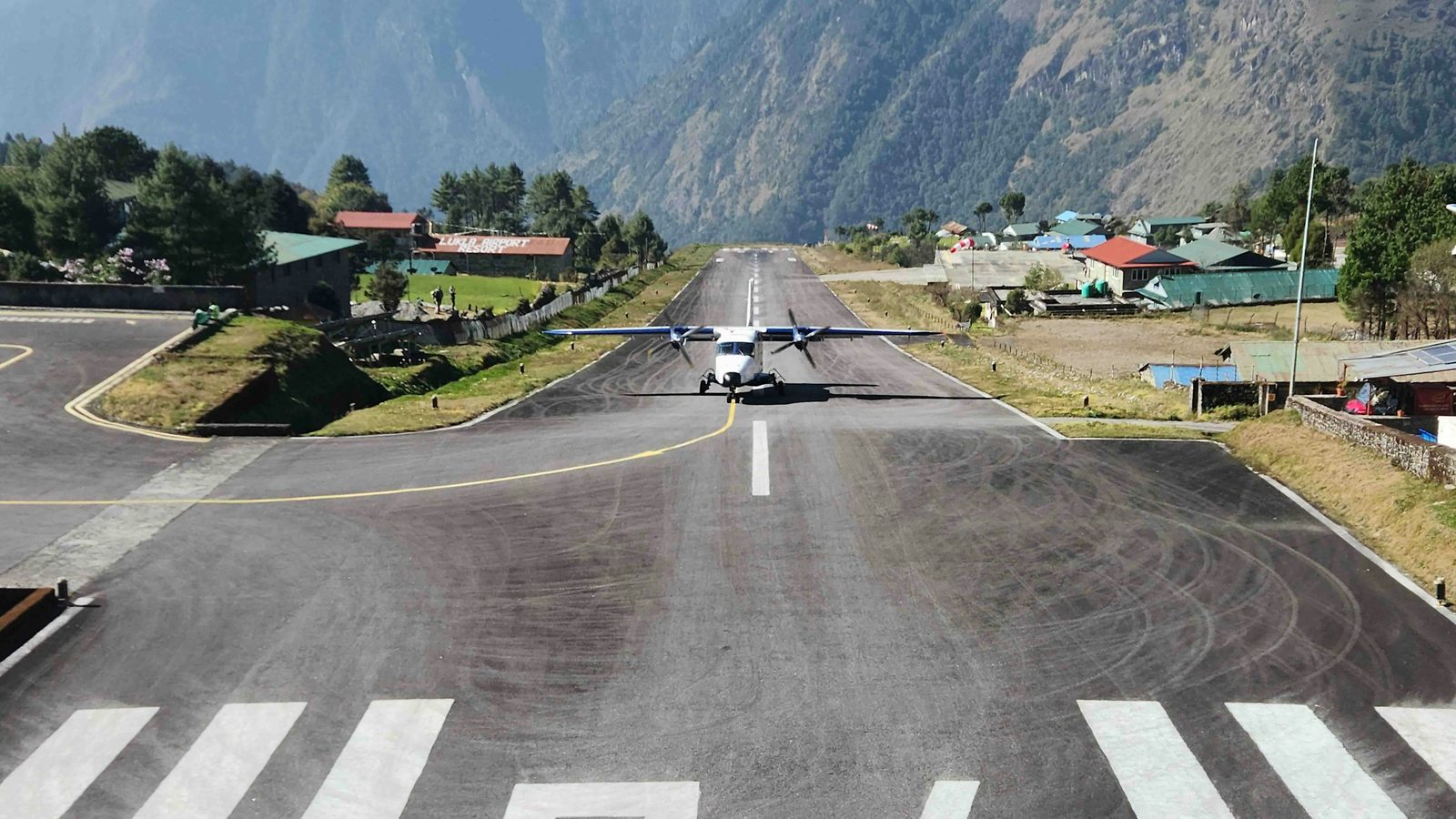
Small plane on the Lukla airstrip in the Everest region
Lukla, where the Khumbu municipality issues its Trek-Card.

Who is who. NTB is the Nepal Tourism Board, set up by an Act of Parliament in 1998. NTNC, the National Trust for Nature Conservation, runs the Annapurna (ACAP), Manaslu (MCAP) and Gaurishankar (GCAP) conservation areas. TAAN is the Trekking Agencies' Association of Nepal, a trade body.

National parks. Pay at the Tourist Service Center in Bhrikutimandap, Kathmandu, or at the park's entry point. We found no official online option for national parks other than the NTNC areas.

ACAP and MCAP. Buy online through NTNC's e-permit portal, by Visa or MasterCard, or in cash at an NTNC Entry Permit counter in Kathmandu, Pokhara, Simpani or Ghasa. The permit is valid for a single entry, cannot be transferred or refunded, and must be carried for the whole trip.

Khumbu Trek-Card. The municipality issues it at its Tourist Information Centre in Lukla. You need your passport and a recent photo, and it takes about 15 minutes. The official page states no validity period. In 2023 the municipality said trekkers who walk in by road could get the card at Jorsale. Its page now names Lukla only, so ask before you set off.

Restricted-area permits. The Department of Immigration in Kalikasthan, Kathmandu, issues them. The application goes through a registered trekking agency, not in person at the counter. The department keeps its trekking-permit desk open from 11:00 to 13:00 on public holidays other than Saturdays, according to a May 2026 report.

Climbing peaks. If your trek includes a climbing peak, you need a separate climbing permit; NTNC directs climbers to the Nepal Mountaineering Association. Ask us which permit your peak needs.

What does an Annapurna permit cost, and how do you pay?

The Annapurna Conservation Area permit (ACAP) costs NPR 3,000 for foreign trekkers and NPR 1,000 for SAARC nationals, tax included, according to NTNC. Nepali trekkers pay NPR 100. Children under 10 need no permit. ACAP is the permit for Poon Hill, Annapurna Base Camp, Mardi Himal and the Annapurna Circuit.
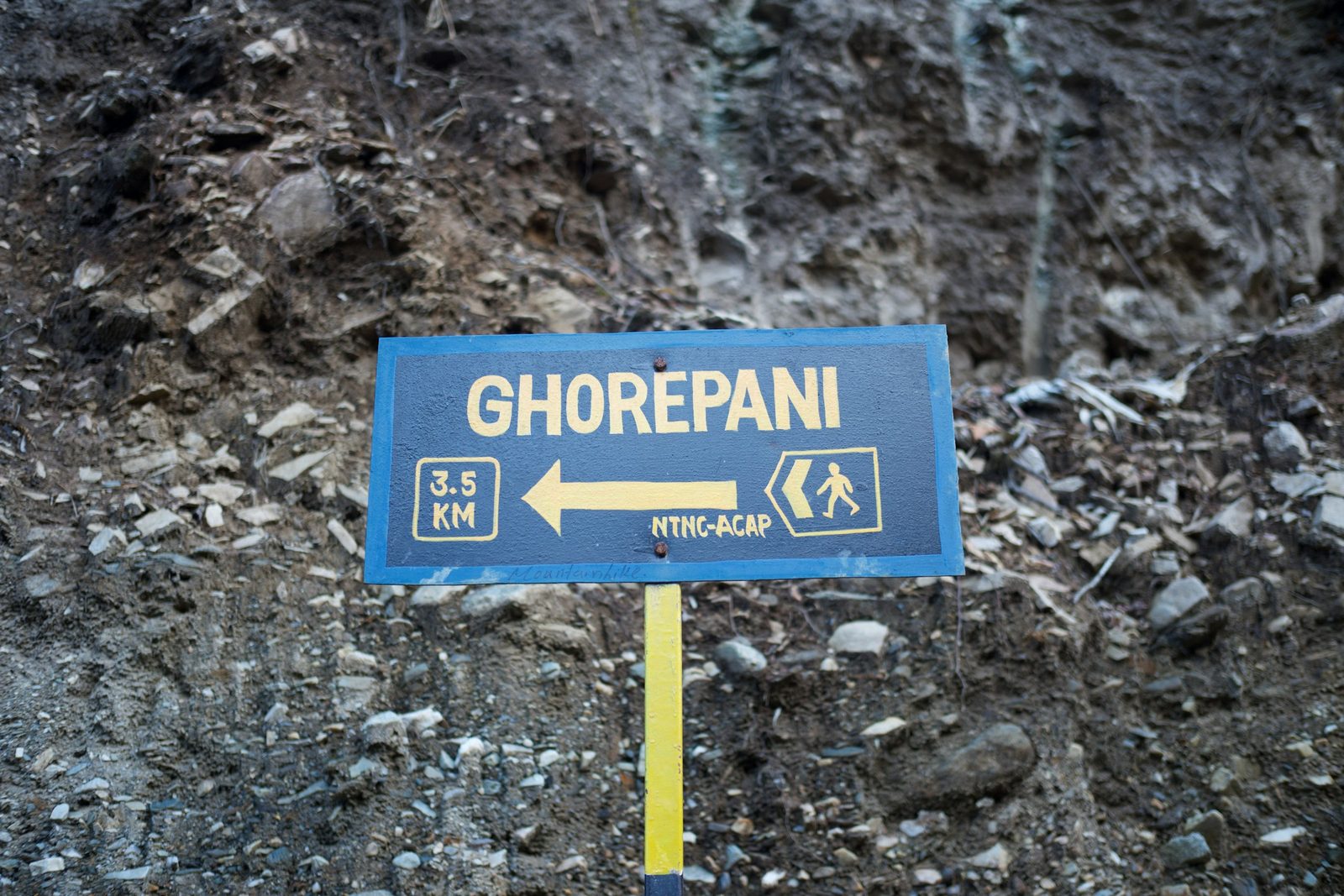
Trail sign pointing to Ghorepani, in the Annapurna Conservation Area
Ghorepani, on the Poon Hill trek, lies inside the Annapurna Conservation Area, so you need an ACAP permit.

Each ACAP permit is valid for a single entry, so if you leave the conservation area and come back for a second trek, you buy a new one. How you pay changes the price:

  • At an NTNC counter in Kathmandu or Pokhara: the standard fee, no extra charge.
  • Online: the standard fee plus a 2.9% payment-gateway charge.
  • At a checkpost on the trail: double. NTNC says "Double fees will be charged for permits issued at Check-Posts." For a foreign trekker that works out at NPR 6,000.

Older web pages still print a lower, out-of-date ACAP fee. Use the figure on NTNC's portal or NTB's park entry fees page. Upper Mustang and Nar Phu also sit inside the conservation area, so those treks need ACAP on top of their restricted-area permit.

Can you get a Nepal trekking permit online?

Partly. ACAP and MCAP permits can be bought online from NTNC, with a card and a recent photo. Restricted-area permits have been processed online since 23 February 2024, but a registered agency files them for you. National park permits and the Khumbu Trek-Card are bought in person.

  1. Annapurna and Manaslu conservation areas. Apply on NTNC's e-permit portal. Processing is immediate once you pay.
  2. Restricted areas. Since 22 March 2026, an application can use your visa application number (submission ID) from home, not only a visa number, according to the Department of Immigration's notice as reported by The Himalayan Times. When the system went online in 2024, fees could only be paid through Nepali channels such as Connect IPS, eSewa and Khalti, one practical reason the agency handles payment.
  3. National parks and the Trek-Card. Pay in Nepali rupees in Kathmandu, at the entry point or in Lukla.

What documents do you need?

For most permits you need your passport, a recent photo and your personal details. NTNC also accepts an Aadhaar card or voter ID from Indian nationals. Restricted-area applications add your visa or visa application number, filed by a registered agency.

  • Passport, valid for your trip, or for Indian nationals an Aadhaar card or voter ID for NTNC permits.
  • Recent photos. NTNC needs one only for online payment; the Trek-Card counter in Lukla asks for one.
  • Personal details: name, nationality, date of birth, gender, occupation and a contact.
  • For restricted areas: your visa or visa application number, given to your agency.

Your Nepal visa is your own arrangement. The official information is on the Nepal Tourism Board visa page.

How do restricted-area permits work since March 2026?

A restricted-area permit is issued by the Department of Immigration only through a registered trekking agency, and you must walk with a licensed guide. Since 22 March 2026 the department can issue one to a single trekker, according to its notice as reported by The Himalayan Times on 23 March 2026. Before that, permits went only to groups.
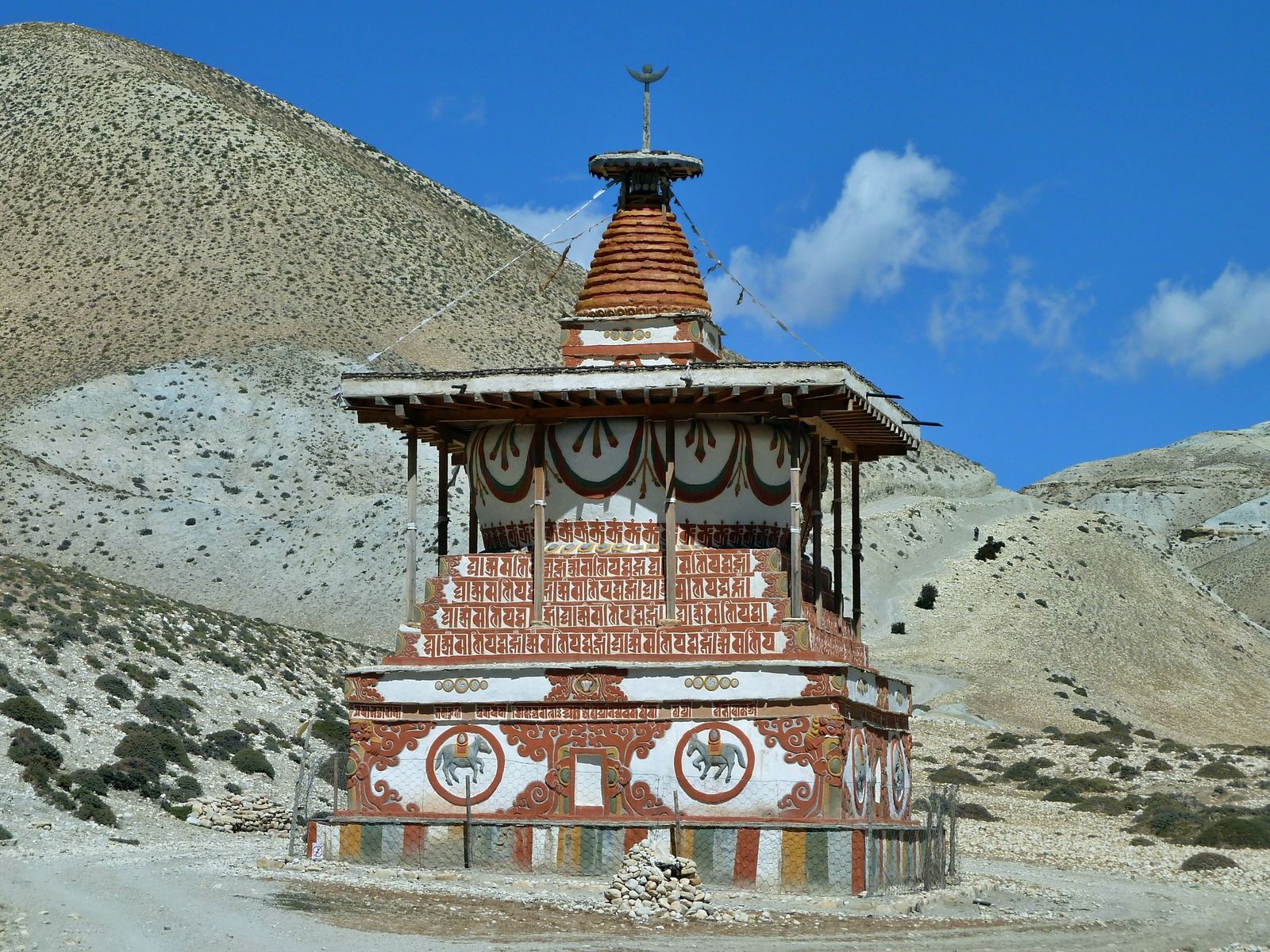
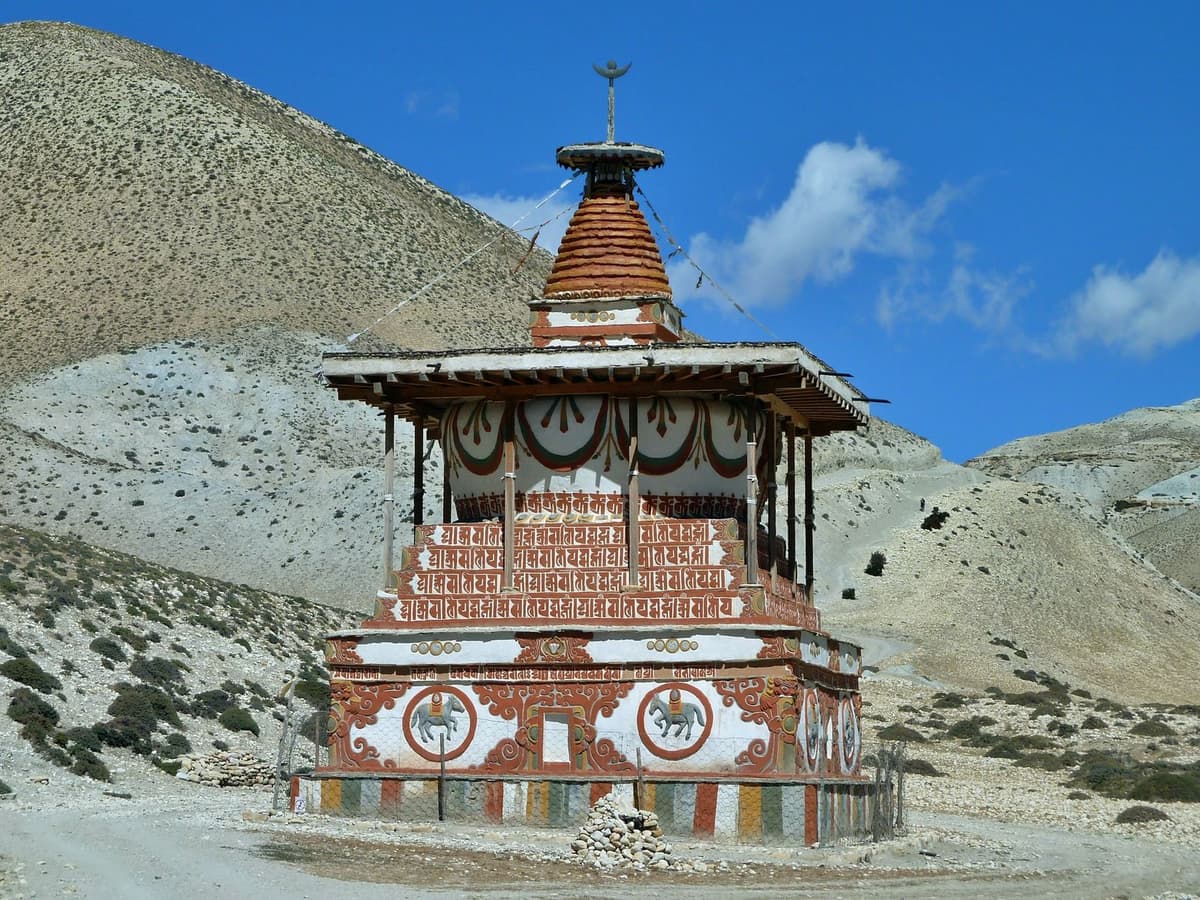
Painted chorten, a small Buddhist shrine, on the trail in Upper Mustang
Upper Mustang needs a restricted-area permit as well as ACAP.

The Himalayan Times, Karobar Daily and The Diplomat Nepal all report that the notice covers restricted areas in 13 districts, not only Manaslu. NTB's schedule lists 15 areas, from Mustang and Dolpo to Humla, Taplejung and Darchula. The same three outlets report that the notice sets a maximum of seven trekkers per guide. The agency takes on a clear duty:

"The concerned agency will bear full responsibility for emergency rescue operations, while other provisions will be governed by existing laws."

The Himalayan Times, reporting the Department of Immigration notice, 23 March 2026

The permit ties you to its area and route. NTB's permit conditions say trekking outside the specified area or route "shall be deemed to be violation of law", and you must show the permit to immigration staff or police when asked.

Where the official figures disagree

  • Upper Mustang. In November 2025 the government said it had scrapped the old flat fee of USD 500 per person for 10 days, and that the new fee would be USD 50 per person per day once the rules were amended. NTB's schedule now prints USD 50 a day.
  • Upper Dolpo. NTB prints a per-day fee, while TAAN's page and a November 2025 press report still give the older 10-day fee. We publish neither figure until the Department of Immigration's own schedule settles it.
  • Lower Dolpo. NTB and TAAN both print USD 20 for the first week. Both then print the extra charge "per week", while many agency pages say per day. Ask us for the current rate.
  • TAAN's fee page still shows the old Upper Mustang fee and says individual trekkers will not be issued permits. Both lines are out of date.

The Department of Immigration's own fee page did not load for us on 31 October 2026, so these figures are NTB's reproduction, cross-checked with press reports. For two popular restricted treks, see our Manaslu trek permit guide and our Tsum Valley guide.

Do you need a licensed guide to trek in Nepal?

In restricted areas, yes: the Department of Immigration requires a licensed guide, even for one trekker. Elsewhere, two official positions conflict. NTB's revised trekking rule, in force from 1 April 2023, says foreign trekkers on listed routes in protected areas need a licensed guide. The Khumbu municipality said in 2023 that a guide is not compulsory in the Everest region.

NTB's position. NTB lists the rule as effective from 31 March 2023, and its 2023 statement said it would apply after that date. NTB's page names 44 routes in 14 regions, including 8 in the Everest region and 7 in the Annapurna region. NTB's stated aims were fewer trekkers lost or taken ill, more jobs and fewer unauthorised operators. The rule does not apply to Nepali trekkers. Early press reports said "a guide or a porter"; NTB's own wording says a guide.

The Khumbu position. In 2023 the Khumbu Pasang Lhamu Rural Municipality said it was not obliged to follow the board's rule. It still issues its Trek-Card, and its Trek-Card page sets no guide condition.

"It is not mandatory to hire a guide for trekking in the Everest region."

Khumbu Pasang Lhamu Rural Municipality press statement, reported by The Kathmandu Post, 3 April 2023

We found no official notice since 2023 that changes either position. Enforcement has varied by area and over time; ask us for the current position on your route.

Do you need one with us? Not on our trips. A licensed guide walks with you on every trek we run. Our articles on trekking guides and porters in Nepal and on solo trekking in Nepal cover the rule in more depth.

What can go wrong with permits, and how do you avoid it?

Most permit problems come from buying late, walking off your permitted route, losing the paper, or travelling when a route or permit office is closed. Each one is easy to avoid if you sort permits in Kathmandu or Pokhara before you start and keep them on you for the whole trek.

  1. Buy before the trailhead. An ACAP permit bought at a checkpost costs double.
  2. Stay on your permitted route. In restricted areas, walking outside the area on your permit is treated as a breach of the law.
  3. Keep every permit with you. NTNC permits must be carried for the whole trip and cannot be refunded or transferred. Keep a photo of each on your phone as a back-up.
  4. Register at checkposts. NTNC says registering at its checkposts improves your chances of rescue in an emergency.
  5. Check for closures. From 28 October 2026 the Department of Immigration stopped issuing restricted-area permits for the high hills and Himalaya, because of the snowstorm and avalanche forecast for 29 to 31 October (The Himalayan Times, 28 October 2026). Earlier that month, Reuters reported that a landslide had blocked the Budhi Gandaki river in Gorkha, with more than 100 foreign trekkers stranded in the Manaslu area. Check the current trail status before you set off.
  6. Plan for altitude as well as paperwork. Read our guide to altitude sickness on Nepal treks before you go.

Frequently asked questions

Which permit do I need for each trek?

It depends on the area you walk through. Everest treks need the Sagarmatha National Park permit and the Khumbu Trek-Card. Annapurna treks need the ACAP permit. Langtang needs the Langtang National Park permit. Manaslu, Tsum Valley, Nar Phu, Upper Mustang and Dolpo also need a restricted-area permit from the Department of Immigration, through a registered agency. The table above lists each trek.

Is a licensed guide mandatory for trekking in Nepal, and are there exceptions?

Not on our trips. A licensed guide walks with you on every trek we run. NTB's revised trekking rule, in force from 1 April 2023, says foreign trekkers on listed routes in protected areas need a licensed guide. The Khumbu municipality said in 2023 that a guide is not compulsory in the Everest region. Nepali trekkers are outside NTB's rule. In restricted areas the Department of Immigration requires a licensed guide, even for one trekker.

Do I need travel insurance for trekking, and what must it cover?

You should have it, even though no Nepal permit page we checked asks for proof of insurance. Choose a policy that covers trekking to the highest point of your route and helicopter evacuation. The UK government says helicopter evacuation usually costs £1,000 to £2,000 or more per flying hour. Several foreign governments advise cover that includes rescue. Our travel insurance guide for Nepal treks explains what to check.

Do SAARC and Indian trekkers pay less for permits?

Yes, for park and conservation area fees. Nationals of SAARC (South Asian) countries, including India, pay NPR 1,500 for the Sagarmatha, Langtang, Makalu-Barun, Rara and Shey-Phoksundo national parks, NPR 1,000 for ACAP, MCAP and Gaurishankar, and NPR 500 for Kanchenjunga. Other foreign trekkers pay NPR 2,000 to 3,000 for the same areas. The Khumbu Trek-Card is NPR 2,000 for SAARC and Chinese nationals. Restricted-area permits have one US dollar rate for everyone, with no SAARC rate. Indian nationals can use an Aadhaar card or voter ID instead of a passport for NTNC permits.

How can we help with your trekking permits?

On our treks we arrange the permits for you, and a licensed guide walks with you on every trek we run. Browse our treks in Nepal, or start with a shorter walk: the Ghorepani Poon Hill trek runs inside the Annapurna Conservation Area, and the Everest View trek with Namche Bazaar needs the Sagarmatha National Park permit and the Khumbu Trek-Card.

Your Nepal visa and international flights are your own arrangements. For more planning help, go back to our Nepal travel guide. To ask which permits your route needs, message us on WhatsApp or use the enquiry form.
Tags
Trekking permitsAnnapurnaEverest regionRestricted areasLicensed guideTrek planning
Share
U
Uncover Nepal Team
Writer at Uncover Nepal
More in Plan your tripSee all Plan your trip

Nepal Trekking Permits: Which You Need and Who Issues Them

18 min read Posted 01 Nov 2026Updated 30 Oct 2026
Trekkers walking up the valley into the Annapurna Sanctuary, inside the Annapurna Conservation Area, where an ACAP entry permit is needed

At checkposts across Nepal's trekking regions, you stop, show your Nepal trekking permit and register your name before you walk on. The Nepal Tourism Board says your documents "will be checked along the trekking route". In a few valleys, the right permit decides if you may walk there at all.

By Uncover Nepal Team · Checked by our Kathmandu travel team · Last checked 31 October 2026

Most treks need one Nepal trekking permit: the entry permit for the national park or conservation area you walk through. The Everest region adds the Khumbu municipality's Trek-Card. Restricted areas such as Manaslu and Upper Mustang add a Department of Immigration permit, issued only through a registered agency, and you walk with a licensed guide. For the wider picture, see our Nepal travel guide.

In this guide

  • Key facts
  • Which Nepal trekking permit do you need for each trek?
  • Who issues each permit, and where do you get it?
  • What does an Annapurna permit cost, and how do you pay?
  • Can you get a Nepal trekking permit online?
  • What documents do you need?
  • How do restricted-area permits work since March 2026?
  • Do you need a licensed guide to trek in Nepal?
  • What can go wrong with permits, and how do you avoid it?
  • Frequently asked questions
  • How can we help with your trekking permits?

Key facts

National park entry
Paid at the Tourist Service Center, Bhrikutimandap, Kathmandu, or at the park entry point (Nepal Tourism Board, Park entry fees; checked 31 Oct 2026)
Annapurna and Manaslu conservation areas
ACAP and MCAP permits issued by NTNC, online or at counters in Kathmandu, Pokhara, Simpani and Ghasa (NTNC e-permit portal; checked 31 Oct 2026)
Annapurna (ACAP) fee
NPR 3,000 foreign, NPR 1,000 SAARC, tax included (NTNC e-permit portal and NTB, Park entry fees; checked 31 Oct 2026)
Sagarmatha National Park fee
NPR 3,000 foreign, NPR 1,500 SAARC (NTB, Park entry fees; checked 31 Oct 2026)
Khumbu Trek-Card
NPR 3,000 most nationalities, NPR 2,000 SAARC and China; issued in Lukla (Khumbu Pasang Lhamu Rural Municipality, Trek-Card page; checked 31 Oct 2026)
Restricted-area permits
Issued by the Department of Immigration, applied for through a registered agency (NTB, Trekking Permit; The Himalayan Times, 23 Mar 2026; checked 31 Oct 2026)
Solo trekkers in restricted areas
A permit can be issued to one trekker since 22 March 2026; a licensed guide is still required (Department of Immigration notice, as reported by The Himalayan Times, 23 Mar 2026; checked 31 Oct 2026)
Children
Under 10 need no national park or conservation area permit (NTB, Park entry fees, and NTNC; checked 31 Oct 2026)

Which Nepal trekking permit do you need for each trek?

Every Nepal trekking permit falls into one of three types: a protected-area entry permit (national park or conservation area), a local permit such as the Khumbu Trek-Card, and a restricted-area permit for border valleys. Most popular treks need only the first. Everest adds the second. Manaslu, Tsum, Nar Phu, Upper Mustang and Dolpo add the third.

A restricted-area permit does not replace the park or conservation area fee: where your route also enters a protected area, you pay both. Park and conservation area fees are in Nepali rupees, per person per entry. Restricted-area fees are set in US dollars, with no separate SAARC (South Asian) rate.

Trek Permits needed Issued by Fee: foreign / SAARC Source
Everest Base Camp, Gokyo, Everest View Sagarmatha National Park entry; Khumbu Trek-Card Park: paid in Kathmandu or at the entry point. Trek-Card: Khumbu Pasang Lhamu Rural Municipality, Lukla Park NPR 3,000 / 1,500; Trek-Card NPR 3,000 / 2,000 (SAARC and China) NTB Park entry fees; municipality Trek-Card page
Annapurna Base Camp, Poon Hill, Mardi Himal, Annapurna Circuit ACAP entry permit NTNC NPR 3,000 / 1,000 NTNC e-permit; NTB
Manaslu Circuit Manaslu restricted-area permit; MCAP; ACAP if you finish through the Annapurna area Department of Immigration through an agency; NTNC Restricted: Sep to Nov USD 100 a week, then USD 15 a day; Dec to Aug USD 75 a week, then USD 10 a day. MCAP NPR 3,000 / 1,000. ACAP as above NTB Trekking Permit; NTB Park entry fees
Tsum Valley Tsum restricted-area permit; MCAP Department of Immigration through an agency; NTNC Restricted: Sep to Nov USD 40 a week, Dec to Aug USD 30 a week, then USD 7 a day. MCAP NPR 3,000 / 1,000 NTB Trekking Permit
Nar Phu Nar Phu restricted-area permit; ACAP Department of Immigration through an agency; NTNC Restricted: Sep to Nov USD 100 a week, Dec to Aug USD 75 a week, then USD 15 a day. ACAP NPR 3,000 / 1,000 NTB Trekking Permit; NTNC
Upper Mustang Upper Mustang restricted-area permit; ACAP Department of Immigration through an agency; NTNC Restricted: USD 50 a person a day. ACAP NPR 3,000 / 1,000 NTB Trekking Permit; NTNC
Langtang valley Langtang National Park entry Paid in Kathmandu or at the entry point NPR 3,000 / 1,500. Check the current trail status before you book NTB Park entry fees
Kanchenjunga Kanchenjunga Conservation Area entry; restricted-area permit for the listed parts of Taplejung Kathmandu or entry point; Department of Immigration through an agency Conservation area NPR 2,000 / 500. Restricted: USD 20 a week for the first 4 weeks, then USD 25 a week NTB Park entry fees; NTB Trekking Permit
Makalu Barun Makalu-Barun National Park entry; restricted-area permit if your route enters the listed parts of Sankhuwasabha Kathmandu or entry point; Department of Immigration through an agency Park NPR 3,000 / 1,500. Restricted: USD 20 a week for the first 4 weeks, then USD 25 a week NTB Park entry fees; NTB Trekking Permit
Upper Dolpo Upper Dolpo restricted-area permit; Shey-Phoksundo National Park if your route enters the park Department of Immigration through an agency; Kathmandu or entry point Park NPR 3,000 / 1,500. Restricted: official sources disagree, ask us NTB Park entry fees; NTB Trekking Permit
Lower Dolpo Lower Dolpo restricted-area permit; Shey-Phoksundo National Park if your route enters the park As Upper Dolpo Park NPR 3,000 / 1,500. Restricted: USD 20 for the first week; the rate after that is printed inconsistently, ask us NTB Trekking Permit
Rara Lake Rara National Park entry Kathmandu or entry point NPR 3,000 / 1,500 NTB Park entry fees
Rolwaling and the Gaurishankar area Gaurishankar Conservation Area entry; restricted-area permit for the listed parts of Dolakha Kathmandu or entry point; Department of Immigration through an agency Conservation area NPR 3,000 / 1,000. Restricted: USD 20 a week NTB Park entry fees; NTB Trekking Permit
Humla and the Limi valley Humla restricted-area permit Department of Immigration through an agency USD 50 a week, then USD 10 a day NTB Trekking Permit
Shivapuri day hikes near Kathmandu Shivapuri Nagarjun National Park entry Paid at the park gate or in Kathmandu NPR 1,000 / 600 NTB Park entry fees

Nepali trekkers pay NPR 100 at most parks and conservation areas. NTB says its fee table is based on information from the department concerned. We have left fees in the currency the issuer uses, because exchange rates move; convert at the rate on the day you pay.

One point often missed: the main Everest Base Camp trail is not a restricted area. Only ward 5 of the Khumbu Pasang Lhamu Rural Municipality (a rural municipality is a local council area) is on the restricted list, at USD 20 a week for the first 4 weeks.

Who issues each permit, and where do you get it?

Four bodies issue the permits most trekkers need. National park fees are collected for the Department of National Parks and Wildlife Conservation, NTNC issues the Annapurna and Manaslu permits, the Khumbu municipality issues the Trek-Card, and the Department of Immigration issues restricted-area permits through registered agencies.

Small plane on the Lukla airstrip in the Everest region
Lukla, where the Khumbu municipality issues its Trek-Card.

Who is who. NTB is the Nepal Tourism Board, set up by an Act of Parliament in 1998. NTNC, the National Trust for Nature Conservation, runs the Annapurna (ACAP), Manaslu (MCAP) and Gaurishankar (GCAP) conservation areas. TAAN is the Trekking Agencies' Association of Nepal, a trade body.

National parks. Pay at the Tourist Service Center in Bhrikutimandap, Kathmandu, or at the park's entry point. We found no official online option for national parks other than the NTNC areas.

ACAP and MCAP. Buy online through NTNC's e-permit portal, by Visa or MasterCard, or in cash at an NTNC Entry Permit counter in Kathmandu, Pokhara, Simpani or Ghasa. The permit is valid for a single entry, cannot be transferred or refunded, and must be carried for the whole trip.

Khumbu Trek-Card. The municipality issues it at its Tourist Information Centre in Lukla. You need your passport and a recent photo, and it takes about 15 minutes. The official page states no validity period. In 2023 the municipality said trekkers who walk in by road could get the card at Jorsale. Its page now names Lukla only, so ask before you set off.

Restricted-area permits. The Department of Immigration in Kalikasthan, Kathmandu, issues them. The application goes through a registered trekking agency, not in person at the counter. The department keeps its trekking-permit desk open from 11:00 to 13:00 on public holidays other than Saturdays, according to a May 2026 report.

Climbing peaks. If your trek includes a climbing peak, you need a separate climbing permit; NTNC directs climbers to the Nepal Mountaineering Association. Ask us which permit your peak needs.

What does an Annapurna permit cost, and how do you pay?

The Annapurna Conservation Area permit (ACAP) costs NPR 3,000 for foreign trekkers and NPR 1,000 for SAARC nationals, tax included, according to NTNC. Nepali trekkers pay NPR 100. Children under 10 need no permit. ACAP is the permit for Poon Hill, Annapurna Base Camp, Mardi Himal and the Annapurna Circuit.

Trail sign pointing to Ghorepani, in the Annapurna Conservation Area
Ghorepani, on the Poon Hill trek, lies inside the Annapurna Conservation Area, so you need an ACAP permit.

Each ACAP permit is valid for a single entry, so if you leave the conservation area and come back for a second trek, you buy a new one. How you pay changes the price:

  • At an NTNC counter in Kathmandu or Pokhara: the standard fee, no extra charge.
  • Online: the standard fee plus a 2.9% payment-gateway charge.
  • At a checkpost on the trail: double. NTNC says "Double fees will be charged for permits issued at Check-Posts." For a foreign trekker that works out at NPR 6,000.

Older web pages still print a lower, out-of-date ACAP fee. Use the figure on NTNC's portal or NTB's park entry fees page. Upper Mustang and Nar Phu also sit inside the conservation area, so those treks need ACAP on top of their restricted-area permit.

Can you get a Nepal trekking permit online?

Partly. ACAP and MCAP permits can be bought online from NTNC, with a card and a recent photo. Restricted-area permits have been processed online since 23 February 2024, but a registered agency files them for you. National park permits and the Khumbu Trek-Card are bought in person.

  1. Annapurna and Manaslu conservation areas. Apply on NTNC's e-permit portal. Processing is immediate once you pay.
  2. Restricted areas. Since 22 March 2026, an application can use your visa application number (submission ID) from home, not only a visa number, according to the Department of Immigration's notice as reported by The Himalayan Times. When the system went online in 2024, fees could only be paid through Nepali channels such as Connect IPS, eSewa and Khalti, one practical reason the agency handles payment.
  3. National parks and the Trek-Card. Pay in Nepali rupees in Kathmandu, at the entry point or in Lukla.

What documents do you need?

For most permits you need your passport, a recent photo and your personal details. NTNC also accepts an Aadhaar card or voter ID from Indian nationals. Restricted-area applications add your visa or visa application number, filed by a registered agency.

  • Passport, valid for your trip, or for Indian nationals an Aadhaar card or voter ID for NTNC permits.
  • Recent photos. NTNC needs one only for online payment; the Trek-Card counter in Lukla asks for one.
  • Personal details: name, nationality, date of birth, gender, occupation and a contact.
  • For restricted areas: your visa or visa application number, given to your agency.

Your Nepal visa is your own arrangement. The official information is on the Nepal Tourism Board visa page.

How do restricted-area permits work since March 2026?

A restricted-area permit is issued by the Department of Immigration only through a registered trekking agency, and you must walk with a licensed guide. Since 22 March 2026 the department can issue one to a single trekker, according to its notice as reported by The Himalayan Times on 23 March 2026. Before that, permits went only to groups.

Painted chorten, a small Buddhist shrine, on the trail in Upper Mustang
Upper Mustang needs a restricted-area permit as well as ACAP.

The Himalayan Times, Karobar Daily and The Diplomat Nepal all report that the notice covers restricted areas in 13 districts, not only Manaslu. NTB's schedule lists 15 areas, from Mustang and Dolpo to Humla, Taplejung and Darchula. The same three outlets report that the notice sets a maximum of seven trekkers per guide. The agency takes on a clear duty:

"The concerned agency will bear full responsibility for emergency rescue operations, while other provisions will be governed by existing laws."

The Himalayan Times, reporting the Department of Immigration notice, 23 March 2026

The permit ties you to its area and route. NTB's permit conditions say trekking outside the specified area or route "shall be deemed to be violation of law", and you must show the permit to immigration staff or police when asked.

Where the official figures disagree

  • Upper Mustang. In November 2025 the government said it had scrapped the old flat fee of USD 500 per person for 10 days, and that the new fee would be USD 50 per person per day once the rules were amended. NTB's schedule now prints USD 50 a day.
  • Upper Dolpo. NTB prints a per-day fee, while TAAN's page and a November 2025 press report still give the older 10-day fee. We publish neither figure until the Department of Immigration's own schedule settles it.
  • Lower Dolpo. NTB and TAAN both print USD 20 for the first week. Both then print the extra charge "per week", while many agency pages say per day. Ask us for the current rate.
  • TAAN's fee page still shows the old Upper Mustang fee and says individual trekkers will not be issued permits. Both lines are out of date.

The Department of Immigration's own fee page did not load for us on 31 October 2026, so these figures are NTB's reproduction, cross-checked with press reports. For two popular restricted treks, see our Manaslu trek permit guide and our Tsum Valley guide.

Do you need a licensed guide to trek in Nepal?

In restricted areas, yes: the Department of Immigration requires a licensed guide, even for one trekker. Elsewhere, two official positions conflict. NTB's revised trekking rule, in force from 1 April 2023, says foreign trekkers on listed routes in protected areas need a licensed guide. The Khumbu municipality said in 2023 that a guide is not compulsory in the Everest region.

NTB's position. NTB lists the rule as effective from 31 March 2023, and its 2023 statement said it would apply after that date. NTB's page names 44 routes in 14 regions, including 8 in the Everest region and 7 in the Annapurna region. NTB's stated aims were fewer trekkers lost or taken ill, more jobs and fewer unauthorised operators. The rule does not apply to Nepali trekkers. Early press reports said "a guide or a porter"; NTB's own wording says a guide.

The Khumbu position. In 2023 the Khumbu Pasang Lhamu Rural Municipality said it was not obliged to follow the board's rule. It still issues its Trek-Card, and its Trek-Card page sets no guide condition.

"It is not mandatory to hire a guide for trekking in the Everest region."

Khumbu Pasang Lhamu Rural Municipality press statement, reported by The Kathmandu Post, 3 April 2023

We found no official notice since 2023 that changes either position. Enforcement has varied by area and over time; ask us for the current position on your route.

Do you need one with us? Not on our trips. A licensed guide walks with you on every trek we run. Our articles on trekking guides and porters in Nepal and on solo trekking in Nepal cover the rule in more depth.

What can go wrong with permits, and how do you avoid it?

Most permit problems come from buying late, walking off your permitted route, losing the paper, or travelling when a route or permit office is closed. Each one is easy to avoid if you sort permits in Kathmandu or Pokhara before you start and keep them on you for the whole trek.

  1. Buy before the trailhead. An ACAP permit bought at a checkpost costs double.
  2. Stay on your permitted route. In restricted areas, walking outside the area on your permit is treated as a breach of the law.
  3. Keep every permit with you. NTNC permits must be carried for the whole trip and cannot be refunded or transferred. Keep a photo of each on your phone as a back-up.
  4. Register at checkposts. NTNC says registering at its checkposts improves your chances of rescue in an emergency.
  5. Check for closures. From 28 October 2026 the Department of Immigration stopped issuing restricted-area permits for the high hills and Himalaya, because of the snowstorm and avalanche forecast for 29 to 31 October (The Himalayan Times, 28 October 2026). Earlier that month, Reuters reported that a landslide had blocked the Budhi Gandaki river in Gorkha, with more than 100 foreign trekkers stranded in the Manaslu area. Check the current trail status before you set off.
  6. Plan for altitude as well as paperwork. Read our guide to altitude sickness on Nepal treks before you go.

Frequently asked questions

Which permit do I need for each trek?

It depends on the area you walk through. Everest treks need the Sagarmatha National Park permit and the Khumbu Trek-Card. Annapurna treks need the ACAP permit. Langtang needs the Langtang National Park permit. Manaslu, Tsum Valley, Nar Phu, Upper Mustang and Dolpo also need a restricted-area permit from the Department of Immigration, through a registered agency. The table above lists each trek.

Is a licensed guide mandatory for trekking in Nepal, and are there exceptions?

Not on our trips. A licensed guide walks with you on every trek we run. NTB's revised trekking rule, in force from 1 April 2023, says foreign trekkers on listed routes in protected areas need a licensed guide. The Khumbu municipality said in 2023 that a guide is not compulsory in the Everest region. Nepali trekkers are outside NTB's rule. In restricted areas the Department of Immigration requires a licensed guide, even for one trekker.

Do I need travel insurance for trekking, and what must it cover?

You should have it, even though no Nepal permit page we checked asks for proof of insurance. Choose a policy that covers trekking to the highest point of your route and helicopter evacuation. The UK government says helicopter evacuation usually costs £1,000 to £2,000 or more per flying hour. Several foreign governments advise cover that includes rescue. Our travel insurance guide for Nepal treks explains what to check.

Do SAARC and Indian trekkers pay less for permits?

Yes, for park and conservation area fees. Nationals of SAARC (South Asian) countries, including India, pay NPR 1,500 for the Sagarmatha, Langtang, Makalu-Barun, Rara and Shey-Phoksundo national parks, NPR 1,000 for ACAP, MCAP and Gaurishankar, and NPR 500 for Kanchenjunga. Other foreign trekkers pay NPR 2,000 to 3,000 for the same areas. The Khumbu Trek-Card is NPR 2,000 for SAARC and Chinese nationals. Restricted-area permits have one US dollar rate for everyone, with no SAARC rate. Indian nationals can use an Aadhaar card or voter ID instead of a passport for NTNC permits.

How can we help with your trekking permits?

On our treks we arrange the permits for you, and a licensed guide walks with you on every trek we run. Browse our treks in Nepal, or start with a shorter walk: the Ghorepani Poon Hill trek runs inside the Annapurna Conservation Area, and the Everest View trek with Namche Bazaar needs the Sagarmatha National Park permit and the Khumbu Trek-Card.

Your Nepal visa and international flights are your own arrangements. For more planning help, go back to our Nepal travel guide. To ask which permits your route needs, message us on WhatsApp or use the enquiry form.
Tags
Trekking permitsAnnapurnaEverest regionRestricted areasLicensed guideTrek planning
Share
U
Uncover Nepal Team
Writer at Uncover Nepal
More in Plan your tripSee all Plan your trip