


Overview
This Pokhara tour from Kathmandu flies you out and drives you back, so you skip a day of road on the way in and still see the river valleys of the Prithvi Highway on the way home. Day one lands you in Pokhara in time for the limestone caves north of town, a wander along Lakeside and a rowing boat on Phewa Lake. Day two starts in the dark for sunrise at Sarangkot, then takes in Davis Falls, Gupteshwor Cave, the World Peace Pagoda and the Shiva statue at Pumdikot, with free time by the lake to finish. Day three is the drive back to Kathmandu. It suits first-time visitors, families and anyone with three days who wants Pokhara's main sights without trekking.
The itinerary
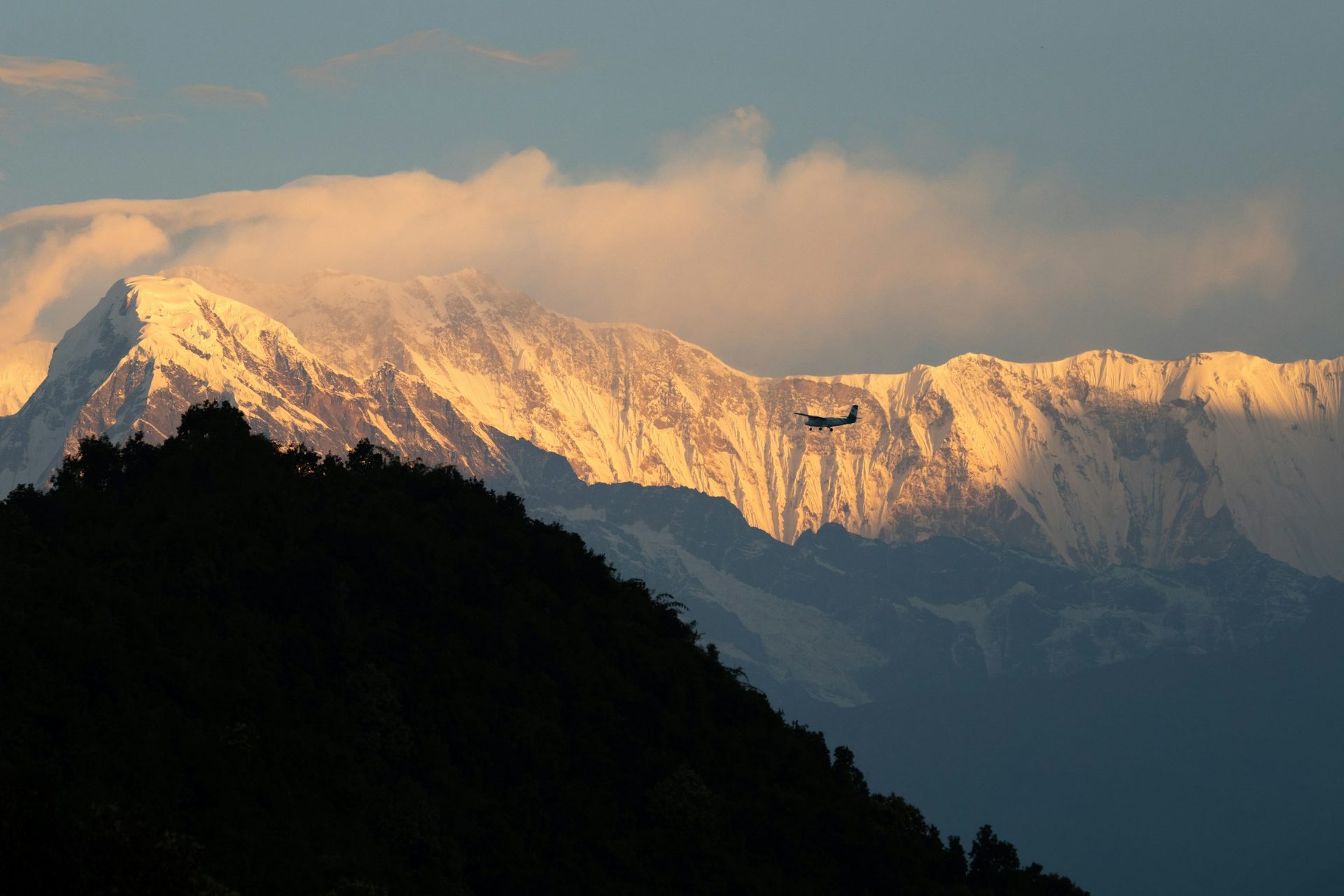
- Short domestic flight west to Pokhara, about 30 minutes in the air when the weather allows
- Mahendra Cave, a limestone show cave with stalactites, and the Bat Cave next to it
- Late-afternoon stroll along Lakeside, the easy-going strip of cafés and shops by the water
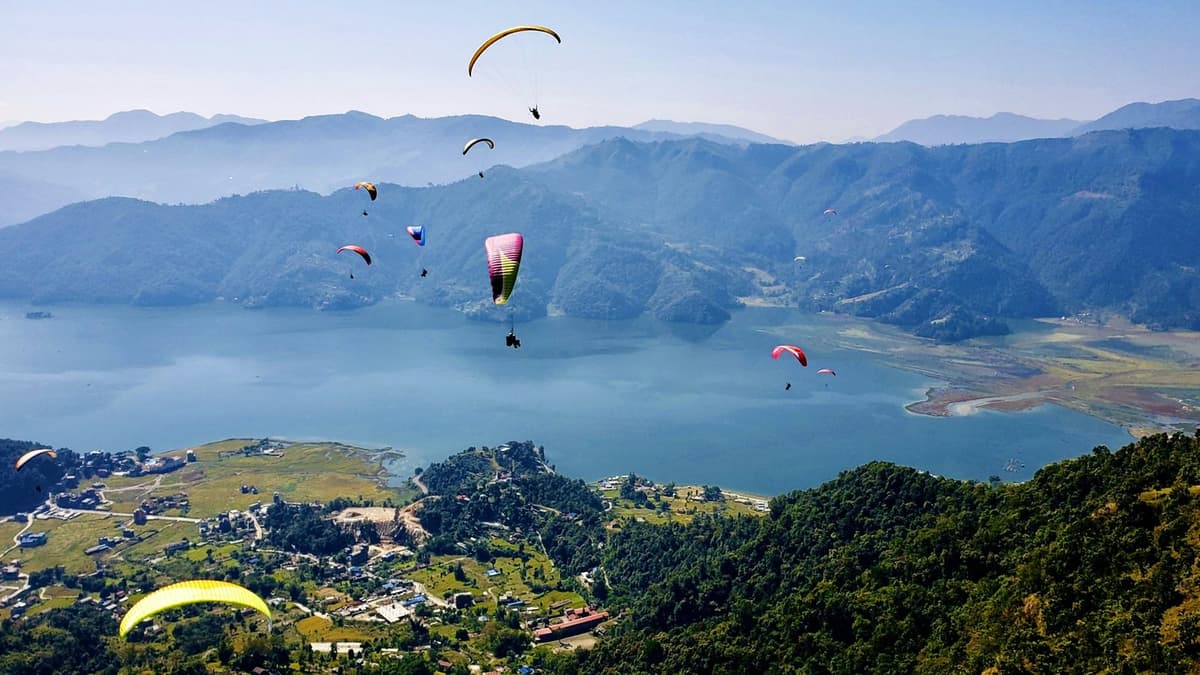
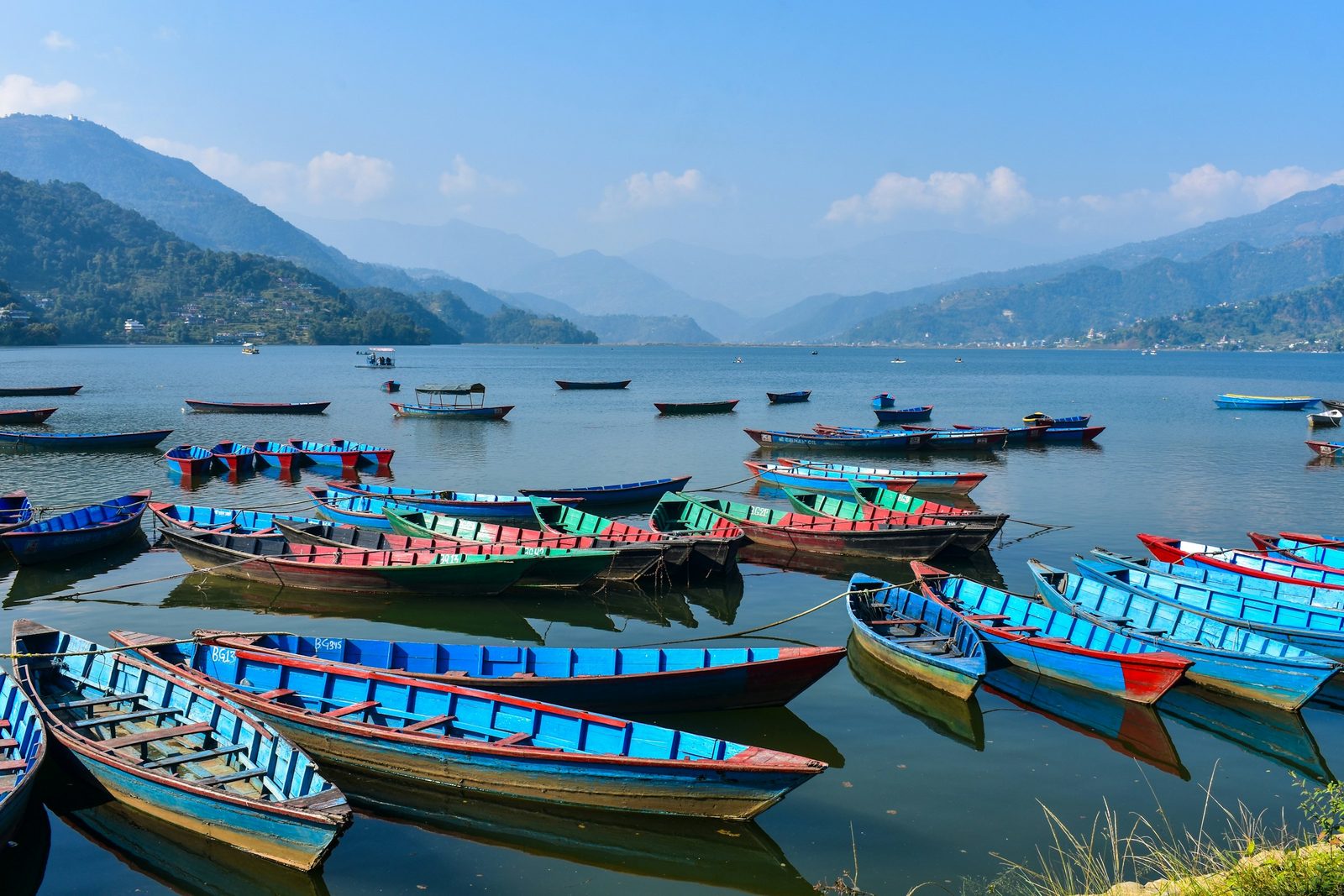
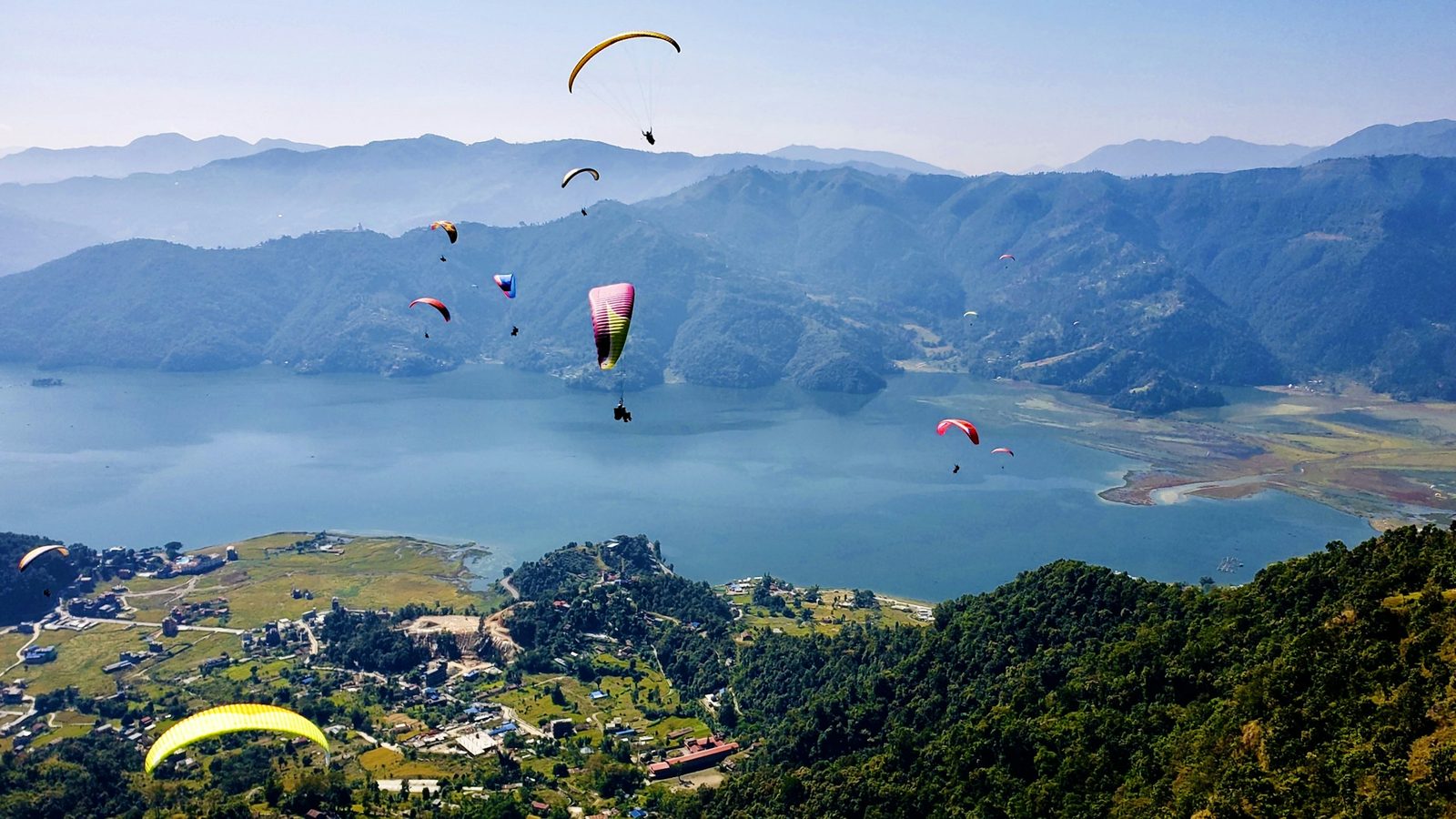
- Rowing boat on Phewa Lake as the light softens, weather permitting
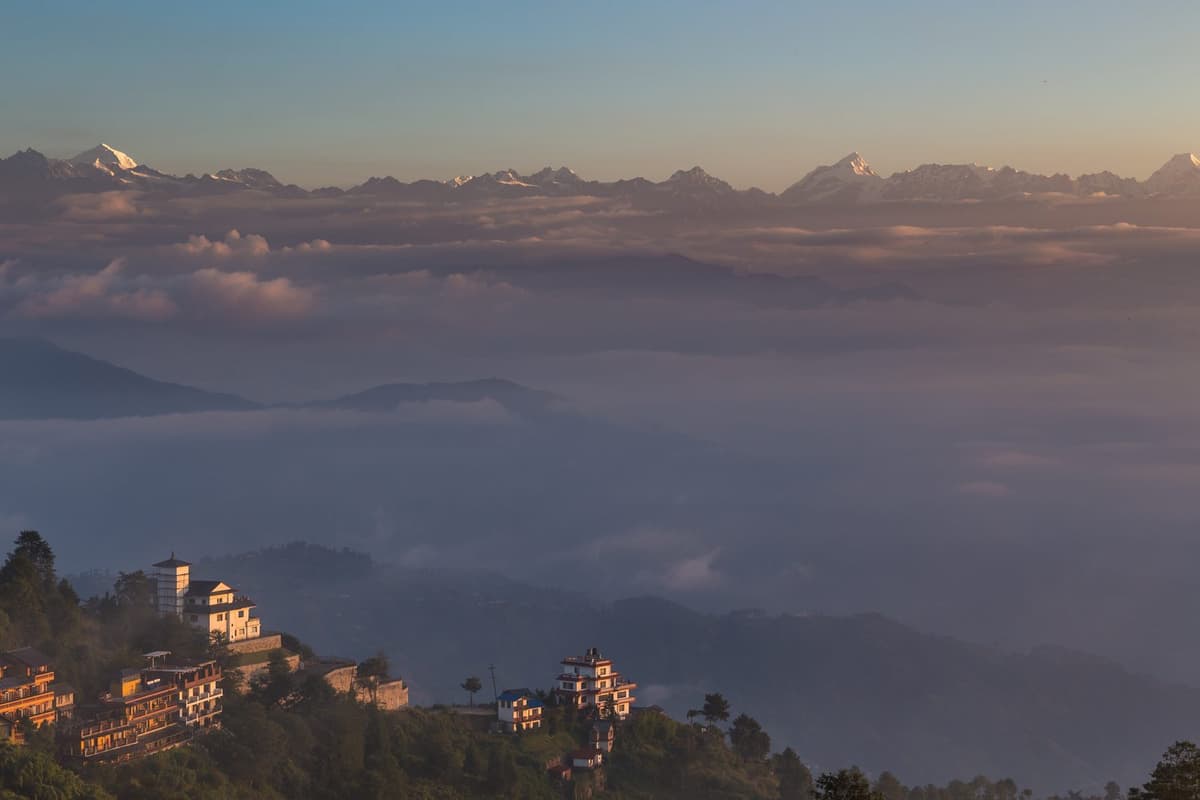
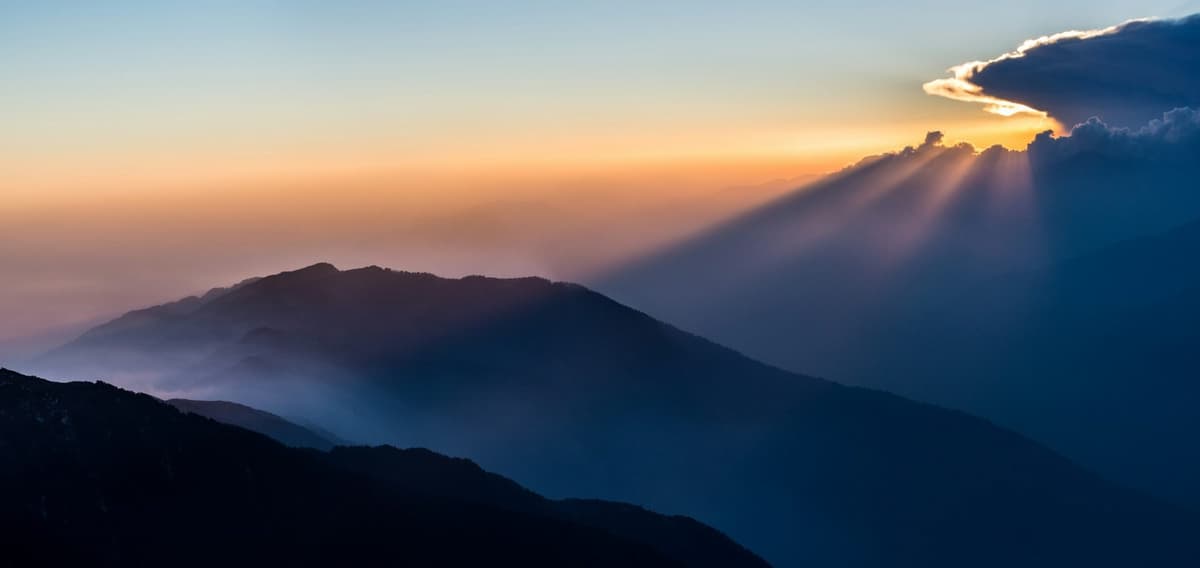
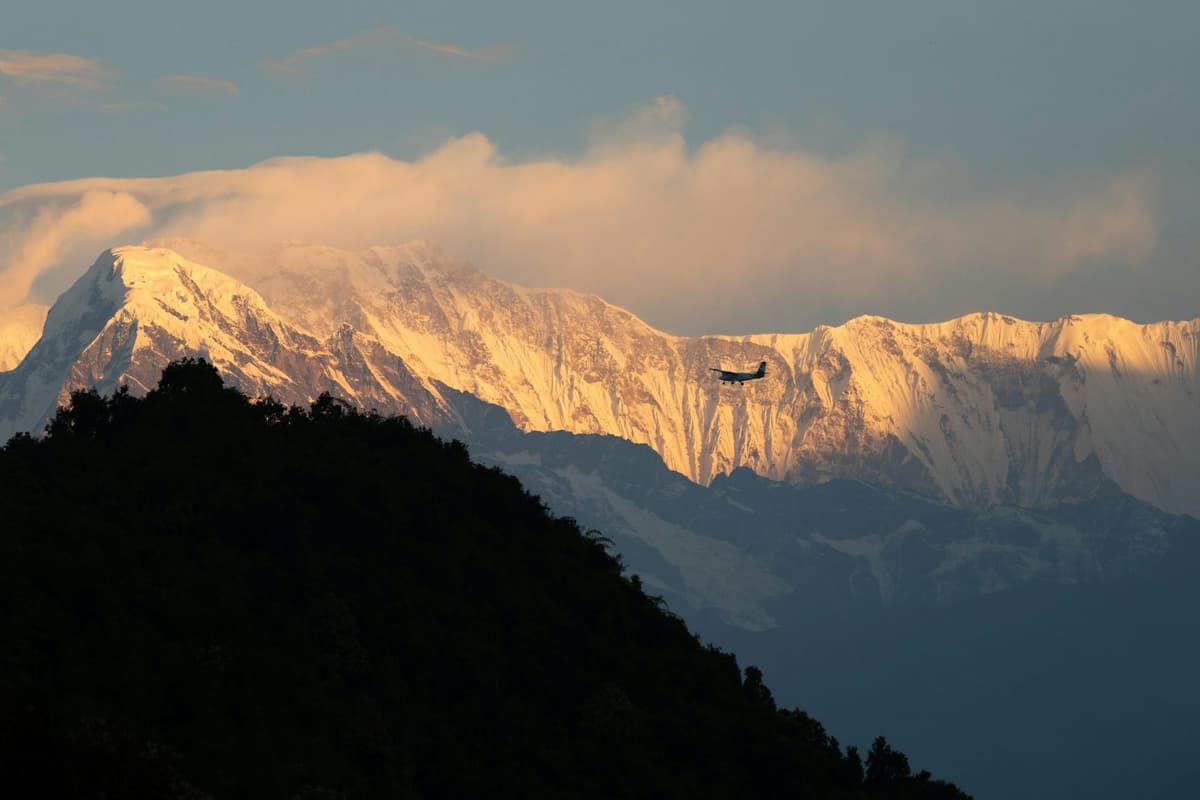
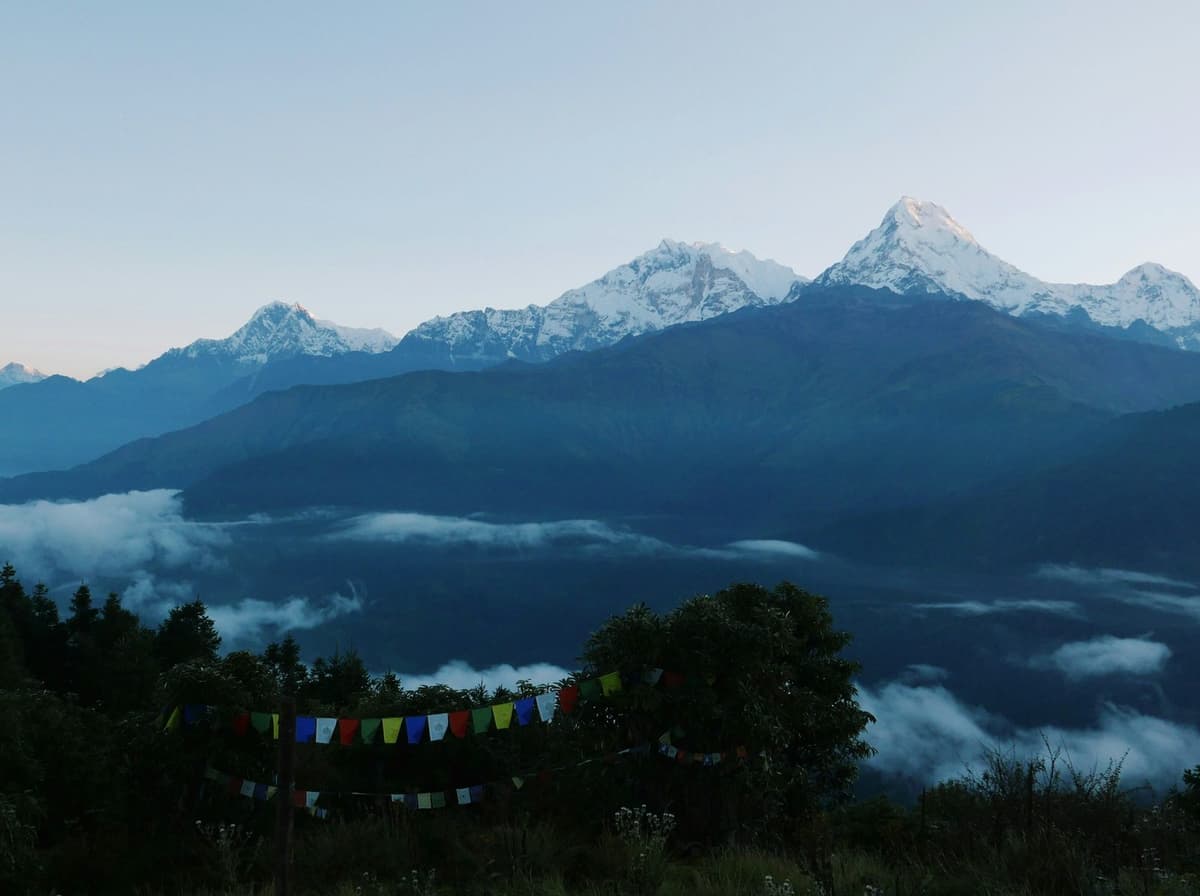
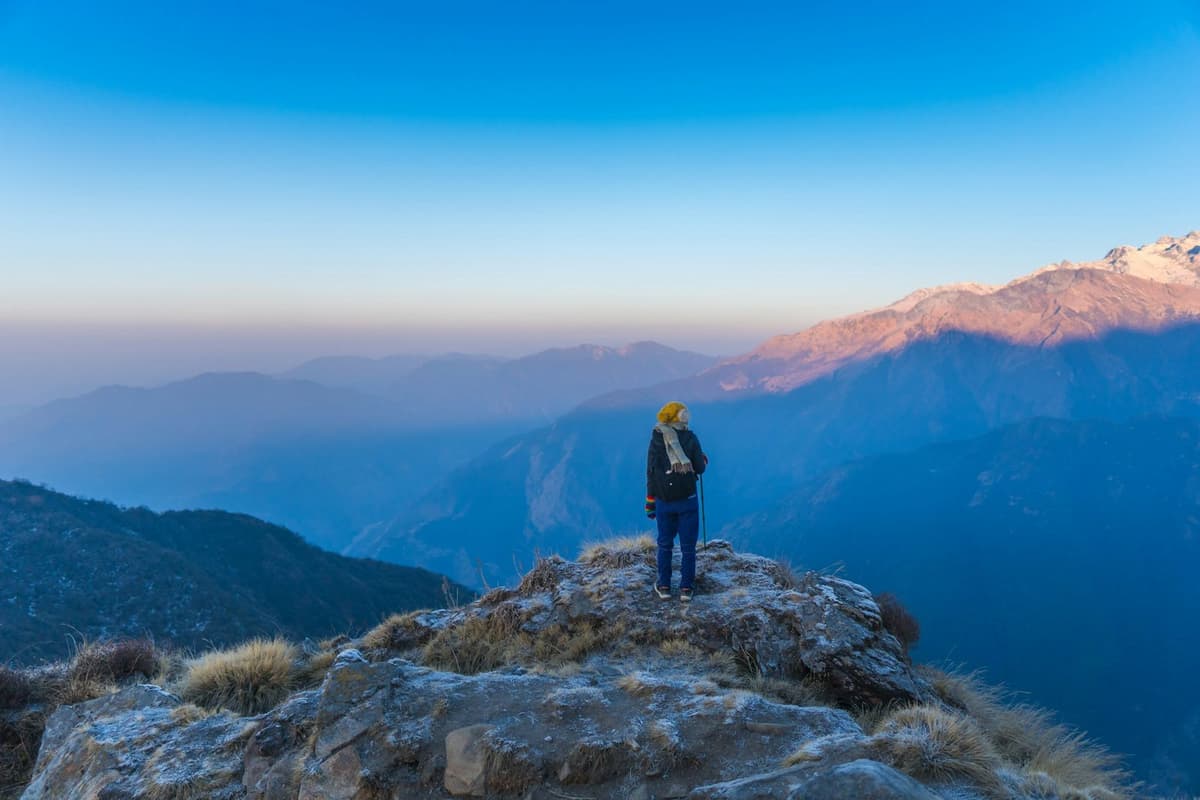
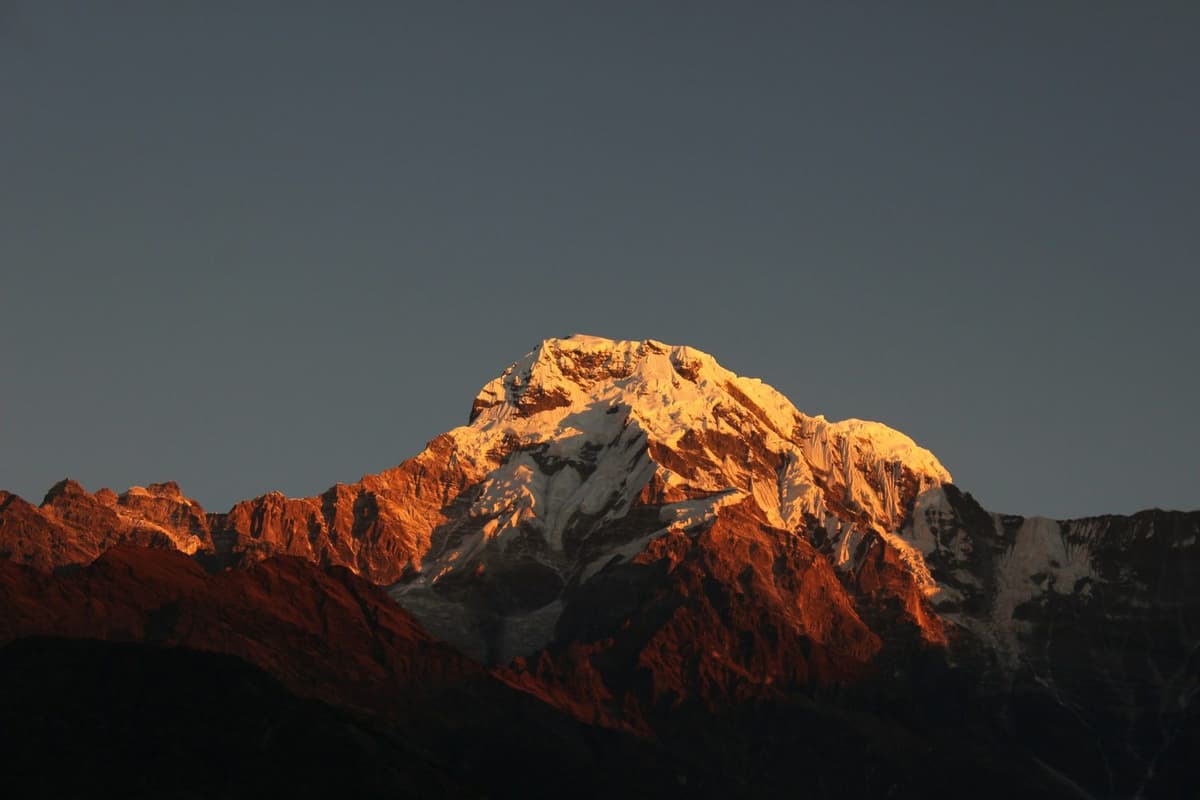
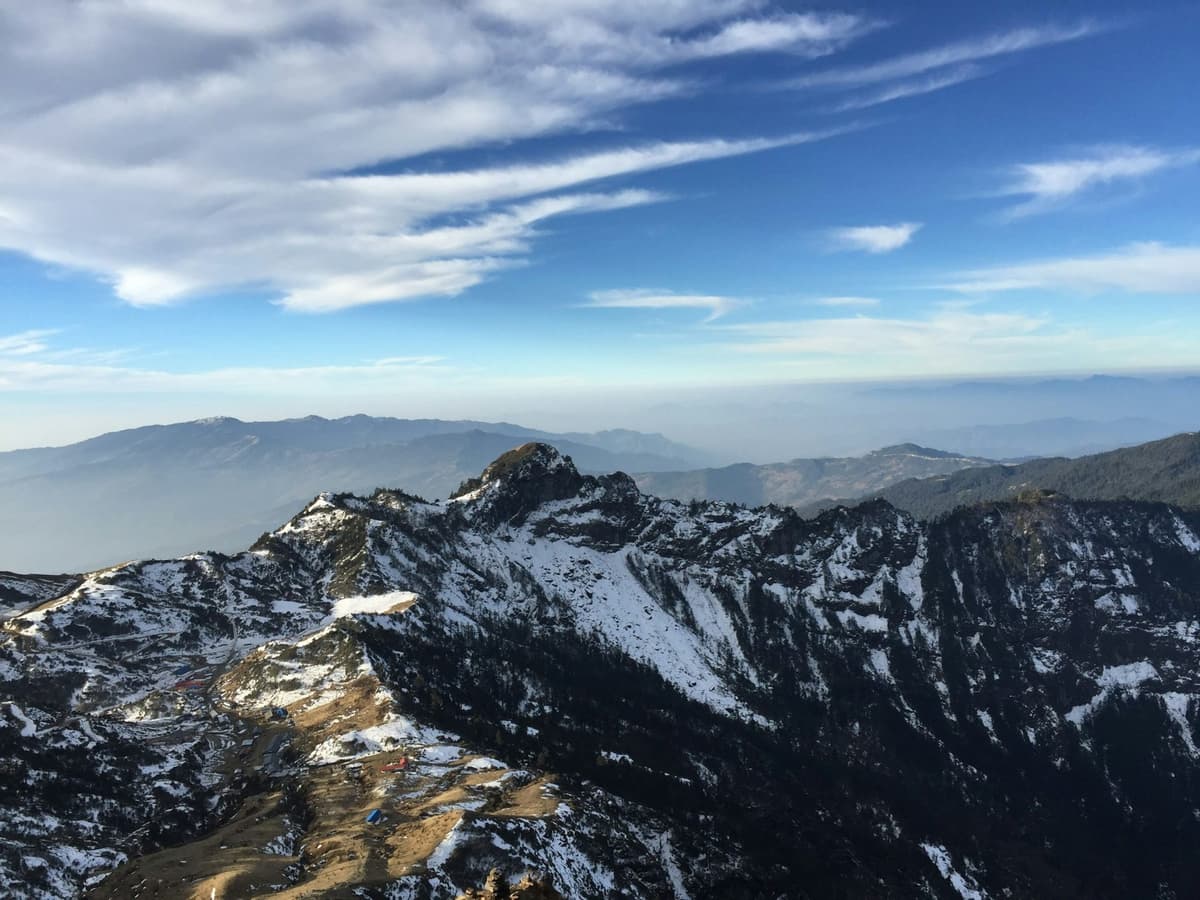
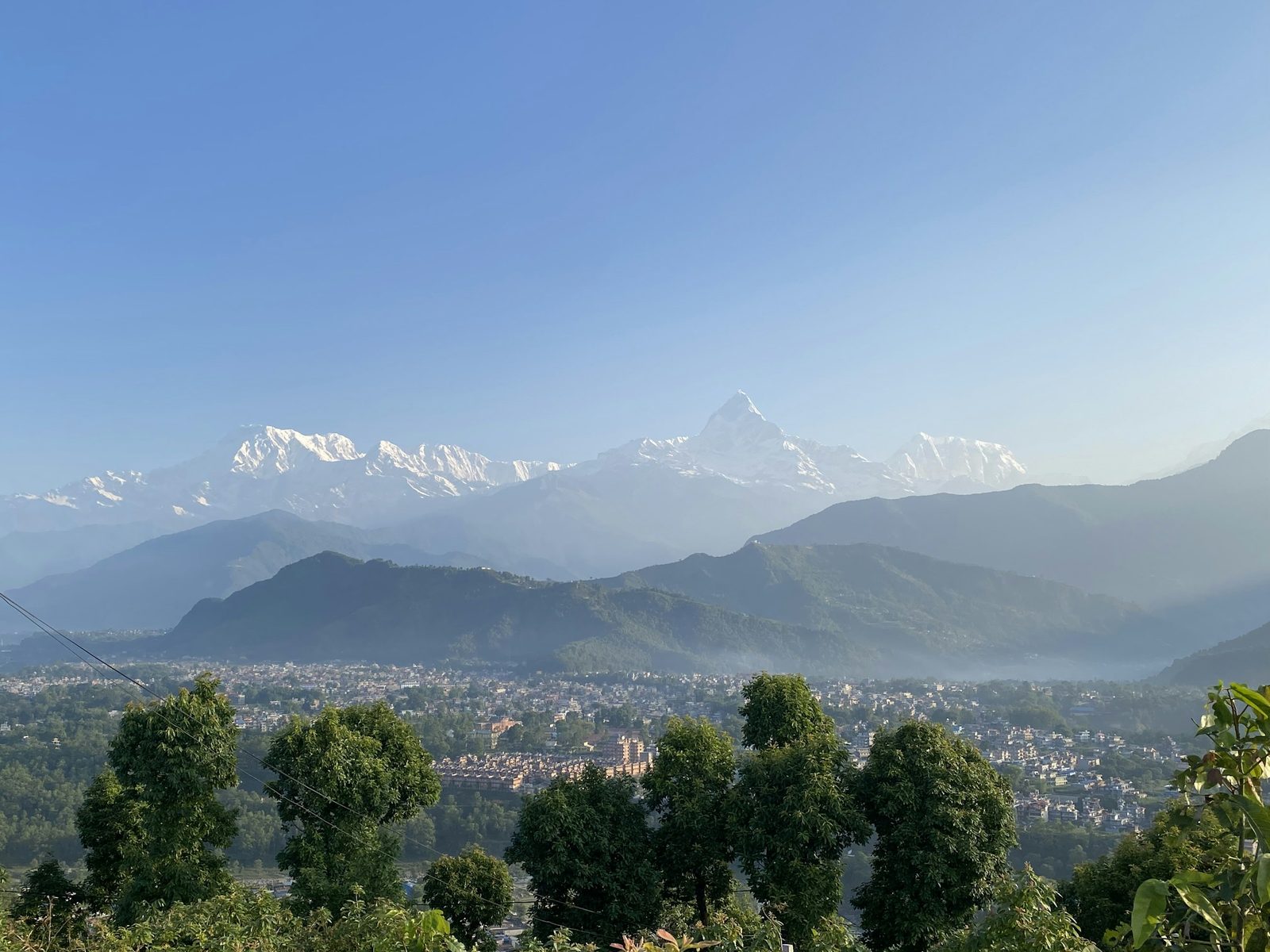
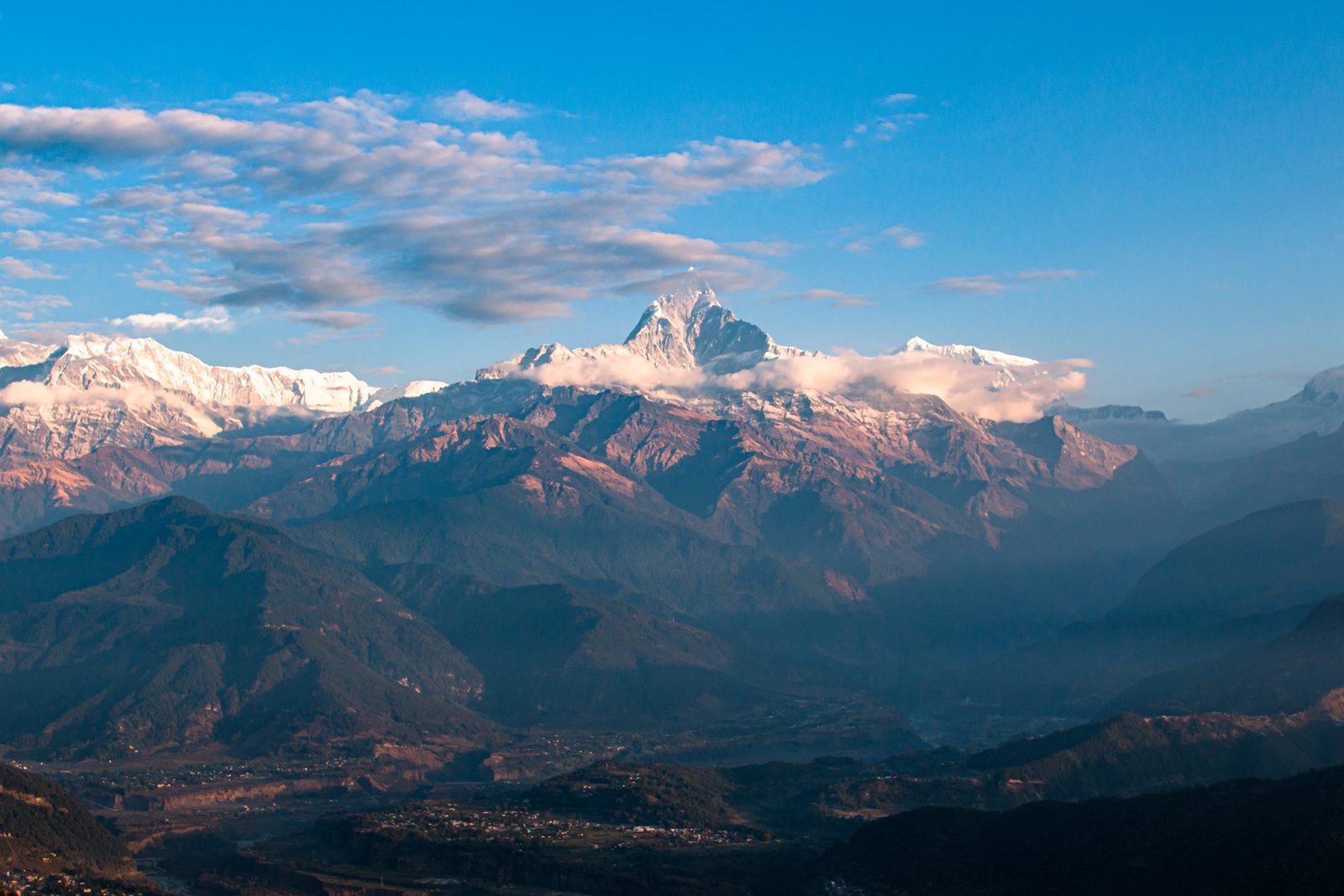
- Pre-dawn drive of 30 to 45 minutes up to Sarangkot, about 1,600 m, for sunrise over the Annapurna range
- Davis Falls, where the lake's outflow drops underground, and Gupteshwor Cave across the road
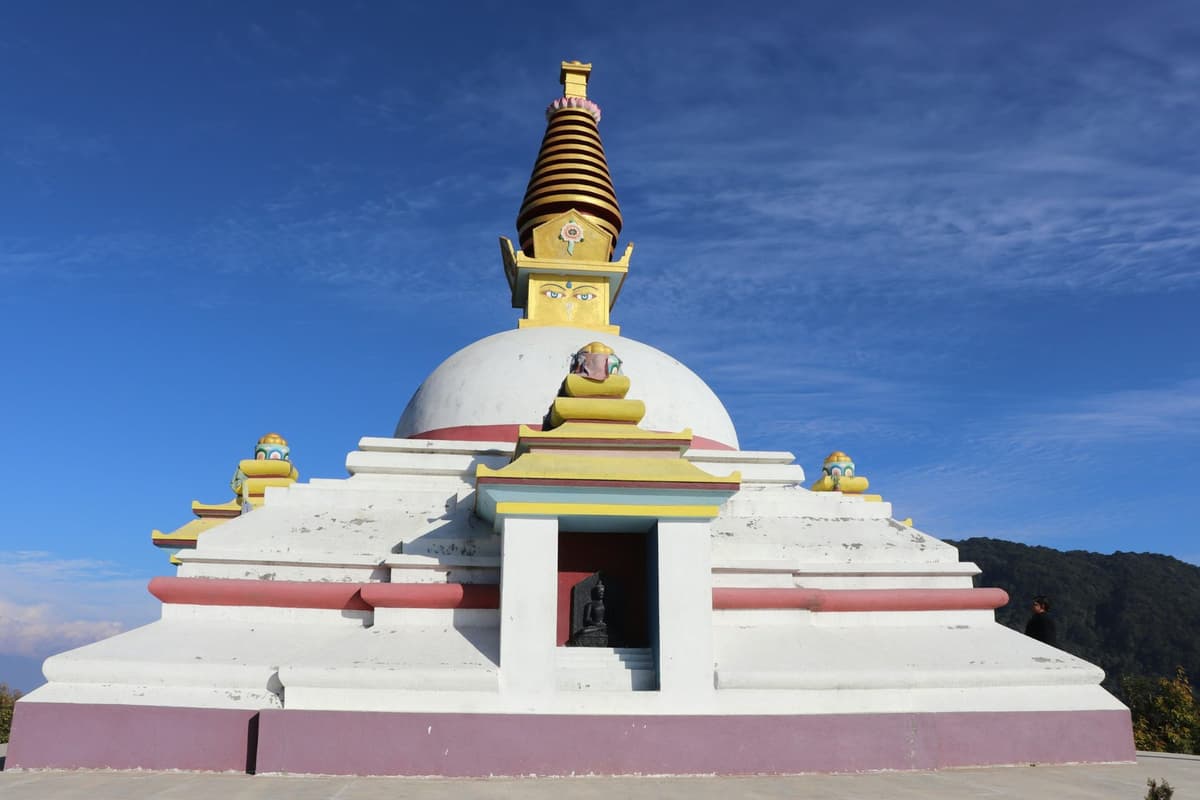
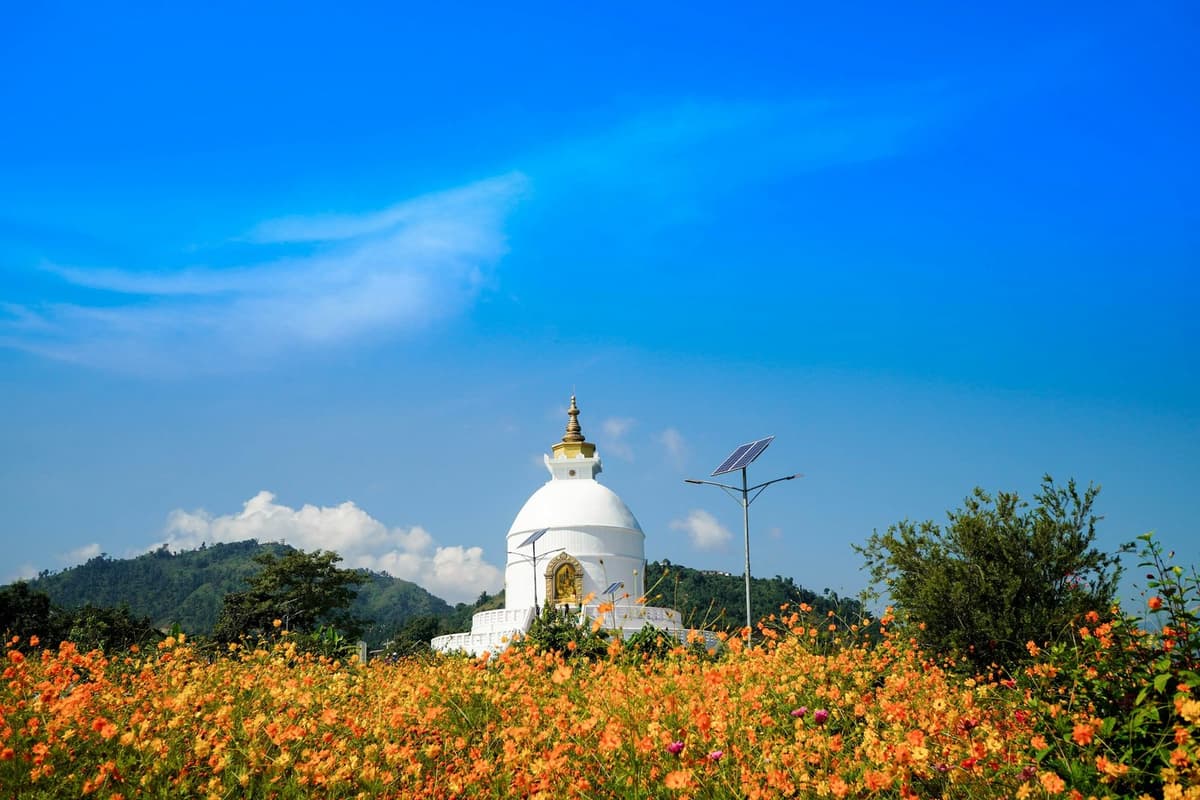
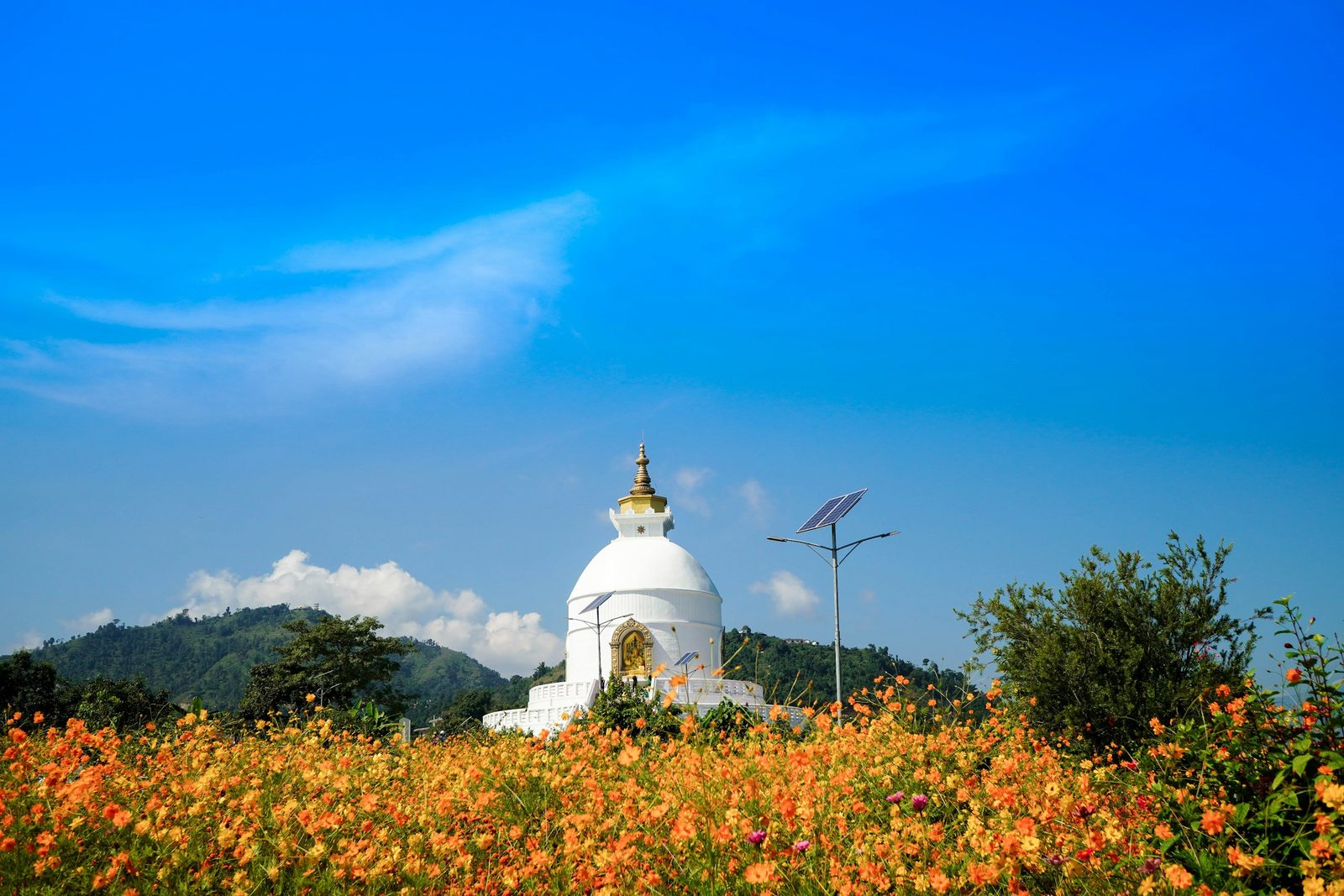
- World Peace Pagoda on Anadu Hill, then the Shiva statue and valley view at Pumdikot
- Free late afternoon and evening at Lakeside
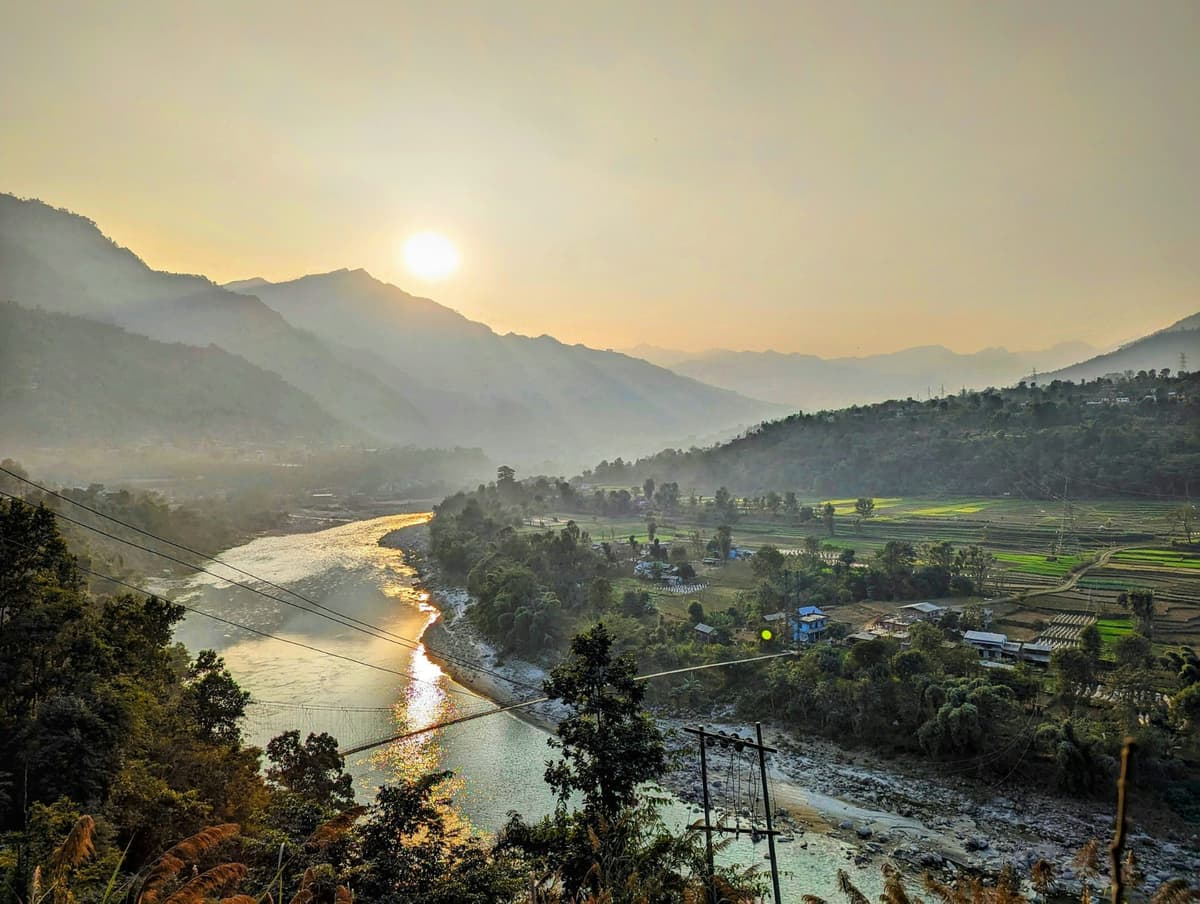
- Morning departure by private vehicle along the Prithvi Highway
- Six to nine hours on the road, depending on traffic and roadworks
- Lunch stop at a highway town such as Mugling
- Drop-off at your Kathmandu hotel by evening
Things to carry
- Warm layer for the Sarangkot sunrise
- Comfortable walking shoes with good grip
- Small torch or headlamp for the caves
- Sun hat and sunscreen
- Light rain jacket
Good to know
Complete guide
This three-day trip gets you from Kathmandu to Pokhara the quick way and brings you home by road. You fly out, spend two days on Pokhara's main sights with a private vehicle and a local guide, and drive back along the Prithvi Highway on the last day. We arrange the domestic flight, the vehicle, the guide and your hotel, so all you need to do is be ready at the door.
What the Pokhara tour from Kathmandu covers
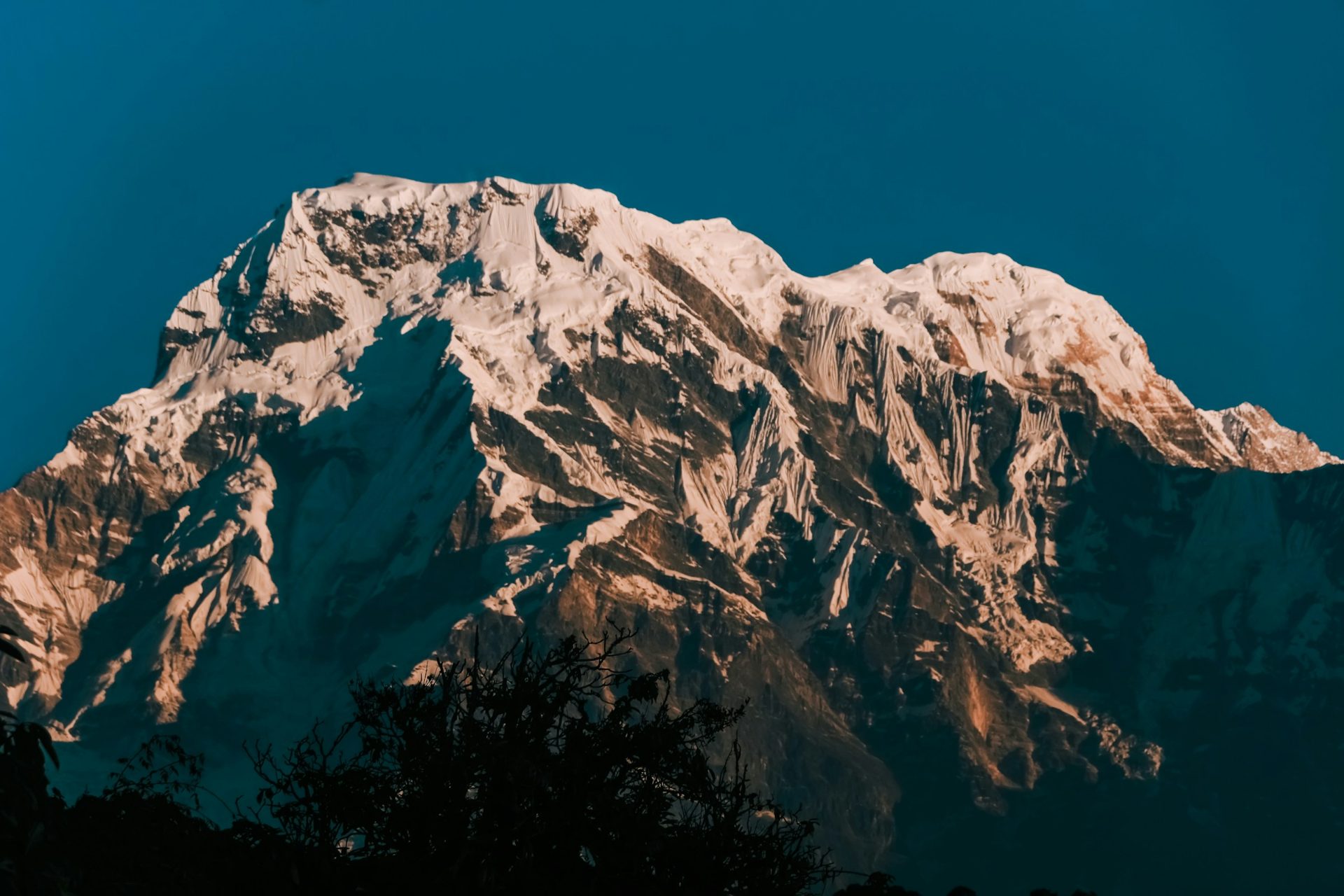
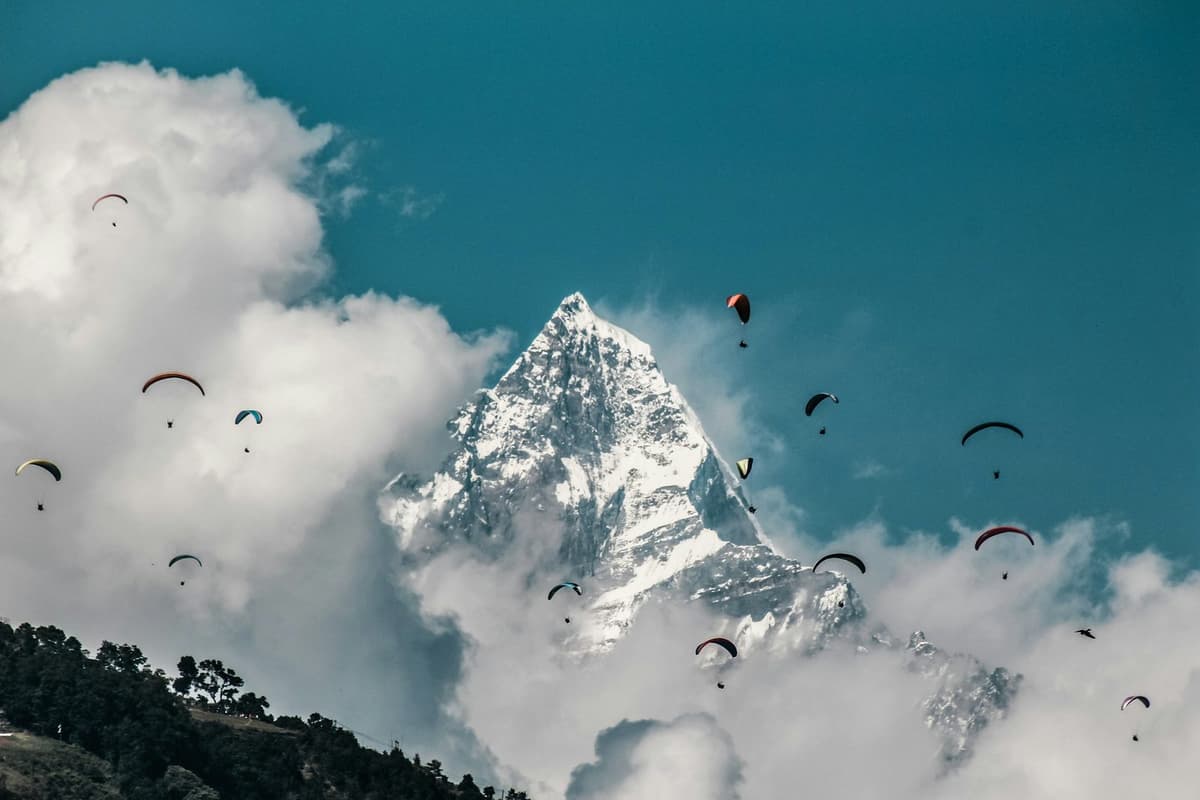
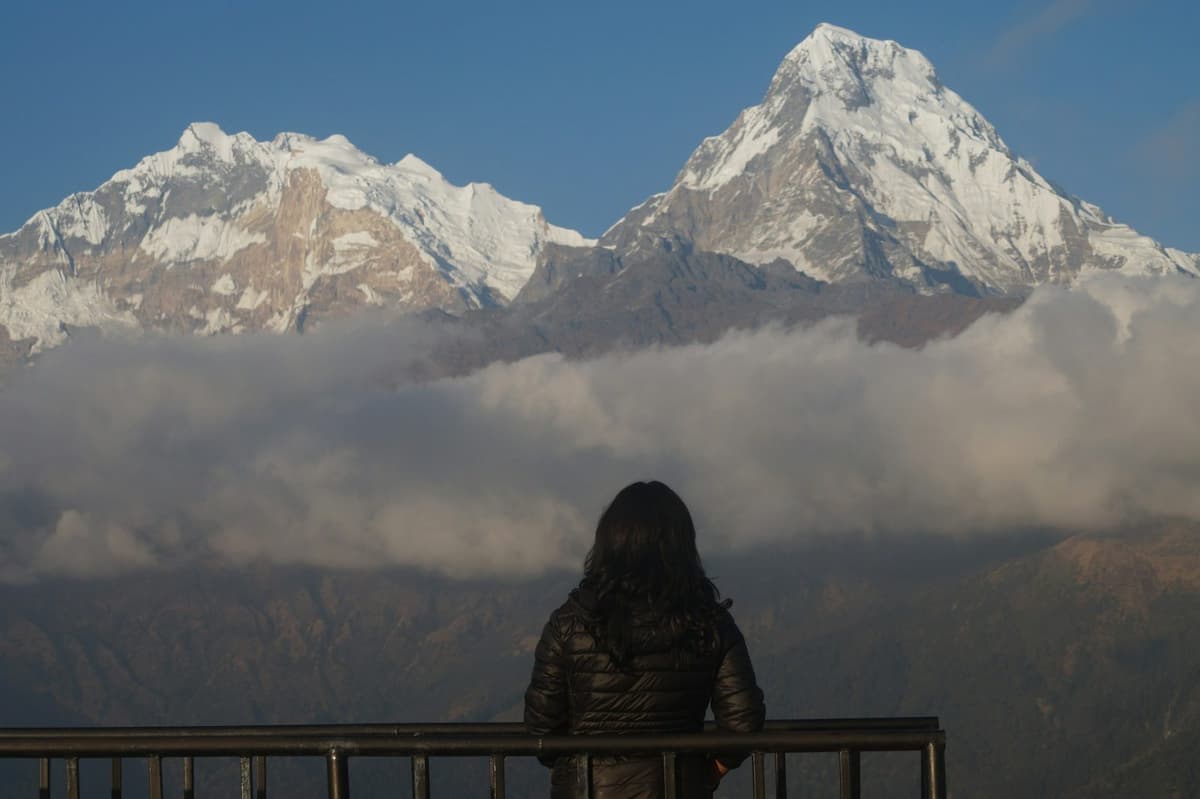
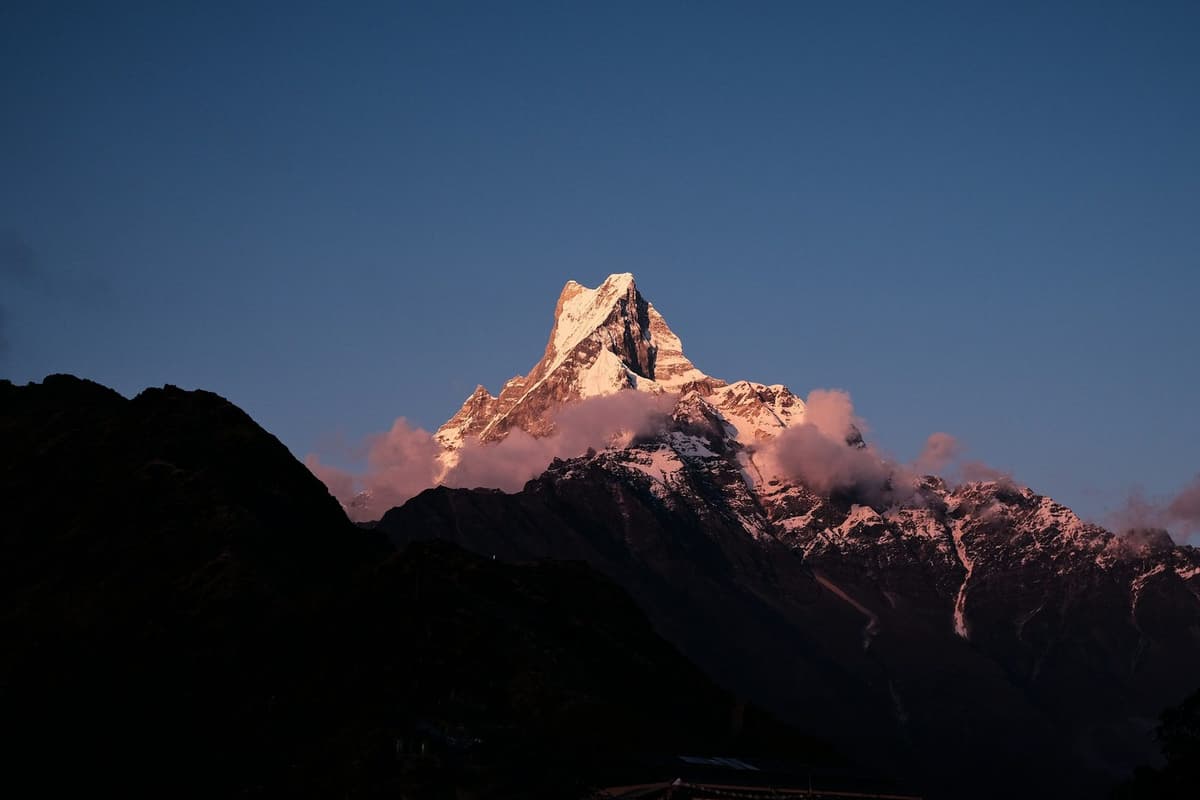
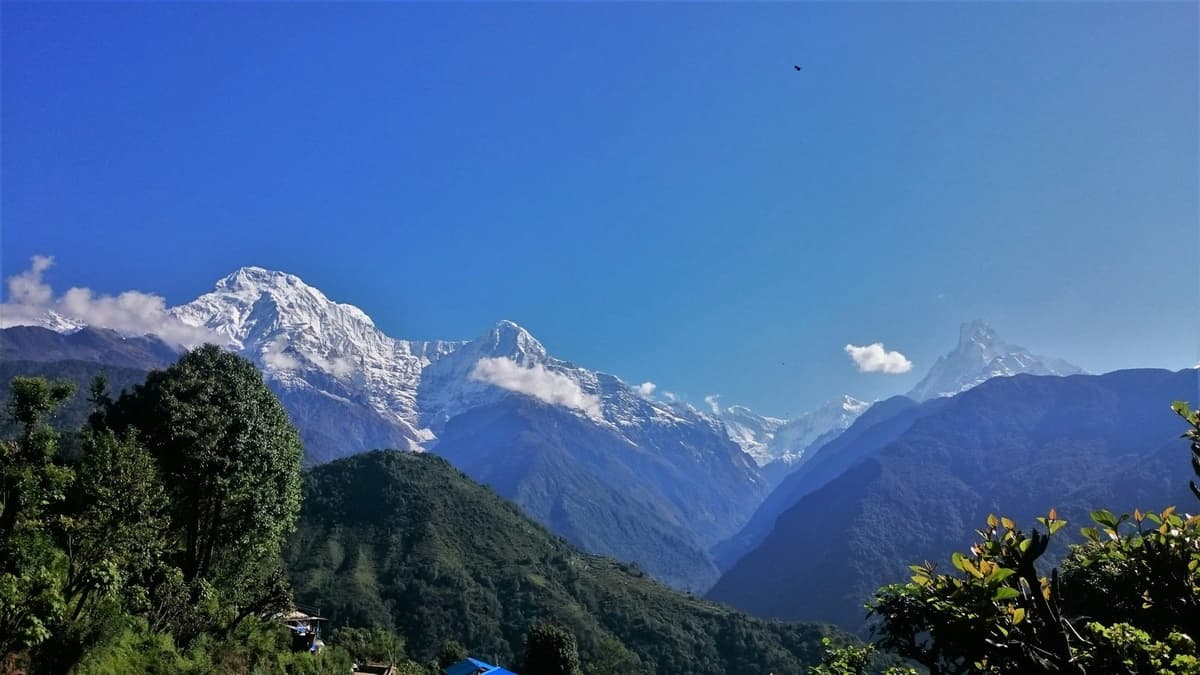
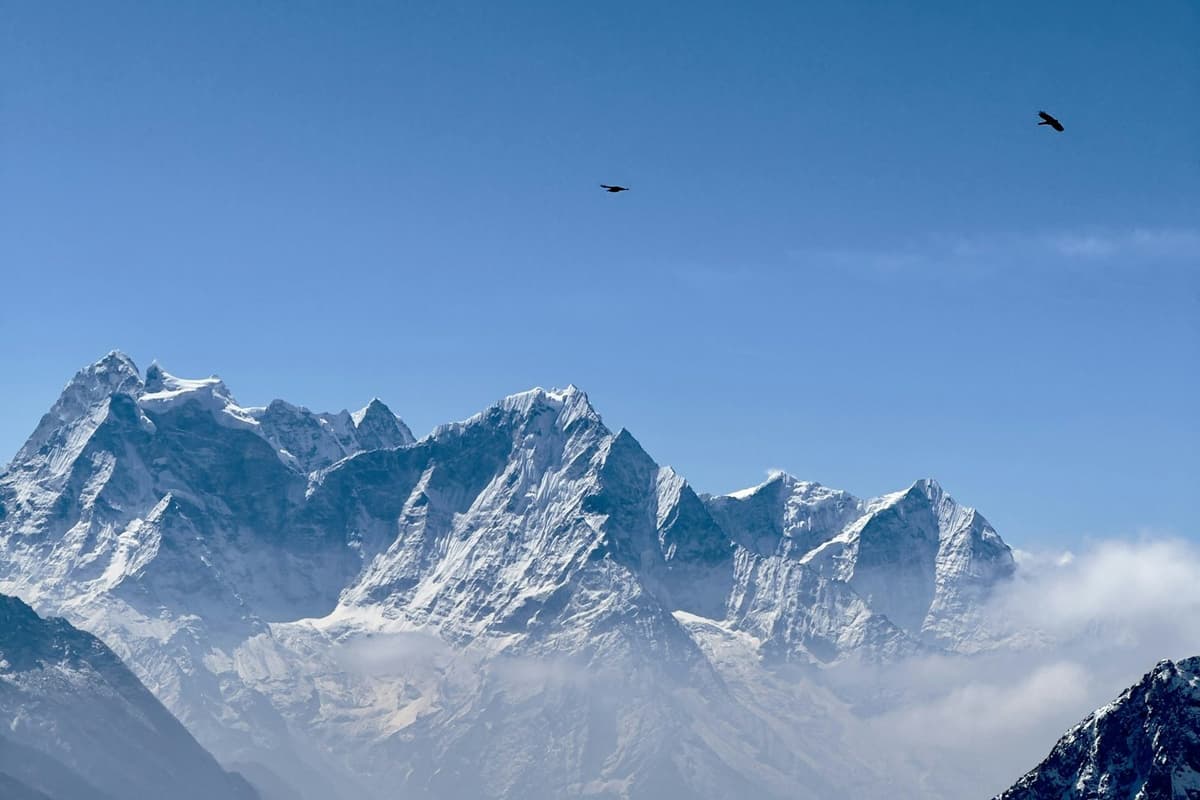
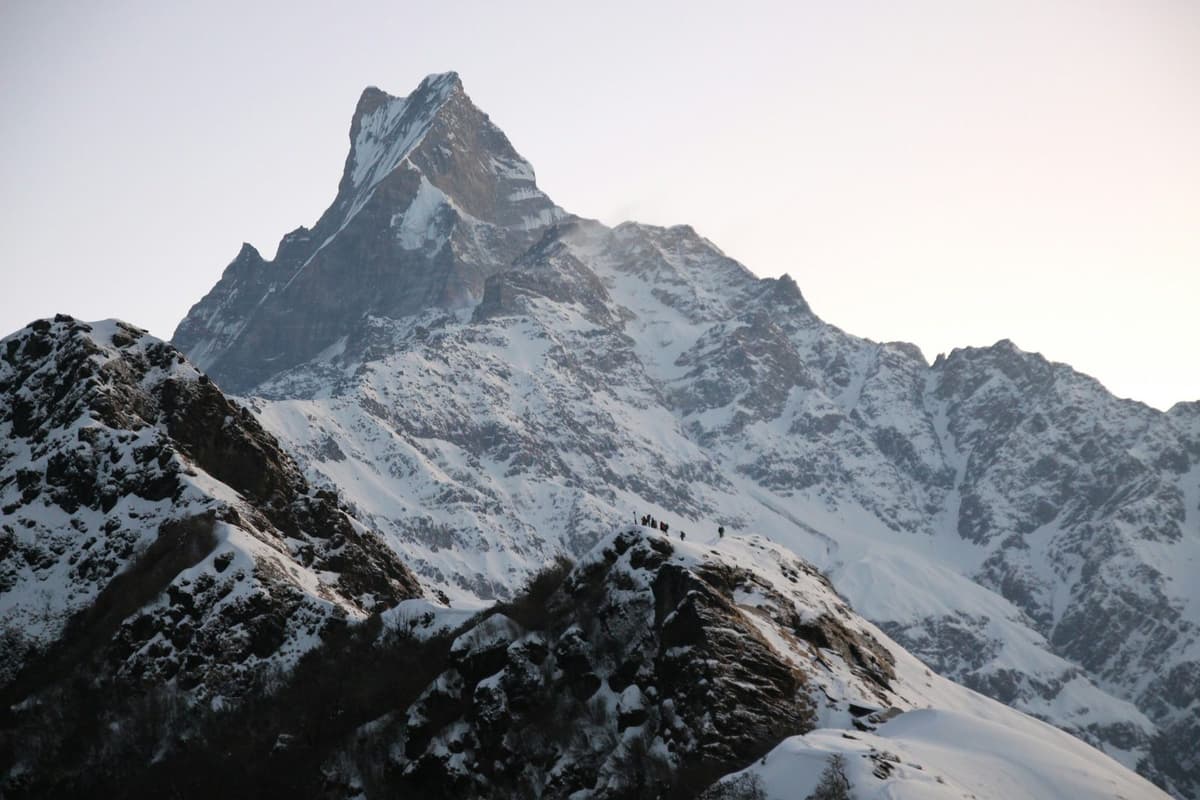
Pokhara is the lake city about 200 km west of Kathmandu, at around 822 m (2,697 ft), with the Annapurna range close enough to fill the northern skyline on a clear day. Machhapuchhre, the fishtail peak at 6,993 m, is the mountain nearest the city. The tour covers the sights most visitors come for: the limestone caves at Batulechaur, Phewa Lake by rowing boat, sunrise at Sarangkot, Davis Falls and Gupteshwor Cave, the World Peace Pagoda and the Shiva statue at Pumdikot, plus free time at Lakeside, the strip of hotels, cafés and shops along the water.
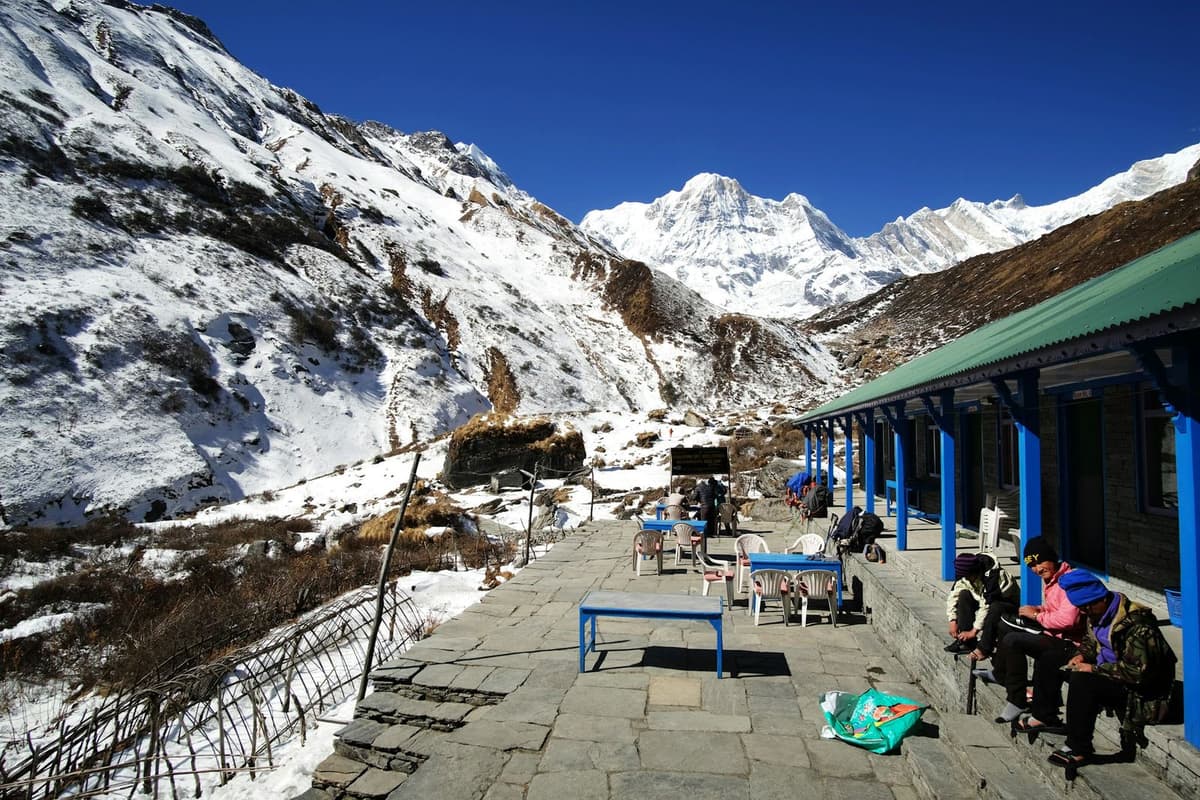
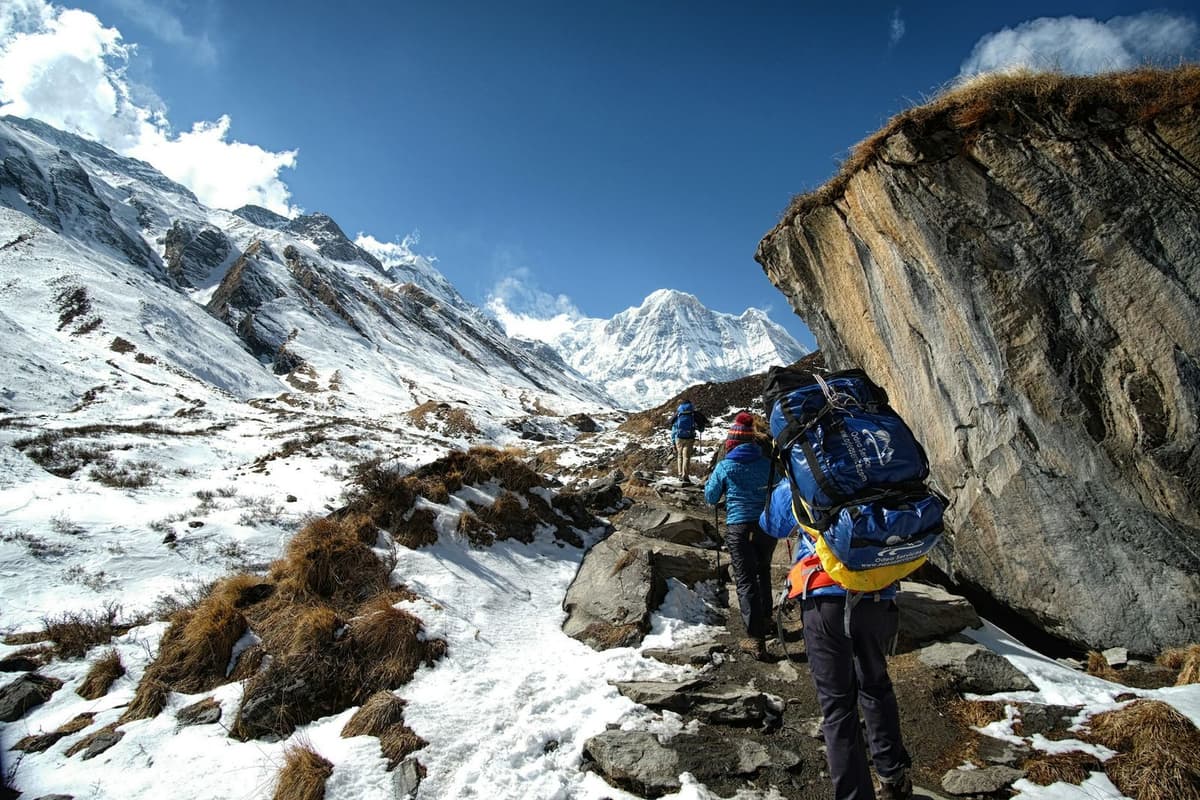
It is sightseeing, not trekking. The longest walks are short paths up to viewpoints and the steps down into the caves.
Why fly out and drive back
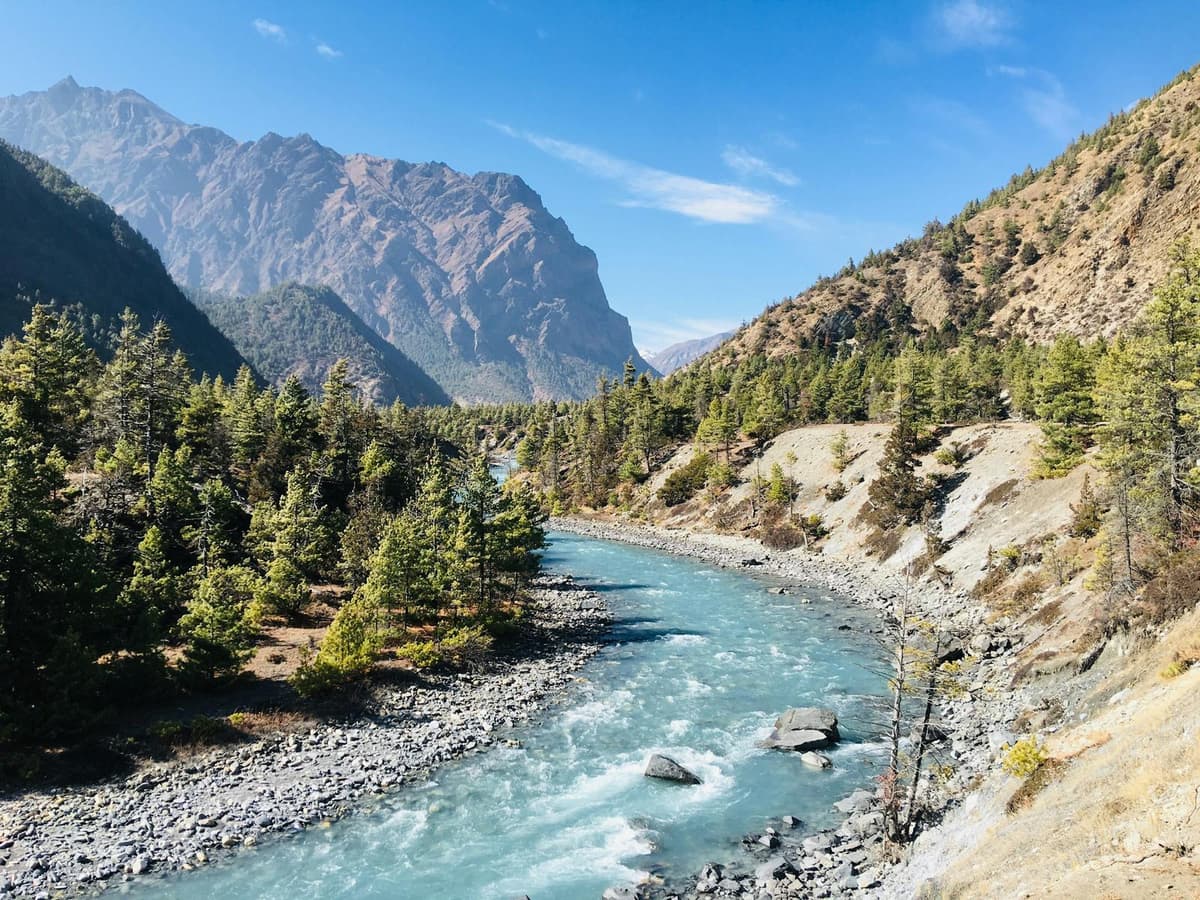
The flight to Pokhara takes about 30 minutes, against six to nine hours by road, so flying out gives you a full first afternoon in Pokhara rather than a day in a vehicle. Driving back costs you a day, but it is the more dependable leg. Flights in and out of Pokhara are often delayed by weather, and a road return means a cloudy morning does not put your onward plans from Kathmandu at risk. It also shows you the country between the two cities, as the highway follows the Trishuli River for much of the way.
The honest trade-off is that the last day is long. Traffic and roadworks decide the timing more than distance does, so we leave in the morning and plan to reach Kathmandu by evening. If you need to be back sooner, tell us and we will look at a return flight instead.
Sarangkot, the caves and the lake: what each stop is like
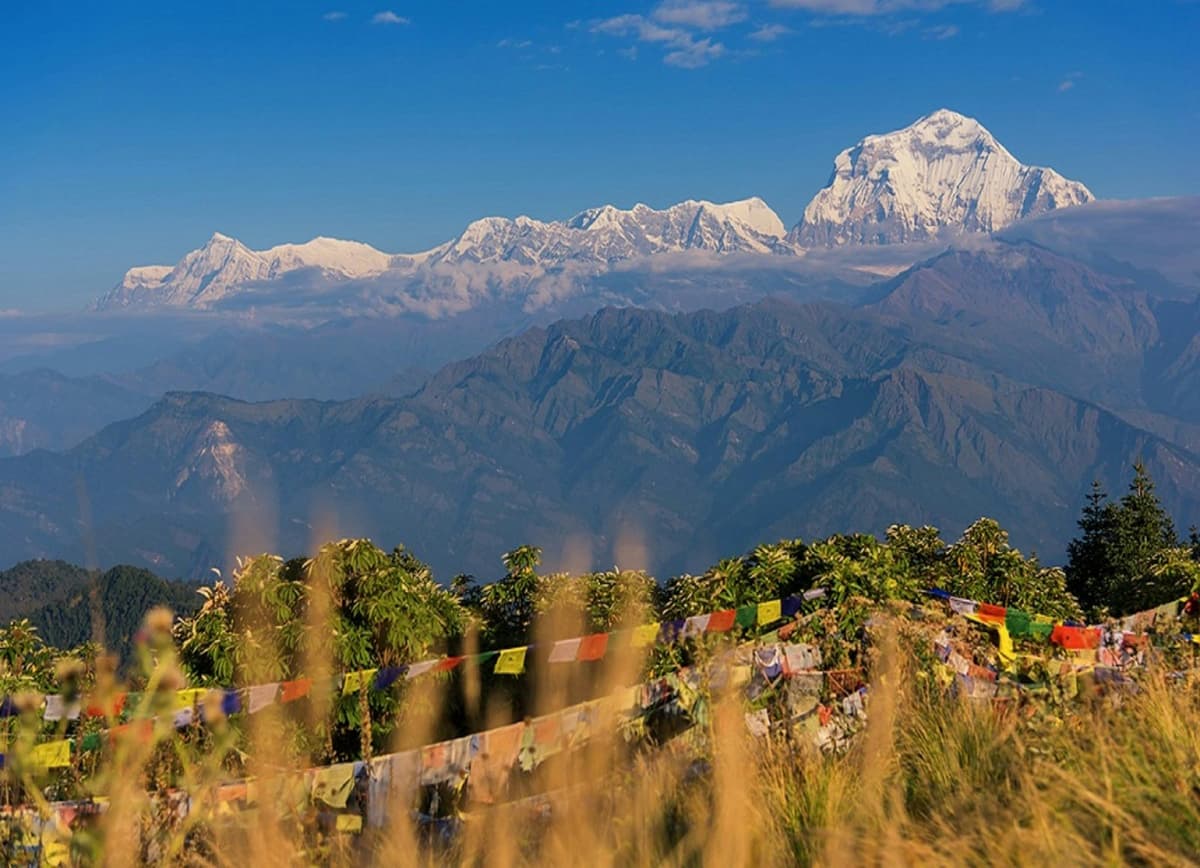
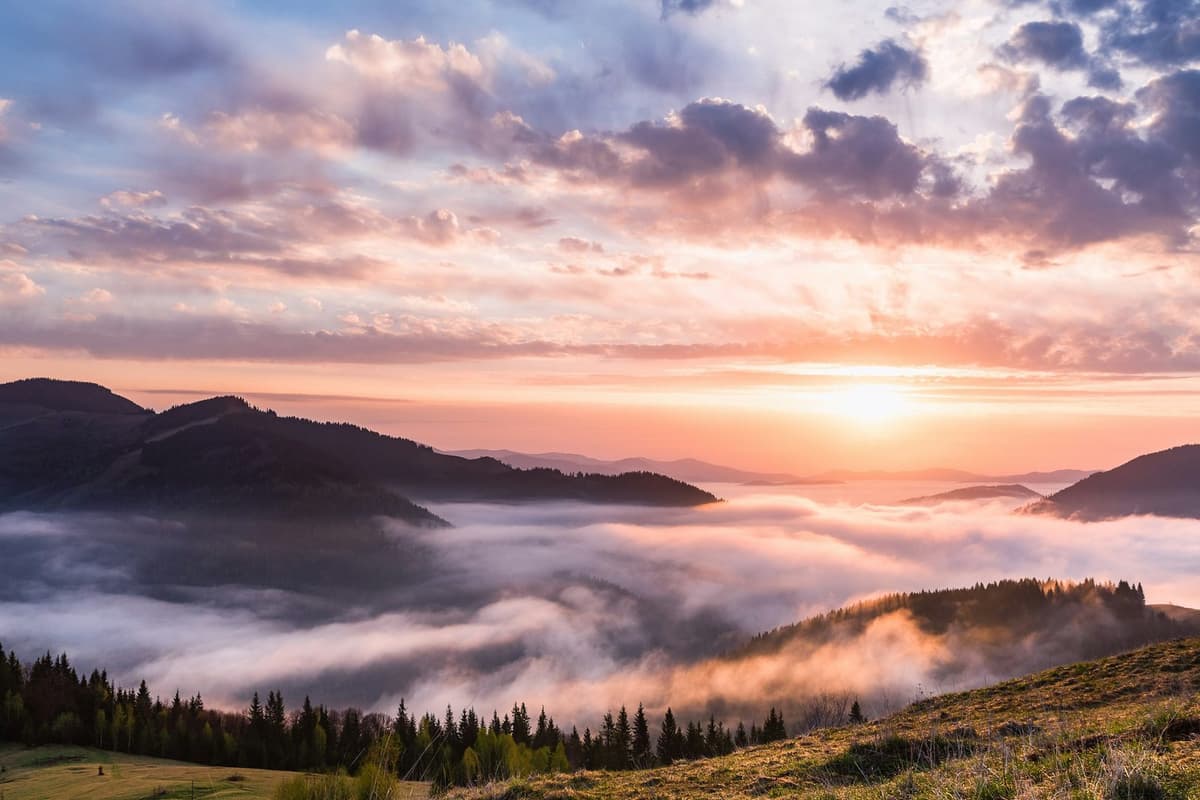
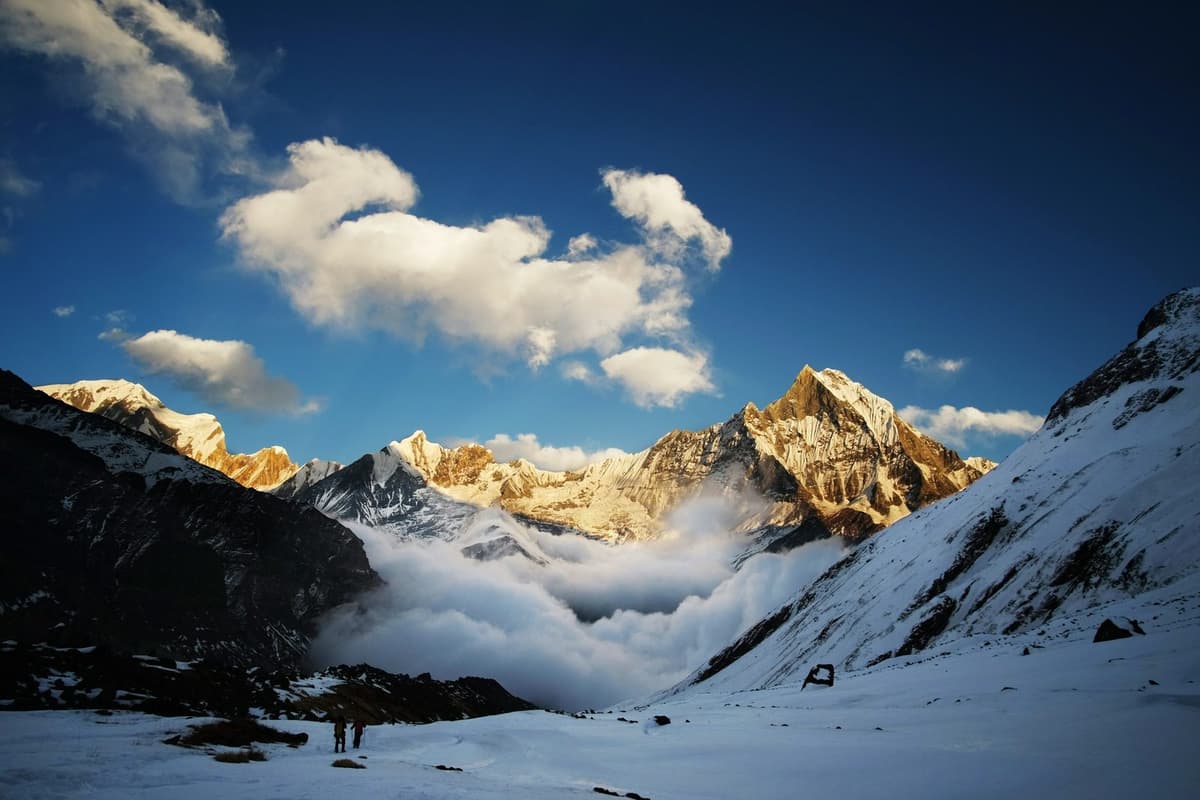
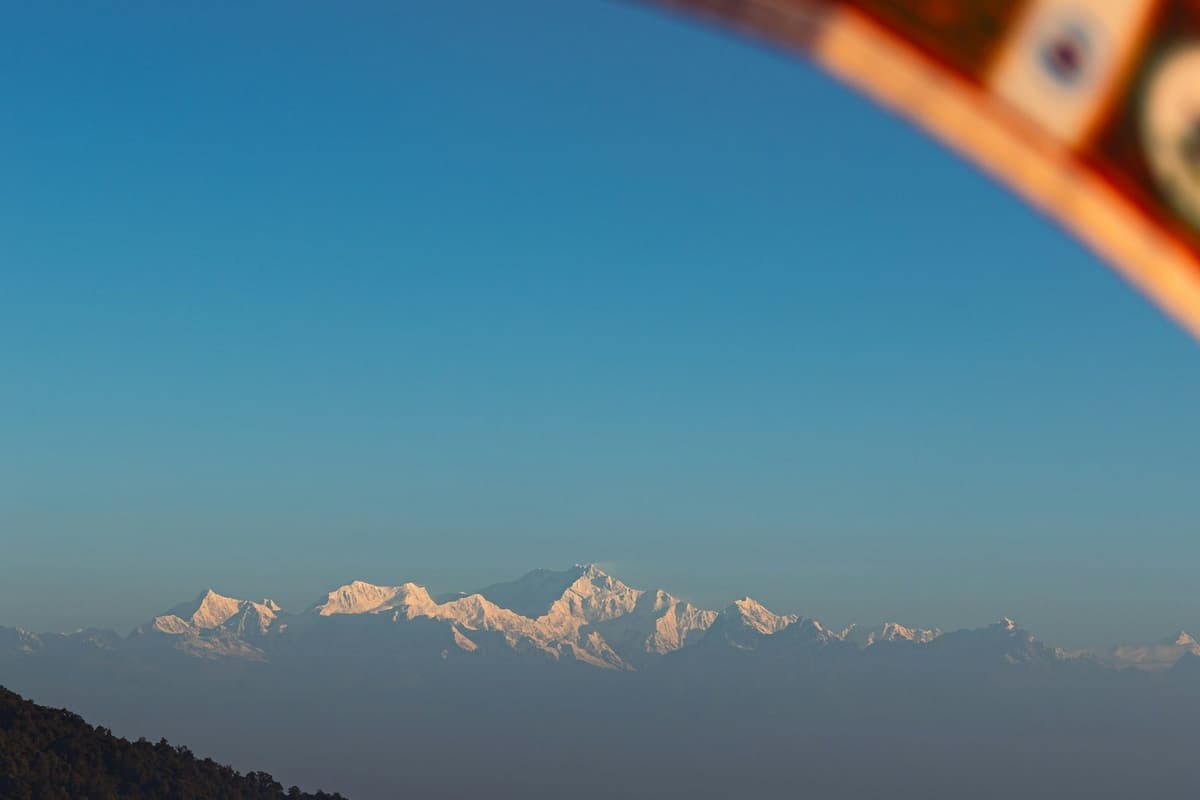
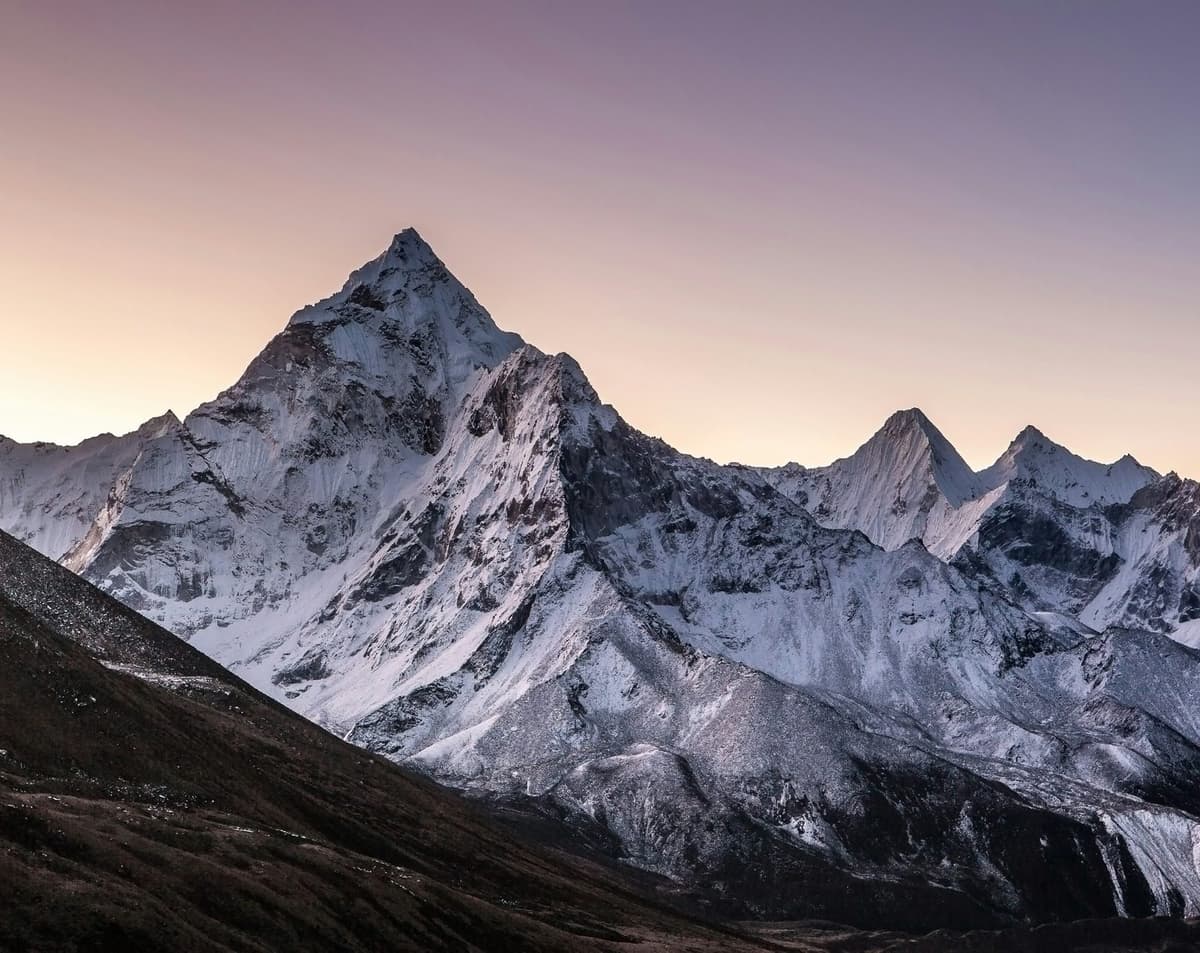
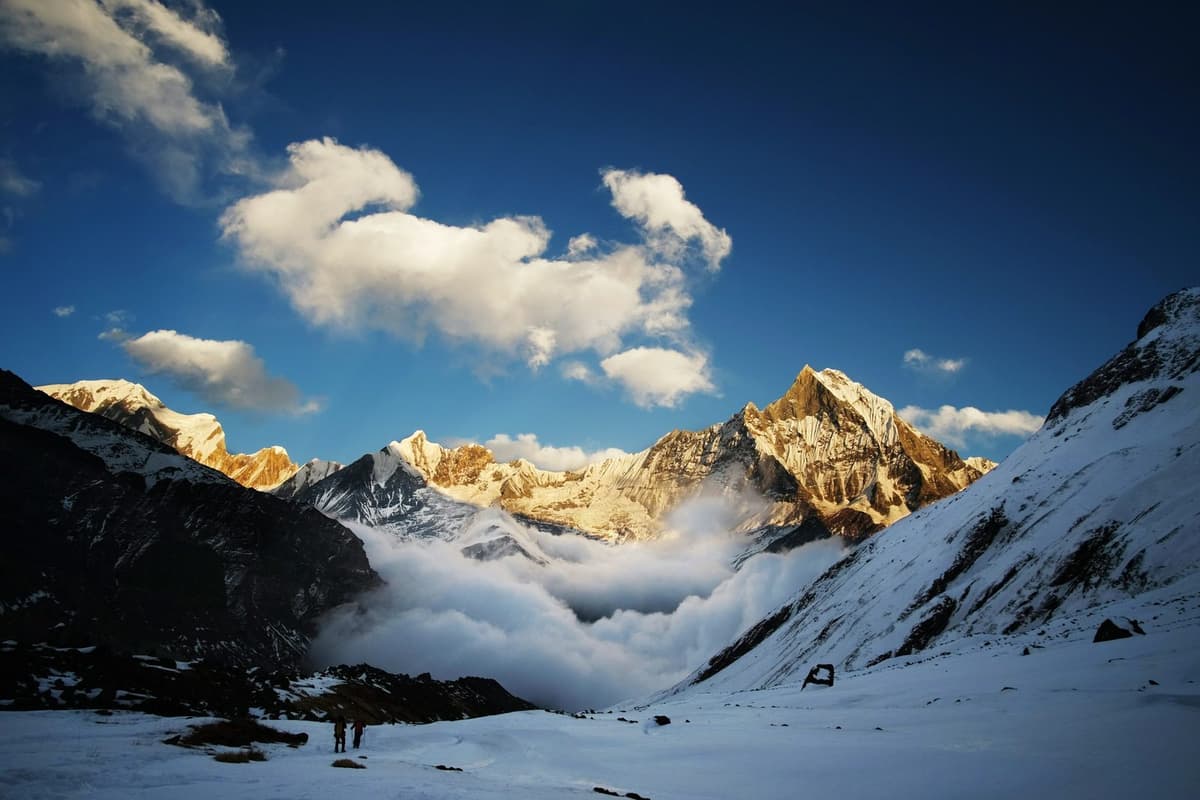
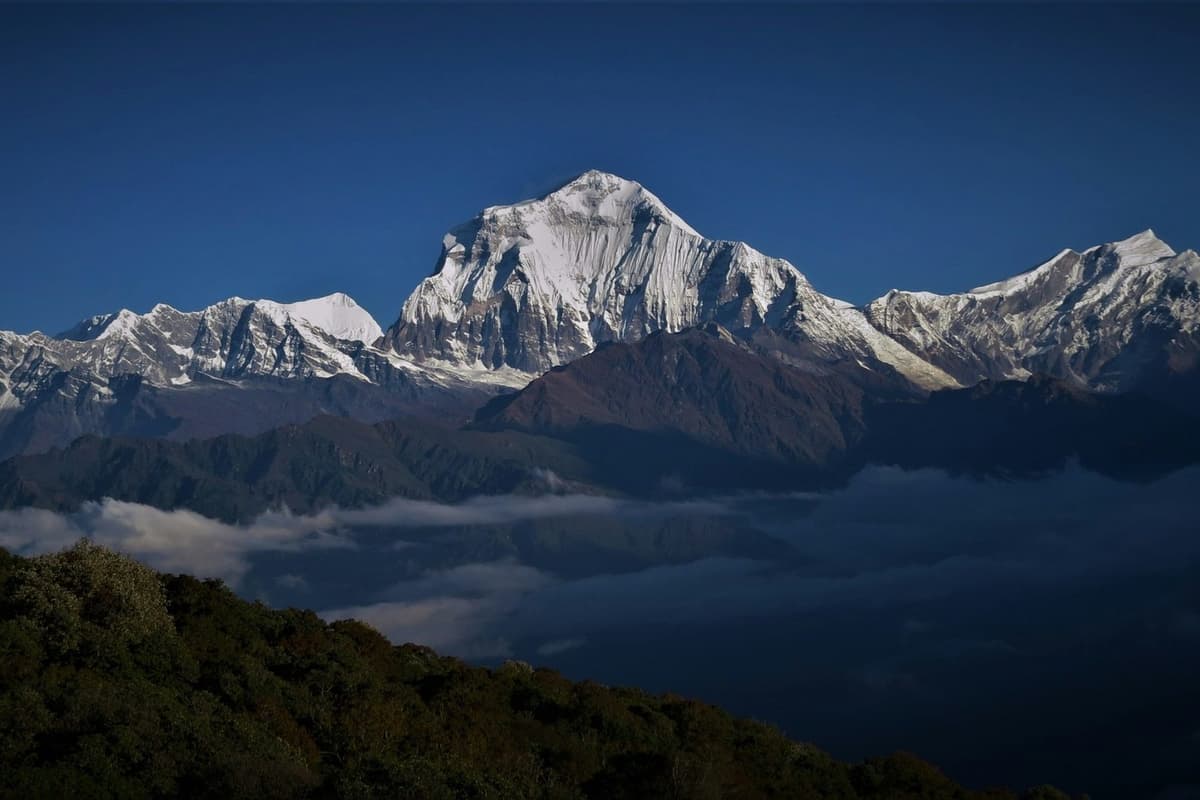
Sarangkot is the ridge above Phewa Lake, at about 1,600 m (5,249 ft). We drive up before dawn, which takes 30 to 45 minutes from Lakeside, and on a clear morning the sun lights Dhaulagiri, Annapurna I, Machhapuchhre and, further east, Manaslu. Bring a warm layer; it is cold at that hour for much of the year.
Mahendra Cave is a limestone show cave with stalactites and stalagmites, and the Bat Cave nearby is home to horseshoe bats and has a narrow exit that needs a short scramble. Davis Falls is where the outflow from Phewa Lake drops into a gorge and runs underground, reappearing in Gupteshwor Cave across the road, a Shiva shrine with a damp stairway down to the water. The World Peace Pagoda is a white Buddhist stupa on Anadu Hill at about 1,100 m, opened in 1999, looking back across the lake to the mountains. Pumdikot, at about 1,500 m, has a large Shiva statue completed in 2021 and a wide view over the valley, the lake and the Peace Pagoda.
When to go and what the weather does
October to February gives the clearest mountain views and the driest days. Winter nights are cold, but it rarely snows in Pokhara itself. Spring, from March to May, is warm and pleasant for lake time, but cloud often hides the peaks by mid-morning. June to September is the monsoon, and Pokhara is one of the wettest parts of Nepal: the lake and hills are green, views are rare and flights are delayed more often. We run the trip all year and will tell you plainly what to expect for your dates.
Who this trip suits, and when to choose something else
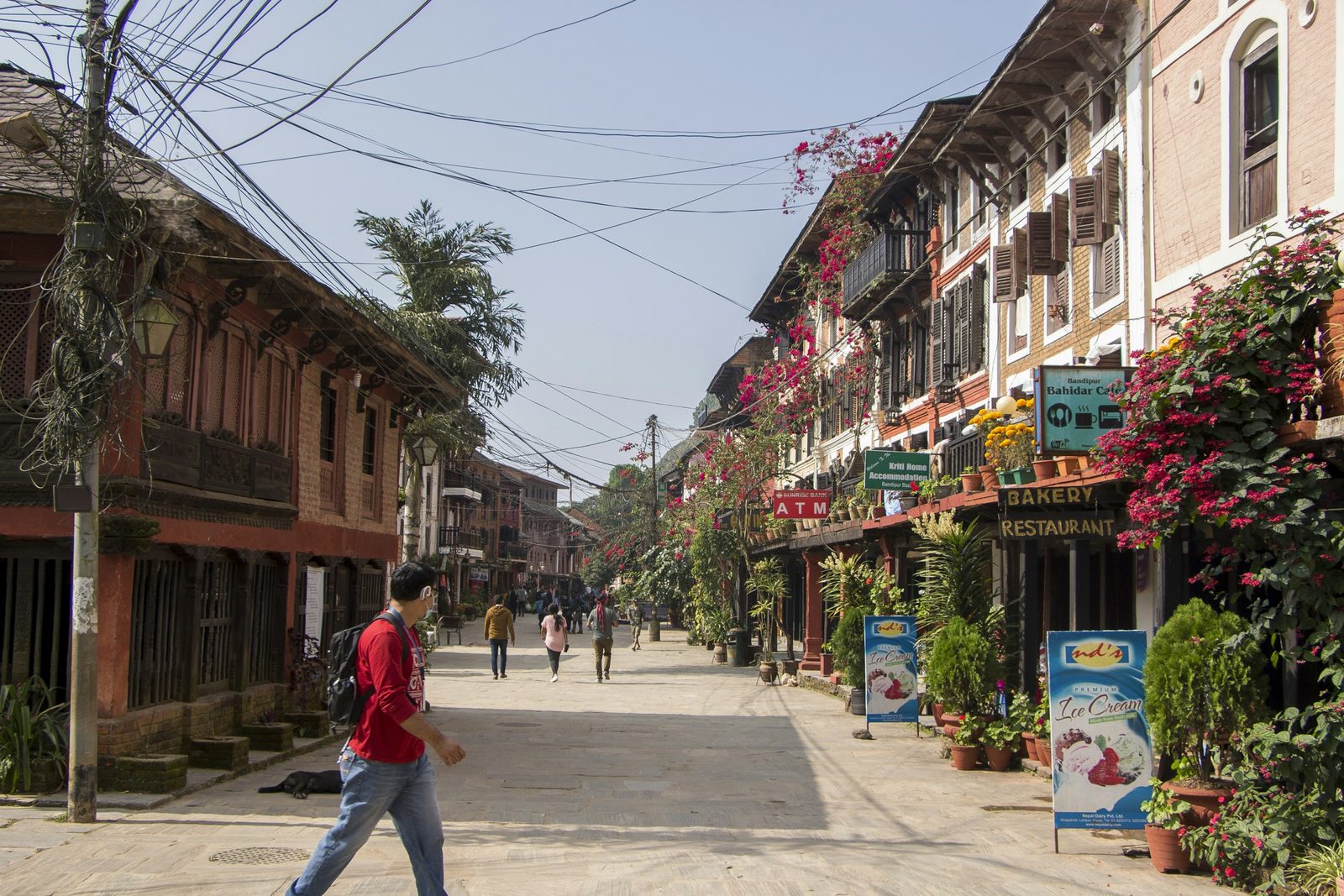
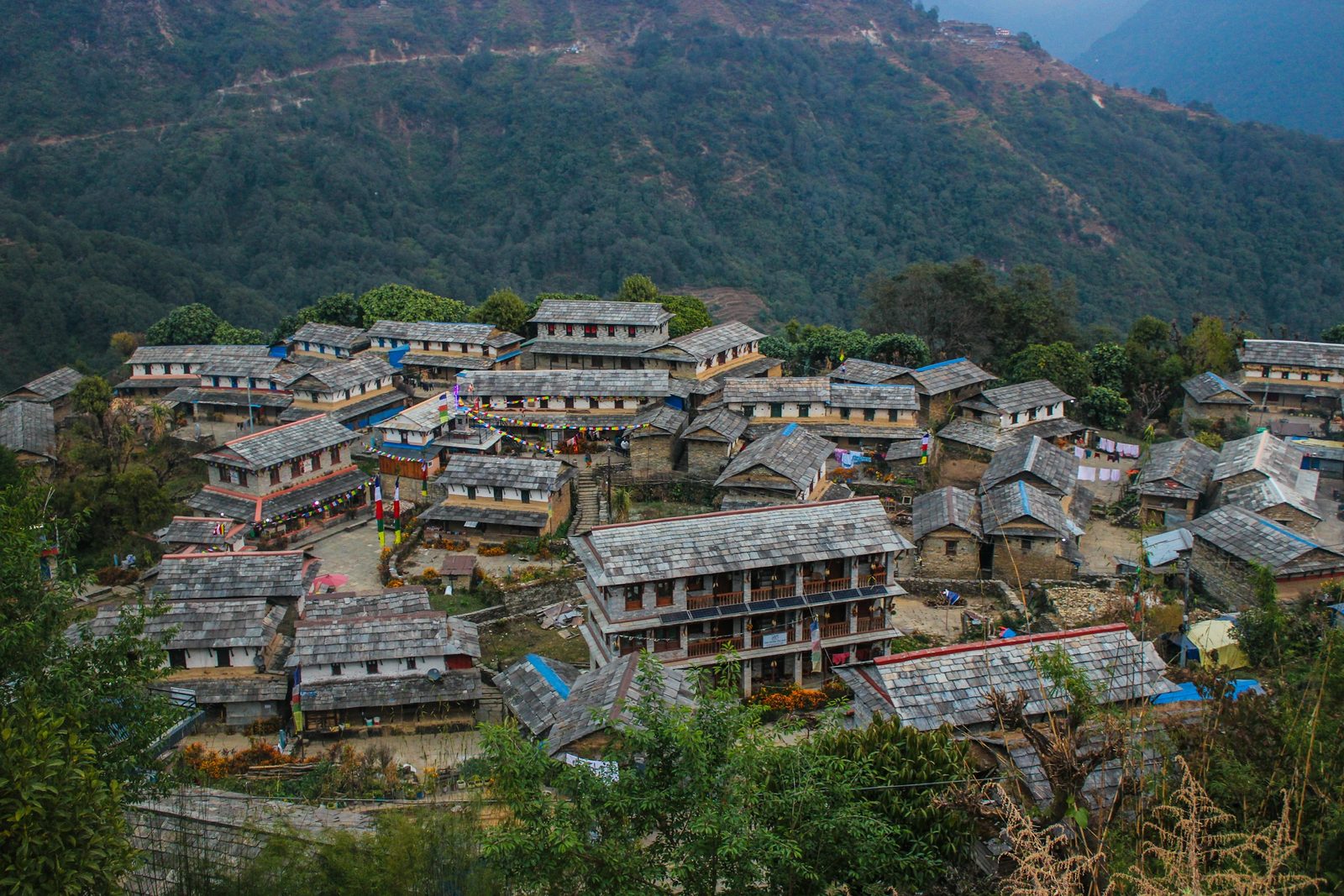
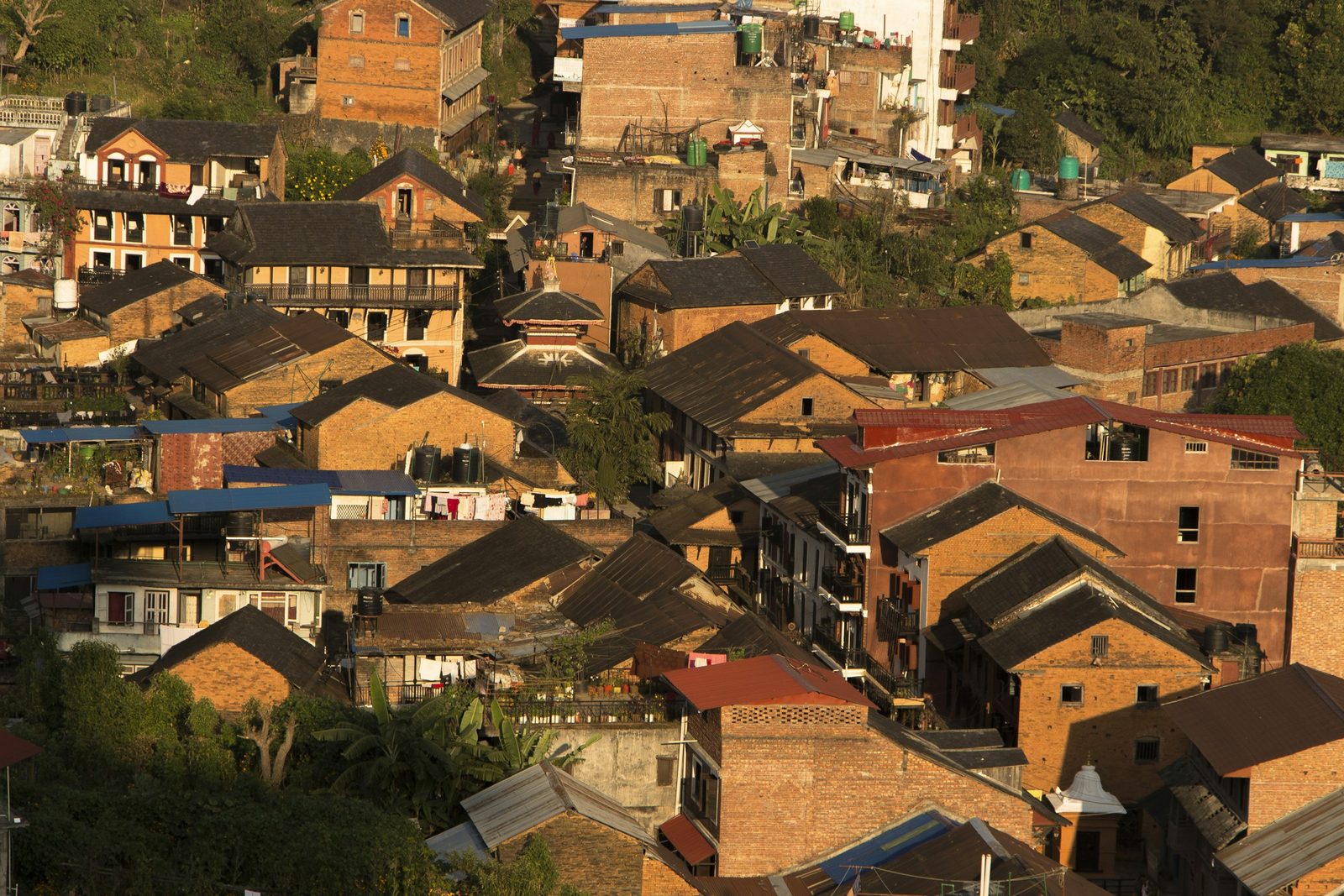
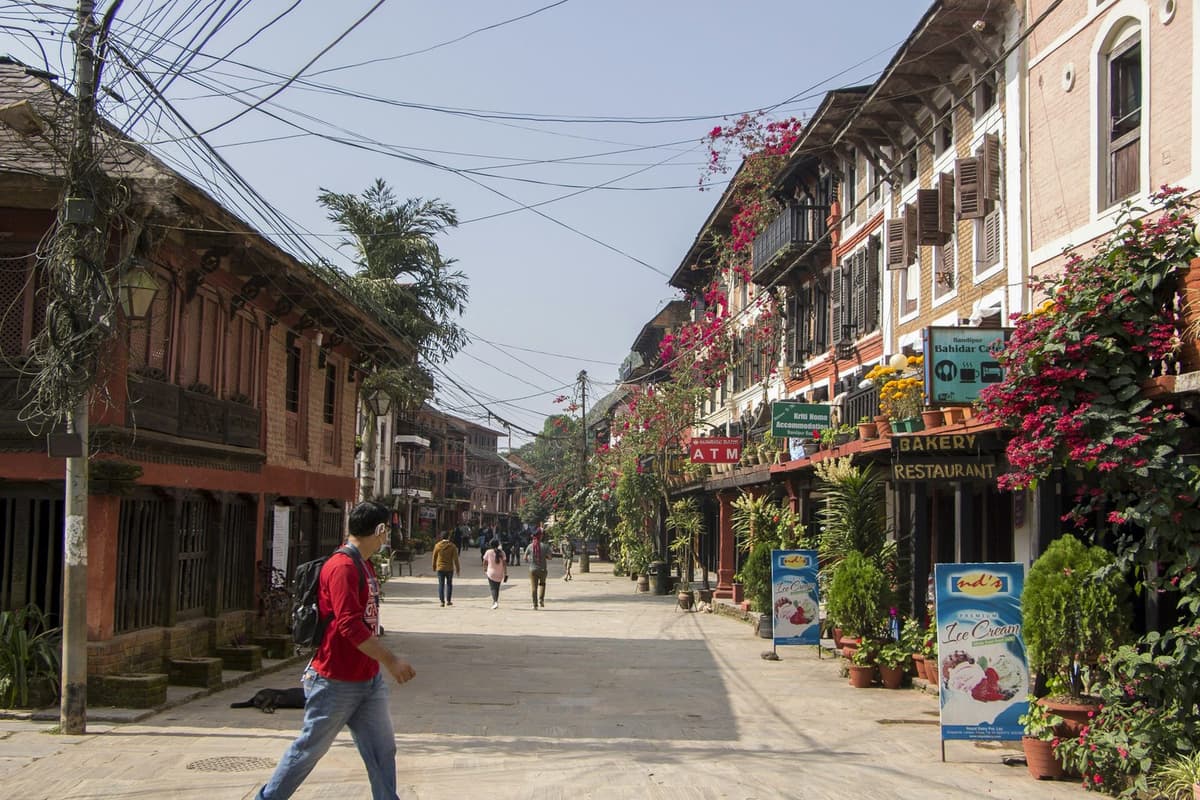
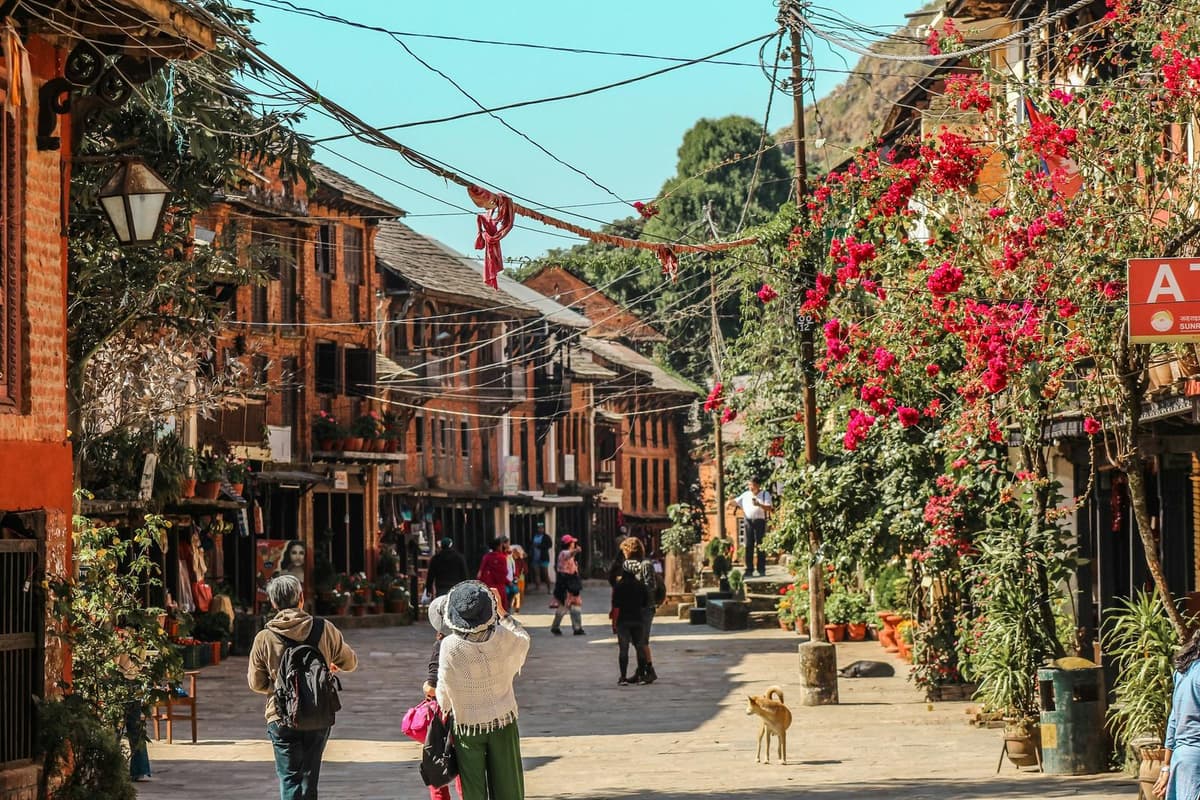
It suits first-time visitors, families with children, older travellers and short breaks from India, because there is no long walking and every stop is reached by vehicle or boat. If you would rather spend a night in the hills than in town, the Pokhara and Ghandruk tour by road adds a night in the hill village of Ghandruk. If you have five days and would like a heritage town on the way, the Bandipur, Pokhara and Kathmandu tour breaks the drive with a night in Bandipur.
Not sure which fits your days? Send us your dates and group size and we will tell you honestly.