


Overview
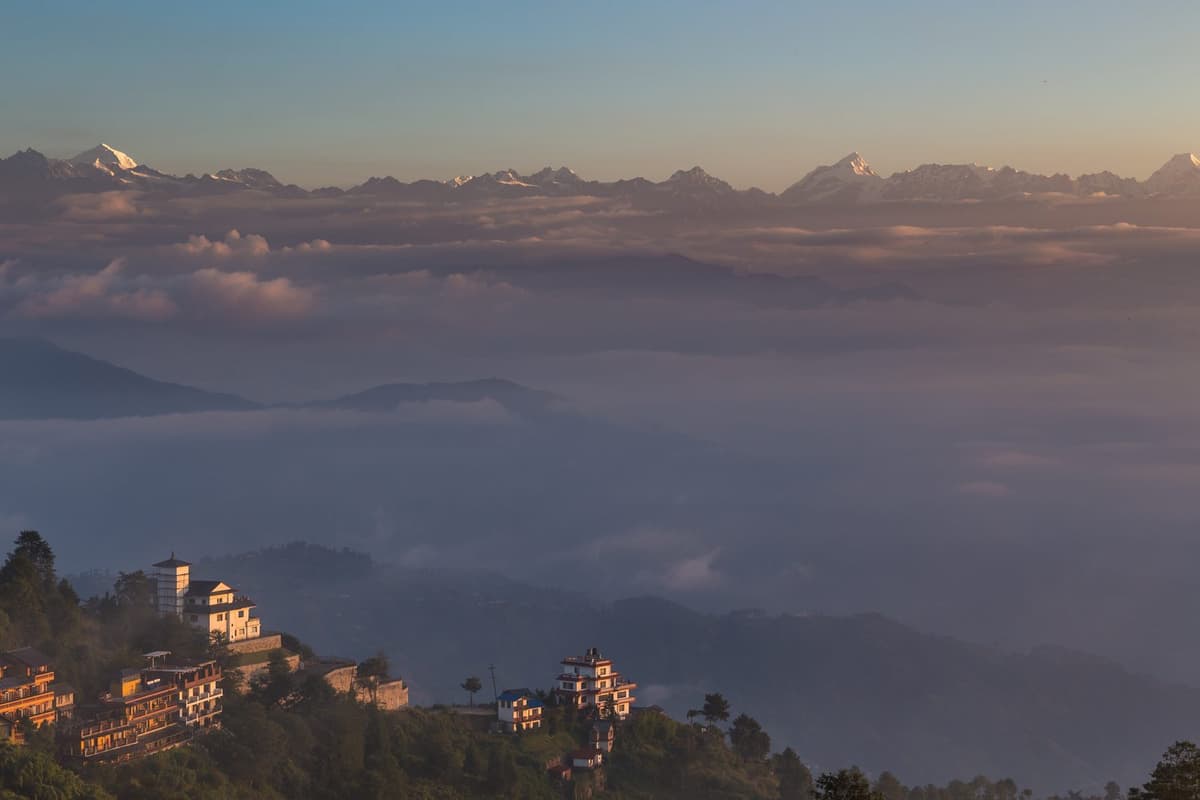
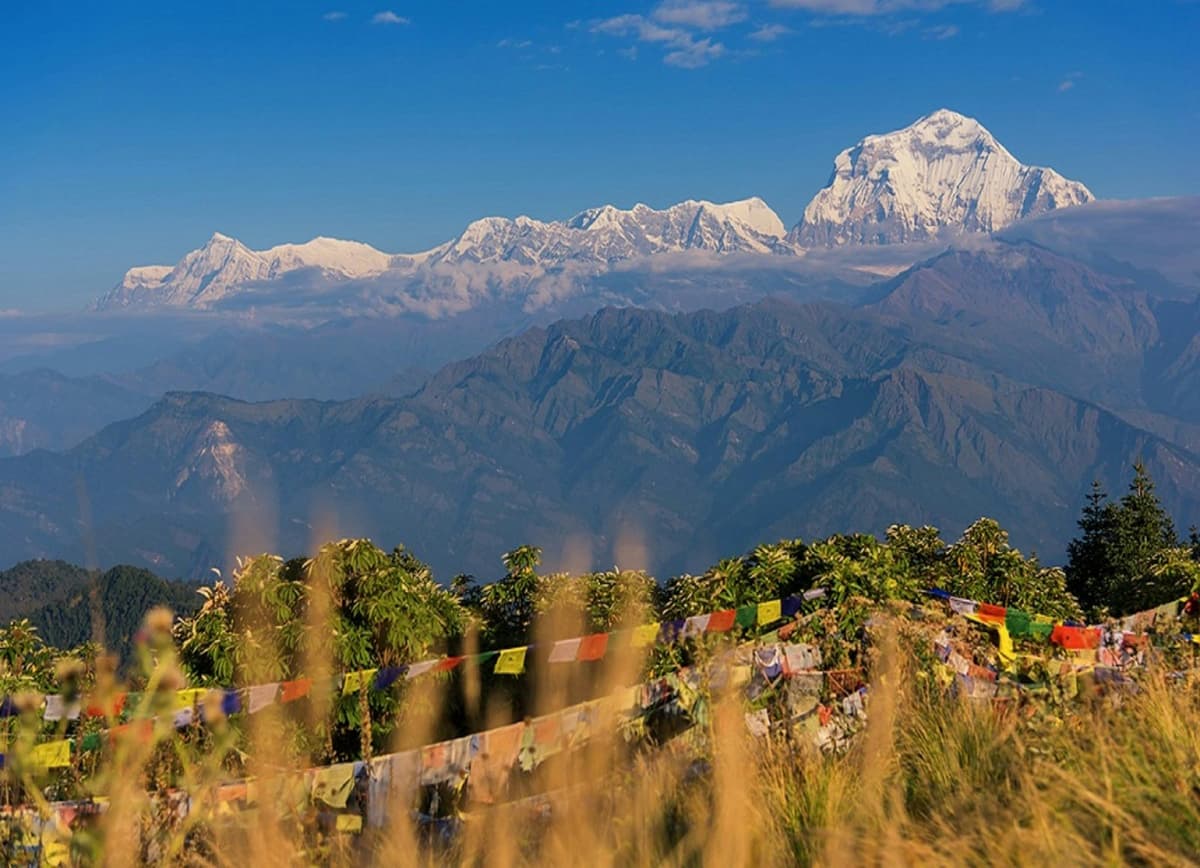
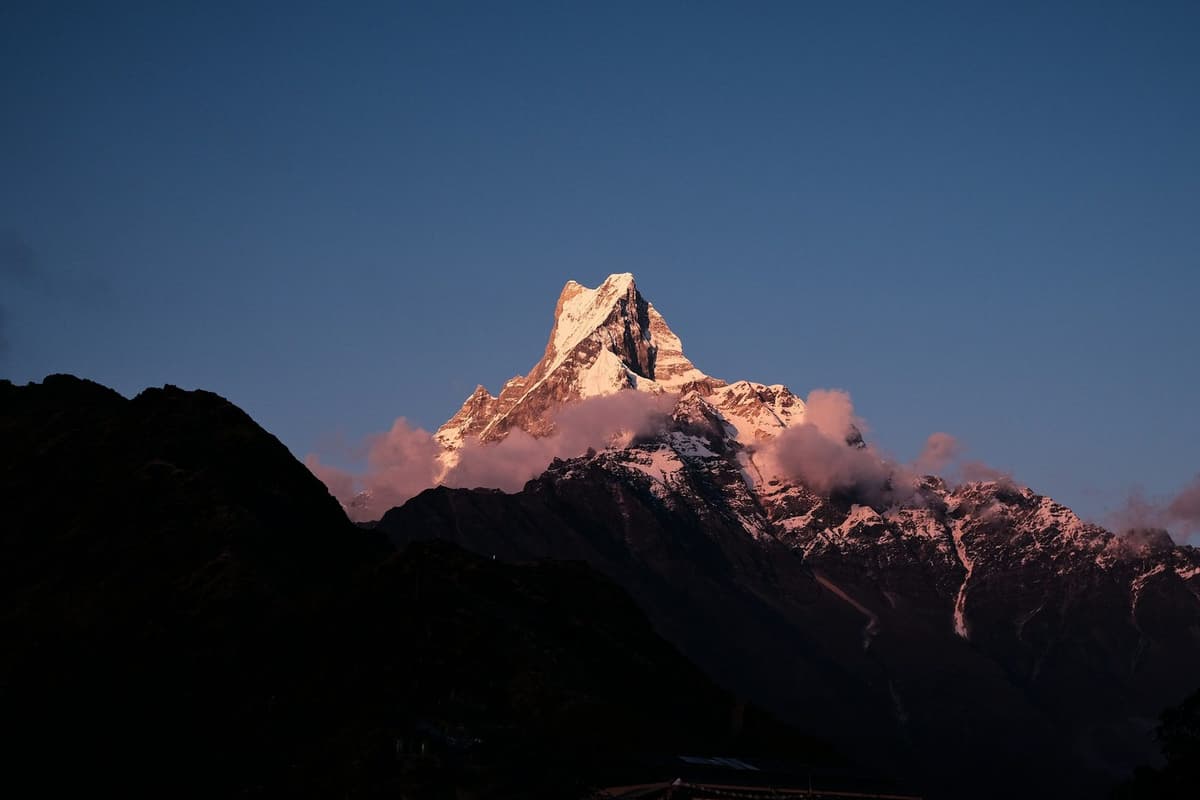
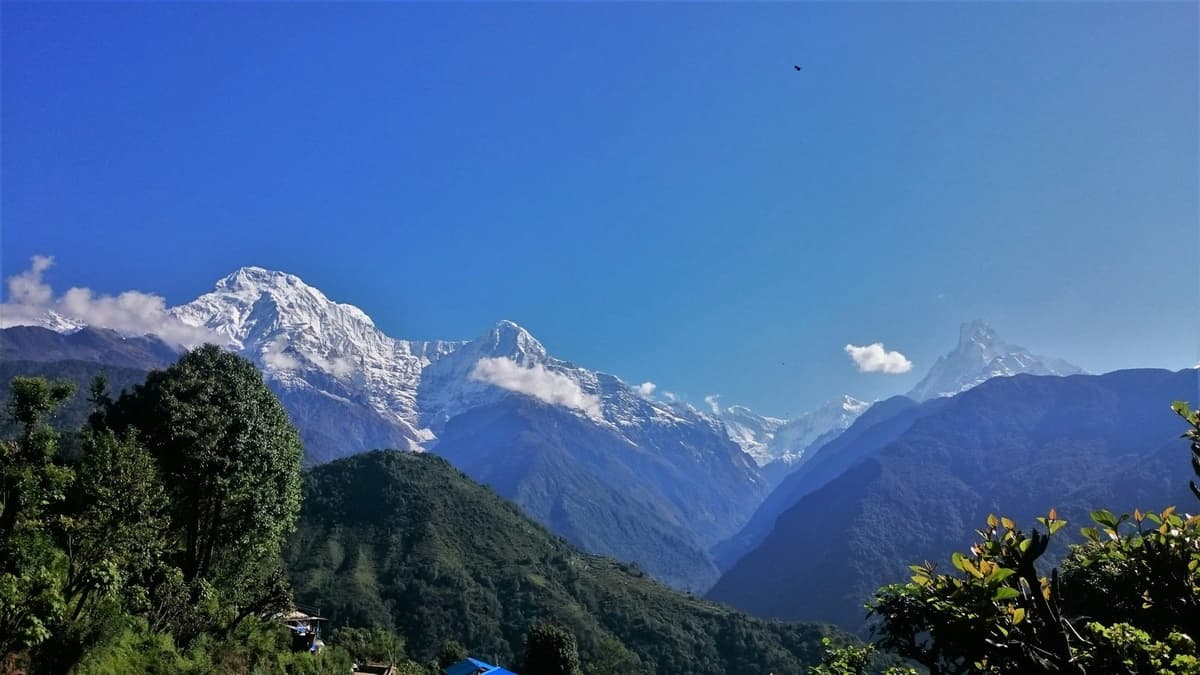
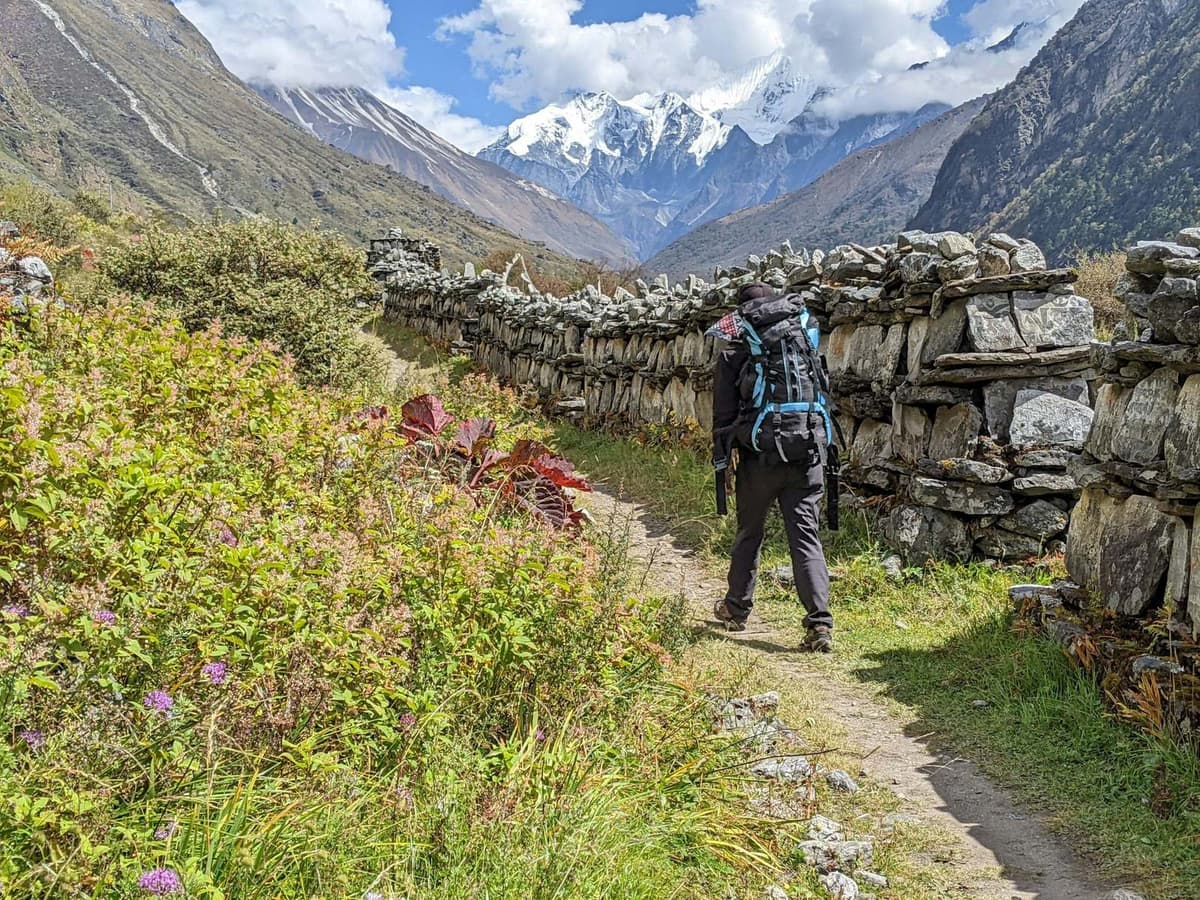
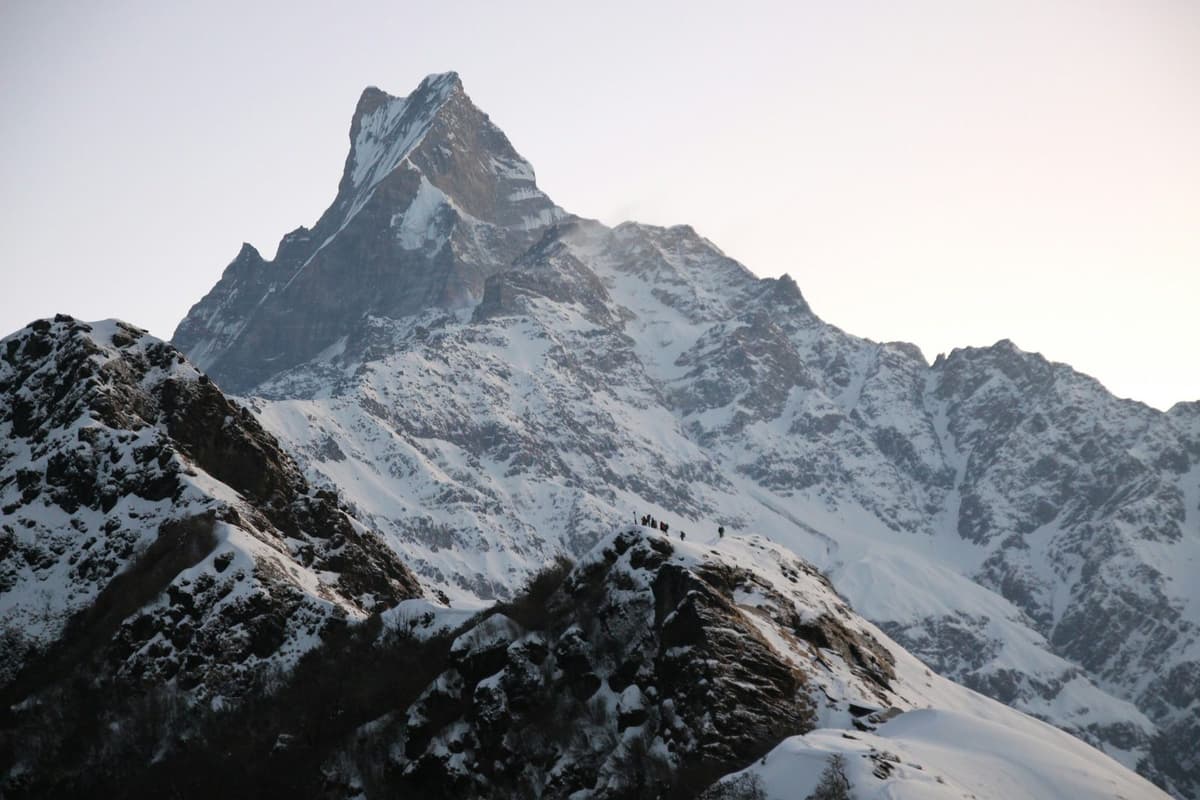
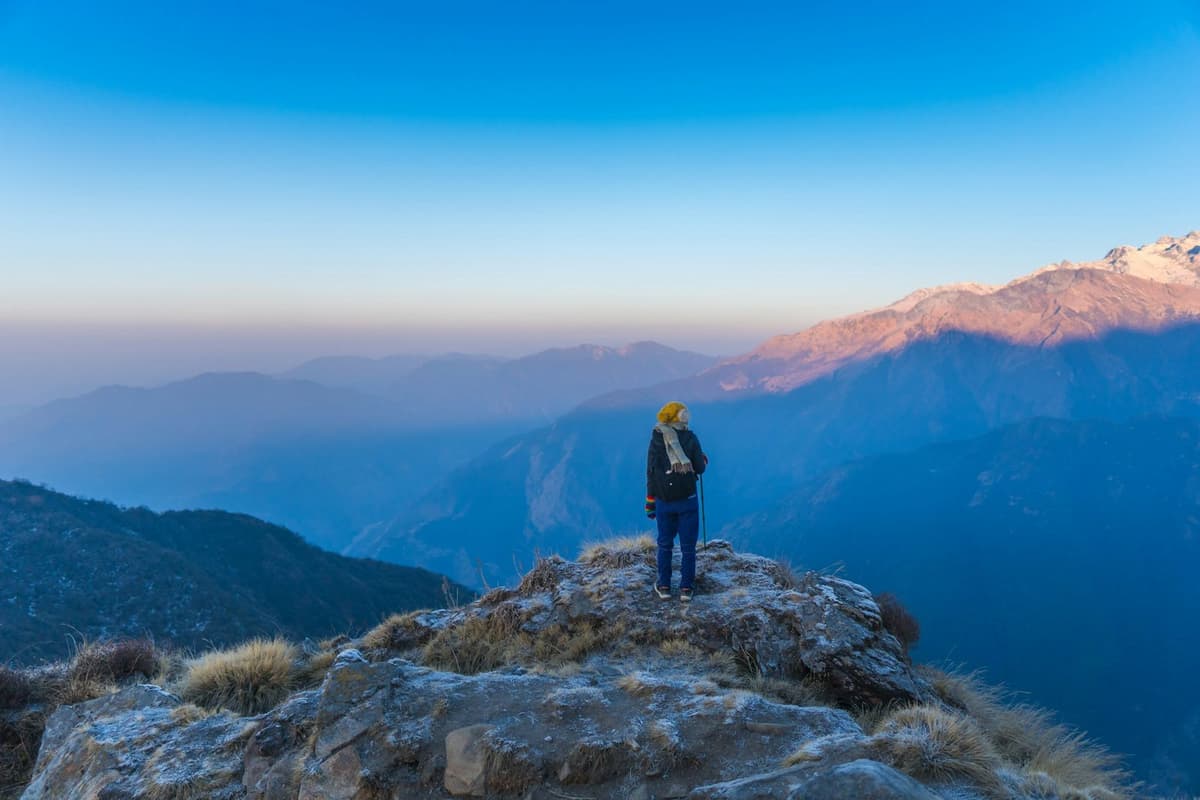
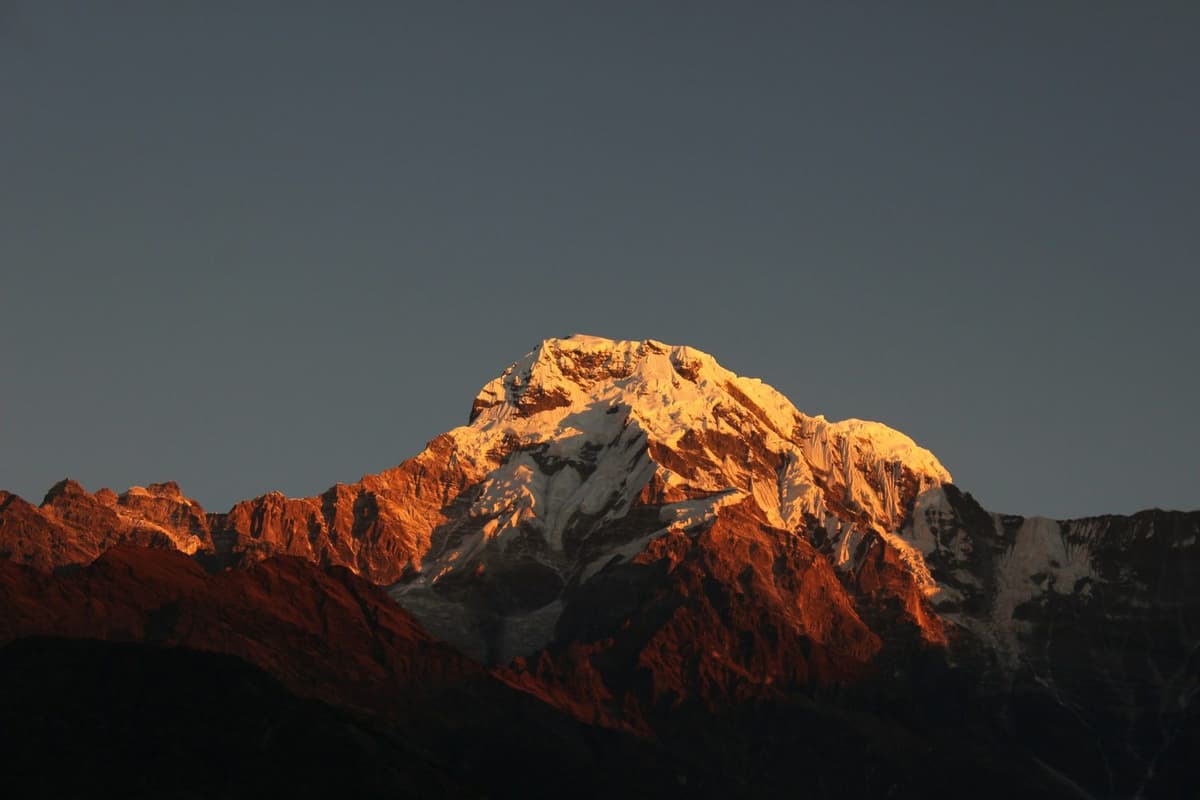
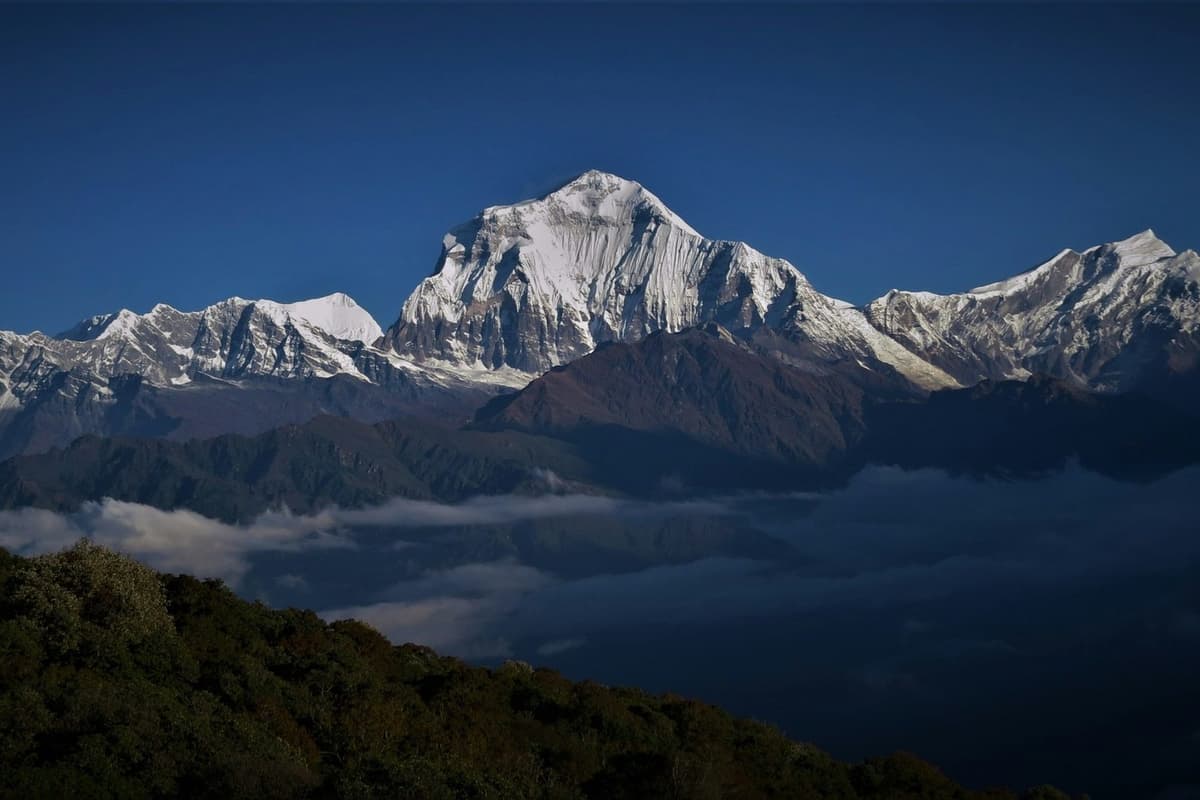
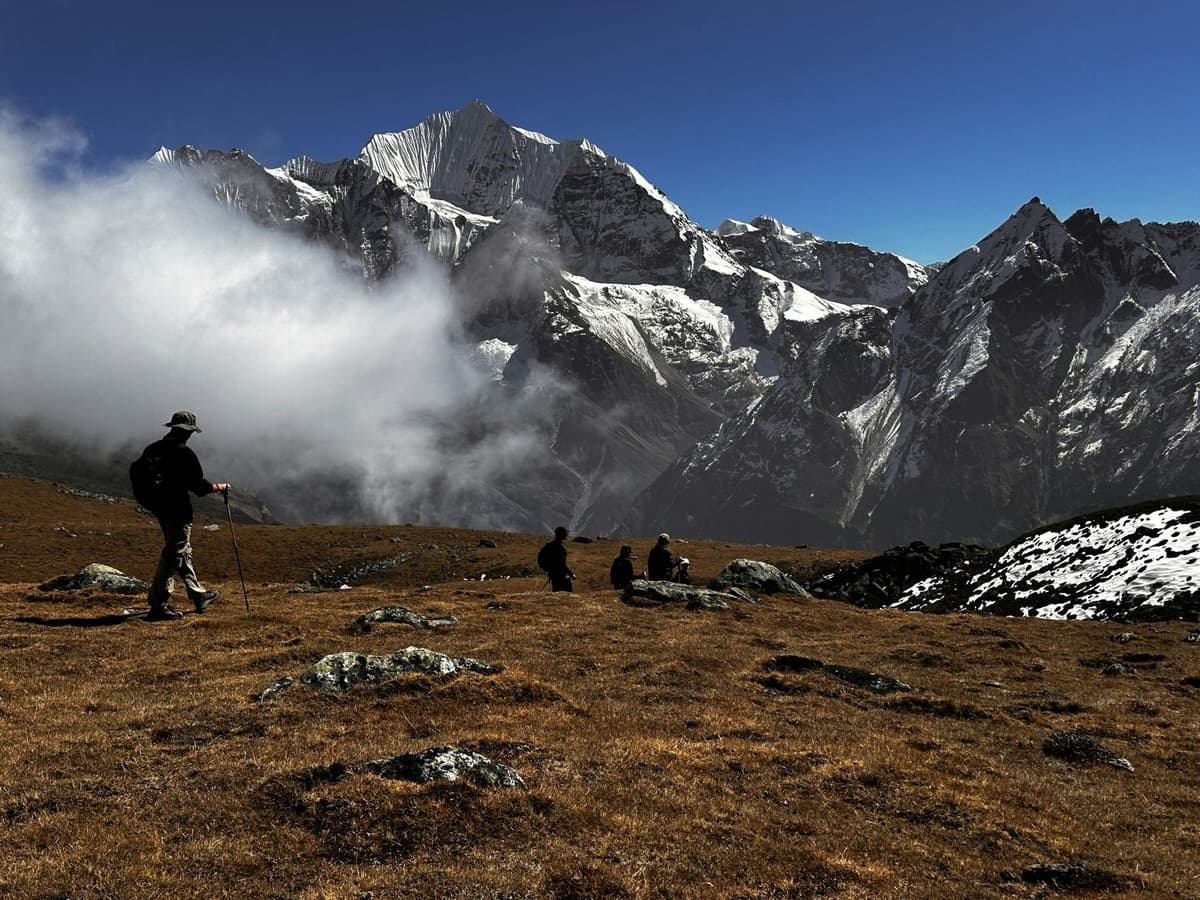
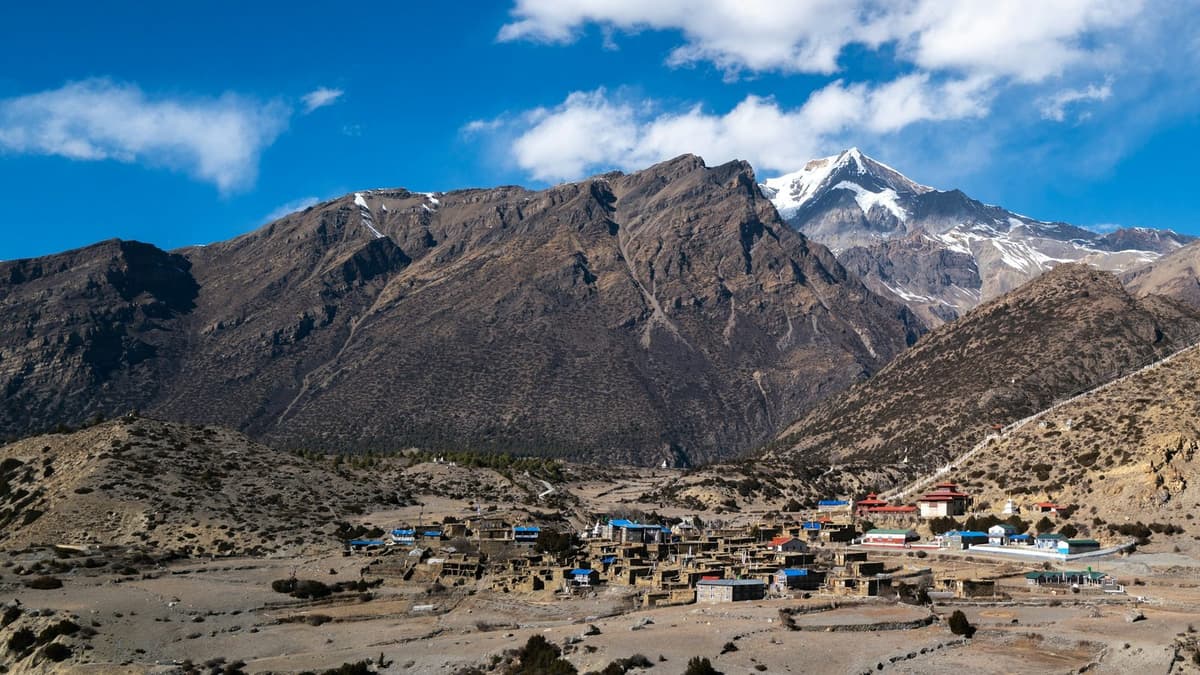
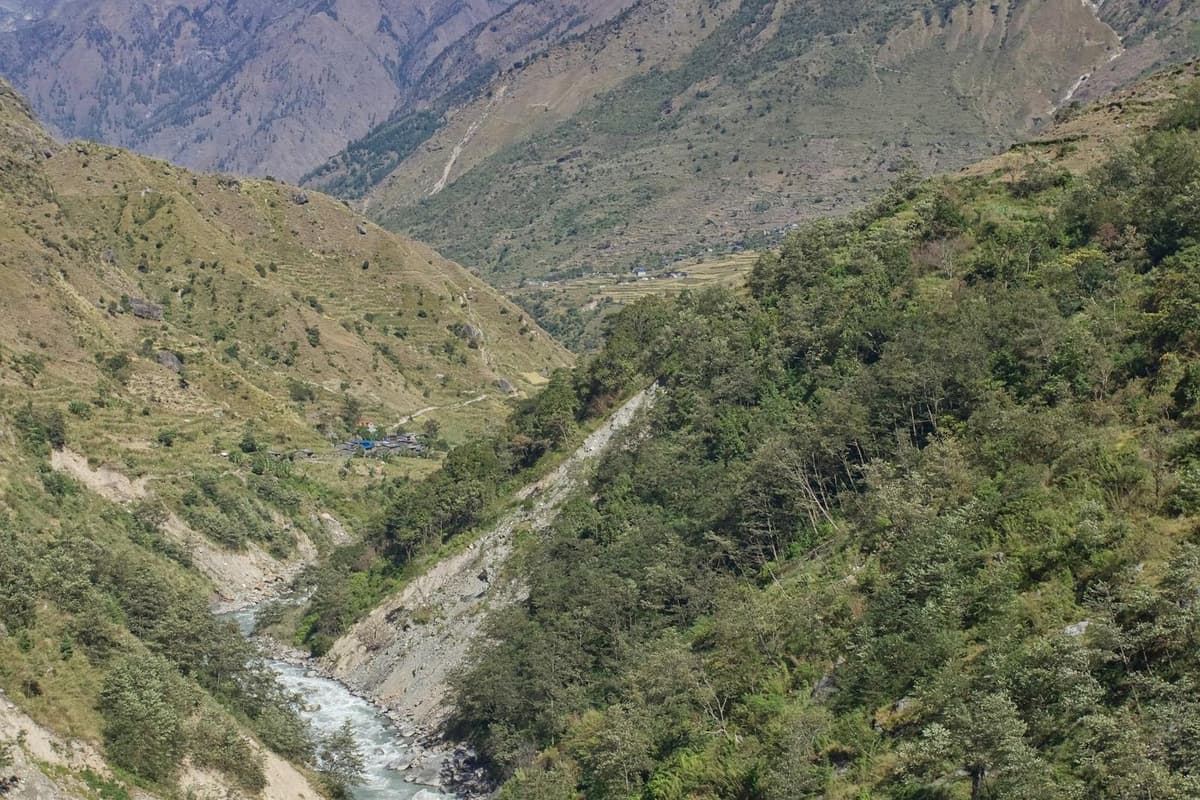
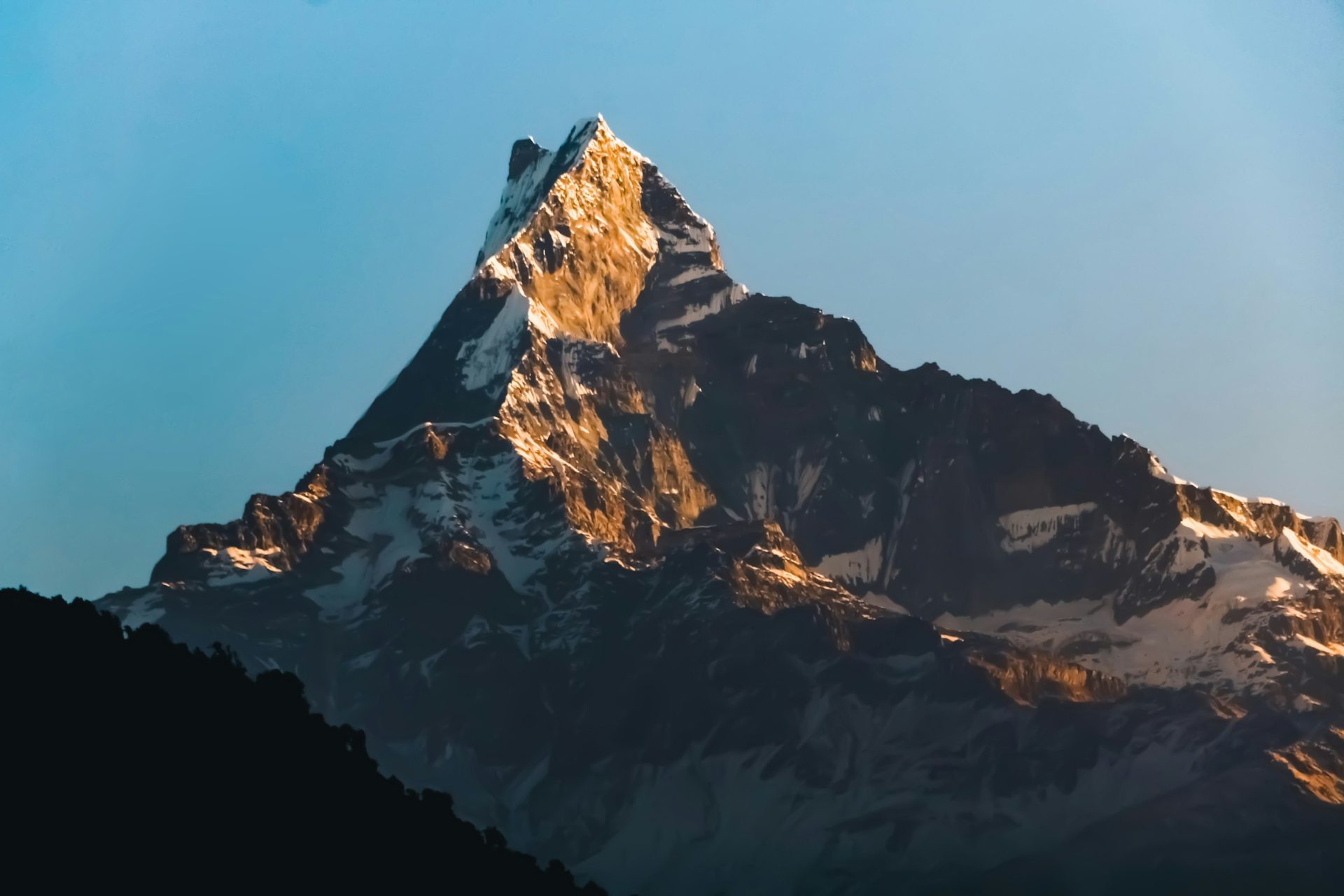
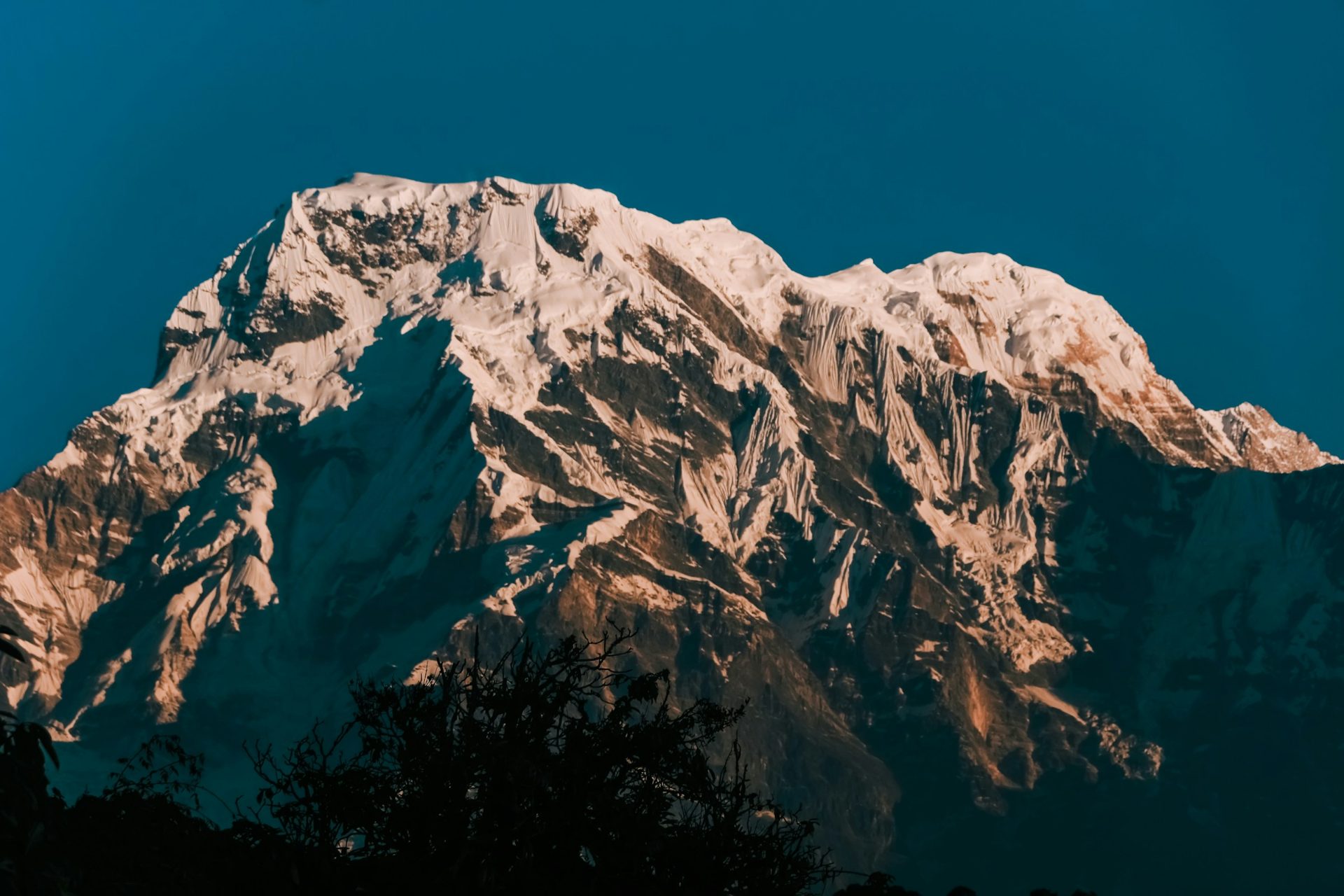
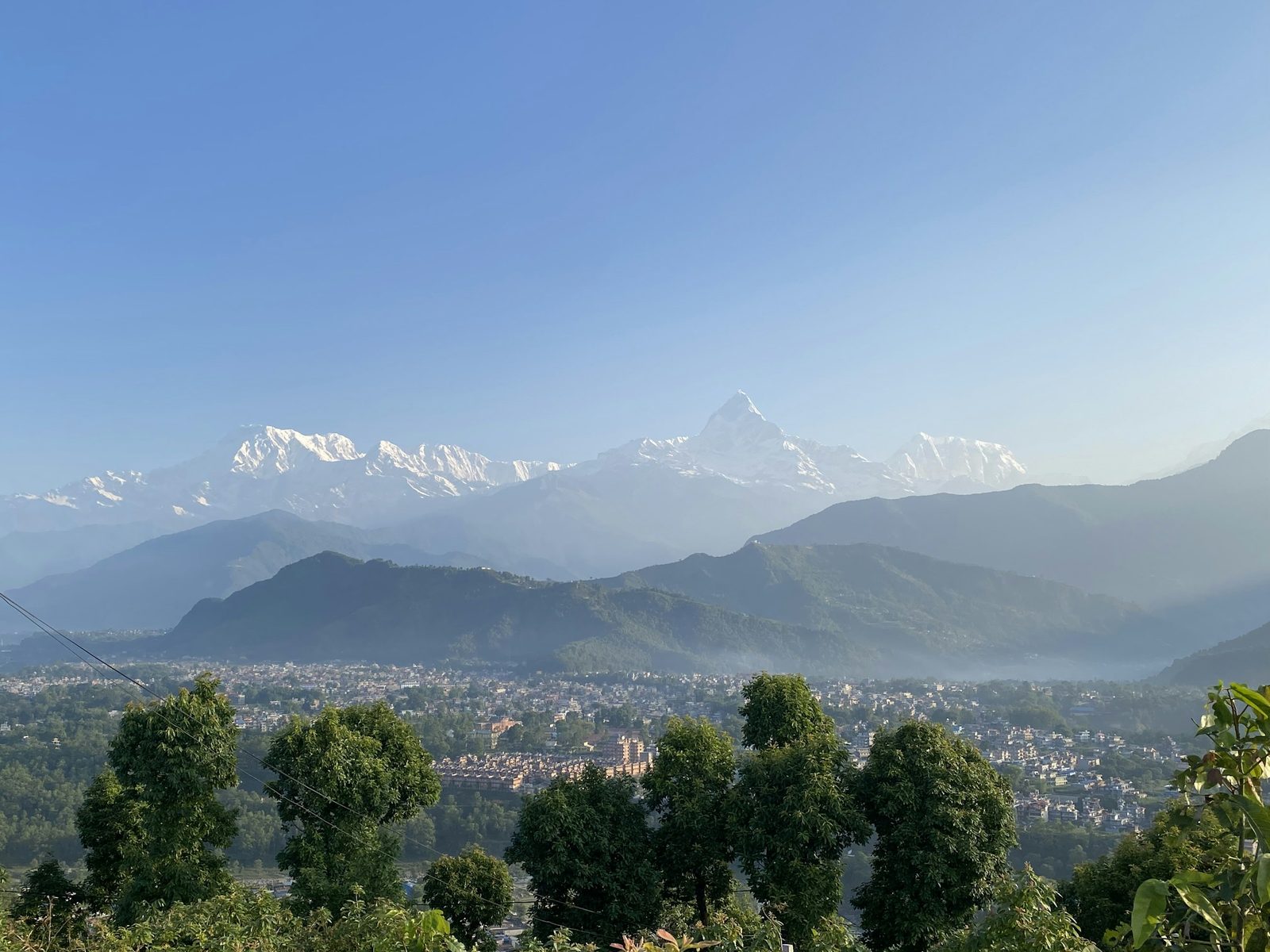
This Australian Camp and Pokhara tour fits a night in the Annapurna foothills into three days from Kathmandu. On day one you drive to Pokhara, carry on to the trailhead at Kande and walk up for 1.5 to 2 hours to Australian Camp, a grassy ridge at 2,060 m with simple lodges facing Annapurna South, Hiunchuli and Machhapuchhre. Next morning, after sunrise over the range, you walk back down and spend the rest of the day on Pokhara's sights. Day three is the drive back to Kathmandu. It is the quickest way we know to wake up in front of the big peaks by road from Kathmandu, and it suits reasonably fit travellers who do not mind one very long first day.
The itinerary
- Early start by private vehicle, six to nine hours to Pokhara on the Prithvi Highway
- Continue 45 minutes to an hour by road to the trailhead at Kande
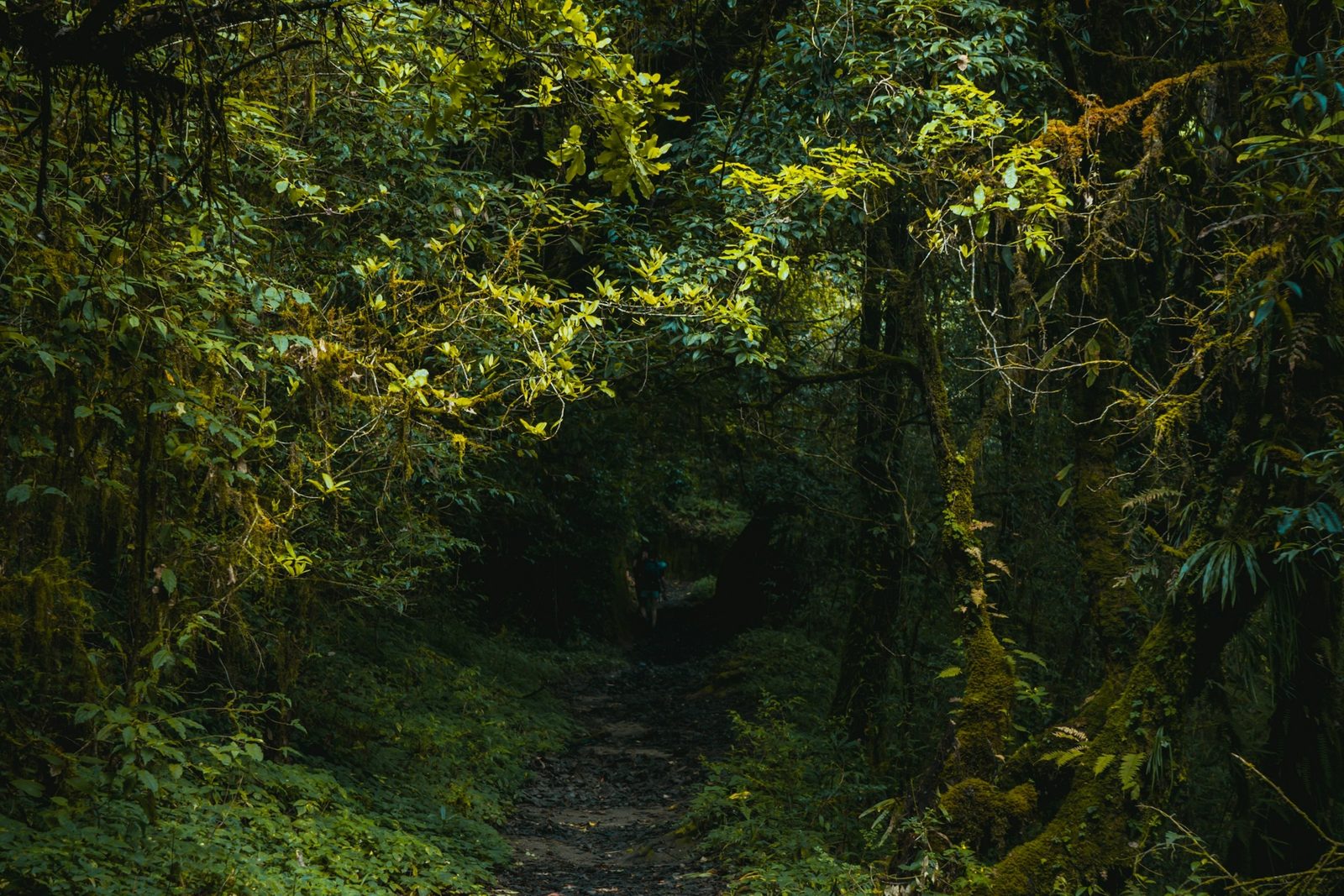
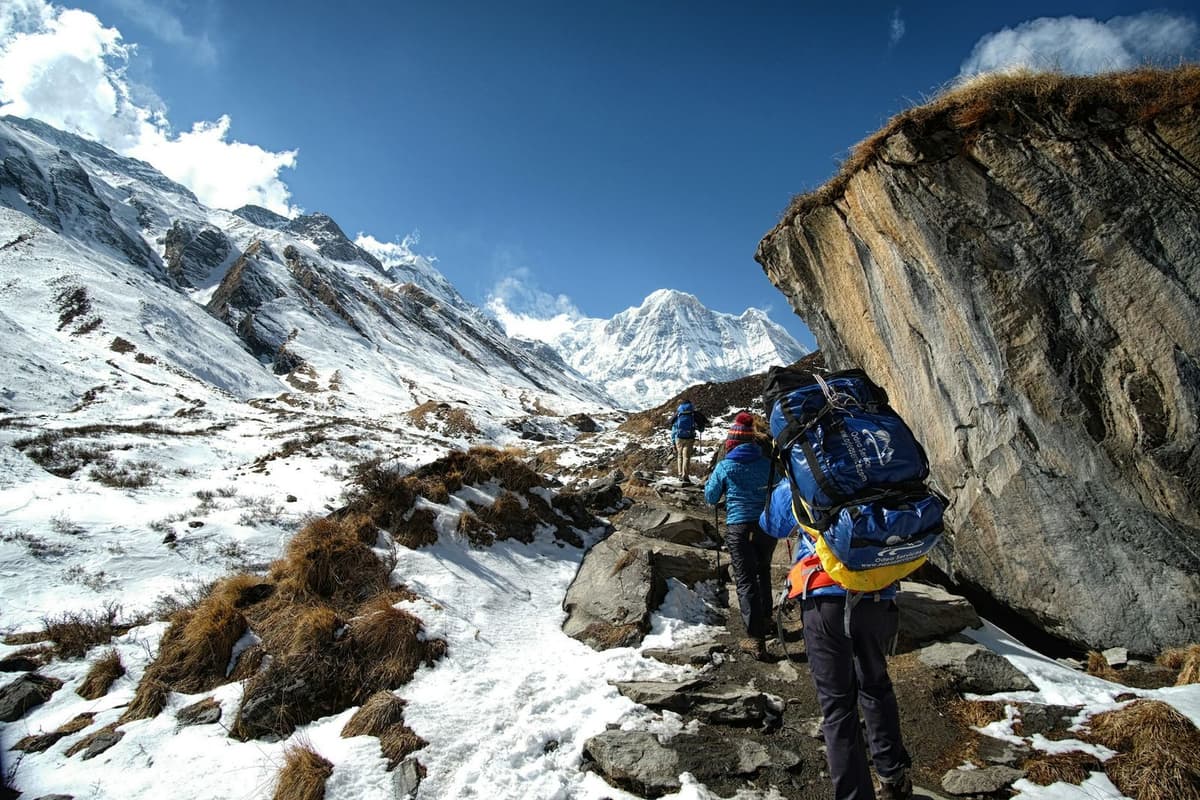
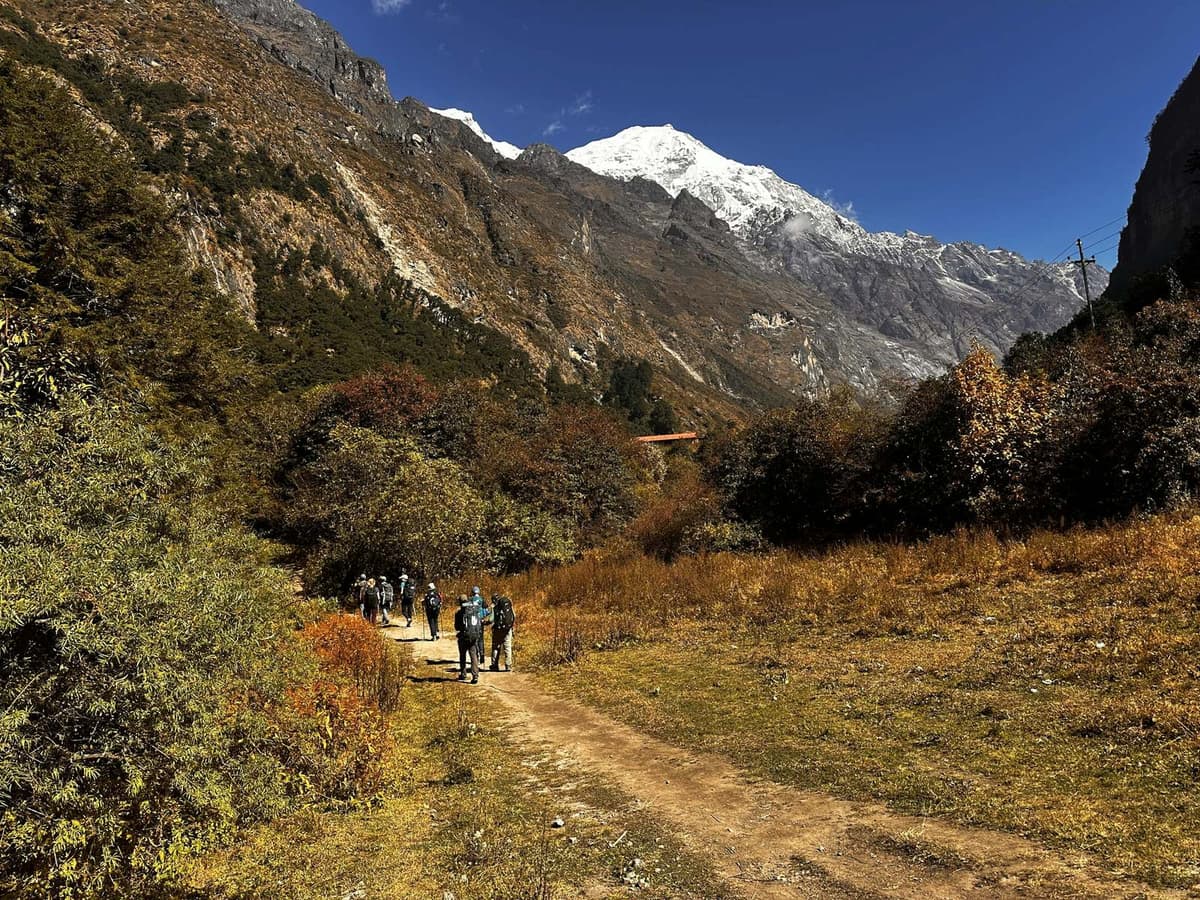
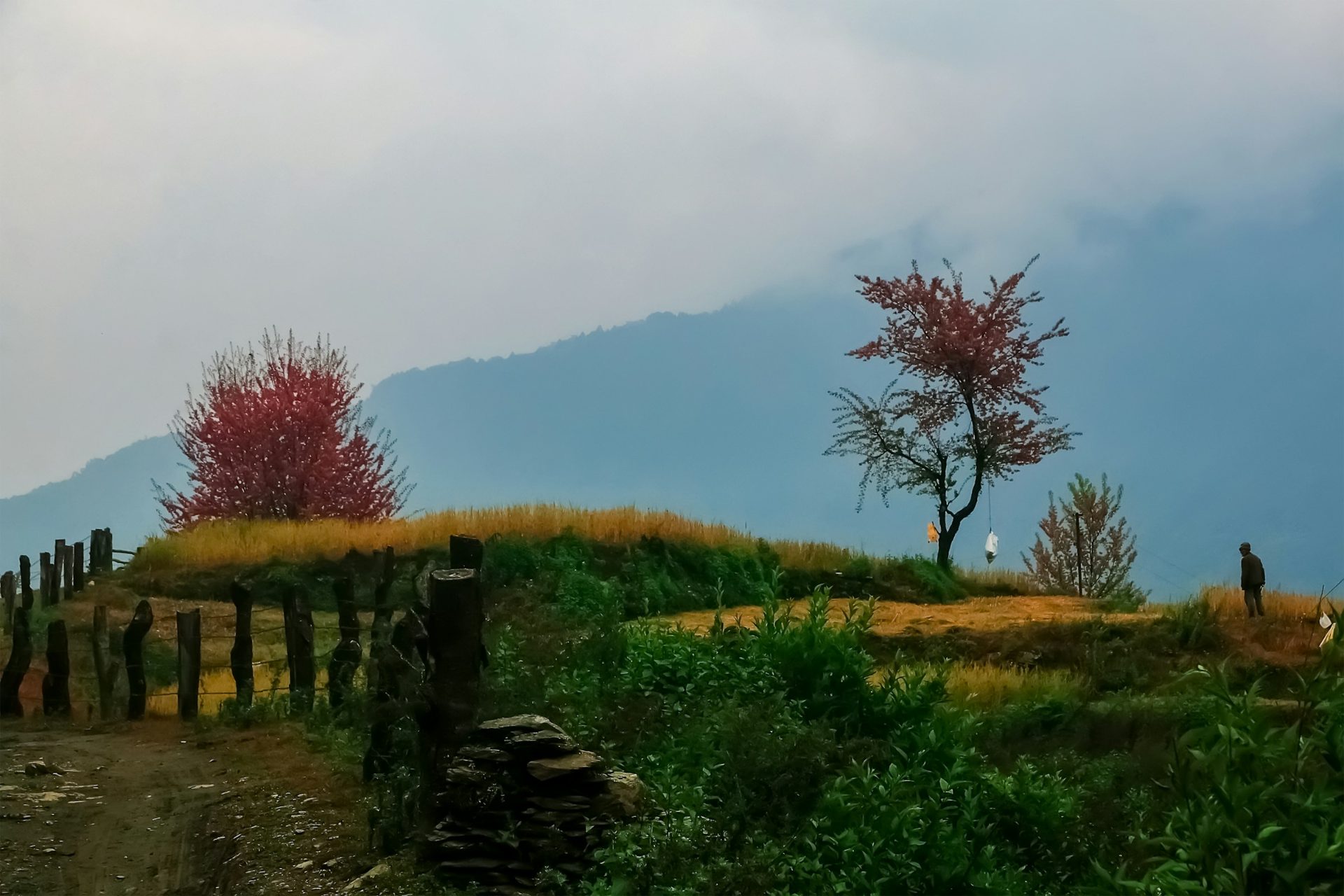
- Walk 1.5 to 2 hours up stone steps and forest path to Australian Camp at 2,060 m
- Dinner and overnight in a simple lodge on the ridge
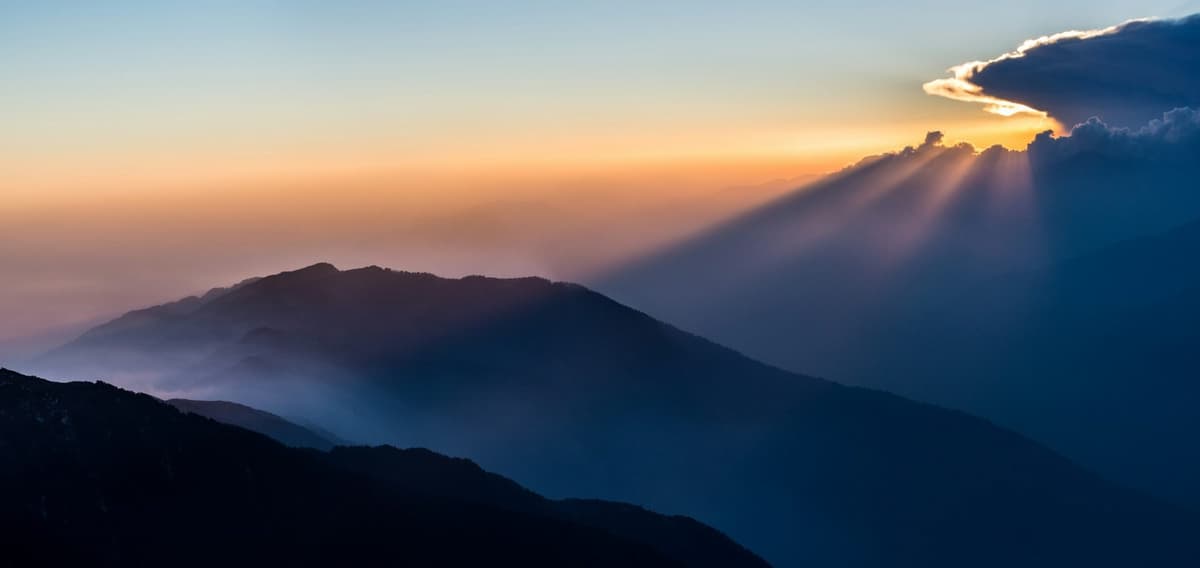
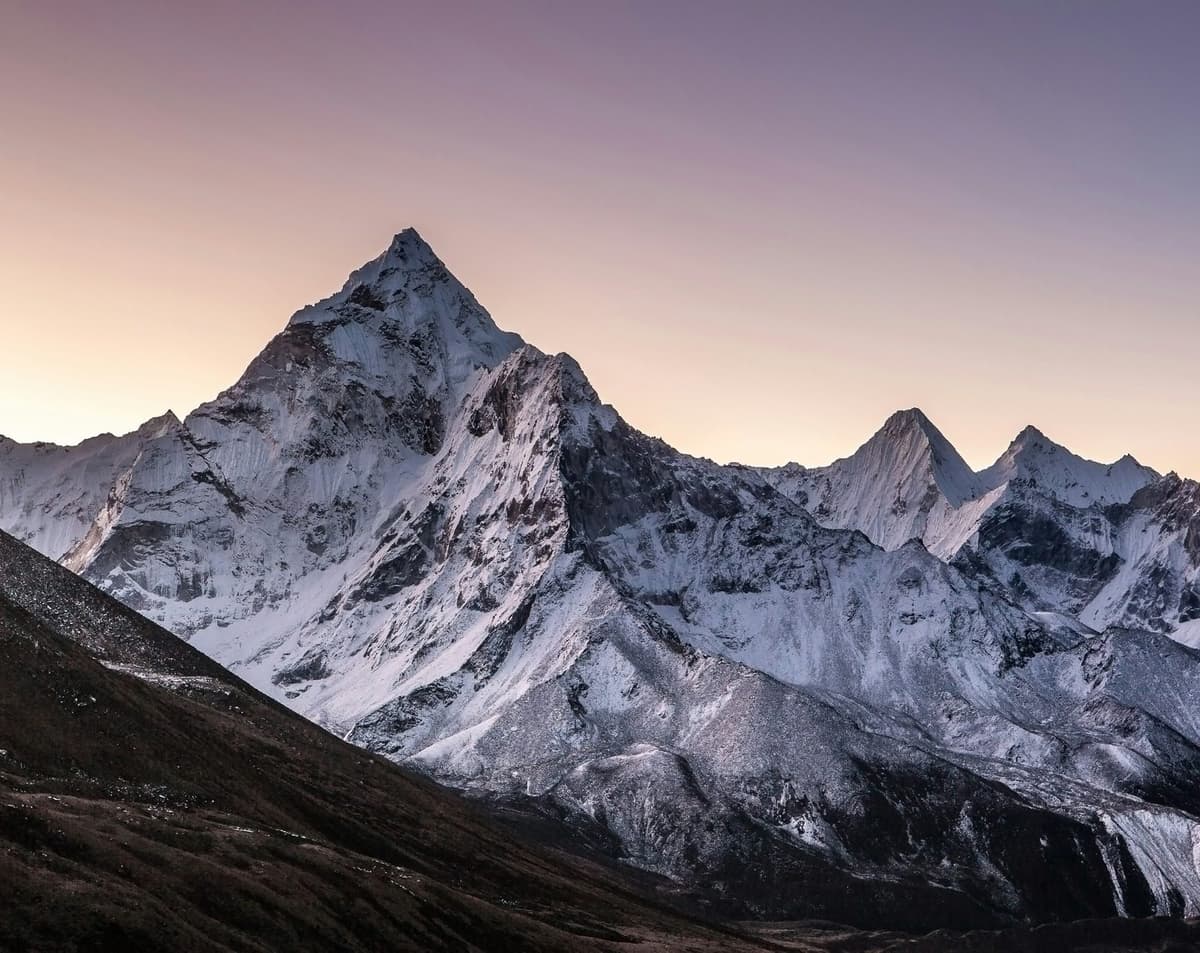
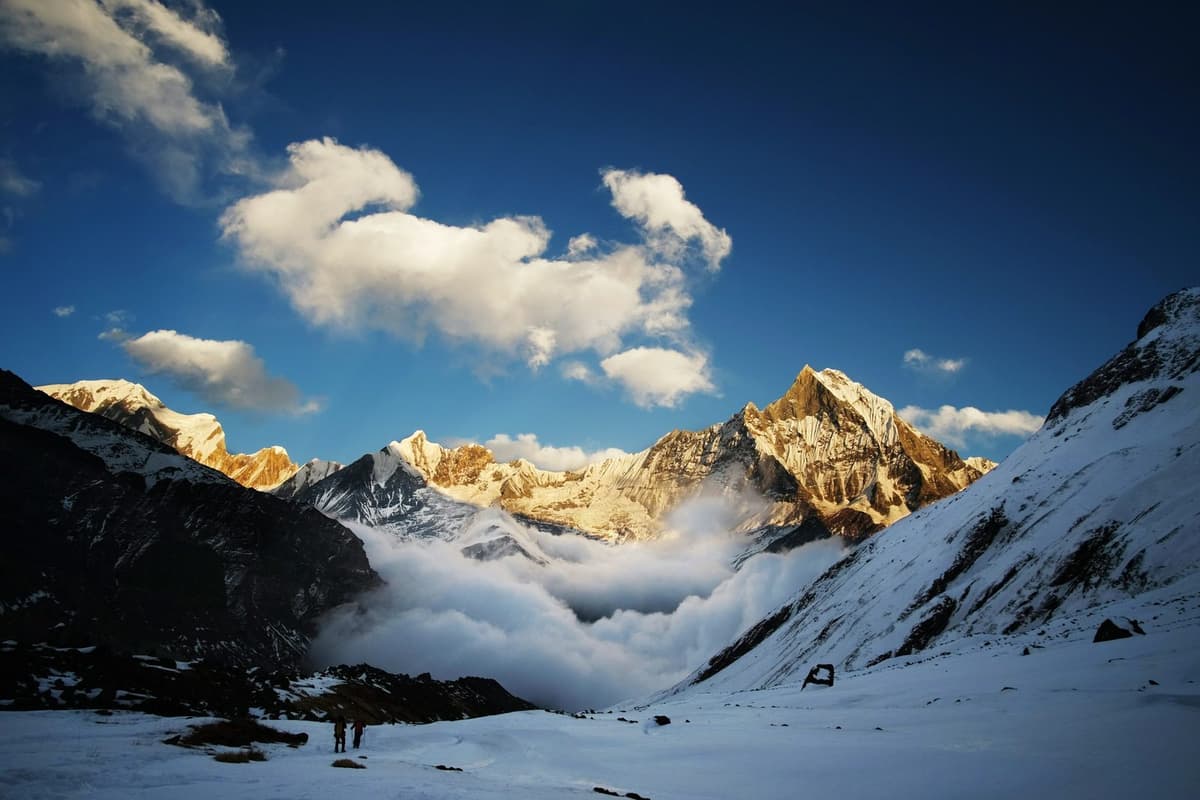
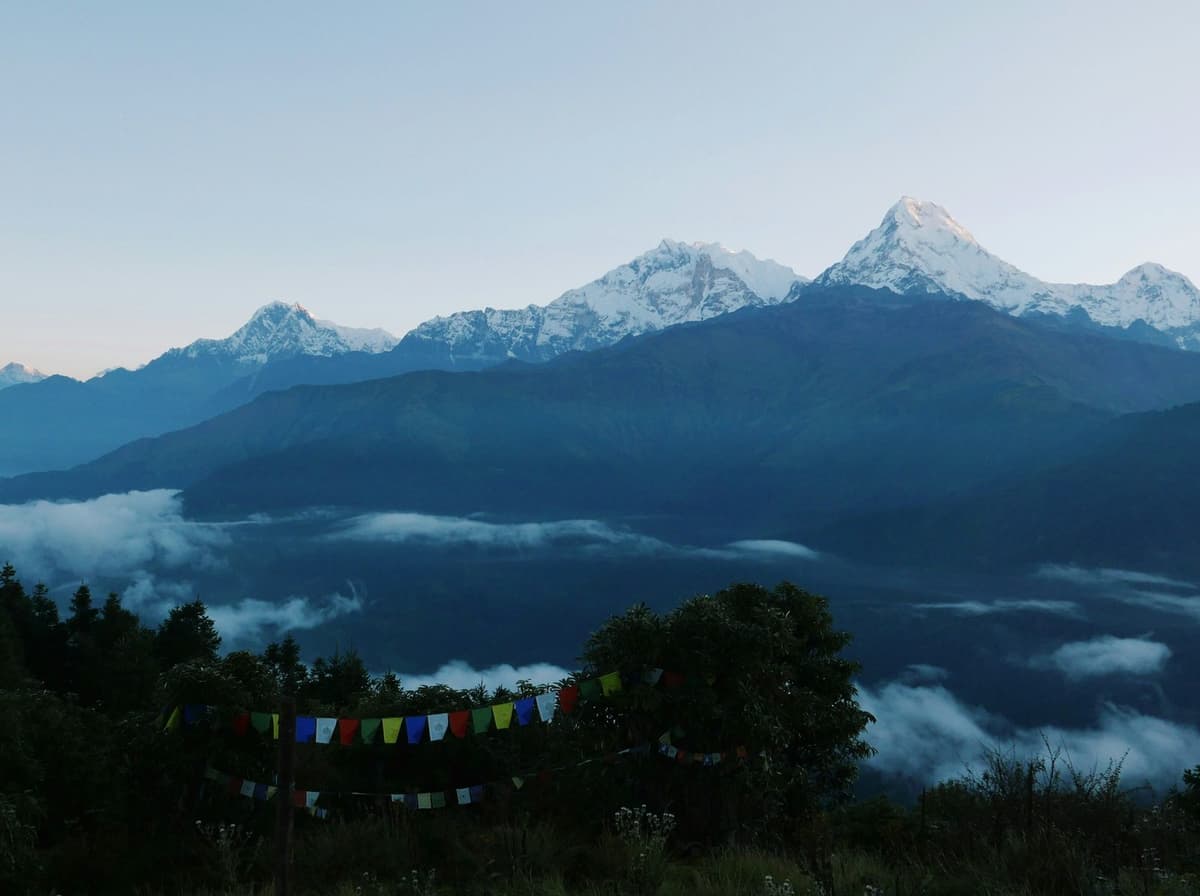
- Sunrise over Annapurna South, Hiunchuli and Machhapuchhre from the ridge
- Walk back down to the road after breakfast and drive to Pokhara
- Afternoon at Davis Falls, Gupteshwor Cave and the World Peace Pagoda
- Evening free at Lakeside
- Morning departure by private vehicle
- Six to nine hours on the road, depending on traffic and roadworks
- Lunch stop at a highway town on the way
- Drop-off at your Kathmandu hotel by evening
Things to carry
- Small daypack for the overnight on the ridge
- Walking shoes with good grip
- Warm jacket for the evening and sunrise at camp
- Headlamp
- Some cash in small notes, as ridge lodges do not take cards
Good to know
Complete guide
Australian Camp is a grassy ridge above Pokhara where you sleep facing the Annapurna range. This three-day version gets you there and back from Kathmandu by road, with a day of Pokhara sightseeing in between. We arrange the vehicle, a licensed guide, the ACAP entry permit, the ridge lodge and your Pokhara hotel.
What the Australian Camp and Pokhara tour covers
On day one you drive from Kathmandu to Pokhara, continue 45 minutes to an hour to Kande, and walk up to Australian Camp at 2,060 m (6,758 ft). Day two starts with sunrise over the mountains, then you walk down, drive to Pokhara, about 822 m, and spend the afternoon at Davis Falls, Gupteshwor Cave and the World Peace Pagoda. Day three is the drive back to Kathmandu.
It is a short overnight walk, not a trek. The only real walking is 1.5 to 2 hours up and the return down the next morning.
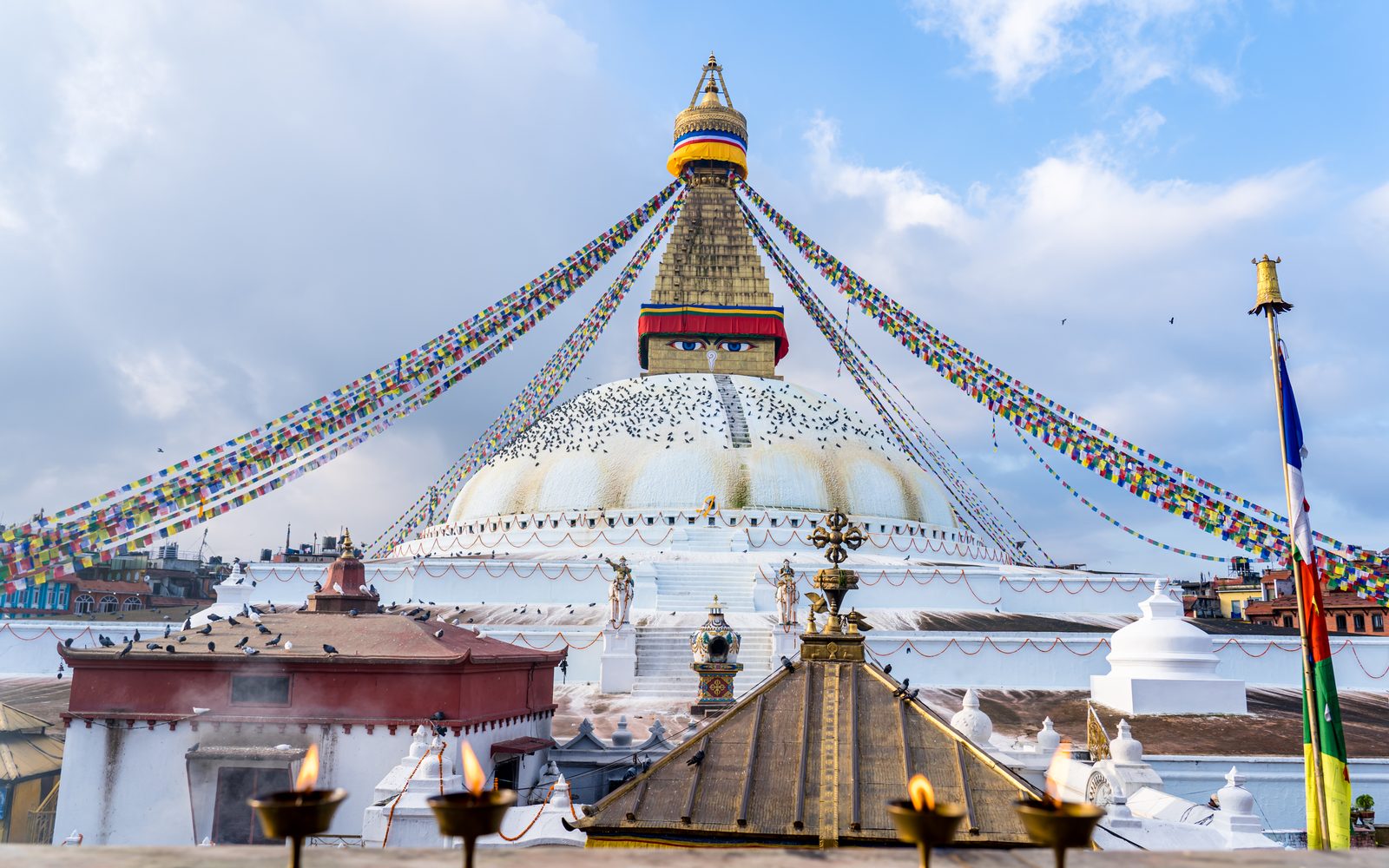
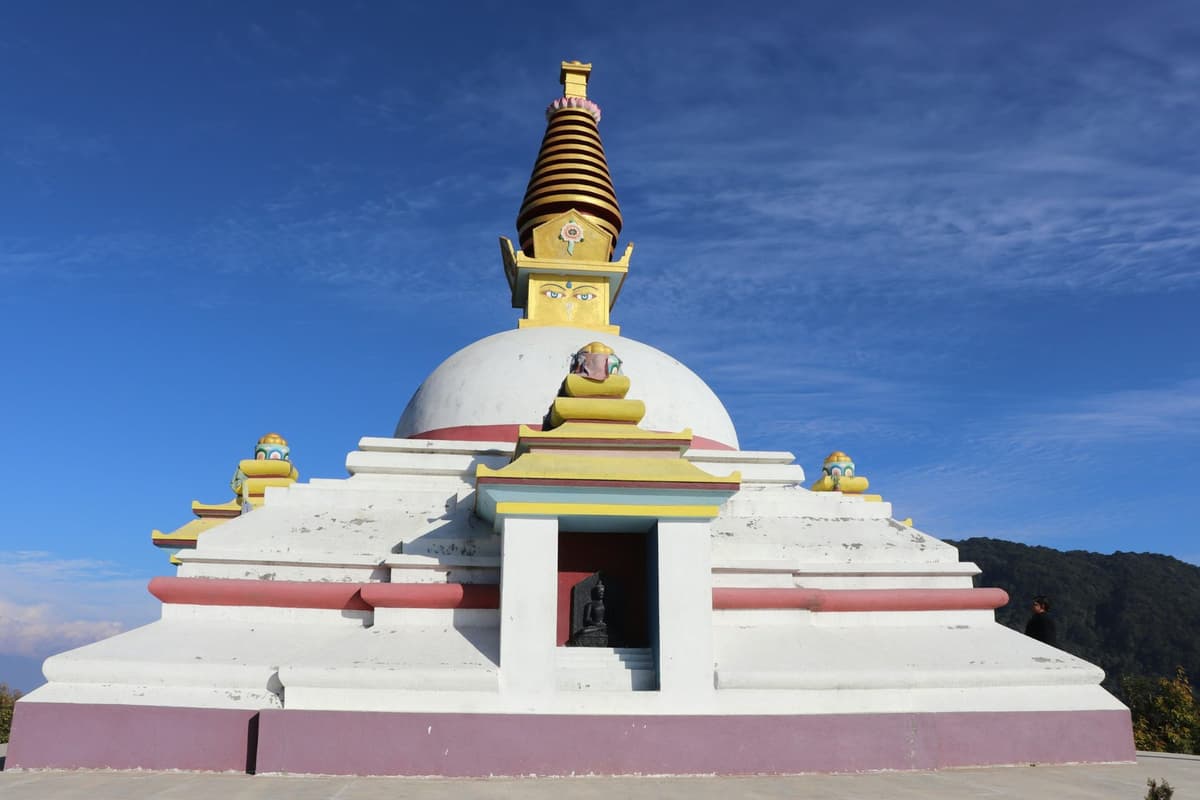
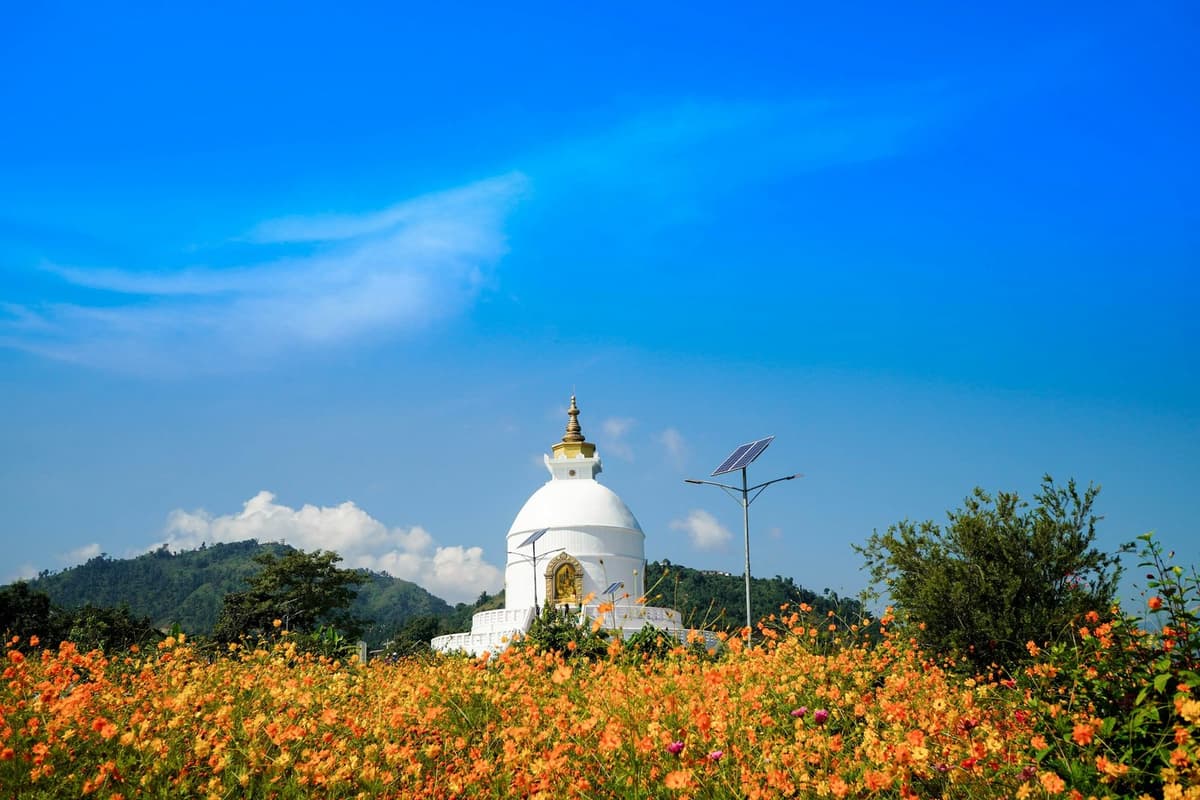
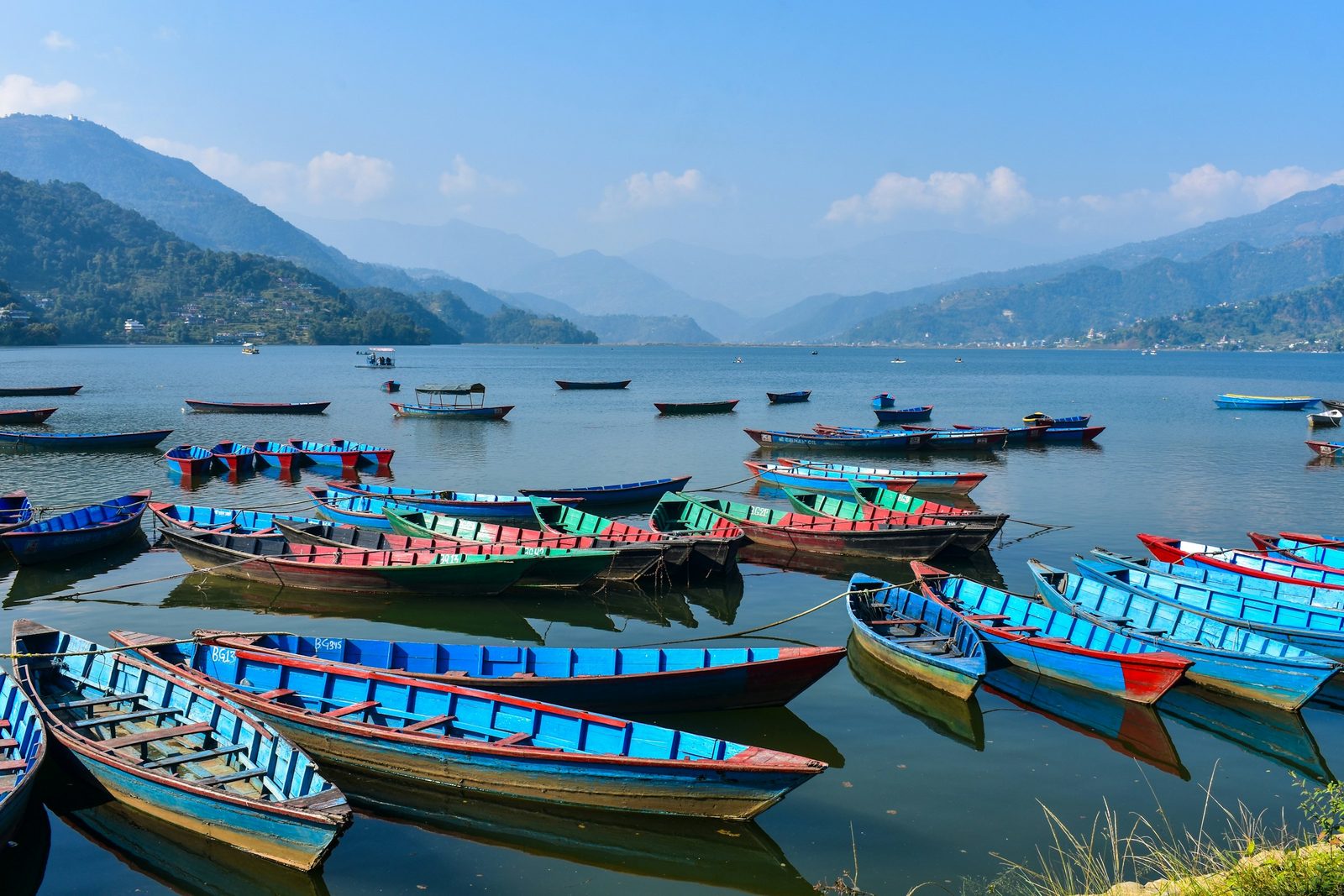
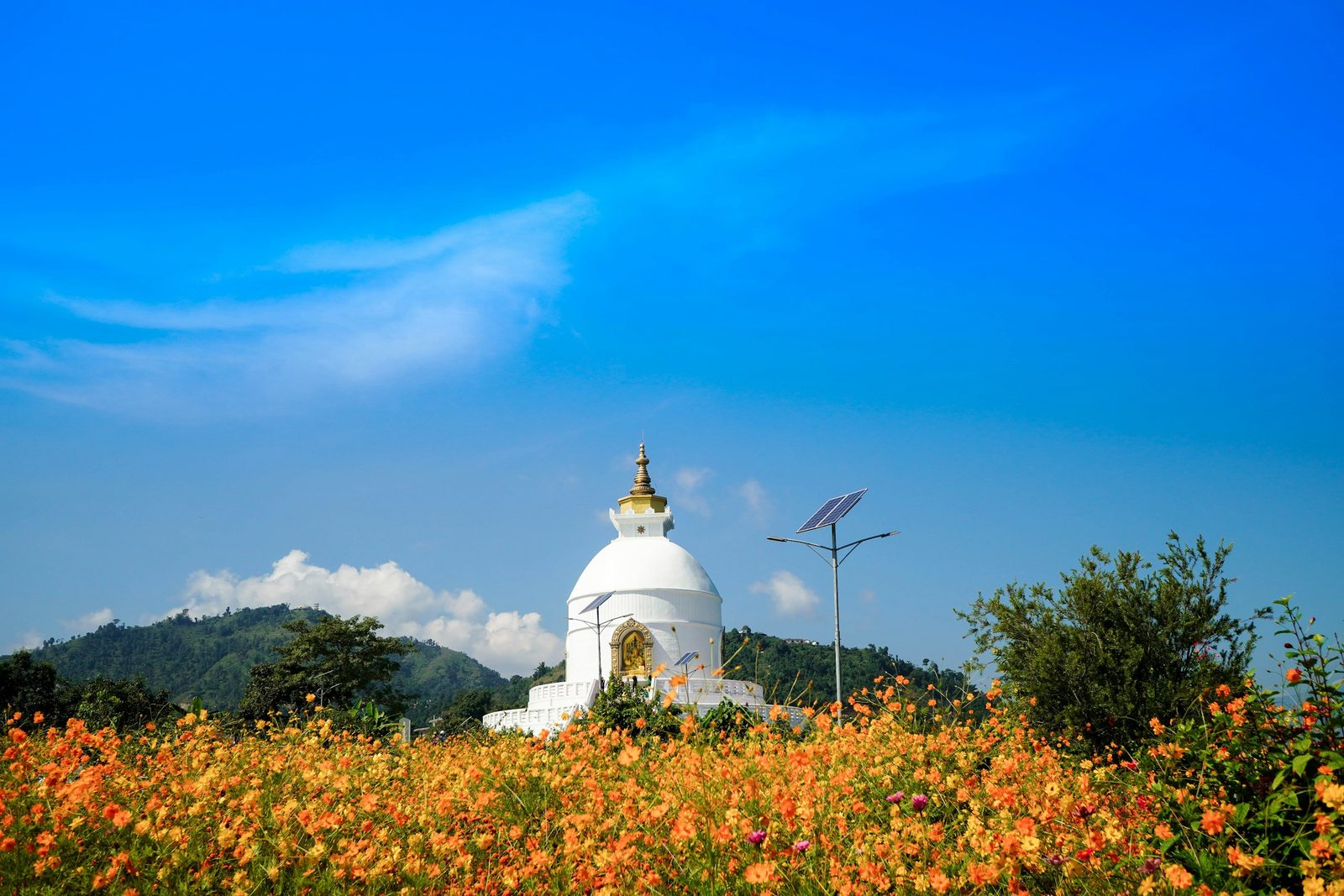
Back in Pokhara, Davis Falls is where the outflow from Phewa Lake drops into a gorge and runs underground, reappearing in Gupteshwor Cave across the road, a Shiva shrine reached by a damp stairway. The World Peace Pagoda, a white Buddhist stupa on Anadu Hill at about 1,100 m, looks back over the lake to the mountains.
The first day, honestly
This is the one thing to know before you book. The road from Kathmandu to Pokhara takes six to nine hours depending on traffic and roadworks, and then you still have the drive to Kande and the walk up. On a good day you reach the ridge in late afternoon. On a slow day, and in the short days of December and January, the last part of the walk can finish near dark. Your guide carries a headlamp and walks at your pace, and we start early to give ourselves room. Pack your overnight things in a small daypack before you leave Kathmandu, so the rest of your luggage can stay in the vehicle.
If that sounds like too much, our four-day version drives you to Pokhara first and walks up the next day after a Sarangkot sunrise. It is the same ridge with a gentler shape.
Australian Camp: the ridge, the lodges and the view
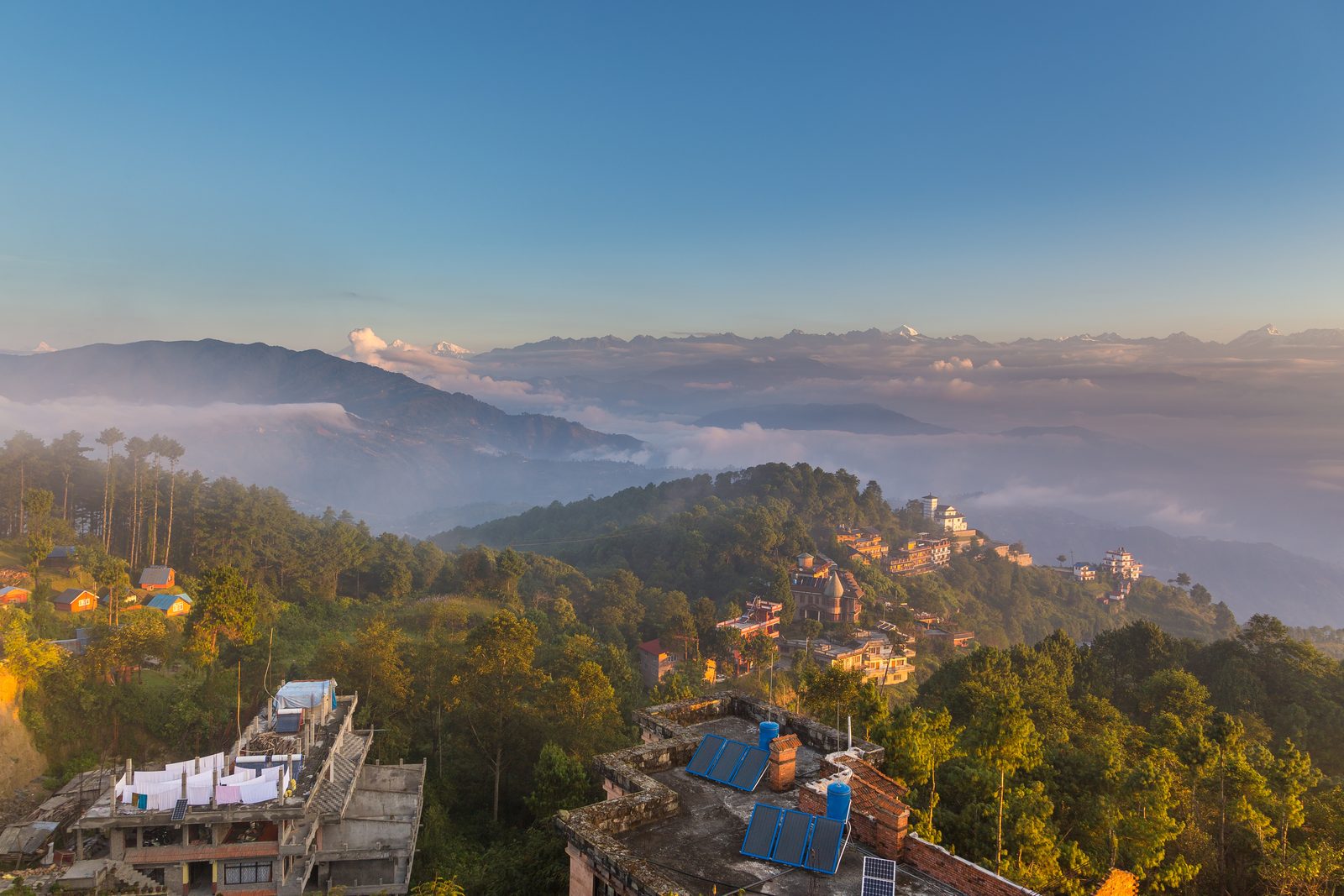
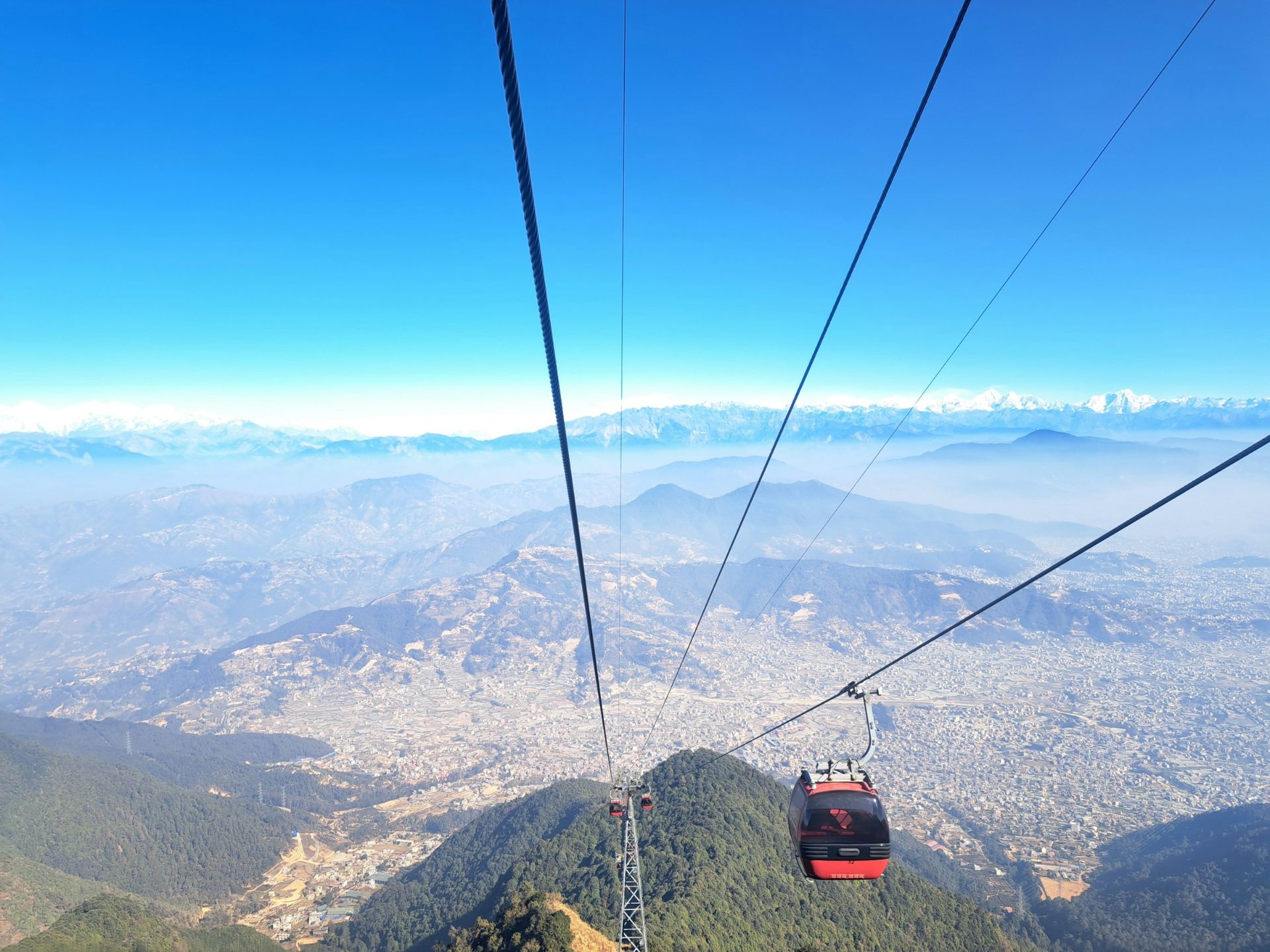
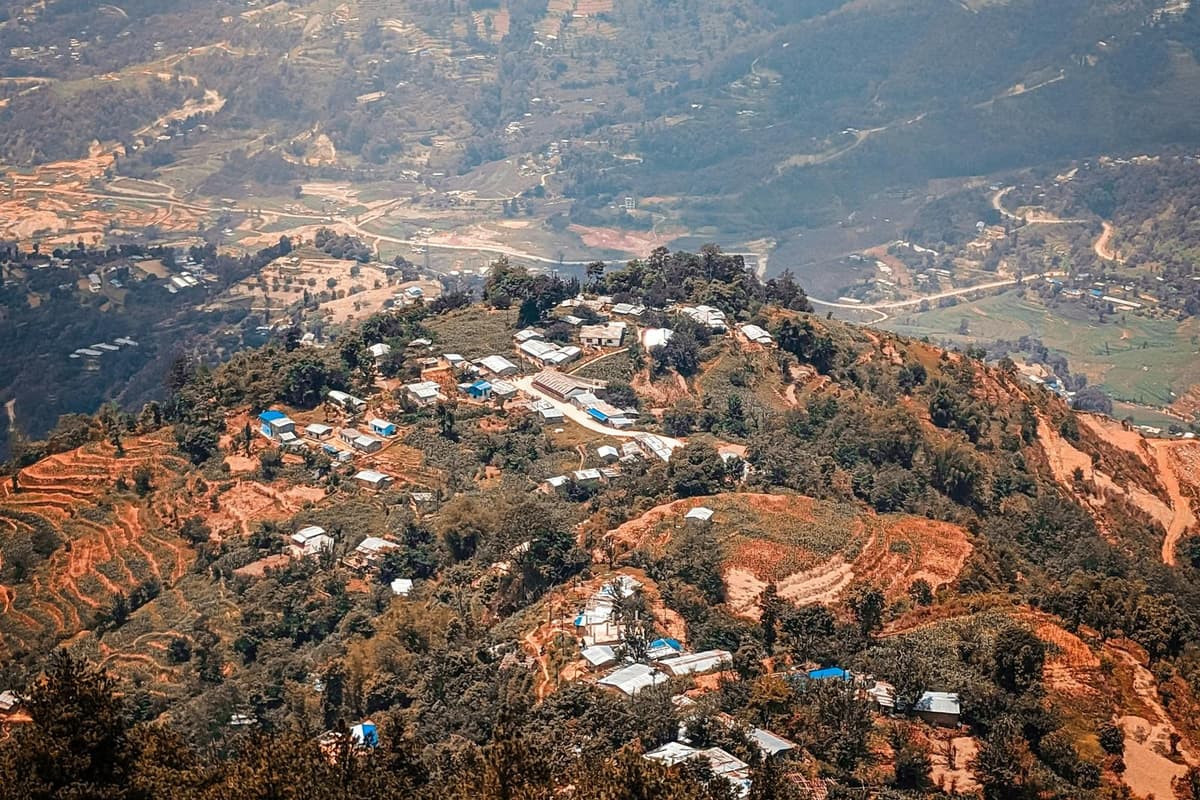
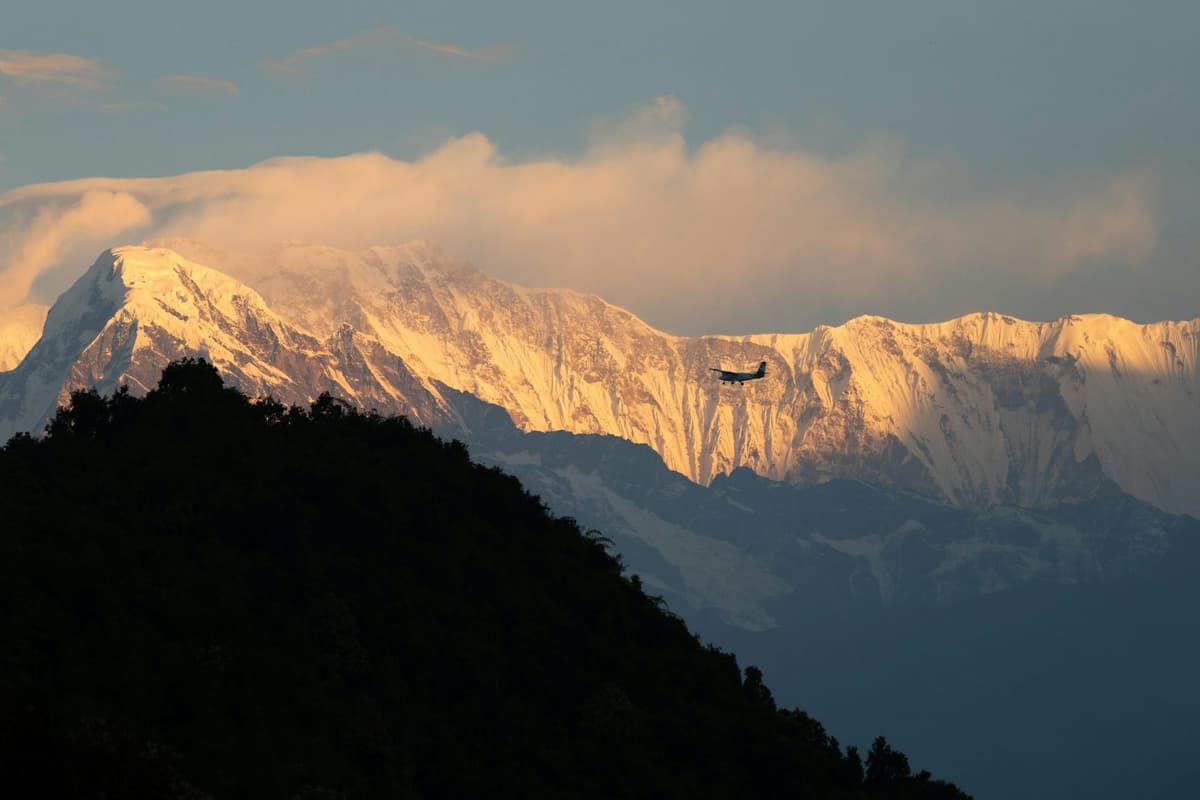
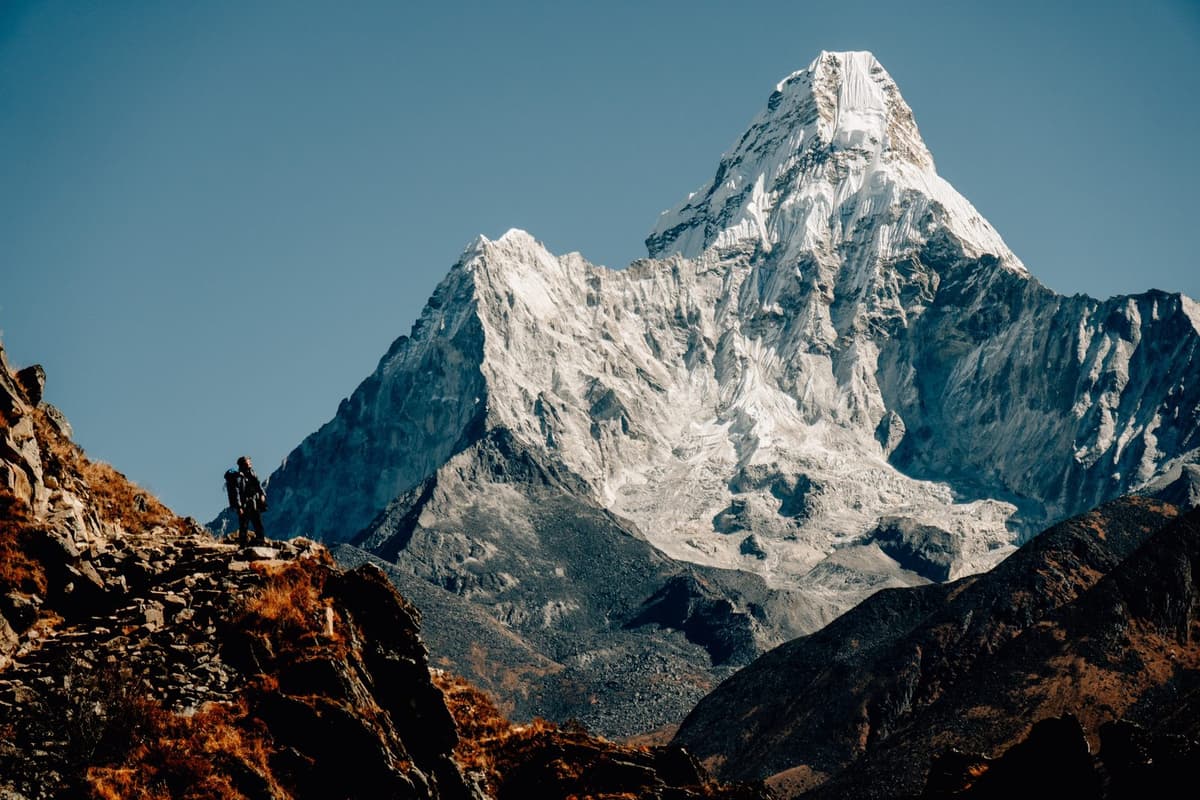
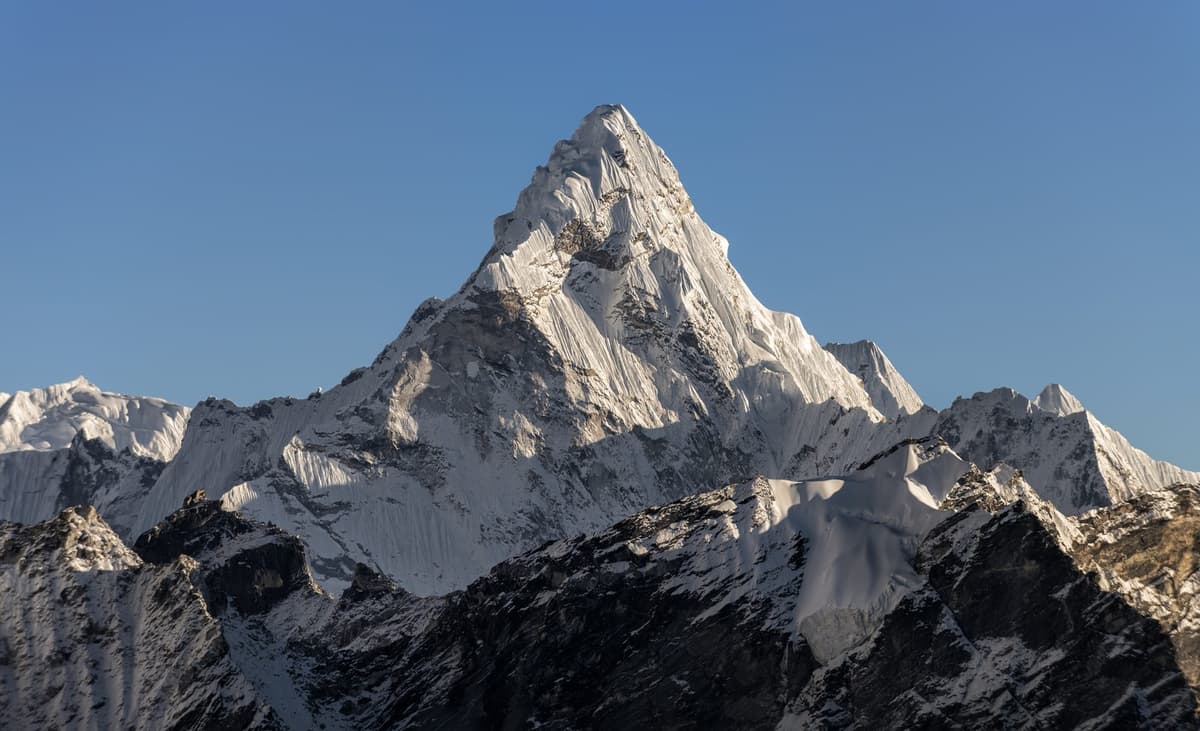
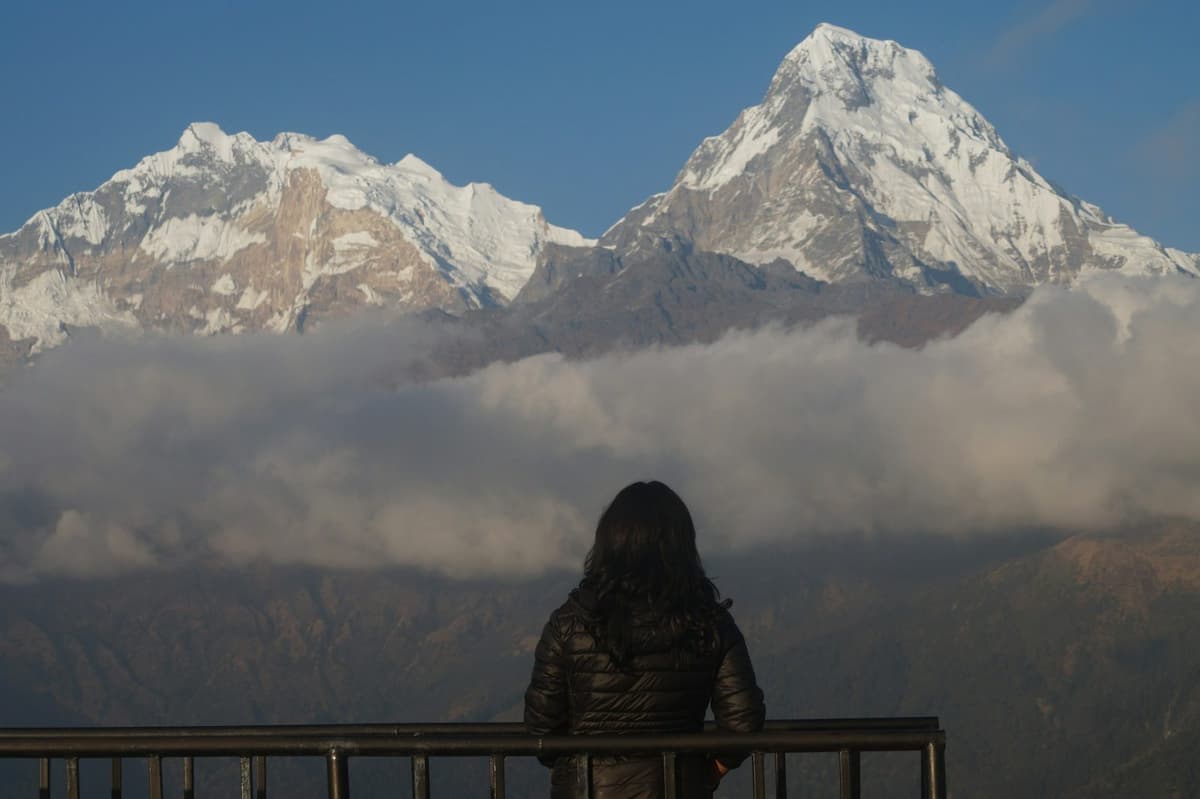
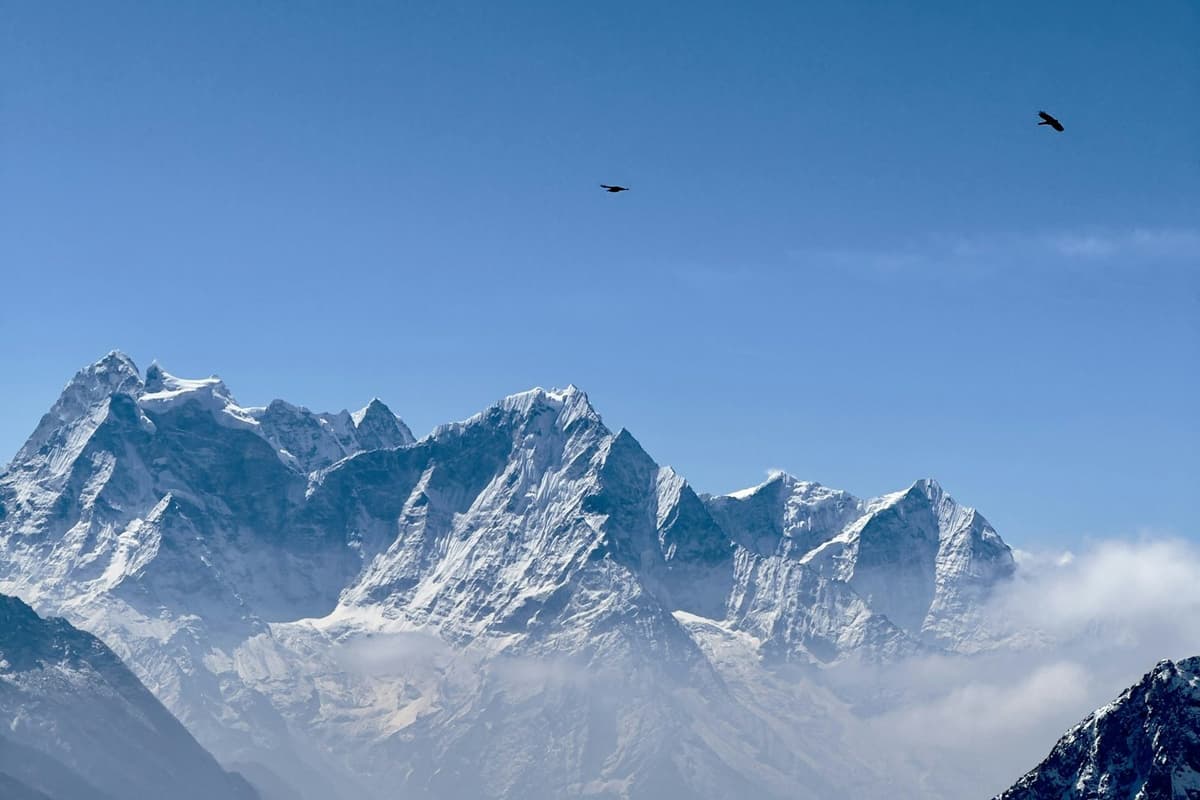
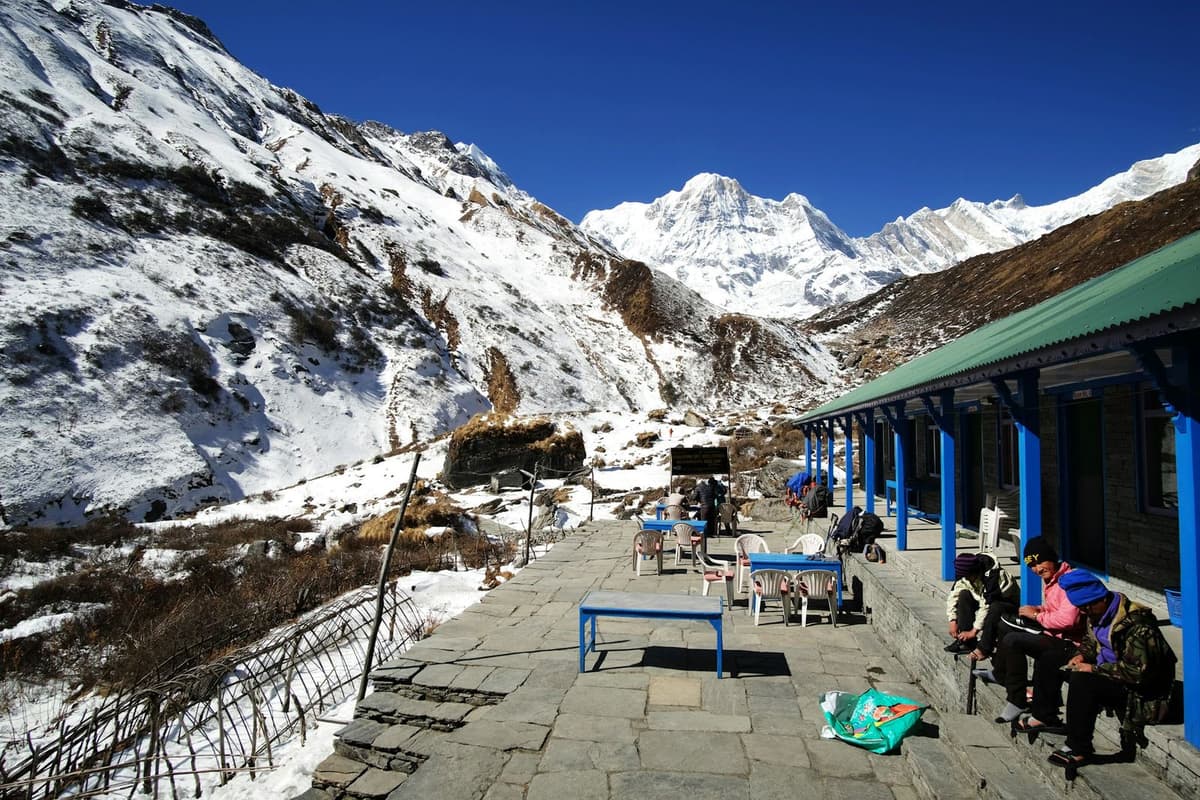
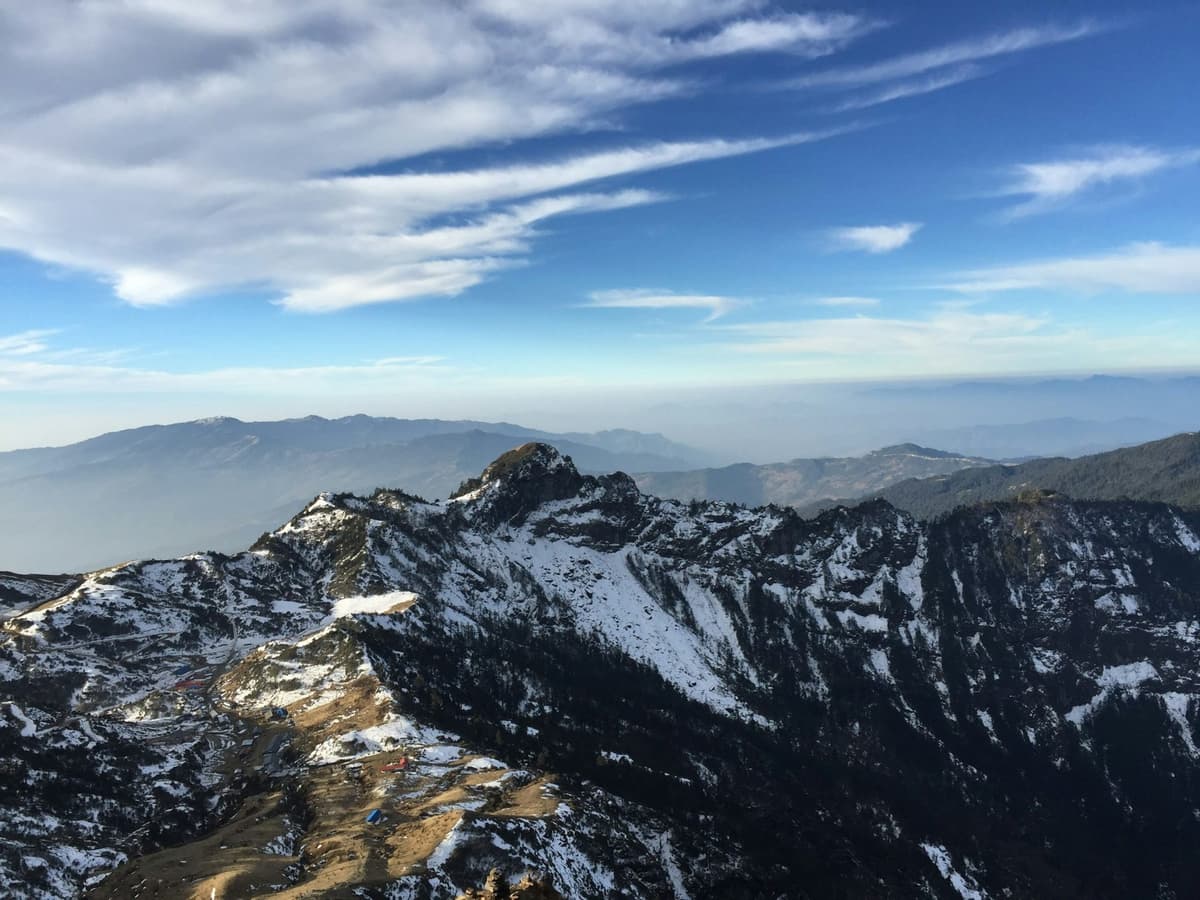
The ridge looks straight across to Annapurna South, Hiunchuli and Machhapuchhre, with Annapurna II, III and IV and Lamjung Himal further east. Unlike Sarangkot, there is no town below you, and at night the quiet is the thing people remember. The lodges are simple teahouses; most rooms have attached bathrooms, the menu is the standard Annapurna one, and payment is cash only.
The ridge is also the first stop on the Mardi Himal trek from Pokhara, so if one night leaves you wanting more, that is the natural next step.
Permits, guides and altitude
Australian Camp is inside the Annapurna Conservation Area. You need an ACAP entry permit, issued by the National Trust for Nature Conservation, and since 2023 foreign visitors in the conservation areas must walk with a licensed guide. The staffed permit post is further up the trail at Pothana, so it is rarely checked on this ridge, but the rule applies and we follow it. At 2,060 m, altitude illness is very unlikely, as it usually appears above 2,500 m.
When to go and who it suits
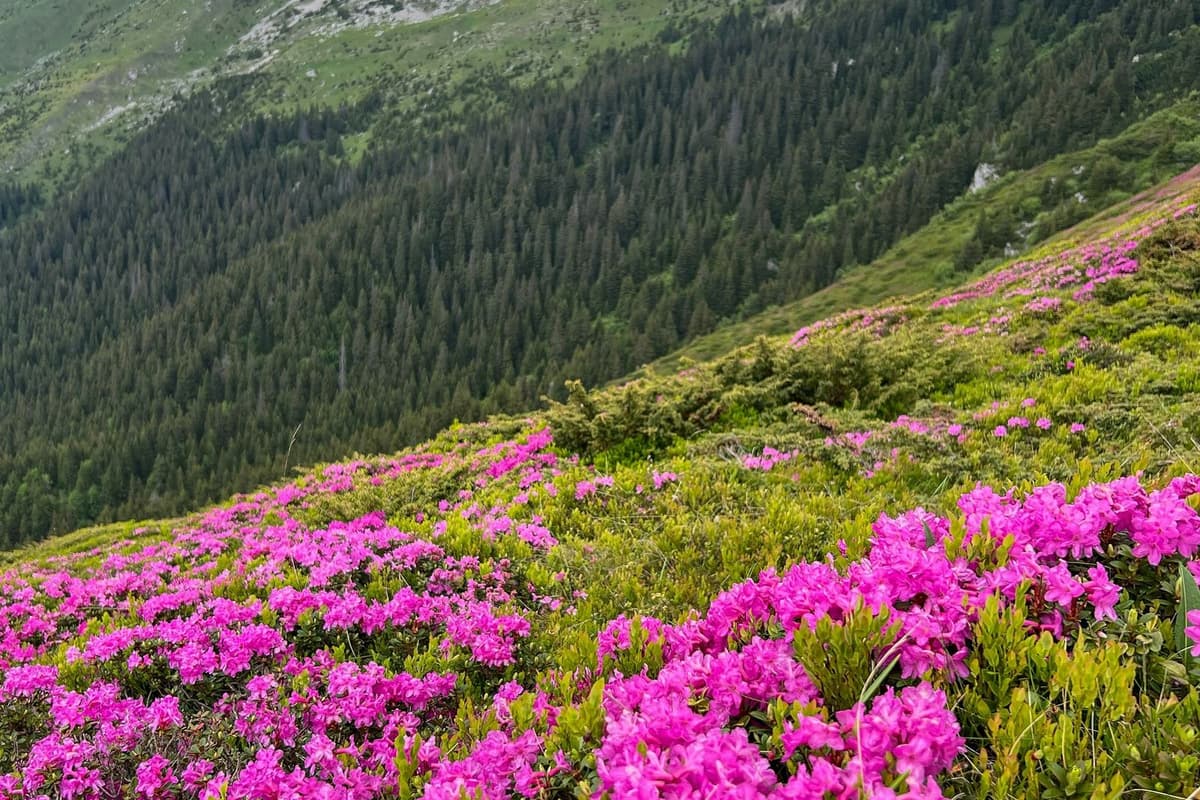
October and November are the clearest months, and the views usually hold through February, with cold nights on the ridge. Spring brings rhododendrons but more cloud, and the monsoon from June to September makes the trail wet and the views rare. The trip suits reasonably fit adults, active families and anyone who wants a night in the hills with only three days to spare. If you would rather reach a village by road, the Pokhara and Ghandruk tour by road is the easier alternative.