
Overview
This Kopan monastery tour spends 1 day among three working Tibetan Buddhist monasteries a short drive apart in the north-east of the Kathmandu Valley, then ends at Boudhanath Stupa. You start at Kopan, a Gelug centre founded in 1969 on a hilltop above Boudhanath, move on to Pullahari, the Karma Kagyu monastery and retreat centre with a golden relic stupa, and finish at Shechen, a Nyingma monastery known for its painted main temple. A walk around the great stupa closes the day. It takes about seven to eight hours, with a private vehicle and a licensed guide.
A Day Visit to Monasteries itinerary
- Morning pickup from your hotel and drive to hilltop Kopan Monastery above Boudhanath, with its prayer halls, gardens and valley views
- Drive the short way along the foothills to Pullahari Monastery, the Karma Kagyu seat of the Jamgon Kongtrul Rinpoches, which is open to drop-in visitors
- See the golden relic stupa of the Third Jamgon Kongtrul Rinpoche and the shrine hall, then drive down to Boudhanath
- Visit Shechen Monastery and its painted main temple, reached from the lanes beside the stupa without the Boudhanath entry ticket
- Lunch break near the stupa, then walk the kora around Boudhanath Stupa (entry is an optional extra) and drive back to your hotel
Cost of the A Day Visit to Monasteries: what's included
- Private vehicle with driver : included
- Licensed guide (a second guide joins groups of 9 or more) : included
- Lunch and drinks: not included
- Donations and offerings at the monasteries: not included
- Travel insurance : not included
- Tips and personal expenses: not included
- Boudhanath Stupa entry (optional extra) : not included
A Day Visit to Monasteries packing list
- Modest clothing that covers shoulders and knees for the shrines
- Slip-on shoes that are easy to remove at temple entrances
- A camera or phone for the hilltop views and monastery grounds
- Sunglasses, sun hat and sunscreen for the open hillsides
- A little cash for offerings, tea and small purchases
A Day Visit to Monasteries FAQs
A Day Visit to Monasteries: Kapan, Pullahari, Shechen and Boudhanath: the complete guide
The Kopan monastery tour is a quiet, unhurried day among the Tibetan Buddhist monasteries of the Kathmandu Valley's north-eastern hills. In about seven to eight hours you visit three working monasteries from three different schools, Kopan, Pullahari and Shechen, and finish with the kora around Boudhanath. A licensed guide and private vehicle take you between them, and the best months are October to May.
What the Kopan monastery tour covers
It covers three monasteries and one stupa, all within a short drive of each other on the north-east side of the city, so the day is spent at the sites rather than in traffic.
| Fact | Detail |
|---|---|
| Monasteries | Kopan (Gelug), Pullahari (Karma Kagyu), Shechen (Nyingma) |
| Finish | Boudhanath Stupa and its kora |
| Length | 1 day, about 7 to 8 hours from hotel pickup |
| Area | Kopan hill, the foothills north of Boudhanath, and Boudhanath itself |
| Transport | Private vehicle with driver |
| Guide | Licensed guide; a second guide joins groups of nine or more |
| Walking | Gentle: monastery grounds, stairs to shrine halls and the stupa circuit |
| Altitude | Valley and foothills, around 1,300 to 1,400 m (4,265 to 4,593 ft) on the valley floor; no altitude concerns |
| Not included | Lunch, donations and offerings, Boudhanath entry (can be added) |
| Best months | October to May |
Is it Kopan or Kapan?
Both, depending on what you mean. The monastery's own name is Kopan, while the surrounding neighbourhood is usually written Kapan, which is why our tour title uses Kapan. Pullahari's postal address is even given as Jagdol, Ward Kopan, so you will see both spellings on signs and maps on the same day.
If you are searching maps or booking a course, use "Kopan Monastery". If you are telling a taxi driver where to go, "Kapan" is what most locals will recognise.
How does the day run?
The day moves from the highest point to the lowest: Kopan on its hill, Pullahari in the foothills, then down into Boudhanath for Shechen, lunch and the stupa.
| Part of the day | Stop | What you do there |
|---|---|---|
| Morning | Kopan Monastery | Walk the hilltop grounds, gardens and prayer halls; take in the view over the valley |
| Late morning | Pullahari Monastery | See the Golden Stupa with the Third Jamgon Kongtrul Rinpoche's relics and the shrine hall |
| Early afternoon | Shechen Monastery | Visit the painted main temple, reached from lanes beside the stupa |
| Afternoon | Boudhanath | Lunch near the stupa, the kora, and time to sit and watch; then back to your hotel |
Because the tour is private, your guide adjusts the order if a monastery is holding a ceremony or a hall is closed for practice. Lunch is your own; the lanes and rooftops around Boudhanath have plenty of choice, from Tibetan noodle houses to cafes overlooking the dome.
Which tradition does each monastery follow?
Each follows a different school of Tibetan Buddhism, which is the real point of visiting all three in one day: you see how the same faith looks in three houses, a short drive apart.
| Kopan | Pullahari | Shechen | |
|---|---|---|---|
| School | Gelug | Karma Kagyu | Nyingma |
| Founded | 1969 | Opened 1992 (land offered 1986) | Begun 1980 |
| Founder | Lama Thubten Yeshe and Lama Zopa Rinpoche | The Third Jamgon Kongtrul Rinpoche | Dilgo Khyentse Rinpoche |
| Setting | Hilltop above Boudhanath | Foothills north of Boudhanath | Beside the great stupa |
| Known for | Courses for international students | Three-year retreats and the Golden Stupa | The painted walls of its main temple |
You do not need to know the differences to enjoy the day; your guide explains them as you go. In short, the schools share the same core teachings but trace their lineages to different teachers and emphasise different practices, and you will notice it in the images on the altars, the colours of the hats in old paintings and the way each monastery describes itself.
What will you see at Kopan Monastery?
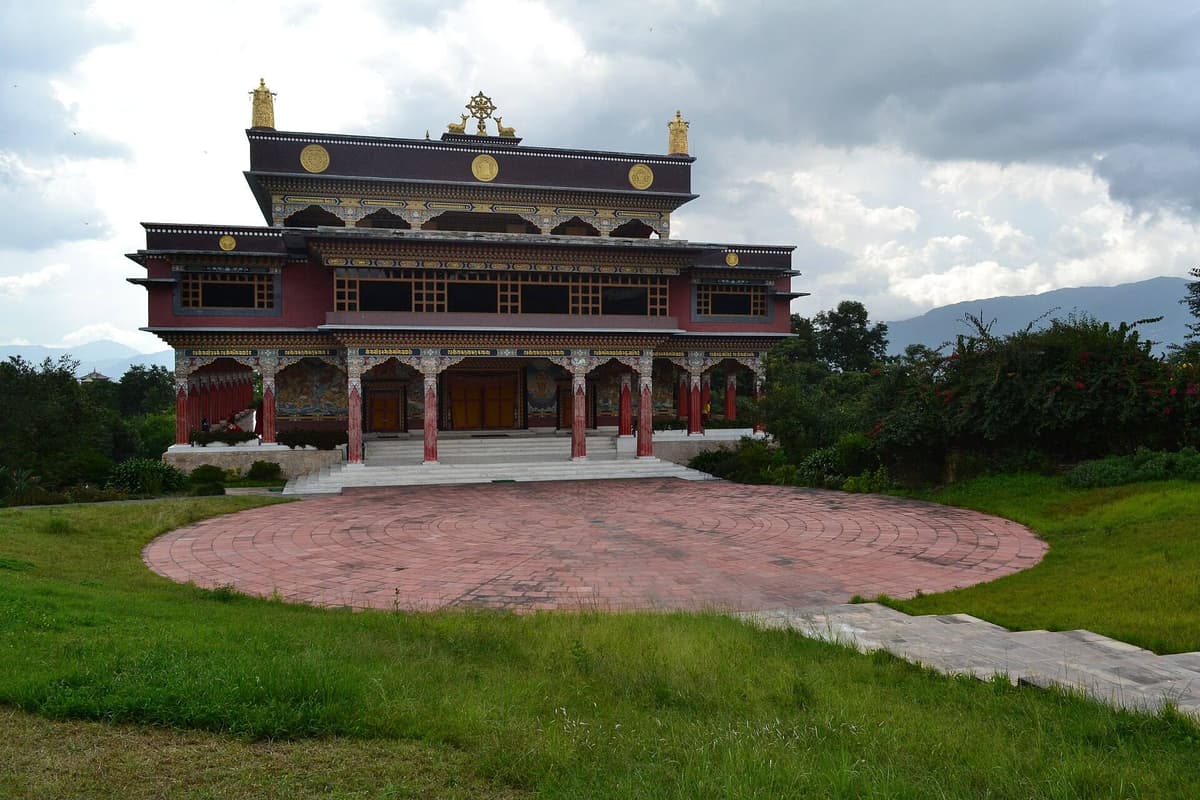
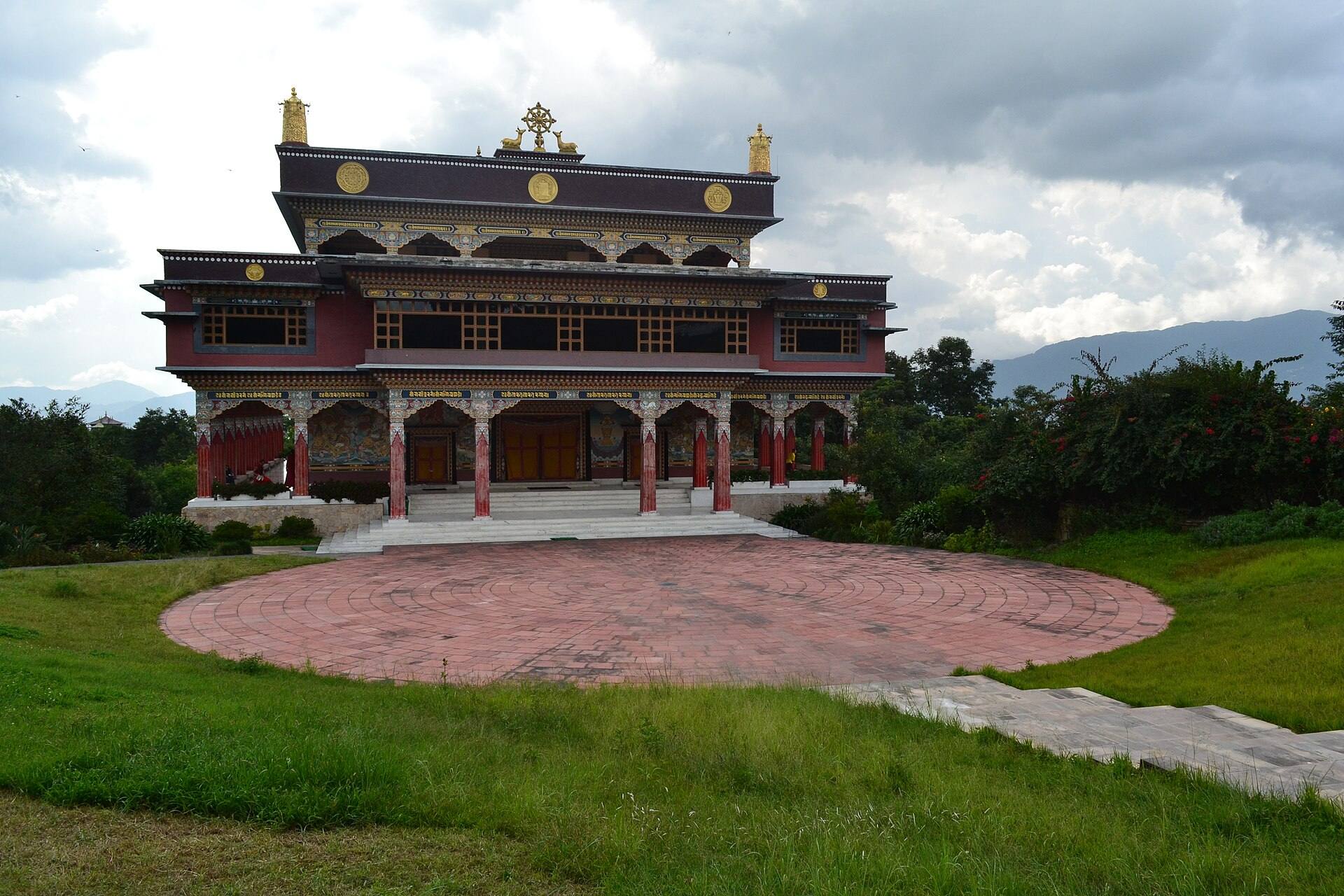
You see a working Gelug monastery and teaching centre on a hilltop with one of the widest views over the northern half of the valley. Kopan was founded in 1969 by Lama Thubten Yeshe and Lama Zopa Rinpoche and belongs to the Foundation for the Preservation of the Mahayana Tradition, the international network that grew out of the courses held here.
The grounds are the draw: flowering gardens, prayer wheels, a main gompa with its tall images, and monks moving between classes. Kopan is best known abroad for its meditation and Buddhist philosophy courses, above all the month-long introductory course it runs each November. The day tour does not include a course or a teaching, but your guide can point out where the course participants study and explain how to book one directly with the monastery.
Give yourself a few minutes at the edge of the hilltop before you leave. On a clear morning you look south over the rooftops towards Boudhanath, where you will finish the day, and the valley's ring of hills is laid out around you. It is the best orientation to the whole tour.
Visit quietly. Kopan is a community of monks and students first and a sight second, so keep your voice low near the halls and give way on the paths.
Why is Pullahari worth the detour?
Pullahari is worth it for its setting, its relic stupa and the sense of a place built for long retreat. It sits in the foothills north of Boudhanath, a short drive from Kopan, and is open to drop-in visitors.
The monastery's story is told on the Jamgon Kongtrul Labrang's own site. In 1986 the Third Jamgon Kongtrul Rinpoche accepted an offer of land from the Third Dilyak Dabzang Rinpoche and agreed to build a three-year Mahamudra retreat centre here. The monastery opened in March 1992 and took its name from Pullahari, the monastery of the Indian master Naropa in present-day Bihar, where Naropa named the translator Marpa as his Dharma heir.
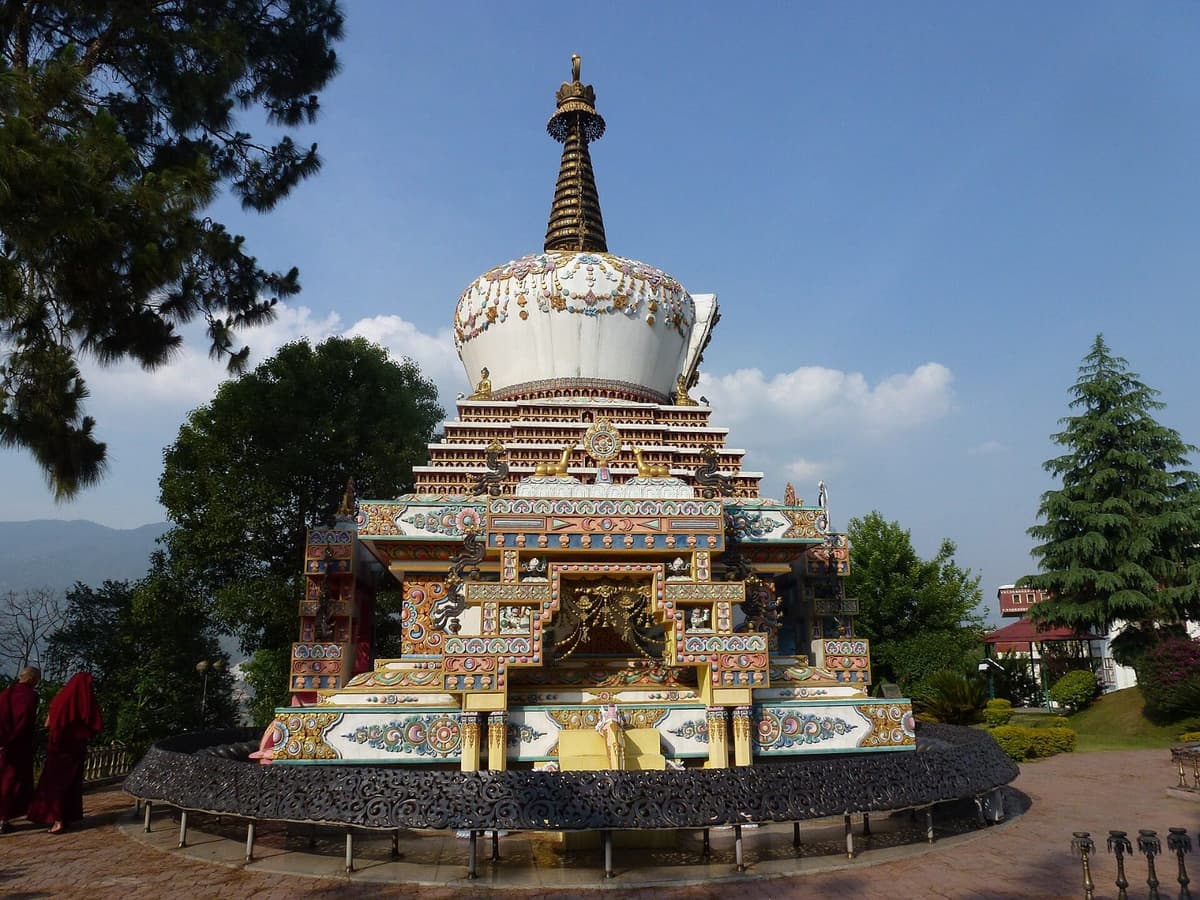
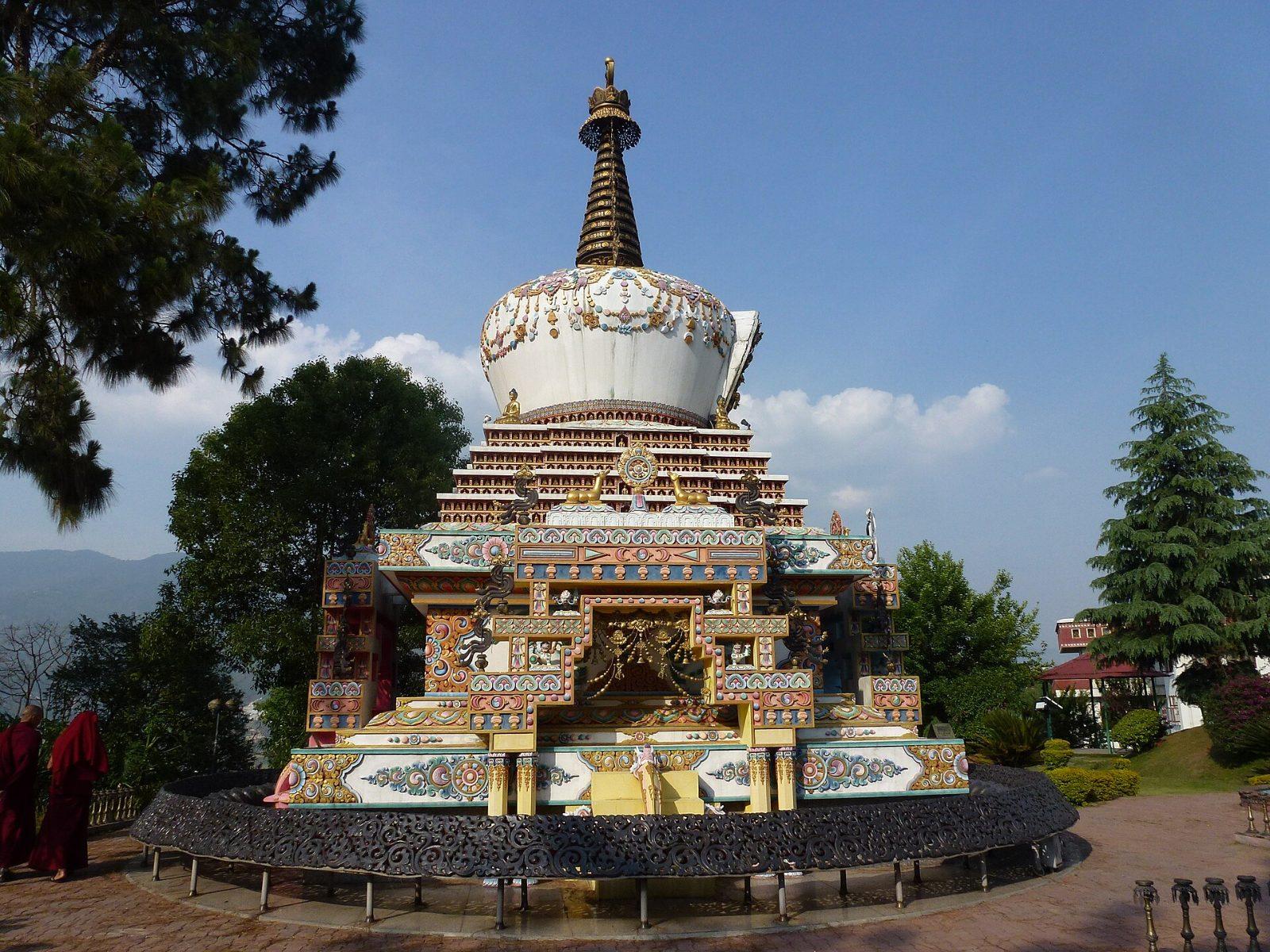
The Third Jamgon Kongtrul Rinpoche died in 1992, and his relics were brought to Pullahari from Rumtek Monastery in November that year. On 26 April 1994 they were enshrined in the Golden Stupa, which is now the monastery's main object of reverence and the heart of a visit. The Labrang lists around 250 monks, and retreatants still complete the traditional three-year retreat here, so parts of the site are closed to visitors.
What is special about Shechen Monastery?
Shechen is special for its main temple, whose walls are painted with the history of Tibetan Buddhism, and for its position right beside Boudhanath. It is a Nyingma monastery, Shechen Tennyi Dargyeling, which Dilgo Khyentse Rinpoche began building in 1980.
It is easy to miss. The gate is in the lanes a short walk from the stupa, and you can reach it without buying the Boudhanath entry ticket. Inside the courtyard, the noise of the square falls away. Take time with the murals: your guide can help you read the figures of teachers and protectors, and the detail rewards a slow look. Photography rules inside temples vary, so always ask before taking pictures indoors.
How do you walk the kora at Boudhanath?
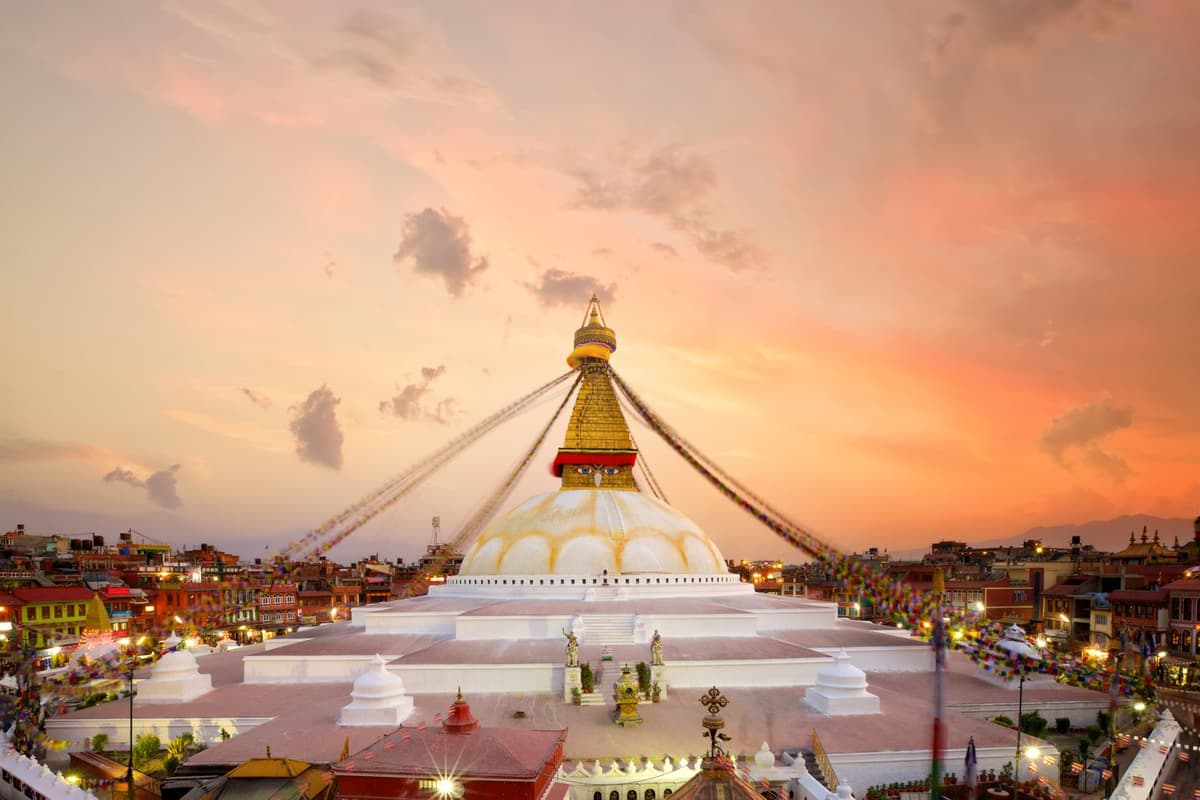
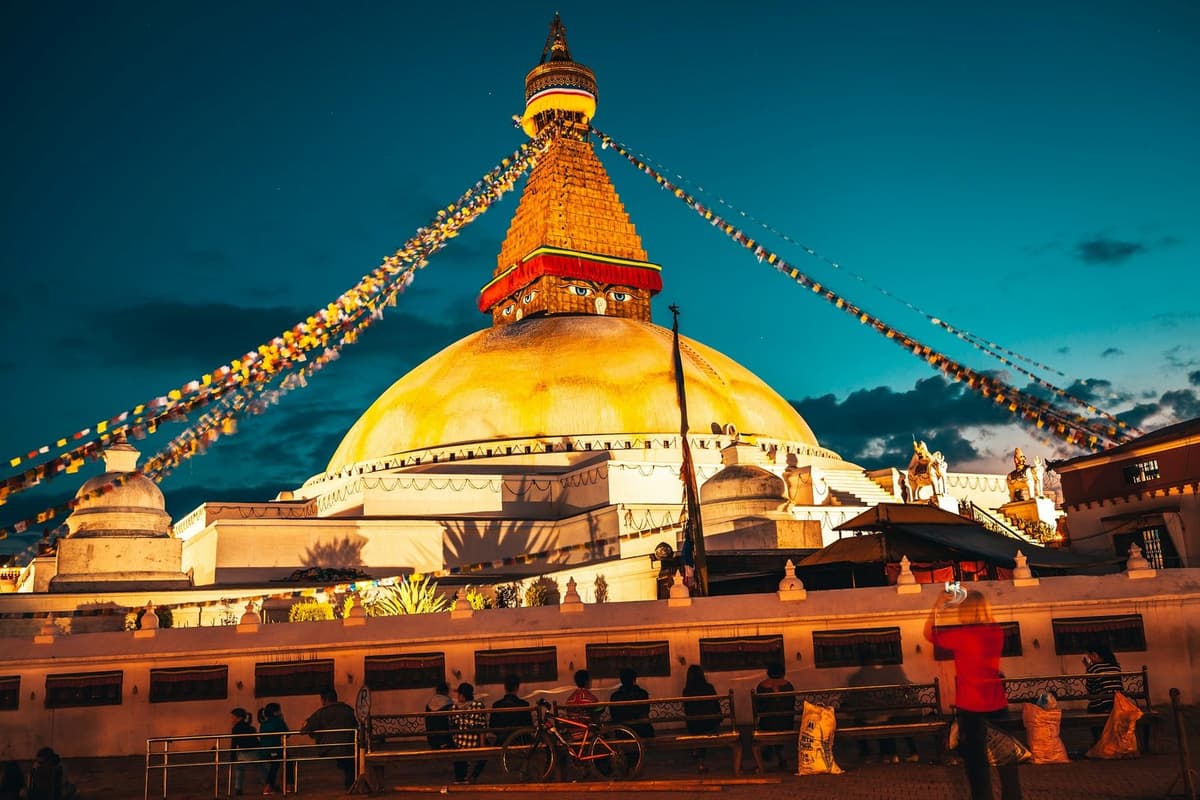
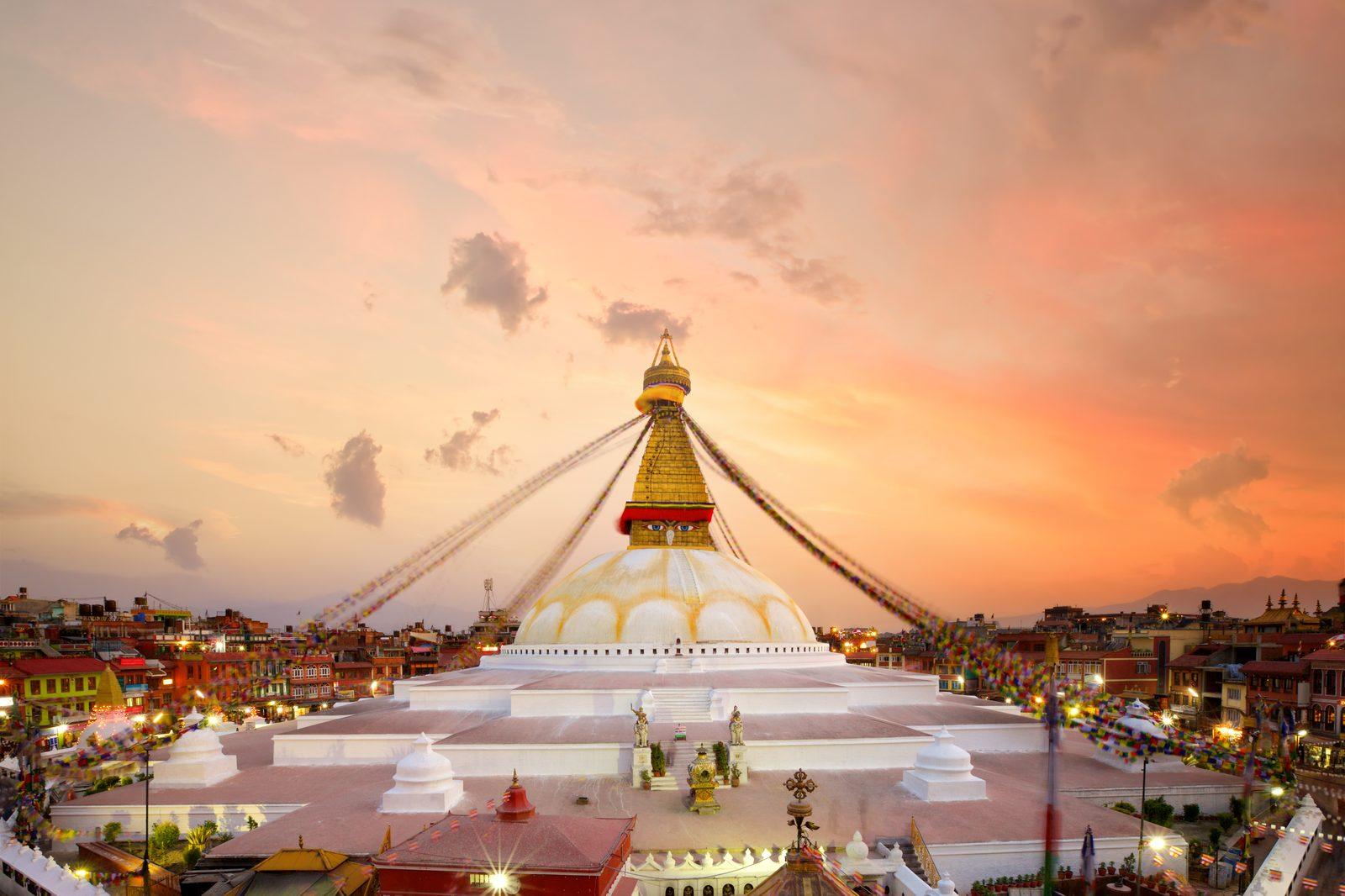
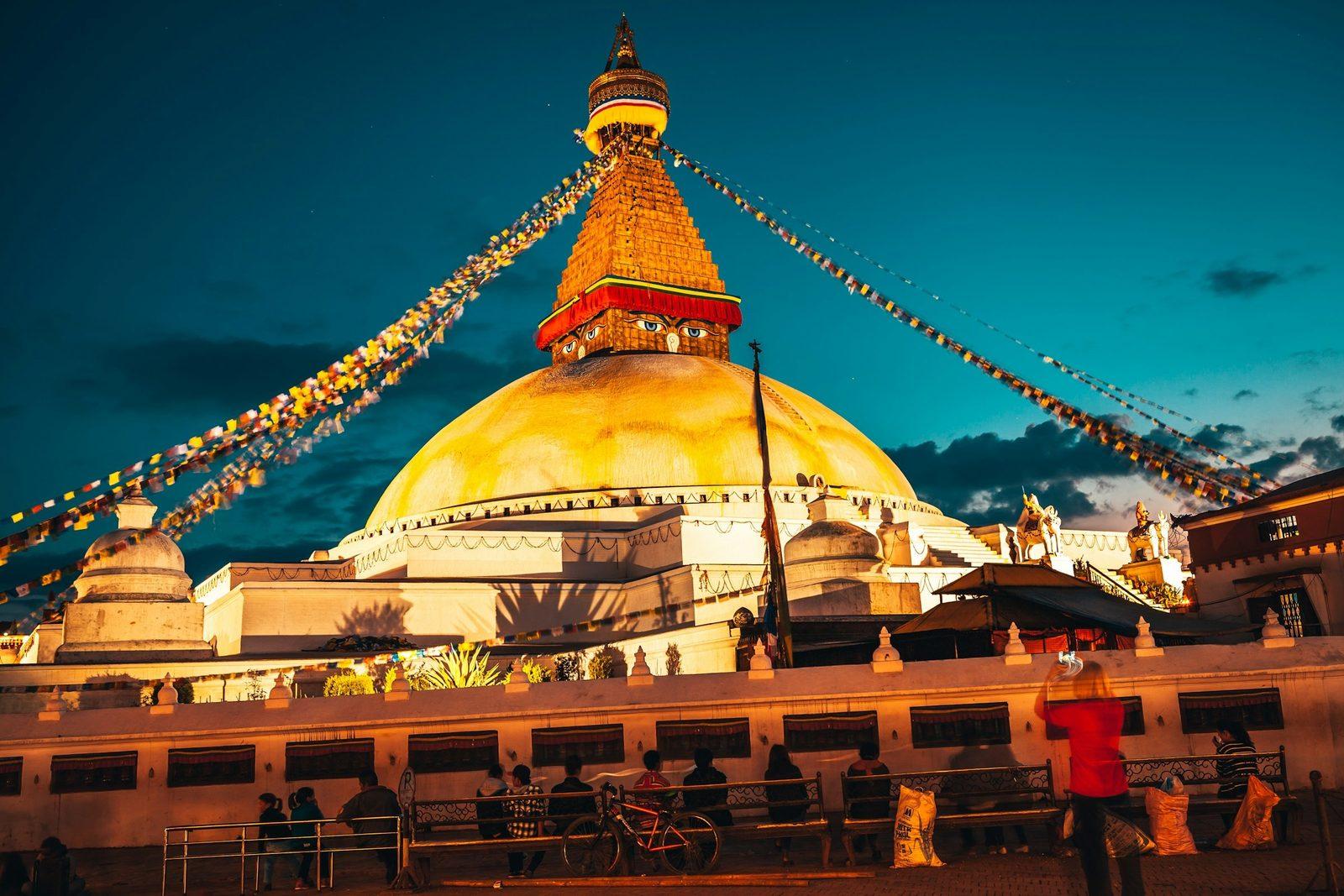
You walk it clockwise, keeping the stupa on your right, at the pace of the pilgrims around you. Boudhanath is the largest spherical stupa in Nepal and one of the seven UNESCO monument zones of the Kathmandu Valley, and the kora around it is the valley's best place to watch Tibetan Buddhist devotion in daily life.
Spin the prayer wheels with your right hand as you pass, and do not cut across against the flow. Many of the monasteries around the square were founded by Tibetan communities after 1959, and their doors open onto the circuit. Entry to the stupa area carries a fee, which is not included but can be added when you enquire. Read our Boudhanath Stupa history and kora guide for the symbolism of the dome, eyes and spire before you go.
What do the things you see in a monastery mean?
Most of what you see is there to help practice, and a few basics make every hall easier to read. Your guide fills in the detail at each stop.
- Prayer flags: strips of coloured cloth printed with prayers and mantras, hung so the wind carries the blessings outwards. Old flags are left to fade rather than taken down.
- Prayer wheels: cylinders filled with written mantras; turning one clockwise counts as reciting them. You will find rows of them at all three monasteries and around Boudhanath.
- Om mani padme hum: the mantra of compassion, carved on stones, painted on wheels and murmured by pilgrims on the kora.
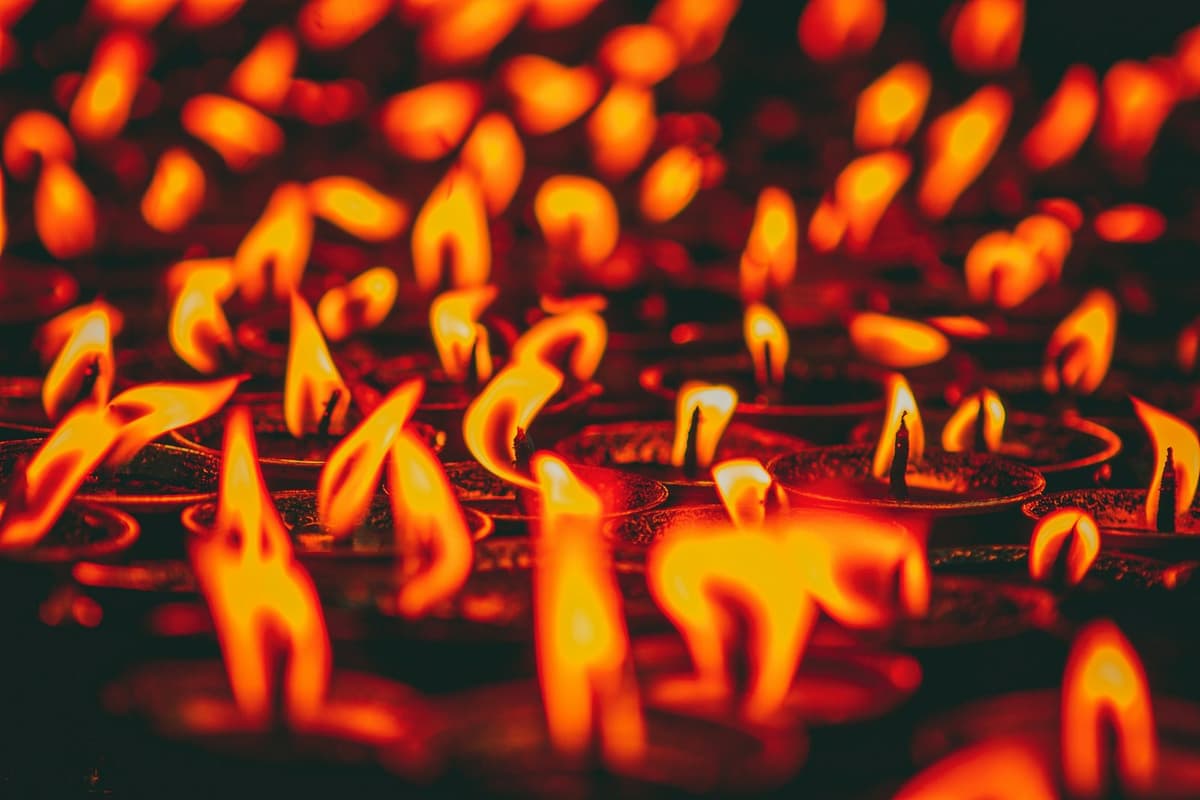
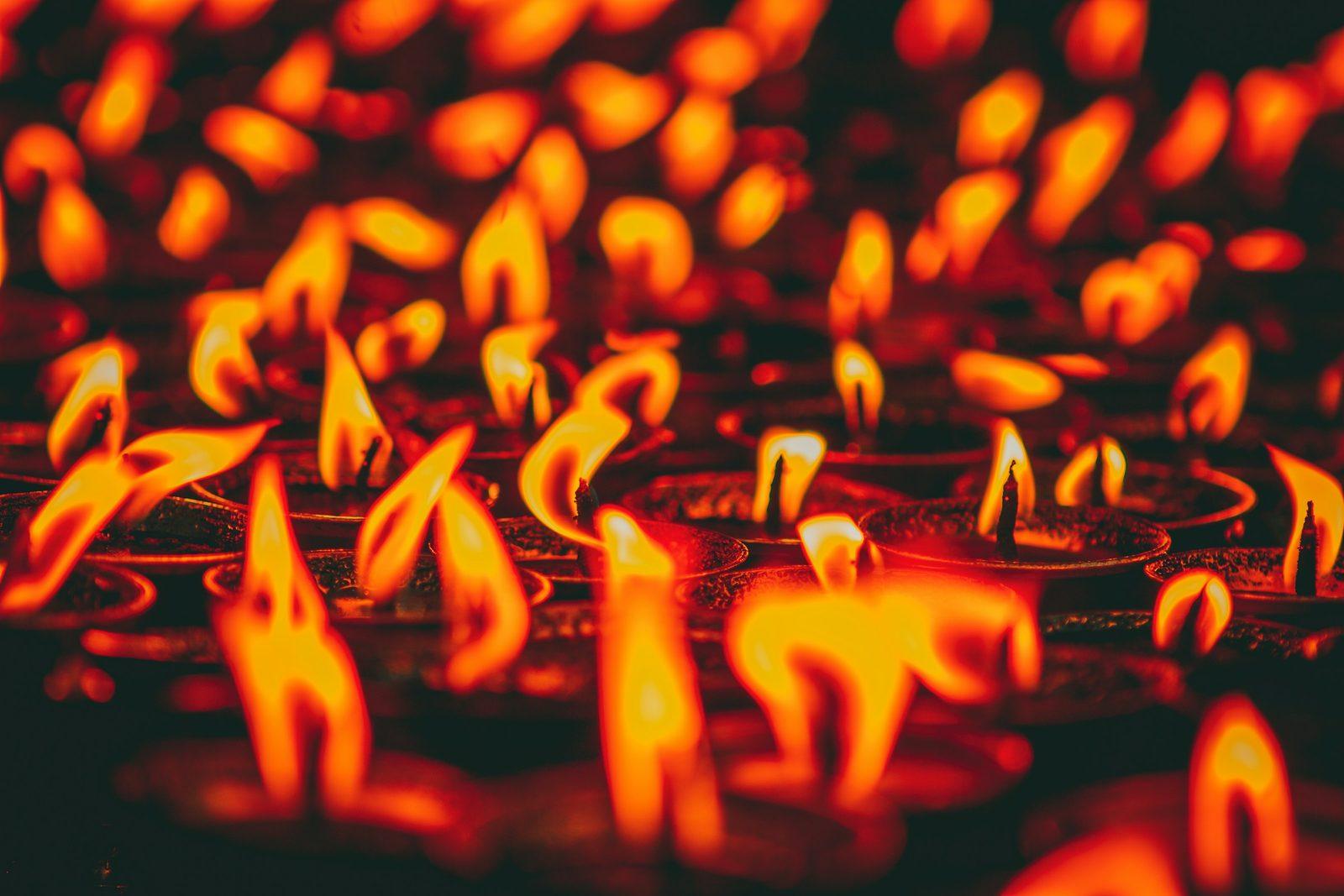
- Butter lamps: offerings of light, lit by visitors and monks alike; at Boudhanath you can often offer one yourself for a small donation.
- Stupas: reliquary monuments representing the mind of the Buddha. At Pullahari the Golden Stupa holds the relics of a teacher; at Boudhanath the eyes on the tower look out in four directions.
- Murals and thangkas: painted teachers, deities and protectors; the fierce-looking figures are protectors, not demons.
Seeing the same symbols in three monasteries from three schools is one of the quiet pleasures of the day: the forms repeat, and the differences start to stand out.
Can you talk with monks during the visit?
Often, yes, if the moment is right. Kopan in particular has hosted international students since its early years, and some monks are used to questions from visitors. Between classes or in the gardens, a polite greeting can turn into a short conversation about daily life in the monastery.
Let them set the pace. Do not interrupt monks on their way to a hall, during prayers or while they are studying, and never touch a monk's head. Your guide can help with language and will know when a question is welcome. Young novices are still children at school, so treat them as you would any pupils: friendly, but without photographs unless an adult monk agrees.
Is the tour suitable for children?
Yes, for children who can manage quiet halls. The drives are short, the grounds at Kopan and Pullahari have space to walk, and spinning prayer wheels at Boudhanath is a favourite with younger visitors. Bring a snack and a game for the car, plan the lunch stop around their energy, and let your guide know their ages so the time inside shrine halls stays short.
Can you join a meditation course or a puja?
Not on this tour, which is a visit rather than a retreat, but both are possible if you plan ahead. Kopan runs courses through the year, including the month-long November course, booked directly with the monastery rather than through us.
Prayer sessions, or pujas, follow each monastery's own timetable and are not public performances. If one is under way when you arrive, your guide may be able to ask whether visitors can sit quietly at the back; if not, you wait outside or come back later in the day. Being turned away from a hall for a while is normal and part of visiting places that are still lived in.
What are the rules for visiting a monastery?
The rules are simple courtesy, and your guide will remind you at each door.
- Cover shoulders and knees, and wear shoes you can slip off; remove them before entering shrine halls.
- Walk clockwise around stupas, prayer wheels and temples.
- Ask before photographing monks, rituals or the inside of a shrine hall.
- Do not point your feet at altars or teachers when you sit, and do not sit on the monks' cushions.
- Keep voices low near halls and classrooms, and switch your phone to silent.
- Donations are welcome but never required; small notes in the box by the door are enough.
How does it compare with our other Buddhist trips?
This is our shortest, most focused day for Tibetan Buddhism. If you have three days and enjoy walking, the Tarebhir cliff hike with Kopan, Pullahari and Shechen visits the same monasteries after a cliff camp, starting from Budhanilkantha. If you want ritual rather than monasteries, the evening aarti at Pashupatinath with a Boudhanath visit catches the sunset ceremonies at the two great sites.
| Trip | Length | Buddhist focus | Suits |
|---|---|---|---|
| This monasteries day tour | 1 day, 7 to 8 hours | Kopan, Pullahari, Shechen, Boudhanath | A first, unhurried look at Tibetan Buddhism |
| Tarebhir hike and monasteries | 3 days | The same three monasteries plus a cliff camp | Walkers who like to camp |
| Boudhanath and Pashupatinath aarti | About 4 hours | Boudhanath at dusk, then Hindu ritual | Travellers short of time |
| Off-route valley tour | 3 days | Pharping's caves and monasteries | Repeat visitors |
| Namobuddha and Nagarkot | 3 days | A night at the Namobuddha monastery | Rest and retreat |
For how these monasteries fit into the wider map of Buddhist Nepal, from Lumbini to Namobuddha, see our guide to Buddhist pilgrimage sites across Nepal. Every heritage and culture trip we run is compared on our Kathmandu cultural and heritage tours page.
What if you have less time, or more?
With only a morning, drop Pullahari and keep Kopan, Shechen and the Boudhanath kora; the three sit closest together and still show two schools side by side.
With more time, the most rewarding addition is not another monastery but a slower afternoon at Boudhanath: a second circuit at dusk, a visit to a thangka painting studio in the lanes, or simply a seat on a rooftop. If the day leaves you wanting more, Kopan's courses and the monastery night on our Namobuddha trip are the natural next steps, and the Pharping caves on the off-route tour show the older, pilgrimage side of the same tradition.
Who is it for, and what is the honest limitation?
It suits travellers curious about Tibetan Buddhism, people who have seen the main heritage squares and want something calmer, and anyone who likes quiet places with a view. The walking is gentle and the drives are short, so it works for older travellers and families with children who can keep their voices down in the halls.
The limitation is that these are working monasteries, not museums. Halls close for practice, retreat areas are off limits, and on some days a ceremony changes what you can see. You are a guest in someone's home, and the day is richer if you treat it that way. If you want a fixed time for teachings or meditation, book a course with Kopan instead of a tour.
When is the best time to go?
The best time is October to May, when the monsoon is over; winter (December to February) is dry and clear, and the views from Kopan's hill are sharpest in October and November. The monasteries are open year-round, but from June to September afternoon rain and haze are usual and we do not recommend those months for the views. Tibetan festivals bring crowds and colour to Boudhanath; their dates follow the lunar calendar and change from year to year.
From our Kathmandu team: end the day on a rooftop above Boudhanath an hour before dusk. As the light goes, the kora fills with local families and pilgrims, butter lamps are lit around the base of the stupa, and the square feels more like a neighbourhood than a monument. It is the best way to let three monasteries settle in your mind.
Similar trips
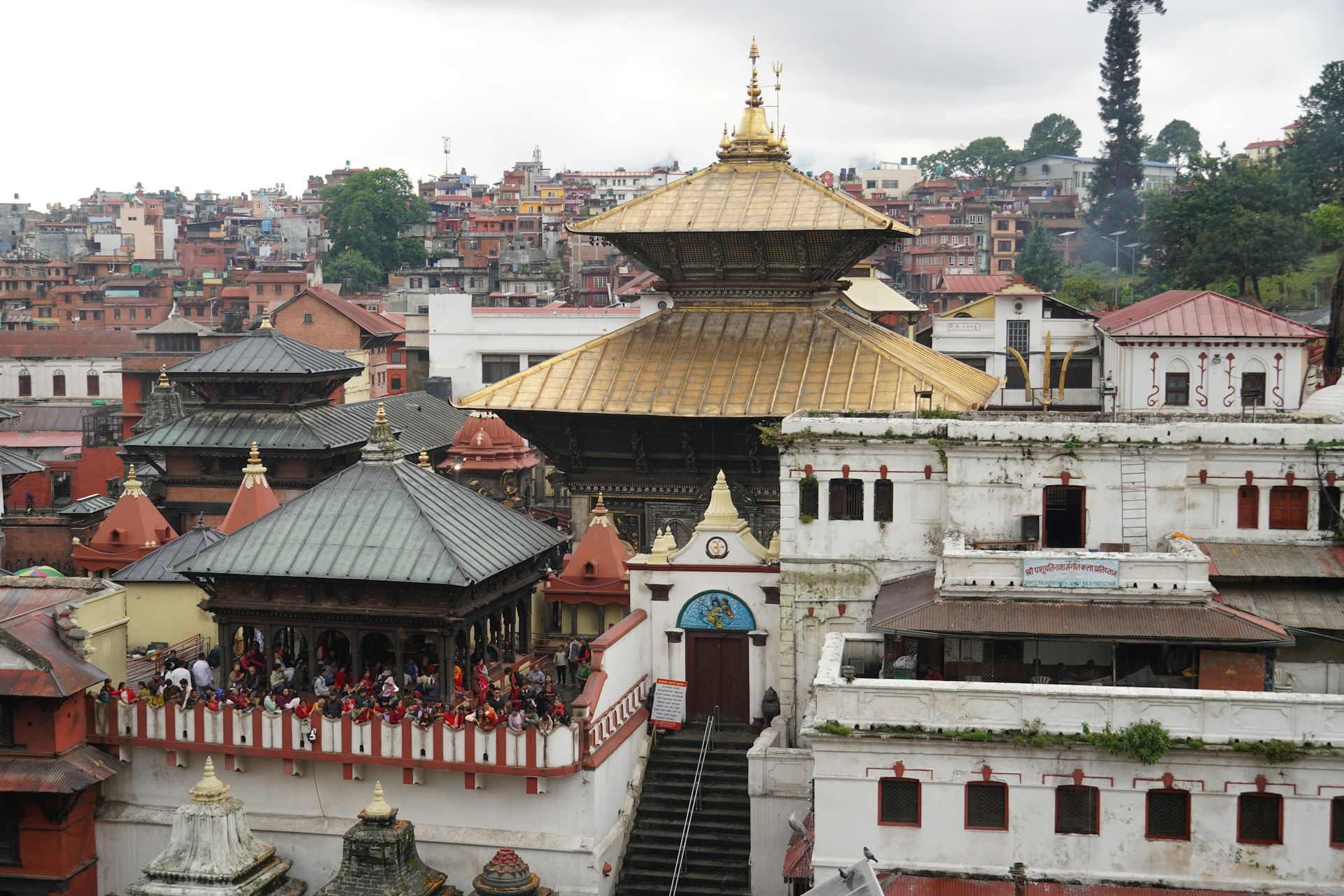
Kathmandu UNESCO Heritage Tour with Namobuddha, Dhulikhel and Panauti
4 DaysFive of the valley's UNESCO sites, a night at Nagarkot, the Buddhist hilltop of Namobuddha, a night in Dhulikhel and a morning in old Panauti.
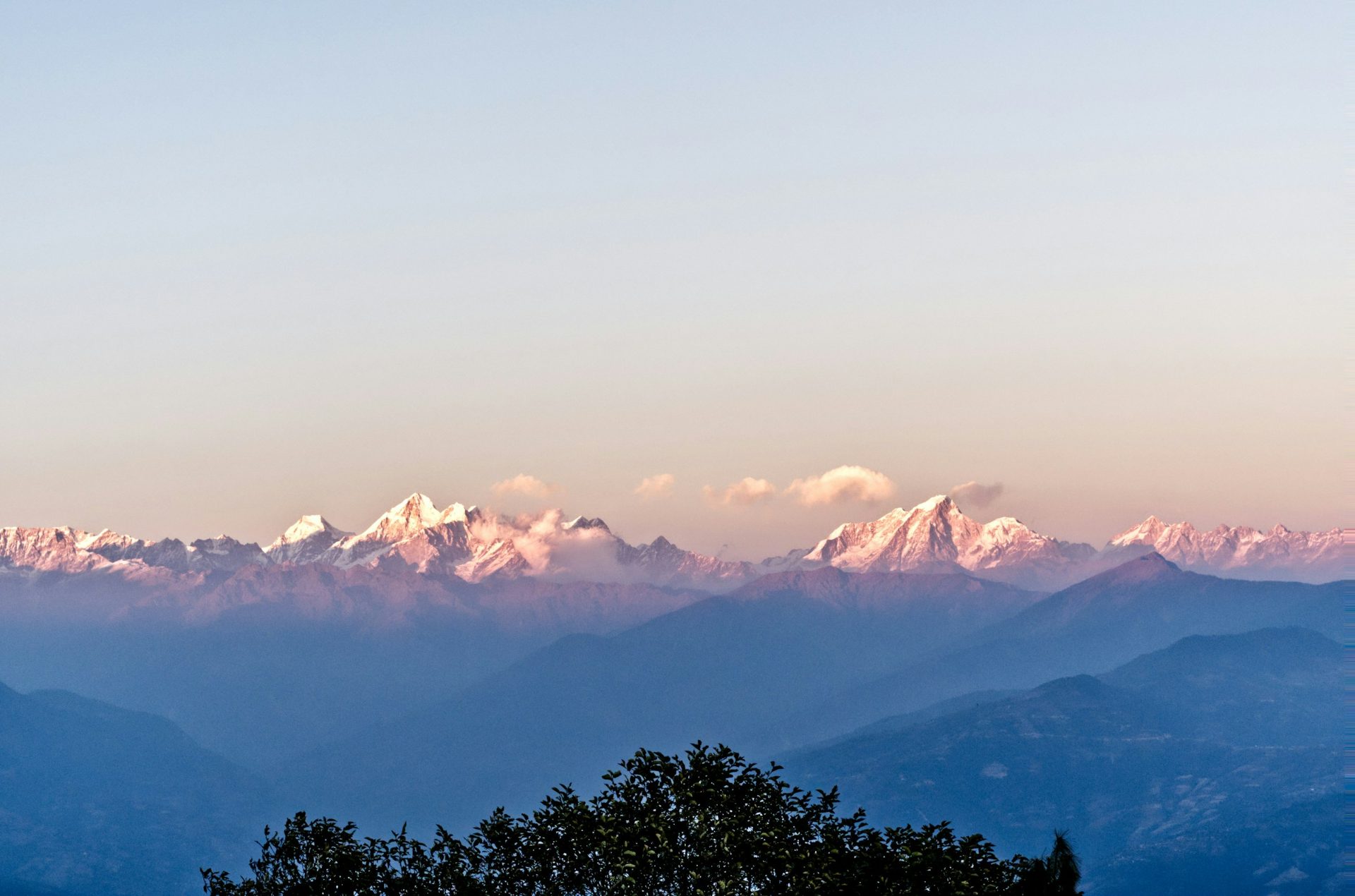
Nagarkot Sunrise and Bhaktapur Durbar Square Tour
1 DayAn early-morning tour from Kathmandu to Nagarkot for a Himalayan sunrise, then Shanti Stupa, the Rani Jhula suspension bridge and the temples of Bhaktapur Durbar Square.
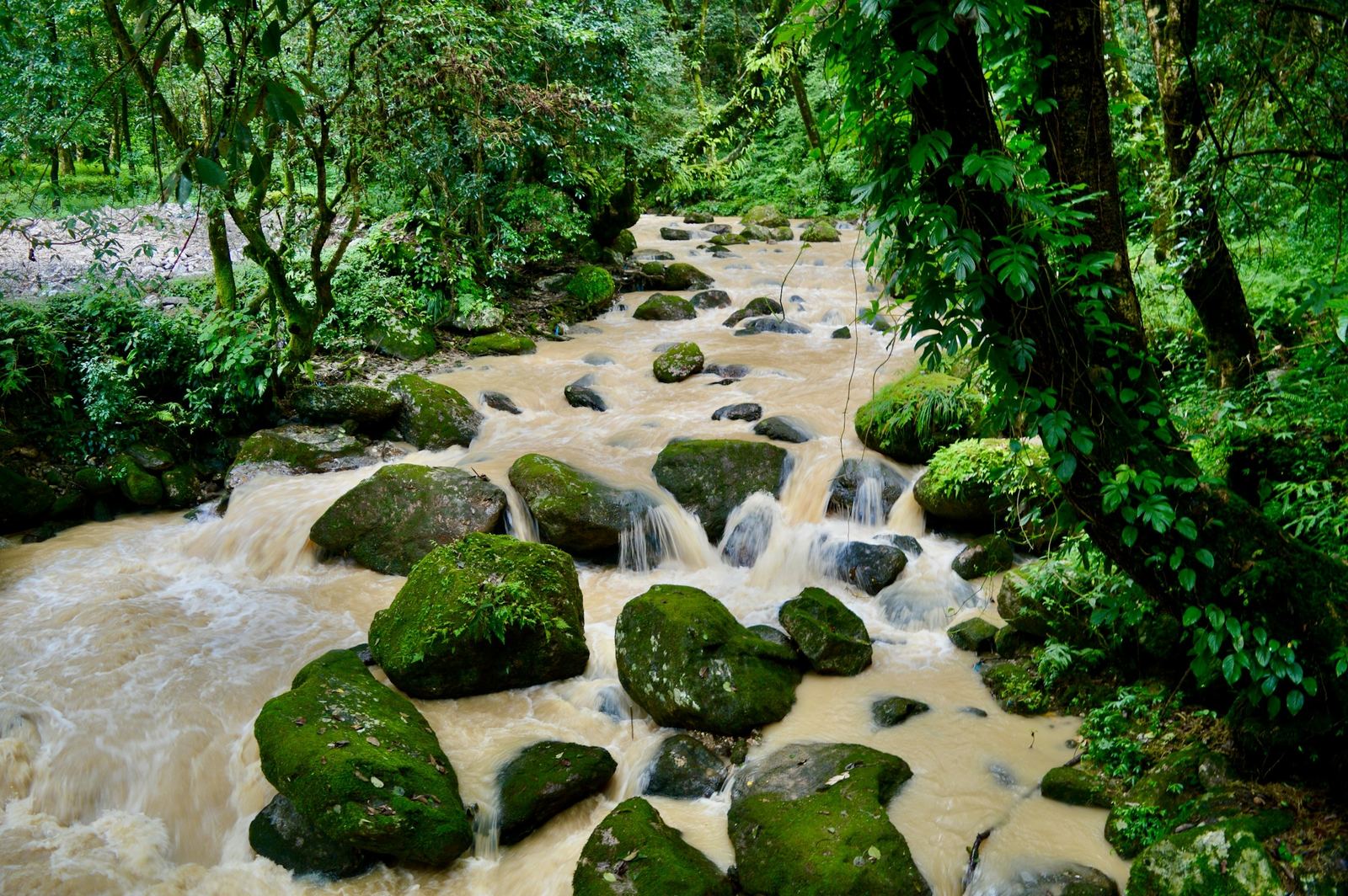
Bishnudwar to Budhanilkantha Hike via Dadagaon
2 DaysA slow two-day forest hike from Budhanilkantha to the Bishnudwar spring and up to the village of Dadagaon for a night, before walking back down.
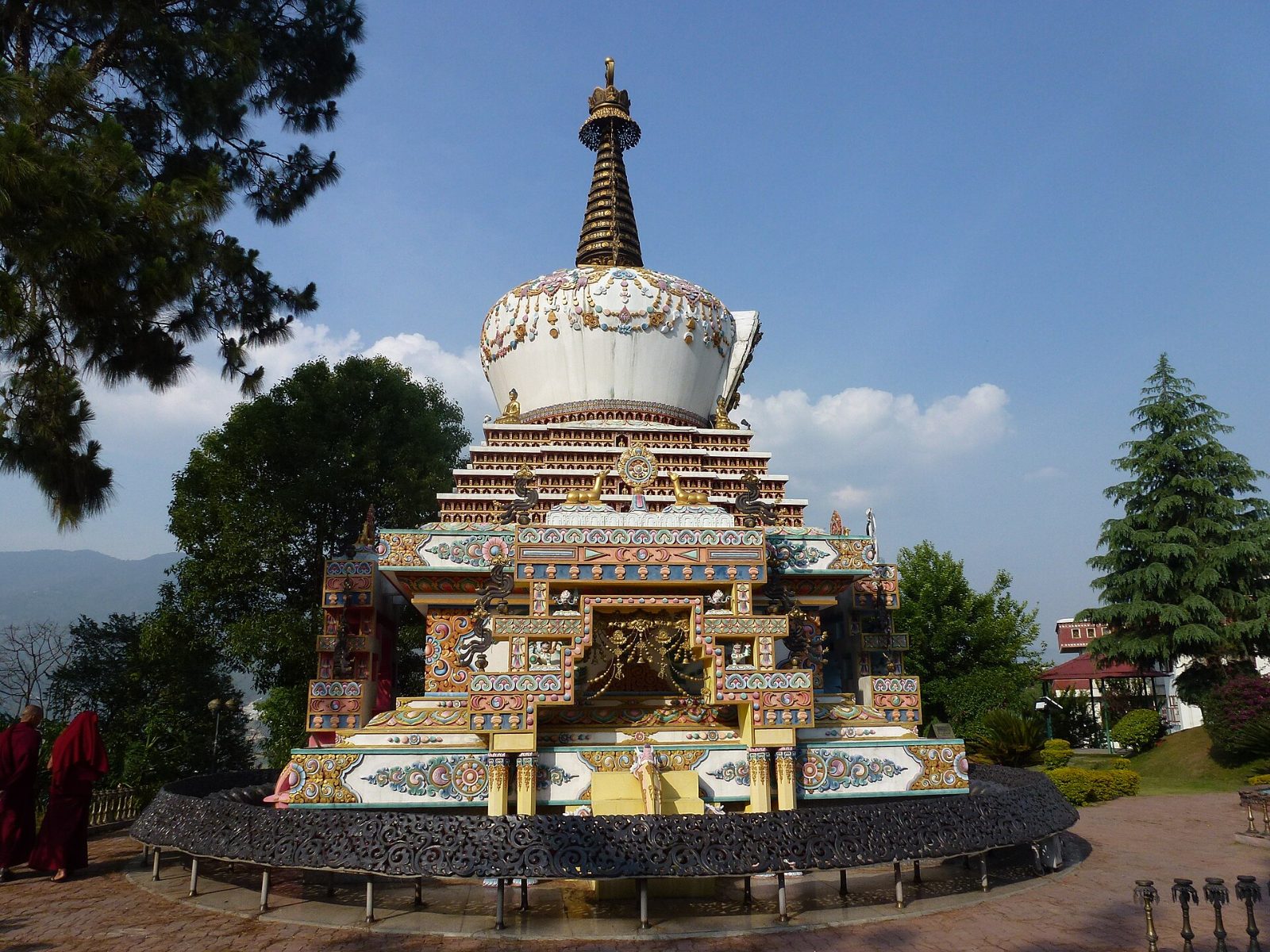
Tarebhir Hike and Kathmandu Monasteries Tour
3 DaysA night at the Tarebhir cliff camp, then Pullahari, Boudhanath, Shechen and Kopan, the valley's great Buddhist monasteries.
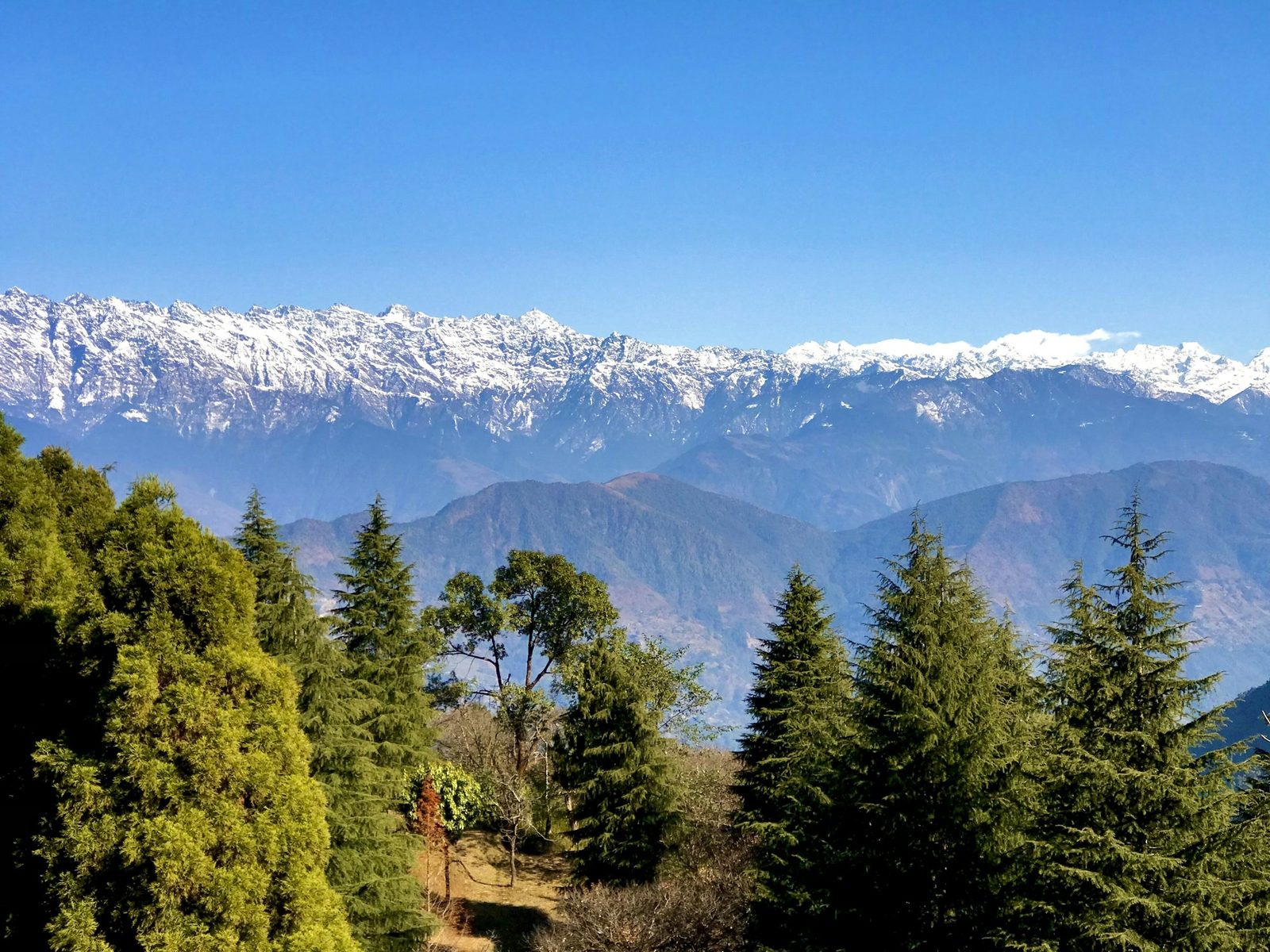
Shivapuri Peak Day Hike
1 DayA guided full-day hike from Budhanilkantha up through Shivapuri Nagarjun National Park to Shivapuri Peak at 2,732 metres, past the Nagi Gompa nunnery.
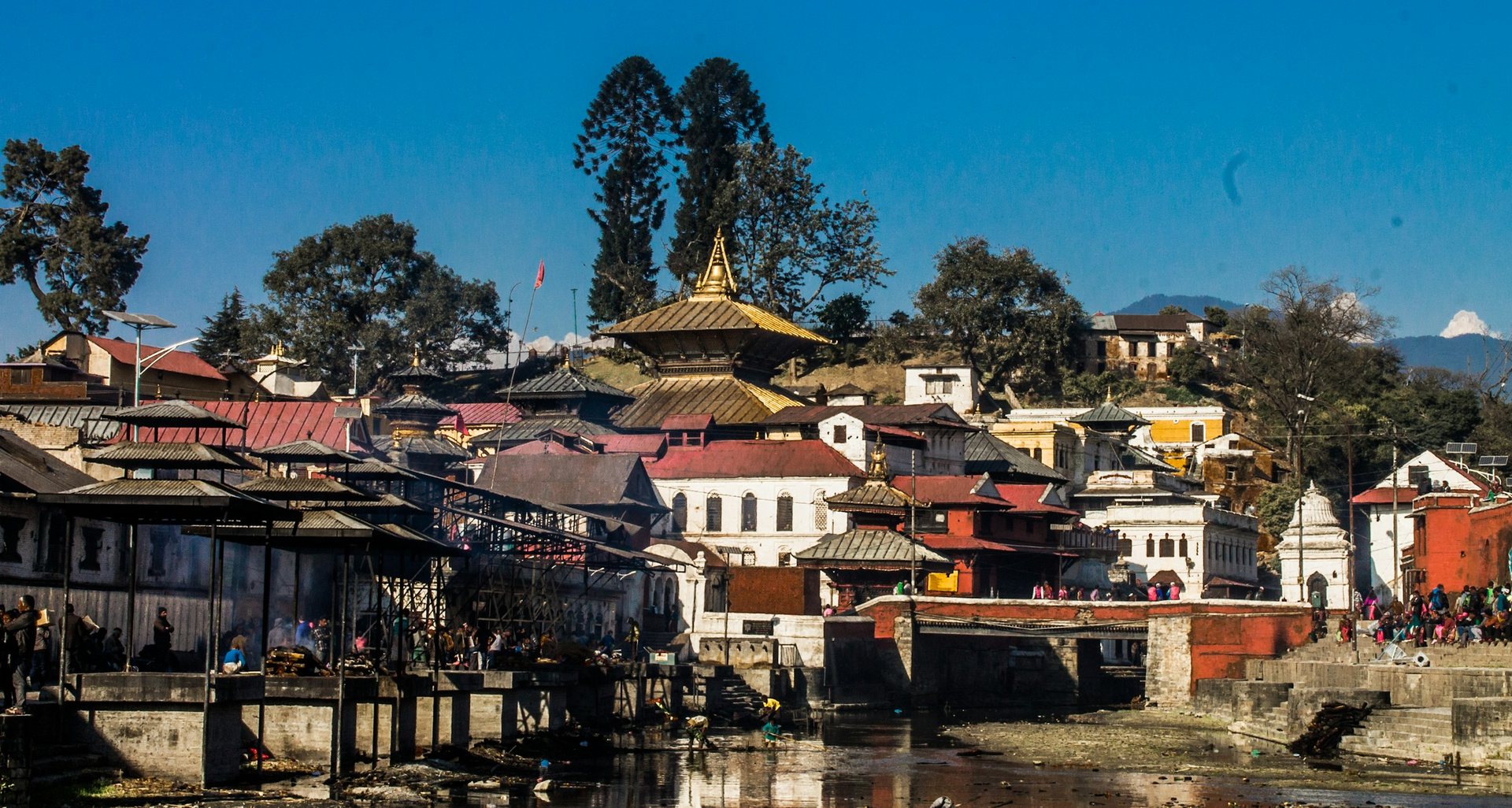
Kathmandu Valley Heritage Tour with Nagarkot Sunrise
3 DaysThe valley's great stupas, temples and three royal squares, then a quiet night on the Nagarkot rim for a Himalayan sunrise.