

Overview
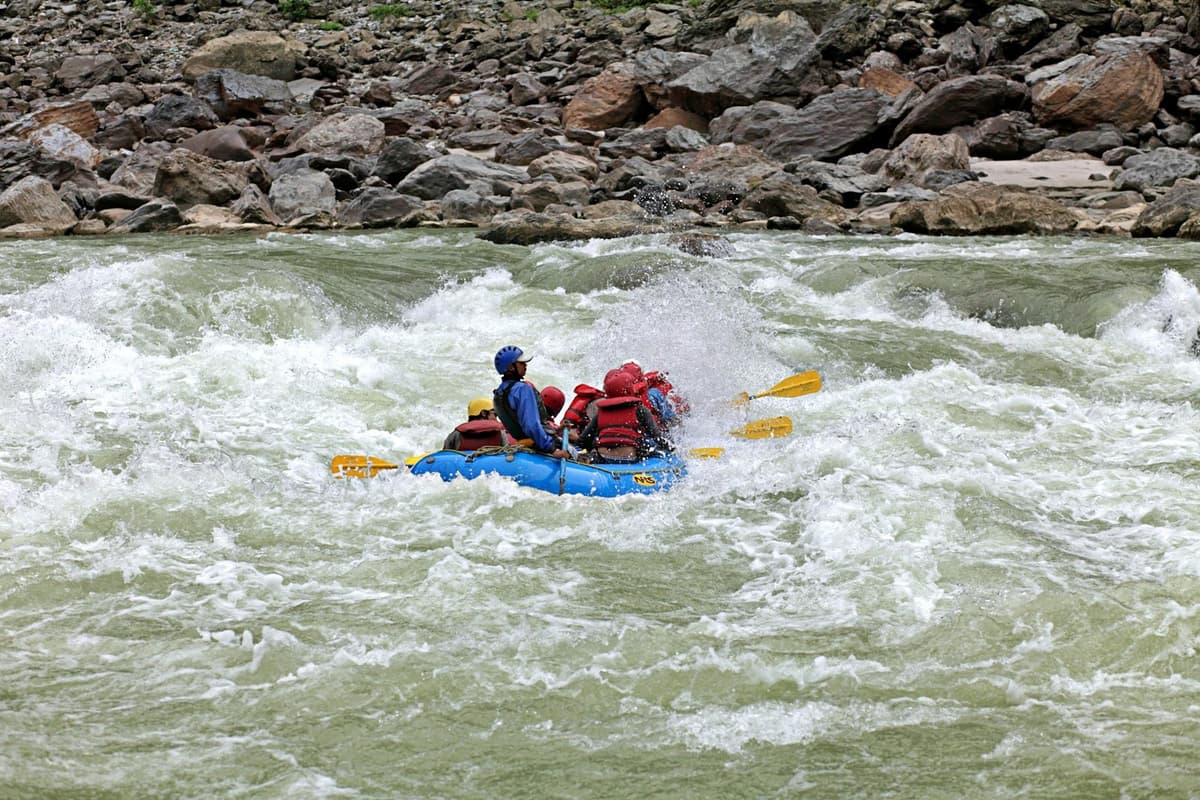
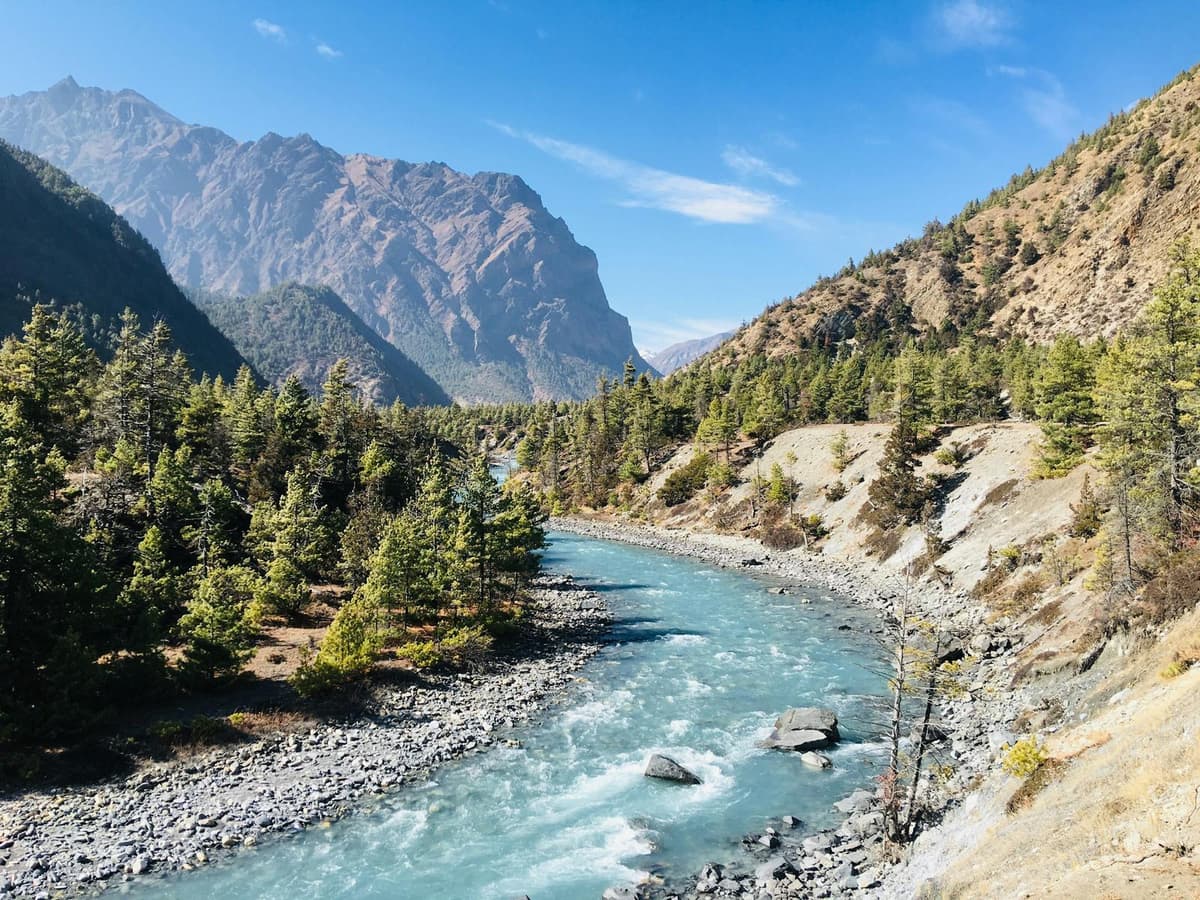
This Trishuli rafting overnight trip is the unhurried version of Nepal's classic river day. Instead of leaving Kathmandu before dawn and rafting straight off the bus, you drive west on the Prithvi Highway to a riverside camp or small resort on the Trishuli, settle in and spend the evening by the water. The next morning, after breakfast and a full safety briefing, you raft a lively stretch of grade 2+ to 3+ rapids with a lunch stop on a sandy bank, then change and drive back to Kathmandu. It suits first-time rafters, families with older children and groups of friends who want white water without a dawn-to-dusk day.
The itinerary
- Morning departure west from Kathmandu on the Prithvi Highway, no pre-dawn start
- Three to three and a half hours to the river near Charaudi
- Afternoon to settle in, walk the riverbank or rest in camp
- Dinner and overnight at a riverside camp or resort
- Breakfast, then a safety briefing with helmets, life jackets and paddles
- A few hours on grade 2+ to 3+ rapids with a lunch stop on a sandy bank
- Change into dry clothes at the take-out
- Around five hours back to Kathmandu, arriving in the evening
Things to carry
- Quick-drying clothes and a swimsuit for the river
- River sandals or old trainers with a firm strap
- A towel and a full change of clothes for after rafting
- A warm layer and a torch for the evening in camp
- Sunscreen, a hat and a small dry bag for your phone
Good to know
Complete guide
This is the relaxed way to raft the Trishuli from Kathmandu: drive out one day, sleep by the river, raft the next morning and head home. It covers the same river as our day trip, but it spreads the driving and the rafting over two days.
What the Trishuli rafting overnight trip covers
On day one you drive west from Kathmandu on the Prithvi Highway. The usual put-in at Charaudi is about 85 km from the city, and rafting companies put the drive at three to three and a half hours, depending on traffic. You check in to a riverside camp or small resort, spend the afternoon by the water and have dinner there. On day two you raft after breakfast, stop for lunch on a sandy bank, change into dry clothes at the take-out and drive back to Kathmandu, which usually takes around five hours from the river.
The river and the rapids are the same as on the single-day trip. What changes is the pace: no pre-dawn start, no rafting straight off a long drive, and an evening by the river that most day-trippers never see.
The evening by the river
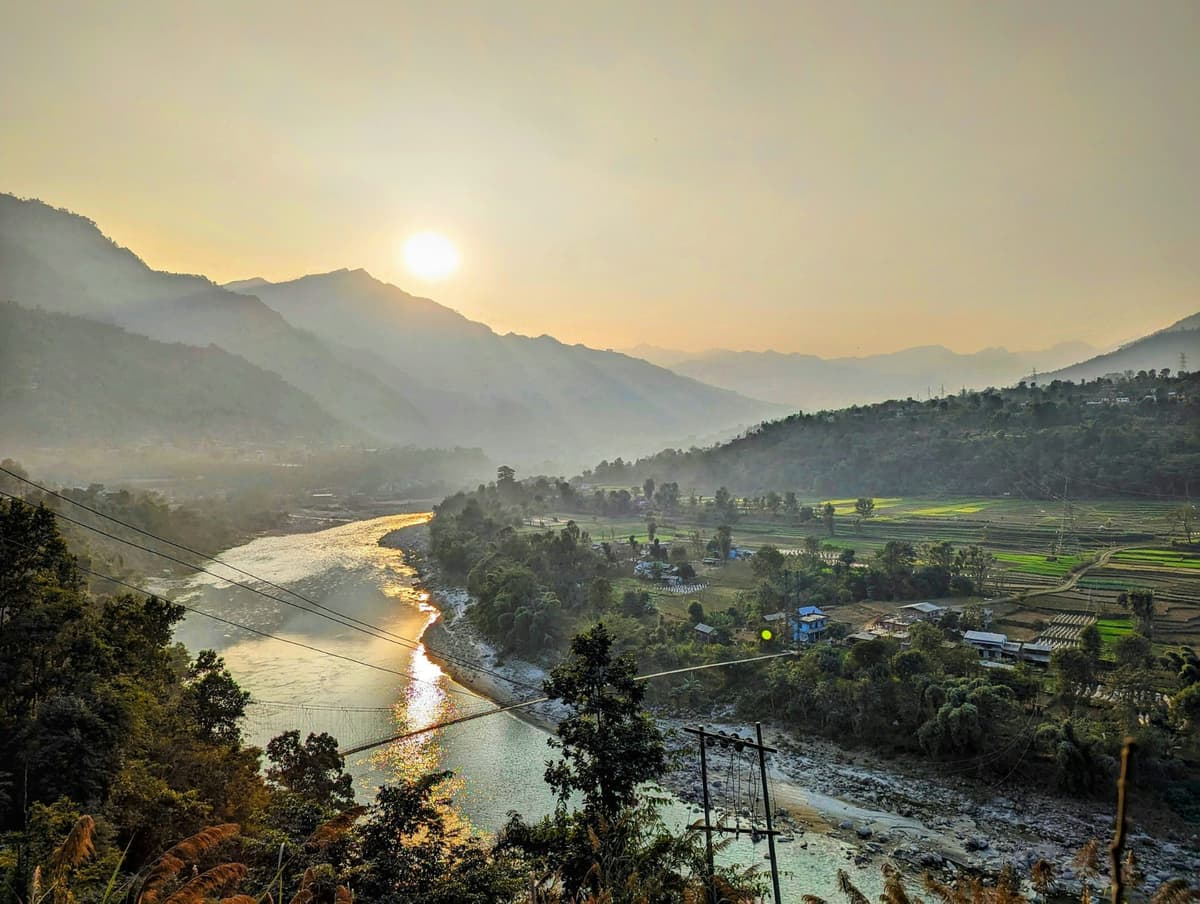
The camps along the Trishuli range from simple tented sites to small resorts with private rooms. We choose one that suits the comfort level you ask for and that sits close to the put-in, so the morning is short. Afternoons are for resting, walking the riverbank, reading or playing cards with your group. Evenings are quiet, with dinner outdoors when the weather allows and the river as background noise.
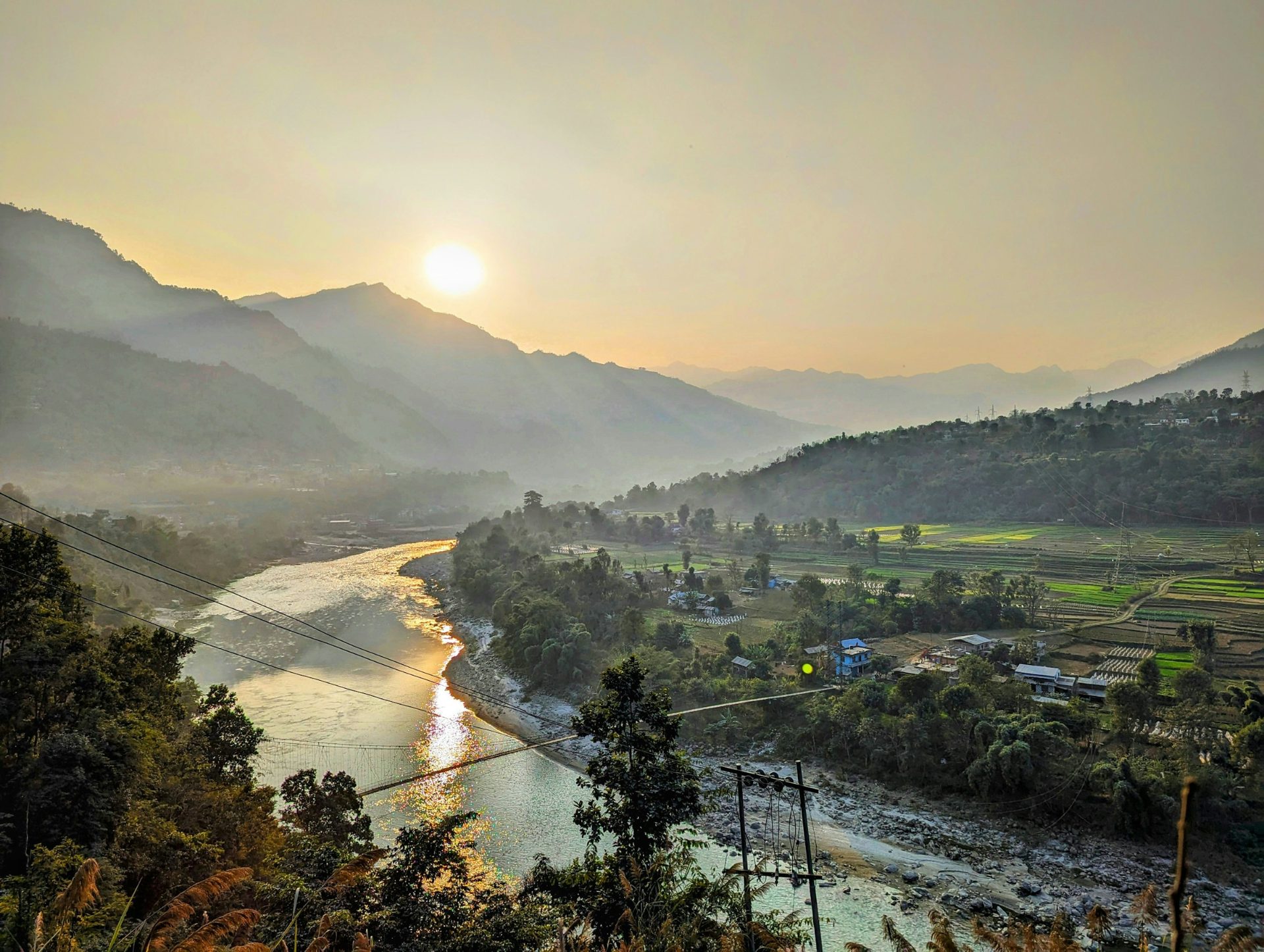
Be realistic about the setting. The Prithvi Highway runs along much of the Trishuli valley, so you will see and sometimes hear the road. This is a friendly, easy riverside stay, not a remote wilderness camp.
On the water: what the rapids are like
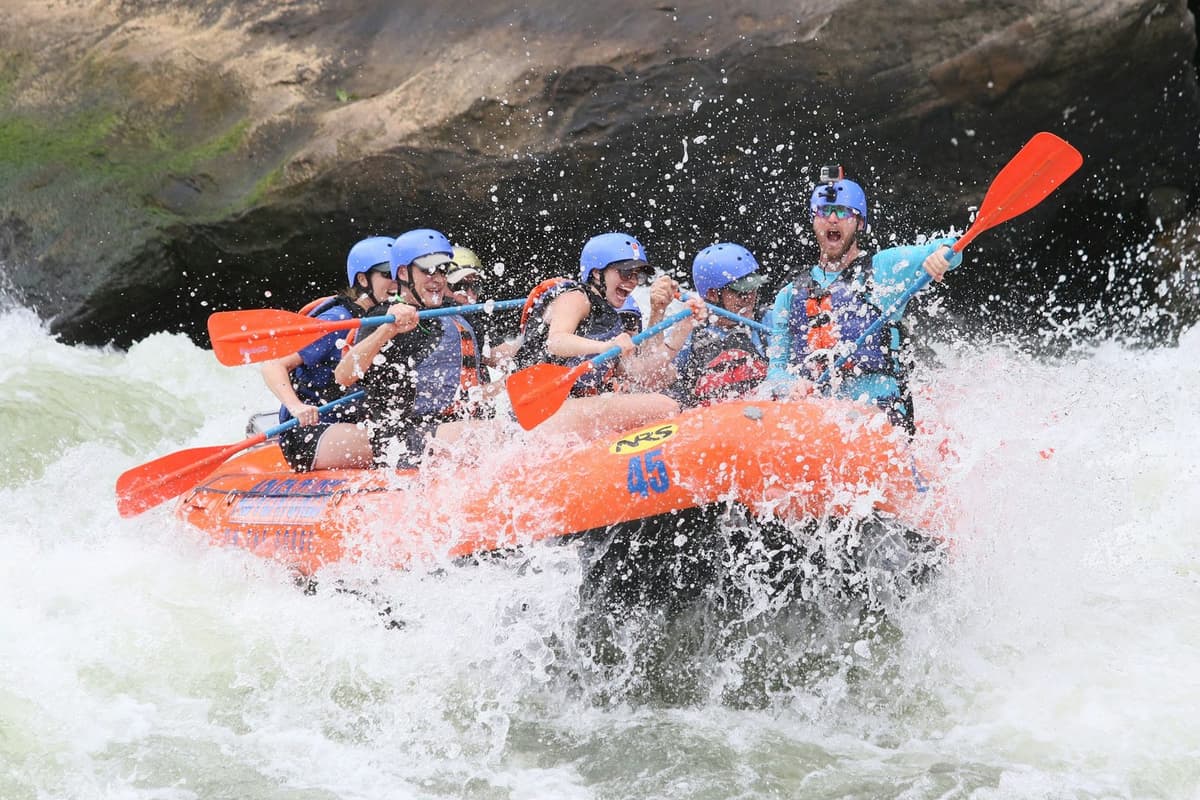
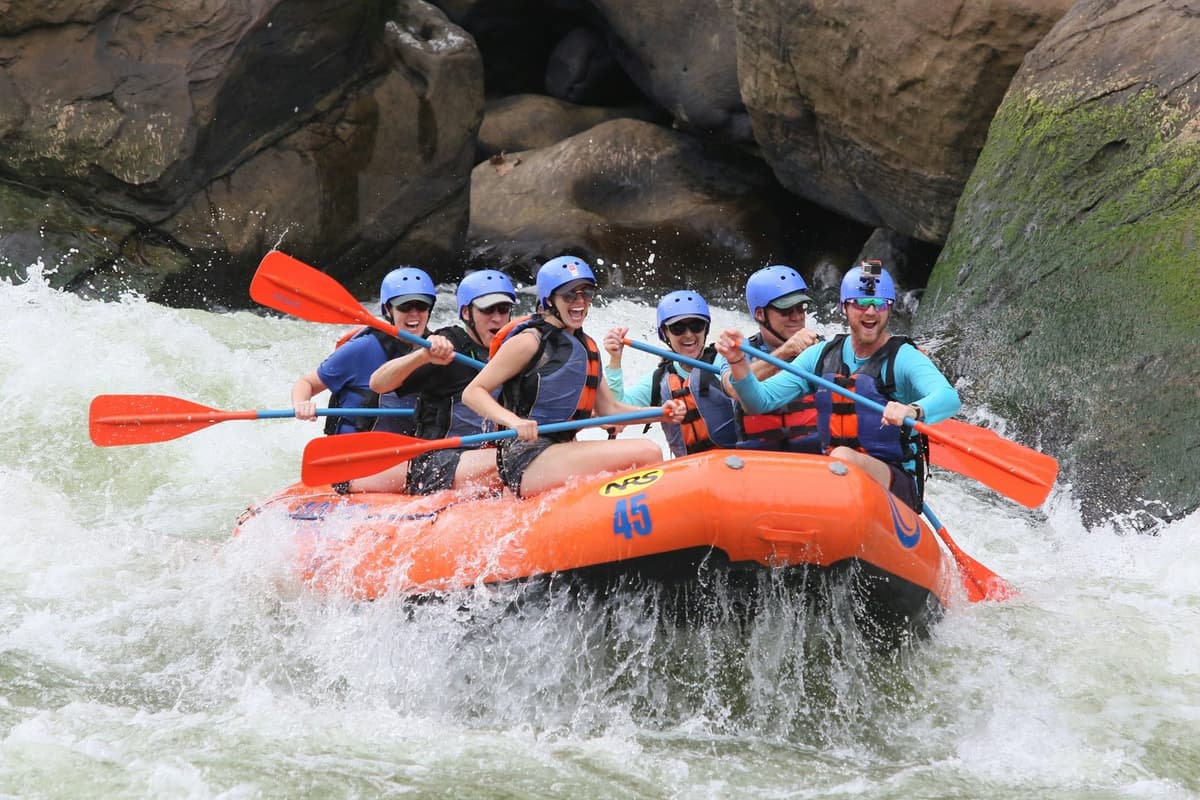
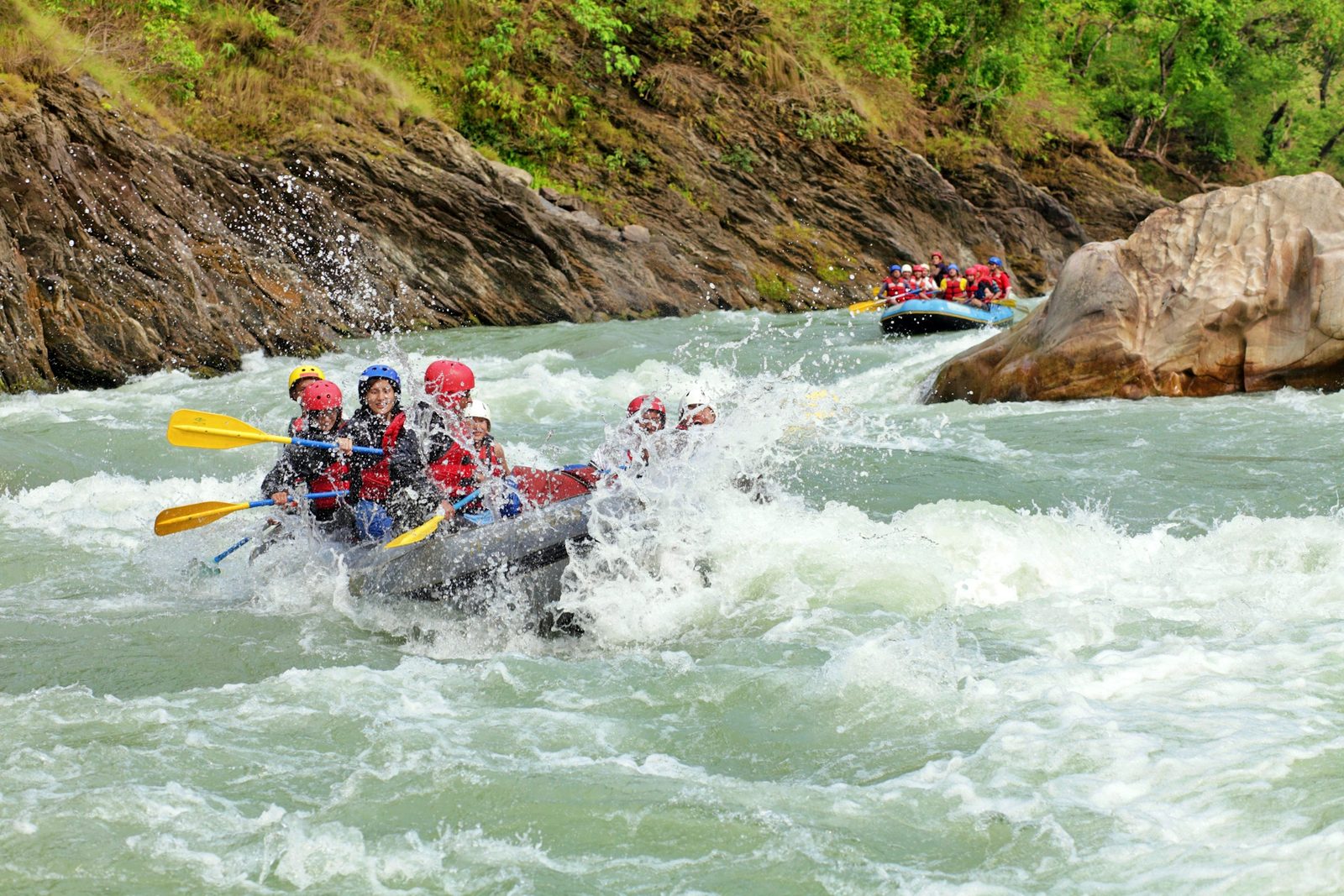
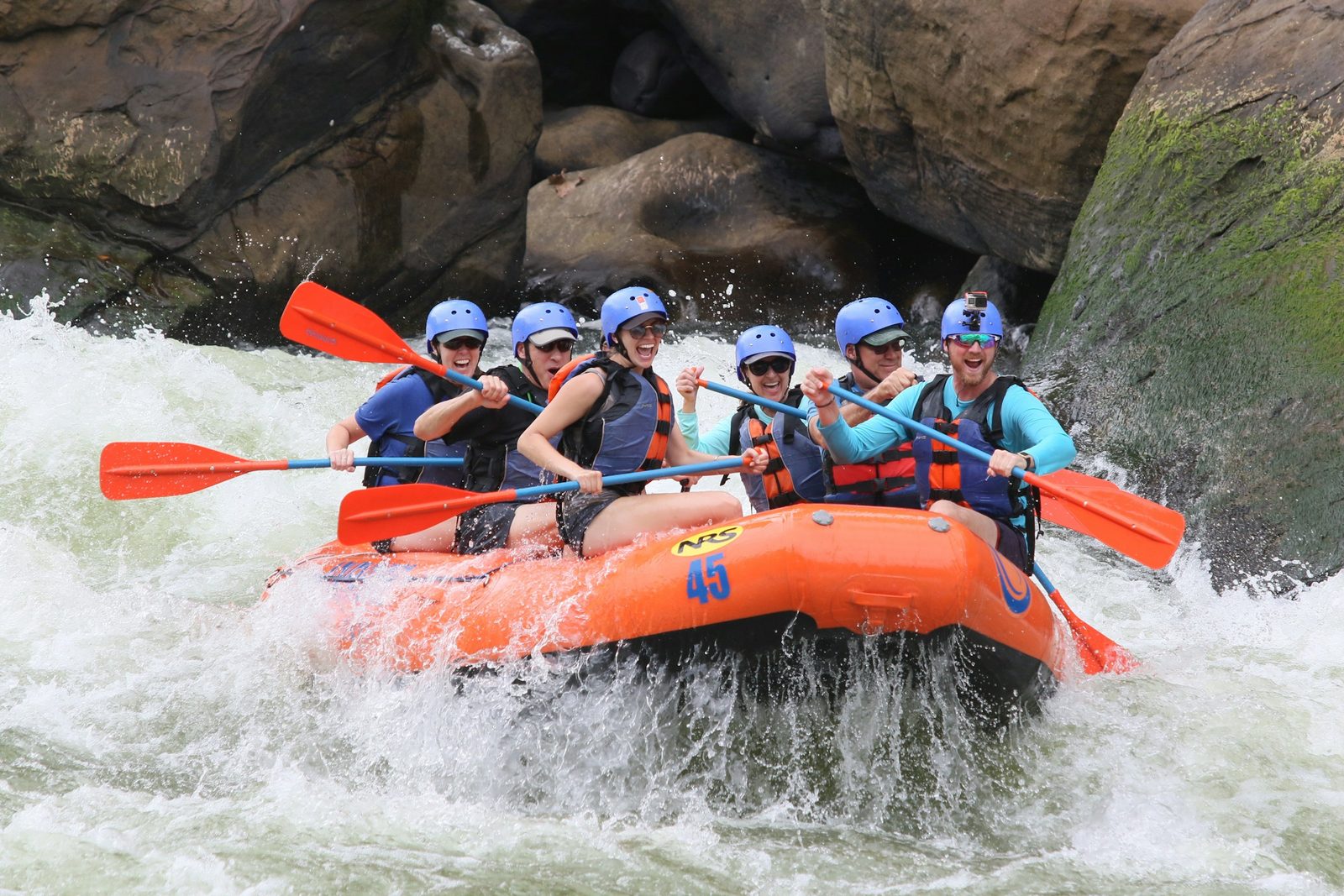
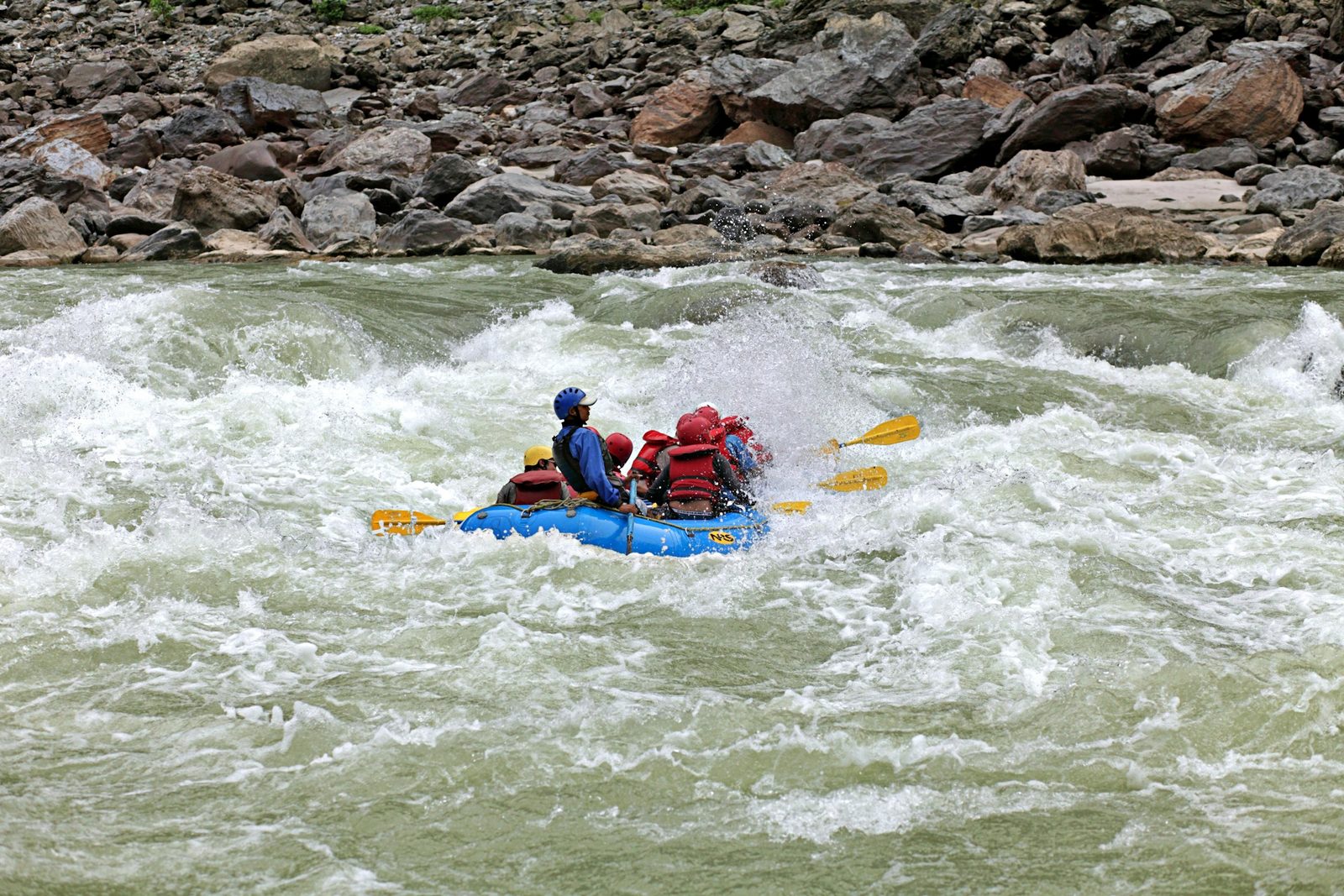
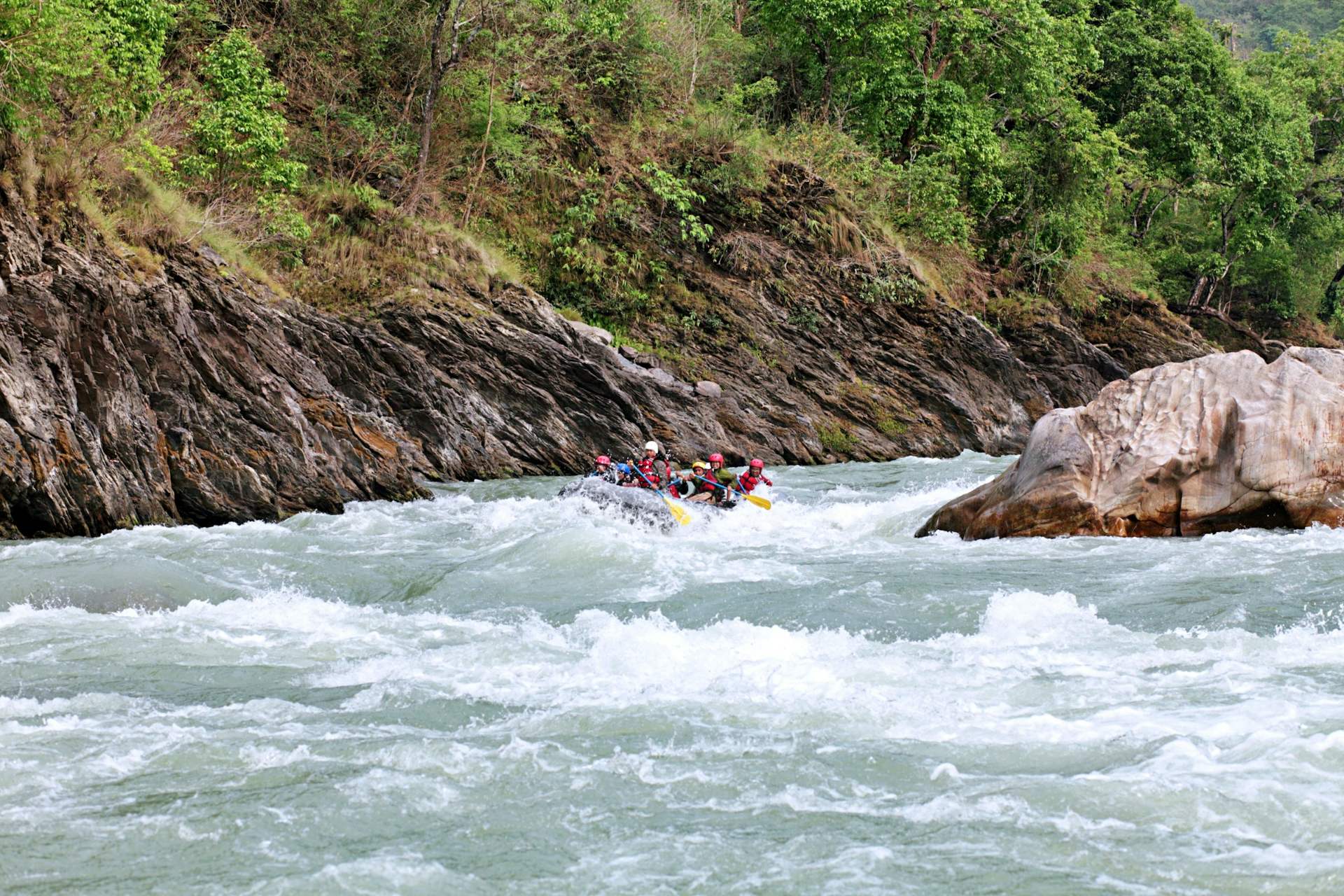
The Trishuli is Nepal's most popular rafting river, and the Nepal Tourism Board grades it at 3+. Rafting companies describe a mix of grade 2+ and 3+ rapids, with calmer water in between where you can drift and look around. A standard day section gives you a couple of hours of rafting before lunch and finishes near Kurintar. Each raft has a trained river guide, and everyone wears a helmet and life jacket.
Before you set off, the guide explains how to paddle, how to follow commands and what to do if you fall in. No experience is needed, but you should be reasonably fit and happy to get wet. In the monsoon the river rises and some rapids reach grade 4+, which makes the trip more demanding, so we plan around the heaviest rains.
Seasons, safety and who it suits
The Nepal Tourism Board lists October to mid-December and March to early May as the main rafting seasons. Autumn usually has the most settled weather. Winter trips are possible, but the water is cold and a wetsuit top helps. The rafting company decides on the day whether the water is safe to run, and we follow that call without argument.
This trip suits first-time rafters, families with older children, groups of friends and anyone who finds a dawn-to-dusk day trip too much. It also works well as a gentle start to a longer stay in Nepal, while you recover from the journey. It is less suited to experienced paddlers after big white water, for whom a steeper river makes more sense.
Day trip, overnight or a different river
If you are short on time, the one-day Trishuli river rafting trip covers the same water in a single long day. If you want a slightly livelier river and a riverside beach camp, Sukute Beach rafting on the Bhote Koshi is the natural alternative, and it sits north-east of Kathmandu rather than west. Tell us your dates and group size and we will say honestly which one fits better.