


Overview
This 7 UNESCO sites tour in Kathmandu visits every one of the valley's World Heritage monument zones, spread over three days so you have time to look rather than tick boxes. Day one covers Swayambhunath, Kathmandu Durbar Square and Pashupatinath. Day two takes in Patan and Bhaktapur before the drive up to Nagarkot at 2,175 m. On day three you watch sunrise over the Himalaya, drive to Telkot and walk the ridge path through pine forest and farmland to the hilltop temple of Changu Narayan, then finish at Boudhanath. It suits travellers who want the complete UNESCO set, a night out of the city and a gentle walk, without the rush of a one-day tour.
The itinerary
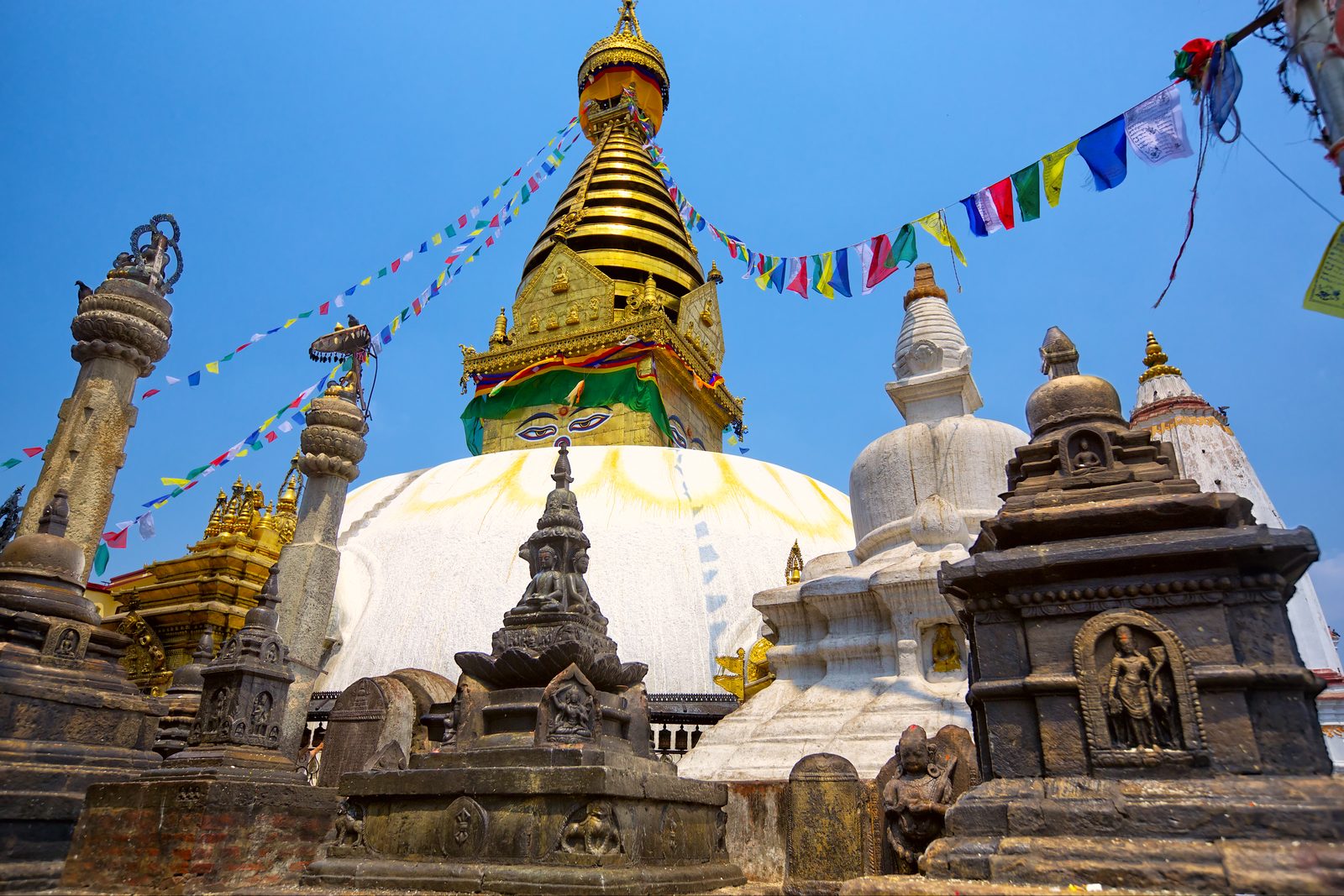
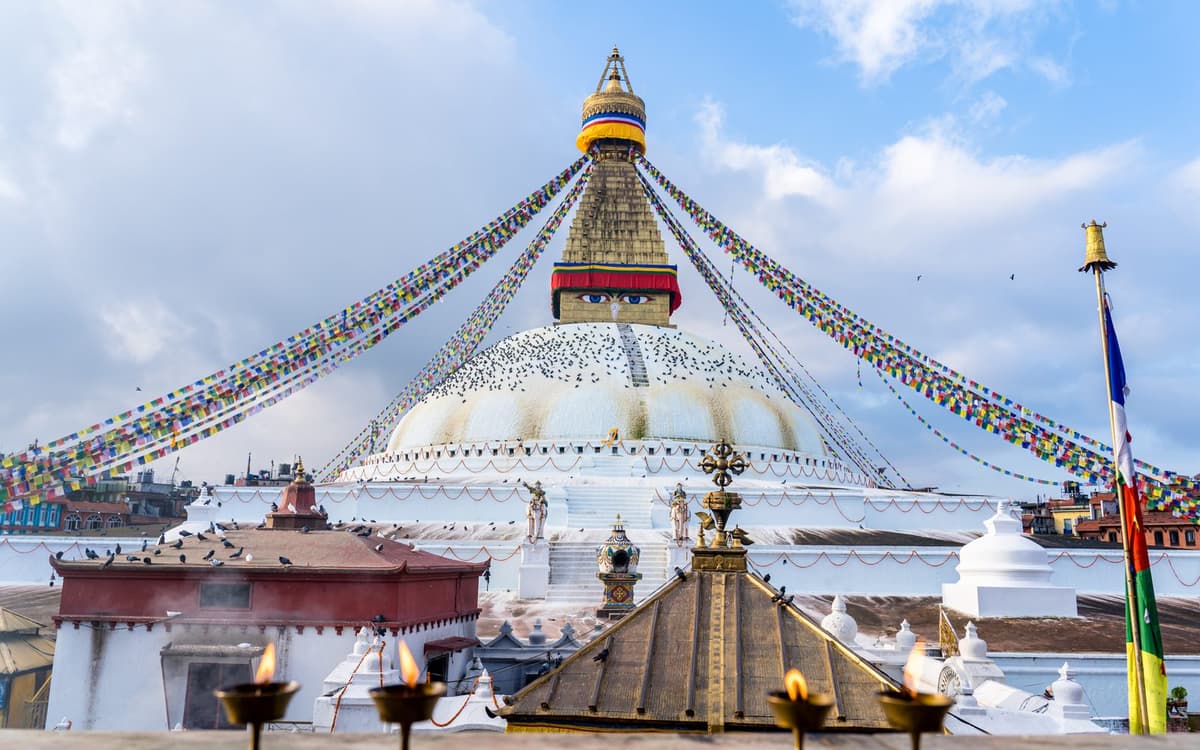
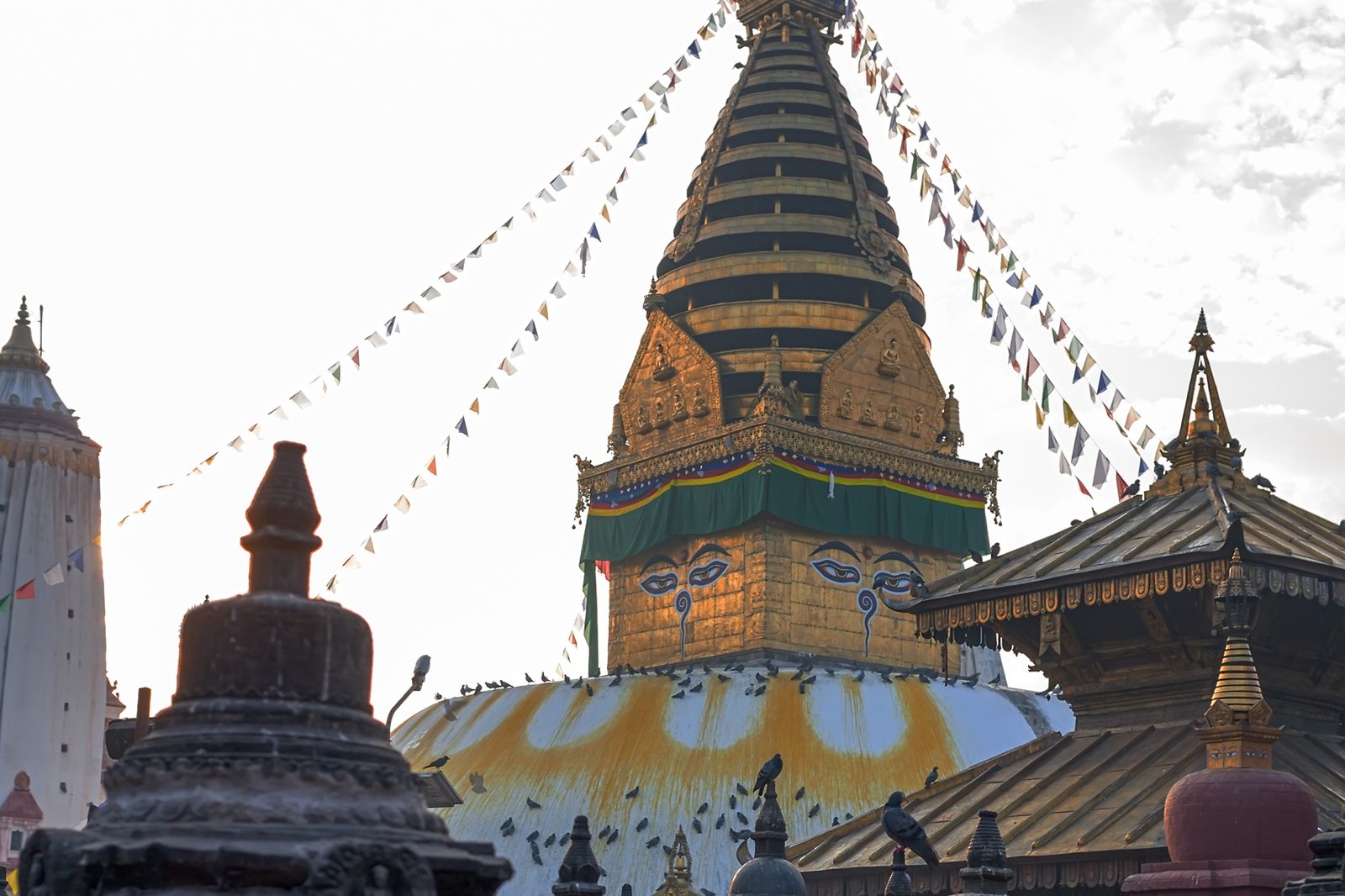
- Start on the hill at Swayambhunath, the stupa west of the city known as the Monkey Temple
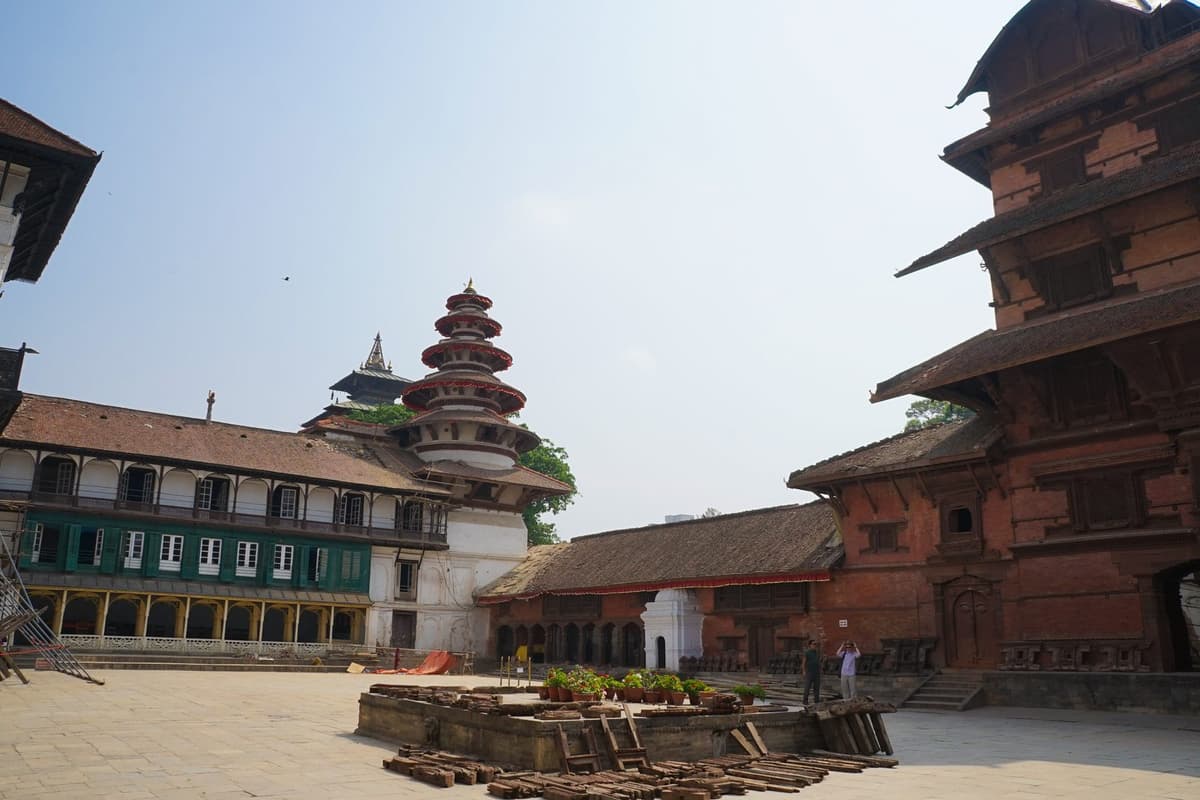
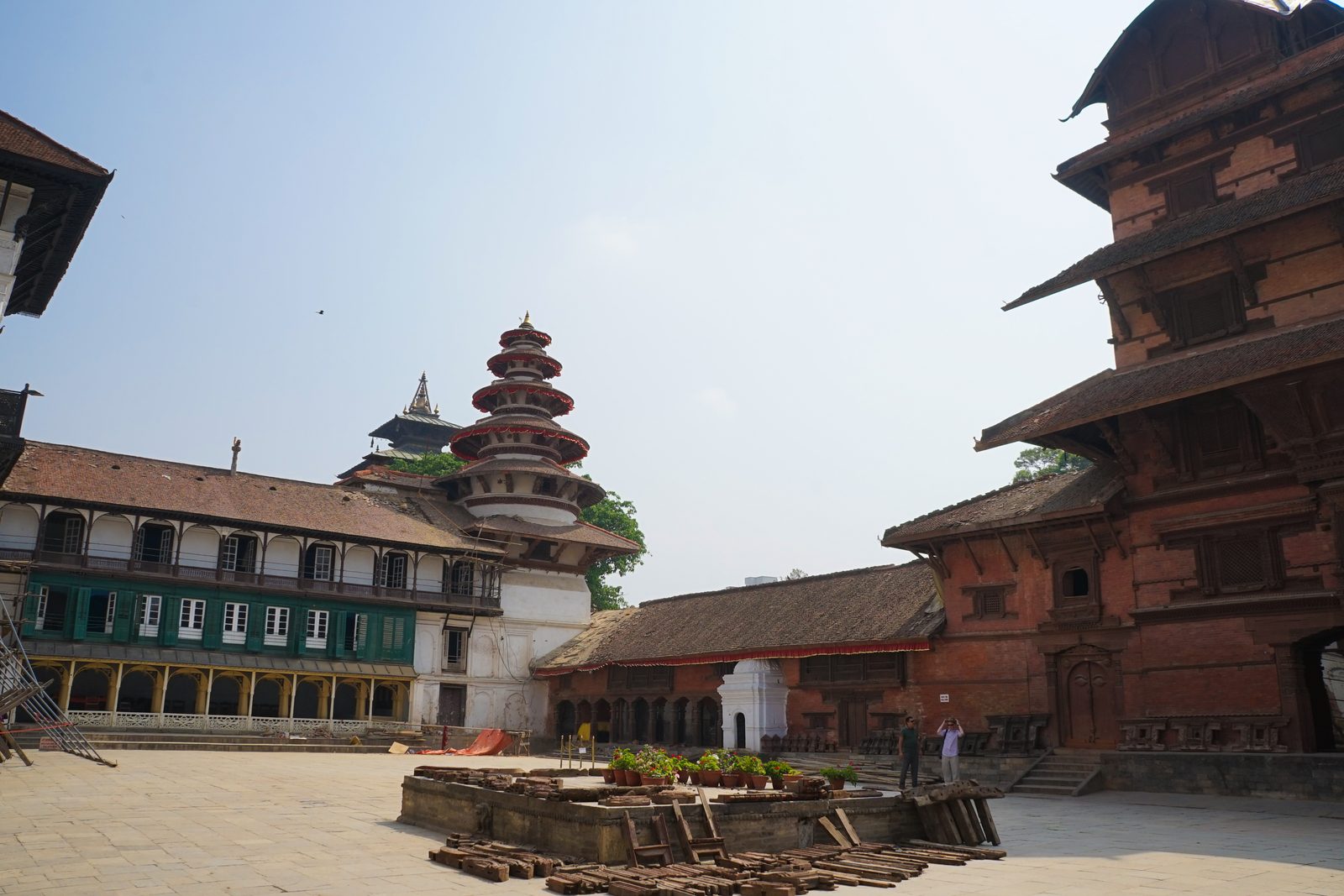
- Kathmandu Durbar Square: the Hanuman Dhoka palace, the Kumari's house and the rebuilt Kasthamandap
- Afternoon at Pashupatinath on the Bagmati, watching from the east-bank terraces
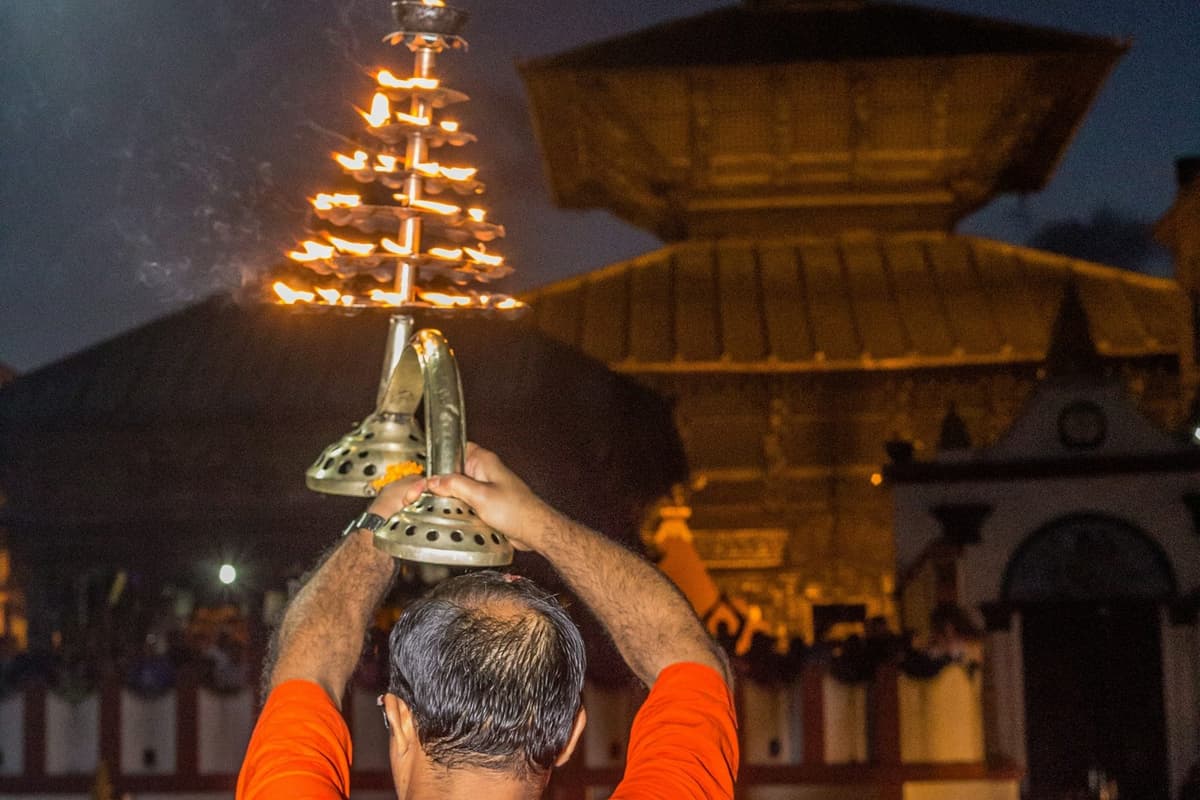
- Stay for the evening aarati if you wish, then return to your Kathmandu hotel
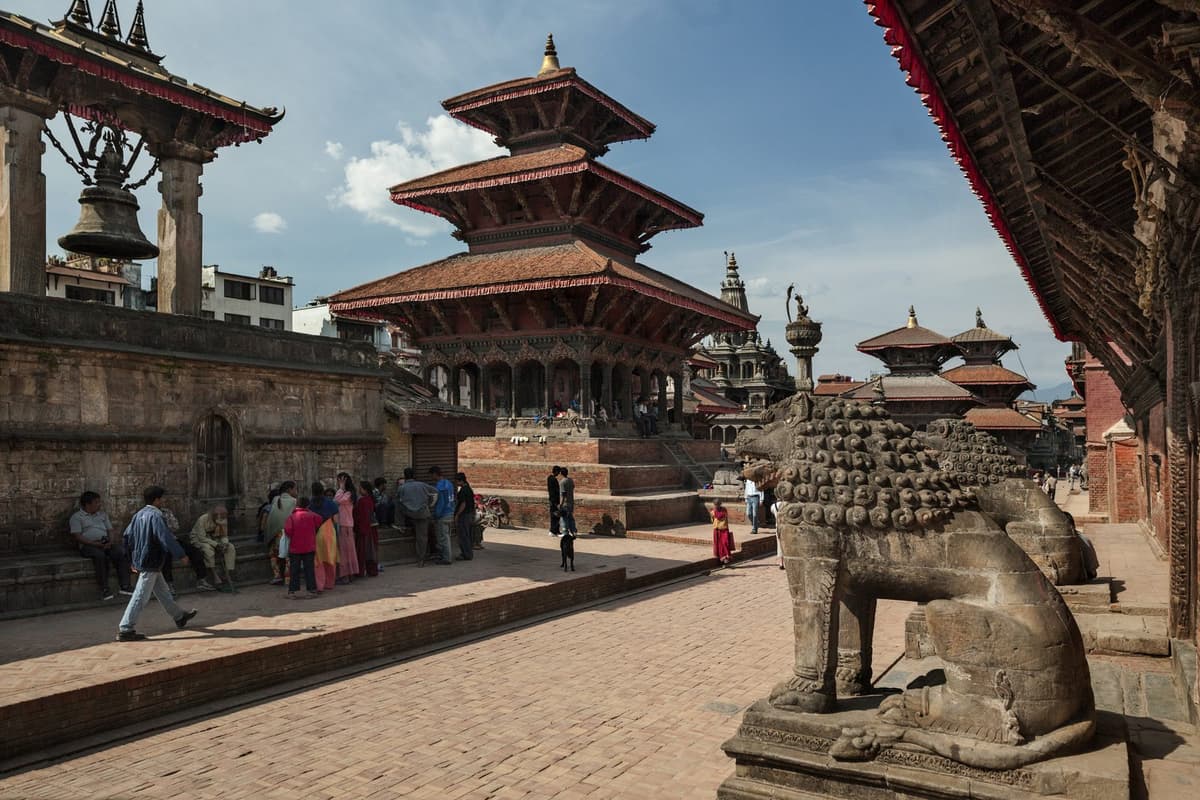
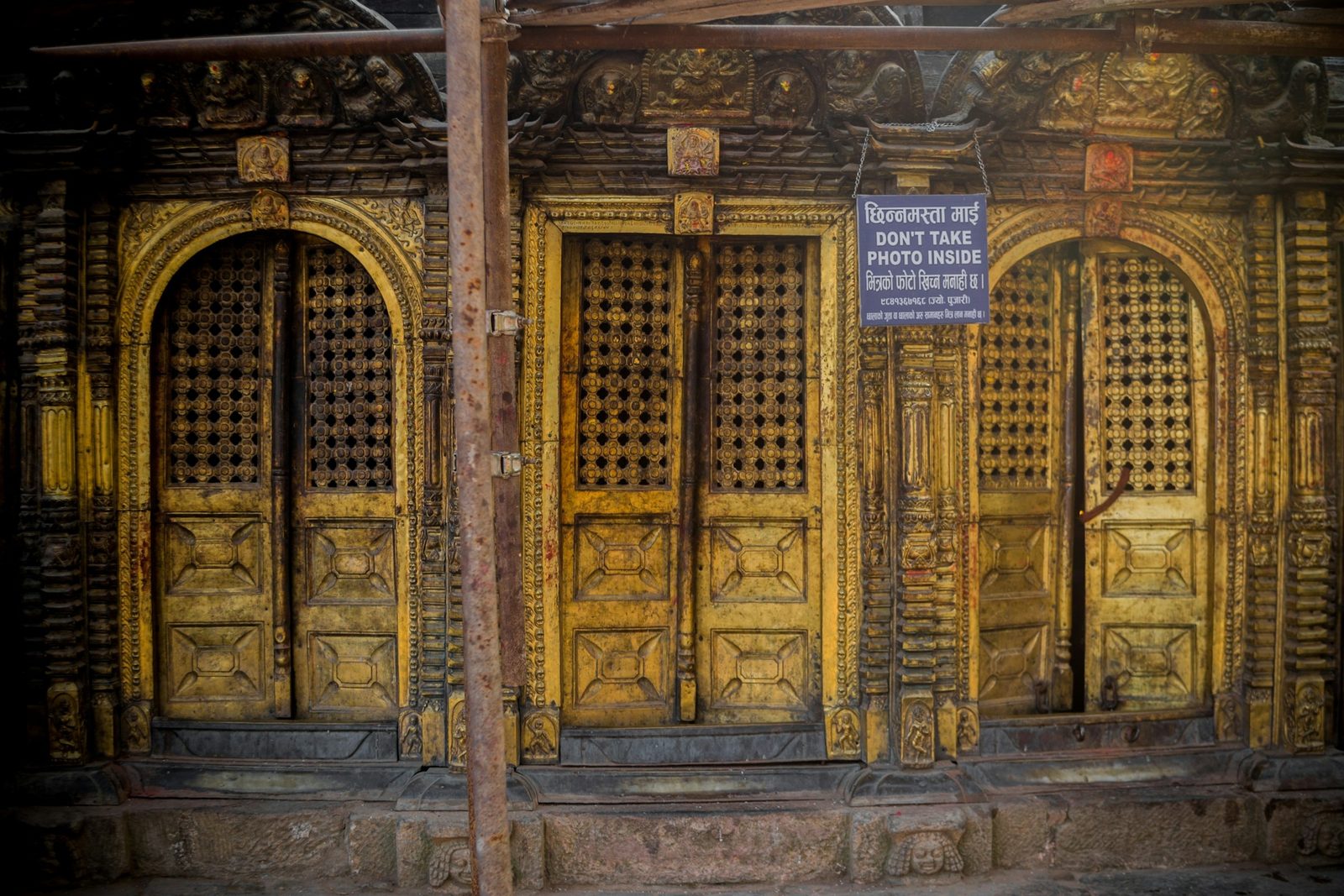
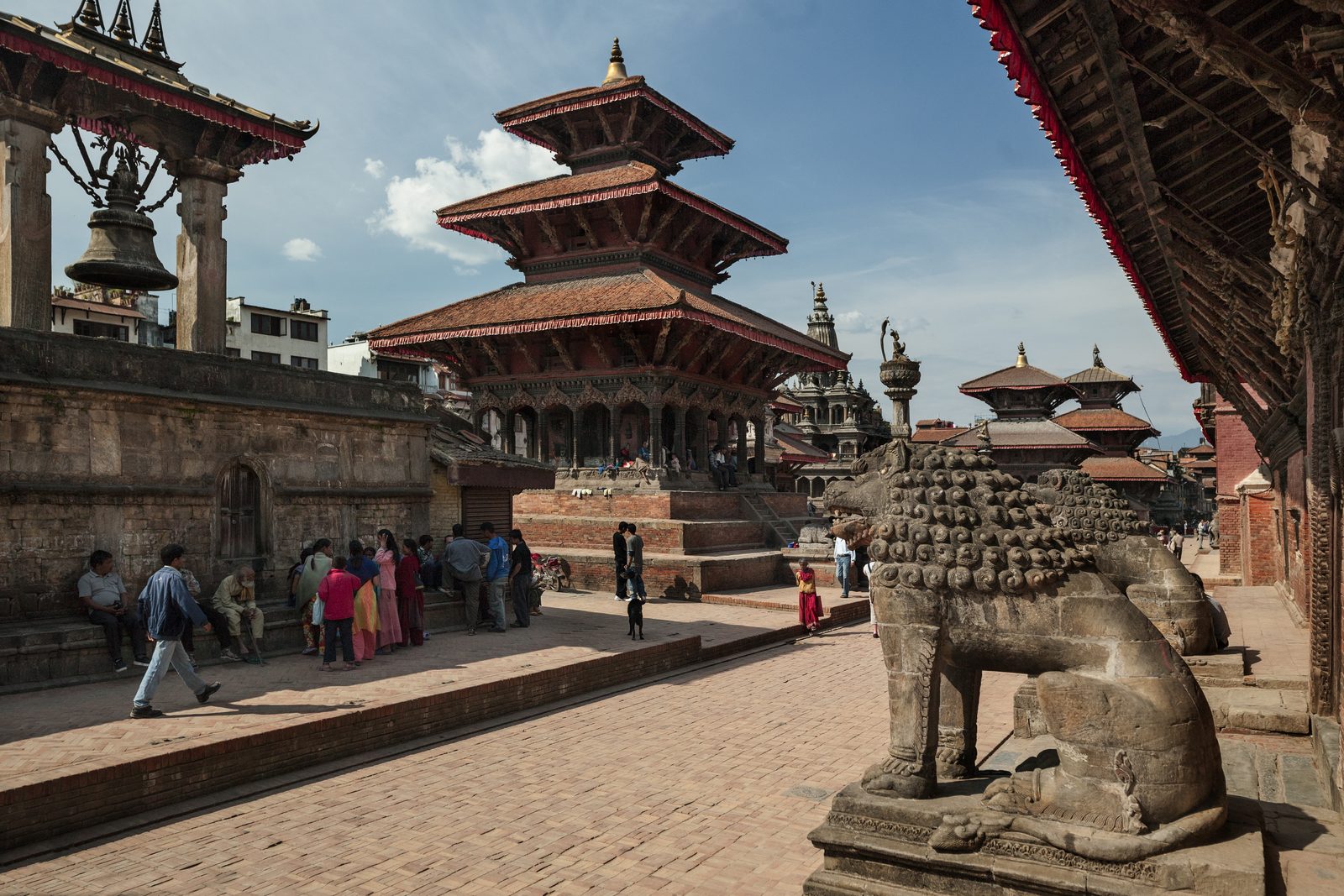
- Patan Durbar Square, the Krishna Mandir and the Golden Temple
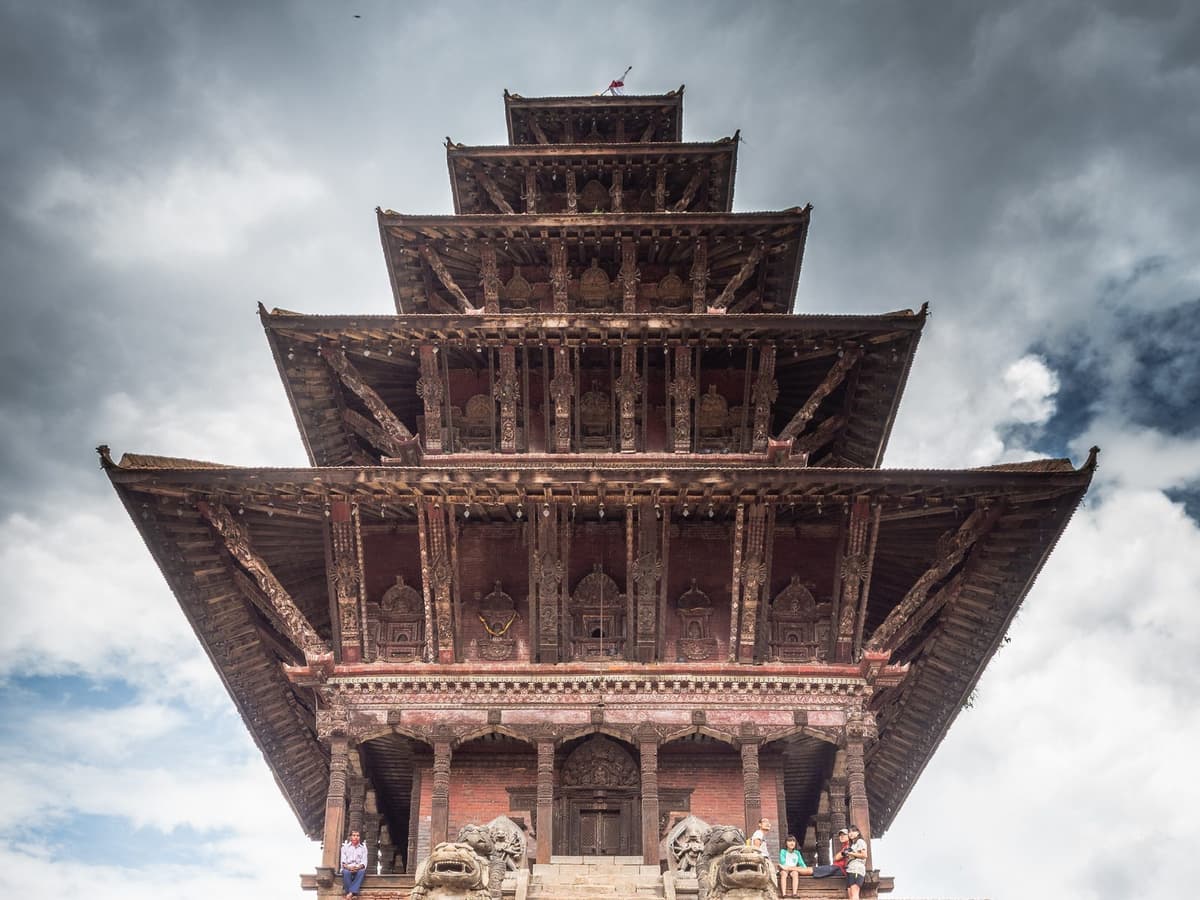
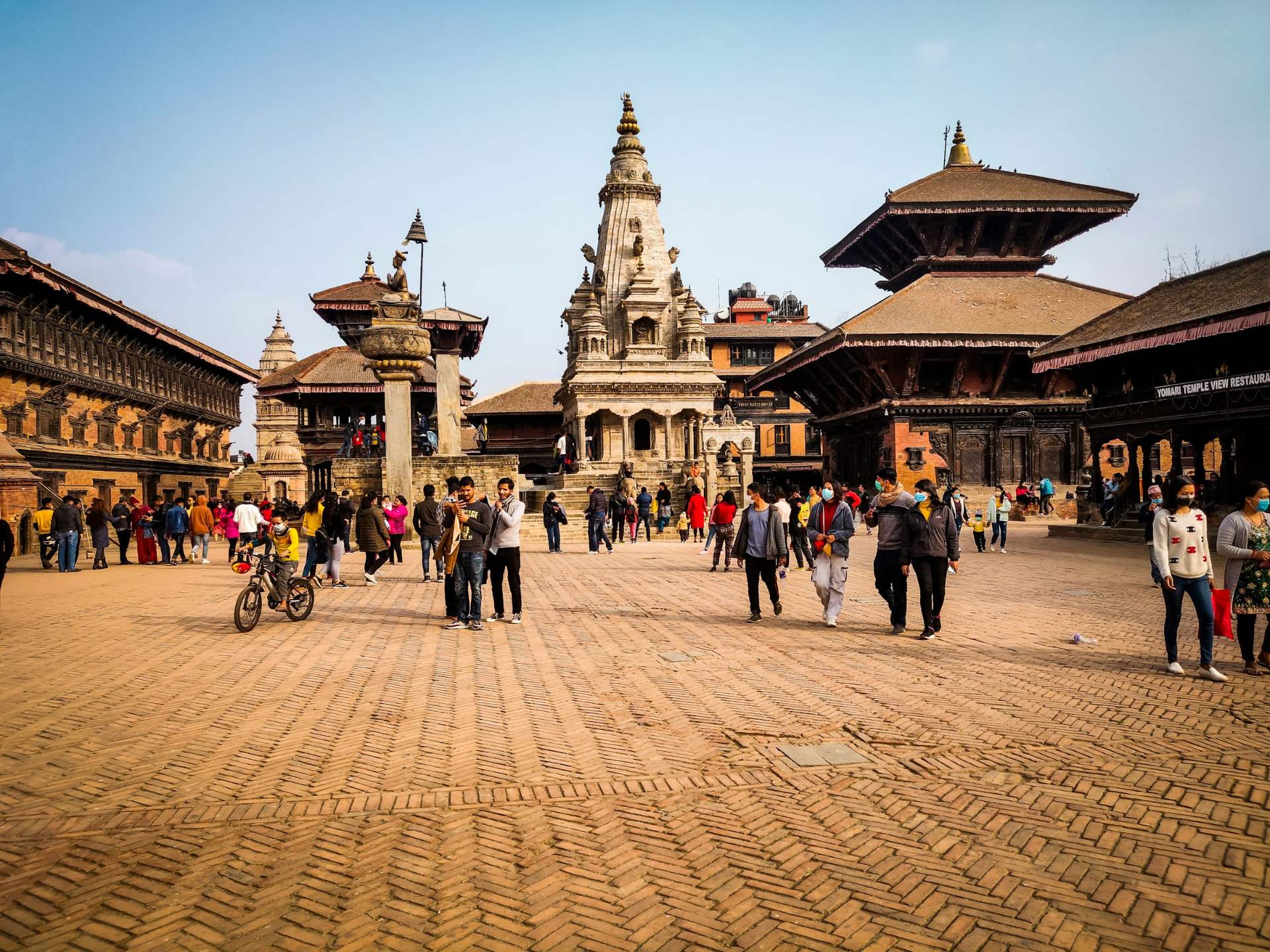
- Bhaktapur Durbar Square with the 55-Window Palace, the Golden Gate and Nyatapola
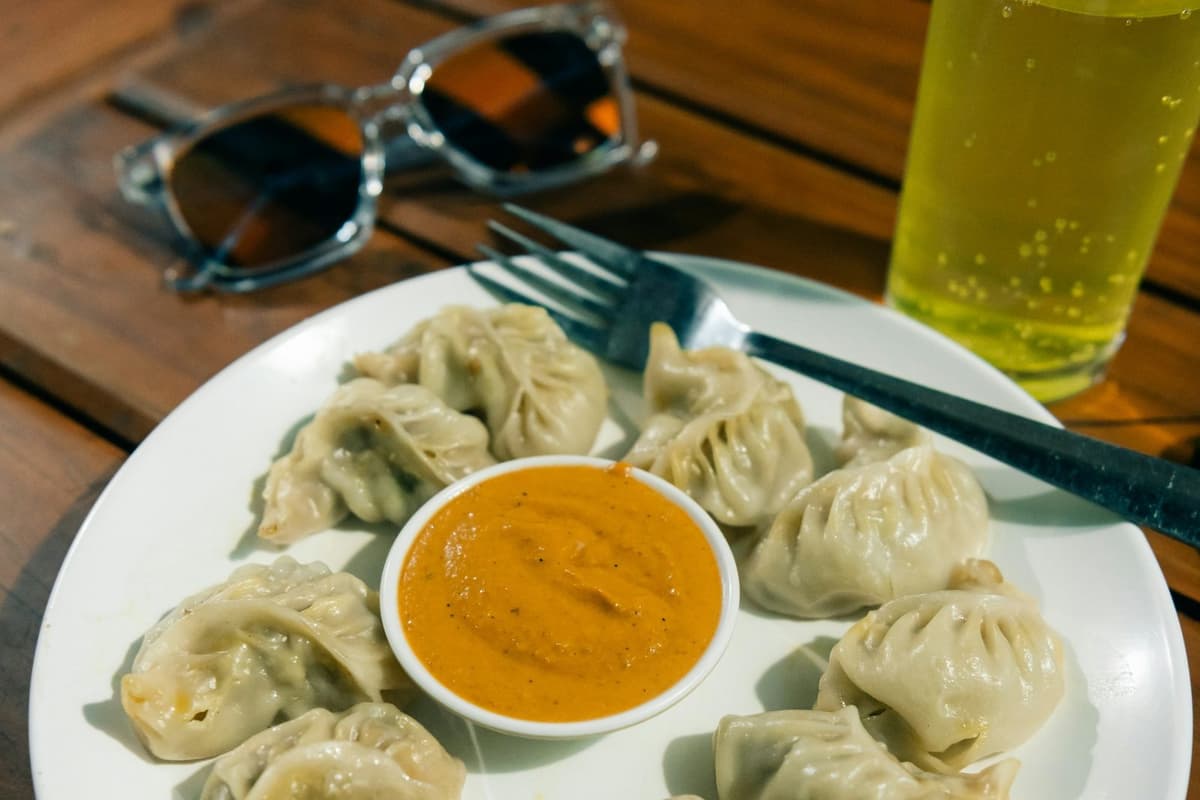
- A cup of juju dhau, Bhaktapur's sweet curd, before leaving town
- Drive up to Nagarkot on the eastern rim for sunset and the night
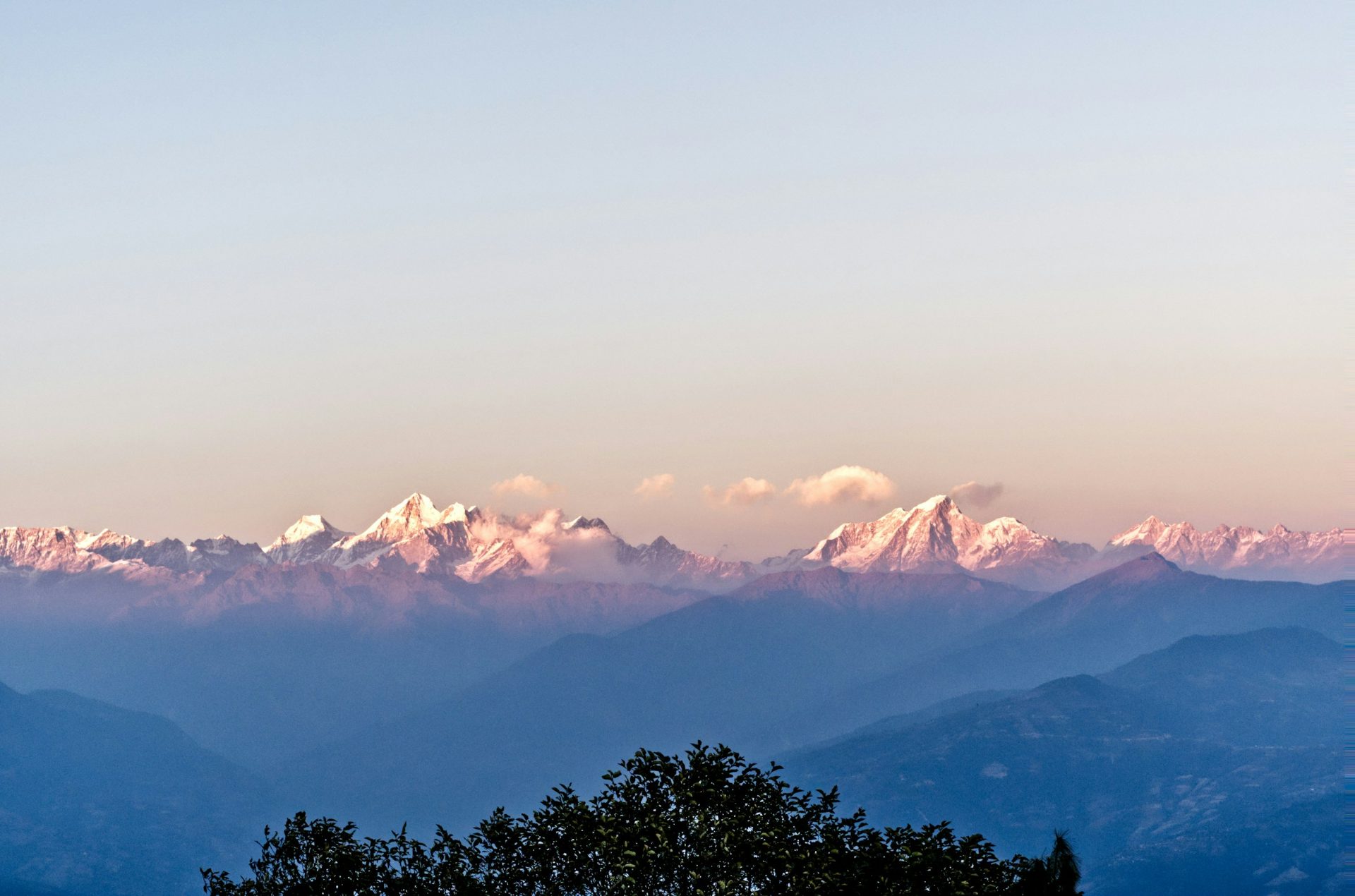
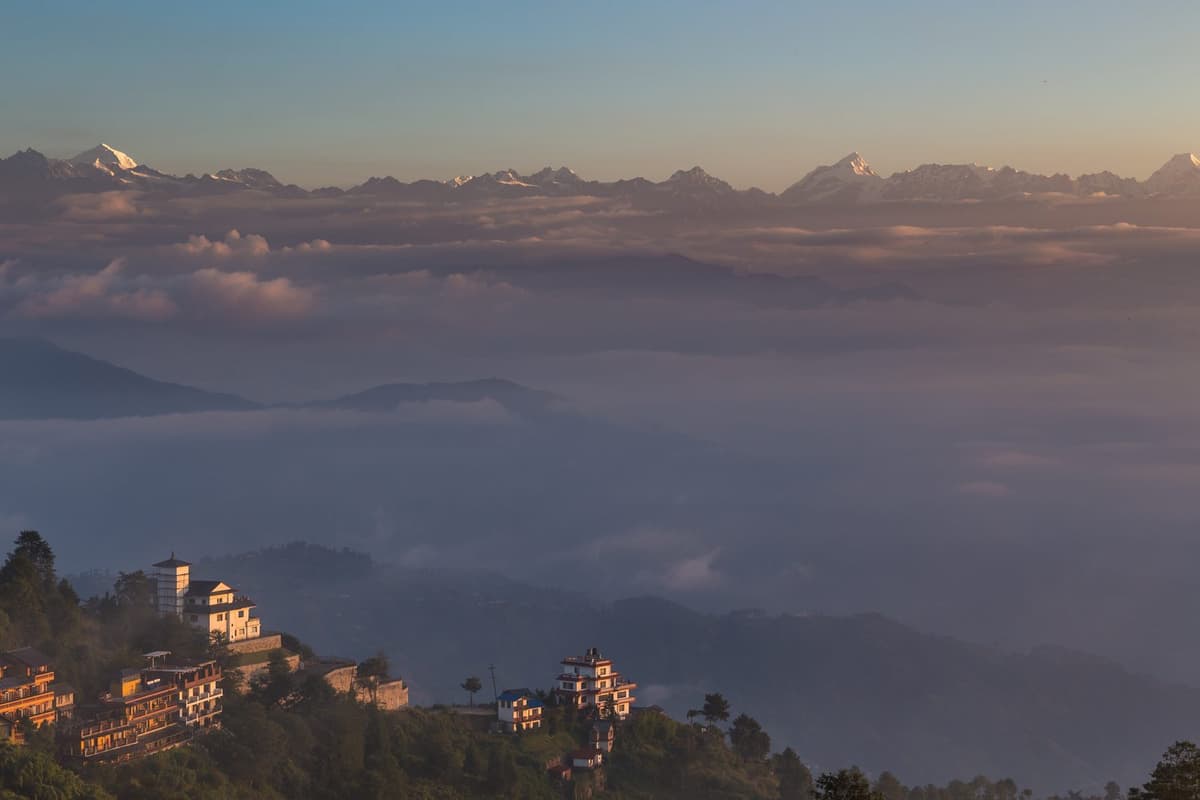
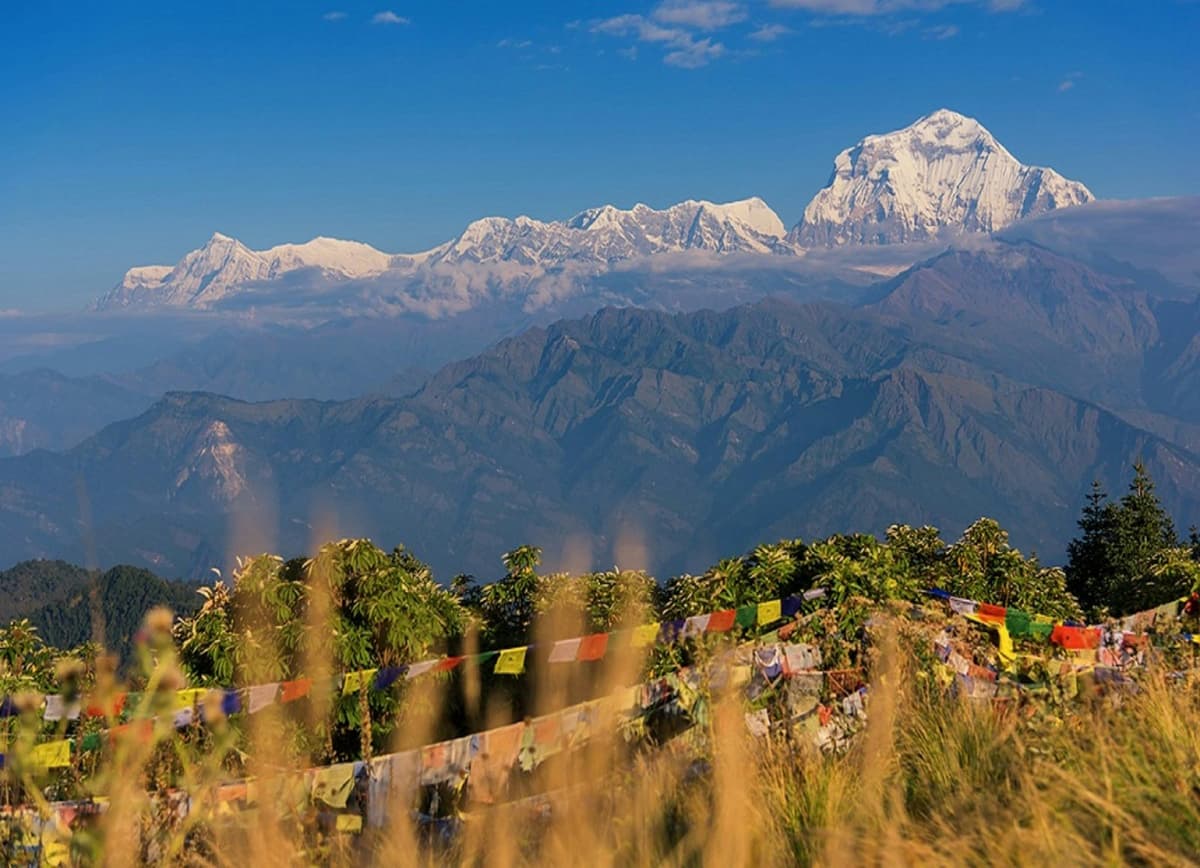
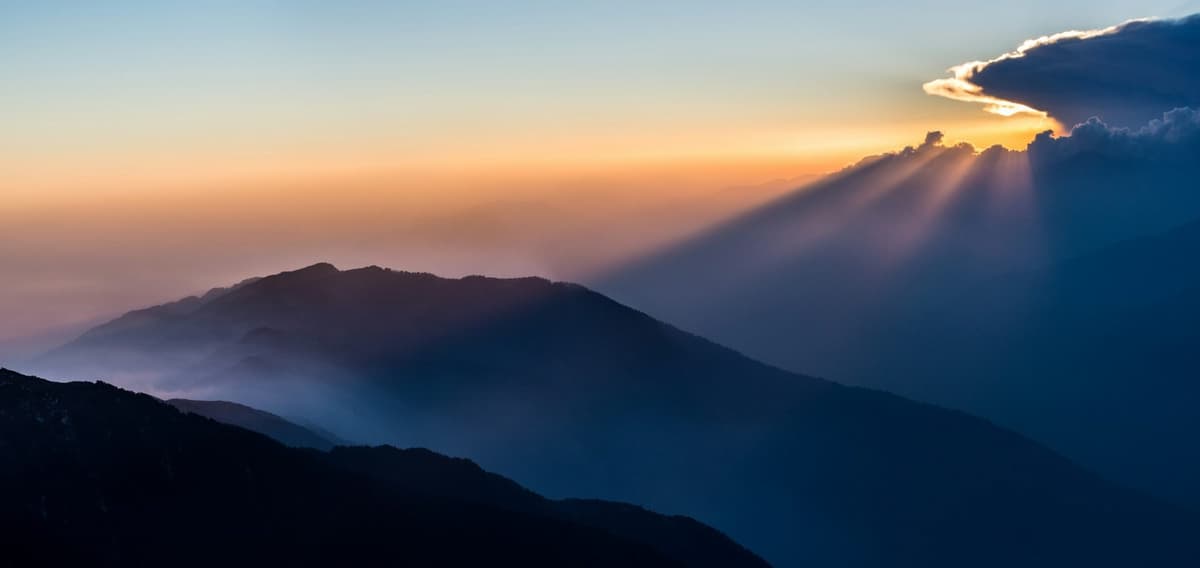
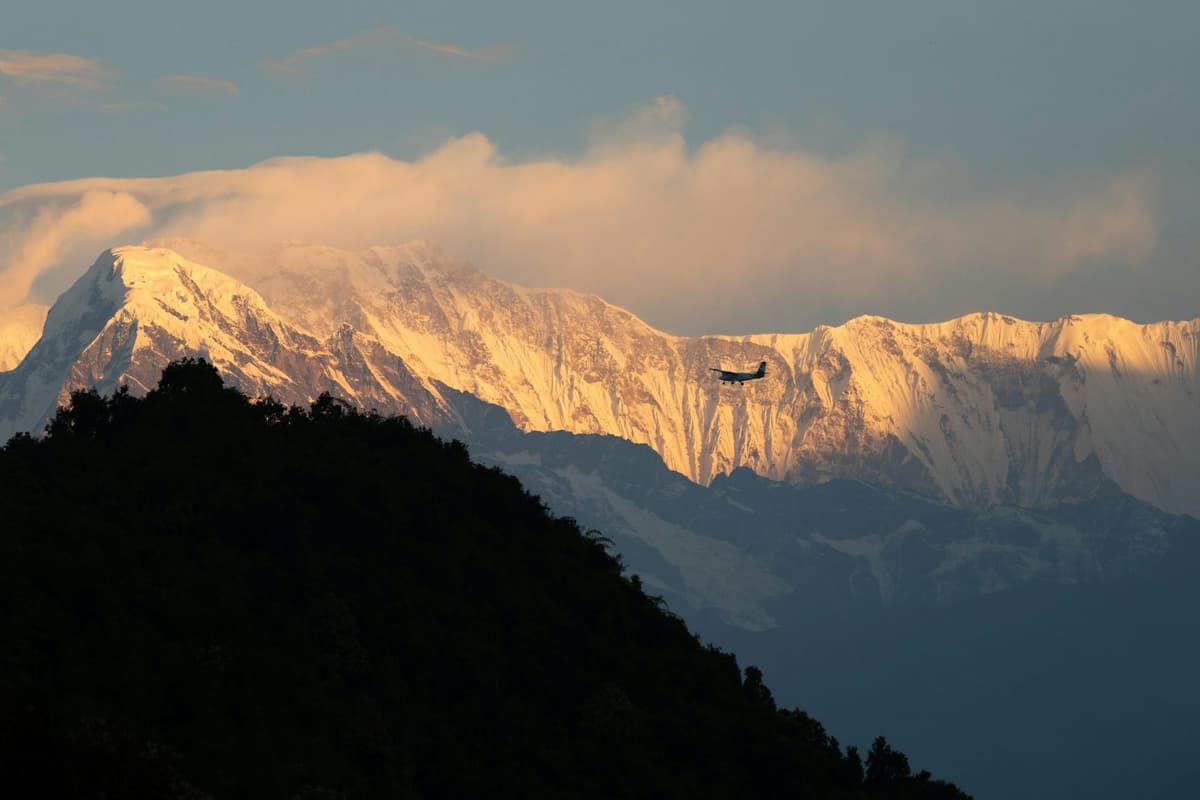
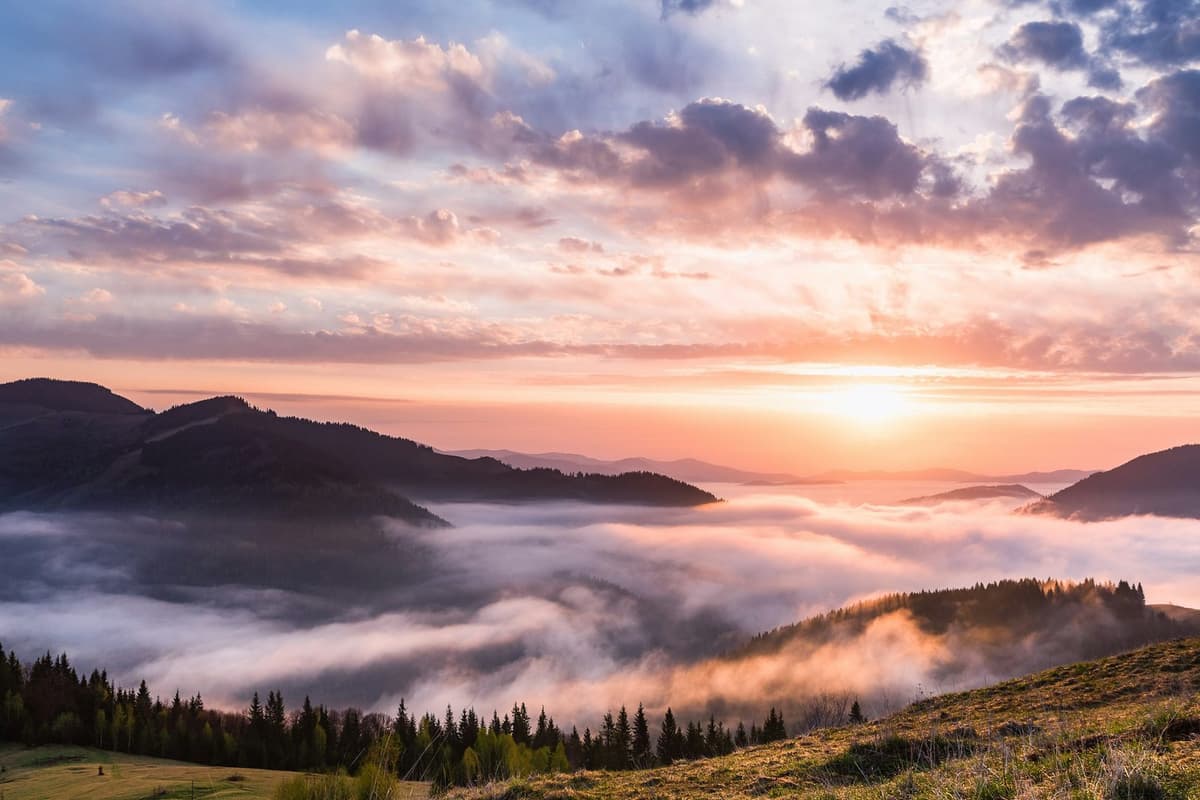
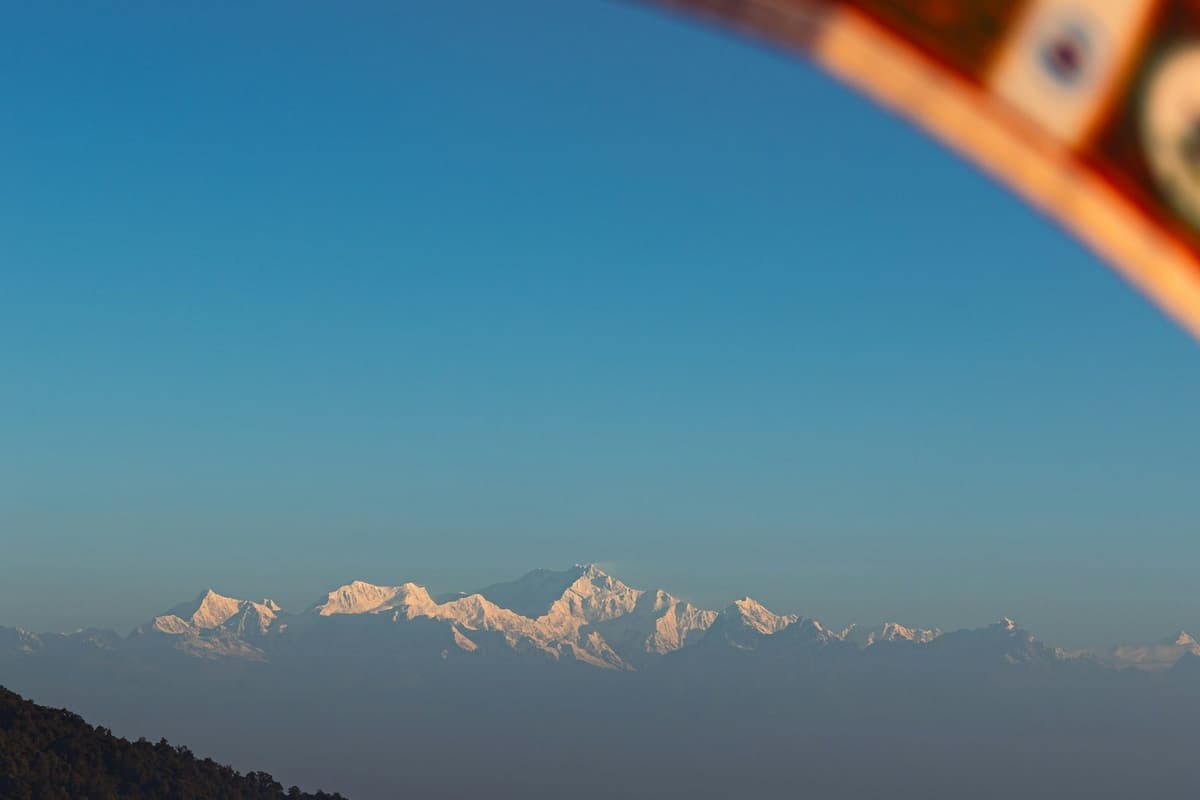
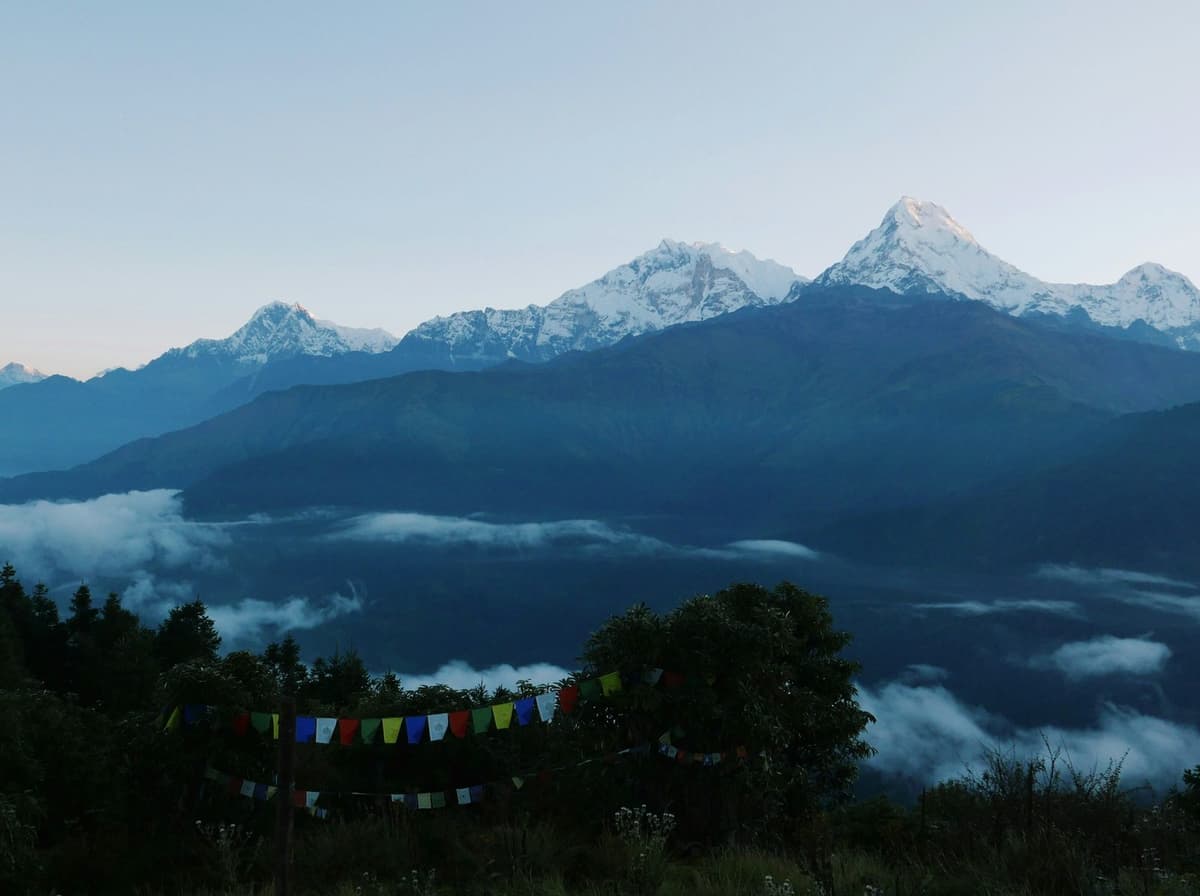
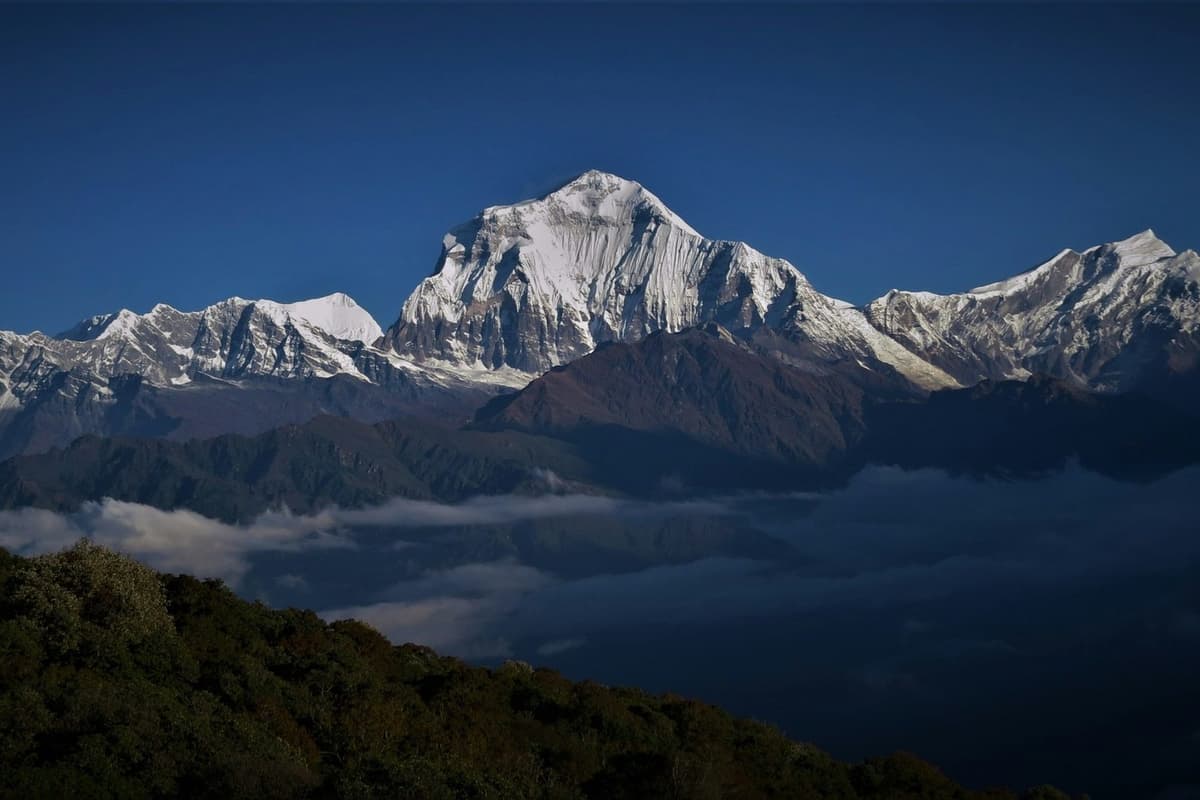
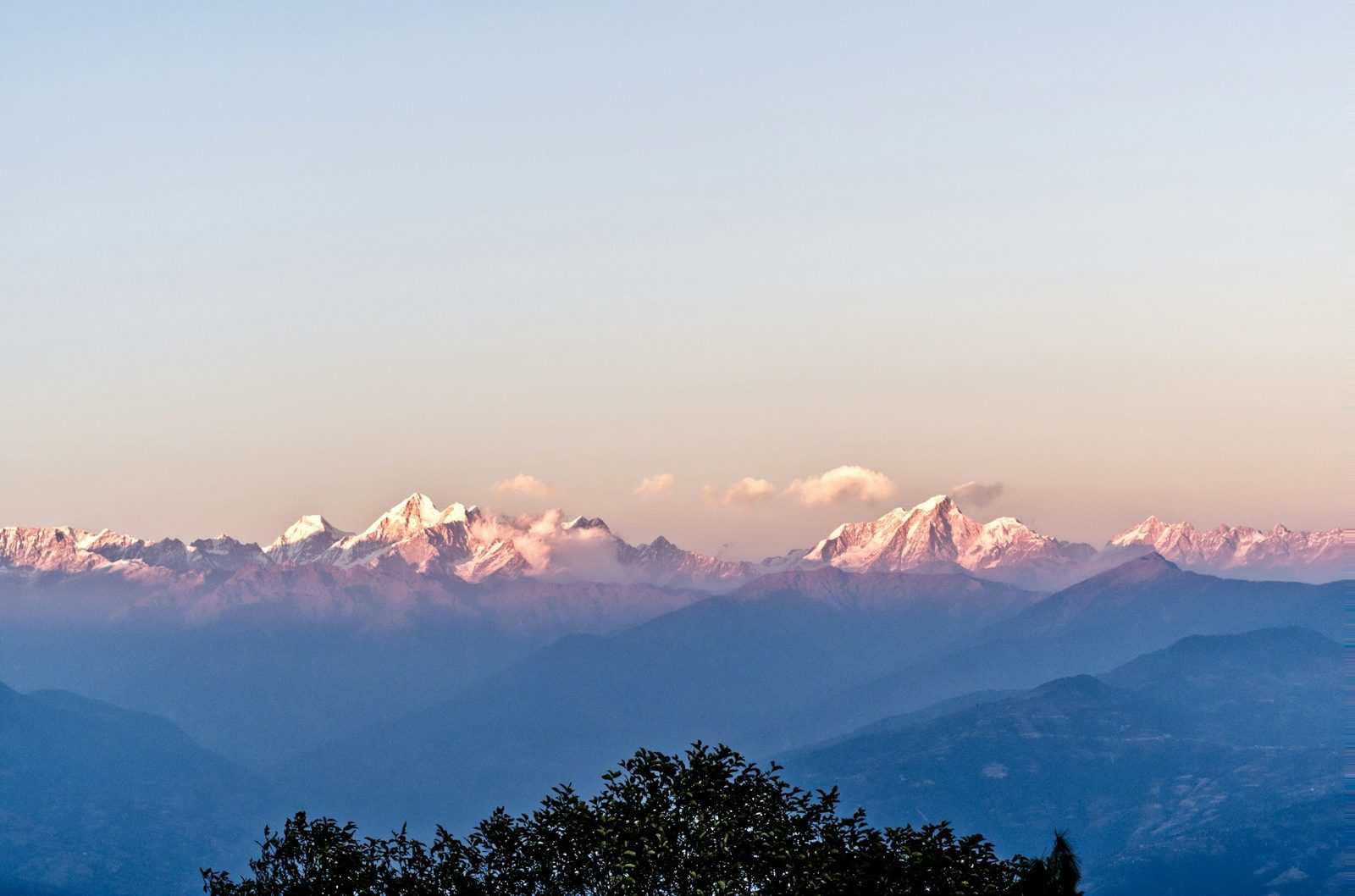
- Sunrise over the Himalaya from the Nagarkot ridge, weather allowing
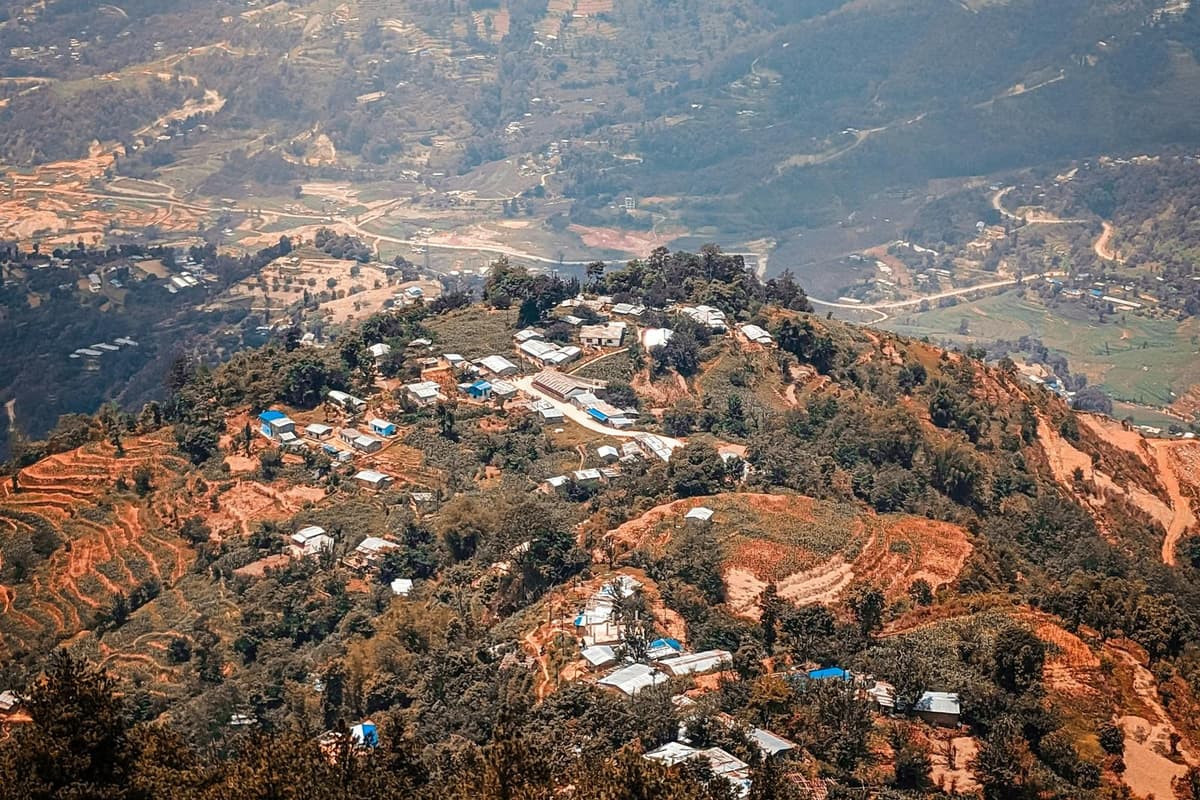
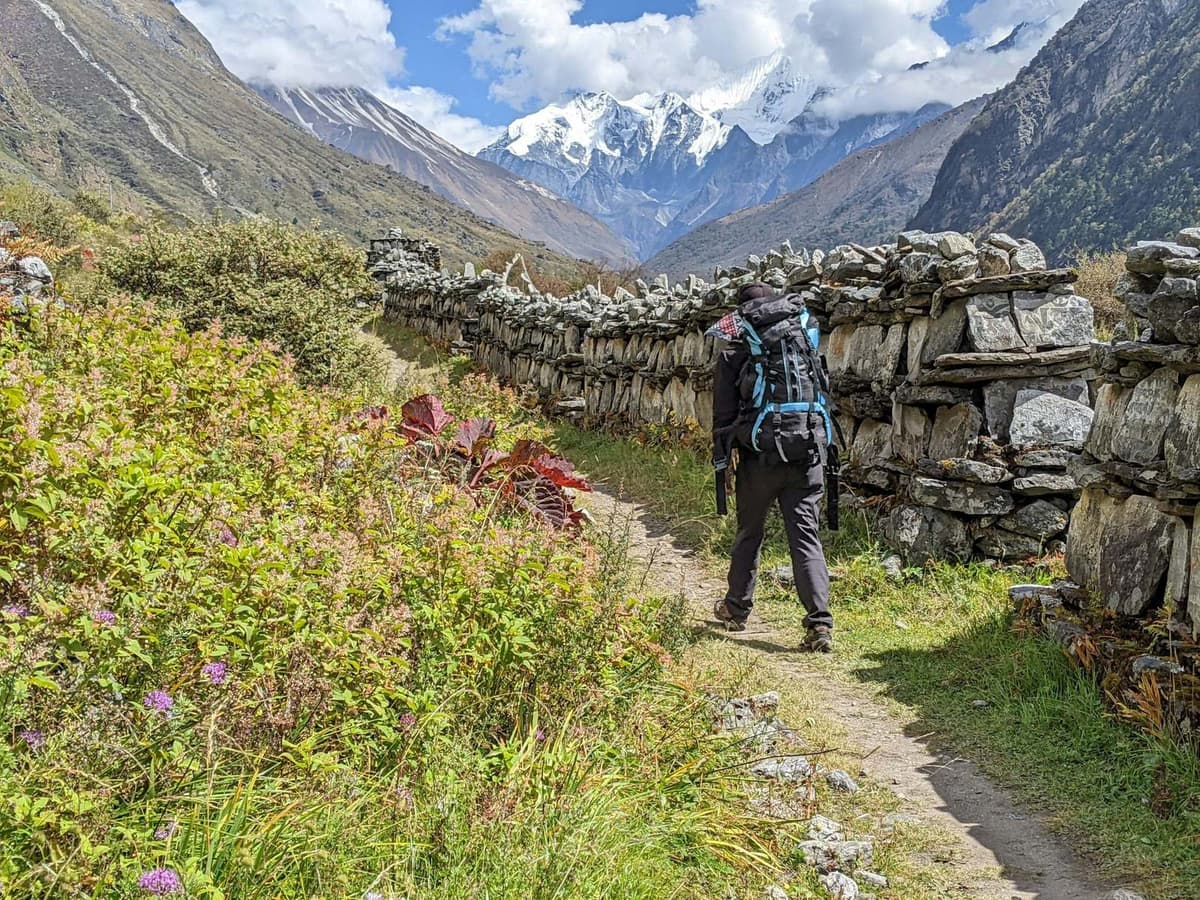
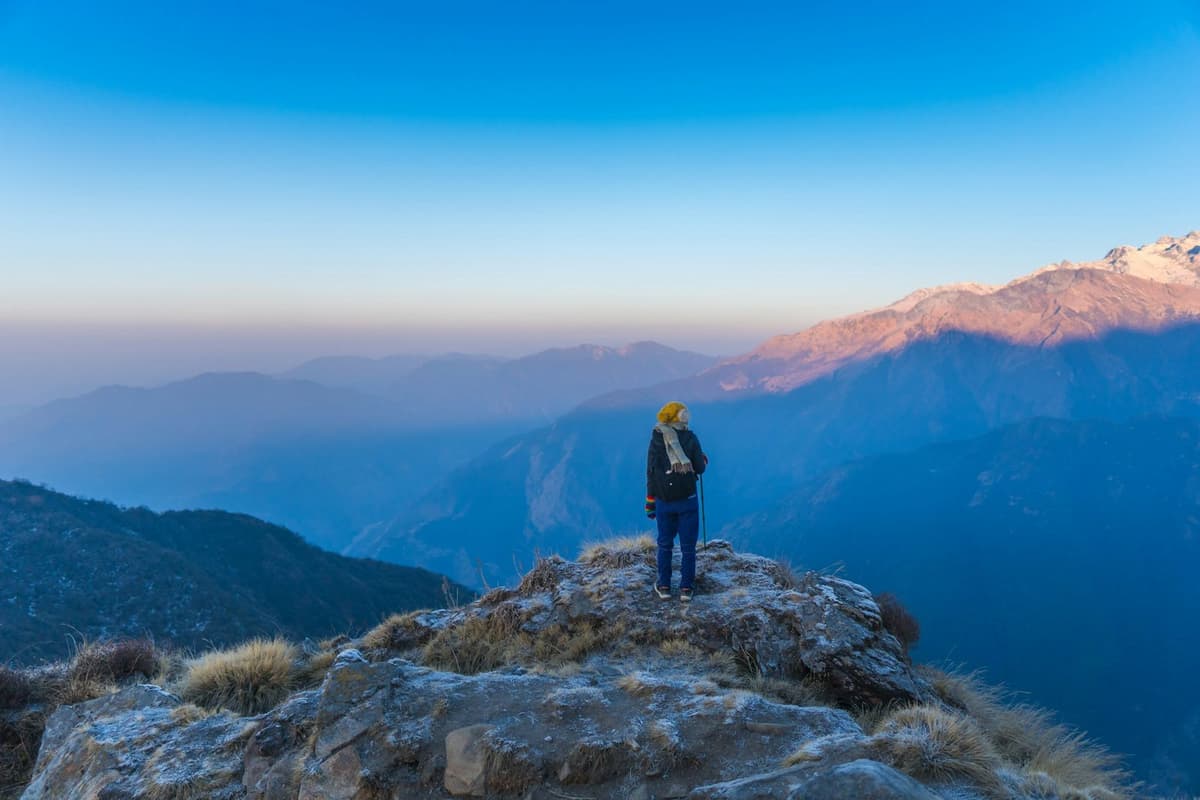
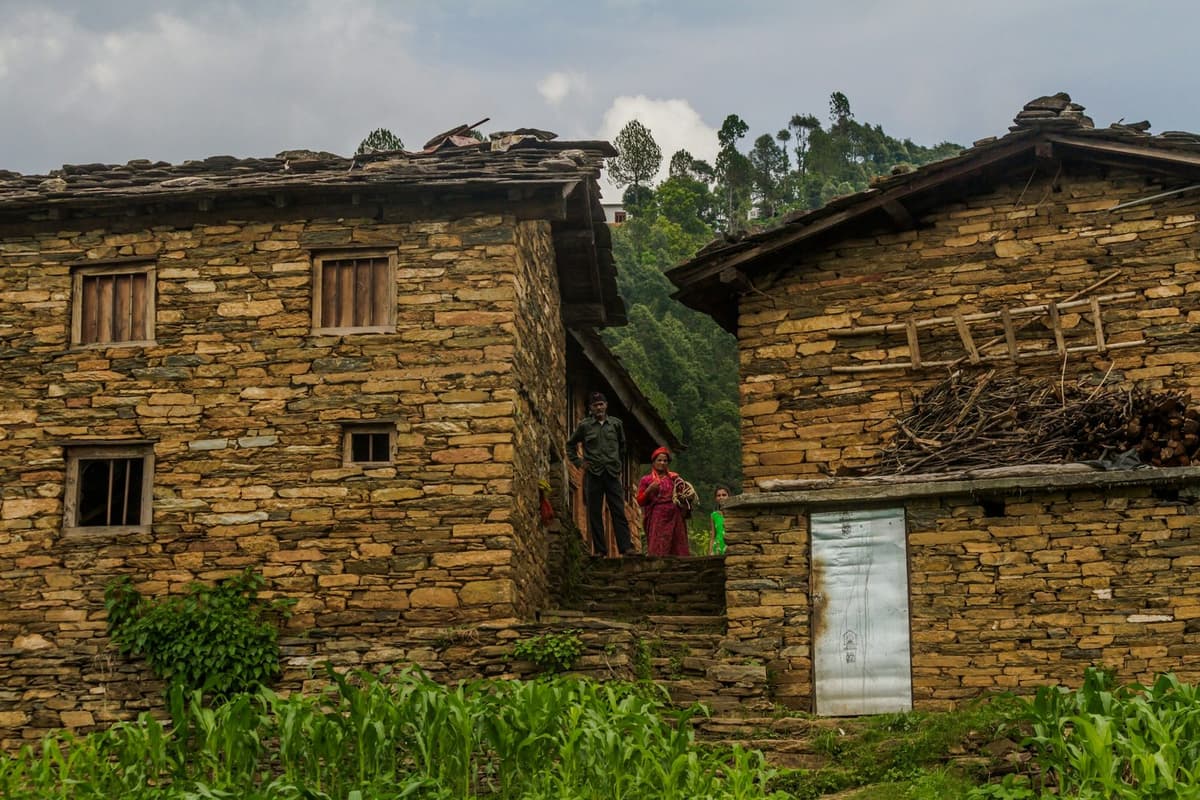
- Short drive to Telkot, then an easy walk of about two to two and a half hours to Changu Narayan
- Explore Changu Narayan's courtyard, its carvings and the pillar inscribed in 464 AD
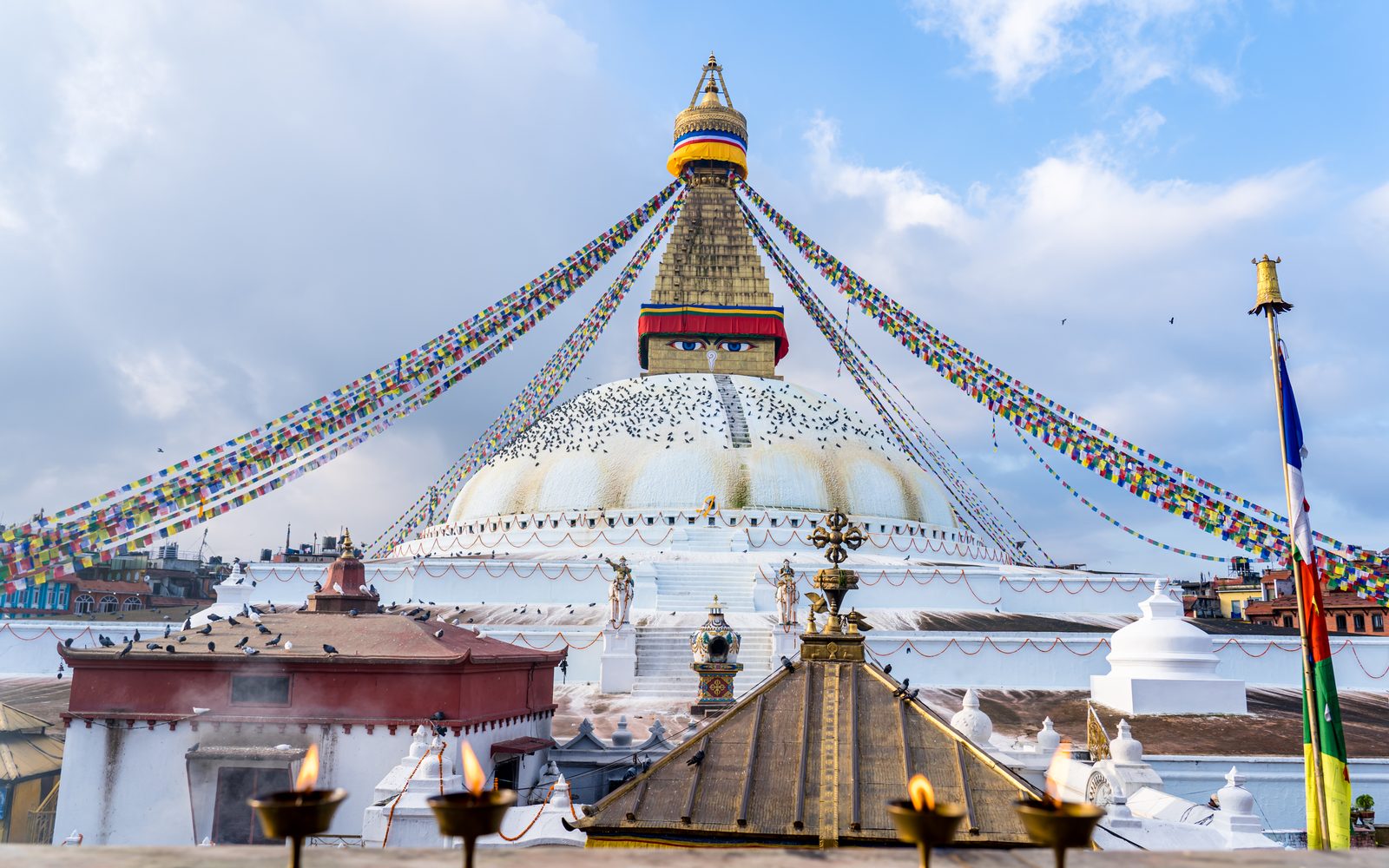
- Drive to Boudhanath for a late-afternoon kora, then back to your Kathmandu hotel
Things to carry
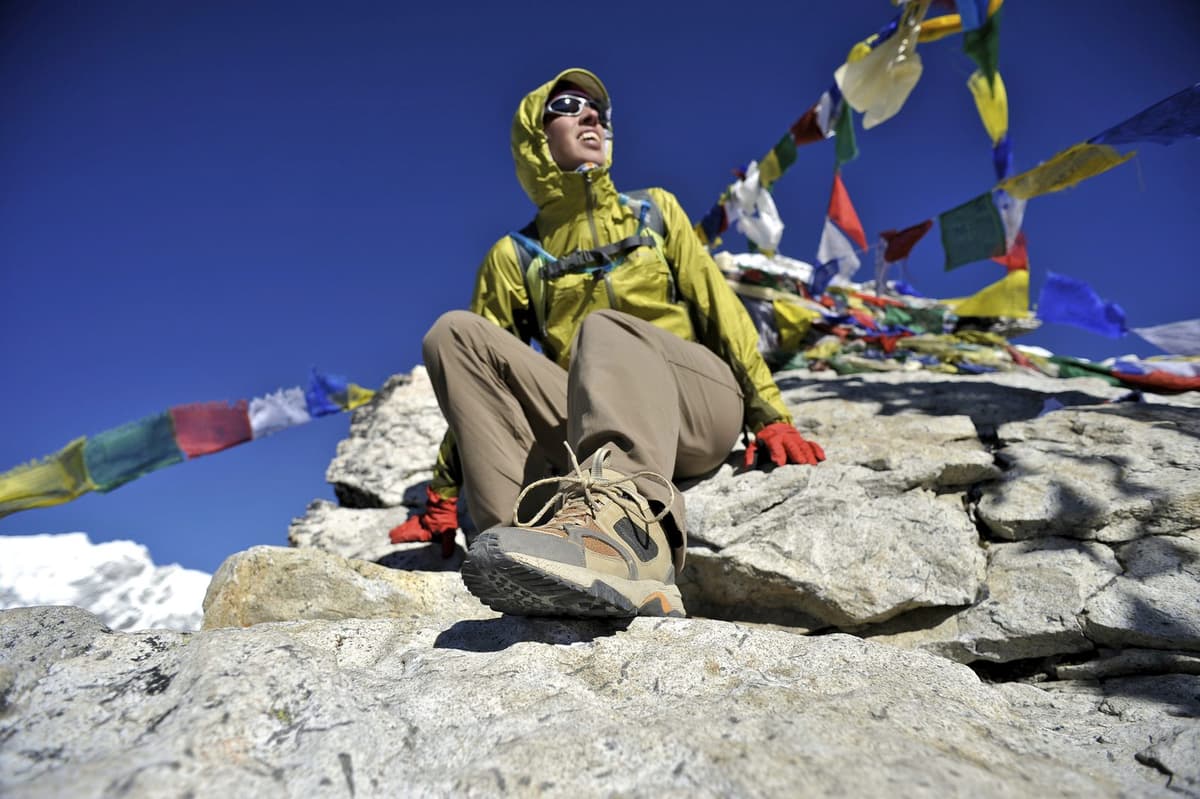
- Comfortable walking shoes with some grip for the Telkot trail
- Warm layer for the Nagarkot sunrise
- Clothing that covers shoulders and knees for temples
- Sun hat, sunscreen and a refillable water bottle
- Small daypack for the walking day
Good to know
Complete guide
This 7 UNESCO sites tour in Kathmandu covers all of the valley's World Heritage monument zones in three unhurried days. It adds two things a one-day tour cannot: a night at Nagarkot for the sunrise, and a walk from Telkot to Changu Narayan that swaps the car for village paths.
What the 7 UNESCO sites tour in Kathmandu covers
UNESCO inscribed the Kathmandu Valley in 1979 as seven monument zones: the Durbar Squares of Kathmandu, Patan and Bhaktapur, the stupas of Swayambhunath and Boudhanath, the Hindu temple complex of Pashupatinath and the hilltop temple of Changu Narayan. This tour visits all seven. Day one is Swayambhunath, Kathmandu Durbar Square and Pashupatinath. Day two is Patan and Bhaktapur, then Nagarkot for the night. Day three is sunrise, the walk to Changu Narayan and a final stop at Boudhanath.
How the three-day version compares
We run this circuit in several lengths. The one-day 7 UNESCO sites tour fits all seven into a single long day, which works if you are short on time but leaves little room to linger. The two-day version with a night in Bhaktapur slows it down and lets you see Bhaktapur in the quiet of evening and early morning.
The three-day tour adds what those cannot: a night on the Nagarkot ridge for sunrise over the Himalaya, and the Telkot to Changu Narayan walk, which is the most relaxed way to reach the seventh site. The pace is gentler throughout, with time for tea, questions and a second look.
The sites, and what to look for
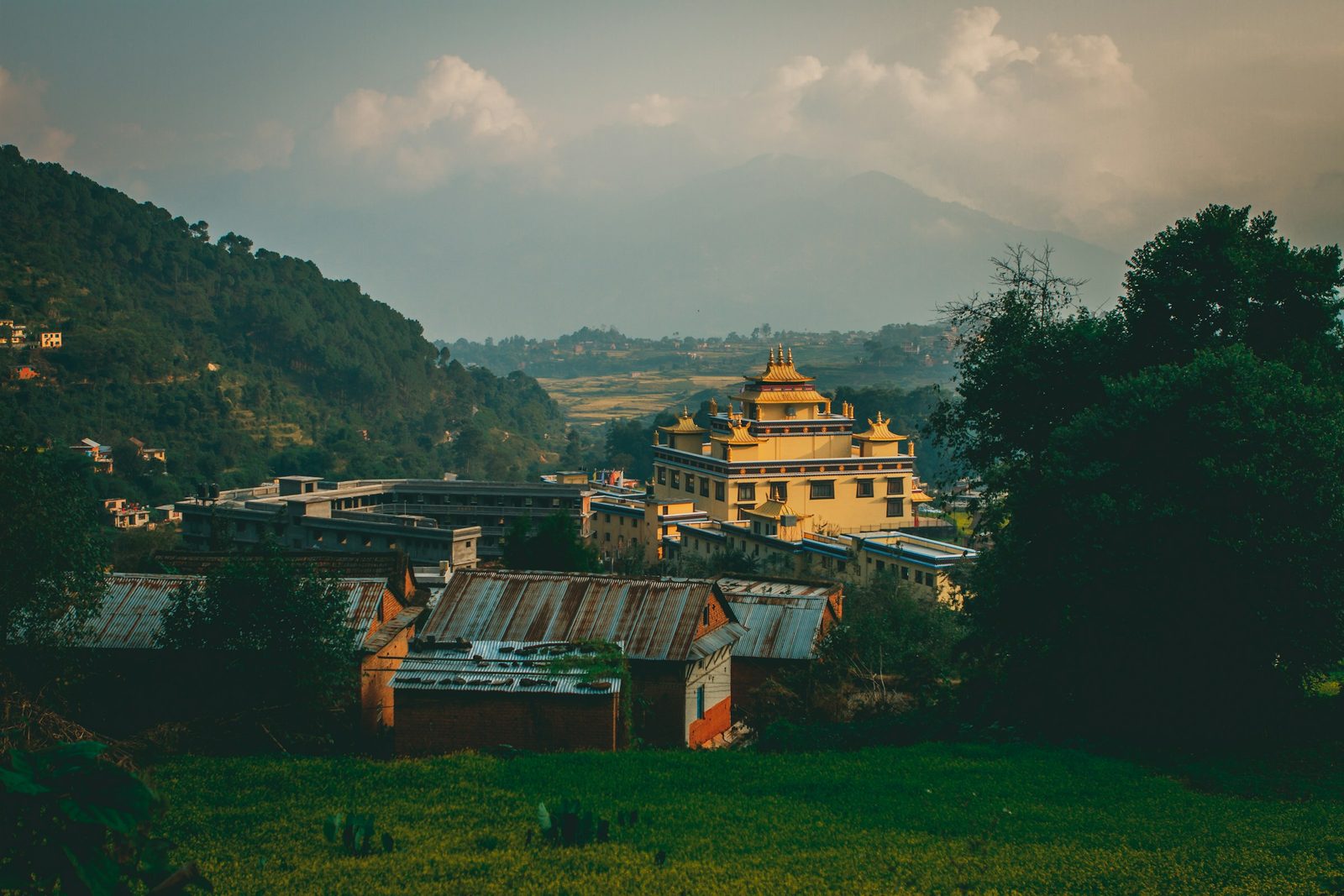
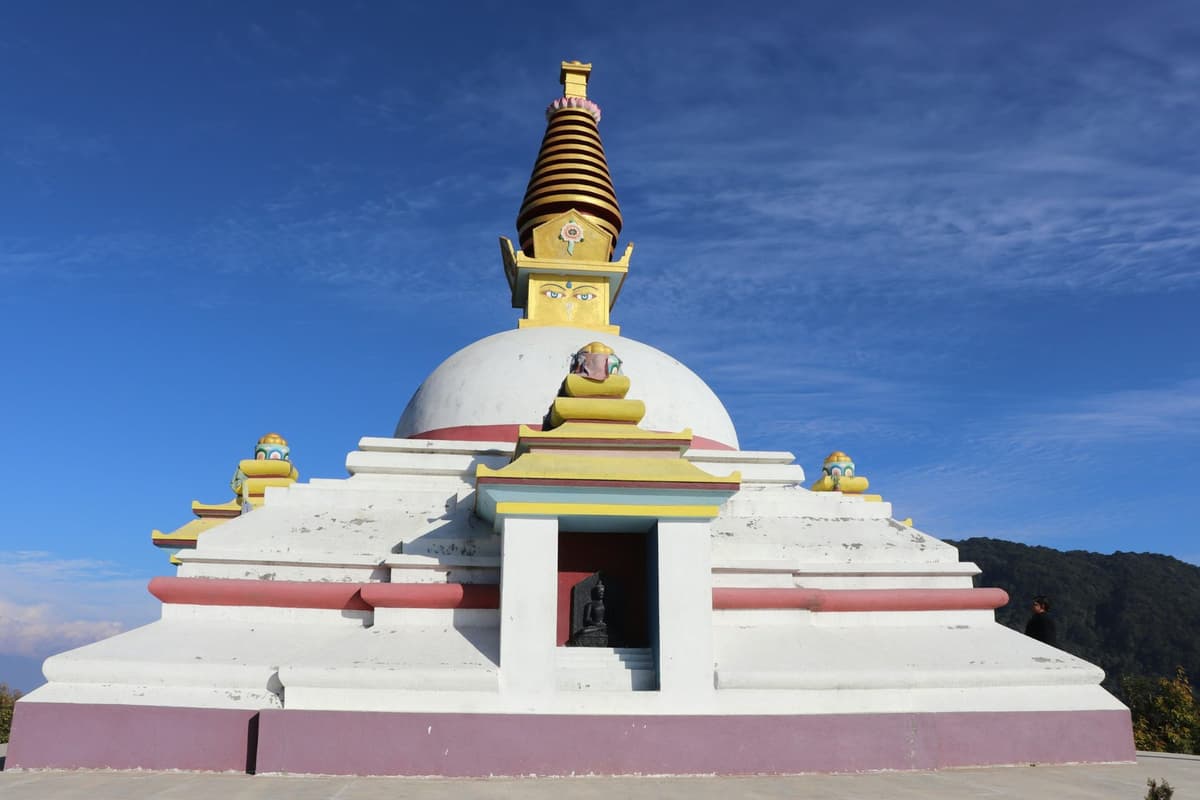
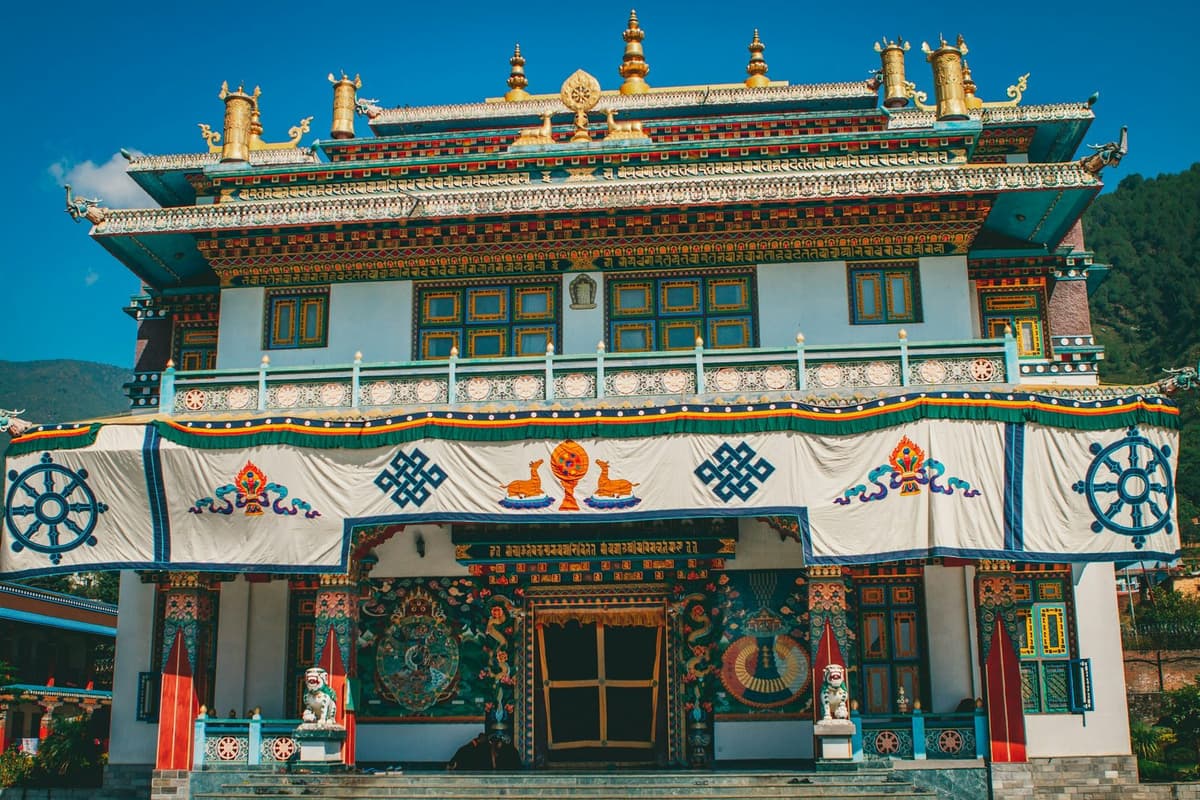
At Swayambhunath, the hilltop stupa west of the city, the monkeys and the long eastern stairway are part of the visit. Kathmandu Durbar Square holds the old palace of Hanuman Dhoka and the house of the Kumari, the living goddess. At Pashupatinath the main temple is open only to Hindus, so you watch the ghats and the evening aarati from the east bank. Patan is the city of craftsmen, with the stone Krishna Mandir from 1637. Bhaktapur has the 55-Window Palace, the Golden Gate and the five-storey Nyatapola from 1702. Changu Narayan is one of the oldest Hindu temples in Nepal, with a pillar inscribed in 464 AD, rebuilt after the 2015 earthquake. Boudhanath, the largest spherical stupa in Nepal, is ringed by Tibetan monasteries and is at its best in the late afternoon.
Nagarkot and the walk to Changu Narayan
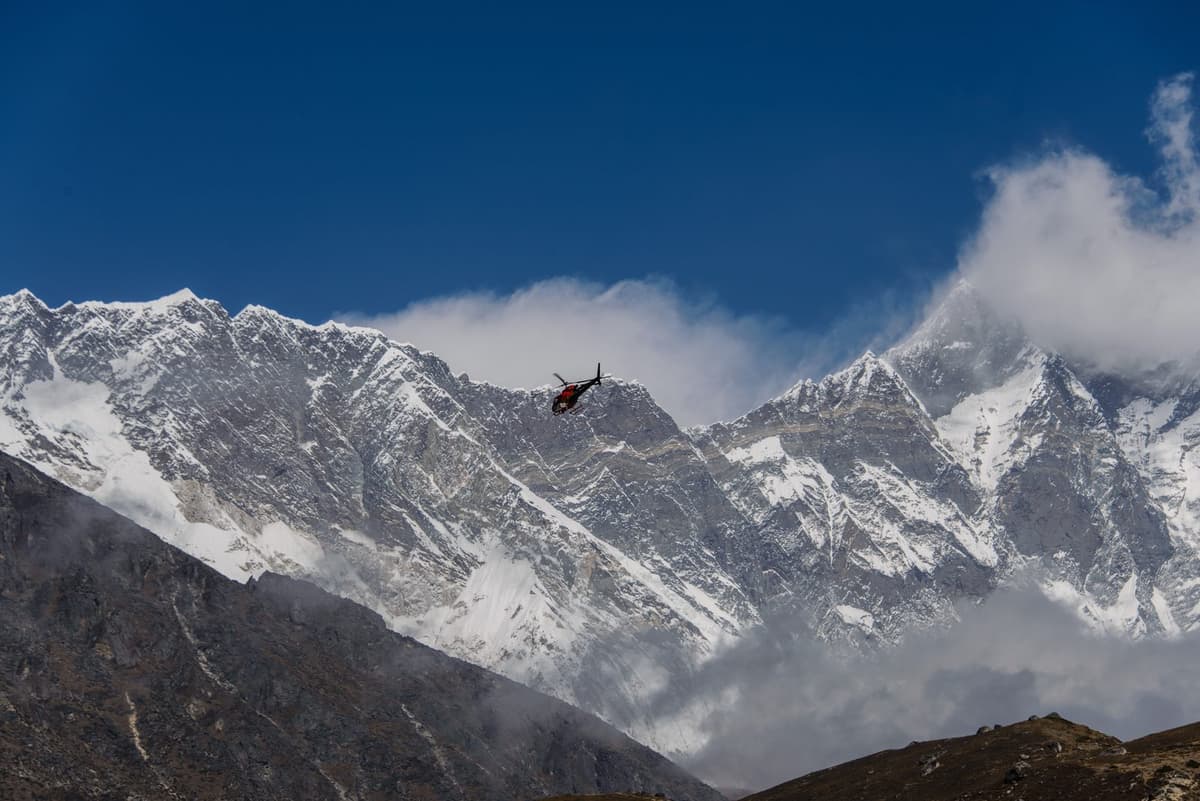
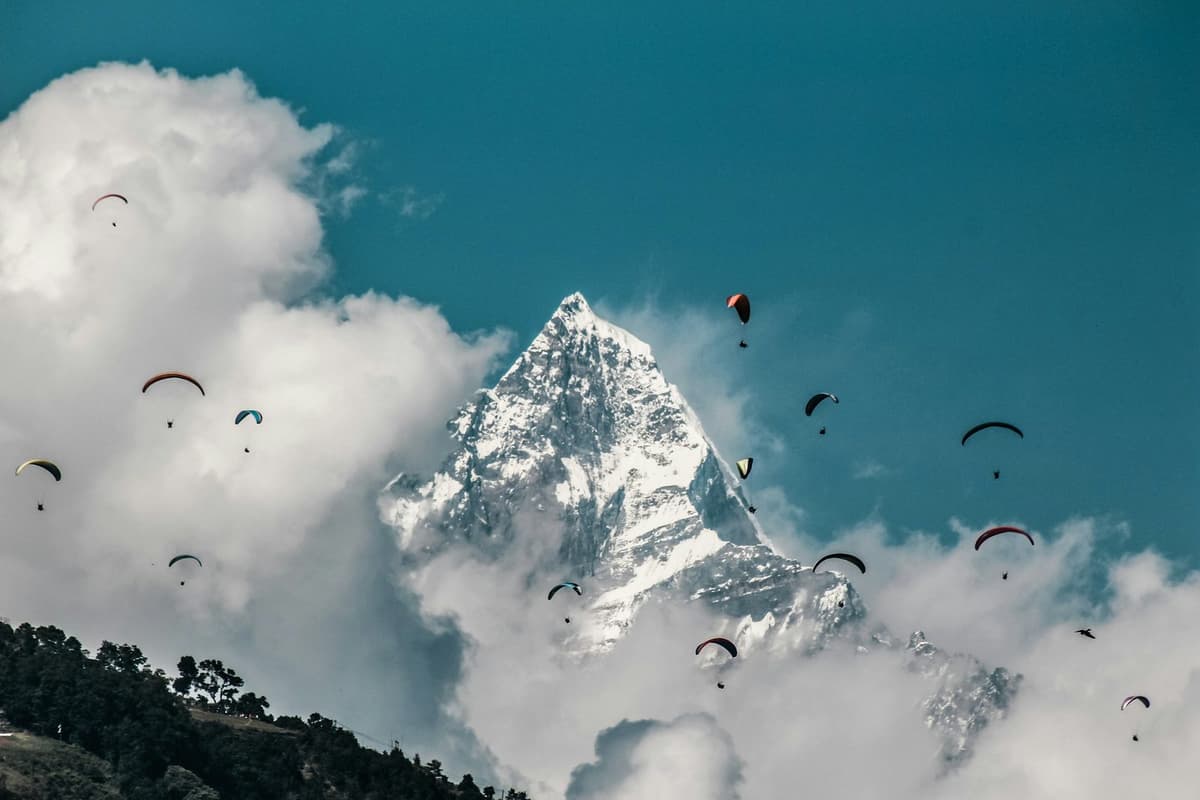
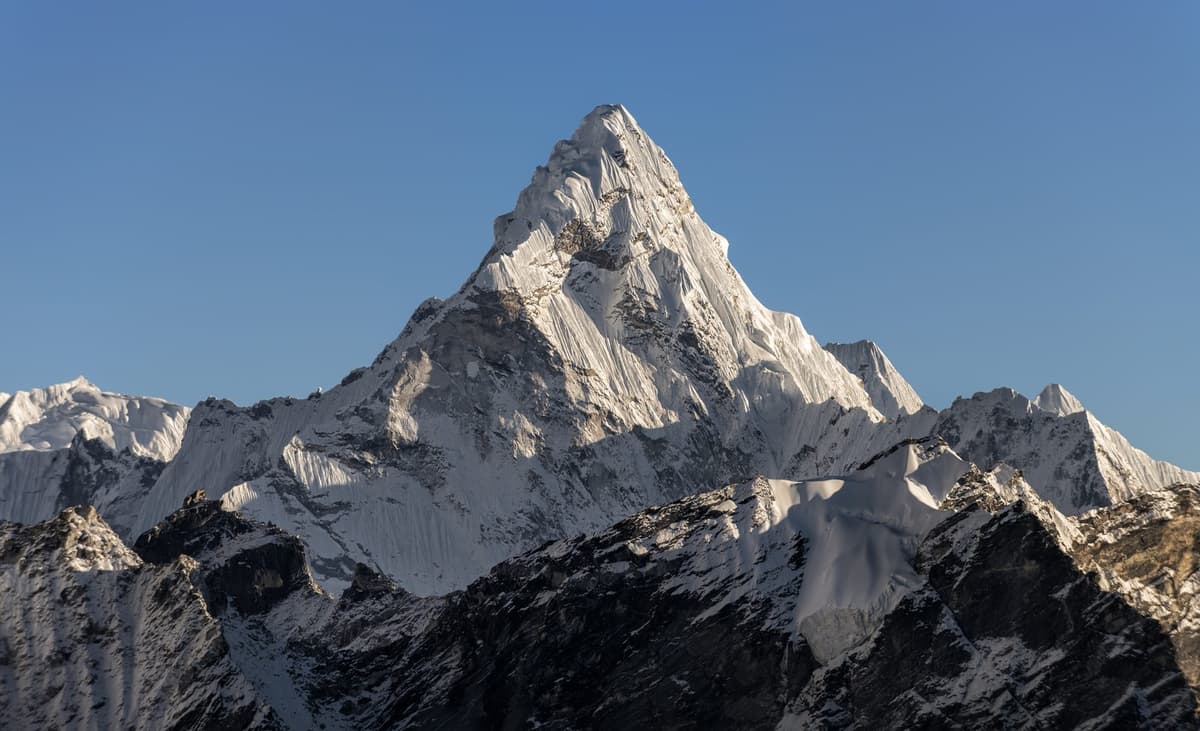
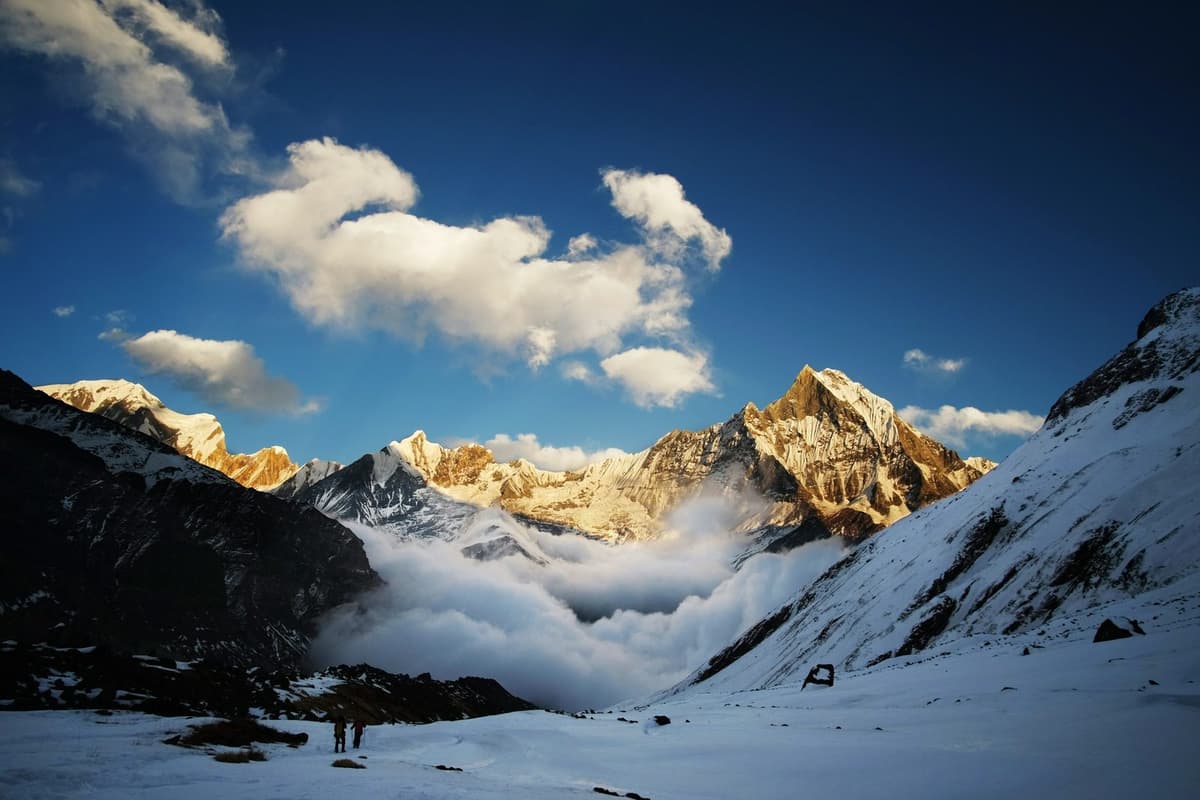
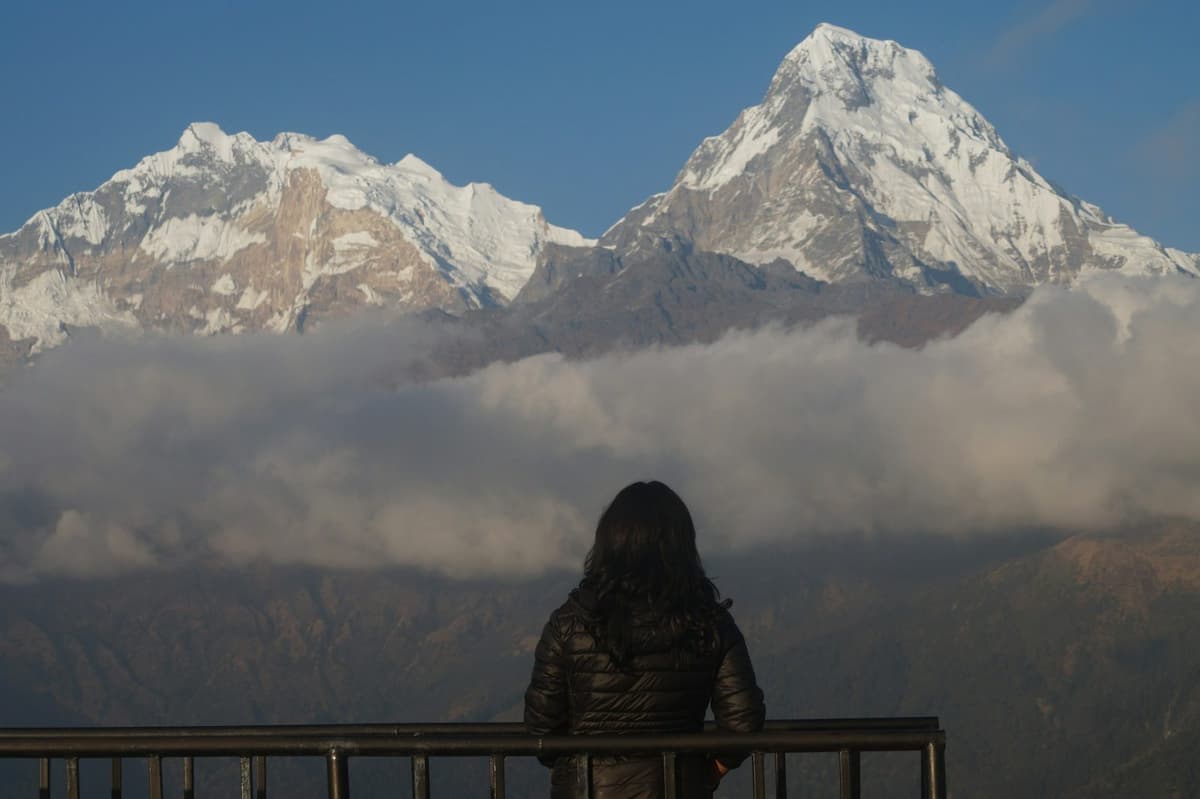
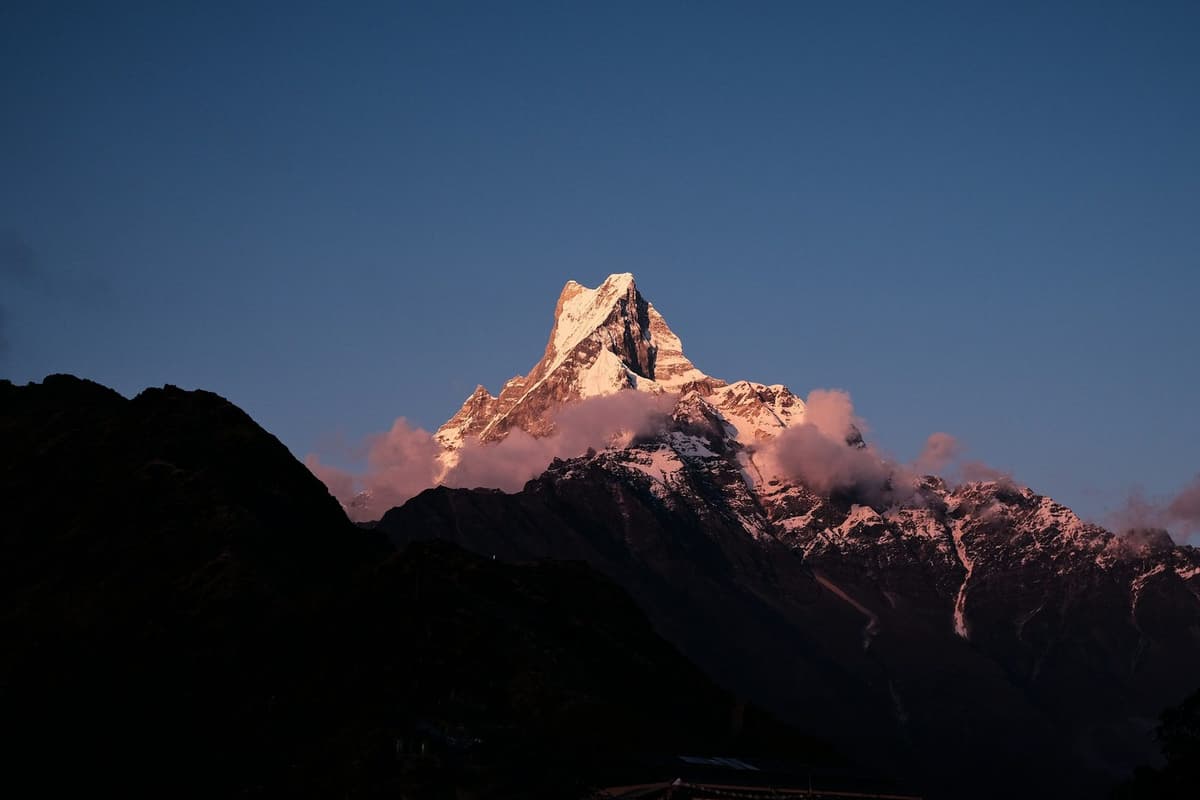
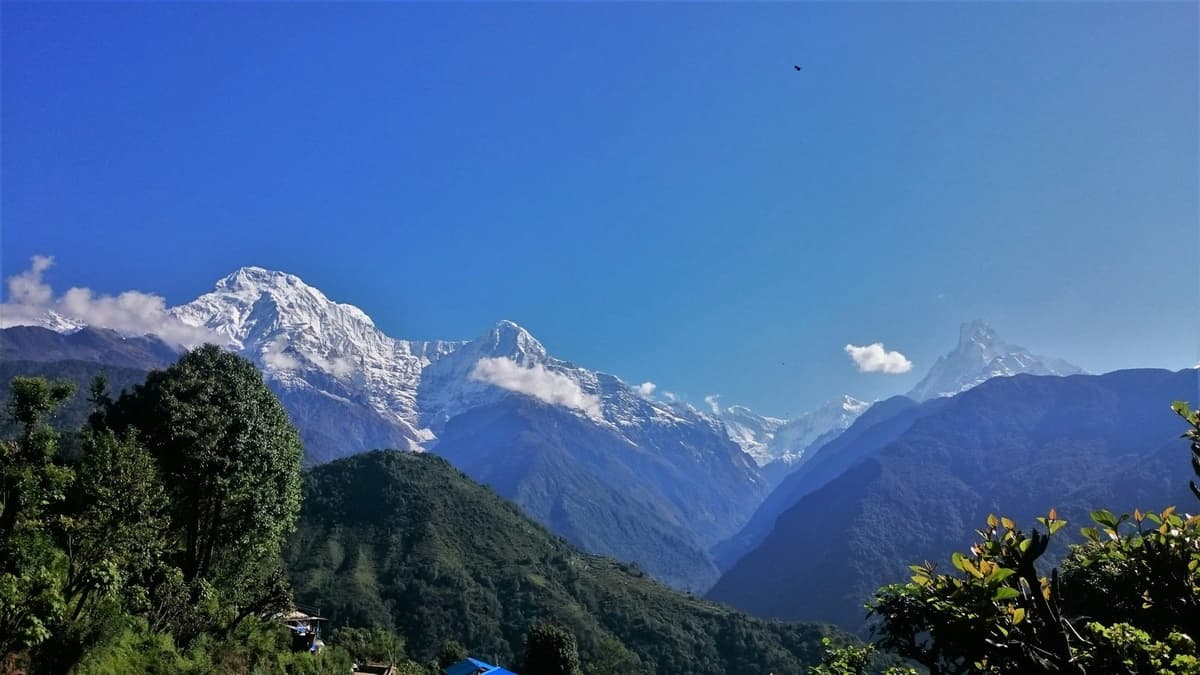
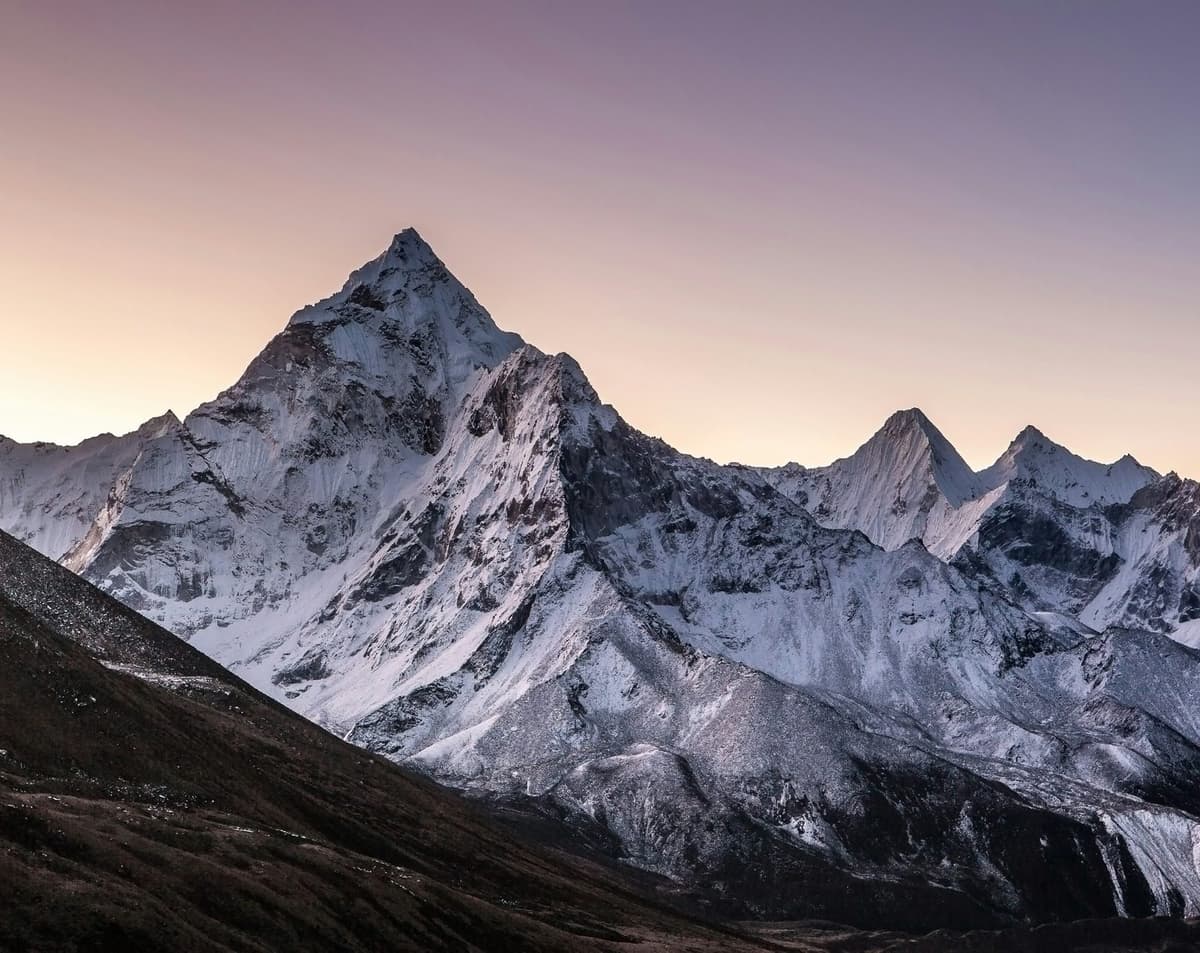
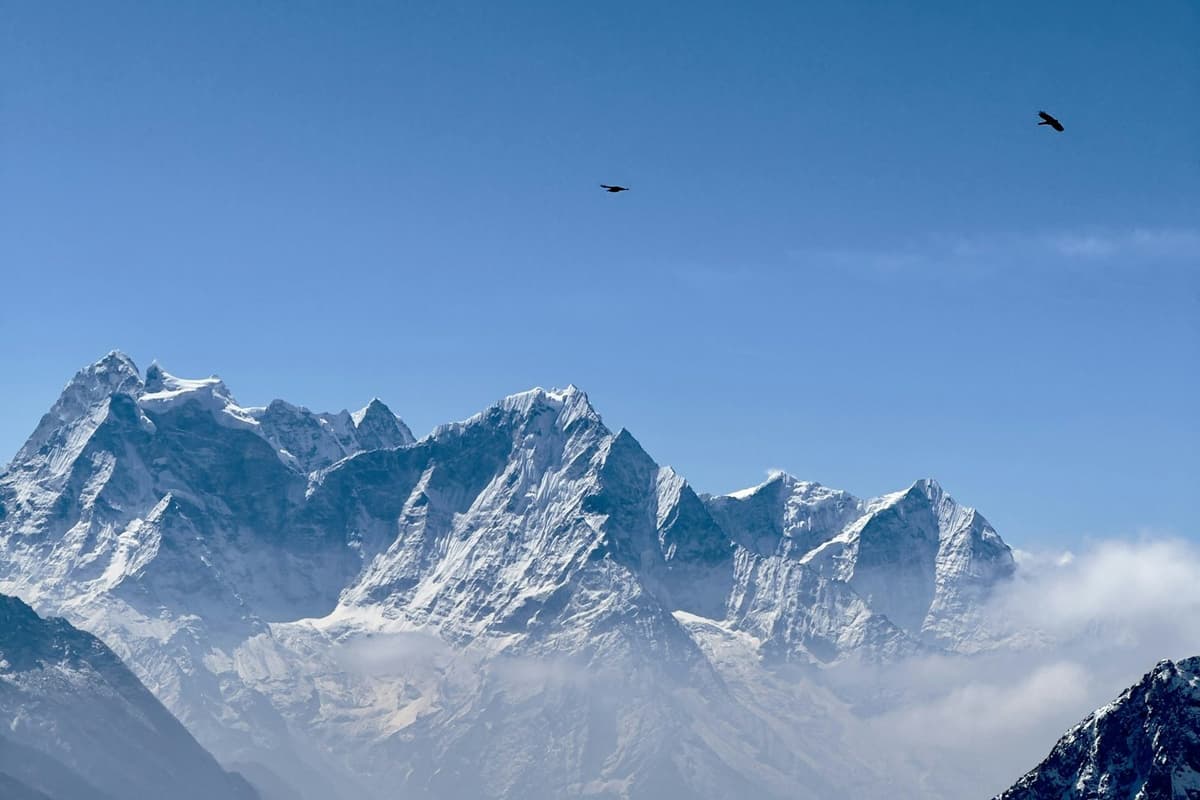
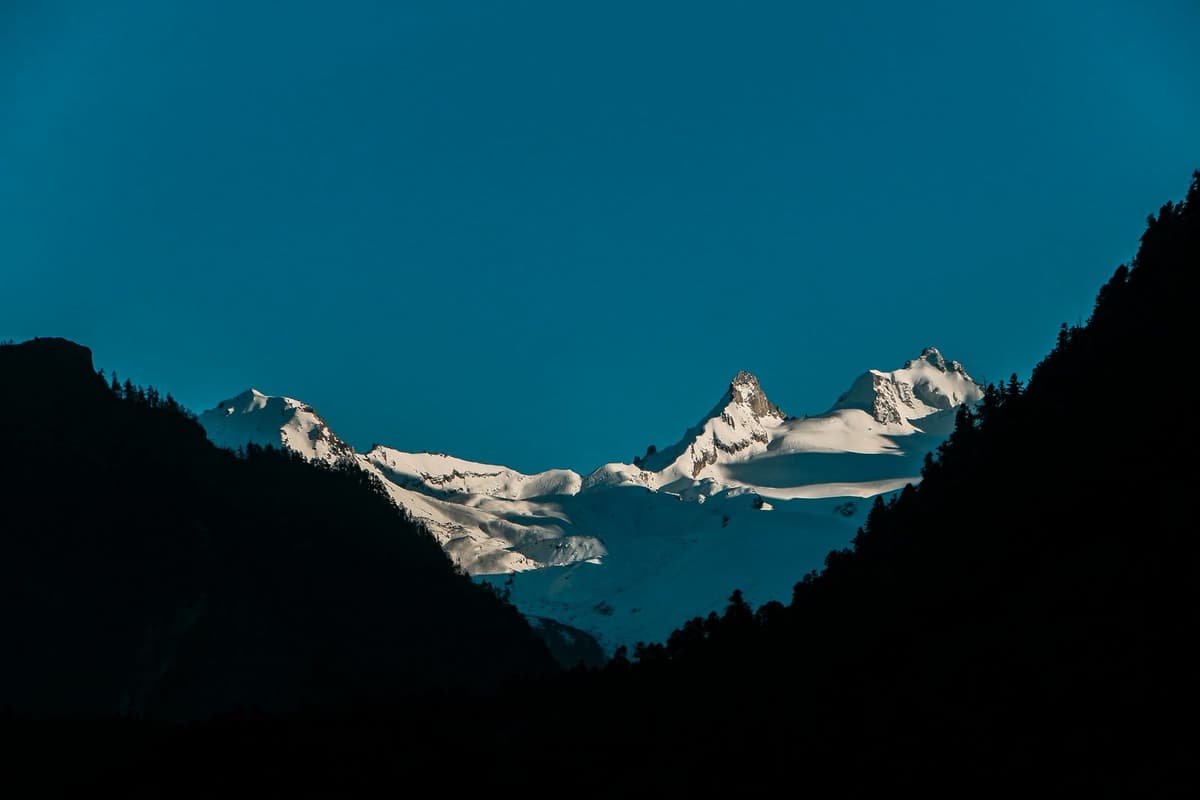
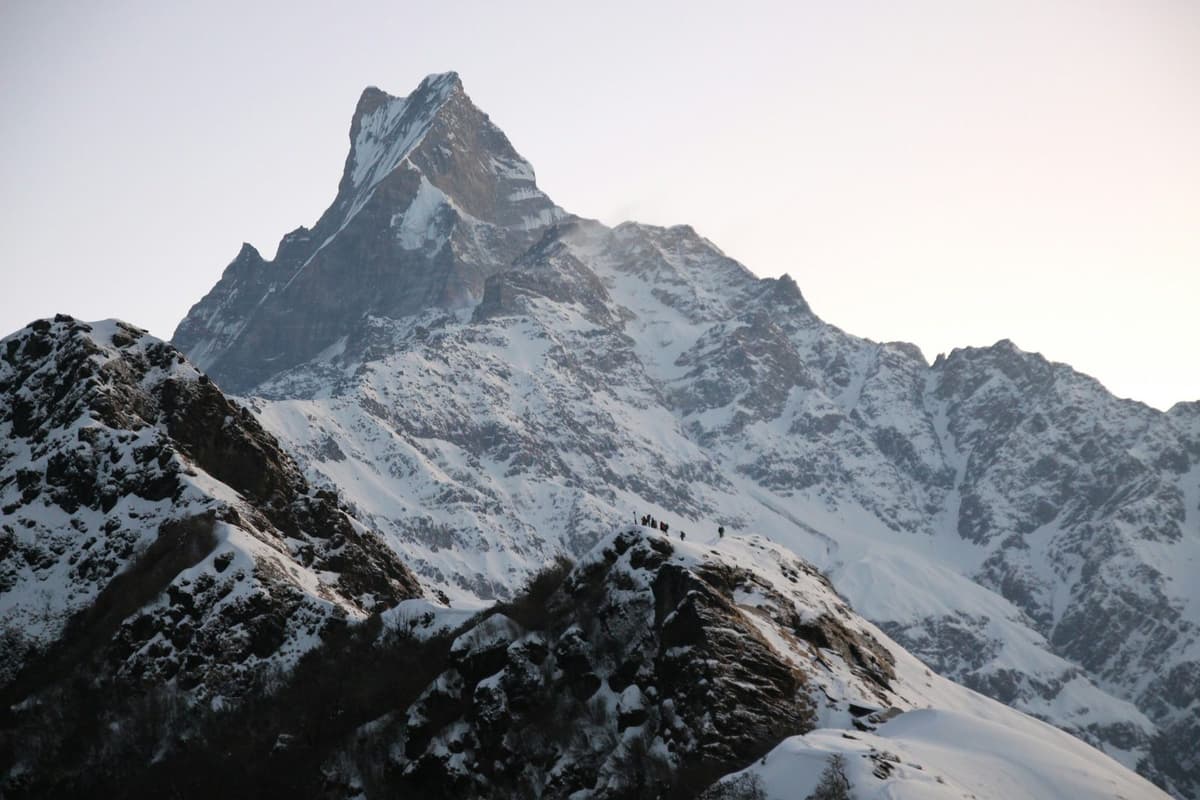
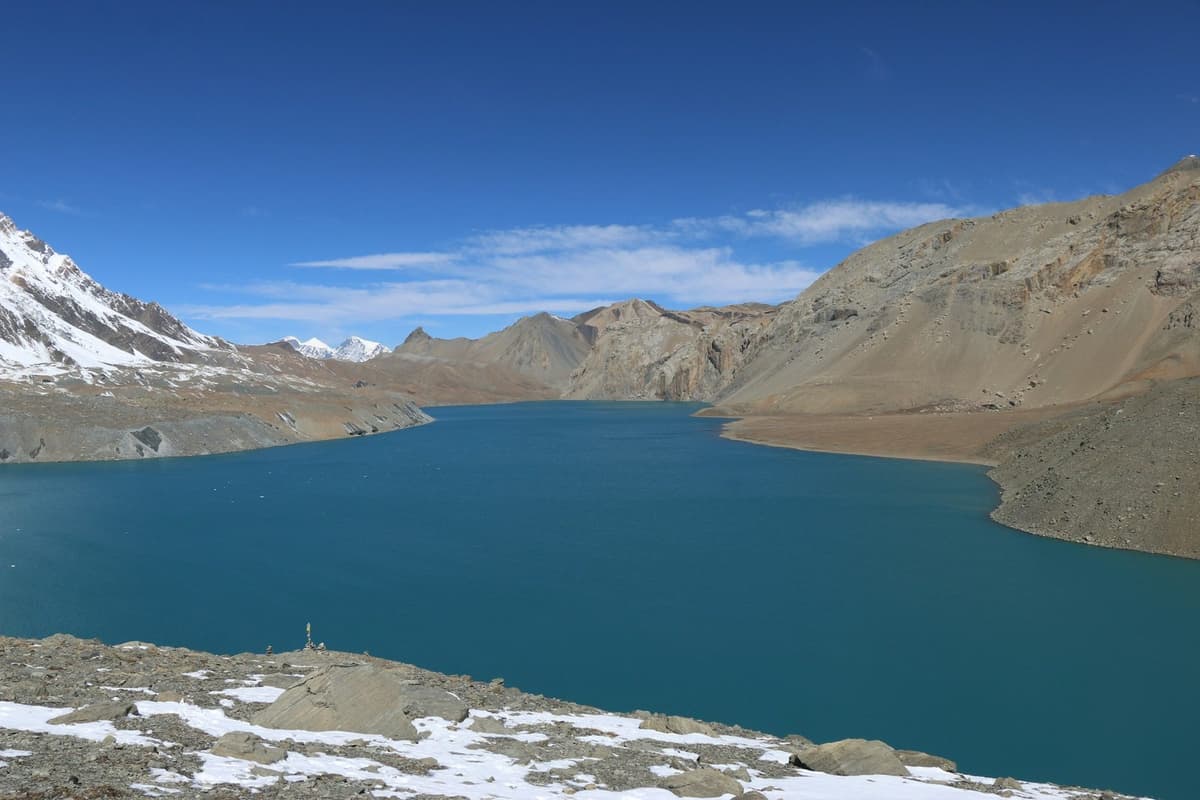
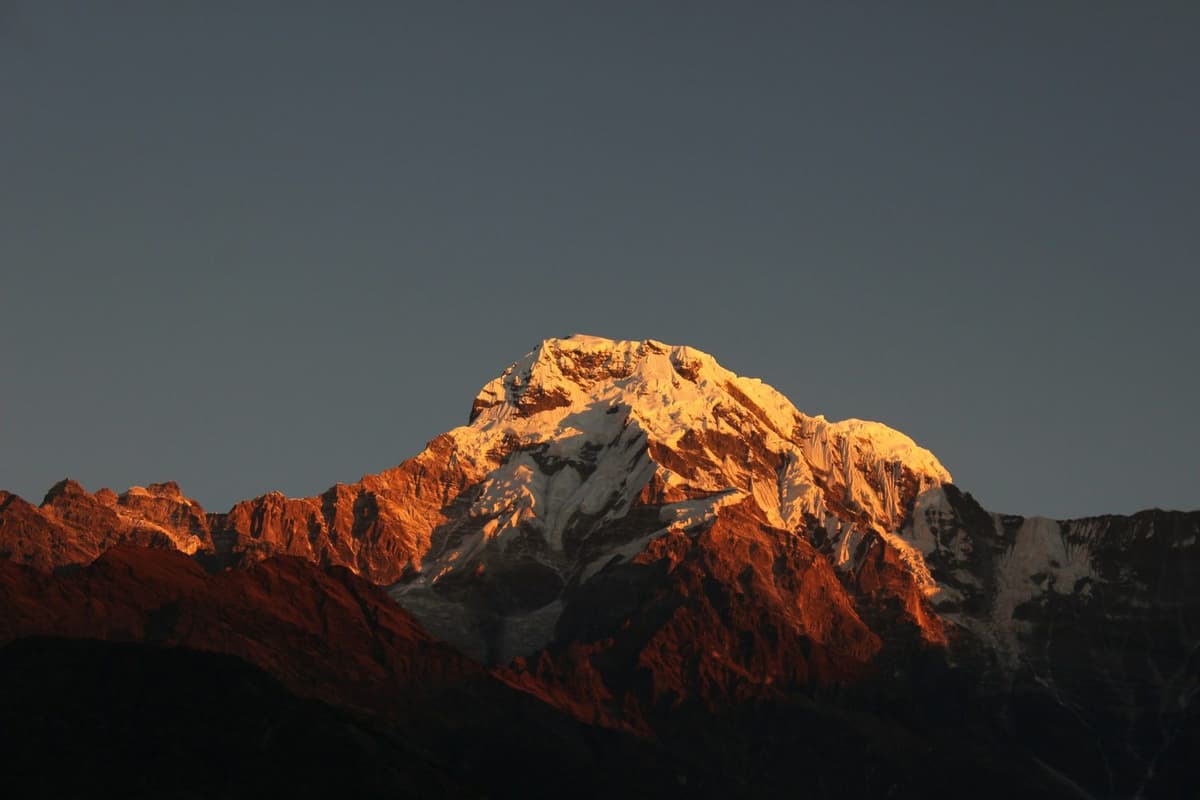
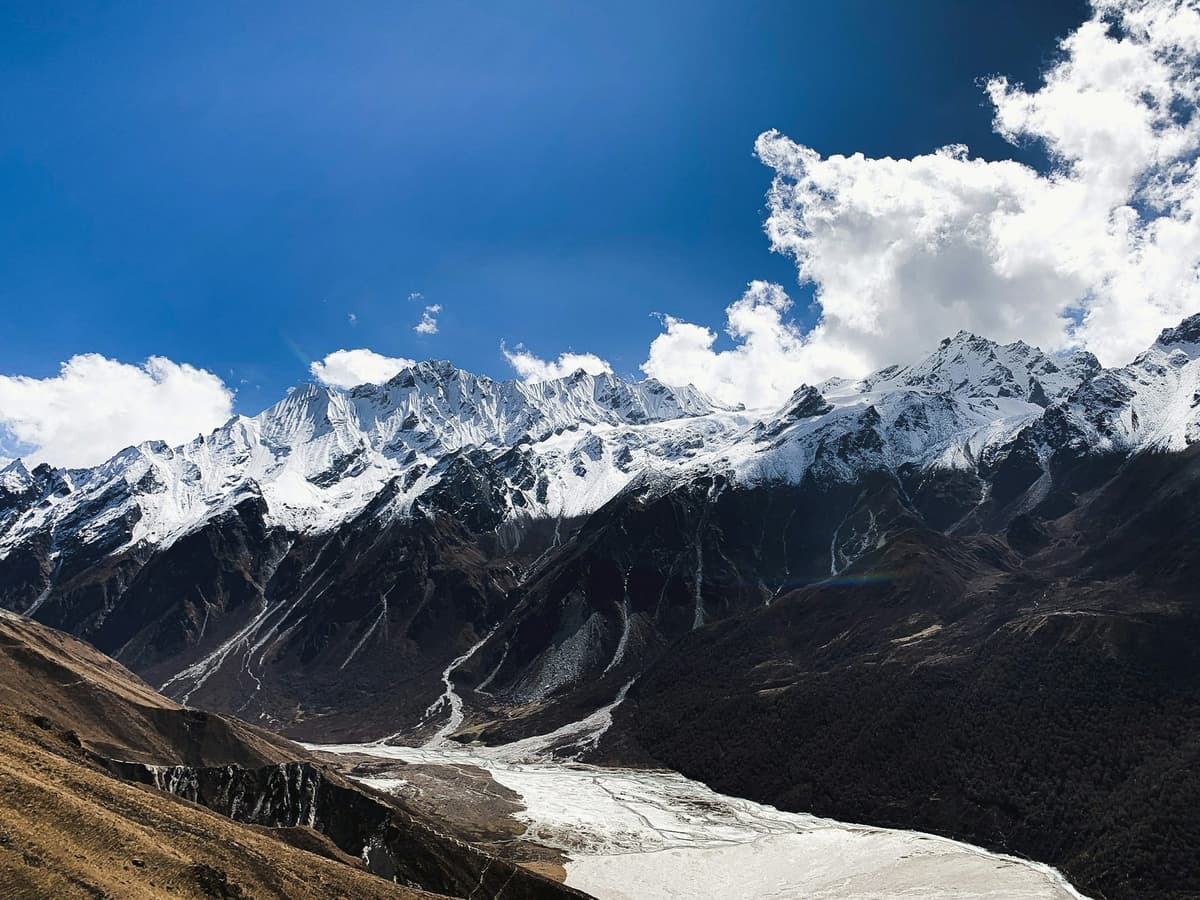
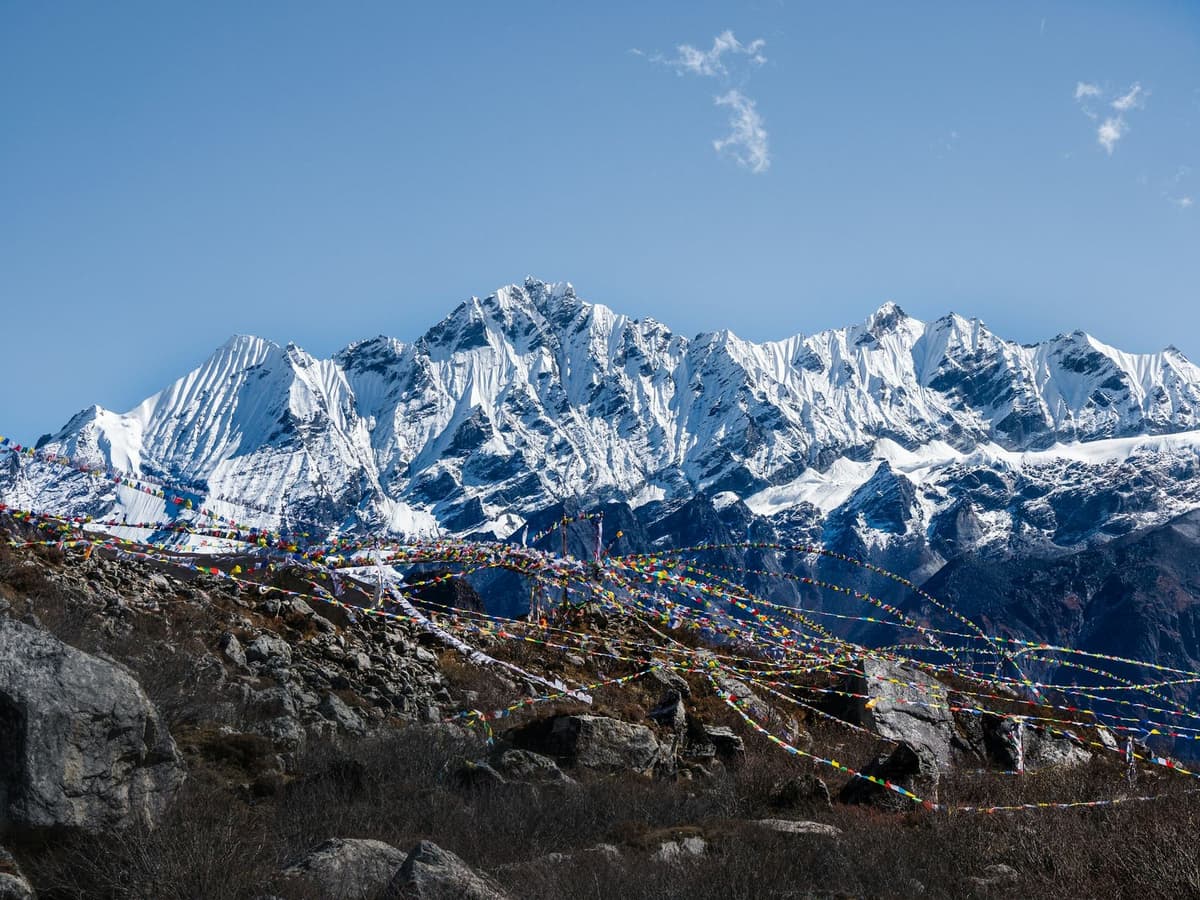
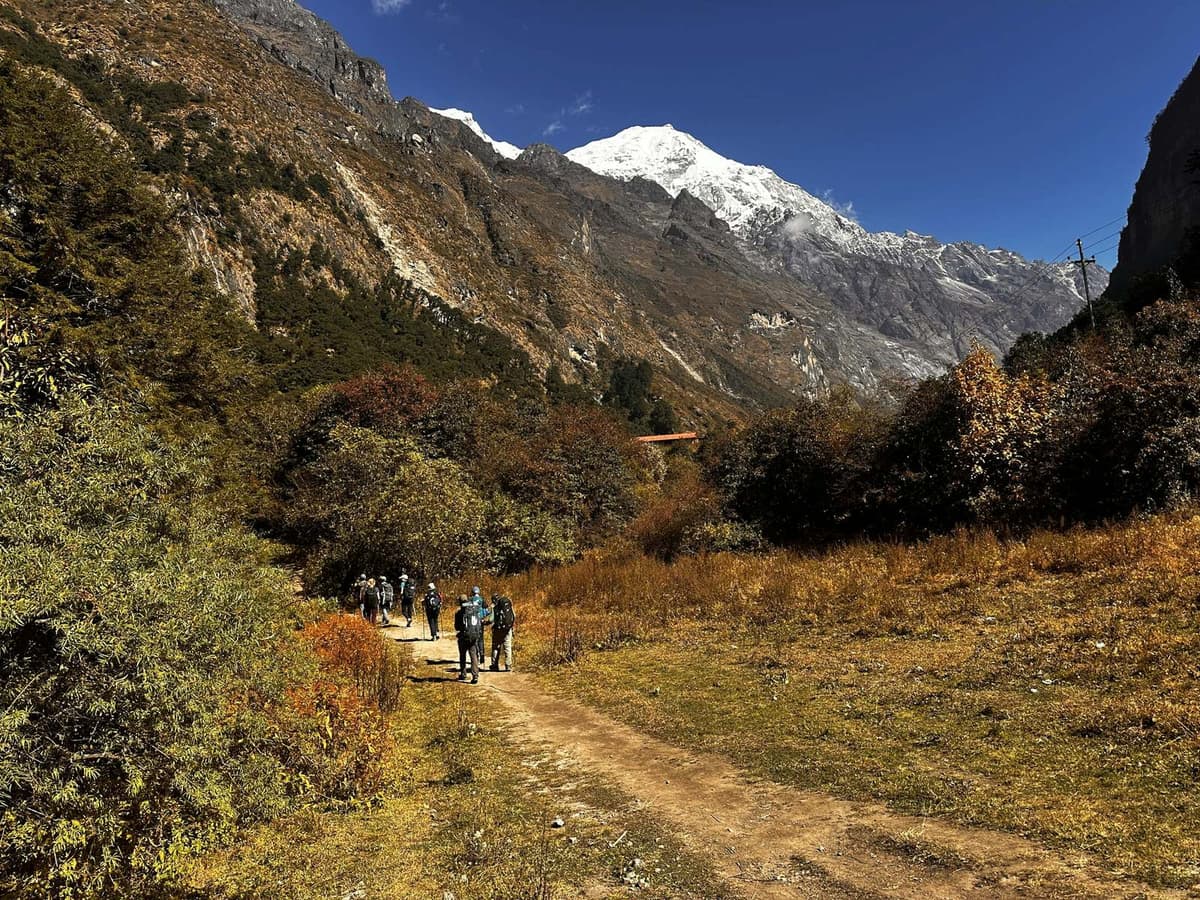
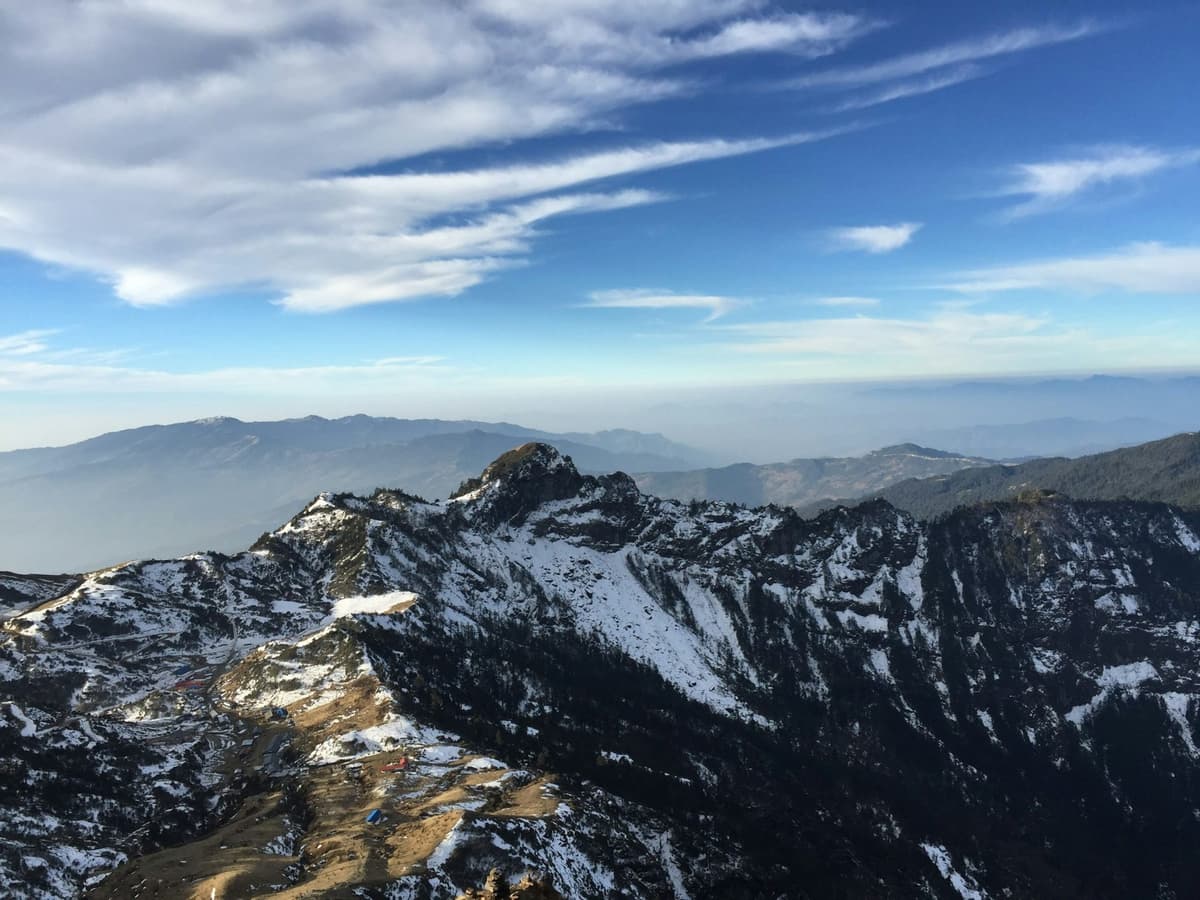
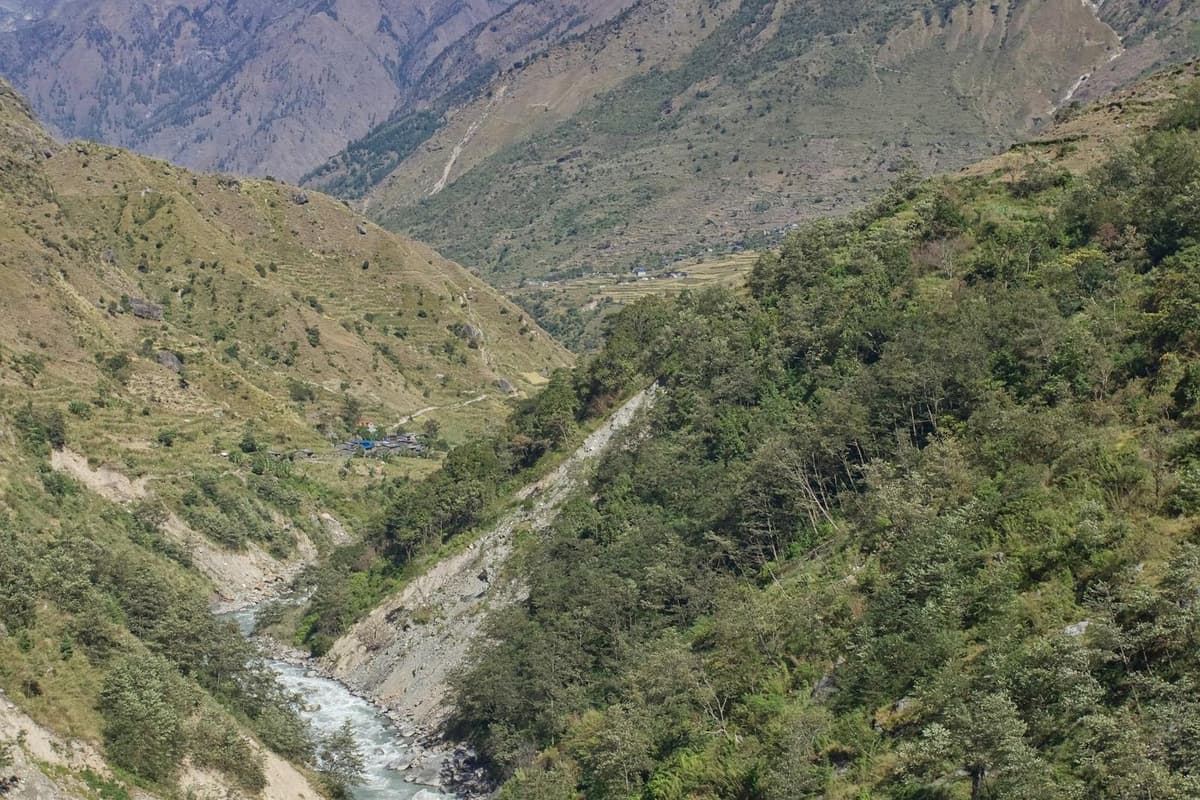
Nagarkot sits at 2,175 m (7,136 ft) on the valley's eastern rim, and on a clear morning looks out over ranges from Annapurna and Manaslu to Langtang and the Everest range. Cloud and haze decide the view, so treat it as a bonus rather than a promise. After breakfast you drive a short way to Telkot and walk to Changu Narayan. The path is a broad dirt track and village trail through pine forest and farmland, easy underfoot, and takes about two to two and a half hours at a steady pace. Shade is patchy and shops are few, so bring water and a hat. If anyone prefers not to walk, the driver meets you at the temple.
Who it suits and when to go
This tour suits first-time visitors who want the full UNESCO set without rushing, families, and travellers from India or South-East Asia looking for a short, well-paced break. Late September to November is the best time for clear sunrises and dry paths; the monsoon, roughly June to September, brings cloud and mud, and spring can be hazy. Each site sells its own entrance ticket, with lower SAARC rates. We arrange your guide, private car and hotels; your visa and flights to Kathmandu are your own arrangements.