Overview
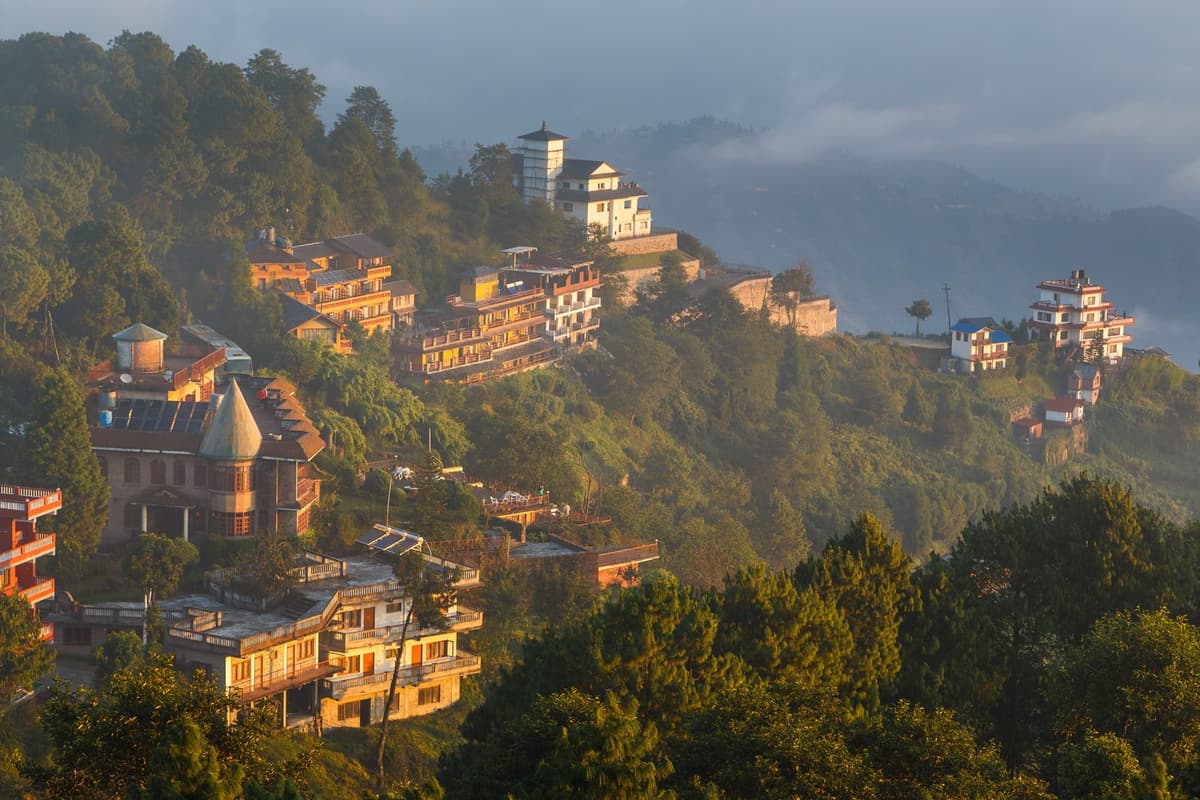
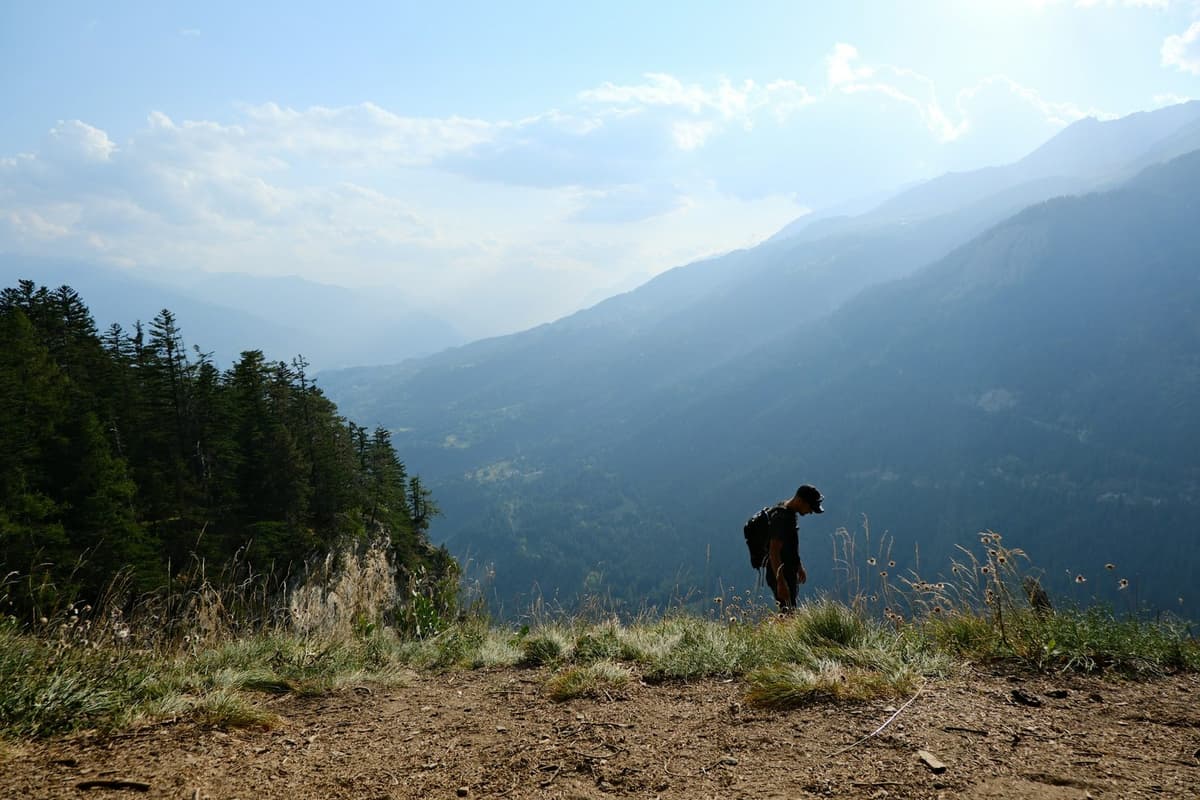
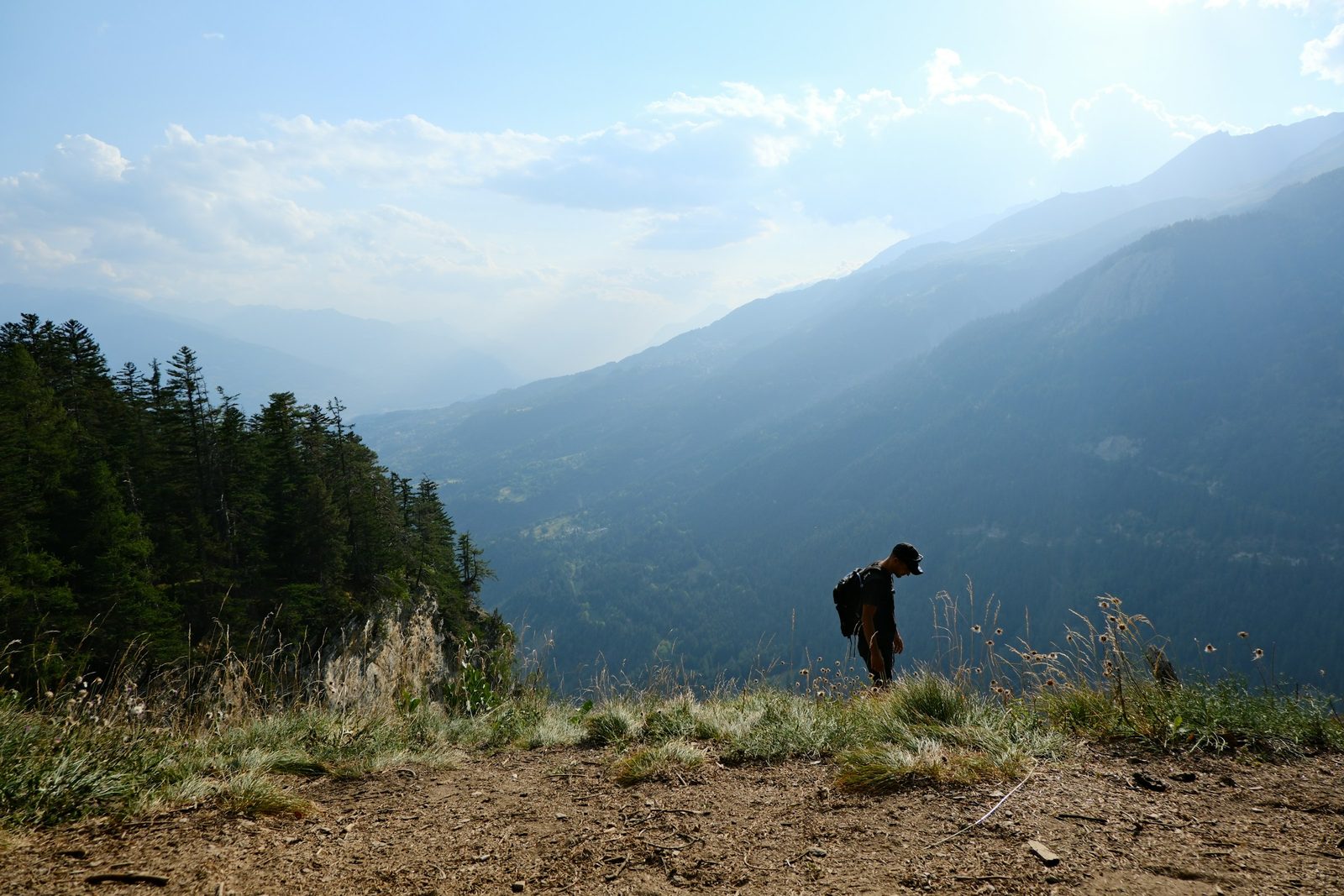
This Kathmandu Valley rim hike follows the hills around the north and east of the valley for three days on foot, ending at one of Nepal's oldest temples. You climb from Sundarijal through Shivapuri Nagarjun National Park to the ridge village of Chisapani at about 2,150 m, then walk the long ridge east to Nagarkot at about 2,100 to 2,200 m. After sunrise at Nagarkot you drive down past the Shanti Stupa and the Rani Jhula suspension bridge and waterfall to Telkot, then walk to Changu Narayan, a World Heritage temple and old Newari village, and spend the night there. On the fourth morning you drive back to Kathmandu. It suits fit walkers who want a short trek with real variety, from forest and farming villages to Himalayan views and fifth-century stone carving.
The itinerary
- Pickup from your hotel and drive to Sundarijal on the north-east edge of the valley
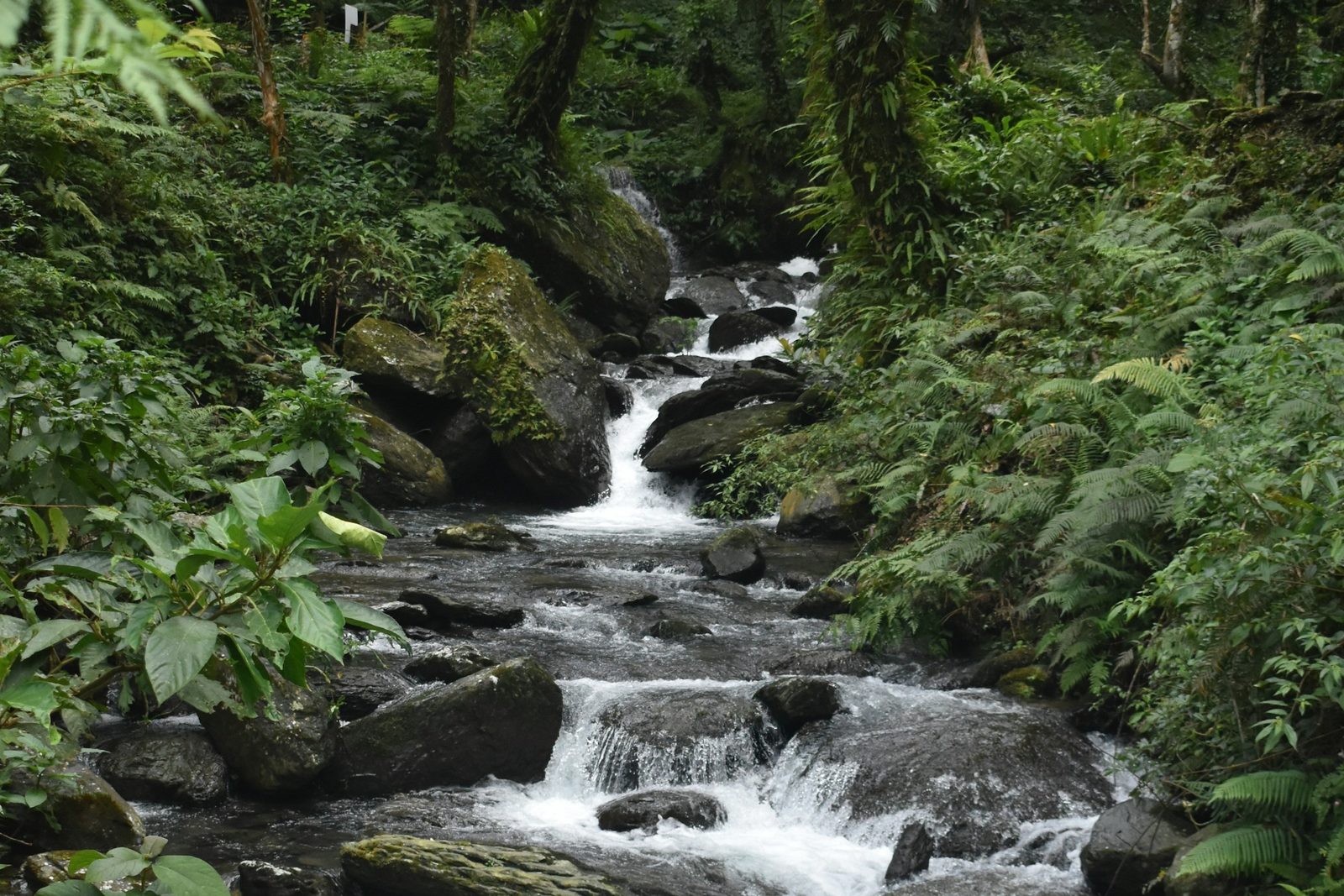
- Climb through Shivapuri Nagarjun National Park forest past the village of Mulkharka
- Cross the wooded pass at Borlang Bhanjyang and drop to Chisapani at about 2,150 m, 5 to 6 hours in all
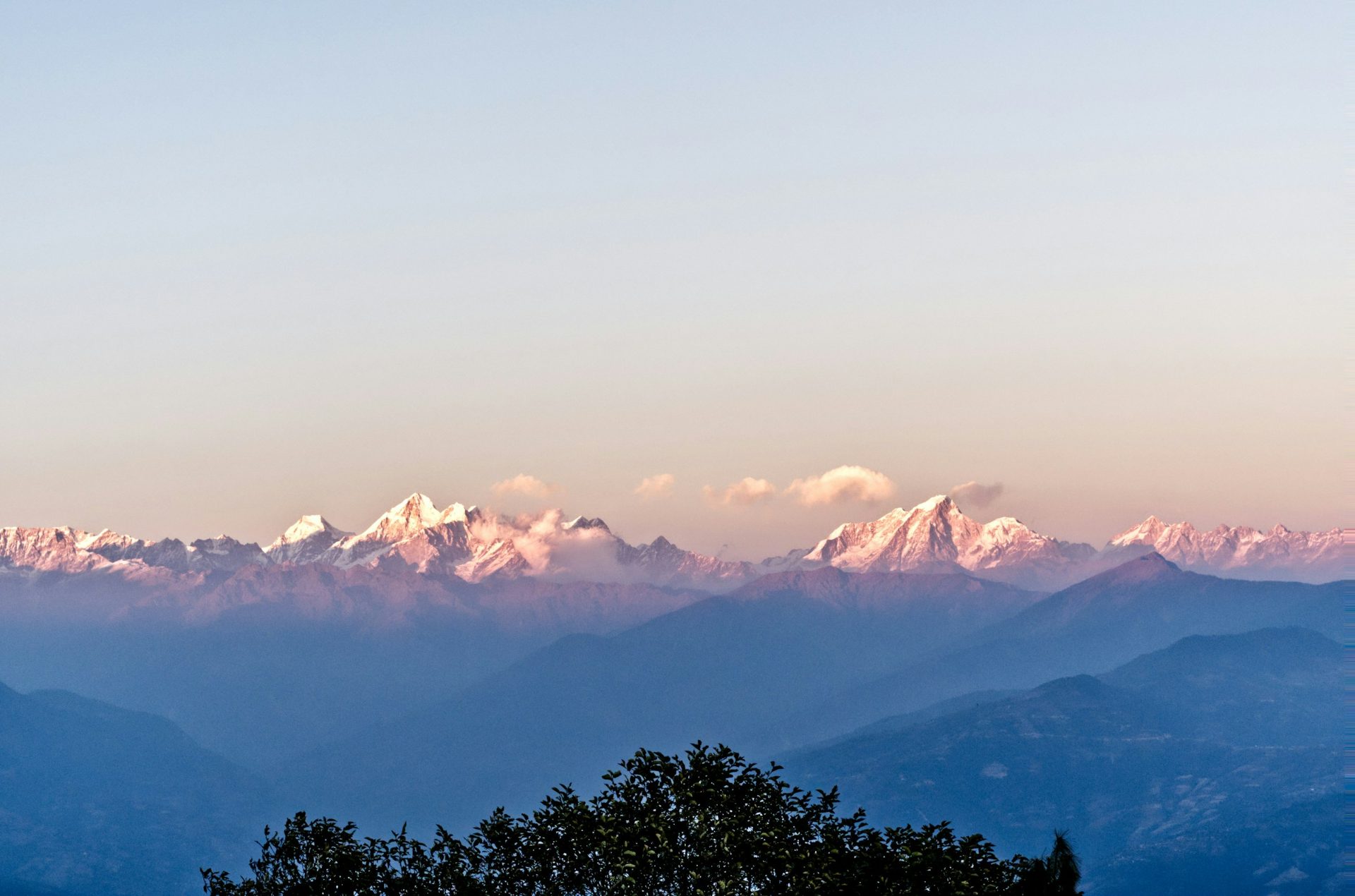
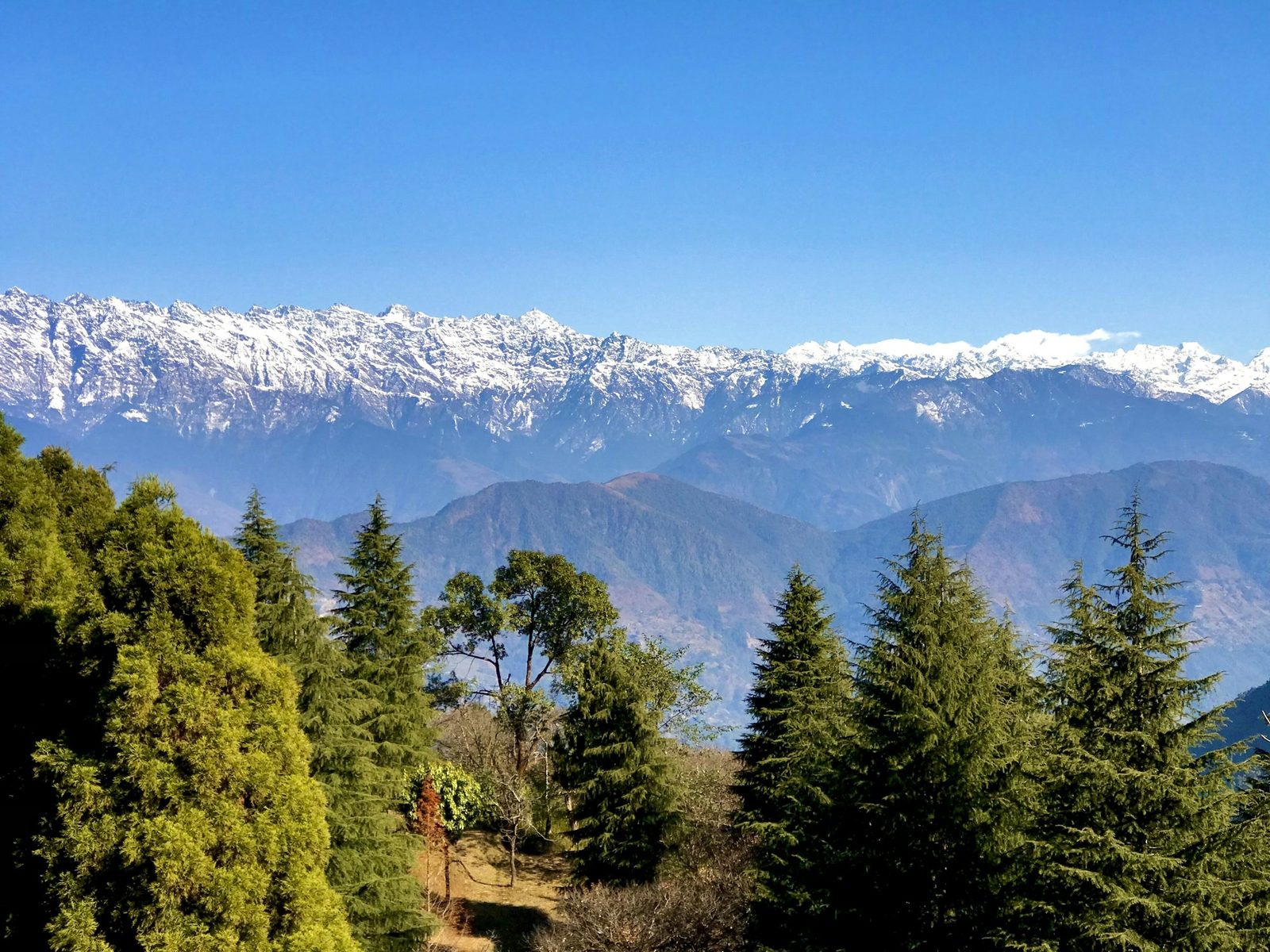
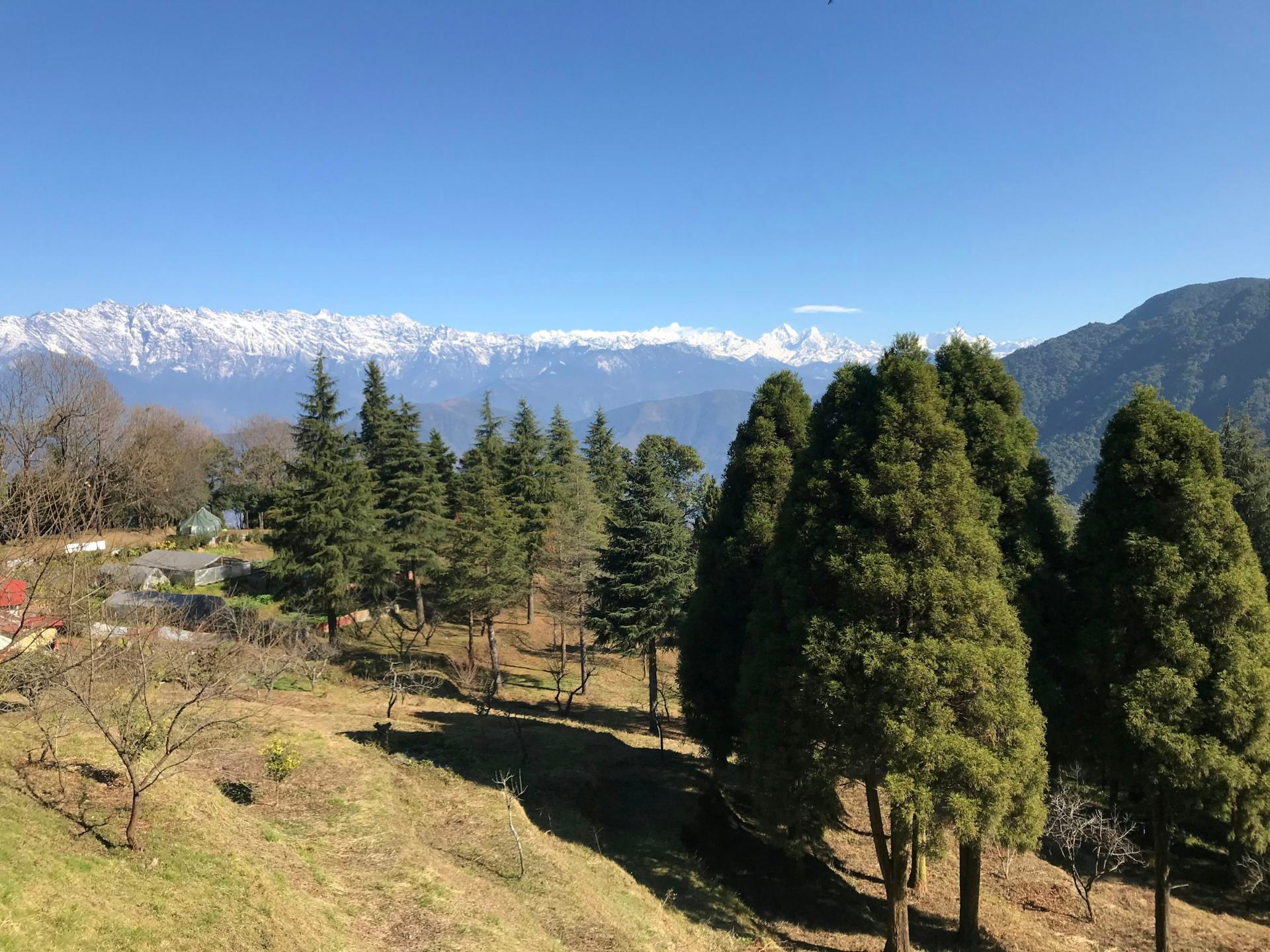
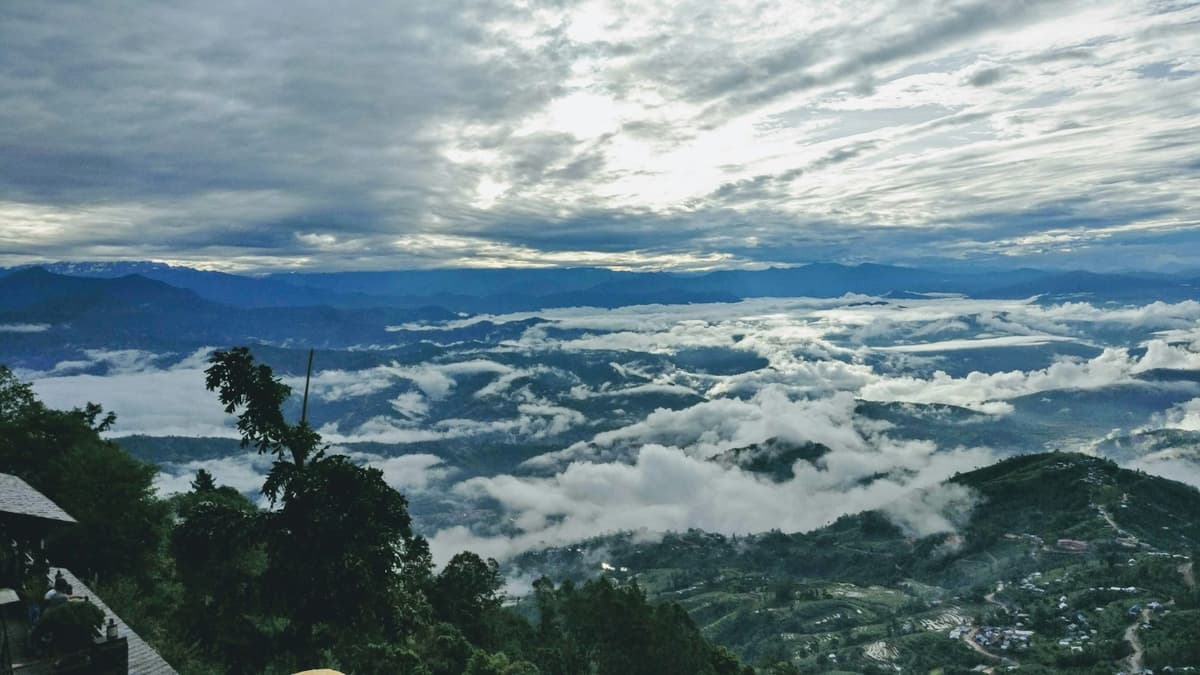
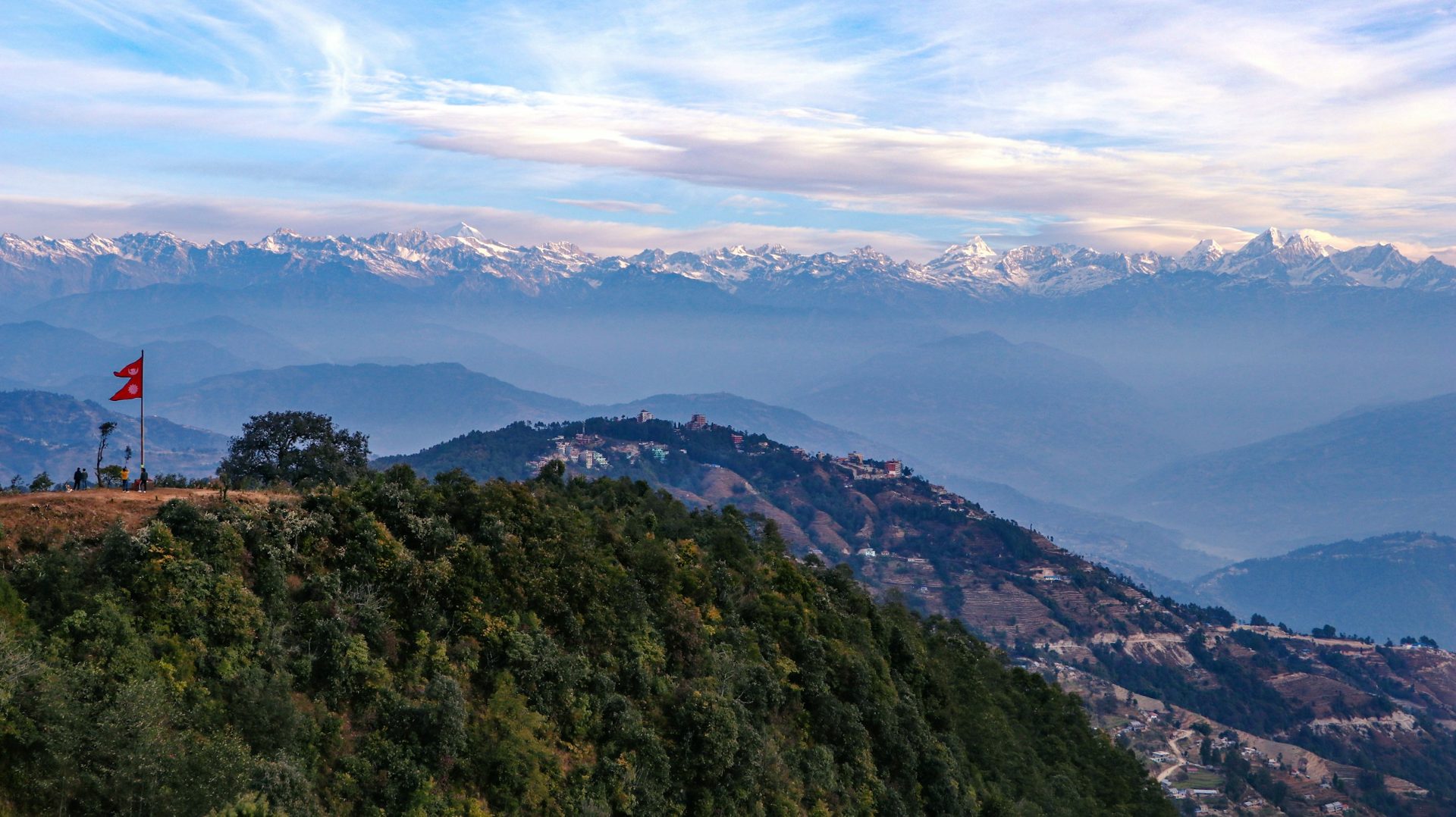
- Sunset view of the Langtang and Ganesh Himal ranges if the sky is clear, overnight in Chisapani
- Mountain view from the Chisapani ridge, then breakfast
- About seven hours east along the rim through villages, forest and terraced fields
- Lunch on the trail around Chauki Bhanjyang or Jhule
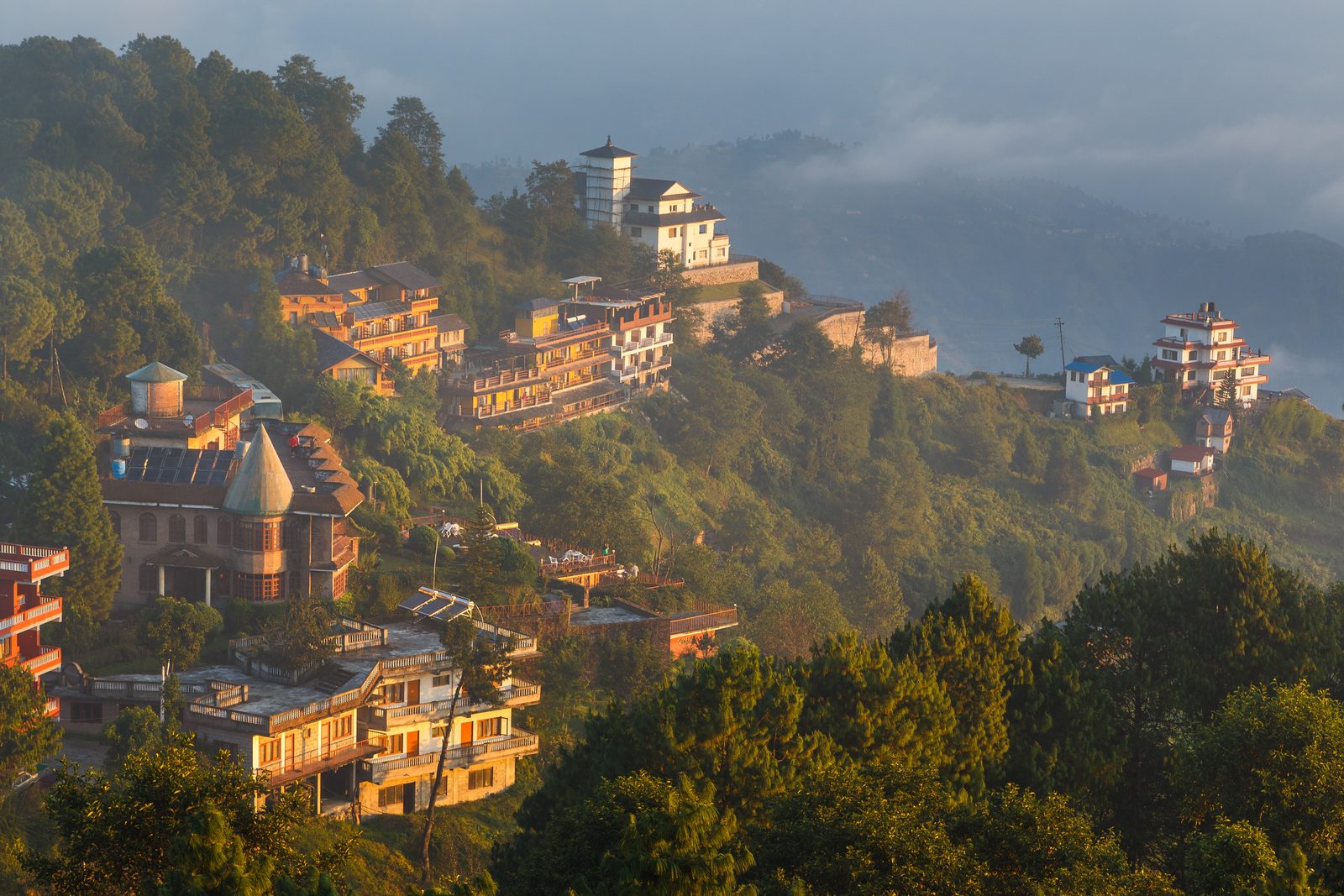
- Arrive in Nagarkot at about 2,100 to 2,200 m, check in and overnight
- Sunrise over the Himalaya from Nagarkot, then breakfast
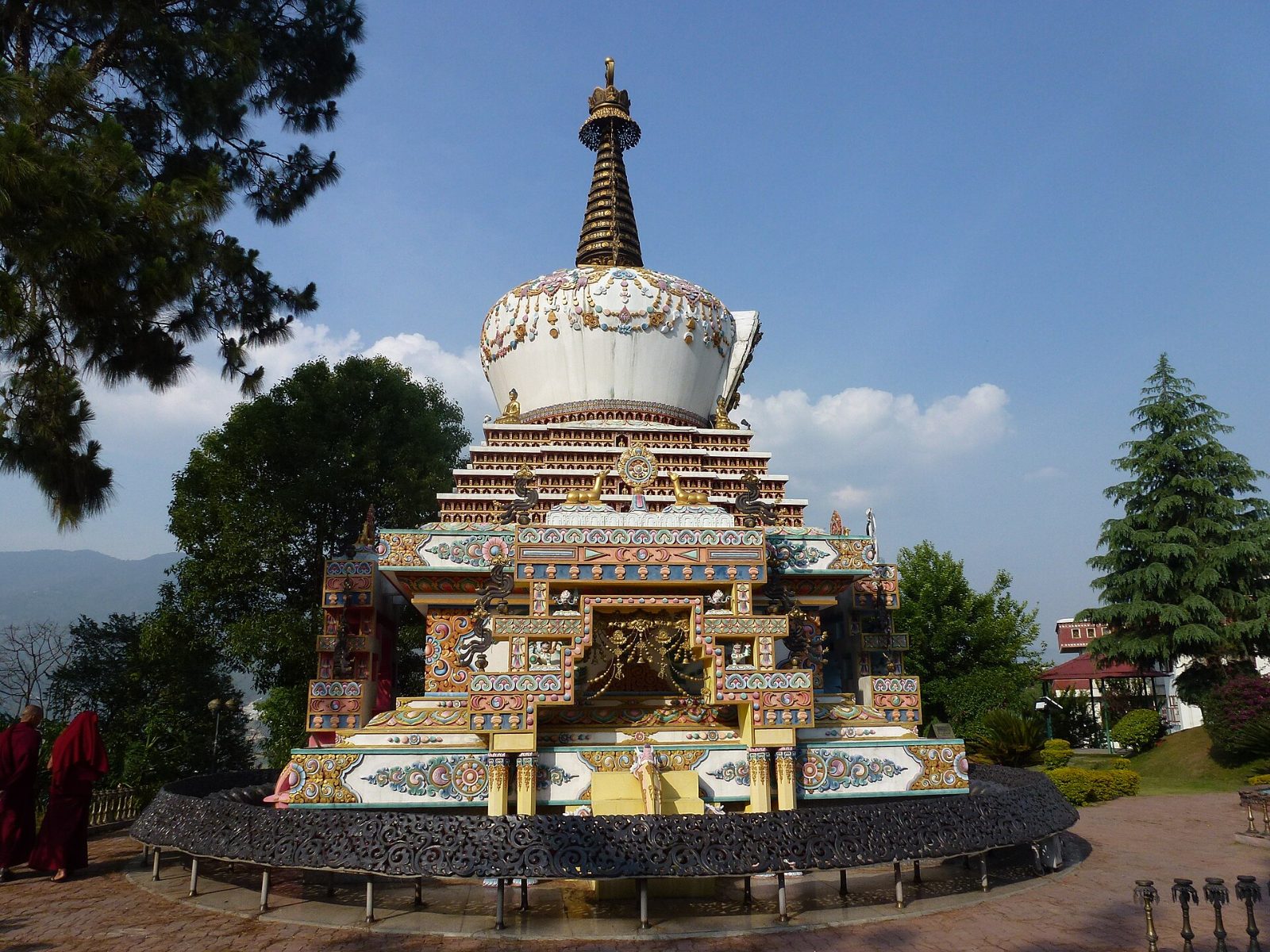
- Drive down to the hilltop Shanti Stupa for its wide view across the valley
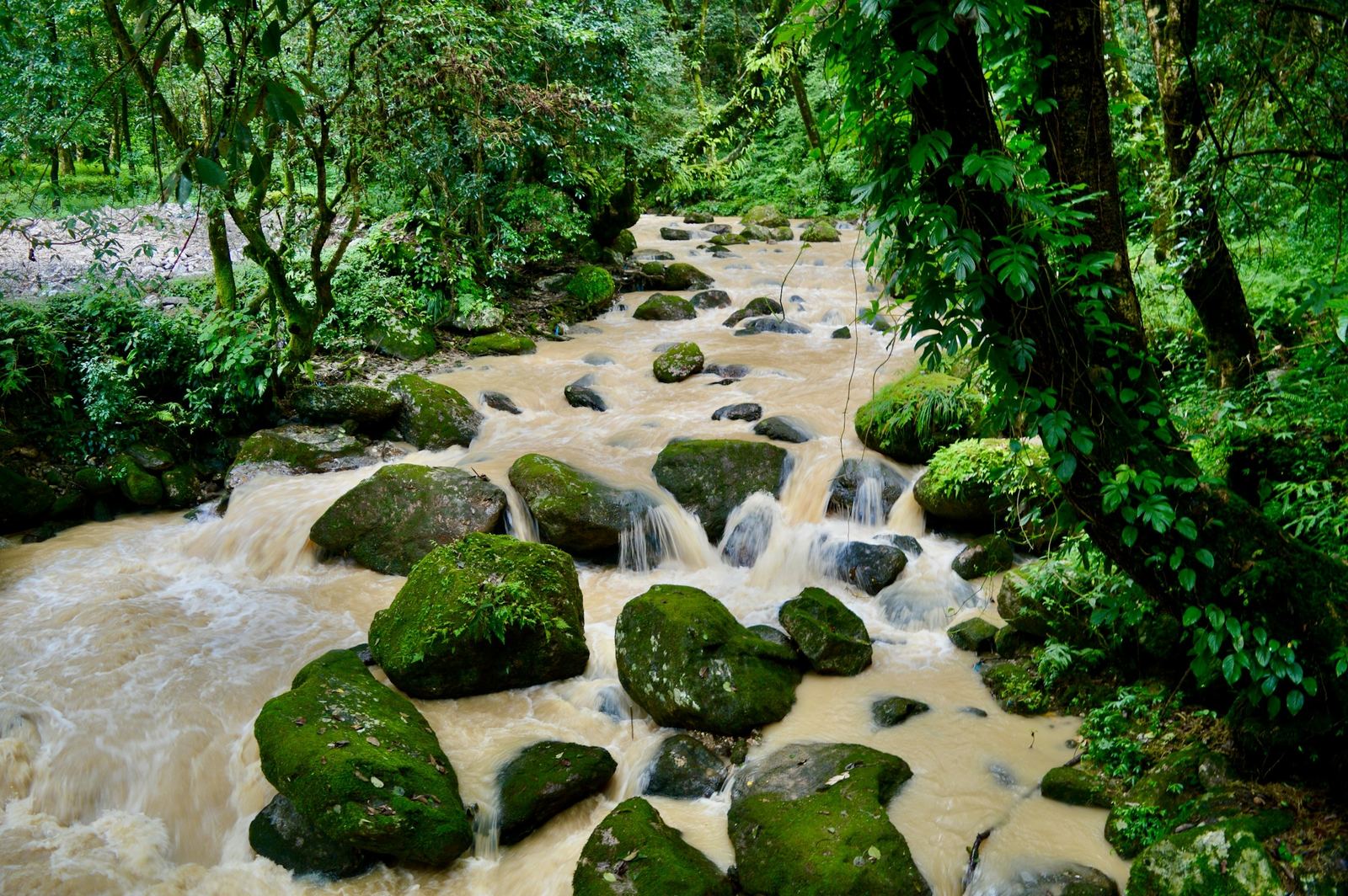
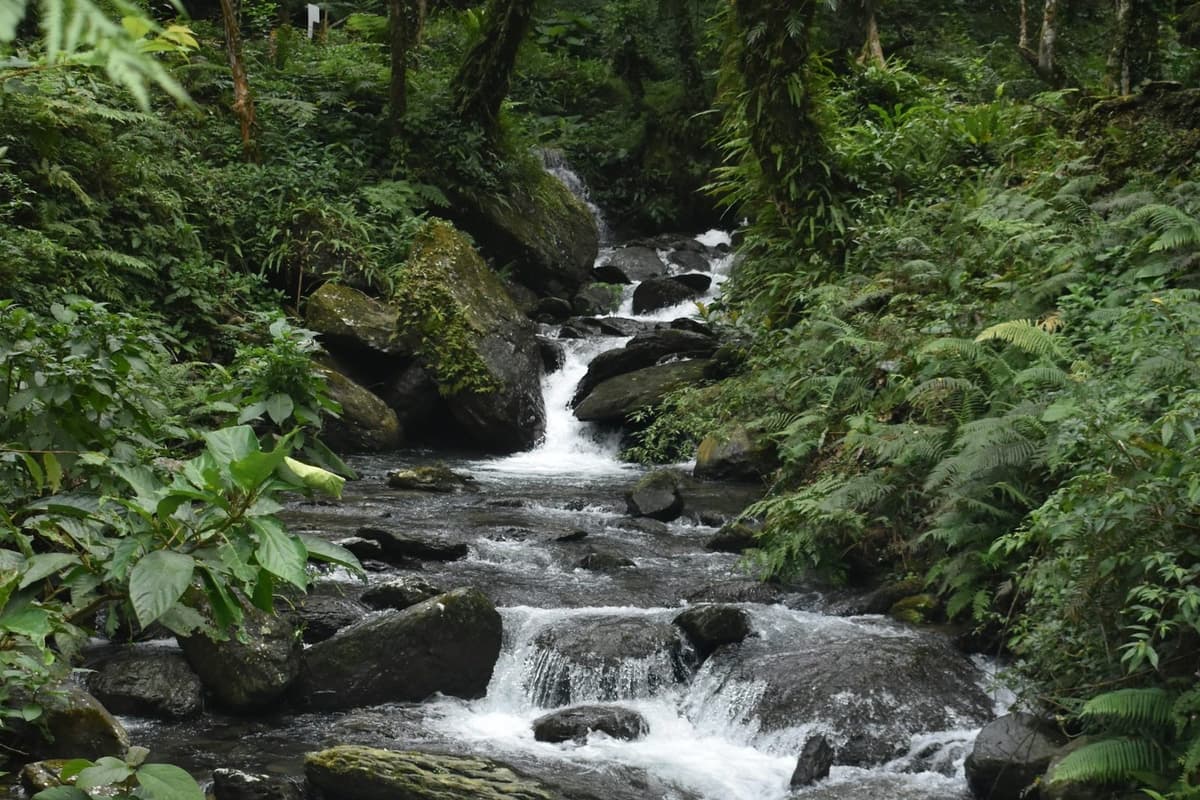
- Stop at the Rani Jhula suspension bridge and the waterfall nearby
- Drive on to Telkot, then hike about two to two and a half hours through pine forest and farmland to Changu Narayan
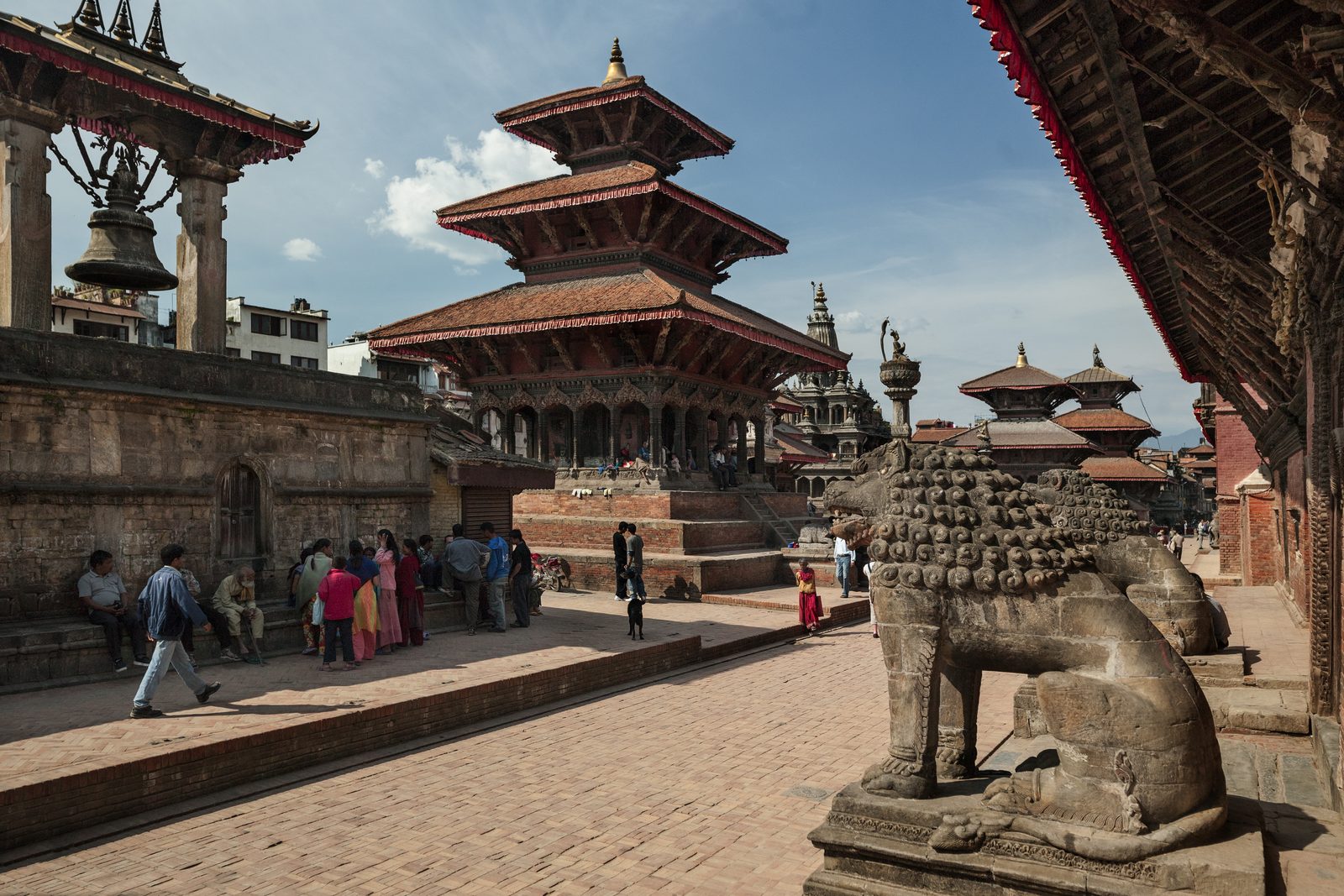
- Visit Changu Narayan temple, with its fifth-century inscription and stone carvings, and overnight in the village
- Visit the temple courtyard after breakfast, before the day visitors arrive
- Walk through the old Newari village lanes around the temple
- Drive west to Kathmandu, about 12 km away
- Drop-off at your Kathmandu hotel
What the price covers
Standard | |
|---|---|
| Private transport on days 1, 3 and 4 | ✓ Included |
| Licensed guide, all 4 days | ✓ Included |
| 3 nights with breakfast | ✓ Included |
| Shivapuri Nagarjun National Park entry | ✓ Included |
| Lunches, dinners and drinks | ✕ Not included |
| Travel insurance | ✕ Not included |
| Tips and personal expenses | ✕ Not included |
| Entry fee at Changu Narayan (optional extra) | ✕ Not included |
Make it yours
Optional add-onsTick anything you’d like and choose how many. Nothing here changes the price above: your planner adds what you pick and confirms the total with your quote.
Nothing picked yet. Everything here is optional.
Things to carry
- Broken-in walking shoes or light boots
- Daypack with rain cover
- Warm fleece or down jacket for early mornings
- Head torch
- Refillable water bottle
Good to know
Complete guide
The Kathmandu Valley rim hike is a proper multi-day walk around the valley itself: three days on foot along its northern and eastern hills, then a short drive home. It gives you forest, village trails, two Himalayan viewpoints and a World Heritage temple, and you never go high enough for altitude to be a concern.
What the Kathmandu Valley rim hike covers
Day one climbs from Sundarijal through Shivapuri Nagarjun National Park, past Mulkharka and over a wooded pass at Borlang Bhanjyang, to Chisapani at about 2,150 m. Most people take five to six hours. Day two is the long one, about seven hours east along the ridge through farming villages to Nagarkot at about 2,100 to 2,200 m. Day three starts with sunrise, then a drive down with stops at the Shanti Stupa and the Rani Jhula suspension bridge and waterfall, before you walk from Telkot to Changu Narayan in about two to two and a half hours and spend the night there. On day four you see the temple early and drive the 12 km back to Kathmandu.
If you have less time, our 2-day Chisapani to Nagarkot hike covers the first two walking days, and the Changu Narayan to Nagarkot day hike covers the last stretch in the other direction. This route joins them into one continuous walk, with nights in each place.
Three walking days, three different characters
The first day is forest. You climb steadily on stone steps and trail under oak, pine and rhododendron, and Chisapani comes as a ridge-top clearing with a view north. The second day is ridge and farmland, a long, varied walk past terraced fields and small villages, with lunch near Chauki Bhanjyang or Jhule. The third day is the easiest: a drive down from Nagarkot past the Shanti Stupa, with its wide view across the valley, and the Rani Jhula suspension bridge and waterfall, then a walk from Telkot through pine forest and farmland to the temple roofs of Changu Narayan.
Nagarkot sunrise and Changu Narayan
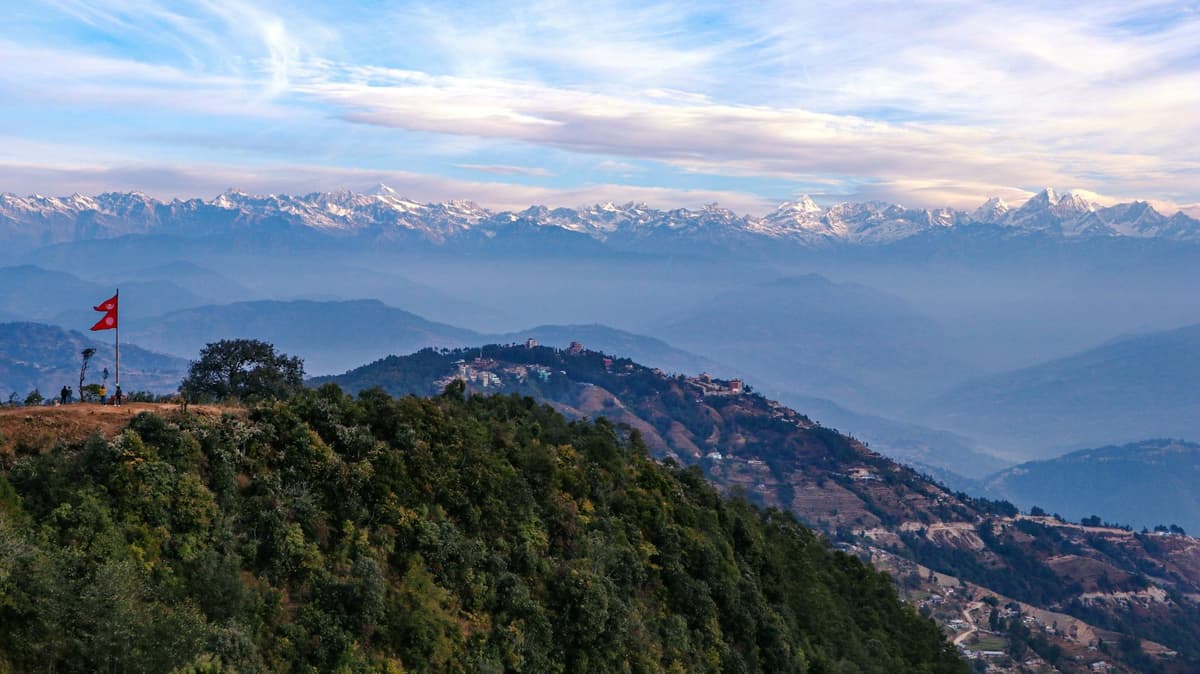
Nagarkot is known for its sunrise. On a clear morning the view runs from the Annapurna and Manaslu ranges in the west, past Ganesh Himal, Langtang and Jugal, to the Everest range far to the east. We will be honest: the view depends on clear air, and even in autumn a hazy morning happens.
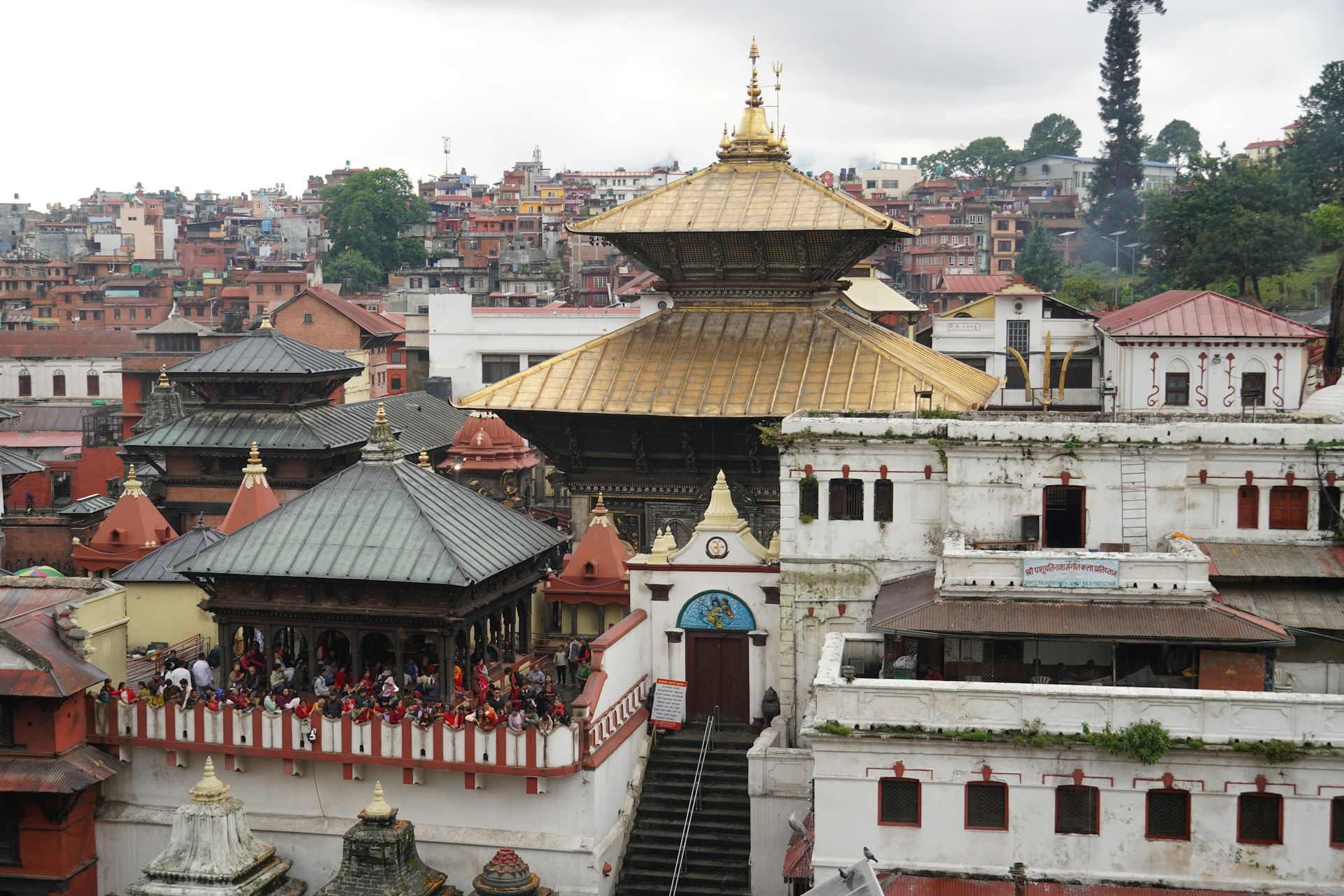
Changu Narayan is one of the seven monument zones of the Kathmandu Valley World Heritage Site and one of the oldest Hindu temples in Nepal. It is dedicated to Vishnu and holds one of the earliest inscriptions in the valley, from the fifth century. The temple courtyard is full of stone and wood carving, and the village around it is a traditional Newari settlement. Staying the night means you see it in the evening and early morning, when day visitors have not yet arrived.
Who it suits, permits and season
This hike suits regular walkers who want a short trek with variety and no altitude. It also works well as a shake-down before a longer trek such as Langtang or Everest, since three days in a row is a fair test of your legs and shoes. It is not a good fit if you rarely walk, because day two is long; your guide can arrange a vehicle for part of it if needed.
The Shivapuri Nagarjun National Park ticket for day one is included in your trip price. The Changu Narayan entry fee is not; you can add it as an optional extra when you enquire, or pay at the gate. No trekking permit is needed. September to May is the season; June to August brings heavy rain, slippery trails and few mountain views. Mornings on the ridge are cold for much of the year, so pack a warm layer. Tell us your dates and how much you usually walk, and we will tell you honestly whether the full rim or a shorter piece of it suits you.