


Overview
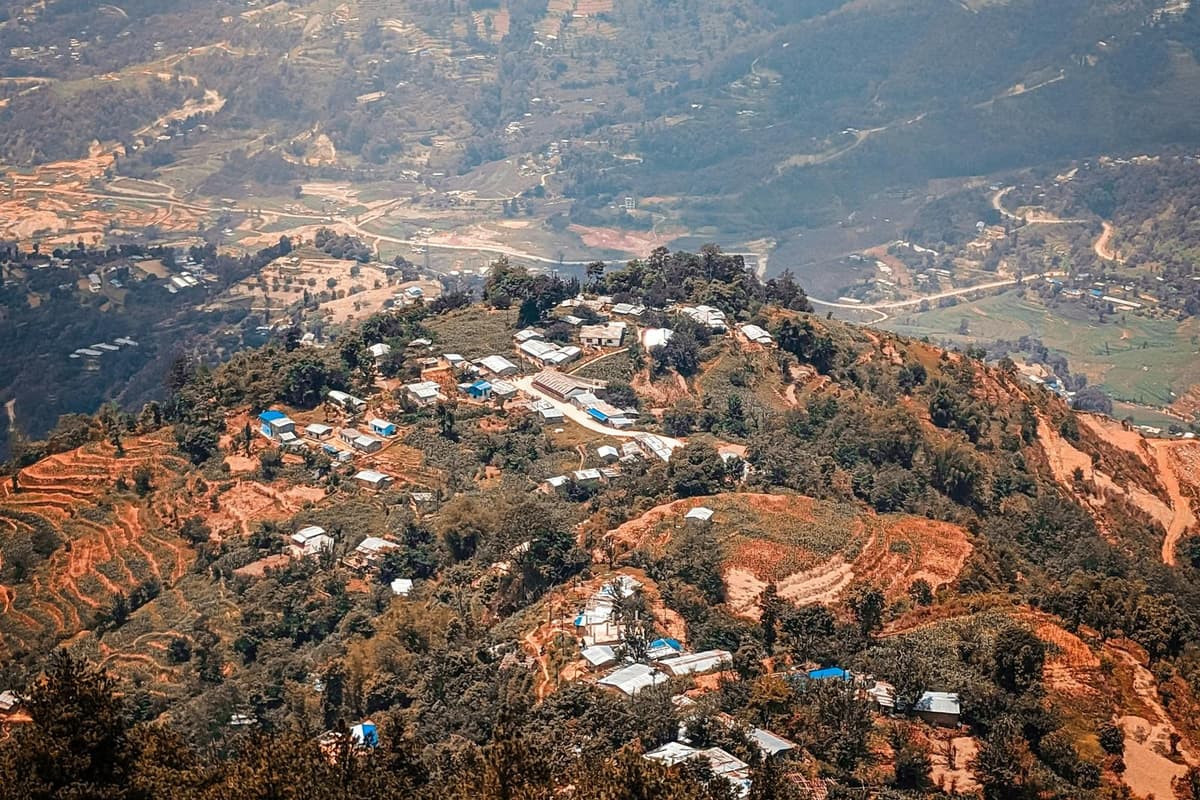
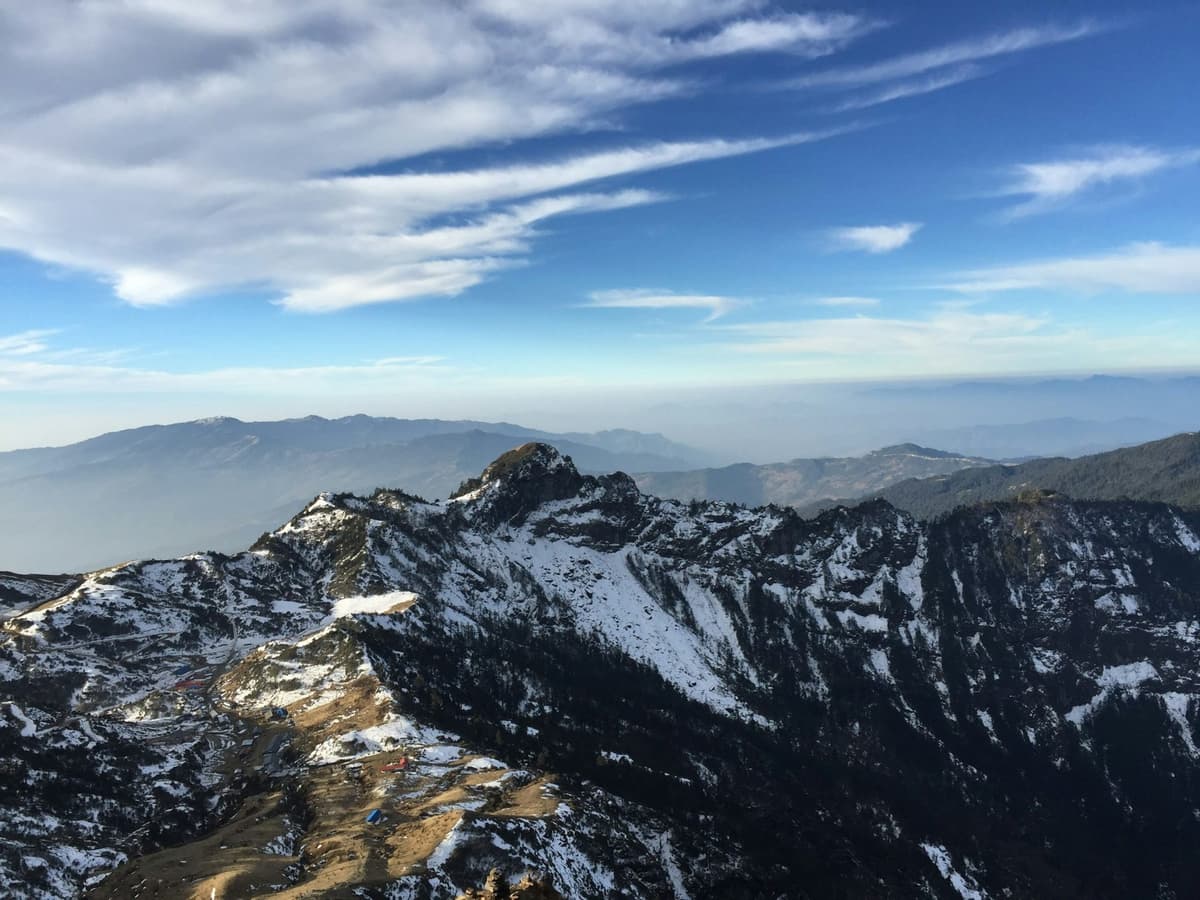
This Hattiban climbing and sound healing retreat is a slow three days on the southern rim of the Kathmandu Valley that mixes a real climbing day with time to switch off. You drive south to the Hattiban ridge above Pharping and set up camp, then spend the afternoon at the Buddhist caves and monasteries of Pharping and the Kali temple of Dakshinkali. Day two is for the rock: guided climbing on the Hattiban limestone on a top rope, no experience needed, followed by a singing bowl session as the light goes. On the third morning you drive back to Kathmandu. It suits first-time climbers, couples and small groups who want an active break with a calmer, reflective side rather than a pure adrenaline trip.
The itinerary
- Pickup from your hotel and drive south to the Hattiban ridge above Pharping
- Set up camp on the ridge and settle in
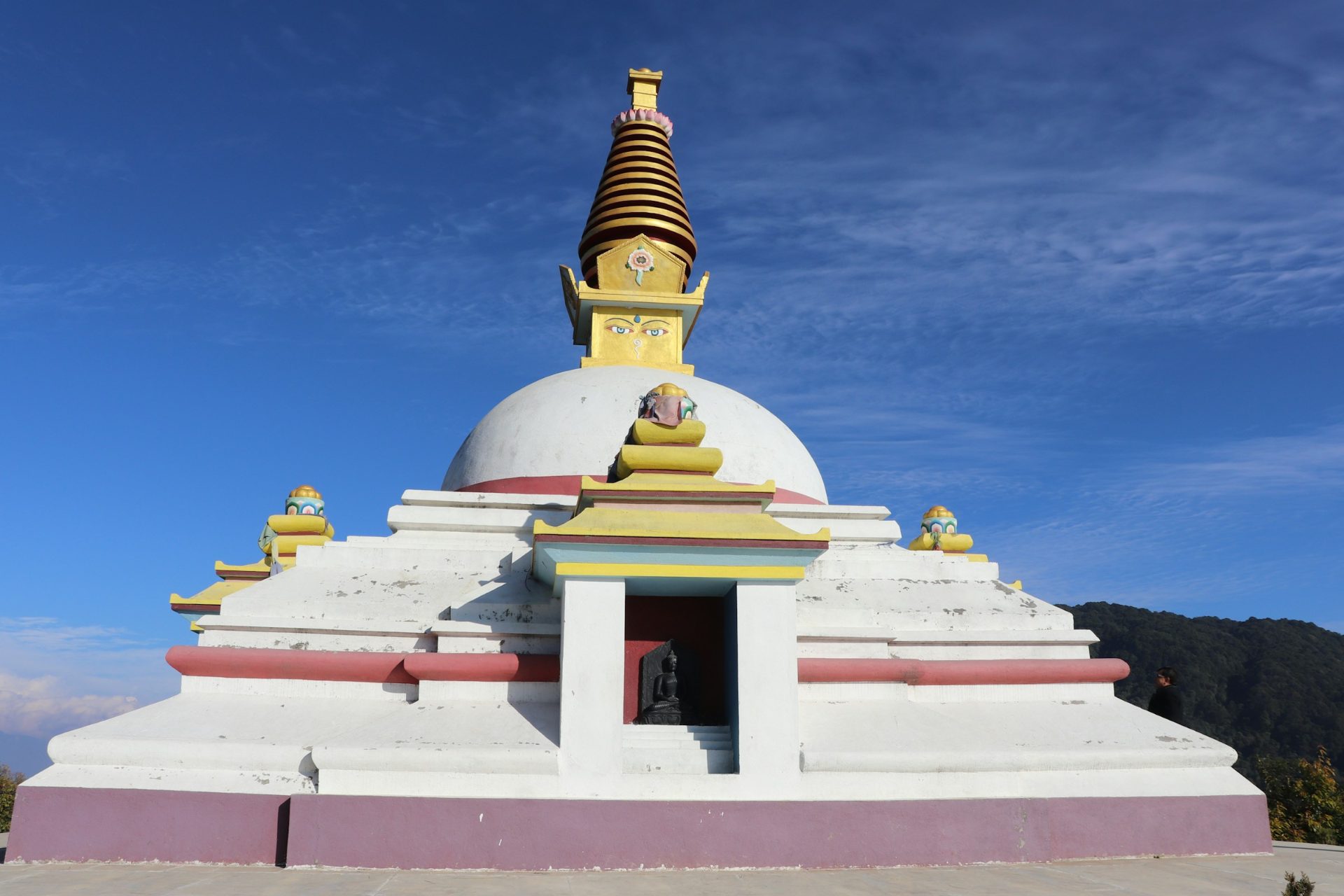
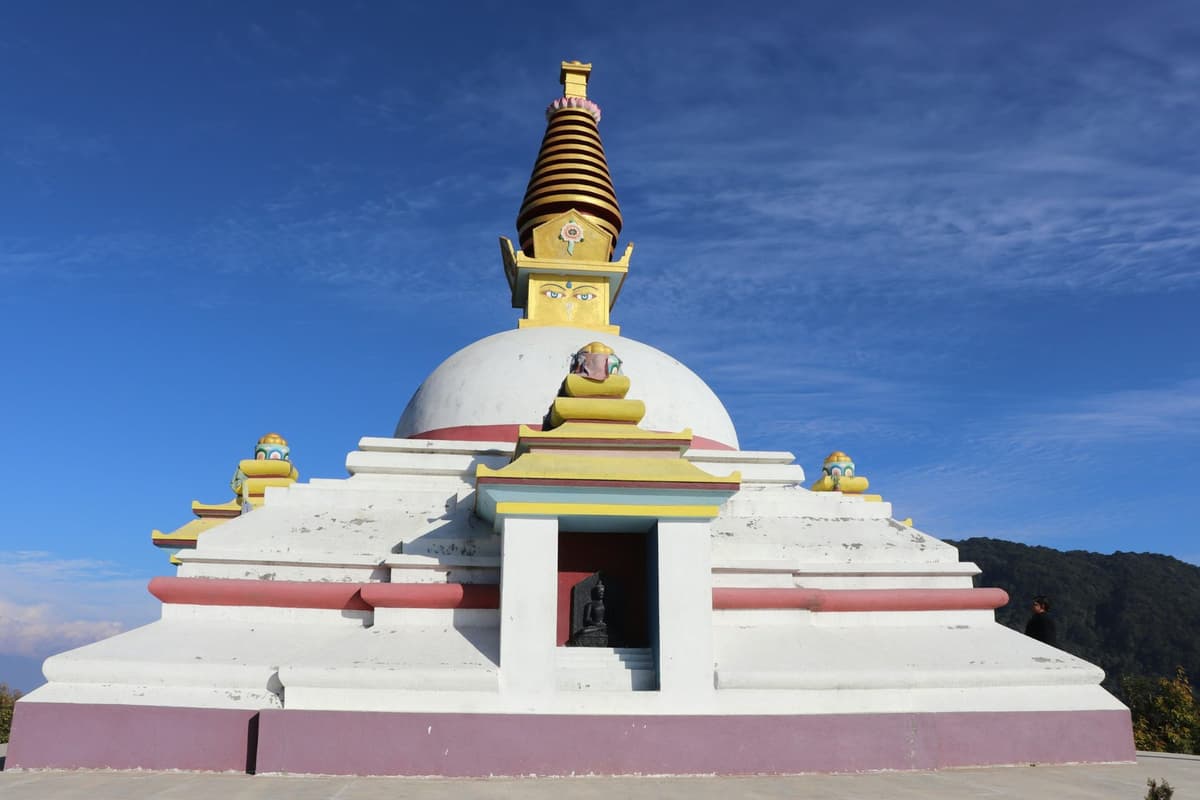
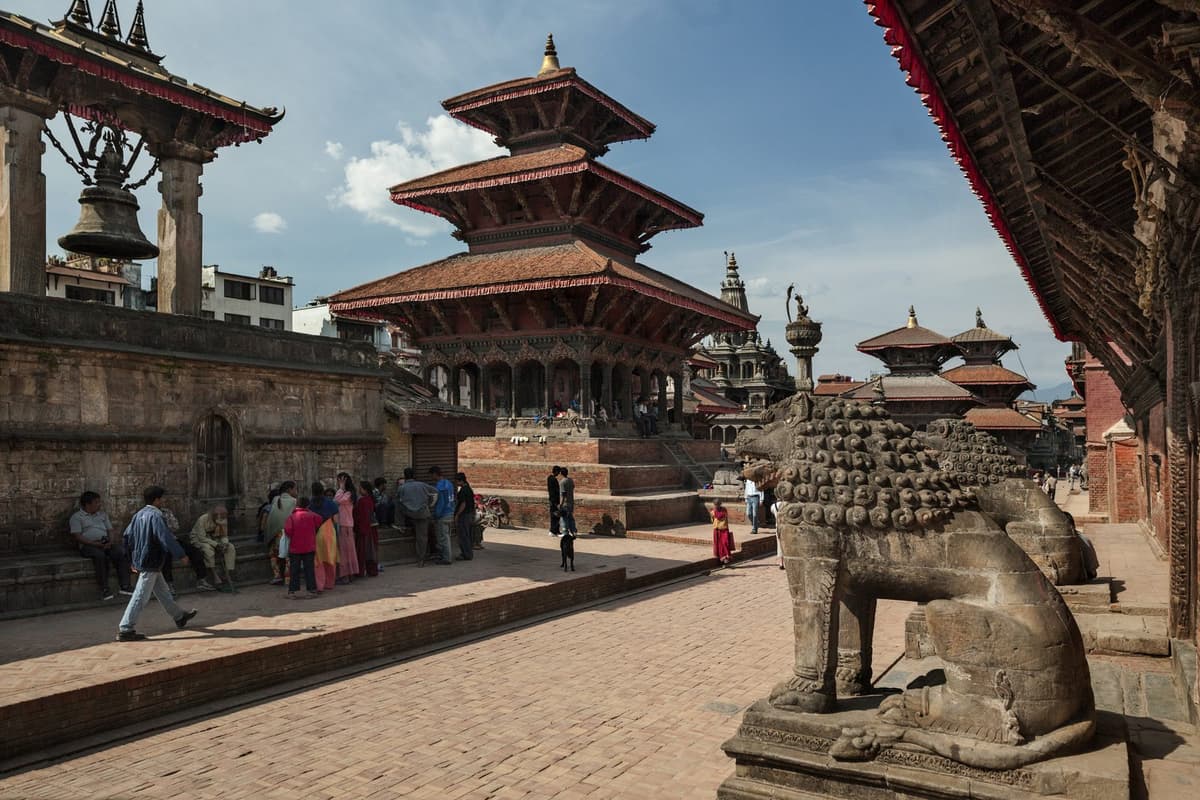
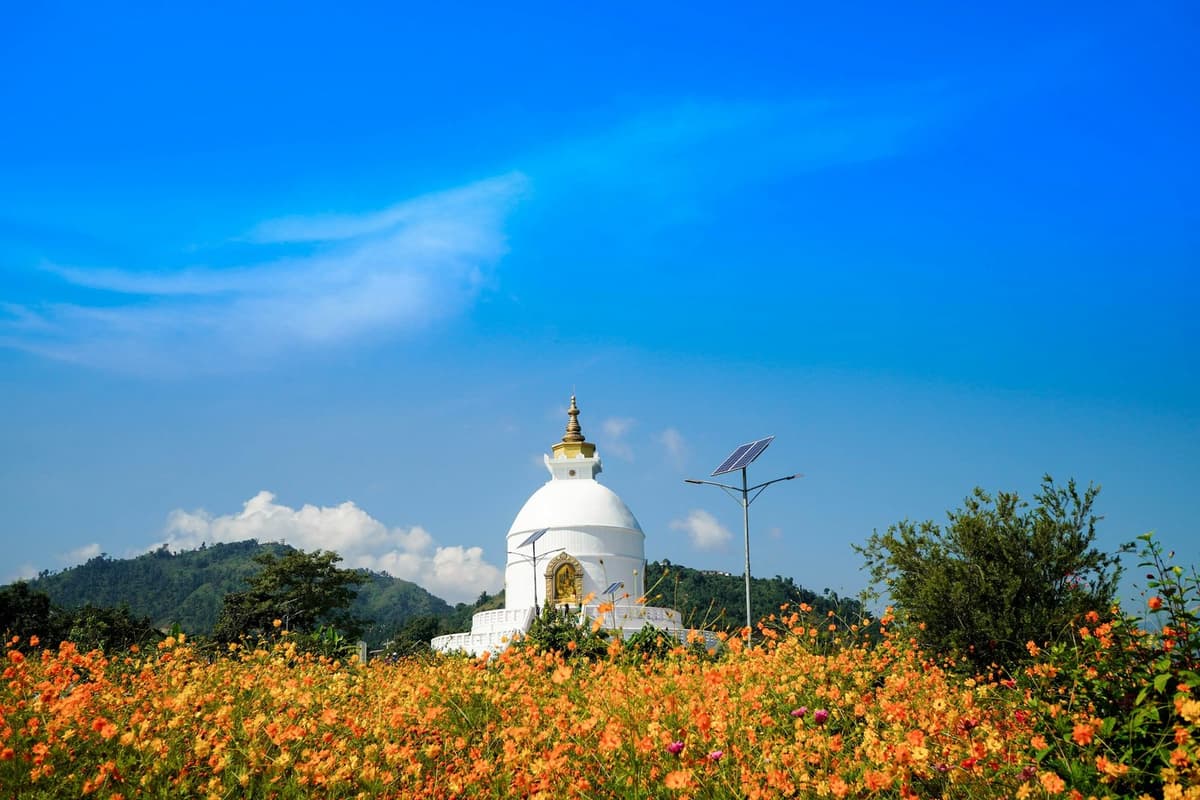
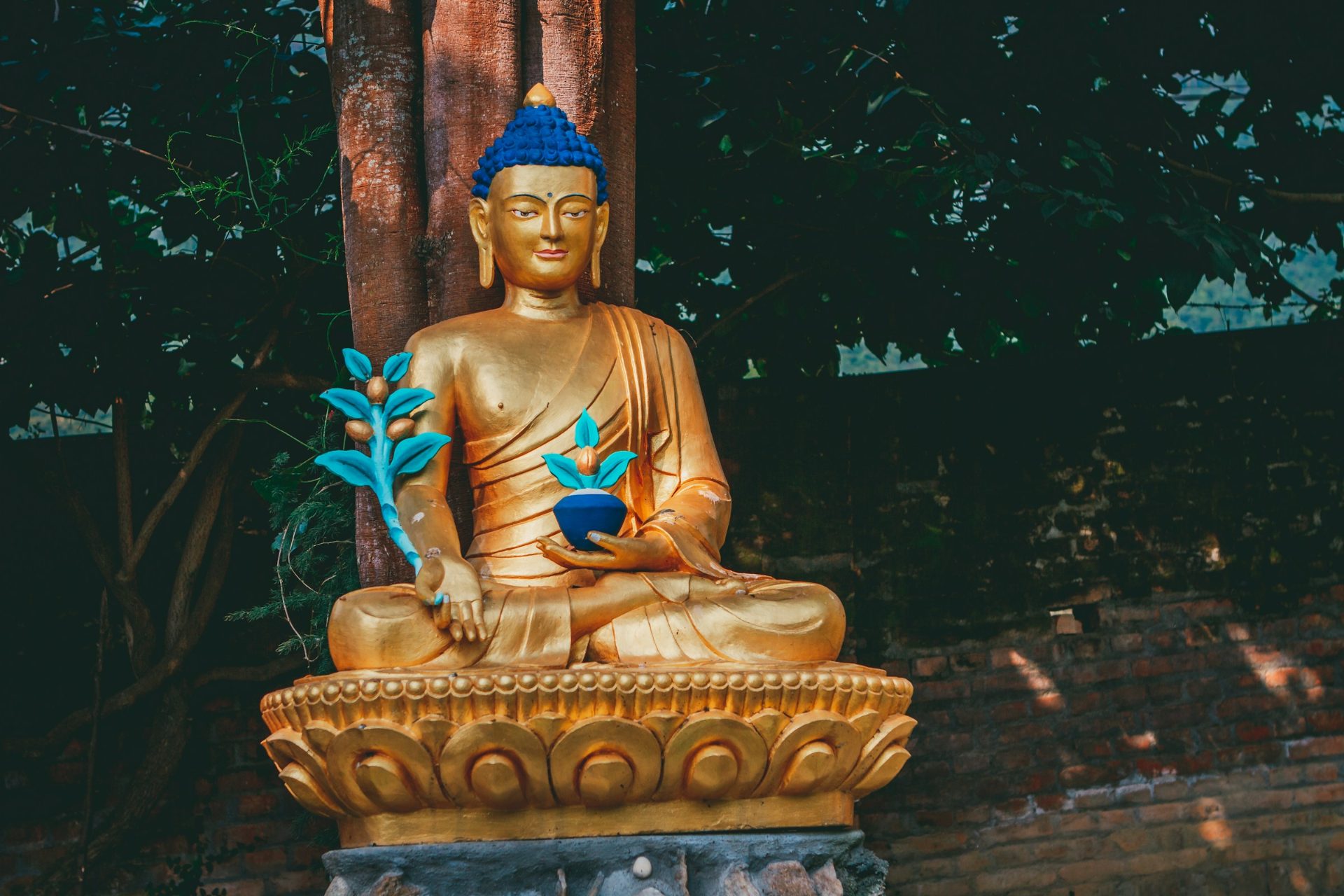
- Visit Pharping and the Asura Cave, where Guru Rinpoche is said to have left a handprint in the rock
- See Dakshinkali, the Kali temple on the valley's southern rim, then back to camp for the evening
- Safety briefing and harness, helmet and shoe fitting with your climbing guide
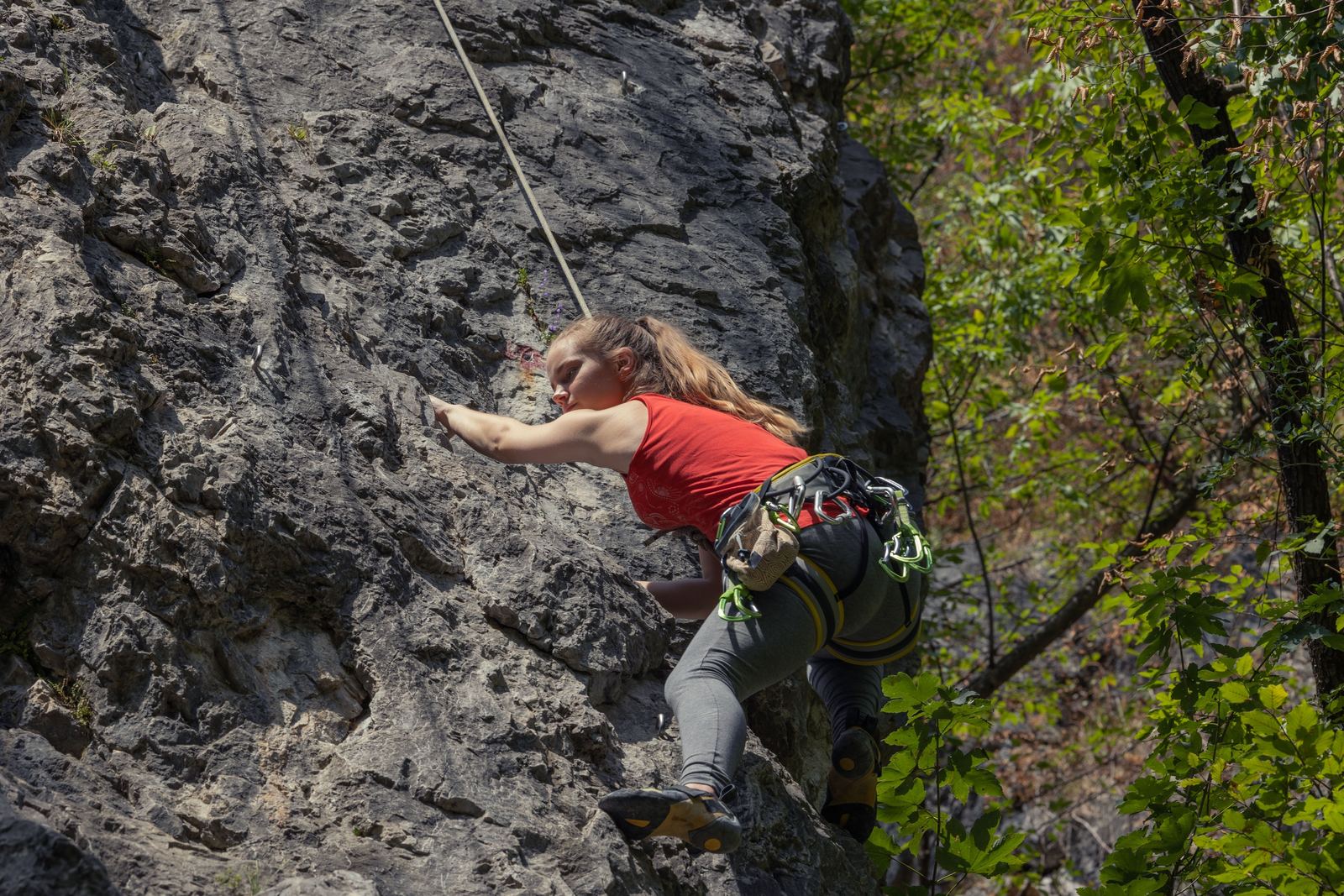
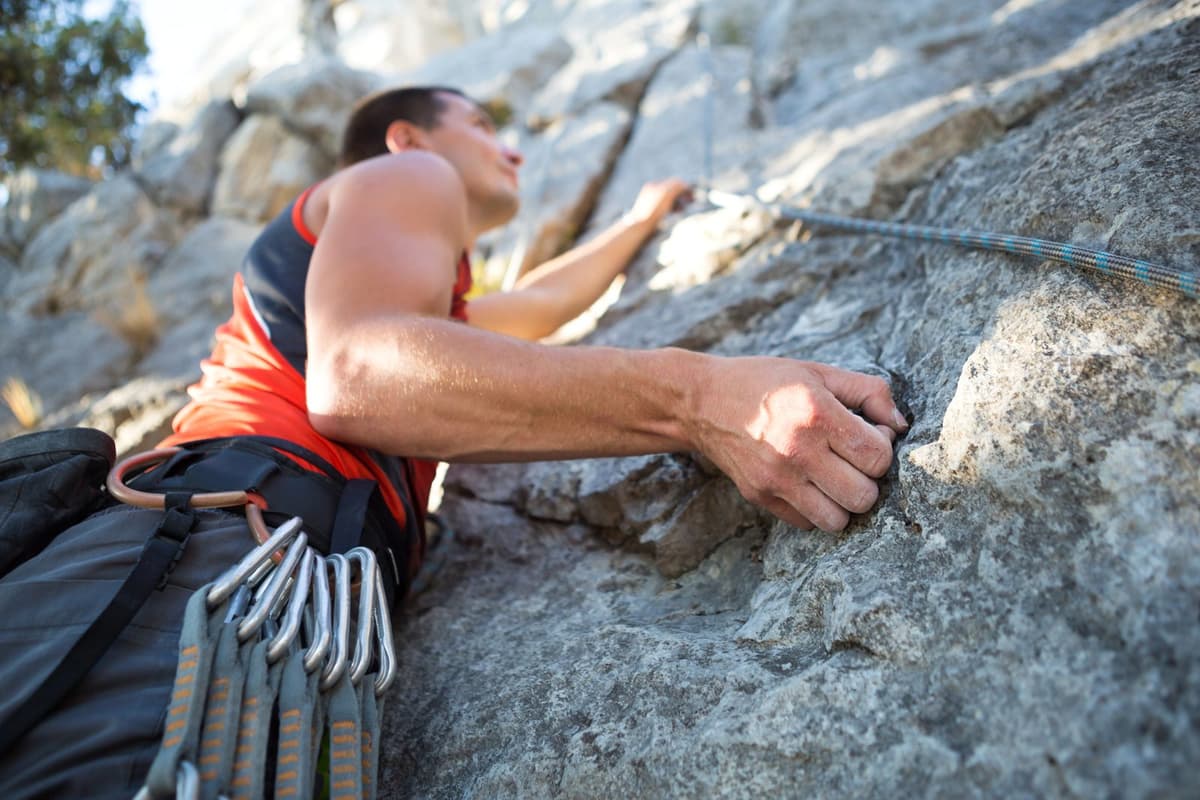
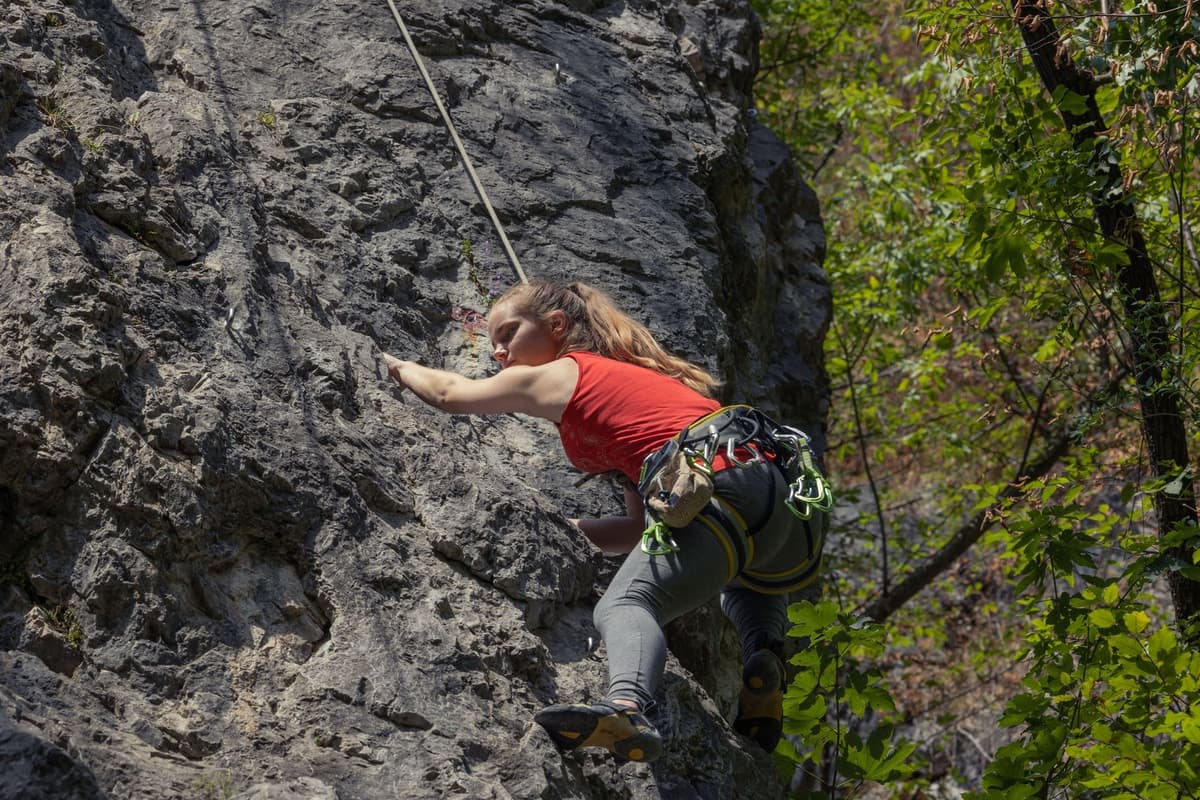
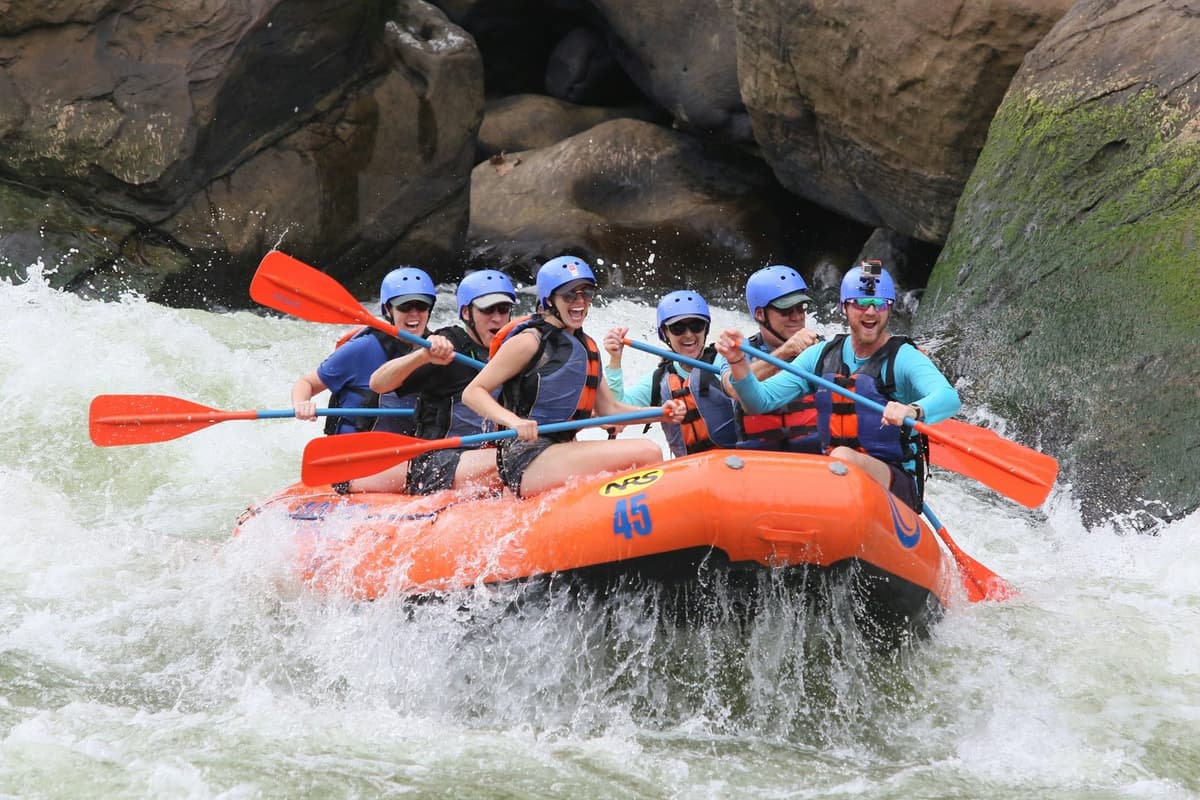
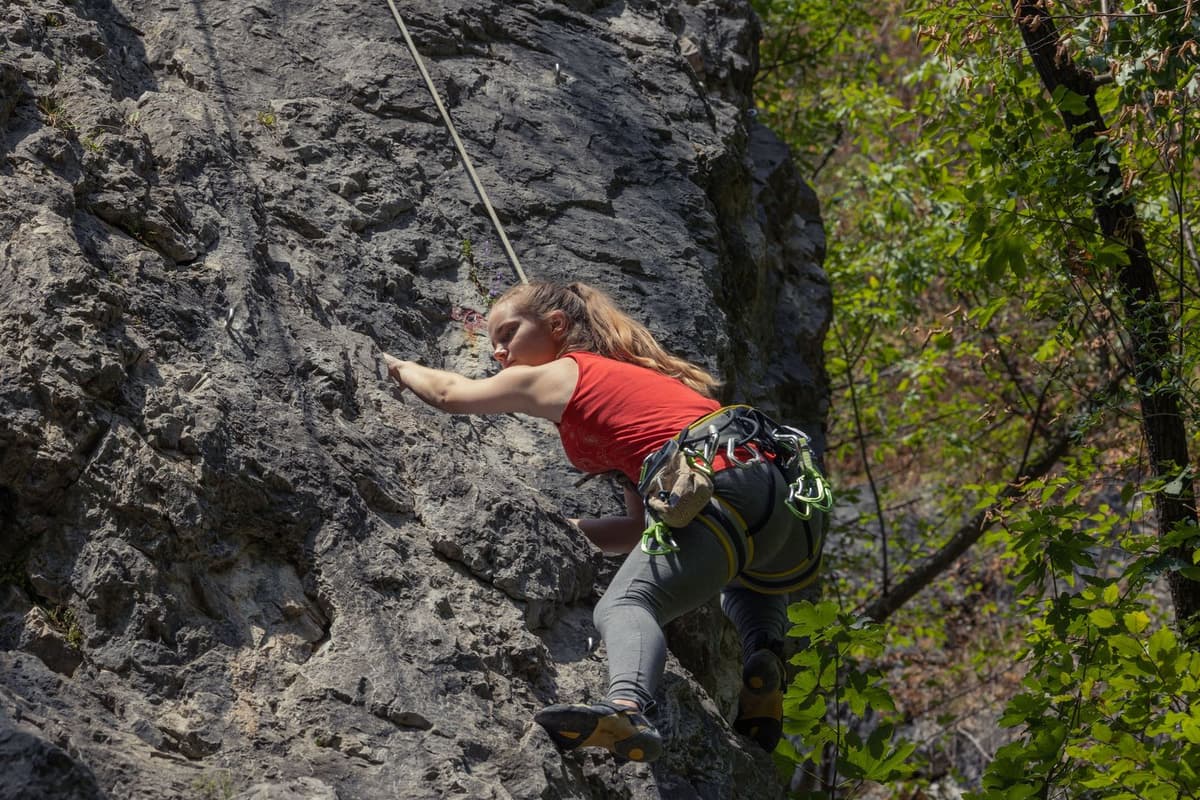
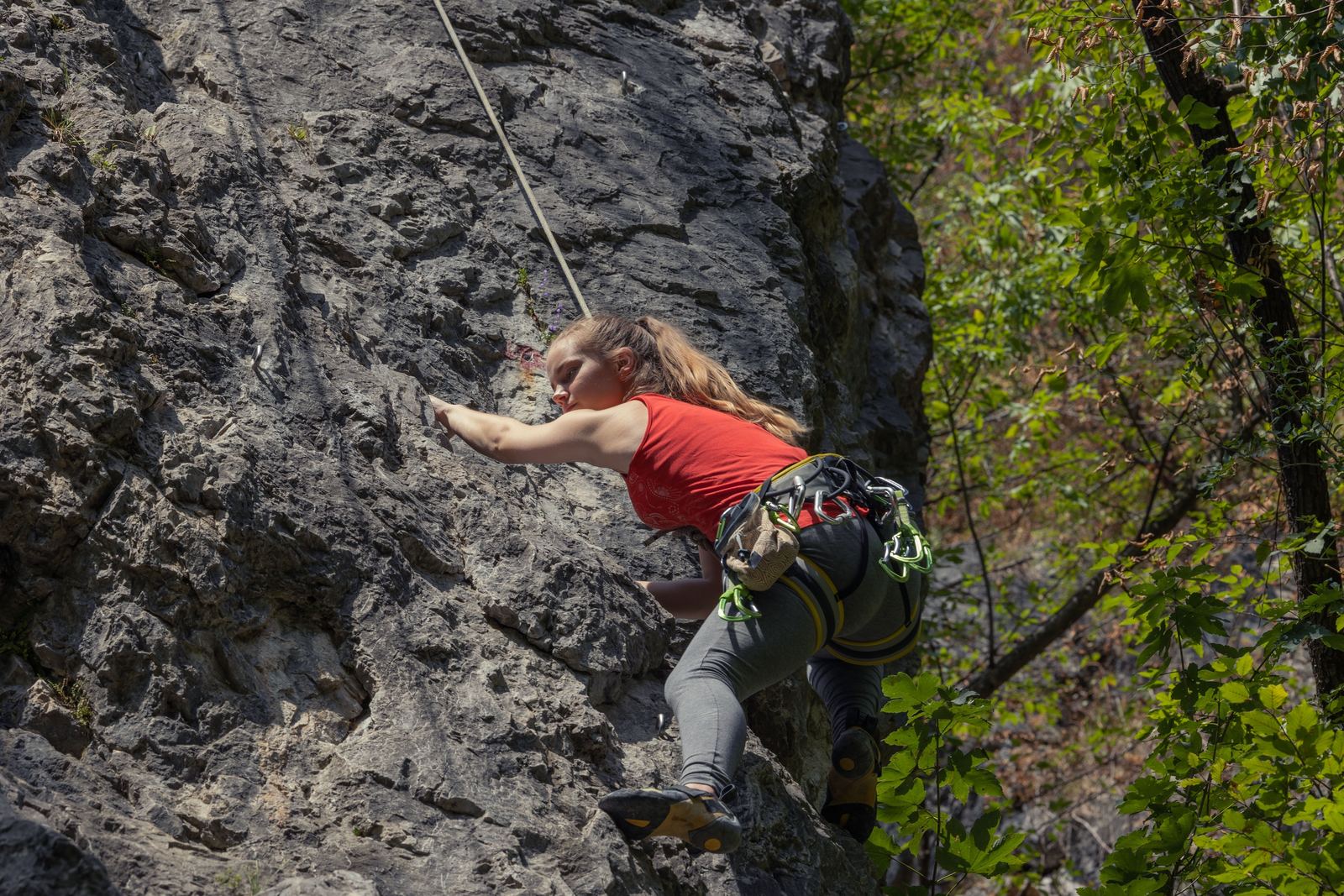
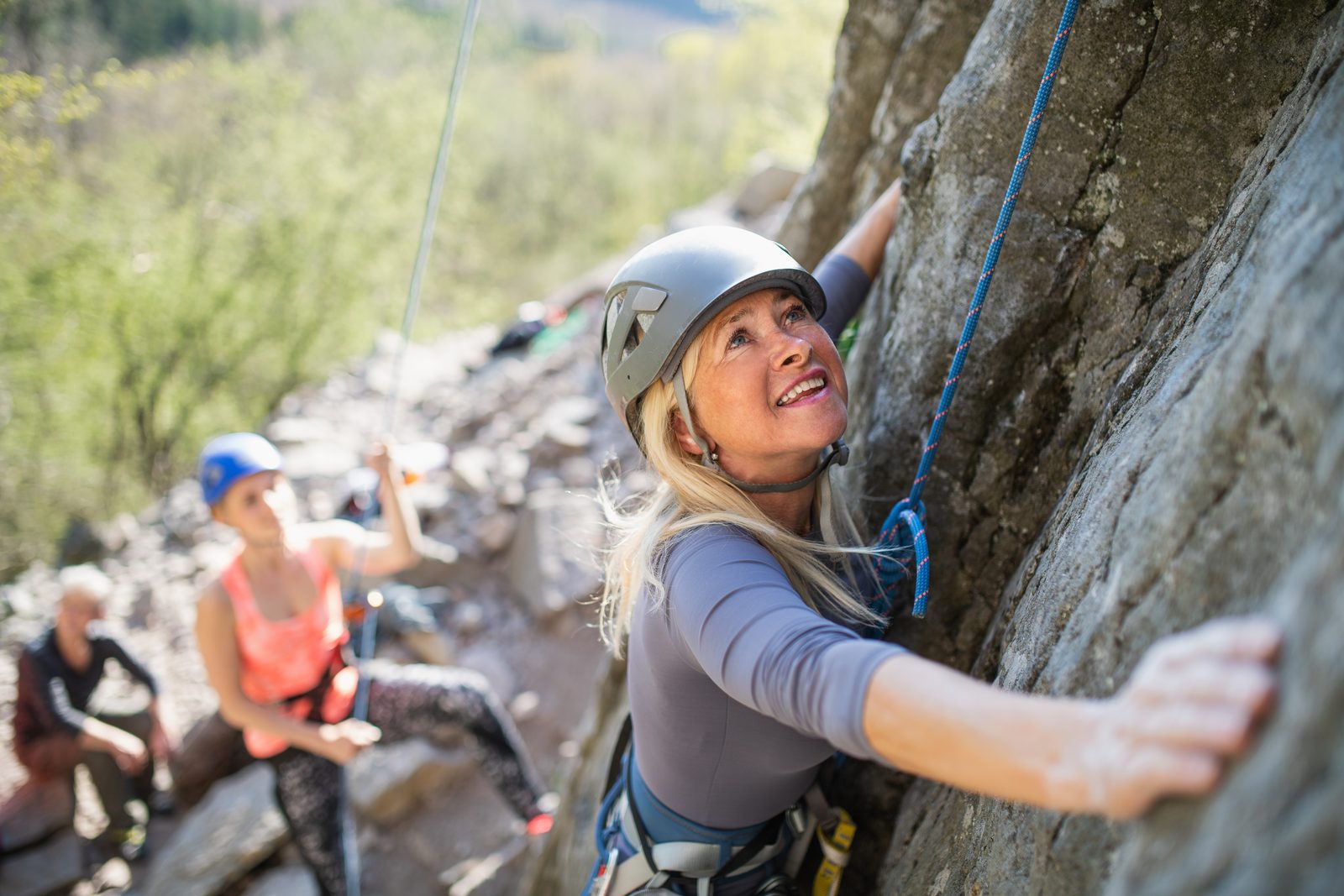
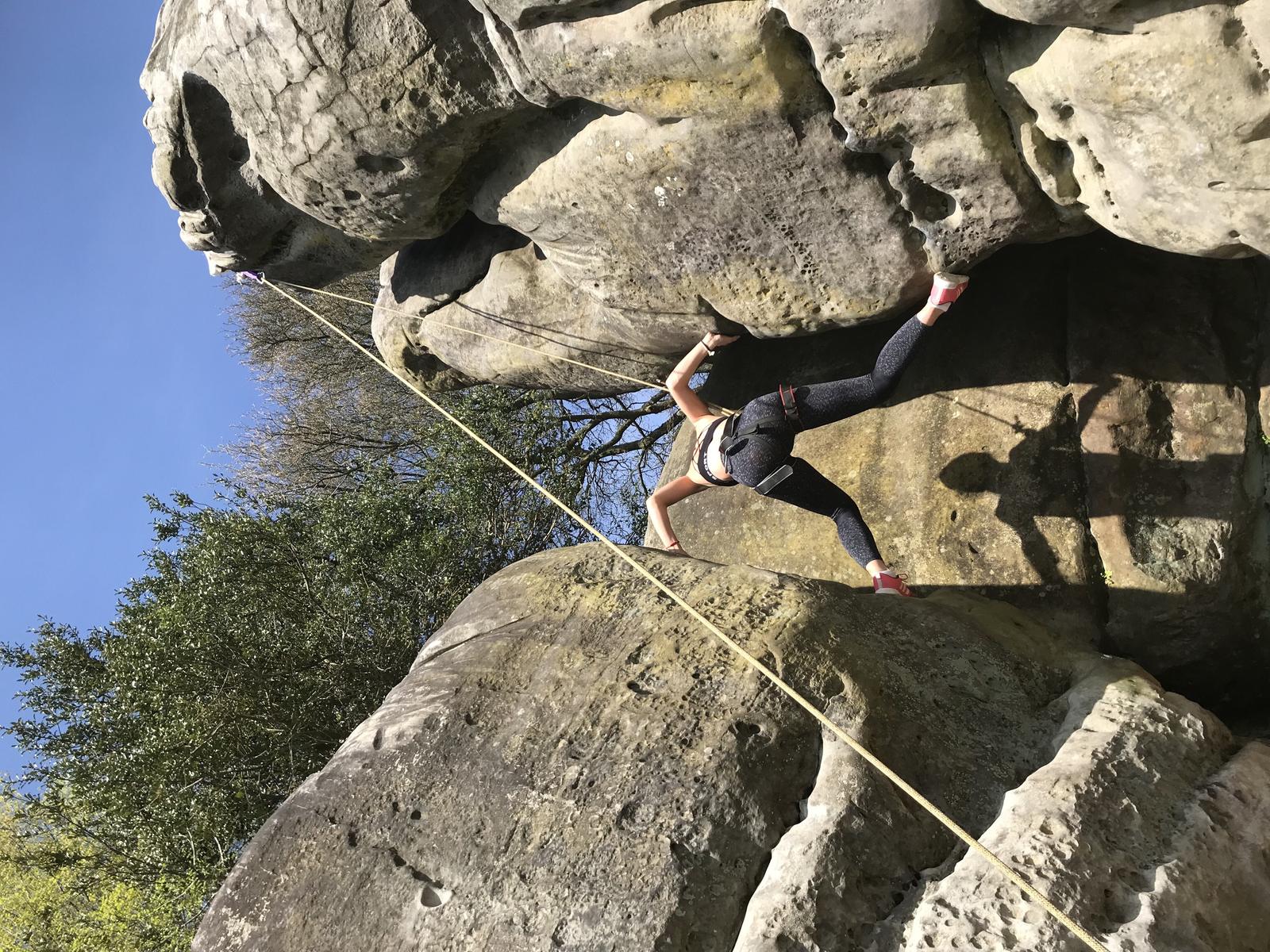
- Climb the Hattiban limestone on a top rope, starting easy and moving up as you gain confidence
- Rest in the afternoon and learn a little rope handling and belaying if you want to
- Singing bowl sound session at camp as the light goes, then a second night on the ridge
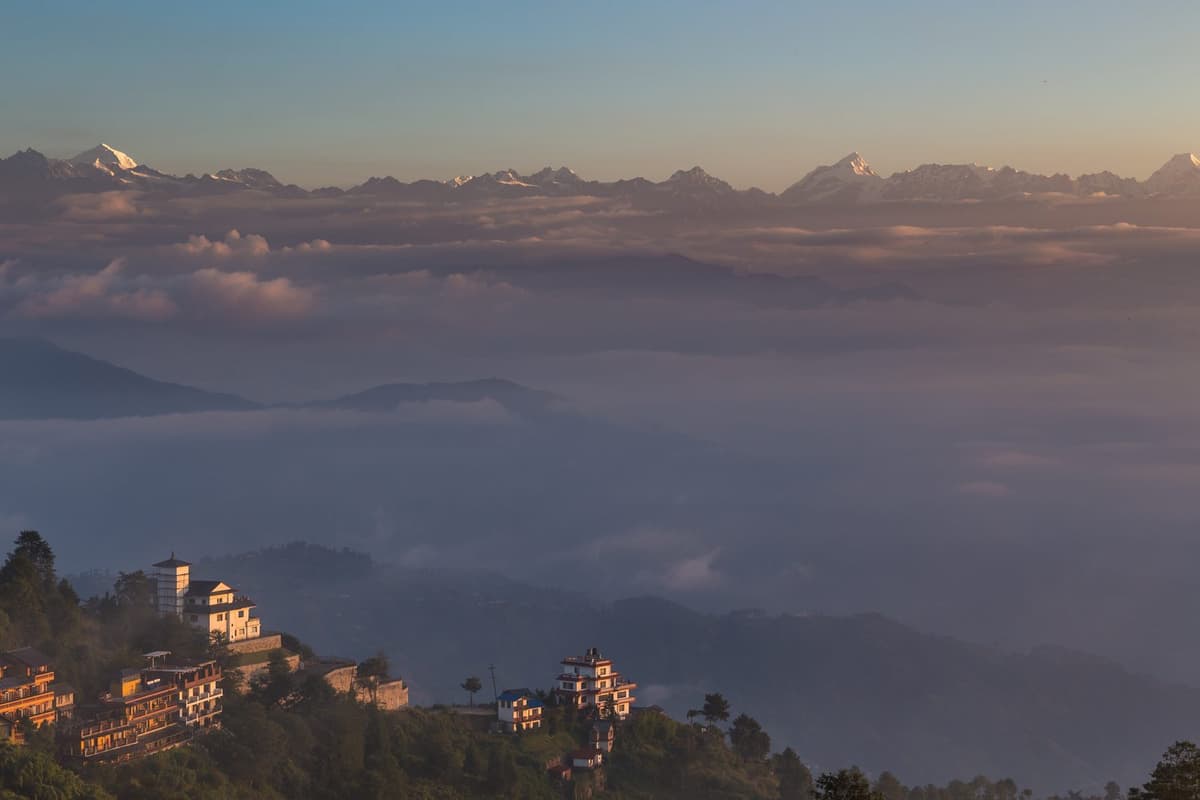
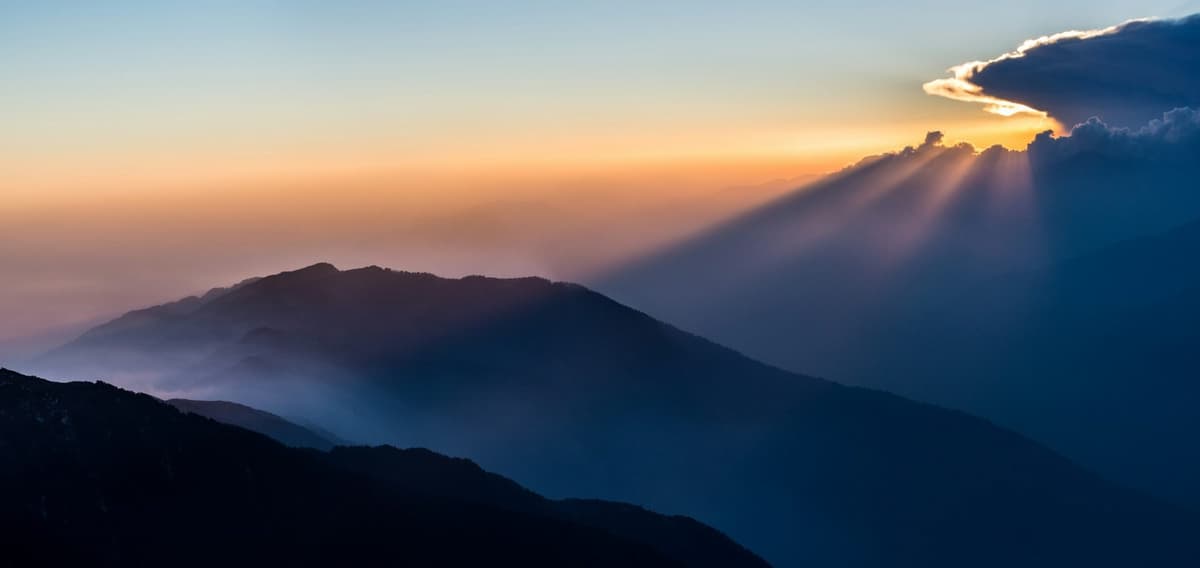
- Sunrise and a slow morning on the ridge
- Breakfast and break camp
- Short walk to stretch climbing-tired arms and legs
- Drive back to your hotel in Kathmandu
Things to carry
- Comfortable stretchy trousers and a T-shirt for climbing
- Warm layer and jacket for two nights at camp
- Head torch
- Sun hat and sunscreen
- Clothes that cover shoulders and knees for the temples and caves
Good to know
Complete guide
The Hattiban climbing and sound healing retreat is three days on the southern edge of the Kathmandu Valley built around one idea: a proper day on the rock, balanced by time to slow down. You camp on the ridge for two nights, see the Buddhist caves of Pharping and the Kali temple at Dakshinkali, climb with a guide, and end the climbing day with a singing bowl session.
What the Hattiban climbing and sound healing retreat covers
On day one you drive south from Kathmandu to the Hattiban ridge above Pharping and set up camp. The afternoon goes to Pharping, a Buddhist pilgrimage village, and Dakshinkali, a Hindu temple 22 km from the city on the valley's southern rim, before you return to the ridge for the night. Day two is the climbing day, with a guided session on the Hattiban limestone and a sound session at camp as the light fades. On day three you have a slow morning, pack up and drive back to your hotel.
This is the longest of our Hattiban trips. The 2-day Hattiban camping and rock climbing trip gives you one night and two shorter climbing sessions, and the Hattiban rock climbing day trip is the climbing alone. This version adds a second night, the Pharping and Dakshinkali visits and the singing bowl session.
The climbing, and why beginners are fine
Hattiban is a limestone crag with bolted sport routes. You climb on a top rope: the rope runs through an anchor above you and your guide holds it from below, so if you slip you only drop a short way. It is the safest way to climb outdoors and the usual way to start. Your guide fits your harness, helmet and shoes, shows you the basic knots and commands on the ground, and chooses routes that suit you. First-timers often surprise themselves by the afternoon. If you already climb, tell us, and your guide will set harder lines.
Pharping, Dakshinkali and the sound session
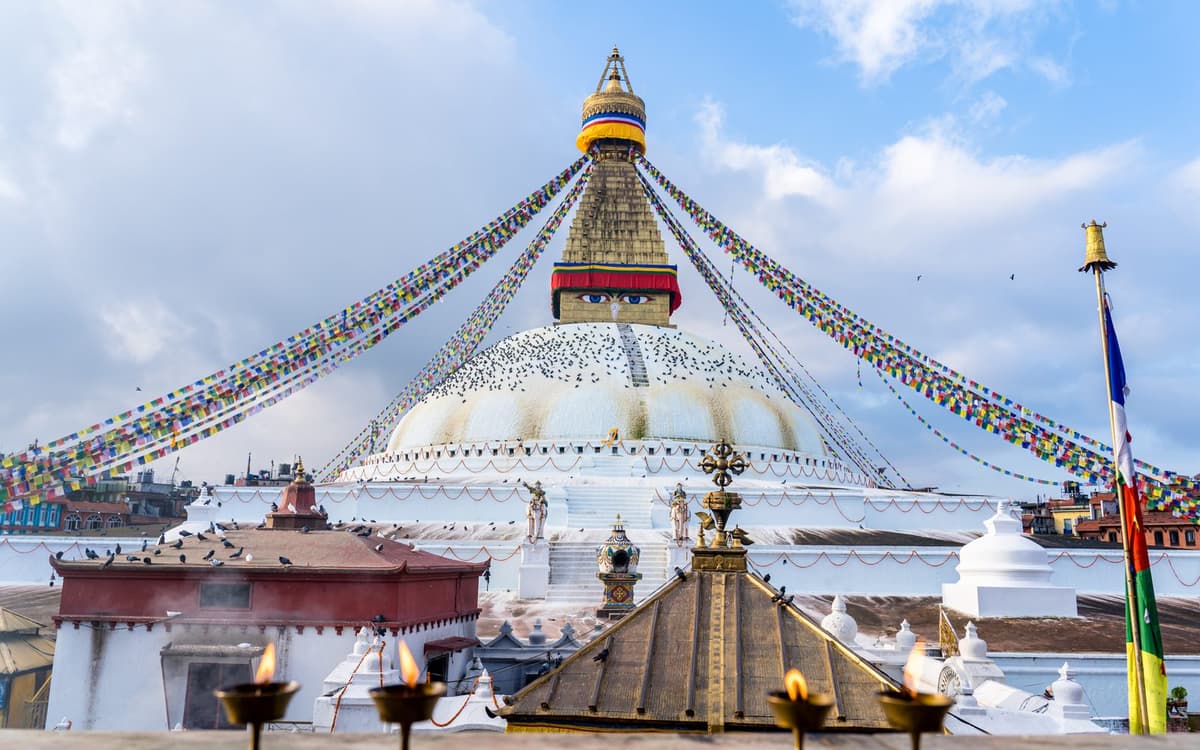
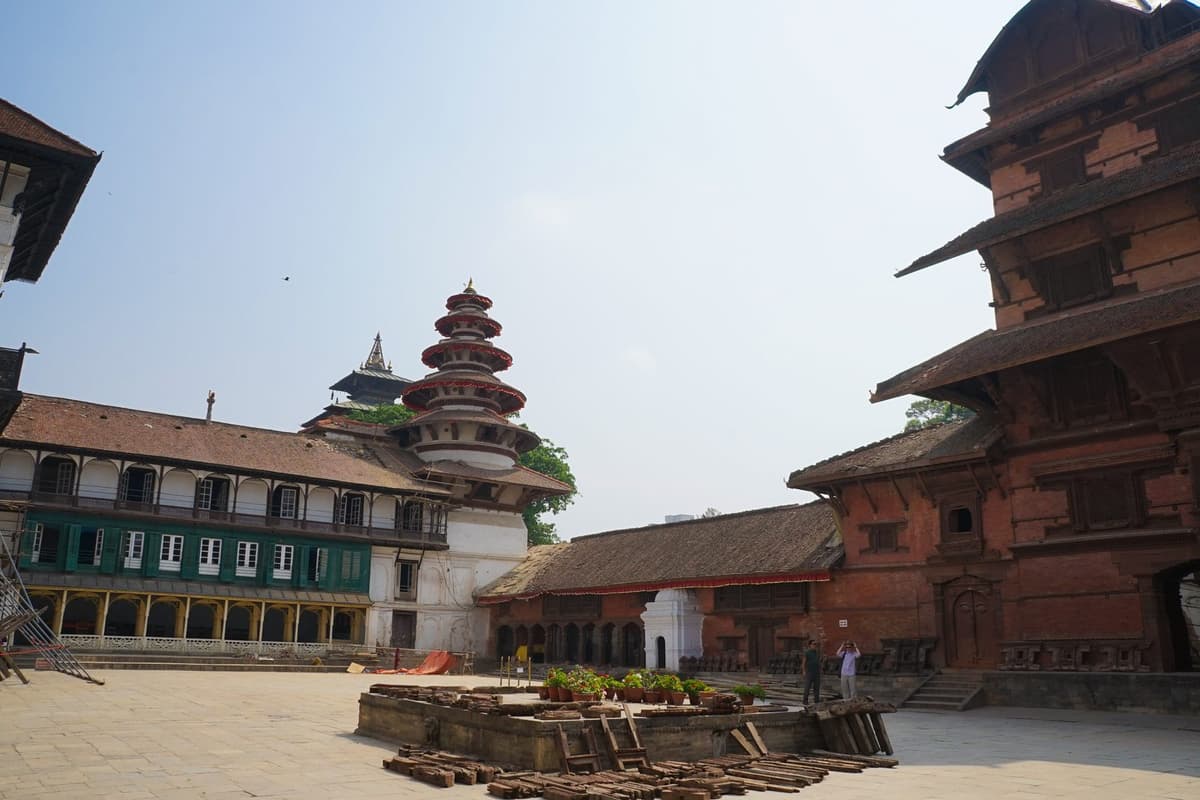
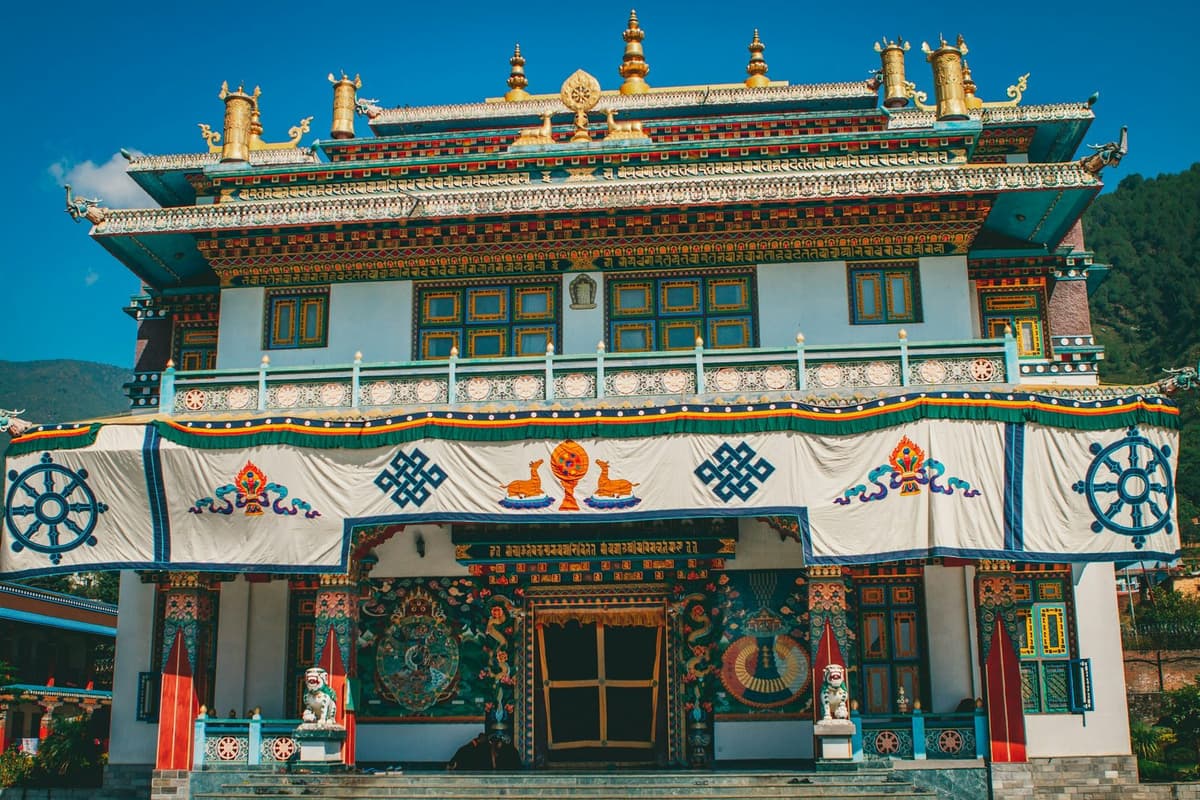
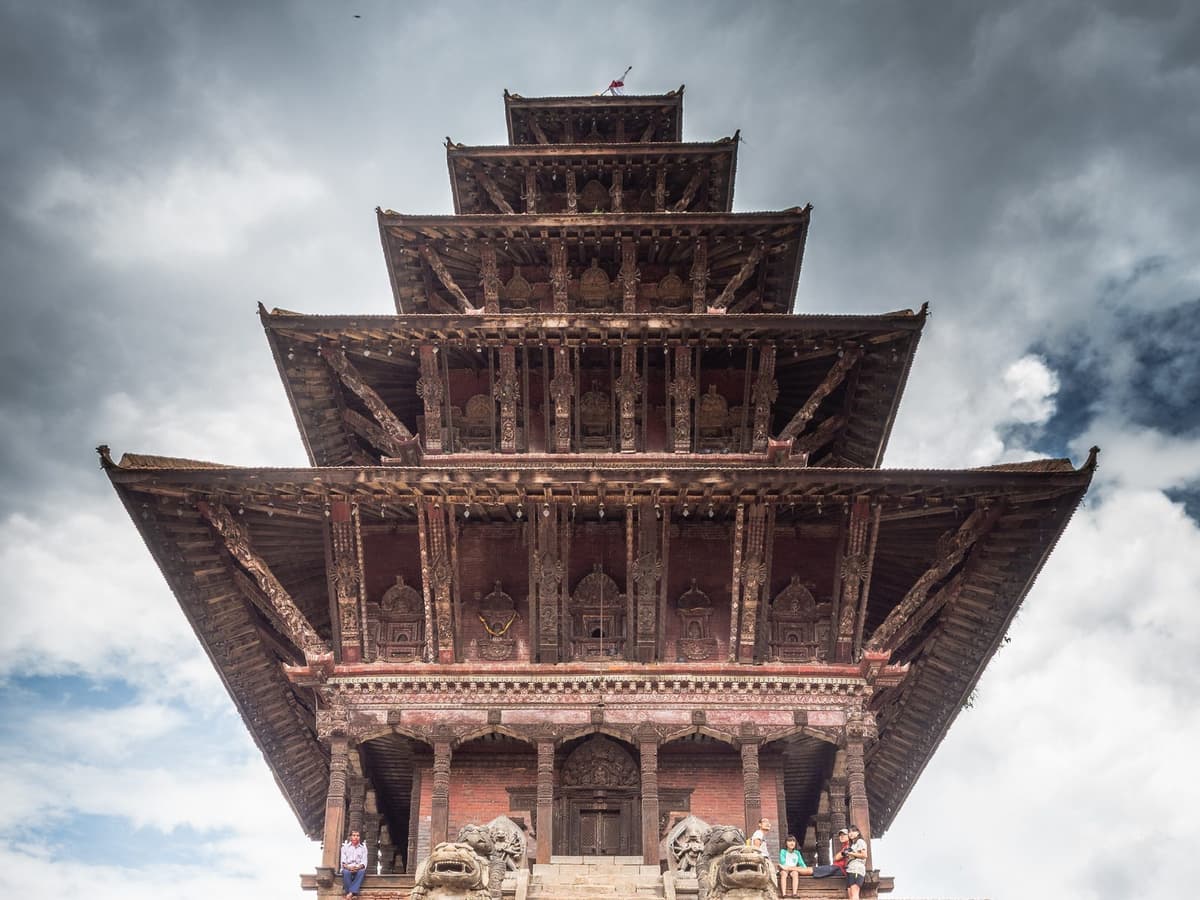
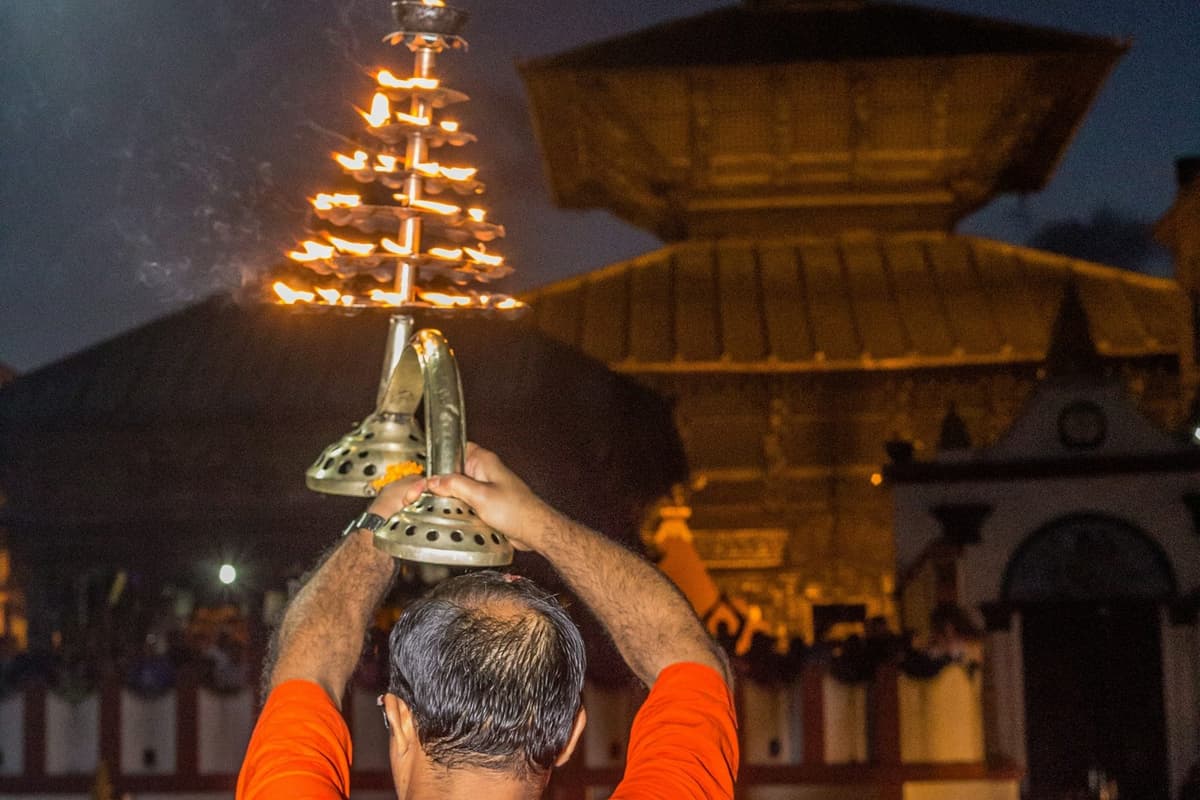
Pharping is one of the most important Buddhist places in the valley. Above the village is the Asura Cave, sacred to Guru Rinpoche, also called Padmasambhava, with a handprint in the rock by the entrance that pilgrims revere as his. A monastery and retreat centre have grown up around it. Dakshinkali is quite different: a major Kali temple where animal sacrifices are made, especially on Tuesdays and Saturdays. We tell you this plainly because it is not for everyone; if you would rather not see it, your guide will adjust the visit.
The sound session uses singing bowls, metal bowls struck or circled with a wooden stick to produce long, layered tones. You sit or lie down and listen. It is a relaxation practice, not medical treatment, and after a day of climbing most people find it an easy way into a quiet evening at camp.
Who it suits, season and what to bring
It suits first-time climbers, couples and small groups who want something active that is not only about adrenaline. Older children who like the outdoors do well. The honest limits are two nights in a tent and a real physical day on the rock; if either worries you, the day trip may fit better. October to March is the most reliable climbing season, with dry rock and cool air. The monsoon makes the rock wet, and we do not climb then.
Bring stretchy clothes to climb in, a warm layer for the nights, a head torch, sun protection and something that covers shoulders and knees for the temples. Send us your dates and group, and we will tell you honestly which Hattiban trip fits.