


Overview
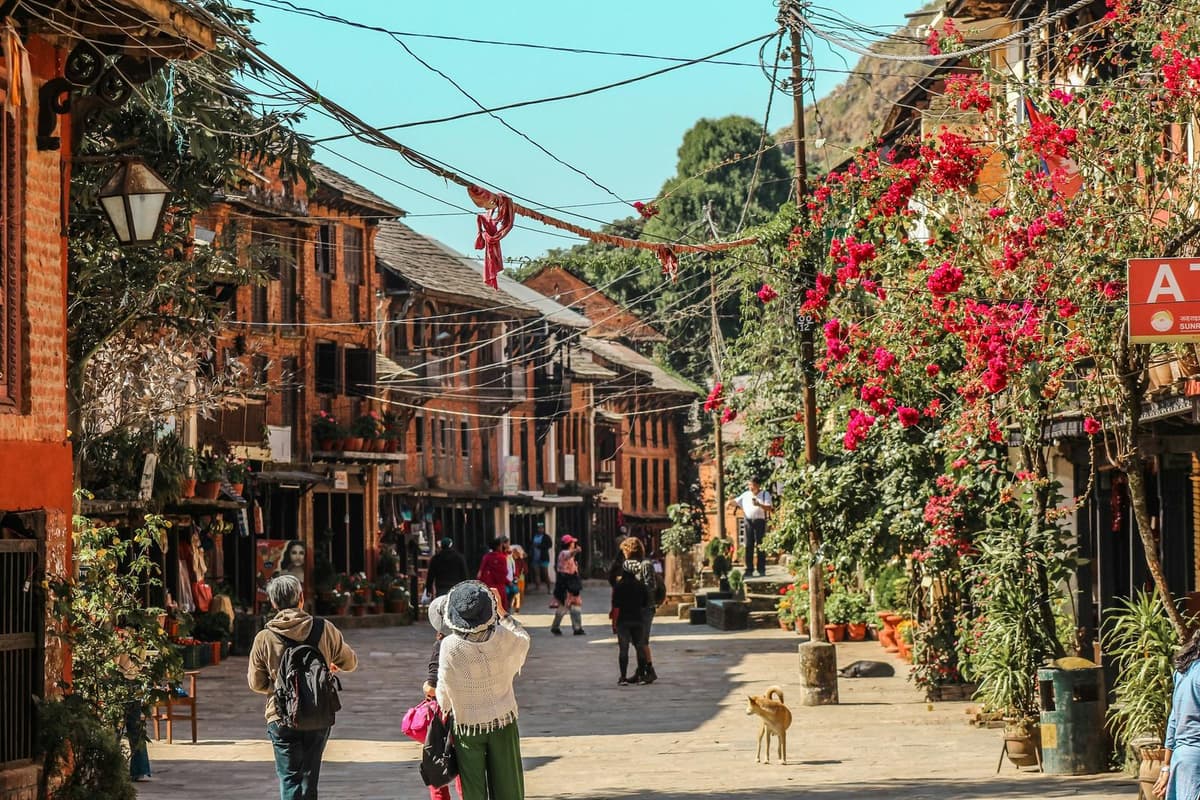
This Manang tour by road is a five-day overland alternative to trekking the Annapurna region, reaching a high Himalayan village by vehicle rather than on foot. From Kathmandu the drive follows the Trishuli and Marsyangdi rivers up through Besisahar, Chame and Pisang, climbing into alpine country with views of Annapurna II and Pisang Peak. A full day in Manang, at 3,540 metres, gives time to visit Gangapurna Lake and Braga Monastery and to walk the old stone village while you acclimatise gently. The return drops back through the Marsyangdi valley to Bandipur, a preserved Newari hill town, before the road home. It suits travellers who want high mountains and living culture with the comfort of a vehicle.
The itinerary
- Morning drive along the Prithvi Highway beside the Trishuli River
- Scenic hills, terraced farmland and small settlements en route
- Arrive Besisahar, the gateway to the Annapurna region
- Evening walk around town to see local life
- Follow the Marsyangdi River through narrow valleys and forests
- Pass Chame, the district headquarters, as the landscape shifts
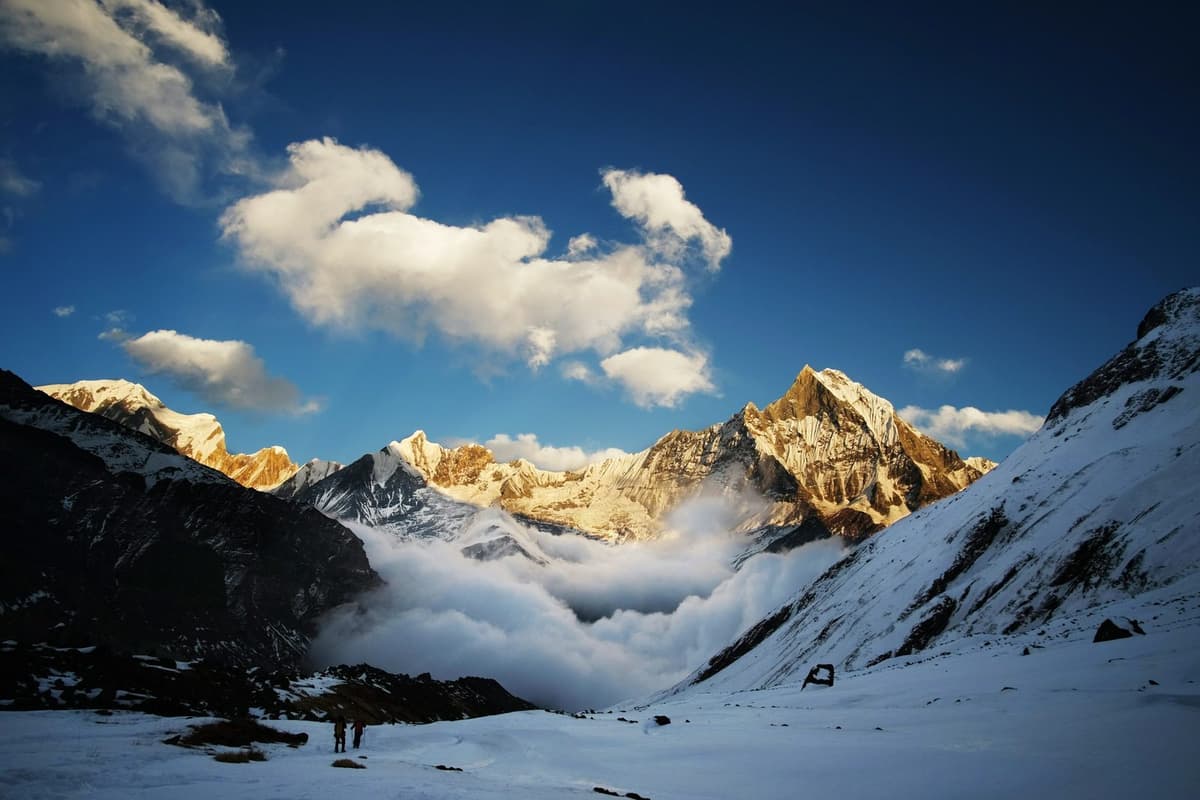
- Open valley views of Annapurna II and Pisang Peak
- Arrive Manang at 3,540 m; rest and acclimatise
- Visit Gangapurna Lake, a glacial lake below the peaks
- Explore Braga Monastery and its centuries-old artefacts
- Walk Manang village's narrow streets and meet the mountain community
- A light, flexible day built around gentle acclimatisation
- Descend through the Marsyangdi valley as alpine terrain turns green
- Long scenic drive to the hilltop town of Bandipur
- Walk Bandipur's cobblestone streets and old Newari houses
- Viewpoints over the surrounding valleys at dusk
- Morning to explore more of Bandipur's lanes and temples
- Drive back along the Prithvi Highway beside the Trishuli River
- Hills, rivers and roadside settlements en route
- Arrive Kathmandu in the afternoon
Things to carry
- Warm layers, hat and gloves for the altitude at Manang
- Sturdy walking shoes for village lanes and short walks
- Sunglasses, sun hat and high-factor sunscreen
- Daypack, refillable water bottle and power bank
- Motion-sickness tablets for the rough mountain road
Good to know
Complete guide
Reaching Manang without trekking is a relatively new possibility, and it opens the high Annapurna region to travellers who could not otherwise get there. This road trip trades the long walk-in for a vehicle, but keeps the scenery, altitude and culture that make the region special. Here is how the journey works and what to expect.
What the Manang tour by road covers
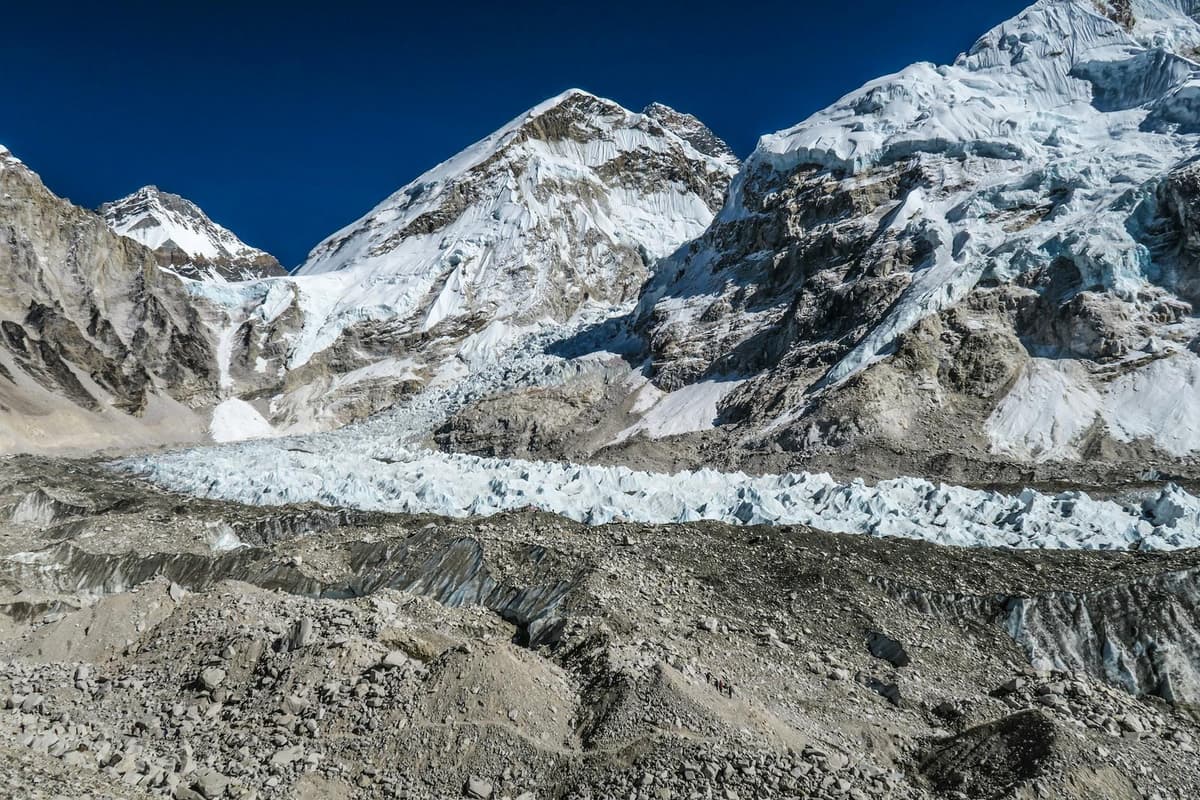
The route climbs from Kathmandu up the Marsyangdi valley to Manang at 3,540 metres, then returns via the hill town of Bandipur. Most of your time is spent in the vehicle watching the landscape change from subtropical river valley to alpine desert, with a full day at the top to explore on foot. If you would rather earn the mountains on your own two feet, the classic walking route into this range is the Annapurna Base Camp budget trek.
Altitude and how the pace protects you
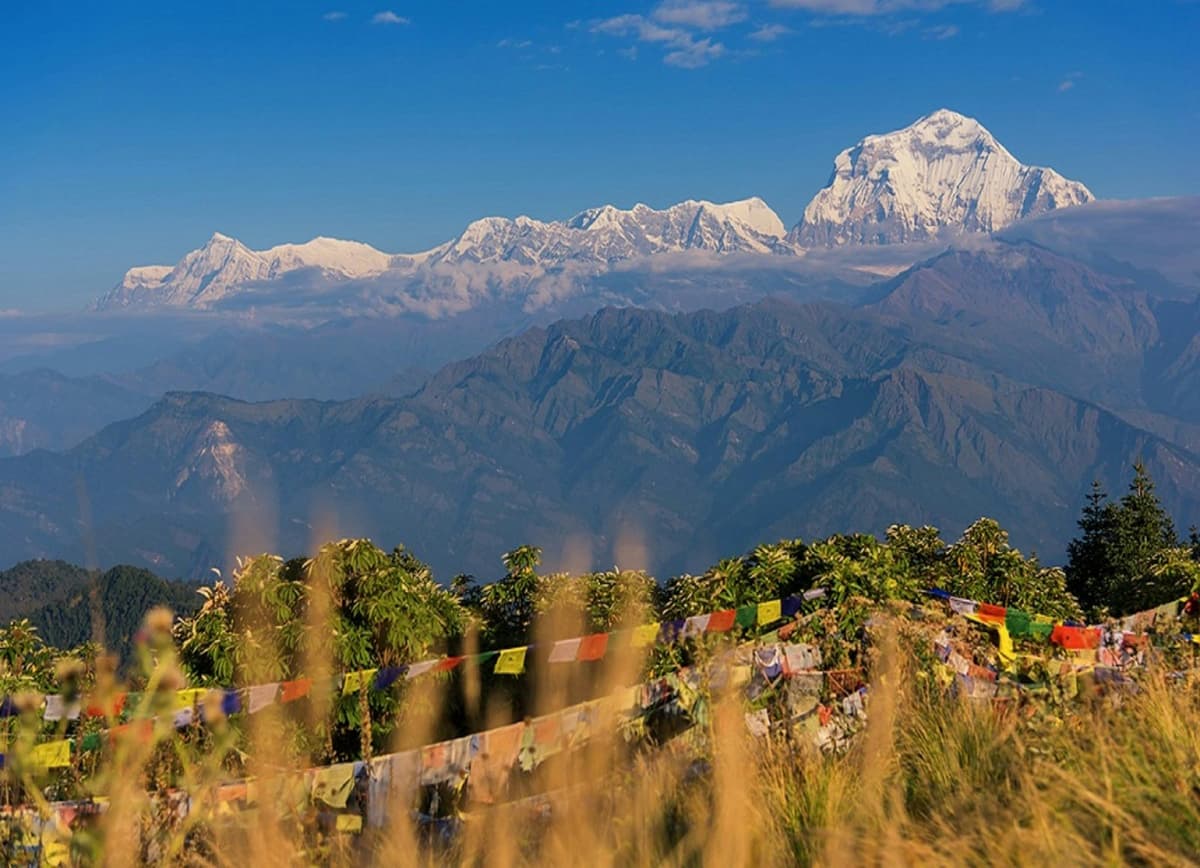
Gaining height by road is quicker than trekking, so altitude needs respect. The itinerary builds in an easy exploration day at Manang rather than pushing straight on, which gives your body time to adjust. Drink plenty of water, avoid alcohol on the way up, and tell your guide early if you feel headache or nausea. A shorter, lower option that still delivers big mountain views is the Ghorepani Poon Hill trek.
The road and the driving days
This is an overland trip, so expect long days in the vehicle on rough, unpaved sections beyond Besisahar. The reward is constant scenery: river gorges, waterfalls, terraced fields and, higher up, bare alpine slopes under Annapurna II and Pisang Peak. Motion-sickness tablets are worth carrying, and mornings are the best time to travel before winds pick up.
Culture along the way
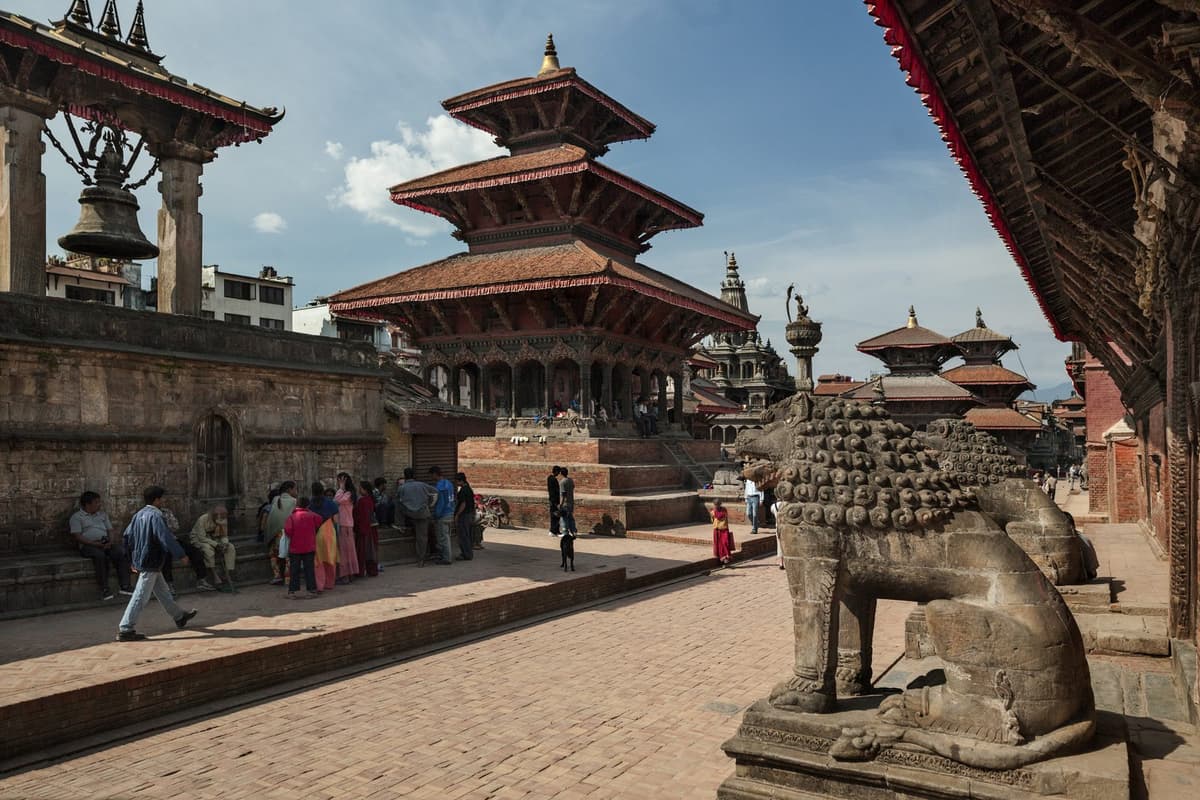
The trip is as much about people as peaks. Manang's stone village and Braga Monastery reflect a Tibetan-influenced mountain culture, while Bandipur on the way home preserves a very different Newari trading-town heritage. Together they give the journey a cultural arc that a straight there-and-back mountain trip would miss.