

Overview
This Kathmandu Valley heritage tour with Nagarkot covers the valley's best-known sacred and royal sites over two full days, then takes you up to the eastern rim for a night with the mountains. Day one joins Swayambhunath, Kathmandu Durbar Square, Boudhanath and Pashupatinath. Day two crosses to Patan and Bhaktapur, two old Newar royal cities, before an afternoon drive up to Nagarkot at 2,175 m. On the last morning you watch the sun come up over the Himalaya, which on clear days reaches as far as the Everest range, and drive back down to Kathmandu. It suits first-time visitors who want the classic heritage circuit at an easy pace with one night out of the city.
The itinerary
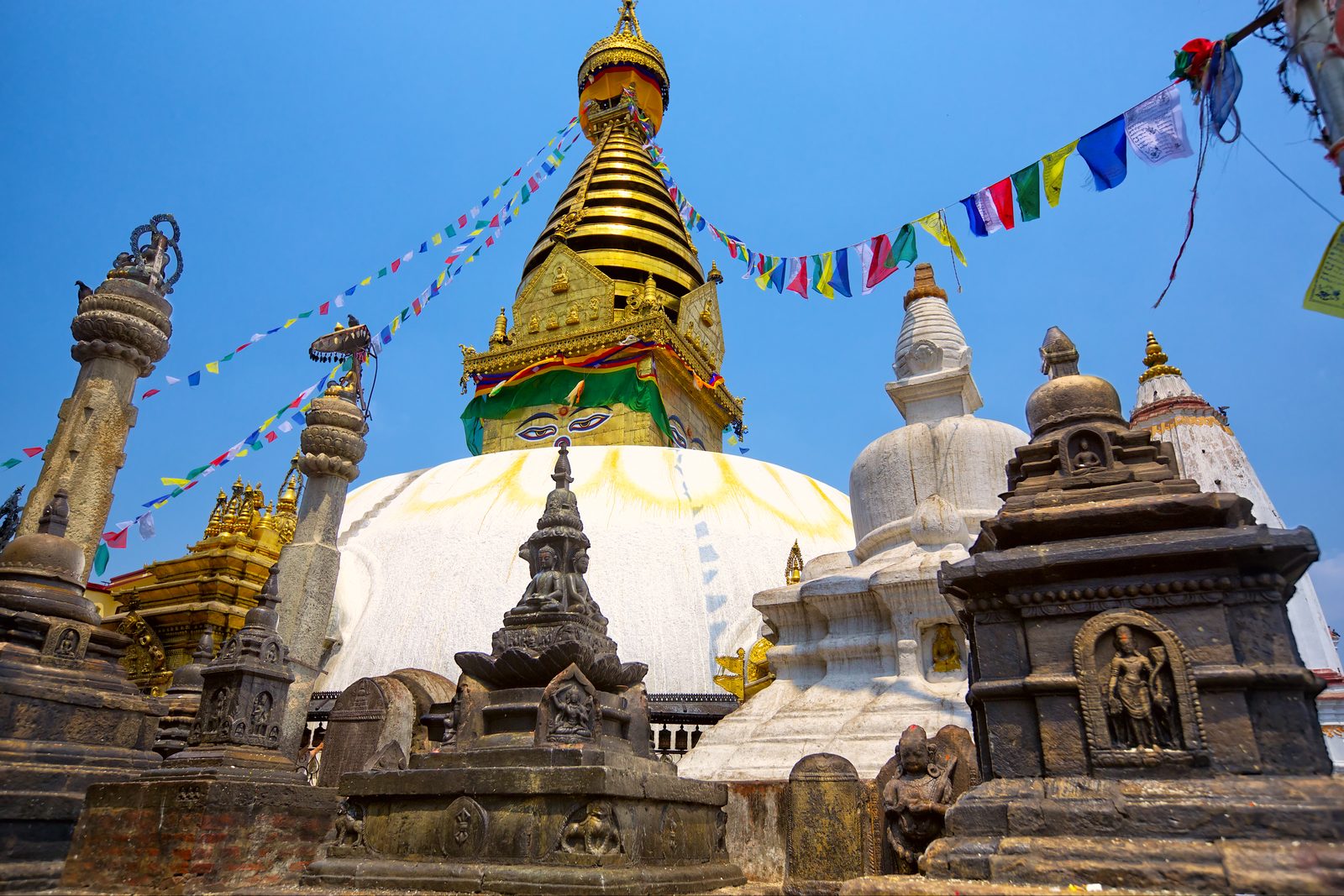
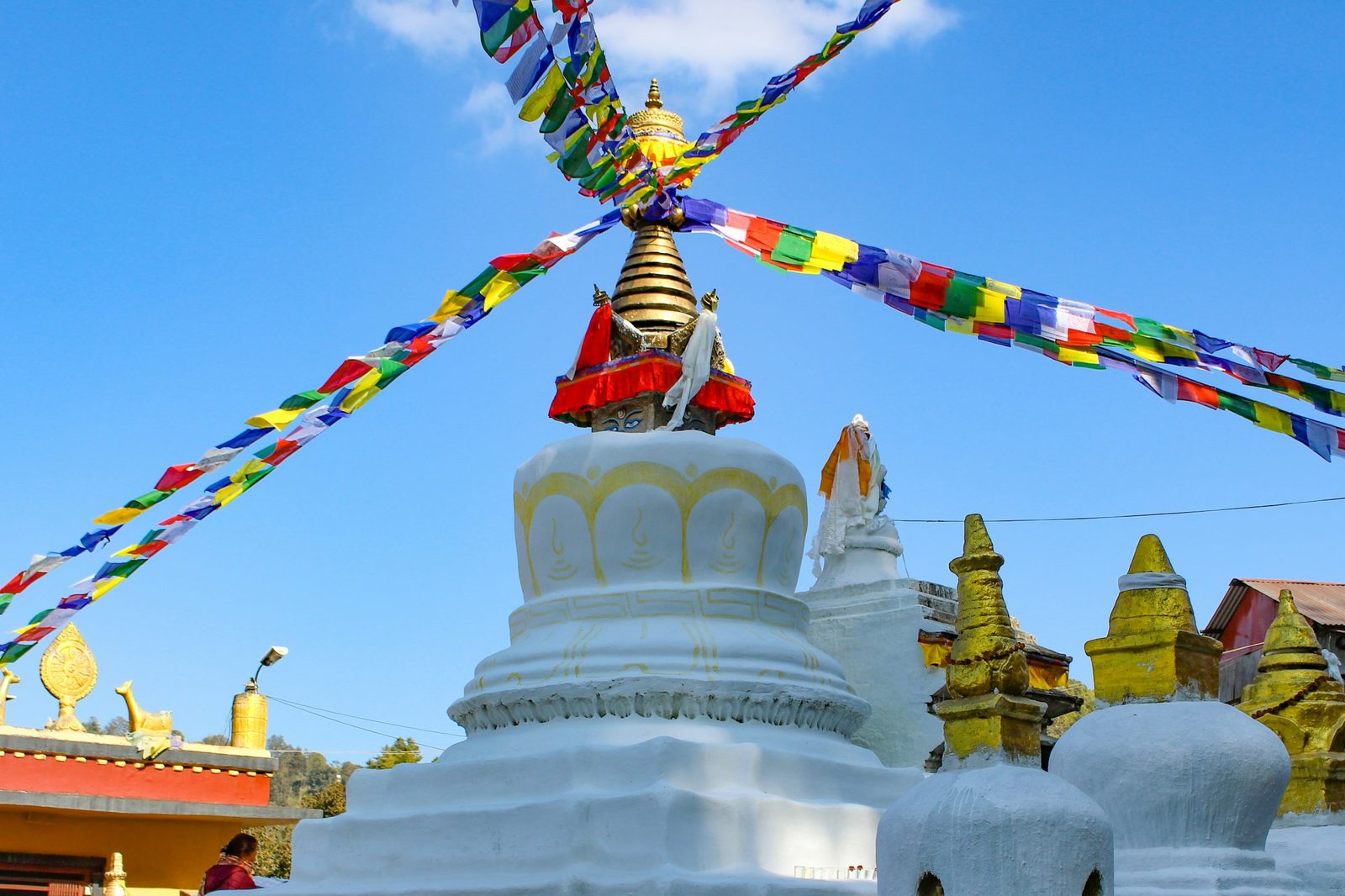
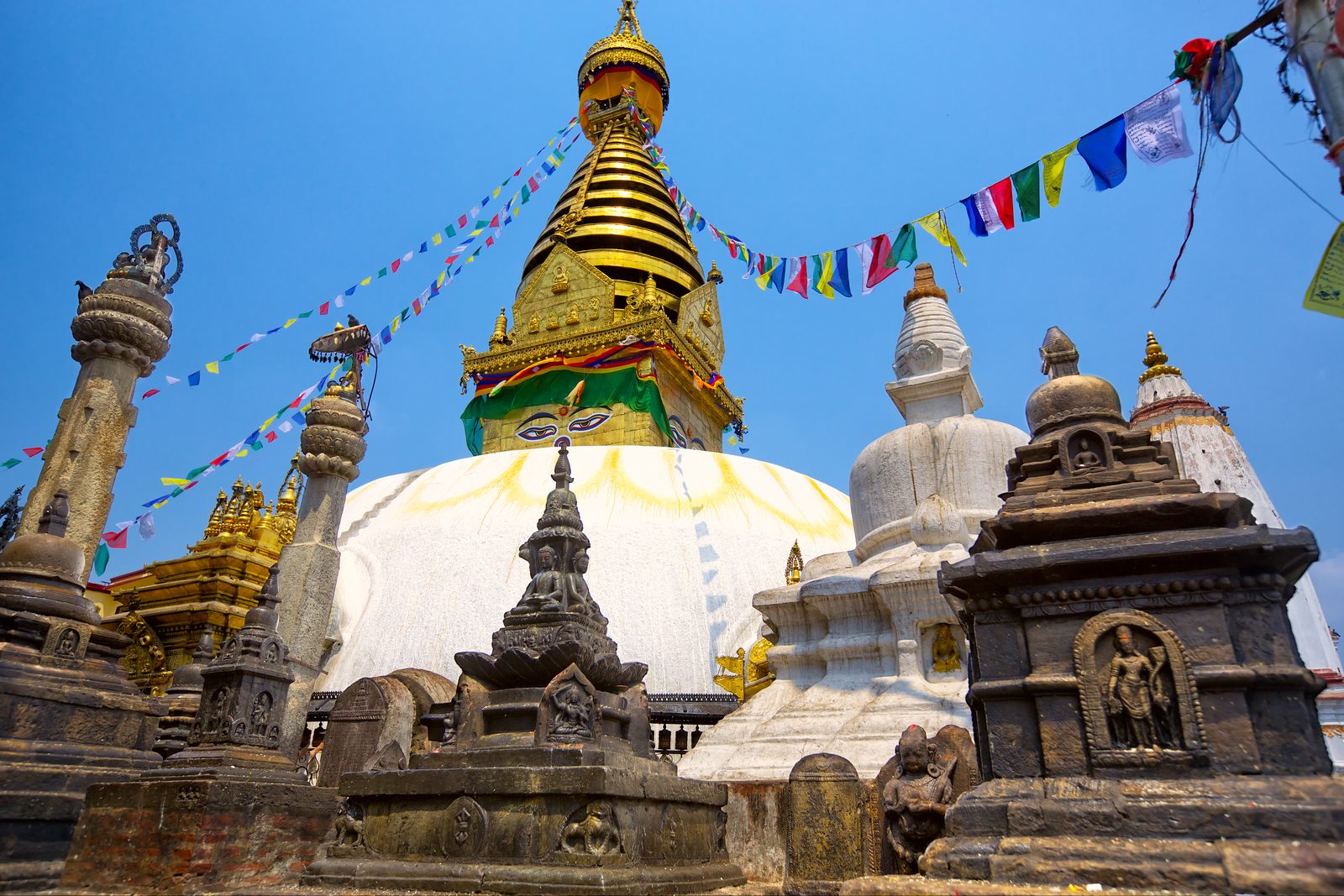
- Morning climb to Swayambhunath, the hilltop stupa west of the city known as the Monkey Temple
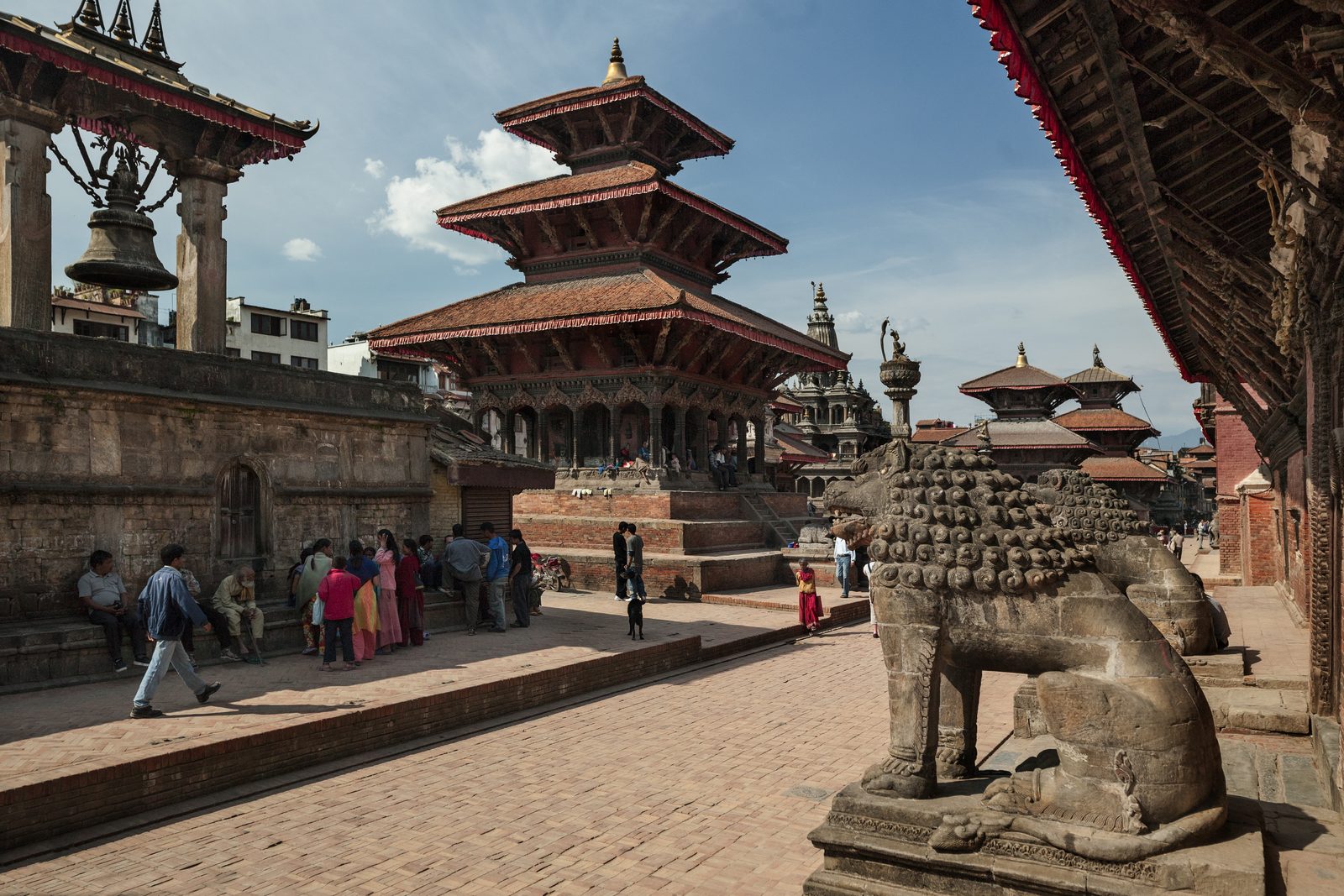
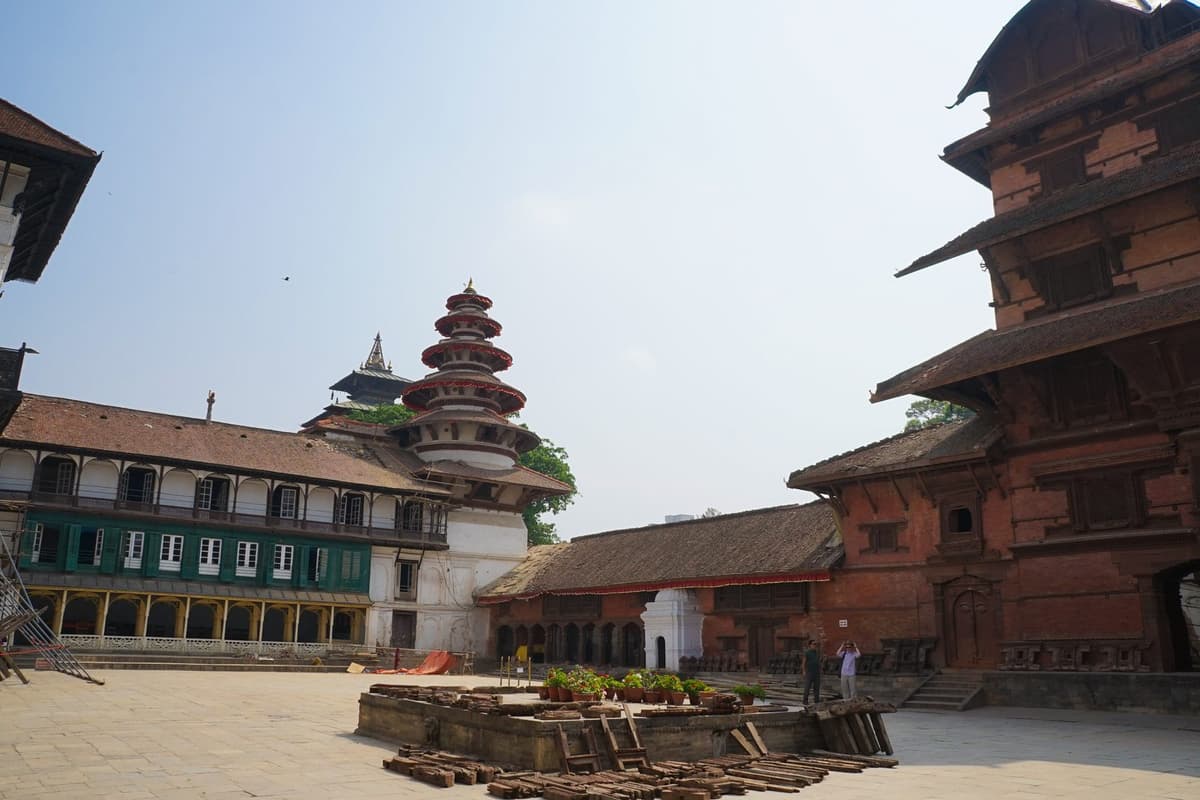
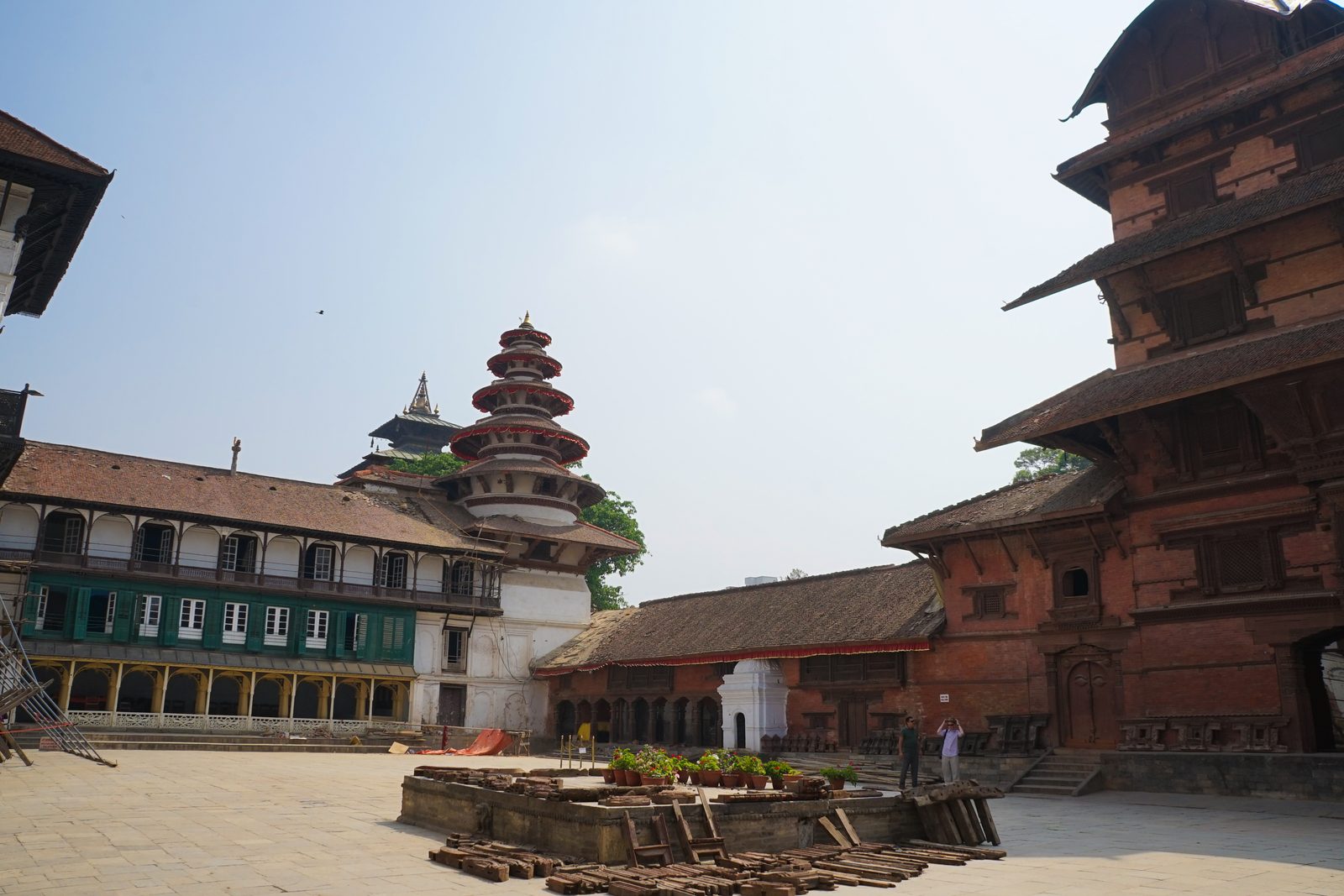
- Walk Kathmandu Durbar Square: the old Hanuman Dhoka palace, the Kumari's house and the rebuilt Kasthamandap
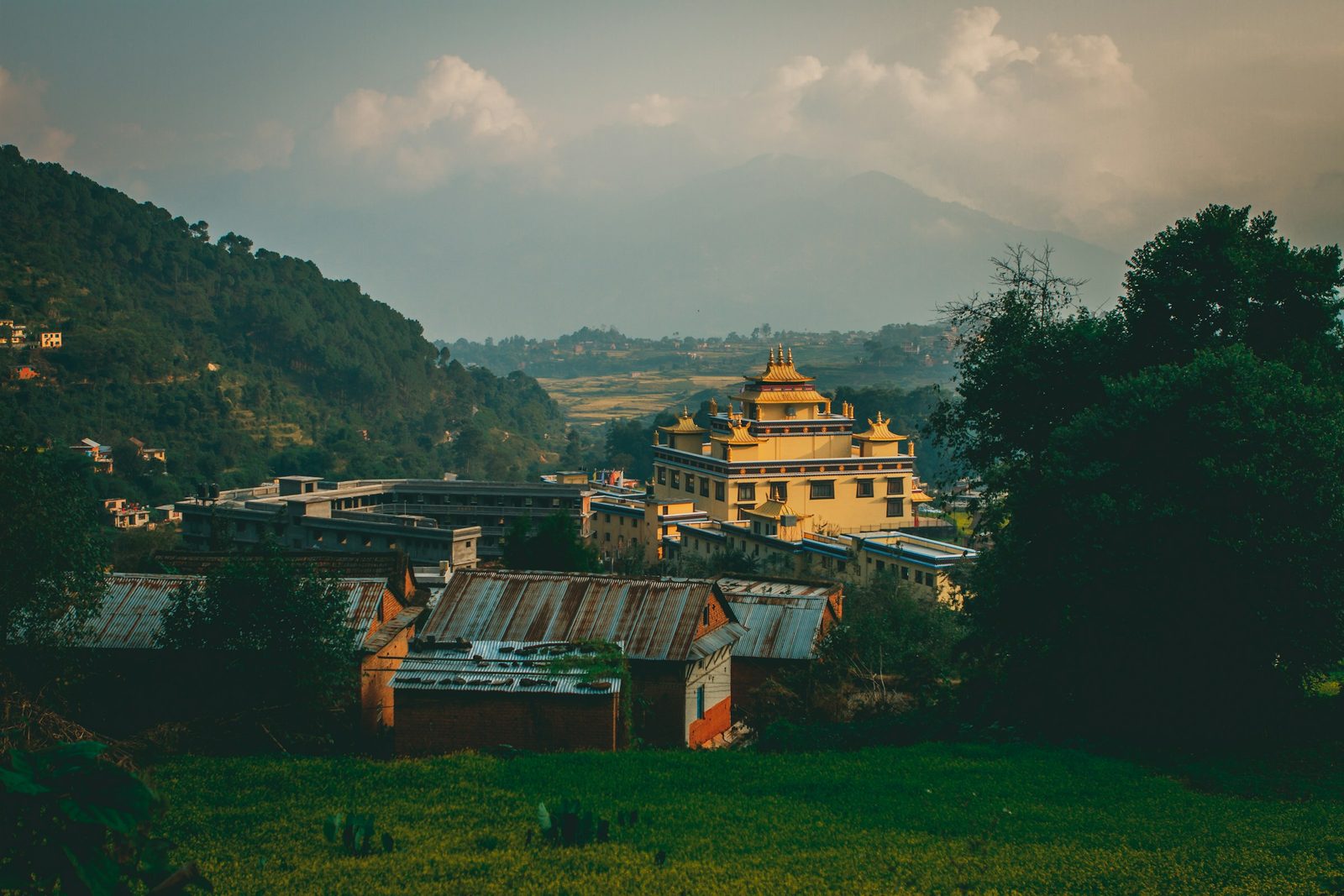
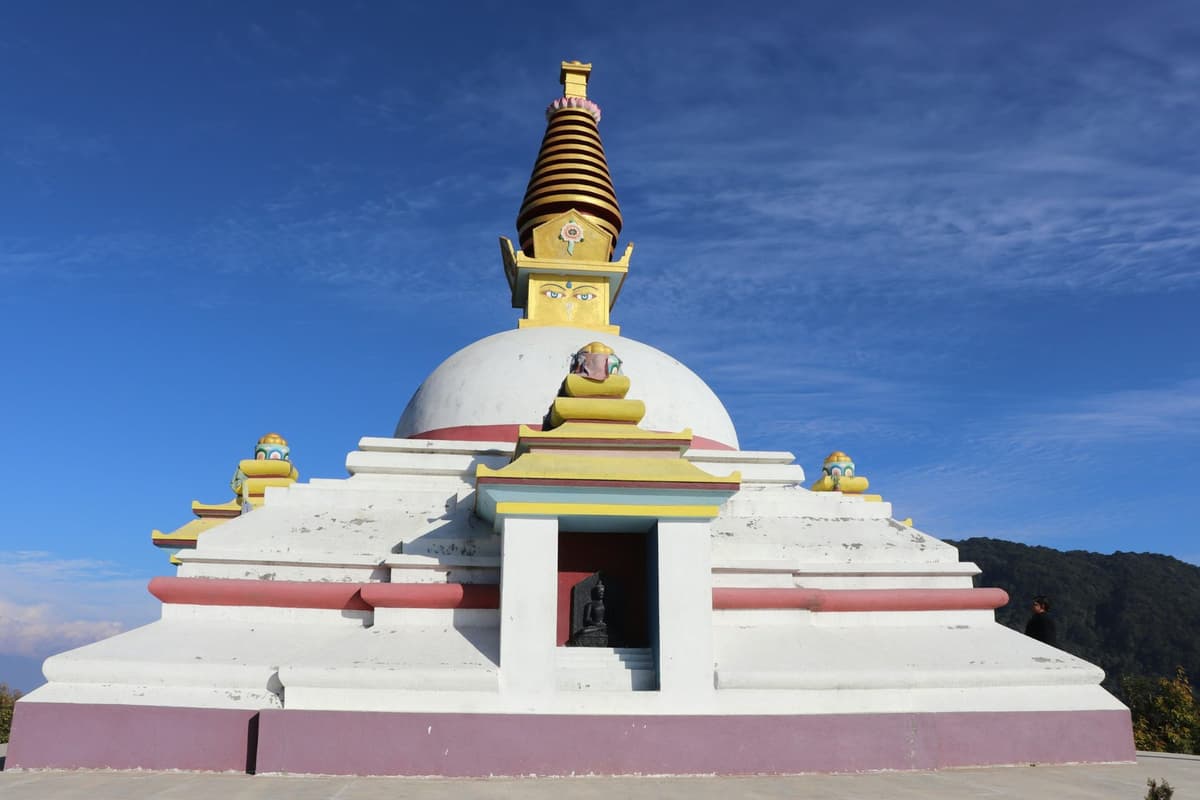
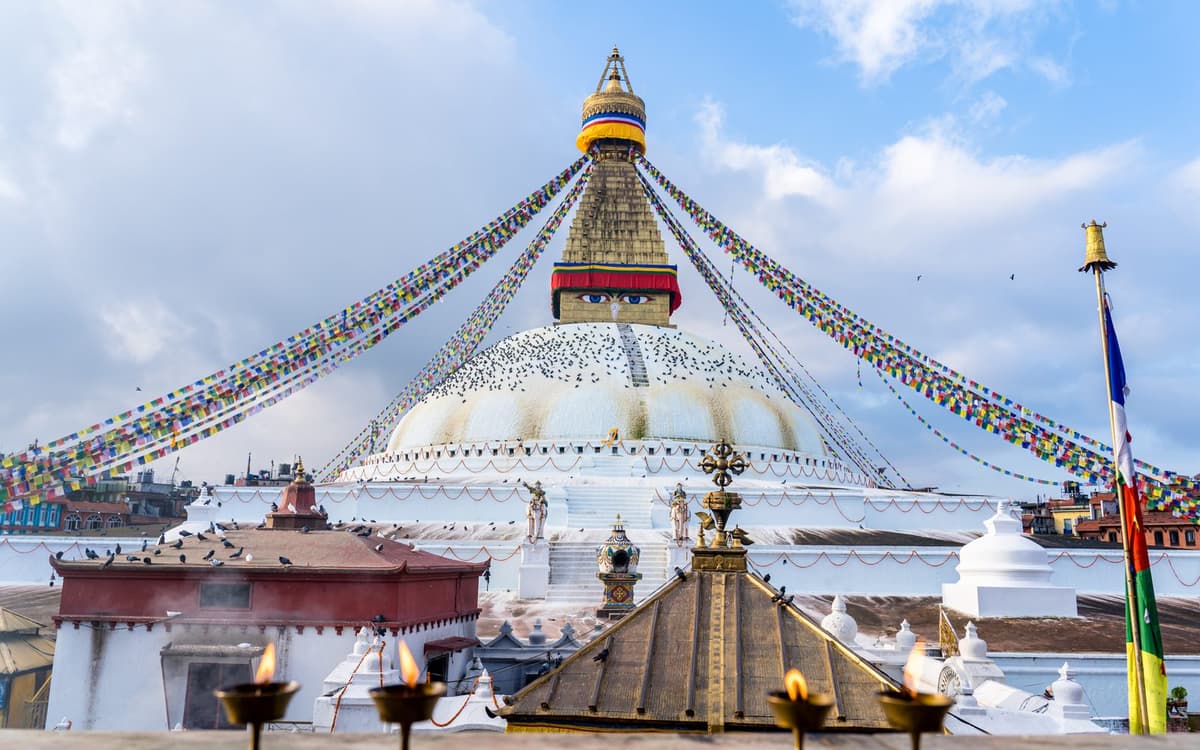
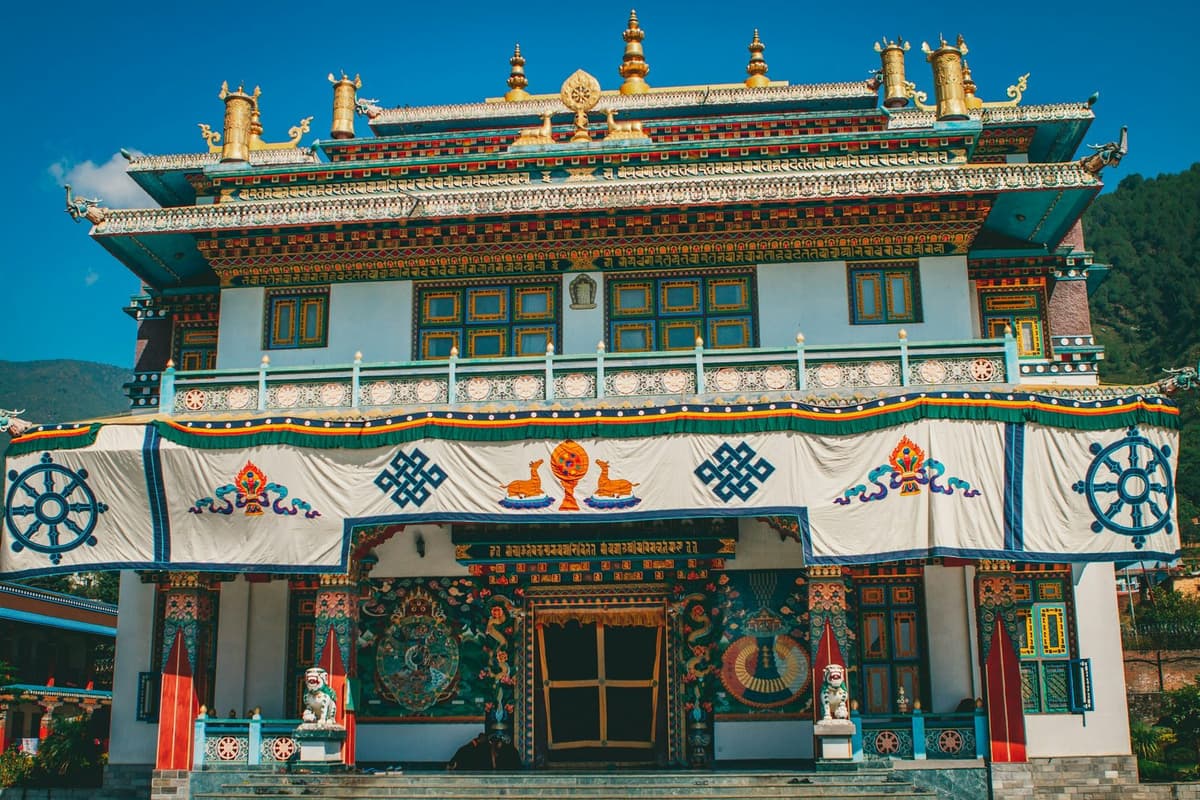
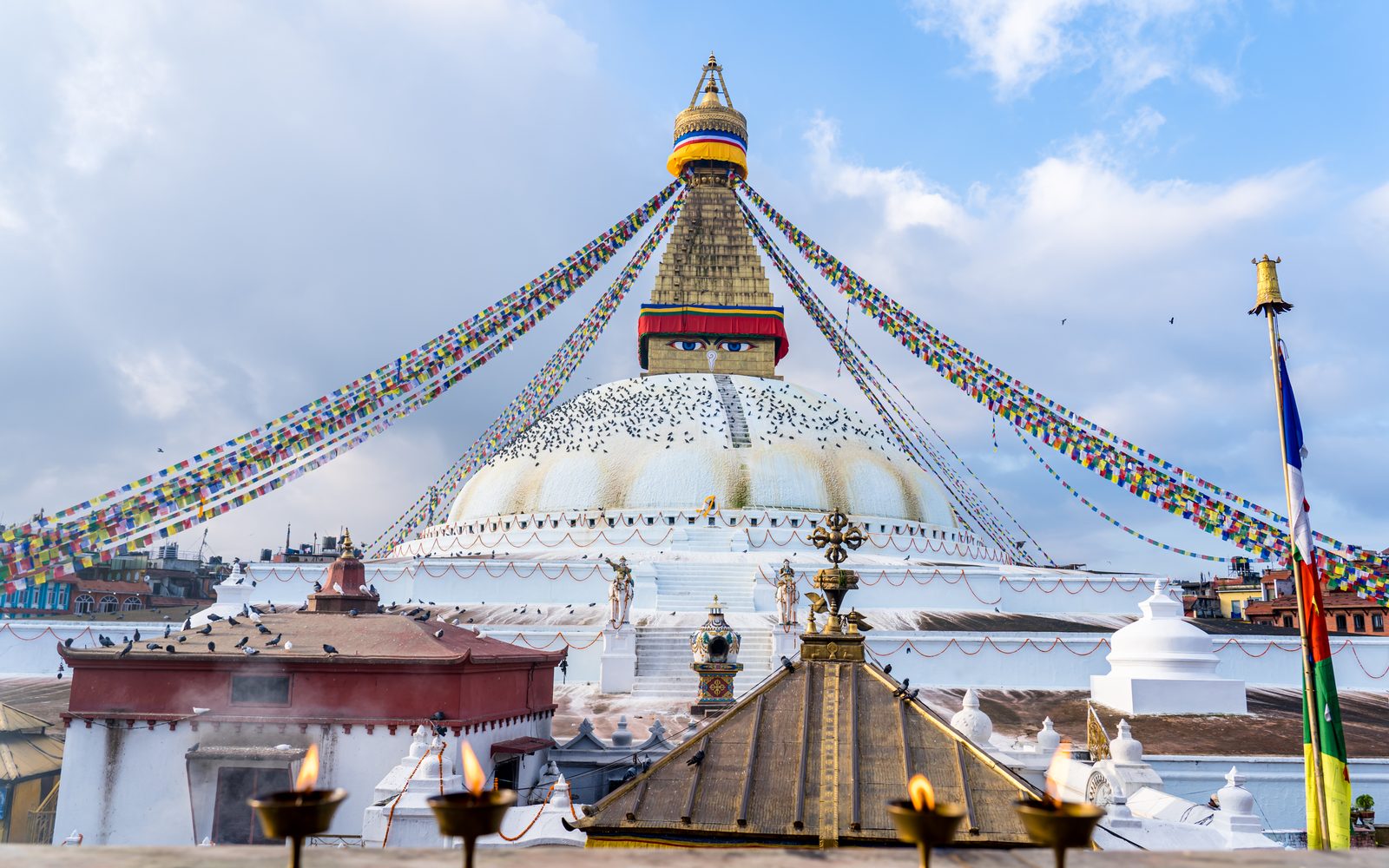
- Afternoon kora around Boudhanath, the largest spherical stupa in Nepal, with its Tibetan monasteries
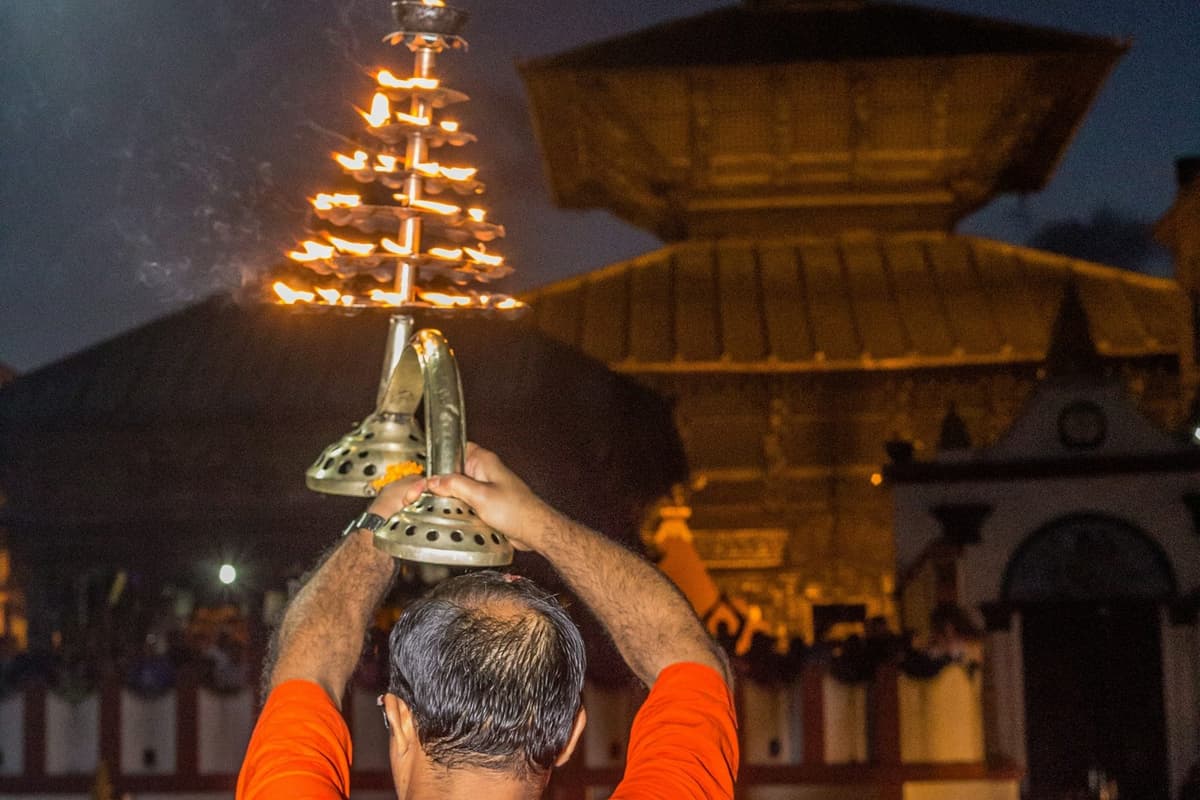
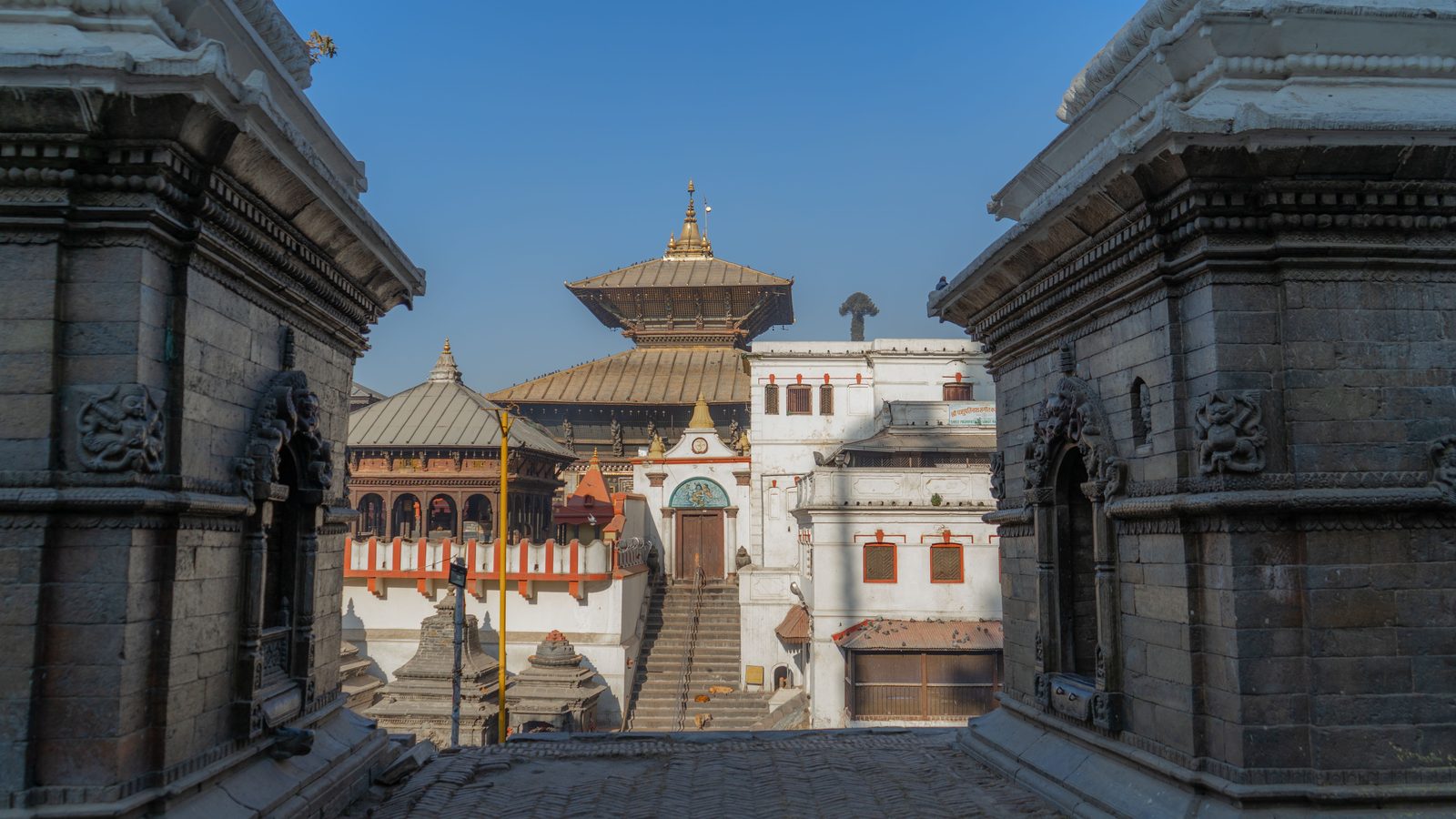
- End by the Bagmati at Pashupatinath, watching the temple and evening rituals from the east bank
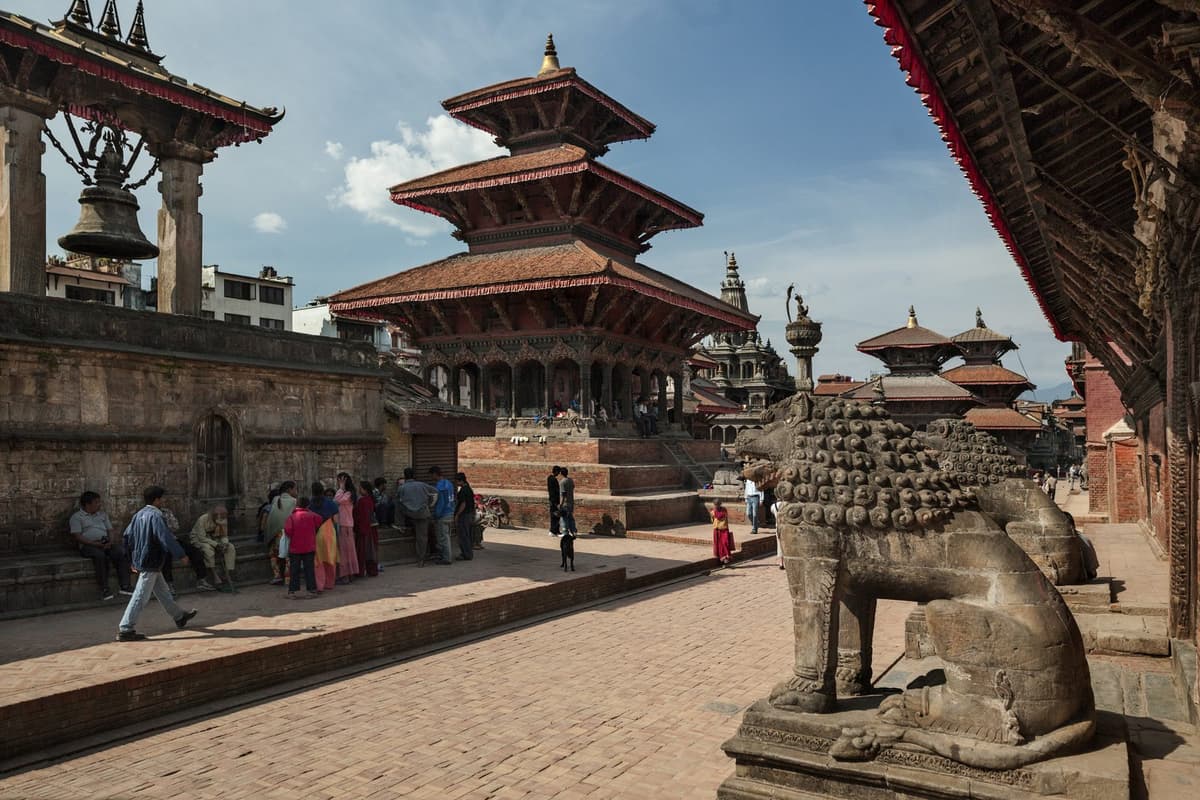
- Patan Durbar Square with the stone Krishna Mandir and the Golden Temple a short walk away
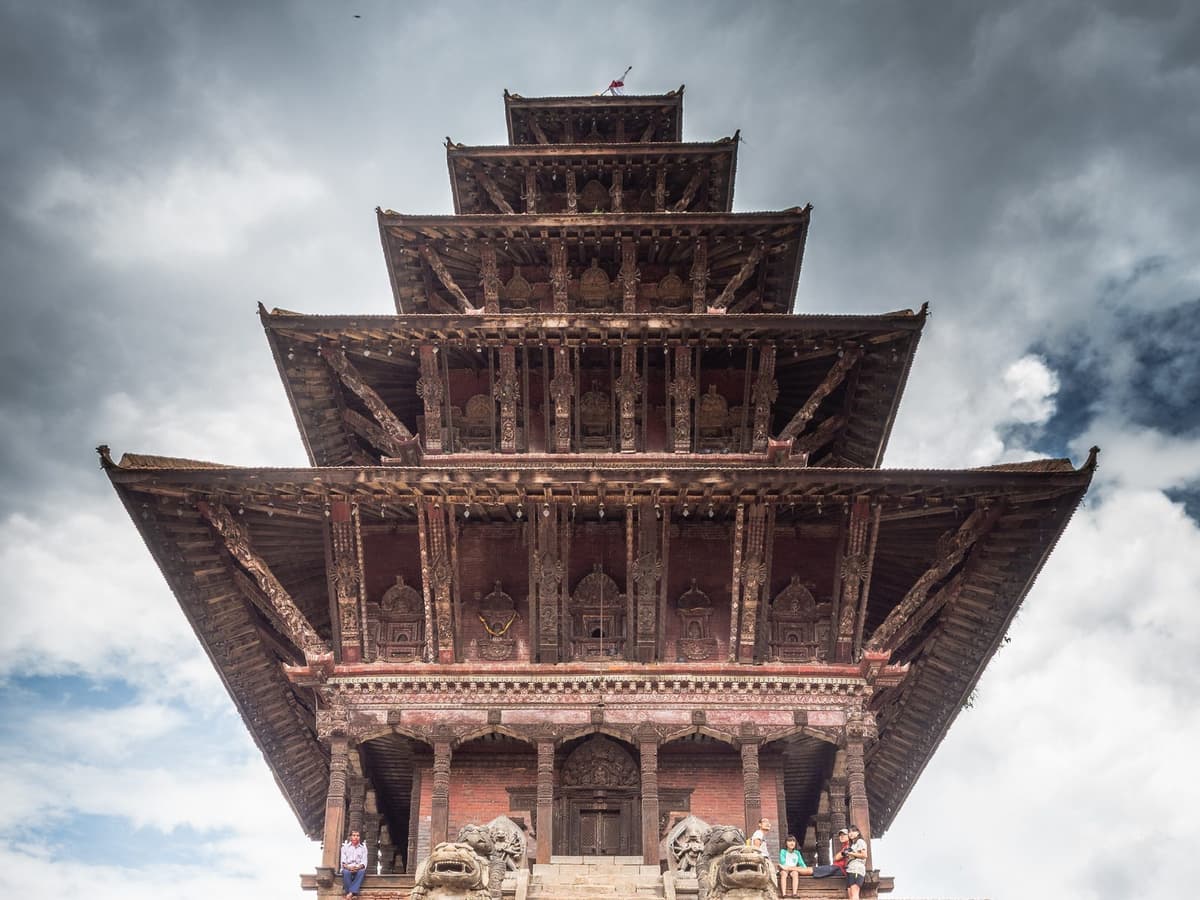
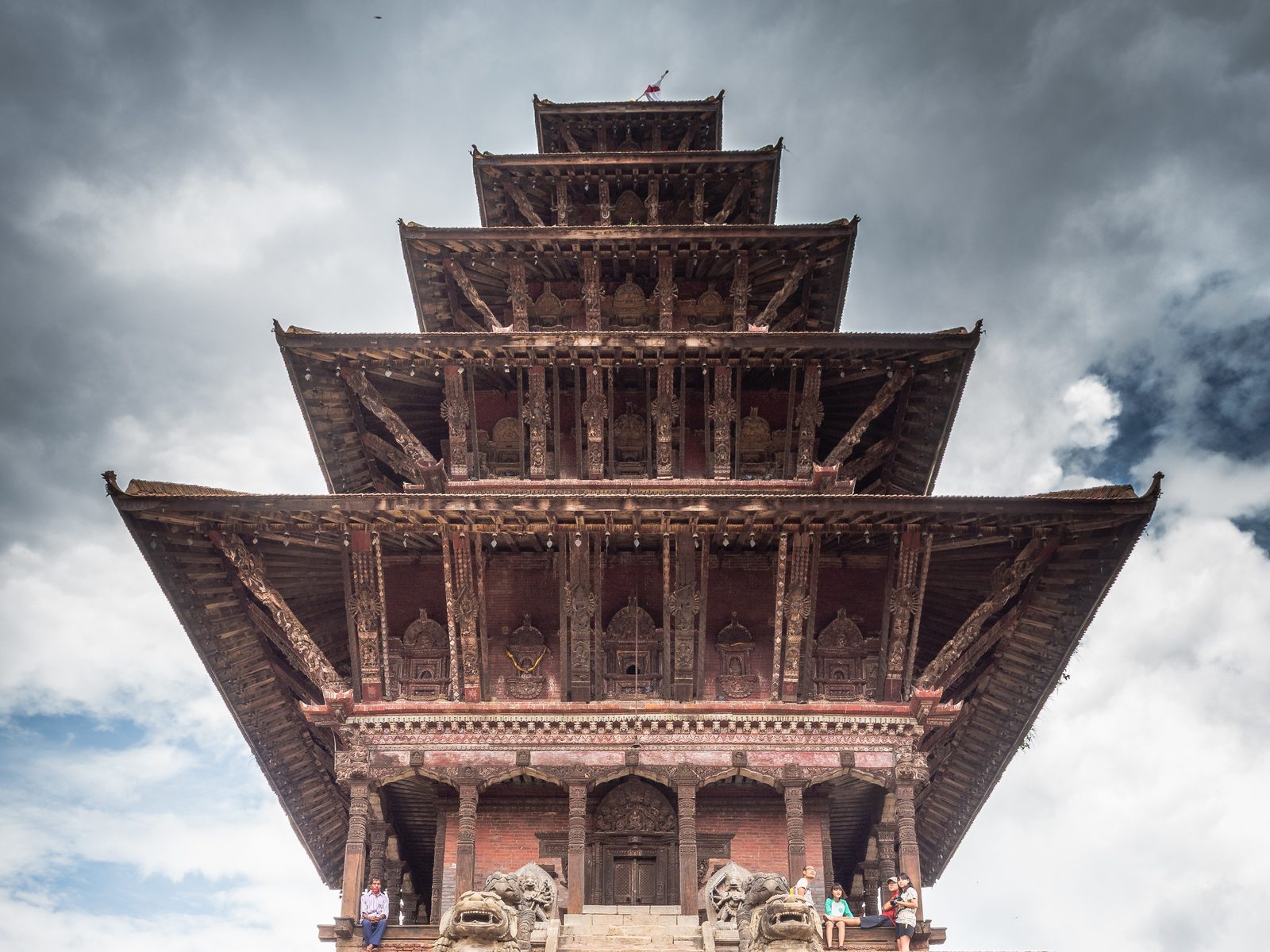
- Bhaktapur Durbar Square: the 55-Window Palace, the Golden Gate and the five-tiered Nyatapola temple
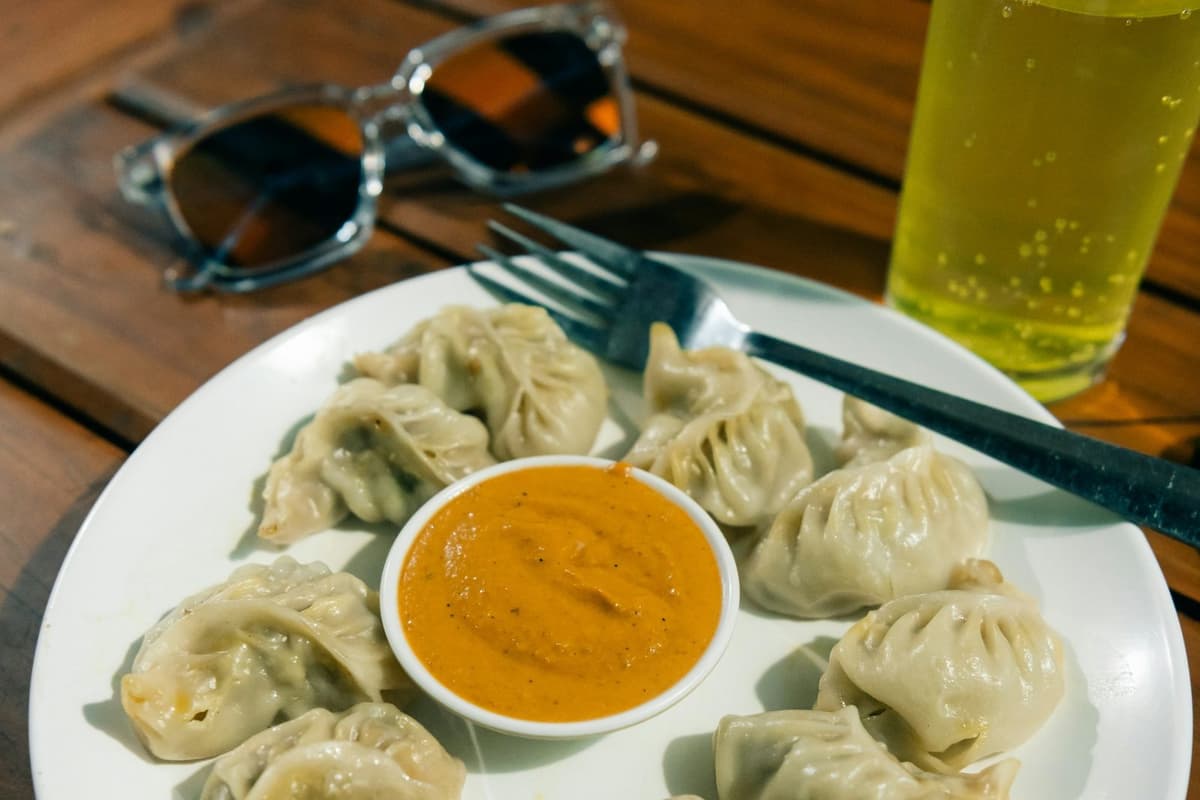
- Try juju dhau, Bhaktapur's sweet 'king curd', before leaving the old town
- Drive up to Nagarkot on the valley rim and settle in for sunset and a quiet evening
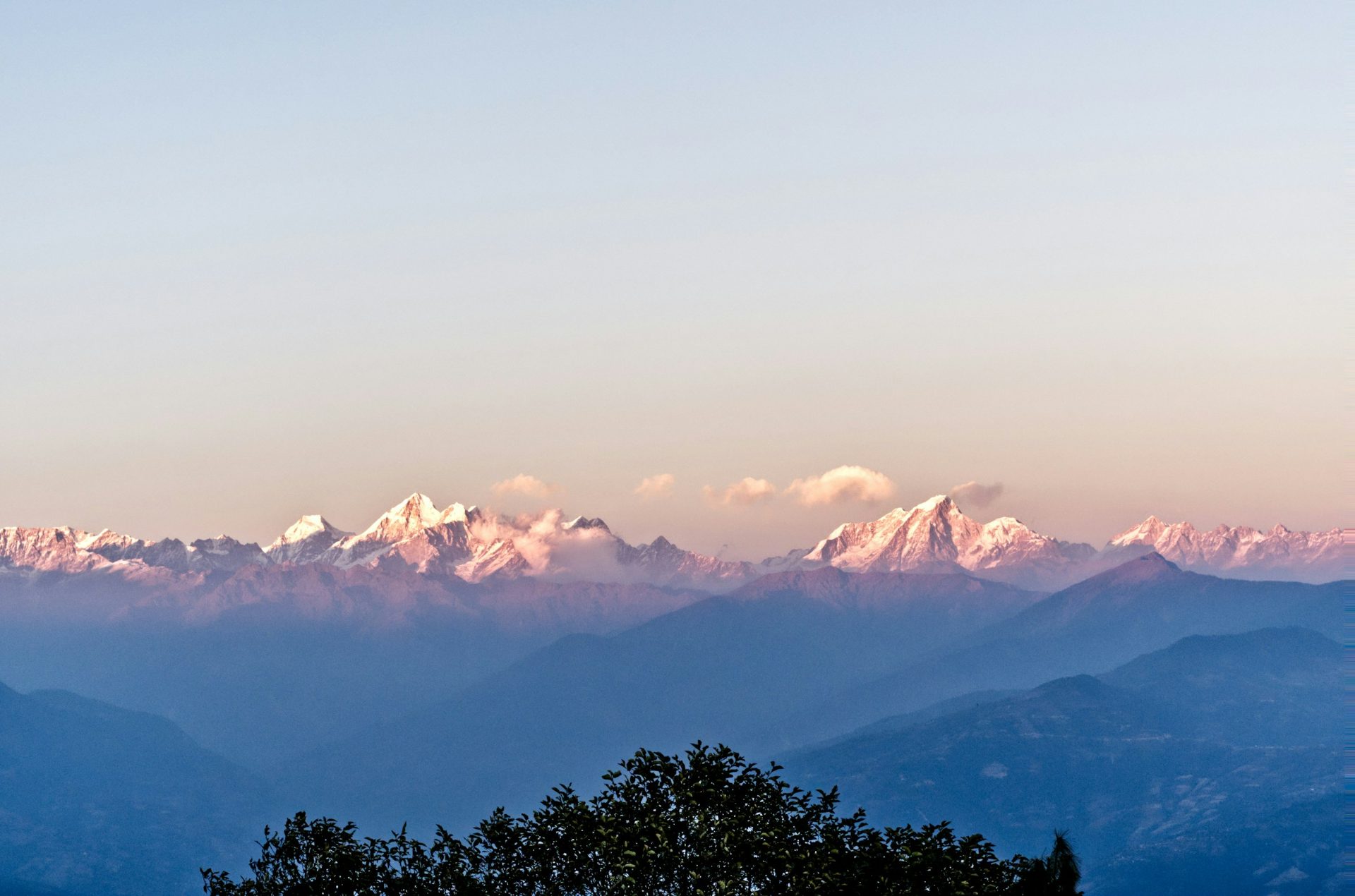
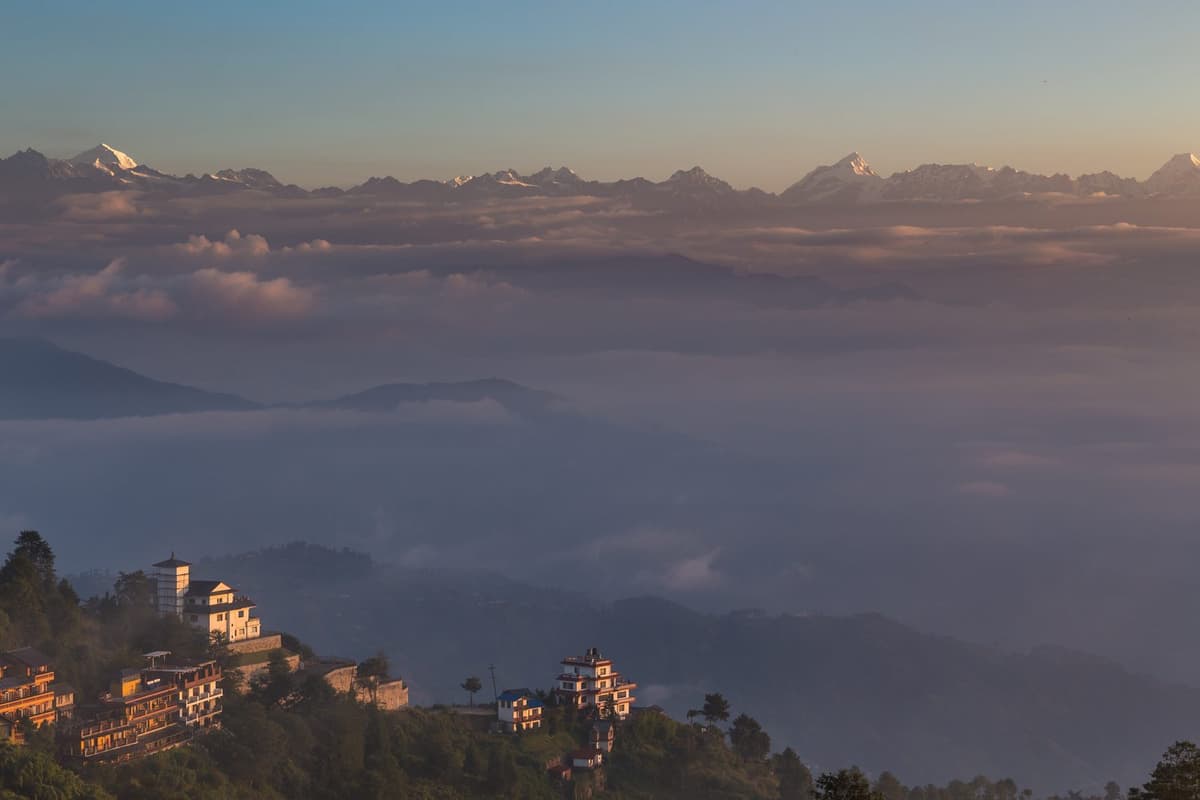
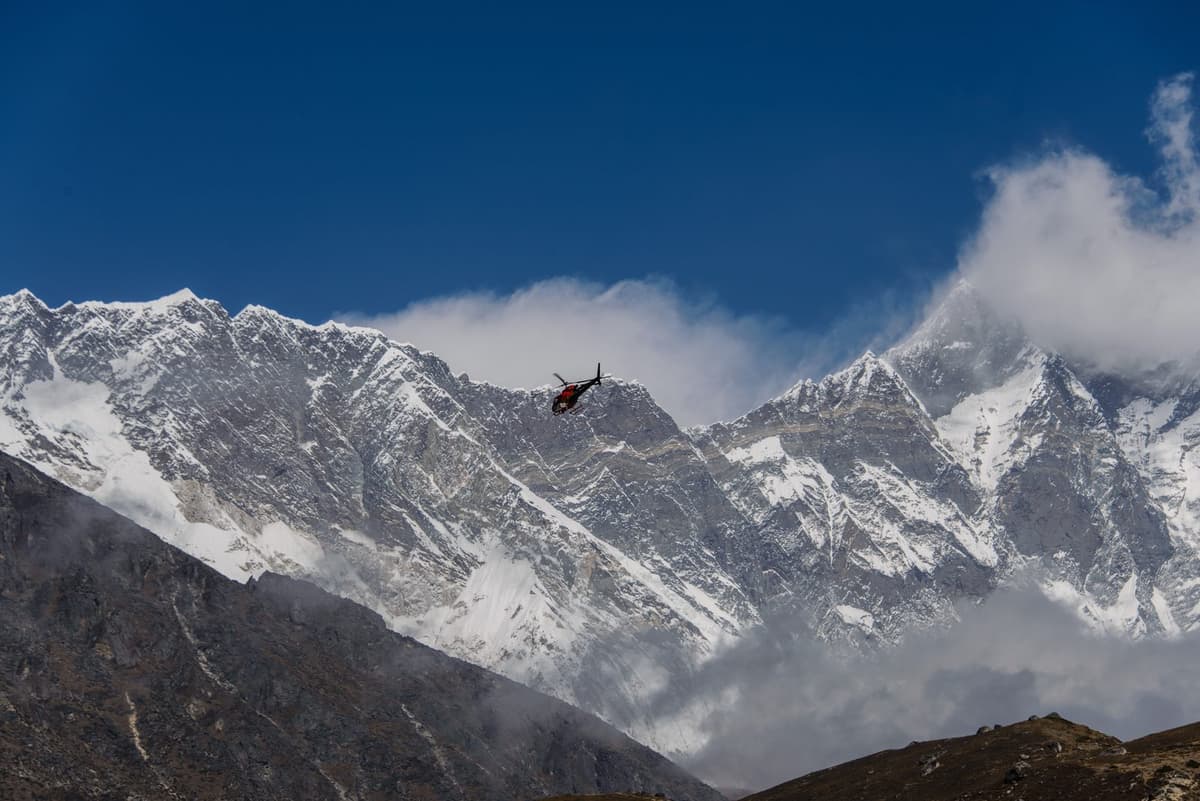
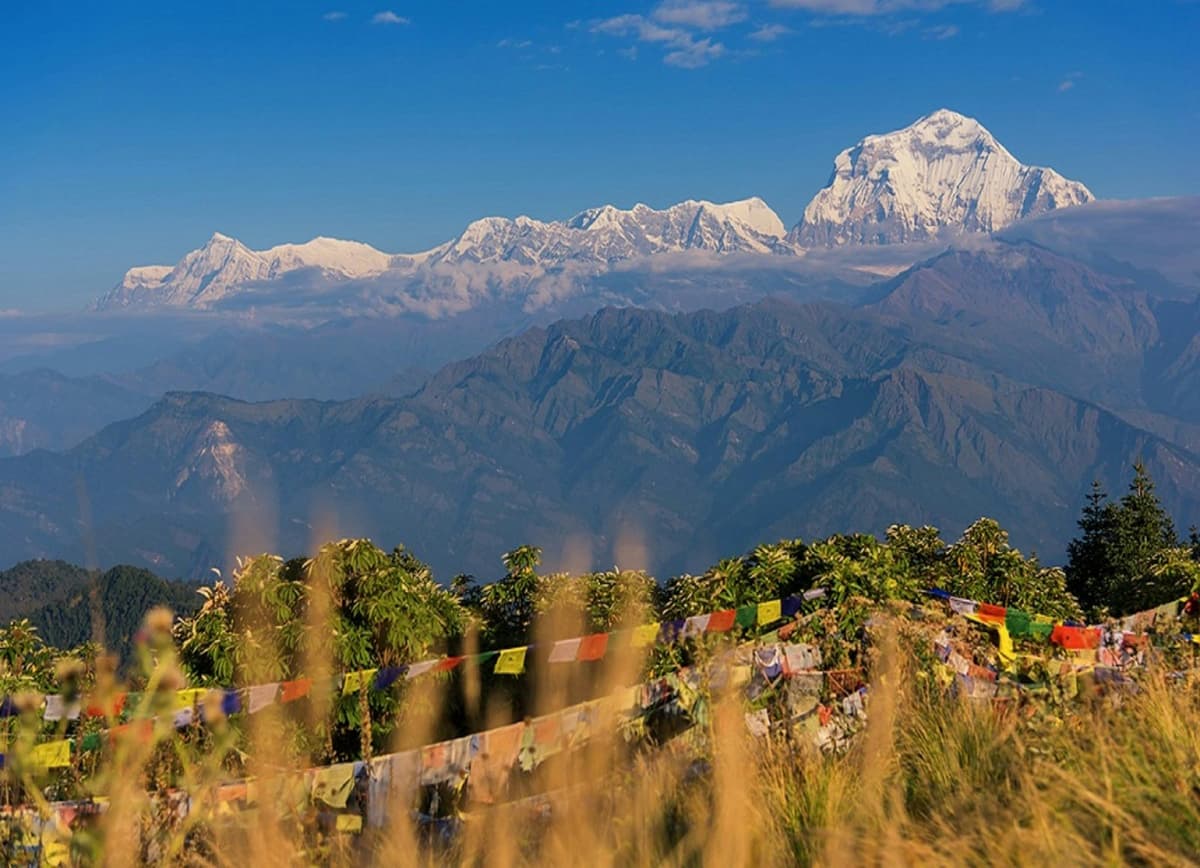
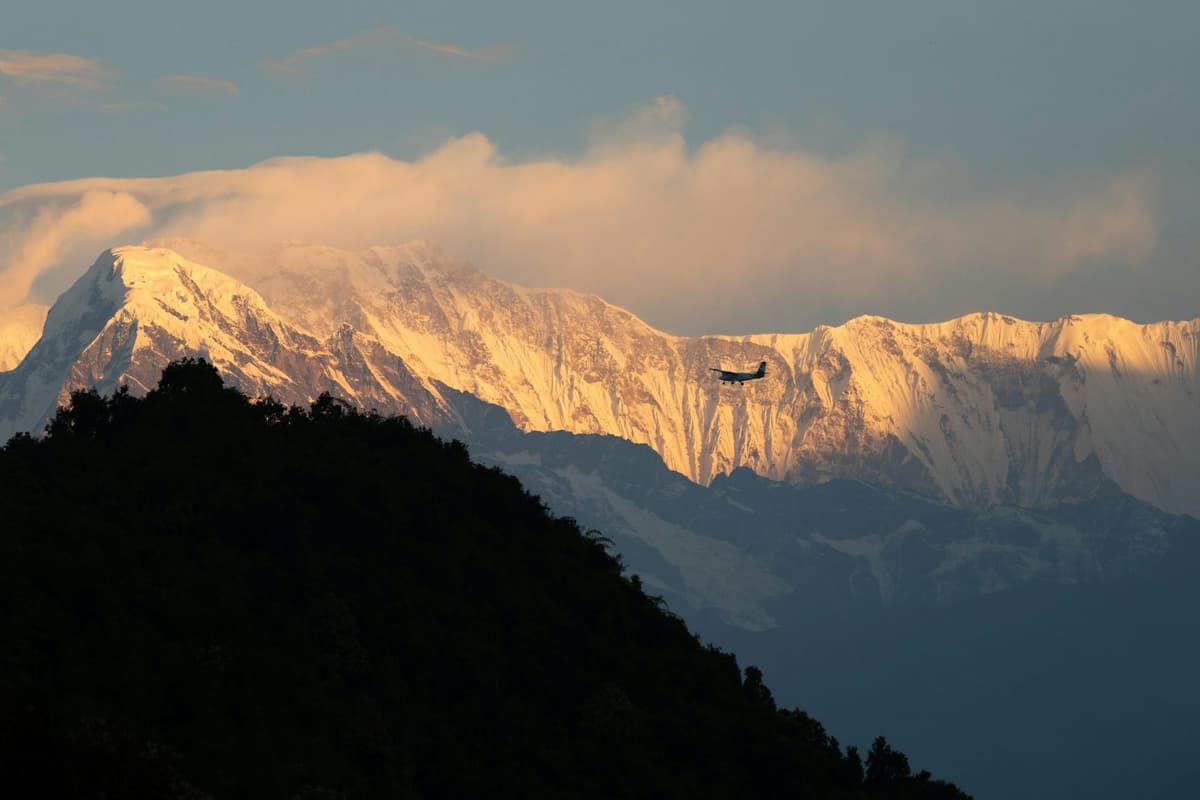
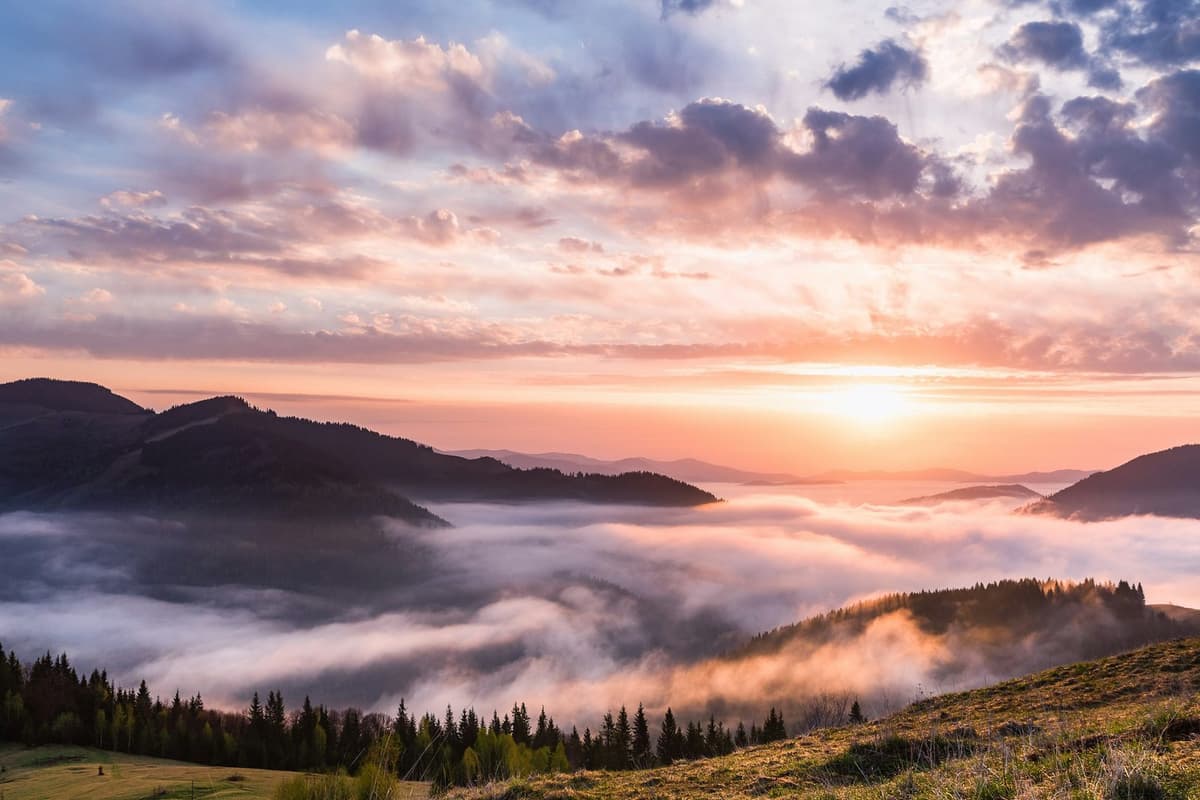
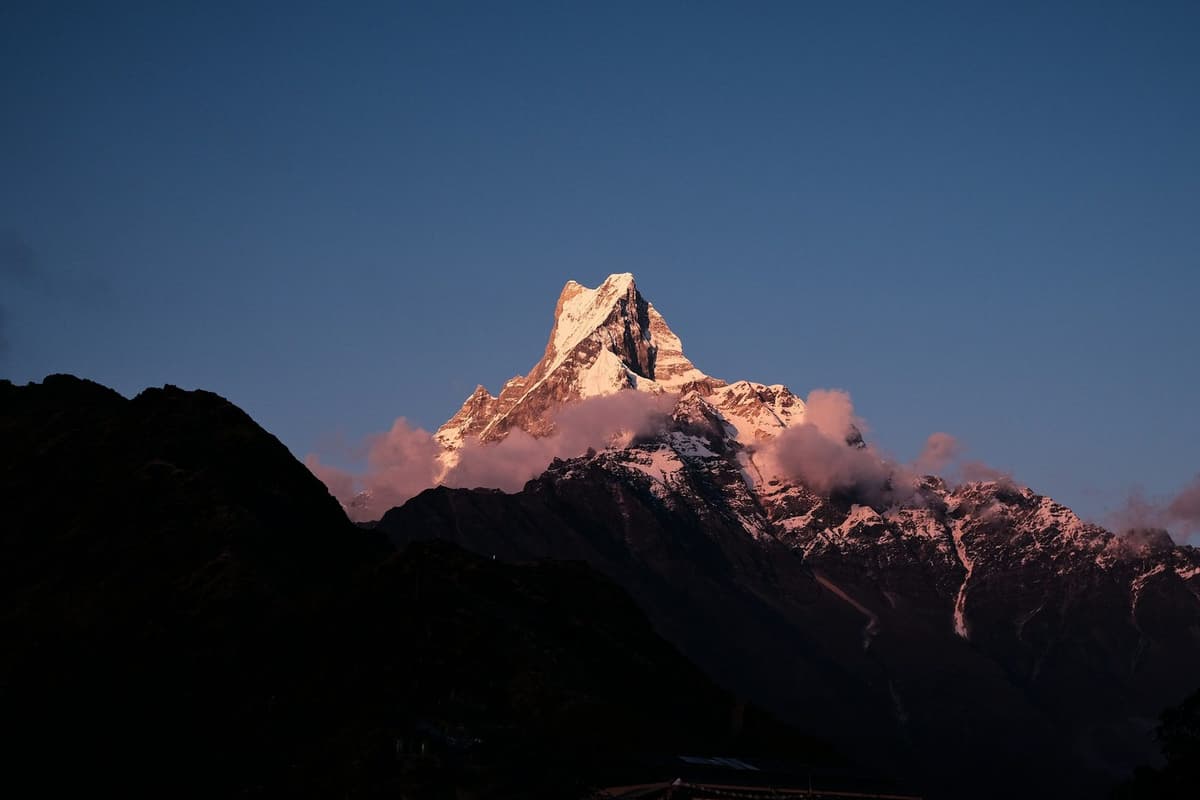
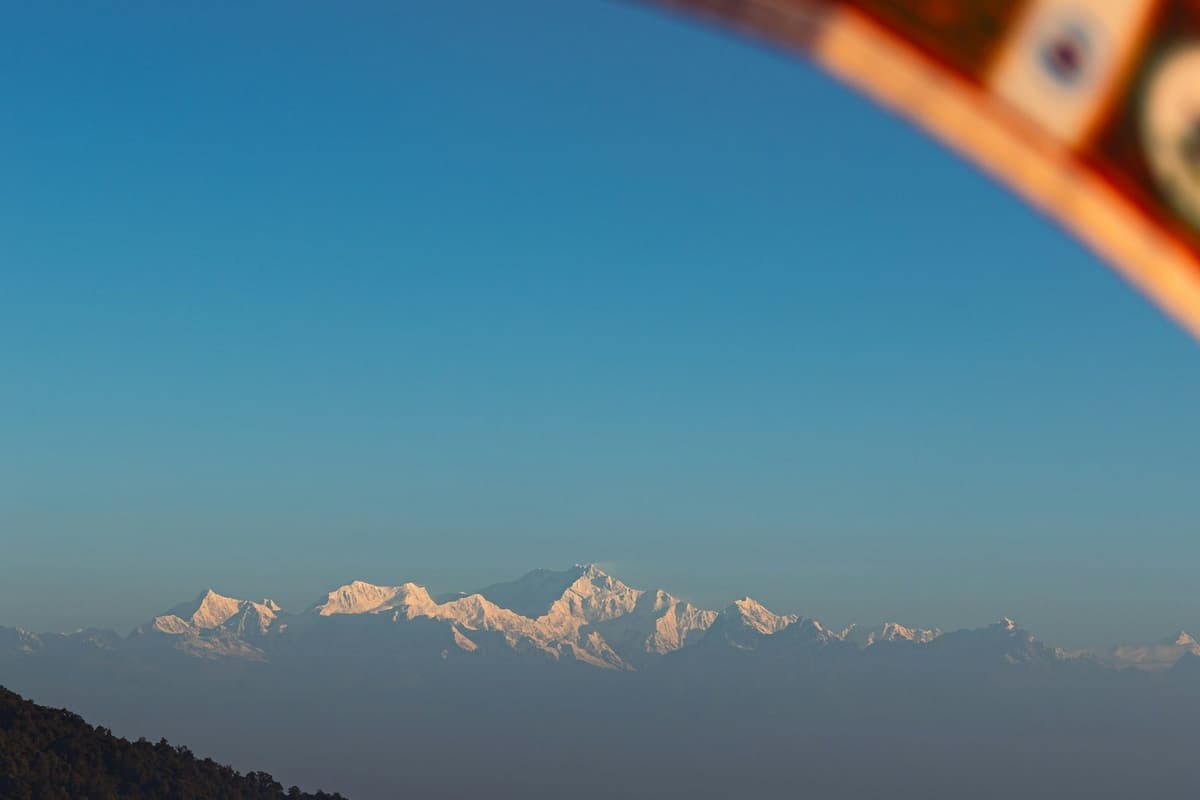
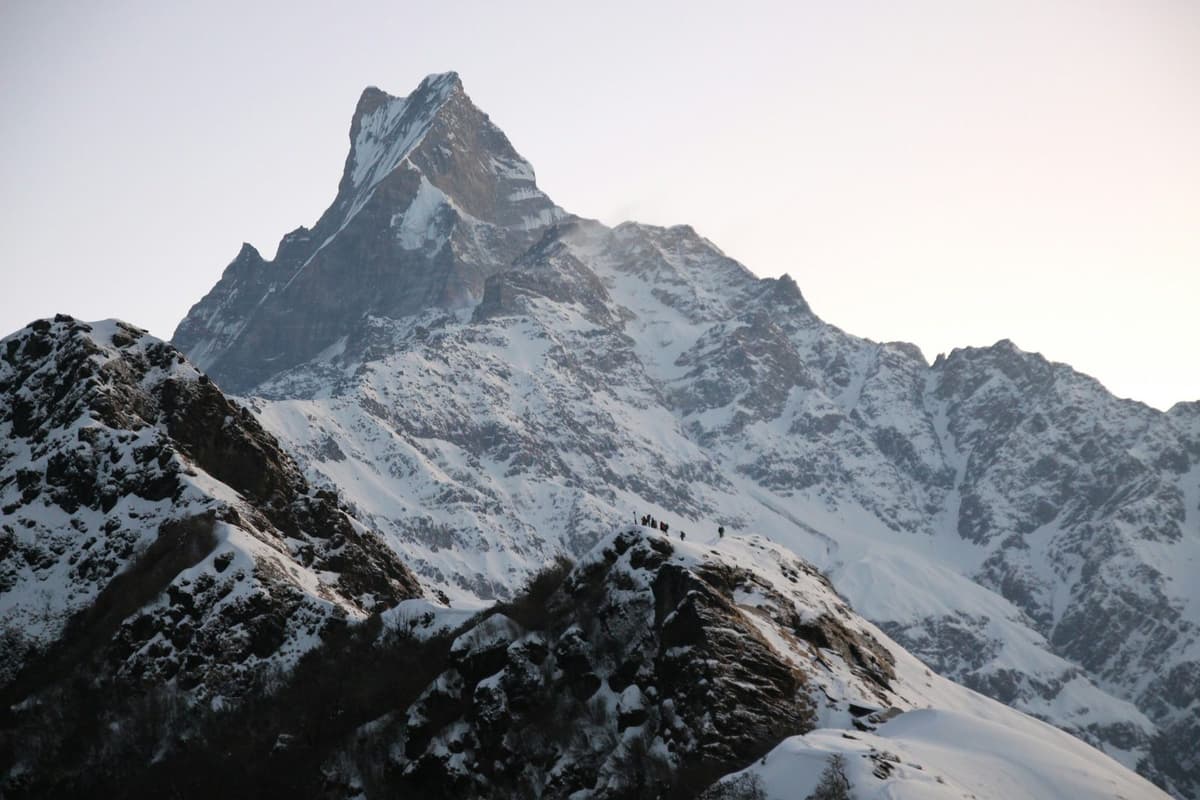
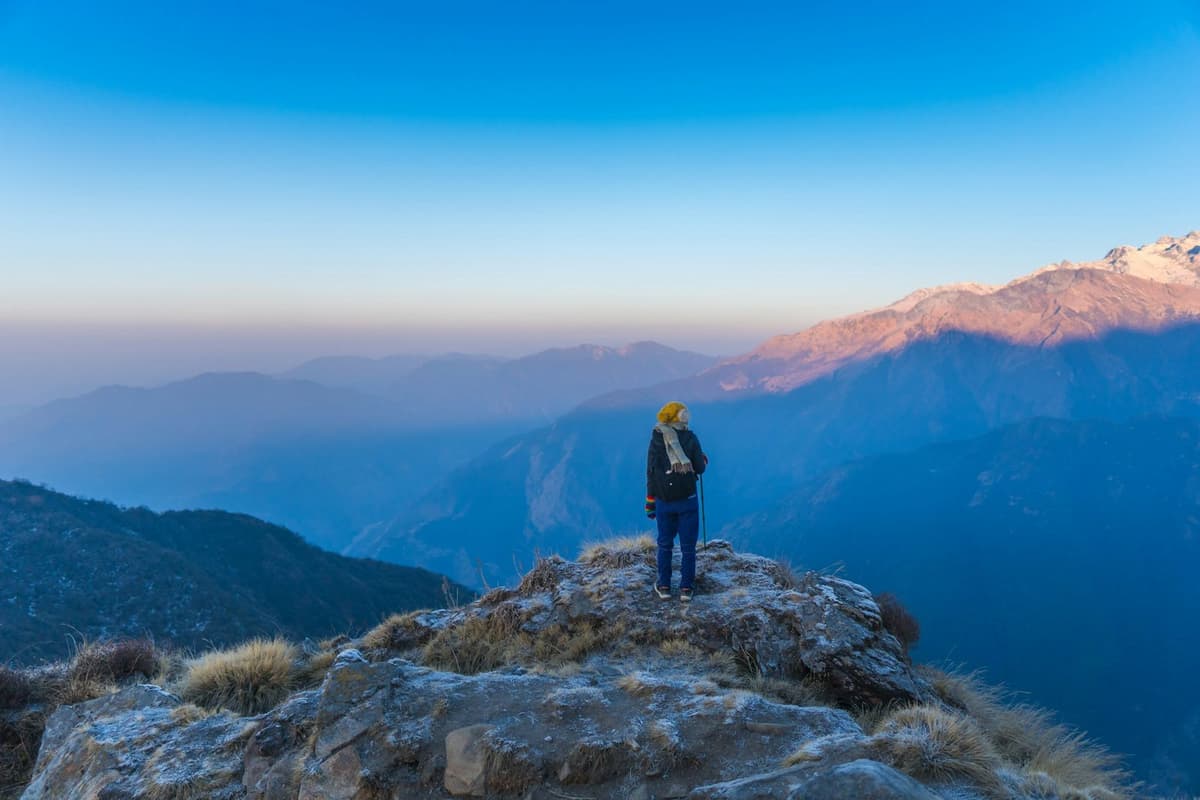
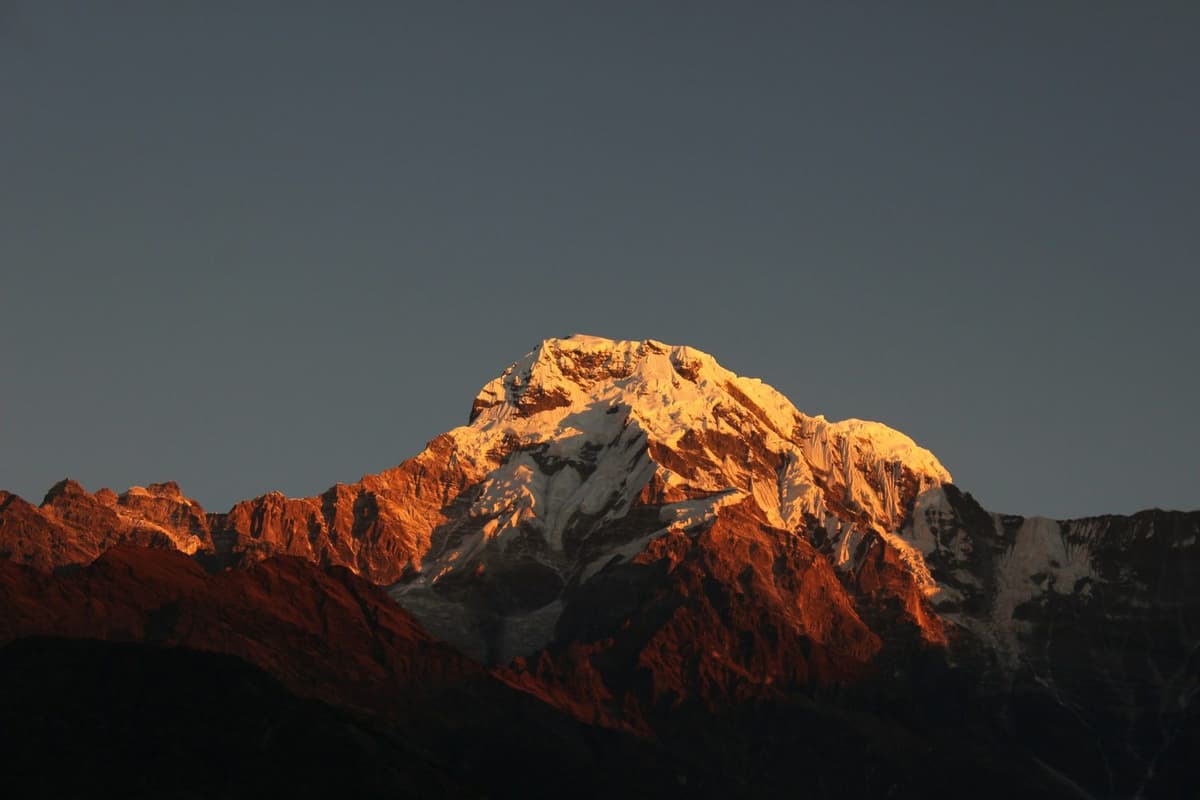
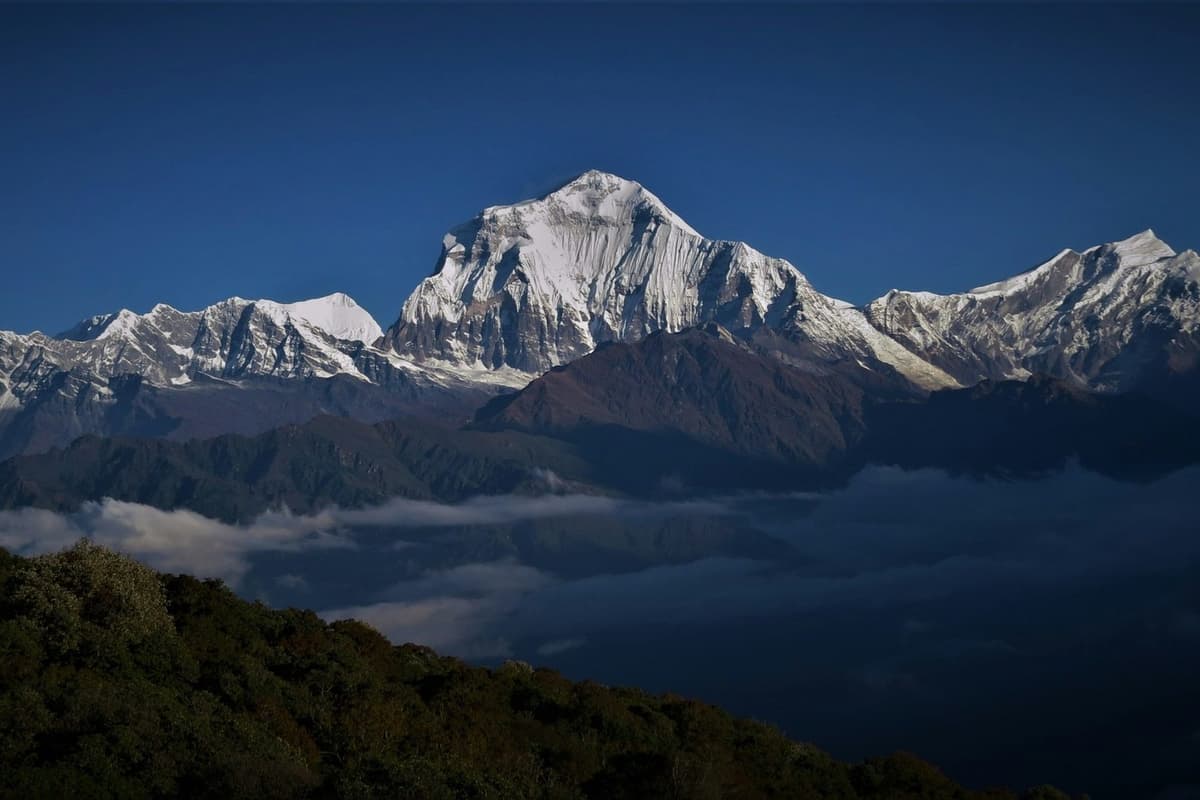
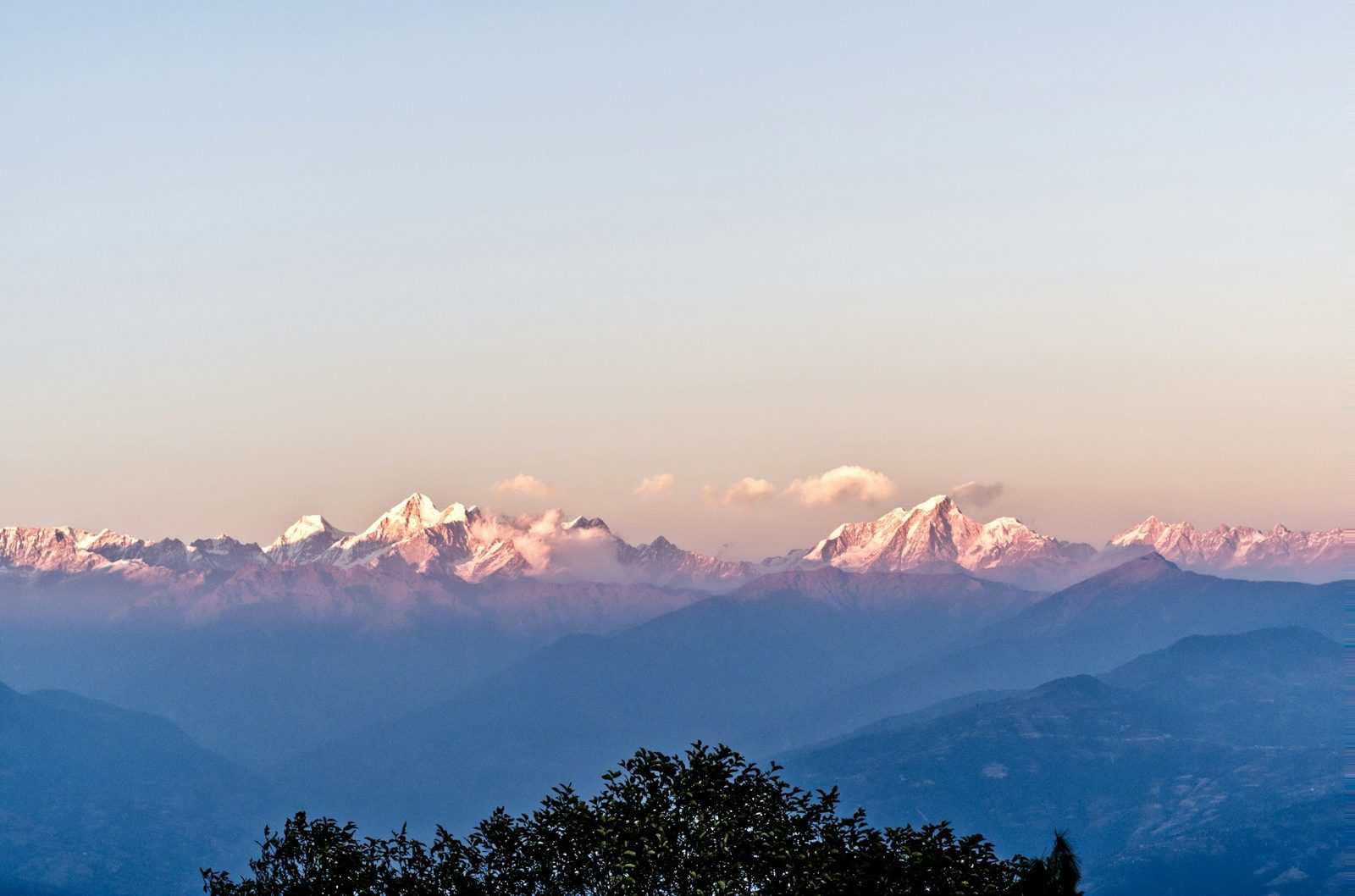
- Early start for sunrise from the ridge, with Langtang, Jugal and on clear days the Everest range
- Unhurried breakfast with the view while the valley mist burns off
- Drive back down through the Bhaktapur side of the valley
- Drop-off at your Kathmandu hotel with the rest of the day free
Things to carry
- Warm layer or light down jacket for the Nagarkot dawn
- Comfortable walking shoes that slip off easily at temples
- Clothing that covers shoulders and knees for sacred sites
- Sun hat, sunglasses and sunscreen
- Small daypack with a refillable water bottle
Good to know
Complete guide
This Kathmandu Valley heritage tour with Nagarkot is the classic circuit of the valley's sacred and royal sites, done over two full days, with a third morning spent watching the sun rise over the Himalaya. It is an easy trip: you travel by private car, walk only around the sites, and sleep one night on the valley rim. Here is what it covers, how the days fit together and what to expect.
What the Kathmandu Valley heritage tour with Nagarkot covers
The Kathmandu Valley was inscribed as a UNESCO World Heritage property in 1979 as seven monument zones. This tour takes in six of them: Swayambhunath, Kathmandu Durbar Square, Boudhanath, Pashupatinath, Patan Durbar Square and Bhaktapur Durbar Square. The seventh, the hilltop temple of Changu Narayan, is not on this plan; if you want all seven, say so when you enquire and we will show you the version that includes it.
Day one keeps you in and around Kathmandu. You start on the hill at Swayambhunath, walk the old palace square at Hanuman Dhoka, circle the great dome of Boudhanath, and finish on the banks of the Bagmati at Pashupatinath. Day two crosses the river to Patan, then heads east to Bhaktapur before the drive up to Nagarkot. Day three is the sunrise and the drive home.
The sites, in the order you meet them
Swayambhunath sits on a hill west of the city, and its monkeys give it the nickname the Monkey Temple. Kathmandu Durbar Square was the seat of the old kings; the Kumari, a girl worshipped as a living goddess, lives here, and you can see the rebuilt Kasthamandap, badly damaged in the 2015 earthquake. Boudhanath is the largest spherical stupa in Nepal, surrounded by Tibetan monasteries built after 1959. At Pashupatinath the main temple is open only to Hindus, so you watch from the east bank, where the evening aarati is held.
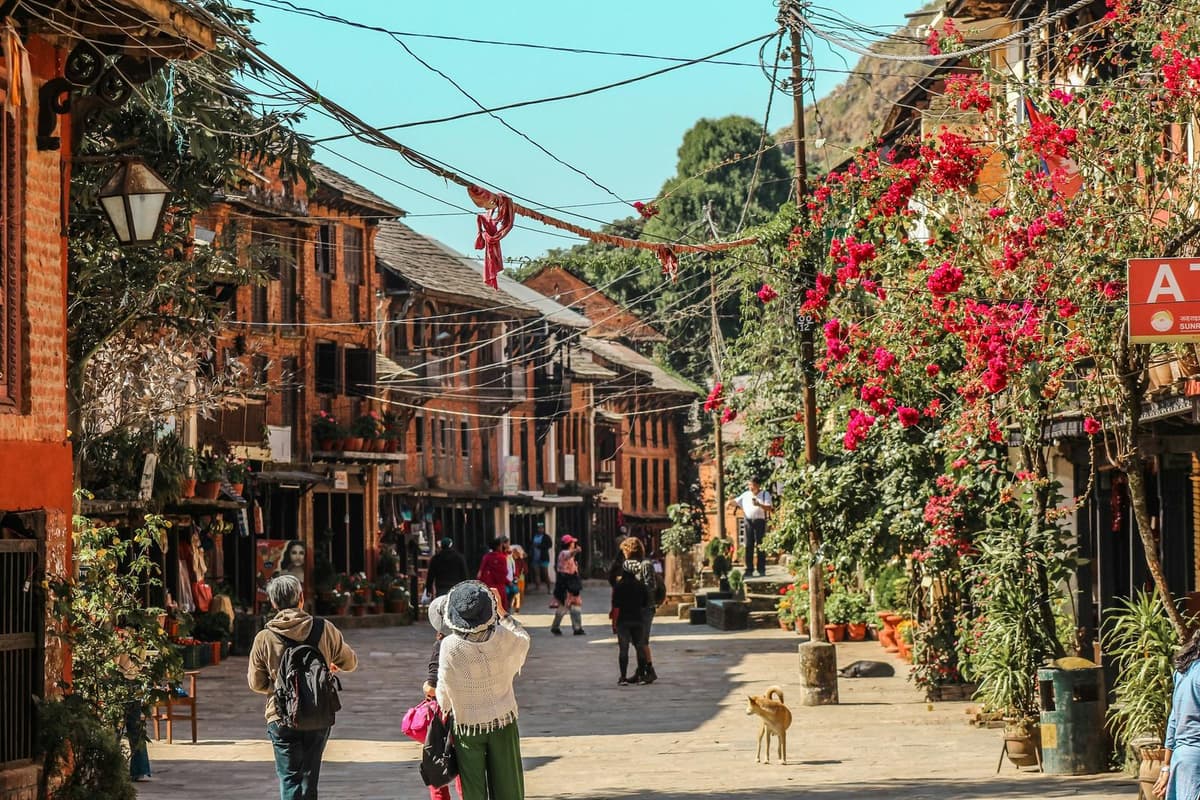
Patan is the city of craftsmen, and its square holds the stone Krishna Mandir, built in 1637. Bhaktapur is the best preserved of the three royal cities, with the 55-Window Palace, the Golden Gate and the five-storey Nyatapola temple from 1702. Leave room for a clay pot of juju dhau, the local curd.
The night at Nagarkot and what the sunrise is really like
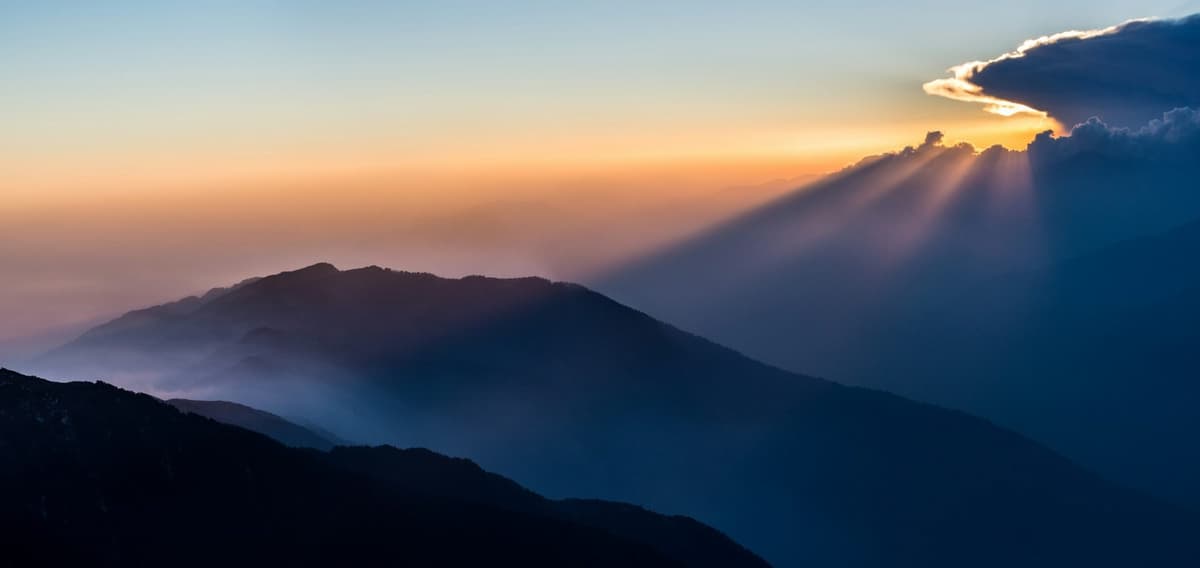
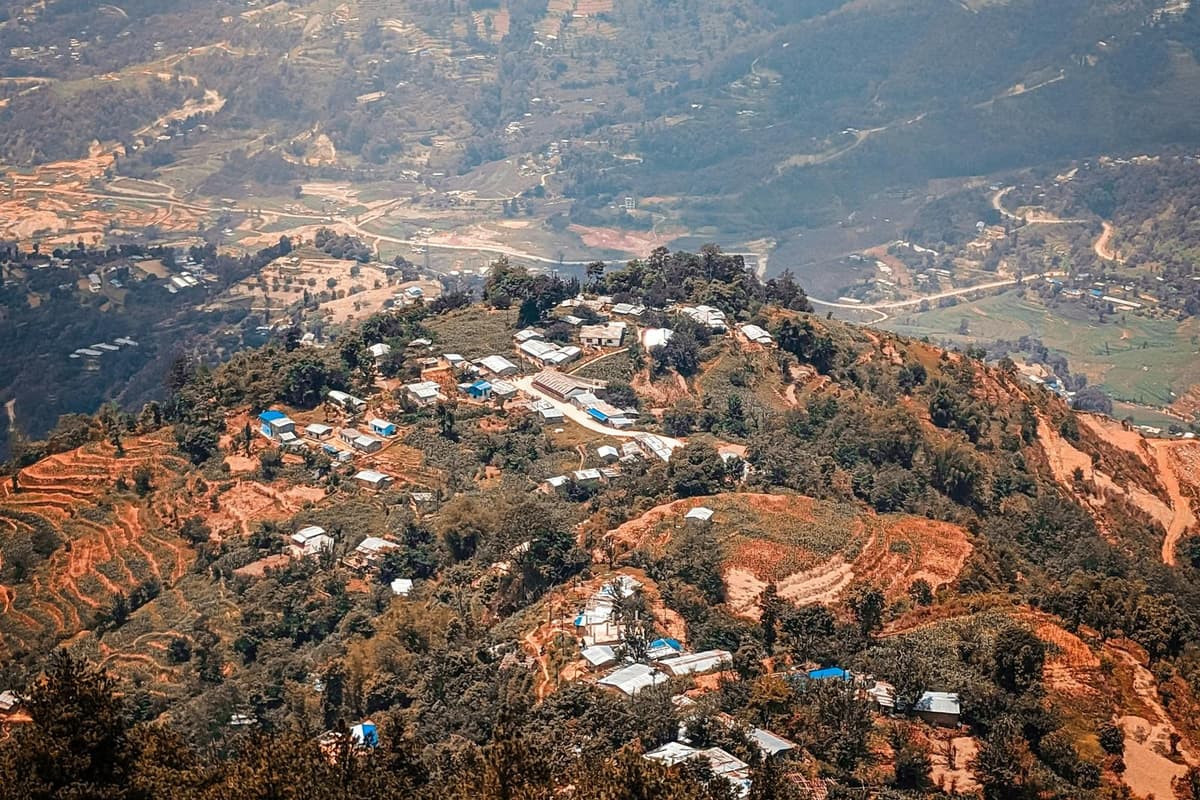
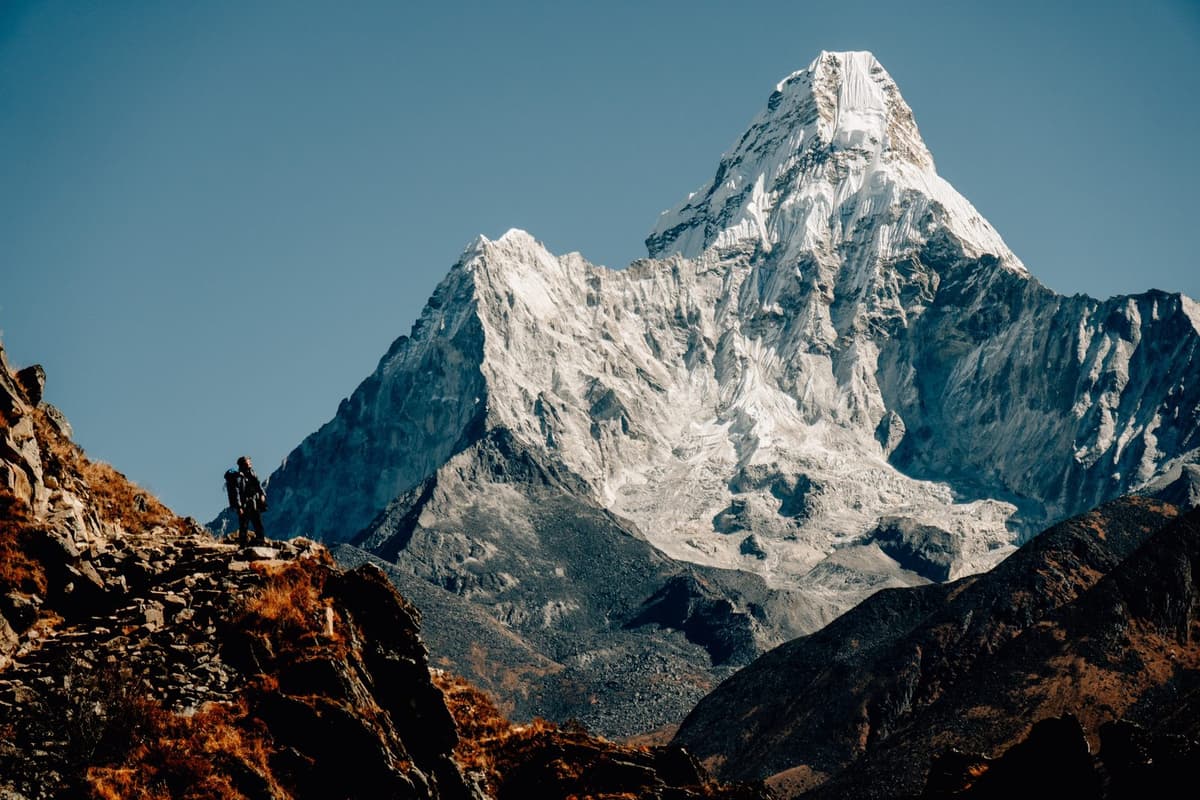
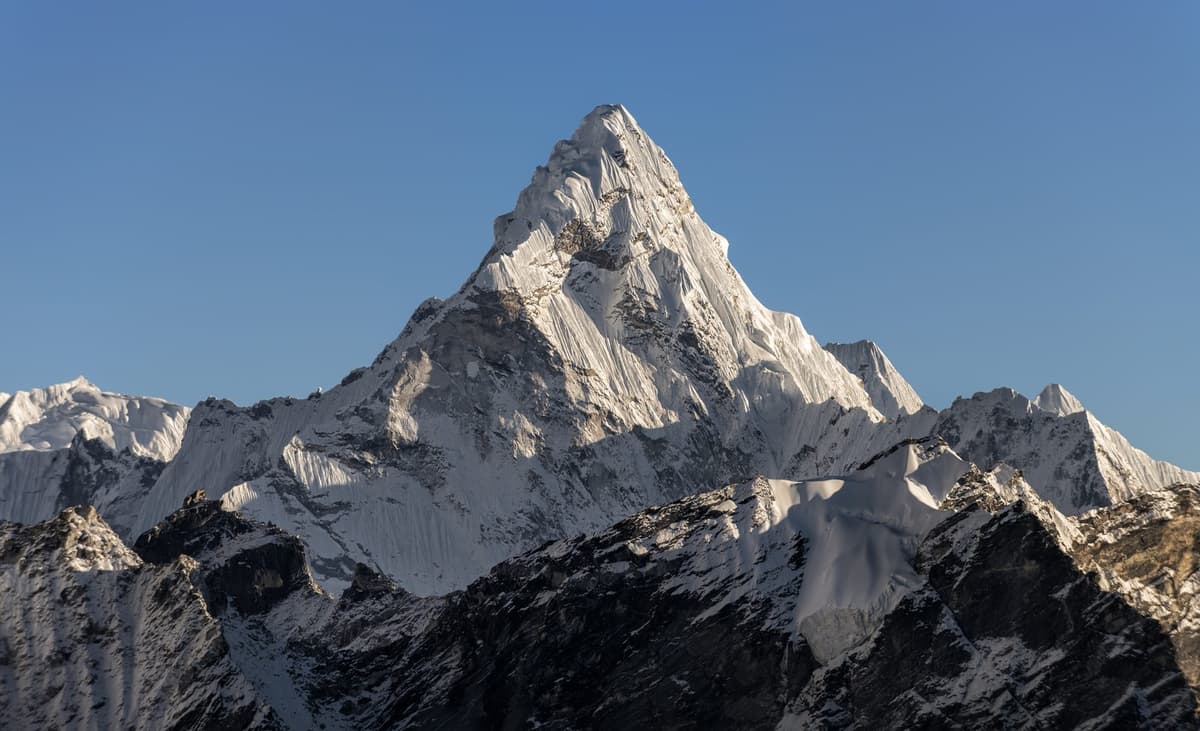
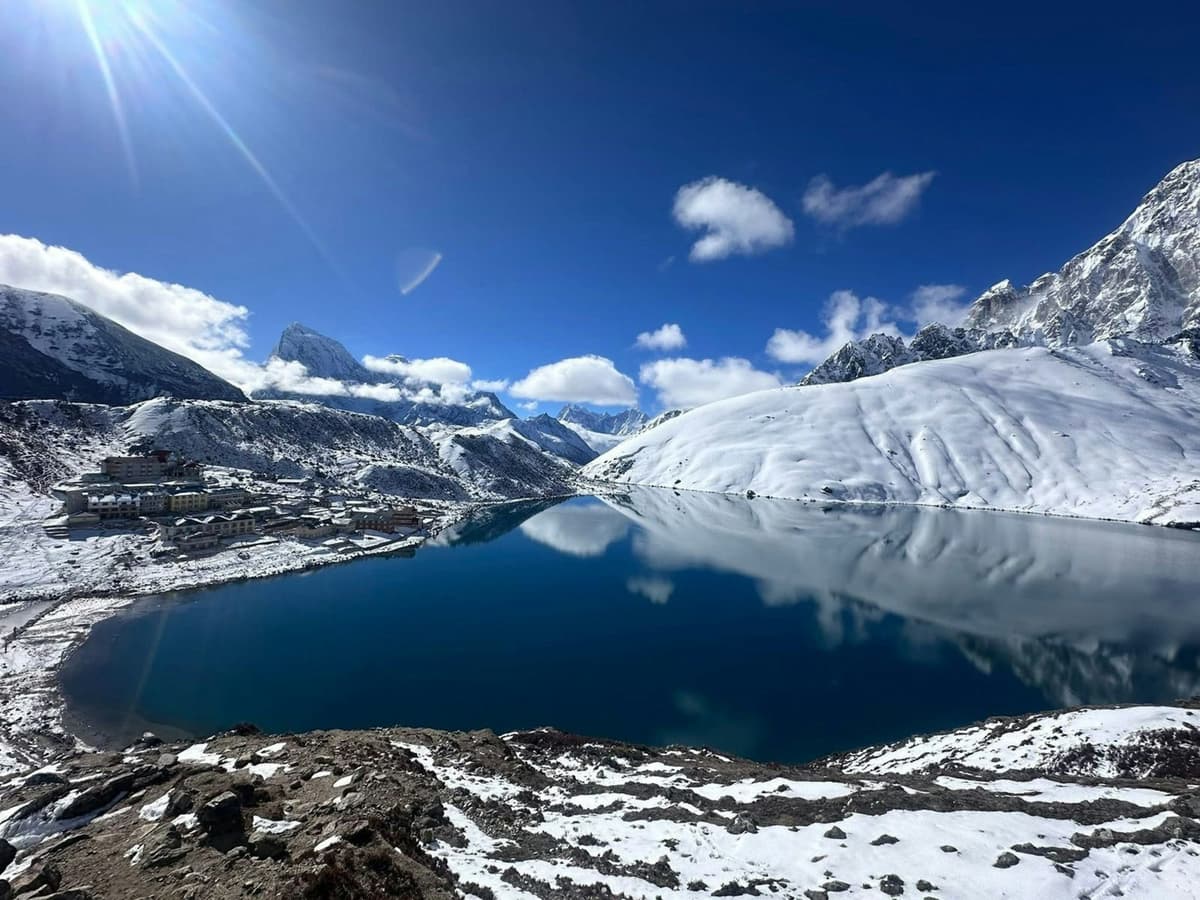
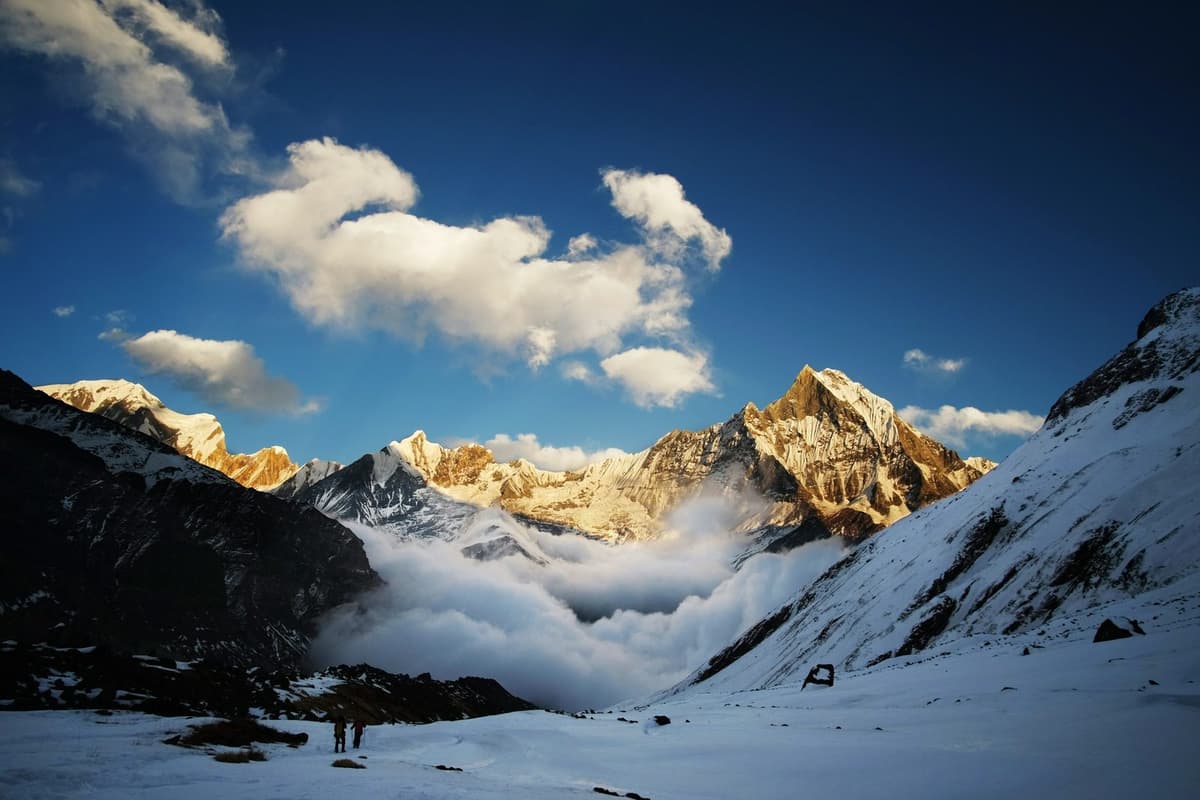
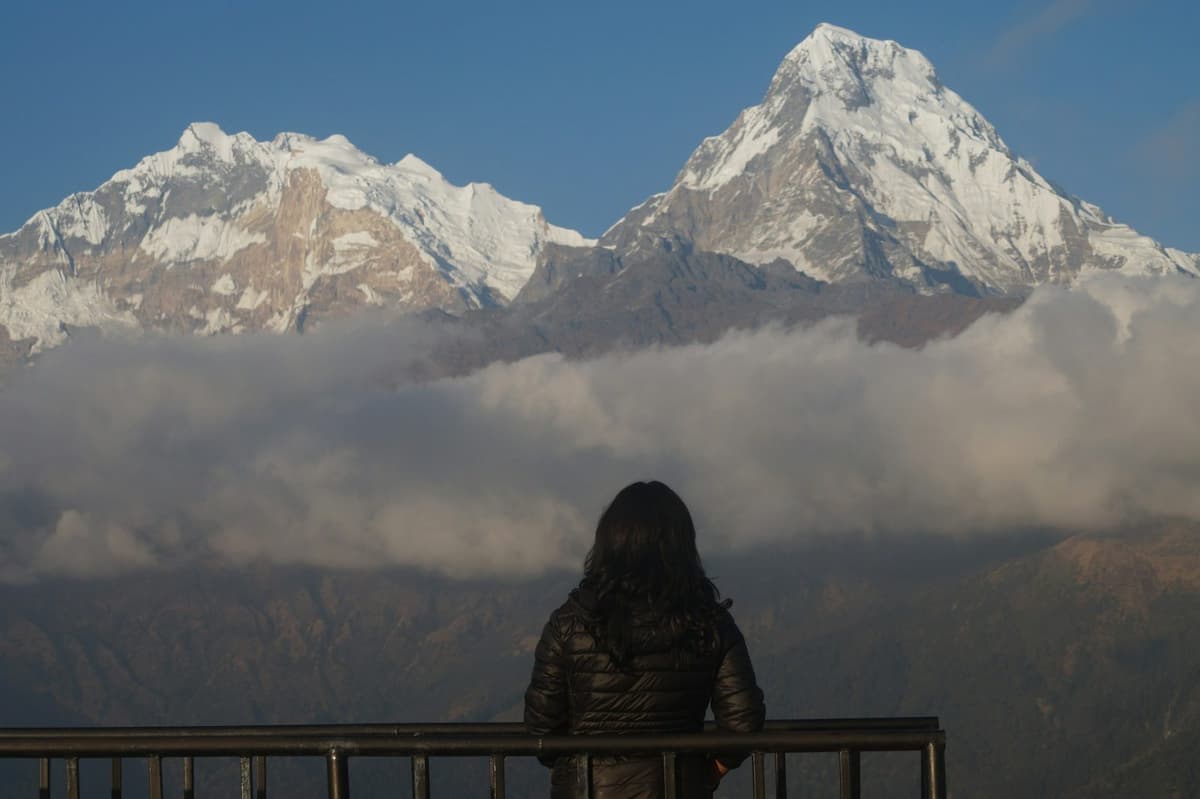
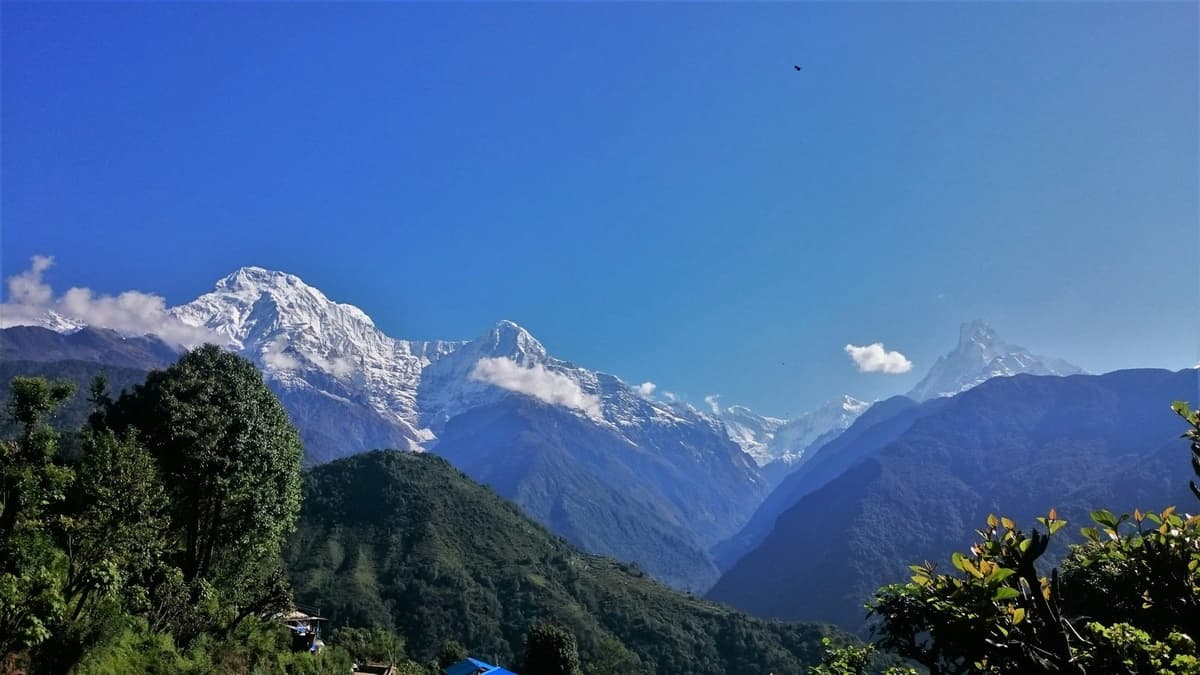
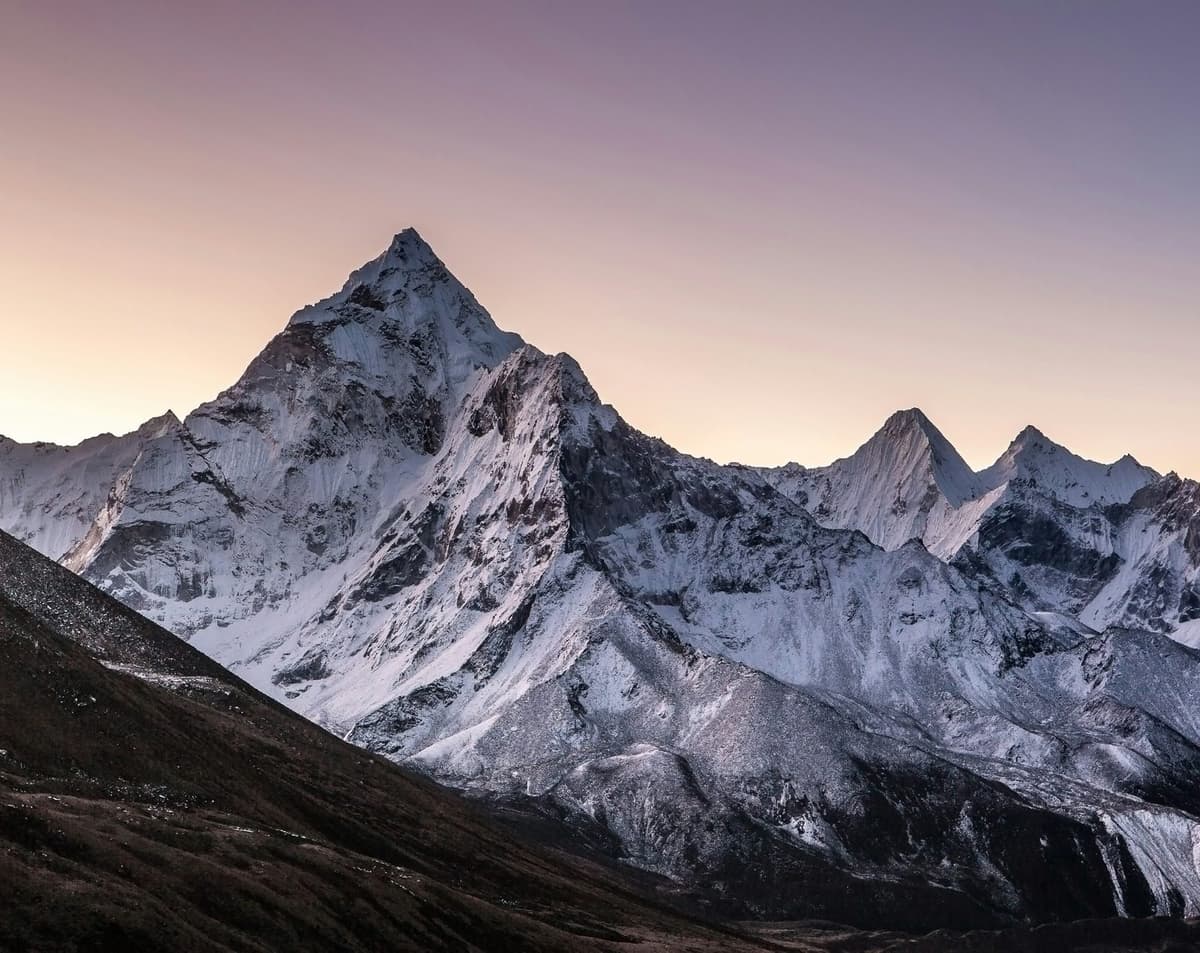
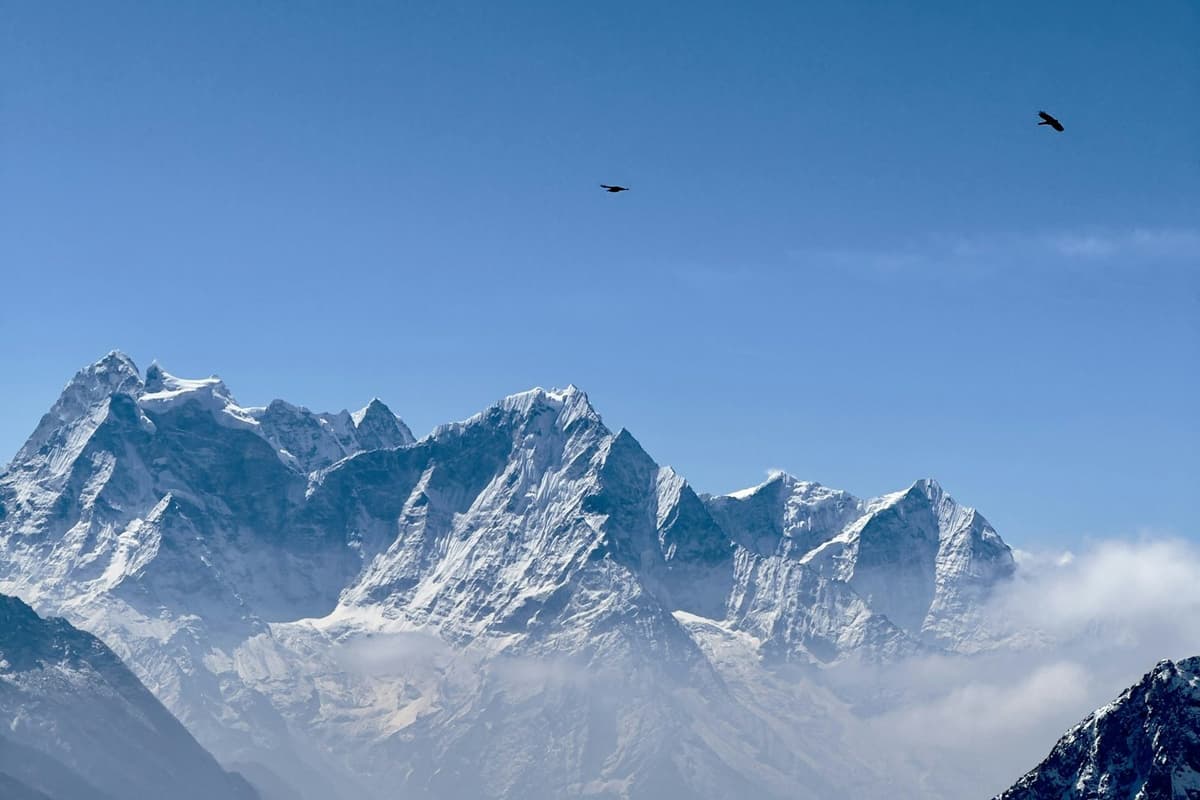
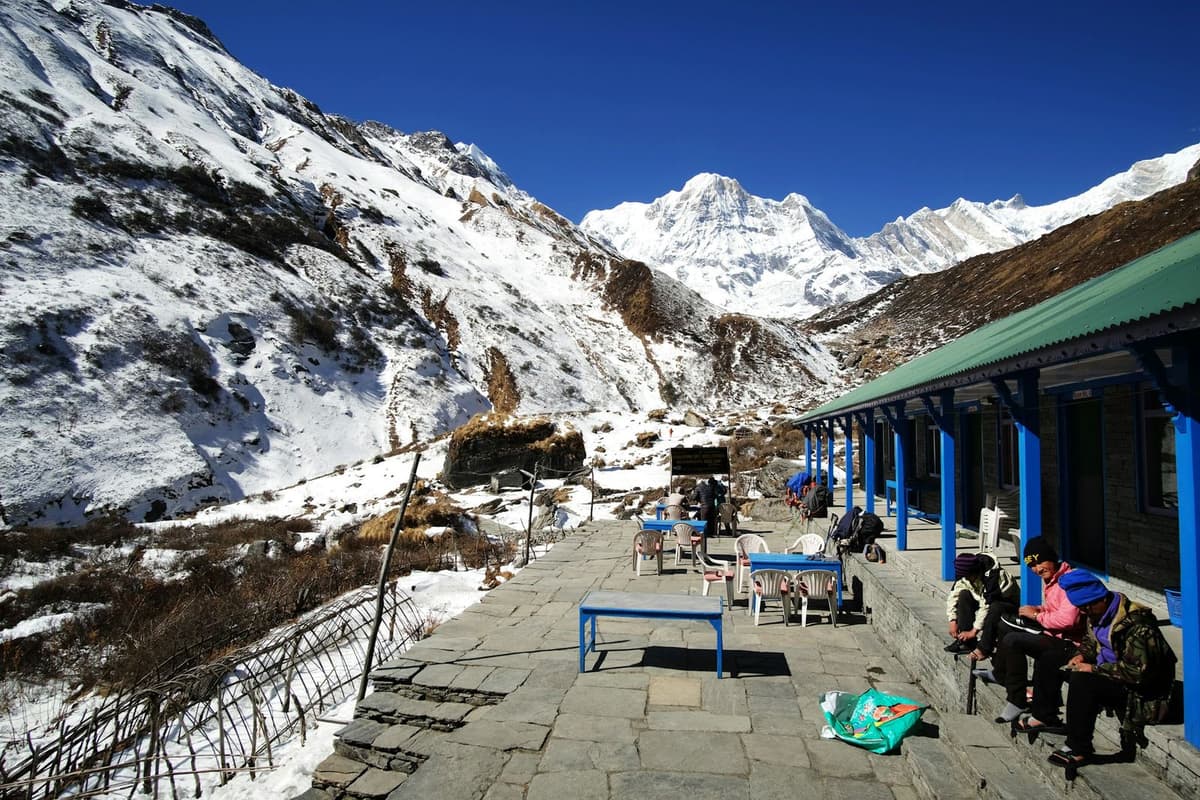
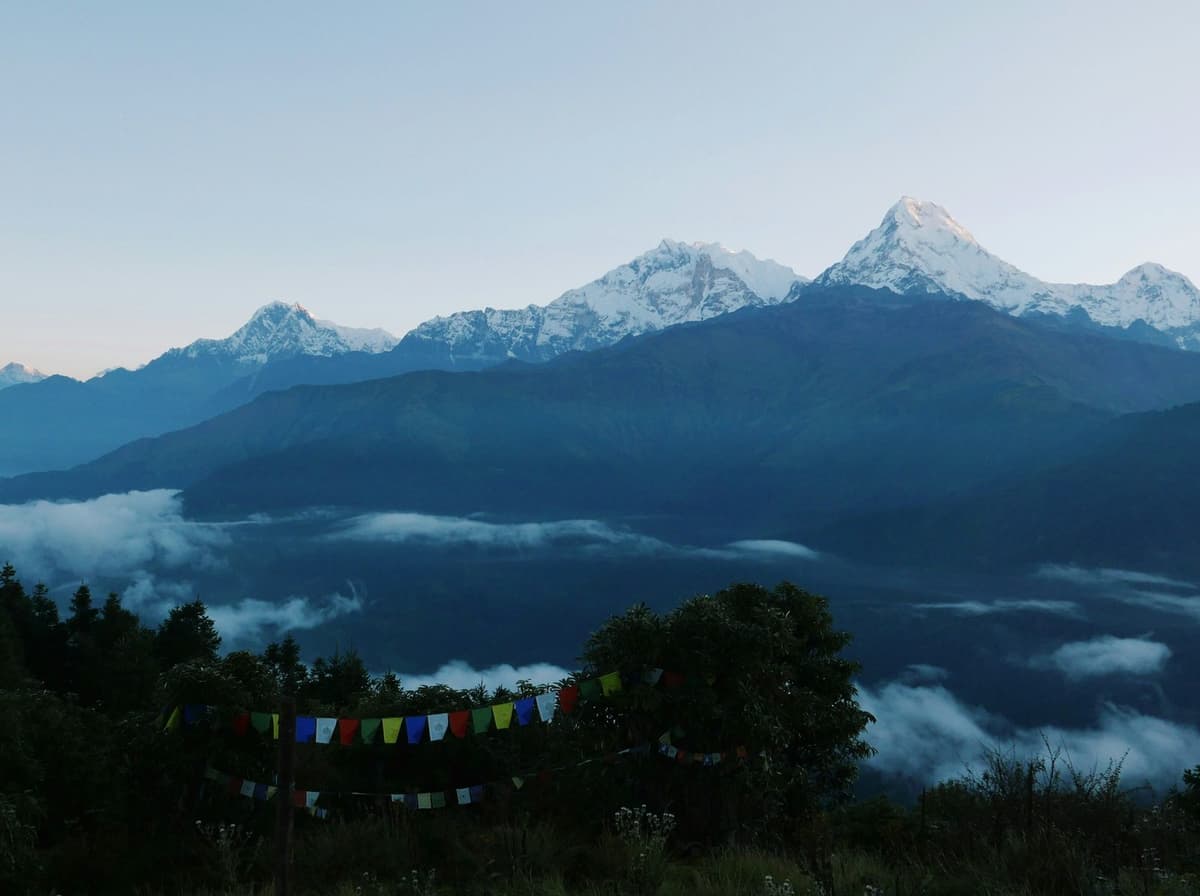
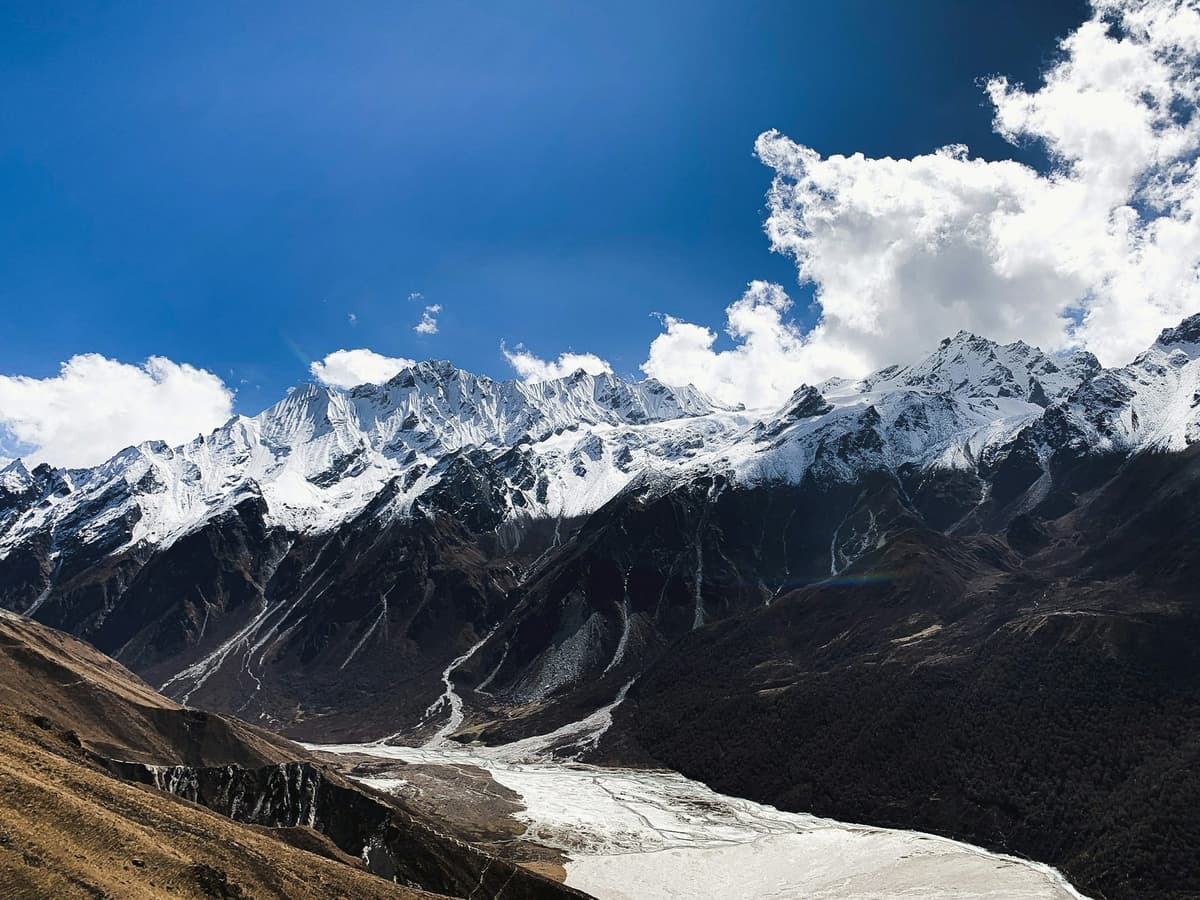
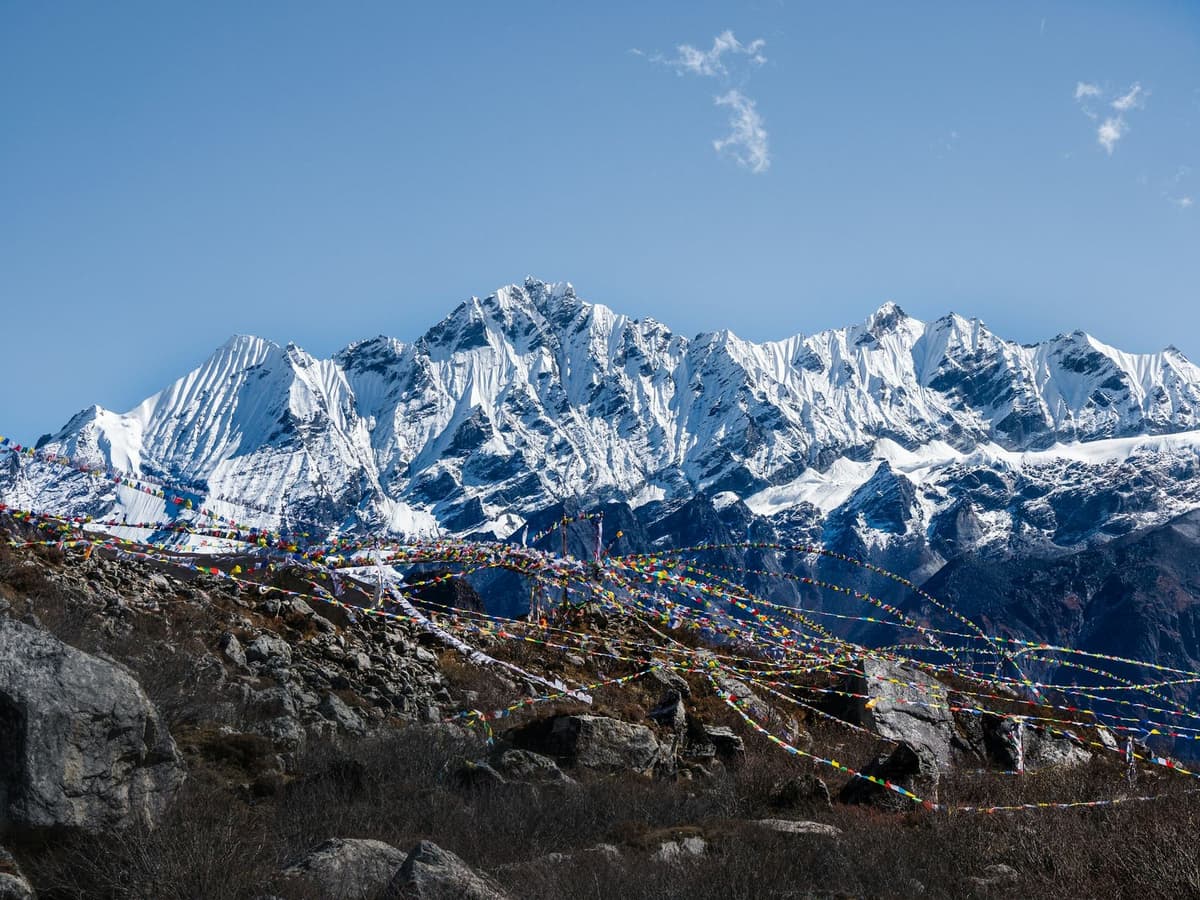
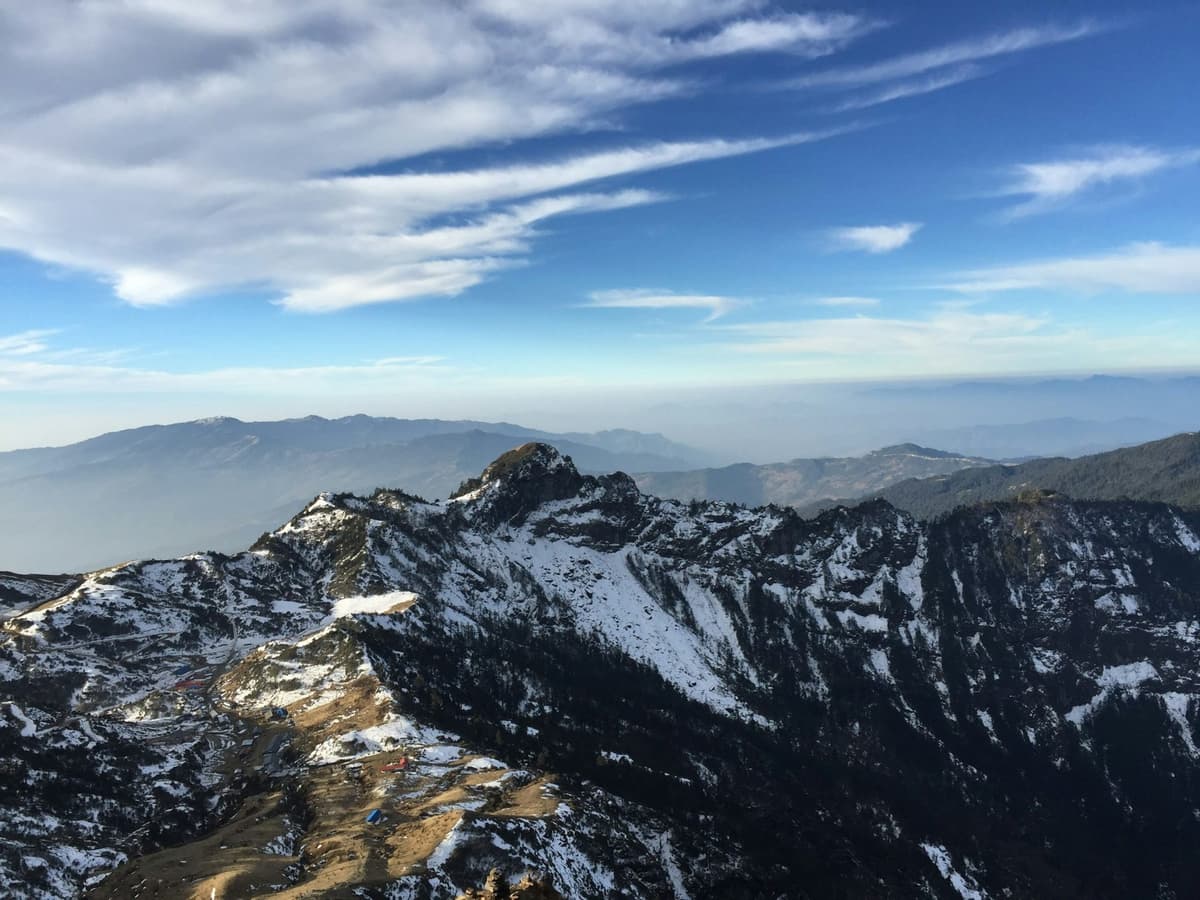
Nagarkot is a ridge-top village at 2,175 m (7,136 ft) in Bhaktapur district, on the eastern rim of the valley. On a clear morning it looks out over a long line of ranges including Annapurna, Manaslu, Ganesh, Langtang, Jugal and the Everest range. Everest itself is small and far away, and we will not promise you will see it. Clouds, haze and season decide the view. What you do get every time is a quiet evening above the city noise and an early, cool start with tea on the ridge.
If you only have two days, our overnight Nagarkot and Bhaktapur tour keeps the sunrise and Bhaktapur and drops the other sites. There is also a four-day version of this trip that adds a night in Dhulikhel, for a slower finish.
Pace, walking and who this tour suits
This is a sightseeing tour, not a hike. Most walking is on stone-paved squares and temple courtyards, with one real climb, the long stairway up to Swayambhunath, which you can take at your own pace. Kathmandu sits at 1,400 m and Nagarkot at 2,175 m, so altitude is not a concern for most healthy people. It works well for families, first-time visitors to Nepal, travellers coming from India for a short break, and anyone who prefers a guide to explain what they are looking at rather than rushing between tickets.
If you only have a single day in the valley, the Three Durbar Squares tour covers the royal squares of Kathmandu, Patan and Bhaktapur in one go, at a faster pace and without the night away.
When to go and practical notes
Late September to November gives the clearest skies and the best chance of a mountain sunrise. Winter is dry and often clear but cold at dawn on the ridge. The monsoon, roughly June to September, brings rain and cloud, and spring can be hazy. The heritage sites are good in any season. Each site charges foreign visitors an entrance ticket, with lower SAARC rates; our guide handles this with you. We arrange your guide, private car and hotels inside Nepal. Your visa and your flight to Kathmandu are your own arrangements, and once you land, we take it from there.