

Overview
This Trishuli rafting, Bandipur and Gorkha tour is a four-day road trip that mixes one lively day on the water with two historic hill towns. You drive west from Kathmandu on the Prithvi Highway to a riverside camp on the Trishuli, so you raft fresh the next morning on grade 2+ to 3+ rapids before continuing to Bandipur, an old Newar trading bazaar kept free of cars. Day three takes you to Gorkha and the hilltop palace where Prithvi Narayan Shah, the king who unified Nepal, was born. Day four is the drive back to Kathmandu. It suits first-time rafters, families and couples who want adventure and history at an easy pace.
The itinerary
- Morning departure west from Kathmandu on the Prithvi Highway
- Three to three and a half hours to the river near Charaudi
- Afternoon free at a riverside camp or resort
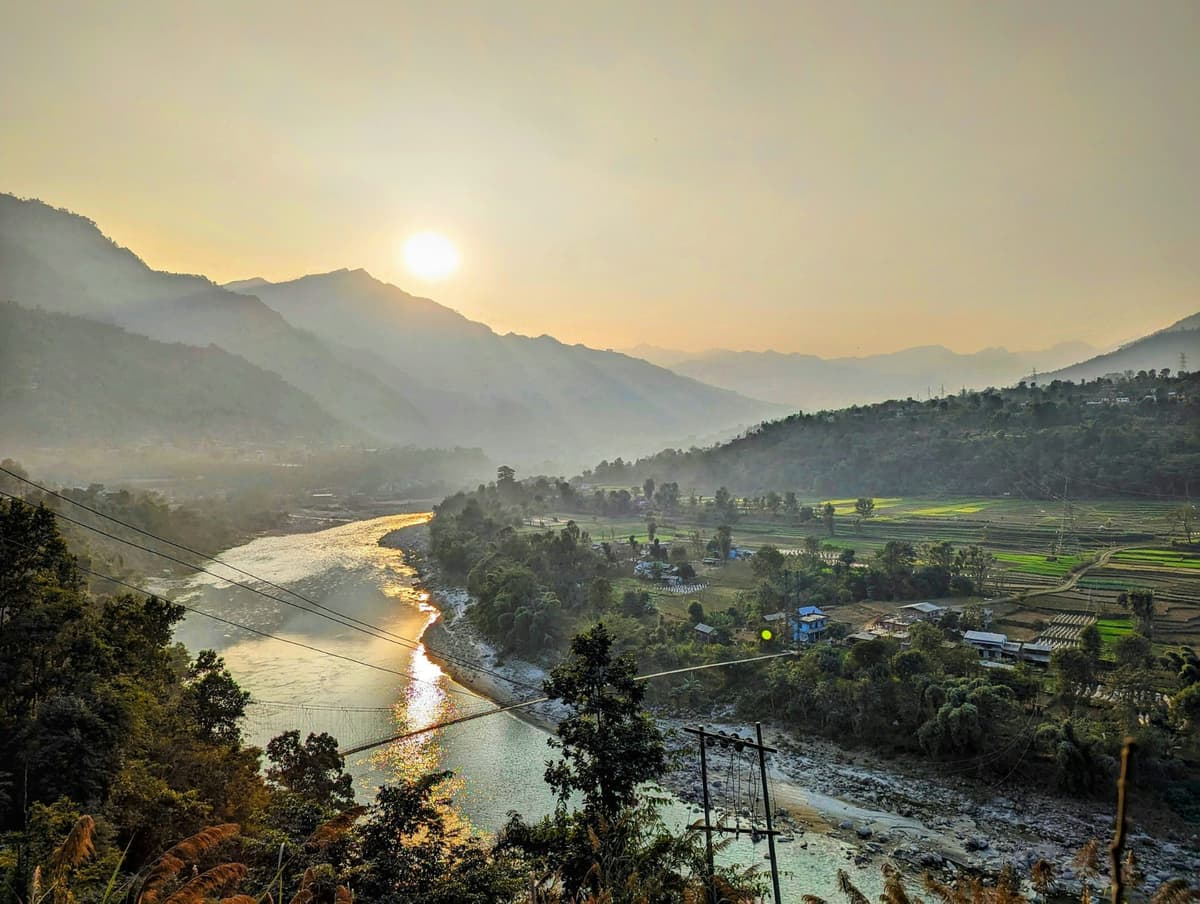
- Quiet evening and dinner by the Trishuli
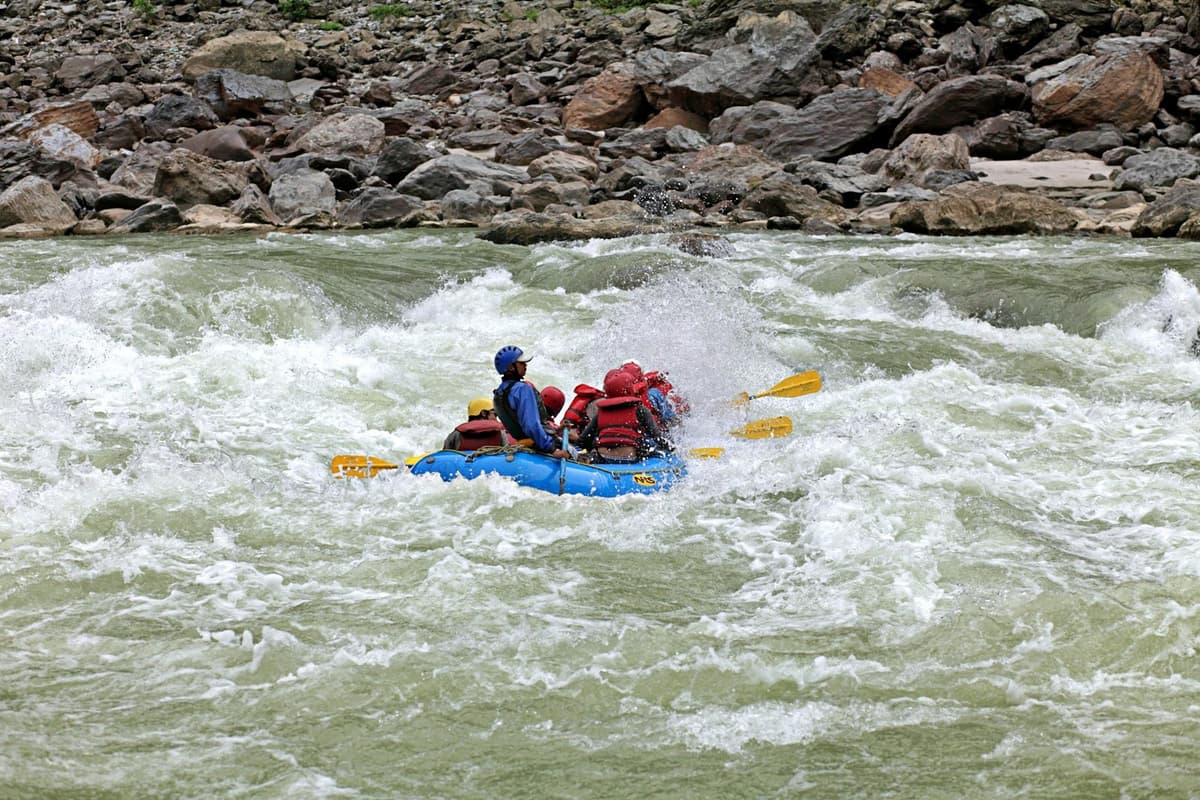
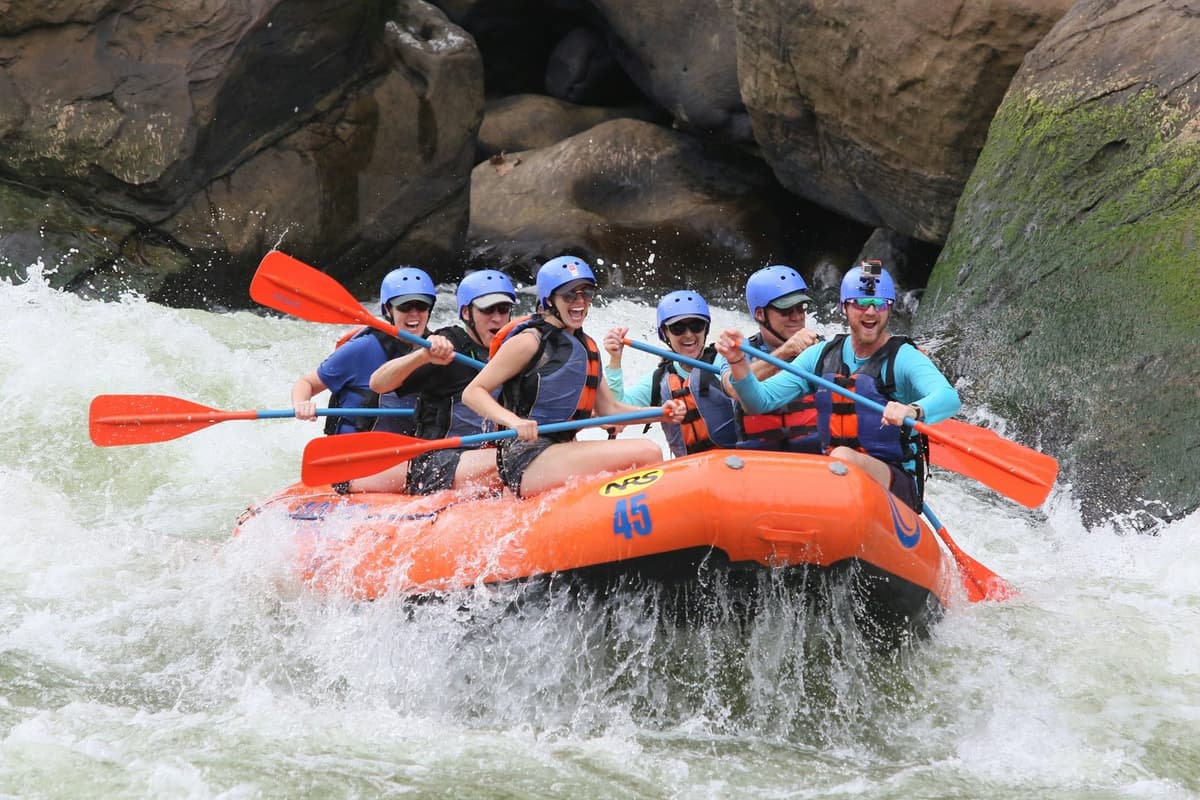
- Safety briefing, then helmets, life jackets and paddles on
- A few hours on grade 2+ to 3+ rapids with a lunch stop on a sandy bank
- Change into dry clothes at the take-out and drive on to Dumre
- Up the 8 km ridge road to Bandipur for the night
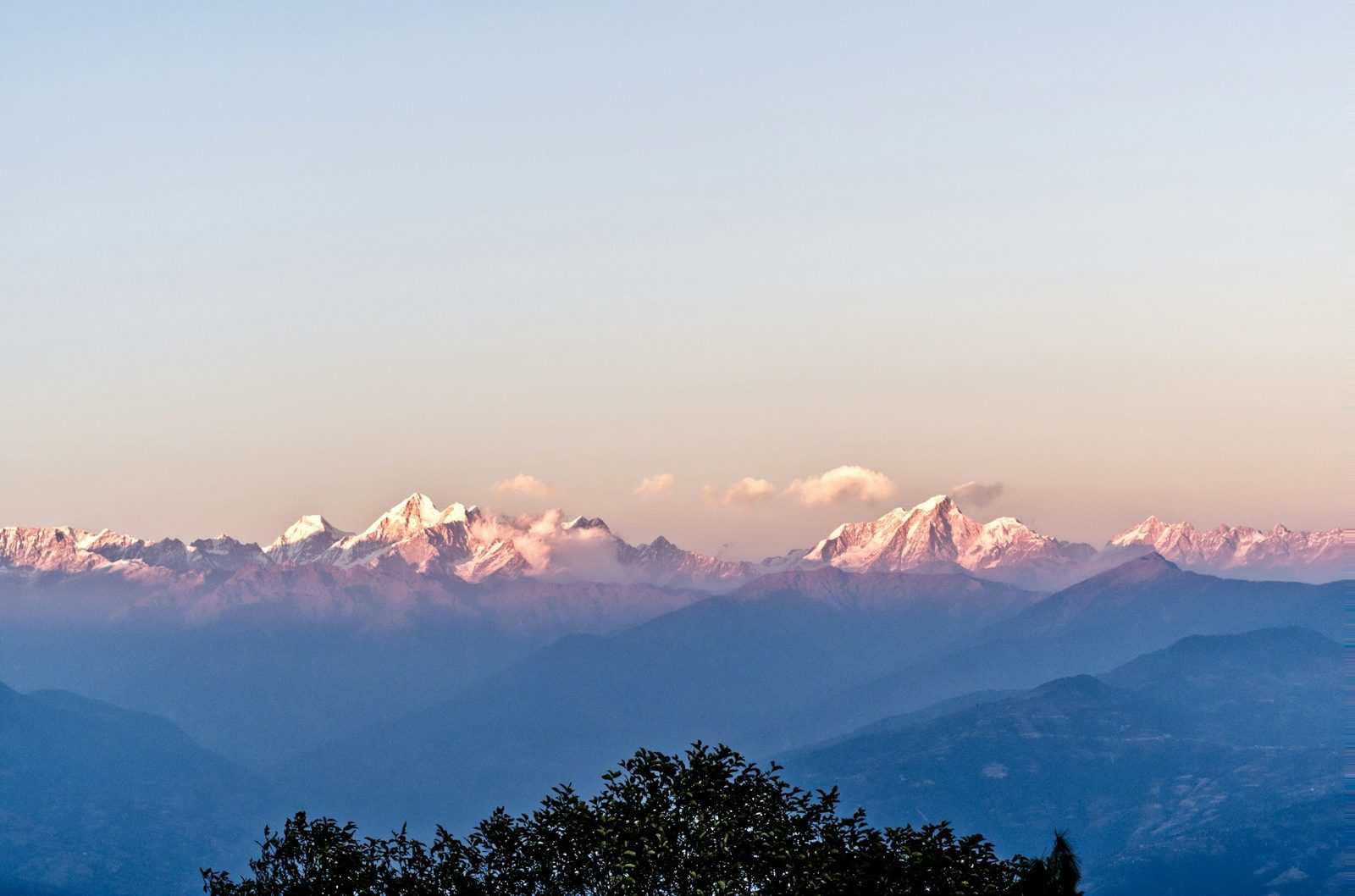
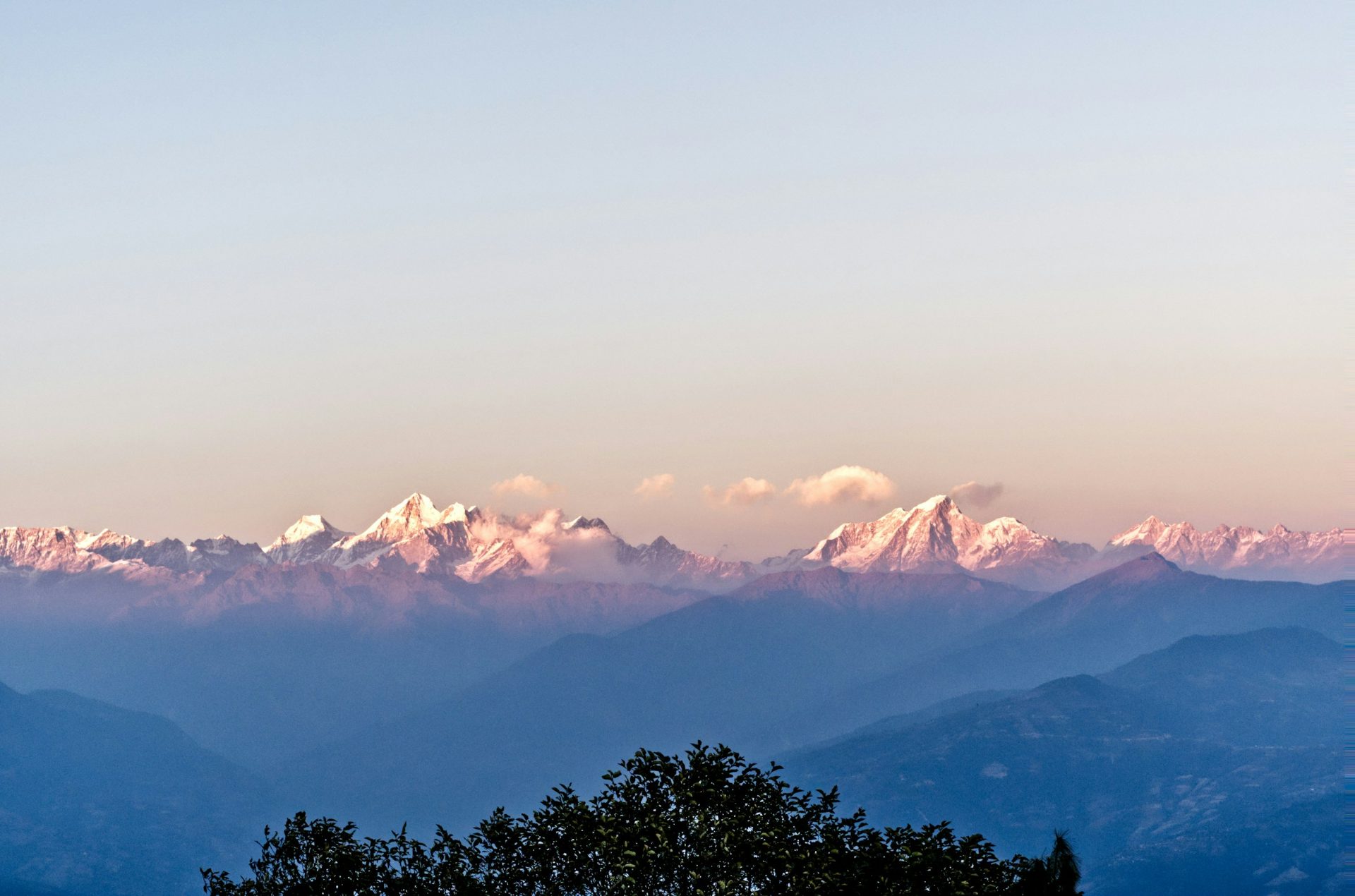
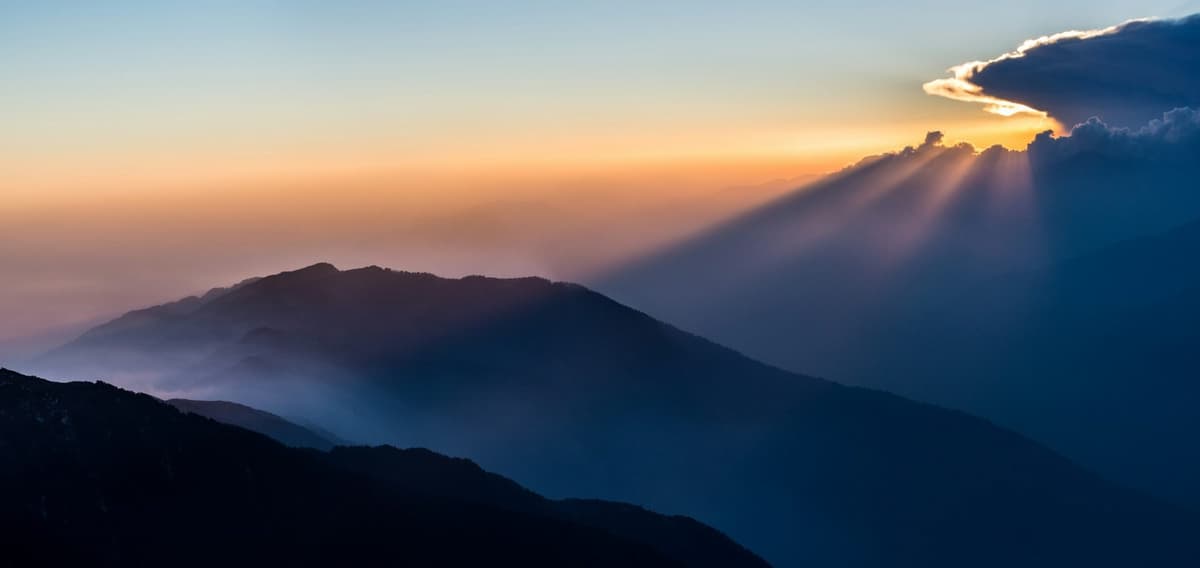
- Early walk to Tundikhel for mountain views if the morning is clear
- Drive back down to the highway and north to Gorkha bazaar
- Climb to Gorkha Durbar on its hilltop at around 1,000 m (3,281 ft)
- See the Kalika temple and the palace where Prithvi Narayan Shah was born
- Morning stop at Tallo Durbar, home of the Gorkha Museum, if it is open
- Leave Gorkha bazaar for the drive east
- Around 142 km back to Kathmandu, much of it on the Prithvi Highway
- Drop-off at your hotel in Kathmandu
Things to carry
- Quick-drying clothes and a swimsuit for the river
- River sandals or old trainers with a firm strap
- A towel and a full change of clothes for after rafting
- Walking shoes for stone steps at Bandipur and Gorkha
- Clothes covering shoulders and knees for temples
Good to know
Complete guide
This four-day road trip strings together a river, a merchant town and a royal hilltop, all within a day's drive of Kathmandu. It is the longer, calmer version of our Trishuli and Bandipur trip, with Gorkha added at the end.
What the Trishuli rafting, Bandipur and Gorkha tour covers
On day one you drive west from Kathmandu on the Prithvi Highway to the Trishuli. The usual put-in at Charaudi is about 85 km and three to three and a half hours away, so you arrive with the afternoon free and spend the night at a riverside camp or resort. Day two is the river: a guided raft in the morning, then an onward drive to Dumre and up the 8 km ridge road to Bandipur. Day three takes you from Bandipur to Gorkha, where the palace of the Shah kings sits on the hill above the bazaar. On day four you drive back to Kathmandu, which is around 142 km from Gorkha.
The difference from the three-day version is simple. There you drive to the river and raft on the same morning, and there is no Gorkha. Here you sleep by the river first, raft fresh, and add a day of history at the end.
Rafting the Trishuli after a night by the river
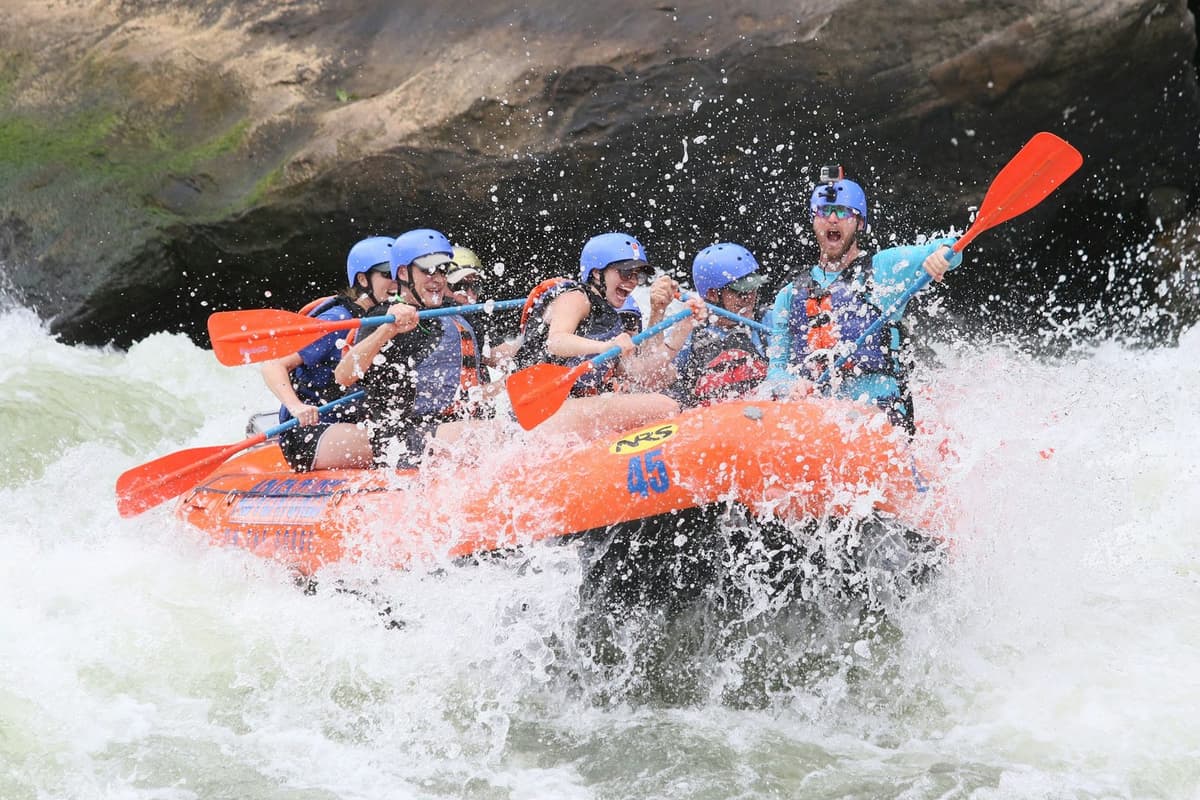
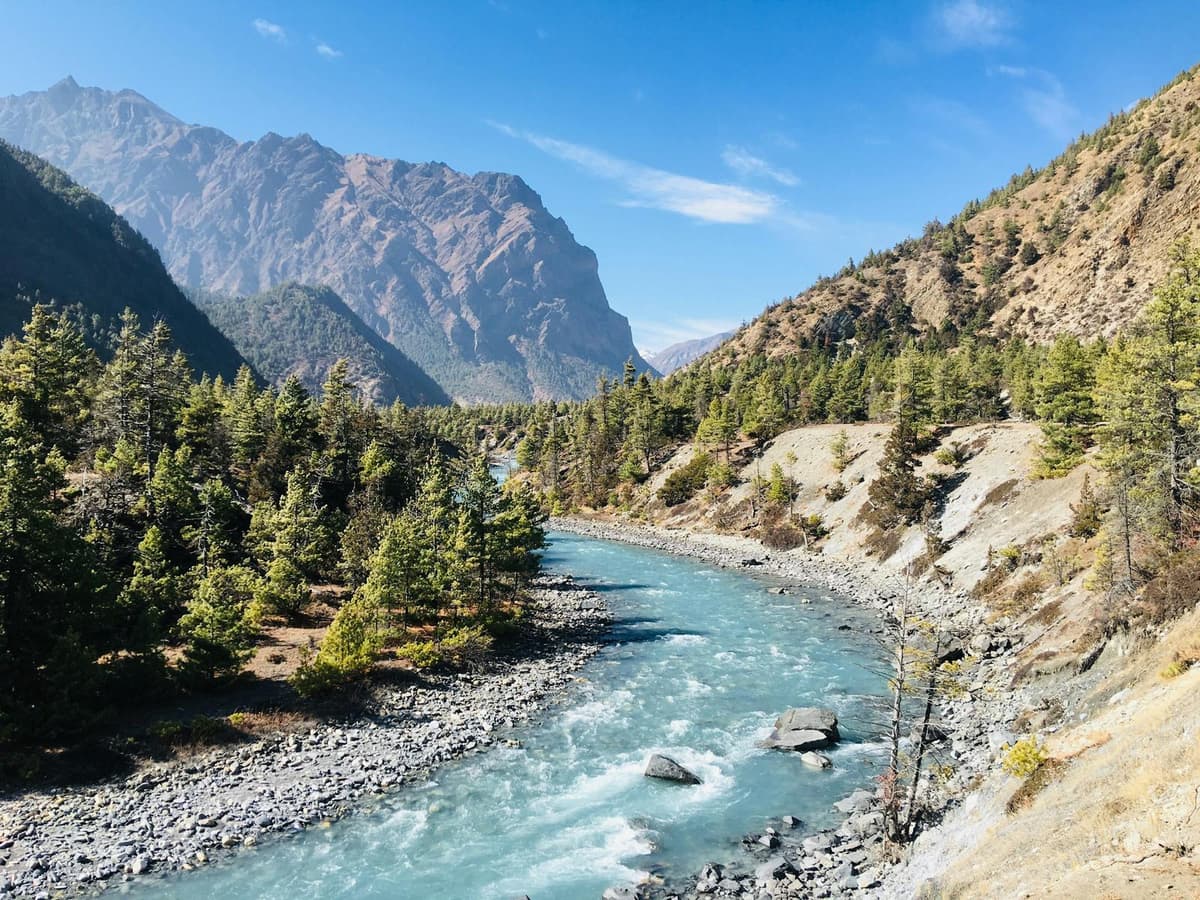
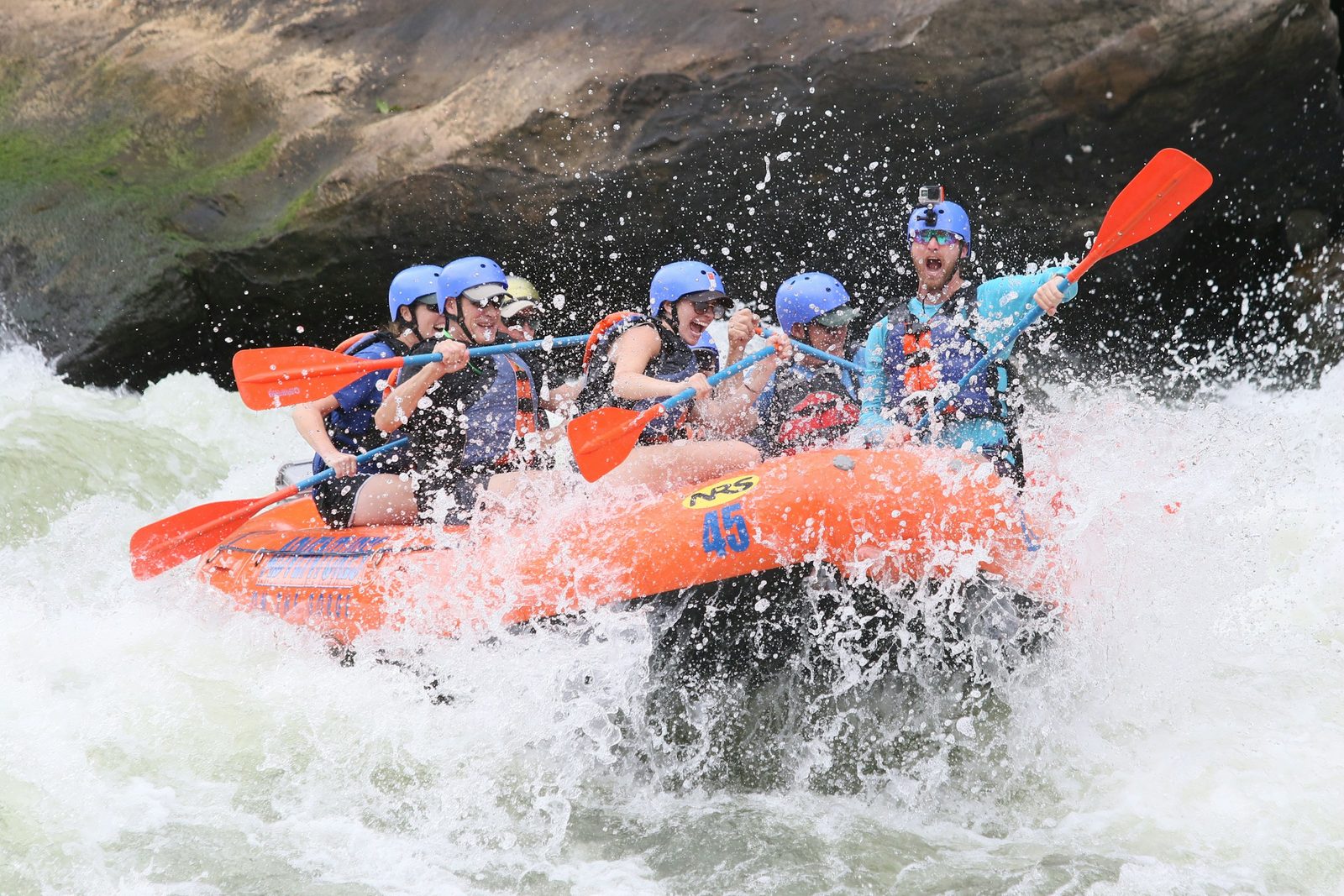
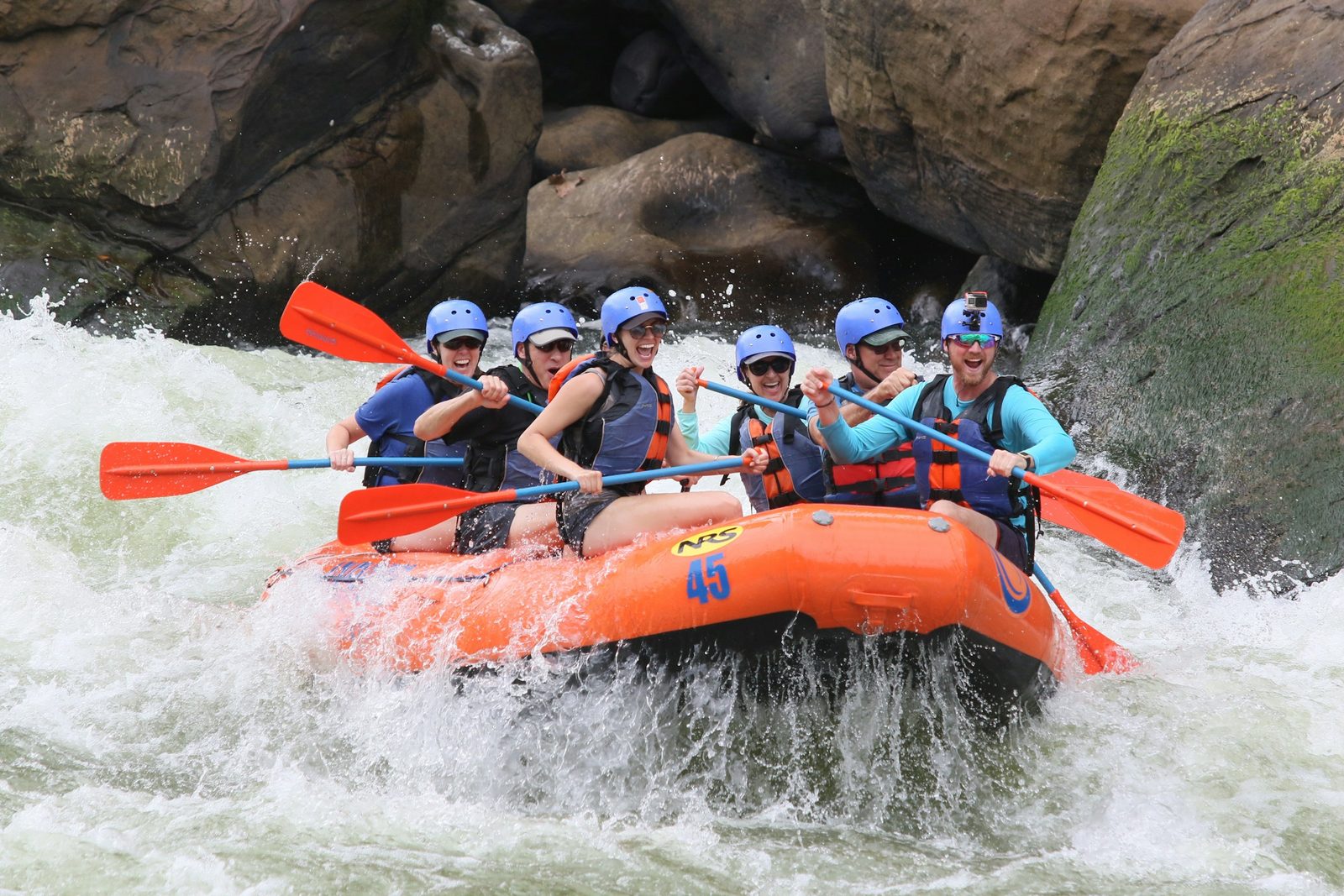
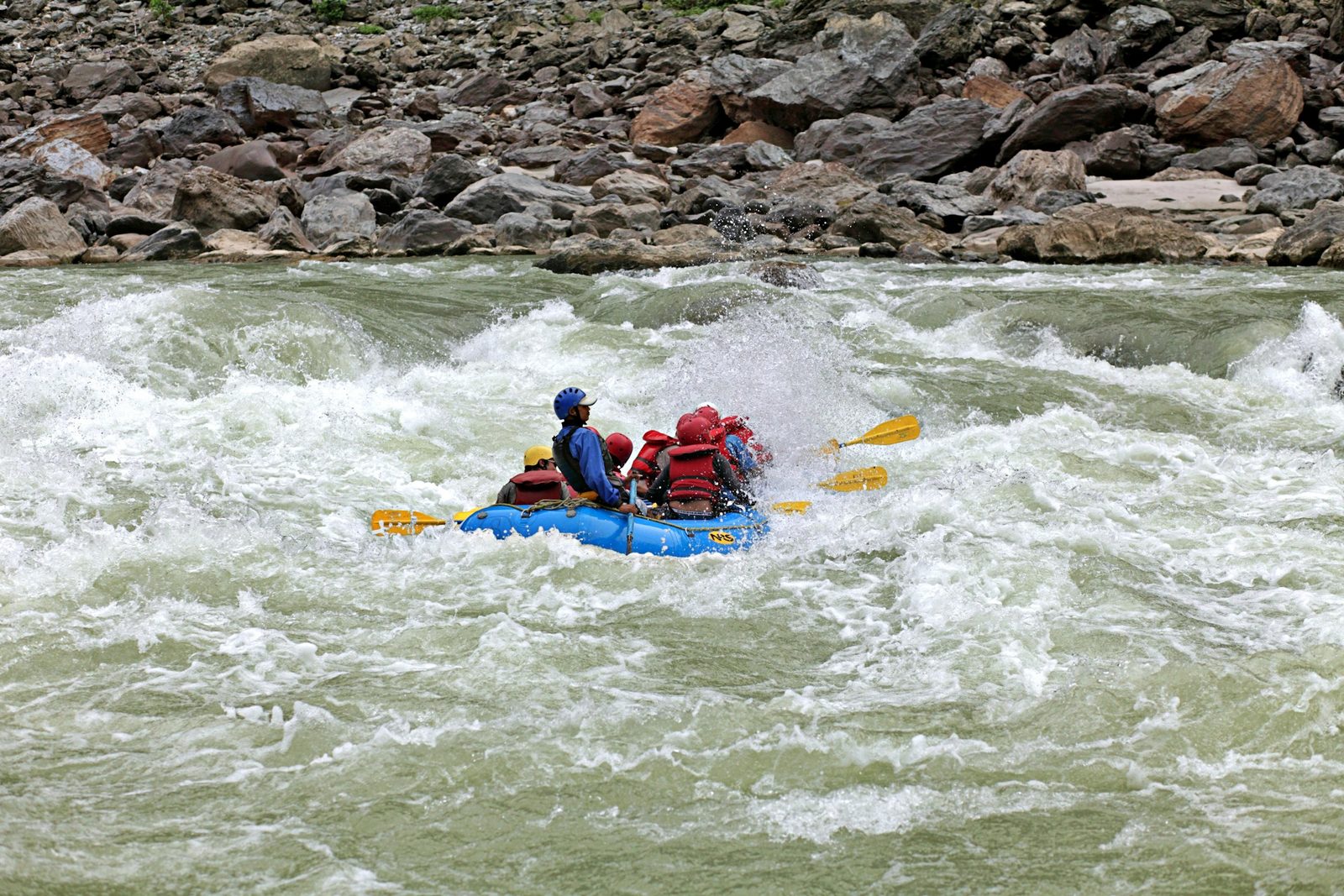
The Trishuli is where most people in Nepal raft for the first time. The Nepal Tourism Board grades it at 3+, and rafting companies describe grade 2+ to 3+ rapids separated by calmer water. A typical run gives you a couple of hours of rafting, a lunch stop on a sandy bank and a finish near Kurintar, where the day section usually ends. No experience is needed. You get a full safety briefing, a helmet and a life jacket, and a river guide steers each raft.
Staying at the river the night before helps. You avoid a pre-dawn start from Kathmandu, you can watch the river in the evening, and you get onto the water rested. In the monsoon the rapids can reach grade 4+, so we run this trip outside the heaviest rains.
Bandipur and Gorkha: two hill towns, two chapters of history
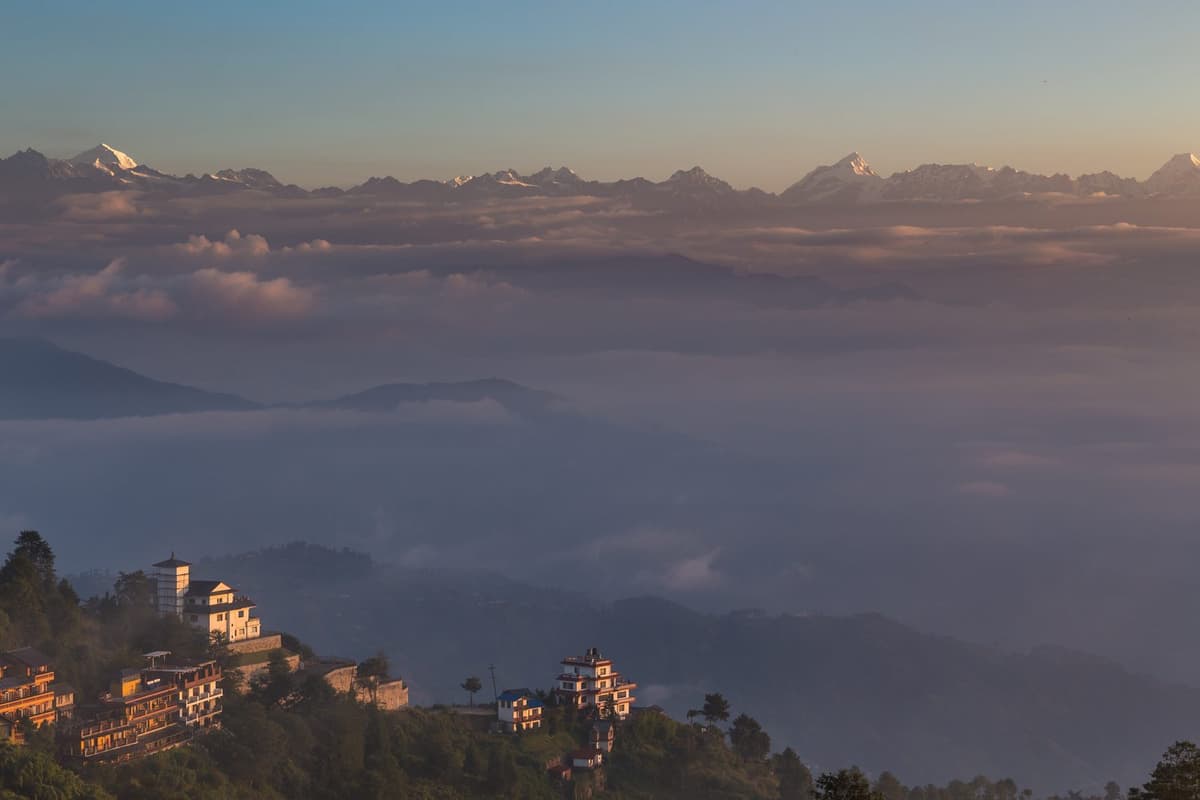
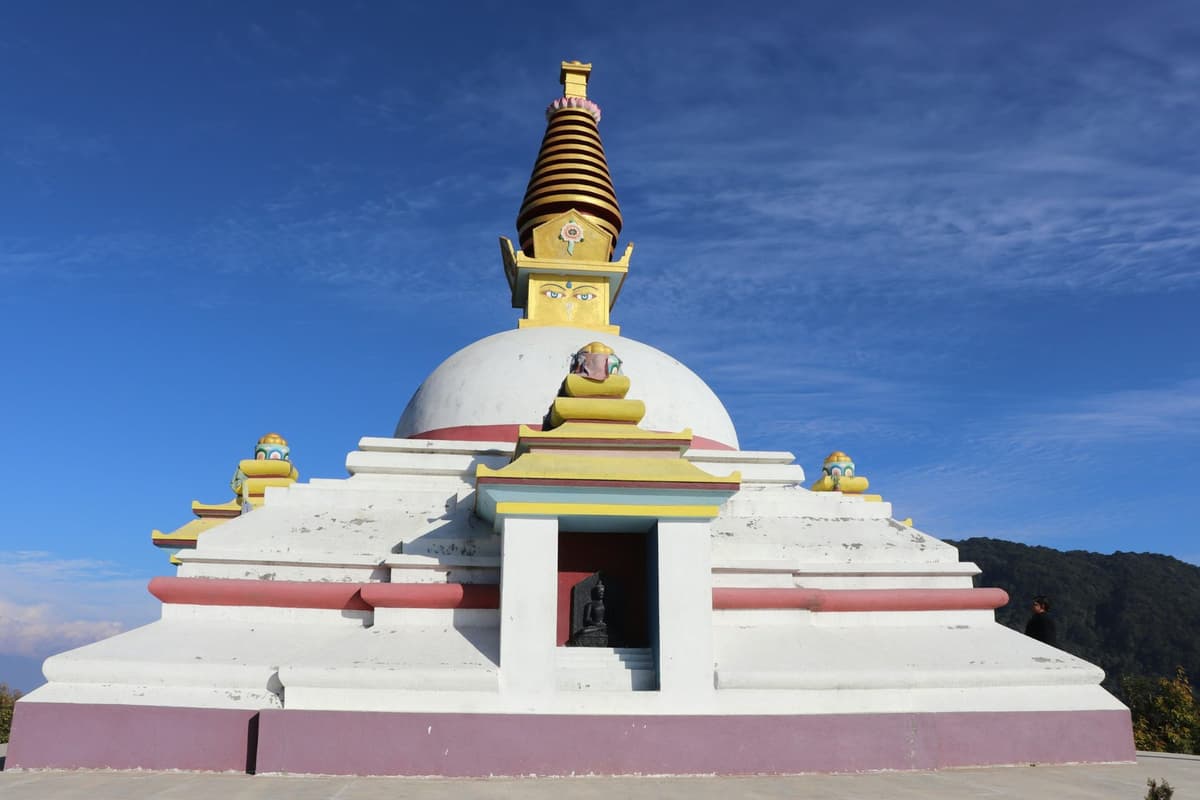
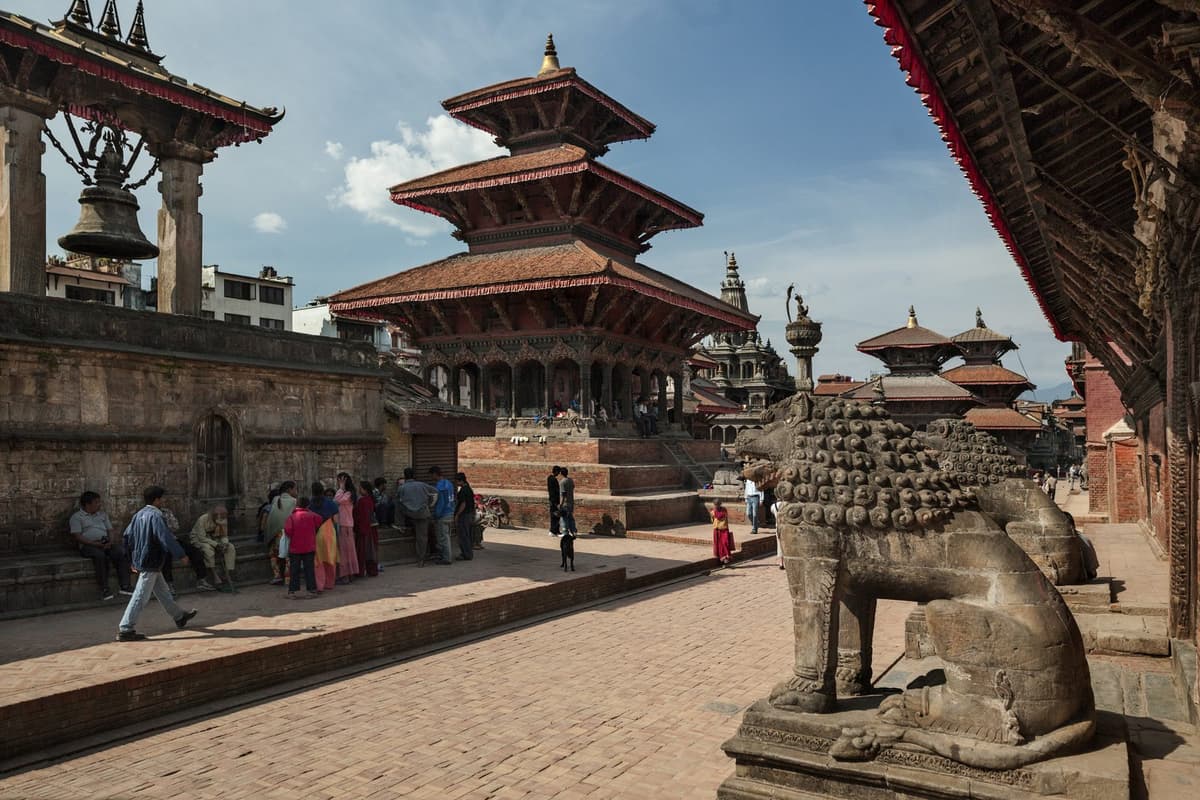
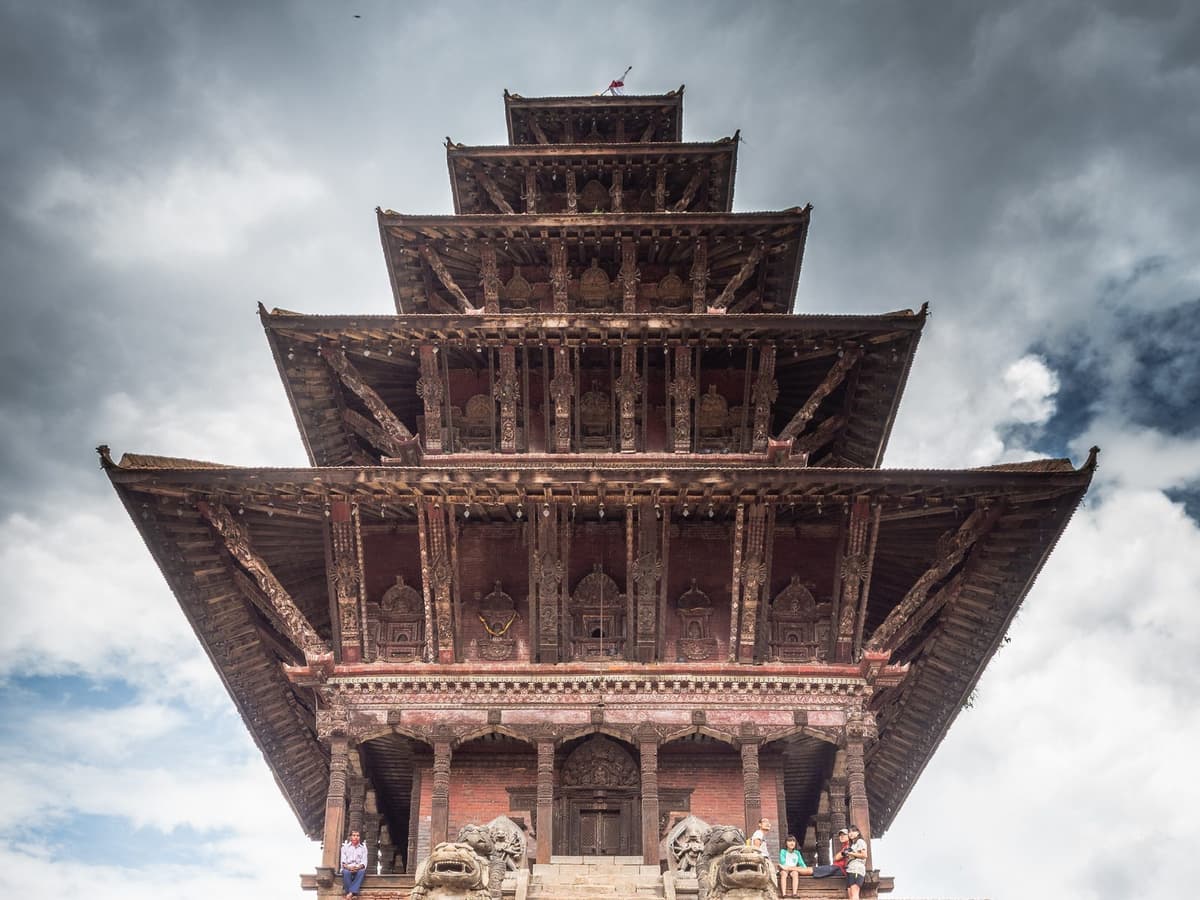
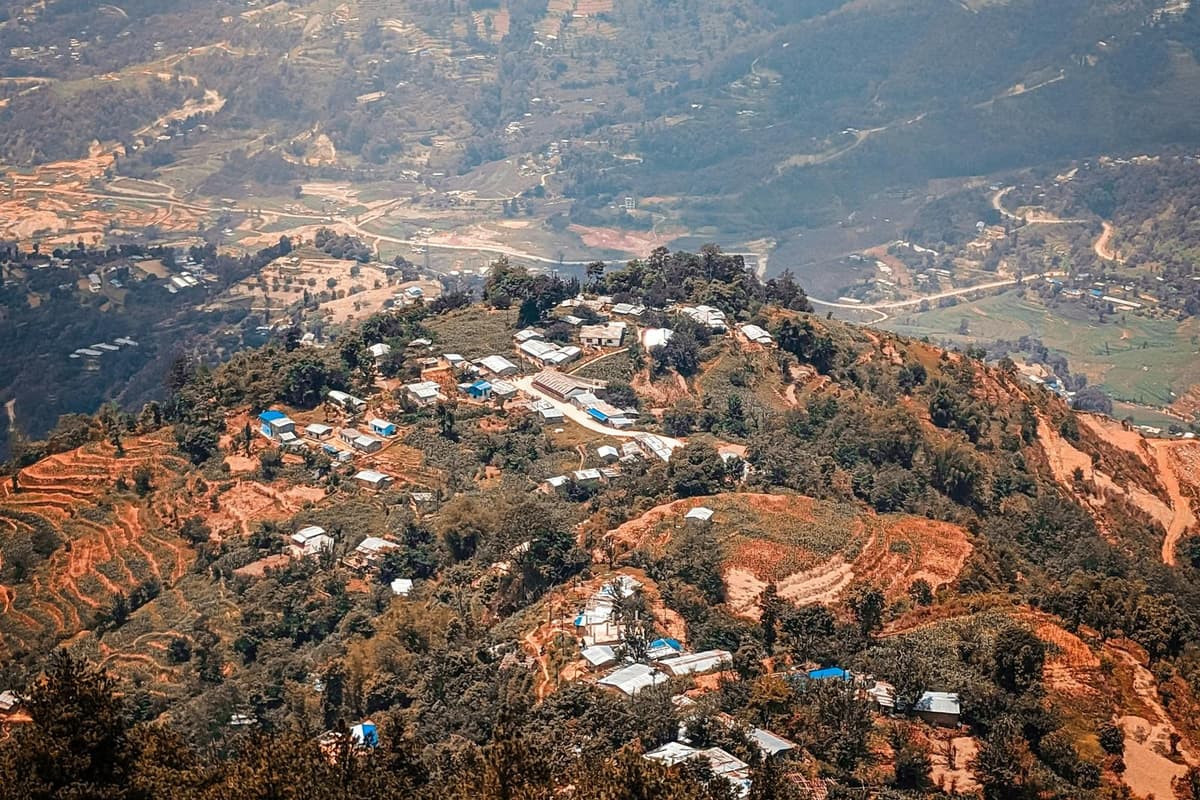
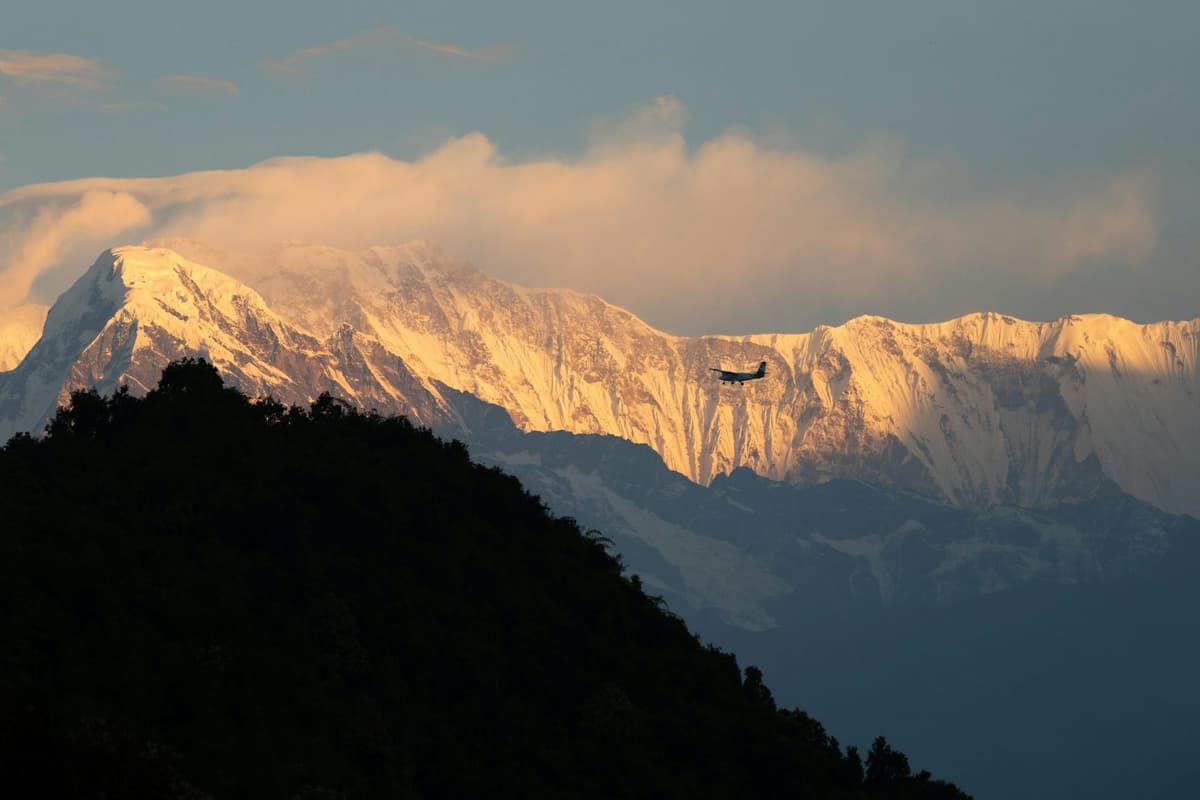
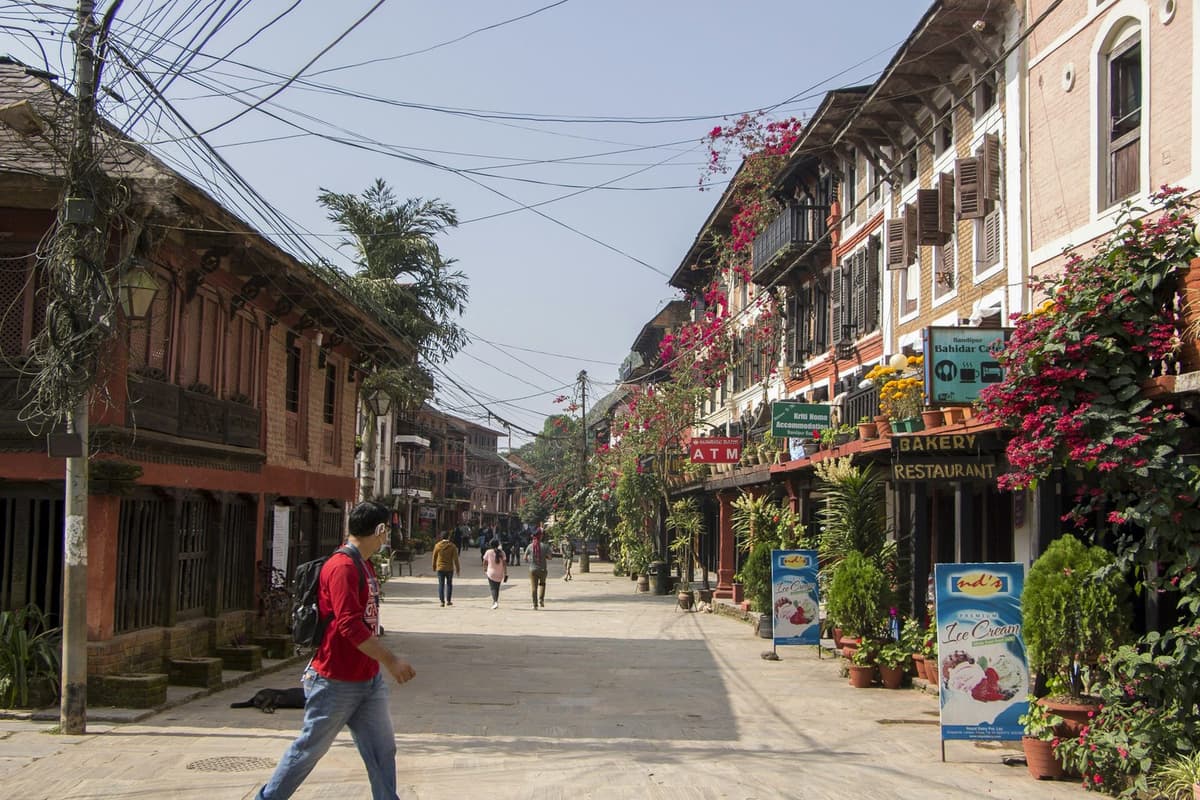
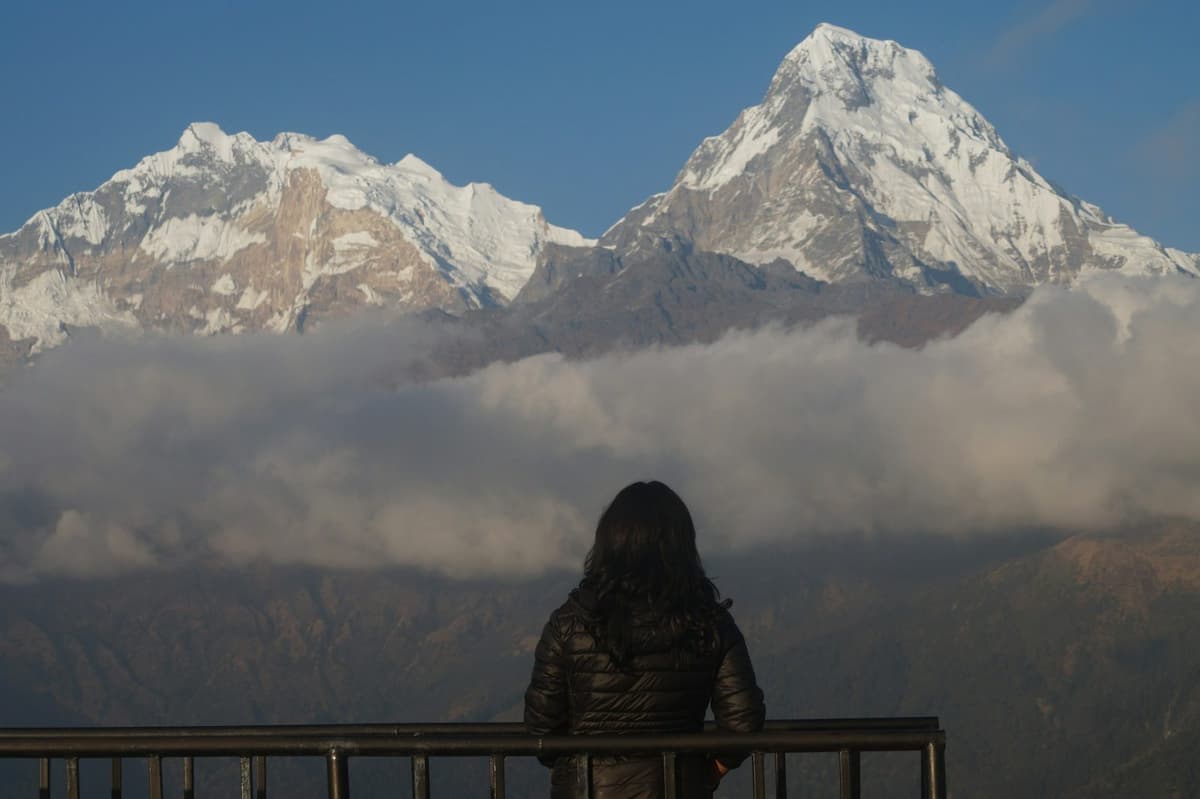
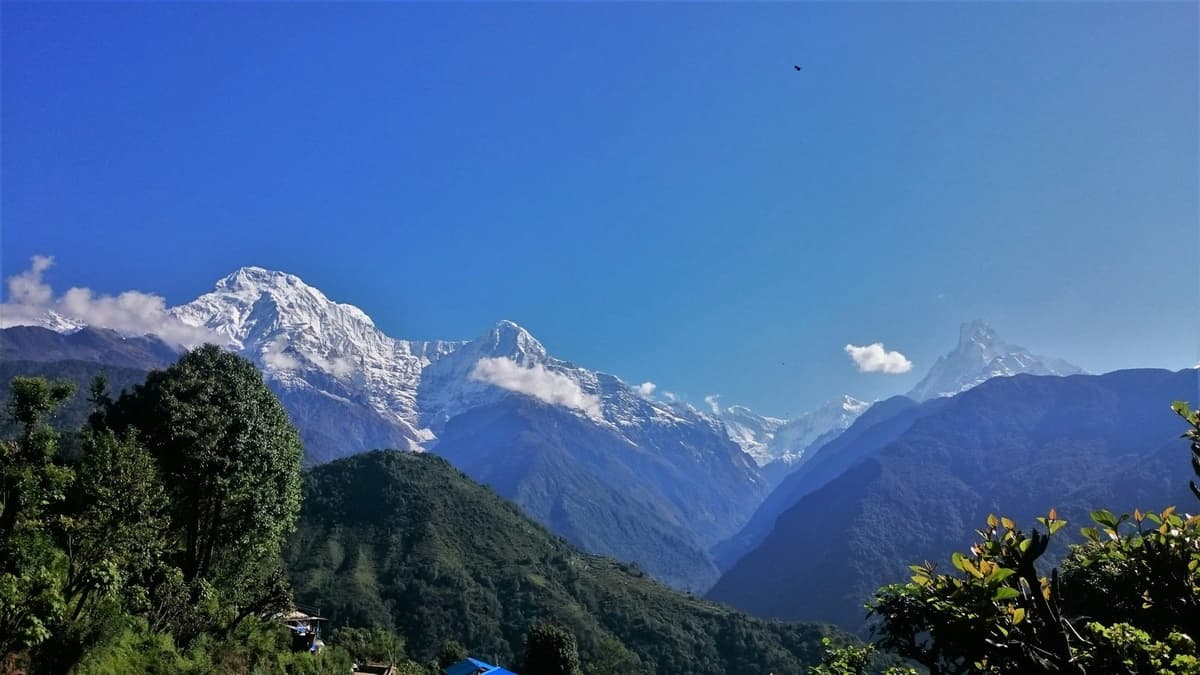
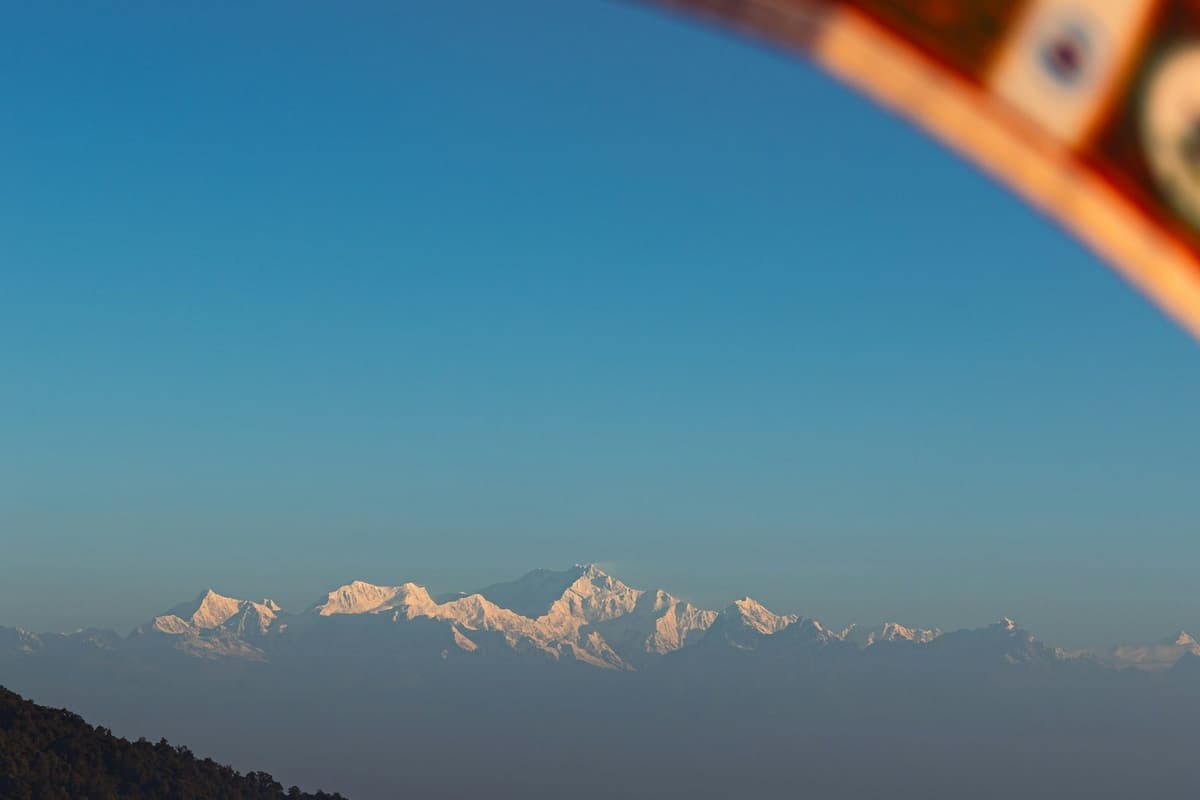
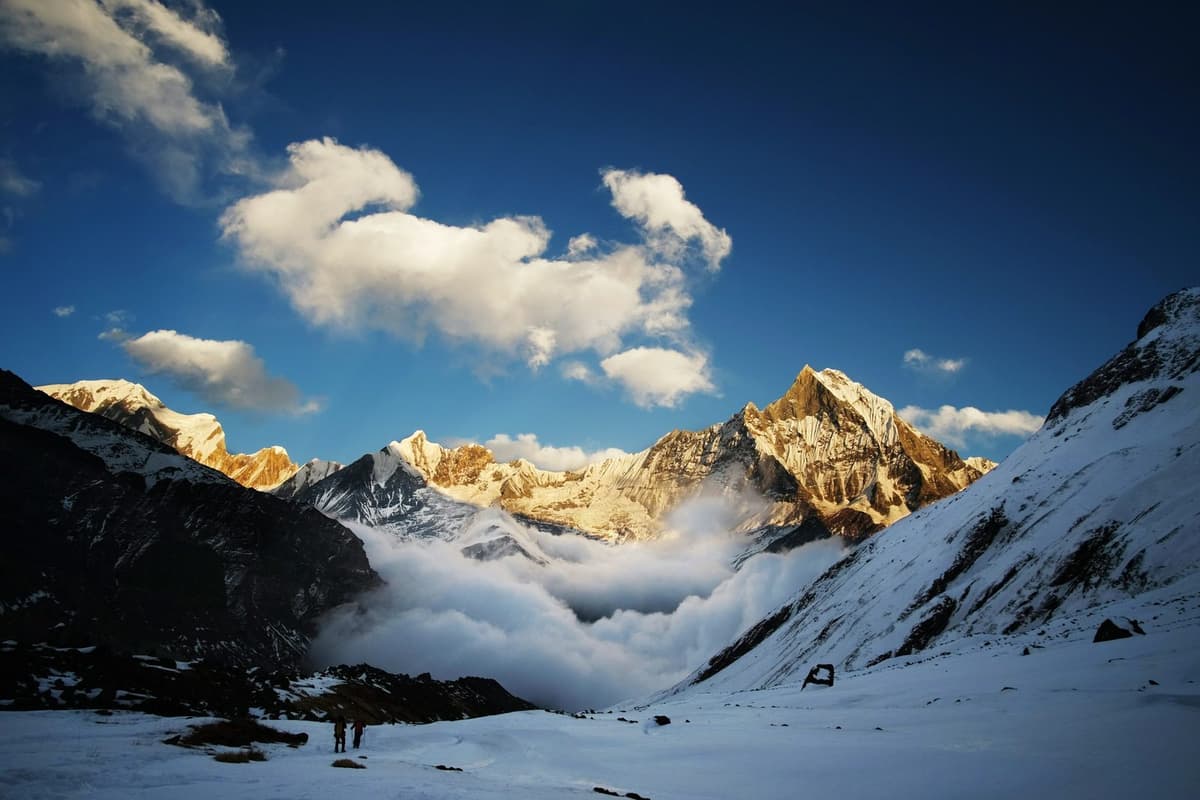
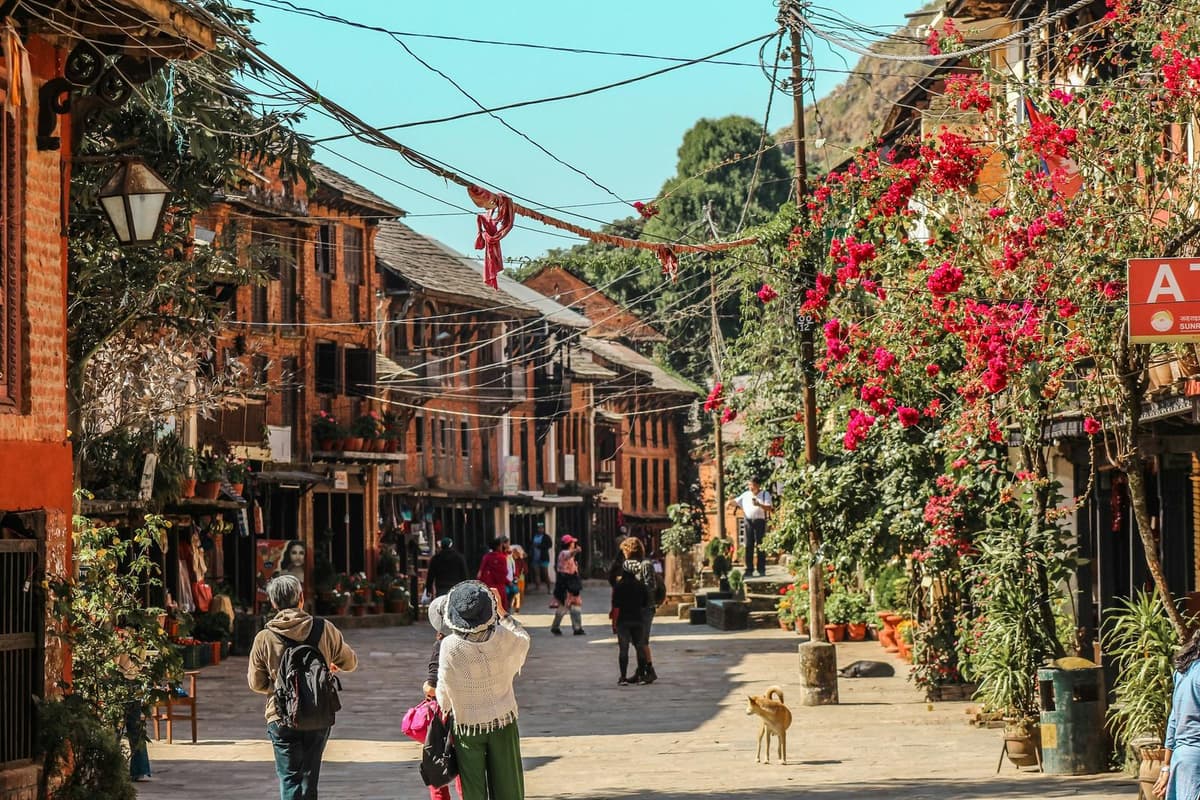
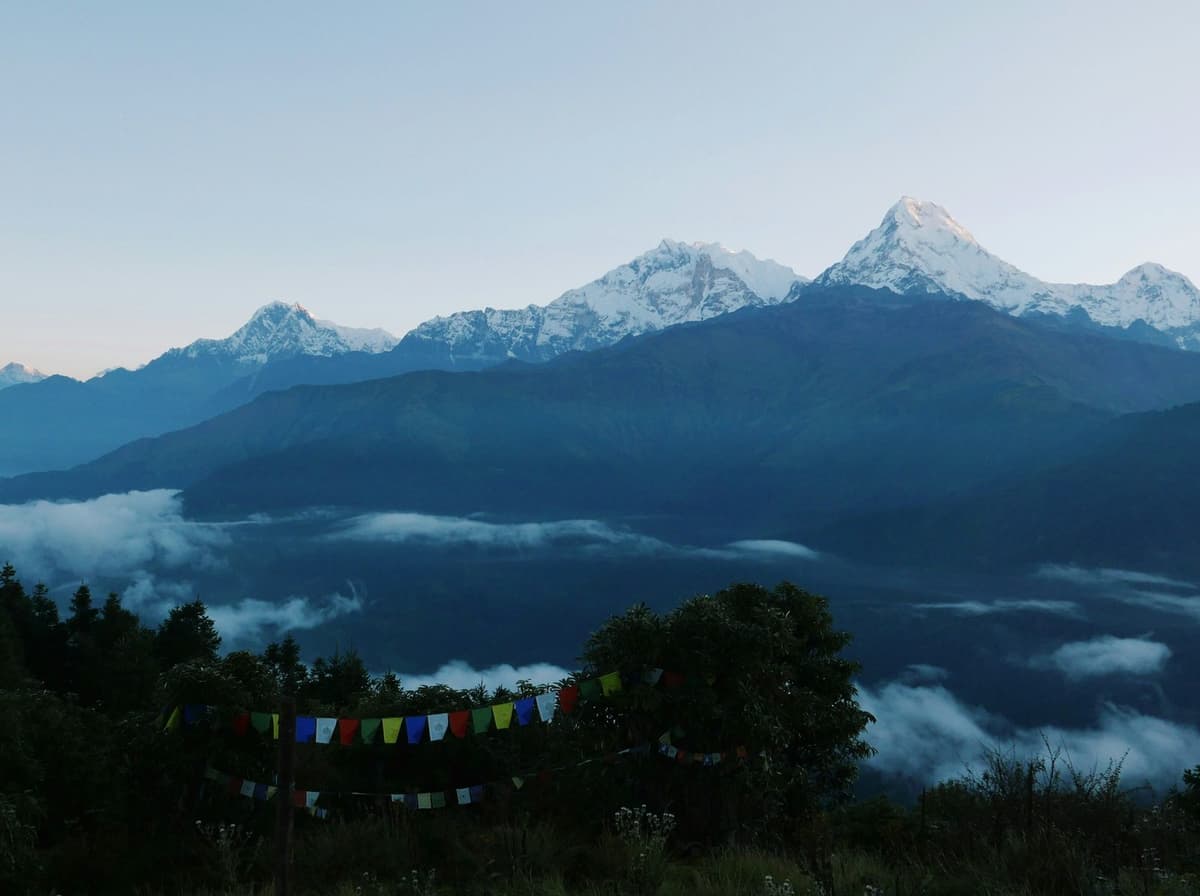
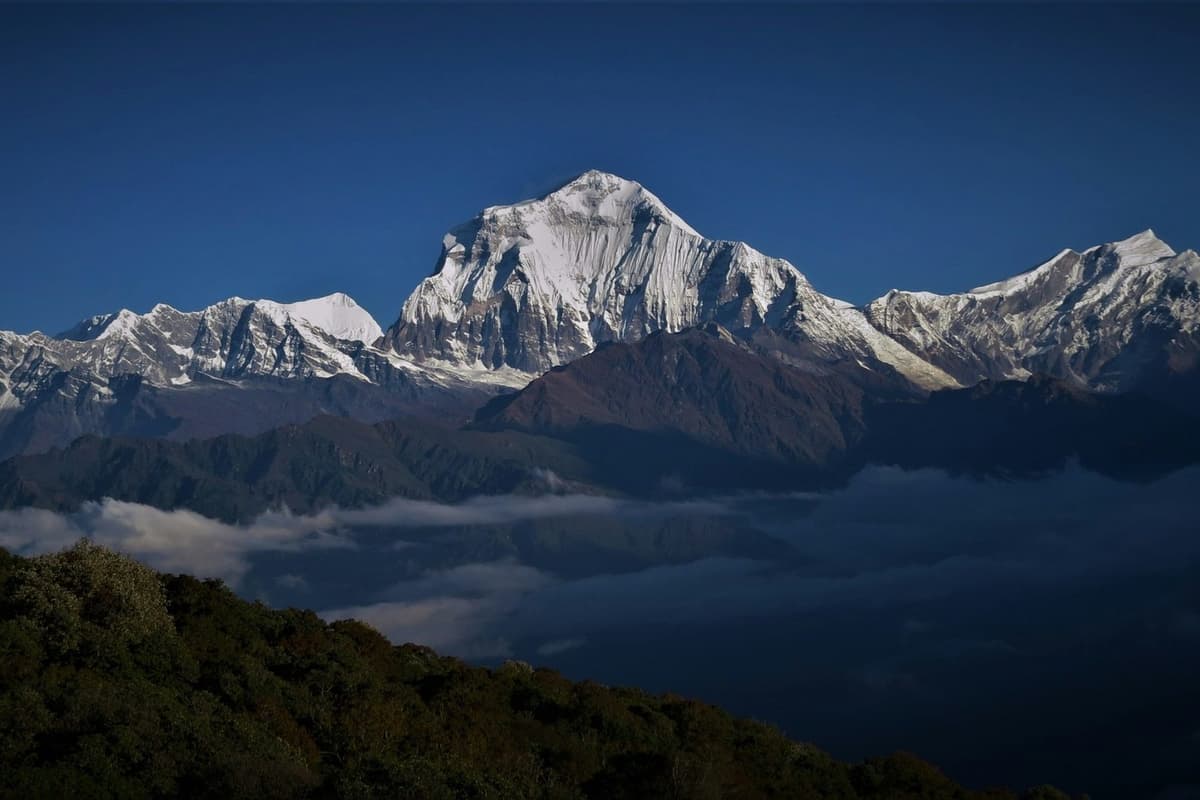
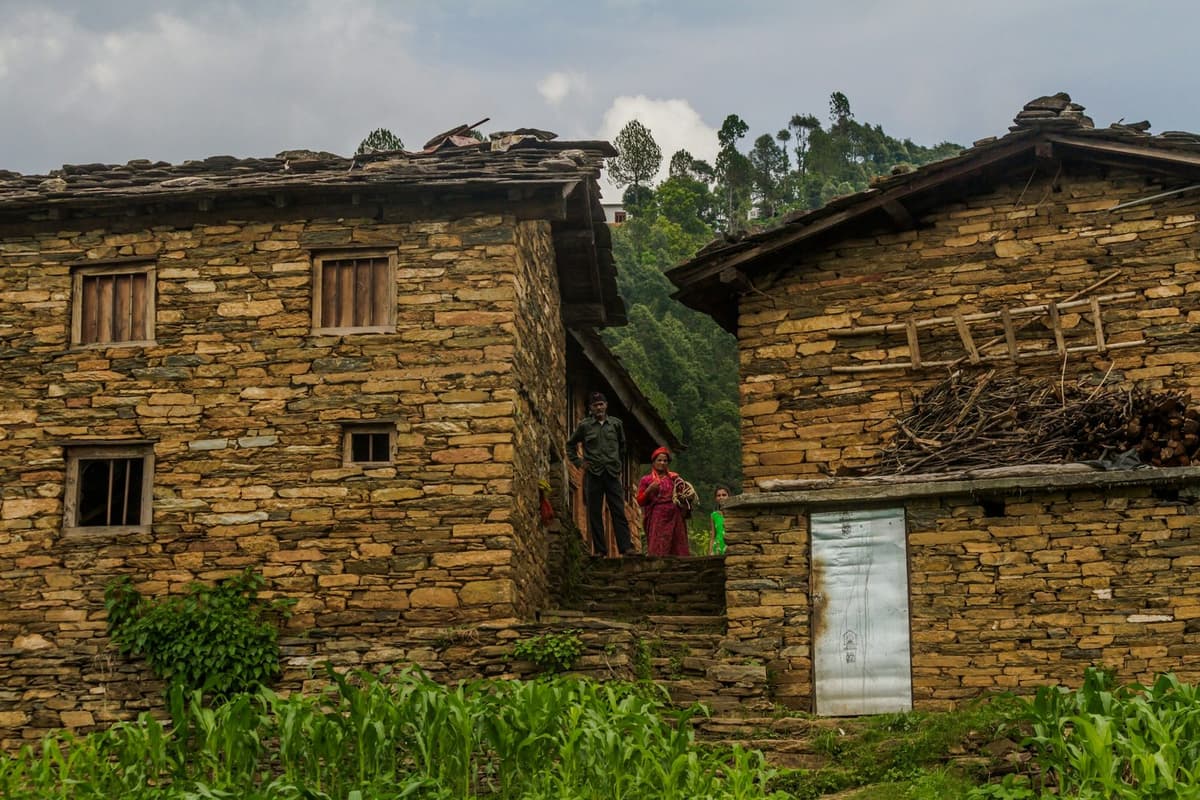
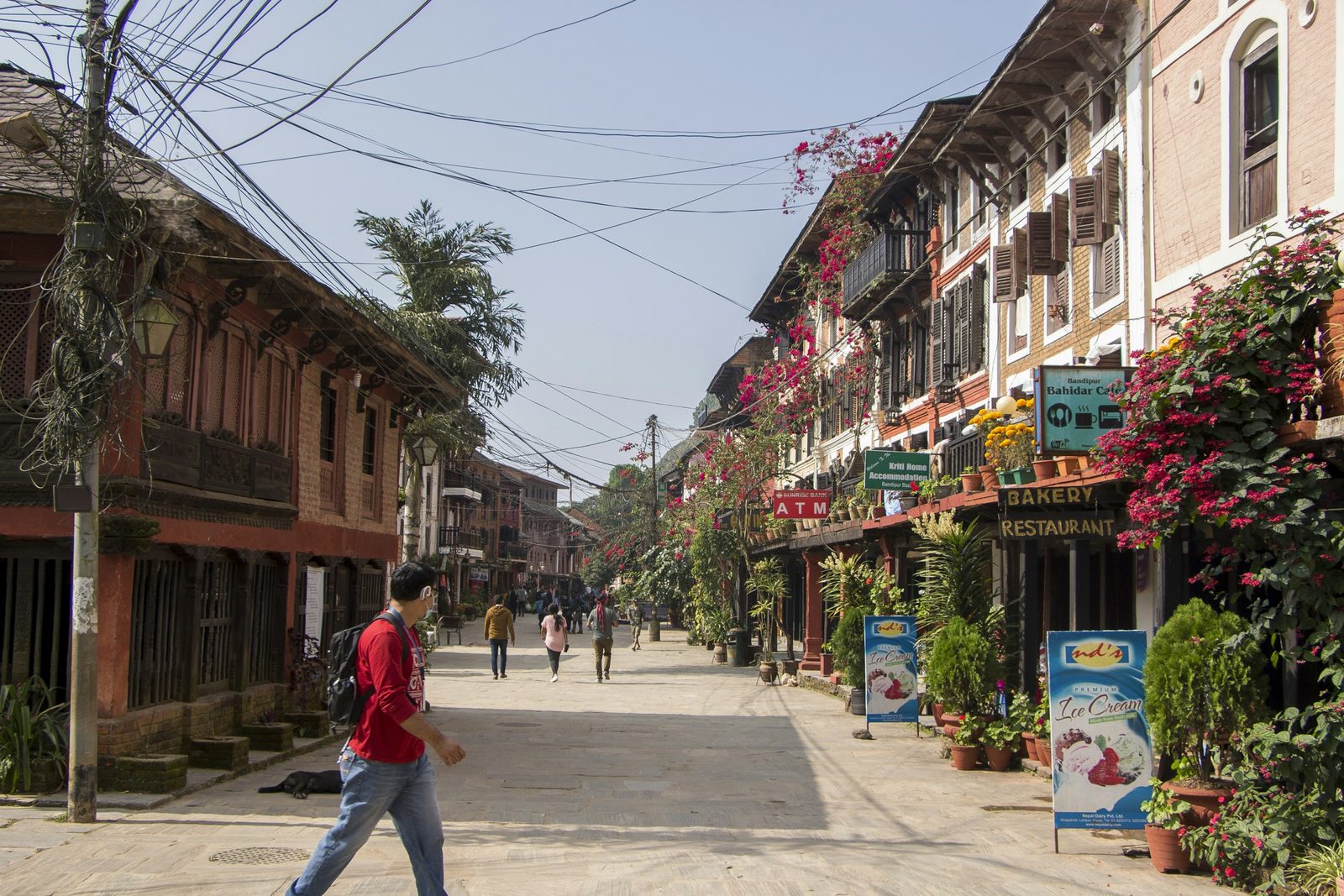
Bandipur was built by Newar traders from Bhaktapur as a stop on the old trade route between India and Tibet. Its main street of carved brick houses has been kept free of vehicles, and a walk of about ten minutes brings you to Tundikhel, the open ground on the ridge where, on a clear morning, the view runs from Langtang to Dhaulagiri. The town went quiet after the district headquarters moved to Damauli in 1968, which is much of the reason it still looks the way it does.
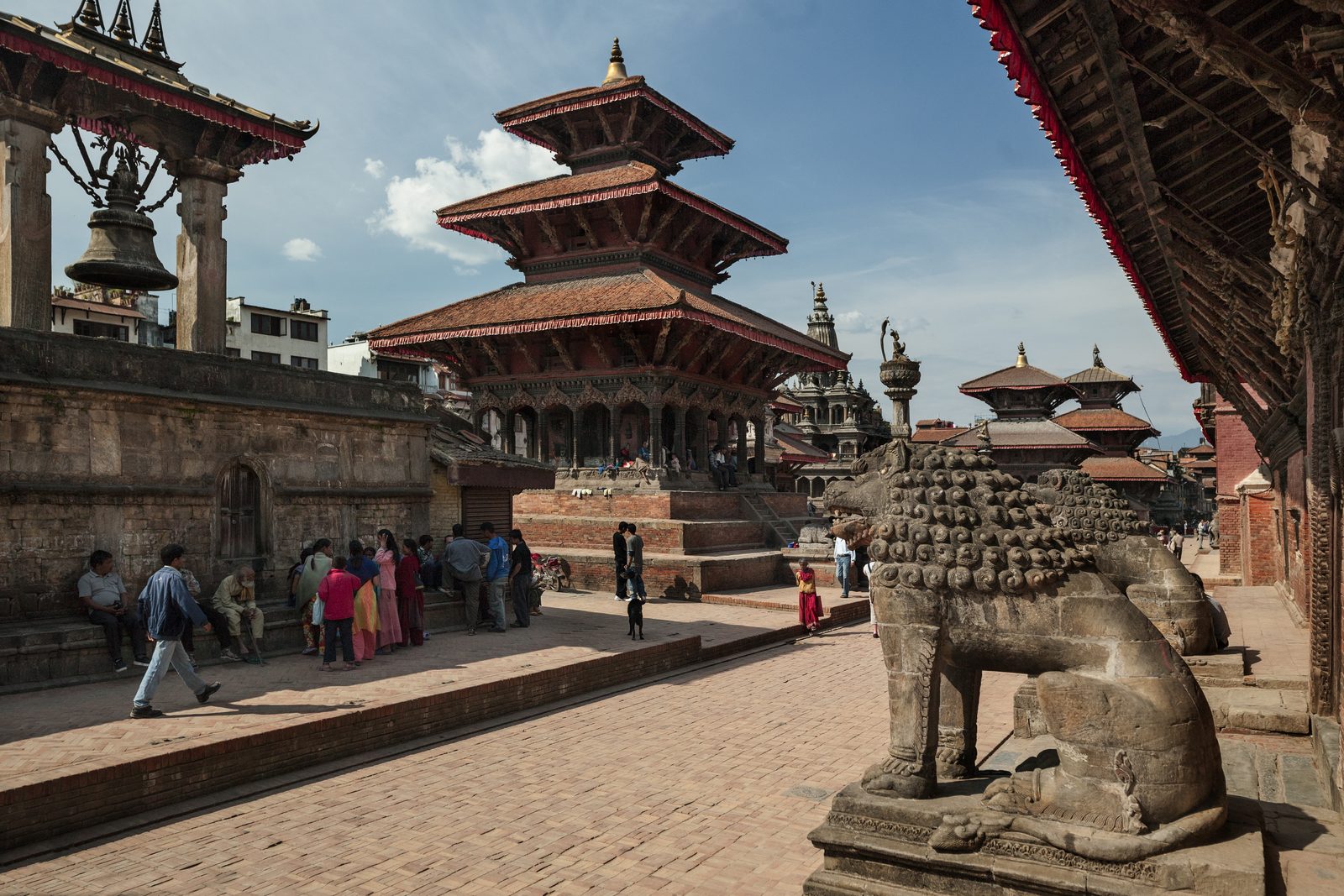
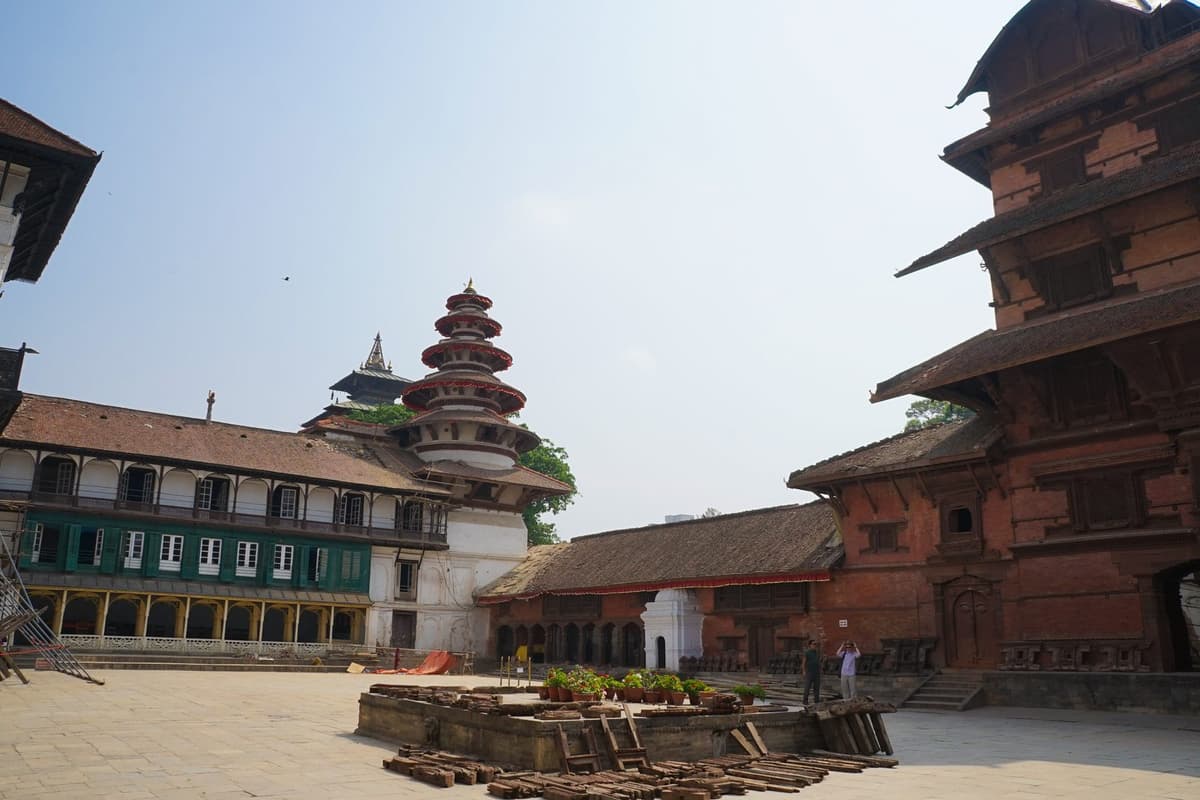
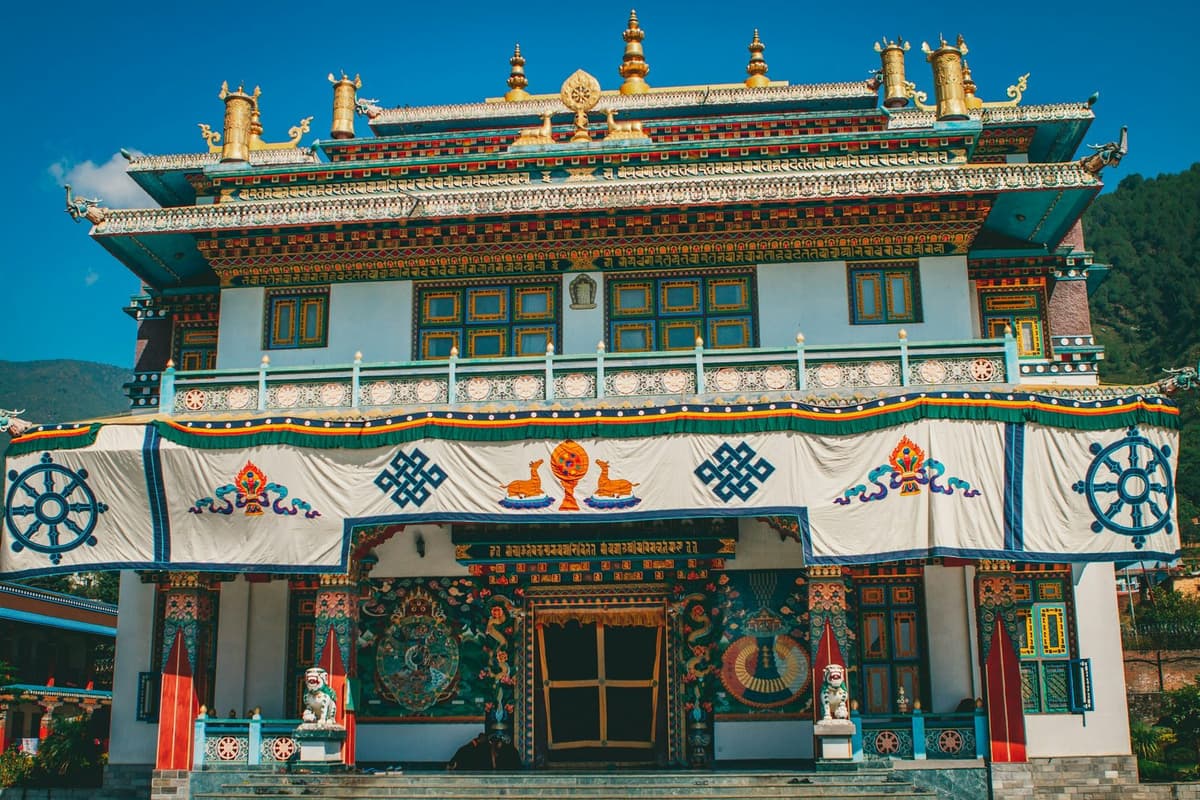
Gorkha is where modern Nepal began. Gorkha Durbar, the palace on the hilltop at around 1,000 m (3,281 ft), was built by King Ram Shah, and Prithvi Narayan Shah, the king who unified Nepal, was born there in 1723. The complex includes the carved Kalika temple and the cave associated with the yogi Gorakhnath. You can reach the palace partly by road or on foot from the bazaar in under an hour, depending on the path. Down in the bazaar, Tallo Durbar, a smaller palace, houses the Gorkha Museum. The hilltop was damaged in the 2015 earthquakes and has been under restoration, so some parts may be closed or covered in scaffolding when you visit.
Pace, roads and who it suits
No single day is long. The Prithvi Highway is busy with buses and trucks, and delays near the valley rim are common, so we quote drive times as ranges and drive in daylight. The walk up to Gorkha Durbar is steep in places but short, and you set the pace.
This trip suits first-time rafters, families with older children, couples and anyone who likes a bit of history with their adventure. It is less suited to travellers who want mountains up close or who dislike road travel, since every transfer is by vehicle.
When to go and how it compares with the shorter trips
The Nepal Tourism Board lists October to mid-December and March to early May as the main rafting seasons, and autumn usually gives the clearest views from Bandipur and Gorkha. If you only want the river, the one-day Trishuli river rafting trip covers it in a day. If you would rather follow Bandipur with Pokhara and its lake, look at the Bandipur, Pokhara and Kathmandu tour. Send us your dates and we will tell you honestly which fits.