



Overview
This two-day UNESCO World Heritage Sites tour takes in all seven of the Kathmandu Valley’s listed monuments at a relaxed pace, with a night in the old city of Bhaktapur. Over two days you see the three royal Durbar Squares of Kathmandu, Patan and Bhaktapur, the great stupas of Swayambhunath and Boudhanath, the holy temple of Pashupatinath, and Changu Narayan, the valley’s oldest temple, which day tours usually skip. Staying overnight in Bhaktapur means you are not rushing the whole valley into a single day.
The itinerary
- Morning pickup from your hotel, around 9 am
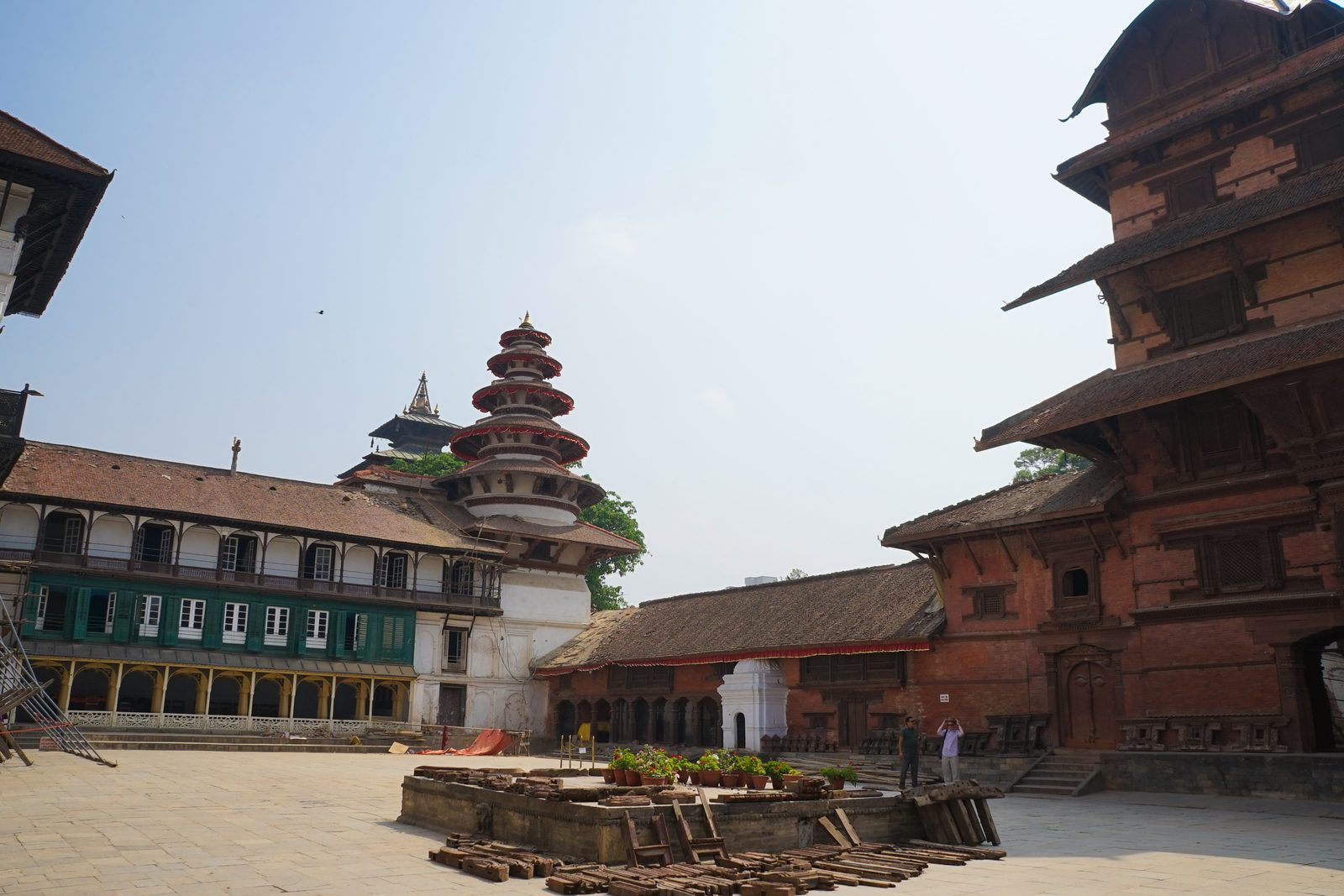
- Explore Kathmandu Durbar Square, with a chance to see the Kumari, the living goddess
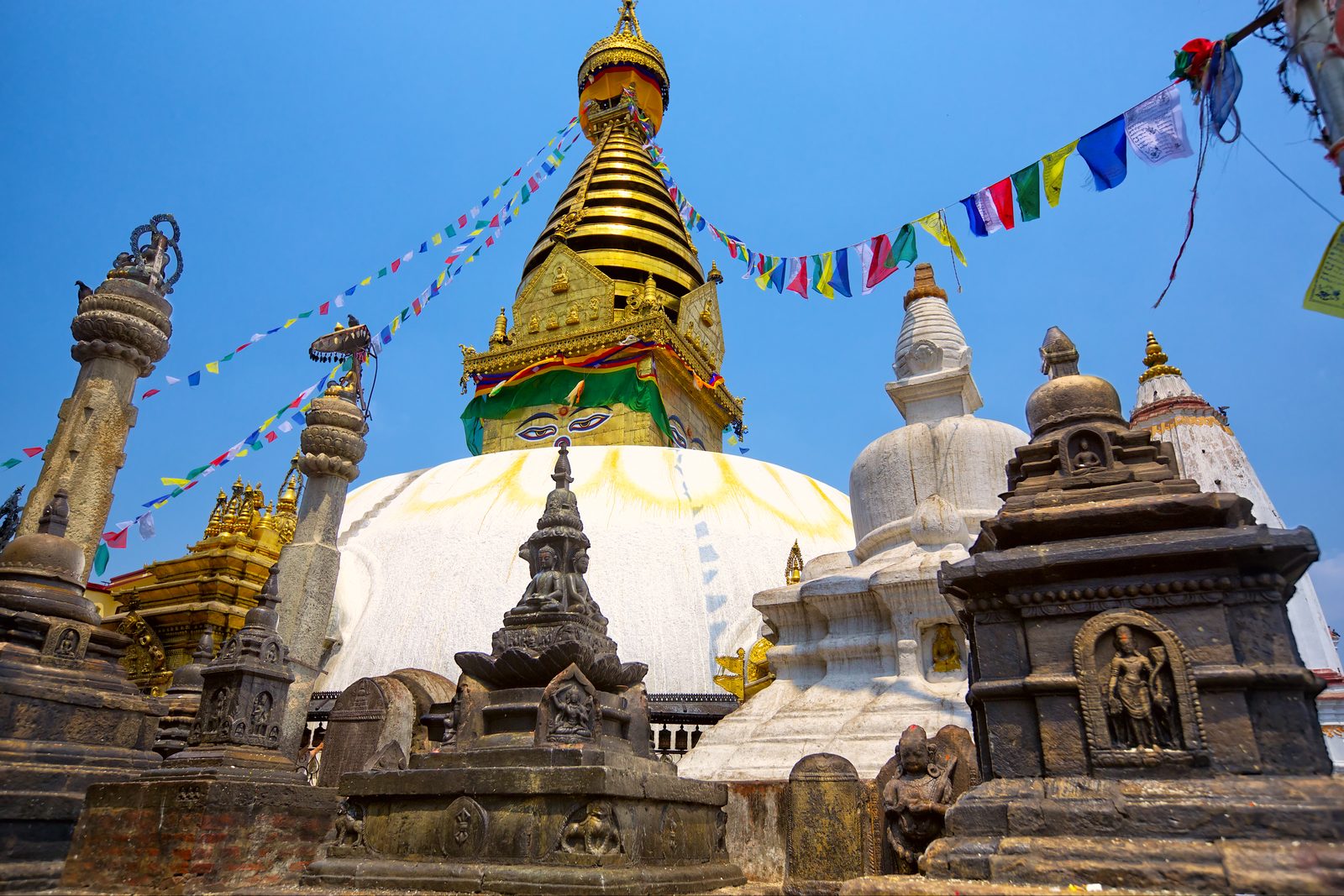
- Drive to Swayambhunath, the hilltop stupa with views over the valley
- Break for lunch near Swayambhunath
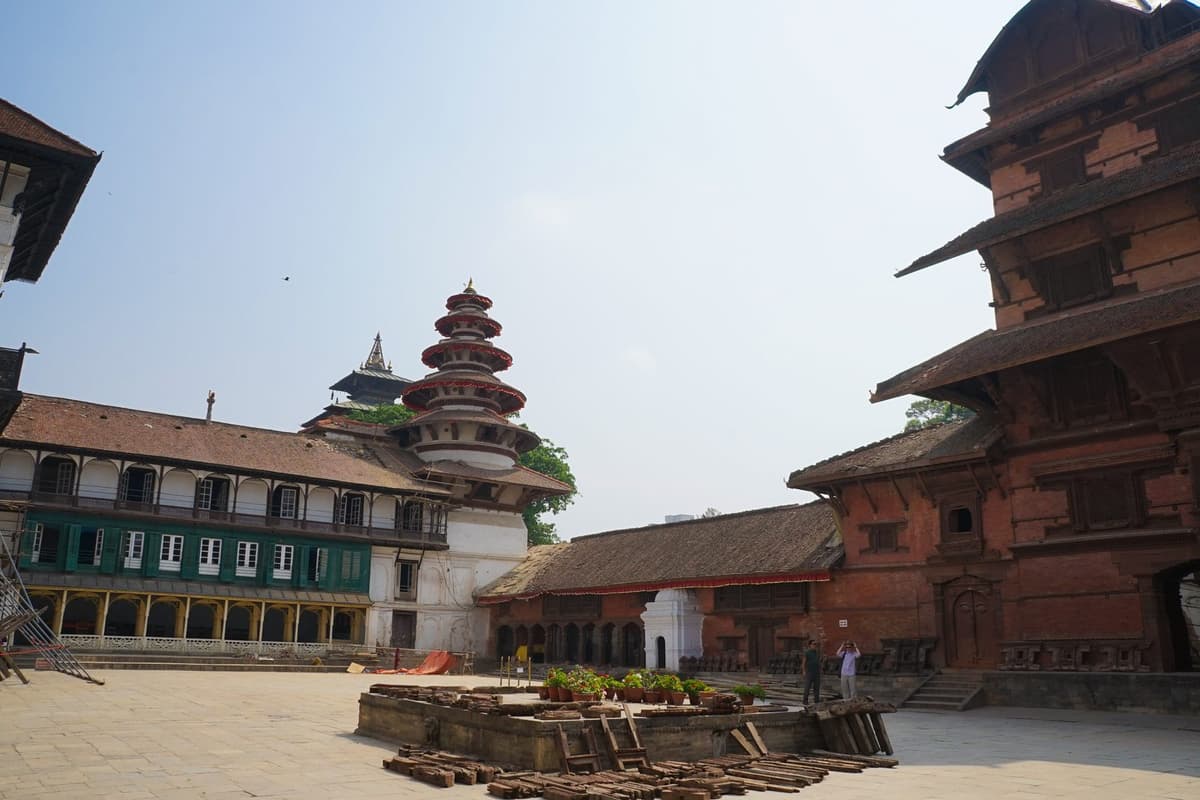
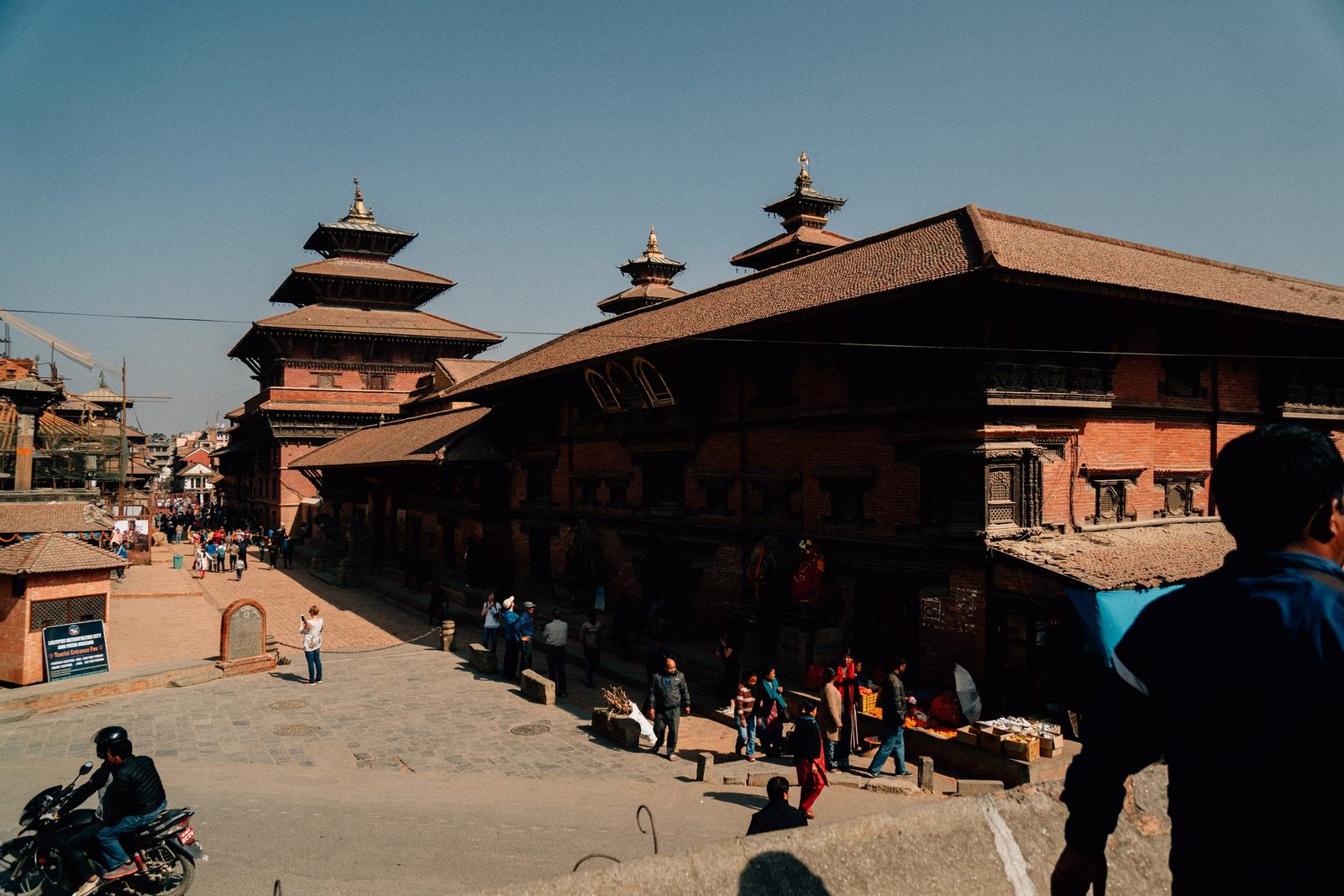
- Drive to Patan Durbar Square and its old royal courtyards and temples
- Drive to Bhaktapur in the afternoon and check in for the night
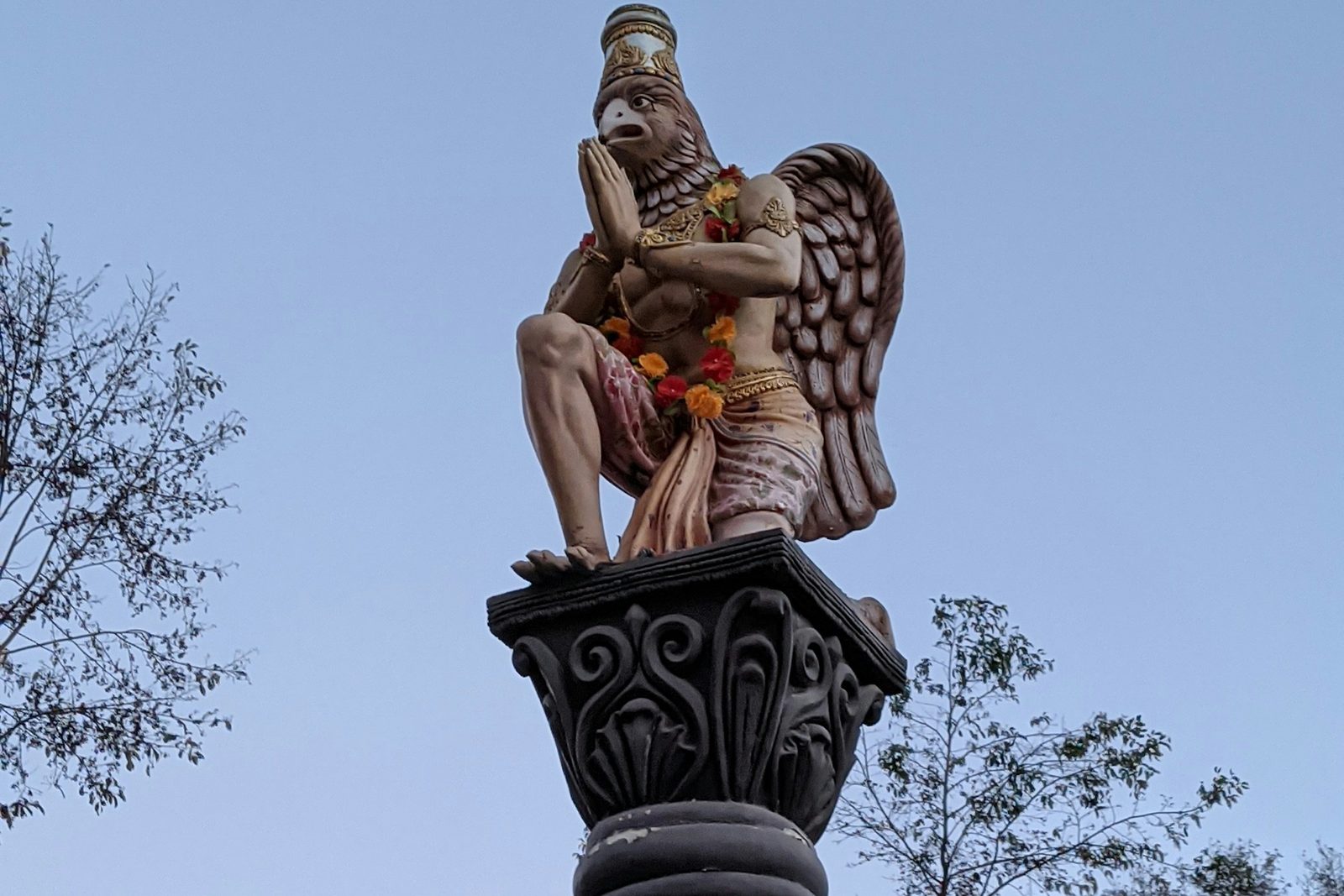
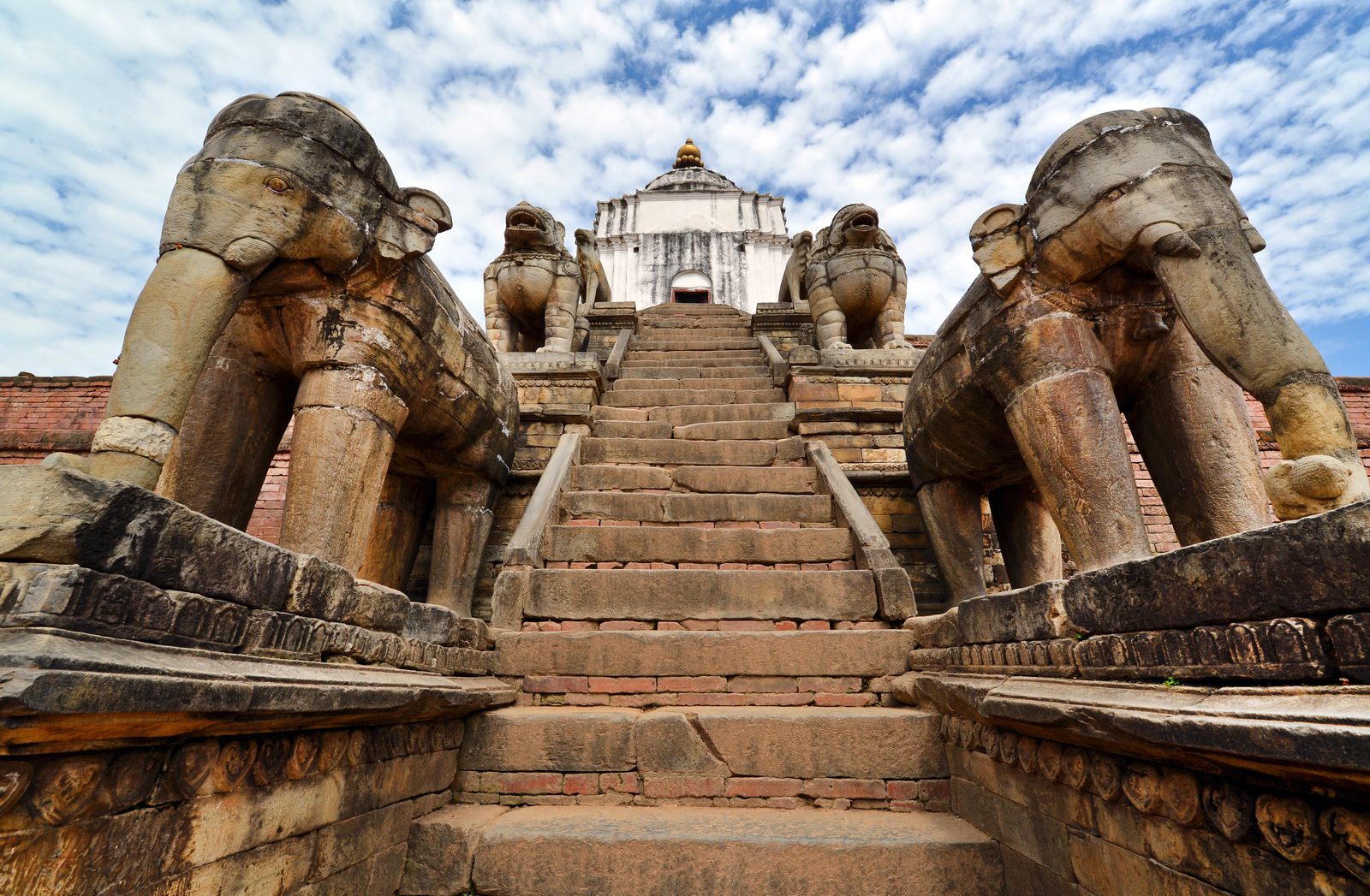
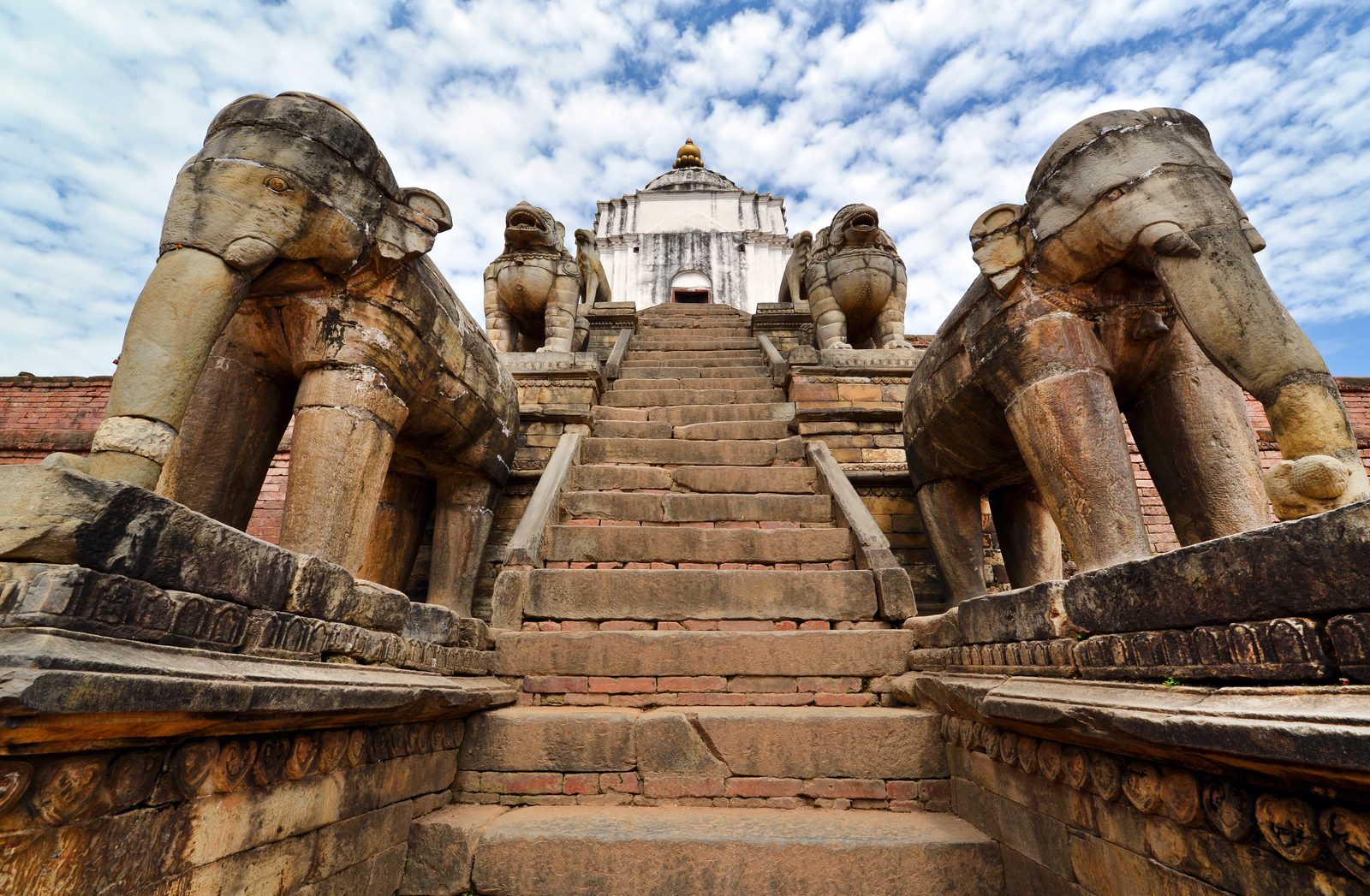
- Early visit to Changu Narayan, the oldest temple in the valley
- Return to explore Bhaktapur Durbar Square and its potters' and temple squares
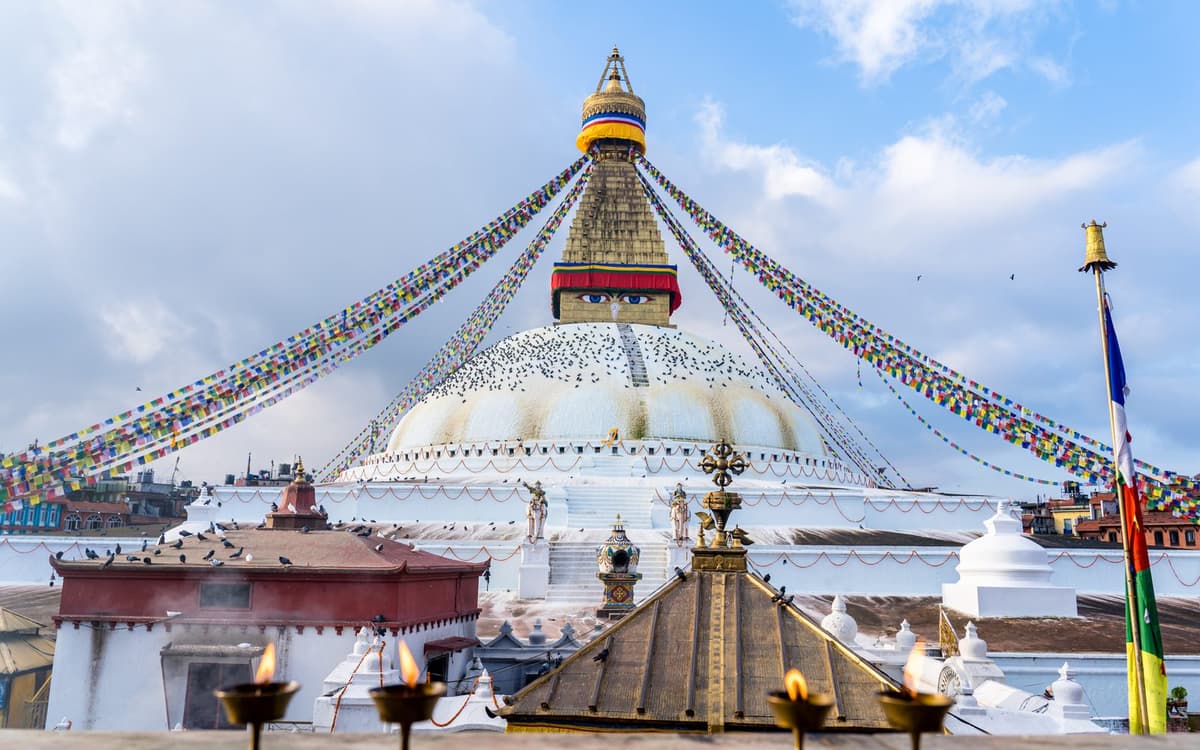
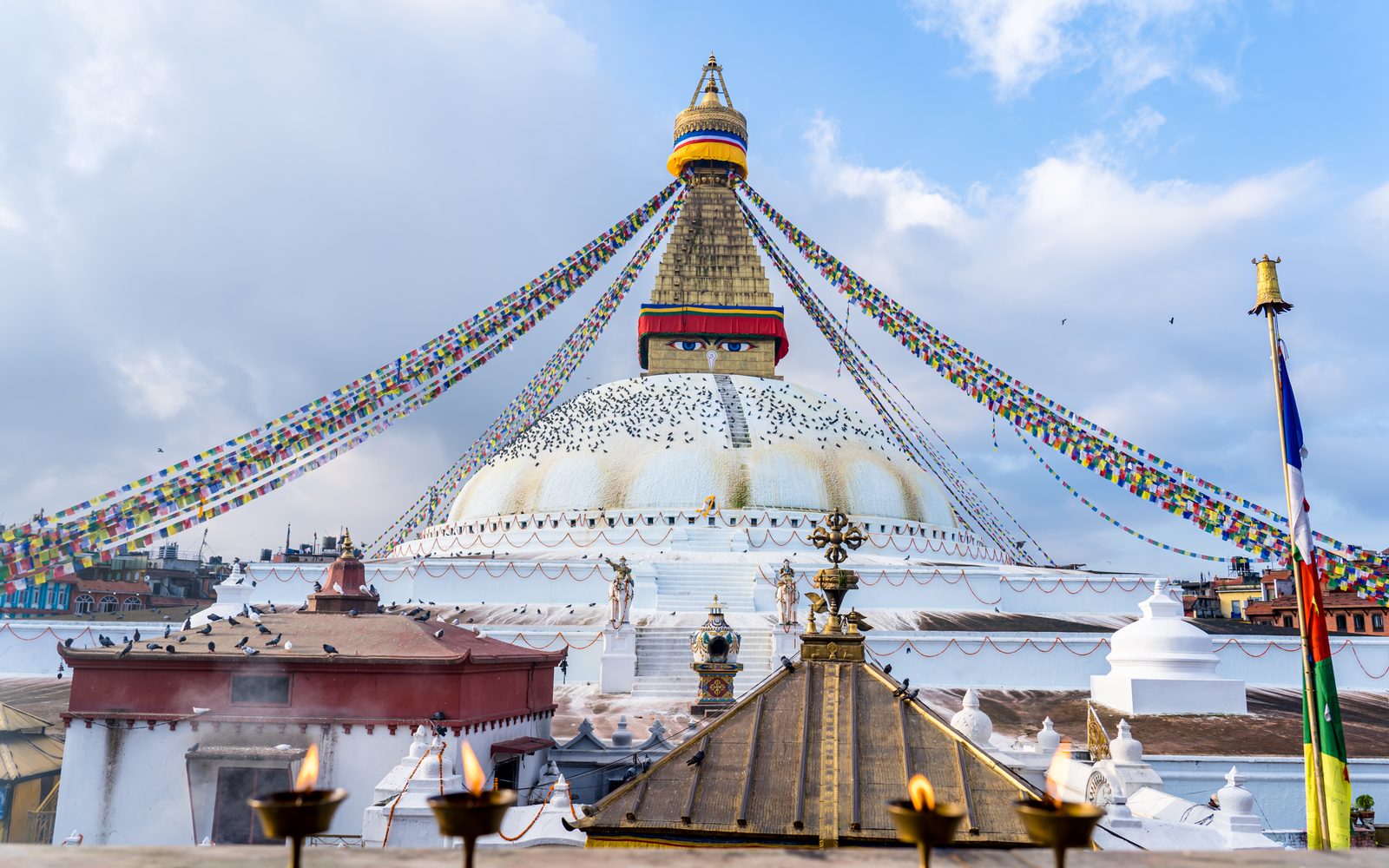
- Drive to Boudhanath, one of the largest stupas in the world
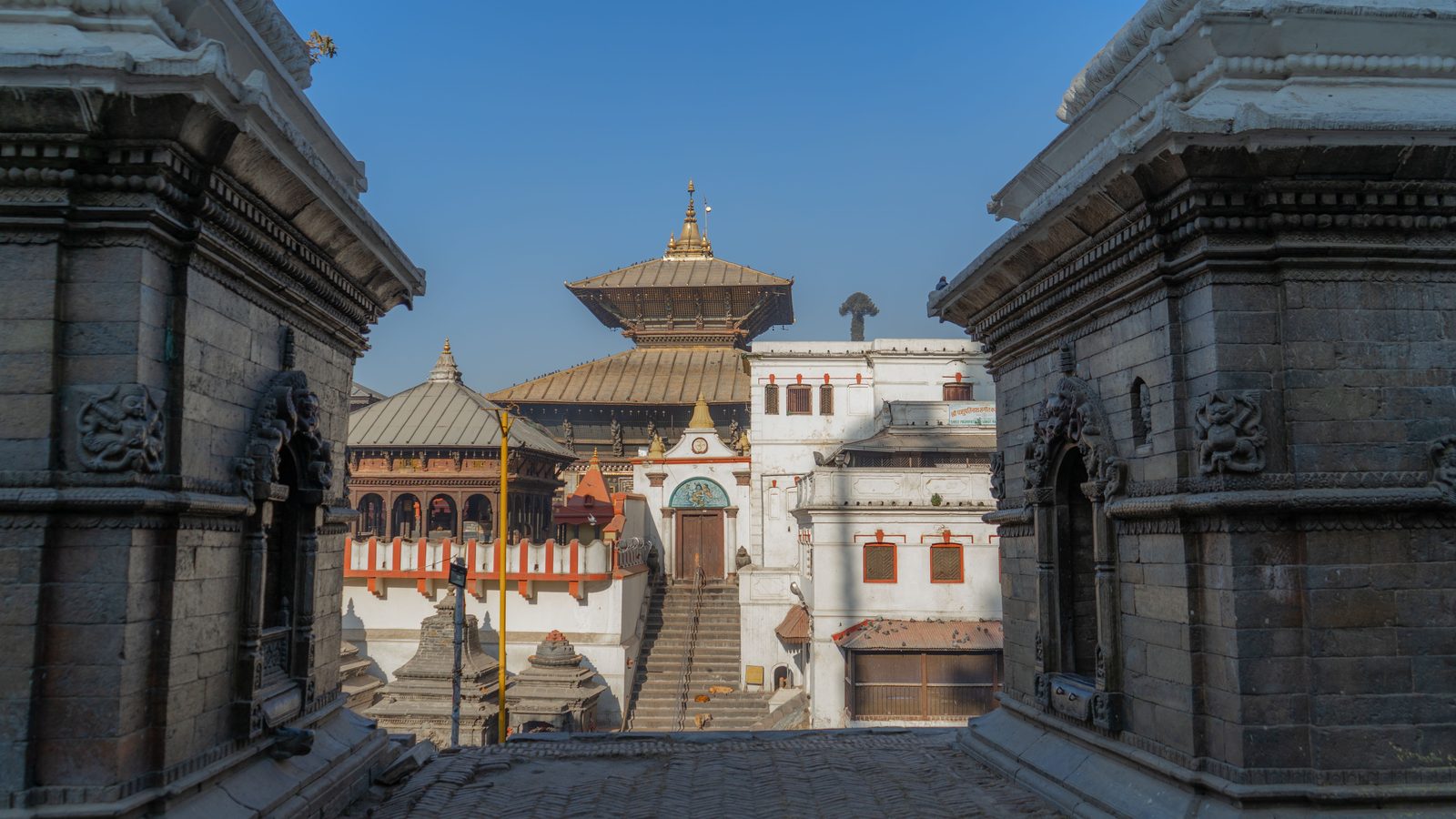
- Drive to Pashupatinath, Nepal's holiest Hindu temple, on the Bagmati river
- Transfer back to your hotel
Things to carry
- Comfortable shoes for uneven ground and steps
- Modest clothing for the temples
- Sun protection and a hat
- A light rain layer in the monsoon
- An overnight bag for the night in Bhaktapur
Good to know
The whole valley, without the rush
The Kathmandu Valley holds seven UNESCO World Heritage Sites within a short drive of each other, and seeing them well takes more than a single day. This two-day tour gives each its due: the three old royal squares, the two great stupas, the holiest Hindu temple in the country, and the ancient hilltop shrine of Changu Narayan, with a night in Bhaktapur in between. It is the unhurried way to understand the valley, its kings, its craftsmen and its living religion.
What the UNESCO World Heritage Sites tour covers
Over two days you visit all seven listed sites. The first day takes in Kathmandu Durbar Square, the hilltop stupa of Swayambhunath and the royal city of Patan, before you drive to Bhaktapur for the night. The second begins early at Changu Narayan, then explores Bhaktapur's own Durbar Square before the great stupa of Boudhanath and the temple of Pashupatinath. Your guide handles the timing, the entry arrangements and the story behind each place. For a version that fits into a single day, our seven UNESCO sites day tour covers the highlights by vehicle.
The three Durbar Squares
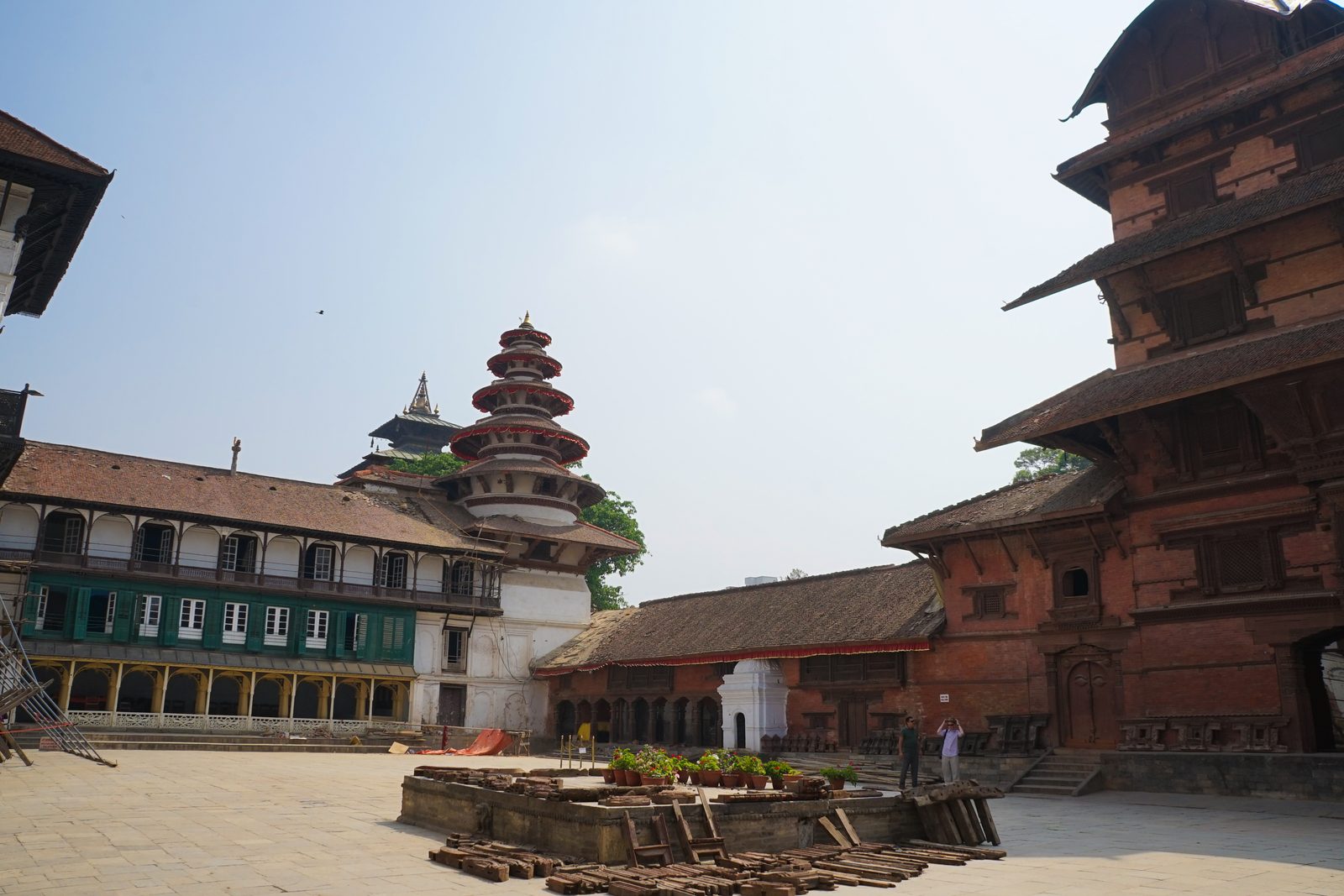
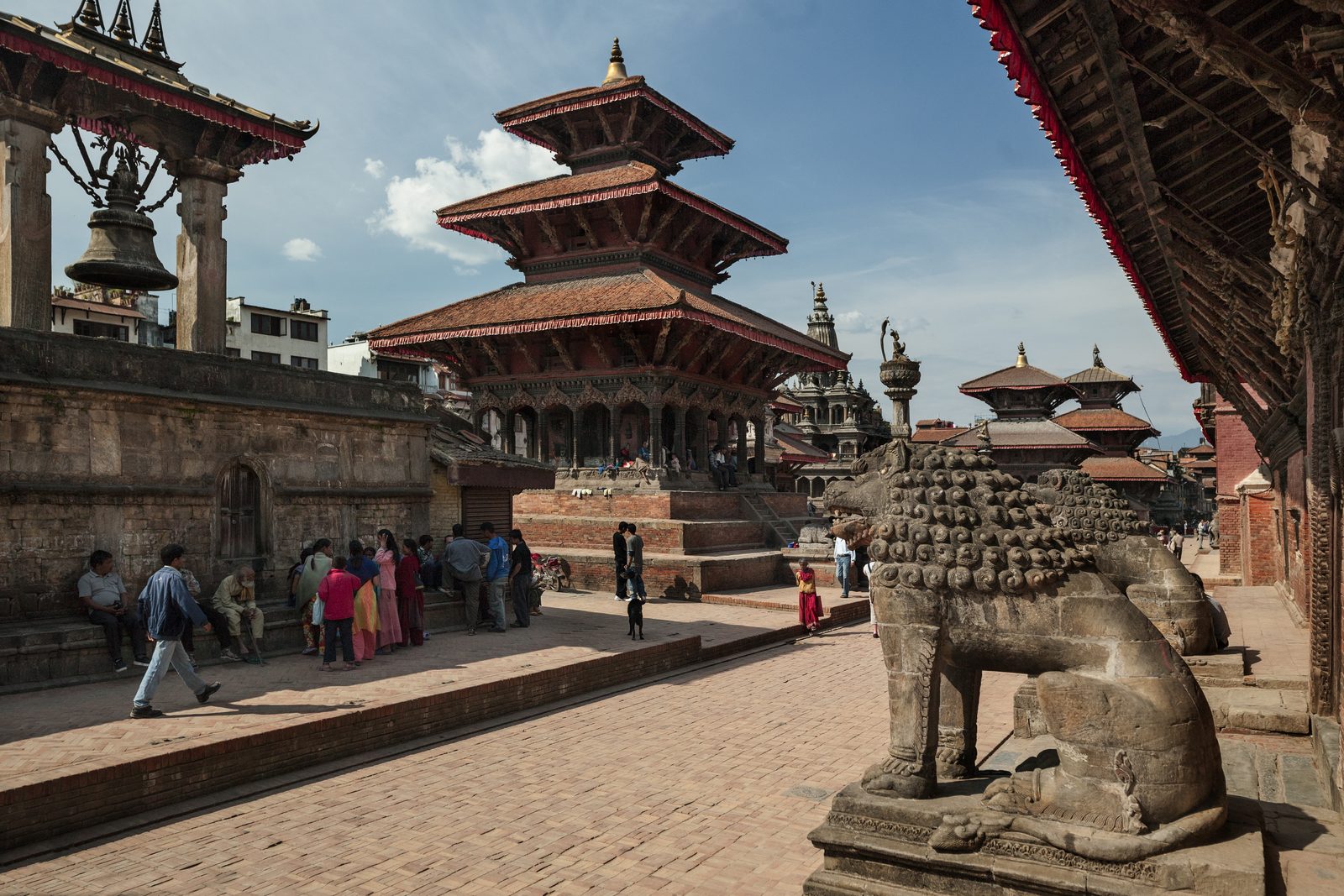
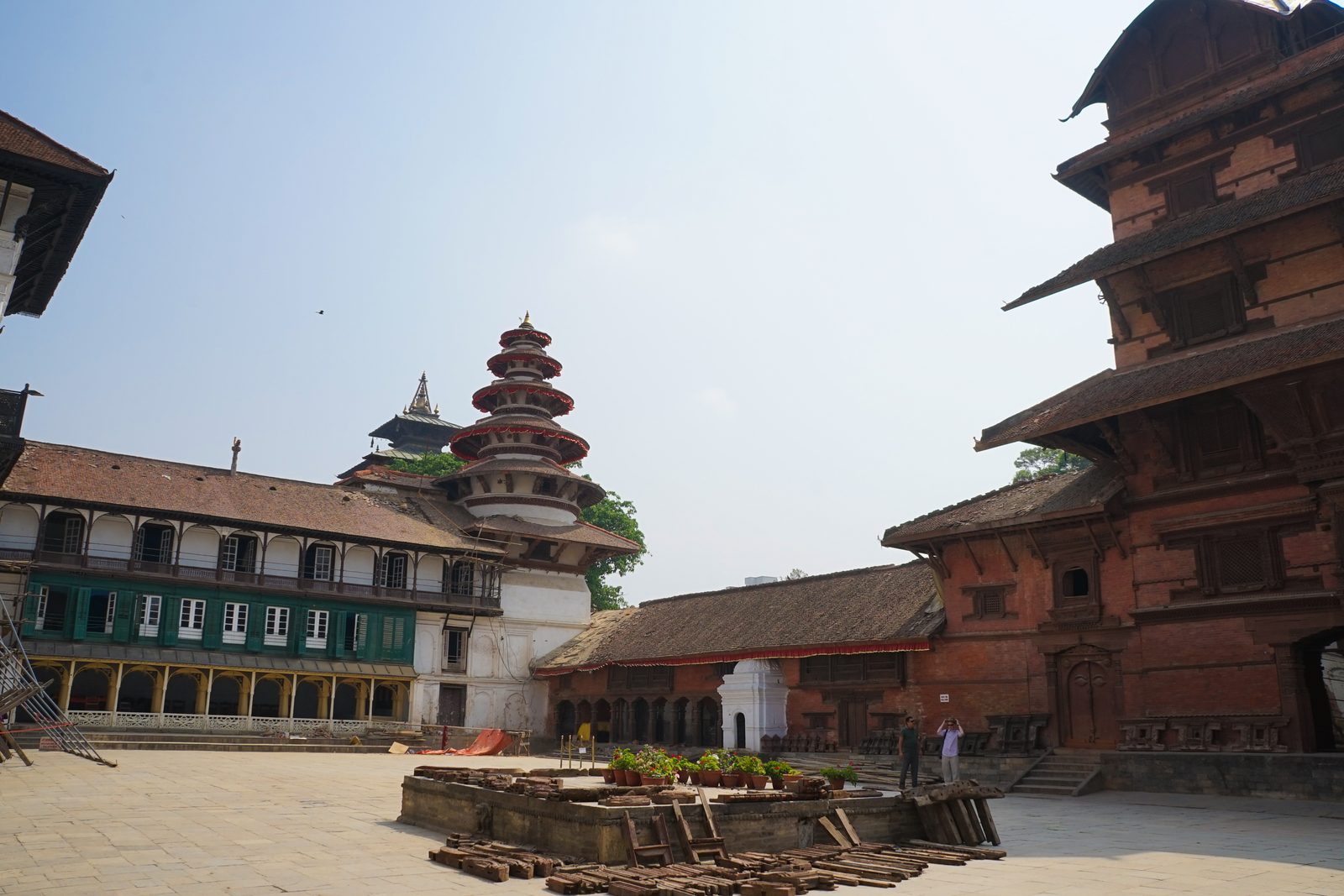
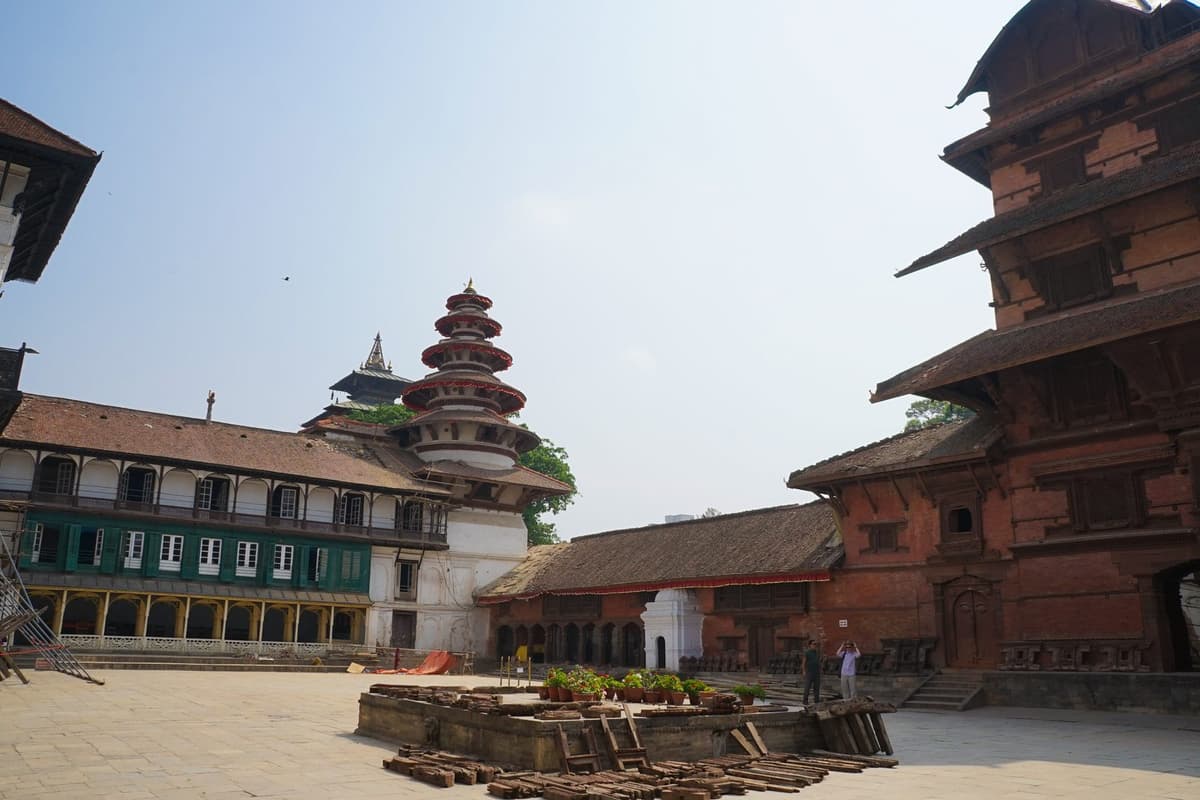
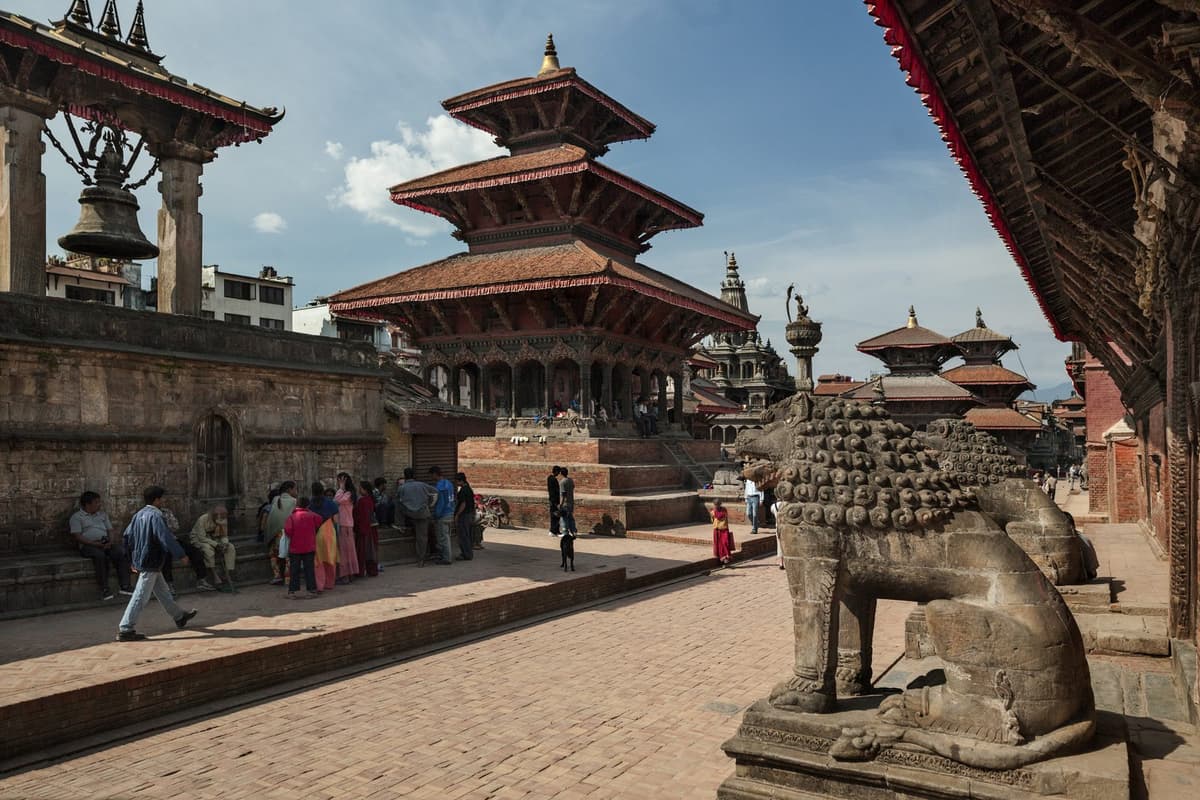
The heart of the valley is its three Durbar Squares, the old royal courts of Kathmandu, Patan and Bhaktapur, each the seat of a rival kingdom until the eighteenth century. They are dense with palaces, pagoda temples, statues and carved windows, and each has its own character: Kathmandu the busiest, Patan the finest for metalwork and Newar craft, Bhaktapur the most complete and the quietest. Staying the night in Bhaktapur lets you see its square empty in the early morning. To focus on the three squares alone, see our three Durbar Squares tour.
Stupas, temples and living faith
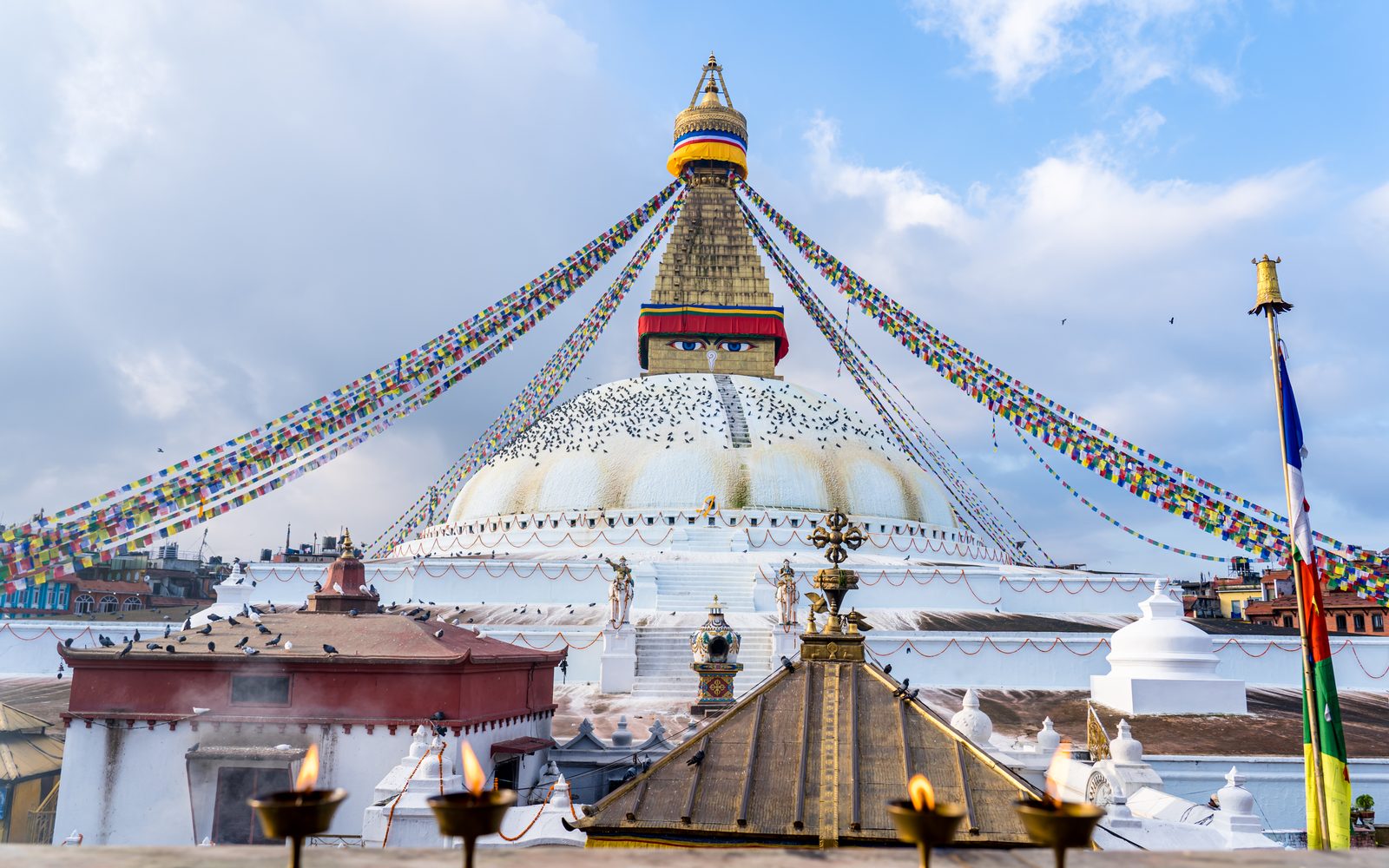
Alongside the royal cities are the valley's great religious sites. Swayambhunath and Boudhanath are among the most important Buddhist stupas anywhere, ringed by prayer flags and pilgrims walking the circuit. Pashupatinath is the holiest Shiva temple in Nepal, alive with worship and ritual along the Bagmati. Changu Narayan, the oldest temple in the valley, adds a quieter, older layer. Together they show a place where Hindu and Buddhist practice have shared the same streets for centuries.
Best time to go and good to know
The tour runs all year. October to April is the clearest and most comfortable; the monsoon is green but can bring afternoon rain. Dress modestly for the temples, with shoulders and knees covered, and wear comfortable shoes for the uneven ground and the steps up to Swayambhunath and Changu Narayan. Entry fees apply at the sites and your guide handles the arrangements. Festival days can make the squares especially lively, and your guide can tell you what is on while you are there.