Overview
This Chitwan jungle safari tour from Kathmandu is a short, private road trip down to the Terai plains and Chitwan National Park, Nepal's first national park and a World Heritage Site. You drive to Sauraha on the first day, watch the sun go down over the Rapti River and spend the evening at a Tharu cultural dance. The second day is a full day inside the park by jeep with a certified guide, looking for one-horned rhino, deer, crocodiles and birds. On the last morning you visit the government elephant breeding centre at Khorsor before driving back. It suits families, first-time visitors and anyone who wants wildlife and warm lowland air without a long trip.
The itinerary
- Morning departure by private vehicle, about 162 km and roughly 6 hours on the road
- Check in at Sauraha, the village on the northern edge of Chitwan National Park
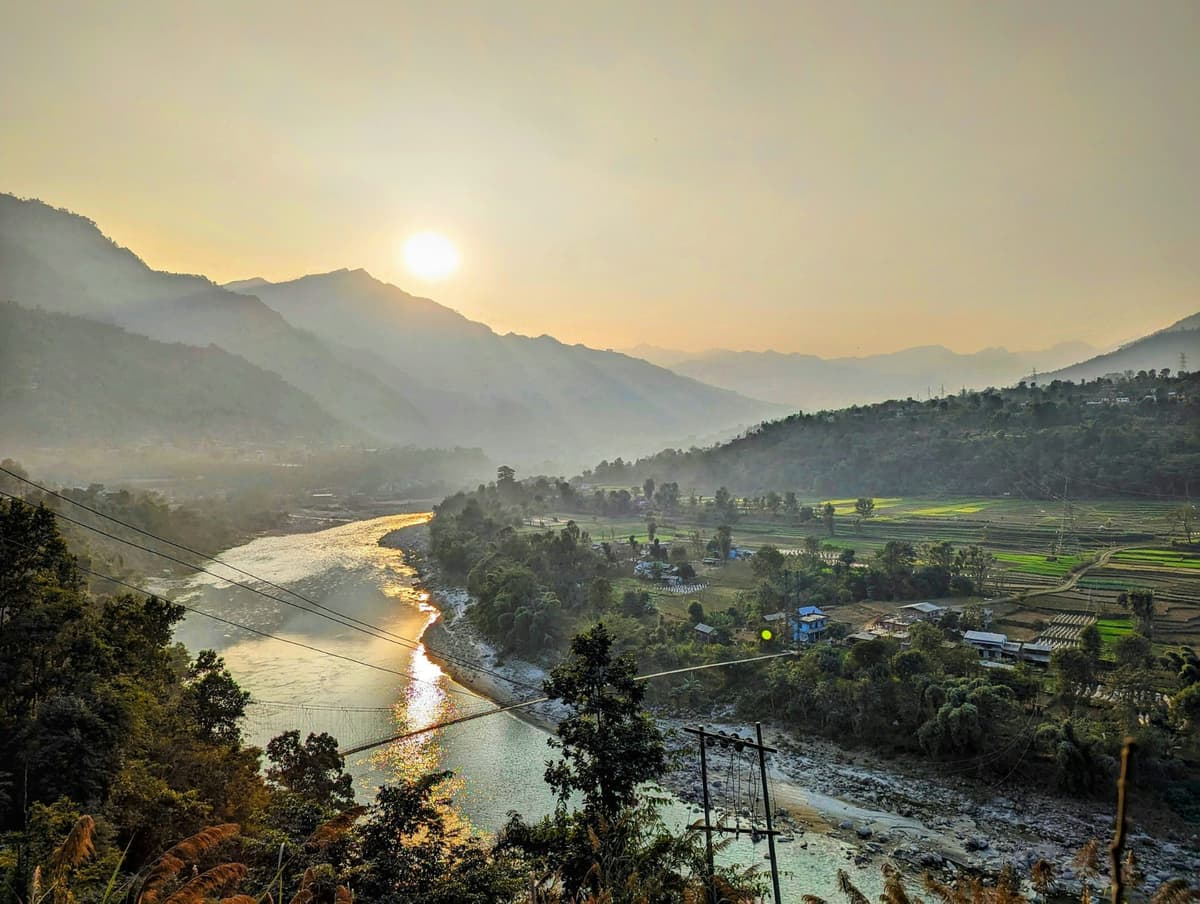
- Late-afternoon walk to the Rapti riverbank to watch the sun set over the park
- Evening Tharu cultural programme, including the Lathi Nach stick dance
- Early start with a park-certified guide; we arrange your one-day park entry permit
- A full day on forest, grassland and riverbank tracks deep inside the park
- Stops at lakeside watchtowers, the Kasara headquarters and the gharial breeding centre
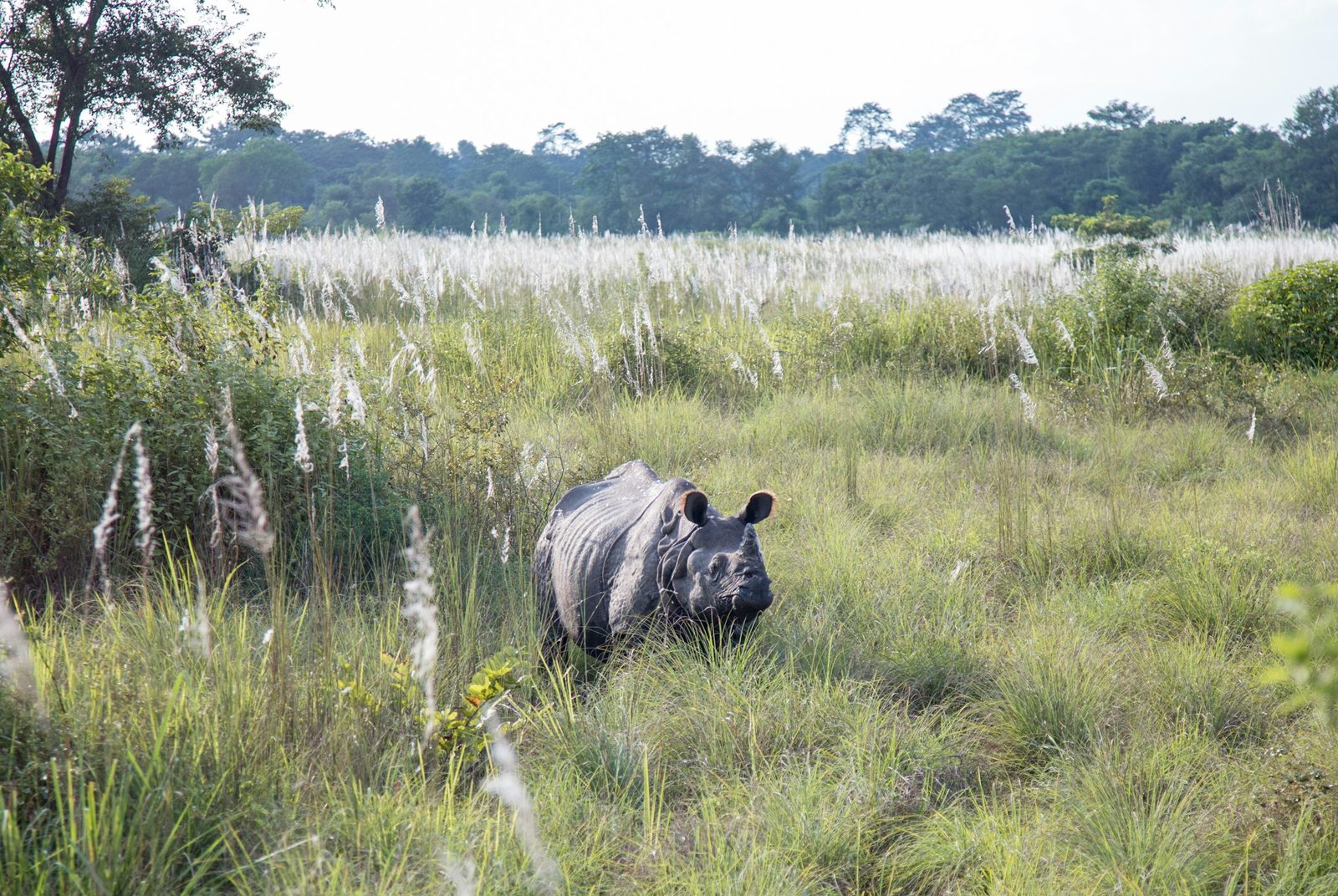
- Rhino, deer, monkeys and birds are regular sightings; tigers and leopards are rare
- Morning visit to the government elephant breeding centre at Khorsor, near Sauraha
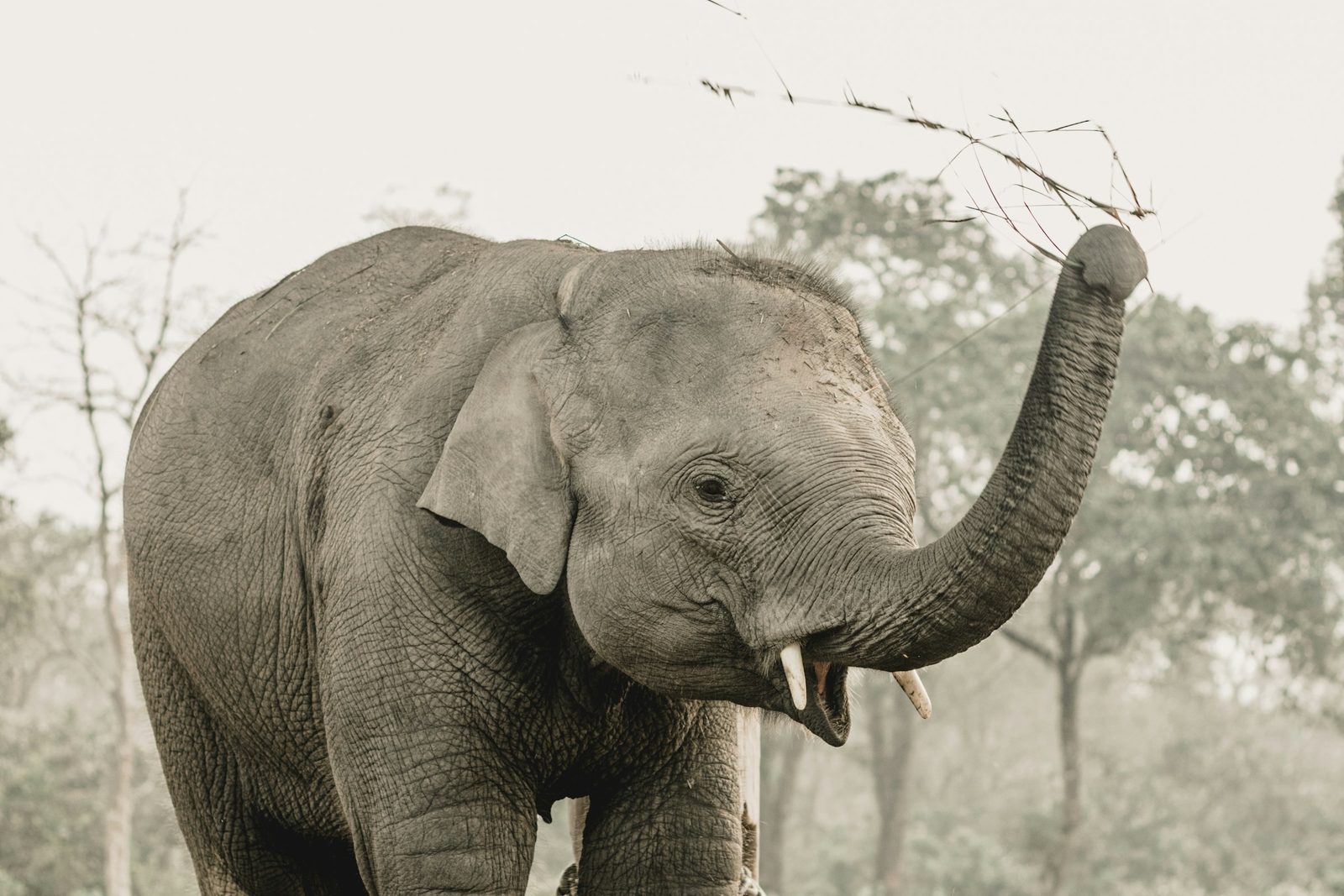
- See mothers and young elephants and learn why the park keeps them for forest patrols
- No elephant rides on this trip; the visit is about seeing how the animals are kept
- Drive back to Kathmandu, about 6 hours, arriving by late afternoon or evening
Things to carry
- Clothes in muted greens, browns or khaki for the safari
- Insect repellent and a long-sleeved top for dusk
- Binoculars or a camera with a zoom lens
- Sun hat, sunglasses and sunscreen
- A warm layer for cold winter mornings in the jeep
Good to know
Complete guide
Chitwan is where Nepal drops out of the hills and becomes flat, green and warm. This Chitwan jungle safari tour from Kathmandu gives you three days there: a riverside evening, one full day inside the national park and a morning with the park's working elephants. It is short, private and paced for people who want to see wildlife properly rather than from a bus window.
What the Chitwan jungle safari tour from Kathmandu covers
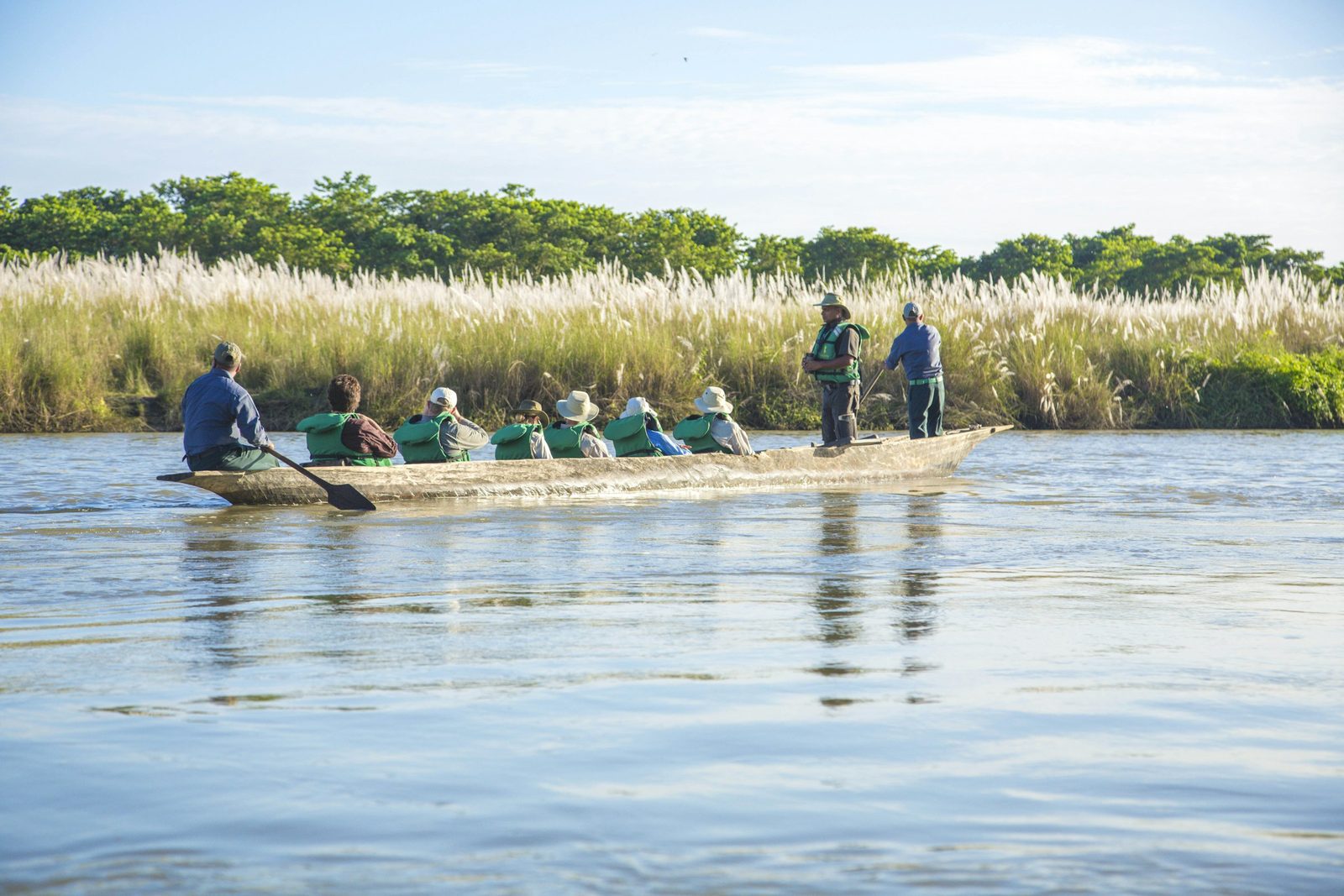
You leave Kathmandu in the morning by private vehicle for Sauraha, the small town on the northern edge of the park. The drive is about 162 km and usually takes around six hours, down through the hills to the Terai plains. After checking in, you walk to the bank of the Rapti River for sunset, looking across the water to the park. In the evening we take you to a Tharu cultural programme, where the stick dance is the part most people remember.
The second day is the main event: a full-day jeep safari with a park-certified guide. Full-day routes run for more than eight hours and cover far more ground than the half-day drives most visitors take, including lakeside watchtowers, the park headquarters at Kasara and the gharial breeding centre, where the park raises Nepal's long-snouted river crocodile. On the third morning you visit the elephant breeding centre at Khorsor, then drive back to Kathmandu.
The wildlife, honestly
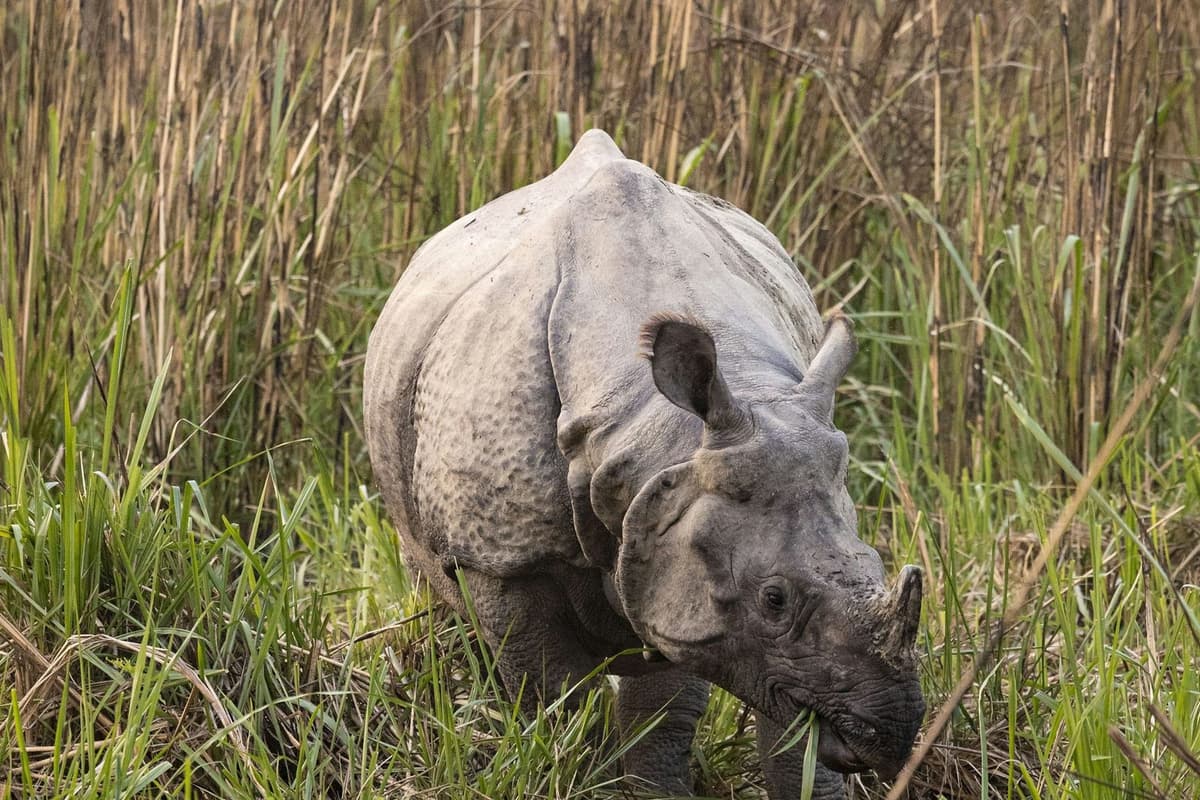
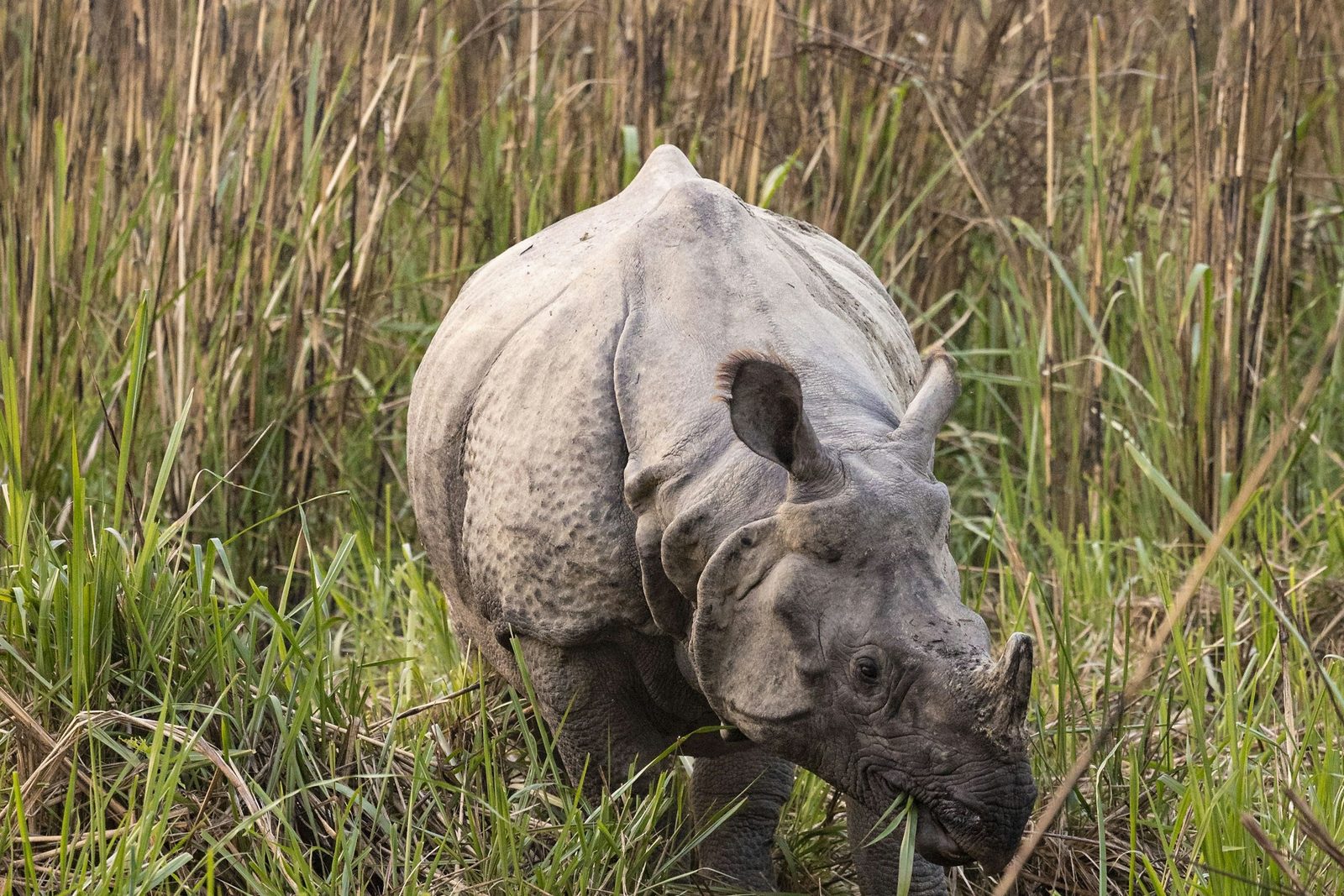
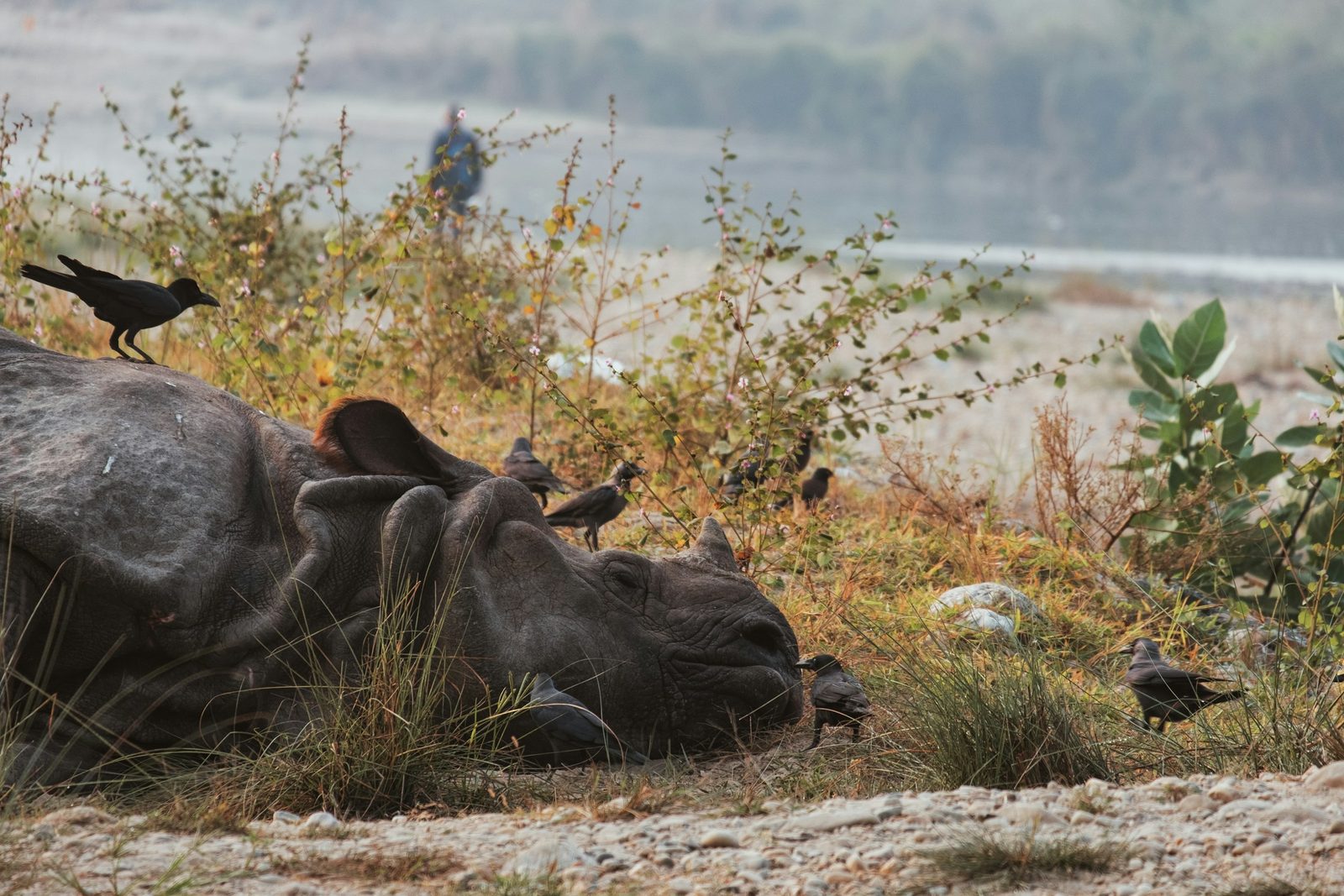
Chitwan National Park was set up in 1973 as Nepal's first national park and was listed as a World Heritage Site in 1984. It is best known for the greater one-horned rhino: the 2021 national count found 694 in Chitwan alone, most of the country's total. On a full day you have a very good chance of seeing rhino, several kinds of deer, monkeys, crocodiles and a long list of birds.
Tigers, leopards and sloth bears also live here, but they are rarely seen, and a jeep has to stay on the park tracks rather than follow animals into tall grass. Nobody can promise a tiger, and we will not. What a good guide does is read tracks, listen for alarm calls and choose the quieter parts of the park, which is why the full-day format matters.
About the elephant breeding centre
The breeding centre at Khorsor is run by the Department of National Parks and Wildlife Conservation. The government set it up in 1985 to breed the elephants the park uses to patrol the forest, and more than 50 have been born there since. You see mothers and young elephants, and the staff explain how they are raised and trained for park work.
We do not offer elephant rides. Rides have not been allowed inside the national park for nearly 15 years, and the rides still sold around Sauraha use privately owned elephants in the community forests. If animal welfare matters to you, ask your guide how the working elephants are kept: they will answer straight.
When to go and what to expect from the weather
October to early March is the most comfortable time, with warm days around 25°C. January mornings can be cold and foggy in an open jeep, with nights close to 7°C, so pack a warm layer. April and May are very hot, reaching the mid 40s, but animals gather at the shrinking waterholes. The monsoon, from mid June to mid September, brings heavy rain, high grass and harder roads, and we would usually suggest another time.
Longer and shorter ways to see Chitwan
Three days is enough for one proper safari day. If you would like Chitwan as part of a wider first trip, the Golden Triangle tour of Kathmandu, Chitwan and Pokhara adds the lakes and mountains of Pokhara over six days. If you want more action, the Chitwan safari with bungee and canyoning pairs the park with adventure days. Tell us your dates and who is travelling, and we will tell you honestly which one fits.