

Overview
The itinerary
- Hotel pickup: your guide and vehicle collect you; the start time depends on how far your hotel is from the first stop.
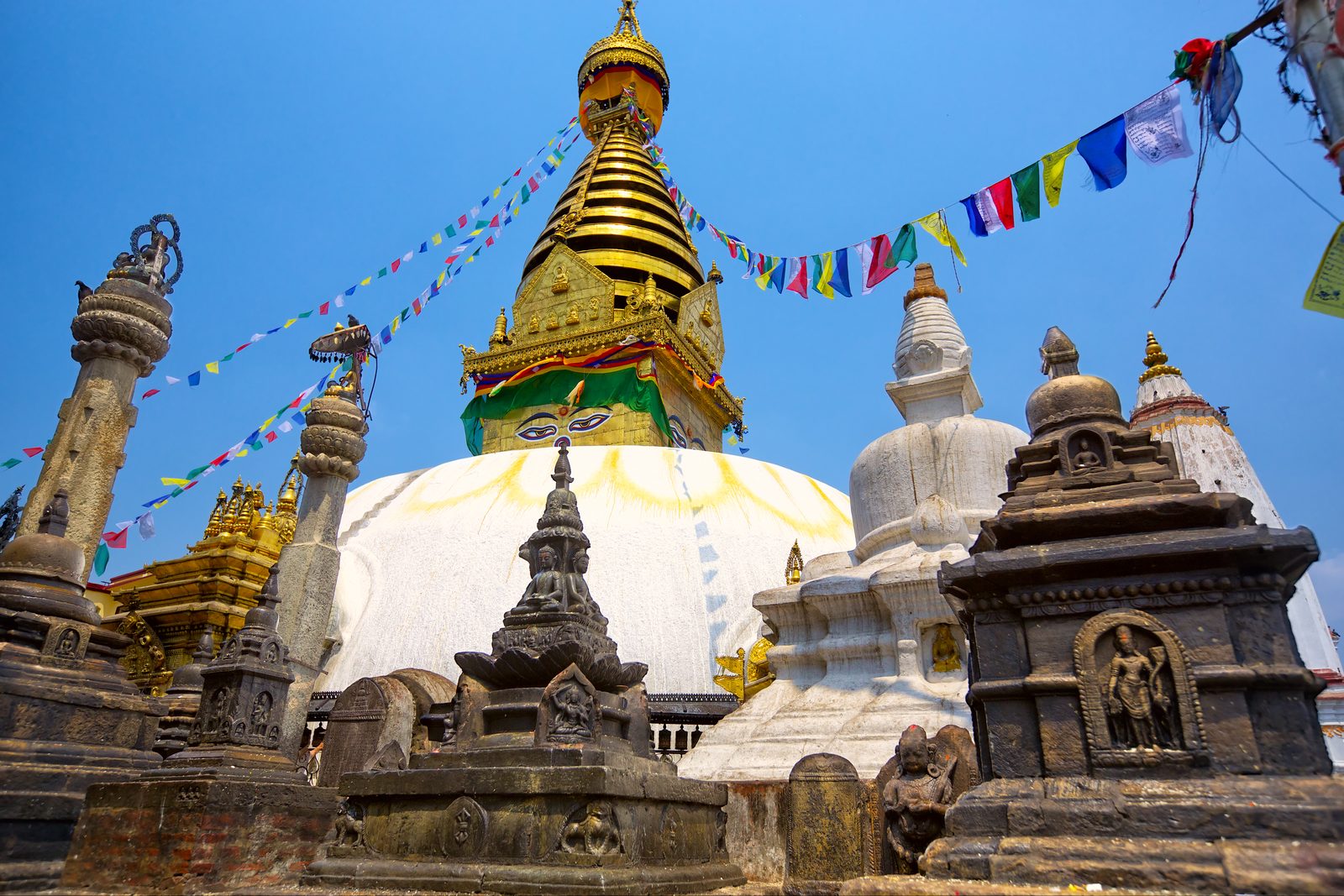
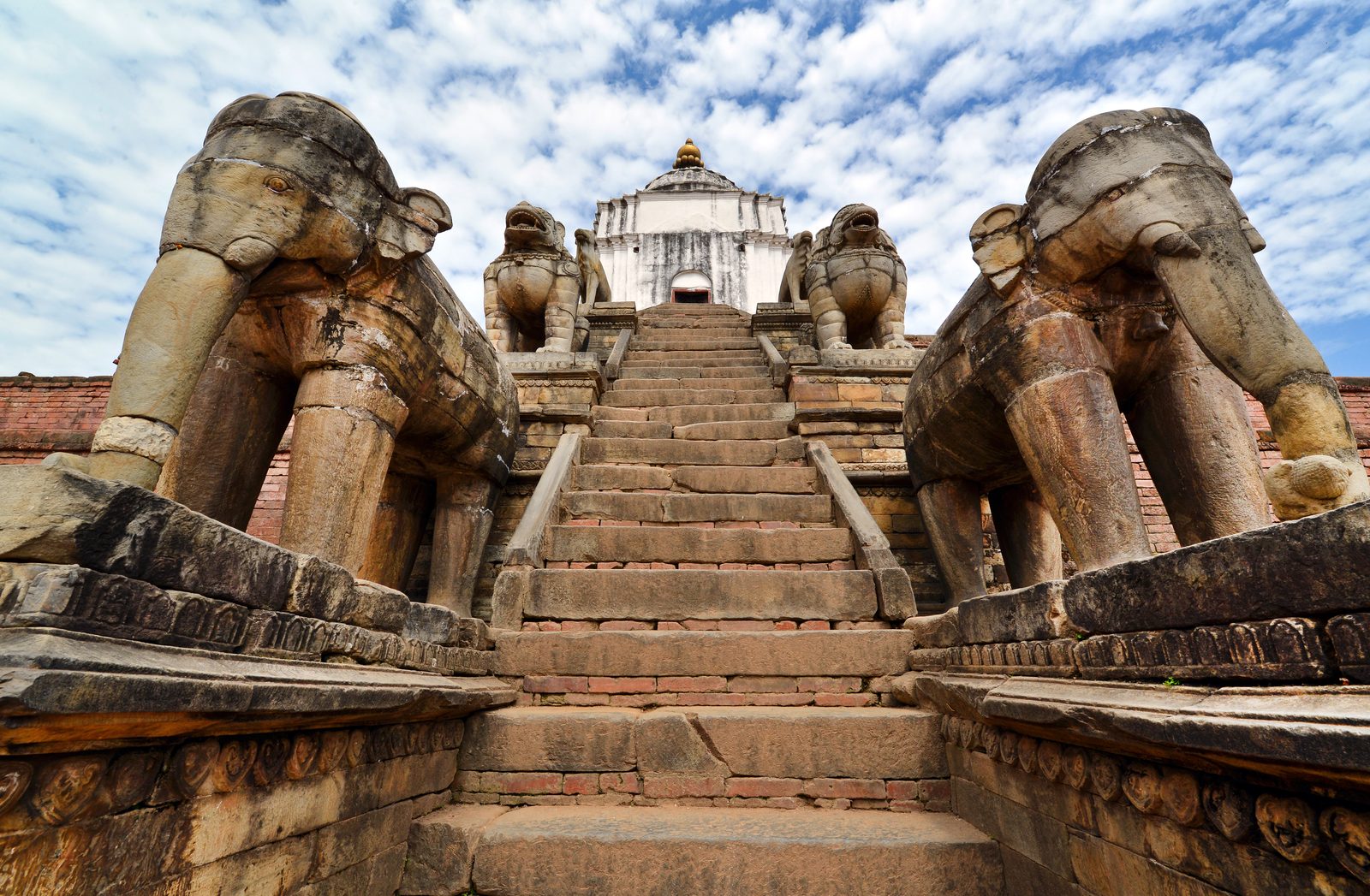
- Swayambhunath (Monkey Temple): a hilltop stupa reached by a long stone staircase, watched over by the painted Buddha eyes, prayer flags and resident monkeys, with the city spread out below.
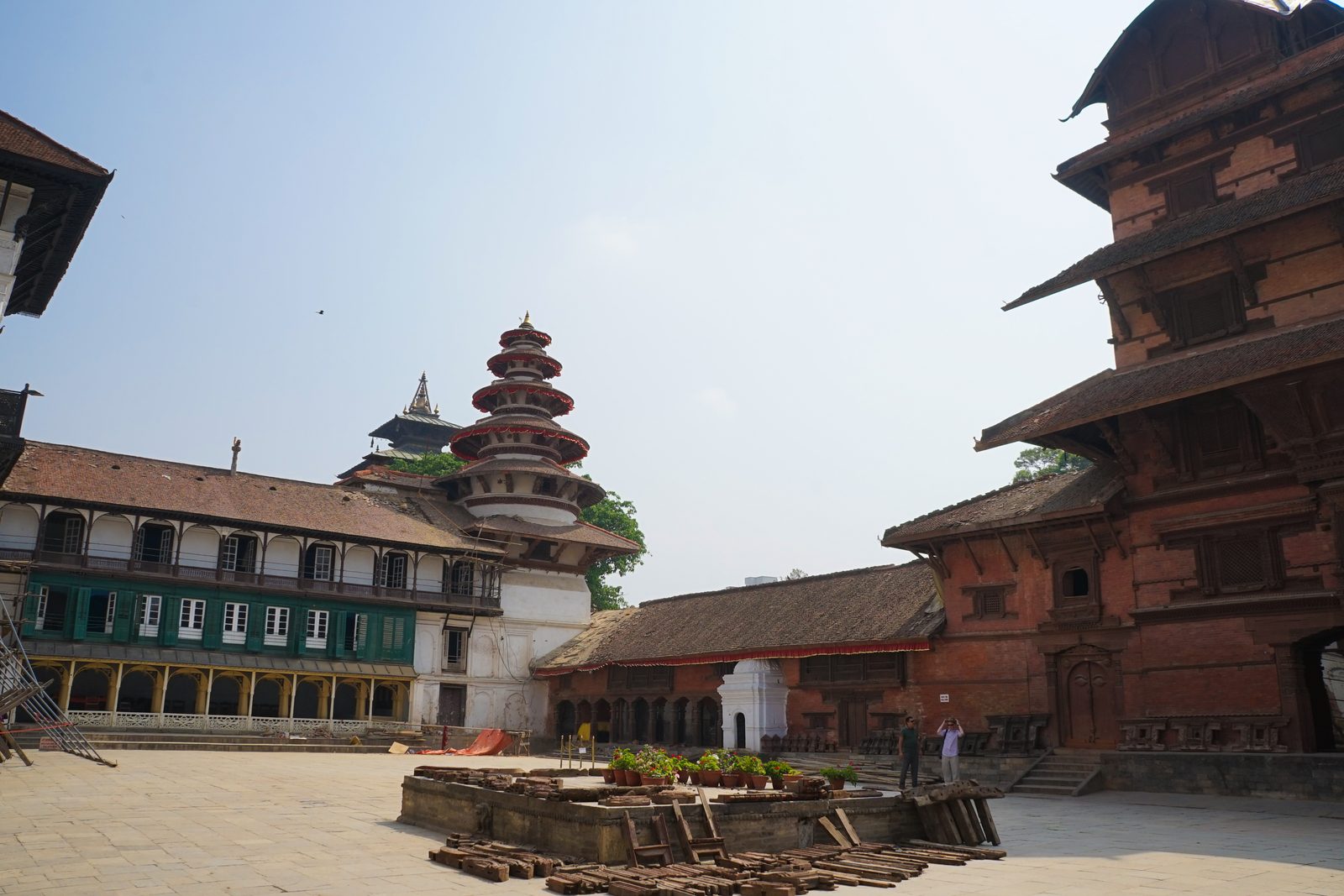
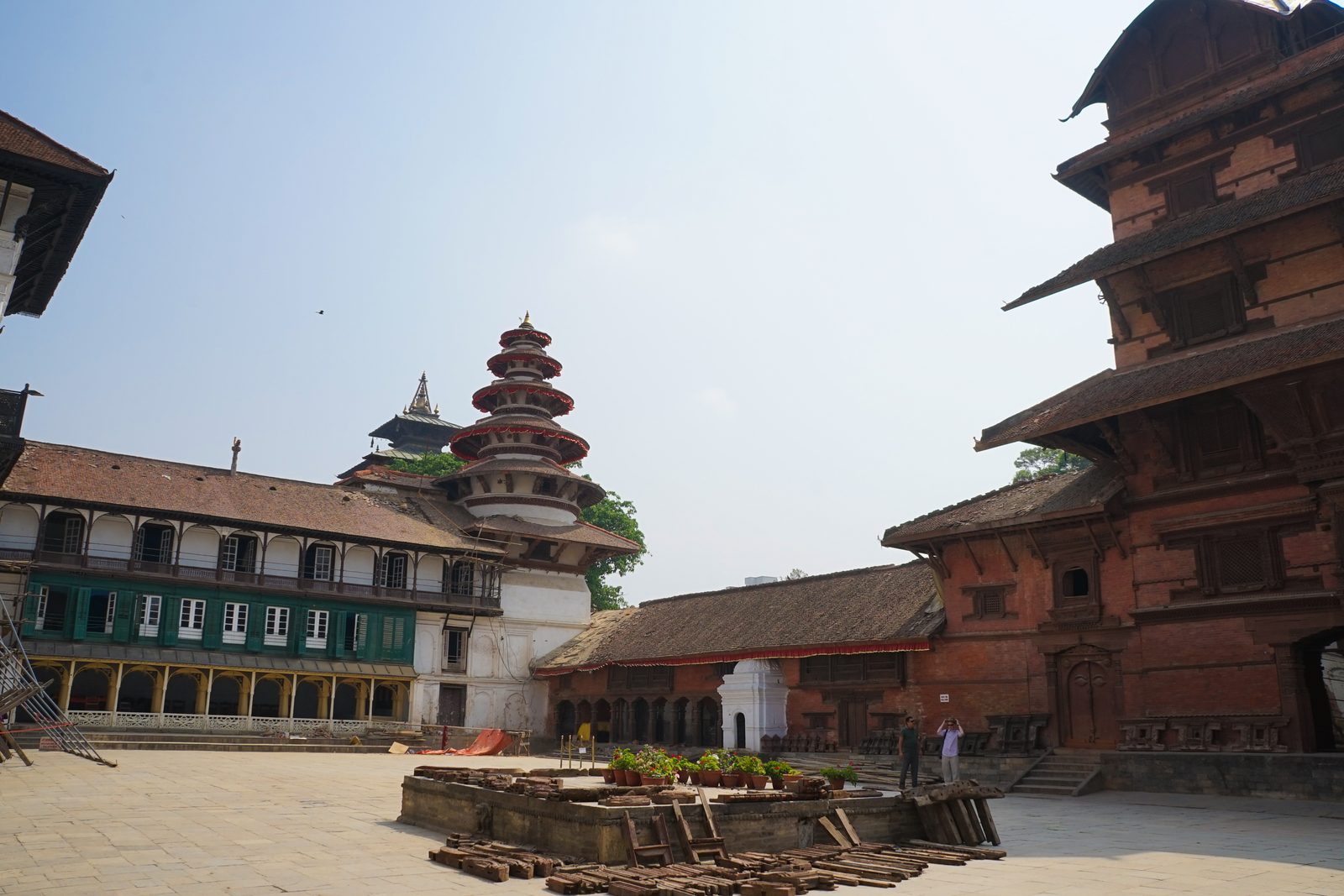
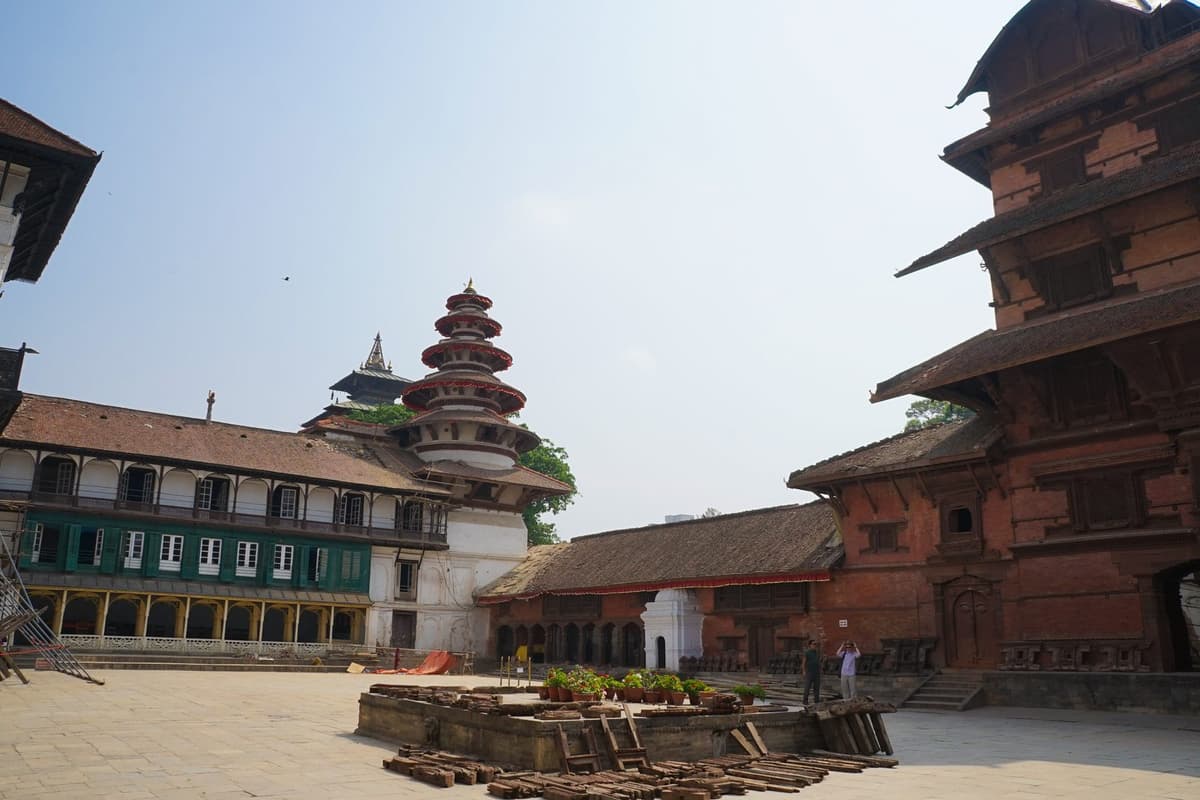
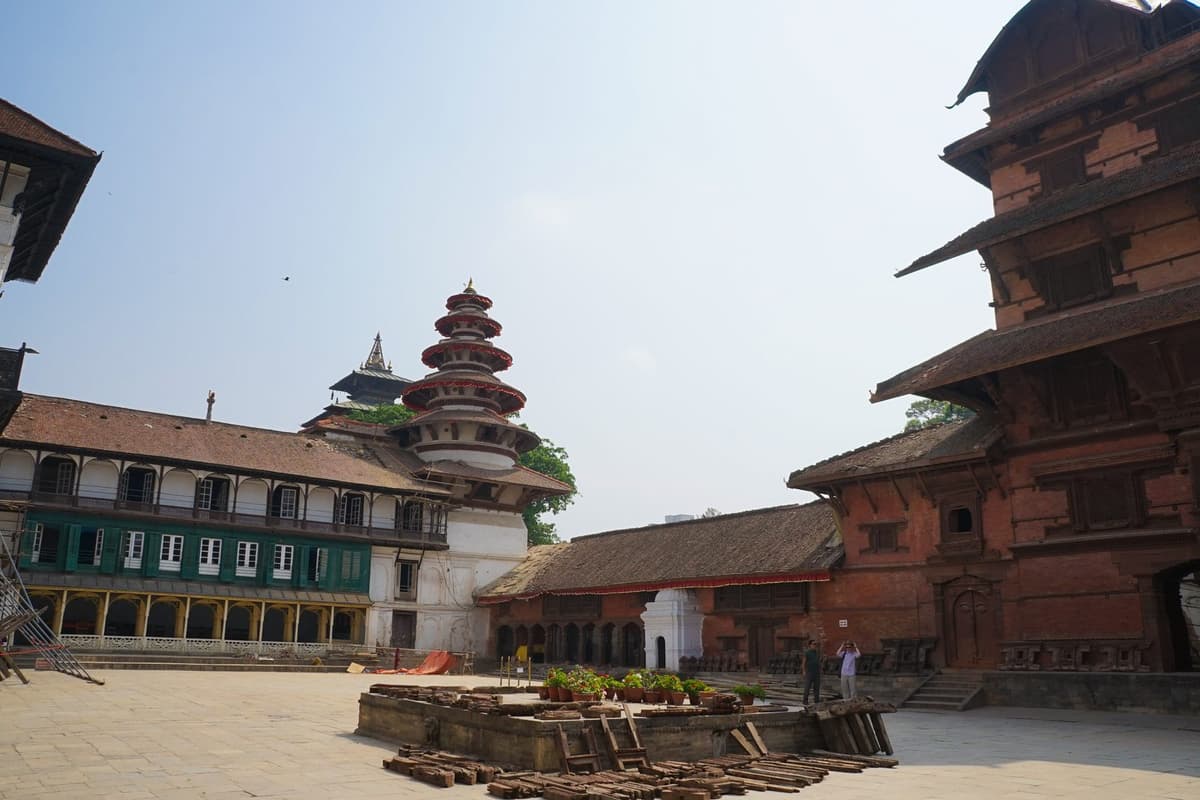
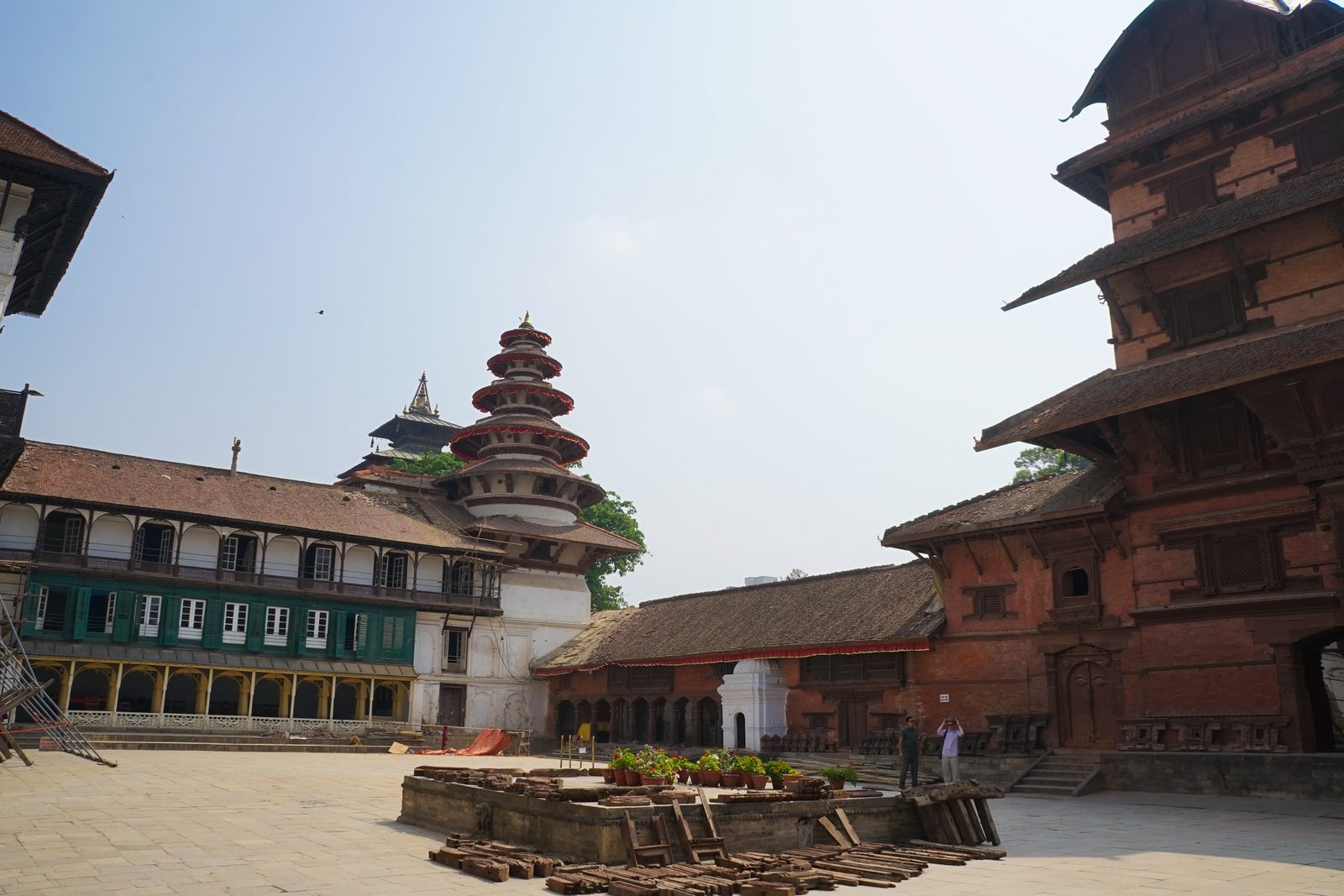
- Kathmandu Durbar Square: the old royal heart of the city, with the Hanuman Dhoka palace, tiered temples and the Kumari Ghar, home of the Living Goddess.
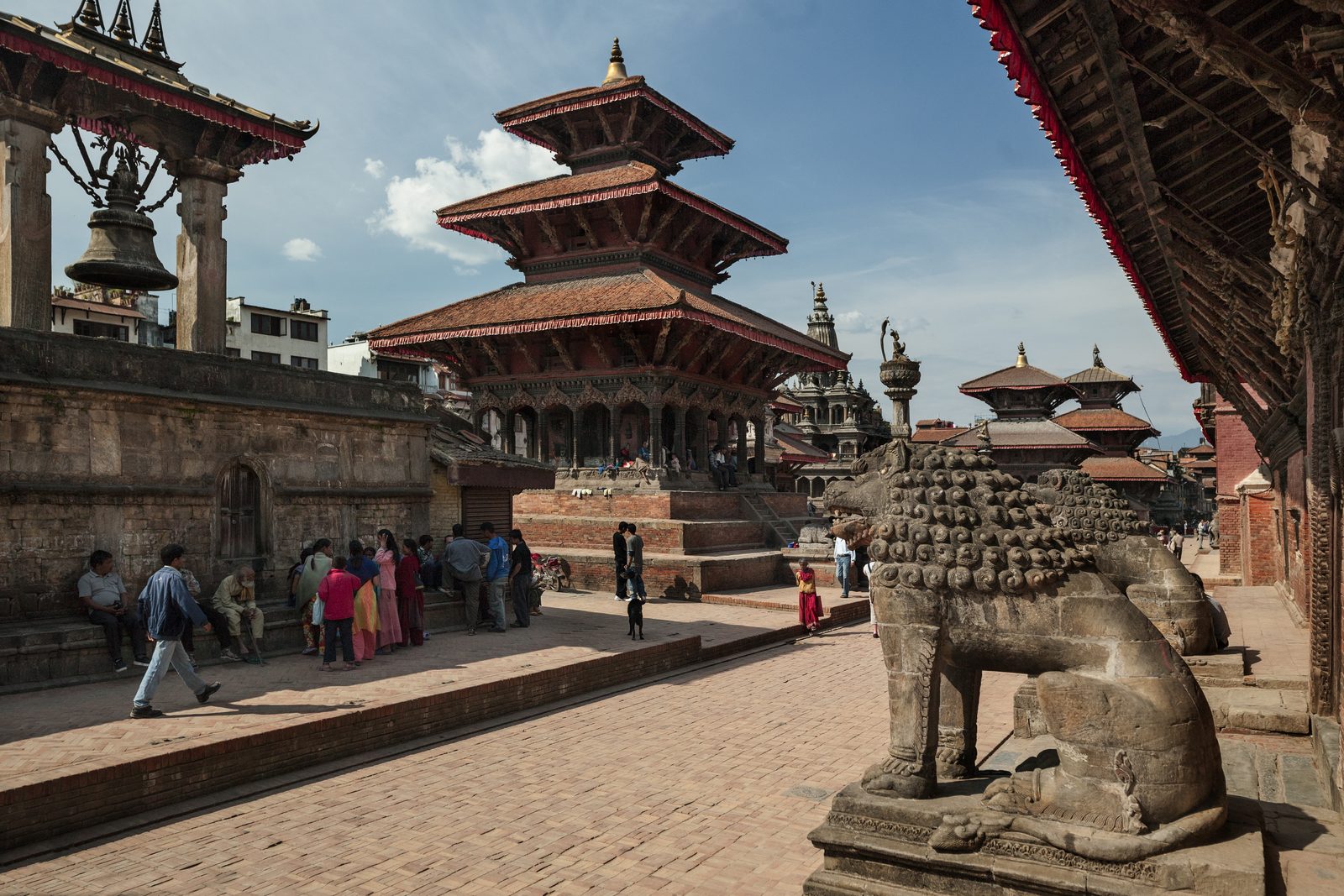
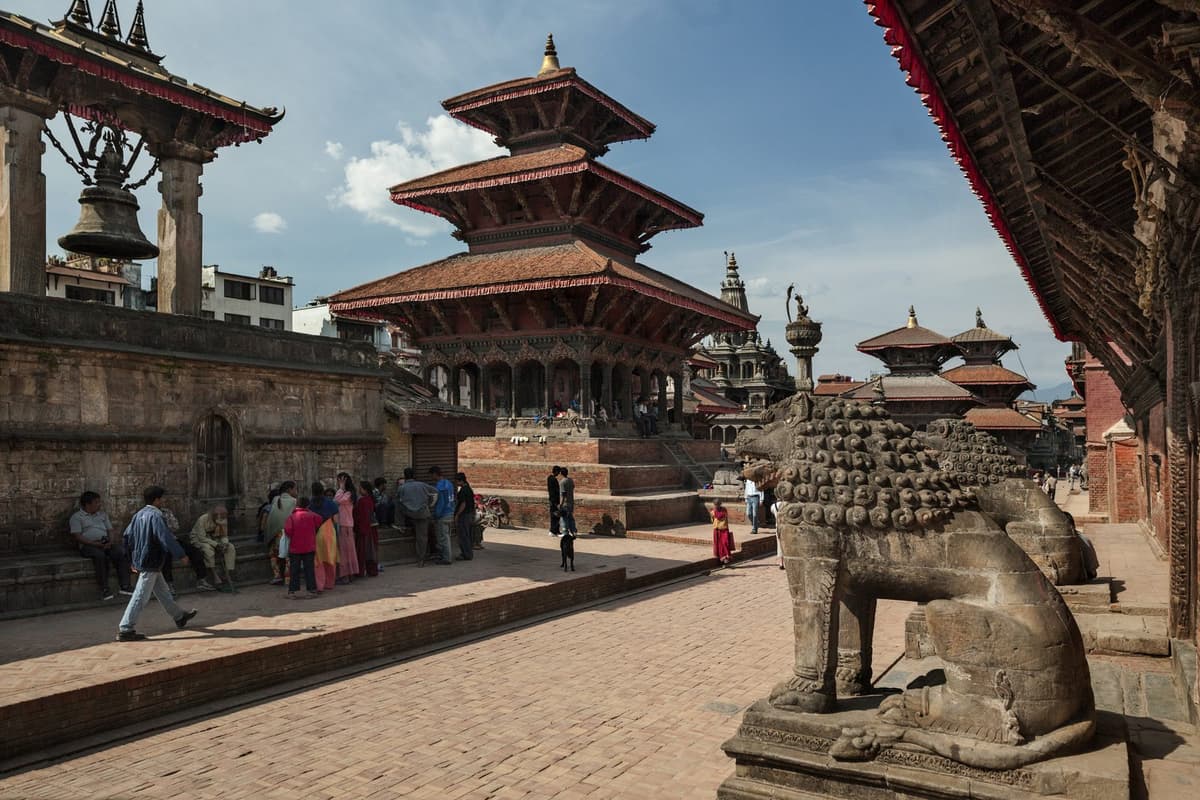
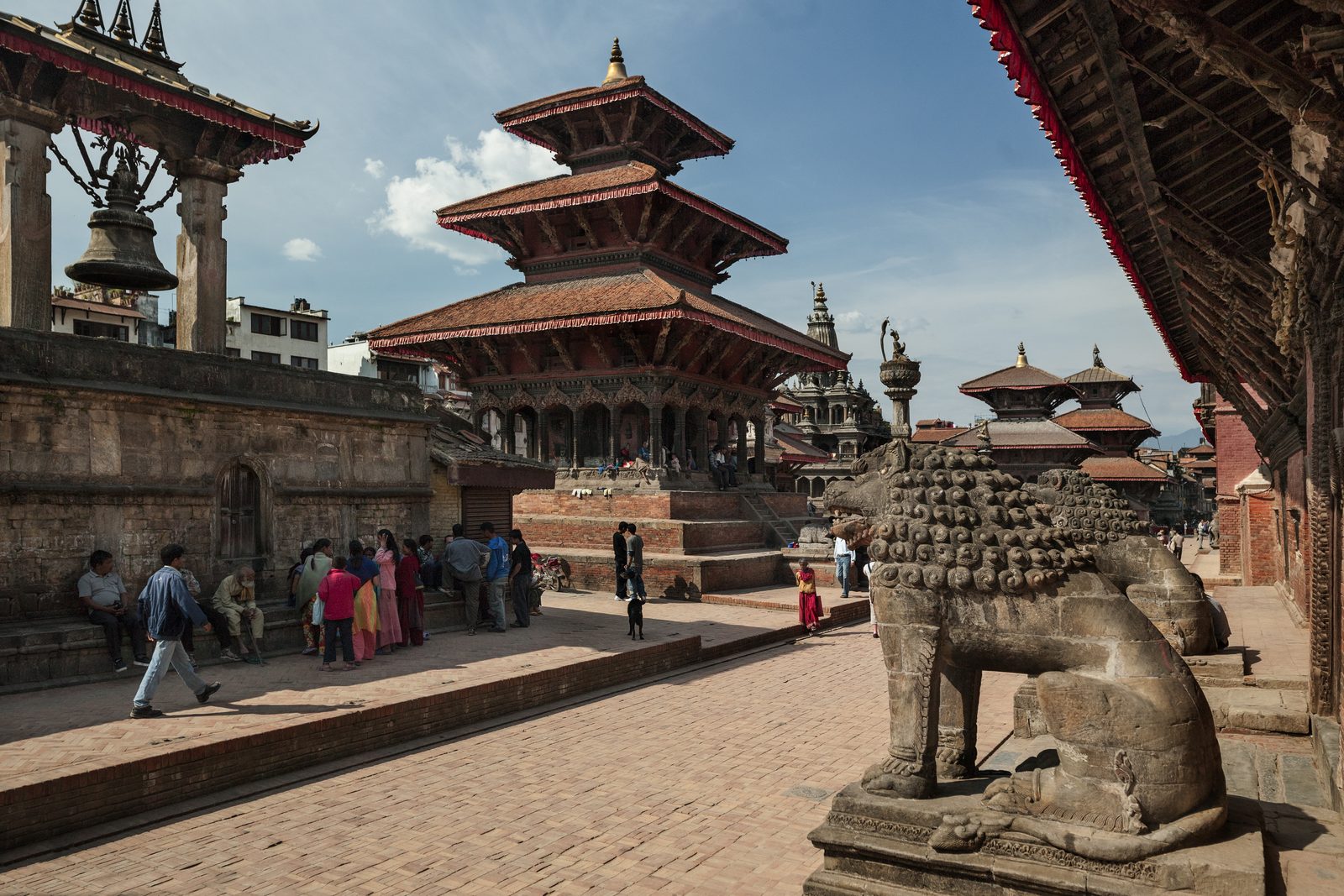
- Patan Durbar Square: Lalitpur's city of artisans, famous for the stone Krishna Mandir and courtyards full of Newar wood and metal craft.
- Lunch near Patan or Bhaktapur: a break to eat before the afternoon sites; meals are not included and your guide can suggest good local spots.
- Bhaktapur Durbar Square: a medieval city that still feels lived-in, with the 55-Window Palace, the Golden Gate and potters working clay in the open.
- Changu Narayan: a hilltop temple above Bhaktapur, considered Nepal's oldest Hindu temple, dedicated to Vishnu and covered in ancient Lichhavi stone carvings.
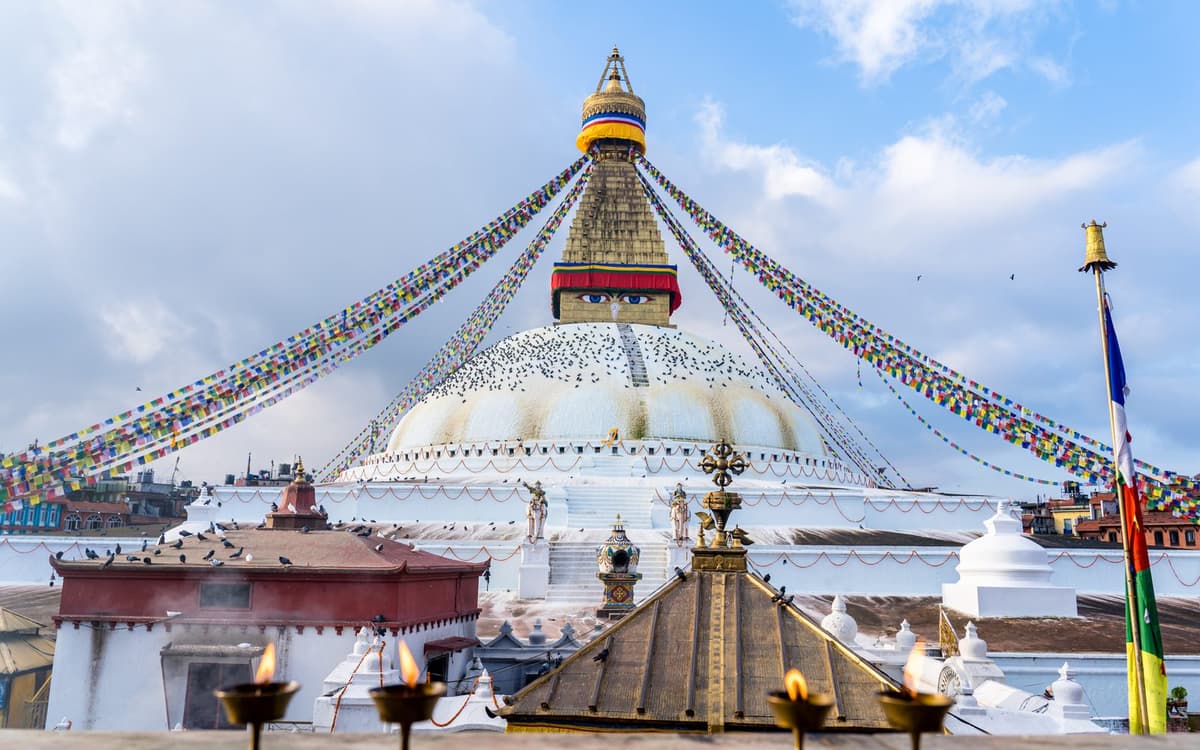
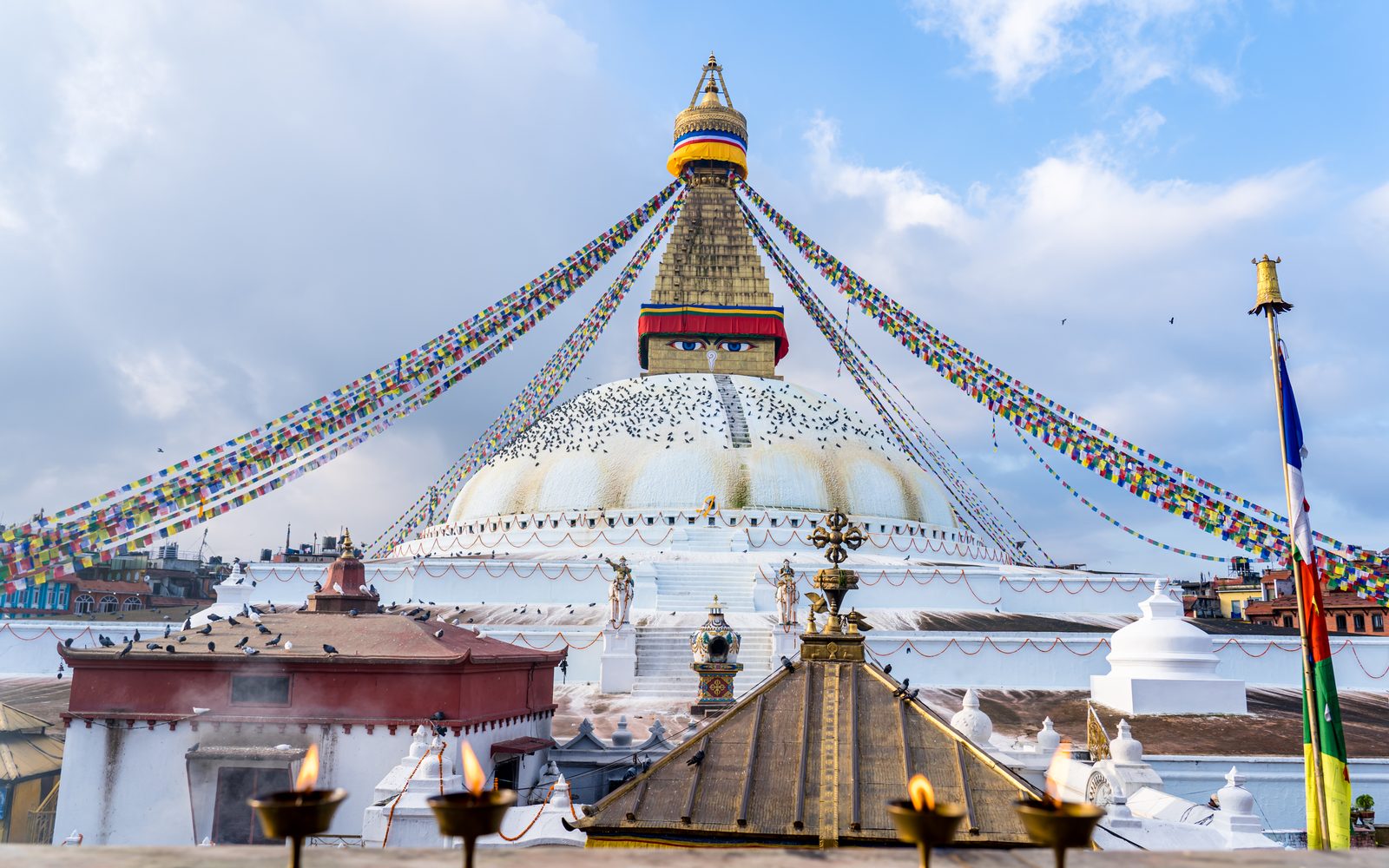
- Boudhanath Stupa: one of the largest stupas in the world and the centre of Tibetan Buddhist life in Nepal, ringed by monasteries and a slow flow of pilgrims.
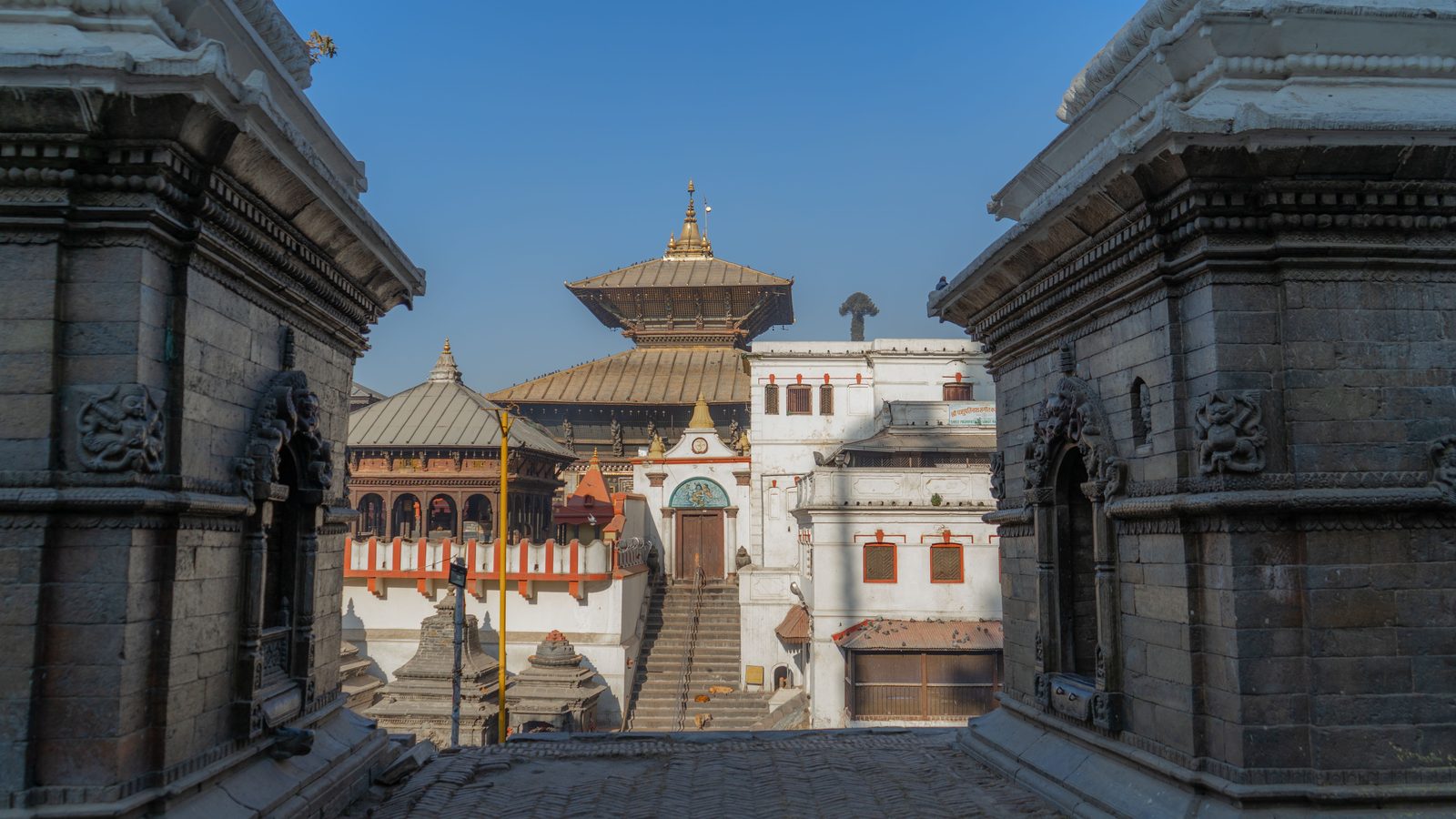
- Pashupatinath Temple: a riverside temple complex on the Bagmati sacred to Lord Shiva, where sadhus gather and open cremation ghats form part of daily life.
- Transfer back to hotel: your driver returns you to your hotel at the end of the day.
Good to know
Kathmandu's UNESCO heritage in one day
The Kathmandu Valley holds one of the densest concentrations of living heritage anywhere in Asia. UNESCO recognises it as a single World Heritage property made up of seven monument zones, inscribed in 1979, and this tour reaches all seven in one full day, from Buddhist stupas to old royal squares to Nepal's oldest and most sacred Hindu temples. It is an easy, low-altitude day, so the effort goes into looking rather than walking. What follows explains the seven zones, what you actually see at each stop, and the practical things worth knowing before you go.
The seven monument zones of the Kathmandu Valley
The "Kathmandu Valley" World Heritage listing is one inscription, not seven separate ones. It groups seven monument zones: the three old royal squares of Kathmandu (Hanuman Dhoka), Patan and Bhaktapur; the two great Buddhist stupas of Swayambhunath and Boudhanath; and the two Hindu temple sites of Pashupatinath and Changu Narayan. Together they show the fusion of Hindu and Buddhist art and Newar craftsmanship in brick, timber, stone and bronze that the valley is known for. This tour visits all seven in a single, full day.
What the Kathmandu UNESCO World Heritage Sites tour covers
Each site has its own character, and a licensed guide is what turns a row of temples into a story you can follow. Swayambhunath is a hilltop stupa reached by a long stone staircase, its dome topped by the painted eyes of the Buddha and circled by prayer flags and monkeys. Kathmandu Durbar Square is the old royal square of Hanuman Dhoka, with tiered pagoda temples and the Kumari Ghar, home of the Living Goddess; some structures here are still being rebuilt after the 2015 earthquake. Patan Durbar Square, across the river in Lalitpur, is the valley's artisan city, known for the stone Krishna Mandir and the well-presented Patan Museum. Bhaktapur Durbar Square is the best-preserved of the three royal cities, with the 55-Window Palace, the Golden Gate and an open pottery square. Changu Narayan, on a ridge above Bhaktapur, is considered Nepal's oldest Hindu temple, dedicated to Vishnu and covered in ancient Lichhavi stone carving. Boudhanath is one of the largest stupas in the world and the heart of Tibetan Buddhism in Nepal, where pilgrims walk the kora around its base. Pashupatinath is a sacred Hindu temple of Lord Shiva on the Bagmati, a place of daily devotion and of open-air cremation that asks for quiet respect.
Practical tips: fees, dress and etiquette
Entrance fees are not included and are charged separately at each site. You pay them in cash at each gate, they change from time to time, and they differ by nationality, with SAARC nationals including Indian visitors paying lower rates; Bhaktapur is the most expensive and Pashupatinath is normally free for Indian nationals. Dress modestly at every site, cover your shoulders and knees, and wear shoes you can slip off easily, as you remove them before entering shrines. At Pashupatinath the inner temple is open to Hindus only; non-Hindu visitors can walk the wider grounds and watch from the eastern bank across the river, and everyone should keep a respectful distance from the cremation ghats. Photography of the Kumari at Kathmandu Durbar Square is not permitted.
How the day flows, and private versus shared
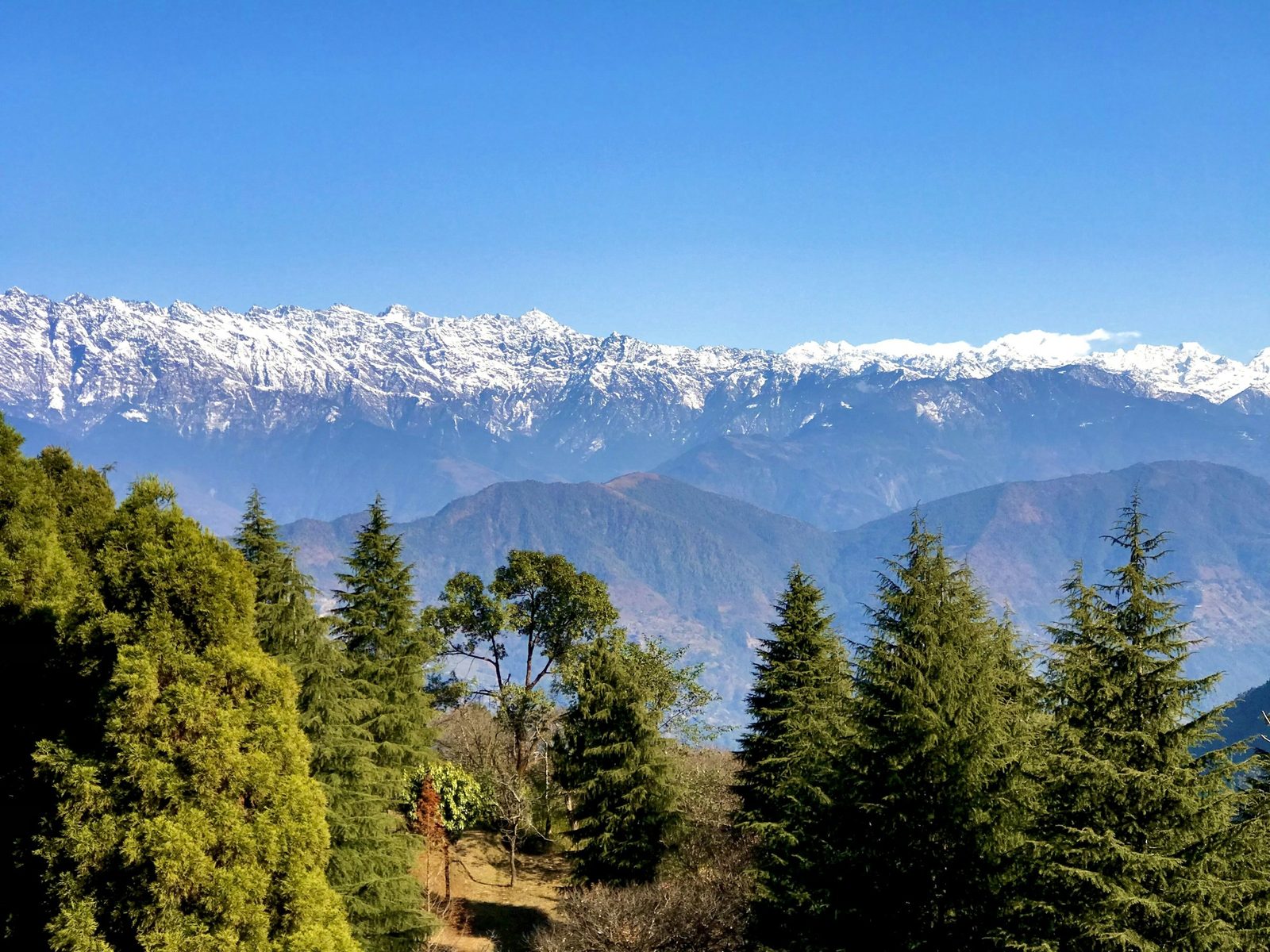
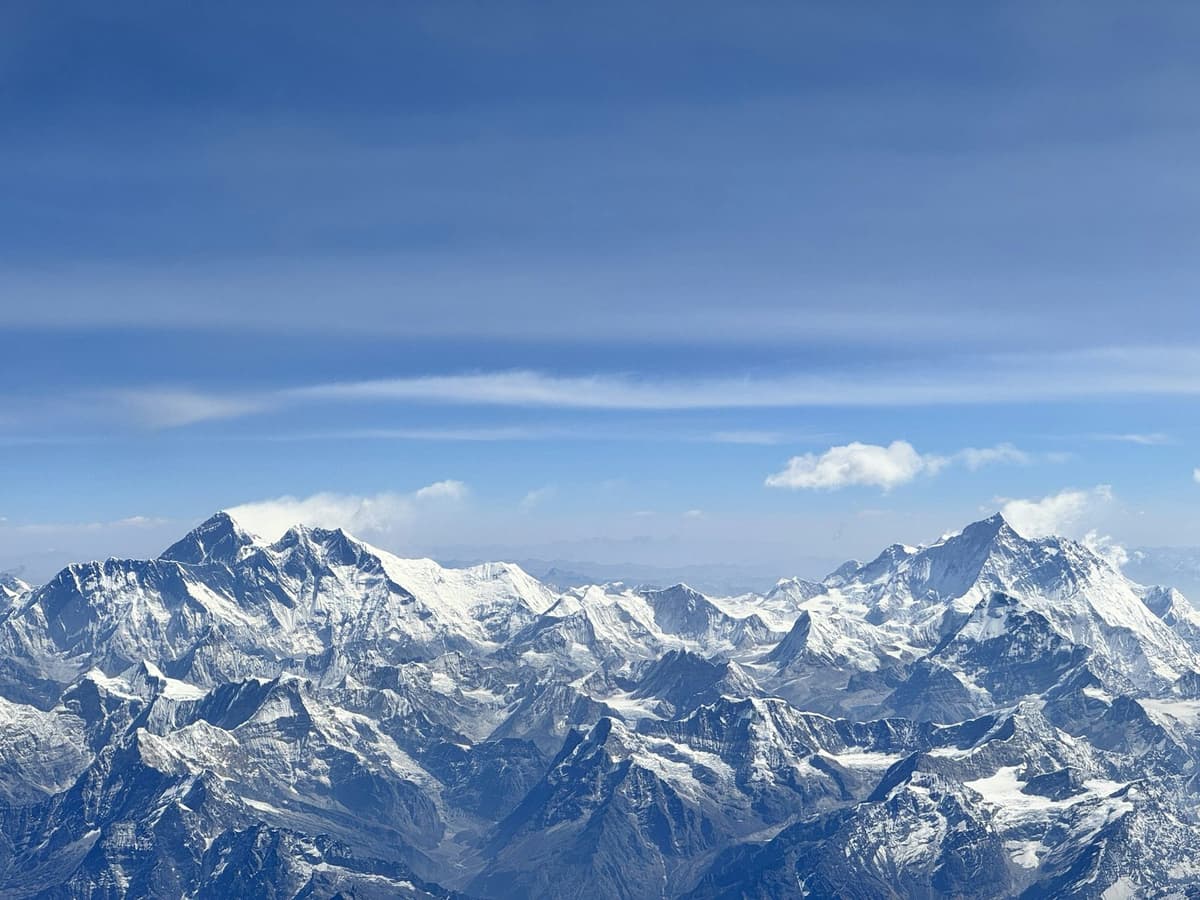
The route runs roughly west to east and saves the two spiritual sites, Boudhanath and Pashupatinath, which sit close together, for the end of the day. Expect around forty to forty-five minutes to the first stop, then drives of twenty to sixty minutes between sites, with about an hour at each of the three durbar squares and a little less at the stupas and Changu Narayan. It is a long day, usually nine to eleven hours, and lunch is your own choice and not included. On a private tour the vehicle and guide are yours, so pickup time and pace are flexible, which suits families; a shared tour follows a set schedule with other travellers and costs less per person. If you would like to see the valley from the air as well, many visitors pair a heritage day with an early-morning Everest Mountain Flight.
Best time to go
The clearest, most comfortable months are roughly October to April, with autumn giving the sharpest air and the best hilltop views from Swayambhunath. Spring is warm and pleasant too. The monsoon months of June to September bring afternoon rain and haze, though the sites stay open and the crowds thin. Whatever the season, an earlier start means softer light, fewer people and a calmer walk around each square.