

Overview
This Tarebhir hike and monasteries tour joins a short walk and a night under canvas on the northern rim of the Kathmandu Valley with two unhurried days among its Buddhist monasteries. You start at Budhanilkantha, where a stone Vishnu lies in a temple pond, and walk along the forested foot of Shivapuri to camp on the Tarebhir cliff. Next morning you walk down to Jagdol and the Karma Kagyu monastery of Pullahari, then finish the day at the great stupa of Boudhanath. The last day takes in Shechen and Kopan monasteries before you return to your hotel. It suits travellers who want fresh air and a camp night without a real trek, and who are curious about how Tibetan Buddhism is lived in Kathmandu today.
The itinerary
- Pickup from your hotel and a short drive to Budhanilkantha at the northern edge of the valley
- See the five-metre reclining Vishnu, carved from a single stone and lying in its temple pond
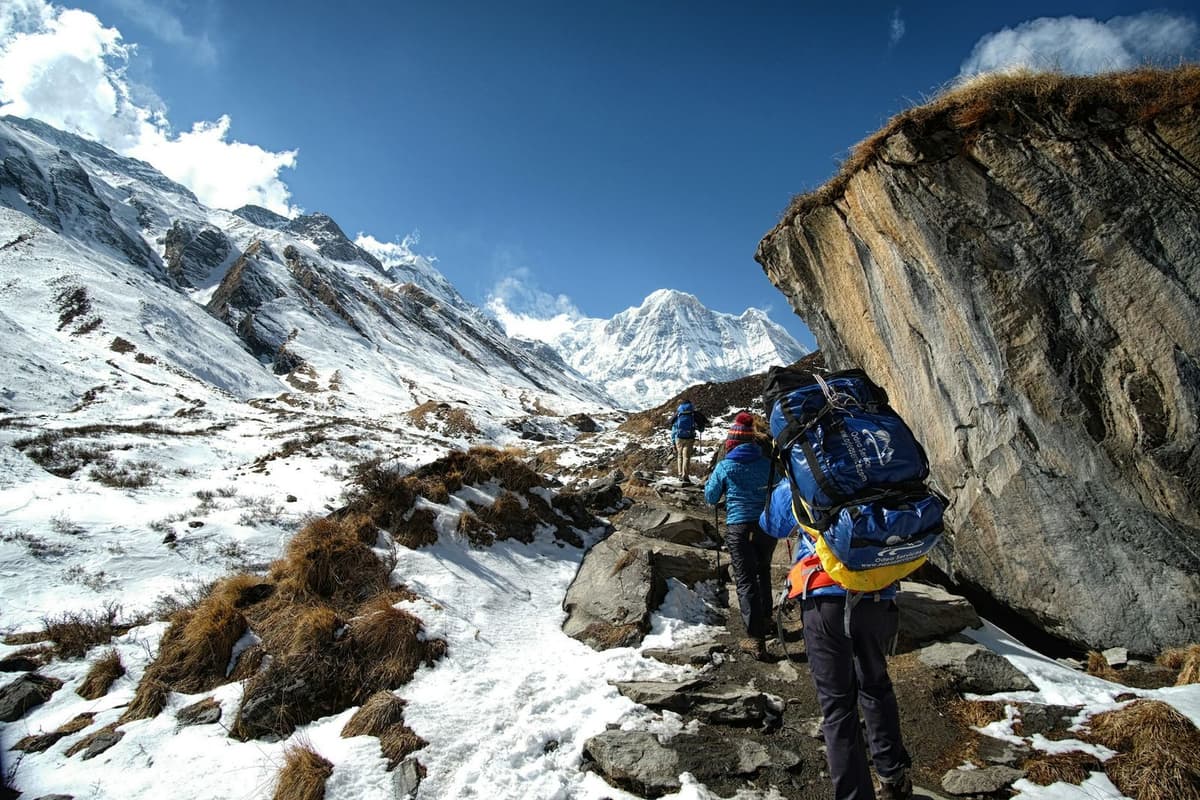
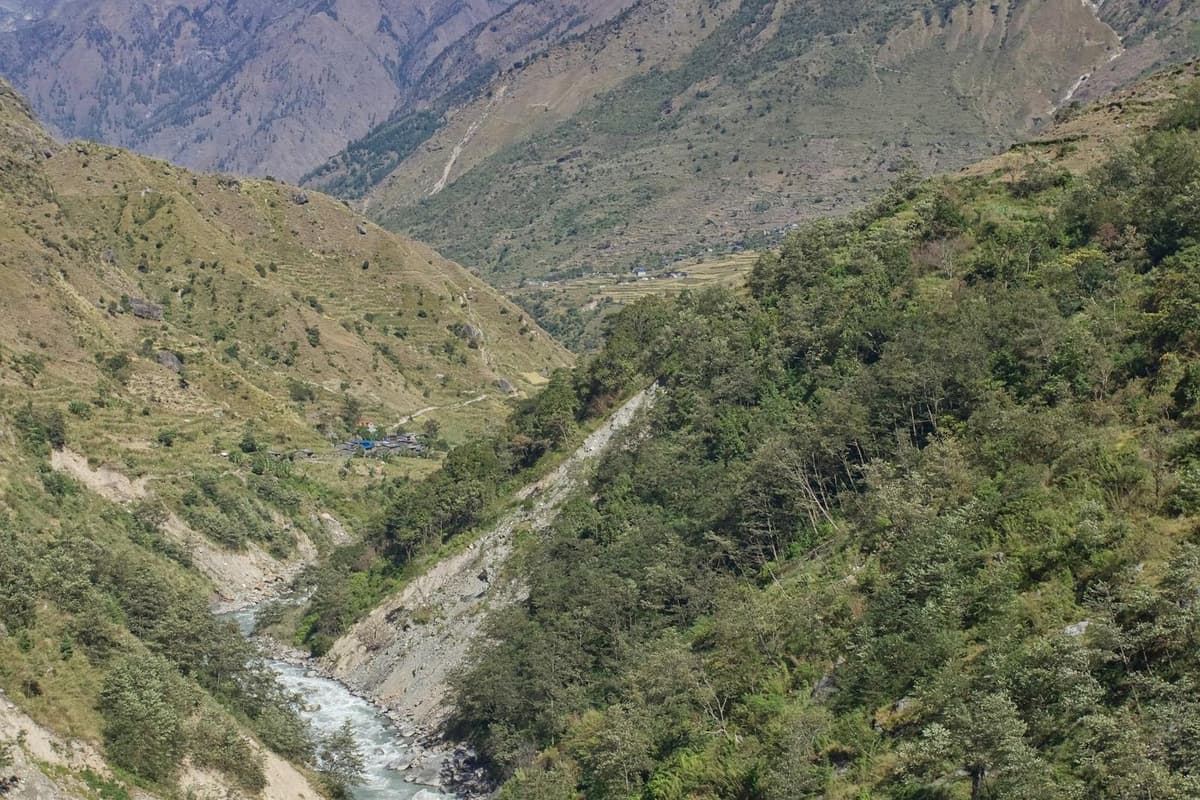
- Walk east with your guide along the forested lower slopes of Shivapuri to the Tarebhir cliff
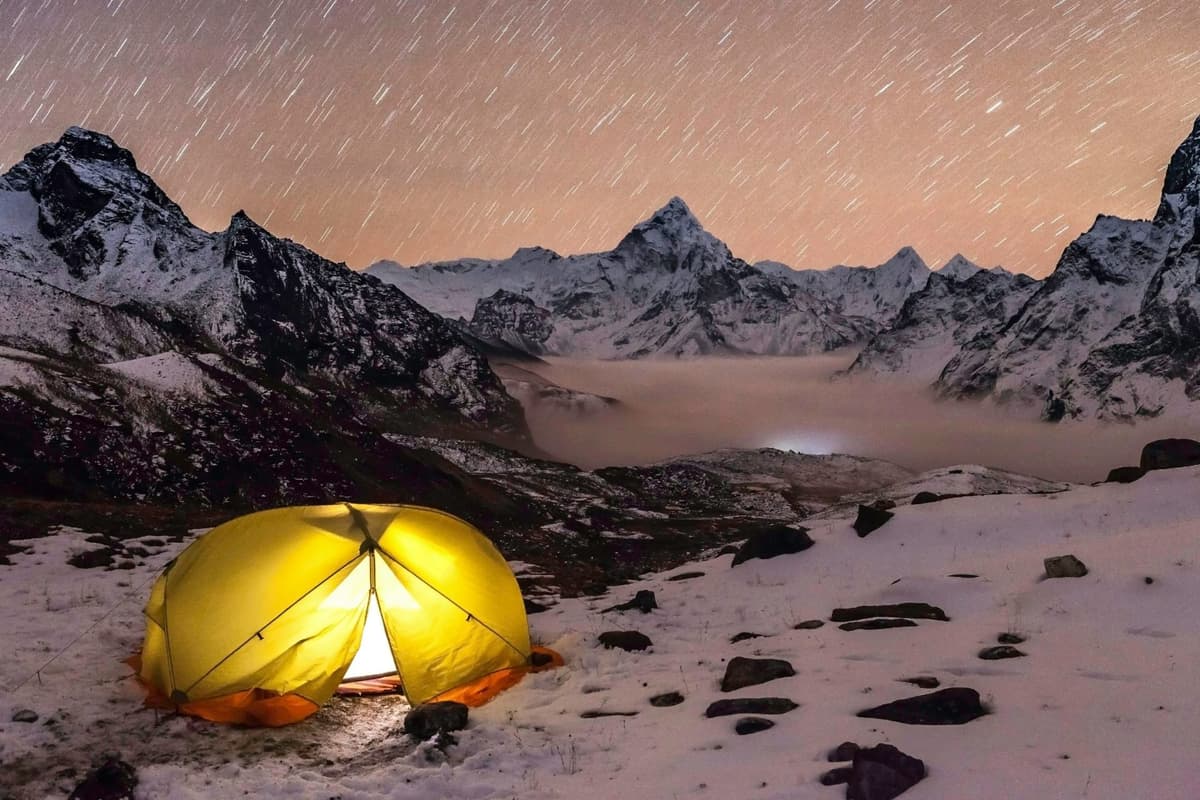
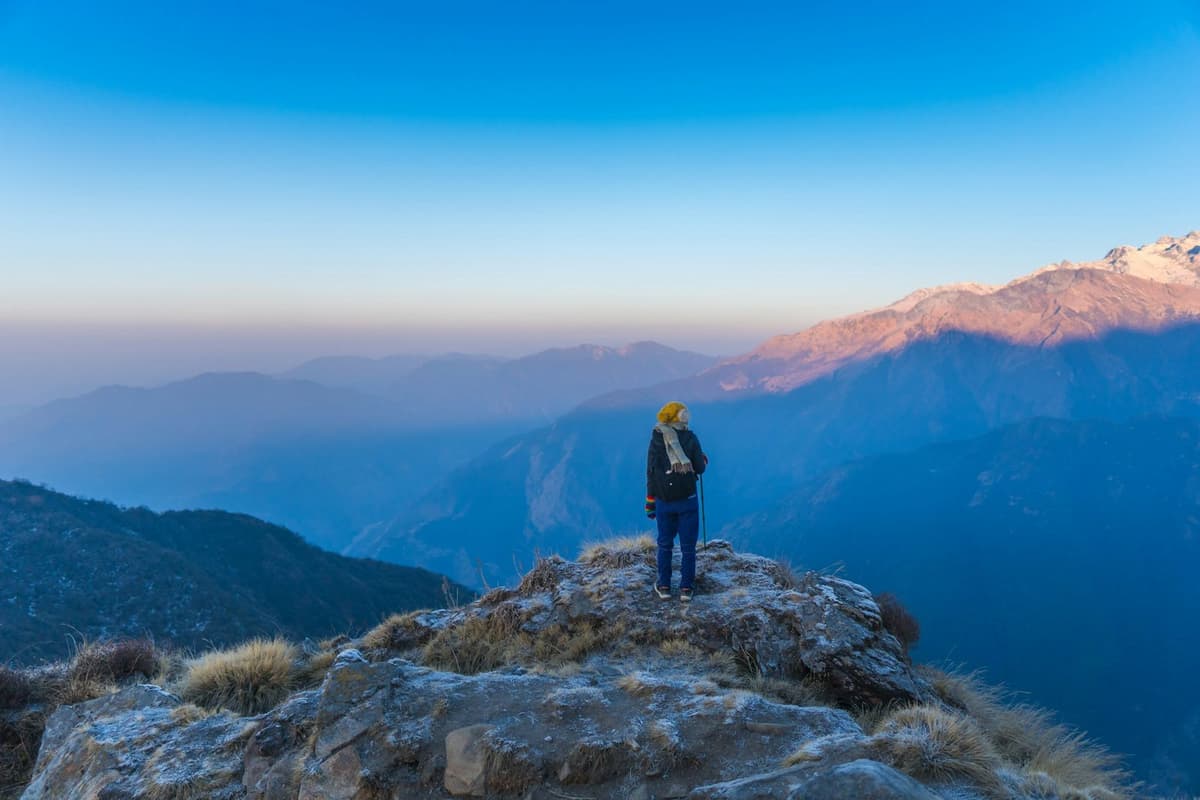
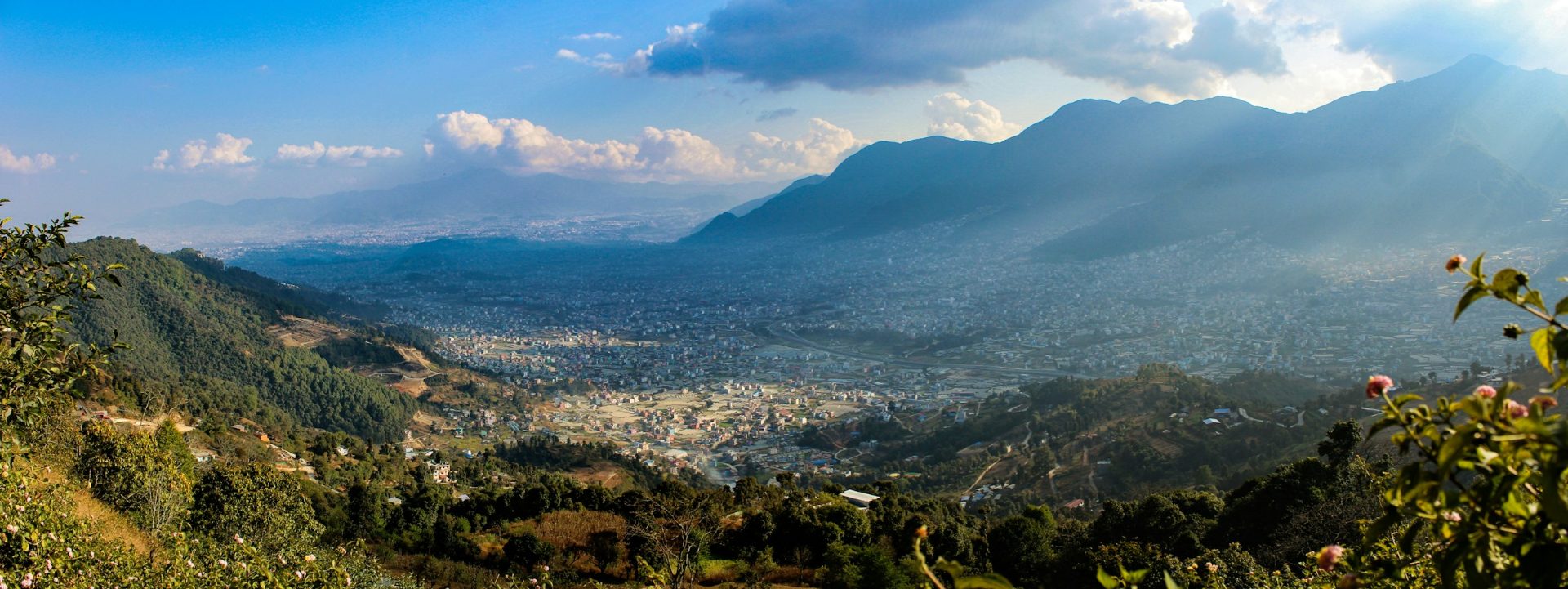
- Set up camp on the cliff top and watch the lights of Kathmandu come on below
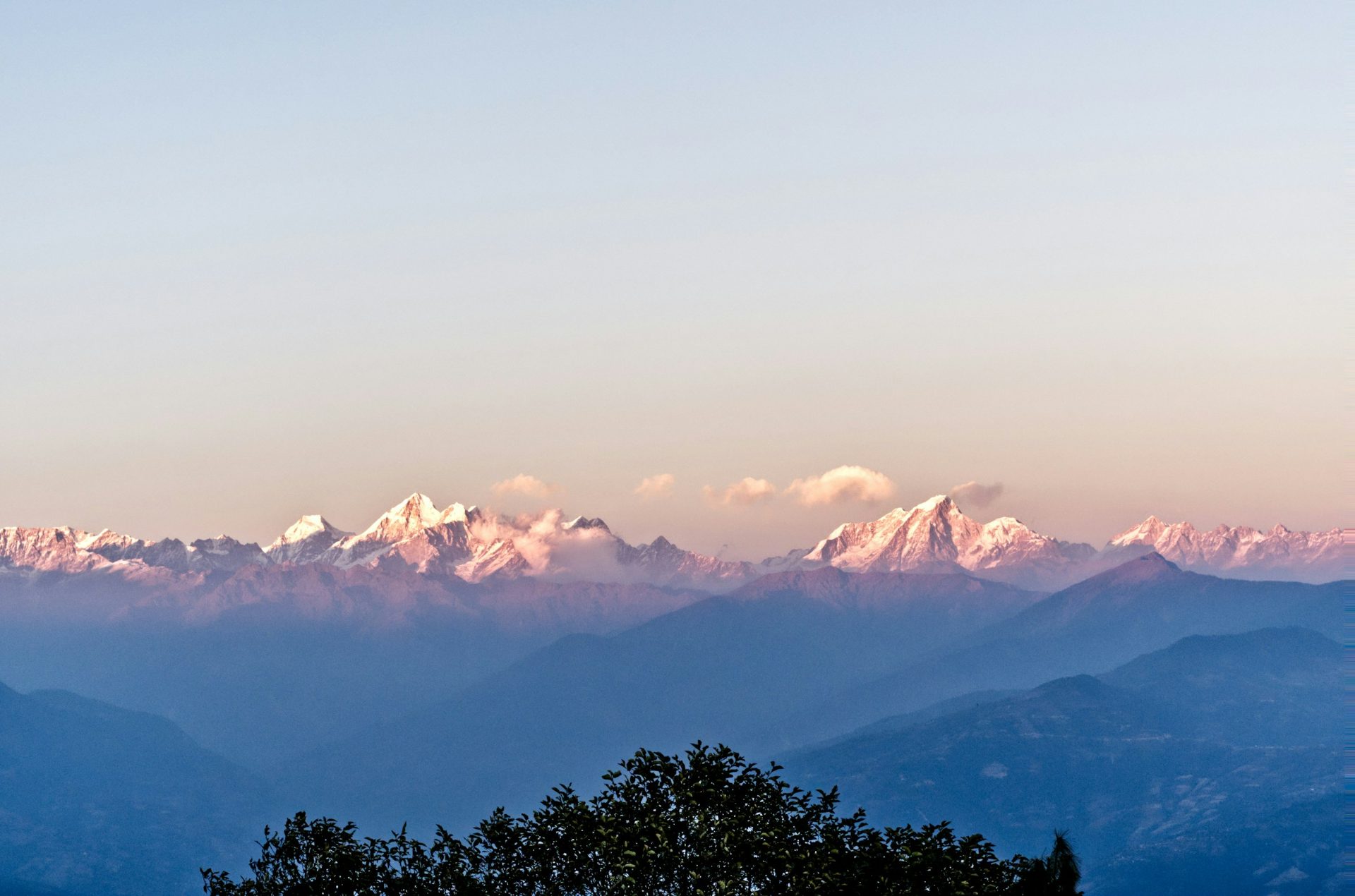
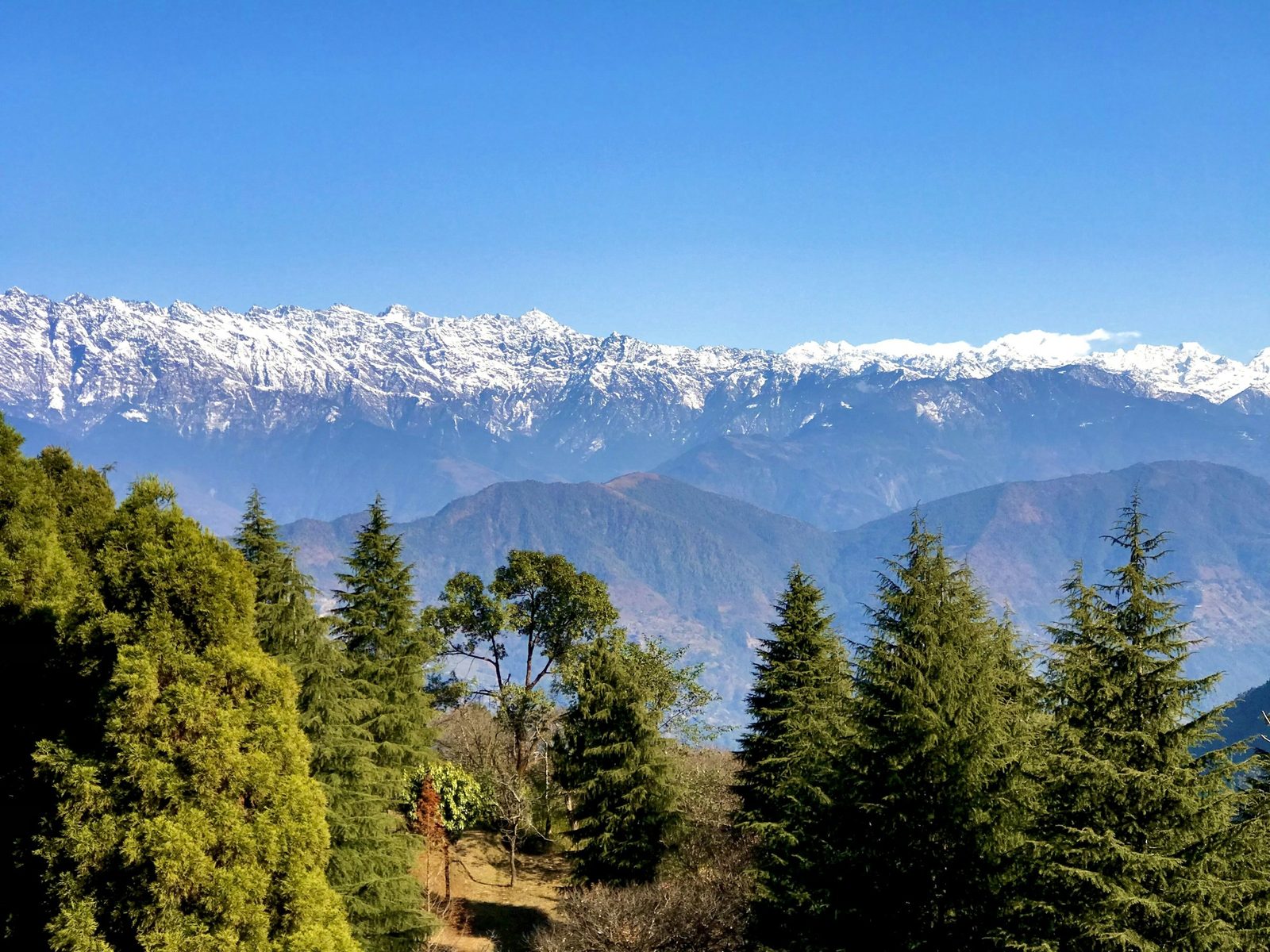
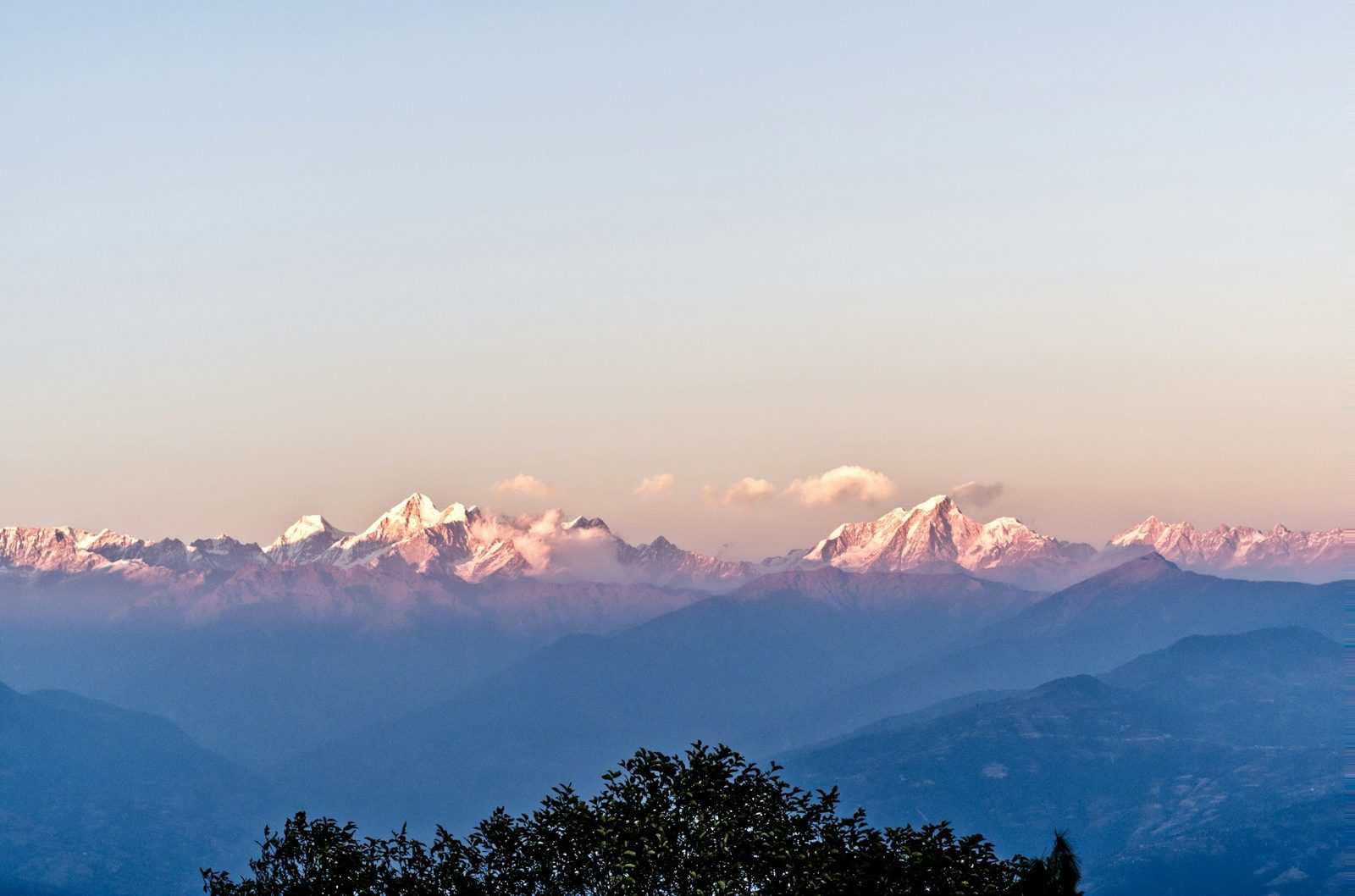
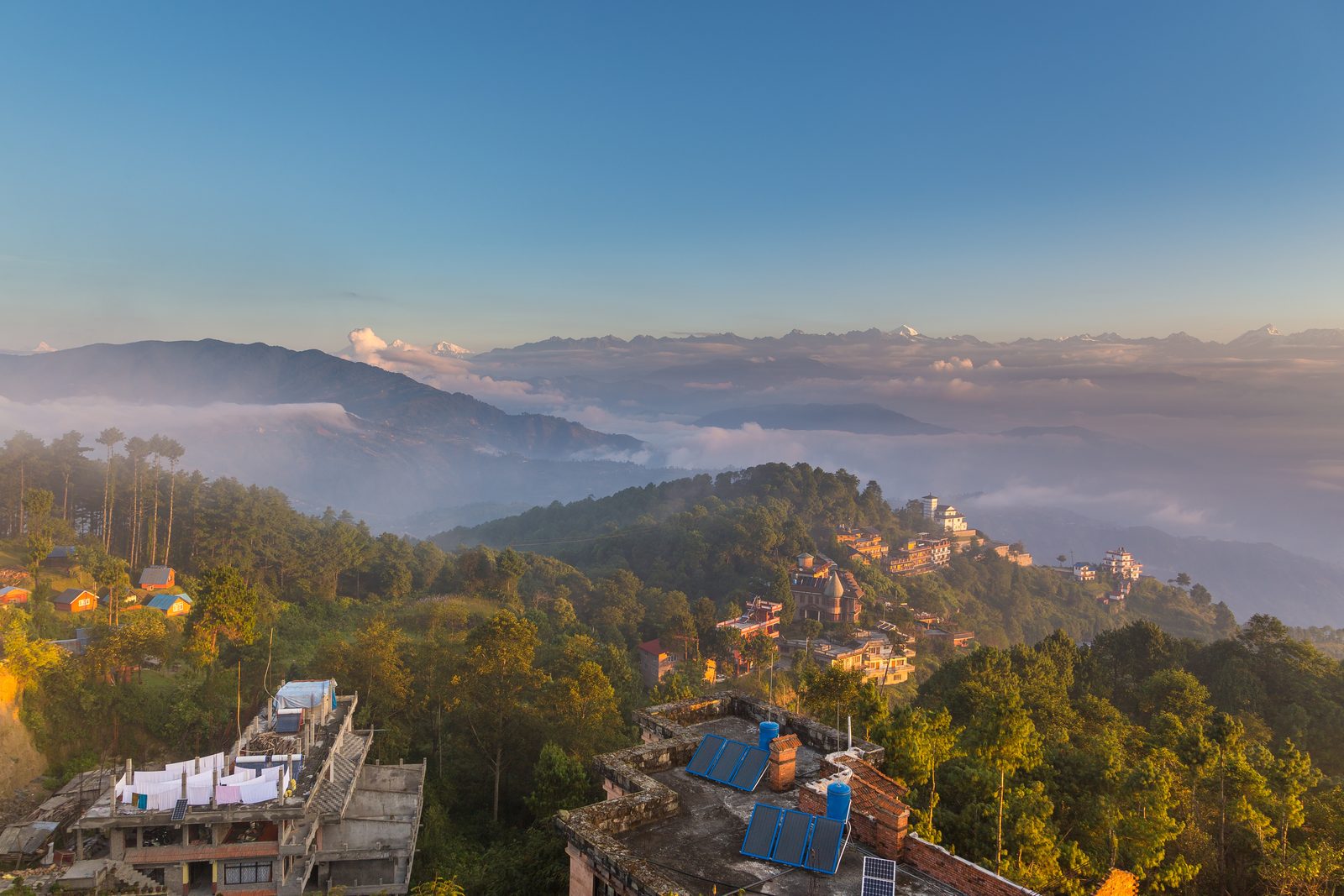
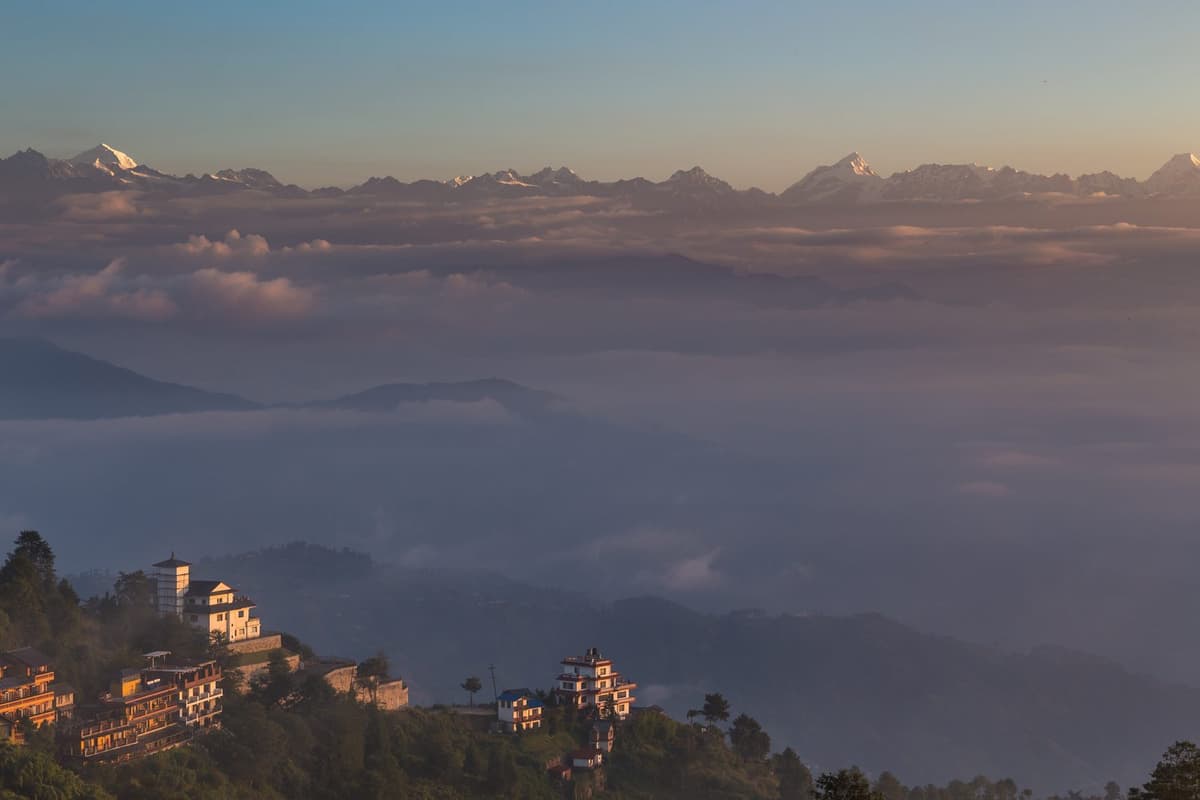
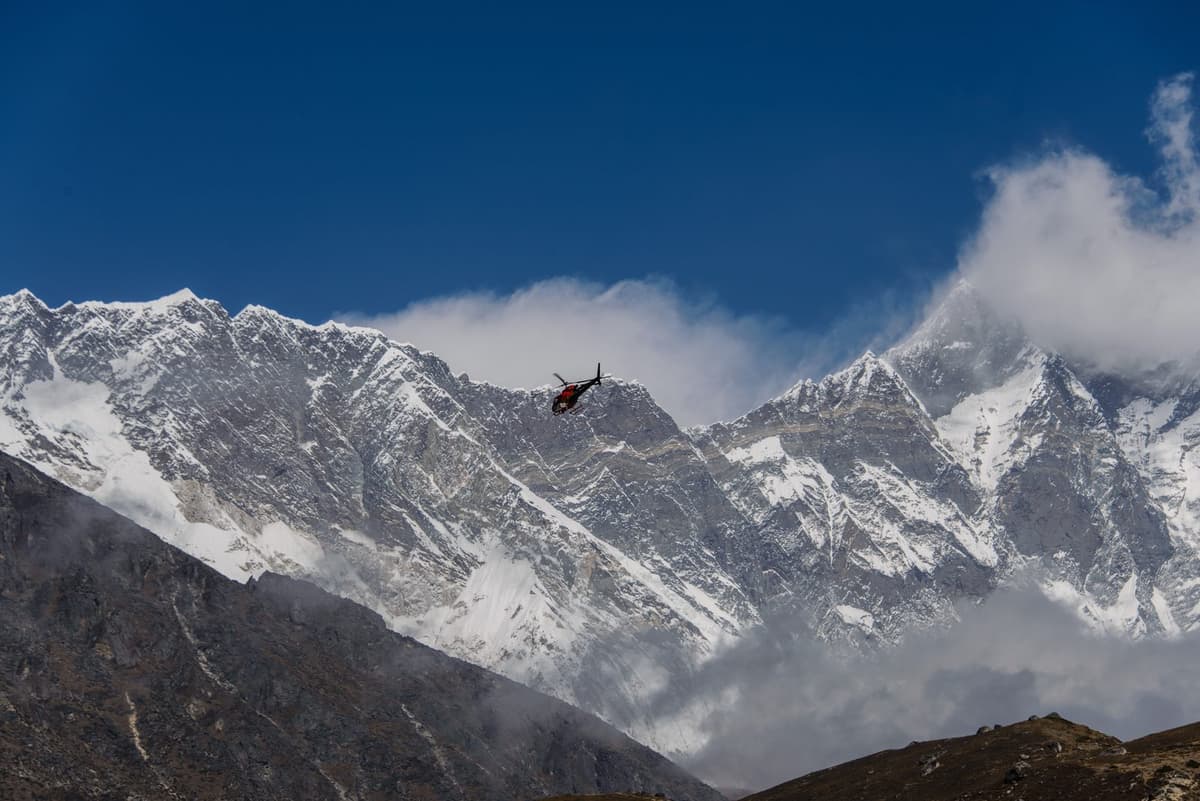
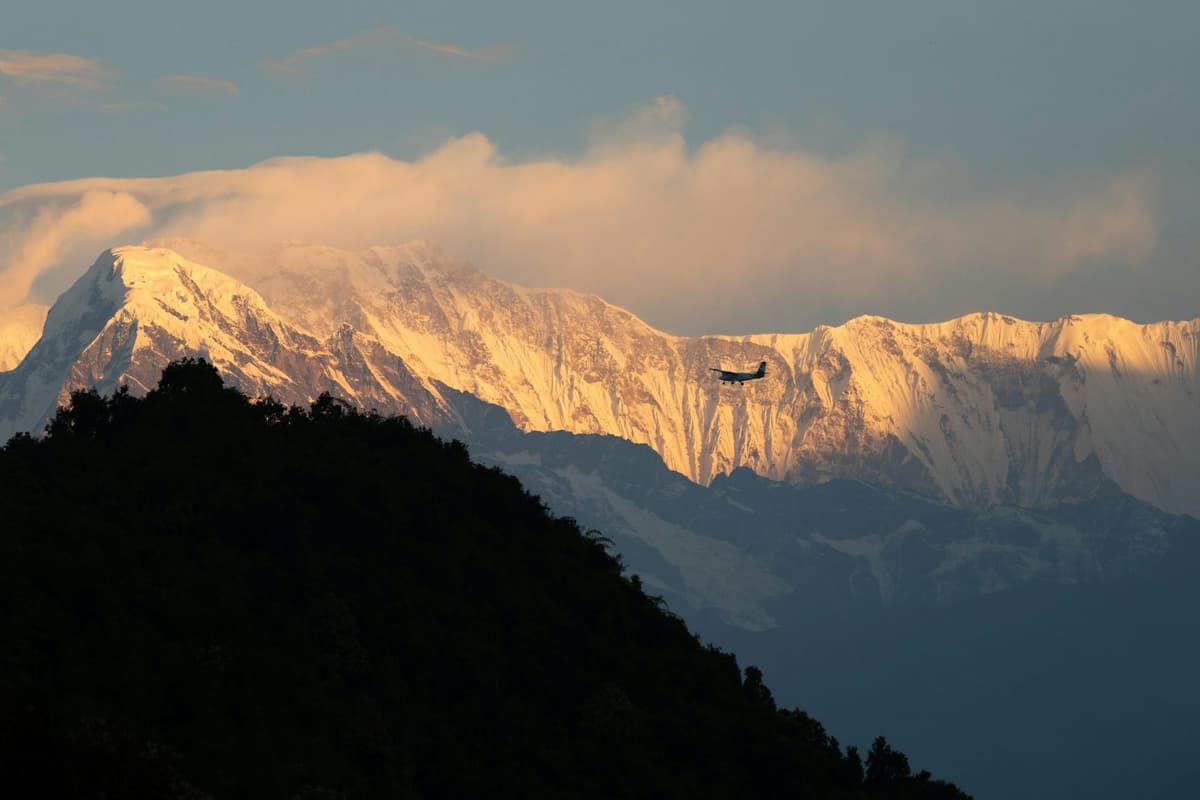
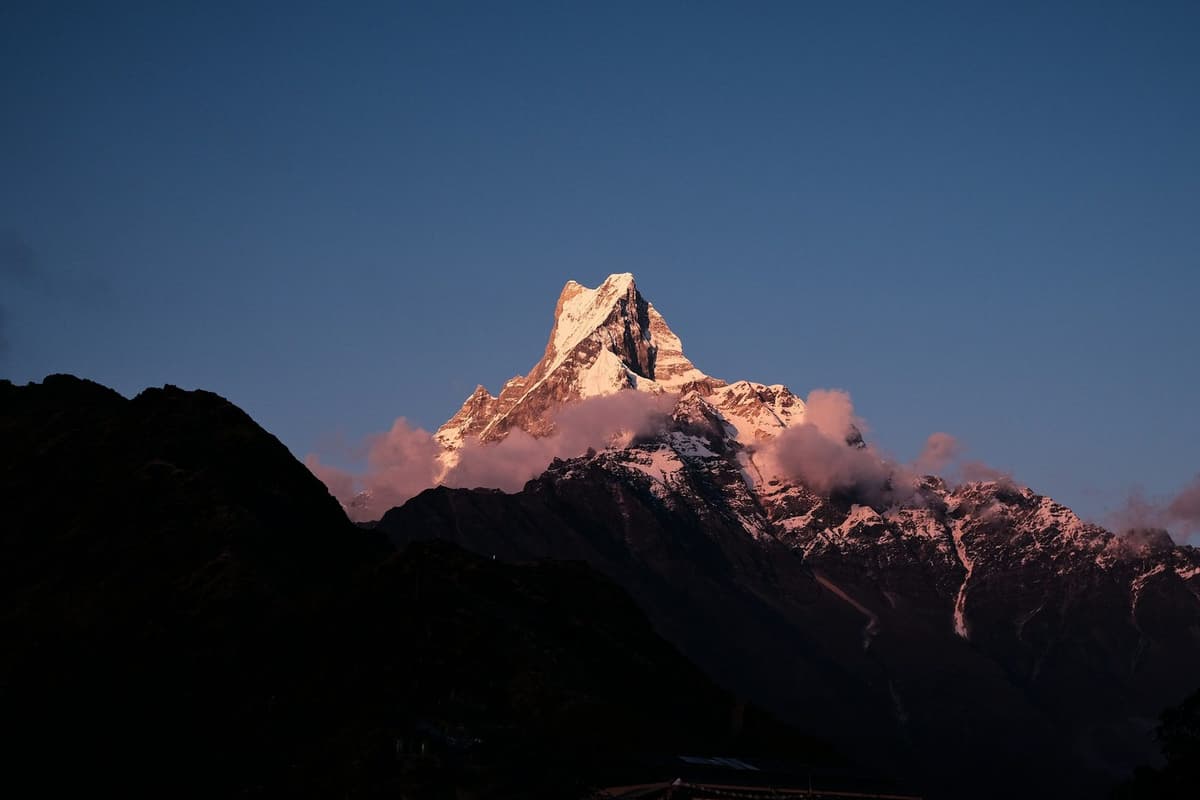
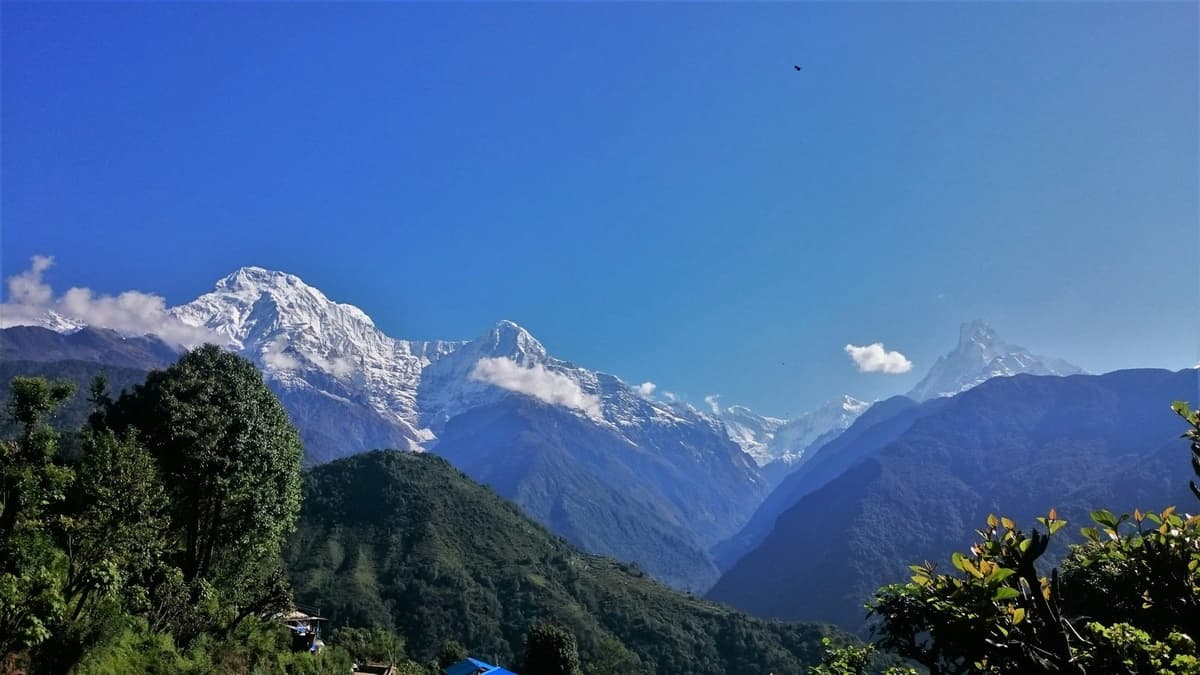
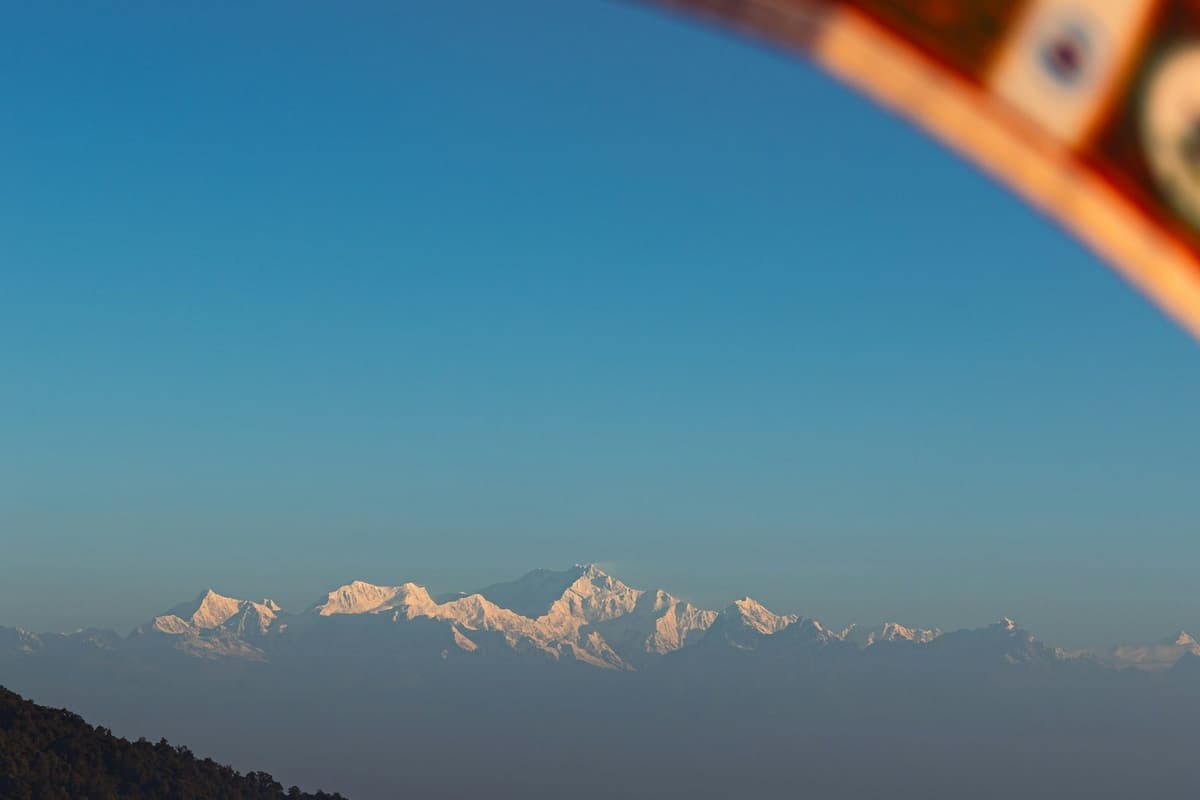
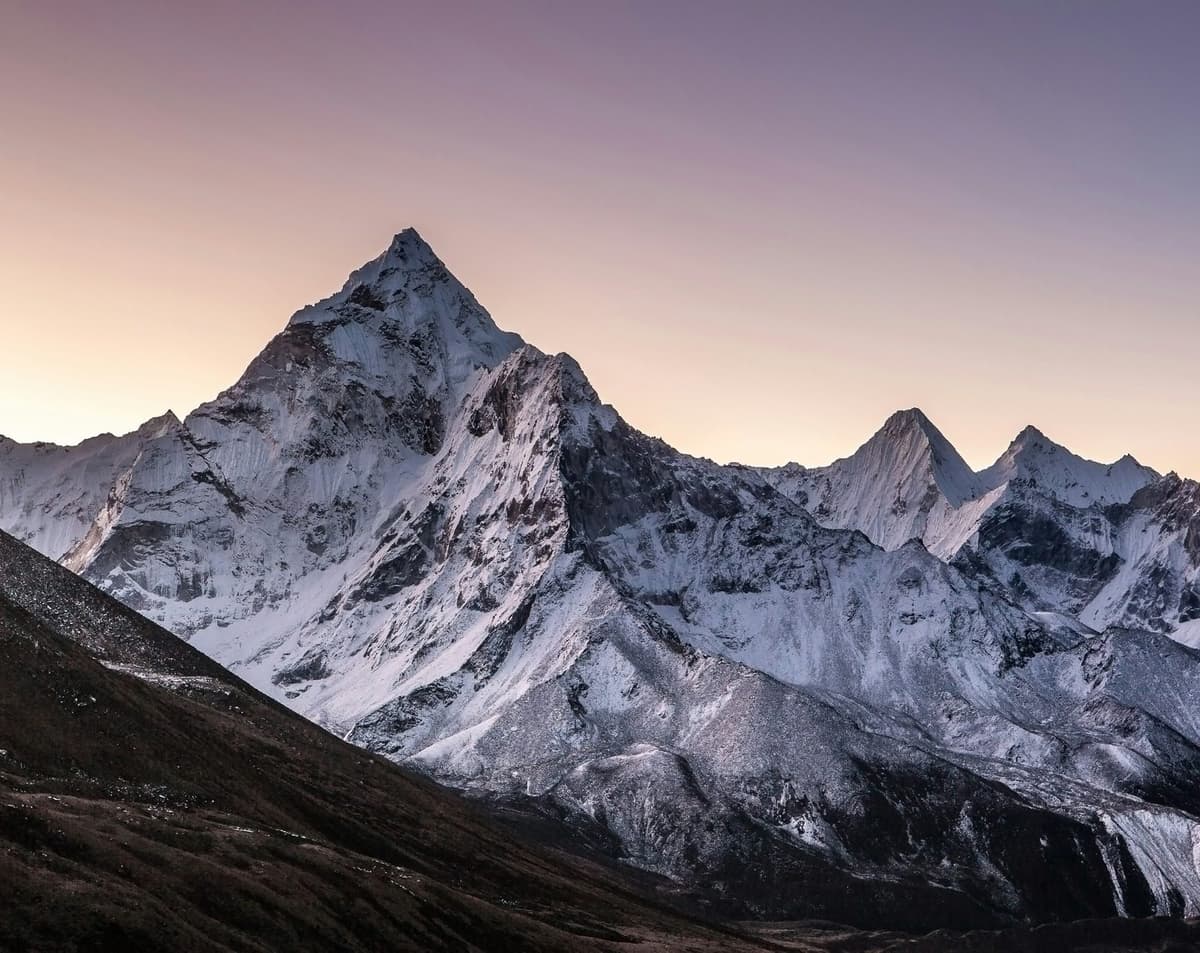
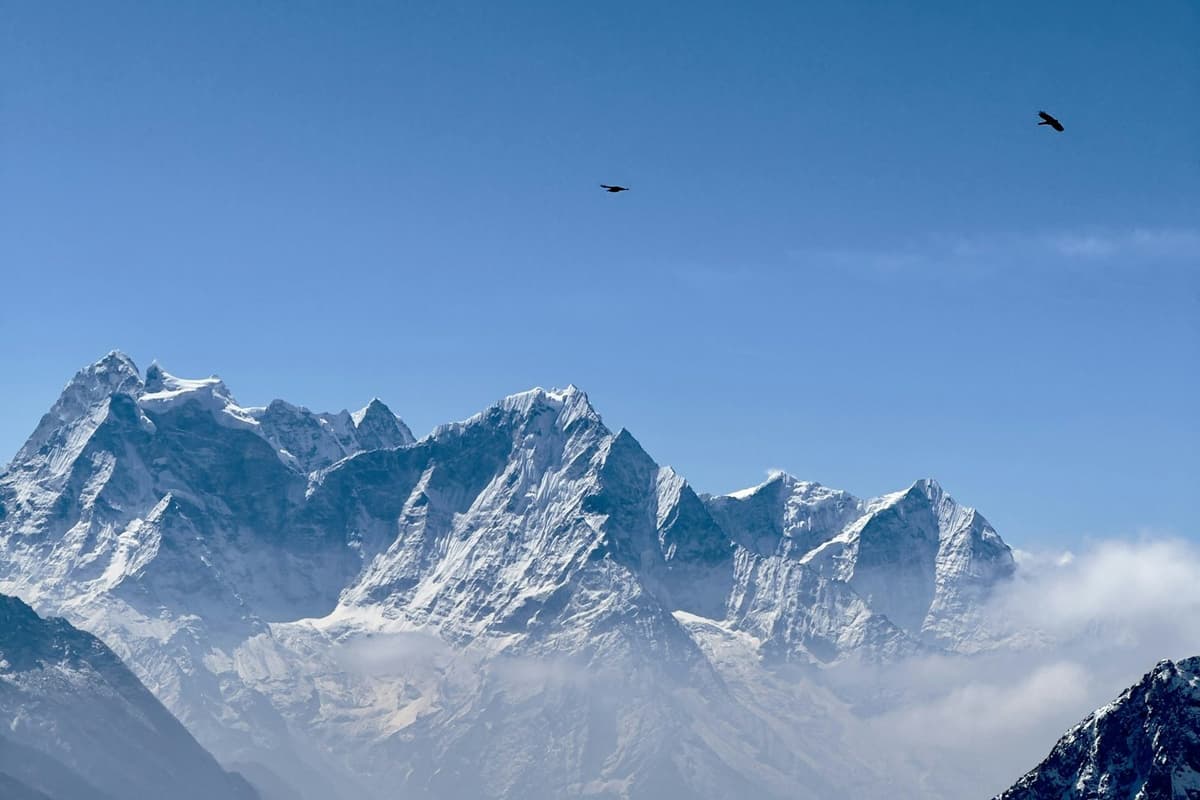
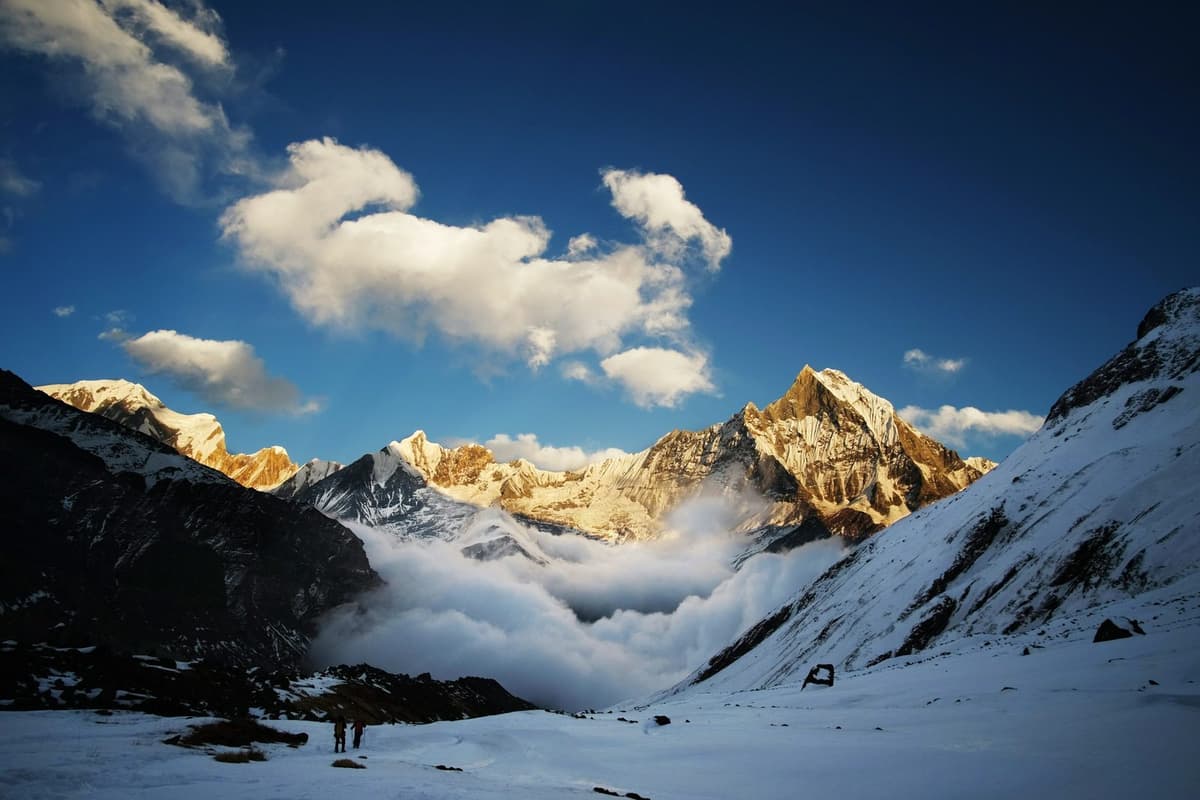
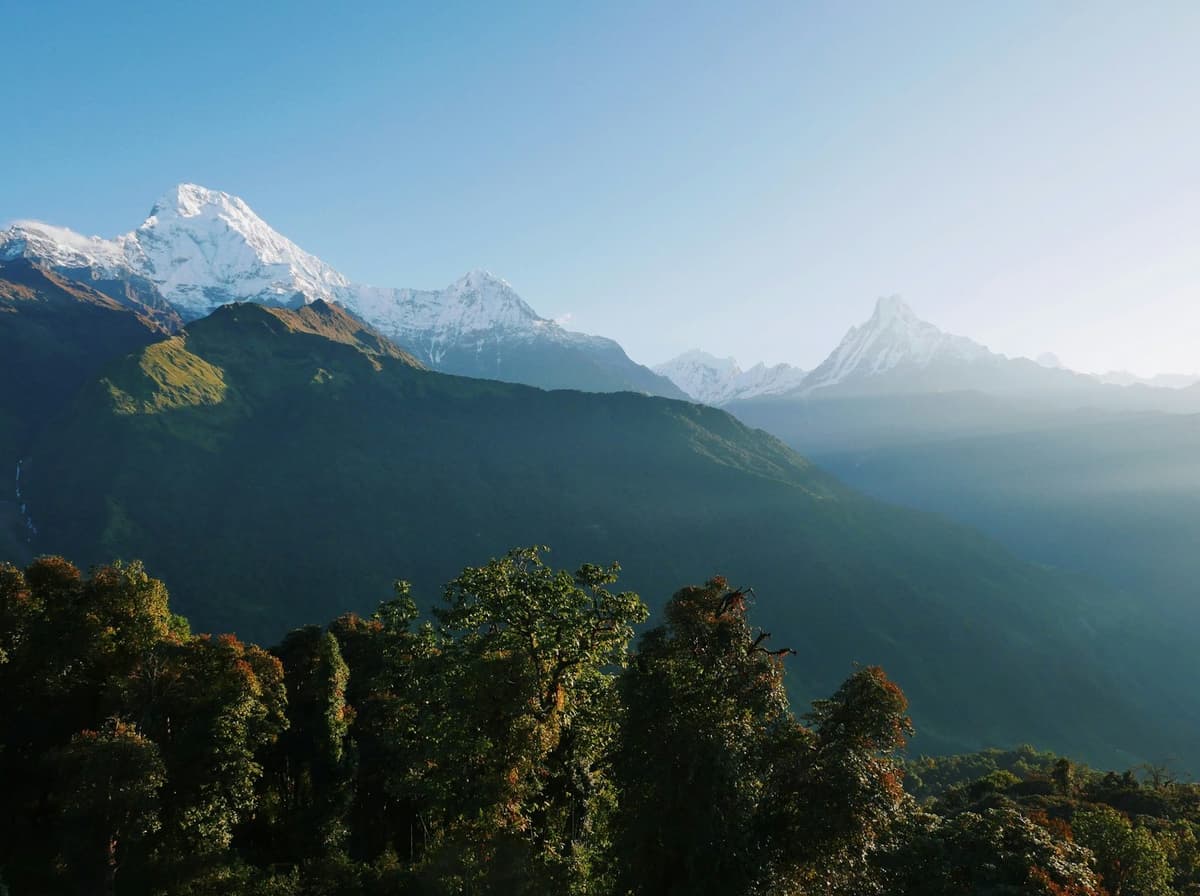
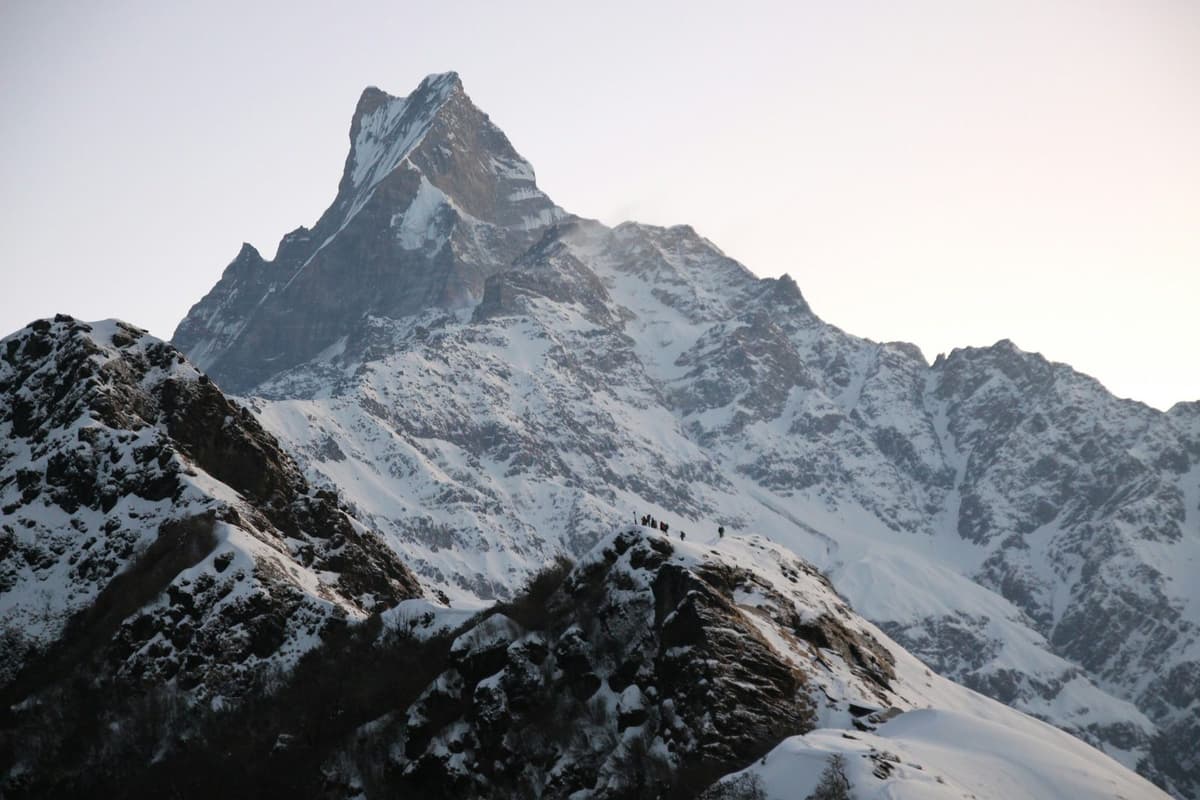
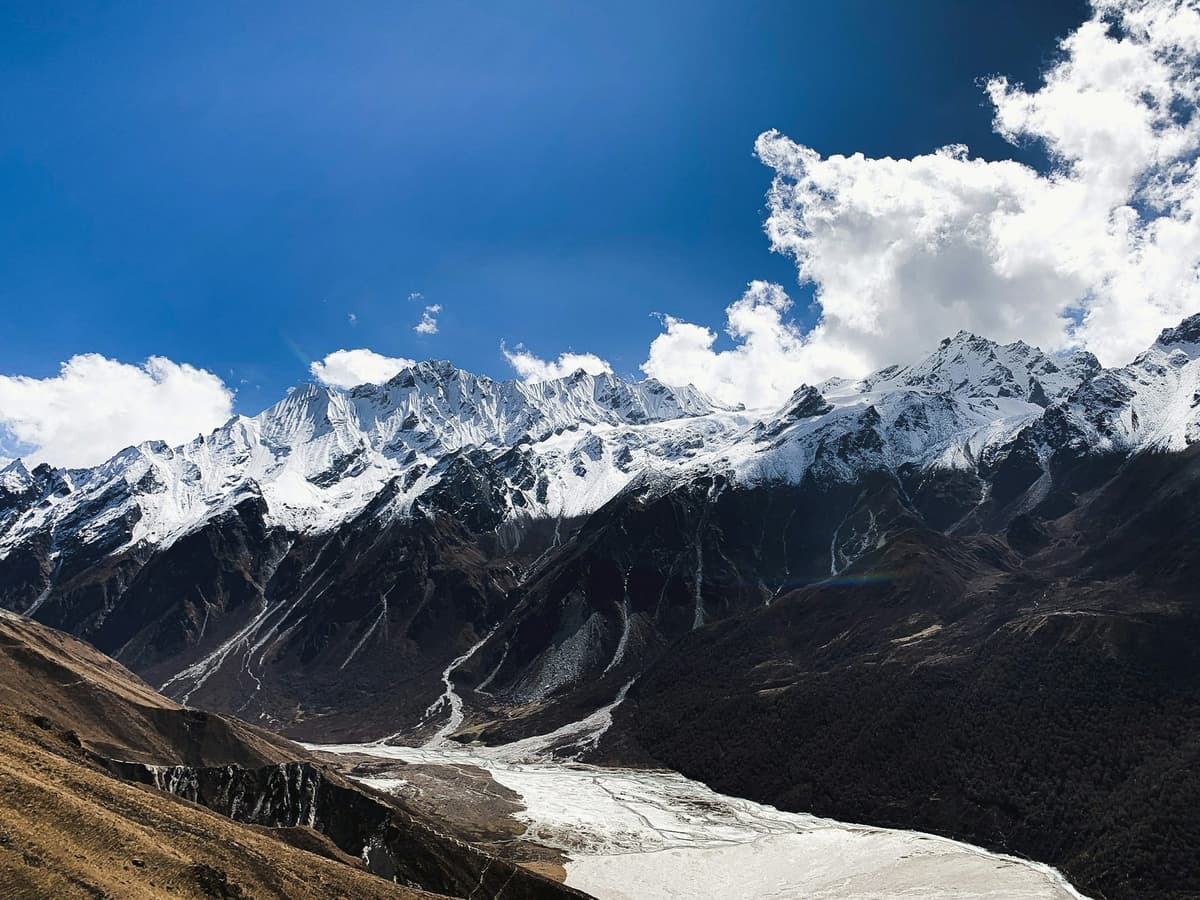
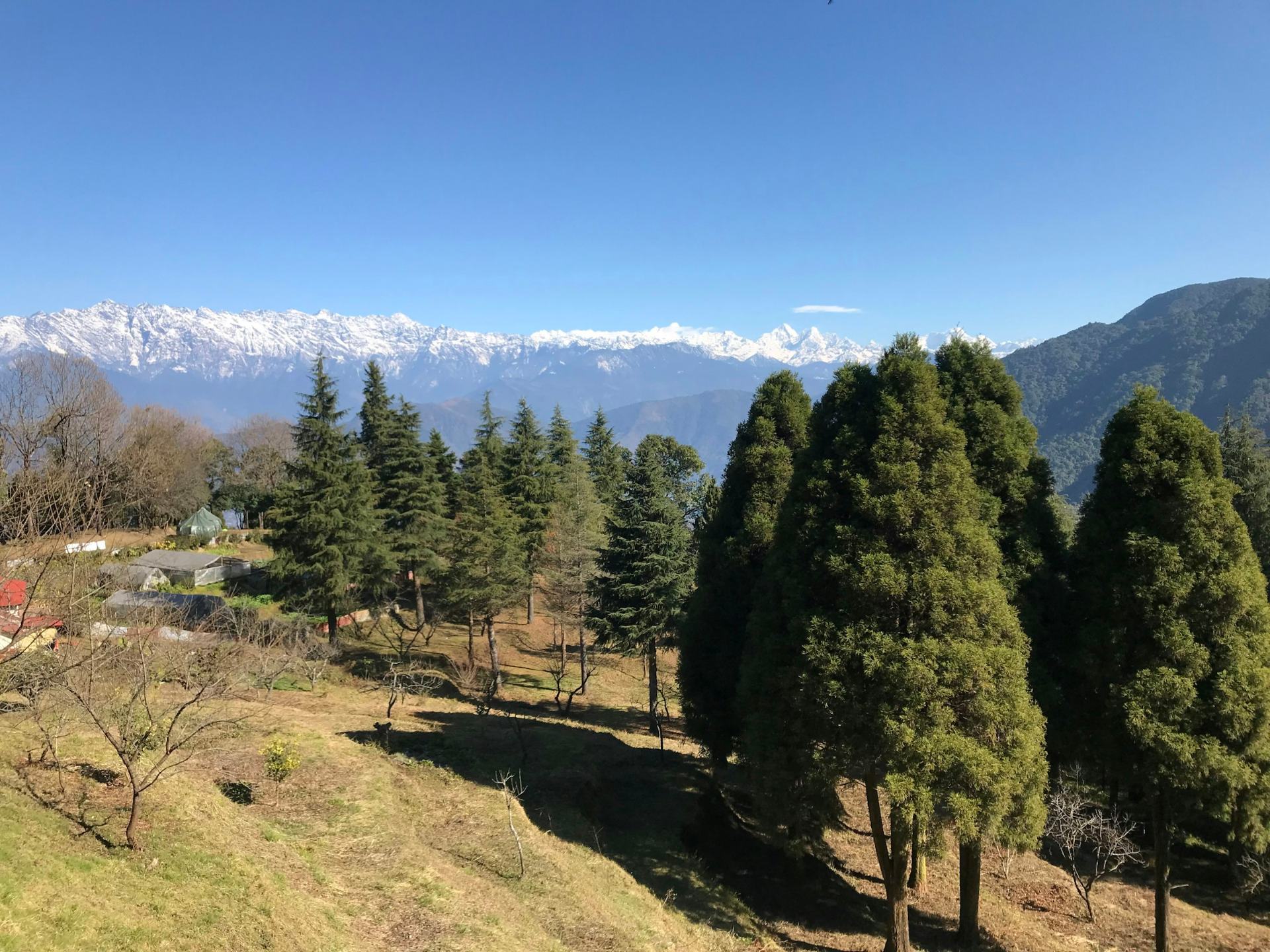
- Early start for the morning light over the valley and, on clear days, the Ganesh, Langtang and Jugal ranges
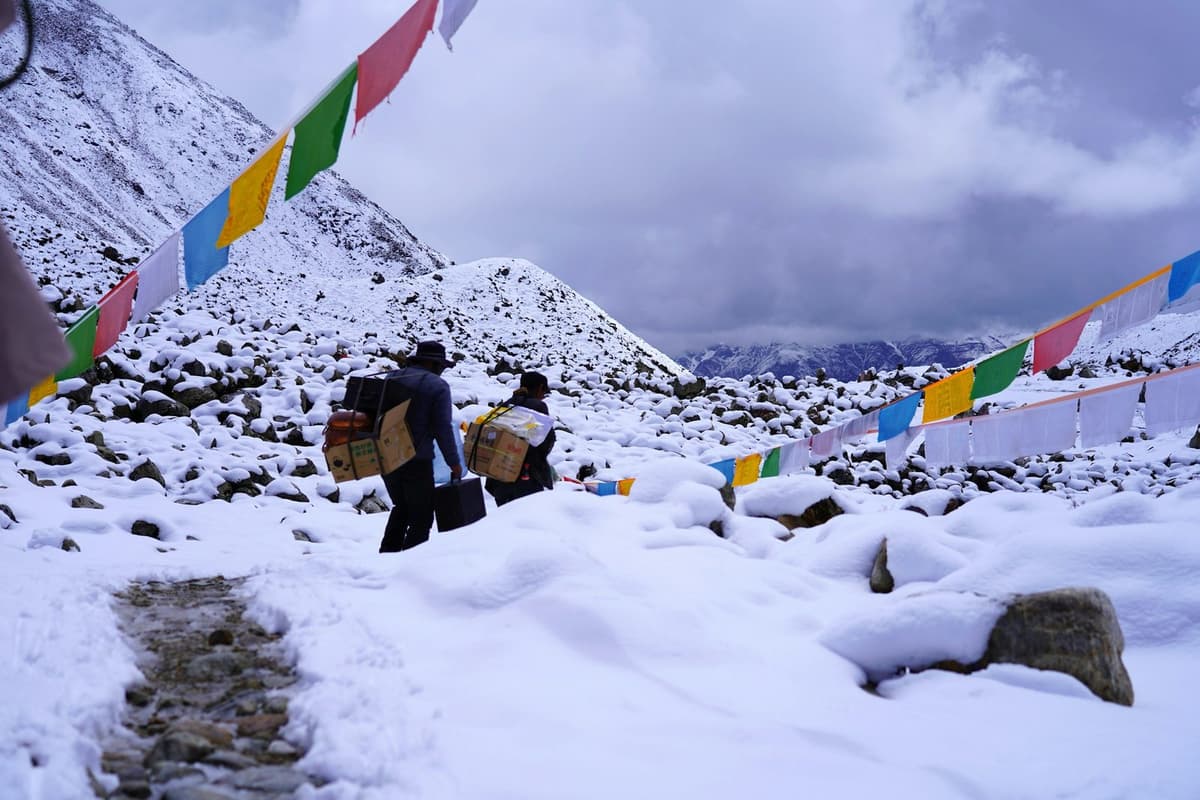
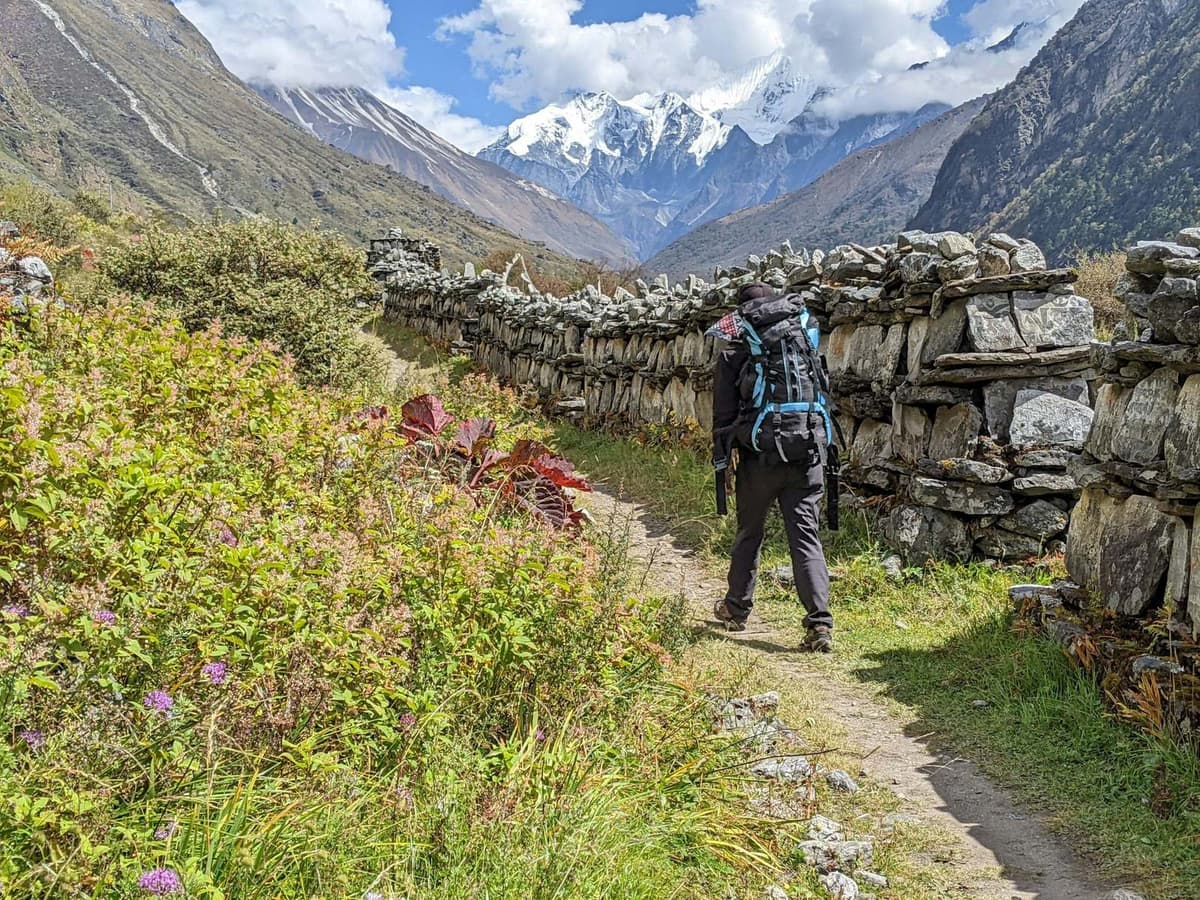
- Walk down through pine forest and prayer flags to Jagdol
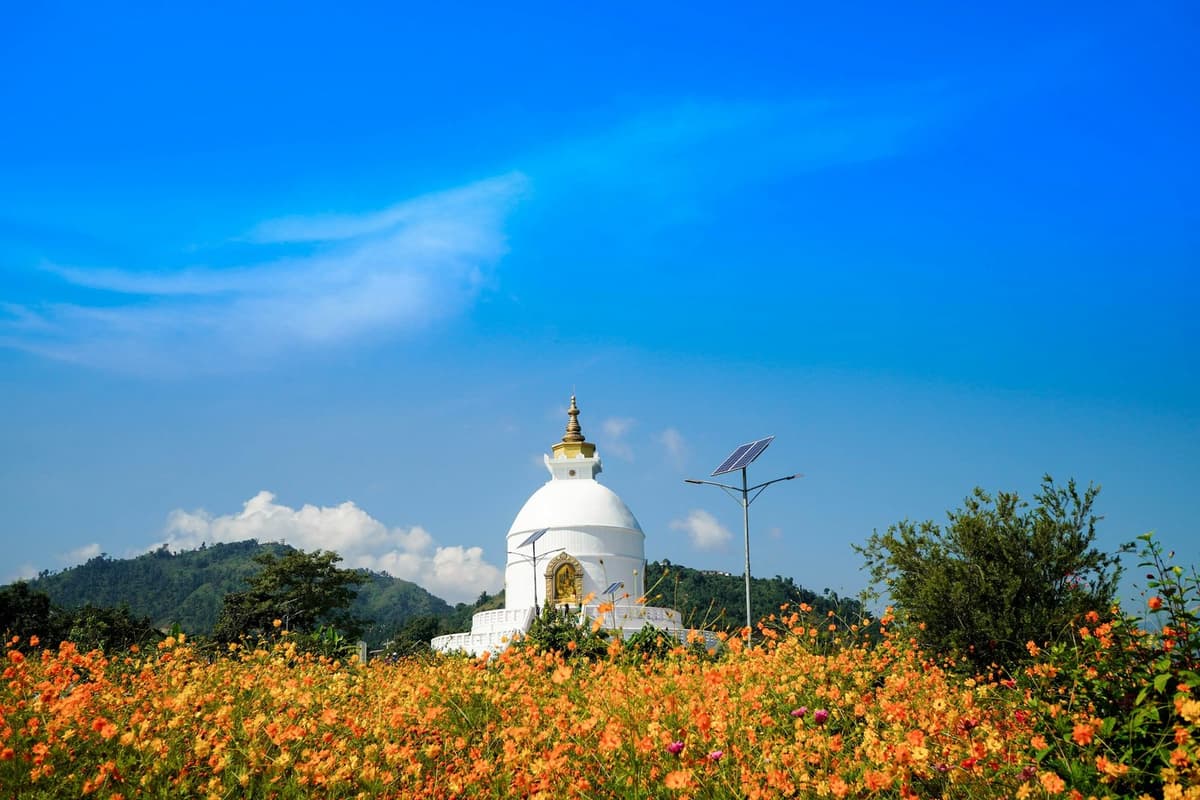
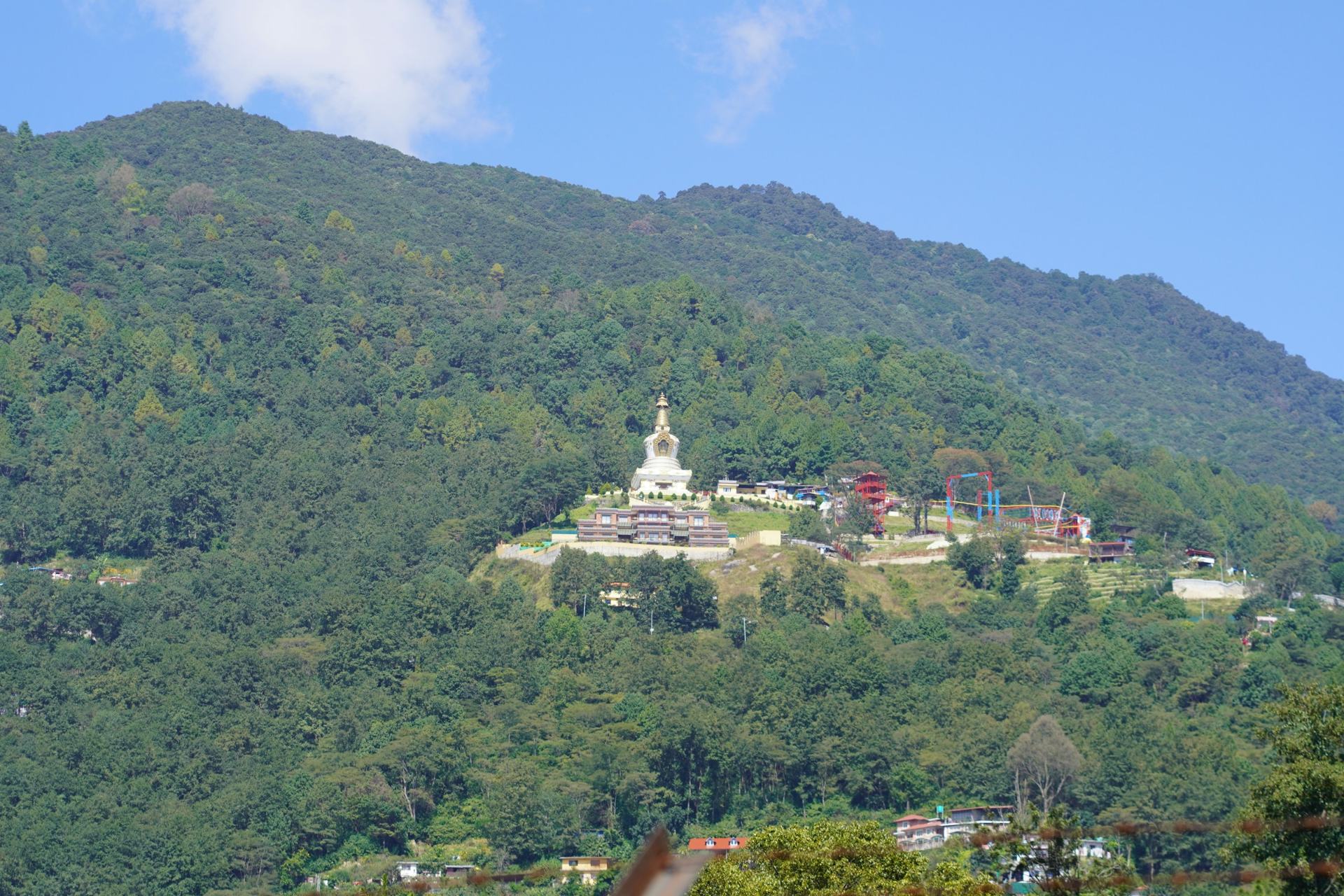
- Visit Pullahari, the Karma Kagyu monastery and retreat centre founded in 1992, and its golden stupa
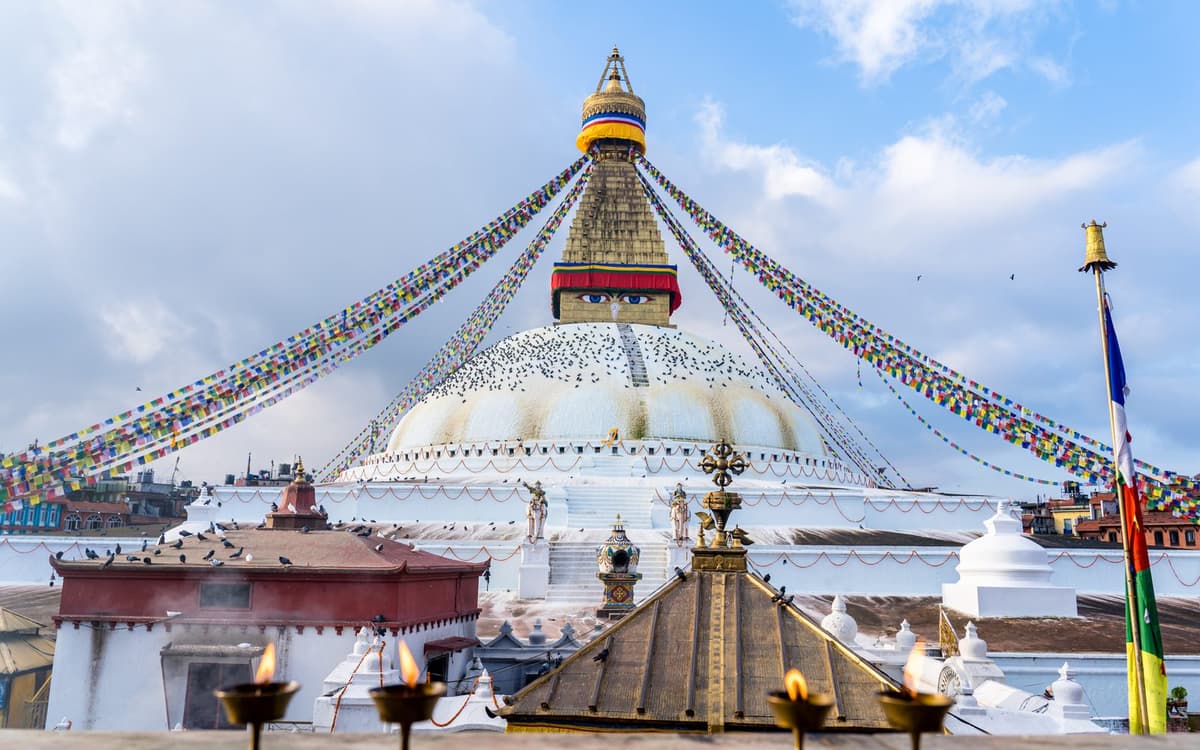
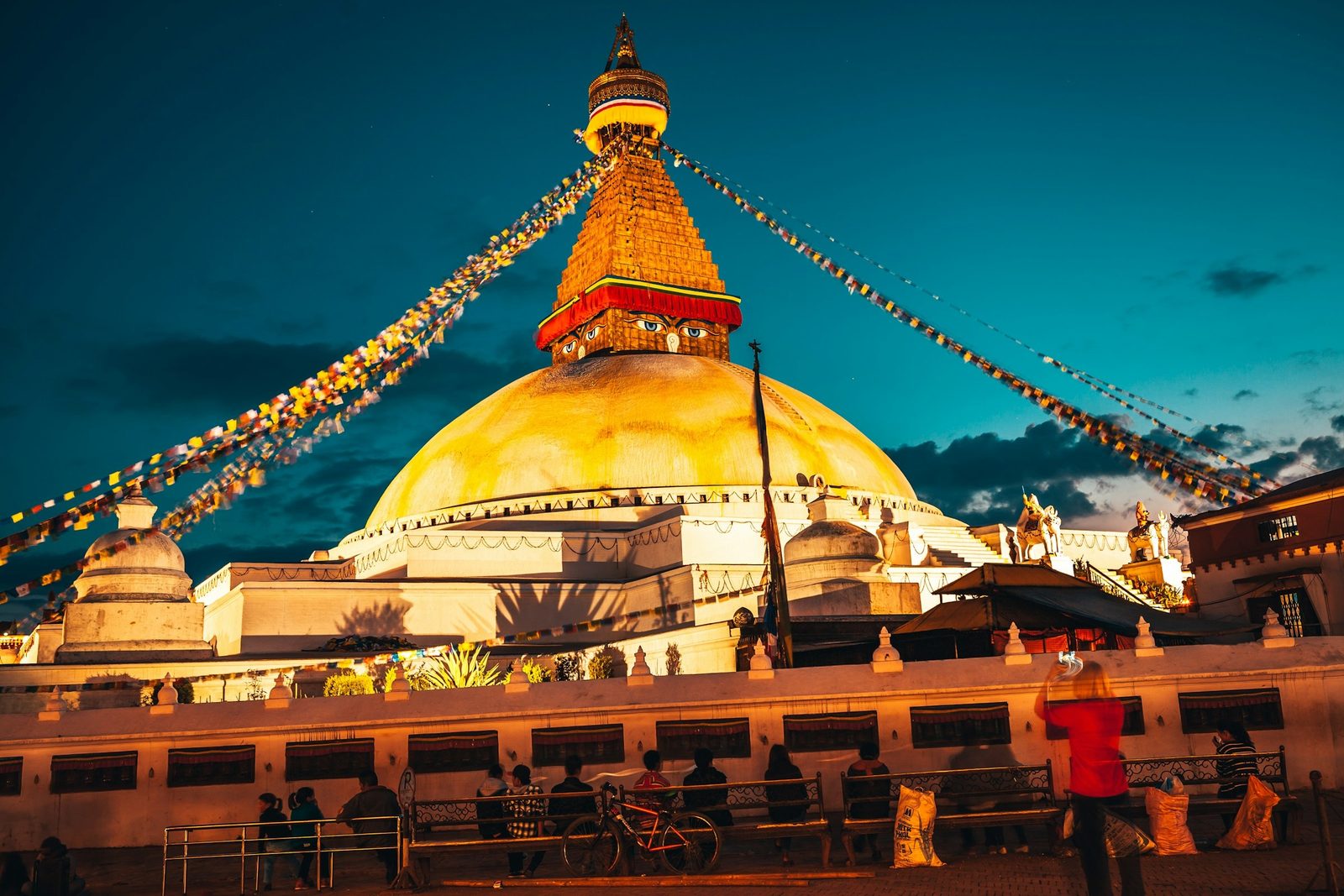
- Drive to Boudhanath for the evening walk around Nepal's largest stupa, then overnight in Kathmandu
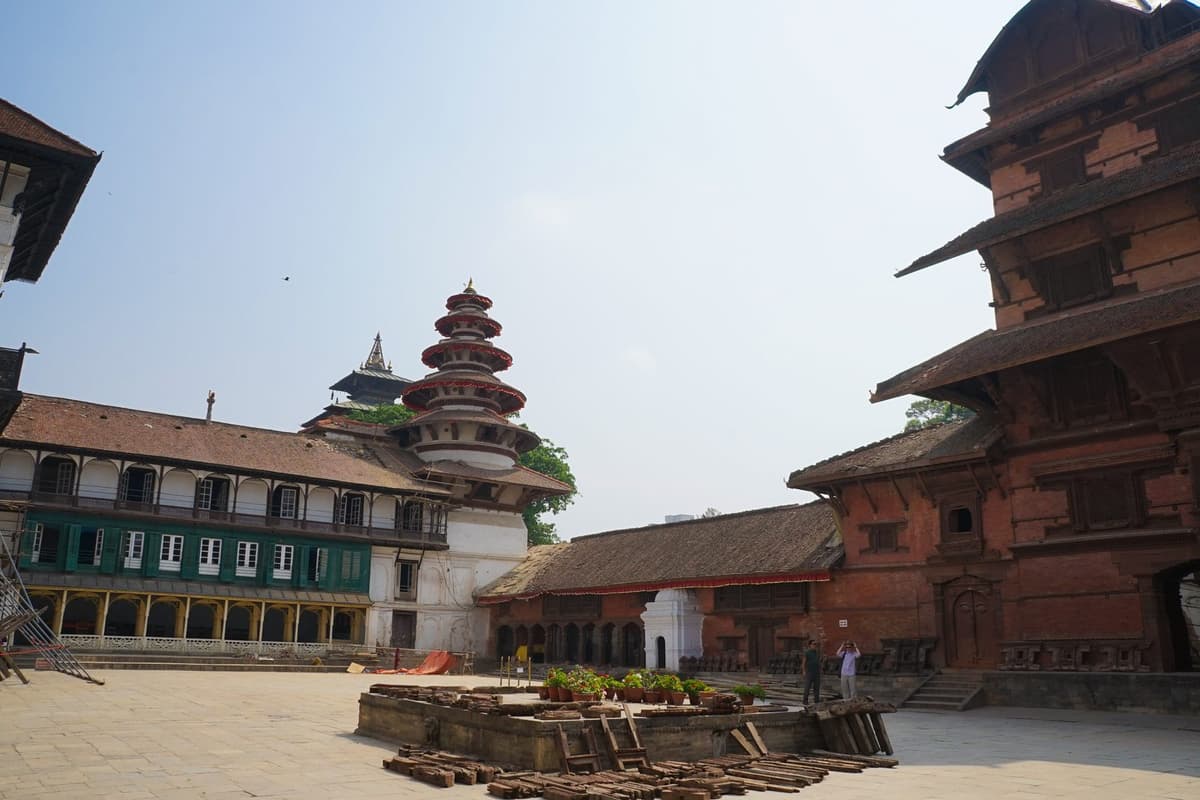
- Morning at Shechen Monastery beside Boudhanath, founded in 1980 by Dilgo Khyentse Rinpoche
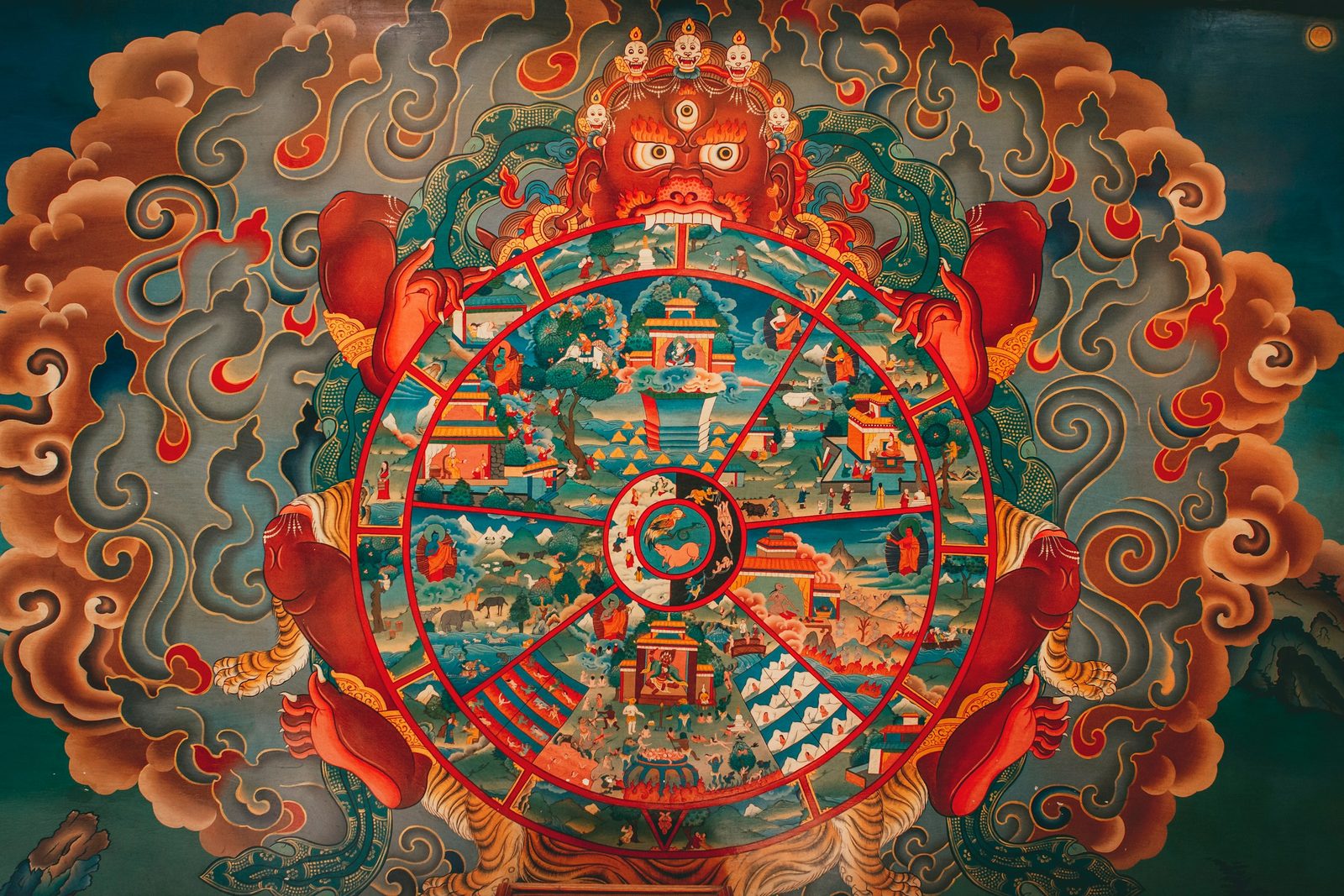
- Look at the temple frescoes showing the history and great teachers of Tibetan Buddhism
- Drive up to Kopan Monastery on Kopan Hill, the Gelug monastery known for teaching Buddhism to visitors
- Return to your hotel in the afternoon
What the price covers
Things to carry
- Comfortable walking shoes with good grip
- Warm layer and a light jacket for the night at camp
- Head torch
- Clothes that cover shoulders and knees for the monasteries
- Refillable water bottle
Good to know
Complete guide
The Tarebhir hike and monasteries tour is a slow three days on the northern side of the Kathmandu Valley: one easy walk, one night camping on a cliff, and four Buddhist sites that each show a different side of the faith. It never goes far from the city, so it works well at the start or end of a longer trip, or as a gentle first taste of walking in Nepal.
What the Tarebhir hike and monasteries tour covers
You begin at Budhanilkantha, where a five-metre stone Vishnu, carved from a single rock, lies on a bed of serpents in a temple pond at the foot of the Shivapuri hills. From there you walk east along the forested lower slopes to Tarebhir, a cliff with an open top that looks straight down over the valley. You camp there for the night. The second day is mostly downhill: through pine forest to Jagdol, into Pullahari Monastery, and on to Boudhanath for the evening. The third day covers Shechen, right beside the stupa, and Kopan on its hill to the north, before you head back to your hotel.
If you only have one day, our Boudhanath and Tarebhir viewpoint hike covers the cliff and the stupa without the camp night. This longer version adds the night on the cliff, the walk from Budhanilkantha and three monasteries you would otherwise miss.
Tarebhir: the cliff, the camp and the views
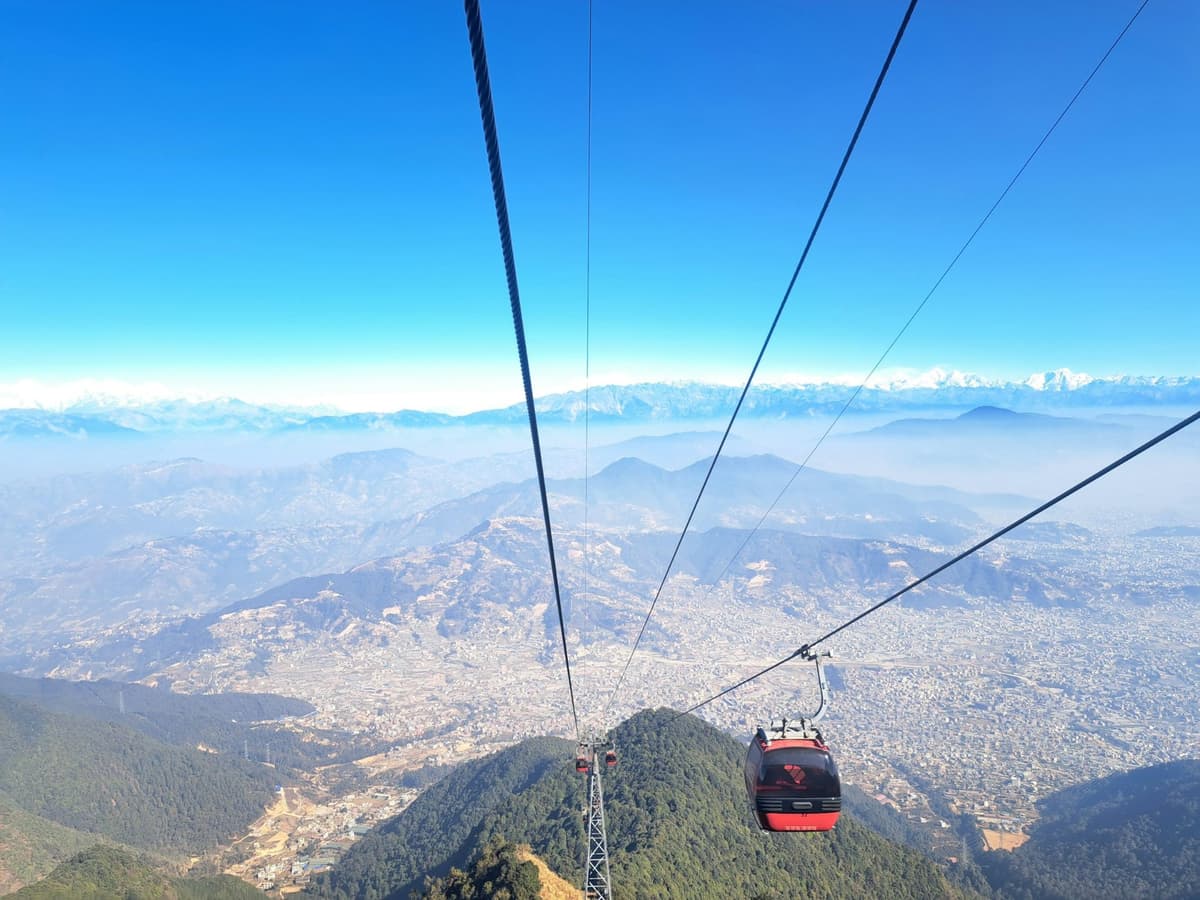
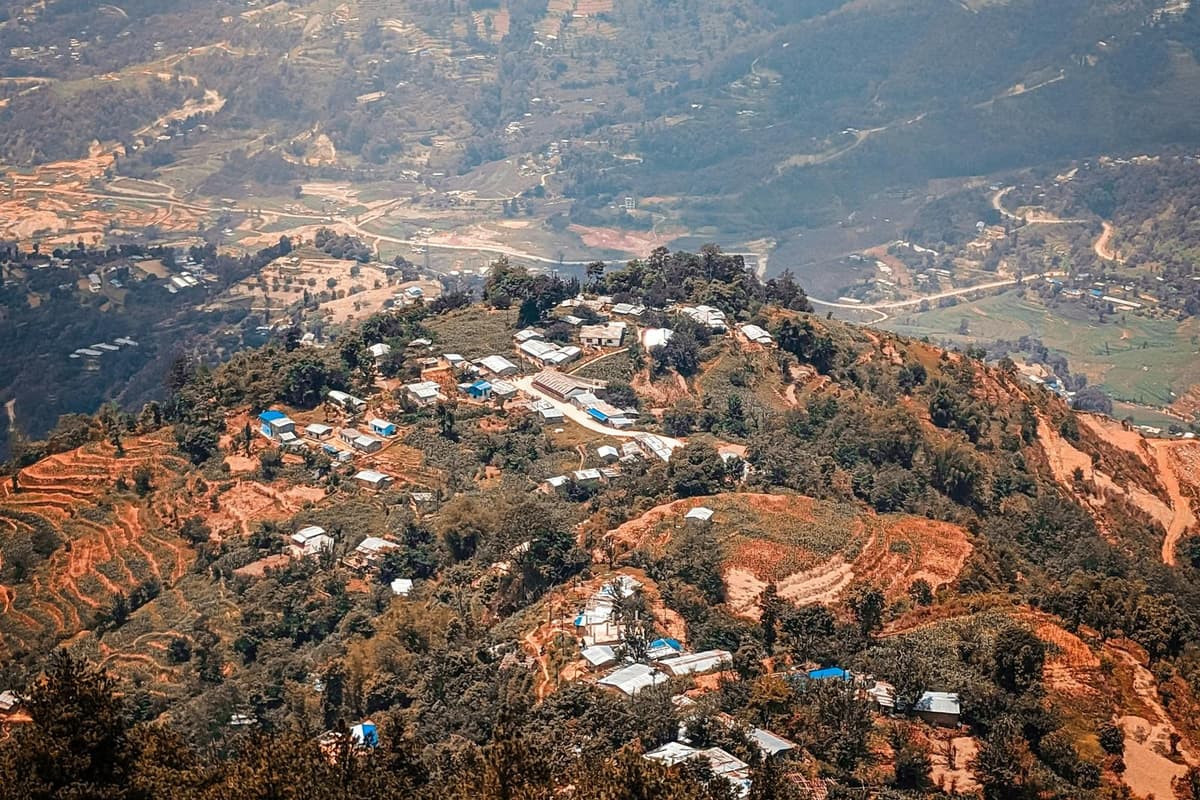
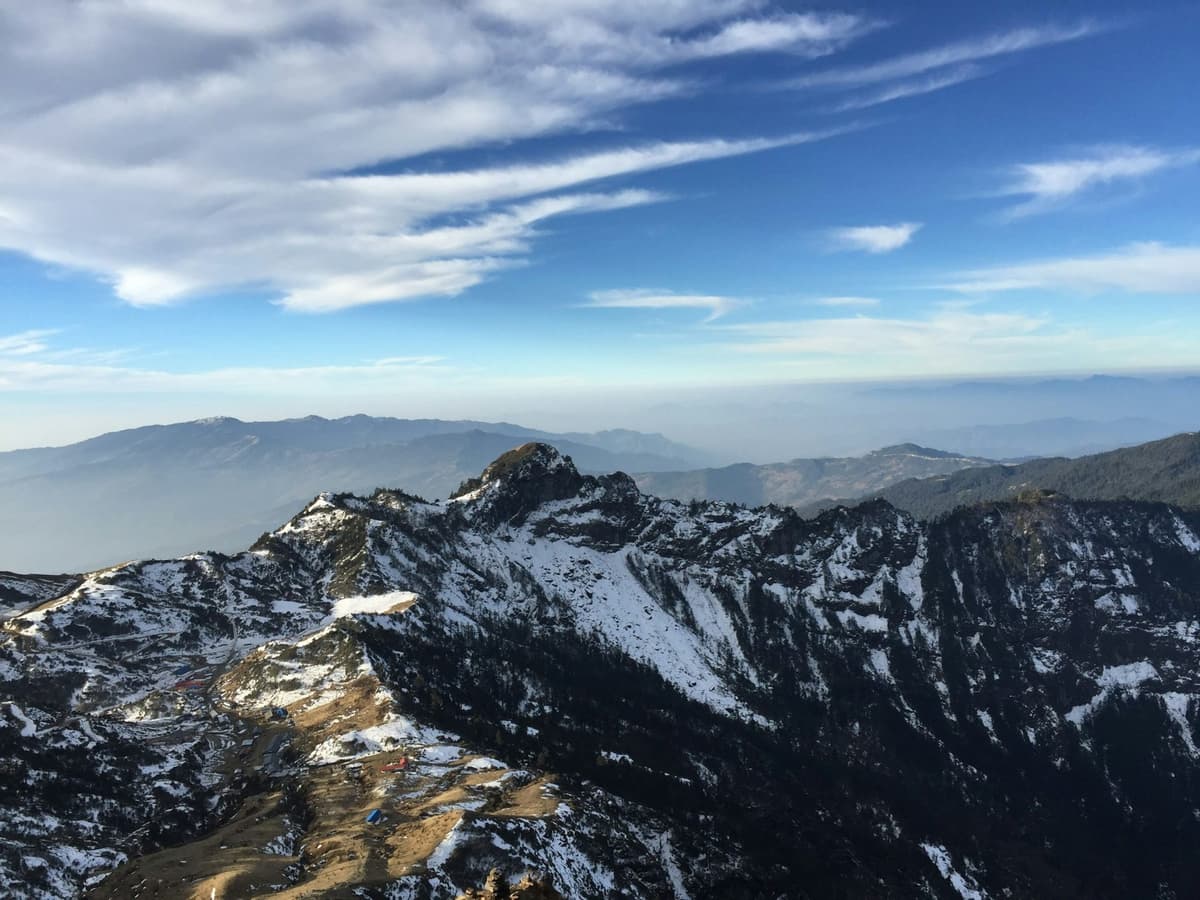
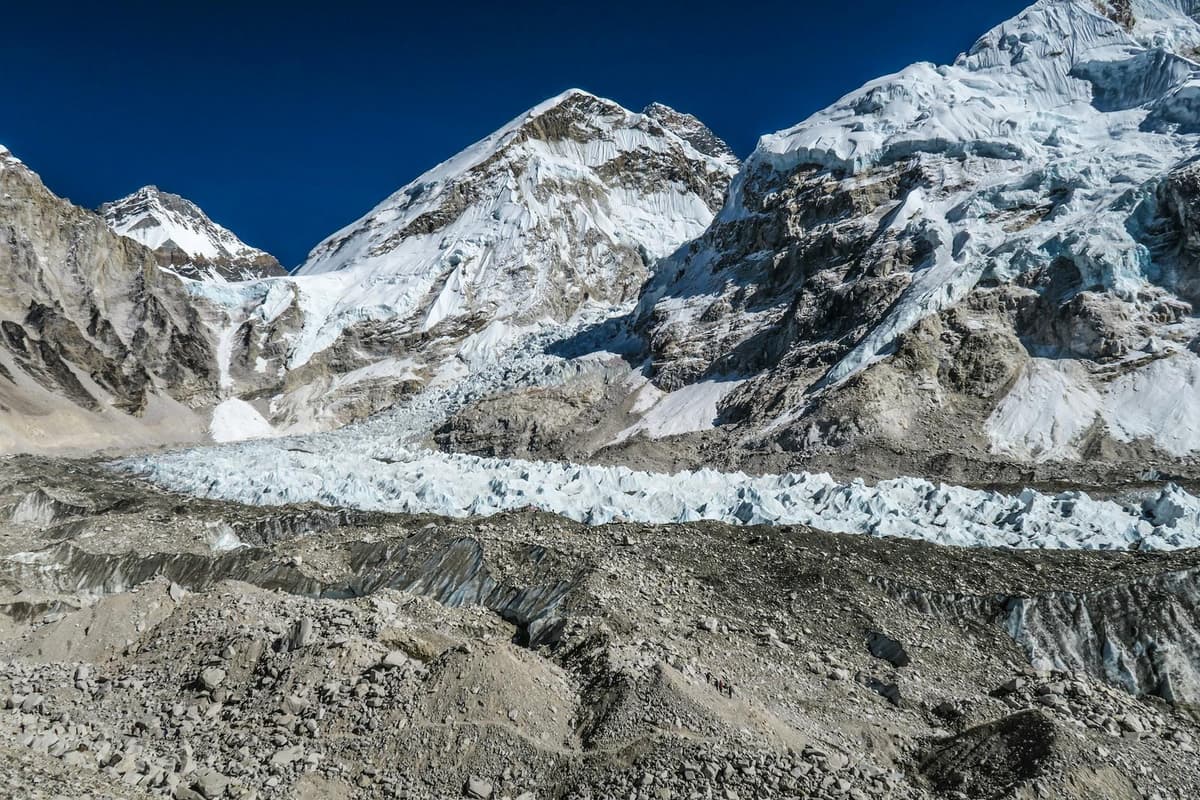
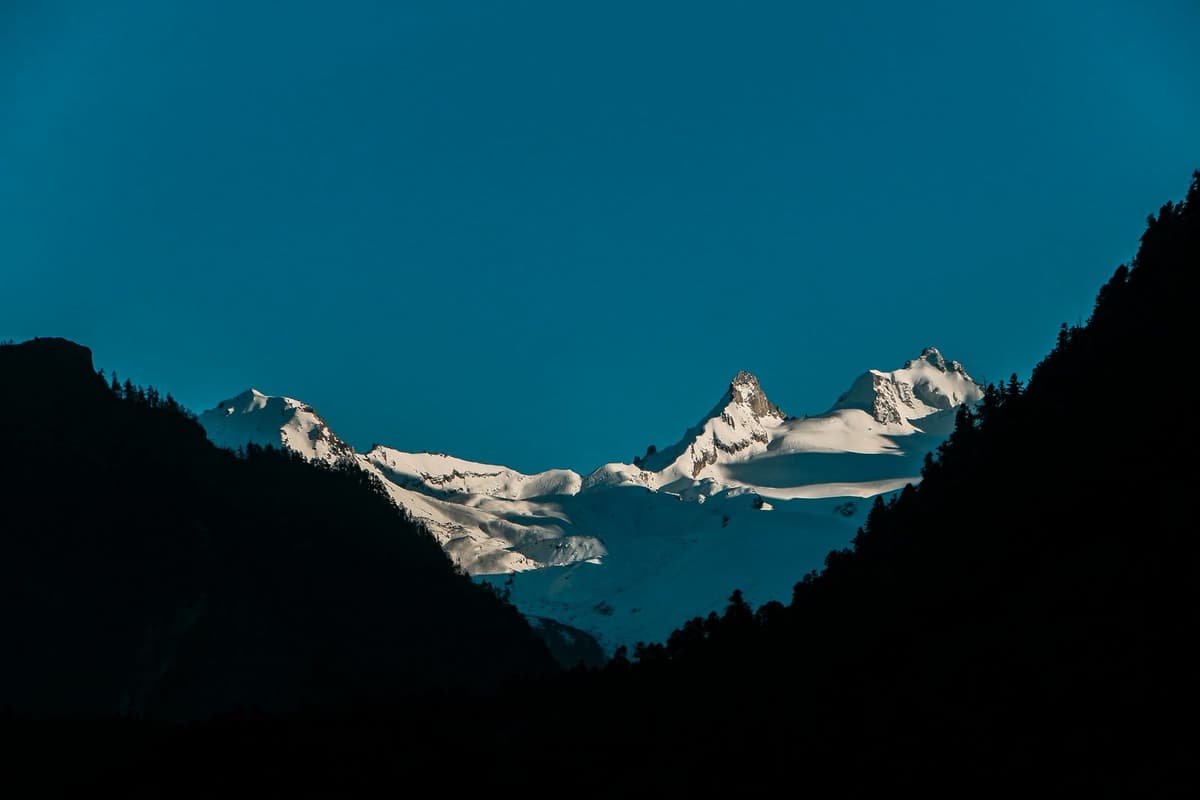
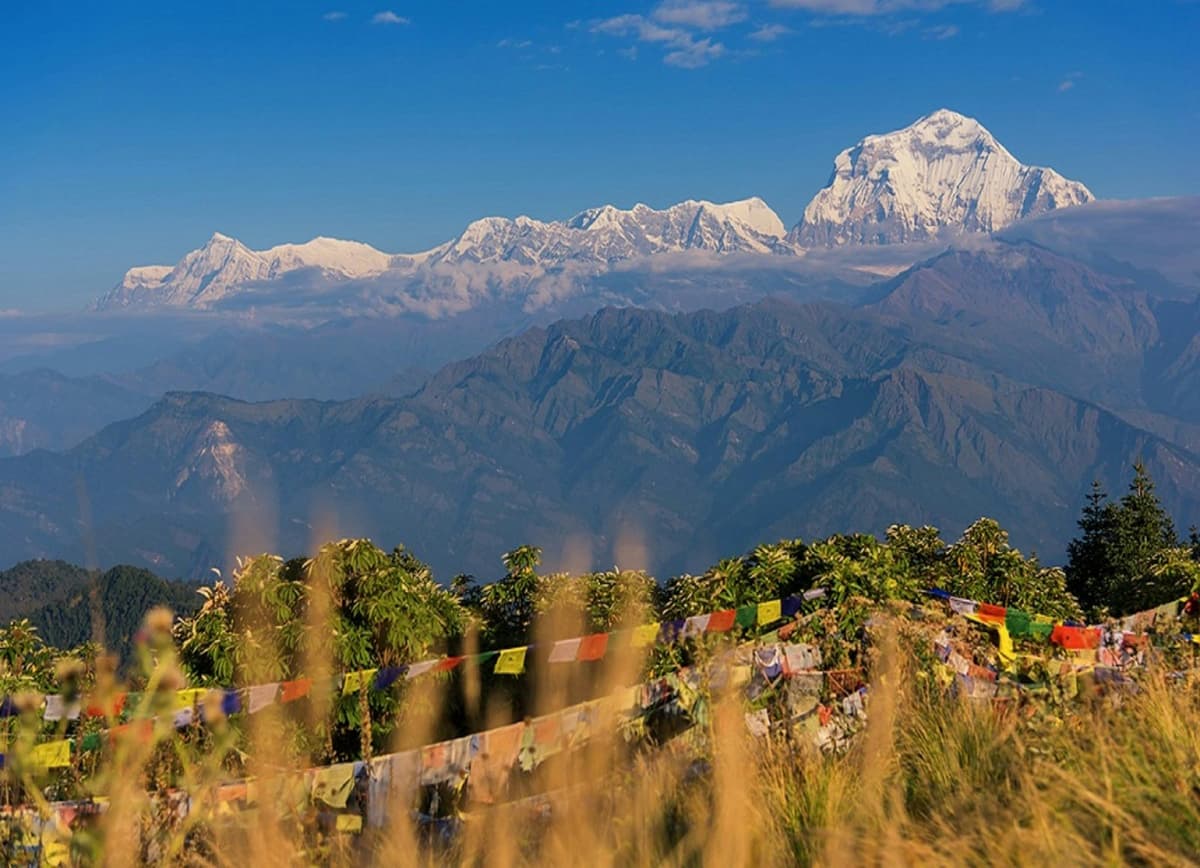
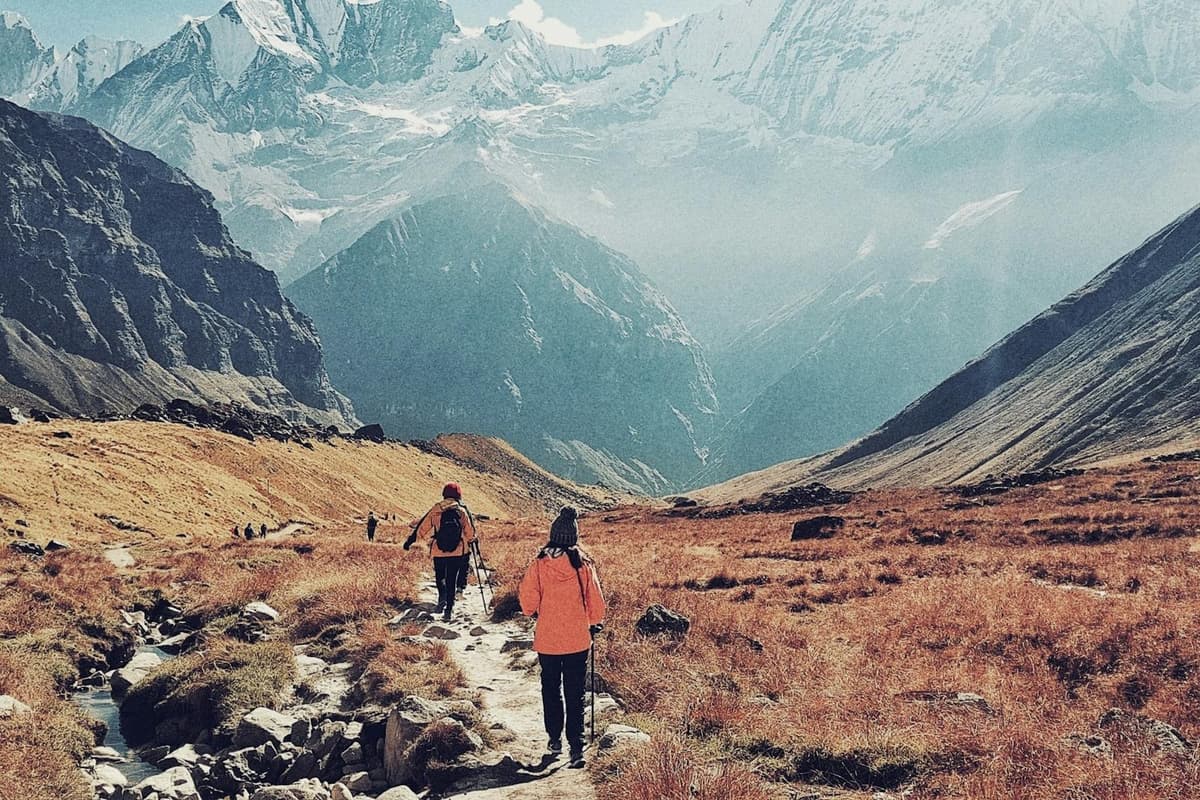
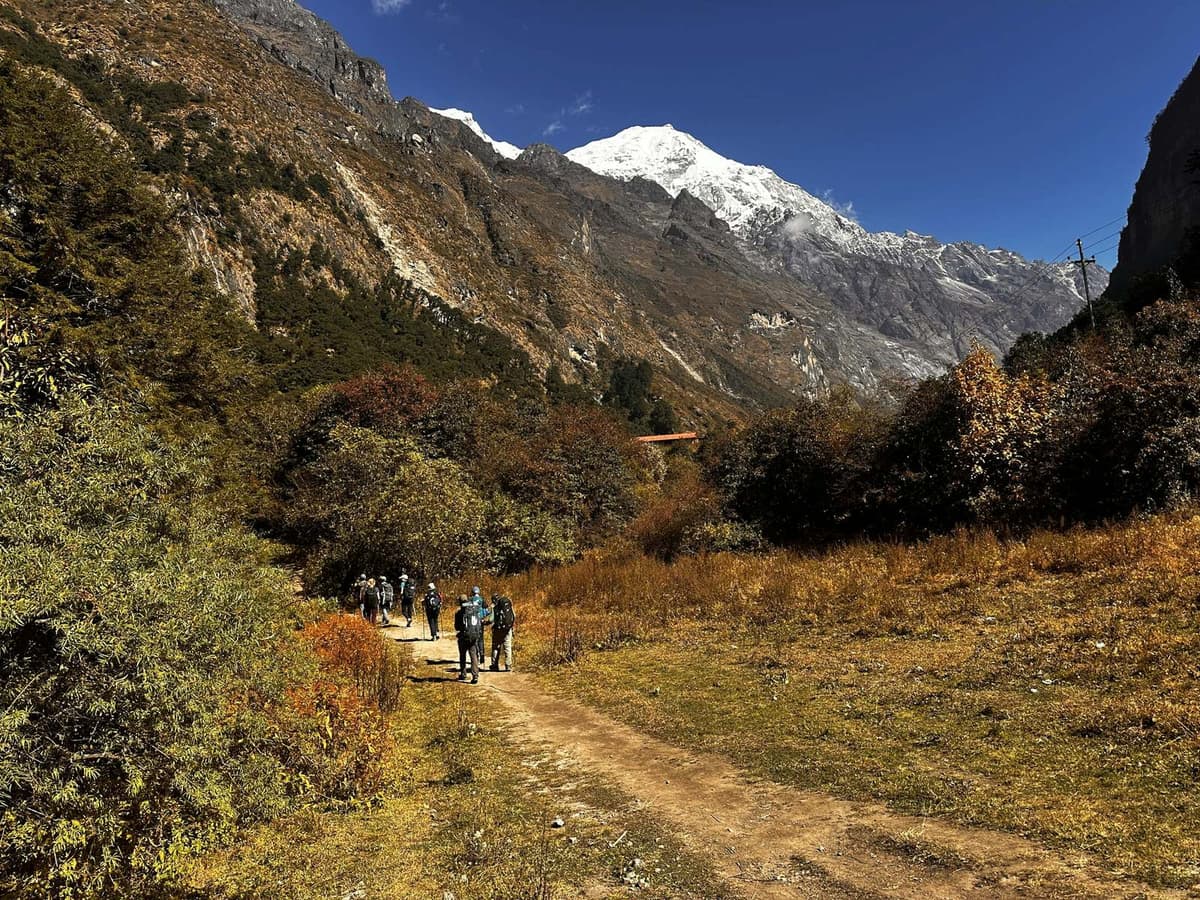
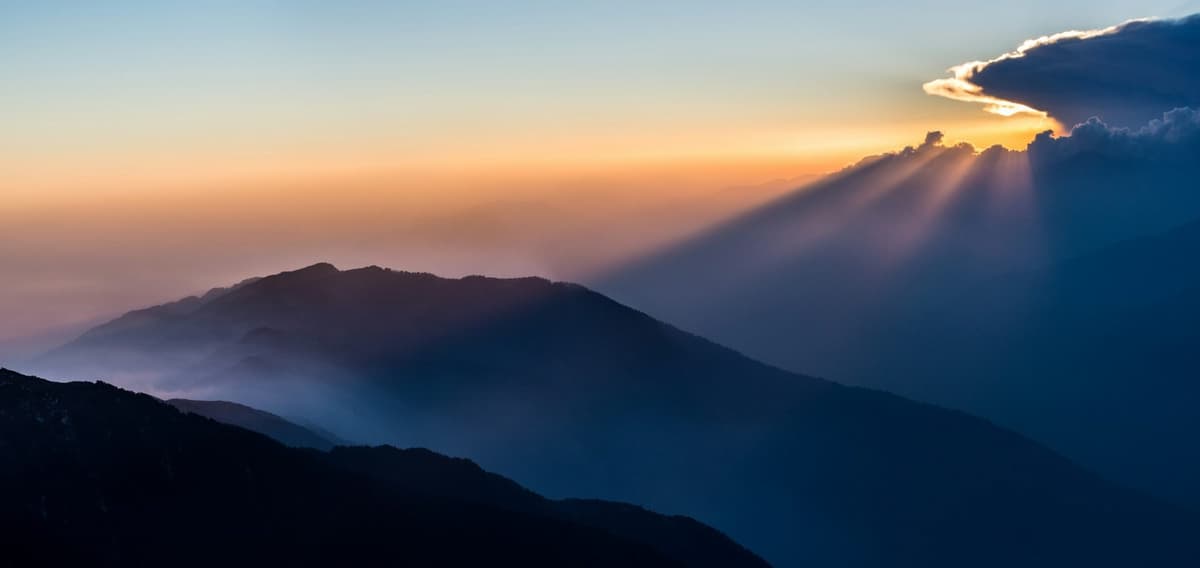
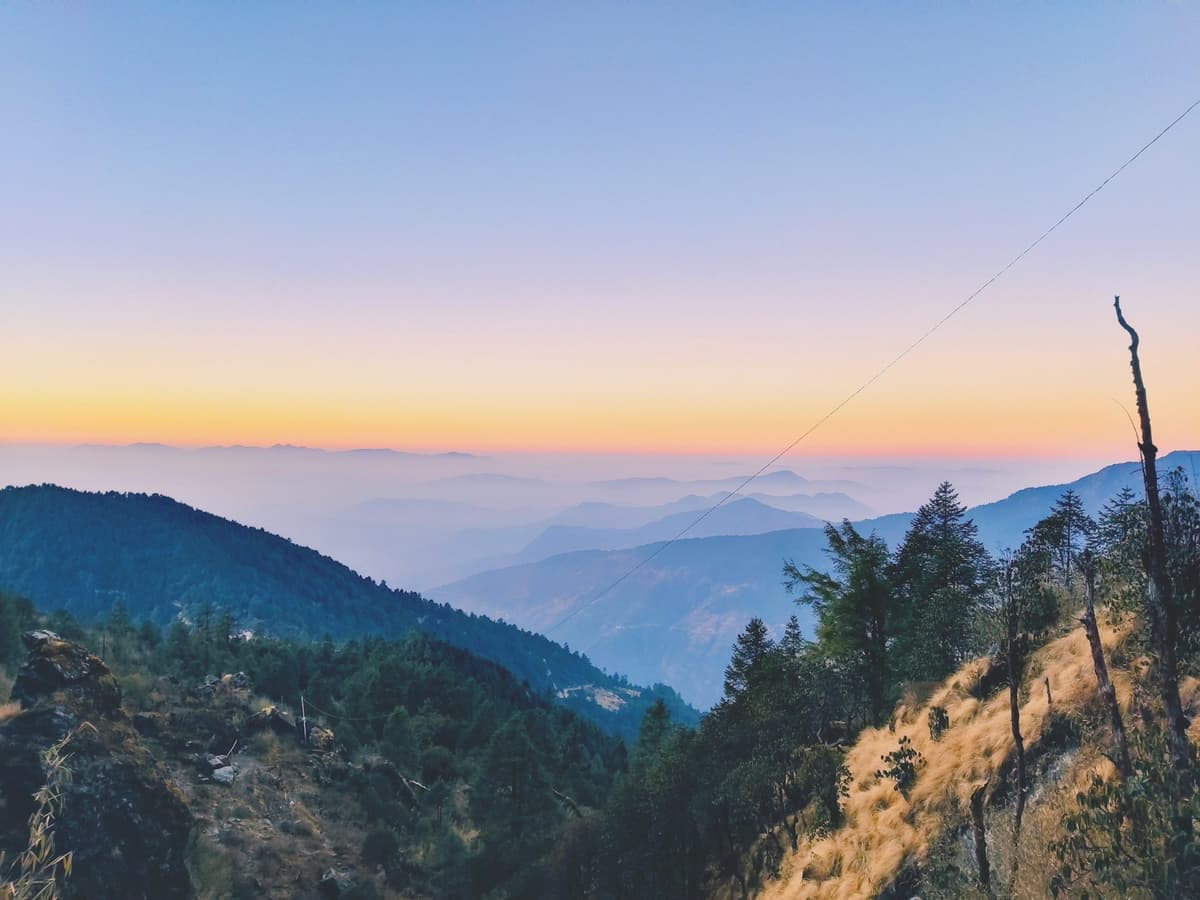
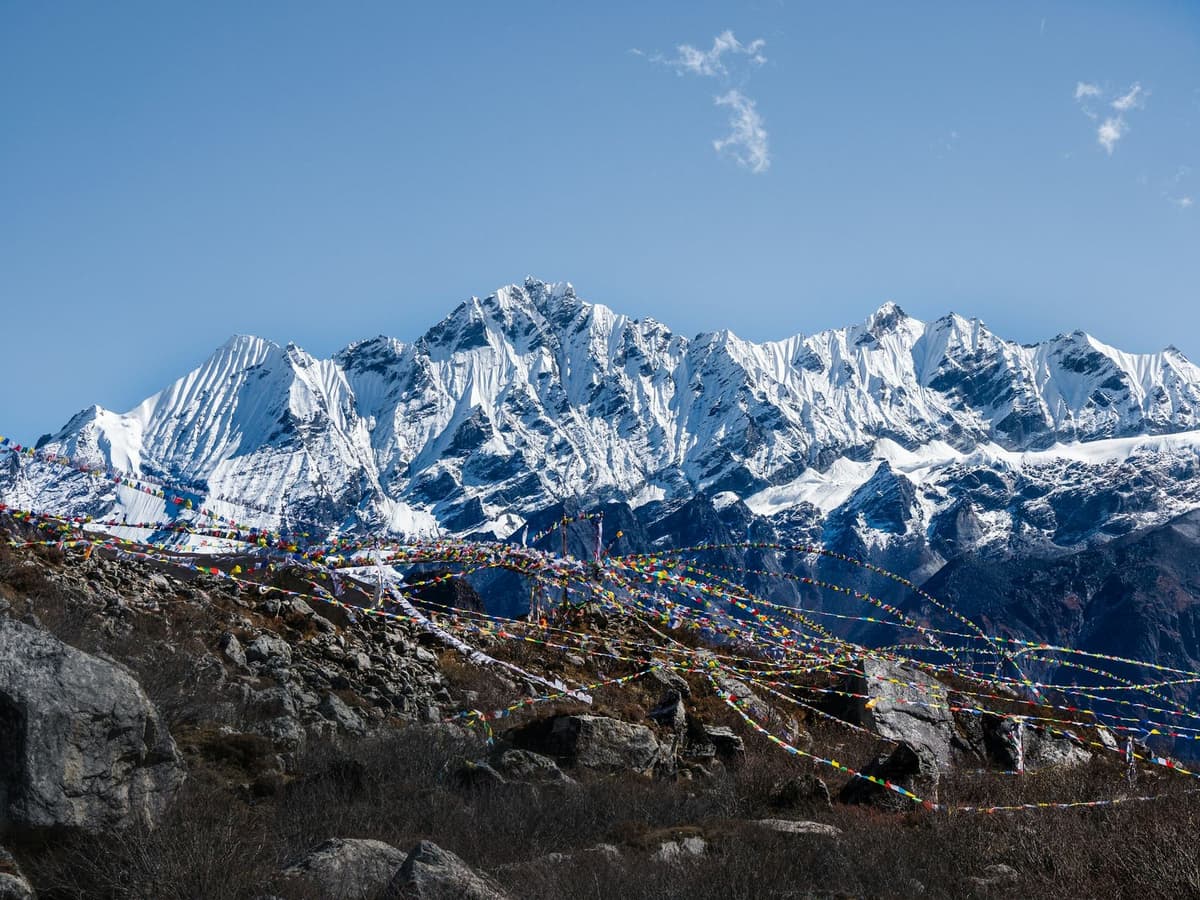
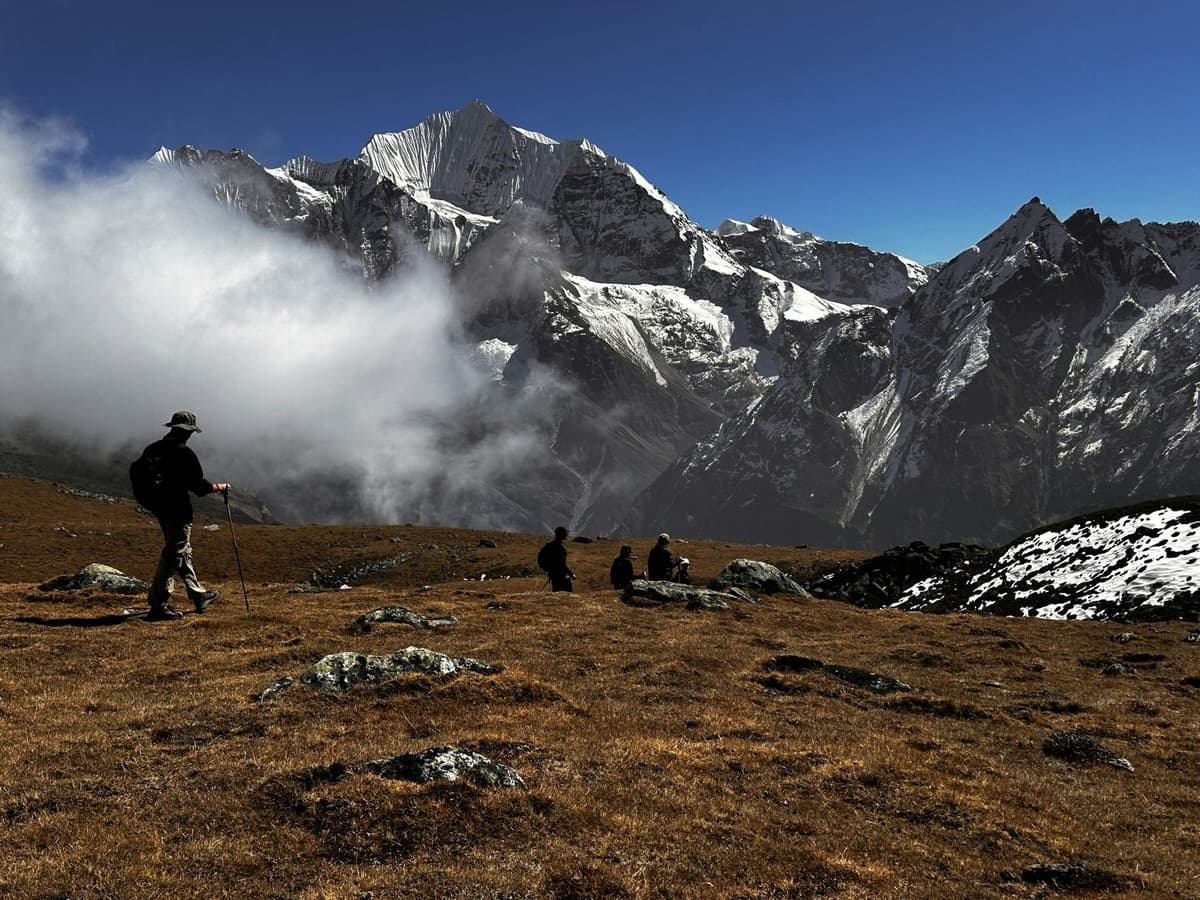
Tarebhir sits just outside Shivapuri Nagarjun National Park on the valley's northern rim. The trail up is easy, through pine trees and prayer flags, with a short steep pull just below the top. The top itself is open ground, which is why it is known as a camping spot so close to the city. In the evening you watch Kathmandu light up below you. In the early morning, on a clear day, the Ganesh, Langtang and Jugal ranges line up to the north. Clear mornings are most likely in autumn and in early spring; we will not promise the mountains, because haze and cloud decide that.
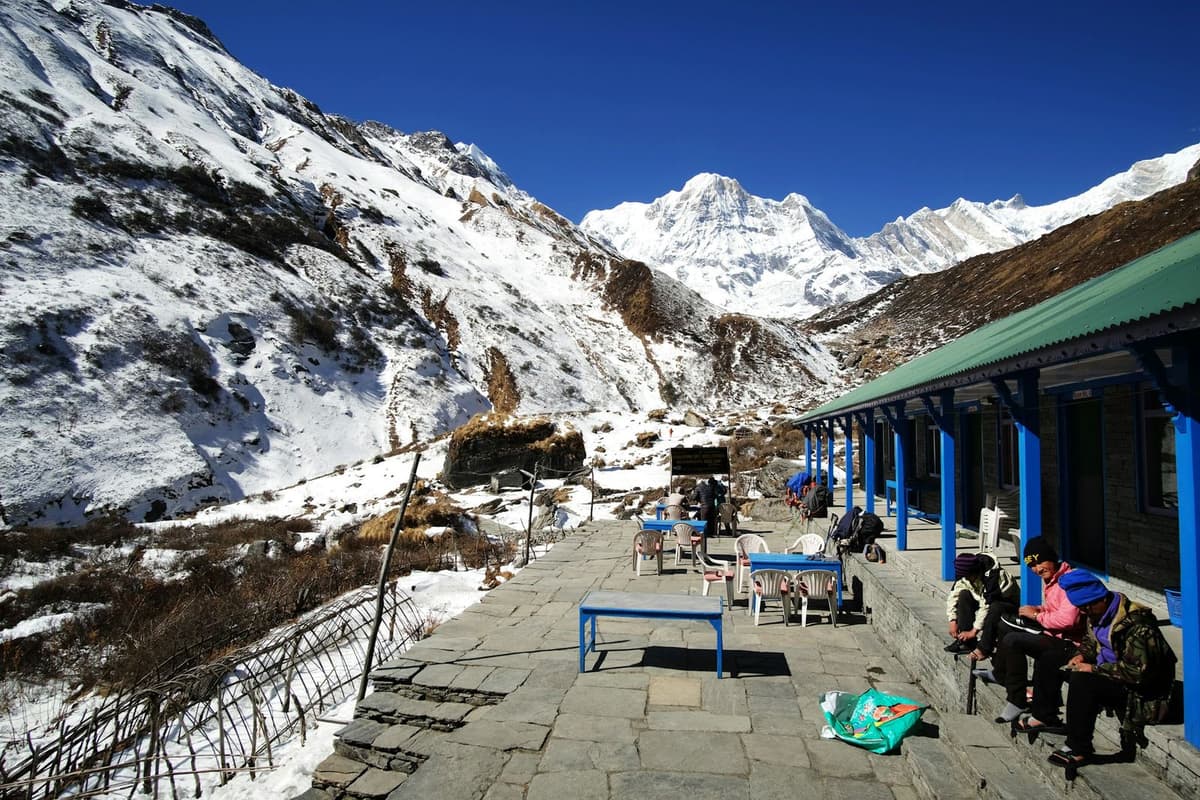
The camp is simple: a tent, a basic toilet and the whole valley below you. It is not a hotel night, and that is the point of it.
Four monasteries and one stupa, each different
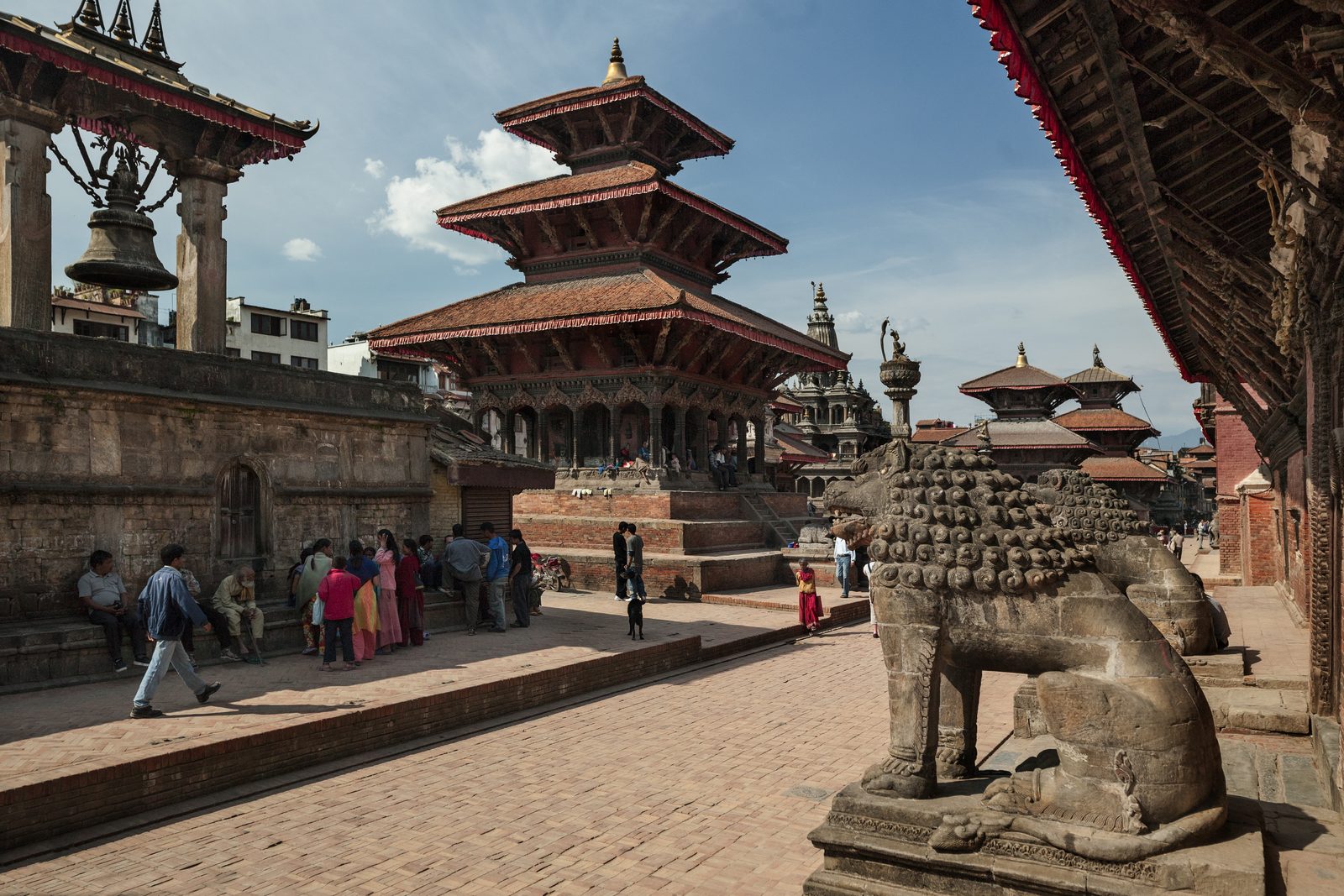
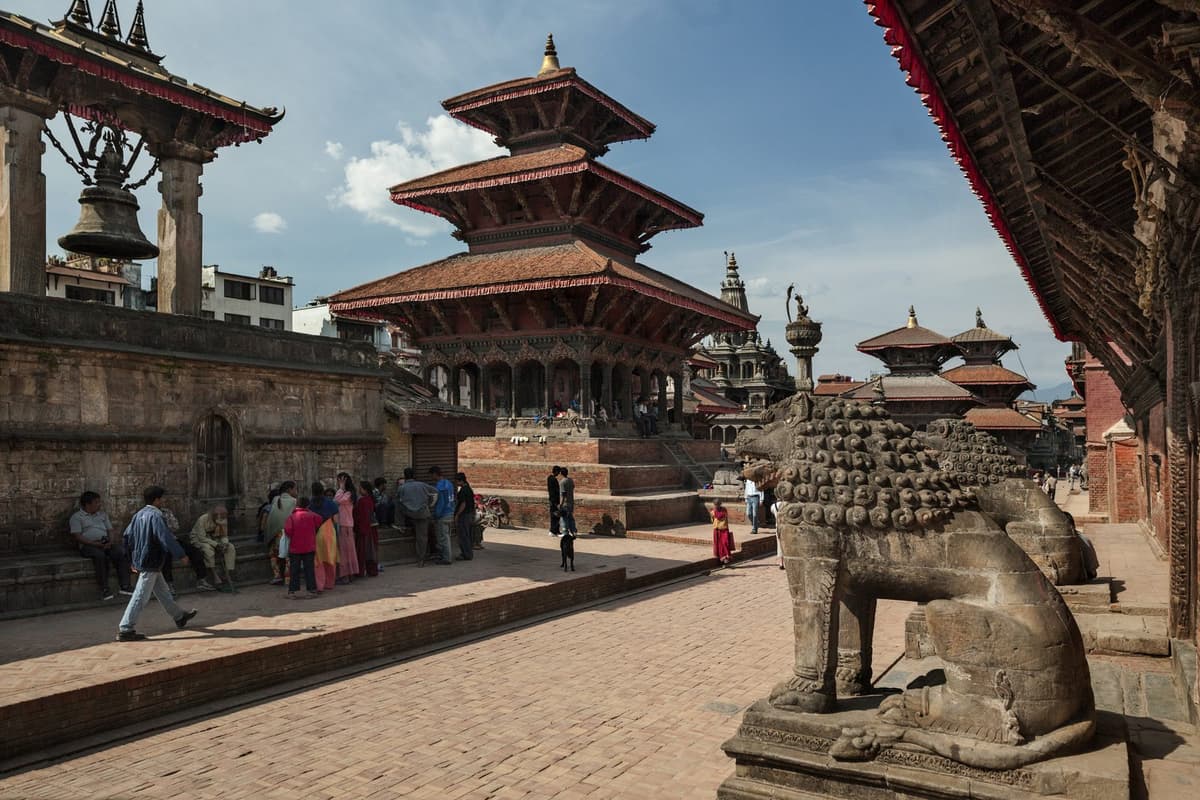
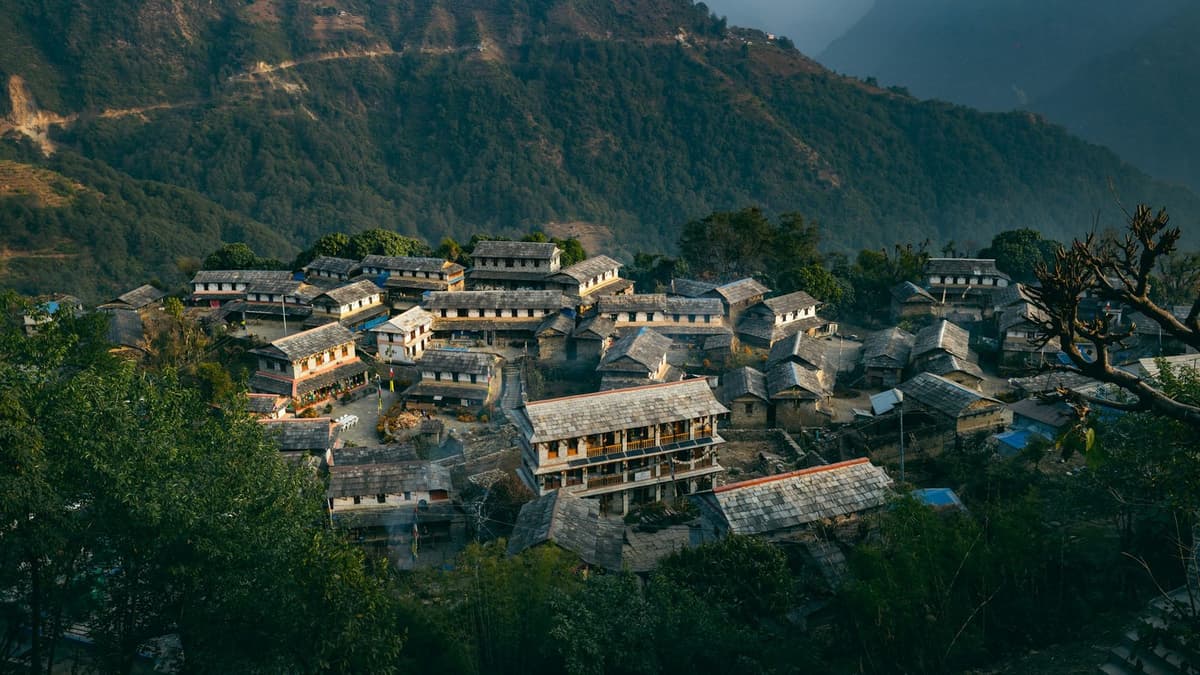
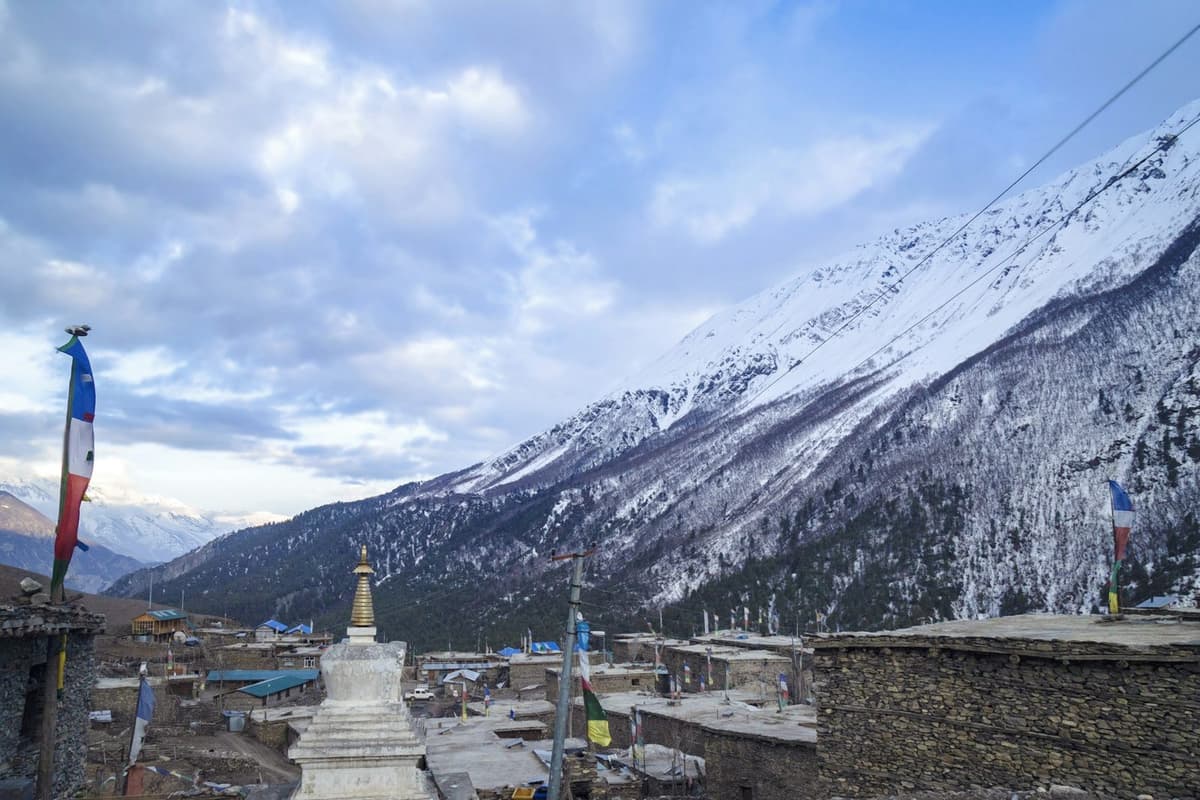
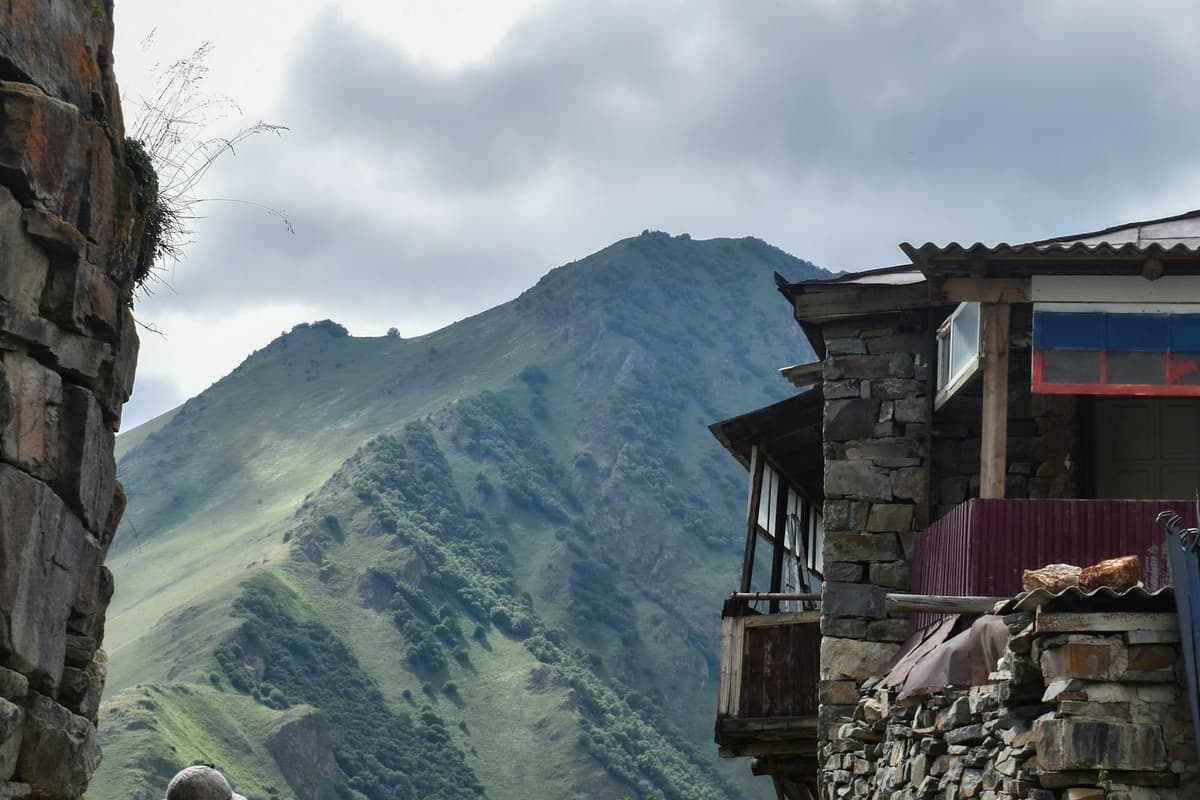
These are not a list of similar temples. Pullahari, above Jagdol, was founded in 1992 by the Third Jamgon Kongtrul Rinpoche as a retreat centre of the Karma Kagyu school. It is quiet, set among trees, and its main object of reverence is the golden stupa holding his remains. Boudhanath is the opposite: the largest stupa in Nepal, part of the Kathmandu Valley World Heritage Site, busy with pilgrims walking clockwise around it from dawn to dark.
Shechen, a short walk from the stupa, was founded in 1980 by Dilgo Khyentse Rinpoche and belongs to the Nyingma school. Its main temple is painted with frescoes of the history and great teachers of Tibetan Buddhism. Kopan, founded in 1969 on Kopan Hill, is a Gelug monastery that became known for teaching Buddhism to foreign visitors, and it still runs courses for them. Your guide explains what you are looking at in each place, and when a prayer session is on, you can sit quietly at the back. For the southern side of the valley, our day in the monasteries of Kapan, Pharping and Dakshinkali is the natural companion.
Who it suits and how hard it is
The walking is easy to moderate and the days are short, so anyone who walks regularly will be comfortable. Families with children who enjoy the outdoors do well here. The honest limit is the camp night: if you need a proper bed and a private bathroom, this is not the trip for you, and the day-hike version is a better fit. There is no altitude concern; you stay within the valley's forested middle hills.
No trekking permit is needed. The walk from Budhanilkantha passes through the national park, and the park entry ticket is included in your trip price. The Boudhanath entry fee is included too.
Season, weather and monastery manners
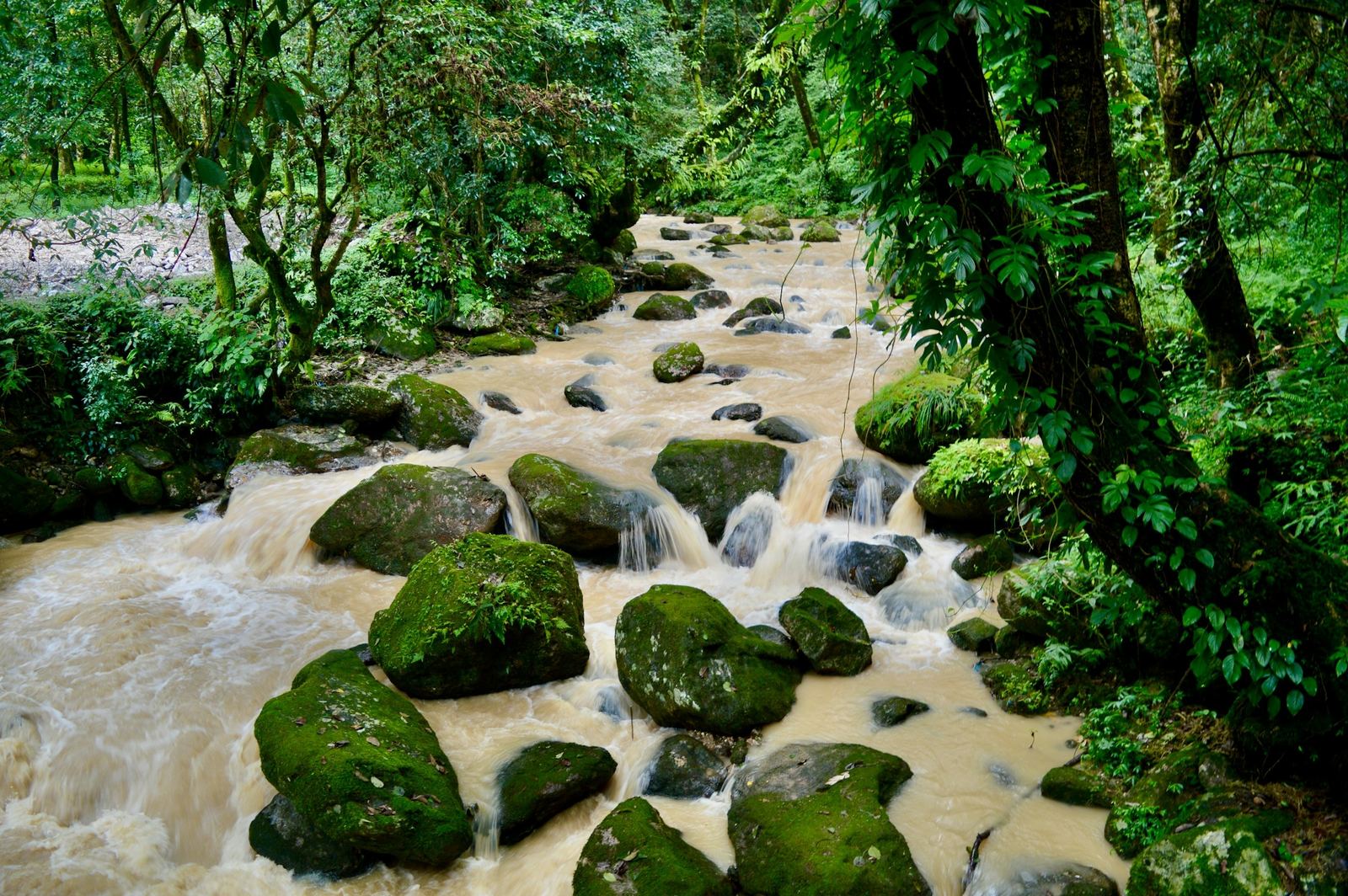
September to May is the time to go. June to August brings heavy monsoon rain, slippery trails and very little mountain view. October, November and March are usually the most reliable months for clear mornings. Winter nights at camp are cold, so bring a proper warm layer from December to February.
In the monasteries, cover your shoulders and knees, take off your shoes before shrine rooms, walk clockwise around stupas and prayer wheels, and ask before photographing monks. Not sure whether this or a single day suits you better? Tell us your dates and we will say honestly which fits.