


Overview
This Patan, Bhaktapur and Boudhanath tour takes the Kathmandu Valley's greatest heritage sites at a relaxed two-day pace instead of rushing them into one. The first day belongs to the two old royal cities: Patan, the valley's city of artisans, with its Krishna Mandir and Golden Temple, and Bhaktapur, a living medieval town of brick lanes, the 55-Window Palace and the towering Nyatapola. The second day is quieter and more spiritual, beginning with the morning kora around Boudhanath, one of the largest stupas in the world, and ending among the riverside shrines and cremation ghats of Pashupatinath. Four UNESCO World Heritage monuments, unhurried, with time to actually take them in.
The itinerary
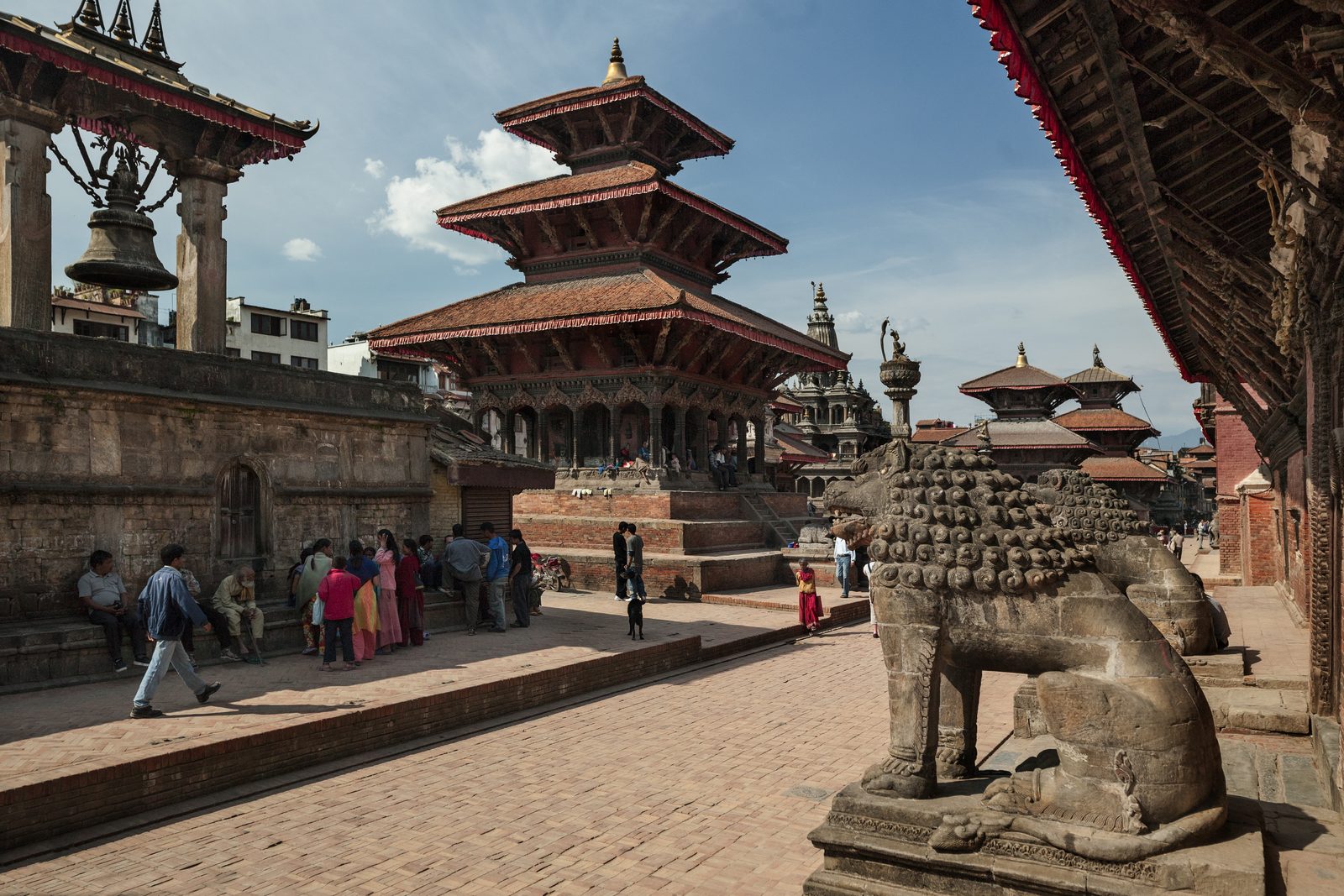
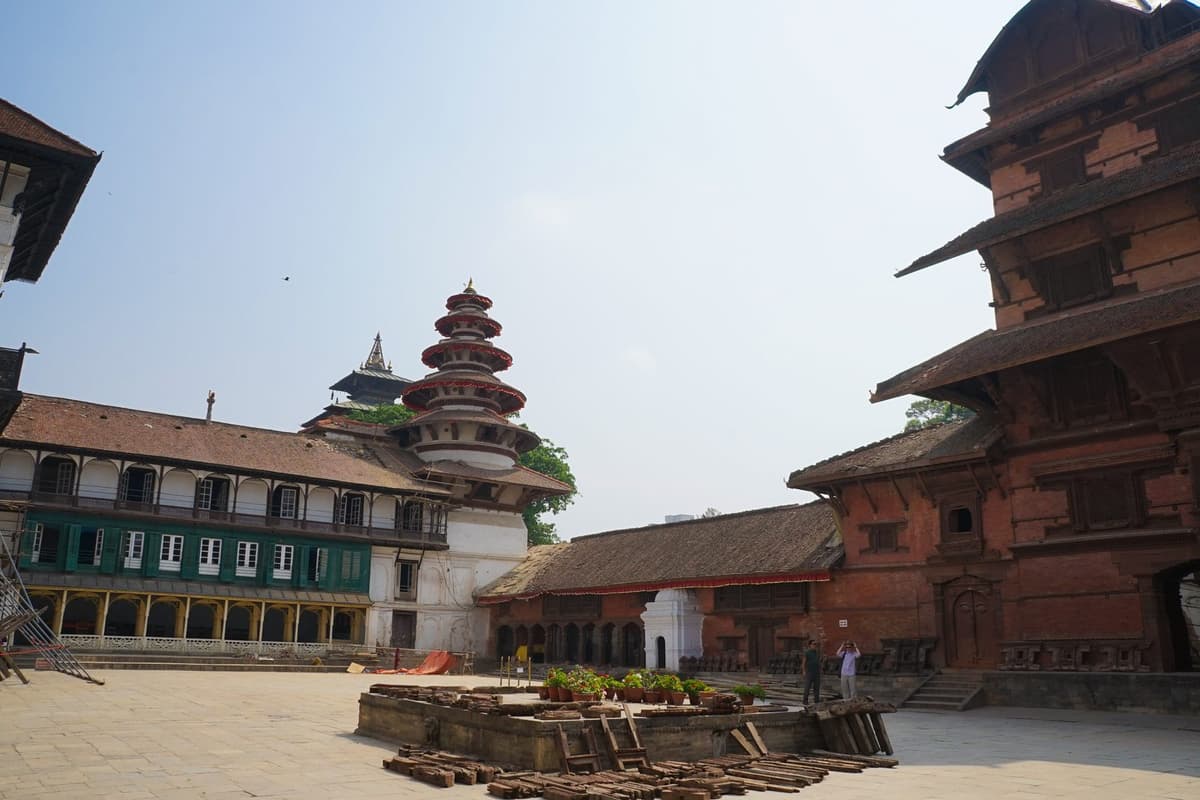
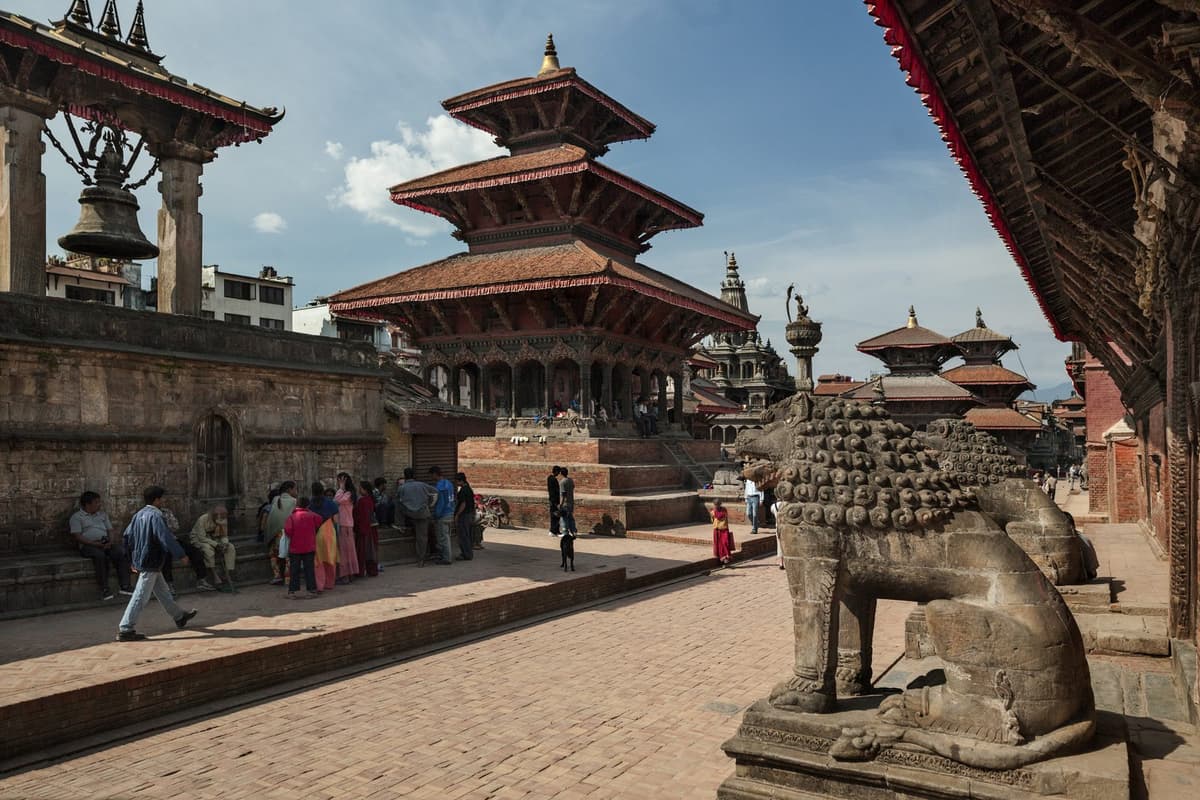
- Start in Patan Durbar Square with the Krishna Mandir, the Golden Temple and the Patan Museum
- Wander the metalwork and woodcarving workshops the city is known for
- Cross the valley to Bhaktapur for its Durbar Square, the 55-Window Palace and the Nyatapola temple
- Explore the potters' square and brick lanes at dusk, then transfer to a stay near Boudhanath
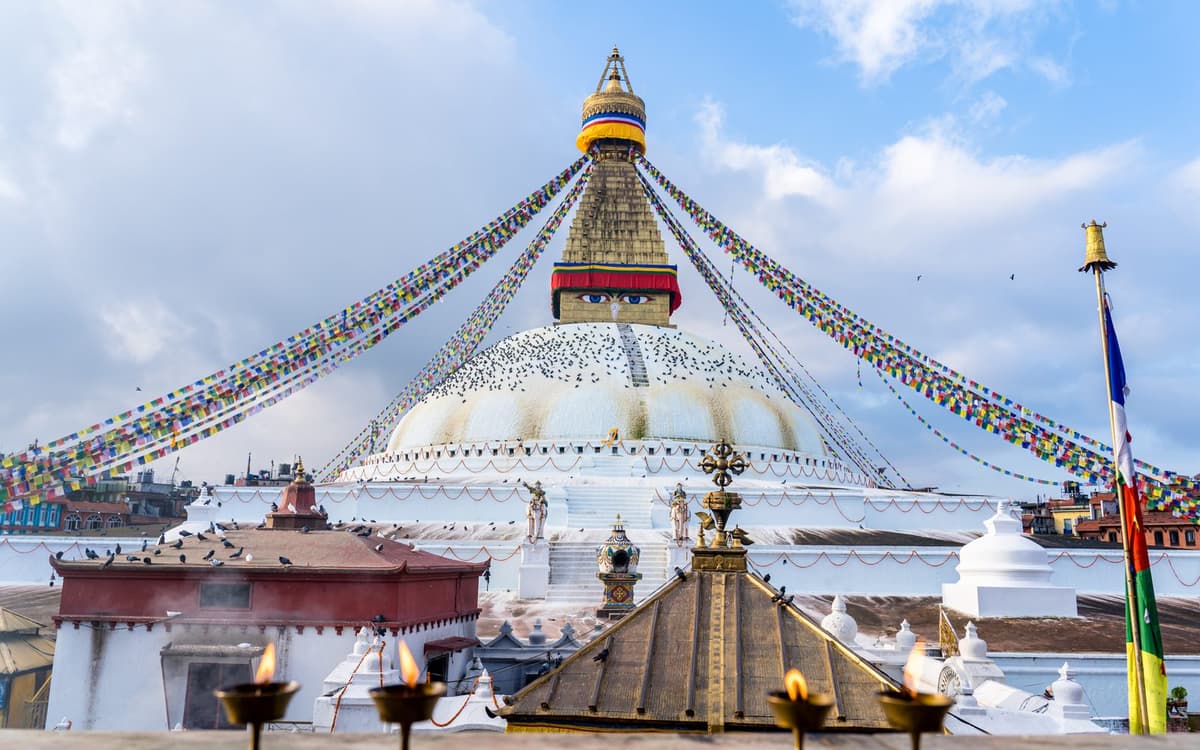
- Join the morning kora as pilgrims circle the great stupa of Boudhanath
- Watch butter lamps and prayer wheels turn around the dome, with cafes overlooking the square
- Continue the short distance to the riverside temple complex of Pashupatinath
- Take in the pagodas, sadhus and cremation ghats along the Bagmati before returning to Kathmandu
Things to carry
- Comfortable walking shoes for cobbled squares and temple lanes
- Modest clothing that covers shoulders and knees for the temples
- A camera or phone for the architecture, stupas and street life
- Sunglasses, sun hat and sunscreen for open squares
- A small overnight bag with a change of clothes and toiletries
Good to know
Complete guide
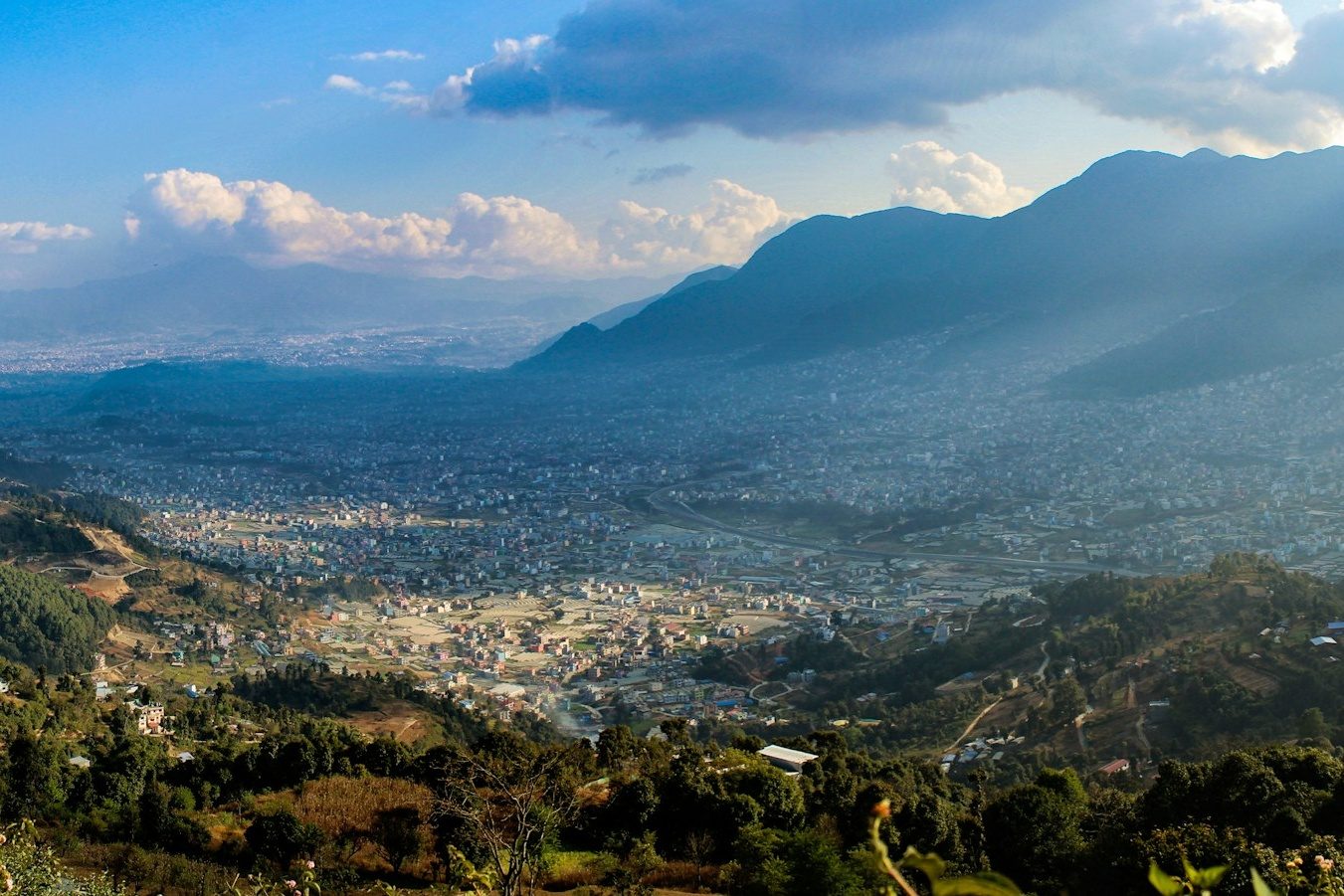
The Kathmandu Valley packs more UNESCO World Heritage into a small space than almost anywhere, but tackling it all in a single day leaves you exhausted and none the wiser. Splitting the highlights across two days, old cities first and sacred sites second, is a far better way to see them. Here is how this tour comes together.
What the Patan Bhaktapur Boudhanath tour covers
The tour pairs the two great royal cities on day one with the two great religious sites on day two: Patan and Bhaktapur Durbar Squares, then Boudhanath and Pashupatinath. It is a deliberately relaxed circuit that trades the frantic single-day dash for time to sit in a square, watch the artisans and join the kora. To fit the classic monuments into a shorter visit, the 7 UNESCO World Heritage Sites day tour covers the headline sites in one busy day instead.
The royal cities: Patan and Bhaktapur
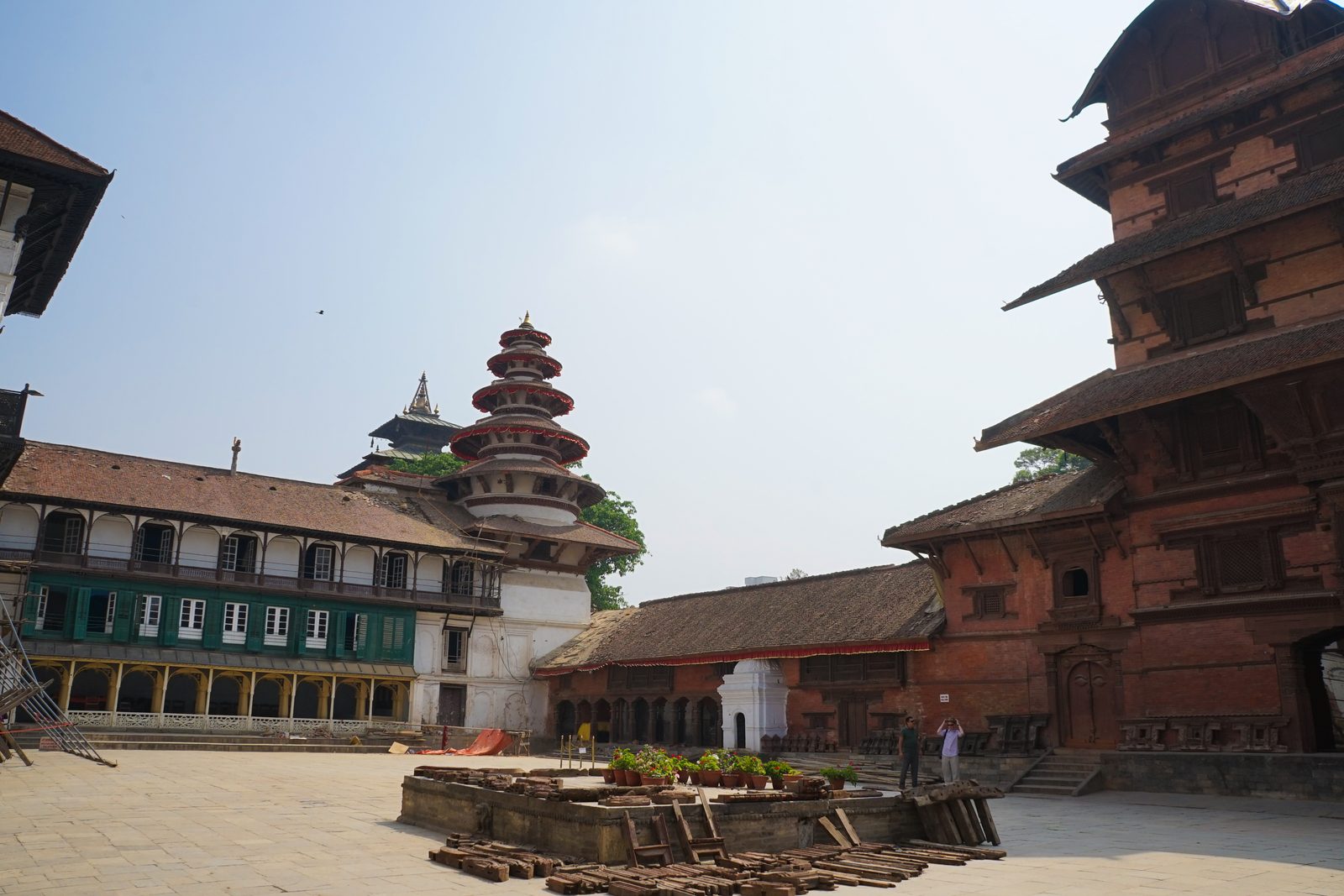
Patan and Bhaktapur are two of the three medieval capitals that once ruled the valley, each with its own palace complex and temple-crowded square. Patan is the city of artisans, home to the stone Krishna Mandir, the Golden Temple and generations of metalworkers, while Bhaktapur is a car-free maze of brick and timber built around the 55-Window Palace and the soaring Nyatapola. Seen back to back, they show off Newari craft at its very best.
The sacred valley: Boudhanath and Pashupatinath
The second day shifts from kings to pilgrims. Boudhanath, one of the largest stupas anywhere, is the centre of Tibetan Buddhist life in Nepal, ringed by monasteries and best felt during the morning or evening kora. A short drive away, Pashupatinath is the country's holiest Hindu site, a riverside sprawl of temples, sadhus and cremation ghats along the Bagmati. Together they capture the two faiths that shaped the valley.
Who this tour suits
This suits first-time visitors, families and anyone who wants the valley's heritage without rushing, with only gentle strolling on cobbled lanes and around the stupas. It works well as an introduction to Nepal before heading to the mountains. If you would rather focus on the palace squares alone, the three Durbar Squares tour visits Kathmandu, Patan and Bhaktapur in a single day.