


Overview
This Sarangkot and Australian Camp tour is the relaxed version of our Australian Camp trip, and the extra day changes how it feels. You drive from Kathmandu to Pokhara on day one and rest by the lake instead of walking at dusk. Day two begins with sunrise at Sarangkot, about 1,600 m, then you drive to Kande and walk up to Australian Camp at 2,060 m for a night facing Annapurna South and Machhapuchhre, with a second sunrise next morning. Day three brings you down for Pokhara sightseeing, and day four is the drive home. It suits first-time visitors who want two different mountain mornings and a night on a ridge without a full trek.
The itinerary
- Morning departure by private vehicle along the Prithvi Highway
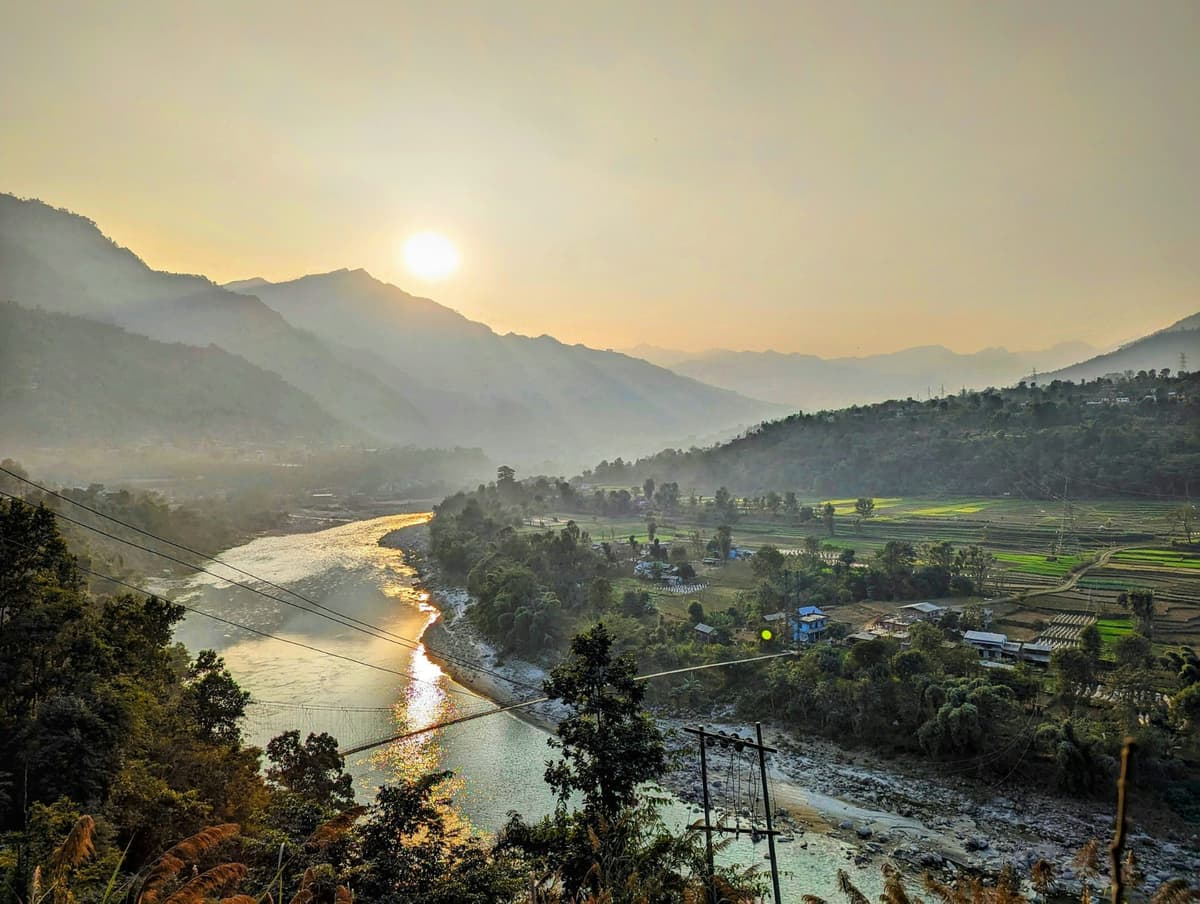
- Six to nine hours on the road, following the Trishuli River for the first half
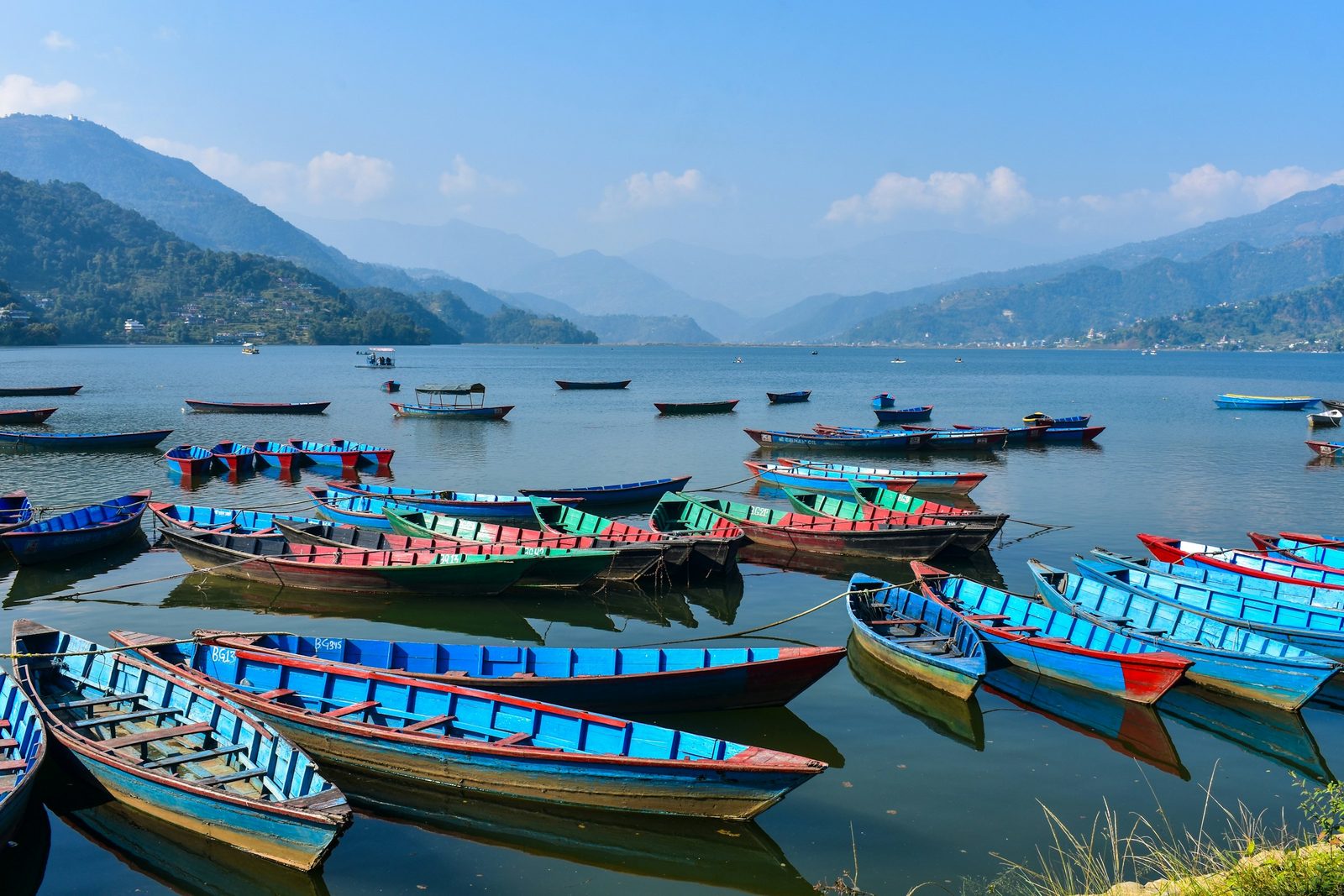
- Check in near Phewa Lake in the afternoon or early evening
- Easy evening at Lakeside to recover from the drive
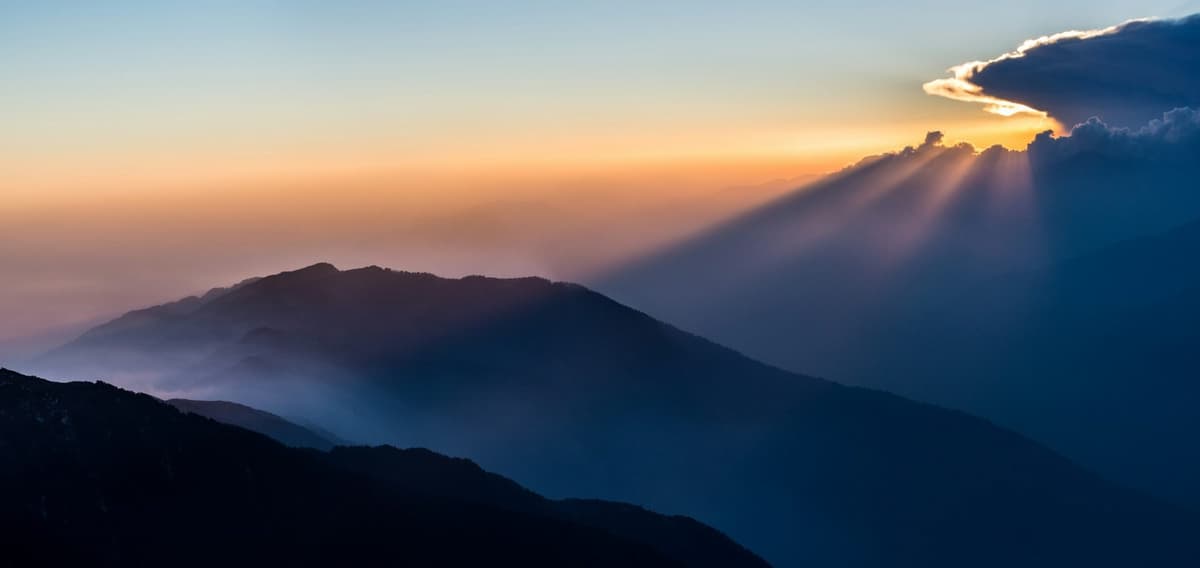
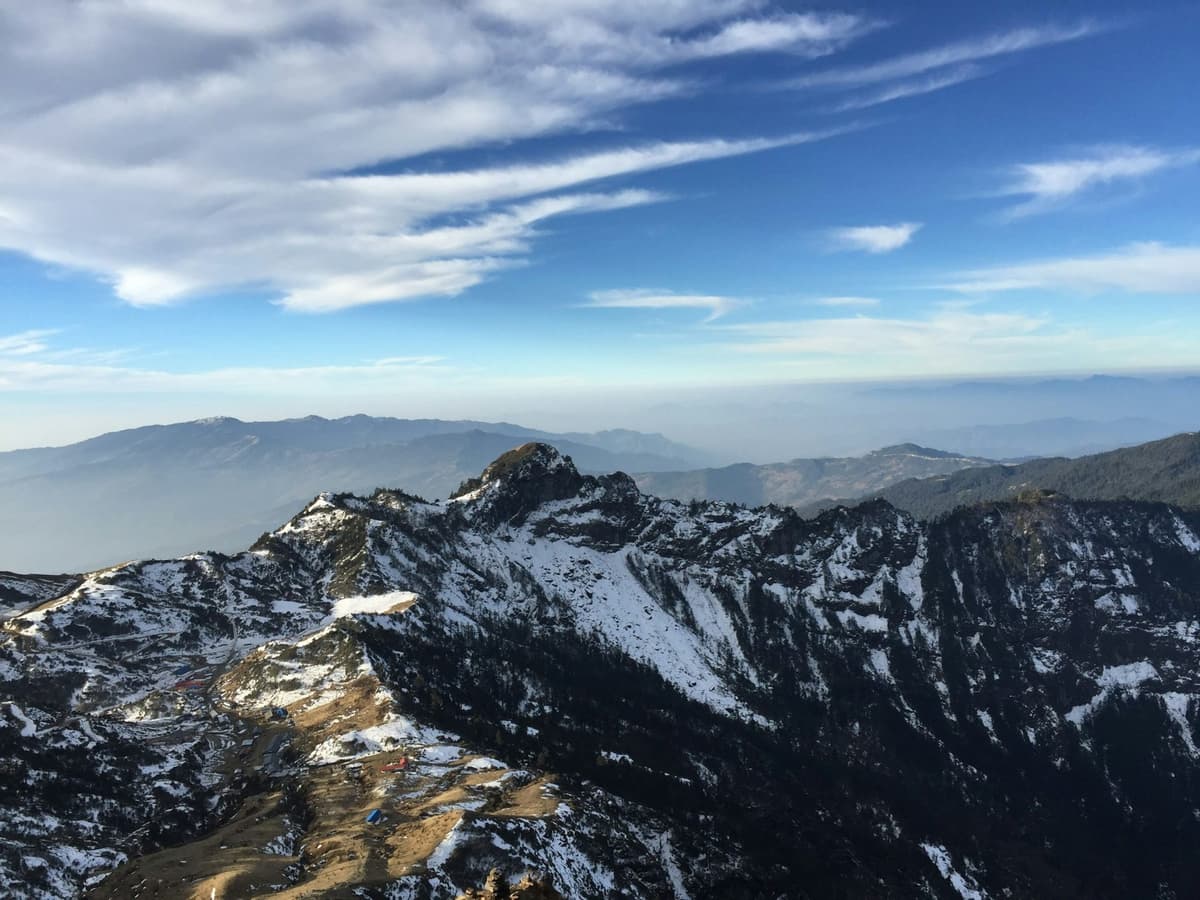
- Pre-dawn drive of 30 to 45 minutes up to Sarangkot, about 1,600 m, for sunrise
- Back to the hotel for breakfast, then 45 minutes to an hour by road to Kande
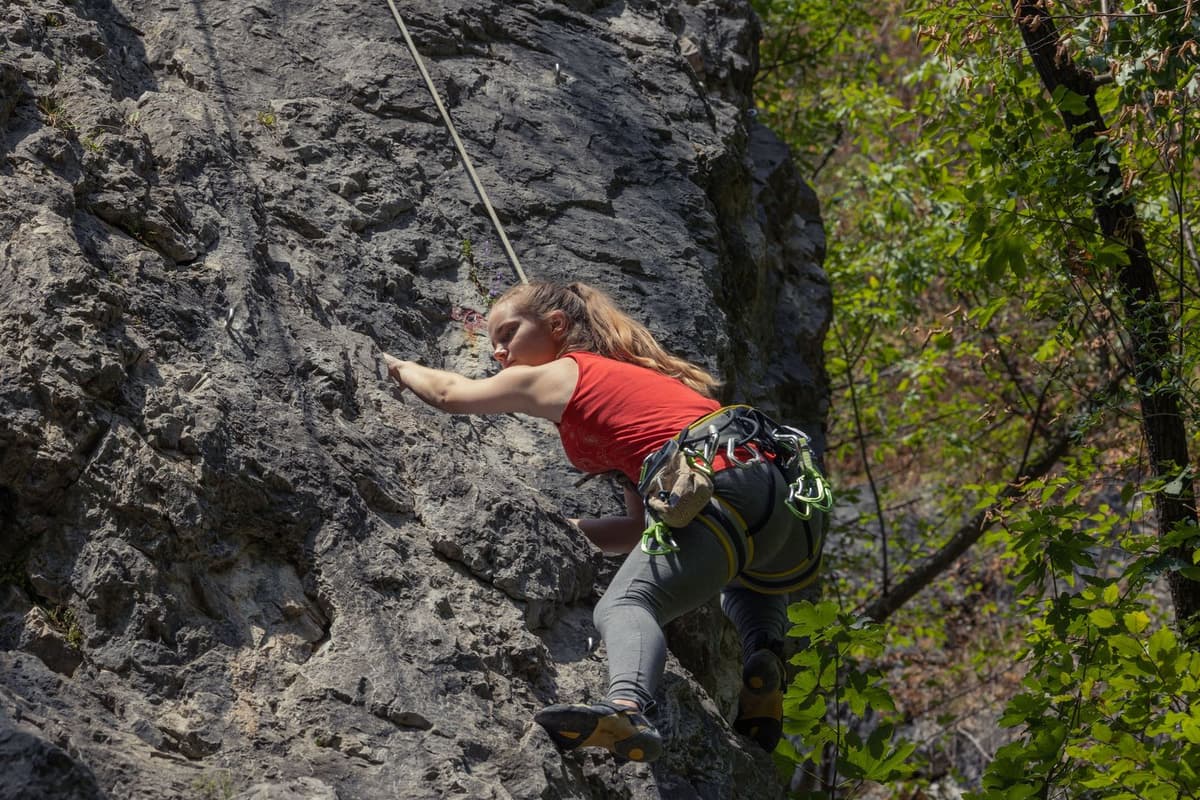
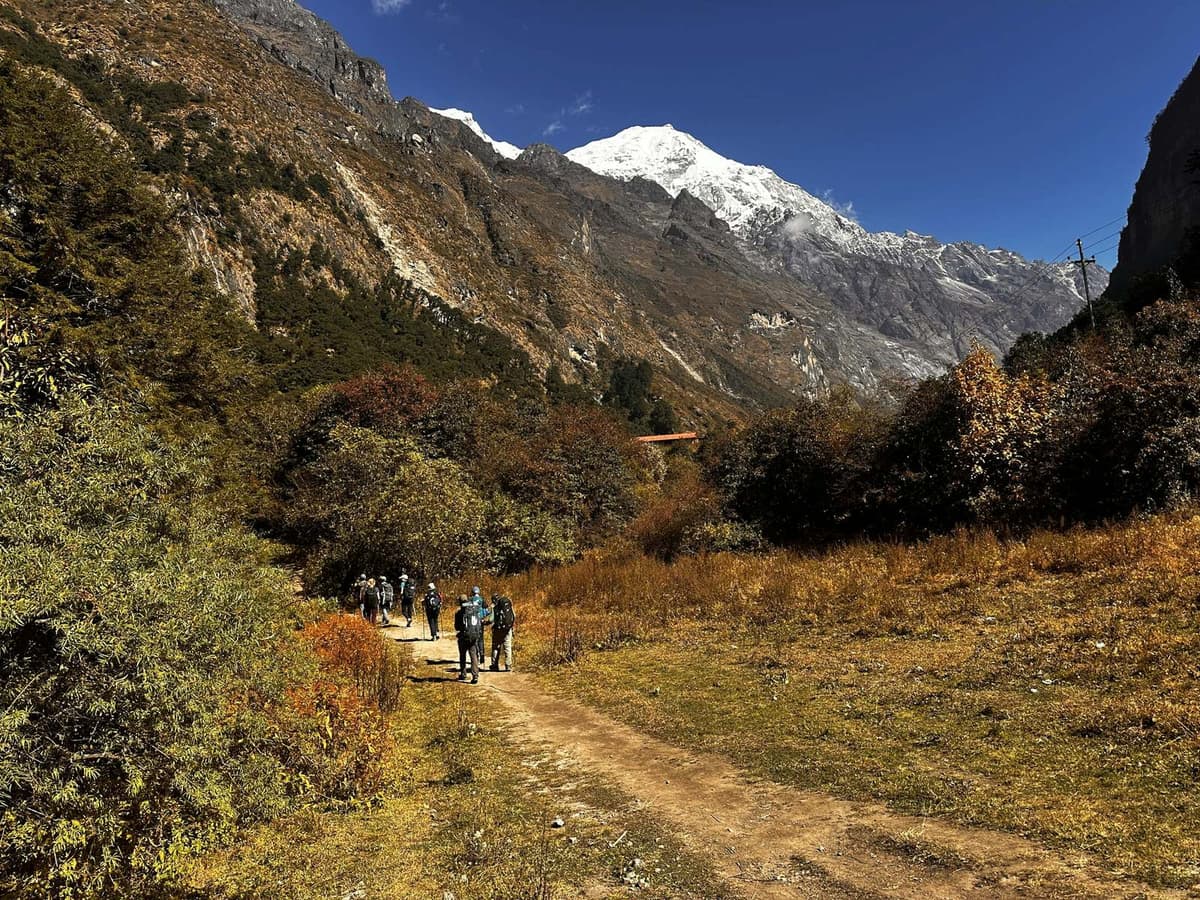
- Walk 1.5 to 2 hours up through forest to Australian Camp at 2,060 m
- Sunset and overnight in a simple lodge on the ridge
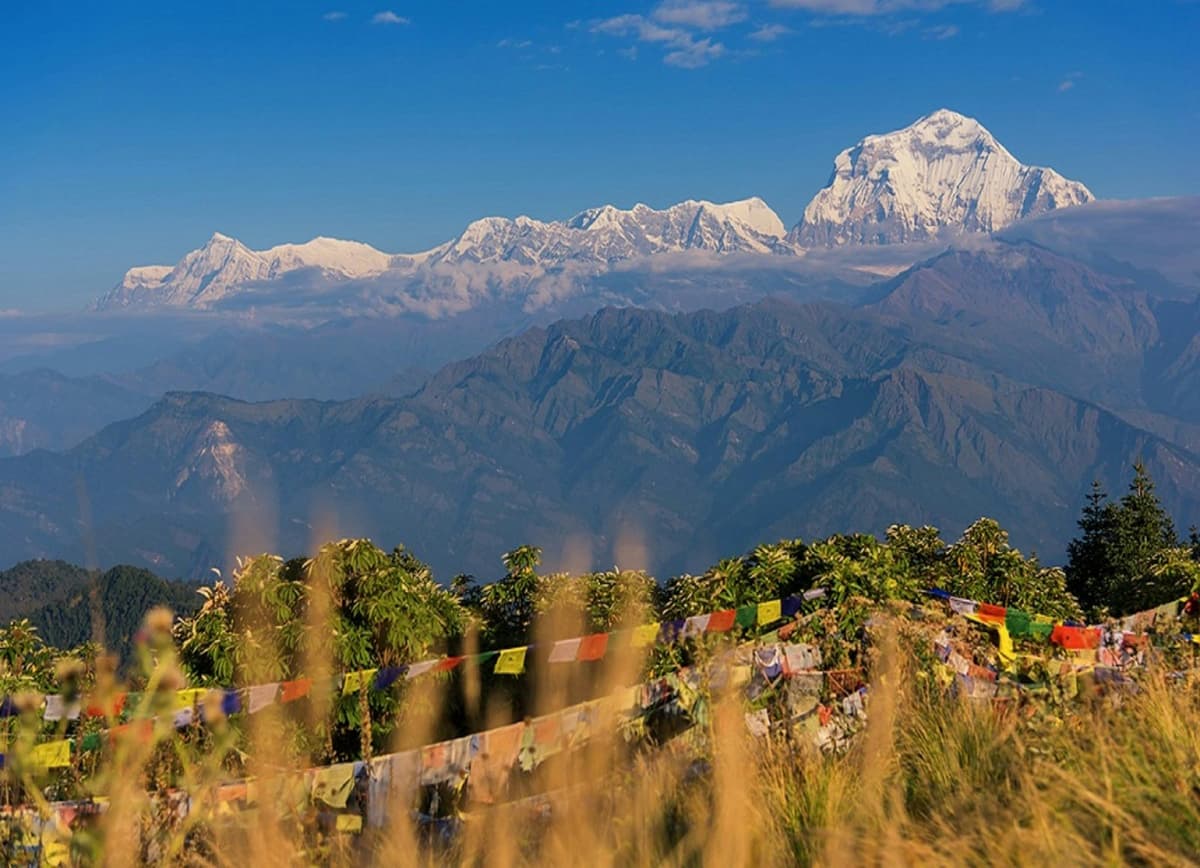
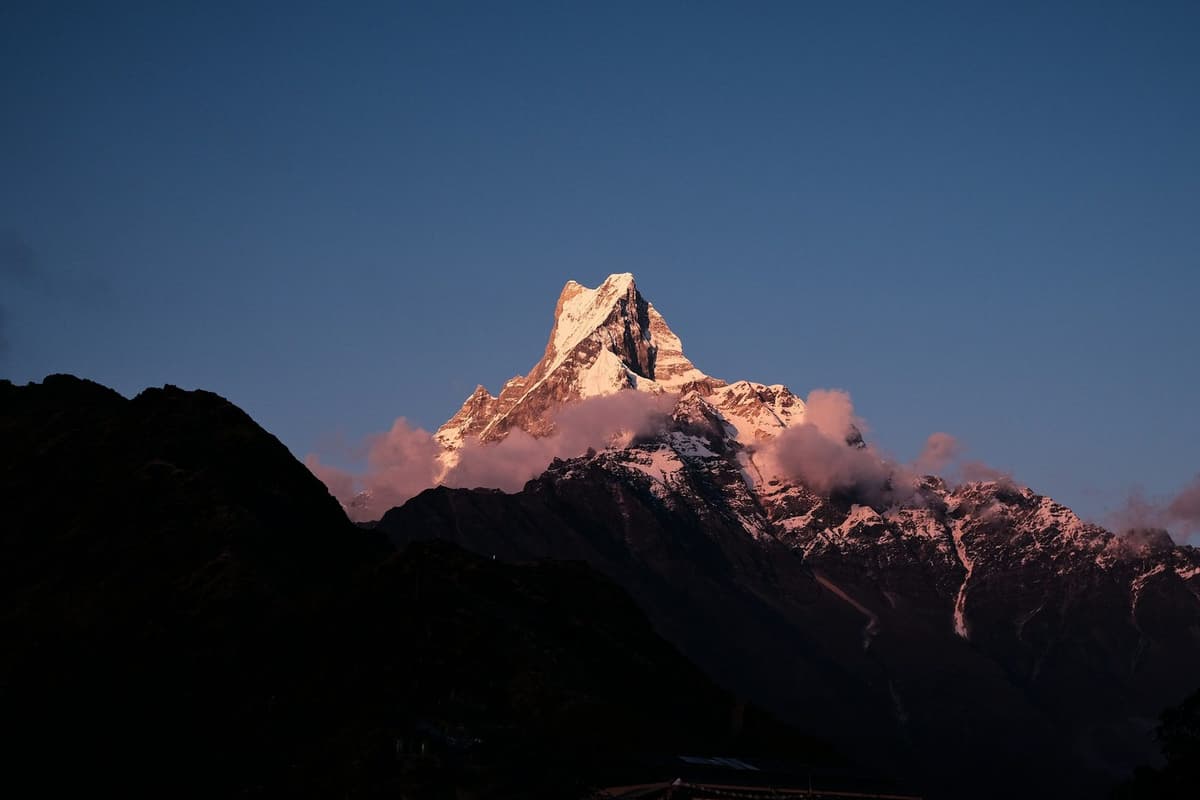
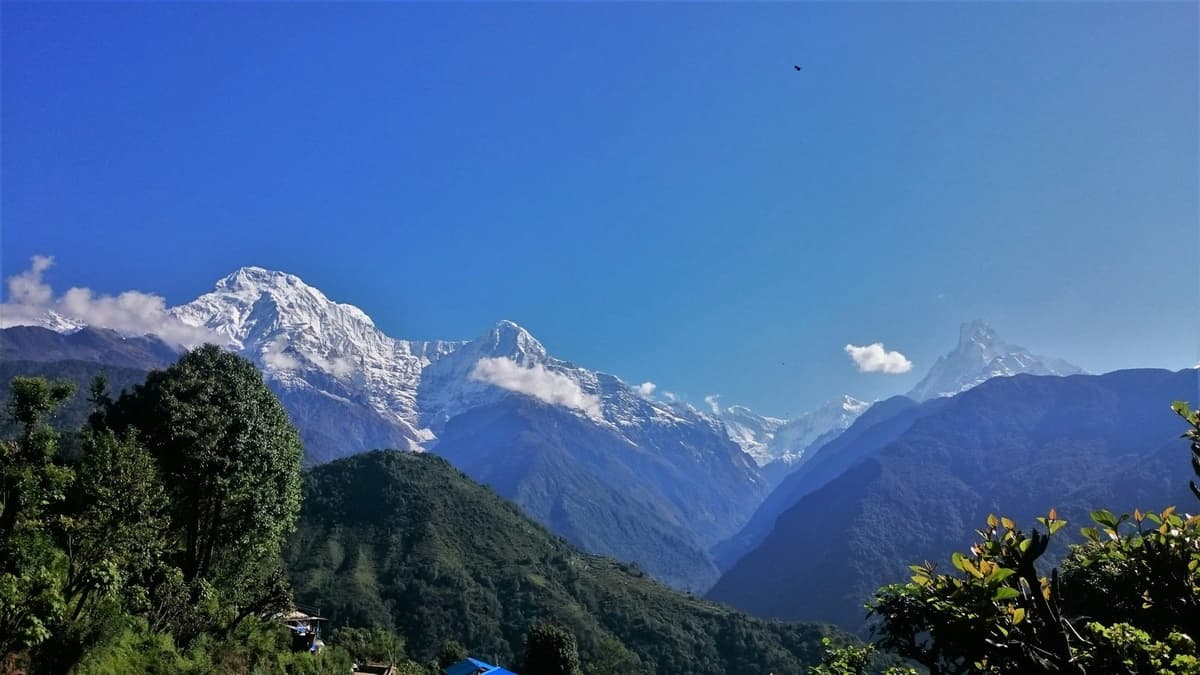
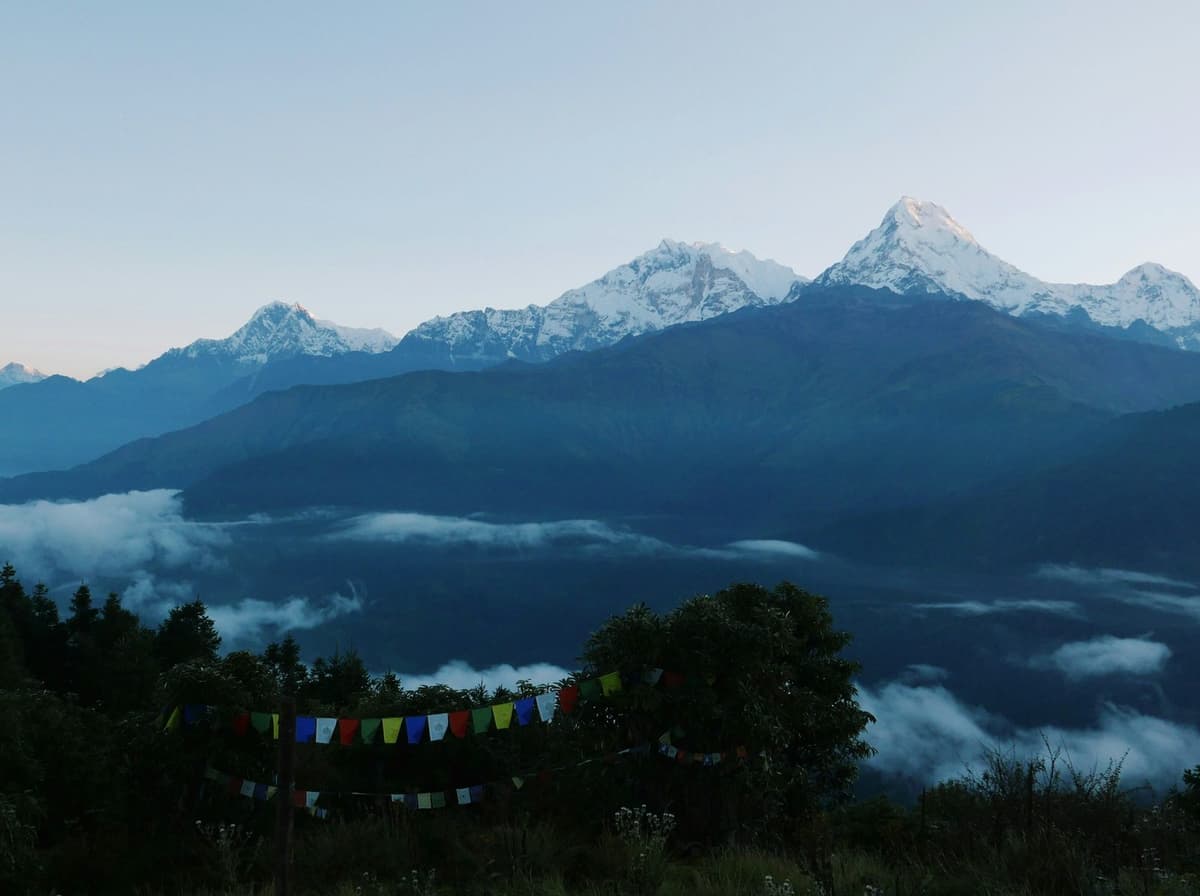
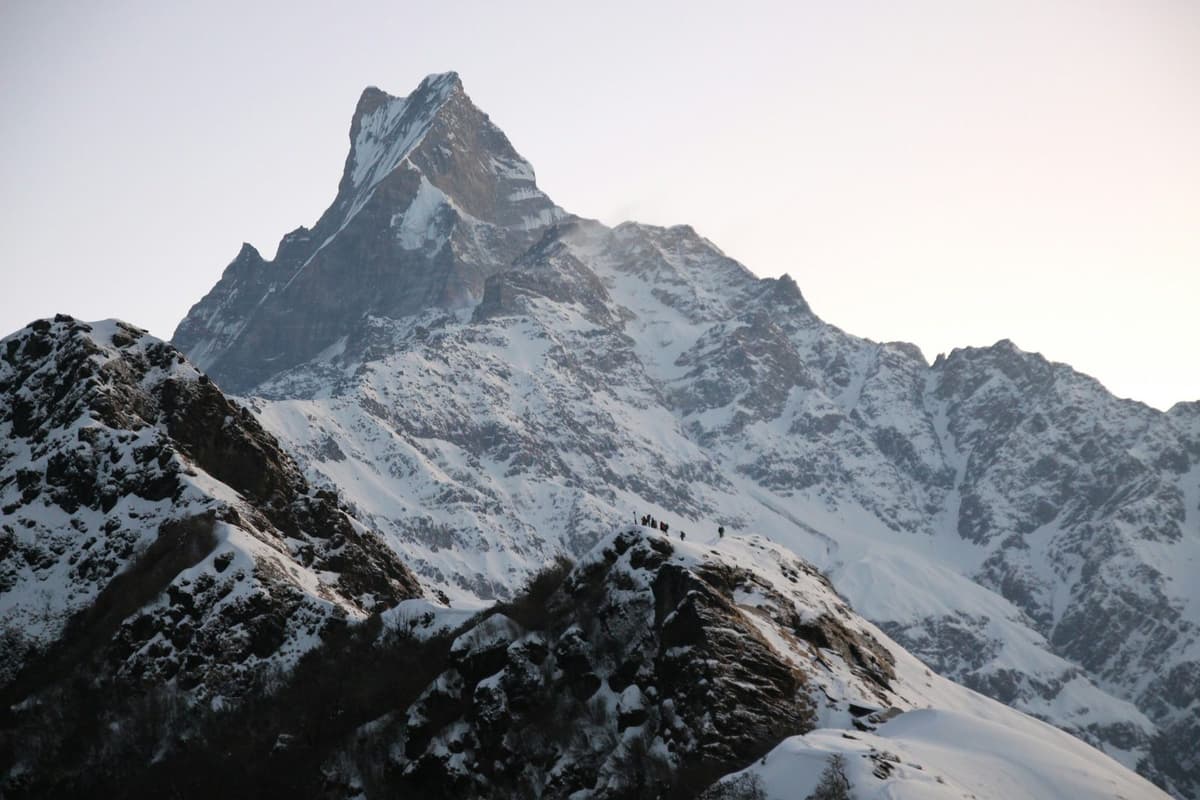
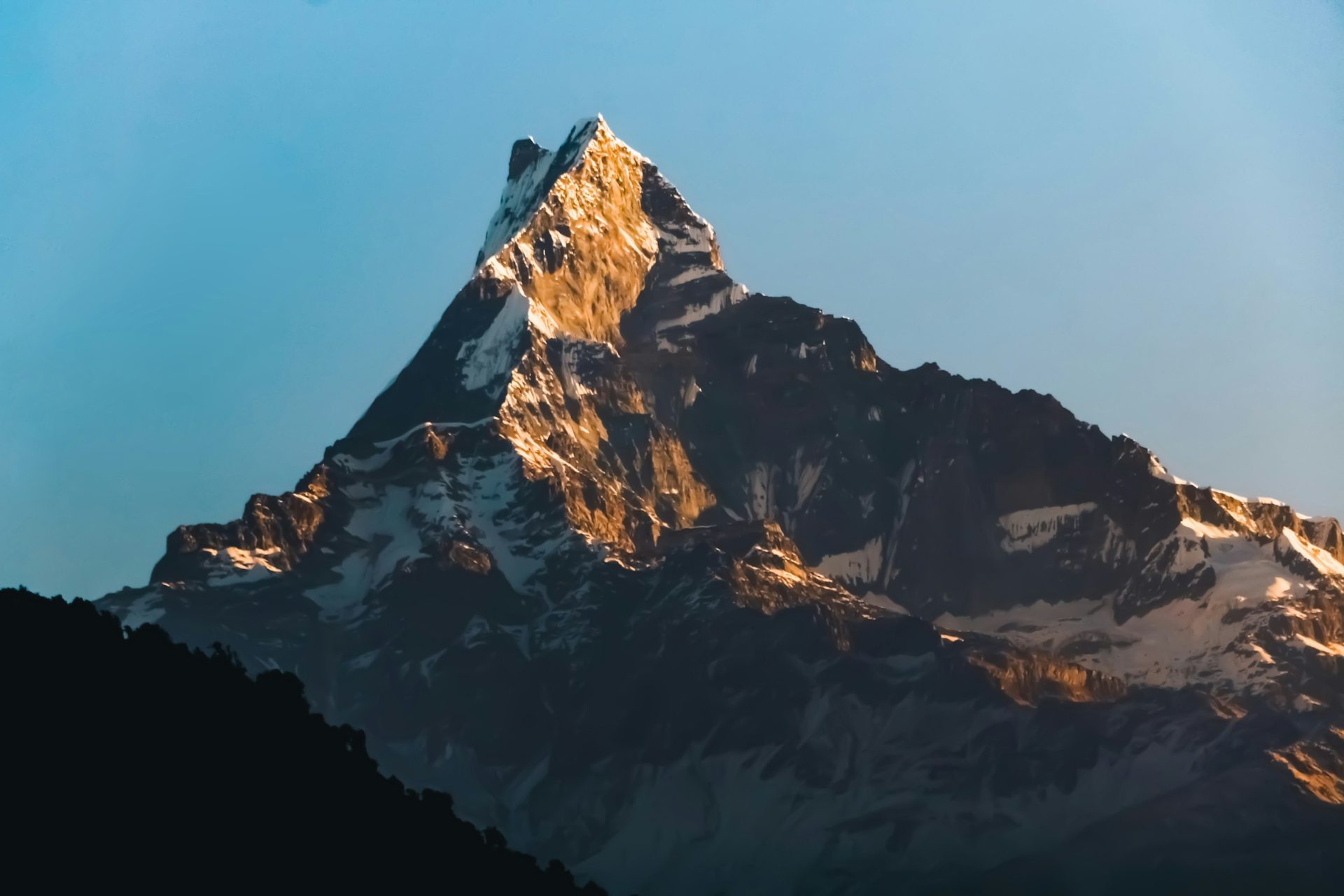
- Second sunrise, this time straight across to Annapurna South and Machhapuchhre
- Walk back down to the road after breakfast and drive to Pokhara
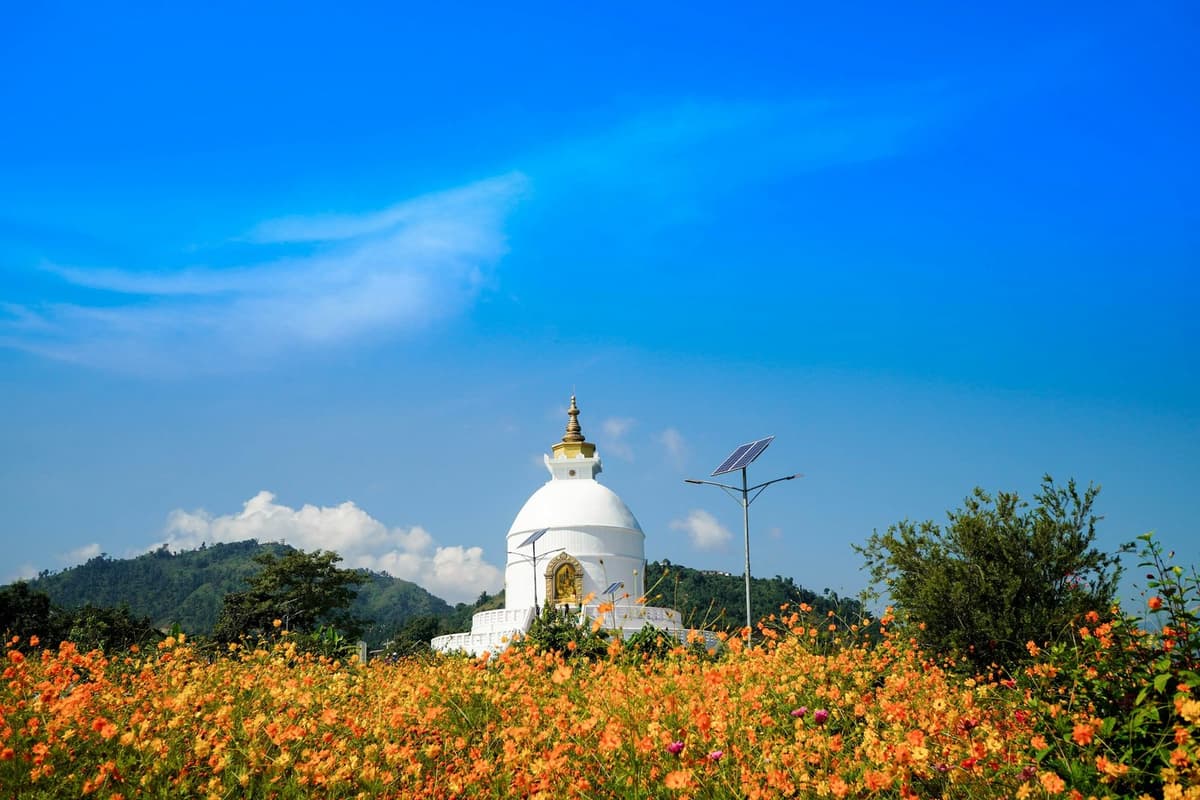
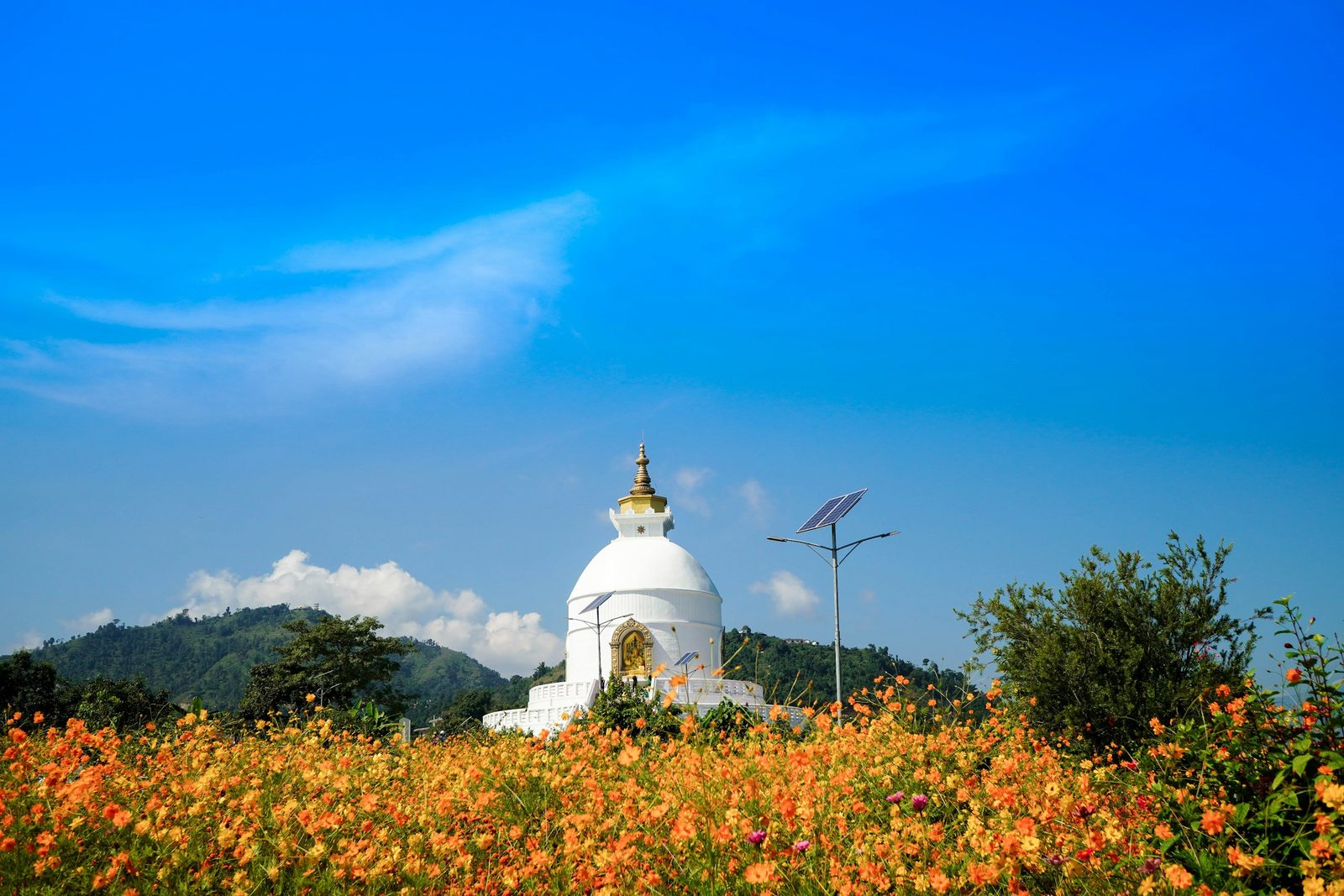
- Davis Falls, Gupteshwor Cave and the World Peace Pagoda on Anadu Hill
- Evening free at Lakeside
- Breakfast by the lake, then check-out
- Six to nine hours by private vehicle, depending on traffic and roadworks
- Lunch stop at a highway town such as Mugling
- Drop-off at your Kathmandu hotel in the evening
Things to carry
- Warm jacket for two cold sunrises
- Walking shoes with good grip
- Small daypack for the night on the ridge
- Headlamp
- Cash in small notes for the ridge lodge
Good to know
Complete guide
This four-day trip pairs two very different sunrise spots near Pokhara: Sarangkot, above the lake, and Australian Camp, a ridge you walk up to and sleep on. It is our Australian Camp overnight with room to breathe. We arrange the vehicle, a licensed guide, the ACAP entry permit, the ridge lodge and your Pokhara hotel.
What the Sarangkot and Australian Camp tour covers
Day one is the drive from Kathmandu to Pokhara, about 822 m (2,697 ft). Day two starts at Sarangkot, about 1,600 m (5,249 ft), for sunrise, then you drive to Kande and walk up to Australian Camp at 2,060 m (6,758 ft). Day three brings a second sunrise on the ridge, the walk down and an afternoon at Davis Falls, Gupteshwor Cave and the World Peace Pagoda. Day four is the drive back to Kathmandu.
What the extra day adds
Our three-day Australian Camp tour squeezes the drive from Kathmandu and the walk up into the same day, which can mean finishing the climb near dark. This version fixes that. You arrive in Pokhara with the evening free, and the walk up comes the next day, after breakfast and with daylight to spare. You also gain the Sarangkot sunrise, so you see the range twice from two very different places.
The first evening is also your chance to see Lakeside at its easiest: a walk along the water, dinner by the lake and an early night before the drive up to Sarangkot in the dark. If you are choosing between the two versions, pick this one unless three days is truly all you have.
Two sunrises, two different views
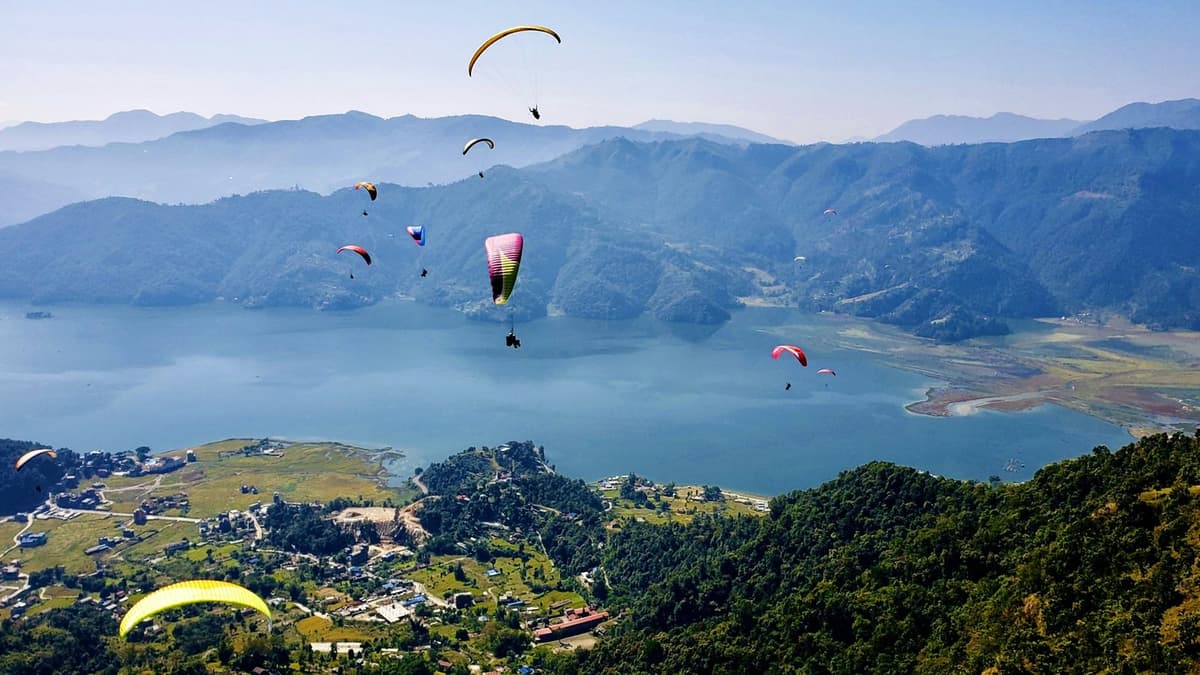
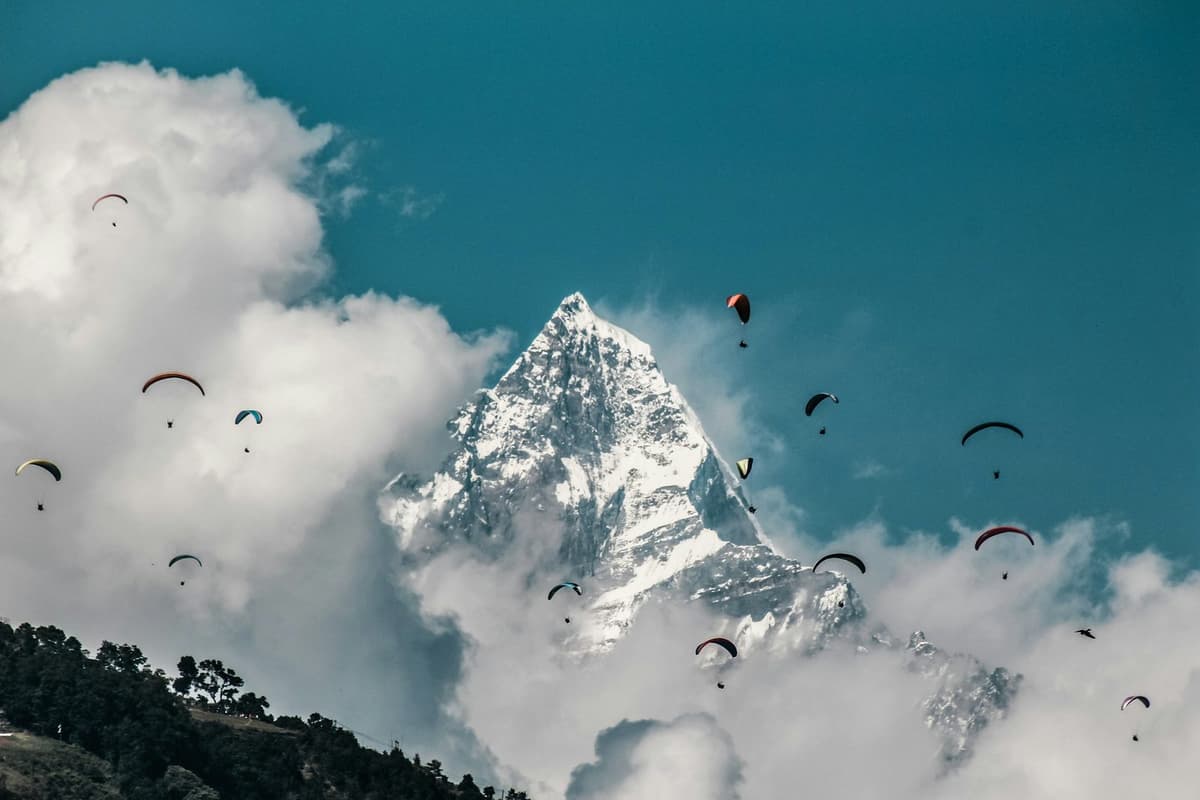
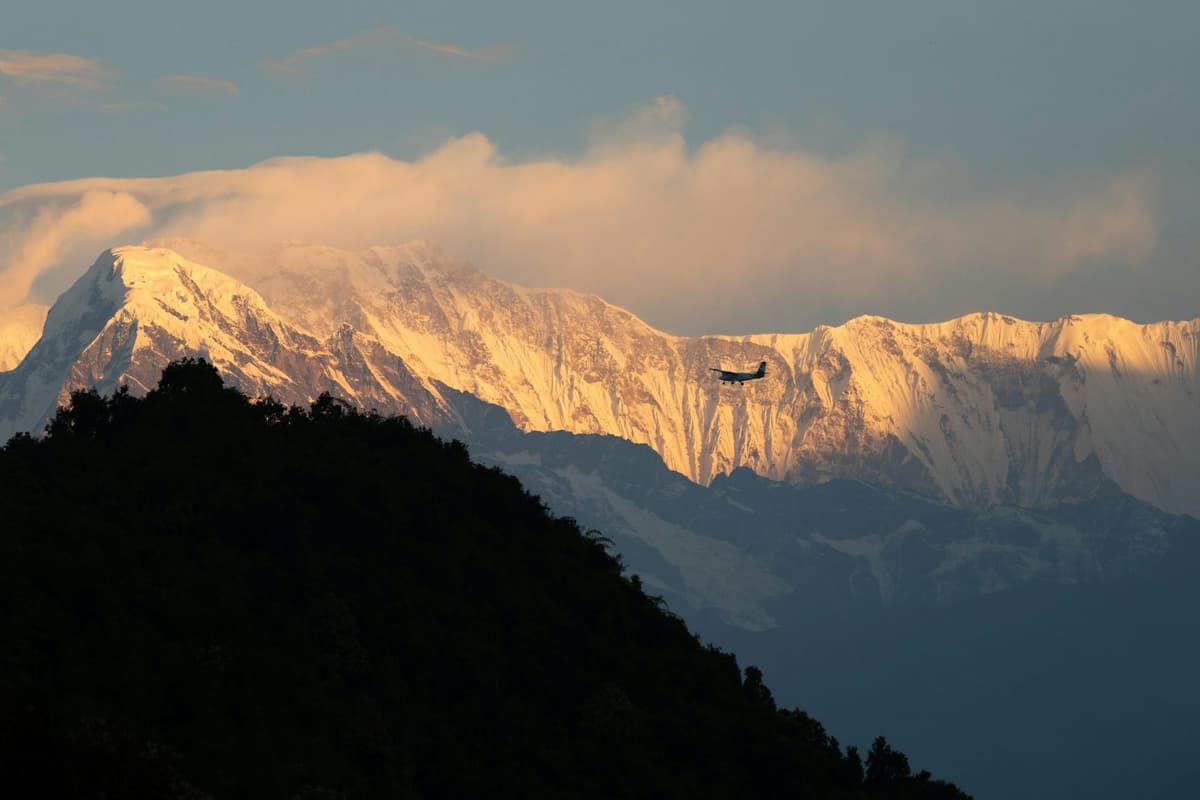
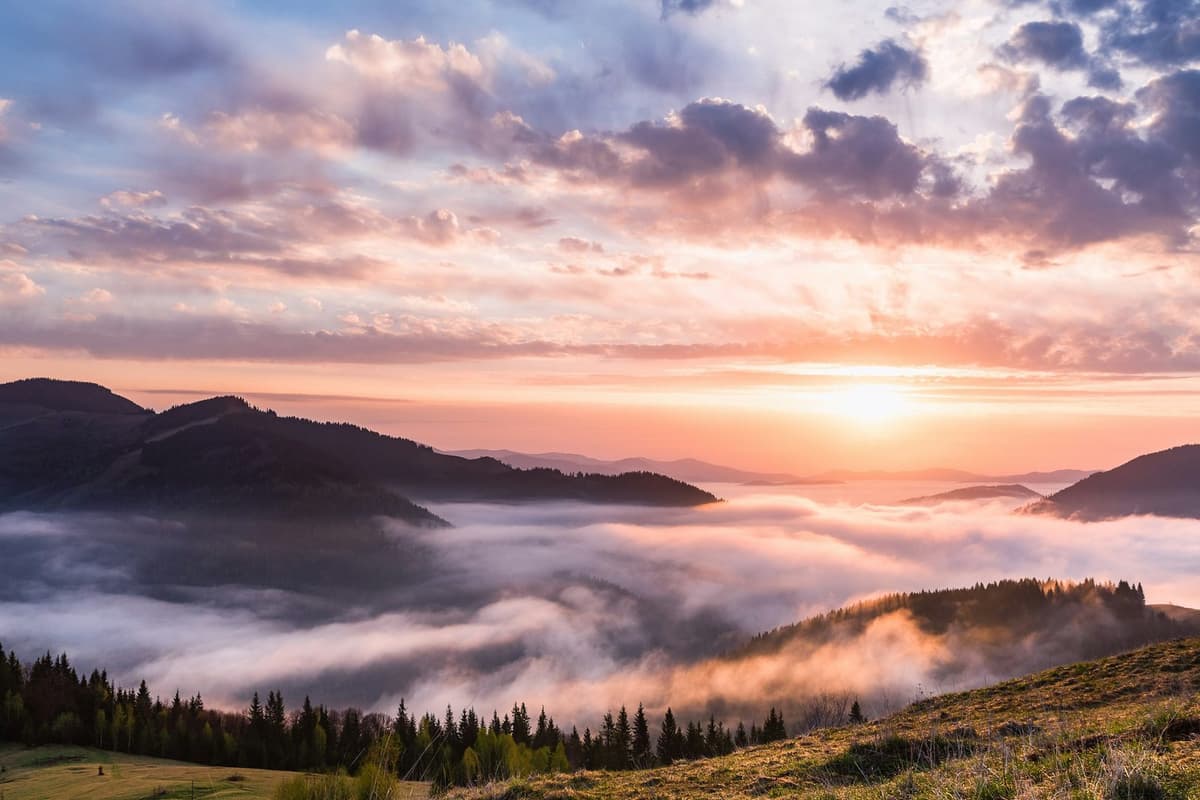
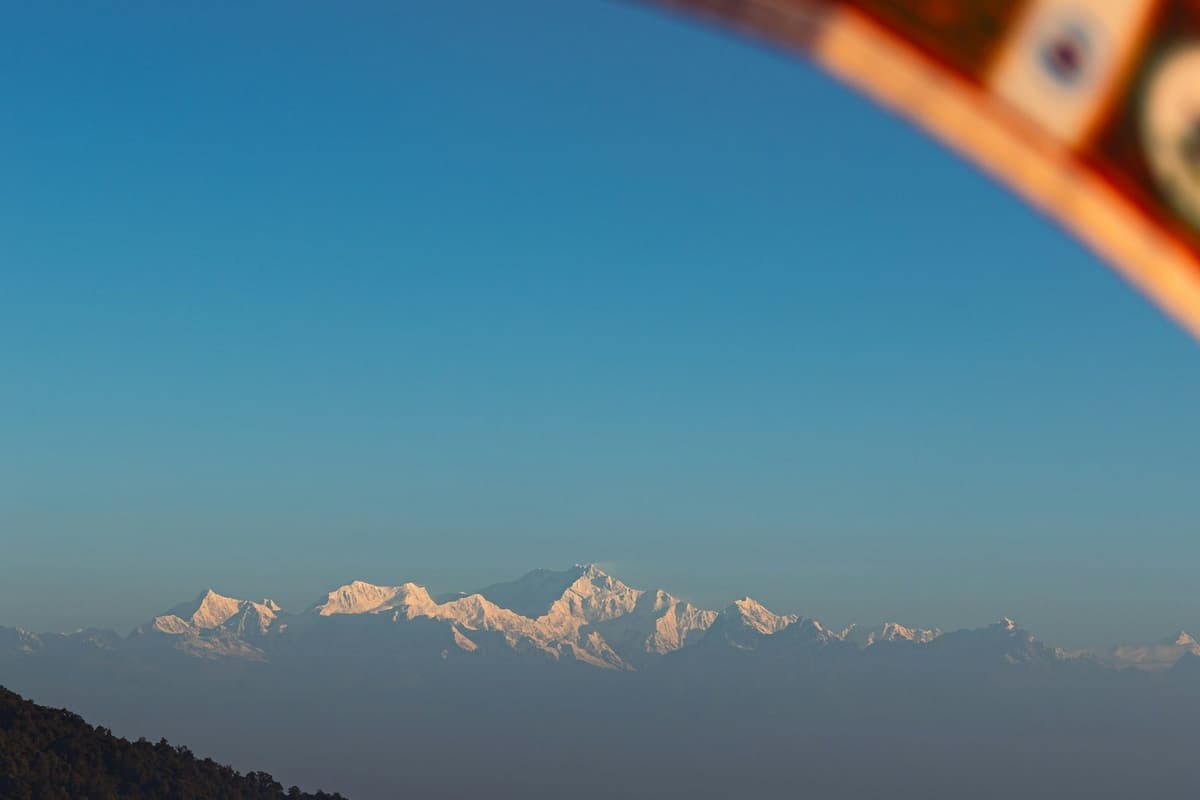
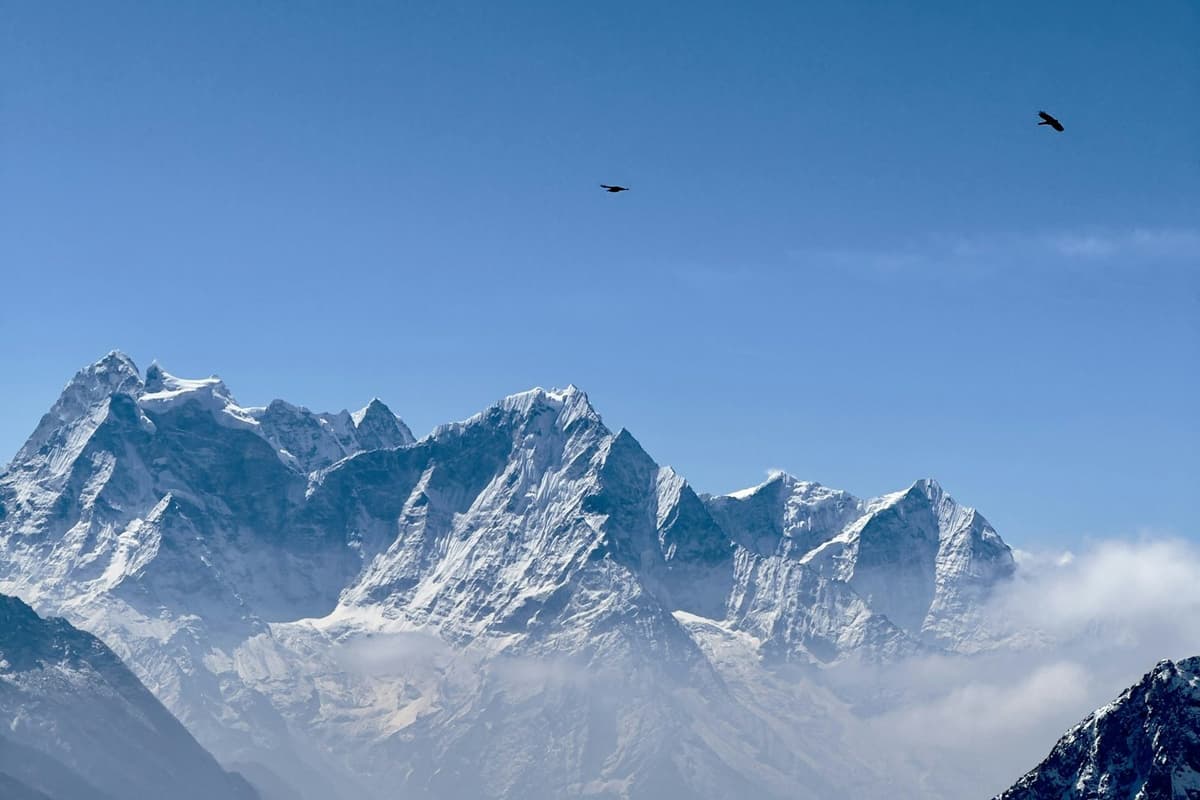
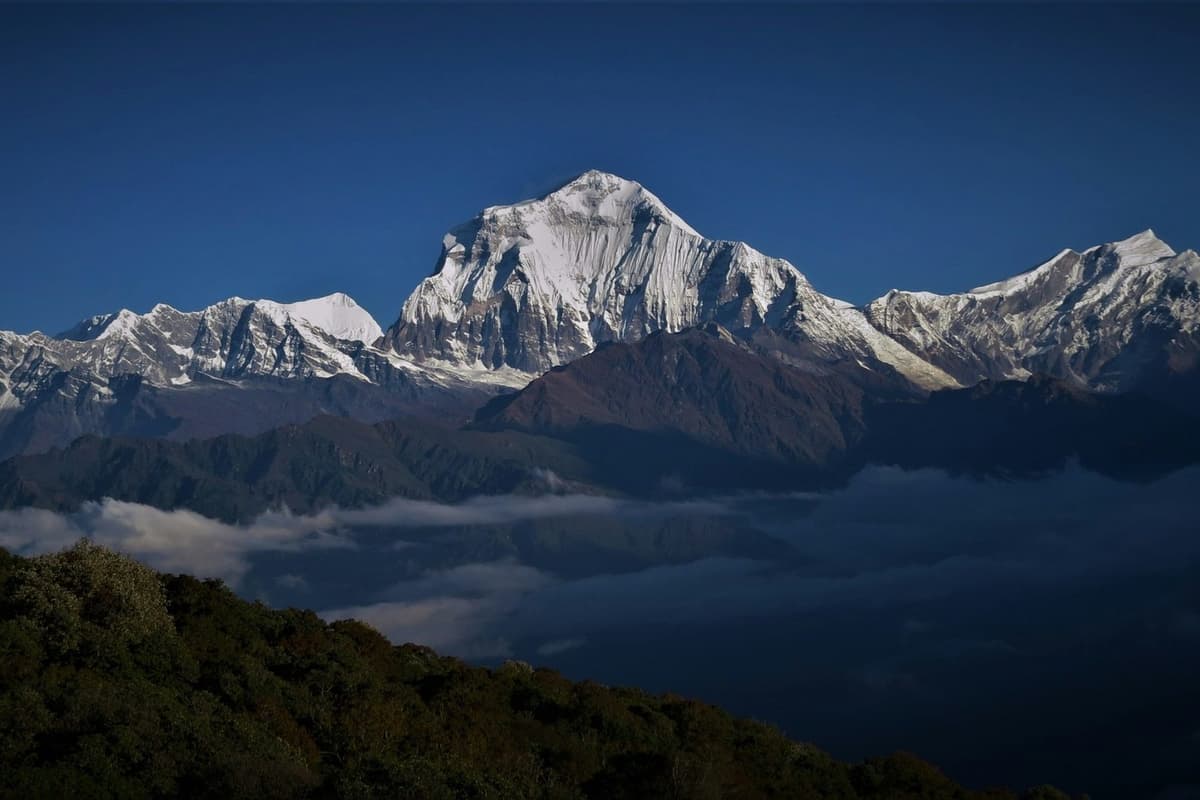
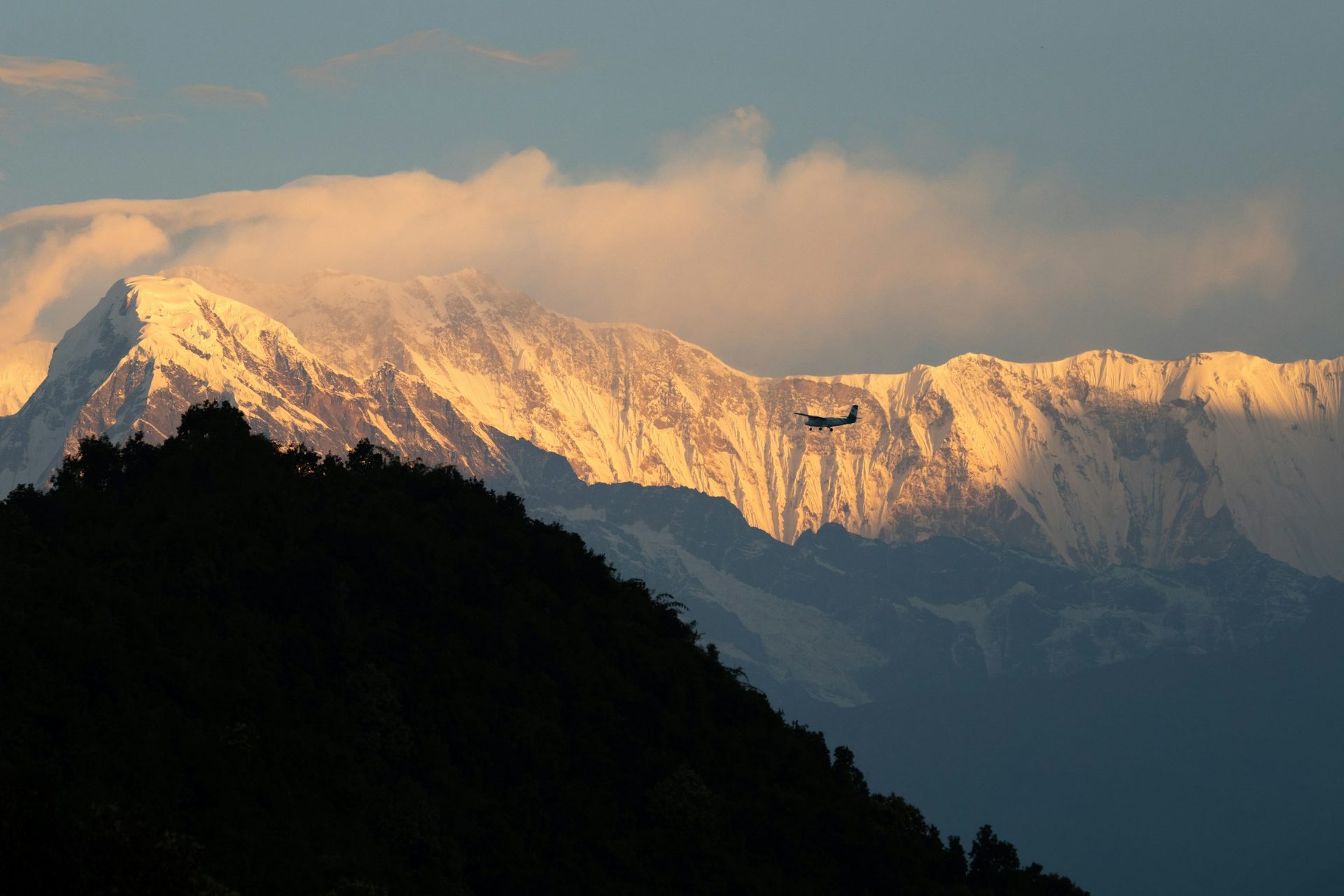
Sarangkot is reached by road in 30 to 45 minutes from Lakeside. On a clear morning it shows the widest panorama near Pokhara, from Dhaulagiri across Annapurna I and Machhapuchhre to Manaslu, with the lake and city below. It is popular, so expect company on the viewing terraces.
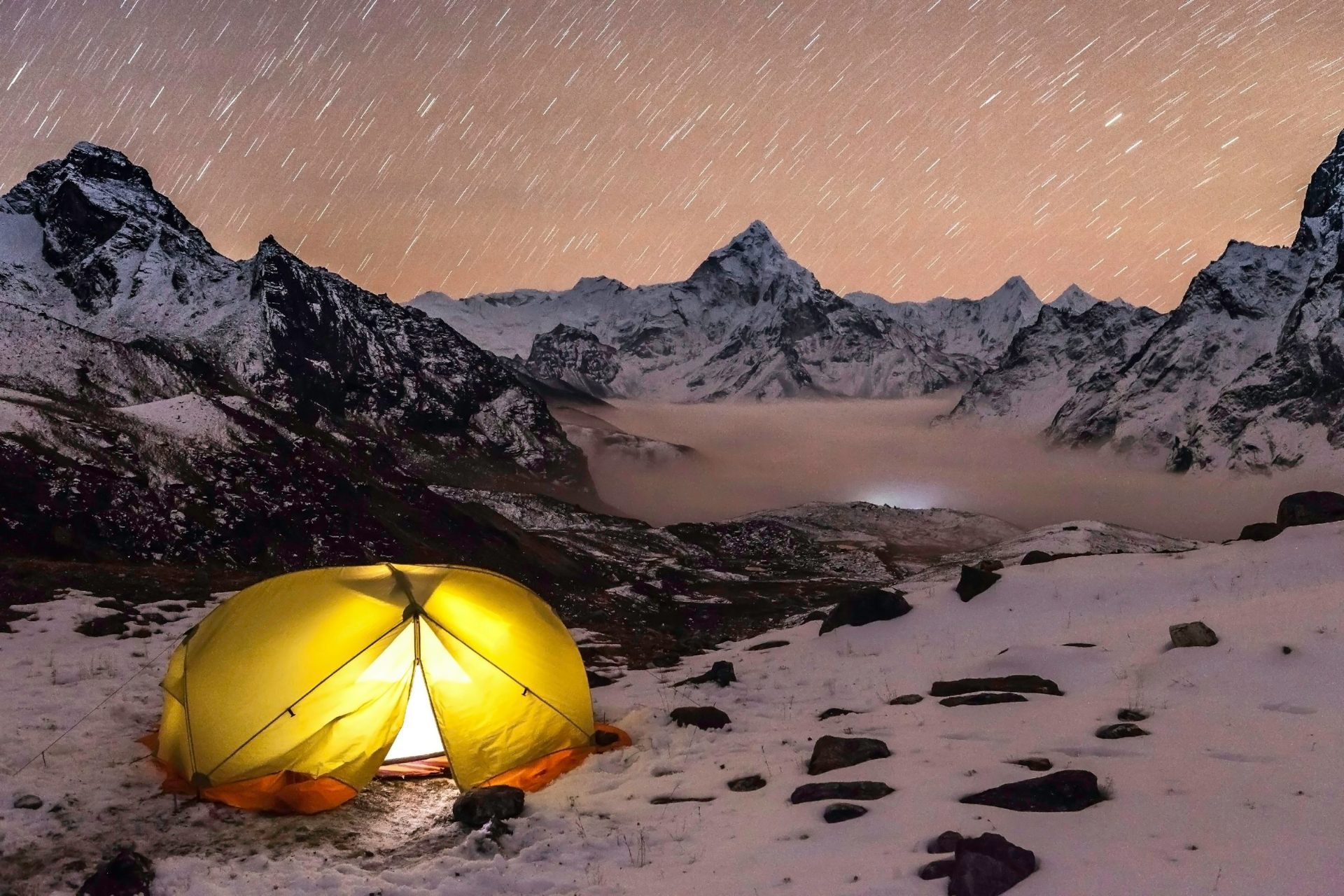
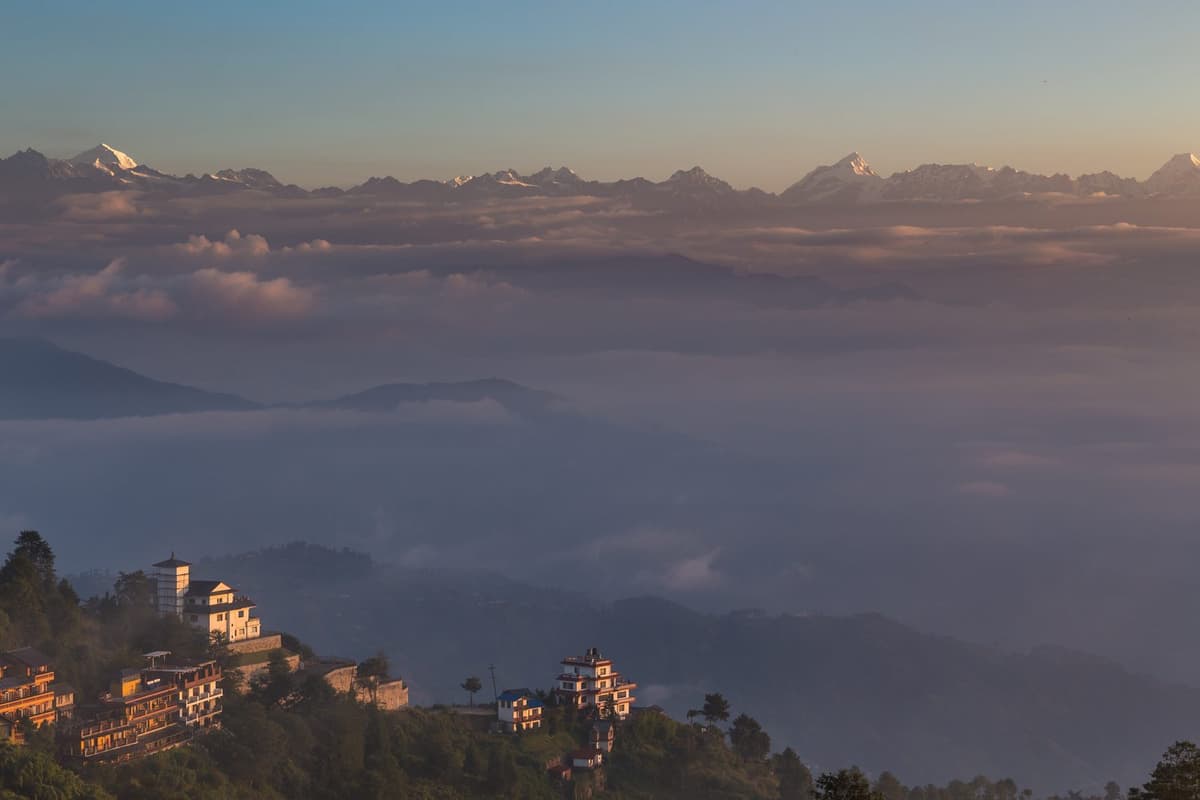
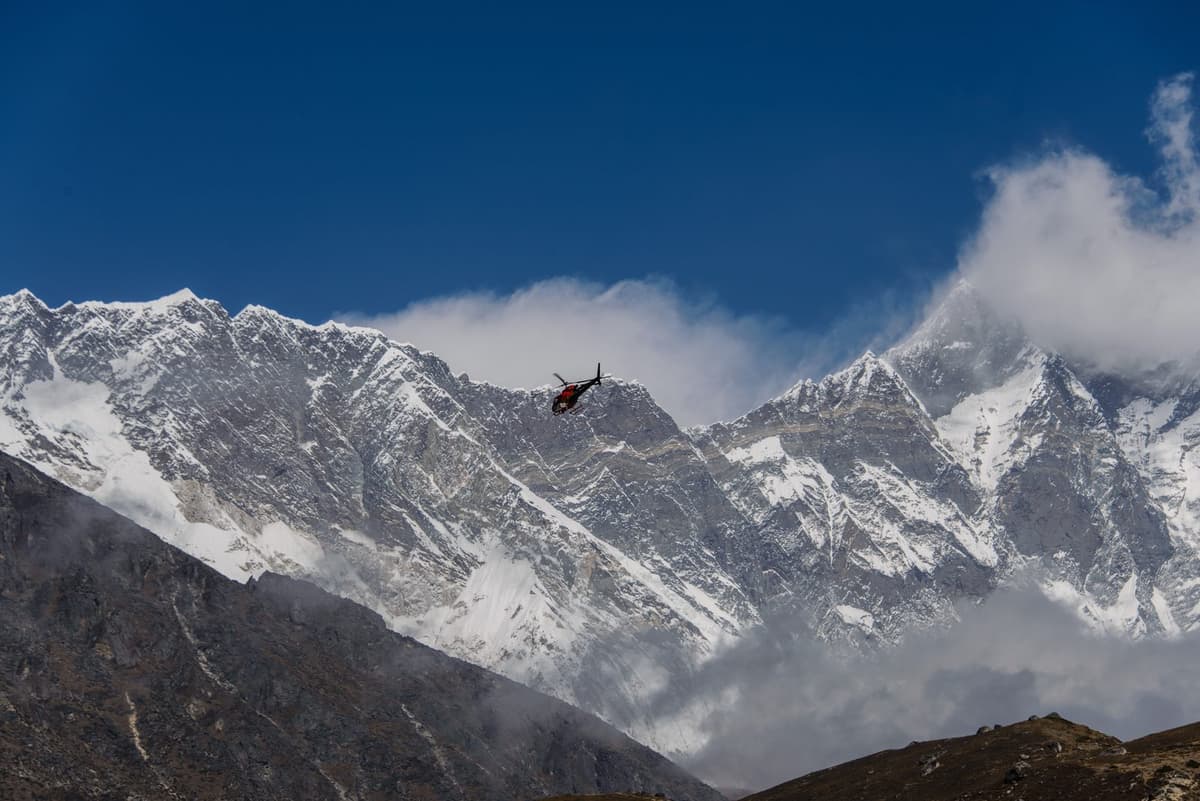
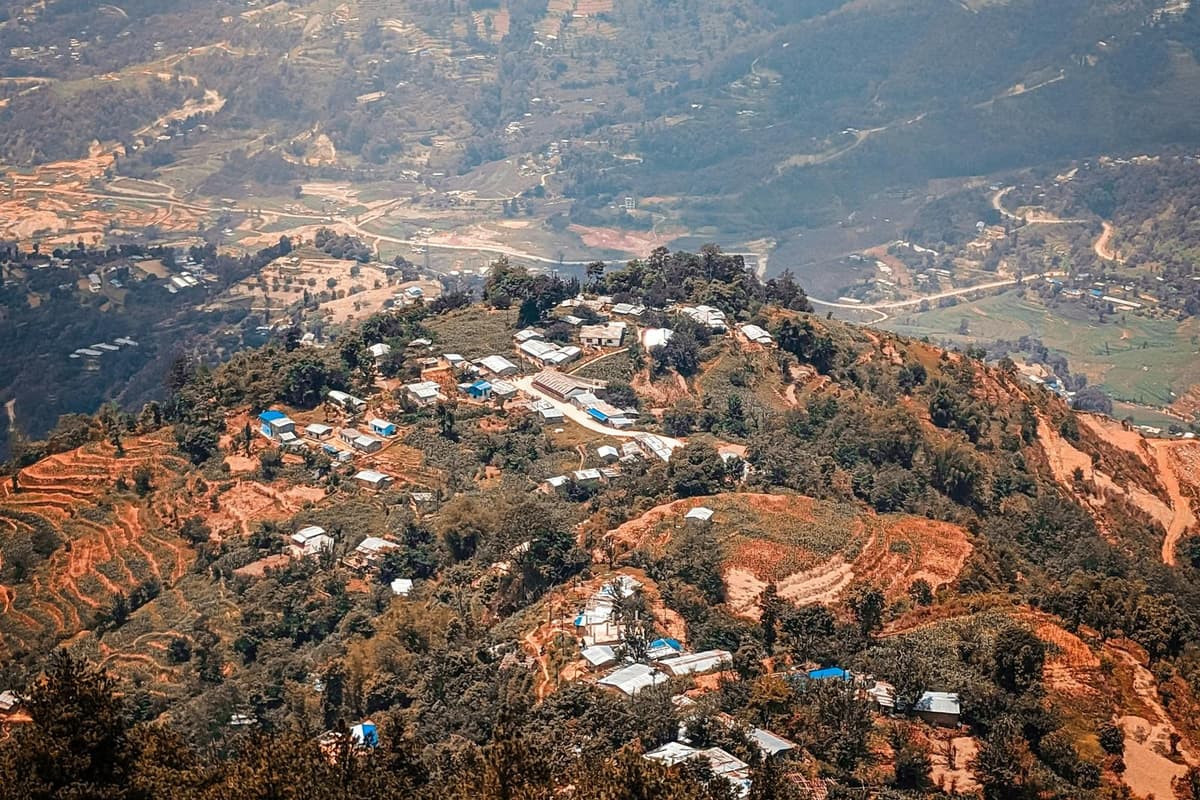
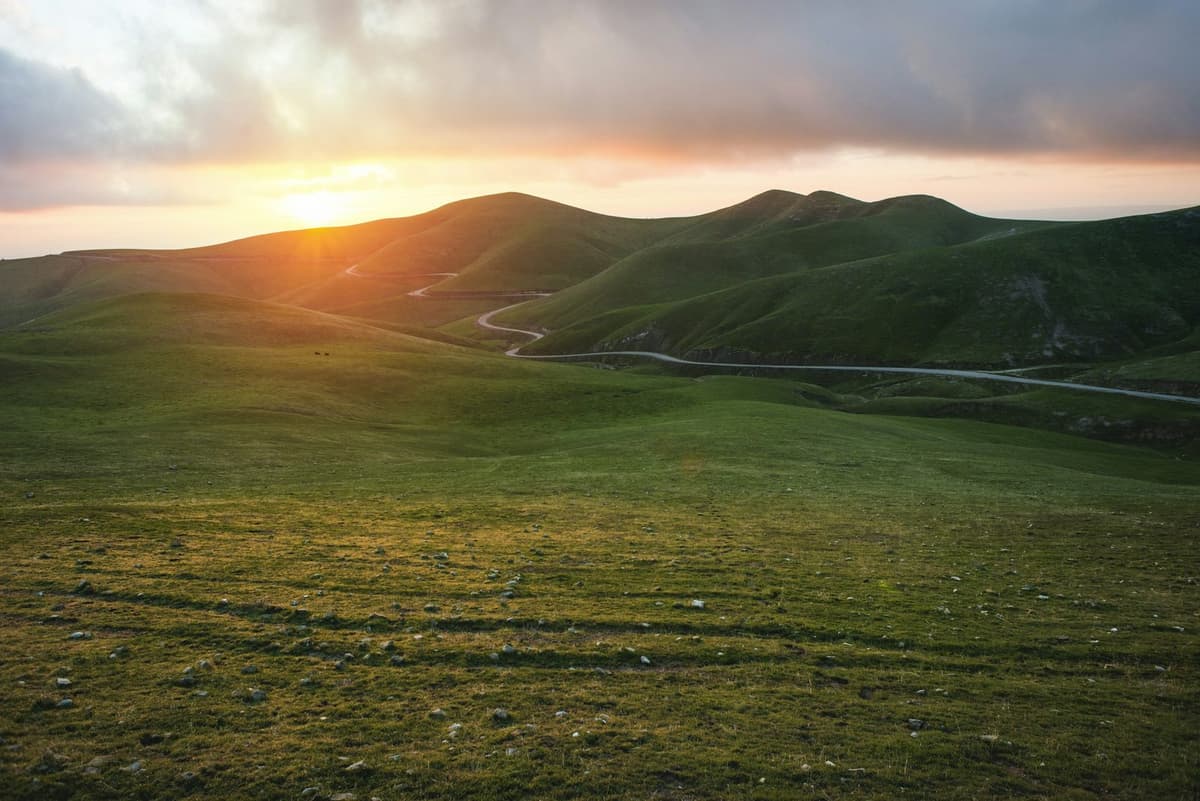
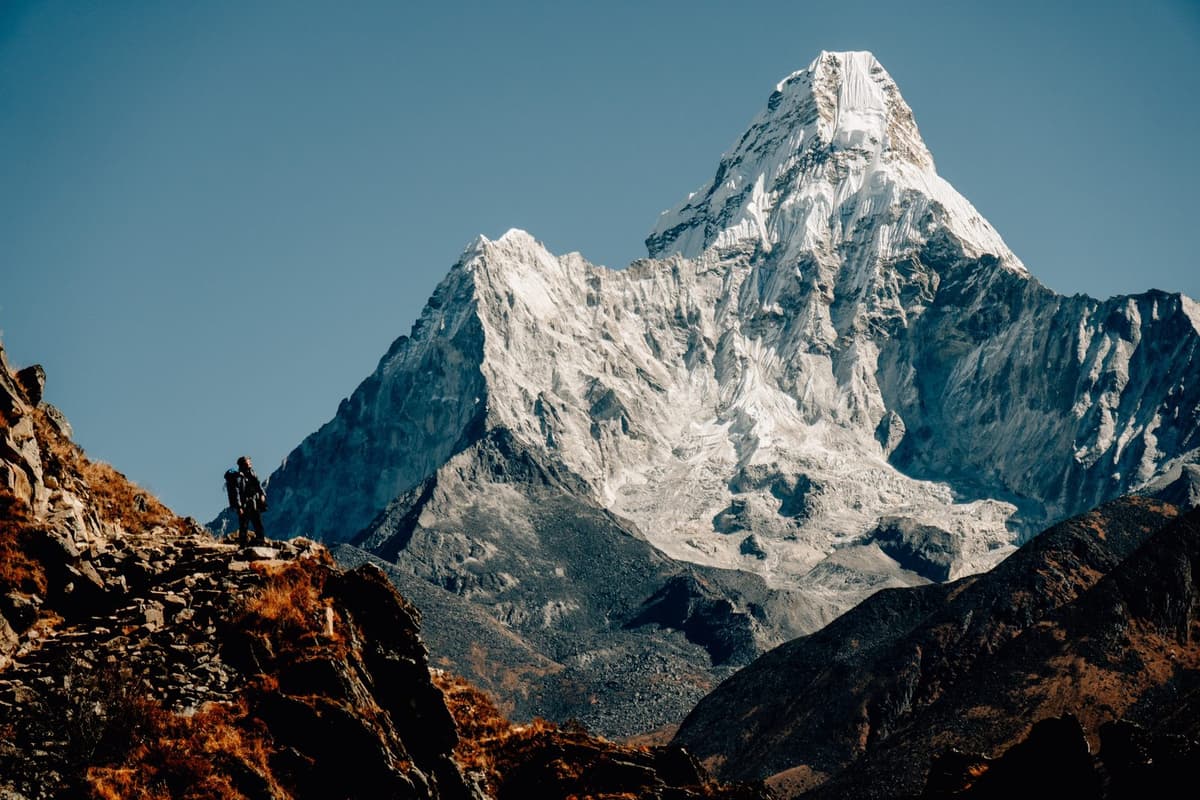
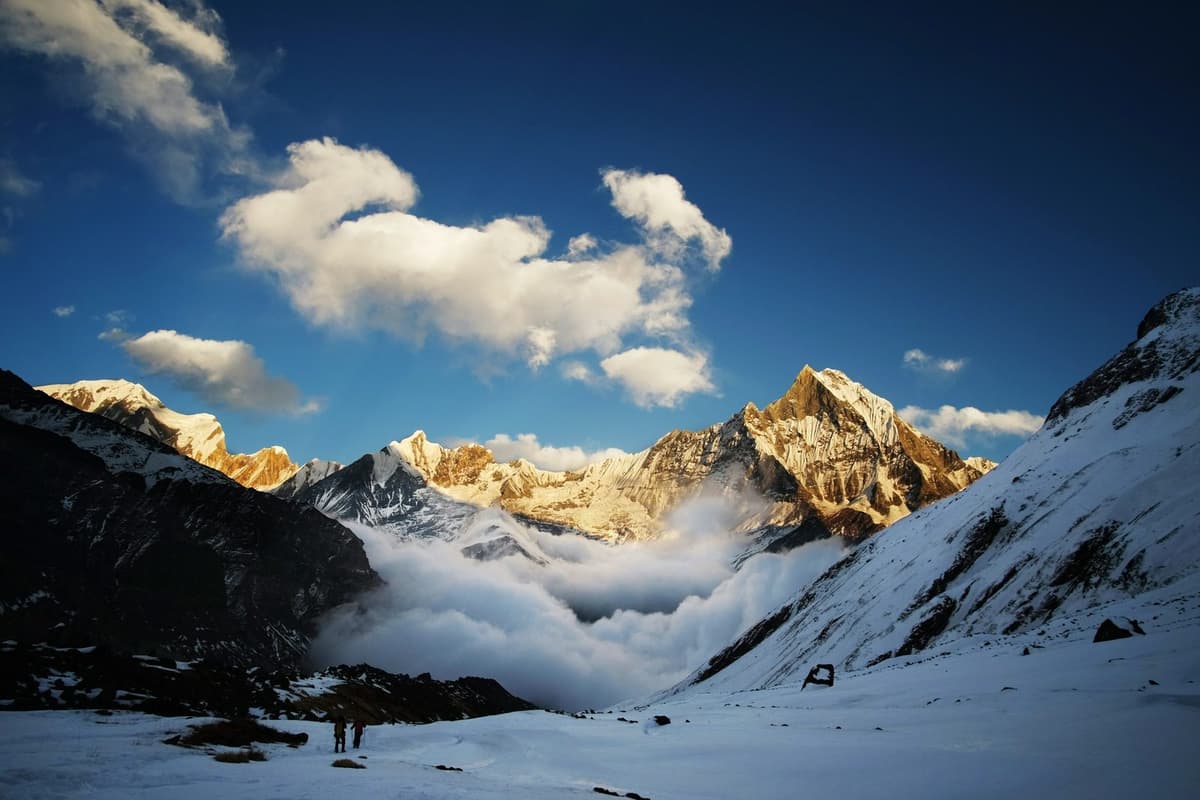
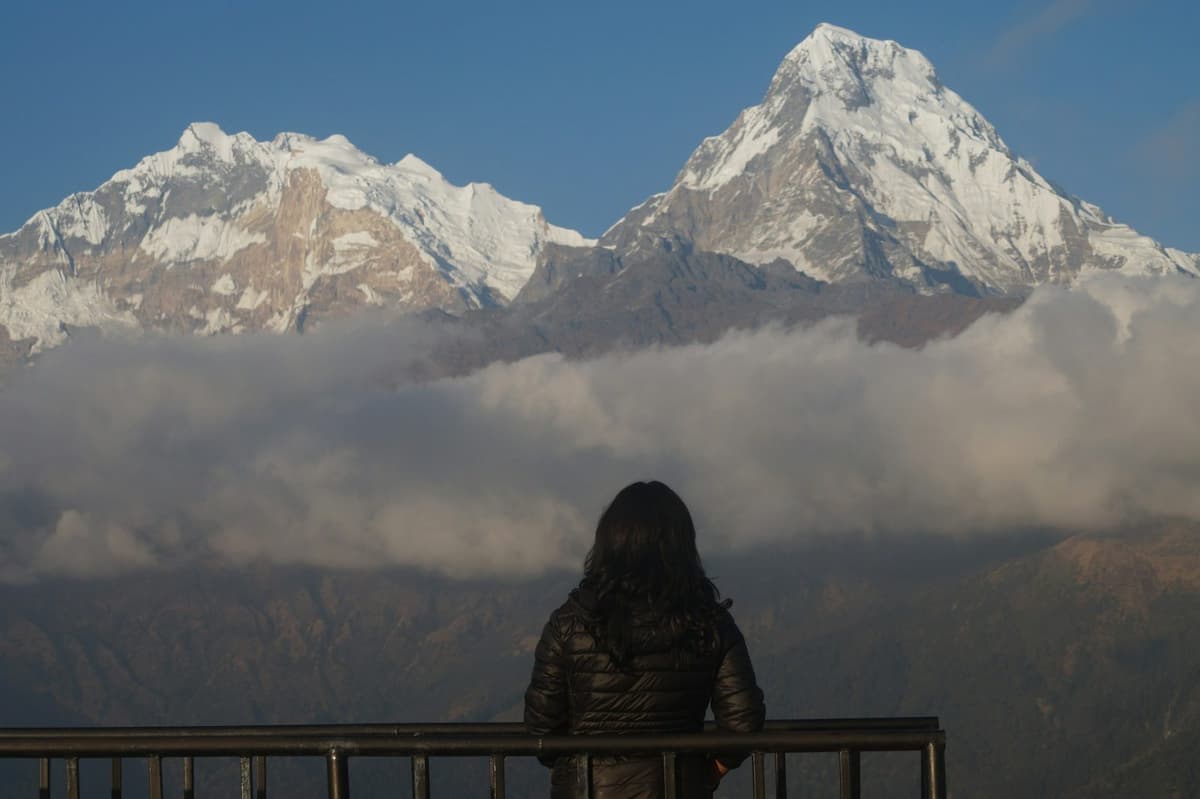
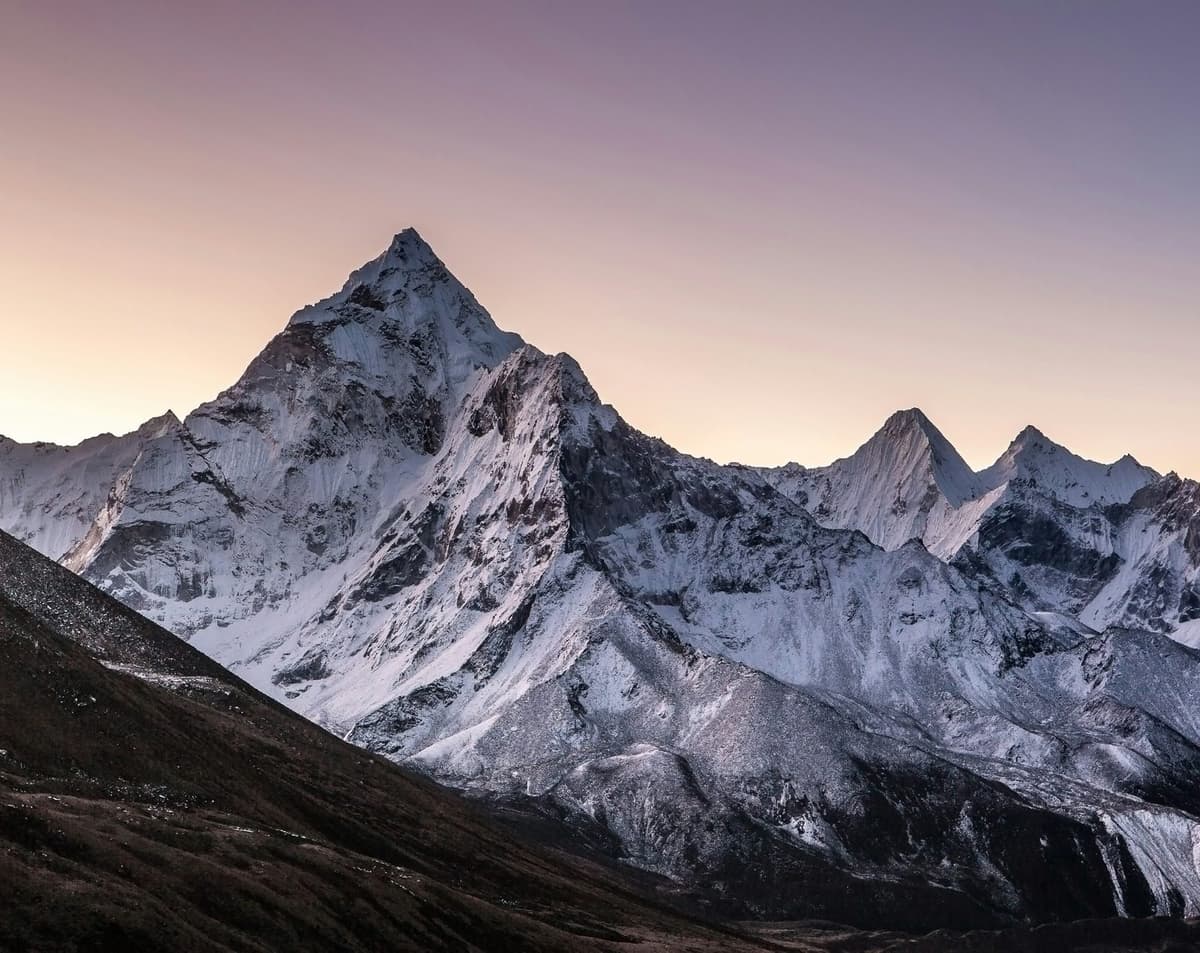
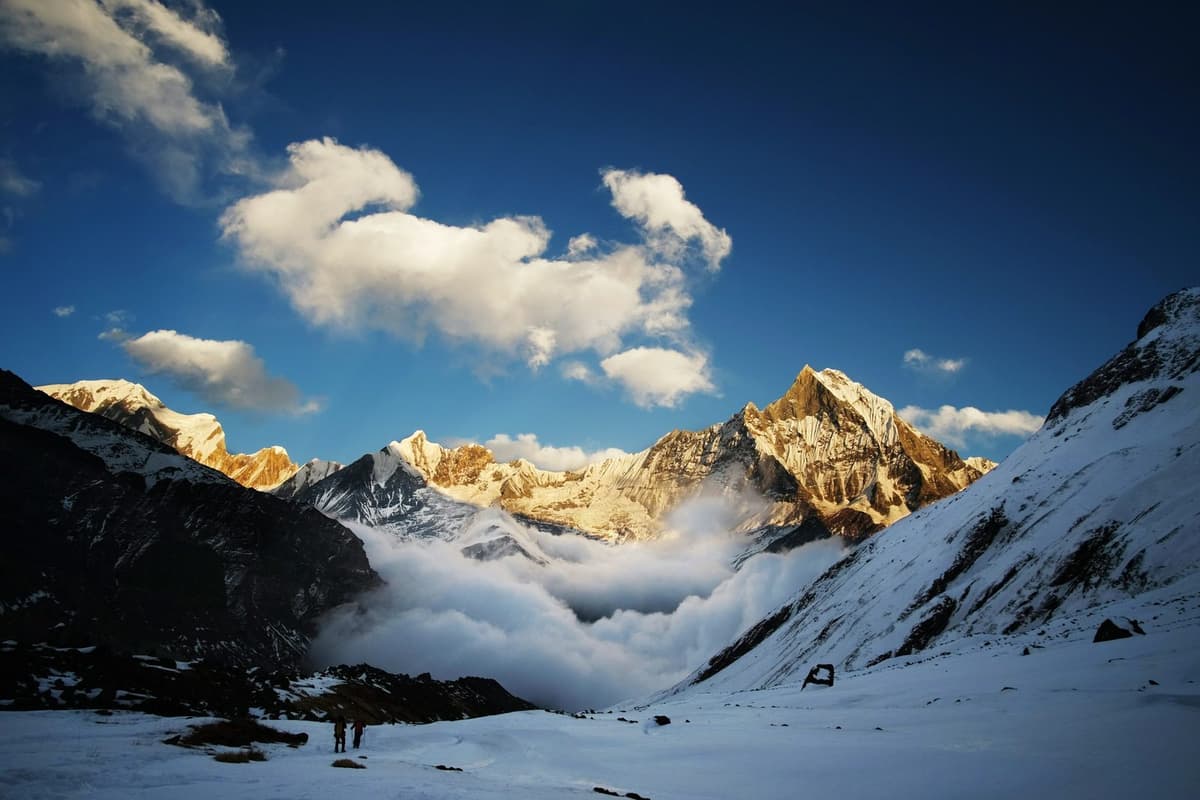
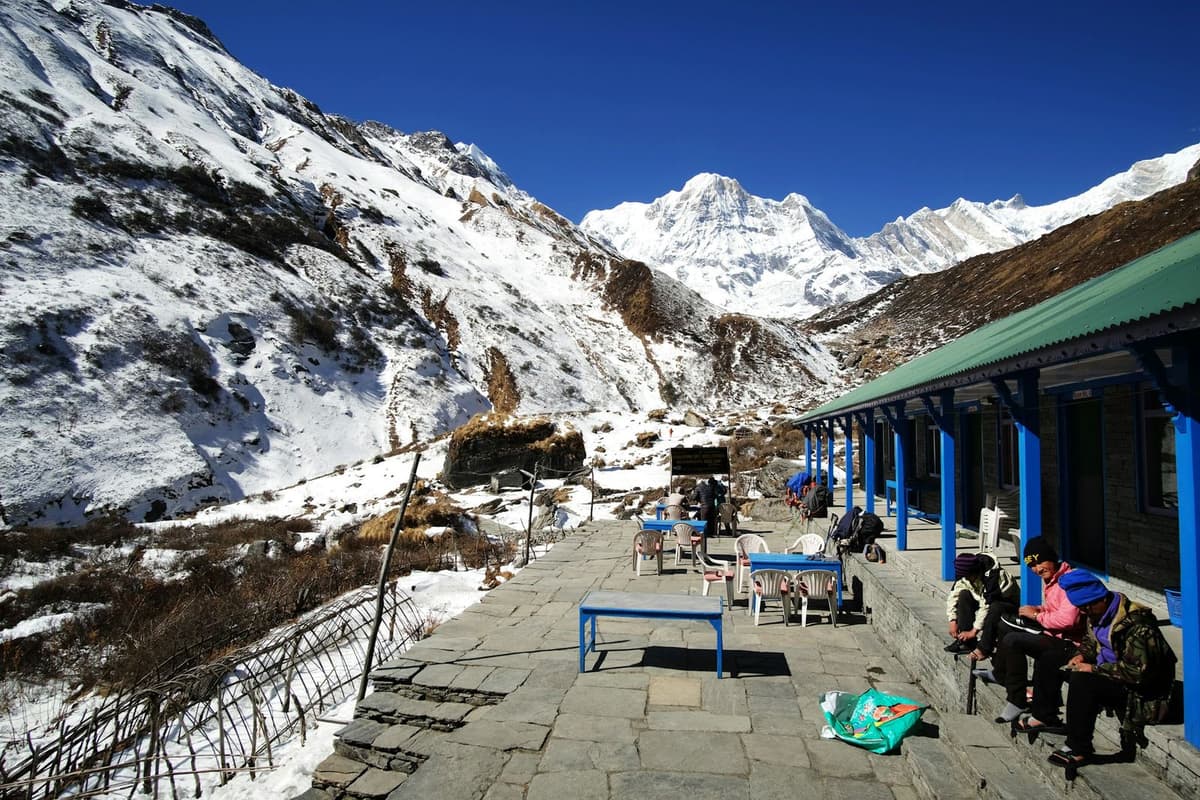
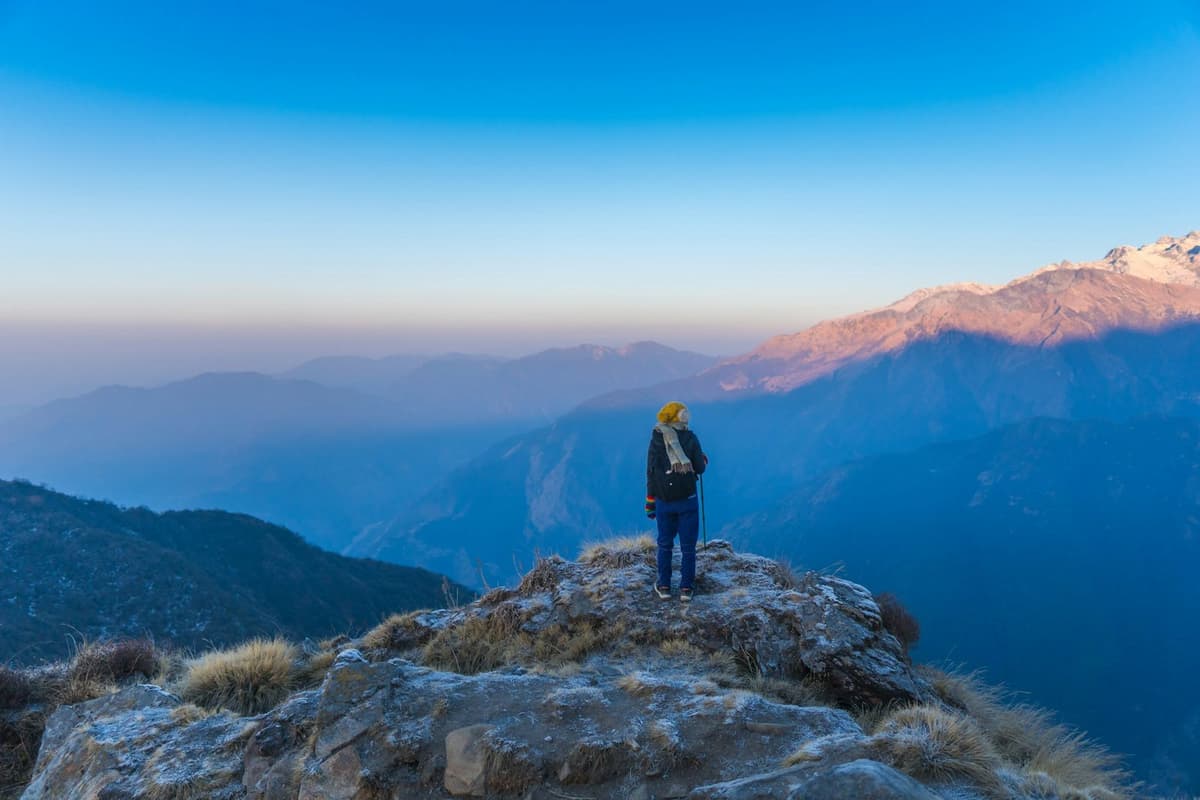
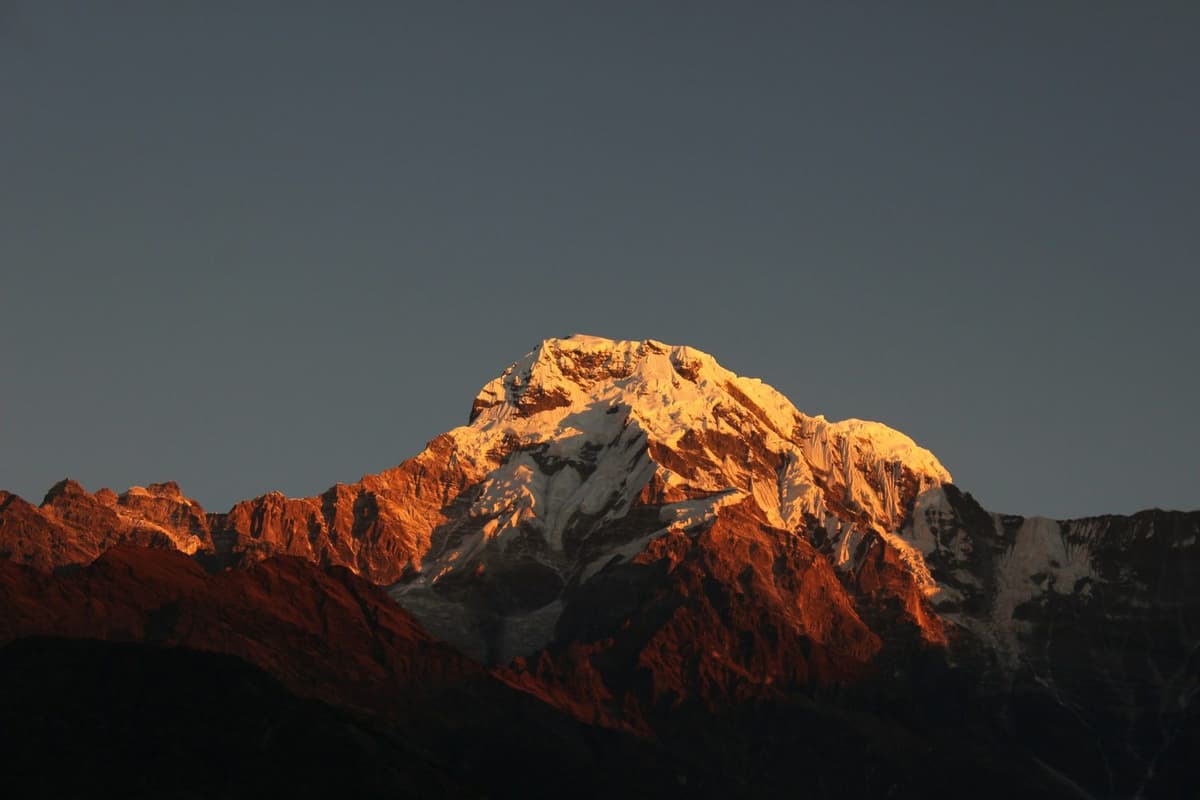
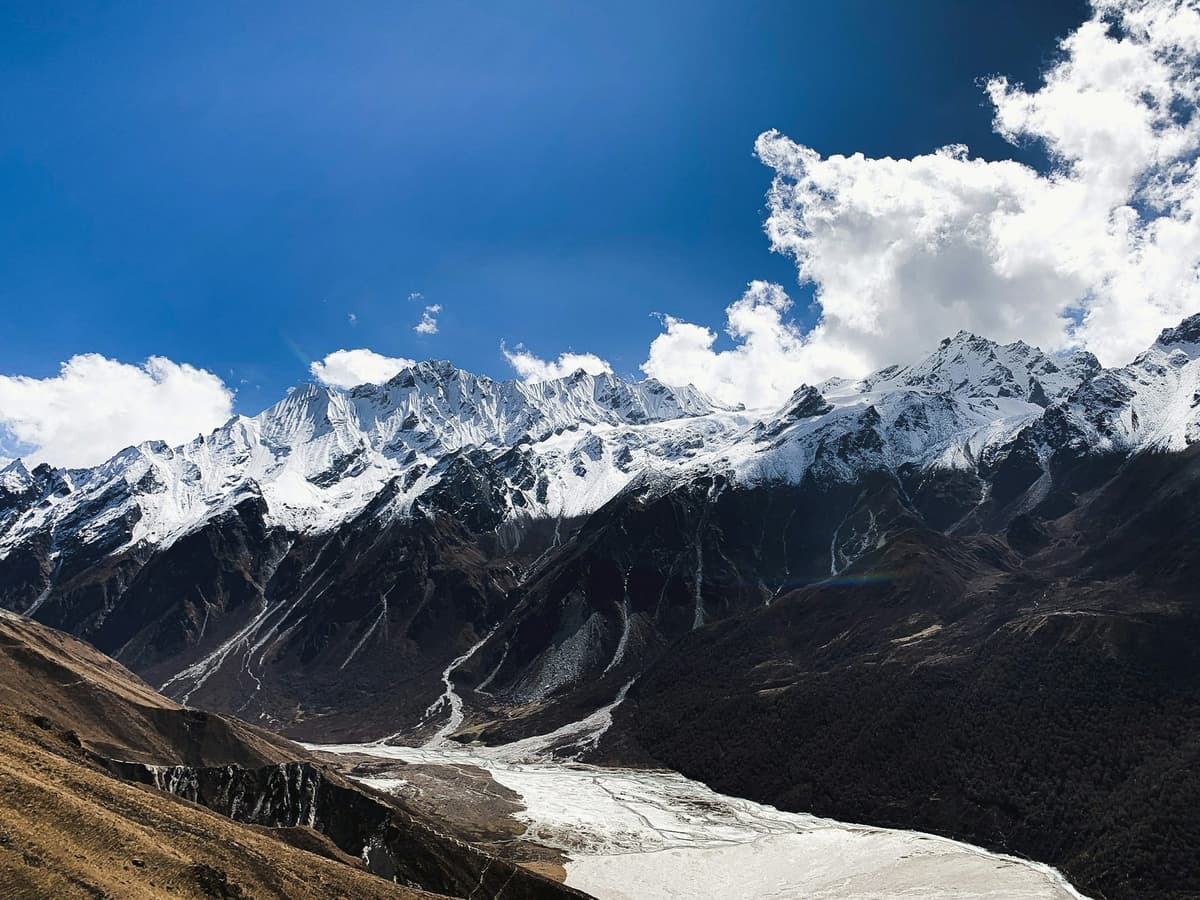
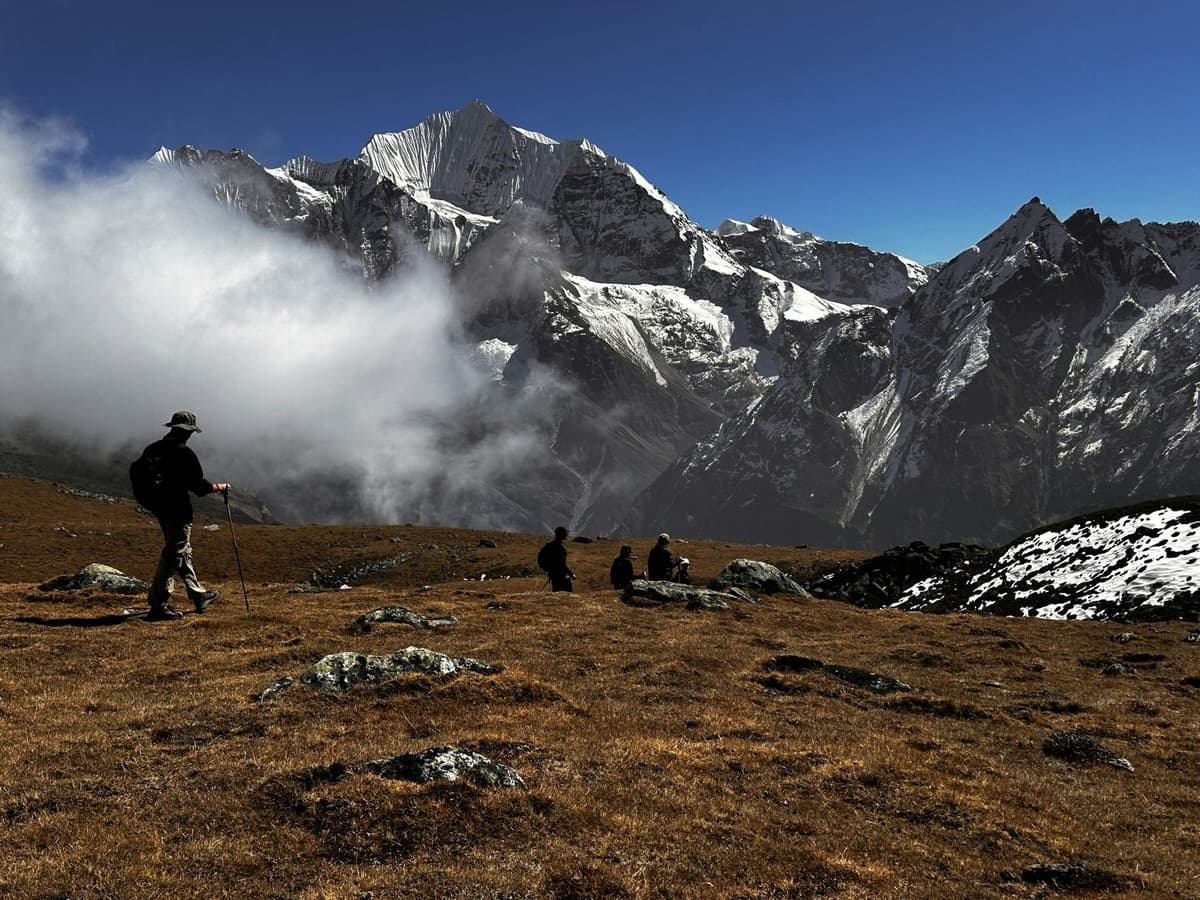
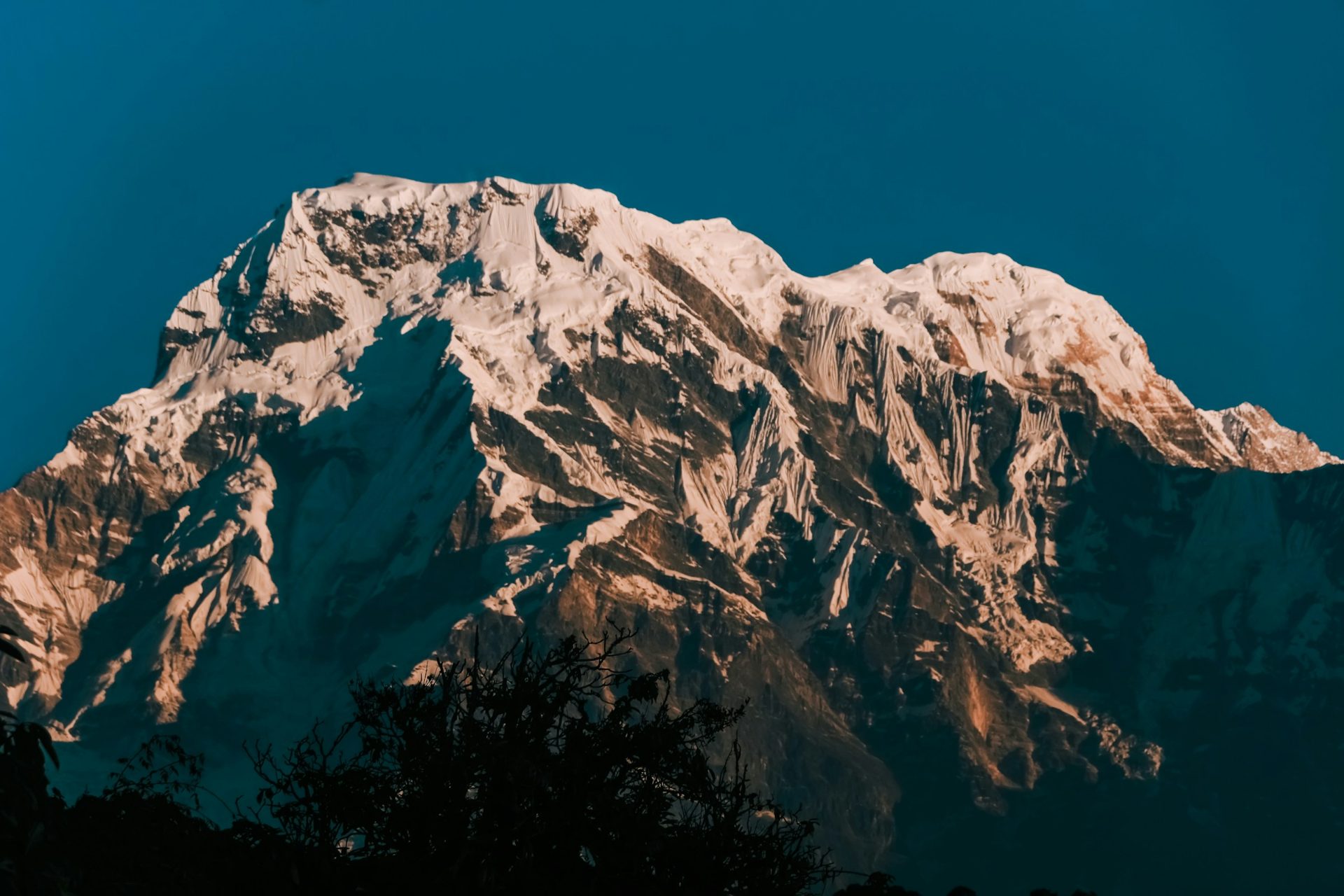
Australian Camp is quieter and closer. From the ridge you look straight at Annapurna South, Hiunchuli and Machhapuchhre, with Annapurna II, III and IV and Lamjung Himal to the east, and there is no town below. Watching the light reach the same peaks from a lodge doorstep, after a night of real quiet, is the reason to go.
The walk, the lodges and the permit
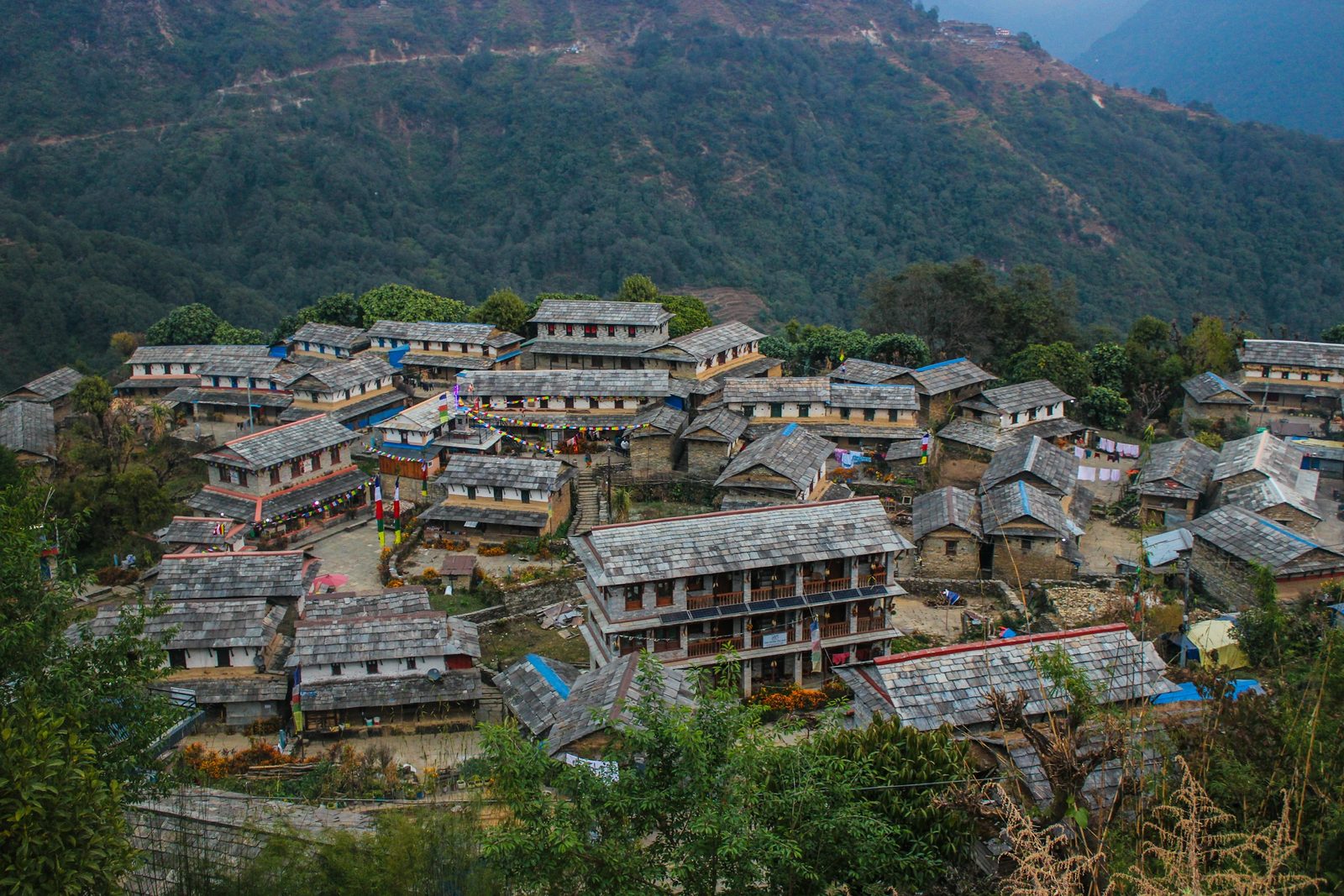
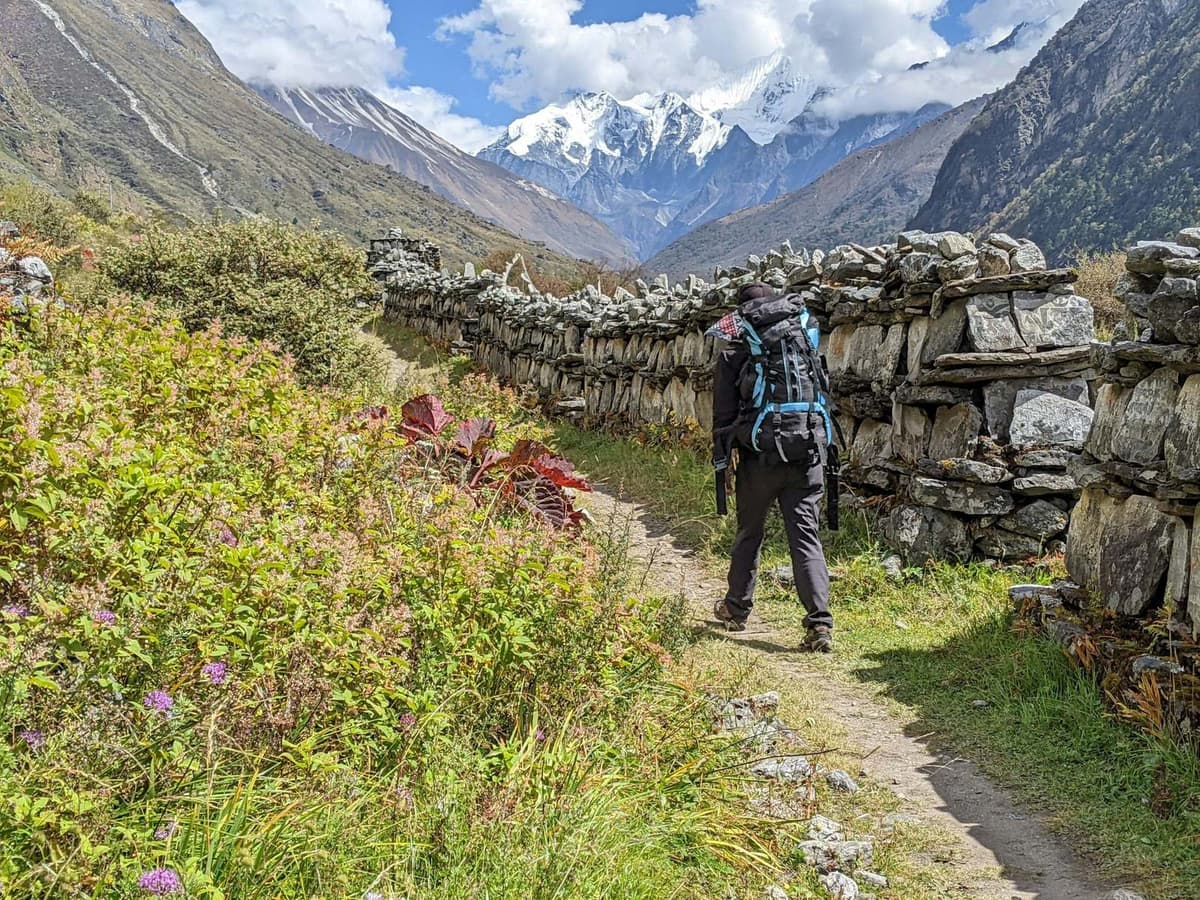
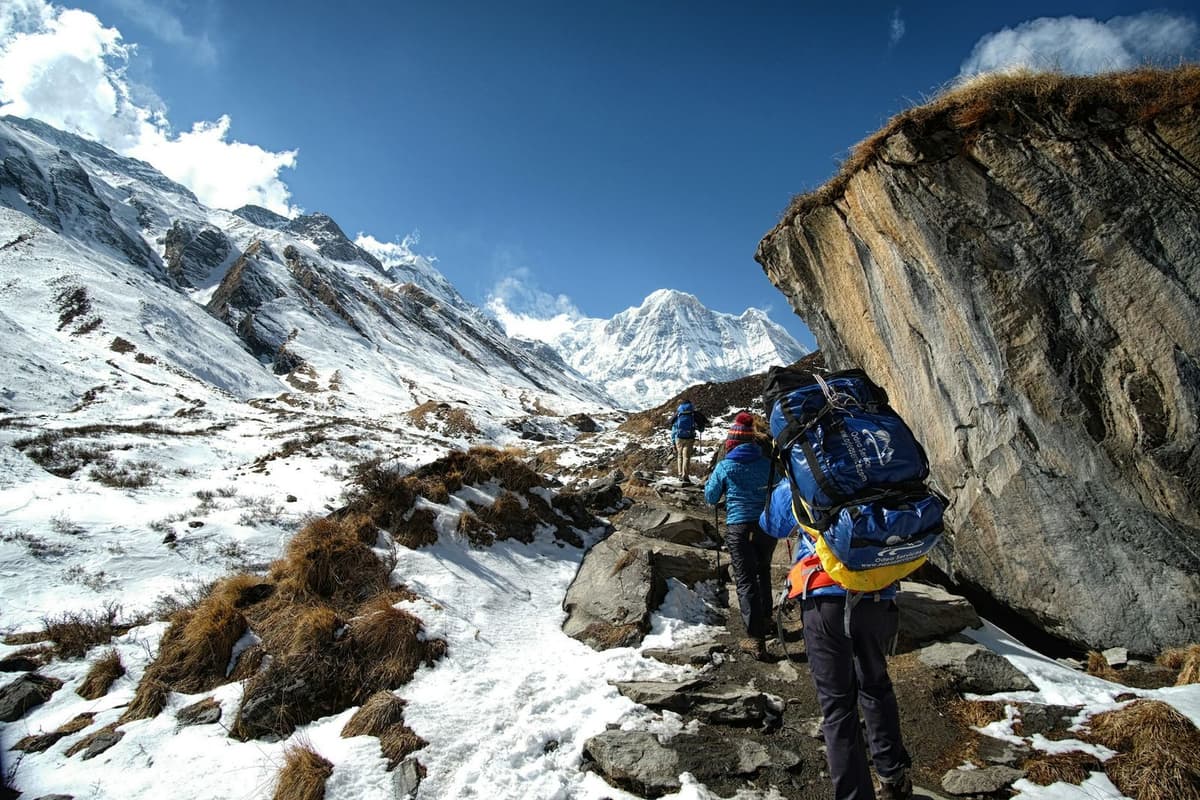
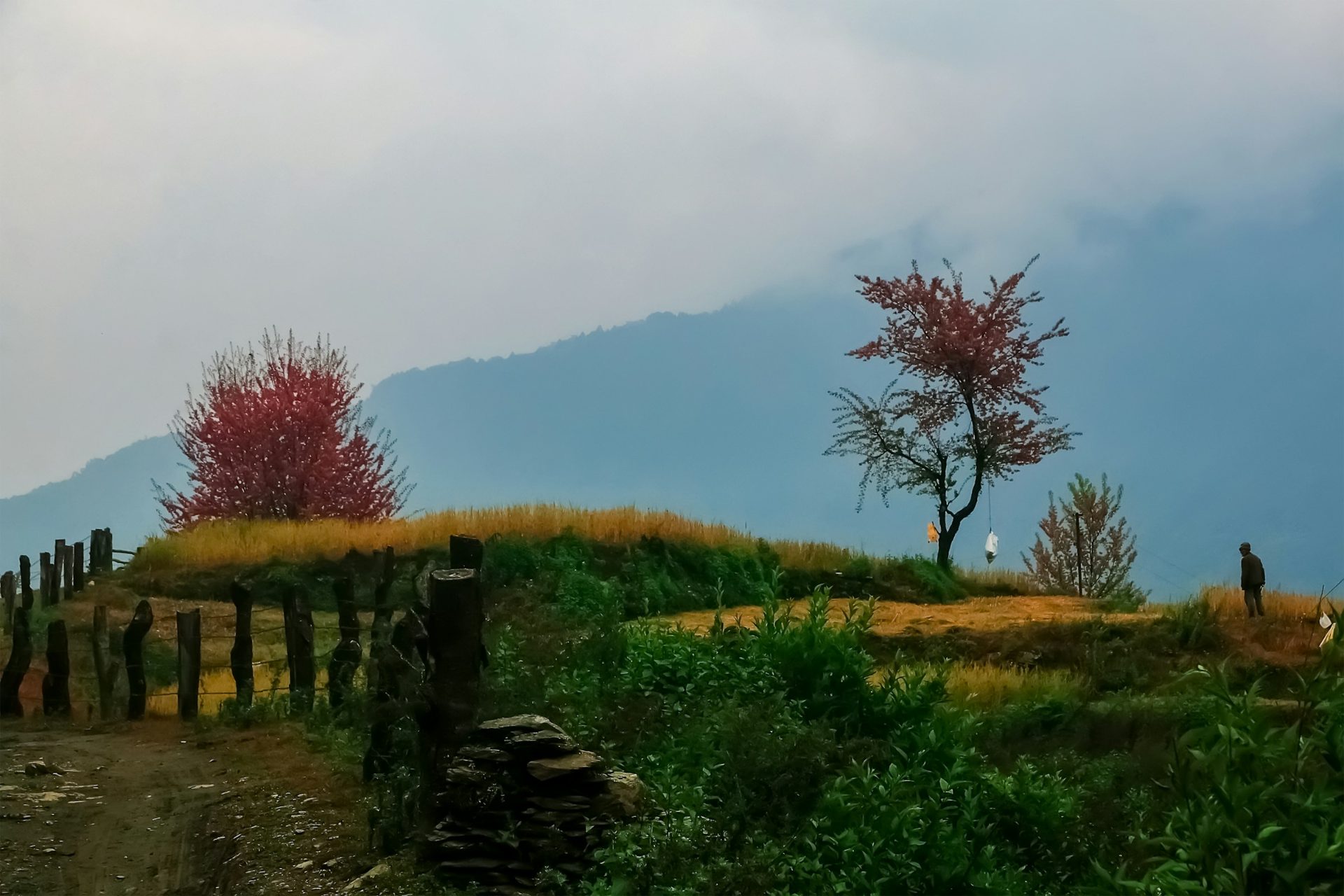
From Kande the path climbs 1.5 to 2 hours on stone steps and through forest. It is graded easy to moderate and needs steady legs rather than experience. The lodges are simple teahouses with mostly attached bathrooms and a standard teahouse menu, and they take cash only. The ridge is inside the Annapurna Conservation Area, so you need an ACAP entry permit, and since 2023 a licensed guide is required for foreign visitors in the conservation areas. We arrange both. Altitude illness usually appears above 2,500 m, so at 2,060 m it is very unlikely. Coming down next morning is quicker but harder on the knees, so walking poles help.
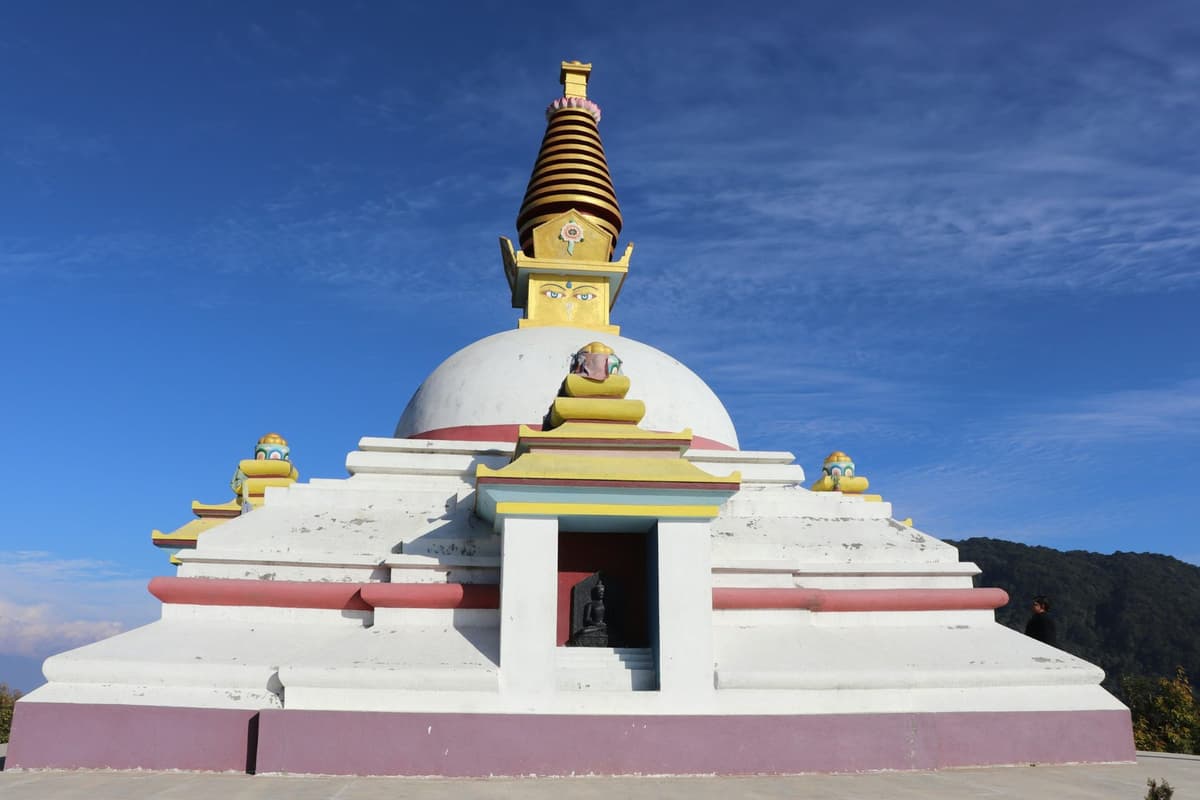
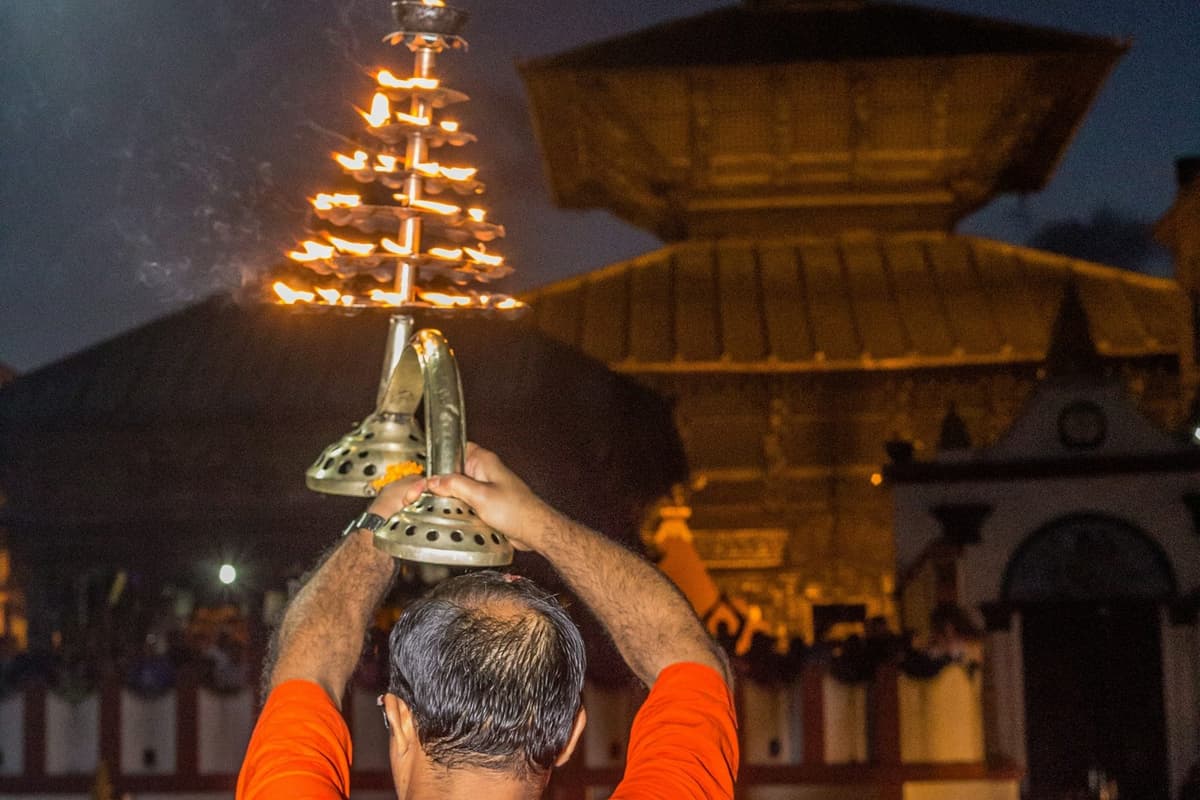
Back in Pokhara, Davis Falls is where the outflow from Phewa Lake drops into a gorge and runs underground, reappearing in Gupteshwor Cave across the road, a Shiva shrine reached by a damp stairway. The World Peace Pagoda, a white Buddhist stupa on Anadu Hill at about 1,100 m, looks back over the lake to the mountains.
When to go and who it suits
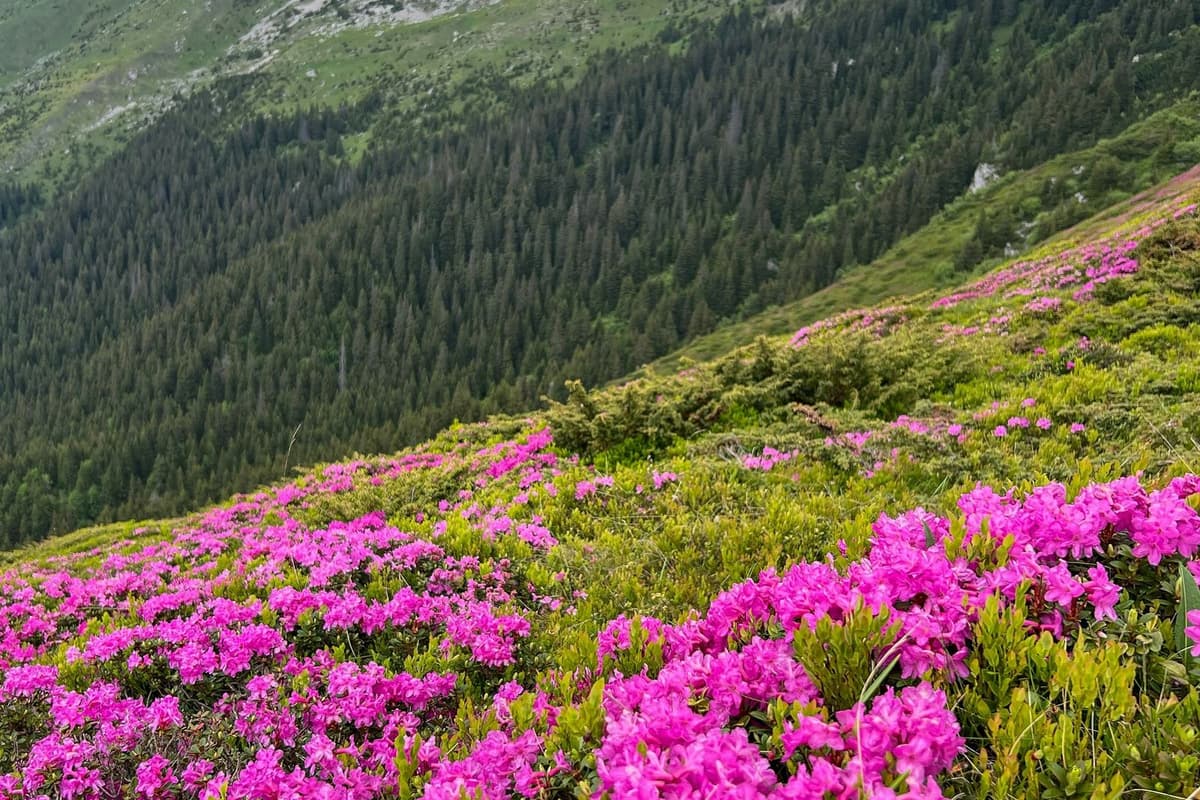
October and November are the clearest months, and views usually last through February, with cold nights on the ridge. Spring brings rhododendrons and more cloud; the monsoon from June to September brings rain and hidden peaks. The trip suits first-time visitors, families with children who walk, and older travellers who can manage stairs. If one night on the ridge leaves you wanting more, the Mardi Himal trek from Kathmandu follows the same path much higher, and the two-day Ghorepani Poon Hill trek is a short add-on from Pokhara.