

Overview
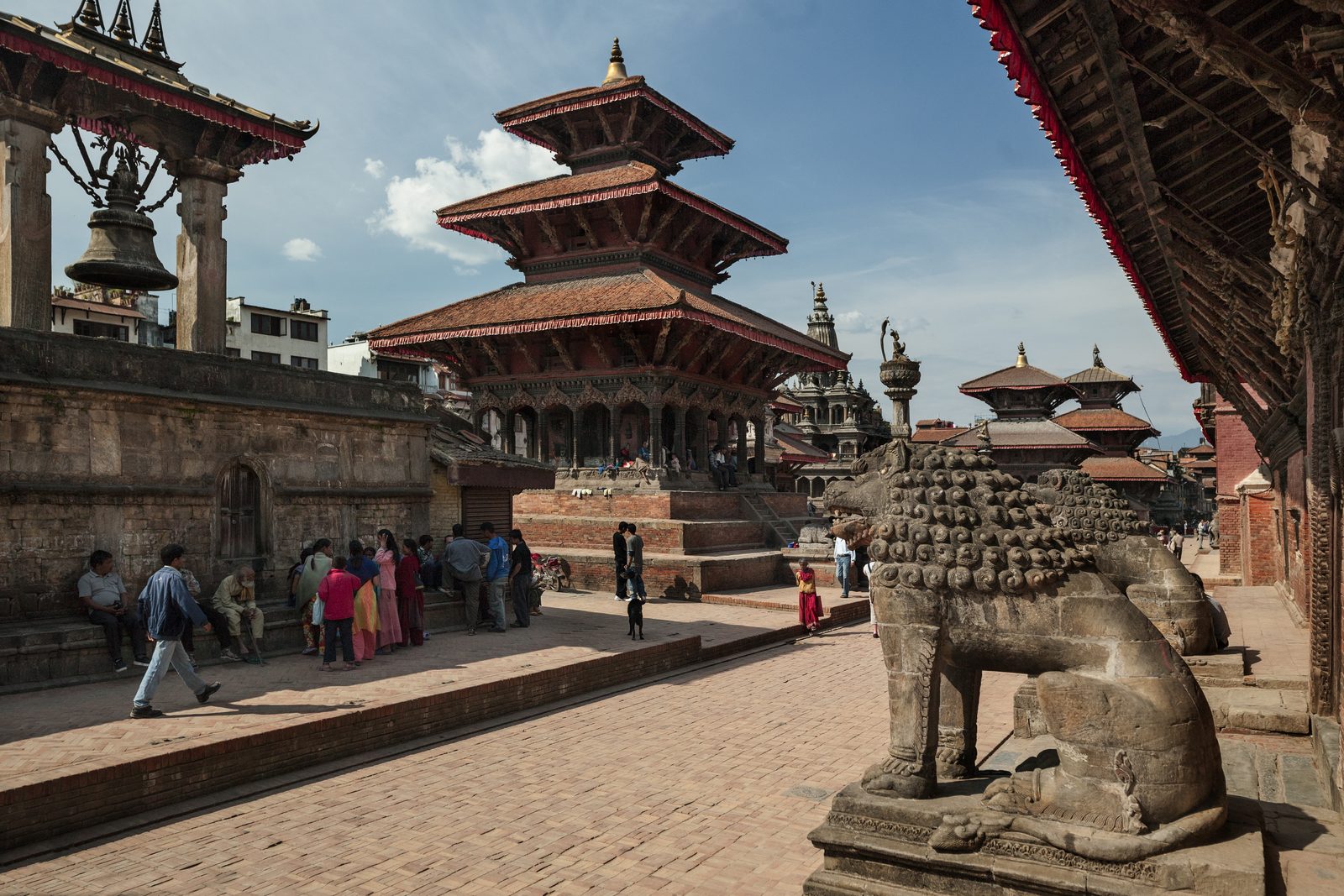
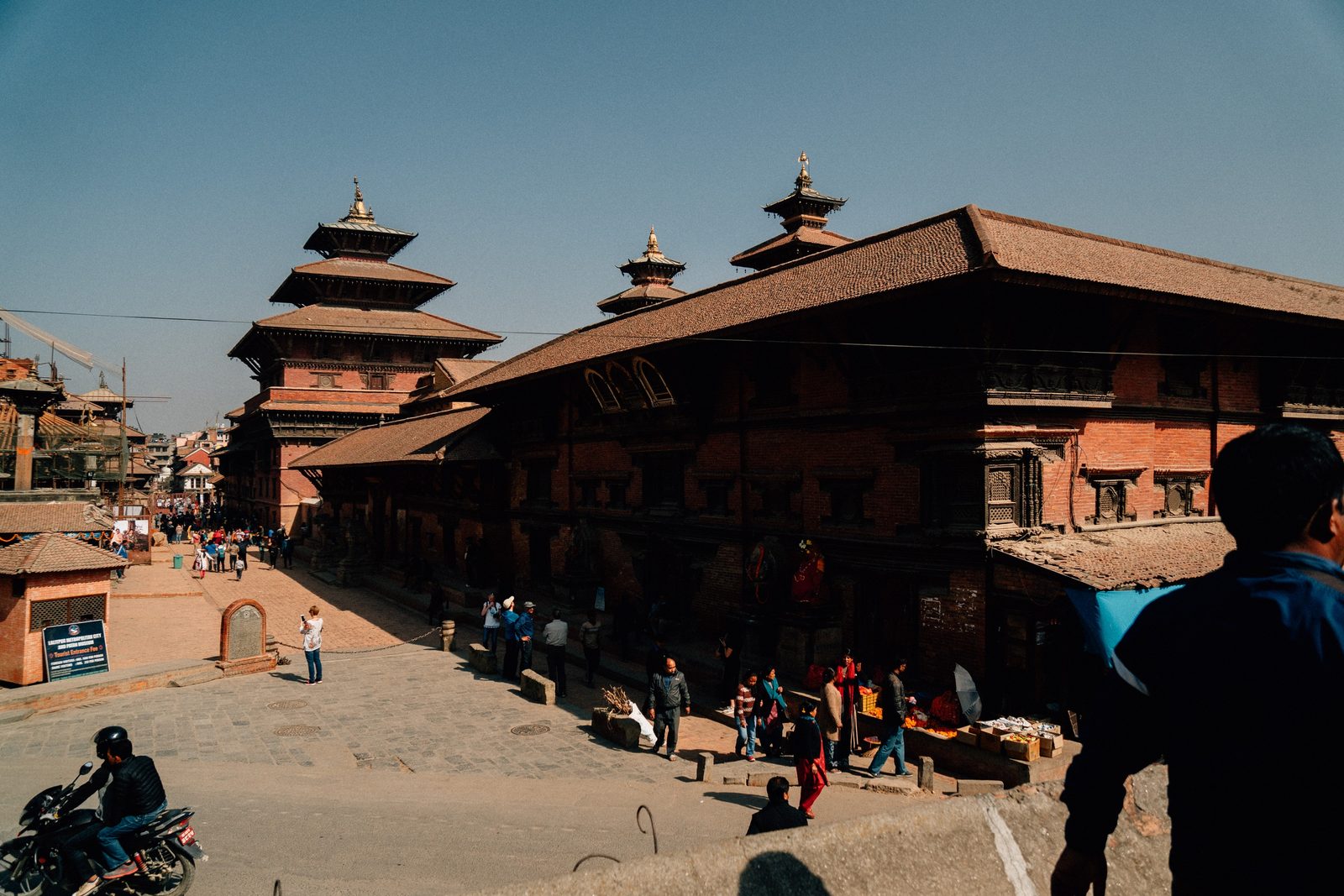
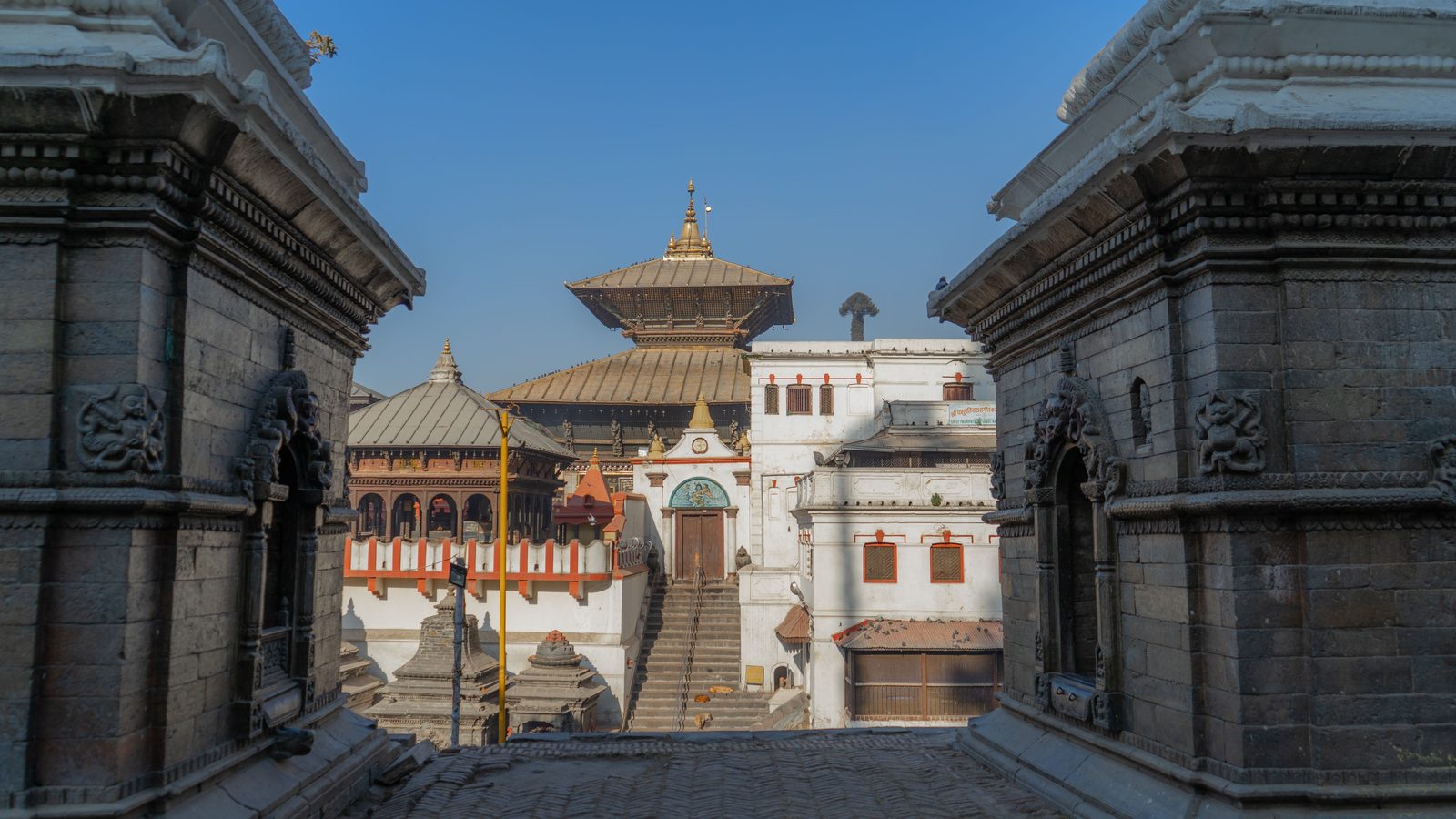
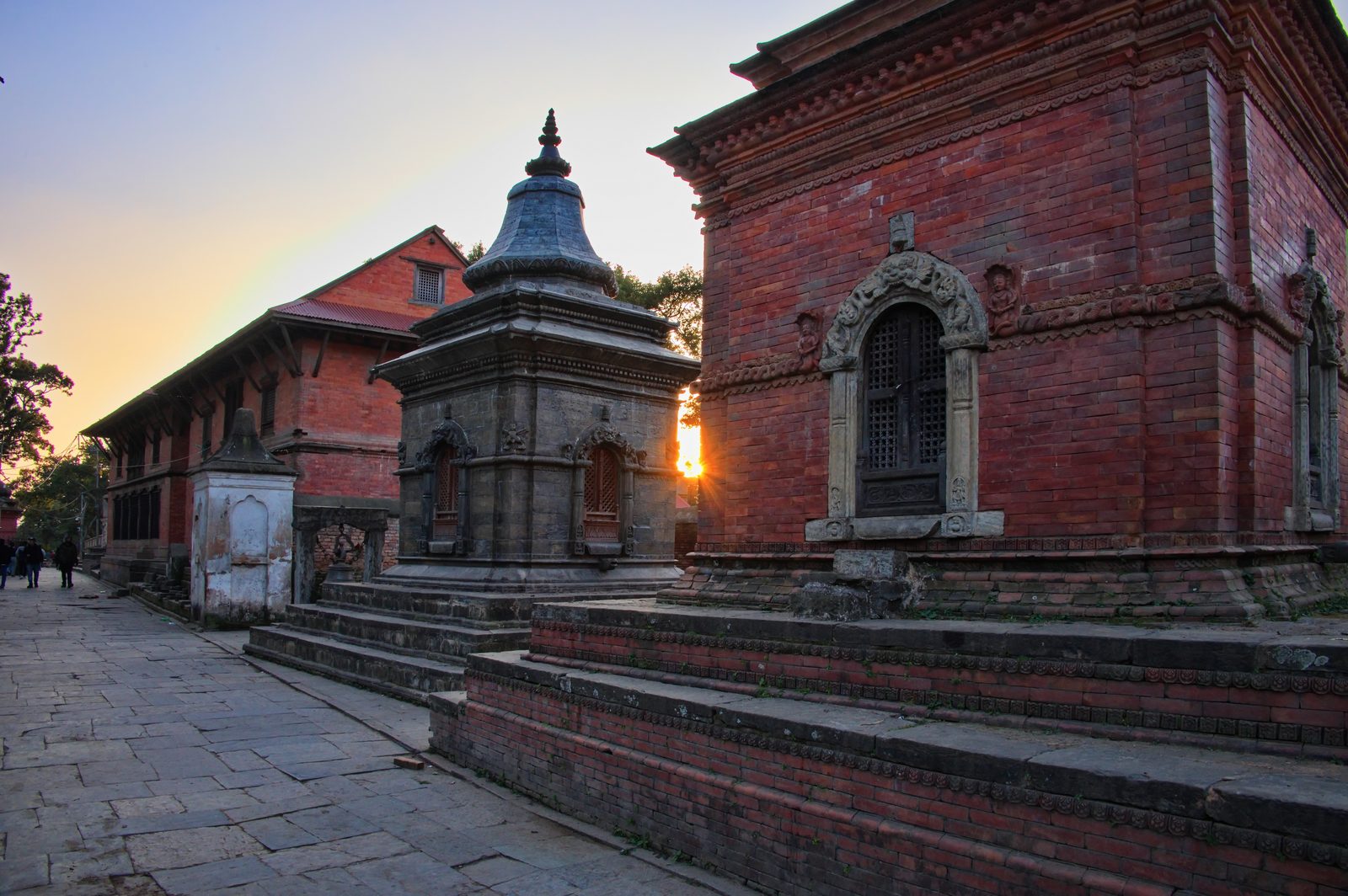
This Patan, Boudhanath and Pashupatinath day tour links three of the Kathmandu Valley's great heritage sites in one full day. You begin among the temples and courtyards of Patan Durbar Square, the old royal city of artisans, then drive to Boudhanath, one of the largest Buddhist stupas in the world, and finish at Pashupatinath, the most sacred Hindu temple complex in Nepal, on the banks of the Bagmati river. A private guide and vehicle take you between them, so the day is unhurried.
The itinerary
- Meet your guide for a hotel pickup, usually around 9 in the morning
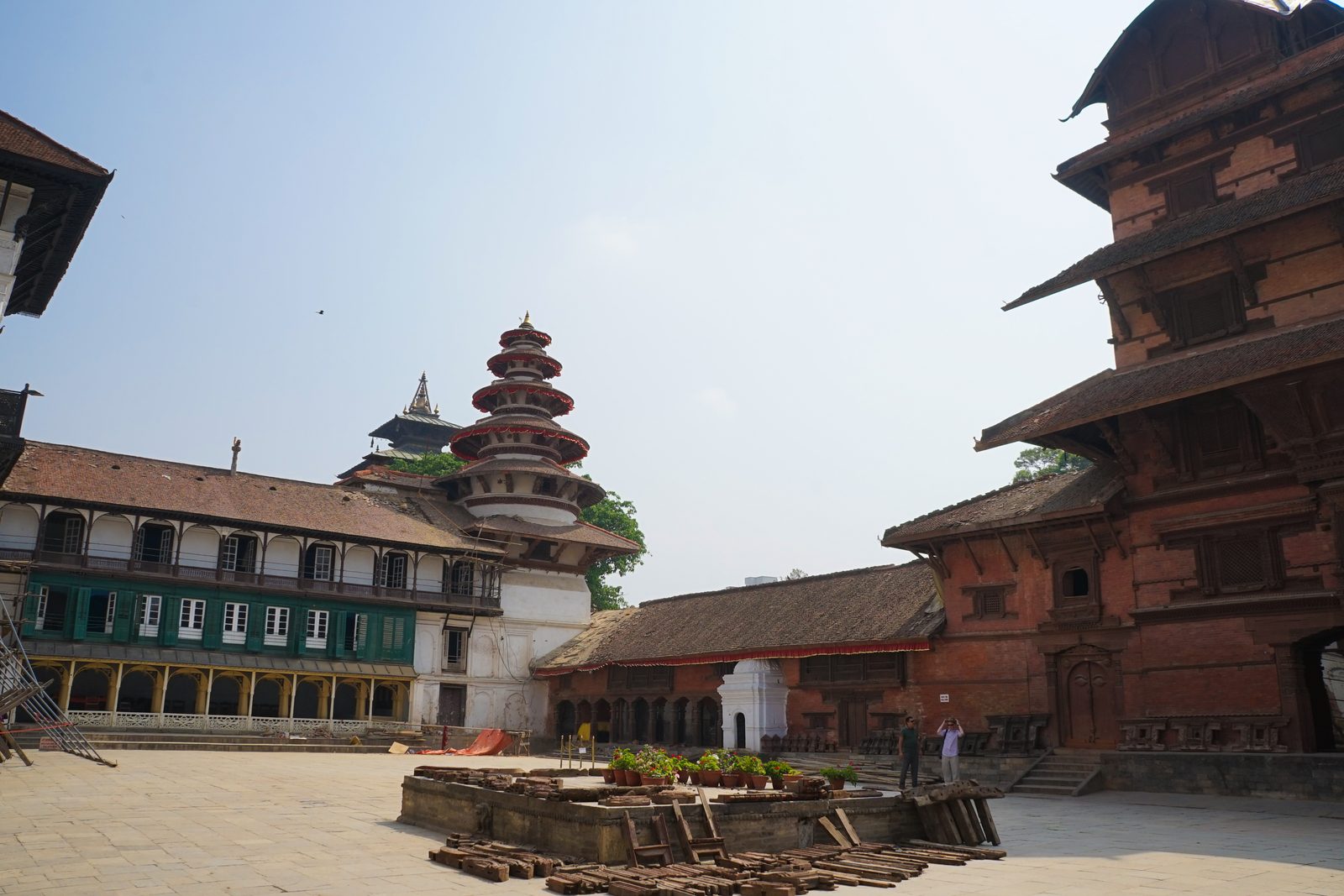
- Drive to Patan, just across the river from Kathmandu, and explore Patan Durbar Square
- See the Krishna Mandir, the old royal palace and the Patan Museum with your guide
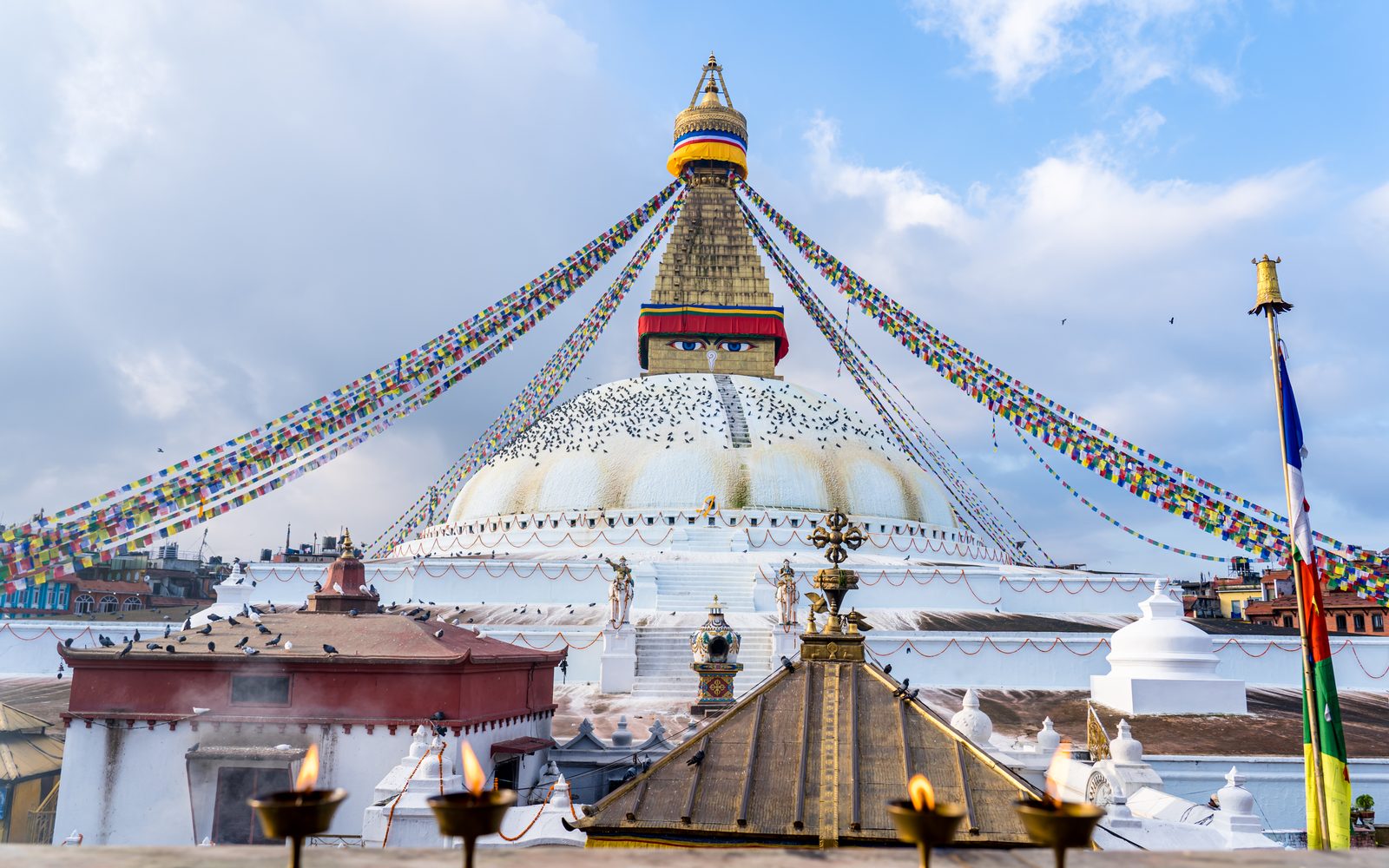
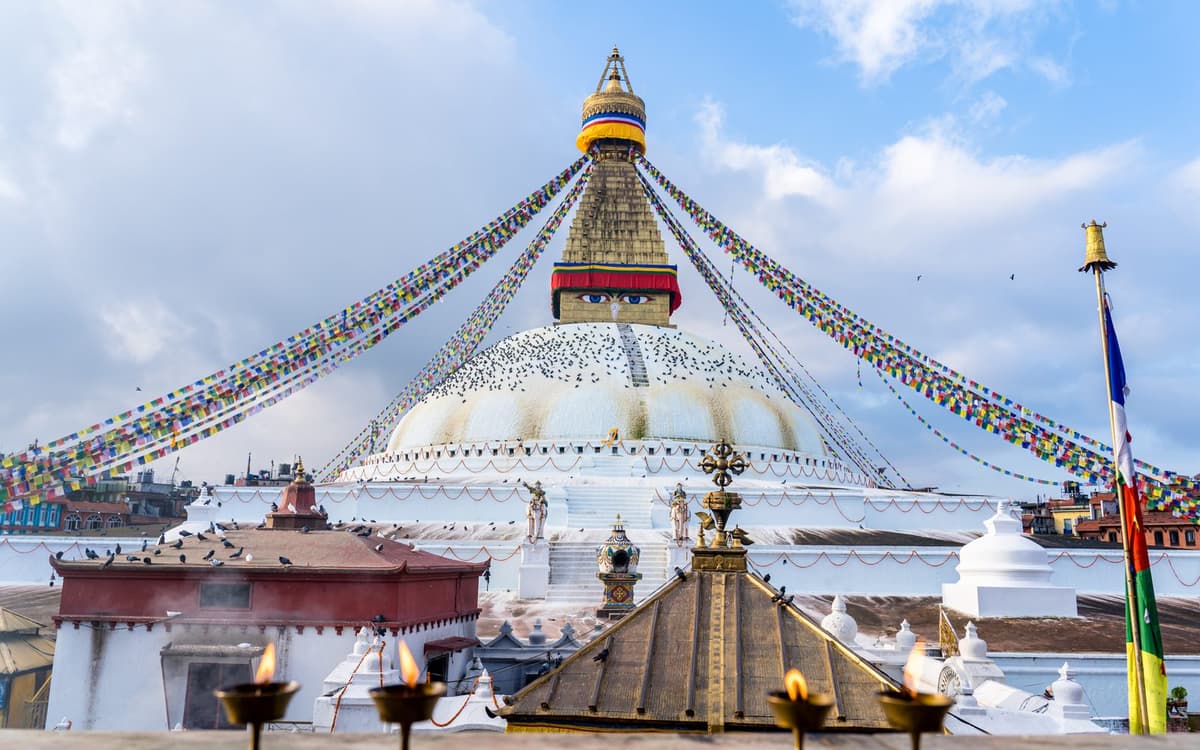
- Drive across the valley to Boudhanath, one of the largest stupas in the world
- Break for lunch by the stupa and join the walk around it with the pilgrims
- Continue to Pashupatinath, the great temple complex on the Bagmati river
- Take in the temples, ghats and riverside shrines with your guide
- Drive back to your hotel
Things to carry
- Comfortable walking shoes
- Modest clothing for temples
- A scarf or shawl for covering up
- Sun protection: hat and sunscreen
- A little cash for entry fees and snacks
Good to know
Patan, Boudhanath and Pashupatinath in a day
Patan, Boudhanath and Pashupatinath sit in three different corners of the Kathmandu Valley, and together they show you its three great traditions in a single day: the craftsmanship of the old Newar city, the Tibetan Buddhist world gathered around a giant stupa, and the oldest and holiest Hindu temple complex in the country. This tour links them by private vehicle, with time to walk and take each one in properly rather than rushing.
What this Patan, Boudhanath and Pashupatinath tour covers
The day starts in Patan, the valley's city of artists and metalworkers, where the Durbar Square is a dense collection of temples, courtyards and the old royal palace. From there you drive to Boudhanath, the great white stupa that anchors the Tibetan community in Kathmandu, and finish at Pashupatinath, the sprawling temple complex on the Bagmati river. Your guide sets the pace and can adjust the order to the traffic and the time of day.
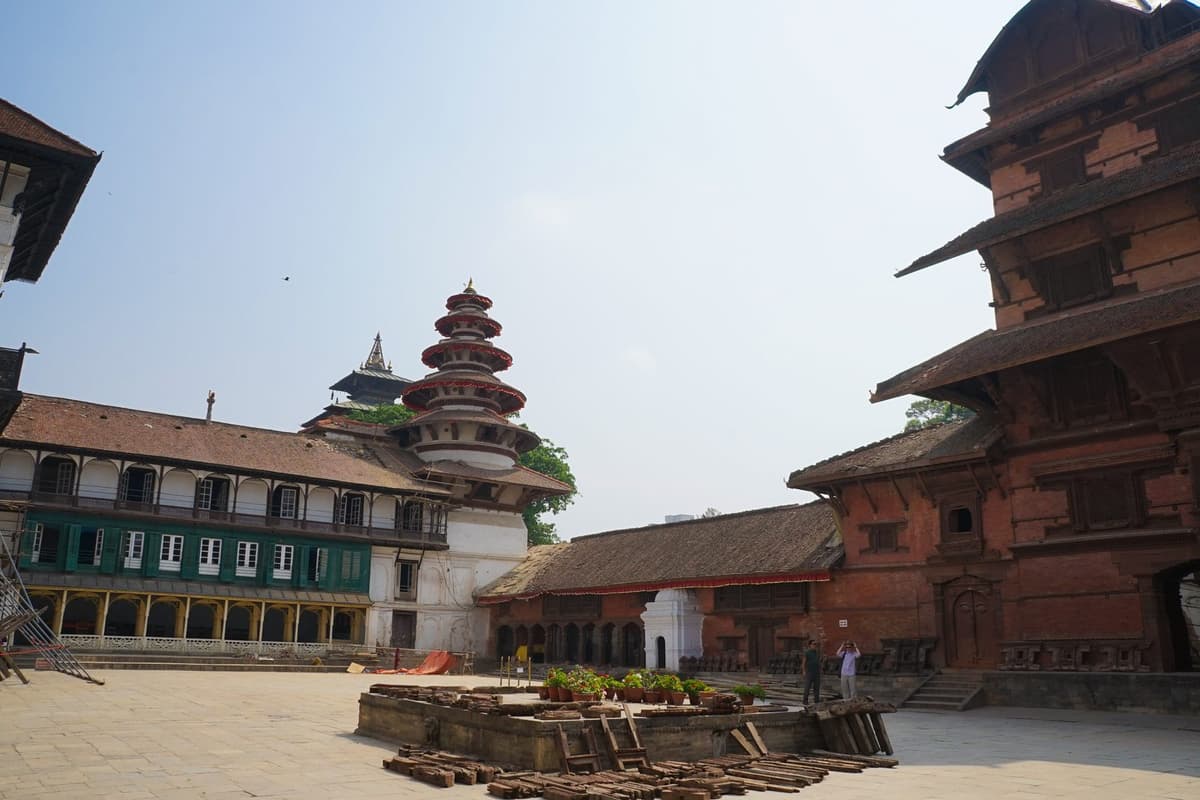
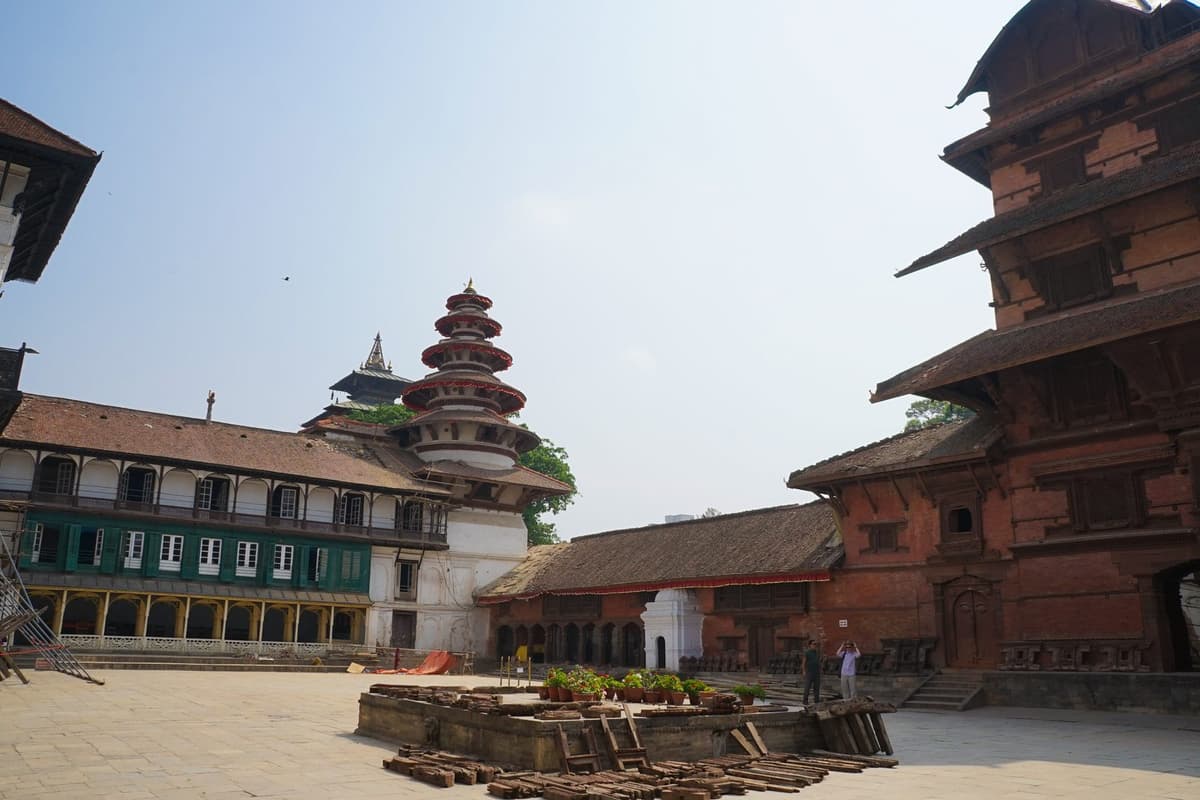
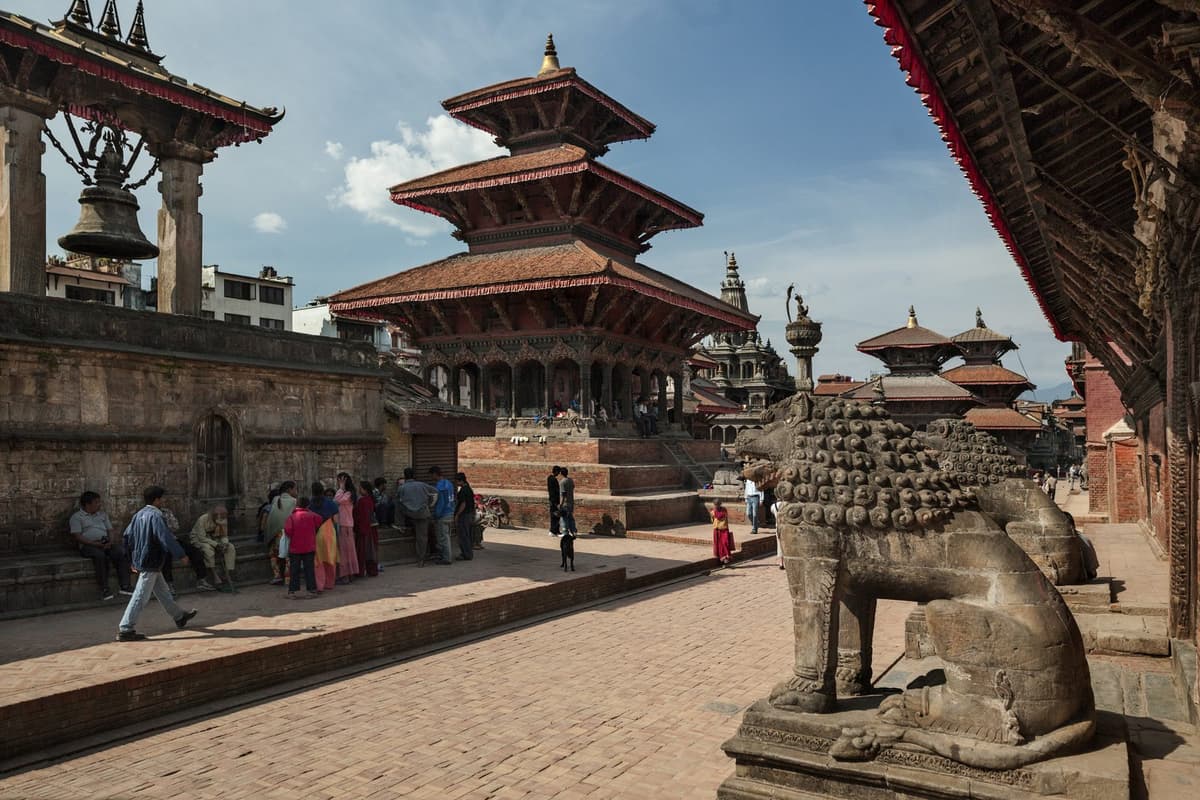
Patan Durbar Square, the city of artisans
Patan, also called Lalitpur, has been a centre of Newar art and metalwork for centuries. Its Durbar Square holds the carved stone Krishna Mandir, the Golden Temple a few lanes away, and the Patan Museum, which sits inside a restored palace wing and is widely considered one of the finest museums in the region. It is the quietest and most detailed of the valley's three royal squares. If you would rather see all three squares in a day, our three Durbar Squares tour covers Kathmandu, Patan and Bhaktapur together.
Boudhanath, the great stupa
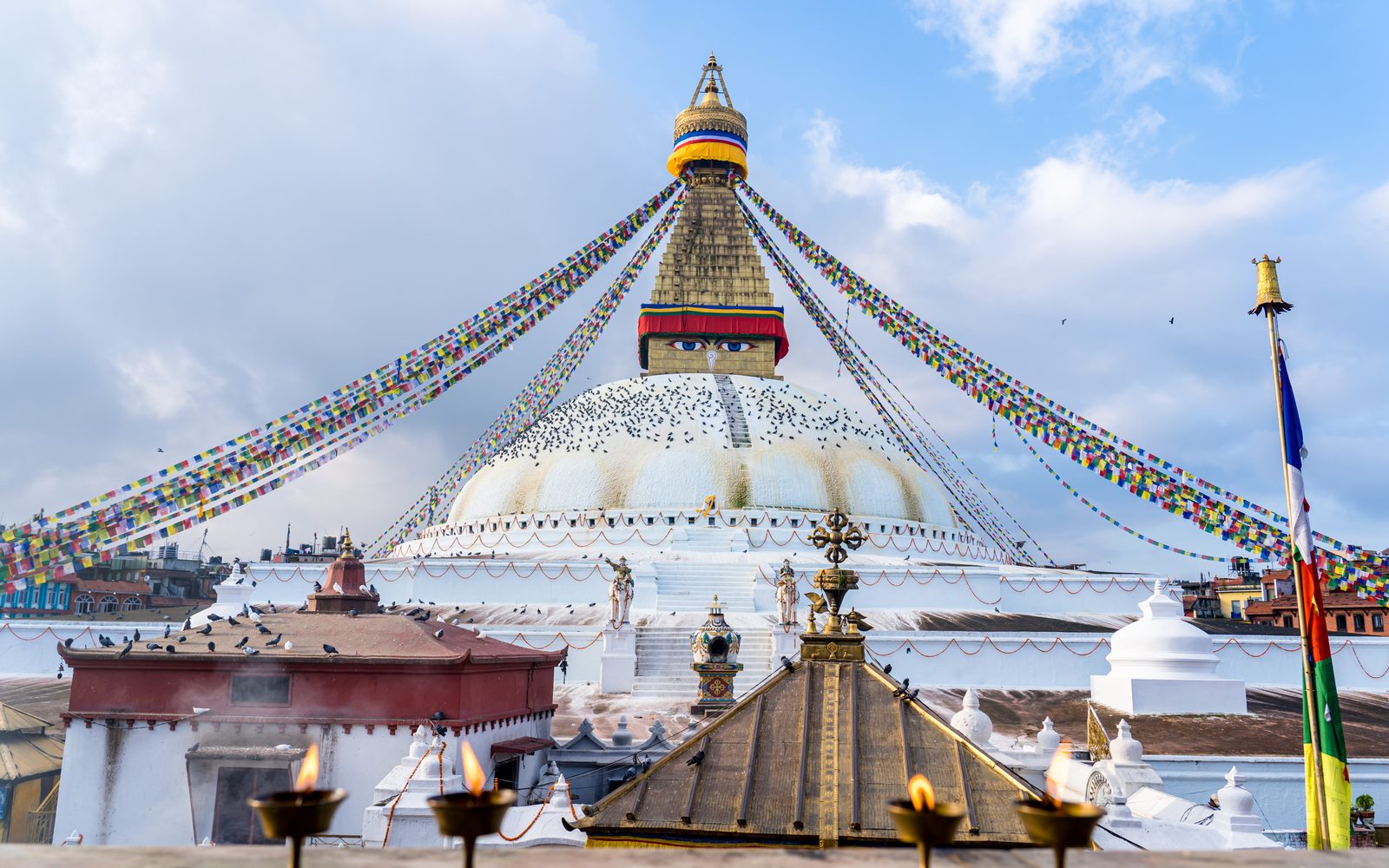
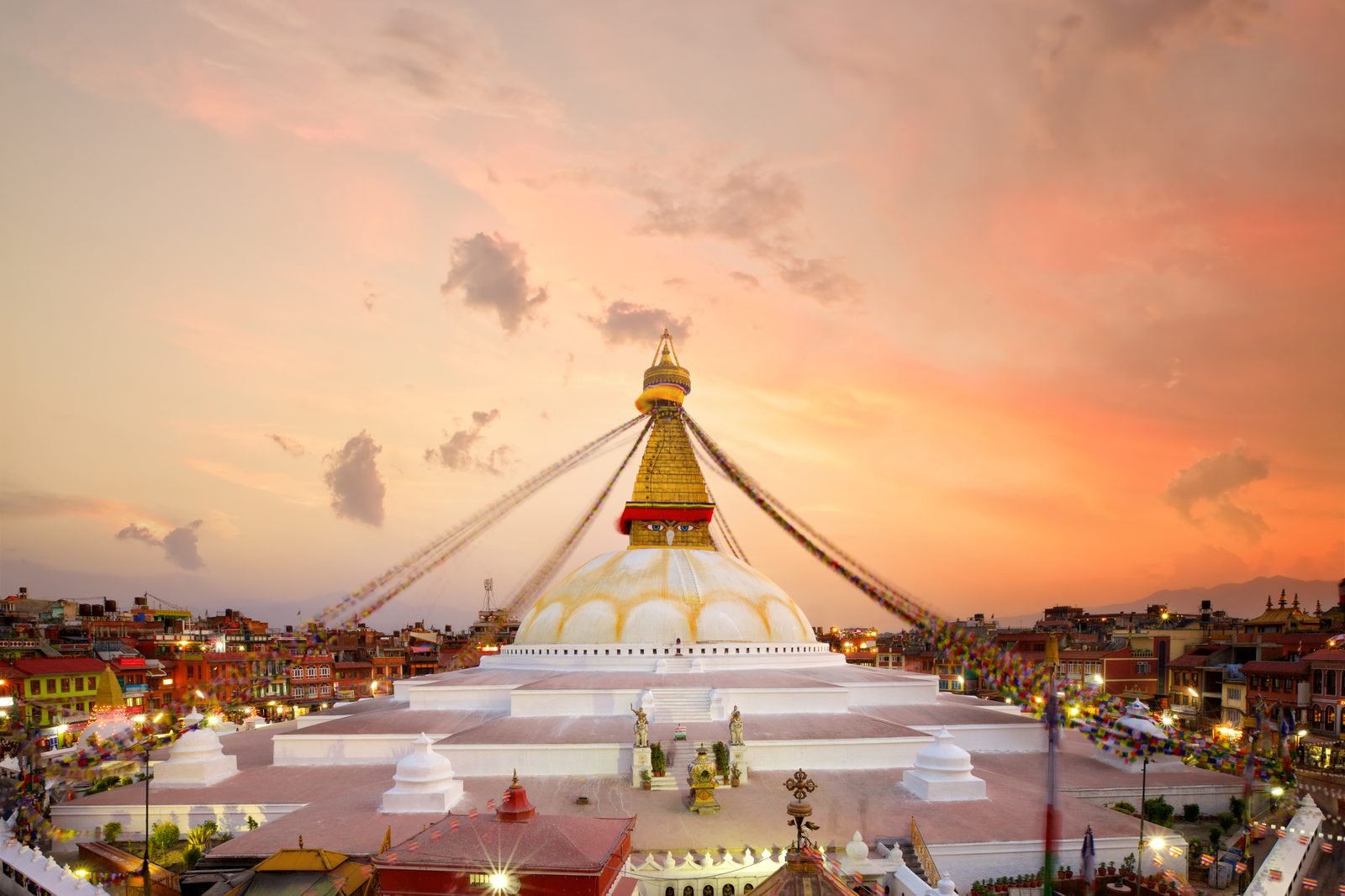
Boudhanath is one of the largest stupas in the world and the centre of Tibetan Buddhist life in Nepal. Pilgrims walk clockwise around its base, spinning prayer wheels beneath the painted eyes on the dome, and the surrounding lanes are full of monasteries, workshops and rooftop cafes that look down on the whole scene. It is an easy, absorbing place to spend an hour, and a natural spot for lunch.
Pashupatinath and the Bagmati river
Pashupatinath is the most important Hindu temple in Nepal, dedicated to Shiva, and one of the holiest Shiva sites anywhere. The main temple is open only to Hindus, but the complex spreads along both banks of the Bagmati river, with terraces of smaller shrines, resident holy men and the cremation ghats where Hindu funerals take place in the open. It is a moving, unvarnished place, and your guide will explain what you are seeing and where photography is and is not appropriate.
Best time to visit and what to know
October to April is the most reliable window for clear, dry weather. Dress modestly for the temples, with shoulders and knees covered, and wear shoes you can slip off easily. Each site charges its own entry fee for foreign visitors, paid on the day. Pashupatinath is at its most atmospheric in the late afternoon, when the evening rituals begin on the river, so tell us if you would like to end the day there. For the fuller heritage circuit, our seven UNESCO World Heritage Sites day tour adds the rest of the valley by vehicle.