


Overview
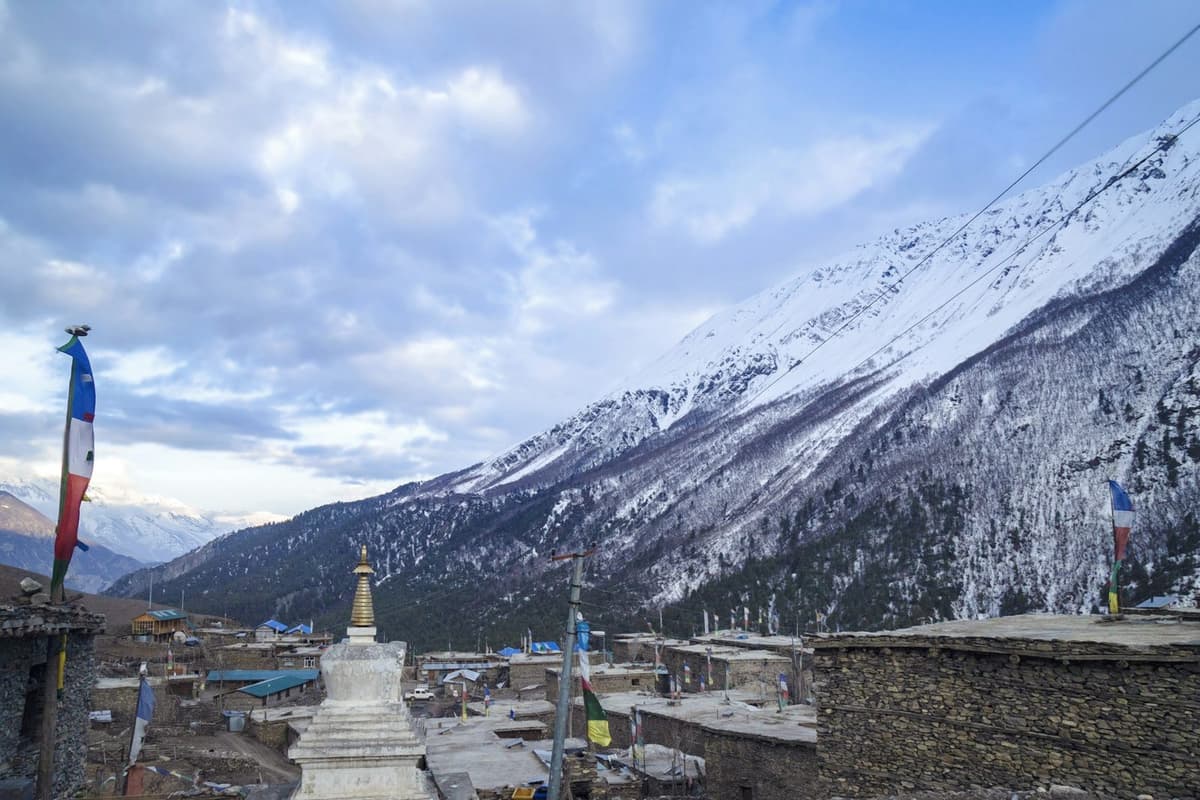
This Bandipur and Gorkha tour is a three-day private road trip into the middle hills west of Kathmandu, built around two places that shaped Nepal's history. On the first day you drive to Bandipur, an old Newar trading town on a ridge above the highway, where the stone-paved bazaar is closed to traffic and the evening view from Tundikhel stretches along the Himalaya. On the second day you drive on to Gorkha and climb to Gorkha Durbar, the hilltop palace where Prithvi Narayan Shah, who began the unification of Nepal, was born. The third day brings you back to Kathmandu. It suits history lovers, slow travellers and anyone who wants Nepal's hill towns without trekking.
The itinerary
- Private drive west of about 143 km, usually four to six hours with traffic
- Leave the highway at Dumre for the 8 km road up the ridge to Bandipur
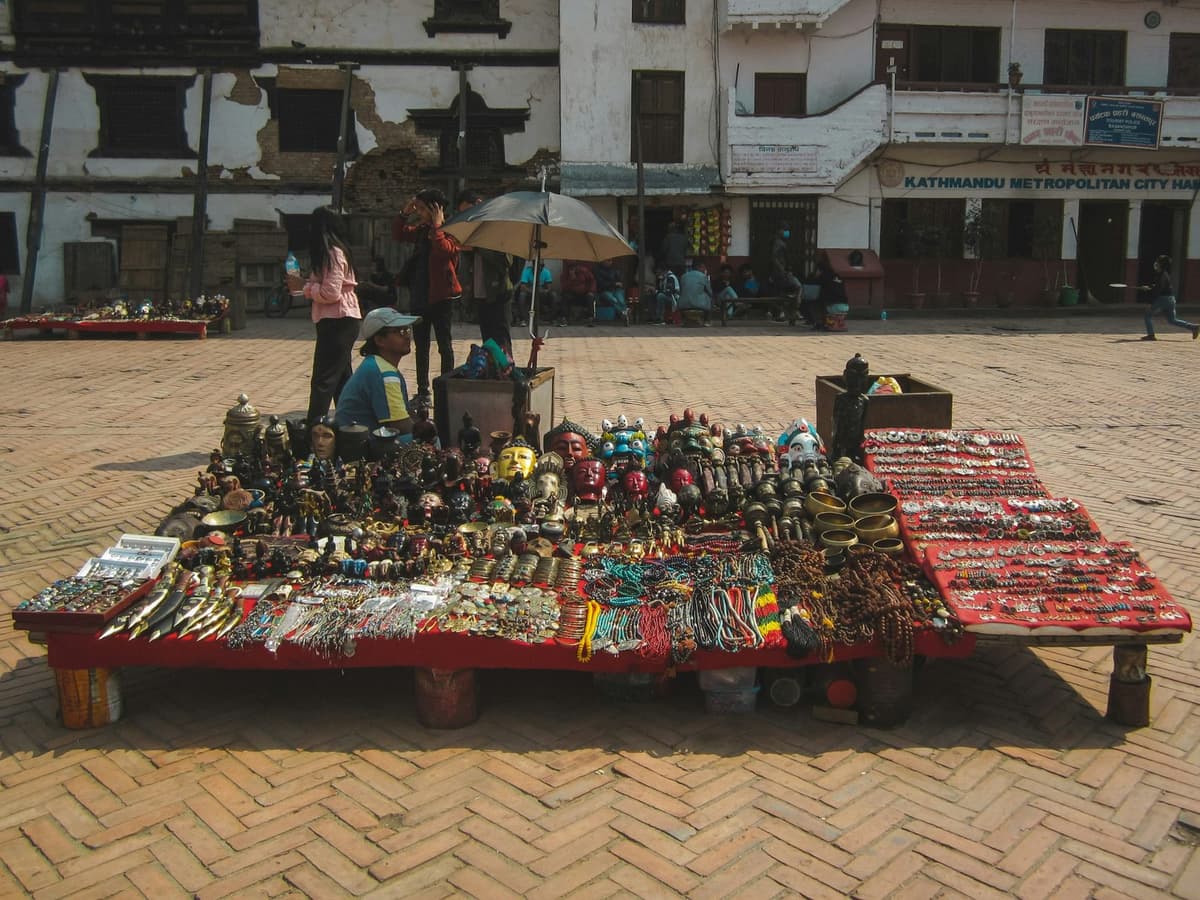
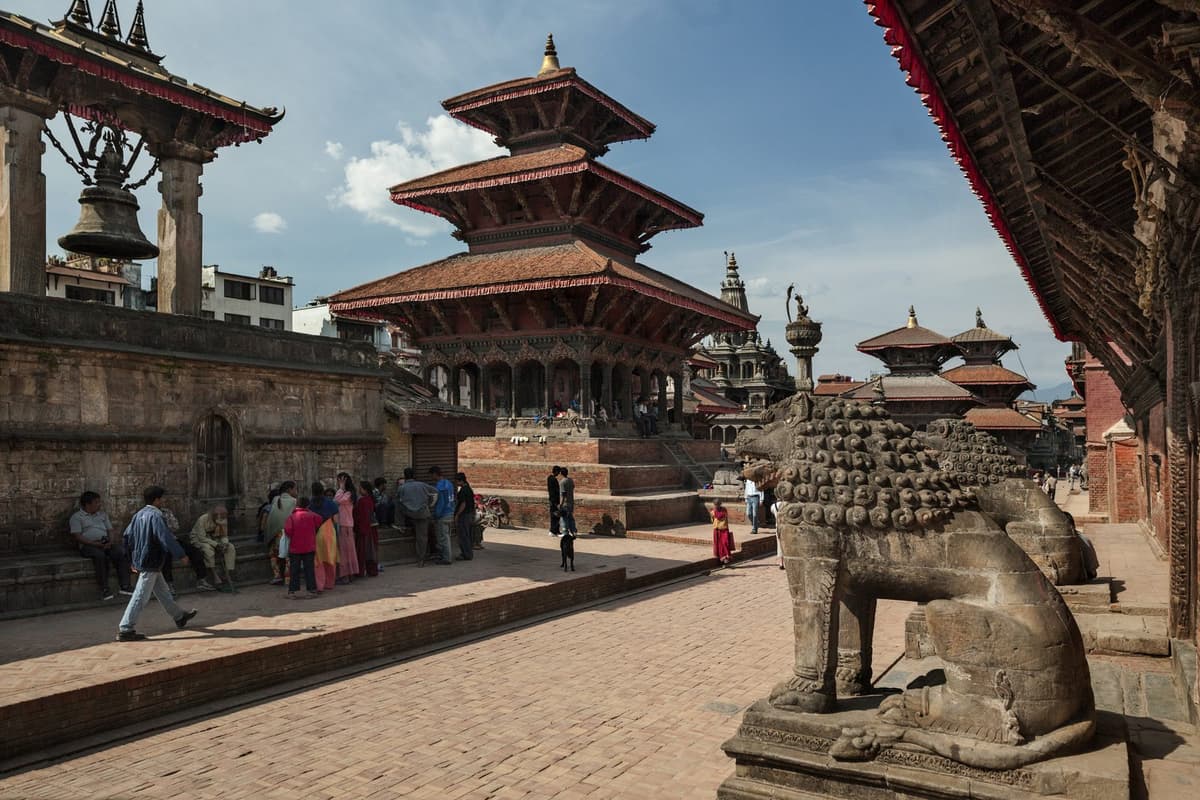
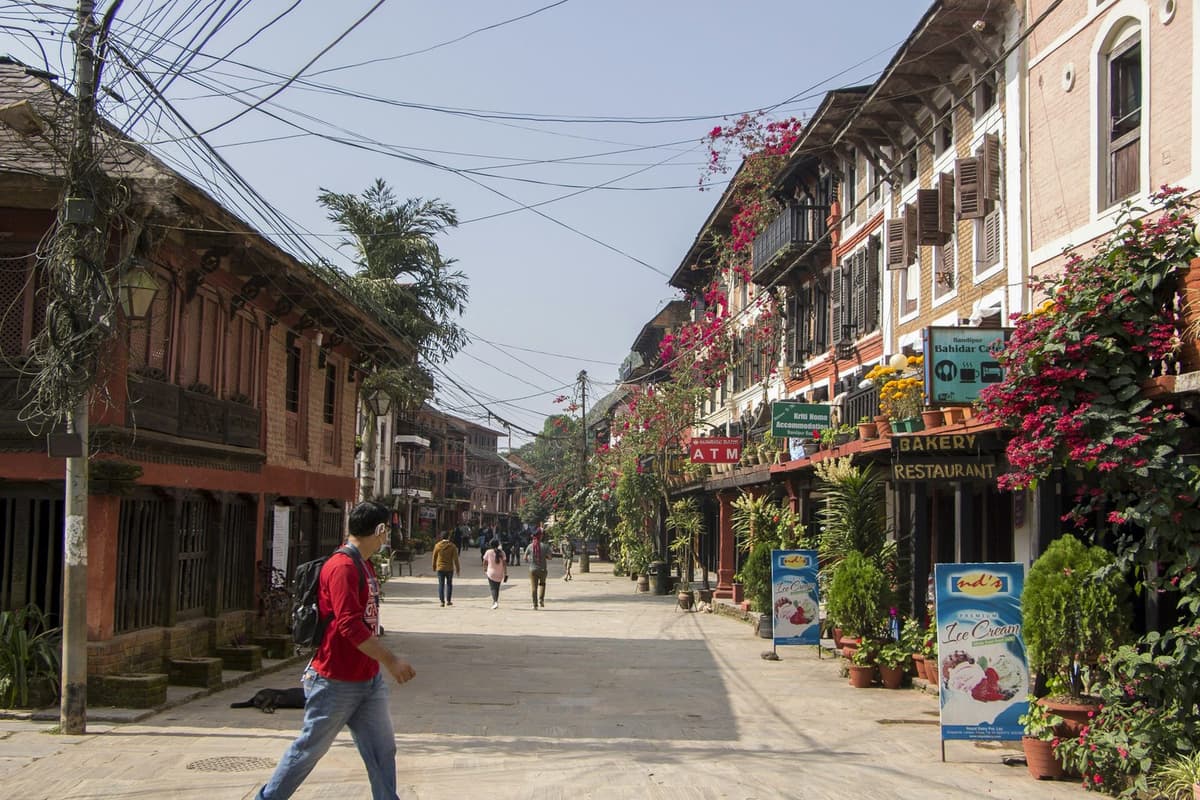
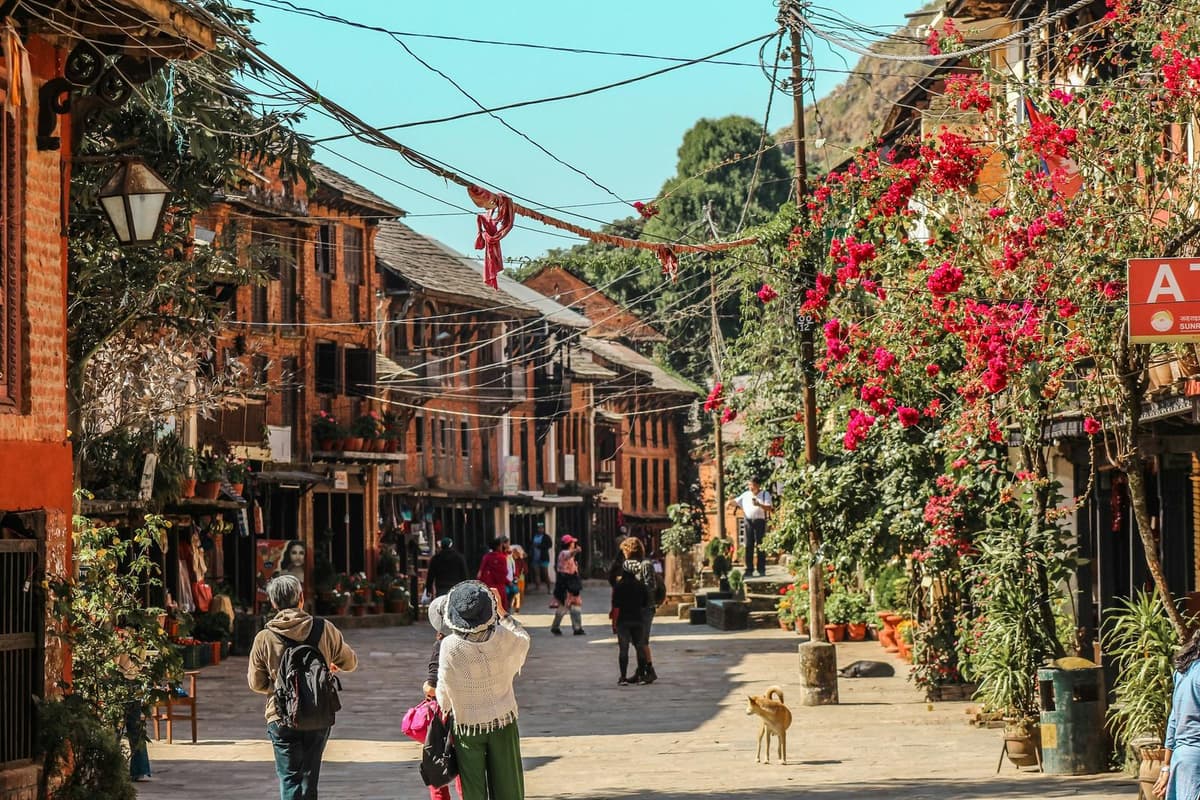
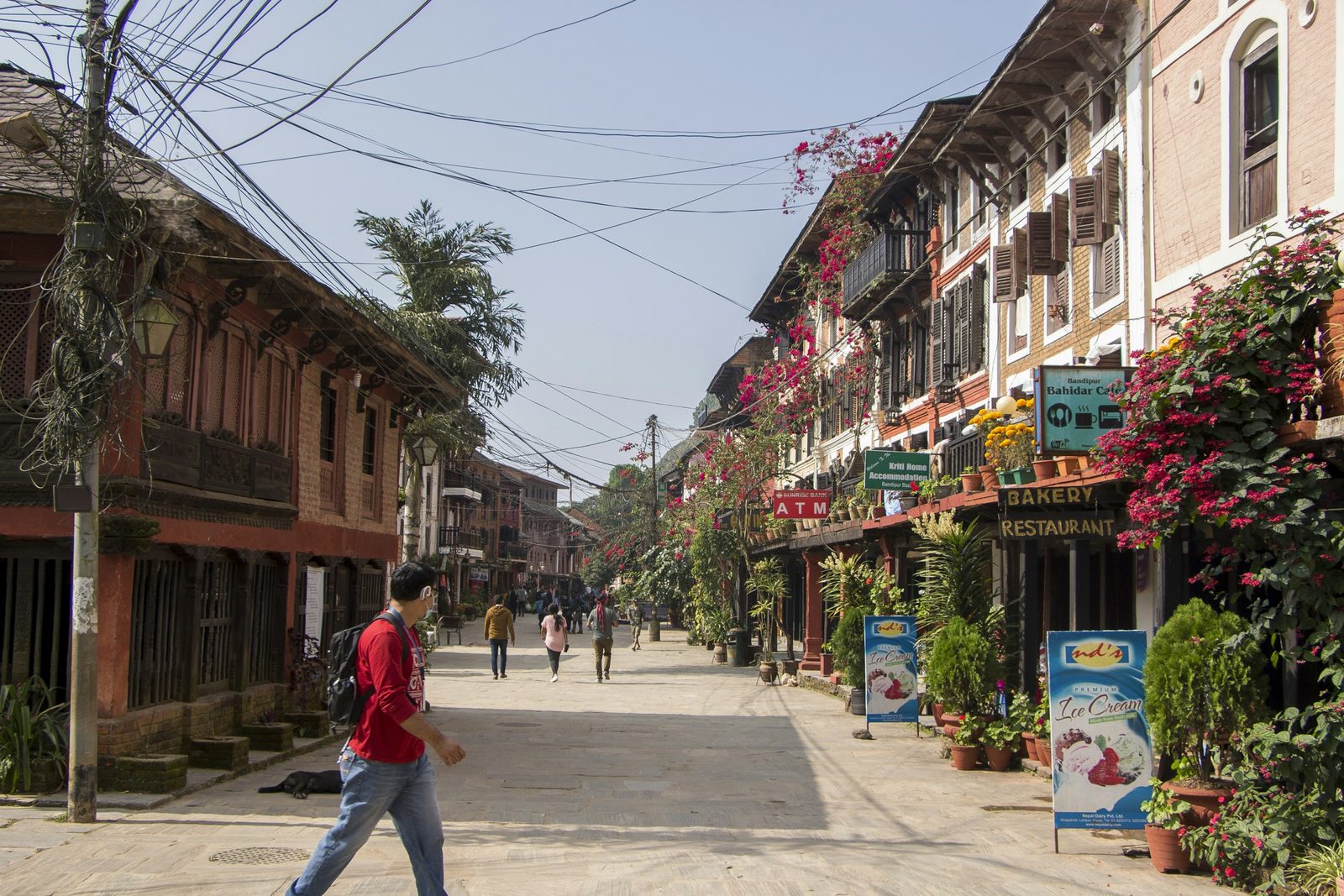
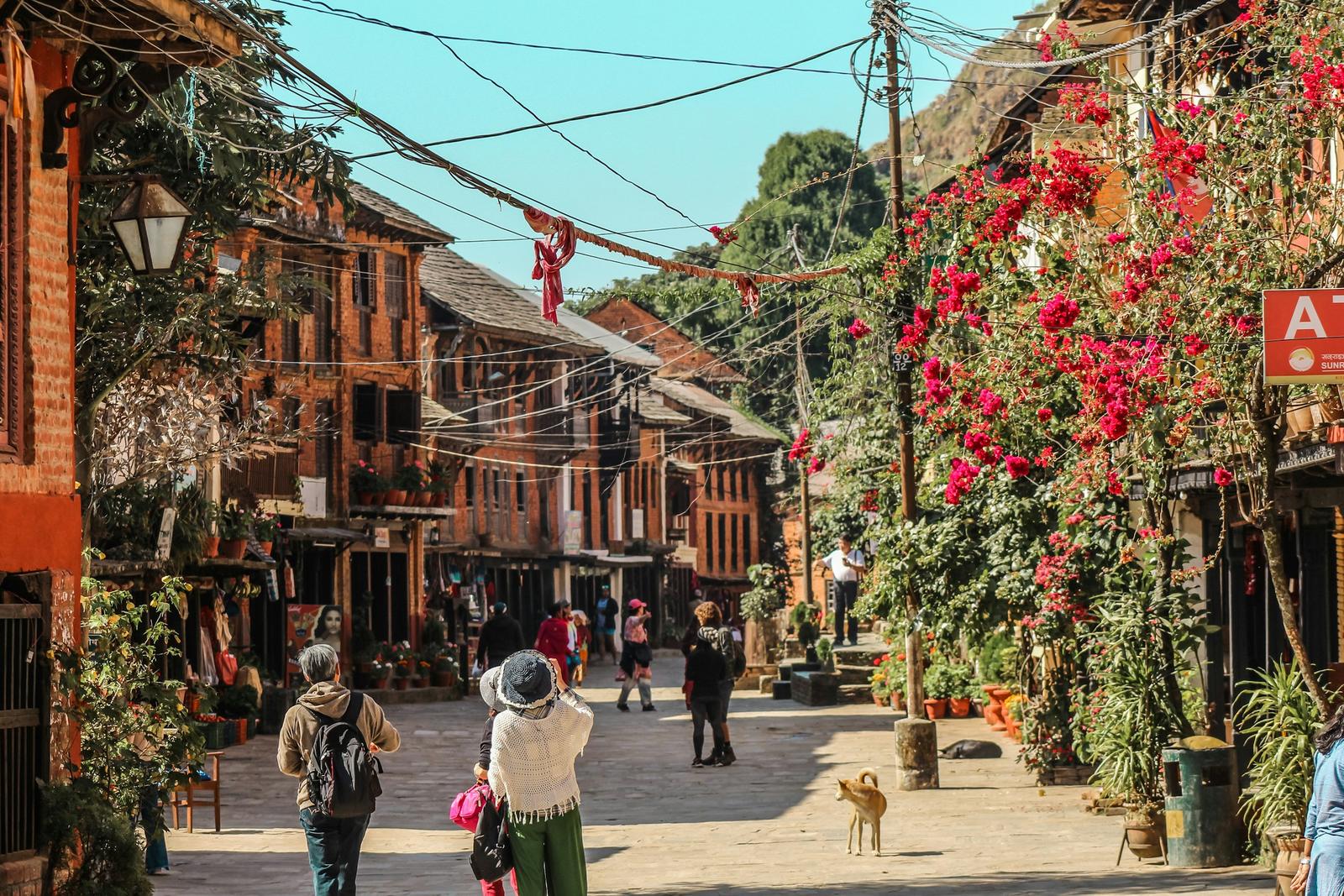
- Afternoon walk through the car-free, stone-paved bazaar and its old Newar houses
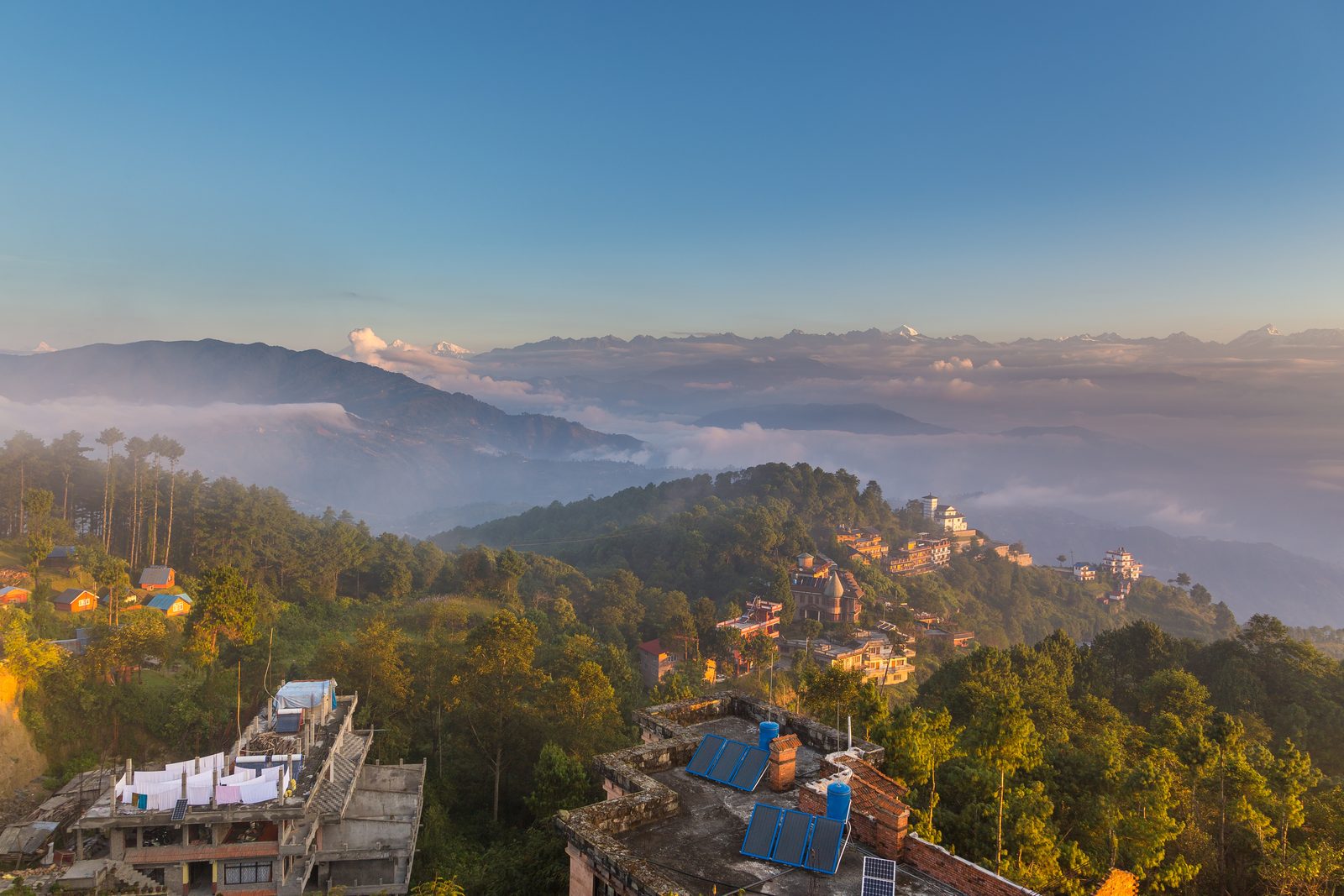
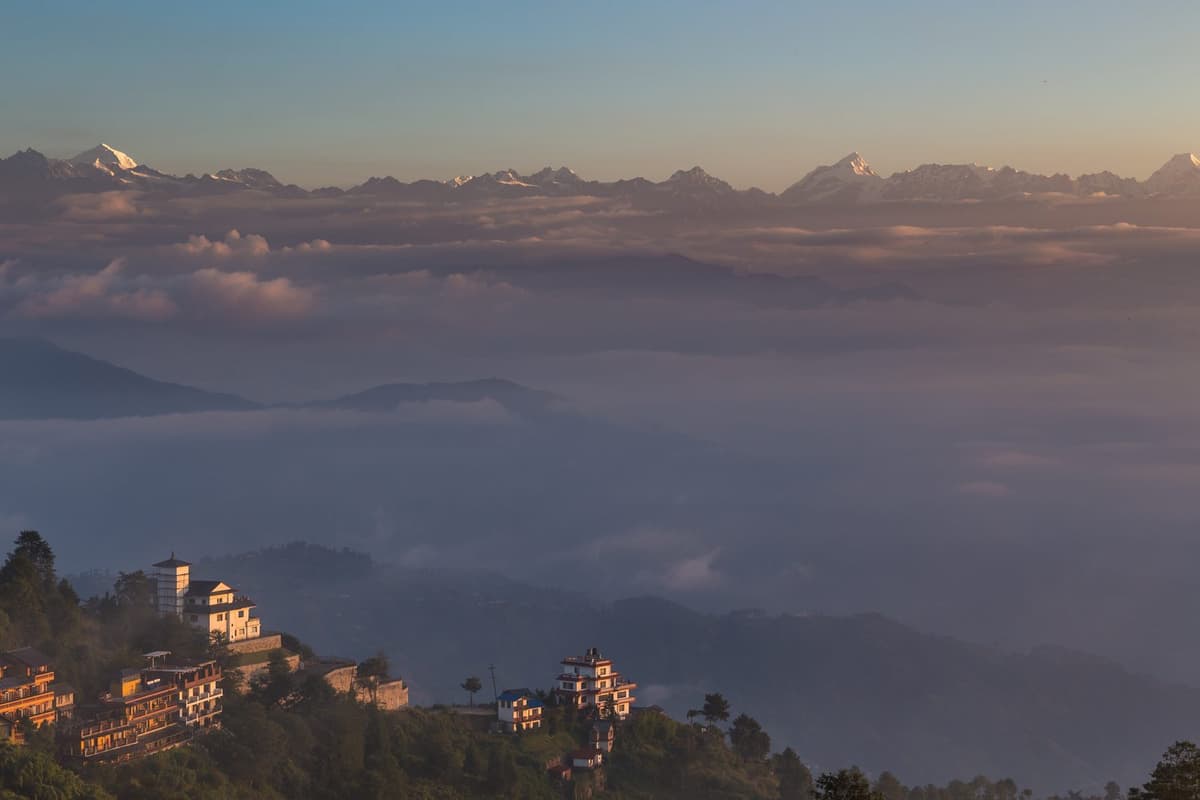
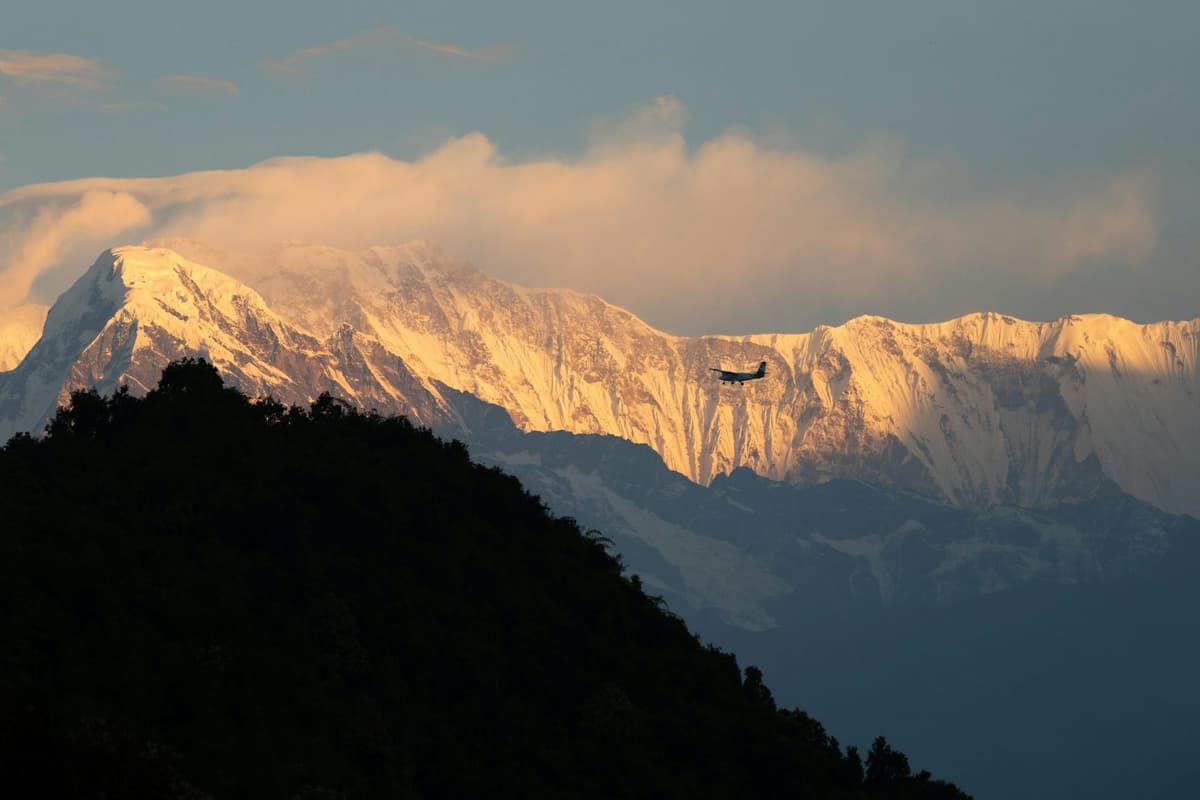
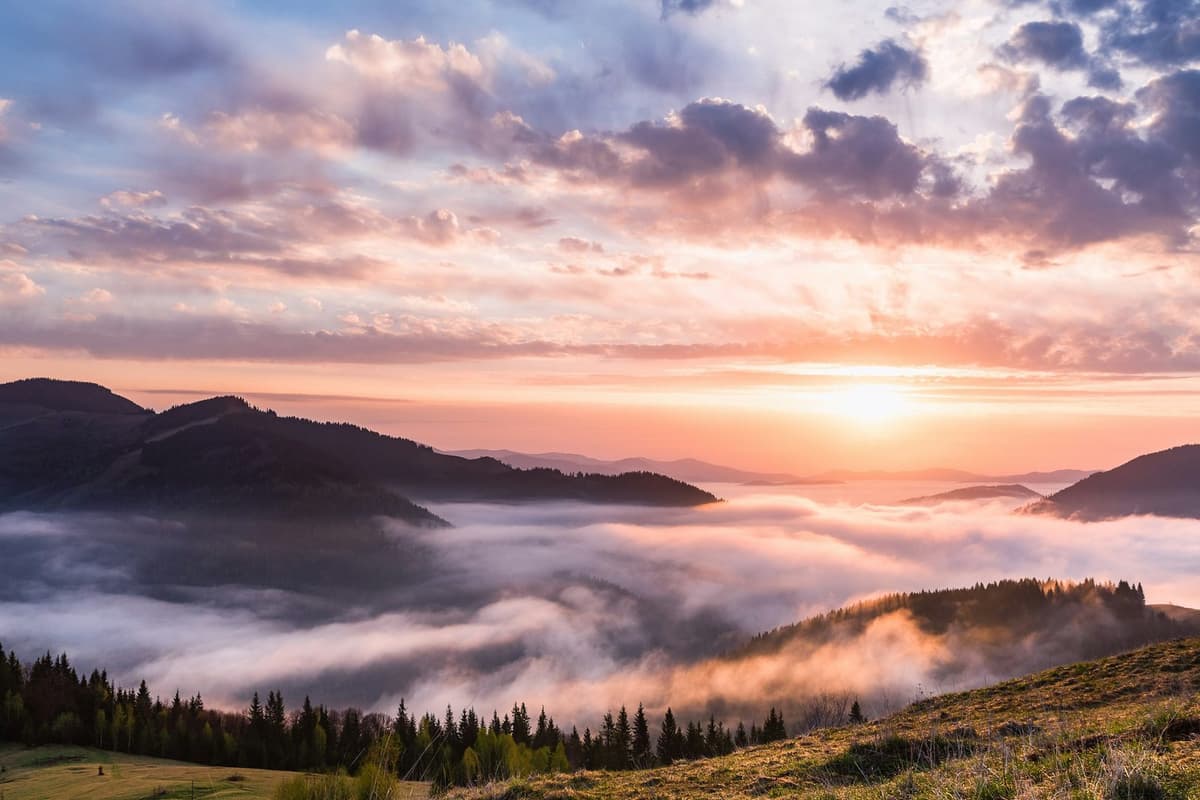
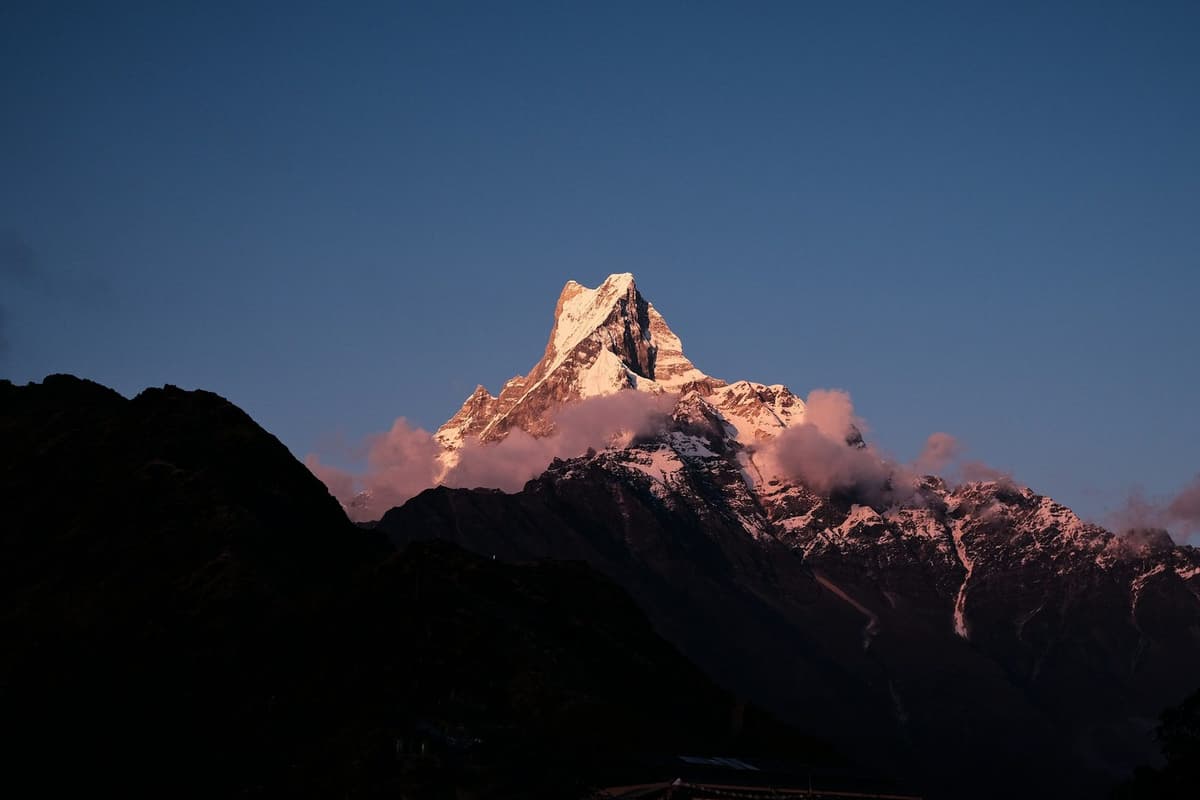
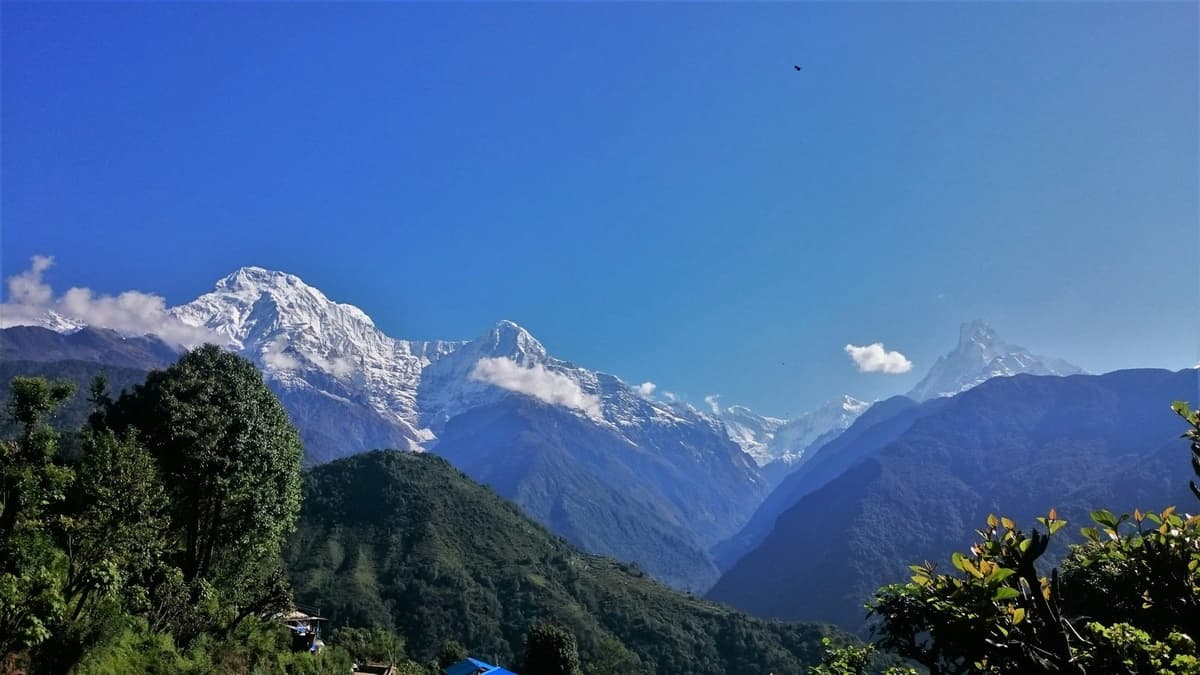
- Sunset from Tundikhel, a short walk from the bazaar, with views along the Himalaya
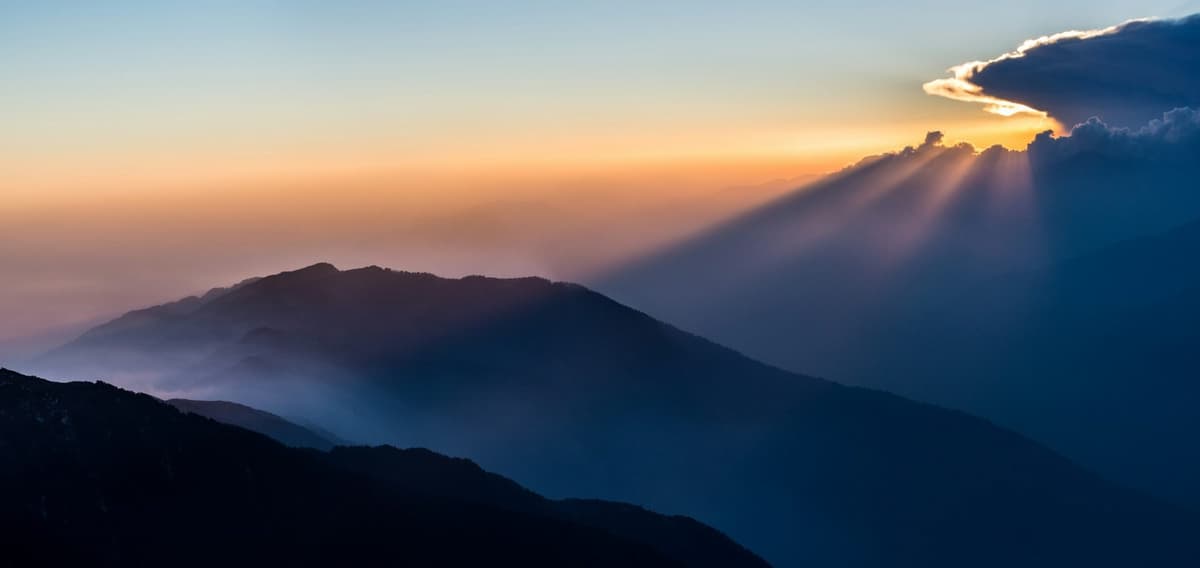
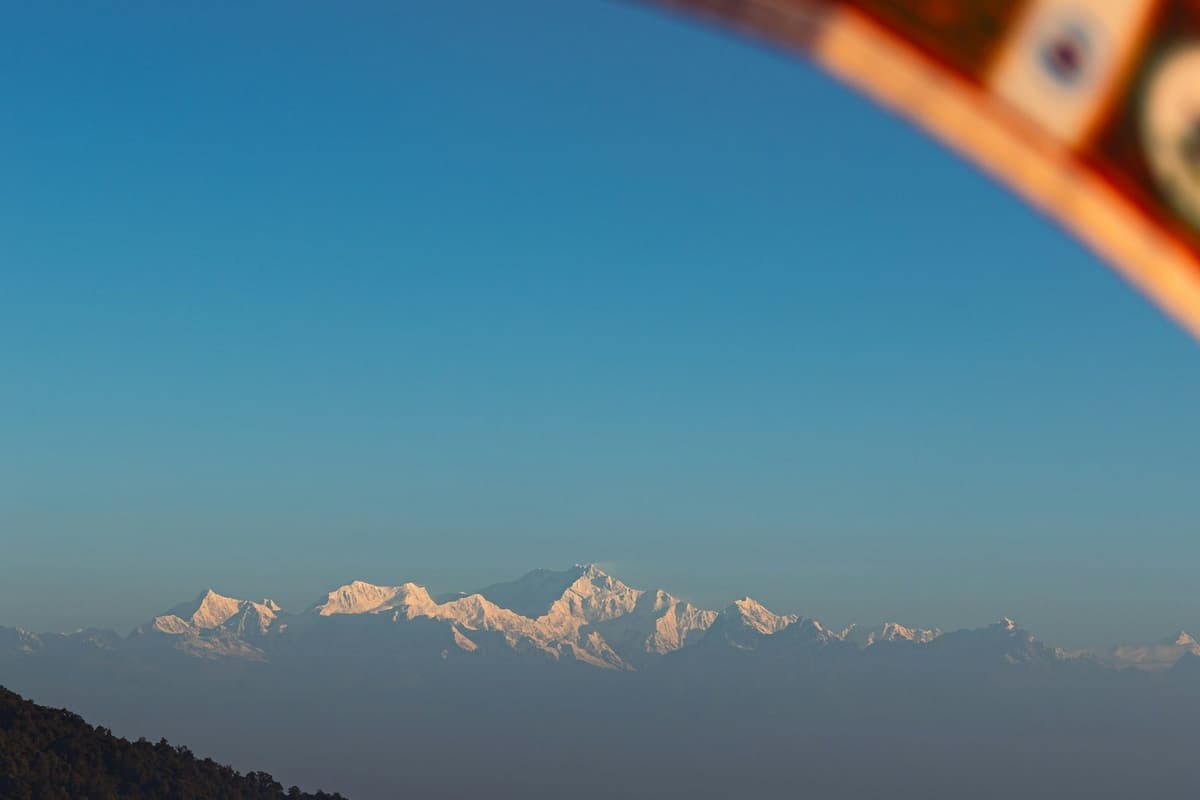
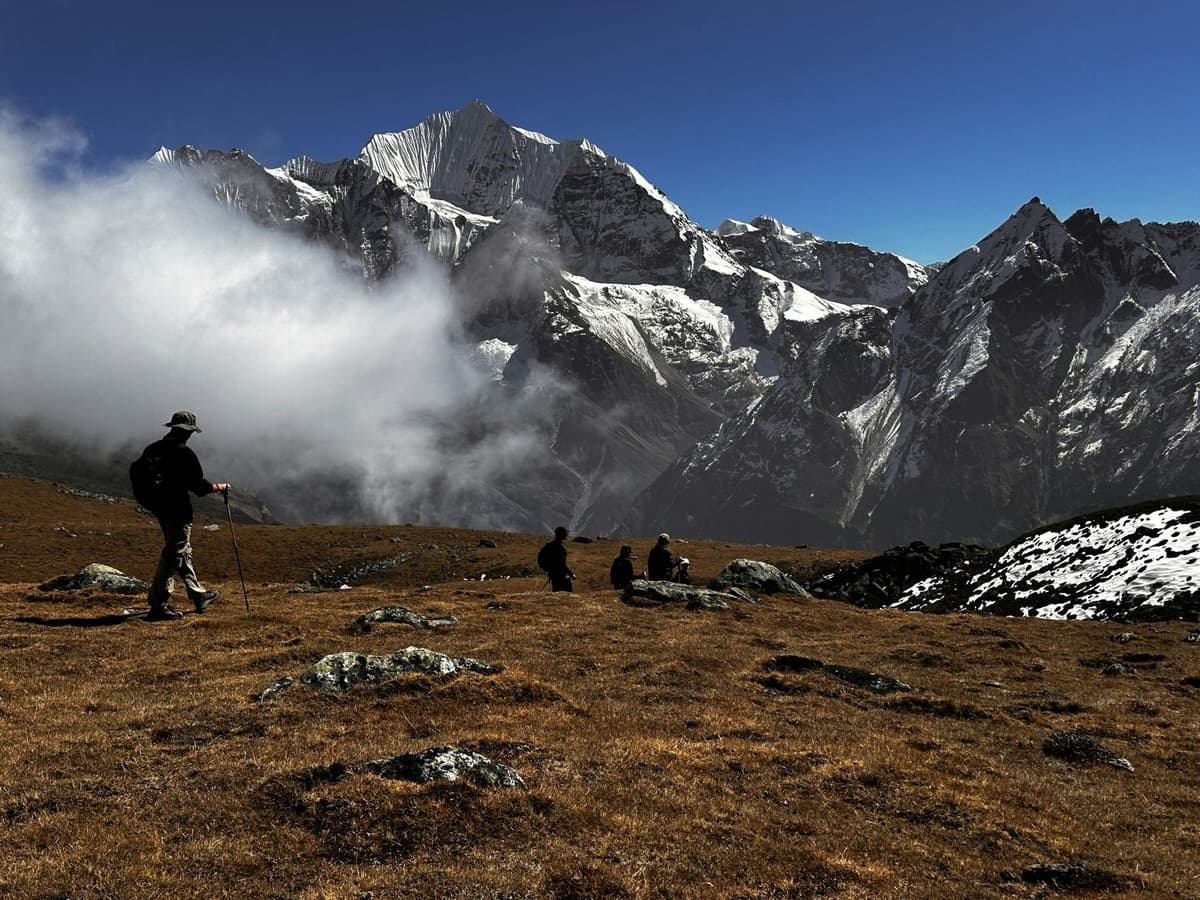
- Early walk to Tundikhel for morning views of the peaks on a clear day
- Drive back down to the Prithvi Highway and up the 24 km branch road to Gorkha
- Climb about 1,500 stone steps to Gorkha Durbar, or drive round to the rear entrance
- See the palace, the Kalika temple courtyard and the view north to Manaslu
- Morning in Gorkha bazaar, with time for the Gorkha Museum if you wish
- Drive back to Kathmandu, about 142 km and usually five to six hours
- Tea and lunch stops along the Prithvi Highway
- Arrive in Kathmandu by late afternoon
Things to carry
- Comfortable walking shoes with grip for the stone steps
- Easy-to-remove shoes and socks for temple courtyards
- Clothing that covers shoulders and knees
- A warm layer for cool hill evenings and mornings
- Sunscreen and a refillable water bottle
Good to know
Complete guide
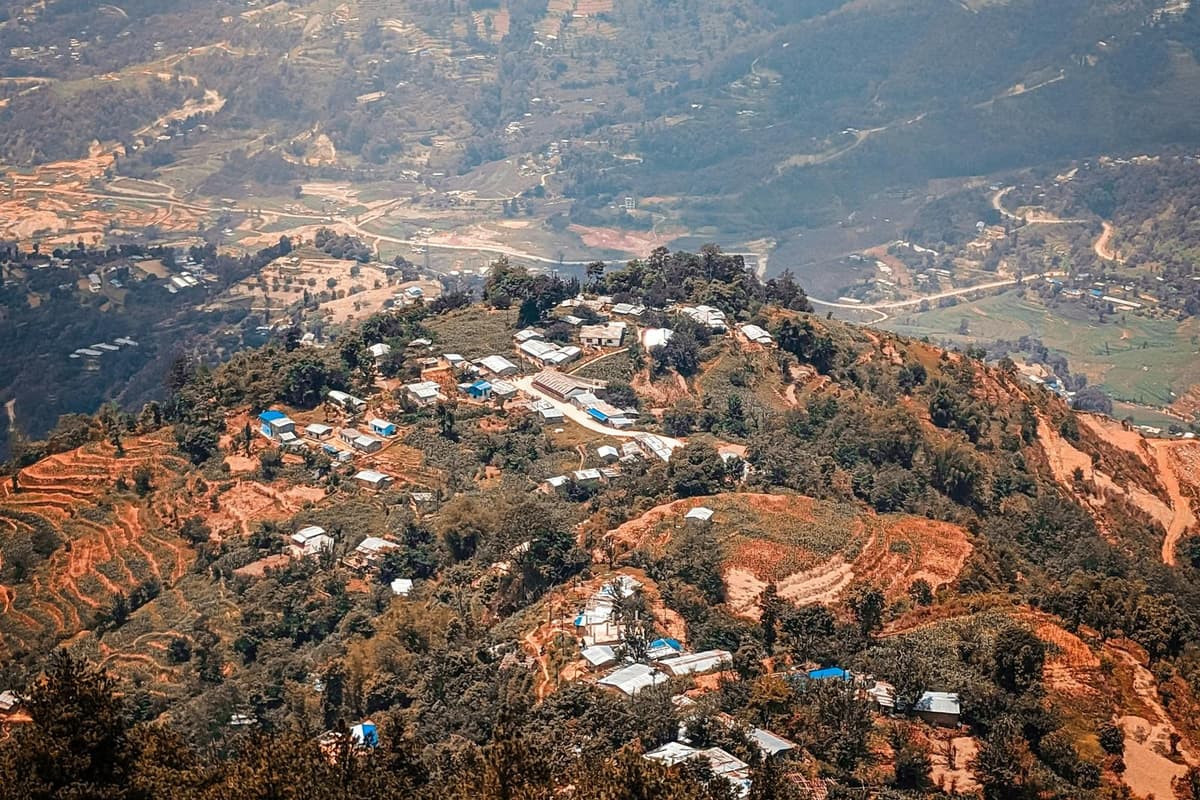
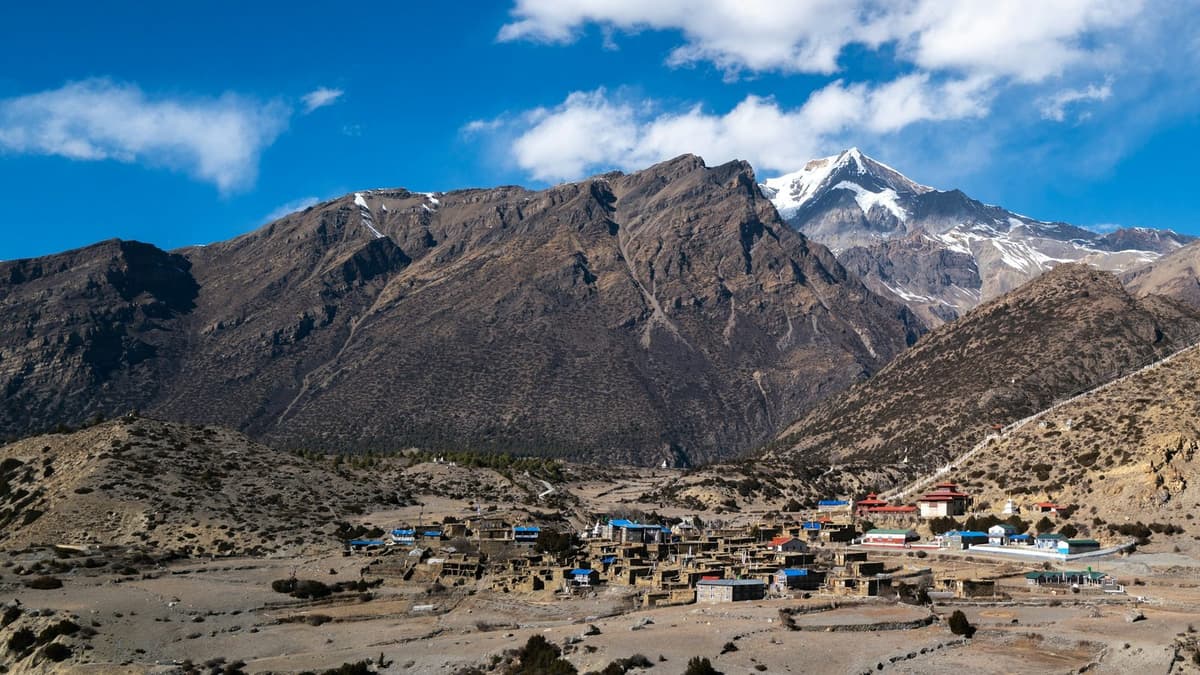
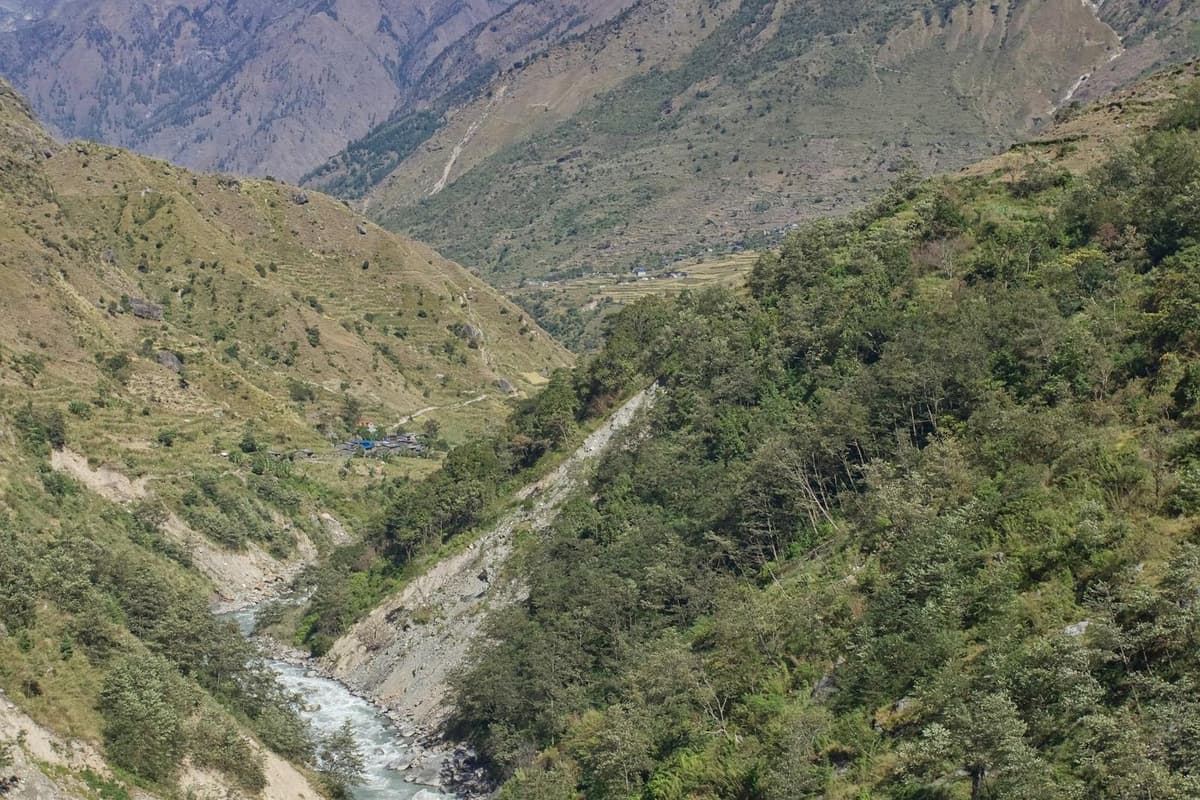
West of Kathmandu, the main highway follows the rivers while the old towns sit on the ridges above. This Bandipur and Gorkha tour visits two of them in three days: a merchant town that has kept its old bazaar, and the hilltop palace where the story of modern Nepal begins. It is a short, easy trip for people who like history, architecture and quiet evenings more than busy sightseeing.
What the Bandipur and Gorkha tour covers
You leave Kathmandu on the first morning by private vehicle for Bandipur, about 143 km west. The drive usually takes four to six hours depending on traffic, the last part on an 8 km road that climbs from Dumre up to the ridge. In the afternoon you walk the bazaar and, if the sky is clear, finish the day at Tundikhel, the open ground at the edge of town that looks out along the Himalaya.
On the second day you drive back down to the highway and up the 24 km branch road to Gorkha. From the bazaar, a path of about 1,500 stone steps leads to Gorkha Durbar, which most people climb in around 45 minutes with rests. On the third day you drive about 142 km back to Kathmandu, usually five to six hours.
Bandipur: a trading town that kept its bazaar
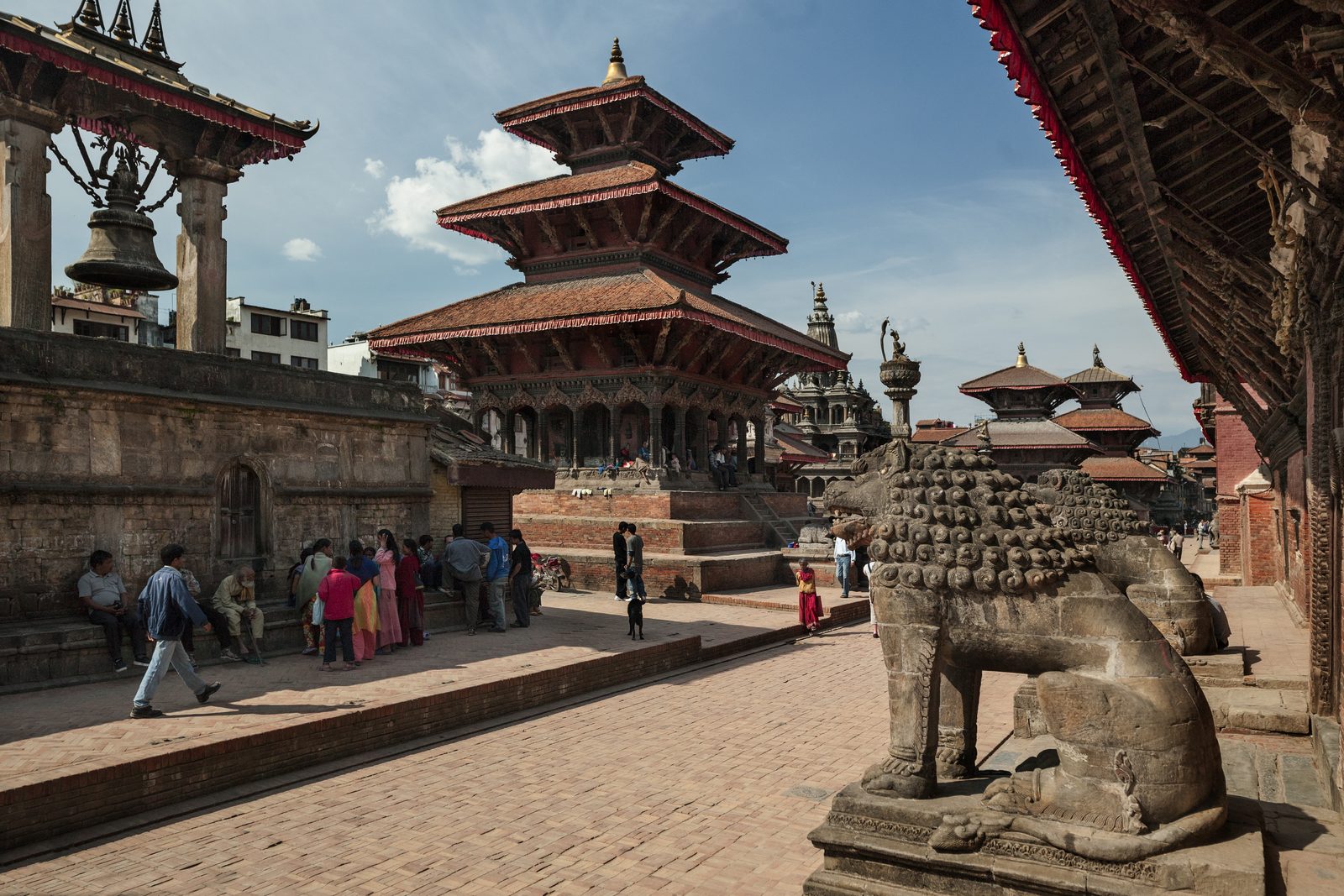
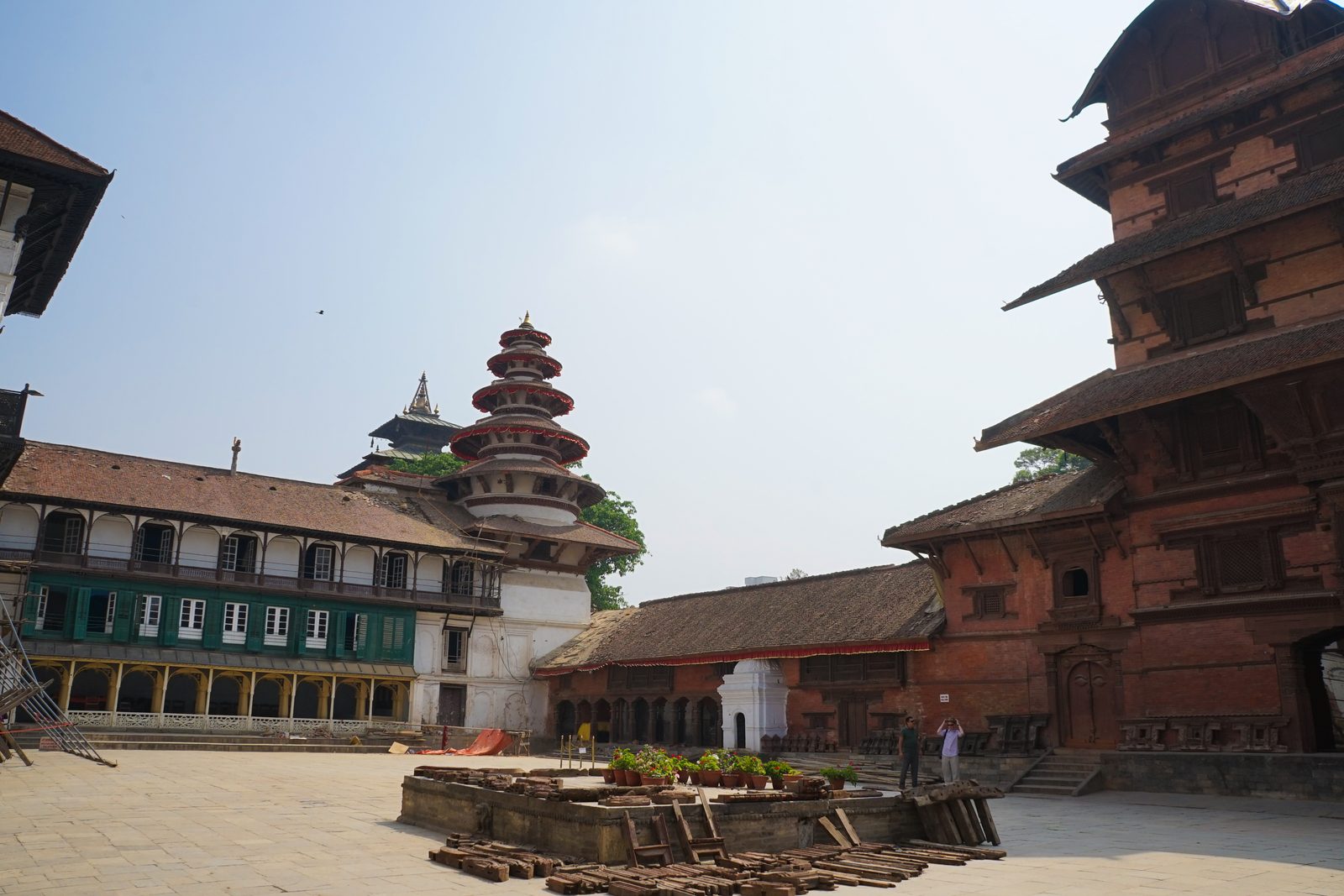
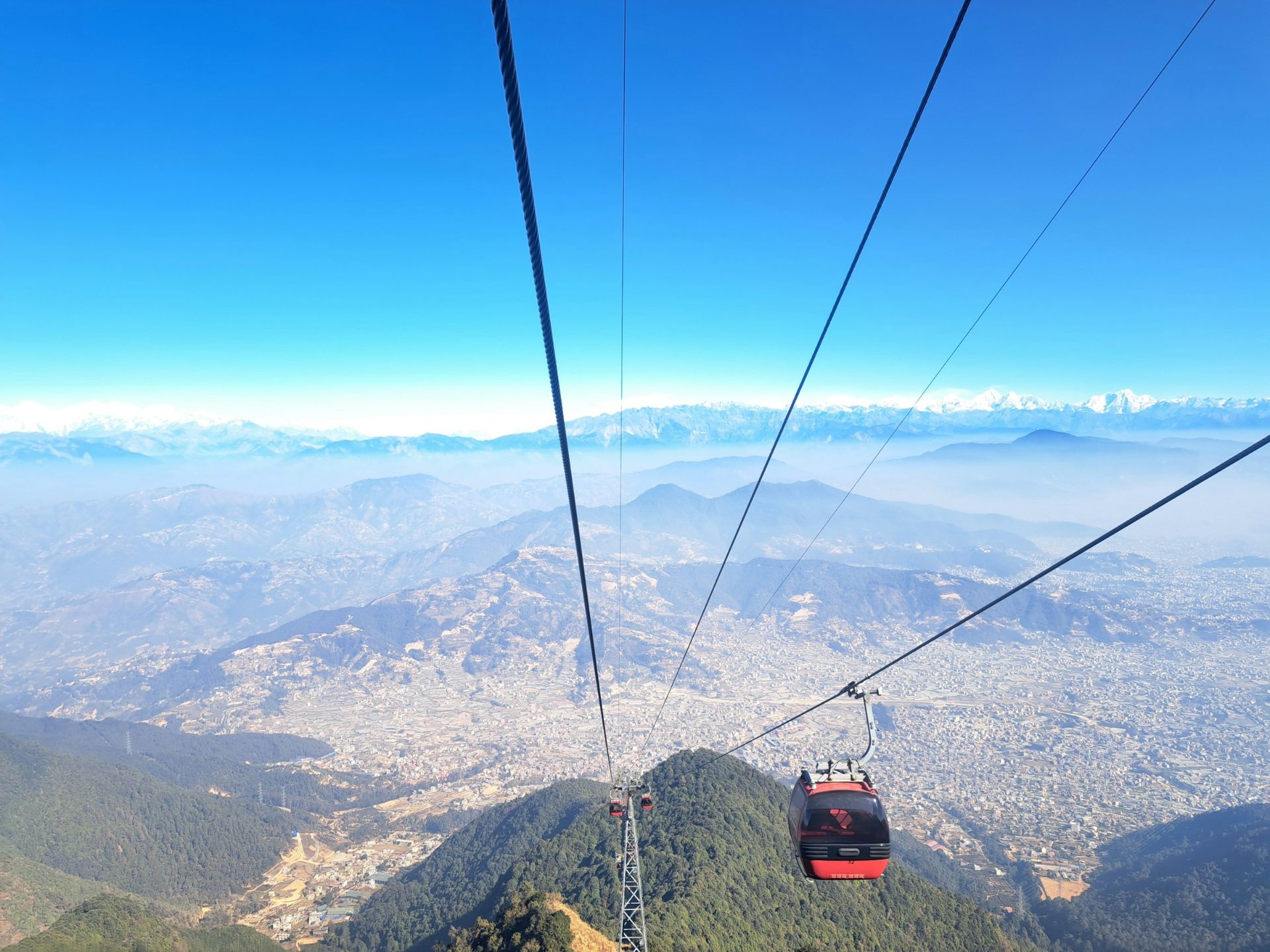
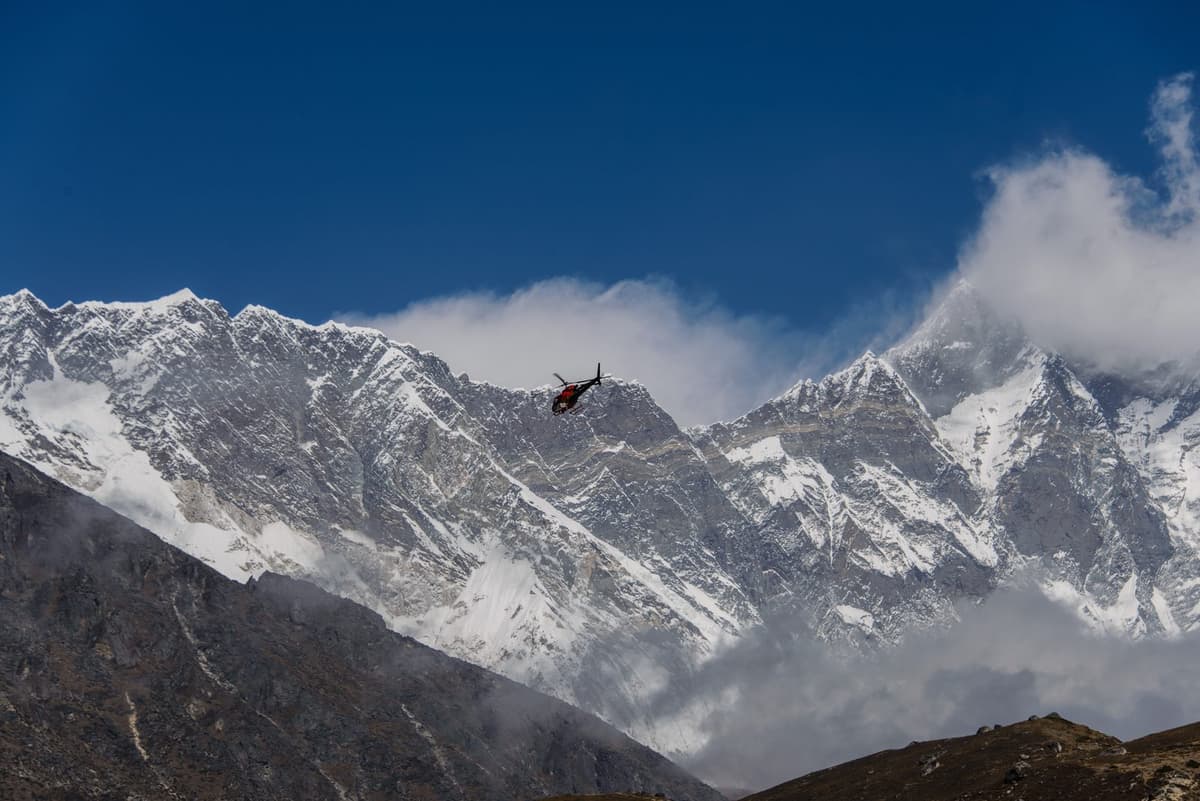
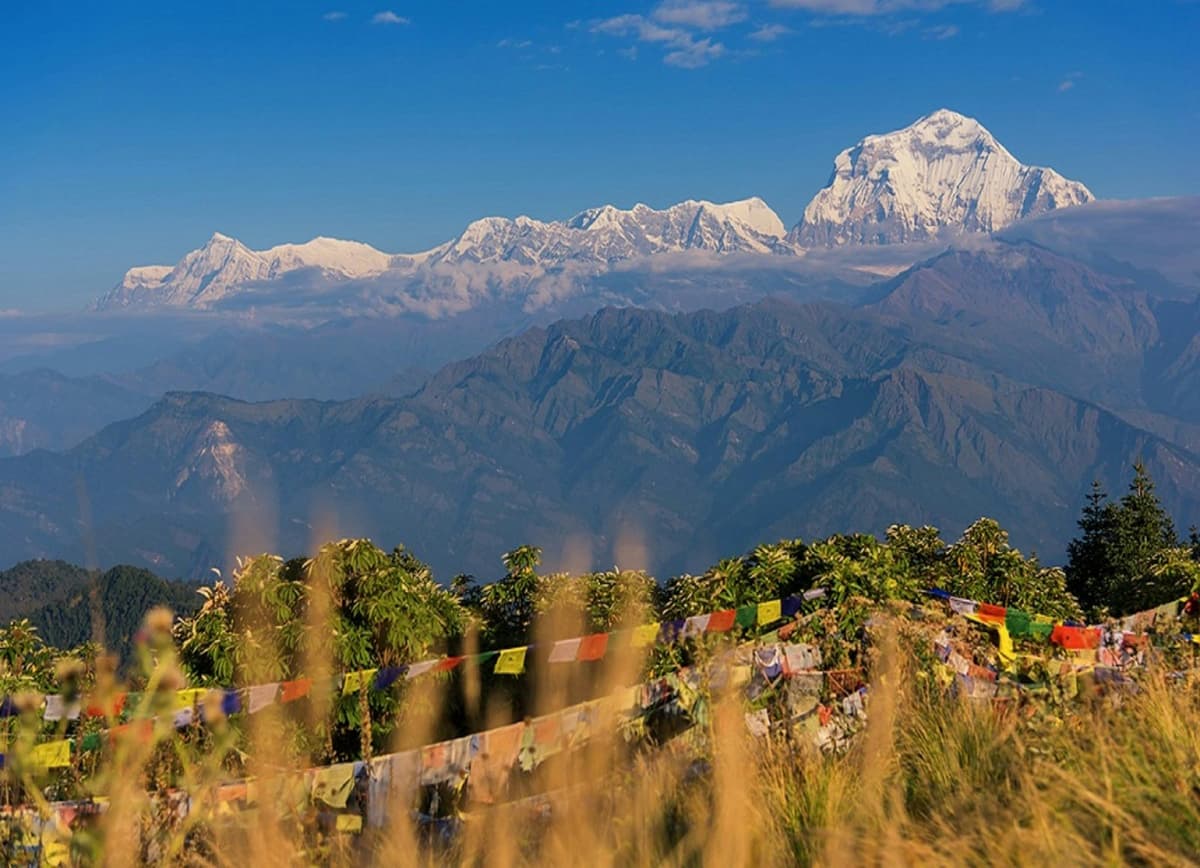
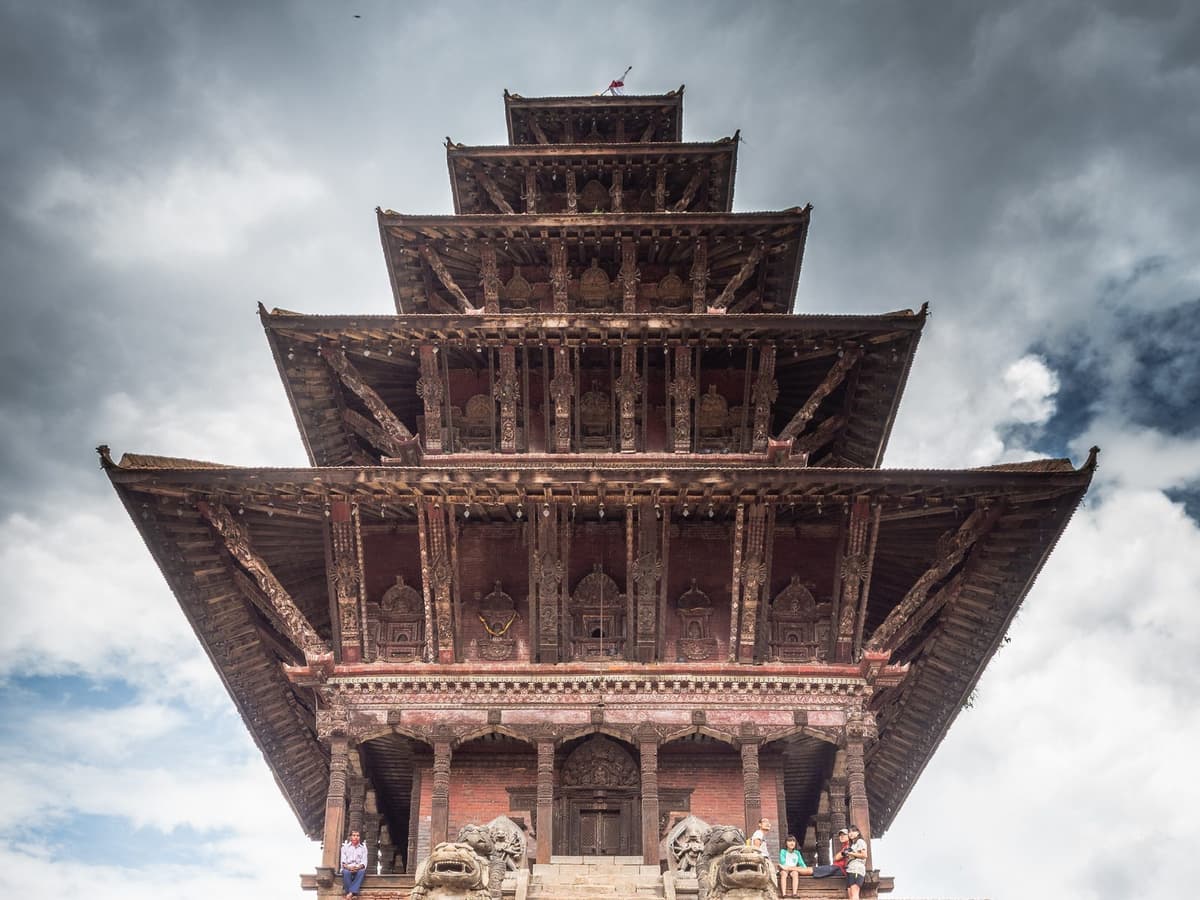
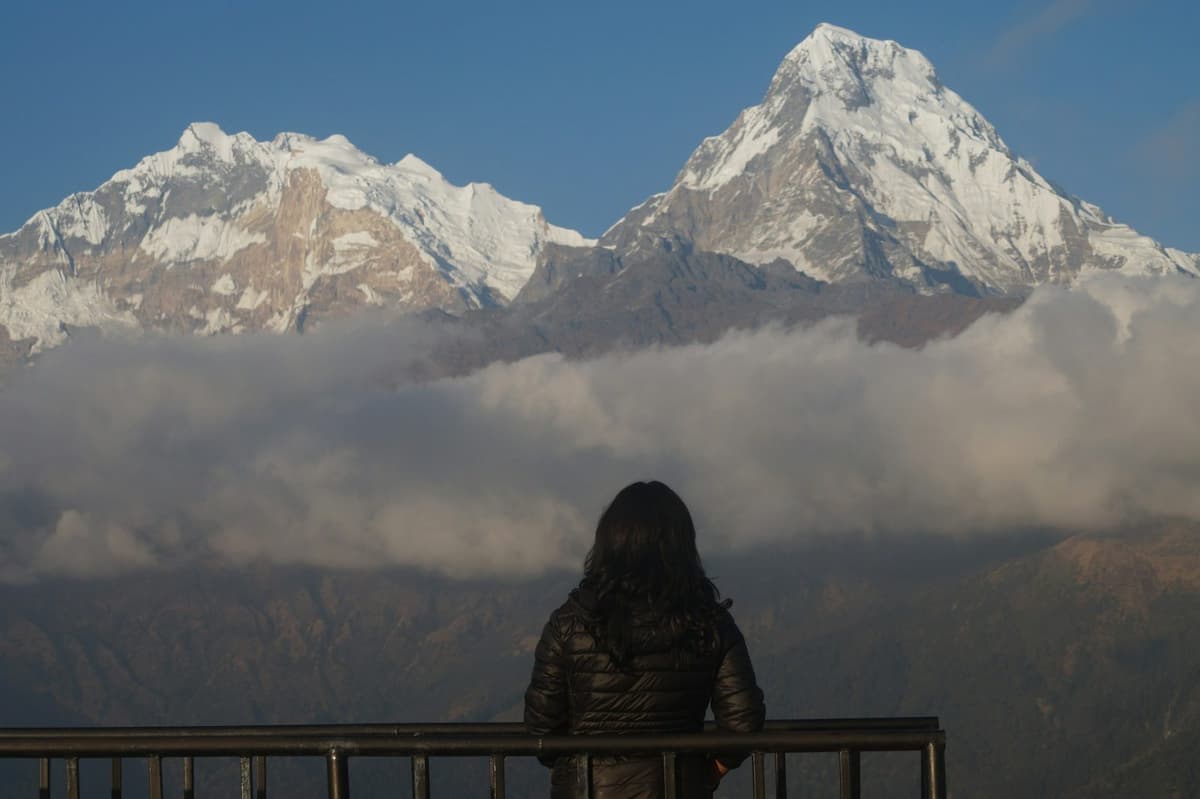
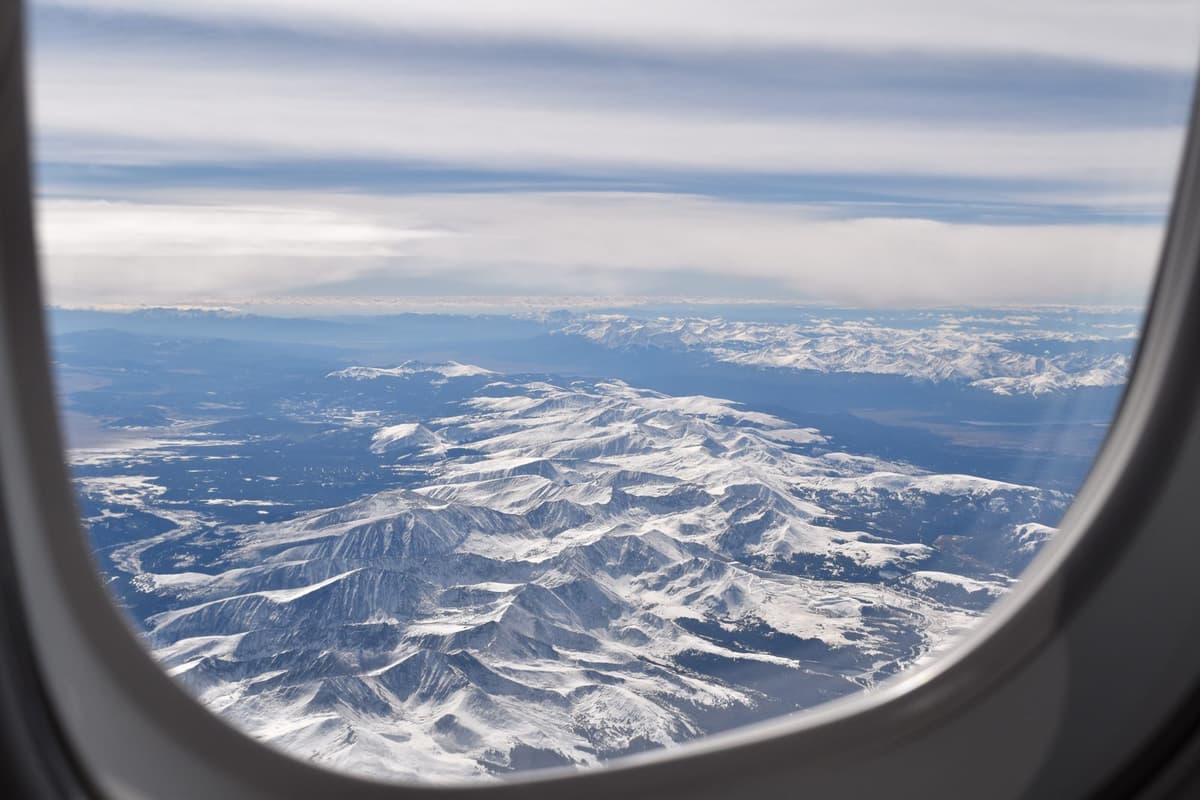
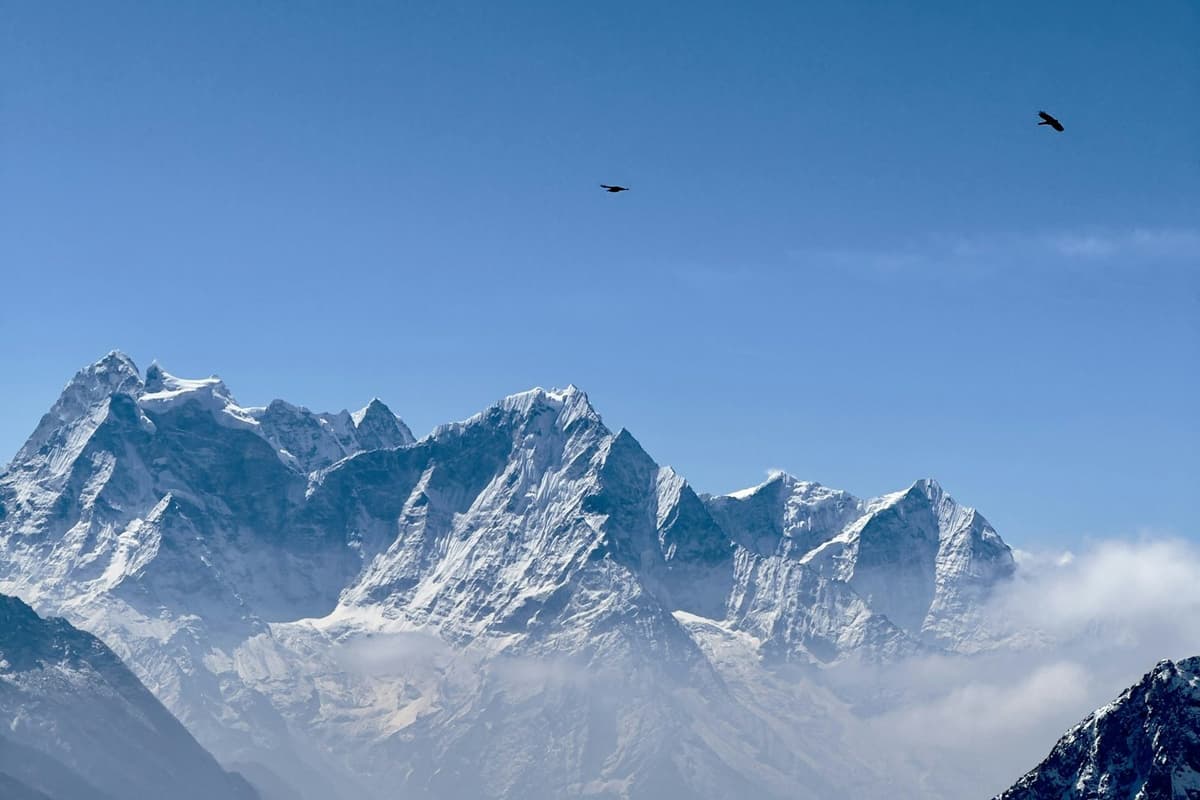
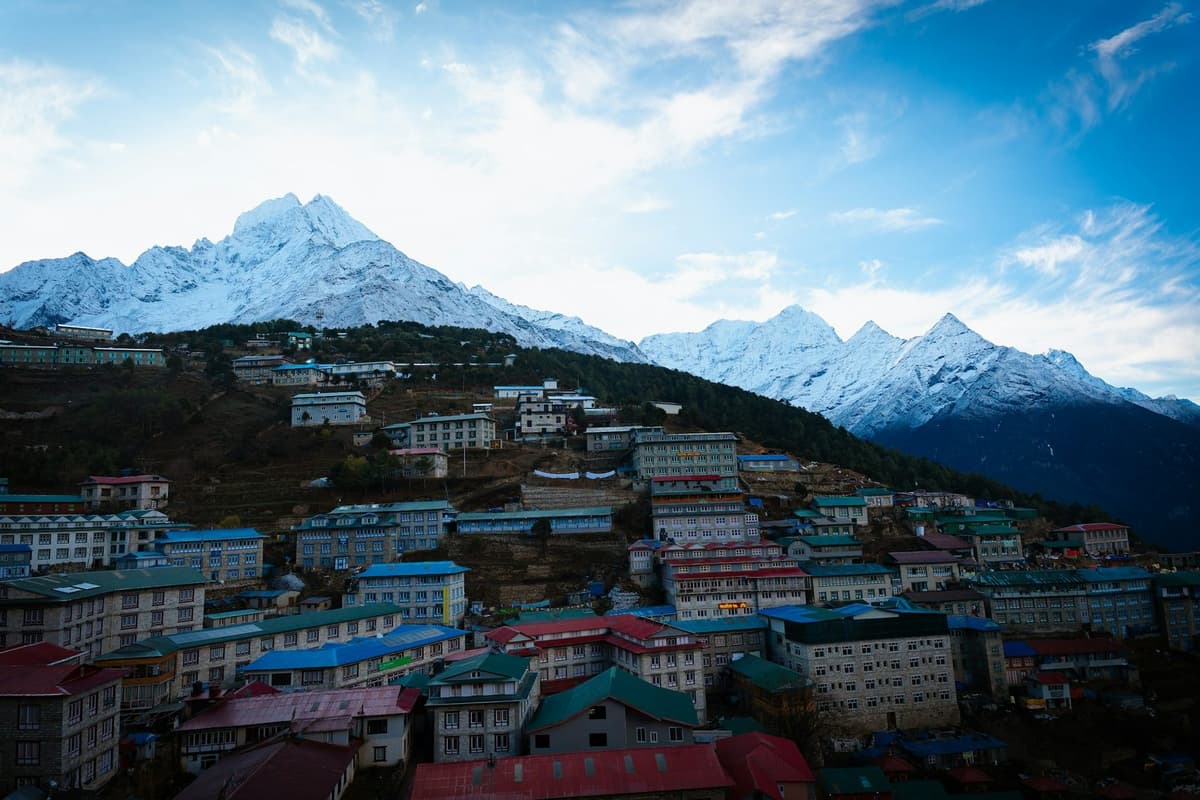
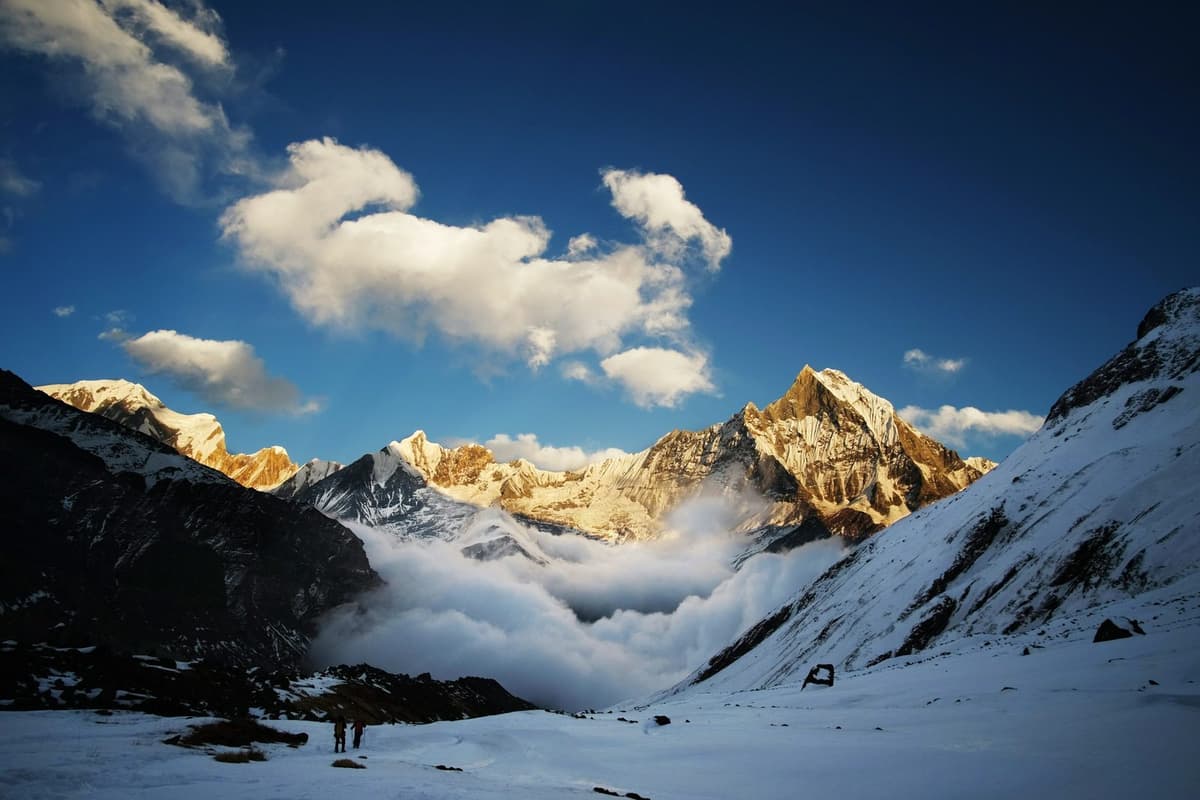
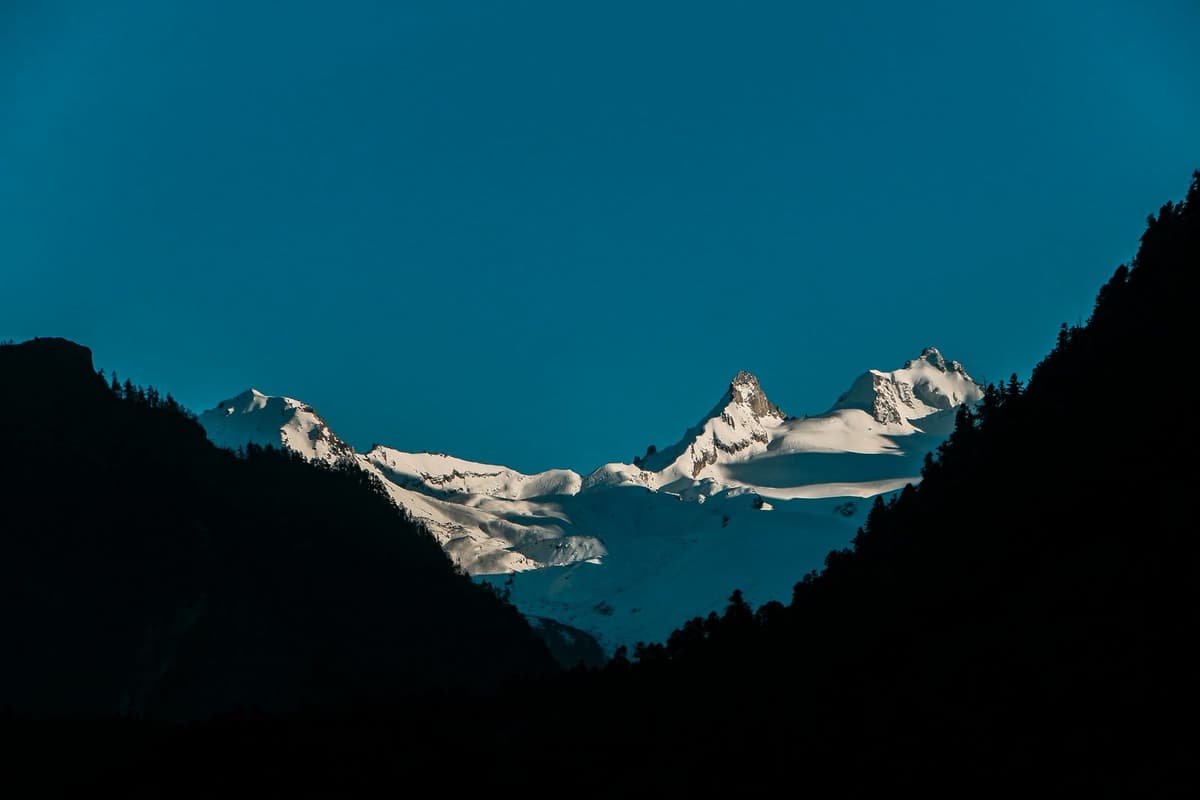
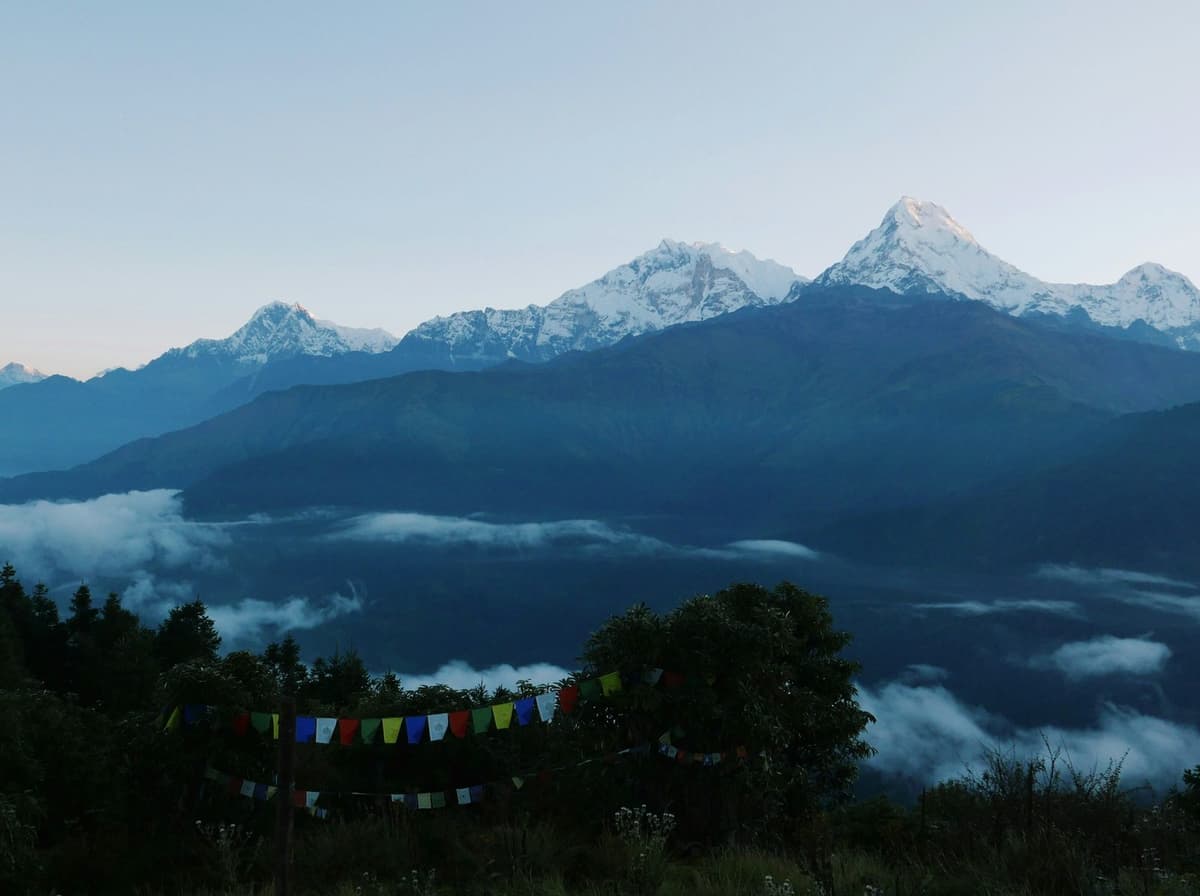
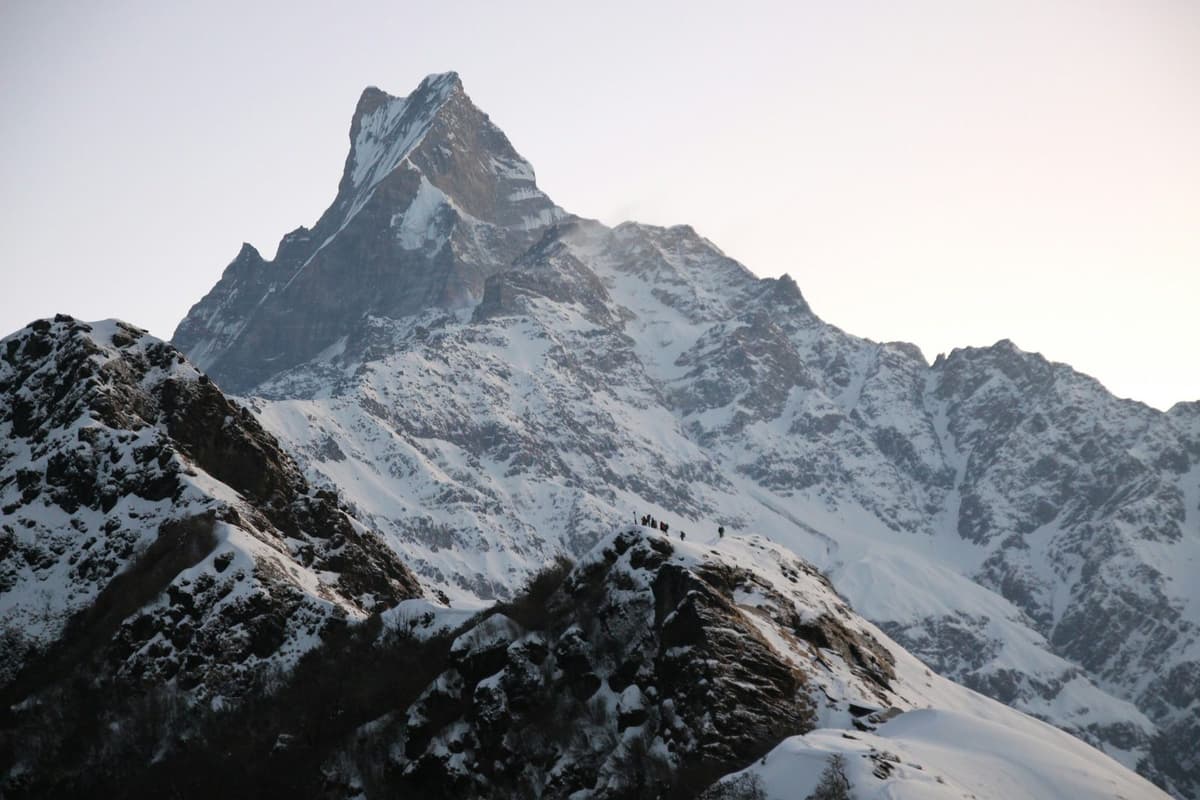
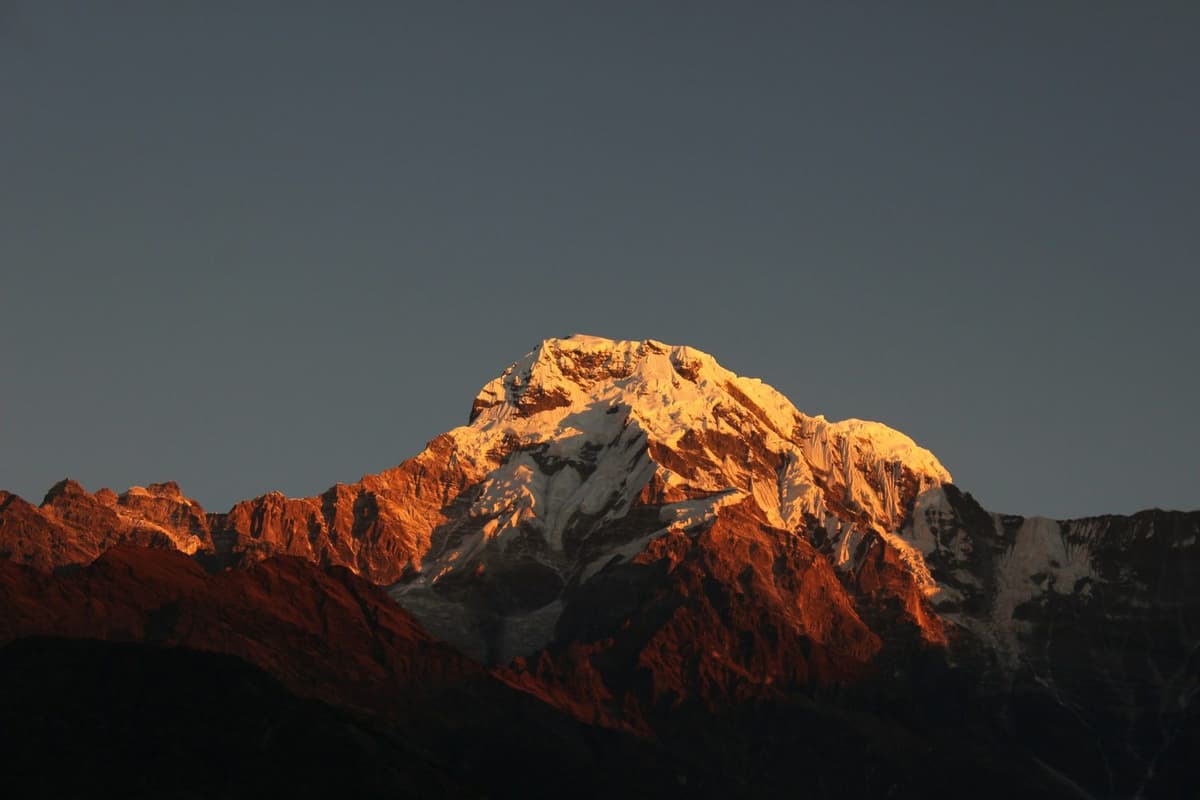
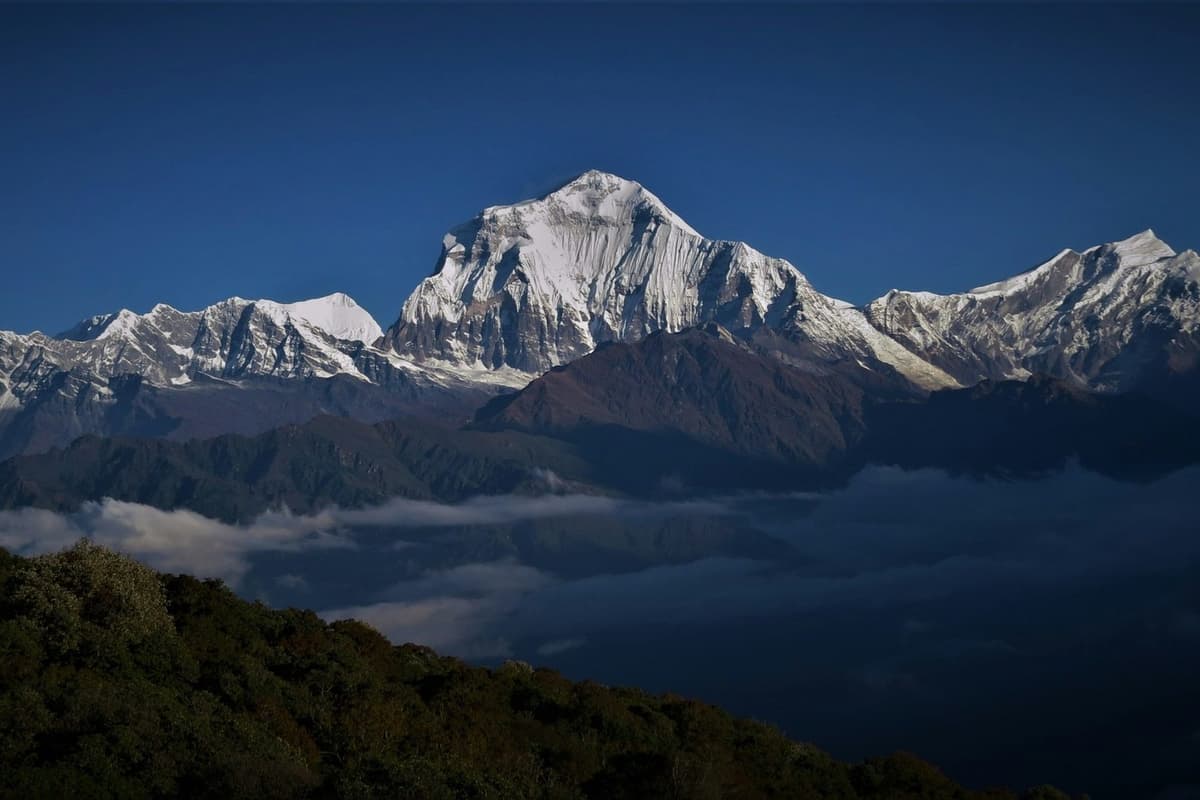
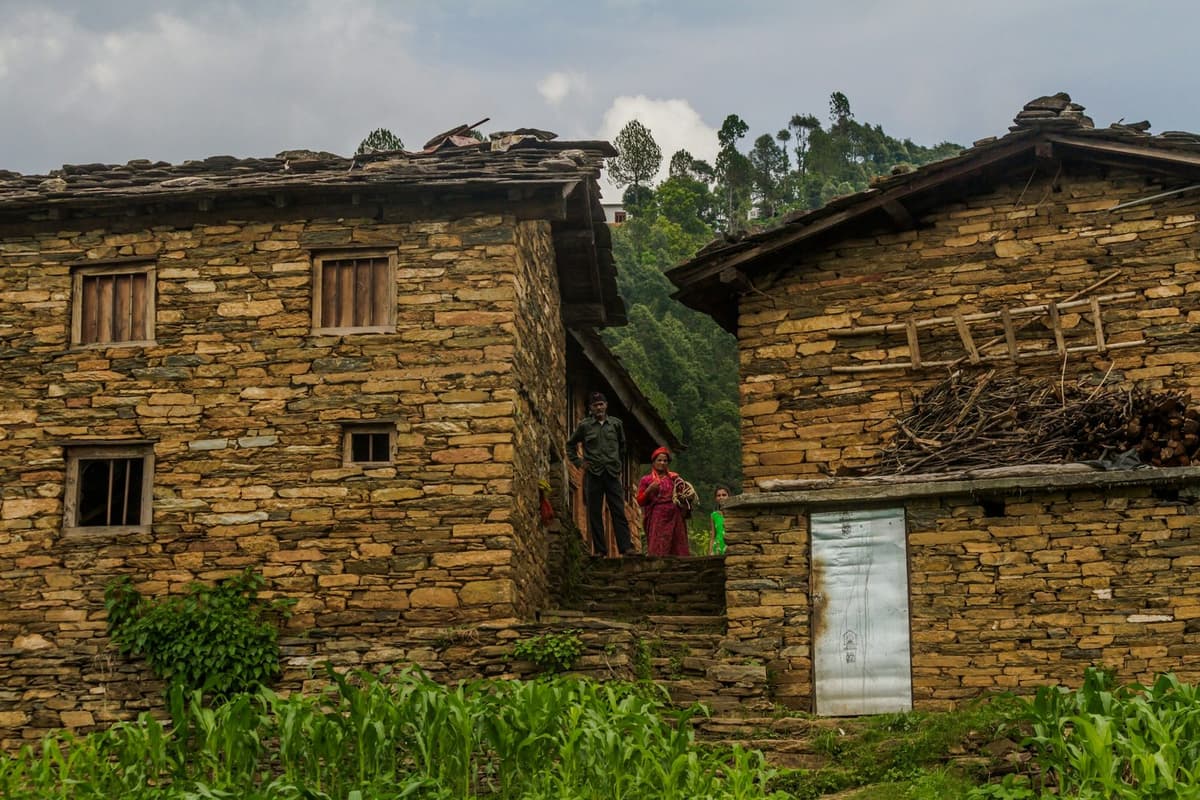
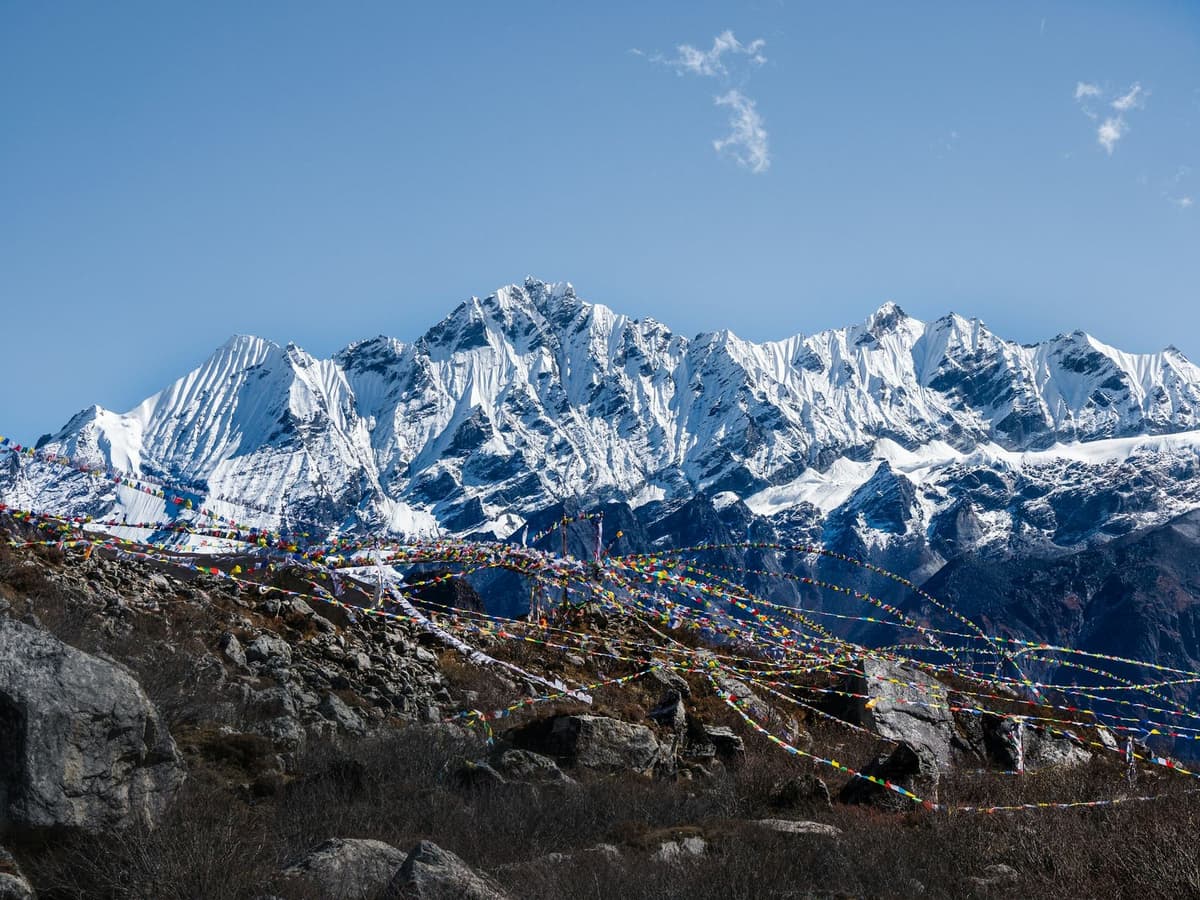
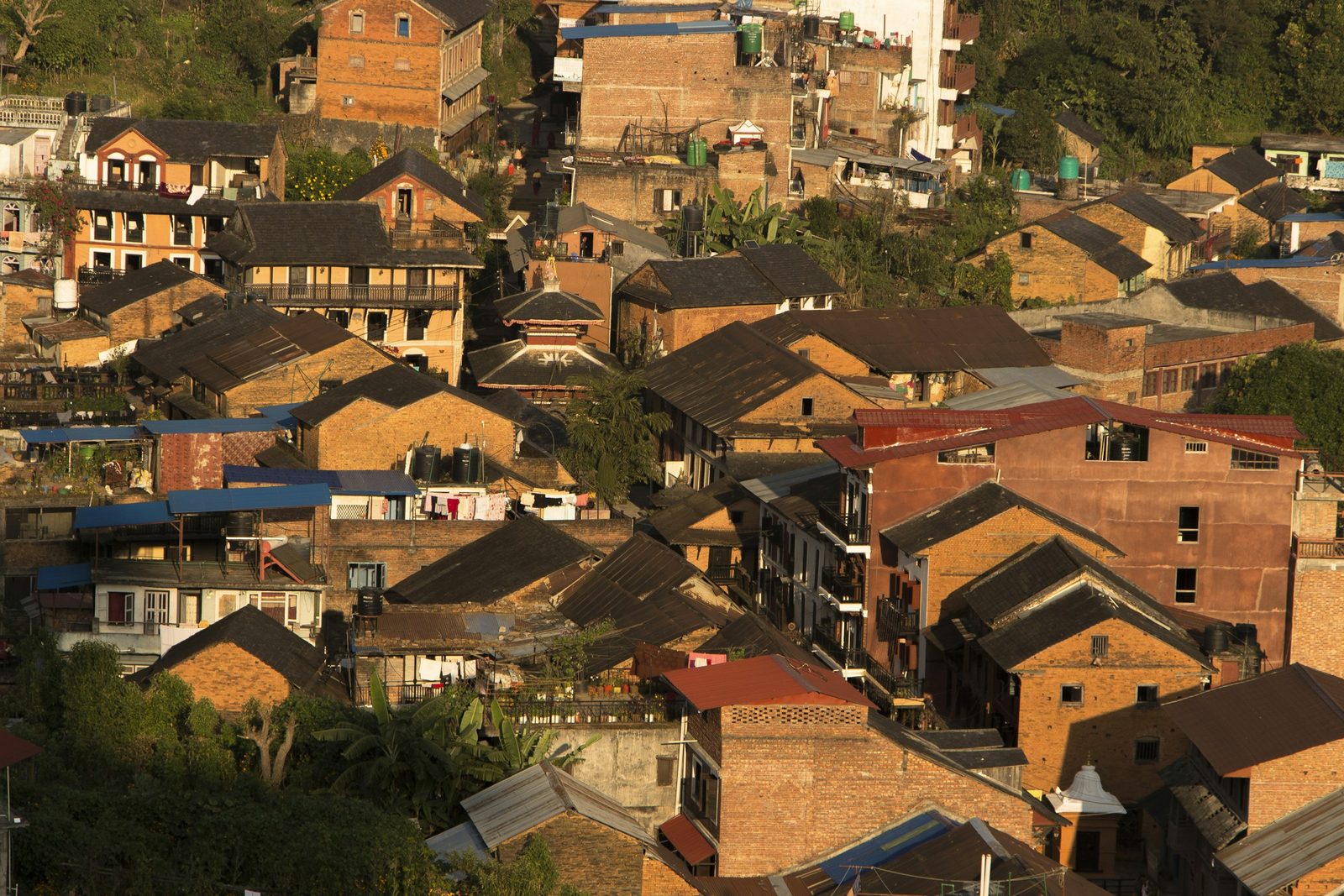
Newar traders from Bhaktapur built Bandipur into a busy stop on the trade route between India and Tibet, and their brick and timber houses still line the main street. The bazaar is paved in stone and closed to traffic, so it is quiet and easy to explore on foot. From Tundikhel, on a clear day, the view runs from Langtang and Ganesh Himal across Manaslu and the Annapurnas to Dhaulagiri. There is not a great deal to do in Bandipur, and that is the point: it is a place to walk slowly and sit with a cup of tea.
Gorkha Durbar and the story of unification
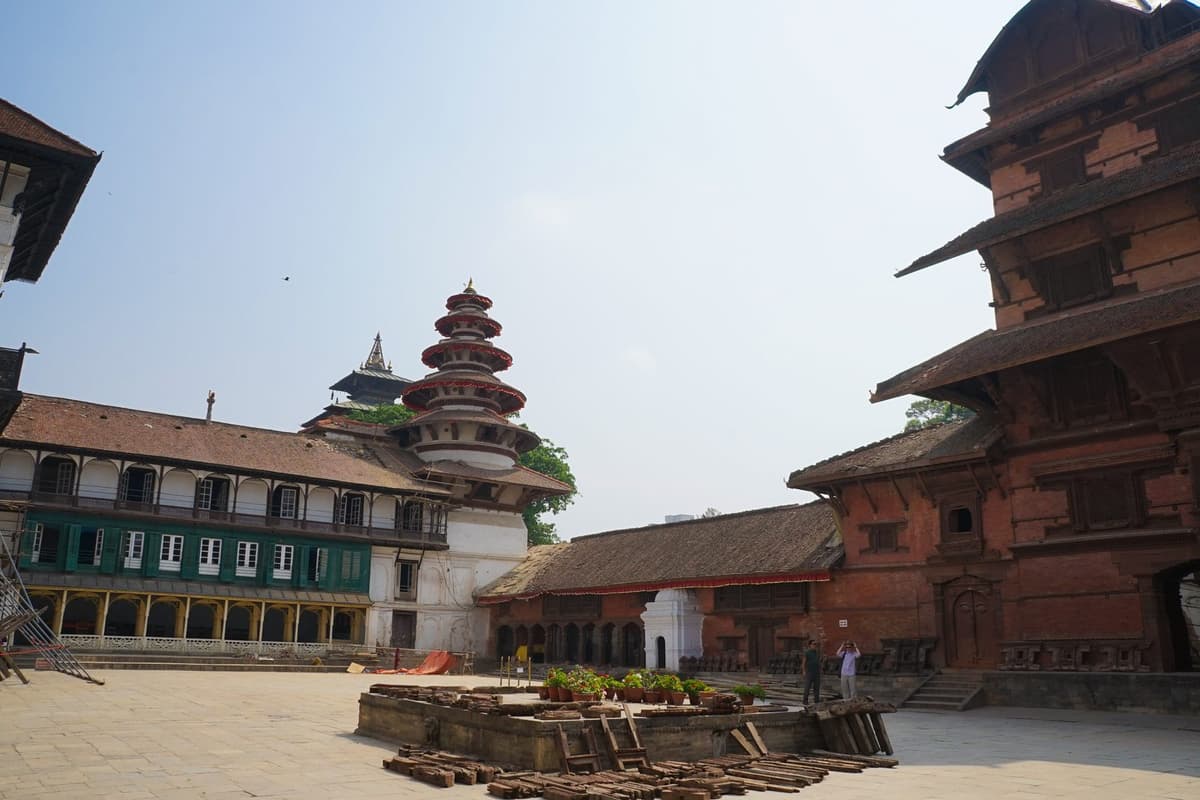
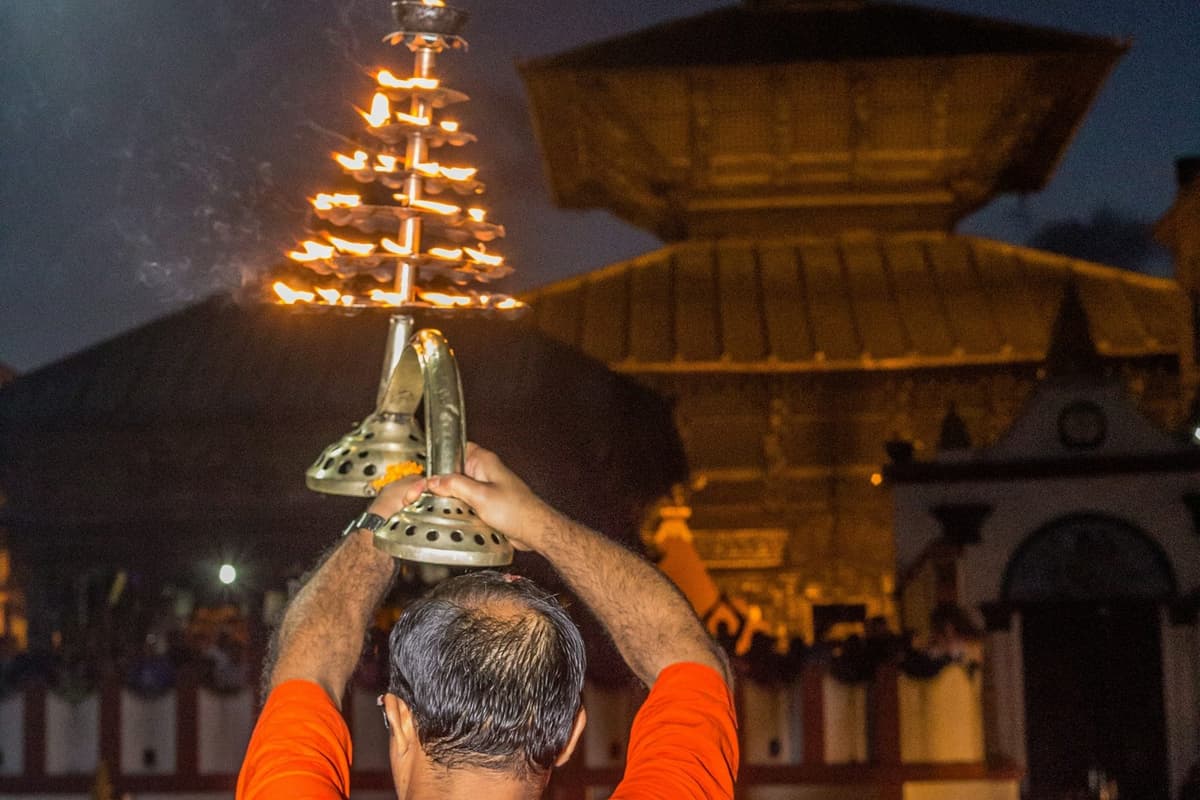
Gorkha Durbar was built in the 16th century by Ram Shah and became the seat of the Shah kings of Gorkha. Prithvi Narayan Shah was born here in 1723 and went on to begin the unification of Nepal, which is why the palace carries so much weight for Nepalis. The complex includes the old palace, the Kalika temple with its fine wood carving, and the cave shrine of Gorakhnath. The inner Kalika temple is closed to non-Hindus, and shoes come off before its platform.
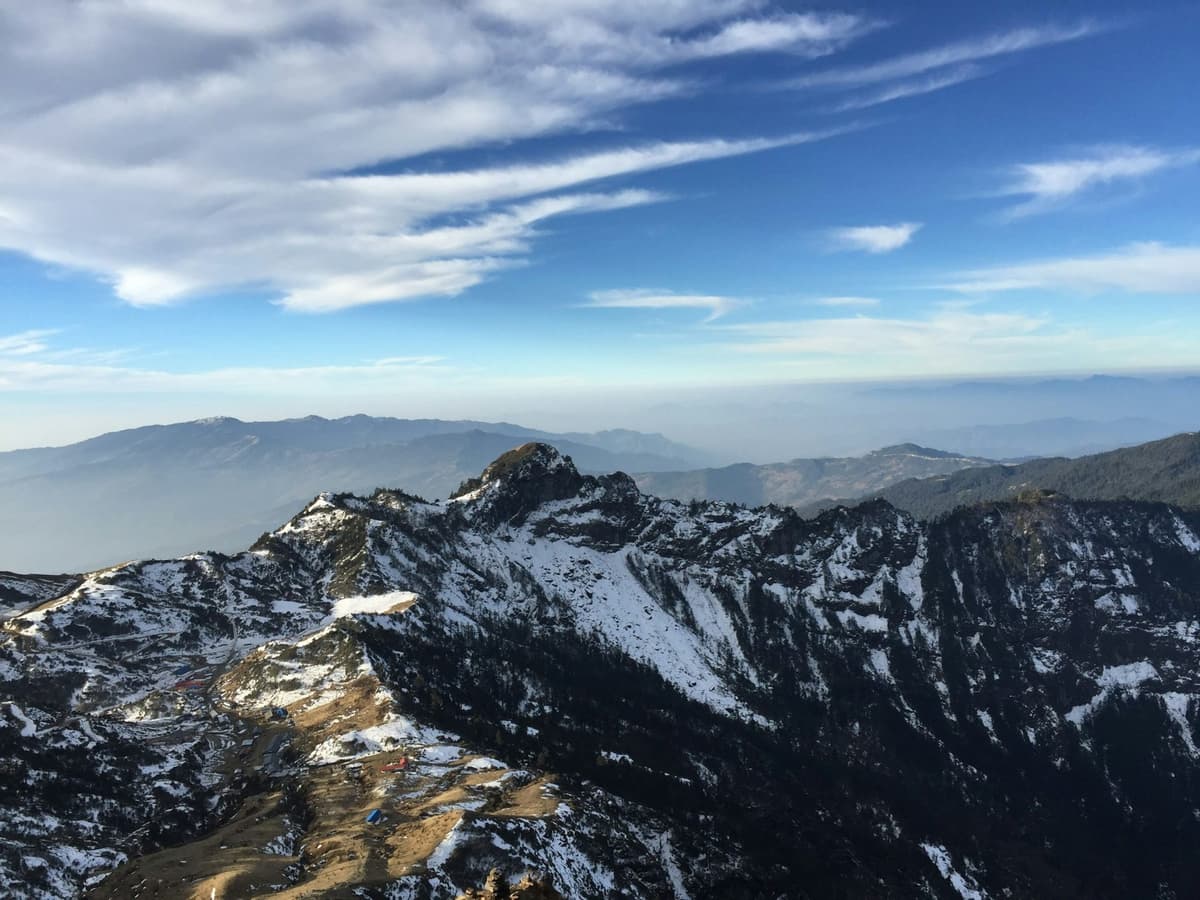
The views are part of the visit: north to Manaslu, Himalchuli and Ganesh Himal, and south over the hills. If the steps are a concern, a vehicle can reach the rear entrance, leaving a walk of about five minutes. Cover shoulders and knees, walk clockwise around the shrines and leave leather belts or bags behind where asked; your guide will tell you where photographs are not allowed.
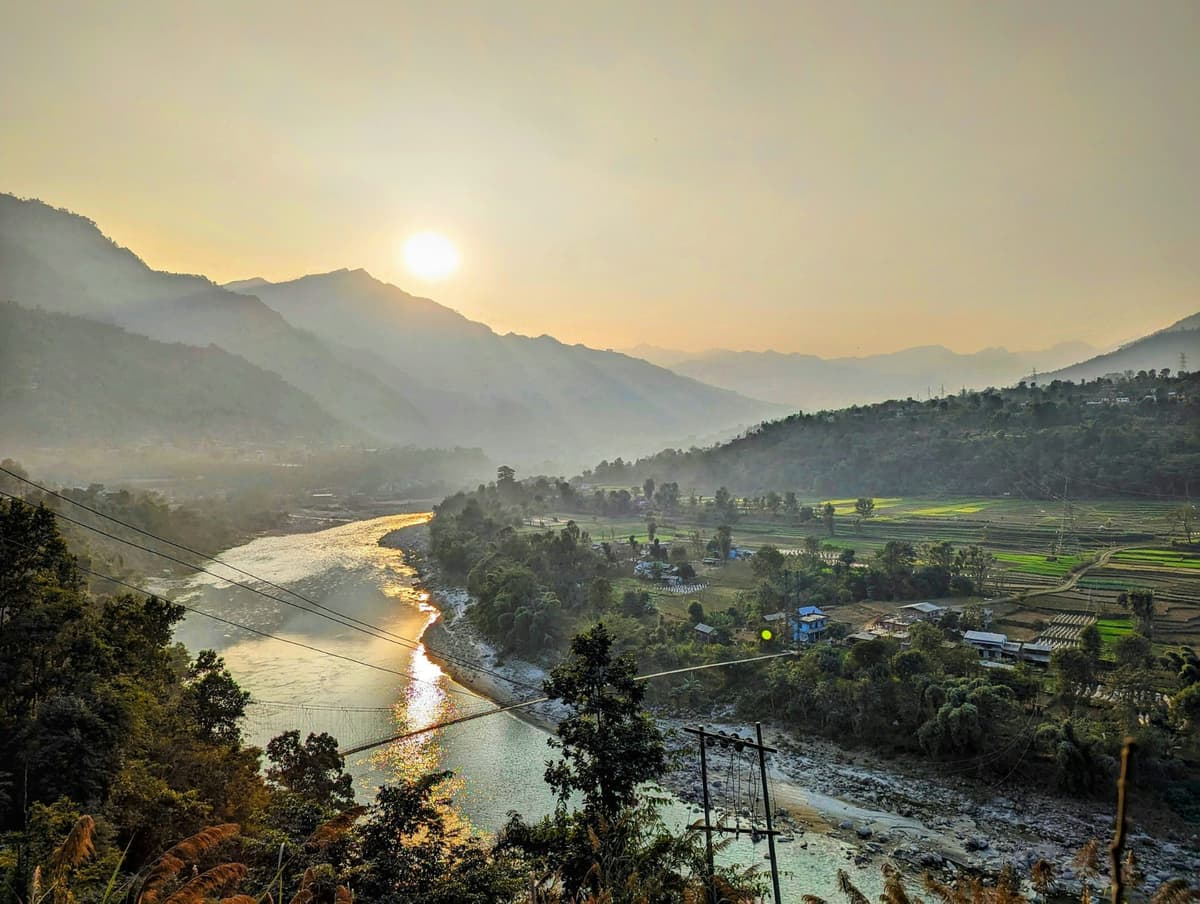
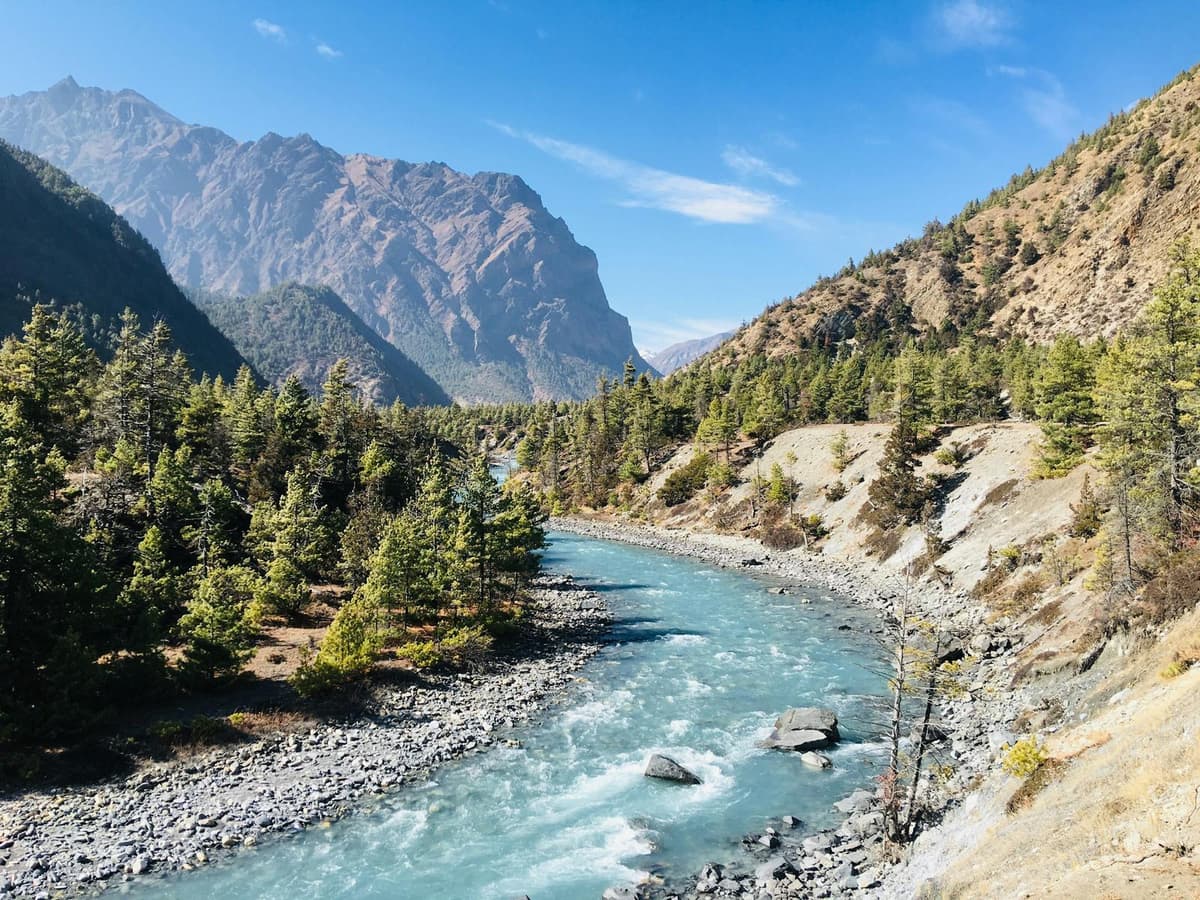
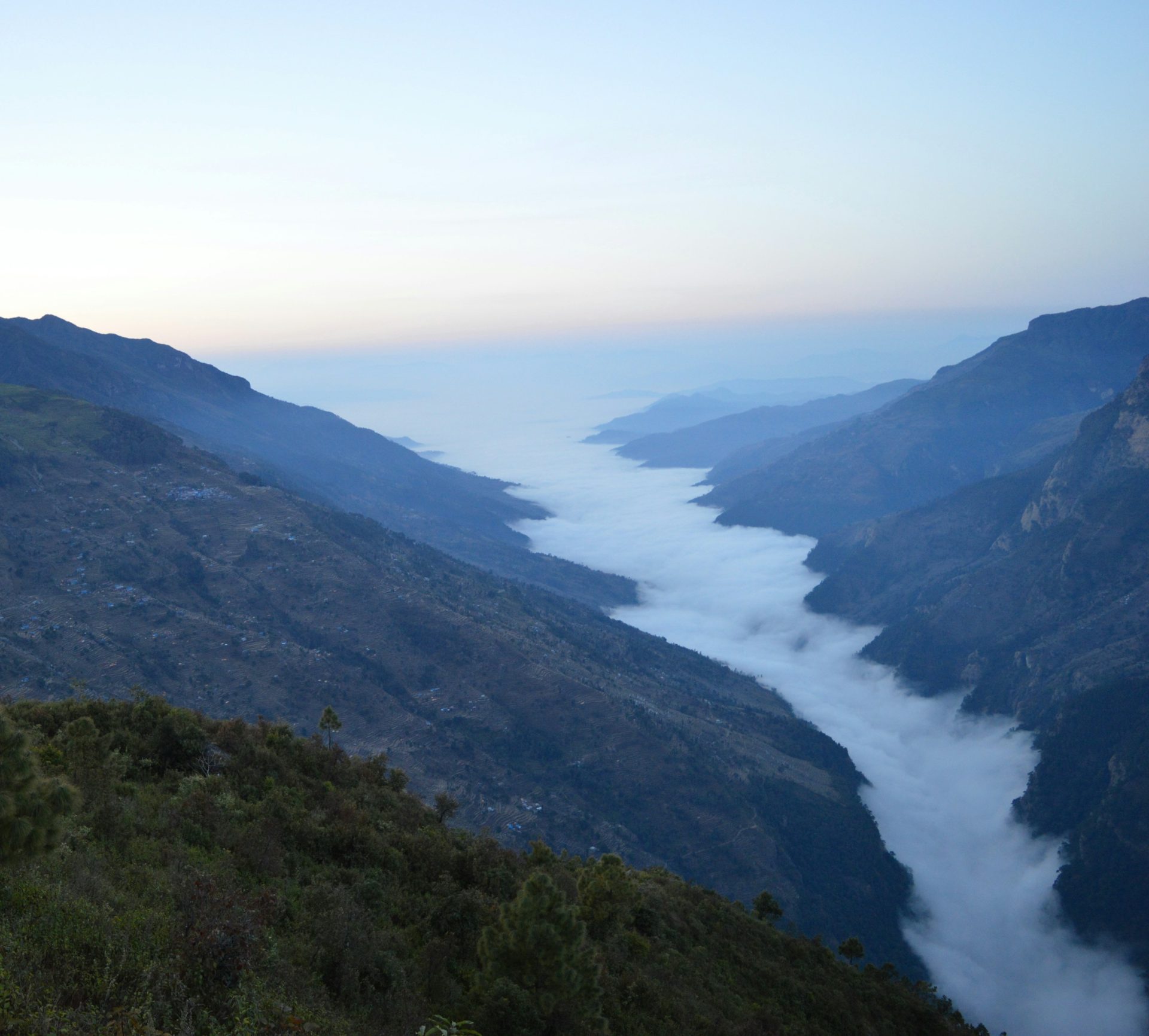
Most of the driving on this trip is on the Prithvi Highway, which is paved but busy and winding. Roadworks near Kathmandu can add delays, and in the monsoon the gorge sections can be slowed by debris after heavy rain, so we drive in daylight and keep the timings flexible.
When to go and how to fit it in
October to November and March to April give the clearest skies and most comfortable weather; December and January are also good, with crisp mornings. From June to August the monsoon usually hides the mountains. The four-day Gorkha, Bandipur and Kathmandu heritage tour runs the same two towns in the opposite order and adds a guided day in Kathmandu. If you would rather continue west, the Bandipur, Pokhara and Kathmandu tour pairs Bandipur with Pokhara, and the Kathmandu Valley UNESCO day tour fits well on the day after you return. Tell us your dates and we will suggest the right combination.