

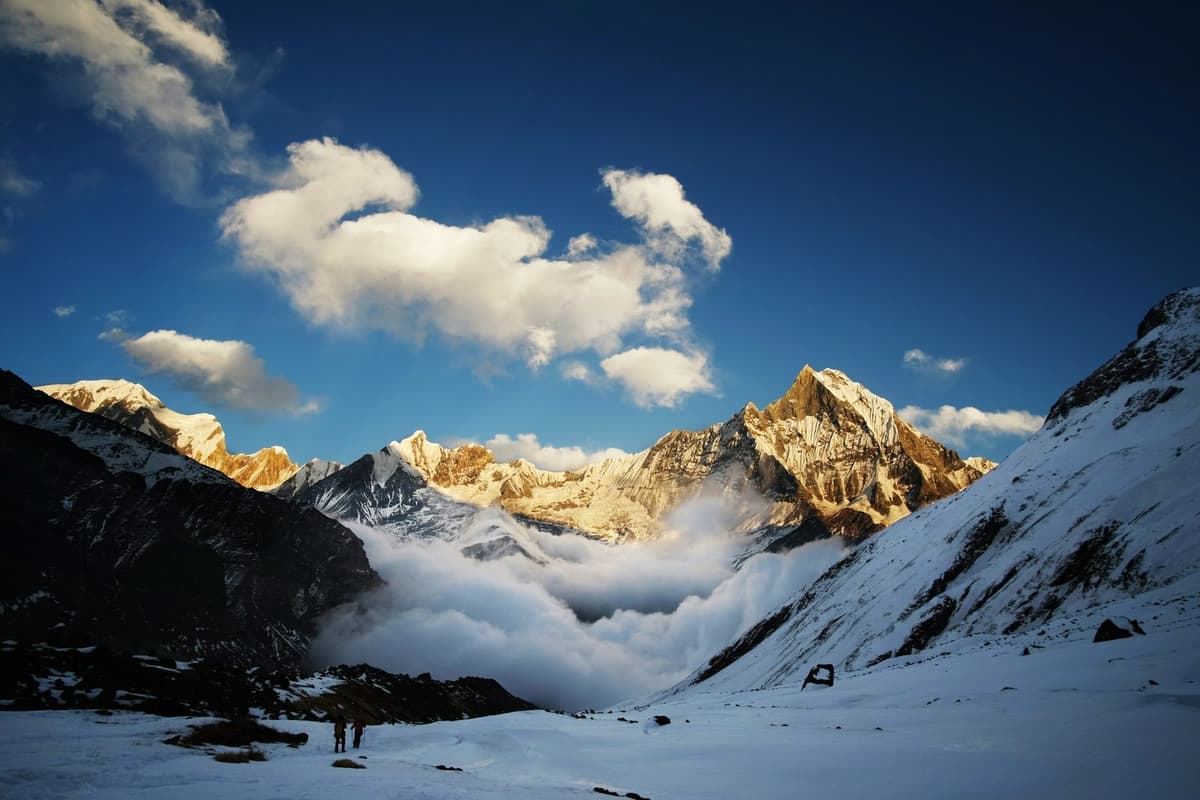
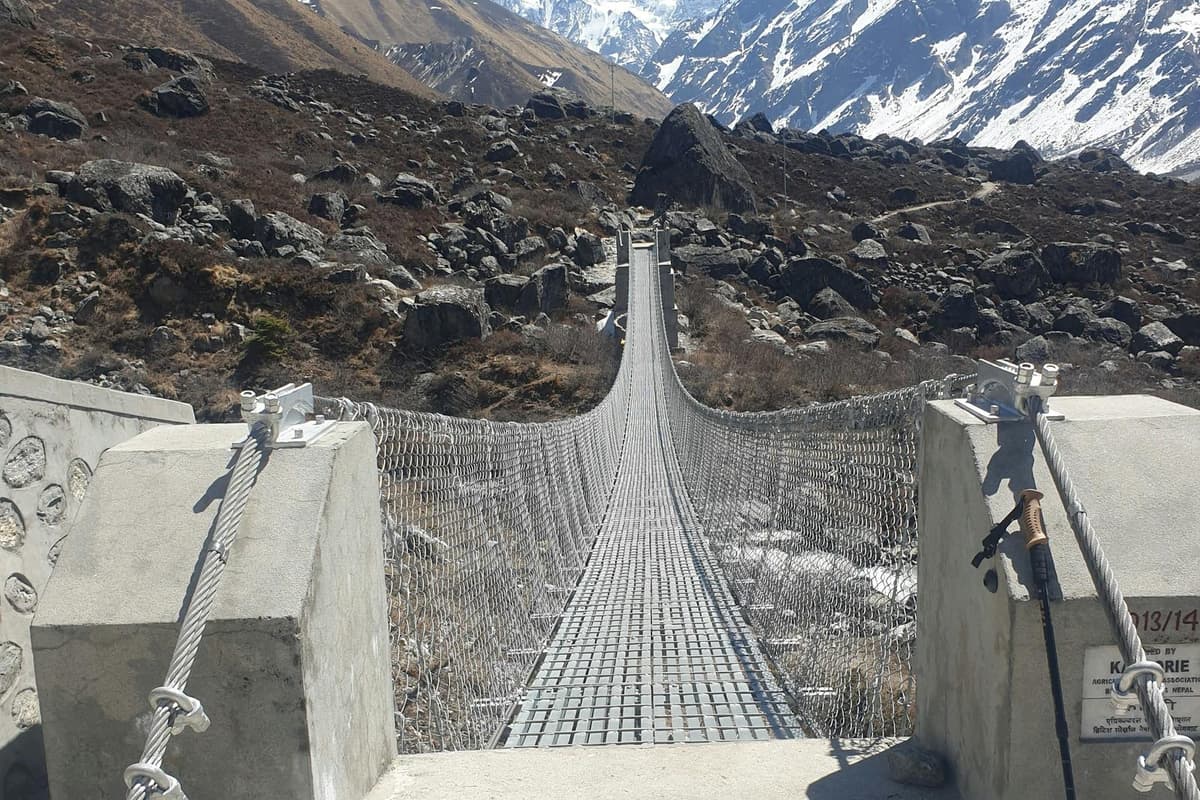
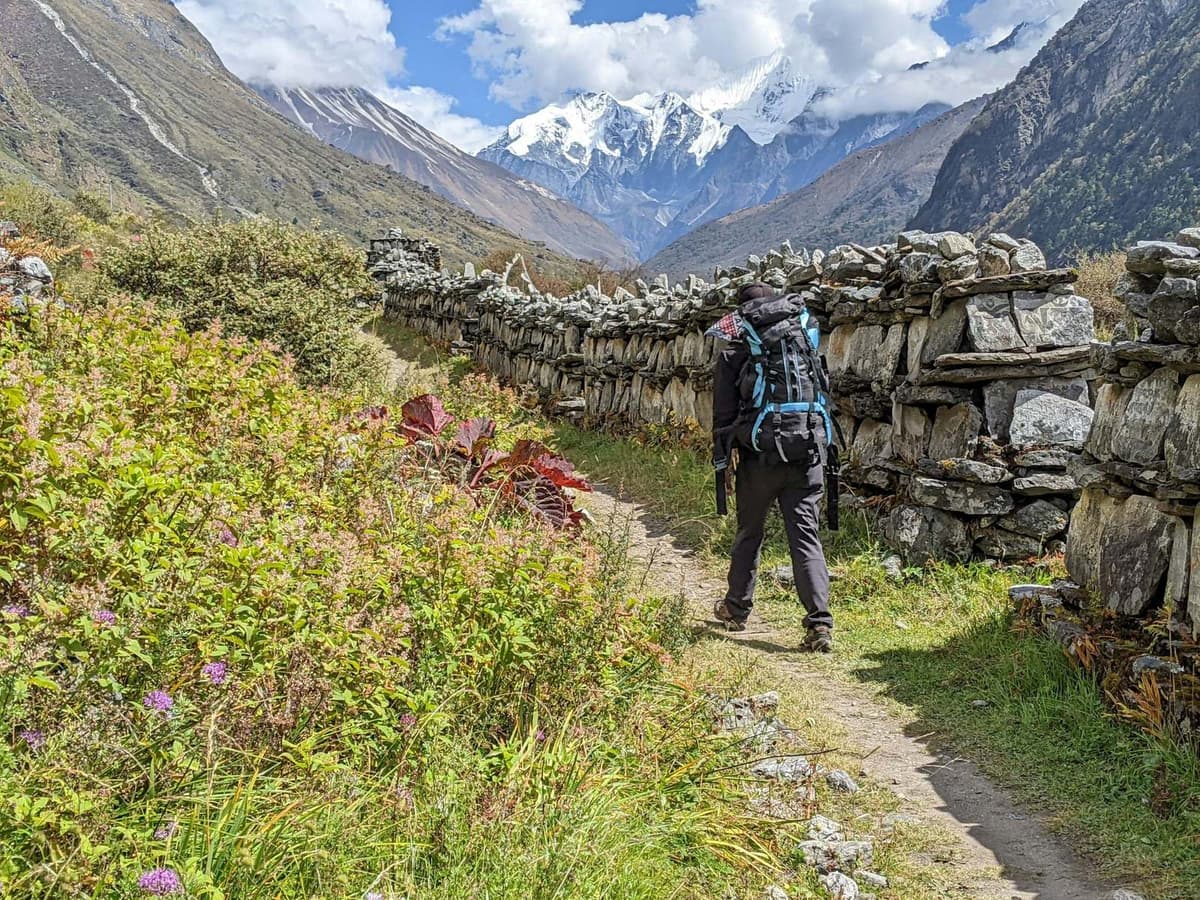
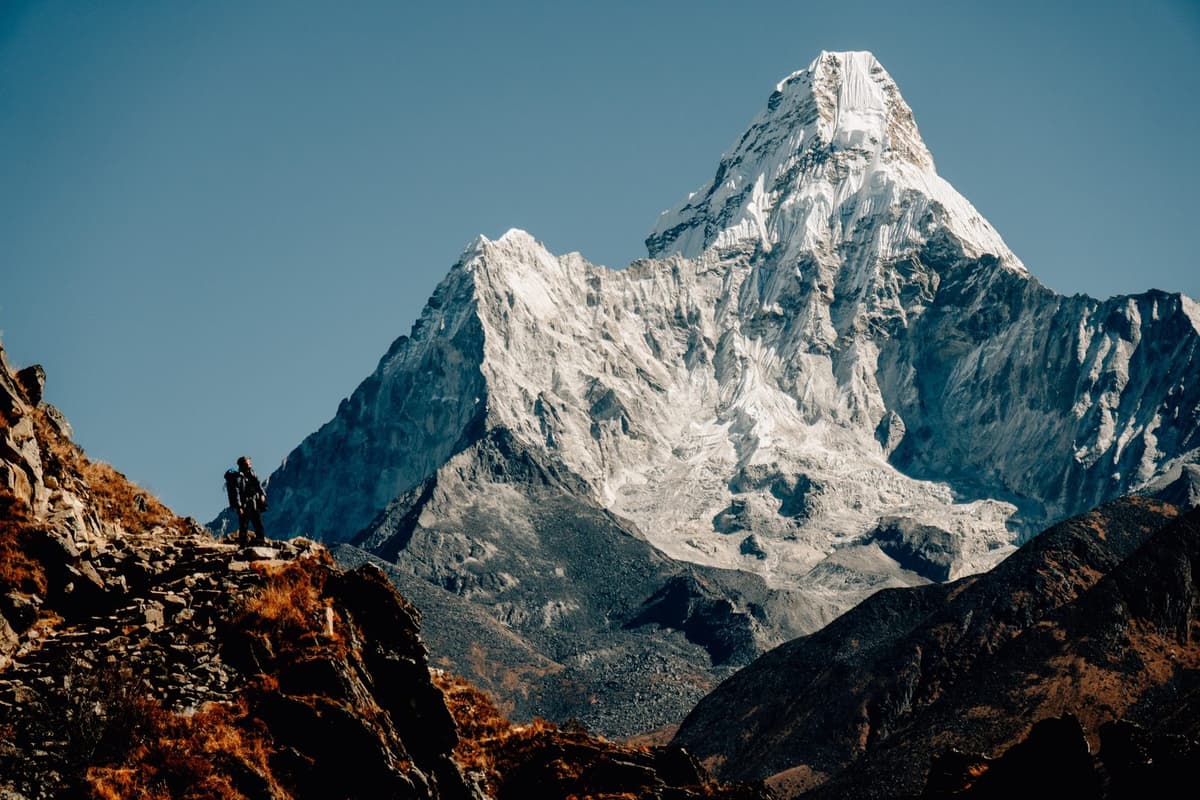
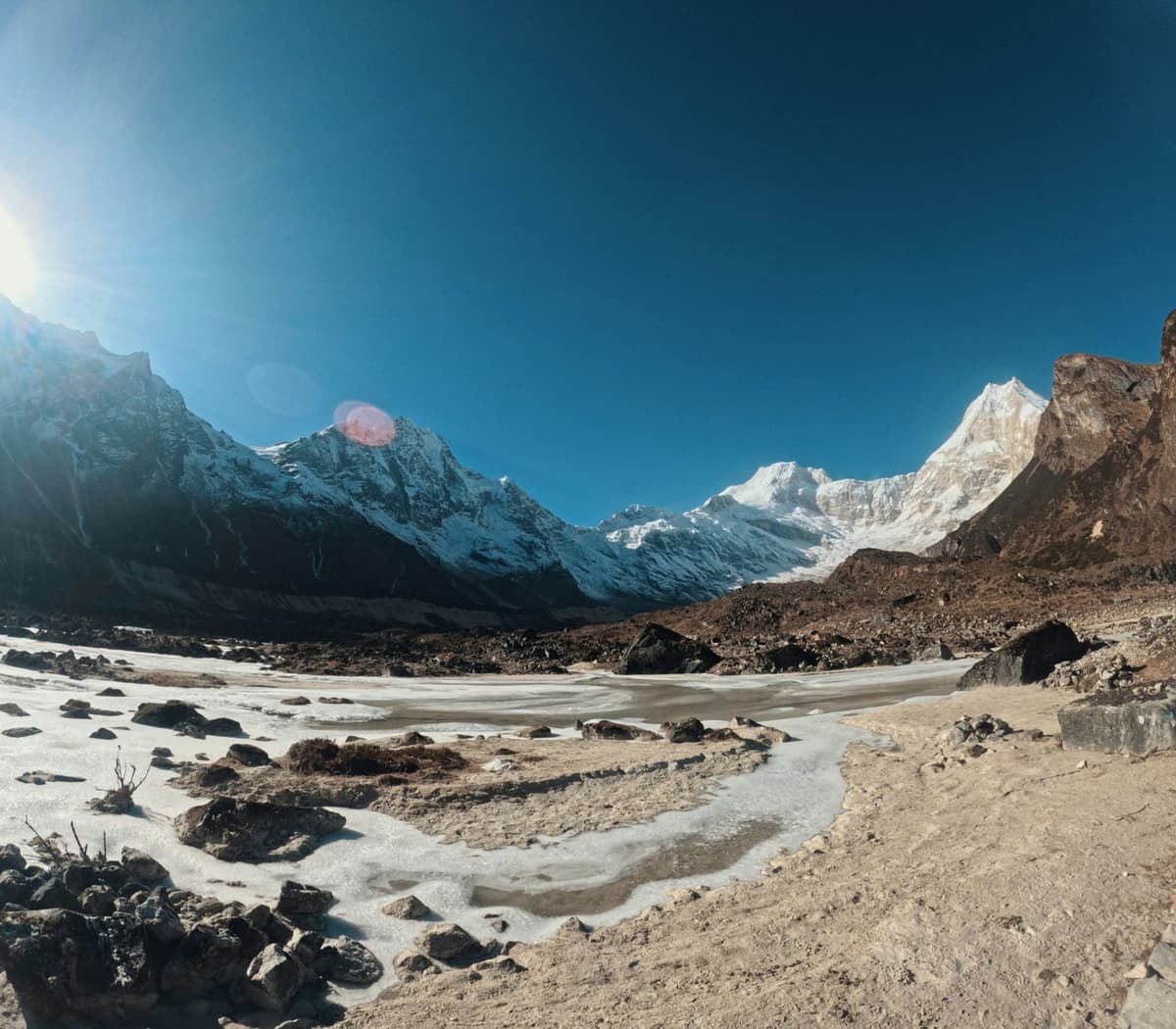
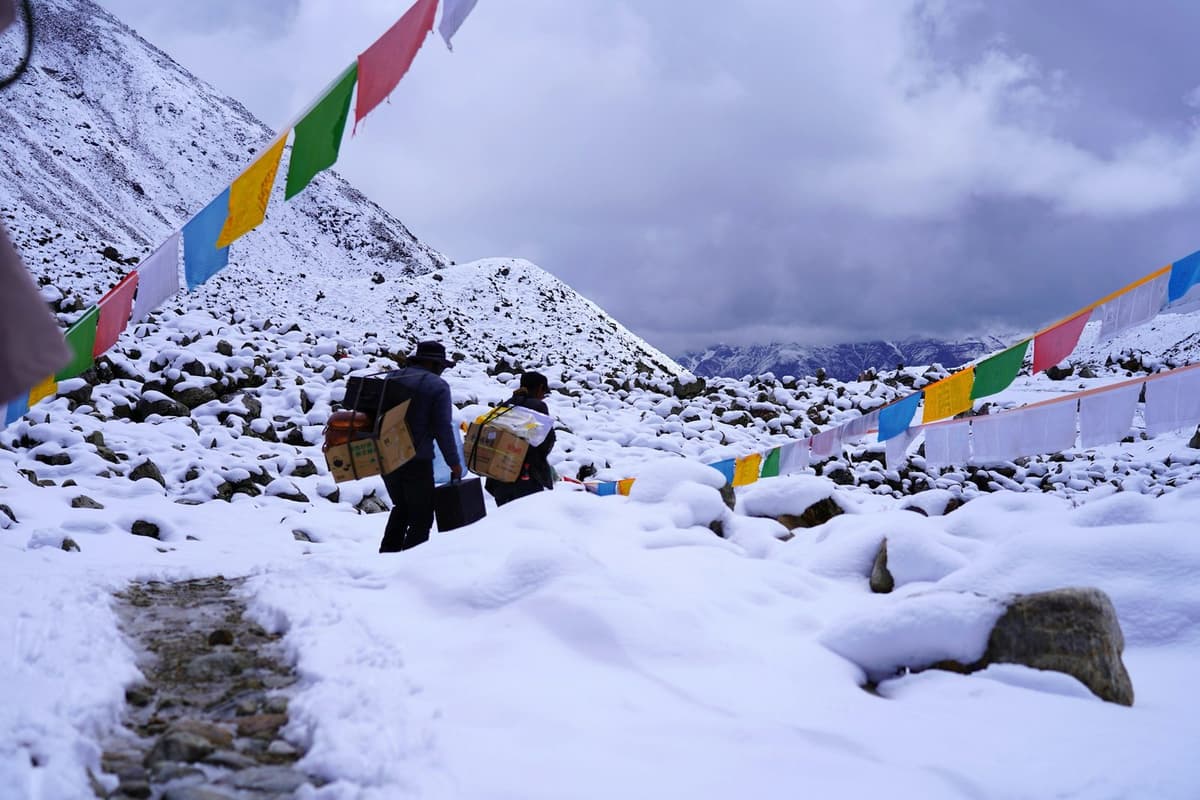
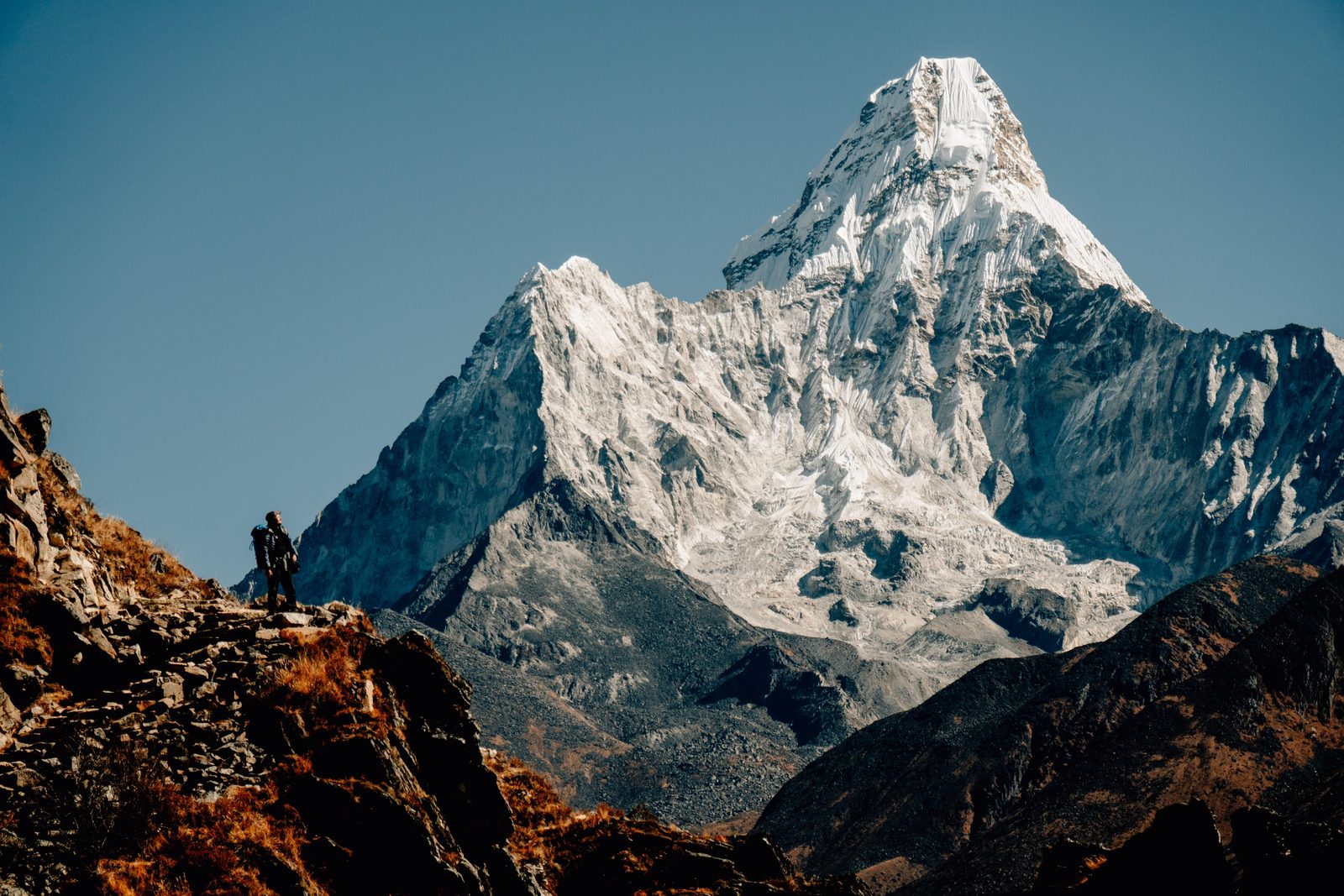
At the Khumbu municipality's counter in Lukla, trekkers, including those without a guide, hand over a passport and a recent photo for a Trek-Card, about 15 minutes' work by the municipality's own estimate. On the Annapurna Circuit, the Nepal Tourism Board's rule says a licensed guide should walk with you. Same country, two answers.
By Uncover Nepal Team · Checked by our Kathmandu travel team · Last checked 31 October 2026
Nepal solo trekking is possible in some places and disputed in others. NTB's revised trekking rule, in force from 1 April 2023, says foreign trekkers on listed routes in protected areas need a licensed guide. The Khumbu municipality says a guide is not compulsory around Everest. In restricted areas, permit rules require a registered agency and a licensed guide.
Both positions are set out below with sources. This article is part of our Nepal travel guide.
In this guide
- Key facts
- Is Nepal solo trekking still allowed?
- Can you trek solo in restricted areas?
- Can you do the Everest Base Camp trek alone?
- Can you do the Annapurna Circuit solo?
- Can you trek without a guide on our trips?
- How do you stay safe if you are weighing a solo trek?
- Frequently asked questions
Key facts
- NTB's revised trekking rule, start date
- In force from 1 April 2023; NTB lists it as effective from 31 March 2023 (Nepal Tourism Board rule page; The Himalayan Times, 10 Mar 2023; checked 31 Oct 2026)
- What NTB's rule asks
- A licensed guide on listed routes in protected areas; early press reports said "a guide or a porter" (Nepal Tourism Board; The Kathmandu Post, 3 Apr 2023; checked 31 Oct 2026)
- Routes NTB lists
- 44 named routes in 14 regions, 8 of them in the Everest region (Nepal Tourism Board; checked 31 Oct 2026)
- Everest region, local position
- Khumbu Pasang Lhamu Rural Municipality: a guide is not compulsory; Trek-Card issued at Lukla (The Kathmandu Post, 3 Apr 2023; Khumbu Pasang Lhamu RM Trek-Card page; checked 31 Oct 2026)
- Khumbu Trek-Card
- NPR 3,000; NPR 2,000 for SAARC and Chinese nationals (Khumbu Pasang Lhamu RM; checked 31 Oct 2026)
- Sagarmatha National Park entry
- NPR 3,000 foreigners; NPR 1,500 SAARC (NTB park entry fees; checked 31 Oct 2026)
- Restricted areas
- One trekker can be issued a permit since 22 March 2026, through a registered agency, with a licensed guide (Department of Immigration decision, as reported) (The Himalayan Times, 23 Mar 2026; checked 31 Oct 2026)
- Nepali trekkers
- NTB's rule does not apply to them (The Kathmandu Post, 4 Mar 2023; checked 31 Oct 2026)
- Insurance
- No official Nepal page we found sets a blanket insurance rule for every trekker (NTB, NTNC and Khumbu pages; checked 31 Oct 2026)
Is Nepal solo trekking still allowed?
It depends on where you walk and whose rule you read. Two public positions remain unreconciled: the Nepal Tourism Board's rule requiring a licensed guide on listed routes, and the Khumbu municipality's statement that a guide is not compulsory in the Everest region. We found no notice from 2024, 2025 or 2026 that changes either one.
What NTB's revised trekking rule says
The Nepal Tourism Board (NTB), the national tourism body, agreed the rule on 2 March 2023 with 13 trekking organisations and trade unions, the Kathmandu Post reported. Its statement, reported by The Himalayan Times, said it "shall come into effect post March 31, 2023", so most reports give 1 April 2023.
NTB's current wording: "specific Protected Areas of Nepal need trekker to be accompanied by licensed trekking guide". Early press reports went further. The Kathmandu Post wrote that foreign trekkers could not enter national parks and conservation areas "without a guide or a porter for the entire journey"; NTB's own wording names a guide only. The rule does not apply to Nepali trekkers. NTB said it would cut incidents such as trekkers getting lost and create jobs.
What the Khumbu municipality says
Khumbu Pasang Lhamu Rural Municipality, the local government for the Everest area, said in 2023 it had no obligation to follow the board's rule. Its chief administrative officer told the Kathmandu Post in March 2023 that solo trekkers are allowed in the Everest area, but "have to follow our rules". The municipality issues its own Trek-Card, including to trekkers without a guide.
"It is not mandatory to hire a guide for trekking in the Everest region"
Khumbu Pasang Lhamu Rural Municipality press statement, reported by The Kathmandu Post, 3 April 2023
Why the picture is still unclear
Two more things keep the question open. First, NTB's own general trekking page still carries this line, in NTB's own words: "It is possible to trek alone or without a Nepali guide, but you would not know what to do in a major storm, zero visibility and plunging temperatures at possibly 5,000 m?" The page is undated, NTB's rule page says otherwise, and we found no NTB statement reconciling the two, so do not treat that line as permission. Second, checks on the trail have varied by area and over time. Ask us for the current position before you build a plan on it.
| Area | NTB's revised trekking rule | Other official position |
|---|---|---|
| Everest region (Everest Base Camp, Gokyo, Three Passes, Everest View) | Listed: 8 Everest routes | Khumbu municipality: guide not compulsory; Trek-Card for trekkers without a guide |
| Annapurna region (Annapurna Circuit, Poon Hill to ABC, Mardi Himal and others) | Listed: 7 Annapurna routes | None found in our research |
| Restricted areas (Manaslu, Tsum Valley, Upper Mustang, Nar Phu and others) | Manaslu, Mustang and Nar Phu routes are listed | Department of Immigration, as reported: registered agency and licensed guide; one trekker allowed since 22 March 2026 |
| Trails not on NTB's list | Not named in the rule | Ask us or check locally before you go |
Can you trek solo in restricted areas?
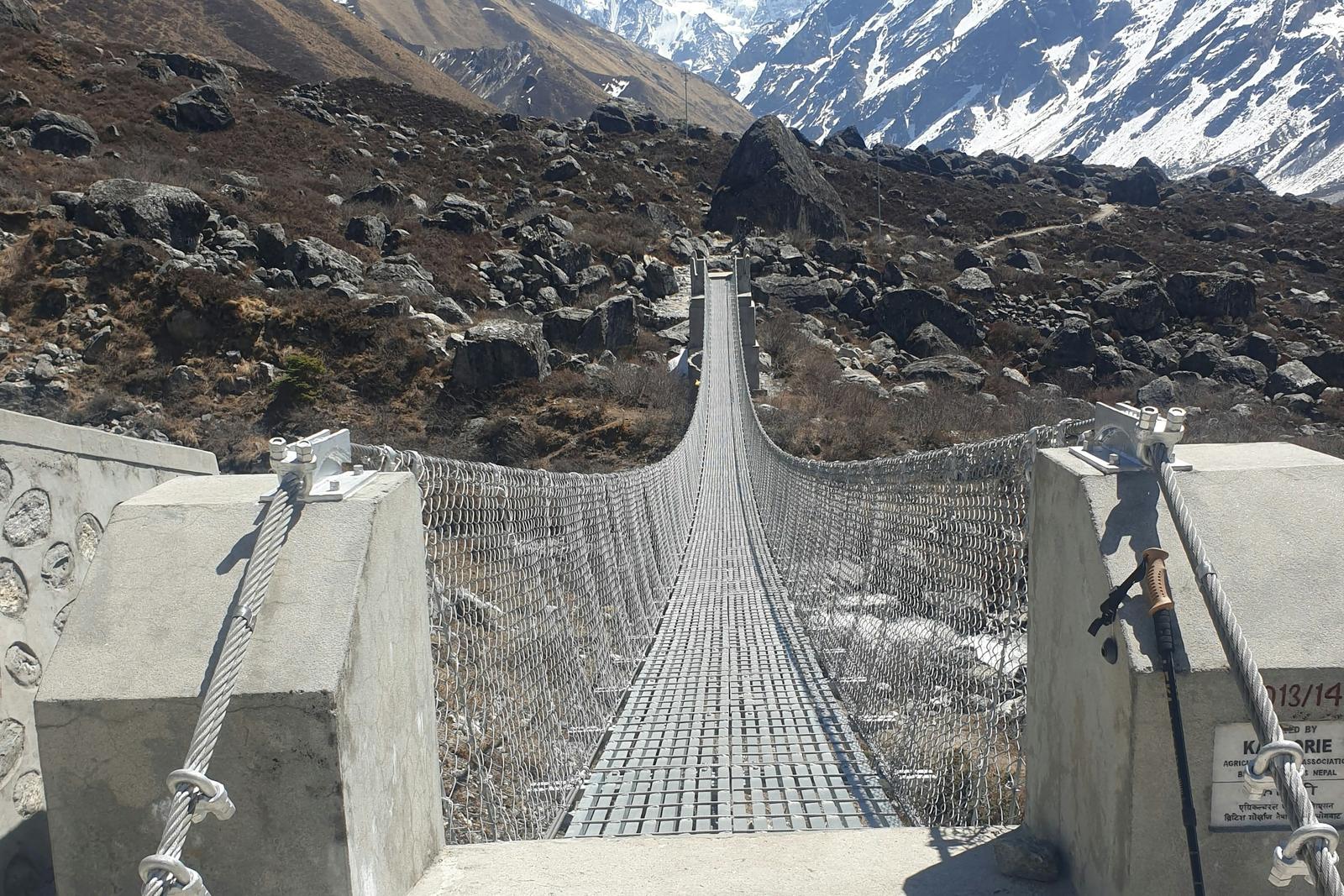
You can now go as one person, but not without a guide. The Himalayan Times reported that a Department of Immigration decision on 22 March 2026 lets one trekker be issued a restricted-area permit in restricted areas across 13 districts. Every applicant, solo trekkers included, must still apply through a registered trekking agency and walk with a licensed guide.
"Previously, trekking permits in restricted areas were issued only to groups, requiring solo trekkers to find companions."
The Himalayan Times, 23 March 2026
The notice, as reported by The Himalayan Times, also makes the agency fully responsible for emergency rescue and lets one guide lead up to seven trekkers. The permit comes on top of the park or conservation-area entry permit. See our Manaslu trek permit guide; our guide to Nepal trekking permits covers the other areas.
Can you do the Everest Base Camp trek alone?
Under the Khumbu municipality's position, yes; under NTB's rule, no. NTB lists eight Everest routes, including Everest Base Camp, Gokyo and the Three Passes. The municipality says a guide is not compulsory and issues its Trek-Card at Lukla, including to trekkers without a guide. ExplorersWeb reported in October 2026 that independent trekking "remains common on the main Everest routes".
Either way, two permits apply: the Sagarmatha National Park entry permit (NPR 3,000 for foreigners, NPR 1,500 for SAARC nationals) and the Trek-Card (NPR 3,000, or NPR 2,000 for SAARC and Chinese nationals). We arrange both on our Everest trips. For the physical side, read our Everest Base Camp trek difficulty guide.
Three Passes and other high crossings
A solo trekker who fell near Kongma La, one of the Three Passes, was flown to Kathmandu on 27 October 2026, ExplorersWeb reported, citing The Tourism Times. On high, remote ground, a fall or a change in weather matters more when nobody is with you. On our treks, your guide, who knows the route, decides when and how to cross, based on snow and the forecast.
Can you do the Annapurna Circuit solo?
NTB's revised trekking rule says you need a licensed guide: the Annapurna Circuit is one of seven Annapurna routes on its list, with Poon Hill to Annapurna Base Camp, Mardi Himal and Nar Phu. We found no local exception like the Khumbu's for the Annapurna region.
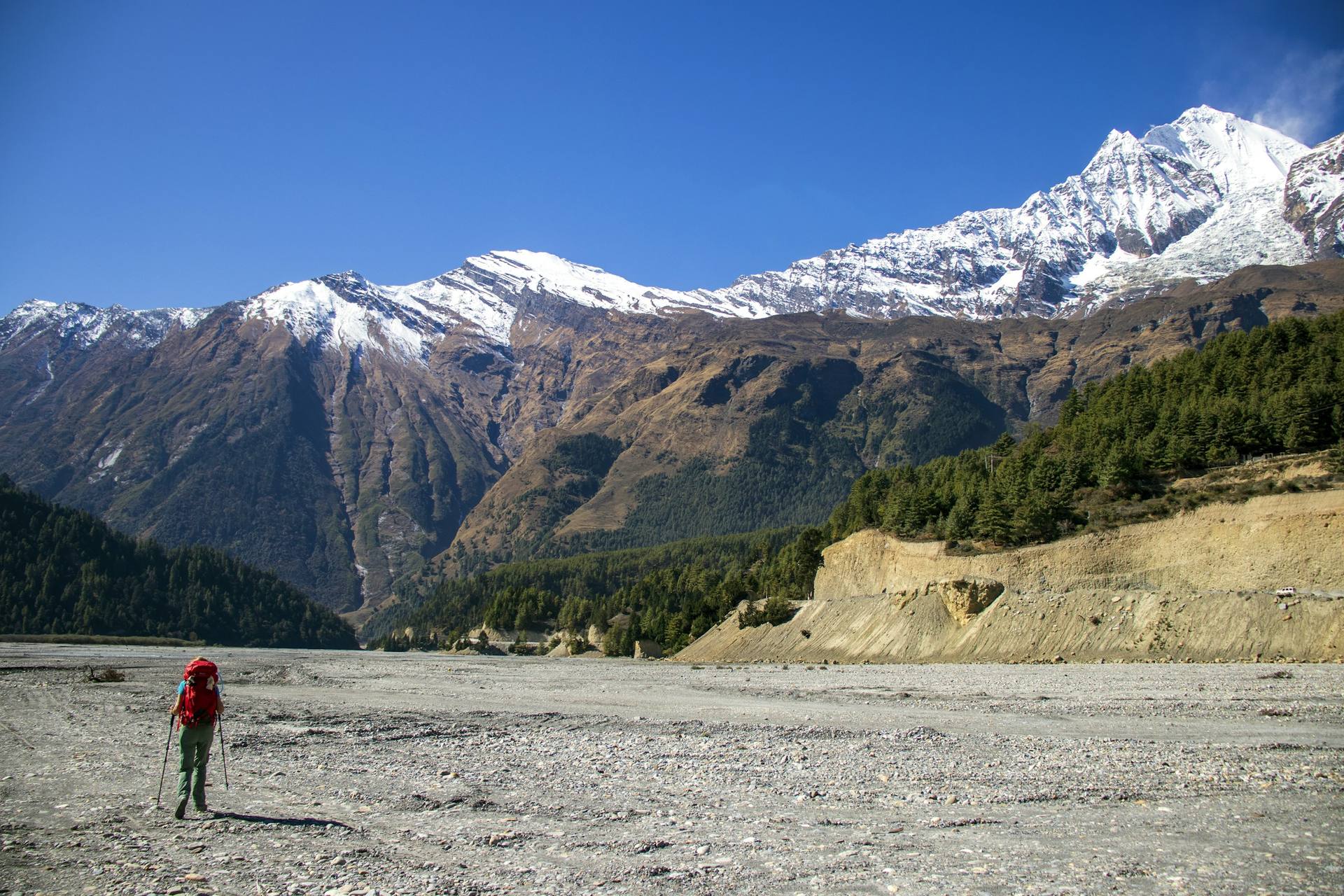
The Kathmandu Post reported in February 2025 that Circuit trekkers in 2024 "all hired guides as required", in the paper's words. Whoever you walk with, you need the entry permit for the Annapurna Conservation Area Project (ACAP), run by the National Trust for Nature Conservation (NTNC): NPR 3,000 for foreigners, NPR 1,000 for SAARC nationals.
Can you trek without a guide on our trips?
Not on our trips. A licensed guide walks with you on every trek we run. If you are travelling on your own and want to trek with us as one person, ask us and we will tell you which treks and dates work. Our article on trekking guides and porters in Nepal explains what each role does.
Why many trekkers choose a guide anyway
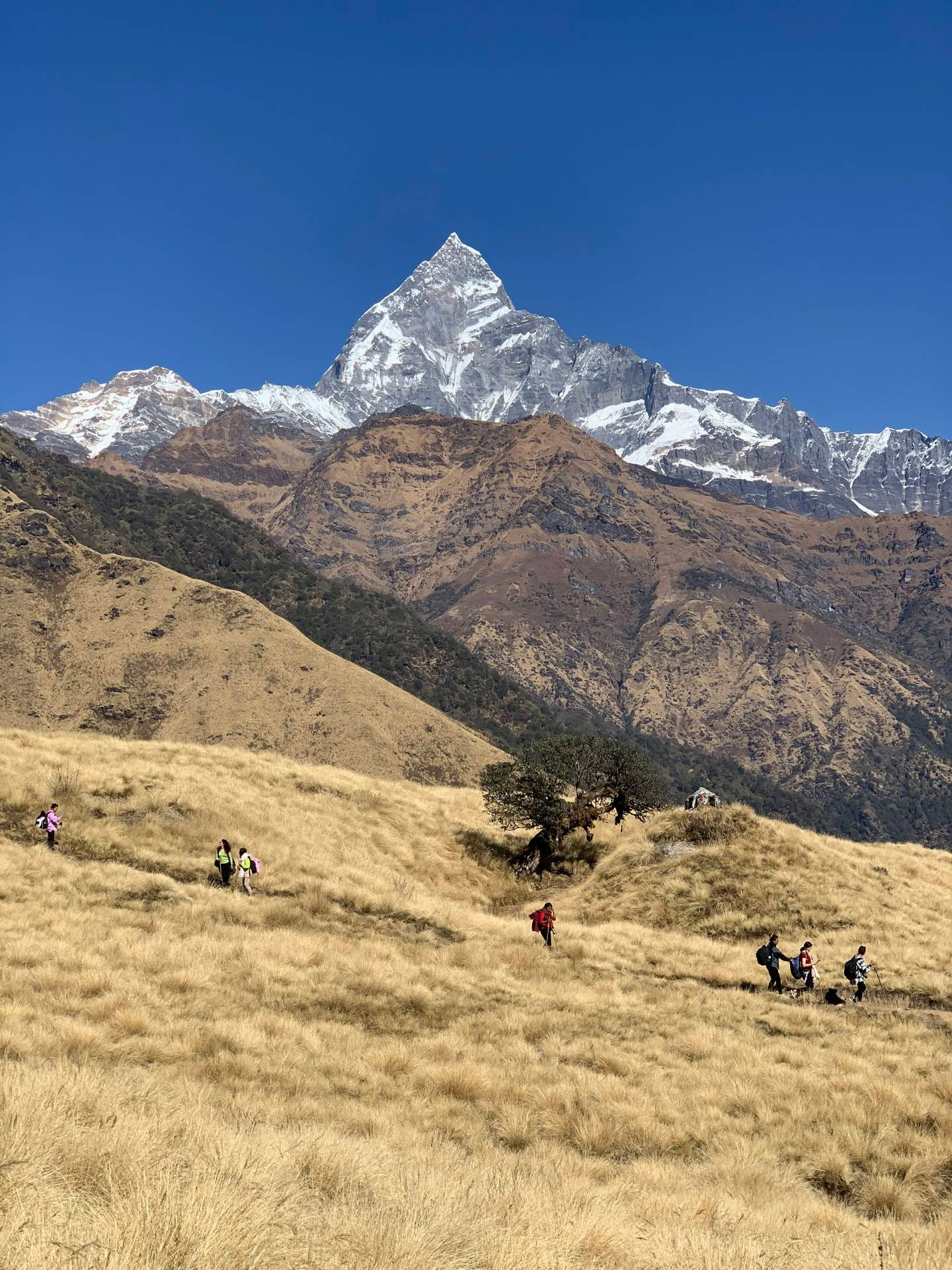
"Many trekkers travelling without guides have been lost or died due to terrain difficulties."
Dhananjay Regmi, CEO, Nepal Tourism Board, The Kathmandu Post, 3 April 2023
No official count of missing solo trekkers was found. NTNC's Minimum Impact Code is simple: "Trekkers, please use trained guides." A guide does not remove the mountain's risks. It does mean someone who knows the trail is watching the weather, your pace and how you feel at altitude.
How do you stay safe if you are weighing a solo trek?
Plan as if help will be slow to reach you. Tell someone your route, carry insurance that covers rescue, respect the weather and the altitude, carry offline maps, and register wherever you are asked to. This matters on any trek, and most of all without a guide.
- Tell someone your plan. Share your route, each night's lodge and a daily check-in time, and agree what they do if you miss it.
- Get insurance that fits the trek. No official Nepal page we found sets a blanket insurance rule, but foreign governments advise cover for rescue and evacuation. Choose a policy that covers the trek's highest point and helicopter evacuation; the UK Foreign Office puts helicopter evacuation at £1,000 to £2,000 or more per flying hour. See our travel insurance guide for Nepal trekking.
- Respect the weather. Check the forecast each morning, wait out storms and poor visibility, and turn back early rather than late. Check the current trail status before you book, including for Langtang.
- Respect the altitude. Altitude sickness can start from about 2,450 m. Above 3,000 m, do not raise your sleeping height by more than about 500 m a night, and take a rest day every three to four days. Walk slowly, drink enough, skip alcohol early on, never go higher with symptoms, and descend if they get worse. Ask your doctor about preventive medicine such as acetazolamide.
- Carry offline maps and a charged power bank. Download maps before you leave Kathmandu; lodges in the main trekking areas have facilities for charging batteries.
- Register where required. Get your Trek-Card at Lukla and sign in at NTNC check-posts in the Annapurna region, which NTNC says will "increase your chances of rescue in case of emergency".
- Know where help is. The Himalayan Rescue Association runs aid posts at Pheriche (4,250 m) on the Everest route and Manang (3,550 m) on the Annapurna Circuit, staffed by volunteer doctors in spring and autumn.
Frequently asked questions
Is trekking safe for a solo woman, and can I get a female guide?
Many women trek in Nepal, but we found no official safety data on solo women trekkers, so plan carefully and avoid walking alone. ACAP data reported by the Kathmandu Post counted 12,362 women among 30,866 Annapurna Circuit trekkers in 2024. The UK advises against trekking alone, and Canada advises an experienced guide from a reputable company. If you would like a female guide, ask us. See our guide for solo female travellers in Nepal.
How much should I tip my guide and porter?
Tipping is customary on Nepal treks but voluntary, and it is usually given at the end of the trek. No official or industry body, including the Nepal Tourism Board and TAAN (the Trekking Agencies' Association of Nepal), publishes a tipping rate, so we do not set one for you. Give what feels fair, and hand it to each person directly.
What are toilets and showers like on teahouse treks?
Basic but workable. In lower villages, such as between Lukla and Namche on the Everest route, many lodges have Western-style toilets and some attached bathrooms; higher up, shared squat toilets are the norm. Carry your own toilet paper. Hot showers are easier to find lower down; higher lodges may offer only a bucket shower, often for an extra charge. Pipes can freeze in cold months.
Can I trek to Everest Base Camp alone?
It depends whose rule you follow. NTB's revised trekking rule lists Everest Base Camp among routes that need a licensed guide; the Khumbu municipality says a guide is not compulsory there. No notice from 2024 to 2026 settles the difference. On our trips, a licensed guide walks with you on every trek we run.
How can we help you plan a trek in Nepal?
Travelling alone does not mean walking alone. Browse our treks in Nepal, or start shorter with the Ghorepani Poon Hill trek or the Everest View trek with Namche Bazaar. Our Nepal travel guide covers the rest of your plan. Tell us your dates and the trek you have in mind: message us on WhatsApp or use the enquiry form, and we will tell you honestly what suits you.