



Explore by activity
Not listed yet

We run Motorbiking & Overland trips — we just haven’t put the itinerary on the site yet. Tell us your dates and we’ll send a costed day-by-day plan.

Explore by experience
Explore by region
by gomayu
Search Tours or Places

Nepal Travel Insurance for Treks: What to Check

13 min read Posted 29 Oct 2026Updated 01 Nov 2026
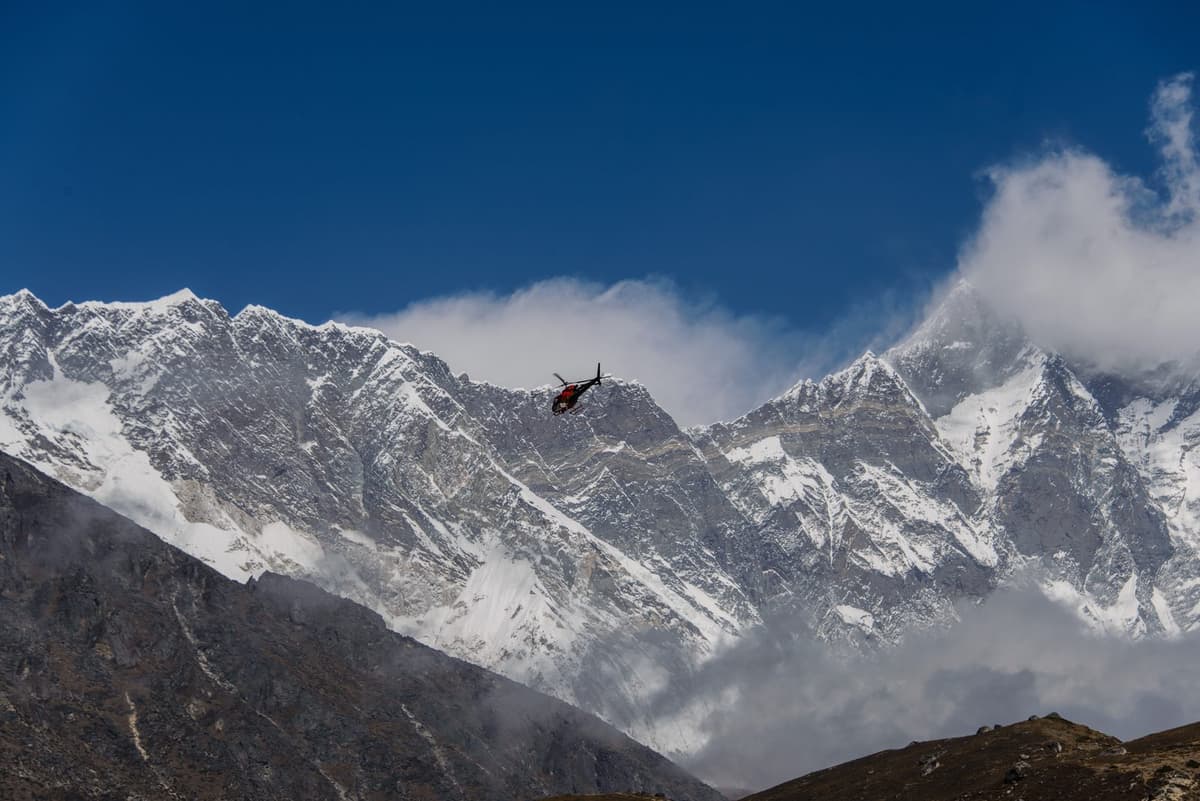
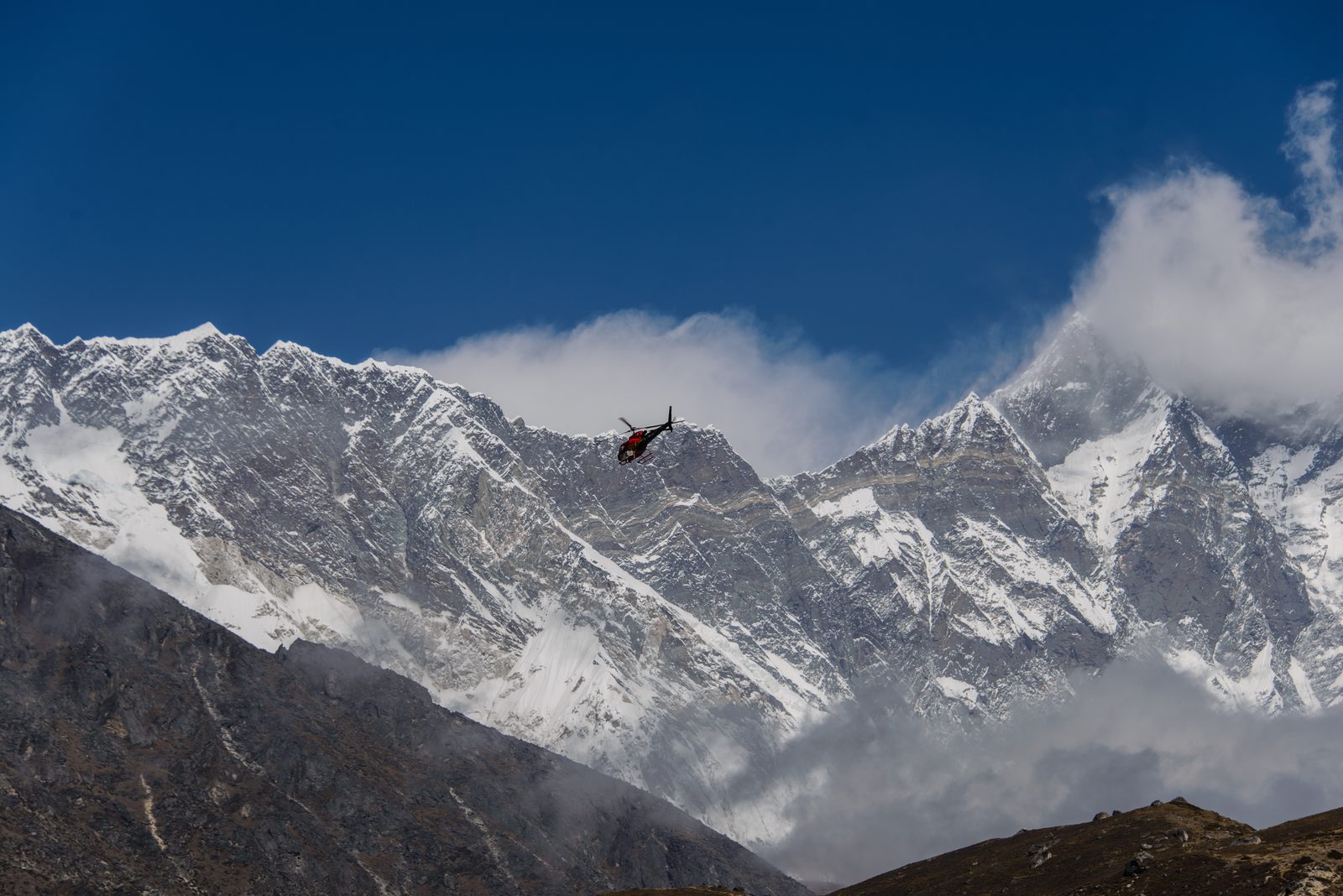
A helicopter below Lhotse and Nuptse in the Everest region of Nepal

By Uncover Nepal Team · Checked by our Kathmandu travel team · Last checked 30 October 2026

Walk one of Nepal's busy trekking trails in autumn and you will often hear helicopters overhead. Some carry supplies or passengers. Some carry trekkers down to hospital. Nobody plans to be on that last kind of flight, and if you are, the document that matters most is your insurance policy.

Do you need Nepal travel insurance for a trek? In practice, yes. The UK, Australian and Canadian governments all tell trekkers to buy cover that includes helicopter rescue and medical evacuation, and helicopter companies usually want insurance, insurer approval or payment before they fly. No official Nepal page we found, in English, sets a blanket rule for every trekker.

Our Nepal travel guide covers visas, money, health and seasons; this article covers insurance in depth. It is information only: we do not sell insurance and we do not recommend an insurer.

Key facts

A blanket rule for every trekker?
No official Nepal page in English that we found sets one; in practice you need cover (Our check of official Nepal tourism pages, 30 Oct 2026)
Helicopter evacuation cost
£1,000 to £2,000 or more per flying hour (UK FCDO, 30 Oct 2026)
Uninsured rescue from the Everest Base Camp area
Several thousand US dollars, operators report; no official tariff (Operator reports, October 2026)
Standard policy altitude limits
Usually 3,000 m to 4,000 m, some add-ons to 6,000 m (Australian market) (Finder, updated 17 Apr 2026, checked 30 Oct 2026)
Trail aid posts
HRA posts at Pheriche and Manang, reported open to the end of November 2026 (The Tourism Times, 7 Oct 2026)
Company check
Department of Tourism licence; TAAN directory listed 2,338 general members (TAAN, 30 Oct 2026)

In this guide

  • Do you need Nepal travel insurance for trekking?
  • What should your policy cover? A checklist
  • How much does a helicopter rescue cost?
  • Why do insurers check Nepal claims so closely?
  • What happens if something goes wrong on the trail?
  • How do you choose a licensed trekking company?
  • Frequently asked questions

Do you need Nepal travel insurance for trekking?

In practice, yes. The UK, Australian and Canadian governments all tell trekkers to insure for rescue and evacuation, most hospitals want payment or proof of insurance before treatment, and helicopter companies usually want to see evacuation insurance, insurer pre-approval or a credit card before they fly. No official Nepal page we found, in English, sets a blanket rule for every trekker.

The official advice, in its own words:

  • United Kingdom (FCDO): "Make sure your insurance includes cover for mountain rescue services and helicopter costs."
  • Australia (Smartraveller): advises cover for all medical costs overseas, including evacuation, and warns travellers not to assume a policy covers adventure or high-risk activities.
  • Canada (travel.gc.ca): trekkers should "select insurance coverage for high altitude trekking and medical evacuation".

CIWEC Hospital in Kathmandu adds: "Make sure it covers not only your evacuation but also your medical bills once you reach the city."

Nepal's proposed Tourism Bill, still before a House of Representatives committee in August 2026, would make agencies running mountaineering expeditions insure their teams, but it is a bill, not law, and it concerns expeditions rather than treks.

What should your policy cover? A checklist

Your policy should cover trekking at your route's highest point, emergency helicopter evacuation, medical treatment with onward evacuation or repatriation, and weather delays. Read the policy wording itself, not the sales page.
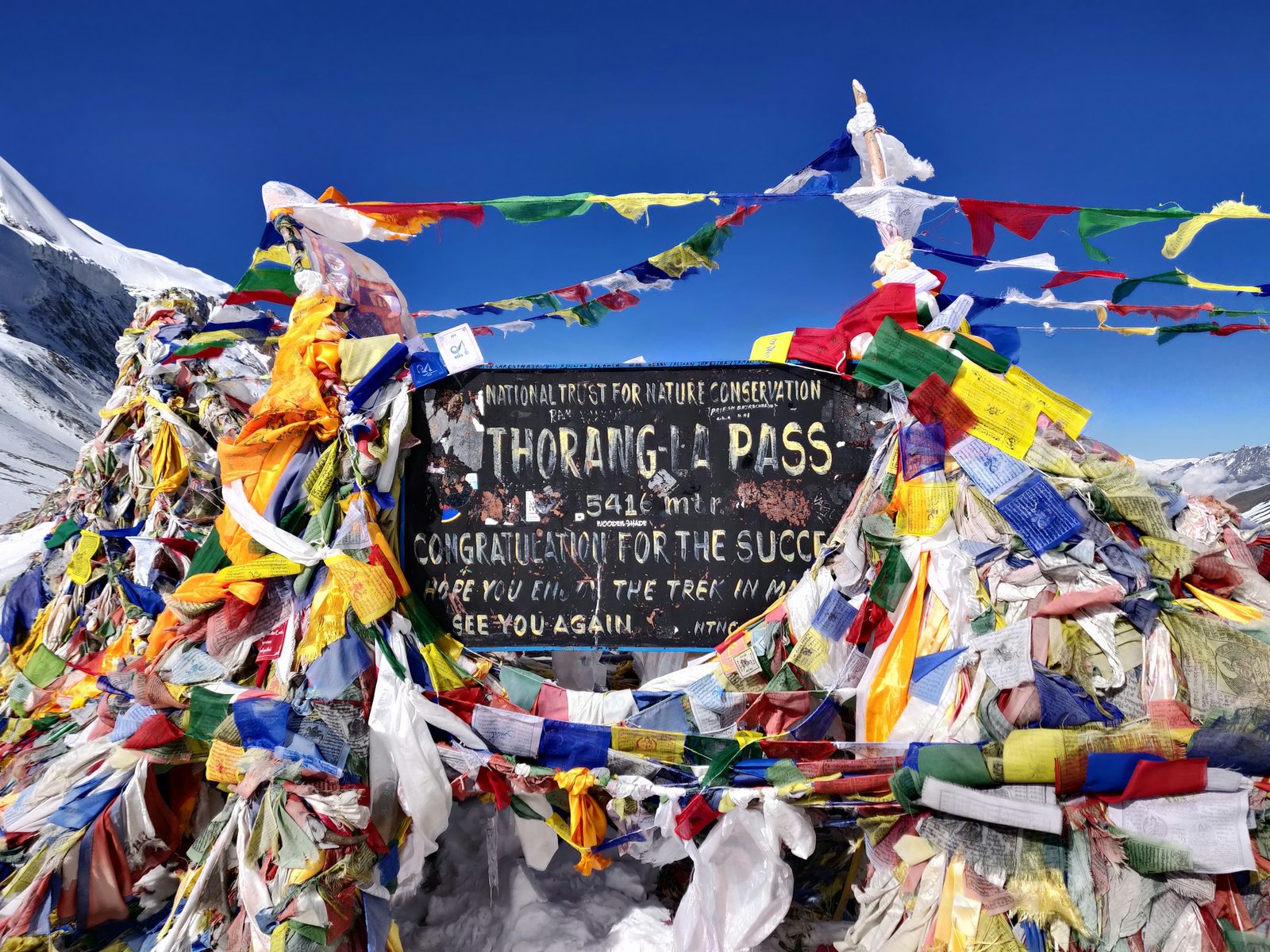
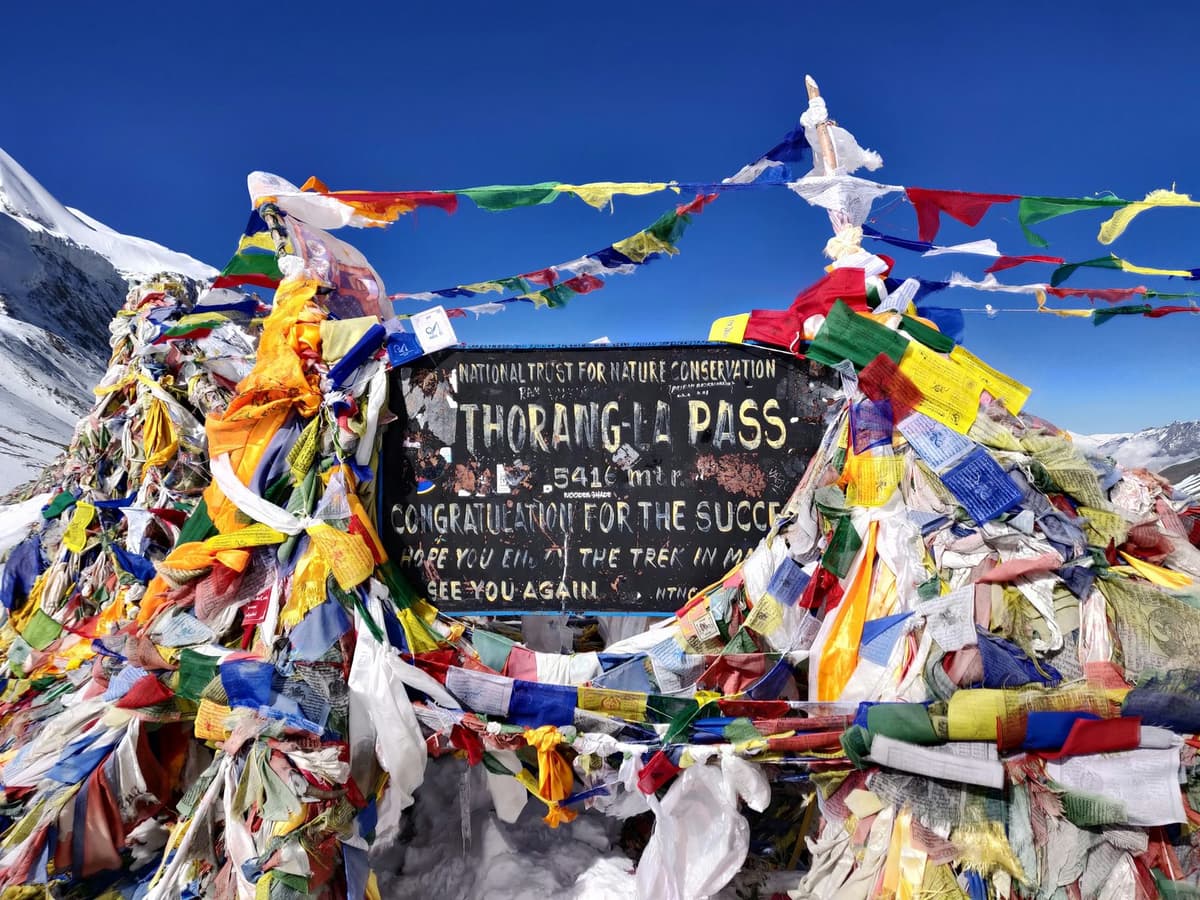
The Thorong La pass sign at the top of the Annapurna Circuit
The Thorong La sign on the Annapurna Circuit: check your policy's altitude limit against your highest point.
What to check What to look for in the wording Why it matters
Altitude limit A maximum altitude above your trek's highest point, declared when you buy Many policies stop at a set height; above it, a claim can fail
Helicopter evacuation Emergency helicopter rescue named as covered, and who approves it Evacuation is the costly part of a rescue, and insurers may decide whether it was medically necessary
Medical repatriation Hospital bills in Kathmandu, plus evacuation abroad and repatriation home The FCDO says "Healthcare is poor in most places outside the Kathmandu Valley and Pokhara"; Canada says serious cases often need evacuation to Bangkok, New Delhi or Singapore
Trekking or activities clause Trekking listed as covered, and Nepal trekking not excluded Some policies exclude adventure activities, and some insurers have stopped selling Nepal trekking cover
Pre-existing conditions Every condition declared and accepted in writing The UK's Travel Aware campaign warns an undeclared condition "could mean your claim is rejected"
Cancellation and delay Travel-delay, missed-departure and cancellation sections Mountain flights are often delayed or cancelled by weather
Guide or registered company condition Any condition about a guide, a registered company, recognised routes or equipment Some wording ties cover to how and where you trek; make sure your trek meets it

The altitude limit: compare it with your trek's high point

Comparison site Finder says standard trekking limits in Australian policies are usually between 3,000 m and 4,000 m, with some add-ons extending cover to 6,000 m. One large travel insurer's published wording (November 2025) sets tiers of up to 3,000 m, up to 4,500 m on recognised routes and up to 6,000 m on recognised routes, covers nothing above 6,000 m, and excludes treks needing ropes, picks or other specialist climbing equipment. Finder reports the same brand's Australian policy stopping at 2,000 m without an upgrade: limits vary by insurer and country of residence.

Trek Highest point to compare with your policy
Everest Base Camp Base Camp 5,364 m; Kala Patthar about 5,545 m, with GPS readings near 5,644 m
Annapurna Circuit Thorong La 5,416 m
Manaslu Circuit Larkya La 5,106 m (5,160 m also published)
Annapurna Base Camp 4,130 m
Ghorepani Poon Hill Poon Hill 3,210 m

Altitude sickness symptoms are possible from a sleeping height of about 2,450 m (8,000 ft), so even a short trek goes high enough to matter. Our altitude sickness guide for Nepal treks explains acclimatisation route by route.

Delays and cancellations

The FCDO notes that "Internal flights in high mountain areas can be delayed by poor weather conditions and cancellations are common." In the busiest months, Lukla flights usually leave from Manthali Airport in Ramechhap, and every mountain flight depends on the weather. CIWEC advises: "Always allow one or two extra days in case you run into trouble". Policies word delay cover differently, so read those sections rather than assuming; on our own 12-day Everest Base Camp trip, an extra hotel night caused by flight delays is listed as an extra. Our Lukla airport guide explains the flights.

How much does a helicopter rescue cost?
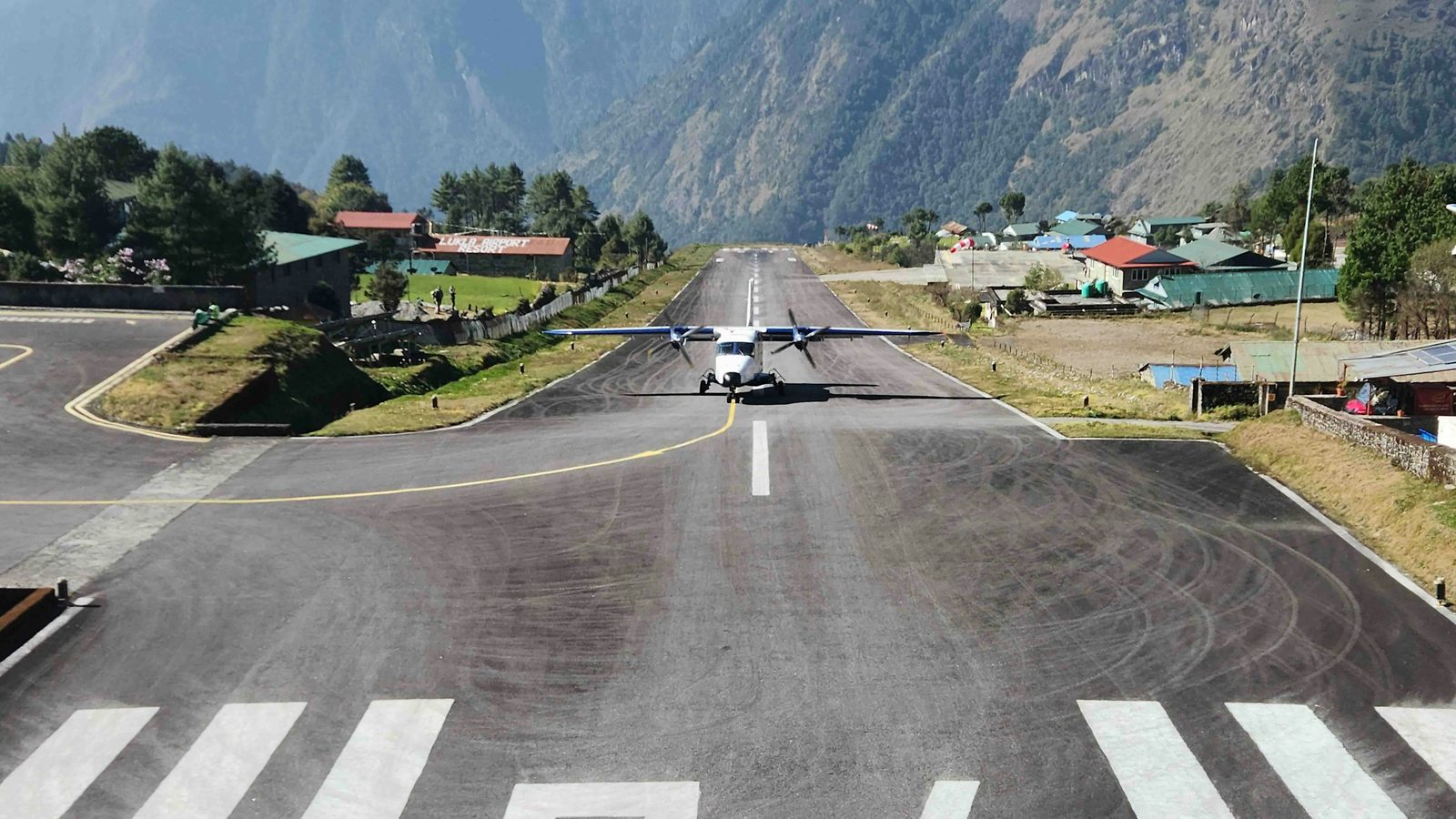
A small plane on the Lukla airstrip in the Everest region
Lukla airstrip: flights and helicopters in the mountains depend on the weather.

There is no official tariff. The UK government says helicopter evacuation "usually costs between £1,000 and £2,000 or more per flying hour", and operators report that an uninsured evacuation from the Everest Base Camp area to Kathmandu costs several thousand US dollars. Without insurance, you pay that yourself, usually before the helicopter flies.

Weather is the other limit. The FCDO says: "It may be difficult to get rapid helicopter evacuation if you fall ill or suffer a serious accident in a remote area of the country." Going up slowly remains the cheapest protection, as our guide on how to avoid altitude sickness explains, and our Everest Base Camp trek cost guide shows where insurance sits in a trek budget.

Why do insurers check Nepal claims so closely?

Because Nepal has a long-running problem with fake and unnecessary helicopter rescues billed to foreign insurers, which led to arrests and charges in 2026. An insurer may question a rescue it did not approve, so learn how yours handles claims before you need it.

A 2018 tourism ministry probe found more than 1,300 helicopter rescues in the first five months of that year, costing insurers over USD 6.5 million, The Himalayan Times (AFP) reported. In January 2026 Nepal Police arrested six executives of three mountain rescue companies over alleged fake rescues, and police records cited by OCCRP put the alleged fraud at about USD 19.7 million. In March 2026, OCCRP reported, 32 people were charged at Kathmandu District Court. Prosecutors alleged that trekkers were made ill on purpose, with food laced with baking soda the example reported, and that insurers were billed with forged medical and flight documents.

On 6 April 2026 the tourism ministry said the police investigation had not substantiated claims that trekkers were deliberately fed contaminated food. It announced a "zero tolerance" policy on rescue fraud, a Joint Monitoring Task Force and a proposed Rescue Management System linking trekker registration, rescue requests and insurance checks, Ratopati English reported. We found no report that the system is running yet.

What the fraud cases mean for your policy

The FCDO warns: "There have been isolated reports of some trekking guides taking inexperienced trekkers to high altitudes too quickly, and then calling in expensive helicopter medivacs from which the guides take a cut. Be wary of trekking deals that look very cheap and may be scams." Smartraveller adds that insurers have declined to pay for some evacuations that trekkers were pressured into, leaving the trekker to pay.

So check how claims work before you buy. One insurer's published guidance says its medical team decides whether a helicopter evacuation is medically necessary for cover to apply, and tells travellers to call its emergency assistance line themselves, or have a trusted friend do it. Ask your insurer who approves an evacuation, which number to call, and what papers they need afterwards.

A licensed guide walks with you on every trek we run. A rescue should be a medical decision.

What happens if something goes wrong on the trail?

Severe altitude symptoms, such as confusion, breathlessness at rest or unsteady walking, mean going down at once and getting medical help. If a helicopter is needed, confirm cover with your insurer before agreeing, and ask for a medical check first if you can. Weather can delay any flight. The general steps:
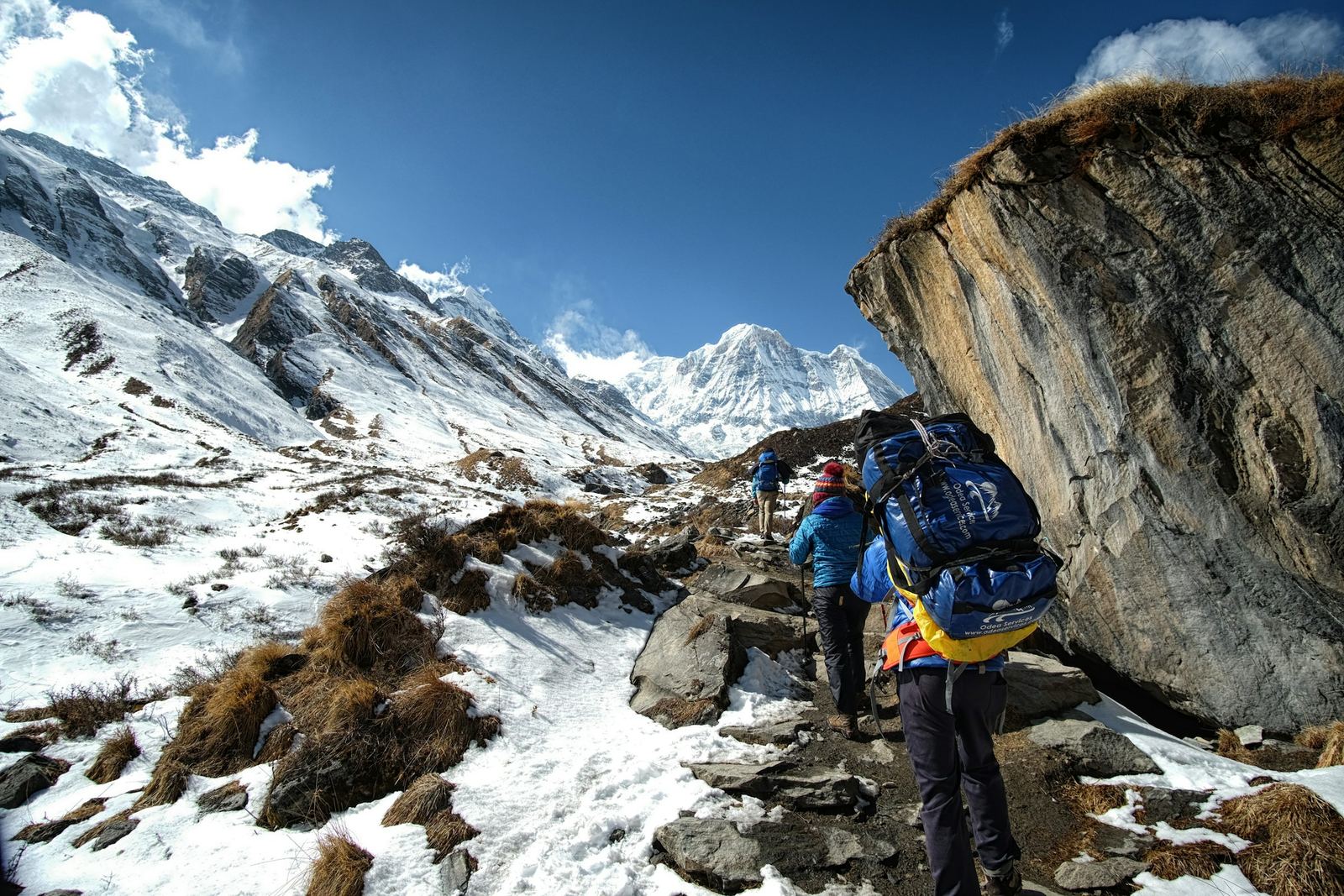
Trekkers climbing a snowy trail into the Annapurna Sanctuary
A snowy trail into the Annapurna Sanctuary. Weather and altitude are why your cover matters.
  1. Call your insurer yourself. Smartraveller advises confirming yourself, if possible, that your insurance covers evacuation costs before you agree to a helicopter evacuation.
  2. Ask for a medical evaluation. Canada advises you to "request a medical evaluation before consenting to a helicopter evacuation, if possible".
  3. Keep every paper. Keep copies of all medical, insurance and evacuation papers for your claim.

On our treks, if anyone in the group shows severe signs, the guide arranges the descent and, if needed, the rescue through your insurer. Ask us how we handle it before you book.

Where treatment happens: aid posts and hospitals

Serious illness in the mountains may mean a helicopter evacuation to Kathmandu. CIWEC Hospital and Travel Medicine Center has treated travellers in Kathmandu since 1982 and in Pokhara, at Lakeside, since 2014, with 24-hour emergency care in both.

On the trails, CIWEC lists medical help at Pasang Lhamu Nicole-Niquille Hospital in Lukla, Khunde Hospital, the HRA aid posts at Pheriche and Manang, and Everest ER at Base Camp (spring season only). The Himalayan Rescue Association has run Pheriche since 1973 and Manang since November 1981; for autumn 2026 both were reported open with round-the-clock emergency care until the end of November (The Tourism Times, 7 October 2026). HRA's satellite clinic at Thorong Phedi is not currently operating.

How do you choose a licensed trekking company?

Ask for the company's Department of Tourism trekking licence and company registration, check whether it is listed in the TAAN online member directory, and be wary of unusually cheap packages. Then ask how the company handles insurance details and emergencies before you pay.

TAAN, the Trekking Agencies' Association of Nepal, asks for the Department of Tourism licence, plus company, tax and Nepal Rastra Bank foreign-exchange registrations, before it admits a member. Its directory listed 2,338 general members on 30 October 2026. Smartraveller advises checking a company's credentials and experience before you book.

Questions worth asking any company, us included:

  • Do you need my policy number and my insurer's emergency number before the trek?
  • Who calls my insurer in an emergency?
  • Which hospital do you use for evacuations?
  • Is insurance arranged for your guides and porters?

Ask us for our licence details.

Read next: Nepal trekking permits: which you need and who issues them.

Frequently asked questions

Do I need travel insurance for trekking in Nepal, and what must it cover?

In practice, yes. The UK, Australian and Canadian governments all tell trekkers to buy cover that includes helicopter rescue and medical evacuation, and helicopter companies usually want insurance, insurer pre-approval or payment before they fly. Check that the maximum altitude is above your trek's highest point, that hospital bills in Kathmandu and onward evacuation are covered, and declare pre-existing conditions. No official Nepal page we found sets a blanket rule for every trekker.

What happens if something goes wrong on the trail?

Serious altitude symptoms mean going down at once and getting medical help. If a helicopter is needed, you or someone you trust should call your insurer and confirm cover before agreeing, and ask for a medical check first if you can. On our treks, if anyone in the group shows severe signs, the guide arranges the descent and, if needed, the rescue through your insurer; ask us how we handle it.

How do I choose a licensed trekking company in Nepal?

Ask for the company's Department of Tourism trekking licence and company registration, the documents TAAN requires before membership, and check whether it appears in TAAN's online member directory. Governments warn against unusually cheap packages. Before you pay, ask how the company handles your insurance details and who calls your insurer in an emergency.

What altitude should my insurance cover for Everest Base Camp?

Cover the trek's high point, not Base Camp alone. Base Camp is 5,364 m, but the high point is Kala Patthar, about 5,545 m, with GPS readings near 5,644 m. Standard policy limits often stop well below that, so you may need an add-on. Declare the altitude when you buy and keep the confirmation.

Which trek should you ask us about?

Your policy's altitude limit tells you which treks it covers without an upgrade. A lower first trek such as the Ghorepani Poon Hill trek reaches 3,210 m at Poon Hill. The Everest View trek with Namche Bazaar takes you to Namche, at about 3,440 m. Compare higher routes on our treks page, and for visas, money and health, return to our Nepal travel guide. Ask us on WhatsApp or through the enquiry form with your dates and your policy's altitude limit, and our Kathmandu team will tell you honestly which treks fit.
Tags
travel insurancetrekking in Nepalhelicopter rescuealtitude sicknesstrekking safetyplan your trip
Share
U
Uncover Nepal Team
Writer at Uncover Nepal
More in Plan your tripSee all Plan your trip

Nepal Travel Insurance for Treks: What to Check

13 min read Posted 29 Oct 2026Updated 01 Nov 2026
A helicopter below Lhotse and Nuptse in the Everest region of Nepal

By Uncover Nepal Team · Checked by our Kathmandu travel team · Last checked 30 October 2026

Walk one of Nepal's busy trekking trails in autumn and you will often hear helicopters overhead. Some carry supplies or passengers. Some carry trekkers down to hospital. Nobody plans to be on that last kind of flight, and if you are, the document that matters most is your insurance policy.

Do you need Nepal travel insurance for a trek? In practice, yes. The UK, Australian and Canadian governments all tell trekkers to buy cover that includes helicopter rescue and medical evacuation, and helicopter companies usually want insurance, insurer approval or payment before they fly. No official Nepal page we found, in English, sets a blanket rule for every trekker.

Our Nepal travel guide covers visas, money, health and seasons; this article covers insurance in depth. It is information only: we do not sell insurance and we do not recommend an insurer.

Key facts

A blanket rule for every trekker?
No official Nepal page in English that we found sets one; in practice you need cover (Our check of official Nepal tourism pages, 30 Oct 2026)
Helicopter evacuation cost
£1,000 to £2,000 or more per flying hour (UK FCDO, 30 Oct 2026)
Uninsured rescue from the Everest Base Camp area
Several thousand US dollars, operators report; no official tariff (Operator reports, October 2026)
Standard policy altitude limits
Usually 3,000 m to 4,000 m, some add-ons to 6,000 m (Australian market) (Finder, updated 17 Apr 2026, checked 30 Oct 2026)
Trail aid posts
HRA posts at Pheriche and Manang, reported open to the end of November 2026 (The Tourism Times, 7 Oct 2026)
Company check
Department of Tourism licence; TAAN directory listed 2,338 general members (TAAN, 30 Oct 2026)

In this guide

  • Do you need Nepal travel insurance for trekking?
  • What should your policy cover? A checklist
  • How much does a helicopter rescue cost?
  • Why do insurers check Nepal claims so closely?
  • What happens if something goes wrong on the trail?
  • How do you choose a licensed trekking company?
  • Frequently asked questions

Do you need Nepal travel insurance for trekking?

In practice, yes. The UK, Australian and Canadian governments all tell trekkers to insure for rescue and evacuation, most hospitals want payment or proof of insurance before treatment, and helicopter companies usually want to see evacuation insurance, insurer pre-approval or a credit card before they fly. No official Nepal page we found, in English, sets a blanket rule for every trekker.

The official advice, in its own words:

  • United Kingdom (FCDO): "Make sure your insurance includes cover for mountain rescue services and helicopter costs."
  • Australia (Smartraveller): advises cover for all medical costs overseas, including evacuation, and warns travellers not to assume a policy covers adventure or high-risk activities.
  • Canada (travel.gc.ca): trekkers should "select insurance coverage for high altitude trekking and medical evacuation".

CIWEC Hospital in Kathmandu adds: "Make sure it covers not only your evacuation but also your medical bills once you reach the city."

Nepal's proposed Tourism Bill, still before a House of Representatives committee in August 2026, would make agencies running mountaineering expeditions insure their teams, but it is a bill, not law, and it concerns expeditions rather than treks.

What should your policy cover? A checklist

Your policy should cover trekking at your route's highest point, emergency helicopter evacuation, medical treatment with onward evacuation or repatriation, and weather delays. Read the policy wording itself, not the sales page.

The Thorong La pass sign at the top of the Annapurna Circuit
The Thorong La sign on the Annapurna Circuit: check your policy's altitude limit against your highest point.
What to check What to look for in the wording Why it matters
Altitude limit A maximum altitude above your trek's highest point, declared when you buy Many policies stop at a set height; above it, a claim can fail
Helicopter evacuation Emergency helicopter rescue named as covered, and who approves it Evacuation is the costly part of a rescue, and insurers may decide whether it was medically necessary
Medical repatriation Hospital bills in Kathmandu, plus evacuation abroad and repatriation home The FCDO says "Healthcare is poor in most places outside the Kathmandu Valley and Pokhara"; Canada says serious cases often need evacuation to Bangkok, New Delhi or Singapore
Trekking or activities clause Trekking listed as covered, and Nepal trekking not excluded Some policies exclude adventure activities, and some insurers have stopped selling Nepal trekking cover
Pre-existing conditions Every condition declared and accepted in writing The UK's Travel Aware campaign warns an undeclared condition "could mean your claim is rejected"
Cancellation and delay Travel-delay, missed-departure and cancellation sections Mountain flights are often delayed or cancelled by weather
Guide or registered company condition Any condition about a guide, a registered company, recognised routes or equipment Some wording ties cover to how and where you trek; make sure your trek meets it

The altitude limit: compare it with your trek's high point

Comparison site Finder says standard trekking limits in Australian policies are usually between 3,000 m and 4,000 m, with some add-ons extending cover to 6,000 m. One large travel insurer's published wording (November 2025) sets tiers of up to 3,000 m, up to 4,500 m on recognised routes and up to 6,000 m on recognised routes, covers nothing above 6,000 m, and excludes treks needing ropes, picks or other specialist climbing equipment. Finder reports the same brand's Australian policy stopping at 2,000 m without an upgrade: limits vary by insurer and country of residence.

Trek Highest point to compare with your policy
Everest Base Camp Base Camp 5,364 m; Kala Patthar about 5,545 m, with GPS readings near 5,644 m
Annapurna Circuit Thorong La 5,416 m
Manaslu Circuit Larkya La 5,106 m (5,160 m also published)
Annapurna Base Camp 4,130 m
Ghorepani Poon Hill Poon Hill 3,210 m

Altitude sickness symptoms are possible from a sleeping height of about 2,450 m (8,000 ft), so even a short trek goes high enough to matter. Our altitude sickness guide for Nepal treks explains acclimatisation route by route.

Delays and cancellations

The FCDO notes that "Internal flights in high mountain areas can be delayed by poor weather conditions and cancellations are common." In the busiest months, Lukla flights usually leave from Manthali Airport in Ramechhap, and every mountain flight depends on the weather. CIWEC advises: "Always allow one or two extra days in case you run into trouble". Policies word delay cover differently, so read those sections rather than assuming; on our own 12-day Everest Base Camp trip, an extra hotel night caused by flight delays is listed as an extra. Our Lukla airport guide explains the flights.

How much does a helicopter rescue cost?

A small plane on the Lukla airstrip in the Everest region
Lukla airstrip: flights and helicopters in the mountains depend on the weather.

There is no official tariff. The UK government says helicopter evacuation "usually costs between £1,000 and £2,000 or more per flying hour", and operators report that an uninsured evacuation from the Everest Base Camp area to Kathmandu costs several thousand US dollars. Without insurance, you pay that yourself, usually before the helicopter flies.

Weather is the other limit. The FCDO says: "It may be difficult to get rapid helicopter evacuation if you fall ill or suffer a serious accident in a remote area of the country." Going up slowly remains the cheapest protection, as our guide on how to avoid altitude sickness explains, and our Everest Base Camp trek cost guide shows where insurance sits in a trek budget.

Why do insurers check Nepal claims so closely?

Because Nepal has a long-running problem with fake and unnecessary helicopter rescues billed to foreign insurers, which led to arrests and charges in 2026. An insurer may question a rescue it did not approve, so learn how yours handles claims before you need it.

A 2018 tourism ministry probe found more than 1,300 helicopter rescues in the first five months of that year, costing insurers over USD 6.5 million, The Himalayan Times (AFP) reported. In January 2026 Nepal Police arrested six executives of three mountain rescue companies over alleged fake rescues, and police records cited by OCCRP put the alleged fraud at about USD 19.7 million. In March 2026, OCCRP reported, 32 people were charged at Kathmandu District Court. Prosecutors alleged that trekkers were made ill on purpose, with food laced with baking soda the example reported, and that insurers were billed with forged medical and flight documents.

On 6 April 2026 the tourism ministry said the police investigation had not substantiated claims that trekkers were deliberately fed contaminated food. It announced a "zero tolerance" policy on rescue fraud, a Joint Monitoring Task Force and a proposed Rescue Management System linking trekker registration, rescue requests and insurance checks, Ratopati English reported. We found no report that the system is running yet.

What the fraud cases mean for your policy

The FCDO warns: "There have been isolated reports of some trekking guides taking inexperienced trekkers to high altitudes too quickly, and then calling in expensive helicopter medivacs from which the guides take a cut. Be wary of trekking deals that look very cheap and may be scams." Smartraveller adds that insurers have declined to pay for some evacuations that trekkers were pressured into, leaving the trekker to pay.

So check how claims work before you buy. One insurer's published guidance says its medical team decides whether a helicopter evacuation is medically necessary for cover to apply, and tells travellers to call its emergency assistance line themselves, or have a trusted friend do it. Ask your insurer who approves an evacuation, which number to call, and what papers they need afterwards.

A licensed guide walks with you on every trek we run. A rescue should be a medical decision.

What happens if something goes wrong on the trail?

Severe altitude symptoms, such as confusion, breathlessness at rest or unsteady walking, mean going down at once and getting medical help. If a helicopter is needed, confirm cover with your insurer before agreeing, and ask for a medical check first if you can. Weather can delay any flight. The general steps:

Trekkers climbing a snowy trail into the Annapurna Sanctuary
A snowy trail into the Annapurna Sanctuary. Weather and altitude are why your cover matters.
  1. Call your insurer yourself. Smartraveller advises confirming yourself, if possible, that your insurance covers evacuation costs before you agree to a helicopter evacuation.
  2. Ask for a medical evaluation. Canada advises you to "request a medical evaluation before consenting to a helicopter evacuation, if possible".
  3. Keep every paper. Keep copies of all medical, insurance and evacuation papers for your claim.

On our treks, if anyone in the group shows severe signs, the guide arranges the descent and, if needed, the rescue through your insurer. Ask us how we handle it before you book.

Where treatment happens: aid posts and hospitals

Serious illness in the mountains may mean a helicopter evacuation to Kathmandu. CIWEC Hospital and Travel Medicine Center has treated travellers in Kathmandu since 1982 and in Pokhara, at Lakeside, since 2014, with 24-hour emergency care in both.

On the trails, CIWEC lists medical help at Pasang Lhamu Nicole-Niquille Hospital in Lukla, Khunde Hospital, the HRA aid posts at Pheriche and Manang, and Everest ER at Base Camp (spring season only). The Himalayan Rescue Association has run Pheriche since 1973 and Manang since November 1981; for autumn 2026 both were reported open with round-the-clock emergency care until the end of November (The Tourism Times, 7 October 2026). HRA's satellite clinic at Thorong Phedi is not currently operating.

How do you choose a licensed trekking company?

Ask for the company's Department of Tourism trekking licence and company registration, check whether it is listed in the TAAN online member directory, and be wary of unusually cheap packages. Then ask how the company handles insurance details and emergencies before you pay.

TAAN, the Trekking Agencies' Association of Nepal, asks for the Department of Tourism licence, plus company, tax and Nepal Rastra Bank foreign-exchange registrations, before it admits a member. Its directory listed 2,338 general members on 30 October 2026. Smartraveller advises checking a company's credentials and experience before you book.

Questions worth asking any company, us included:

  • Do you need my policy number and my insurer's emergency number before the trek?
  • Who calls my insurer in an emergency?
  • Which hospital do you use for evacuations?
  • Is insurance arranged for your guides and porters?

Ask us for our licence details.

Read next: Nepal trekking permits: which you need and who issues them.

Frequently asked questions

Do I need travel insurance for trekking in Nepal, and what must it cover?

In practice, yes. The UK, Australian and Canadian governments all tell trekkers to buy cover that includes helicopter rescue and medical evacuation, and helicopter companies usually want insurance, insurer pre-approval or payment before they fly. Check that the maximum altitude is above your trek's highest point, that hospital bills in Kathmandu and onward evacuation are covered, and declare pre-existing conditions. No official Nepal page we found sets a blanket rule for every trekker.

What happens if something goes wrong on the trail?

Serious altitude symptoms mean going down at once and getting medical help. If a helicopter is needed, you or someone you trust should call your insurer and confirm cover before agreeing, and ask for a medical check first if you can. On our treks, if anyone in the group shows severe signs, the guide arranges the descent and, if needed, the rescue through your insurer; ask us how we handle it.

How do I choose a licensed trekking company in Nepal?

Ask for the company's Department of Tourism trekking licence and company registration, the documents TAAN requires before membership, and check whether it appears in TAAN's online member directory. Governments warn against unusually cheap packages. Before you pay, ask how the company handles your insurance details and who calls your insurer in an emergency.

What altitude should my insurance cover for Everest Base Camp?

Cover the trek's high point, not Base Camp alone. Base Camp is 5,364 m, but the high point is Kala Patthar, about 5,545 m, with GPS readings near 5,644 m. Standard policy limits often stop well below that, so you may need an add-on. Declare the altitude when you buy and keep the confirmation.

Which trek should you ask us about?

Your policy's altitude limit tells you which treks it covers without an upgrade. A lower first trek such as the Ghorepani Poon Hill trek reaches 3,210 m at Poon Hill. The Everest View trek with Namche Bazaar takes you to Namche, at about 3,440 m. Compare higher routes on our treks page, and for visas, money and health, return to our Nepal travel guide. Ask us on WhatsApp or through the enquiry form with your dates and your policy's altitude limit, and our Kathmandu team will tell you honestly which treks fit.
Tags
travel insurancetrekking in Nepalhelicopter rescuealtitude sicknesstrekking safetyplan your trip
Share
U
Uncover Nepal Team
Writer at Uncover Nepal
More in Plan your tripSee all Plan your trip