

By Uncover Nepal Team · Checked by our Kathmandu travel team · Last checked 4 Oct 2026
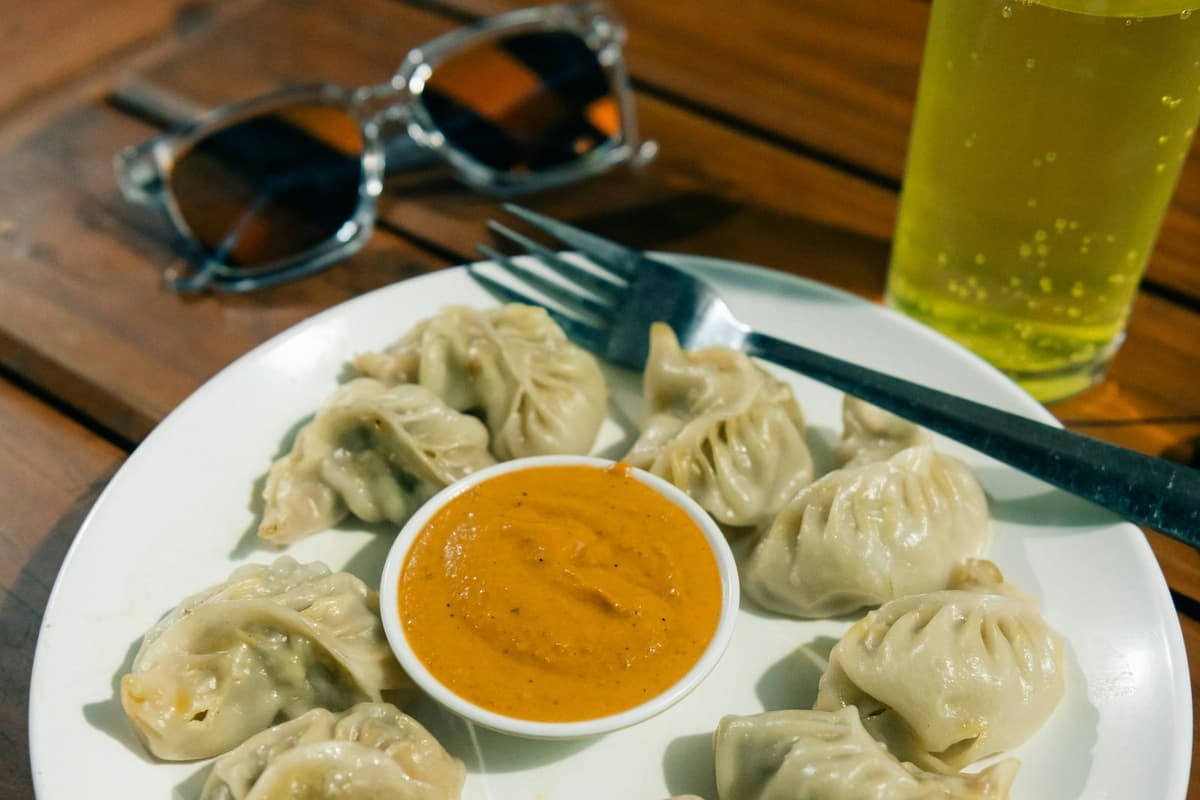
In a teahouse in Namche Bazaar, 3,440 m up, the first bowl to reach the table after a long day's climb is often garlic soup. It is a staple on teahouse menus along the Everest trail. It is hot, it smells of home cooking and it warms cold hands. Whether it does anything for altitude is a fair question, and this guide answers it honestly.
How to avoid altitude sickness comes down to going up slowly. Above 3,000 m, raise your sleeping height by no more than about 500 m a day and take a rest day every three to four days. Drink enough, skip alcohol at first, never go higher with symptoms, and ask your doctor about medicine.
Below: the proven steps, the teahouse traditions, the medicines by name, and when to stop or go down.
Key facts
- Where the risk starts
- Sleeping at 2,450 m (8,000 ft) or higher, and sometimes lower (CDC Yellow Book 2026, 4 Oct 2026)
- How common on Nepal treks
- Up to about 30% at higher elevations, even on standard acclimatisation schedules (CDC Yellow Book 2026, 4 Oct 2026)
- The sleeping-height rule
- Above 3,000 m, no more than 500 m higher each night, with a rest day every three to four days (Wilderness Medical Society (WMS) 2024 guidelines, 4 Oct 2026)
- Main preventive medicine
- Acetazolamide (sold as Diamox and other brands), a prescription-only medicine in the UK, US and Australia (WMS 2024; emc (UK); DailyMed (US); healthdirect (Australia), 4 Oct 2026)
- Garlic and garlic soup
- No clinical trial found showing that garlic prevents altitude sickness (Europe PMC search; Cochrane 2019; WMS 2024; CDC 2026, 4 Oct 2026)
- Signs to go down at once
- Confusion, unsteady walking, extreme sleepiness, breathlessness at rest, frothy or bloody cough, blue or grey lips (NHS; CDC Yellow Book 2026, 4 Oct 2026)
- Medical help on the trail
- Himalayan Rescue Association (HRA) aid posts at Pheriche (Everest) and Manang (Annapurna) in the trekking seasons (HRA Nepal, 4 Oct 2026)
- Key altitudes
- Lukla airport 2,845 m; Namche Bazaar 3,440 m; Annapurna Base Camp 4,130 m; Everest Base Camp 5,364 m; Thorong La pass 5,416 m (Wikipedia (citing CAAN, OpenTopoMap); agency sources for Namche, 4 Oct 2026)
What is altitude sickness, in short?
Altitude sickness is what happens when you go up faster than your body can adjust to thinner air. There are three forms: acute mountain sickness (AMS), the common one, and two dangerous ones, high altitude cerebral oedema (HACE) and high altitude pulmonary oedema (HAPE).
The main sign of AMS is a headache, usually with one or more of these: loss of appetite, dizziness, tiredness, nausea and, now and then, vomiting. It usually starts 2 to 12 hours after you arrive at a new height, often during or after the first night.
This guide is about prevention. For a full look at the symptoms and how they progress, read our guide to altitude sickness on Nepal treks.
At what altitude does altitude sickness start?
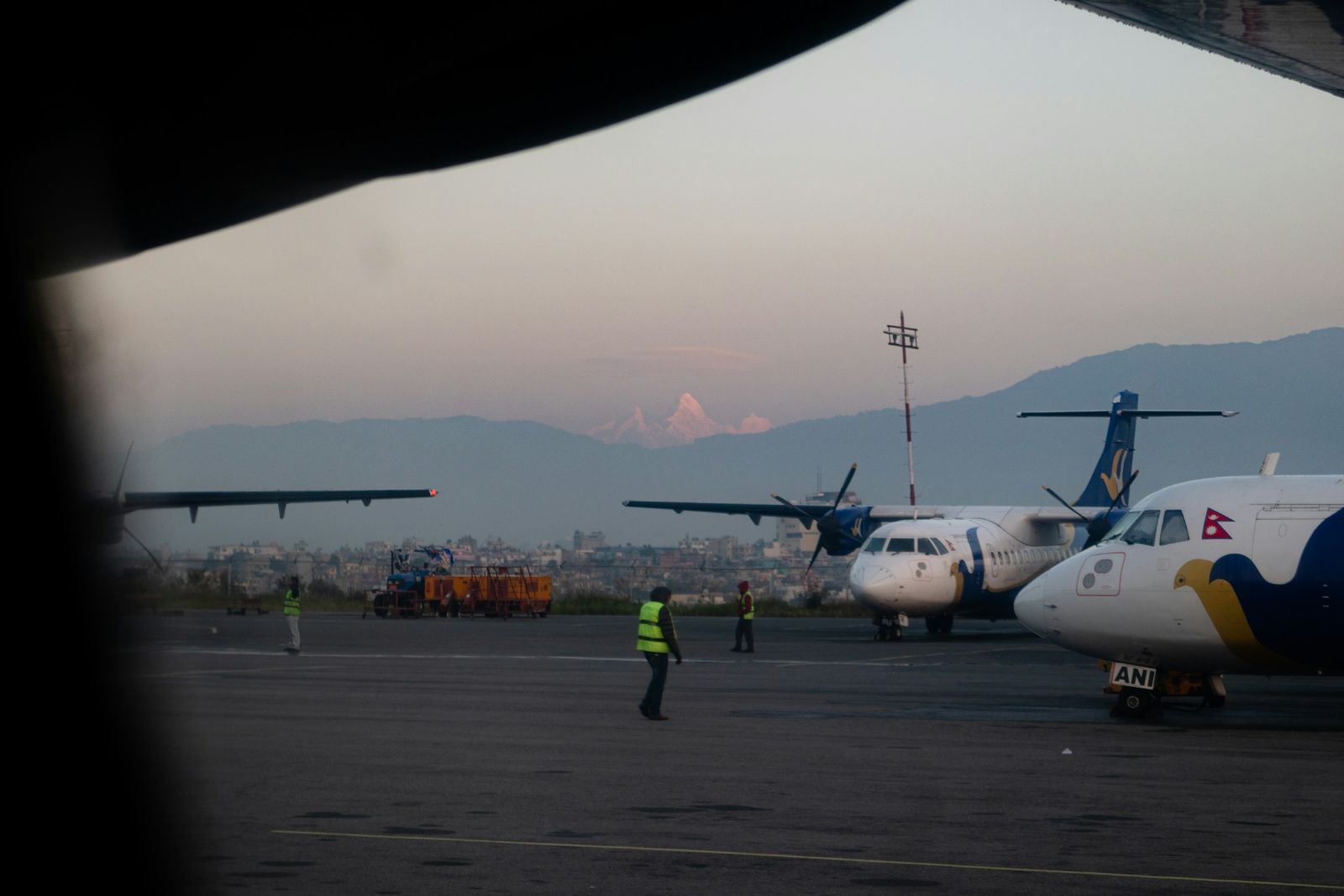
Altitude sickness can start once you sleep at 2,450 m (8,000 ft) or higher, and sometimes lower. The NHS and the WMS give a similar line of about 2,500 m. On a Nepal trek you pass that height early: Lukla airport, the gateway to the Everest trail, sits at 2,845 m (9,334 ft).
How common is it? On Nepal treks, the CDC says the rate "can approach 30% at higher elevations", even on standard schedules. When people fly straight to very high destinations, rates approach 50%. Speed is the difference.
In Nepal, a study of 491 Hindu pilgrims who climbed quickly to the sacred lake of Gosaikunda, at 4,380 m, found that 34% had AMS on arrival. That was a fast ascent, not a planned trek.
Who gets altitude sickness? Fit people too
Anyone can get altitude sickness, including very fit people. The CDC puts it plainly: "Training and physical fitness do not affect risk".
What does matter:
- How you did before. Your past reaction is "the most reliable guide for future trips" at a similar height and pace, but "not an infallible predictor". A slower ascent can avoid a repeat.
- Where you live. Living below 900 m is a risk factor.
- Pushing hard on arrival. Heavy effort when you first reach altitude raises the risk.
- Some heart and lung conditions. Tell your doctor about any you have.
How to prevent altitude sickness: the steps that work
Altitude sickness prevention rests on a few habits the medical guidelines agree on. None of them costs anything.
Go up slowly: the 500 m rule
The single most important step is a slow, graded ascent. Above 3,000 m, do not sleep more than 500 m higher than the night before, and add a rest day, with no gain in sleeping height, every three to four days. The WMS rates this a strong recommendation.
The CDC frames the same idea slightly differently: above 3,000 m, no more than 500 m a night, plus an extra night to acclimatise for every 1,000 m you gain. Note the word "sleeping". The height you walk to during the day matters less than the height where you spend the night.
Walk slowly: "bistarai, bistarai"
On the trail you will hear Nepali guides say "bistarai, bistarai". It means "slowly, slowly", and it is sound altitude advice in two words. Walk at the pace your guide sets. Heavy effort on arrival at altitude is a known risk factor, so the slow pace protects everyone.
In practice: short steps on the climbs, steady breathing, and no racing to the next teahouse.
Climb high, sleep low
Trekkers sum up the next habit as "climb high, sleep low". The medical sources do not use that phrase, but they back the idea: sleeping altitude matters more than the highest point of the day, and a day walk to higher ground with a return lower down for the night puts much less stress on the body. That is why a rest day can include a short walk uphill and back down.
Drink enough, but do not force it
Drink enough so that you are not dehydrated, because "symptoms of dehydration can mimic those of AMS". But forcing down extra water has never been shown to prevent altitude sickness, and too much water can lower the sodium in your blood (hyponatraemia).
No alcohol or sleeping pills in the first days
Avoid alcohol for at least the first 48 hours at high altitude. The NHS goes further and says not to drink alcohol while you are travelling or climbing at altitude. Alcohol and opiates should not be used as sleep aids at high altitude, because they slow your breathing. If you usually take a sleeping tablet, ask your doctor before you use one on a trek.
Arrive a little acclimatised if you can
Time at real altitude before the trip helps. The CDC says two or more nights above 2,750 m in the 14 days before you go helps, and closer to departure is better. Home altitude tents are different: a Cochrane review found no clear benefit from simulated-altitude exposure, and the evidence was weak.
Never go higher with symptoms
This is the rule that matters most once you are on the trail. In the CDC's words: "Never ascend to sleep at a higher altitude when experiencing symptoms of altitude illness, no matter how minor the symptoms seem". If you have AMS, do not move to a higher sleeping altitude, and if it is severe, stop and go down. Tell your guide about a headache the same evening. It is information, not weakness.
Day-by-day acclimatisation: an Everest Base Camp example
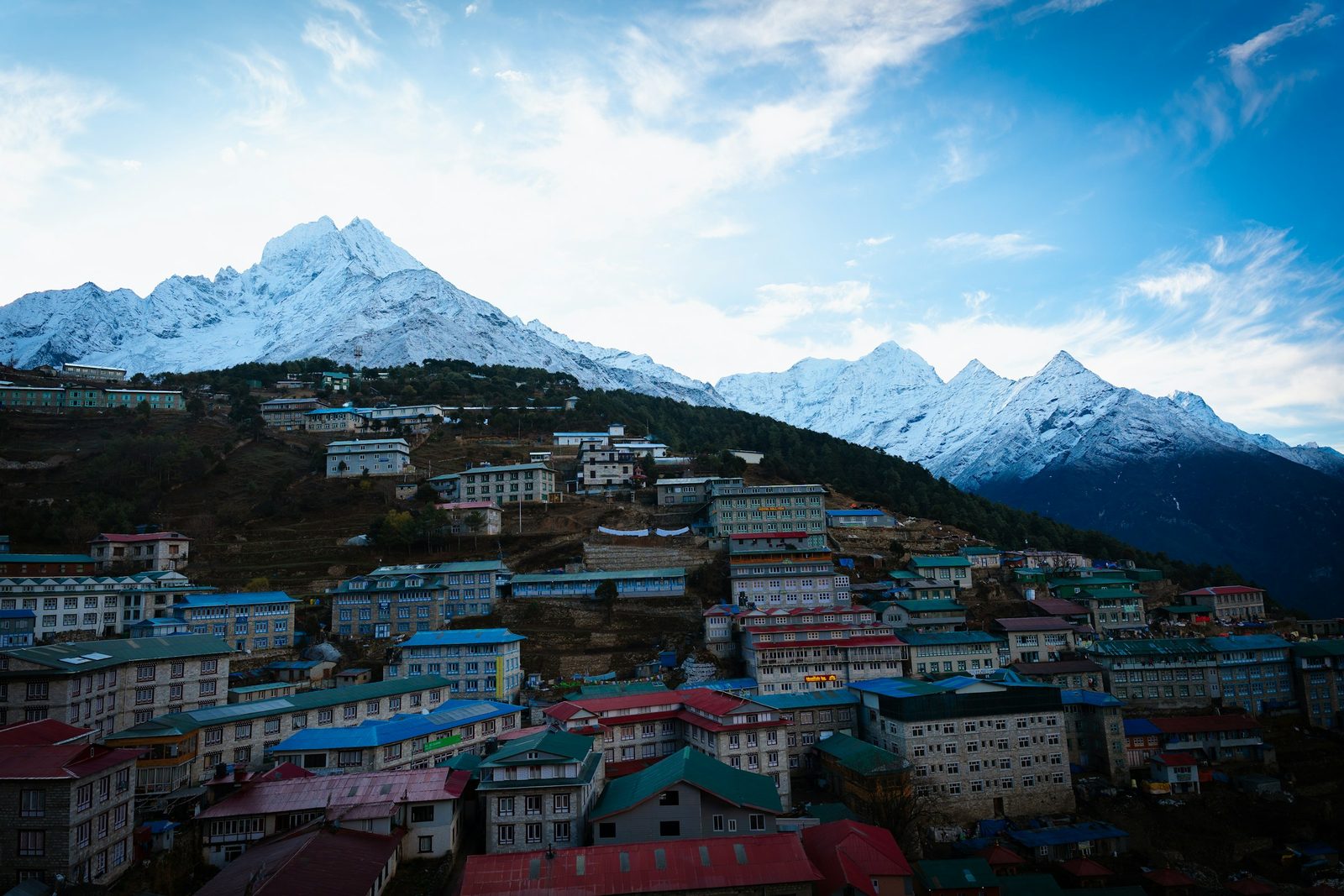
Here is how the 500 m rule plays out on the Everest Base Camp trail. We print only altitudes checked against a source, so the villages above Namche Bazaar are described, not given a figure. Your trip's full day-by-day itinerary is on the Everest Base Camp trek page.
| Stage | Where | Altitude | What the rule asks of you |
|---|---|---|---|
| Arrival day | Lukla airport | 2,845 m (9,334 ft) | You land above the 2,450 m line in one flight. Take the first walking day gently. |
| First night above 3,000 m | Namche Bazaar | 3,440 m | From here on, each night should be no more than about 500 m above the last. |
| Rest day | Namche Bazaar | 3,440 m | No gain in sleeping height. Walk higher in the day and come back down to sleep. |
| The days above Namche | Villages on the way up the valley | Not printed until checked | Aim to keep each night within about 500 m of the last, with another rest day every three to four days. Ask us how your itinerary does this. |
| High point | Everest Base Camp | 5,364 m (17,598 ft) | Go only if you are free of symptoms. Never climb with a headache that has not settled. |
The climb from Namche Bazaar to base camp is far more than one 500 m step, so a sensible itinerary spreads it over several nights with rest days built in.
One more Everest detail affects your first day. In the busiest months, Lukla flights leave from Ramechhap instead of Kathmandu, and every Lukla flight depends on the weather. Build a spare day into your plans so that a delay never tempts you to rush the ascent.
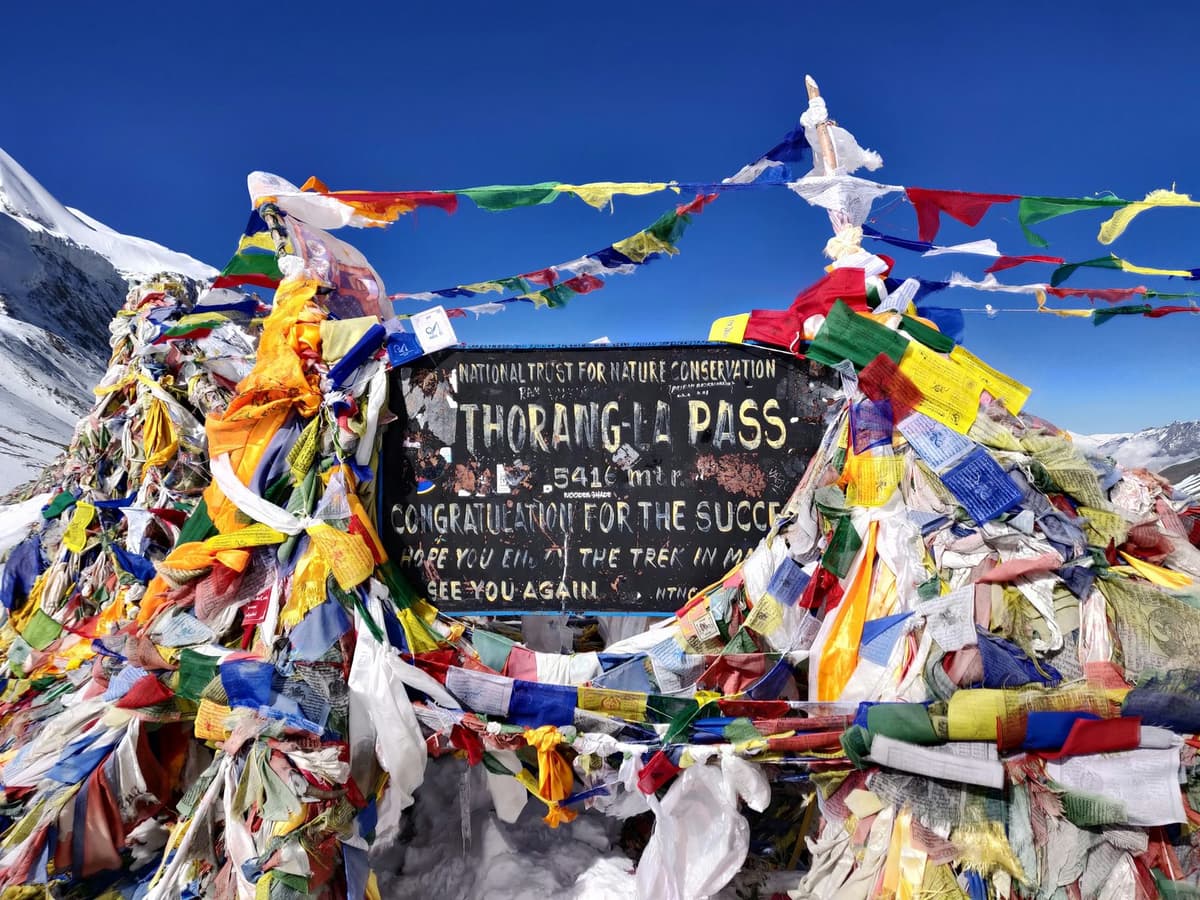
The same logic applies elsewhere. Annapurna Base Camp sits at 4,130 m. The Thorong La pass on the Annapurna Circuit, at 5,416 m, is crossed in a day, so it is a daytime high point, not a sleeping height.
Garlic soup, hot soups and tea: the teahouse tradition
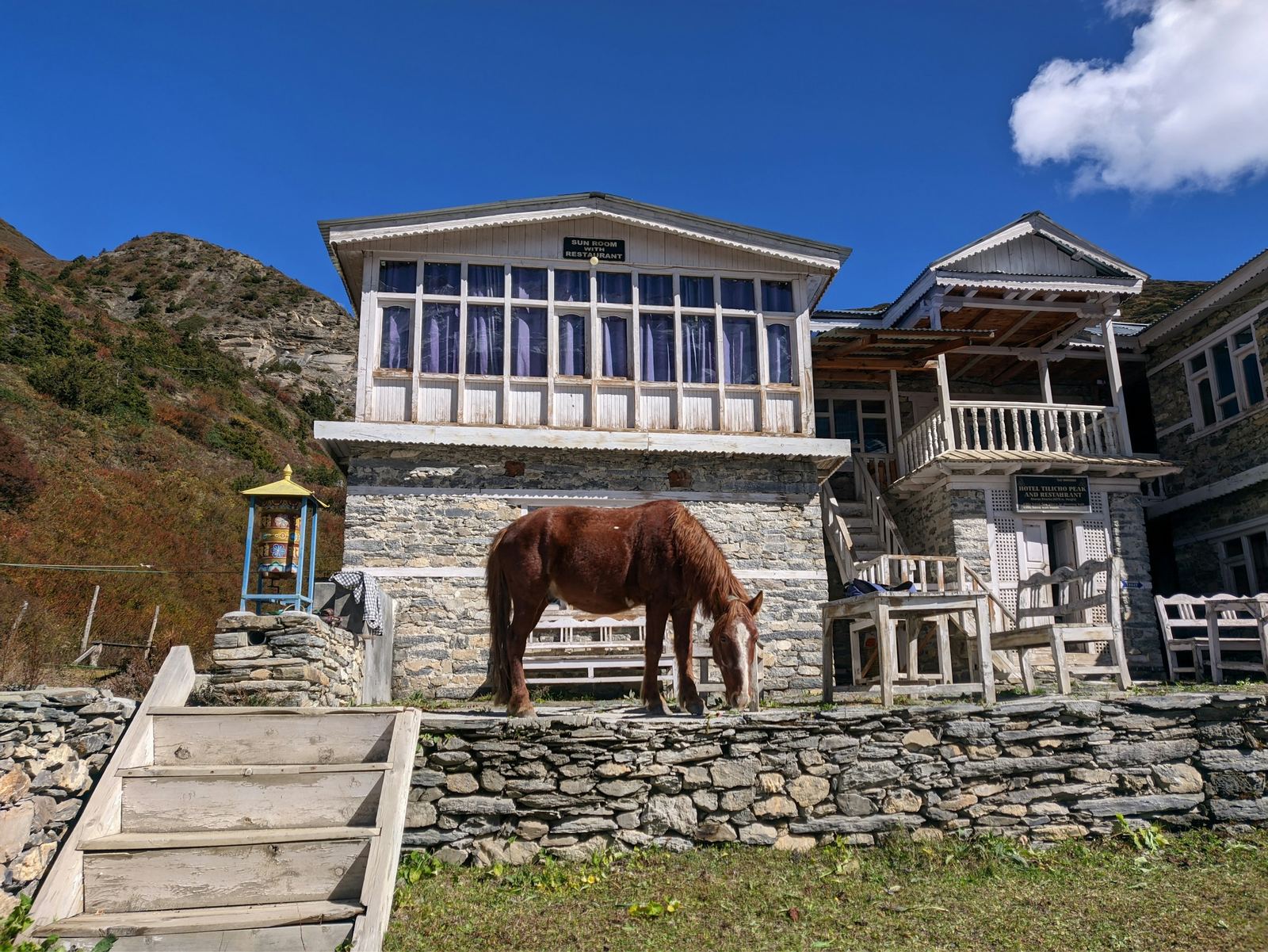
Garlic soup is served in almost every teahouse in the mountains, and lodges on the Everest trail offer it as a traditional altitude remedy. What we will not do is tell you it prevents altitude sickness, because there is no evidence that it does.
What the science says about garlic
- No clinical trial. A search of the medical literature found no trial of garlic or garlic soup for preventing or treating altitude sickness. Garlic is not mentioned in the WMS 2024 guidelines or the CDC Yellow Book 2026.
- A laboratory study. In a study at simulated altitude, a week of garlic supplements made no difference to blood oxygen, heart rate, blood pressure or exercise performance compared with a dummy pill.
- A Nepal field study. Among the Gosaikunda pilgrims, those who used garlic as a remedy did no better, and in fact had a higher rate of AMS, than those who did not. The authors concluded that "traditional Nepalese remedies were ineffective in the prevention of AMS". That study was observational, so it does not show that garlic causes harm.
Why a hot bowl still helps
Hot soups and tea still do real, ordinary work at altitude. They are an easy way to drink more fluid, and staying adequately hydrated matters. They keep you warm on a cold evening. And when altitude takes your appetite away, which is one of the signs of AMS, a bowl of soup is often the one thing you still want to eat.
Enjoy the garlic soup as a comforting local tradition, alongside the proven steps, never instead of them. A bowl does not make it safe to skip a rest day or to keep climbing with a headache.
Altitude sickness medicine: what doctors use
Here are the medicines doctors use for altitude illness and what each is for, so you can talk it through with your own doctor. We print no doses. Those are for your doctor to decide.
Acetazolamide (Diamox)
Acetazolamide, sold as Diamox and under other brand names, is the main medicine for preventing altitude sickness. The WMS says it should be "strongly considered" for travellers at moderate or high risk, and rates the evidence as high quality. A Cochrane review also found it effective for prevention.
- Prevention and treatment. It can also be used to treat AMS.
- It helps you acclimatise. Acetazolamide speeds up acclimatisation. Dexamethasone does not.
- Common side effects. Tingling in the fingers and toes, needing to pass urine more often, and fizzy drinks tasting odd. Some people also notice nausea or a change in taste.
- Not for everyone. It is not suitable for everyone. For example, it is not suitable after a past anaphylaxis or Stevens-Johnson syndrome with sulfonamide medicines, with a severe sulfonamide allergy, or in pregnancy, especially the first trimester.
- The sulfa-allergy question. Acetazolamide is a sulfonamide, but not an antibiotic. The CDC says cross-sensitivity with sulfa antibiotics "has not been reported", and the WMS calls the risk of an allergic reaction "extremely low". If you have a sulfa allergy, tell your doctor.
Diamox for trekking: questions to take to your doctor
The right place to answer the Diamox question is a doctor's appointment. Take your route and its highest sleeping point, and ask:
- Is acetazolamide right for me, for prevention, for treatment, or not at all?
- I have a sulfa allergy, or think I do. Is it safe for me?
- Do any of my medicines or conditions rule it out, and which side effects mean I should stop?
Other medicines and treatments, by name
- Ibuprofen. It has some evidence for prevention and is an option for people who do not want to take acetazolamide or dexamethasone, though it works less well than acetazolamide. It also relieves altitude headache.
- Paracetamol (acetaminophen). It can be used for a headache at altitude, but the WMS recommends against using it to prevent AMS. Never use a painkiller so that you can keep climbing with symptoms.
- Dexamethasone. A steroid used to treat moderate to severe AMS and HACE, and an alternative to acetazolamide for prevention in adults at moderate or high risk. It does not help you acclimatise, so it is mainly an emergency and treatment medicine, and stopping it at altitude can cause a mild rebound. It is not recommended for prevention in children.
- Nifedipine. Used to prevent HAPE in people who have had HAPE before, and to treat HAPE only when descent is impossible or delayed and neither oxygen nor a hyperbaric bag is available. It is prescribed by a doctor.
- Supplemental oxygen. A first-line treatment for HAPE and severe AMS or HACE. Low-flow oxygen improves an altitude headache within about 30 minutes.
- Portable hyperbaric bag. An inflatable pressure bag, pumped by foot, that simulates a descent; "Gamow bag" is one brand. It is used for severe AMS or HACE when going down is impossible or delayed. It buys time until descent and never replaces it.
Prescription status: bring your medicine from home
Acetazolamide is a prescription-only medicine in the UK, where altitude illness is an "off-label" use. In the US it is prescription-only and its label lists the prevention and relief of acute mountain sickness. In Australia it is a Schedule 4 prescription-only medicine. In many other countries it also needs a doctor's prescription.
Our advice: bring any medicine your doctor prescribes from home, and take only medicine from your own supply. Do not plan to buy altitude medicine on arrival, and do not take tablets offered by other trekkers.
Not recommended
- Ginkgo biloba. The WMS recommends against it for prevention. A Cochrane review of seven studies with 523 people, comparing it with a dummy pill, found conflicting results and could not show that it works.
- Coca leaf and coca tea. An Andean remedy that has not been properly studied for altitude sickness, and the Wilderness Medical Society advises against relying on it instead of proven steps. Coca is also a controlled drug under international law and illegal to carry into many countries.
- Over-the-counter supplements and oxygen bars. Not shown to be of benefit.
Proven, local tradition or not recommended?
| Step or remedy | Where it stands | What to do |
|---|---|---|
| Slow, graded ascent (500 m rule, rest days) | Proven: strong recommendation | Choose an itinerary that follows it |
| Never sleeping higher with symptoms | Medical rule | Tell your guide about any headache |
| Enough fluid, not forced | Supported; overhydration is not | Drink steadily, do not force it |
| No alcohol in the first days | Supported | Skip it while you are up high |
| Acetazolamide (Diamox) | Proven medicine, prescription only | Ask your doctor |
| Ibuprofen | Some evidence, weaker than acetazolamide | Ask your doctor |
| Garlic soup | Local tradition, no proof it prevents AMS | Enjoy it, never instead of the steps above |
| Hot soups and tea | Tradition with real comfort: fluid, warmth, food you can face | Order them |
| Ginkgo biloba | Not recommended | Skip it |
| Coca leaf or tea | Not recommended, controlled drug | Skip it |
When should you stop or go down?
Stop climbing when symptoms start, and go down if they get worse. Mild AMS usually gets better with rest at the same altitude and no further ascent. If symptoms get worse despite rest or treatment, or have not improved after a day, go down. Symptoms typically ease after a descent of 300 to 1,000 m, though the distance needed varies from person to person.
Confusion and unsteady walking can be signs of HACE, where loss of balance is often the earliest sign and the person may seem drunk. Breathlessness at rest and a frothy cough can be signs of HAPE. For both, descent should start at once. With HAPE the person should be carried or helped, so they use as little effort as possible. If descent is impossible, oxygen or a portable hyperbaric bag bridges the gap until it is.
Help on the trail: HRA aid posts and helicopter rescue
The Himalayan Rescue Association (HRA), a non-profit set up in 1973 to reduce casualties among trekkers and climbers, runs aid posts on the busiest routes.
- Pheriche, on the Everest Base Camp trail. Volunteer doctors staff the aid post in the spring and autumn trekking seasons. They treat altitude sickness, give altitude-awareness talks and help coordinate evacuations.
- Manang, on the Annapurna Circuit. Open since November 1981, it treats altitude illness and gives talks in its lecture hall. In autumn 2023 it saw 376 patients, and 846 people from 47 countries attended its daily altitude lectures.
- Everest Base Camp and elsewhere. HRA has run an emergency room at base camp every spring season since 2003, and runs seasonal clinics on other routes.
If you pass Pheriche or Manang in season, go to the daily afternoon talk. It is an easy way to learn the signs from the people who treat them.
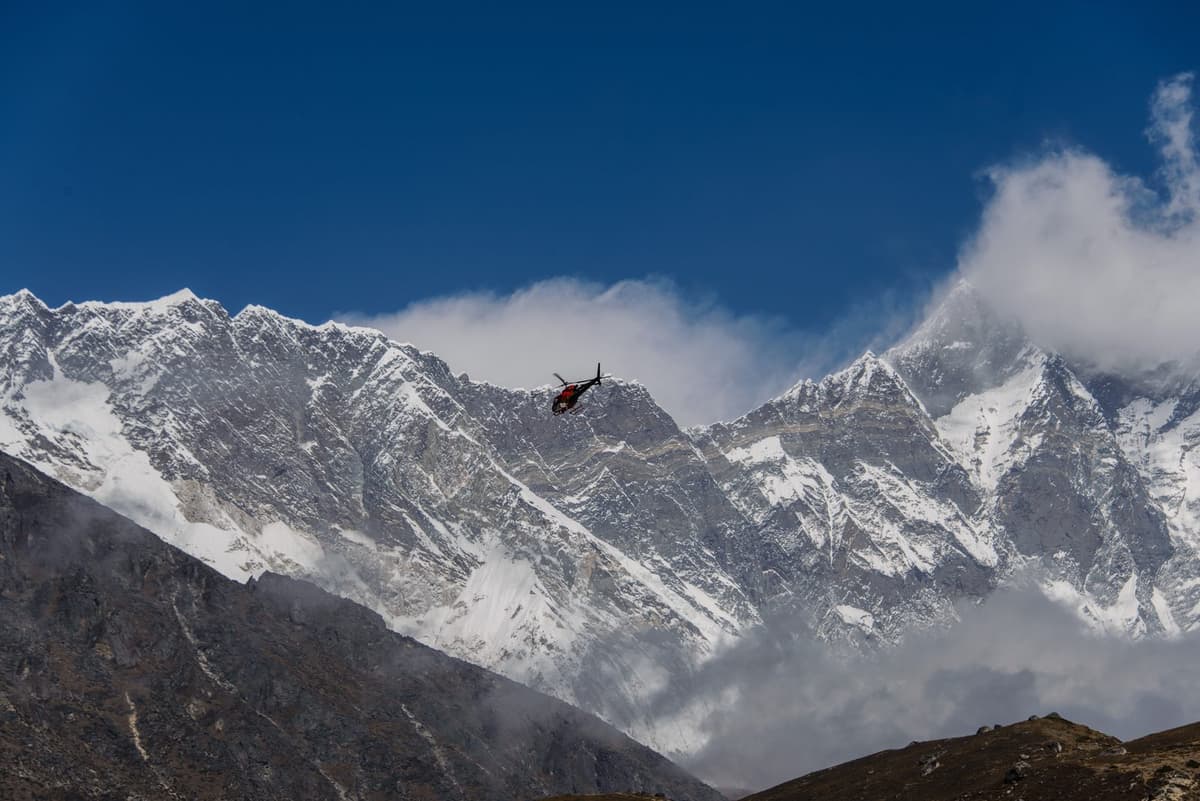
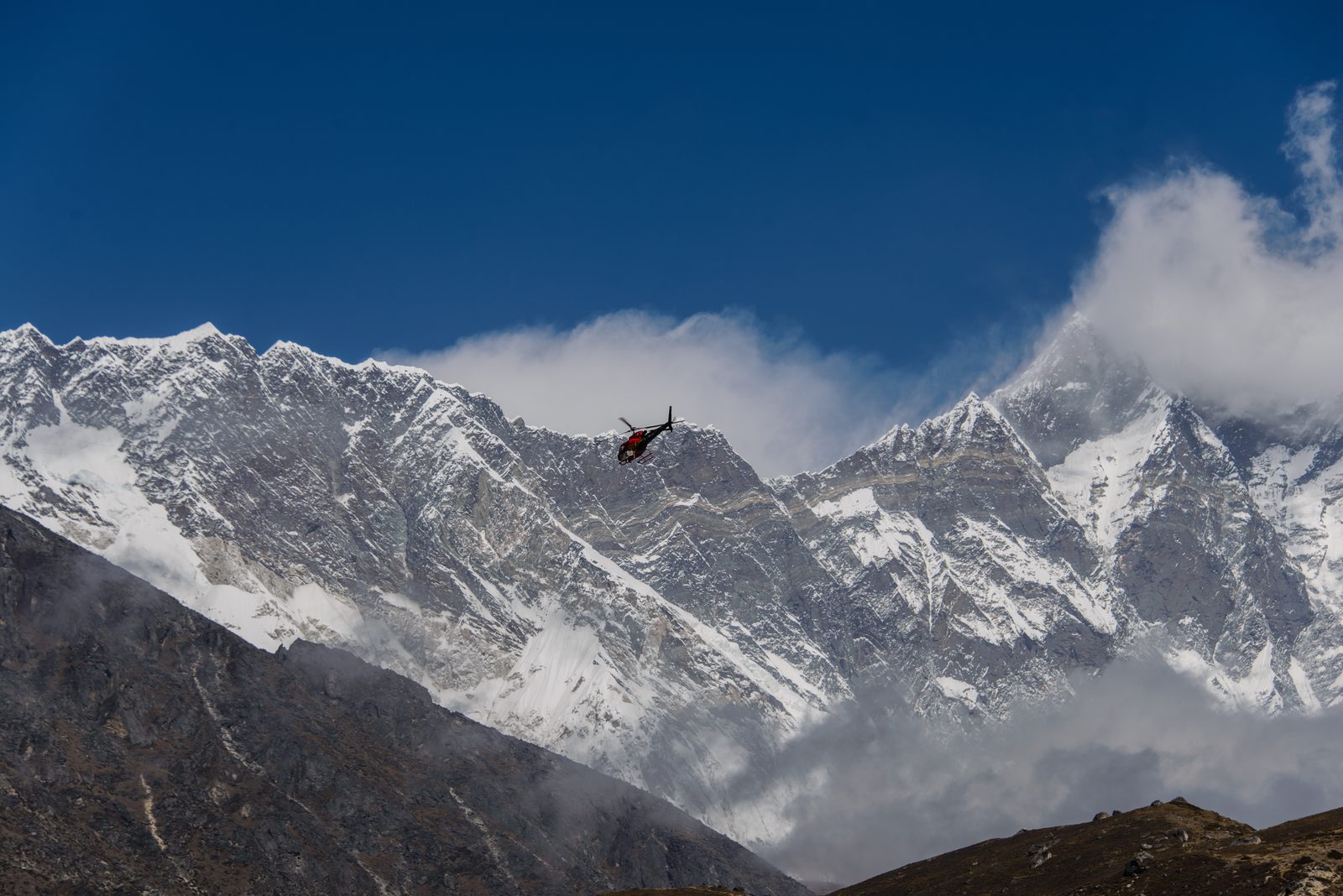
In the high mountains, a seriously ill trekker is usually evacuated by helicopter to Kathmandu, and that ability "has saved countless lives". But weather can ground helicopters. Descent on foot comes first and never waits for a helicopter.
A licensed guide walks with you on every trek we run. If you need rescue, your guide arranges it. We recommend travel insurance that covers the altitude of your trek and helicopter evacuation; we do not sell it.
Frequently asked questions
Does garlic soup prevent altitude sickness?
No. There is no scientific evidence that garlic prevents altitude sickness. A laboratory study found no effect, and pilgrims in Nepal who used garlic as a remedy did no better. Garlic soup is still worth ordering: hot soup helps you drink more, keeps you warm and is easy to eat when your appetite drops. Treat it as comfort, not protection.
Should I take Diamox for trekking in Nepal?
Talk to your doctor before you take any medicine for altitude. Only a doctor who knows your health can say whether it is right for you and how much to take. Acetazolamide (Diamox) is the main preventive medicine and the WMS says it should be strongly considered for moderate or high-risk trips. It needs a prescription in the UK, the US, Australia and many other countries, so bring it from home.
At what altitude does altitude sickness start?
Altitude sickness can start when you sleep at 2,450 m (8,000 ft) or higher, and sometimes lower. The NHS and the WMS use a line of about 2,500 m. On the Everest trail you reach that height on the first day, because Lukla airport sits at 2,845 m. Above 3,000 m, the 500 m-a-night rule matters most.
Can fit people get altitude sickness?
Yes. Fitness does not protect you: the CDC says "training and physical fitness do not affect risk". A fit trekker can easily walk too fast, and heavy effort on arrival at altitude is itself a risk factor. The protection comes from a slow ascent and rest days, not from your training plan. Walk at your guide's pace, however strong you feel.
What should I do if I get a headache at altitude?
Stop going up, rest, drink some fluid and tell your guide. A headache is the main sign of AMS. Do not sleep higher until it has gone. Mild AMS usually settles with rest at the same altitude. Ask your doctor before the trip which painkiller suits you. If the headache gets worse or has not improved after a day, or you feel confused or unsteady, go down.
Is it safe to keep going with mild symptoms?
No, not upwards. The CDC's rule is to never ascend to sleep higher with symptoms, "no matter how minor the symptoms seem". You can rest at the same altitude, and mild AMS usually gets better that way. Once the symptoms have gone, you can carry on. If they get worse, or have not improved after a day of rest, go down.
Plan your trek with the altitude in mind
When you compare treks, look first at how the nights climb above 3,000 m and where the rest days fall.
Browse our treks in Nepal to compare routes and heights. To pick your season, read our guide to the best time to visit Nepal. For budgeting a high trek, see our Everest Base Camp trek cost guide, and for the bigger picture, our Nepal travel guide.
Tell us which trek you have in mind and how many days you have, and our Kathmandu team will tell you honestly whether the ascent is gentle enough, and suggest where to add a rest day.
This guide is general information, not medical advice. Talk to your doctor before you take any medicine for altitude, and follow the advice of your guide and any doctor you see on the trail.