





By Uncover Nepal Team · Checked by our Kathmandu travel team · Last checked: 3 Oct 2026
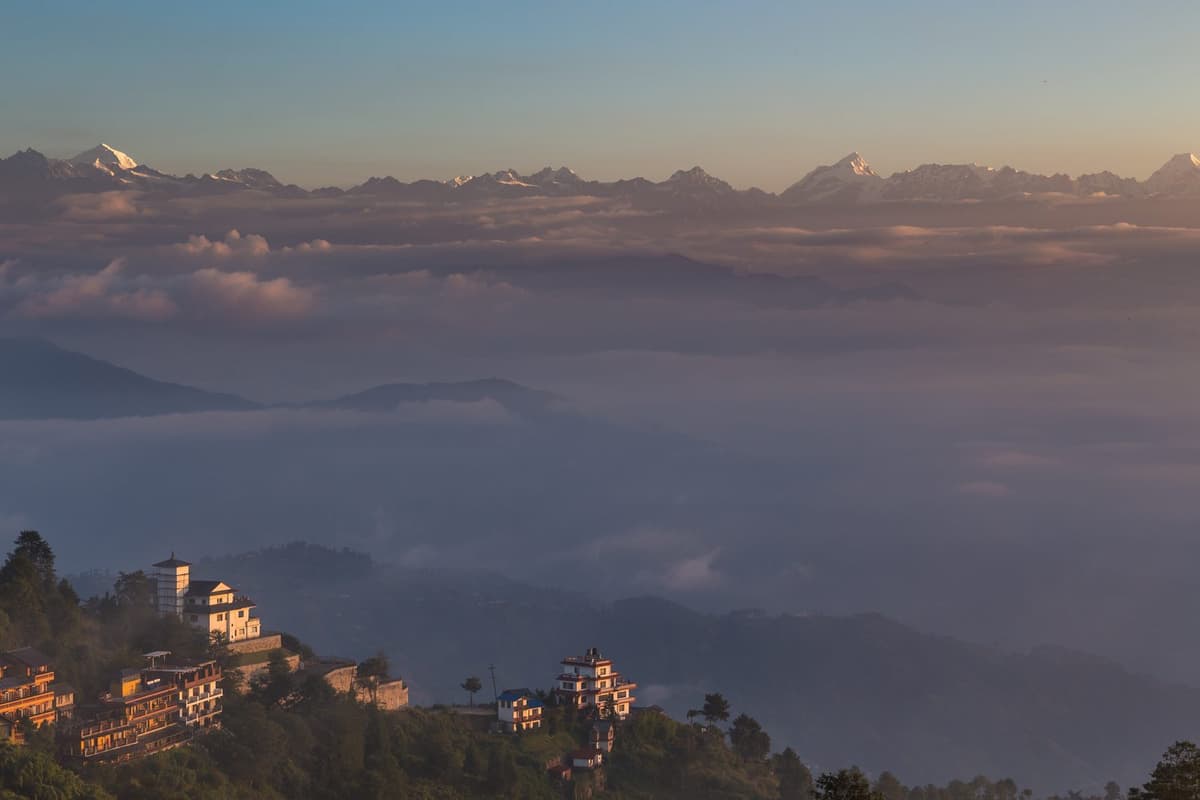
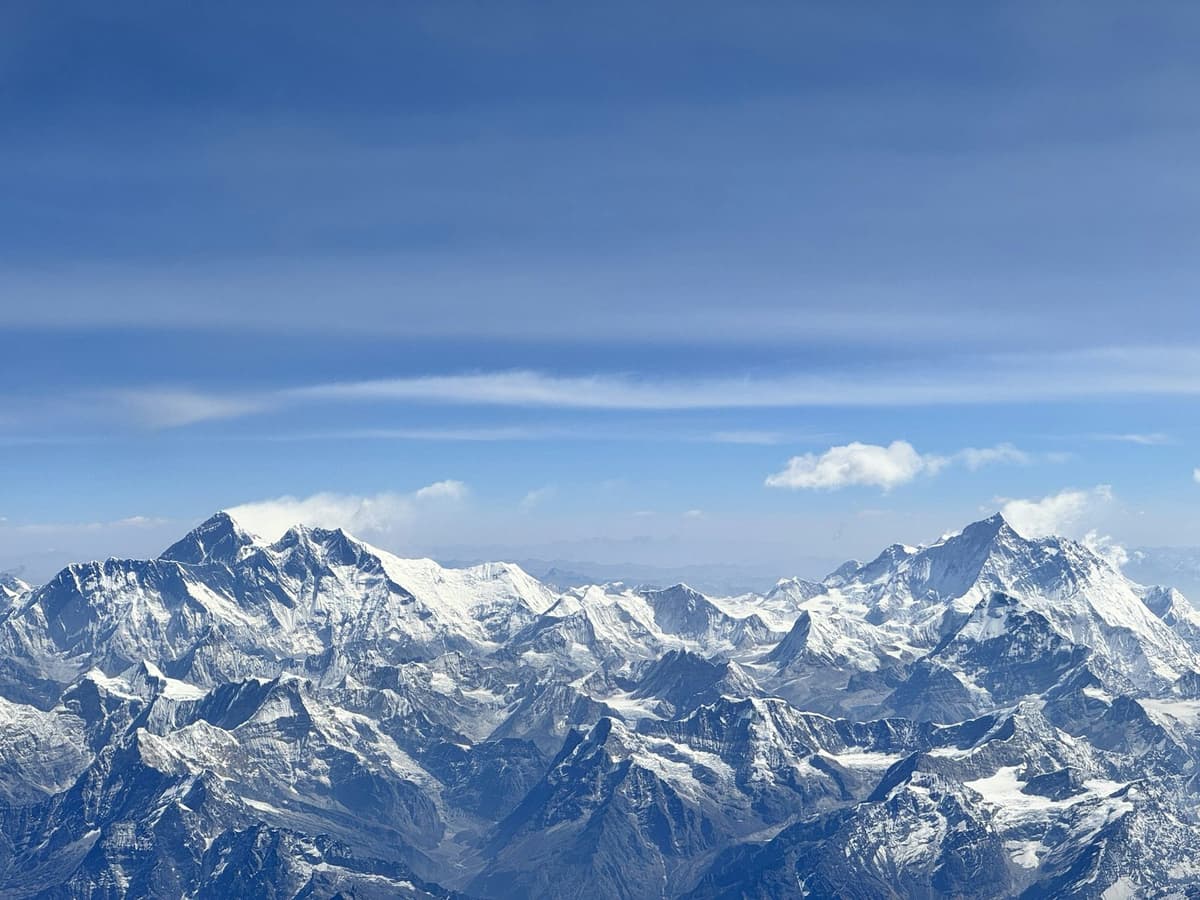
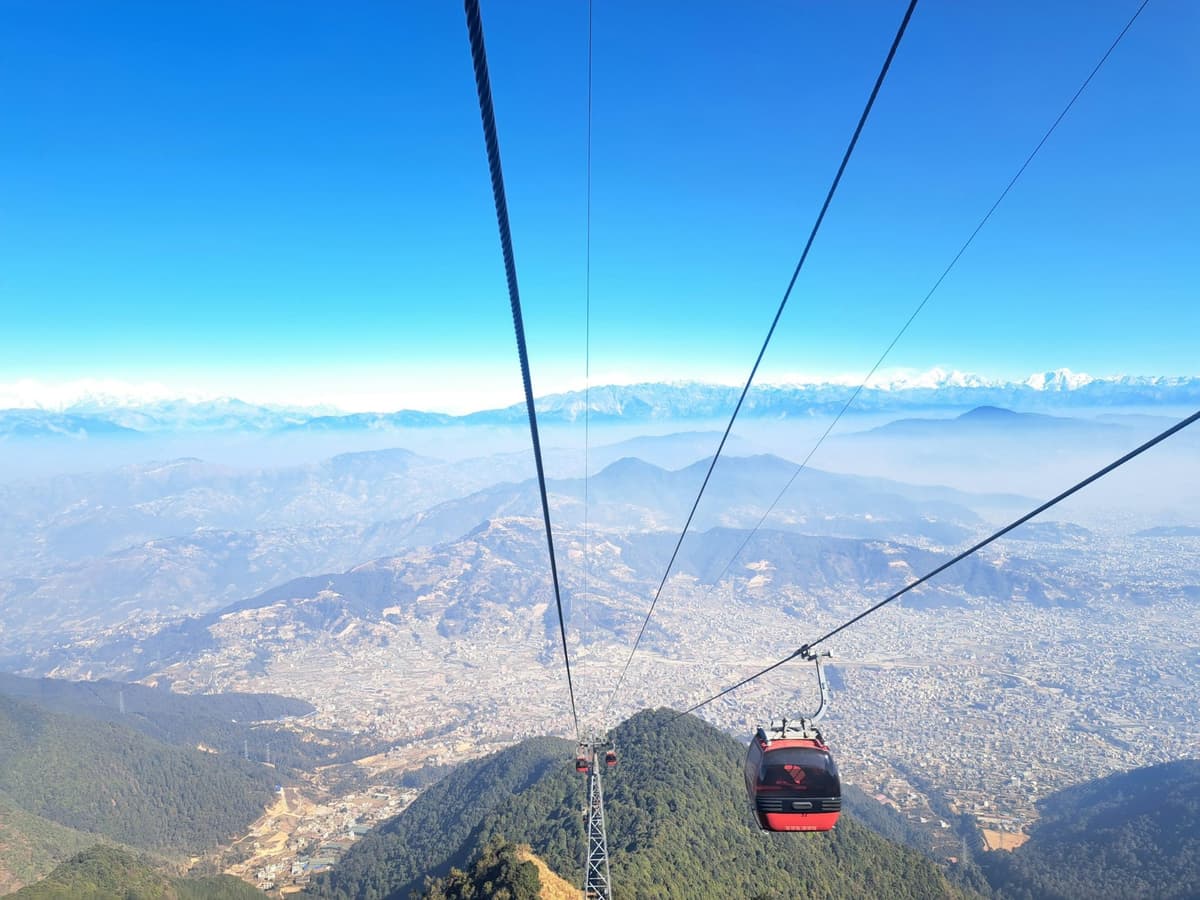
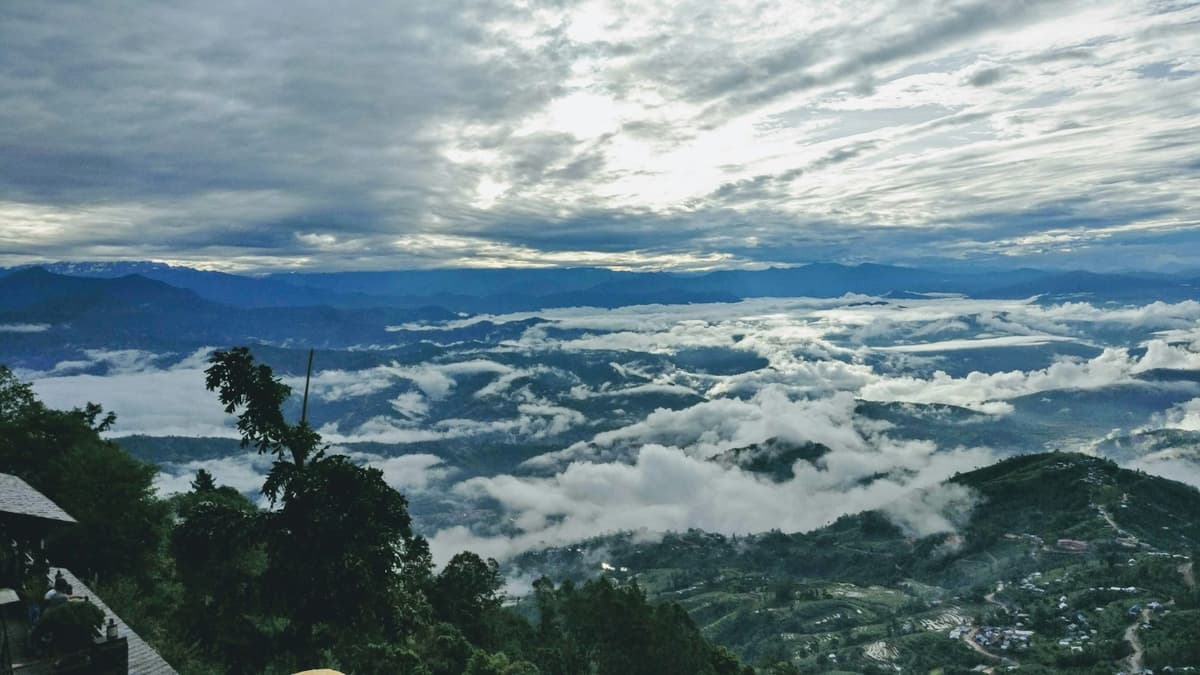
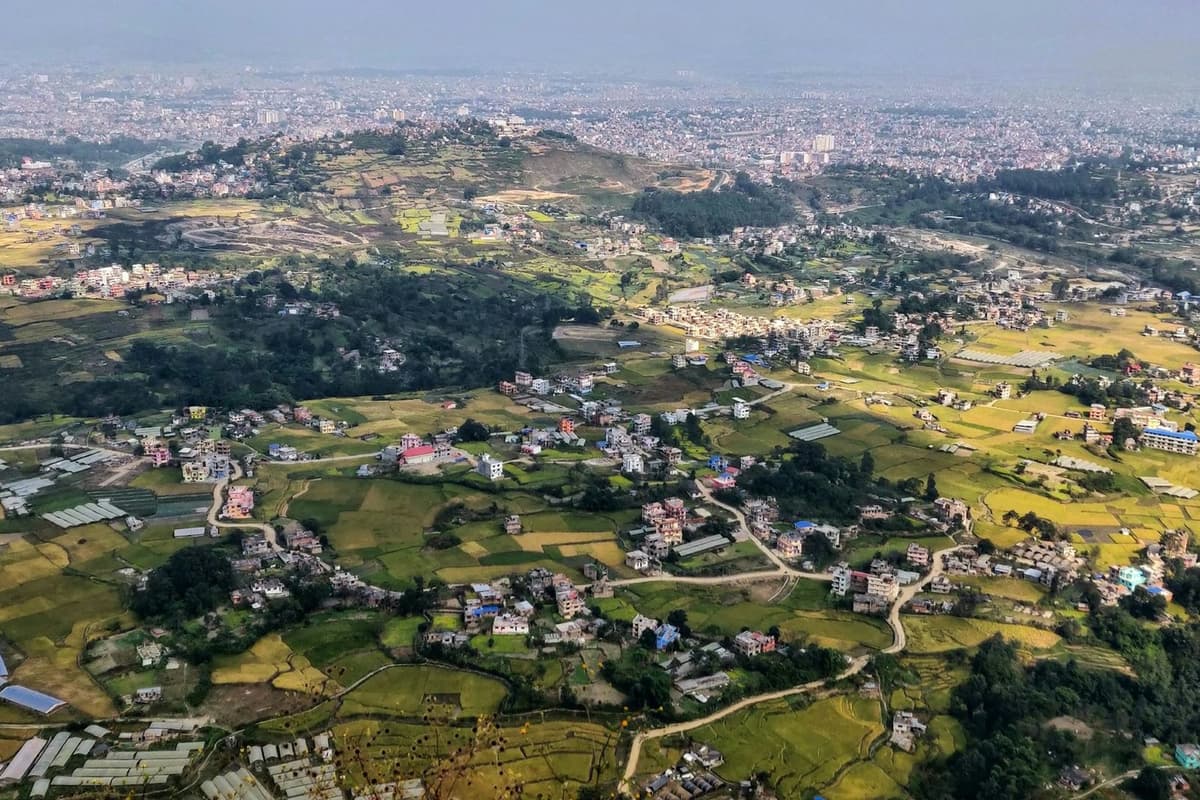
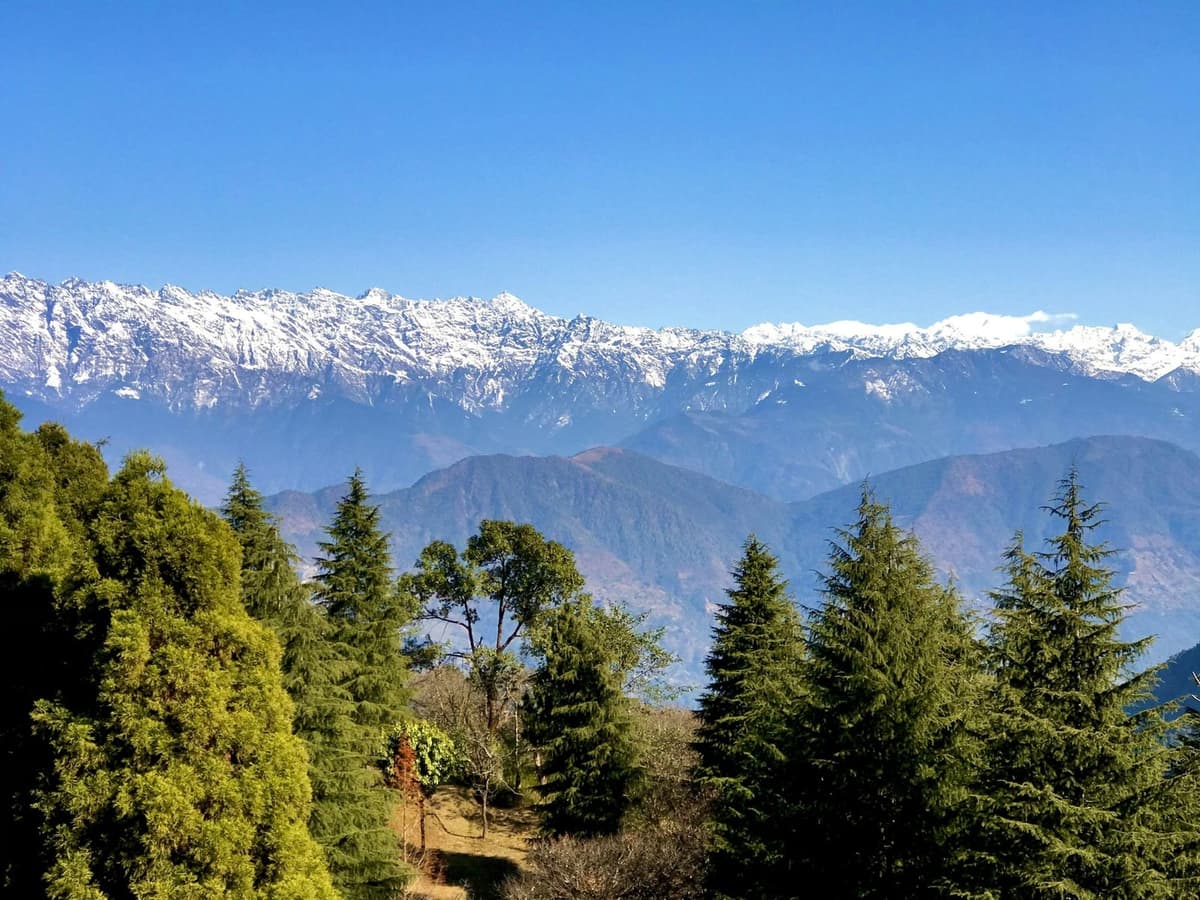
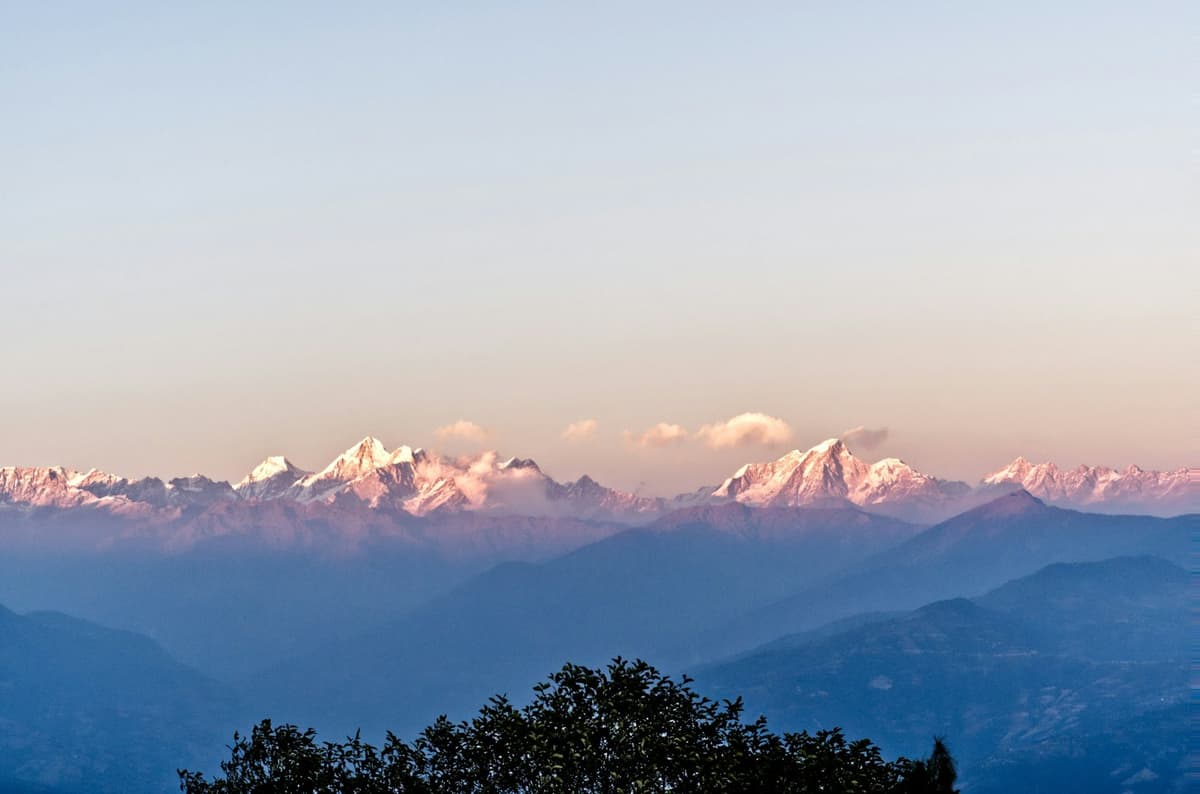
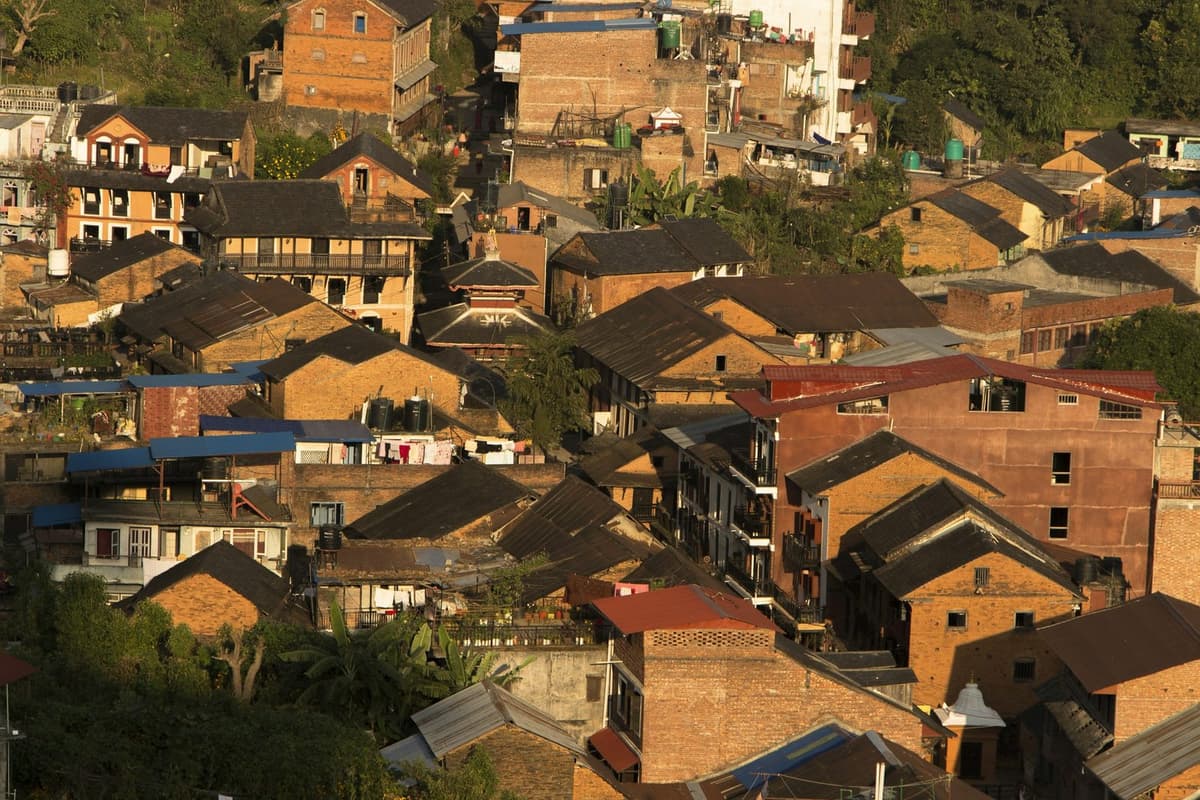
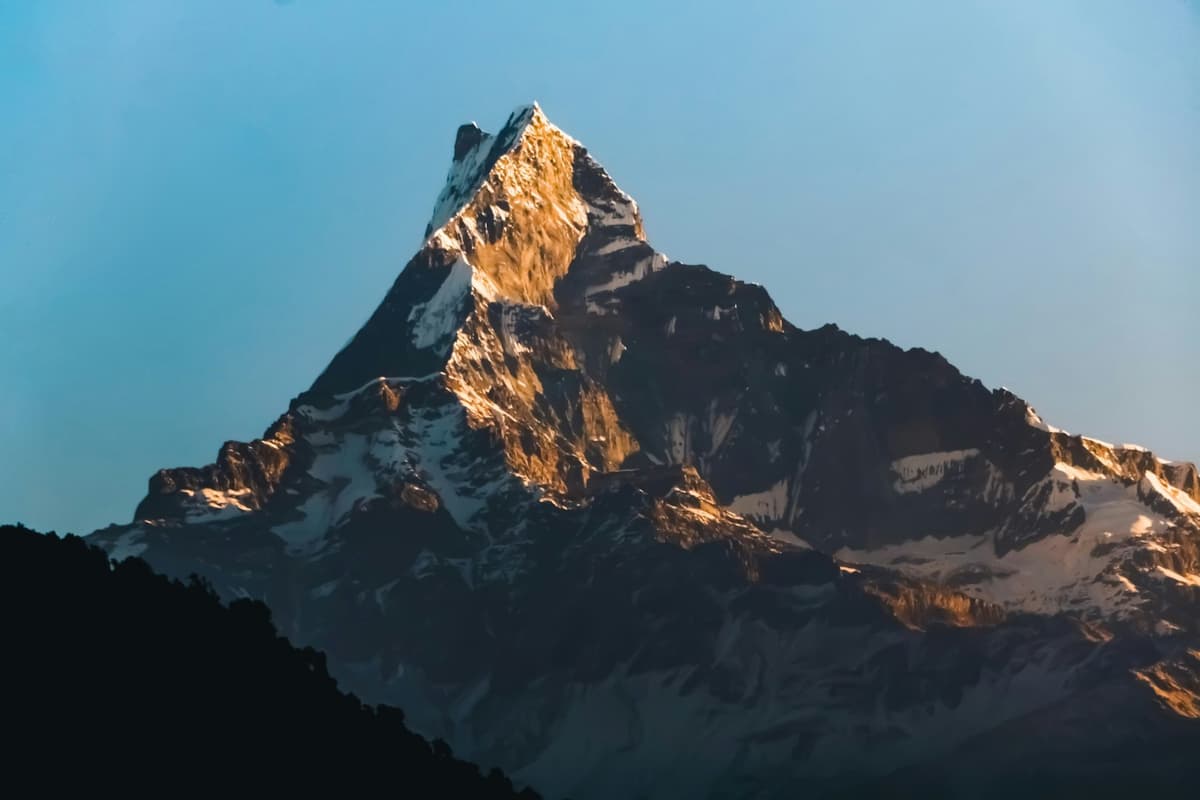
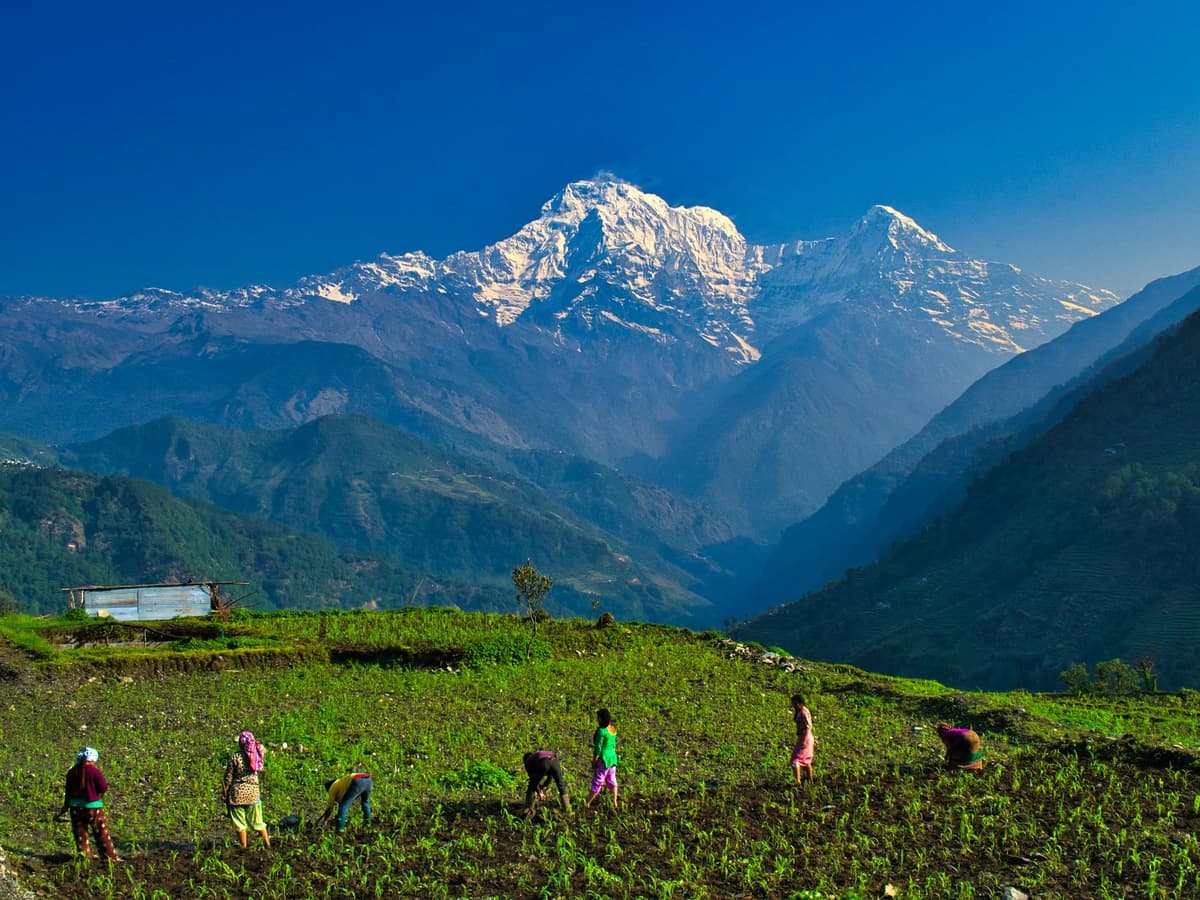
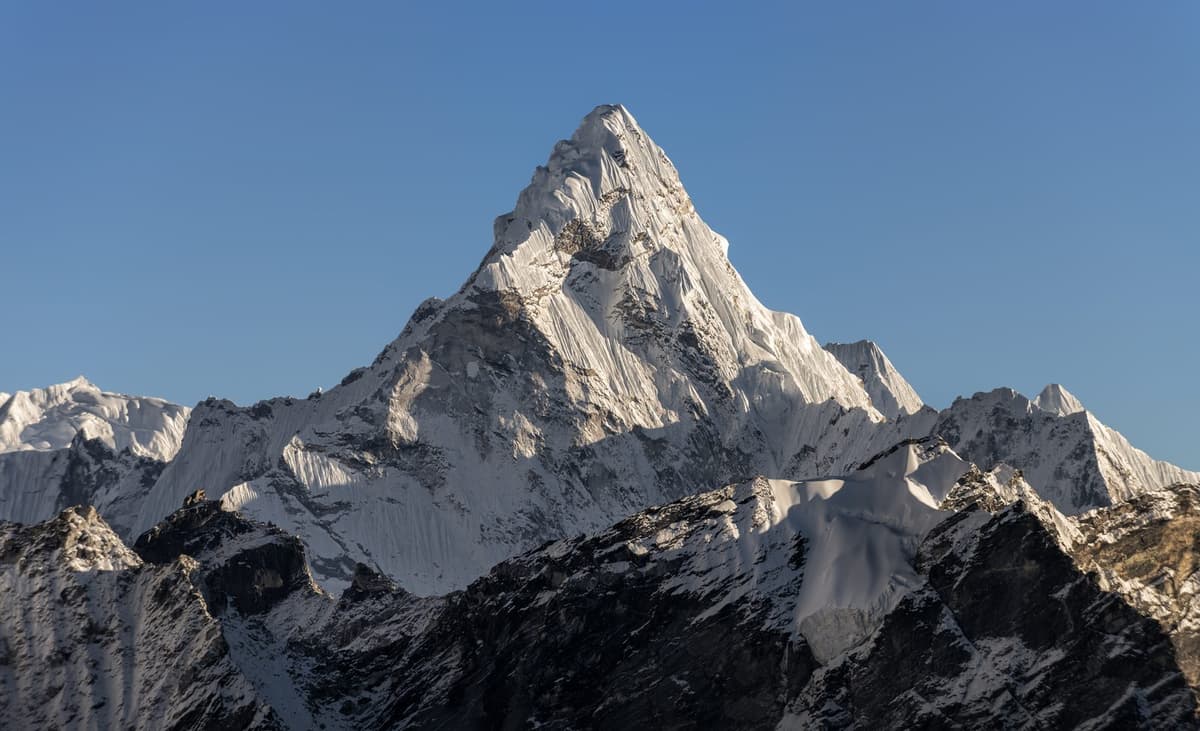
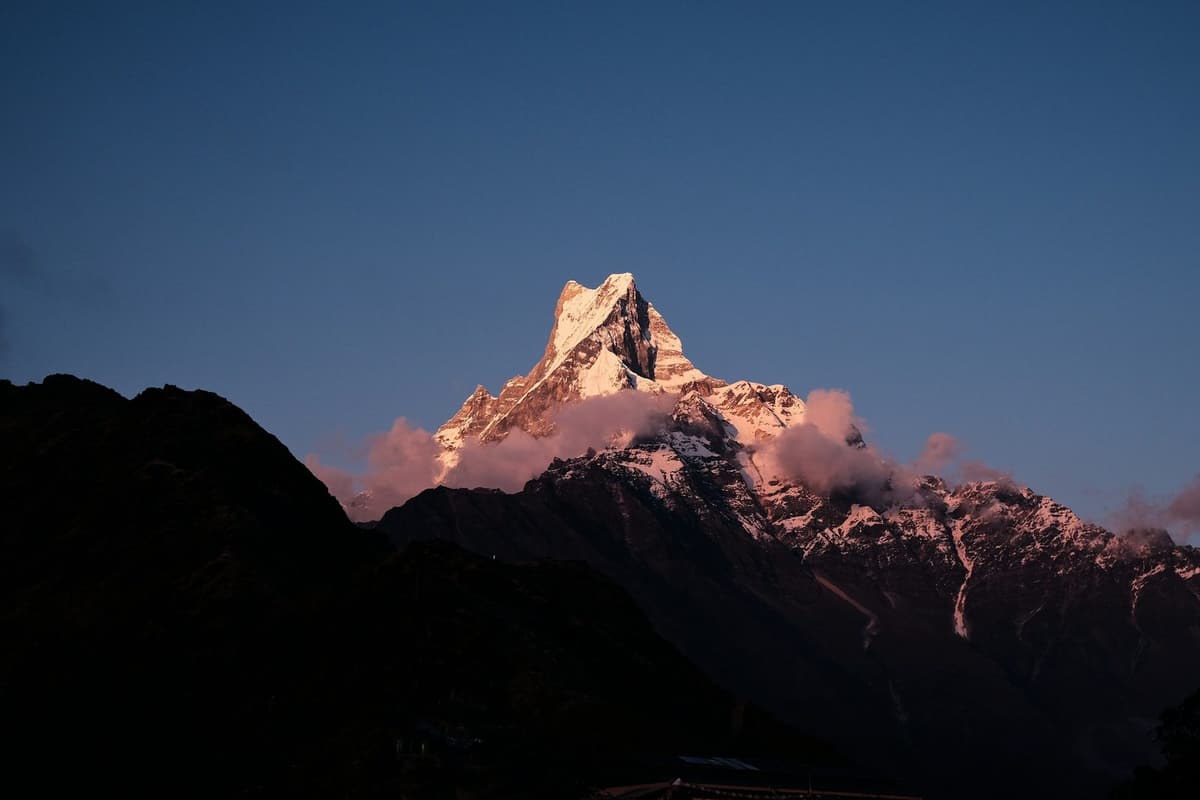
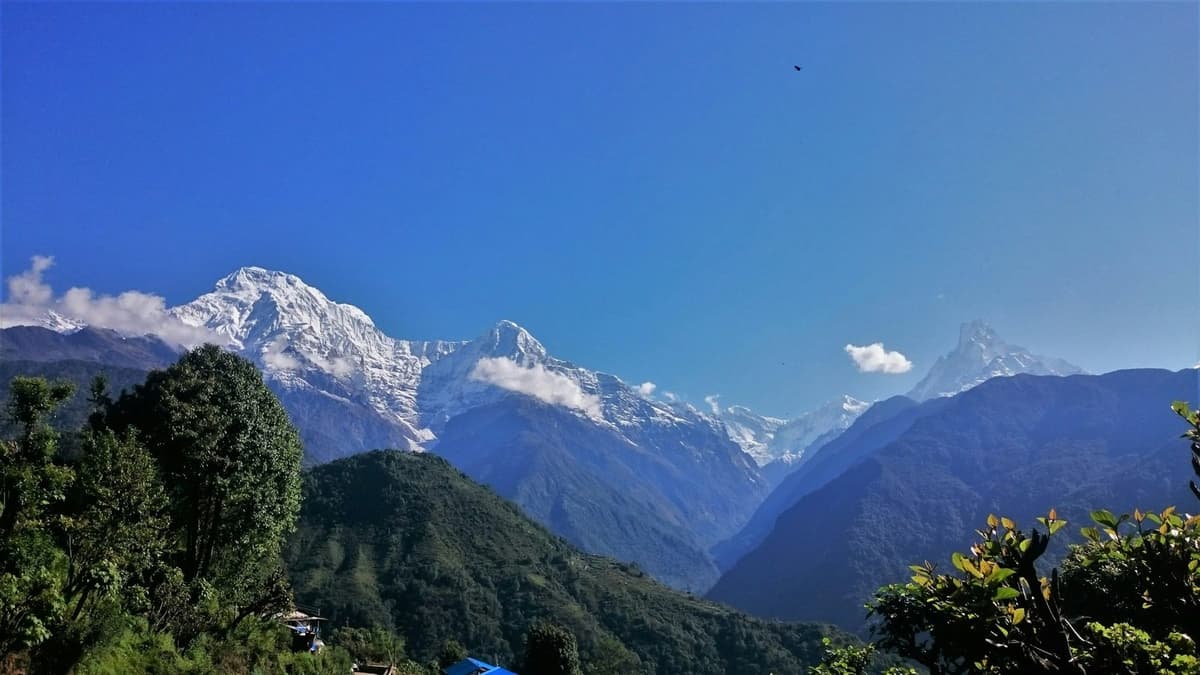
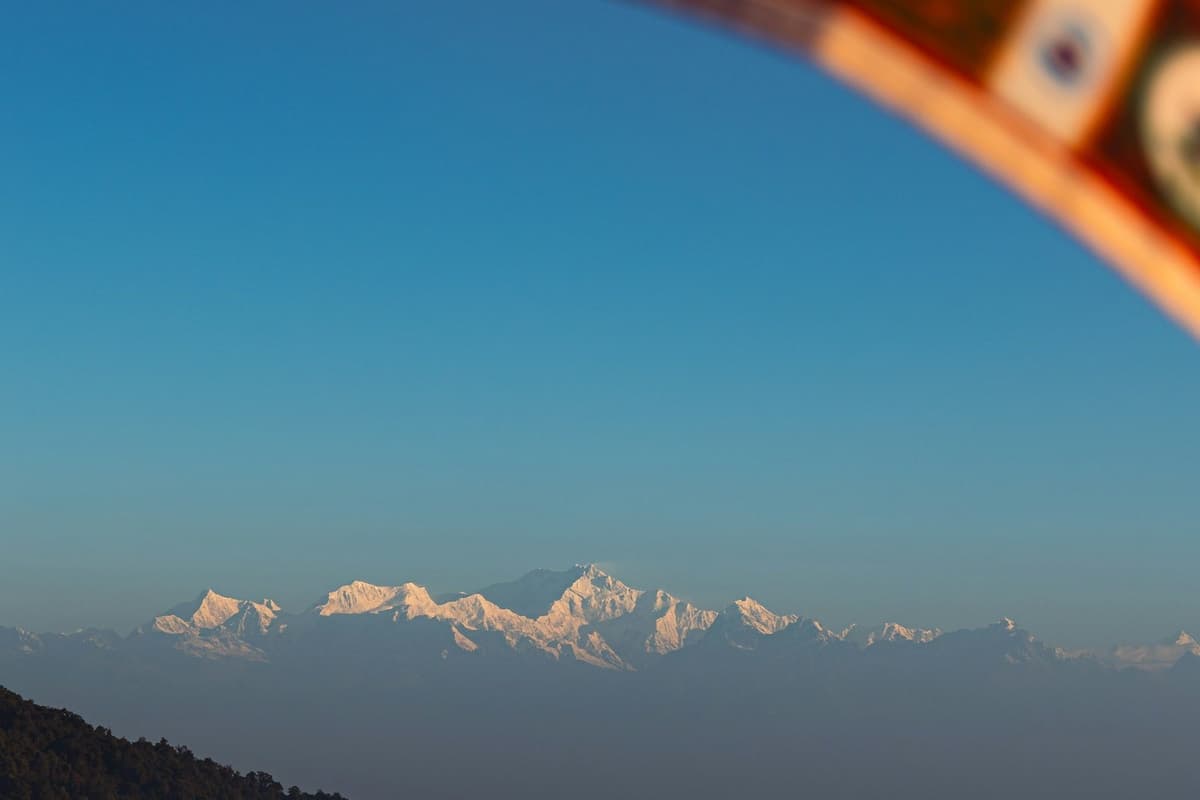
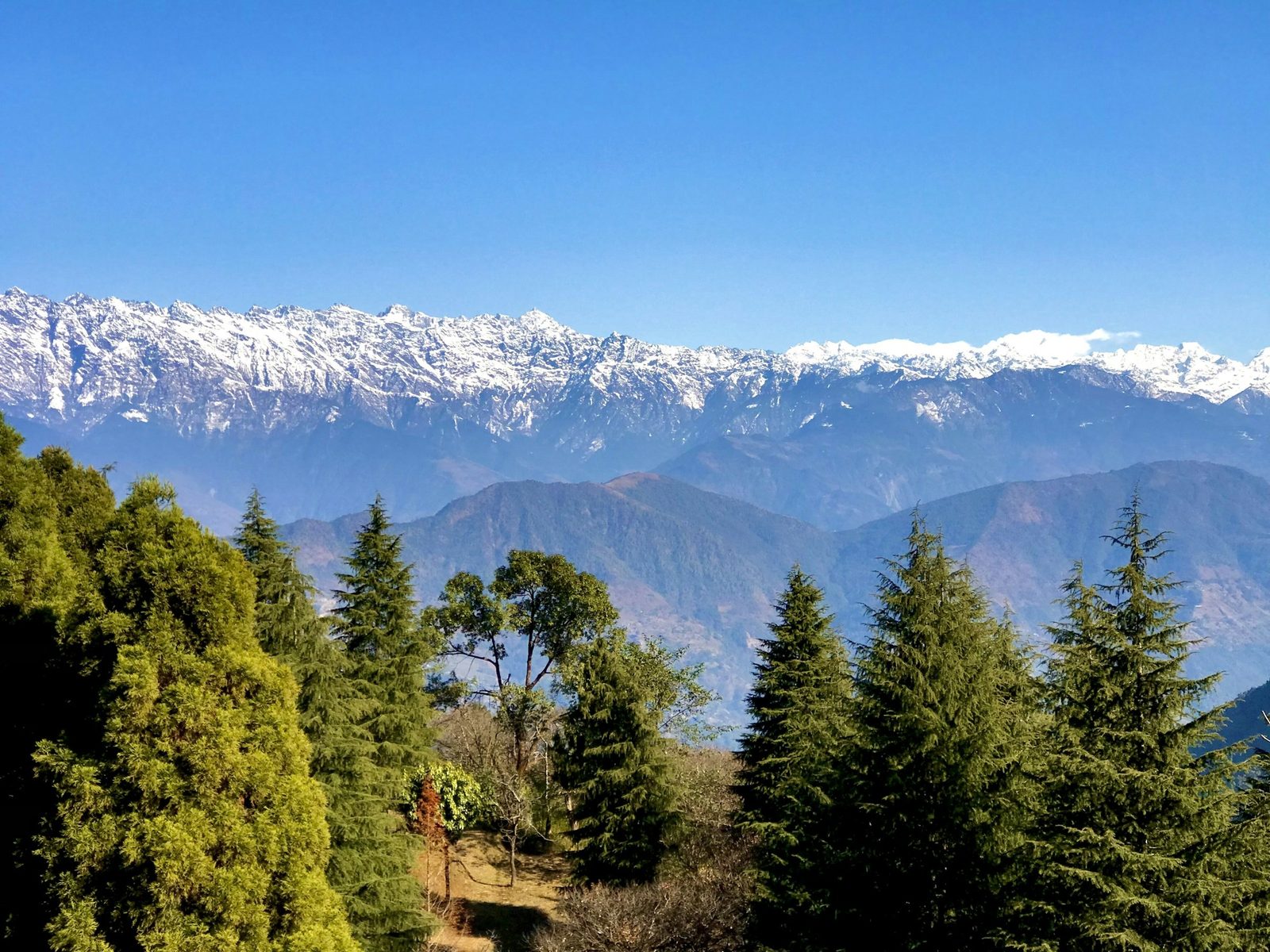
Early on a clear morning after the monsoon, Kathmandu looks rinsed clean. The hills around the valley are still green, the air has a cool edge, and from a rooftop in the old city you can see a line of snow peaks along the northern sky. In the weeks before Dashain, the first kites go up over the rooftops.
The short answer: the best time to visit Nepal is October and November, when the skies are clearest after the monsoon, followed by spring, March to May, when the rhododendrons bloom. Winter suits Kathmandu, Chitwan and lower hikes. The June to September monsoon brings most of the rain, yet rain-shadow Mustang and Manang stay mostly dry.
This guide is the hub of our When to go series on Uncover Nepal Insights. Every figure in it comes from an official or named source: mostly the climate records of Nepal's Department of Hydrology and Meteorology (DHM), now styled the Nepal Meteorological Department, plus the Nepal Tourism Board (NTB) and the Ministry of Culture, Tourism and Civil Aviation (MoCTCA). One thing to hold on to as you read: the weather in Kathmandu, Pokhara or Chitwan tells you very little about the weather high on a trek, so we show a mountain station separately.
Key facts
- Best seasons to visit
- Spring and autumn (Source: NTB, "Climate in Nepal"; checked 2 Oct 2026)
- Clearest skies
- October and November (Source: NTB, "Climate in Nepal"; checked 2 Oct 2026)
- Monsoon season
- June to September (Source: DHM, Monsoon Season 2025 summary; checked 2 Oct 2026)
- Normal monsoon onset and withdrawal (eastern Nepal)
- 13 June and 2 October, a season of 112 days (Source: DHM monsoon notice, 23 Sep 2026; checked 2 Oct 2026)
- Share of Nepal's rain that falls June to September
- 80% (Source: NTB, "Climate in Nepal"; checked 2 Oct 2026)
- Kathmandu's wettest and driest months
- July, 383.8 mm; November, 6.4 mm (Source: WMO climate normals 1991 to 2020, supplied by DHM; checked 2 Oct 2026)
- Busiest month for foreign arrivals, 2025
- October, 128,443 (Source: MoCTCA, Nepal Tourism Statistics 2025; checked 2 Oct 2026)
- Quietest month for foreign arrivals, 2025
- July, 70,193 (Source: MoCTCA, Nepal Tourism Statistics 2025; checked 2 Oct 2026)
- Dashain 2026
- Begins 11 Oct; national holiday 17 to 23 Oct (Source: Nepal Gazette, MoHA public holidays 2083 BS; checked 2 Oct 2026)
- Tihar 2026
- National holiday 8 to 12 Nov (Source: Nepal Gazette, MoHA public holidays 2083 BS; checked 2 Oct 2026)
In this guide
- When is the best time to visit Nepal?
- Nepal weather: the four seasons explained
- Nepal month by month
- Climate tables for Kathmandu, Pokhara, Chitwan and Lukla
- What is the monsoon really like?
- Festival calendar, October 2026 to March 2027
- Best month for each activity
- How busy is Nepal each month?
- Who should go when
- Worst time to visit Nepal, and what to avoid
- Frequently asked questions
- Plan your trip with us
More in our When to go series
Each guide below takes one month or season in more depth. We link each one here as it goes live.
- Nepal in March: Weather, Treks and Festivals
- Nepal in April: Weather, Treks and Crowds
- Nepal in May: Heat, Treks and Pre-Monsoon Travel (/insights/nepal-in-may/, coming soon)
- Nepal in the Monsoon: What Still Works (/insights/nepal-monsoon/, coming soon)
- Nepal in October: Weather, Treks and Festivals (/insights/nepal-in-october/, coming soon)
- Nepal in November: Weather, Treks and Crowds (/insights/nepal-in-november/, coming soon)
- Nepal in December: Weather, Treks and What to Expect
When is the best time to visit Nepal?
For most travellers, the best time to visit Nepal is mid-October to November, with March and April a close second. Those months give the driest trails, the clearest mountain views and comfortable days in the cities. The right month for you still depends on where you are going, how high you will sleep, and what you want to see.
Here is the quick version by type of trip:
- High treks (Everest, Annapurna, Manaslu): October to November, then March to May. NTB gives October to November and March to May for the Sagarmatha (Everest) National Park, and March to May and September to November for the Annapurna Conservation Area.
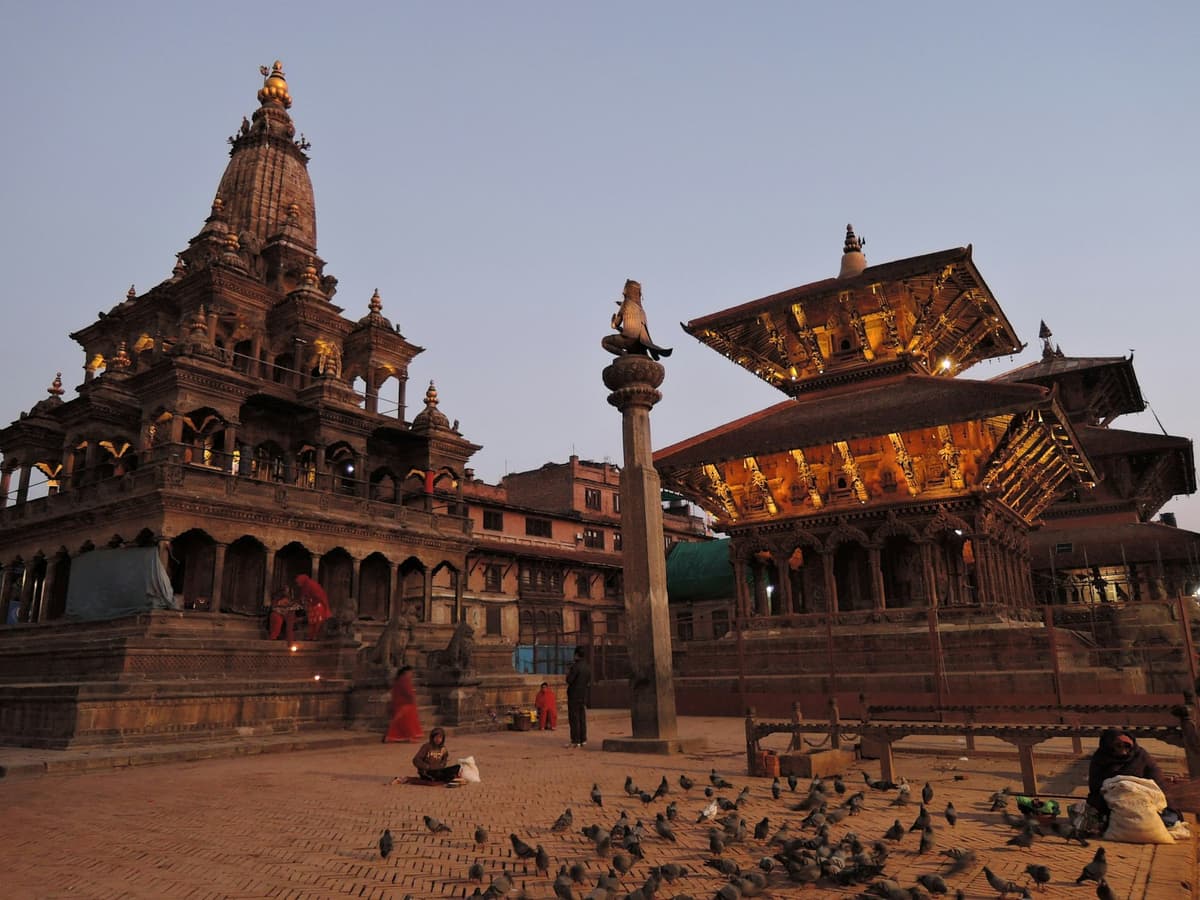
- Kathmandu Valley sightseeing: October to February. DHM describes October and November as "pleasant", and December to February as the coldest and driest months.
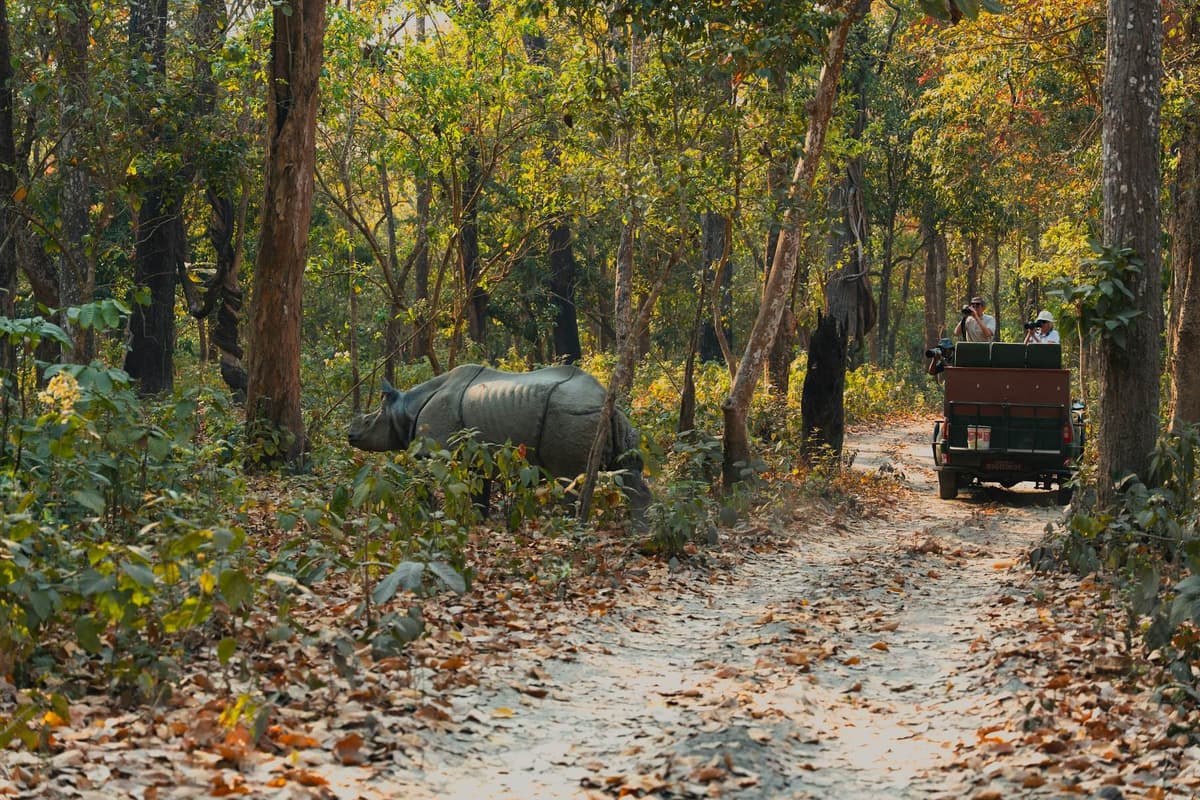
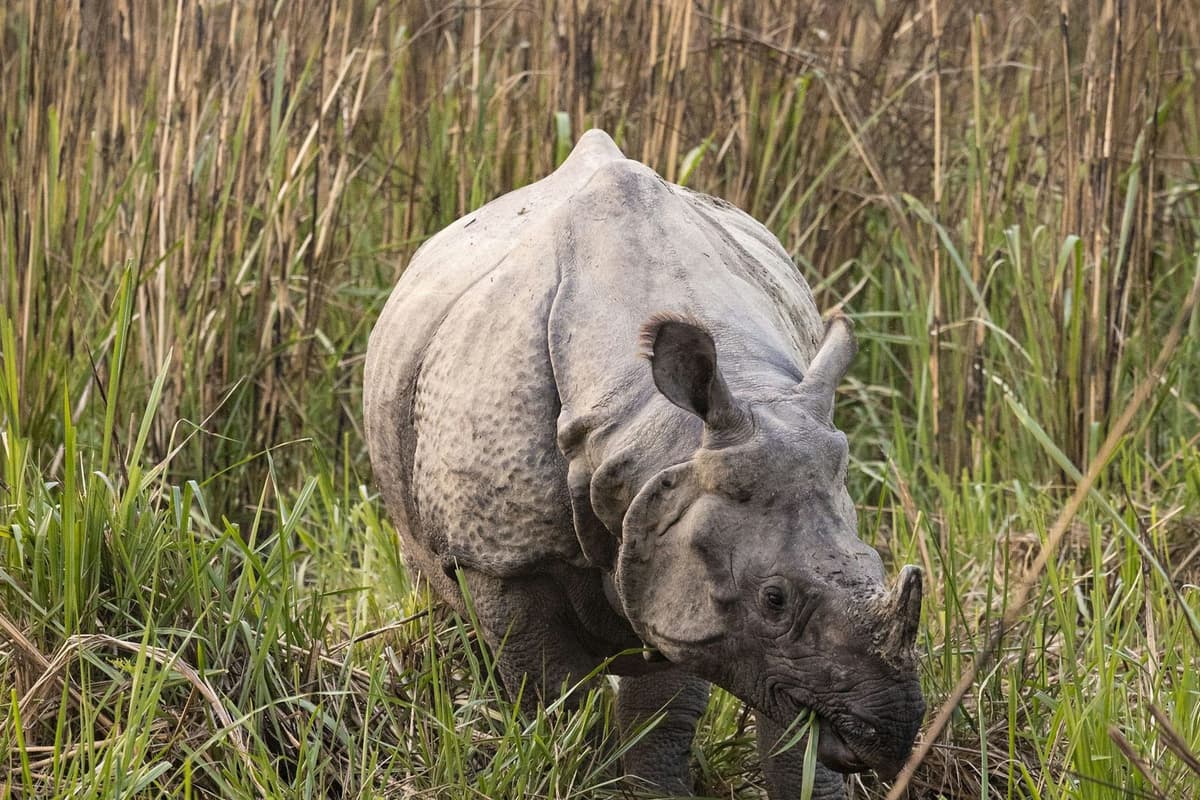
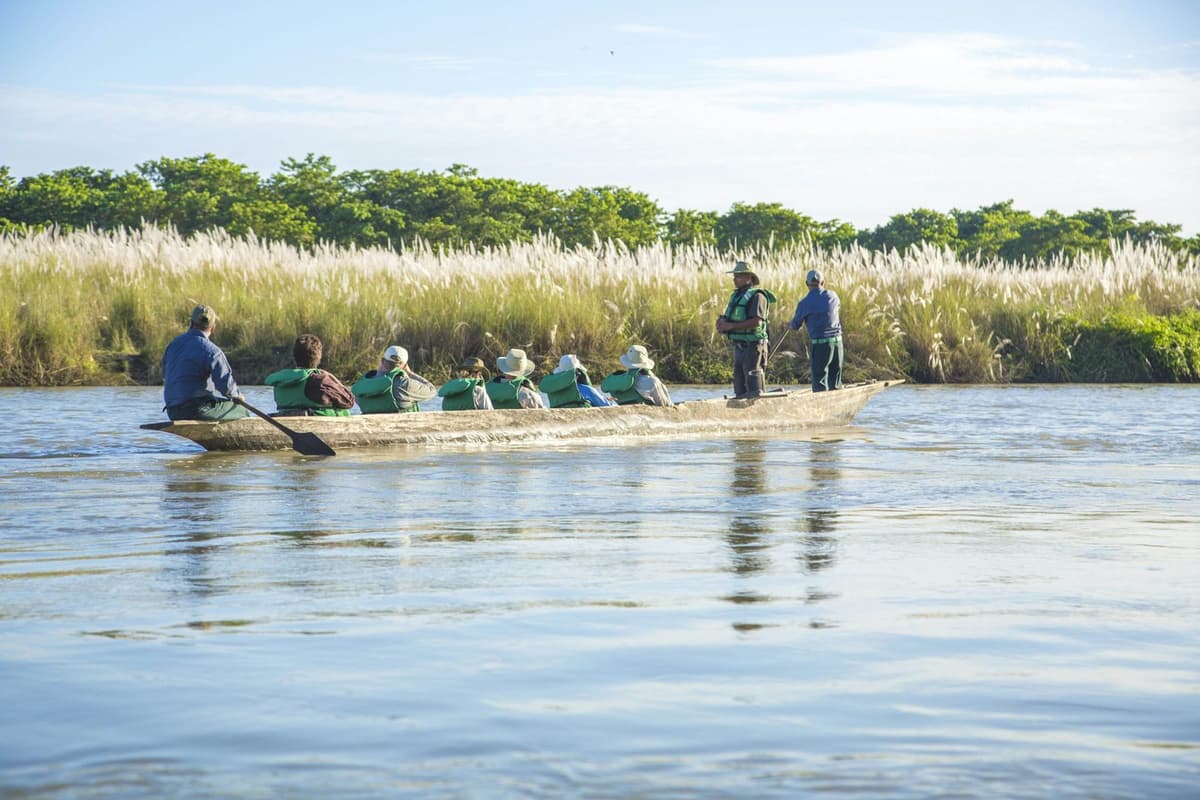
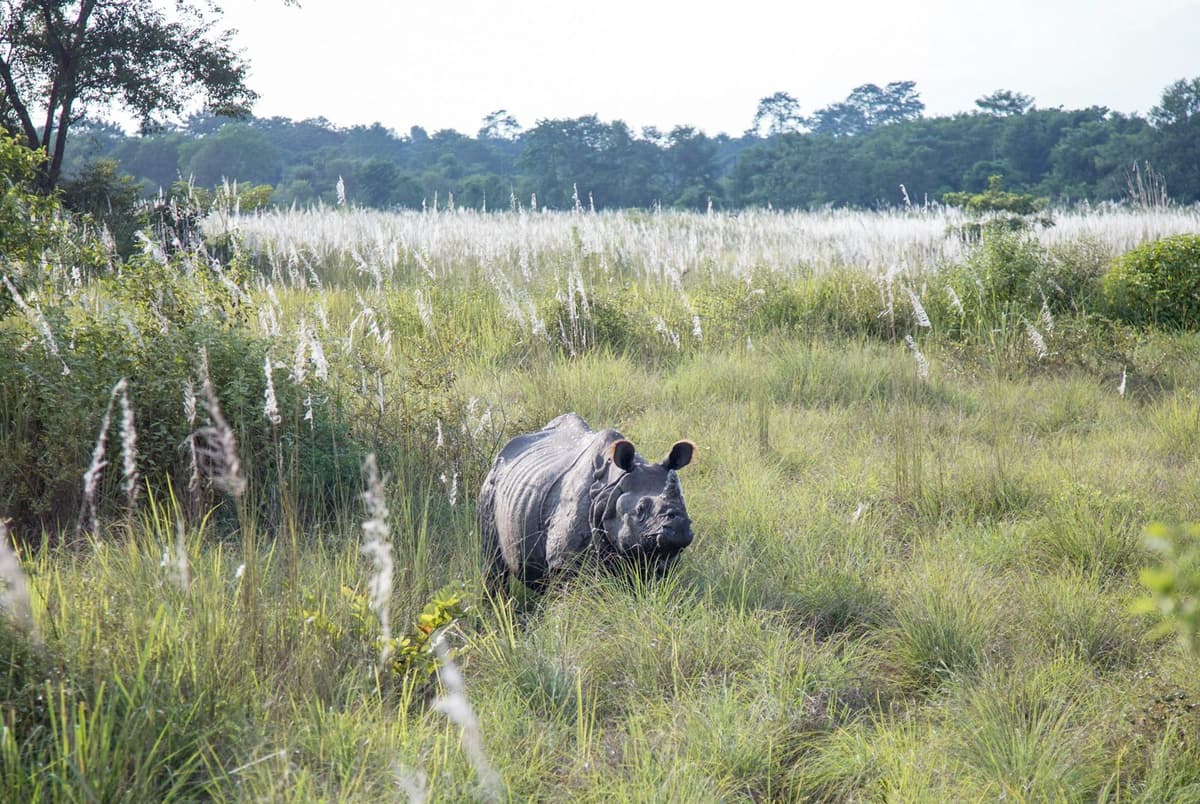
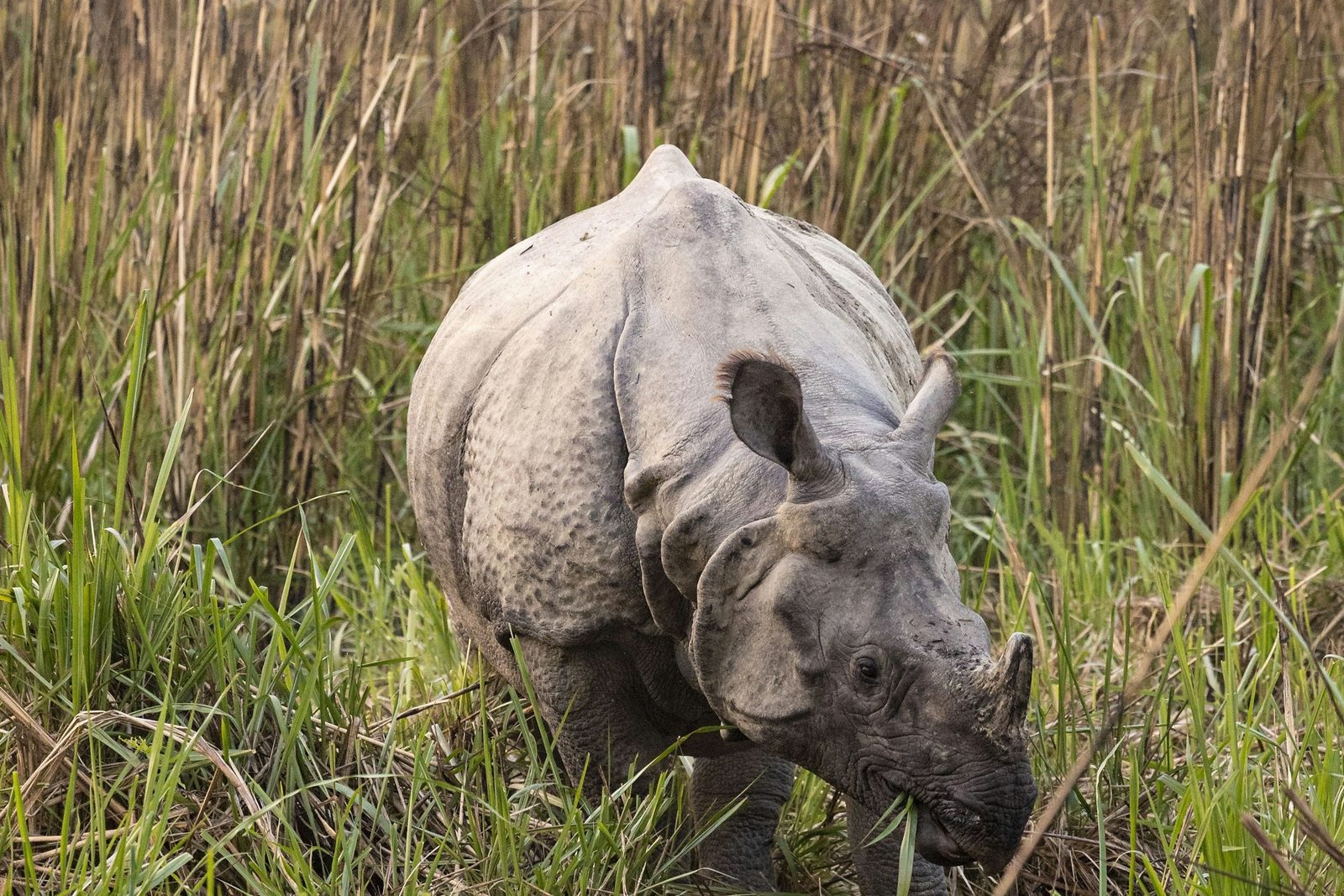
- Chitwan jungle safari: October to March, the best season on NTB's Chitwan National Park page.
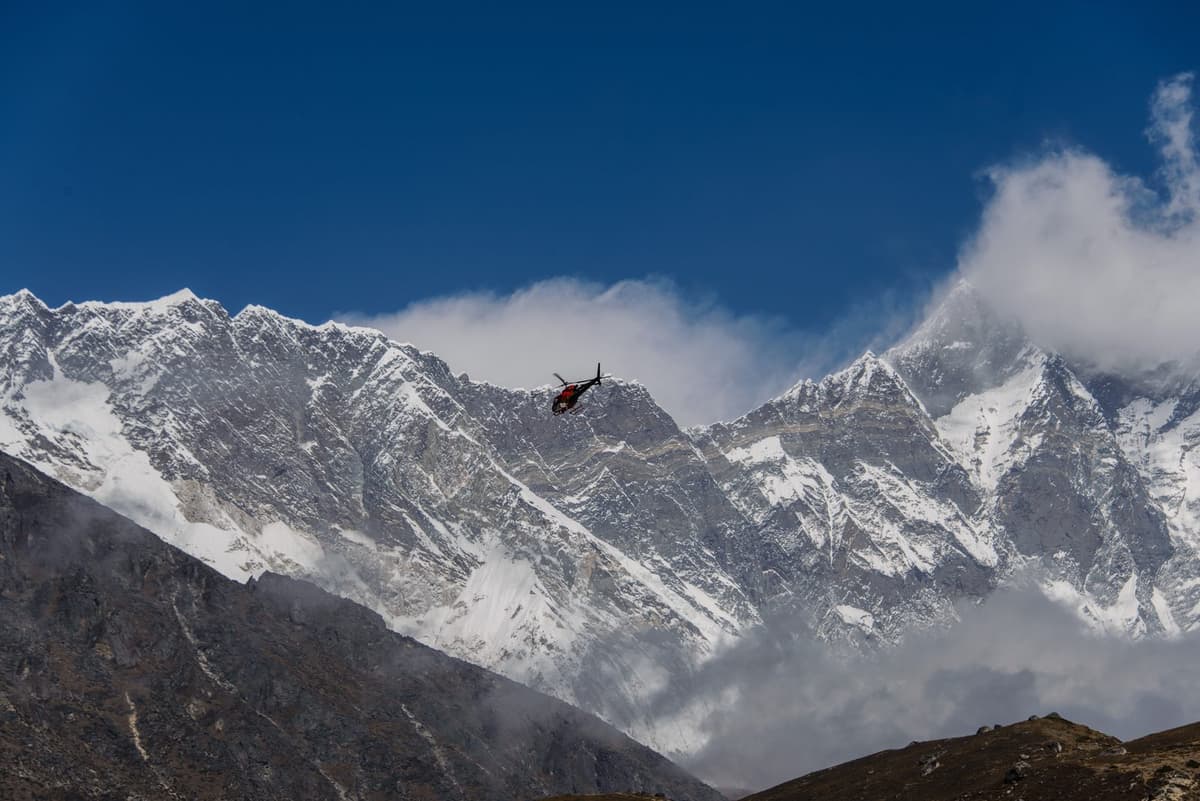
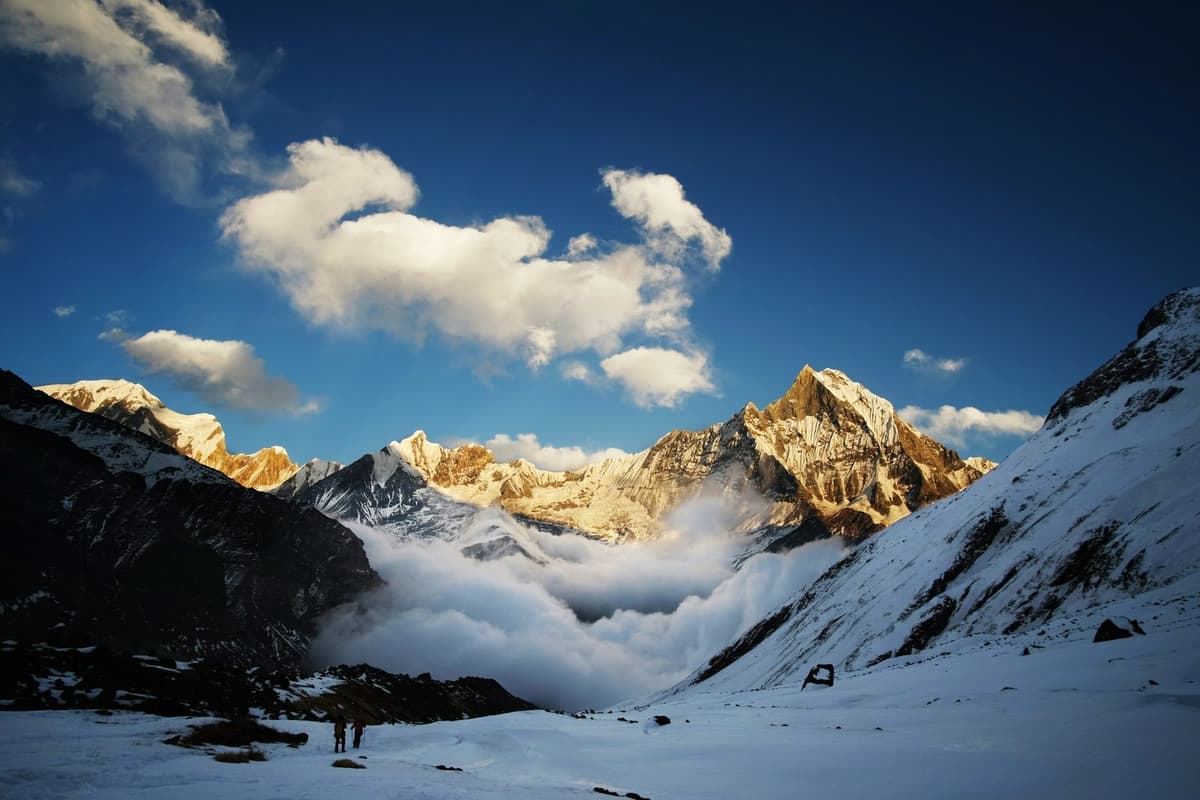
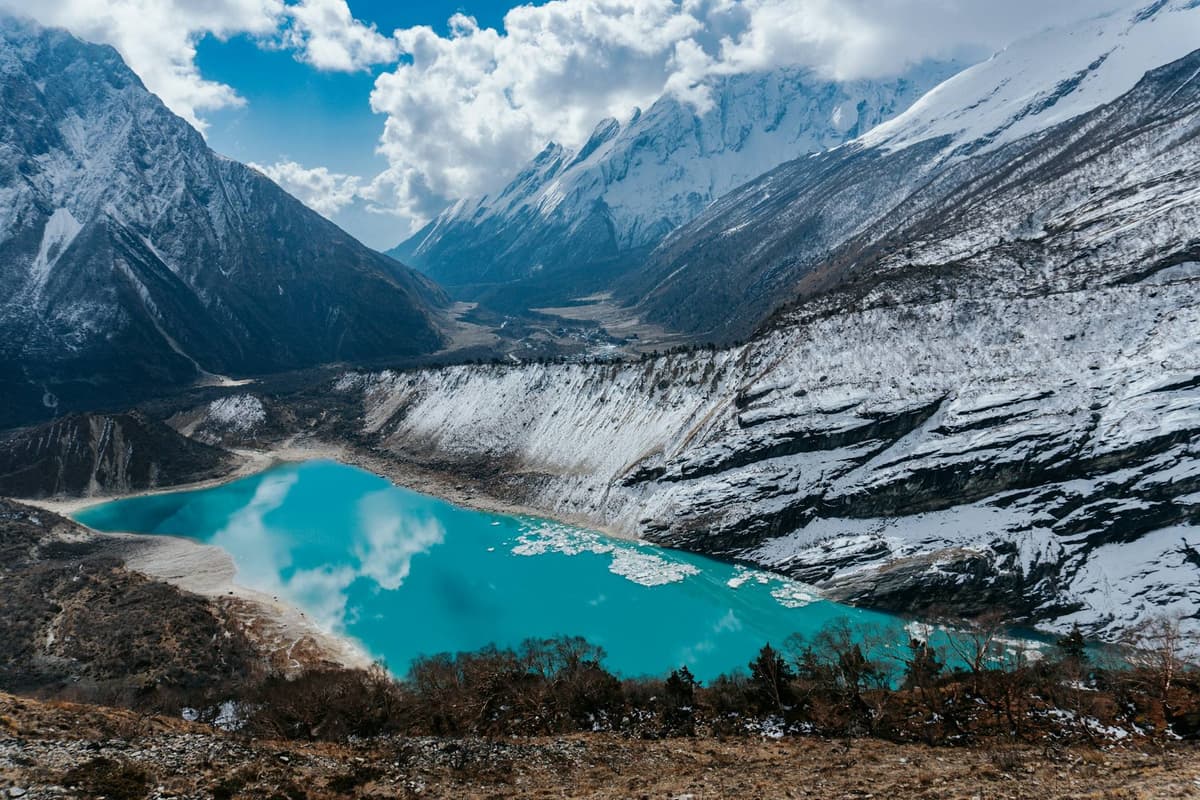
- Mountain views and scenic flights: October and November, when NTB says the skies are clearest.
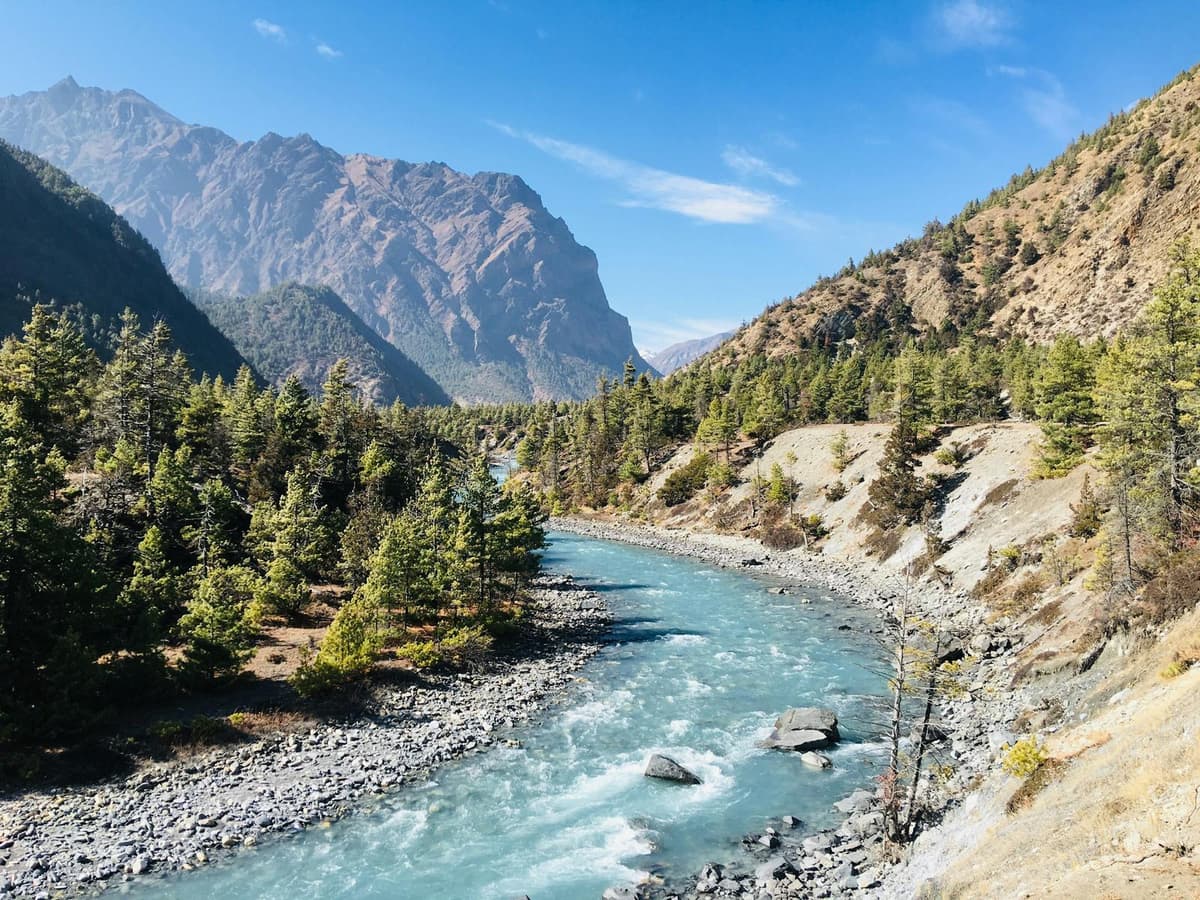
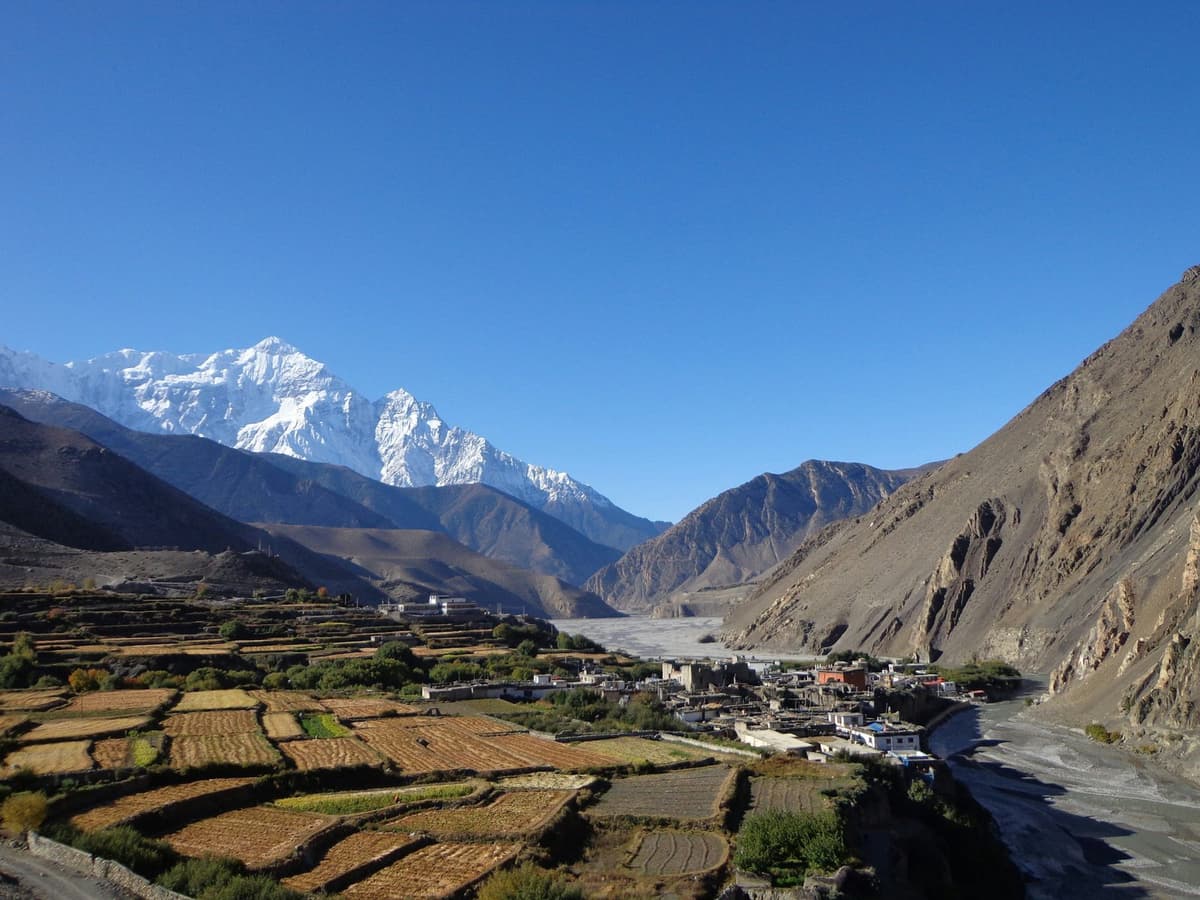
- Summer travel: Mustang and Manang, which sit in the rain shadow and stay mostly dry through the monsoon.
- Fewer people: July, June, September and January were the four quietest months for foreign arrivals in 2025.
"Spring is the time for rhododendrons to bloom while the clearest skies are found after the monsoon in October and November. However, Nepal can be visited the whole year round."
Nepal Tourism Board, Climate in Nepal
That last sentence is the part people skip. Nepal does not close in any month. What changes is which trips make sense. A family city-and-safari holiday and a high pass crossing have different best months, and a good plan starts from the trip, then picks the month.
Takeaway: if your dates are fixed, choose the trip that suits the month. If your trip is fixed, choose the month that suits the trip.
Nepal weather: the four seasons explained
Nepal weather follows four seasons by DHM's definition: winter from December to February, pre-monsoon from March to May, the monsoon from June to September, and post-monsoon in October and November. Altitude matters as much as the season, so a mild afternoon in Kathmandu and a freezing night on a trek can happen in the same week.
"Based on rainfall and temperature pattern, Nepal has four seasons." … "(iv) October and November is post-monsoon season, with pleasant weather."
Department of Hydrology and Meteorology, Observed Climate Trend Analysis of Nepal, 2017
You will also see Nepal described with five seasons. NTB uses spring, summer, monsoon, autumn and winter, but gives no months for them. Travellers usually say "spring" for DHM's pre-monsoon and "autumn" for post-monsoon. In this guide we use DHM's months, because they come with real data.
Season by season comparison
| Season (DHM) | Months | How DHM describes it | Kathmandu rain per month (normal) | Foreign arrivals per month, 2025 | Good for | Watch out for |
|---|---|---|---|---|---|---|
| Winter | Dec to Feb | Coldest and driest | 7.8 to 23.6 mm | 79,990 to 99,585 | Kathmandu, Chitwan, lower hikes, quiet trails | Freezing nights at altitude; high passes can be snowbound |
| Pre-monsoon (spring) | Mar to May | Hot weather and thunderstorms | 38.0 to 128.9 mm | 86,216 to 121,632 | Treks at all levels, rhododendron forests | Haze and smoke; heat in Chitwan; storms build by May |
| Monsoon | Jun to Sep | Rainy, hot and humid | 207.8 to 383.8 mm | 70,193 to 88,681 | Mustang and Manang, green valleys, quiet temples | Landslides on roads, flight delays, cloud hiding the peaks |
| Post-monsoon (autumn) | Oct to Nov | Pleasant weather | 6.4 to 43.3 mm | 116,552 to 128,443 | Treks, mountain views, festivals, almost everything | Busiest trails; the monsoon can linger into October |
Sources: seasons and descriptions, DHM 2017; Kathmandu rain, WMO 1991 to 2020 normals; arrivals, MoCTCA 2025.
Altitude matters more than the month
NTB puts it simply: "Average temperatures in Nepal drop 6°C for every 1,000 m you gain in altitude." Treat that as a rule of thumb, not a forecast. We never use it to guess a temperature on a trail. Instead, look at the real mountain weather stations DHM runs.
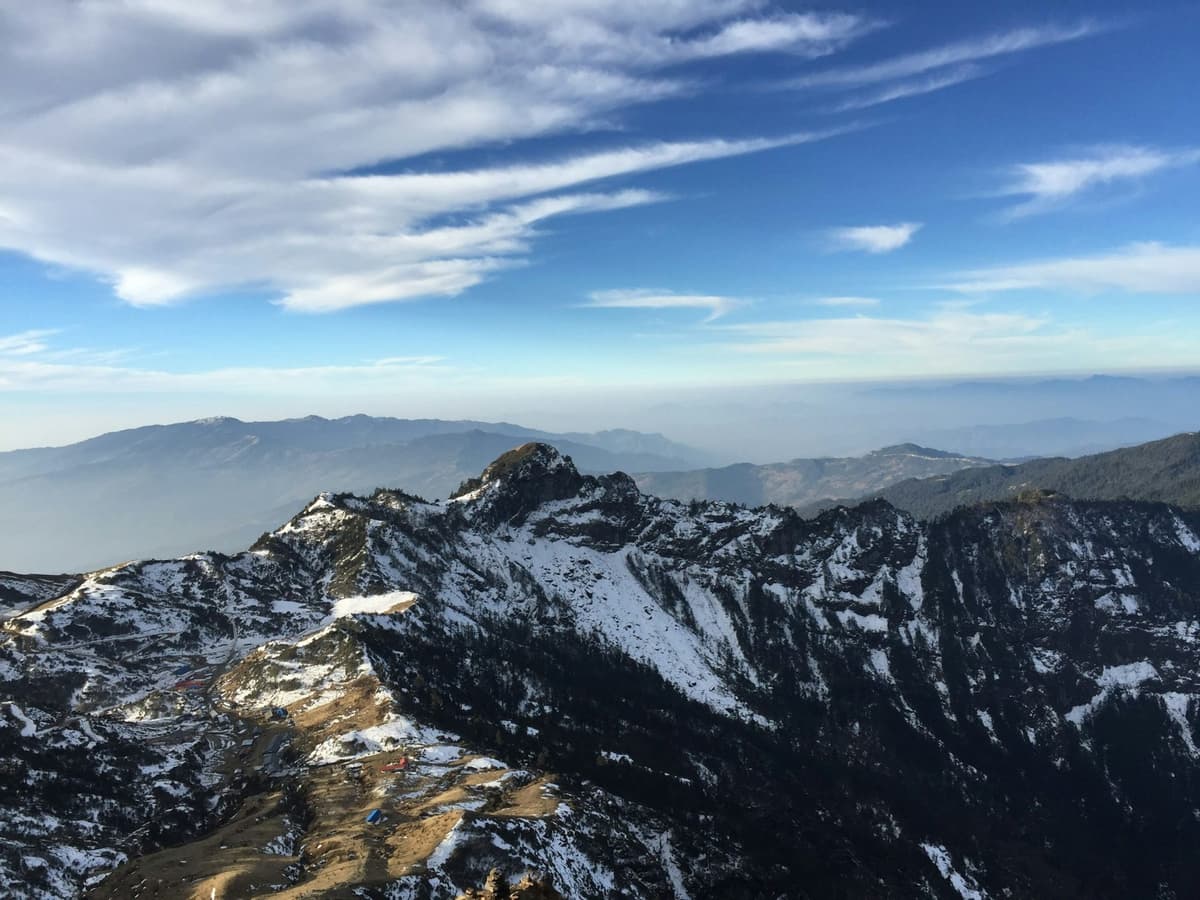
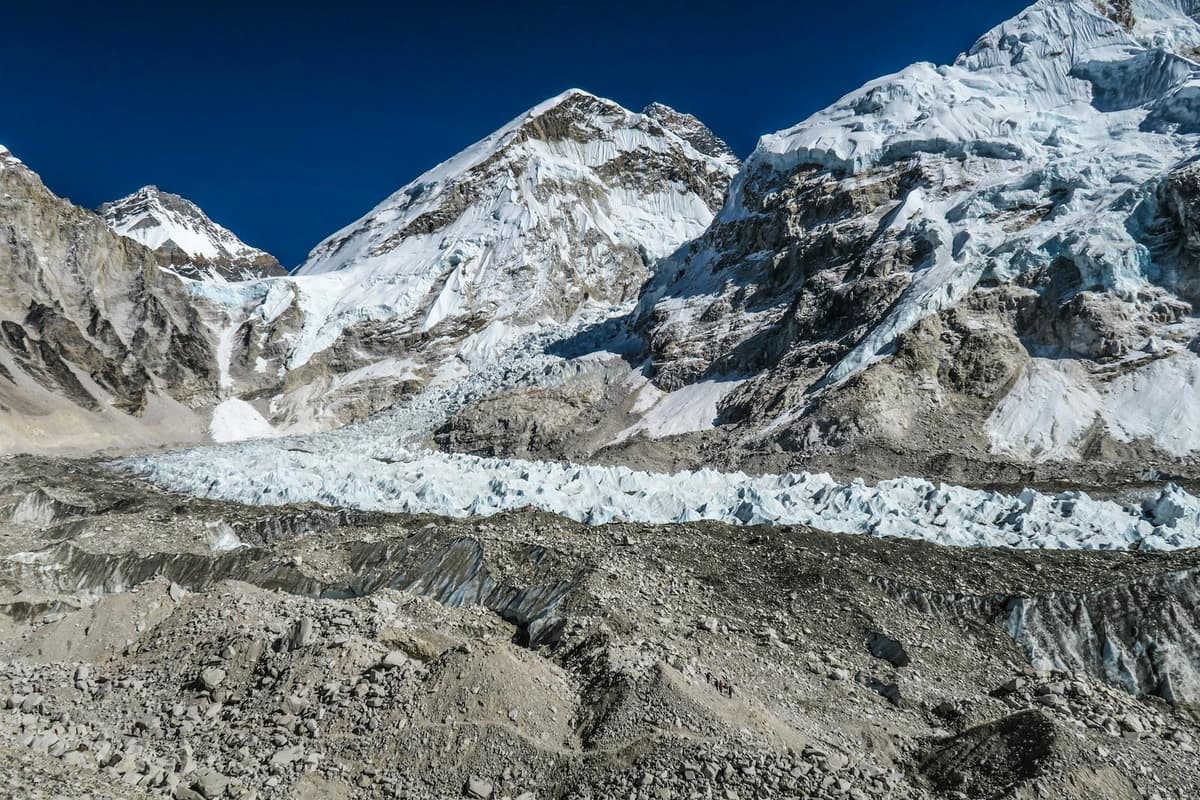
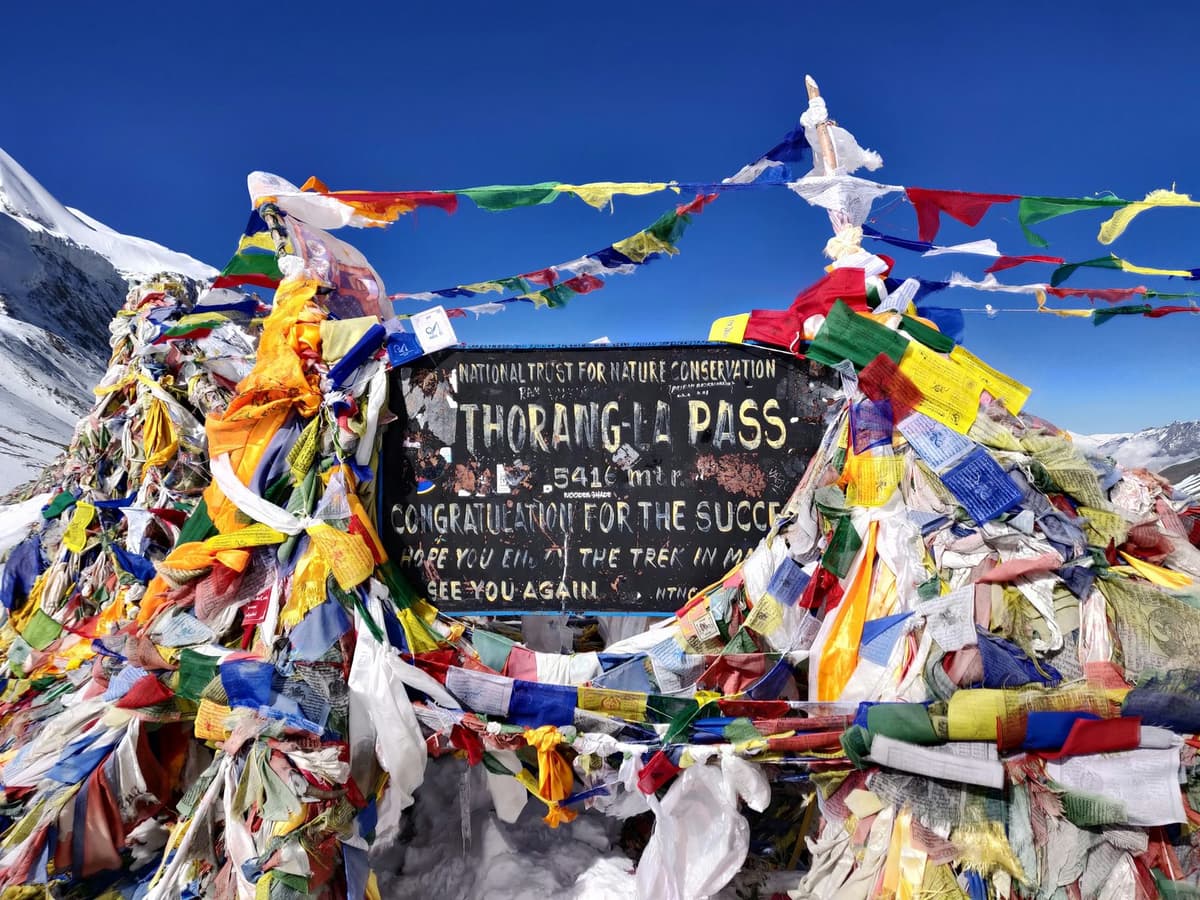
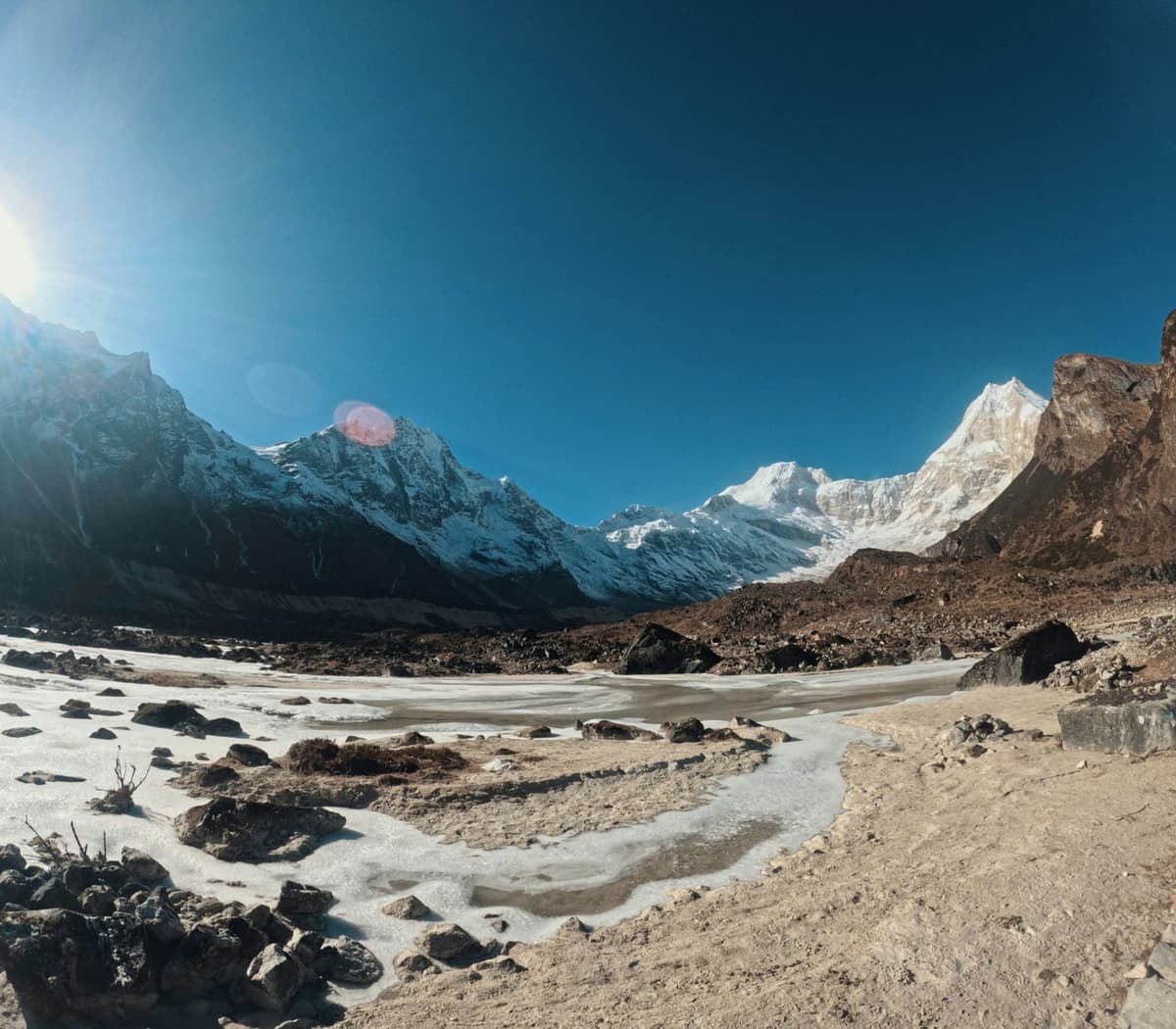
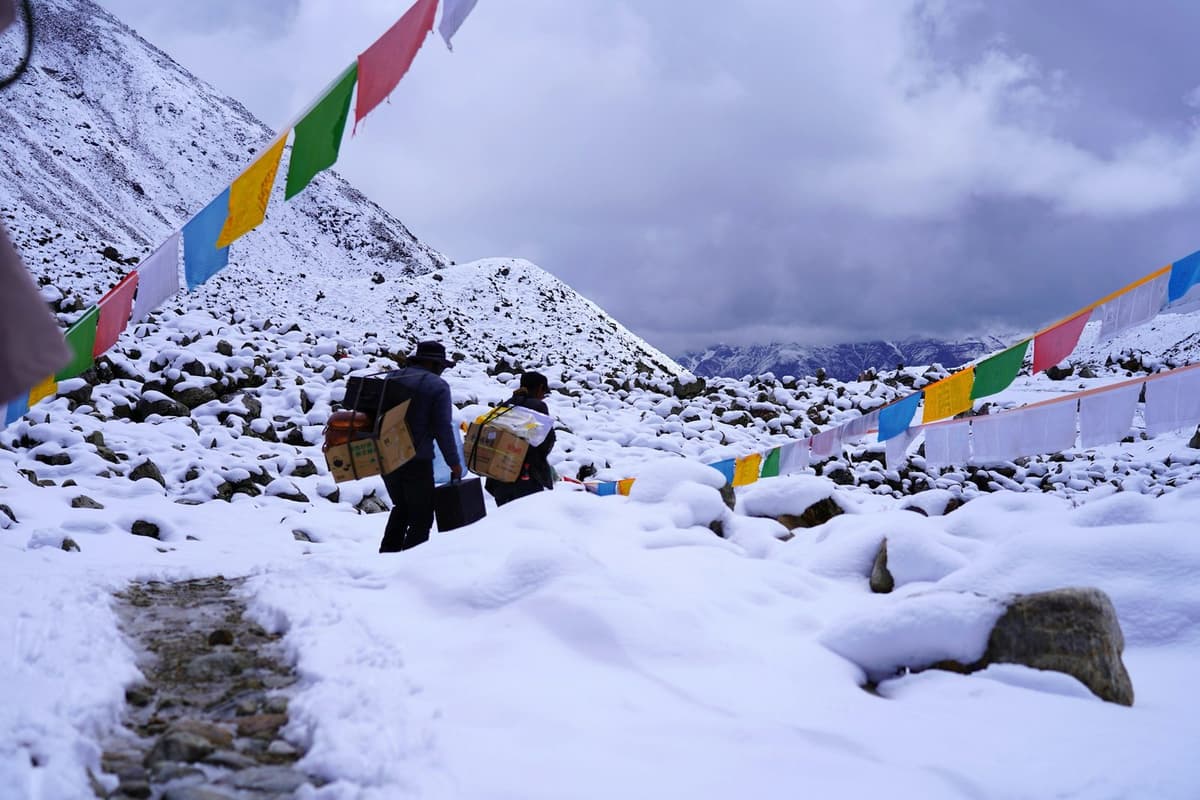
Lukla, the airstrip town at 2,786 m (9,140 ft) at the start of the classic Everest trek, averages −2.9 °C on January nights. Humde, near Manang on the Annapurna Circuit at 3,401 m (11,160 ft), averages −8.9 °C on January nights, while Kathmandu, at 1,337 m (4,390 ft), averages 2.8 °C. Higher still, the Pyramid research station near Everest Base Camp, at 5,035 m (16,520 ft), has a mean annual temperature of −2.5 °C. Passes such as Thorong La, at 5,416 m (17,770 ft), sit well above Humde and are much colder.
The rain shadow: where the monsoon barely reaches
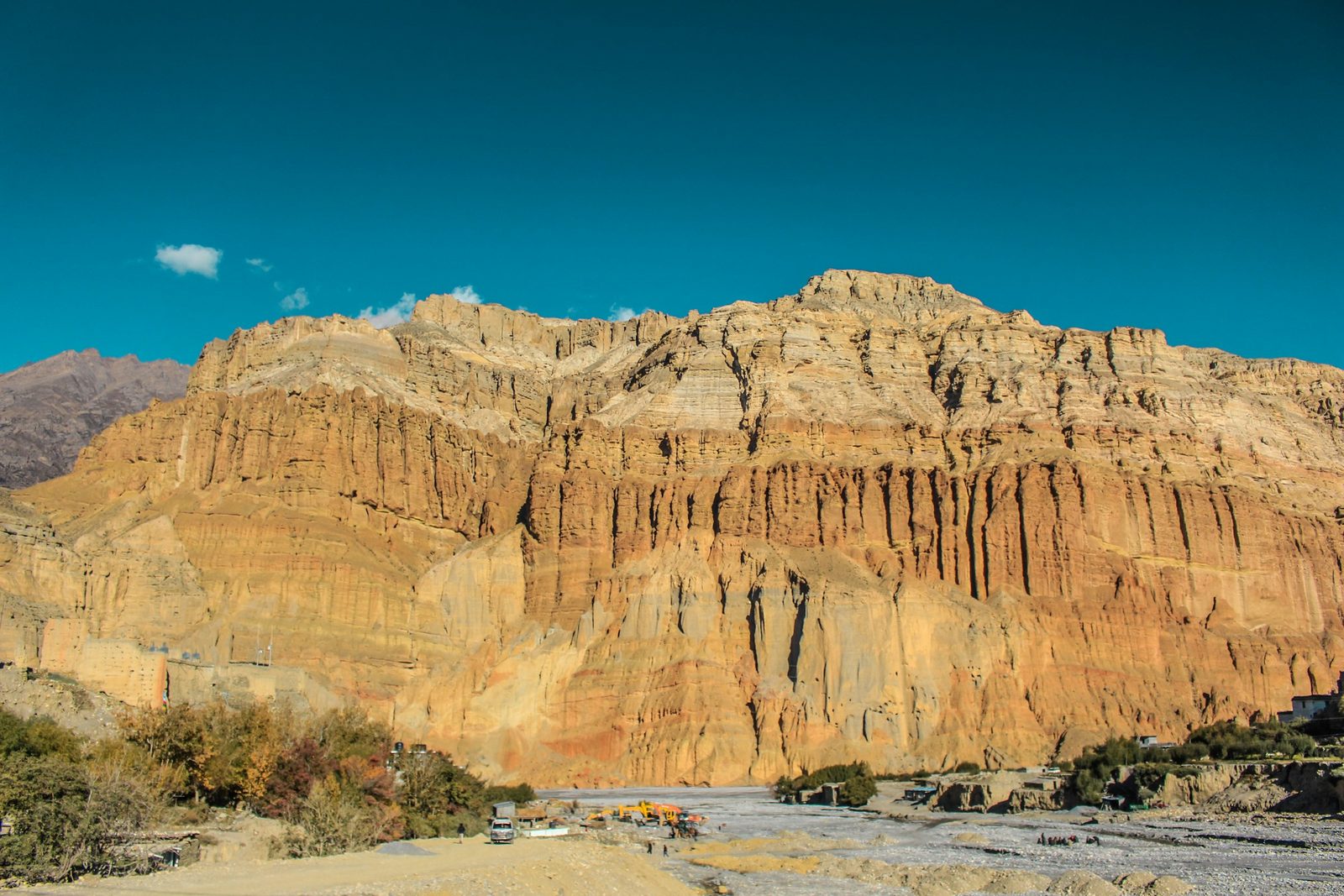
The Himalaya blocks much of the monsoon from the valleys behind it. NTB notes that Manang and Mustang "fall in the rain-shadow behind the mountains and are mostly dry". The numbers back it up. Jomsom, in Mustang at 2,741 m (8,990 ft), averages 46.8 mm of rain in July, while Pokhara, a short flight south, averages 940.8 mm. Jomsom gets about 290 mm in a whole year, which matches NTB's "below 300 mm in Mustang".
Takeaway: check two things before you choose a month: the season, and how high you will sleep.
Nepal month by month
Month by month, Nepal moves from dry winters with cold nights, through warm and sometimes hazy springs, into a wet monsoon from June to September, then back to settled, clear weather in October and November. The table gives Kathmandu's climate normals and 2025 arrivals; the notes under it cover the trails, festivals and what each month is good for.
| Month | Kathmandu day / night (°C) | Rain in Kathmandu, mm (rain days) | Foreign arrivals 2025 (crowds) | What's good |
|---|---|---|---|---|
| Jan | 19.2 / 2.8 | 15.2 (1.9) | 79,990 (quieter) | Kathmandu, Chitwan, low hikes, quiet trails |
| Feb | 22.1 / 5.3 | 23.6 (2.6) | 99,585 (moderate) | Cities, Chitwan, Sonam Lhosar |
| Mar | 26.0 / 8.8 | 38.0 (3.9) | 121,632 (busy) | Spring treks, rhododendrons, Holi |
| Apr | 28.6 / 12.3 | 63.1 (6.6) | 116,487 (busy) | Treks at every level, rhododendron forests |
| May | 29.2 / 16.1 | 128.9 (11.9) | 86,216 (moderate) | Early-month treks, Indian summer holidays |
| Jun | 29.5 / 19.3 | 242.0 (16.9) | 76,425 (quieter) | Early June travel, Mustang |
| Jul | 28.7 / 20.3 | 383.8 (23.1) | 70,193 (quieter) | Mustang, Manang, quiet temples |
| Aug | 29.0 / 20.2 | 342.7 (22.7) | 88,681 (moderate) | Rain-shadow trips, green valleys |
| Sep | 28.6 / 18.8 | 207.8 (14.6) | 79,981 (quieter) | Late-month treks if flexible |
| Oct | 27.2 / 13.9 | 43.3 (3.8) | 128,443 (busy) | Clear skies, peak trekking, Dashain |
| Nov | 23.6 / 8.4 | 6.4 (0.5) | 116,552 (busy) | Treks, views, Tihar, Chhath |
| Dec | 20.2 / 4.2 | 7.8 (0.7) | 98,180 (moderate) | Lower treks, Kathmandu, Chitwan |
Kathmandu, Tribhuvan International Airport, 1,337 m. Average daily maximum and minimum, monthly rain and days with at least 1 mm, WMO climate normals 1991 to 2020. Arrivals: MoCTCA, Nepal Tourism Statistics 2025. Crowd labels are our own bands on the 2025 figures: busy is over 110,000 arrivals, moderate is 85,000 to 110,000, quieter is under 85,000.
January
Kathmandu days average 19.2 °C and nights 2.8 °C, with 15.2 mm of rain over 1.9 days. It is far colder up high: Lukla averages −2.9 °C at night and Humde −8.9 °C. January 2025 had 79,990 foreign arrivals, and the Annapurna Conservation Area had its quietest month of the year, with 8,424 foreign visitors. Maghe Sankranti, when families eat sesame sweets, ghee and yams to mark the turn of the season, falls on 15 January 2027.
Good for: Kathmandu, Chitwan, short low hikes. Think twice about: high passes, which winter snow often makes impassable; your guide decides on the day.
February
Days warm to an average 22.1 °C in Kathmandu, with nights at 5.3 °C and 23.6 mm of rain over 2.6 days. Arrivals climbed to 99,585 in 2025. Sonam Lhosar, the Tamang new year, falls on 7 February 2027, and Basanta Panchami, a holiday for schools and colleges, on 11 February. February is inside NTB's October to March best season for Chitwan.
Good for: city sightseeing, Chitwan, lower treks late in the month.
March
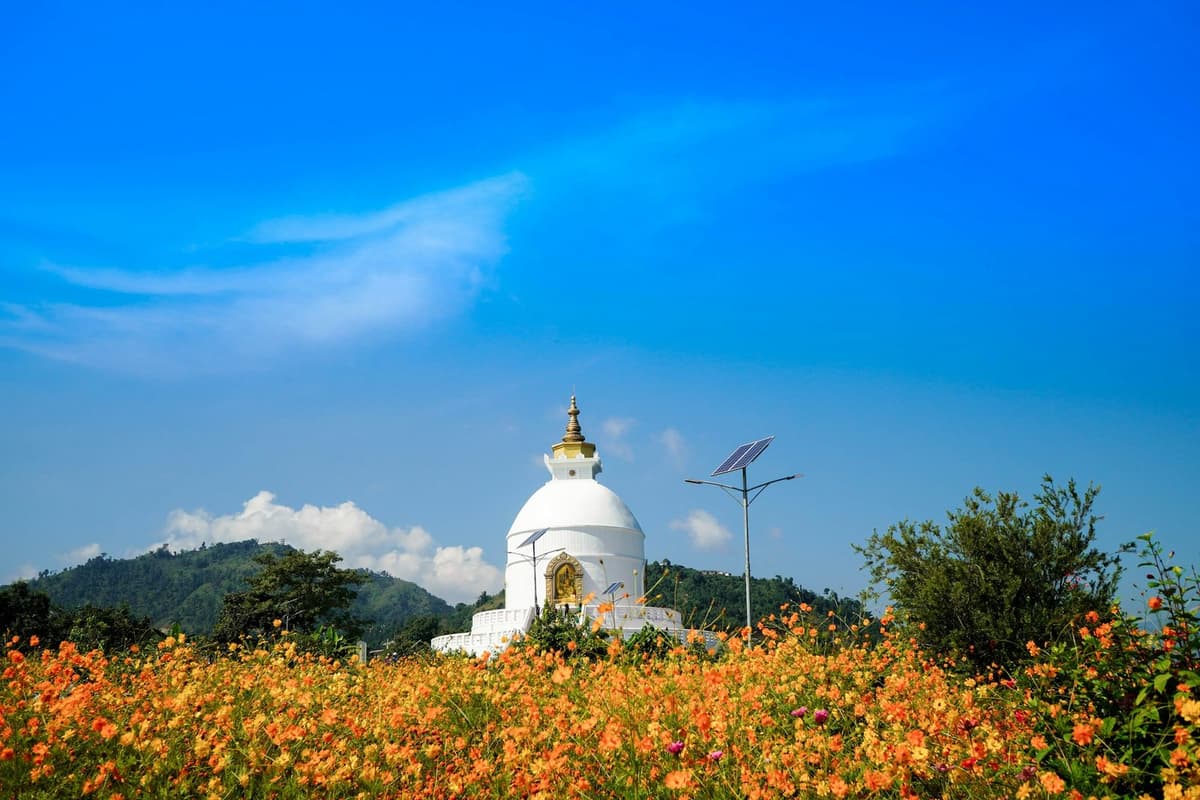
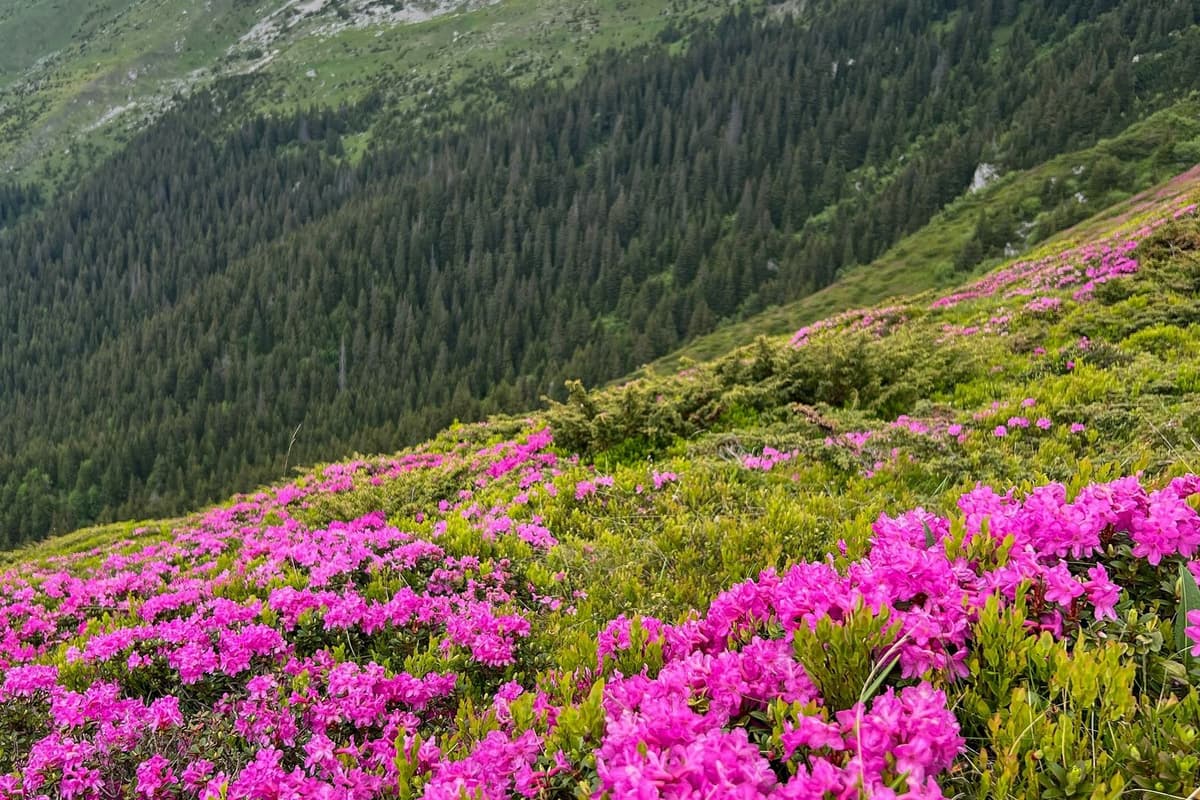
Kathmandu averages 26.0 °C by day and 8.8 °C at night, with 38.0 mm of rain over 3.9 days. Spring trekking begins, and spring is the season for rhododendrons, Nepal's national flower. March 2025 had 121,632 foreign arrivals, second only to October, and Chitwan National Park had its busiest month, with 13,797 foreign visitors. Three big days fall this month in 2027: Maha Shivaratri on 6 March, Gyalpo Lhosar on 9 March and Holi on 21 March in the hills.
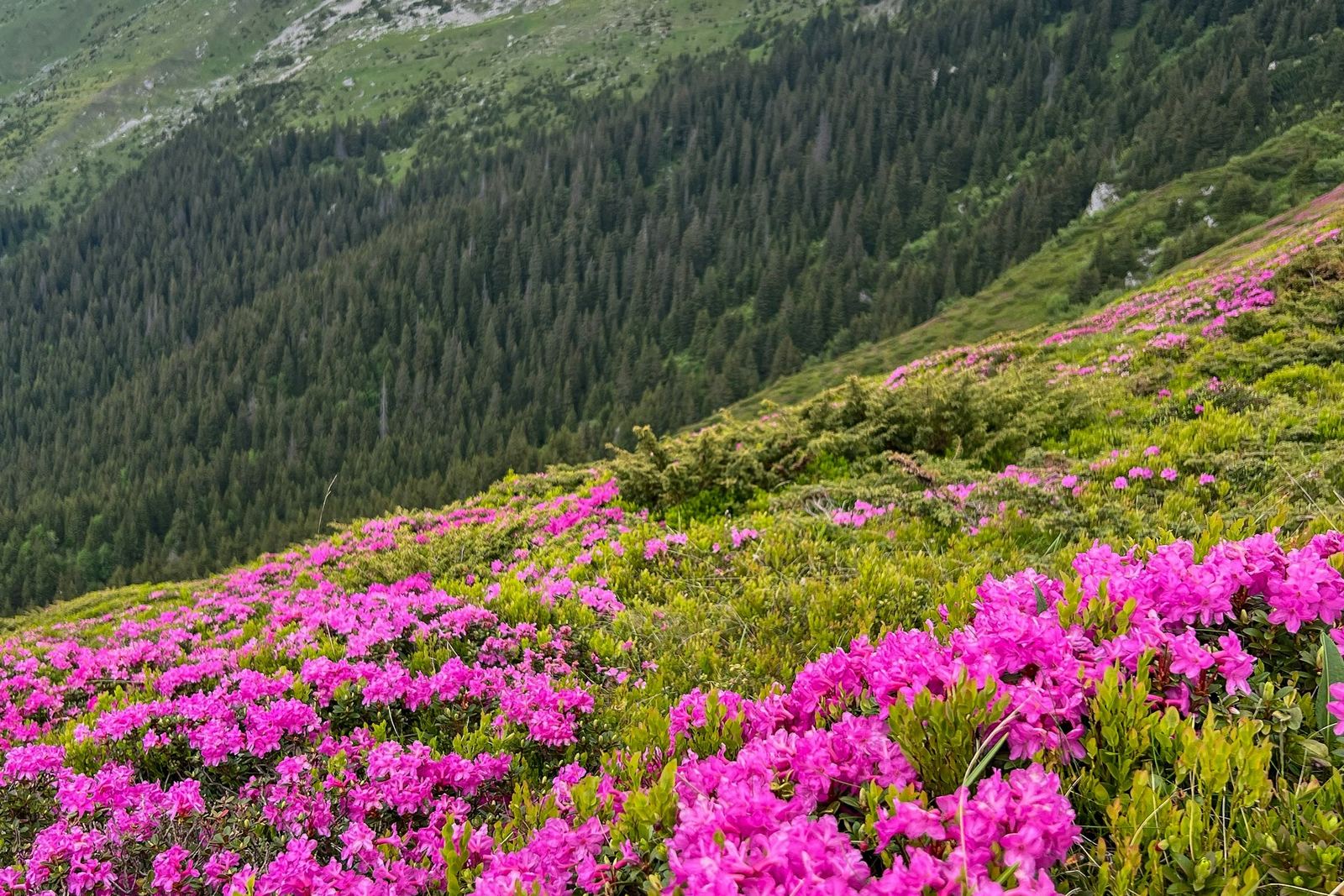
Good for: treks, festivals. Watch for: haze, which ICIMOD links to forest-fire smoke and pollution every pre-monsoon season.
April
Days reach 28.6 °C in Kathmandu and nights 12.3 °C, with 63.1 mm of rain over 6.6 days. April 2025 was the busiest month of the year in the Annapurna Conservation Area, with 46,169 foreign visitors, and Sagarmatha National Park had 9,927. Total arrivals were 116,487. The Nepali New Year 2084 falls on 14 April 2027 by calendar conversion; the official 2084 holiday list is not out yet.
Good for: treks at every level, rhododendron forests. Watch for: afternoon cloud and spring haze.
May
Kathmandu averages 29.2 °C by day and 16.1 °C at night, and rain jumps to 128.9 mm over 11.9 days. DHM sums up the pre-monsoon as "hot weather and thunderstorms". In Chitwan, NTB warns of heat "up to 43 degrees Celsius" from April to June. Arrivals fell to 86,216 in 2025. For Indian travellers this is holiday season: Delhi schools broke up on 11 May in 2026, and Indian air arrivals peaked in May in 2024, at 38,198.
Good for: high treks early in the month, Kathmandu and Pokhara breaks. Watch for: Chitwan heat, building storms.
June
Kathmandu averages 29.5 °C by day and 19.3 °C at night, with 242.0 mm of rain over 16.9 days. The monsoon normally reaches eastern Nepal on 13 June; in 2026 it arrived on 19 June, six days later than normal. Pokhara averages 648.2 mm of rain in June. Arrivals were 76,425 in 2025.
Good for: early June trips, Mustang. Watch for: the first landslides of the season on mountain roads.
July
July is Kathmandu's wettest month, with 383.8 mm of rain over 23.1 days and nights that stay warm at 20.3 °C. Pokhara averages 940.8 mm, while Jomsom, in the rain shadow, averages 46.8 mm. It was the quietest month of 2025, with 70,193 arrivals, and Sagarmatha National Park received only 176 foreign visitors. In 2026 the jeep safari inside Chitwan's core park was closed from 1 July, with buffer-zone safaris carrying on. On 20 July 2026, Nepal Police reported nine highways blocked or partly closed.
Good for: Upper Mustang, Manang, quiet temples. Skip: Everest and other high treks.
August
Kathmandu averages 342.7 mm of rain over 22.7 days. On the Everest side it is wetter still: August is Lukla's wettest month, at 641.8 mm. Arrivals rose to 88,681 in 2025, and Indian air arrivals had their 2025 peak this month, at 35,506.
Good for: rain-shadow trips, Kathmandu culture between showers. Watch for: landslides and delayed flights.
September
Rain eases to 207.8 mm over 14.6 days in Kathmandu, but September is still officially monsoon. Arrivals were unusually low in 2025, at 79,981, against 96,302 in 2024. Late-season rain still hits roads: on 25 September 2026, landslides struck the Prithvi Highway between Kathmandu and Pokhara in seven places in Dhading. Manang closed its high routes from 25 to 27 September 2026, and snow blocked Larkya La on the Manaslu Circuit at the end of the month. Chitwan's core park typically reopens around the first week of Ashoj, which began on 17 September in 2026.
Good for: late-month treks if your dates can move.
October
Kathmandu averages 27.2 °C by day and 13.9 °C at night, with 43.3 mm of rain over 3.8 days. October was the busiest month of 2025, with 128,443 arrivals, and the busiest in Sagarmatha National Park too, with 10,345 foreign visitors. The monsoon normally leaves on 2 October, but from 2016 to 2025 it left later every year, between 5 and 16 October. October can be wet: October 2025 had 299.7% of its normal rain. Dashain begins on 11 October 2026, with the national holiday from 17 to 23 October.
Good for: almost everything. Plan for: mid-October rather than the first week.
November
November is Kathmandu's driest month: 6.4 mm of rain over 0.5 days, with days at 23.6 °C and nights at 8.4 °C. Arrivals were 116,552 in 2025. Tihar runs from 8 to 12 November 2026, with Laxmi Puja on 8 November and Bhai Tika on 11 November, and Chhath falls on 15 November. Snow can still close passes: after heavy snowfall, Thorong La reopened on 4 November 2025.
Good for: treks, mountain views, Kathmandu in festival lights.
December
Kathmandu stays dry, with 7.8 mm of rain over 0.7 days, days at 20.2 °C and nights at 4.2 °C. NTB describes Everest's December to February as "snow, daytime temperature 5 degrees Celsius". Lukla gets just 0.5 mm of rain and averages −0.5 °C at night. NTB adds that winter brings "compensating bright sun and brilliant views". Festivals: Yomari Punhi on 24 December, Christmas, a public holiday, on 25 December, and Tamu Lhosar, the Gurung new year, on 30 December 2026.
Good for: lower treks, Kathmandu, Chitwan. Our December guide goes deeper.
Climate tables for Kathmandu, Pokhara, Chitwan and Lukla
Kathmandu is mild and dry outside the monsoon, Pokhara is warmer and more than twice as wet, Chitwan in the lowlands is hot from March to September, and Lukla, the gateway to Everest, drops below freezing on winter nights. Use the table for the place you will sleep, not the place you land.
Kathmandu
| Month | Avg max °C | Avg min °C | Rain mm | Days with 1 mm or more |
|---|---|---|---|---|
| Jan | 19.2 | 2.8 | 15.2 | 1.9 |
| Feb | 22.1 | 5.3 | 23.6 | 2.6 |
| Mar | 26.0 | 8.8 | 38.0 | 3.9 |
| Apr | 28.6 | 12.3 | 63.1 | 6.6 |
| May | 29.2 | 16.1 | 128.9 | 11.9 |
| Jun | 29.5 | 19.3 | 242.0 | 16.9 |
| Jul | 28.7 | 20.3 | 383.8 | 23.1 |
| Aug | 29.0 | 20.2 | 342.7 | 22.7 |
| Sep | 28.6 | 18.8 | 207.8 | 14.6 |
| Oct | 27.2 | 13.9 | 43.3 | 3.8 |
| Nov | 23.6 | 8.4 | 6.4 | 0.5 |
| Dec | 20.2 | 4.2 | 7.8 | 0.7 |
| Year | 26.0 | 12.5 | 1,502.6 | 109.4 |
Kathmandu (Tribhuvan International Airport), 1,337 m (4,390 ft). WMO Climate Normals 1991 to 2020, station 44454, supplied by DHM.
Pokhara
| Month | Avg max °C | Avg min °C | Rain mm | Days with 1 mm or more |
|---|---|---|---|---|
| Jan | 19.9 | 7.1 | 21.6 | 2.4 |
| Feb | 22.7 | 9.7 | 35.1 | 3.8 |
| Mar | 27.1 | 13.1 | 63.7 | 6.4 |
| Apr | 30.0 | 16.1 | 141.7 | 10.5 |
| May | 30.4 | 18.7 | 353.0 | 18.3 |
| Jun | 30.8 | 21.2 | 648.2 | 22.2 |
| Jul | 30.4 | 22.4 | 940.8 | 25.6 |
| Aug | 30.5 | 22.3 | 839.4 | 24.3 |
| Sep | 29.9 | 21.1 | 635.0 | 19.4 |
| Oct | 27.9 | 17.2 | 159.2 | 8.0 |
| Nov | 24.4 | 12.3 | 17.2 | 1.3 |
| Dec | 21.0 | 8.3 | 11.6 | 1.0 |
| Year | 27.1 | 15.8 | 3,866.5 | 143.2 |
Pokhara (Pokhara Airport), 827 m (2,710 ft). WMO Climate Normals 1991 to 2020, station 44434, supplied by DHM.
Chitwan
| Month | Avg max °C | Avg min °C | Rain mm |
|---|---|---|---|
| Jan | 22.1 | 8.0 | 16.5 |
| Feb | 26.1 | 9.7 | 19.8 |
| Mar | 31.5 | 13.3 | 23.3 |
| Apr | 35.4 | 18.0 | 64.0 |
| May | 35.6 | 22.1 | see note |
| Jun | 34.9 | 24.6 | 366.6 |
| Jul | 33.5 | 25.3 | 528.6 |
| Aug | 33.6 | 25.4 | 452.5 |
| Sep | 33.2 | 24.3 | 329.9 |
| Oct | 32.0 | 19.7 | 59.4 |
| Nov | 28.4 | 13.4 | 5.6 |
| Dec | 24.0 | 9.1 | 9.8 |
Rampur (Bharatpur area, Chitwan), 189 m (620 ft). DHM 1991 to 2020 normals from the Annex 1 tables of DHM's monthly climate reports. DHM's own reports give two different May rain normals, so we leave May blank and give no annual total until DHM settles it.
Lukla (Everest region)
| Month | Avg max °C | Avg min °C | Rain mm |
|---|---|---|---|
| Jan | 8.3 | −2.9 | 15.3 |
| Feb | 8.9 | −1.6 | 17.2 |
| Mar | 13.3 | 2.6 | 45.3 |
| Apr | 16.6 | 5.7 | 58.7 |
| May | 16.7 | 8.0 | 127.6 |
| Jun | 17.7 | 12.3 | 324.8 |
| Jul | 18.4 | 13.2 | 529.8 |
| Aug | 18.6 | 12.9 | 641.8 |
| Sep | 18.6 | 11.6 | 419.0 |
| Oct | 16.8 | 7.4 | 102.9 |
| Nov | 13.8 | 2.4 | 6.2 |
| Dec | 11.1 | −0.5 | 0.5 |
Lukla (Tenzing-Hillary Airport), 2,786 m (9,140 ft). Average of the years DHM has on record for this station, not a full 1991 to 2020 normal, from the Annex 1 tables of DHM's monthly climate reports. Trails above Lukla are colder.
By our calculation from these official normals, about four-fifths of the year's rain falls from June to September: 78.3% in Kathmandu, 79.2% in Pokhara and 83.7% in Lukla, against 54.2% in rain-shadow Jomsom. That is why spring and autumn treks feel so different from summer ones.
Takeaway: for a trek, read the Lukla table (or ask us for the station nearest your route), not the Kathmandu one.
What is the monsoon really like?
Nepal's monsoon runs from June to September. It normally reaches eastern Nepal on 13 June and leaves on 2 October, a season of 112 days. NTB says 80% of all Nepal's rain falls in these months. In practice the start and end move every year, and the end has been later than normal for a decade.
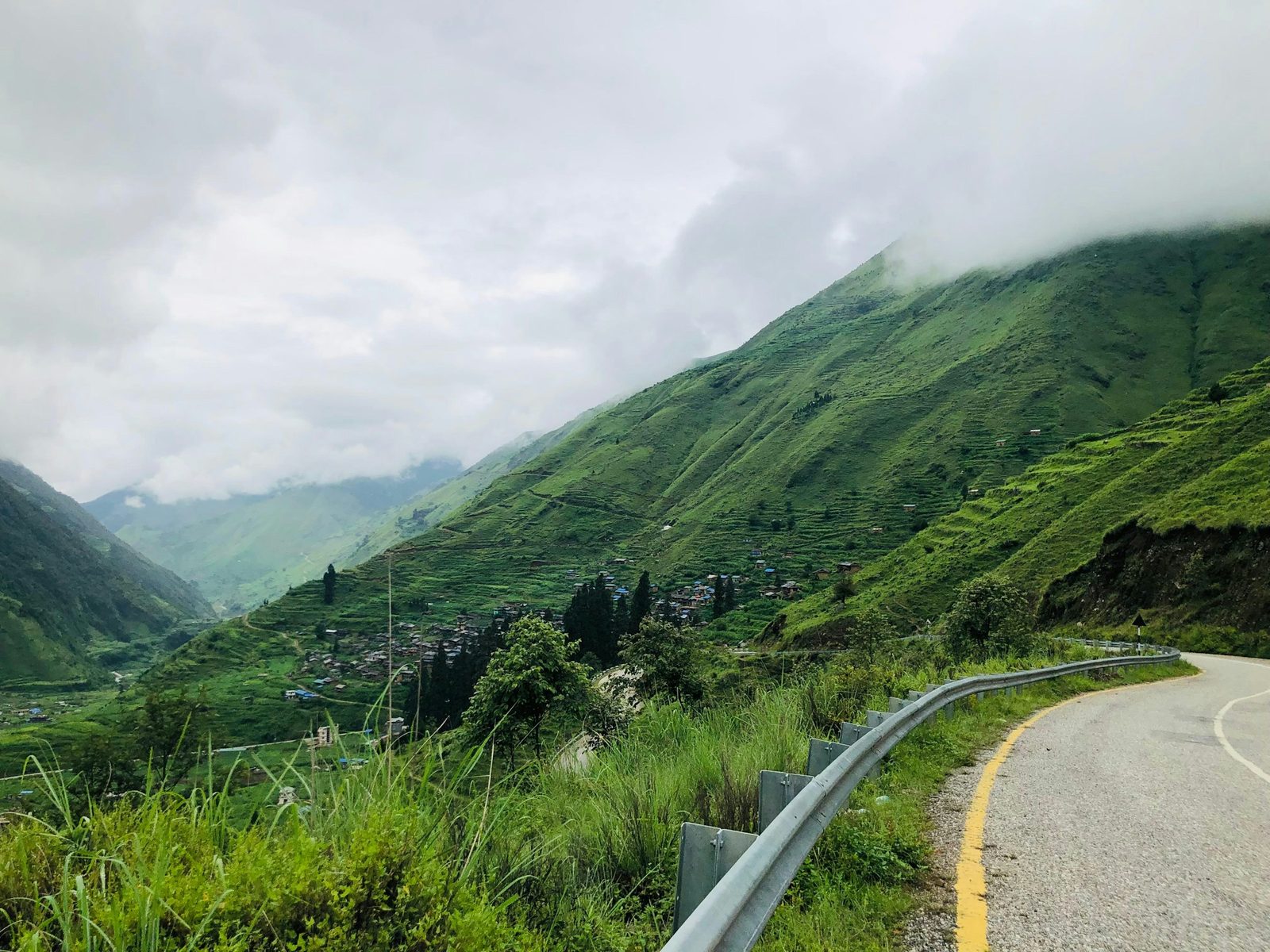
DHM's own wording is plain: "In Nepal, four months period from June to September is considered as Monsoon season."
When the monsoon started and ended, 2016 to 2026
| Year | Onset | Withdrawal |
|---|---|---|
| 2016 | 15 Jun | 12 Oct |
| 2017 | 12 Jun | 16 Oct |
| 2018 | 8 Jun | 5 Oct |
| 2019 | 20 Jun | 12 Oct |
| 2020 | 12 Jun | 16 Oct |
| 2021 | 11 Jun | 11 Oct |
| 2022 | 5 Jun | 16 Oct |
| 2023 | 14 Jun | 15 Oct |
| 2024 | 10 Jun | 12 Oct |
| 2025 | 29 May | 10 Oct |
| 2026 | 19 Jun | Not announced as of 2 Oct 2026 |
DHM, "Monsoon Onset and Withdrawal date information", 23 Sep 2026, Table 1; 2026 withdrawal status: DHM meteorologists via Khabarhub, 2 Oct 2026.
Three things stand out. First, the monsoon left after the normal 2 October date in every one of those ten years. Second, the season can be very long or very short: DHM's records run from 73 days in 1979 to 135 days in 2025. Third, the monsoon's total tells you little about October. The 2025 monsoon brought 90.0% of its seasonal normal, yet October 2025 had 299.7% of its normal rain, after the monsoon withdrew on 10 October and the remnant of Cyclone Montha arrived from 29 October.
What the monsoon means on the ground
- Mountain views: cloud hides the peaks on many days. July in Kathmandu averages 23.1 rain days.
- High treks: wet, cloudy and close to empty. Sagarmatha National Park had 176 foreign visitors in July 2025.
- Roads: landslides close highways. On 20 July 2026, nine highways were blocked or partly closed, and the Department of Roads had deployed 155 pieces of heavy equipment.
- Rain shadow: Jomsom gets 46.8 mm in July, so Mustang and Manang are the summer exceptions.
- Chitwan: the core-park jeep safari pauses; buffer-zone safaris continue.
Takeaway: the monsoon is a real season for travel, but only for the right trip, and with spare time for the roads.
Festival calendar, October 2026 to March 2027
The main festivals between October 2026 and March 2027 are Dashain in October, Tihar and Chhath in November, the Lhosar new years from December to March, and Maha Shivaratri and Holi in March. Most follow the lunar calendar, so dates shift each year. The dates below come from the Government of Nepal's gazetted holiday list for 2083 BS (Bikram Sambat, Nepal's official calendar), converted to the Western calendar.
| Date | Festival | What happens | Source |
|---|---|---|---|
| Sun 11 Oct 2026 | Ghatasthapana | Dashain begins; barley seeds are sown for the festival | Gazette |
| Sat 17 Oct to Fri 23 Oct 2026 | Dashain national holiday (Fulpati to Dwadashi) | Families gather; elders give tika and blessings | Gazette |
| Wed 21 Oct 2026 | Vijaya Dashami | The main tika day of Dashain | Hamro Patro (secondary) |
| Sun 8 Nov 2026 | Laxmi Puja (Deepawali night) | Homes lit with oil lamps for the goddess Laxmi | Gazette |
| Sun 8 Nov to Thu 12 Nov 2026 | Tihar national holiday | The festival of lights | Gazette |
| Wed 11 Nov 2026 | Bhai Tika | Sisters give tika to their brothers | Gazette (derived) |
| Sun 15 Nov 2026 | Chhath | Offerings to the sun at rivers and ponds, strongest in the Terai | Gazette |
| Thu 24 Dec 2026 | Yomari Punhi | Newar harvest festival; yomari dumplings | Gazette |
| Fri 25 Dec 2026 | Christmas | Public holiday | Gazette |
| Wed 30 Dec 2026 | Tamu Lhosar | Gurung new year | Gazette |
| Fri 15 Jan 2027 | Maghe Sankranti | Start of the month of Magh; seasonal foods | Gazette |
| Sun 7 Feb 2027 | Sonam Lhosar | Tamang new year | Gazette |
| Thu 11 Feb 2027 | Basanta Panchami | Holiday for schools and colleges only | Gazette |
| Sat 6 Mar 2027 | Maha Shivaratri | Pilgrims and sadhus at Pashupatinath | Gazette |
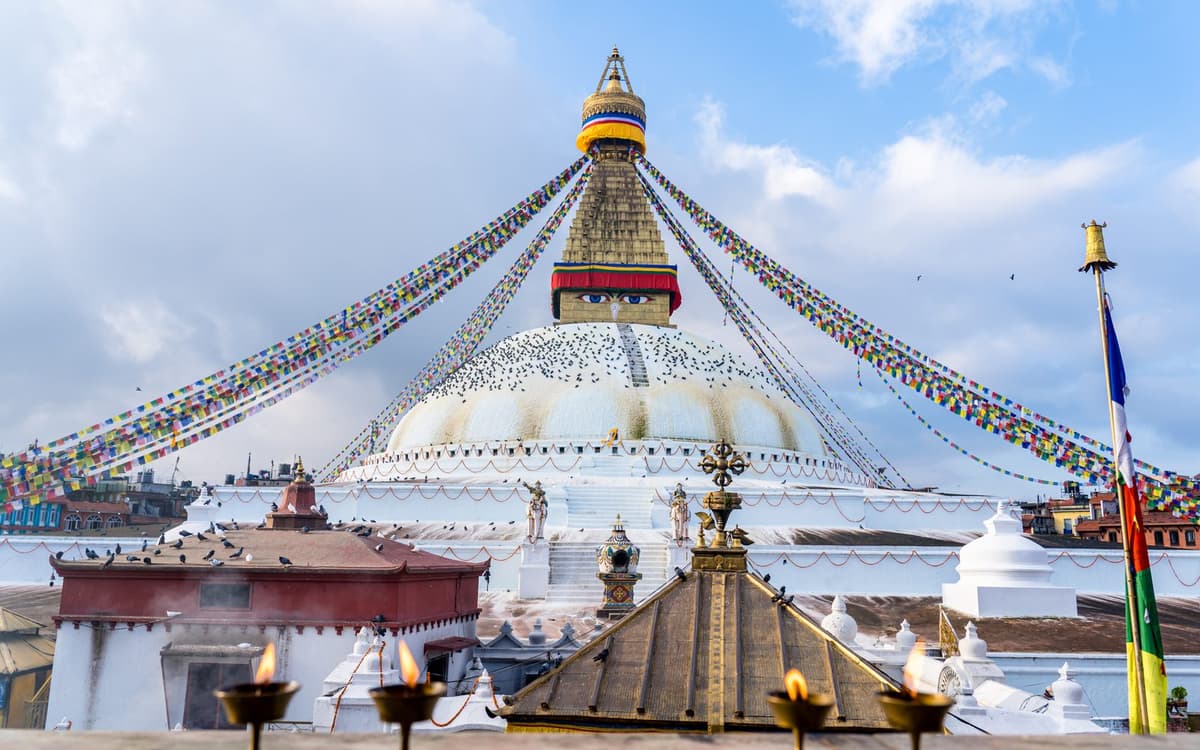
| Tue 9 Mar 2027 | Gyalpo Lhosar | Sherpa and Tibetan new year; Boudhanath is the focus in Kathmandu | Gazette |
| Sun 21 Mar 2027 | Holi (hills, including Kathmandu) | Festival of colours | Gazette |
| Mon 22 Mar 2027 | Holi (Terai districts) | Festival of colours, a day later in the plains | Gazette |
Gazette: Nepal Rajpatra, Part 5, Vol 75 No 67, Ministry of Home Affairs notice on public holidays for 2083 BS, checked 2 Oct 2026.
A national holiday means government offices close. If you are travelling during Dashain or Tihar, tell us early so we can plan transport and hotels around the holiday week.
Takeaway: festivals are a reason to go, not a reason to stay away, as long as your plan allows for the holiday days.
Best month for each activity
The best month depends on the activity: October and November for high treks and views, October to March for Chitwan, October to February for Kathmandu, and the quieter monsoon and winter months for less crowded trips.
| Activity | Best months | Why | Watch out for |
|---|---|---|---|
| Trekking (Everest, Annapurna, Manaslu, Langtang) | Mid-Oct to Nov, then Mar to May | NTB best seasons; Everest's top months for visitors in 2025 were Oct, Apr and Mar | Snow can close high passes in autumn as well as winter; Lukla flights depend on the weather |
| Chitwan jungle safari | Oct to Mar | NTB: "October-March (average temperature 25 degrees Celsius)" | Apr to Jun hot; core-park jeep safari pauses in the monsoon |
| Kathmandu sightseeing | Oct to Feb | Post-monsoon "pleasant"; 0.5 to 2.6 rain days a month from Nov to Feb | Cold mornings in Dec and Jan; spring haze |
| Mountain views and scenic flights | Oct and Nov | NTB: clearest skies | Always weather-dependent |
| Indian family trips | May to early Jun; Oct to Nov festival break | School holidays (Delhi 11 May to 30 Jun 2026); Dussehra and Diwali | Monsoon normally from 13 June (eastern Nepal); holiday-week demand |
| Quiet travel | Jan, Jun, Jul, Sep | The four quietest months for arrivals in 2025 | Weather limits what you can do in Jun to Sep |
| Summer trips (Mustang, Manang) | Jun to Sep | Rain shadow; Jomsom July rain 46.8 mm | Roads to get there |
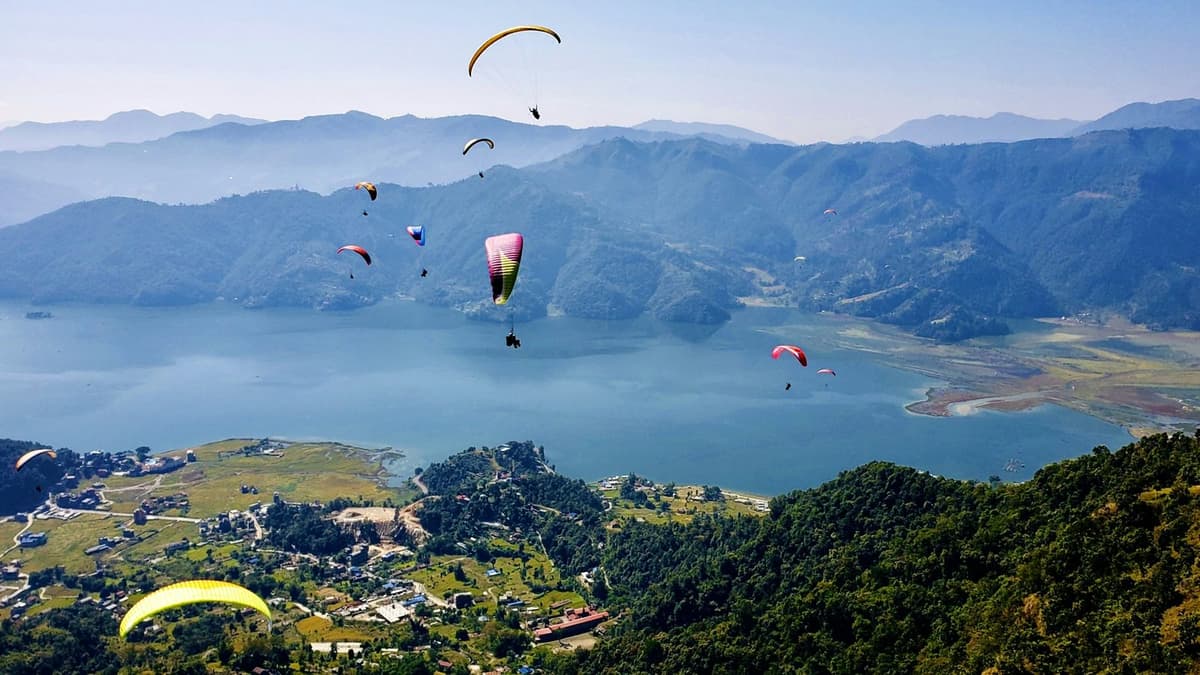
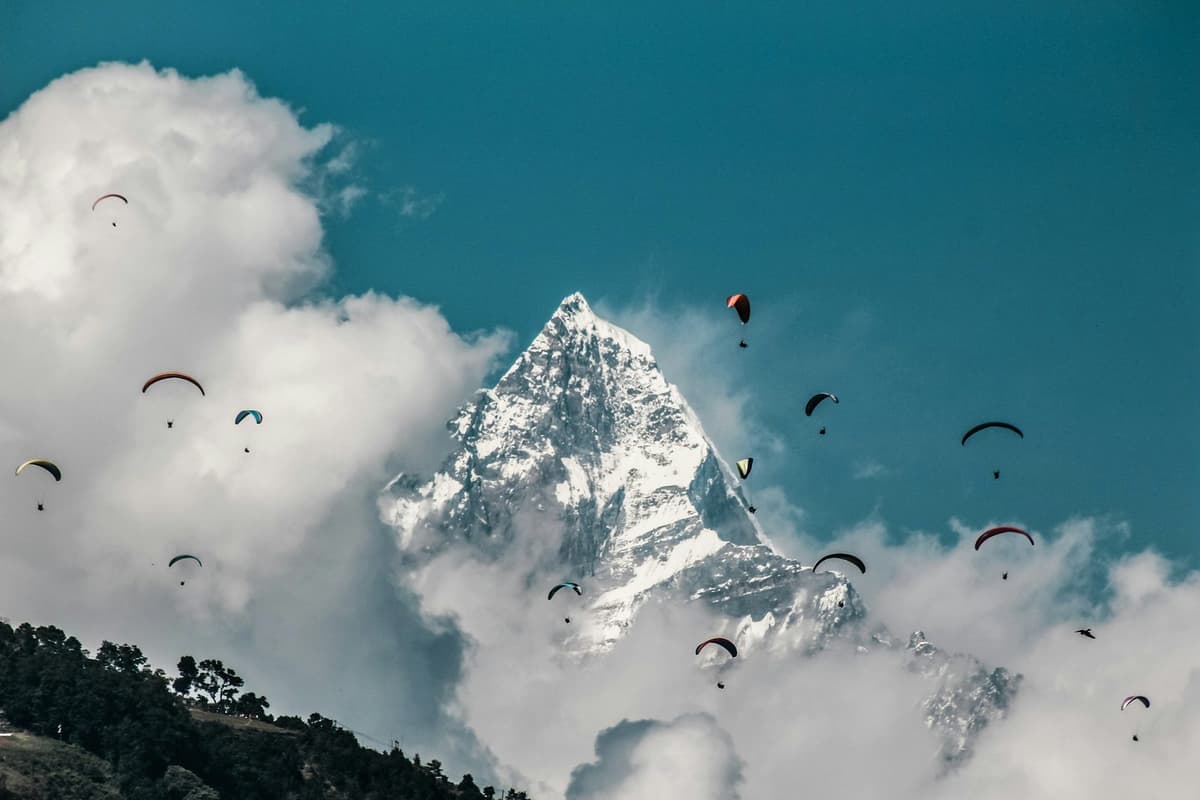
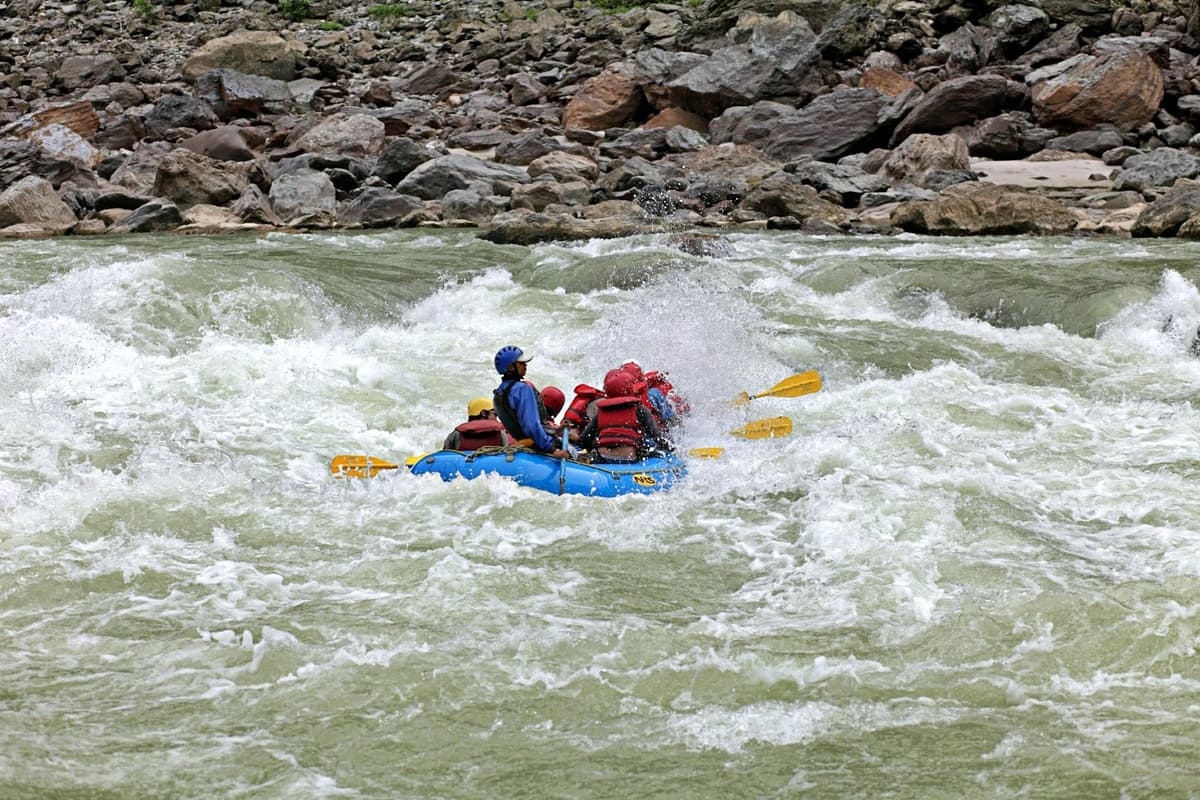
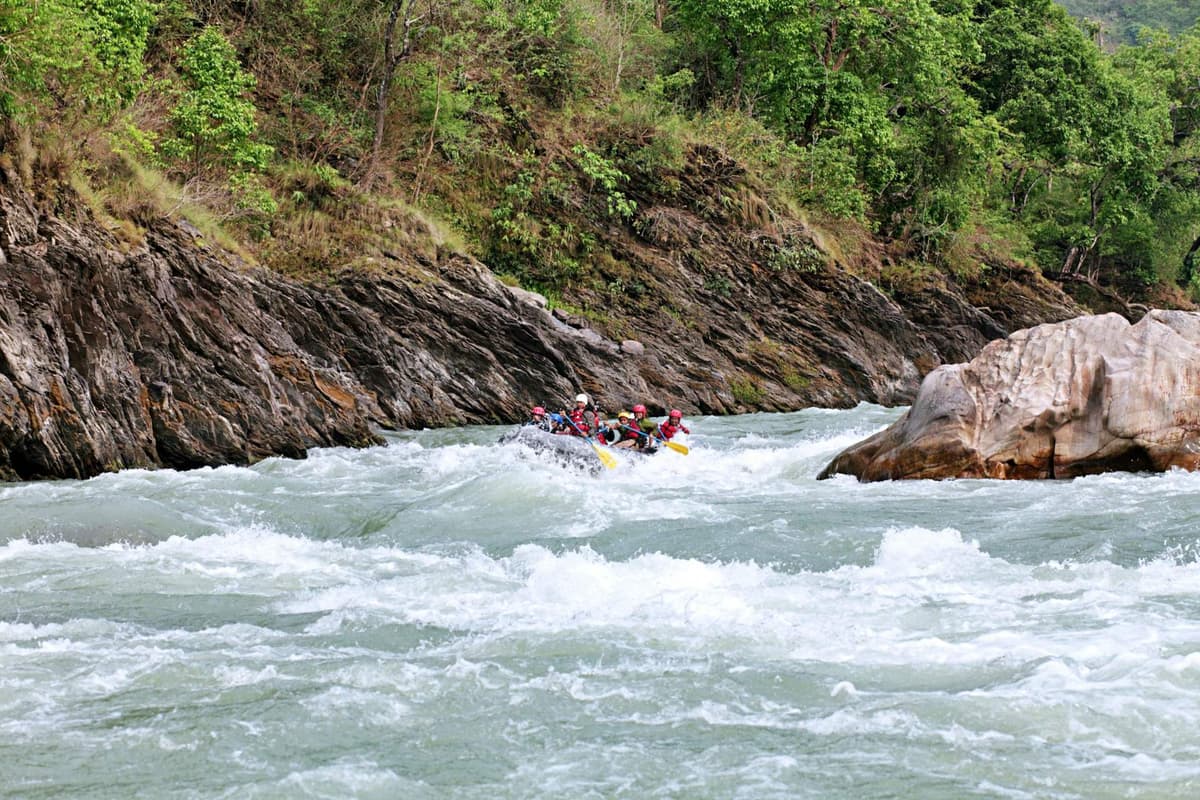
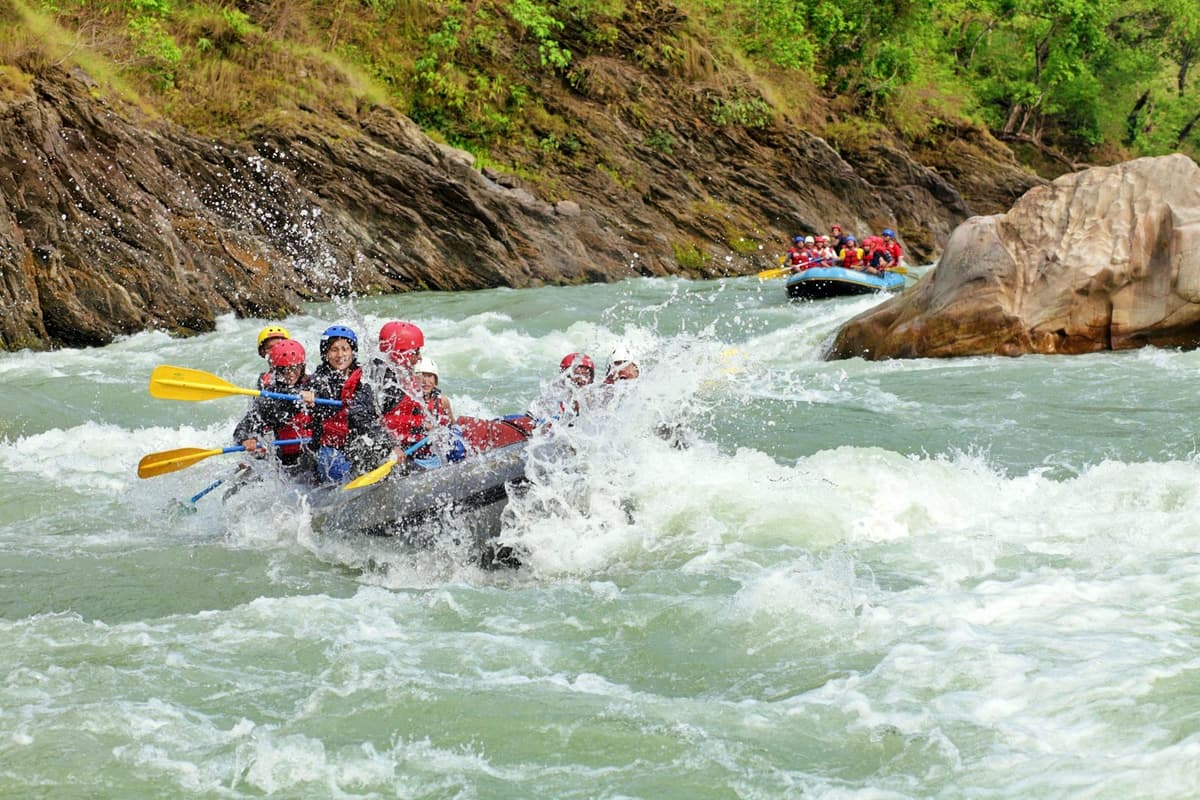
We have not given months for Pokhara paragliding or for rafting. There is no official season data for either, so we check conditions for your dates when you ask.
Takeaway: if you want to combine activities, October and November cover the most ground.
How busy is Nepal each month?
October is Nepal's busiest month and July its quietest. In 2025, 128,443 foreign visitors arrived in October and 70,193 in July, out of 1,162,365 for the year. Spring and autumn are the peaks; the monsoon and deep winter are quieter.
| Month | All foreign arrivals 2025 | All foreign arrivals 2024 | Indian arrivals by air 2025 |
|---|---|---|---|
| Jan | 79,990 | 79,101 | 20,486 |
| Feb | 99,585 | 97,423 | 19,885 |
| Mar | 121,632 | 128,167 | 21,414 |
| Apr | 116,487 | 111,382 | 25,933 |
| May | 86,216 | 90,205 | 28,160 |
| Jun | 76,425 | 76,733 | 32,662 |
| Jul | 70,193 | 64,598 | 27,152 |
| Aug | 88,681 | 72,717 | 35,506 |
| Sep | 79,981 | 96,302 | 15,797 |
| Oct | 128,443 | 124,391 | 17,300 |
| Nov | 116,552 | 114,496 | 18,995 |
| Dec | 98,180 | 92,033 | 30,094 |
| Total | 1,162,365 | 1,147,548 | 293,384 |
MoCTCA, Nepal Tourism Statistics 2025, sheets "Tourist Arrival_month" and "indian Tourist_Arrival". The Indian series counts arrivals by air only, and the ministry's totals include Indian citizens only when they arrive by air (the 2025 total equals the arrivals of all other nationalities plus Indian air arrivals).
A few things the numbers show:
- The trails peak harder than the country. Sagarmatha National Park had 10,345 foreign visitors in October 2025 and 176 in July. The Annapurna Conservation Area ranged from 8,424 in January to 46,169 in April.
- Indian visitors travel on a different calendar. Indian air arrivals were highest in May and June in 2023 and 2024, and lower in October, when other markets peak.
- September 2025 was unusually quiet, at 79,981 against 96,302 in 2024, so do not read it as a normal September.
- Most counted visitors fly in. In 2025, 1,015,735 arrived by air and 146,630 by land. Indian citizens are counted only when they arrive by air, so Indians who cross by land are not in these figures.
India was Nepal's largest source market in both 2024 and 2025.
Takeaway: if crowds bother you more than weather, late November, December and February are a good middle ground.
Who should go when
The best time to visit Nepal depends as much on who you are as on the weather. Here is how we would match months to travellers.
First-time trekkers
Go from mid-October to November, or from March to April. Those are the months NTB recommends for both the Everest and Annapurna areas, and the weather is the most settled. If your trek starts with a flight to Lukla, know that in the busiest months the government moves Lukla flights to Ramechhap (Manthali), a drive from Kathmandu, and every Lukla flight depends on the weather. Build spare days into the end of your trip.
Best time to visit Nepal from India
India sends more visitors to Nepal than any other country, and Indian travellers often come at different times from everyone else. Three things shape the timing:
- The school summer holidays. Each state sets its own dates; Delhi's schools, for example, broke up from 11 May to 30 June in 2026. Indian air arrivals peaked in May and June in 2023 and 2024. The monsoon normally reaches eastern Nepal on 13 June, so the drier end of the break is May and early June. Kathmandu days average 29.2 °C in May and Pokhara 30.4 °C. If you want cooler air, our guide to hill stations in Nepal covers the options.
- The Dussehra and Diwali overlap. In 2026, India's Dussehra holiday is on 20 October and Nepal's Vijaya Dashami, the main day of Dashain, on 21 October by the Hamro Patro calendar, inside the official 17 to 23 October Dashain holiday. Diwali on 8 November falls on the same day as Nepal's Laxmi Puja. Bhai Duj and Bhai Tika both fall on 11 November, and Chhath is on 15 November in both countries. You get the festivals you know, in their Nepali form, at the best time of year for weather. October is also Nepal's busiest month overall, so plan early.
- Monsoon travel by road. If you are driving or coming overland, plan for the monsoon. From June to September, landslides regularly close highways: on 25 September 2026, the Prithvi Highway between Kathmandu and Pokhara was hit in seven places, the Narayanghat to Muglin road was closed and the BP Highway had a night ban. Allow spare time on every road day, avoid night driving, and ask us whether a domestic flight makes more sense for one leg.
Indian nationals do not need a visa for Nepal, but you do need accepted ID. Check the list on the Nepal Tourism Board's tourist visa page before you travel. Entry is your own arrangement; once you are in Nepal, we take over.
Families and older travellers
October to March suits most families. Kathmandu has between 0.5 and 3.9 rain days a month from October to March, and Chitwan is in its NTB-listed best season. Winter nights in Kathmandu average 2.8 °C in January, so pack warm layers for early starts.
Photographers and mountain-view seekers
October and November give the clearest skies. December and January are colder but often bright, in NTB's words "compensating bright sun and brilliant views". Spring brings rhododendrons but also haze; in spring 2025, haze lasted over two weeks from 24 March and visibility fell below 8 km. That was a bad year, not a normal one, but it shows why spring views are less reliable.
Culture and festival travellers
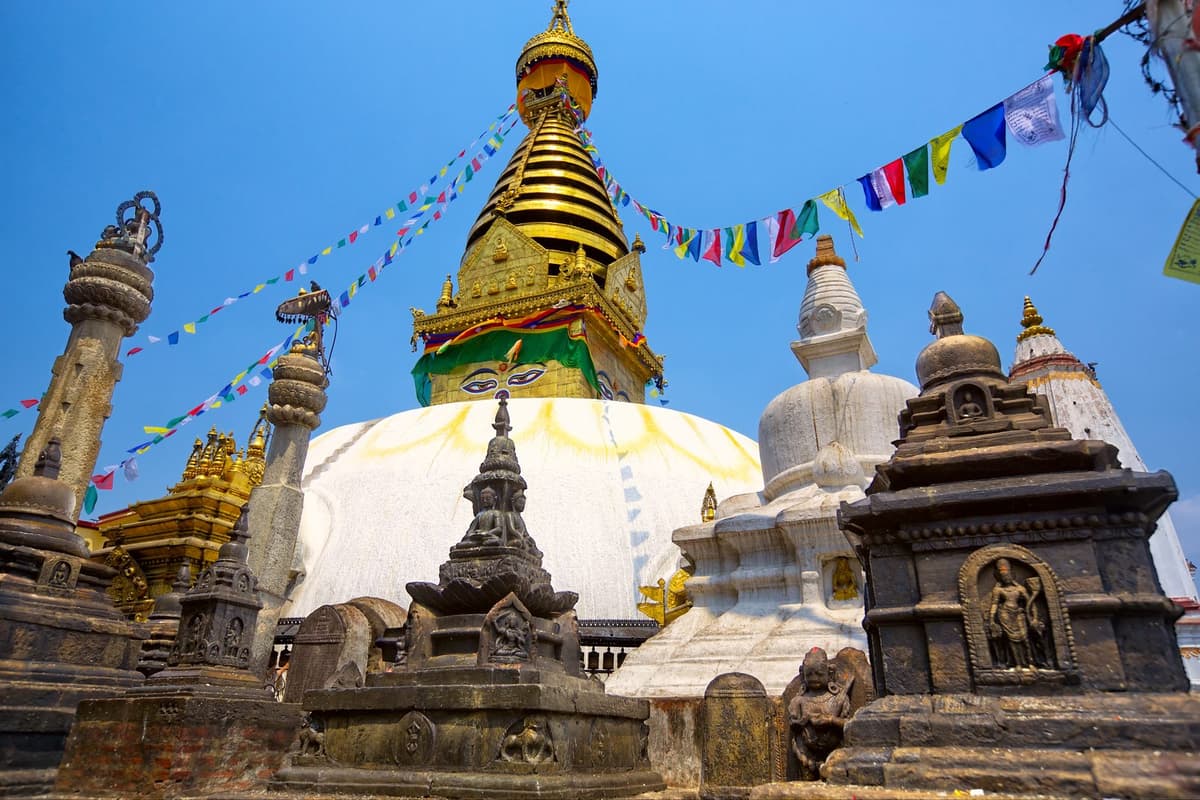
Come for Dashain and Tihar in October and November, Maha Shivaratri at Pashupatinath and Gyalpo Lhosar at Boudhanath in March, or Holi in late March. The festival calendar above has every date.
Quiet trails and lower budgets
The quietest months in 2025 were July, June, September and January. Quieter months can mean more choice of hotels and guides, but we do not promise seasonal discounts; we quote each trip on its own dates. January is our pick of the four for lower-altitude trips, because Kathmandu's rain that month is 15.2 mm over 1.9 days.
Worst time to visit Nepal, and what to avoid
There is no month when Nepal closes, but July and August are the worst time for high treks and mountain views, April to June is hard going in Chitwan's heat, and monsoon landslides, late in the season too, make long road journeys slow and uncertain. Here is what we would steer you away from, honestly.
- High treks in July and August. Lukla averages 529.8 mm of rain in July and 641.8 mm in August, and cloud hides the views. Sagarmatha National Park had 176 foreign visitors in July 2025, which tells you what most trekkers decide.
- Chitwan from April to the monsoon. NTB lists April to June as "hot, up to 43 degrees Celsius" and July to September as "rainy". In 2026, the core-park jeep safari closed from 1 July.
- Long road days in late monsoon. September 2026 brought landslides to the main Kathmandu to Pokhara road. If you are driving, keep a spare day.
- Assuming early October is dry. October 2025 had 299.7% of normal rain.
- Tight schedules around mountain flights and passes. Weather stops Lukla flights even in peak season, and snow closes passes in autumn as well as winter.
- Counting on spring for mountain photos. ICIMOD reports smoke and pollution over the Kathmandu Valley every pre-monsoon season.
- High passes in deep winter. Winter snow often makes passes such as Thorong La and Larkya La impassable, and there is no fixed closing date; your guide decides on the day.
Takeaway: a "bad" month is usually a bad month for one kind of trip. Tell us the month you have, and we will tell you what works in it.
Read next: Nepal tourist places, the best time to trek Everest Base Camp, winter treks in Nepal and the best time to trek in Nepal.
Frequently asked questions
When is the best time to trek in Nepal?
The best time to trek in Nepal is mid-October to November, then March to May. NTB names spring and autumn as the best seasons, and in 2025 the Everest area had the most foreign visitors in October, April and March. July and August are the wettest months on most trekking routes. Winter suits lower treks, but high passes can be snowbound.
What is the best time to visit Nepal from India?
For Indian families, May to early June and the October to November festival season work best. Summer school holidays fall in May and June (Delhi's ran from 11 May to 30 June in 2026), and Indian air arrivals peaked in May and June in 2023 and 2024. The monsoon normally reaches eastern Nepal on 13 June, so travel early in the break if you can.
When is peak season in Nepal?
Nepal's peak season is October and November, with a second peak in March and April. In 2025, October was the busiest month for foreign arrivals, with 128,443, followed by March, November and April. Peak months bring the most settled weather and the busiest trails, so if your dates are fixed, plan early.
Can you visit Nepal during the monsoon?
Yes. Nepal can be visited all year, and the monsoon, June to September, suits some trips well. Kathmandu's temples and the rain-shadow regions of Mustang and Manang work; Jomsom averages 46.8 mm of rain in July against Pokhara's 940.8 mm. Skip high treks, expect landslide delays on roads, and note that Chitwan's core-park jeep safari pauses.
Why is the view hazy in spring, and which month is clearest?
Spring haze comes from forest-fire smoke and air pollution, which ICIMOD says the Kathmandu Valley faces every pre-monsoon season, March to May. In a bad year it is severe: in spring 2025, haze lasted over two weeks from 24 March. For the clearest views, NTB points to October and November, after the monsoon.
Is Chitwan open in the monsoon?
Chitwan stays open, but safaris change. In 2026 the jeep safari inside the core park closed from 1 July until further notice, buffer-zone safaris continued, and the park typically resumes around the first week of Ashoj, which is mid to late September. NTB lists October to March as Chitwan's best season. Ask us for the current status before you fix dates.
Plan your trip with us
Once you know your month, match it to a trip. Three places to start:
- Multi-city tours of Kathmandu, Pokhara and Chitwan, at their best from October to March, when Chitwan is in season.
- Trekking packages in the Everest, Annapurna, Langtang and Manaslu regions, for the October to November and March to May seasons.
- Chitwan jungle safari and wildlife tours, from October to March.
Not sure your month suits the trip you want? Message us on WhatsApp or send your dates through our enquiry form. Tell us your dates, group size and what you would like to see. We will tell you honestly whether the timing works, suggest a better fit if it does not, and send an exact quote in US dollars.
We arrange what your trip needs inside Nepal: guides, permits, hotels, domestic flights and private transport. Your Nepal visa, if you need one, and your international flights are your own arrangements; the official rules are on the Nepal Tourism Board's tourist visa page.
For more on planning, browse Uncover Nepal Insights.
Sources
All checked on 2 Oct 2026 unless stated.
- Nepal Tourism Board, "Climate in Nepal": https://ntb.gov.np/plan-your-trip/about-nepal/climate
- Nepal Tourism Board, Chitwan National Park: https://ntb.gov.np/chitwan-national-park
- Nepal Tourism Board, Sagarmatha National Park: https://ntb.gov.np/sagarmatha-national-park
- Nepal Tourism Board, Annapurna Conservation Area: https://ntb.gov.np/annapurna-conservation-area
- Nepal Tourism Board, tourist visa (information only): https://ntb.gov.np/plan-your-trip/before-you-come/tourist-visa
- Department of Hydrology and Meteorology (Nepal Meteorological Department): https://www.dhm.gov.np/
- DHM, "Monsoon Onset and Withdrawal date information", 23 Sep 2026: https://dhm.gov.np/uploads/dhm/climateService/1790140375_fd2b12b768f71e2480ae.pdf
- DHM, Preliminary Precipitation and Temperature Summary, Monsoon Season 2025: https://dhm.gov.np/uploads/dhm/climateService/Monsoon_seasonal_2025.pdf
- DHM, Preliminary Summary, October 2025: https://dhm.gov.np/uploads/dhm/climateService/1774335887_8ae424bcb7f2ddefa7e8.pdf
- DHM, Observed Climate Trend Analysis of Nepal (1971 to 2014), 2017: https://dhm.gov.np/uploads/dhm/climateService/Observed_Climate_Trend_Analysis_Report_2017.pdf
- DHM, monthly climate reports (Annex 1 normals for Rampur, Jomsom, Lukla and Humde): https://www.dhm.gov.np/climate-services/climate%20reports/monthly-reports
- World Meteorological Organization Climate Normals 1991 to 2020, Kathmandu (44454): https://www.nodc.noaa.gov/archive/arc0216/0253808/1.1/data/0-data/Region-2-WMO-Normals-9120/Nepal/CSV/Kathmandu_44454.csv
- World Meteorological Organization Climate Normals 1991 to 2020, Pokhara (44434): https://www.nodc.noaa.gov/archive/arc0216/0253808/1.1/data/0-data/Region-2-WMO-Normals-9120/Nepal/CSV/Pokhara_44434.csv
- Ministry of Culture, Tourism and Civil Aviation, Nepal Tourism Statistics 2025: https://www.tourism.gov.np/content/711/nepal-tourism-statistics-2025/
- Ministry of Home Affairs, Government and public holidays in 2083 BS (Nepal Gazette): https://www.moha.gov.np/page/government-and-public-holidays-in-2083
- Government of India, DoPT holidays for 2026 (copy of O.M. F.No.12/2/2023-JCA): https://www.staffnews.in/wp-content/uploads/2025/07/Holidays-to-be-observed-in-Central-Government-Offices-during-the-year-2026.pdf
- Delhi Directorate of Education summer vacation 2026, as reported by BW Education: https://www.bweducation.com/article/doe-announces-delhi-school-summer-break-from-11-may-606051
- ICIMOD, Kathmandu's pre-monsoon air pollution, 2 Jul 2025: https://blog.icimod.org/air/kathmandus-pre-monsoon-air-pollution-propelled-by-regional-emissions-exacerbated-by-local-meteorological-conditions/
- Pyramid Meteorological Network, Earth System Science Data, 2025 (checked 30 Sep 2026): https://essd.copernicus.org/articles/17/4293/2025/
- Kathmandu Post, spring haze, 9 Apr 2025: https://kathmandupost.com/health/2025/04/09/nepal-suffocates-in-unprecedented-haze
- Kathmandu Post, Chitwan jeep safari suspended for the monsoon, 1 Jul 2026: https://kathmandupost.com/national/2026/07/01/jeep-safari-inside-chitwan-national-park-suspended-for-monsoon-season
- Kathmandu Post, nine highways blocked, 20 Jul 2026: https://kathmandupost.com/national/2026/07/20/landslides-and-floods-block-nine-highways
- Kathmandu Post, highways hit by landslides, 25 Sep 2026: https://kathmandupost.com/national/2026/09/25/major-highways-hit-by-landslides-as-heavy-rain-persists
- Kathmandu Post, Annapurna Circuit reopens after snowfall, 4 Nov 2025: https://kathmandupost.com/gandaki-province/2025/11/04/annapurna-circuit-trail-reopens-for-trekkers-after-heavy-snowfall
- Nepalnews, Lukla flights halted for three days, 1 Nov 2025: https://english.nepalnews.com/s/travel-tourism/flights-halted-for-three-days-in-everest-region-lukla-and-namche-hotels-packed-with-tourists/
- Nepalnews, Manang closes high routes, 24 Sep 2026: https://english.nepalnews.com/s/travel-tourism/manang-closes-high-altitude-trekking-routes-for-three-days-due-to-weather/
- OnlineKhabar, snow blocks Larkya La, 30 Sep 2026: https://english.onlinekhabar.com/heavy-snowfall-blocks-larkya-la.html
- Khabarhub, monsoon withdrawal status, 2 Oct 2026: https://english.khabarhub.com/2026/02/570254/
- Hamro Patro, Nepali public holidays 2083 (Vijaya Dashami; secondary): https://english.hamropatro.com/nepali-public-holidays
- Wikipedia, Ramechhap Airport (citing República, 23 Sep 2022): https://en.wikipedia.org/wiki/Ramechhap_Airport
- Wikipedia, Rhododendron arboreum (national flower): https://en.wikipedia.org/wiki/Rhododendron_arboreum