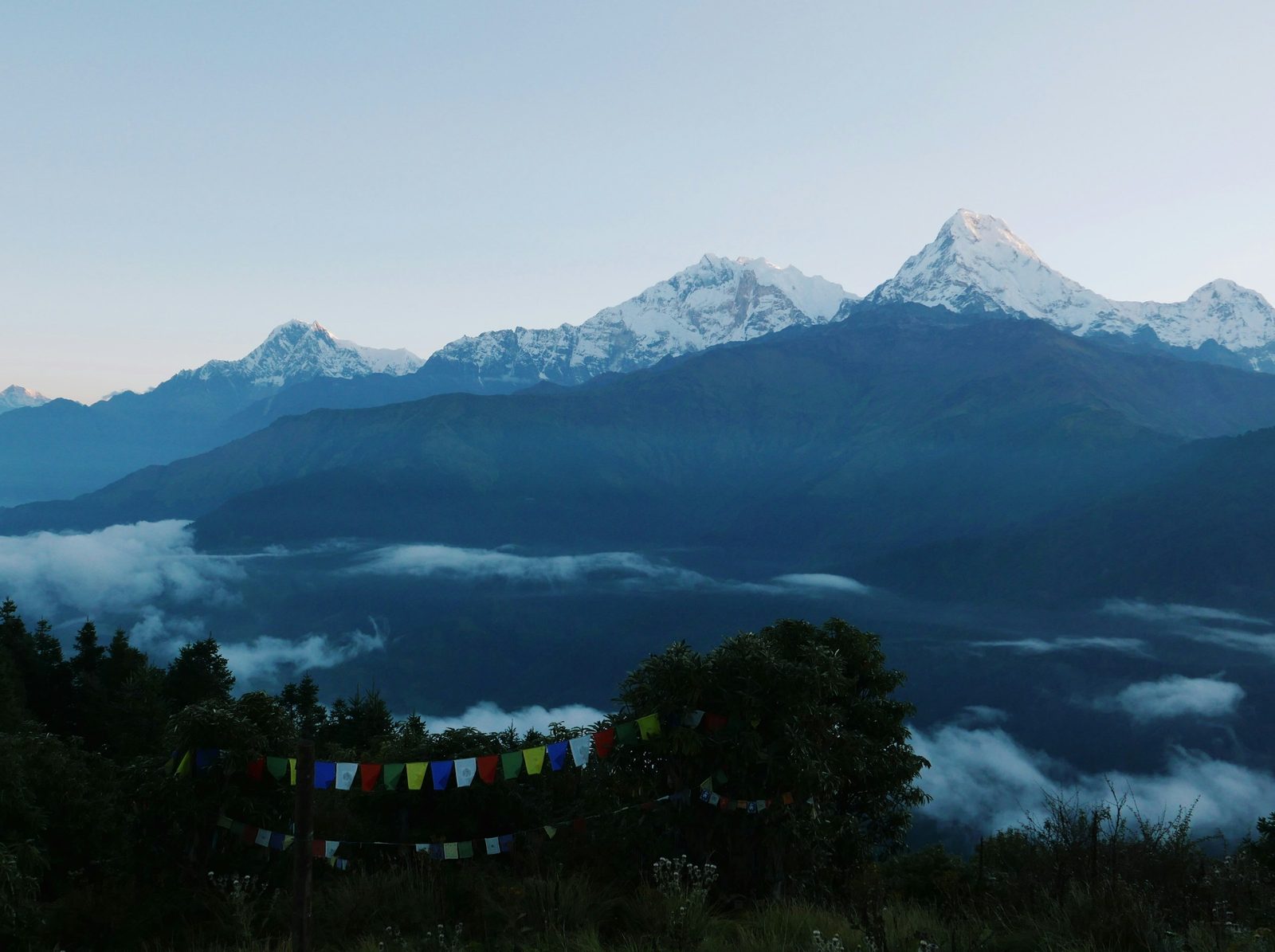
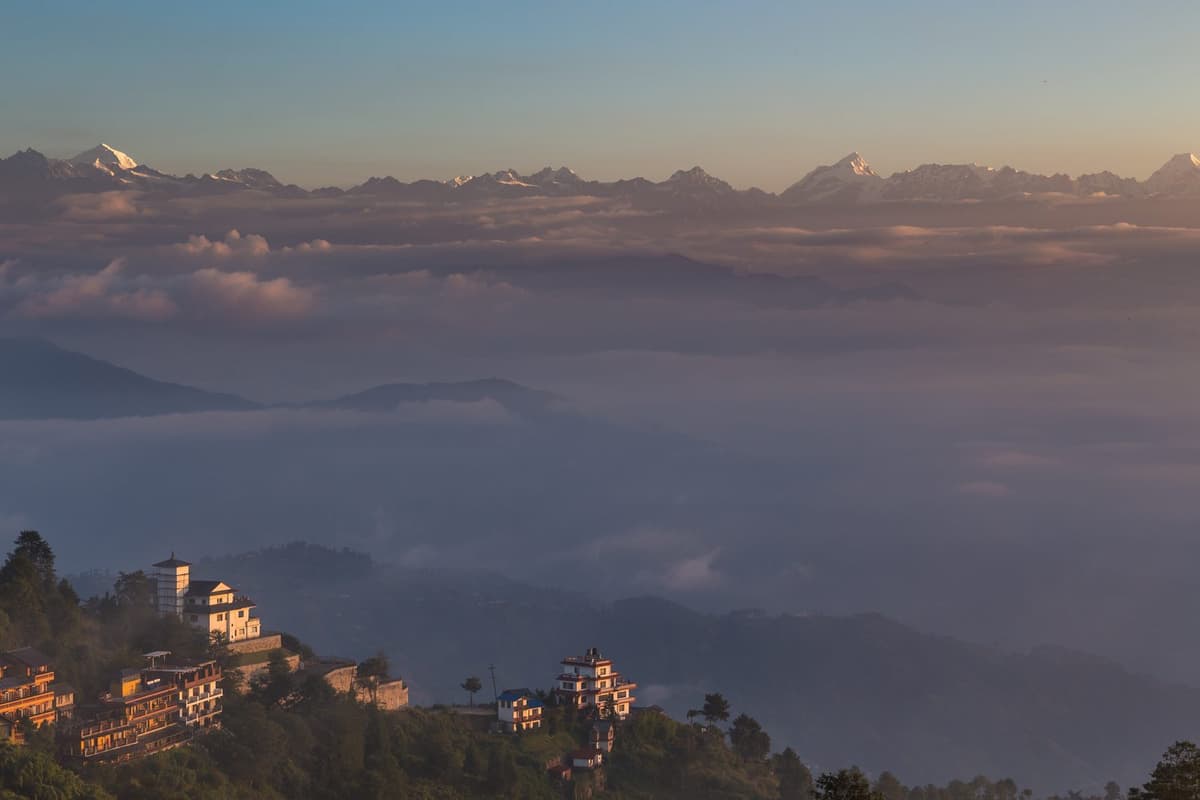

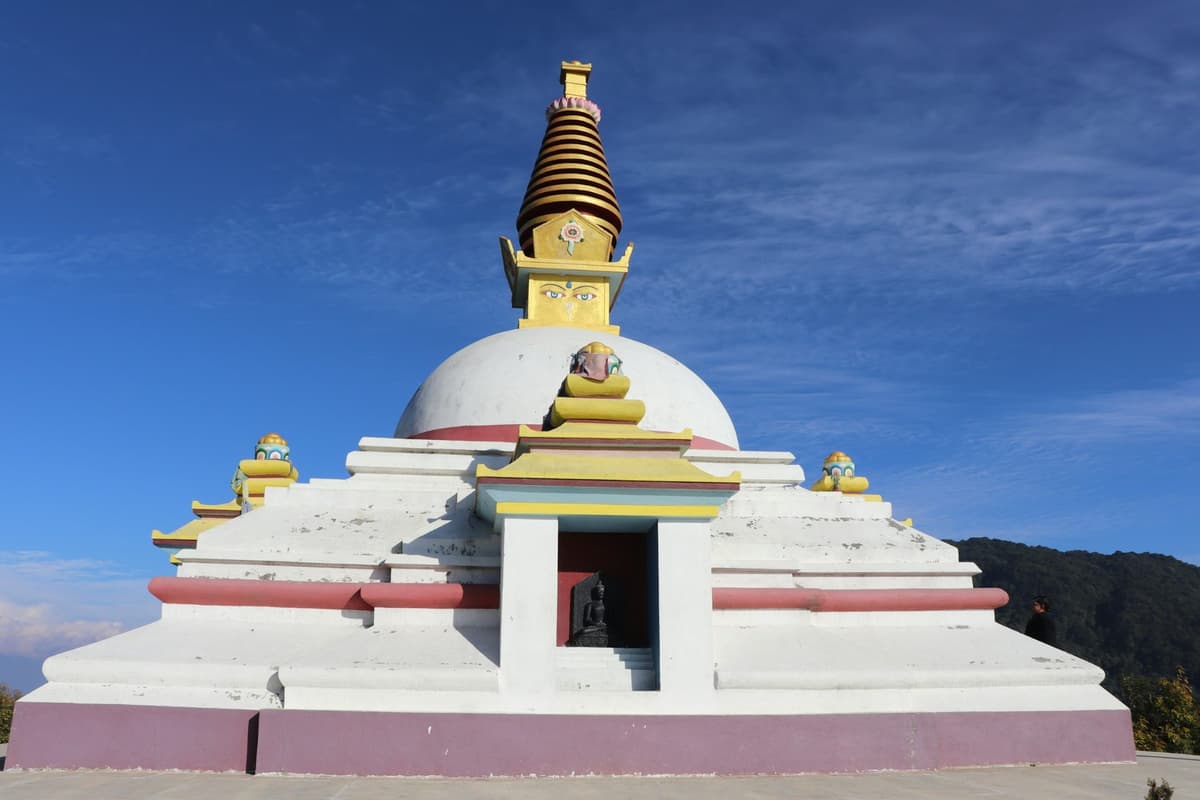

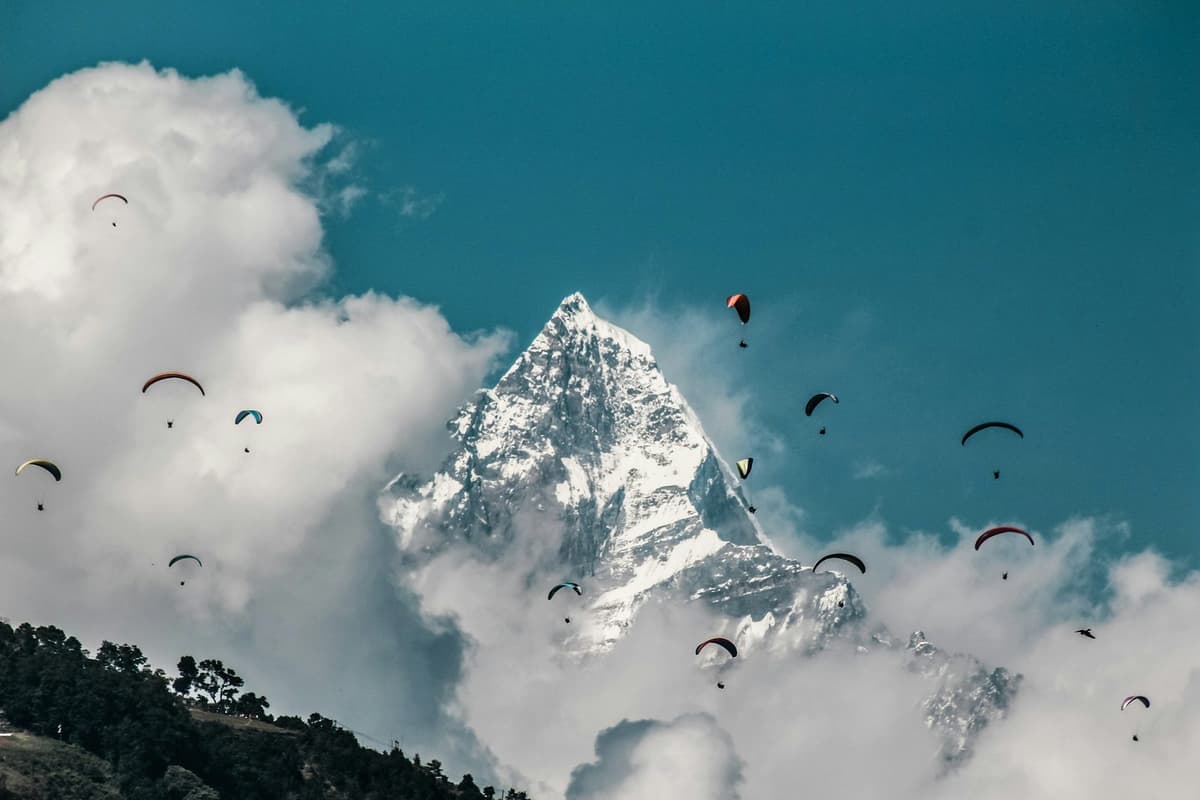
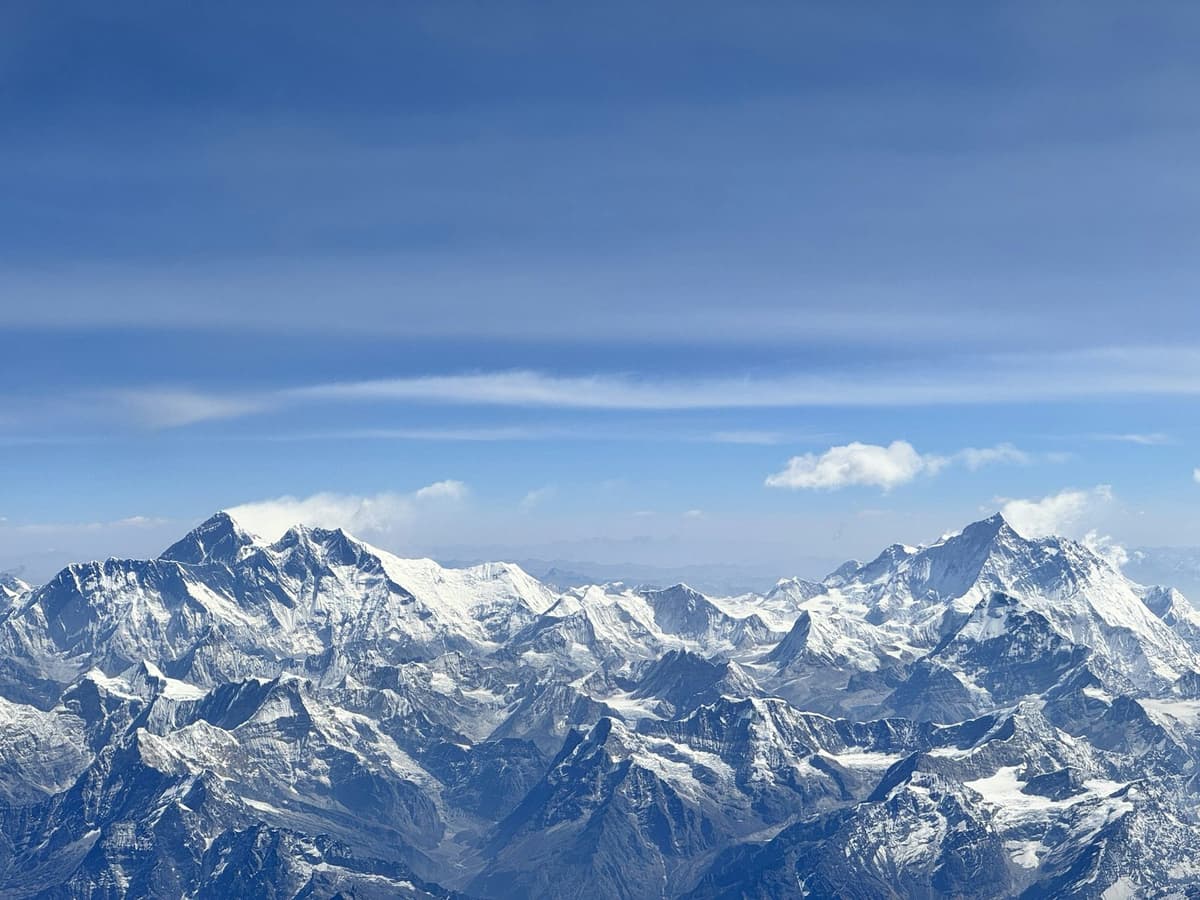
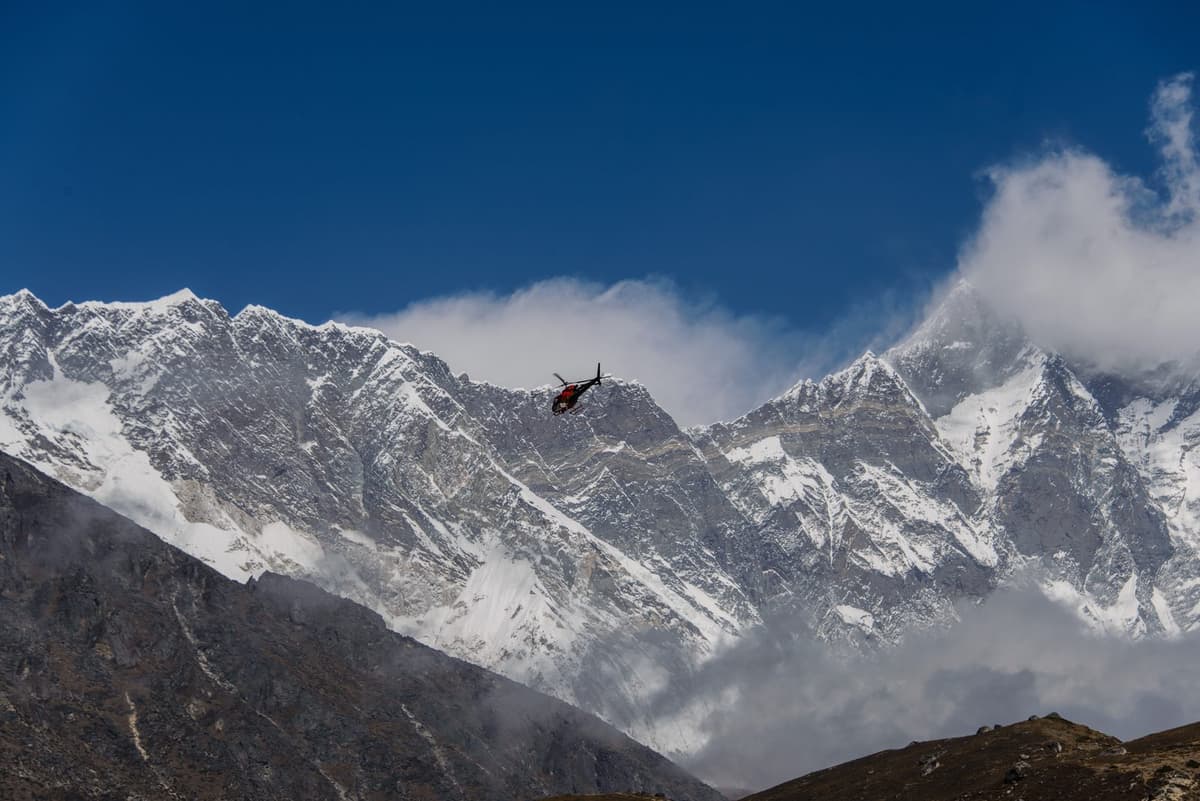
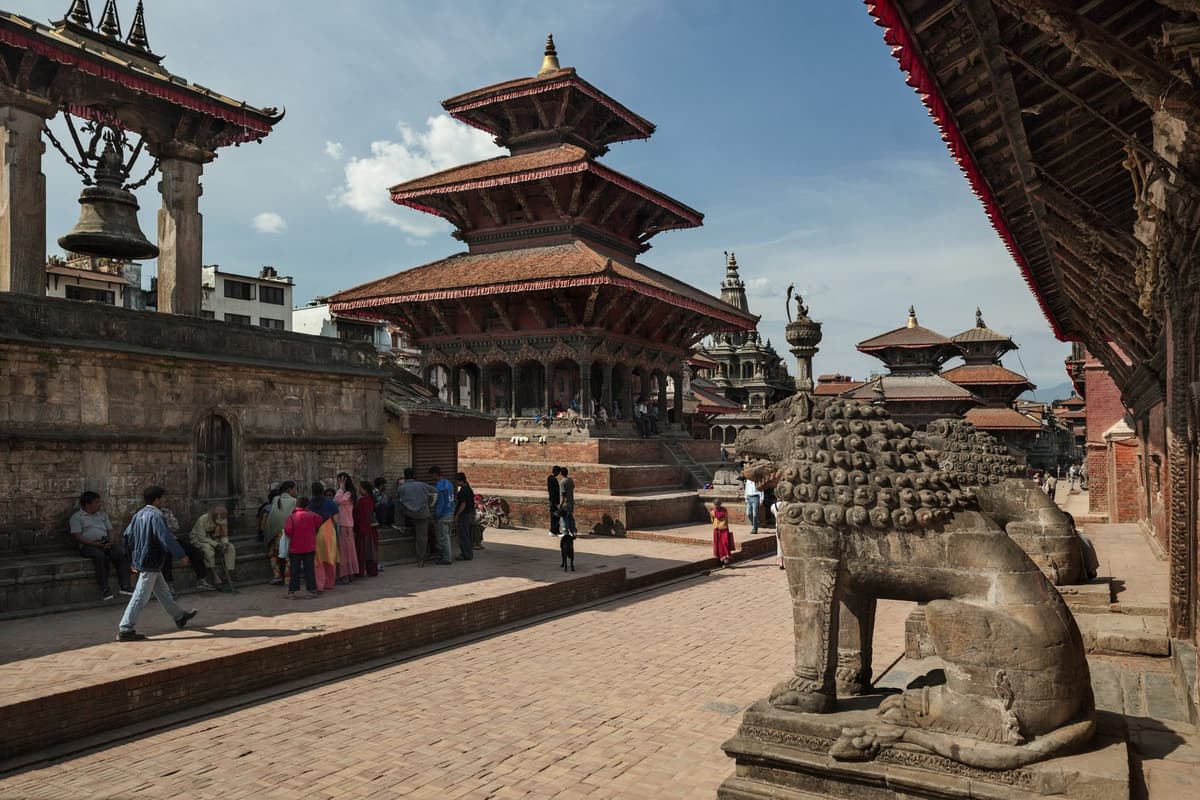
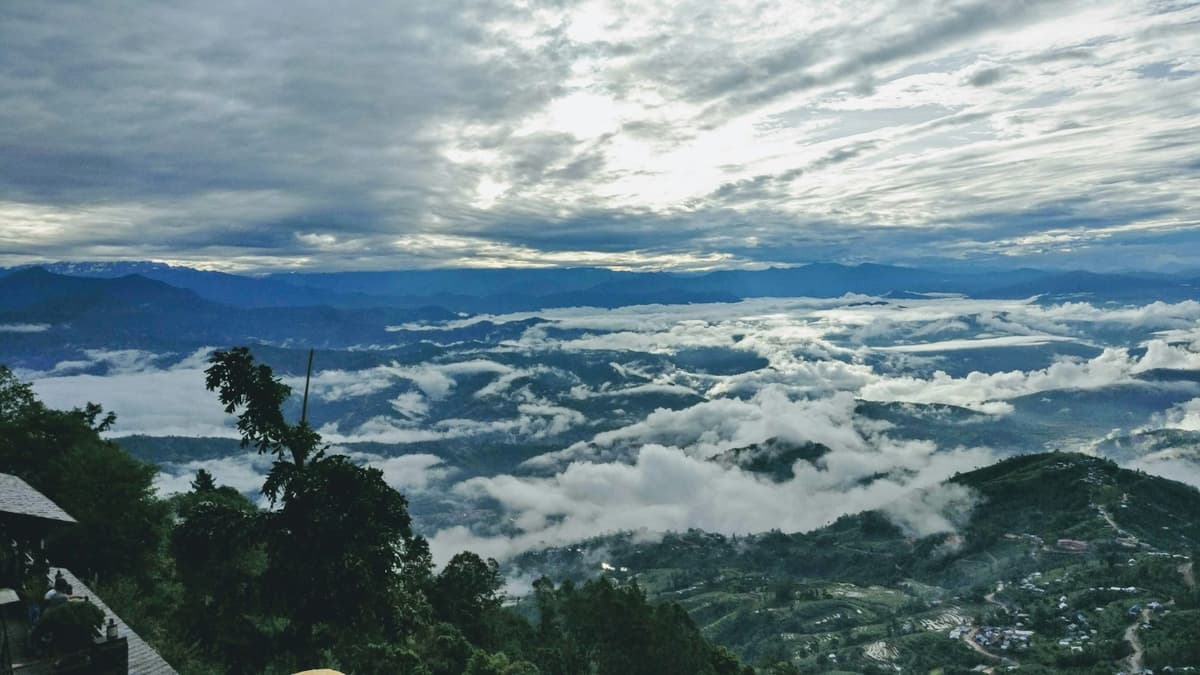
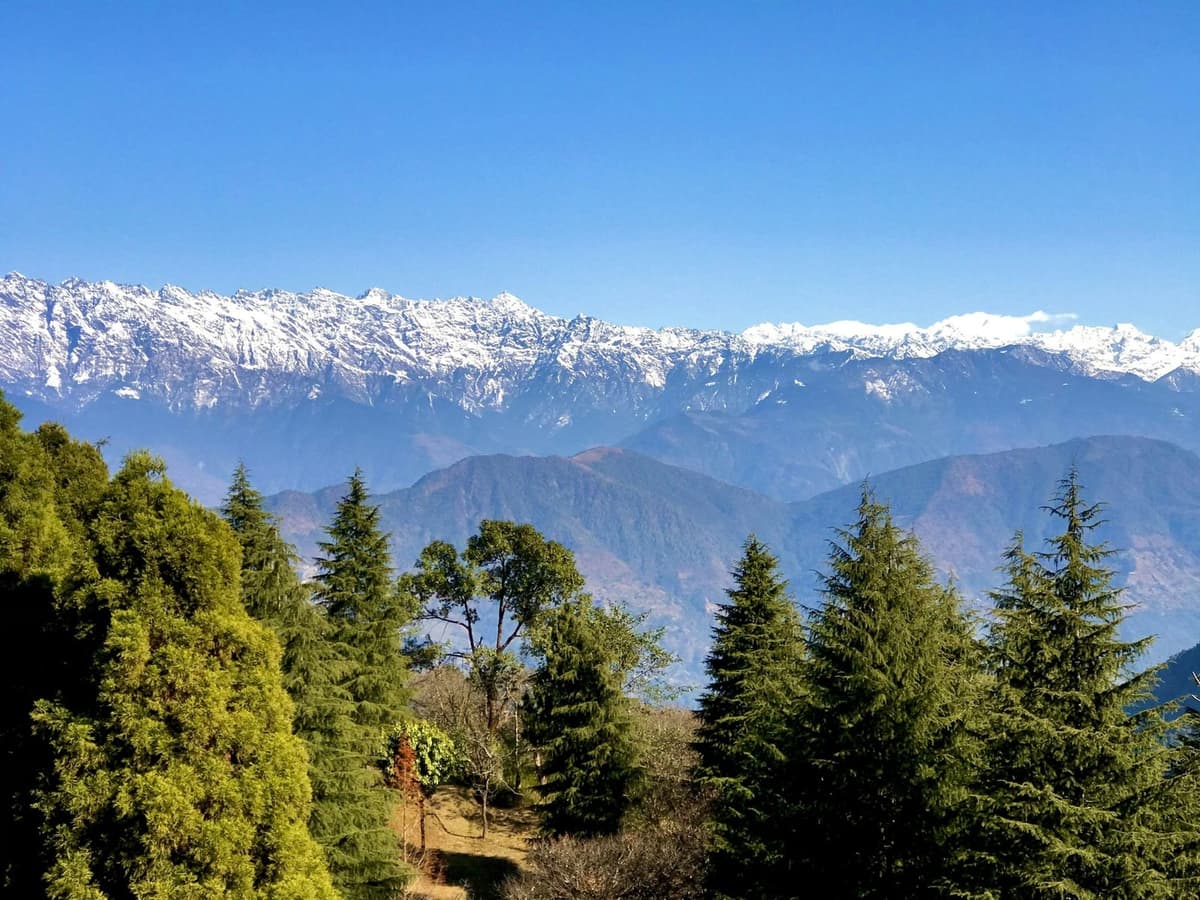
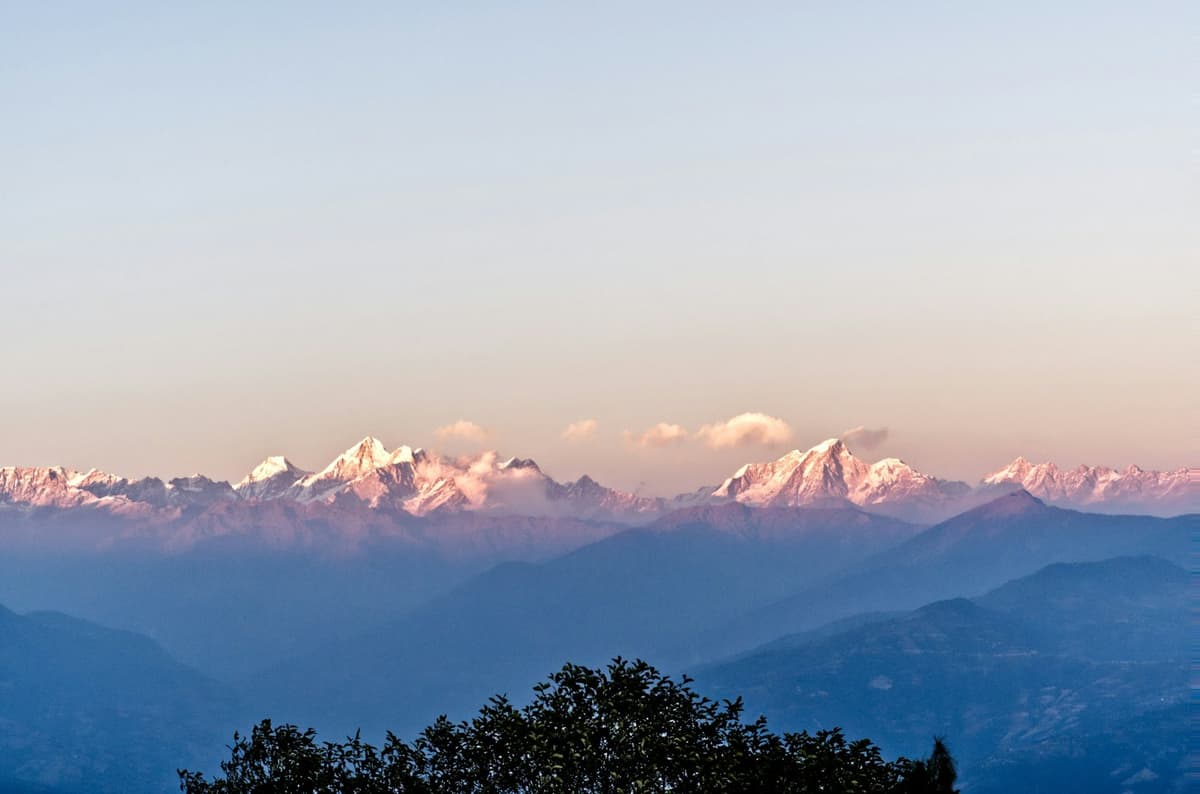

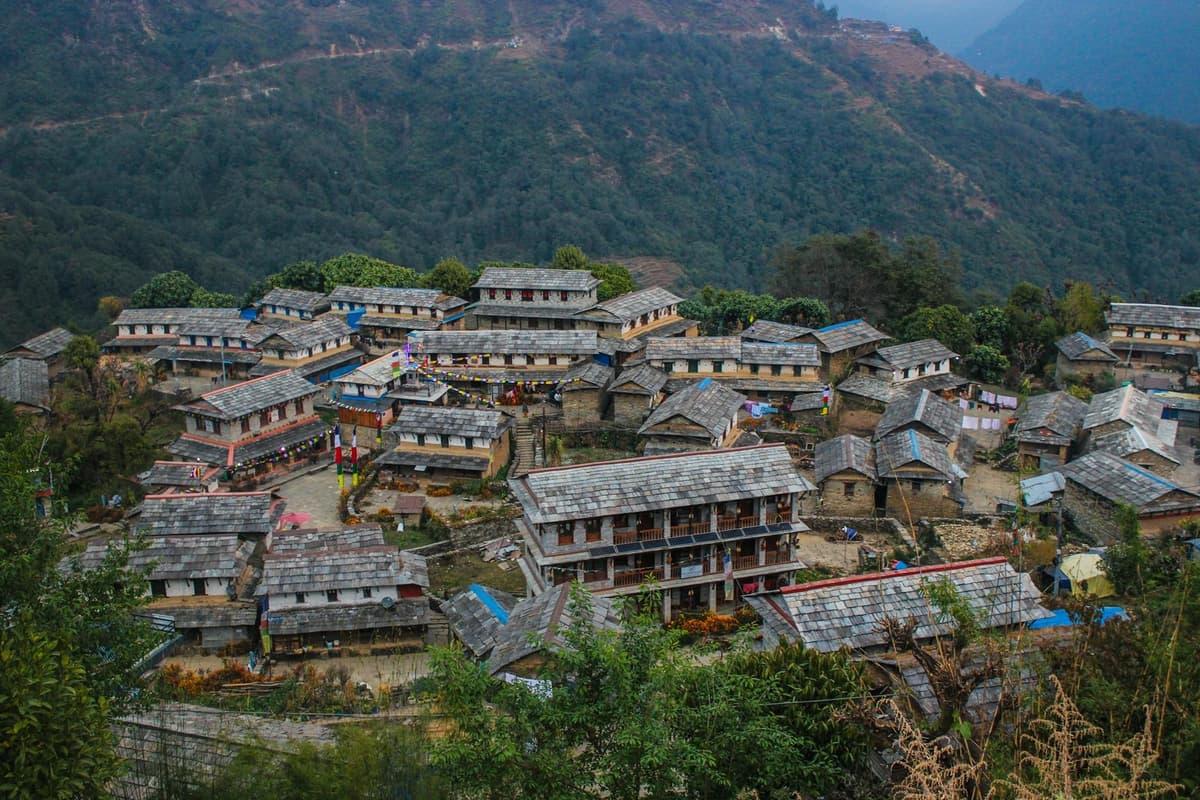
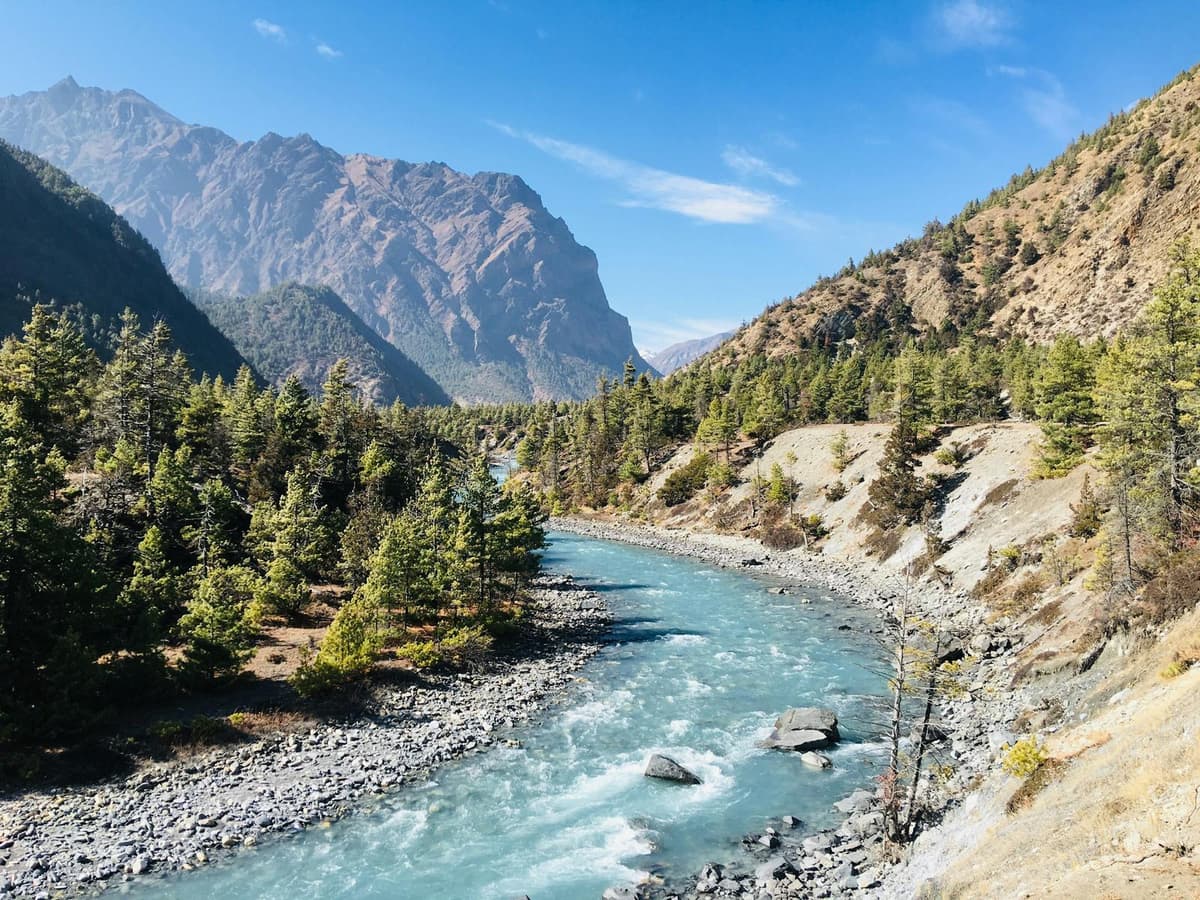
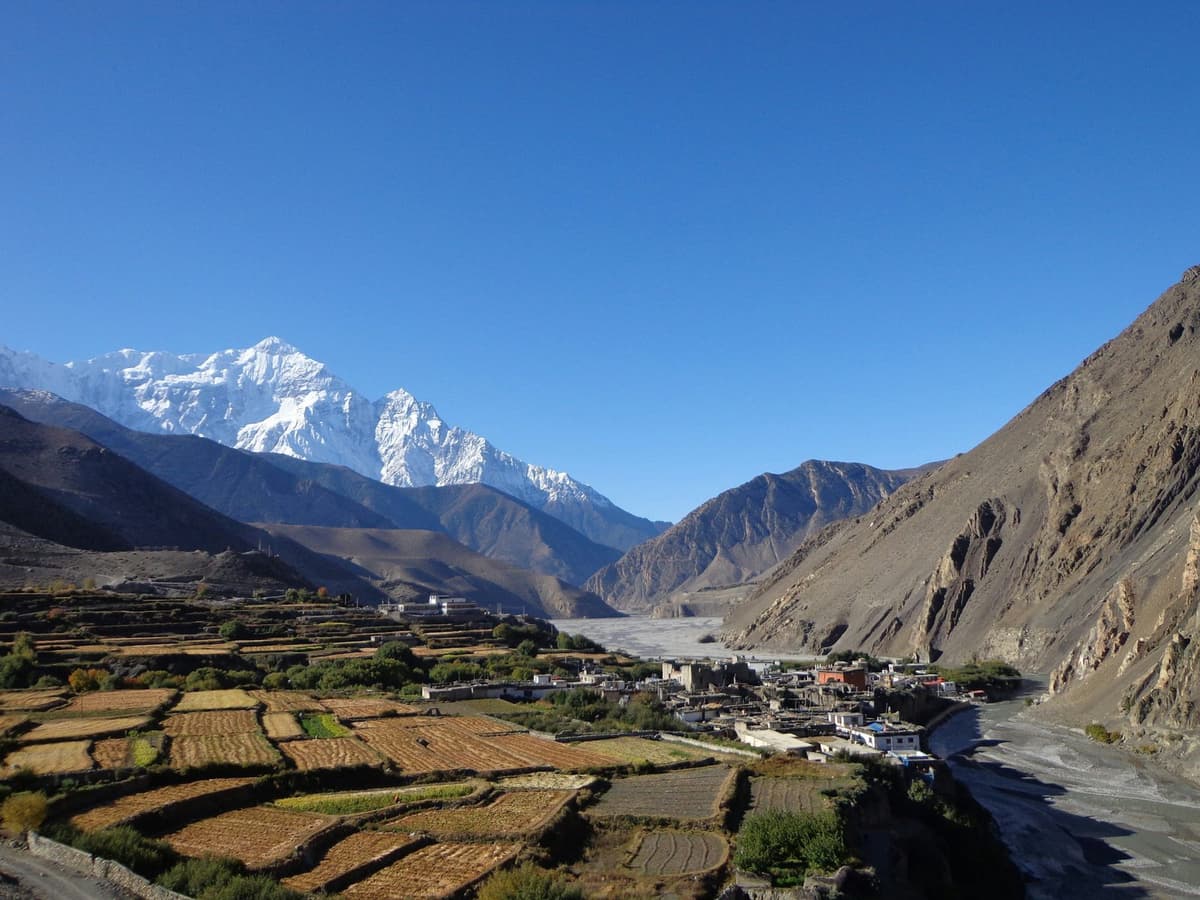
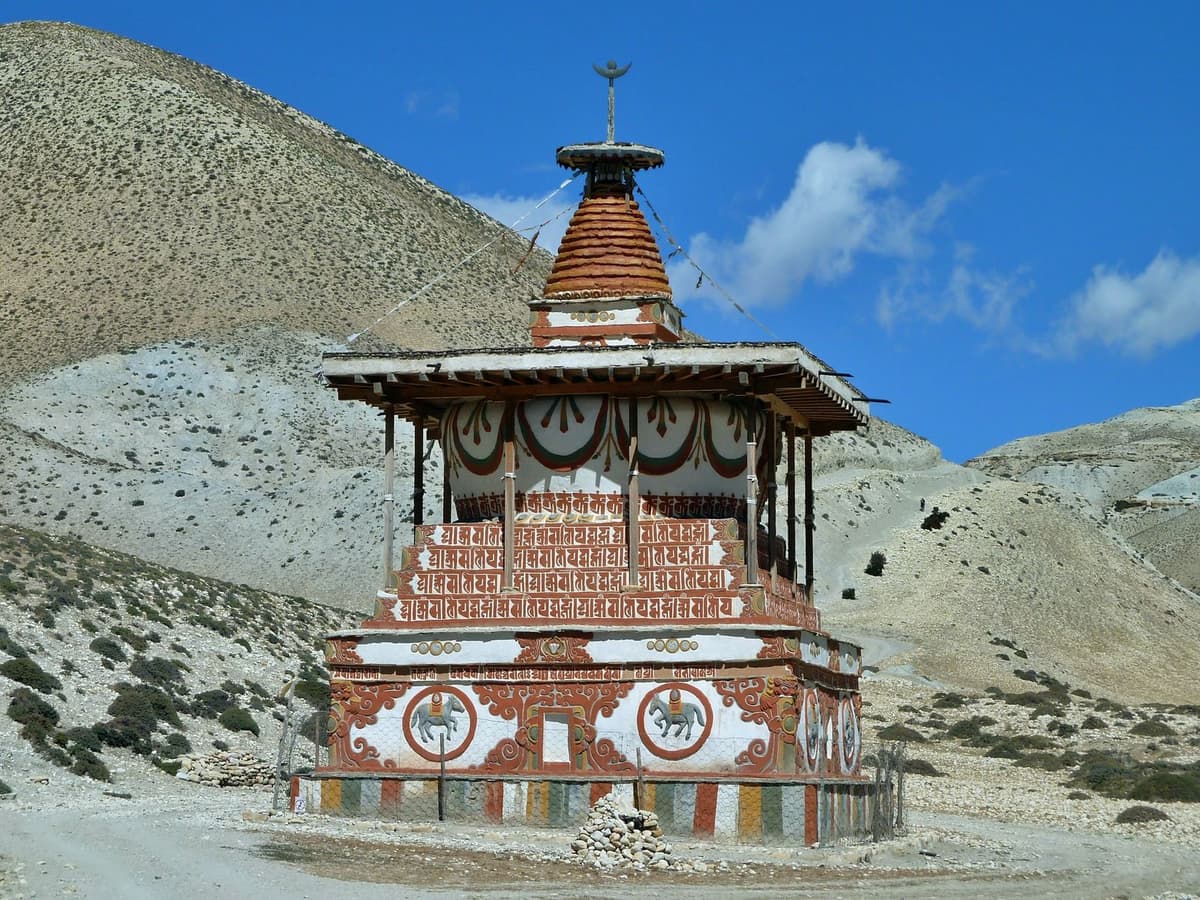
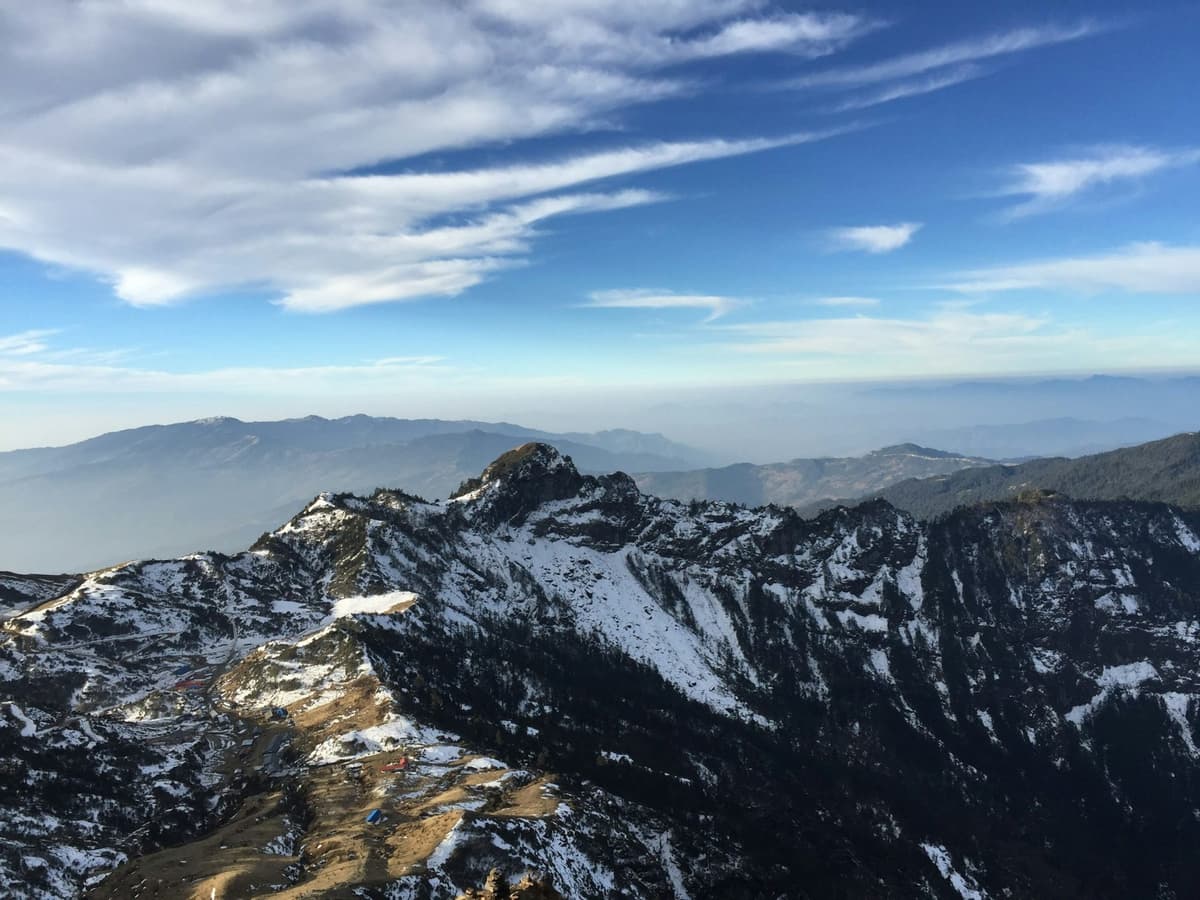
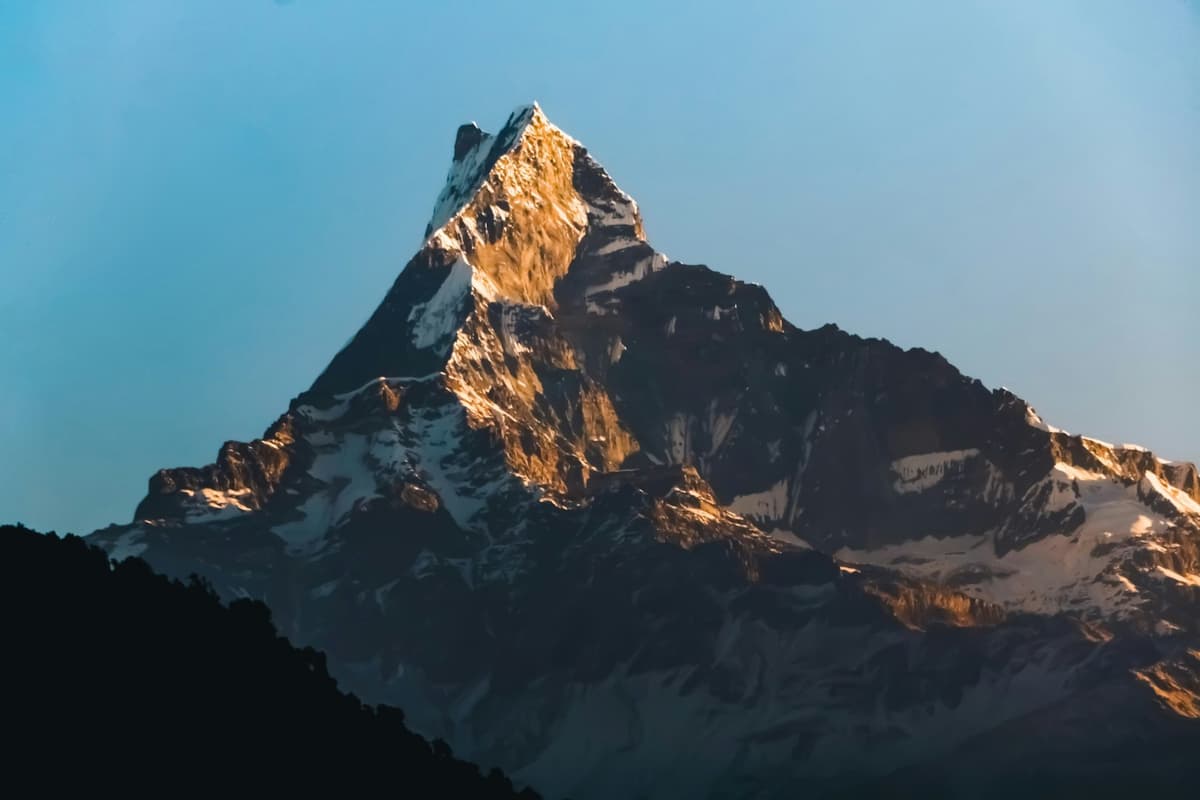
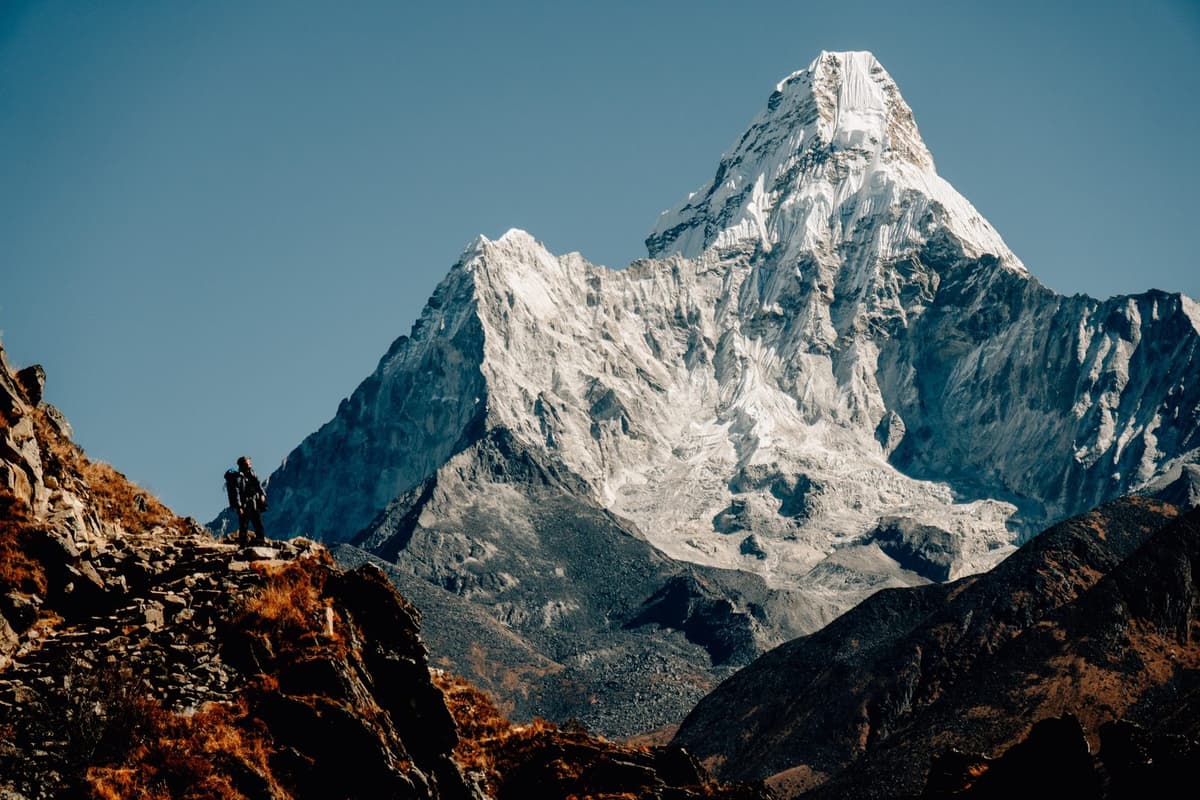
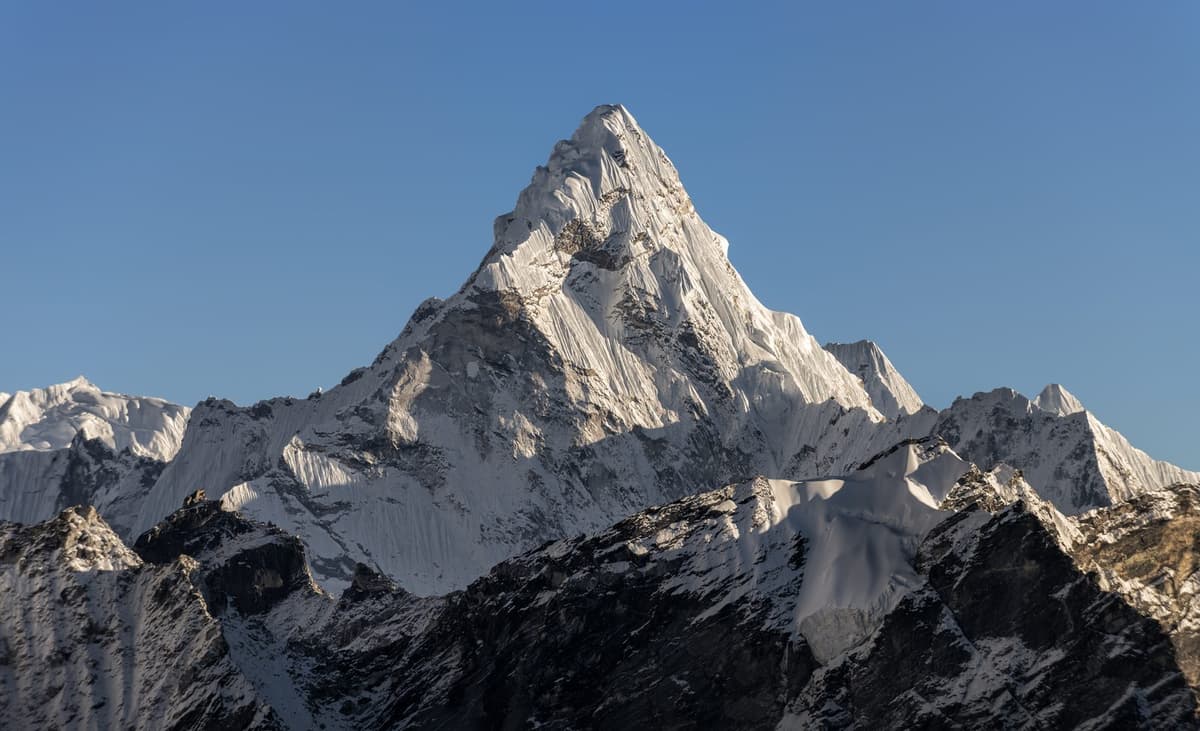
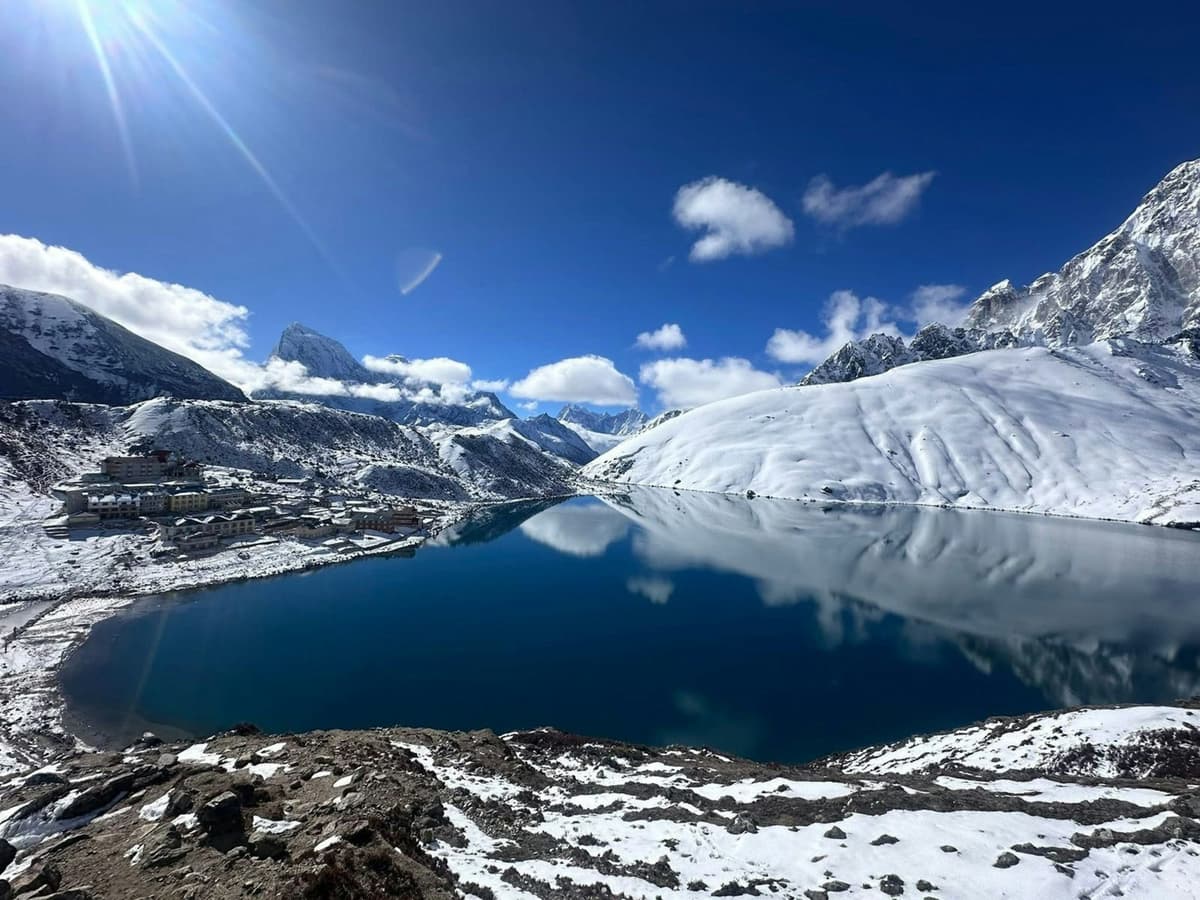
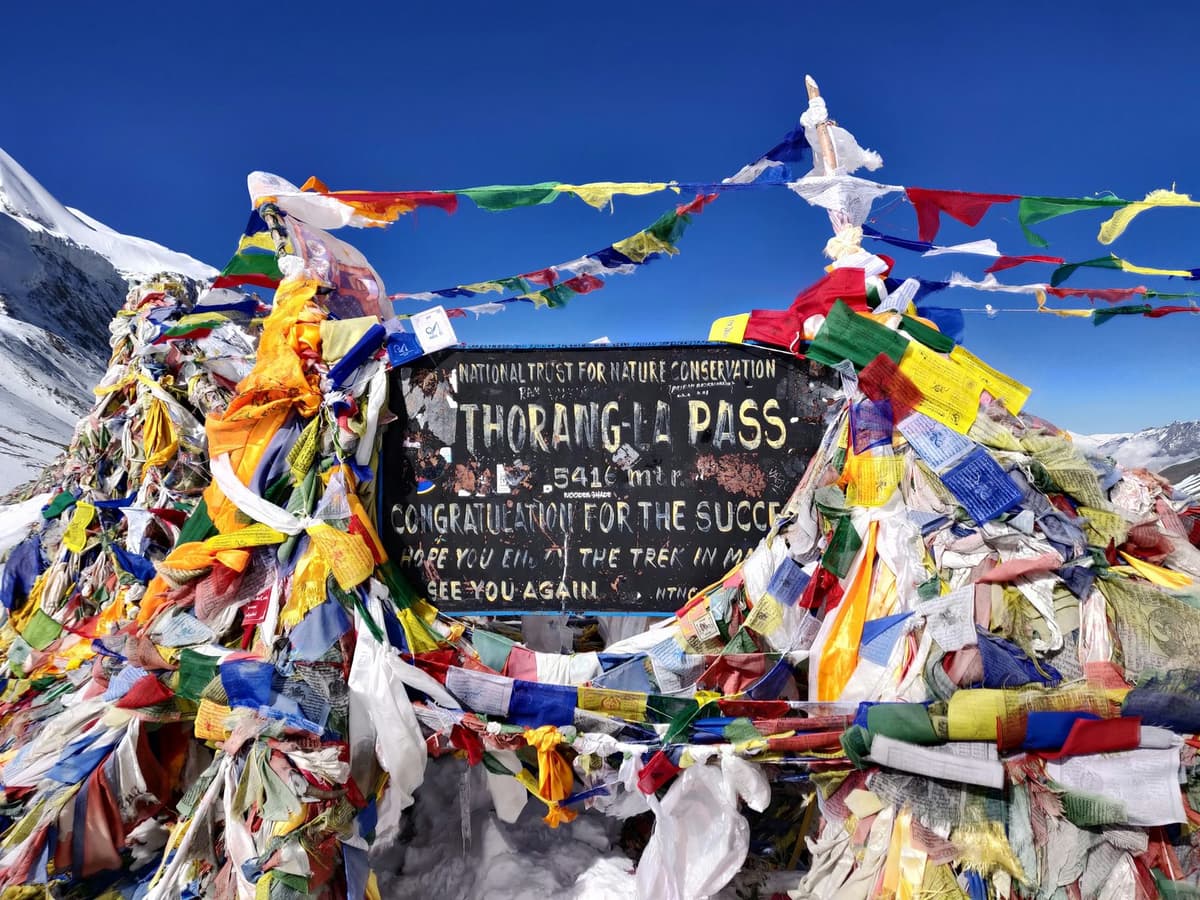
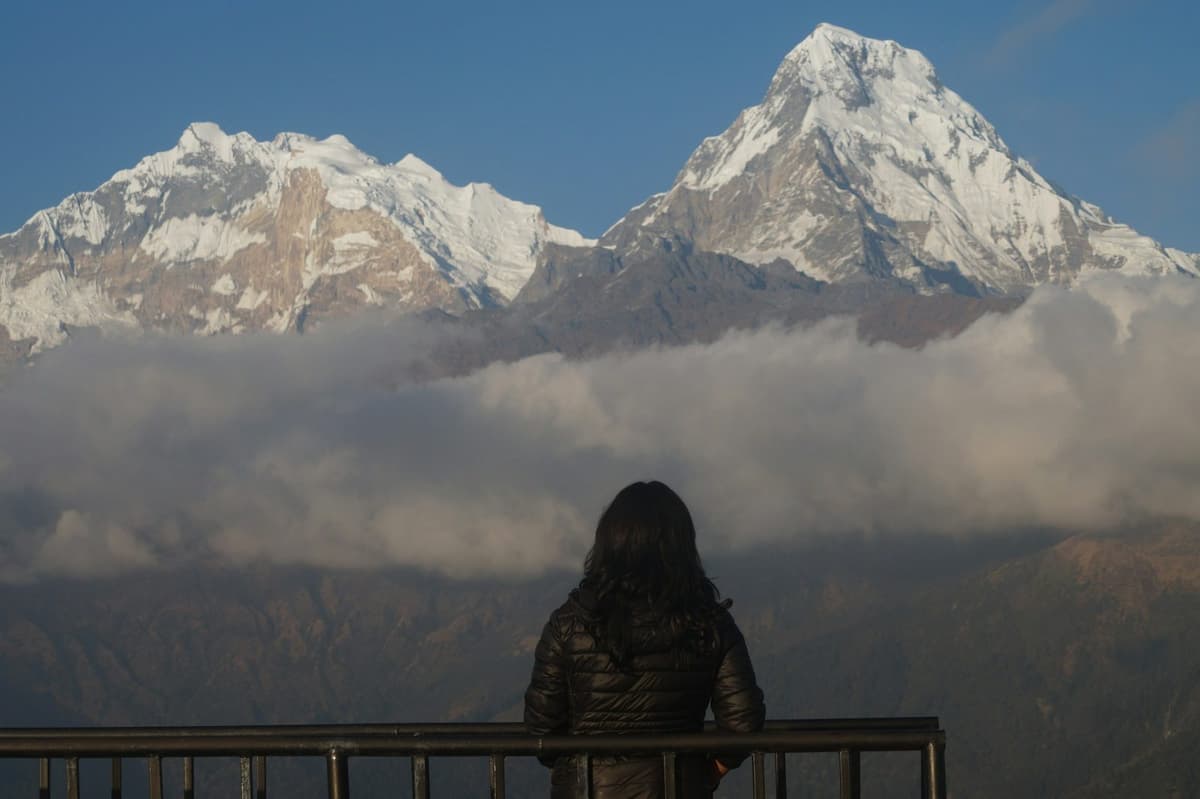
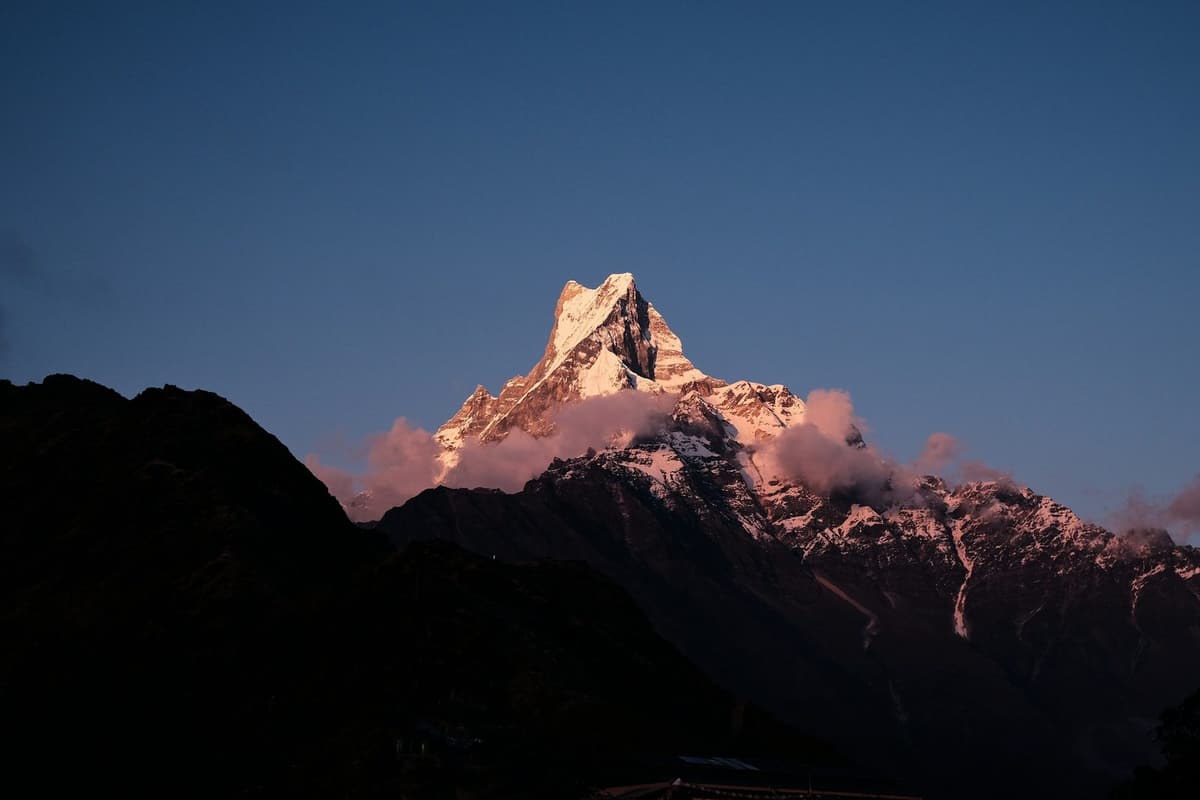
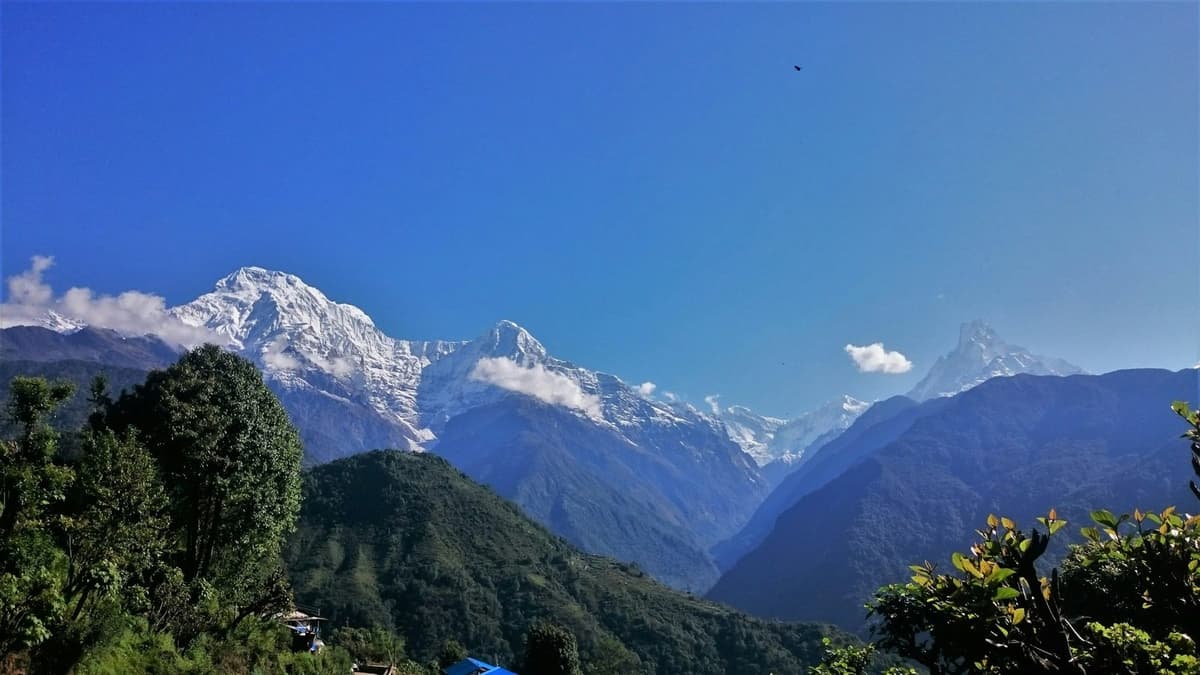
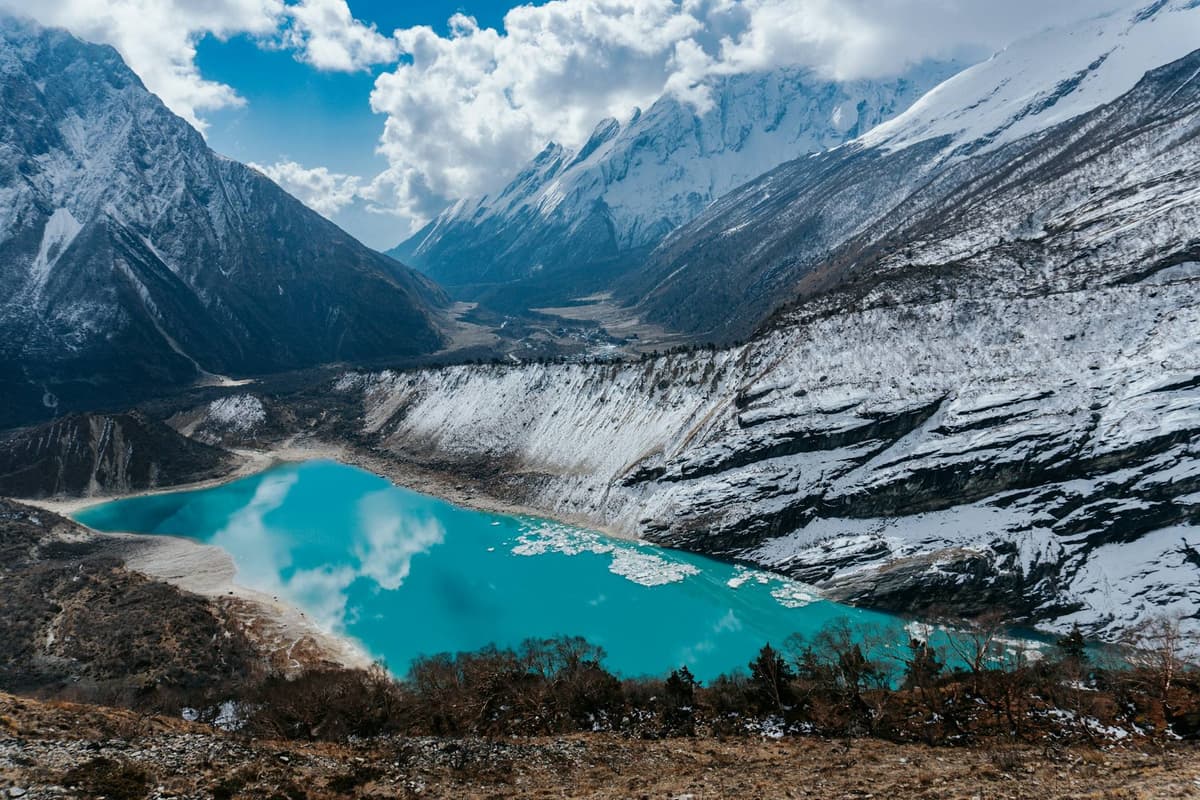
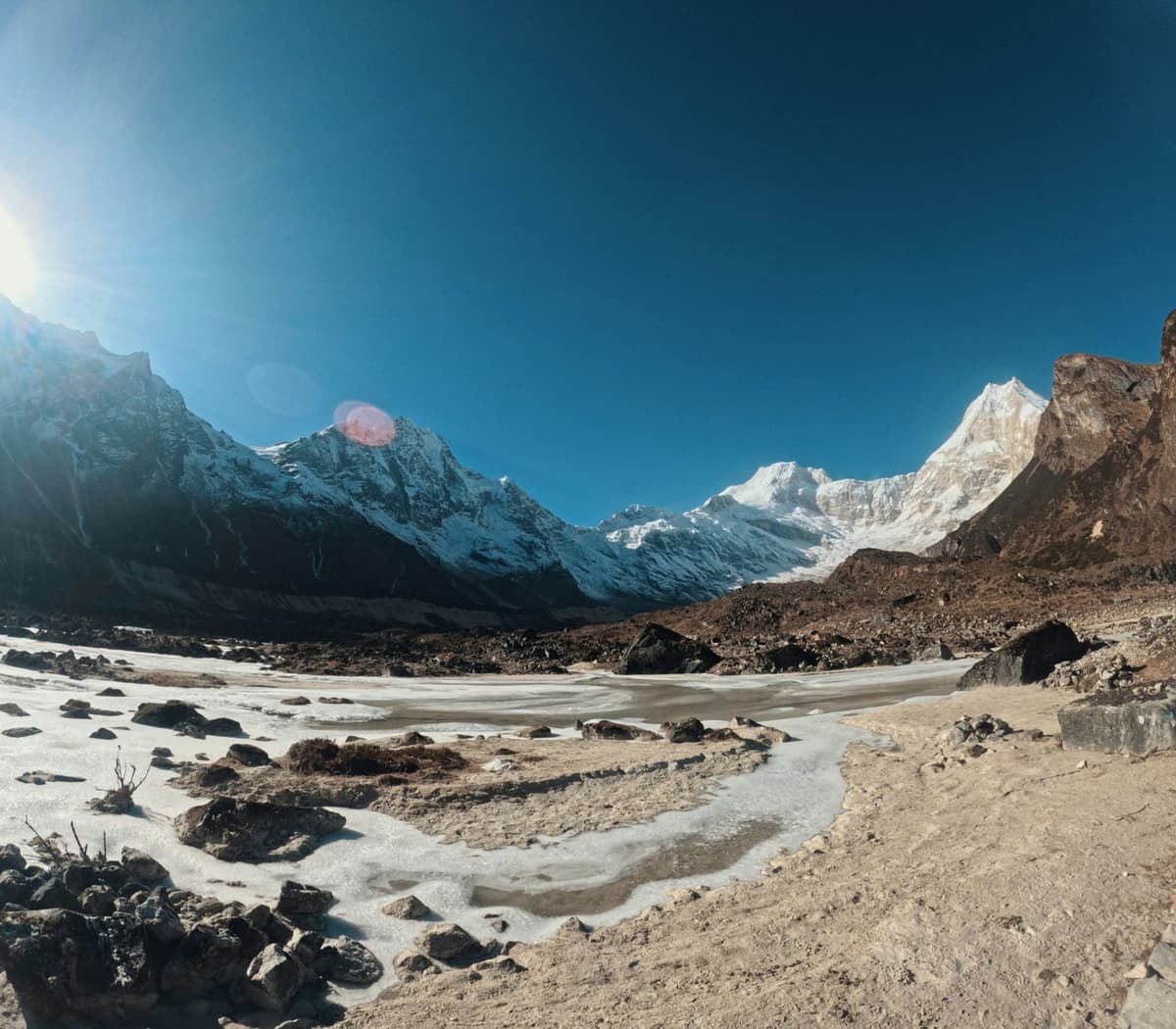
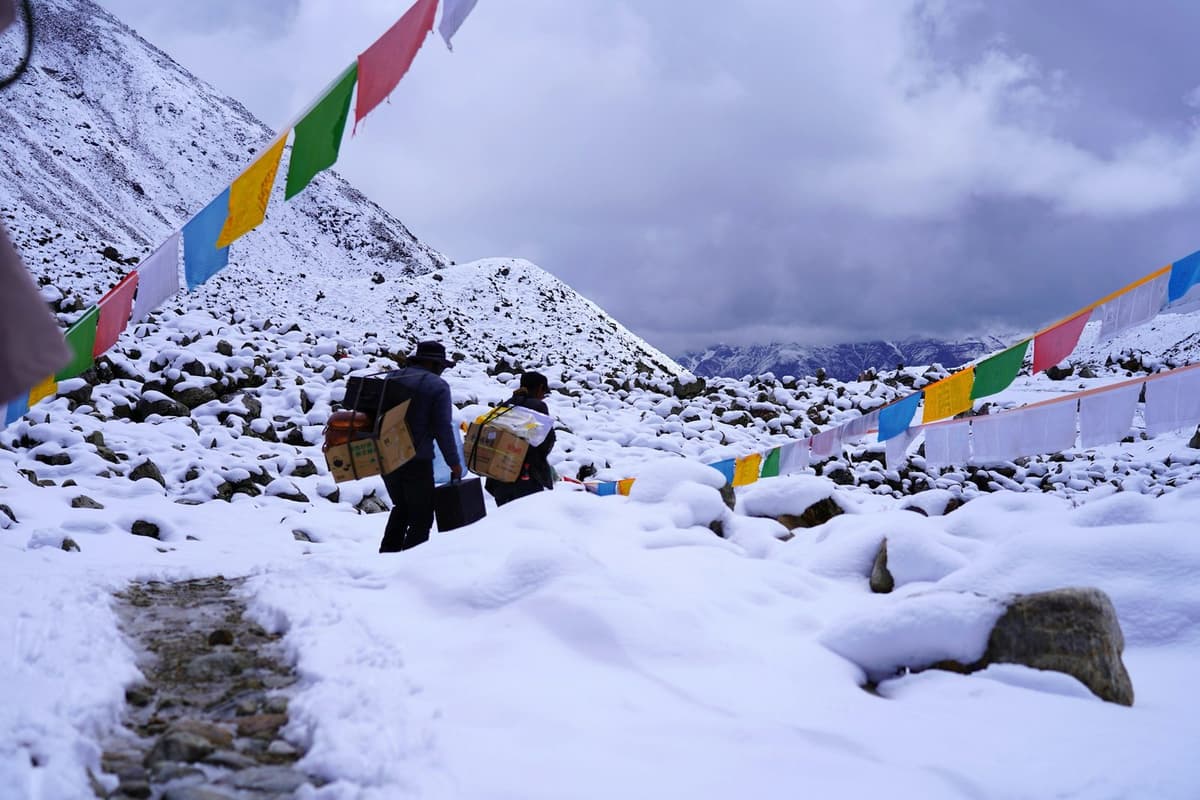
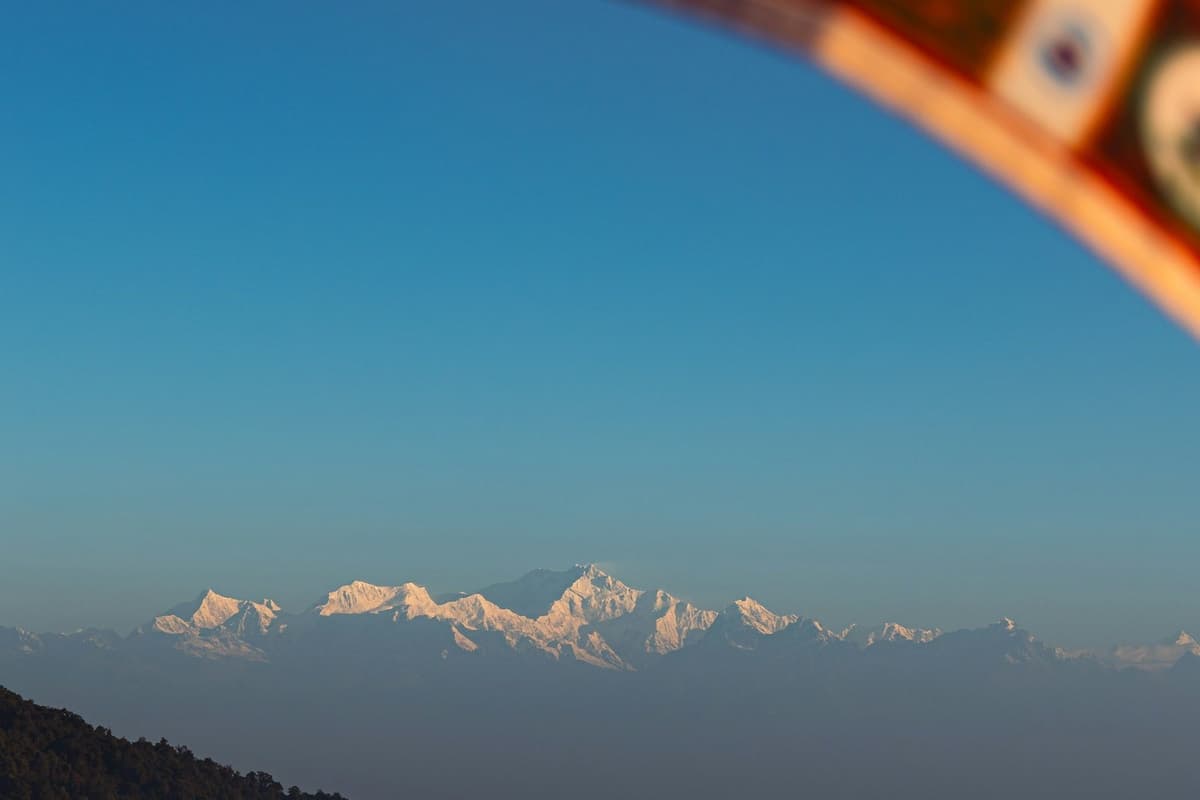
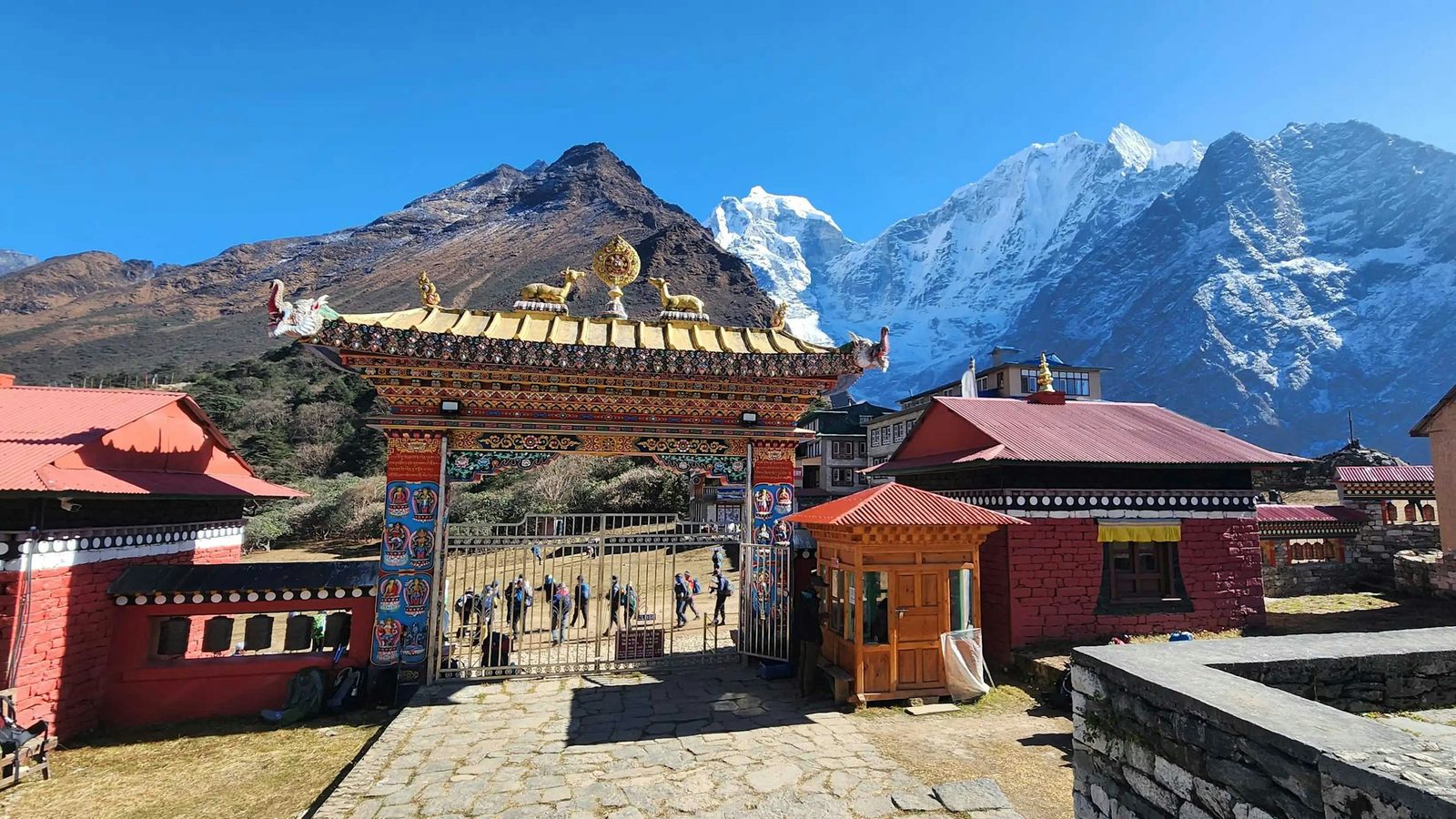
On a clear October morning above Tengboche, the first sun touches the summit of Ama Dablam while the monastery courtyard below is still in shadow. Lodge kitchens are boiling water for tea, porters are tying their loads, and the trail towards Pangboche is already busy.
The best time to trek Everest Base Camp is October and November, when the Nepal Tourism Board says the clearest skies come. March to May is the second good window. December to February works if you can handle hard frost at night. June to September is the monsoon: wet, cloudy, with flights often cancelled.
Our Everest Base Camp trek page has the routes we run. This guide covers the year month by month, with station weather data, park visitor figures and what each season means for your Lukla flight. For the wider picture across the country, see the best time to visit Nepal.
A licensed guide walks with you on every trek we run.
Key facts
- Best months
- October to November and March to May; December to February snowy; June to September rainy (Nepal Tourism Board, Sagarmatha National Park page, 10 Oct 2026)
- Everest Base Camp altitude
- 5,364 m (Wikipedia, "Everest base camps", 10 Oct 2026)
- Kala Patthar viewpoint
- About 5,550 m; GPS readings put the top at about 5,645 m (Wikipedia, "Kala Patthar", 10 Oct 2026)
- Lukla airstrip
- 2,845 m (Wikipedia, citing CAAN, 10 Oct 2026)
- Monsoon in eastern Nepal
- Normally arrives 13 June and withdraws 2 October (Department of Hydrology and Meteorology (DHM), 10 Oct 2026)
- Rain at Lukla, June to September
- About 84% of the year's total (DHM 1991 to 2020 normals, Lukla station (2,786 m), 10 Oct 2026)
- Sagarmatha National Park entry
- NPR 3,000 foreign, NPR 1,500 SAARC (Nepal Tourism Board, 10 Oct 2026)
- Khumbu Trek-Card
- NPR 3,000 most nationalities, NPR 2,000 SAARC and China (Khumbu Pasang Lhamu Rural Municipality, 10 Oct 2026)
- Lukla flights
- May leave from Kathmandu or Ramechhap depending on the season; check your ticket (Uncover Nepal team, 10 Oct 2026)
Everest Base Camp weather by month
The table below uses measured station data. Lukla is the lowest point on the route and has the longest official record. Namche is the town where most itineraries spend two nights.
Station normals, not trail forecasts. The trail above each station is colder: NTB puts the drop at about 6°C for every 1,000 m.
| Month | Lukla station (2,786 m, DHM 1991 to 2020): high / low, rain or snow | Namche station (3,450 m, FAO, period not stated): high / low |
|---|---|---|
| January | 8.3°C / −2.9°C, 15.3 mm | 6.9°C / −8.5°C |
| February | 8.9°C / −1.6°C, 17.2 mm | 6.4°C / −6.5°C |
| March | 13.3°C / 2.6°C, 45.3 mm | 9.6°C / −3.0°C |
| April | 16.6°C / 5.7°C, 58.7 mm | 12.8°C / 0.8°C |
| May | 16.7°C / 8.0°C, 127.6 mm | 14.3°C / 3.7°C |
| June | 17.7°C / 12.3°C, 324.8 mm | 15.6°C / 5.9°C |
| July | 18.4°C / 13.2°C, 529.8 mm | 15.8°C / 7.8°C |
| August | 18.6°C / 12.9°C, 641.8 mm | 16.2°C / 7.5°C |
| September | 18.6°C / 11.6°C, 419.0 mm | 14.6°C / 5.9°C |
| October | 16.8°C / 7.4°C, 102.9 mm | 12.5°C / 1.2°C |
| November | 13.8°C / 2.4°C, 6.2 mm | 9.1°C / −3.8°C |
| December | 11.1°C / −0.5°C, 0.5 mm | 7.6°C / −7.1°C |
We found no published monthly highs and lows for Gorak Shep or base camp itself, so we do not print them. The best measured figures come from a research station at base camp height: averages over 24 hours, day and night together, from December 2019 to November 2022.
| Season | Base Camp station (5,315 m) | Phortse station (3,810 m) |
|---|---|---|
| Winter | −8.8°C | −2.1°C |
| Before the monsoon | −4.5°C | 3.6°C |
| Monsoon | 2.4°C | 9.7°C |
| After the monsoon | −3.1°C | 3.9°C |
The station at base camp averaged −3.1°C over the whole year. Base camp itself, at 5,364 m, is a day visit; trekkers sleep lower, at Gorak Shep, about 5,160 m.
The best time to trek Everest Base Camp, month by month
Nepali months run from mid-month to mid-month, so the park's visitor figures below cover those periods, not calendar months.
| Month | Conditions | Visitors (park figures) | Flights | Our verdict |
|---|---|---|---|---|
| January | Coldest nights at both stations; dry, with bright sunny spells | Outside the main spring and autumn seasons | Weather-dependent; check your departure airport | For the cold-hardy |
| February | Still cold; Namche nights below freezing | Outside the main seasons | As January | For the cold-hardy |
| March | Warming; 45.3 mm of rain or snow at Lukla; Gyalpo Lhosar on 9 March 2027 | 12,003 entered the region from mid-March to mid-April 2025 | Weather-dependent | Good from mid-month |
| April | Rhododendrons in flower; expedition camp at base camp | Mid-April to mid-May was the park's busiest month in 2023/24 | Weather-dependent | Best of spring |
| May | Rain at Lukla rises to 127.6 mm; summit season | Busiest month ran to mid-May in 2023/24 | Weather-dependent | Good early in the month |
| June | Monsoon normally arrives on 13 June; 324.8 mm at Lukla | Outside the main seasons | Often cancelled | Not recommended |
| July | 529.8 mm at Lukla | Quietest month: 125 entered mid-July to mid-August 2024 | Often cancelled | Not recommended |
| August | Wettest month: 641.8 mm at Lukla | 125 entered mid-July to mid-August, 1,331 mid-August to mid-September 2024 | Often cancelled | Not recommended |
| September | 419.0 mm at Lukla; in 2026, snow fell in the upper Khumbu late in the month | 1,331 entered mid-August to mid-September 2024 | Ramechhap to Lukla flights were running by 30 September in 2025 | Late September only if flexible |
| October | Monsoon normally withdraws 2 October, recently later; 102.9 mm at Lukla | 8,902 entered mid-September to mid-October 2024 | Kathmandu or Ramechhap; check your ticket | Best, especially from mid-month |
| November | Driest autumn month: 6.2 mm at Lukla; clearest skies | Main autumn season | Storms can stop flights for days | Best for settled weather |
| December | 0.5 mm at Lukla; Namche lows −7.1°C | Outside the main seasons | Weather-dependent | Good for quieter trails, if you pack for cold |
Why is autumn the best time to trek Everest Base Camp?
Autumn, from October to November, gives the clearest and most settled weather of the year. The Nepal Tourism Board says the clearest skies come after the monsoon in those two months. Lukla gets only 6.2 mm of rain or snow in November. The catch is that autumn is one of the two main trekking seasons, so the trail is busy.
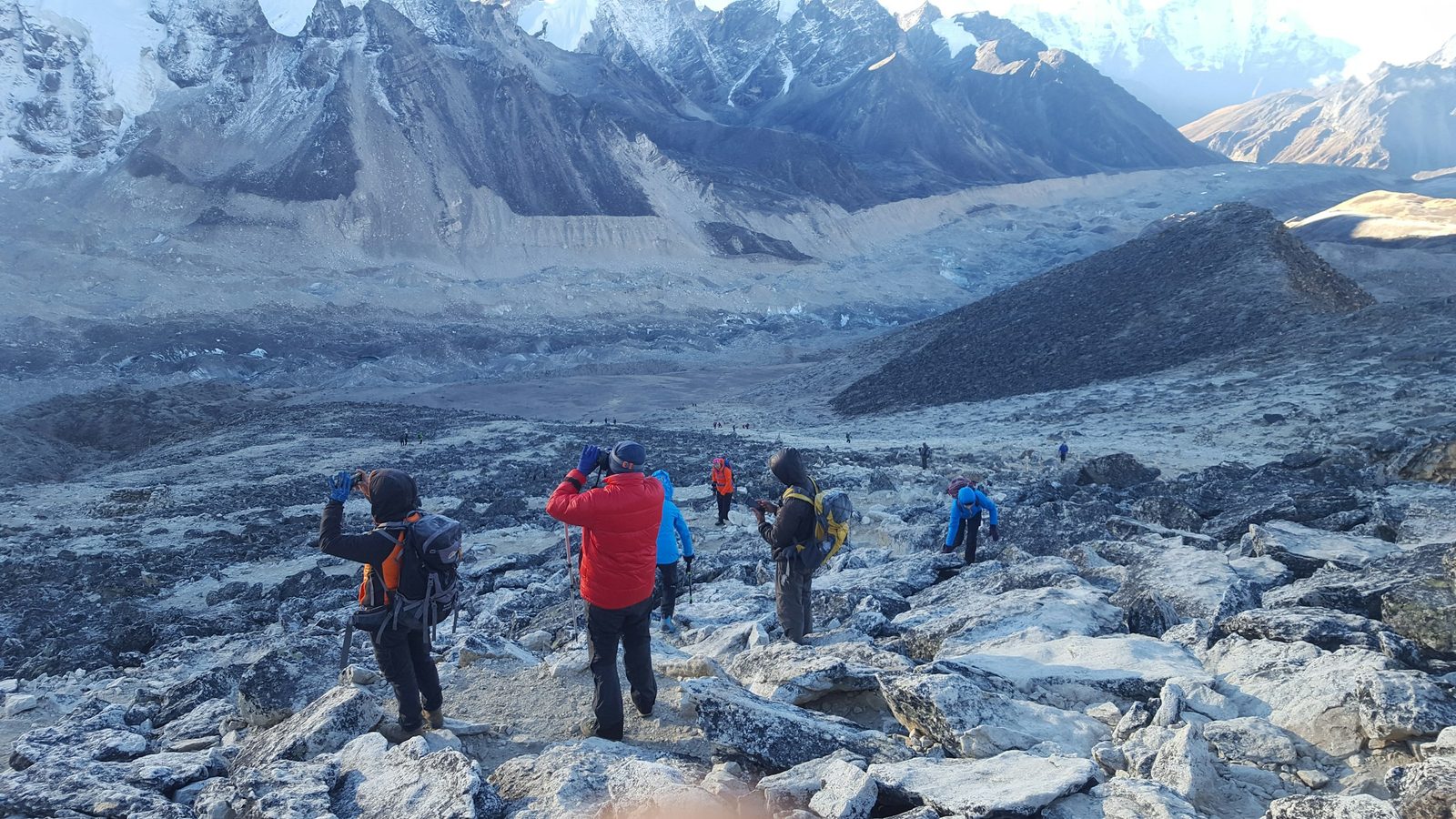
The monsoon does not always leave on time. DHM says it normally withdraws from eastern Nepal, the side Everest is on, on 2 October. In each recent year it left later: 16 October 2020, 11 October 2021, 16 October 2022, 15 October 2023 and 12 October 2024. In 2025 it fully withdrew on 10 October. October still averages 102.9 mm at Lukla.
In 2026 the monsoon arrived late, on 19 June. DHM announced on 3 October that it had begun to withdraw from the far west. As of 10 October 2026 we found no announcement that it had left the whole country. Withdrawal starts in the west, so the eastern side, where Everest is, clears last.
Autumn is not always calm. In late September 2026, heavy rain turned to snow in the upper Khumbu and seven foreign trekkers were rescued from the Island Peak area. In late October 2025, heavy snow stranded trekkers in the Everest region as a cyclone from the Bay of Bengal crossed India. In early November 2025, Lukla flights were suspended for four days in a row and over 2,700 people were waiting in Lukla and Namche.
Crowds are the other side of autumn. From mid-September to mid-October 2024, 8,902 trekkers entered the Everest region. A park official told the Himalayan Times in 2024 that about 1,000 people a day enter at the height of the season. Lodges can fill at this time of year, so confirm your dates early.
There is a festival worth knowing about. Mani Rimdu, the Sherpa festival of masked dances at Tengboche Monastery, is held in the tenth month of the Tibetan calendar, which falls in October or November. For 2026, trekking agencies report the public days at Tengboche as 26 to 28 October. That date is reported, not confirmed: check with the monastery or with us before you plan around it.
The Himalayan Rescue Association aid post at Pheriche, about 4,250 m, is staffed by volunteer doctors in the spring and autumn seasons. For autumn 2026 it was reported open with round-the-clock emergency care until the end of November.
"Spring is the time for rhododendrons to bloom while the clearest skies are found after the monsoon in October and November."
Nepal Tourism Board, Climate page (checked 10 October 2026)
Is spring a good time for the Everest Base Camp trek?
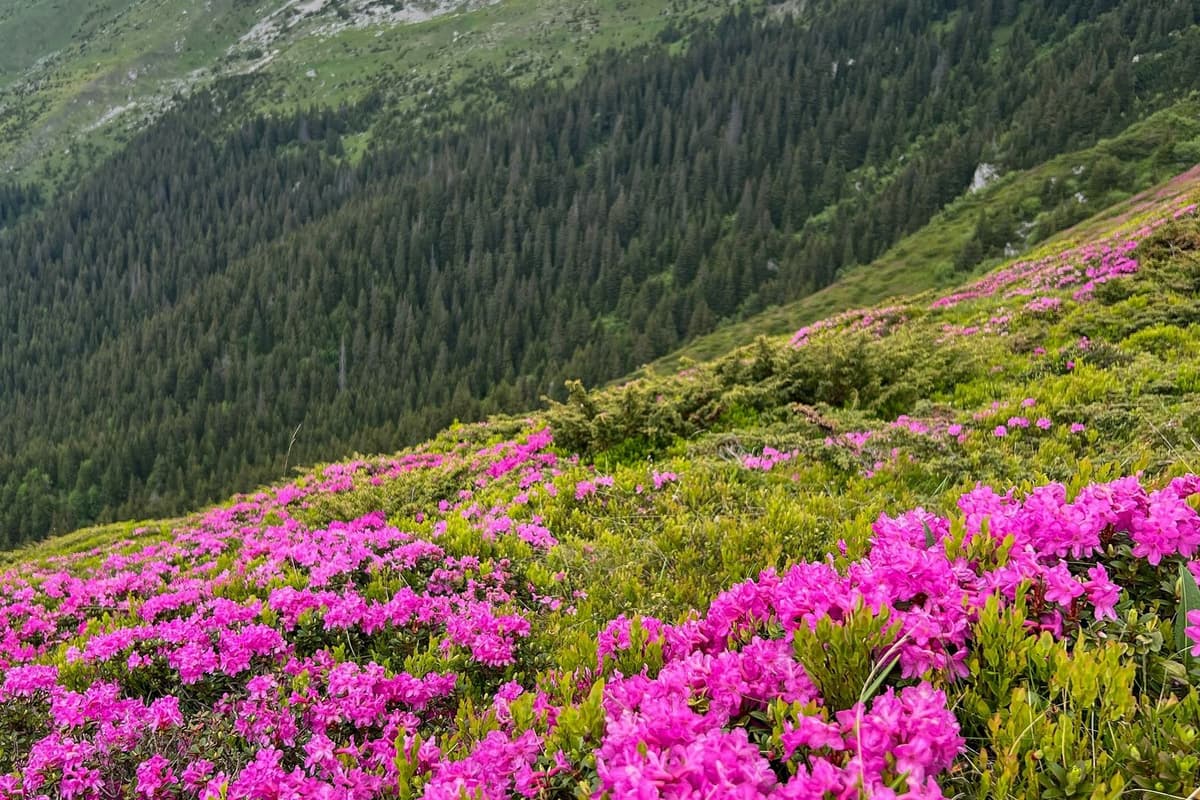
Yes. Spring, from March to May, is the second good window. Days warm up as the season goes on, the rhododendron forests below Tengboche are in flower, and base camp has the expedition camp. It is busy, and rain and snow at Lukla climb from 45.3 mm in March to 127.6 mm in May.
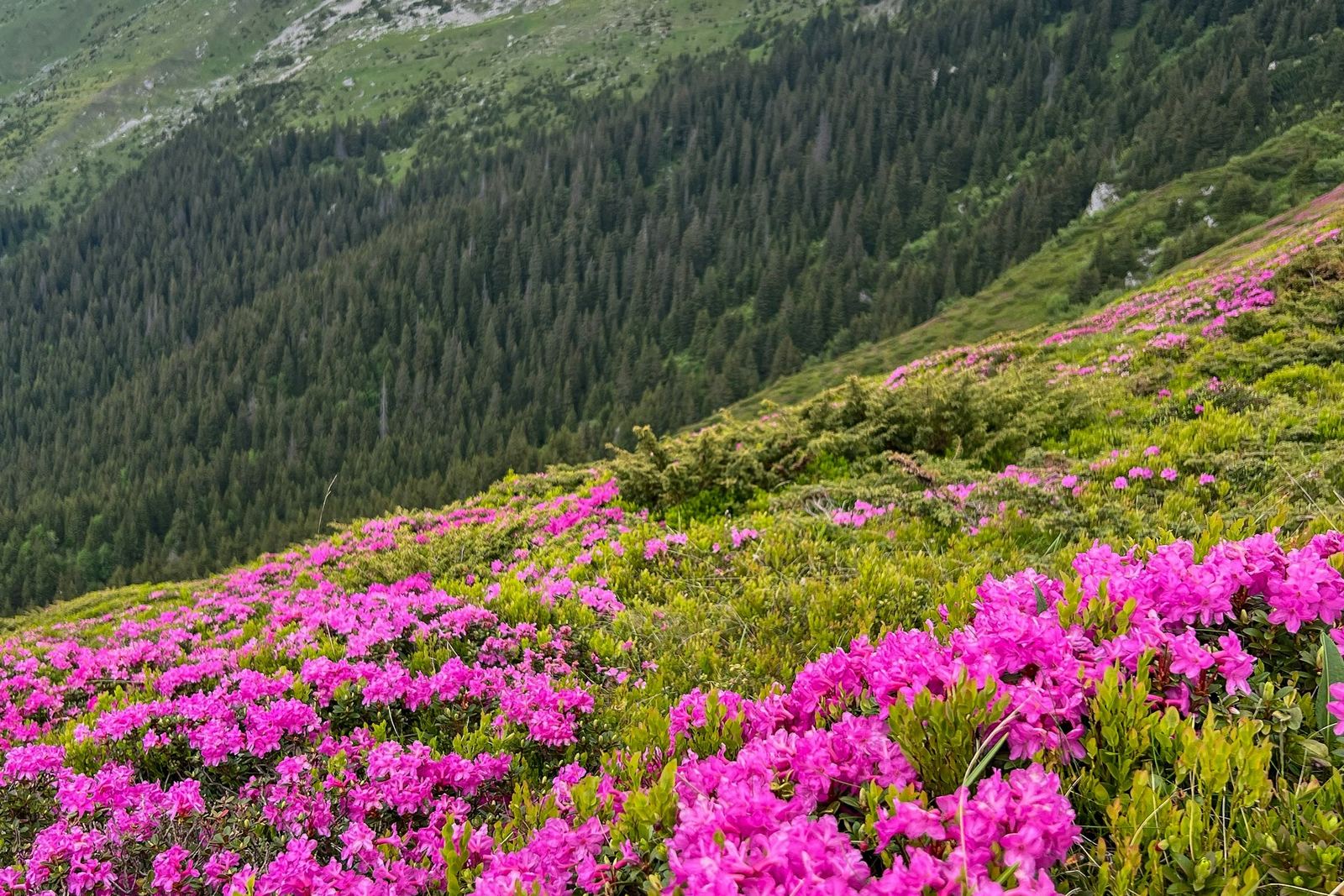
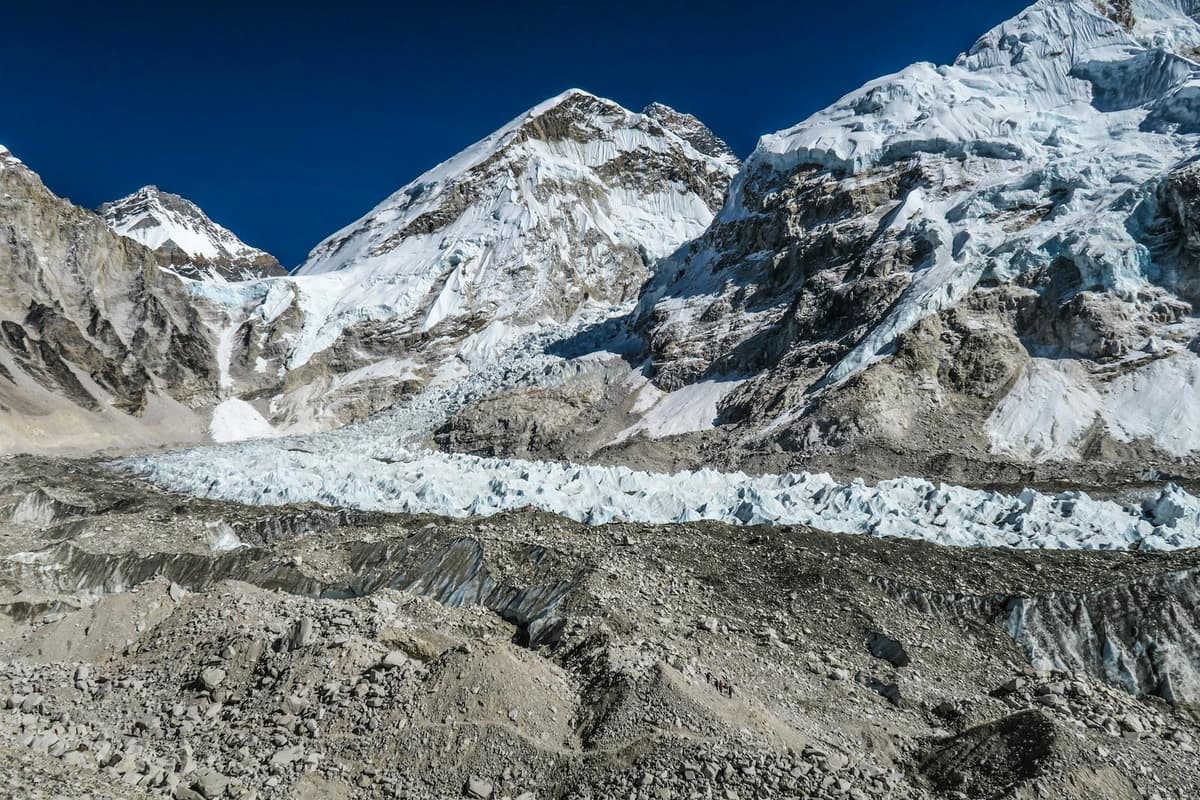
Spring is when the climbers come. In 2026 the Department of Tourism issued a record 495 Everest permits, and 274 climbers reached the summit from the Nepal side on 20 May alone. The big expedition tent camp at base camp is set up for this season. In 2026 the Icefall Doctors reached base camp in mid-March, the route through the Icefall was fixed on 26 April, and the ladders were due to come out on 29 May.
If you want to see the tents on the glacier, go in April or early May. The Himalayan Rescue Association has run "Everest ER", a clinic at base camp, every spring climbing season since 2003.
The trail is busy too: from mid-March to mid-April 2025, 12,003 visitors entered the region, and mid-April to mid-May was the busiest month of 2023/24.
The later you go, the closer you are to the monsoon. In 2025 it arrived on 29 May. If you have a choice, aim for April or the first half of May.
Can you trek to Everest Base Camp in winter?
Yes, from December to February, if you are ready for real cold. The Nepal Tourism Board lists this season as one with snow. Skies are often clear: "Even in December and January, when winter is at its severest, there are compensating bright sun and brilliant views," says NTB. Winter is outside the main spring and autumn seasons.
The cold is the main thing to plan for. At the Namche station, nights average below freezing from November to March, with January lows of −8.5°C. The research station at base camp height averaged −8.8°C across 24 hours in winter.
Winter is dry. Lukla gets 0.5 mm in December on average. Dry does not mean storm-free: snow can still stop flights for days.
Before a winter trek, ask us to confirm that the lodges on your route are open for your dates.
Winter suits trekkers who have done some cold-weather walking before. If you are new to trekking, start with a lower route; our guide to winter treks in Nepal has options.
Is the monsoon a bad time for the Everest Base Camp trek?
For most people, yes. June to September is the rainy season. At Lukla, June to September brings 1,915.4 mm of the station's 2,289.1 mm a year, about 84%. Cloud often hides the peaks and Lukla flights are often cancelled. Very few people trek then, so if summer is your only window, plan carefully.
The monsoon normally reaches eastern Nepal on 13 June. Nationally, the Nepal Tourism Board says "Eighty percent of all the rain in Nepal is received during the monsoon (June-September)."
From mid-July to mid-August 2024, only 125 trekkers entered the Everest region. Park figures show that month as the quietest of the year.
The monsoon also brings flood risk. On 16 August 2024, an outburst from the Thyanbo glacial lake sent a flood through Thame village, destroying 14 properties including a school, a health post, five hotels and seven homes. Thame is off the main base camp route, west of Namche, but the risk is real.
Which month suits you?
It depends on what matters most to you: clear views, flowers and the expedition camp, fewer people, or the dates you can travel. Most first-time trekkers do best from mid-October to November. The list below matches each type of traveller to the months that suit them, with the trade-off for each.
- First Everest trek, want the best chance of clear views: mid-October to November.
- Photographers who want dry air and settled skies: November.
- Want rhododendrons and the expedition tent camp: April to early May.
- Want to travel outside the main seasons and can handle hard frost: December to February.
- Travelling from India around the festival holidays: possible, but Dashain runs from 11 to 21 October 2026 and Tihar from 8 to 12 November 2026; expect busy roads in Kathmandu and book early.
- Interested in Sherpa festivals: Mani Rimdu in October or November, Gyalpo Lhosar on 9 March 2027, or Dumji, usually around May or June by the lunar calendar.
- Only free in summer: late September at the earliest, with spare days, or choose another trek.
- Want the high passes as well: autumn or spring. On a pass route, your guide, who knows the route, decides when and how to cross, based on snow and the forecast. Our full list of treks in Nepal shows the longer Everest routes.
How do you prepare for cold, altitude and flight delays?
Plan for three things whatever the month: nights below freezing higher up, a slow climb to give your body time to adjust, and spare time in case Lukla flights are held by weather. Pack in layers, follow a gradual itinerary with rest days, and leave at least one free day before your flight home.
Cold. Pack layers, not one heavy coat: a thermal base, a fleece, a down jacket and a windproof shell. Bring warm gloves, a hat and a buff. Nights below freezing are normal at Namche from November to March, and colder higher up.
Altitude. Symptoms of altitude sickness are possible from a sleeping height of about 2,450 m, and Namche is already about 3,440 m. Above 3,000 m, medical guidance is not to raise your sleeping height by more than about 500 m a night, with a rest day every three to four days. Walk slowly, drink water, skip alcohol early on, and learn the symptoms. Never go higher with symptoms, and go down if they get worse. If symptoms are severe, descend at once; our guide arranges the rescue. Ask your doctor before the trip about preventive medicine. Our guide on how to avoid altitude sickness covers the signs.
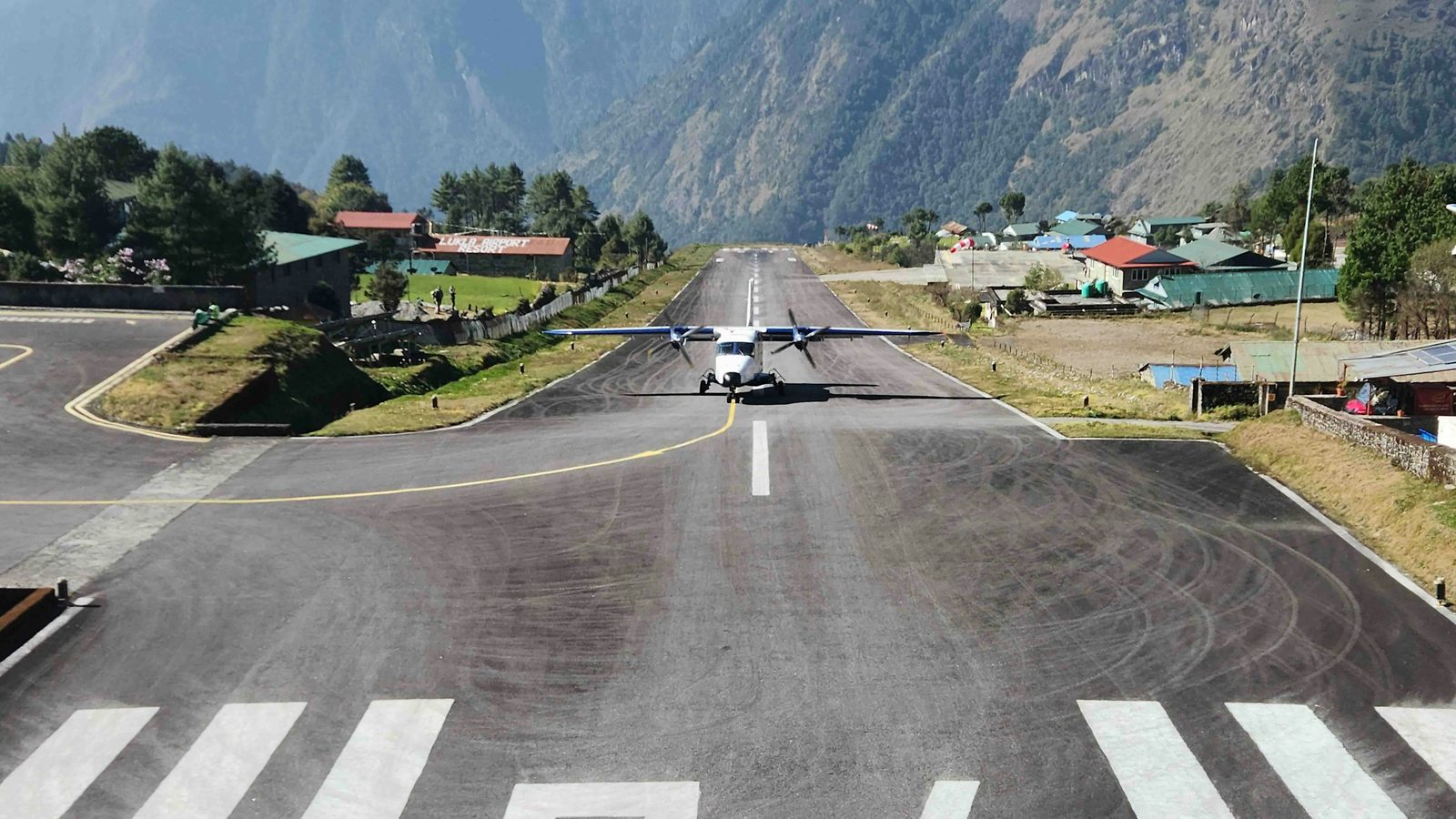
Flight delays. Lukla flights may leave from Kathmandu or Ramechhap depending on the season; check your ticket. Ramechhap is about 130 km from Kathmandu, a drive of about 4 to 5 hours, usually before dawn. The airport closes when cloud or wind makes a visual landing unsafe. We suggest at least one spare day after the trek before your international flight home. In a stormy week, more is wiser.
Insurance. We recommend travel insurance that covers trekking at this altitude and helicopter evacuation. It is your own arrangement.
What permits do you need, and do they change by season?
You need two: the Sagarmatha National Park entry permit and the Khumbu Pasang Lhamu Rural Municipality Trek-Card. We arrange both for you. The fees are the same all year: neither the park nor the municipality lists a seasonal rate. Both are checked against the official pages, and the amounts are below.
- Sagarmatha National Park: NPR 3,000 per person per entry for foreign visitors, NPR 1,500 for SAARC nationals including India; children under 10 free. Some trekkers are charged VAT on top at issue.
- Khumbu Trek-Card: NPR 3,000 for most nationalities, NPR 2,000 for SAARC countries and China, issued at the Tourist Information Centre in Lukla.
For the full budget, see our guide to Everest Base Camp trek cost.
On guides, the position is disputed. A Nepal Tourism Board rule in force since April 2023 bars foreign trekkers from national parks and conservation areas without a guide or a porter, while Khumbu Pasang Lhamu Rural Municipality said "It is not mandatory to hire a guide for trekking in the Everest region." A licensed guide walks with you on every trek we run.
Your Nepal visa and your flight to Kathmandu are your own arrangements. The official visa information is on the Nepal Tourism Board tourist visa page.
Read next: Lukla airport explained, Tengboche Monastery guide, Gokyo Lakes guide, Everest helicopter tour cost, Everest Base Camp trek difficulty and Cho La Pass guide.
Frequently asked questions
What is the best month to trek to Everest Base Camp?
November is the most settled month, and the second half of October is close behind. The Nepal Tourism Board says the clearest skies come in October and November, and Lukla gets only 6.2 mm of rain or snow in November. In recent years the monsoon has left between 10 and 16 October, so early October can still be wet. If you prefer spring, choose April.
Can you trek to Everest Base Camp in winter?
Yes. December to February is possible for fit trekkers who pack for hard cold. Skies are often clear, and it is outside the main trekking seasons. Nights at Namche average below freezing from November to March, and a research station at base camp height averaged −8.8°C over 24 hours in winter. Storms can delay Lukla flights, so build in spare days.
Is the monsoon a bad time for EBC?
For most trekkers, yes. About 84% of Lukla's yearly rain falls from June to September, cloud often hides the mountains, and Lukla flights are often cancelled. Trails can be muddy and slippery. Very few people trek then: only 125 entered the region from mid-July to mid-August 2024. If summer is your only window, aim for late September with extra days.
When are the base camp tents there?
The big expedition tent camp is set up for the spring climbing season. In 2026 the Icefall Doctors reached base camp in mid-March, and the ladders were due to come out on 29 May. To see the tents and the climbing teams, trek in April or early May.
How cold is it at Everest Base Camp in October?
Cold enough to freeze at night. We found no published October highs and lows for base camp. The closest measured figure: a research station at 5,315 m averaged −3.1°C over 24 hours in the season after the monsoon. Days in the sun feel warmer than that; nights are colder. Lower down, Lukla averages 16.8°C by day and 7.4°C at night in October.
Plan your dates with us
For most people the answer is the second half of October or November, with a spare day after the trek. See the routes we run on our Everest Base Camp trek page. Then send us your dates on WhatsApp or through the enquiry form, and we will tell you honestly what the trail and the flights are likely to be like that month.
Last checked: 10 October 2026.