



Explore by activity
Not listed yet

We run Motorbiking & Overland trips — we just haven’t put the itinerary on the site yet. Tell us your dates and we’ll send a costed day-by-day plan.

Explore by experience
Explore by region
by gomayu
Search Tours or Places

Everest Helicopter Tour Cost: What Changes the Price

17 min read Posted 28 Oct 2026Updated 29 Oct 2026
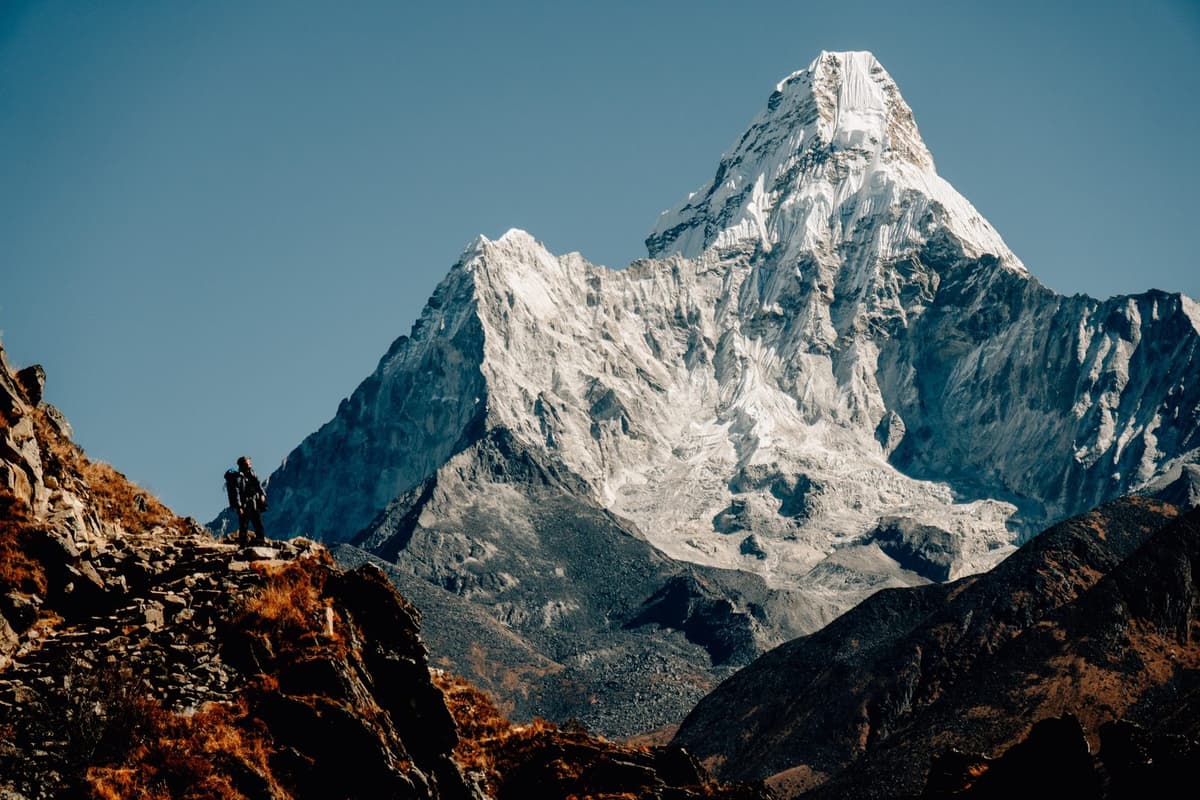
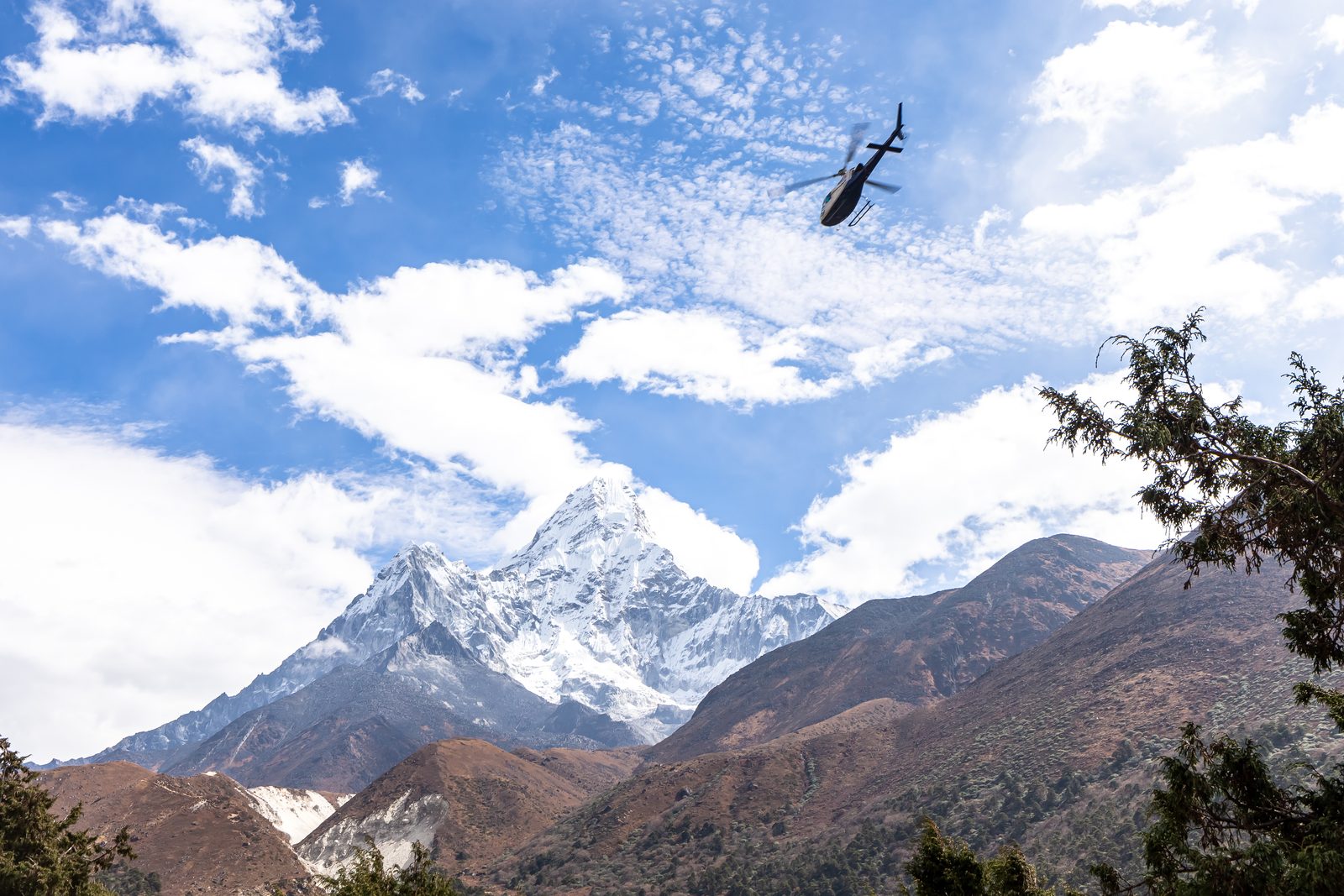
A helicopter flying above a Khumbu valley with Ama Dablam behind, the kind of sightseeing flight covered in this Everest helicopter tour cost guide

By Uncover Nepal Team · Checked by our Kathmandu travel team · Last checked 28 October 2026

A helicopter lifts out of Kathmandu, refuels at Lukla and climbs into the Khumbu. Weather and permission allowing, within a morning its passengers stand on Kala Patthar facing Everest, and the whole trip usually fits into that one morning.

The Everest helicopter tour cost depends first on whether you share or charter. Published operator pages from 2023 to 2026 show roughly USD 700 to 1,200 per person for a shared seat and roughly USD 3,500 to 5,500 for a private helicopter. Season, weight, landing permission, weather and what the quote includes move a price within those bands.

These are other operators' prices, not ours. To walk in instead, see our Everest Base Camp trek page. Below, we explain what sits behind the numbers so you can compare quotes fairly.

Key facts

Shared seat, market range
Roughly USD 700 to 1,200 per person (other operators' published prices, not ours) (HopNepal (2026) and Peregrine Treks (2023) operator pages, 28 Oct 2026)
Private charter, market range
Roughly USD 3,500 to 5,500 per helicopter (other operators' published prices, not ours) (HopNepal (2026) and Peregrine Treks (2023) operator pages, 28 Oct 2026)
Usual landing point
Kala Patthar; the helicopter flies over Everest Base Camp without landing (HopNepal operator page, 28 Oct 2026)
Time on the ground at Kala Patthar
Usually 10 to 20 minutes (Three operator pages, 28 Oct 2026)
Whole tour, Kathmandu and back
Roughly three to six hours (Four operator pages, 28 Oct 2026)
Landing rules above Lukla
Disputed in 2025; no 2026 rule found (The Himalayan Times and Kantipur reports, 28 Oct 2026)
Lukla airstrip
2,846 m (CAAN AIP AMDT 02/2026, Oct 2026)
Everest Base Camp
5,364 m (Uncover Nepal destination fact base, Oct 2026)
Kala Patthar
Sources differ: 5,545 m or 5,644.5 m (Published figures compared in our destination fact base, 30 Sep 2026)
Sagarmatha National Park fee
NPR 3,000 foreign, NPR 1,500 SAARC (NTB, 28 Oct 2026)
Khumbu Trek-Card
NPR 3,000 other countries, NPR 2,000 SAARC and China (Khumbu Pasang Lhamu Rural Municipality, 28 Oct 2026)
Clearest skies
October and November, after the monsoon (NTB, 28 Oct 2026)

In this guide

  • Everest helicopter tour cost: shared and private price ranges
  • Shared or private: which suits you
  • What changes the price
  • Park fees and the Trek-Card for helicopter passengers
  • Landing rules and the 2025 dispute
  • What happens on the day
  • Altitude on a short landing: how to stay safe
  • Weather, cancellations and insurance
  • Best months for an Everest helicopter tour
  • Is the Everest mountain flight a cheaper alternative?
  • Helicopter tour or trek
  • Frequently asked questions

Everest helicopter tour cost: shared and private price ranges

A shared seat on an Everest helicopter tour sells for roughly USD 700 to 1,200 per person, and a private charter for roughly USD 3,500 to 5,500 per helicopter, on operator pages published between 2023 and 2026. These are market ranges from other companies. Prices vary by season and by how far ahead you book.

We built that range from two published operator pages and left out older ones. A 2020 page from a third operator still circulates in search results, but prices that old are not a fair guide today, so they are not used here.

Operator page (not our price) Page date Shared seat, per person Private charter, per helicopter
HopNepal, Kala Patthar landing tour 18 Mar 2026 USD 700 to 1,000, foreign nationals USD 3,500 to 5,500
Peregrine Treks, helicopter tour article 22 Feb 2023 About USD 1,200 About USD 4,200

The two pages do not agree, and that is normal. Operators quote different products, inclusions and nationality tiers, and they price in peak spring and autumn demand.

This guide does not give our own price. Our Everest helicopter tour page sets out what our tour includes, with and without the Kala Patthar landing.

Shared or private: which suits you

A shared tour is the cheaper way to fly if you are one or two people, because you pay for a seat and other travellers fill the rest. A private charter costs more in total but gives your group the whole helicopter and more say over timing.

Operators describe a helicopter that usually carries up to five passengers, fewer on the high landing when weight requires it. So in practice:

  • One or two travellers: a shared seat is usually the only sensible option on price.
  • A family or small group that fills the helicopter: a private charter divided across the group can come close to the shared per-seat price, and you are not waiting for strangers to fill seats.
  • A heavier group, or more people than the high landing allows: the operator may need two lifts, which raises a charter price.
  • You want a fixed day: a charter is yours to schedule, weather and permission allowing; a shared seat depends on other people booking the same departure.

What changes the price

Operators name nationality, shared or private booking, peak spring and autumn demand, and landing permit and aviation charges as the main factors in the Everest helicopter tour cost. Weight, refuelling and weather add to that list.

Seats and how full the helicopter is

A shared seat price only works when enough seats sell. Before you pay, ask what happens if your departure does not fill: do you move to another day, pay more, or get your money back? The answer tells you how firm the quoted price really is.

Where it lands: Kala Patthar or Hotel Everest View only

The usual high stop is Kala Patthar, the trek's high viewpoint. The helicopter flies over Everest Base Camp and does not land there. Operator itineraries then add a breakfast stop at Hotel Everest View, in Syangboche, on the way back.

Some tours stop only at Hotel Everest View. No published source gives a price difference between the two kinds of tour, so we will not invent one. A Kala Patthar landing does mean more flying at high altitude and tighter weight limits. Compare like with like: check that both quotes include the same landing.

Weight and payload at altitude

Every passenger is weighed before take-off so the operator can manage the load. The reason is simple physics. Air at Kala Patthar is far thinner than in Kathmandu, so the rotor gets less lift and the helicopter can carry less weight at the top than lower down.

If a group is heavy, or bigger than the high-landing limit, the operator may need two lifts to the top, and a charter price rises to cover the extra flying. Give your group's honest weights and luggage when you ask for a quote. It avoids a surprise on the morning.

Refuelling at Lukla and the weather

Helicopters on this tour stop at Lukla to refuel; most operators describe the stop on the way up, and some on the way back. Lukla's airstrip sits at 2,846 m, and its weather is not always the same as Kathmandu's. Bad weather in Kathmandu can stop a flight even when Lukla is clear, and some operators exclude the cost of weather delays from their price.
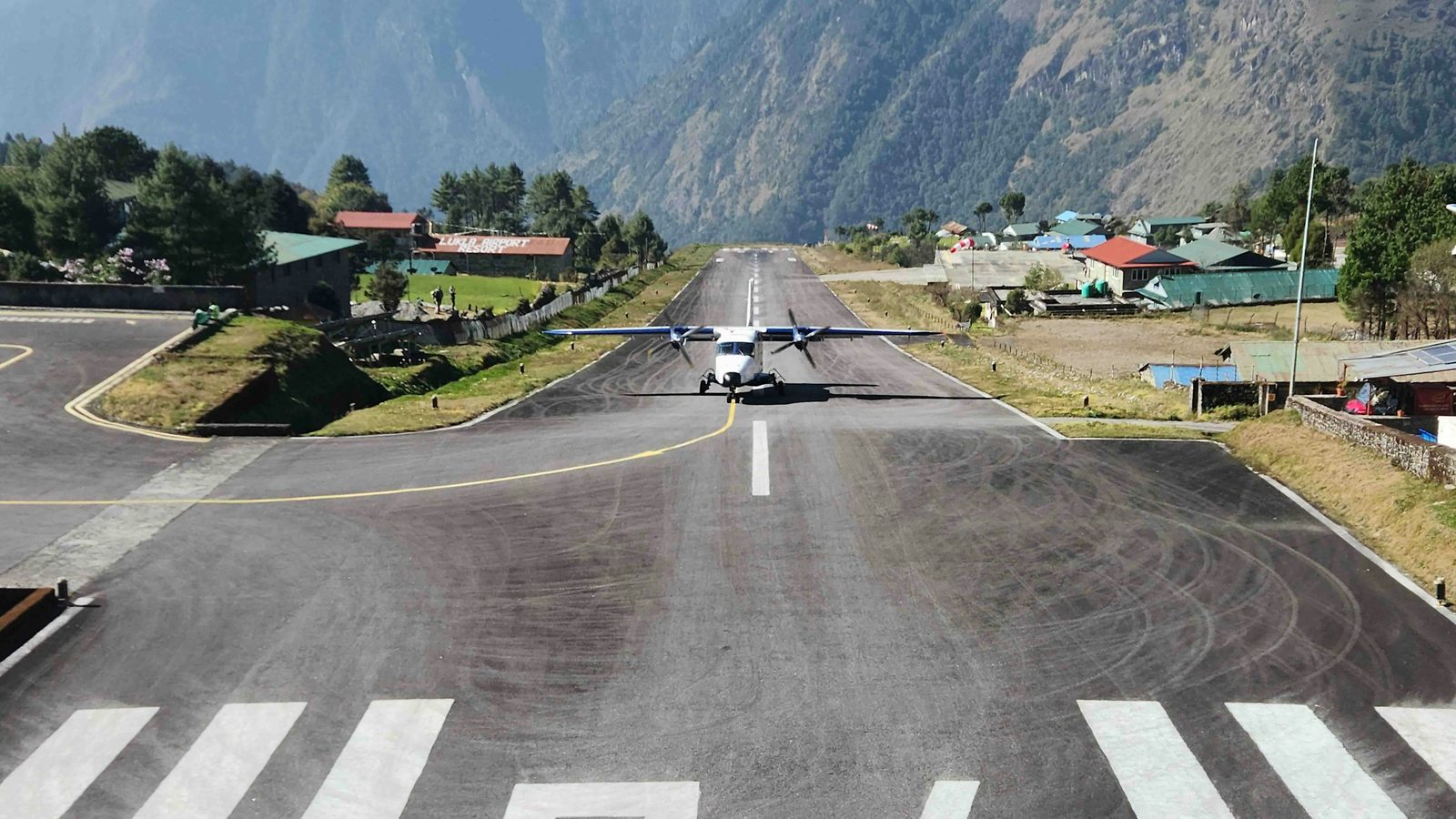
A small plane on the sloping airstrip at Lukla airport in the Everest region
Lukla, where helicopters on this tour stop to refuel

Season and demand

Operators name spring (March to May) and autumn (late September to November) as the best flying seasons and price peak demand into their quotes. Winter can be clear but brings more cancellations, and operators call June to August unsuitable.

Nationality and what the quote includes

Operators quote different rates by nationality, so check which tier your quote uses. Then check the inclusions line by line. One operator lists the Sagarmatha National Park fee, a local tax, an airport tax, 13% government VAT and helicopter fuel surcharges as included in its package. A lower headline price with these added on top can end up costing the same as a higher price that includes them.

Park fees and the Trek-Card for helicopter passengers

Operators charge passengers who land the Sagarmatha National Park fee and the Khumbu municipality Trek-Card, so check that your quote includes them. We found no official page that sets out how these fees apply to helicopter day visitors, so treat this as how operators charge, not as a published government rule.

The two fees, as the official bodies publish them:

Fee Foreign nationals SAARC nationals Issued by
Sagarmatha National Park entry fee NPR 3,000 NPR 1,500 Sagarmatha National Park, per person per entry
Khumbu Pasang Lhamu Trek-Card NPR 3,000 NPR 2,000, also for Chinese nationals Khumbu Pasang Lhamu Rural Municipality, at Lukla

For a foreign national the two together come to NPR 6,000, about USD 39 at Nepal Rastra Bank's sell rate of NPR 152.49 on 28 Oct 2026. Some operator pages quote these fees in US dollars at different amounts; go by the official rupee figures above.

Landing rules and the 2025 dispute

Where a tourist helicopter may land above Lukla has been disputed, and the position can change. Whether and where a helicopter may land is decided on the day; your operator confirms it. Landings at Kala Patthar depend on the weather and on local permission on the day, and if a landing is not possible the pilot chooses an alternative.

Here is what was reported in 2025, in order:

  1. Sagarmatha National Park halted commercial helicopter flights from 1 January 2025, citing environmental and noise concerns, The Himalayan Times reported.
  2. Khumbu Pasang Lhamu Rural Municipality issued its own rules on commercial helicopter operations. It said flights above Lukla harmed the region and shortened tourists' stays, hurting local businesses, guides and porters.
  3. Helicopter operators, through the Airline Operators Association of Nepal, suspended flights on 5 January 2025 after flag barriers were put on helipads.
  4. On 6 January 2025 the Director General of the Civil Aviation Authority of Nepal (CAAN) said local governments and parks have no authority to regulate airspace, which is a federal matter under the Constitution and the Civil Aviation Act 2015, The Himalayan Times reported.
  5. The same day the park eased its restriction, allowing flights that meet legal, safety, tax and environmental conditions, and the Solukhumbu District Administration warned of legal action against anyone obstructing flights. On 15 January the paper reported that flights were still suspended.
  6. In February 2025, The Himalayan Times reported that, after meetings at the Solukhumbu District Administration, regular commercial flights would not be allowed, rescue flights would continue, and mountain flights were approved for "one-touch landings" only below 4,300 m. Kala Patthar is well above that height.
  7. In April 2025, Kantipur reported that the municipality had again banned commercial helicopter flights in the Khumbu after a stakeholder meeting.

We could not find a published outcome after April 2025, or any 2026 government rule on tourist landings at Kala Patthar or Everest Base Camp. Operators were still selling Kala Patthar landing tours in 2026. Be wary of any quote that guarantees a landing. No operator can promise it on the day, and that includes us.

What happens on the day

An Everest helicopter tour usually takes a morning, roughly three to six hours from Kathmandu and back, depending on weather and refuelling. Operator pages describe the same basic pattern.
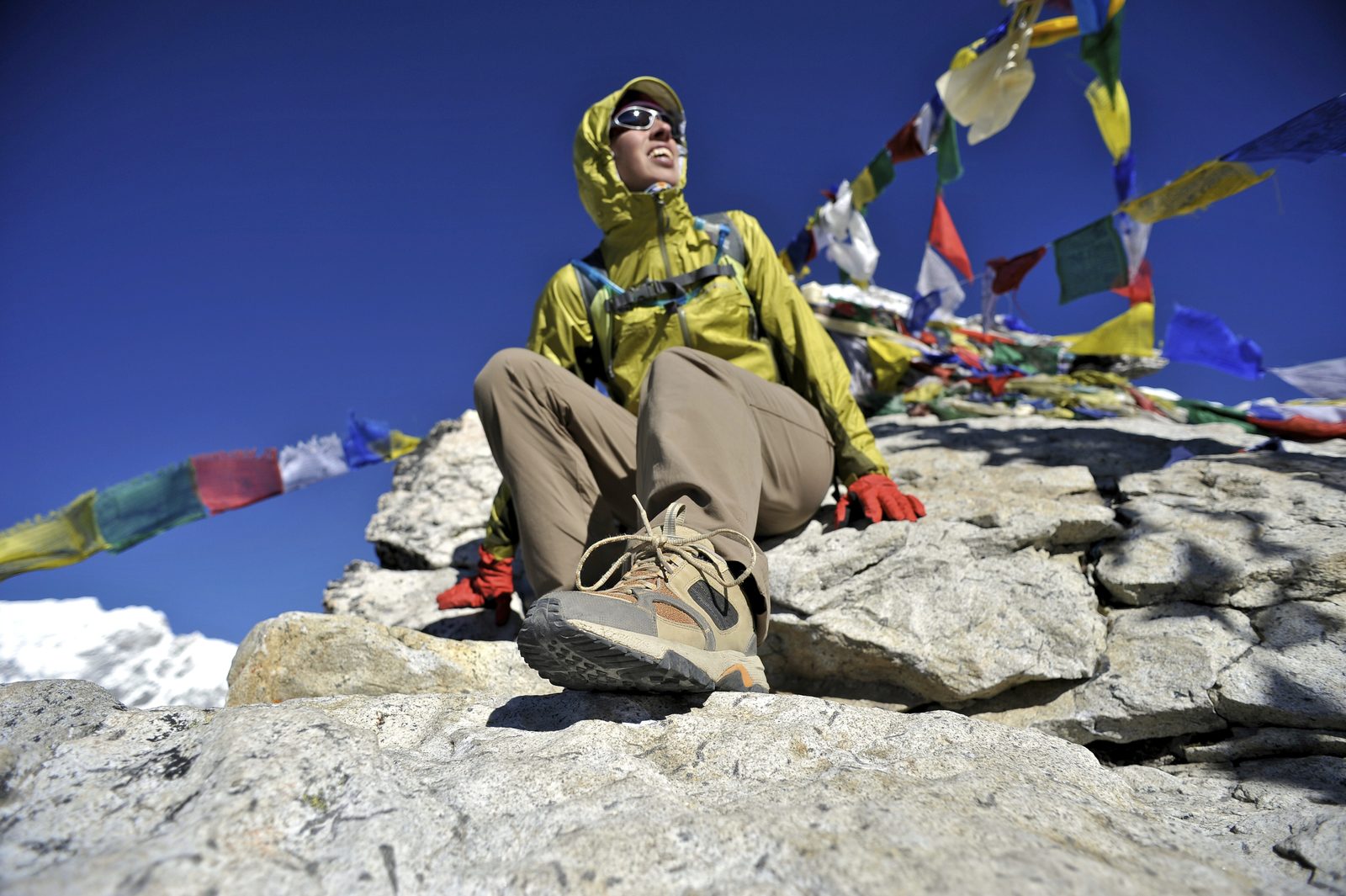
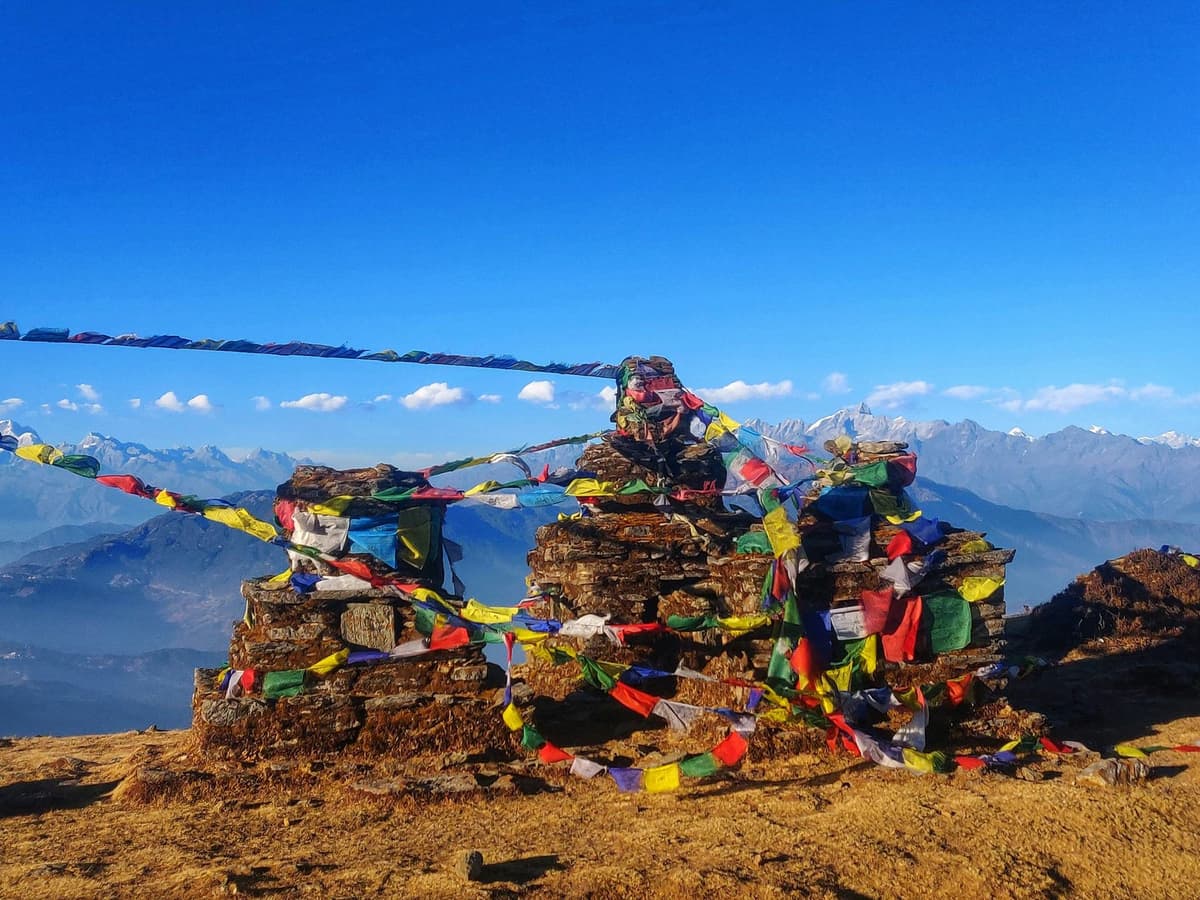
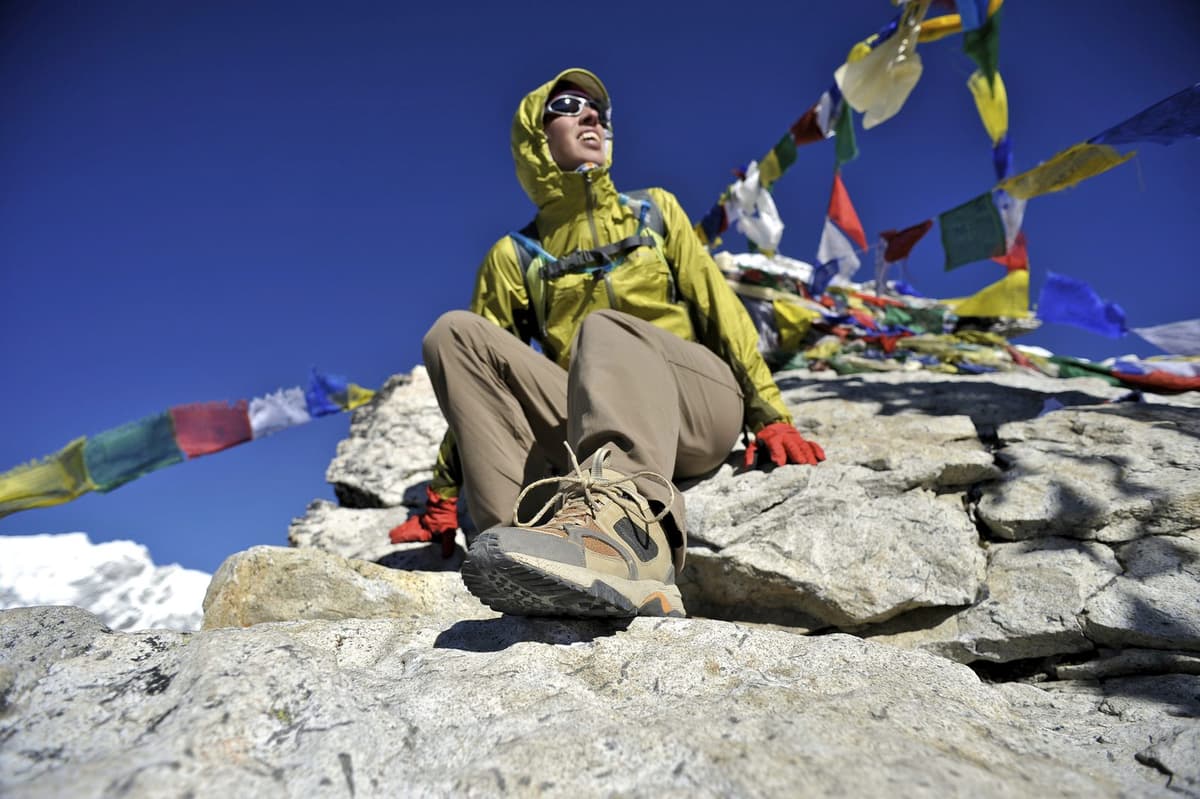
A trekker resting among prayer flags on the rocky top of Kala Patthar in the Everest region
Kala Patthar, the usual landing stop, weather and permission allowing
Stage What happens Time, from operator pages
Kathmandu Passengers weighed, then take-off Not stated
Lukla Refuelling stop Not stated
Over Everest Base Camp The helicopter flies over the camp and does not land Not stated
Kala Patthar Short landing for photographs, weather and permission allowing Usually 10 to 20 minutes
Hotel Everest View, Syangboche Breakfast stop on the way back Around 30 to 60 minutes
Back to Kathmandu Via Lukla, depending on fuel and weather Whole tour roughly three to six hours

Operators do not agree on how long each leg takes, so we do not give per-leg flight times. Kala Patthar's height is also given differently by different sources: 5,545 m in older figures and 5,644.5 m from a 2008 GPS survey. Either way you are well above Everest Base Camp at 5,364 m, looking across at the summit of Everest, 8,848.86 m by the Nepal-China joint survey.

Altitude on a short landing: how to stay safe

Yes, you can feel the altitude on a helicopter tour. Altitude sickness can start from about 2,450 m, and the helicopter takes you from Kathmandu to well over 5,000 m within a morning, with no time for your body to adjust. That is the main reason operators keep the stop at Kala Patthar to about 10 to 20 minutes.

Trekkers adapt by climbing slowly over many days. On a helicopter tour you cannot do that, so the advice changes. Follow these steps:

  1. Before you book, ask your doctor. This matters most if you have a heart or lung condition, are pregnant, or have had altitude sickness before. Ask whether preventive medicine such as acetazolamide is sensible for you; never take it without your doctor's advice and dose.
  2. Sleep well and drink water the night before. Avoid alcohol the evening before the flight.
  3. On the ground, move slowly. Walk, do not run, even for a photograph. Breathe steadily. Nepali guides say "bistarai, bistarai", slowly, slowly, and it applies here too.
  4. Keep the stop short. The short time on the ground is a safety measure, not a lack of service. Go back to the helicopter when the pilot asks.
  5. Know the early signs. Headache, nausea, dizziness, unusual tiredness or feeling short of breath.
  6. Tell the pilot at once if you feel unwell. Do not wait to finish your photographs. The fix is going down, and the helicopter is the quickest way down.
  7. Treat severe signs as an emergency. Confusion, breathlessness while resting, or unsteady walking mean you descend at once. Tell the pilot and the crew immediately.
  8. Take it easy at the breakfast stop. At Hotel Everest View you are still at altitude. Eat lightly, drink water and keep moving slowly.

For more depth, read our guide on how to avoid altitude sickness.

Weather, cancellations and insurance

Weather decides most Everest helicopter tours, at both ends of the route. Build a spare day into your plans if the flight matters to you.

On insurance, check that your travel policy covers helicopter sightseeing flights and landings at high altitude. Policies vary, so read the wording or ask your insurer directly. If you are also trekking, make sure the same policy covers the trekking altitude and emergency helicopter rescue.

Best months for an Everest helicopter tour

Autumn and spring give the best chance of clear flying. Operators name spring (March to May) and autumn (late September to November) as the best seasons, with winter clear but more prone to cancellations and June to August unsuitable.

"Spring is the time for rhododendrons to bloom while the clearest skies are found after the monsoon in October and November."

Nepal Tourism Board, 2026

The 2026 monsoon fully withdrew from Nepal on 14 October 2026, which opens the autumn flying season. Even in autumn a passing weather system can ground flights for a few days, so check the forecast close to your date. Clear seasons are also the busiest, which is one reason operators price peak demand into their quotes. If your dates are flexible, ask what the same tour costs in a quieter month.

Is the Everest mountain flight a cheaper alternative?

Yes, if you want to see Everest from the air without landing. A mountain flight is a sightseeing flight from Kathmandu that lasts about an hour, with early departures around 6 am. It does not land in the Khumbu, so there is no altitude stop, no park fee question and no weight split for the high landing.
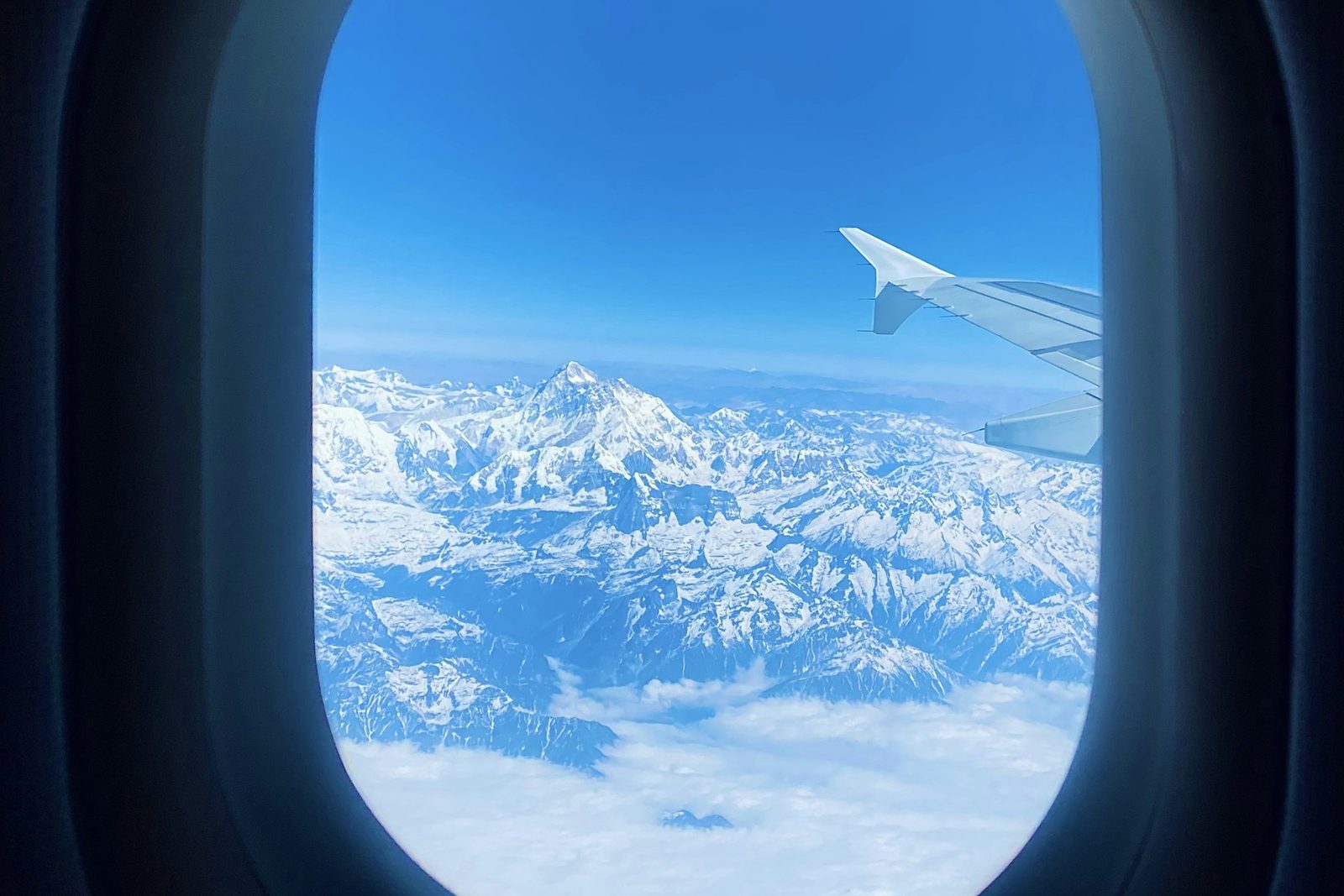
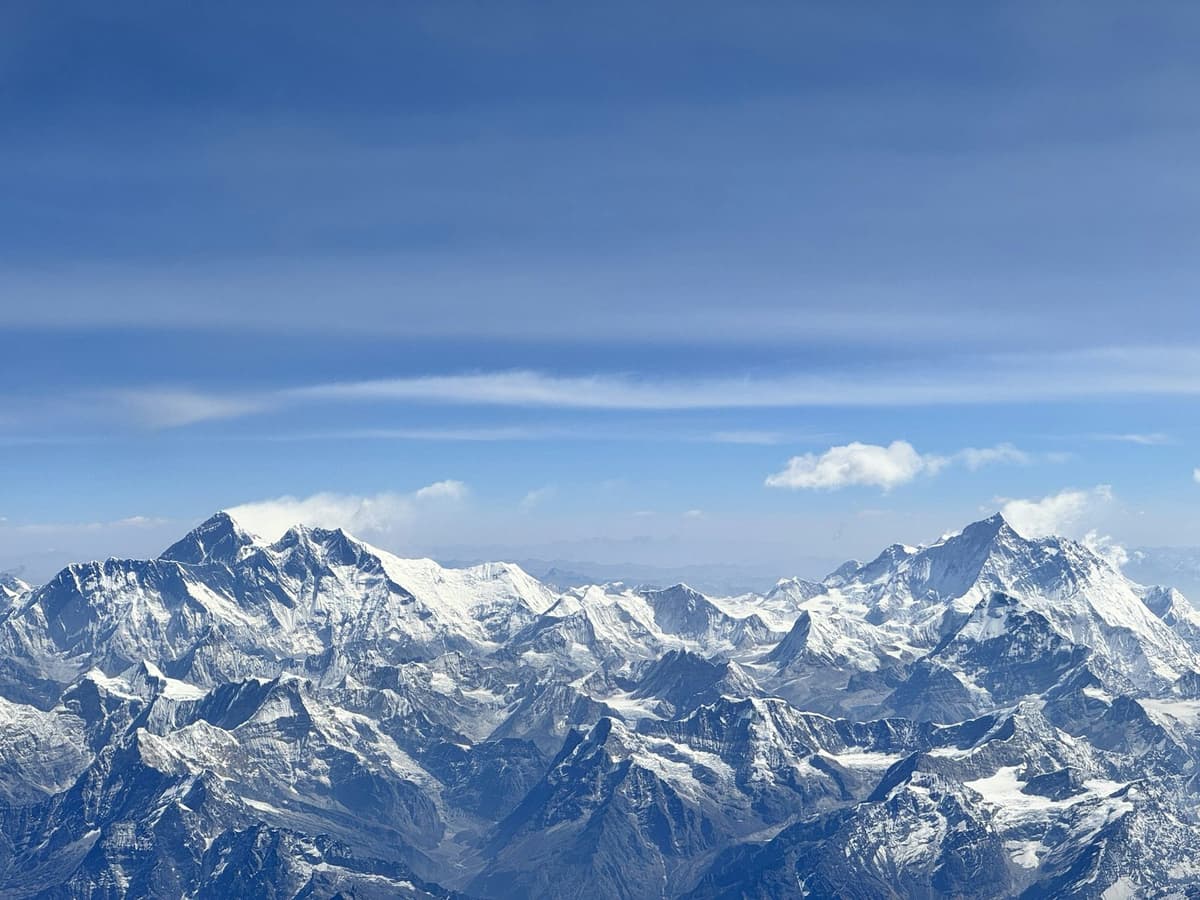
Snow-covered Himalayan peaks seen through an aircraft window above the clouds
A mountain flight shows the range from the air, with no landing

It costs a fraction of a helicopter tour. Airlines set and change their own fares, so check the current fare for your date. Weather affects it too: if conditions are bad, passengers are usually told to come back the next day or are refunded.

A mountain flight shows you the range through a window; a helicopter tour puts you on the ground facing Everest for a few minutes. Compare both on our helicopter tour and mountain flight page.

Helicopter tour or trek

A helicopter tour gives you the view in a morning; the trek gives you the Khumbu, its villages and monasteries, on foot over many days. The trek takes far longer, but you acclimatise on the way, which a helicopter cannot offer.

If you are weighing both, our Everest Base Camp trek cost guide sets out a trekking budget, and our guide to Lukla airport explains the flights trekkers take into the region. Lukla flights may leave from Kathmandu or Ramechhap depending on the season, and are weather-dependent.

You can also trek in and fly out by helicopter. Tell us your dates and we will set out the options honestly.

Read next: Nepal travel insurance for treks.

Frequently asked questions

How much is a helicopter tour to Everest Base Camp?

Published operator prices for 2023 to 2026 run roughly USD 700 to 1,200 per person for a shared seat and USD 3,500 to 5,500 for a private helicopter. Prices vary by season, group, nationality and inclusions. These are market ranges from other operators, not our price.

Does the helicopter land at Everest Base Camp?

Usually not. On the standard tour the helicopter flies over Everest Base Camp and lands at Kala Patthar, the trek's high viewpoint, instead. Even that landing depends on weather and local permission on the day, and the pilot chooses an alternative stop if it is not possible.

How long do you stay at Kala Patthar on a helicopter tour?

Usually 10 to 20 minutes. The stop is kept short on purpose: you arrive at well over 5,000 m within a morning, with no time to acclimatise. Move slowly, keep your photographs quick and tell the pilot straight away if you feel unwell.

Can you get altitude sickness on an Everest helicopter tour?

Yes, it is possible. Altitude sickness can start from about 2,450 m, and the tour lands far higher. The short ground time is meant to limit the risk, but headache, dizziness or nausea can still come on. Tell the pilot at once; going down is the fix, and the helicopter does that quickly.

Do helicopter passengers pay the Sagarmatha National Park fee?

Operators charge passengers who land the Sagarmatha National Park fee and the Khumbu municipality Trek-Card. The official fees are NPR 3,000 each for most foreign nationals. No official page we found addresses helicopter day visitors directly, so check whether your quote includes both.

What happens if the helicopter tour is cancelled for bad weather?

It depends on the operator's terms. Bad weather in Kathmandu can stop the flight even when Lukla is clear, and some operators exclude weather-delay costs from their price. Ask before paying whether you are moved to the next clear day or refunded, and keep a spare day in your plans.

Planning your Everest helicopter tour

An Everest helicopter tour is a short, expensive morning, and the price only makes sense once you know what it includes: the landing, the fees, the weight limits and what happens if the weather turns. Compare quotes on those points, not on the headline figure.

If you want to see Everest on foot instead, our Everest Base Camp trek page covers the walking routes. To see what our helicopter tour includes and check your dates, use our Everest helicopter tour page. Or message us on WhatsApp or send an enquiry with your dates and group size, and our Kathmandu team will reply with the options and an honest view of the weather.
Tags
Everesthelicopter tourKala PattharKhumbutrip costsLukla
Share
U
Uncover Nepal Team
Writer at Uncover Nepal
More in TreksSee all Treks

Everest Helicopter Tour Cost: What Changes the Price

17 min read Posted 28 Oct 2026Updated 29 Oct 2026
A helicopter flying above a Khumbu valley with Ama Dablam behind, the kind of sightseeing flight covered in this Everest helicopter tour cost guide

By Uncover Nepal Team · Checked by our Kathmandu travel team · Last checked 28 October 2026

A helicopter lifts out of Kathmandu, refuels at Lukla and climbs into the Khumbu. Weather and permission allowing, within a morning its passengers stand on Kala Patthar facing Everest, and the whole trip usually fits into that one morning.

The Everest helicopter tour cost depends first on whether you share or charter. Published operator pages from 2023 to 2026 show roughly USD 700 to 1,200 per person for a shared seat and roughly USD 3,500 to 5,500 for a private helicopter. Season, weight, landing permission, weather and what the quote includes move a price within those bands.

These are other operators' prices, not ours. To walk in instead, see our Everest Base Camp trek page. Below, we explain what sits behind the numbers so you can compare quotes fairly.

Key facts

Shared seat, market range
Roughly USD 700 to 1,200 per person (other operators' published prices, not ours) (HopNepal (2026) and Peregrine Treks (2023) operator pages, 28 Oct 2026)
Private charter, market range
Roughly USD 3,500 to 5,500 per helicopter (other operators' published prices, not ours) (HopNepal (2026) and Peregrine Treks (2023) operator pages, 28 Oct 2026)
Usual landing point
Kala Patthar; the helicopter flies over Everest Base Camp without landing (HopNepal operator page, 28 Oct 2026)
Time on the ground at Kala Patthar
Usually 10 to 20 minutes (Three operator pages, 28 Oct 2026)
Whole tour, Kathmandu and back
Roughly three to six hours (Four operator pages, 28 Oct 2026)
Landing rules above Lukla
Disputed in 2025; no 2026 rule found (The Himalayan Times and Kantipur reports, 28 Oct 2026)
Lukla airstrip
2,846 m (CAAN AIP AMDT 02/2026, Oct 2026)
Everest Base Camp
5,364 m (Uncover Nepal destination fact base, Oct 2026)
Kala Patthar
Sources differ: 5,545 m or 5,644.5 m (Published figures compared in our destination fact base, 30 Sep 2026)
Sagarmatha National Park fee
NPR 3,000 foreign, NPR 1,500 SAARC (NTB, 28 Oct 2026)
Khumbu Trek-Card
NPR 3,000 other countries, NPR 2,000 SAARC and China (Khumbu Pasang Lhamu Rural Municipality, 28 Oct 2026)
Clearest skies
October and November, after the monsoon (NTB, 28 Oct 2026)

In this guide

  • Everest helicopter tour cost: shared and private price ranges
  • Shared or private: which suits you
  • What changes the price
  • Park fees and the Trek-Card for helicopter passengers
  • Landing rules and the 2025 dispute
  • What happens on the day
  • Altitude on a short landing: how to stay safe
  • Weather, cancellations and insurance
  • Best months for an Everest helicopter tour
  • Is the Everest mountain flight a cheaper alternative?
  • Helicopter tour or trek
  • Frequently asked questions

Everest helicopter tour cost: shared and private price ranges

A shared seat on an Everest helicopter tour sells for roughly USD 700 to 1,200 per person, and a private charter for roughly USD 3,500 to 5,500 per helicopter, on operator pages published between 2023 and 2026. These are market ranges from other companies. Prices vary by season and by how far ahead you book.

We built that range from two published operator pages and left out older ones. A 2020 page from a third operator still circulates in search results, but prices that old are not a fair guide today, so they are not used here.

Operator page (not our price) Page date Shared seat, per person Private charter, per helicopter
HopNepal, Kala Patthar landing tour 18 Mar 2026 USD 700 to 1,000, foreign nationals USD 3,500 to 5,500
Peregrine Treks, helicopter tour article 22 Feb 2023 About USD 1,200 About USD 4,200

The two pages do not agree, and that is normal. Operators quote different products, inclusions and nationality tiers, and they price in peak spring and autumn demand.

This guide does not give our own price. Our Everest helicopter tour page sets out what our tour includes, with and without the Kala Patthar landing.

Shared or private: which suits you

A shared tour is the cheaper way to fly if you are one or two people, because you pay for a seat and other travellers fill the rest. A private charter costs more in total but gives your group the whole helicopter and more say over timing.

Operators describe a helicopter that usually carries up to five passengers, fewer on the high landing when weight requires it. So in practice:

  • One or two travellers: a shared seat is usually the only sensible option on price.
  • A family or small group that fills the helicopter: a private charter divided across the group can come close to the shared per-seat price, and you are not waiting for strangers to fill seats.
  • A heavier group, or more people than the high landing allows: the operator may need two lifts, which raises a charter price.
  • You want a fixed day: a charter is yours to schedule, weather and permission allowing; a shared seat depends on other people booking the same departure.

What changes the price

Operators name nationality, shared or private booking, peak spring and autumn demand, and landing permit and aviation charges as the main factors in the Everest helicopter tour cost. Weight, refuelling and weather add to that list.

Seats and how full the helicopter is

A shared seat price only works when enough seats sell. Before you pay, ask what happens if your departure does not fill: do you move to another day, pay more, or get your money back? The answer tells you how firm the quoted price really is.

Where it lands: Kala Patthar or Hotel Everest View only

The usual high stop is Kala Patthar, the trek's high viewpoint. The helicopter flies over Everest Base Camp and does not land there. Operator itineraries then add a breakfast stop at Hotel Everest View, in Syangboche, on the way back.

Some tours stop only at Hotel Everest View. No published source gives a price difference between the two kinds of tour, so we will not invent one. A Kala Patthar landing does mean more flying at high altitude and tighter weight limits. Compare like with like: check that both quotes include the same landing.

Weight and payload at altitude

Every passenger is weighed before take-off so the operator can manage the load. The reason is simple physics. Air at Kala Patthar is far thinner than in Kathmandu, so the rotor gets less lift and the helicopter can carry less weight at the top than lower down.

If a group is heavy, or bigger than the high-landing limit, the operator may need two lifts to the top, and a charter price rises to cover the extra flying. Give your group's honest weights and luggage when you ask for a quote. It avoids a surprise on the morning.

Refuelling at Lukla and the weather

Helicopters on this tour stop at Lukla to refuel; most operators describe the stop on the way up, and some on the way back. Lukla's airstrip sits at 2,846 m, and its weather is not always the same as Kathmandu's. Bad weather in Kathmandu can stop a flight even when Lukla is clear, and some operators exclude the cost of weather delays from their price.

A small plane on the sloping airstrip at Lukla airport in the Everest region
Lukla, where helicopters on this tour stop to refuel

Season and demand

Operators name spring (March to May) and autumn (late September to November) as the best flying seasons and price peak demand into their quotes. Winter can be clear but brings more cancellations, and operators call June to August unsuitable.

Nationality and what the quote includes

Operators quote different rates by nationality, so check which tier your quote uses. Then check the inclusions line by line. One operator lists the Sagarmatha National Park fee, a local tax, an airport tax, 13% government VAT and helicopter fuel surcharges as included in its package. A lower headline price with these added on top can end up costing the same as a higher price that includes them.

Park fees and the Trek-Card for helicopter passengers

Operators charge passengers who land the Sagarmatha National Park fee and the Khumbu municipality Trek-Card, so check that your quote includes them. We found no official page that sets out how these fees apply to helicopter day visitors, so treat this as how operators charge, not as a published government rule.

The two fees, as the official bodies publish them:

Fee Foreign nationals SAARC nationals Issued by
Sagarmatha National Park entry fee NPR 3,000 NPR 1,500 Sagarmatha National Park, per person per entry
Khumbu Pasang Lhamu Trek-Card NPR 3,000 NPR 2,000, also for Chinese nationals Khumbu Pasang Lhamu Rural Municipality, at Lukla

For a foreign national the two together come to NPR 6,000, about USD 39 at Nepal Rastra Bank's sell rate of NPR 152.49 on 28 Oct 2026. Some operator pages quote these fees in US dollars at different amounts; go by the official rupee figures above.

Landing rules and the 2025 dispute

Where a tourist helicopter may land above Lukla has been disputed, and the position can change. Whether and where a helicopter may land is decided on the day; your operator confirms it. Landings at Kala Patthar depend on the weather and on local permission on the day, and if a landing is not possible the pilot chooses an alternative.

Here is what was reported in 2025, in order:

  1. Sagarmatha National Park halted commercial helicopter flights from 1 January 2025, citing environmental and noise concerns, The Himalayan Times reported.
  2. Khumbu Pasang Lhamu Rural Municipality issued its own rules on commercial helicopter operations. It said flights above Lukla harmed the region and shortened tourists' stays, hurting local businesses, guides and porters.
  3. Helicopter operators, through the Airline Operators Association of Nepal, suspended flights on 5 January 2025 after flag barriers were put on helipads.
  4. On 6 January 2025 the Director General of the Civil Aviation Authority of Nepal (CAAN) said local governments and parks have no authority to regulate airspace, which is a federal matter under the Constitution and the Civil Aviation Act 2015, The Himalayan Times reported.
  5. The same day the park eased its restriction, allowing flights that meet legal, safety, tax and environmental conditions, and the Solukhumbu District Administration warned of legal action against anyone obstructing flights. On 15 January the paper reported that flights were still suspended.
  6. In February 2025, The Himalayan Times reported that, after meetings at the Solukhumbu District Administration, regular commercial flights would not be allowed, rescue flights would continue, and mountain flights were approved for "one-touch landings" only below 4,300 m. Kala Patthar is well above that height.
  7. In April 2025, Kantipur reported that the municipality had again banned commercial helicopter flights in the Khumbu after a stakeholder meeting.

We could not find a published outcome after April 2025, or any 2026 government rule on tourist landings at Kala Patthar or Everest Base Camp. Operators were still selling Kala Patthar landing tours in 2026. Be wary of any quote that guarantees a landing. No operator can promise it on the day, and that includes us.

What happens on the day

An Everest helicopter tour usually takes a morning, roughly three to six hours from Kathmandu and back, depending on weather and refuelling. Operator pages describe the same basic pattern.

A trekker resting among prayer flags on the rocky top of Kala Patthar in the Everest region
Kala Patthar, the usual landing stop, weather and permission allowing
Stage What happens Time, from operator pages
Kathmandu Passengers weighed, then take-off Not stated
Lukla Refuelling stop Not stated
Over Everest Base Camp The helicopter flies over the camp and does not land Not stated
Kala Patthar Short landing for photographs, weather and permission allowing Usually 10 to 20 minutes
Hotel Everest View, Syangboche Breakfast stop on the way back Around 30 to 60 minutes
Back to Kathmandu Via Lukla, depending on fuel and weather Whole tour roughly three to six hours

Operators do not agree on how long each leg takes, so we do not give per-leg flight times. Kala Patthar's height is also given differently by different sources: 5,545 m in older figures and 5,644.5 m from a 2008 GPS survey. Either way you are well above Everest Base Camp at 5,364 m, looking across at the summit of Everest, 8,848.86 m by the Nepal-China joint survey.

Altitude on a short landing: how to stay safe

Yes, you can feel the altitude on a helicopter tour. Altitude sickness can start from about 2,450 m, and the helicopter takes you from Kathmandu to well over 5,000 m within a morning, with no time for your body to adjust. That is the main reason operators keep the stop at Kala Patthar to about 10 to 20 minutes.

Trekkers adapt by climbing slowly over many days. On a helicopter tour you cannot do that, so the advice changes. Follow these steps:

  1. Before you book, ask your doctor. This matters most if you have a heart or lung condition, are pregnant, or have had altitude sickness before. Ask whether preventive medicine such as acetazolamide is sensible for you; never take it without your doctor's advice and dose.
  2. Sleep well and drink water the night before. Avoid alcohol the evening before the flight.
  3. On the ground, move slowly. Walk, do not run, even for a photograph. Breathe steadily. Nepali guides say "bistarai, bistarai", slowly, slowly, and it applies here too.
  4. Keep the stop short. The short time on the ground is a safety measure, not a lack of service. Go back to the helicopter when the pilot asks.
  5. Know the early signs. Headache, nausea, dizziness, unusual tiredness or feeling short of breath.
  6. Tell the pilot at once if you feel unwell. Do not wait to finish your photographs. The fix is going down, and the helicopter is the quickest way down.
  7. Treat severe signs as an emergency. Confusion, breathlessness while resting, or unsteady walking mean you descend at once. Tell the pilot and the crew immediately.
  8. Take it easy at the breakfast stop. At Hotel Everest View you are still at altitude. Eat lightly, drink water and keep moving slowly.

For more depth, read our guide on how to avoid altitude sickness.

Weather, cancellations and insurance

Weather decides most Everest helicopter tours, at both ends of the route. Build a spare day into your plans if the flight matters to you.

On insurance, check that your travel policy covers helicopter sightseeing flights and landings at high altitude. Policies vary, so read the wording or ask your insurer directly. If you are also trekking, make sure the same policy covers the trekking altitude and emergency helicopter rescue.

Best months for an Everest helicopter tour

Autumn and spring give the best chance of clear flying. Operators name spring (March to May) and autumn (late September to November) as the best seasons, with winter clear but more prone to cancellations and June to August unsuitable.

"Spring is the time for rhododendrons to bloom while the clearest skies are found after the monsoon in October and November."

Nepal Tourism Board, 2026

The 2026 monsoon fully withdrew from Nepal on 14 October 2026, which opens the autumn flying season. Even in autumn a passing weather system can ground flights for a few days, so check the forecast close to your date. Clear seasons are also the busiest, which is one reason operators price peak demand into their quotes. If your dates are flexible, ask what the same tour costs in a quieter month.

Is the Everest mountain flight a cheaper alternative?

Yes, if you want to see Everest from the air without landing. A mountain flight is a sightseeing flight from Kathmandu that lasts about an hour, with early departures around 6 am. It does not land in the Khumbu, so there is no altitude stop, no park fee question and no weight split for the high landing.

Snow-covered Himalayan peaks seen through an aircraft window above the clouds
A mountain flight shows the range from the air, with no landing

It costs a fraction of a helicopter tour. Airlines set and change their own fares, so check the current fare for your date. Weather affects it too: if conditions are bad, passengers are usually told to come back the next day or are refunded.

A mountain flight shows you the range through a window; a helicopter tour puts you on the ground facing Everest for a few minutes. Compare both on our helicopter tour and mountain flight page.

Helicopter tour or trek

A helicopter tour gives you the view in a morning; the trek gives you the Khumbu, its villages and monasteries, on foot over many days. The trek takes far longer, but you acclimatise on the way, which a helicopter cannot offer.

If you are weighing both, our Everest Base Camp trek cost guide sets out a trekking budget, and our guide to Lukla airport explains the flights trekkers take into the region. Lukla flights may leave from Kathmandu or Ramechhap depending on the season, and are weather-dependent.

You can also trek in and fly out by helicopter. Tell us your dates and we will set out the options honestly.

Read next: Nepal travel insurance for treks.

Frequently asked questions

How much is a helicopter tour to Everest Base Camp?

Published operator prices for 2023 to 2026 run roughly USD 700 to 1,200 per person for a shared seat and USD 3,500 to 5,500 for a private helicopter. Prices vary by season, group, nationality and inclusions. These are market ranges from other operators, not our price.

Does the helicopter land at Everest Base Camp?

Usually not. On the standard tour the helicopter flies over Everest Base Camp and lands at Kala Patthar, the trek's high viewpoint, instead. Even that landing depends on weather and local permission on the day, and the pilot chooses an alternative stop if it is not possible.

How long do you stay at Kala Patthar on a helicopter tour?

Usually 10 to 20 minutes. The stop is kept short on purpose: you arrive at well over 5,000 m within a morning, with no time to acclimatise. Move slowly, keep your photographs quick and tell the pilot straight away if you feel unwell.

Can you get altitude sickness on an Everest helicopter tour?

Yes, it is possible. Altitude sickness can start from about 2,450 m, and the tour lands far higher. The short ground time is meant to limit the risk, but headache, dizziness or nausea can still come on. Tell the pilot at once; going down is the fix, and the helicopter does that quickly.

Do helicopter passengers pay the Sagarmatha National Park fee?

Operators charge passengers who land the Sagarmatha National Park fee and the Khumbu municipality Trek-Card. The official fees are NPR 3,000 each for most foreign nationals. No official page we found addresses helicopter day visitors directly, so check whether your quote includes both.

What happens if the helicopter tour is cancelled for bad weather?

It depends on the operator's terms. Bad weather in Kathmandu can stop the flight even when Lukla is clear, and some operators exclude weather-delay costs from their price. Ask before paying whether you are moved to the next clear day or refunded, and keep a spare day in your plans.

Planning your Everest helicopter tour

An Everest helicopter tour is a short, expensive morning, and the price only makes sense once you know what it includes: the landing, the fees, the weight limits and what happens if the weather turns. Compare quotes on those points, not on the headline figure.

If you want to see Everest on foot instead, our Everest Base Camp trek page covers the walking routes. To see what our helicopter tour includes and check your dates, use our Everest helicopter tour page. Or message us on WhatsApp or send an enquiry with your dates and group size, and our Kathmandu team will reply with the options and an honest view of the weather.
Tags
Everesthelicopter tourKala PattharKhumbutrip costsLukla
Share
U
Uncover Nepal Team
Writer at Uncover Nepal
More in TreksSee all Treks