By Uncover Nepal Team · Checked by our Kathmandu travel team · Last checked 30 October 2026
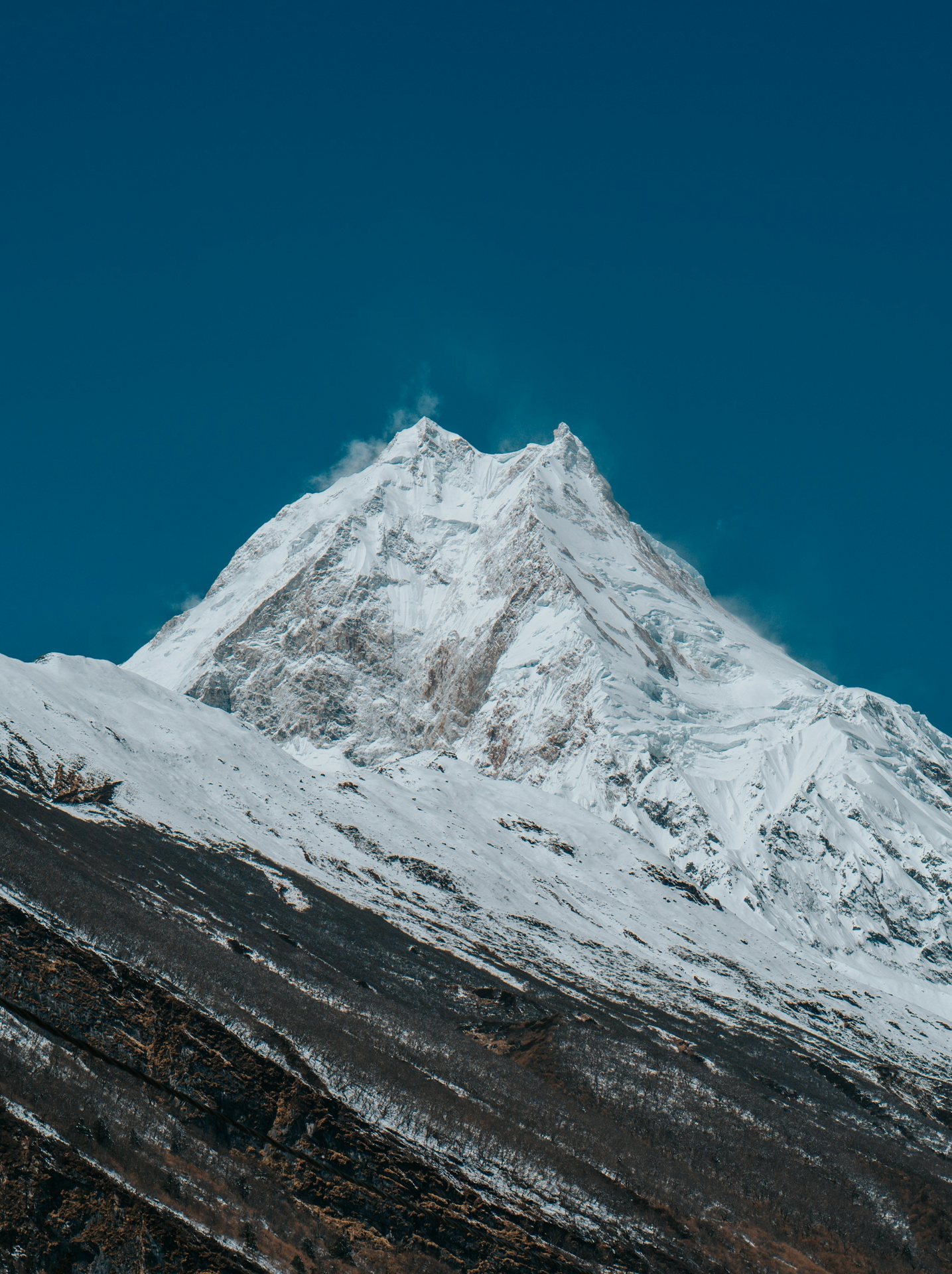
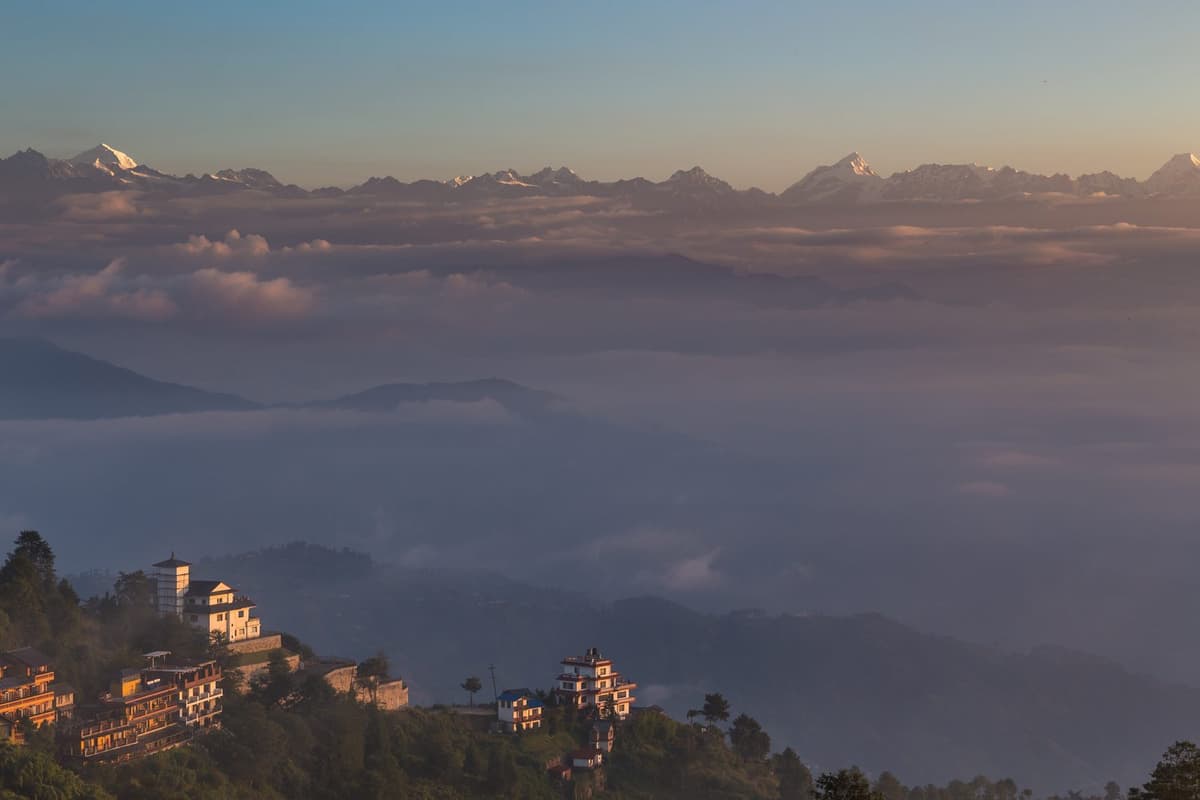
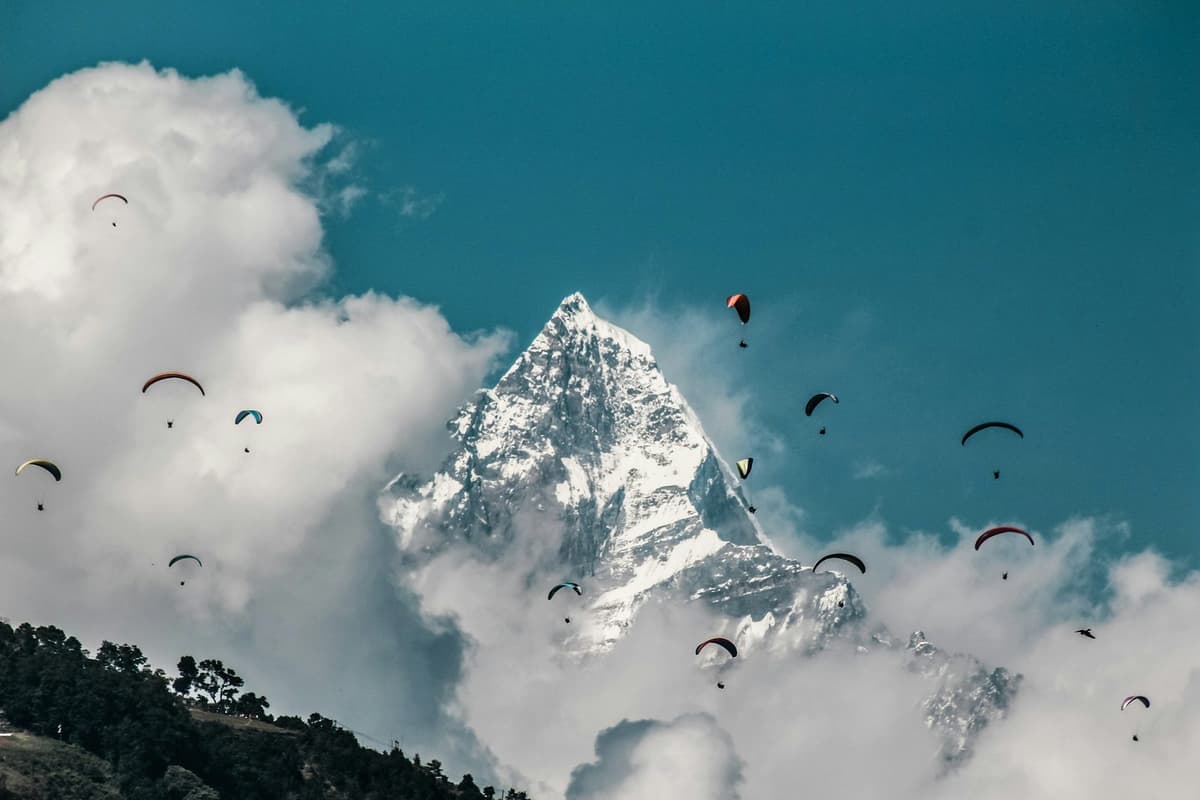
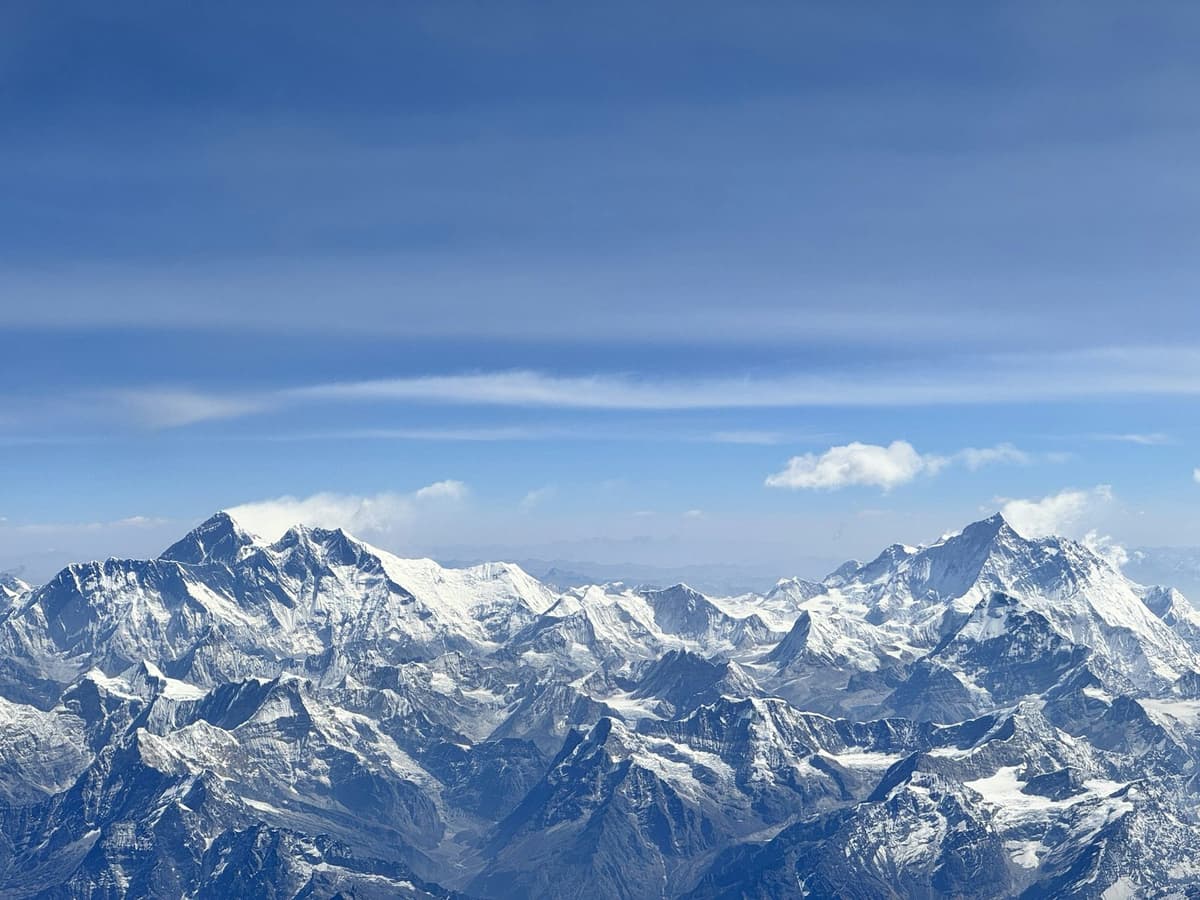
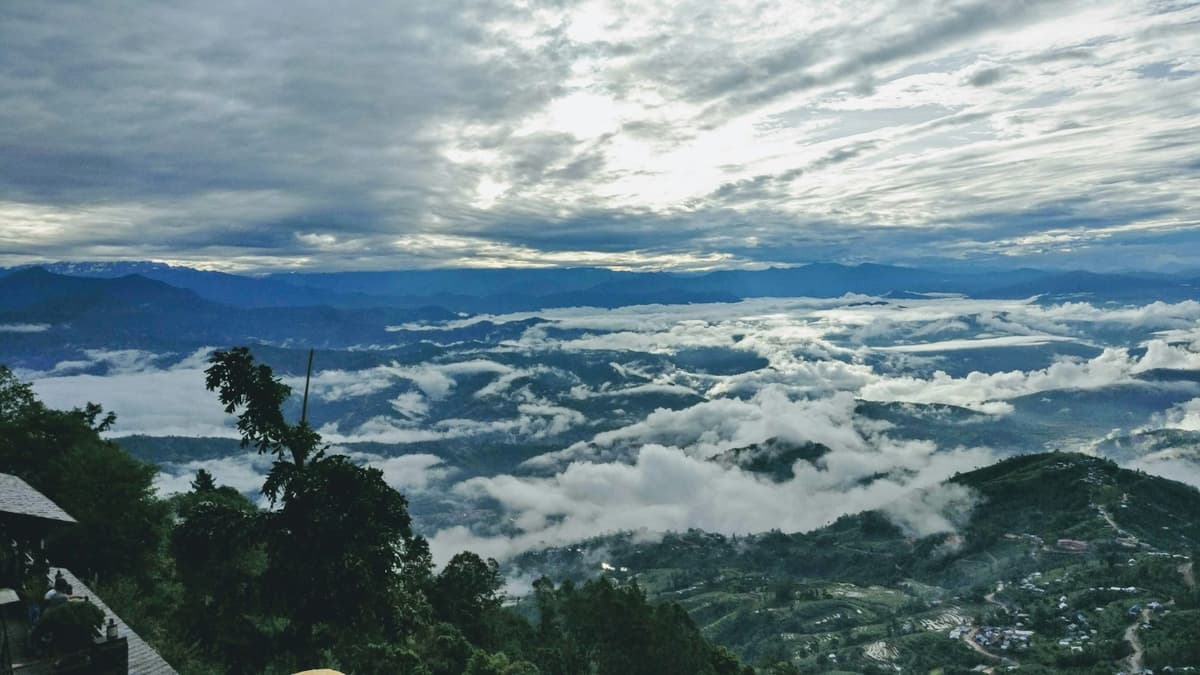
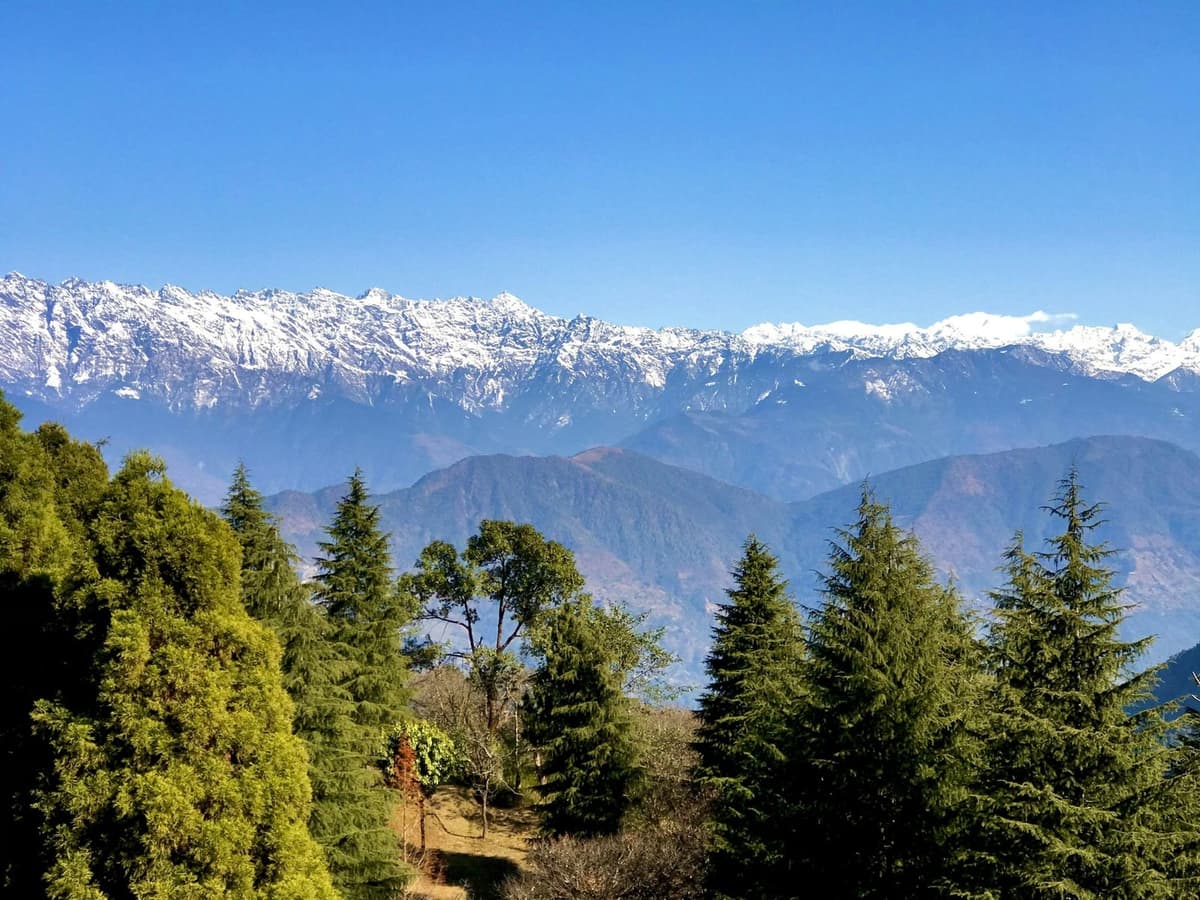
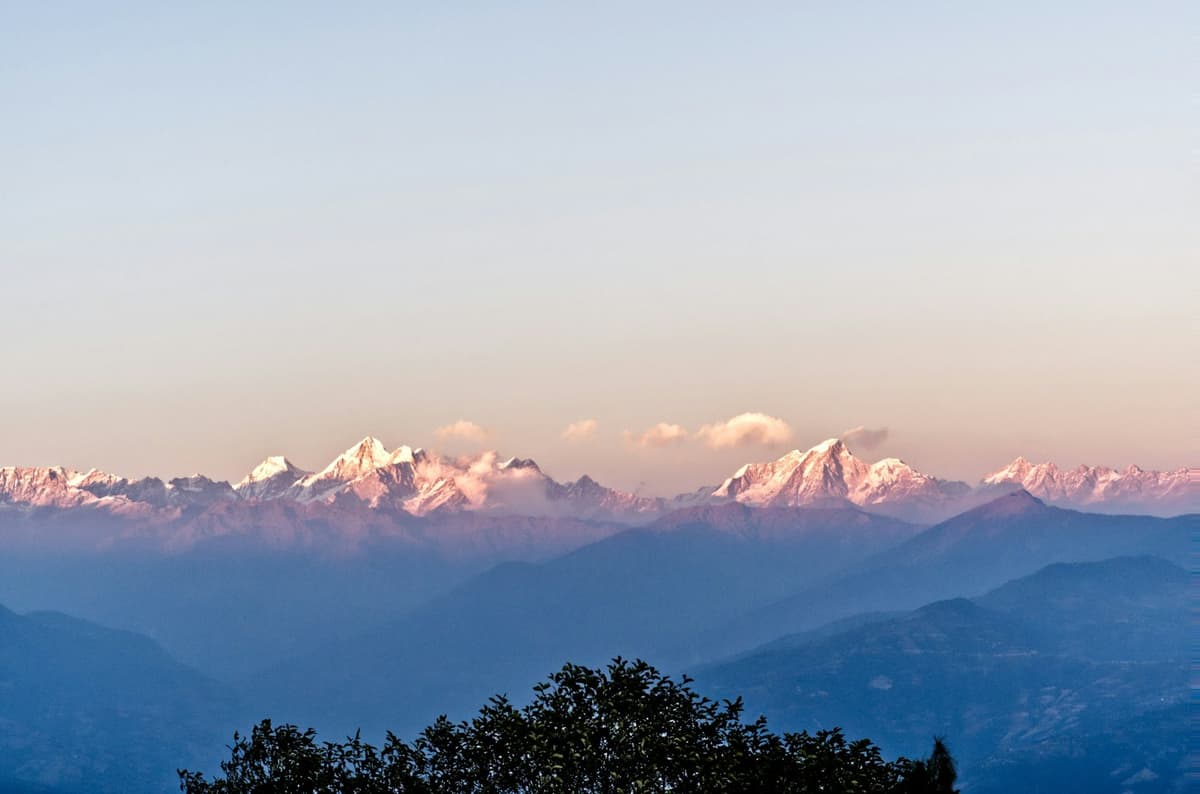
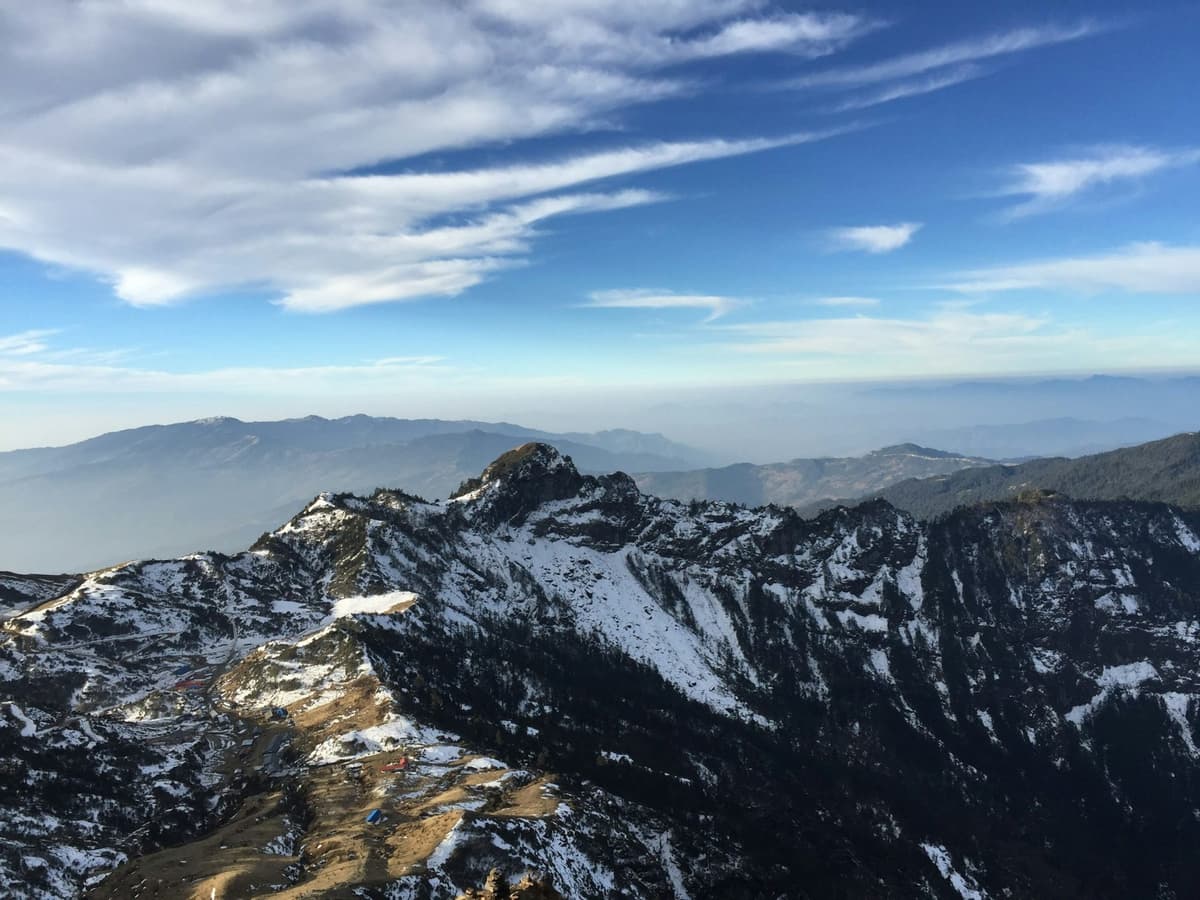
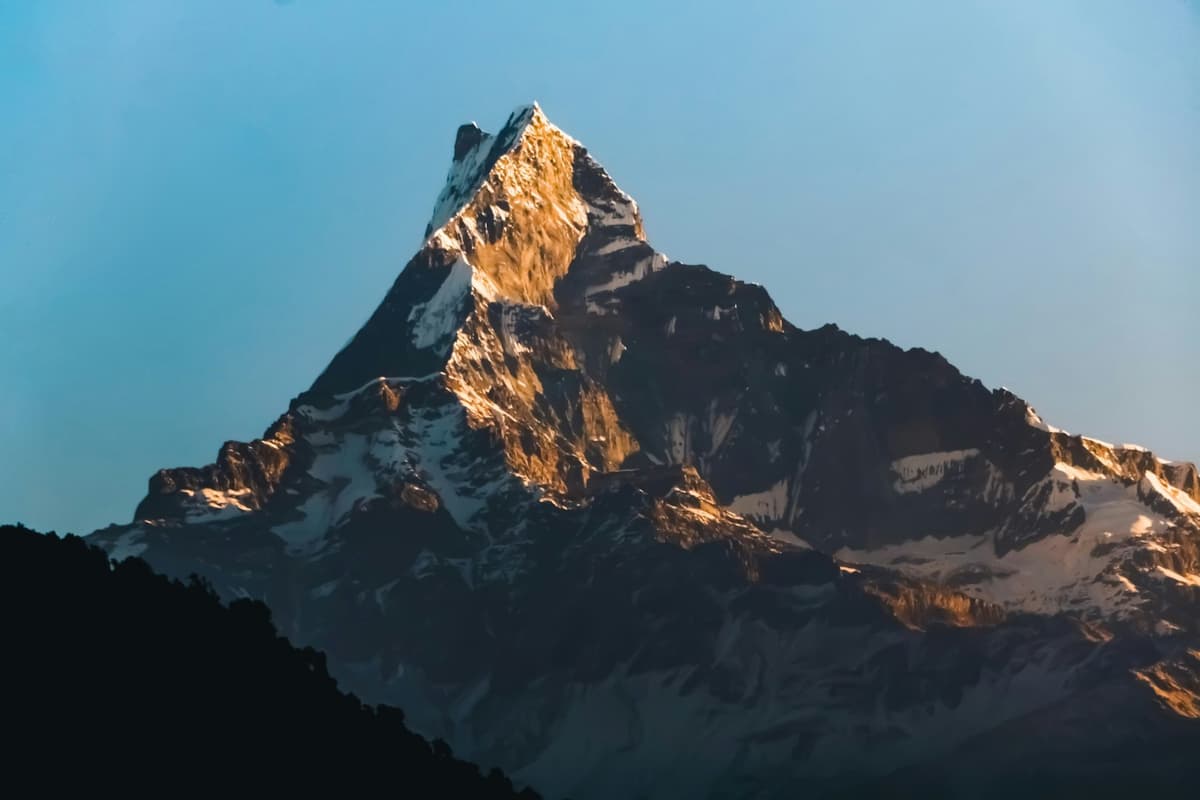
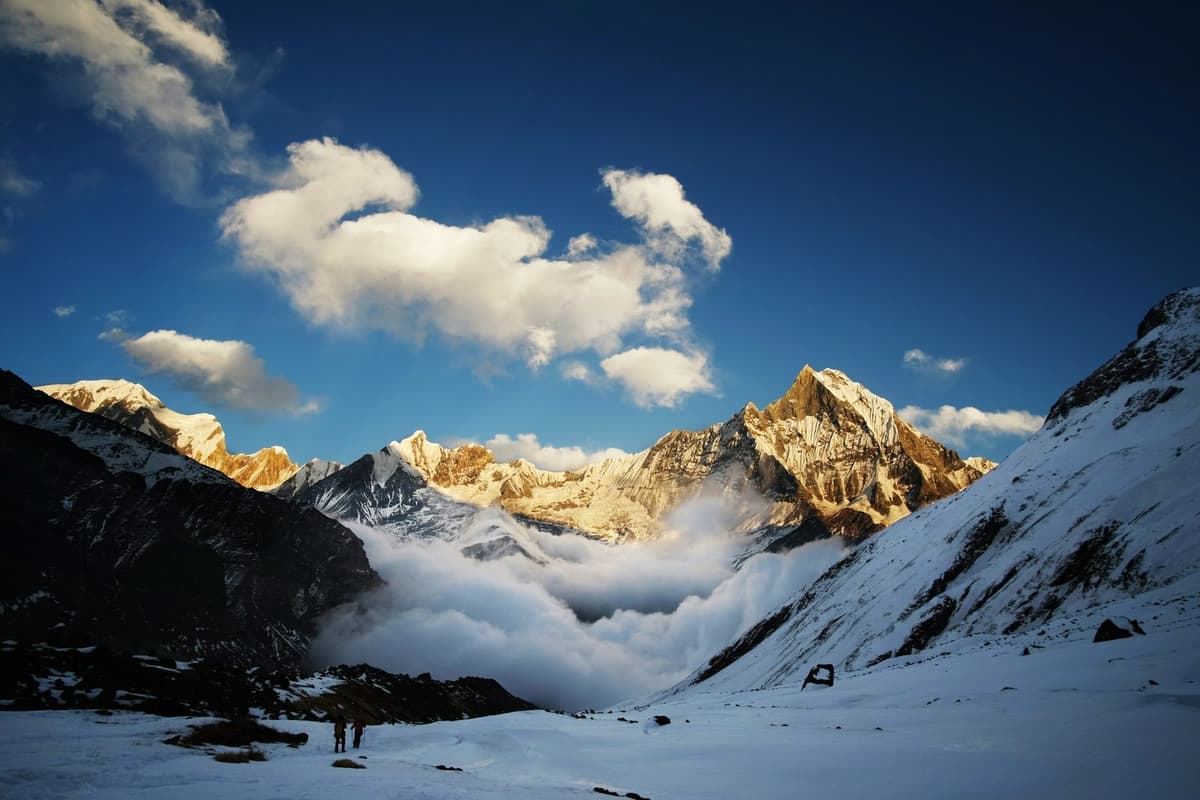
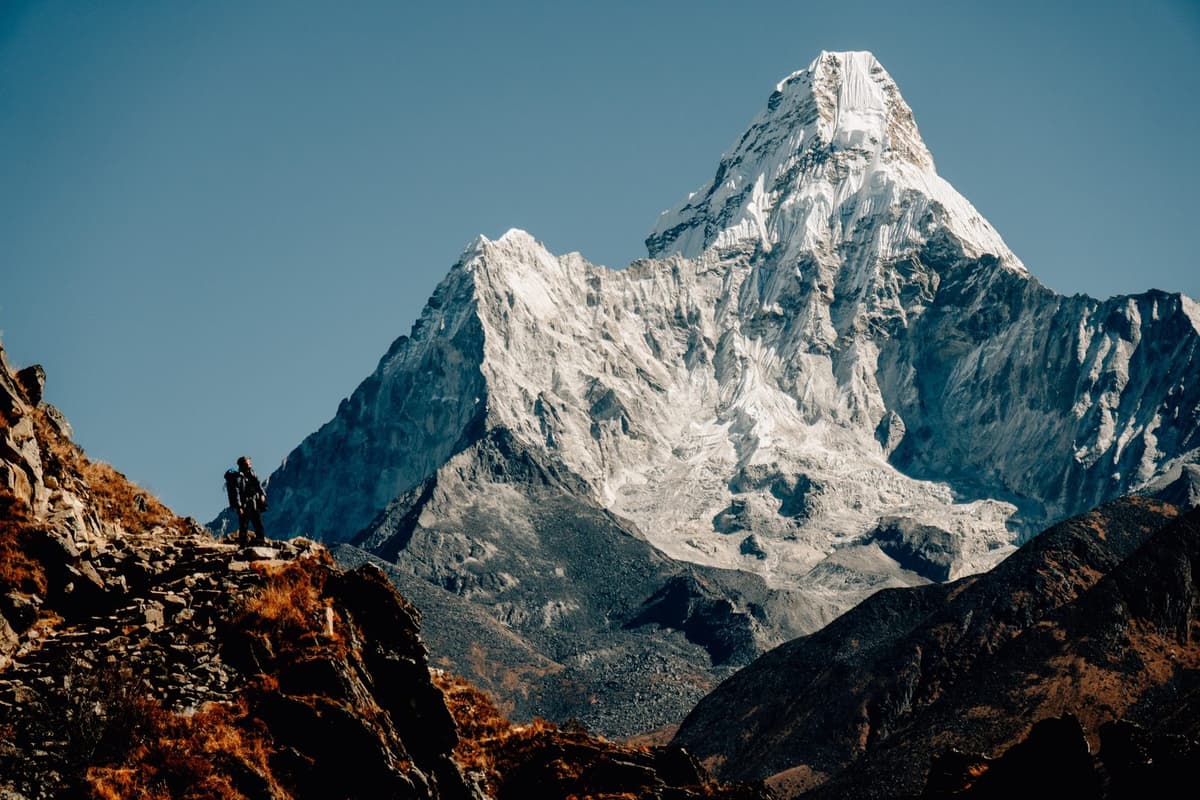
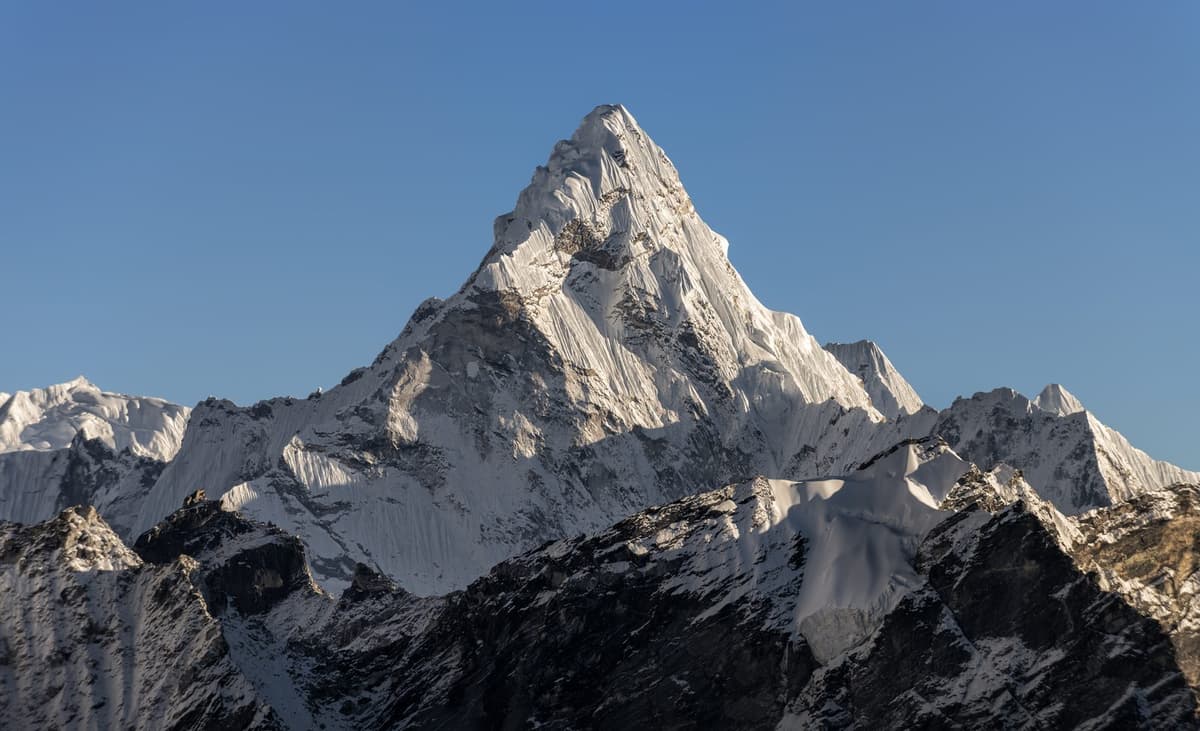
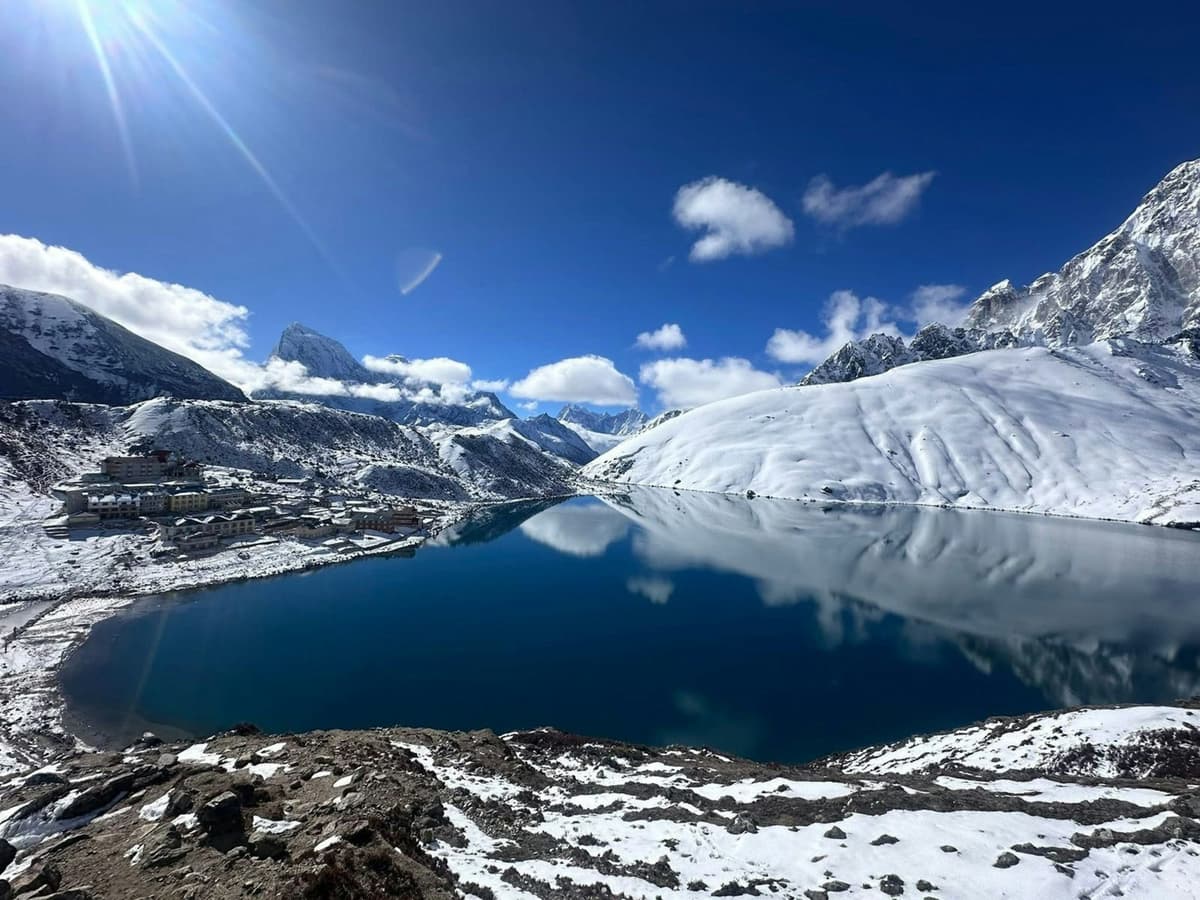
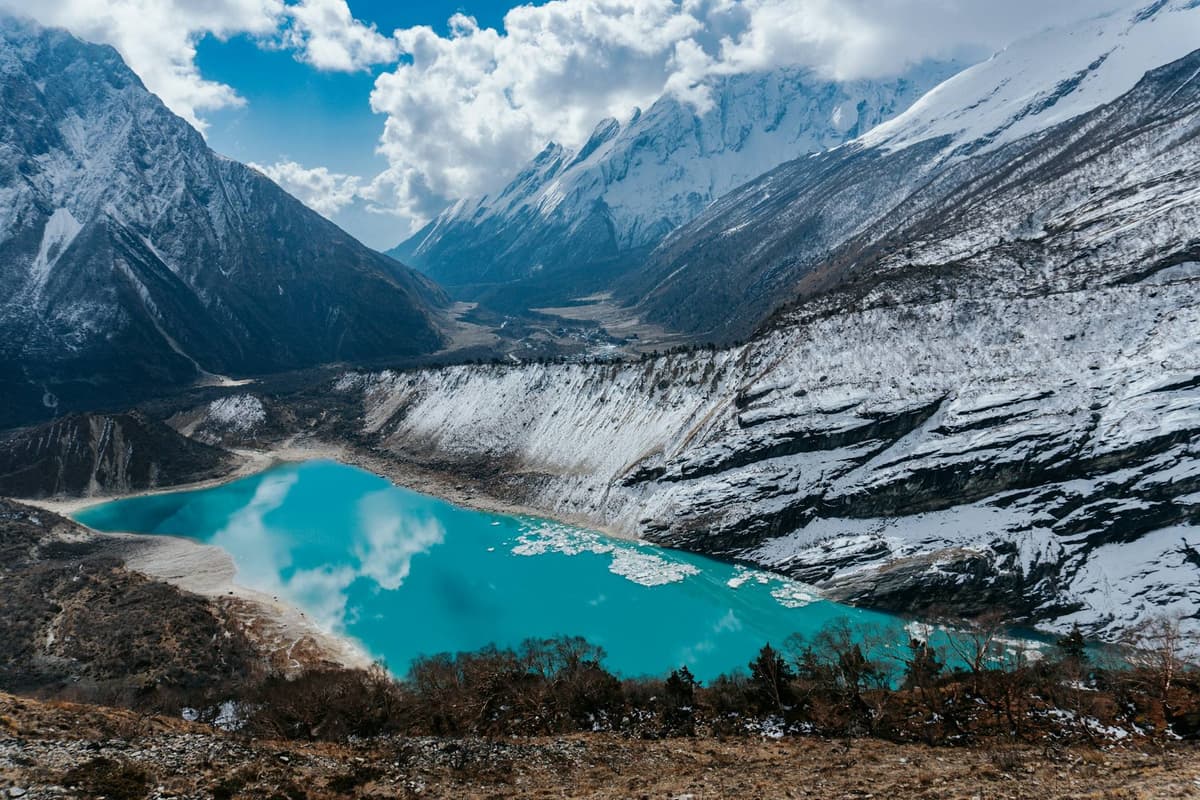
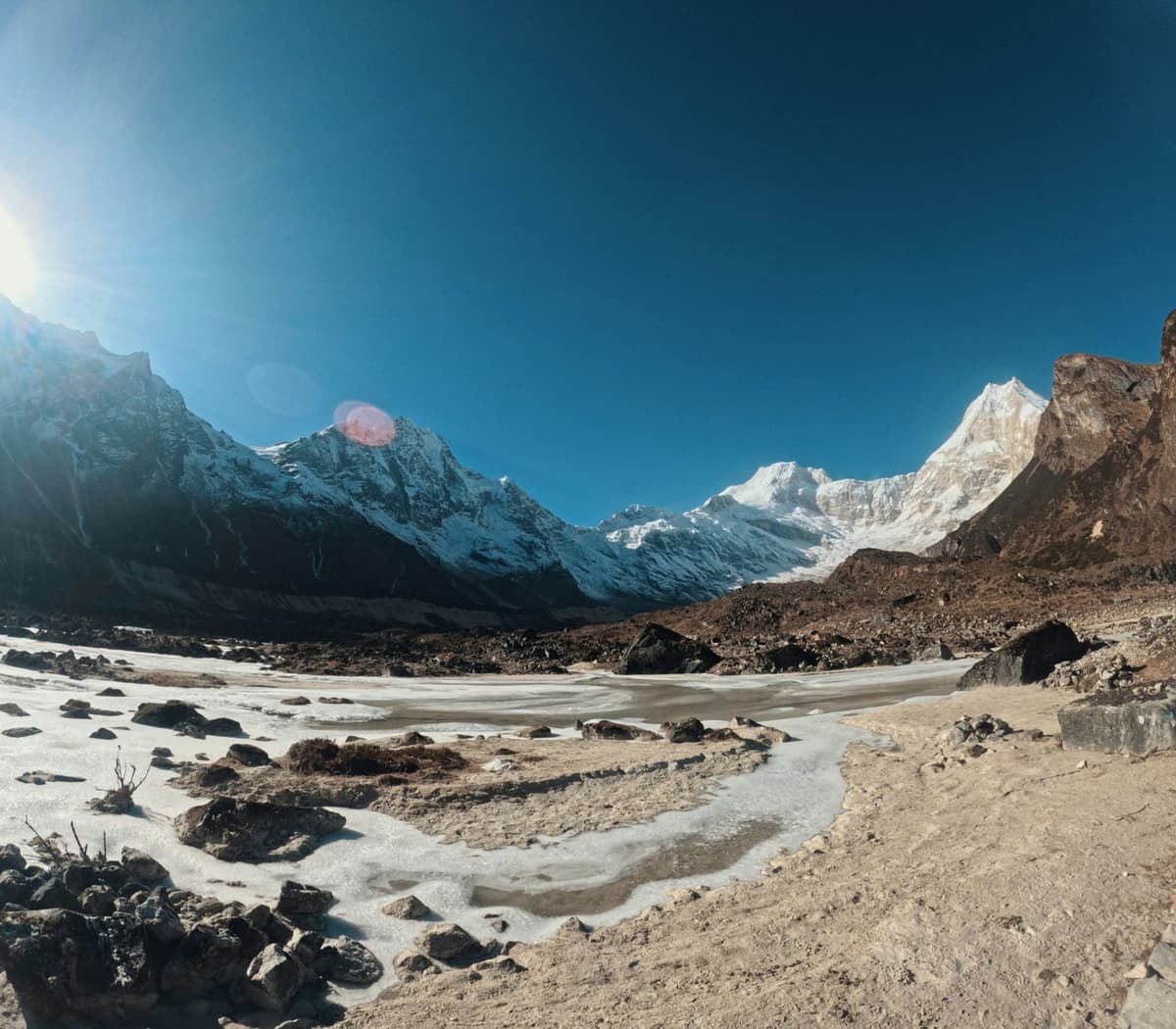
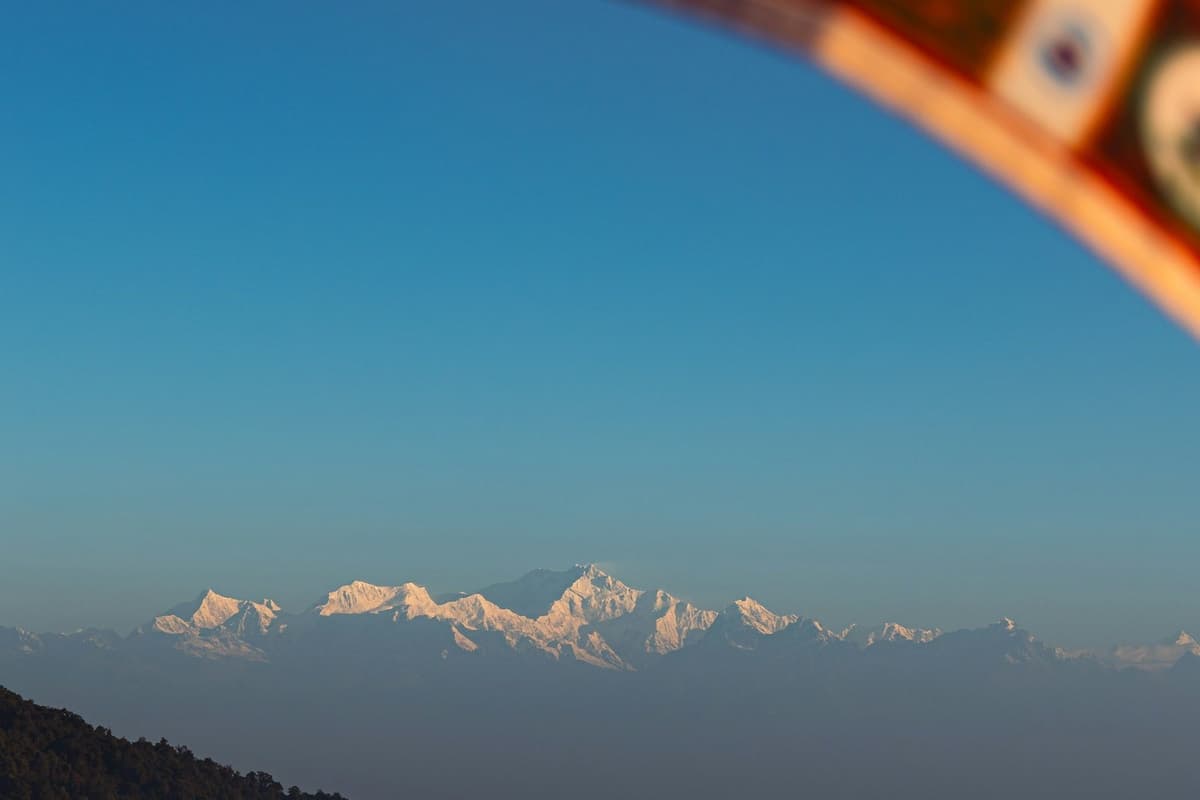
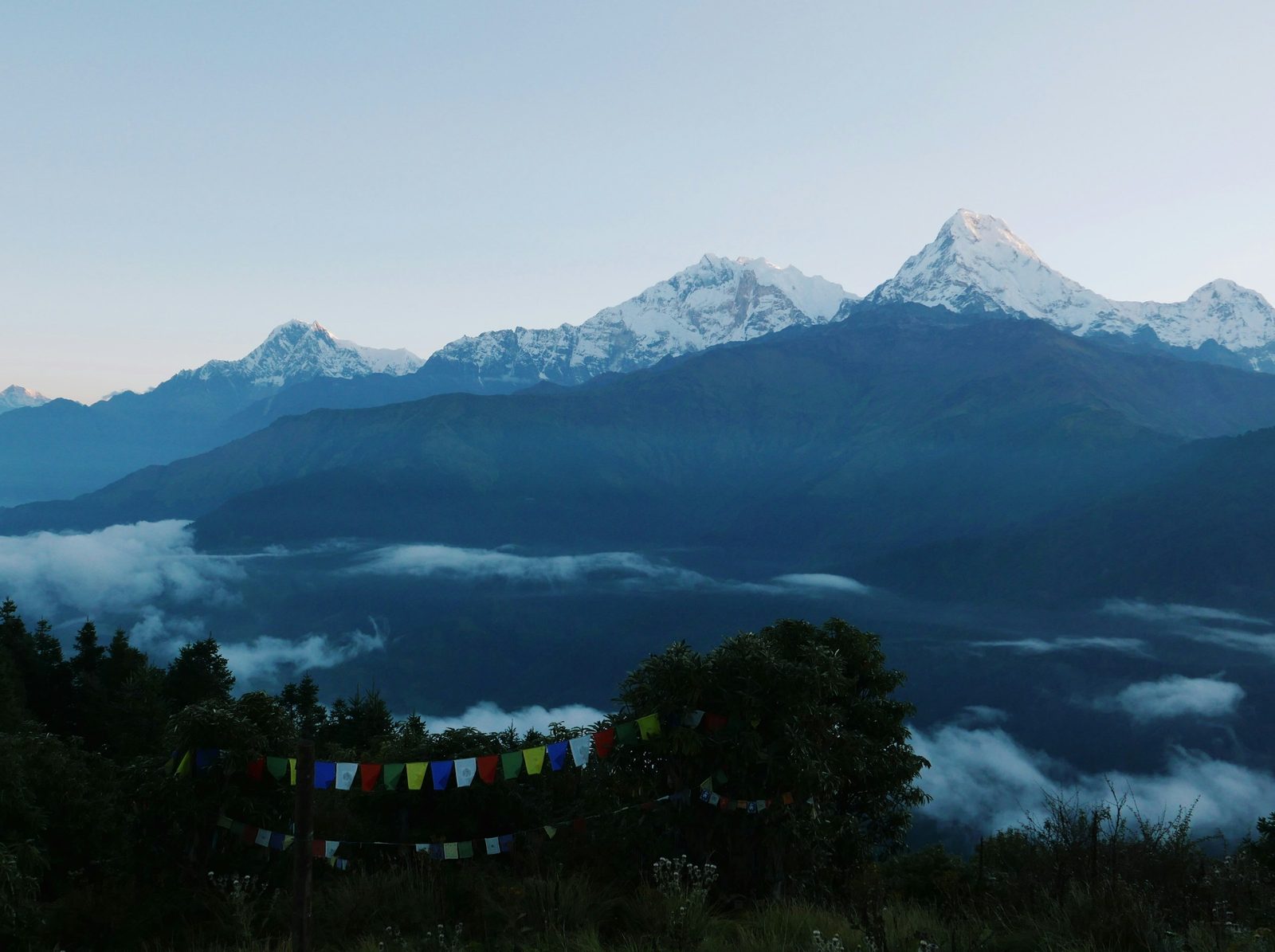
On an autumn morning above the tree line, frost whitens the teahouse roofs until the sun clears the ridge and the peaks stand sharp against a clean sky. Walk the same path in July and cloud hides the mountains on many days.
The best time to trek in Nepal is mid-October to November, then March to May. The Nepal Tourism Board (NTB) names autumn and spring as the best seasons for trekking, with the clearest skies in October and November. Winter, December to February, suits lower routes, and in the June to September monsoon the rain-shadow areas are the exception.
Still choosing a route? Our guide to the best treks in Nepal compares them. This guide covers timing only: seasons, regions, the monsoon, winter passes, Lukla flights and packing. For cities, Chitwan and festivals, see our best time to visit Nepal guide.
Key facts
- Best seasons for trekking
- Spring and autumn; clearest skies in October and November (NTB, Climate in Nepal, 30 Oct 2026)
- Monsoon 2026
- Fully withdrew on 14 October, 12 days later than normal (DHM, as reported by Nepalnews, 30 Oct 2026)
- Everest region, best season
- October to November and March to May (NTB, Sagarmatha National Park, 30 Oct 2026)
- Busiest months, Sagarmatha National Park, 2025
- October 10,345; April 9,927; March 9,368 foreign visitors (MoCTCA, Nepal Tourism Statistics 2025, 30 Oct 2026)
- Lukla flight baggage
- Tara Air: 10 kg checked plus 5 kg hand luggage (Tara Air, baggage policy, 30 Oct 2026)
In this guide
- When is the best time to trek in Nepal?
- Autumn or spring: which is the best season to trek in Nepal?
- Which months are best in each trekking region?
- Can you trek in Nepal during the monsoon?
- Can you trek in winter, and when are the high passes open?
- How does altitude change the best time for trekking in Nepal?
- How does the weather affect Lukla flights?
- What should you pack for each season?
- Frequently asked questions
- Which trek should you ask us about?
When is the best time to trek in Nepal?
For most trekkers, the best time to trek in Nepal is mid-October to November, with March to May a close second. Trekkers call these autumn and spring; Nepal's Department of Hydrology and Meteorology (DHM) calls them post-monsoon and pre-monsoon. Winter works for lower treks; the monsoon works mainly in the rain shadow.
| Season (DHM months) | How DHM describes it | Best for | Watch out for |
|---|---|---|---|
| Autumn, post-monsoon (Oct and Nov) | "Pleasant weather" | High treks, passes, mountain views | Busiest trails; the monsoon can linger into October |
| Winter (Dec to Feb) | "Coldest and driest" | Lower and middle treks, quieter trails | Freezing nights up high; snow can close passes; some higher teahouses close |
| Spring, pre-monsoon (Mar to May) | "Hot weather and thunderstorms" | Treks at every level, rhododendron forest | Haze in some years; rain and snow storms up high |
| Monsoon (Jun to Sep) | "Rainy, hot and humid" | Rain-shadow Mustang and Manang | Cloud over the peaks, cancelled Lukla flights, landslides on roads |
Table: Nepal's trekking seasons. Months and descriptions from DHM (2017); notes from NTB and our own trip planning, checked 30 Oct 2026.
"Post monsoon the weather tends to be clearer. Winter is good but colder with shorter days and spring can be affected by seasonal rain and snow storms."
Nepal Tourism Board, Trekking in Nepal
Autumn or spring: which is the best season to trek in Nepal?
Autumn, by a small margin. NTB says the clearest skies come after the monsoon, in October and November, and that spring "can be affected by seasonal rain and snow storms". For Everest, our pick is mid-October to November, then April to early May.
Autumn: aim for mid-October
The monsoon normally leaves Nepal on 2 October, but DHM's records show it left later than that in every year from 2016 to 2025, between 5 and 16 October. In 2026 the withdrawal began in the west on 3 October and was complete on 14 October, 12 days later than normal. Early October is not always dry either: October 2025 had 299.7% of its normal rain.
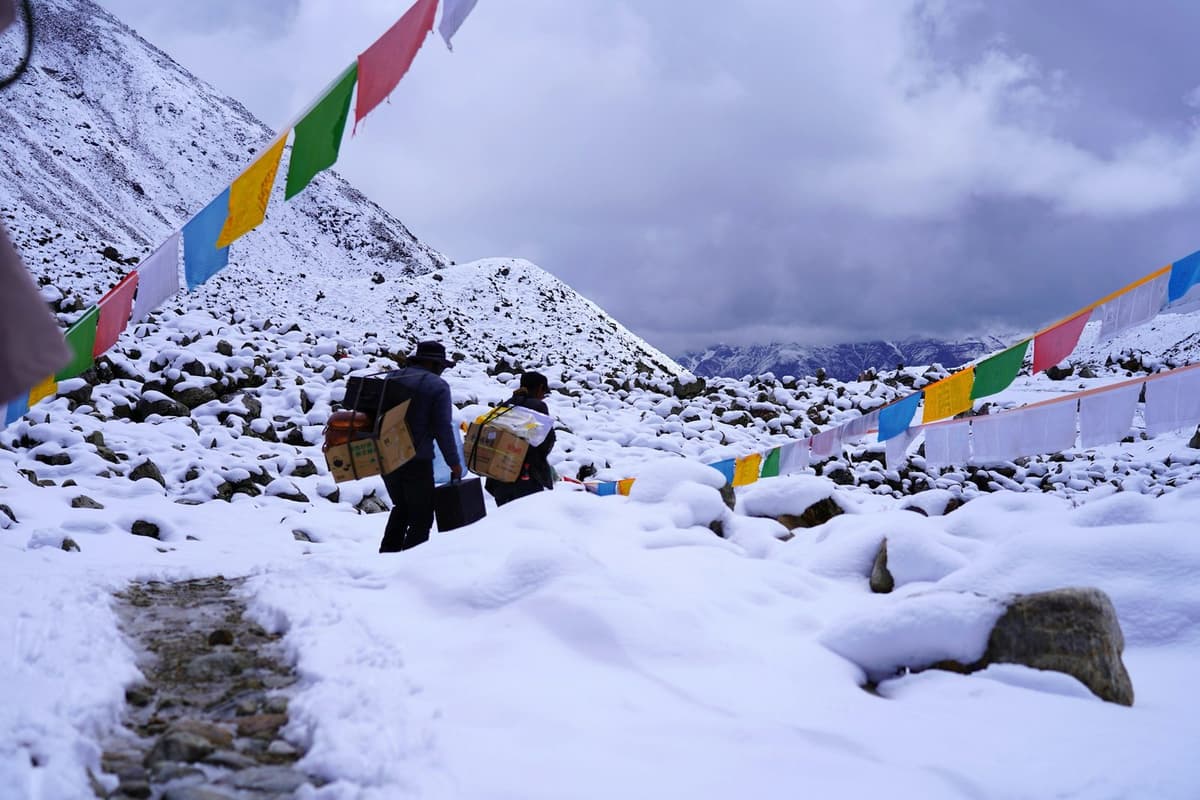
Snow is not only a winter problem. In late September 2026, snow blocked Larkya La on the Manaslu Circuit, and a local resident told OnlineKhabar that hundreds of tourists were stranded in Samagaun and Samdo, while Manang closed its high routes from 25 to 27 September.
Autumn is also the peak: October 2025 was the busiest month for foreign arrivals, with 128,443.
Spring: rhododendrons and haze
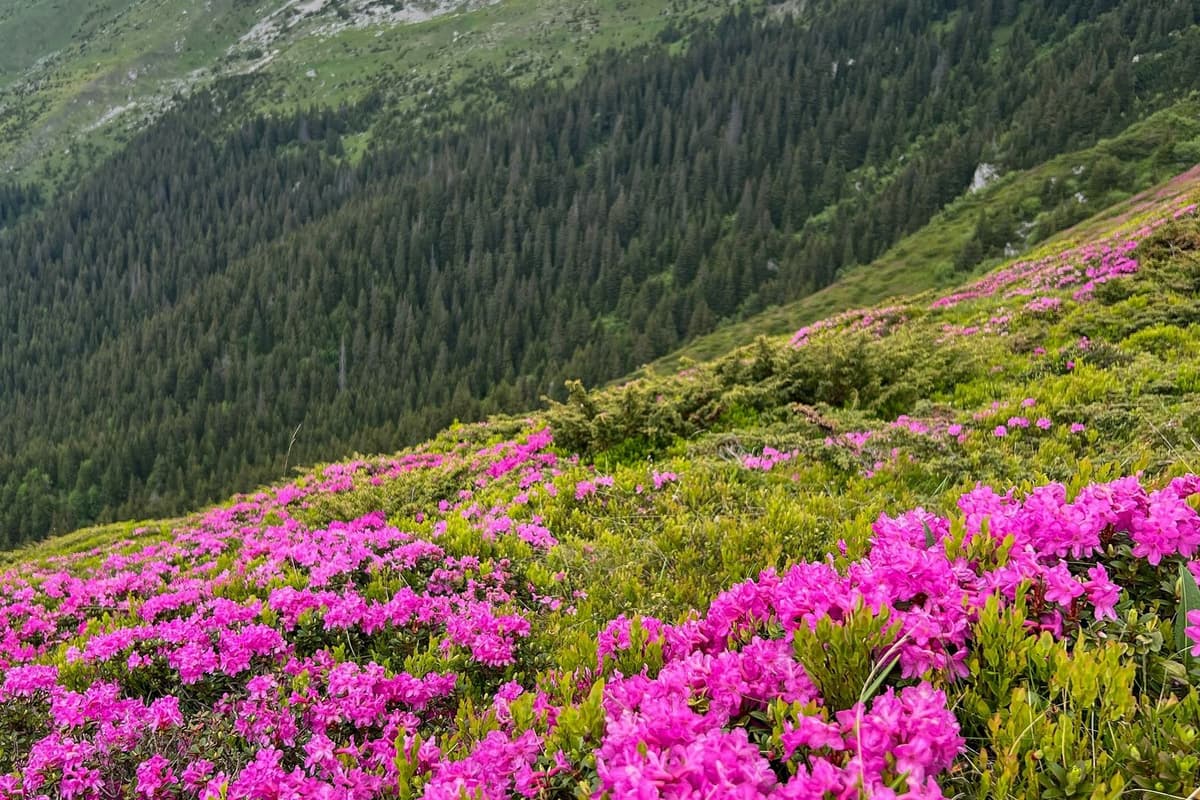
Spring is the second peak. The Annapurna Conservation Area had its busiest month of 2025 in April, with 46,169 foreign visitors. In NTB's words, "Spring is the time for rhododendrons to bloom". The trade-off is visibility: forest-fire smoke and air pollution can hide the peaks, badly in some years, as our Nepal in March guide explains.
Which months are best in each trekking region?
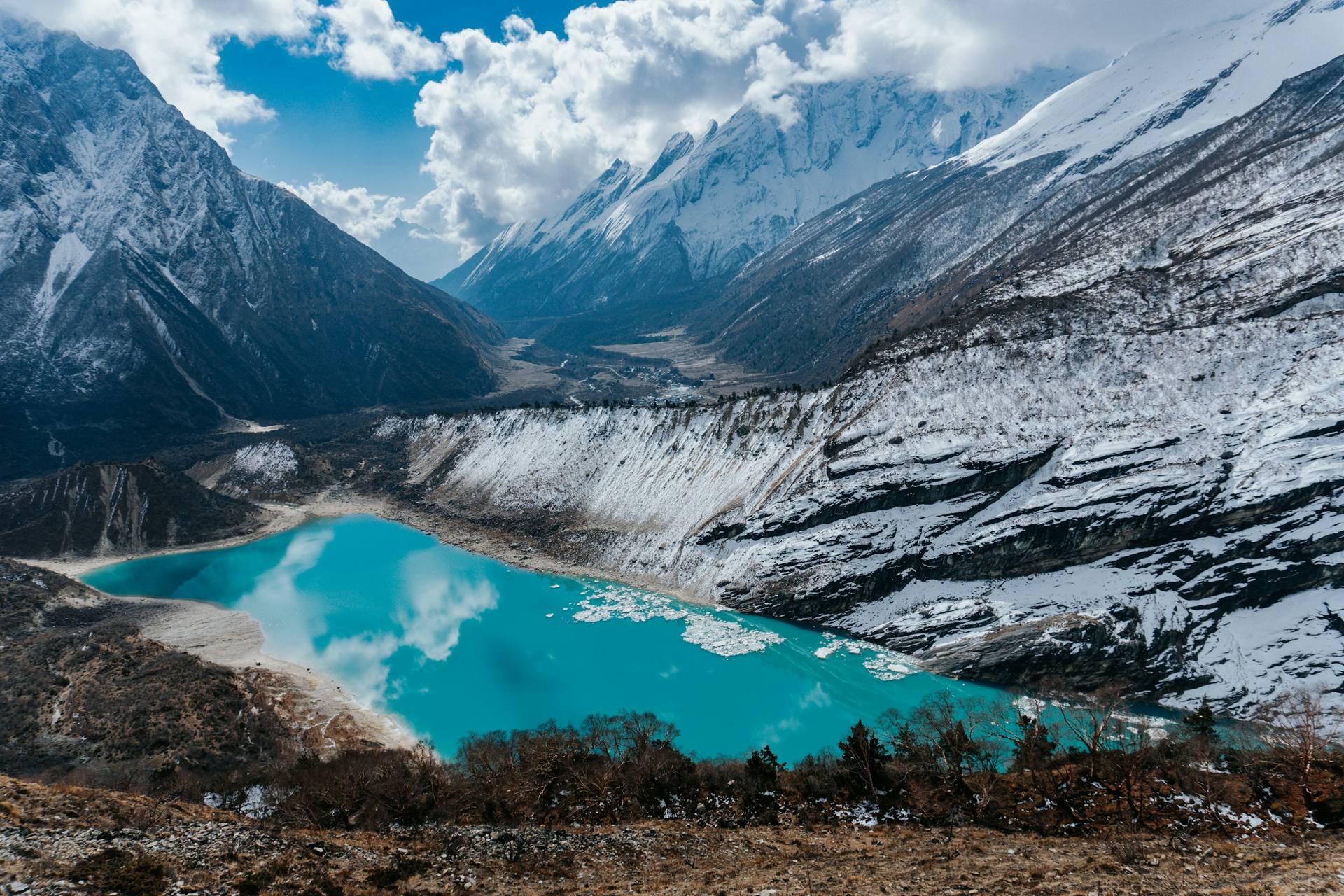
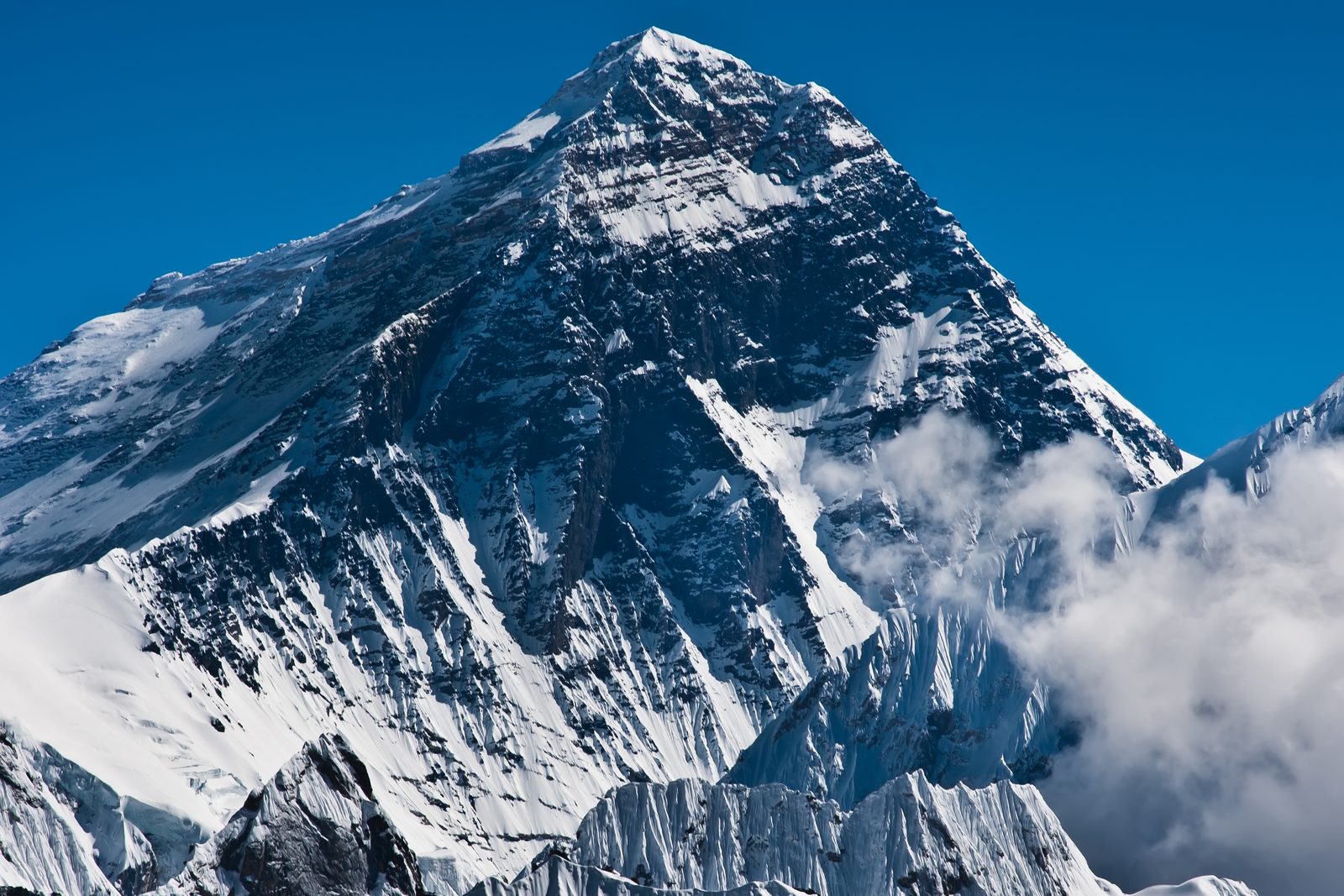
NTB gives October to November and March to May for the Everest region, and March to May plus September to November for the Annapurna and Manaslu areas. Dolpo's Shey Phoksundo National Park is best from March to May and in September and October, and Upper Mustang, in the rain shadow, also suits the monsoon.
| Region (protected area) | NTB best months | High point on the classic route | Note |
|---|---|---|---|
| Everest (Sagarmatha National Park) | October to November; March to May | Everest Base Camp 5,364 m | NTB: December to February "snow, daytime temperature 5 degrees Celsius"; June to September "rainy" |
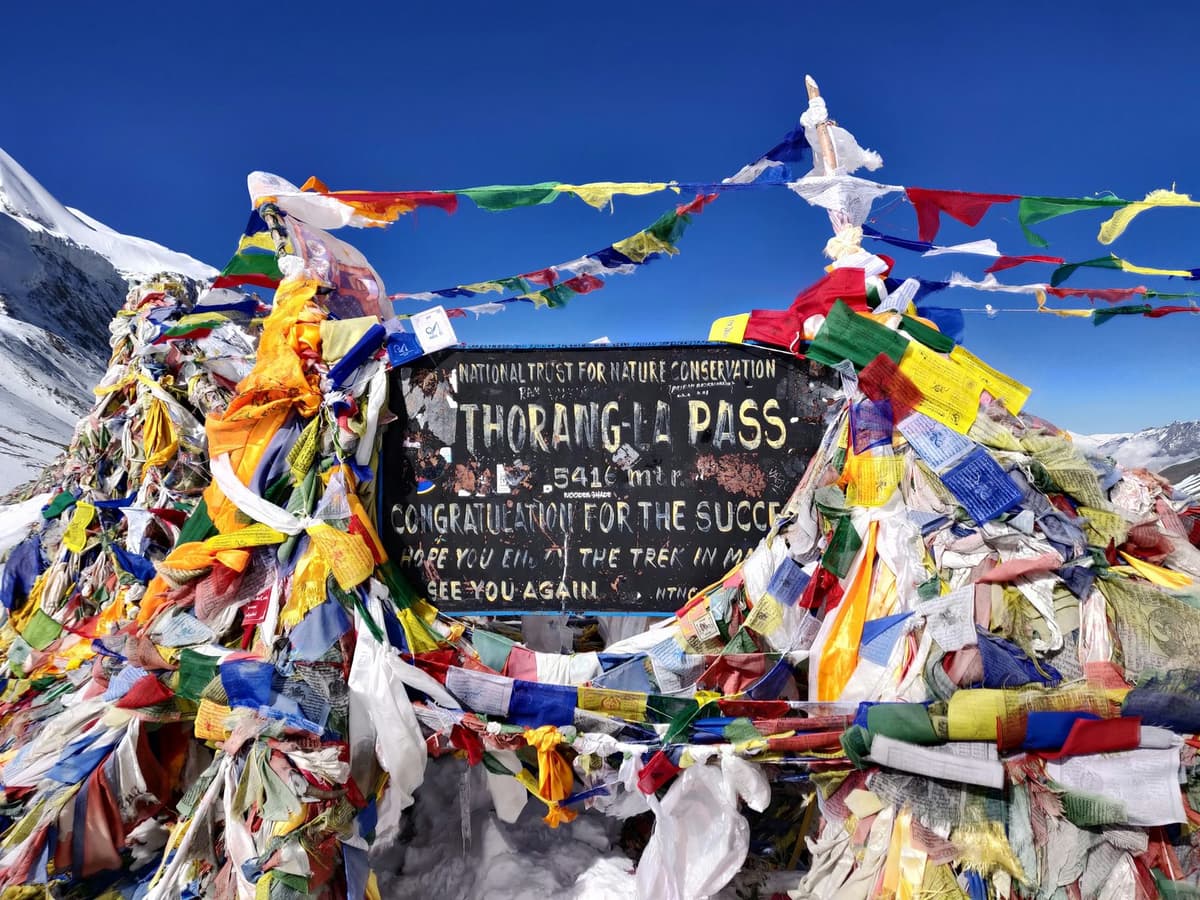
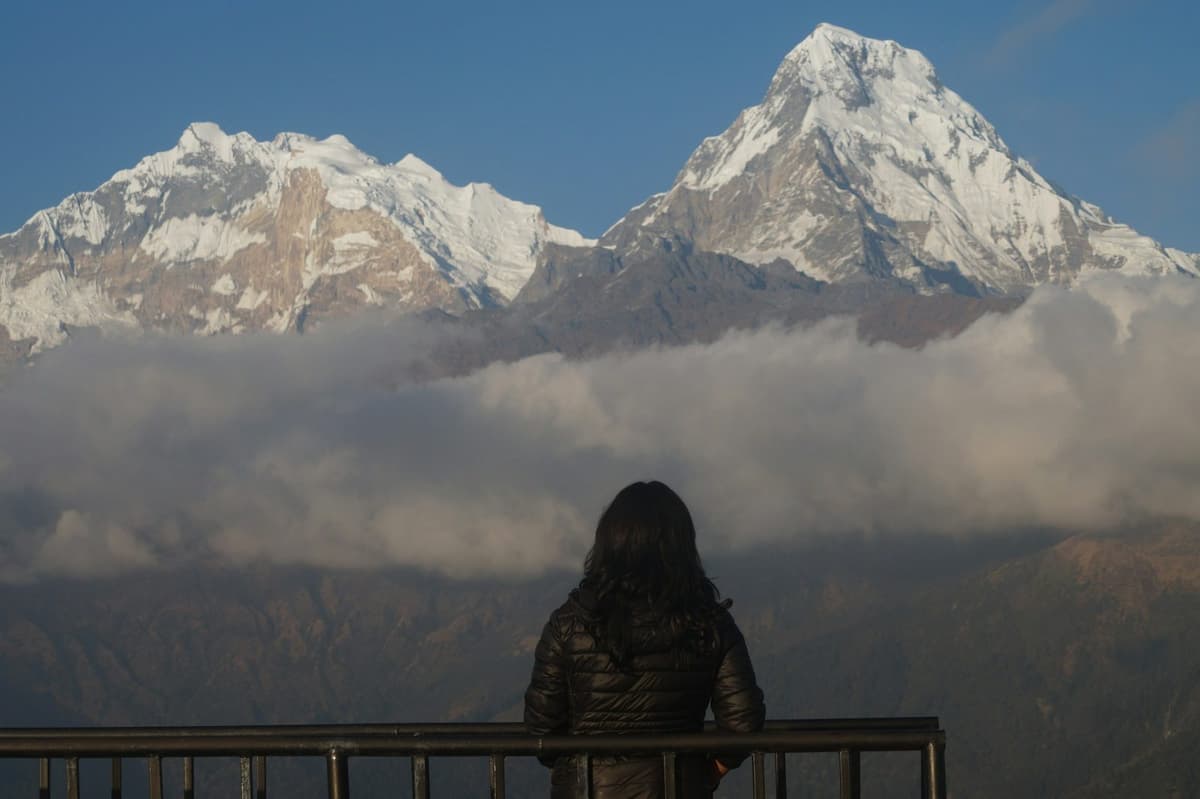
| Annapurna (Annapurna Conservation Area) | March to May; September to November | Thorong La 5,416 m; Annapurna Base Camp 4,130 m; Poon Hill 3,210 m | Busiest month of 2025: April |
| Manaslu (Manaslu Conservation Area) | March to May; September to November | Larkya La 5,106 m (5,160 m also published) | Restricted area |
| Dolpo (Shey Phoksundo National Park) | March to May; September to October | Ask us | Rain shadow north of Dhaulagiri, says NTB |
| Upper Mustang | No months given; "also suitable during monsoon" | Lo Manthang 3,840 m | Restricted area; rain shadow |
Table: best months from NTB's park and area pages, checked 30 Oct 2026; heights as on our best treks guide.
Visitor numbers agree: Sagarmatha National Park's top months in 2025 were October, April and March, and July had 176 foreign visitors. Our guide to the best time for the Everest Base Camp trek goes month by month.
Langtang is left out: a flood in late August 2026 damaged Syabrubesi, the usual trailhead. Check the current trail status with us before you book.
Can you trek in Nepal during the monsoon?
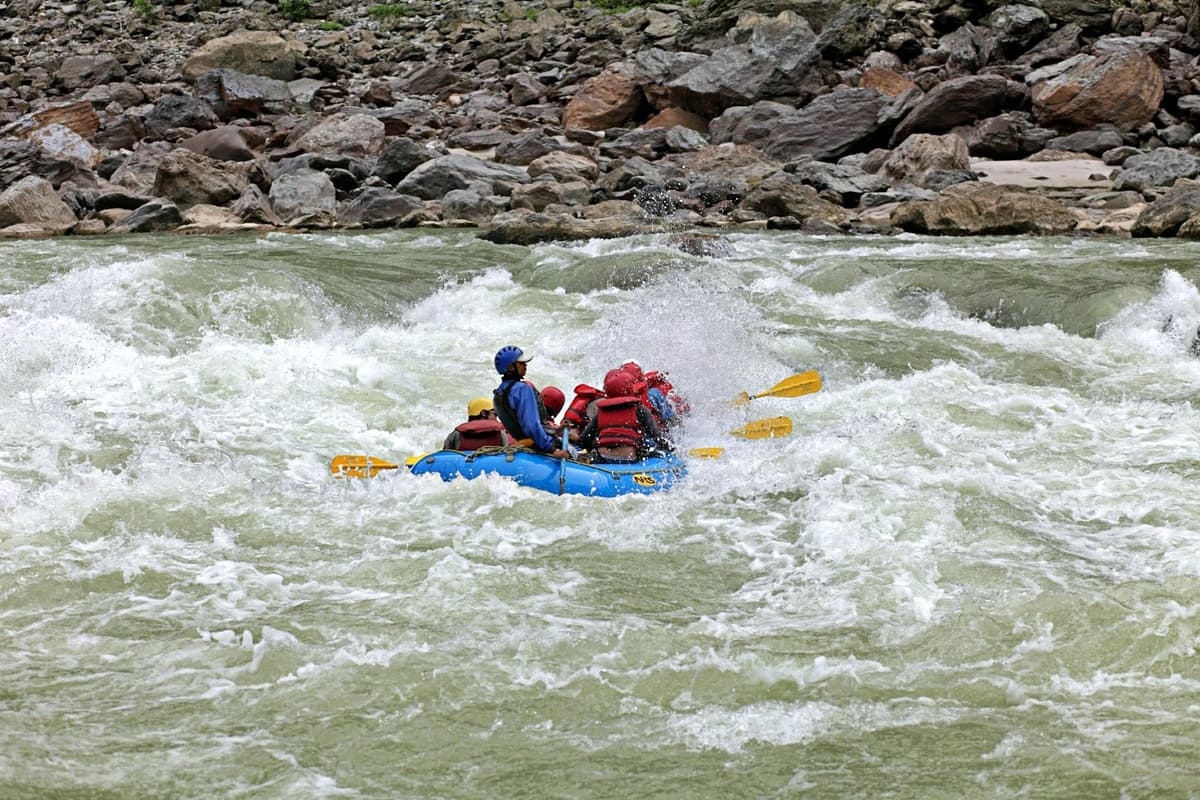
Yes, if you pick the route. NTB says 80% of Nepal's rain falls from June to September, so most trekking areas are wet and cloudy. The exception is the rain shadow. In NTB's words, "Monsoon treks are usually in the dry Manang and Mustang areas."
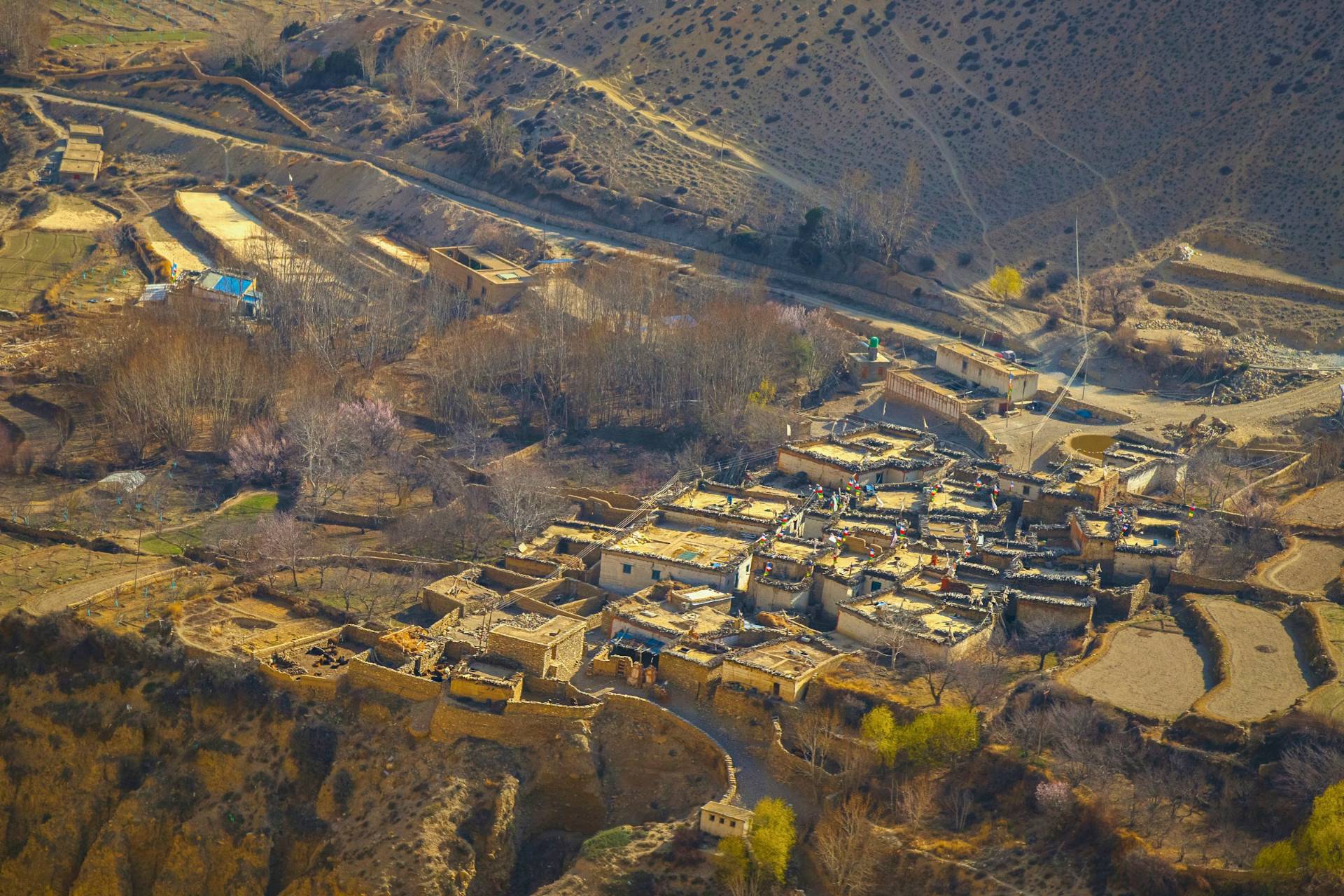
NTB places Mustang, Dolpo and the far west in the rain shadow, "a dry area on the leeward side of a mountain". Jomsom, in Mustang at 2,741 m (8,990 ft), averages 46.8 mm of rain in July, against 940.8 mm in Pokhara. Lukla, on the Everest side, averages 529.8 mm in July and 641.8 mm in August, its wettest month.
The trekker counts show the same split. Upper Mustang's busiest month for restricted-area trekkers in 2025 was May, with 770, and by our calculation July and August together made up 12.4% of its year, against 1.1% for Manaslu's restricted area.
Upper Mustang and Upper Dolpo are restricted areas: the permit is issued only through a registered agency, with a licensed guide. Ask us which permits and rules apply to your route and dates. Elsewhere, expect landslides on the roads and cancelled Lukla flights.
Can you trek in winter, and when are the high passes open?
Yes, on lower and middle routes. DHM calls December to February the "coldest and driest" months, and NTB notes "compensating bright sun and brilliant views". High passes are another matter: winter snow often makes passes such as Thorong La and Larkya La impassable, and there is no fixed opening or closing date.
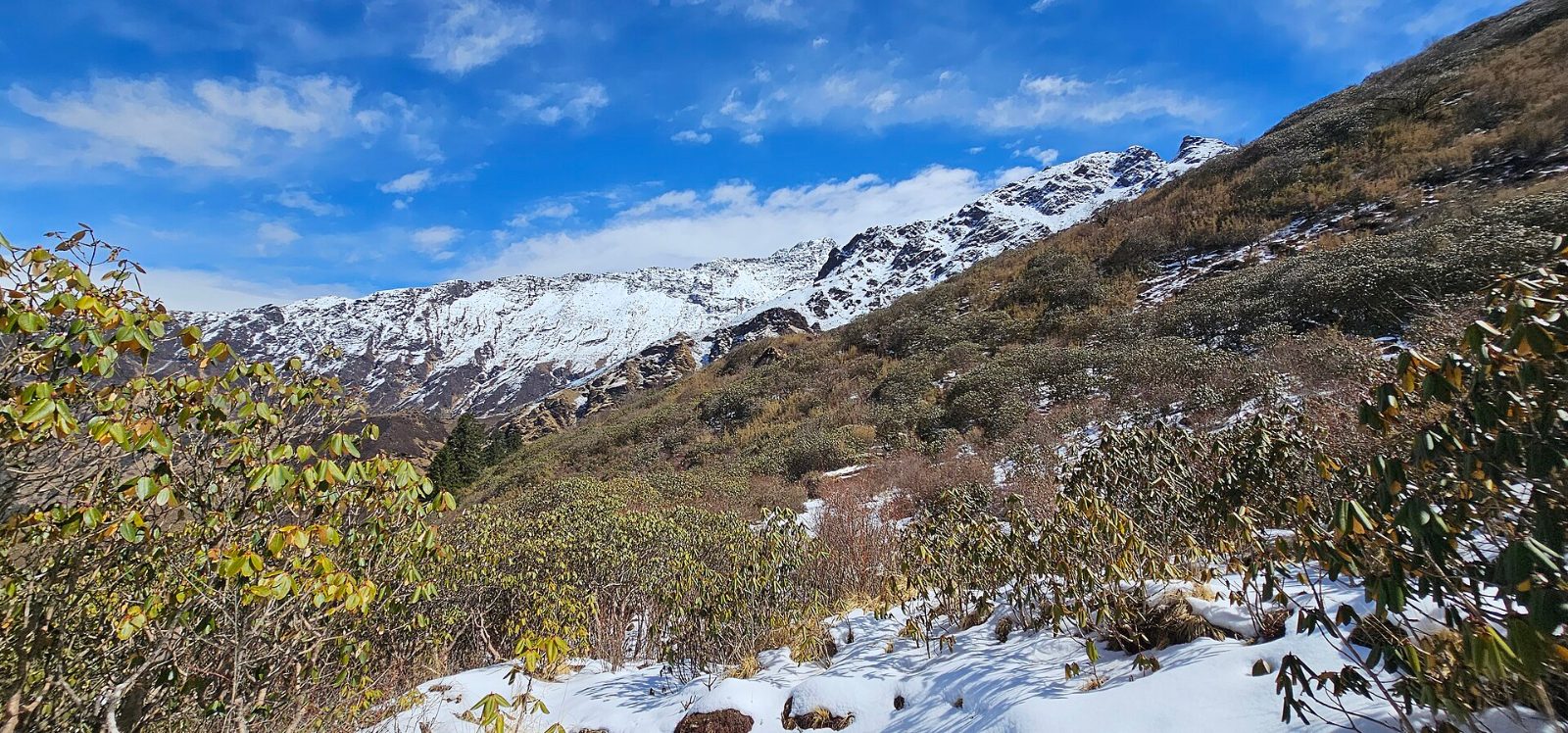
The nights are the hard part. Lukla's weather station, at 2,786 m (9,140 ft), averages −2.9 °C on January nights, and Humde, near Manang at 3,401 m (11,160 ft), averages −8.9 °C. Some higher teahouses close for the winter, so ask us to confirm lodges are open for your dates.
Passes can shut in autumn too. When the Annapurna region's high trails reopened in early November 2025, ACAP chief Rabin Kadariya said they "had been blocked by snow for about a week" (myRepublica, 5 November 2025). Your guide, who knows the route, decides when and how to cross, based on snow and the forecast. A licensed guide walks with you on every trek we run. Our winter treks in Nepal guide covers the routes that suit December to February.
How does altitude change the best time for trekking in Nepal?
Height matters as much as the month. NTB's rule of thumb is that average temperatures drop 6 °C for every 1,000 m you climb, so a warm afternoon in Pokhara says little about a night at Annapurna Base Camp. Plan for the height you will sleep at.
Altitude illness does not follow the calendar:
- The US CDC says it can start from a sleeping height of about 2,450 m, and fitness does not protect you.
- Above 3,000 m (9,840 ft), do not raise your sleeping height by more than about 500 m a night, and take a rest day every 3 to 4 days.
- Never go higher with symptoms; if they get worse, go down.
- Ask your doctor about preventive medicine (for example acetazolamide).
Teahouse garlic soup is a comforting local tradition that helps you drink, not a proven cure. Our guide on how to avoid altitude sickness has the full advice.
How does the weather affect Lukla flights?
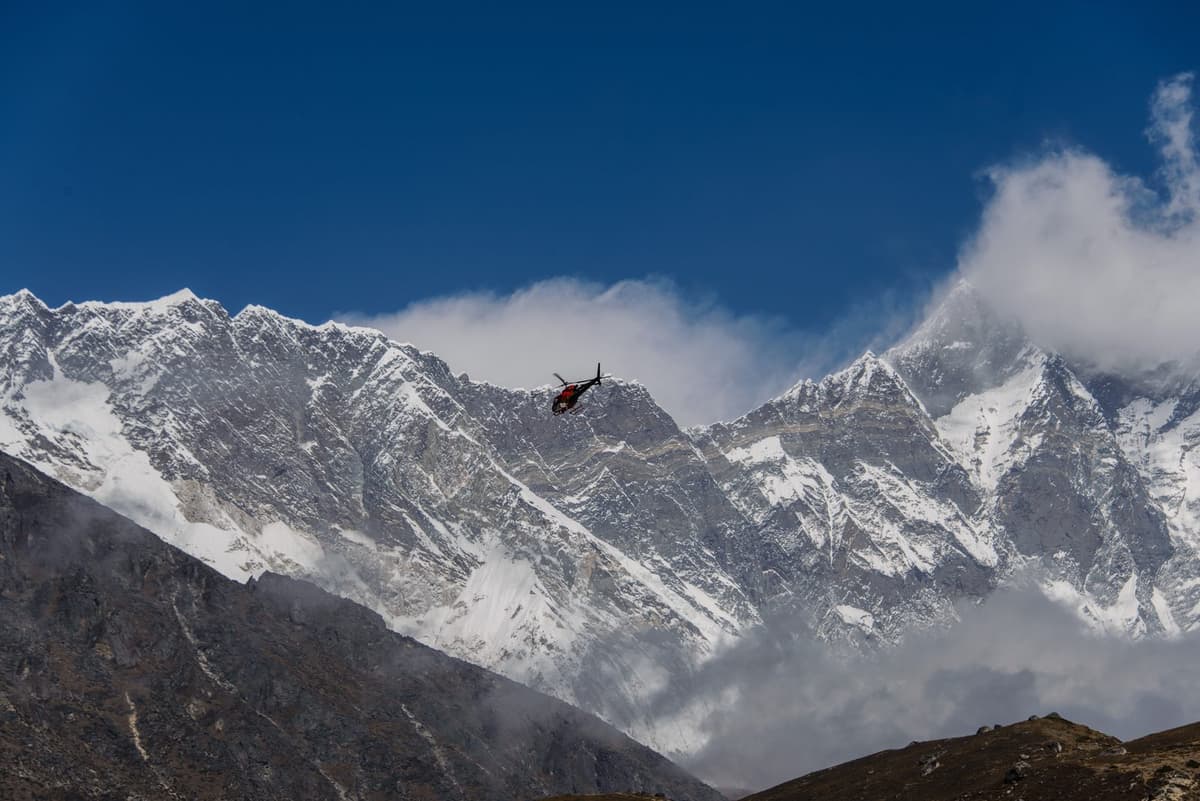
Every Lukla flight depends on the weather. The airstrip, at 2,846 m (9,340 ft), closes when cloud or wind make a visual landing unsafe, in any season. In the busy months many Lukla flights leave from Ramechhap (Manthali) instead of Kathmandu. Ramechhap is about 130 km from Kathmandu, a drive of about 4 to 5 hours, usually before dawn.
Which airport you fly from depends on the season, so check your ticket. Peak season is no guarantee: in late October and early November 2025, rain and fog stopped Lukla flights for three days (Nepalnews). Keep at least one spare day after any trek that uses a mountain flight. Our Lukla Airport guide has more.
What should you pack for each season?
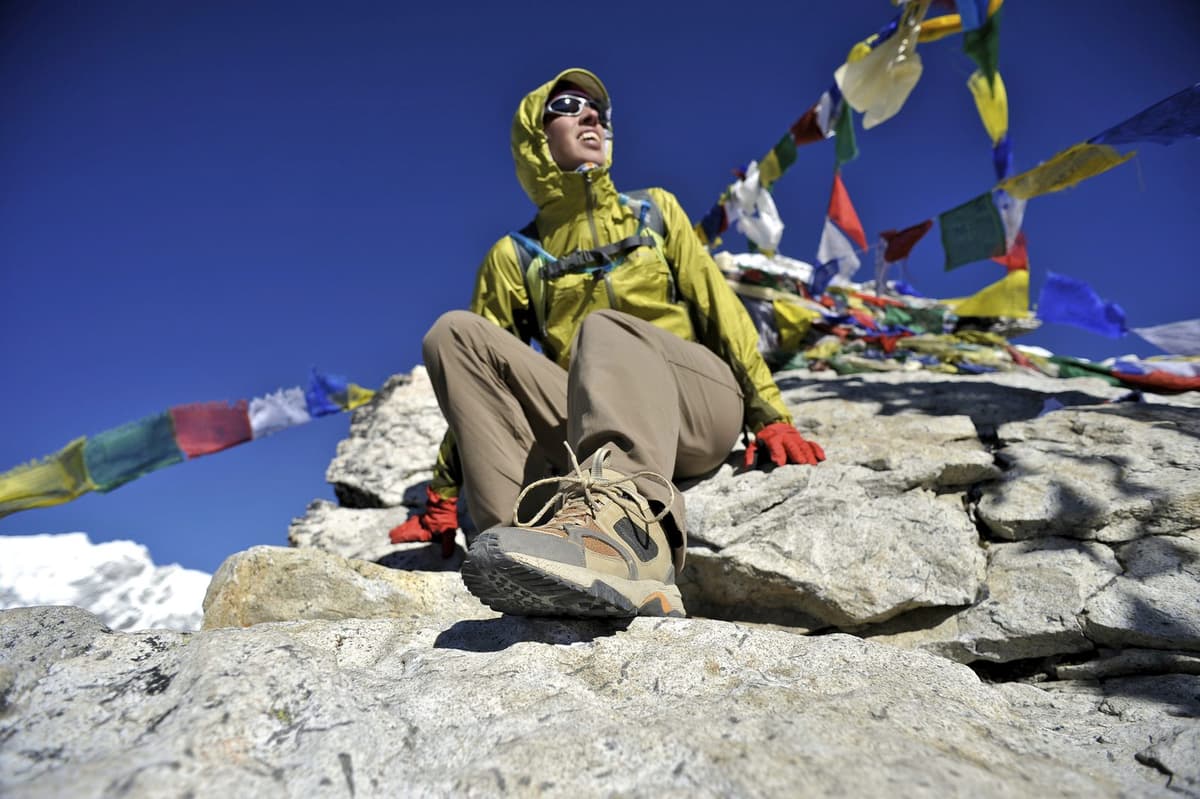
Pack layers, whatever the month. A thermal base layer, fleece, down jacket and a windproof, waterproof shell cover most trekking days. Teahouse rooms are unheated at night, so bring a warm sleeping bag and a liner.
- Every season: warm hat, gloves with liners, sunglasses and sunscreen, a head torch, and boots you have already walked in.
- Winter: your warmest layers; Lukla's January nights average −2.9 °C, and it is colder higher up.
- Spring: a buff or mask for smoky days and a light waterproof for storms.
- Monsoon: full rain gear and waterproof bags for your kit.
- Everest treks: pack to the Lukla flight allowance, usually 15 kg per person including hand luggage.
Read next: Nepal in April.
Frequently asked questions
When is the best time to trek in Nepal?
The best time to trek in Nepal is mid-October to November, then March to May. NTB names autumn and spring as the best seasons and says the clearest skies come in October and November. The monsoon normally leaves on 2 October, but it left later than that every year from 2016 to 2025. Winter suits lower treks, and Upper Mustang, in the rain shadow, also suits the monsoon.
What should I pack for a teahouse trek, and can I rent gear in Thamel?
Pack layers: a thermal base, fleece, down jacket and waterproof shell, plus a warm hat, gloves, sunglasses, sunscreen, a head torch and a warm sleeping bag, because teahouse rooms are cold at night. Thamel, in Kathmandu, has shops that rent down jackets, sleeping bags and backpacks. Choose a reputable shop, check the down fill and zips, and expect much of the branded gear on sale to be copies. Bring boots you have already walked in.
How much weight can a porter carry, and what is the bag limit?
On our trips, a porter carries up to 25 kg and is shared by two trekkers, so keep your share to about half that. We found no enforced legal weight limit for porters in Nepal. Guidelines from the International Porter Protection Group (IPPG), as reported by Rural 21, give a maximum of 30 kg in Nepal and say limits may need adjusting for altitude, trail and weather. On Everest treks, Tara Air allows 10 kg checked plus 5 kg hand luggage, 15 kg in all; other airlines set their own limits.
Is September a good month to trek in Nepal?
Late September can work if your dates are flexible. NTB's best-season lines for the Annapurna and Manaslu areas start in September, but DHM still counts September as monsoon, and in recent years the monsoon has left between 5 and 16 October. Snow can also come early: in late September 2026 it blocked Larkya La. From mid-October the odds are better.
Which trek should you ask us about?
Start with the month you have, then pick the route that suits it: high routes and passes from mid-October to November or in spring, lower treks in winter, and the rain shadow in the monsoon. Our guide to the best treks in Nepal compares heights and lengths. Our treks page lists every route we run; for a short first trek from Pokhara, look at our Ghorepani Poon Hill trek; and if you would rather stay low, browse our tours. Ask us on WhatsApp or through the enquiry form.