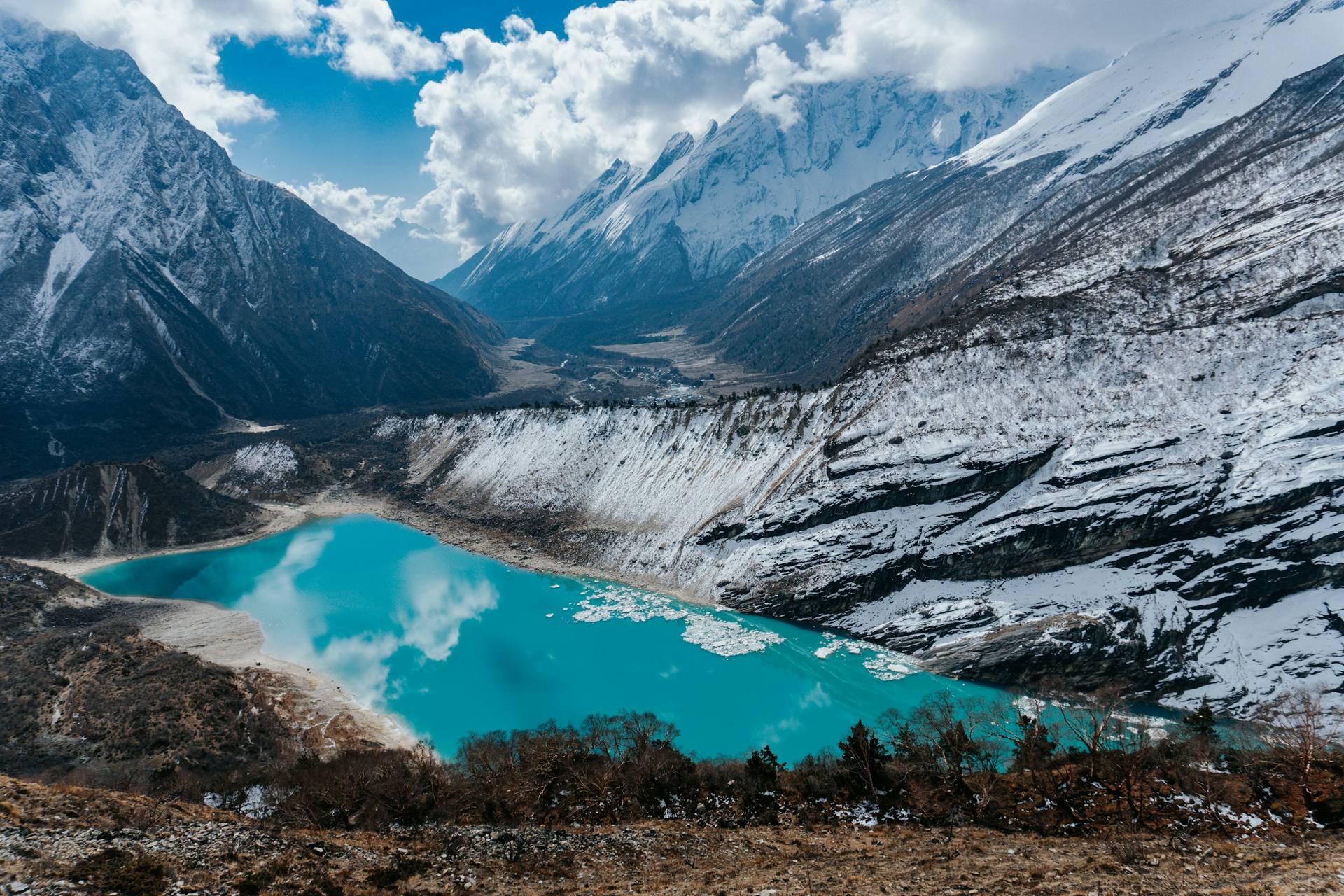
By Uncover Nepal Team · Checked by our Kathmandu travel team · Last checked 30 October 2026
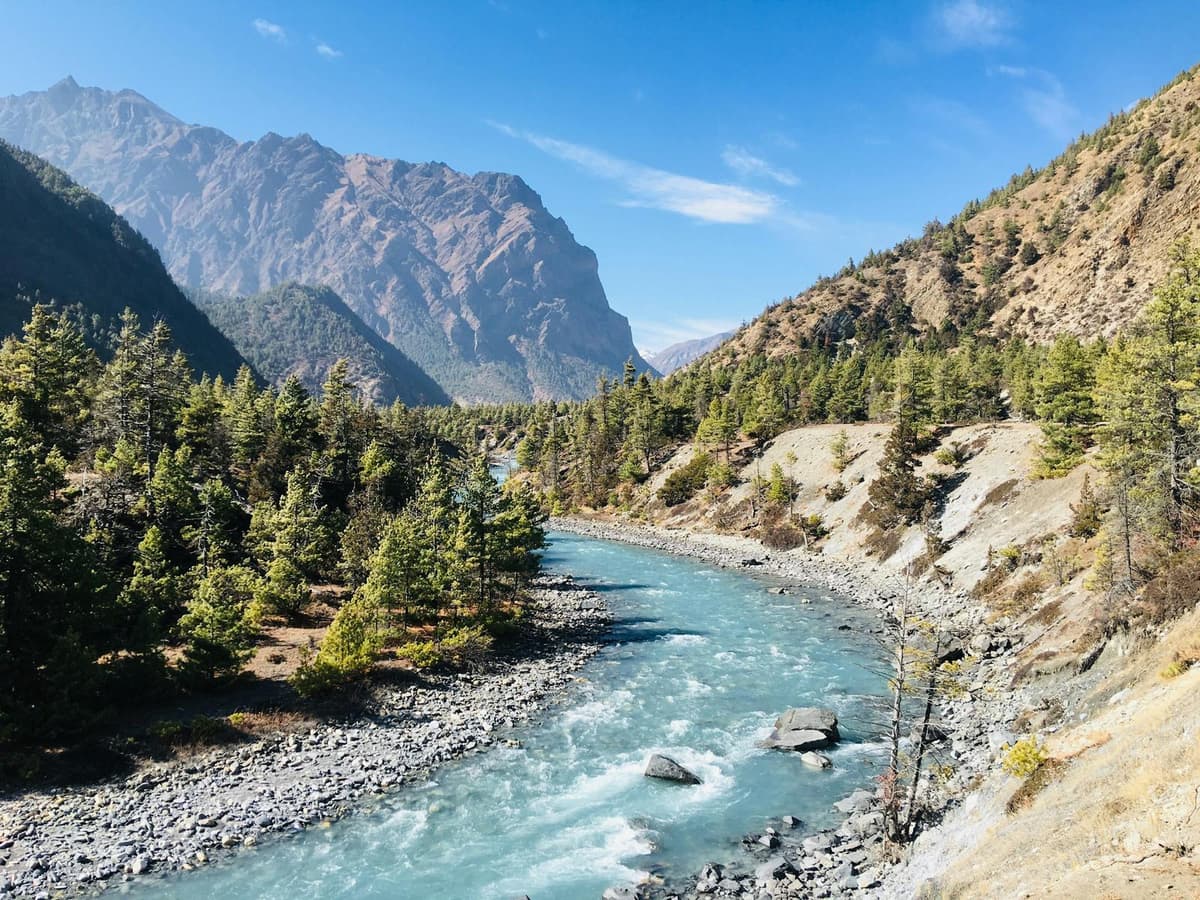
At Lokpa, above Philim on the Manaslu trail, the path divides. Most trekkers stay with the Budhi Gandaki towards Samagaun and the Larkya La. Fewer show a second permit at the Lokpa checkpoint and turn into Tsum, where the upper valley has kept a vow against killing animals since 1920.
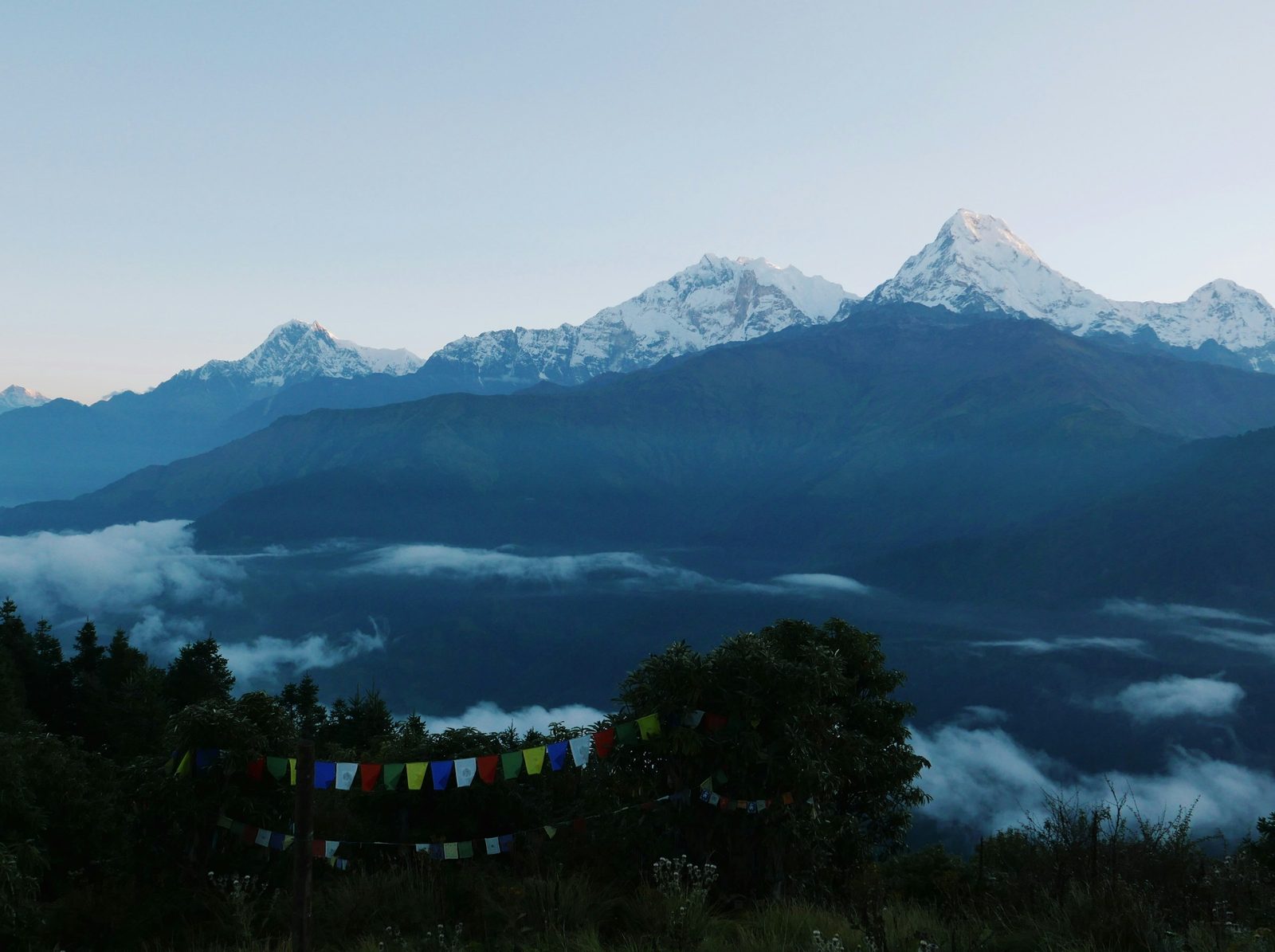
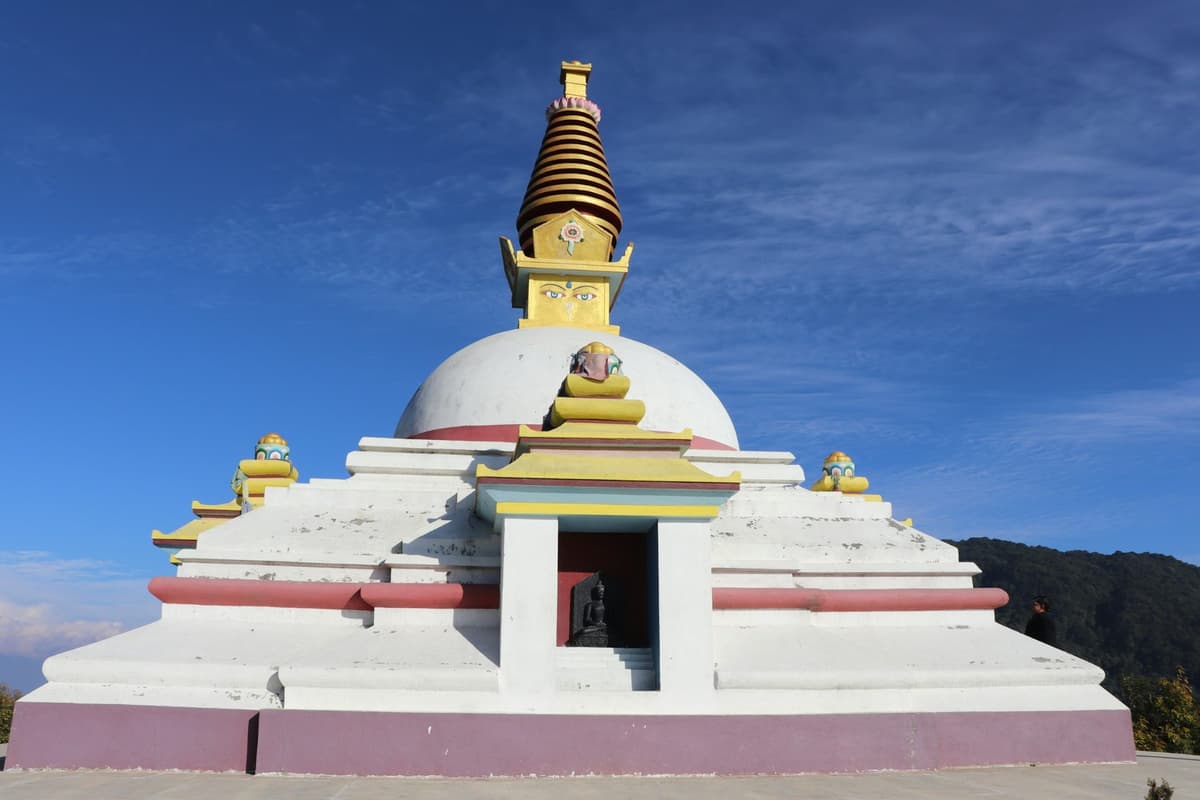
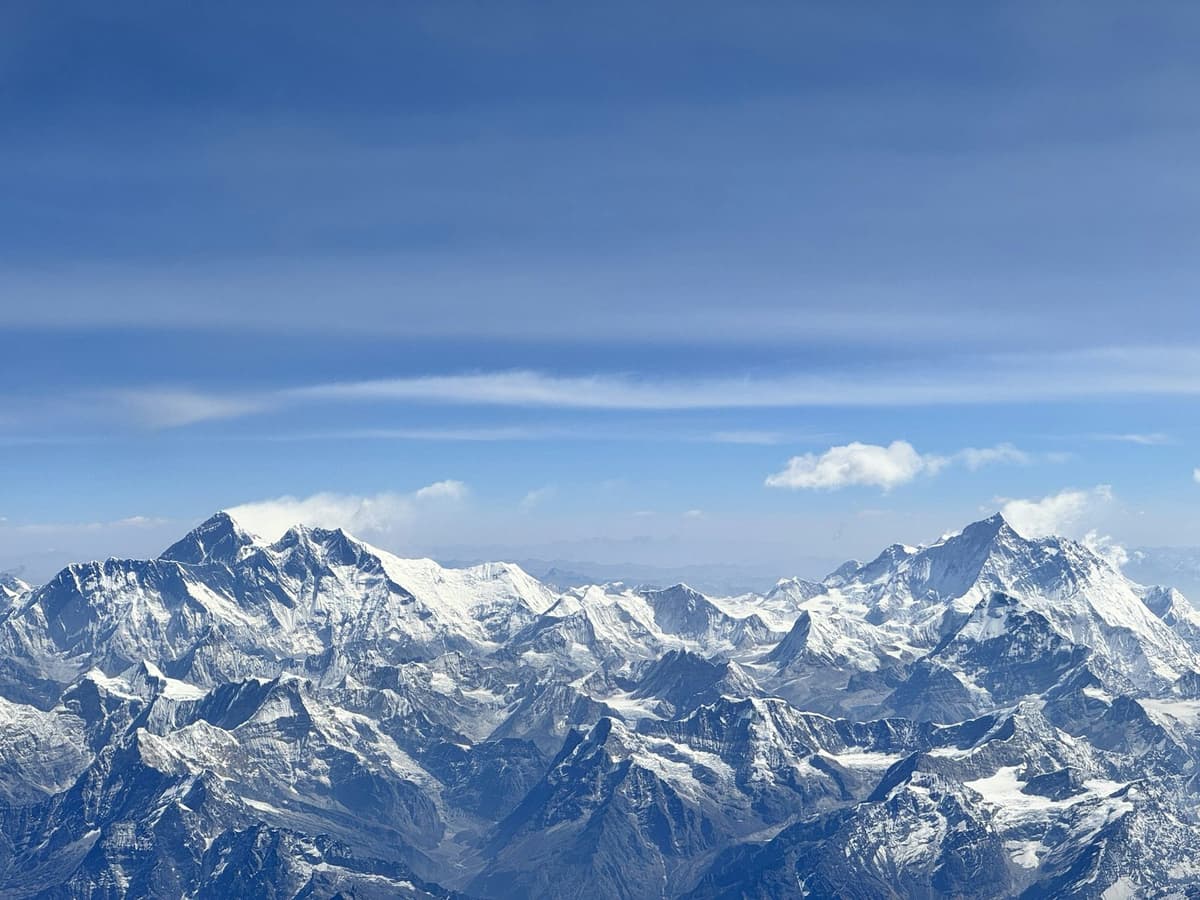
Tsum Valley, Nepal, is the north-eastern corner of the Manaslu Conservation Area, in northern Gorkha on the border with Tibet. It opened to trekkers only in 2008 and needs its own restricted-area permit. On our trips it adds four days to the Manaslu Circuit, for Buddhist villages and the monasteries of Mu Gompa and Rachen Gompa.
Tsum is reached from the Manaslu trail, so trip details sit on our Manaslu Circuit trek page, where you will also find our 16-day Manaslu and Tsum trip. Below: where Tsum is, permits by season, the monasteries, the no-killing vow, lodges, and the trail after the October 2026 flood and storm.
Key facts
- Where
- North-eastern Manaslu Conservation Area, northern Gorkha, on the Tibet (China) border (NTNC (Manaslu Conservation Area Project); Nepali Times. 30 Oct 2026)
- Open to trekkers since
- 2008 (The Kathmandu Post. 30 Oct 2026)
- Tsum restricted-area permit
- USD 40 per person for the first week from September to November, USD 30 from December to August; then USD 7 a day (NTB copy of the Department of Immigration schedule; TAAN. 30 Oct 2026)
- Who can apply
- Registered agency only; solo since 22 Mar 2026, with a licensed guide (The Himalayan Times, 23 Mar 2026; checked 30 Oct 2026)
- Highest monastery
- Mu Gompa, about 3,700 m (Trekking operators, including our trip page. 30 Oct 2026)
- Extra days on our trips
- Four: 16 days instead of 12 (Our trip pages. 30 Oct 2026)
In this guide
- Where is Tsum Valley in Nepal, and why is it called hidden?
- How many extra days does the Tsum Valley trek add?
- Which permits does Tsum need, and what do they cost?
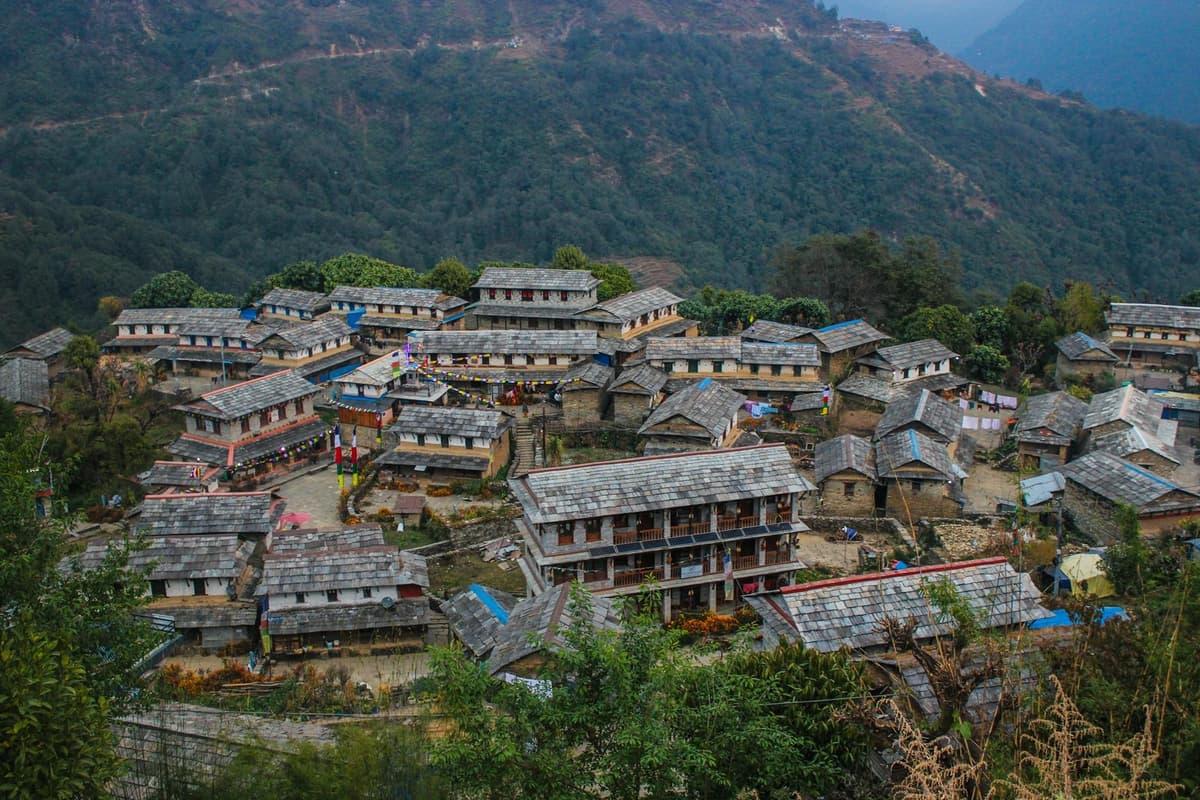
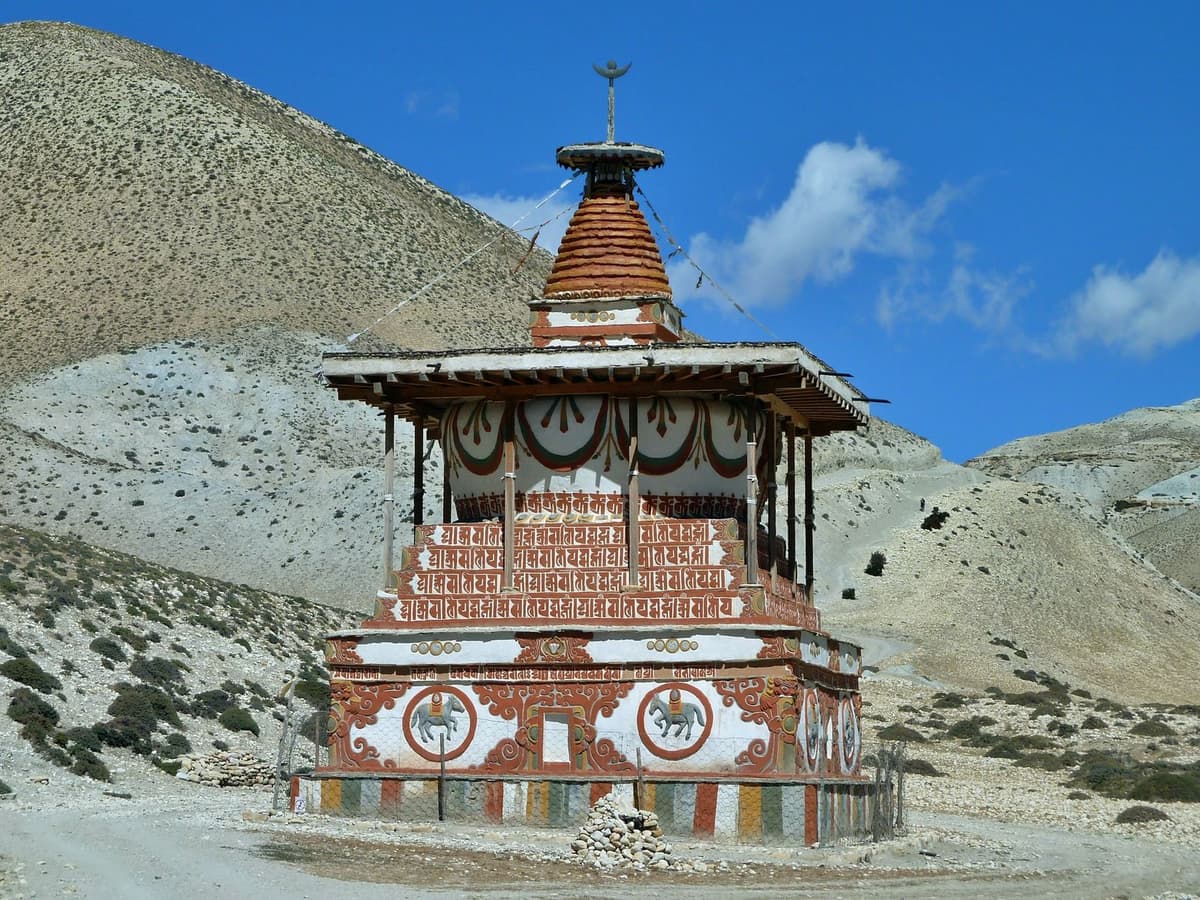
- Which villages and monasteries will you see in Tsum?
- What is Tsum's no-killing tradition?
- What are Tsum's teahouses like in November?
- Is the Tsum Valley trek open after the October 2026 flood?
Where is Tsum Valley in Nepal, and why is it called hidden?
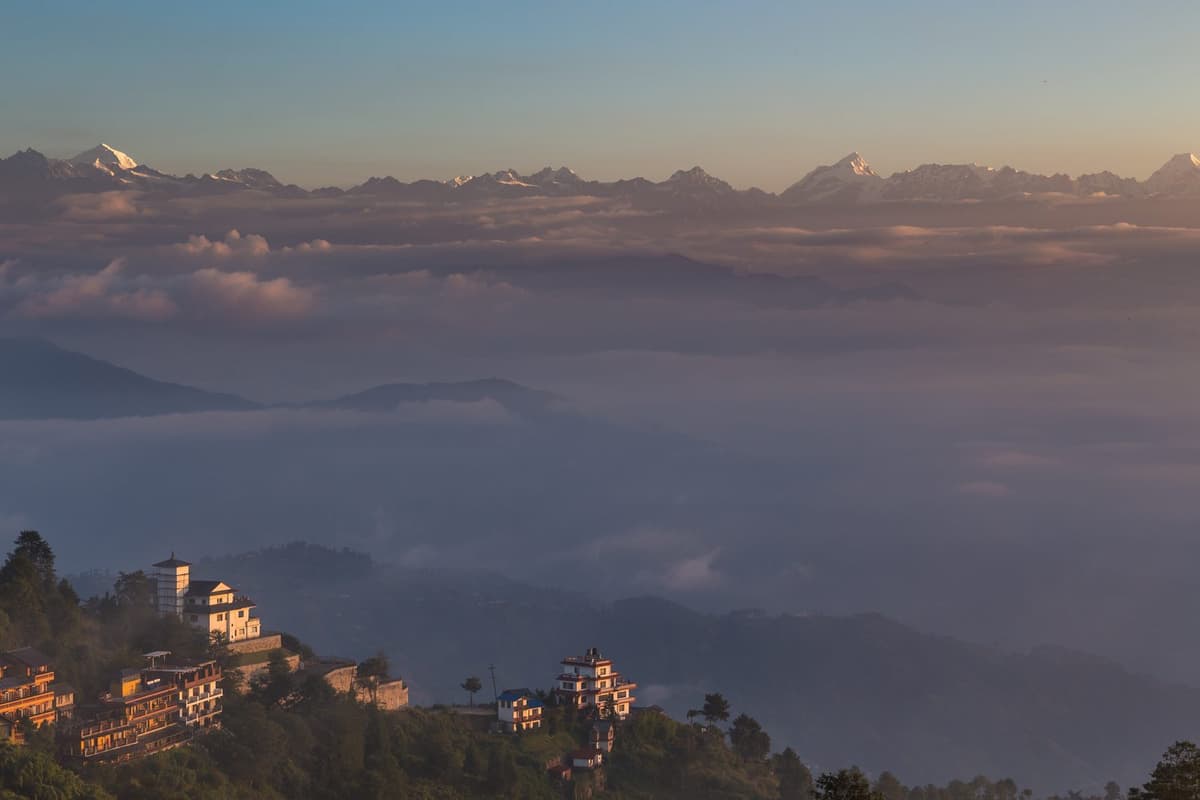
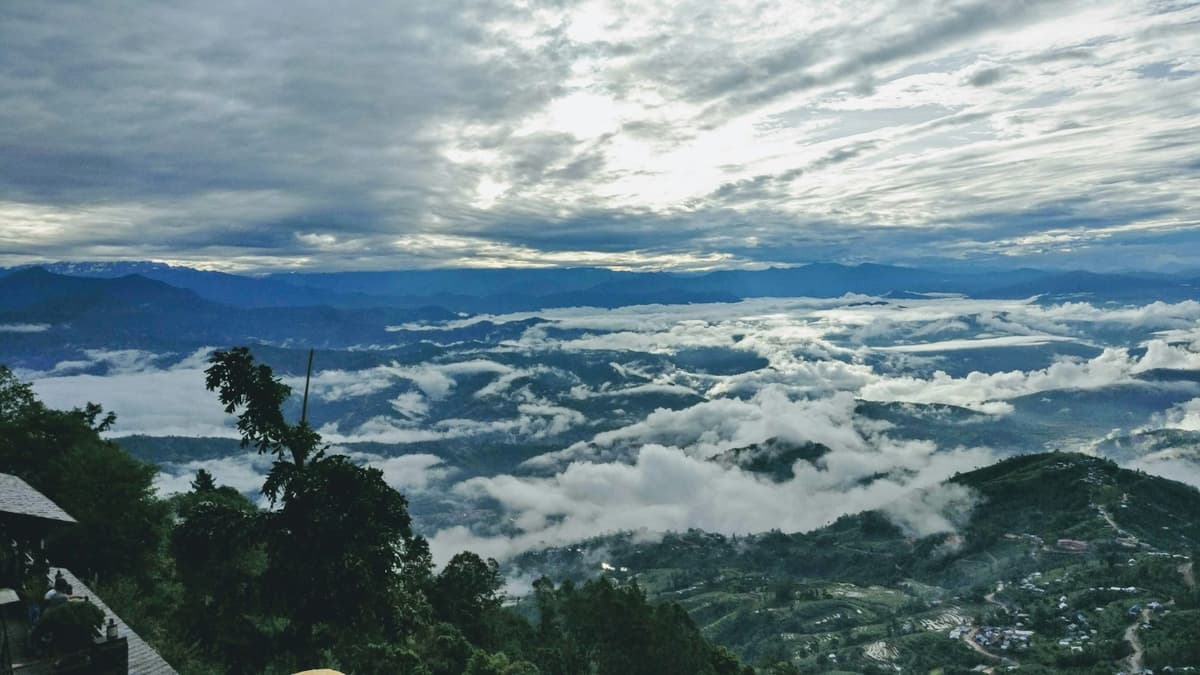
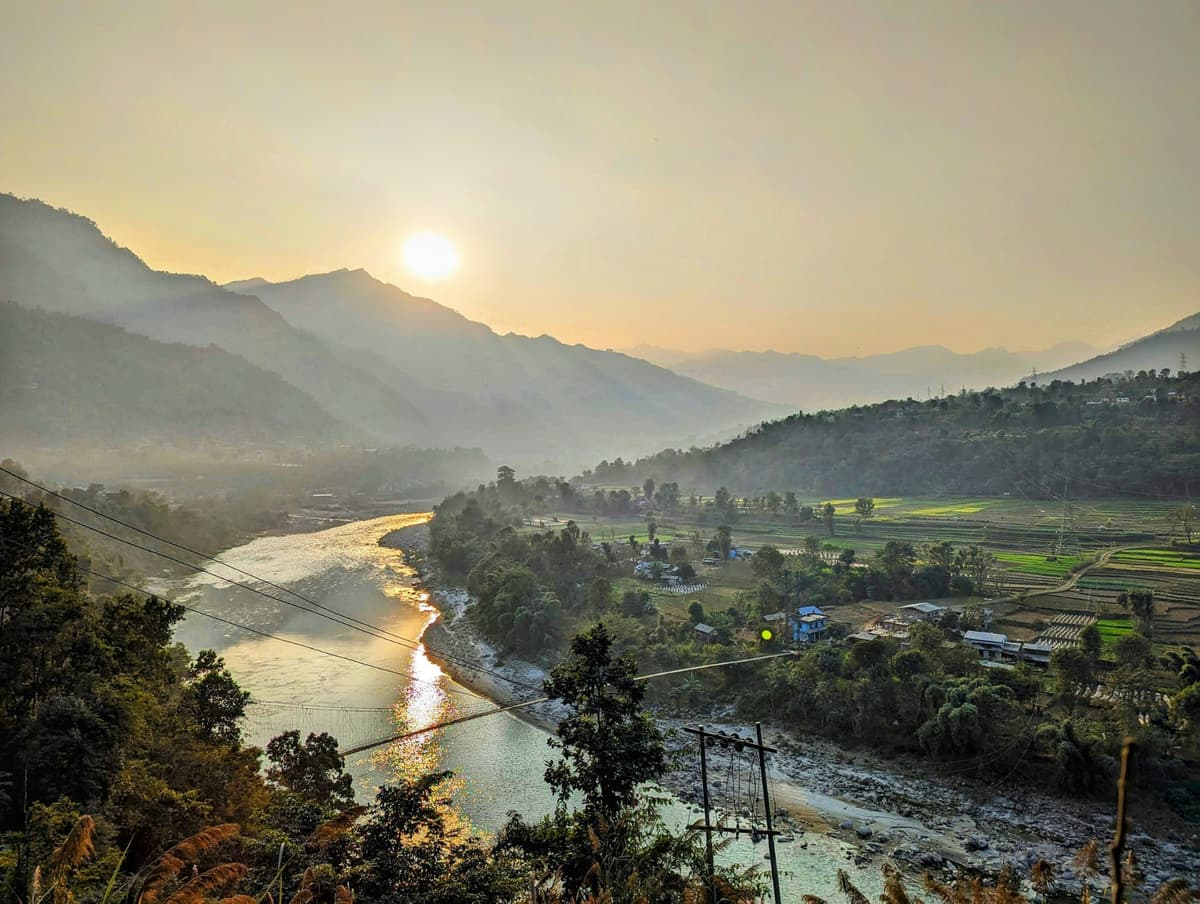
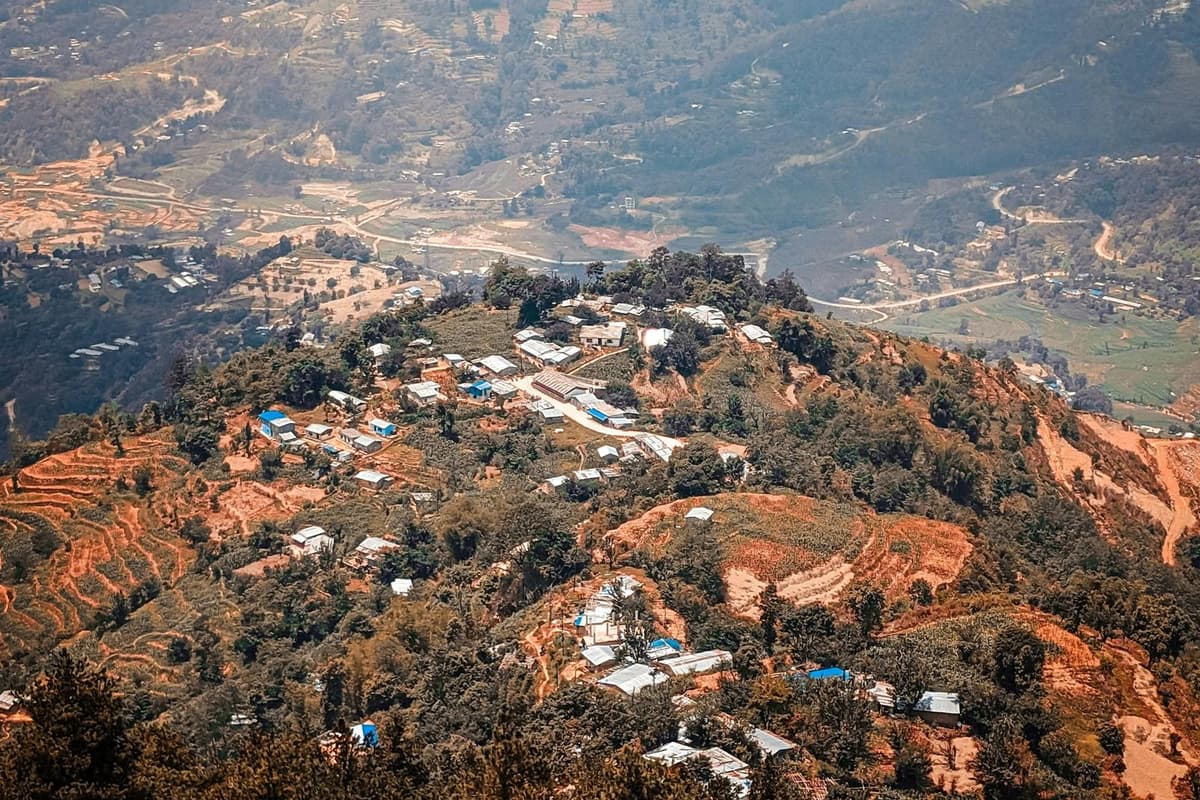
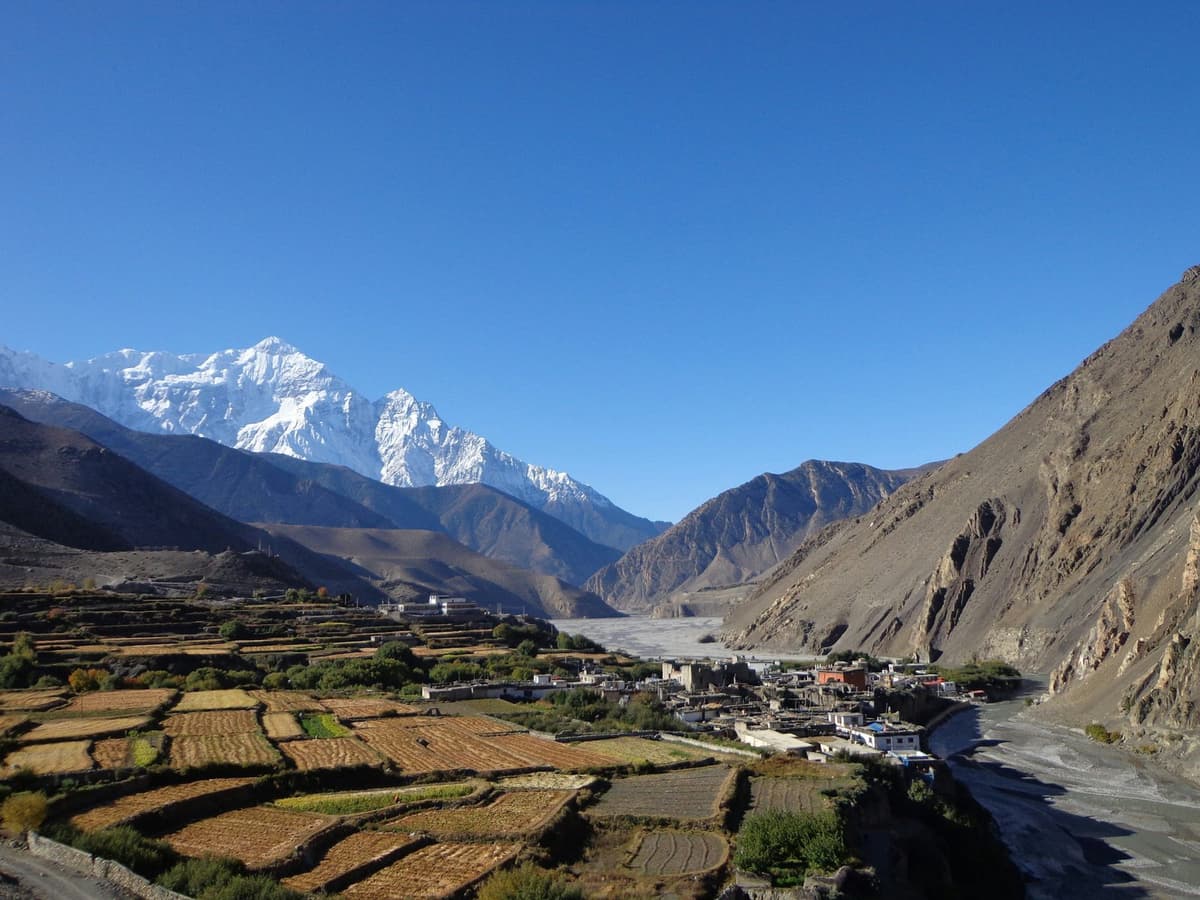
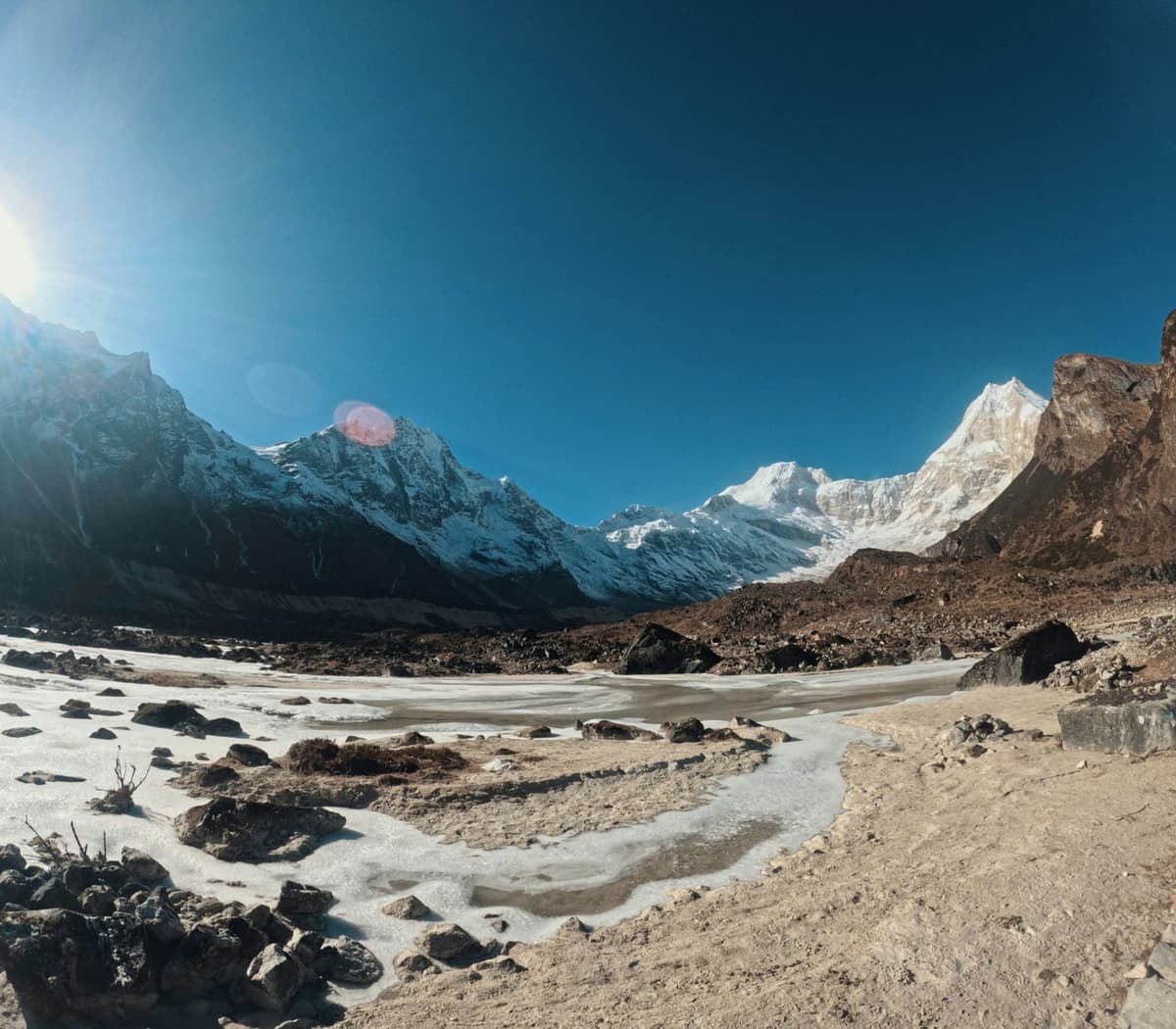
Tsum is the north-eastern part of the Manaslu Conservation Area, on the border with Tibet (China). NTNC, which manages the area, describes it as two wards of Chumnubri Rural Municipality: Chumchet (lower Tsum) and Chhekampar (upper Tsum). It lies about 60 km in a straight line north-west of Kathmandu, in the rain shadow behind Ganesh Himal.
The route leaves the Manaslu trail at Lokpa, above Philim, about 2,240 to 2,300 m by trekking operators' figures. The Kathmandu Post (12 October 2026) calls Lokpa the gateway village and permit checkpoint for Tsum.
"Hidden" has two meanings. In Tibetan Buddhist tradition Tsum is a beyul, a hidden valley: Nepali Times names it Beyul Kyimolung, and OnlineKhabar attributes the beyul to Guru Rinpoche. It was also closed to foreign trekkers until 2008, long after the wider Manaslu area opened in the early 1990s.
It is still quiet. The Rising Nepal reported 3,031 trekkers in Tsum in 2025, against 17,710 in the Manaslu restricted area, which Department of Immigration figures put first among restricted areas. In 2023 Nepali Times wrote that the beyul is no longer hidden, pointing to tourism and road building.
How many extra days does the Tsum Valley trek add?
On our trips, adding Tsum turns the 12-day Manaslu Circuit into a 16-day trip, 14 of those days on the trail: four extra days. Other operators' plans vary, so compare how many nights each spends high.
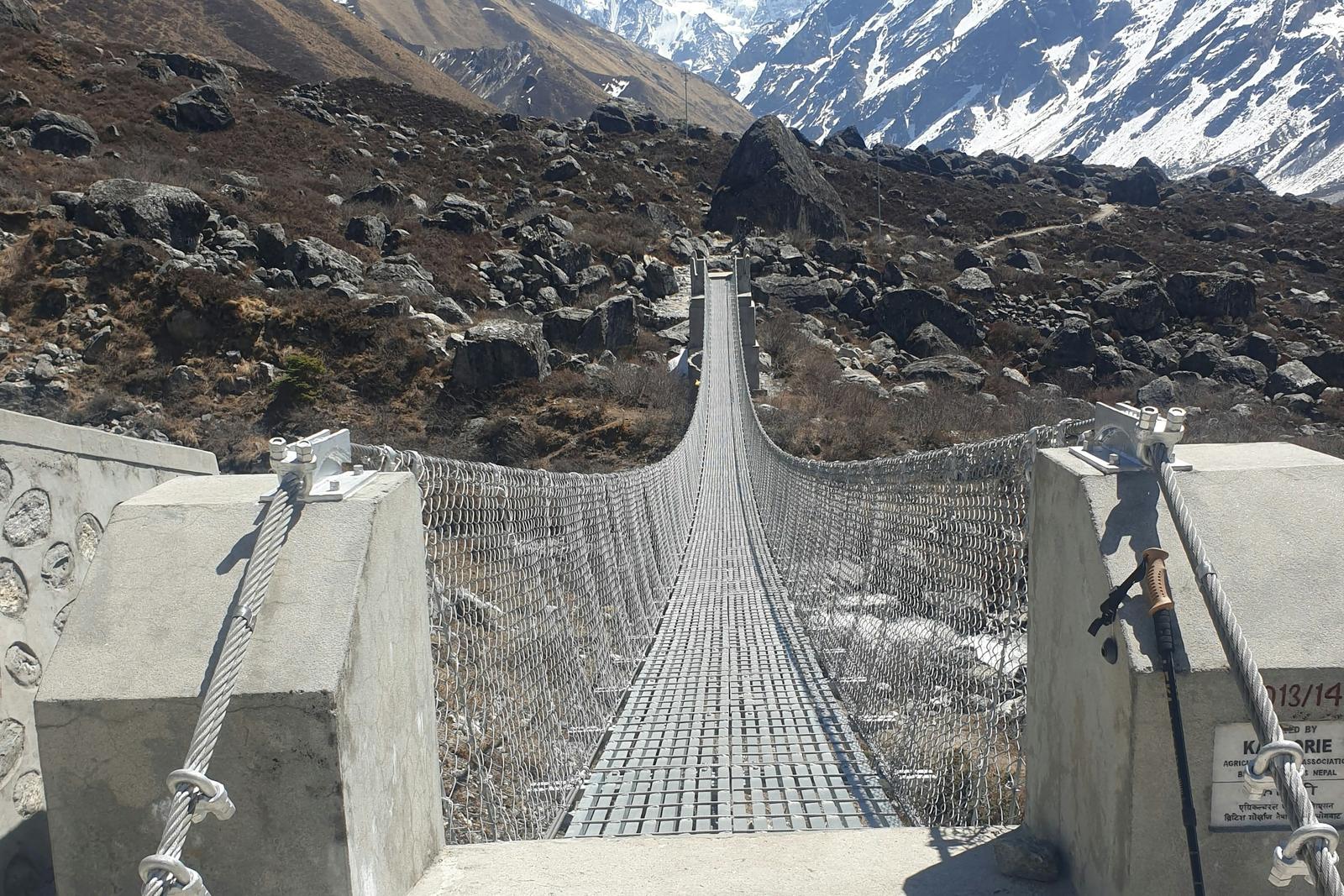
On our 16-day trip the route leaves the circuit at Lokpa, spends two nights in the upper valley at Nile and Chhule with a day for Mu Gompa and Rachen Gompa, and rejoins the circuit at Deng.
Altitude in upper Tsum
Upper Tsum sleeps above 3,000 m (see the village table below). The US Centers for Disease Control and Prevention (CDC) says altitude sickness is possible from a sleeping height of about 2,450 m. Above 3,000 m, raise your sleeping height by no more than about 500 m a night and add an extra day for every 1,000 m. Never go higher with symptoms, and ask your doctor about preventive medicine (for example acetazolamide); our altitude sickness guide has more.
Tsum also adds nights at altitude before the Larke Pass, the circuit's high point at 5,106 m (16,752 ft); 5,160 m is also published.
Which permits does Tsum need, and what do they cost?
Tsum has its own restricted-area permit: USD 40 per person for the first week from September to November and USD 30 from December to August, then USD 7 for each extra day. You also need MCAP, and on the full circuit the Manaslu permit and ACAP.
| Permit, per person | September to November | December to August |
|---|---|---|
| Tsum Valley restricted area, first week | USD 40 | USD 30 |
| Tsum Valley restricted area, each extra day | USD 7 | USD 7 |
| Manaslu restricted area, first week | USD 100 | USD 75 |
| Manaslu restricted area, each extra day | USD 15 | USD 10 |
| MCAP (Manaslu Conservation Area), per entry | NPR 3,000 foreign, NPR 1,000 SAARC | Same |
| ACAP (Annapurna Conservation Area), per entry, if you exit over the Larkya La | NPR 3,000 foreign, NPR 1,000 SAARC | Same |
Sources: NTB (Department of Immigration schedule and park entry fees) and TAAN, checked 30 October 2026.
ACAP is needed because the circuit's exit through Bimthang and Dharapani is in the Annapurna Conservation Area. For a Tsum-only route, ask us which permits you need. Conservation permits bought at a check post cost double.
Restricted-area permits are issued only through a registered trekking agency. Since 22 March 2026 one trekker alone can be issued the permit for the Manaslu and Tsum Valley regions, but a licensed guide must walk with you (The Kathmandu Post; The Himalayan Times). A licensed guide walks with you on every trek we run. We arrange these permits on our trips; your Nepal visa and flights are your own arrangements. Our Manaslu trek permit guide explains the application, and our Manaslu Circuit trek cost guide covers the wider budget.
Which villages and monasteries will you see in Tsum?
The trail climbs from Lokpa through Chumling and Chhokangparo to Nile and Chhule. Mu Gompa and Rachen Gompa are in Chhekampar ward, upper Tsum. Altitudes are approximate; sources differ by up to about 100 m.
| Place | Altitude (about) | What it is |
|---|---|---|
| Lokpa | 2,240 to 2,300 m | Gateway village and permit checkpoint |
| Chumling | 2,386 m | Overnight stop on our trip |
| Chhokangparo (Chhekampar) | 3,010 to 3,031 m | Village in upper Tsum; on our trip you pass through |
| Nile and Chhule | 3,360 m | Upper Tsum villages; two nights here on our trip |
| Mu Gompa | 3,700 m | The highest and most remote monastery in the valley |
| Rachen Gompa | No reliable figure | Nunnery in Chhekampar ward |
Mu Gompa
Mu Gompa is the highest and most remote monastery in the Tsum Valley, at about 3,700 m by trekking operators' figures. On 25 October 2026 TAAN said the repaired trail was open as far as Mu Gompa. We found no reliable founding date.
Rachen Gompa
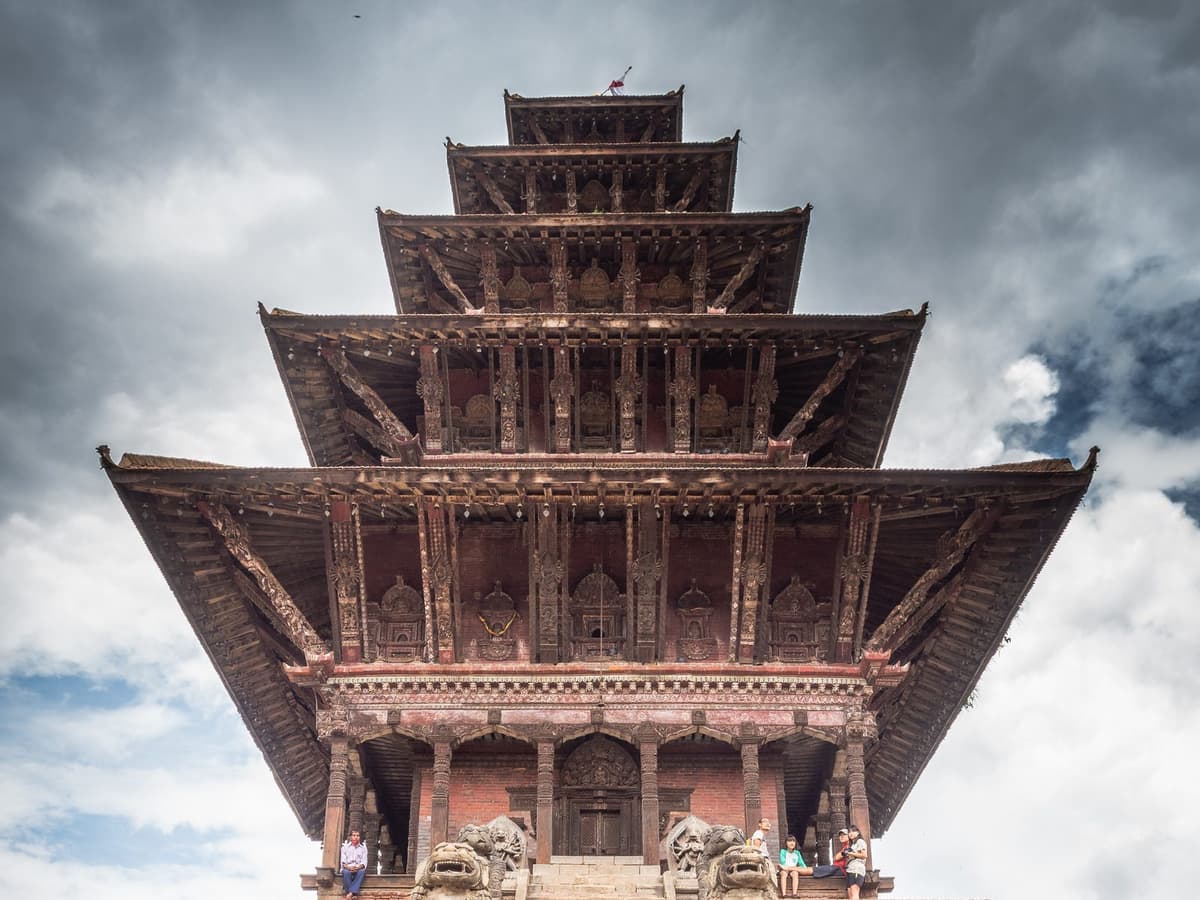
Rachen Gompa is a nunnery, also in Chhekampar ward, visited with Mu Gompa on one day out from the upper valley on our trip. We found no dependable founding date or altitude.
Milarepa's cave (Piren Phu)
Tradition holds that the Tibetan saint Milarepa meditated in caves in Tsum, and some operators' itineraries visit Milarepa's cave, Piren Phu, between Chhokangparo and Nile. We found no historical record or altitude to cite; treat it as a place of devotion and story.
What is Tsum's no-killing tradition?
Tsum keeps a vow called Shyagya (also spelt Shargya): no killing of animals. Upper Tsum was declared a non-violence zone in 1920, on Buddha Jayanti, through a Drukpa lama, and lower Tsum joined at the 2012 Shyagya festival, according to The Himalayan Times and Nepali Times.
The Himalayan Times counts 11 settlements in upper Tsum and 22 in lower Tsum, and reports that in 2023 the valley promulgated the Shyagya Tradition Preservation Act. It lists seven principles, summarised here:
- No hunting.
- No setting traps.
- No harvesting honey.
- No selling livestock.
- No violence against calves of Himalayan cows or other animals, on land or in water.
- Limits on importing and exporting animals for meat are respected.
- No burning of forests and mountains.
"The people of this valley have promised not to kill animals and to stay away from honey hunting, among others."
The Himalayan Times, 15 May 2023
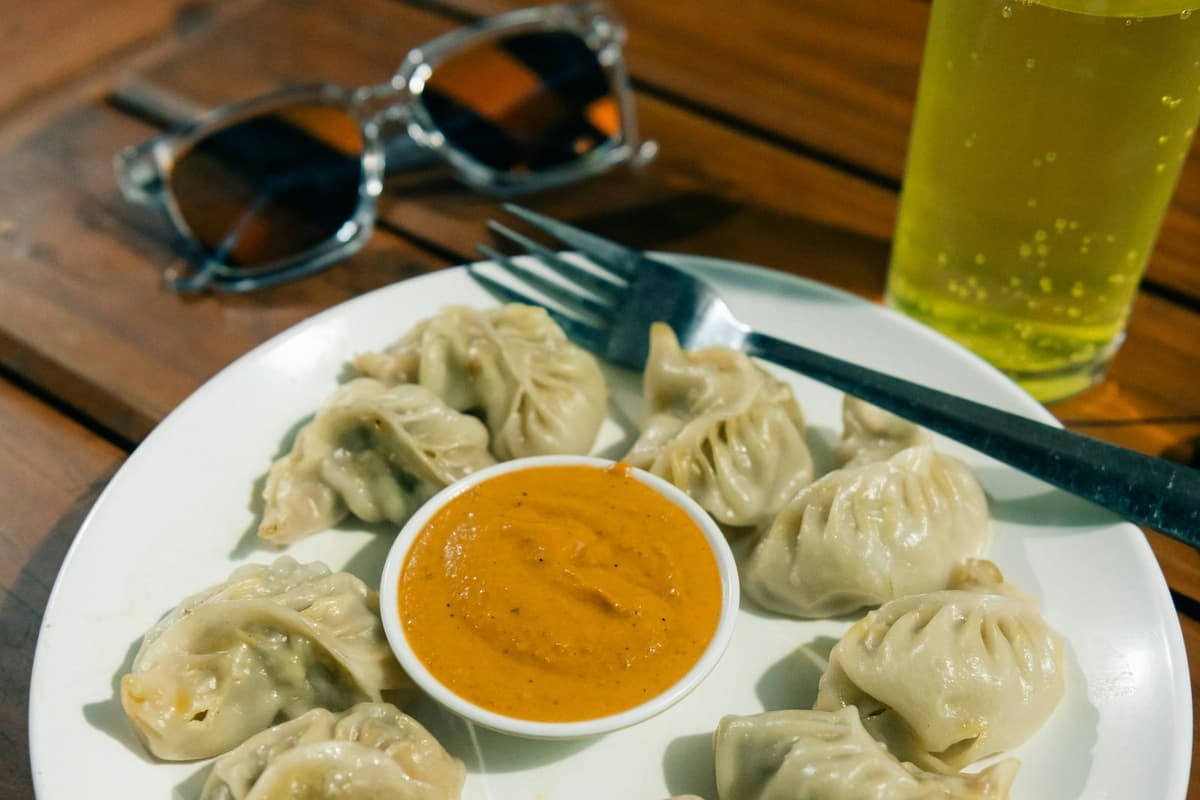
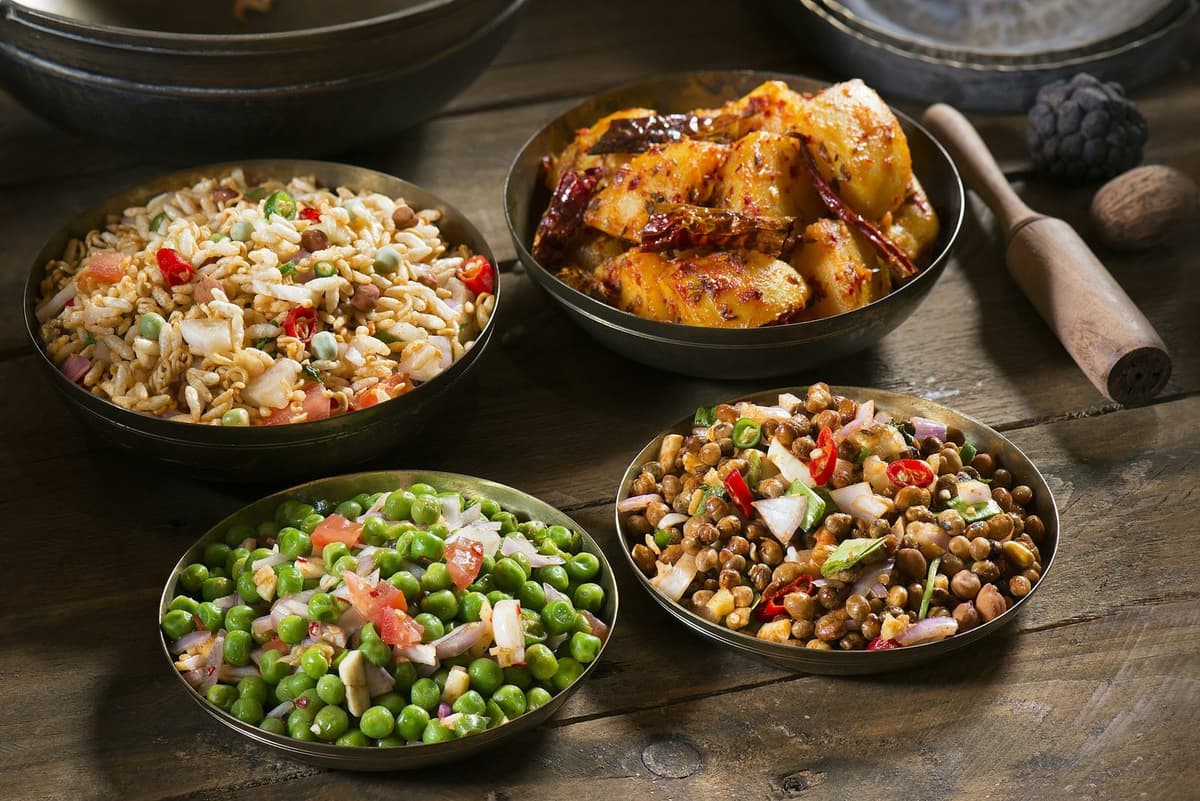
NTNC says lamas across the conservation area prohibit violence against wildlife, and The Himalayan Times reported in 2023 that foreign tourists in Tsum do not eat meat and that "all the hotels here are vegetarian".
What are Tsum's teahouses like in November?
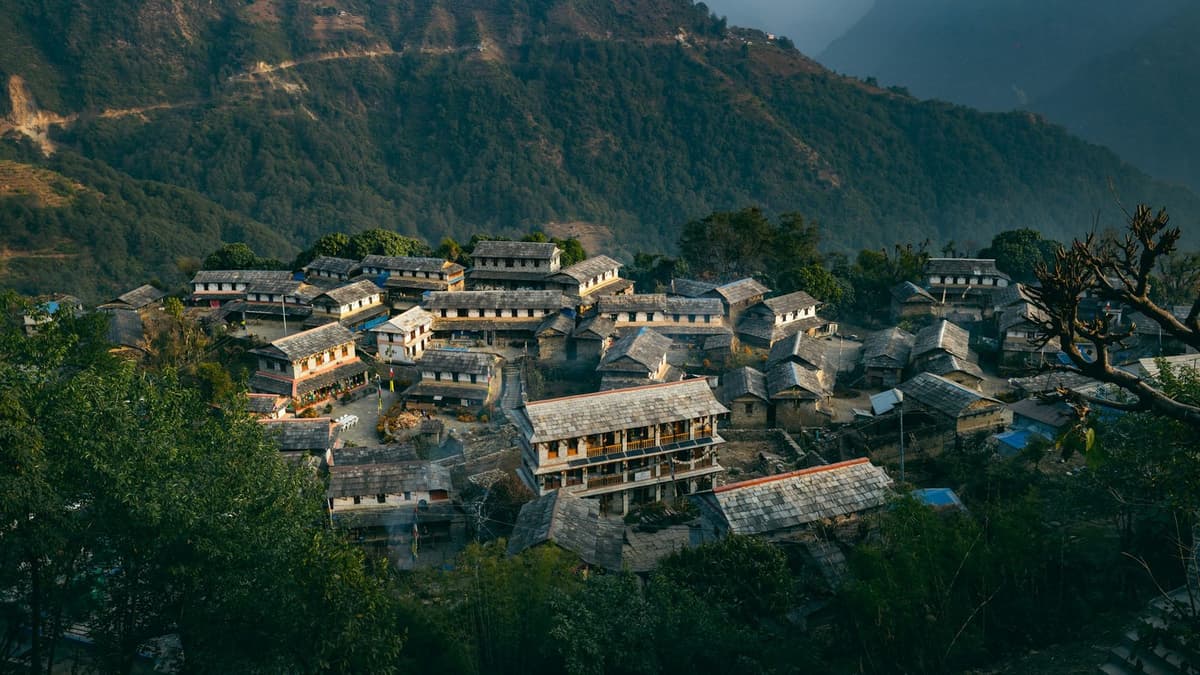
Expect simple, family-run lodges (teahouses), more rustic than on the Everest or Annapurna trails and sparser the higher you go, with charging, Wi-Fi and hot showers limited and paid, as our 16-day trip page describes them. November is still autumn: the Nepal Tourism Board says the clearest skies come in October and November, and the autumn permit rate runs to the end of the month.
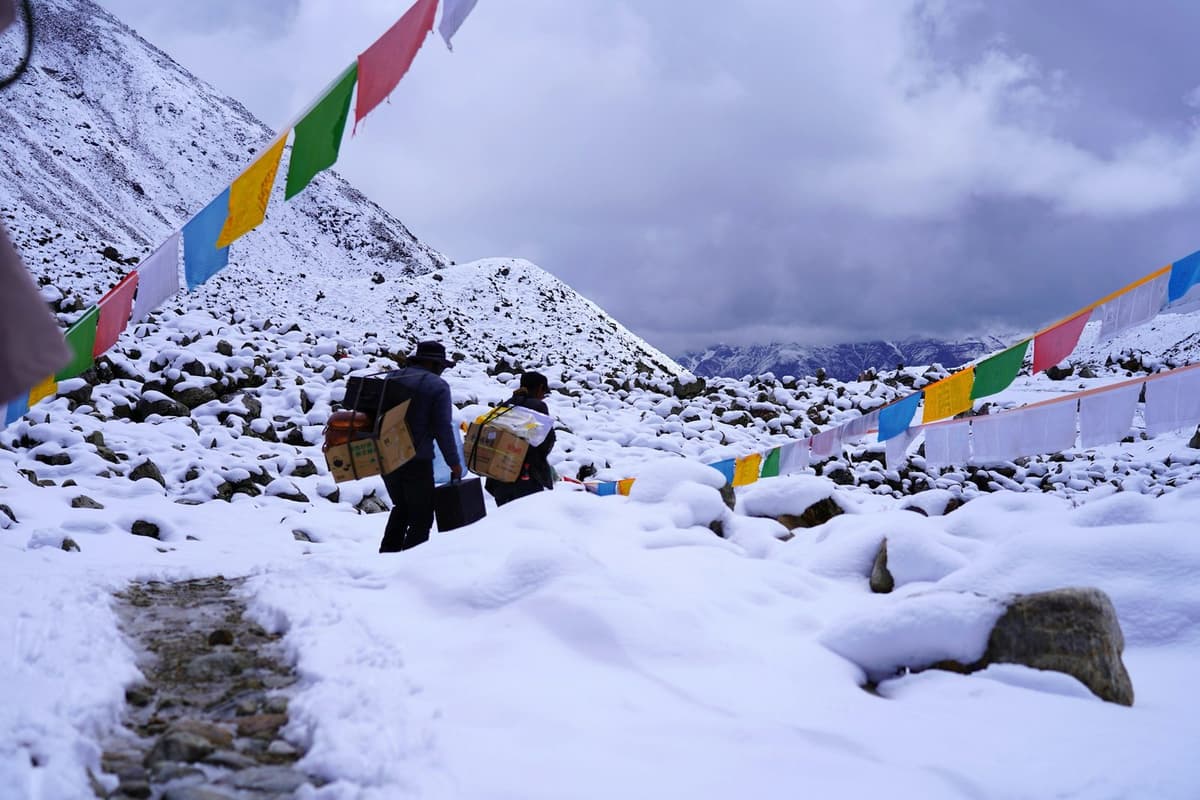
We know of no official figure for lodge capacity in Tsum, or any rule that you must reserve ahead. Supplies are this autumn's question: on 25 October a Jagat hotel operator told The Kathmandu Post that food and rooms were fine but mules could not pass; on 27 October OnlineKhabar reported mules crossing the new Tsum bridges. Ask us about lodges for your dates.
Is the Tsum Valley trek open after the October 2026 flood?
As of 30 October 2026, reports differ. TAAN said on 25 October that the Tsum trail had reopened as far as Chhekampar and Mu Gompa, while the Manaslu Conservation Area Project said the same day that it needed another eight to 10 days. Then a storm forecast stopped restricted-area permits from 29 to 31 October.
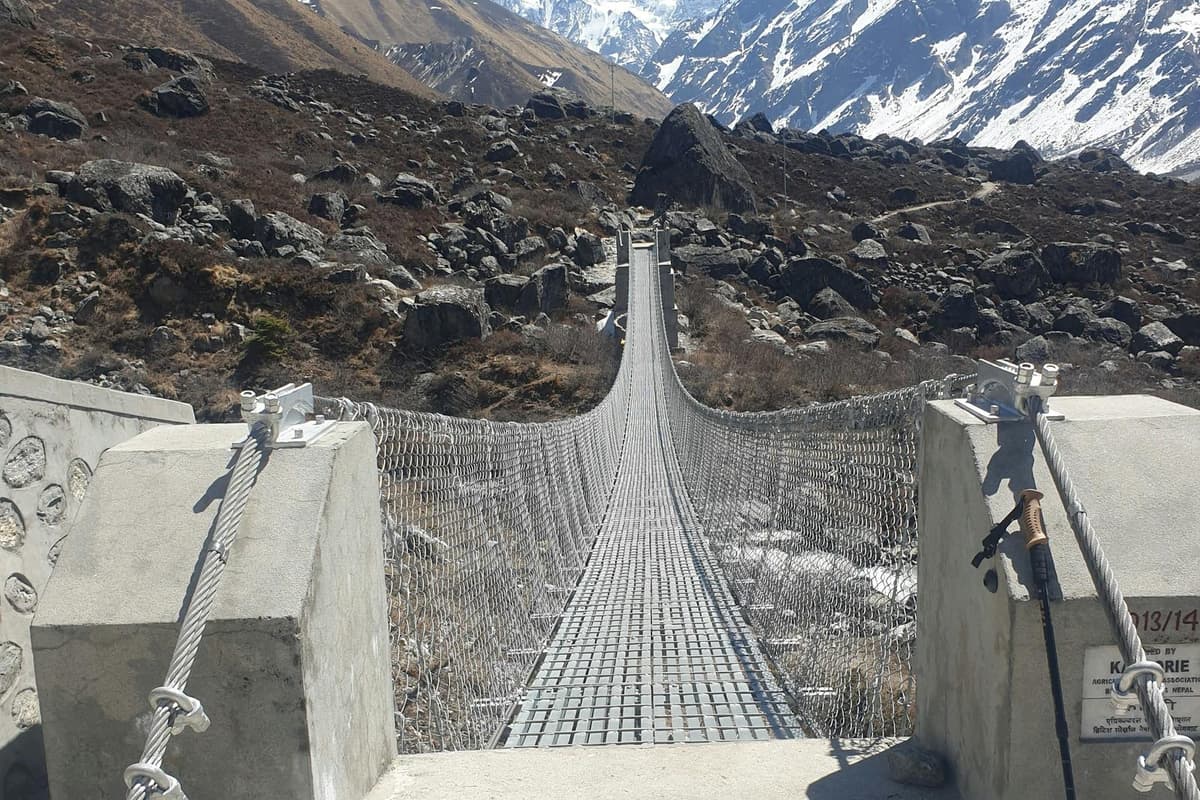
On 11 October 2026 a flash flood came down the Budhi Gandaki from the Syar Khola after a blocked stream, the Ungilung, burst. It destroyed the Sardibhir cantilever bridge, built after the 2015 earthquake and the only foot link between Chumchet and Chhekampar (The Kathmandu Post, 12 October). OnlineKhabar reported on 27 October that the route had temporarily reopened on 25 October, after 15 days closed, over four wooden bridges across the Syar stream, citing the Chumnubri chair, Nima Lama.
"The trail to the Tsum Valley will take another eight to 10 days to reopen."
Bhuwan Ojha, Manaslu Conservation Area Project information officer, The Kathmandu Post, 25 October 2026
On the main trail, TAAN asked for extreme caution at Tatopani, Khorlabesi, Jagat, Sola and Namrung (The Rising Nepal, 28 October). By 30 October we had seen no newer statement on Tsum from the conservation area project, and no notice on whether permits resume on 1 November. Our Manaslu Circuit route guide covers the main trail and road heads. Ask us for the status on your dates.
Frequently asked questions
What is the Tsum Valley, and how many extra days and permits does it add?
Tsum is the north-eastern corner of the Manaslu Conservation Area, on the Tibet border, opened to trekkers in 2008. Its own restricted-area permit costs USD 40 for the first week from September to November or USD 30 from December to August, then USD 7 a day, on top of the Manaslu permits. On our trips it adds four days.
What are Mu Gompa and Rachen Gompa?
Two monasteries in Chhekampar ward, upper Tsum. Mu Gompa, at about 3,700 m by trekking operators' figures, is the highest and most remote monastery in the valley; Rachen Gompa is a nunnery. On our 16-day trip you visit both on one day from the upper valley. We found no reliable founding dates.
Are there enough teahouses on Manaslu and Tsum in November, and should I book ahead?
We found no official count of lodge beds, so we cannot promise space or say booking ahead is required. Tsum's lodges are simple, family-run and sparser higher up, and The Himalayan Times reported in 2023 that they are vegetarian. After the October 2026 flood, mules could not pass parts of the main trail for a time. Ask us about your dates.
Is the Chum Valley the same as the Tsum Valley?
Yes. Chum is another spelling of Tsum: The Rising Nepal calls it the Chum Valley, and the rural municipality is spelt Chumnubri, Tsumnubri or Chum Nubri. The permit schedule names the area "Gorkha Tsum Valley Area", and the permit is the same whatever the spelling.
Can I trek the Tsum Valley solo or without a guide?
You can trek solo, but not without a guide. Since 22 March 2026 one trekker alone can be issued the restricted-area permit for the Manaslu and Tsum Valley regions, through a registered agency, and a licensed guide must walk with you (The Kathmandu Post; The Himalayan Times). A licensed guide walks with you on every trek we run.
Which Tsum trip should you ask us about?
Tsum suits you if you want the Manaslu Circuit with more time among Buddhist villages and monasteries, and can give it four more days. This autumn it needs a fresh check on the trail before you commit.
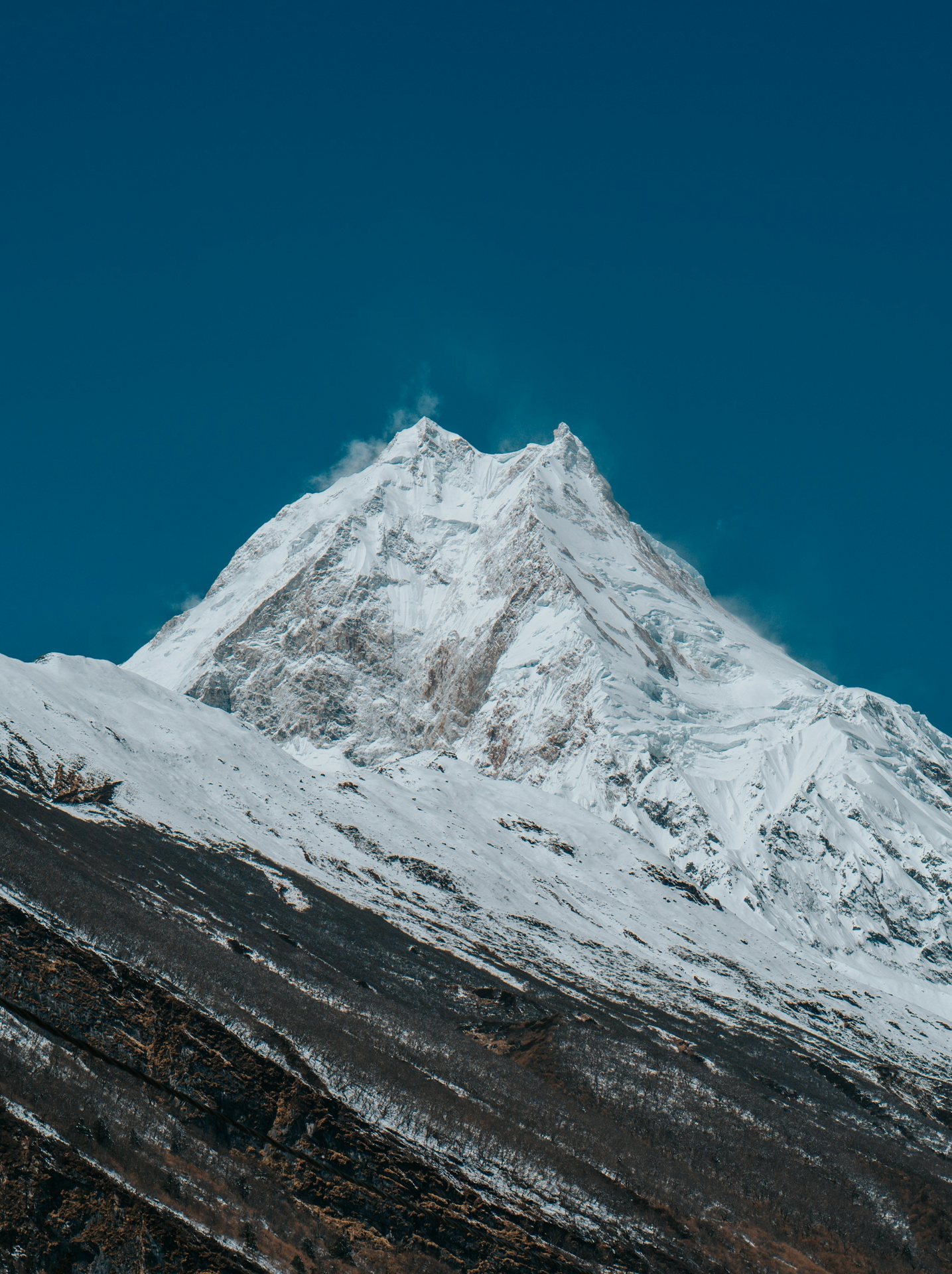
Start with our Manaslu Circuit trek page, which leads to our 16-day Manaslu and Tsum trip. With 12 days, the Manaslu Circuit trek from Kathmandu keeps the Larkya La and leaves Tsum out. For the peak that gives the circuit its name, read our guide to Mount Manaslu. Ask us on WhatsApp or through the enquiry form with your dates and group size, and we will tell you what is open and which permits you need.