


Overview
This Everest Base Camp trek is the classic twelve-day route into the Khumbu, from the mountain airstrip at Lukla to base camp at 5,364 metres and the Kala Patthar viewpoint above it. You walk up through Sherpa villages, past Namche Bazaar and the monastery at Tengboche, into the high valleys under Everest, Lhotse and Ama Dablam, with acclimatisation days built in so your body has time to adjust. It is a demanding but non-technical trek, and one of the great walks of the world, ending at the foot of the highest mountain on earth.
The itinerary
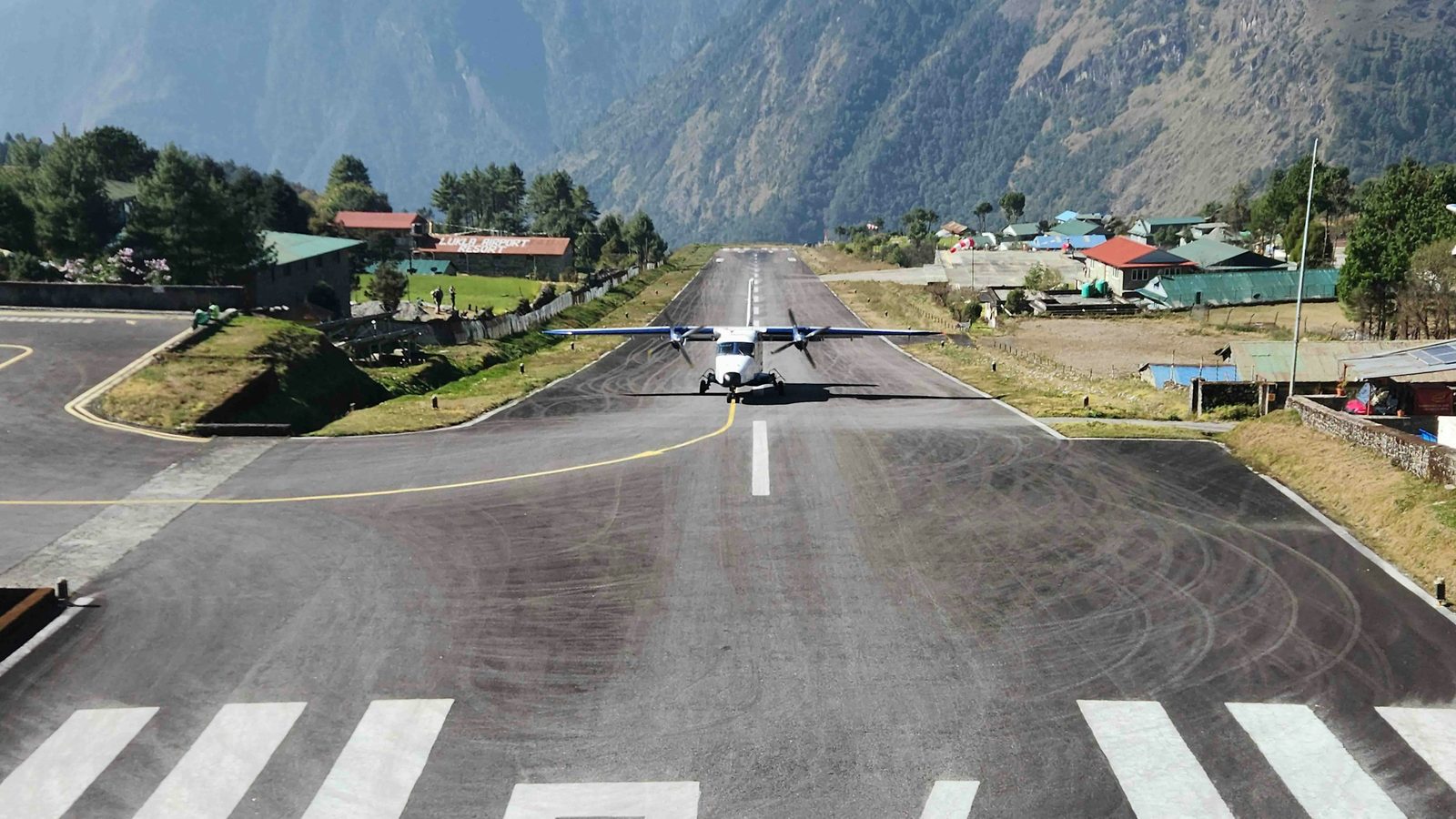
- Scenic mountain flight from Kathmandu to Lukla at 2,786 metres
- Meet the trek crew and set off down the trail
- Gentle walk along the Dudh Koshi river to Phakding
- Overnight in a teahouse at Phakding
- Follow the river and cross several suspension bridges
- Enter Sagarmatha National Park at Monjo
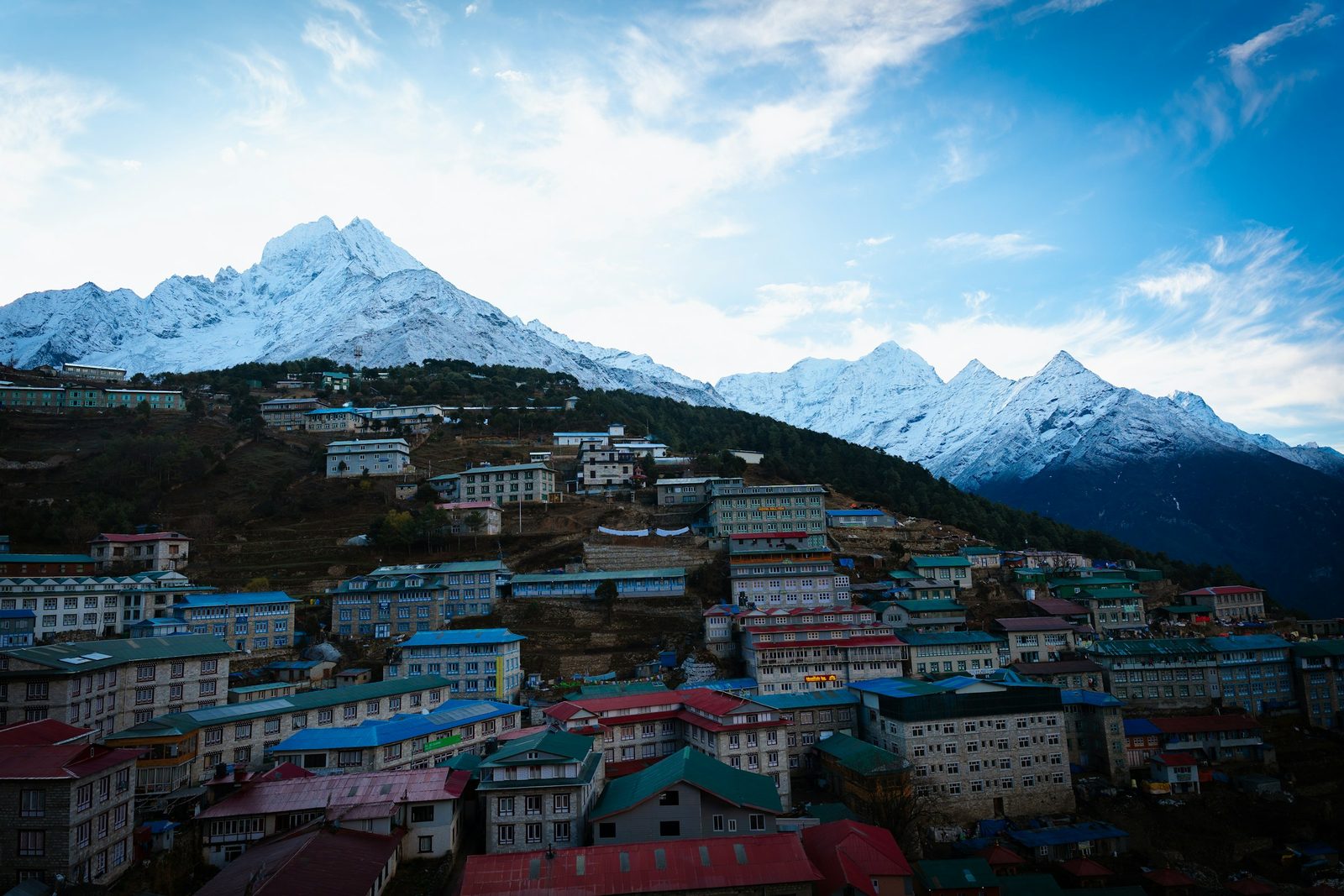
- Climb the long hill to Namche Bazaar at 3,440 metres
- Overnight in Namche, the trading hub of the Khumbu
- Rest day to help your body adjust to the altitude
- Acclimatisation hike towards the Everest View Hotel
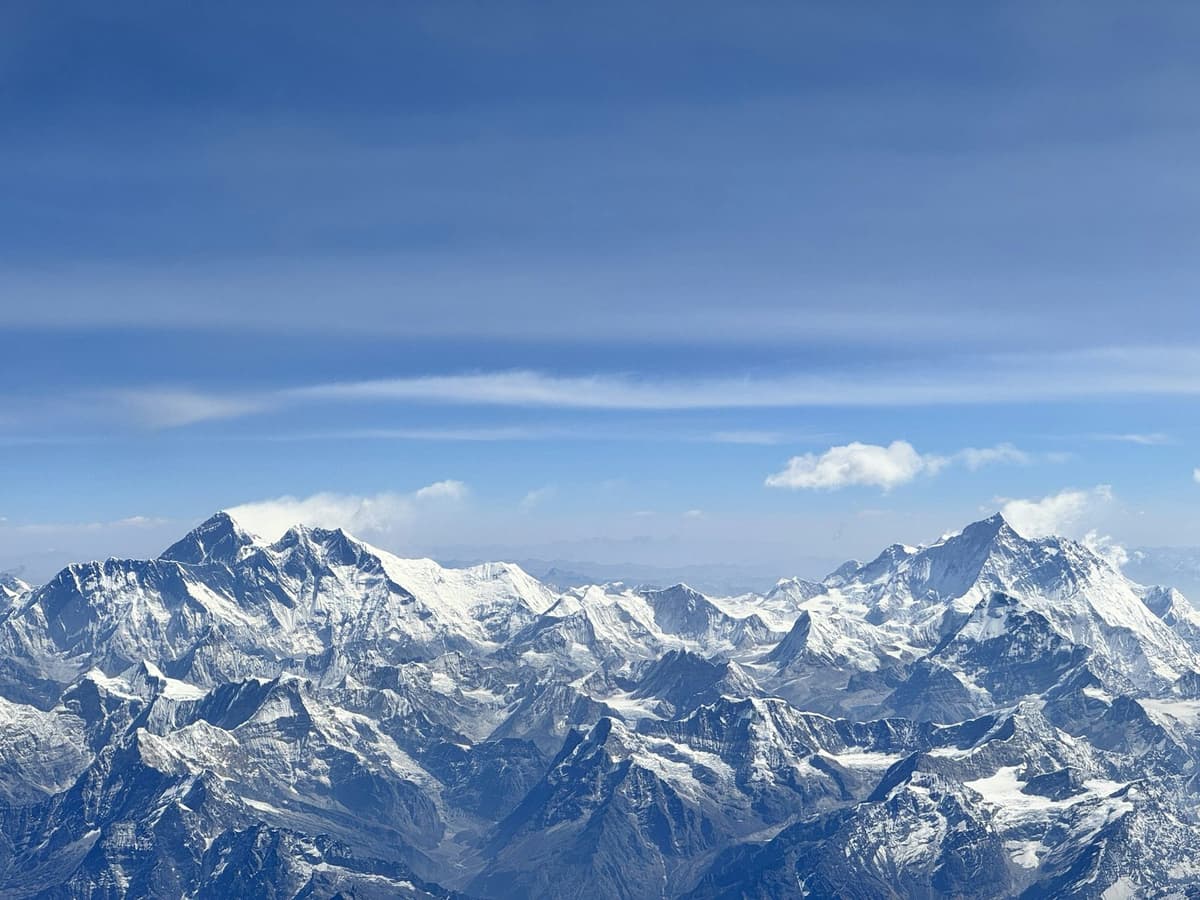
- First views of Everest, Lhotse and Ama Dablam on a clear day
- Explore Namche and its market, then back for the night
- Walk the high trail with wide mountain views
- Descend to the river, then climb to Tengboche
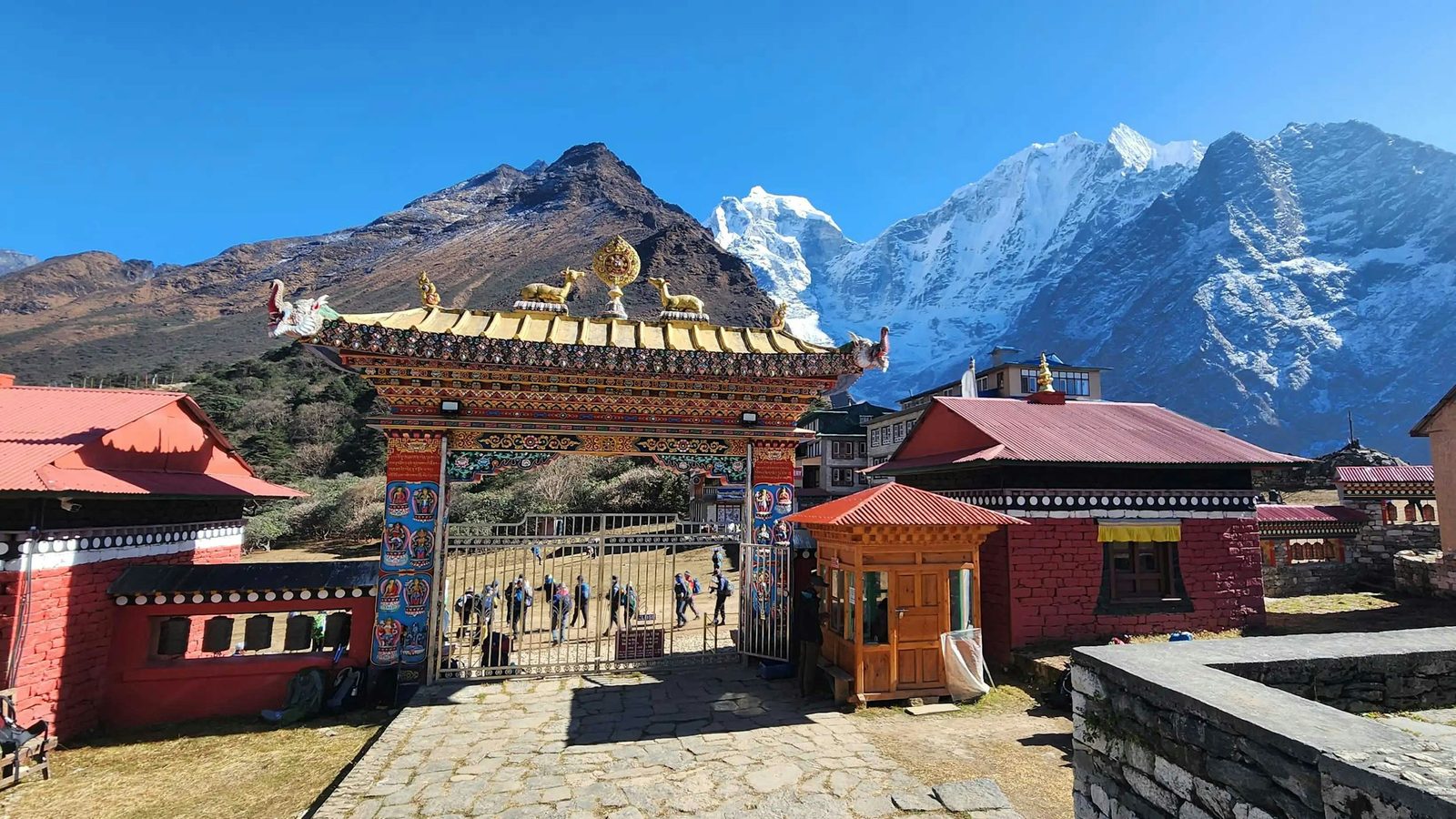
- Visit Tengboche monastery, the largest in the Khumbu
- Overnight at Tengboche beneath Ama Dablam
- Descend through rhododendron forest to Deboche
- Cross the river and climb past Pangboche
- Reach the open valley and the village of Dingboche at 4,410 metres
- Overnight in a teahouse at Dingboche
- Second rest day to help with the altitude
- Acclimatisation hike up towards Nangkartshang for the views
- Look out over the Imja valley and the surrounding peaks
- Return to Dingboche for the night
- Climb gradually along the valley
- Pass the memorials at Thukla to climbers lost on Everest
- Continue up the moraine to Lobuche at 4,940 metres
- Overnight in a teahouse at Lobuche
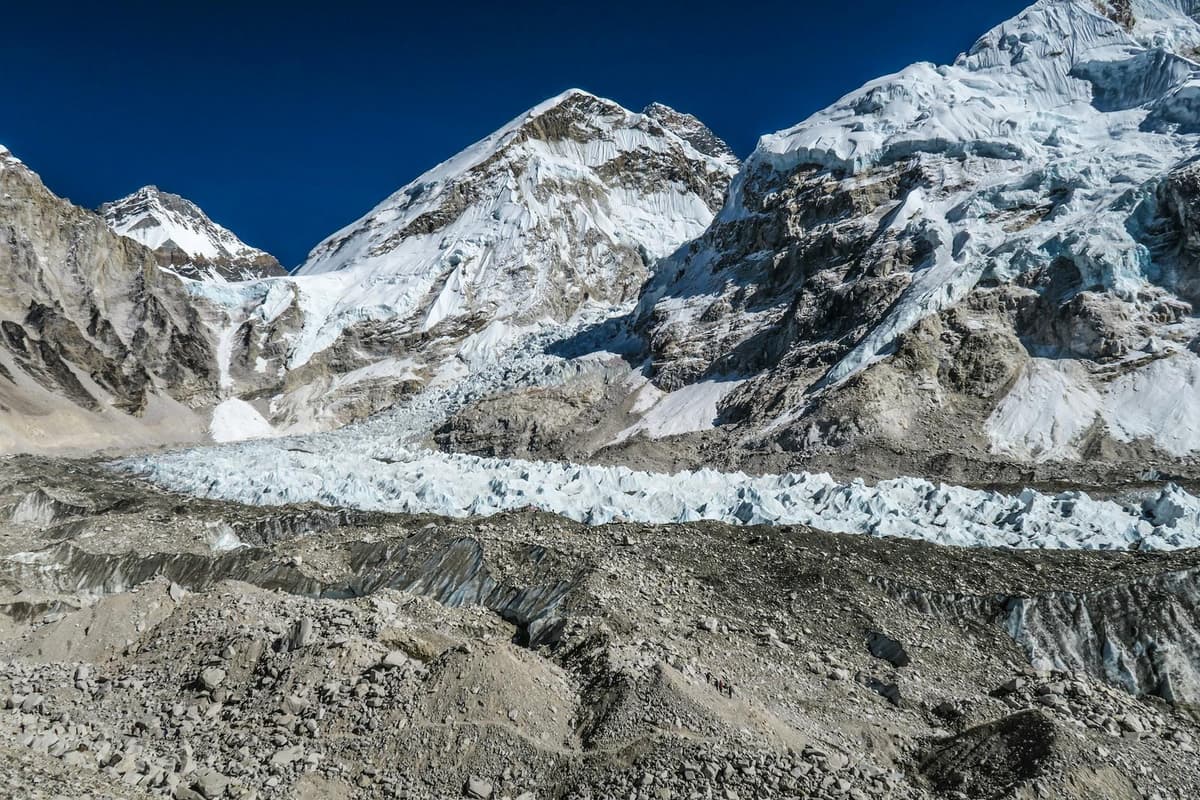
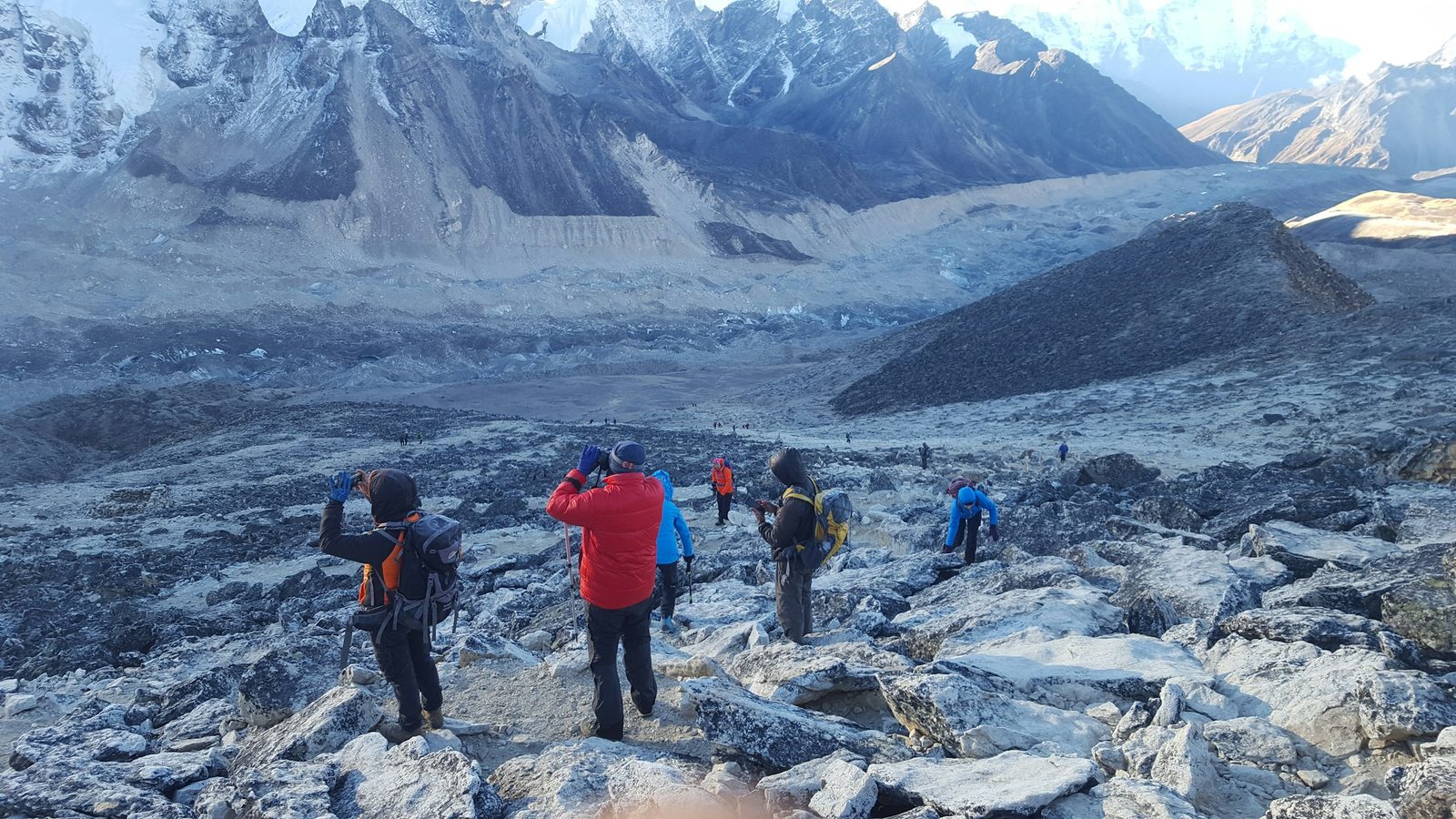
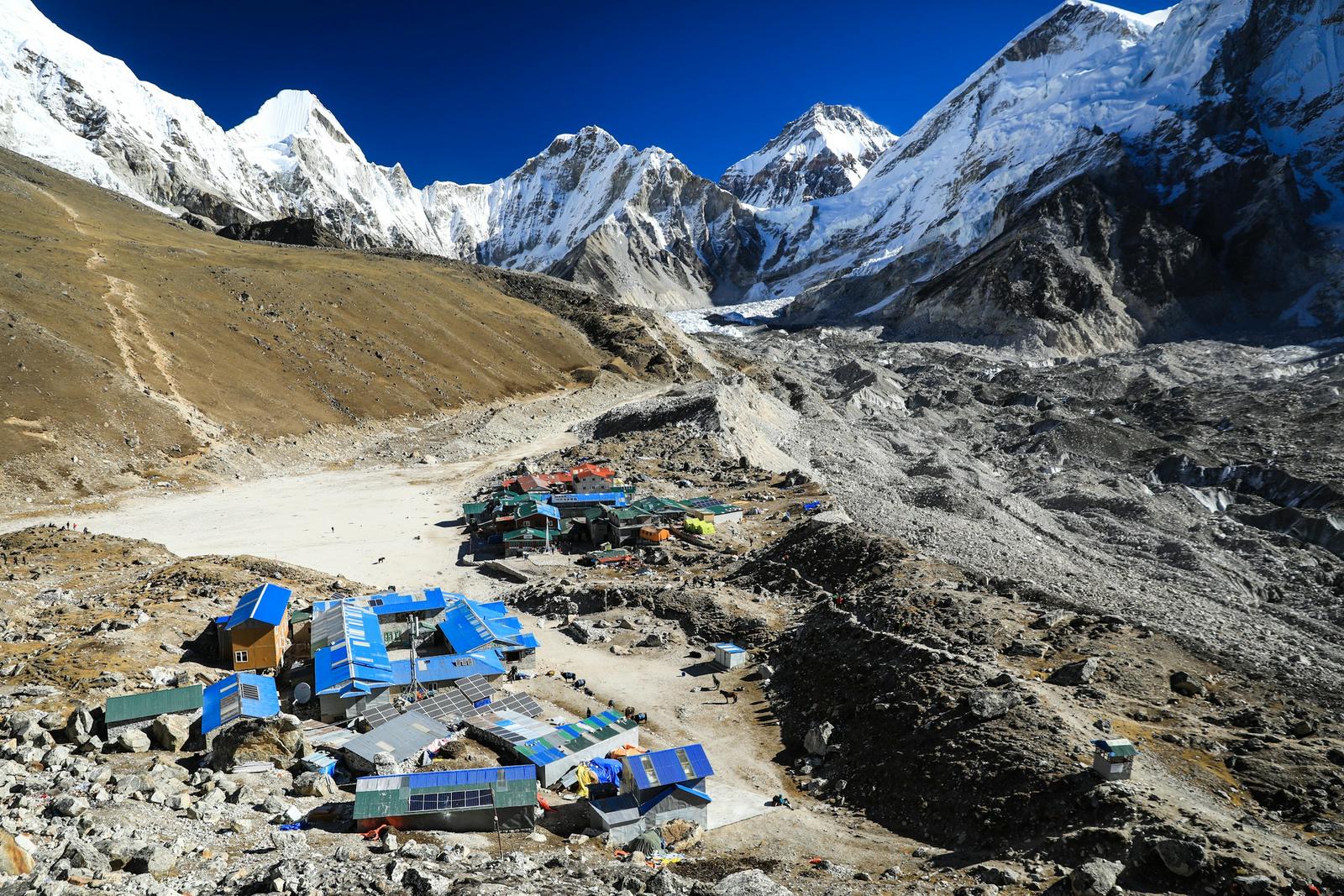
- Walk the rocky trail beside the Khumbu Glacier to Gorakshep
- After a rest, climb Kala Patthar at around 5,545 metres
- Take in the closest, highest view of Everest on the trek
- Descend to Gorakshep for the night
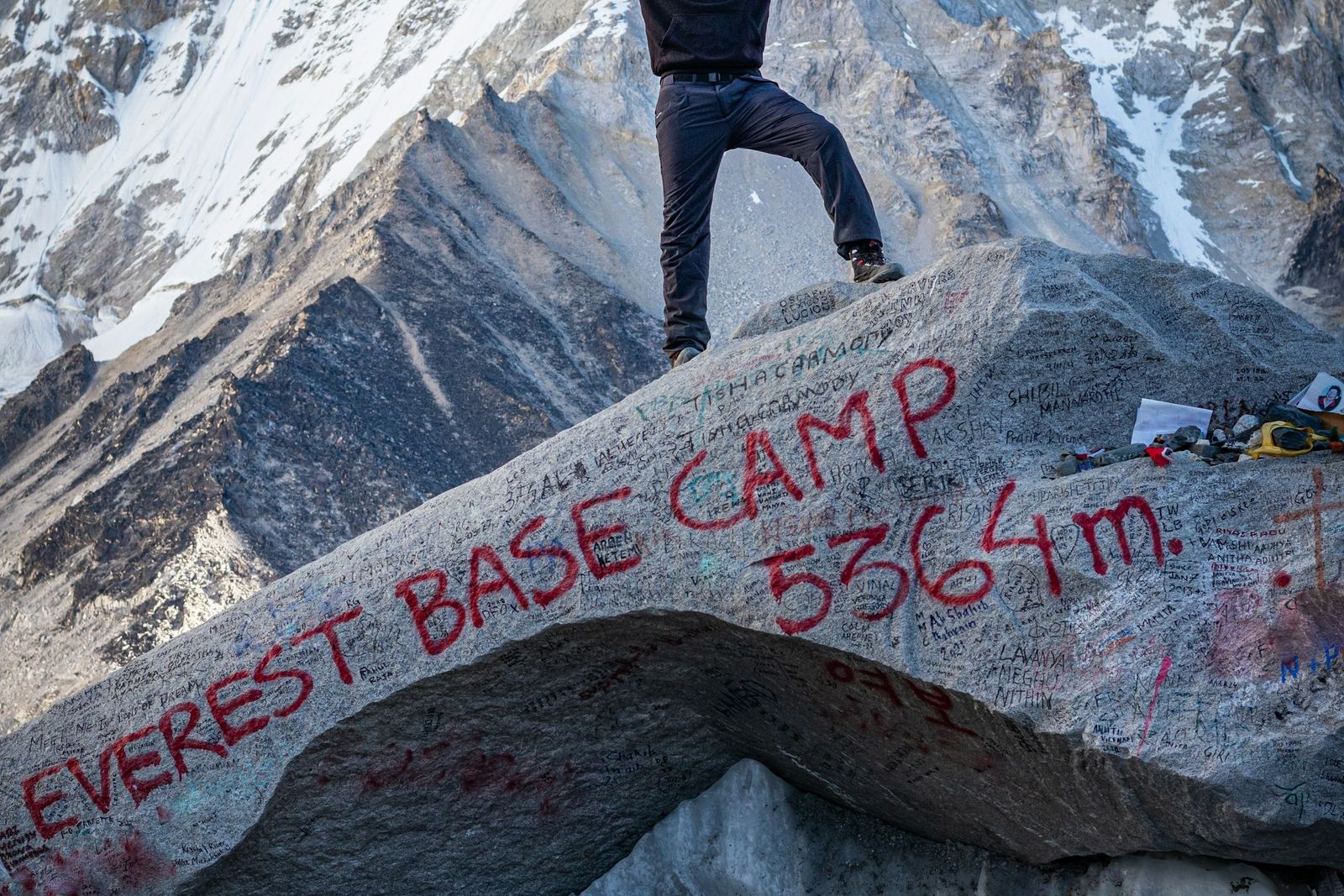
- Trek along the glacier to Everest Base Camp at 5,364 metres
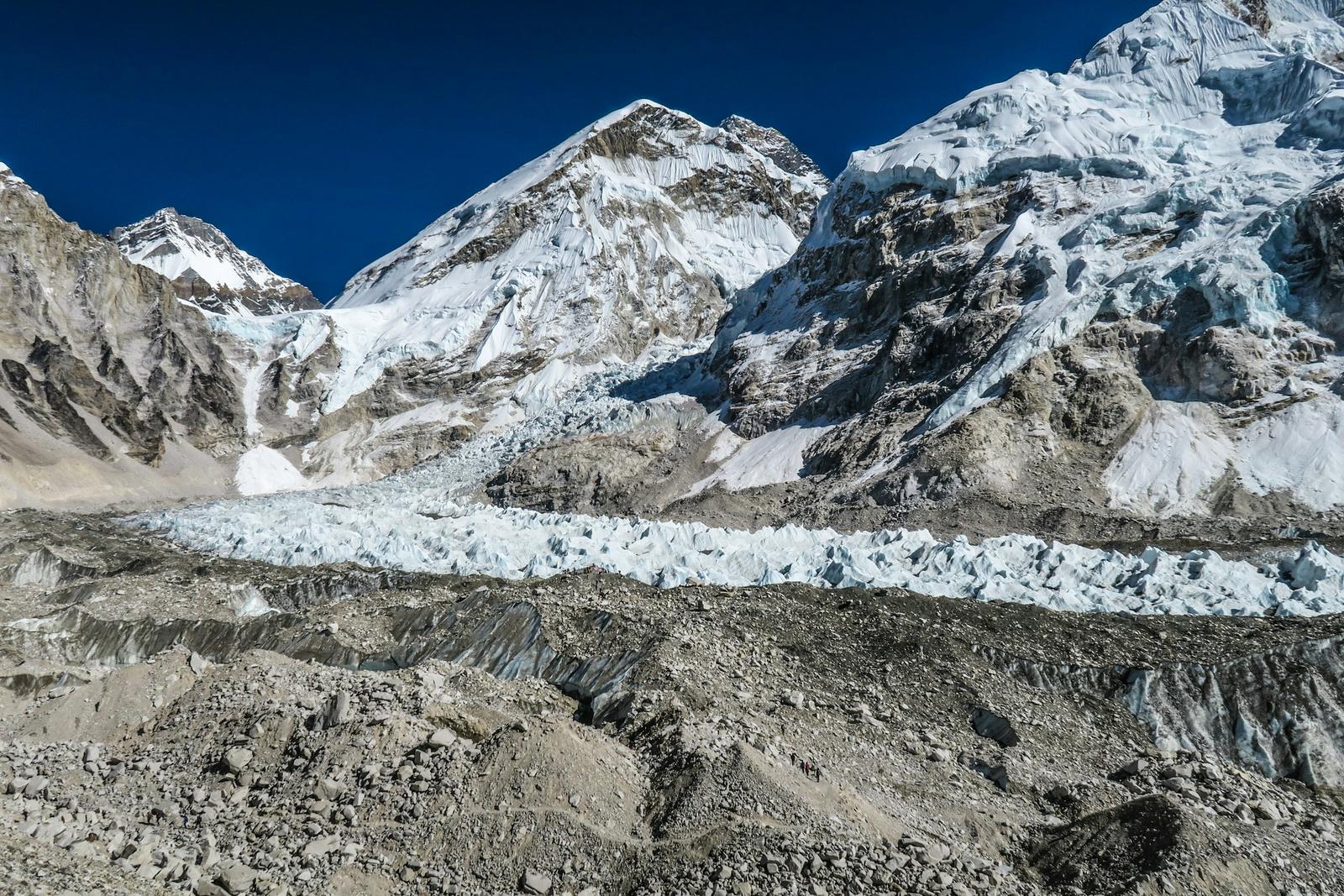
- Stand at the foot of the Khumbu Icefall and the world's highest mountain
- Return to Gorakshep, then begin the descent
- Continue down to Pheriche or Pangboche for the night
- Long descent back down the valley
- Retrace the trail through Tengboche and across the river
- Climb back to Namche Bazaar
- Overnight in Namche
- Descend the steep hill out of Namche
- Cross the suspension bridges and follow the river
- Final walk back to Lukla
- Overnight in Lukla, the last night on the trail
- Morning mountain flight from Lukla back to Kathmandu
- Transfer to your hotel
- Trek ends in Kathmandu
Things to carry
- Broken-in trekking boots and warm socks
- A down jacket and warm insulating layers
- Hat, gloves, buff and thermal base layers
- A warm sleeping bag rated for the cold
- Sun protection, sunglasses and a refillable water bottle
- A headtorch and a light daypack
Good to know
Twelve days to the foot of Everest
The Everest Base Camp trek is a twelve-day walk from the mountain airstrip at Lukla to base camp at 5,364 metres, with a high point of around 5,545 metres at the Kala Patthar viewpoint. It is challenging but not technical: no ropes, no climbing skill, just long days on foot at altitude, with two rest days built in to help you adjust. It takes you through the heart of the Khumbu, the homeland of the Sherpa people, under Everest, Lhotse, Nuptse and Ama Dablam, and it remains one of the great treks on earth.
What the Everest Base Camp trek covers
Over twelve days you fly into Lukla, walk up through Namche Bazaar and Tengboche to the high villages of Dingboche and Lobuche, climb Kala Patthar for the closest view of Everest, reach base camp itself, and then descend and fly out. The route is paced with acclimatisation days at Namche and Dingboche, and your guide manages the altitude, the permits and the lodges throughout. If a shorter, lower first Himalayan trek appeals more, our Annapurna Base Camp trek reaches a spectacular sanctuary in five days.
How hard it is, honestly
This is a hard trek, and it is honest to say so. The difficulty is not the terrain, which is a well-trodden path, but the altitude and the sheer number of days on your feet. Above 5,000 metres even a gentle slope feels like hard work, and the cold and thin air wear you down. Good hill fitness beforehand changes the experience completely. There is no technical climbing at any point, and anyone in solid health who prepares can do it, but it should not be underestimated.
Altitude, acclimatisation and safety
Altitude is the single most important thing on this trek, and it is why the itinerary is twelve days rather than eight. The two acclimatisation days, at Namche and Dingboche, follow the climb-high-sleep-low principle that lets your body adapt. Mild symptoms like a headache are common and manageable; the danger is ignoring worse ones. Your guide watches the whole group, carries a first-aid kit and an oximeter, and will always choose to descend over pushing on. We never promise anyone will reach base camp, because your health comes first.
Permits, flights and getting there
The Everest region has its own permit system: a Sagarmatha National Park permit and a local Khumbu municipality permit, which we arrange, and, unusually, no TIMS card. Since April 2023 a licensed guide is required, which we provide. The trek begins and ends with the Lukla flight, one of the world's most spectacular and most weather-dependent; in busy seasons it may run from Ramechhap rather than Kathmandu, and delays happen, so a spare day at the end of your trip is wise.
Best time to go and what it is like
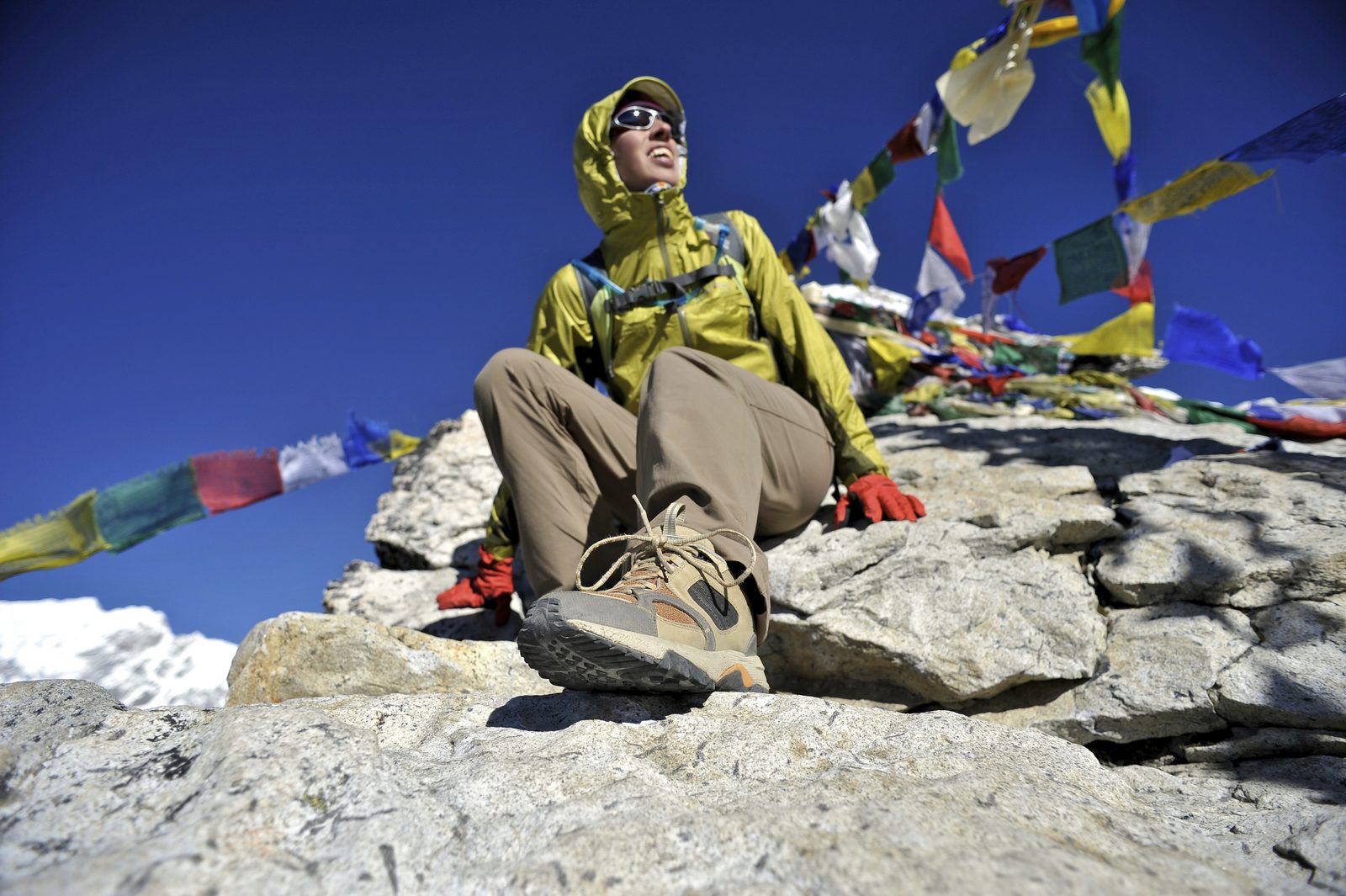
Autumn and spring are the seasons, with October and November the clearest of the year and spring bringing warmer days and rhododendron colour lower down. You sleep in teahouses that get simpler and colder as you climb, and eat plenty of carbohydrate-rich food to keep you going. The reward is the Khumbu at its best: prayer flags and mani stones, monasteries, and the giants of the Himalaya close enough to touch. To see it all from the air instead, our Everest helicopter tour reaches the base-camp area in a single morning.