

Overview
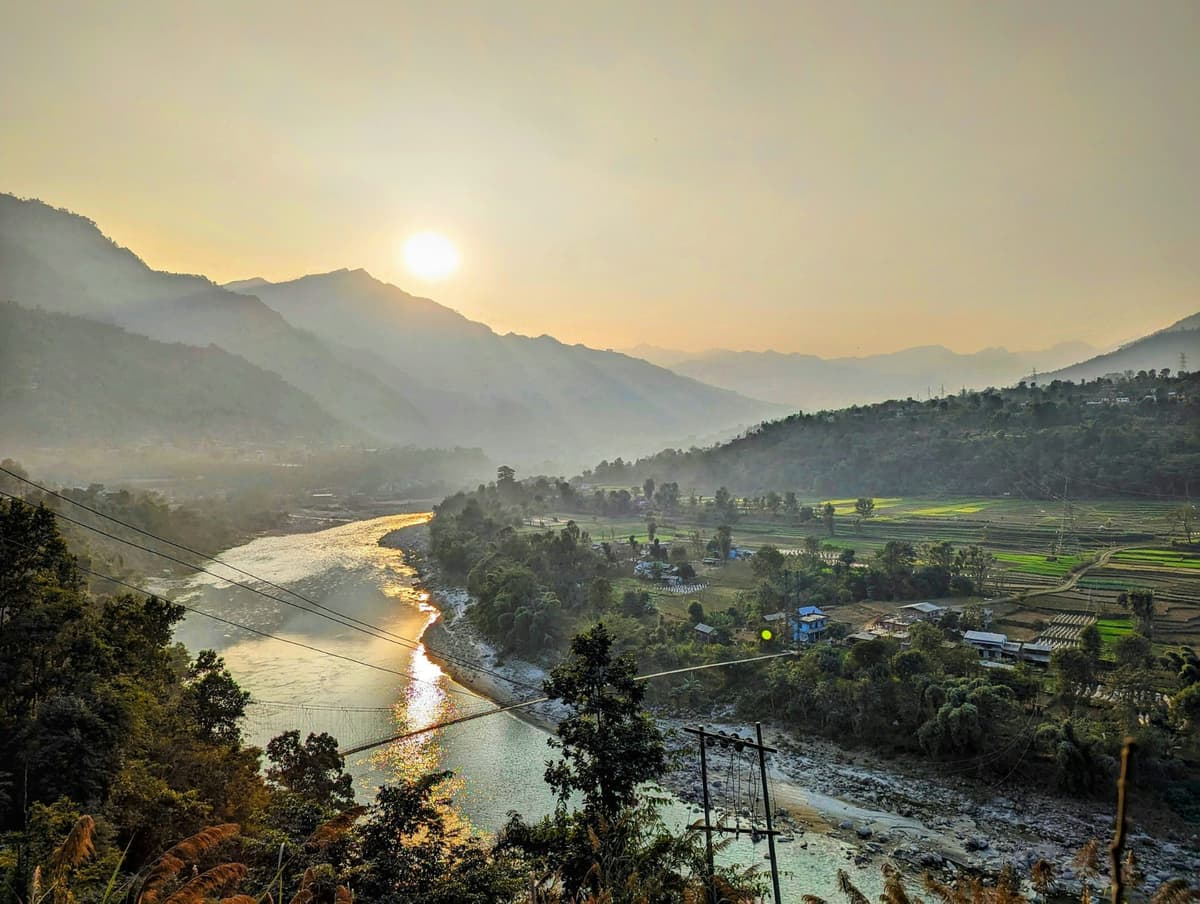
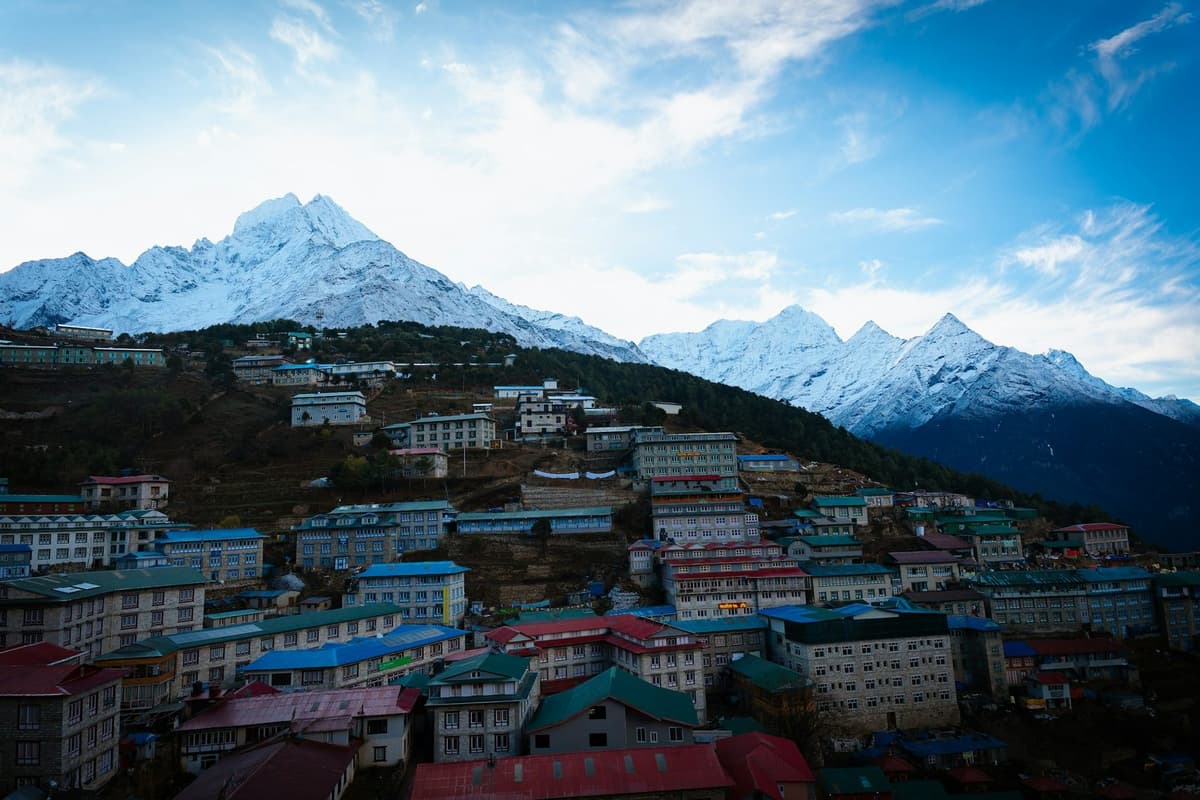
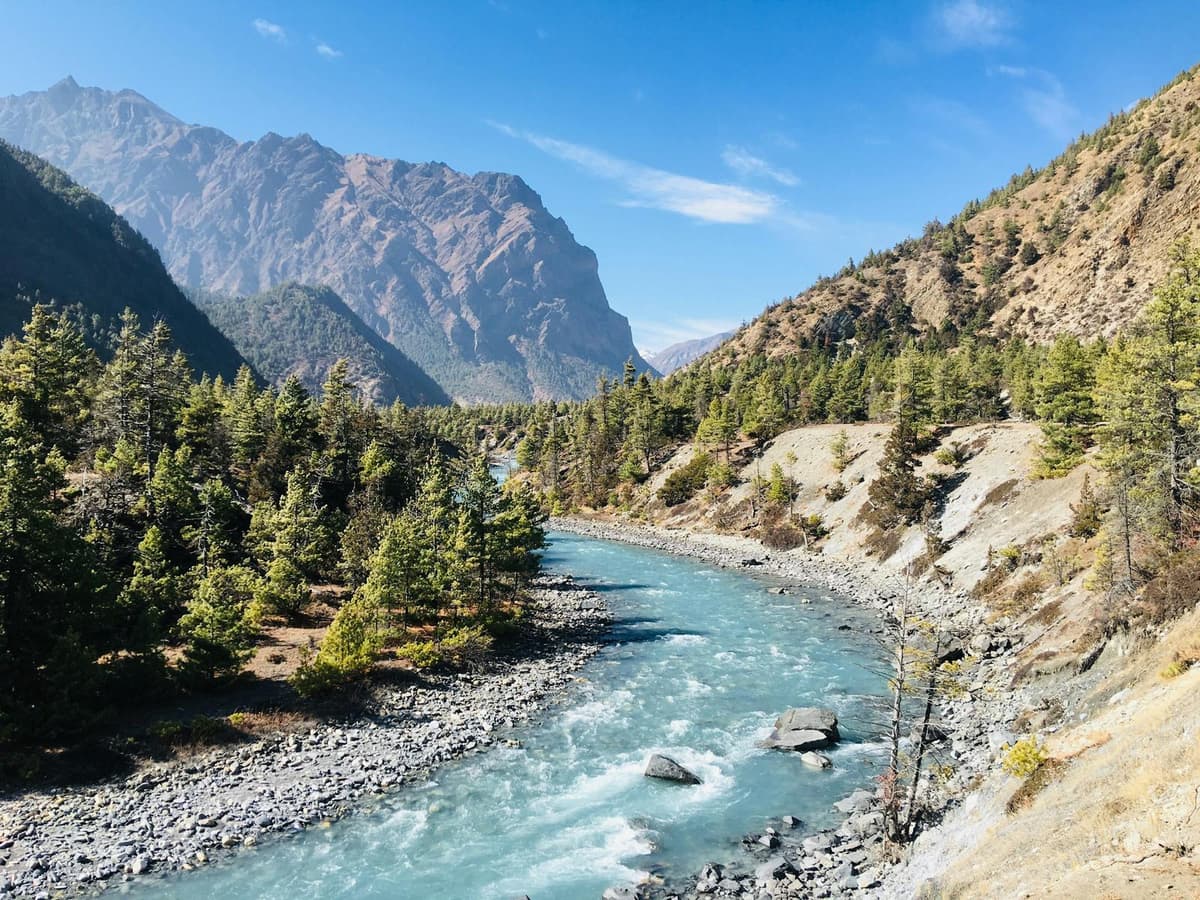
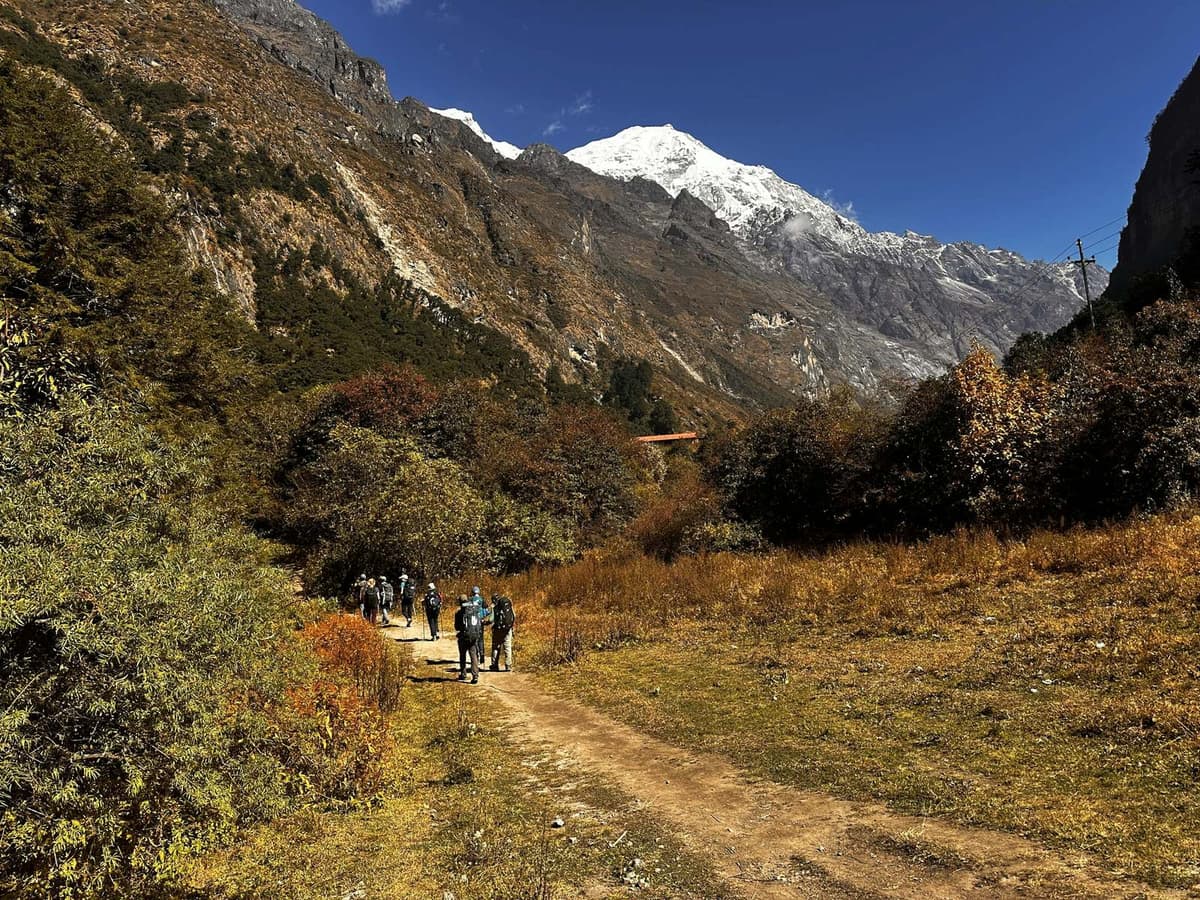
This Ama Yangri trek is the shortest way we know to stand on a proper Himalayan viewpoint from Kathmandu and be back in two days. You drive north-east through Melamchi into Helambu, past the Hyolmo village of Tarkeghyang, and on up the rough road to the simple lodges below the summit. Next morning you climb in the dark to the 3,771 m top, hung with prayer flags and sacred to the Hyolmo people, for sunrise over the Langtang range, the Jugal Himal and Ganesh Himal, then walk down for breakfast and drive back to Kathmandu. It is a real climb, not a drive-up viewpoint, so it suits fit travellers short on days who can handle a steep pre-dawn walk, long road hours and one night in a basic mountain lodge.
The itinerary
- Morning pick-up for a drive of 5 to 7 hours north-east via Melamchi into Helambu
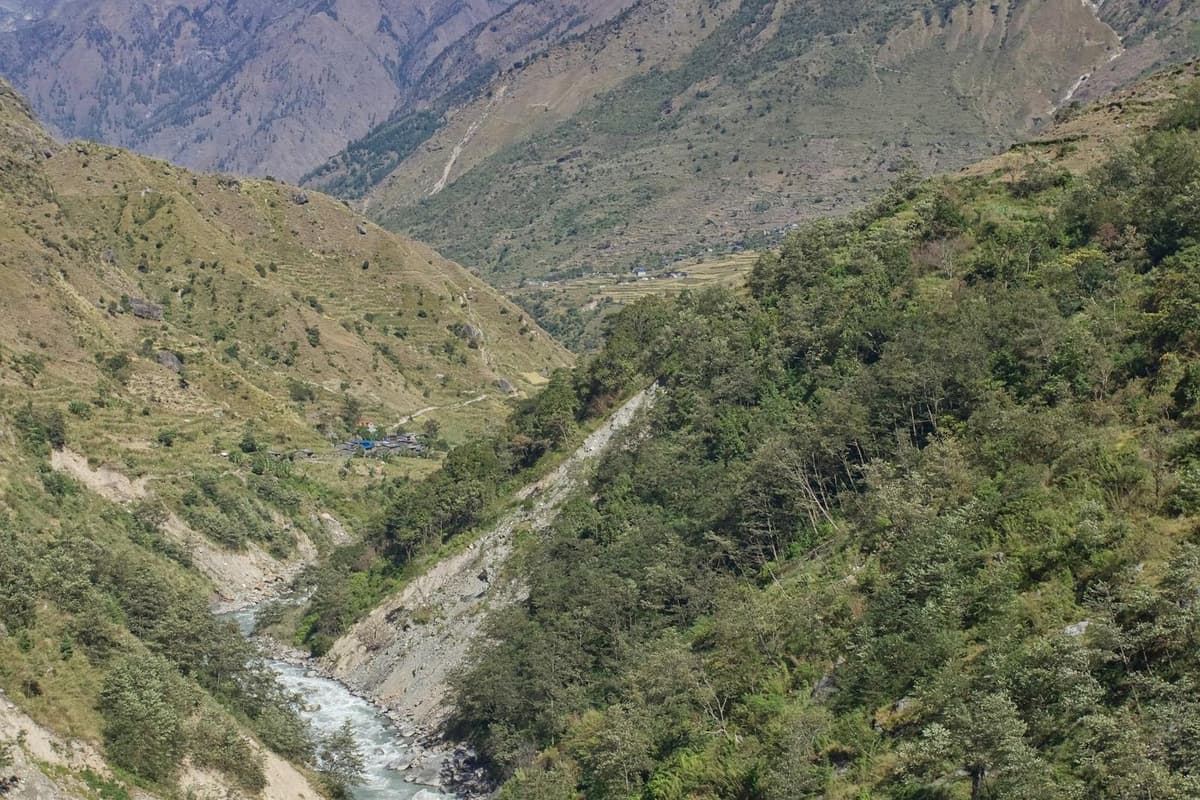
- Beyond Melamchi the road is partly unpaved and winding as it climbs into the hills
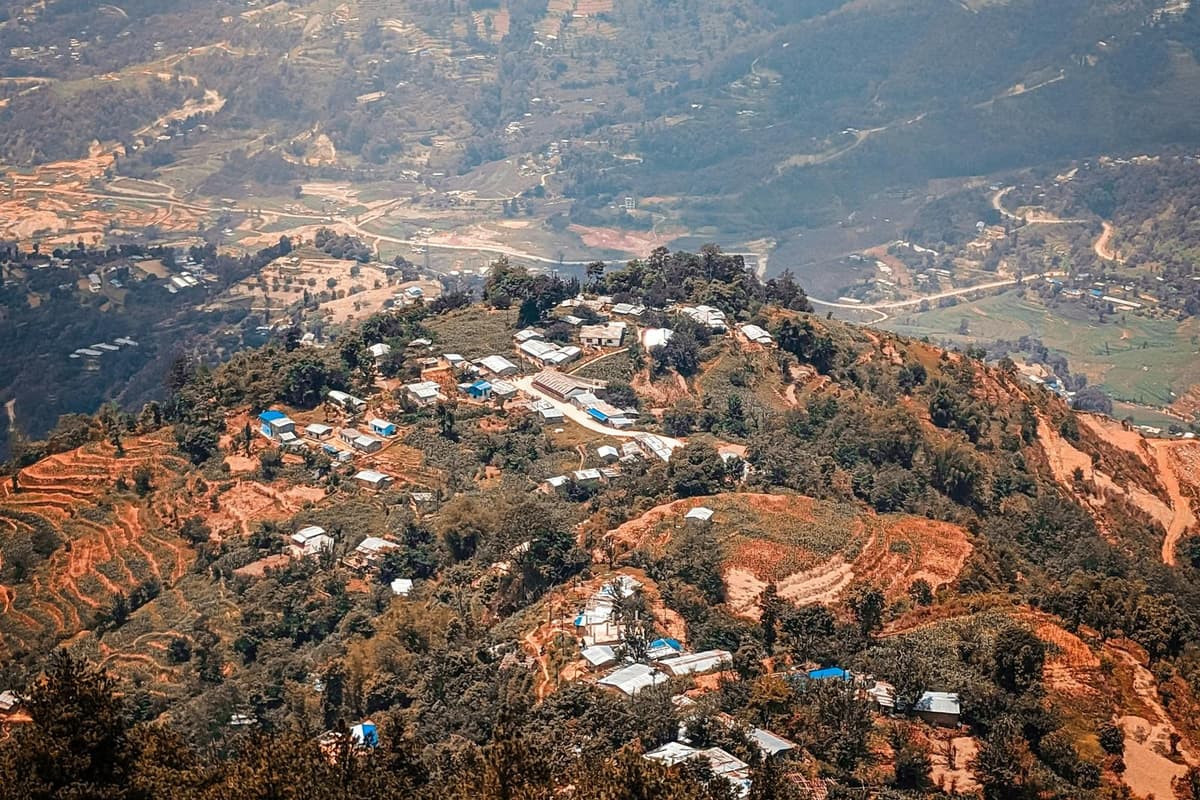
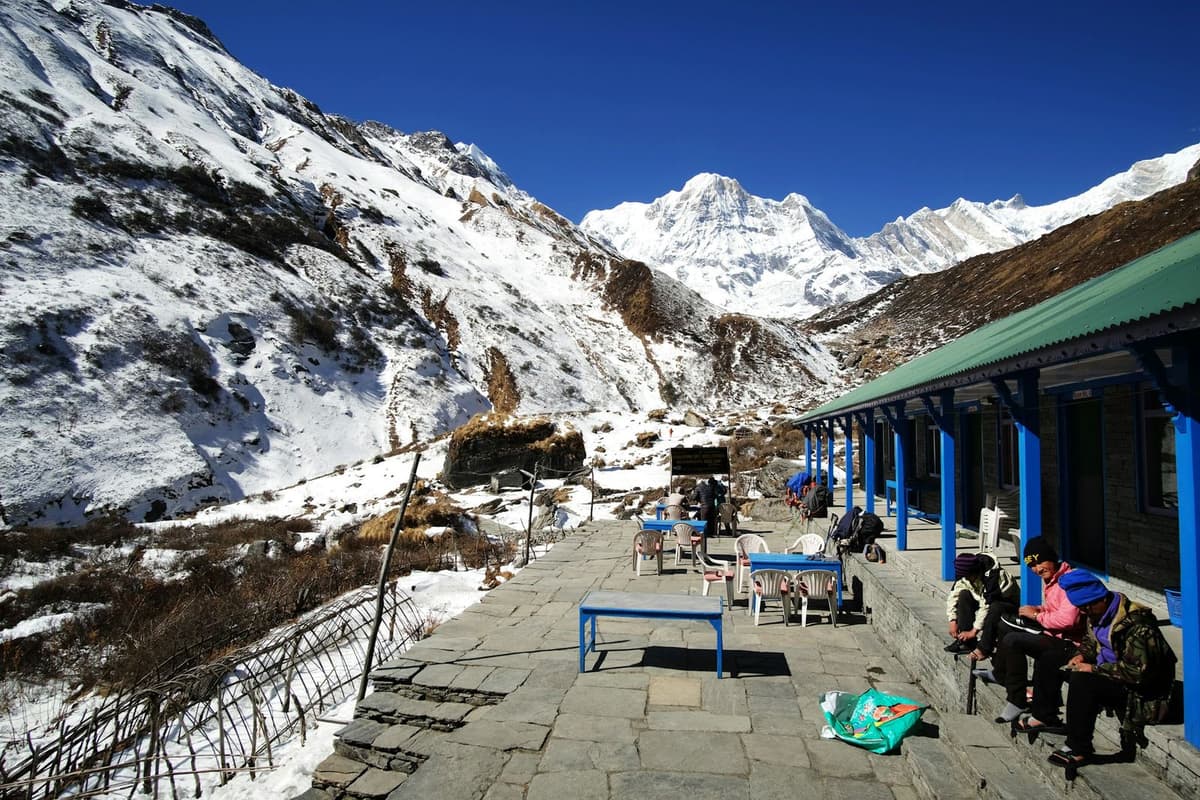
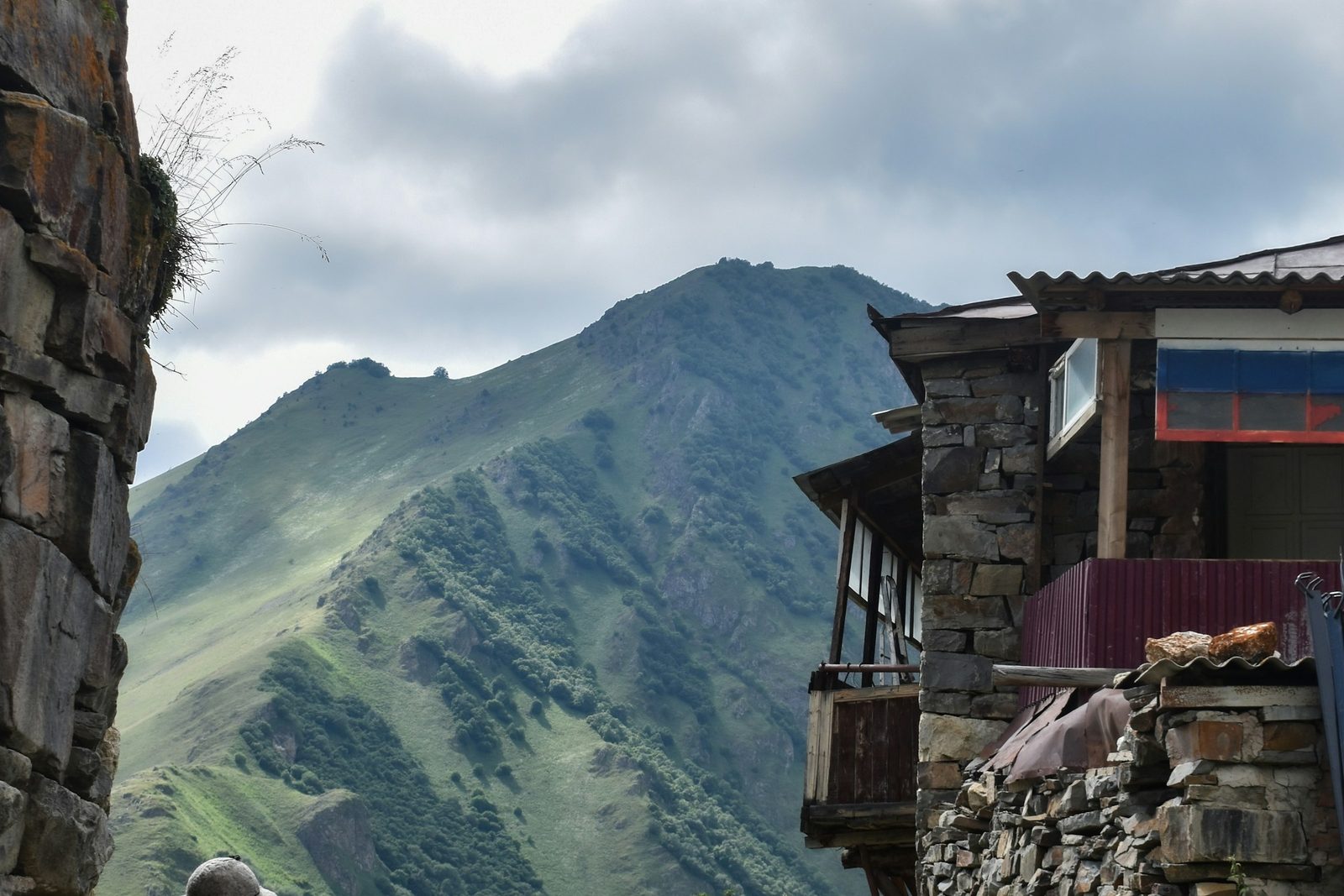
- Pass Tarkeghyang, a Hyolmo village at 2,600 m, then continue by jeep to the lodges below the summit when the upper road is passable
- If the upper road is closed, walk up from Tarkeghyang in around 2 hours; overnight in a simple mountain lodge
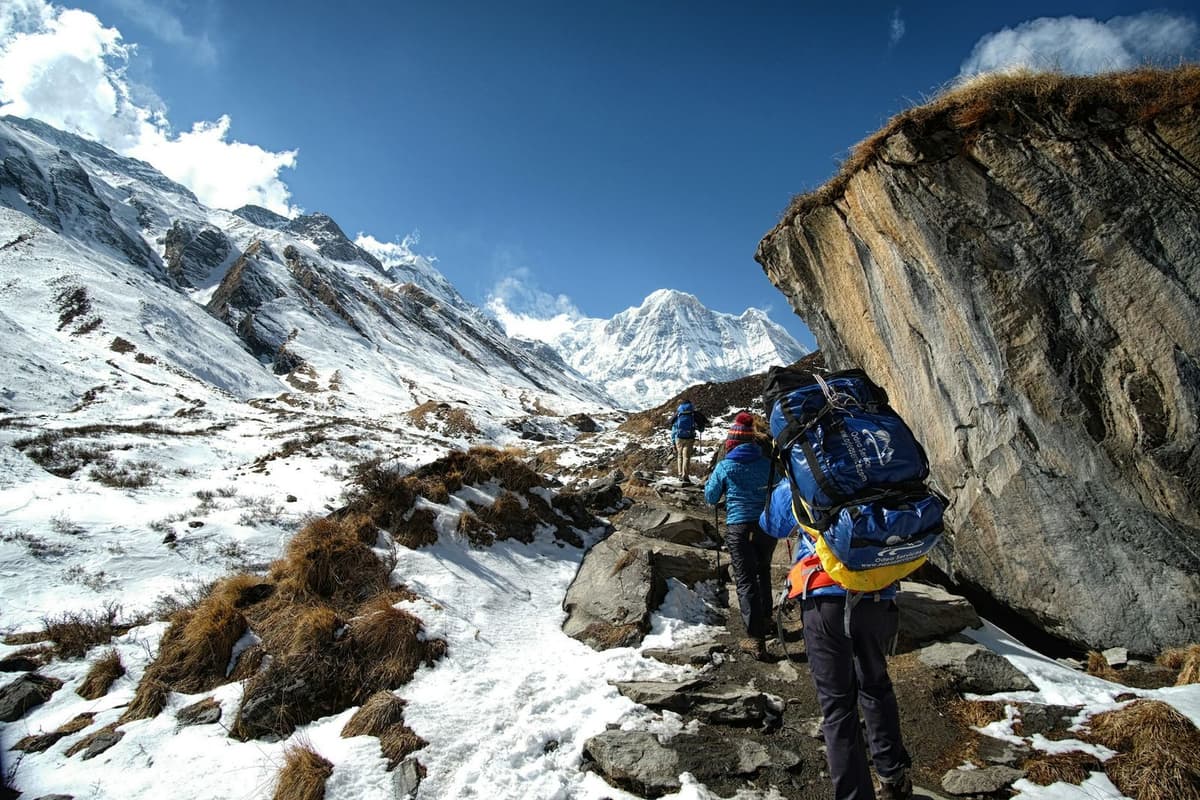
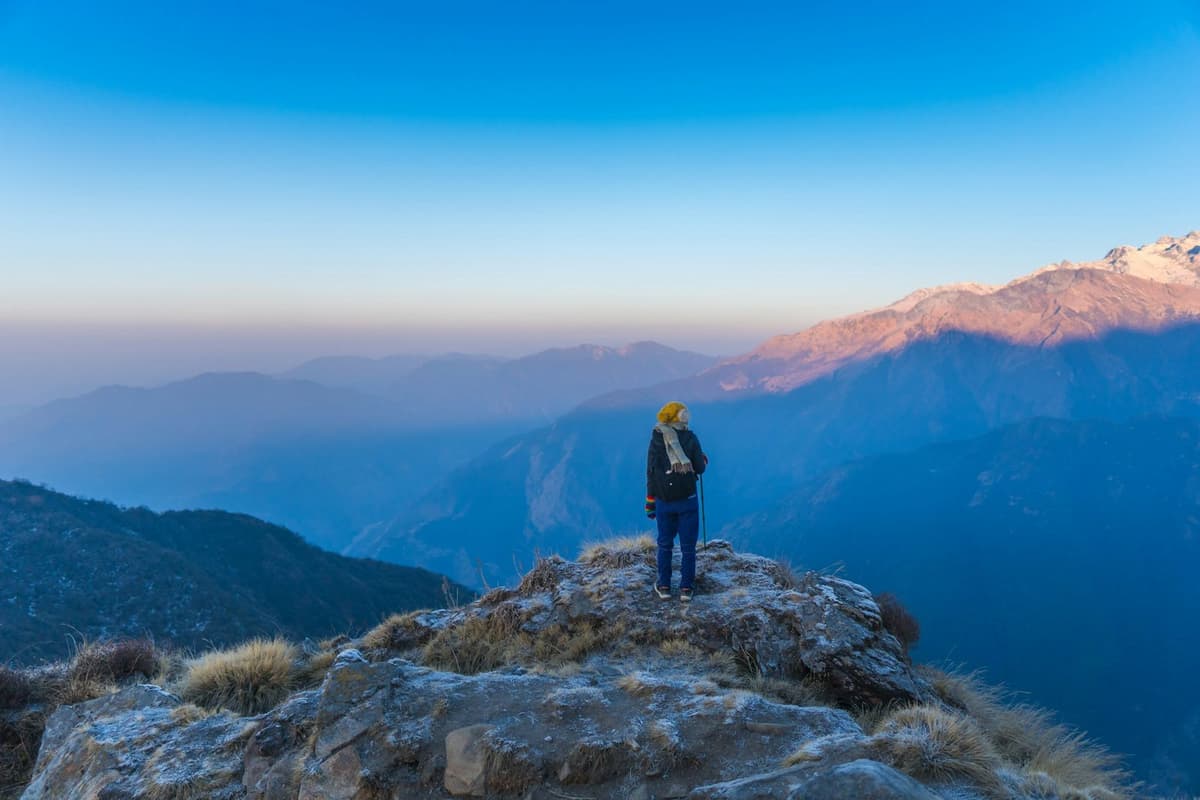
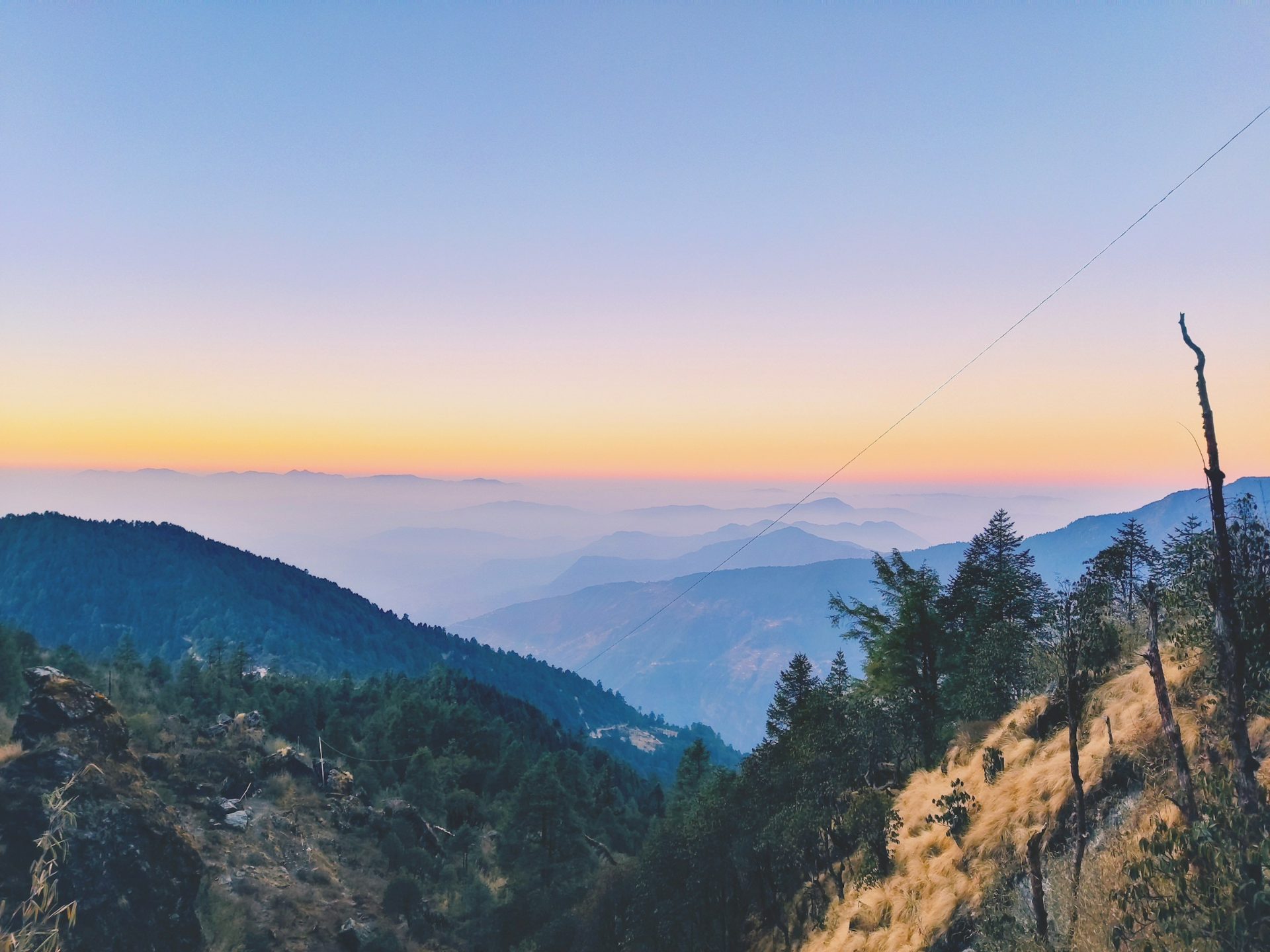
- Early start by head torch for a steep climb of about 2.5 hours to the summit
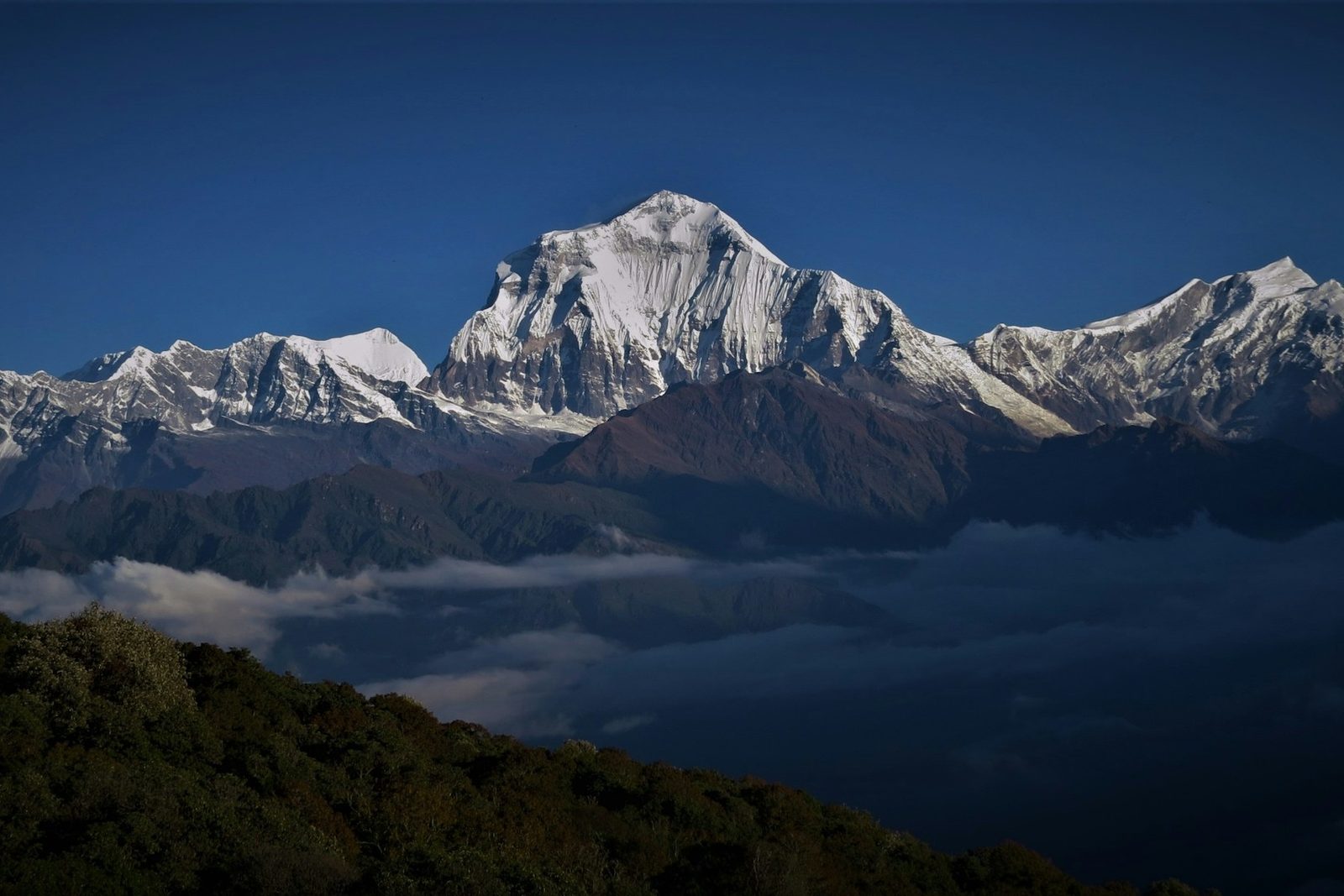
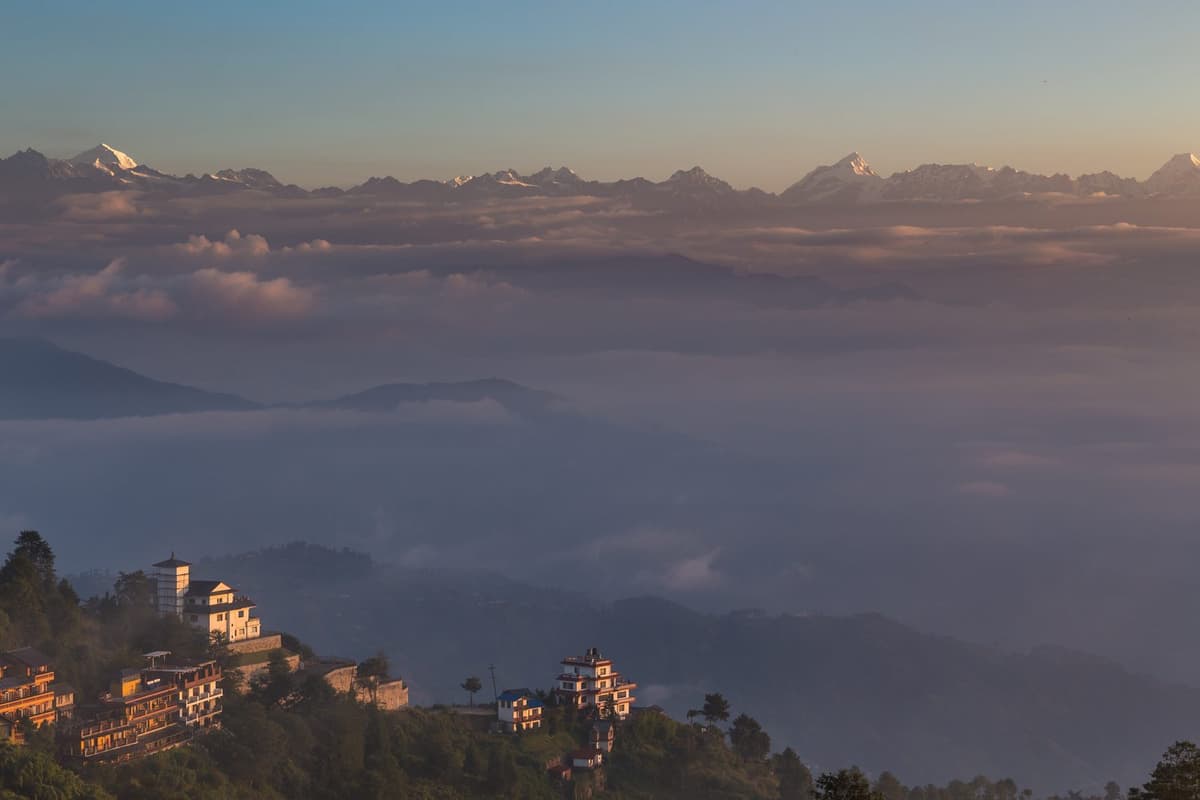
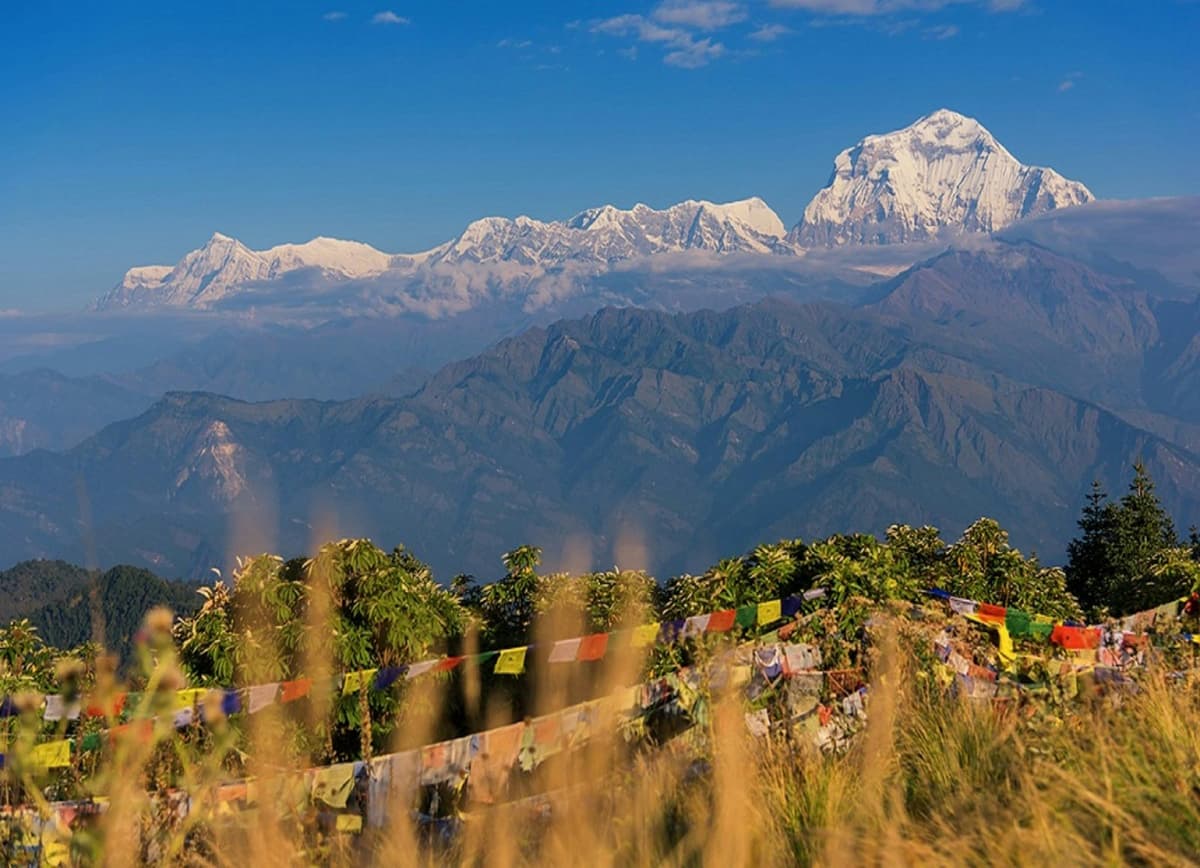
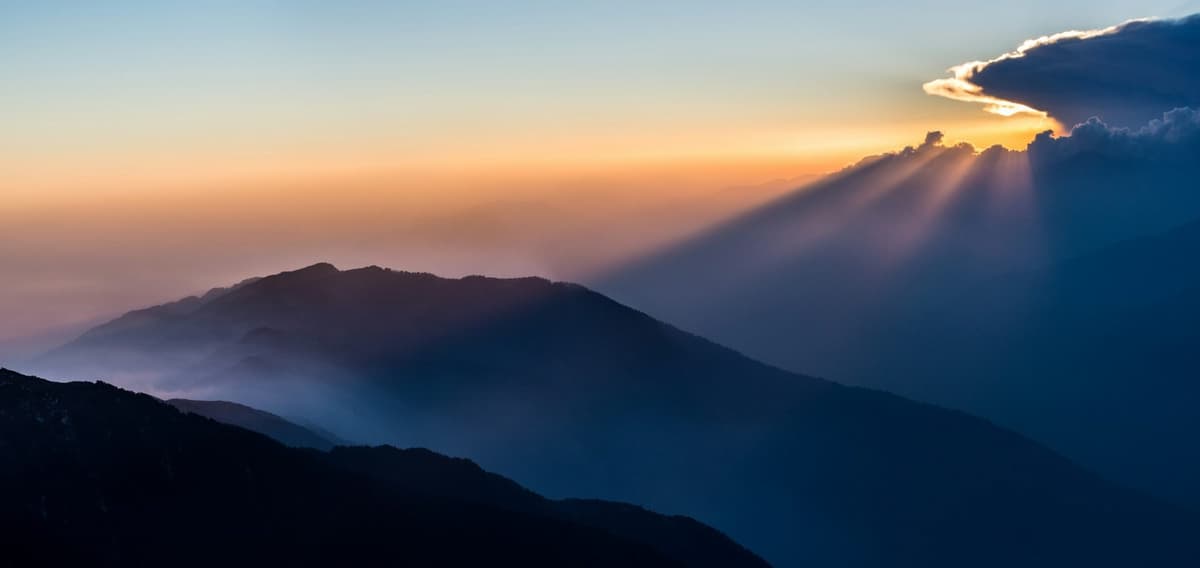
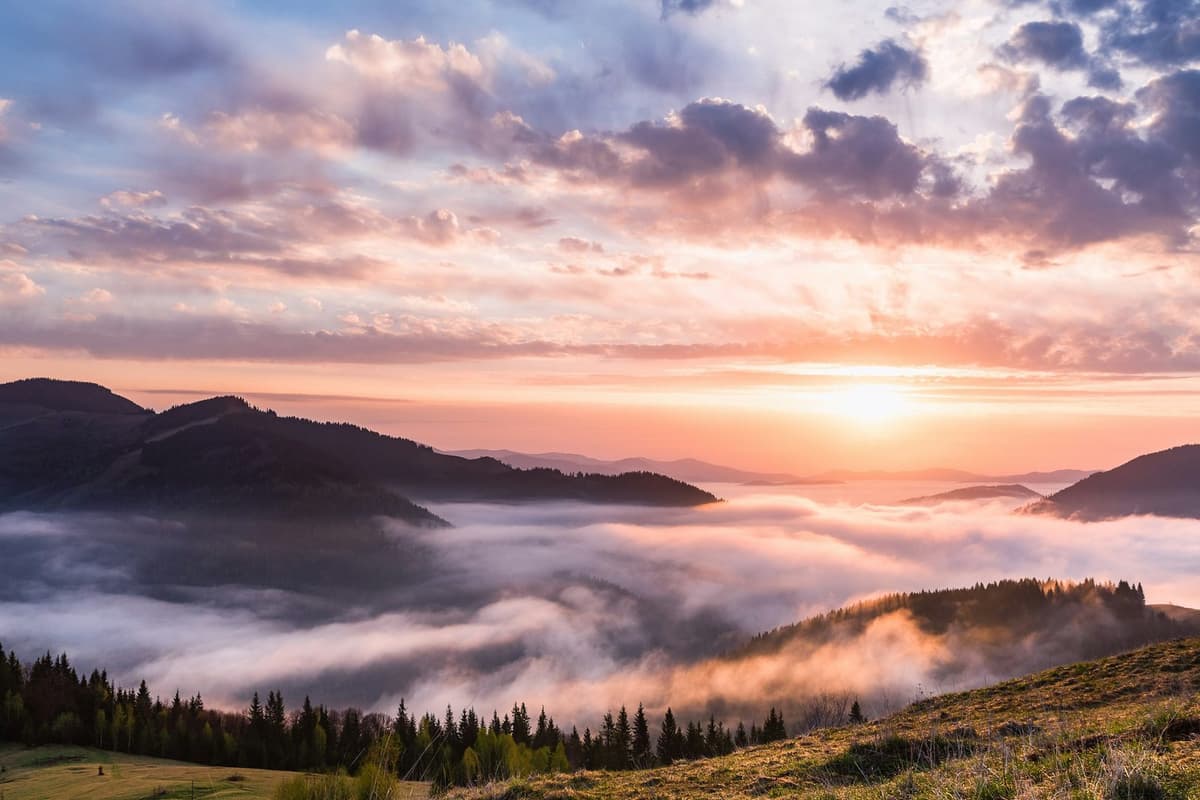
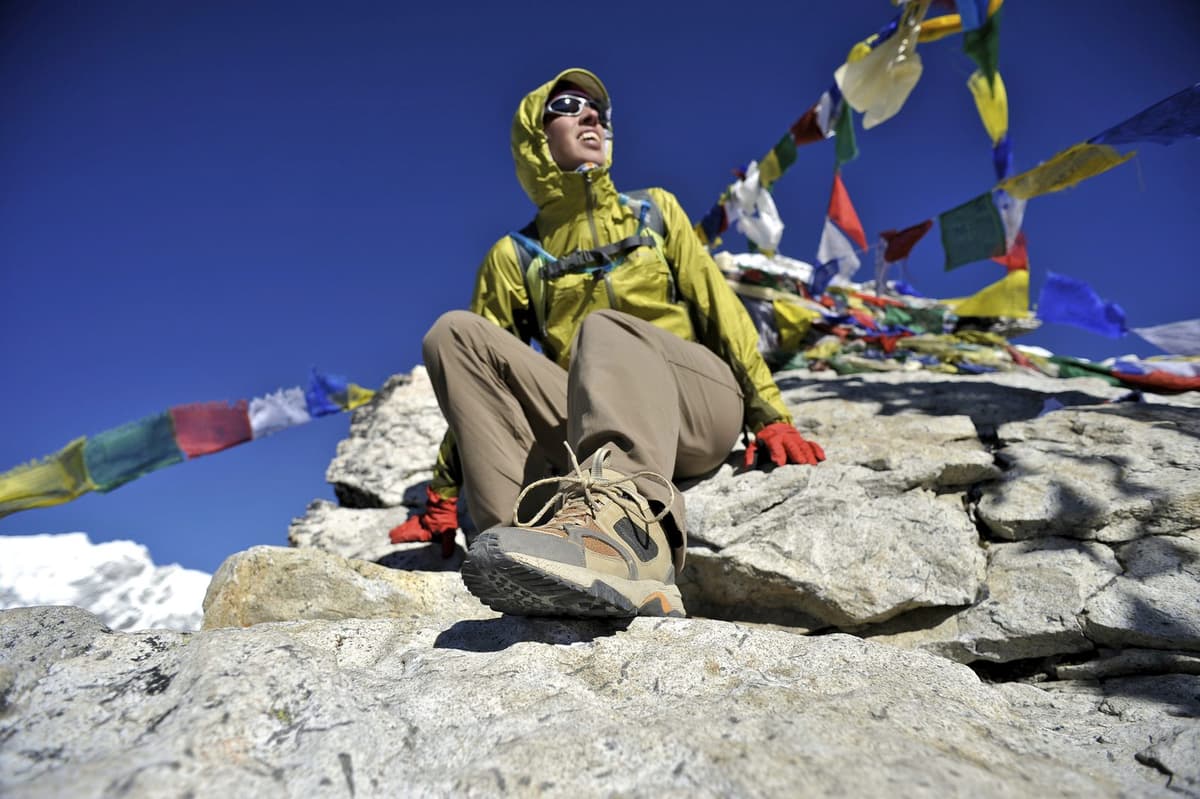
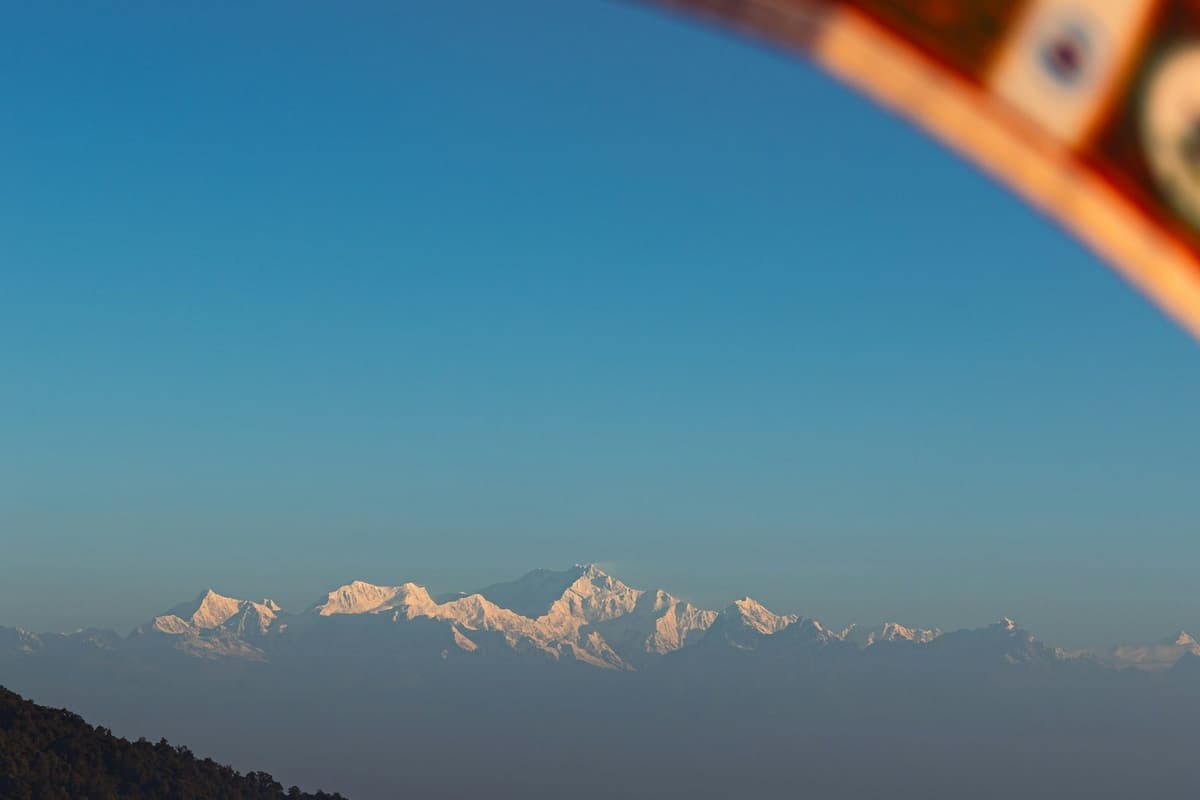
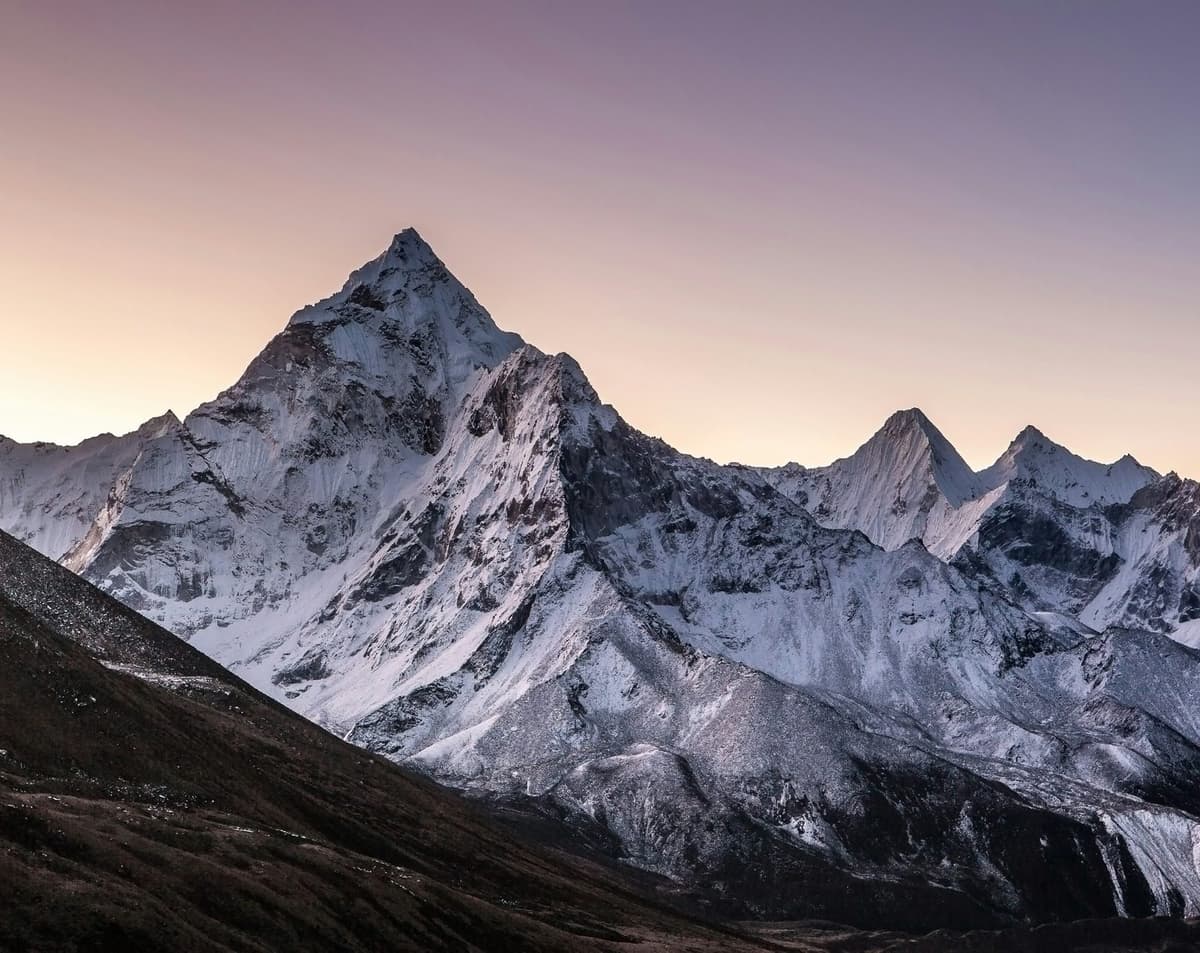
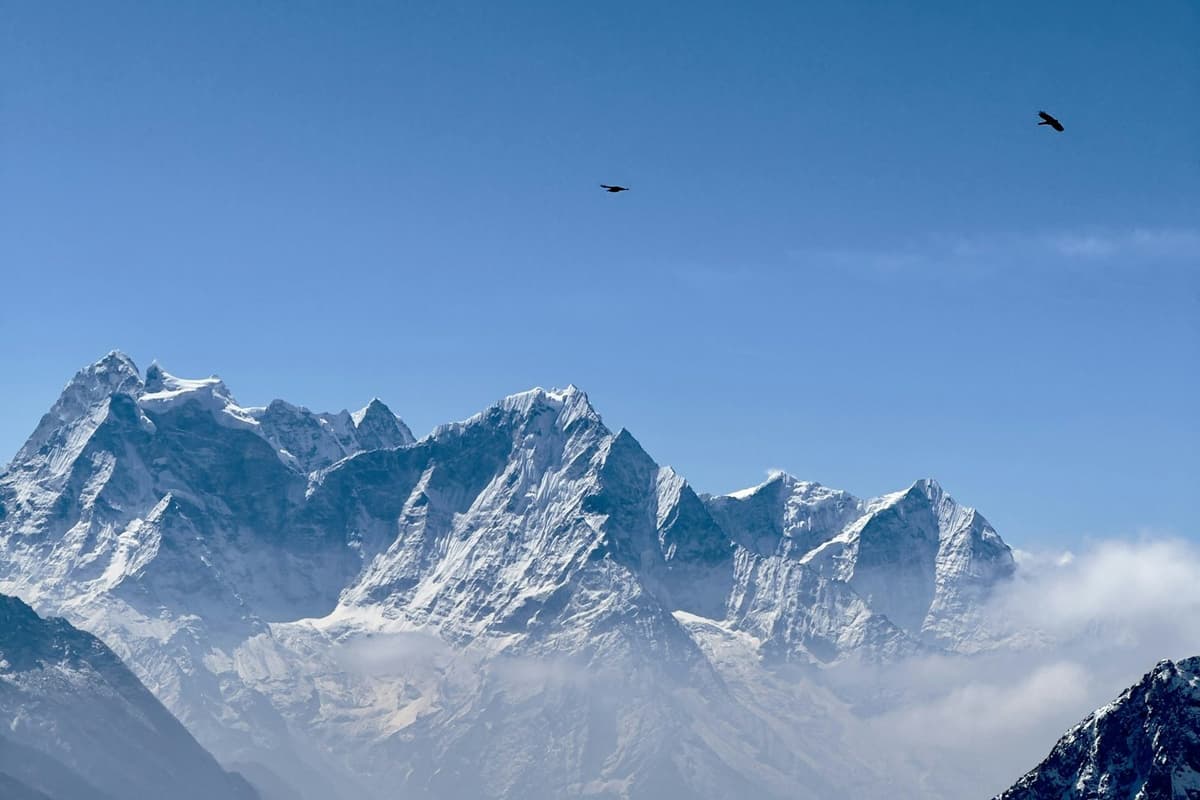
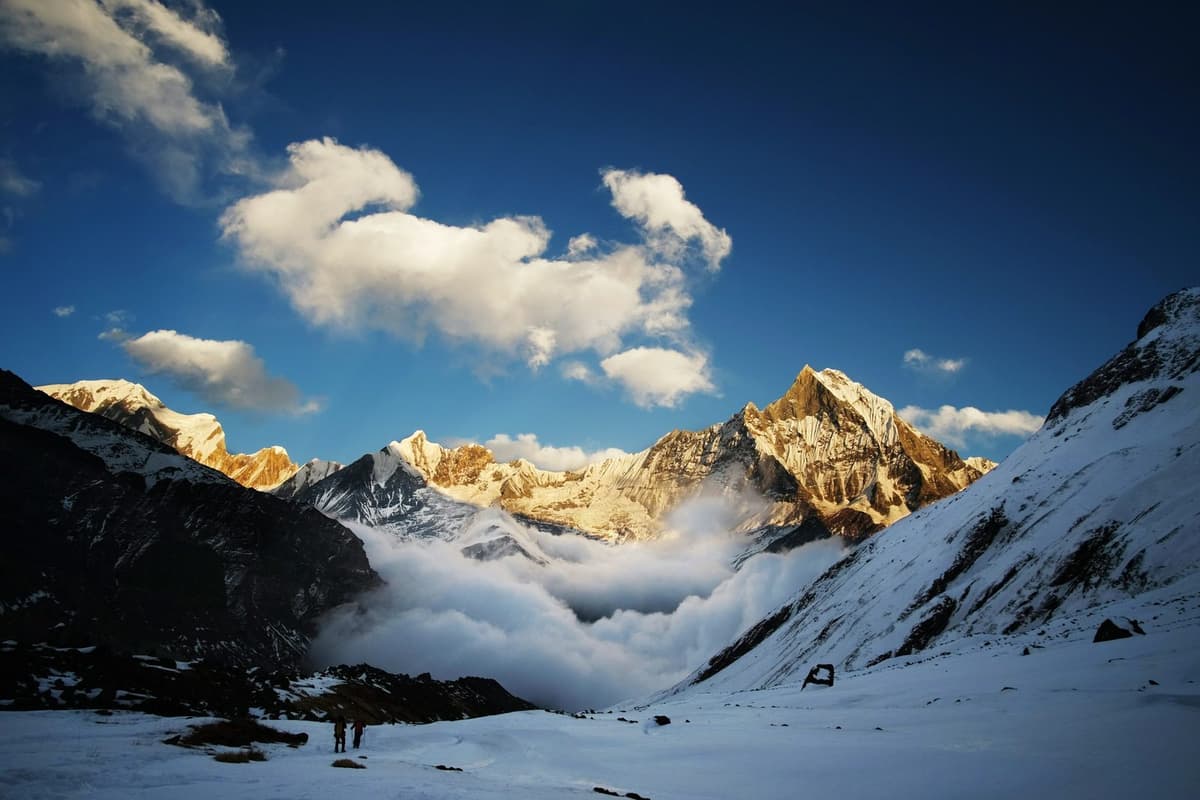
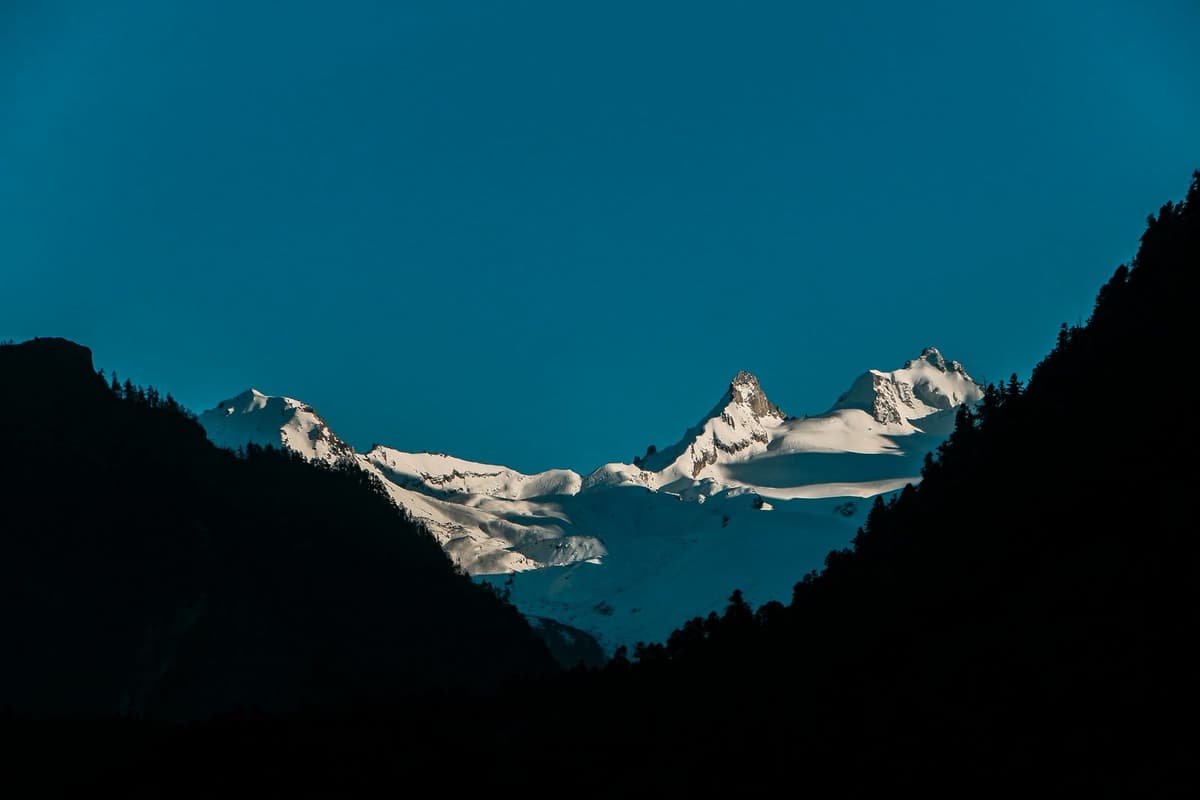
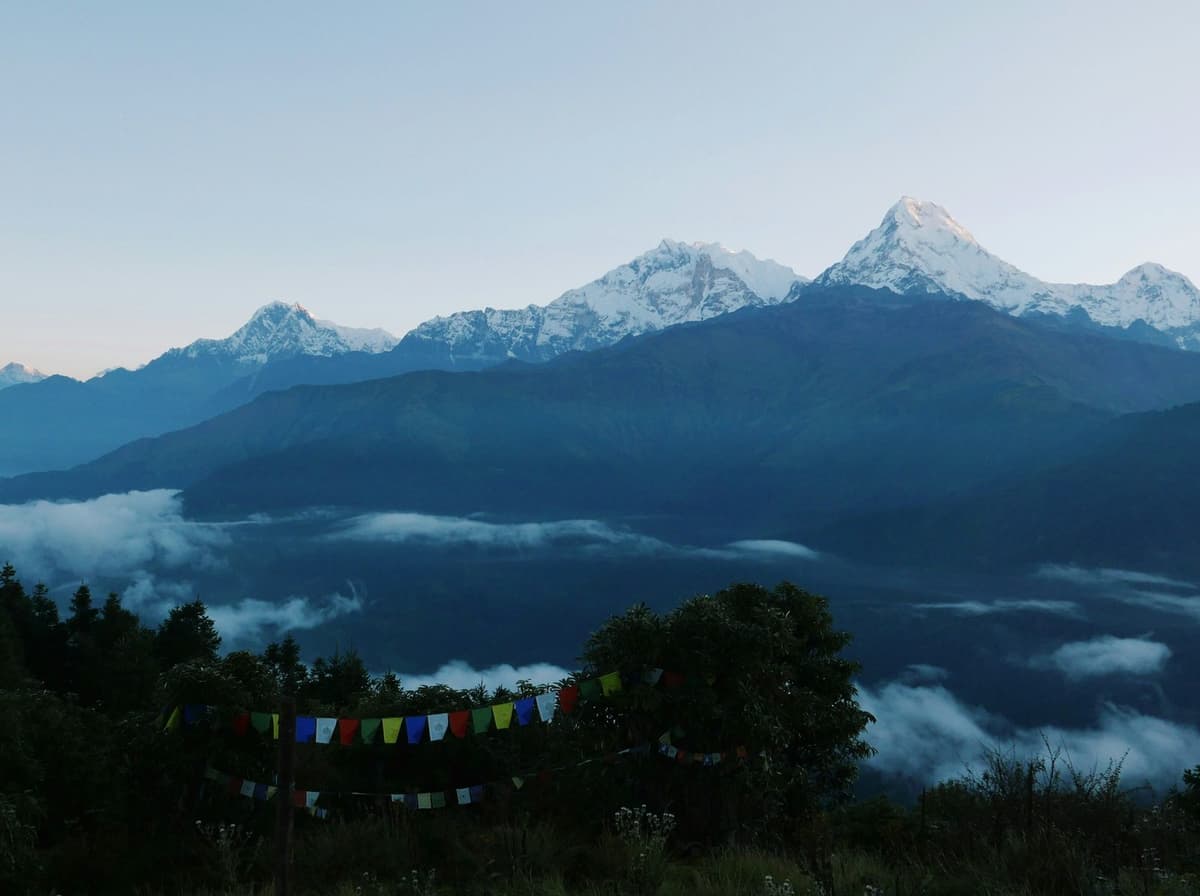
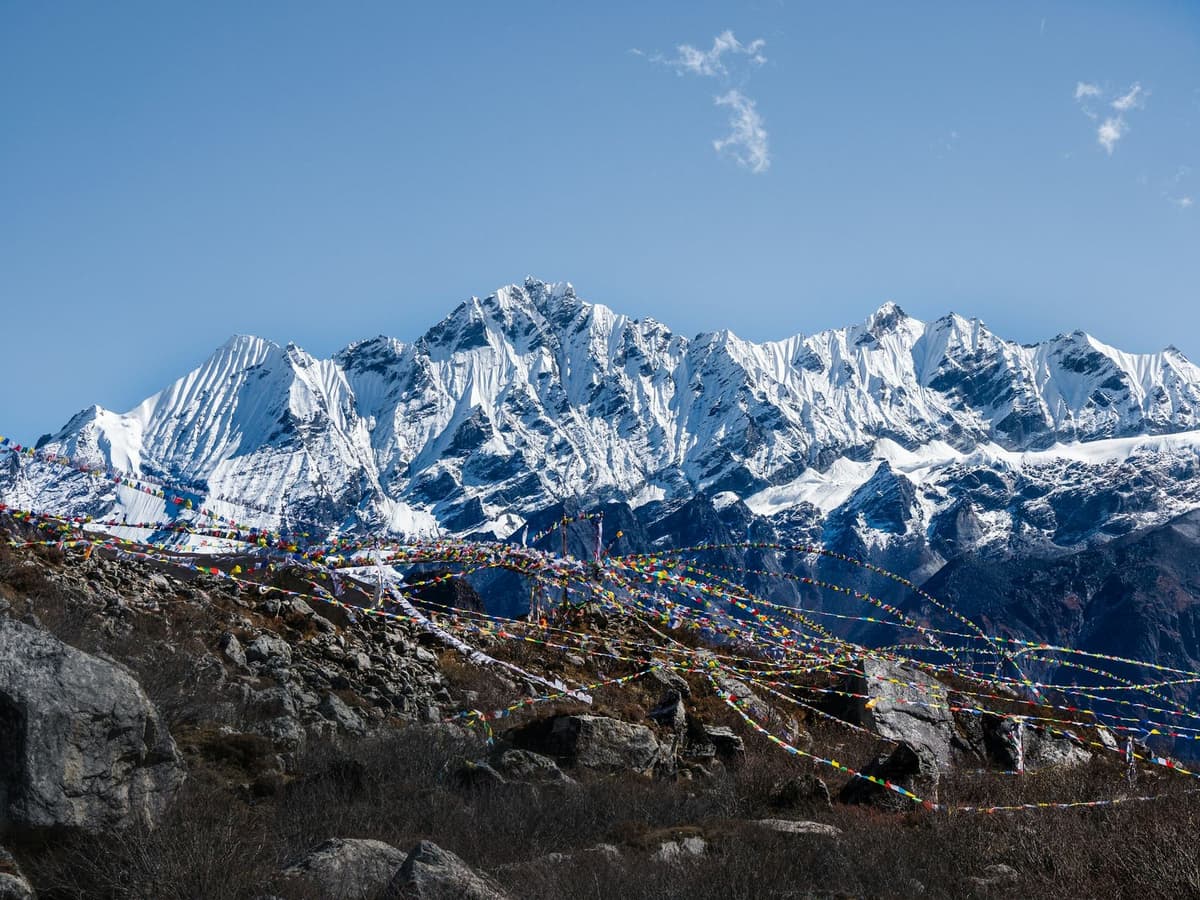
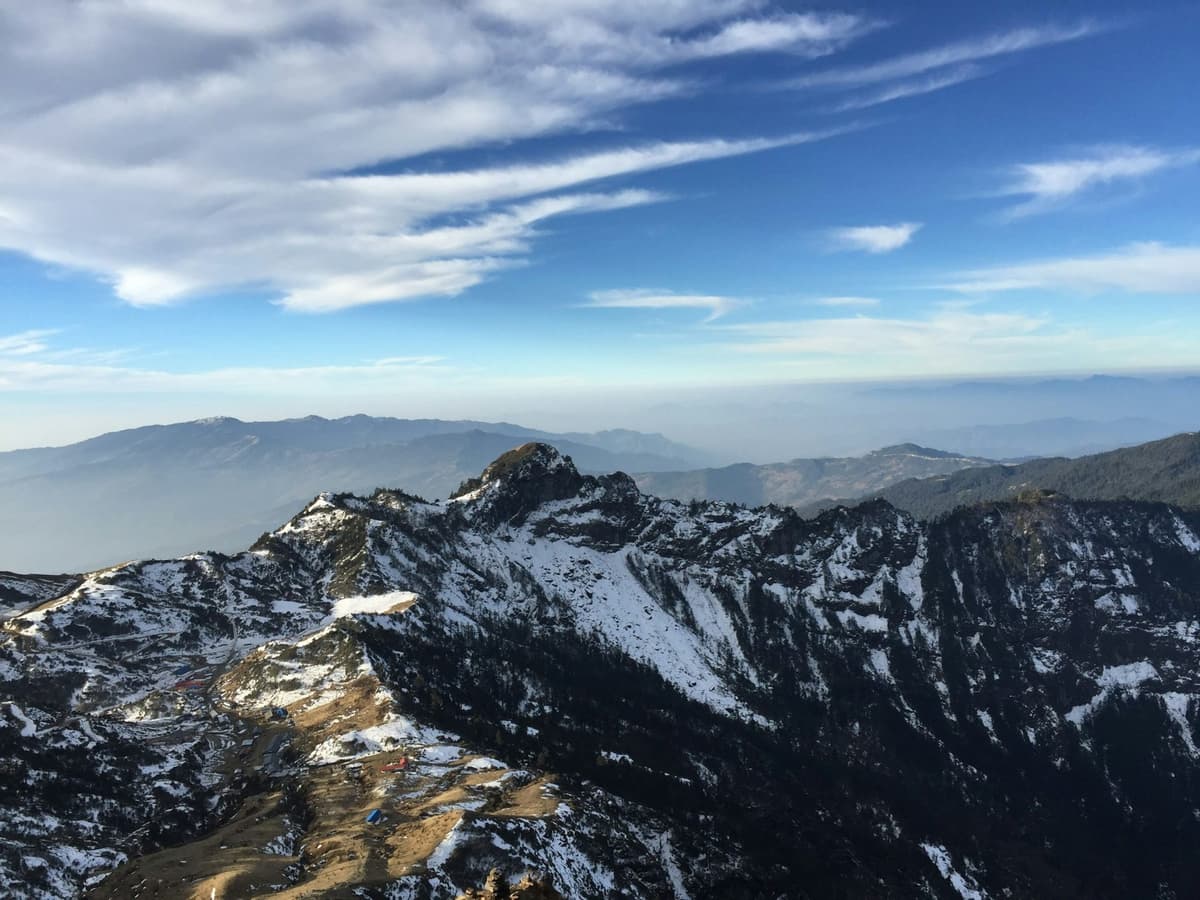
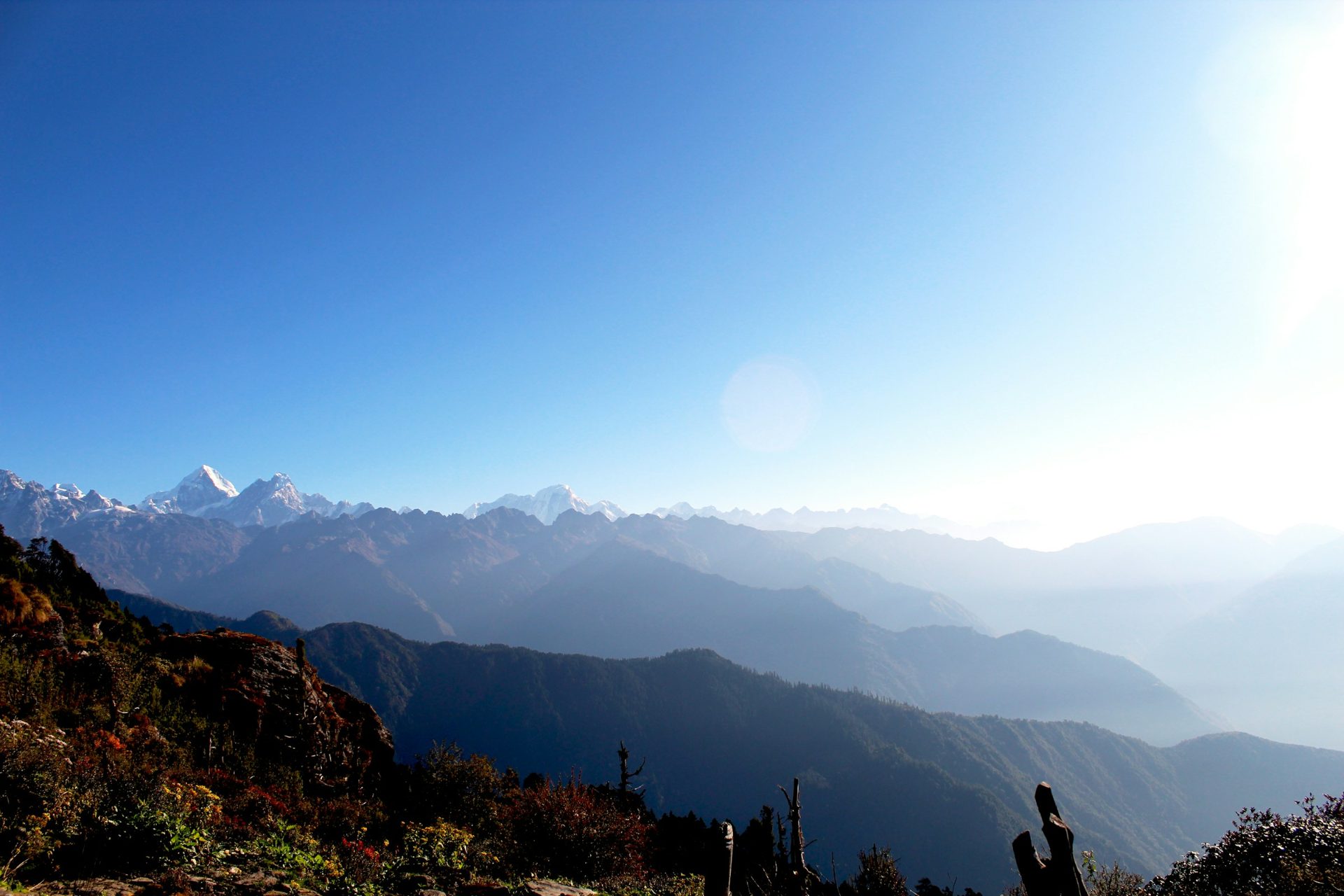
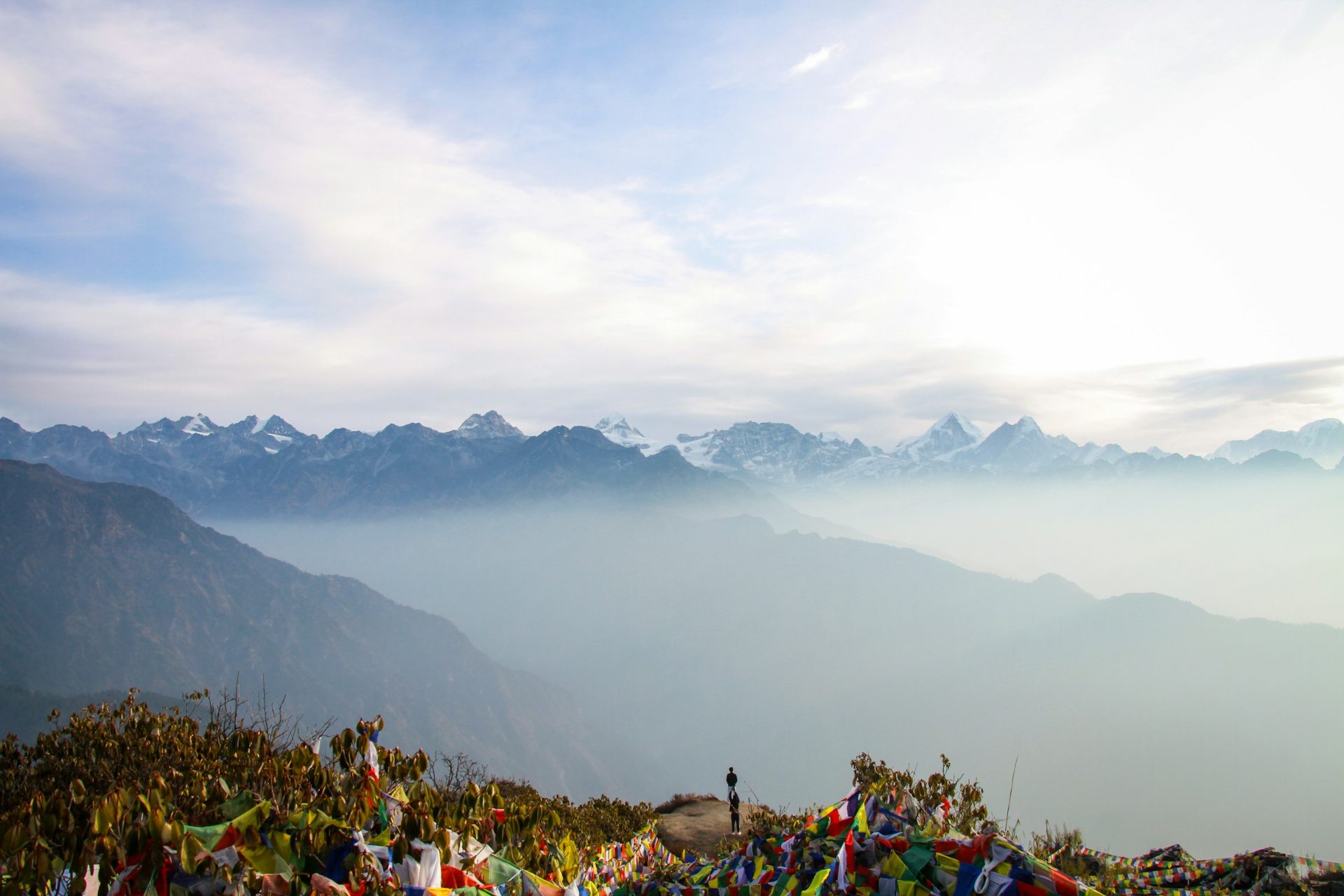
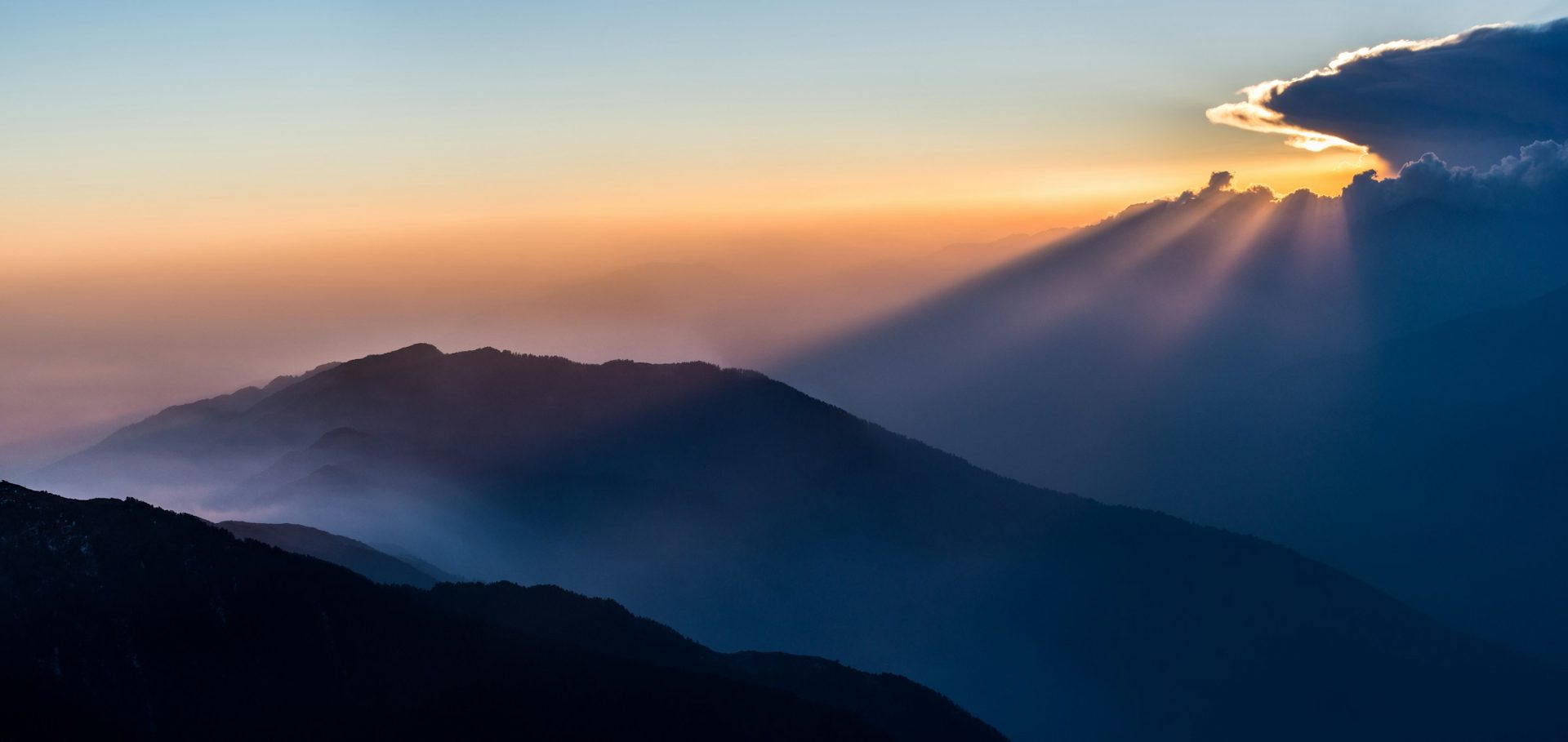
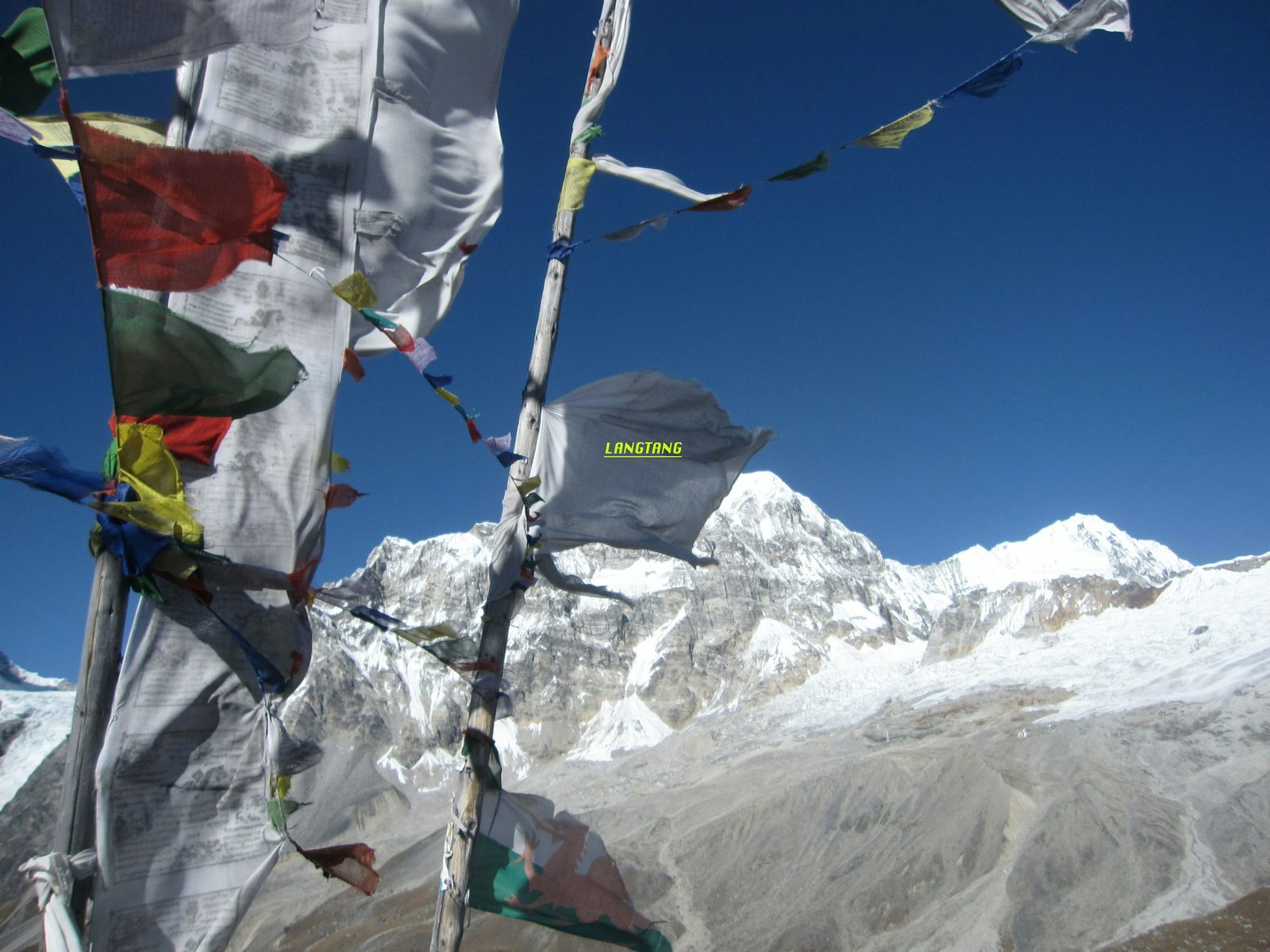
- Sunrise at 3,771 m among the prayer flags, with the Langtang, Jugal and Ganesh Himal ranges on a clear morning
- Walk down in about an hour for breakfast at the lodge
- Drive back through Helambu and Melamchi, 5 to 7 hours, to your Kathmandu hotel
Things to carry
- Warm down jacket for the cold pre-dawn climb
- Head torch with spare batteries
- Trekking shoes or boots with good grip
- Warm hat, gloves and a thermal layer
- Trekking poles for the steep descent
Good to know
Complete guide
Ama Yangri is a 3,771 m (12,372 ft) summit above Tarkeghyang in Helambu, north-east of Kathmandu, and one of the few proper Himalayan viewpoints you can climb and return from in two days. It is a real climb, not a drive-up viewpoint, and this guide sets out honestly how much walking that means.
What the Ama Yangri trek covers
Day one is mostly on the road. You drive out of the valley and north-east through Melamchi into Helambu, 5 to 7 hours depending on the road. Past Melamchi the road becomes partly unpaved as it climbs to Tarkeghyang, a Hyolmo village at 2,600 m. When the upper road is passable, a jeep carries you on towards the simple lodges below the summit; when it is not, you walk up from Tarkeghyang, which takes around 2 hours. Day two starts in the dark: a steep climb of about 2.5 hours to the top for sunrise, about an hour back down to the lodge for breakfast, then the drive back to Kathmandu.
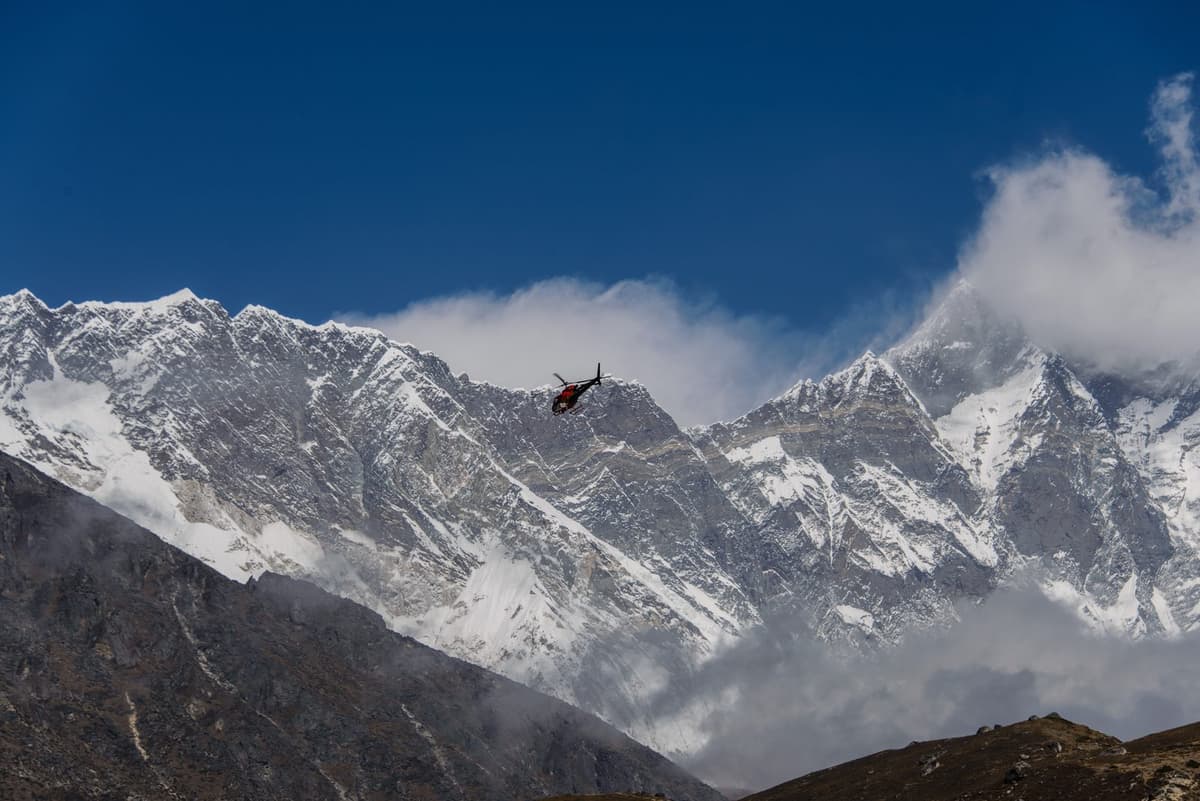
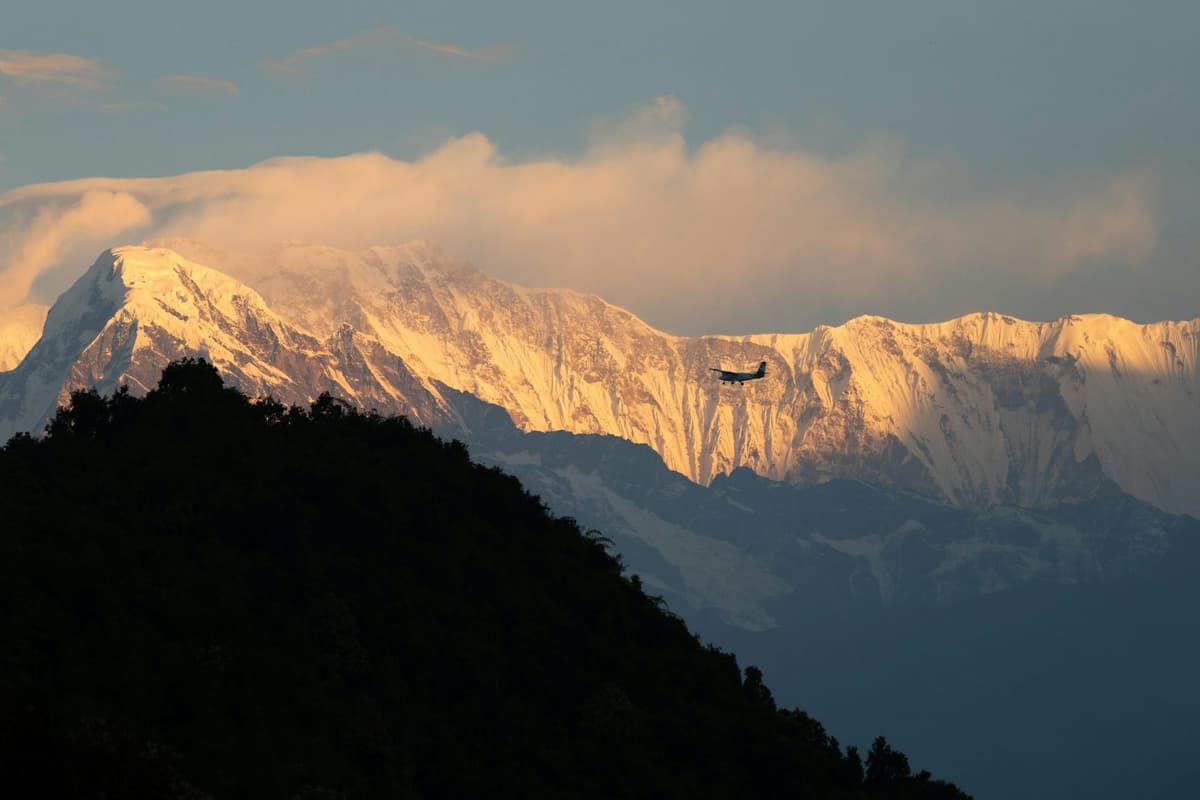
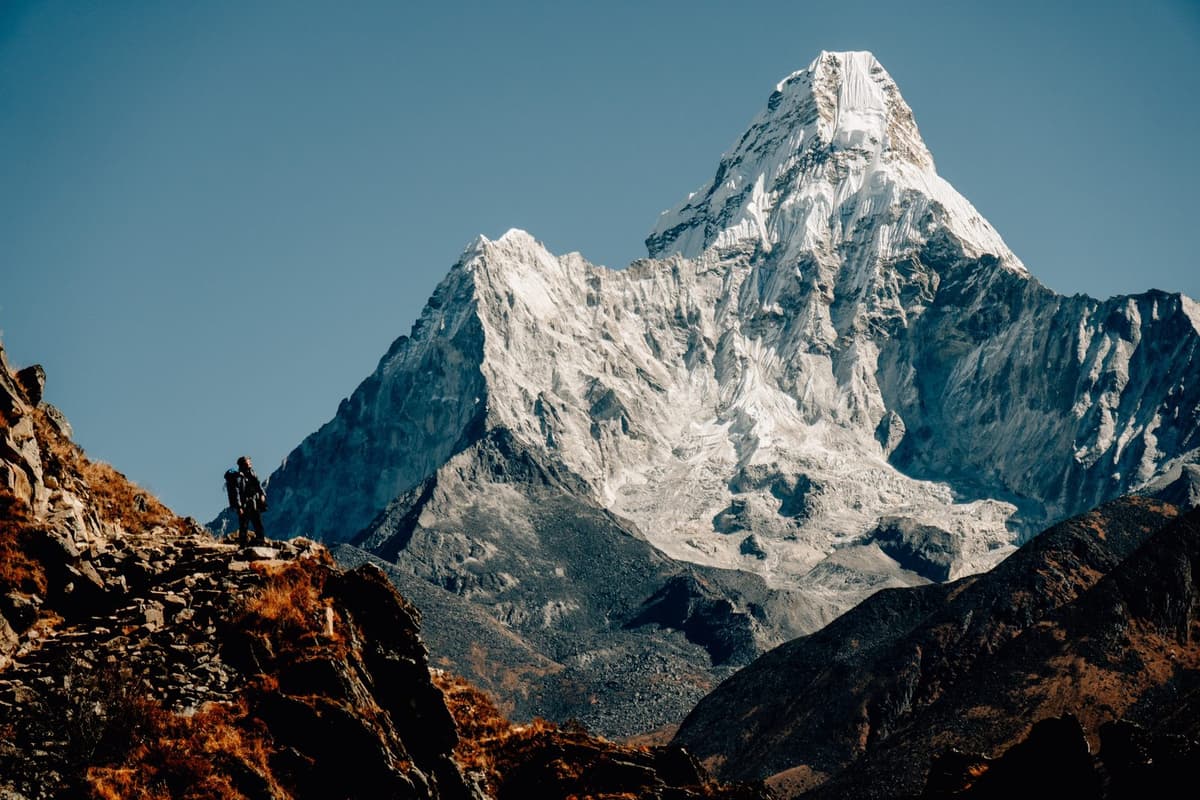
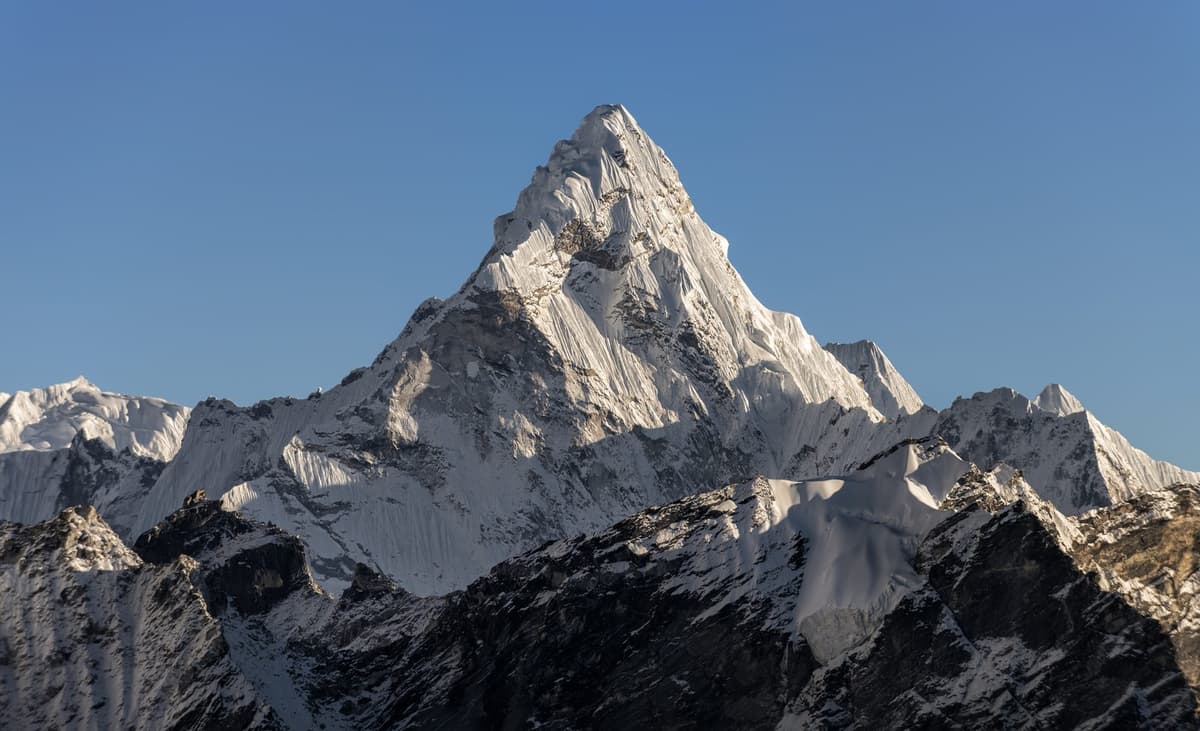
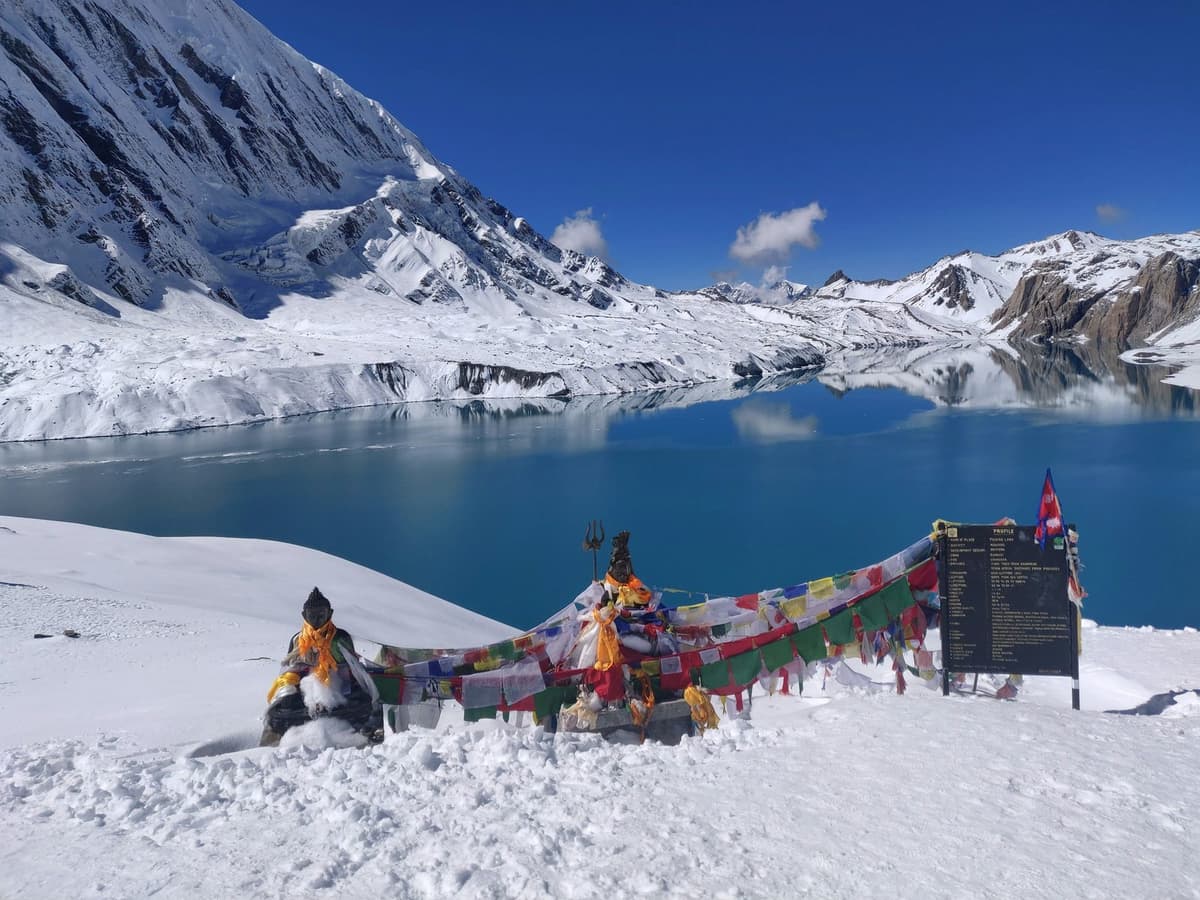
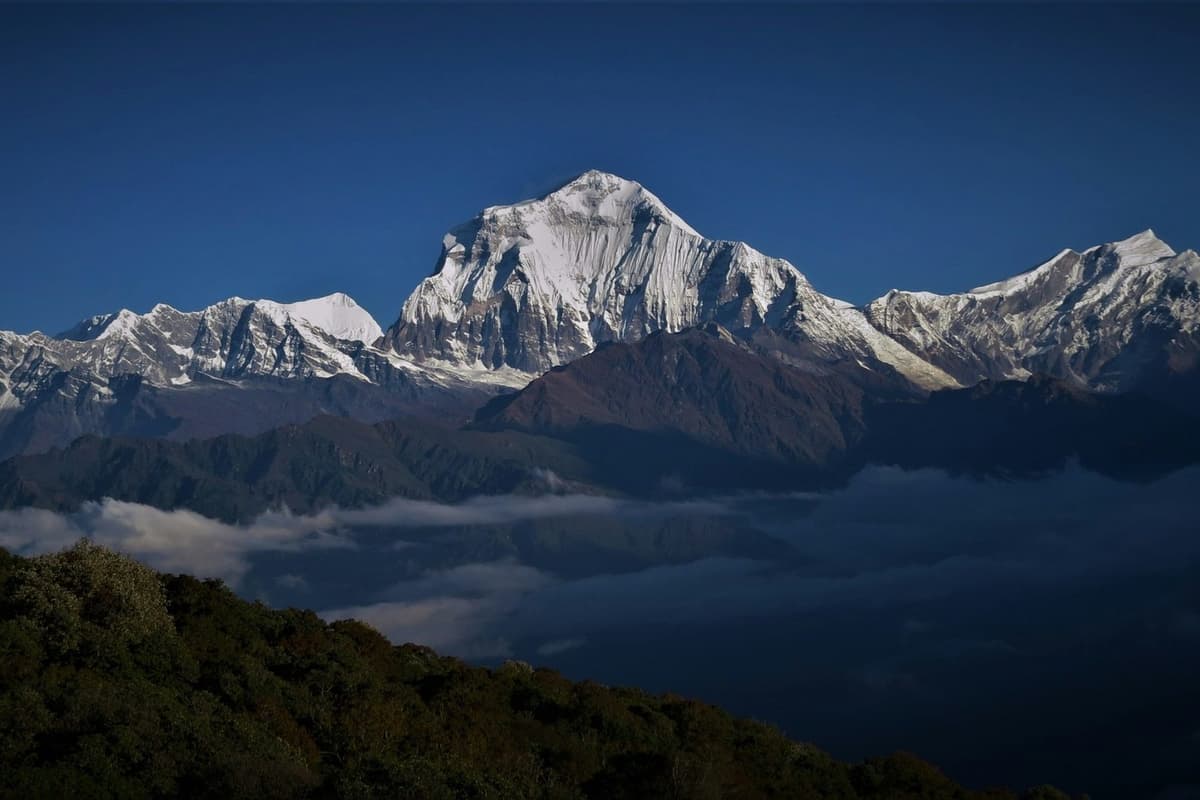
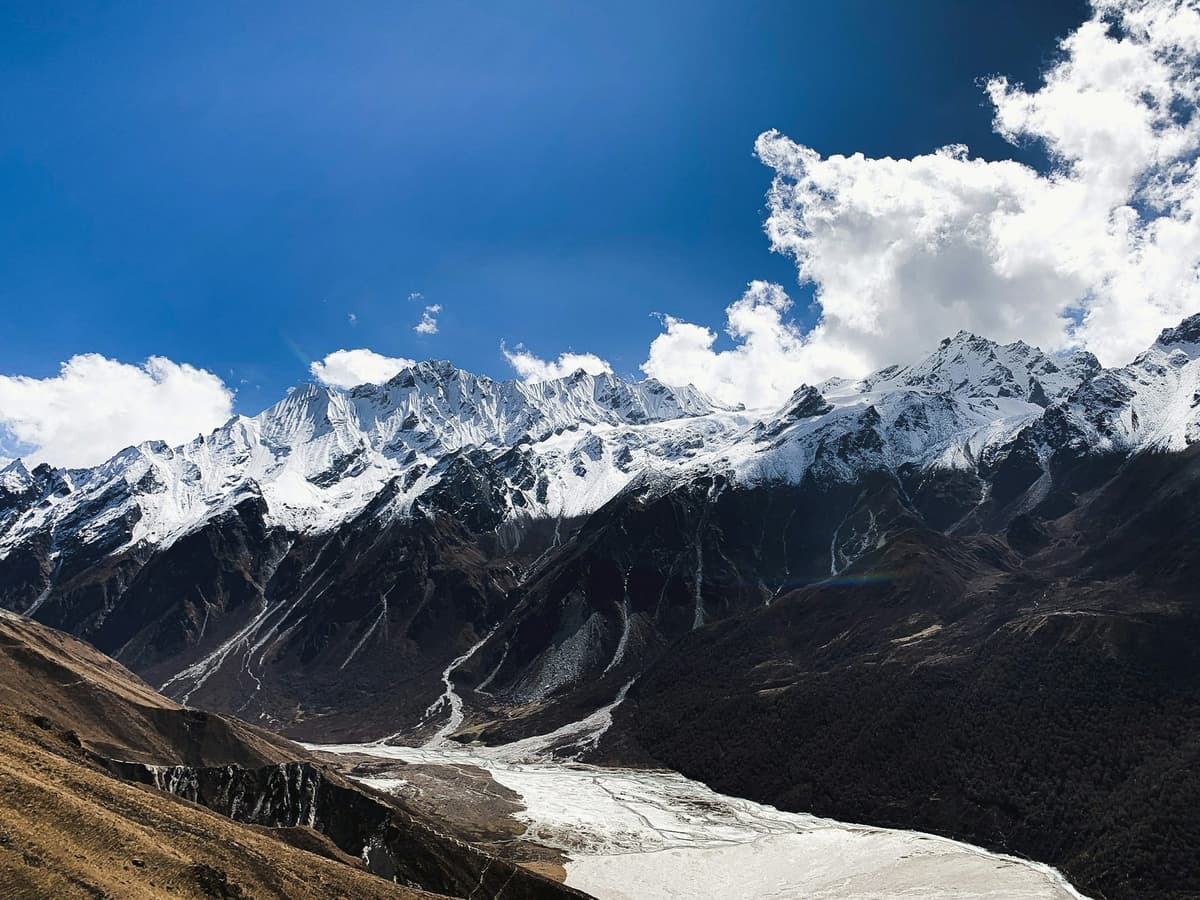
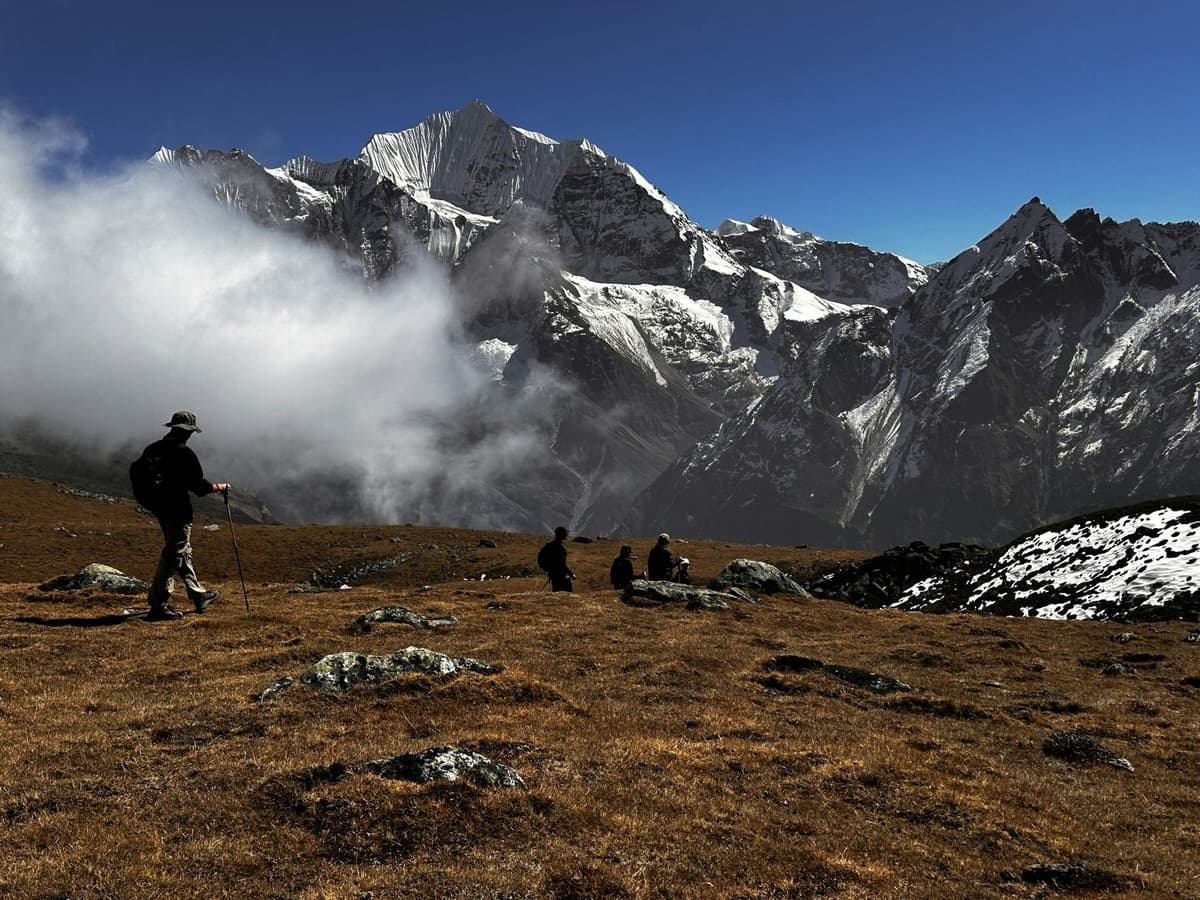
From the top, on a clear morning, you look along the Langtang range to Dorje Lakpa and the Jugal Himal, west to Ganesh Himal, east towards Gaurishankar and, on the best days, as far as Everest. The summit is strung with prayer flags and small shrines, because the mountain is sacred to the people who live below it.
How much walking it really involves
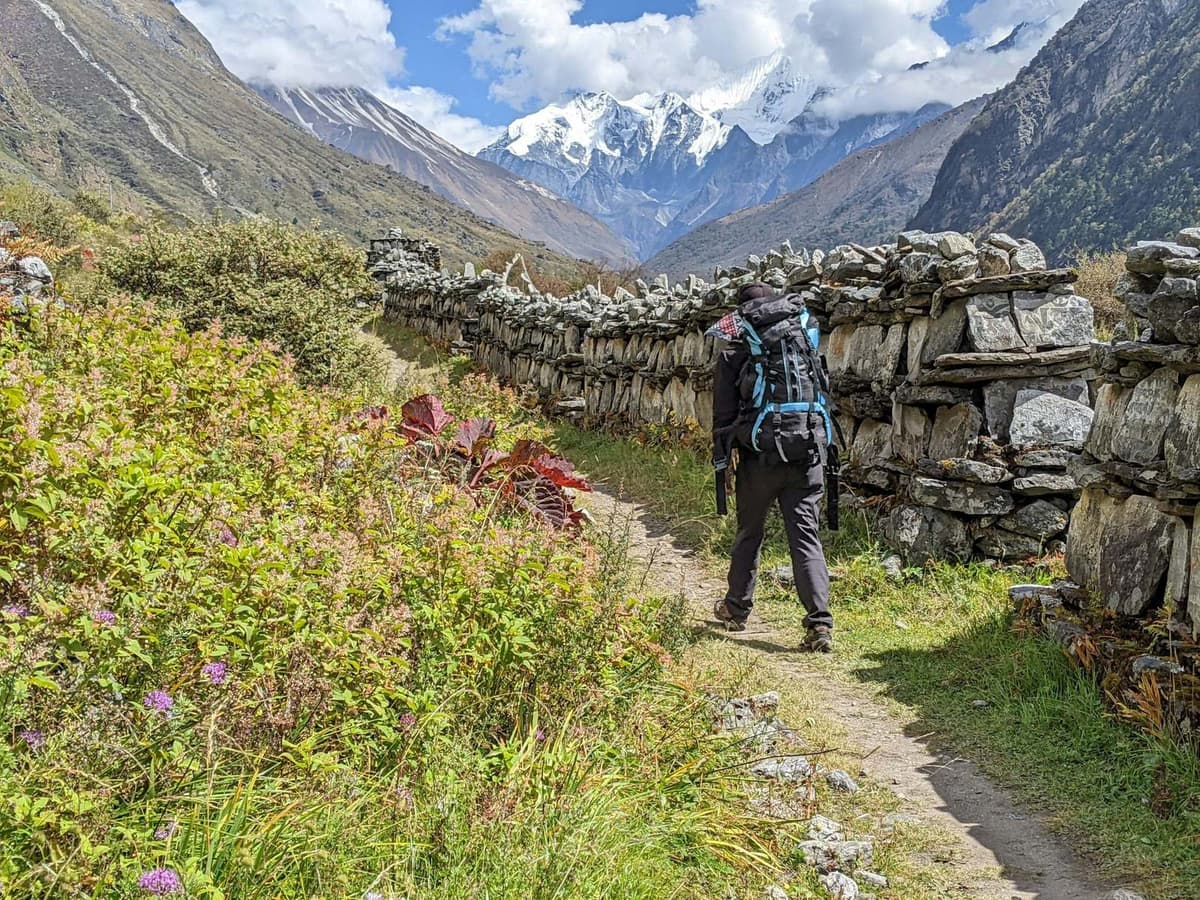
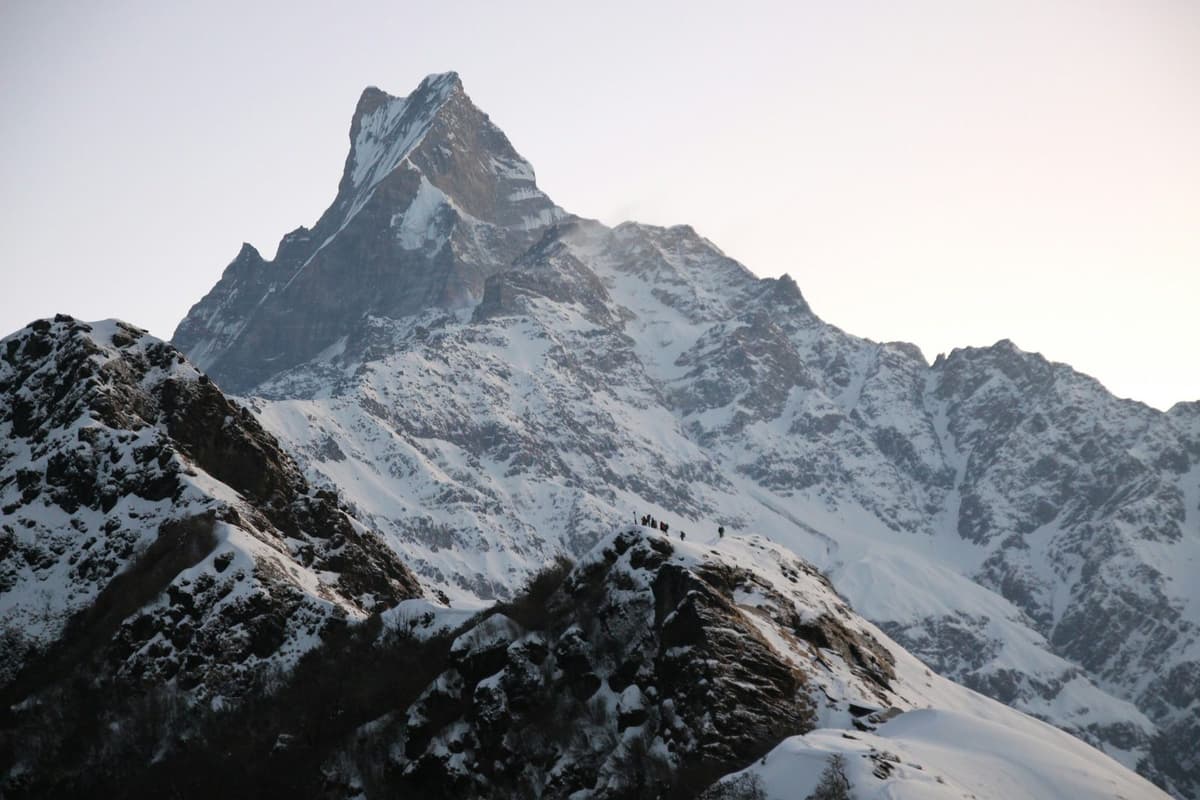
Here is the honest version. If the jeep can reach the lodges below the summit, your walking is about 2.5 hours up and an hour down on the second morning, on a steep trail of rock steps and open ridge. If the upper road is closed by weather or repairs, add around 2 hours of uphill walking on the first afternoon and more downhill walking on the way out. Either way the climb is steep and done at altitude before breakfast, so it feels harder than the hours suggest. You do not need trekking experience, but you should be comfortable on long, steep stairs. If that sounds like too much, the Chisapani to Nagarkot hike is a gentler two days on the valley rim with its own mountain views.
Altitude, cold and the sunrise climb
You go from Kathmandu to a lodge high on the mountain in one day and up to 3,771 m the next morning, so this is a fast gain in height, even if it is brief. Some people notice a mild headache, poor sleep or loss of appetite that night. Headache with nausea, dizziness or unusual tiredness can be the start of acute mountain sickness, and the answer is to go down. Tell your guide about any of these; they will turn back with you if needed, and on Ama Yangri going down is quick.
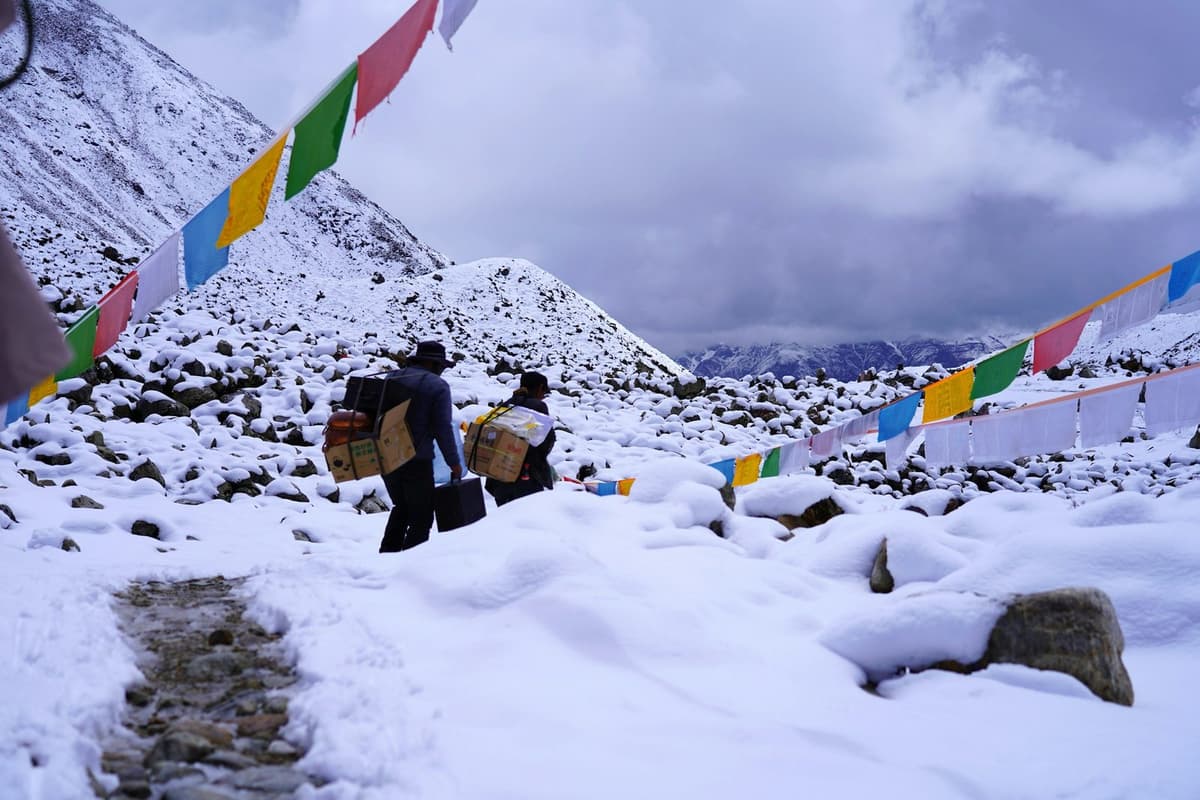
The pre-dawn climb is cold in every season, and in winter there can be snow on the upper trail. Bring a proper warm jacket, hat, gloves and a head torch, and keep a snack and water in your pocket for the top.
Helambu, Tarkeghyang and the Hyolmo people
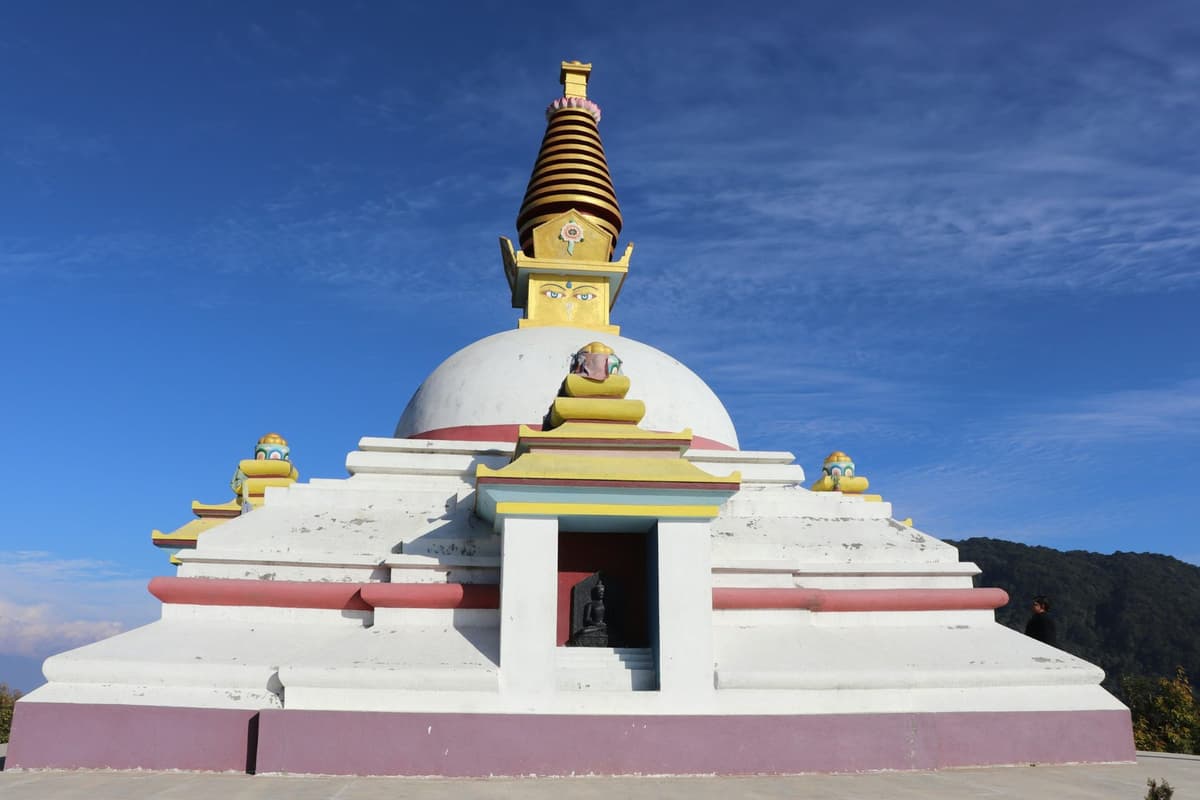
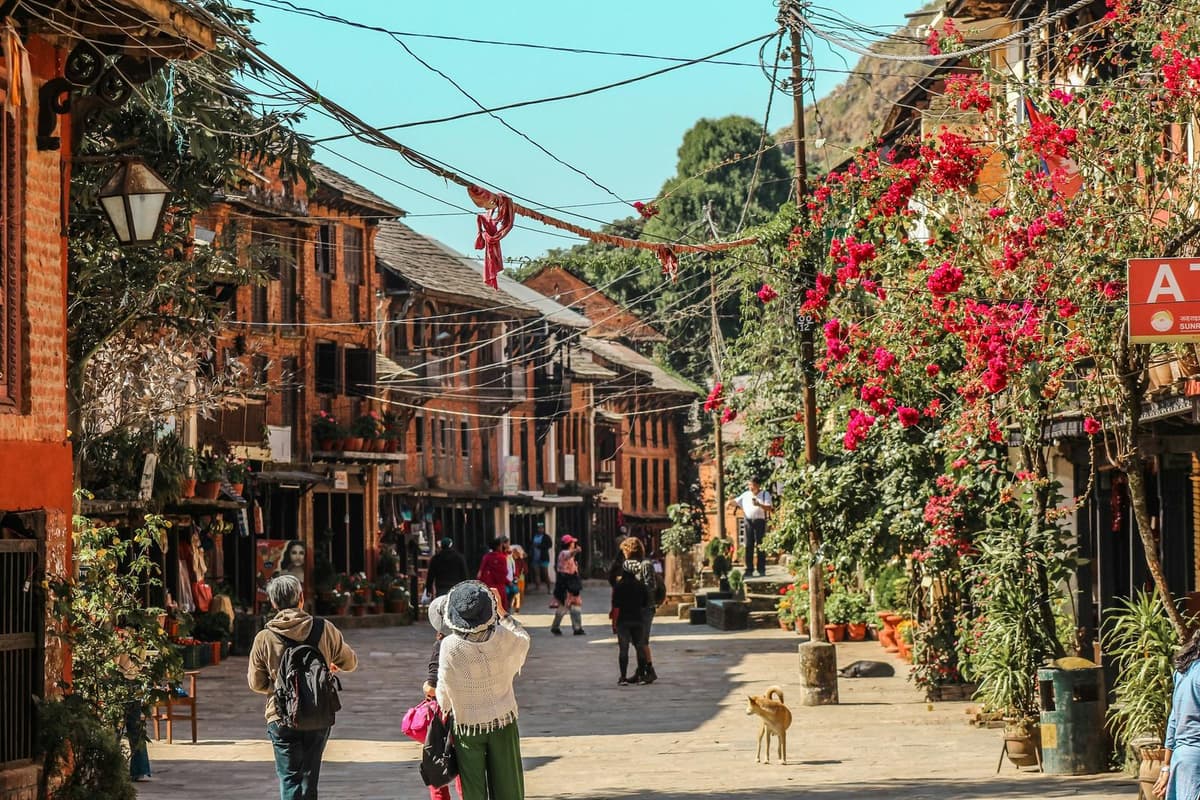
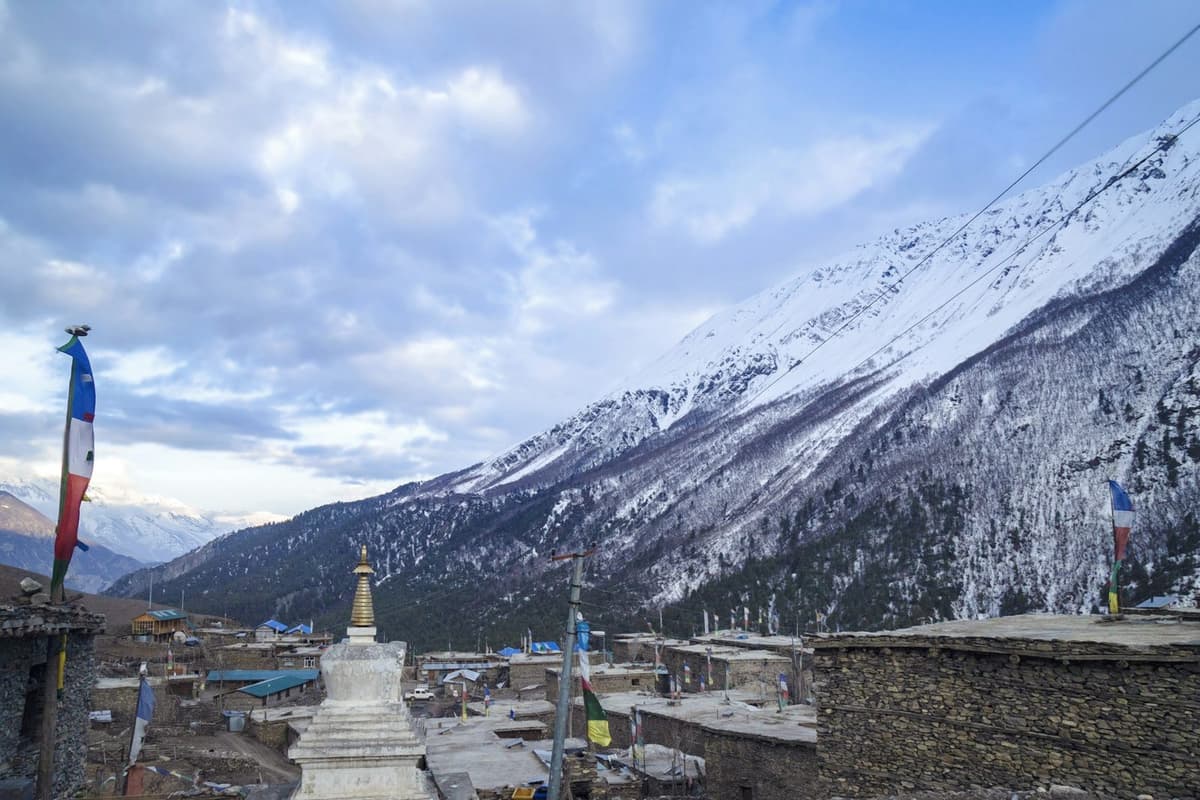
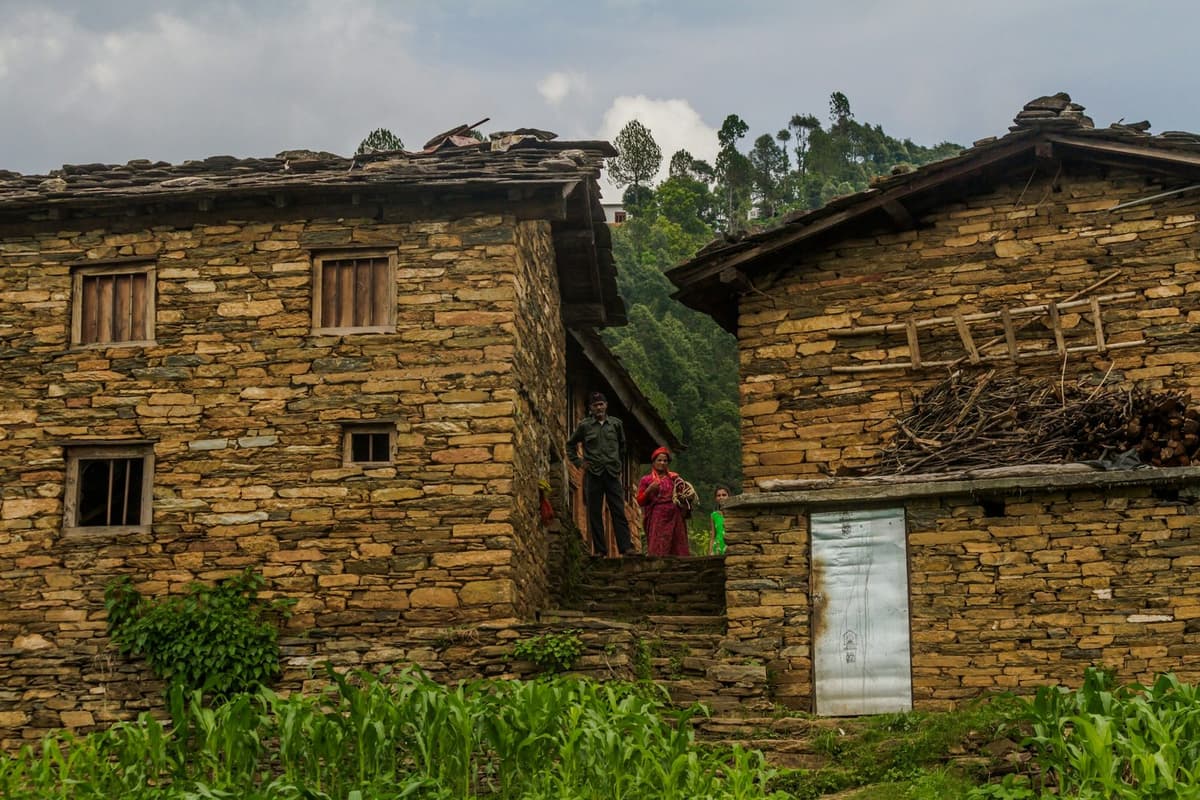
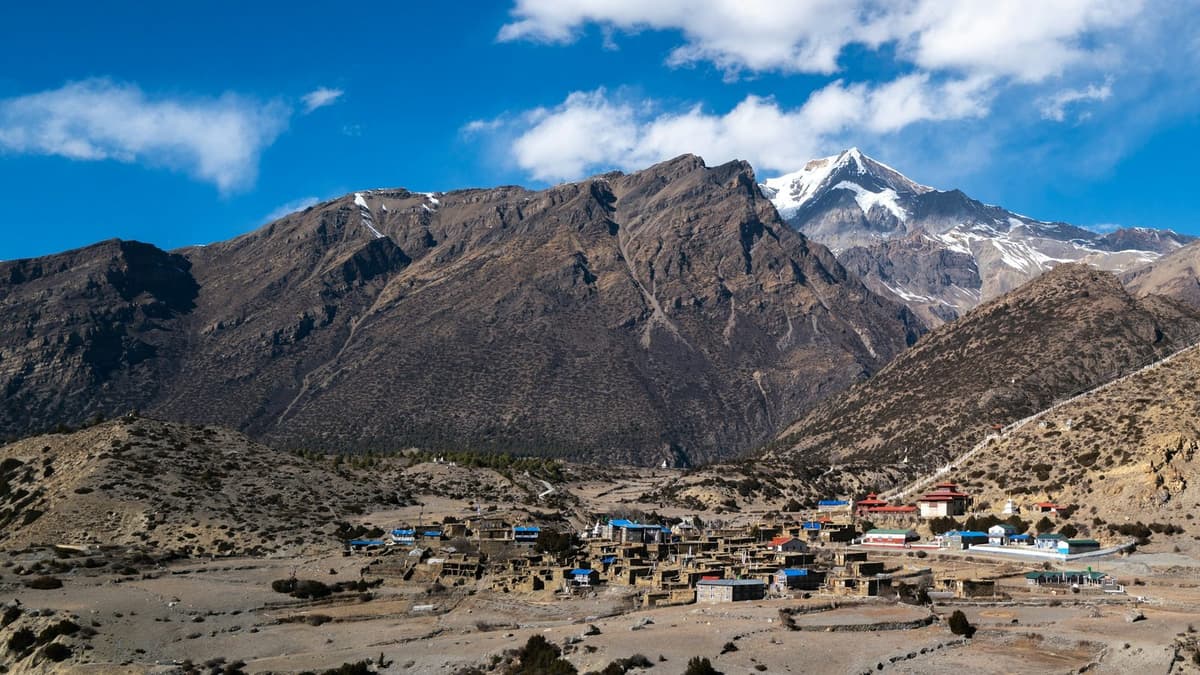
Helambu is the hill country between the Kathmandu Valley and the Langtang range, home to the Buddhist Hyolmo community. The Hyolmo regard Ama Yangri as a dakini, a female guardian deity who protects the valley, which is why the top is covered in prayer flags and offerings. Please walk around shrines clockwise, do not sit or climb on them, and ask before photographing people at prayer. Tarkeghyang, the largest Hyolmo village on our Helambu route, is worth a slow look on the way through. If you would like more time among these villages, our Helambu Trek walks through Tarkeghyang over six days at a slower pace.
Permits, season and how it fits your trip
Tarkeghyang and Ama Yangri lie inside Langtang National Park, so foreign visitors need the park entry permit, and Helambu is on the Nepal Tourism Board list of regions where trekkers must walk with a licensed guide and carry an agency-issued TIMS card. We arrange both before you arrive, and a licensed guide comes with you. Spring, March to May, and autumn, September to November, are the best seasons. Winter mornings can be very clear but are cold, with snow possible, and the summer monsoon brings cloud and a muddy road.
Your Nepal visa and flight into Kathmandu are your own arrangements; from Kathmandu onward, we take care of the transport, lodge, permit and guide. Because the trip is only two days, it fits easily at the start or end of a Kathmandu stay, or as a way to see how you feel at altitude before a longer trek. Tell us your dates and we will check the state of the upper road for you.