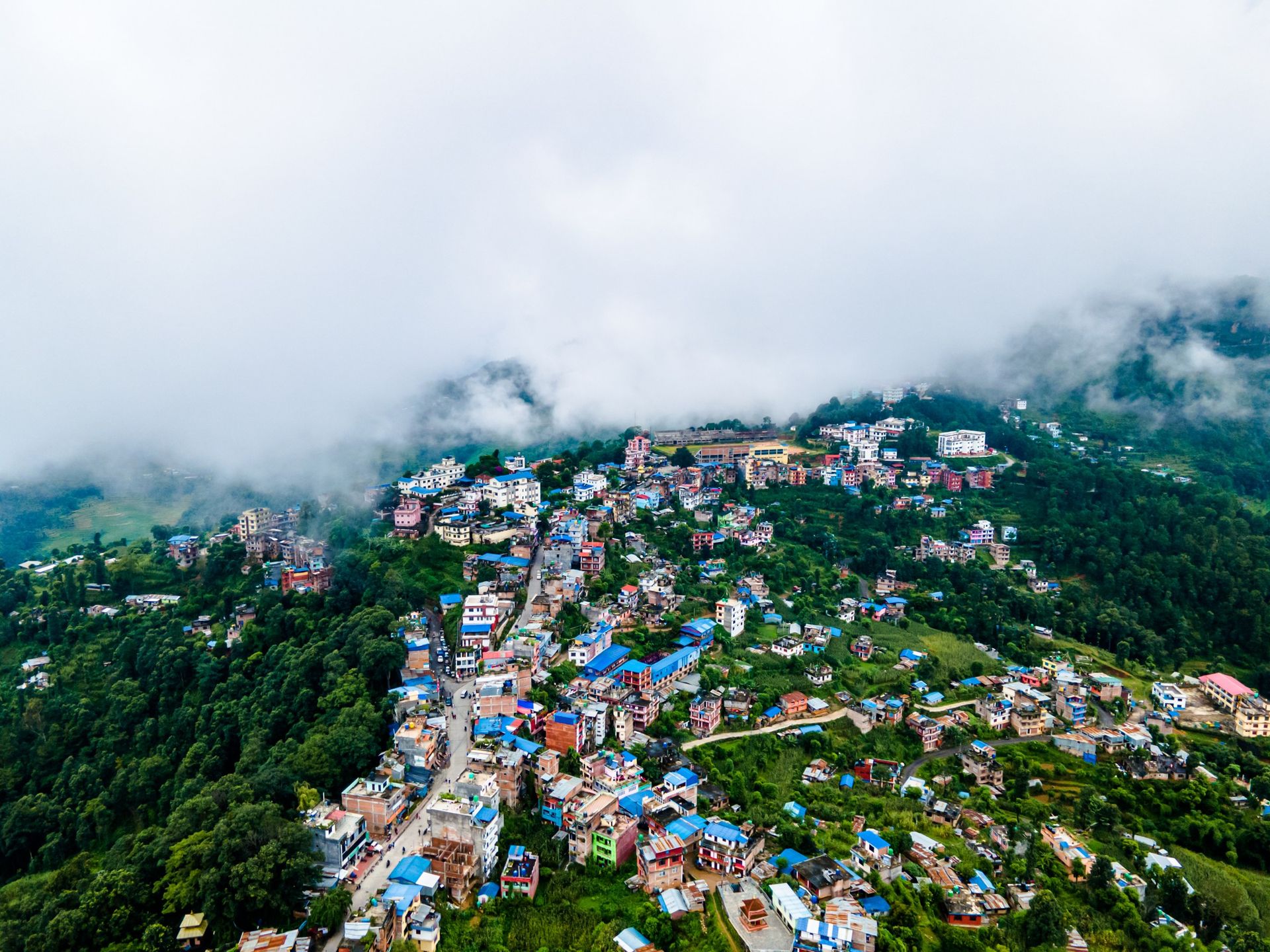
Overview
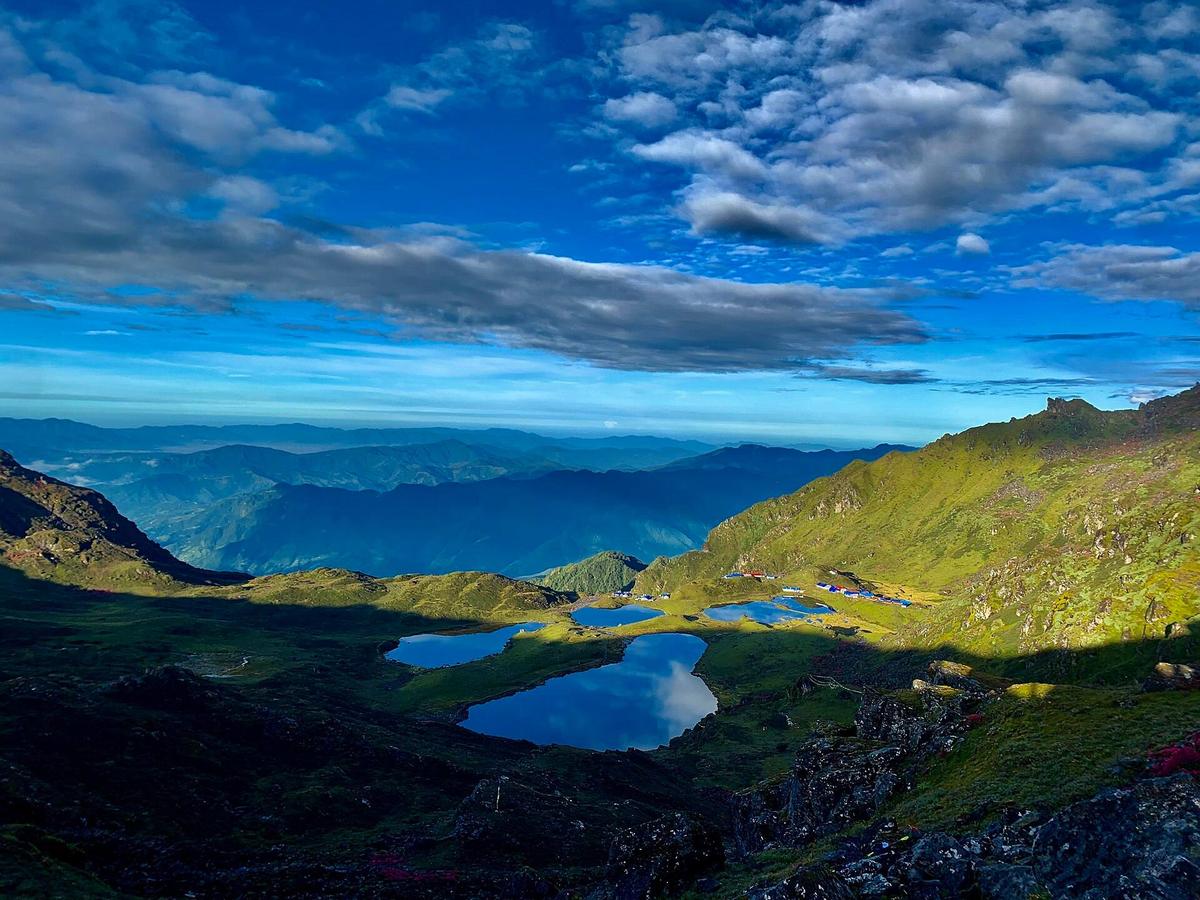
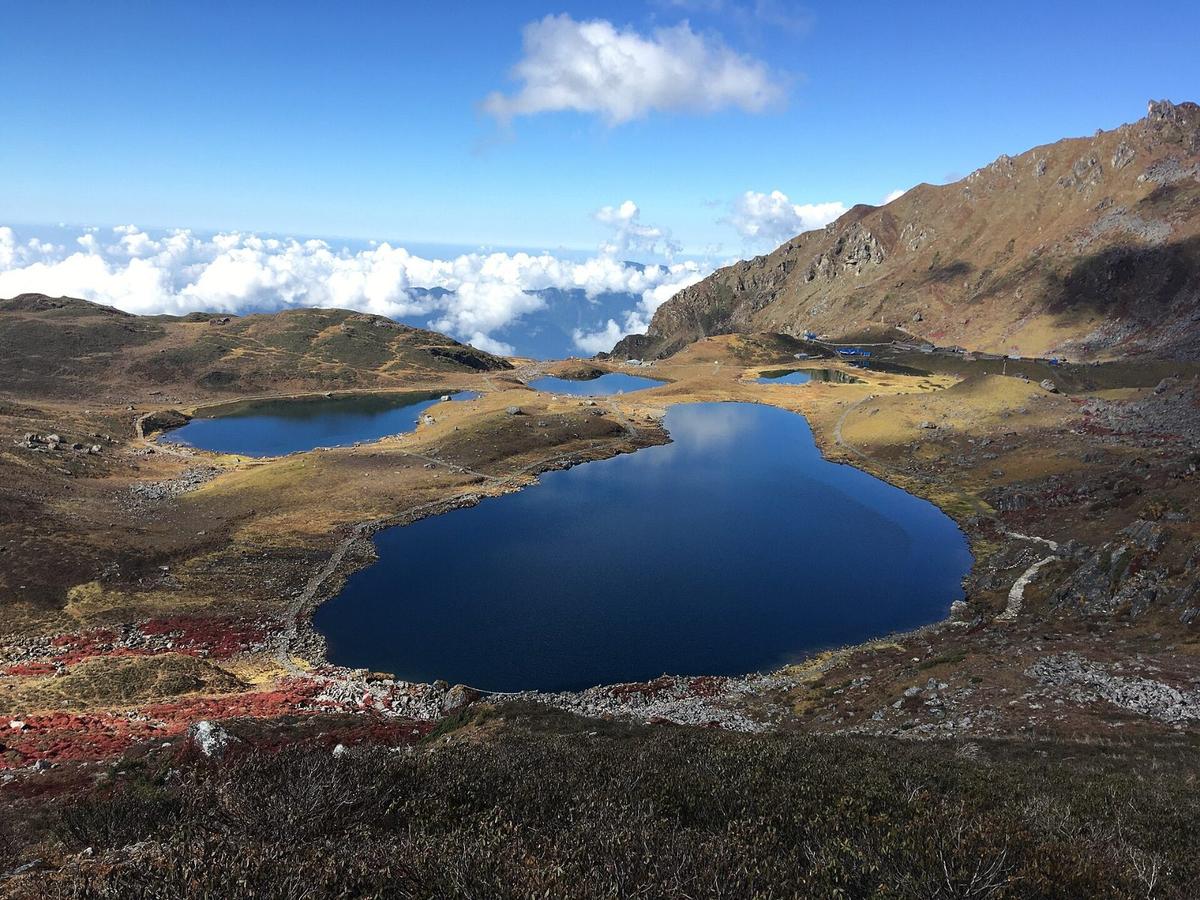
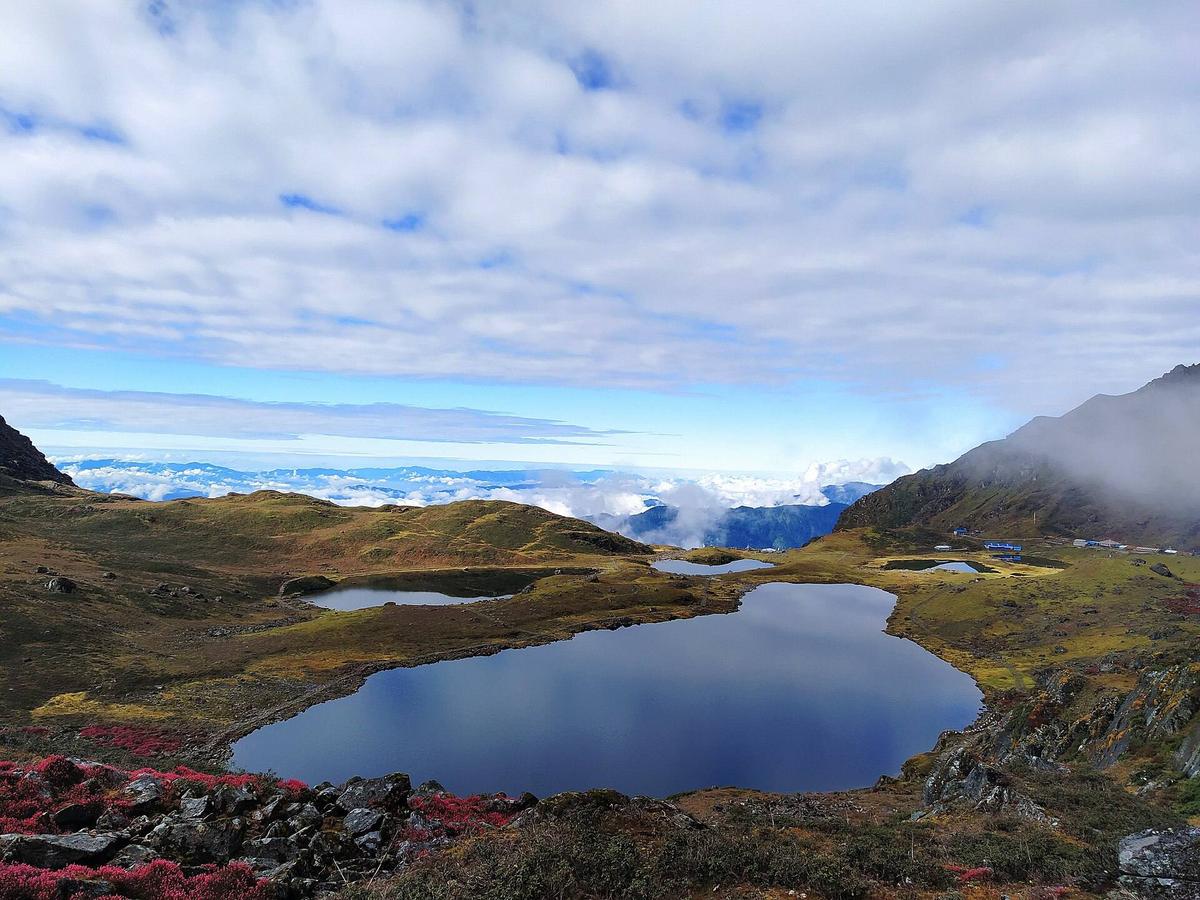
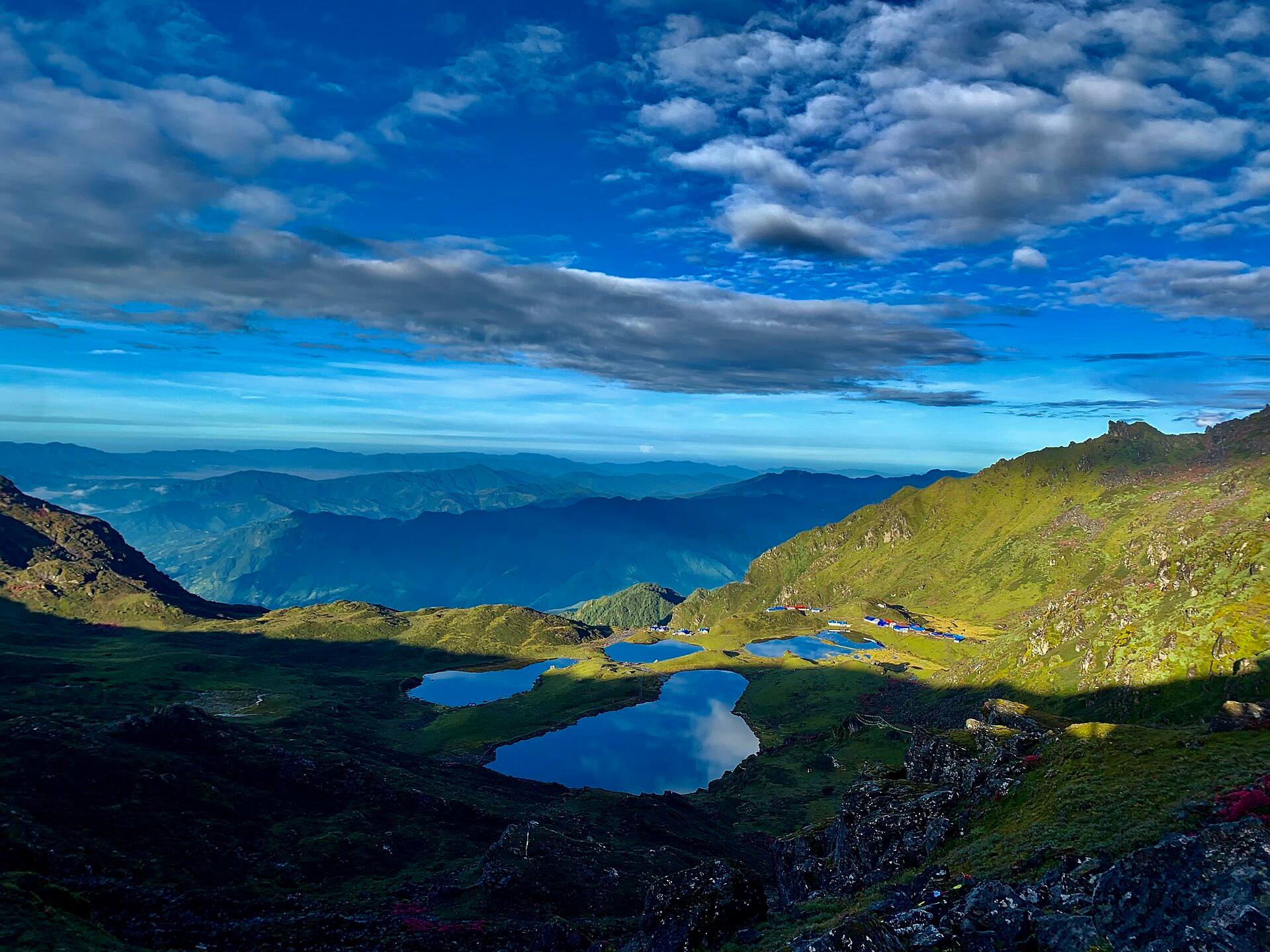
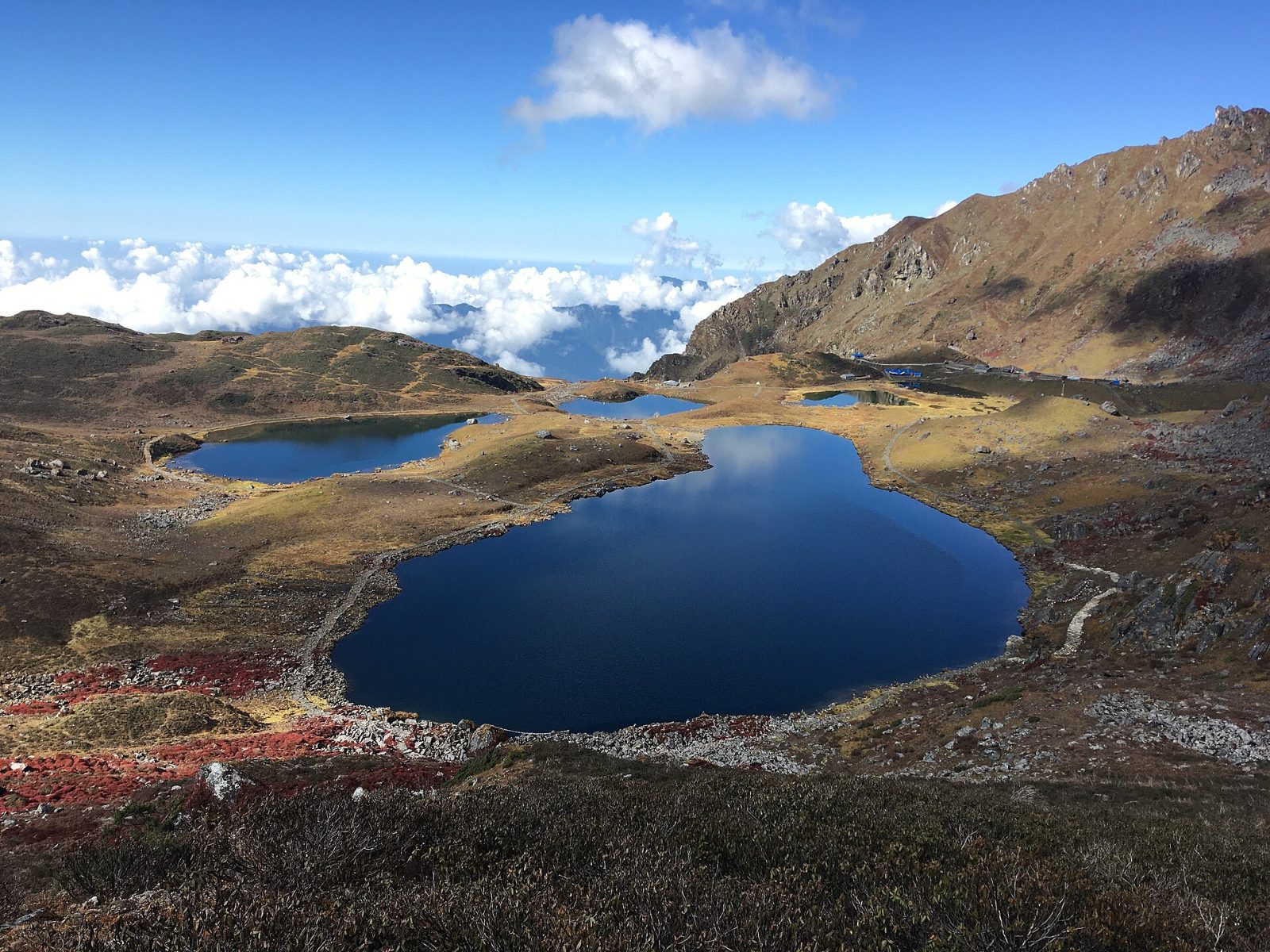
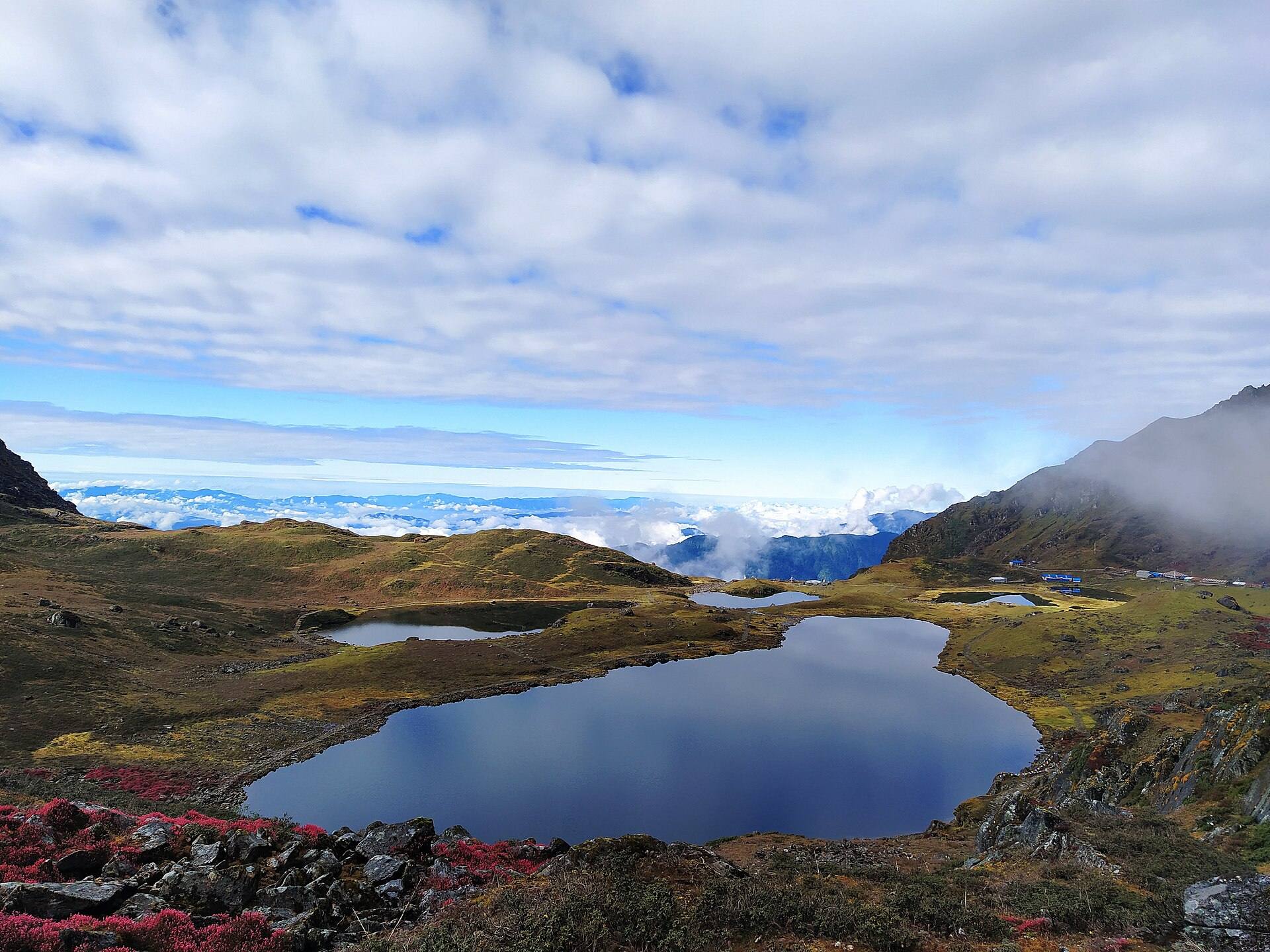
This Panch Pokhari trek is a short, hard push to the five sacred lakes at about 4,100 m below the Jugal Himal in Sindhupalchok, north-east of Kathmandu. You drive to Chhimti, where the road ends, and walk up to Tuppi Danda for the night, then make one long, steep climb past Nosyampati to the lakes, a Hindu and Buddhist pilgrimage site that fills with pilgrims at Janai Purnima. Next day you come all the way back down to Bhotang, and on the fourth day you drive home. It is a quiet, little-visited route with far fewer trekkers than Gosaikunda. This four-day version gains height very fast, so it suits strong walkers who have slept above 3,500 m before; if you have not, ask us about adding a night at Nosyampati.
The itinerary
- Drive of about 7 hours from Kathmandu via Melamchi to Chhimti, where the motor road ends
- Then a walk of around 4 hours up through farmland and forest
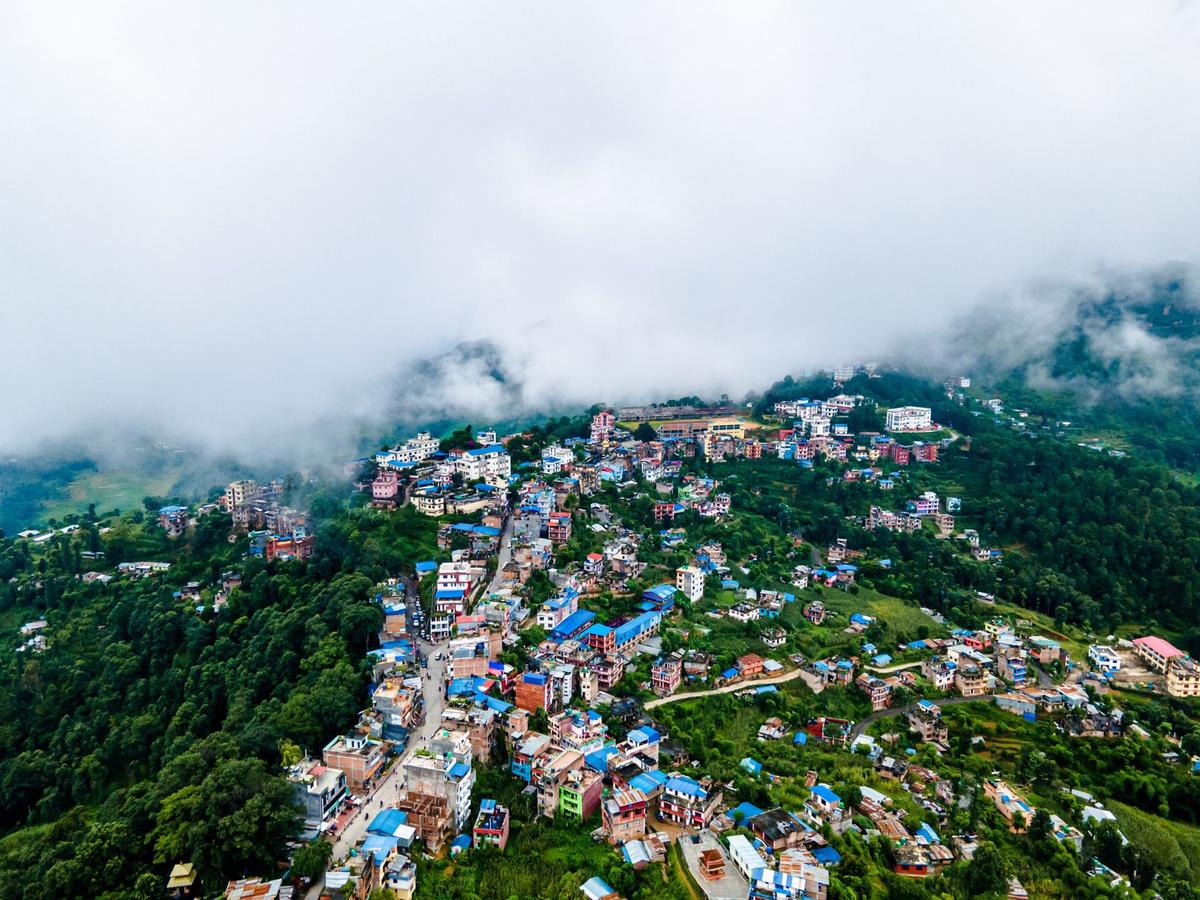
- Tuppi Danda is a ridge settlement at about 2,320 m, the last easy night of the trek
- Early dinner and early bed ahead of the longest day
- The big day: 9 to 12 hours of walking, starting at first light
- Climb through Choker Yang and Nosyampati, then over rocky ridges near Lauri Bina to the lakes
- Gain about 1,800 m in one day, far more than standard acclimatisation advice; your guide sets a slow, steady pace and will turn back if symptoms appear
- Overnight at the lodge beside the lakes at about 4,100 m
- Early walk around the five lakes and their shrines while the air is clear
- Long descent back past Nosyampati and Tuppi Danda, more than 8 to 9 hours on tired legs
- Continue down to Bhotang at 1,800 m, where the trail meets the road
- Overnight in a village lodge at Bhotang
- Unhurried breakfast after the two biggest days of the trek
- Drive back to Kathmandu by the shortest road, not via Dhulikhel
- The road is rough and unpaved in places in the hills
- Lunch on the way, then drop-off at your hotel in Kathmandu
What the price covers
Standard | |
|---|---|
| Private jeep to Chhimti and back from Bhotang | ✓ Included |
| Licensed guide on the three trek days | ✓ Included |
| Three lodge nights, all lunches and dinners | ✓ Included |
| Langtang National Park entry | ✓ Included |
| Drinks and snacks | ✕ Not included |
| Travel insurance | ✕ Not included |
| Tips and personal expenses | ✕ Not included |
Make it yours
Optional add-onsTick anything you’d like and choose how many. Nothing here changes the price above: your planner adds what you pick and confirms the total with your quote.
Nothing picked yet. Everything here is optional.
Things to carry
- Warm down jacket and a four-season sleeping bag for the night at the lakes
- Head torch with spare batteries for the early start on day two
- Broken-in trekking boots with ankle support
- Water purification tablets or a filter bottle
- Thermal base layers, warm hat and gloves
Good to know
Complete guide
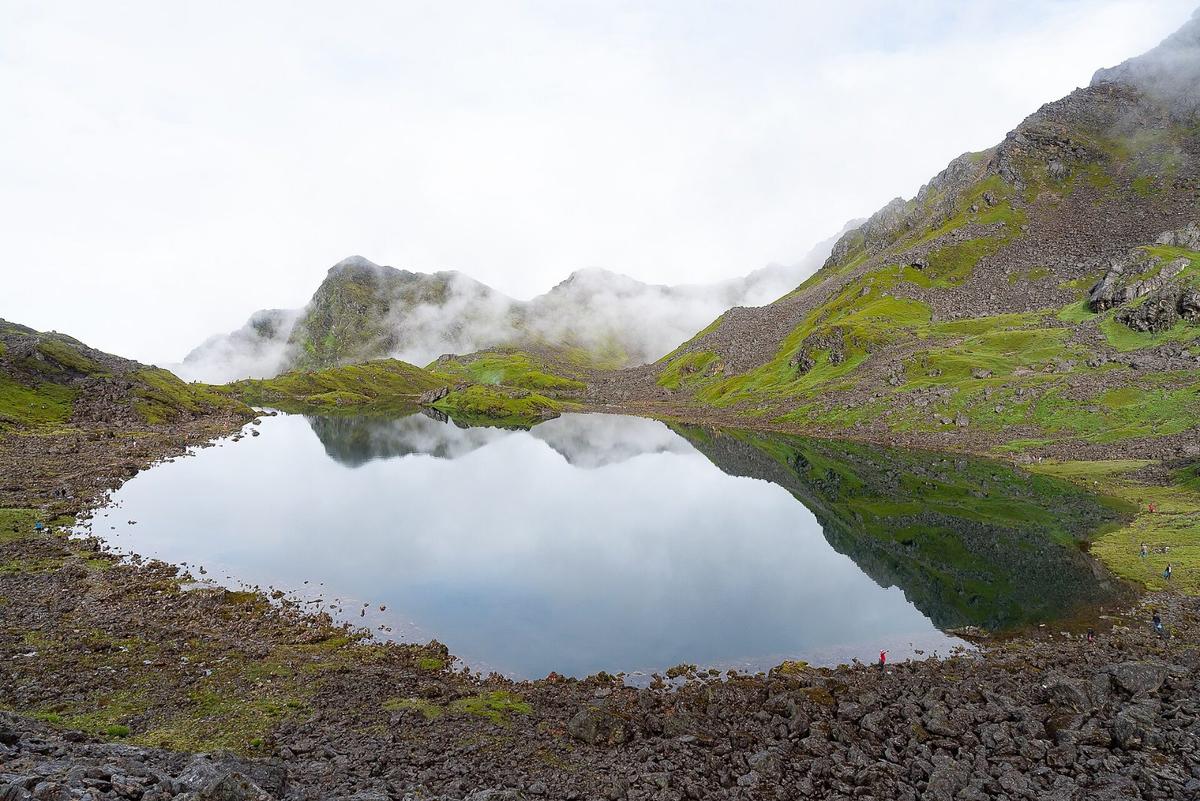
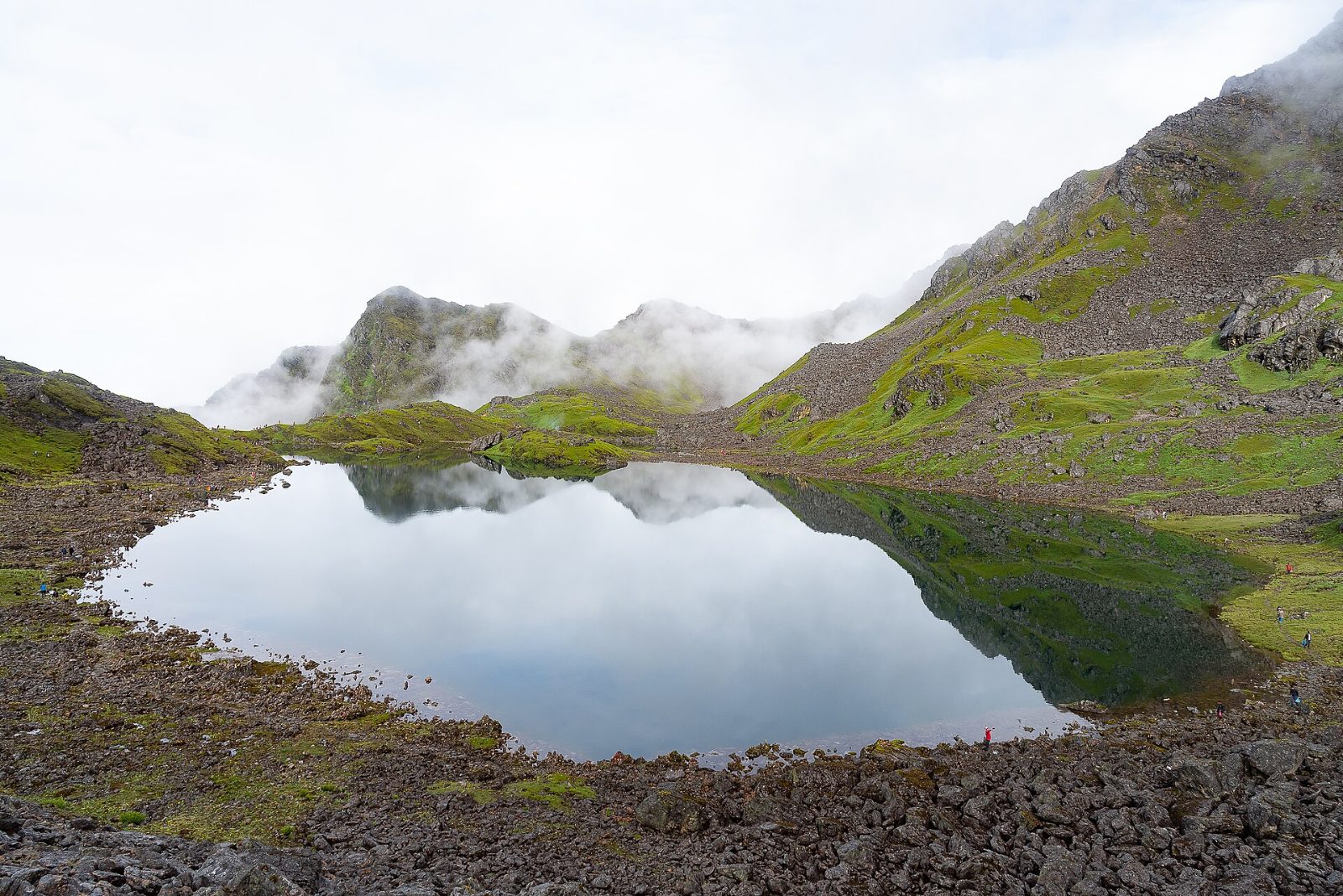
Panch Pokhari, which means five ponds, is a group of sacred lakes at about 4,100 m (13,500 ft) near the Jugal Himal in Sindhupalchok, north-east of Kathmandu, inside Langtang National Park. This four-day version is fast, and the most important part of this guide is the section on altitude.
What the Panch Pokhari trek covers
You drive from Kathmandu to Chhimti, where the motor road ends, about 7 hours via Melamchi. The same afternoon you walk around 4 hours up to Tuppi Danda, a ridge settlement at about 2,320 m. Day two is the big one: through Choker Yang and Nosyampati, over rocky ridges near Lauri Bina and up to the lakes, where a basic lodge stands by the water. Day three brings you all the way back down past Tuppi Danda to Bhotang, at 1,800 m, and on day four you drive back to Kathmandu by the shortest road, which is rough in places.
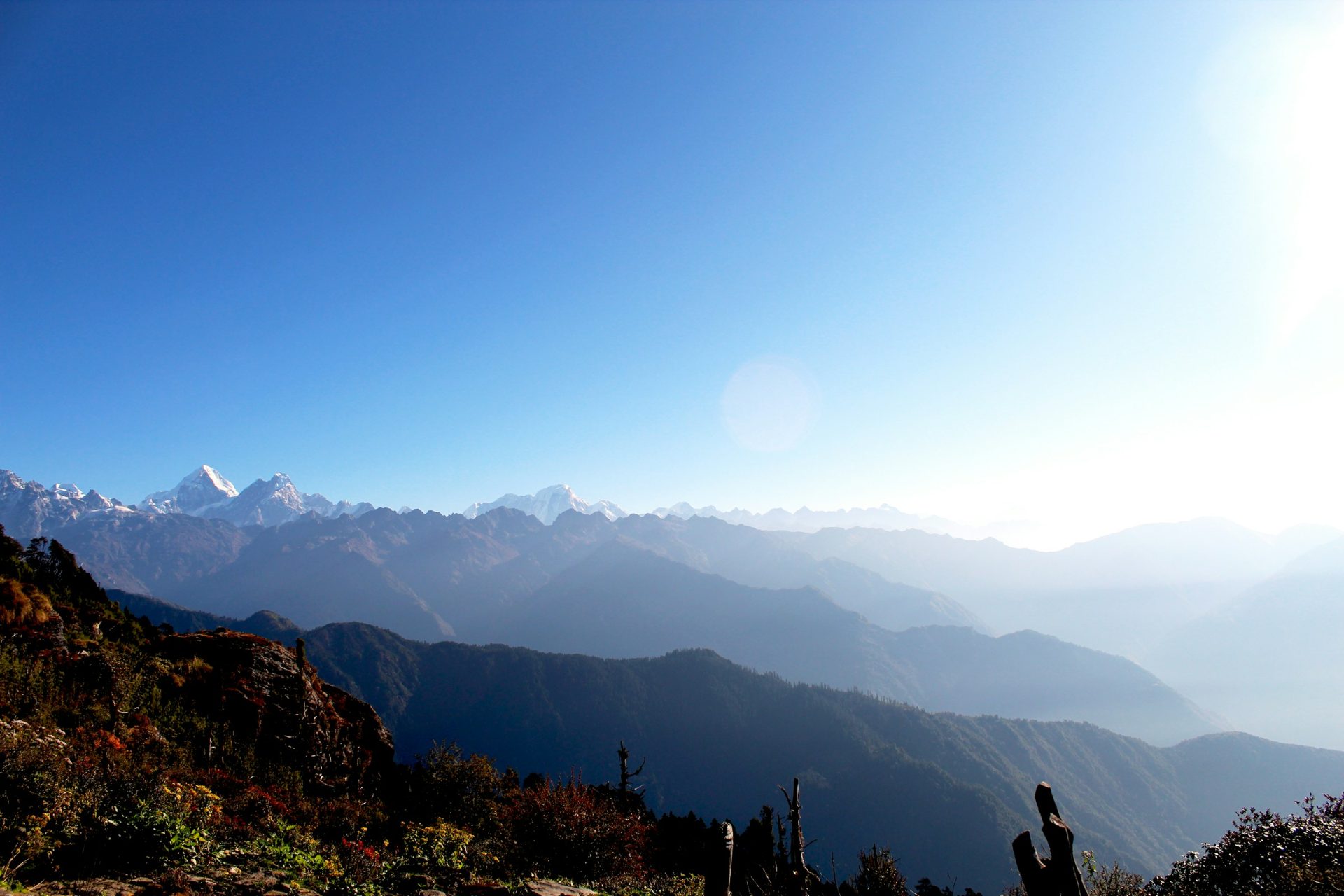
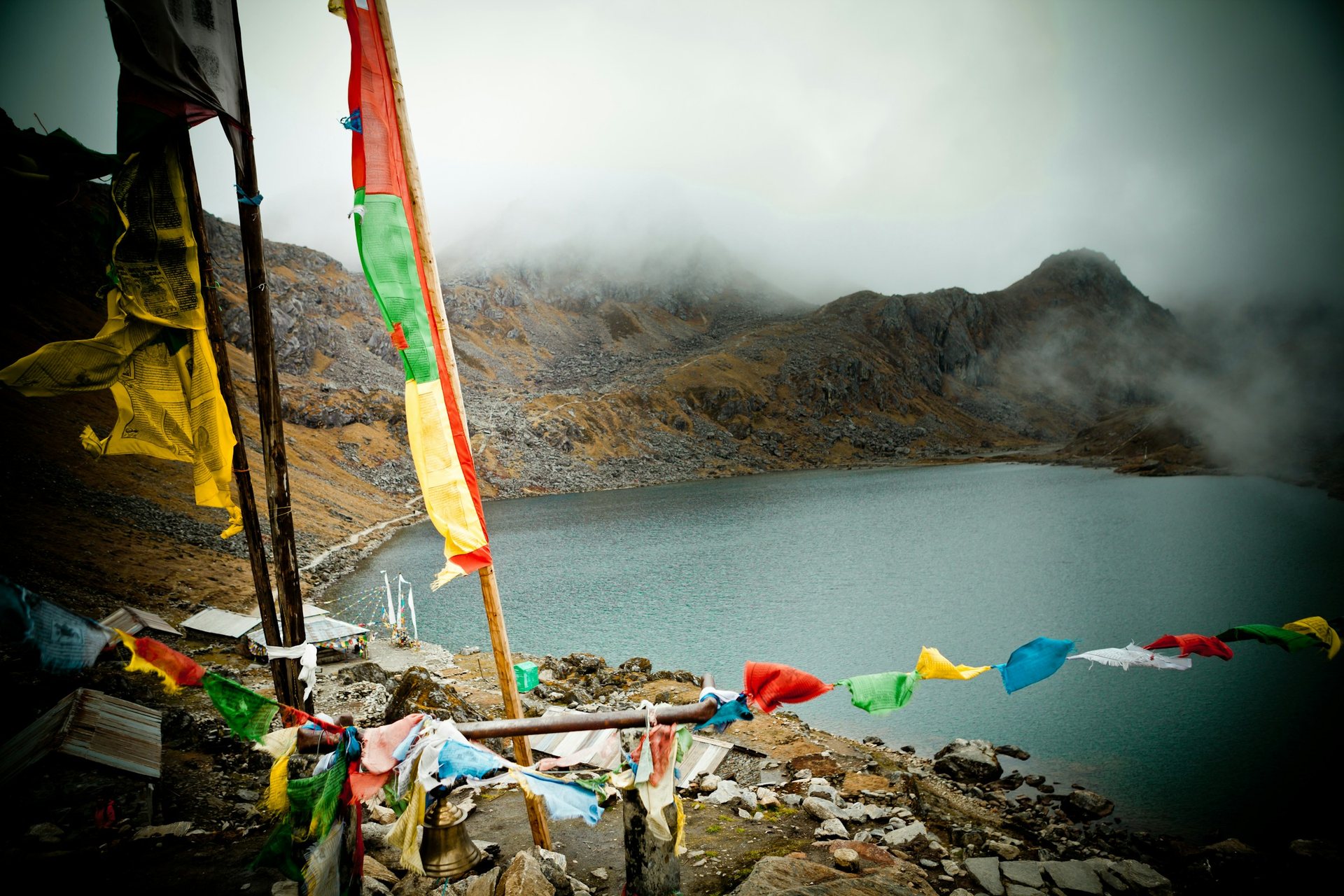
What you get in return is a quiet route. Panch Pokhari sees far fewer trekkers than Gosaikunda, the lakes are a Hindu and Buddhist pilgrimage site, and in August the Janai Purnima festival brings pilgrims up from the villages. The peaks of the Jugal Himal are close by, and a viewpoint at about 4,300 m above the lakes gives a wider panorama if time and energy allow.
The honest part: altitude and a fast ascent
This itinerary gains about 1,800 m in one day, from Tuppi Danda to the lakes, and you sleep at that height the same night. Standard medical advice is that above 3,000 m you should raise your sleeping height by no more than 500 m a day. This plan is well outside that, and the other Panch Pokhari itineraries we compared all add a night at Nosyampati, at about 3,700 m, before the lakes. We think that extra night is the safer choice for most people, and we are happy to build it in.
If you keep the four-day plan, it suits only fit walkers who have already slept above 3,500 m without trouble. Headache with nausea, dizziness or unusual tiredness are the early signs of acute mountain sickness; the response is to stop climbing and go down, and on this trek that can mean turning back before the lakes. Your guide has the final word on that. Travel insurance that covers trekking to this height and helicopter evacuation is strongly recommended; we do not sell insurance.
How hard the walking is
Expect a challenging trek. The first afternoon is a steady 4 hours, but day two is 9 to 12 hours of climbing on forest trail, stone steps and open ridge, with no lodges between Tuppi Danda and Nosyampati. Day three is a long, knee-testing descent of more than 8 to 9 hours. Lodges on the route are basic and few, and in winter water pipes can freeze. If you want a sacred lake at altitude with more lodges along the way, our Gosaikunda Trek is the better fit.
Best time to go and the Janai Purnima pilgrimage
Spring, March to May, and autumn, September to November, are the best seasons, with stable weather and clearer views. Janai Purnima falls in August during the monsoon, when the lakes fill with pilgrims; it is a good time to see the religious life of the site, but trails are wet, cloud is common and lodges are crowded. Winter brings snow, frozen water and very cold nights at the lakes, and is only for experienced, well-equipped groups.
Permits, guides and getting there
Panch Pokhari lies within Langtang National Park, so foreign visitors need the park entry permit. A licensed guide walks with you on every trek we run, and we arrange the permit. The trailhead is reached by road only, so there is no domestic flight to worry about. Your visa and international flight are your own arrangements; from Kathmandu onward, we take care of transport, lodges and permits. For lower, easier walking in the neighbouring hills, the Helambu Trek covers the Hyolmo villages to the west at a gentler pace.