



Overview
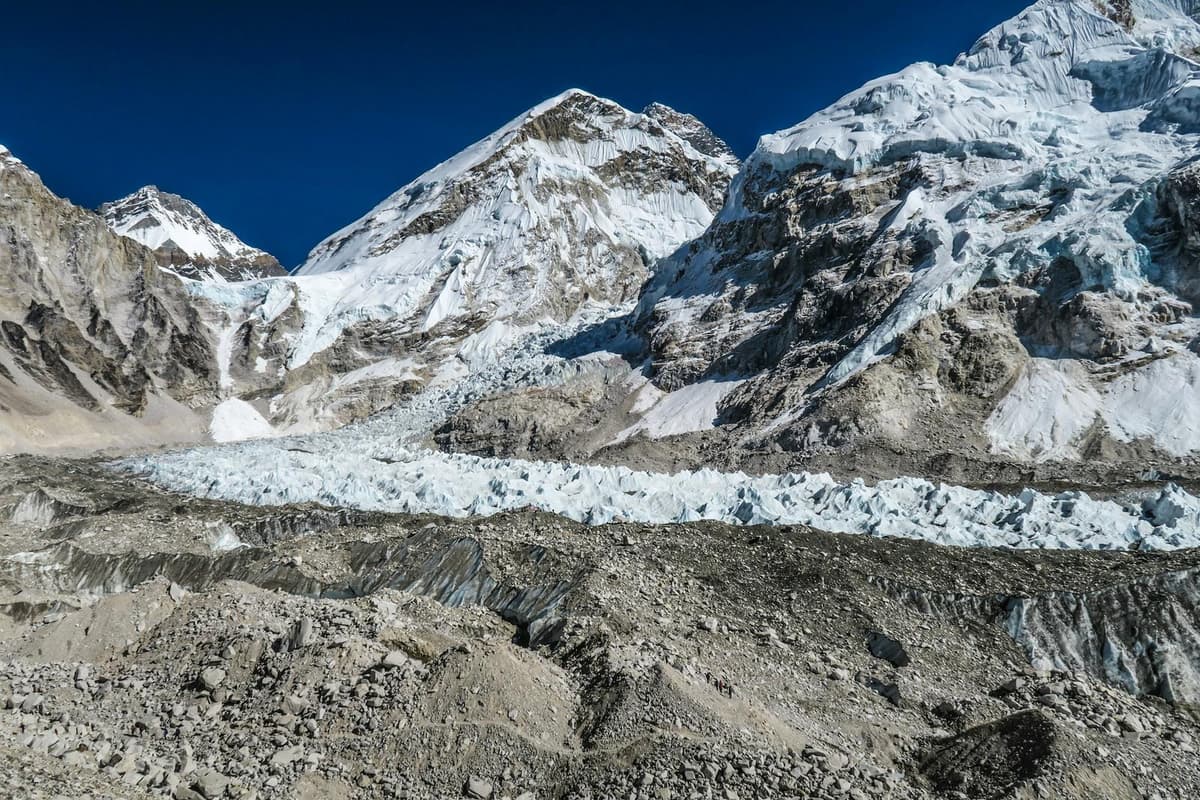
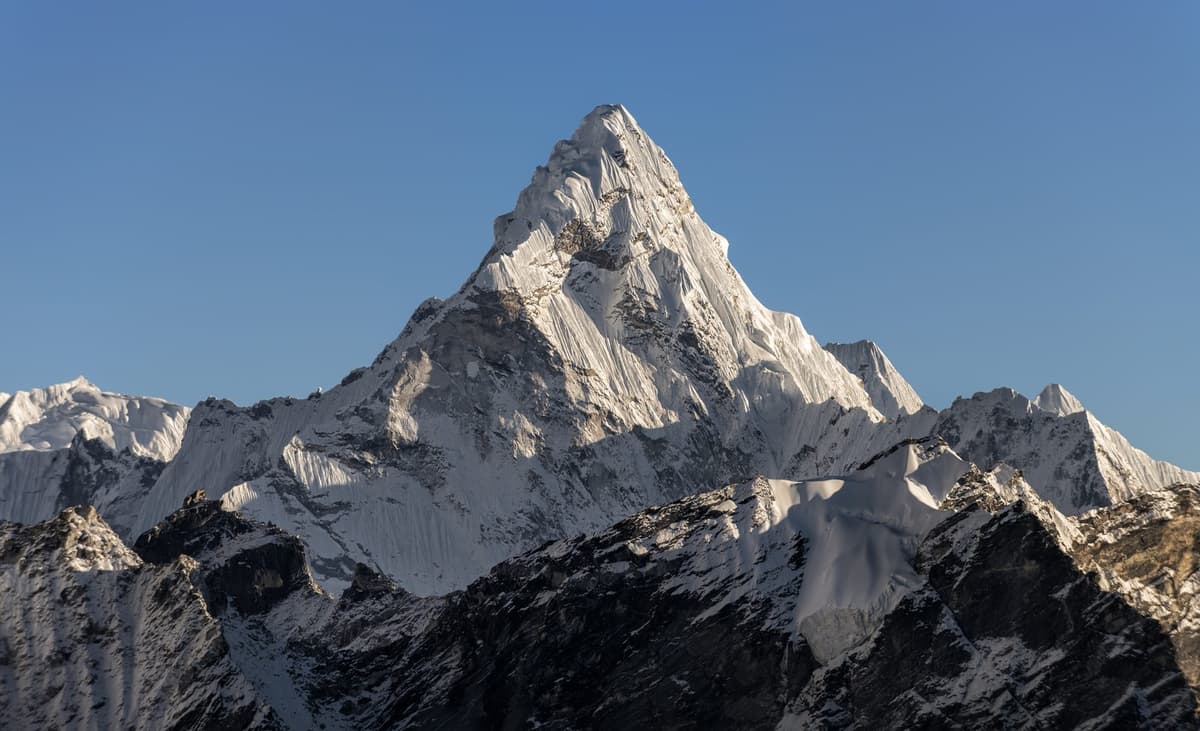
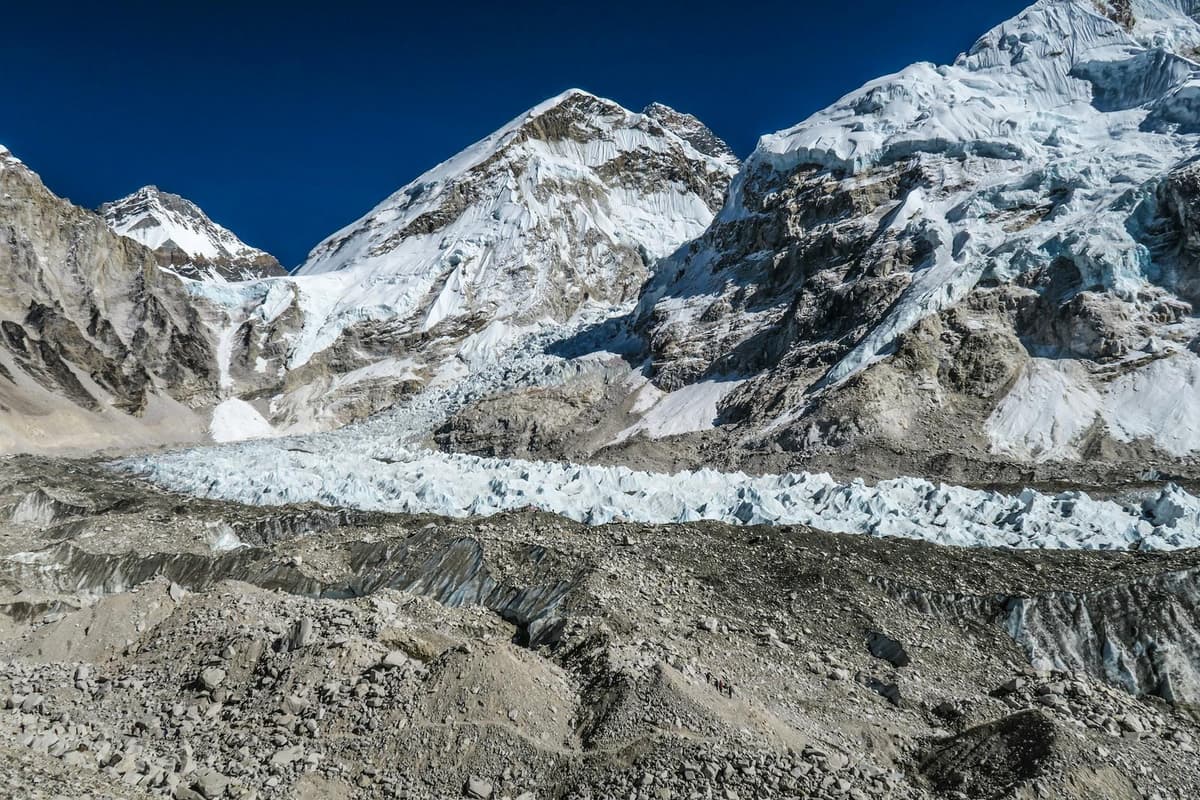
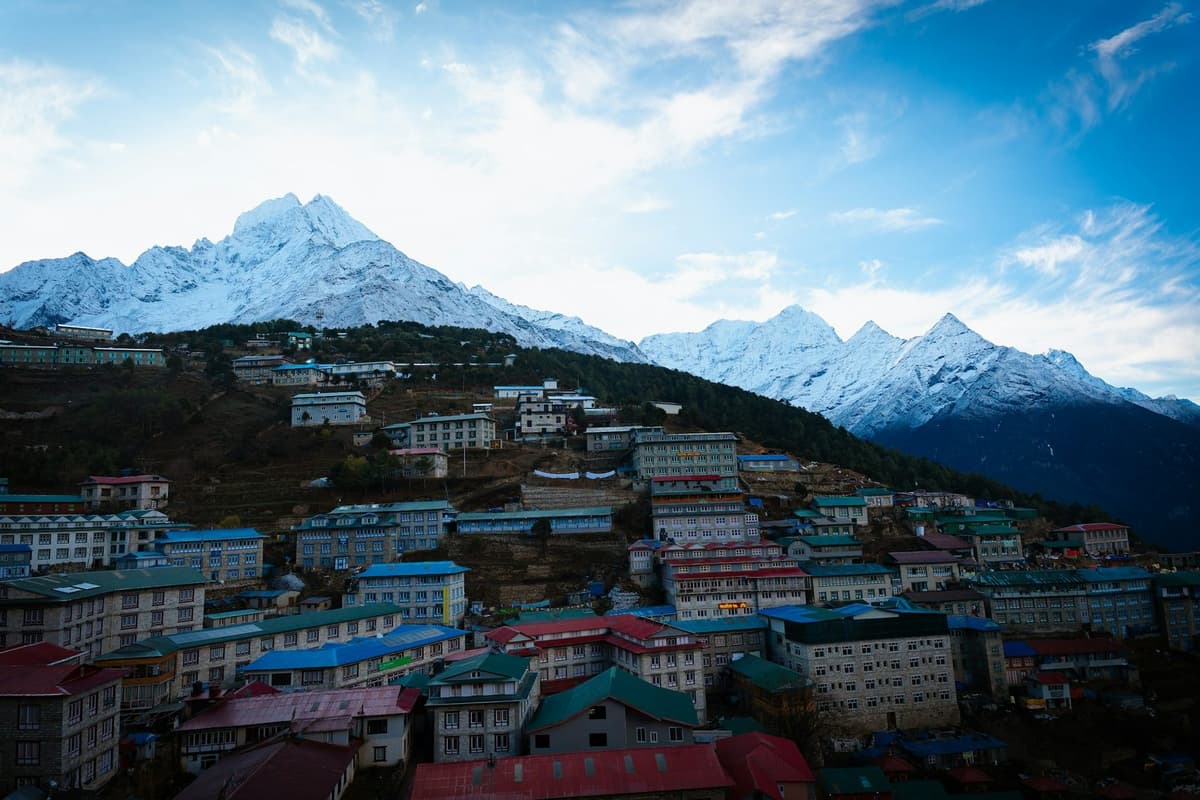
The Everest Base Camp and Ama Dablam Base Camp trek is a fifteen-day Khumbu circuit that reaches two of the region's great base camps in a single journey. From Lukla you follow the classic Everest trail through Namche Bazaar and Tengboche, branch up to the meadows beneath Ama Dablam (6,812 m) at 4,570 metres, then continue over Dingboche and Lobuche to Everest Base Camp at 5,364 metres and a dawn on Kala Patthar at 5,545 metres for the finest close view of Everest itself. It is graded strenuous, walked on well-worn teahouse trails with built-in acclimatisation days, and combines the most photographed peak in the Himalaya with the world's most famous base camp. This is a walking trek to both base camps; the climbing routes above them are for mountaineering expeditions only.
The itinerary
- Early mountain flight from Kathmandu to Lukla at 2,840 m
- Gentle first walk down the Dudh Koshi valley
- Overnight at Phakding (2,610 m)
Things to carry
- Layered clothing including a warm down jacket for the base camp days
- Broken-in trekking boots and warm socks
- A four-season sleeping bag or liner, warm hat, gloves and a buff
- Sunglasses with full UV protection, sun hat, high-factor sunscreen and lip balm
- A refillable water bottle with purification, a daypack and a power bank
Good to know
Complete guide
Most people walk the Khumbu for one base camp. This trek takes you to two: the meadows beneath Ama Dablam, the region's most photographed peak, and Everest Base Camp itself, with a sunrise on Kala Patthar for the closest view of the highest mountain on earth. It is a fuller loop that rewards the extra days at altitude. Here is how the trek works and what to know.
What the Everest Base Camp and Ama Dablam Base Camp trek covers
The route flies into Lukla and follows the main Everest trail through Namche Bazaar and Tengboche to Pangboche, from where you branch up to Ama Dablam Base Camp at 4,570 metres. It then continues over Dingboche and Lobuche to Everest Base Camp at 5,364 metres and Kala Patthar at 5,545 metres, before descending the same valley to Lukla. If you only have time for the shorter objective, the classic Everest Base Camp trek covers the second half of this route without the Ama Dablam branch.
How hard it is and how the altitude feels
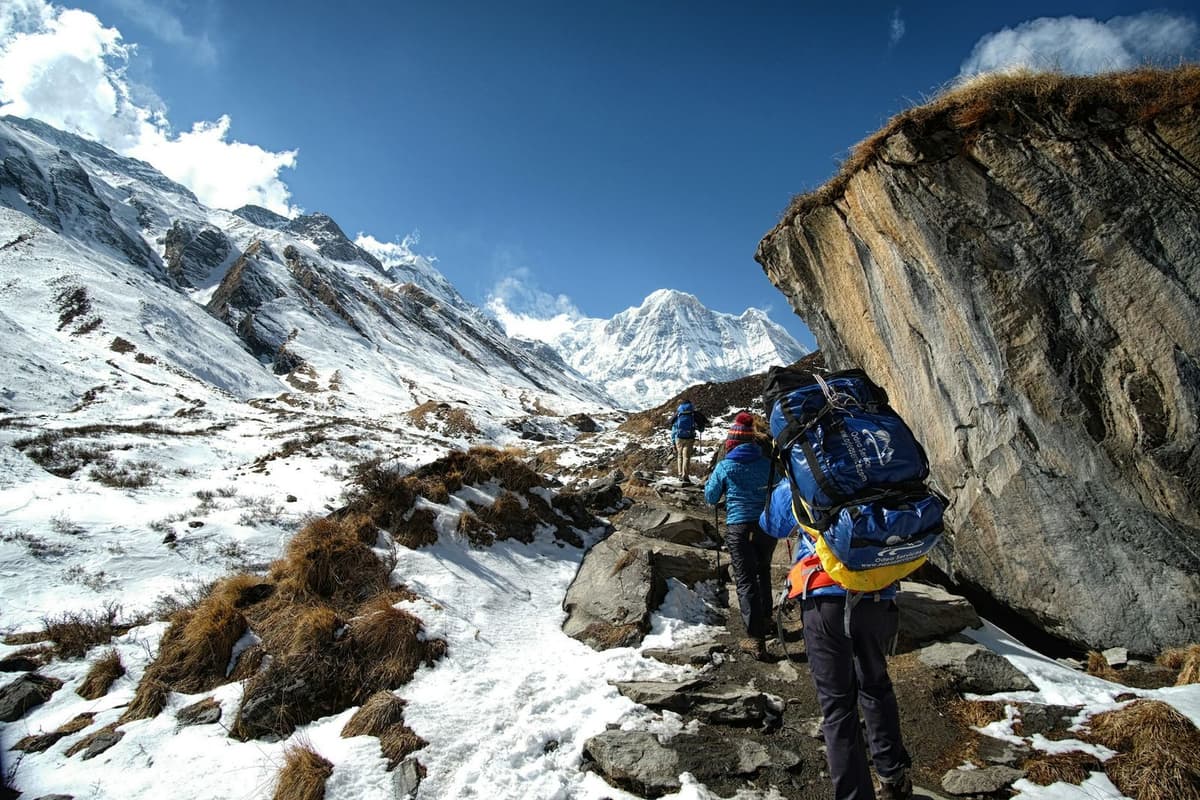
This is a strenuous trek. You spend several nights above 4,000 metres and climb to 5,545 metres, so the risk of altitude sickness is real and the itinerary is built around it, with acclimatisation days at Namche and Dingboche and a steady, staged ascent. The walking is not technical, but the days are long and the air is thin near the top. Ascend slowly, hydrate constantly, and report any headache to your guide early. Good all-round fitness before you arrive makes a large difference.
Permits, guides and teahouses
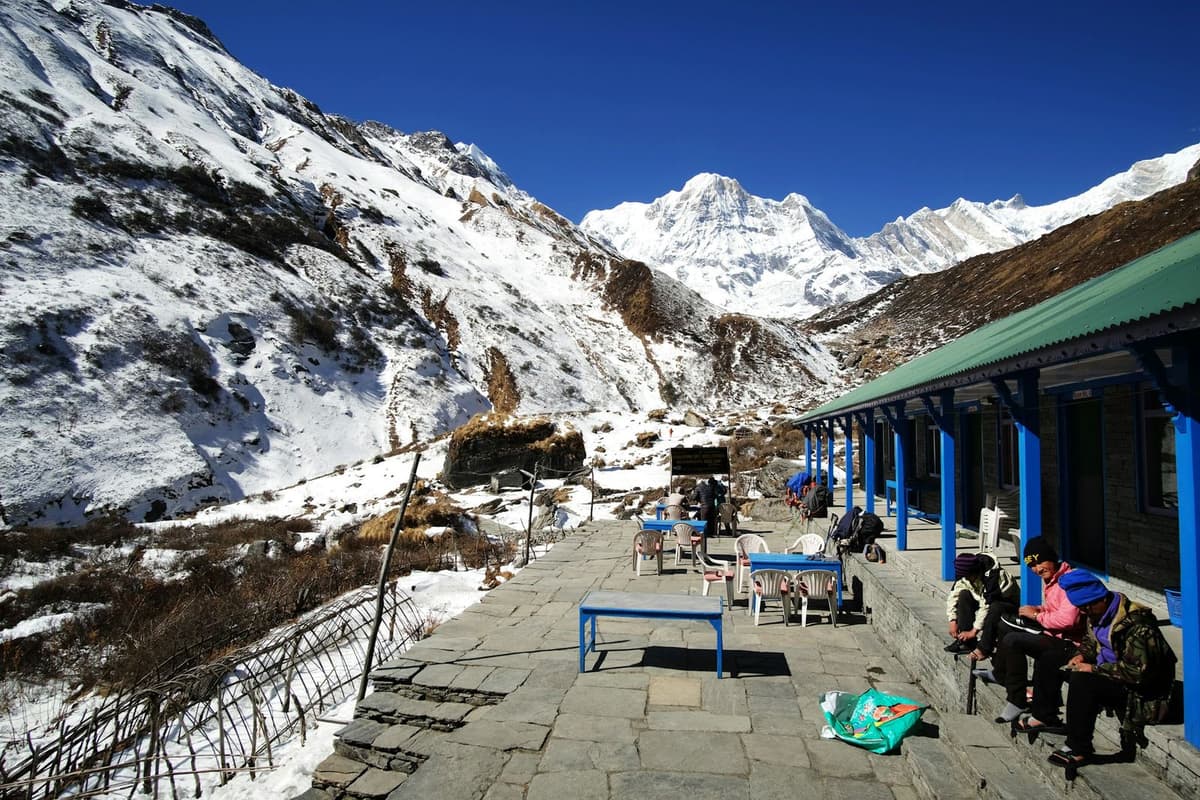
You need the Sagarmatha National Park permit and the Khumbu Pasang Lhamu Rural Municipality permit, and since April 2023 a licensed guide is mandatory in the region; we arrange all of this. Nights are spent in teahouses, family-run Sherpa lodges that grow simpler and colder the higher you climb, so you carry only a daypack. Bring a warm four-season sleeping bag or liner, a power bank and small cash for charging, Wi-Fi and hot showers.
Other ways to link the high passes
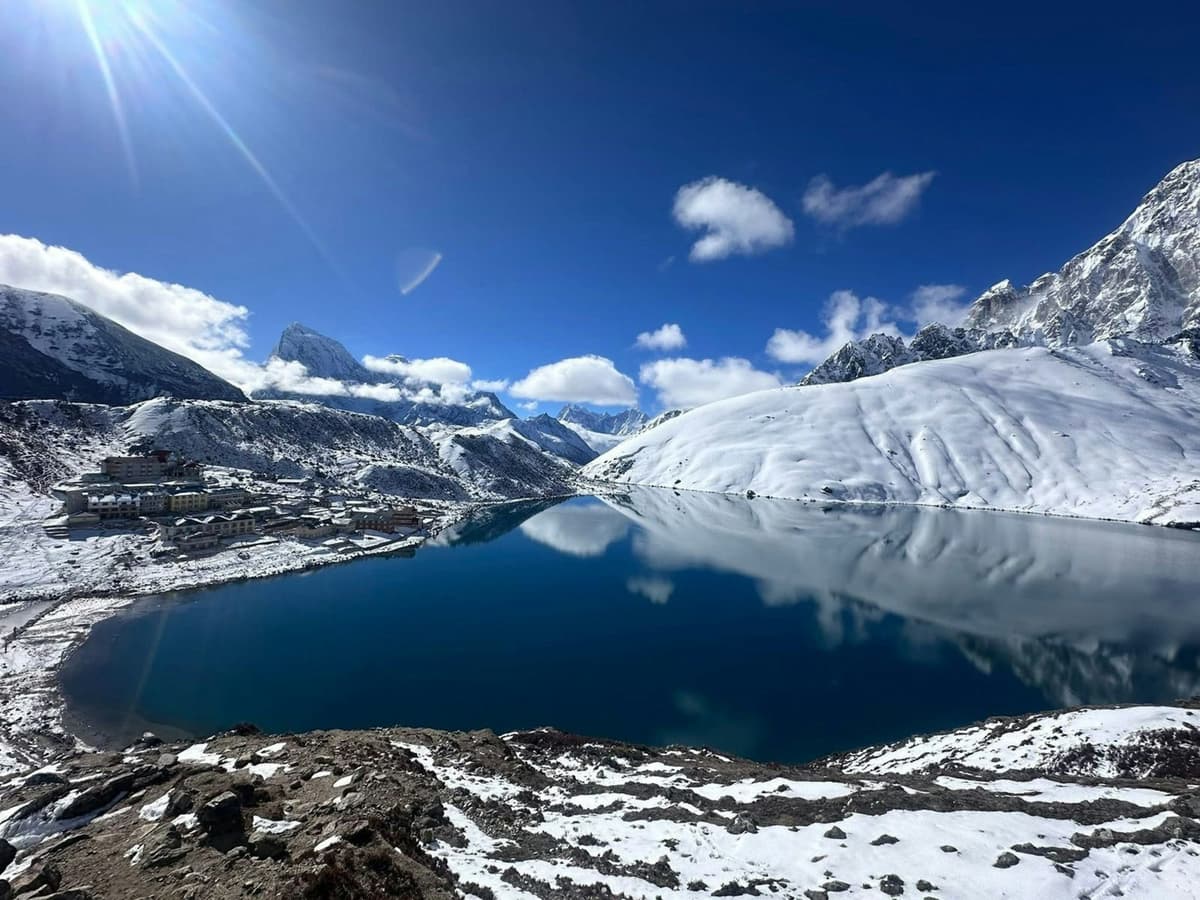
The Khumbu rewards trekkers who have the time to add a high pass or a side valley. If you would rather reach Everest Base Camp by a wilder route, the Gokyo, Cho La Pass and Everest Base Camp trek links the turquoise Gokyo lakes to base camp over a glaciated pass and shares much of the same trail this trek uses on the way out.