



Overview
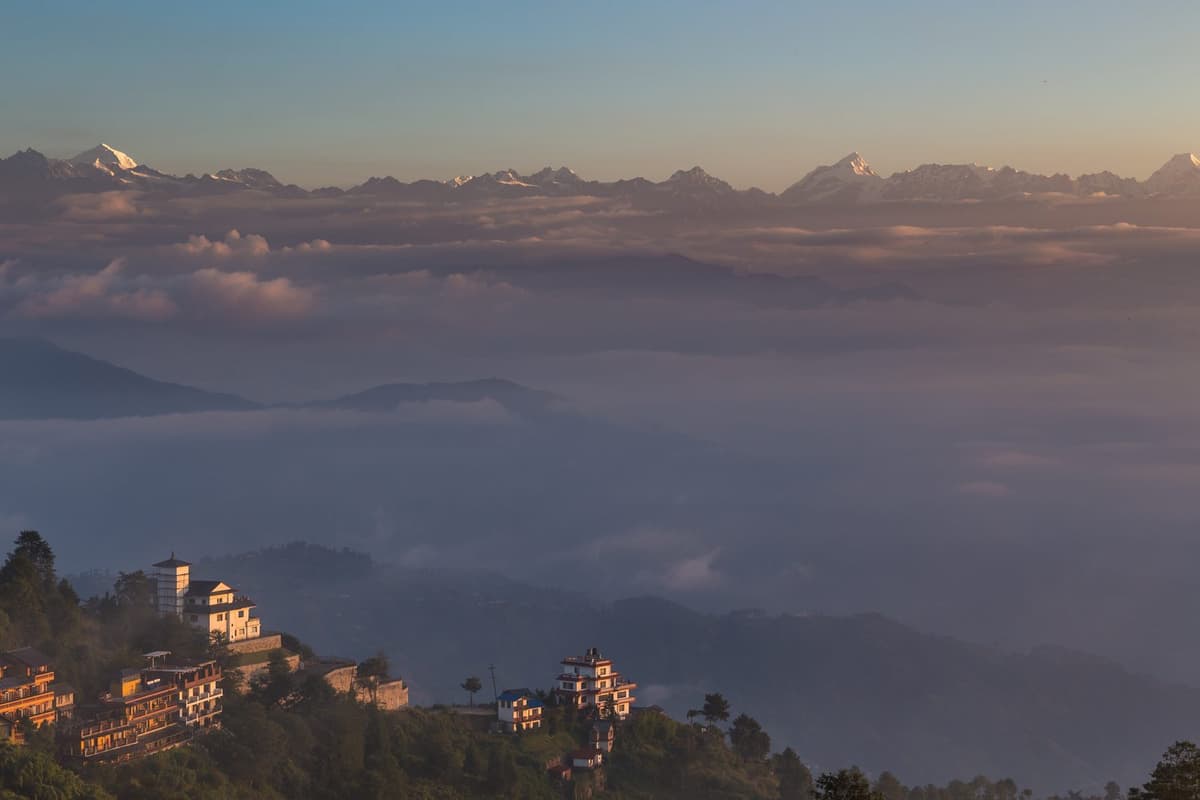
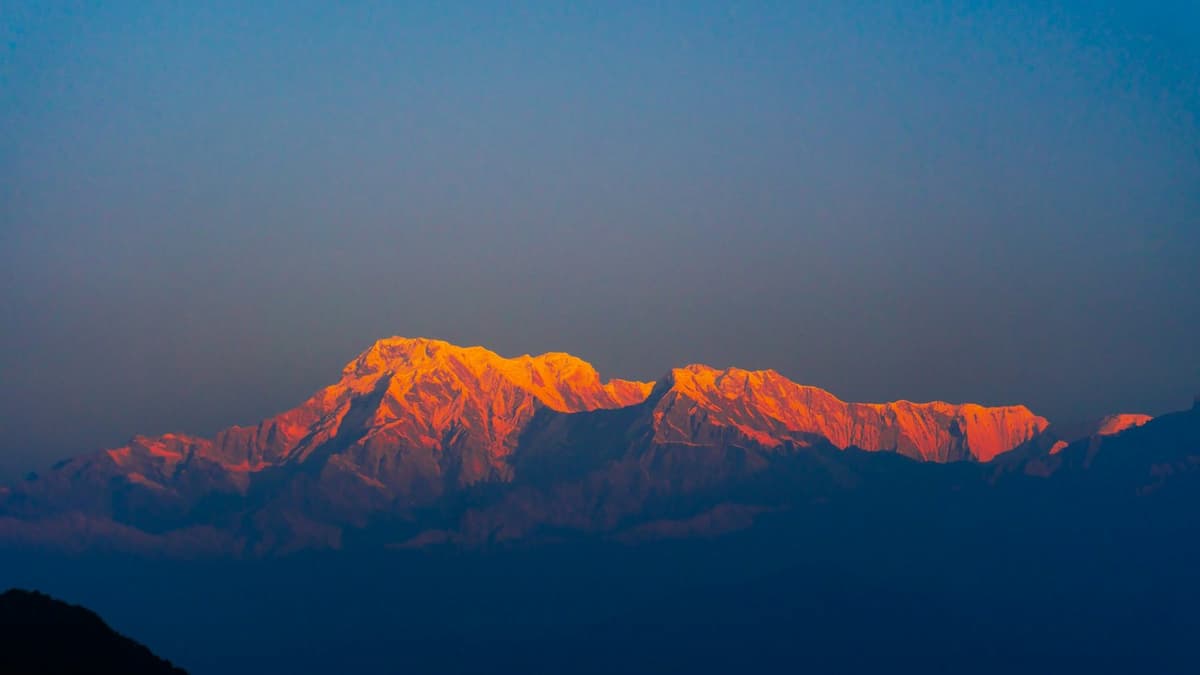
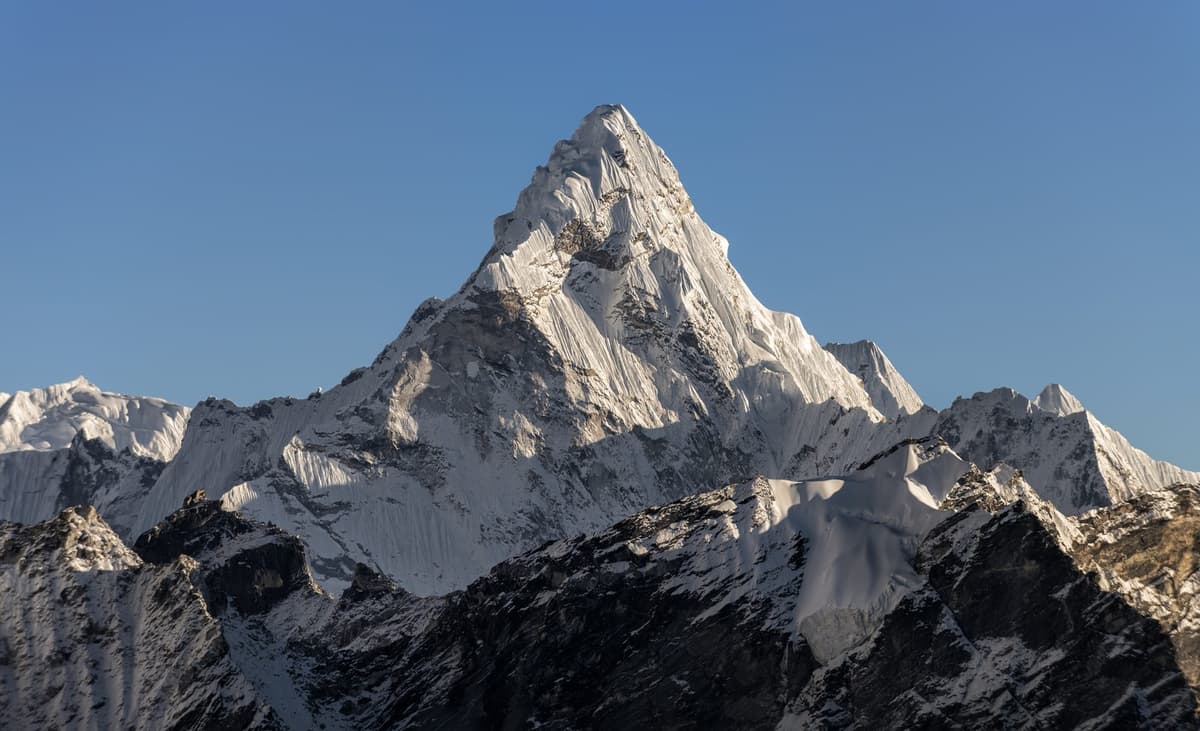
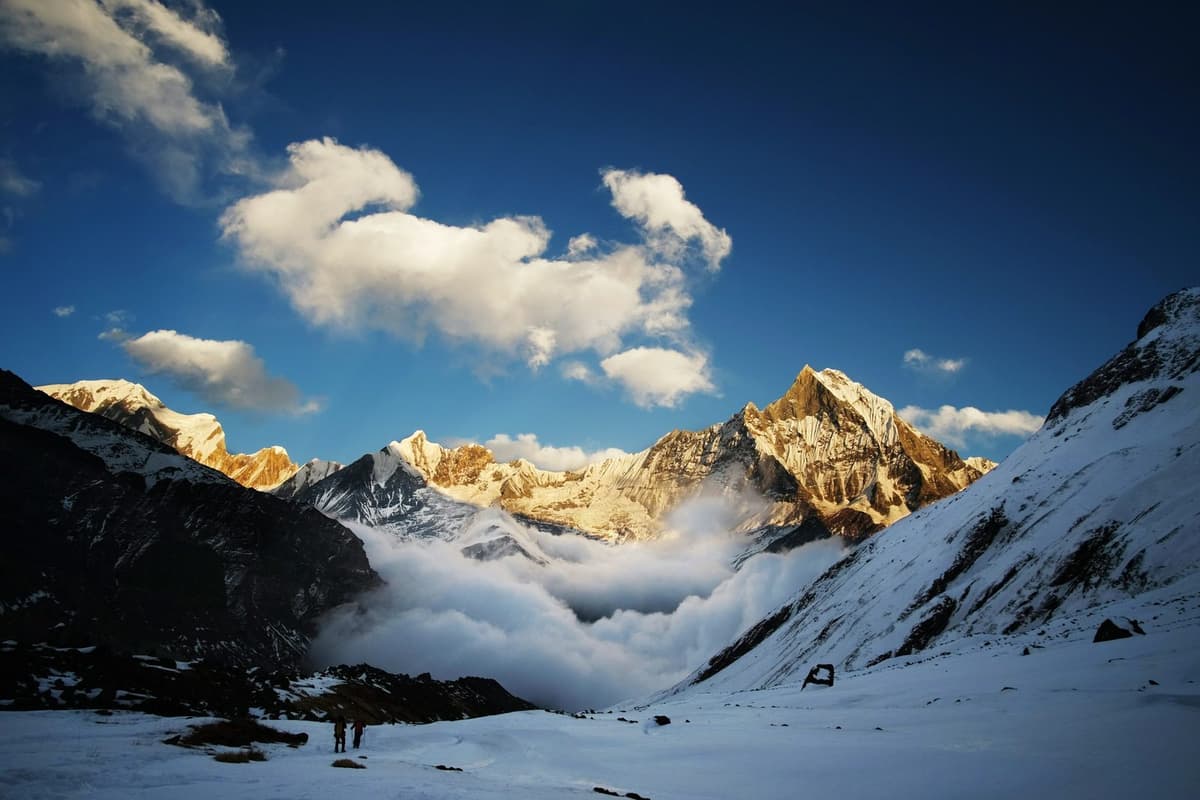
The Ama Dablam Base Camp trek is an eleven-day teahouse trek to the foot of Ama Dablam (6,812 m), the sharp, hanging-glacier peak that towers over the Everest trail and is often called the Matterhorn of the Himalaya. You fly into Lukla and walk the classic Khumbu route through Phakding, the Sherpa hub of Namche Bazaar and the monastery village of Tengboche, then branch up to the grassy meadows of the south base camp at 4,570 m for a face-to-face view of the mountain's fluted ice walls. It is graded moderate, walked on well-made trails with a comfortable lodge every night, and sits far below the crowds and extreme altitude of Everest Base Camp while still delivering Everest, Lhotse and Nuptse on the horizon. This is a walking trip to the base of the mountain; the climbing routes above are for mountaineering expeditions only.
The itinerary
- Early mountain flight from Kathmandu to Lukla at 2,840 m
- Gentle first walk down the Dudh Koshi valley
- Overnight at Phakding (2,610 m)
- Cross the Dudh Koshi on high suspension bridges into the national park
- Steep forested climb with a first glimpse of Everest on a clear day
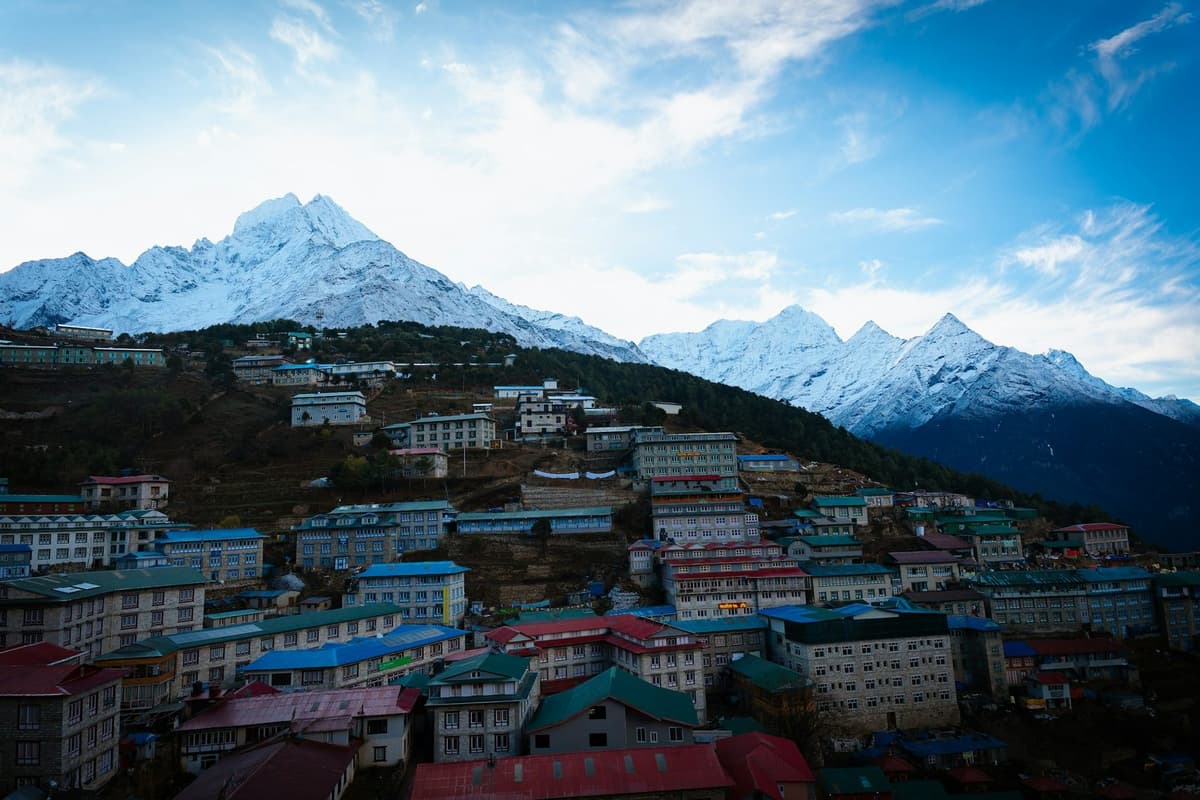
- Arrive Namche Bazaar (3,440 m), the trading hub of the Khumbu
- Acclimatisation hike to the Everest View Hotel at 3,880 m
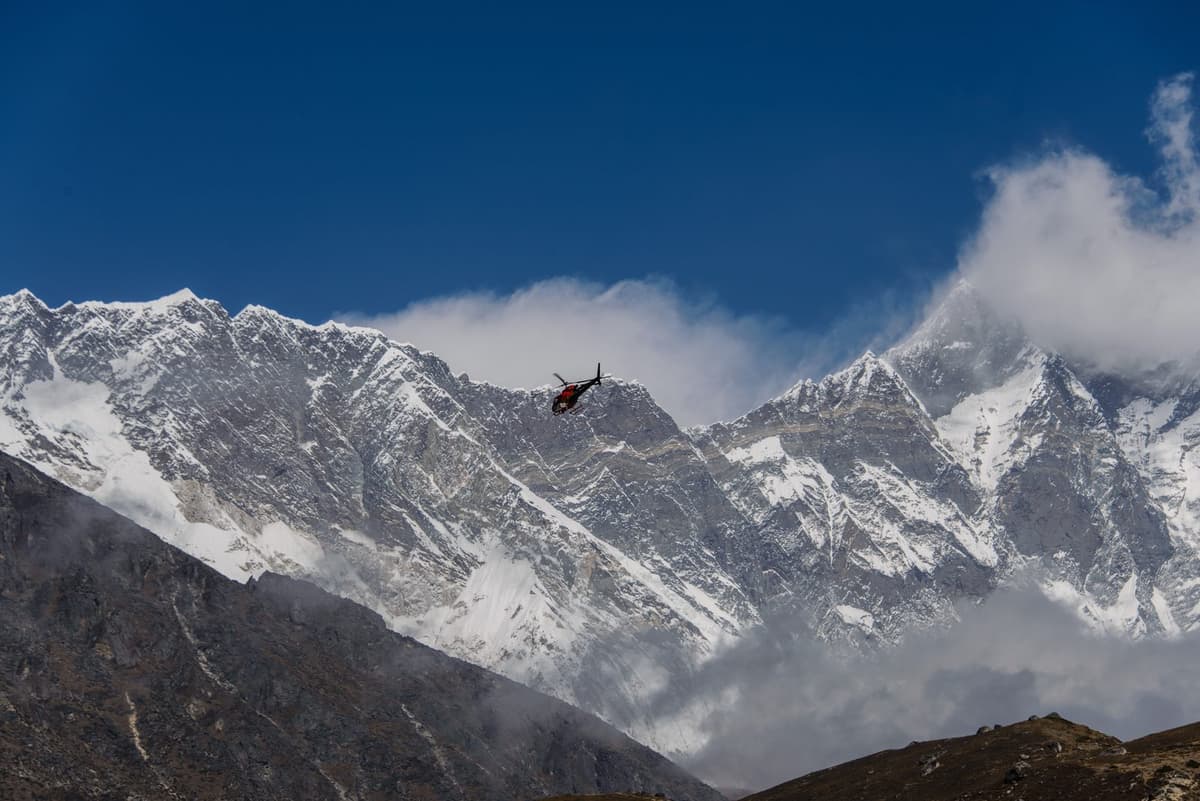
- Panorama of Everest, Lhotse, Nuptse and Ama Dablam
- Visit the Sherpa villages of Khumjung and Khunde
- Ridge trail with Ama Dablam growing ahead all day
- Descend to the river then climb to Tengboche (3,860 m)
- Visit the largest Buddhist monastery in the Khumbu
- Walk through rhododendron and birch forest at Deboche
- Cross the Imja Khola below Ama Dablam's north face
- Overnight at Pangboche (3,930 m) and its old gompa
- Climb the grassy moraine to Ama Dablam Base Camp at 4,570 m
- Close views of the peak's fluted ice and hanging glacier
- Descend the same route back to Pangboche for the night
- Traverse to the quiet Sherpa village of Phortse (3,840 m)
- Chance of Himalayan tahr and musk deer on the hillsides
- Wide views back towards Ama Dablam and Kangtega
- Scenic high trail via the Mong La ridge (3,975 m)
- Long descent and climb back to Namche Bazaar (3,440 m)
- Last afternoon among the town's bakeries and gear shops
- Descend the forested valley back to the park gate
- Recross the Dudh Koshi suspension bridges
- Overnight at Monjo (2,835 m)
- Final riverside walk through Sherpa farming villages
- Last climb up to Lukla (2,840 m)
- Evening celebration with the trek crew
- Morning mountain flight from Lukla back to Kathmandu
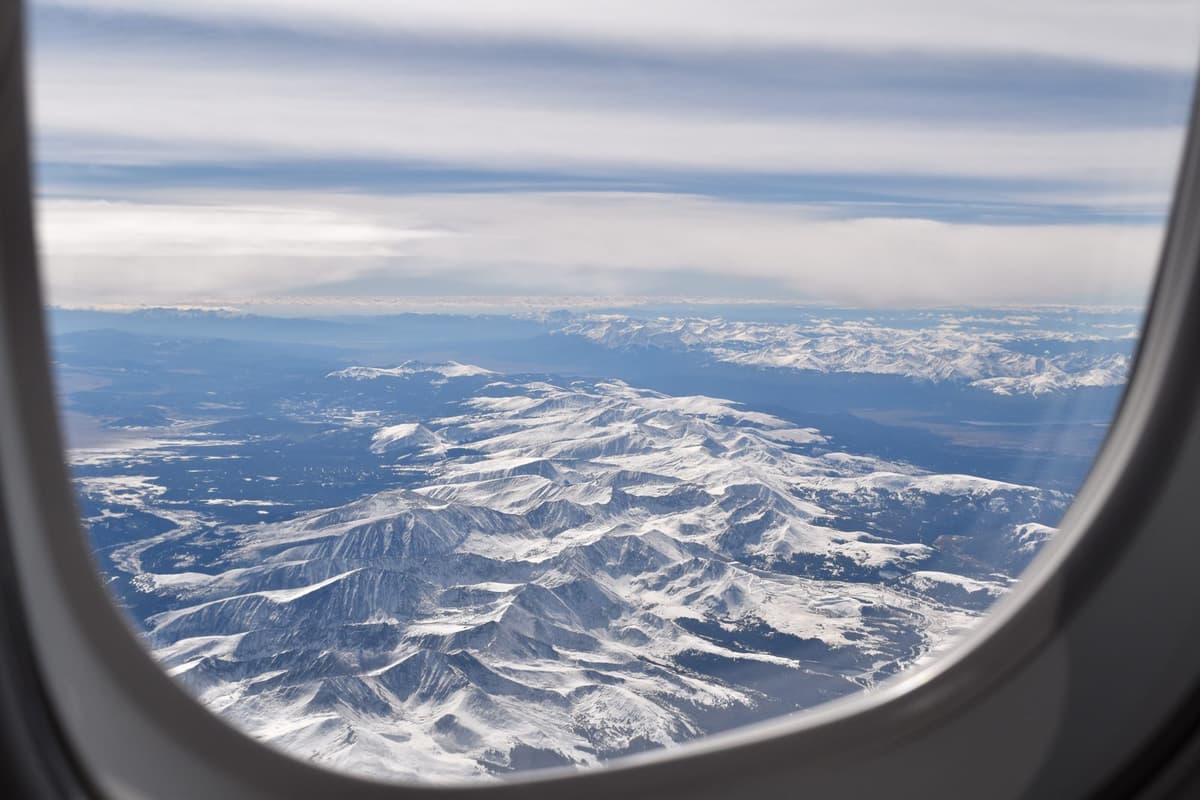
- Aerial views of the foothills and terraced ridges
- The trek concludes on landing in the capital
Things to carry
- Layered clothing including a warm down jacket for the higher days
- Broken-in trekking boots and warm socks
- A four-season sleeping-bag liner, hat, gloves and a buff
- Sunglasses, sun hat, high-factor sunscreen and lip balm
- A refillable water bottle with purification, a daypack and a power bank
Good to know
Complete guide
Ama Dablam is the peak everyone photographs on the Everest trail, a steep, symmetrical spire that hangs over the valley all the way to base camp. This trek gives you the mountain up close without the extreme altitude of the Everest crowds: the same classic Khumbu villages, a monastery or two, and a quiet branch up to the grassy meadows at the mountain's foot. Here is how the trek works and what to know.
What the Ama Dablam Base Camp trek covers
The route flies into Lukla and follows the main Everest trail through Phakding, Namche Bazaar and Tengboche before branching to Pangboche, from where you hike up to the south base camp at 4,570 metres and back. The return descends through the quiet Sherpa village of Phortse to Namche and Lukla. It is a walking trip to the base of the mountain, not an ascent of it. If you want the bigger objective, the classic Everest Base Camp trek pushes on up the valley to Gorak Shep and Kala Patthar.
How hard it is and how the altitude feels
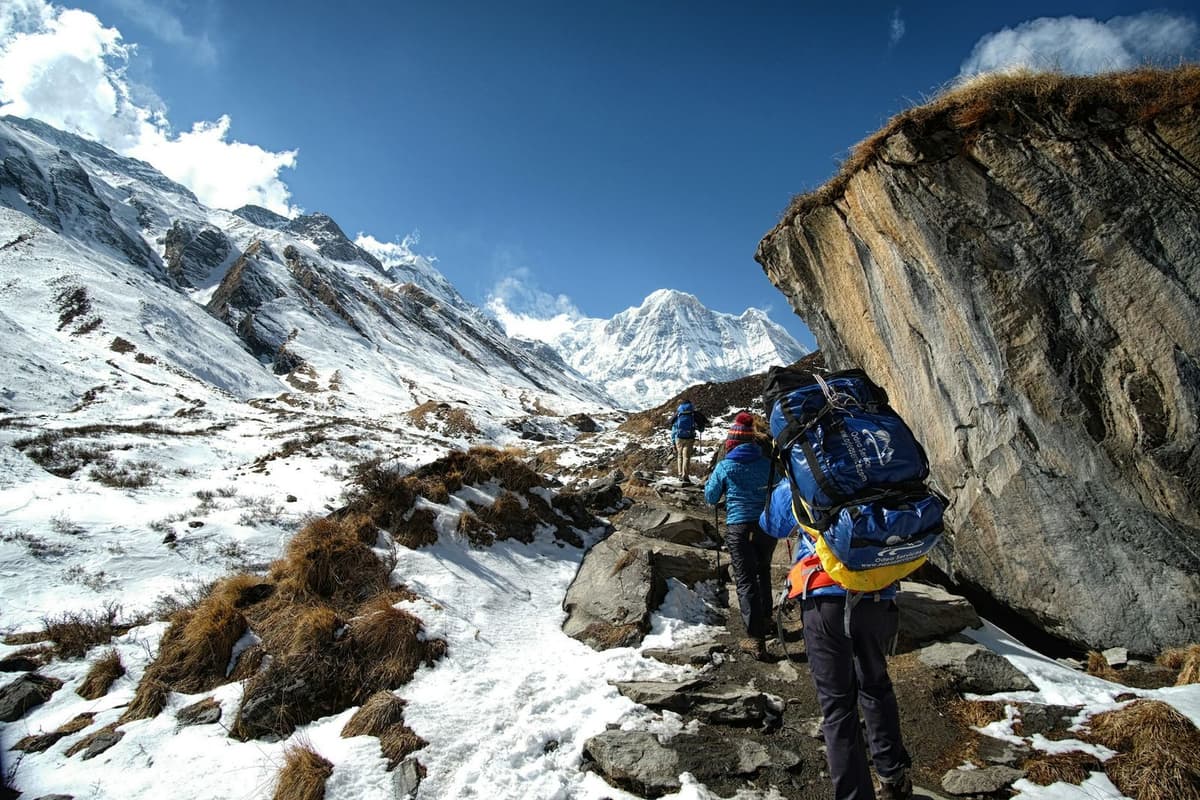
This is a moderate trek, not a technical one, but the days are real: steep forested climbs, ridge traverses and a top point at 4,570 metres. The height gain is gradual, with a built-in acclimatisation day at Namche, so serious altitude sickness is uncommon, though you will feel the thinner air near base camp. Walk slowly, hydrate well, and treat any headache seriously. A few weeks of hill walking before you arrive makes the biggest difference to how much you enjoy it.
Permits, guides and teahouses
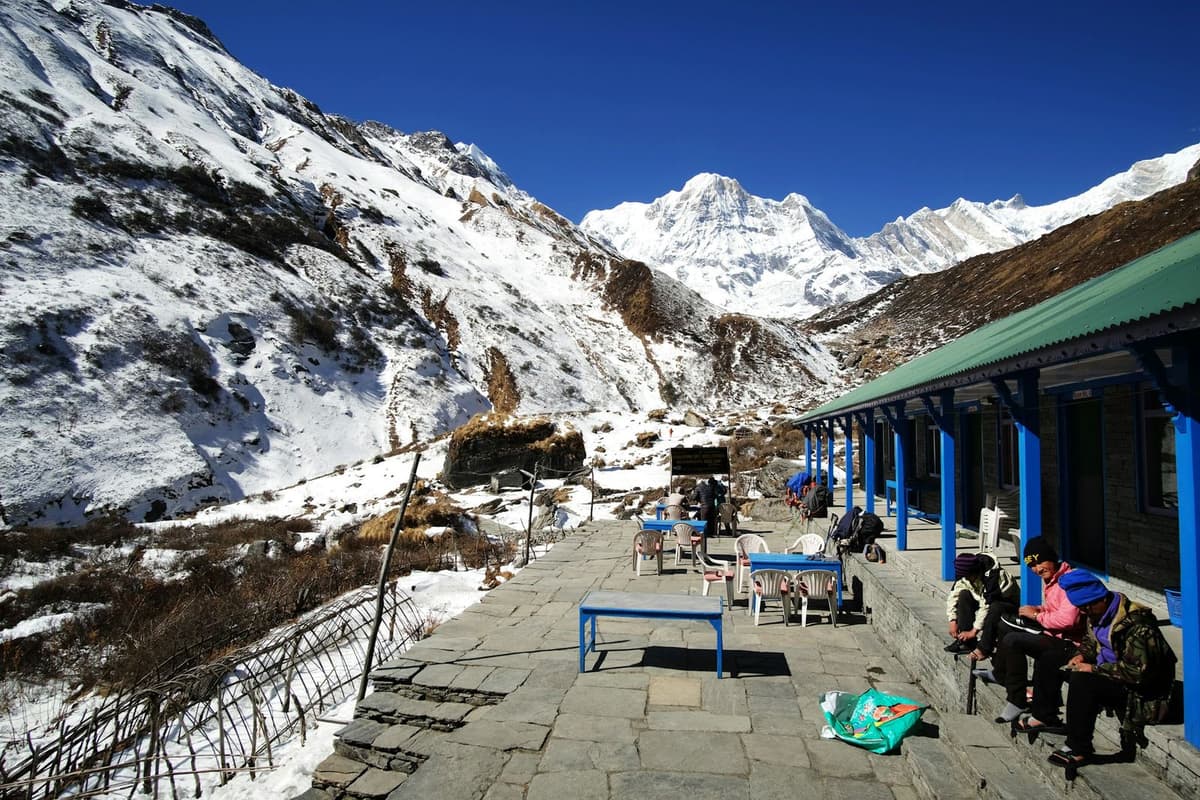
You need the Sagarmatha National Park permit and the Khumbu Pasang Lhamu Rural Municipality permit, and since April 2023 a licensed guide is mandatory in the region; we arrange all of this. Nights are spent in teahouses, family-run Sherpa lodges with simple twin rooms and a warm dining room, so you carry only a daypack. Bring a sleeping-bag liner, a power bank and small cash for charging, Wi-Fi and hot showers, all of which cost a little more the higher you go.
Ways to extend the trek
Because it uses the main Khumbu trail, Ama Dablam Base Camp pairs easily with a bigger loop. Trekkers with more time often add the Gokyo lakes and the Cho La pass; the Gokyo, Cho La Pass and Everest Base Camp trek links the turquoise Gokyo lakes to base camp over a high glaciated pass and rejoins the same valley you already know from this walk.