

Overview
This Pikey Peak trek is a short, road-accessed walk in the lower Solukhumbu hills to a 4,065 m summit that looks across to Everest and a long line of Himalayan peaks. You drive from Kathmandu to Dhap Bazaar, walk through forest and small villages to Jhapre, then climb to the teahouses at Pikey base camp. Early on the fourth day you go up in the dark for sunrise on the top, a view Edmund Hillary is said to have counted among his favourites, before walking back down to Jhapre and then Dhap for the drive home. It suits fit walkers who want a real Himalayan panorama in five days without a Lukla flight, and who are happy with long drive days and simple village lodges.
The itinerary
- Early start for a long road day of 8 to 9 hours east out of the Kathmandu Valley
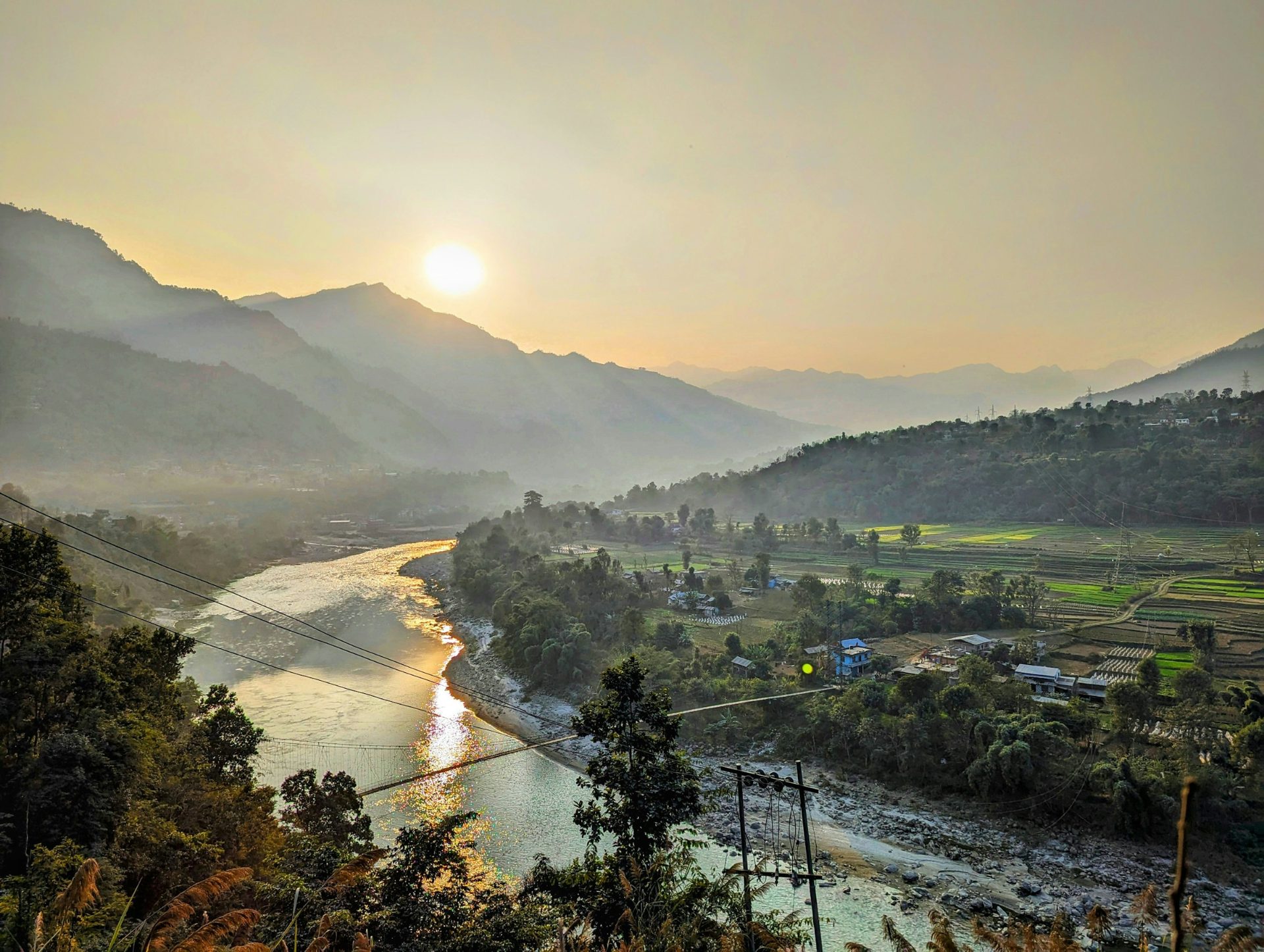
- Route runs via Dhulikhel and the BP Highway, then climbs through the Okhaldhunga hills
- Tea and lunch stops in roadside towns along the way
- Overnight in a simple lodge at Dhap Bazaar, 2,850 m
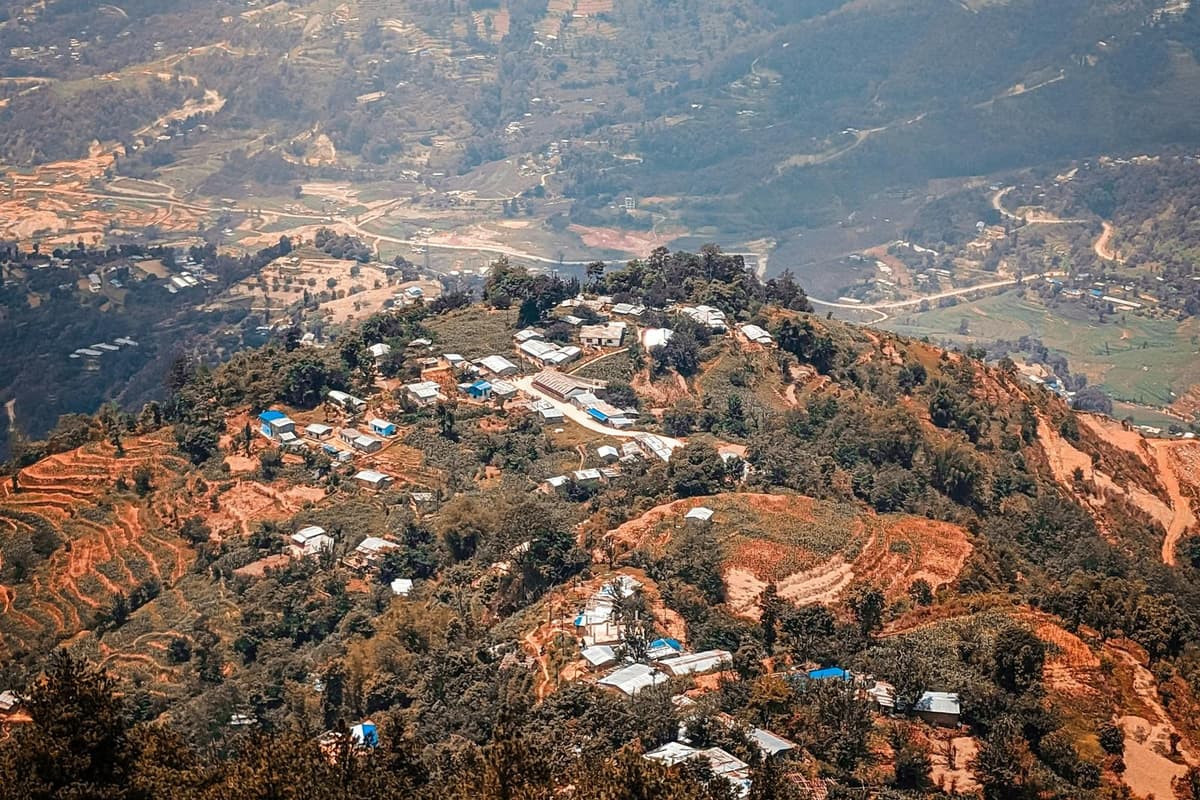
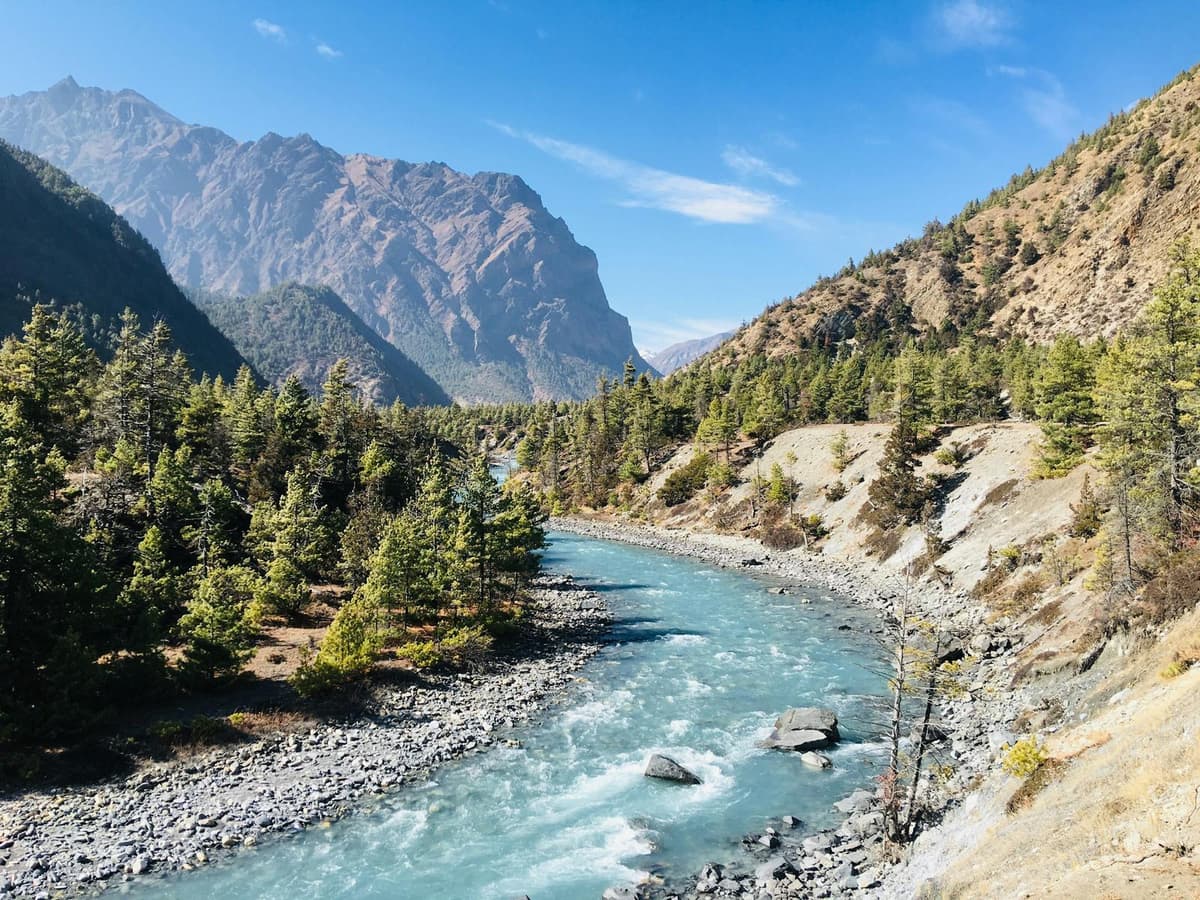
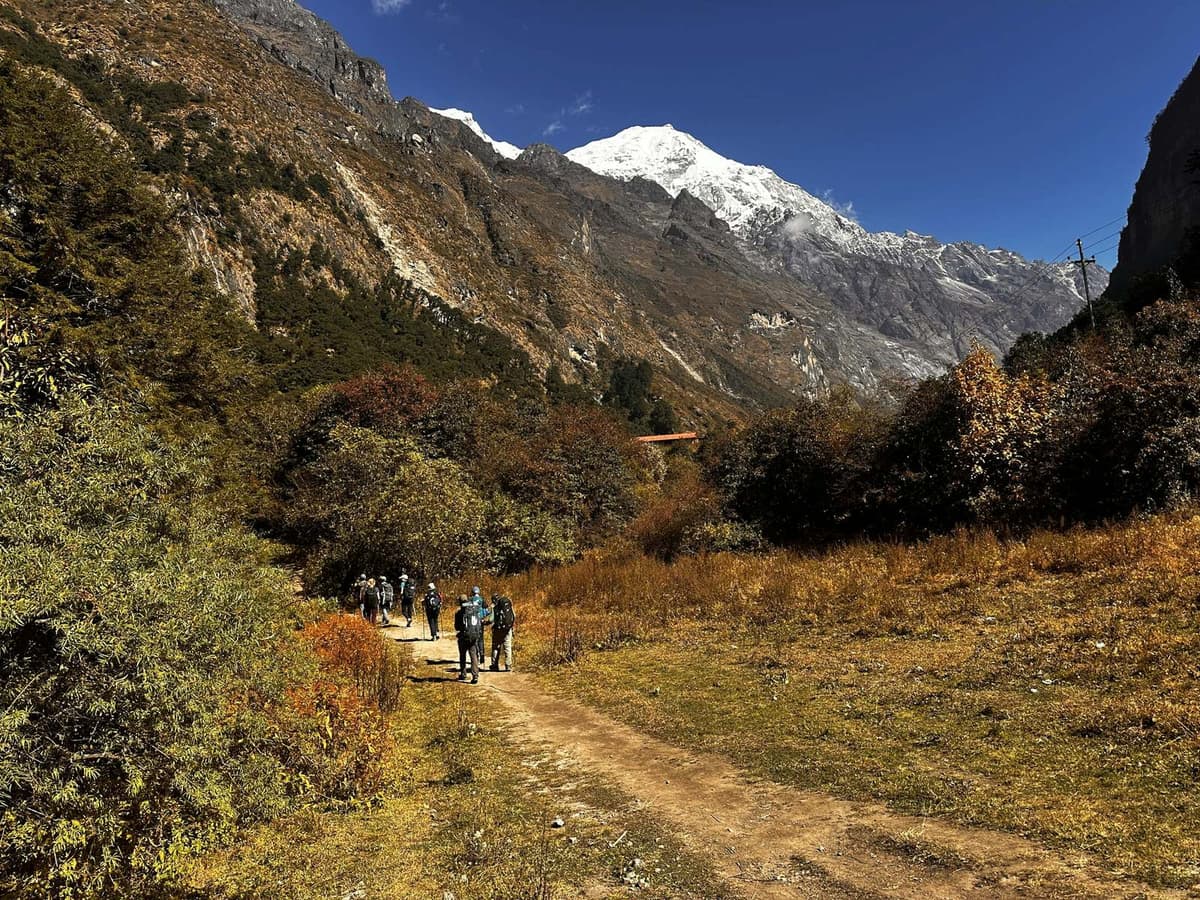
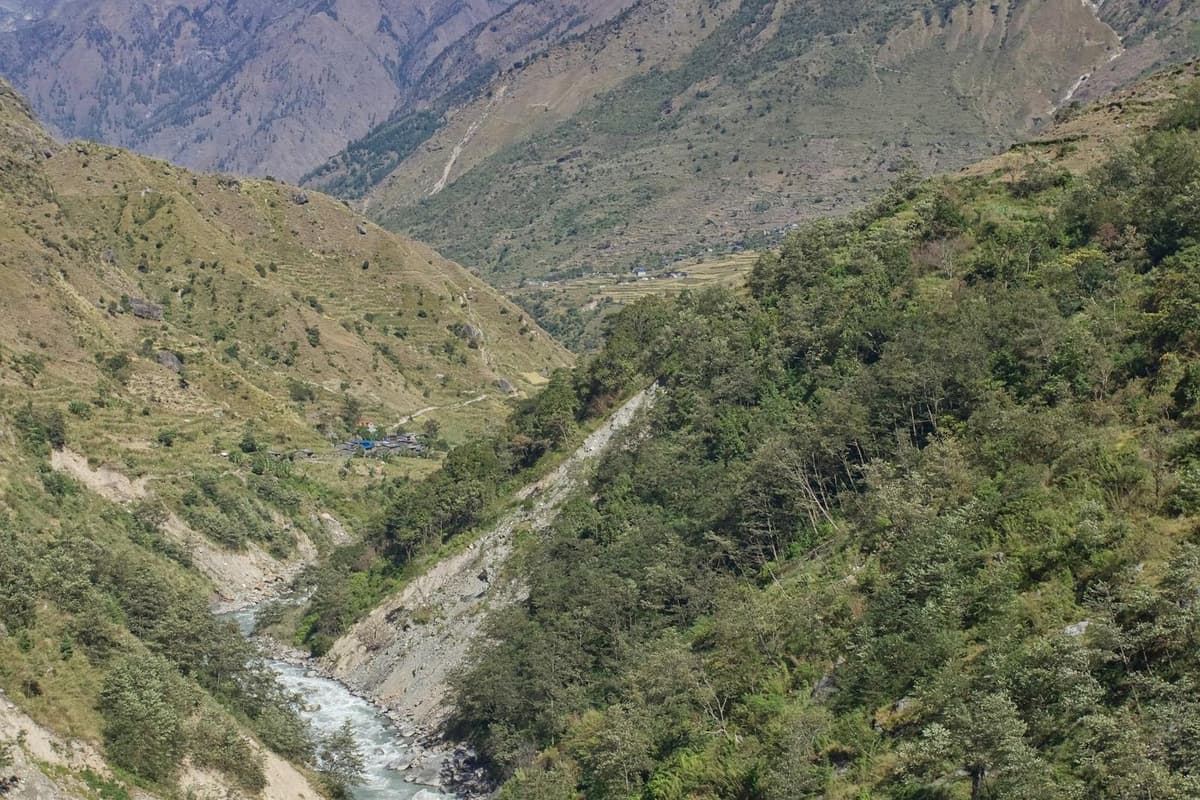
- First trekking day of 6 to 7 hours on village trails and forest paths
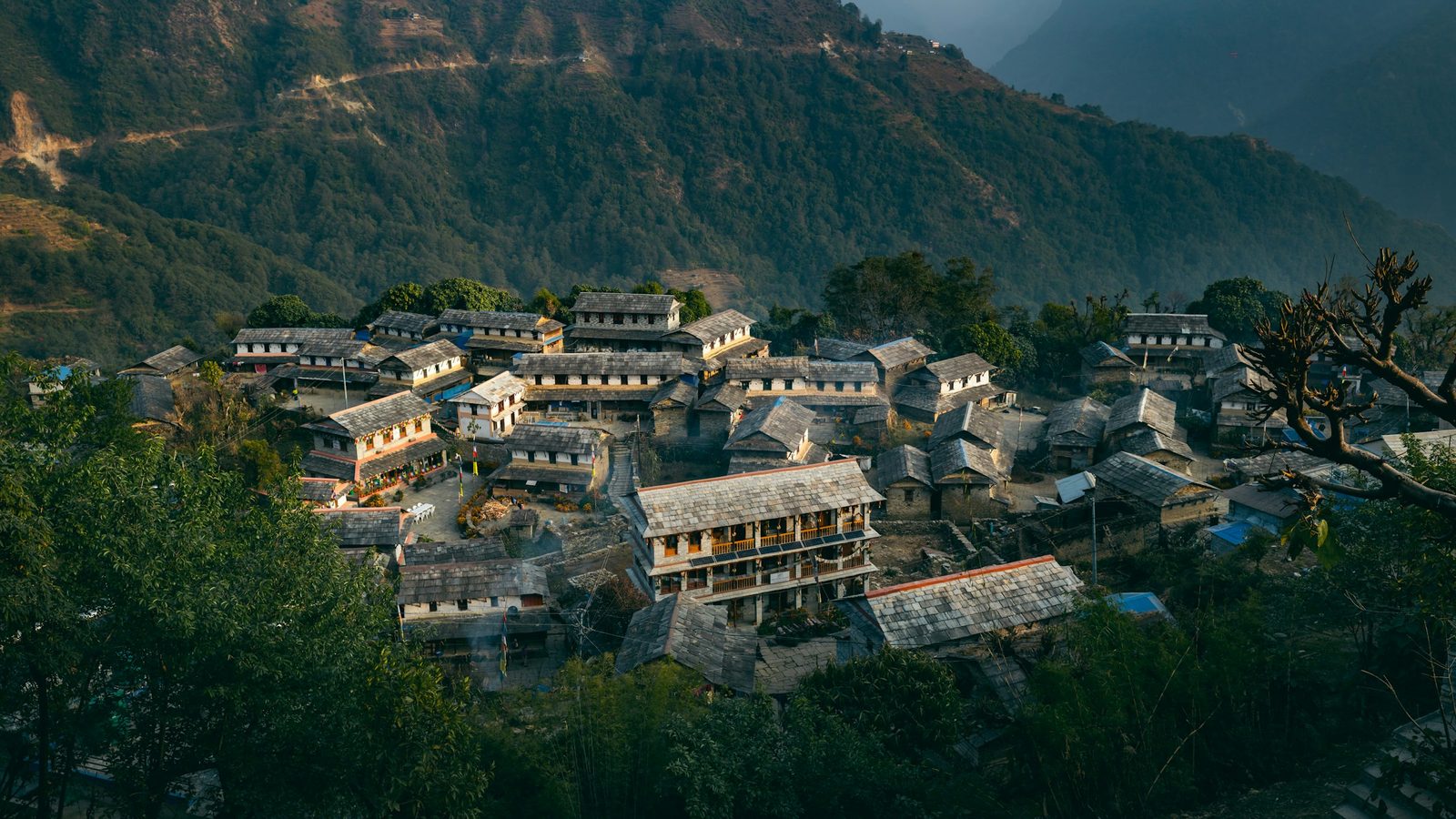
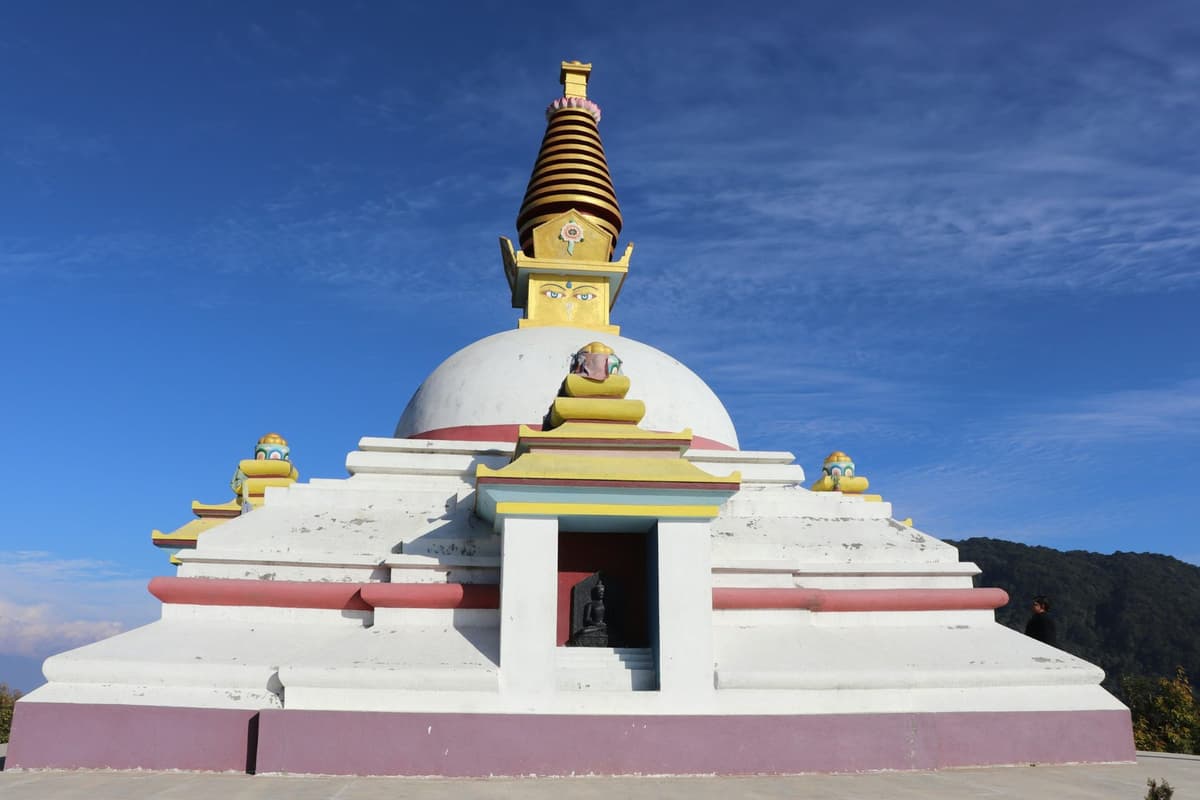
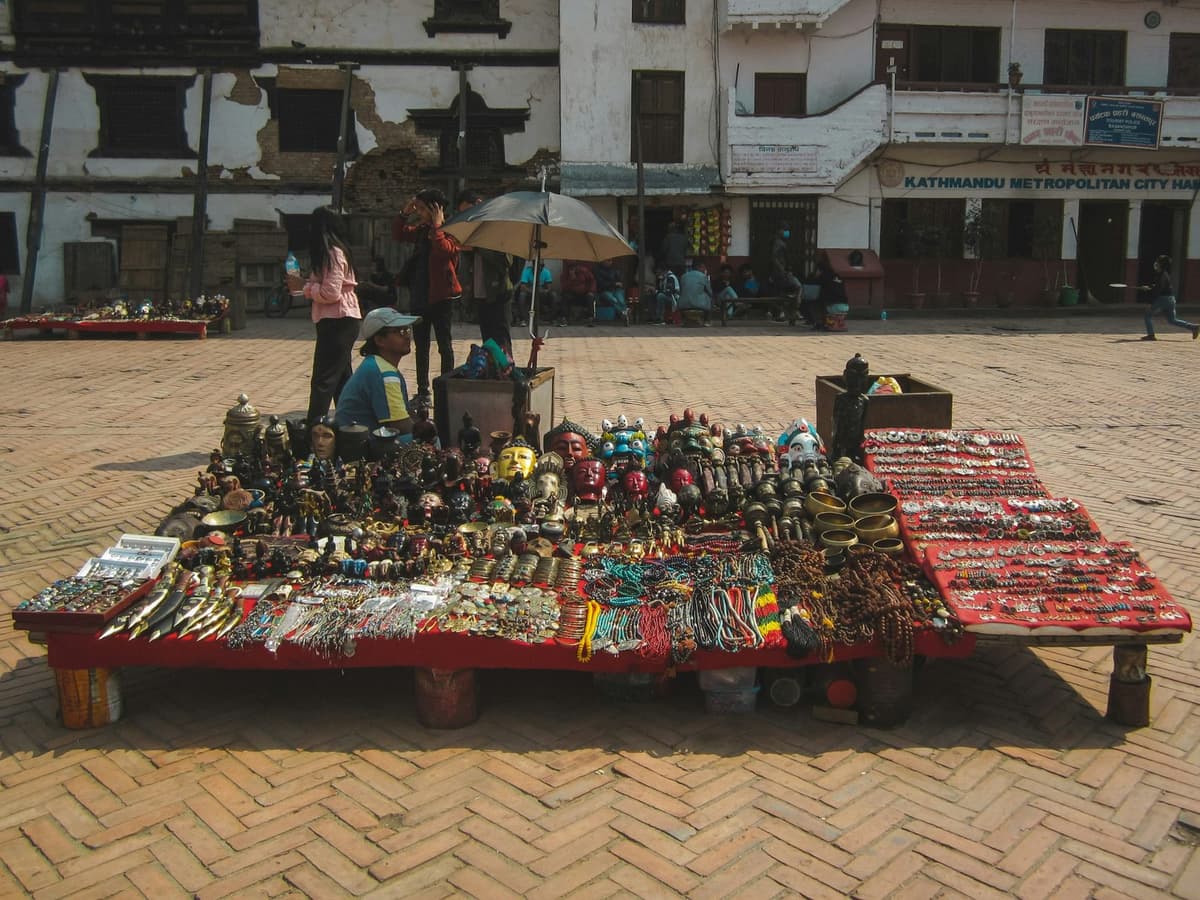
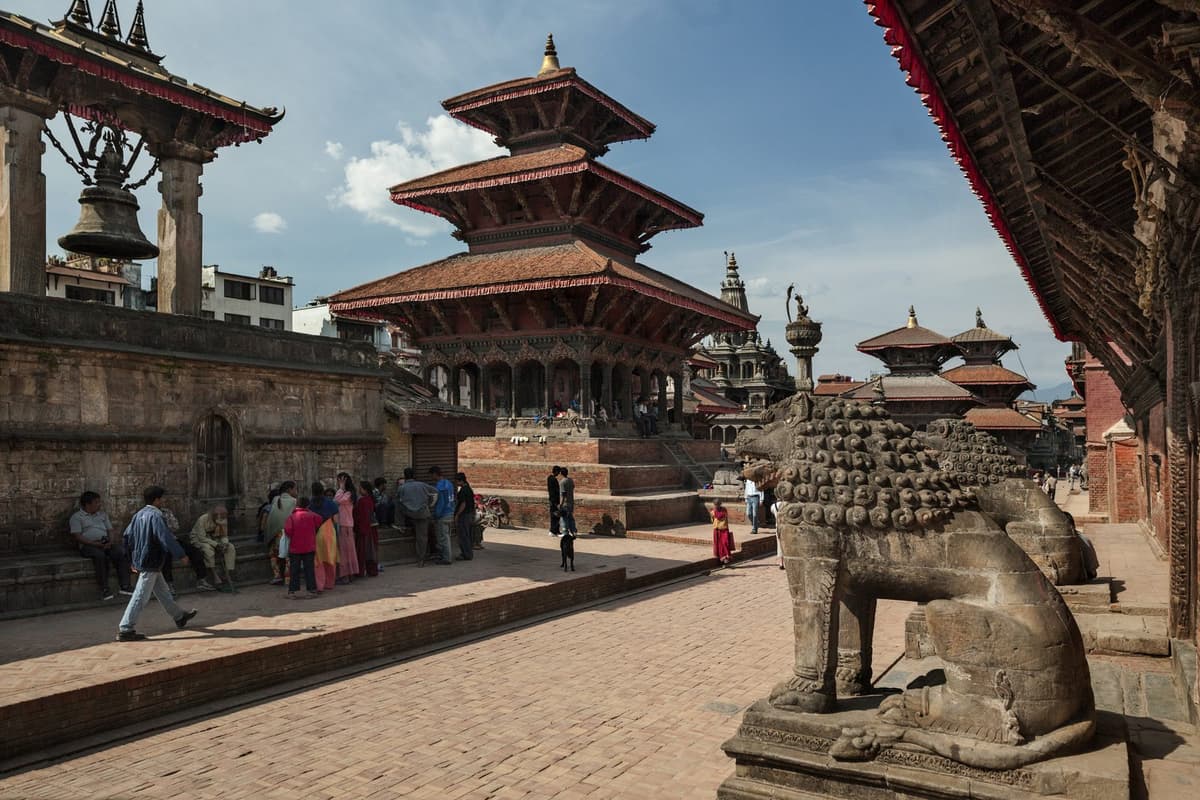
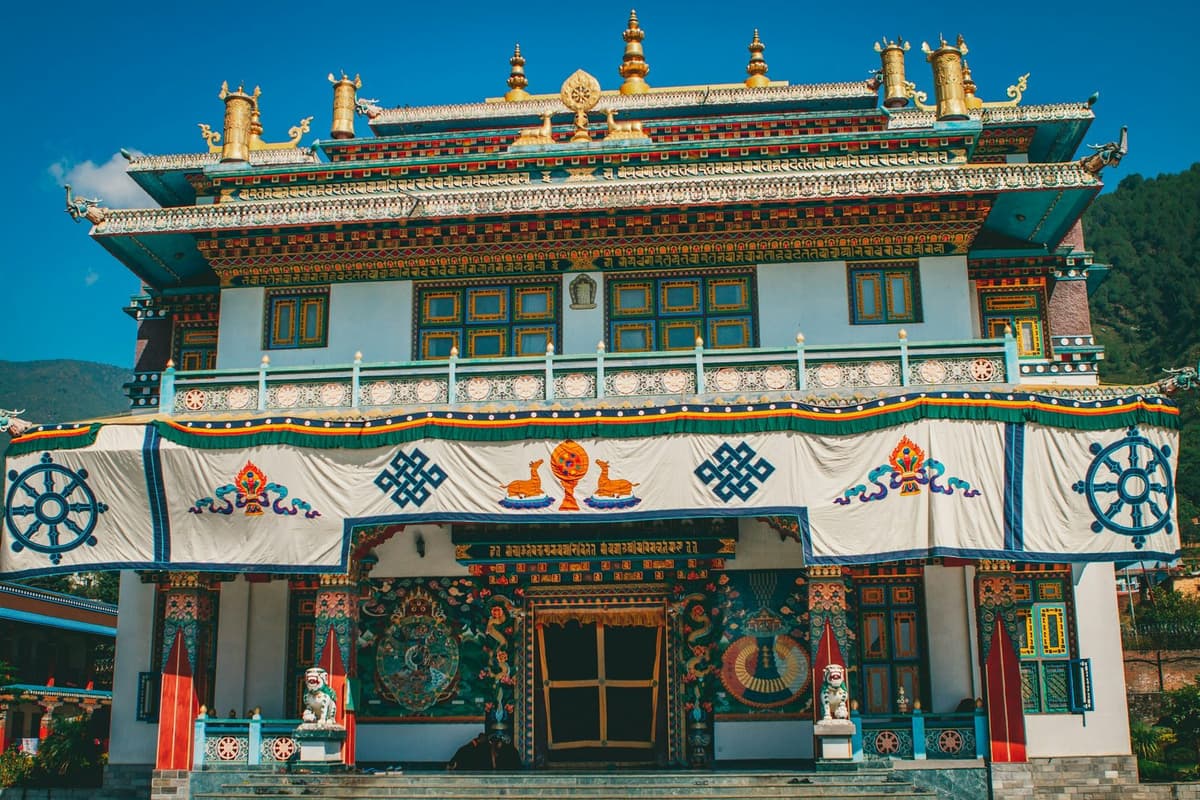
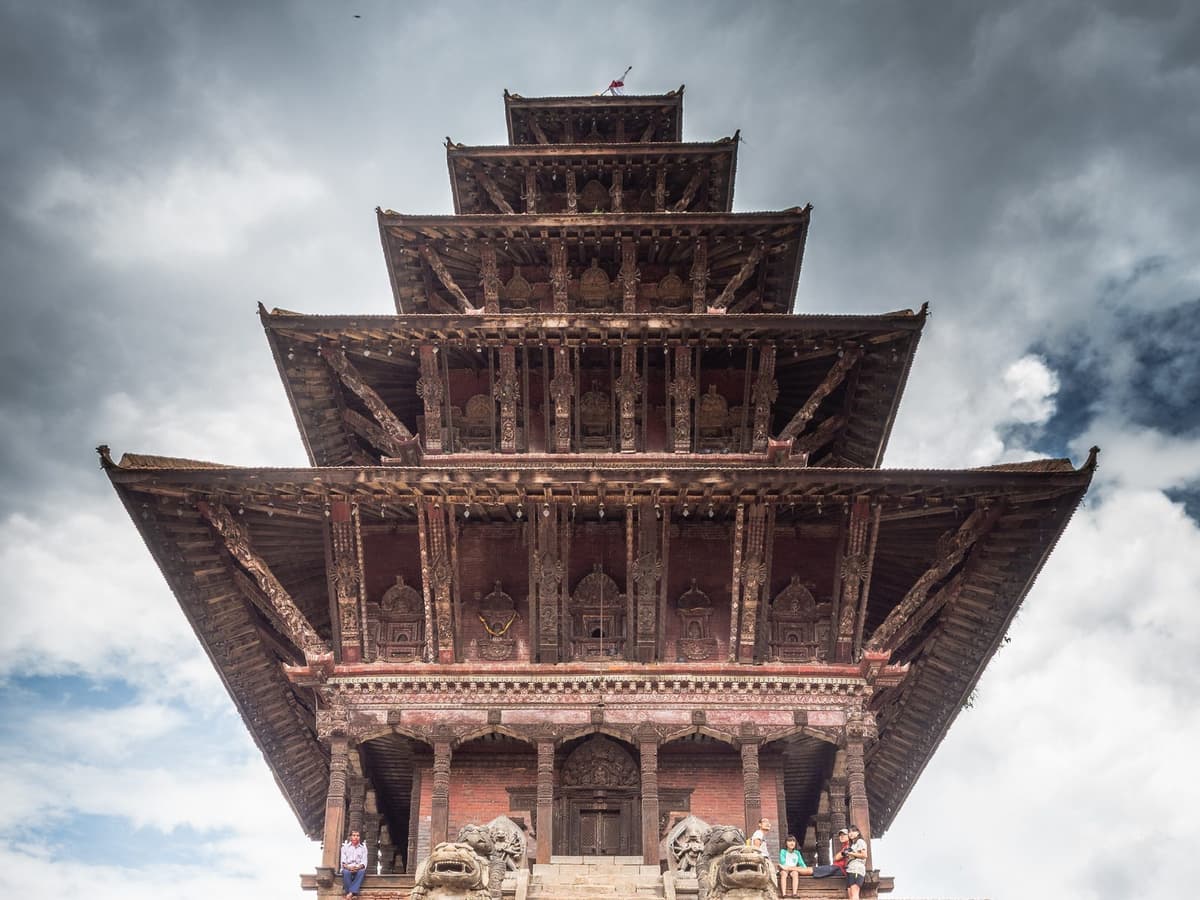
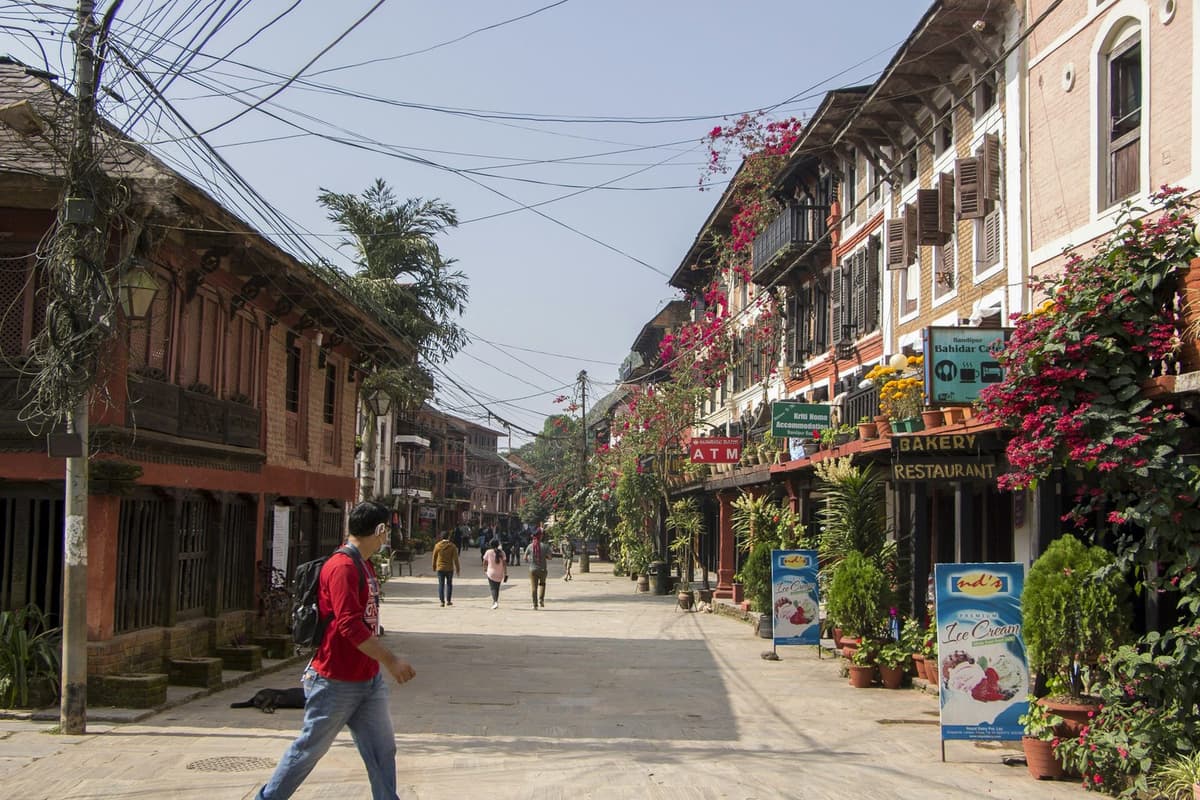
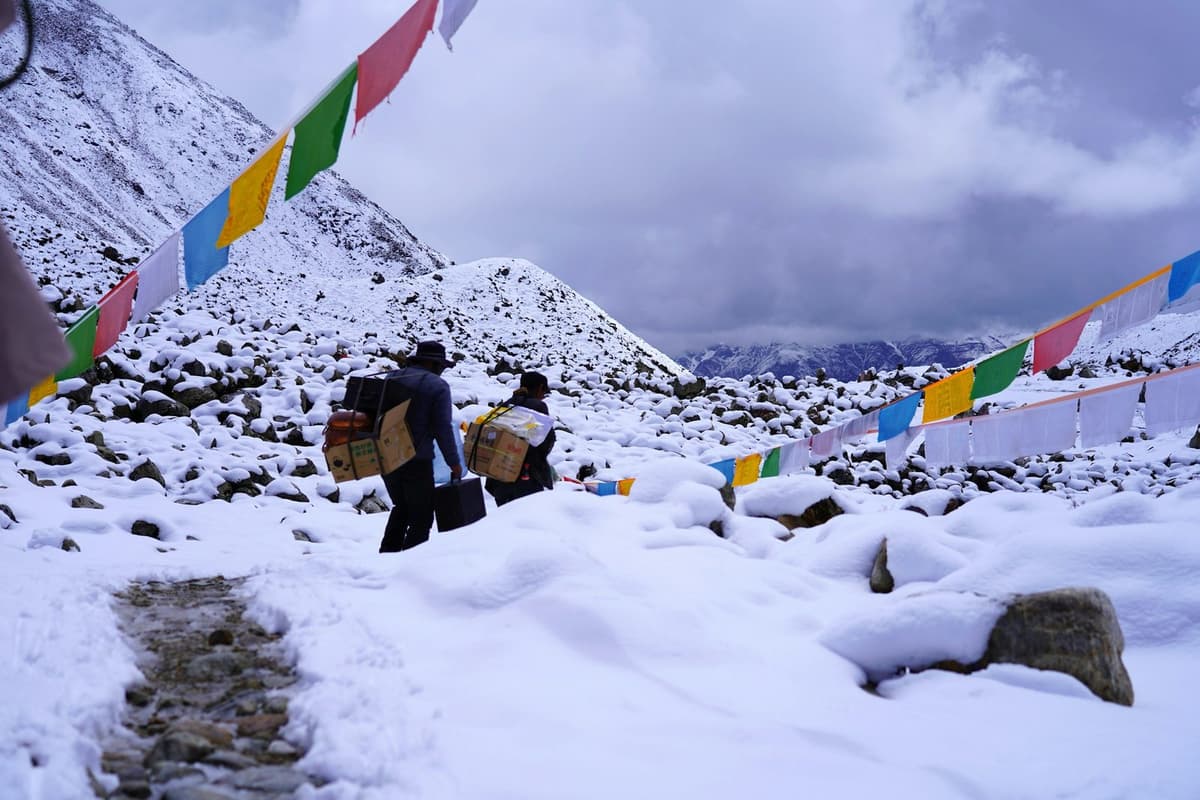
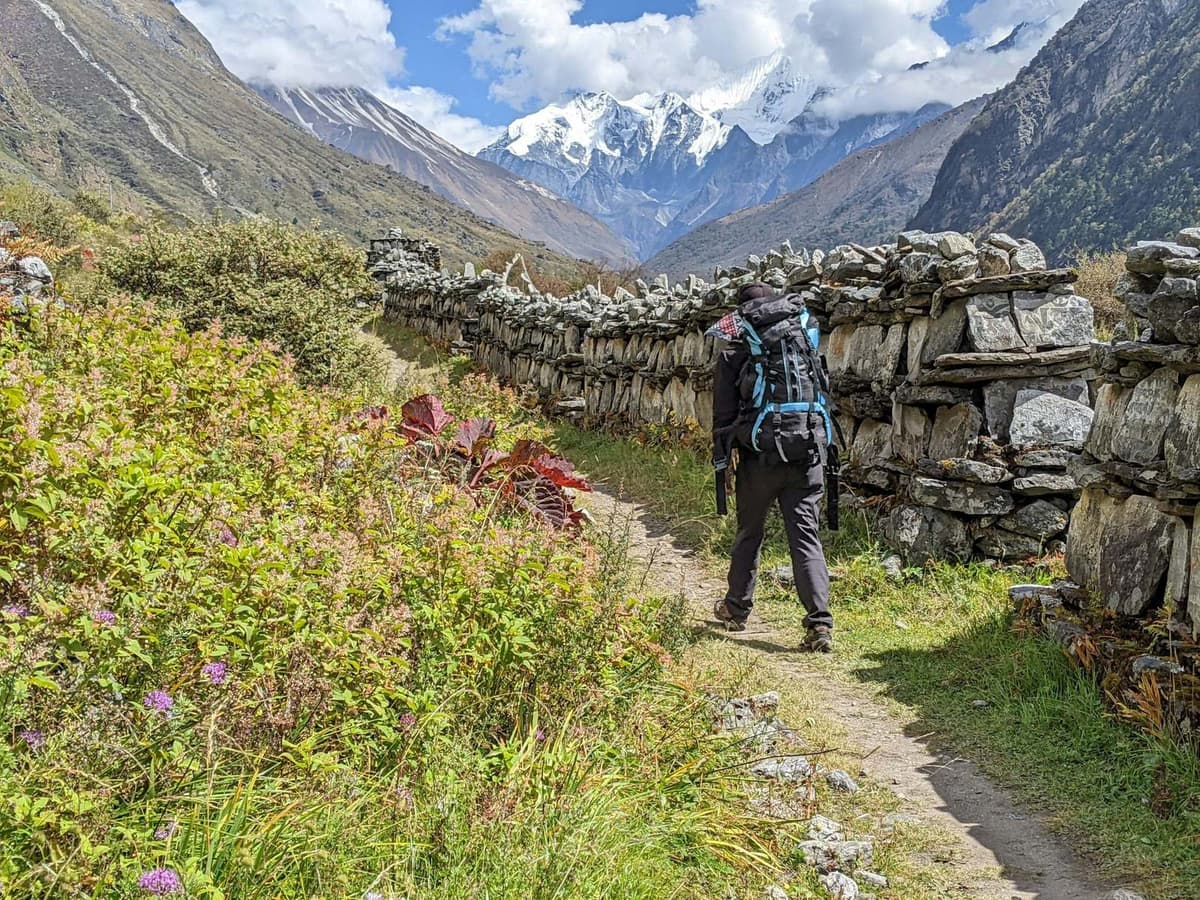
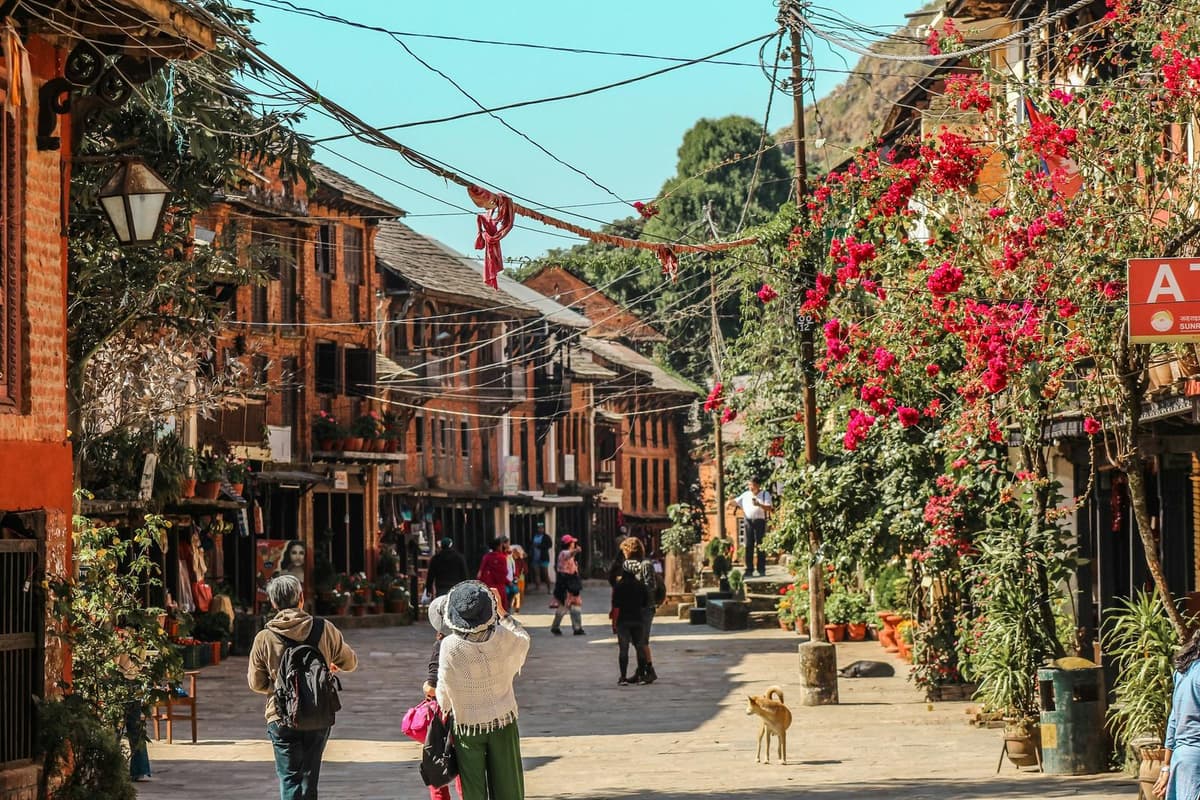
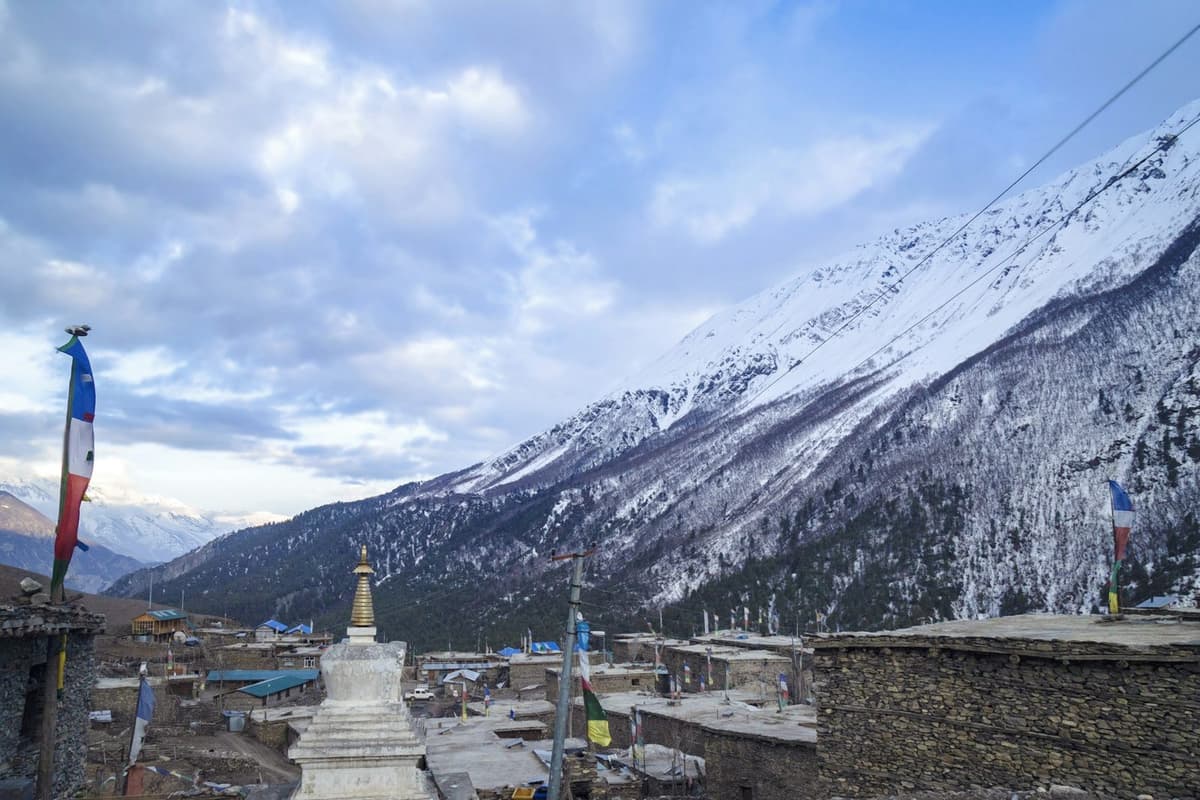
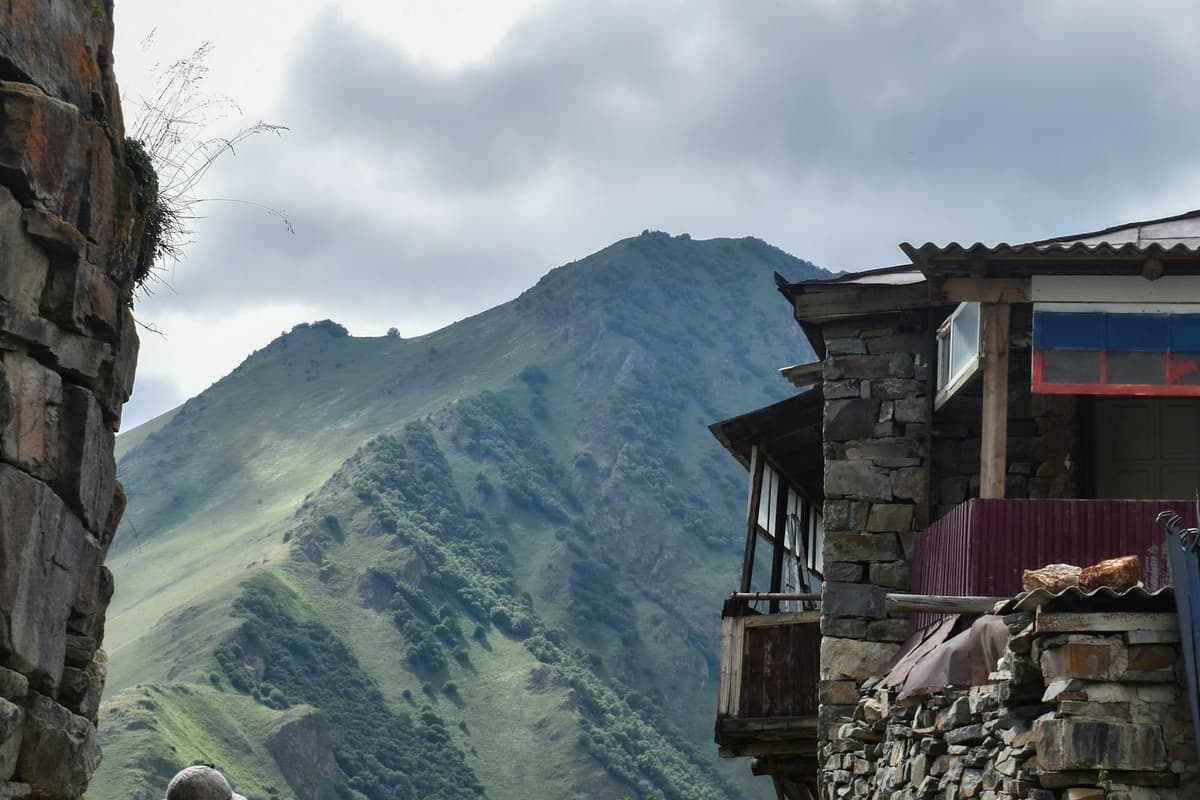
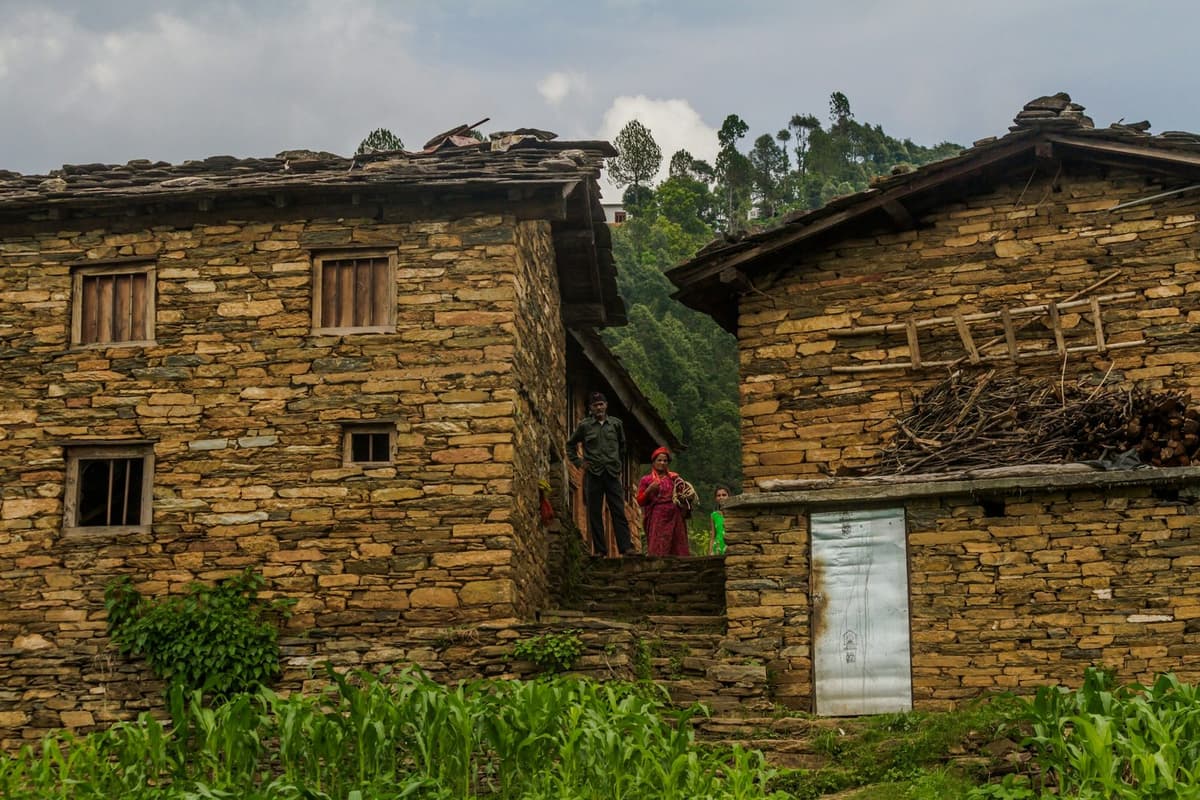
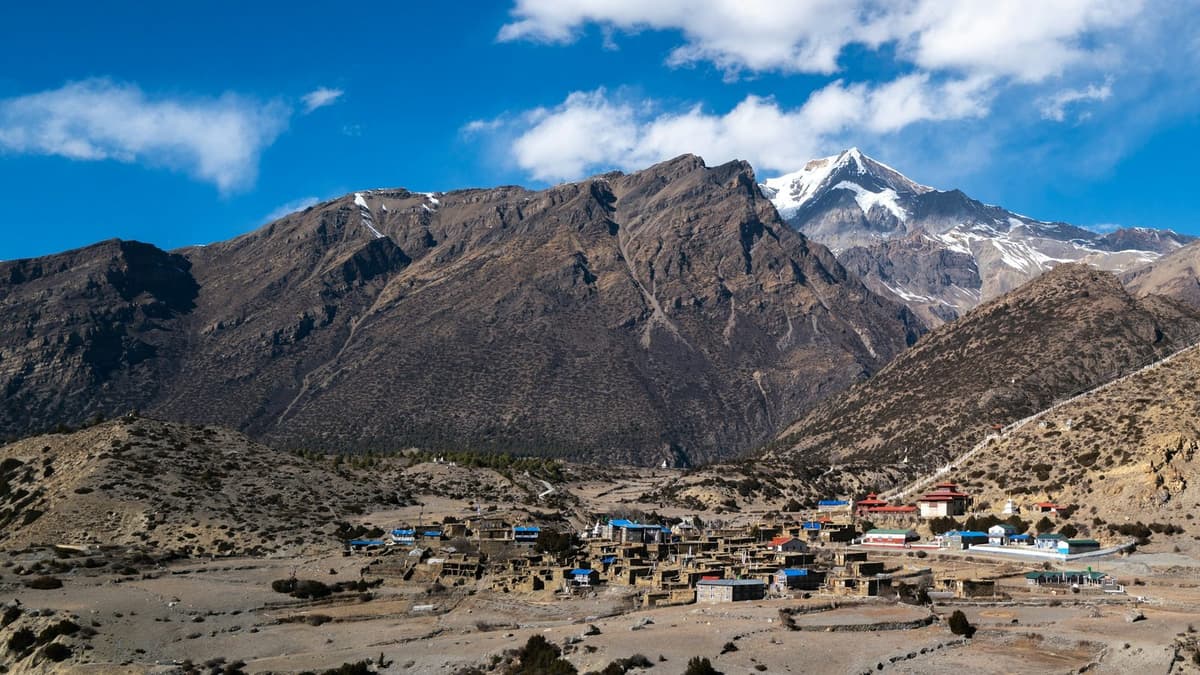
- Pass mani stones, chortens and small Buddhist monasteries on the way
- Dhap and Jhapre sit at almost the same height, so the effort is in the ups and downs, not the altitude
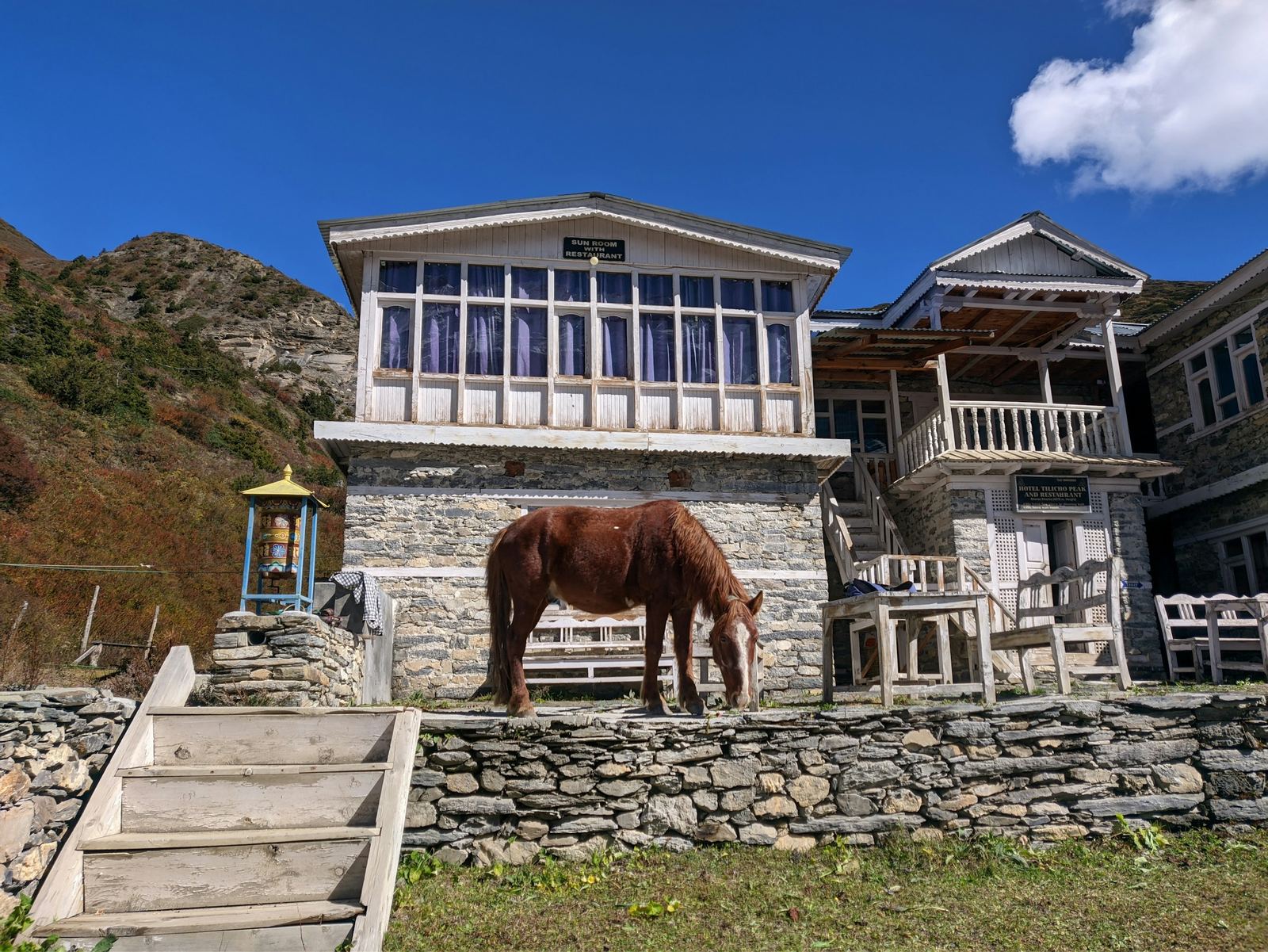
- Overnight in a village lodge at Jhapre, 2,815 m
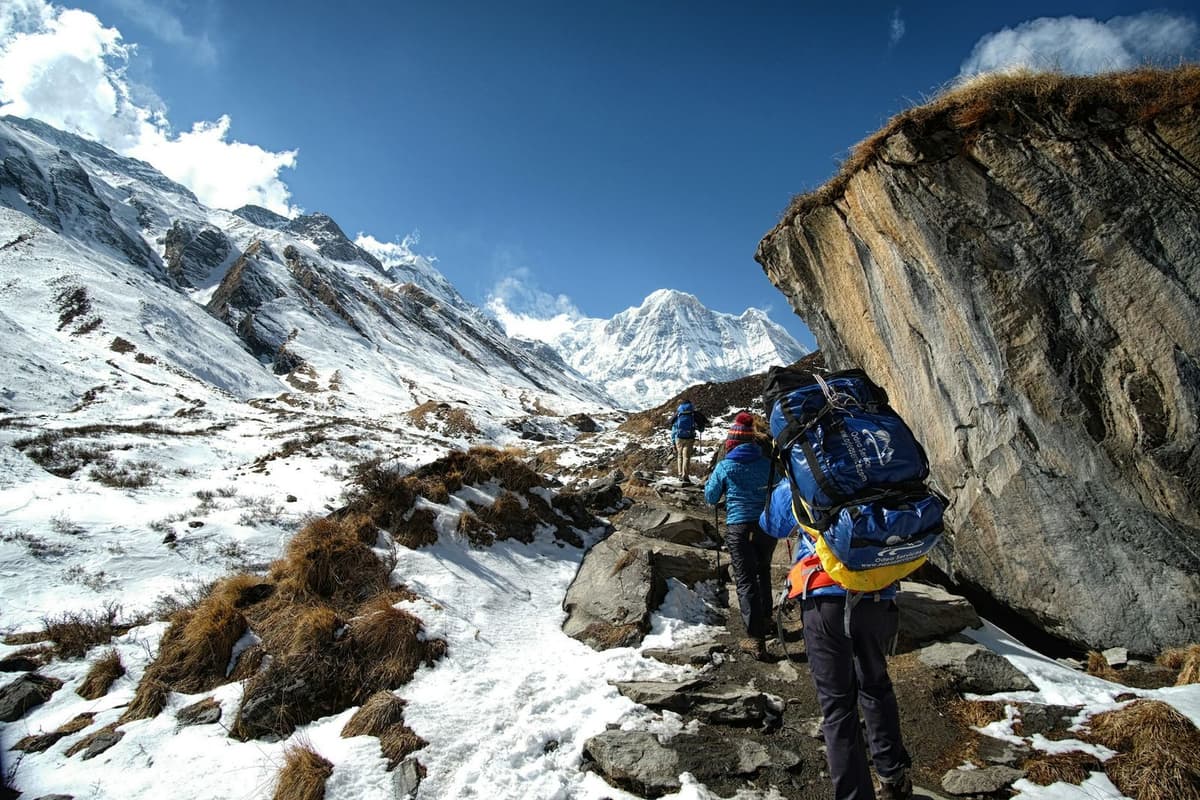
- 5 to 6 hours of steady climbing through forest and onto open ridges
- Gain a little over 800 m, the biggest climb of the trek
- Slow pace and plenty of water; your guide checks everyone for early signs of altitude sickness
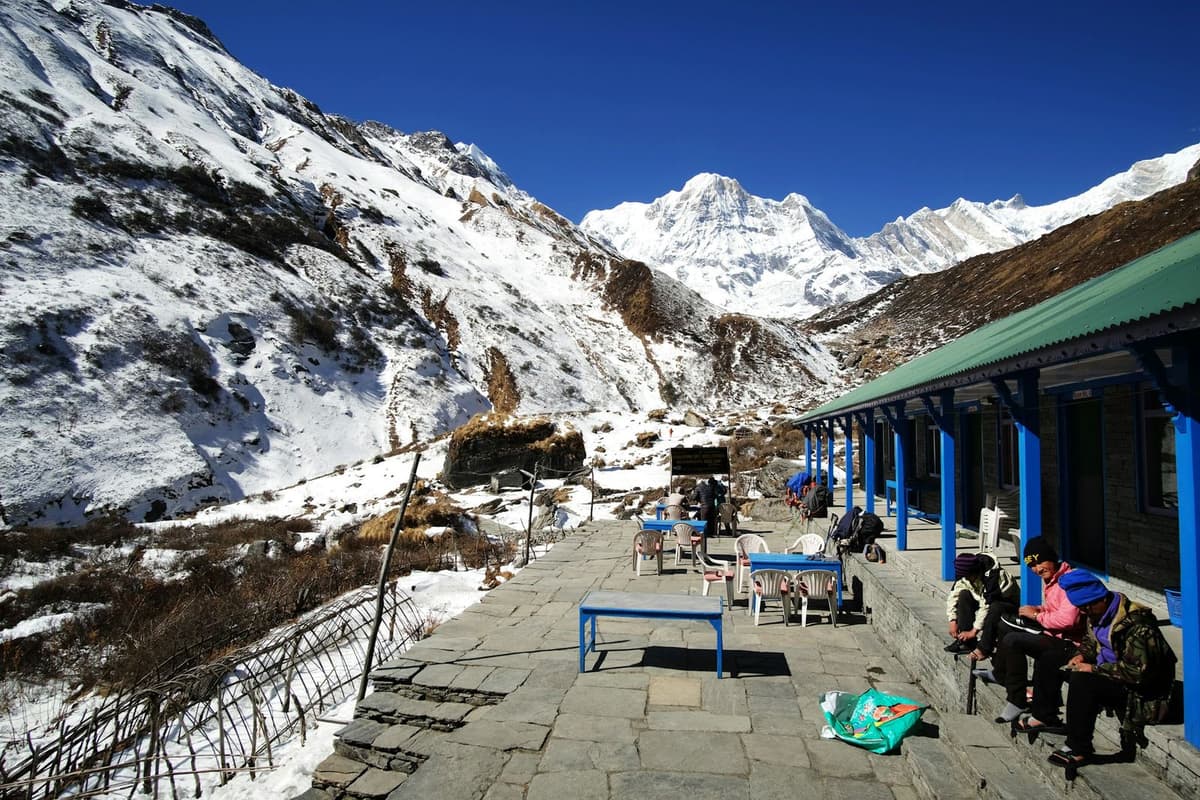
- Overnight in a basic teahouse at Pikey base camp, 3,640 m
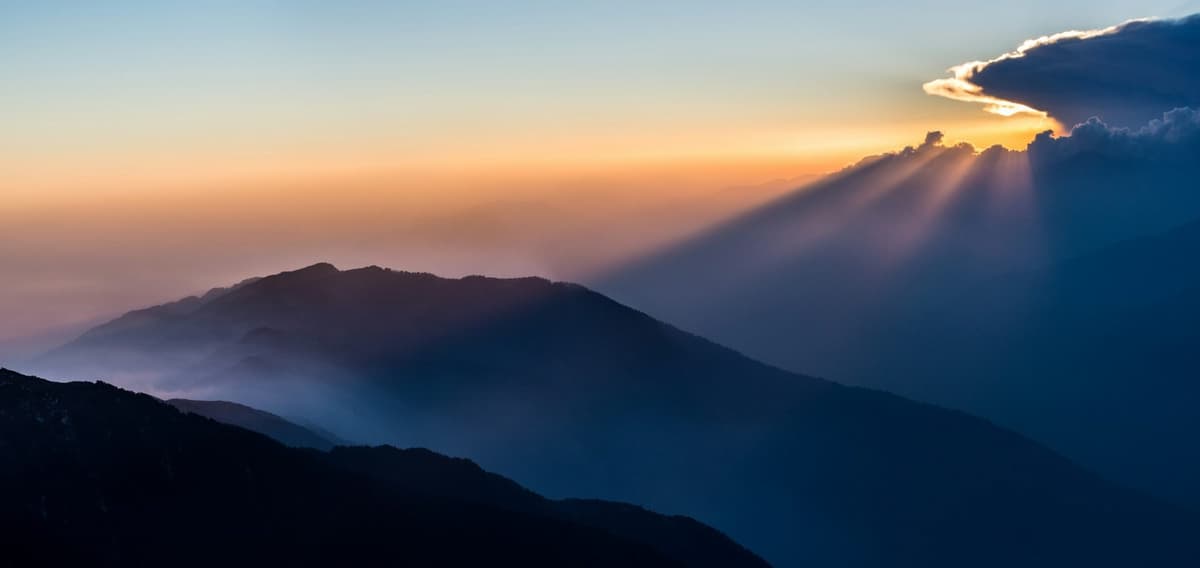
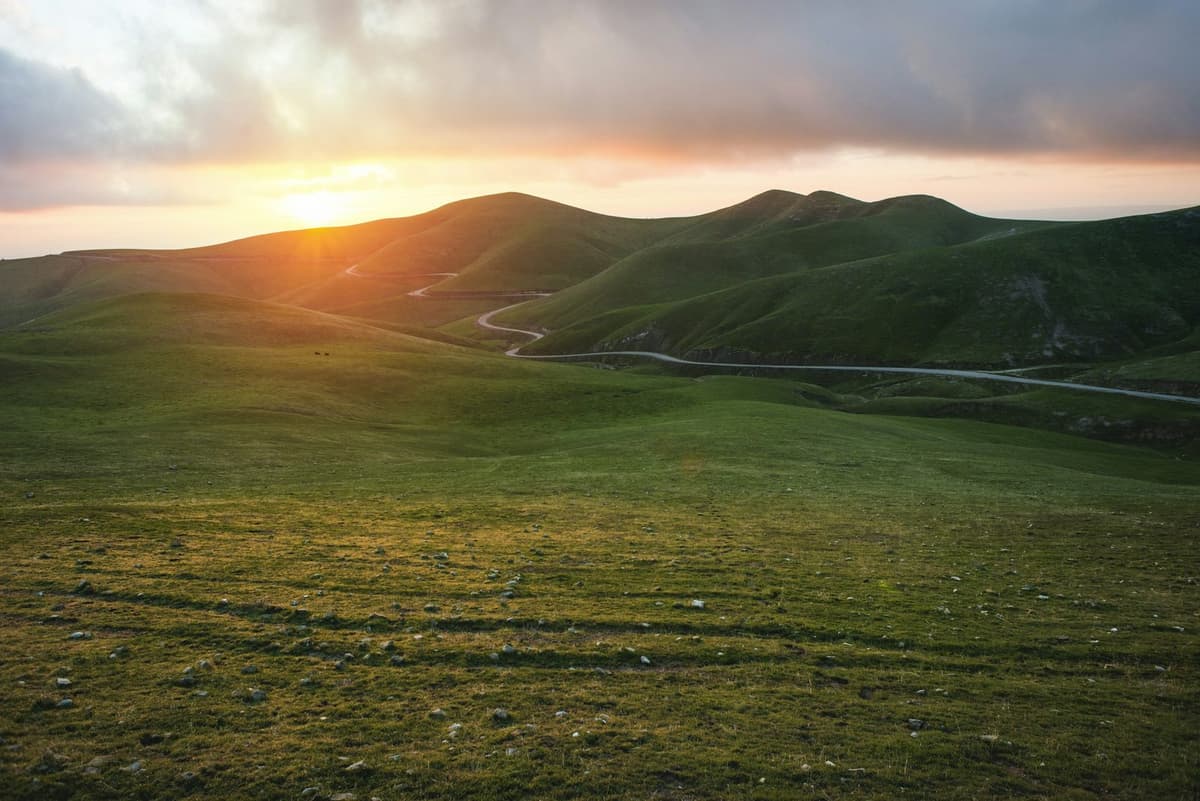
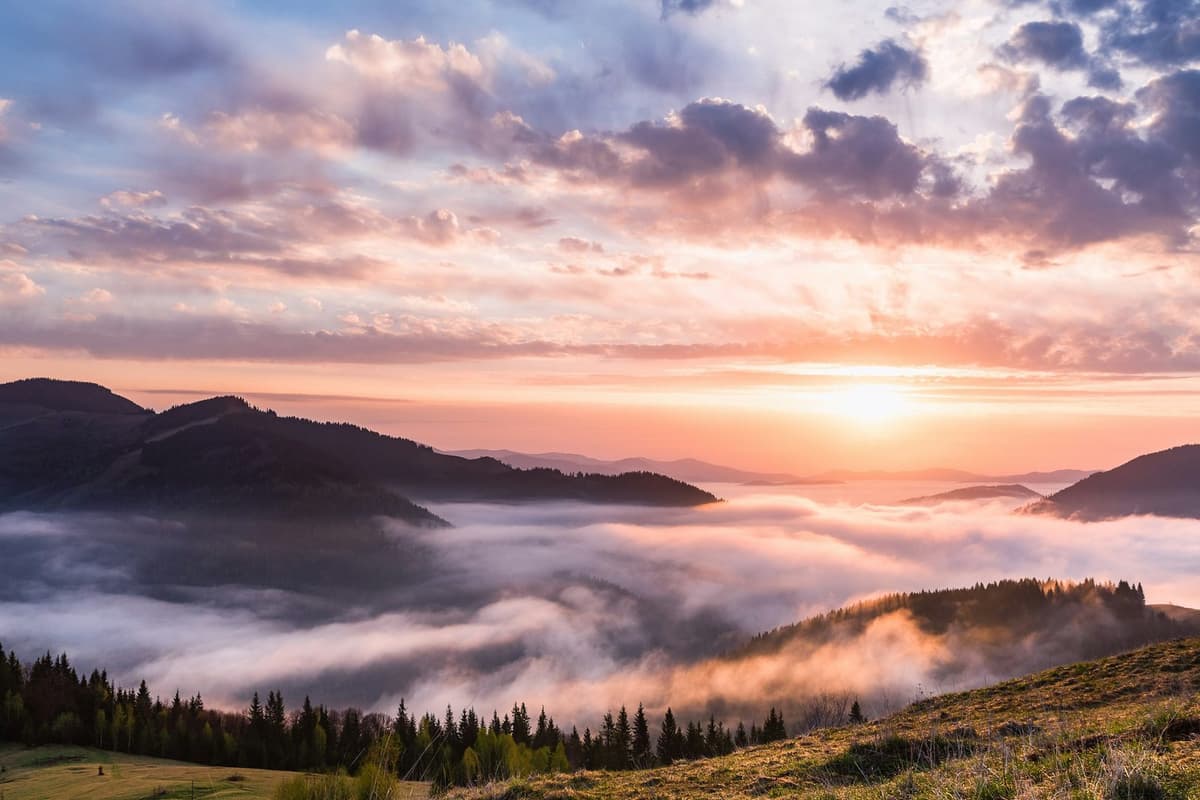
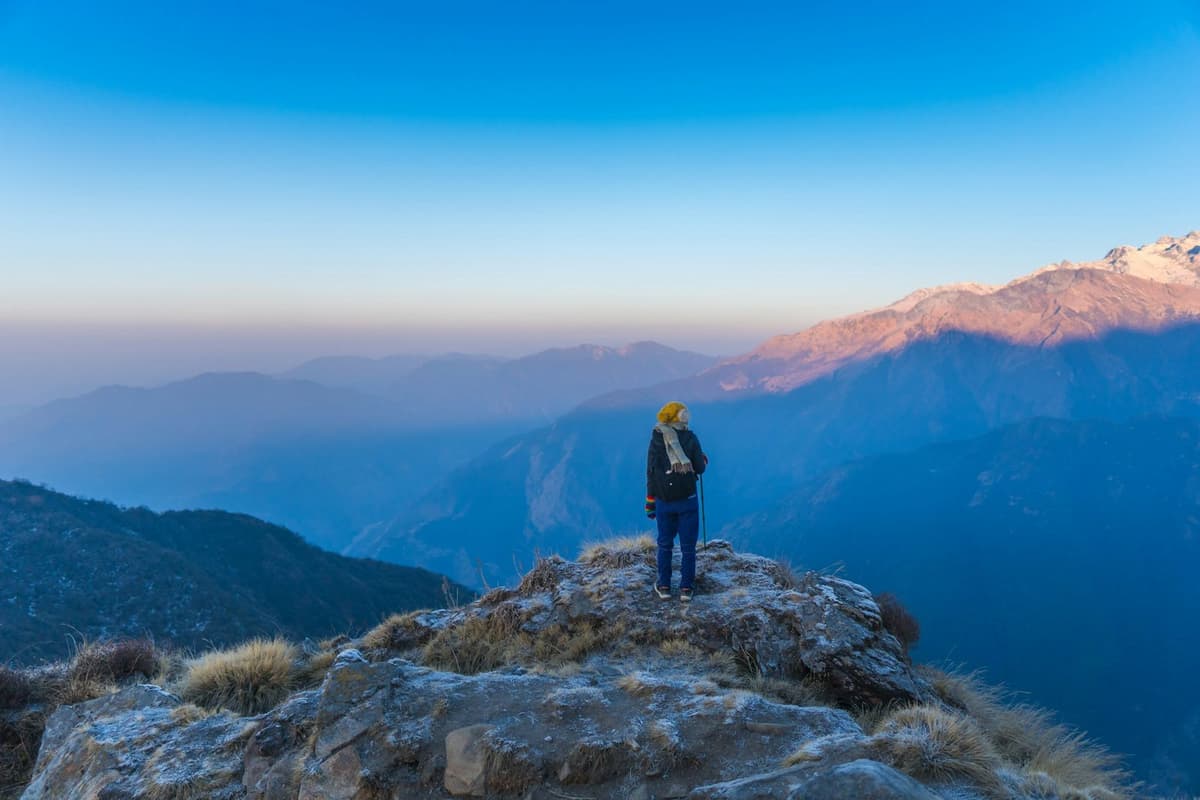
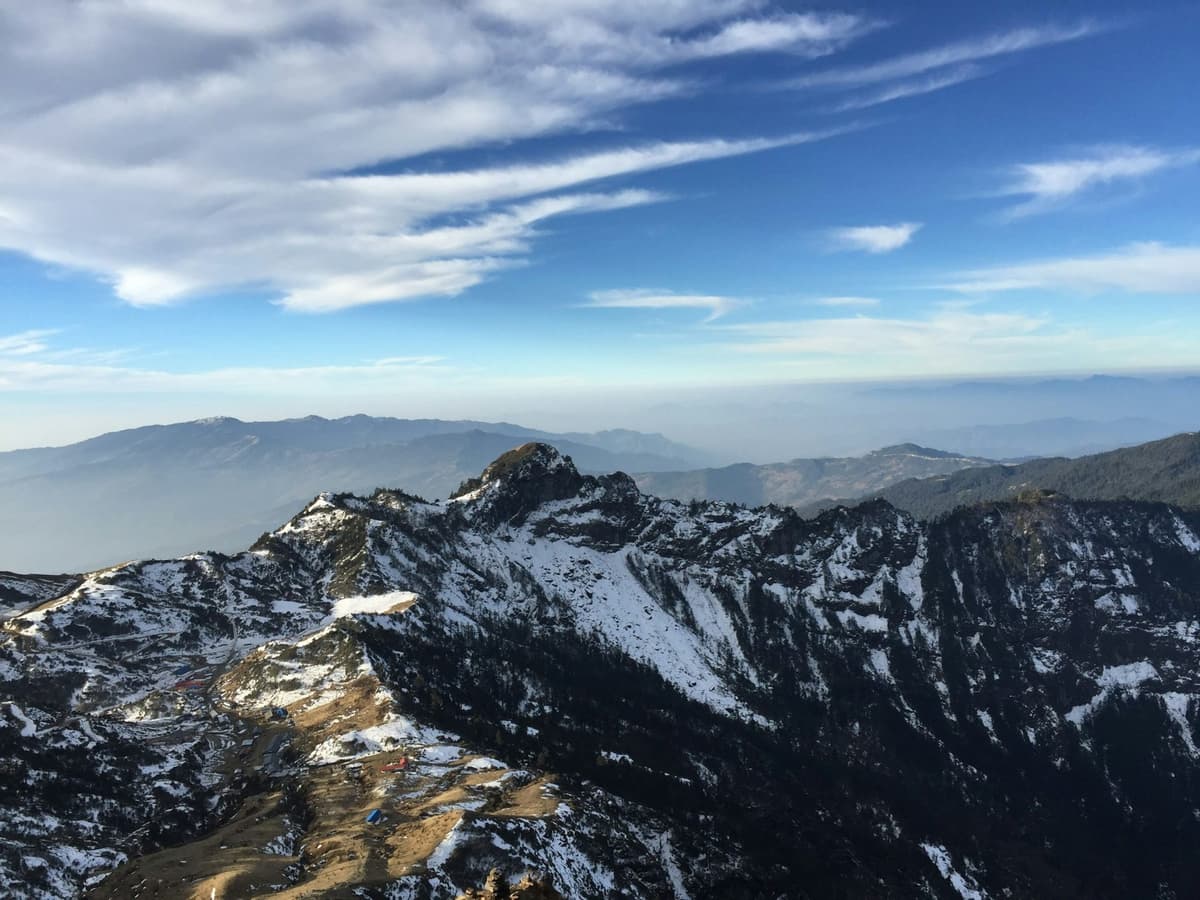
- Pre-dawn climb by head torch to the 4,065 m summit for sunrise
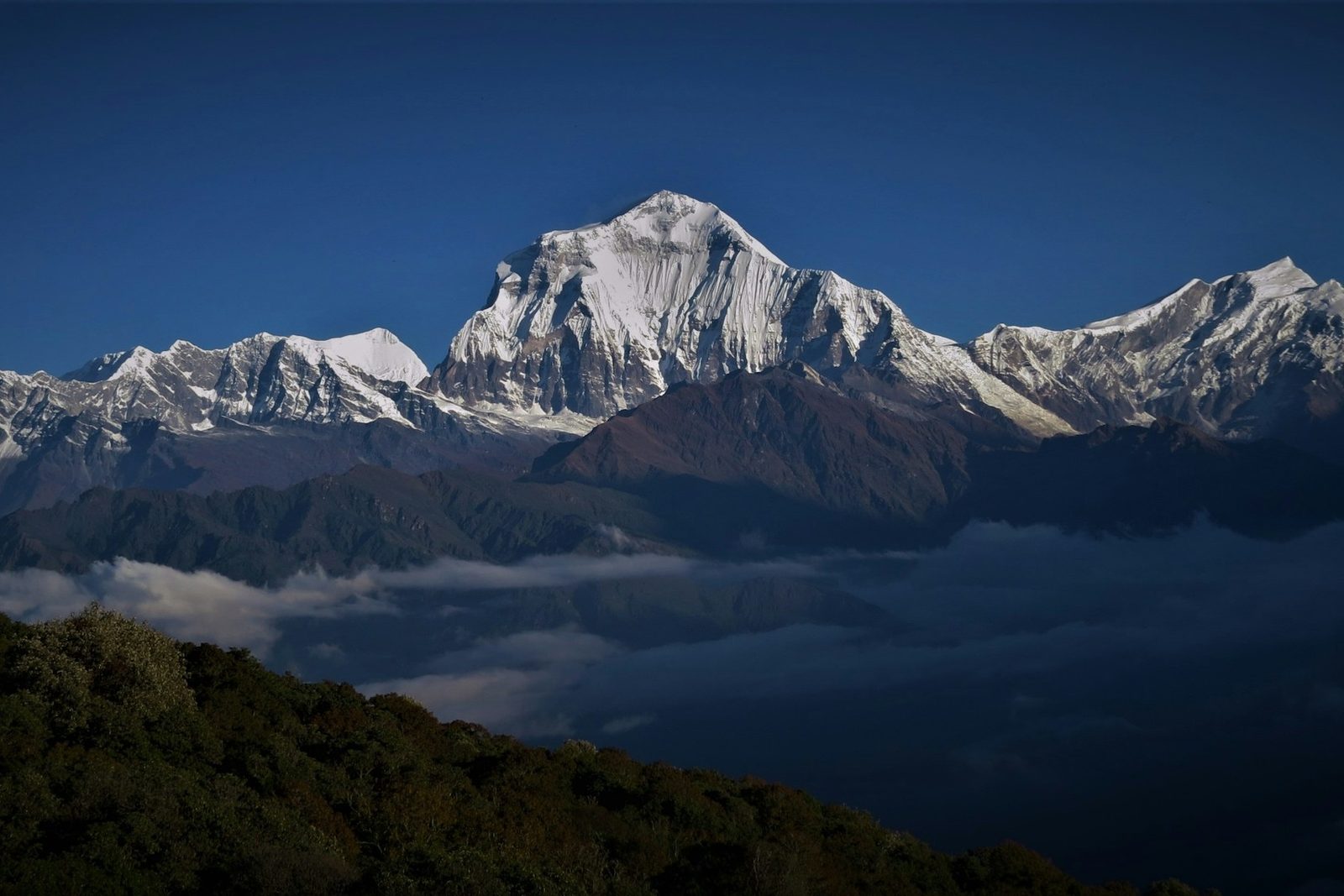
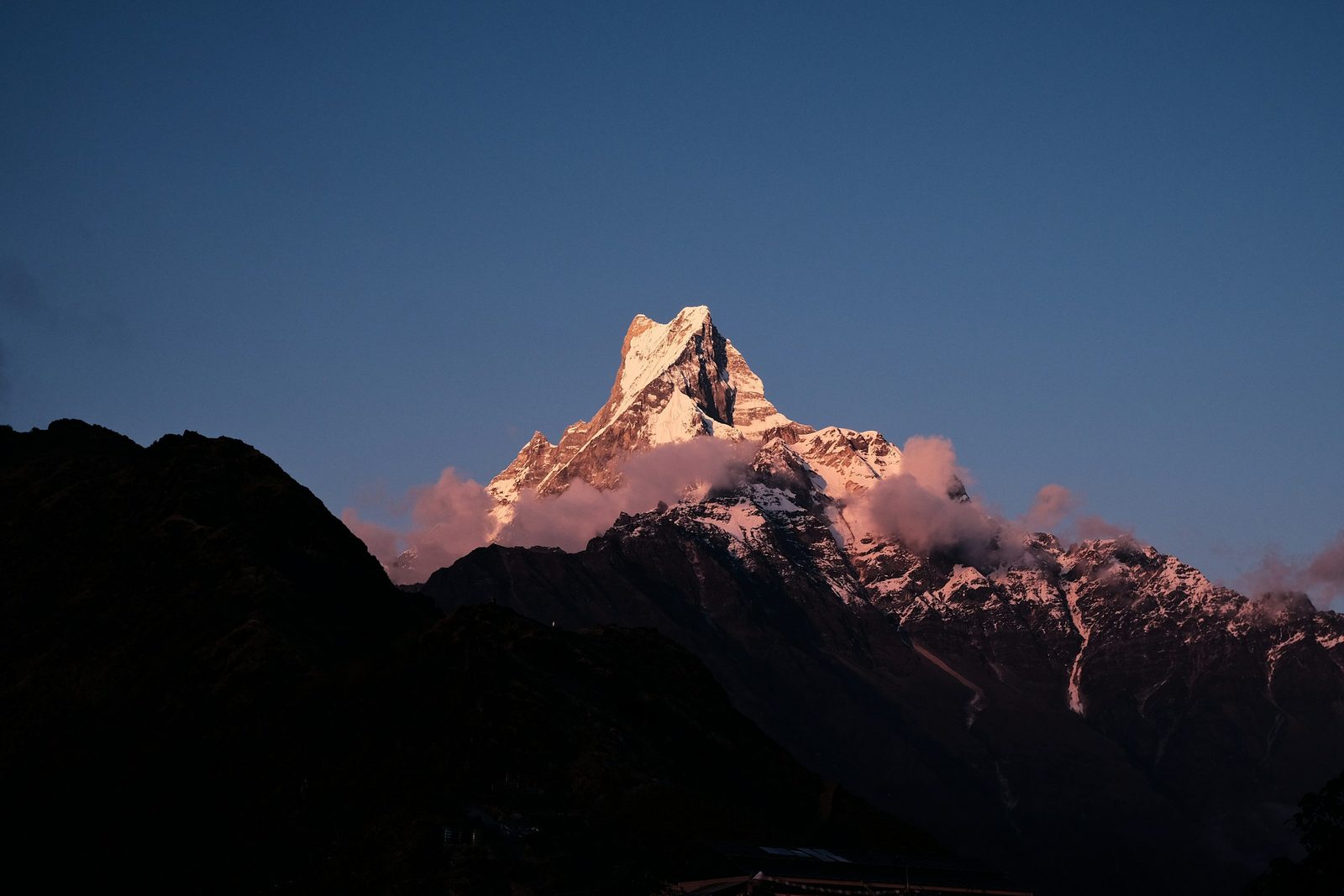
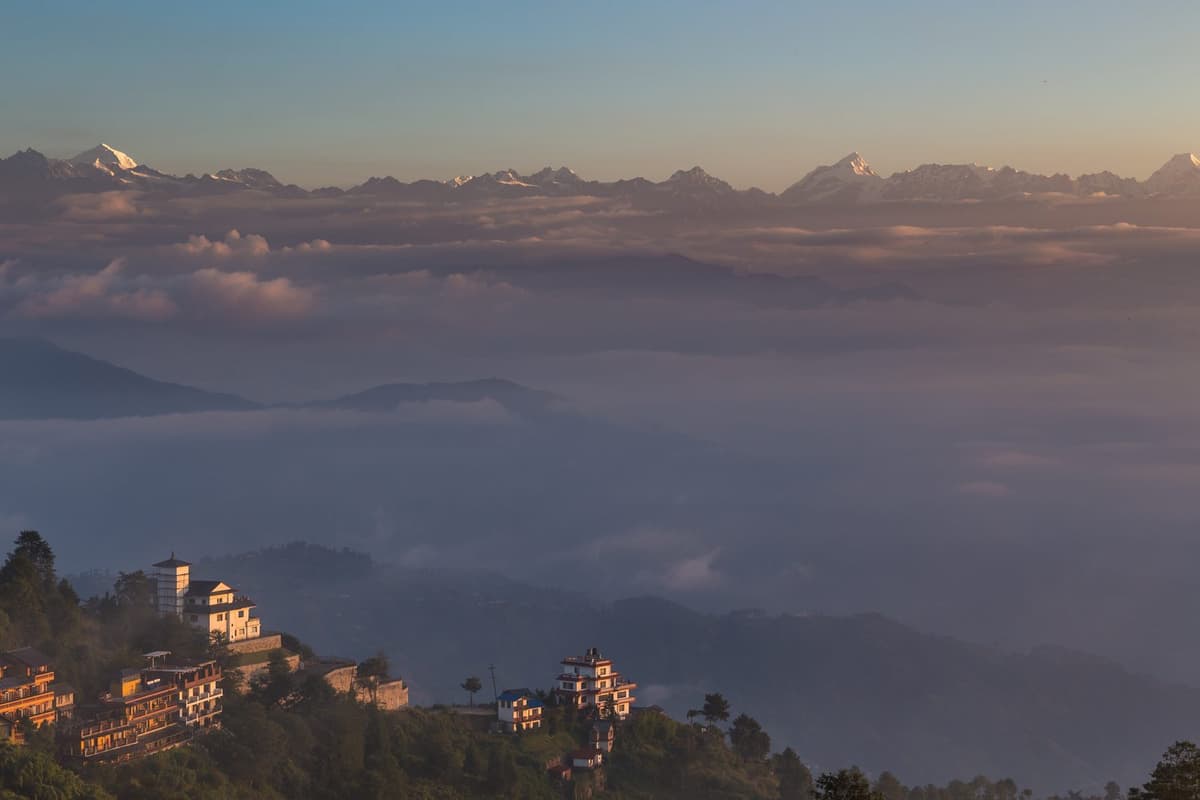
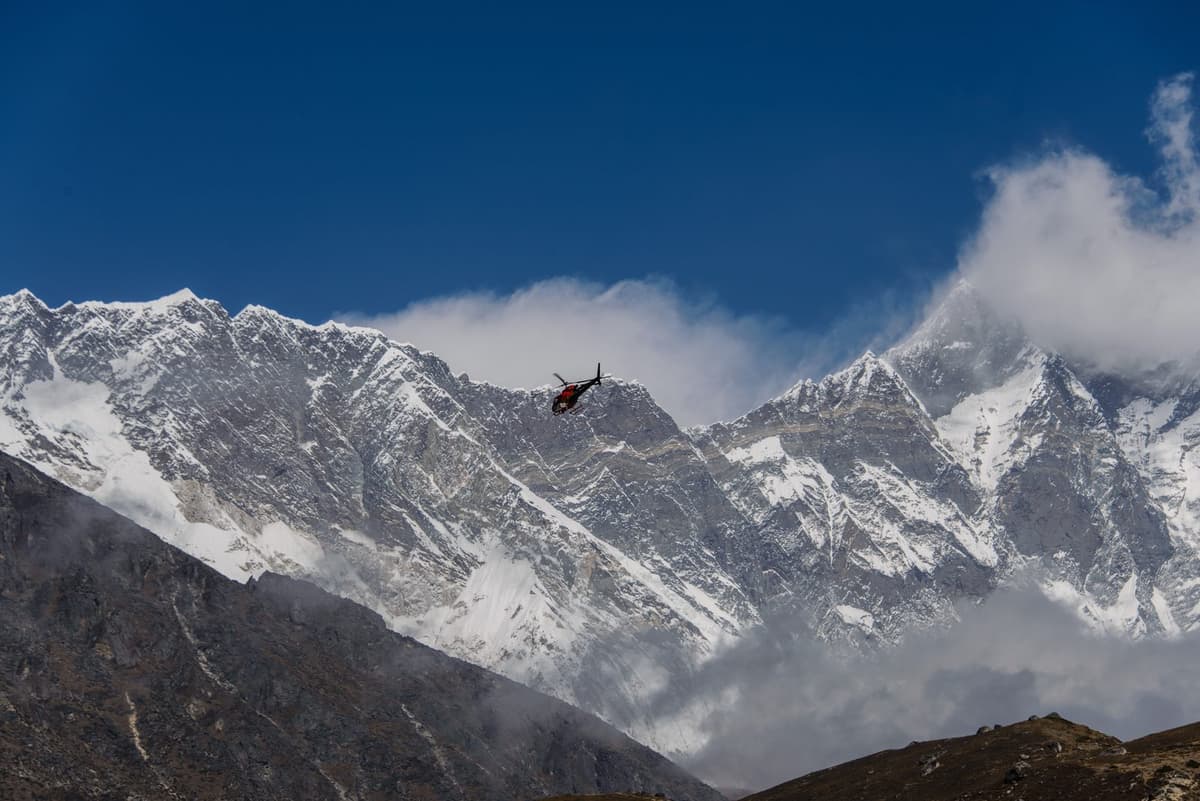
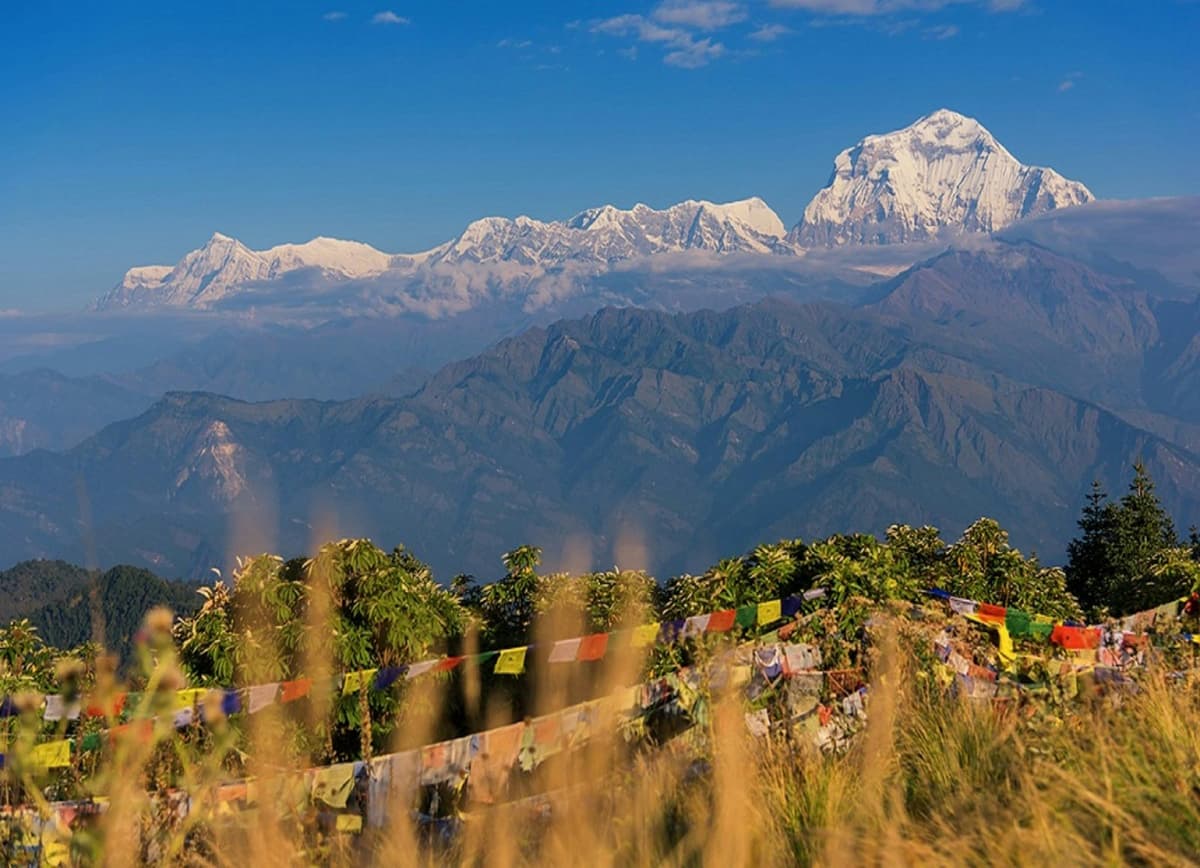
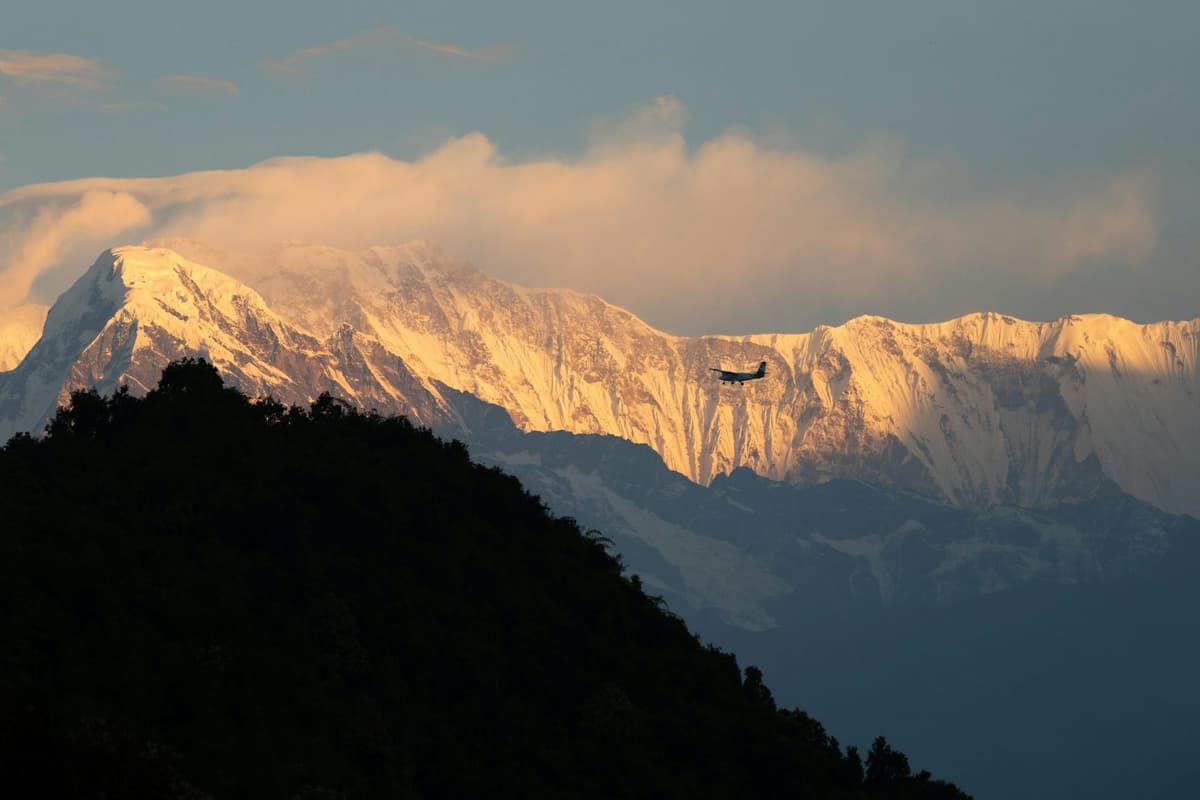
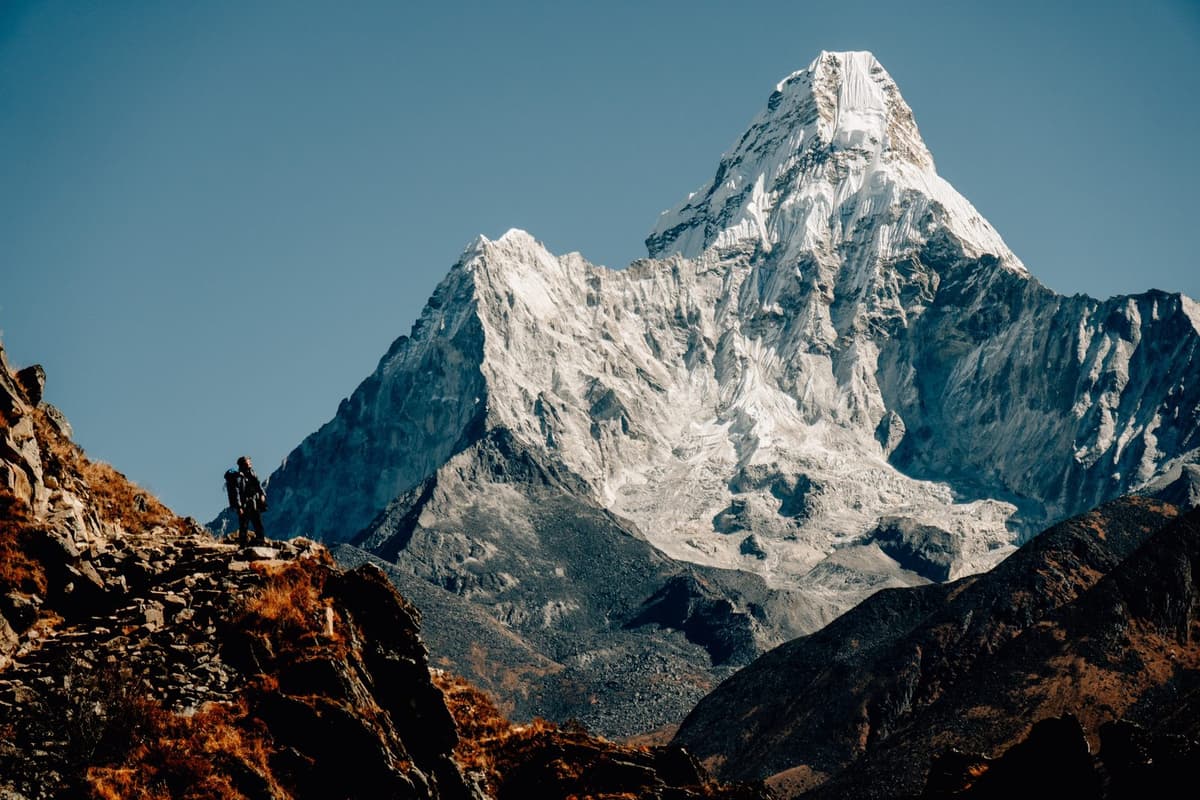
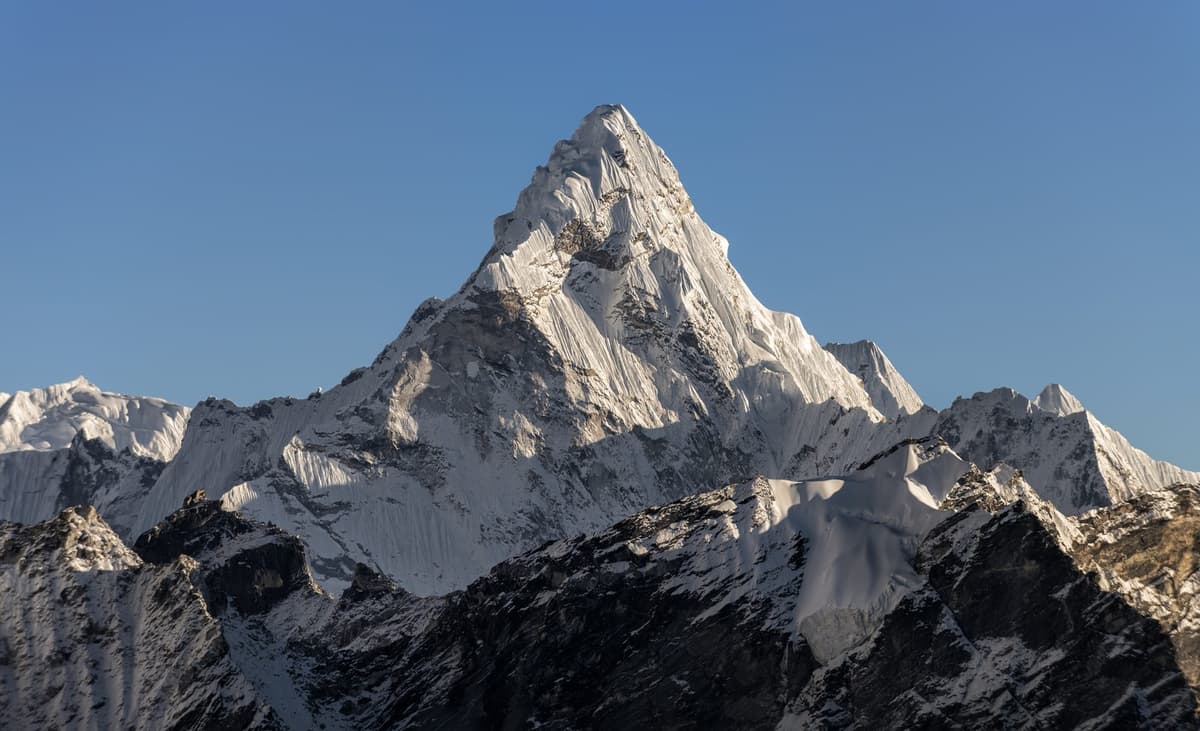
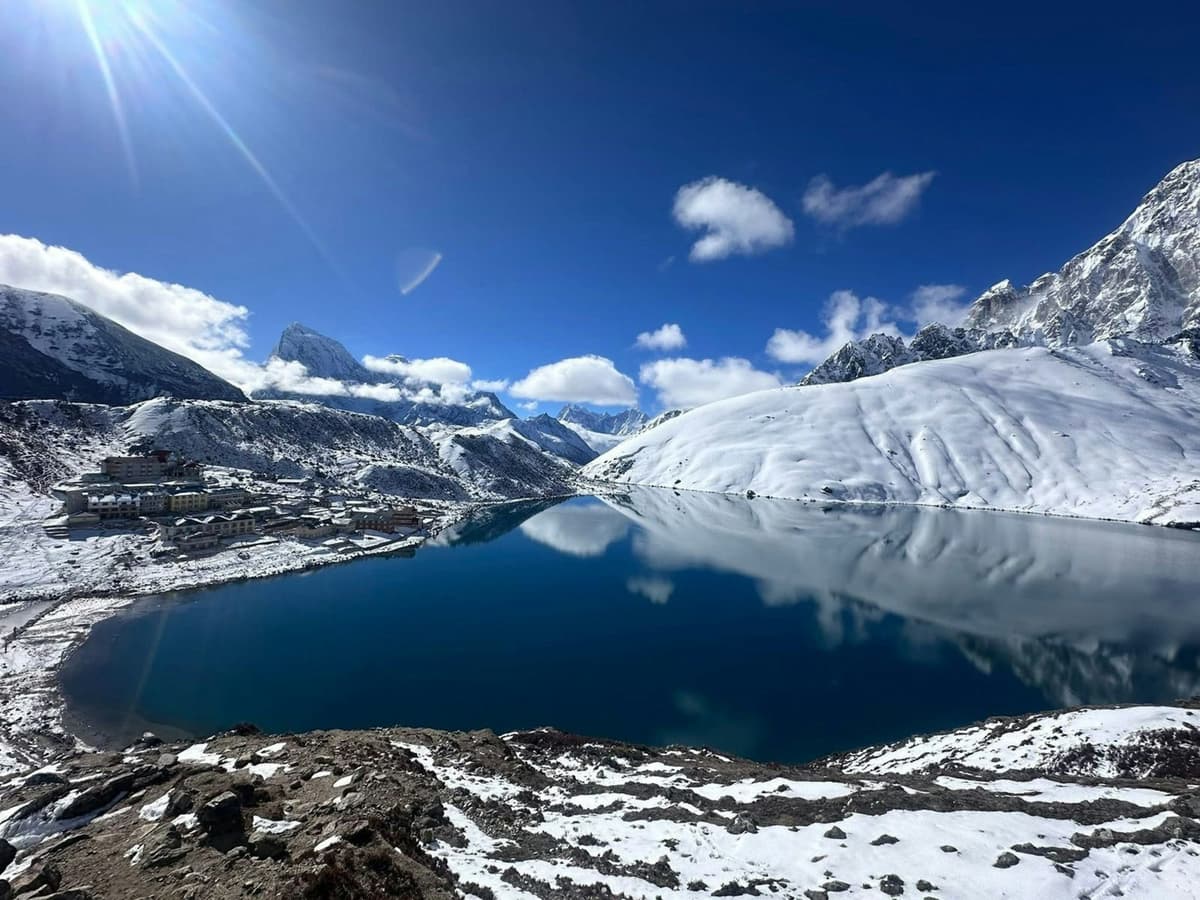
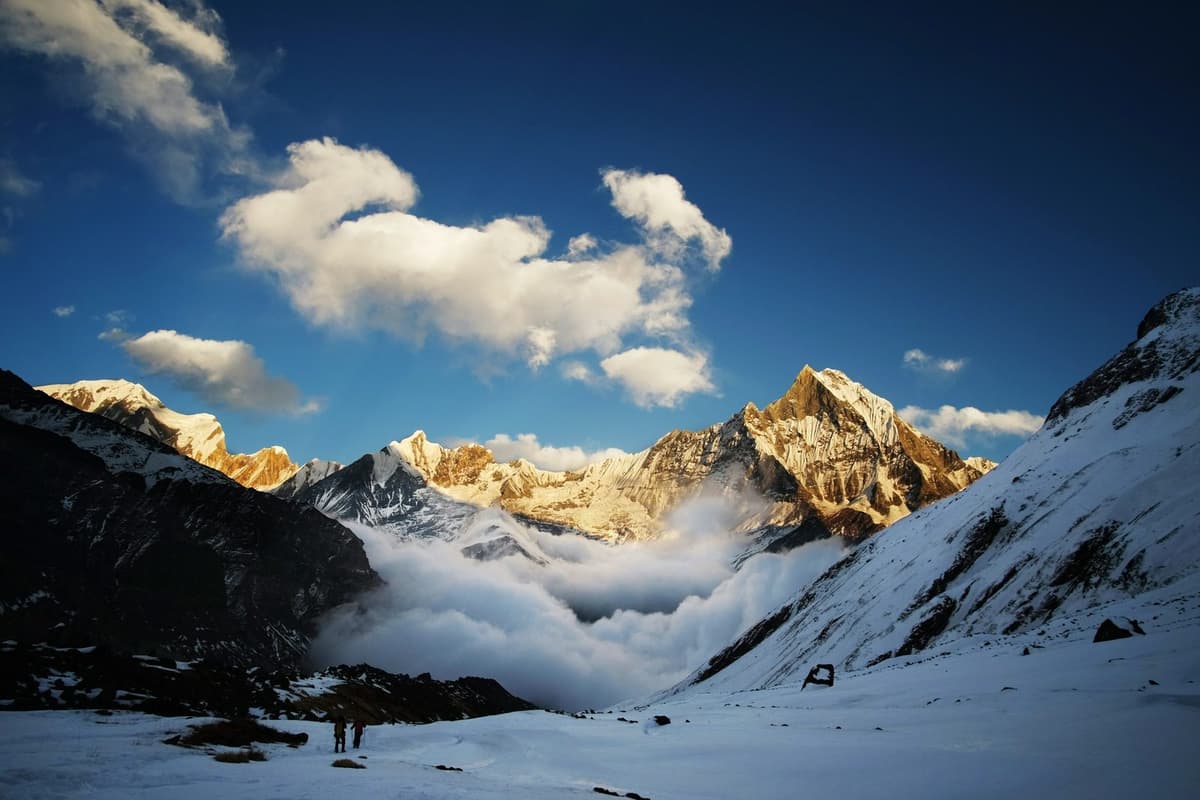
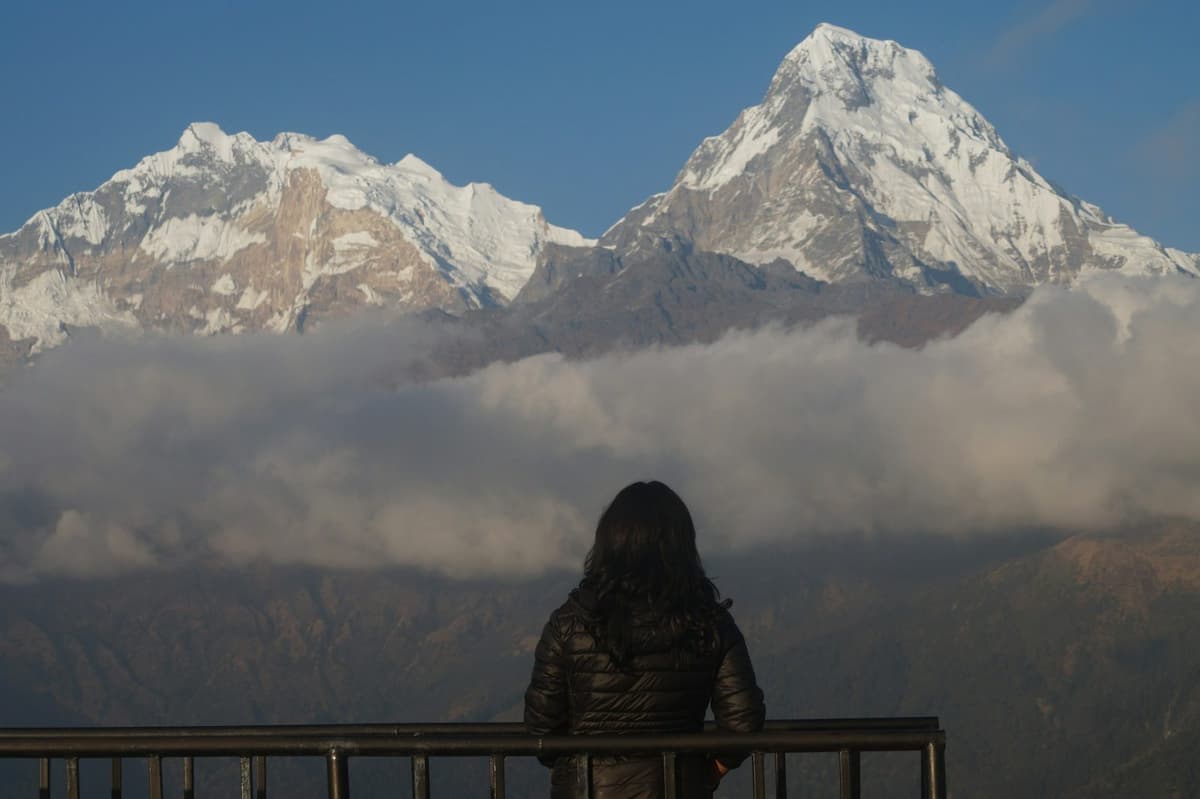
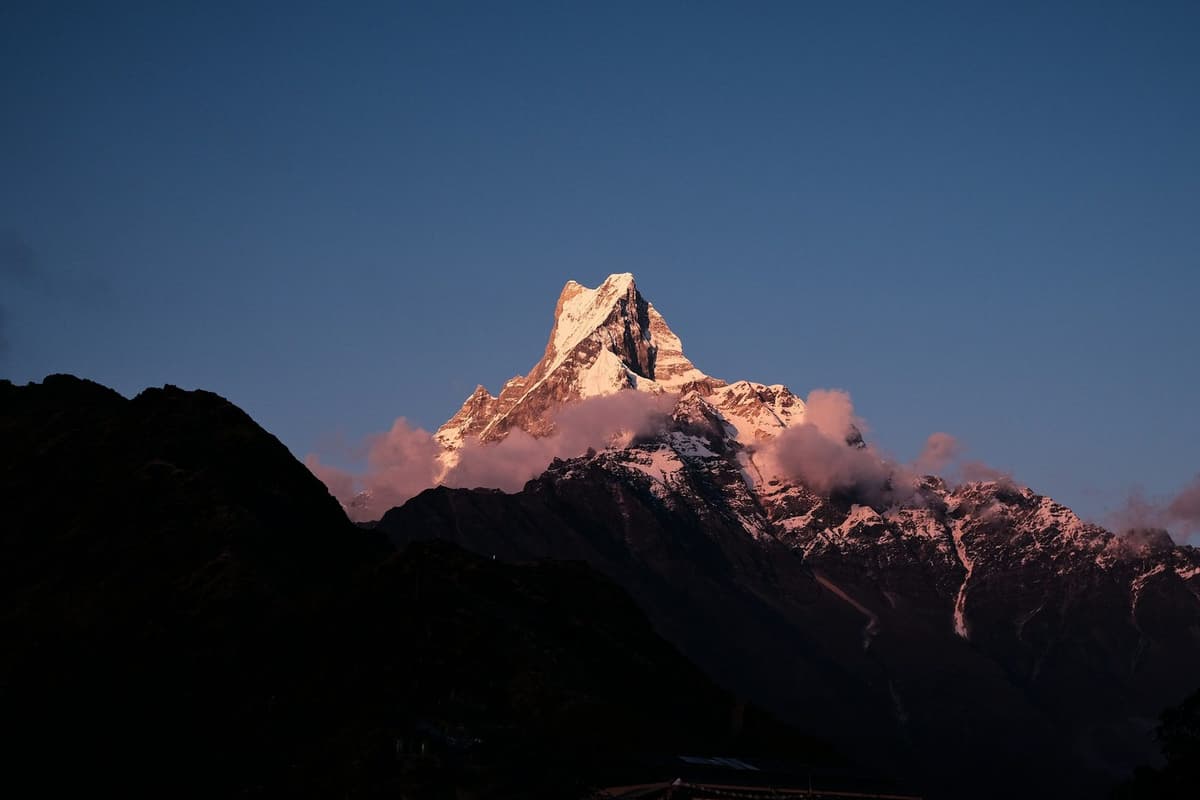
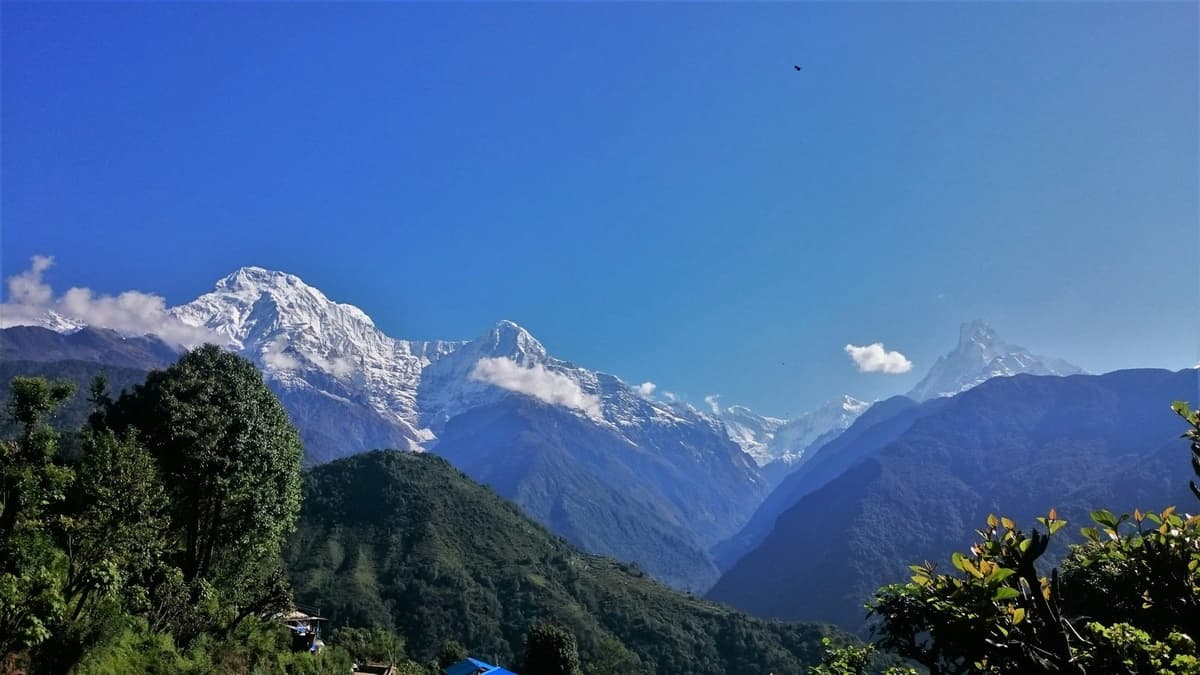
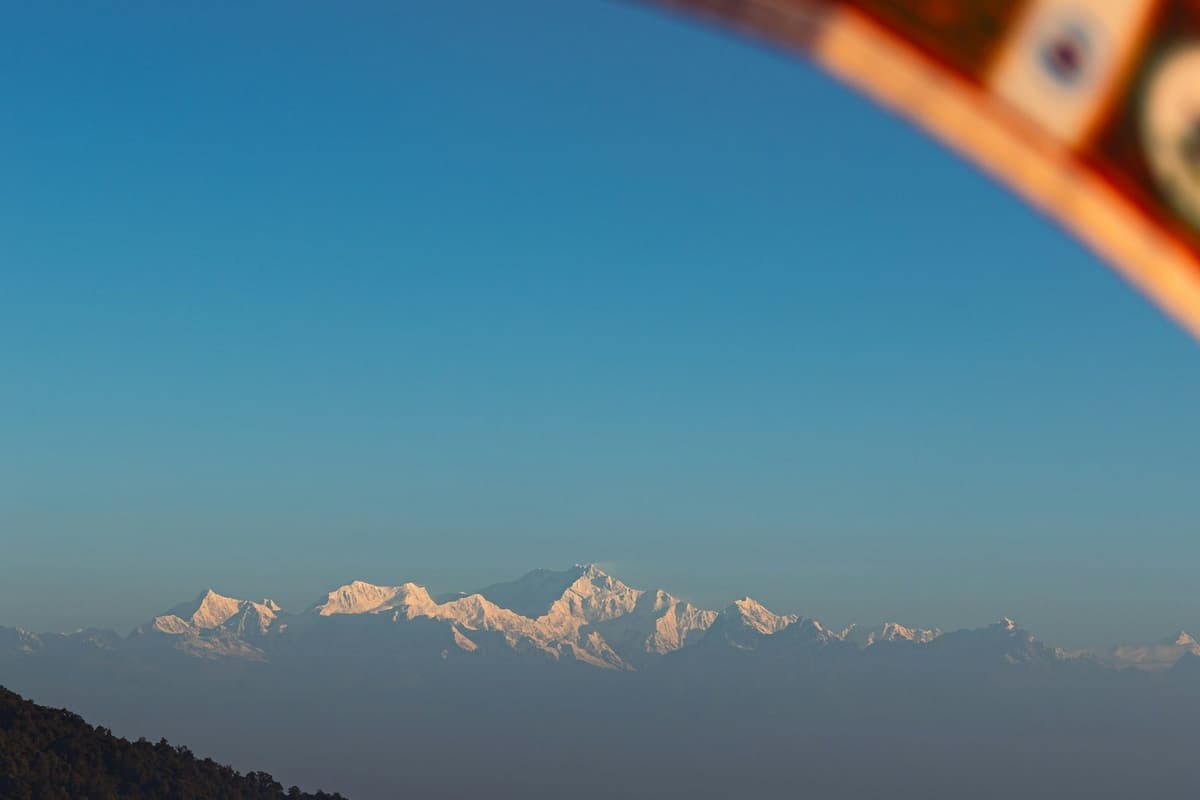
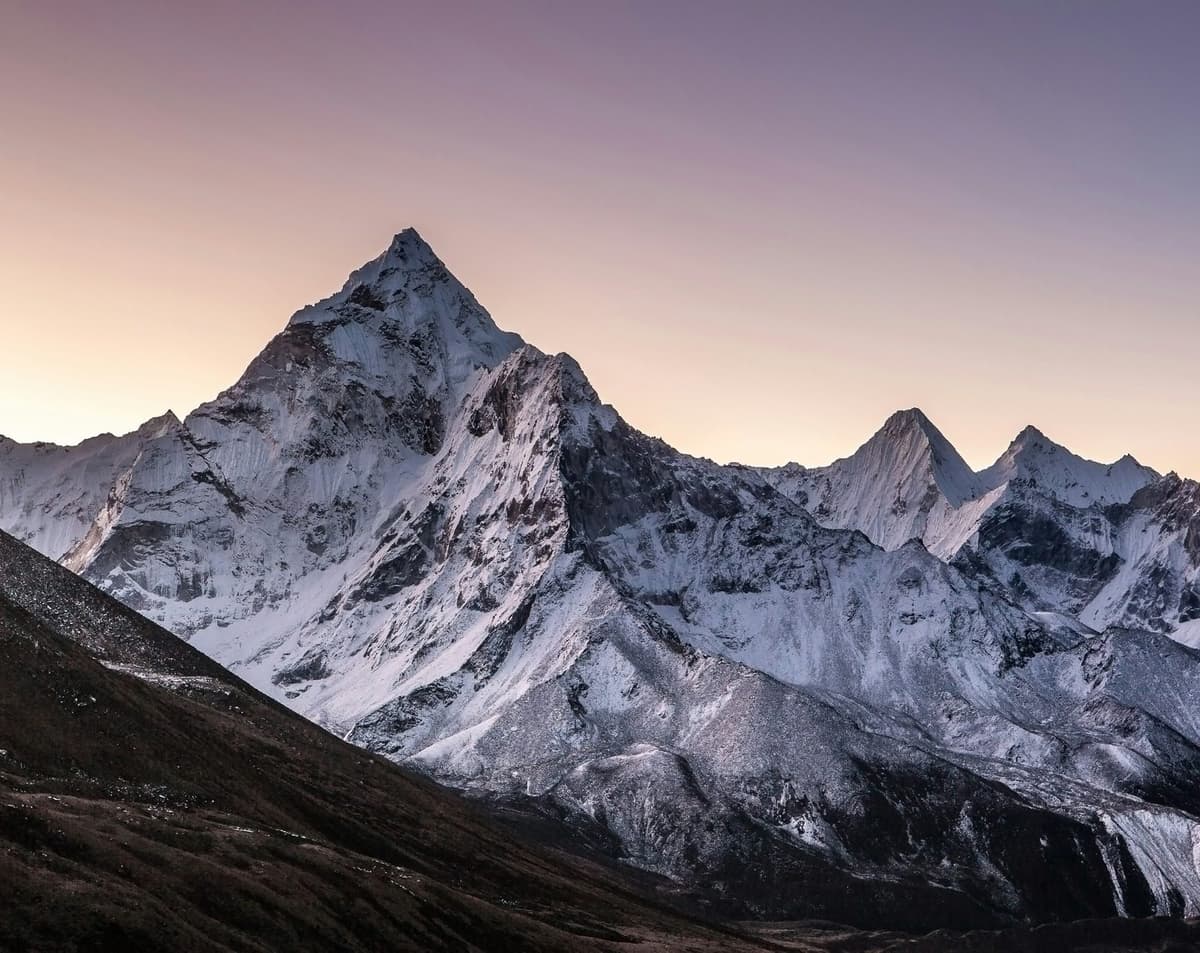
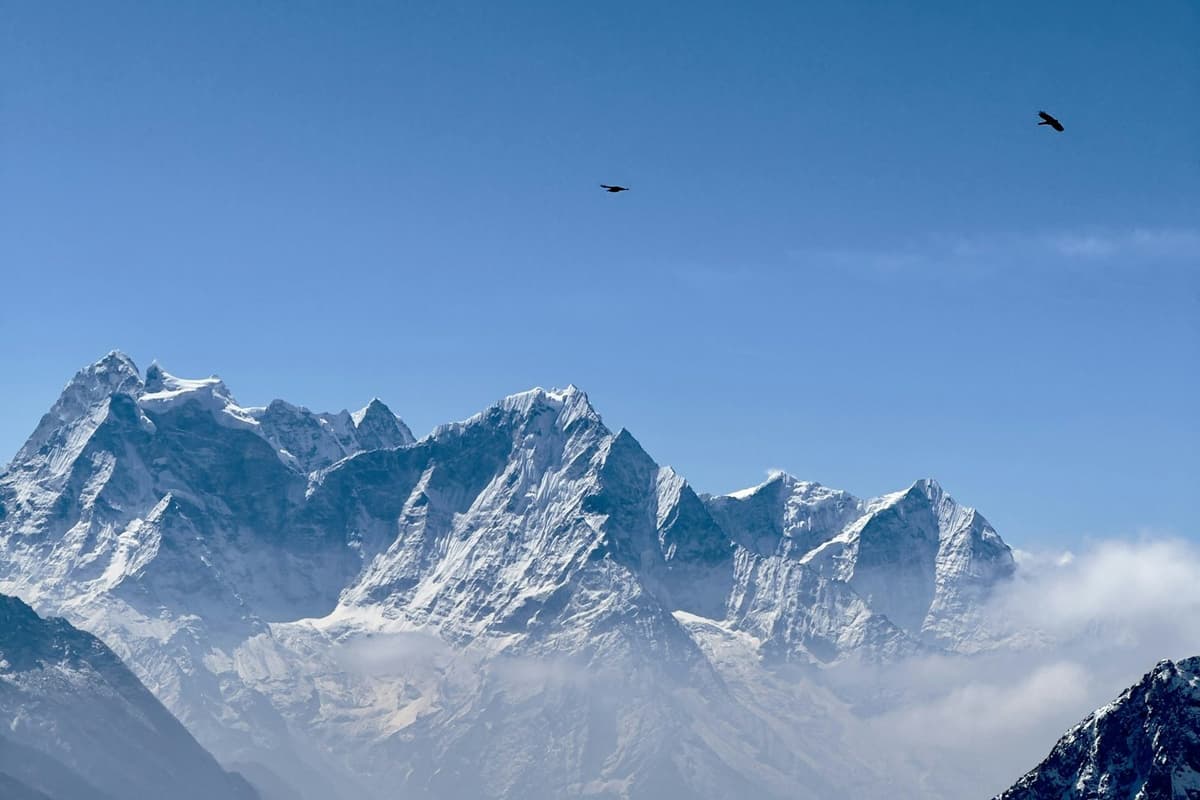
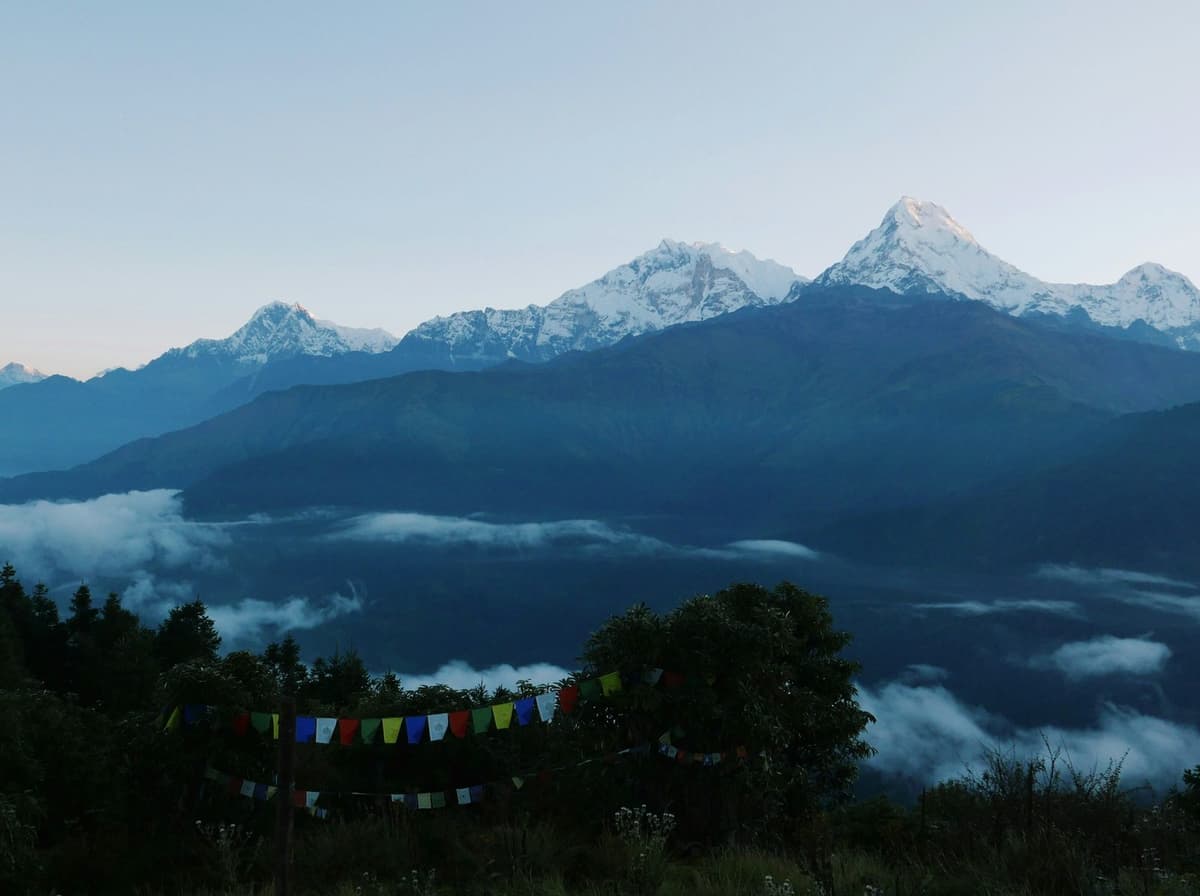
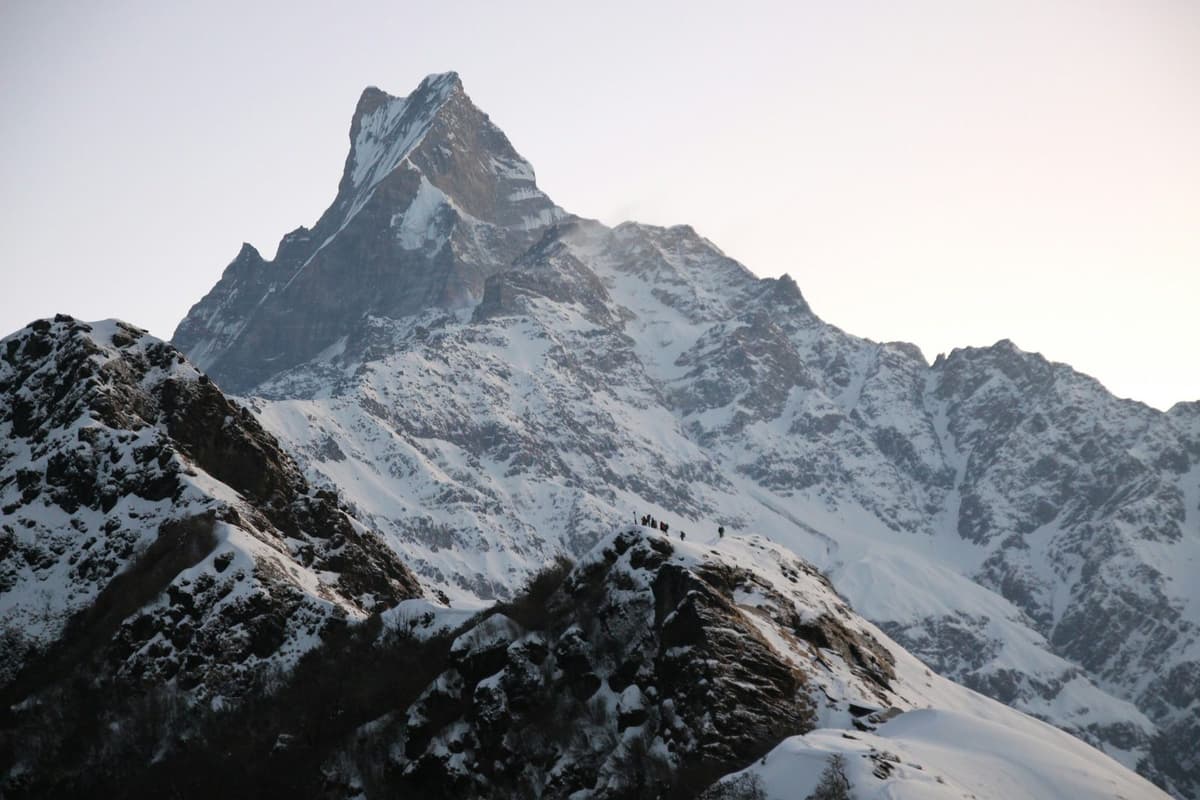
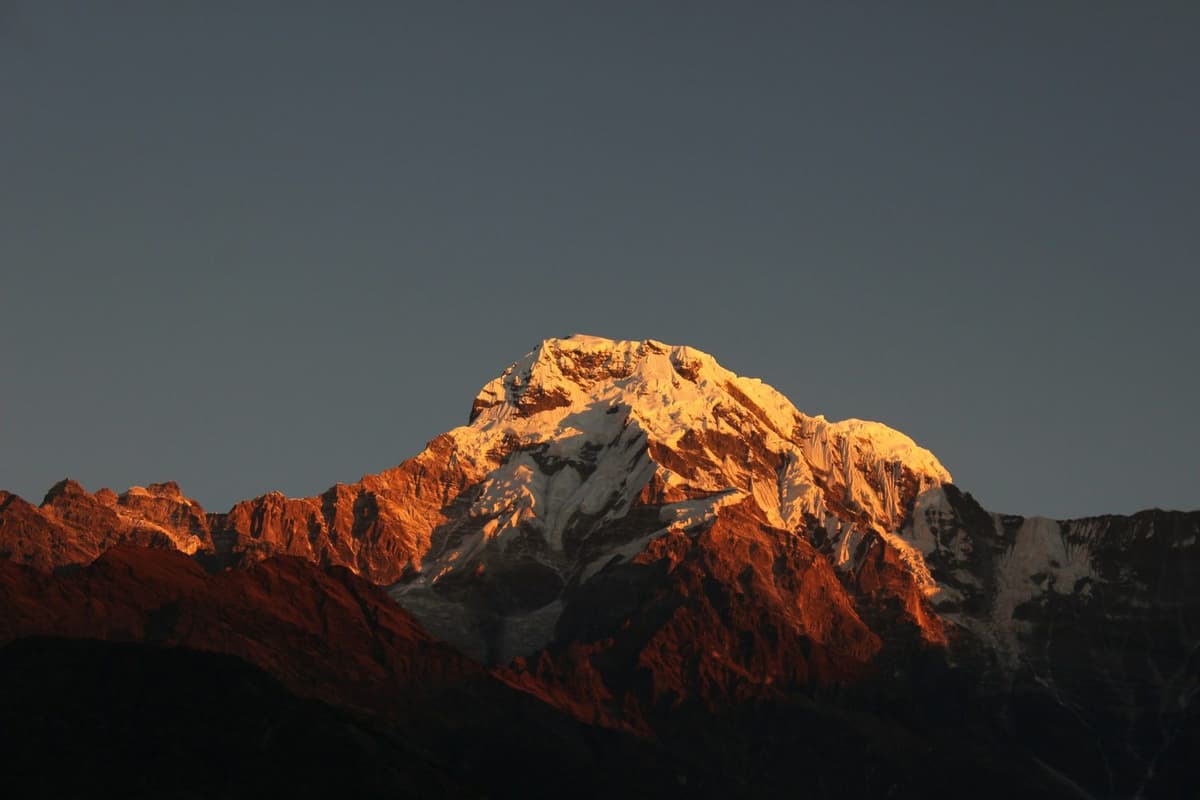
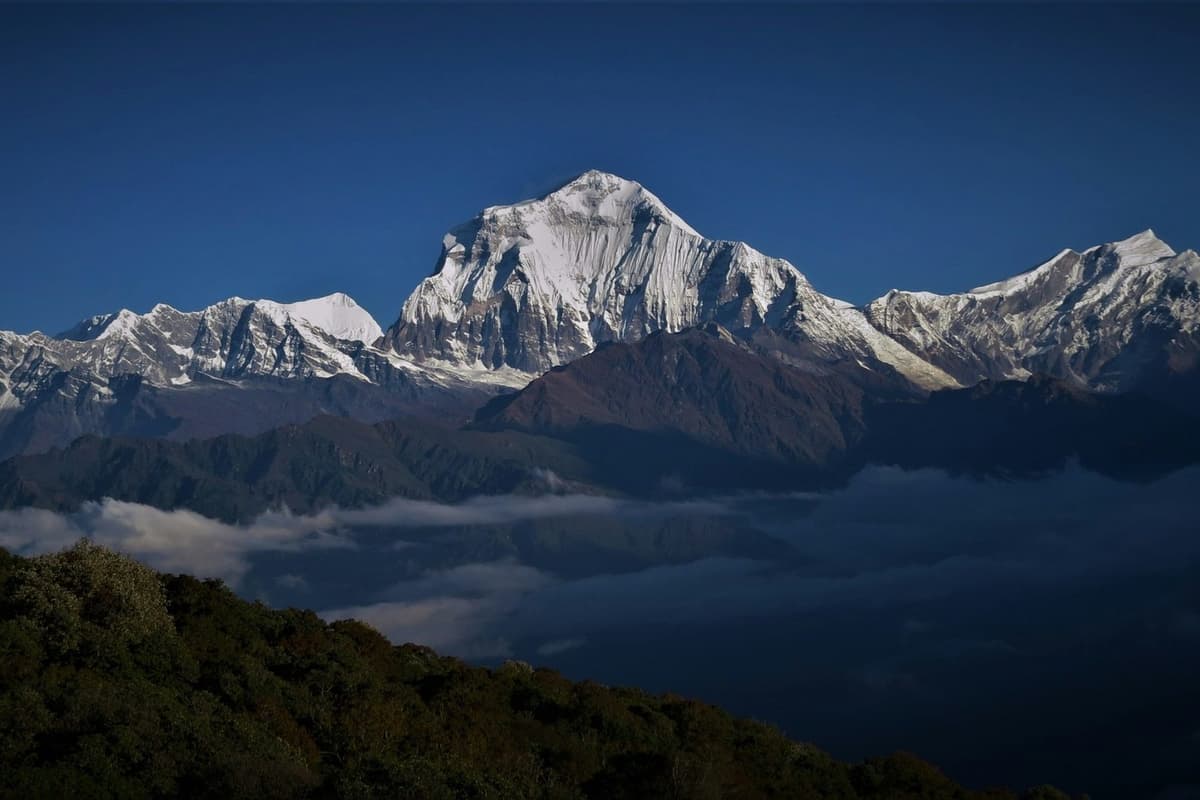
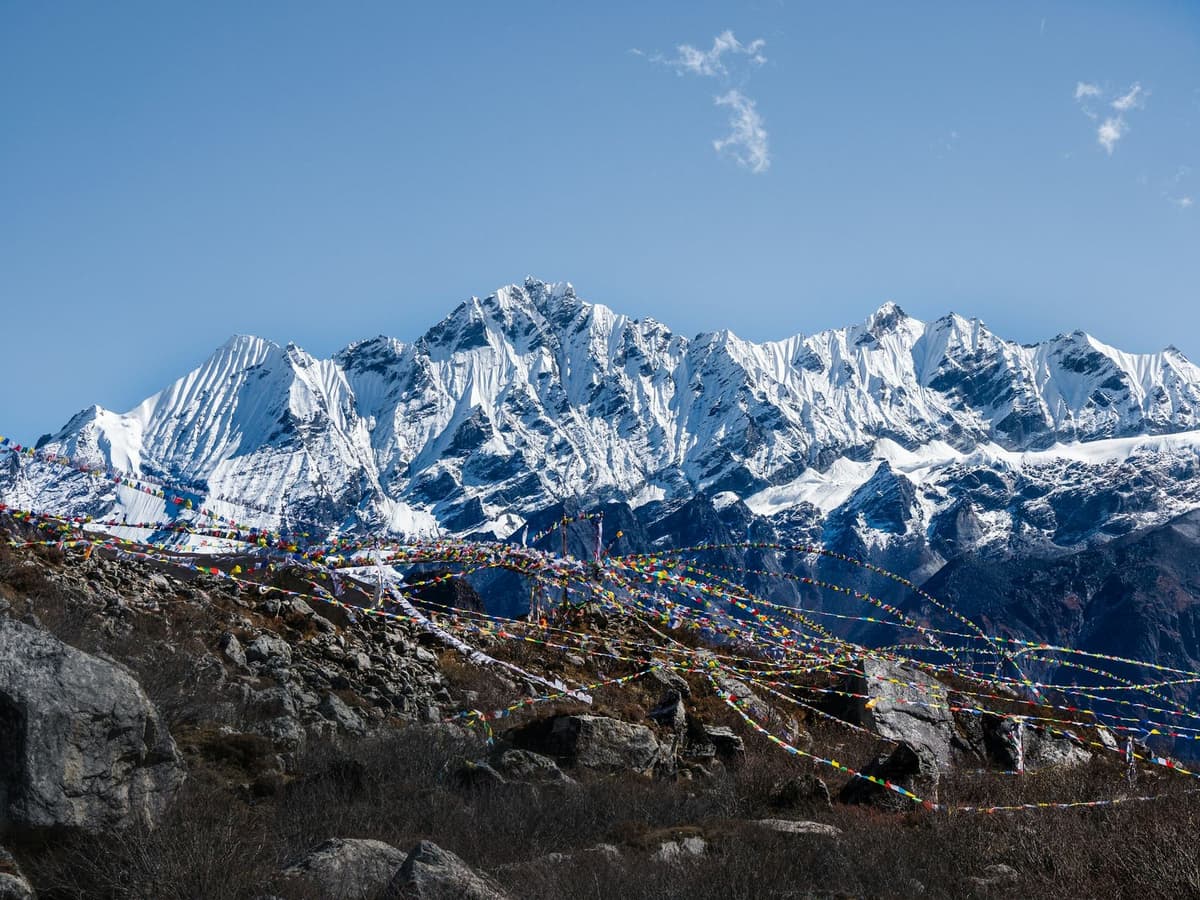
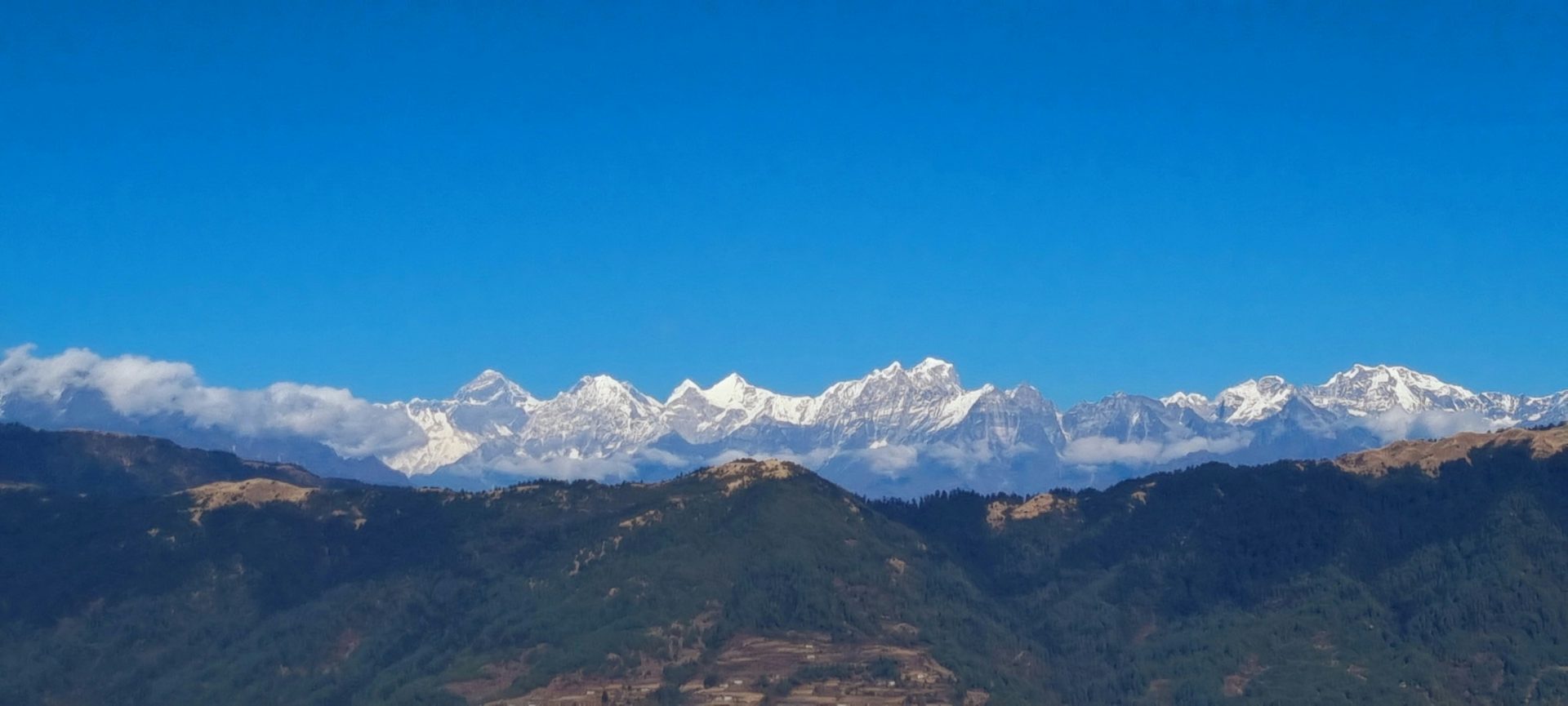
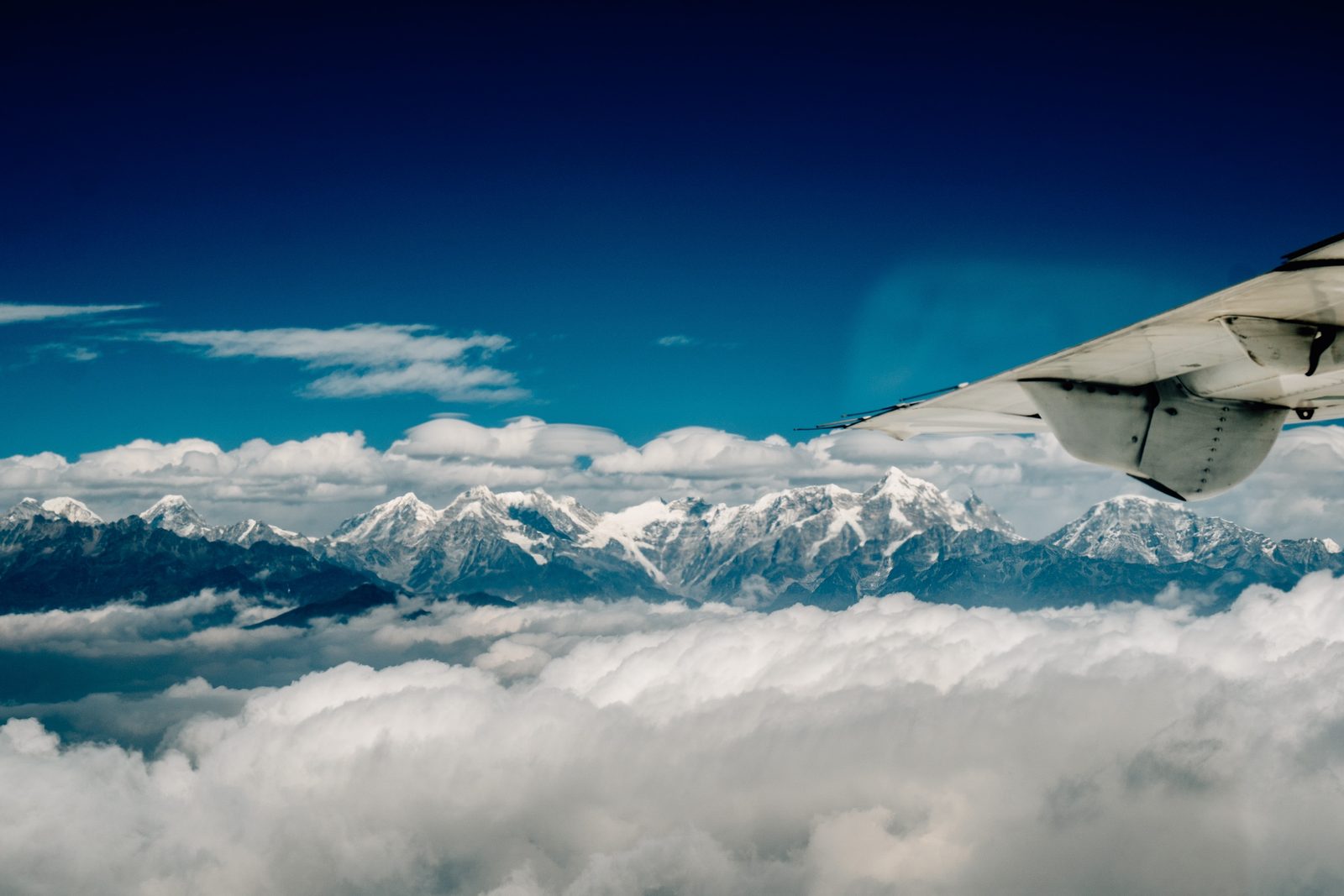
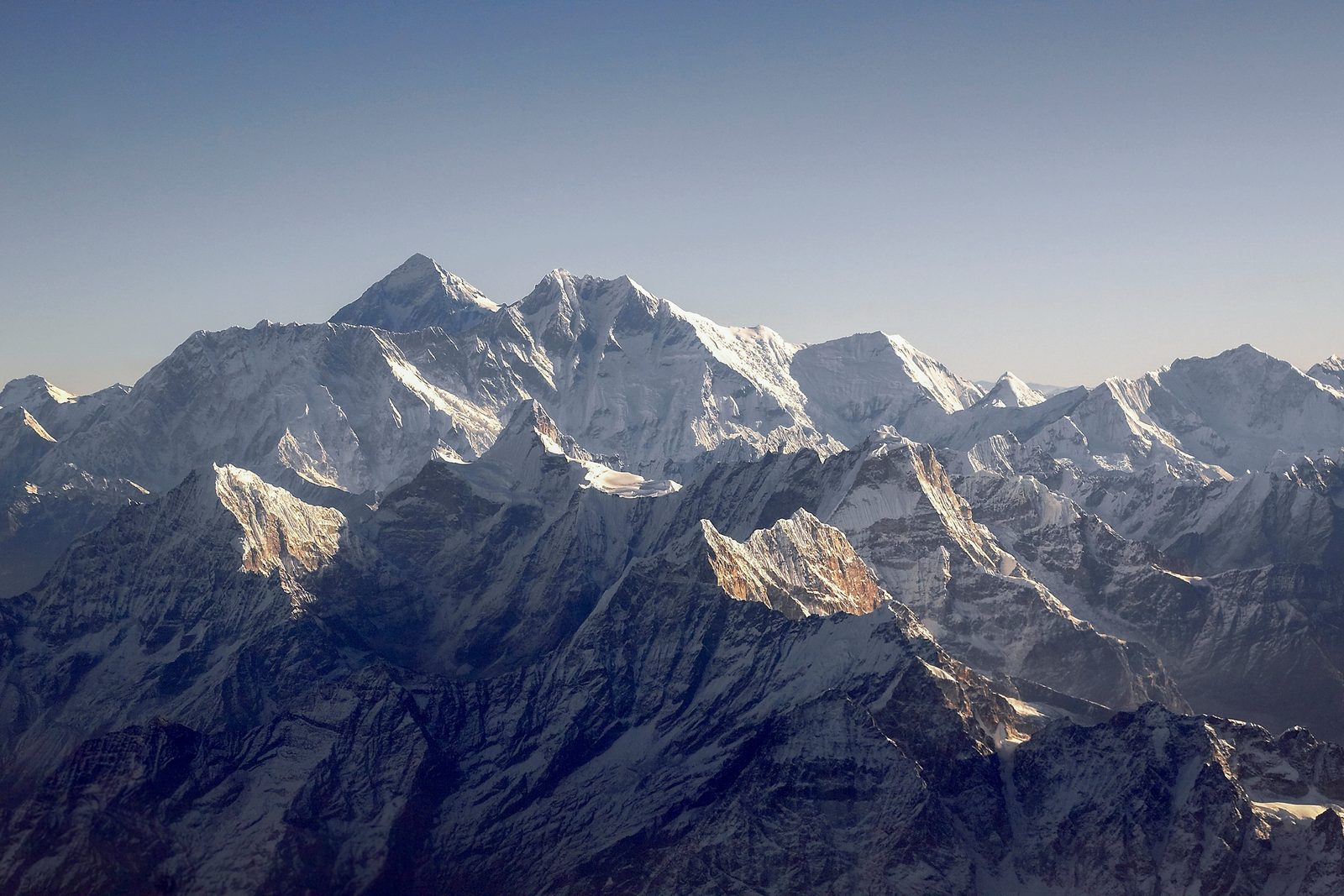
- On a clear morning Everest stands out in a long line of high peaks
- Descend past base camp for breakfast, then continue down to Jhapre
- A 6 to 7 hour day in all; overnight back in Jhapre at 2,815 m
- Morning walk back down to Dhap Bazaar on the trail you came up
- Meet the vehicle and start the long drive west
- The road section takes 8 to 9 hours, so this is a very full day
- Drop-off at your hotel in Kathmandu
Things to carry
- Warm down jacket for the pre-dawn summit climb
- Head torch with spare batteries
- Broken-in trekking boots with good grip
- Thermal base layers, warm hat and gloves
- Sunglasses and high-factor sunscreen
Good to know
Complete guide
Pikey Peak is a 4,065 m (13,337 ft) summit in the lower Solukhumbu, reached by road and five days of walking, with one of the widest Everest views you can get without flying to Lukla. The trail is quiet, the villages are small and Buddhist, and the whole trip fits inside a working week.
What the Pikey Peak trek covers
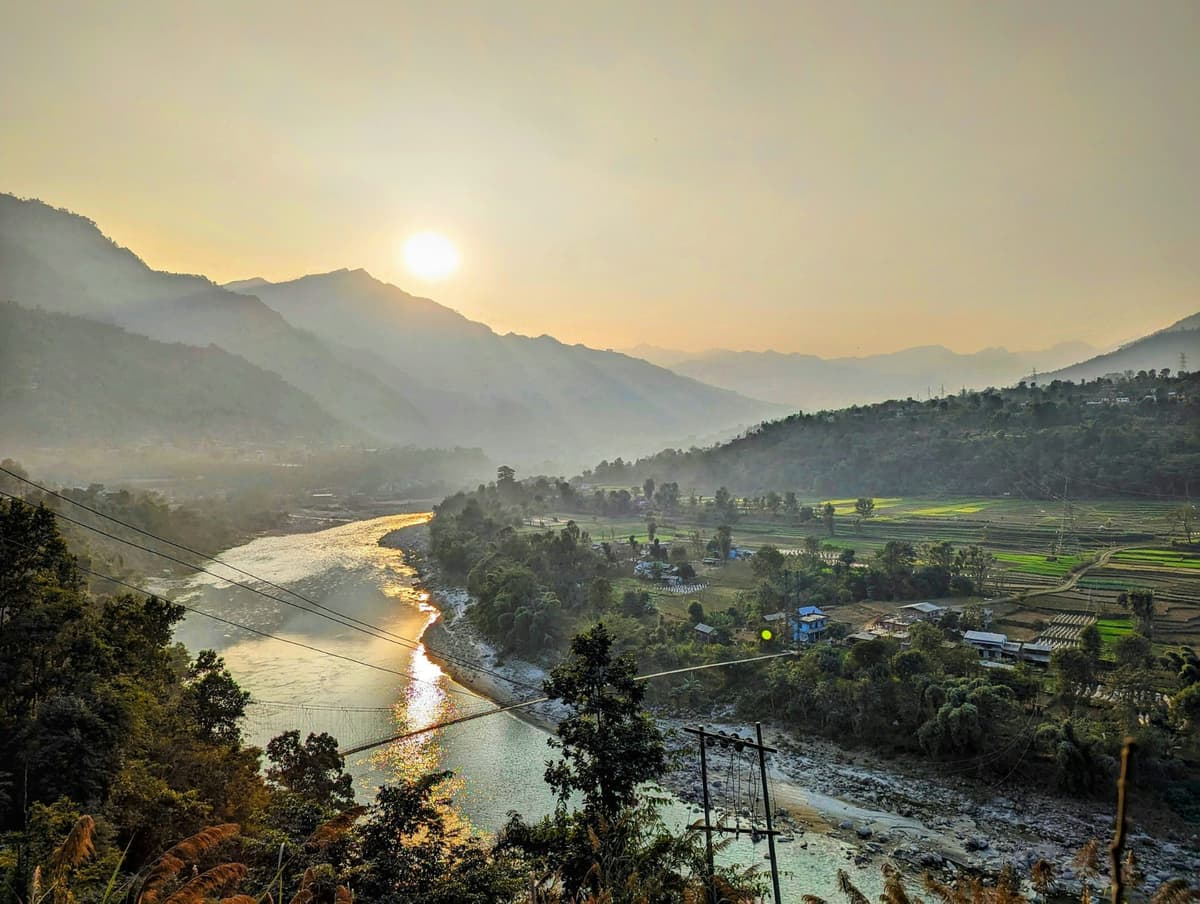
You drive from Kathmandu to Dhap Bazaar, a long day on the road east via Dhulikhel and the BP Highway into the Okhaldhunga hills. From Dhap at 2,850 m you walk to Jhapre at 2,815 m, so the second day is about fitness rather than altitude: plenty of up and down on village trails, with mani stones, chortens and small monasteries along the way. Day three is the real climb, a little over 800 m up to the teahouses at Pikey base camp (3,640 m). On day four you leave in the dark to reach the summit for sunrise, then walk all the way back down to Jhapre. The last day is a morning walk to Dhap and the drive home.
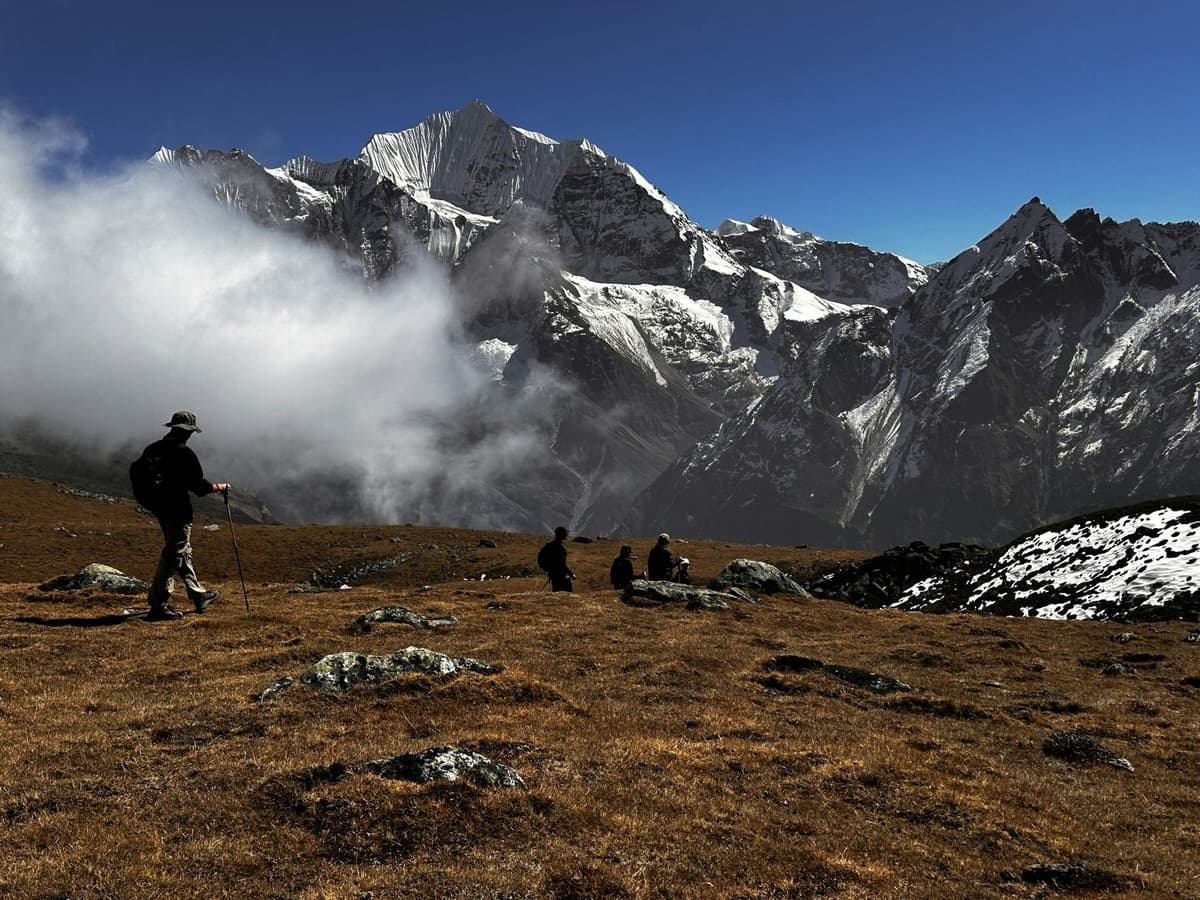
The reason people come is the view. On a clear morning the summit looks across a long run of the Himalaya, including several peaks above 8,000 m, with Everest among them, and Edmund Hillary is said to have counted it among his favourite views of the mountain. Nobody can promise a clear sunrise, and we will not, but spring and autumn mornings give you the best chance.
How hard it is, honestly
This is a moderate trek. There is no technical climbing and no ropes, but you walk 5 to 7 hours on most trekking days, on stone steps, forest paths and open ridges. The summit morning is the toughest part: a cold start with a head torch, a steady climb to 4,065 m, then a long descent to Jhapre on the same day. If you walk regularly at home and can manage a full day of hills, you will be fine. If you have never done a multi-day walk, the Ghorepani Poon Hill trek from Kathmandu is a gentler first taste of sunrise viewpoints and teahouse life.
The drive is the other honest point. The road to Dhap takes 8 to 9 hours each way, and the last day pairs a morning walk with the full drive back, so it is a long one. Hill roads can be hit by landslides during the monsoon, which is one more reason we run this trek in the dry seasons.
Altitude and the summit morning
You sleep highest at Pikey base camp, 3,640 m, for a single night, and touch 4,065 m for sunrise before dropping back to 2,815 m that afternoon. That profile is kinder than many treks at this height, but altitude still counts. Medical guidance advises that above 3,000 m you raise your sleeping height by no more than 500 m a day; the climb from Jhapre to base camp is a little over that, so we walk it slowly. Headache with nausea, dizziness or unusual tiredness are the early signs of acute mountain sickness. Tell your guide straight away. The answer is rest, fluids and, if it gets worse, going down, and on this route going down is quick.
Best time to go and what the weather does
Spring, from March to May, and autumn, from September to November, are the seasons for Pikey Peak, with stable weather and the clearest mountain views. Winter walking is possible but cold, with nights at the top below minus 5°C and snow on the trail, so it suits well-equipped walkers only. We do not recommend the summer monsoon: cloud hides the view and wet, slippery paths make the walking harder.
Permits, guides and getting to Dhap
Pikey Peak is not one of the areas on the Nepal Tourism Board list where a licensed guide and an agency-issued TIMS card are compulsory, and trekking operators disagree about which local permits apply on the Dhap side. Rules and local fees in this part of Solukhumbu have changed more than once, so before your dates we check what is currently required and arrange it for you. We send a licensed guide on every departure anyway, because the route is quiet and help can be far away.
Getting there is by road only, which is part of the appeal. Your Nepal visa and your flight into Kathmandu are your own arrangements; once you land, we handle the in-country transport, lodges, permits and guide. If you would rather trade the long drive for a flight and walk into the heart of the Khumbu, our Everest View Trek with Namche Bazaar takes you closer to the mountain in seven days. Send us your dates and we will tell you honestly which one fits.