

Overview
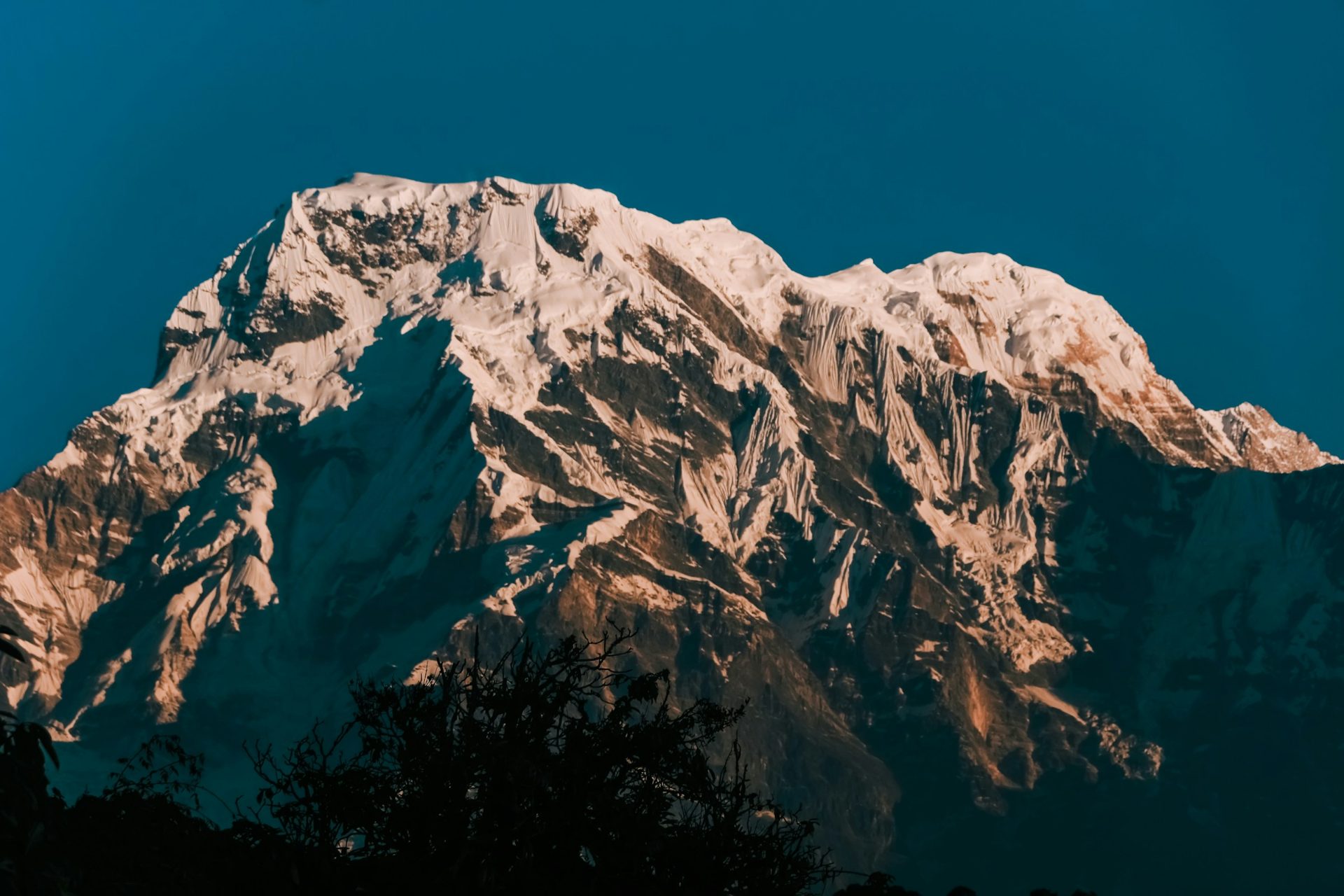
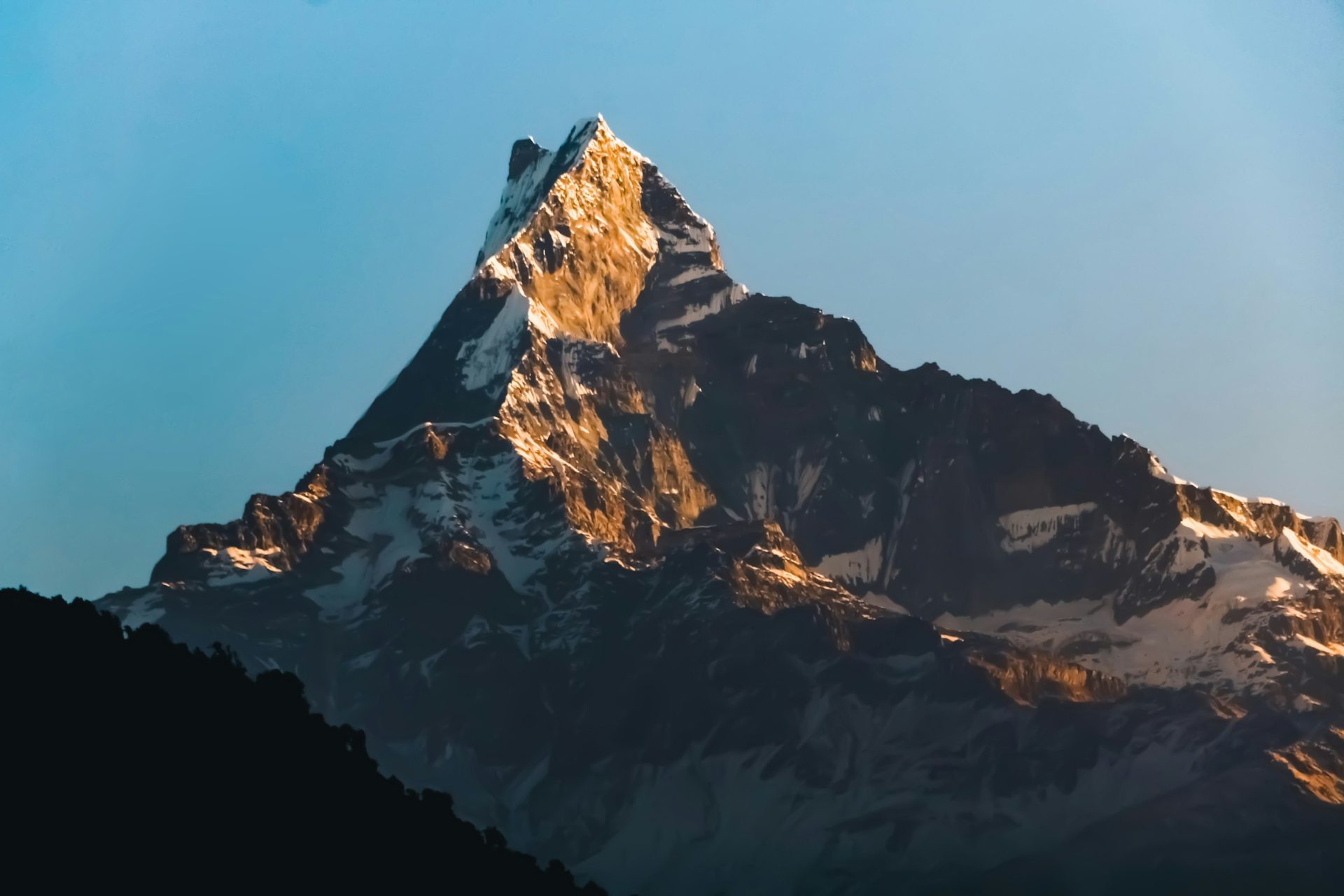
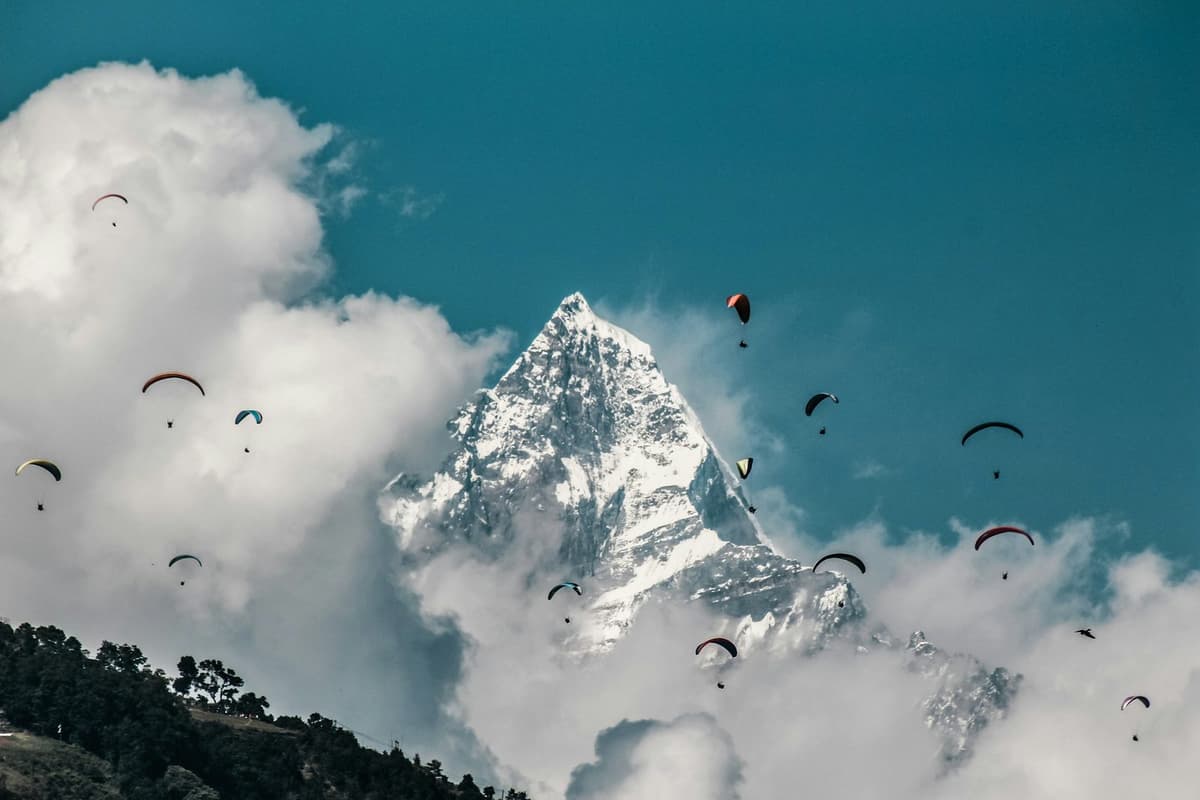
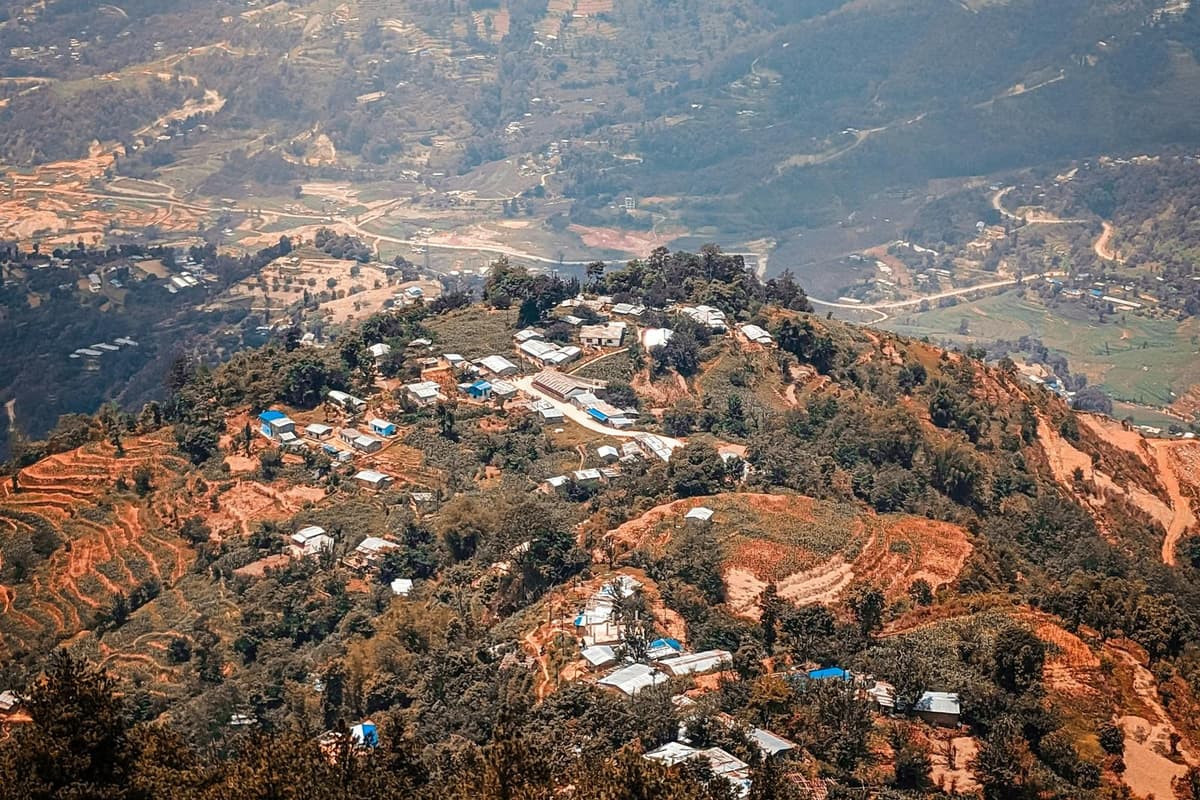
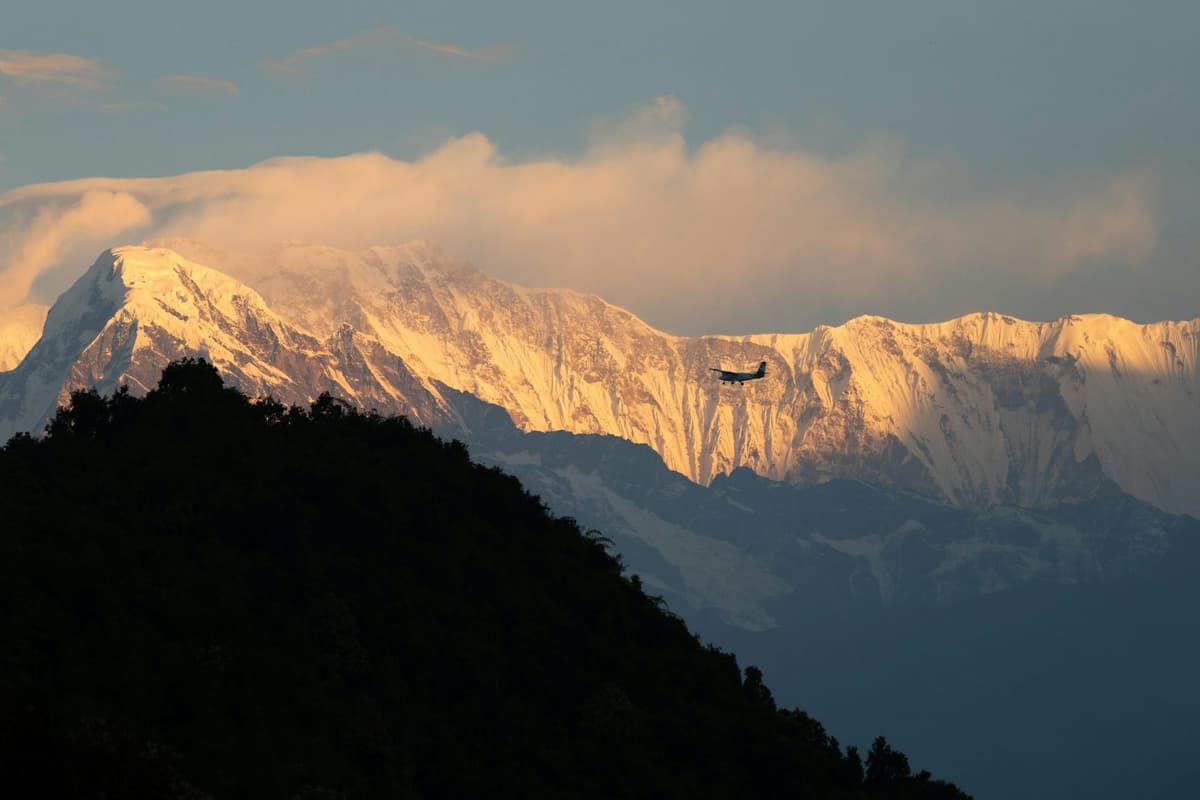
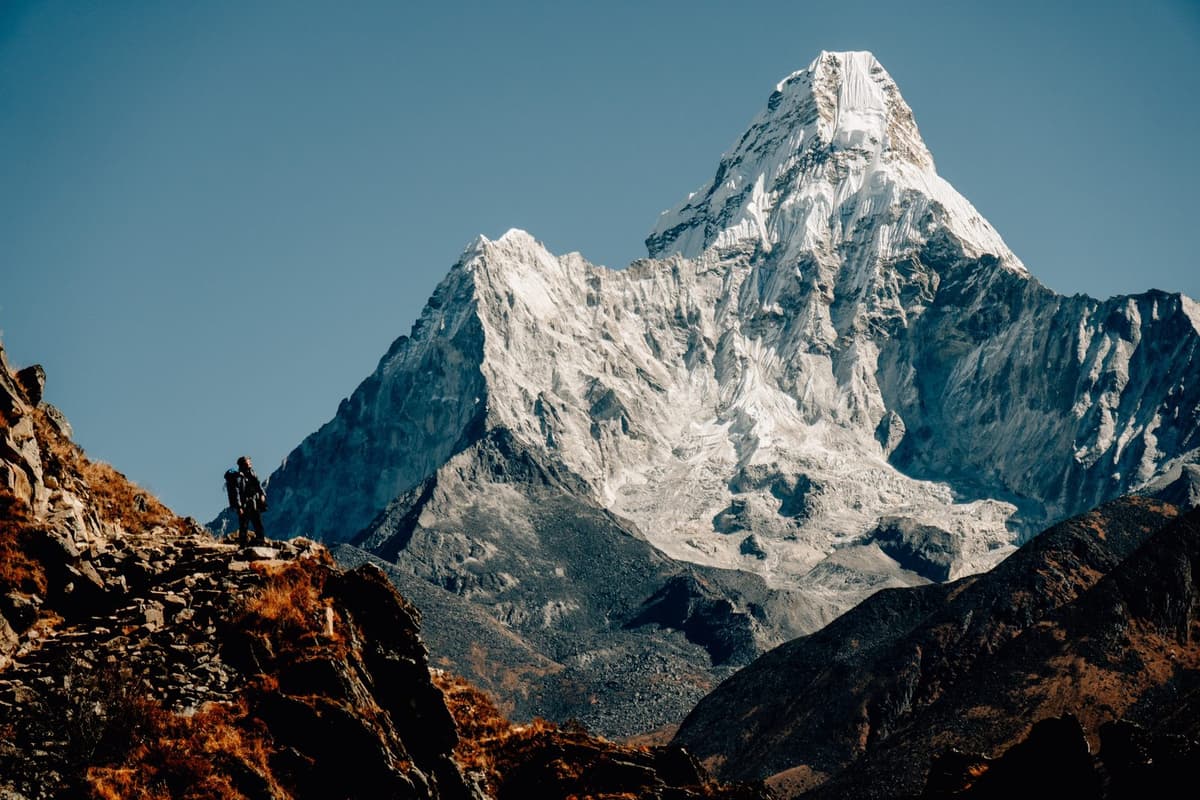
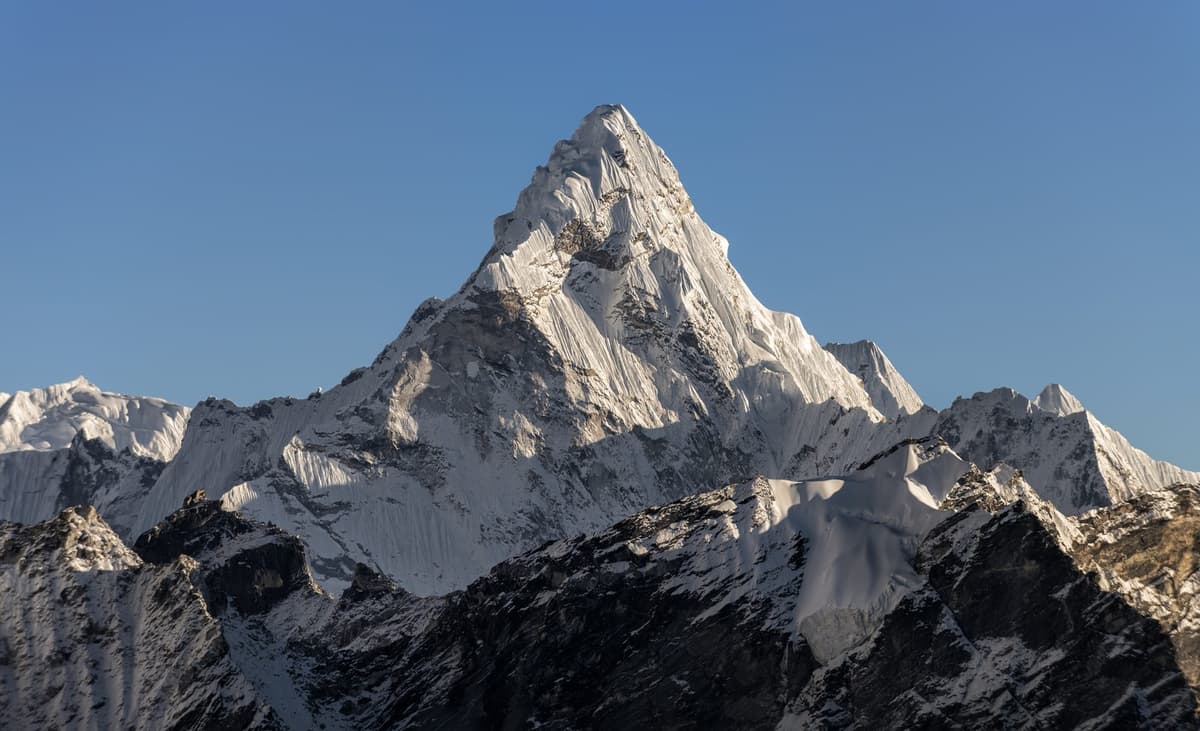
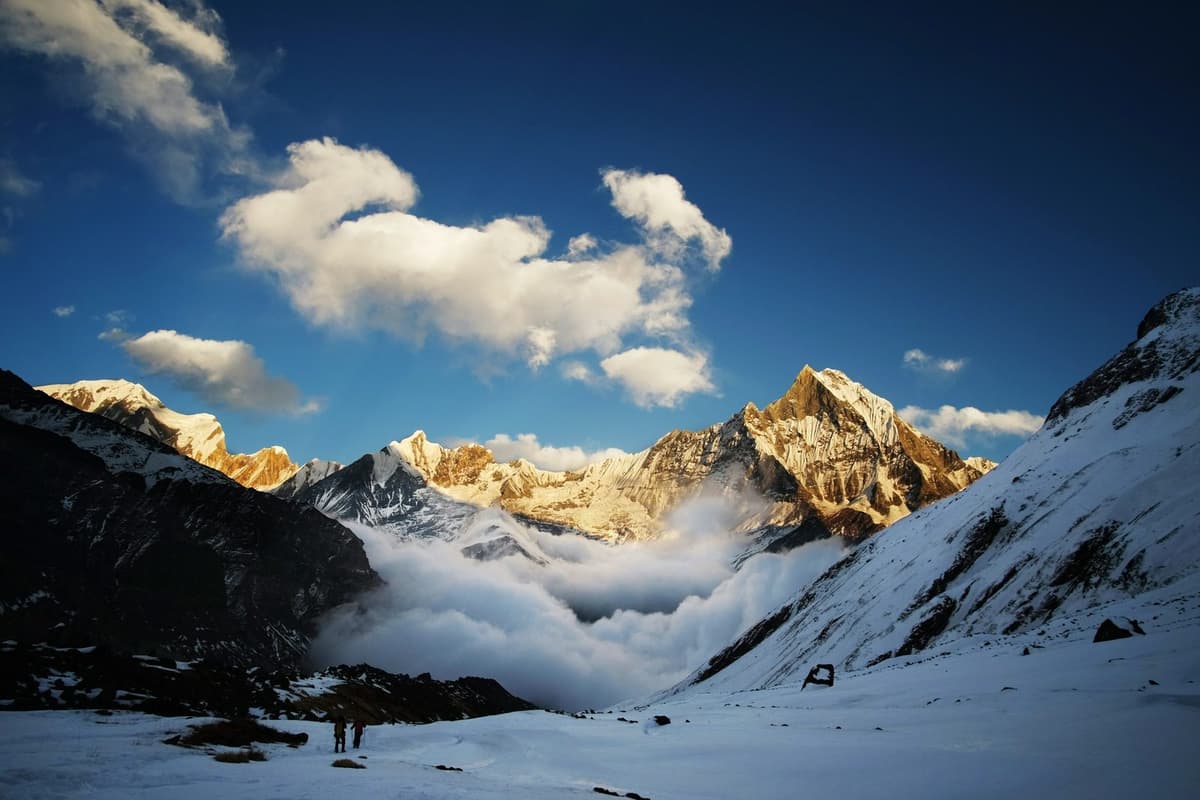
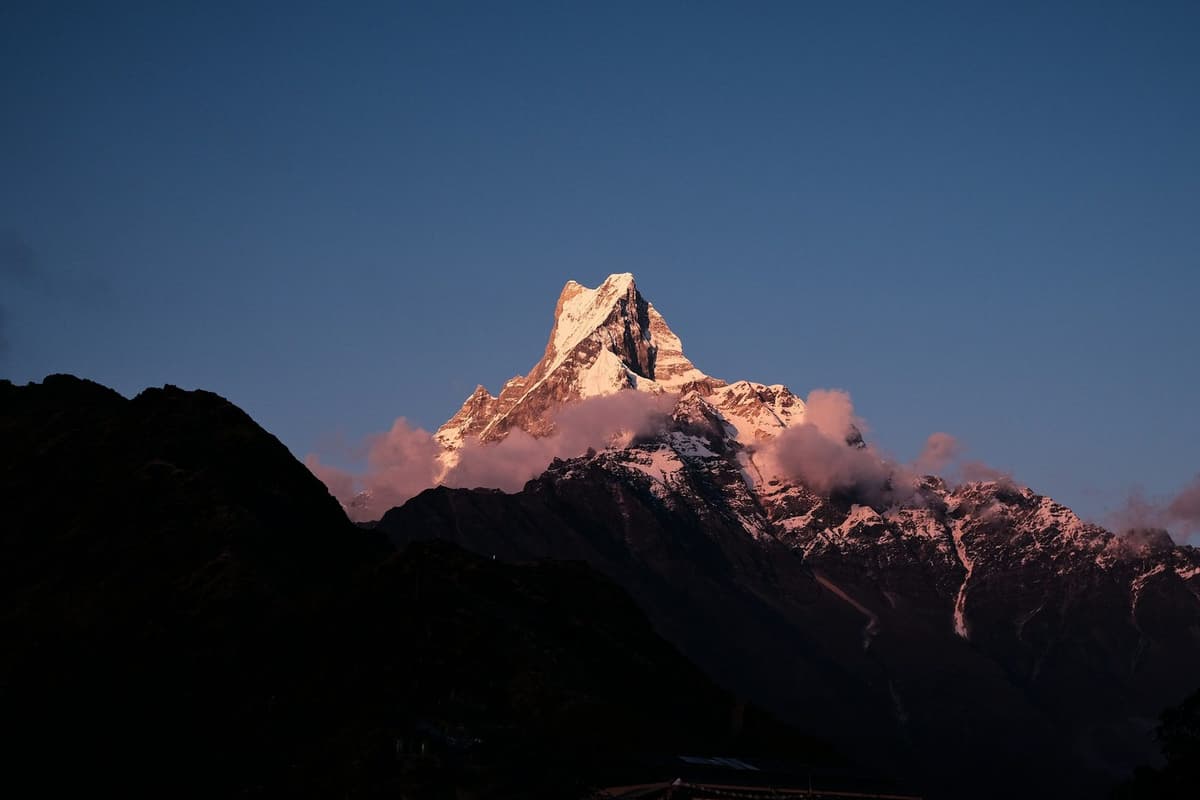
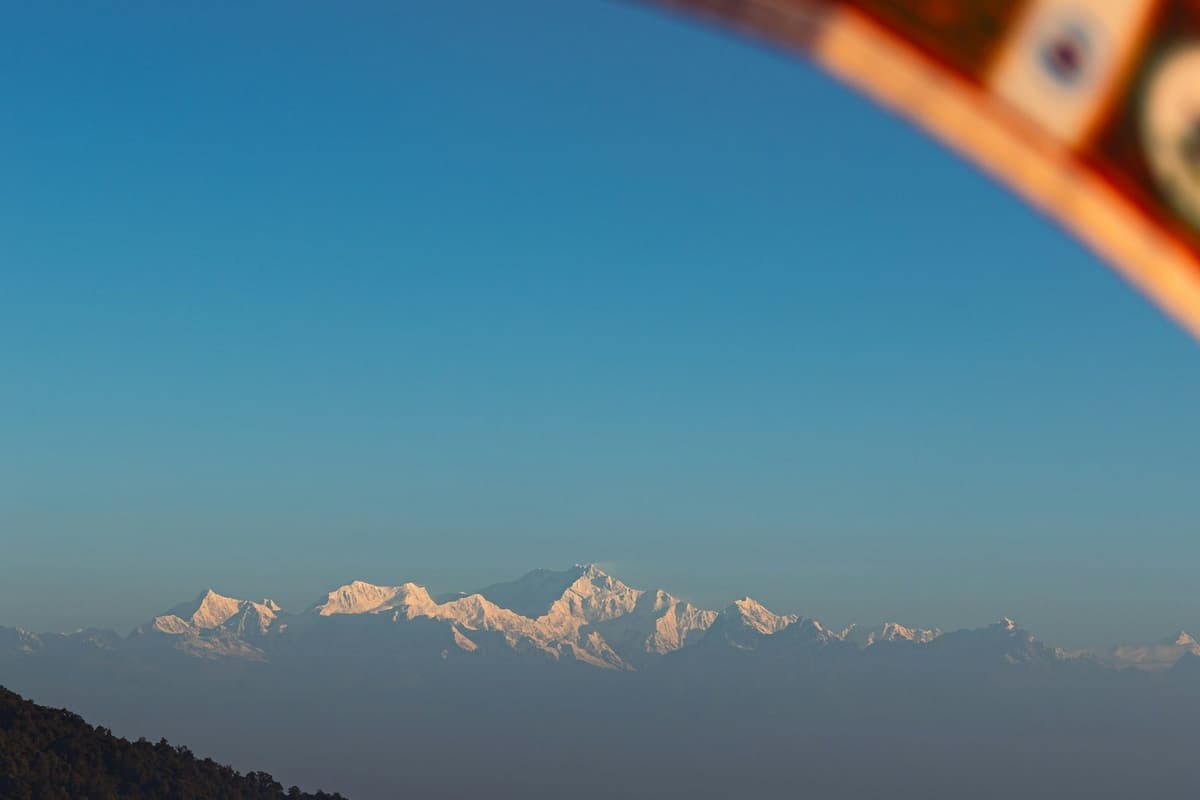
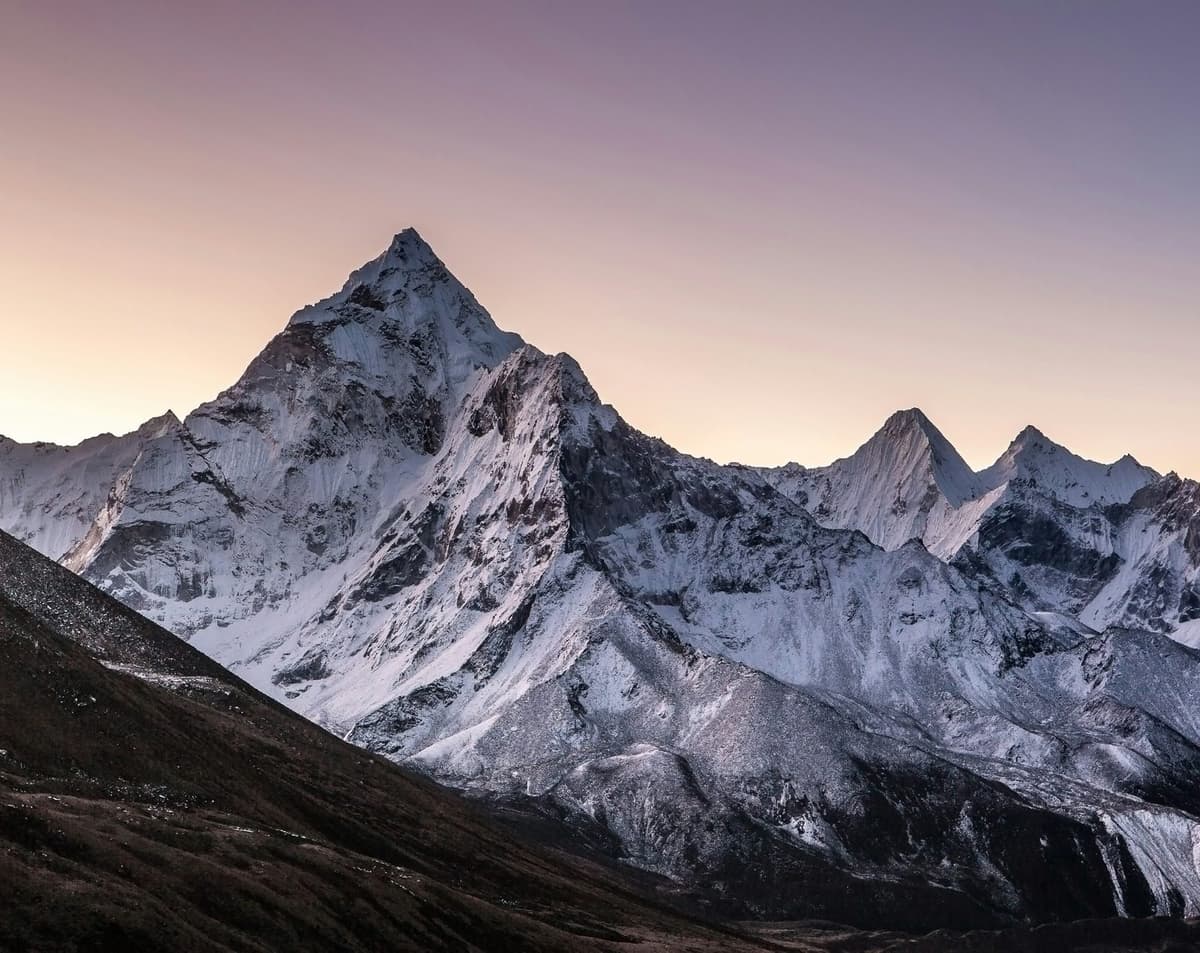
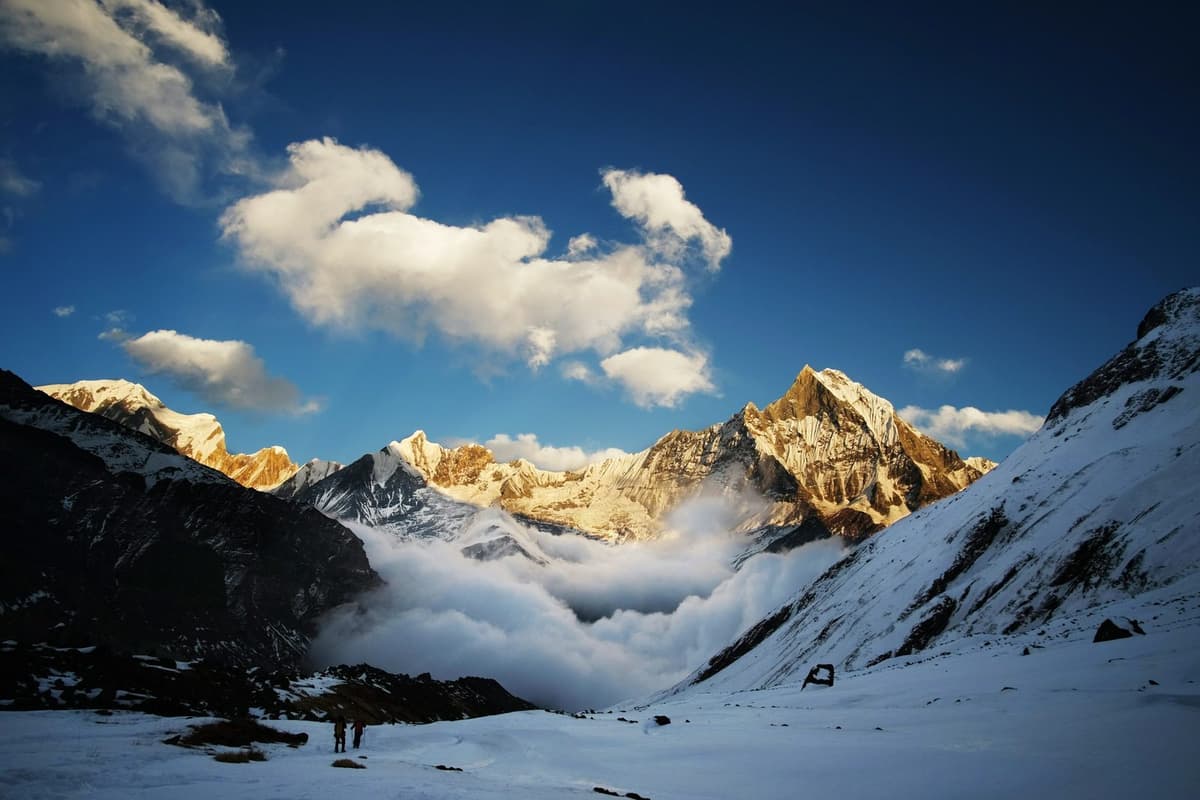
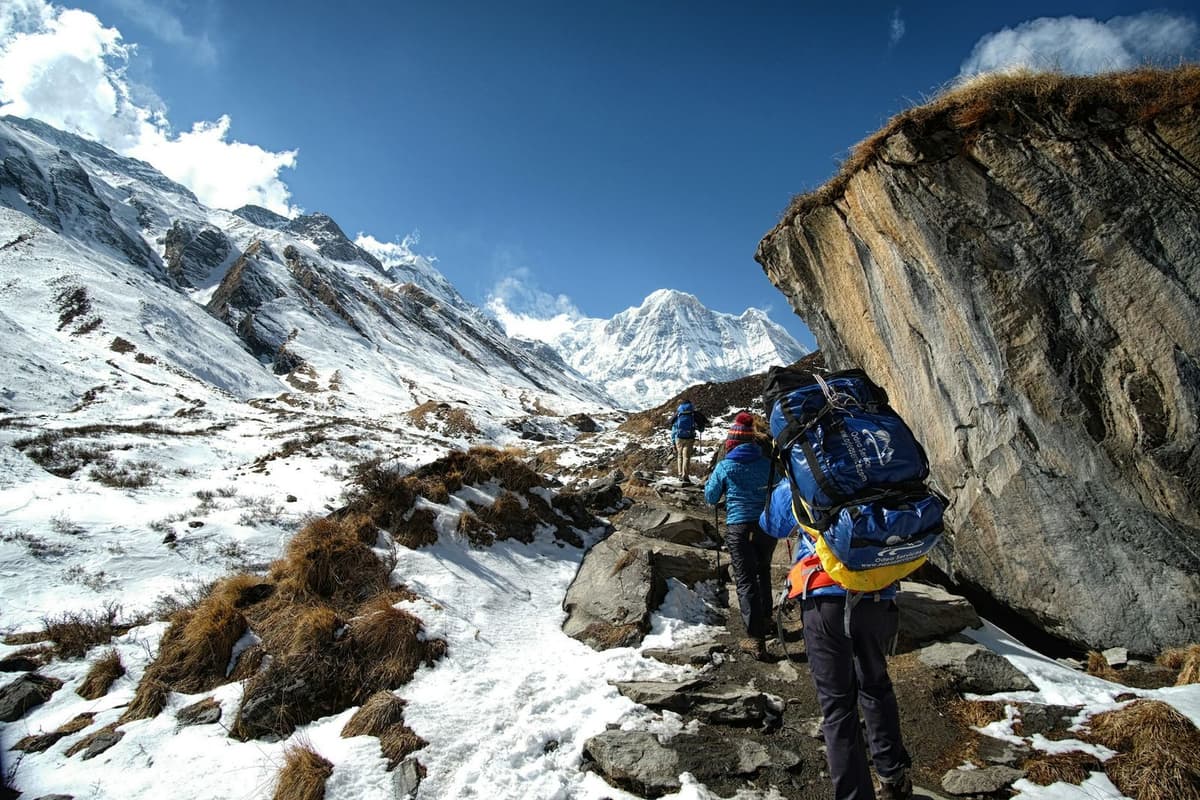
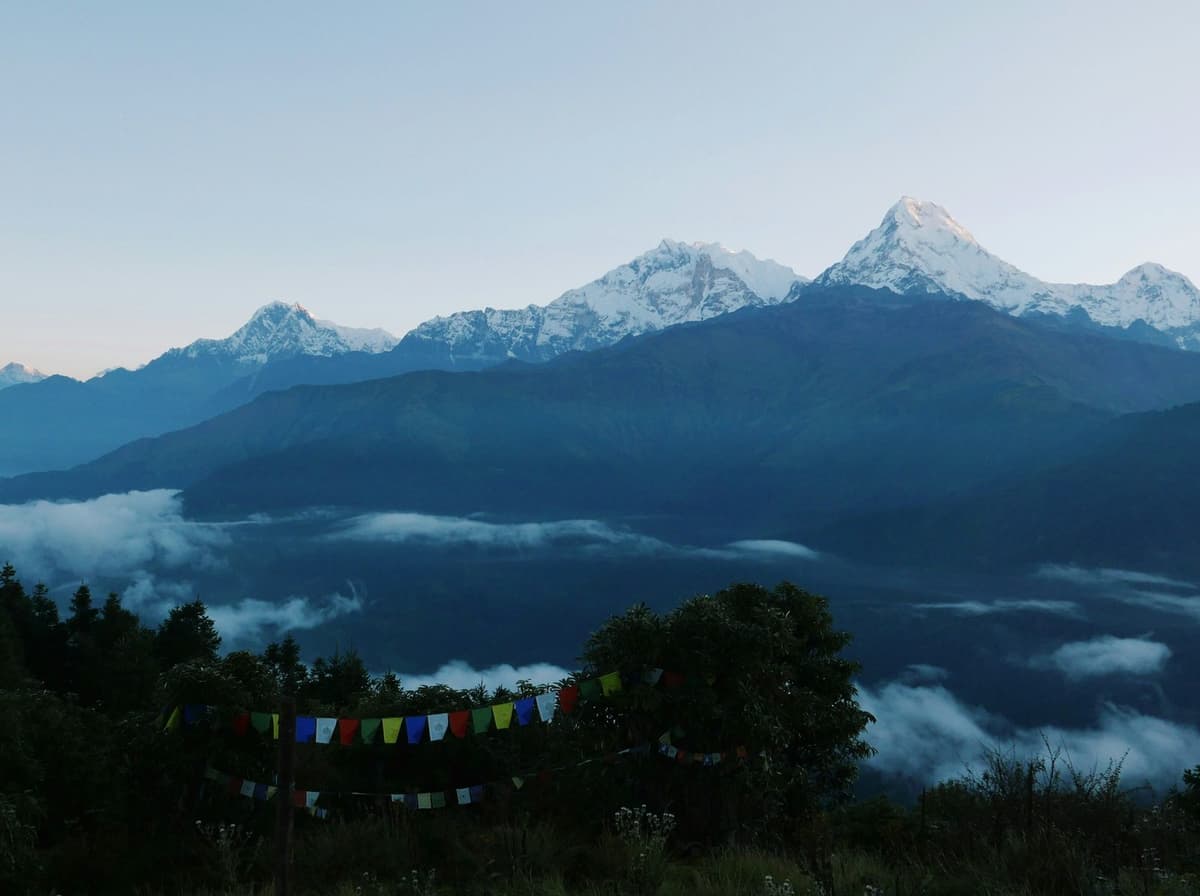
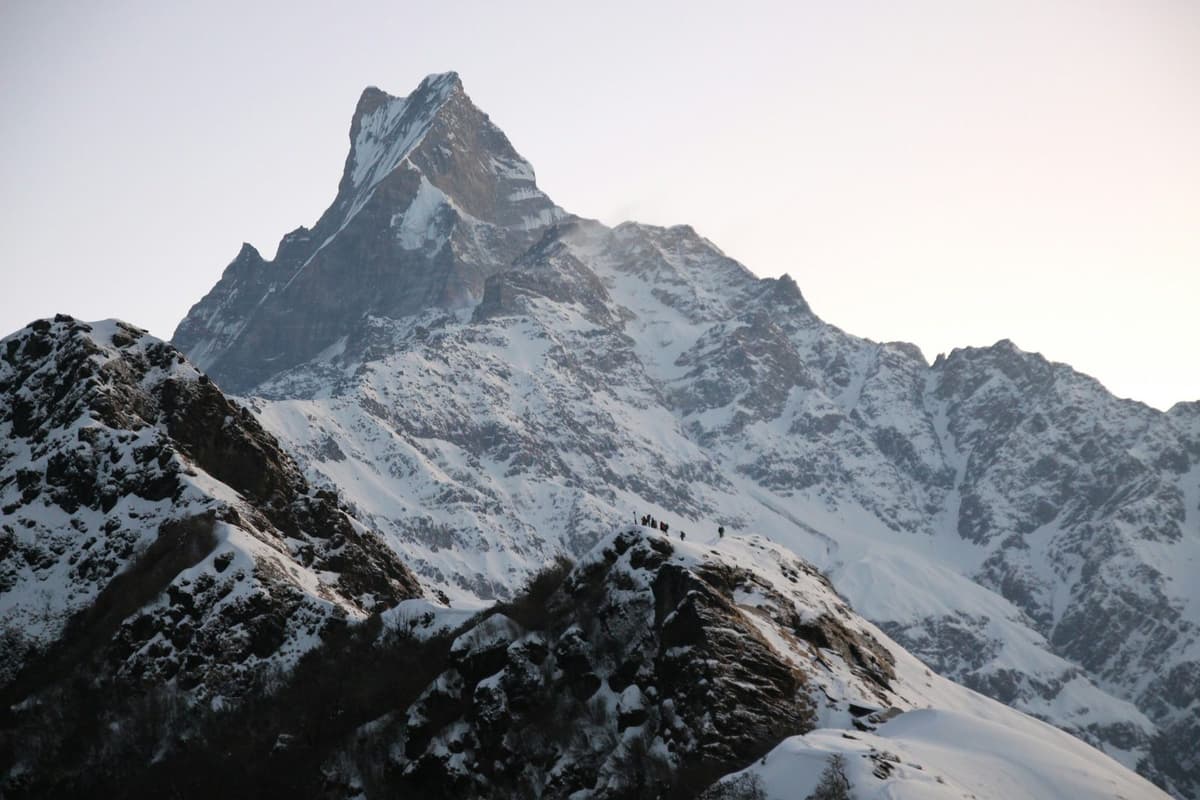
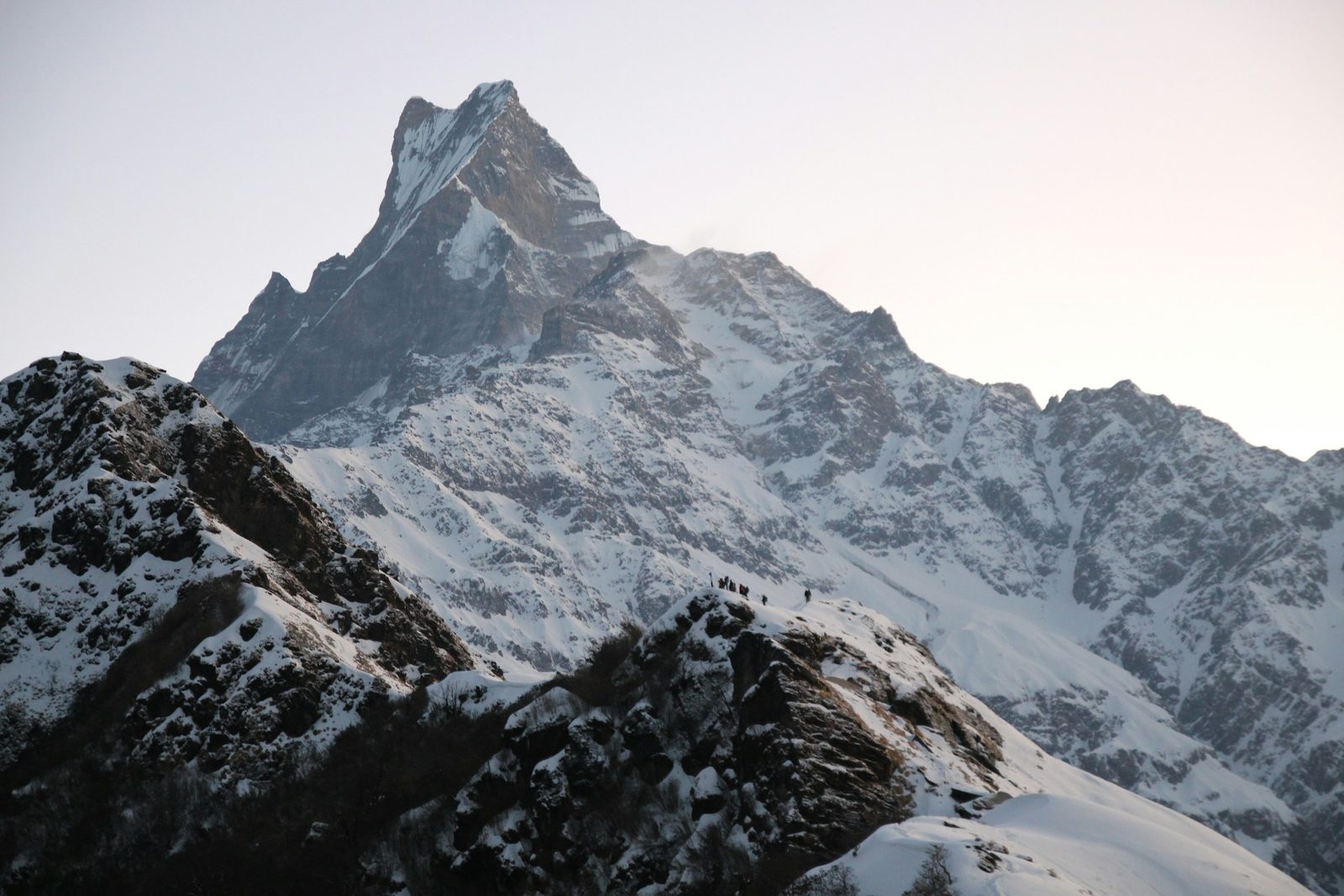
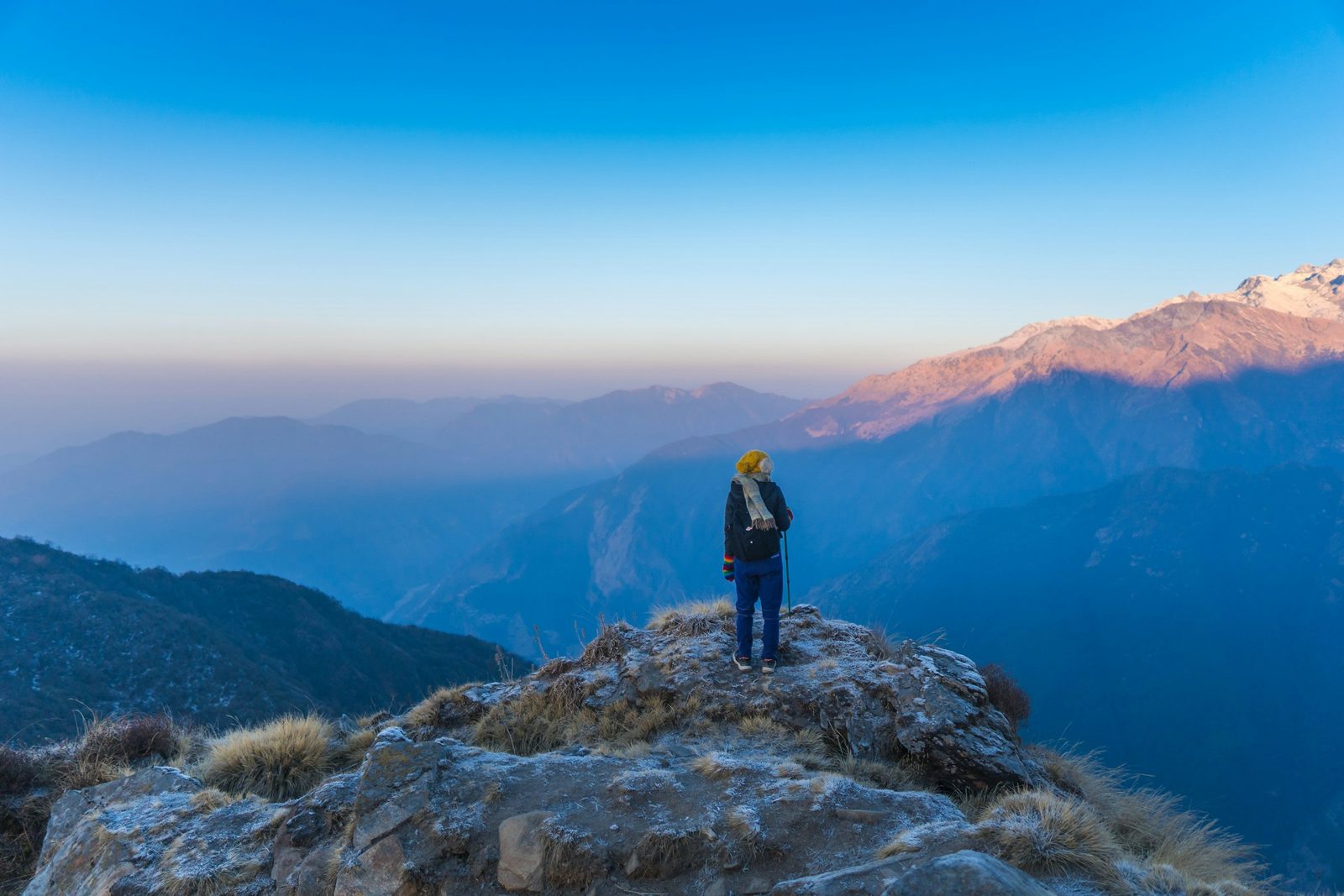
This Khumai Danda trek is a short, quiet route from Pokhara that climbs straight towards Machhapuchhre, the fishtail peak above the city. You drive a short way to Hemja and walk up through villages and forest via Ghachowk to the grazing clearing of Hile Kharka. The second day climbs through dense forest to Khumai Danda at 3,245 m, a grassy ridge with simple lodges. On the last day you rise before dawn for sunrise from Korchon, at about 3,700 m, with Machhapuchhre, Mardi Himal, Annapurna South and Hiunchuli in front of you, then walk all the way down to Ghachowk and drive to Pokhara. It suits fit walkers who want a close mountain view and few other trekkers in three days.
The itinerary
- Short drive of about 30 minutes from Pokhara to Hemja
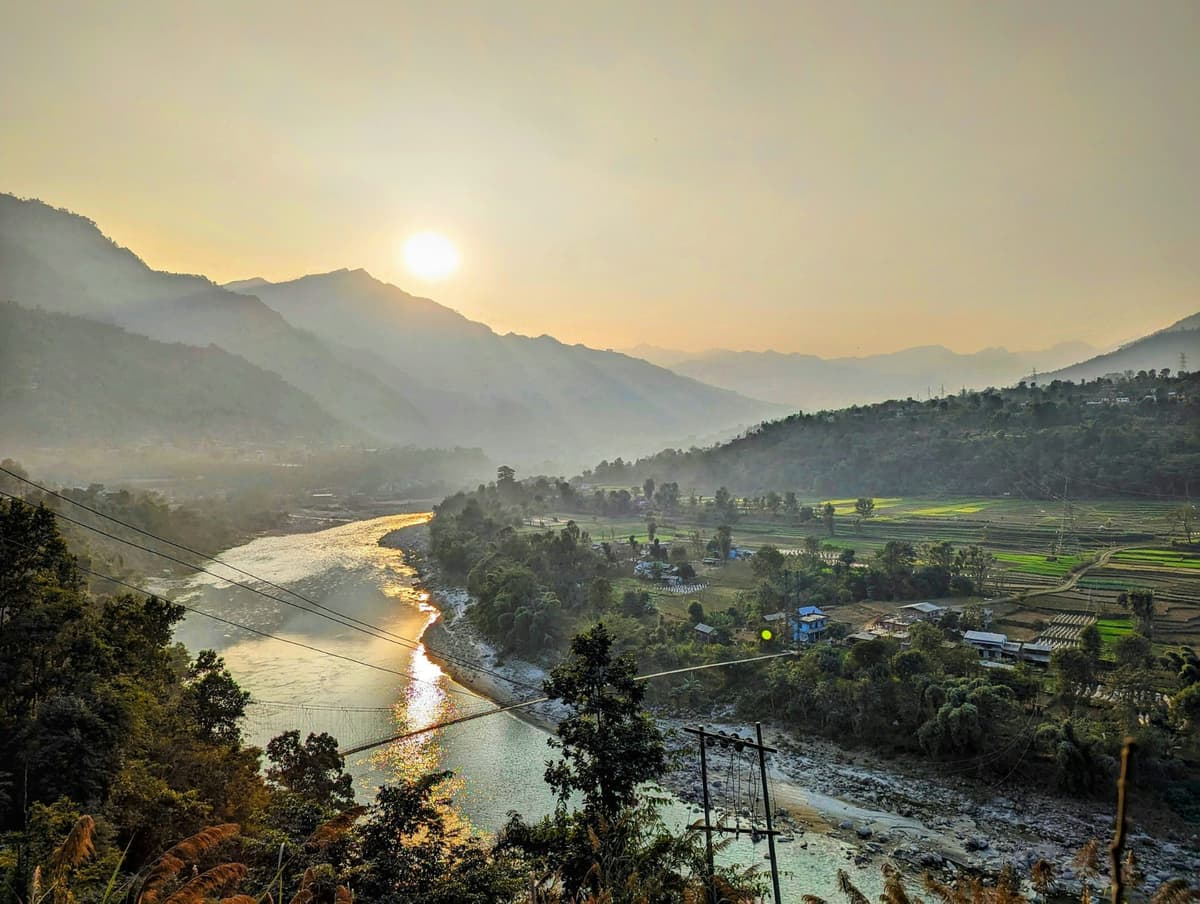
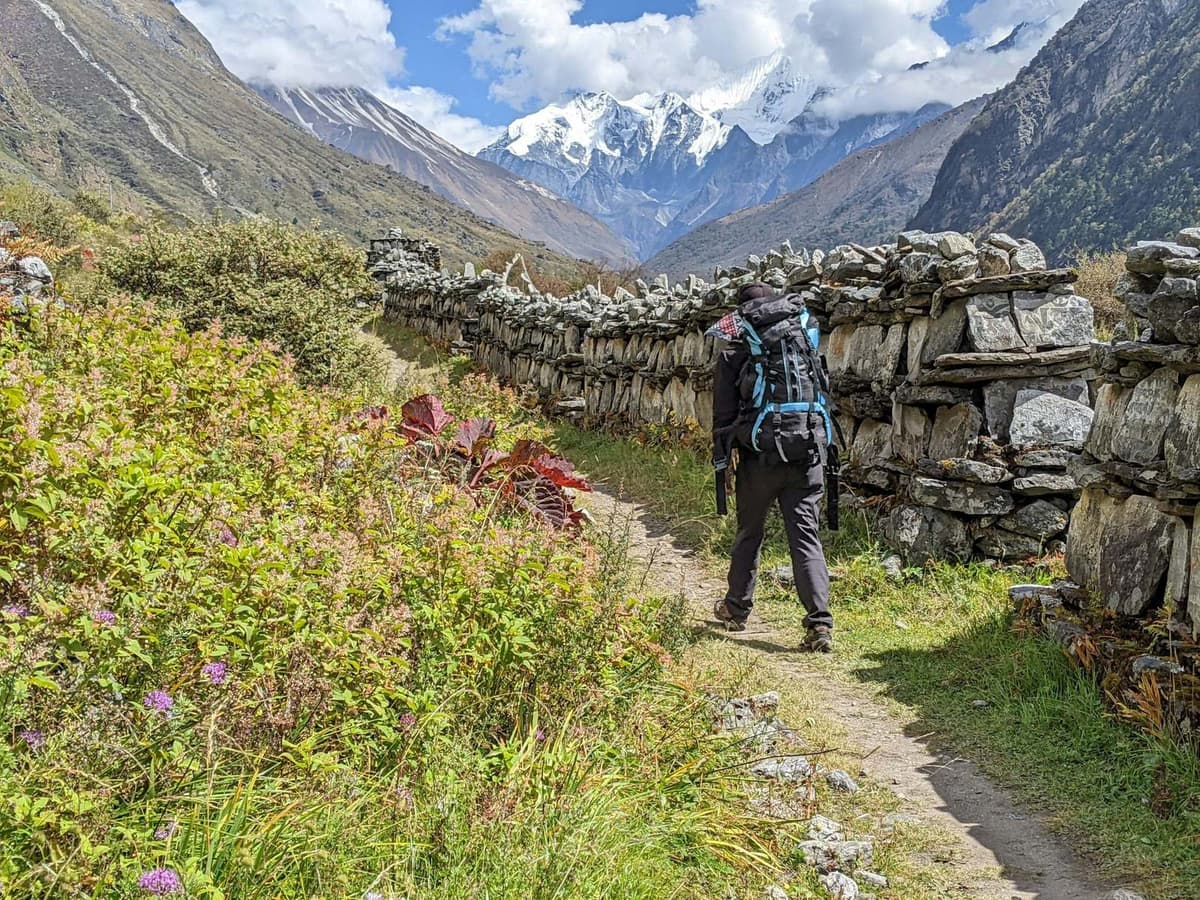
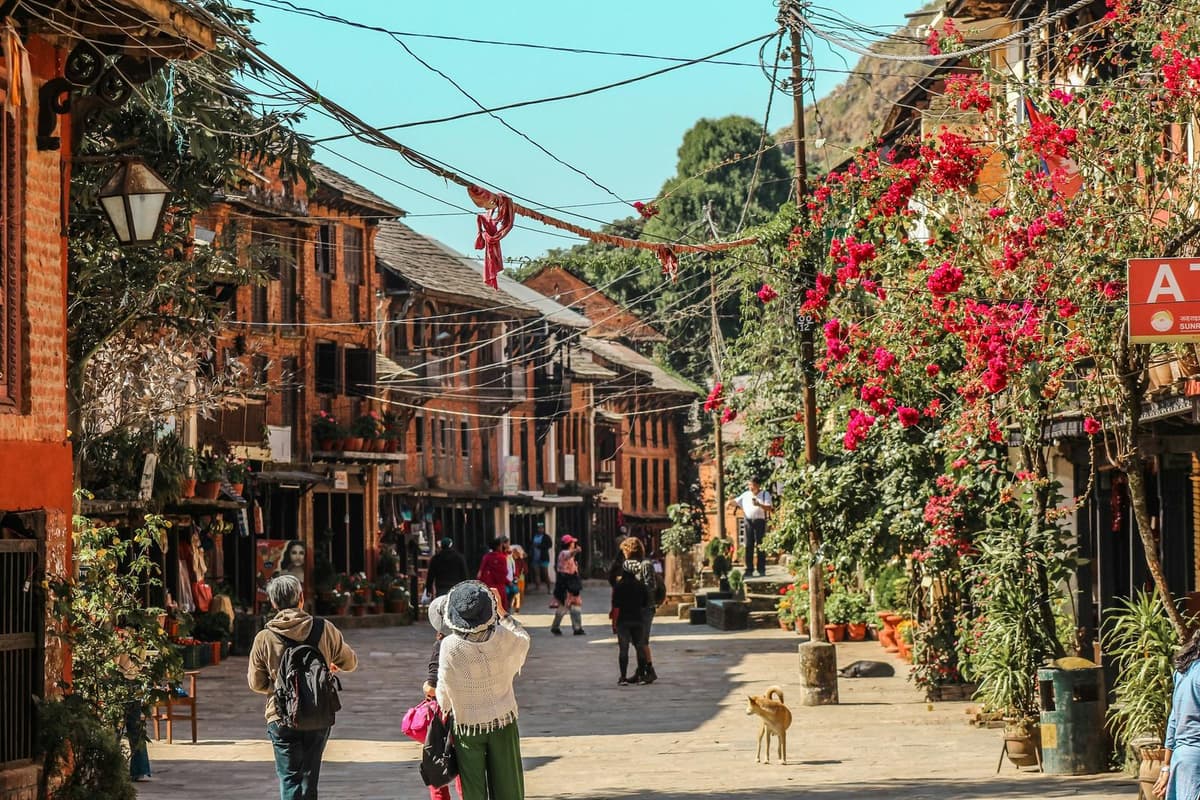
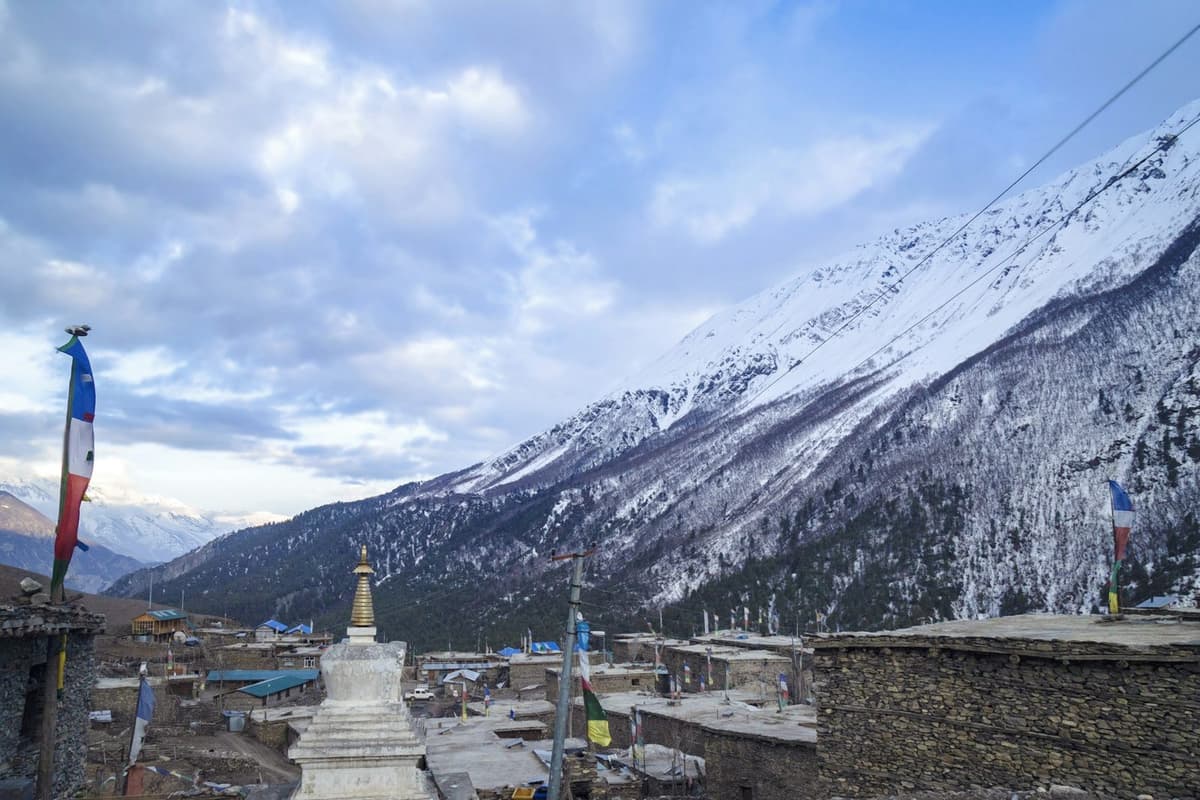
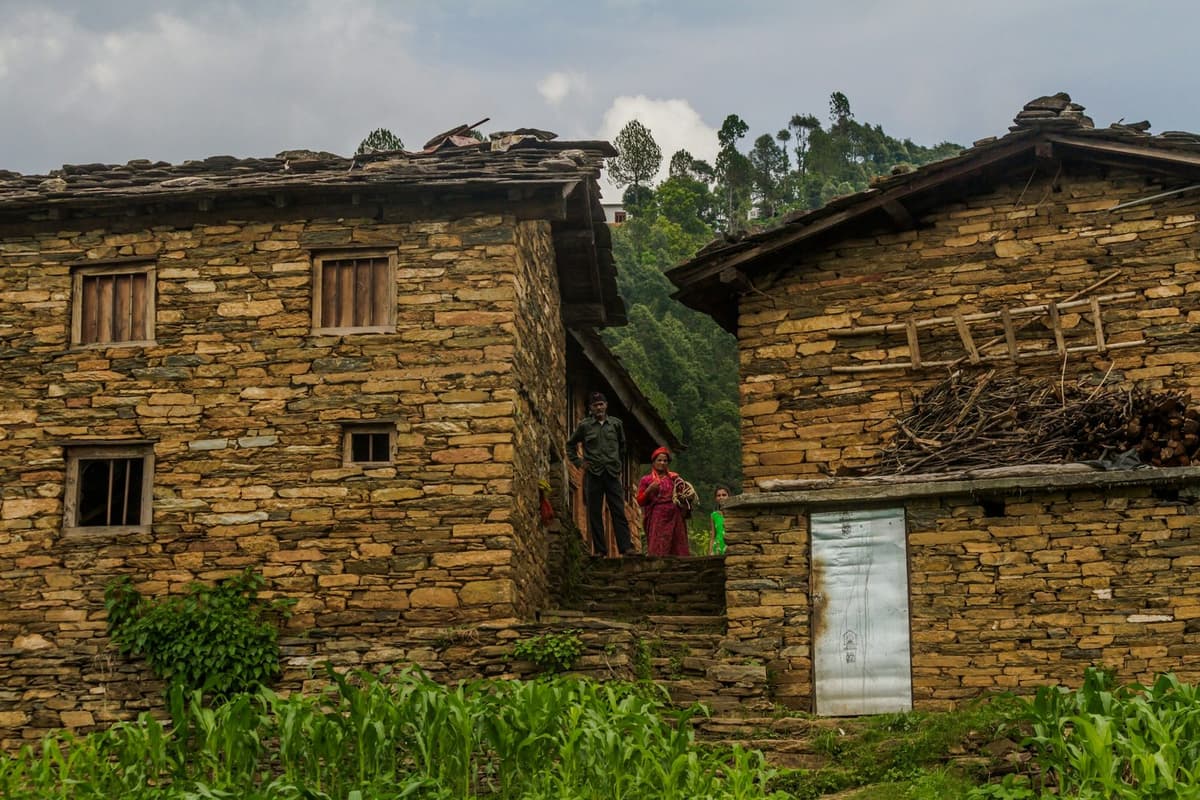
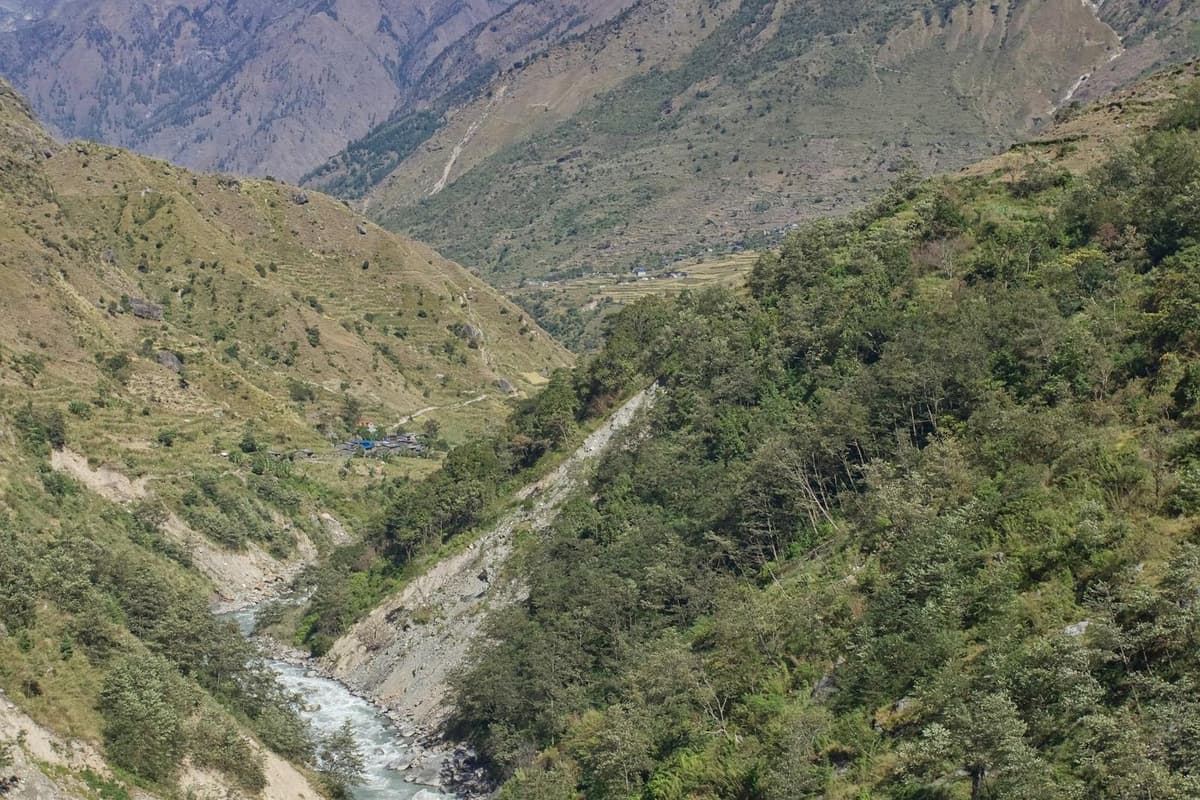
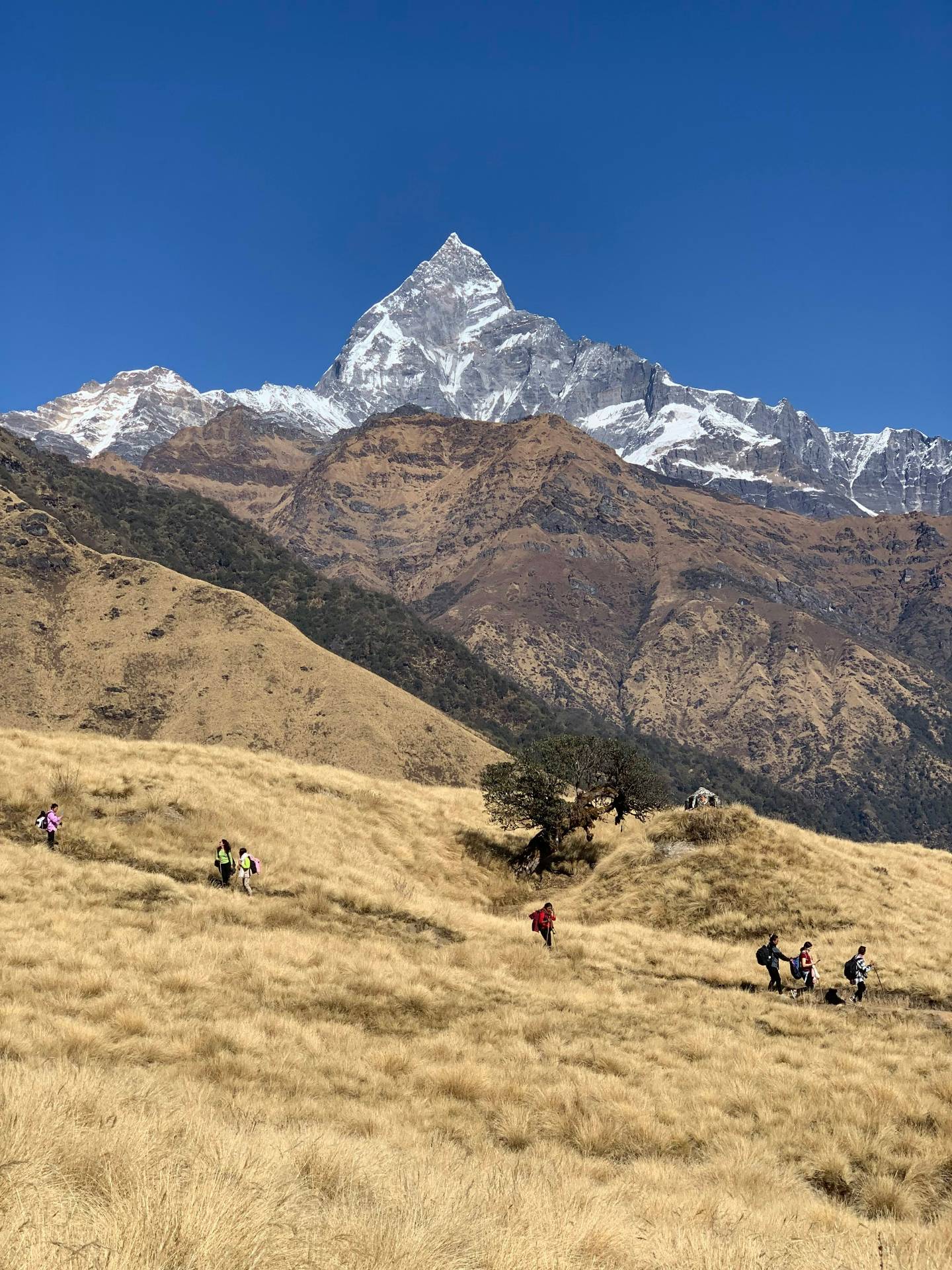
- Walk up through farming villages and Ghachowk, with Machhapuchhre ahead
- Around 6 hours on foot in total, climbing into forest
- Overnight in a simple lodge at Hile Kharka, at 2,160 m
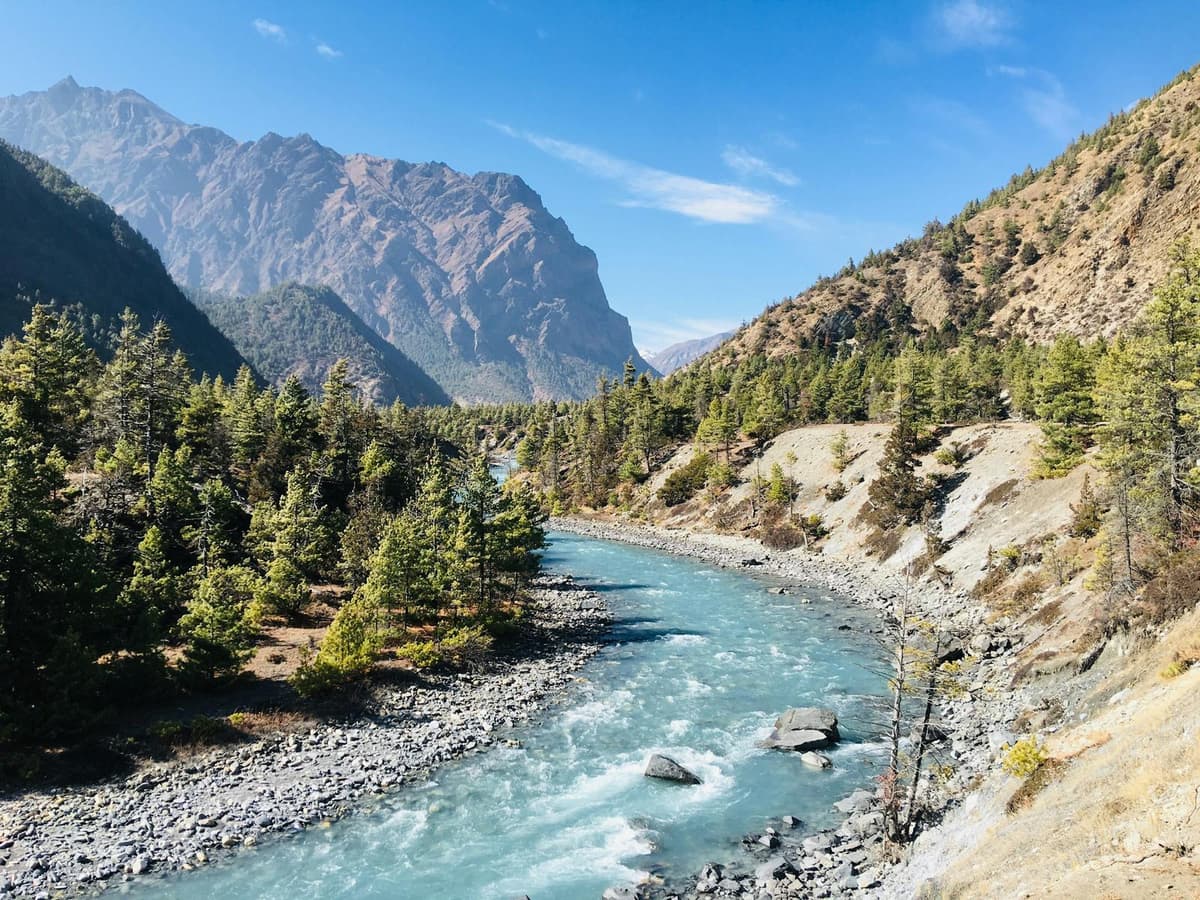
- Climb of 5 to 6 hours through dense forest
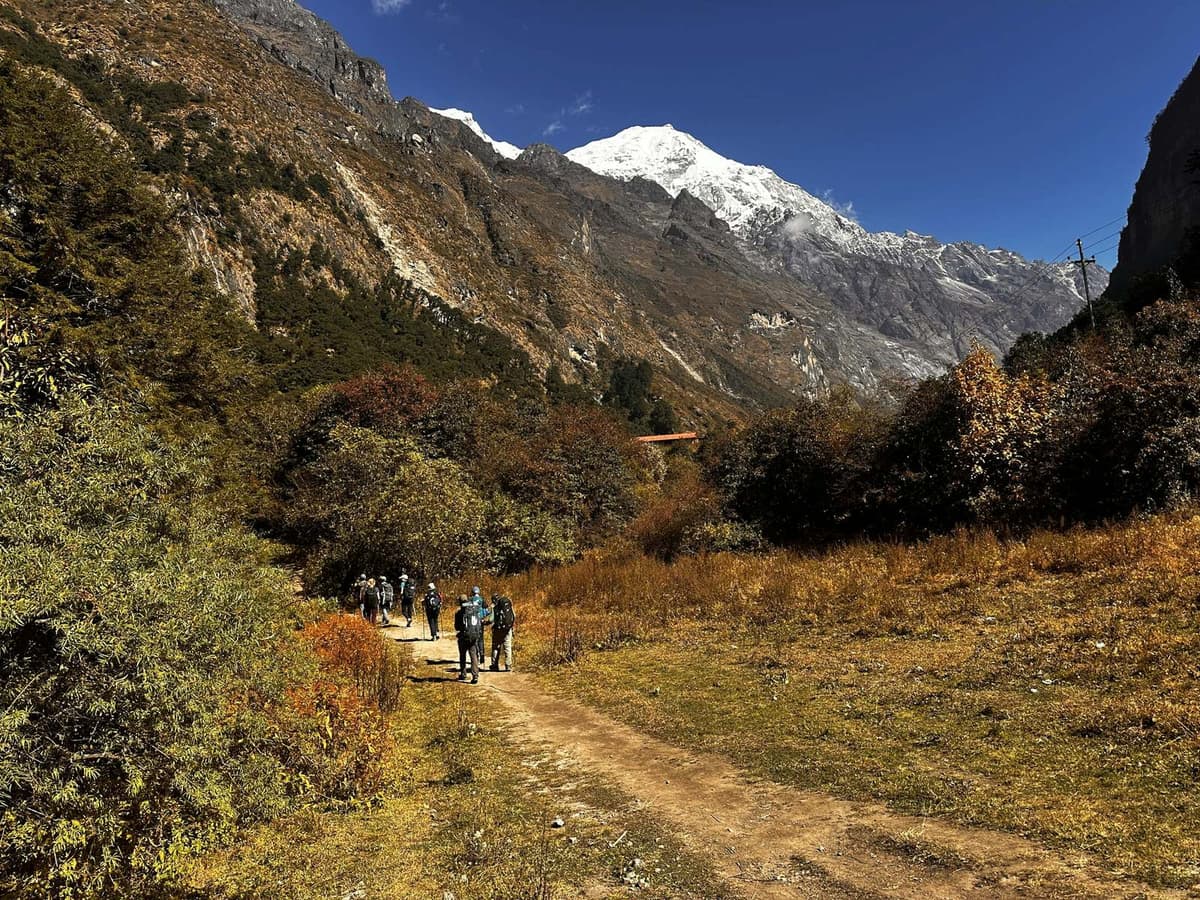
- Path narrows and steepens on the grassy upper slopes
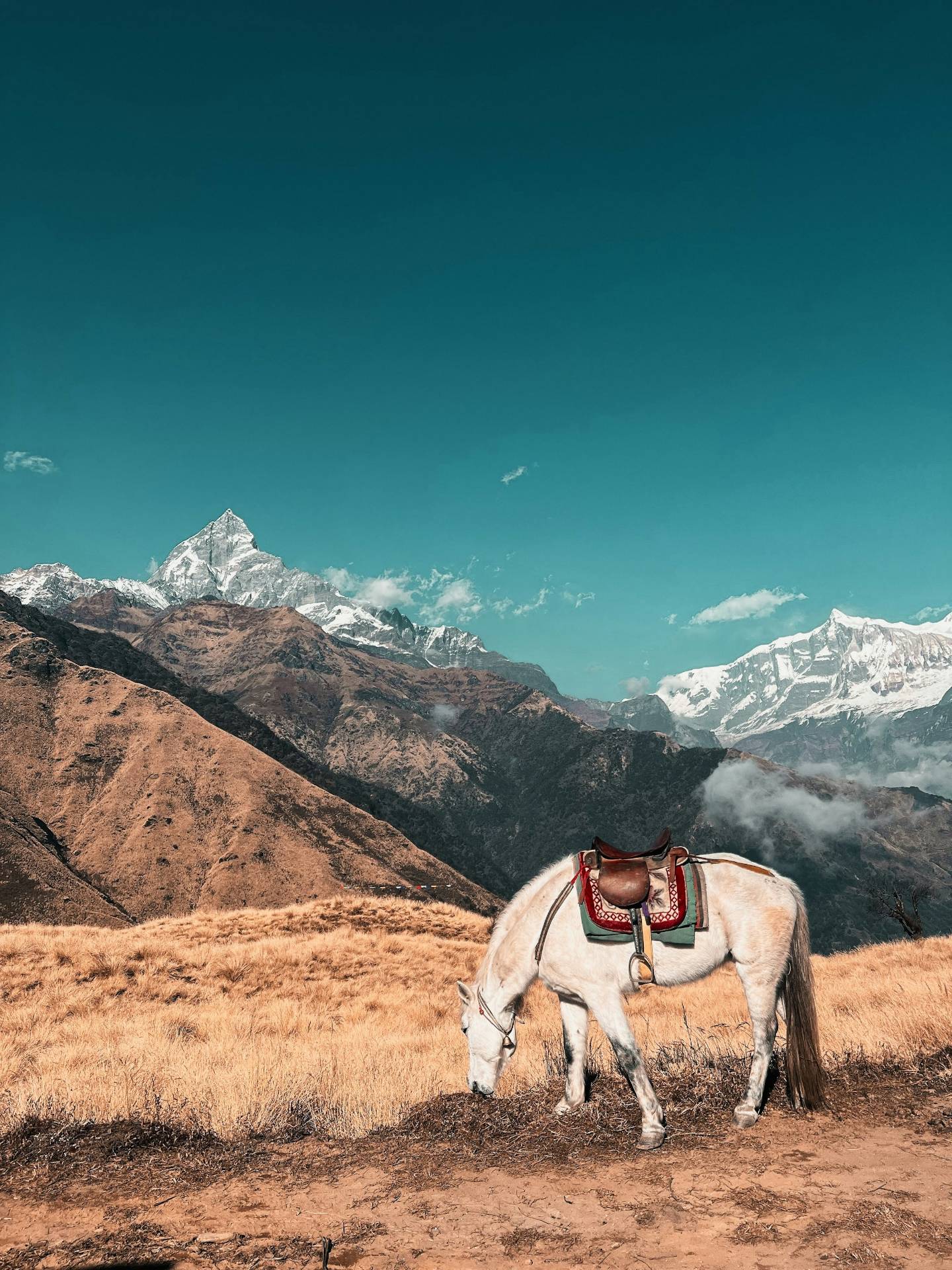
- Arrive at Khumai Danda, a ridge at 3,245 m, facing Machhapuchhre
- Overnight in a basic lodge or tent on the ridge, with an early night
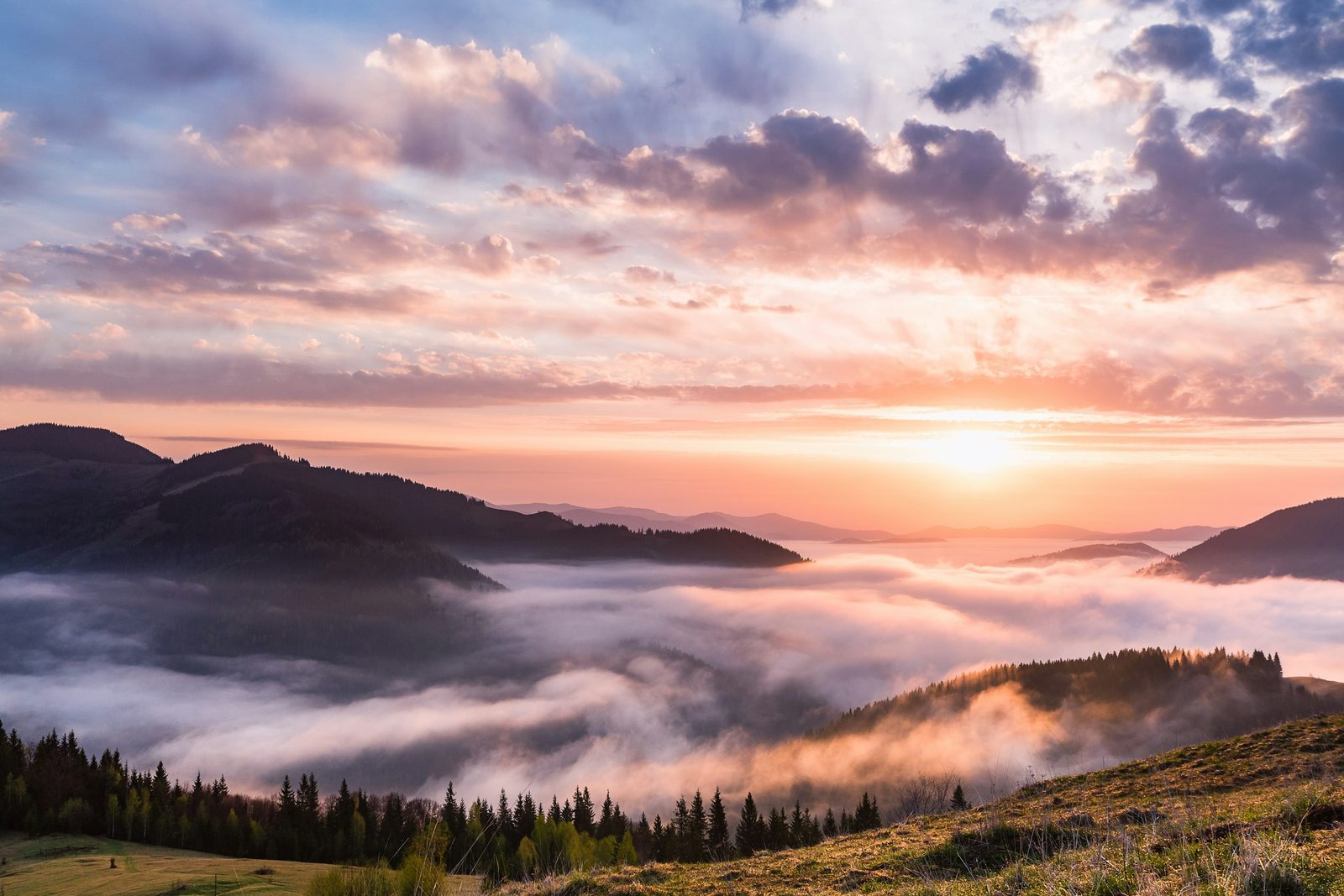
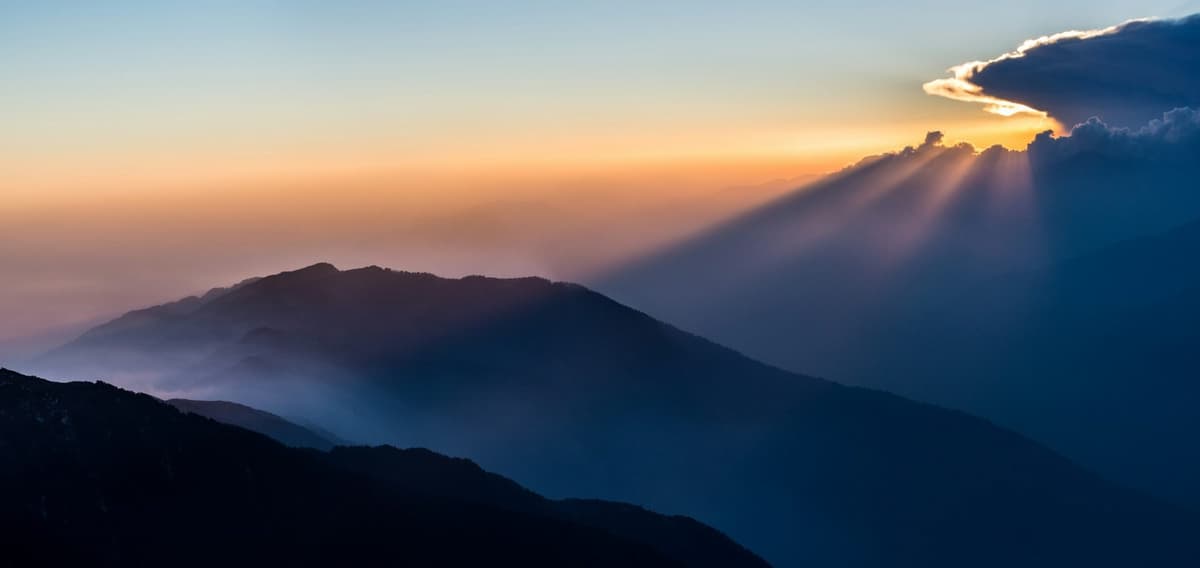
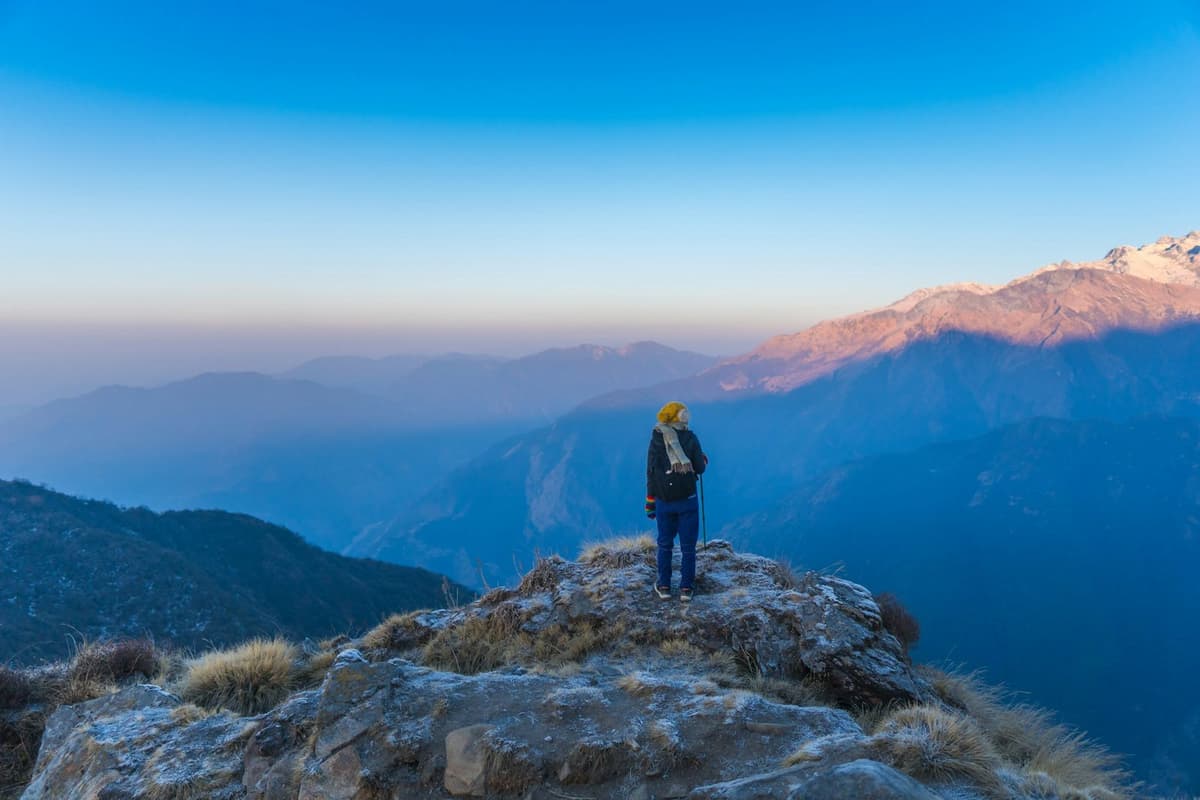
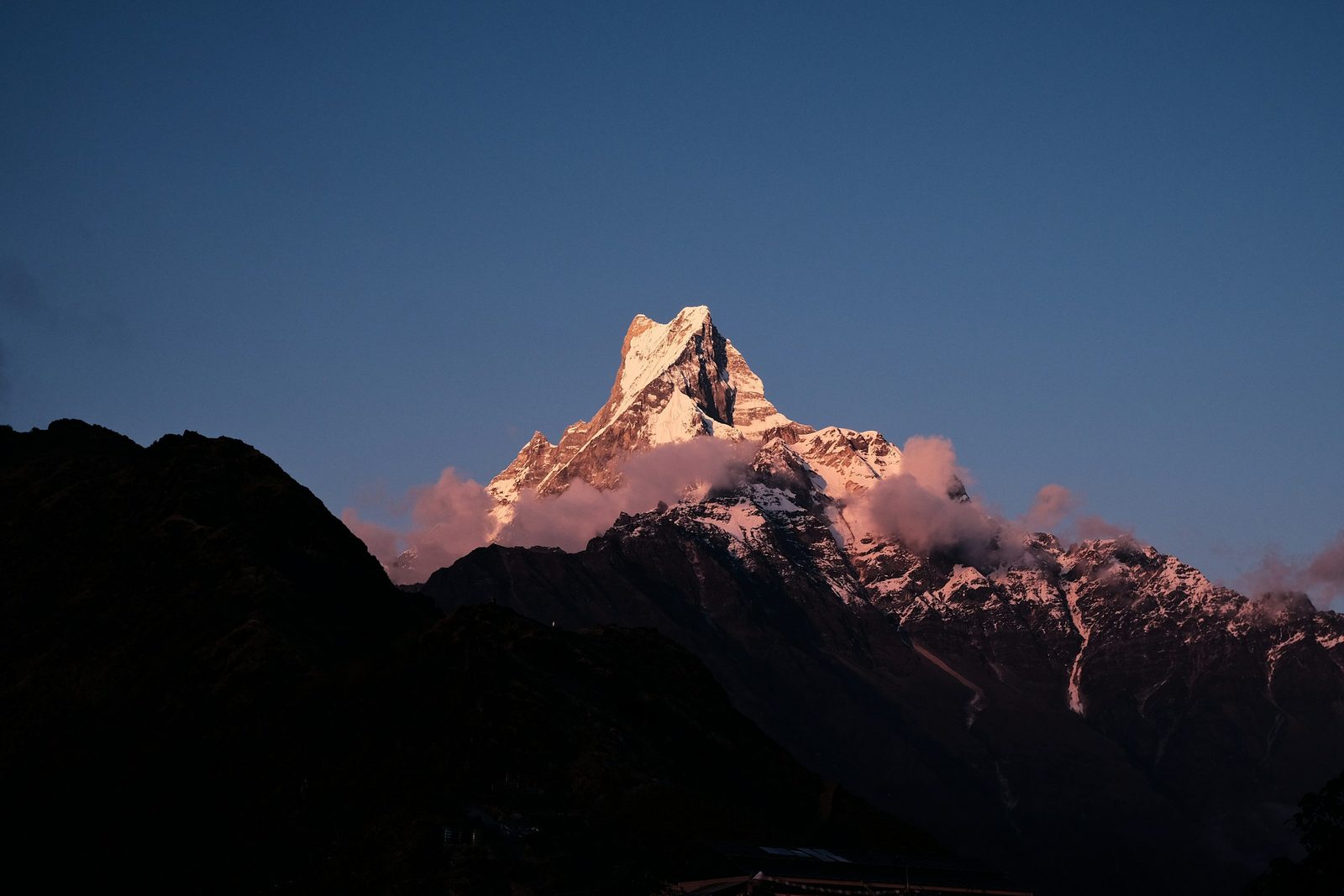
- Pre-dawn climb by head torch to Korchon, at about 3,700 m, for sunrise
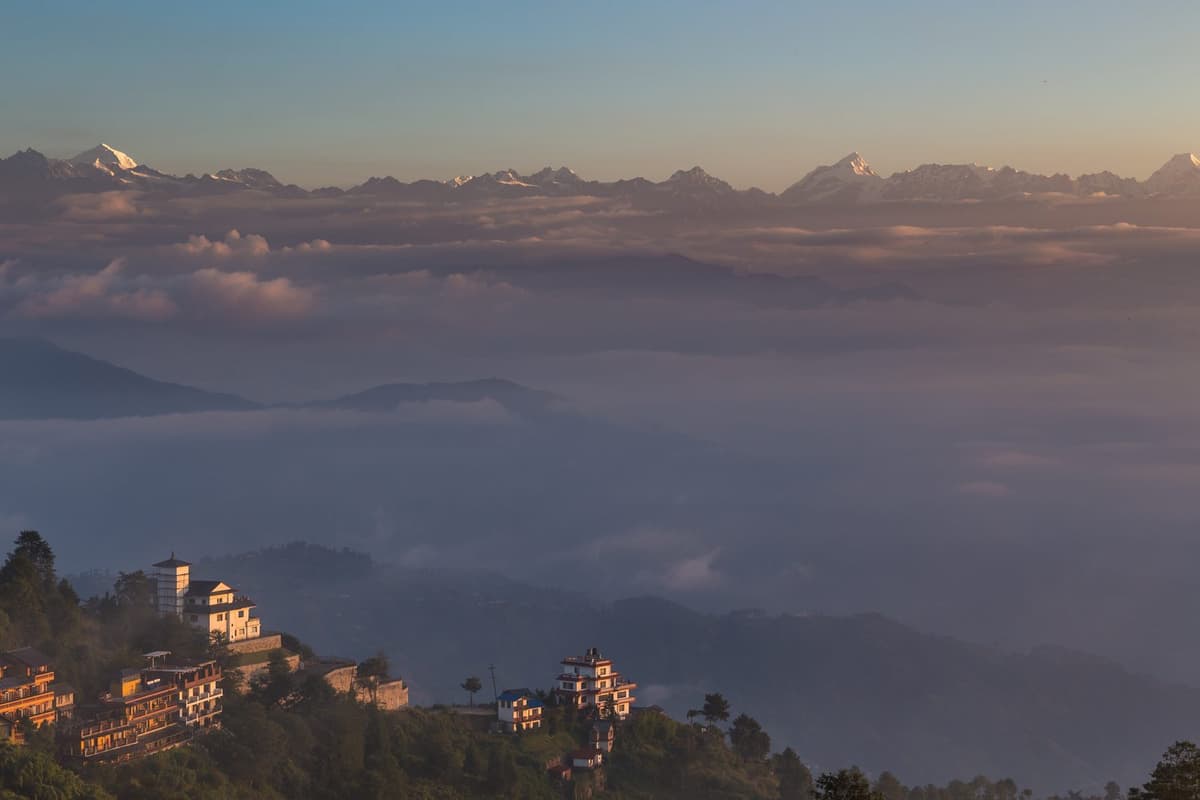
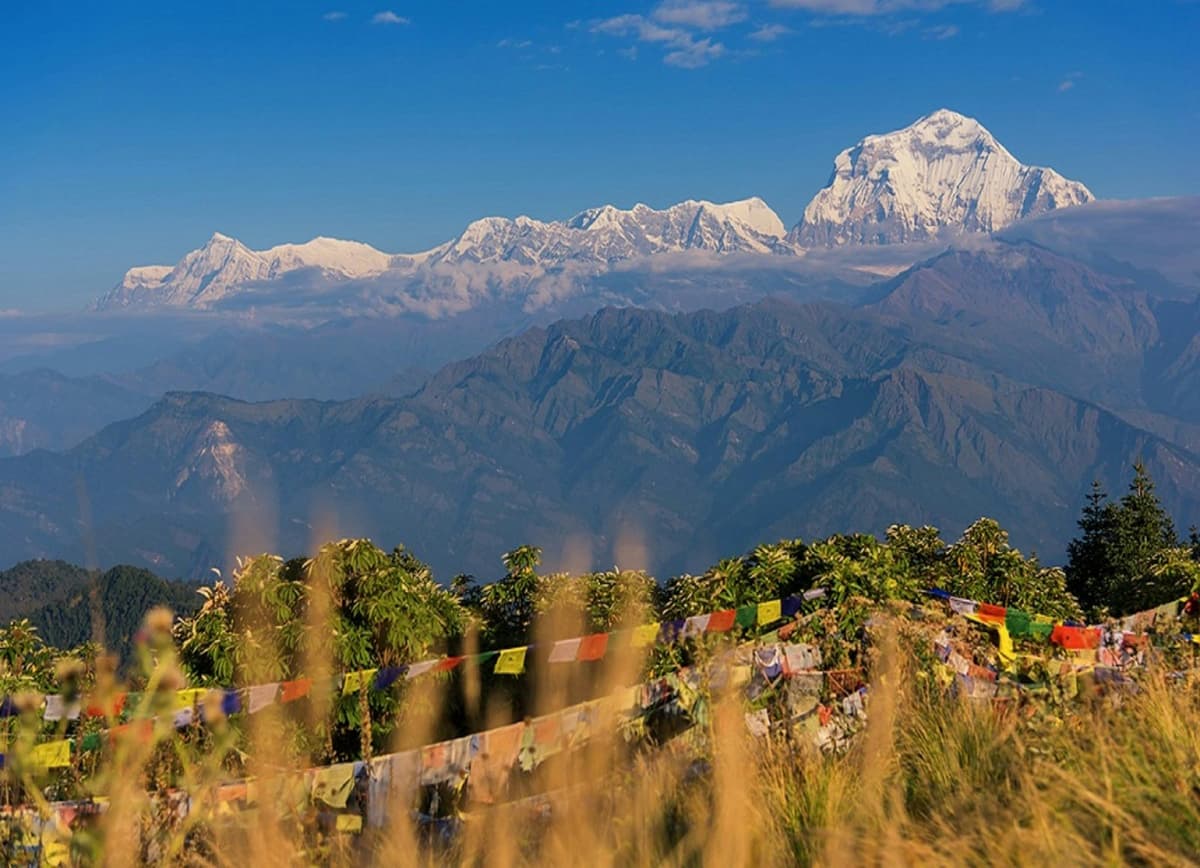
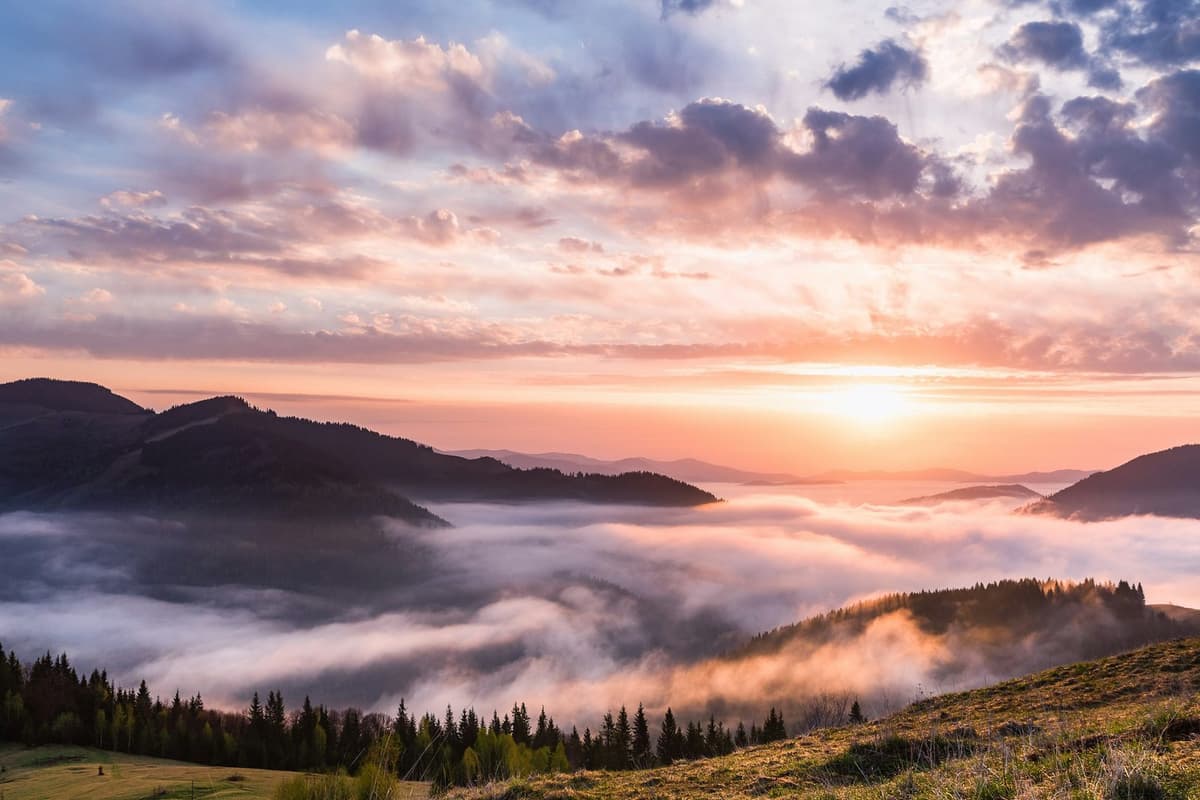
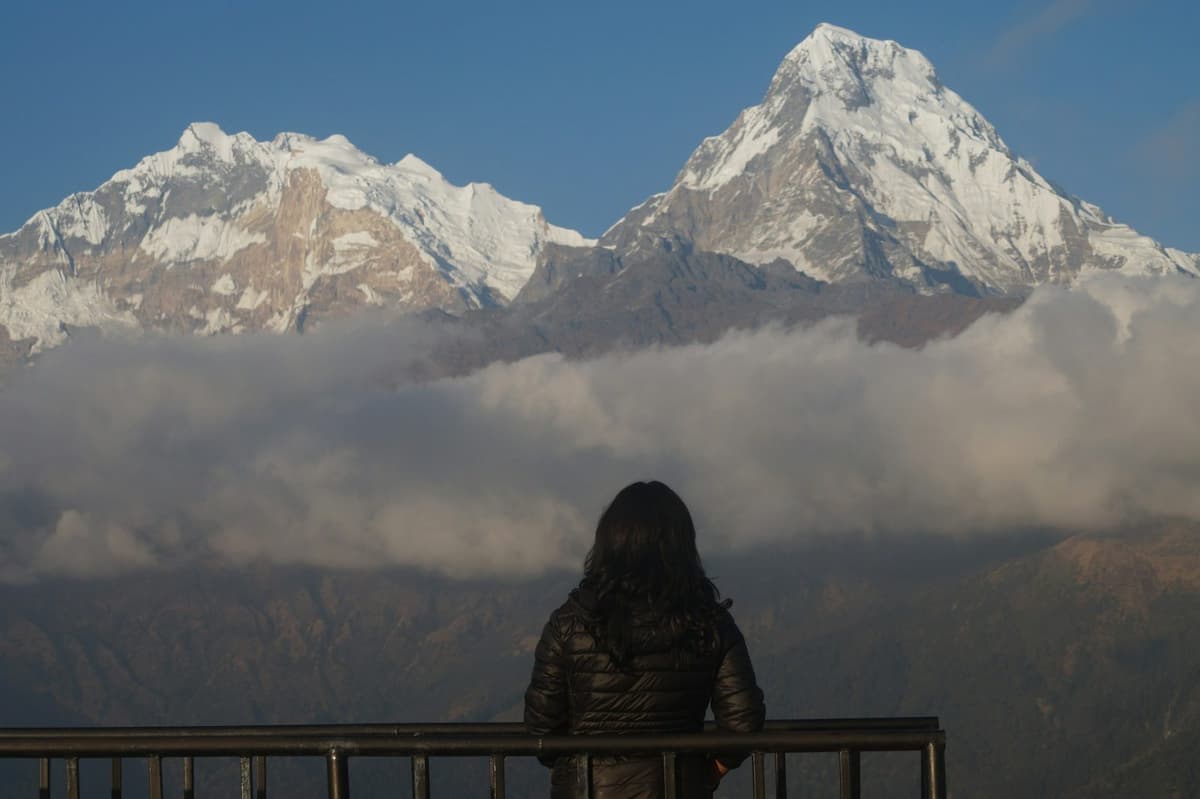
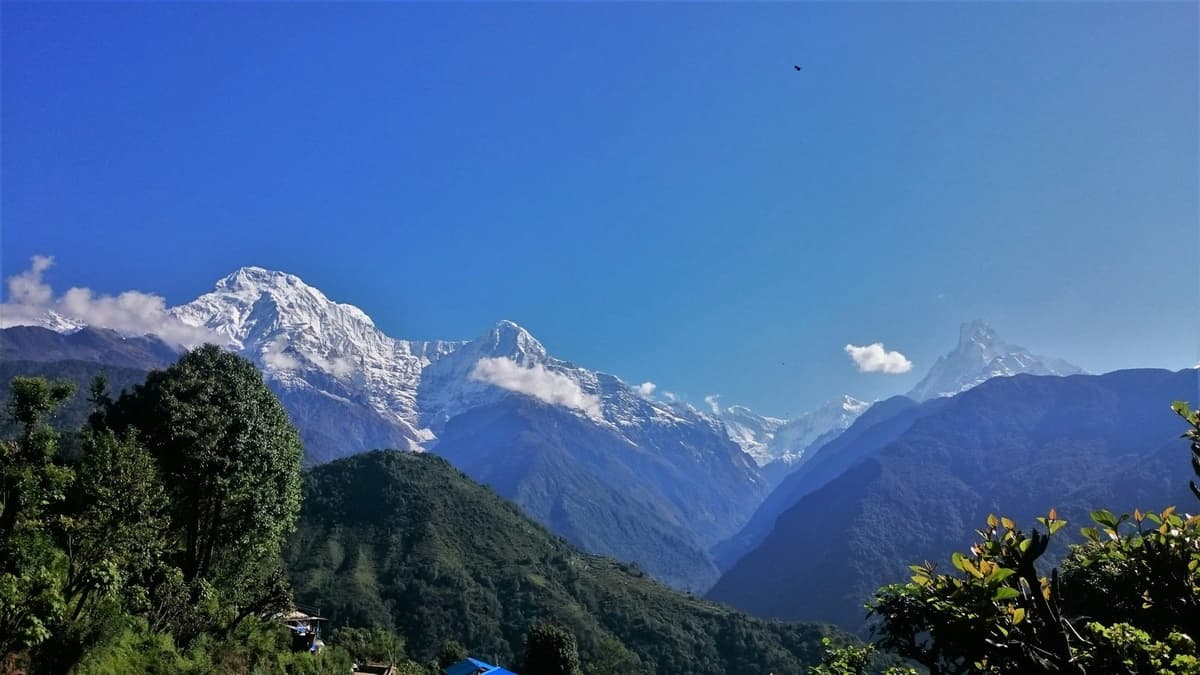
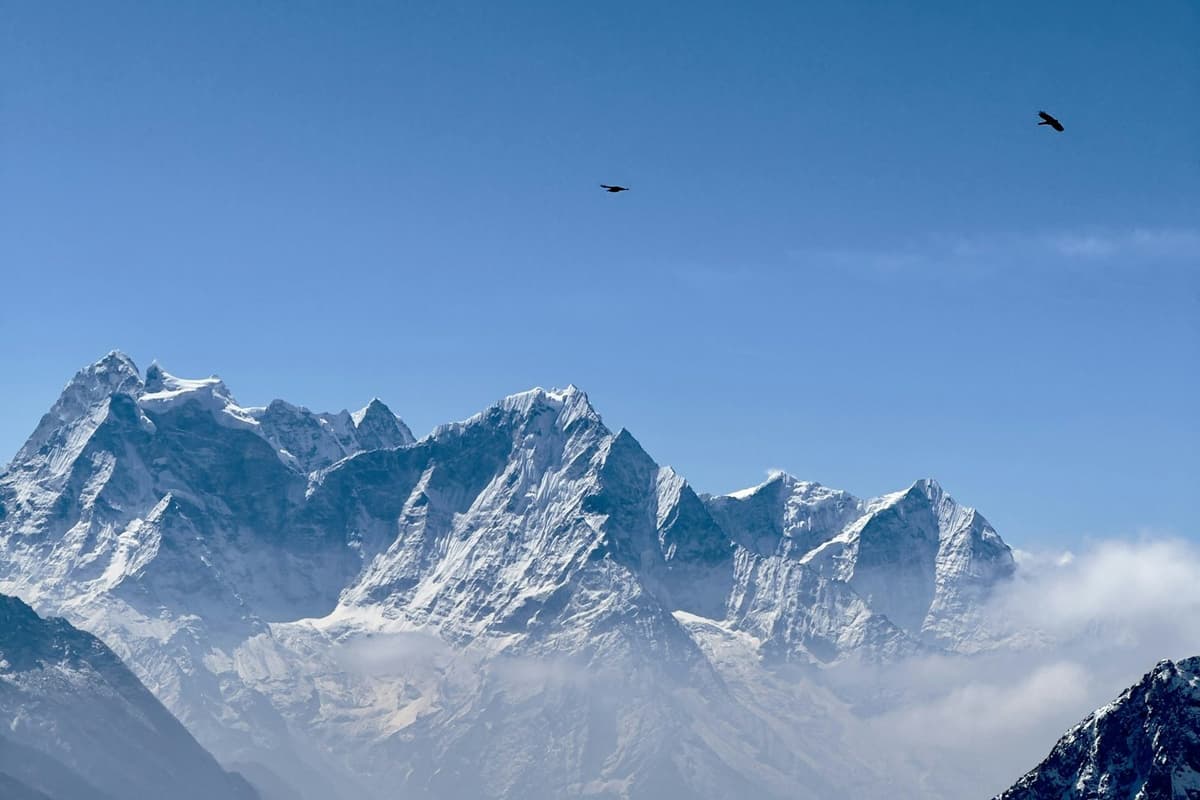
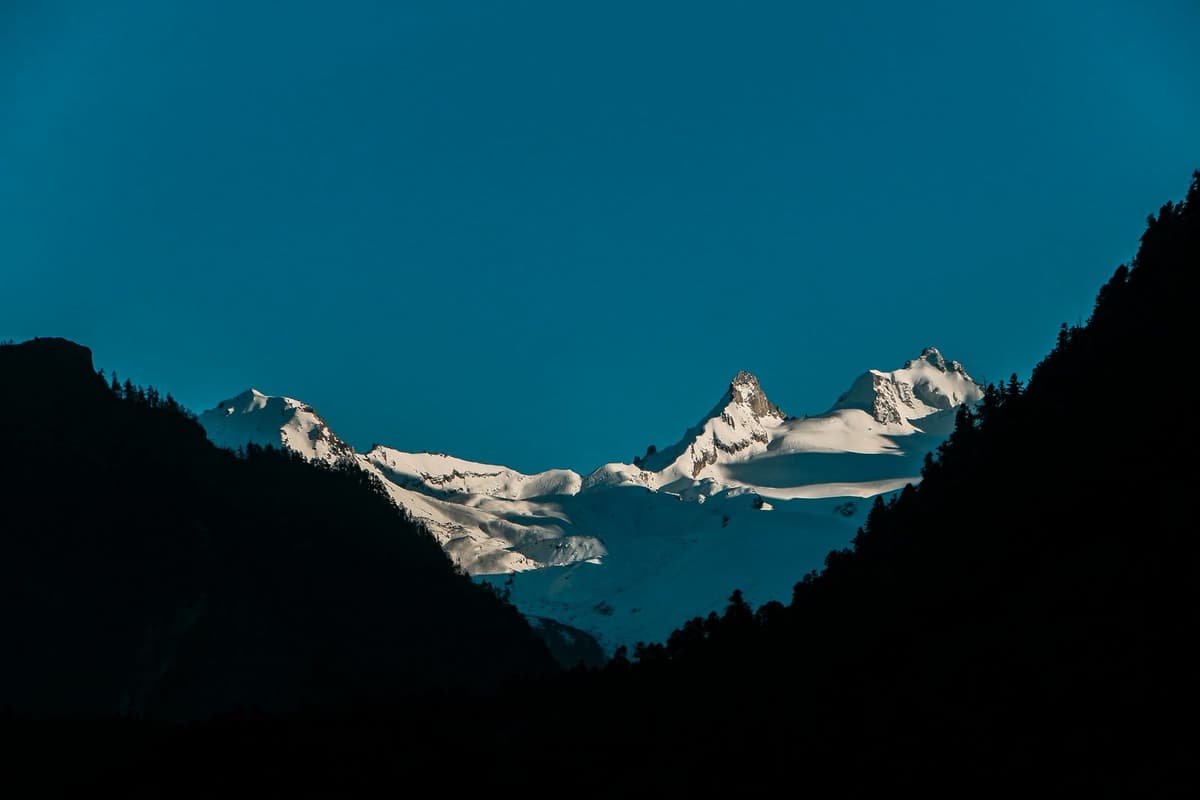
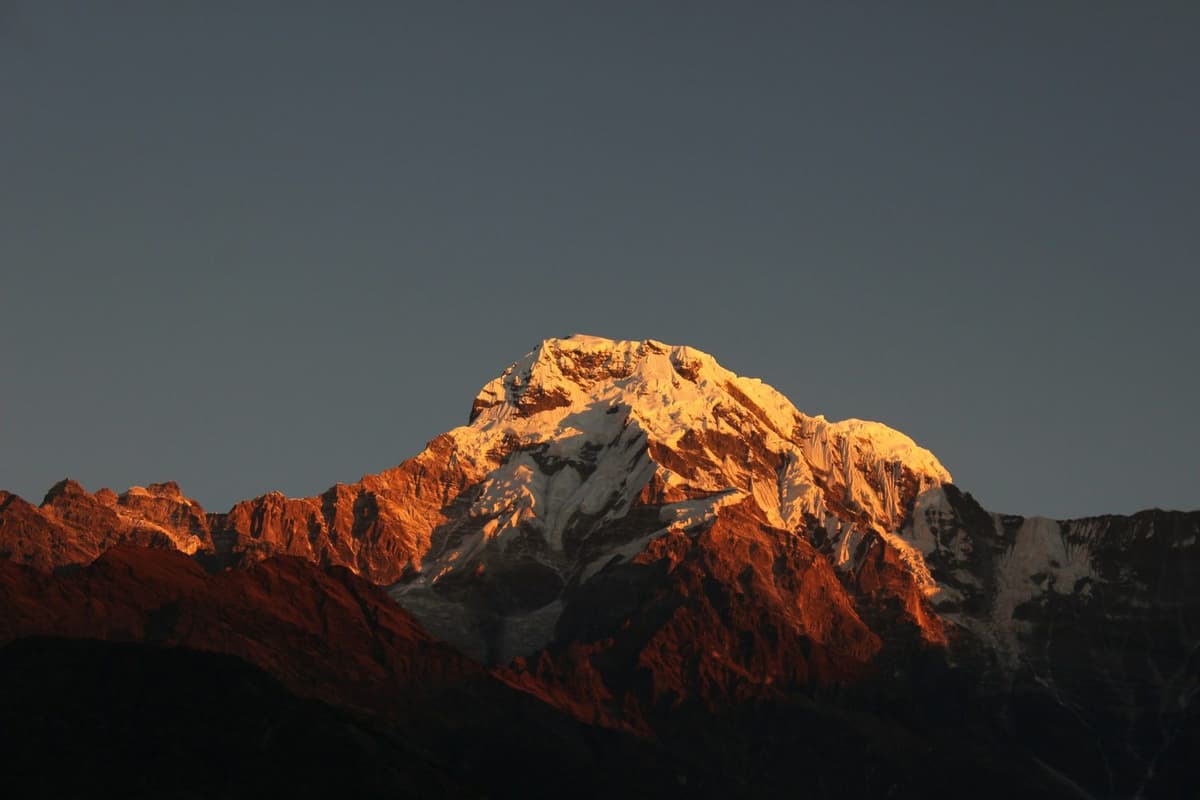
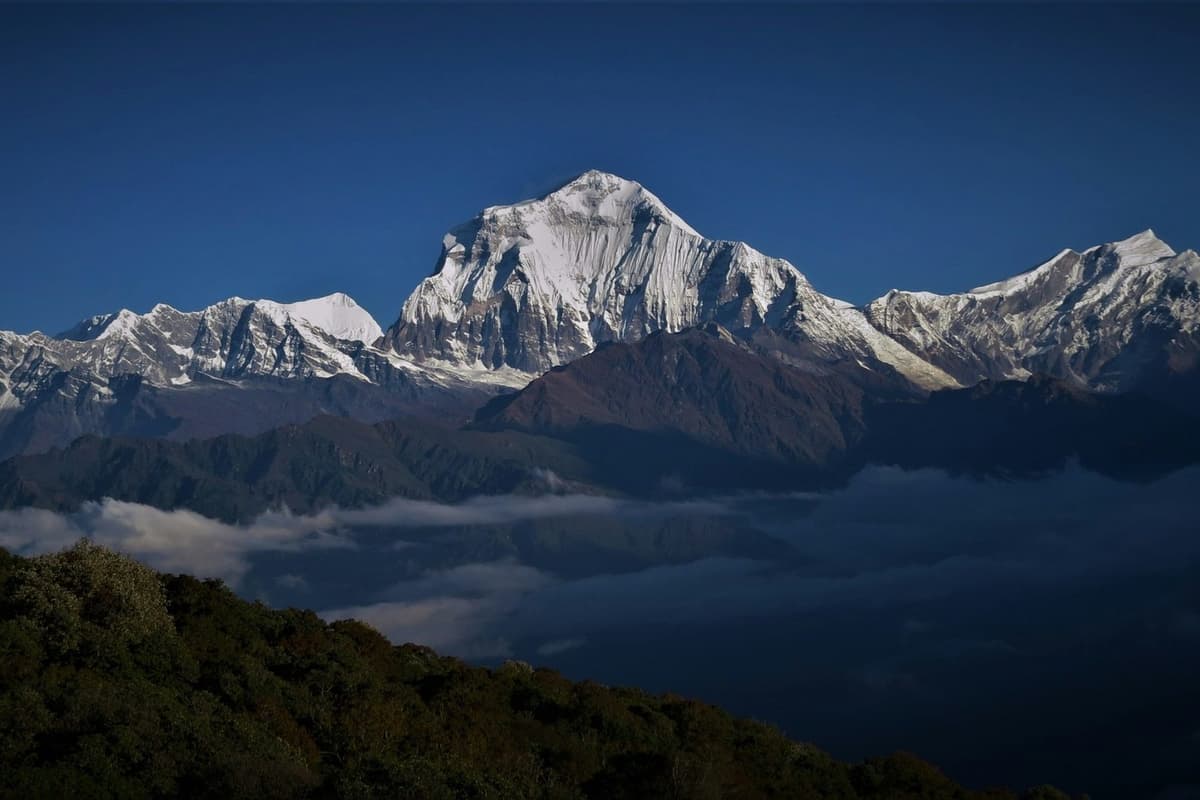
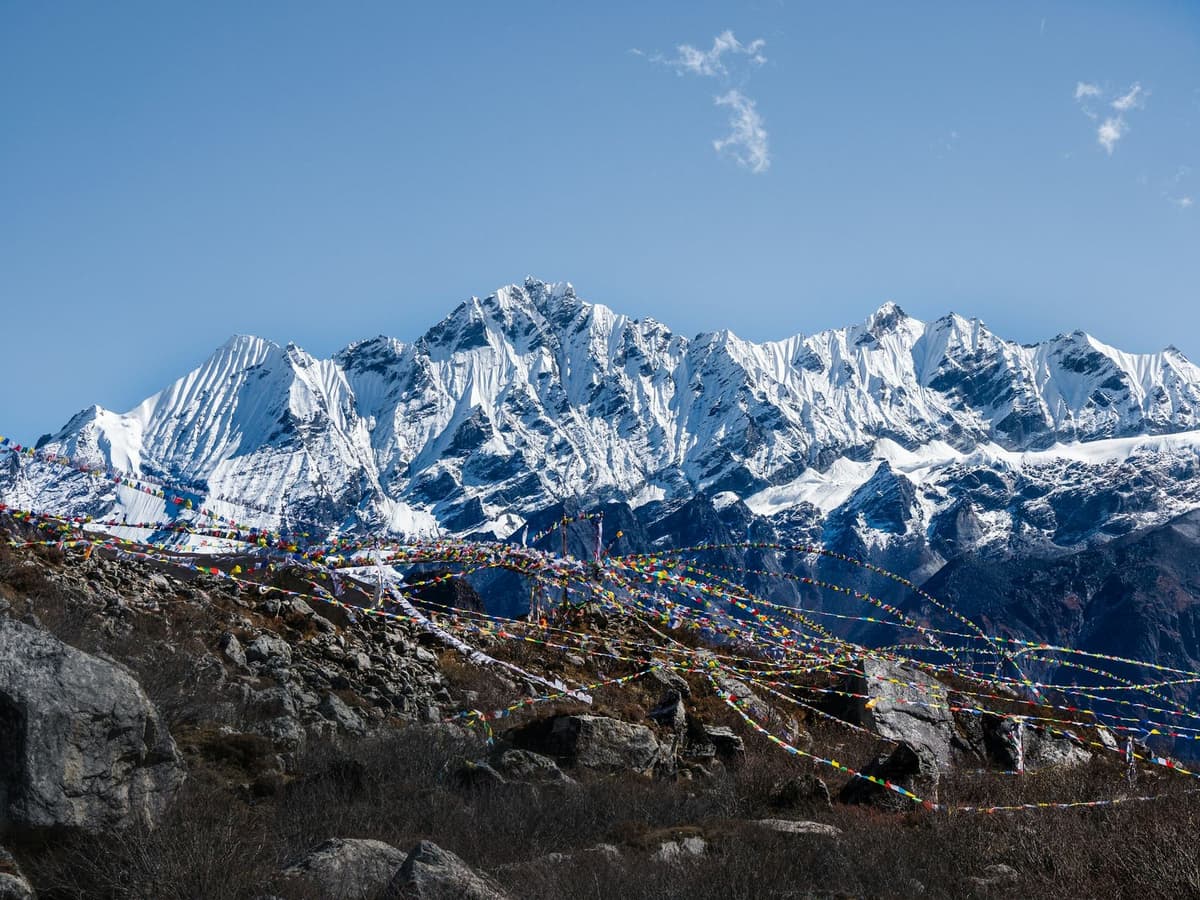
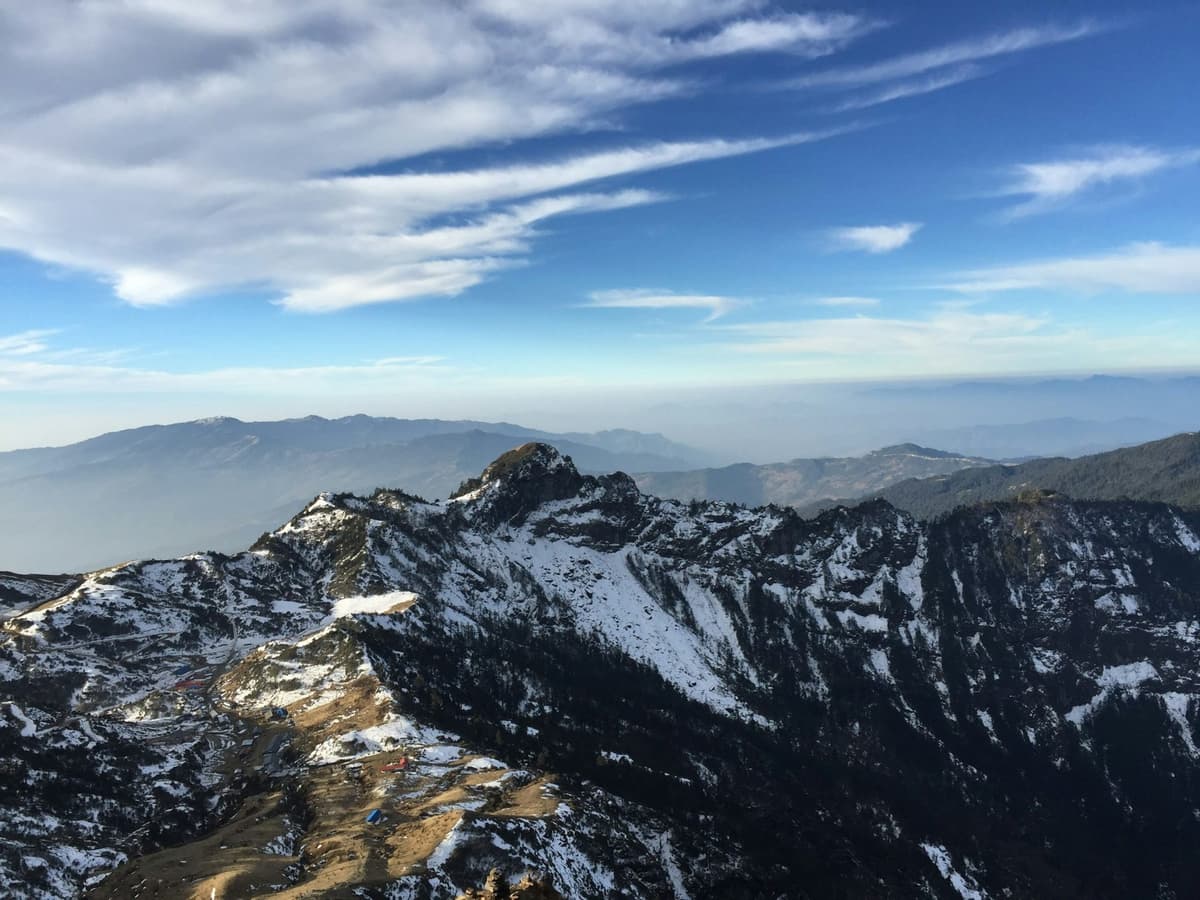
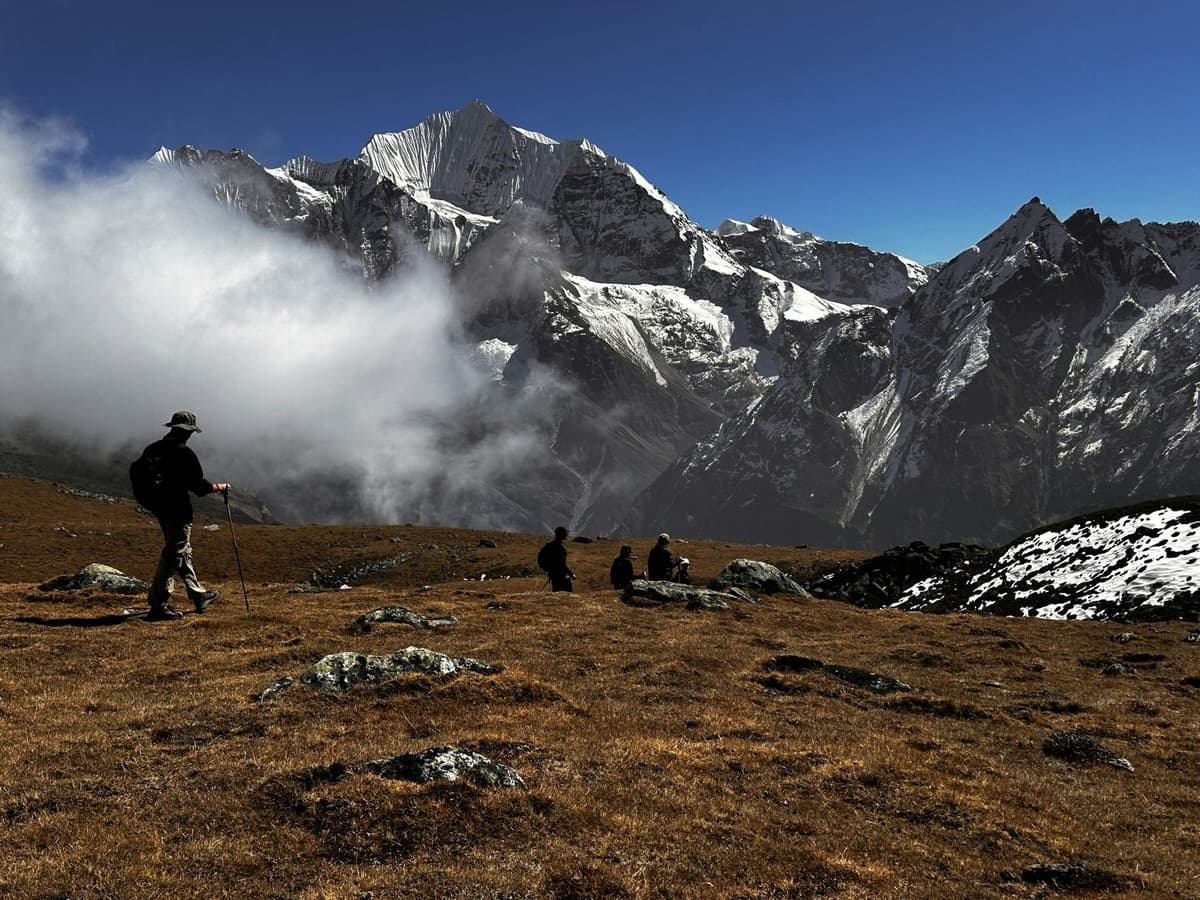
- Views of Machhapuchhre, Mardi Himal, Annapurna South and Hiunchuli when the sky is clear
- Long descent back through Khumai and the forest to Ghachowk, 7 to 8 hours on foot
- Drive of about 1.5 hours back to Pokhara, arriving in the evening
Things to carry
- Warm down jacket, hat and gloves for the ridge and the sunrise climb
- Head torch with spare batteries
- Trekking poles for the long final descent
- Leech socks or salt in the wetter shoulder months
- Refillable water bottle and purification tablets
Good to know
Complete guide
Khumai Danda is a grassy ridge directly below Machhapuchhre, the fishtail peak you see from Pokhara, and this three-day trek reaches it from the edge of the city. It climbs to 3,245 m at Khumai and to about 3,700 m at the Korchon viewpoint, and it is still quiet compared with the busier Annapurna routes. This guide explains what the trek is like, how hard the last day is and what we arrange.
What the Khumai Danda trek covers
The trek starts with a short drive of about 30 minutes from Pokhara to Hemja. From there you walk up through farming villages and Ghachowk to Hile Kharka, a forest clearing at 2,160 m, around 6 hours on foot. The second day is a climb of 5 to 6 hours through dense forest to the ridge at Khumai Danda. On the third morning you climb in the dark to Korchon for sunrise over Machhapuchhre, Mardi Himal, Annapurna South and Hiunchuli, then walk all the way down to Ghachowk, 7 to 8 hours, and drive about 1.5 hours back to Pokhara.
Khumai sits on the same side of Machhapuchhre as the Mardi Himal trek from Pokhara, which spends longer up high and gets closer to the mountain. If you would rather have a gentler first trek with better teahouses, the Ghorepani Poon Hill trek gives you a classic sunrise with less climbing.
How hard it is, honestly
This is a moderate trek with one hard day. The first two days are steady climbs, mostly through forest, with the path getting narrower and steeper on the grassy slopes below the ridge. The third day is the one to plan for: an early start for the Korchon sunrise, then a long descent to Ghachowk before the drive back. You reach Pokhara tired, and your knees will notice.
You do not need trekking experience, but you should be fit and used to long walks with a lot of climbing and descent. Trekking poles help. If three days feels rushed, ask us about adding a night so the descent is split, which makes the trek much more comfortable.
Altitude, permits and your guide
Khumai Danda is 3,245 m (10,647 ft). Sources put Korchon between 3,682 m and 3,700 m, so we describe it as about 3,700 m. You sleep at Khumai and only visit Korchon for sunrise, so the altitude is manageable for most fit walkers, but you do climb from the valley to over 3,000 m in two days. A mild headache is possible; drink plenty, walk slowly and tell your guide how you feel. If symptoms worsen, you go down.
The whole route lies inside the Annapurna Conservation Area, so you need an ACAP entry permit. We arrange your ACAP permit and TIMS card before you start, and a licensed guide who knows the ridge and the lodge owners leads every departure.
When to go and what the lodges are like
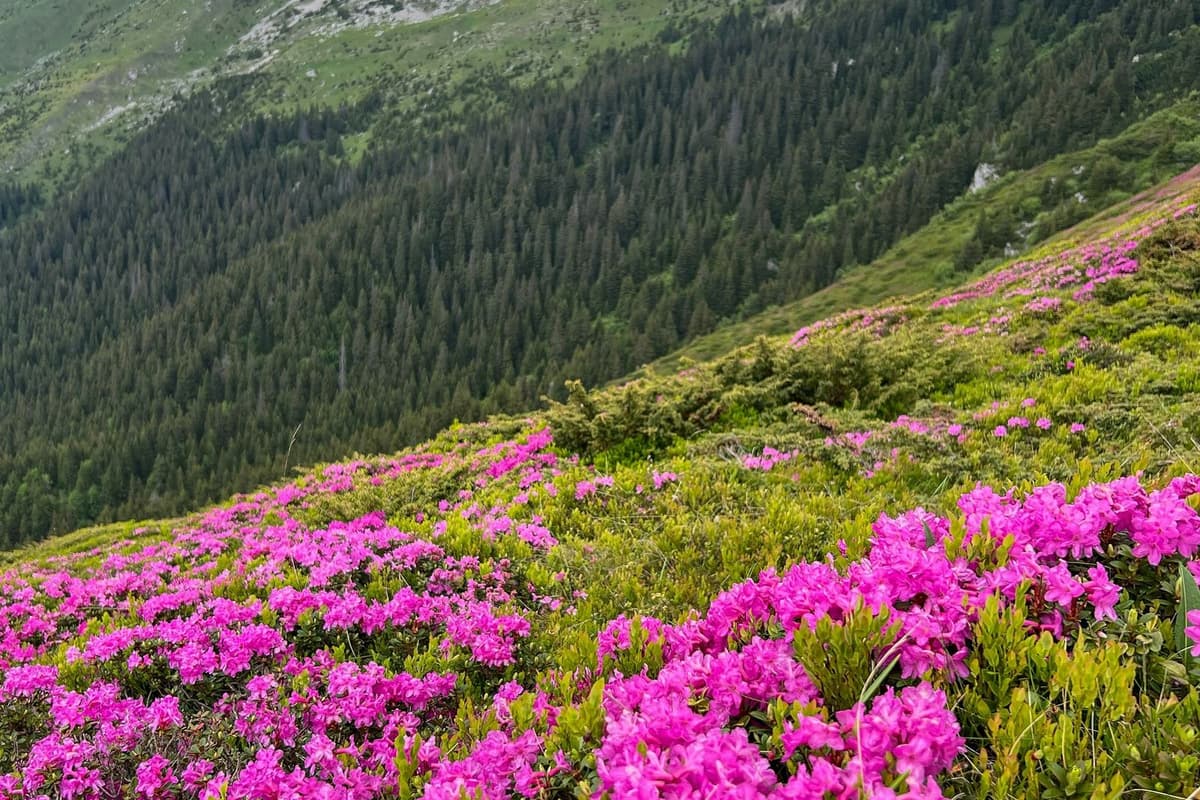
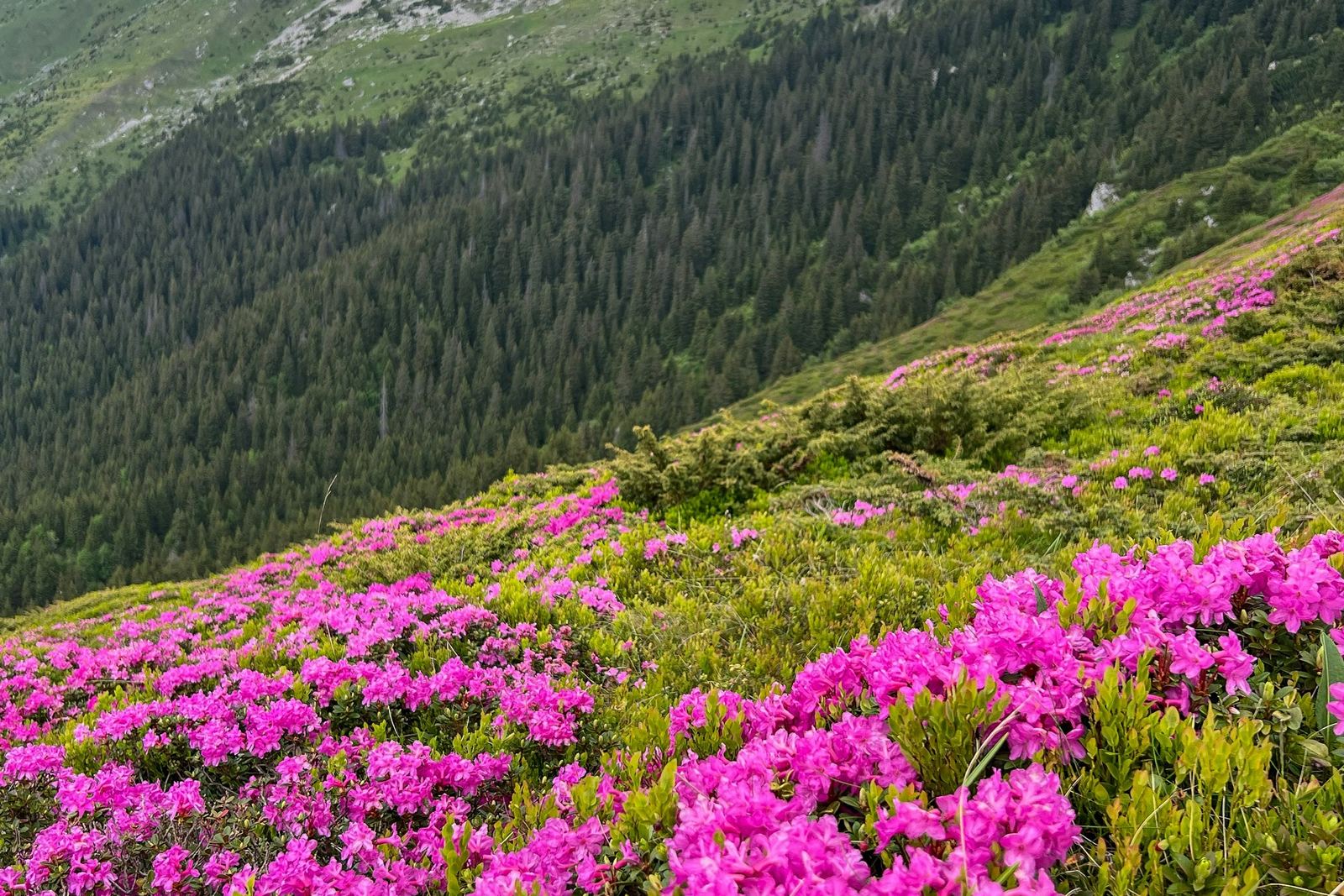
Spring, April to May, and autumn, October to November, are the seasons we run this trek. Autumn gives the clearest sunrise views from Korchon. Spring brings flowering forest and hazier afternoons. The monsoon turns the forest wet and brings leeches, and winter nights on the ridge are very cold. Nobody can promise a clear sunrise, and we will not.
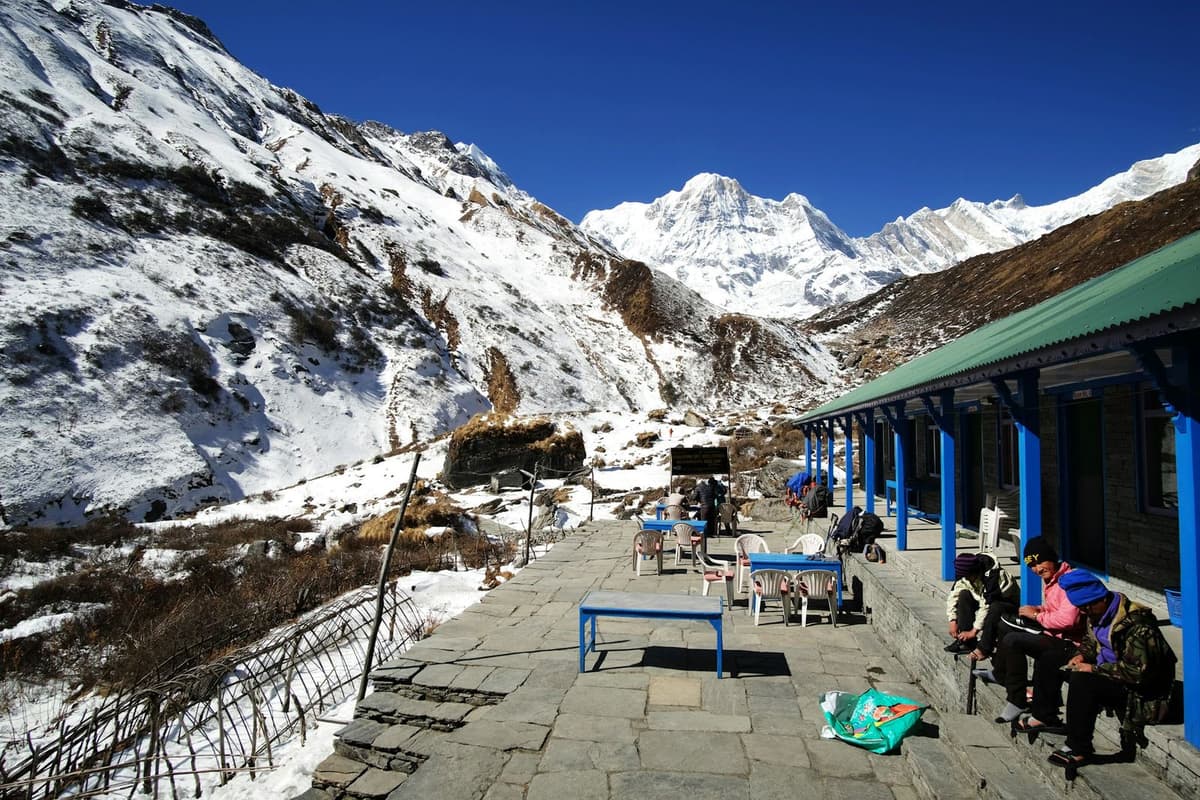
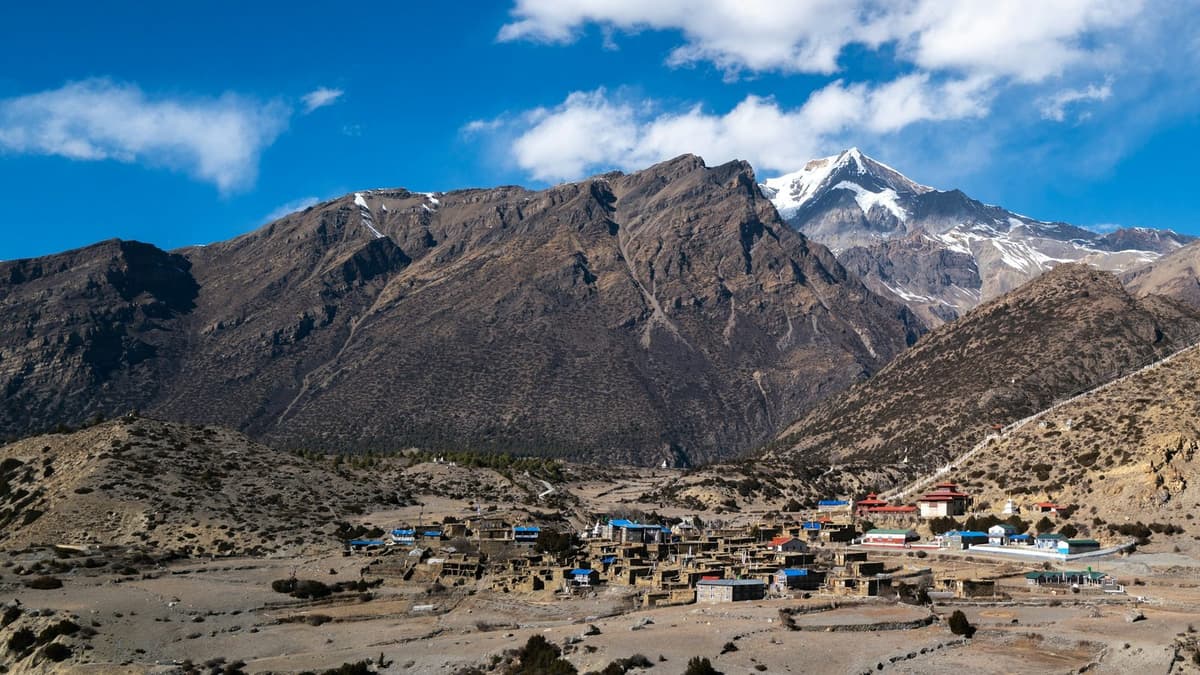
Lodges on this route are basic: small family-run places at Hile Kharka and on the ridge, with shared rooms, blankets and a short menu of dal bhat, noodles and tea, and some offer tents. Expect limited charging and no reliable hot water. That simplicity is part of why the trail is quiet. Not sure whether Khumai, Mardi Himal or Poon Hill fits your days? Send us your dates and we will tell you honestly.