






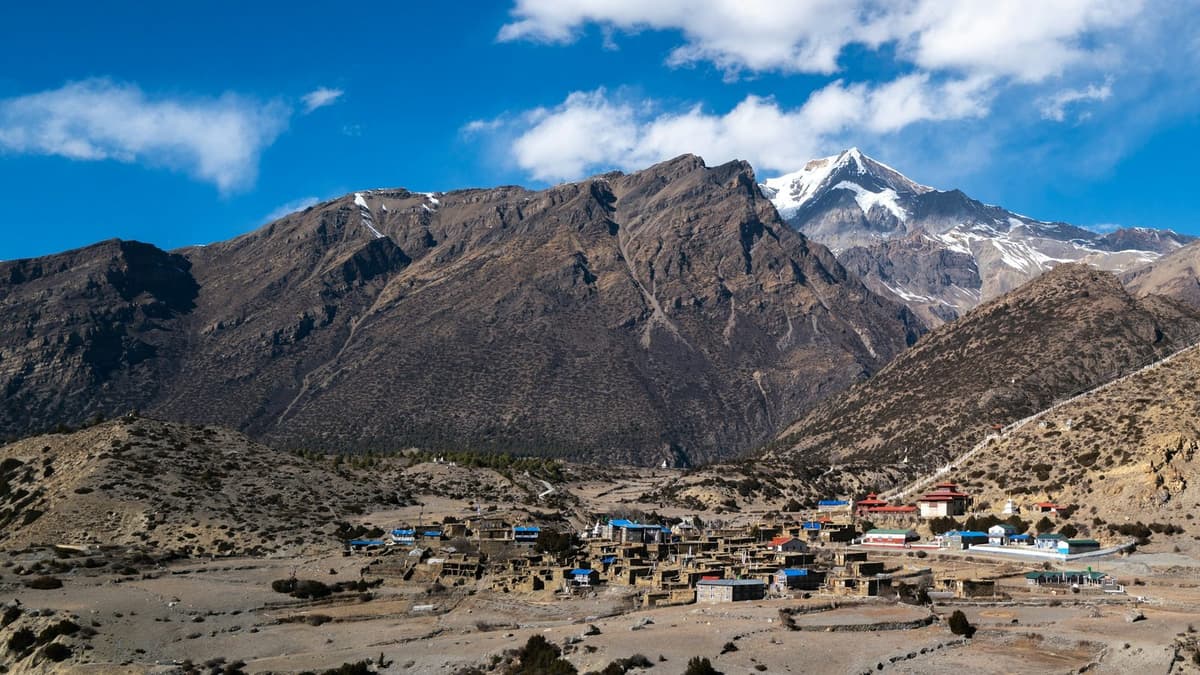
Overview
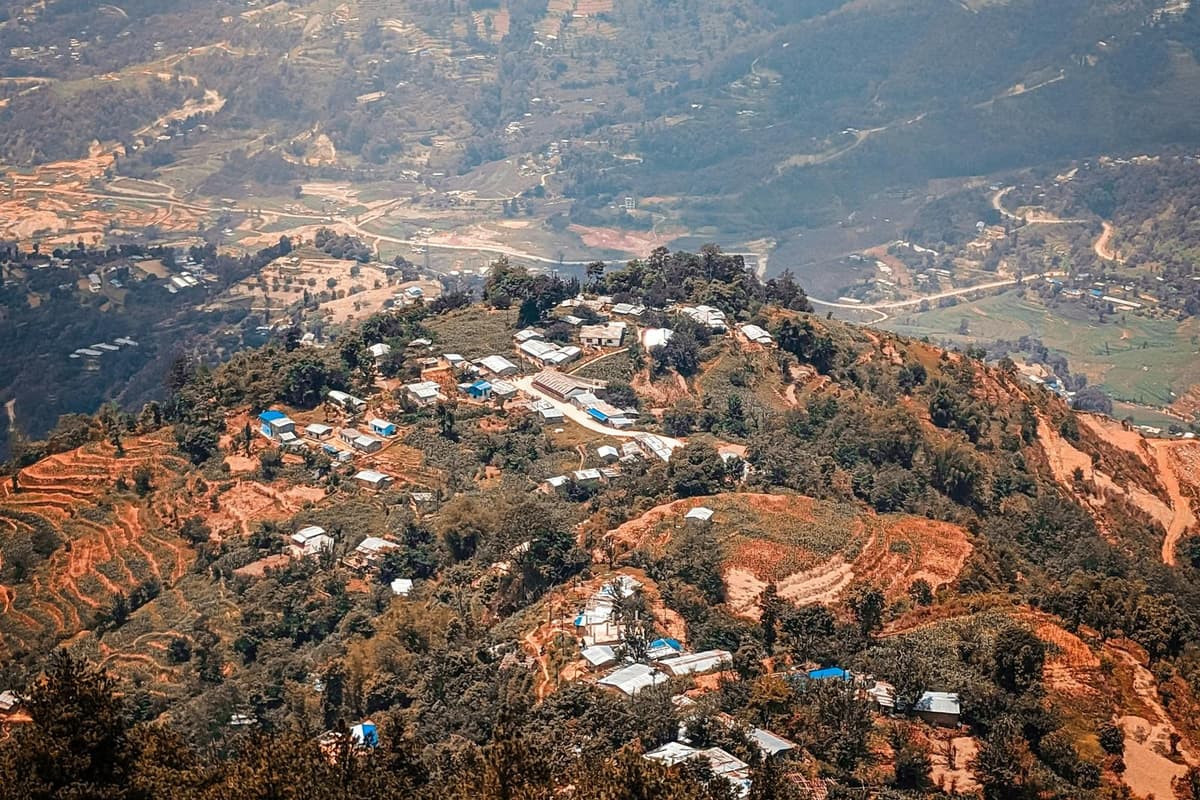
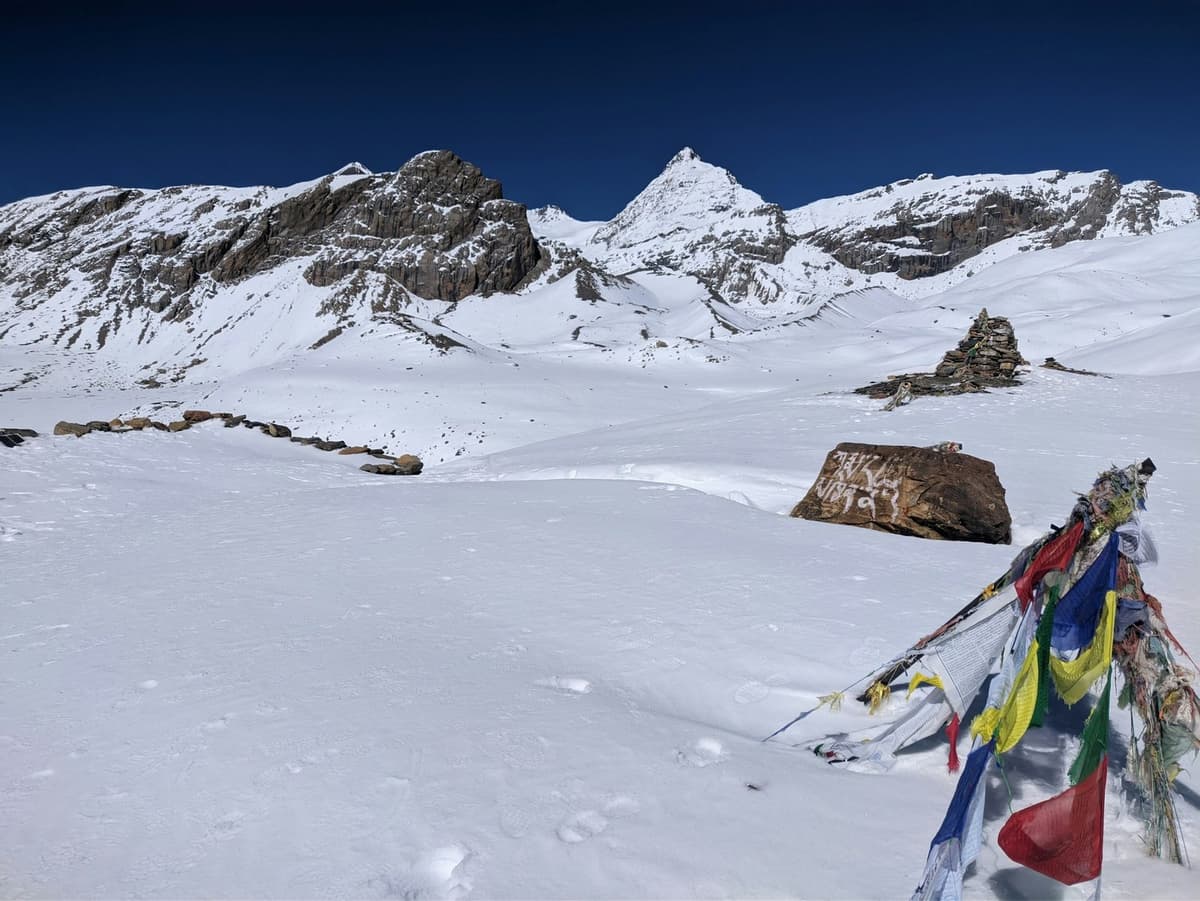
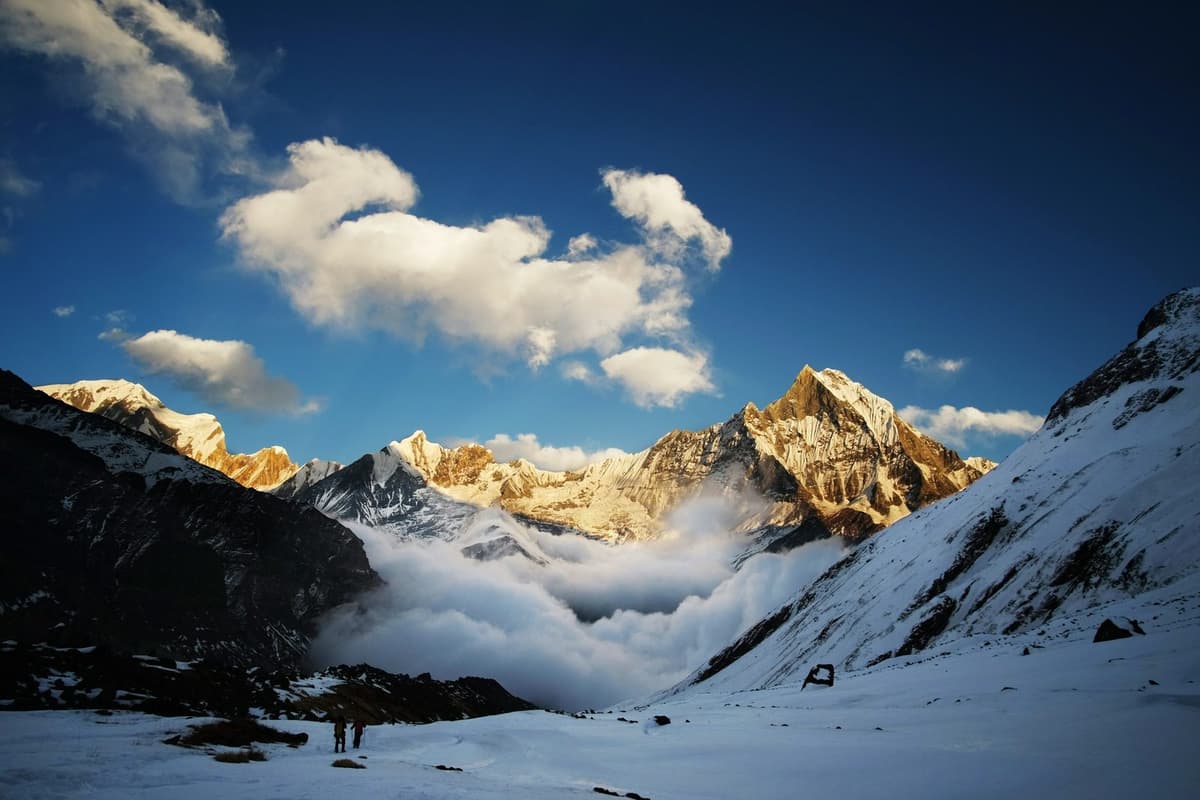
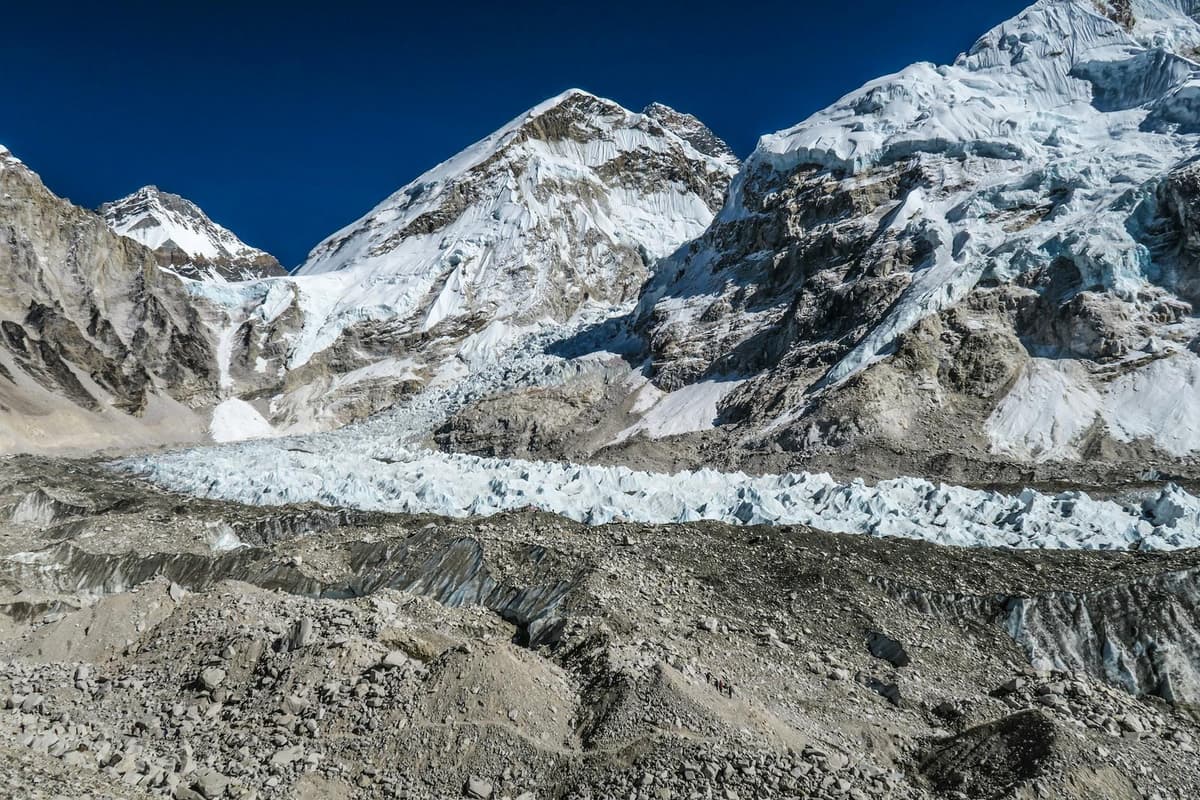
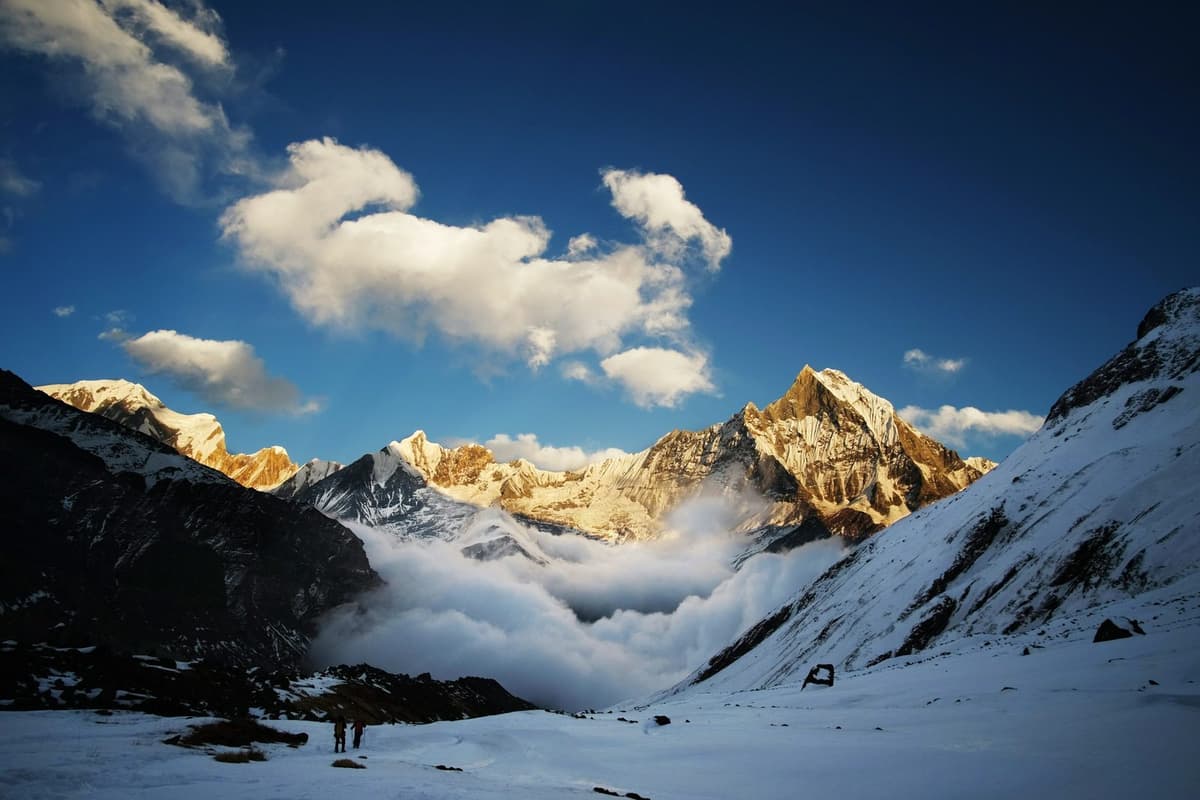
The North Annapurna Base Camp trek is a short, remote and demanding five-day camping route that climbs to about 4,190 metres directly below the north face of Annapurna I, the side the first climbers reached the summit from in 1950. From Pokhara you drive deep into Myagdi past Tatopani and Narchyang to the trailhead at Humkhola, then walk up through rhododendron forest and open alpine pasture to Basket Mela and the sacred glacial lake of Panchakunda before the final push to base camp. There are no teahouses on the upper trail, so nights are spent in a fully supported camp, and you may share the route with only a handful of other trekkers. It is steep, the altitude comes quickly, and it rewards fit, experienced walkers who want the Annapurna Sanctuary without the crowds of the classic southern trail.
The itinerary
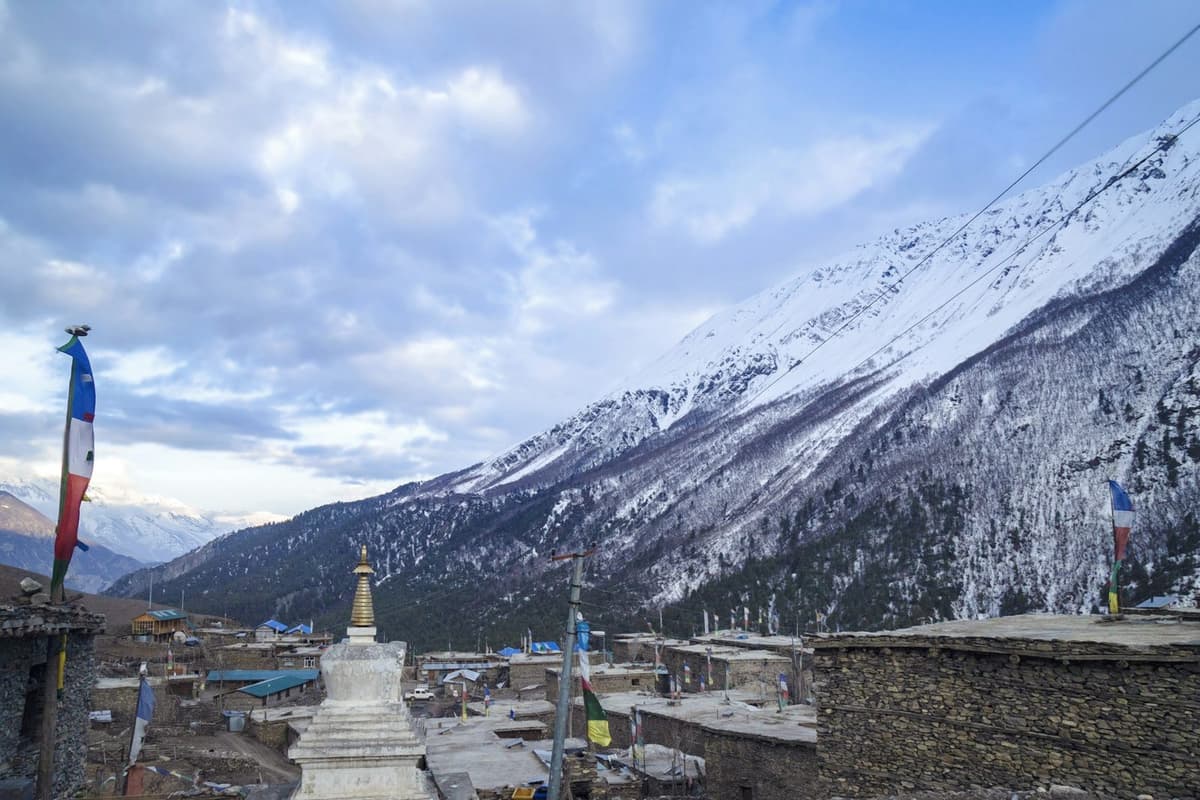
- Long mountain drive from Pokhara through Beni and the hot-spring village of Tatopani
- Continue on rough track past Narchyang to the trailhead at Humkhola, about 6 to 7 hours in all
- Set up the first camp at Humkhola, around 2,890 m
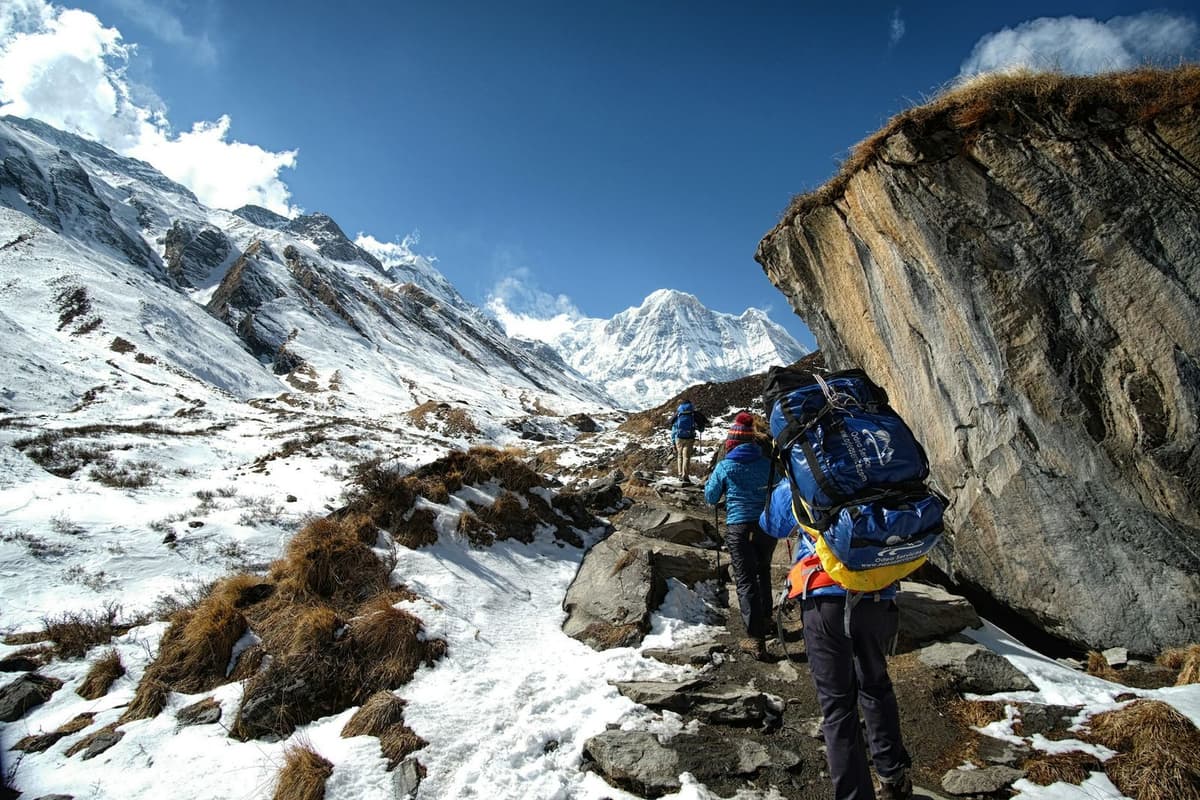
- Climb steadily through rhododendron and mixed forest into open pasture
- Roughly 6 to 7 hours of ascent on quiet, little-used trail
- Camp at Basket Mela, around 3,650 m
- Ascend rocky and grassy alpine terrain with widening mountain views
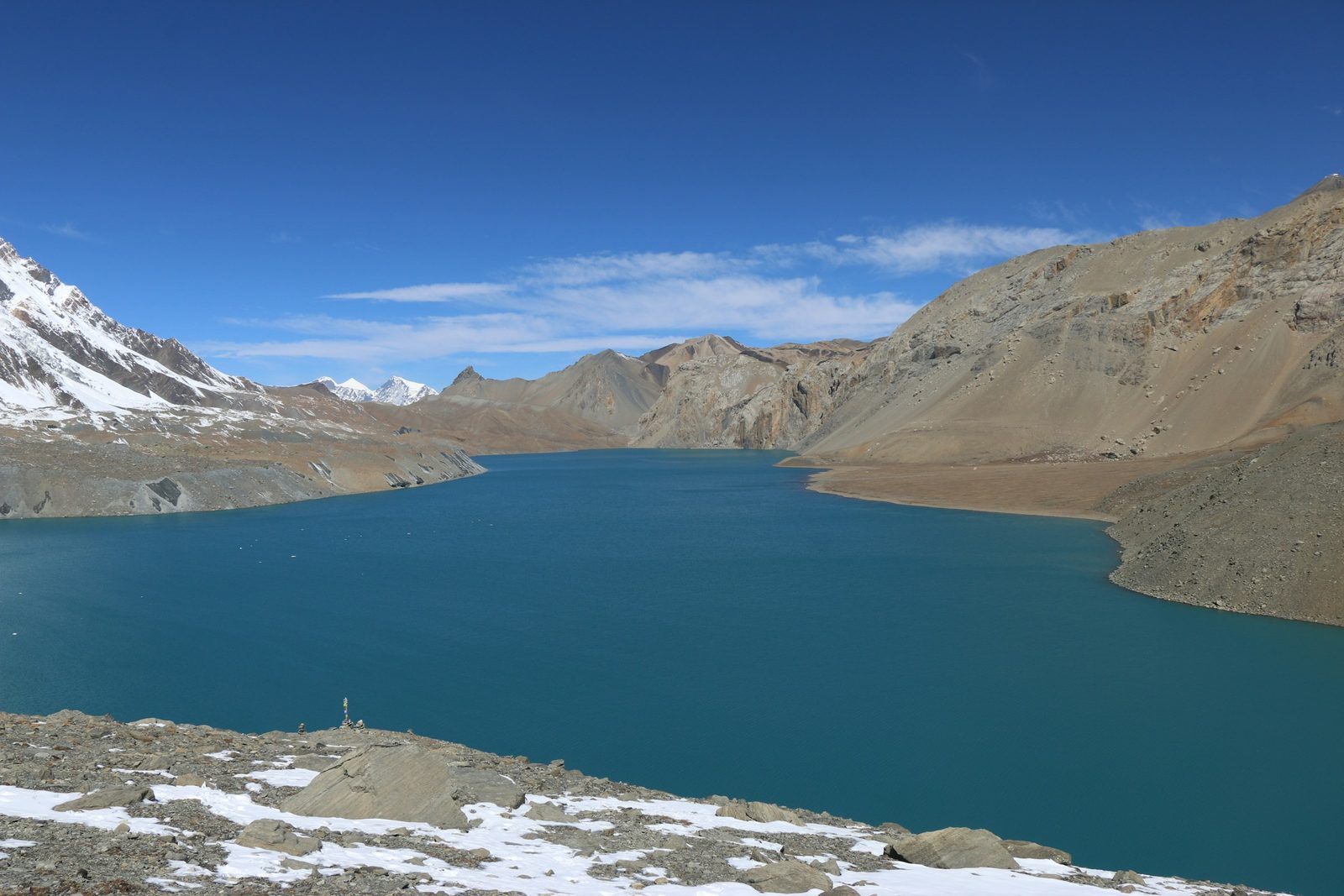
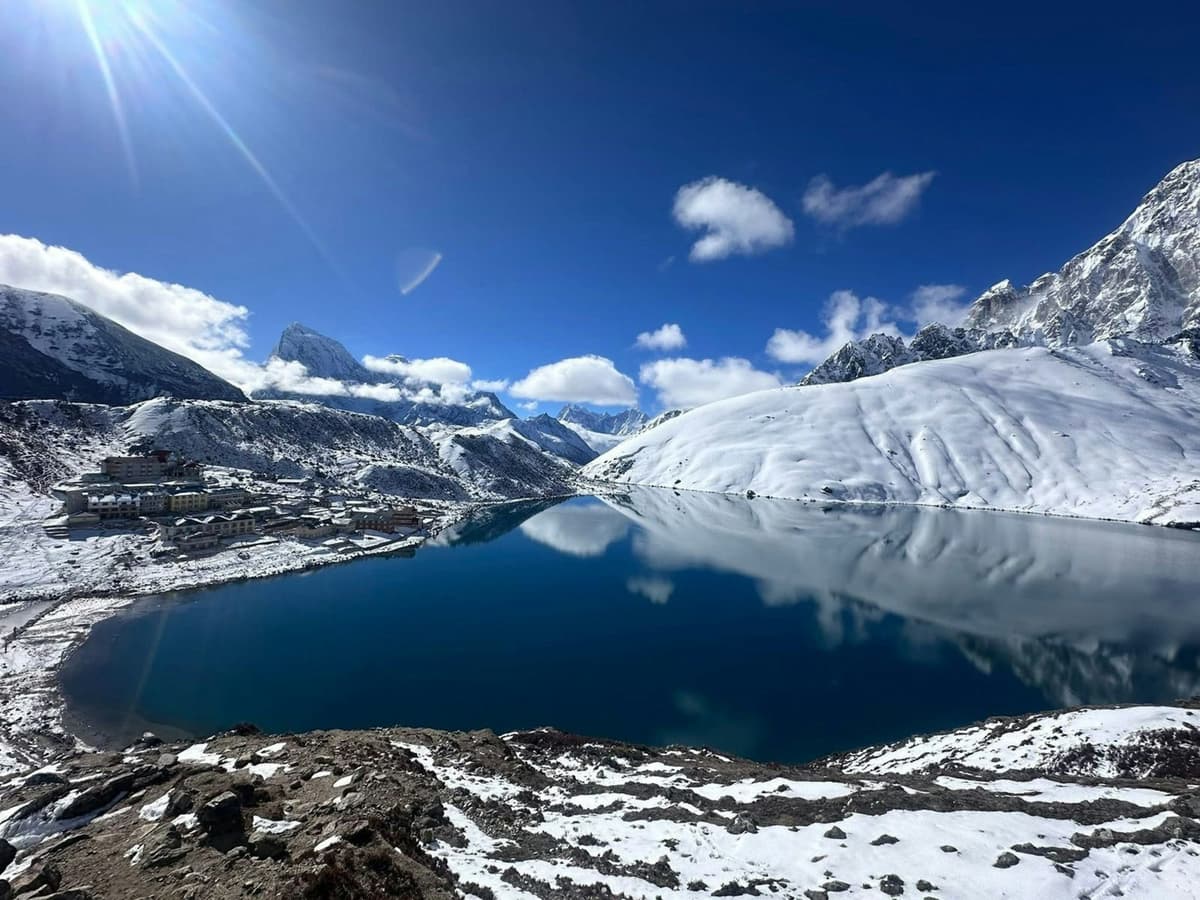
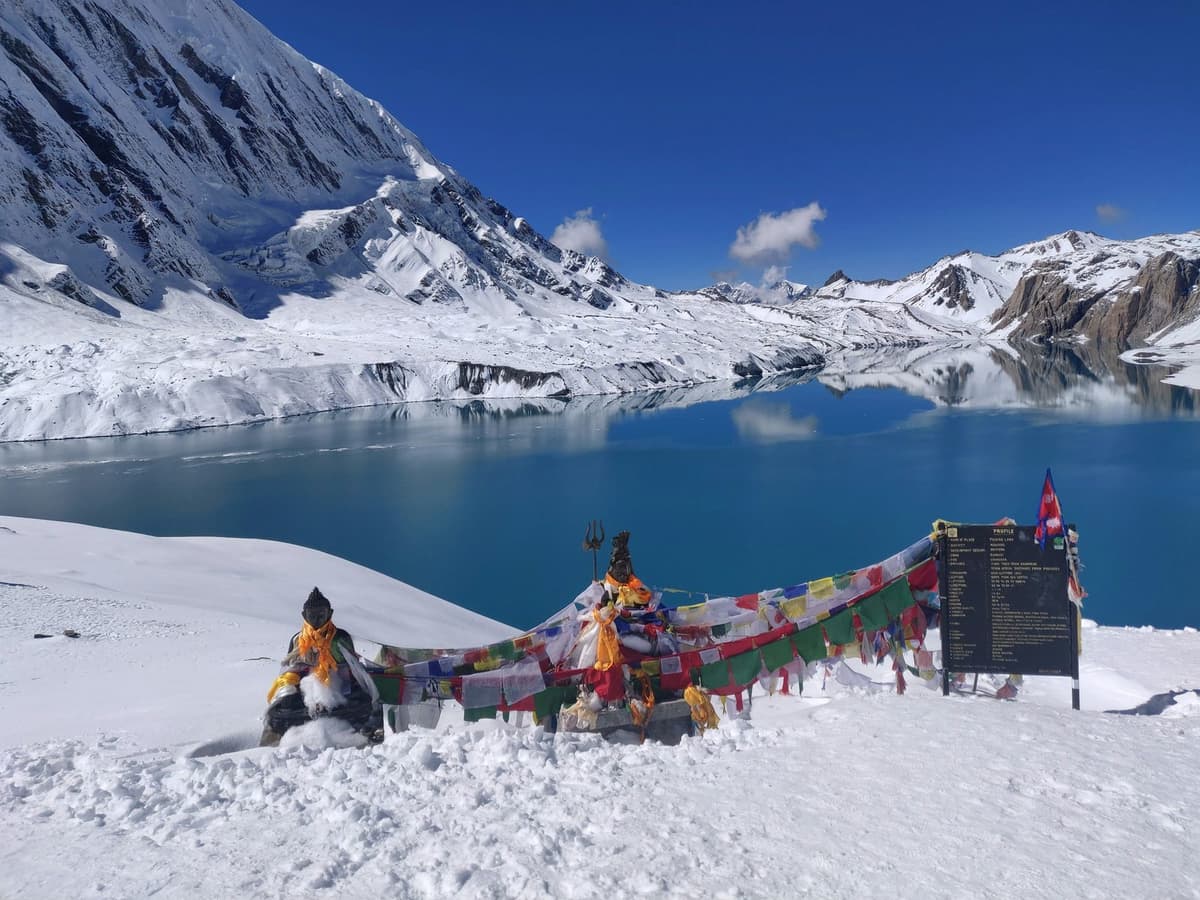
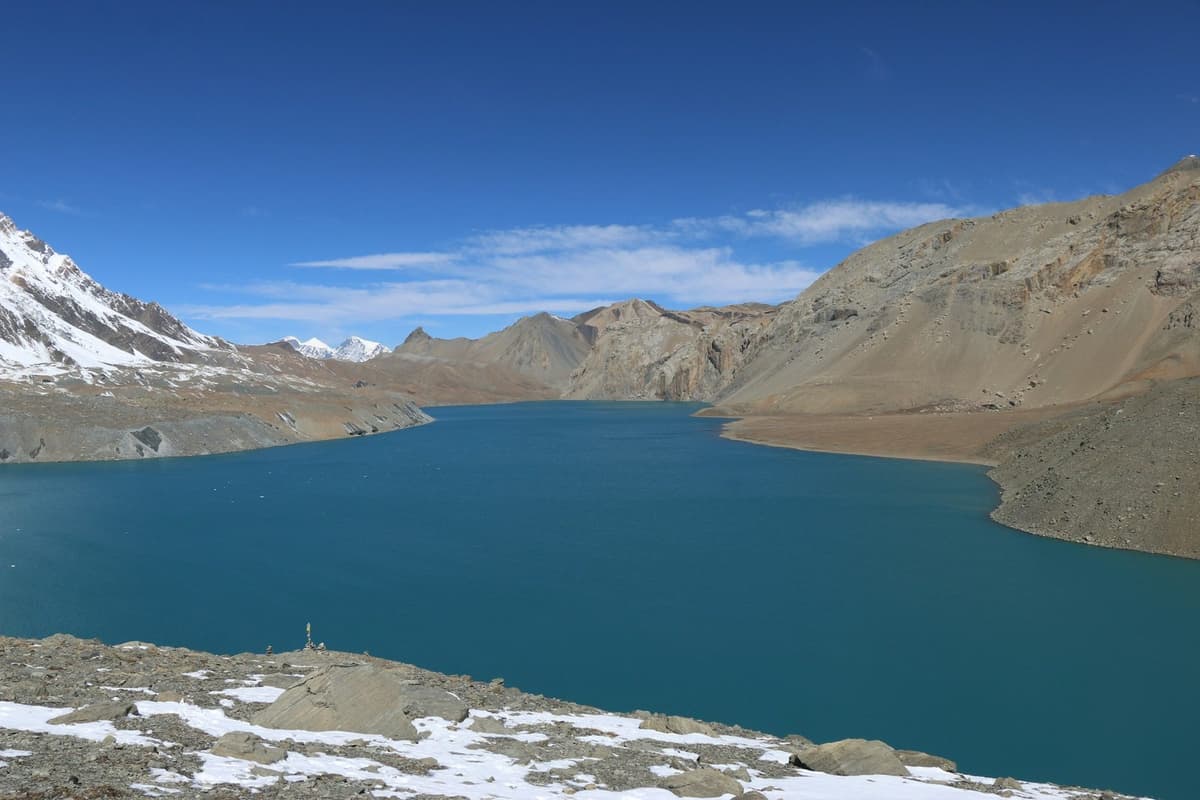
- About 4 to 5 hours to the sacred glacial lake of Panchakunda, roughly 4,050 m
- Camp beside the lake in a high alpine basin
- Short, steep final push of about 30 to 45 minutes to North Annapurna Base Camp, around 4,190 m
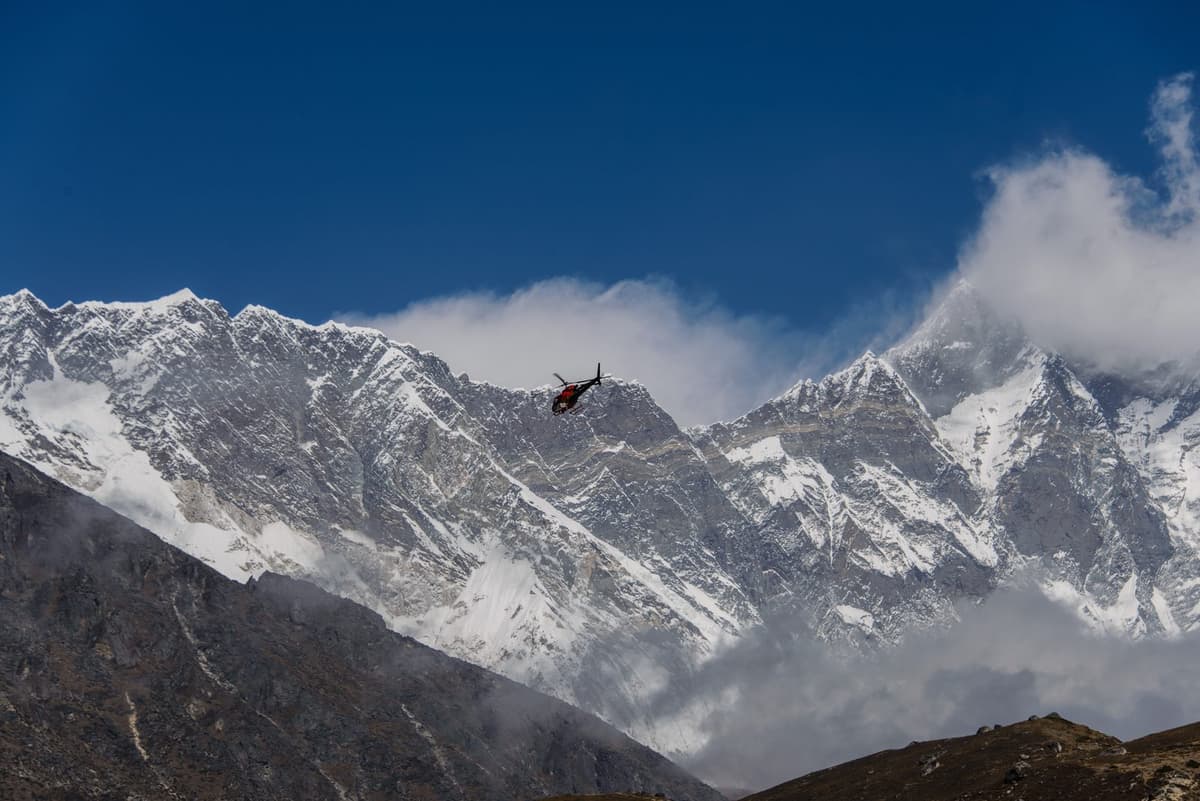
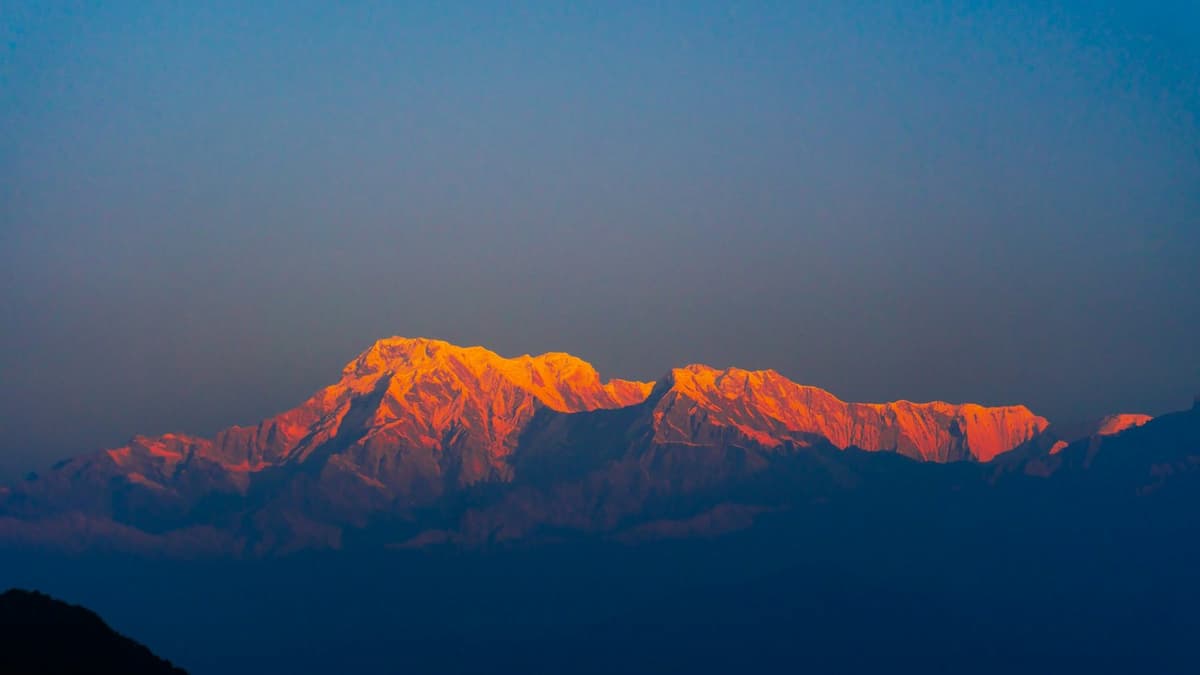
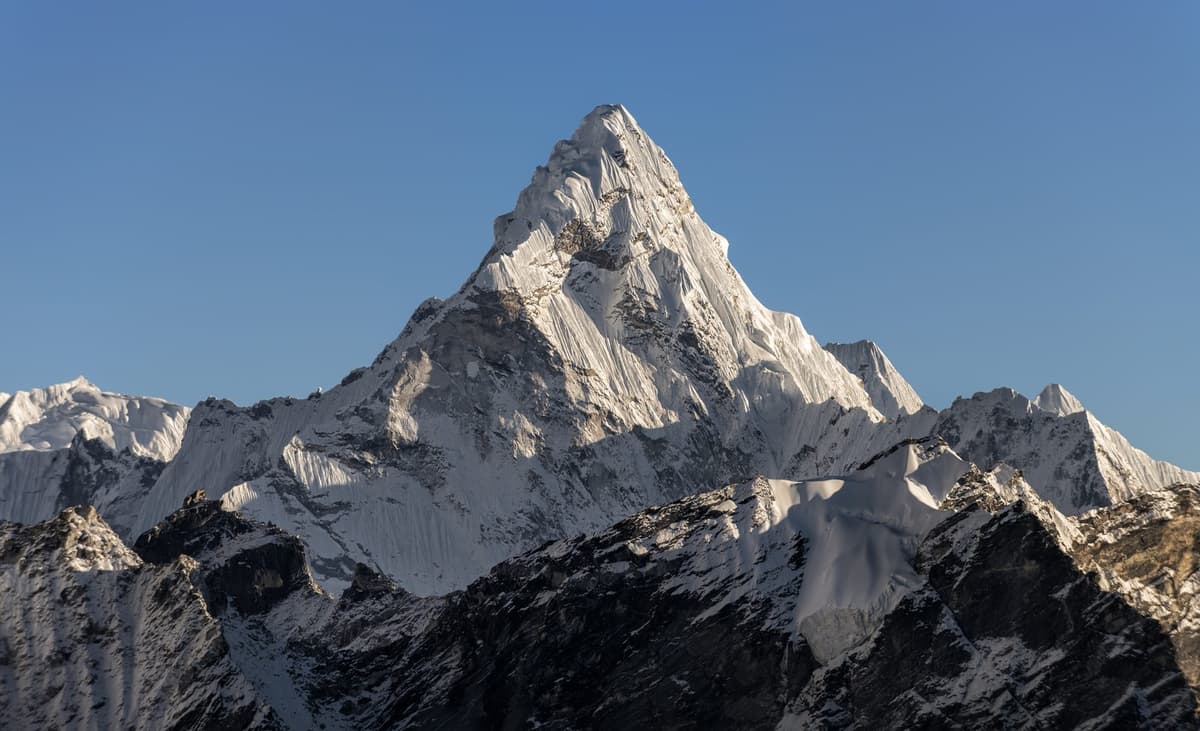
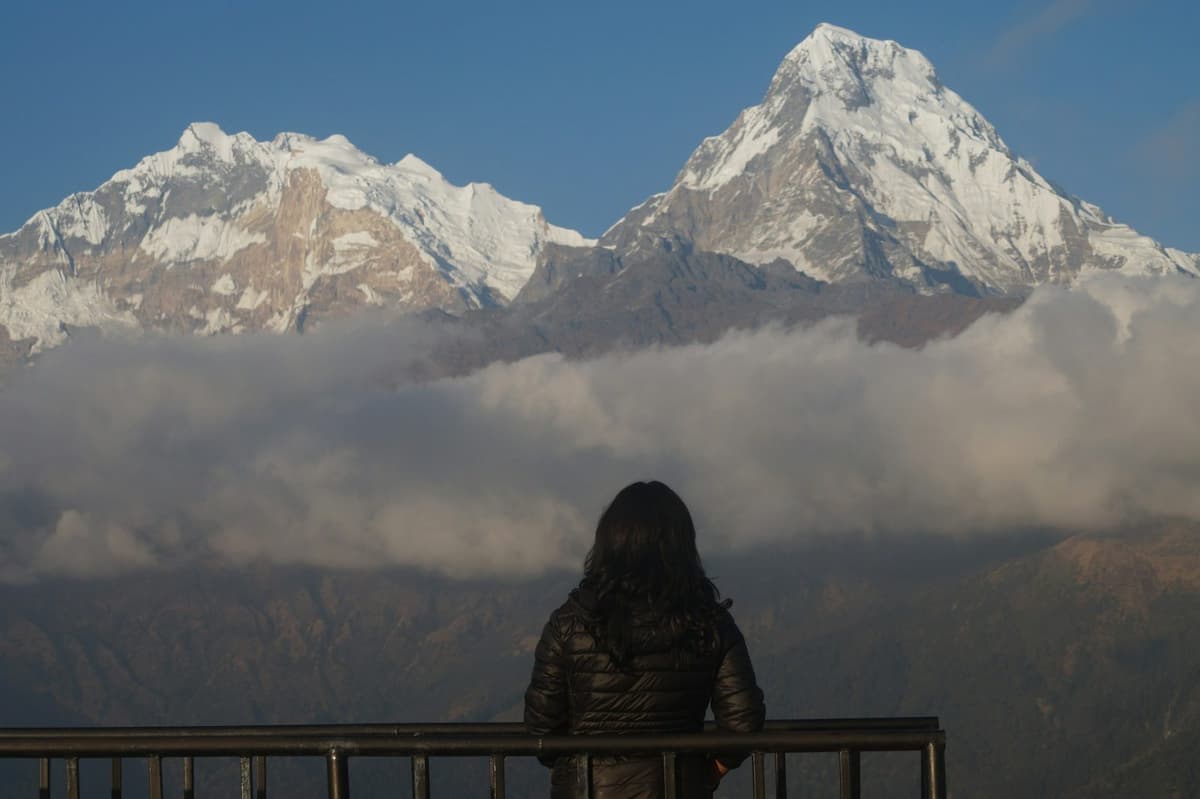
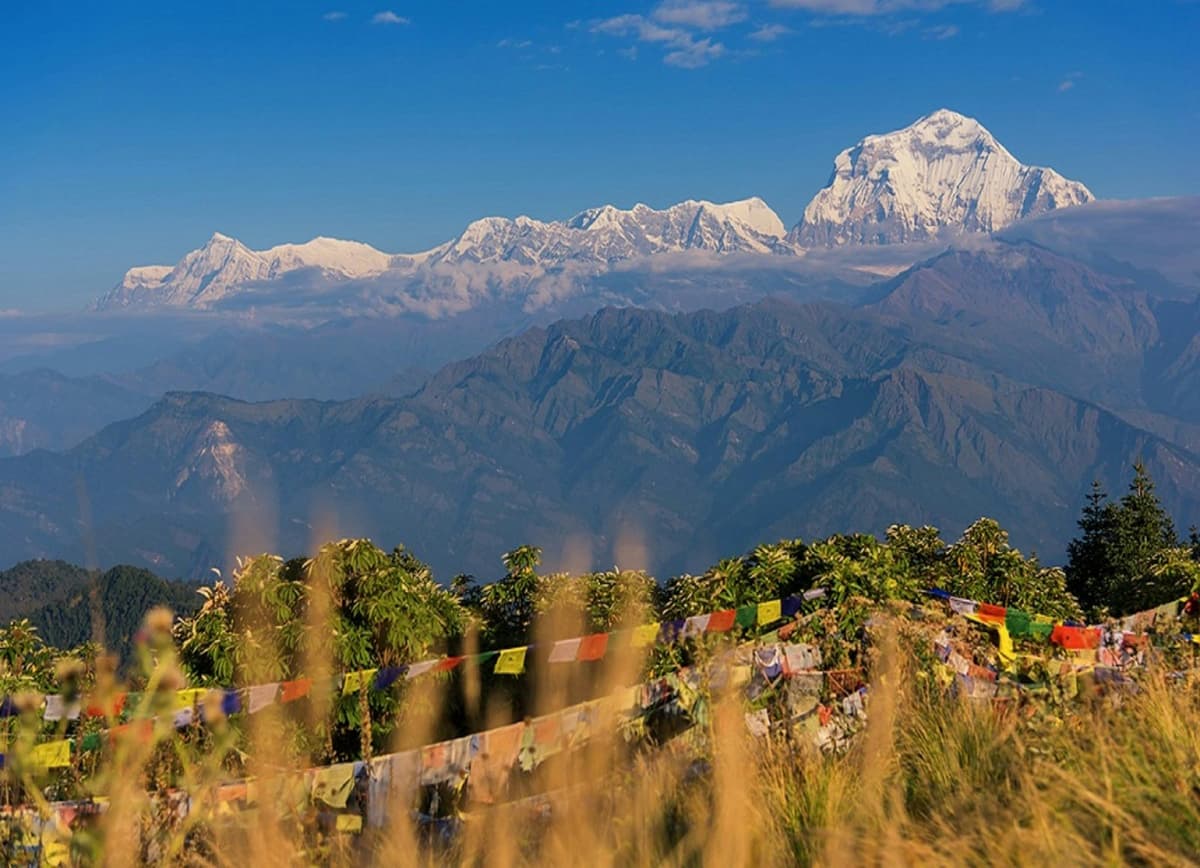
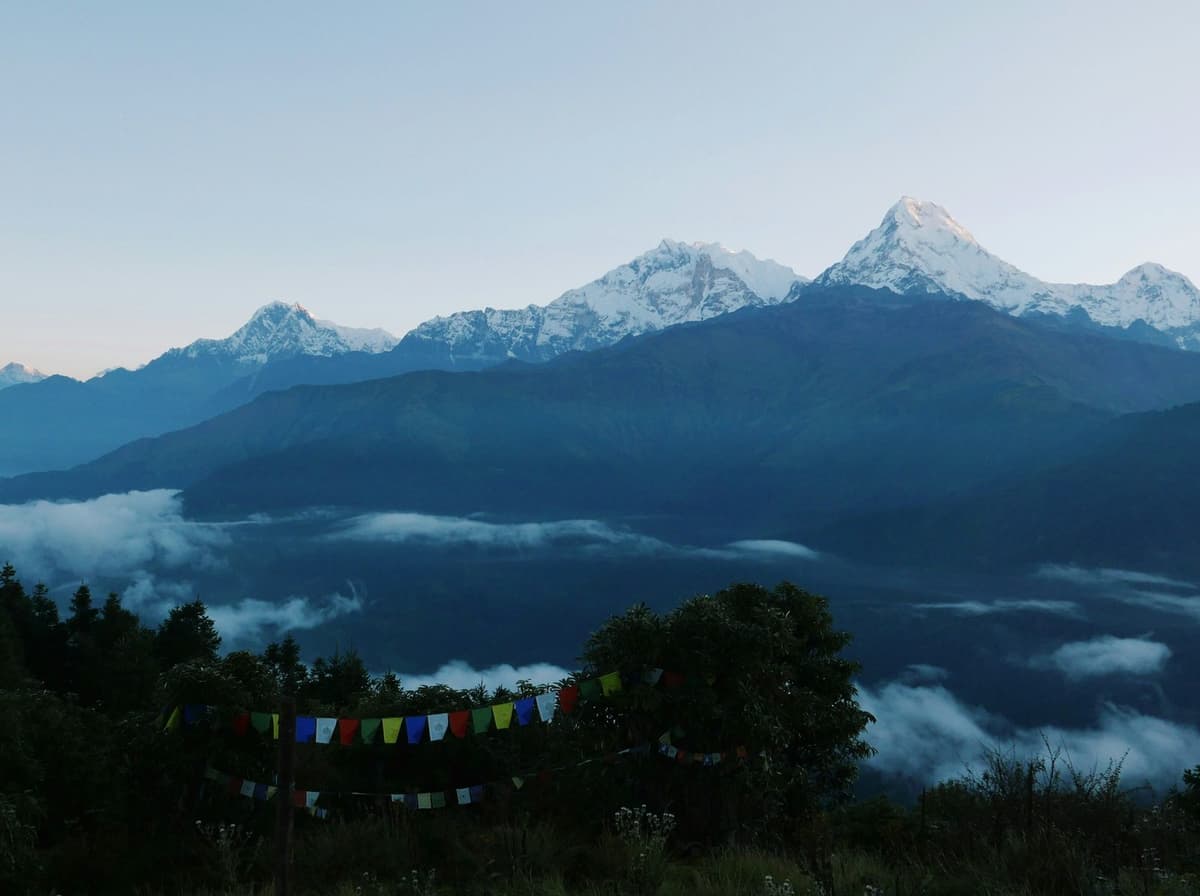
- Close views of the north face of Annapurna I, with Nilgiri, Tilicho Peak and Dhaulagiri beyond
- Retrace the route with a long descent back down towards Humkhola
- Descend the last of the trail and rejoin the road near Tatopani
- Return drive to Pokhara through the Kali Gandaki valley
- The trek concludes on arrival in Pokhara
Things to carry
- A four-season sleeping bag and warm layers including a down jacket for the high camps
- Broken-in trekking boots, warm socks, hat, gloves and a buff
- A refillable water bottle with purification and a daypack
- Sunglasses, sun hat, high-factor sunscreen and lip balm
- A power bank and headtorch, since electricity and signal are unreliable higher up
Good to know
Complete guide
Most trekkers who say they have been to Annapurna Base Camp mean the southern one, deep in the Annapurna Sanctuary. Far fewer know there is a northern base camp on the other side of the massif, reached by a short, steep and genuinely remote trail that was only reopened for trekkers in recent years. This guide explains how the north route works, how demanding it is, and who it suits.
What the North Annapurna Base Camp trek covers
The route begins with a long drive from Pokhara through Beni and Tatopani into upper Myagdi, ending at the trailhead near Humkhola. From there it climbs through forest and pasture to Basket Mela, on to the sacred lake of Panchakunda, and finally up to North Annapurna Base Camp at around 4,190 metres, below the north face of Annapurna I. The same face is where the 1950 French expedition made the first ascent of an 8,000 metre peak, which gives the approach its history. It is a camping trek from start to finish on the upper trail, and you return by the way you came.
How hard it is and how the altitude feels
This is a challenging trek despite its length. The daily climbs are steep, the trail is rough and little used, and you gain height quickly, sleeping near 4,050 metres before the final push to base camp. That fast ascent means altitude can be felt keenly, so walk slowly, drink plenty of water and tell your guide early about any headache. A good level of fitness and some prior trekking experience make the difference between enjoying it and struggling.
Remoteness, camping and what to expect
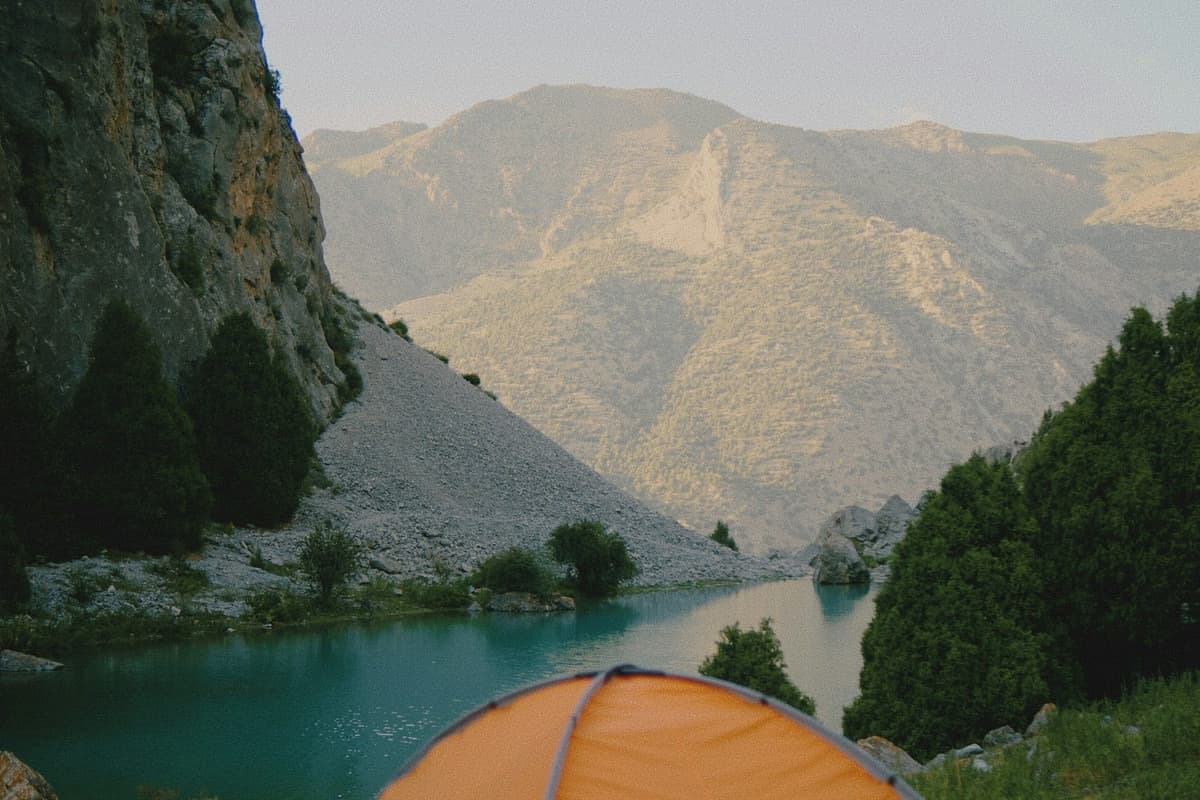
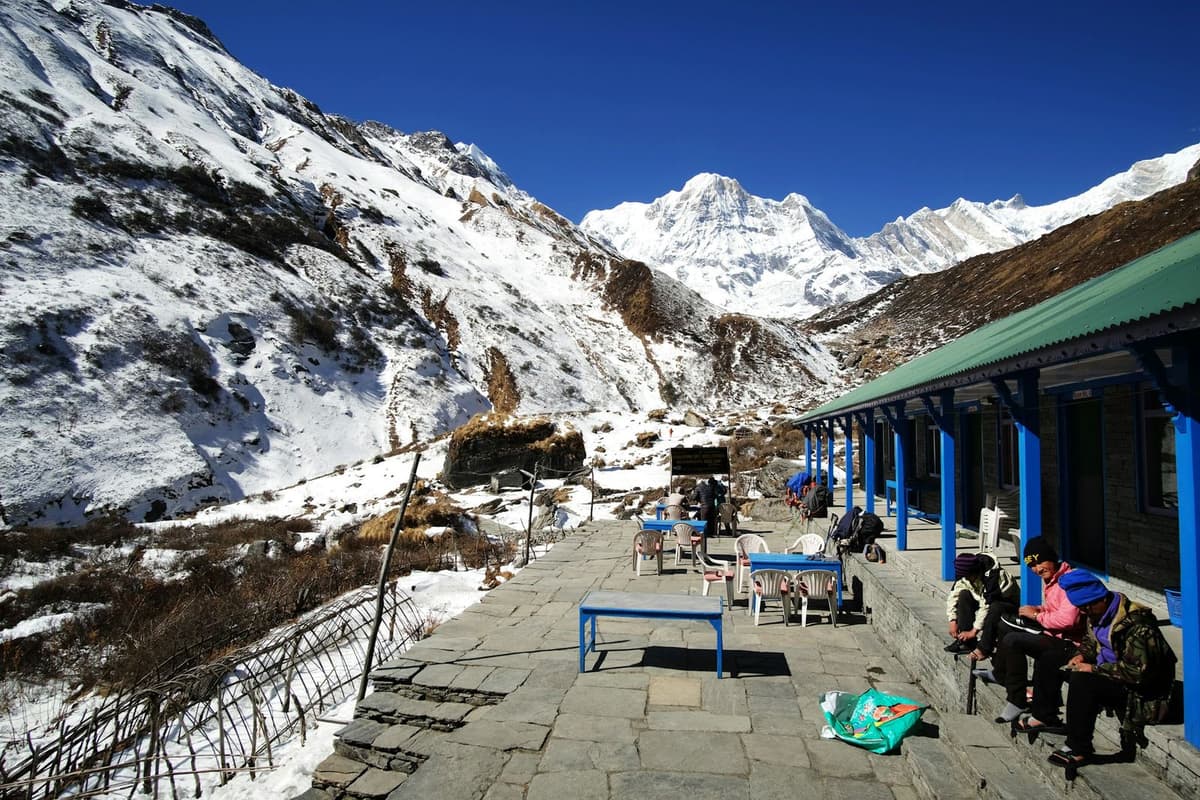
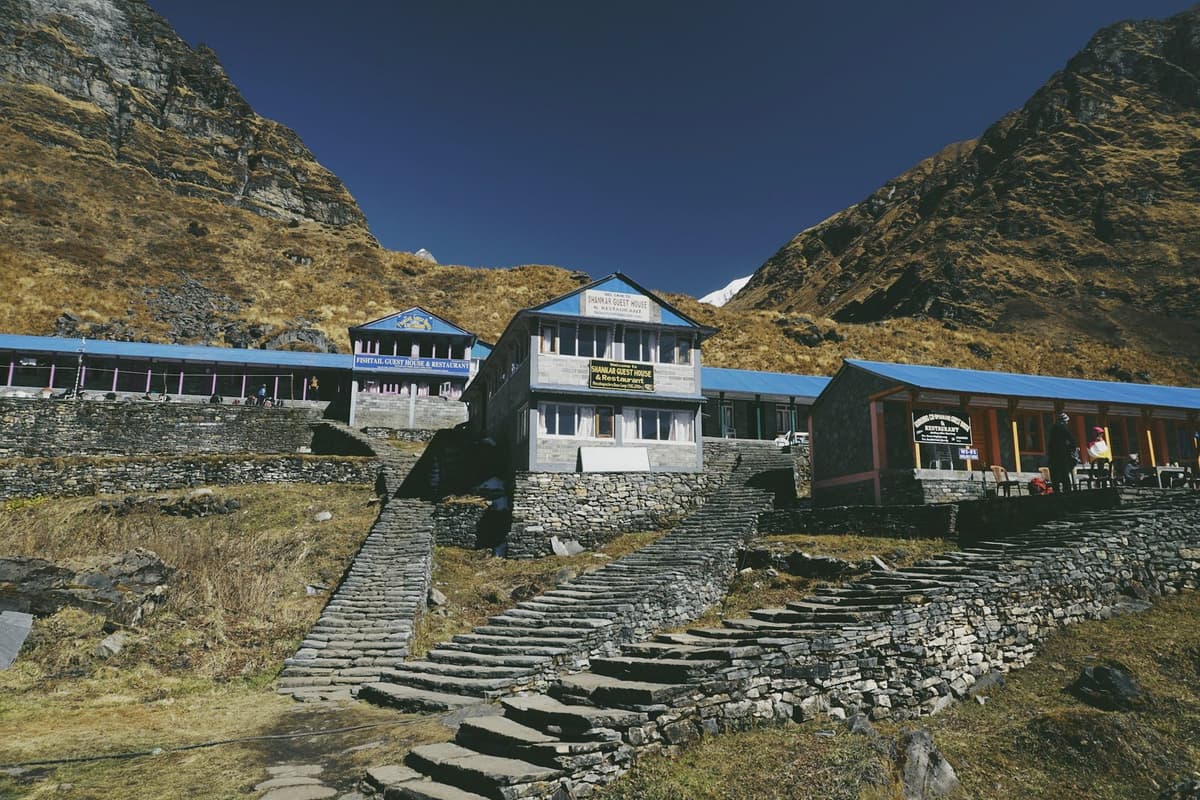
There are no teahouses on the upper trail, so the trip runs as a fully supported camp with tents, a dining tent and a cooking crew. Phone signal and electricity are unreliable above the lower villages, and you may meet only a handful of other groups the whole way. This solitude is the point, but it also means you should be self-sufficient, warmly equipped and comfortable with basic mountain conditions.
If you want the classic Annapurna Base Camp instead
If teahouses, gentler grades and the famous Sanctuary appeal more, the southern side is the better choice. The Annapurna Base Camp trek from Pokhara walks the well-loved trail through Ghandruk and Chhomrong to the southern base camp with a lodge each night, and the short Annapurna Base Camp trek from Kathmandu reaches the same amphitheatre in fewer days with jeep support. Both are easier introductions to the region than the northern route.