



Overview
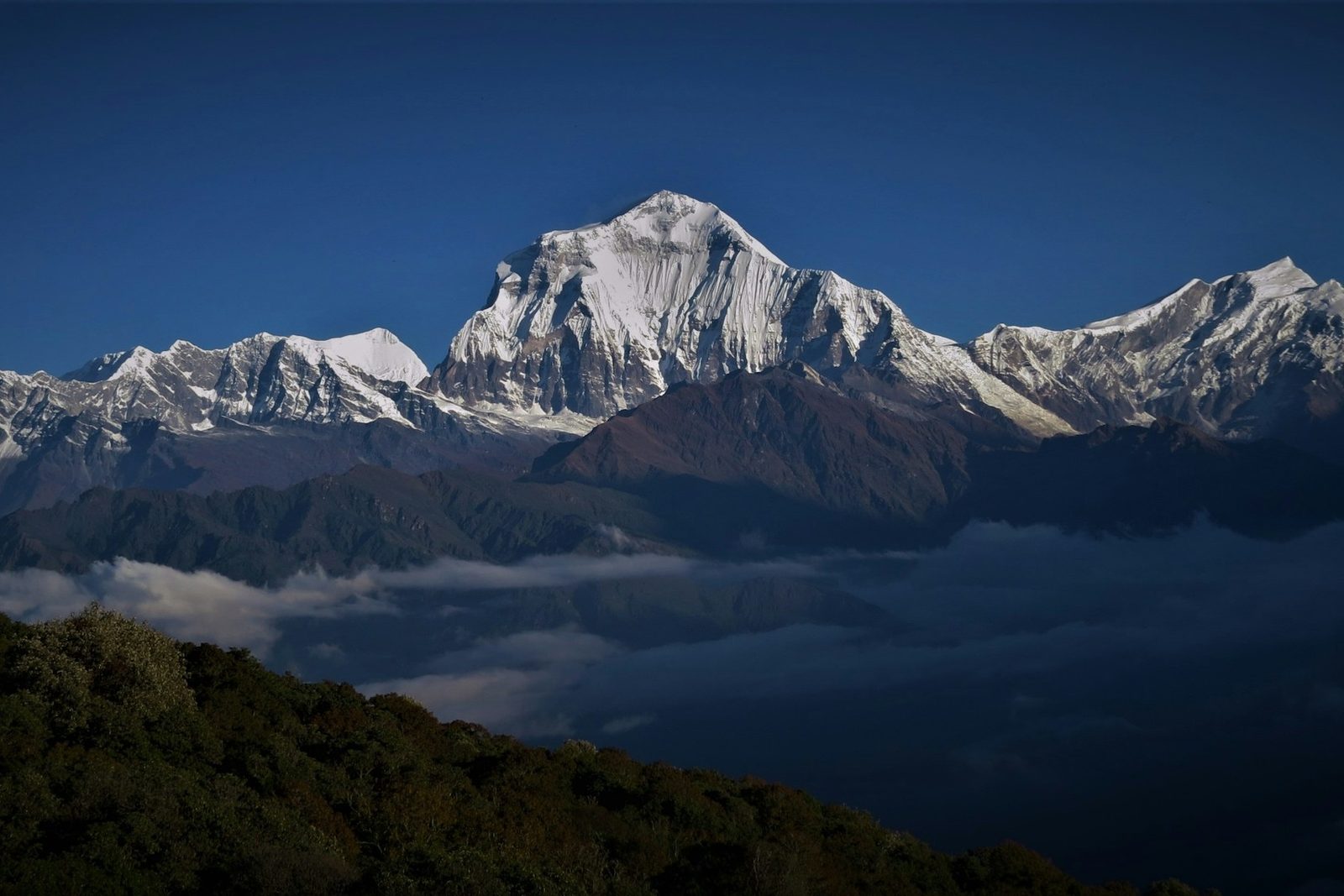
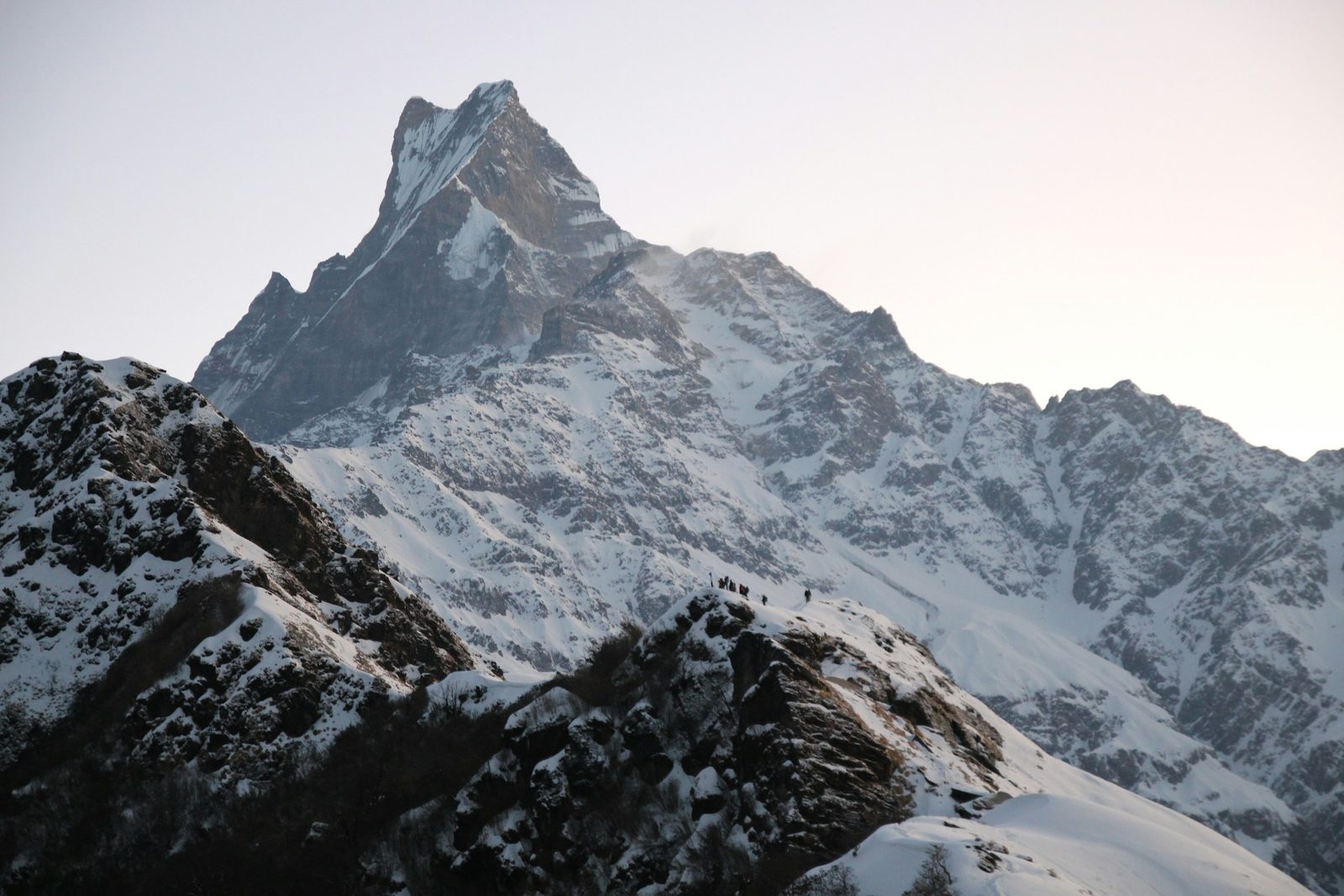
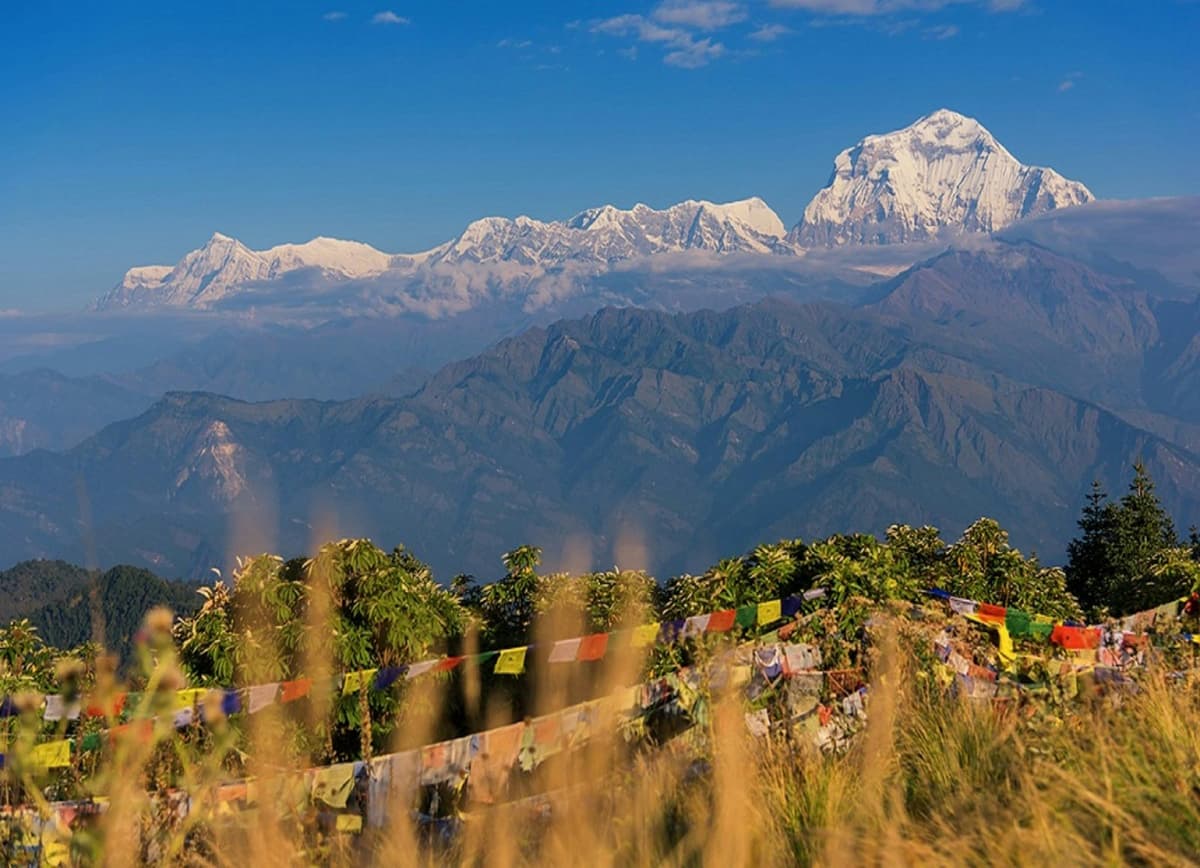
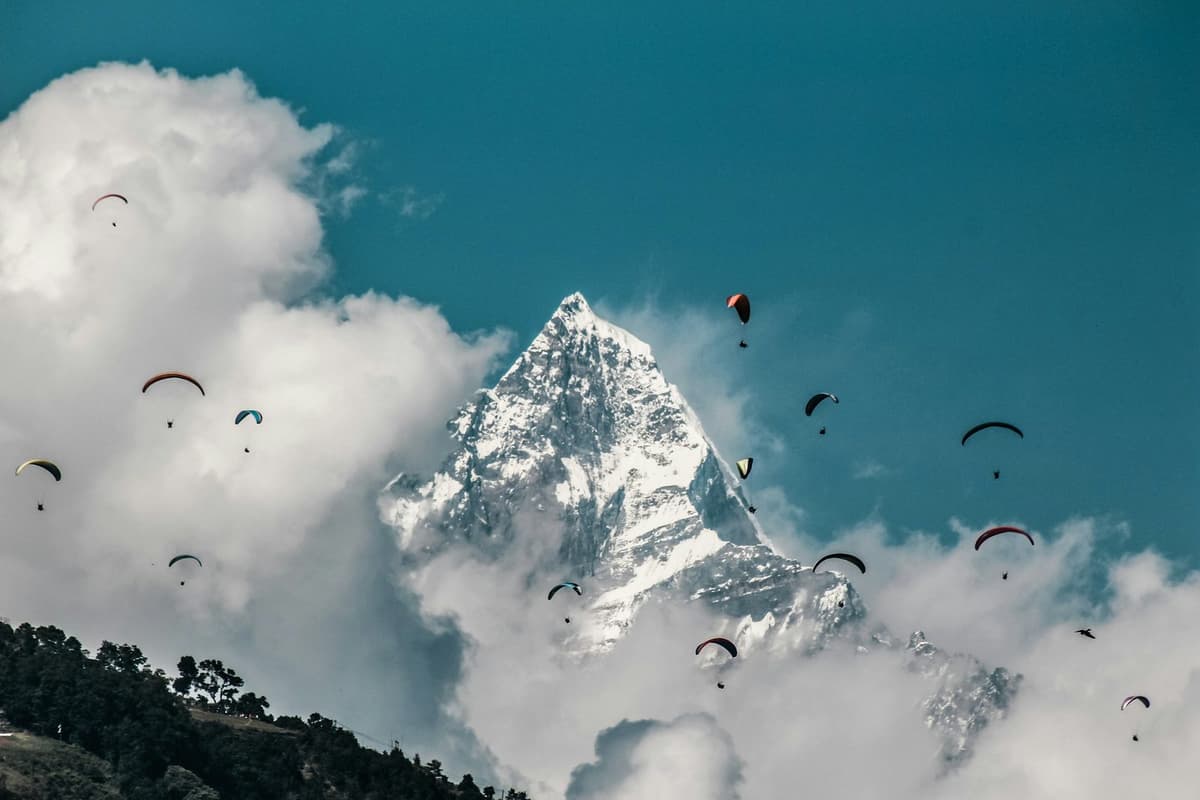
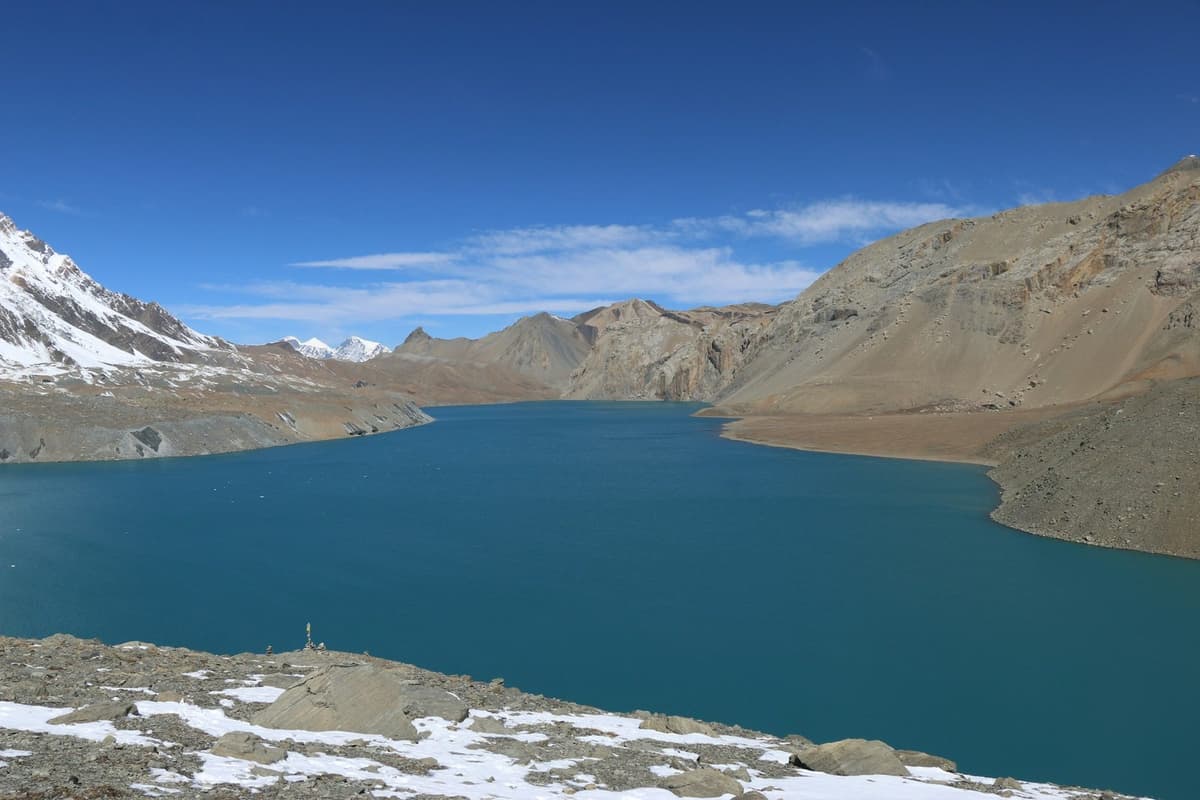
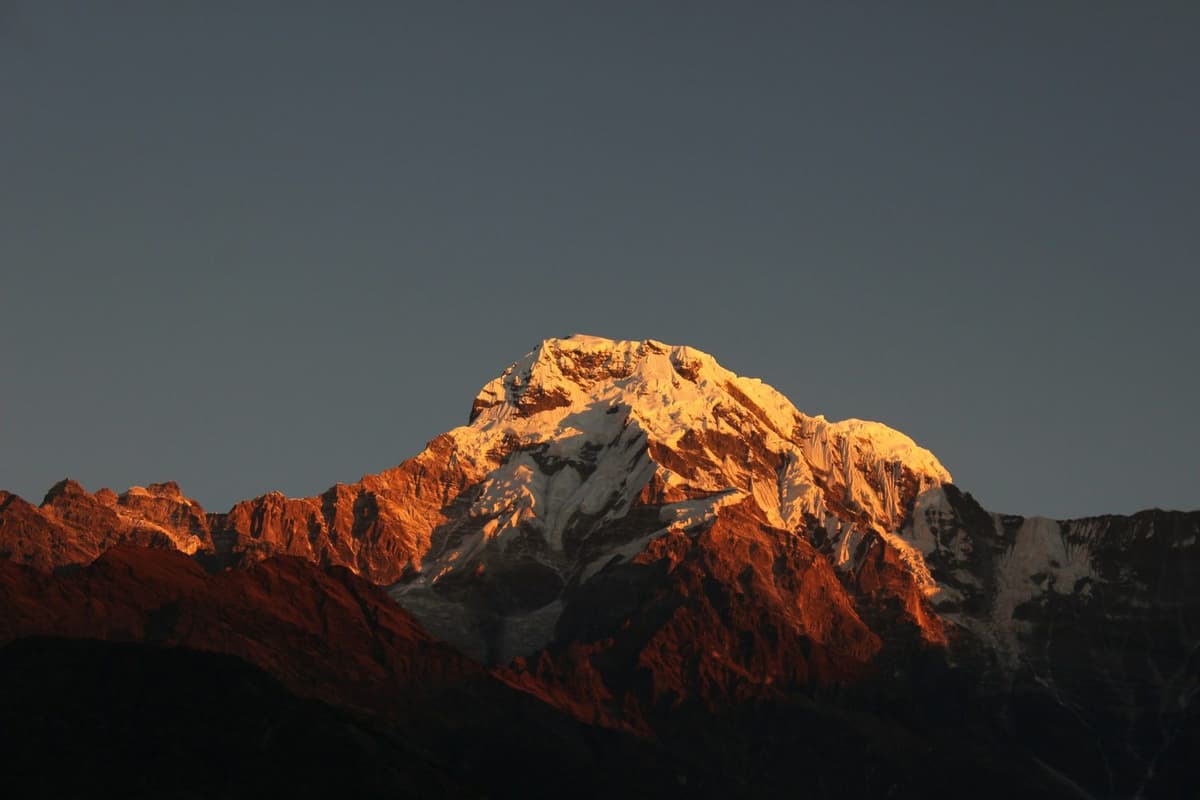
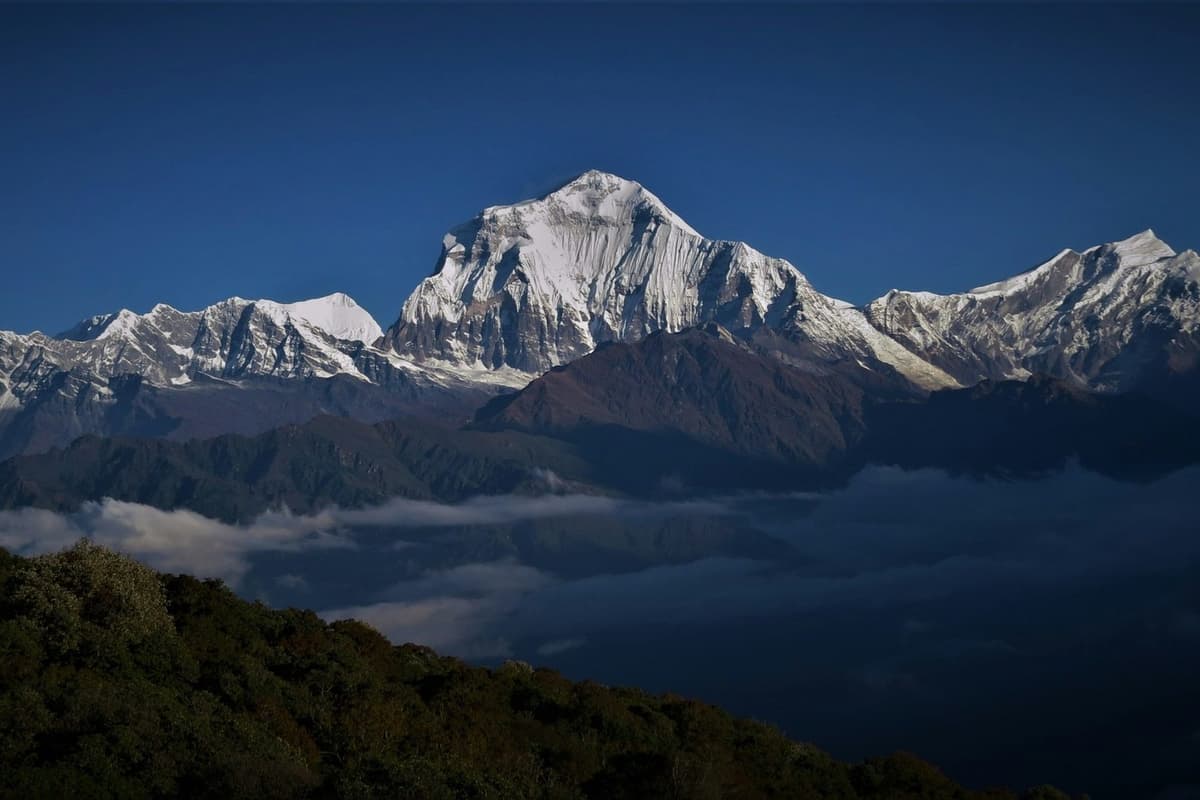
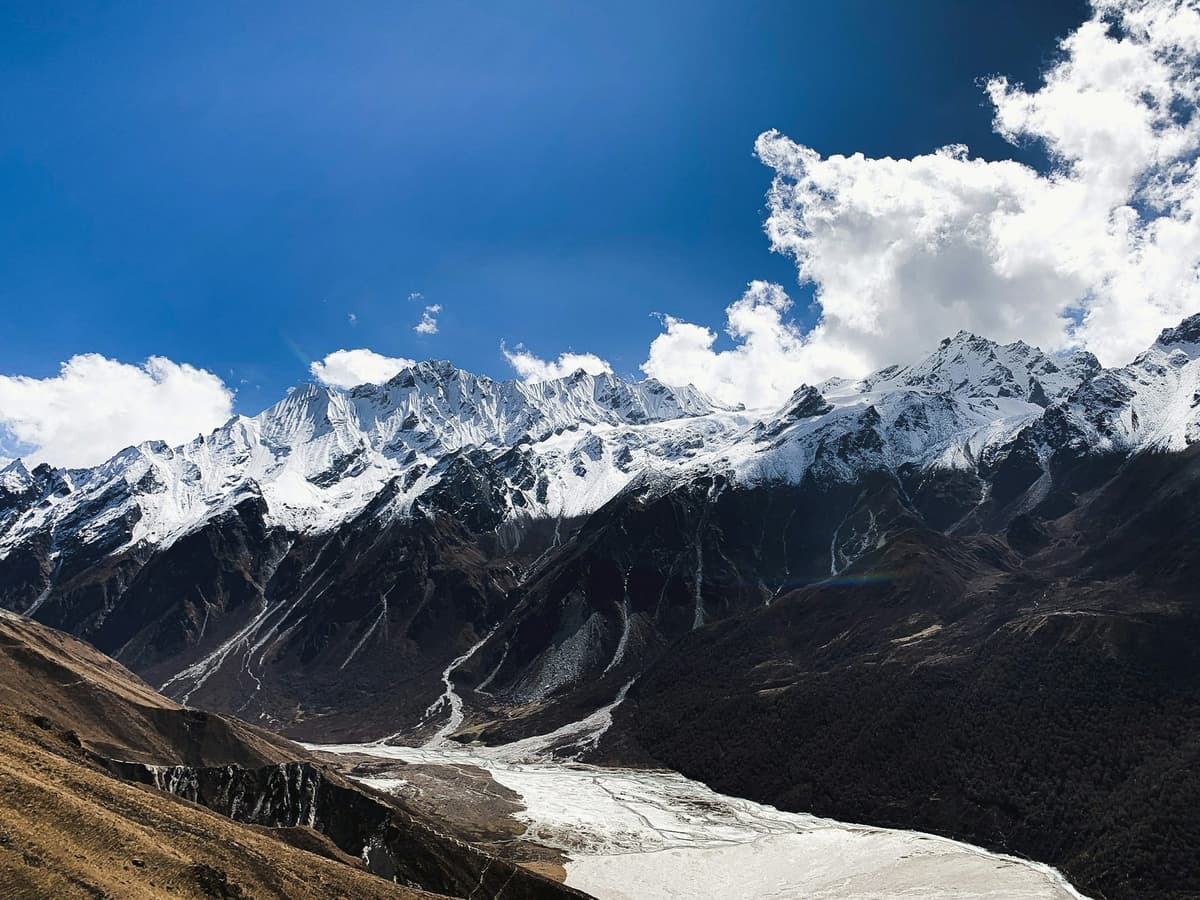
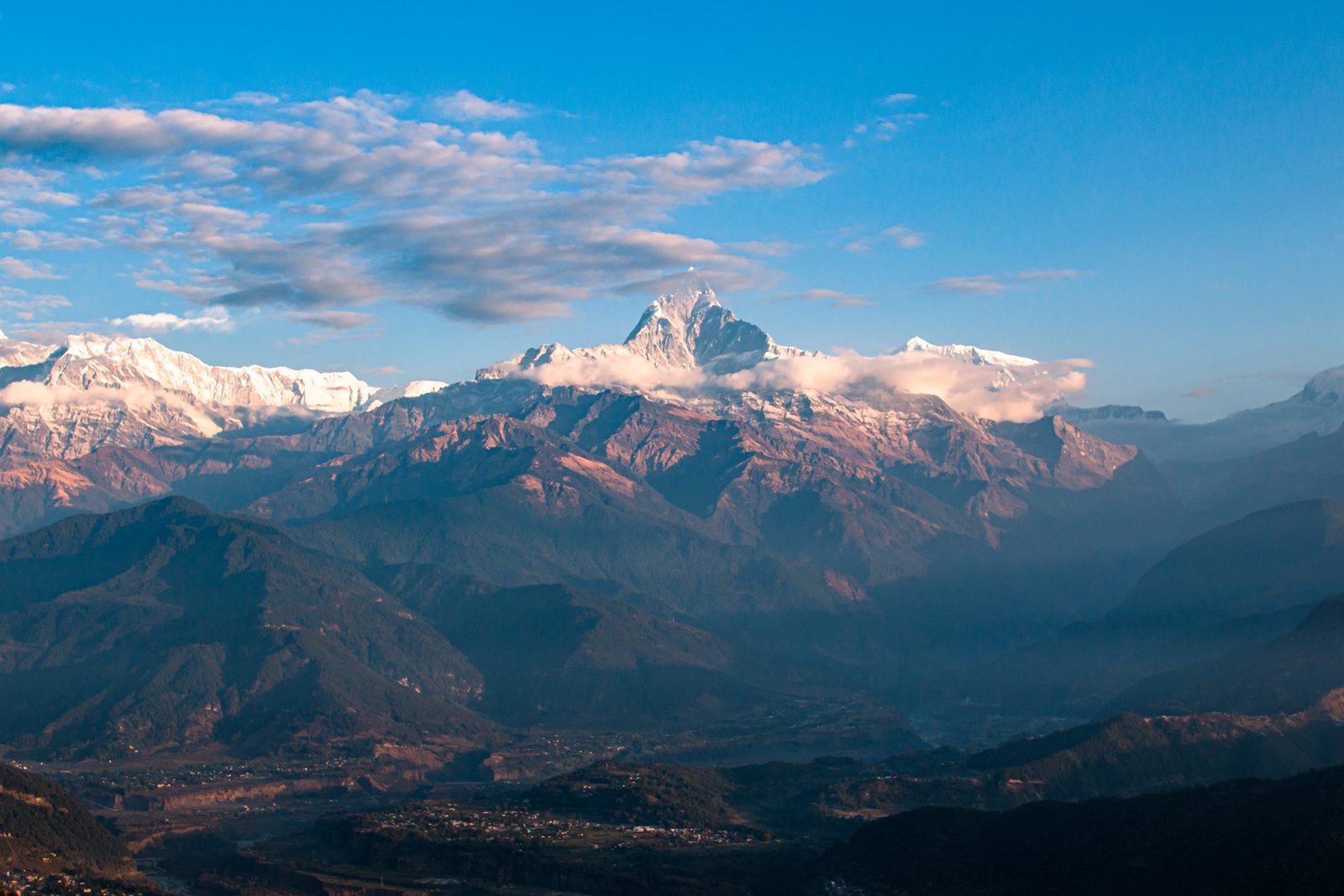
This Kori Danda trek is a short, steep route from Pokhara to one of the quieter high viewpoints in the Annapurna Conservation Area. You drive to Sikles, one of the largest traditional Gurung villages in Nepal, and walk up through forest to the small settlement of Tasa. The second day climbs to Kori Danda, a grassy ridge at about 3,800 m where you sleep in a basic lodge with Annapurna II, Annapurna IV, Lamjung Himal and Machhapuchhre in front of you. On the last day you watch sunrise, walk back down to Sikles and drive to Pokhara. It suits fit walkers who want real altitude and very few other trekkers in a short trip, and who are happy with simple food and rooms.
The itinerary
- Morning drive of a few hours from Pokhara up the valley to Sikles, at about 1,980 m
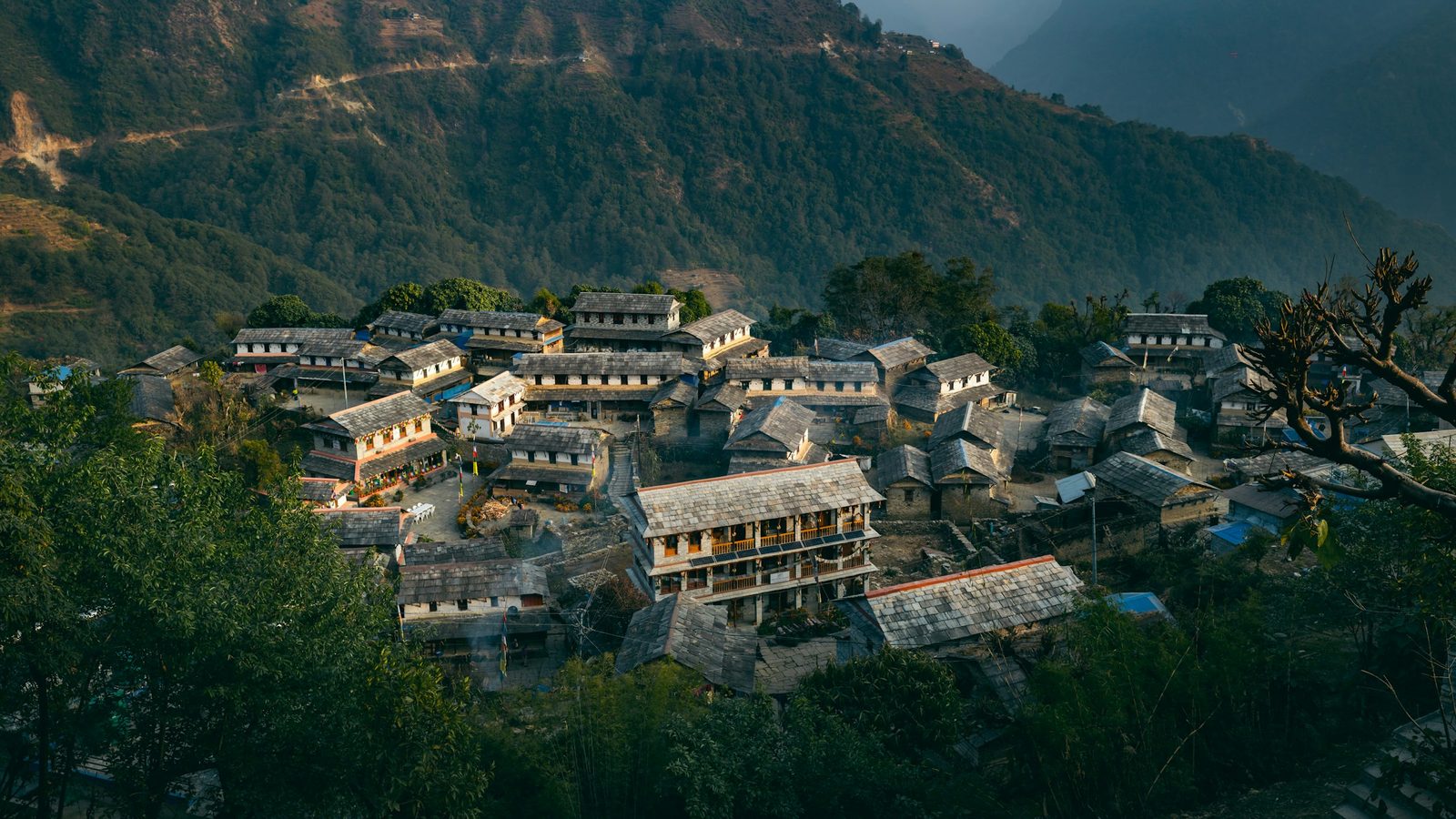
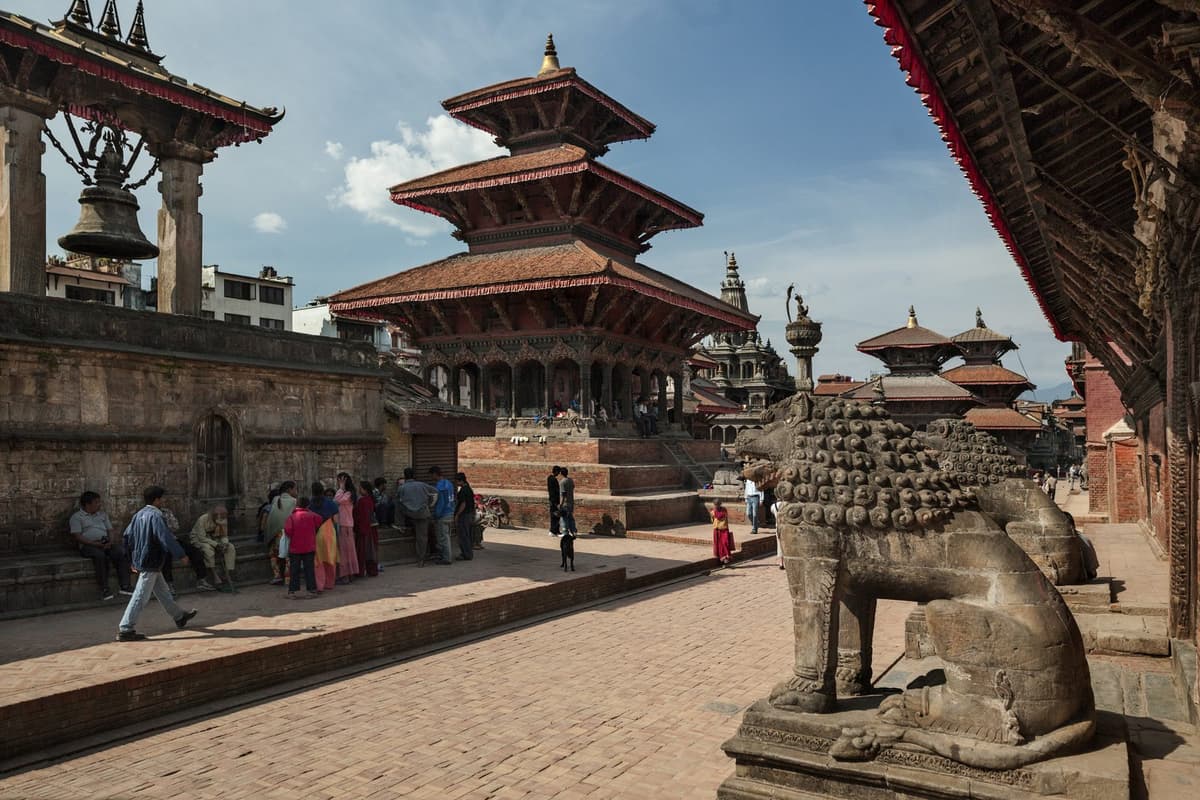
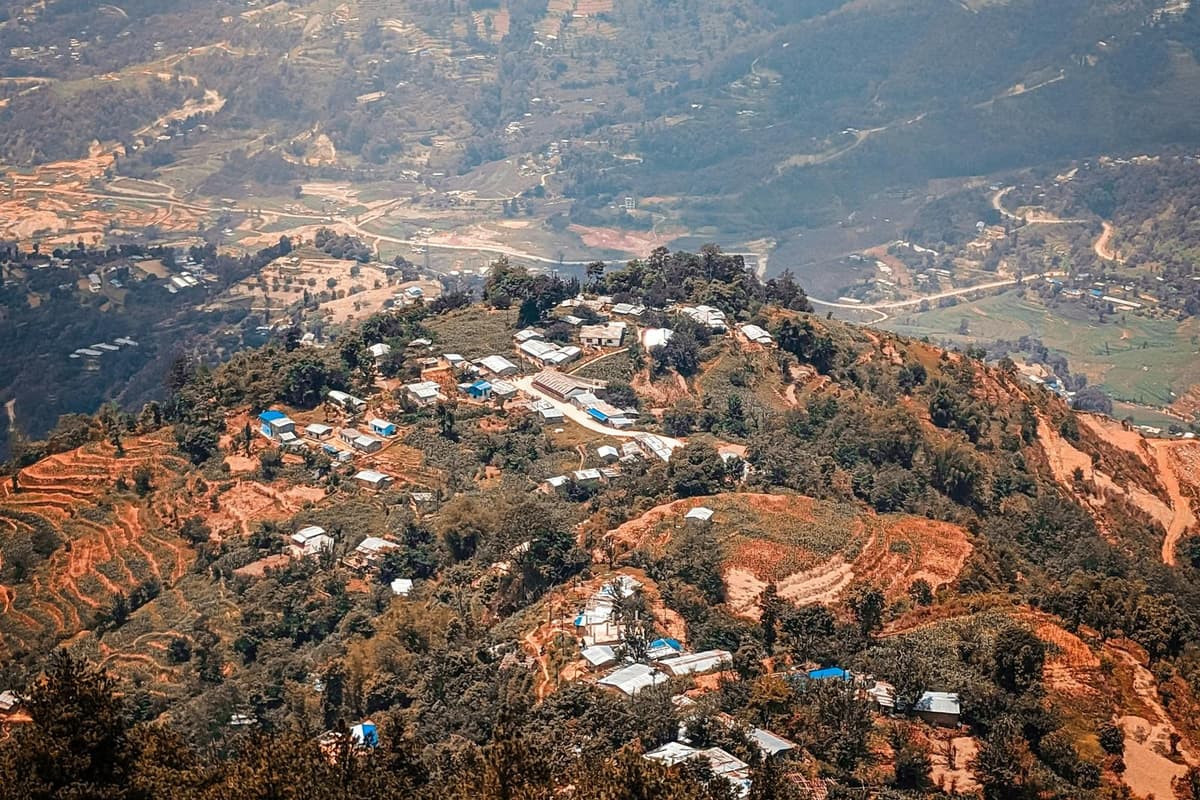
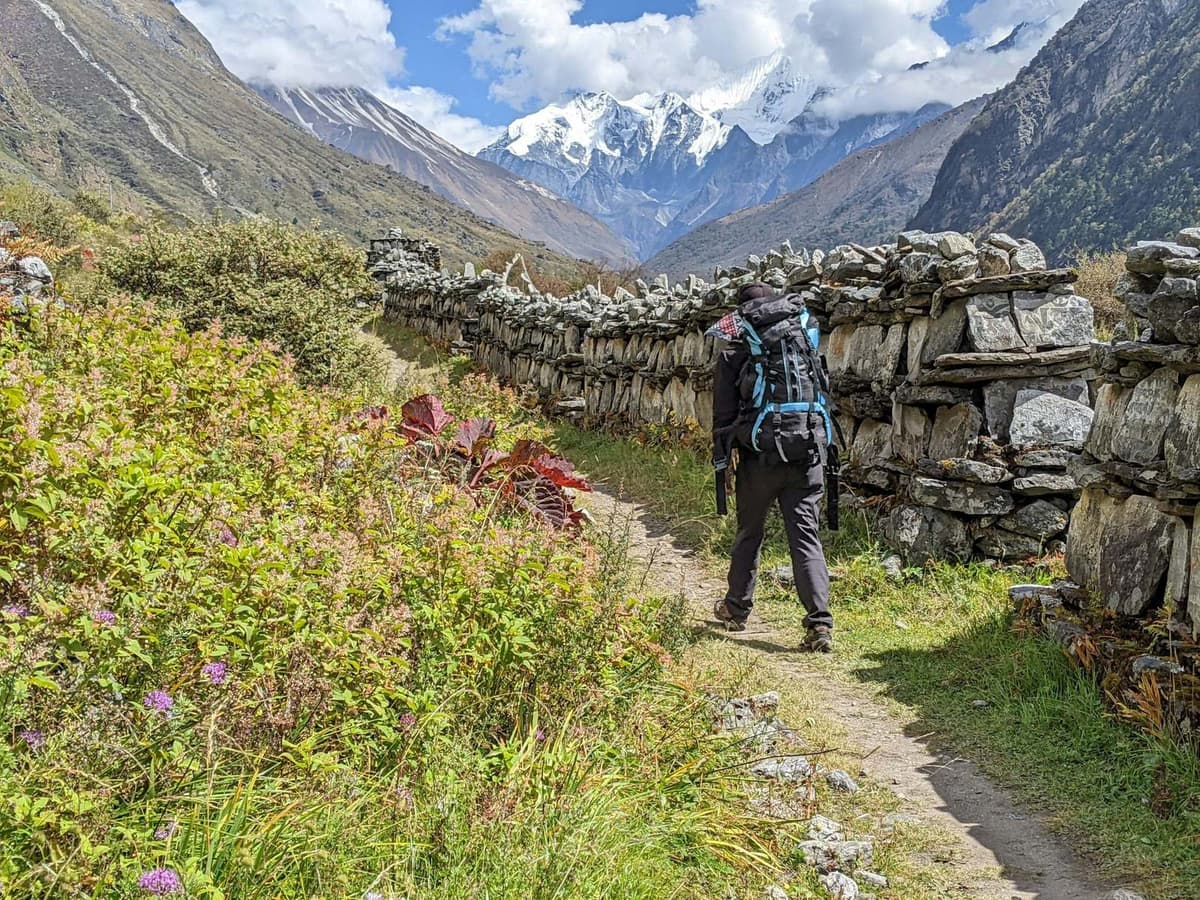
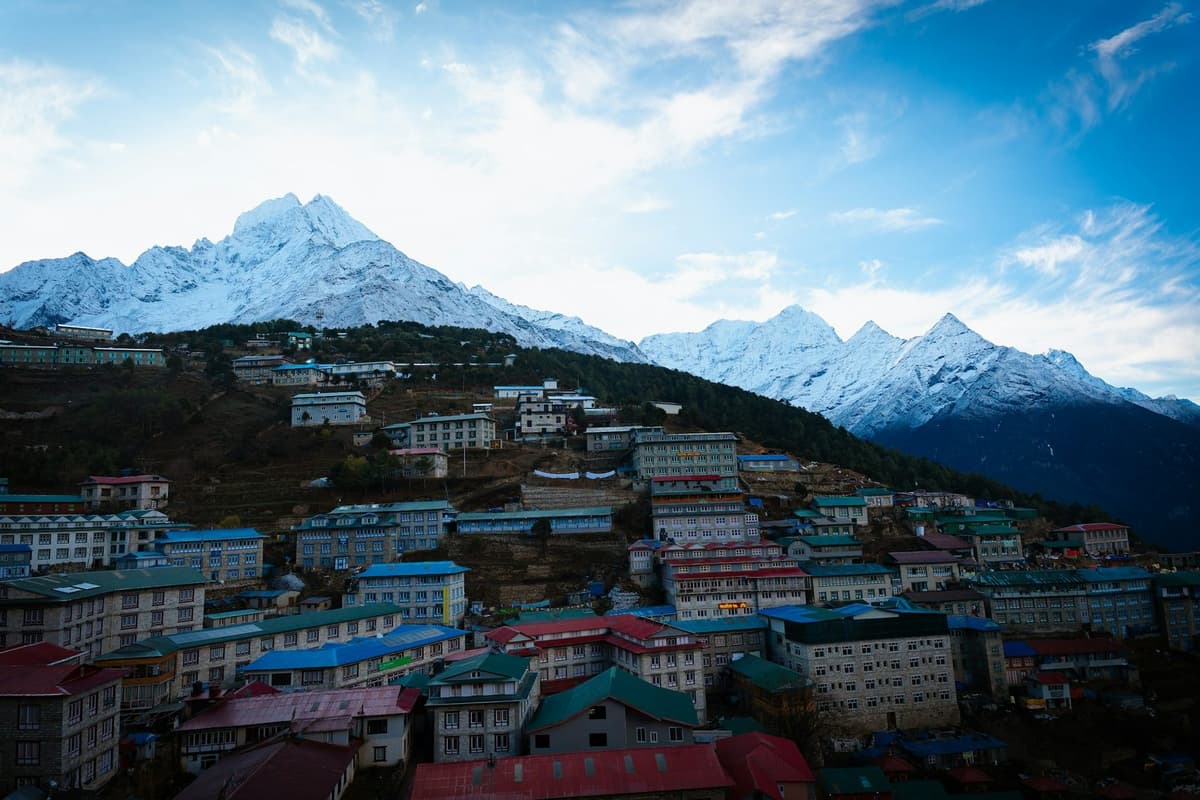
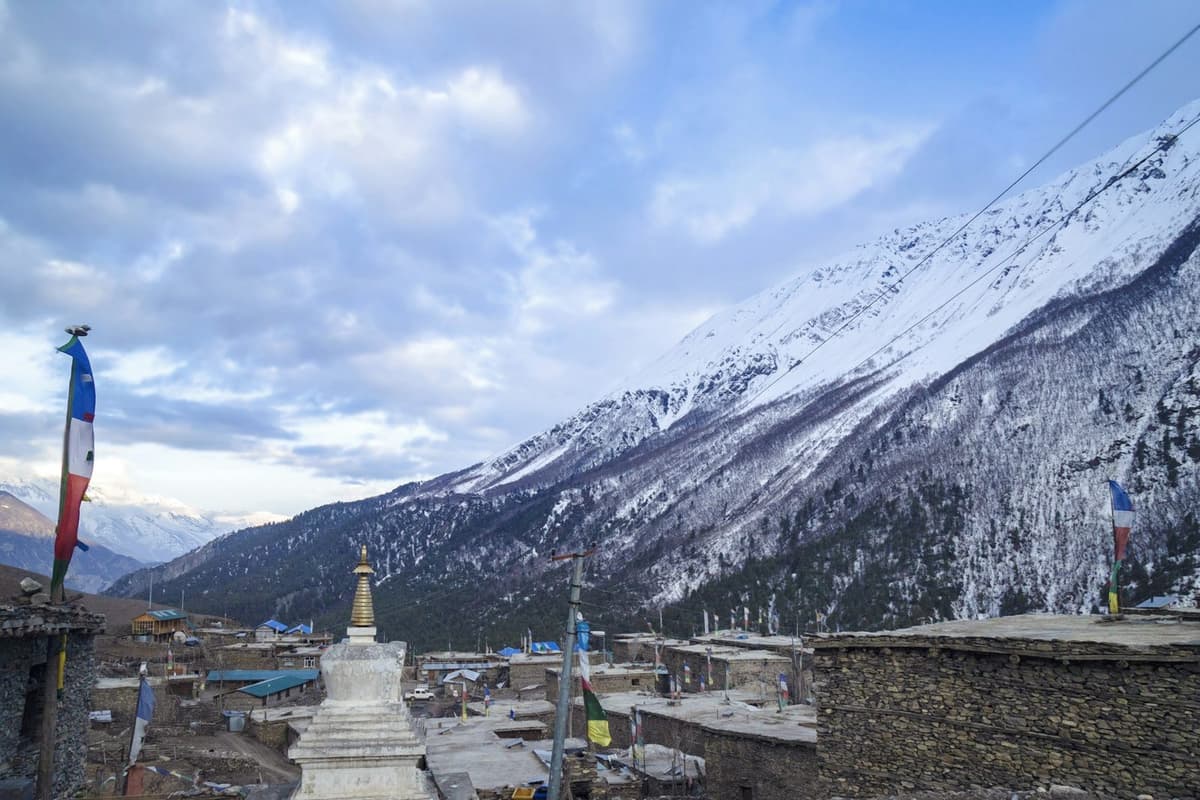
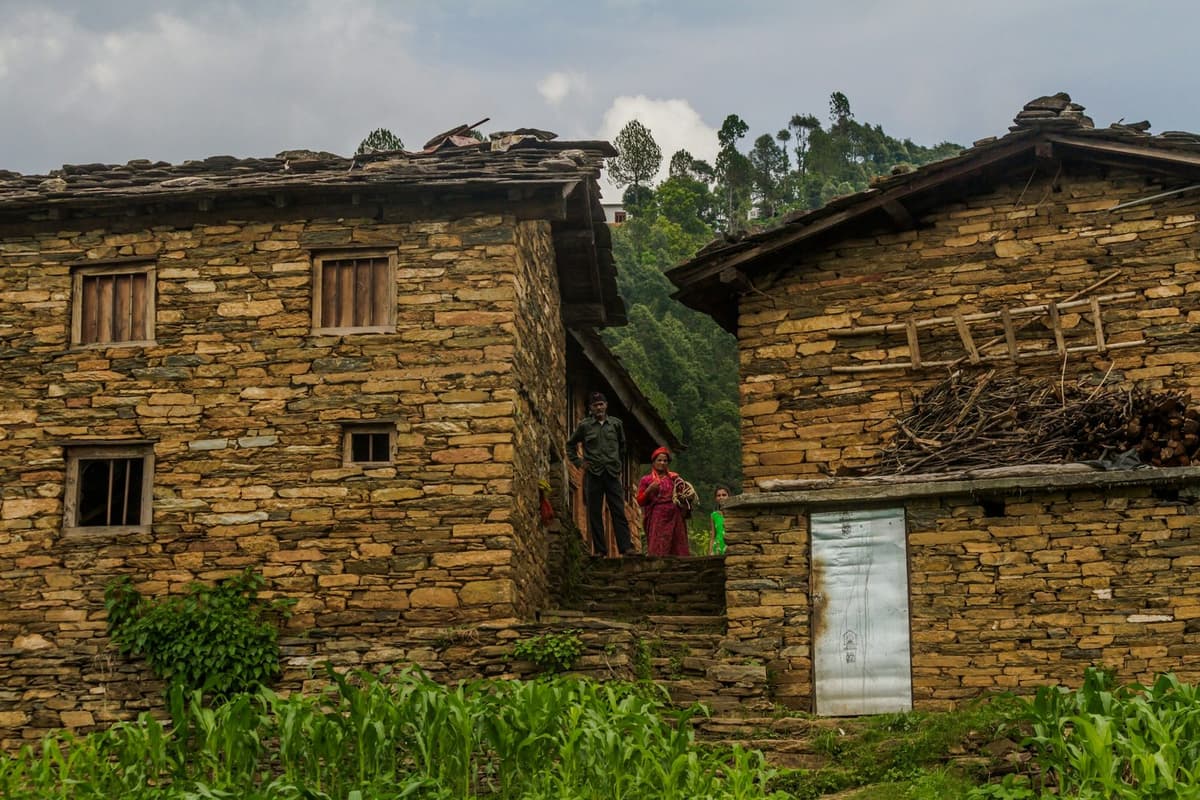
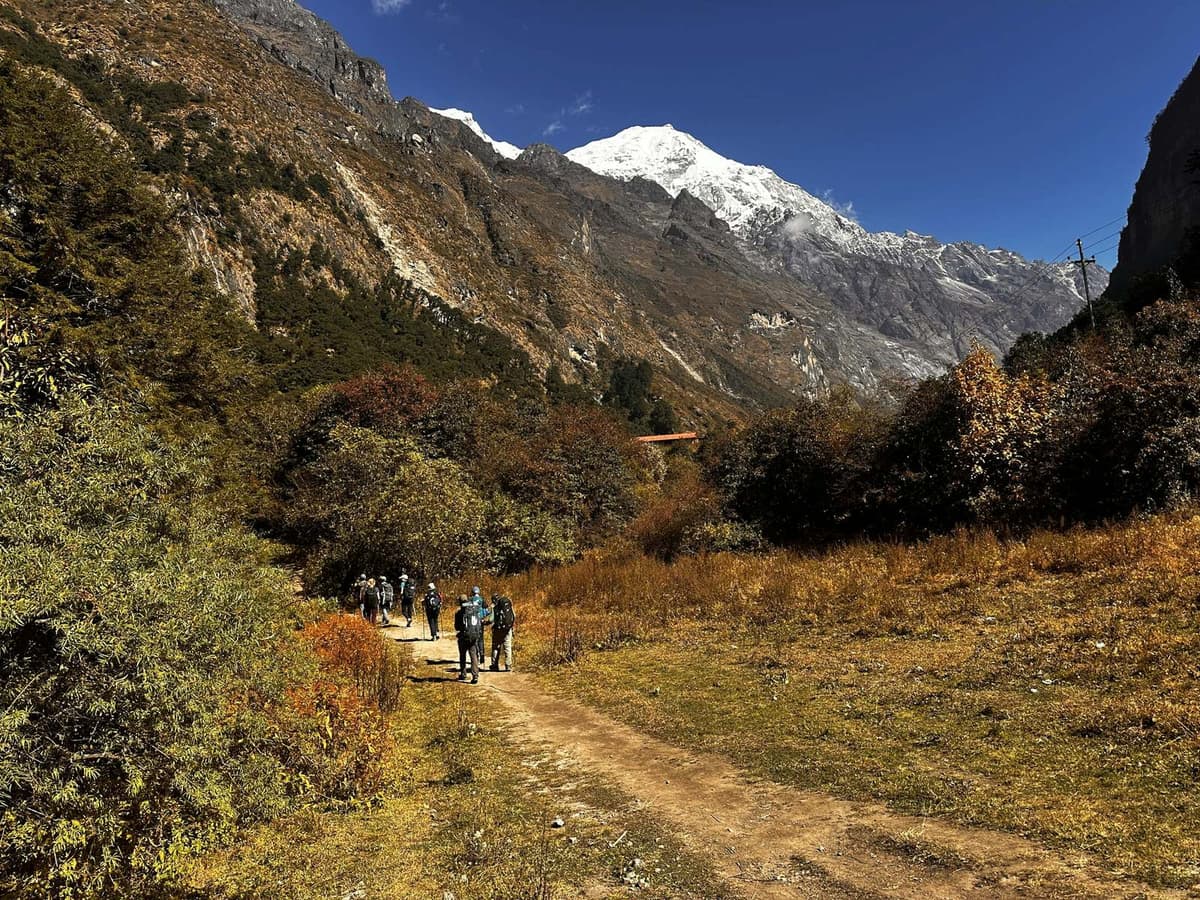
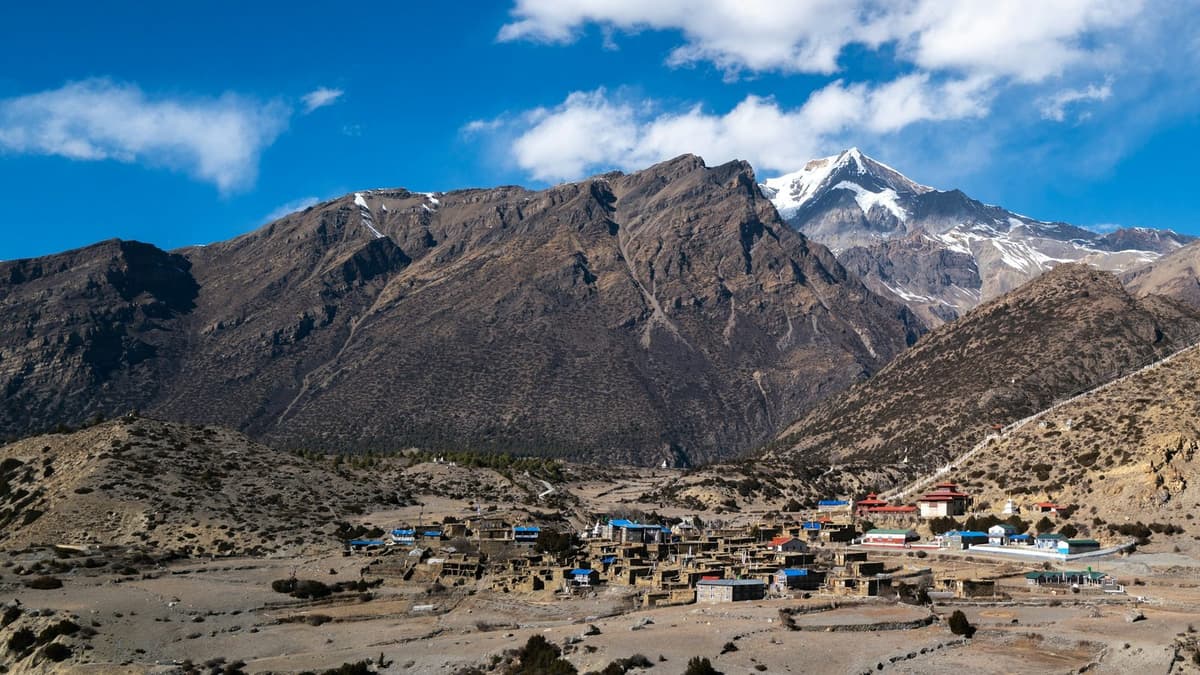
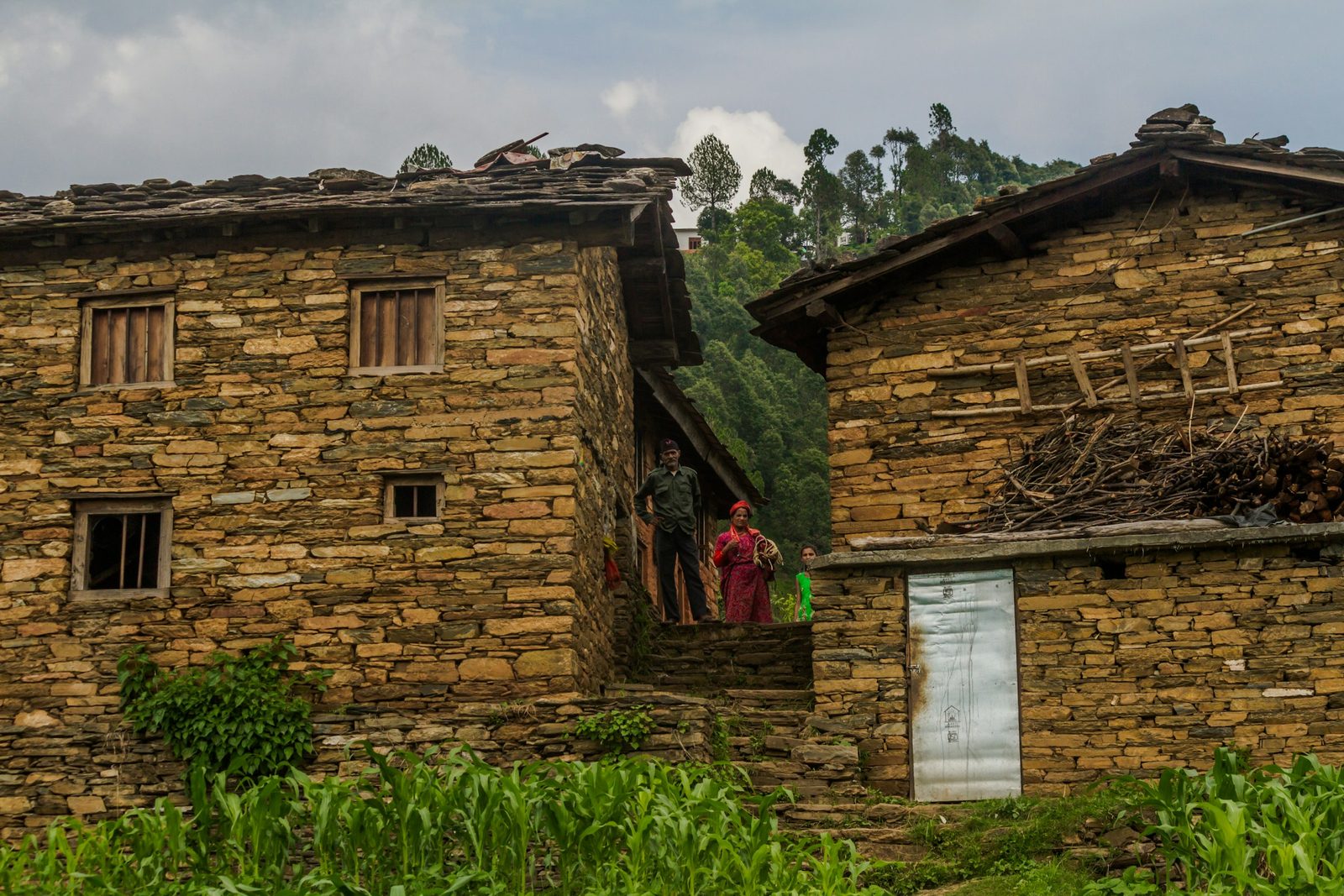
- Walk through Sikles, a large Gurung village of stone houses and terraced fields
- Trek 5 to 6 hours uphill through farmland and forest to Tasa
- Overnight in a simple lodge or homestay at Tasa
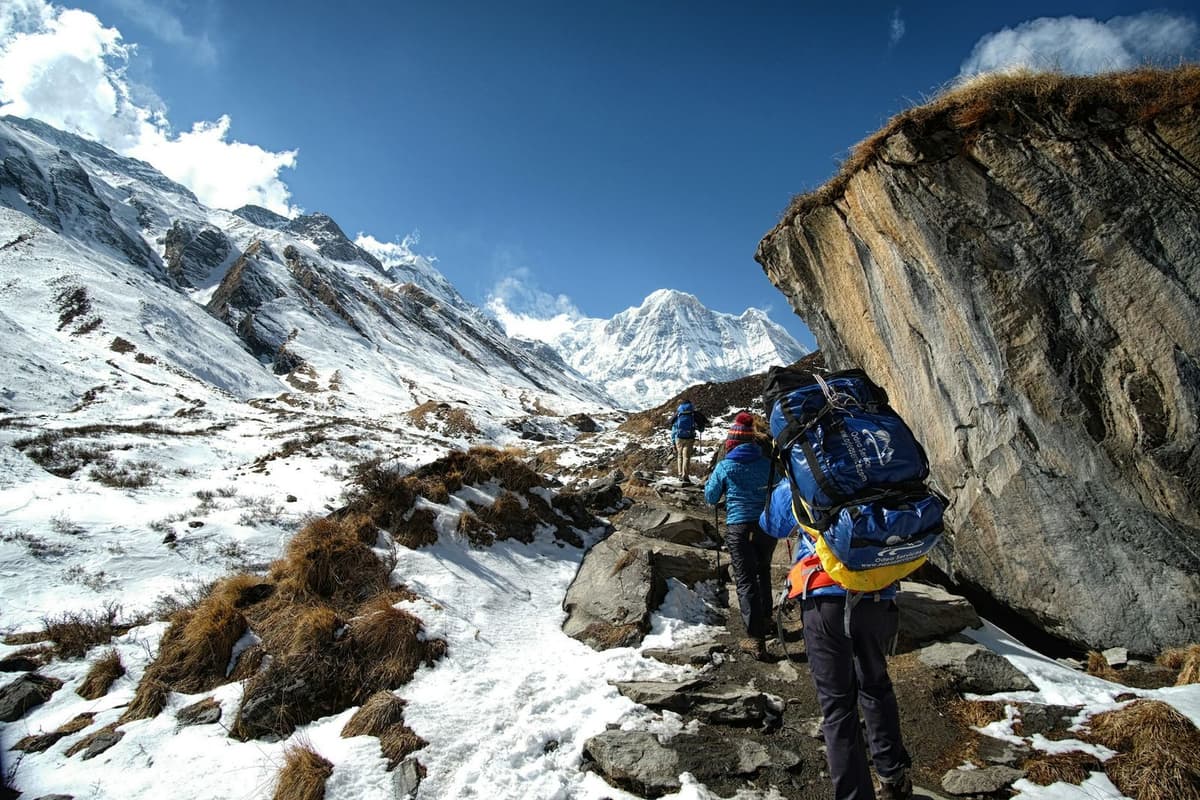
- Steady climb of 6 to 7 hours through forest and open grazing land
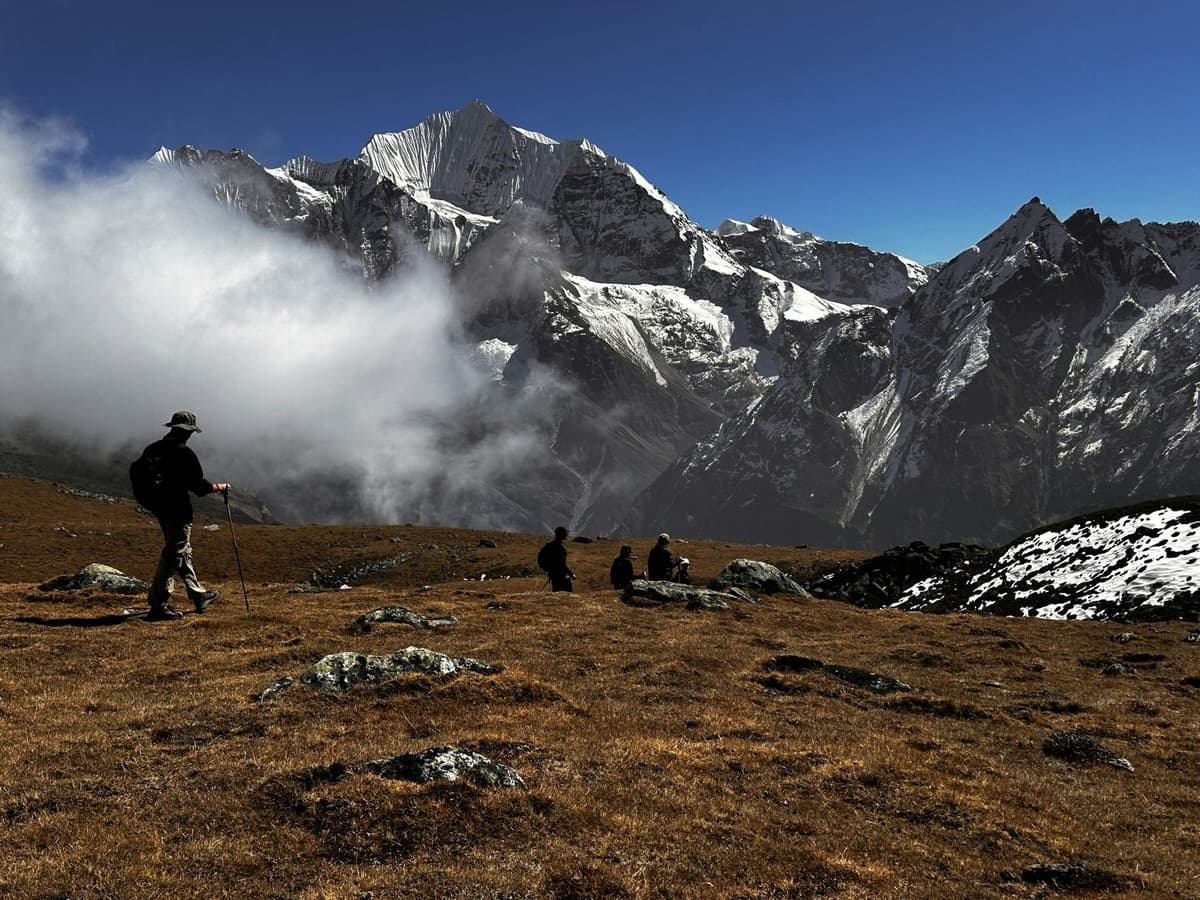
- The tree line falls away and the Annapurna peaks come into view
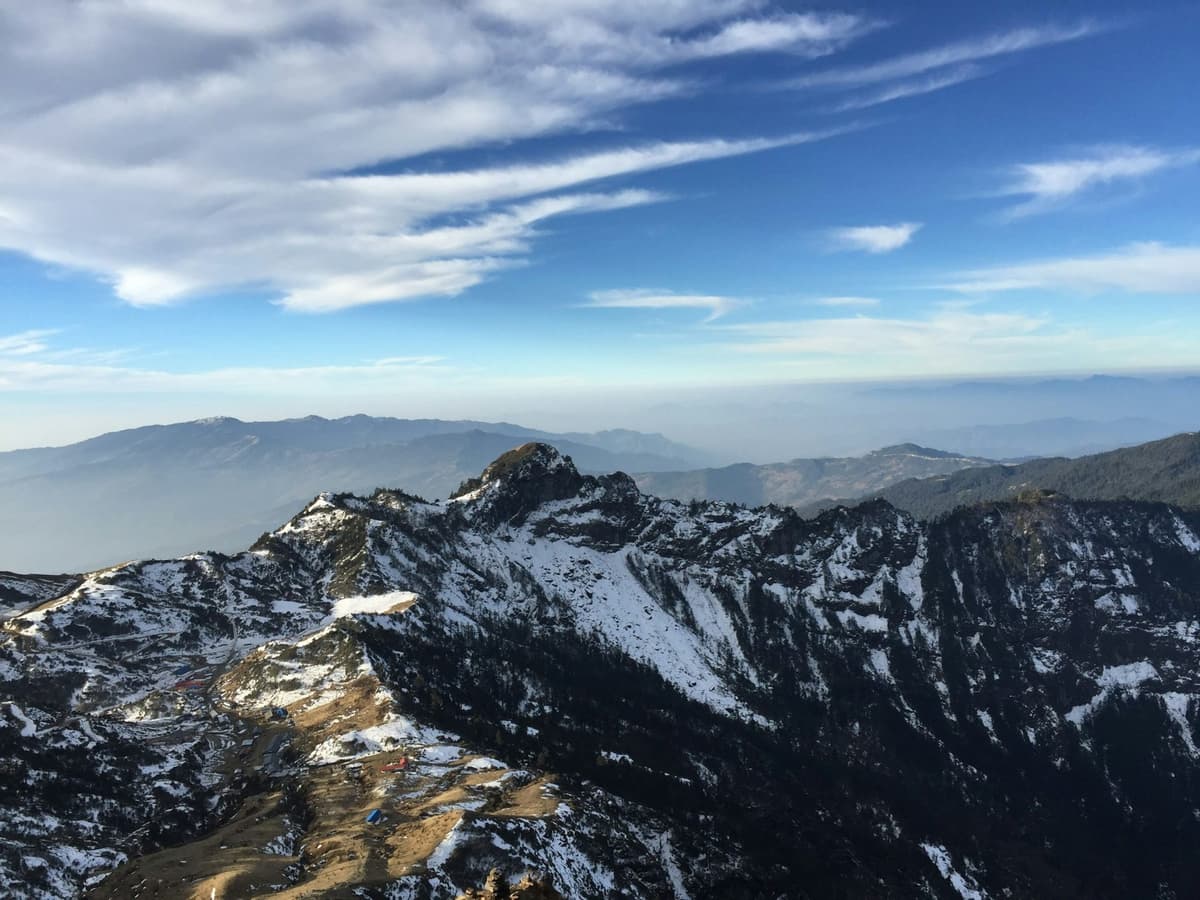
- Arrive at Kori Danda, a grassy ridge at about 3,800 m, by afternoon
- Overnight in a basic lodge or tented camp, depending on the season
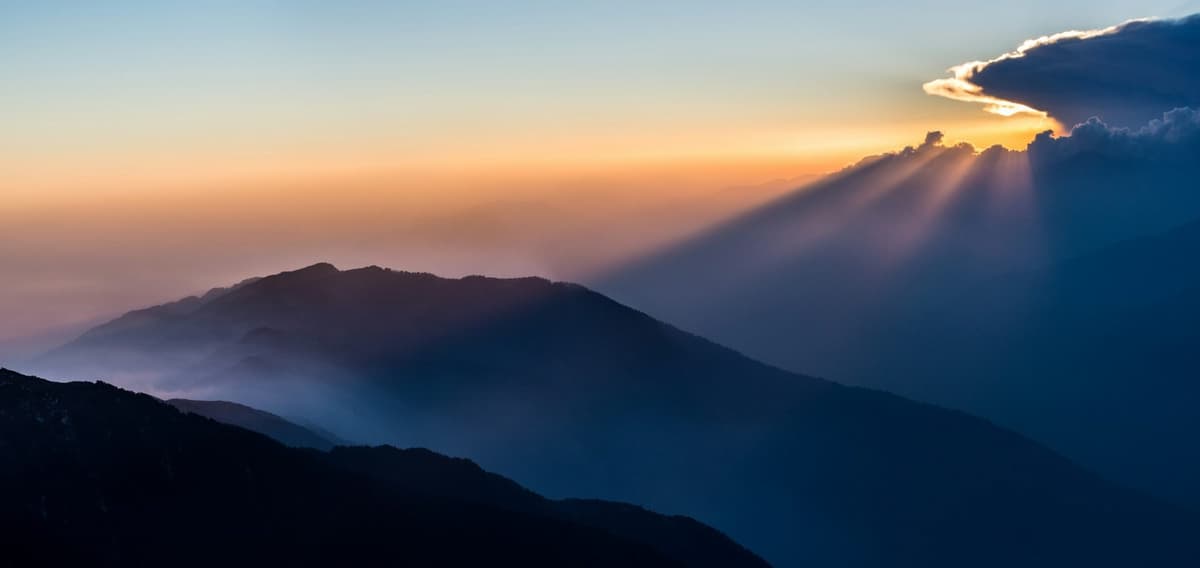
- Short walk of about 20 minutes to the viewpoint above the lodge for sunrise
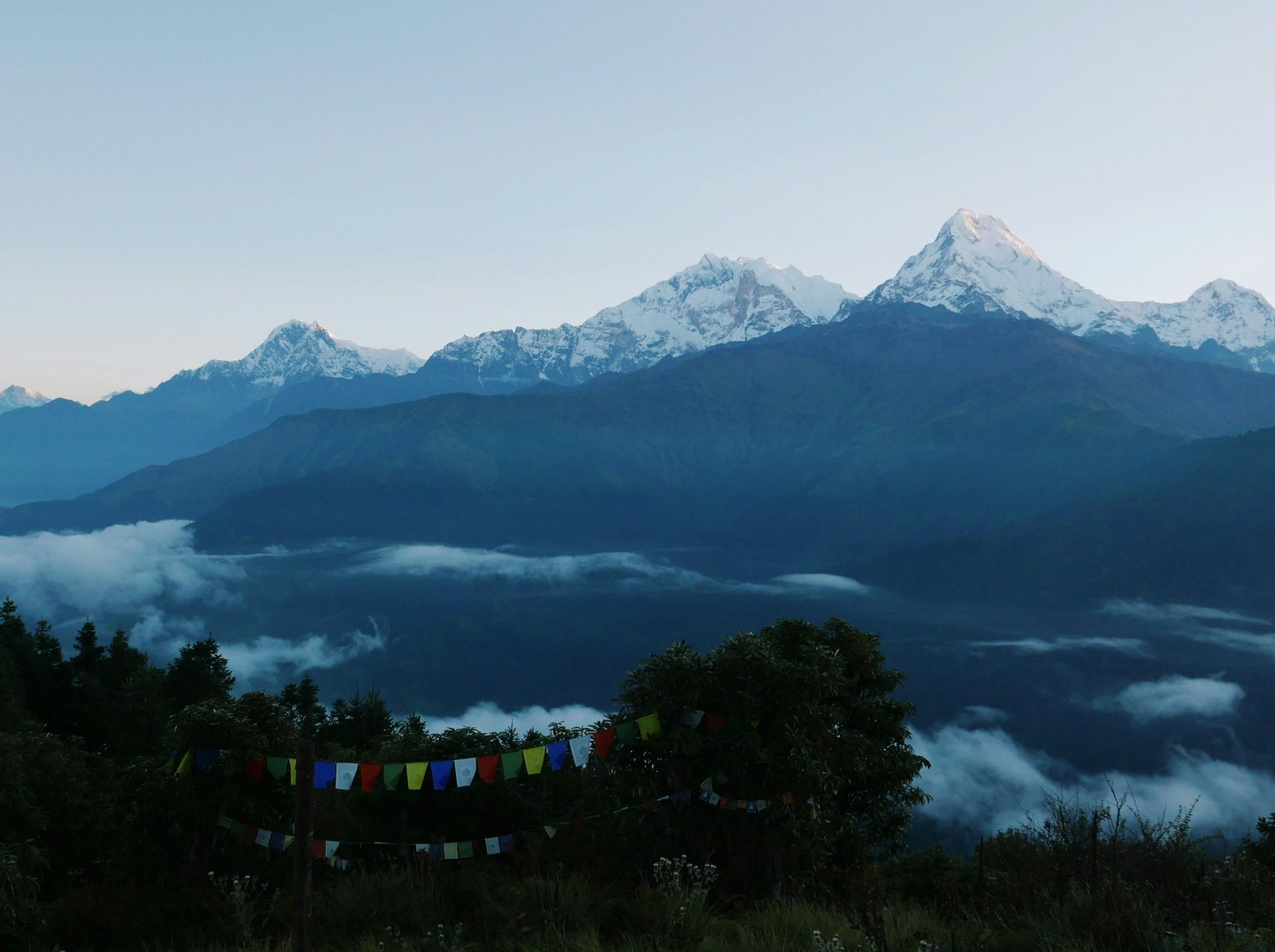
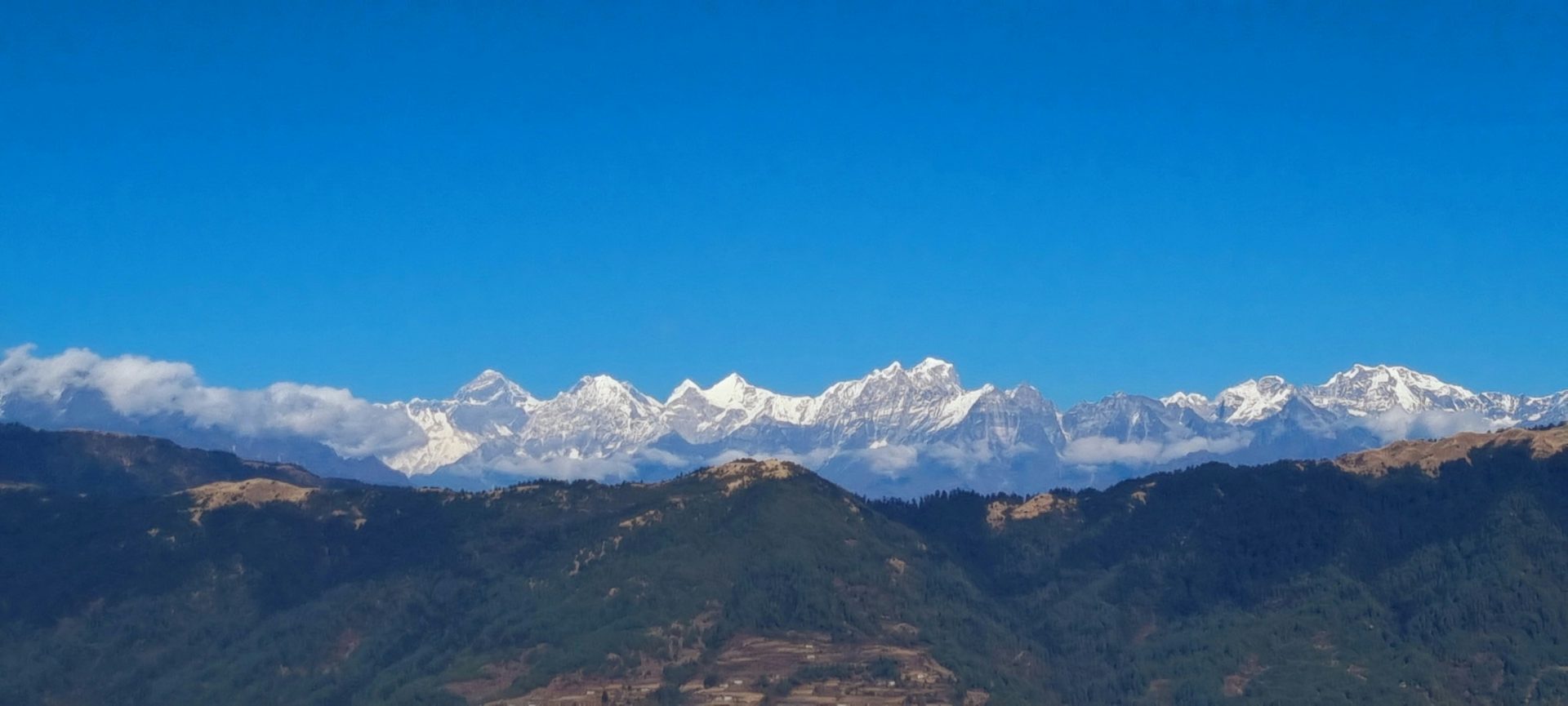
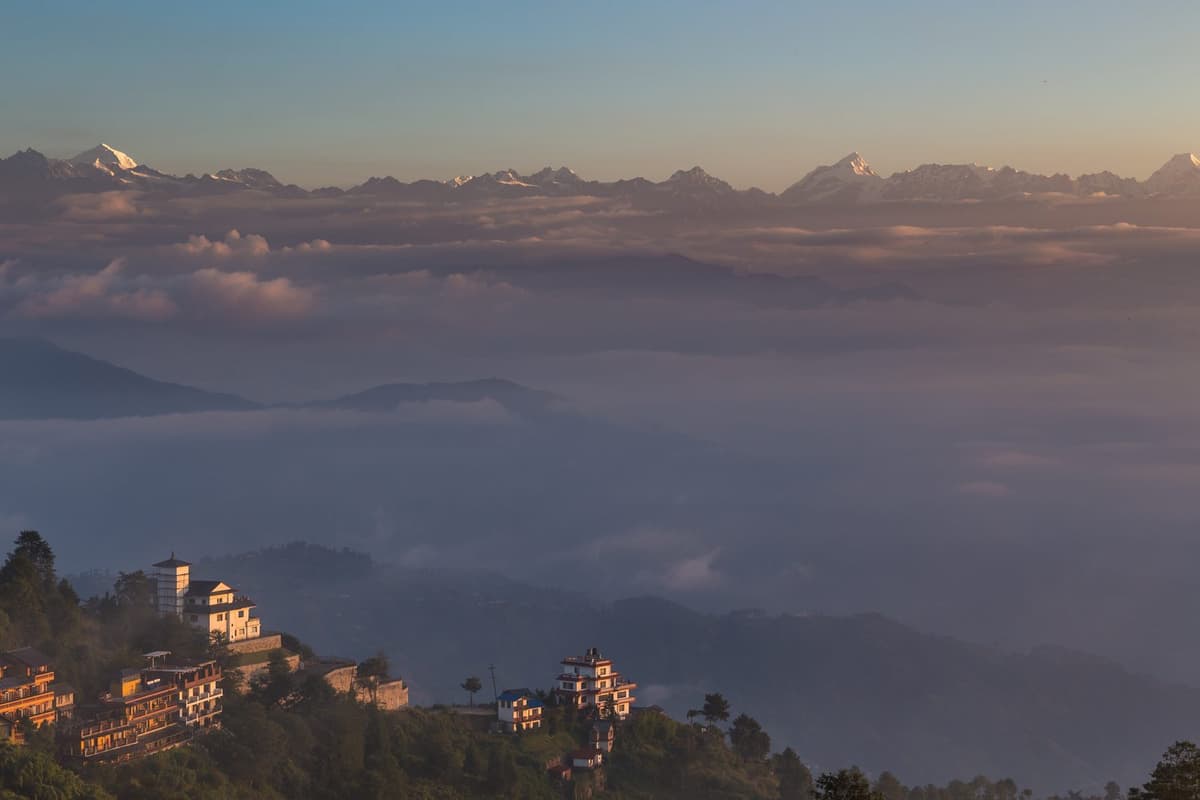
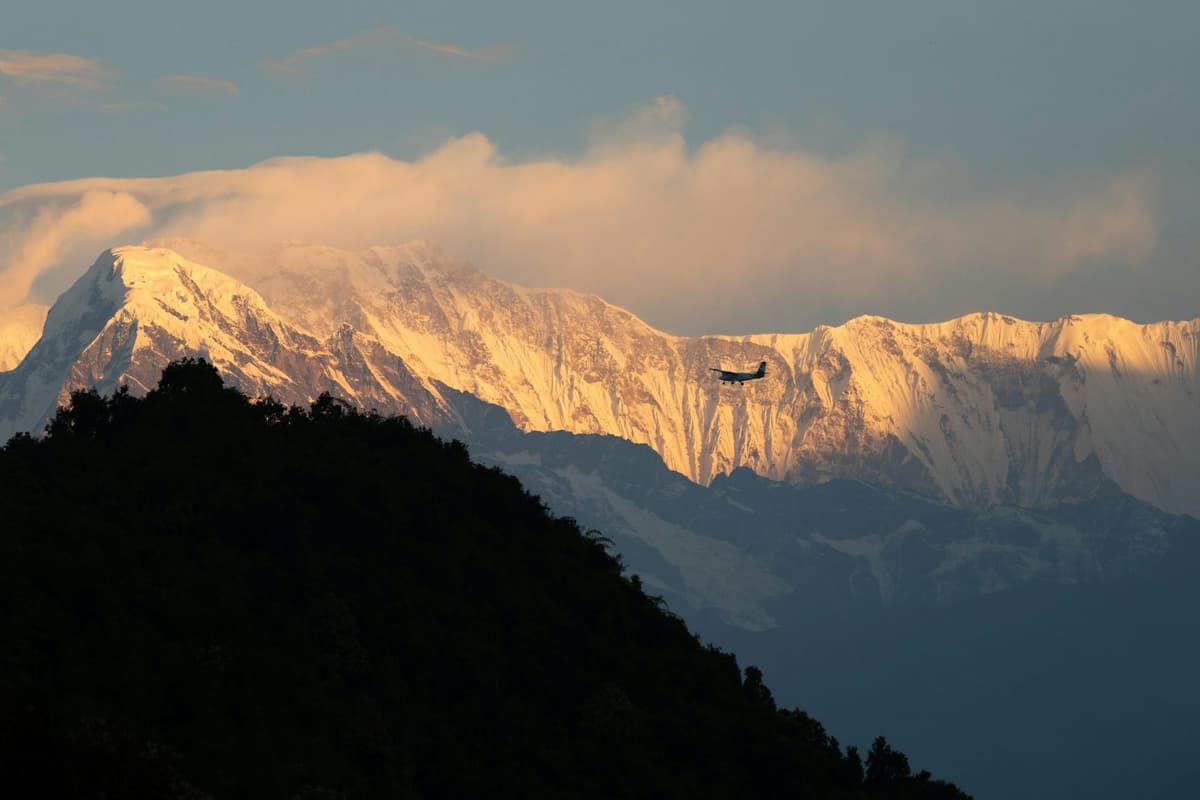
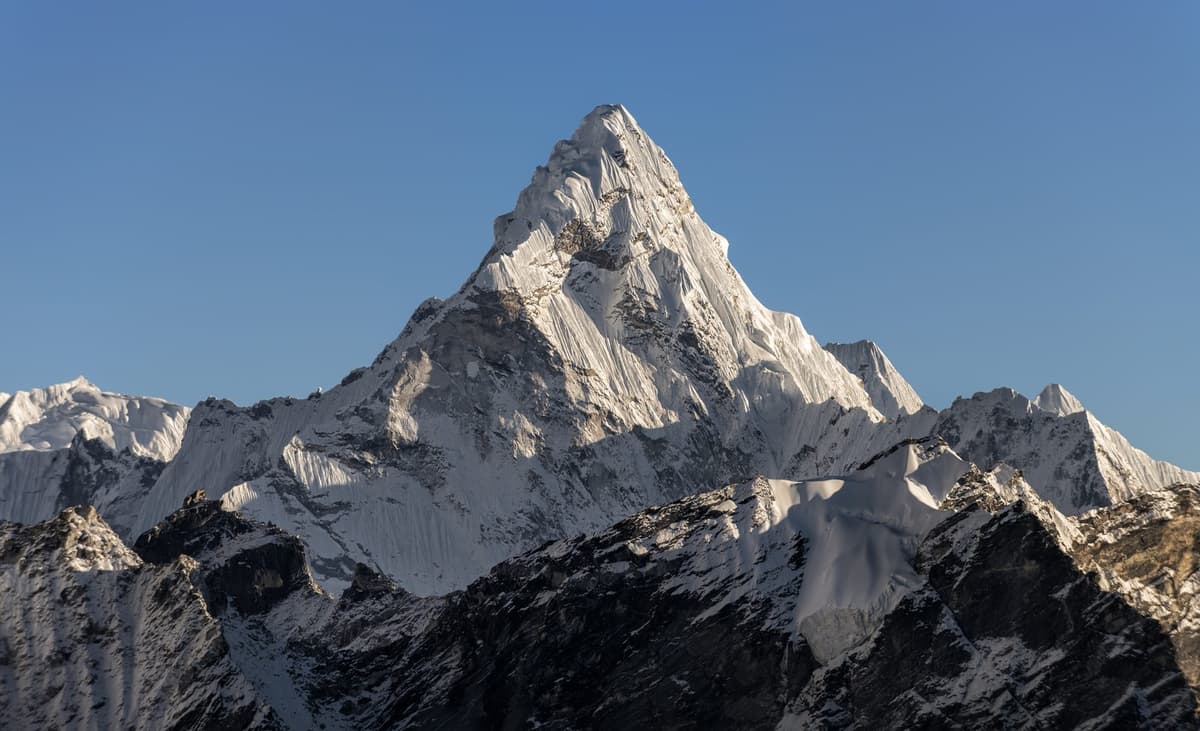
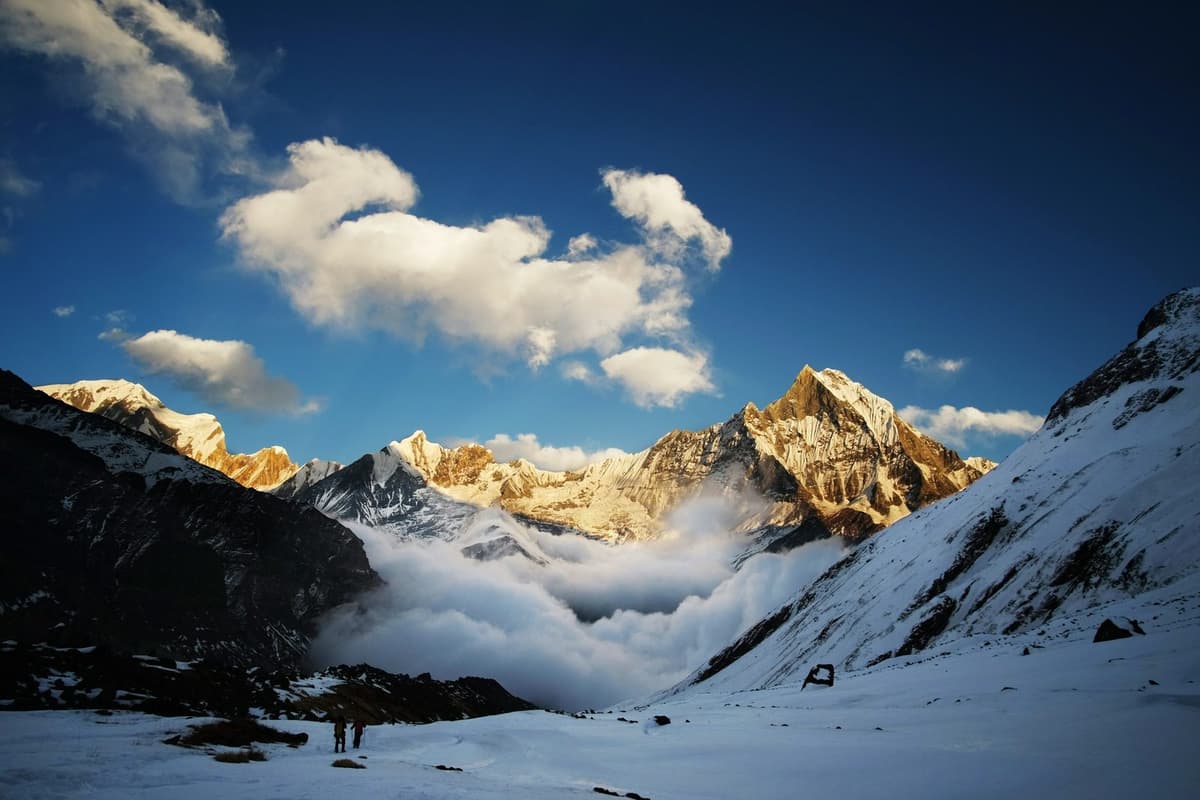
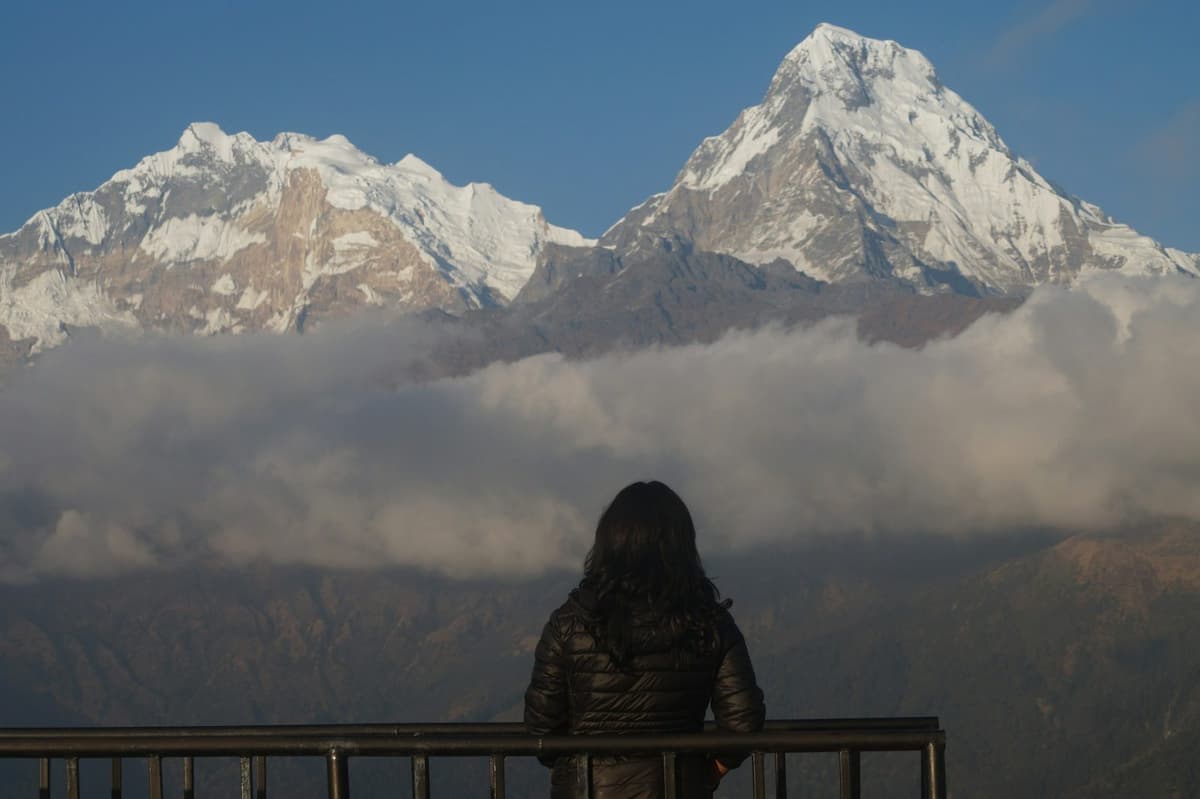
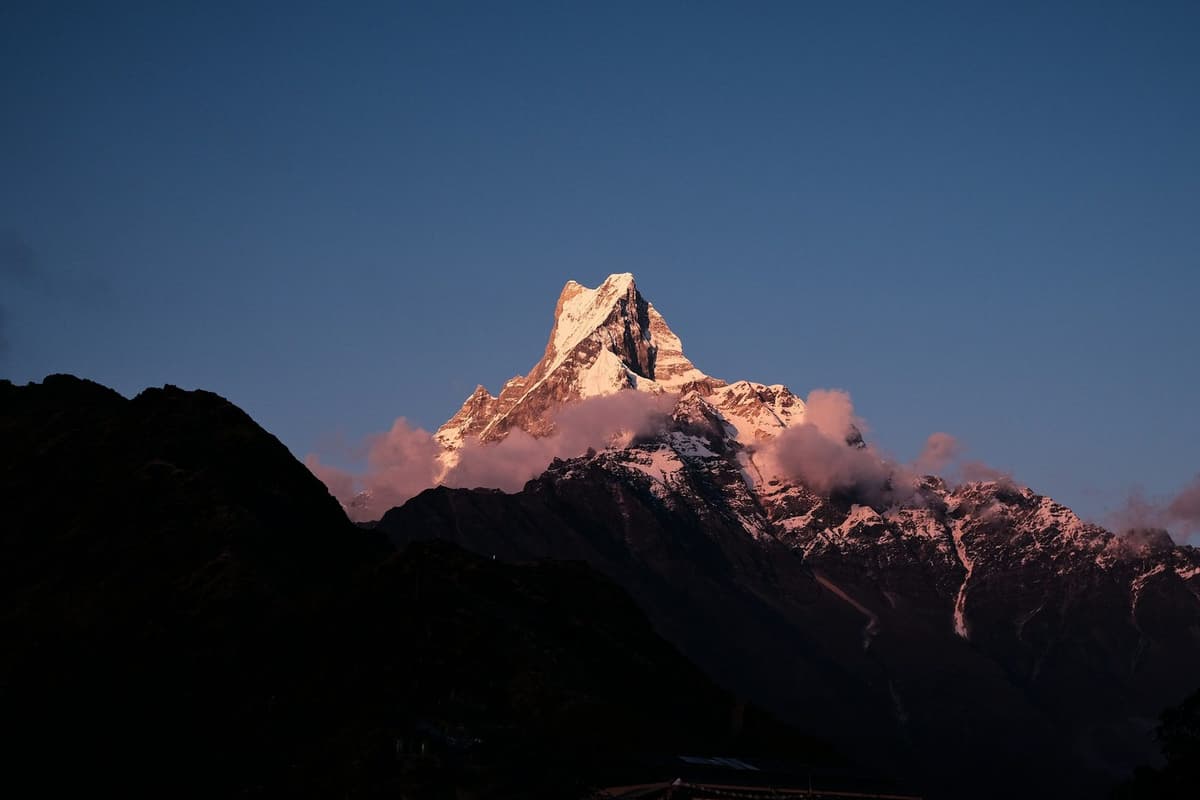
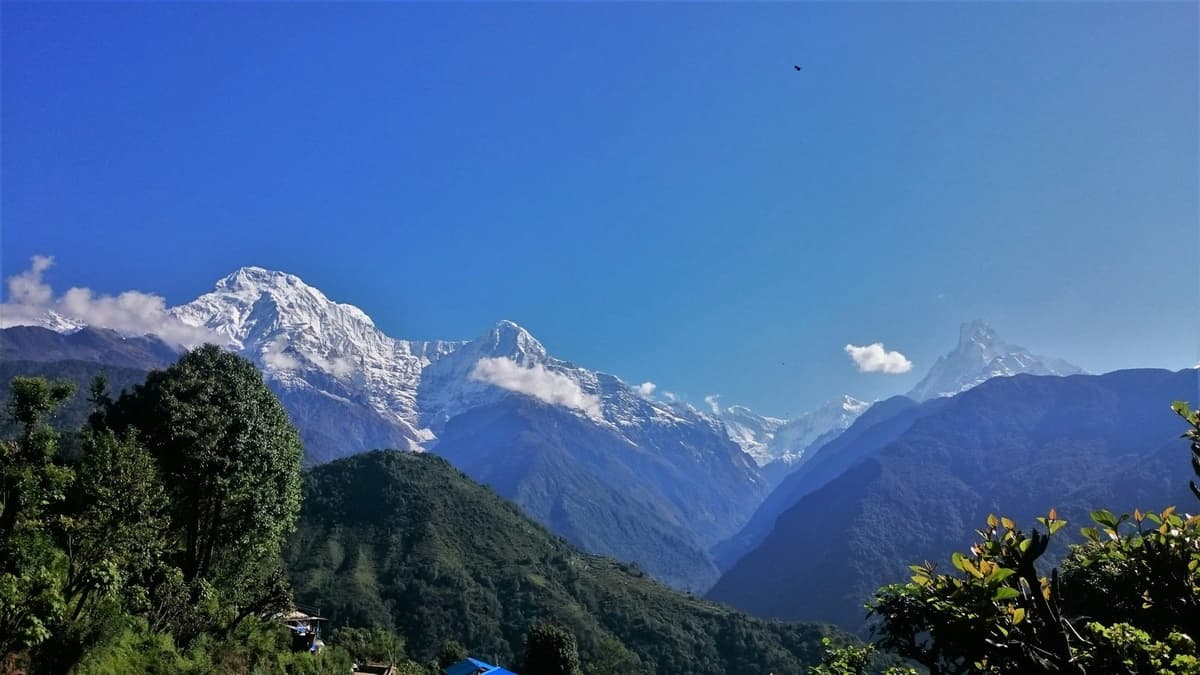
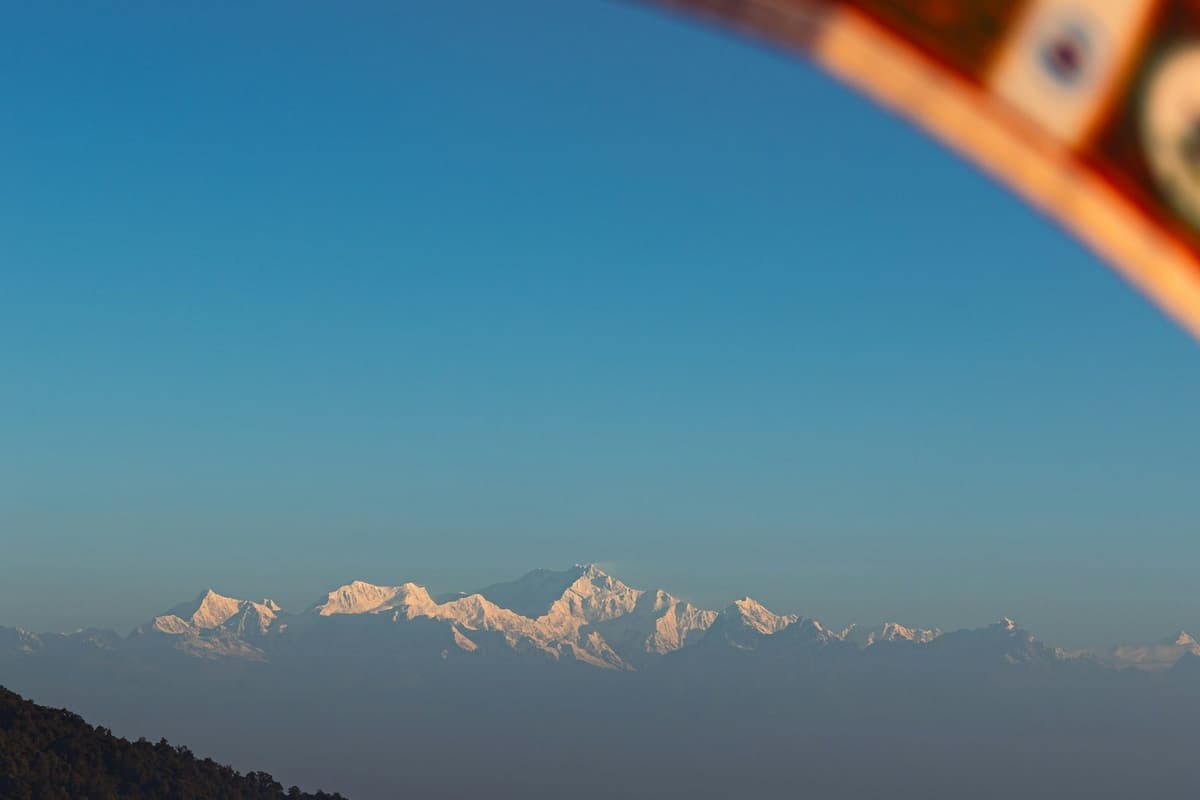
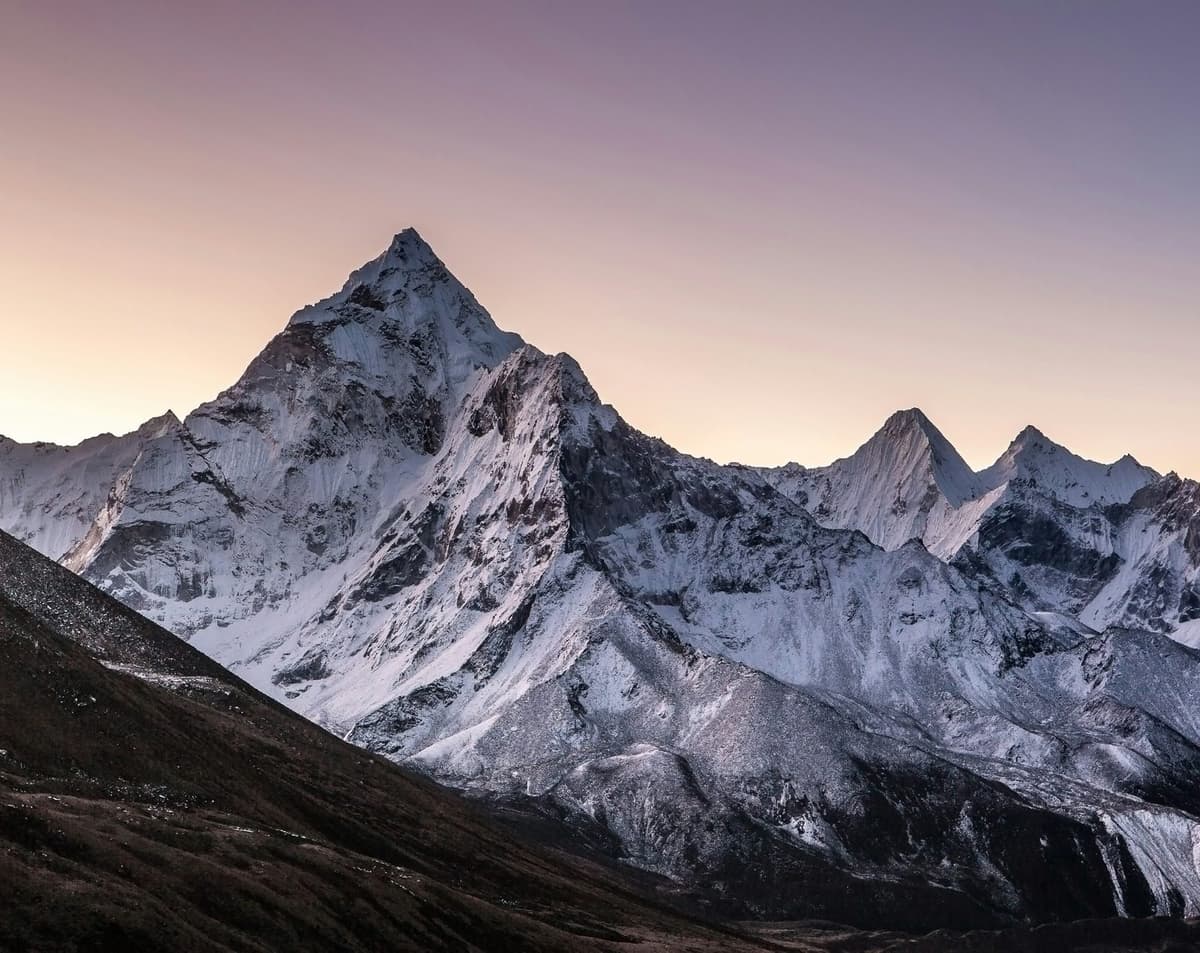
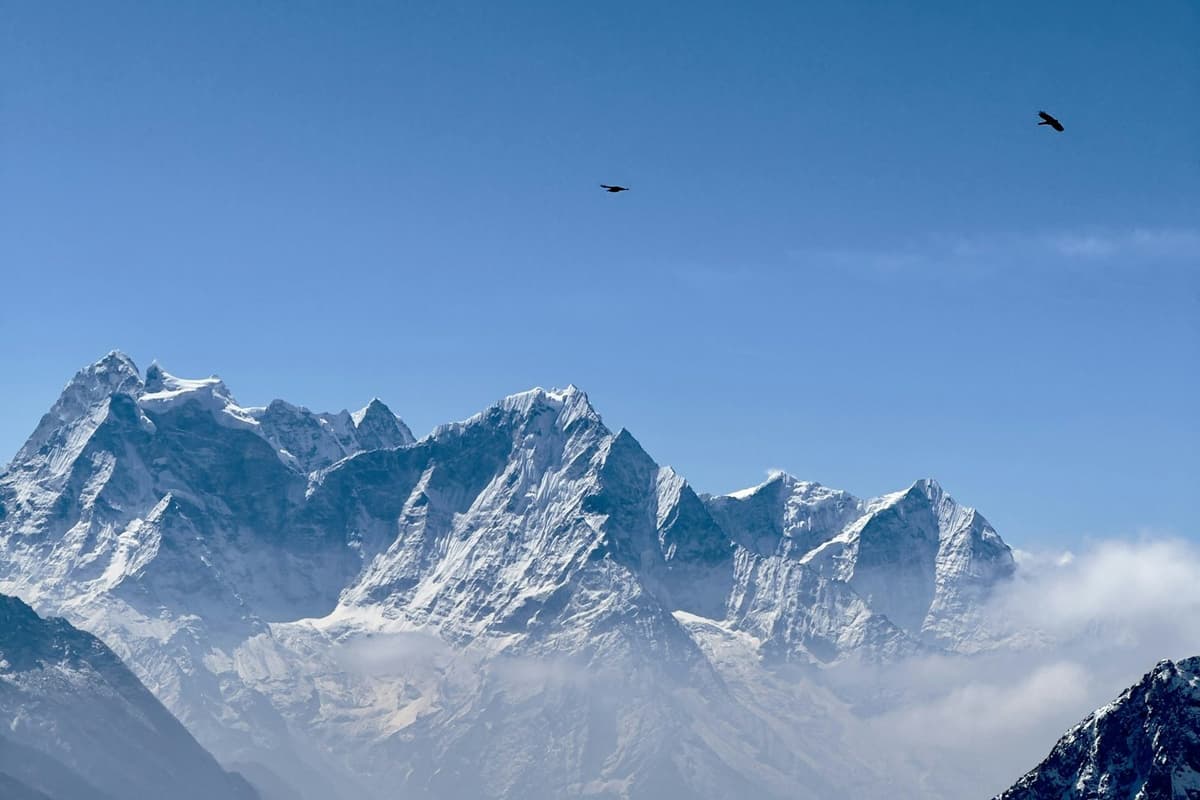
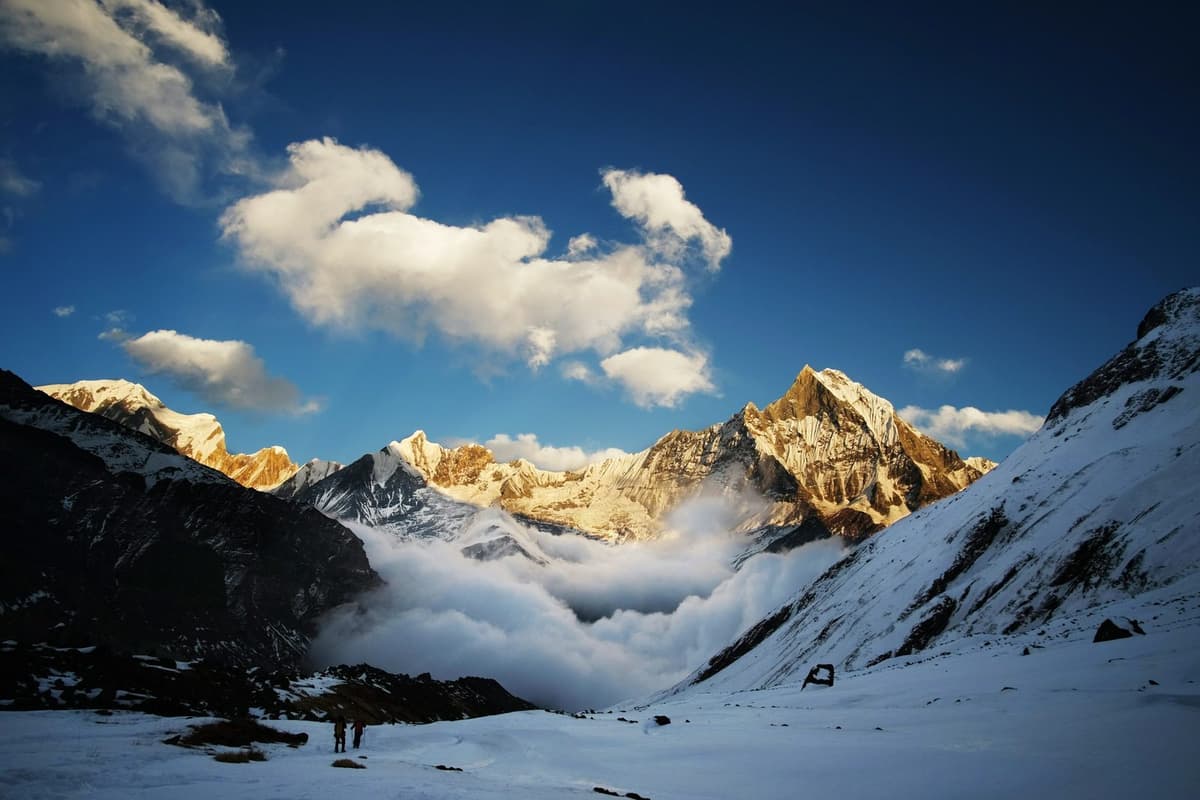
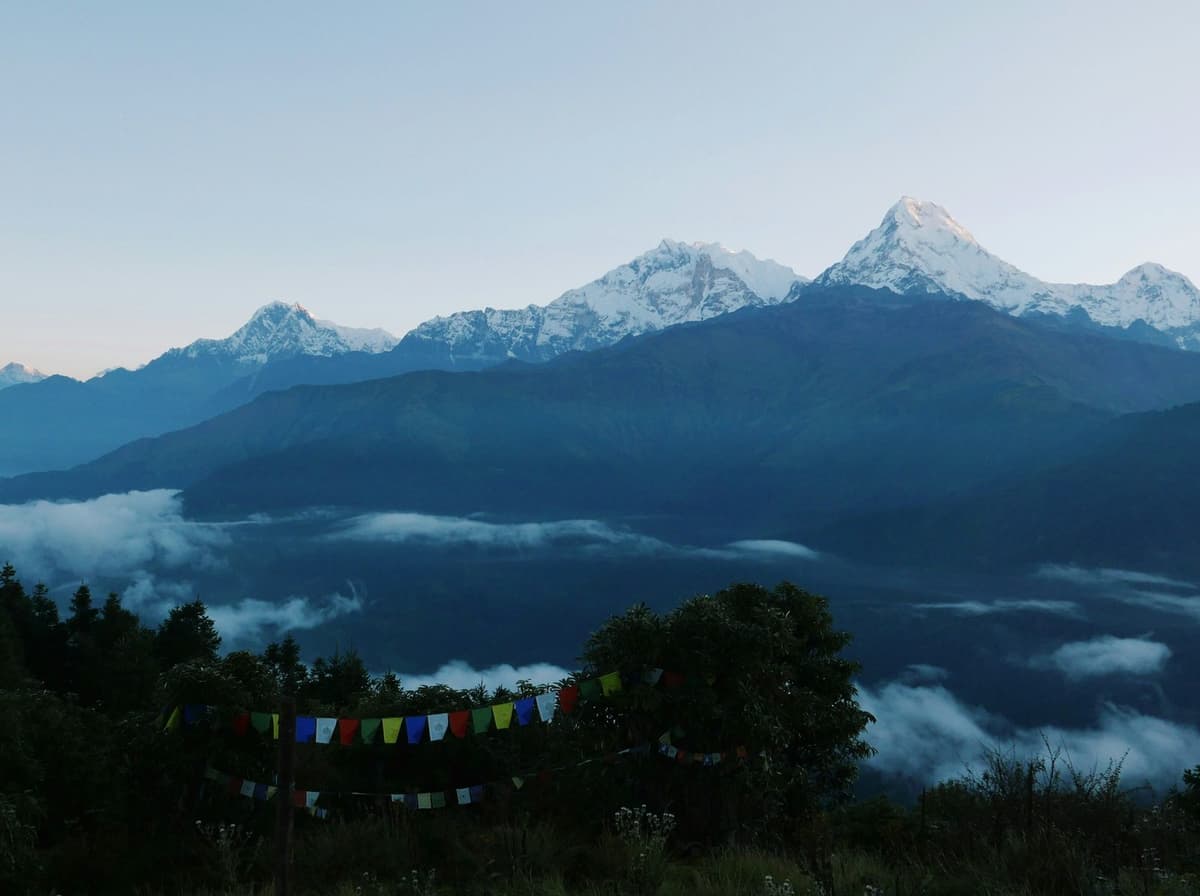
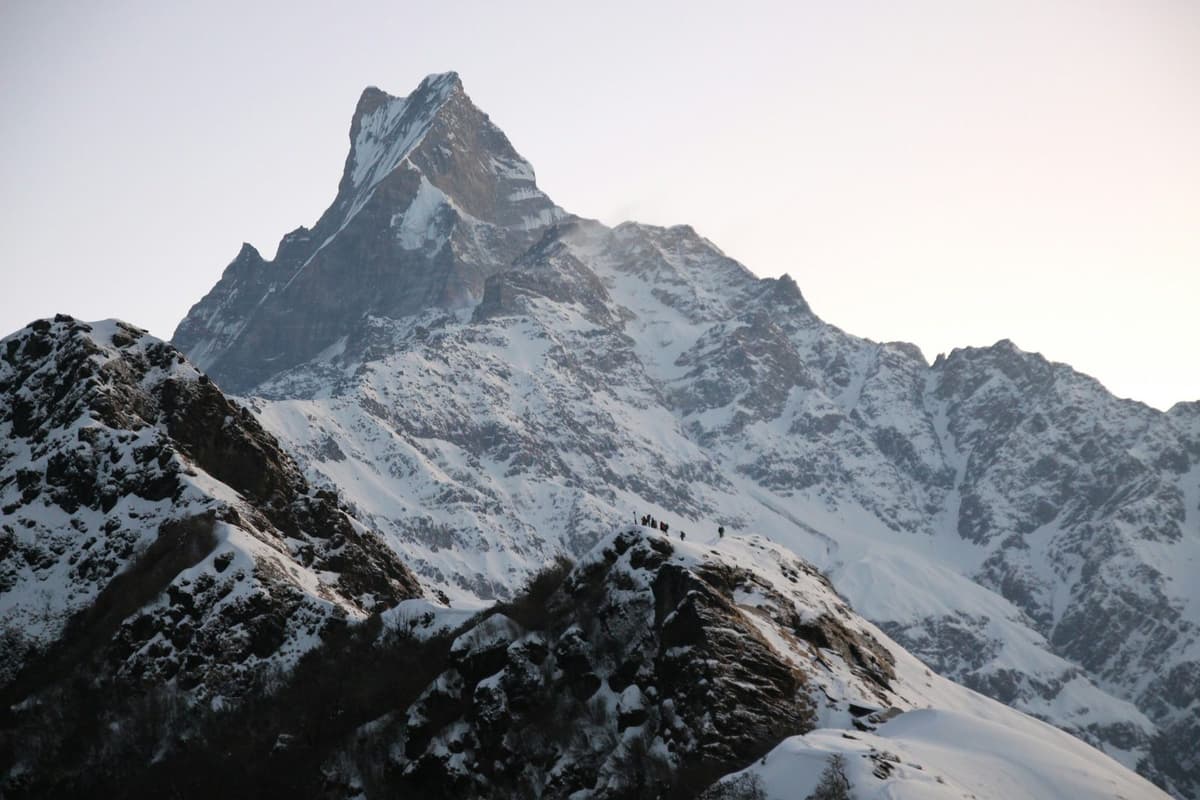
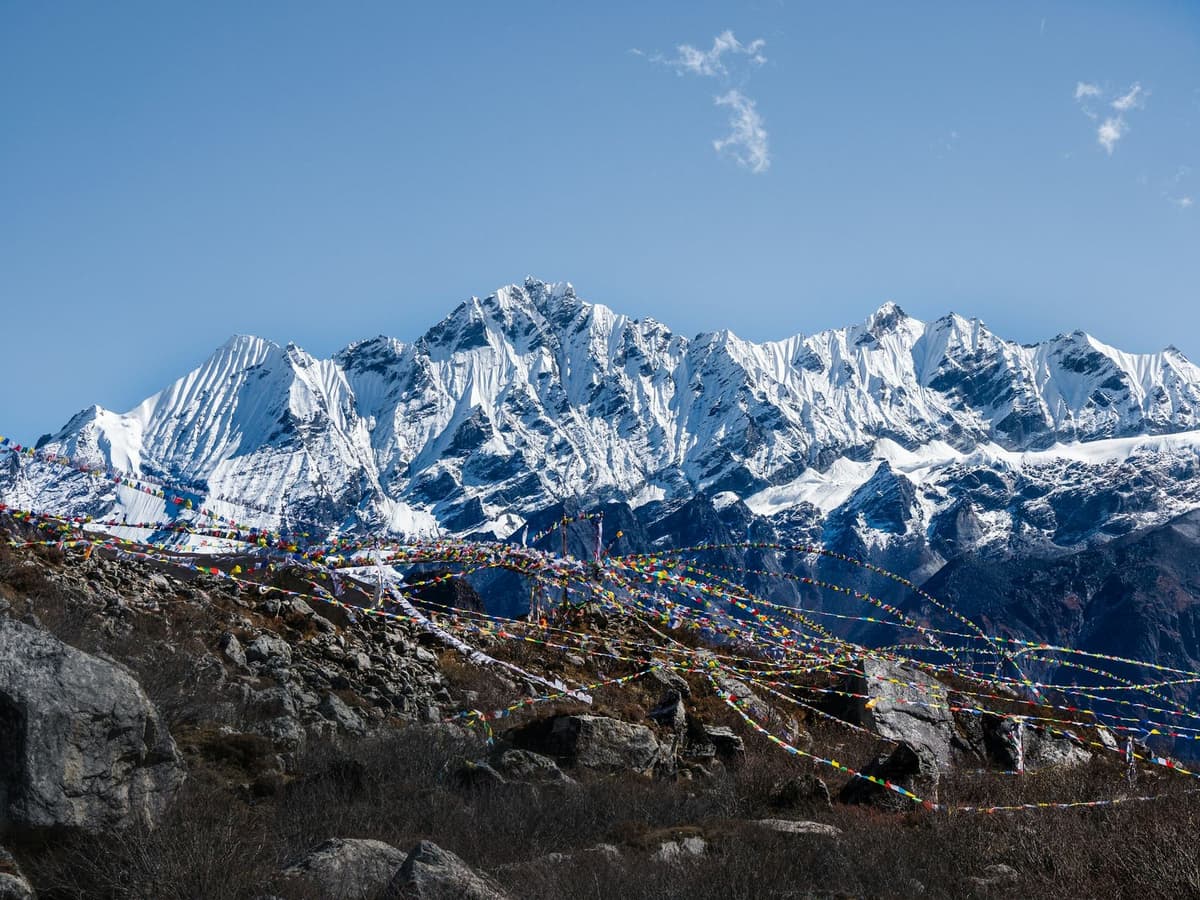
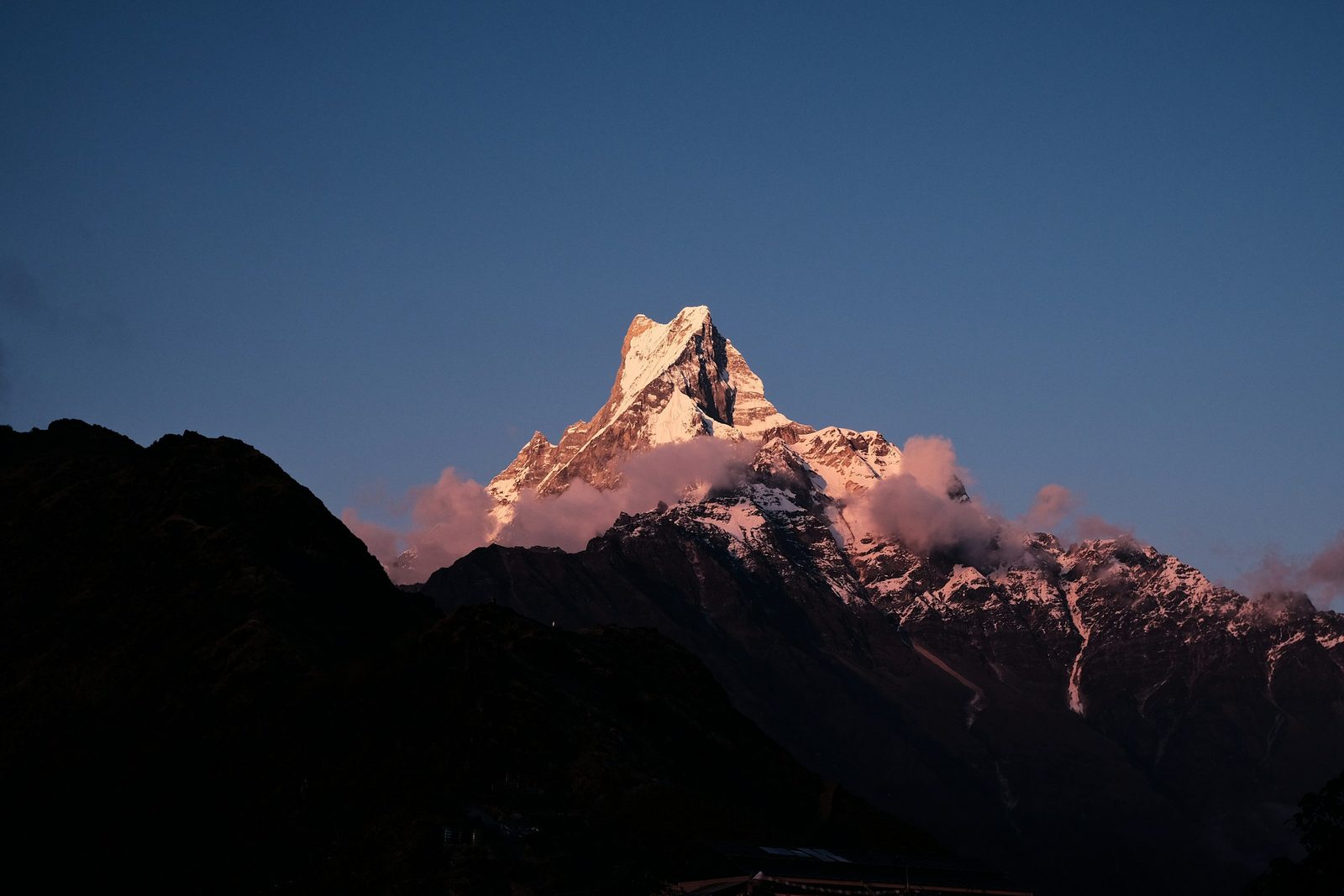
- Views of Annapurna II, Annapurna IV, Lamjung Himal and Machhapuchhre when the sky is clear
- Long descent of around 7 hours back to Sikles on the same trail
- Drive back to Pokhara, arriving in the evening
Things to carry
- Warm down jacket, hat and gloves for the night on the ridge
- Sleeping bag liner, or a sleeping bag in the colder months
- Trekking poles for the long descent to Sikles
- Head torch and spare batteries
- Snacks and water purification tablets, as supplies on the ridge are limited
Good to know
Complete guide
Kori Danda is a high grassy ridge above the Gurung village of Sikles, north-east of Pokhara, and this three-day trek is the shortest sensible way to reach it. You sleep at about 3,800 m with Annapurna II, Annapurna IV, Lamjung Himal and Machhapuchhre in front of you, and you will see very few other trekkers. It is steeper and more basic than the classic Poon Hill route, and this guide is honest about both.
What the Kori Danda trek covers
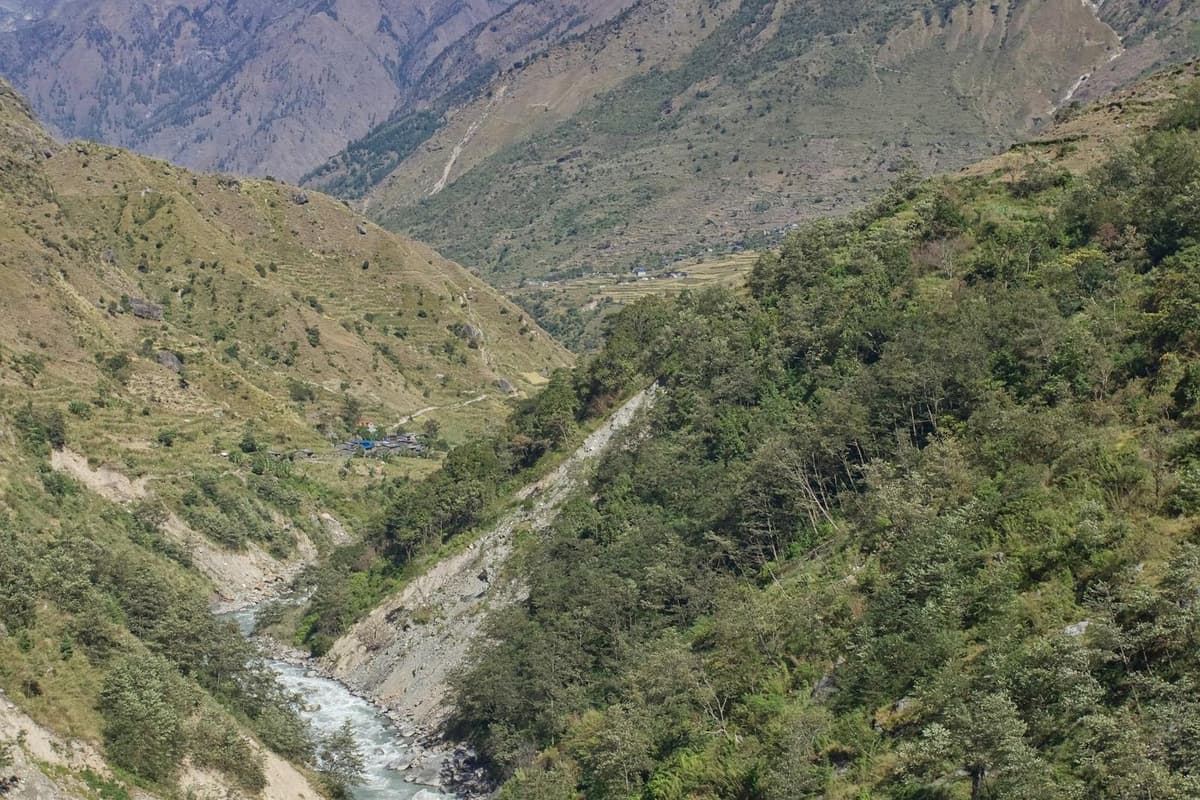
The trek starts with a drive of a few hours from Pokhara to Sikles, at about 1,980 m, one of the largest and best-preserved Gurung villages in Nepal. From there you walk 5 to 6 hours uphill through terraces and forest to Tasa, where you spend the first night. The second day is a steady climb of 6 to 7 hours out of the forest and onto open grazing land, finishing on the Kori ridge. On the last morning a short walk of about 20 minutes takes you to the viewpoint for sunrise, then you descend around 7 hours on the same trail to Sikles and drive back to Pokhara.
If you want the mountain sunrise with less effort, our two-day Ghorepani Poon Hill trek is gentler and better served by teahouses. If Kori leaves you wanting more time up high, the Mardi Himal trek from Pokhara is the natural next step, with more nights on a ridge closer to Machhapuchhre.
How hard it is, honestly
This is a moderate trek, but it is compressed into three days. You walk 5 to 7 hours a day, much of it uphill on the first two days, and the final day combines a long descent with the drive home, so you reach Pokhara tired. You do not need trekking experience, but you should be used to long, steep walks and be comfortable on rough, sometimes muddy paths. Trekking poles make the descent far kinder on the knees.
If this would be your first multi-day walk, we would suggest Poon Hill instead. If you have the time and want a gentler pace, ask us about adding a day so the climb to the ridge is split in two.
Altitude and staying safe up high
Published heights for Kori Danda range from 3,800 m to 3,870 m, so we describe it as about 3,800 m. The important point is the speed of the climb: you start at Sikles at about 1,980 m and sleep on the ridge the next night. That is a fast gain, and headaches or a poor night's sleep are common.
Your guide checks on every trekker each evening and morning. Drink plenty of water, walk slowly and say early if you feel unwell. If symptoms worsen, the treatment is to go down, and the guide will make that call without hesitation. We recommend travel insurance that covers trekking at this altitude and helicopter evacuation; we do not sell insurance ourselves.
Permits, season and what to expect on the ridge
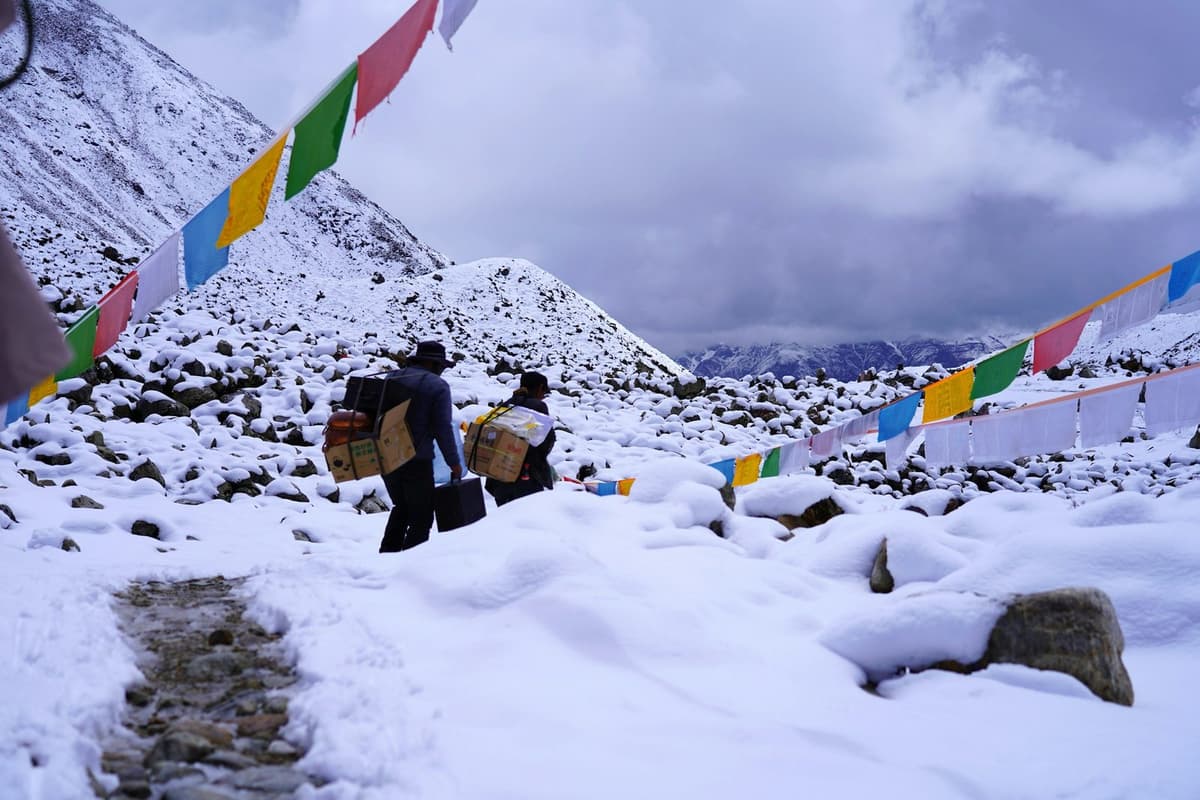
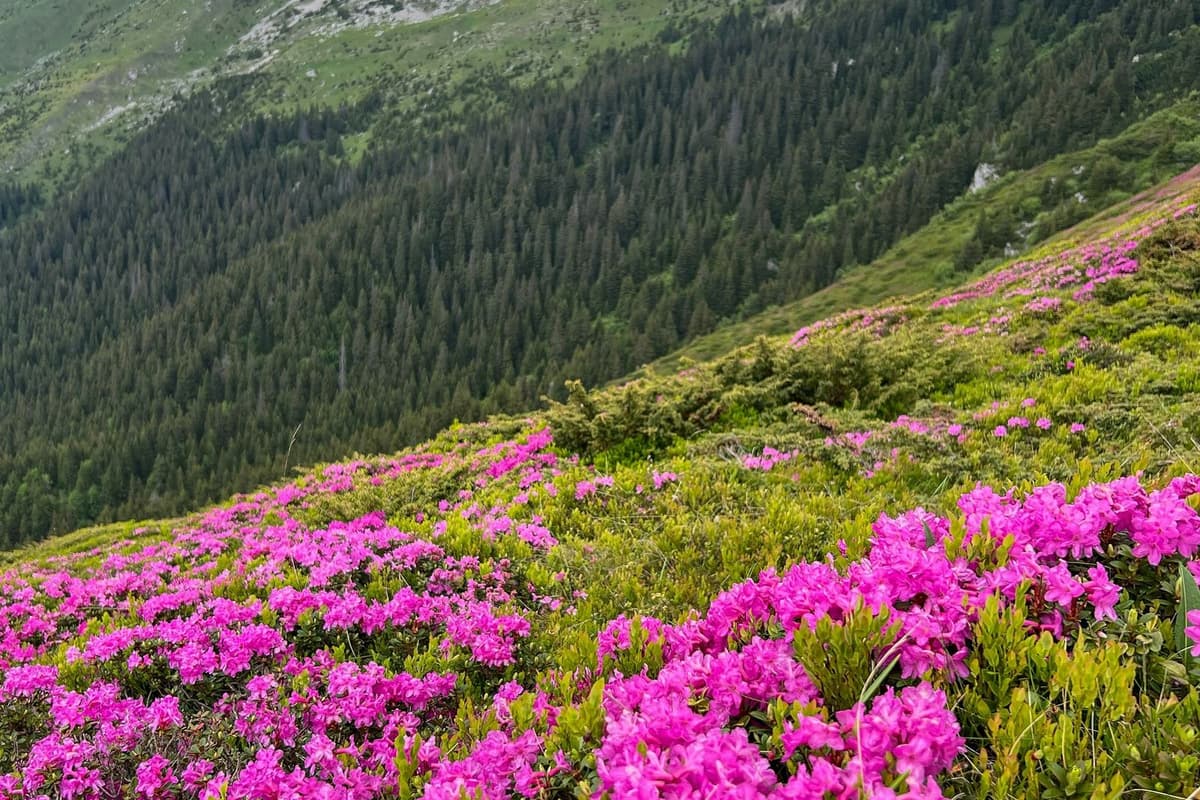
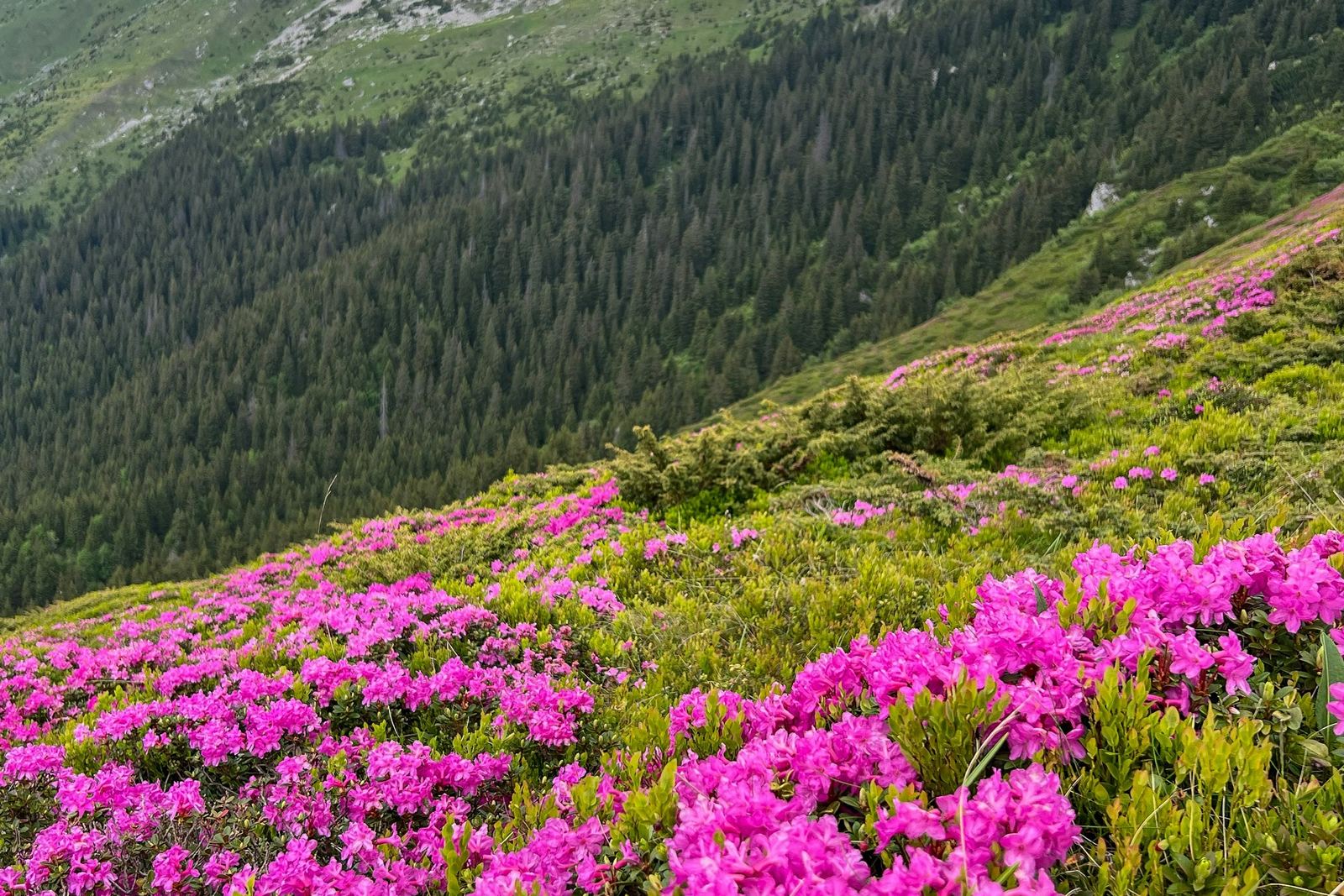
The route lies inside the Annapurna Conservation Area, so you need an ACAP entry permit. We arrange your ACAP permit and TIMS card before you start, and a licensed guide leads every departure. Spring, April to May, and autumn, October to November, are the seasons we run it. Autumn gives the clearest views, spring brings flowering forest and hazier afternoons, and winter snow or monsoon mud make the upper trail hard going.
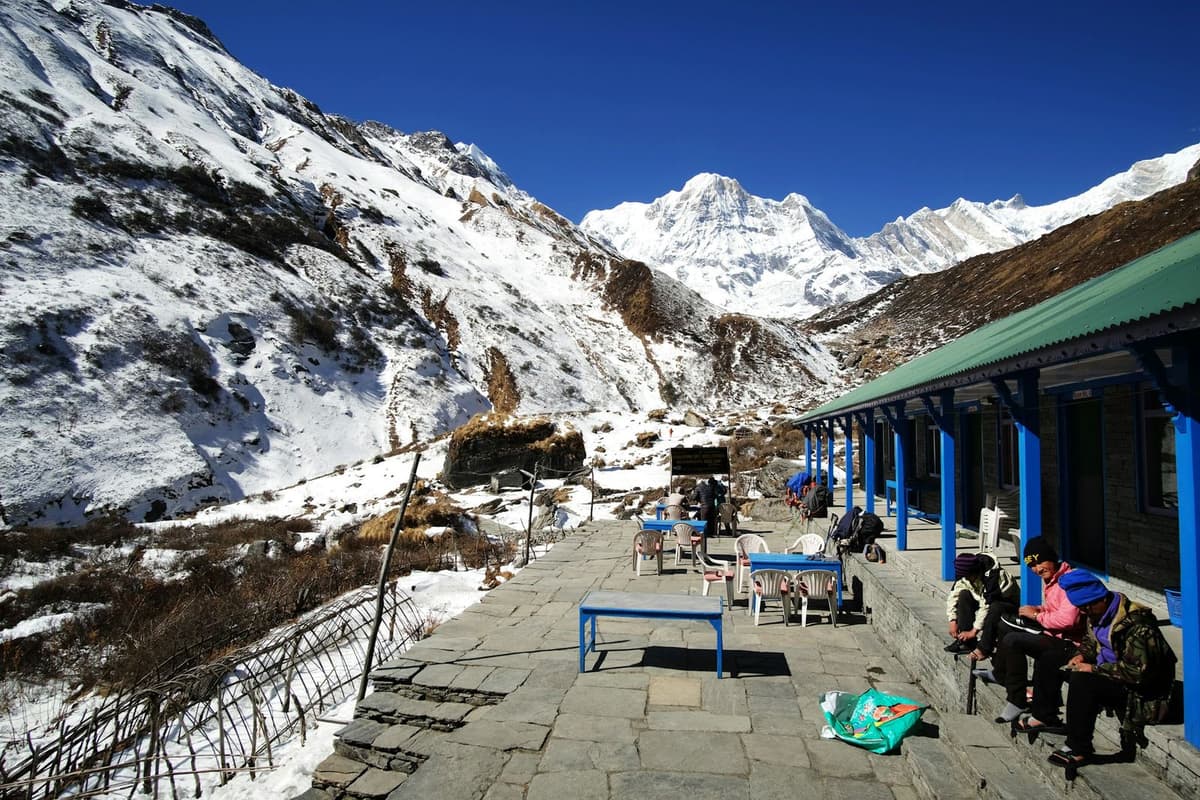
Facilities on the ridge are basic. Depending on the season you stay in a simple seasonal lodge or a tented camp, with shared rooms, a limited menu and cold nights. Bring snacks, a warm sleeping layer and a head torch, and expect little or no charging. In Sikles and Tasa the lodges and homestays are run by local families, and the dal bhat is hearty and vegetarian. Not sure whether Kori or a gentler route suits you? Send us your dates and fitness level and we will tell you honestly.