

By Uncover Nepal Team · Checked by our Kathmandu travel team · Last checked 10 October 2026
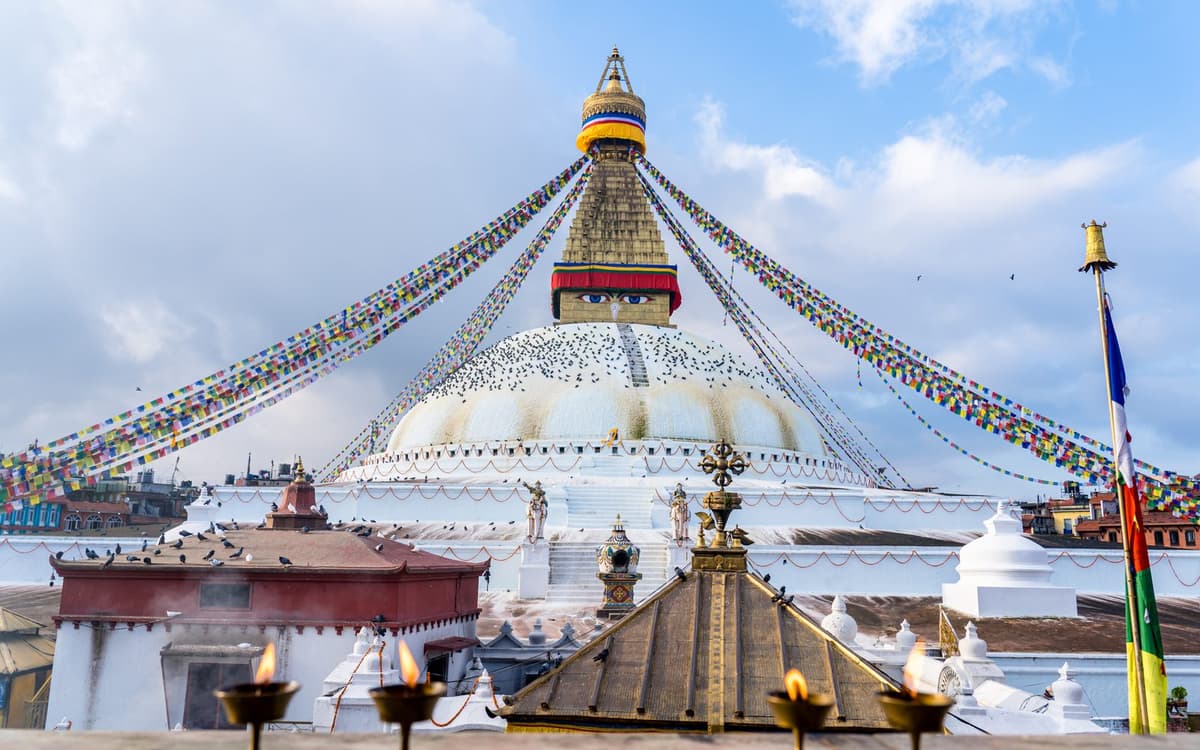
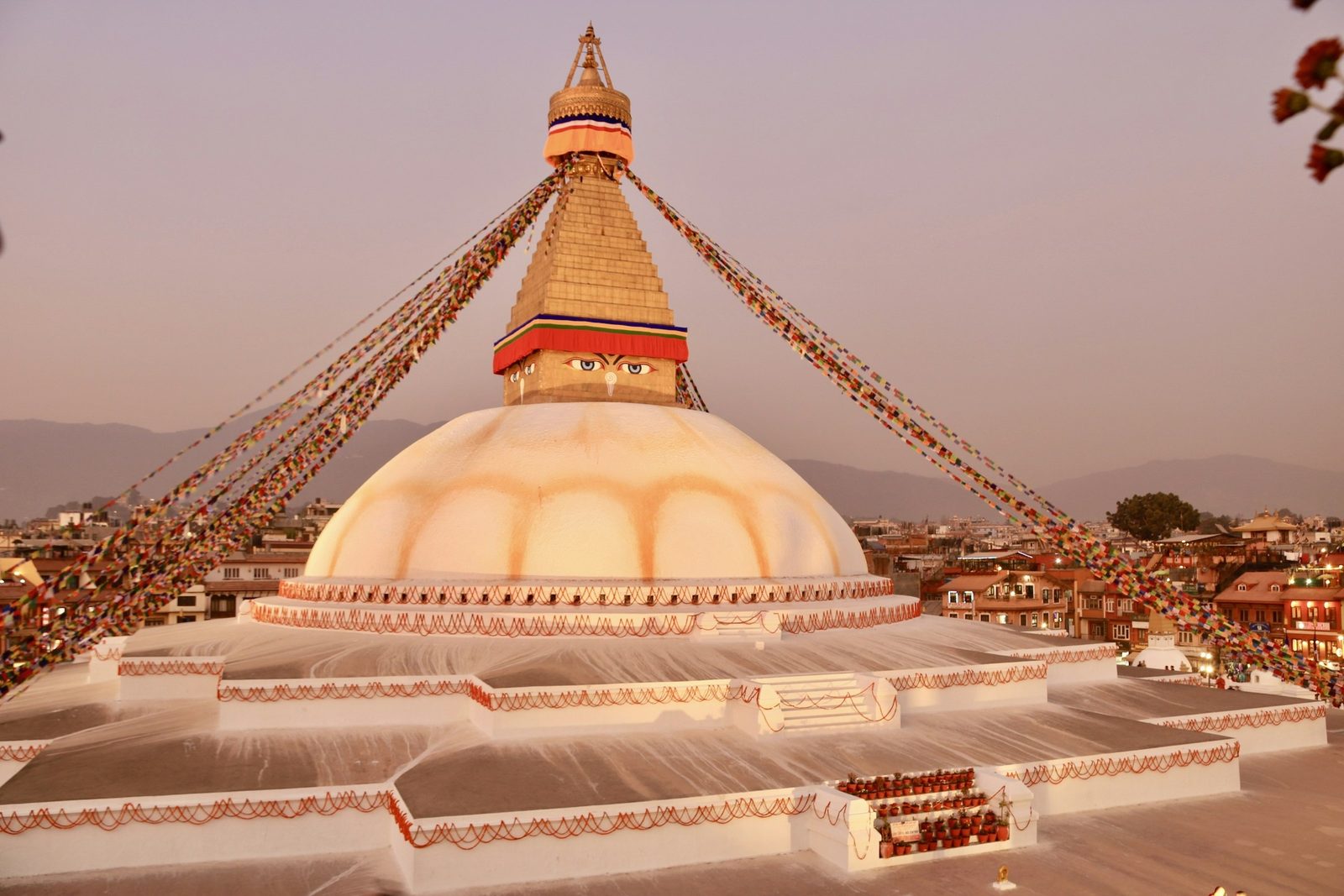
Just after first light at Boudhanath, local people are already walking. They go round the great white dome clockwise, beads in one hand, the other hand spinning the prayer wheels set into the wall. Butter lamps flicker in the monastery doorways, and nobody is in a hurry. This slow walk is a kora, a circuit made around a holy place, and you are welcome to join it.
Kathmandu sightseeing centres on one UNESCO World Heritage site made up of seven monument zones: the Durbar Squares of Kathmandu, Patan and Bhaktapur, the stupas of Swayambhu and Boudhanath, and the temples of Pashupati and Changu Narayan. Most people need two days for the seven, and a third for hills and old towns.
Find more place guides in UncoverNepal Insights.
In this guide
- Kathmandu sightseeing at a glance (key facts)
- Entry fees for the seven monument zones
- The seven UNESCO monument zones, one by one
- Beyond the seven: more places to visit in Kathmandu
- The hills around the valley
- How many days do you need? 1, 2 and 3 day plans
- Temple etiquette
- When to go: weather, festivals and air quality
- Frequently asked questions
- Plan your days with us
Kathmandu sightseeing at a glance
The Kathmandu Valley holds three old royal cities, Kathmandu, Patan and Bhaktapur, which were once separate kingdoms ruled by the Malla kings from the 12th to the 18th centuries. A Durbar is a royal palace and court, so a Durbar Square is the square in front of the old palace, packed with temples. A stupa is a dome-shaped Buddhist monument that holds relics, and you walk around it rather than into it.
Key facts
- The Kathmandu Valley was inscribed on the UNESCO World Heritage List in 1979
- UNESCO World Heritage Centre, checked 9 Oct 2026
- It is one World Heritage property made of seven monument zones, not seven separate sites
- UNESCO World Heritage Centre, checked 9 Oct 2026
- The site was on UNESCO's List of World Heritage in Danger from 2003 to 2007
- UNESCO World Heritage Centre, checked 9 Oct 2026
- Entry fees range from NPR 200 (Swayambhu) to NPR 2,000 (Bhaktapur) for non-SAARC visitors
- NTB heritage fees; Bhaktapur tourist information page, checked 9 Oct 2026
- Kathmandu airport sits at 1,337 m; October averages 27.2 °C by day and 13.9 °C at night
- DHM/WMO 1991 to 2020 normals, checked 9 Oct 2026
- NTB says the clearest skies come after the monsoon, in October and November
- Nepal Tourism Board, checked 9 Oct 2026
- The Gorkha earthquake of 25 April 2015 measured magnitude 7.8 and damaged many monuments
- USGS, checked 9 Oct 2026
- By May 2025, 134 of 174 damaged structures in the valley's World Heritage zones had been rebuilt
- The Rising Nepal, quoting the Department of Archaeology, checked 9 Oct 2026
UNESCO dates the blending of Hindu and Buddhist art in the valley to at least the 5th century AD, with its high point between 1500 and 1800 AD. You will see that blend everywhere.
How much are the entry fees for Kathmandu's UNESCO sites?
Each monument zone sells its own ticket in Nepali rupees (NPR). Non-SAARC foreign visitors pay NPR 200 to NPR 2,000 a zone, and visitors from the South Asian (SAARC) countries pay less. Each site's authority sets its own fee, and fees do change, so treat this table as a guide and check at the ticket counter.
| Monument zone | Foreign (non-SAARC) | SAARC | Source | Note |
|---|---|---|---|---|
| Kathmandu Durbar Square (Hanuman Dhoka) | NPR 1,000 | NPR 500 | NTB; The Himalayan Times, Sep 2025 | Includes the palace museum. Children under 10 free. Check at the gate |
| Patan Durbar Square | NPR 1,000 | NPR 500 | NTB; Tourist Guide Association of Nepal | Includes the Patan Museum. Check at the gate |
| Bhaktapur Durbar Square (covers the old city) | NPR 2,000 (or USD 15) | NPR 500 | Bhaktapur tourist information page; The Tourism Times, Jul 2025 | Since 17 July 2025. Chinese visitors pay NPR 500 with a passport. Ask about child rates at the gate |
| Swayambhunath | NPR 200 | NPR 50 | NTB; Tourist Guide Association of Nepal | Check at the gate |
| Boudhanath | NPR 400 | NPR 100 | NTB; Tourist Guide Association of Nepal | Check at the gate |
| Pashupatinath | NPR 1,000 per day per entry | NPR 1,000 (SAARC other than India) | NTB | Indian and Nepali nationals enter free. Check at the gate |
| Changu Narayan | NPR 300 or NPR 400 | NPR 100 or NPR 300 | NTB lists 300/100; a July 2025 report and the guide association list 400/300 | Sources disagree. Check at the gate |
NTB's own page still shows an older Bhaktapur fee; the municipality's newer figure is the one in the table. Carry cash in rupees, in small notes, because counters do not always take cards.
The seven UNESCO monument zones, one by one
For each zone: what to see, how long, etiquette and what the 2015 earthquake changed. In June 2015, UNESCO's first assessment said more than half of the valley's heritage sites had collapsed or been seriously damaged. By May 2025, the Department of Archaeology counted 920 damaged heritage structures across Nepal, 815 of them rebuilt. In the World Heritage zones of Kathmandu, Lalitpur and Bhaktapur, 174 were damaged: 134 rebuilt, 16 under way and 24 not yet started. So you will still see the odd scaffold.
Kathmandu Durbar Square (Hanuman Dhoka)
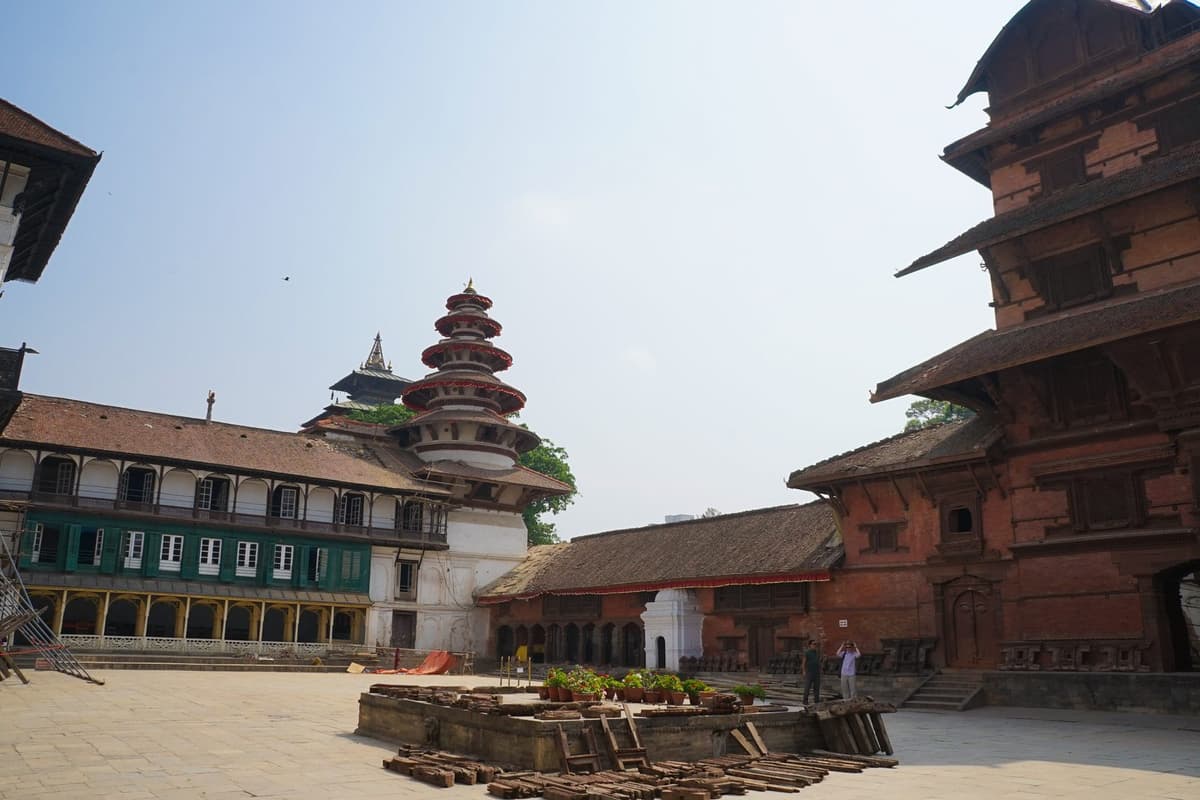
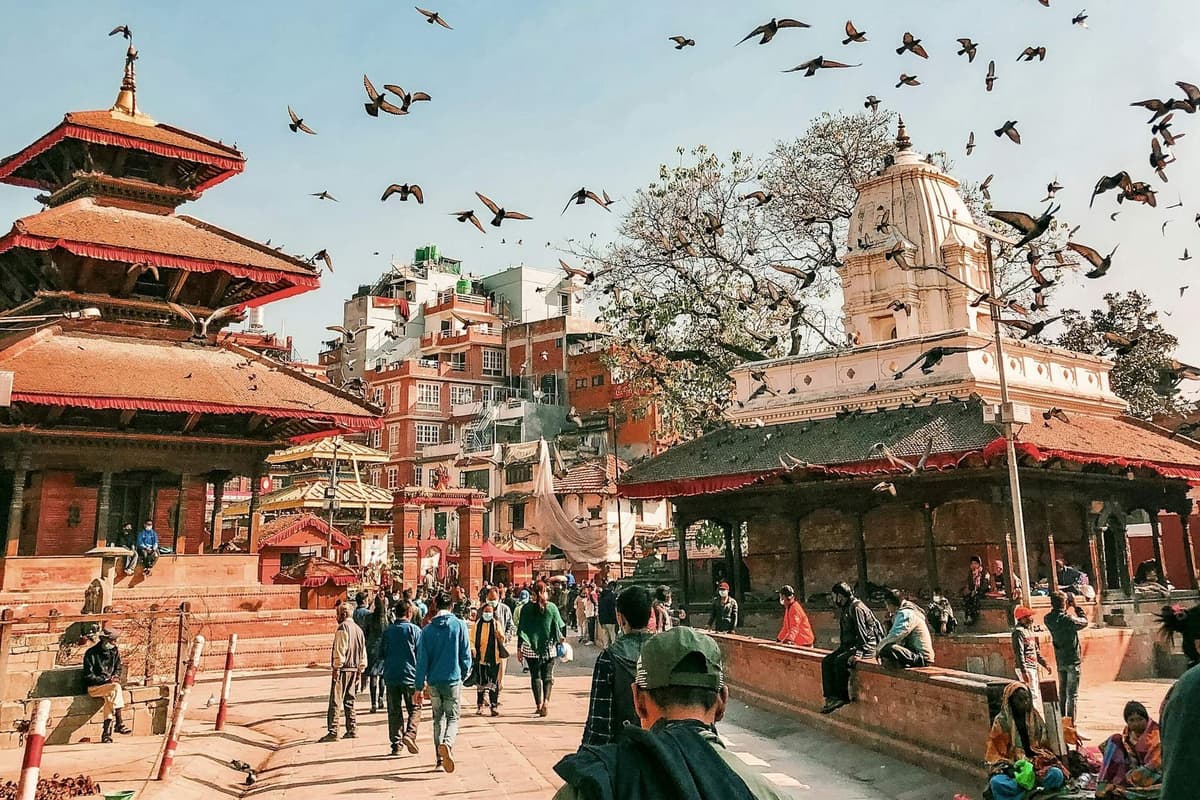
What it is. The old royal square of Kathmandu, also called Basantapur Durbar Square or Hanuman Dhoka. NTB says it is nicknamed "the Museum of Temples" because there are over 50 temples in the square. Hanuman Dhoka is busy: in Nepal's 2024/25 fiscal year it recorded about 50,533 SAARC visitors and almost 160,000 visitors from other countries.
What to see.
- The Taleju Temple, built by King Mahendra Malla in 1549 AD and the tallest structure in the square. It opens to the public on one day a year, during Dashain.
- The Kal Bhairav statue (Bhairav is the fierce form of Shiva), one of the largest 17th-century stone statues in Kathmandu.
- The Narsingha statue, Vishnu in his man-lion form, set up by King Pratap Malla in 1673.
- The Swet (White) Bhairav, which is shown to the public once a year, during Indra Jatra.
- The palace museum, which your ticket includes.
How long. Give it a slow morning or afternoon, more if you go into the museum.
Etiquette. Shoes come off at any shrine you step into. Walk around temples clockwise. The square is a working public space, with people sitting on the temple steps; ask before you photograph anyone.
After the earthquake. Kasthamandap, the wooden pavilion that, by long tradition, gave Kathmandu its name, collapsed in 2015. Kathmandu Metropolitan City rebuilt it, and President Bidya Devi Bhandari inaugurated it on 4 April 2022. Reports differ on whether the interior is open, so do not count on going inside. Nautalle Durbar, part of the palace, was completed and reopened by May 2025, while the Vishnu temple at Hanuman Dhoka was still being rebuilt at that date.
Swayambhunath
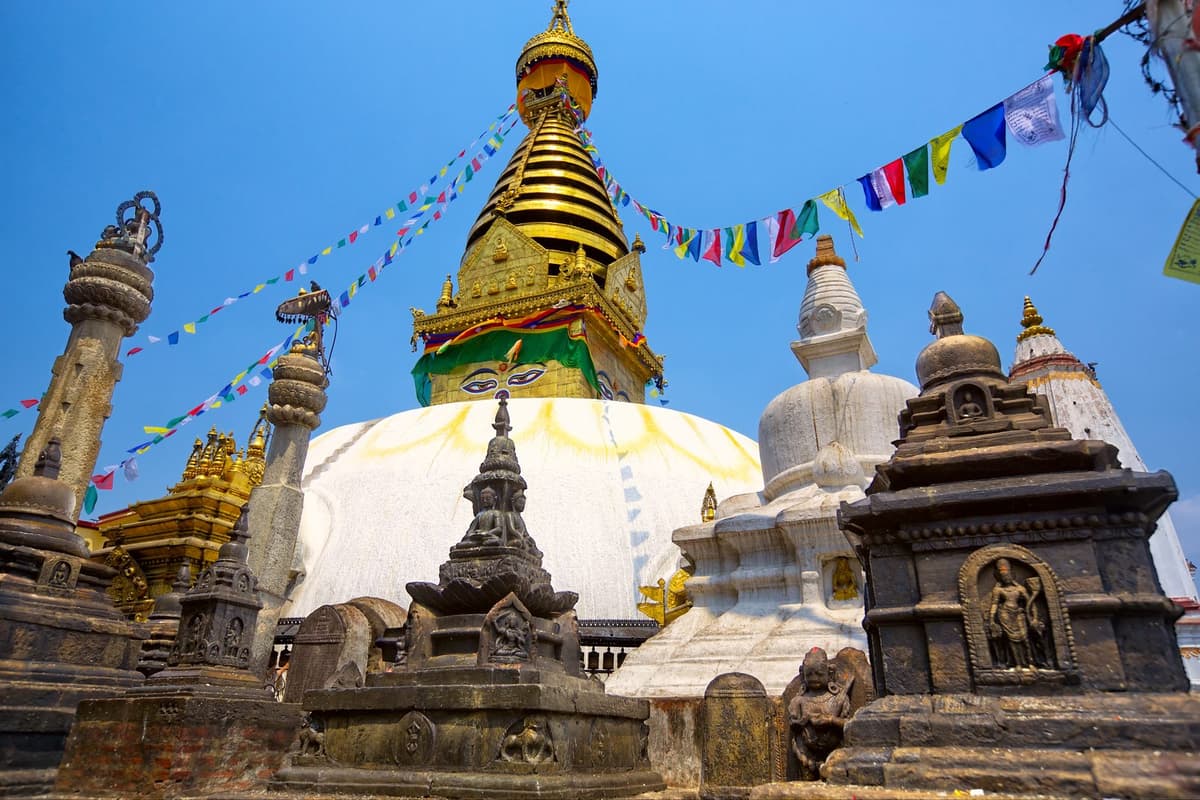
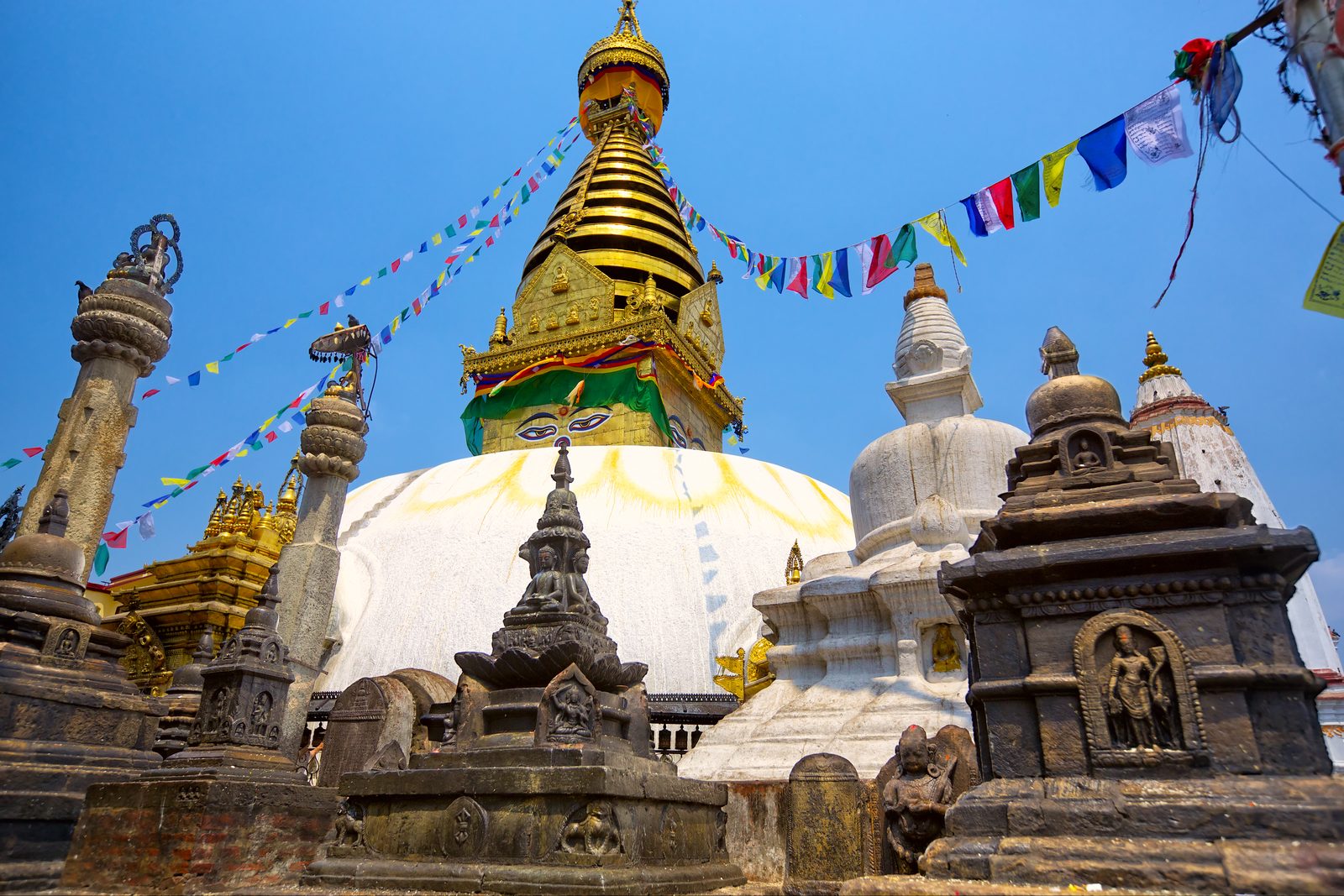
What it is. A stupa on a hillock 3 km west of Kathmandu. Visitors have called it the "Monkey Temple" since the 1970s, and the monkeys are still very much in charge. UNESCO says Swayambhu holds the oldest Buddhist monument in the valley, a stupa. It is believed to date to about the 5th century.
What to see.
- The stupa itself, with its painted eyes looking out over the city.
- The view over the whole valley from the top. NTB recommends Swayambhu as a place to watch the lit-up city at Tihar.
- The largest statue in Nepal of Sakyamuni, the historical Buddha, on the western side beside the Ring Road.
How to get up. Steep stone steps lead up, and a road goes almost to the top for those who would rather not climb. We have not found a reliable count of the steps, so we will not give you one.
How long. A short morning or late-afternoon visit.
Etiquette. Walk clockwise around the stupa. Keep food out of sight, because the monkeys grab bags. The biggest crowds come on Buddha's birthday, which usually falls in May.
Boudhanath
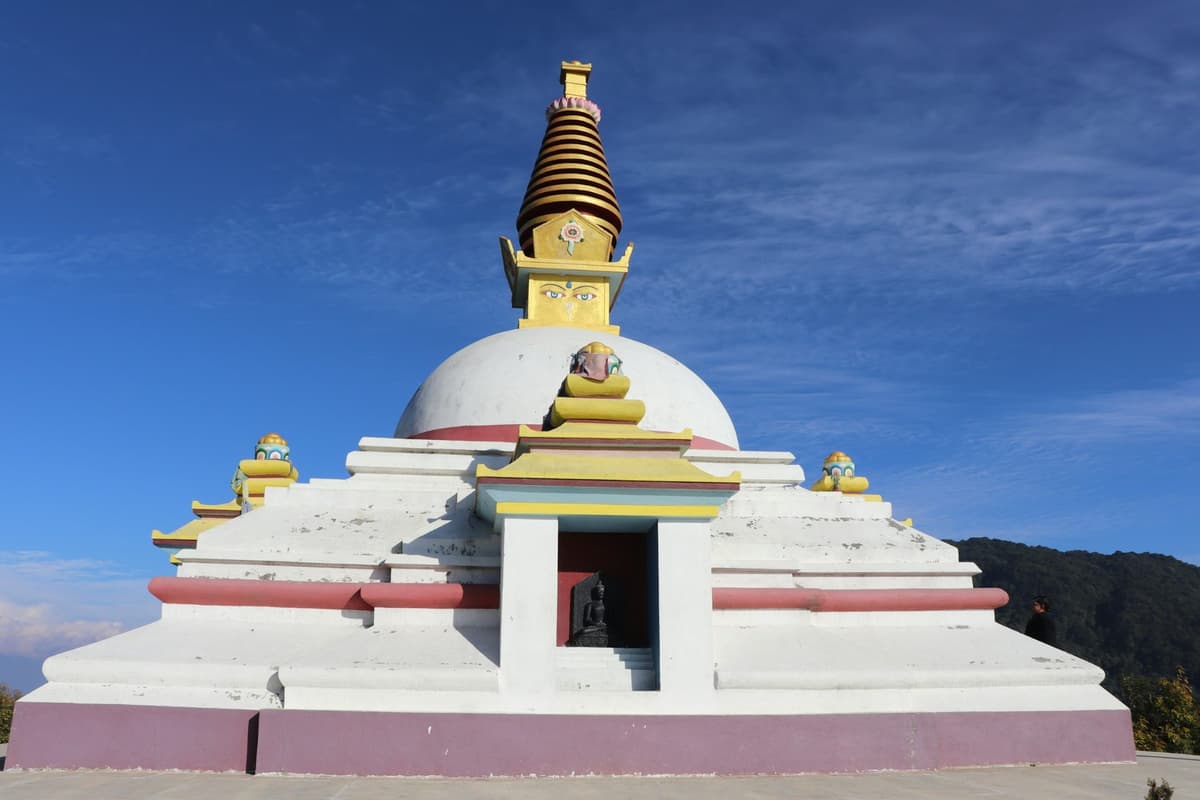
What it is. The great stupa of Boudha, 8 km east of downtown Kathmandu. UNESCO describes it as "the largest stupa in Nepal", while NTB calls it the largest stupa in the Kathmandu Valley and the centre of Himalayan Buddhism. Either way, it is one of the largest stupas in the country, and the area around it is home to a large Tibetan Buddhist community with many monasteries.
What to see.
- The kora, the clockwise walk around the stupa, best at dawn or dusk when local people do it.
- The prayer wheels around the base and the butter lamps in the monastery doorways.
- The rooftop cafés around the square, for a view of the dome from above.
How long. A short dawn visit for the kora, or a longer evening visit with a meal.
Etiquette. Always walk clockwise. If a monastery door is open and you go in, take your shoes off at the door. Ask before photographing monks or people at prayer.
After the earthquake. The spire was badly damaged in 2015. The stupa was rebuilt with private and community donations, more than USD 2 million and 31 kg of gold for the pinnacle, and reopened on 22 November 2016.
Pashupatinath
What it is. A Hindu temple complex on the Bagmati River 5 km east of the city centre. NTB calls it the most revered Hindu temple in Nepal. Along the river are the ghats, stone steps leading down to the water, where Hindu cremations take place in the open.
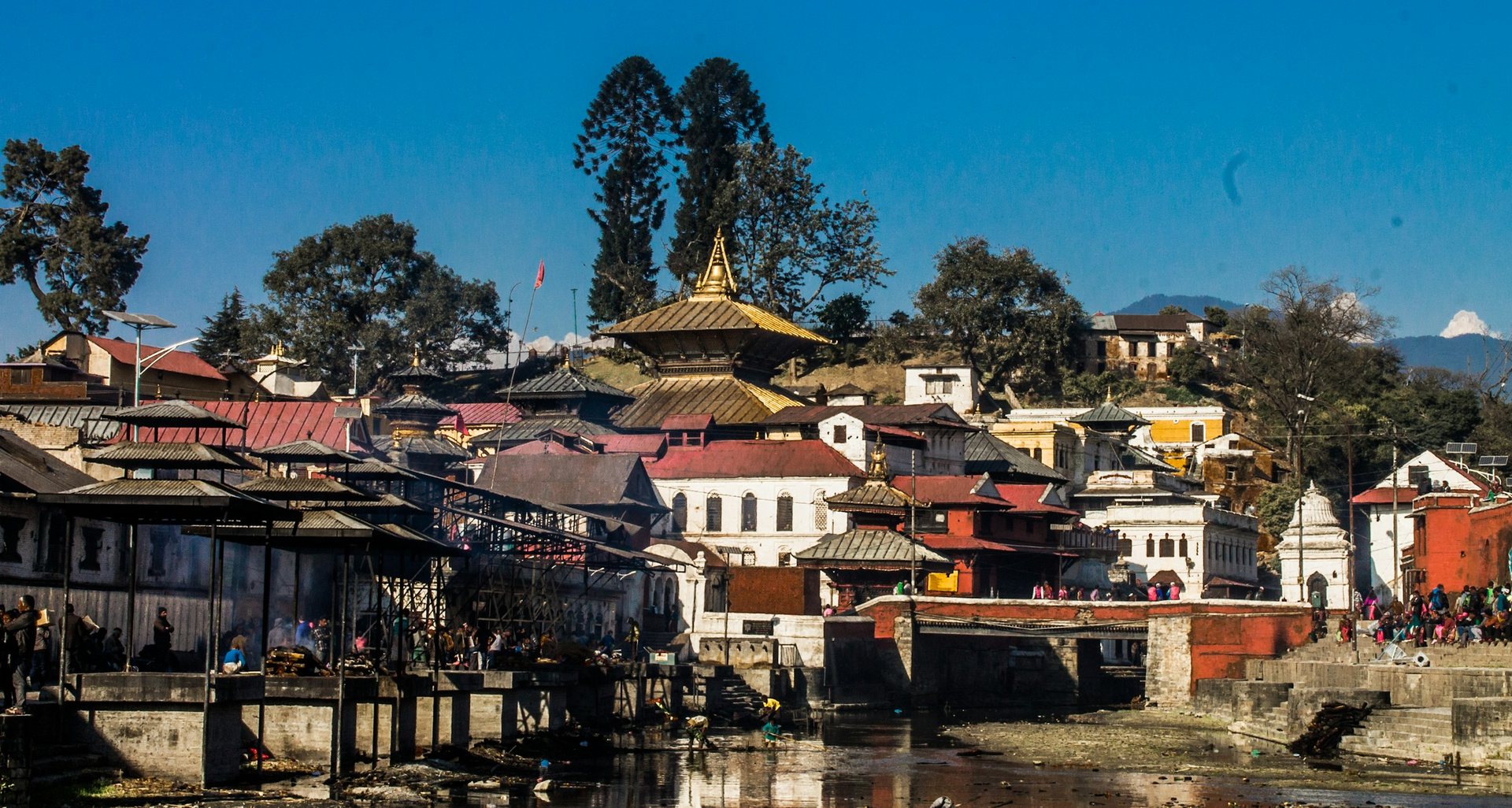
Who can enter. Only Hindus may enter the main temple. Non-Hindus watch from the terraces across the Bagmati, on the east bank. The Pashupati Area Development Trust puts it plainly:
"Non-Hindu visitors are not permitted inside the main sanctum."
Pashupati Area Development Trust, pashupati.org.np
Guhyeshwari Temple, near Pashupatinath, is also closed to non-Hindus.
What to see.
- The main temple, seen from the east-bank terraces.
- The ghats along the Bagmati, viewed quietly from across the river.
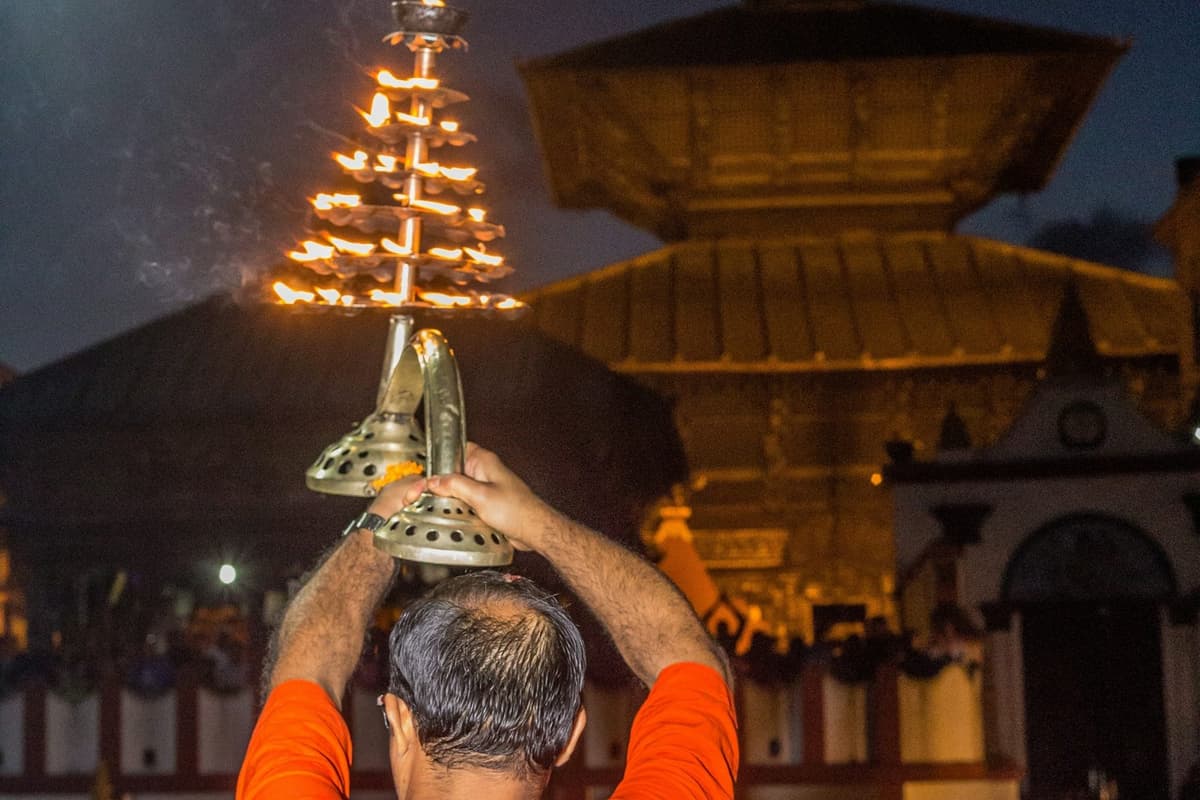
- The evening aarati, a lamp-and-song offering to the gods. It takes place around dusk; check the day's timing, as the trust's own pages give slightly different times.
Hours. The temple area opens before dawn, and the evening aarati is around dusk. The hours matter mainly to Hindus going into the main temple.
Etiquette. Leather items, including shoes and belts, are not allowed inside the temple complex and must be left outside. No photos inside the temple. On the ghats, never photograph cremations or mourners. Dress modestly and keep your voice low.
How long. Half a day, especially if you stay for the aarati.
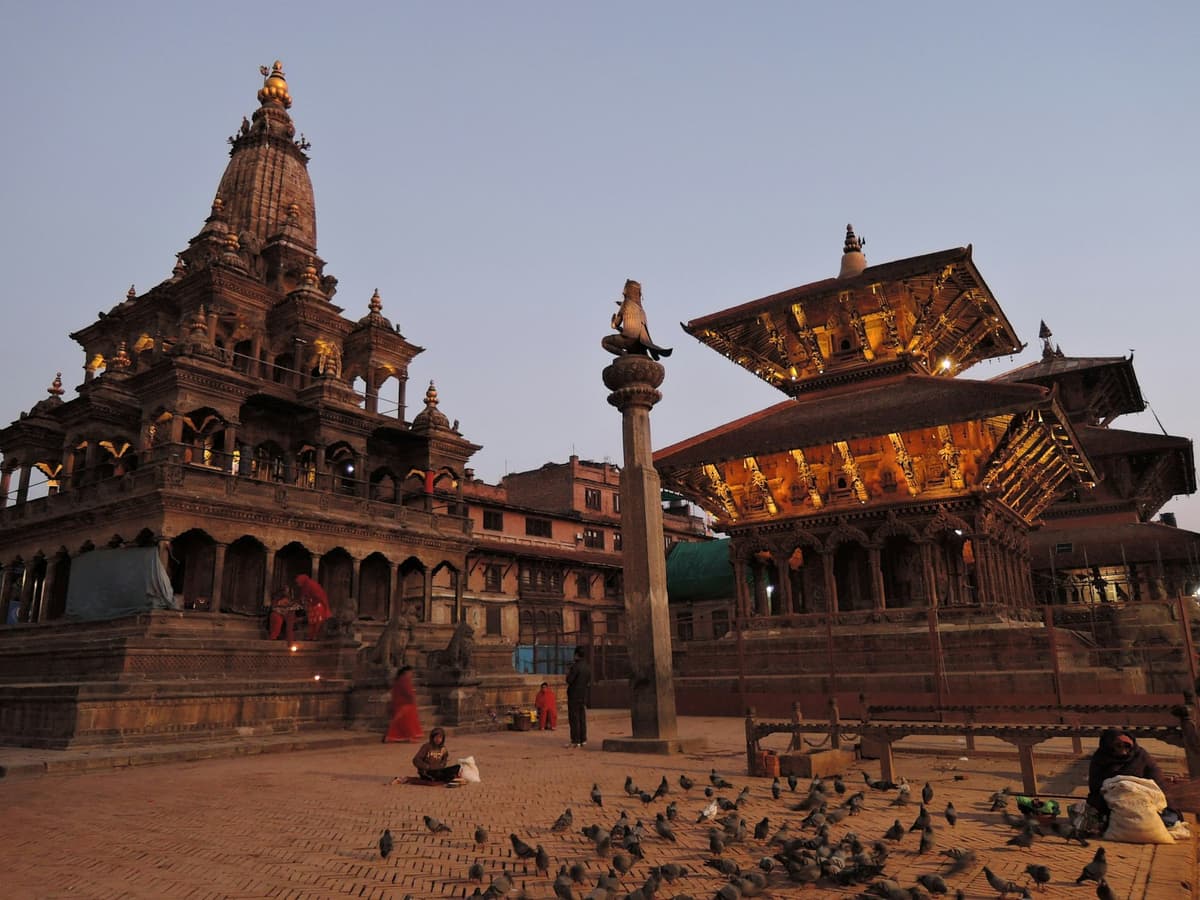
Patan Durbar Square
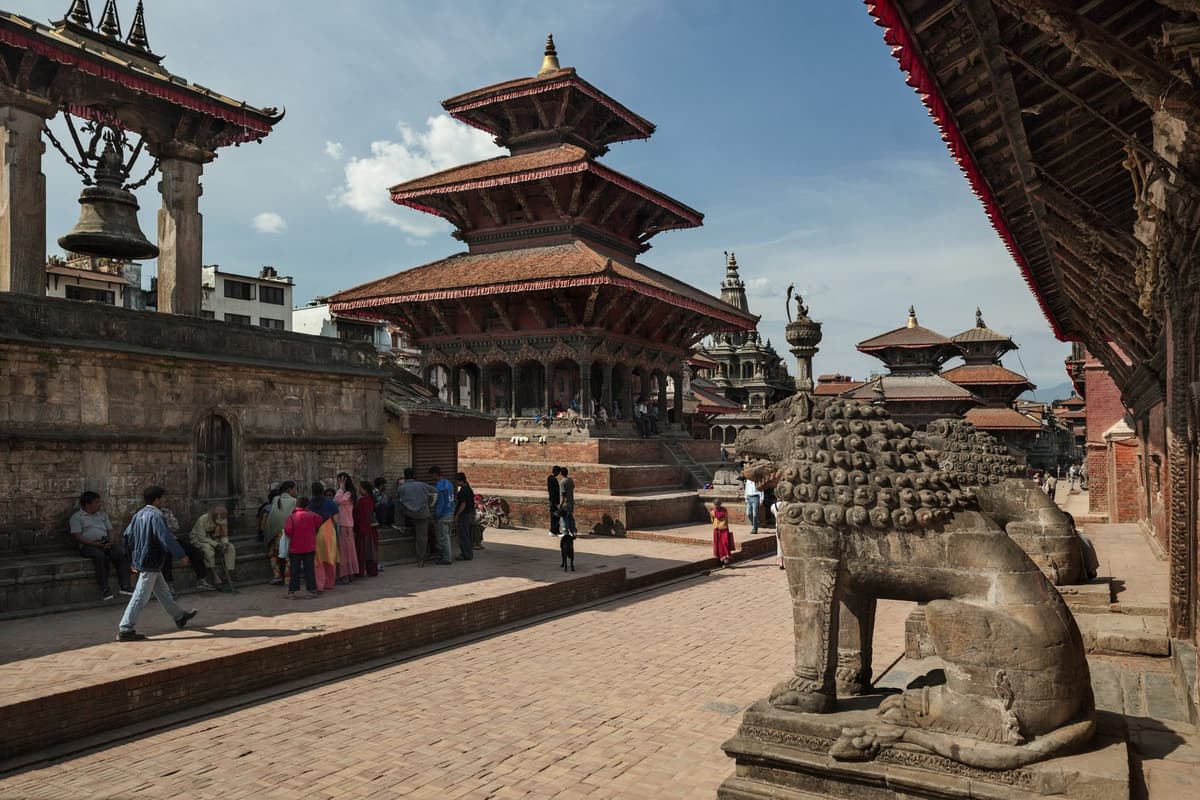
What it is. Patan, also called Lalitpur, lies 5 km south-east of Kathmandu and is known as the city of artisans, famous for repoussé and lost-wax metalwork. Its Durbar Square is quieter than Kathmandu's and, to many visitors, easier to enjoy slowly.
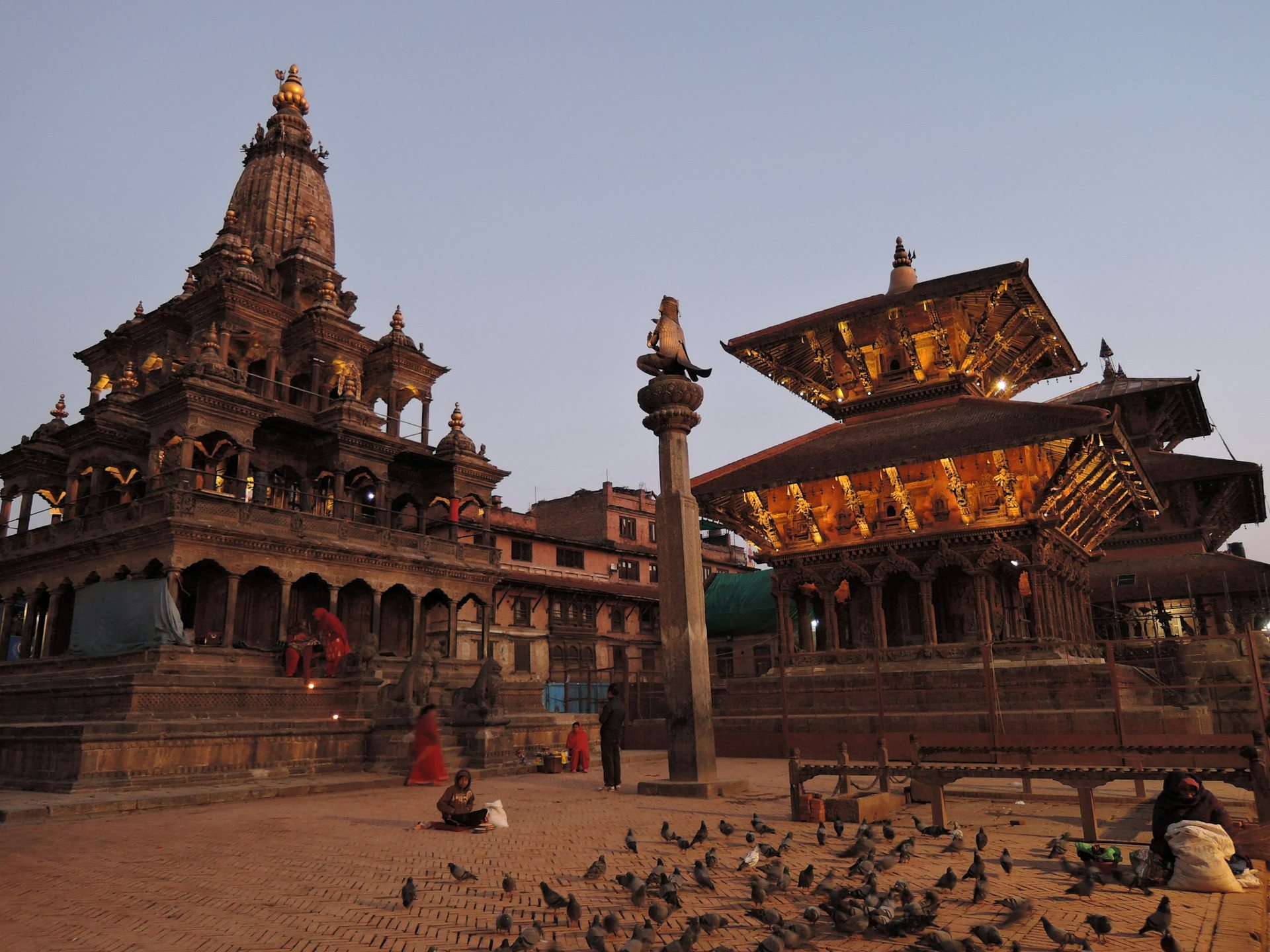
What to see.
- The stone Krishna Temple, with 21 spires. NTB says it is the first Shikhara-style temple in Nepal, meaning a tall, tapering stone tower of the north Indian kind. It dates from the 17th century.
- The Patan Museum, included in your ticket.
- The Golden Temple (Kwa Bahal), from the 12th century, about a five-minute walk from the north end of the square.
- Mahabouddha, the 14th-century terracotta temple, to the east of the square.
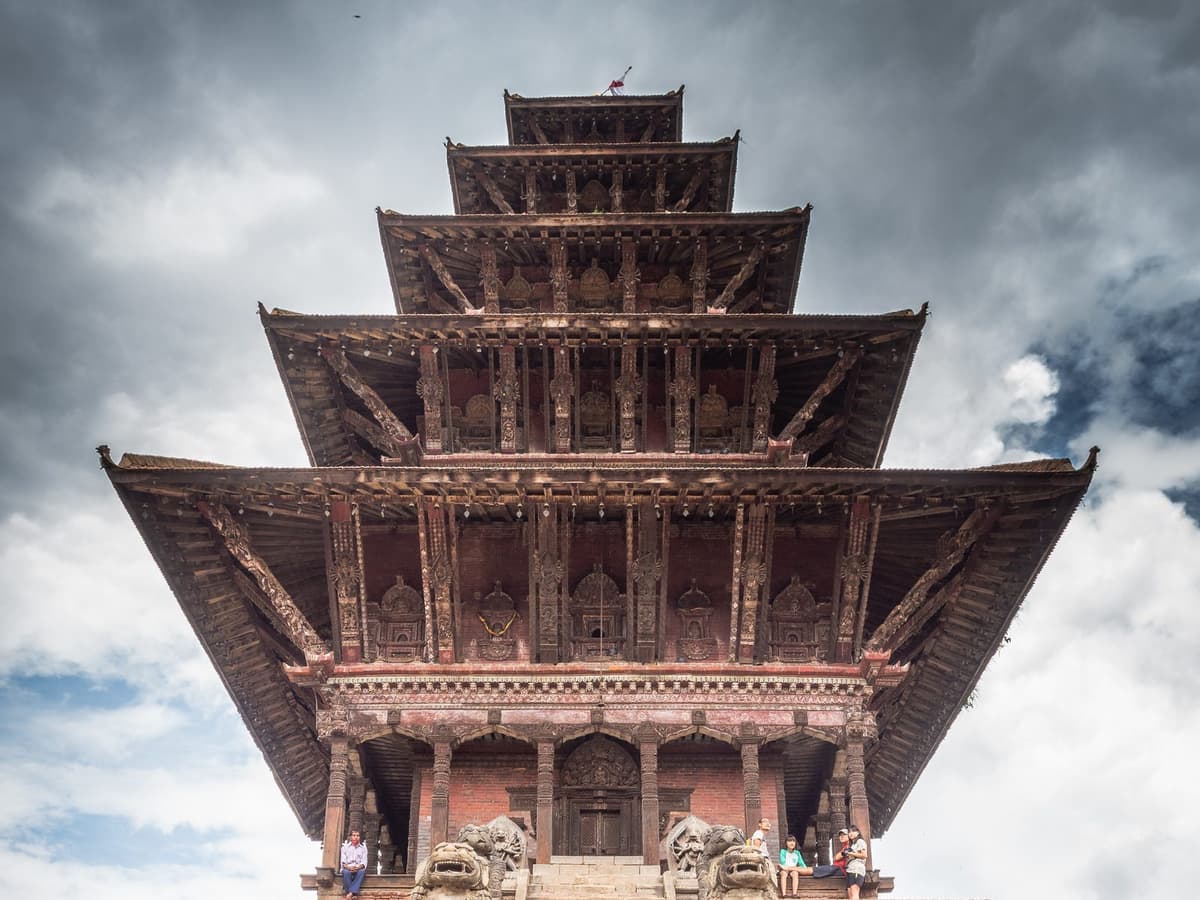
- Kumbheshwar, the only five-storey pagoda in Patan and one of only three surviving five-storey temples in Nepal, built in 1392.
- The metalworking lanes, where you can watch artisans at work.
How long. Half a day if you include the museum.
Etiquette. Shoes off where you enter a shrine, and walk temples clockwise.
After the earthquake. Patan was hit hard. In June 2015, UNESCO's head of office in Kathmandu said:
"Half of the temples in Patan Durbar Square have collapsed."
Christian Manhart, Director of the UNESCO Office in Kathmandu, June 2015
Much has been rebuilt since; the May 2025 Department of Archaeology figures above cover Patan (Lalitpur) too.
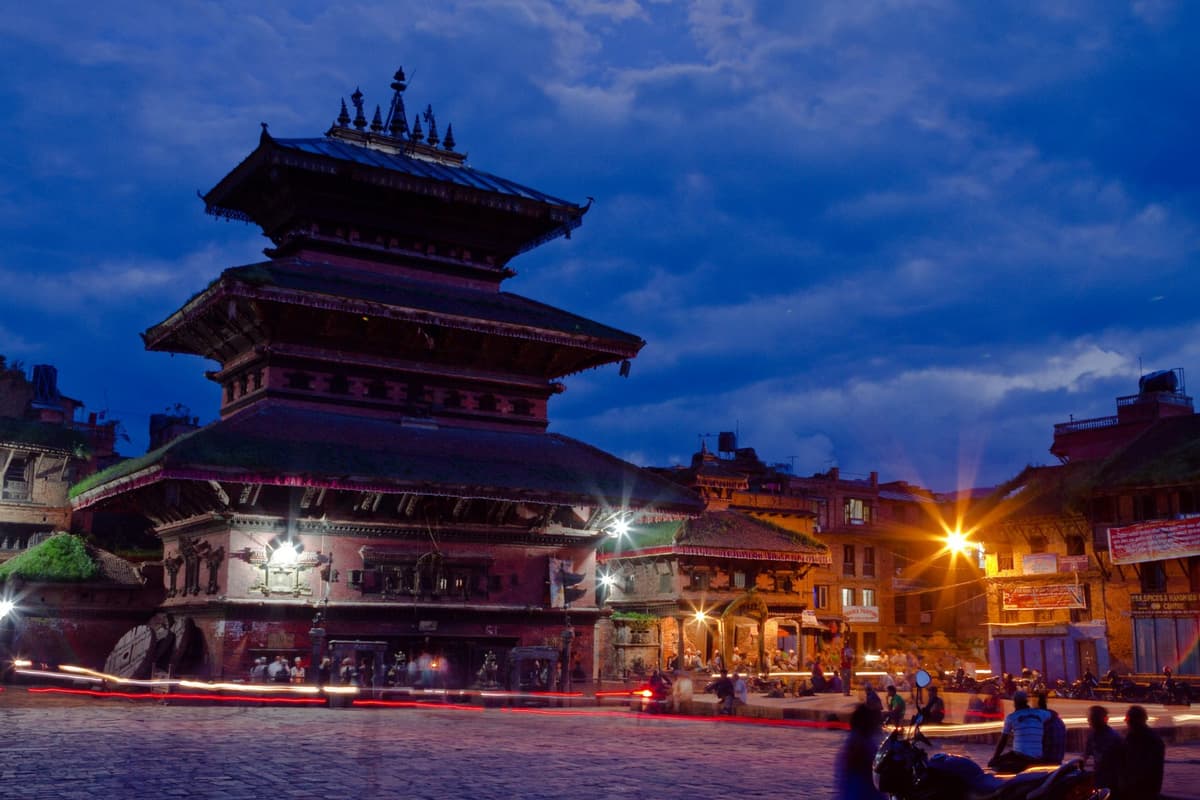
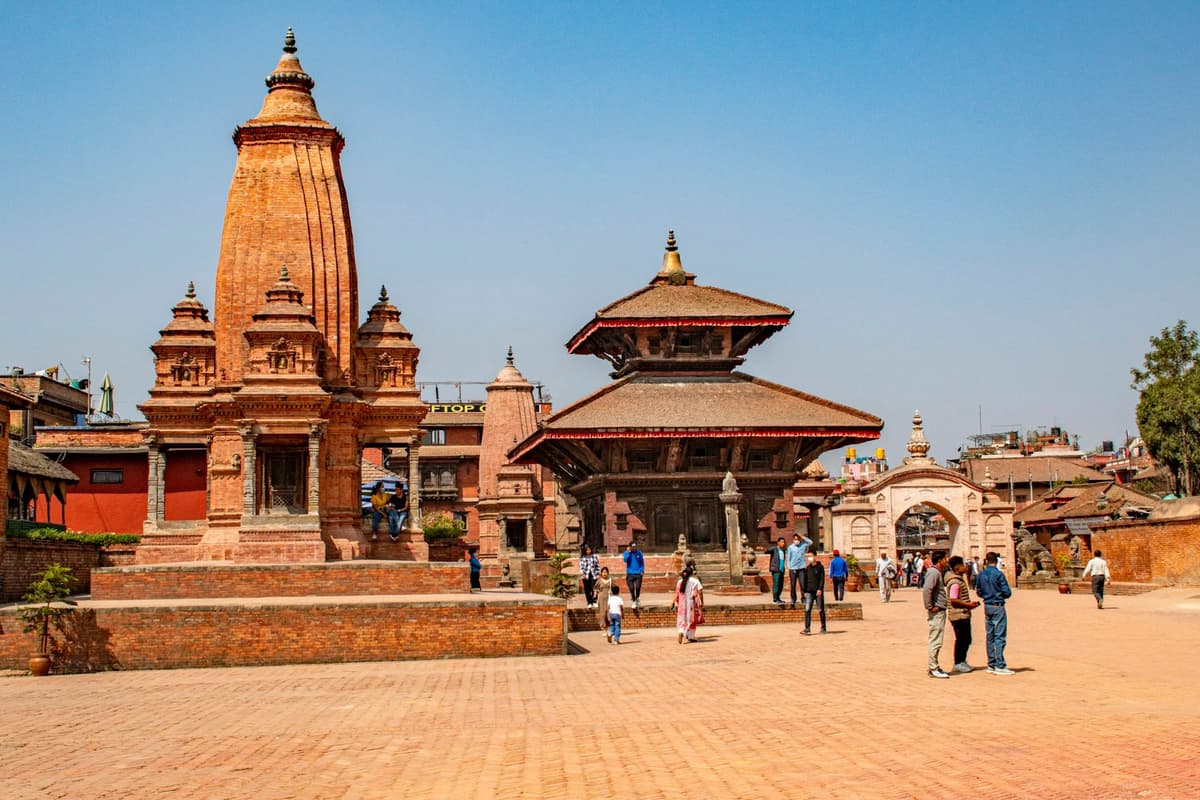
Bhaktapur Durbar Square
What it is. Bhaktapur sits at 1,401 m, 12 km east of Kathmandu on the Arniko Highway, and covers 6.4 sq km. Your ticket covers the old city, not only the square. Of the three old royal cities, this is the one where you can spend a whole day wandering.
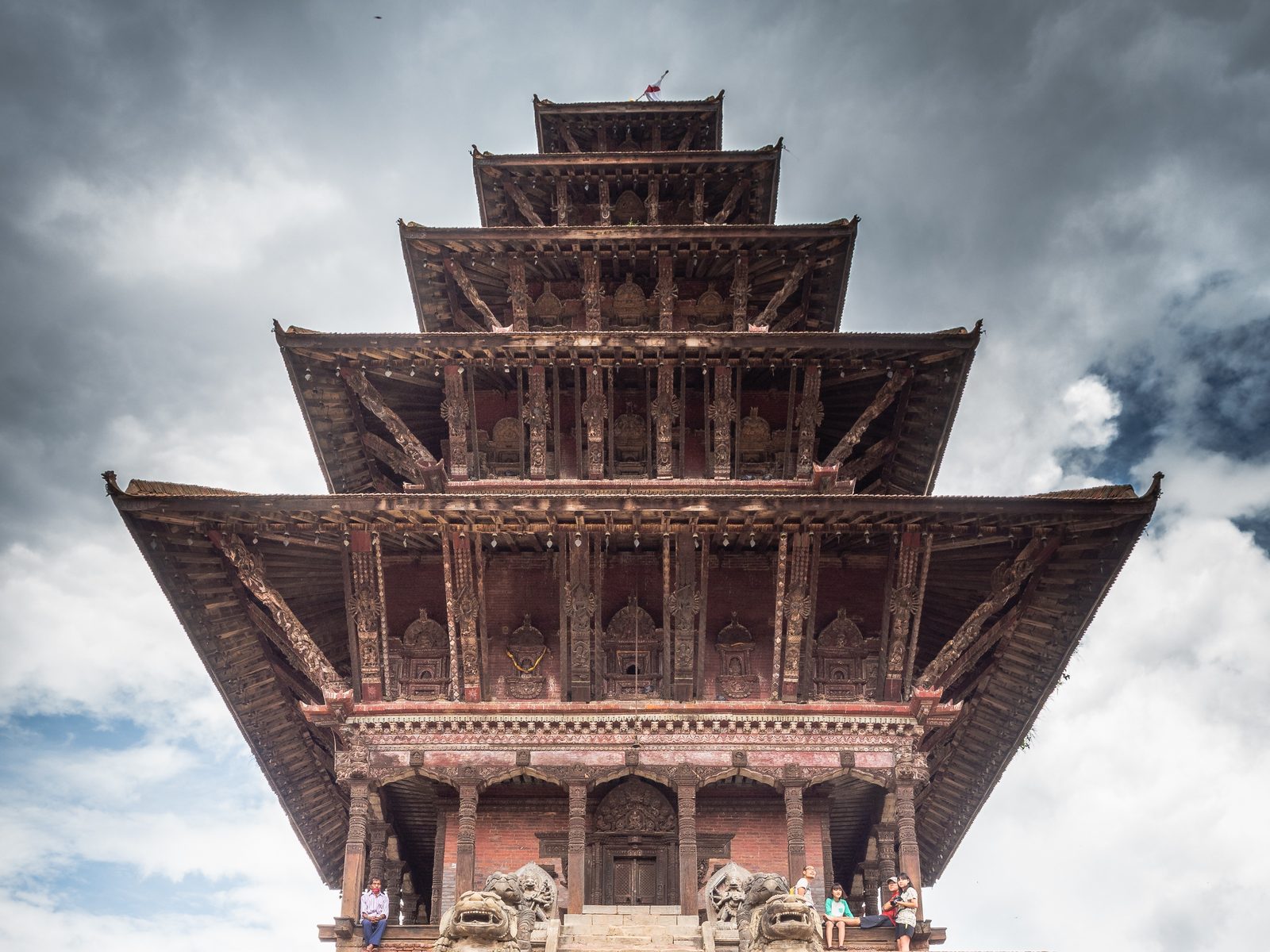
What to see.
- The 55-Window Palace, from the 15th century.
- The Golden Gate.
- The Nyatapola, a five-storey temple that survived the 1933 earthquake.
- The Bhairavnath temple.
- The Batsala bell, put up by King Ranjit Malla in 1737.
Ticket tip. When you buy your ticket, you can ask for its validity to be extended by up to seven days. For longer or repeated visits there is a visitor pass from the Tourist Information Centre; bring the form, two photos, copies of your passport and visa, and your original ticket. Ask at the ticket counter.
How long. A full day if you can, or half a day at the least.
After the earthquake. The Gagannath Mahadev temple in Bhaktapur Durbar Square was still being rebuilt in May 2025.
Changu Narayan
What it is. A temple to Vishnu on a ridge overlooking Bhaktapur, about 12 km east of Kathmandu. It is one of the oldest pagoda temples in the valley and dates from the Licchavi period, the age of the valley's earliest kings. UNESCO notes that Changu Narayan has one of the earliest inscriptions in the valley, from the fifth century AD.
What to see.
- The old inscription and the carved stone and wood of the temple.
- The traditional Newar settlement around the temple, which UNESCO includes in the zone. The Newar are the valley's long-settled townspeople, whose crafts you see in all three Durbar Squares.
- The view down over Bhaktapur.
How long. A short visit; it pairs well with Bhaktapur on the same day.
Etiquette. Shoes off where shrines ask for it, walk clockwise, and ask before photographing worshippers.
Fee. Sources disagree: NPR 300 or NPR 400 for foreign visitors. Check at the gate.
Beyond the seven: more places to visit in Kathmandu
The city between the UNESCO zones is worth time too. These are the places we send people with a spare morning or evening.
Thamel
The main tourist district, about a 10-minute walk from the centre of Kathmandu. It is full of hotels, restaurants, bars, bookshops, souvenir shops and travel agencies, and it stays busy late into the night. It is a base, not a sight, so do not spend your only day here.
Asan and Indra Chowk
A chowk is a square or crossroads. At Asan, six roads meet. The three-storey Annapurna Temple, to the goddess of grain, stands over one of the busiest markets in the city, selling spices, kitchenware, vegetables and clothes. Walk on to Indra Chowk, a crowded old crossroads where the mask of Akash Bhairav is shown during Indra Jatra. Walking from Thamel to Kathmandu Durbar Square through these two squares is our favourite way in.
Garden of Dreams
A walled garden, quiet after the market streets. It was the creation of Field Marshal Kaiser Shumsher Rana, laid out by the architect Kishore Narsingh, and restored with Austrian development aid. It is open daily from 9:00 am to 9:00 pm. Entry is NPR 400 for foreign and SAARC visitors and NPR 150 for Nepalis.
Kumari Ghar
The Kumari is a girl worshipped as a living goddess. Kumari Ghar, on Kathmandu Durbar Square, is the official residence of the Living Goddess Kumari of Kathmandu. NTB says visitors can get a peek of her during special hours. Photographing the Kumari is not allowed. You may photograph the courtyard when she is not present. There is no published timetable for her appearances, so go with patience and no promises.
Dharahara
The original tower was built in 1832 by Bhimsen Thapa. The rebuilt Dharahara was inaugurated on 24 April 2021 but opened fully to the public only on 19 September 2024, Constitution Day. Tickets since 24 November 2024: NPR 1,000 for non-SAARC foreigners, NPR 500 for SAARC nationals, and NPR 50 for the grounds only. It was reported open 10 am to 4 pm and closed on Wednesdays; hours may change, so check at the gate.
Kirtipur
An old Newar hill town on a ridge 8 km south-west of the city. Its main sights are the Chilamchu Stupa and the Bagh Bhairab Temple. Taudaha Lake lies to the south, and Tribhuvan University sits in its foothills. A jatra is a street festival, often with a chariot or a procession. Kirtipur's best-known are Indrayani Jatra (November to December) and Bagh Bhairab Jatra (August). We have not found a published visitor fee for Kirtipur.
Budhanilkantha
A temple 9 km north of the city centre, at the foot of the Shivapuri hills. Its five-metre granite Vishnu, carved from a single stone, lies on a bed of snakes in a pond and dates to the Licchavi period. Big fairs are held here on Harishayani and Haribodhini Ekadashi, two of the holy eleventh days of the lunar calendar. Inside the enclosure is normally for Hindus; others look from the walkway above. Follow the guards.
White Gumba (Seto Gumba)
A gumba is a Tibetan Buddhist monastery. White Gumba, also called Druk Amitabha Mountain, is run by the Drukpa lineage. It does not open every day; check the monastery's current notice before going.
Kopan Monastery and Dakshinkali
Kopan Monastery offers courses, gardens, meditation halls and a vegetarian café for visitors. It does not publish its visiting hours, so check before you go.
Dakshinkali is a temple to the goddess Kali, about 22 km south of Kathmandu, about 1 km beyond Pharping. Animal sacrifices are made here, and it is busiest on Tuesdays and Saturdays and during Dashain. If the sight of sacrifice would upset you, skip it.
The hills around the valley
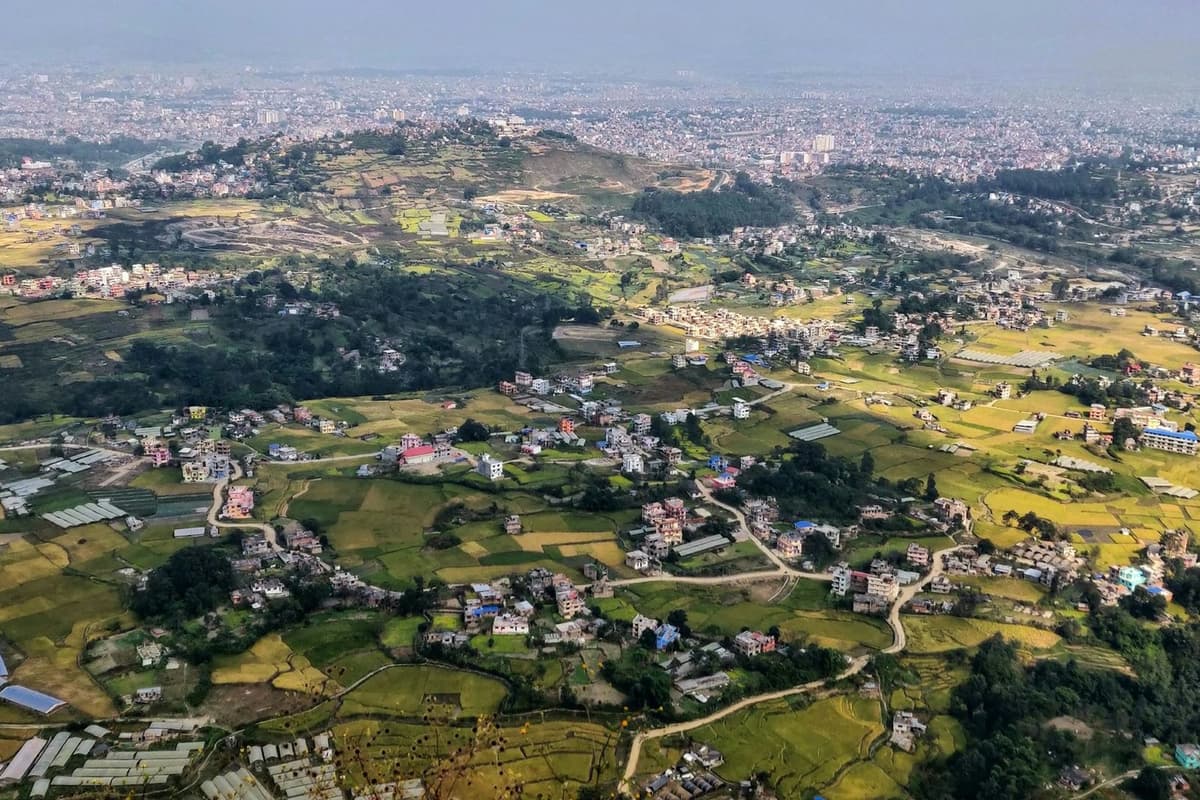
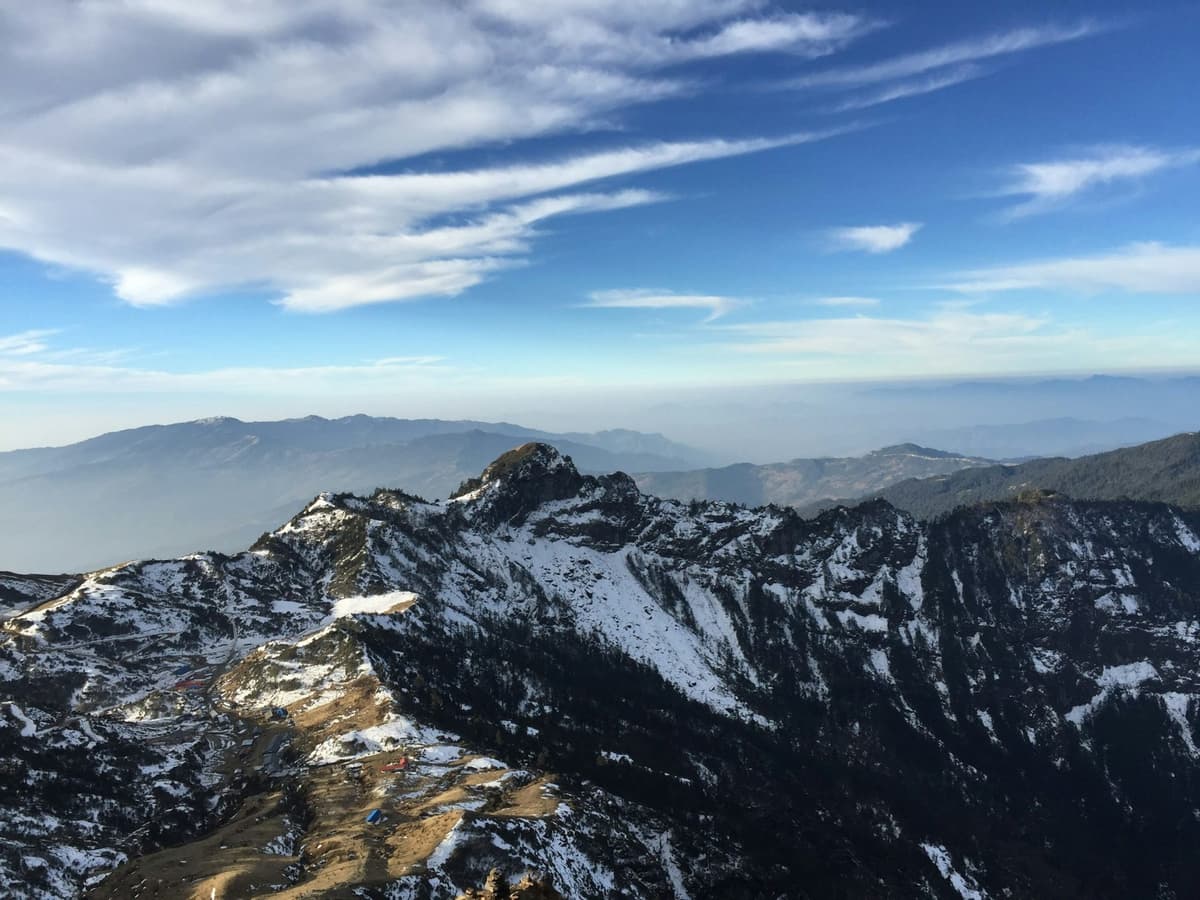
The valley is a bowl, and its rim gives you the long view the streets cannot. These four hills are the ones we suggest most. For more like these across the country, see our guide to hill stations in Nepal.
Chandragiri
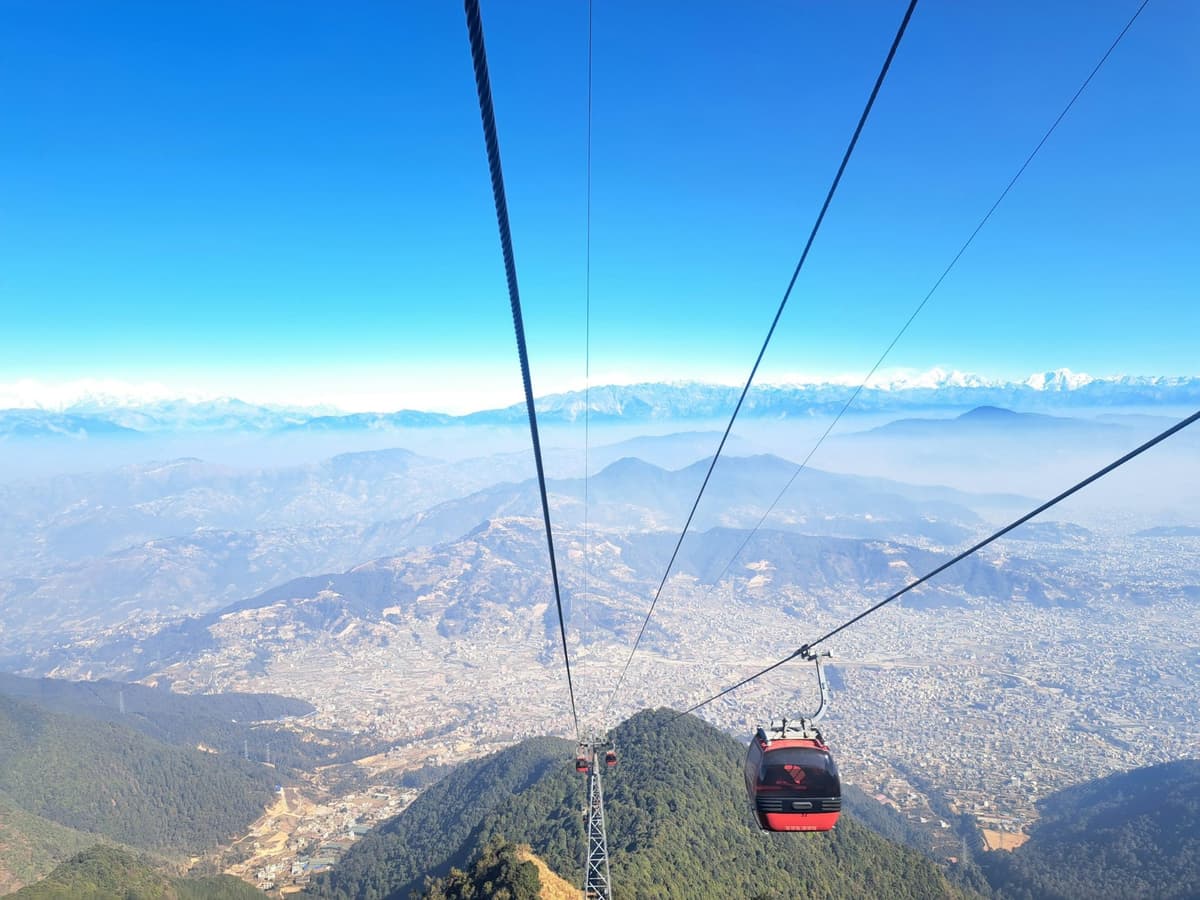
A cable car runs up Chandragiri, one of the hills on the valley rim. The ride, the fares and the view are covered in our Chandragiri cable car guide.
Nagarkot
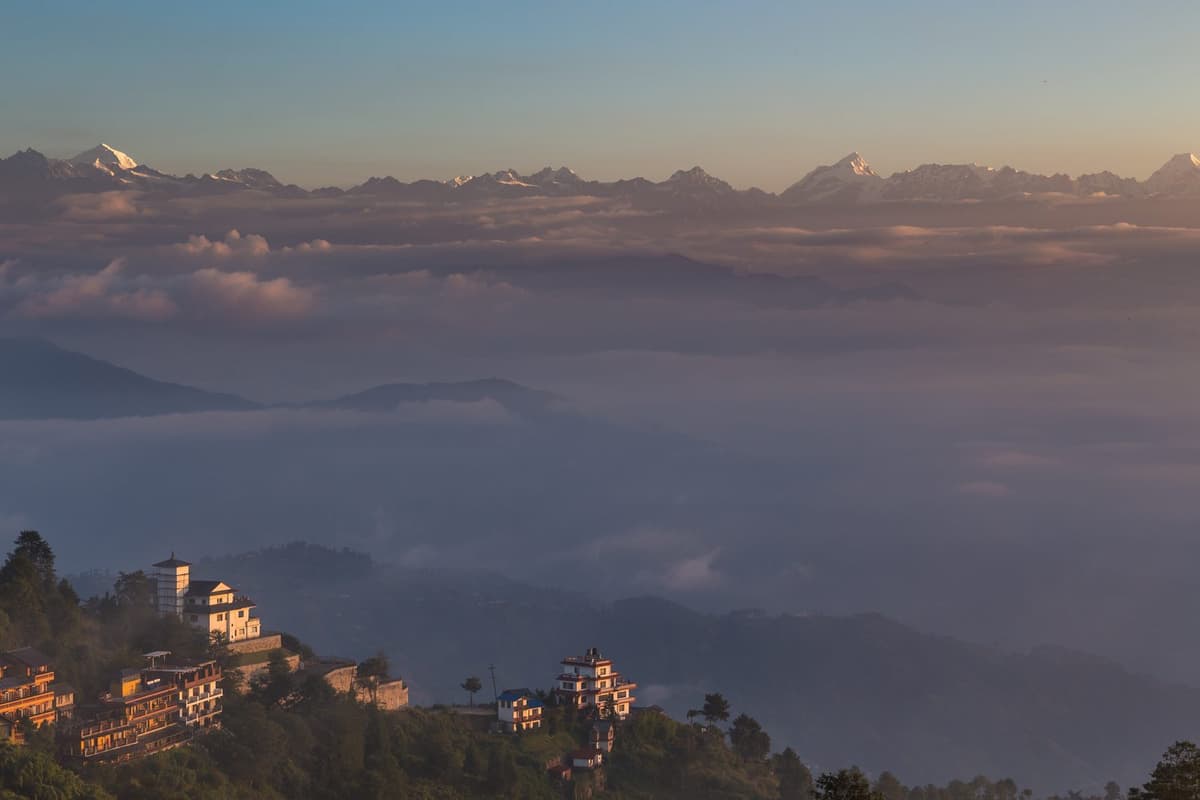
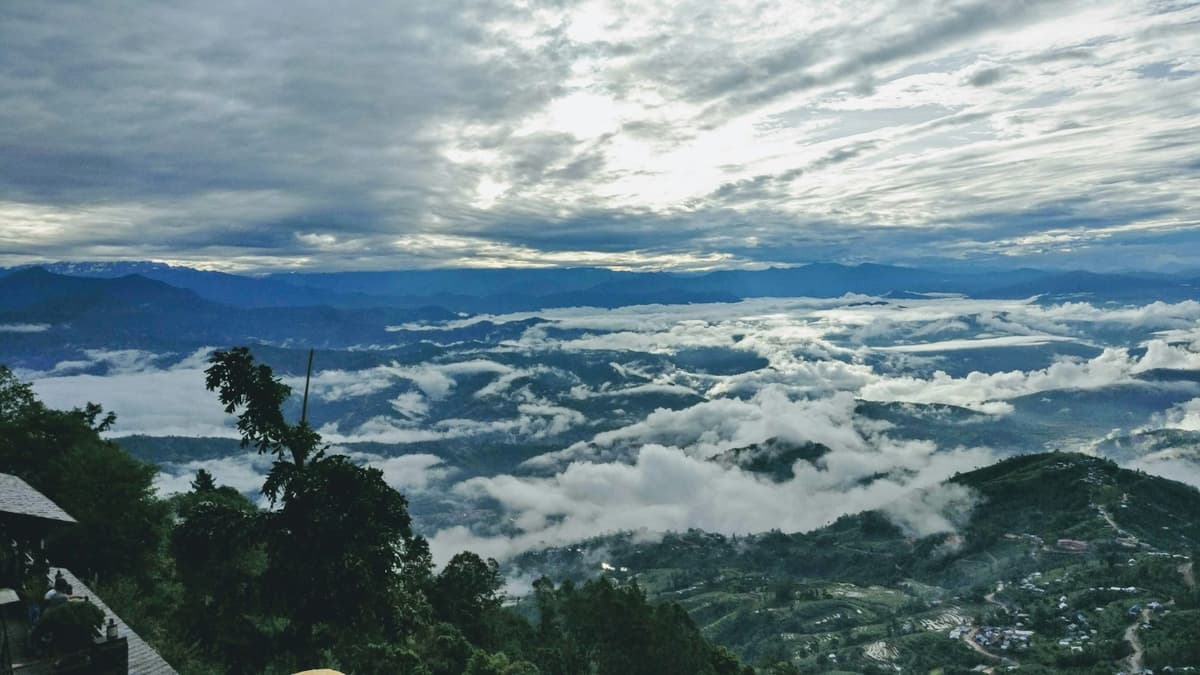
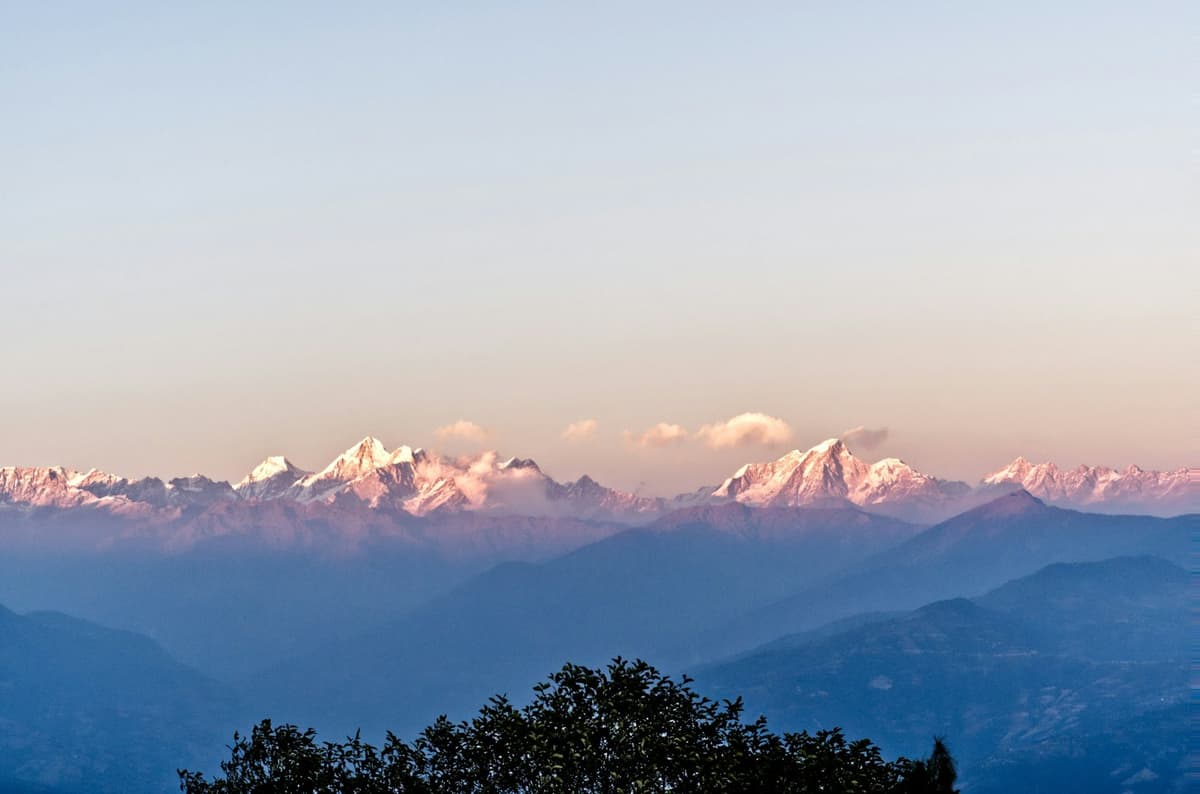
A hill village known for its sunrise and sunset views. NTB lists "Nagarkot Sunrise and Sunset" among the sights near Bhaktapur. For how to get there and where to stay, read our Nagarkot guide.
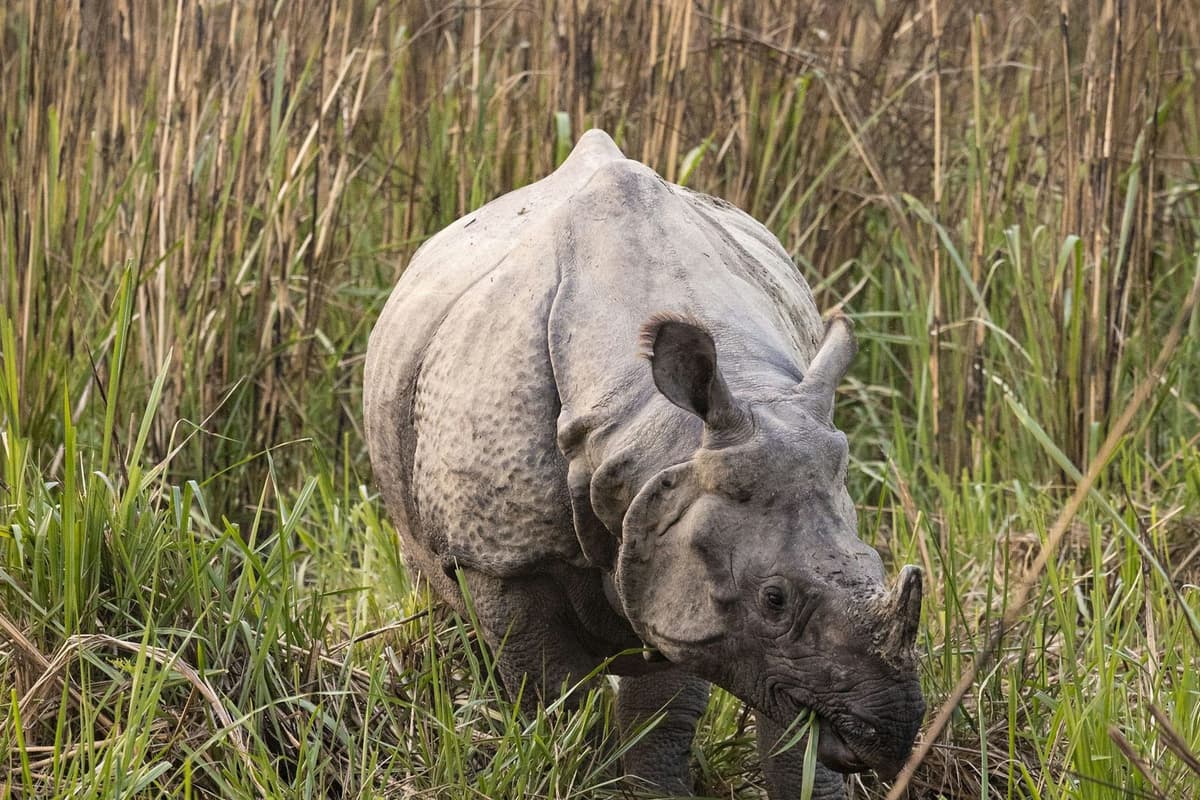
Shivapuri Nagarjun National Park
The forested hills north of the city, above Budhanilkantha. The park was set up in 2002, covers 159 sq km and is about 12 km from the city centre. Entry is NPR 1,000 for foreign visitors and NPR 600 for SAARC nationals, per person per entry, and children under 10 enter free. Budhanilkantha sits at its foot, so the two pair well on the same day.
Champadevi
A day hike on the south-west rim of the valley. The trail usually starts near Pharping or Hattiban. It is a proper walk on forest trails, so wear shoes with grip and carry water. A licensed guide makes the route-finding easy.
How many days do you need for Kathmandu sightseeing?
Two days covers the seven UNESCO monument zones at a comfortable pace: one day for the four zones in and around the city, and one for Patan, Bhaktapur and Changu Narayan. A third day lets you add a rim hill, Kirtipur or Budhanilkantha. With one day, pick the city zones.
The plans below are our team's experience, not a timetable. Traffic in Kathmandu changes by the hour, so allow extra time between sites. We do not quote drive times here because no official source gives them.
| Plan | Morning | Afternoon | Evening |
|---|---|---|---|
| 1 day | Boudhanath at dawn for the kora, then Pashupatinath from the east bank | Kathmandu Durbar Square and Kumari Ghar | Swayambhu for the view over the valley at dusk |
| 2 days, day 1 | Boudhanath and Pashupatinath, as in the 1-day plan | Kathmandu Durbar Square, then Swayambhu at dusk | Garden of Dreams (open until 9:00 pm) or Thamel |
| 2 days, day 2 | Patan Durbar Square and the Patan Museum | Bhaktapur old city | Changu Narayan on the ridge above Bhaktapur, if light allows |
| 3 days, day 3 (choose one) | Kirtipur, or Budhanilkantha with a Shivapuri walk, or the Champadevi hike | Chandragiri cable car, or Asan and Indra Chowk on foot | Nagarkot overnight for sunrise, if you want the mountain view |
Why this order: Boudha and Pashupati are both east of the centre, 8 km and 5 km out, so they sit well together. Swayambhu is 3 km west, which makes it a good last stop for the evening light. Bhaktapur and Changu Narayan are both about 12 km east, so they share a day.
Temple etiquette in Kathmandu
Respect at temples and stupas is simple: shoes off where asked, walk clockwise, leave leather outside where it is banned, and ask before photographing people. At Pashupatinath and at the Kumari's house, the rules on photos are stricter, as set out below.
- Shoes. Take your shoes off before entering a home or a place of worship.
- Clockwise. Walk around temples and stupas clockwise. NTB puts it this way: "Walking around temples or stupas is traditionally done clockwise."
- Leather. Leather items are not allowed in some temple areas. At Pashupatinath, leave shoes, belts and other leather outside the temple complex.
- Non-Hindus. Some Hindu temples do not allow non-Hindus inside. This includes the main temple at Pashupatinath and Guhyeshwari, and normally the pond enclosure at Budhanilkantha.
- Photos of people. Ask before photographing people.
- Pashupatinath photos. No photos inside the temple. On the ghats, never photograph cremations or mourners.
- The Kumari. Photographing the Kumari is not allowed.
- Hands and feet. Do not touch things with your feet, and do not give or take with your left hand.
- Affection. Public displays of affection are frowned on.
When to go for Kathmandu sightseeing
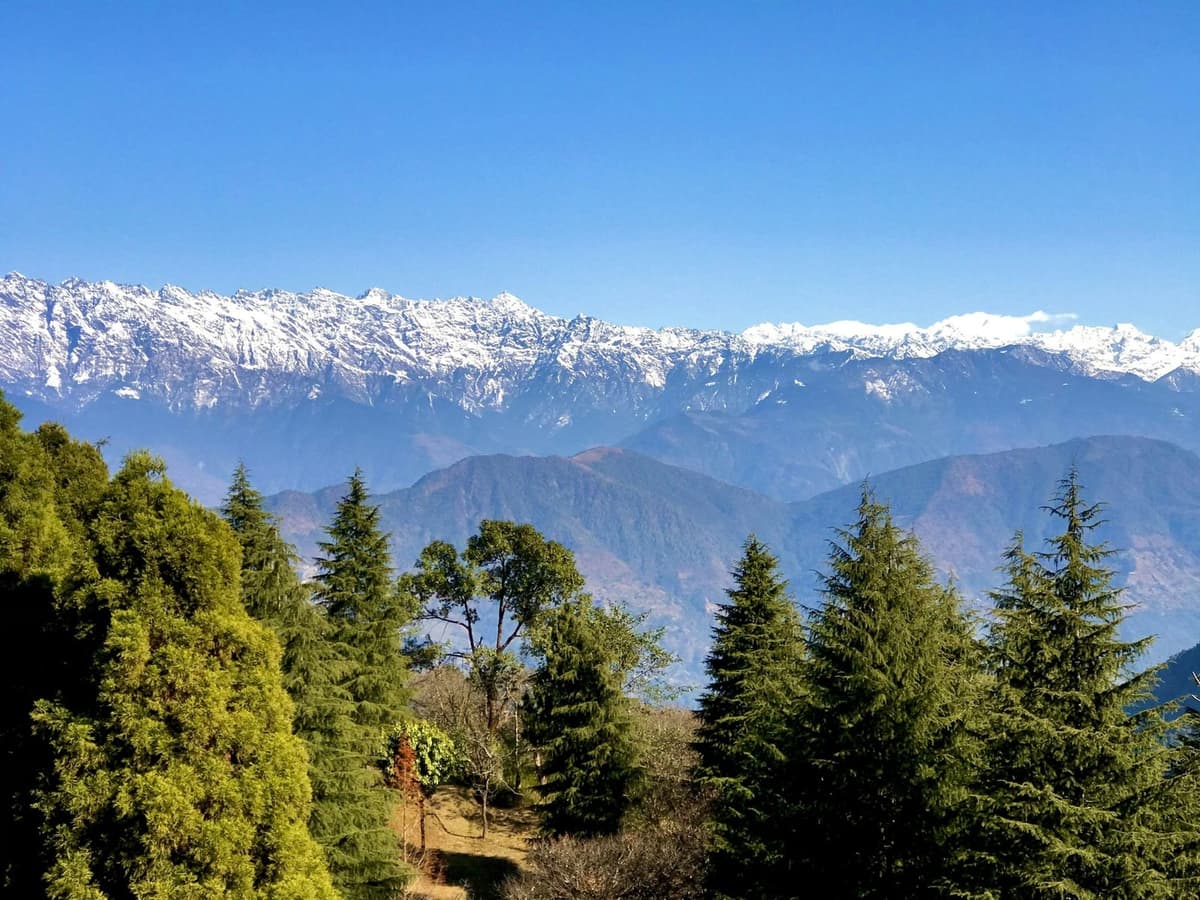
October and November are the most comfortable months: the clearest skies come after the monsoon, days are warm, nights cool, and Dashain and Tihar fall then. Winter nights are cold and hazy; the monsoon months are wet. For the whole country month by month, see our guide to the best time to visit Nepal.
Weather by season
| Month | Average day | Average night | Rain |
|---|---|---|---|
| October | 27.2 °C | 13.9 °C | The monsoon normally ends by 2 October, but from 2020 to 2025 it withdrew later every year |
| November | 23.6 °C | 8.4 °C | 6.4 mm in the month |
| December | 20.2 °C | 4.2 °C | Dry, but haze builds |
| January | 19.2 °C | 2.8 °C | Dry, hazy |
| April | 28.6 °C | 12.3 °C | Haze before the monsoon |
| May | 29.2 °C | 16.1 °C | Haze before the monsoon |
Temperatures: DHM/WMO 1991 to 2020 normals at Kathmandu airport. The valley gets about 1,502 mm of rain a year, most of it from June to September; July alone averages 384.1 mm. The normal monsoon runs from 13 June to 2 October.
Air quality
ICIMOD reported in February 2026 that air quality in the valley drops sharply from the start of winter, December to February, and spikes again before the monsoon. From December 2025 to February 2026, fine particles (PM2.5) at its Khumaltar station averaged about 50 µg/m³, in the WHO "unhealthy" range. In practice, from December to April haze can hide the mountains and bother sensitive lungs. Carry a mask.
Festivals in 2026
- Indra Jatra. An eight-day Newar festival in September, centred on Kathmandu Durbar Square. A pole is raised at Basantapur, the Kumari's chariot is pulled through the old city, and Akash Bhairav's mask is shown at Indra Chowk. In 2026 it fell on 25 September, so it has passed for this year.
- Dashain. The great autumn festival of the goddess Durga. Ghatasthapana, the first day, is 11 October 2026. The main holidays are 20 to 21 October, with Vijaya Dashami, the tika day when elders bless the family, on 21 October. On the ninth day animals are sacrificed at Hanuman Dhoka and the Taleju Temple opens to the public. Kathmandu empties as people go home to their villages, which makes the streets quieter, though some shops close.
- Tihar. The festival of lights. Laxmi Puja, the night of lamps for the goddess of wealth, is 8 November 2026, and Bhai Tika, when sisters bless their brothers, is 11 November 2026. NTB suggests Swayambhu as a place to watch the lit-up city.
- Teej and Maha Shivaratri. The biggest gatherings at Pashupatinath are on Maha Shivaratri, the great night of Shiva, and at Teej, a festival kept by Hindu women, in mid-September.
- Buddha's birthday. Usually in May; Swayambhu is at its busiest then.
Festival dates follow the lunar calendar and change each year. Dashain usually falls in late September or October and Tihar in October or November. The government's holiday list for next year is not out yet, so we do not give 2027 dates.
Read next: Nepal pilgrimage guide, Kathmandu Durbar Square guide, Swayambhunath guide, Pashupatinath Temple guide, White Gumba visiting guide, Boudhanath Stupa guide, Bhaktapur Durbar Square guide, Patan Durbar Square guide and Bhaktapur city guide.
Frequently asked questions
How much is the entry fee for Kathmandu Durbar Square?
Non-SAARC foreign visitors pay NPR 1,000 and SAARC nationals pay NPR 500. The ticket includes the palace museum. Nepali citizens and children under 10 enter free. Fees are set by the site and can change, so check at the gate before you pay, and keep the ticket while you are in the square.
Can non-Hindus enter Pashupatinath Temple?
No. Only Hindus may enter the main temple; others watch from the terraces on the east bank of the Bagmati. Leave leather items, including belts, outside. Take no photos inside the temple, and never photograph cremations or mourners. Indian and Nepali nationals enter the area free; others pay NPR 1,000.
How many days do you need for Kathmandu sightseeing?
Two days covers the seven UNESCO monument zones at an easy pace: Boudhanath, Pashupatinath, Kathmandu Durbar Square and Swayambhu on one day, then Patan, Bhaktapur and Changu Narayan. A third day adds Kirtipur, Budhanilkantha, a rim hike or Nagarkot. With one day, keep to the city zones and allow for traffic.
What is the best time to visit Kathmandu?
October and November. NTB says "the clearest skies are found after the monsoon in October and November". October days average 27.2 °C and November gets only 6.4 mm of rain. Dashain and Tihar fall in these months too. From December to spring, haze can hide the mountains.
How much is the Bhaktapur entry ticket?
Since 17 July 2025, non-SAARC foreign visitors pay NPR 2,000, or USD 15, and SAARC nationals pay NPR 500. The ticket covers the old city, not just the Durbar Square. When you buy it, ask for the validity to be extended by up to seven days; for longer visits, ask about a visitor pass.
Can you take photos of the Kumari?
No. Photographing the Kumari is not allowed, though you may photograph the courtyard of Kumari Ghar when she is not present. Kumari Ghar is her official residence, and NTB says visitors can get a peek of her during special hours. There is no official timetable, so be patient and follow what the guardians ask.
Plan your Kathmandu days with us
If you would like someone local to handle the tickets, the traffic and the order of the day, we run these Kathmandu sightseeing trips with a licensed guide:
- Kathmandu UNESCO World Heritage Sites day tour
- Three Durbar Squares tour
- Kathmandu 7 UNESCO sites in 2 days
Not sure which fits your days? Message us on WhatsApp or send an enquiry with your dates, and we will tell you honestly. For more guides to places, seasons and treks across the country, browse UncoverNepal Insights.
Last checked: 10 October 2026