

By Uncover Nepal Team · Checked by our Kathmandu travel team · Last checked 27 October 2026
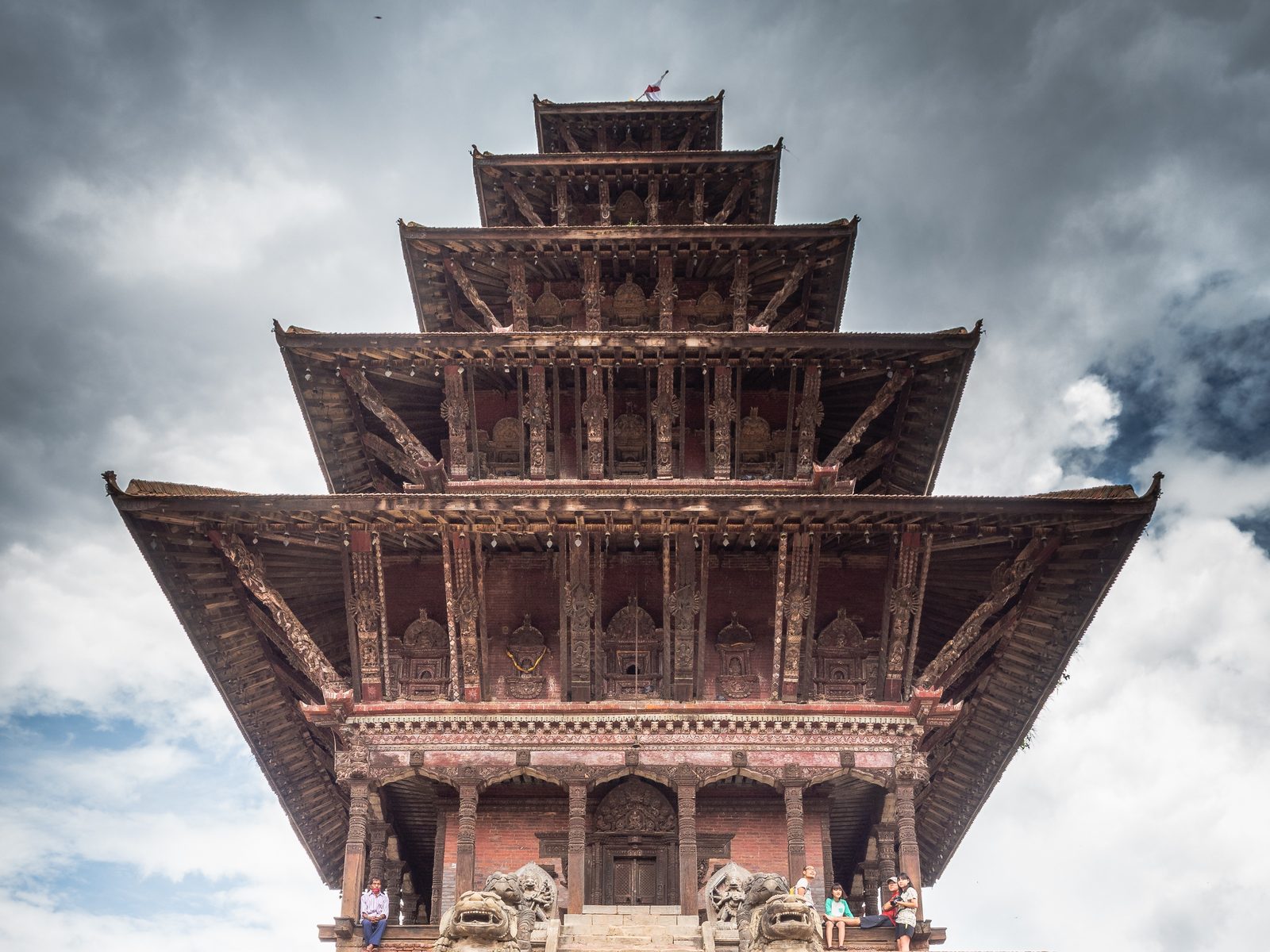
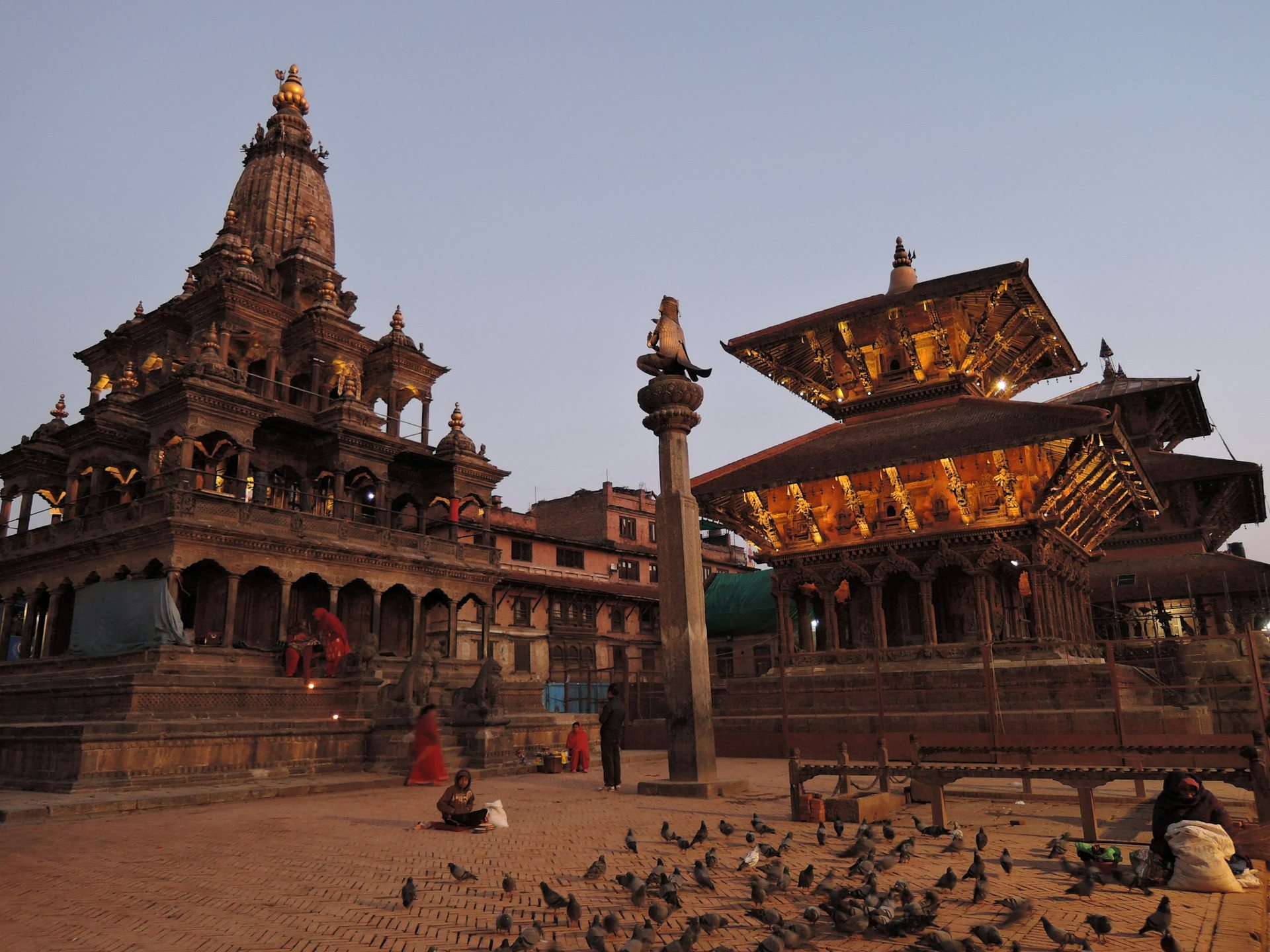
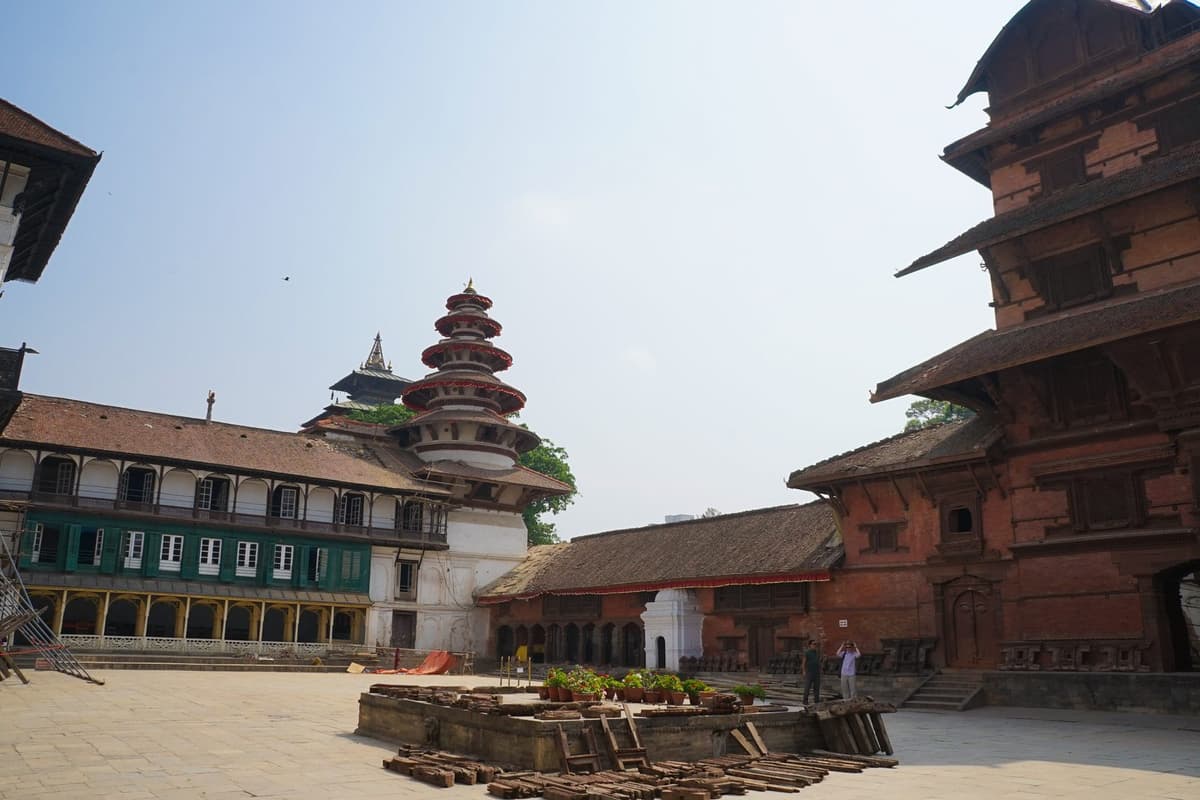
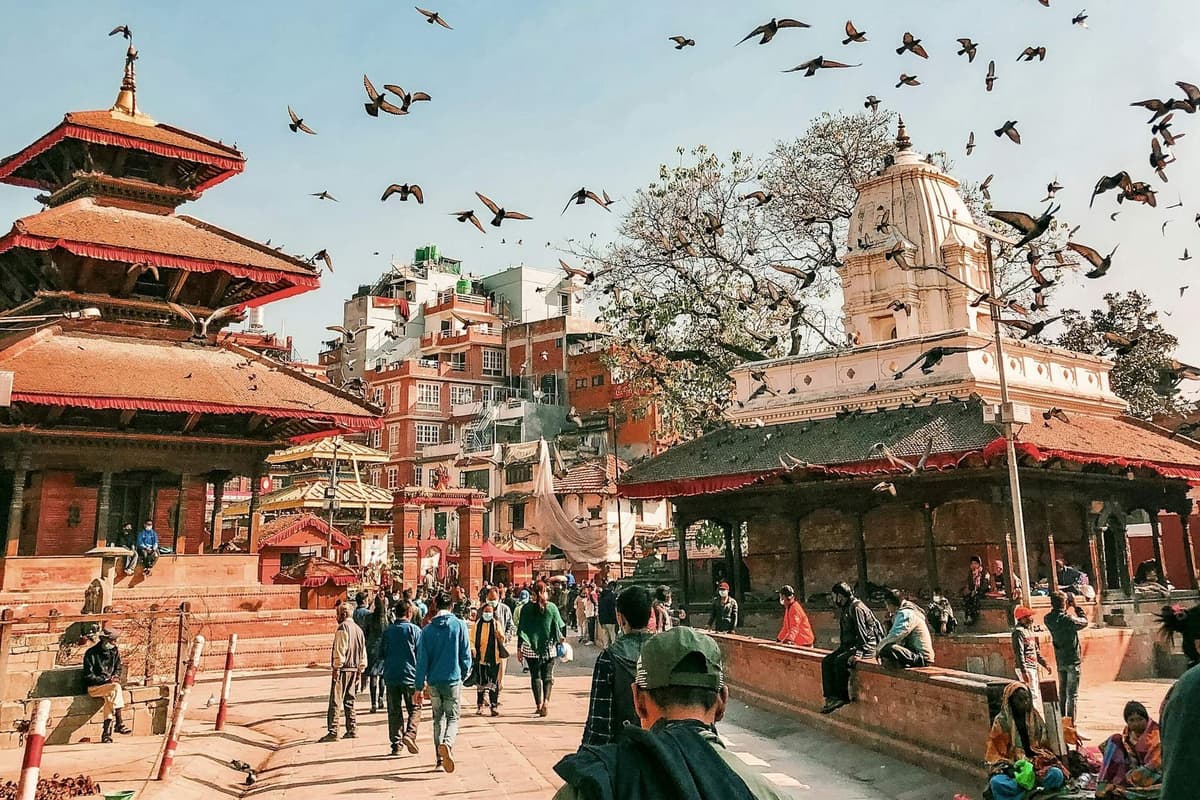
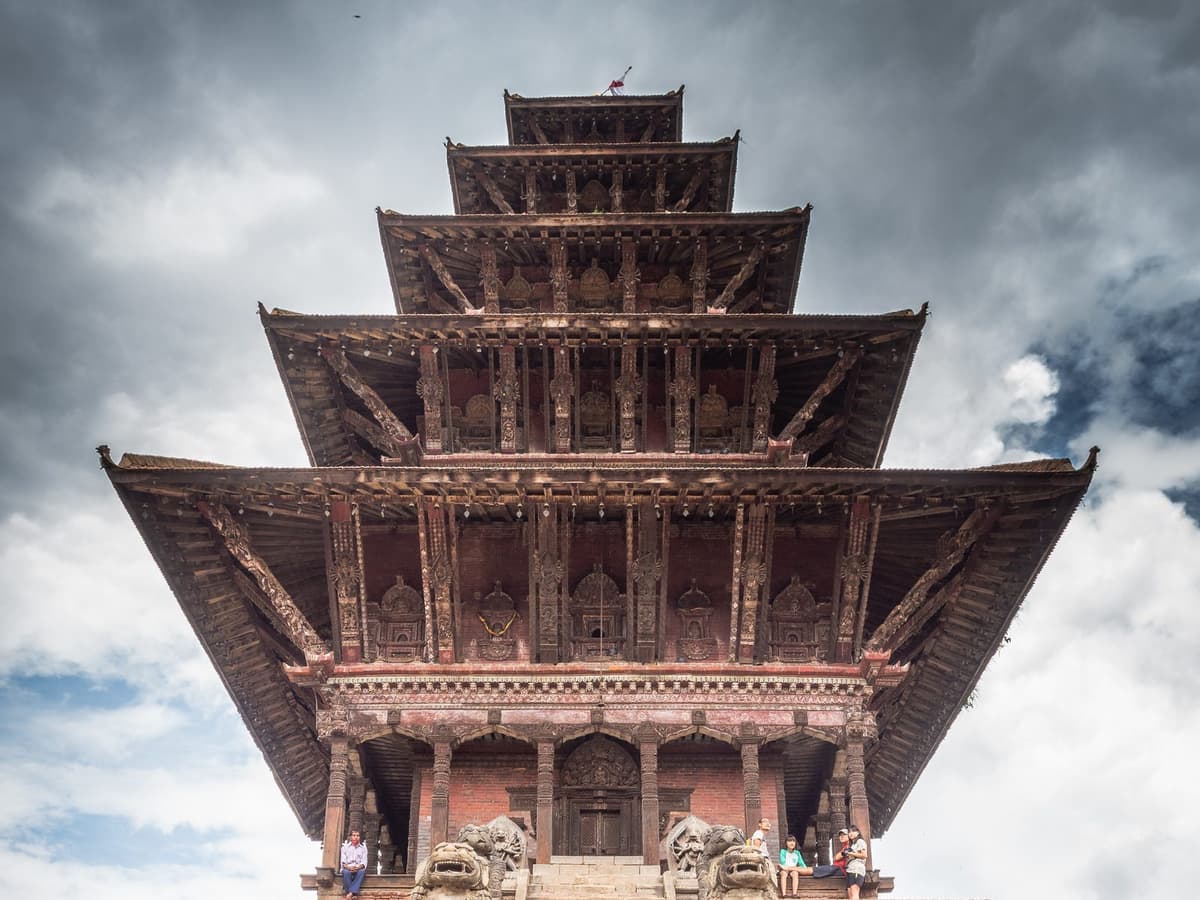
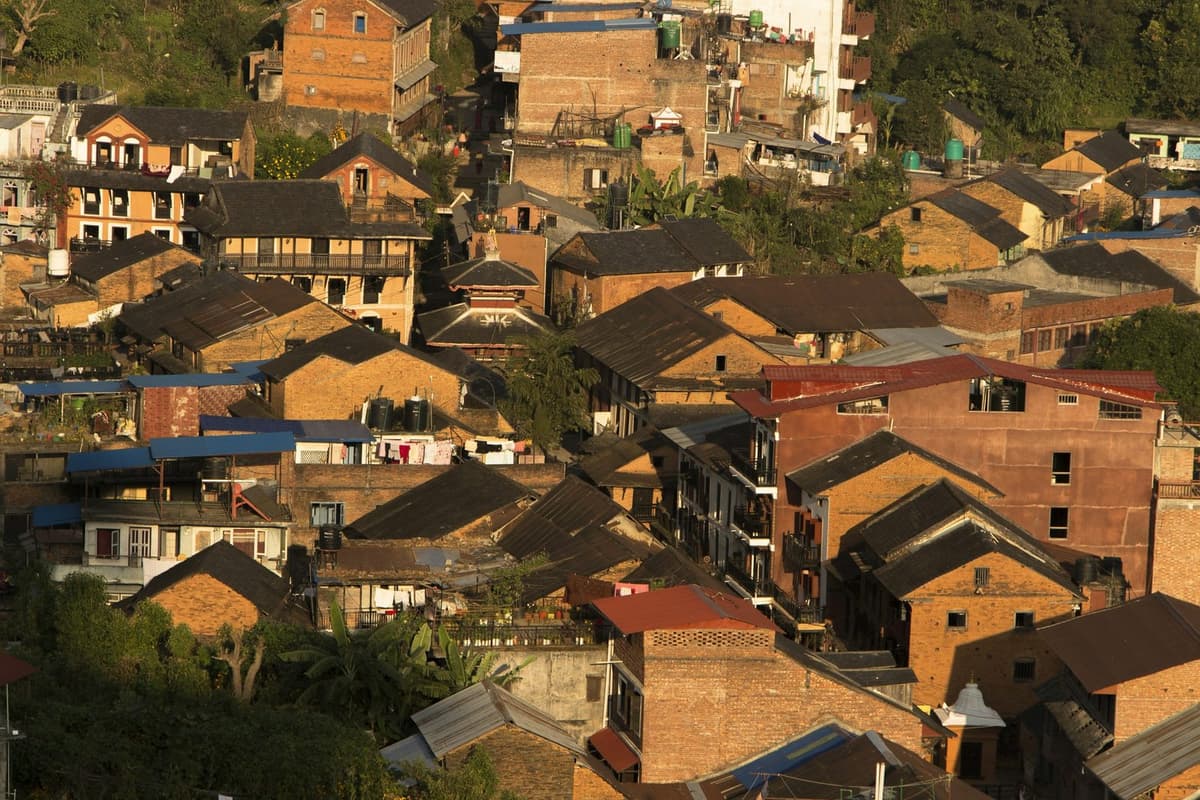
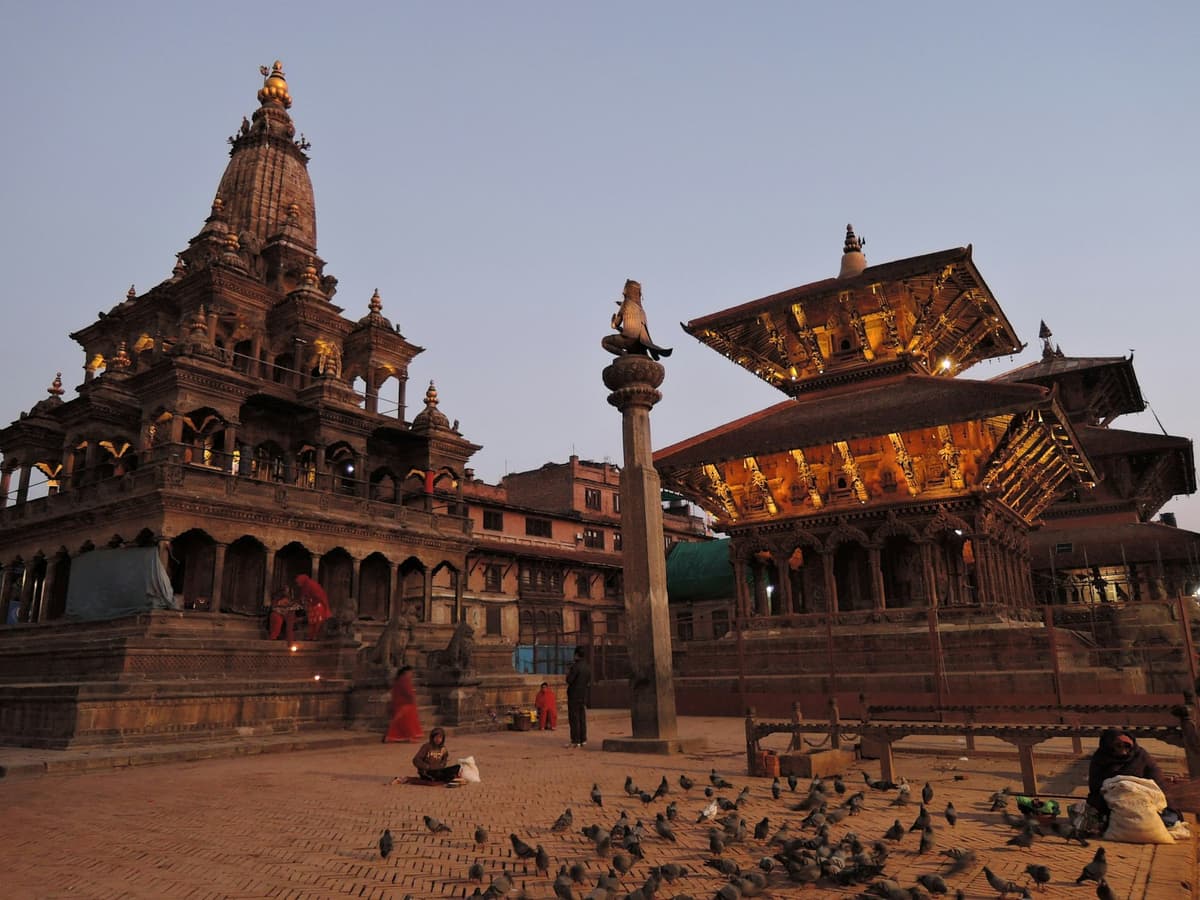
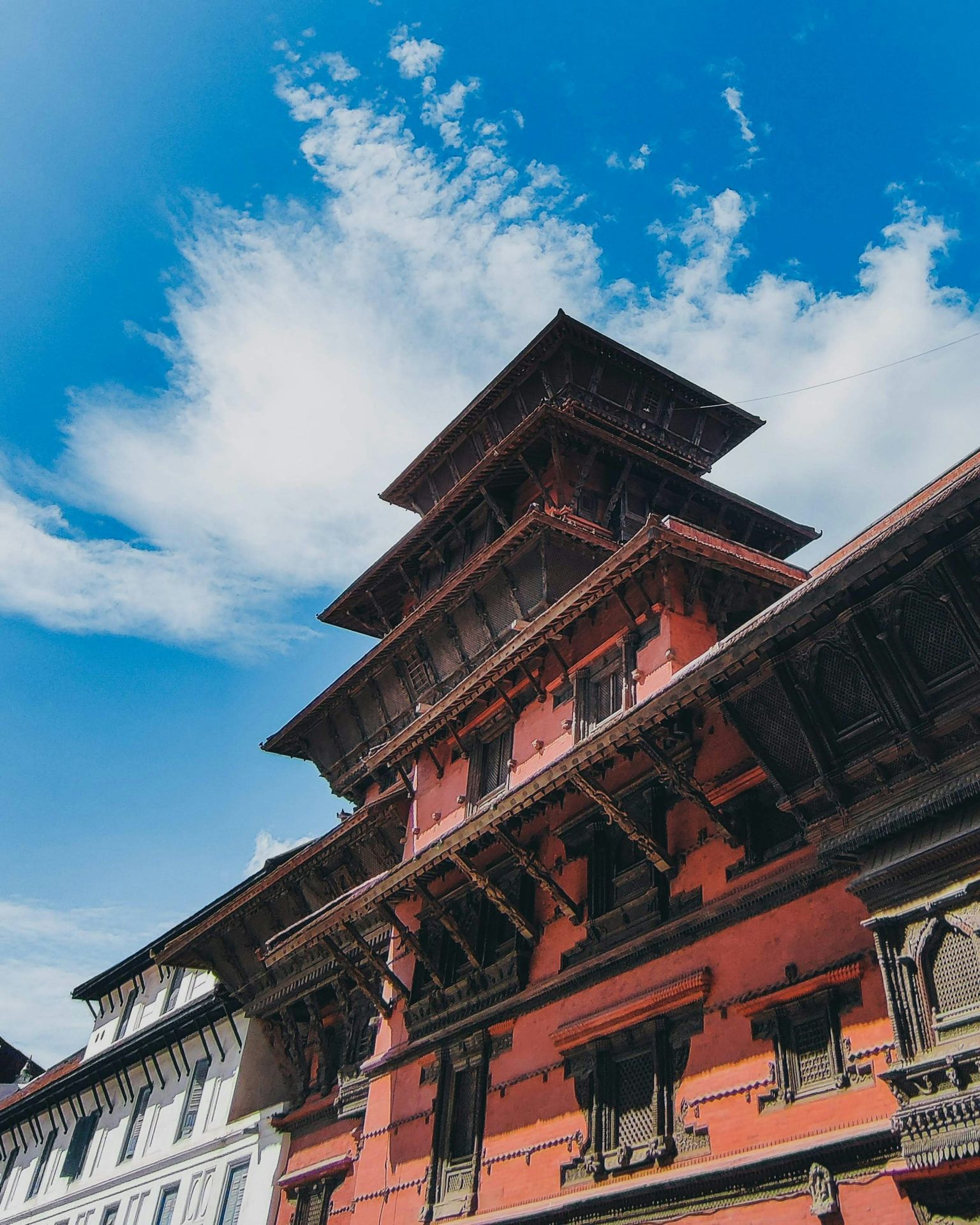
Morning in Basantapur starts before most of the shops are open. Pigeons lift off the brick temple plinths, a bell rings at a shrine as someone passes on the way to work, and above the old palace the tiered roofs of Taleju, the tallest building in the square, take the first sun. Soon the same stones fill with guides, school groups and handicraft sellers.
Kathmandu Durbar Square, also called Hanuman Dhoka or Basantapur Durbar Square, is the old royal palace square of Kathmandu and one of seven monument zones in UNESCO's Kathmandu Valley World Heritage property. Foreign visitors pay NPR 1,000 and SAARC nationals NPR 500, and the ticket includes the palace museum. Allow about an hour, or half a day with the museum.
Our guide to places to visit in Kathmandu sets the square beside the rest of the city's sights. This guide goes deeper: the ticket, the official hours, the main monuments, the palace museum, the Kumari, what has been rebuilt since 2015, and how to fit it into your day.
In this guide
- Key facts
- What is Kathmandu Durbar Square?
- A short history of Hanuman Dhoka
- Kathmandu Durbar Square entry fee and tickets
- Kathmandu Durbar Square opening hours
- Kasthamandap, Kathmandu: the pavilion that named the city
- Kumari Ghar, Kathmandu: home of the Living Goddess
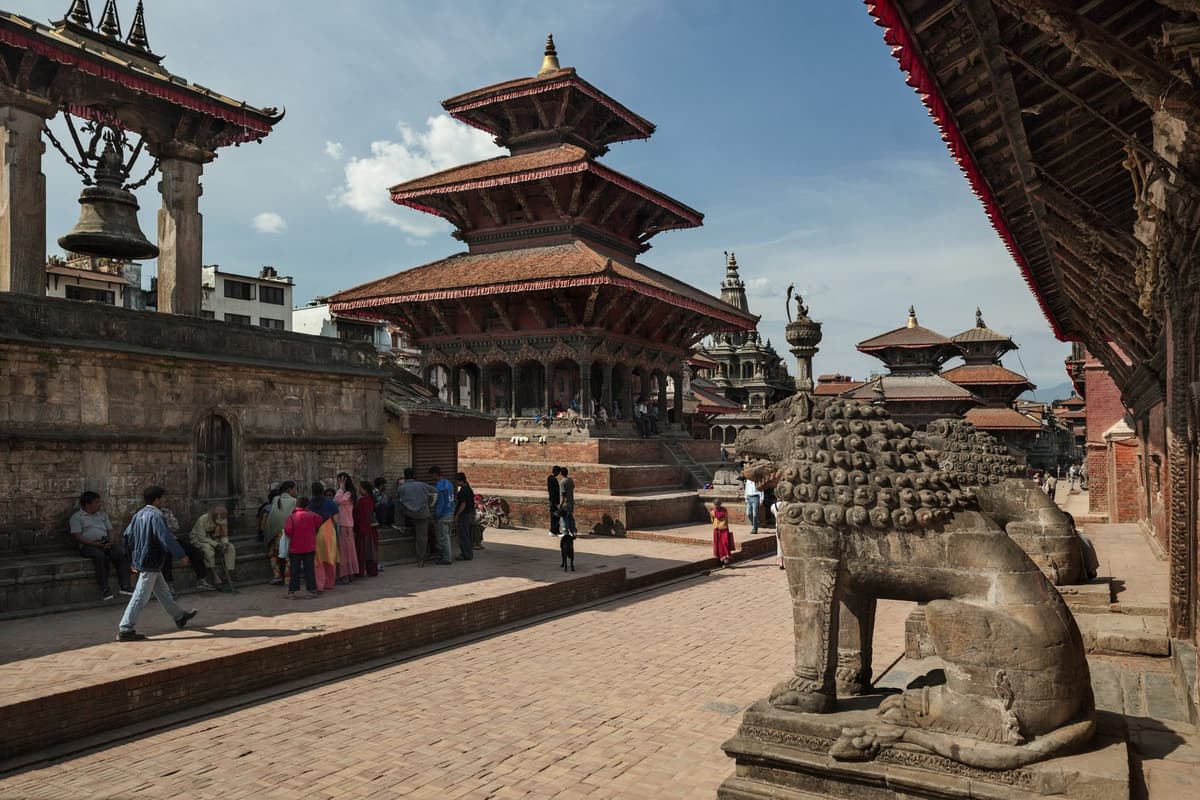
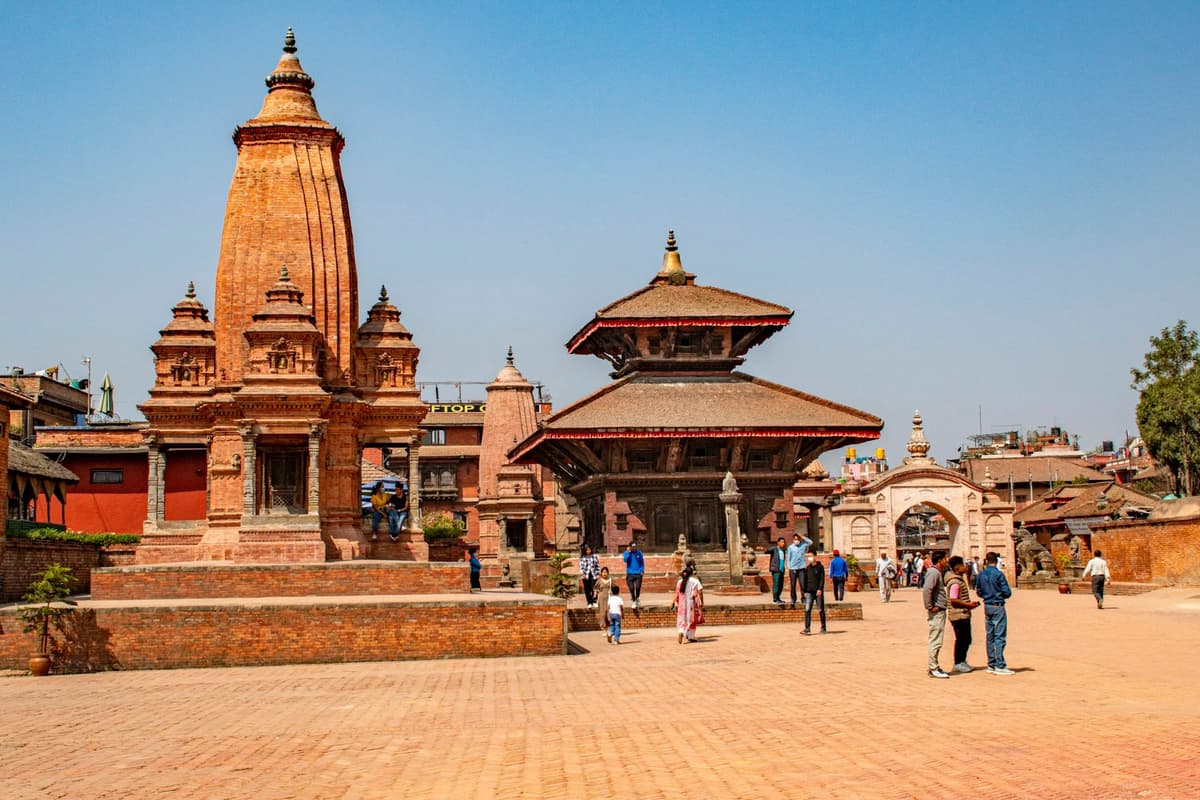
- Other monuments to see in the square
- Inside Hanuman Dhoka Palace: the museum
- What was rebuilt after the 2015 earthquake?
- Festivals at the square: Indra Jatra and Dashain
- When is the best time to visit?
- Getting there and how long to spend
- How to visit respectfully, step by step
- Frequently asked questions
Key facts
- Other names
- Hanuman Dhoka; Basantapur Durbar Square (Nepal Tourism Board (NTB), 27 Oct 2026)
- UNESCO status
- One of seven monument zones of the "Kathmandu Valley" World Heritage property, inscribed in 1979 (UNESCO World Heritage Centre, 27 Oct 2026)
- Entry fee, foreign nationals
- NPR 1,000, including the Tribhuvan Museum in the palace (NTB heritage-site entry fees, 27 Oct 2026)
- Entry fee, SAARC nationals (including India)
- NPR 500 (NTB heritage-site entry fees, 27 Oct 2026)
- Chinese nationals, Nepalis, children
- Chinese nationals NPR 1,000; Nepalis free; under 10 free (NTB heritage-site entry fees, 27 Oct 2026)
- Palace museum hours
- Museum 9am to 7pm, ticket counter 9am to 6pm, every day, as listed by the museum committee; confirm on the day (Hanuman Dhoka Durbar Museum Development Committee; Department of Archaeology, 27 Oct 2026)
- Open square
- No official opening hours published (NTB, museum committee and Department of Archaeology pages, 27 Oct 2026)
- Kasthamandap
- Collapsed on 25 April 2015; the rebuilt pavilion was inaugurated on 4 April 2022 (The Kathmandu Post; The Himalayan Times, 27 Oct 2026)
- Rebuilding, valley World Heritage sites
- As of mid-2025: 134 of 174 damaged structures rebuilt, 16 in progress, 24 not begun (Department of Archaeology, reported by The Rising Nepal (25 May 2025), 27 Oct 2026)
- Current Kumari
- Aryatara Shakya, taken to the Kumari Ghar on 30 September 2025 (Associated Press, 27 Oct 2026)
What is Kathmandu Durbar Square?
Kathmandu Durbar Square is the old royal palace square of Kathmandu. The museum committee that runs the palace says the complex was built between the 15th and 20th centuries. The Nepal Tourism Board says it is also known as Basantapur Durbar and Hanuman Dhoka, and calls it "the Museum of Temples" because there are over 50 temples in the square.
"Durbar" means royal palace. Until the eighteenth century the Kathmandu, Patan and Bhaktapur squares were each the seat of a rival kingdom, which is why the valley has three palace squares.
NTB describes the square in two parts:
- The outer square: Kasthamandap, the Kumari Ghar and the Shiva-Parvati Temple.
- The inner section: Hanuman Dhoka and the main palace.
Basantapur is the open area in front of the old Hanuman Dhoka Palace, where the Indra Jatra pole goes up each year.
Why UNESCO lists it
UNESCO inscribed the Kathmandu Valley in 1979, with a minor boundary change in 2006, under criteria (iii), (iv) and (vi). The property is "inscribed as seven Monument Zones": the Durbar Square of Hanuman Dhoka (this square), the Durbar Squares of Patan and Bhaktapur, Swayambhu, Bauddhanath, Pashupati and Changu Narayan. UNESCO describes the three palace squares as "the Durbar squares or urban centres with their palaces, temples and public spaces".
"one of the most highly developed craftsmanship of brick, stone, timber and bronze in the world"
UNESCO World Heritage Centre, Kathmandu Valley, criterion (iii)
The property was on UNESCO's List of World Heritage in Danger from 2003 to 2007, and UNESCO still calls it "vulnerable to encroaching development".
Takeaway: if you see only one palace square, this one holds the pavilion that named the city and the home of its Living Goddess.
A short history of Hanuman Dhoka
The museum committee that runs it names Mahendra Malla, Pratap Malla and Prithvi Narayan Shah as the kings who did most to shape it, and UNESCO says the valley's building tradition "reached an apogee between 1500 and 1800 AD".
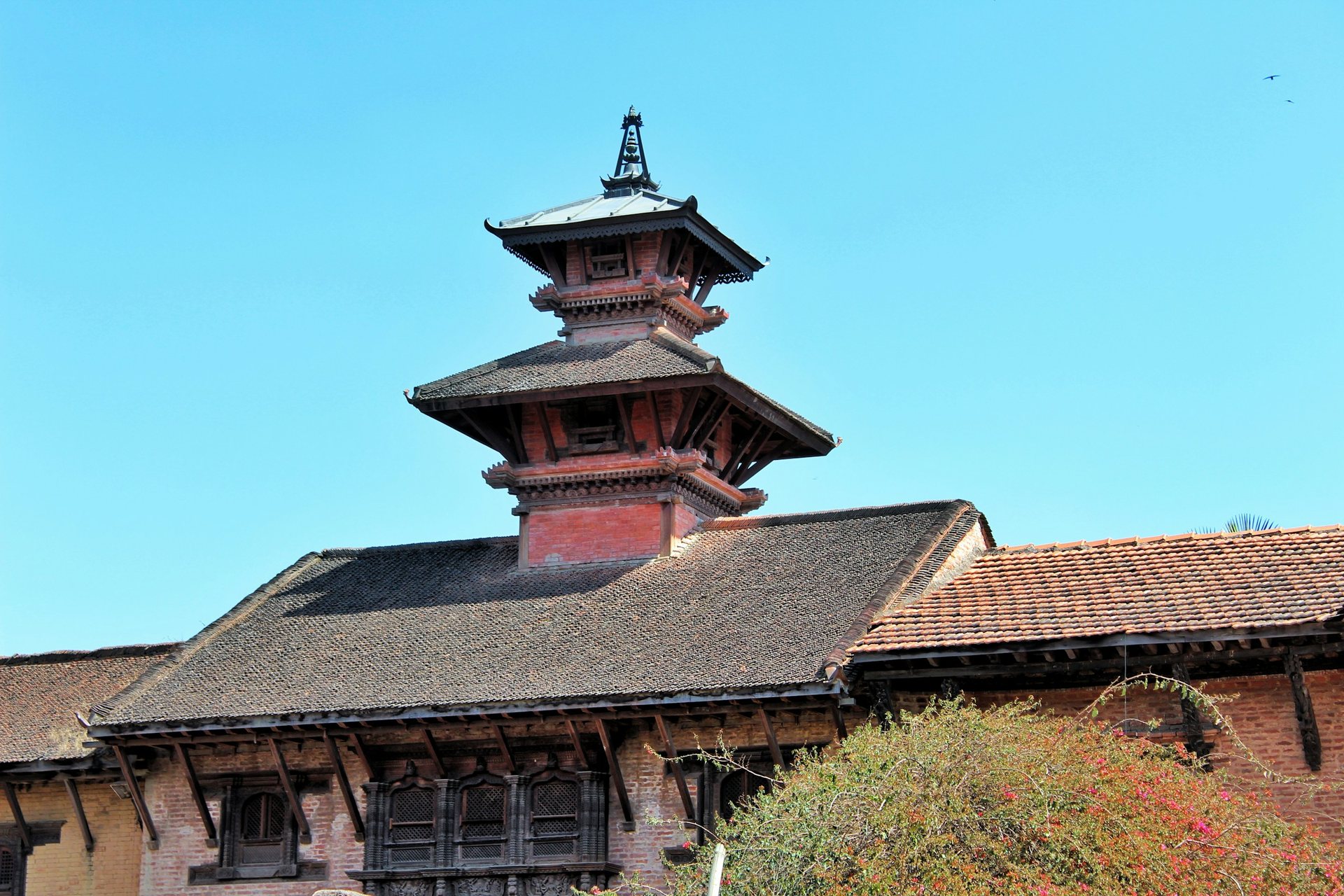
The palace takes its name from a statue. The committee says it was named Hanuman Dhoka ("Hanuman's gate") when Pratap Malla installed an image of Hanuman in front of the main gate in 1672.
| When | What happened | Source |
|---|---|---|
| Licchavi period (4th to 8th centuries AD) | Hanuman Dhoka first built | NTB |
| 1482 AD | Ratna Malla, in the committee's words "the first king of independent Kathmandu" | Museum committee |
| 1549 AD | Taleju Temple built by King Mahendra Malla, according to NTB | NTB |
| 17th century | Pratap Malla extends the palace; Kal Bhairav statue set up | NTB; museum committee |
| 1673 AD | Pratap Malla erects the stone Narsingha (Vishnu as man-lion) | NTB |
| 1757 | Kumari Ghar built by Jaya Prakash Malla, according to Lonely Planet | Lonely Planet |
| Reign of Prithvi Narayan Shah | Basantapur Nine-Storey Palace built | Museum committee |
| 1908 | Gaddi Baithak built under Chandra Shumsher in a European style, according to OnlineKhabar | OnlineKhabar |
| Until 2001 | Coronations held in Nasal Chowk | NTB |
Takeaway: most of the carved temples go back to the Malla kings; the European-style Gaddi Baithak is a 1908 addition.
Kathmandu Durbar Square entry fee and tickets
The Kathmandu Durbar Square entry fee is NPR 1,000 for foreign nationals and NPR 500 for SAARC nationals, including Indians, according to NTB. Chinese nationals pay NPR 1,000, and Nepalis and children under 10 enter free. The foreign ticket includes the Tribhuvan Museum inside the palace.
| Visitor | Entry fee | Notes |
|---|---|---|
| Foreign nationals | NPR 1,000 | Includes the Tribhuvan Museum |
| SAARC nationals (including India) | NPR 500 | Same rate reported by The Himalayan Times in 2025 |
| Chinese nationals | NPR 1,000 | |
| Nepali citizens | Free | The palace museum charges Nepalis NPR 100, students NPR 50 |
| Children under 10 | Free |
NTB's fee table also prints "(BIMSTEC)" beside the SAARC rate without explaining it. If you hold a passport from a BIMSTEC country outside SAARC, ask at the booth which rate applies before you pay.
Fees are in rupees; for a dollar figure, check the Nepal Rastra Bank rate on the day.
Where your money goes
The entrance fee is the main income of the square's conservation programme. In the fiscal year to mid-July 2025, the square had 50,533 visitors from SAARC countries and almost 160,000 from other countries, and earned NPR 194.6 million in revenue, up from NPR 176.9 million the year before, according to Chandra Gopal Pradhan, chief of the Hanumandhoka Durbar Square Conservation Programme.
How to buy and use your ticket
- Pay at the entry point. NTB says heritage-site fees are paid there, so buy your ticket at the booth where you walk in.
- Carry rupees. We found no official note on card payment, so carry enough cash in rupees to be safe.
- Keep the ticket with you until you leave the square.
- Use it for the museum. The foreign ticket includes the Tribhuvan Museum. The museum's own counter is beside the Hanuman statue, in the Tribhuvan Sadan building.
If you need to check anything, NTB lists the square's ticket office numbers as 01-5368969 and 01-5369452, and the museum committee lists 01-5358034 and 01-5358035.
Takeaway: one ticket covers the square and the main museum. Keep it until you leave.
Kathmandu Durbar Square opening hours
No official opening hours are published for the open square, which is a public space in the old city; visitors pay at the entry points. The museum committee lists the palace museum as open from 9am to 7pm and its ticket counter from 9am to 6pm, every day of the week. Confirm on the day.
| Part of the site | Hours | Source |
|---|---|---|
| Open square | No official hours published | NTB, museum committee and Department of Archaeology pages say nothing |
| Palace museum | 9am to 7pm | Museum committee website |
| Museum ticket counter | 9am to 6pm | Museum committee website |
| Days open | Every day of the week | Department of Archaeology; NTB |
A 2020 Department of Archaeology page gave shorter hours, so check before a late visit.
Takeaway: only the museum has official hours. If it is a priority, do not leave it to the evening.
Kasthamandap, Kathmandu: the pavilion that named the city
Kasthamandap is the wooden pavilion that Kathmandu is said to be named after: "kastha" means wood and "mandapa" a pavilion, and The Himalayan Times called it "the source of the name 'Kathmandu'". It collapsed in the earthquake of 25 April 2015.
Rebuilding it took years. Kathmandu Metropolitan City took responsibility in December 2017, and the foundation stone was laid on 14 May 2018. A citizen-led Kasthamandap Reconstruction Committee of 55 members worked alongside the city. President Bidya Devi Bhandari inaugurated the rebuilt pavilion on 4 April 2022 and thanked the city for building it "at its own expenses", The Himalayan Times reported.
Before rebuilding, a dig by the Department of Archaeology and Durham University in 2016 placed Kasthamandap's origins in the 7th century CE. Durham says Professor Robin Coningham was instrumental in the scientifically led clearance and study, and the rebuild brought back traditional methods such as flexible mud mortar and copper-sheet damp proofing.
"It was like a 3-D jigsaw puzzle, the picture does not come together even if one piece is lost."
Manindra Shrestha, Kasthamandap reconstruction project manager, Nepali Times, 13 August 2020
The head of the reconstruction committee, Rajesh Shakya, told the same paper: "The traditional methods of construction would not have failed. Every joint and corner was originally designed to withstand earthquakes."
We have not found a reliable, current source on whether visitors can go inside the pavilion, so look from the plinth and follow what the people around you do.
Takeaway: what you see is a new building on a very old plan. Look at it as both.
Kumari Ghar, Kathmandu: home of the Living Goddess
The Kumari Ghar is the official residence of the Living Goddess Kumari of Kathmandu, according to NTB. Lonely Planet says it "was built in 1757 by Jaya Prakash Malla". The Kumari is a young girl chosen as a living goddess, and she lives here until a new Kumari replaces her.
The present Kumari, Aryatara Shakya, was two years and eight months old when she was carried into the Kumari Ghar on 30 September 2025, the eighth day of that year's Dashain. She replaced Trishna Shakya, who had been Kumari since 2017. Her father, Ananta Shakya, told the Associated Press that day:
"She was just my daughter yesterday, but today she is a goddess."
Ananta Shakya, father of the Kumari, Associated Press, 30 September 2025
Kumaris live a sequestered life and, the AP reported, "are allowed outside only a few times a year for festivals".
Can you see the Kumari?
NTB says visitors "can get a peek of the living goddess and seek blessings during special hours". There is no official timetable. Visitors gather in the courtyard below her window, and Lonely Planet says she "generally shows her face between 9am and 11am", but that is not guaranteed.
Photographing the Kumari is not allowed. Lonely Planet notes that you are free to photograph the courtyard when she is not present. If she appears at her window, put cameras and phones away at once.
The building was partly damaged in 2015, and Ratopati reported repair work on it in early September 2026, ahead of Indra Jatra.
Takeaway: go quietly, wait in the courtyard, and treat any sight of her as a bonus rather than a show.
Other monuments to see in the square
These are the monuments most visitors ask us about.
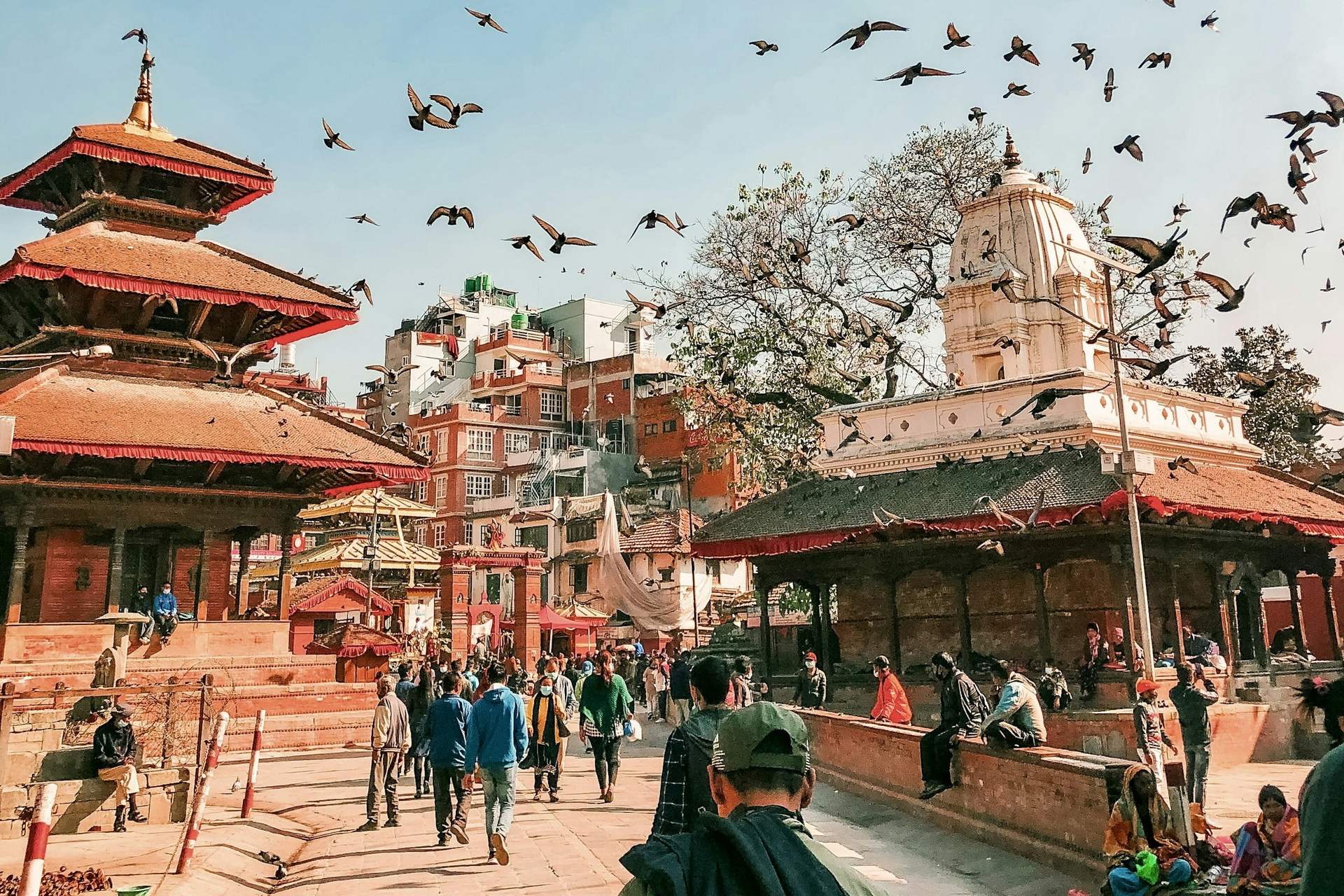
| Monument | What it is | Built | Visitor note |
|---|---|---|---|
| Taleju Temple | The tallest structure in the square | 1549, by Mahendra Malla, according to NTB | Open to the public one day a year, during Dashain |
| Jagannath Temple | Temple known for erotic figures carved on its wooden struts | 16th century, by Mahendra Malla | Look up at the carved struts |
| Hanuman statue | The image that gave the palace its name | 1672, by Pratap Malla | At the main palace gate; museum counter beside it |
| Kal Bhairav | In NTB's words, "one of the largest 17th century stone statues in Kathmandu", showing the terrifying aspect of Shiva | 17th century, by Pratap Malla | The Indra Jatra pole is raised in this area |
| Swet (white) Bhairav | Image of Bhairav | By Pratap Malla | Open once a year, during Indra Jatra |
| Nine-Storey Palace (Nautalle Durbar) | Nine-storeyed palace at Basantapur | By Prithvi Narayan Shah | Reopened on 20 May 2025 |
| Gaddi Baithak | European-style hall | 1908, under Chandra Shumsher, according to OnlineKhabar | Used by dignitaries at Indra Jatra |
Basantapur and the Nine-Storey Palace
The committee says King Prithvi Narayan Shah built the Basantapur Nine-Storey Palace, also called Nautalle Durbar. It reopened to the public at a ceremony on International Archaeology Day, 20 May 2025, after a restoration supported by the Chinese government. We could not confirm whether it is on the current museum route or ticket, so ask at the museum counter.
Gaddi Baithak
Gaddi Baithak was restored with US Ambassadors Fund for Cultural Preservation support, but in December 2020 public tours still awaited ministry clearance, and we have not confirmed whether you can go inside today. Dignitaries watched Indra Jatra from its balcony on 25 September 2026. Handicraft shops fill the courtyards around it.
Takeaway: most of the square is seen from outside. Interiors are the exception, and each has its own rules.
Inside Hanuman Dhoka Palace: the museum
Hanuman Dhoka Palace has more than ten courtyards, and the museum committee lists four of them as open to the public, with three memorial museum galleries. NTB says some floors are museums "dedicated to three generations of Shah kings of Nepal": Kings Tribhuvan, Mahendra and Birendra, according to the Department of Archaeology.
What NTB says you will see in the Tribhuvan Museum:
- the king's bedroom and study;
- "the king's boxing gloves, the walking staff with a spring-loaded sword hidden inside, and his dusty, empty aquarium";
- thrones, hunting photographs and a coin collection.
Other parts of the palace worth asking about:
- Nasal Chowk: the courtyard where coronations were held through the Rana period, a practice that continued until 2001.
- Shisha Baithak: in NTB's words, "an open patio with the Malla throne on display, and pictures of the Shah kings".
- Gargahana (jewellery) museum: opened in 2020 to show gold and silver jewellery and statues found in a chest during reconstruction digging. We have not confirmed the current display.
We found no official rule on photography inside the museum, so ask at the museum door before you take out a camera.
Takeaway: with only an hour, stay in the open square. With longer, the museum is where the square's royal story becomes personal.
What was rebuilt after the 2015 earthquake?
The earthquake of 25 April 2015 damaged more than 70 structures in the square, according to counts reported by The Rising Nepal in 2023 and 2024. As of mid-2025, the Department of Archaeology counted 134 of 174 damaged structures rebuilt across the World Heritage sites of Kathmandu, Lalitpur and Bhaktapur, not only the squares.
| Date | Status reported | Source |
|---|---|---|
| January 2023 | Hanuman Dhoka: 75 of 96 structures damaged; 38 rebuilt or repaired, 14 under way, 23 awaiting work | The Rising Nepal |
| June 2024 | Sandeep Khanal of the museum committee said almost all the big structures in the square had been rebuilt; work continued on inner buildings of Sundari Chowk and Mohankali Chowk, Laxminarayan Sattal and the Kamdev, Bimleshwor and Biseshwore temples | The Rising Nepal |
| May 2025 | All World Heritage sites in Kathmandu, Lalitpur and Bhaktapur: 134 of 174 damaged structures rebuilt, 16 in progress, 24 not begun | The Rising Nepal, quoting the Department of Archaeology |
One temple still being rebuilt in 2025, the Vishnu Temple at Hanuman Dhoka, was damaged not in 2015 but in the earthquake of 1934. The Department of Archaeology said such temples are being rebuilt from old photographs and documented evidence.
Funding is part of the problem. In May 2025 the Department of Archaeology's Director General put it plainly:
"The budget for heritage reconstruction has been decreasing year by year, which creates challenges in completing the reconstruction work within the stipulated timeframe."
Saubhagya Pradhananga, Director General, Department of Archaeology, The Rising Nepal, 25 May 2025
We found no newer official count for the whole square, so we do not describe it as fully restored.
Takeaway: most of the square is whole again, and your entrance fee helps pay for what is left.
Festivals at the square: Indra Jatra and Dashain
Indra Jatra centres on the square. NTB describes it as an eight-day festival that falls in September, opening with a pine pole raised at Basantapur in front of the old palace. The festival brings the Kumari's chariot procession, Lakhey masked dancers, Dasavatar performances in front of the Kumari's temple, and the display of Akash Bhairab's head at Indra Chowk. The Kumari Jatra procession was introduced by Jaya Prakash Malla, The Rising Nepal reported.
Indra Jatra 2026 is over. The pole went up in the Kal Bhairav area on 23 September, according to The Kathmandu Post, and the main chariot procession of Kumari, Ganesh and Bhairav ran on Friday 25 September, a public holiday. On the final day women pulled the chariots on a route from Basantapur through Pyaphal, Naradevi, Kilagal, Asan and Indra Chowk, then Makhan and back to Basantapur. By tradition, rice beer (jaand) is given out as prasad (a blessed offering) from the mouth of Swet Bhairav, The Rising Nepal notes. The festival ended on 29 September.
No date for Indra Jatra 2027 has been published. It usually falls in September, and the government confirms the date in its yearly holiday list.
At Dashain, Taleju opens to the public for one day, NTB says, and in 2025 the new Kumari was installed on the festival's eighth day. Dashain 2026 ended on 23 October. For other festival sites and sacred places across the country, our Nepal pilgrimage guide is a good next read.
Takeaway: to see the square in festival mode, plan around September and Dashain; outside those weeks you have more room to look.
When is the best time to visit?
The best time to visit Kathmandu Durbar Square is October and November, when NTB says the clearest skies come after the monsoon. The square is open all year, and the museum every day of the week. In 2026 the monsoon fully withdrew on 14 October, so the clear season is under way.
| Season | What to expect | Source |
|---|---|---|
| October and November | Clearest skies of the year, after the monsoon | NTB |
| Winter (December to February) | Mild days and cold mornings: Kathmandu airport, at 1,337 m (4,386 ft), averages a January high of 19.2 °C and low of 2.8 °C (1991 to 2020 normals) | WMO and DHM normals via Wikipedia |
| September | Indra Jatra in most years; busy streets and processions | NTB |
What we would tell a friend: come early in the day, when the square is at its quietest and the light is soft on the brick. Leave the museum for the middle of the day, when you will want some shade.
Getting there and how long to spend
The square is in the old city and easy to reach on foot from Thamel. On our three-squares tour we walk from Thamel through the old lanes to Asan, then on to the square.
Asan is a market square where six streets converge, presided over by the Annapurna Ajima temple, on the old trade route that runs diagonally to Durbar Square. Indra Chowk, with the temple of Akash Bhairab, lies between Asan and the square on the same route the Indra Jatra chariots take. Just south of the square is Freak Street (Jhochhen Tole), a centre of the hippie trail from the early 1960s to the late 1970s.
How long do you need?
On our seven-site UNESCO day tour, we spend about an hour at each Durbar Square. For the palace museum, the open courtyards and the walk in from Thamel through Asan, allow half a day.
Combining it with other sites
- The three Durbar Squares together: our Three Durbar Squares tour adds Patan and Bhaktapur, with a licensed guide and a private vehicle, and starts with the walk from Thamel through Asan.
- All seven valley sites in a day: the Kathmandu UNESCO World Heritage Sites day tour covers the square with the valley's other monument zones.
- The same seven sites at an easier pace: the Kathmandu seven UNESCO sites two-day tour spreads them over two days.
Entry fees are not included in our trips; you pay them at the gate, or we add them when you enquire. Two other sites that pair well with the square are Swayambhunath and Pashupatinath, both monument zones of the same UNESCO property. With more days, see our guide to Kathmandu day trips, or Nepal tourist places for the rest of the country.
Takeaway: walk in, do not drive. The lanes from Thamel to the square are part of the experience.
How to visit respectfully, step by step
- Dress for temples. Covered shoulders and knees are the safe choice in a working religious space, and ask before you photograph people at prayer.
- Do not photograph the Kumari. Photographing her is not allowed; put cameras away when she appears.
- Ask at the museum door about photos before you take any inside; we found no official rule.
- Keep off temple structures where people are praying or where repair work is under way.
- Give way to processions. In festival season the square belongs to the festival first.
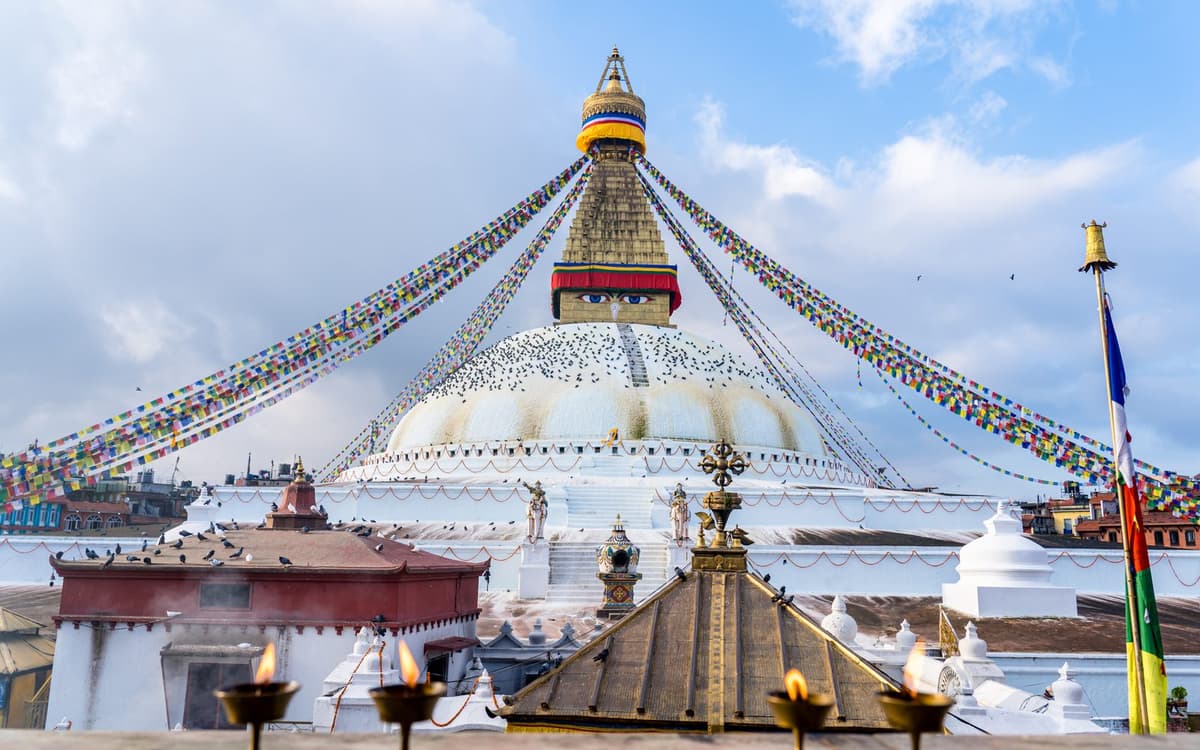
Read next: Bhaktapur Durbar Square guide, Boudhanath Stupa guide and Patan Durbar Square guide.
Frequently asked questions
How much is the entry fee for Kathmandu Durbar Square?
Foreign nationals pay NPR 1,000 and SAARC nationals, including Indians, pay NPR 500, according to the Nepal Tourism Board. Chinese nationals pay NPR 1,000, while Nepalis and children under 10 enter free. The foreign ticket includes the Tribhuvan Museum in the palace. You pay at the ticket booths at the entry points, so carry rupees in cash.
What are the opening hours of Kathmandu Durbar Square?
No official opening hours are published for the open square, which is a public space in the old city. The museum committee lists the palace museum as open from 9am to 7pm and its ticket counter from 9am to 6pm. The Department of Archaeology and NTB say the palace opens every day of the week. Hours can change, so confirm on the day.
Is Kathmandu Durbar Square the same as Basantapur Durbar Square?
Yes. The Nepal Tourism Board says Kathmandu Durbar Square is also known as Basantapur Durbar and Hanuman Dhoka. Basantapur is the open area in front of the old Hanuman Dhoka Palace, where King Prithvi Narayan Shah built the Basantapur Nine-Storey Palace. UNESCO calls it the Durbar Square of Hanuman Dhoka, one of seven monument zones in the Kathmandu Valley.
Can visitors see the Kumari, and are photos allowed?
Sometimes. NTB says visitors can get a peek of the Living Goddess during special hours, but there is no official timetable, and Lonely Planet's usual window of 9am to 11am is not guaranteed. Visitors wait in the courtyard below her window. Photographing the Kumari is not allowed, though you may photograph the courtyard when she is not there.
Which buildings were rebuilt after the 2015 earthquake?
Kasthamandap was rebuilt and inaugurated on 4 April 2022, and the Nine-Storey Palace reopened on 20 May 2025. By mid-2024 the museum committee said almost all the big structures in the square were rebuilt. As of mid-2025, 134 of 174 damaged structures across the valley's World Heritage sites were complete, with 16 in progress and 24 not begun.
How long do you need at Kathmandu Durbar Square?
About an hour is enough for a guided walk round the open square, which is the time we spend there on our seven-site day tour. Allow half a day if you want to visit the palace museum, look at the open courtyards and walk in from Thamel through Asan.
Plan your visit with us
We are a Kathmandu team, and we arrange heritage days with a licensed guide and a private vehicle. Our guides help with the tickets and the Kumari etiquette, so you can spend your time looking up.
Send us your dates and how much time you have, on WhatsApp or through our enquiry form. We will tell you honestly whether one square is enough for your trip or whether all three are worth the day. For the rest of the city, go back to our guide to places to visit in Kathmandu.
Your Nepal visa and international flights are your own arrangements. Official visa information is on the Nepal Tourism Board tourist-visa page.