









Explore by activity
Not listed yet

We run Motorbiking & Overland trips — we just haven’t put the itinerary on the site yet. Tell us your dates and we’ll send a costed day-by-day plan.

Explore by experience
Explore by region
by gomayu
Search Tours or Places

Lumbini Museum: What Is Inside and Is It Worth It

12 min read Posted 29 Oct 2026Updated 30 Oct 2026
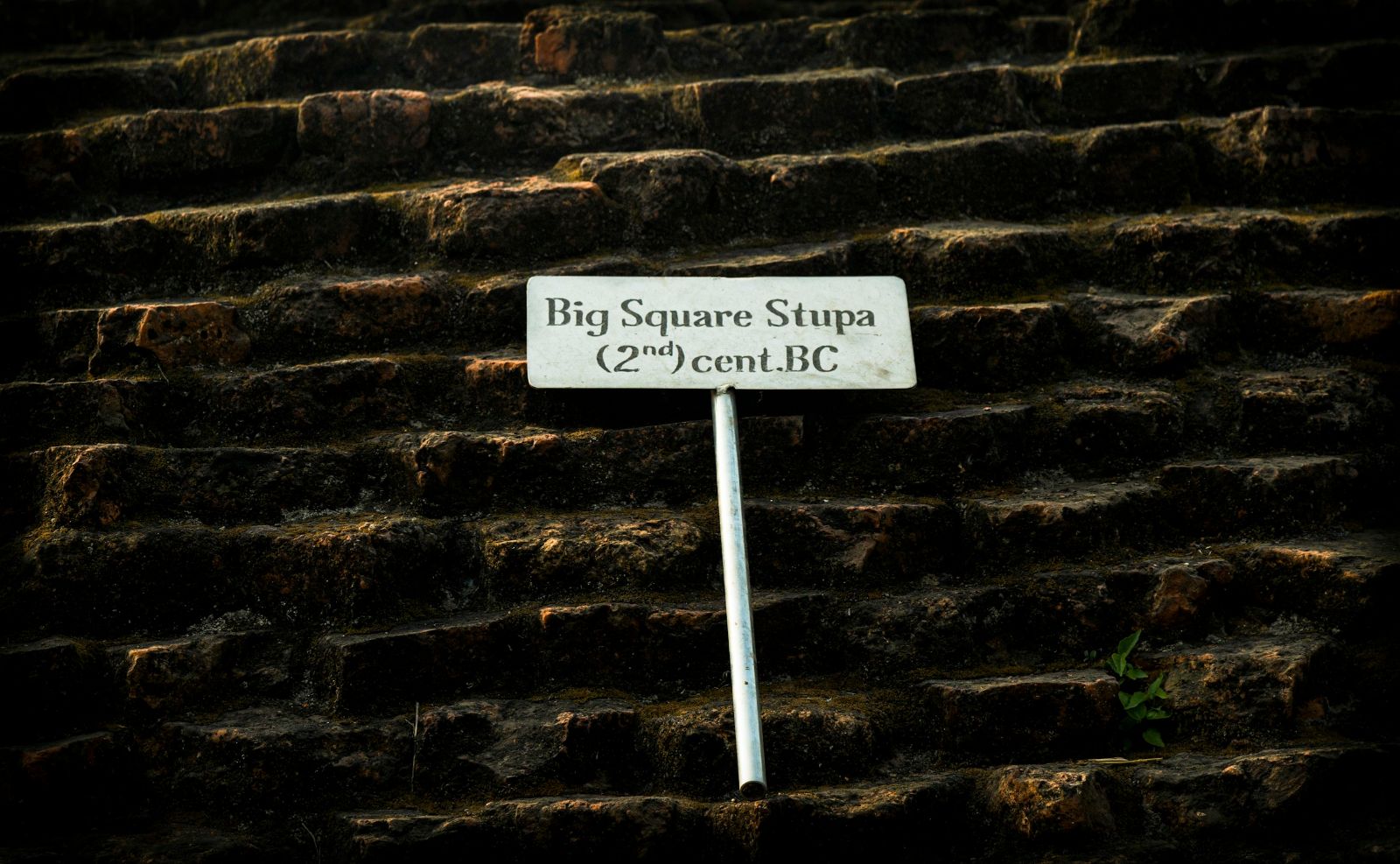
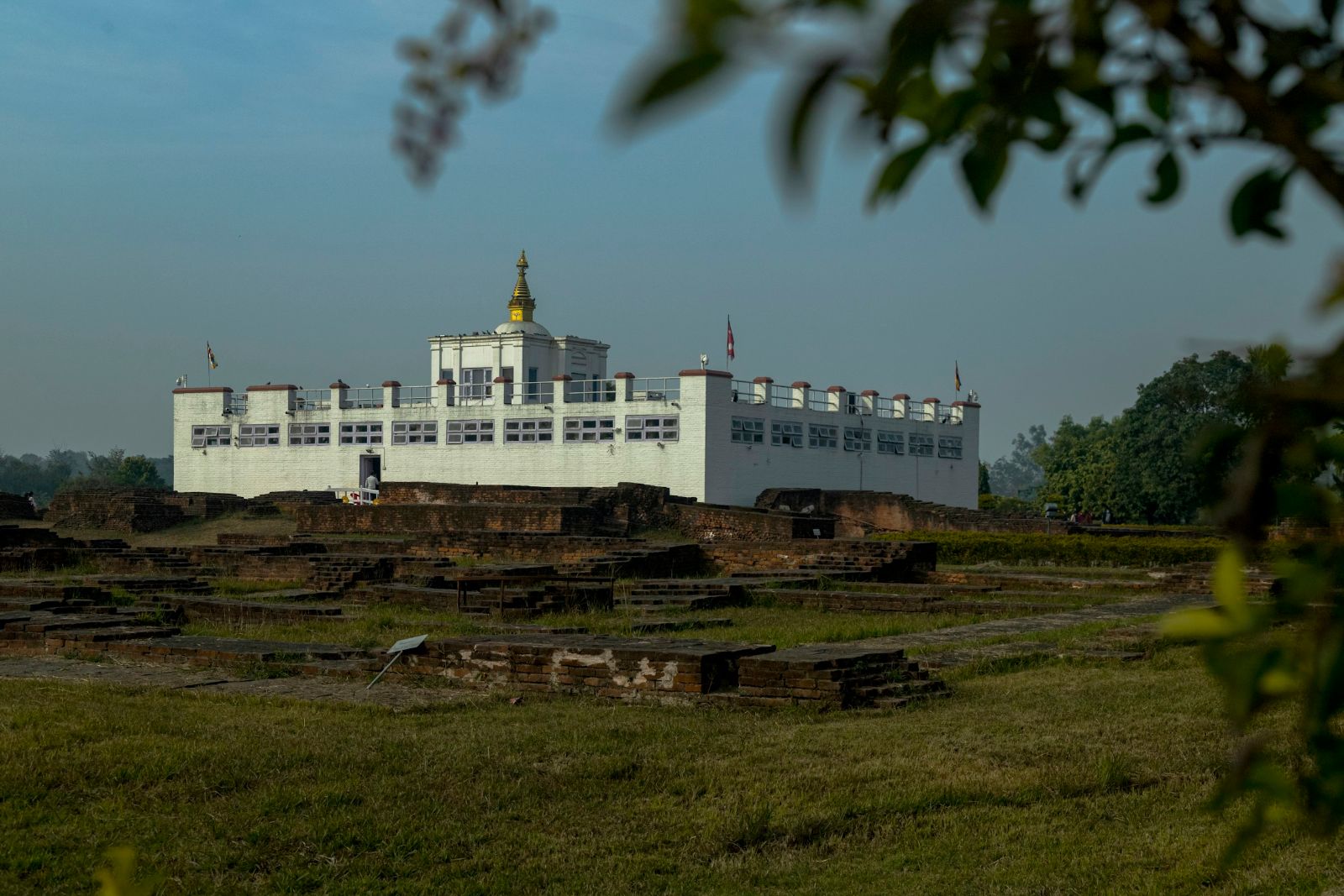
Excavated brick base of the Big Square Stupa in the Sacred Garden at Lumbini

By Uncover Nepal Team · Checked by our Kathmandu travel team · Last checked 30 October 2026

In the northern zone of Lumbini's master plan, beyond the monasteries of the Monastic Zone, stands a barrel-vaulted brick building that the Japanese architect Kenzo Tange designed in the 1970s. It was built to show what archaeologists lifted from the ground at Lumbini and Kapilavastu: terracotta figures, stone sculptures and ancient coins. For now its galleries are shut while the building is renovated.

The Lumbini Museum holds over 300 excavated objects, including terracotta figurines, stone sculptures and coins; the earliest date from the 6th century BC and most from the 1st to 3rd century AD. On 30 October 2026 it was still under renovation, with no reopening date announced, so it is not worth planning a trip around yet.

This guide sits under our complete Lumbini guide, which covers entry fees, getting there and the best time to visit. Here we stay with the museum: what it holds, who runs it, what the rebuild promises and what to see nearby while it stays closed. We give no museum fee or opening hours, because none we found is current.

Key facts

Status
Under renovation; no reopening date announced (Lumbini Museum website; NTB heritage-site fee table, 30 Oct 2026)
Building
A barrel-vaulted brick building Kenzo Tange designed in the 1970s (Lumbini Museum website, 30 Oct 2026)
Opened
Late 2004, during the 2nd World Buddhist Summit (Lumbini Museum website; All India Radio News, 30 Oct 2026)
Who runs it
The Buddha Foundation, under a 35-year agreement with the Lumbini Development Trust signed on 1 September 2018 (Lumbini Museum website, 30 Oct 2026)
Collection
Over 300 objects; earliest 6th century BC, most 1st to 3rd century AD (New Spotlight (US Embassy release, 12 Dec 2024); Lumbini Museum website, 30 Oct 2026)
Conservation centre
Opened at the museum on 11 May 2025; the galleries stay closed (Nepali Times (13 May 2025), 30 Oct 2026)
Temporary exhibition
"Lives in Clay", launched 16 October 2025; no hours or end date published (Lumbini Museum website, 30 Oct 2026)
Where
Cultural Centre and New Lumbini Village zone of the Lumbini master plan (Lumbini Development Trust, 30 Oct 2026)
Fee and hours
None current; we give none (Lumbini Museum website; NTB, 30 Oct 2026)

In this guide

  • Is the Lumbini Museum open in 2026?
  • What is inside the Lumbini Museum?
  • Who built the Lumbini Museum, and who runs it now?
  • What will the renovated museum show?
  • Is the Lumbini Museum worth it?
  • What can you see instead near Lumbini?
  • Frequently asked questions
  • How can we help you plan a Lumbini visit?

Is the Lumbini Museum open in 2026?

Not as a full museum, as of 30 October 2026. The museum's own website says "Currently under renovation", the Nepal Tourism Board's heritage-site fee table lists it as closed, and we found no announced reopening date in English or Nepali sources. Treat any page that gives current museum hours or a ticket price with caution.

There is one small exception. The museum's website says a temporary exhibition, "Lives in Clay", showing objects newly conserved at its conservation centre, was launched on 16 October 2025. It gives no opening times or closing date, so ask us to check whether it can be seen in the week you travel.

The museum says retrofitting began on 1 January 2020, starting with the waterproofing. In 2019 Nepal Traveller reported that the work was expected to be finished by October 2020. That date passed long ago; wait for the museum or the Trust to announce a new one.

Older pages still send people there because the Trust's suggested three-day tours still include the museum and NTB's fee table still prints a ticket price beside "Closed". The conservation centre opened in May 2025 cares for the collection; it does not mean the galleries have reopened.

"Currently under renovation, the Lumbini Museum will be a state-of-the-art museum dedicated to the early life of the Historical Buddha and his journey to enlightenment."

Lumbini Museum website, checked 30 October 2026

What is inside the Lumbini Museum?

The core of the collection is archaeological. A US Embassy release of December 2024 described over 300 artefacts dating from the 6th century BC to the 3rd century AD, including terracotta figurines, stone sculptures and coins excavated at Lumbini. The Trust says the objects come from excavations at Lumbini and Kapilavastu.

The museum's own collection page adds detail: about 200 terracotta figurines and fragments, stone sculptures, beads, copper and silver coins, and iron and antimony nails from the Lumbini area. The earliest pieces date from the 6th century BC, it says, but most from the 1st to 3rd century AD. These are the portable finds from the same landscape as the brick ruins in the Sacred Garden.

Where the objects are now

The December 2024 release said many of the objects were then stored at the National Museum in Kathmandu. The US Embassy announced that its Ambassadors Fund for Cultural Preservation had awarded USD 244,966 to the Buddha Foundation to conserve the collection and set up a conservation lab. The museum singles out one piece: a terracotta torana from the Maya Devi Temple excavation, dated to the 4th to 6th century AD, showing Prince Siddhartha beside a sleeping Yasodhara before his Great Departure. We could not confirm what will go on show when the galleries reopen.

What is not in it

Some websites list manuscripts among the museum's holdings. We found no source for this: the manuscripts in the Trust's description belong to the library of the Lumbini International Research Institute, a separate body in the same zone. Besides excavated material, the museum records a gift of 29 Buddha statues in 2019.

Who built the Lumbini Museum, and who runs it now?

The Japanese architect Kenzo Tange designed the building, the museum opened in late 2004 with help from the Government of India, and since 2018 the Buddha Foundation has held the right to run it under an agreement with the Lumbini Development Trust, which the Government of Nepal set up in 1985.

Tange is the same architect who designed the Lumbini master plan, which the Government of Nepal approved in 1978; the museum says the plan he drew in the late 1970s included the museum building, which it calls "a 1970s barrel-vaulted brick structure".

Prime Minister Sher Bahadur Deuba inaugurated the museum during the 2nd World Buddhist Summit, with India's Minister of State for External Affairs, Rao Inderjit Singh, present; the museum and All India Radio give different days, so we say late 2004.

On 1 September 2018 the Trust and the Buddha Foundation signed an agreement giving the Foundation the right to "design, construct, finance, own and operate the Lumbini Museum for the next 35 years", the museum says. Nepal Traveller reported in 2019 that the Taiwanese architect Kris Yao was the chief architect of the redesign.

Where it is

The Trust places the museum in the Cultural Centre and New Lumbini Village zone, the northern of the master plan's three zones. That zone also holds hotels, the Visitor Information Centre, the Lumbini International Research Institute, the Lumbini Crane Sanctuary and the World Peace Pagoda. The museum's own postal address reads "Sacred Garden Area", so some pages place it inside the Sacred Garden; we follow the Trust's plan.

What will the renovated museum show?

The museum says its new galleries will run along the length of Tange's building under three themes, "Ground", "Path" and "Fruition", telling the story of the Buddha's early life in Lumbini and Kapilavastu, with a separate "Discovery Gallery" on neuroscience. None of this has opened yet, so read it as a plan.

On the building, the museum says the waterproofing membrane and the air-conditioning and humidity units have been replaced, the electrics and plumbing are being overhauled, and an annex with an orientation room, café, gift shop, toilets and more galleries is planned. The pages are undated, so we cannot say how far each step has gone.

The clearest dated progress is the conservation centre, inaugurated on 11 May 2025, a day before Buddha Jayanti, Nepali Times reported, with the Buddha Foundation, the US Embassy, the Trust, the Department of Archaeology and Anupam Heritage Lab involved.

Is the Lumbini Museum worth it?

Not right now, because its galleries are closed. When it reopens, it should be worth a visit if you care about the archaeology behind the birthplace story, since it holds finds from Lumbini and Kapilavastu. Until then, Lumbini is still worth the trip: the most important evidence stands in the Sacred Garden, which the Trust tickets daily.

Our judgement, not an official rating:

If you are Our view
A pilgrim coming for the birthplace Build your day around the Maya Devi Temple and the Sacred Garden; treat the museum as a bonus if it has reopened
Keen on archaeology Ask us whether the museum has reopened; if not, add the Kapilvastu Museum at Tilaurakot
Short of time Leave it out; the Sacred Garden and the two monastic zones fill a full day

What can you see instead near Lumbini?

Three places fill the gap. The Sacred Garden holds the Ashoka pillar, the Marker Stone and the Nativity Sculpture on site; the Lumbini International Research Institute sits in the museum's own zone; and the Kapilvastu Museum at Tilaurakot, 29 km west of Lumbini, shows finds from the Kapilavastu area. Our guide to places to visit in Lumbini covers the rest.

The Sacred Garden: the evidence on site

The best evidence for Lumbini's story is not in a gallery. The pillar was erected by Emperor Asoka in 249 BC, and its Brahmi inscription states, in the Trust's translation, that "Sakyamuni Buddha was born here". Inside the Maya Devi Temple, the Marker Stone, which the Trust says "designates the exact spot where Prince Siddhartha was born", rests on ancient brick layers. Nearby is the Nativity Sculpture, a red sandstone birth scene in the Mathura School style, which the Trust dates to the 4th century and says P.C. Mukherji found in 1899.

Around the temple are 31 excavated stupas, and in 2013 archaeologists reported a previously unknown sixth-century BC timber structure beneath the brick temples. Our Maya Devi Temple guide walks through each of these. The Trust sells the daily ticket at the Visitor Information Centre or online.

Lumbini International Research Institute

The institute, built with support from the Japanese organisation Reiyukai, which also runs it, has a library of Buddhist texts, manuscripts and journals, the Trust says. It is a research institute, not a visitor attraction; we found no visiting rules, so ask before you go.

Kapilvastu Museum at Tilaurakot

Tilaurakot lies 29 km west of Lumbini and 3 km north-west of Taulihawa. The Trust says it is "recognized by many scholars as the ancient capital city of the Sakya kingdom where Prince Siddhartha spent his early life", and it has been on UNESCO's Tentative List since 1996, which is not the same as World Heritage status.

The Kapilvastu Museum there "displays various artifacts, including coins, pottery, toys, jewelry, and terracotta figures from the pre-Mauryan, Mauryan, Sunga, and Kushana periods", the Trust says. Kantipur reported in August 2025 that the museum drew 2,758 foreign visitors in fiscal year 2081/82, up from 1,137. NTB's fee table, which is out of date in places, lists it as closed on Tuesdays, so check before you go. E-rickshaws can be hired in Taulihawa, and buses link Taulihawa with Lumbini and Bhairahawa.

For Ramagrama, Gotihawa, Niglihawa and Kudan, see our guide to Buddhist pilgrimage sites in Nepal.

Frequently asked questions

What is the Lumbini Museum and what does it hold?

The Lumbini Museum is an archaeological museum in a brick building Kenzo Tange designed in the 1970s, run since 2018 by the Buddha Foundation under a 35-year agreement with the Lumbini Development Trust. Its collection of over 300 objects, the earliest from the 6th century BC and most from the 1st to 3rd century AD, includes terracotta figurines, stone sculptures and coins excavated at Lumbini. It has been under renovation since 2020 and its galleries were still closed on 30 October 2026.

Can I combine Lumbini with Kapilvastu, Namobuddha and other Buddhist sites?

Yes, but group them by region. Tilaurakot lies 29 km west of Lumbini and Ramagrama about 50 km east, and Kudan, Gotihawa and Niglihawa are all within about 7 km of Taulihawa, so they fit extra days based in Lumbini. Namobuddha, Boudhanath, Swayambhunath and Kopan Monastery are in or near Kathmandu, so they belong to your Kathmandu days rather than a Lumbini day.

Do I need a guide in Lumbini?

No rule we found requires a guide in Lumbini. Staff at the Trust's Visitor Information Centre "offer free information and guide visitors", the Trust says, and a guide association works in Lumbini. If you go without one, read up on the Sacred Garden before you arrive. If you travel with us, ask us about a licensed guide for your Lumbini days.

What is there to see in Lumbini?

The heart of Lumbini is the Sacred Garden: the Maya Devi Temple over the Marker Stone, the Puskarini pond, the Ashoka pillar of 249 BC and 31 excavated stupas. North of it, the Monastic Zone has Theravada monasteries on the east side of a 1.6 km canal and walkway and Mahayana monasteries on the west, with the Eternal Peace Flame. Further north are the World Peace Pagoda, the Lumbini Crane Sanctuary and, once it reopens, the museum.

How many days do I need in Lumbini?

One full day covers the Sacred Garden and both monastic zones. The Trust's suggested itineraries run three days, adding the World Peace Pagoda, the Crane Sanctuary and sites in Kapilvastu or Ramagrama. Hoteliers told The Rising Nepal in 2024 that most visitors stay only one night. The Trust's conservation ticket is sold per day.

How can we help you plan a Lumbini visit?

We have no fixed Lumbini trip page yet, so ask us to plan a visit around your dates. Ask us to check, close to your travel date, whether the Lumbini Museum has reopened. For fees, transport and seasons, start with our complete Lumbini guide, and see how we run temple and heritage trips on our cultural heritage tours page. Ask us on WhatsApp or through the enquiry form about what fits your days.
Tags
LumbiniLumbini MuseumBuddhist heritageKapilvastuTilaurakotNepal museums
Share
U
Uncover Nepal Team
Writer at Uncover Nepal
More in PlacesSee all Places

Lumbini Museum: What Is Inside and Is It Worth It

12 min read Posted 29 Oct 2026Updated 30 Oct 2026
Excavated brick base of the Big Square Stupa in the Sacred Garden at Lumbini

By Uncover Nepal Team · Checked by our Kathmandu travel team · Last checked 30 October 2026

In the northern zone of Lumbini's master plan, beyond the monasteries of the Monastic Zone, stands a barrel-vaulted brick building that the Japanese architect Kenzo Tange designed in the 1970s. It was built to show what archaeologists lifted from the ground at Lumbini and Kapilavastu: terracotta figures, stone sculptures and ancient coins. For now its galleries are shut while the building is renovated.

The Lumbini Museum holds over 300 excavated objects, including terracotta figurines, stone sculptures and coins; the earliest date from the 6th century BC and most from the 1st to 3rd century AD. On 30 October 2026 it was still under renovation, with no reopening date announced, so it is not worth planning a trip around yet.

This guide sits under our complete Lumbini guide, which covers entry fees, getting there and the best time to visit. Here we stay with the museum: what it holds, who runs it, what the rebuild promises and what to see nearby while it stays closed. We give no museum fee or opening hours, because none we found is current.

Key facts

Status
Under renovation; no reopening date announced (Lumbini Museum website; NTB heritage-site fee table, 30 Oct 2026)
Building
A barrel-vaulted brick building Kenzo Tange designed in the 1970s (Lumbini Museum website, 30 Oct 2026)
Opened
Late 2004, during the 2nd World Buddhist Summit (Lumbini Museum website; All India Radio News, 30 Oct 2026)
Who runs it
The Buddha Foundation, under a 35-year agreement with the Lumbini Development Trust signed on 1 September 2018 (Lumbini Museum website, 30 Oct 2026)
Collection
Over 300 objects; earliest 6th century BC, most 1st to 3rd century AD (New Spotlight (US Embassy release, 12 Dec 2024); Lumbini Museum website, 30 Oct 2026)
Conservation centre
Opened at the museum on 11 May 2025; the galleries stay closed (Nepali Times (13 May 2025), 30 Oct 2026)
Temporary exhibition
"Lives in Clay", launched 16 October 2025; no hours or end date published (Lumbini Museum website, 30 Oct 2026)
Where
Cultural Centre and New Lumbini Village zone of the Lumbini master plan (Lumbini Development Trust, 30 Oct 2026)
Fee and hours
None current; we give none (Lumbini Museum website; NTB, 30 Oct 2026)

In this guide

  • Is the Lumbini Museum open in 2026?
  • What is inside the Lumbini Museum?
  • Who built the Lumbini Museum, and who runs it now?
  • What will the renovated museum show?
  • Is the Lumbini Museum worth it?
  • What can you see instead near Lumbini?
  • Frequently asked questions
  • How can we help you plan a Lumbini visit?

Is the Lumbini Museum open in 2026?

Not as a full museum, as of 30 October 2026. The museum's own website says "Currently under renovation", the Nepal Tourism Board's heritage-site fee table lists it as closed, and we found no announced reopening date in English or Nepali sources. Treat any page that gives current museum hours or a ticket price with caution.

There is one small exception. The museum's website says a temporary exhibition, "Lives in Clay", showing objects newly conserved at its conservation centre, was launched on 16 October 2025. It gives no opening times or closing date, so ask us to check whether it can be seen in the week you travel.

The museum says retrofitting began on 1 January 2020, starting with the waterproofing. In 2019 Nepal Traveller reported that the work was expected to be finished by October 2020. That date passed long ago; wait for the museum or the Trust to announce a new one.

Older pages still send people there because the Trust's suggested three-day tours still include the museum and NTB's fee table still prints a ticket price beside "Closed". The conservation centre opened in May 2025 cares for the collection; it does not mean the galleries have reopened.

"Currently under renovation, the Lumbini Museum will be a state-of-the-art museum dedicated to the early life of the Historical Buddha and his journey to enlightenment."

Lumbini Museum website, checked 30 October 2026

What is inside the Lumbini Museum?

The core of the collection is archaeological. A US Embassy release of December 2024 described over 300 artefacts dating from the 6th century BC to the 3rd century AD, including terracotta figurines, stone sculptures and coins excavated at Lumbini. The Trust says the objects come from excavations at Lumbini and Kapilavastu.

The museum's own collection page adds detail: about 200 terracotta figurines and fragments, stone sculptures, beads, copper and silver coins, and iron and antimony nails from the Lumbini area. The earliest pieces date from the 6th century BC, it says, but most from the 1st to 3rd century AD. These are the portable finds from the same landscape as the brick ruins in the Sacred Garden.

Where the objects are now

The December 2024 release said many of the objects were then stored at the National Museum in Kathmandu. The US Embassy announced that its Ambassadors Fund for Cultural Preservation had awarded USD 244,966 to the Buddha Foundation to conserve the collection and set up a conservation lab. The museum singles out one piece: a terracotta torana from the Maya Devi Temple excavation, dated to the 4th to 6th century AD, showing Prince Siddhartha beside a sleeping Yasodhara before his Great Departure. We could not confirm what will go on show when the galleries reopen.

What is not in it

Some websites list manuscripts among the museum's holdings. We found no source for this: the manuscripts in the Trust's description belong to the library of the Lumbini International Research Institute, a separate body in the same zone. Besides excavated material, the museum records a gift of 29 Buddha statues in 2019.

Who built the Lumbini Museum, and who runs it now?

The Japanese architect Kenzo Tange designed the building, the museum opened in late 2004 with help from the Government of India, and since 2018 the Buddha Foundation has held the right to run it under an agreement with the Lumbini Development Trust, which the Government of Nepal set up in 1985.

Tange is the same architect who designed the Lumbini master plan, which the Government of Nepal approved in 1978; the museum says the plan he drew in the late 1970s included the museum building, which it calls "a 1970s barrel-vaulted brick structure".

Prime Minister Sher Bahadur Deuba inaugurated the museum during the 2nd World Buddhist Summit, with India's Minister of State for External Affairs, Rao Inderjit Singh, present; the museum and All India Radio give different days, so we say late 2004.

On 1 September 2018 the Trust and the Buddha Foundation signed an agreement giving the Foundation the right to "design, construct, finance, own and operate the Lumbini Museum for the next 35 years", the museum says. Nepal Traveller reported in 2019 that the Taiwanese architect Kris Yao was the chief architect of the redesign.

Where it is

The Trust places the museum in the Cultural Centre and New Lumbini Village zone, the northern of the master plan's three zones. That zone also holds hotels, the Visitor Information Centre, the Lumbini International Research Institute, the Lumbini Crane Sanctuary and the World Peace Pagoda. The museum's own postal address reads "Sacred Garden Area", so some pages place it inside the Sacred Garden; we follow the Trust's plan.

What will the renovated museum show?

The museum says its new galleries will run along the length of Tange's building under three themes, "Ground", "Path" and "Fruition", telling the story of the Buddha's early life in Lumbini and Kapilavastu, with a separate "Discovery Gallery" on neuroscience. None of this has opened yet, so read it as a plan.

On the building, the museum says the waterproofing membrane and the air-conditioning and humidity units have been replaced, the electrics and plumbing are being overhauled, and an annex with an orientation room, café, gift shop, toilets and more galleries is planned. The pages are undated, so we cannot say how far each step has gone.

The clearest dated progress is the conservation centre, inaugurated on 11 May 2025, a day before Buddha Jayanti, Nepali Times reported, with the Buddha Foundation, the US Embassy, the Trust, the Department of Archaeology and Anupam Heritage Lab involved.

Is the Lumbini Museum worth it?

Not right now, because its galleries are closed. When it reopens, it should be worth a visit if you care about the archaeology behind the birthplace story, since it holds finds from Lumbini and Kapilavastu. Until then, Lumbini is still worth the trip: the most important evidence stands in the Sacred Garden, which the Trust tickets daily.

Our judgement, not an official rating:

If you are Our view
A pilgrim coming for the birthplace Build your day around the Maya Devi Temple and the Sacred Garden; treat the museum as a bonus if it has reopened
Keen on archaeology Ask us whether the museum has reopened; if not, add the Kapilvastu Museum at Tilaurakot
Short of time Leave it out; the Sacred Garden and the two monastic zones fill a full day

What can you see instead near Lumbini?

Three places fill the gap. The Sacred Garden holds the Ashoka pillar, the Marker Stone and the Nativity Sculpture on site; the Lumbini International Research Institute sits in the museum's own zone; and the Kapilvastu Museum at Tilaurakot, 29 km west of Lumbini, shows finds from the Kapilavastu area. Our guide to places to visit in Lumbini covers the rest.

The Sacred Garden: the evidence on site

The best evidence for Lumbini's story is not in a gallery. The pillar was erected by Emperor Asoka in 249 BC, and its Brahmi inscription states, in the Trust's translation, that "Sakyamuni Buddha was born here". Inside the Maya Devi Temple, the Marker Stone, which the Trust says "designates the exact spot where Prince Siddhartha was born", rests on ancient brick layers. Nearby is the Nativity Sculpture, a red sandstone birth scene in the Mathura School style, which the Trust dates to the 4th century and says P.C. Mukherji found in 1899.

Around the temple are 31 excavated stupas, and in 2013 archaeologists reported a previously unknown sixth-century BC timber structure beneath the brick temples. Our Maya Devi Temple guide walks through each of these. The Trust sells the daily ticket at the Visitor Information Centre or online.

Lumbini International Research Institute

The institute, built with support from the Japanese organisation Reiyukai, which also runs it, has a library of Buddhist texts, manuscripts and journals, the Trust says. It is a research institute, not a visitor attraction; we found no visiting rules, so ask before you go.

Kapilvastu Museum at Tilaurakot

Tilaurakot lies 29 km west of Lumbini and 3 km north-west of Taulihawa. The Trust says it is "recognized by many scholars as the ancient capital city of the Sakya kingdom where Prince Siddhartha spent his early life", and it has been on UNESCO's Tentative List since 1996, which is not the same as World Heritage status.

The Kapilvastu Museum there "displays various artifacts, including coins, pottery, toys, jewelry, and terracotta figures from the pre-Mauryan, Mauryan, Sunga, and Kushana periods", the Trust says. Kantipur reported in August 2025 that the museum drew 2,758 foreign visitors in fiscal year 2081/82, up from 1,137. NTB's fee table, which is out of date in places, lists it as closed on Tuesdays, so check before you go. E-rickshaws can be hired in Taulihawa, and buses link Taulihawa with Lumbini and Bhairahawa.

For Ramagrama, Gotihawa, Niglihawa and Kudan, see our guide to Buddhist pilgrimage sites in Nepal.

Frequently asked questions

What is the Lumbini Museum and what does it hold?

The Lumbini Museum is an archaeological museum in a brick building Kenzo Tange designed in the 1970s, run since 2018 by the Buddha Foundation under a 35-year agreement with the Lumbini Development Trust. Its collection of over 300 objects, the earliest from the 6th century BC and most from the 1st to 3rd century AD, includes terracotta figurines, stone sculptures and coins excavated at Lumbini. It has been under renovation since 2020 and its galleries were still closed on 30 October 2026.

Can I combine Lumbini with Kapilvastu, Namobuddha and other Buddhist sites?

Yes, but group them by region. Tilaurakot lies 29 km west of Lumbini and Ramagrama about 50 km east, and Kudan, Gotihawa and Niglihawa are all within about 7 km of Taulihawa, so they fit extra days based in Lumbini. Namobuddha, Boudhanath, Swayambhunath and Kopan Monastery are in or near Kathmandu, so they belong to your Kathmandu days rather than a Lumbini day.

Do I need a guide in Lumbini?

No rule we found requires a guide in Lumbini. Staff at the Trust's Visitor Information Centre "offer free information and guide visitors", the Trust says, and a guide association works in Lumbini. If you go without one, read up on the Sacred Garden before you arrive. If you travel with us, ask us about a licensed guide for your Lumbini days.

What is there to see in Lumbini?

The heart of Lumbini is the Sacred Garden: the Maya Devi Temple over the Marker Stone, the Puskarini pond, the Ashoka pillar of 249 BC and 31 excavated stupas. North of it, the Monastic Zone has Theravada monasteries on the east side of a 1.6 km canal and walkway and Mahayana monasteries on the west, with the Eternal Peace Flame. Further north are the World Peace Pagoda, the Lumbini Crane Sanctuary and, once it reopens, the museum.

How many days do I need in Lumbini?

One full day covers the Sacred Garden and both monastic zones. The Trust's suggested itineraries run three days, adding the World Peace Pagoda, the Crane Sanctuary and sites in Kapilvastu or Ramagrama. Hoteliers told The Rising Nepal in 2024 that most visitors stay only one night. The Trust's conservation ticket is sold per day.

How can we help you plan a Lumbini visit?

We have no fixed Lumbini trip page yet, so ask us to plan a visit around your dates. Ask us to check, close to your travel date, whether the Lumbini Museum has reopened. For fees, transport and seasons, start with our complete Lumbini guide, and see how we run temple and heritage trips on our cultural heritage tours page. Ask us on WhatsApp or through the enquiry form about what fits your days.
Tags
LumbiniLumbini MuseumBuddhist heritageKapilvastuTilaurakotNepal museums
Share
U
Uncover Nepal Team
Writer at Uncover Nepal
More in PlacesSee all Places