

By Uncover Nepal Team · Checked by our Kathmandu travel team · Last checked 30 October 2026
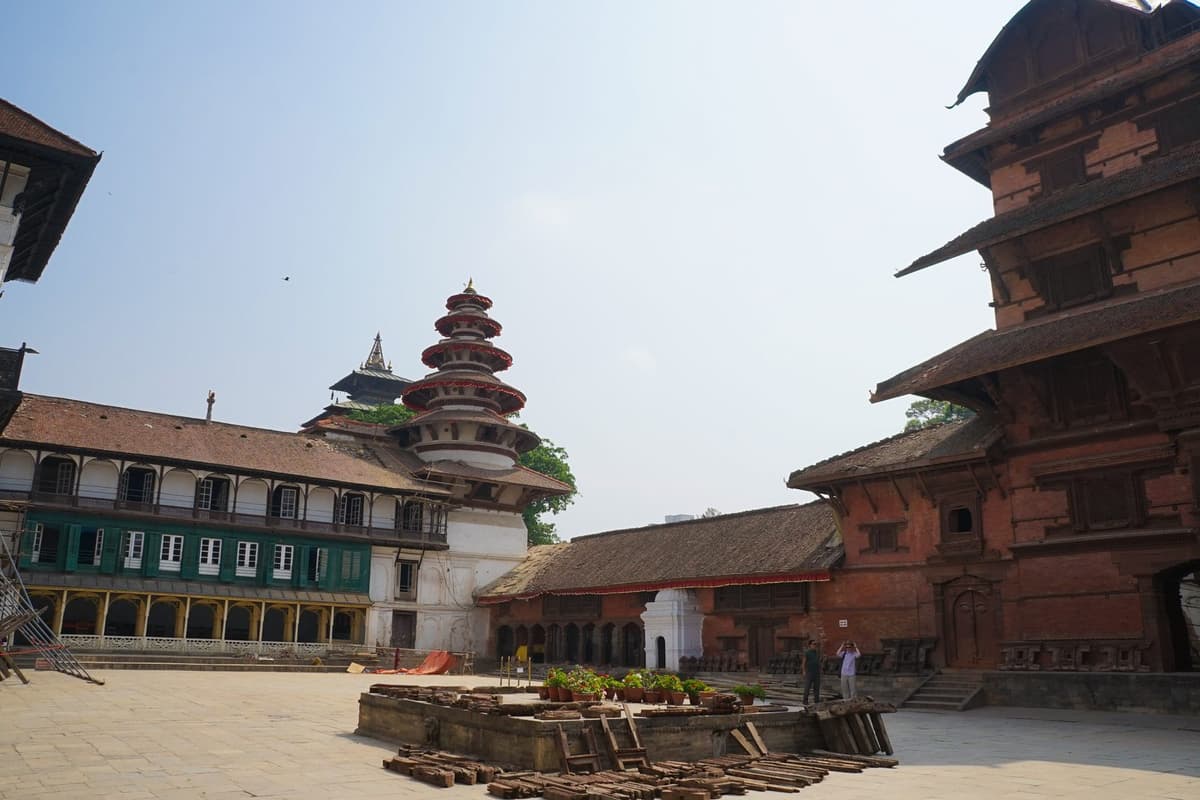
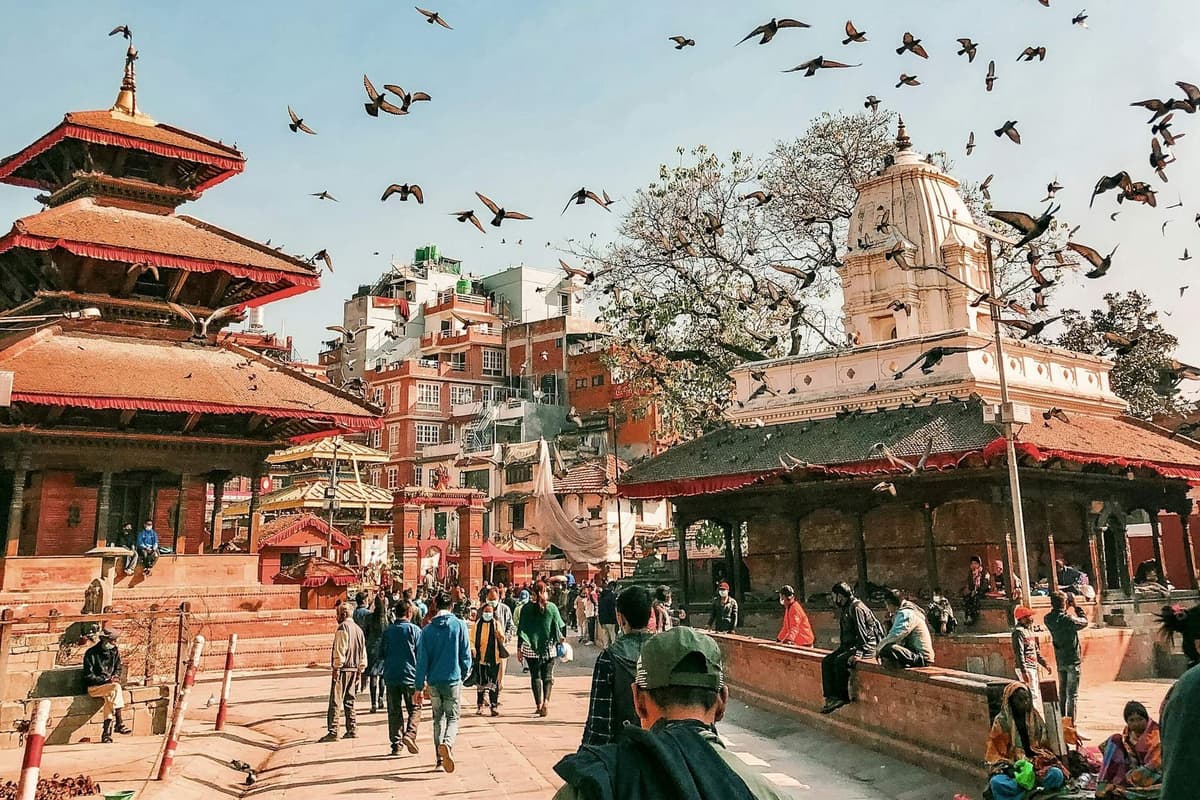
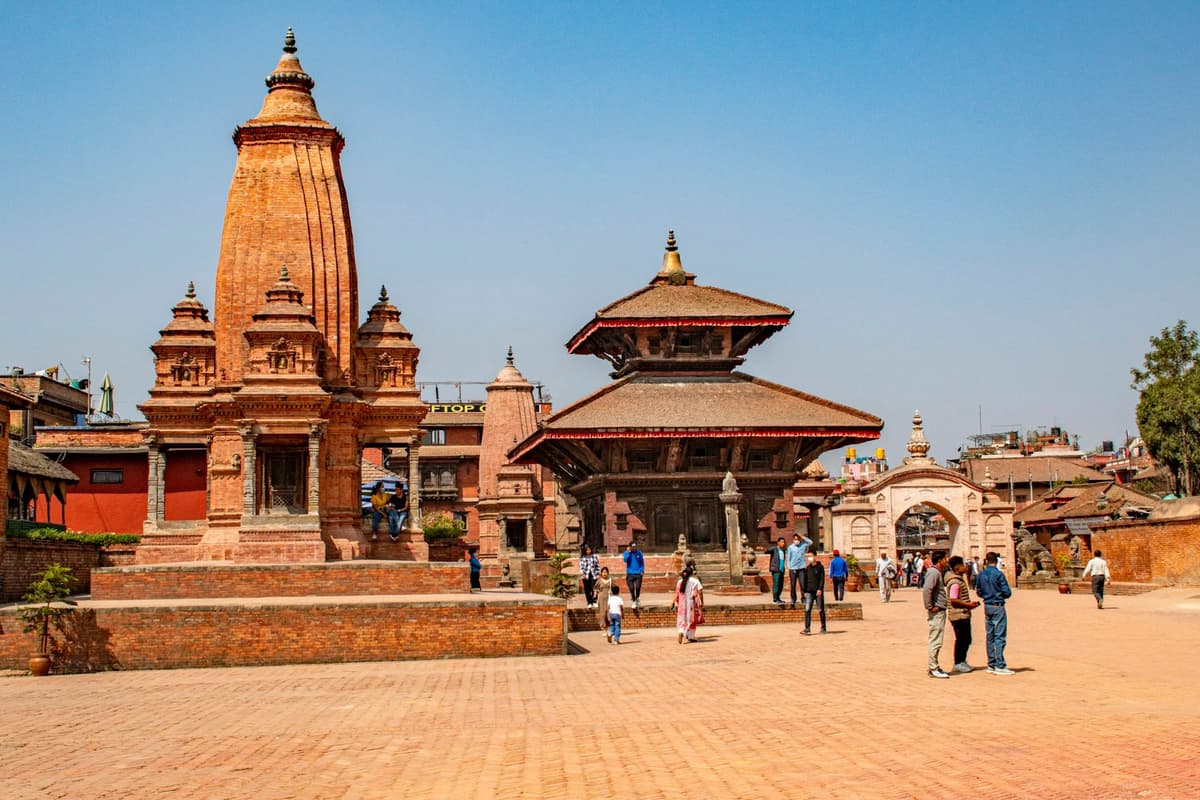
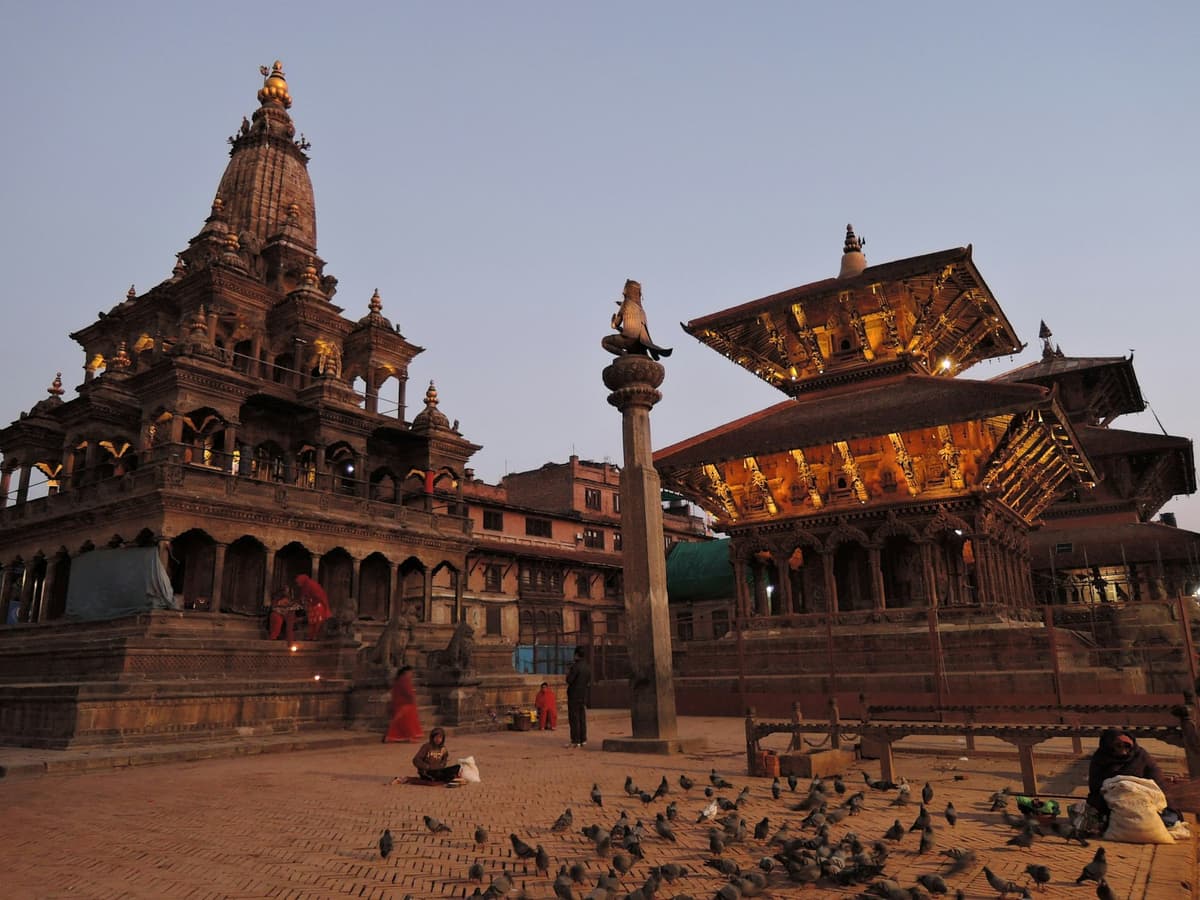
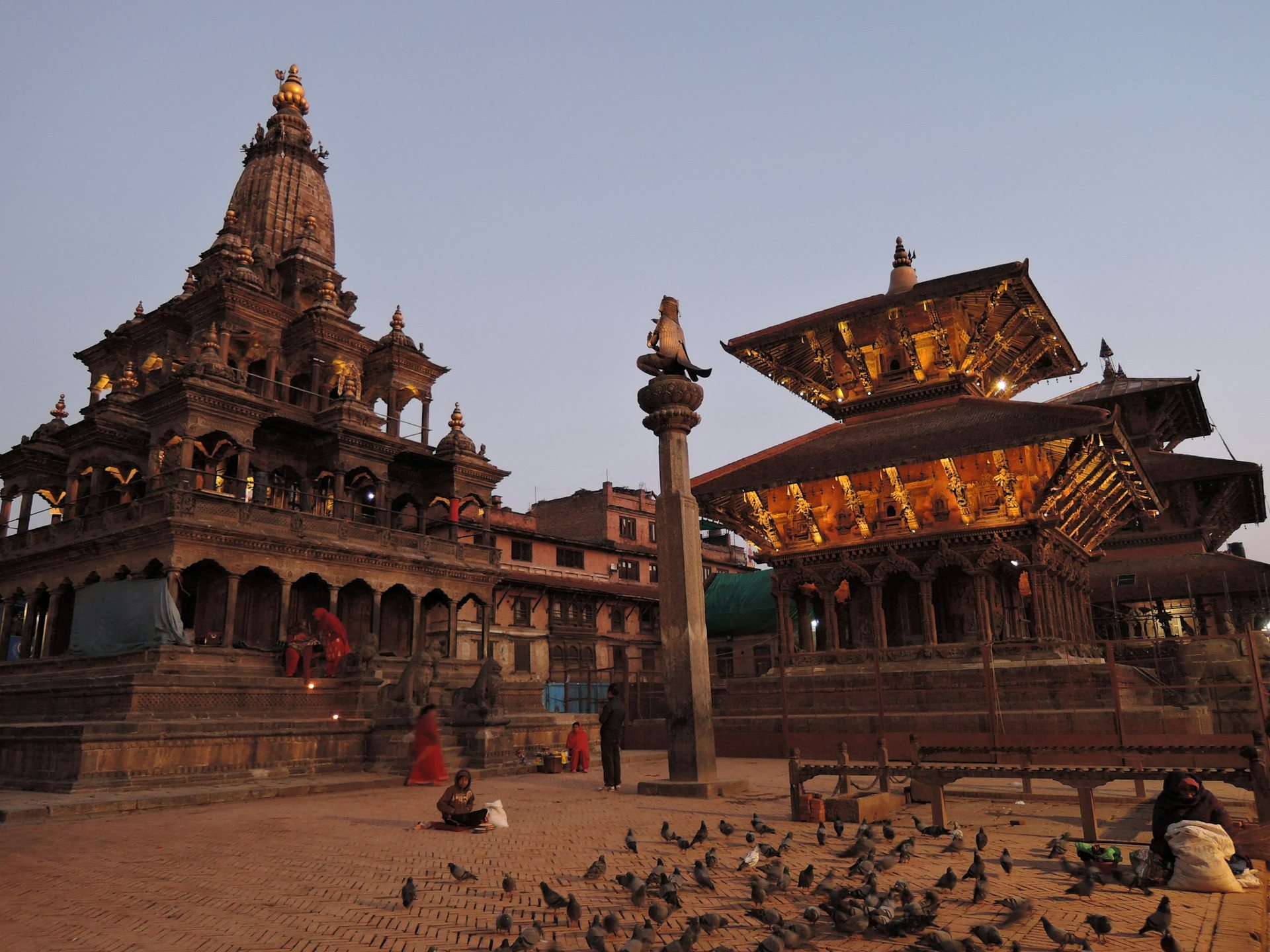
Early in the morning, before the ticket booths get busy, Patan Durbar Square belongs to the people who live around it. Someone stops at a shrine on the way to work, pigeons settle on the temple plinths, and the low sun picks out the carved windows of the old palace and the stone spires of the Krishna Mandir opposite.
Patan Durbar Square is the old royal palace square of Patan, also called Lalitpur, 5 km south-east of Kathmandu, and one of seven monument zones in UNESCO's Kathmandu Valley World Heritage property. Foreign visitors pay NPR 1,000, a ticket that includes the Patan Museum, and SAARC nationals NPR 500. Allow half a day with the museum.
Our guide to places to visit in Kathmandu sets Patan beside the rest of the valley's sights. This guide goes deeper: the history of Patan Durbar Square, the ticket, a monument-by-monument walk, the palace courtyards and the Patan Museum, what fell in 2015 and what has been rebuilt, the temples a short walk away, festivals and how to visit respectfully.
Key facts
- What it is
- The royal palace square of Patan (Lalitpur), one of seven monument zones of the Kathmandu Valley World Heritage property (UNESCO World Heritage Centre, 30 Oct 2026)
- Inscribed on the World Heritage List
- 1979, under criteria (iii), (iv) and (vi); boundary modification accepted in 2006 (UNESCO World Heritage Centre, 30 Oct 2026)
- Location
- Patan lies 5 km south-east of Kathmandu (Nepal Tourism Board (NTB), 30 Oct 2026)
- Entry fee, foreign nationals
- NPR 1,000, including the Patan Museum (NTB heritage-site entry fees, 30 Oct 2026)
- Entry fee, SAARC and Chinese nationals
- NPR 500 (check at the gate) (NTB heritage-site entry fees, 30 Oct 2026)
- Opening hours
- Not published by the Patan Museum's own website; check on the day (Patan Museum website, 30 Oct 2026)
- Krishna Mandir
- Built in 1637 according to NTB (some sources give 1667); 21 gilded spires (NTB, 30 Oct 2026)
- 2015 earthquake
- 25 April 2015, magnitude 7.8 (US Geological Survey, 28 Oct 2026)
- Rebuilding, valley World Heritage zones
- By May 2025, 134 of 174 damaged structures rebuilt, 16 under way, 24 not yet started (The Rising Nepal, quoting the Department of Archaeology, 9 Oct 2026)
In this guide
- What is Patan Durbar Square?
- What is the history of Patan Durbar Square?
- How much is the Patan Durbar Square entry fee?
- What will you see on a walk round the square?
- What is inside the palace and the Patan Museum?
- What happened in the 2015 earthquake, and what has been rebuilt?
- What else is there to see in Patan?
- How do you get to Patan Durbar Square, and how long do you need?
- Which festivals take place in Patan?
- How do you visit respectfully?
- Frequently asked questions
What is Patan Durbar Square?
Patan Durbar Square is the open square in front of the old royal palace of Patan, lined on one side by the palace courtyards and on the other by temples built mostly under the Malla kings. It is one of three Durbar Squares in the Kathmandu Valley World Heritage property, alongside Kathmandu (Hanuman Dhoka) and Bhaktapur.
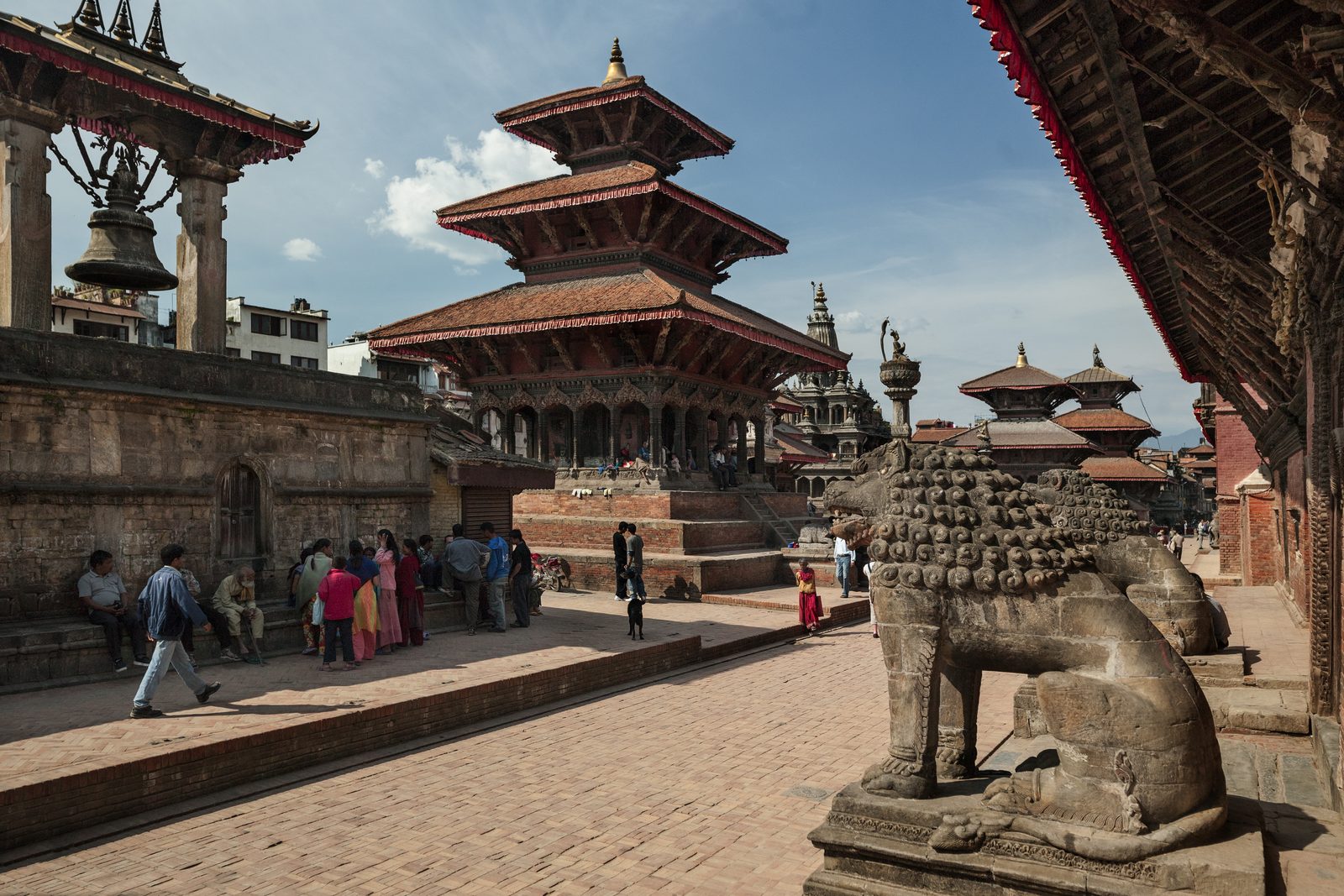
"Durbar" means a royal palace or court, so a Durbar Square is the square in front of the old palace. Kathmandu, Patan and Bhaktapur were, in the Nepal Tourism Board's words, "once independent states ruled by the Malla kings from the 12th to the 18th centuries", which is why the valley has three palace squares within a short drive of each other. In our view Patan's is the easiest of the three to take in: the palace runs down one side, the temples face it across the paving, and you can see most of it from a single temple plinth.
Patan or Lalitpur: one city, two names
Patan and Lalitpur are the same city. Lalitpur is the official name, and the city government is Lalitpur Metropolitan City; Patan is the name most visitors, guidebooks and taxi drivers use. So when you see "Patan Durbar Square Lalitpur" on a map or a ticket, it is one place. Patan is known as the city of artisans, and NTB says its craftsmen still keep "ancient techniques as the repoussé and lost wax process", the methods behind the gilded metalwork you will see on the temples and in the museum.
Why UNESCO lists it
UNESCO inscribed the Kathmandu Valley on the World Heritage List in 1979, under criteria (iii), (iv) and (vi), and accepted a modification of the property's boundaries in 2006. It is a single property "inscribed as seven Monument Zones": the Durbar Squares of Hanuman Dhoka (Kathmandu), Patan and Bhaktapur, and the religious ensembles of Swayambhu, Bauddhanath, Pashupati and Changu Narayan.
"an exceptional testimony to the traditional civilization of the Kathmandu Valley"
UNESCO World Heritage Centre, Kathmandu Valley, criterion (iii), read 30 October 2026
UNESCO's criterion (vi) adds that the monuments are "tangibly associated with the unique coexistence and amalgamation of Hinduism and Buddhism". Patan shows that blend clearly: a Hindu palace square, with Buddhist monasteries and the Golden Temple a few lanes away.
What is the history of Patan Durbar Square?
The history of Patan Durbar Square is mostly the history of the Malla kings, who ruled the valley from the 12th to the 18th centuries and, in their later centuries, ruled Patan as a kingdom of its own. NTB says the square's architecture "had reached its pinnacle during the reign of the Malla kings". Many of the temples you see date from the 1600s, and several were rebuilt after 2015.
The city is older than the square: the Golden Temple is 12th-century, and NTB links four stupas at the city's corners to Emperor Ashoka, a tradition rather than a proven date. In the 17th century King Siddhi Narasimha Malla built the Vishwanath temple, the Krishna Mandir and the Taleju temple on the palace side.
The table lists only dates we could source. Where sources disagree, we say so.
| When | What happened | Source |
|---|---|---|
| 250 BC (tradition) | Four stupas at the corners of Patan, "supposed to have been built by Emperor Ashoka" | NTB |
| 12th century | Golden Temple (Hiranya Varna Mahavihar) built | NTB |
| 12th to 18th centuries | Malla kings rule the valley; NTB calls Kathmandu, Patan and Bhaktapur "once independent states" under them | NTB |
| 14th century (NTB) or 1585 (other references) | Mahabouddha, the terracotta Buddhist temple, built | NTB; Wikipedia |
| 1392 | Kumbheshwar, Patan's five-storeyed Shiva temple, built | NTB |
| 16th century | Char Narayan temple built | World Monuments Fund |
| 1627 (by most accounts) | Vishwanath temple built under Siddhi Narasimha Malla | Wikipedia |
| 1637 | Krishna Mandir built by Siddhi Narasimha Malla (some sources give 1667) | NTB; OnlineKhabar |
| 1640 and 1667 | Taleju temple built by Siddhi Narasimha Malla, then rebuilt by Srinivasa Malla after a fire | Wikipedia |
| 1979 | Kathmandu Valley inscribed on the World Heritage List | UNESCO |
| 1982 | Repair of Keshav Narayan Chowk begins, the start of the Patan Museum project | Patan Museum |
| 2006 | UNESCO accepts a modification of the property's boundaries | UNESCO |
| 25 April 2015 | Magnitude 7.8 earthquake; Char Narayan and Hari Shankar collapse | USGS; World Monuments Fund; Nepali Times |
| 2016 and 2017 | Yoganarendra Malla's pillar re-erected, then the king's statue restored | Nepali Times |
| 2017 to 2019 | Hari Shankar rebuilt storey by storey | Nepali Times |
| 2018 | Krishna Mandir reopens to pilgrims on Krishna Janmashtami | OnlineKhabar |
| January 2020 | Ceremony marks the completion of Char Narayan | World Monuments Fund |
How much is the Patan Durbar Square entry fee?
The Patan Durbar Square entry fee is NPR 1,000 for foreign nationals, and the ticket includes the Patan Museum, according to the Nepal Tourism Board. SAARC nationals and Chinese nationals pay NPR 500. Nepali citizens pay only for the museum. Fees can change, so check at the gate before you pay.
| Visitor | Entry fee | Notes |
|---|---|---|
| Foreign nationals | NPR 1,000 | Includes the Patan Museum |
| SAARC nationals | NPR 500 | Check at the gate |
| Chinese nationals | NPR 500 | Kathmandu Durbar Square charges Chinese nationals NPR 1,000; confirm at the counter |
| Nepali citizens | Patan Museum only: NPR 30, students NPR 10 to 15 | NTB: fees for Nepalis apply only to the museum |
| Children | Ask at the booth | We found no published child rate for Patan |
Source: NTB heritage-site entry fees, checked 30 October 2026.
SAARC nationals are citizens of Afghanistan, Bangladesh, Bhutan, India, Maldives, Nepal, Pakistan and Sri Lanka. Some travel guides print a lower SAARC rate, older lists show a higher Chinese rate, and NTB prints "(BIMSTEC)" beside the SAARC rate without explaining it, so if any of this applies to you, check the board at the booth before you pay.
How to buy and use your ticket
- Buy at a booth at the entry points. Online travel guides mention one at the south end of the square and one at a northern entrance.
- Carry rupees in cash. We found no official note on card payment.
- Keep the ticket. It is also your museum ticket.
- Coming back another day? Travel guides report the ticket can be endorsed for a longer stay if you show your passport and visa. We could not confirm this officially, so ask at the booth.
Opening hours
The square is an open public space, and we found no official opening hours for it. The Patan Museum's own website publishes no opening hours, closed days or prices: its "Entrance Fee" page said only "coming soon" when we checked. Other websites give museum hours that do not agree, so we do not print them. If the museum matters to you, go in the morning.
What will you see on a walk round the square?
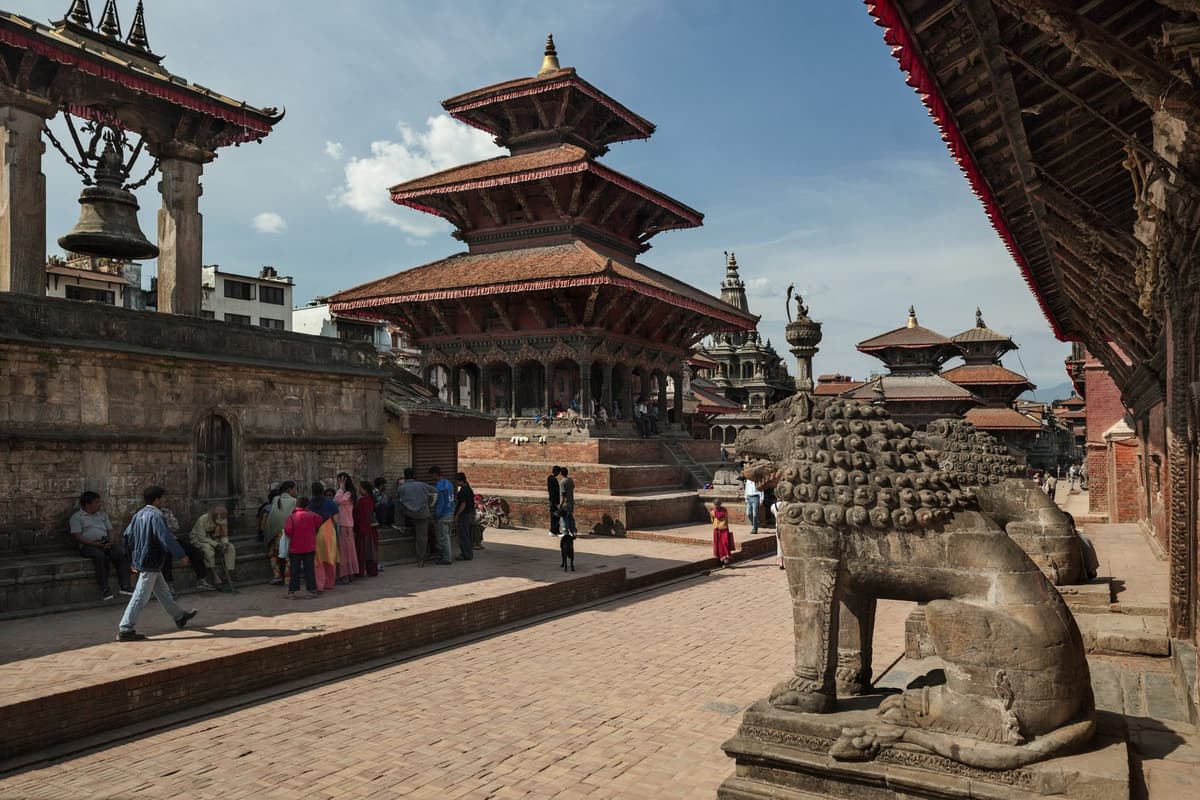
On a walk round Patan Durbar Square you will see the stone Krishna Mandir, the Vishwanath and Bhimsen temples, the rebuilt Char Narayan and Hari Shankar temples, King Yoganarendra Malla on his pillar, and the palace with its courtyards. The palace runs along the east side and the temples stand in a line facing it; this walk follows them roughly from south to north.
Hari Shankar
Hari Shankar is a temple to a combined form of Vishnu (Hari) and Shiva (Shankar). Nepali Times reported in 2022 that it "collapsed almost completely in 2015". KVPT rebuilt it storey by storey: the first storey was test-assembled in 2017, and the third was completed in 2019.
Char Narayan
Char Narayan is a temple to Vishnu that the World Monuments Fund describes as 16th-century. It "collapsed completely in the 2015 earthquake", in the WMF's words. The fund worked with the Kathmandu Valley Preservation Trust (KVPT), a conservation organisation that was already working on Patan's monuments before 2015, to rebuild it, and a ceremony in January 2020 marked its completion. What you see today is a reconstruction.
King Yoganarendra Malla's pillar
In front of the palace, a statue of King Yoganarendra Malla sits on top of a tall stone pillar. The statue fell in 2015. According to Nepali Times, the pillar was re-erected in 2016, and the king and his wives were back in place in 2017.
Krishna Mandir
The Krishna Mandir is the stone temple most people photograph first. NTB describes its "21 gilded spires" and calls it "the first specimen of Shikhara-style architecture in Nepal". Shikhara is a tall, tapering stone tower of the north Indian kind, very different from the tiered pagoda roofs around it.
NTB dates the Krishna Mandir to 1637, and OnlineKhabar reported in 2018 that it was "built in 1637 by Siddhi Narsing Malla" (Siddhi Narasimha Malla). Some references, including Wikipedia citing a 2019 Nepali Times piece, give 1667. We follow NTB.
The temple survived the 2015 earthquake, though it was damaged. KVPT conserved it with local artisans afterwards. OnlineKhabar reported that the work took about 18 months, cost Rs 5.7 million and was funded by the Gerda Henkel Foundation and the Japanese Embassy; Nepali Times later wrote that the conservation took three years. Both agree it finished in 2018.
"welcomed pilgrims for the first time in three years"
OnlineKhabar, 2 September 2018, on the Krishna Mandir's reopening at Krishna Janmashtami
Vishwanath
The Vishwanath (or Vishveshwara) temple is a Shiva temple near the north end of the line. By most accounts it was built in 1627 under Siddhi Narasimha Malla. Its brick walls collapsed in 2015, but its timber frame helped save it, Nepali Times reported.
Bhimsen
The Bhimsen temple stands at the north end of the square. Bhimsen is worshipped by Newar traders as a god of trade and business. Its rebuilding after 2015 ended with a reopening consecrated by the Prime Minister, Nepali Times reported. We found no reliably sourced build date, so we leave it out.
What is inside the palace and the Patan Museum?
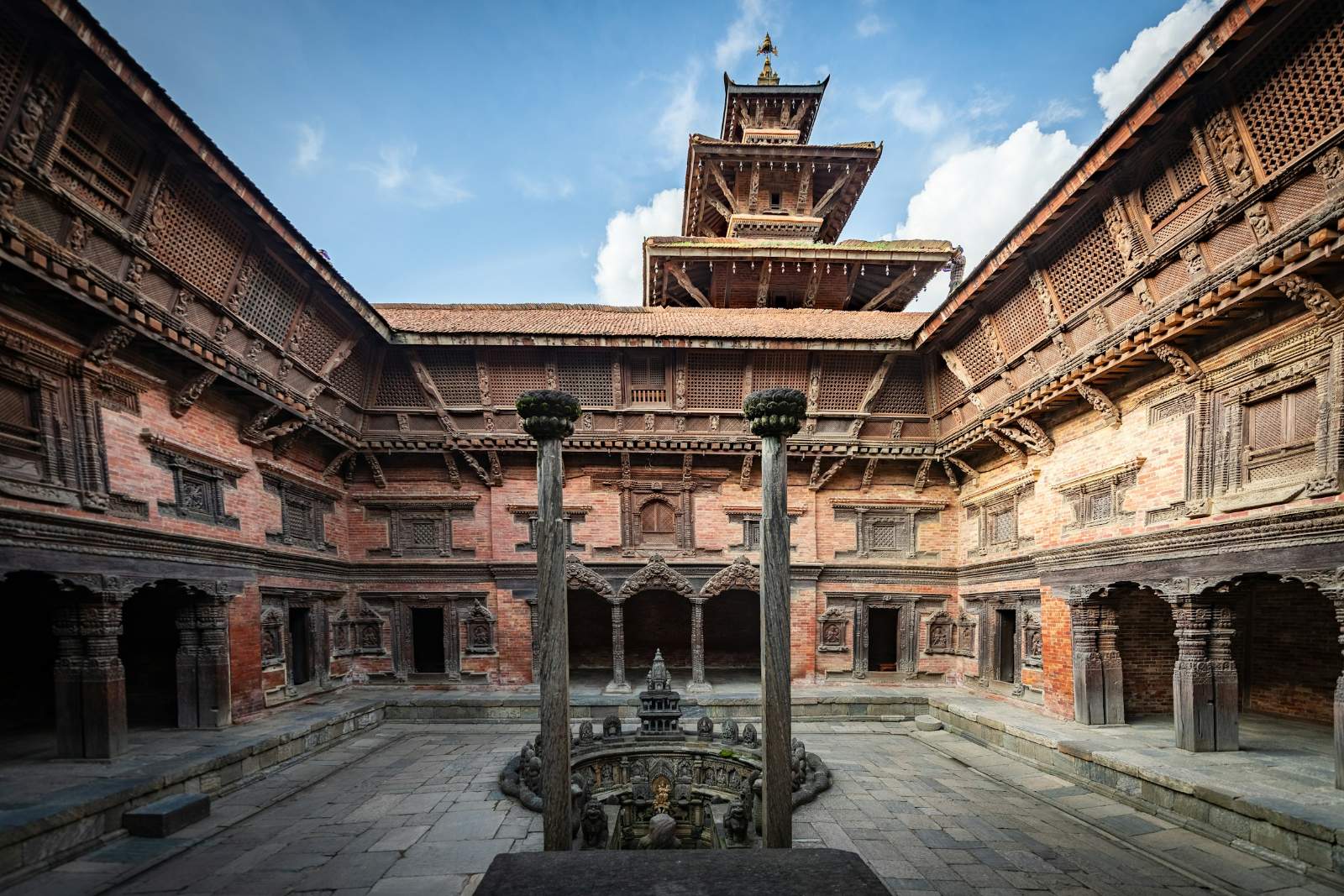
The palace on the east side of the square is built around courtyards called chowks. The three main ones, from south to north, are Sundari Chowk with its sunken royal bath, Mul Chowk at the centre, and Keshav Narayan Chowk, which now holds the Patan Museum. Your foreign ticket includes the museum. Parts of the palace are working shrines and access changes, so ask at the museum door which courtyards are open.
Sundari Chowk and Tusha Hiti
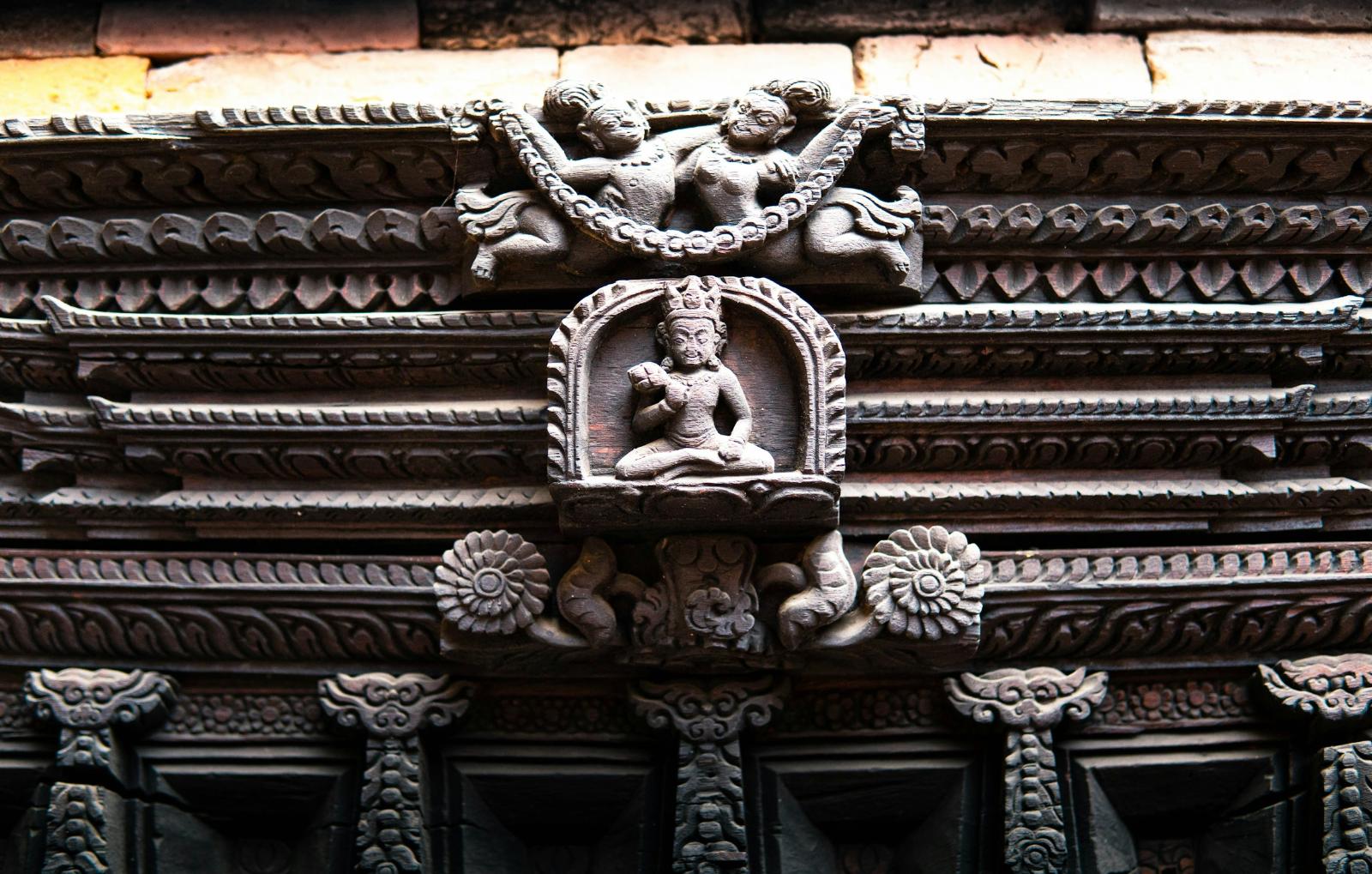
NTB says Sundari Chowk "is a showcase of exquisite woodcarvings, and stone and metal sculptures". At its centre is Tusha Hiti, the sunken royal bath. A hiti is a stone water spout or tank.
Mul Chowk and the Taleju temple
Mul Chowk is the central and largest of the palace's three main courtyards. The Taleju temples, built for the royal family's guardian goddess, rise above it. According to Wikipedia, the Taleju temple was built in 1640 by Siddhi Narasimha Malla and rebuilt in 1667 by Srinivasa Malla after a fire. The shrines inside are for worship, so look from the courtyard and do not cross into a closed area.
Keshav Narayan Chowk and the Patan Museum
The Patan Museum fills Keshav Narayan Chowk, the courtyard of the northernmost palace building, historically known as Chaukot Durbar. It is named after the temple at its centre, to Keshav Narayan, a form of Vishnu. NTB says the courtyard "has been converted into a bronze artifact museum".
The museum began with the building. Its project started in 1982 with the repair of Keshav Narayan Chowk, a collaboration between the Austrian government and its Nepali counterparts, under UNESCO's international campaign to safeguard the valley's monuments. The museum describes itself this way:
"This is the first public museum in Nepal that has been created as an autonomous institution"
Patan Museum, read 30 October 2026
Nepali Times described the collection in 2015 as a "priceless collection of Hindu, Buddhist and Tantric artefacts". For a first-time visitor, the Patan Durbar Square museum is the best place to learn to read the square: the bronzes and metalwork show the same gods, symbols and repoussé and lost-wax techniques you have just seen on the temples outside.
We found no official rule on photography inside the museum, so ask at the door before you take a camera out.
Takeaway: with an hour, stay in the square. With longer, give the museum real time, because it is where the square starts to make sense.
What happened in the 2015 earthquake, and what has been rebuilt?
The earthquake of 25 April 2015, magnitude 7.8, hit Patan hard: Char Narayan and Hari Shankar collapsed, Yoganarendra Malla's statue fell, and Vishwanath lost its brick walls. Most of the square has since been rebuilt, much of it by KVPT with local craftsmen, though the valley-wide count in May 2025 still showed work unfinished.
In June 2015, UNESCO's head of office in Kathmandu put the scale plainly:
"Half of the temples in Patan Durbar Square have collapsed."
Christian Manhart, Director of the UNESCO Office in Kathmandu, June 2015
Patan was better prepared than many places. Nepali Times reported that KVPT had strengthened the Patan Darbar monuments during earlier renovation, before 2015, and the Krishna Mandir stayed standing.
| Monument | What happened in 2015 | Rebuilding reported | Source |
|---|---|---|---|
| Char Narayan | "Collapsed completely" | Completion marked in January 2020; WMF with KVPT | World Monuments Fund |
| Hari Shankar | "Collapsed almost completely" | First storey test-assembled 2017, third completed 2019; KVPT | Nepali Times, 24 Sep 2022 |
| Yoganarendra Malla's pillar | Statue fell | Pillar re-erected 2016; king and wives back in 2017 | Nepali Times, 24 Sep 2022 |
| Vishwanath | Brick walls collapsed; timber frame helped save it | Ask locally; no date reported | Nepali Times, 24 Sep 2022 |
| Krishna Mandir | Damaged, did not collapse | Conserved by KVPT; reopened 2018 | OnlineKhabar, 2 Sep 2018 |
| Bhimsen | Needed strengthening on all four sides | Reopening consecrated by the Prime Minister | Nepali Times, 24 Sep 2022 |
Across all the World Heritage zones of Kathmandu, Lalitpur and Bhaktapur, the Department of Archaeology counted 174 damaged structures by May 2025: 134 rebuilt, 16 under way and 24 not yet started, The Rising Nepal reported. That count covers the whole valley property, not Patan alone, and we found no newer official figure for the square itself, so we do not call it fully restored.
So some buildings are new reconstructions, and you may still meet a fence or scaffolding. Respect any barrier.
What else is there to see in Patan?
The best places to visit in Patan beyond the square are the Golden Temple, about a five-minute walk from the north end of the square, the five-storeyed Kumbheshwar temple, and Mahabouddha, the terracotta Buddhist temple to the east. Add the metalworking lanes and you have a full half day of things to do in Patan on foot.
Golden Temple (Hiranya Varna Mahavihar)
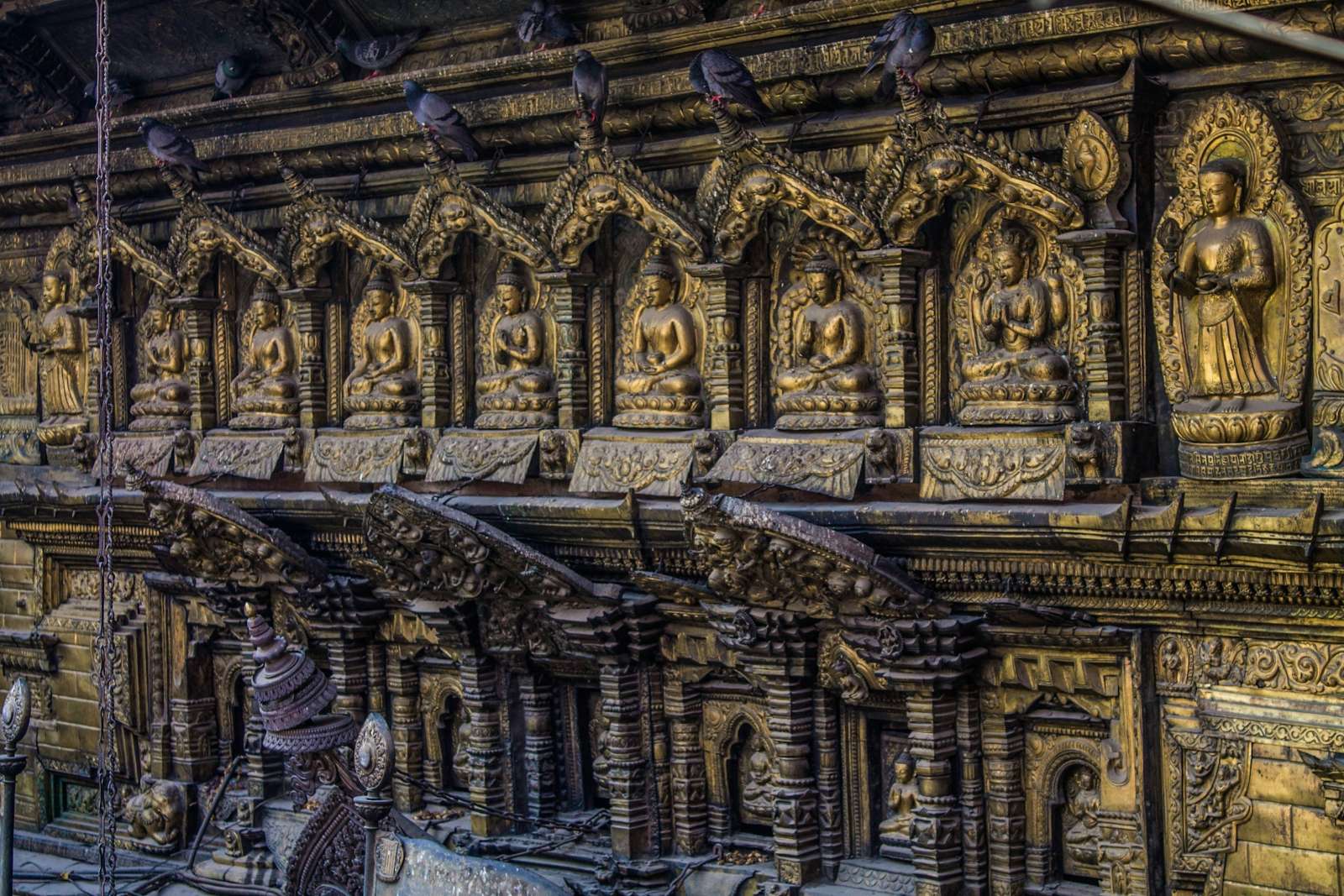
The Golden Temple, also called Hiranya Varna Mahavihar or Kwa Bahal, is a three-storeyed 12th-century Buddhist shrine. NTB puts it a five-minute walk west and north from the northern end of the square. A vihar or bahal is a Buddhist monastery courtyard. A small separate fee may apply, so carry small notes, and follow the caretakers at the door about shoes and leather.
Kumbheshwar
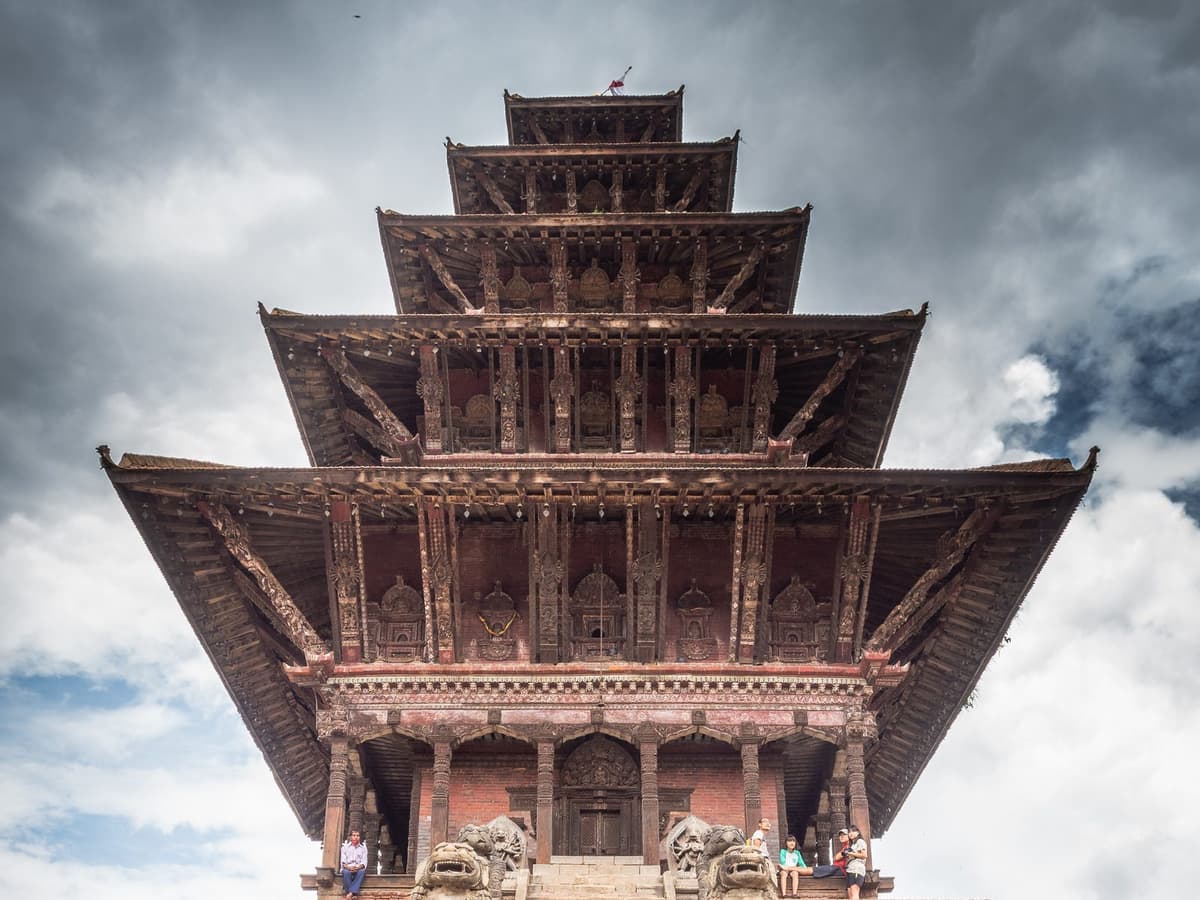
Kumbheshwar is a Shiva temple built in 1392, in the lanes north of the square. NTB calls it "the only five-storied pagoda in Patan", and mentions a ritual bath there on Janai Purnima in August, the festival when Hindu men change the sacred thread they wear.
Mahabouddha
Mahabouddha, east of the square, is in NTB's words "an exceptional Buddhist monument of exquisite terra cotta art form". NTB calls it 14th-century; other references, including Wikipedia, date it to 1585, so treat the date as uncertain.
The metalworking lanes
Patan's metal craft is still worked by hand in the streets between these sites. Repoussé is metal hammered into relief from behind; lost-wax casting makes a bronze from a wax model. Ask before you photograph anyone at work.
The Ashoka stupas and Bungamati
The four stupas that tradition links to Emperor Ashoka mark the old edges of the city. They are a good reason to walk out of the centre if you have time. Further south, Bungamati is the village where the deity Rato Machhindranath spends six months after the festival described below; see our guide to Kathmandu day trips for Bungamati and its neighbour Khokana.
How do you get to Patan Durbar Square, and how long do you need?
Patan lies 5 km south-east of Kathmandu, NTB says. Most visitors come by taxi or private car from central Kathmandu, or on a guided day tour. The drive time depends on traffic, so ask us for a realistic estimate for your day. By taxi, agree the fare before you get in and ask to be dropped near a ticket booth; a private car with a driver is easier if you are combining Patan with other sites.
How long do you need?
Half a day if you include the Patan Museum, which is the time our guide to places to visit in Kathmandu suggests. With only a short stop, walk the line of temples and look into one courtyard. Add the Golden Temple, Kumbheshwar and Mahabouddha and you will want most of a day.
When is the best time to visit?
Go early or late in the day, when the square is quieter and the light softer on brick and carved wood, and use the middle of the day for the museum. For weather month by month, see our guide to the best time to visit Nepal.
Combining Patan with other sites
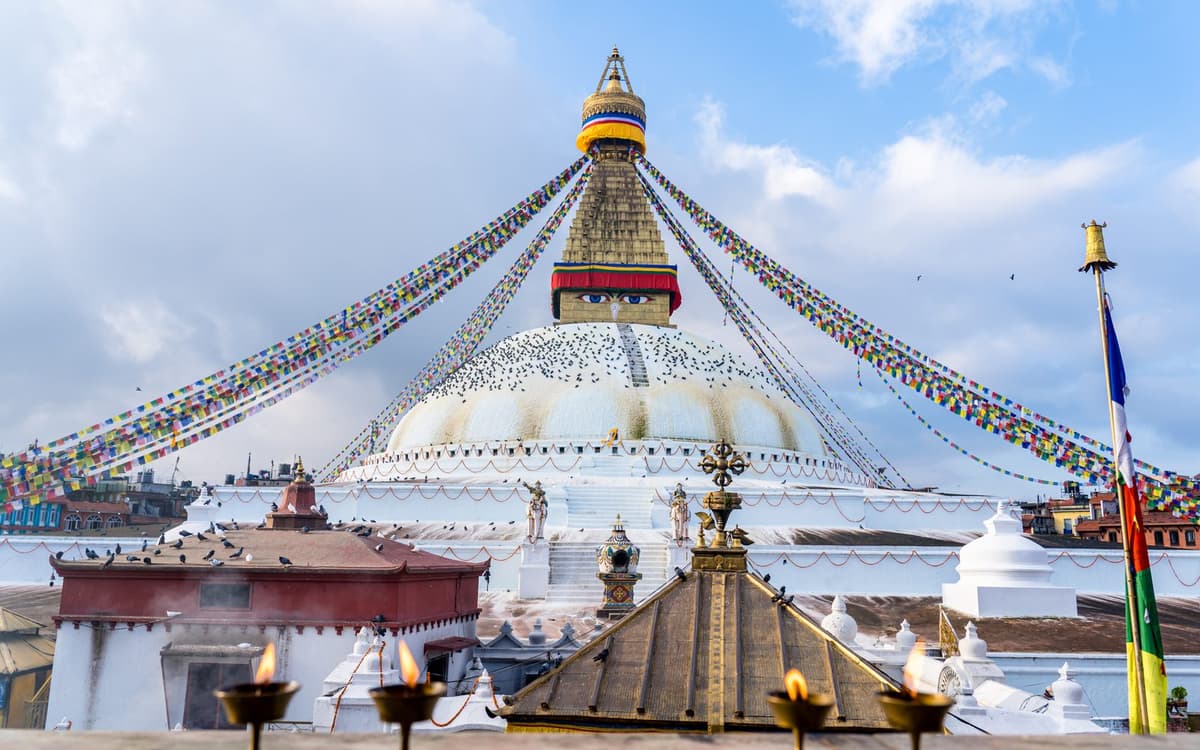
Patan works well with the other monument zones. If you have time for one more royal square, compare it with Kathmandu Durbar Square, home of the Kumari, or go east to Bhaktapur Durbar Square, where the ticket covers the old town around the square. For the wider town, our Bhaktapur city guide covers its squares, pottery and food. Patan also pairs well with Boudhanath Stupa on the same day, as on the first of our trips listed below.
Which festivals take place in Patan?
Patan's biggest festival is Rato Machhindranath Jatra, a chariot festival that usually runs for about a month, ending at Jawalakhel. Krishna Janmashtami fills the Krishna Mandir, and Kumbheshwar holds a ritual bath on Janai Purnima. Dates follow the lunar calendar and change every year, so ask us before you plan around one.
Rato Machhindranath Jatra
Wikipedia's entry calls Rato Machhindranath Jatra "the longest chariot festival celebrated in the country". A jatra is a festival with a procession. The chariot, about 18 m (60 ft) tall, is built at Pulchowk and pulled through Patan over about a month to Jawalakhel. Bhoto Jatra, when the deity's sacred vest (bhoto) is shown to the crowd, follows at Jawalakhel. After the festival the deity spends six months at Bungamati.
In 2026 the chariots stood at Thati Tole from 30 April, and The Rising Nepal reported in May that the procession was set to continue on 17 June, with Bhoto Jatra four days after the chariots reached Jawalakhel. So the festival can run well beyond a month. No dates have been published for 2027, and astrologers set them each year.
Krishna Janmashtami
Krishna's birthday is the Krishna Mandir's big day, and the restored temple reopened on it in 2018. It falls in August or September. Ask us for the date for your year.
Festival days are crowded. Stand well back from a chariot and its ropes, keep to the edges, agree a meeting point and follow what police and organisers ask.
How do you visit respectfully?
Patan Durbar Square is a place of worship as well as a heritage site. Cover your shoulders and knees, take your shoes off and leave leather outside where signs or caretakers ask, walk clockwise around shrines, and ask before photographing people at prayer. A few more habits help:
- Some temples admit only Hindus. If a doorway has a sign or a guard, look from outside.
- Do not touch offerings of flowers, rice, coloured powder or food.
- Ask at the museum door before taking photos inside.
- Give way to worshippers and processions. In festival season the square belongs to the festival first.
- Keep off fenced plinths and any structure under repair.
Frequently asked questions
What is there to see in Patan?
Start with Patan Durbar Square: the stone Krishna Mandir, the Vishwanath, Bhimsen, Char Narayan and Hari Shankar temples, King Yoganarendra Malla's pillar, and the palace courtyards of Sundari Chowk, Mul Chowk and Keshav Narayan Chowk, which holds the Patan Museum. Then walk to the 12th-century Golden Temple, Kumbheshwar, built in 1392, and Mahabouddha's terracotta temple.
How much is the entry fee for Patan Durbar Square, and is the Patan Museum included?
Foreign nationals pay NPR 1,000, and the ticket includes the Patan Museum, according to the Nepal Tourism Board. SAARC and Chinese nationals pay NPR 500, and Nepali citizens pay only for the museum. Buy your ticket at a booth at the entry points, carry rupees in cash, and keep the ticket to show at the museum door. Fees can change, so check at the gate.
What are the Kathmandu Durbar Square entry fee and opening hours, and can I see the Kumari?
At Kathmandu Durbar Square, foreign and Chinese nationals pay NPR 1,000 and SAARC nationals NPR 500, including the palace museum; Nepalis and children under 10 enter free. The open square has no published hours, while the palace museum is listed from 9am to 7pm. NTB says visitors "can get a peek of the living goddess and seek blessings during special hours", with no timetable. Photographing the Kumari is not allowed. Our Kathmandu Durbar Square guide has the details.
Can foreigners enter Budhanilkantha, and what is the sleeping Vishnu?
Yes, foreigners can visit the temple complex, but the enclosure around the pond is normally for Hindus, so non-Hindus see the statue from outside it. The sleeping Vishnu is a stone figure about 5 m long, carved from a single block, lying on the coils of a serpent in a pool. Budhanilkantha is about 9 km north of central Kathmandu. Follow the guards' directions.
Was Patan Durbar Square damaged in the 2015 earthquake?
Yes, badly. In June 2015 Christian Manhart, Director of the UNESCO Office in Kathmandu, said: "Half of the temples in Patan Durbar Square have collapsed." Char Narayan and Hari Shankar fell, and King Yoganarendra Malla's statue came down. Most have since been rebuilt: the Krishna Mandir reopened in 2018, Hari Shankar's third storey was completed in 2019, and Char Narayan's completion was marked in January 2020.
Plan your visit to Patan with us
Patan rewards a slow visit: temples in the morning, the museum at midday, the Golden Temple on the way out. For the rest of the valley, go back to our guide to places to visit in Kathmandu.
If you would like us to arrange it, three of our trips include Patan Durbar Square:
- Patan, Boudhanath and Pashupatinath day tour, which pairs Patan with the great stupa and the Hindu temple complex on the Bagmati.
- Three Durbar Squares tour, which visits the royal squares of Kathmandu, Patan and Bhaktapur.
- Patan, Bhaktapur and Boudhanath tour, a heritage tour that also takes in Bhaktapur and Boudhanath.
Not sure which fits your days? Ask us on WhatsApp or through the enquiry form with your dates and group size, and our Kathmandu team will tell you honestly whether one square is enough or whether all three are worth the day.