
By Uncover Nepal Team · Checked by our Kathmandu travel team · Last checked 28 October 2026
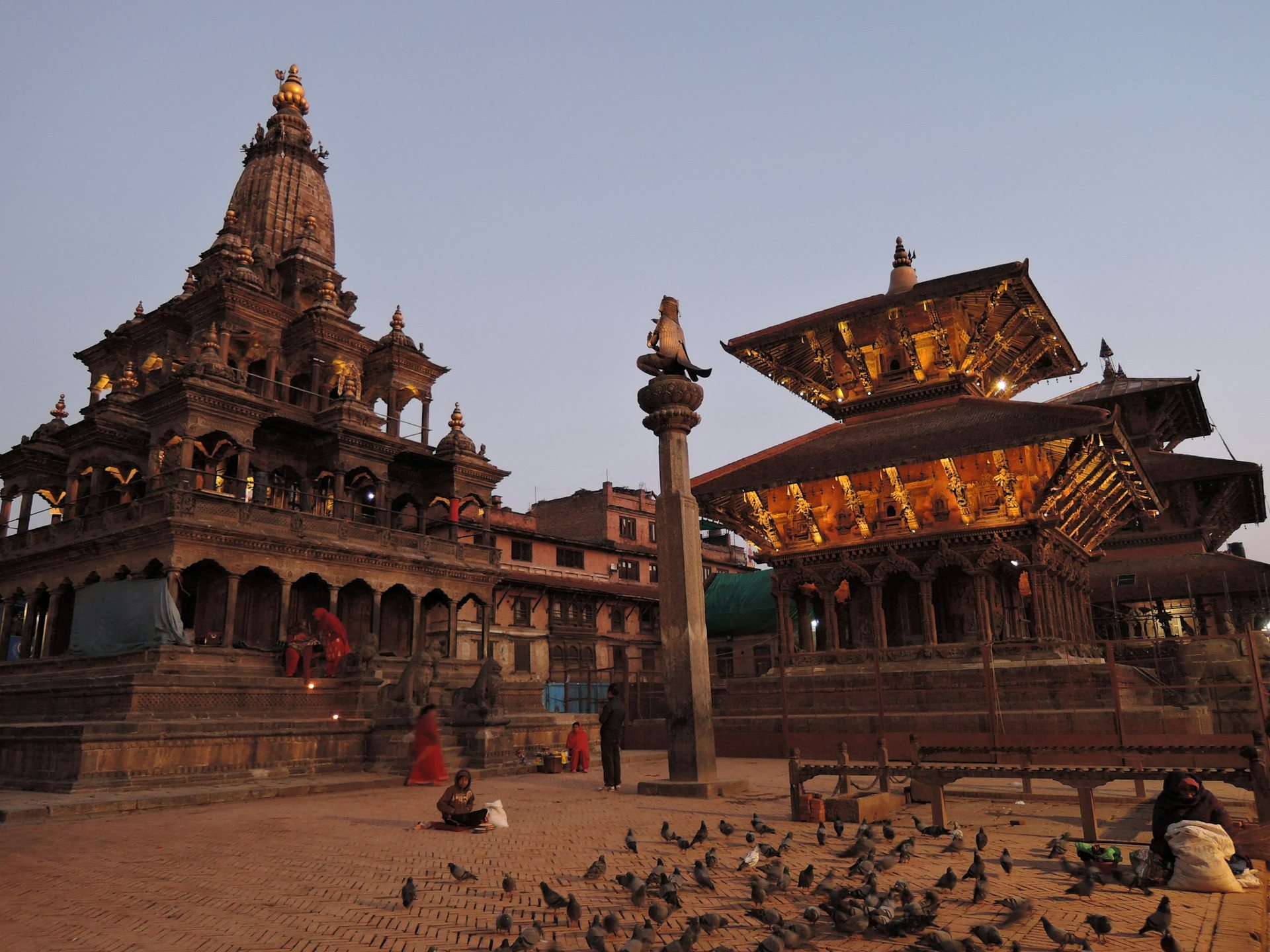
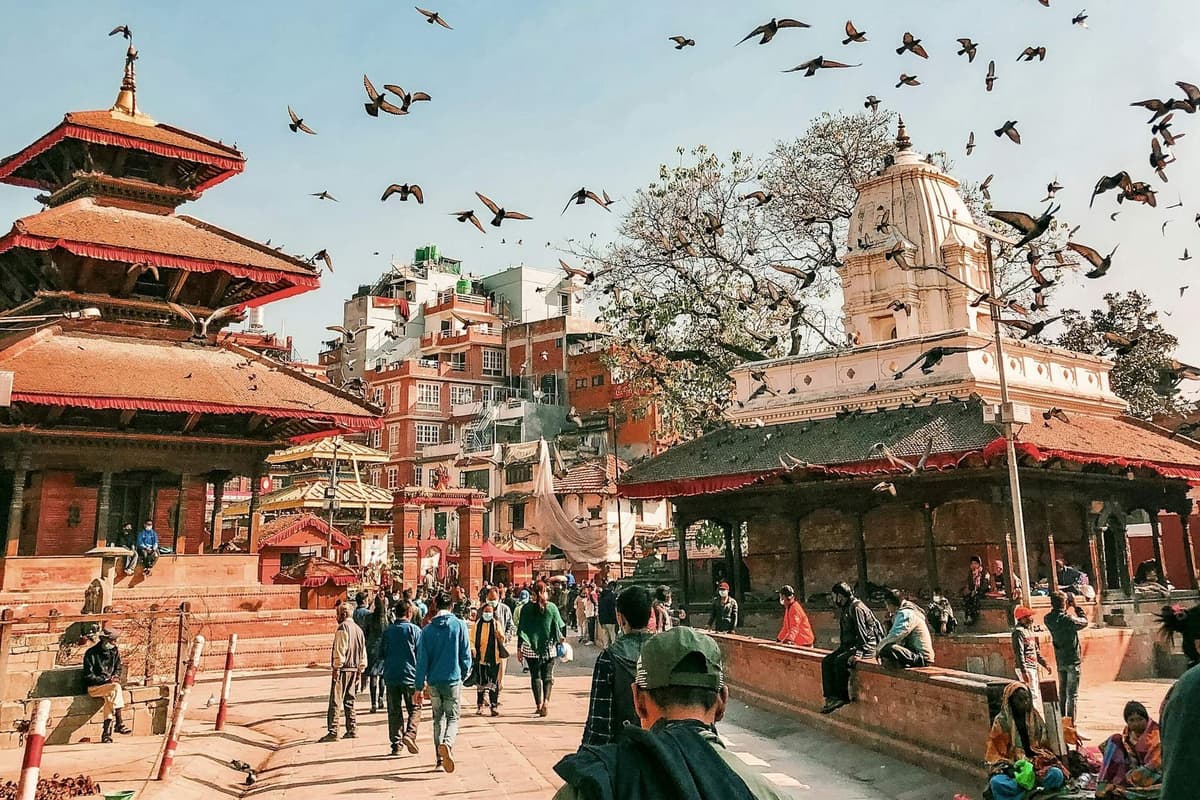
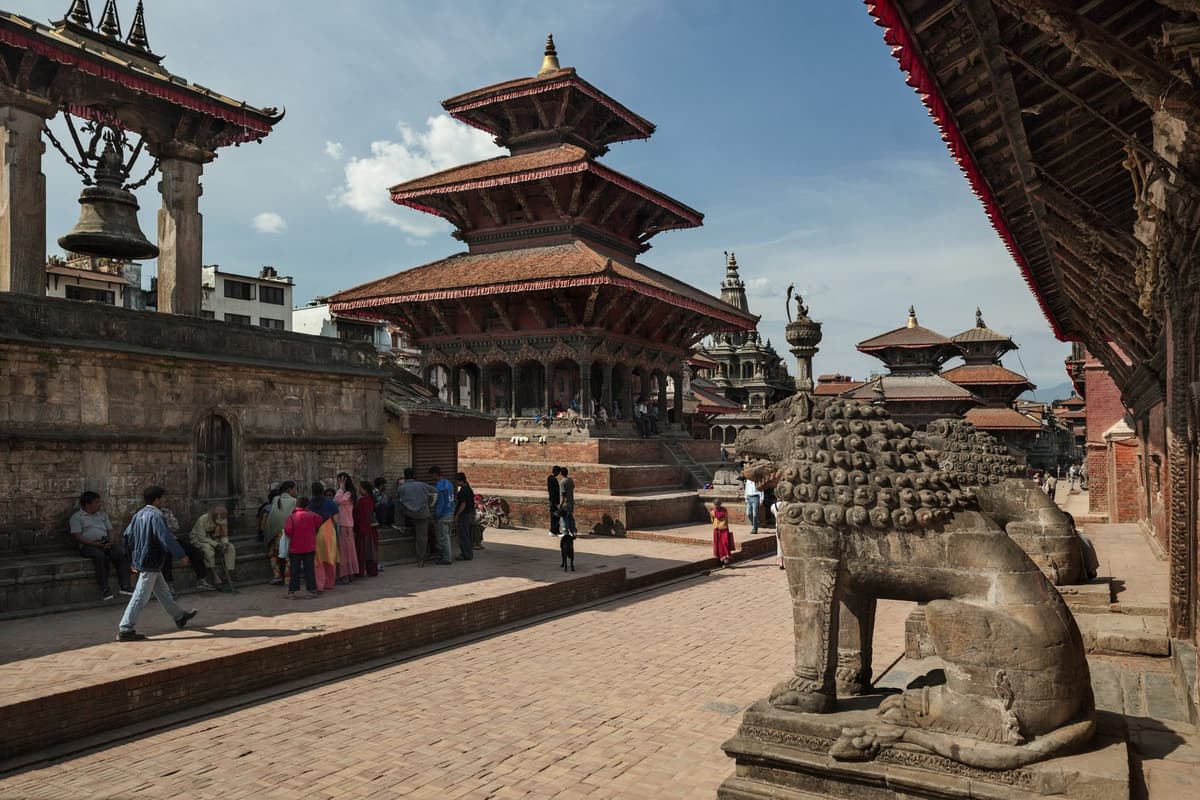
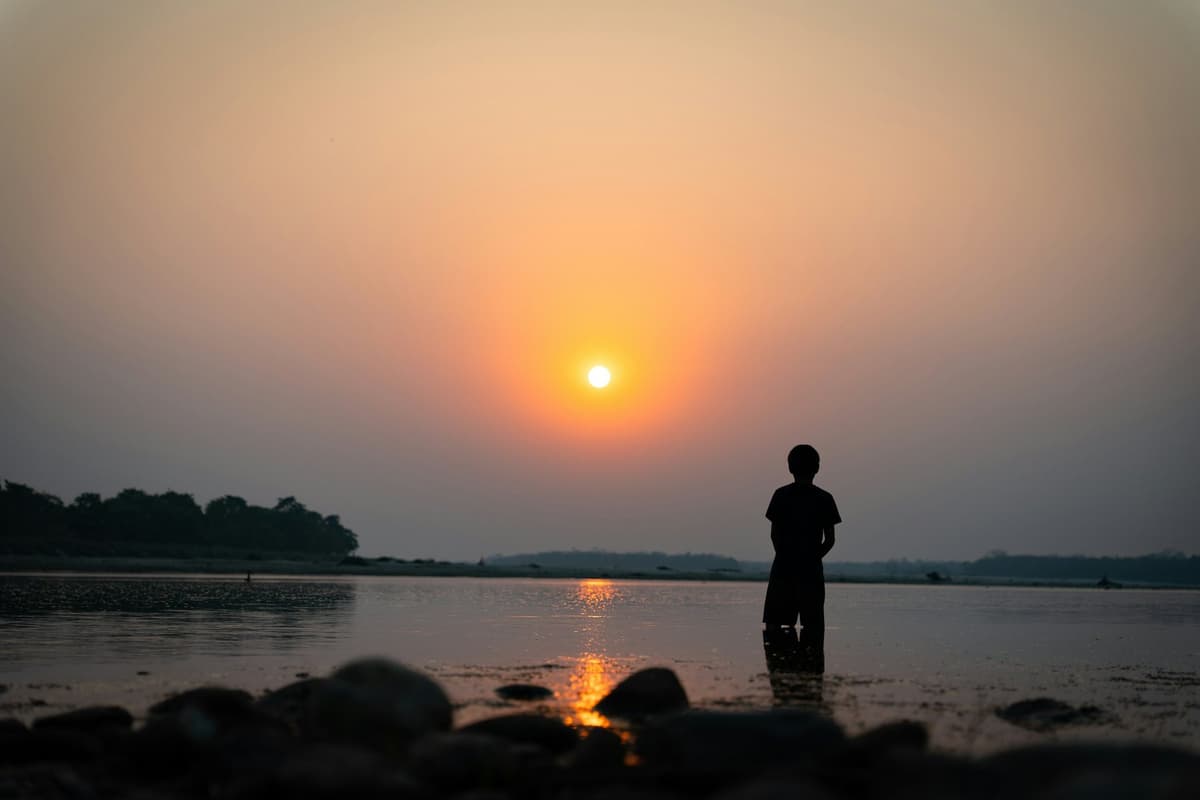
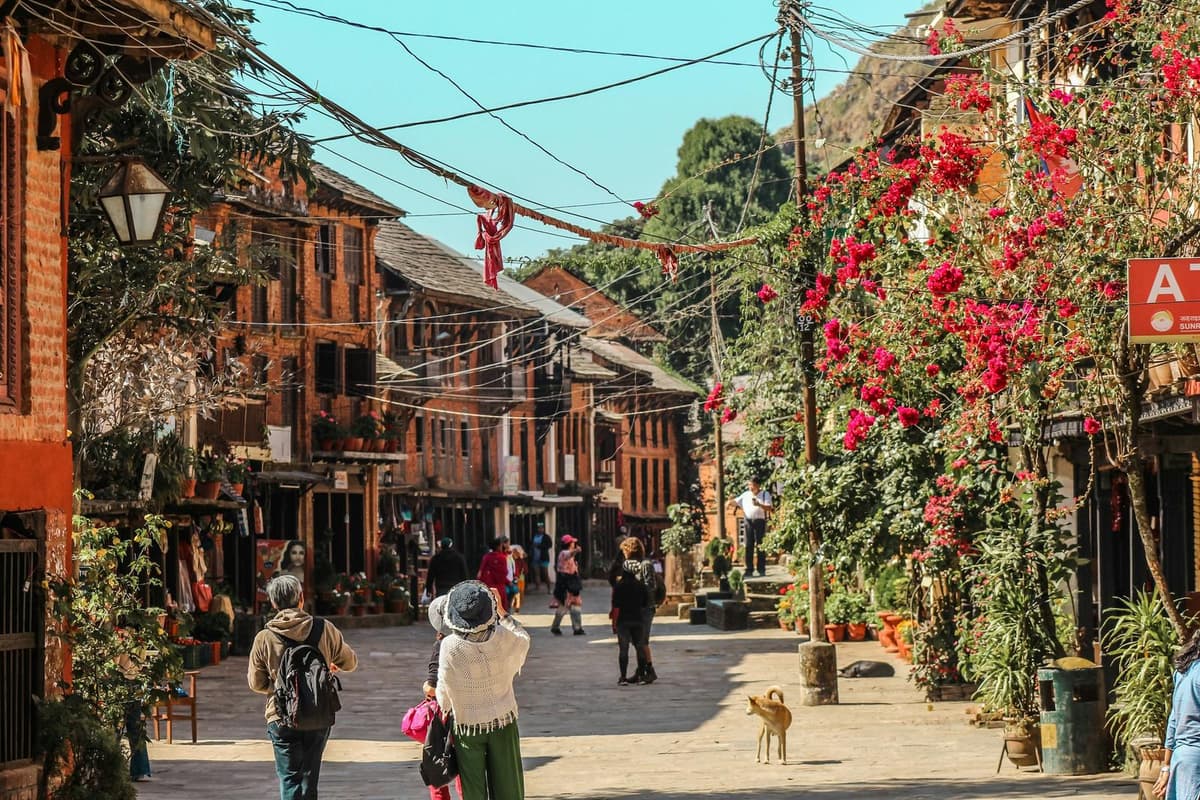
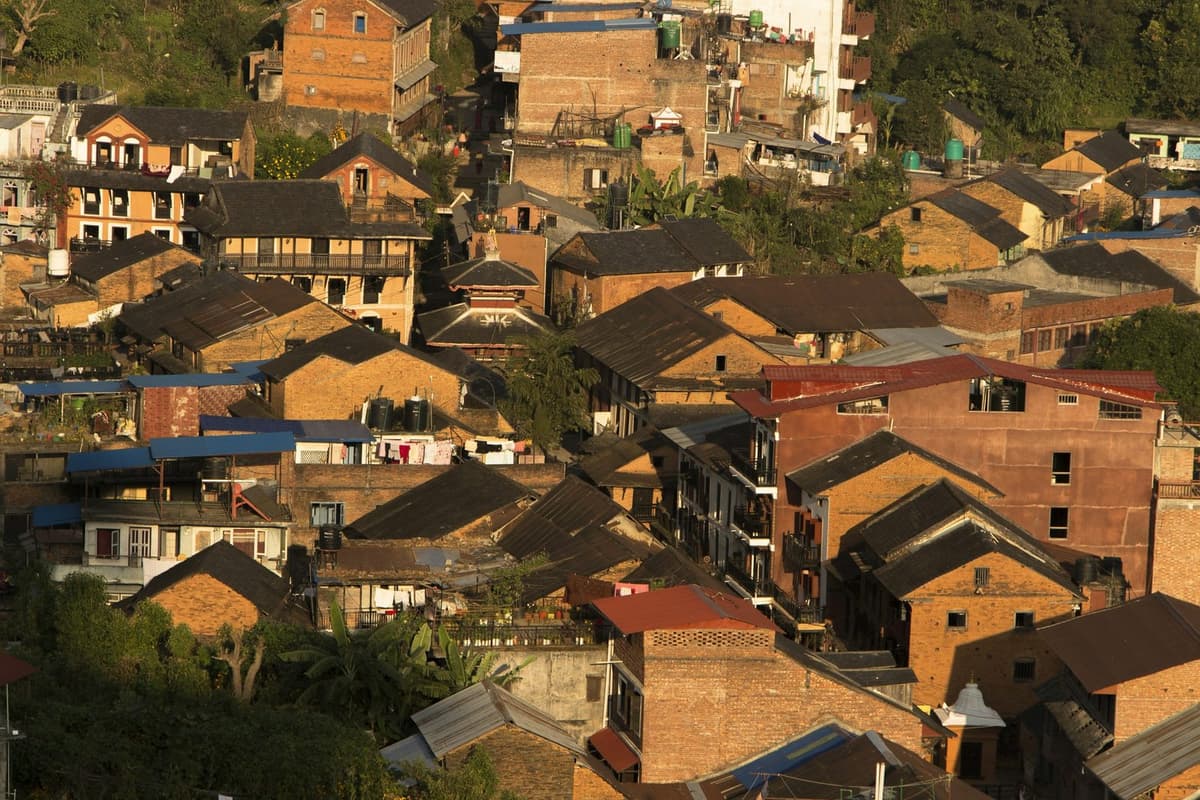
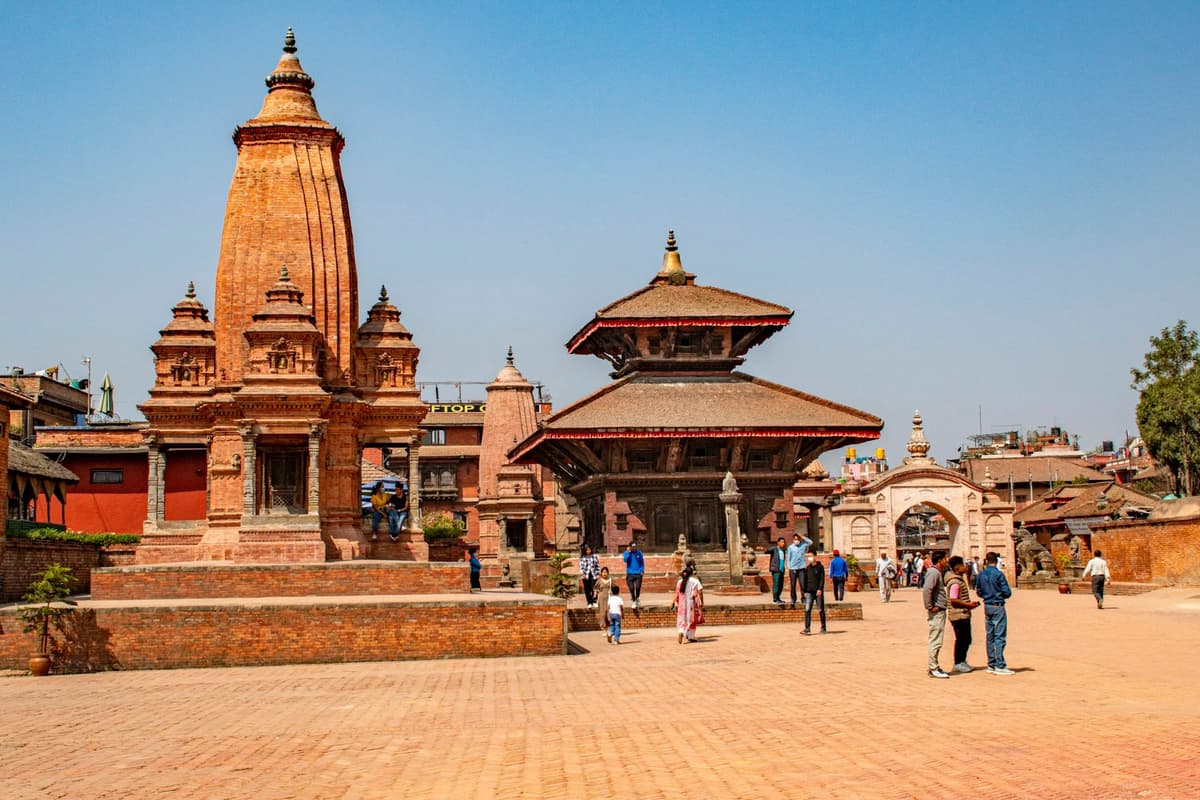
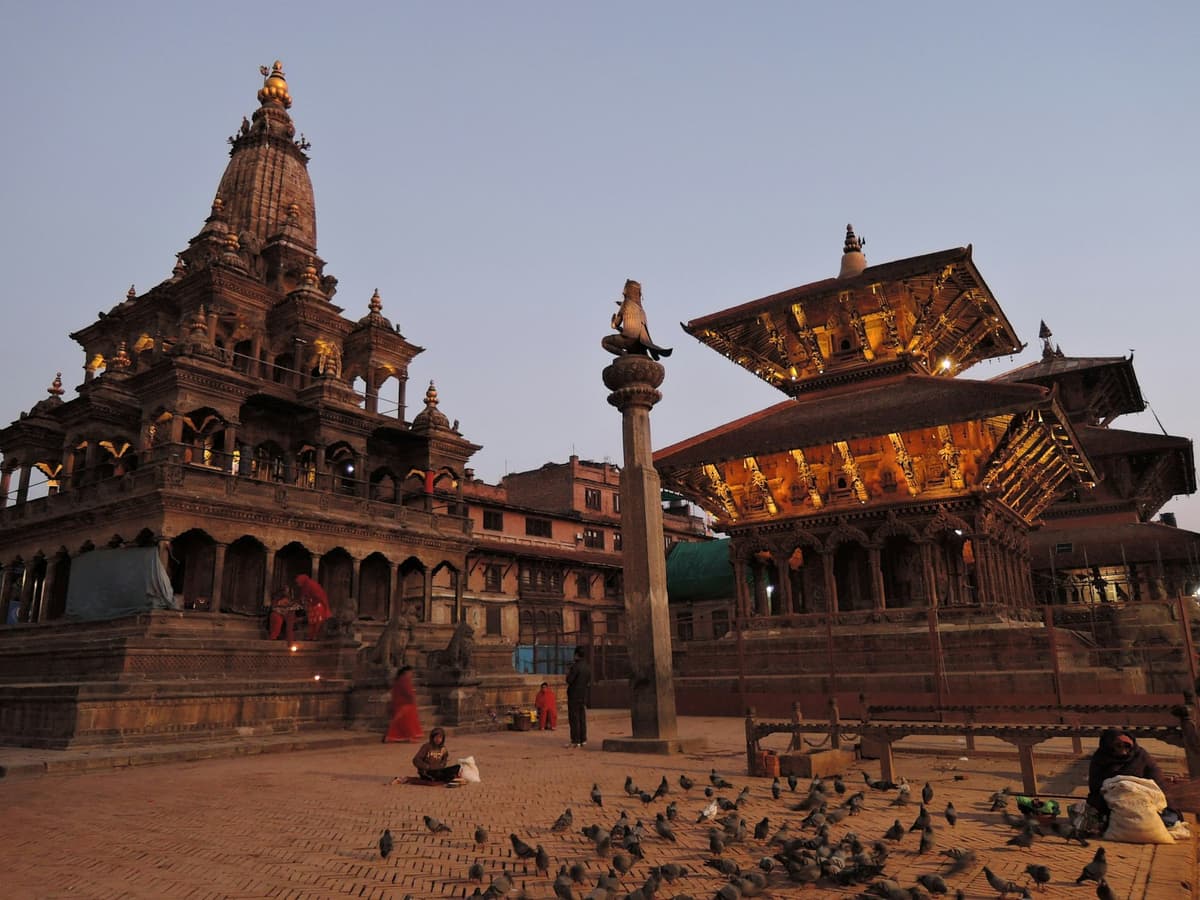
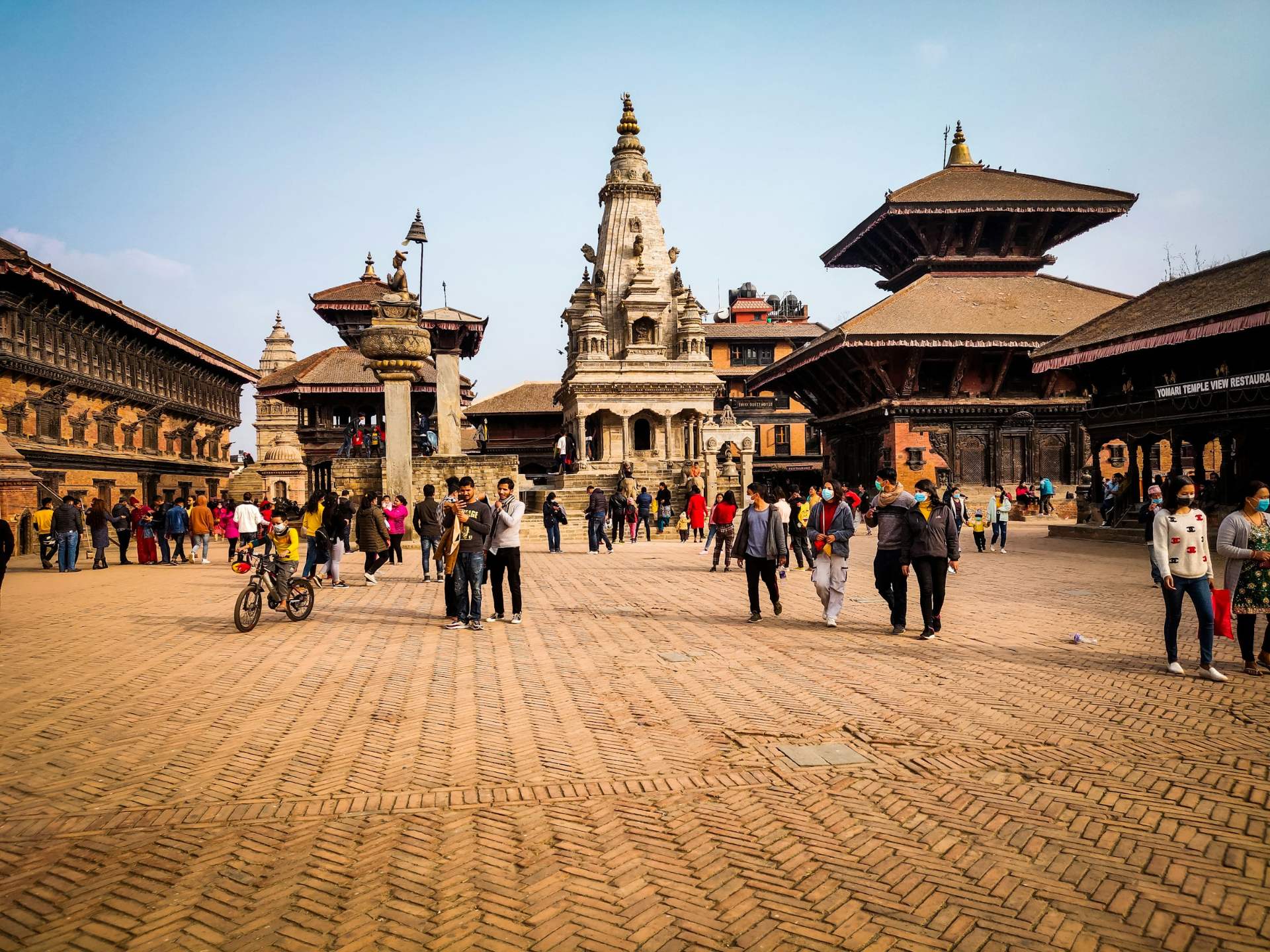
Early in the morning, before the first tour groups arrive, Bhaktapur Durbar Square belongs to the people who live around it. Shutters go up, someone stops at a shrine on the way to work, and the low sun warms the old brick and carved wood.
Bhaktapur Durbar Square is the old royal palace square of Bhaktapur, one of the seven Monument Zones that make up the Kathmandu Valley UNESCO World Heritage Site. Foreign visitors pay NPR 2,000 and SAARC nationals NPR 500 to enter the heritage area. Go early or late in the day for quieter squares and softer light.
The square is one of the core stops in our guide to places to visit in Kathmandu. This guide covers the fee, the main monuments, how the square came back after the 2015 earthquake, festivals, food, etiquette and a walking route.
Key facts
- What it is
- The royal palace square of Bhaktapur, one of seven Monument Zones of the Kathmandu Valley World Heritage Site (UNESCO World Heritage Centre, 28 Oct 2026)
- Inscribed on the World Heritage List
- 1979 (Kathmandu Valley) (UNESCO World Heritage Centre, 28 Oct 2026)
- Entry fee, foreign visitors
- NPR 2,000 per person (Bhaktapur Municipality, 28 Oct 2026)
- Entry fee, SAARC nationals
- NPR 500 per person (Bhaktapur Municipality, 28 Oct 2026)
- Current fees in force since
- 17 July 2025 (Bhaktapur Municipality, 28 Oct 2026)
- Who collects the fee
- Bhaktapur Municipality, the city government (The Rising Nepal (24 Jul 2025), 28 Oct 2026)
- Ticket validity, counters, opening hours
- Check at the ticket counter on the day (Our Kathmandu team, 28 Oct 2026)
- Foreign visitors to Bhaktapur, fiscal year 2024/25
- 244,868 (The Rising Nepal (24 Jul 2025), 28 Oct 2026)
- Nyatapola temple
- Five-storeyed roof, completed in 1702 (Wikipedia, Nyatapola, 28 Oct 2026)
- 2015 earthquake
- 25 April 2015, magnitude 7.8 (US Geological Survey, 28 Oct 2026)
- Rebuilding after 2015
- Overseen by the Monument Preservation and Palace Supervision Office, Department of Archaeology (Kathmandu Post (12 Nov 2018), 28 Oct 2026)
In this guide
- What the square is and its UNESCO listing
- Entry fee, tickets and what to ask at the counter
- History in dates and the 2015 earthquake
- The main monuments, Nyatapola and Pottery Square
- Getting there and the best time of day
- Festivals, juju dhau and etiquette
- A suggested walking route and FAQs
What is Bhaktapur Durbar Square?
Bhaktapur Durbar Square is the open square in front of the old royal palace of Bhaktapur, filled with temples, shrines, statues and a great bell, many of them built or rebuilt under the Malla kings who ruled the city. It is one of three Durbar Squares inside the Kathmandu Valley World Heritage Site, alongside Kathmandu (Hanuman Dhoka) and Patan.
The word "durbar" means a royal court or palace. UNESCO describes the valley's Durbar Squares as "urban centres with their palaces, temples and public spaces". It is not a museum behind a fence. It is a working public square where people still pray, shop, meet and cut through on the way home, set around a palace that once held a royal court.
Part of a UNESCO World Heritage Site
The Kathmandu Valley was inscribed on the UNESCO World Heritage List in 1979, under criteria (iii), (iv) and (vi). UNESCO lists it as one property made up of seven Monument Zones: the three Durbar Squares of Kathmandu, Patan and Bhaktapur, plus the religious ensembles of Swayambhu, Bauddhanath, Pashupati and Changu Narayan. UNESCO's own summary opens plainly:
"Located in the foothills of the Himalayas, the Kathmandu Valley World Heritage property is inscribed as seven Monument Zones."
UNESCO World Heritage Centre, Kathmandu Valley listing (read October 2026)
The listing has not always been comfortable. The Kathmandu Valley spent 2003 to 2007 on the List of World Heritage in Danger, and in 2006 the World Heritage Committee accepted a modification of the property's boundaries. UNESCO treats the zones as parts of a single property for the whole valley, which is why the same listing covers Bhaktapur's palace square and the stupa at Boudhanath.
If you have seen Kathmandu Durbar Square, Bhaktapur is the natural comparison, as both are royal squares in the same listing. In our experience, Bhaktapur's squares feel more open and the old town around them more lived-in. That is our opinion, so judge for yourself.
"The seven monument ensembles represent an exceptional testimony to the traditional civilization of the Kathmandu Valley."
UNESCO World Heritage Centre, statement for criterion (iii) (read October 2026)
Bhaktapur Durbar Square entry fee and tickets
Foreign visitors pay NPR 2,000 per person and SAARC nationals NPR 500 to enter the Bhaktapur Durbar Square heritage area, at rates in force since 17 July 2025. SAARC nationals are citizens of the South Asian countries in the South Asian Association for Regional Cooperation. Bhaktapur Municipality, the city government, collects the fee. Ticket validity, counter locations and opening hours are best checked at the ticket counter on the day.
The Rising Nepal reported in July 2025, citing the municipality, that visitors from China also pay the NPR 500 rate. If you hold a Chinese passport, confirm this at the counter or on Bhaktapur Municipality's tourist entry fee page.
Some national and travel websites still show older fees from before the July 2025 change, so go by the municipality's figures.
Where you buy the ticket
Tickets are sold at counters at the entry points into the heritage area, and staff there may ask to see your ticket. We have not confirmed every counter location, so buy at the first counter you reach and keep the ticket on you all day.
What to ask at the counter
We could not confirm these details from the municipality's own page for this update, so ask at the ticket counter:
- How long the ticket is valid. If you plan to come back on another day, or stay overnight in Bhaktapur, ask whether the ticket can be extended for a longer stay and what you need for that.
- What the ticket covers. It is a fee for the Durbar Square heritage area. Ask whether it also covers the other squares you plan to walk to, and whether the National Art Gallery inside the palace buildings charges separately.
- Opening hours of the counter. The squares are open public spaces, but the counters keep daytime hours, so check them locally.
- Children. If you are travelling with children, ask how they are charged.
- Payment. Ask which payment methods are accepted, and carry some Nepali rupees in cash.
The fee in context
The fee itself is not new. Nepali Times reported in 2000 that the municipality was raising the fee for Western visitors from USD 5 to USD 10 from 1 January 2001, and for SAARC visitors from Rs 30 to Rs 50. In fiscal year 2024/25 the municipality collected more than Rs 290 million in entrance fees, according to The Rising Nepal.
How busy Bhaktapur gets
Bhaktapur draws a lot of visitors. In fiscal year 2024/25 it received 244,868 foreign visitors, according to figures from the municipality reported by The Rising Nepal. Indian visitors made up the largest single group.
| Visitor group, fiscal year 2024/25 | Number |
|---|---|
| All foreign visitors | 244,868 |
| From SAARC countries and China | 115,487 |
| From other ("third") countries | 129,381 |
| From India | 79,132 |
| From China | 36,135 |
Source: The Rising Nepal, 24 July 2025.
A short history in dates
Bhaktapur Durbar Square was built up over several centuries, knocked down by earthquakes more than once and rebuilt each time. The table lists only dates we could source; others you may see elsewhere are left out.
| Year | What happened |
|---|---|
| 1484 | Yaksheshvara temple, the "Pashupati of Bhaktapur", consecrated by Karpura Devi and dedicated to her late husband, King Yaksha Malla |
| 1646 | King Jagajjyoti Malla plans the Golden Gate |
| 1681 | An earthquake destroys an earlier palace; King Bhupatindra Malla commissions the 55 Window Palace |
| 1702 | Nyatapola temple completed under Bhupatindra Malla after only a few months of work |
| 1708 | 55 Window Palace completed |
| 1732 to 1737 | Taleju Bell made; work began in June 1732 and King Ranajit Malla offered the bell on 6 January 1737 |
| 1751 to 1754 | Golden Gate built, funded by King Ranajit Malla |
| 1769 | Battle of Bhaktapur; the statue of Bhupatindra Malla is said to carry a bullet mark from it |
| 1934 | Earthquake destroys the palace's top floor and brings down Chyasilin Mandap; Nyatapola survives |
| 1979 | Kathmandu Valley inscribed on the UNESCO World Heritage List |
| 1987 | Chyasilin Mandap restored by the West German-funded Bhaktapur Development Project |
| 2003 to 2007 | Kathmandu Valley on the List of World Heritage in Danger |
| 2006 | 55 Window Palace renovated by the city government; UNESCO boundary modification accepted |
| 2015 | Magnitude 7.8 earthquake on 25 April; Vatsala Durga temple collapses; Nyatapola and the Bhairav temple survive |
| 2017 | Square's gate and the Shankar Narayan, Hari Har Narayan and Tri Bikram Narayan temples completed after the earthquake |
| 2018 | Fences come down around the rebuilt Siddhi Lakshmi temple in November |
Sources: UNESCO World Heritage Centre; US Geological Survey; Kathmandu Post (12 Nov 2018); Wikipedia pages on Bhaktapur Durbar Square, Nyatapola and the List of World Heritage Sites in Nepal. Checked 28 Oct 2026.
The main monuments in Bhaktapur Durbar Square
The main monuments in Bhaktapur Durbar Square are the 55 Window Palace, the Golden Gate that leads into the palace courtyards, the Taleju Bell, the column statue of King Bhupatindra Malla, the stone temples of Vatsala Durga and Siddhi Lakshmi, the Yaksheshvara (Pashupatinath) temple and the restored Chyasilin Mandap.
The 55 Window Palace
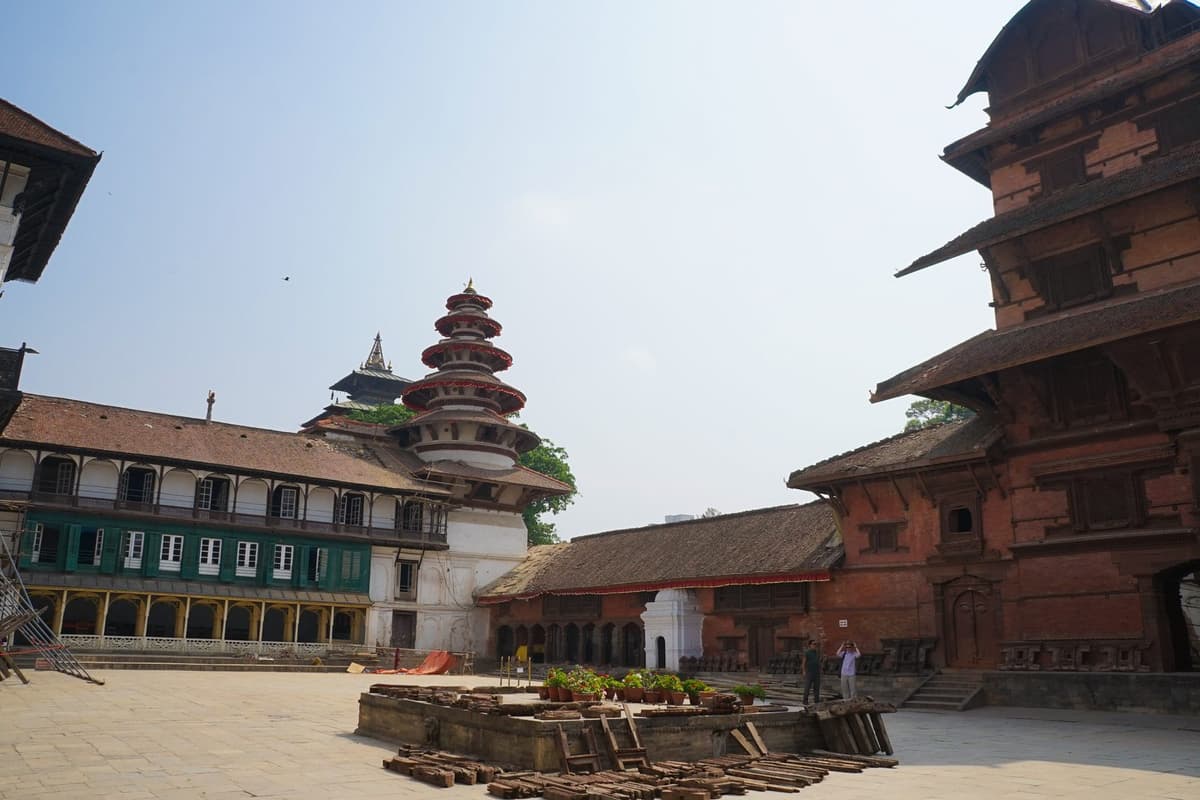
The palace that frames the square is known as the 55 Window Palace. King Bhupatindra Malla commissioned it after an earthquake in 1681 destroyed an earlier palace on the site, and it was completed in 1708. The 1934 earthquake destroyed the top floor, which was later rebuilt, and the city government renovated the building in 2006.
Stand back first to take in the whole frontage and the windows that give it its name, then walk closer for the carved wood.
The old palace buildings also house the National Art Gallery. We have not confirmed its current fee or opening hours, so ask at the entrance if you want to go in.
The Golden Gate and Mul Chowk
The Golden Gate is the ornate gateway into the palace, called Sun Dhoka in Nepali and Lun Dhwaka in Nepal Bhasa, the Newar language of the valley's old towns. King Jagajjyoti Malla planned it in 1646, and it was finally built between 1751 and 1754 with funding from King Ranajit Malla. The art historian Percy Brown called it "the most lovely piece of art in the whole kingdom".
Take your time here, because the gate rewards a slow look at its detail. It leads through to Mul Chowk, the main palace courtyard, which holds the shrines of Taleju and Manesvari. Parts of the palace and some shrines are closed to visitors, so follow the signs and do not go past a barrier or a closed door.
The Taleju Bell
The large bell in the square is the Taleju Bell, offered by King Ranajit Malla, the same king who funded the Golden Gate. Work on it began in June 1732, and the king offered it on 6 January 1737. It makes a useful meeting point if your group splits up. Do not ring it yourself; it belongs to the temple.
The statue of King Bhupatindra Malla
Look for the statue of a king on top of a stone column. This is King Bhupatindra Malla, in gold-plated bronze. He is the king behind both the 55 Window Palace and Nyatapola temple, which is why his name comes up so often in Bhaktapur. The statue is said to bear a bullet mark from the Battle of Bhaktapur in 1769.
Vatsala Durga temple
The stone temple of Vatsala Durga (also called Vatsala Devi) collapsed in the 2015 earthquake and was demolished. We have not confirmed its current state for this update, so ask your guide, or a local shopkeeper, what you are looking at when you reach that part of the square.
Siddhi Lakshmi temple
The stone temple of Siddhi Lakshmi is one of the clearest examples of rebuilding after 2015. According to the Kathmandu Post, its post-earthquake reconstruction took two years and cost nearly Rs 7.3 million, and the fences around it came down in November 2018. Sources disagree on who first built it and when, so we leave that out.
Yaksheshvara temple, the "Pashupati of Bhaktapur"
The Yaksheshvara temple is known as the "Pashupati of Bhaktapur". It was consecrated in 1484 by Karpura Devi and dedicated to her late husband, King Yaksha Malla, which makes it the oldest dated monument in the timeline above. Do not confuse it with the Pashupatinath temple in Kathmandu, which is a separate Monument Zone of the same World Heritage Site and is covered in our Pashupatinath temple guide.
Chyasilin Mandap
A mandap is an open pavilion. Chyasilin Mandap collapsed in the 1934 earthquake and stood missing for decades, until the West German-funded Bhaktapur Development Project restored it in 1987. It is a good spot to stop and get your bearings.
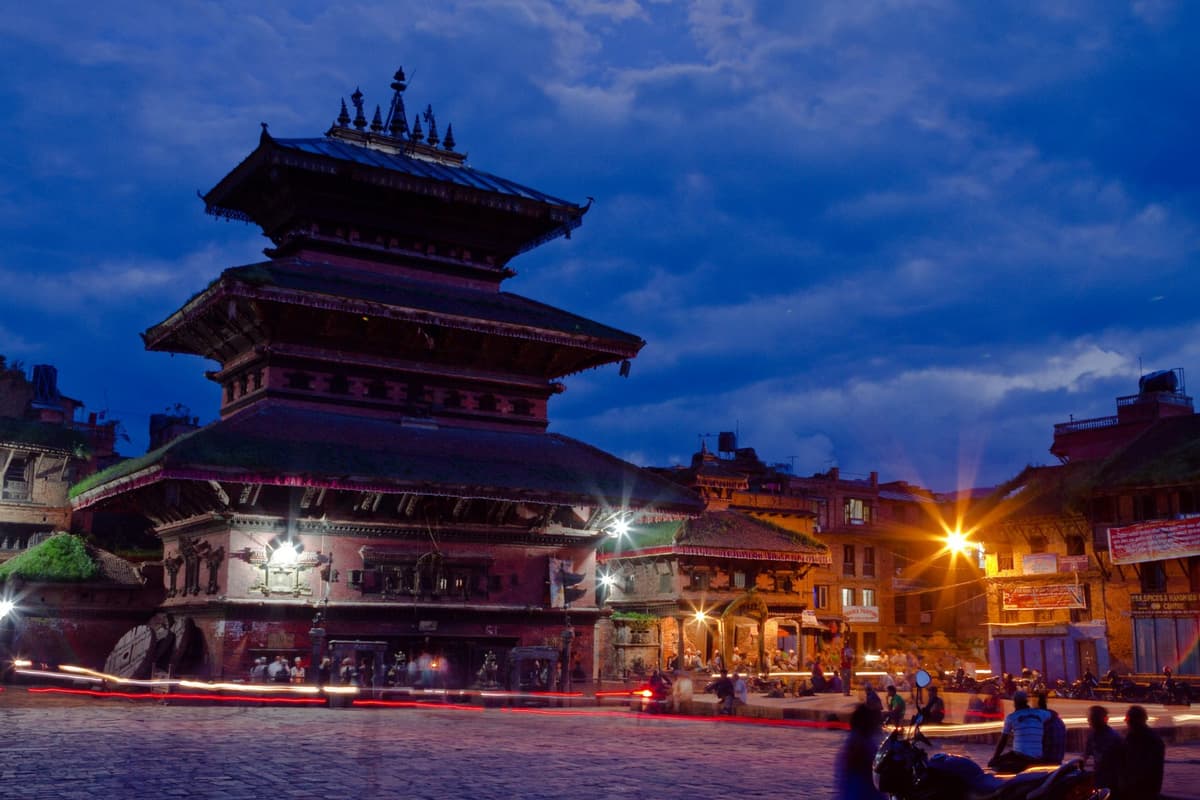
Nyatapola temple and Taumadhi Square
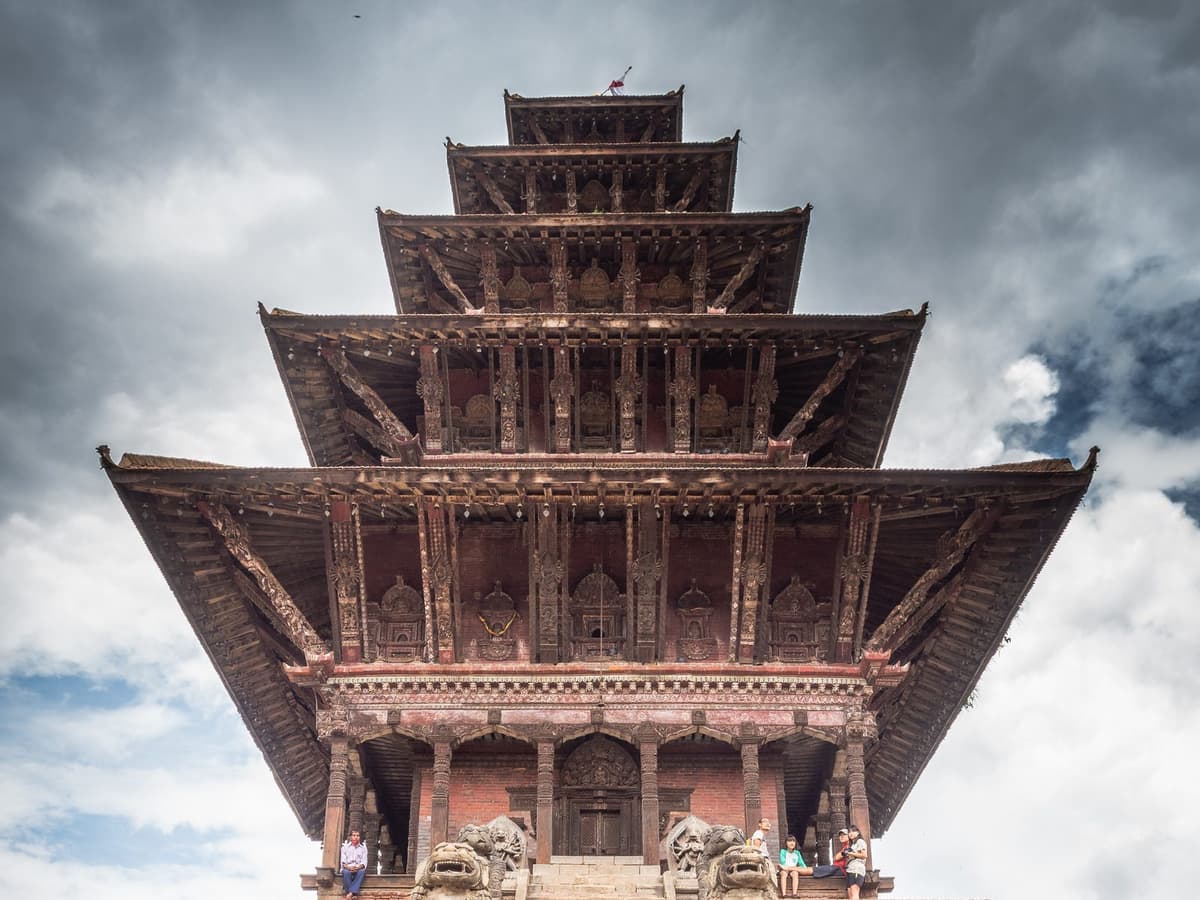
Nyatapola is the five-storeyed temple in Taumadhi Square, next to Durbar Square. King Bhupatindra Malla built it, and it was completed in 1702 after only a few months of work. It is dedicated to the Tantric goddess Siddhi Lakshmi, survived both the 1934 and 2015 earthquakes and was repaired after 2015.
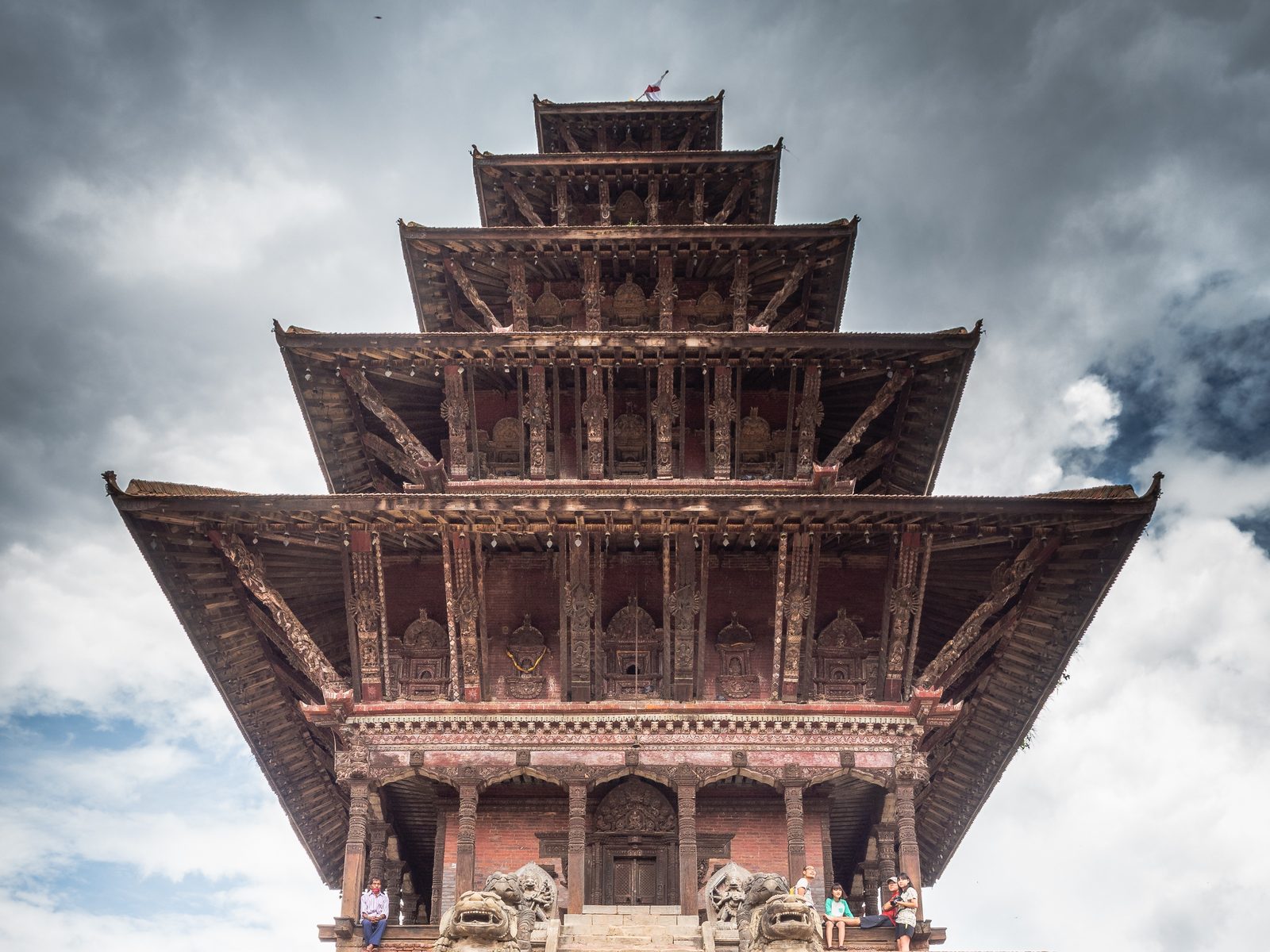
The name tells you what to look at. In Nepal Bhasa, "nyata" means five storeys and "pola" means roof, so Nyatapola is the "five-storeyed roof". You will see heights quoted for it, but the sources we checked give different figures, so we do not print one.
The guardians on the stairway
The stairway is the part most people remember. It climbs over five plinths, and each plinth carries a pair of guardian figures. The pairs are:
- Two wrestlers
- Two elephants
- Two lions
- Two griffins, called sardula
- Two goddesses, Simhini and Vyaghrini
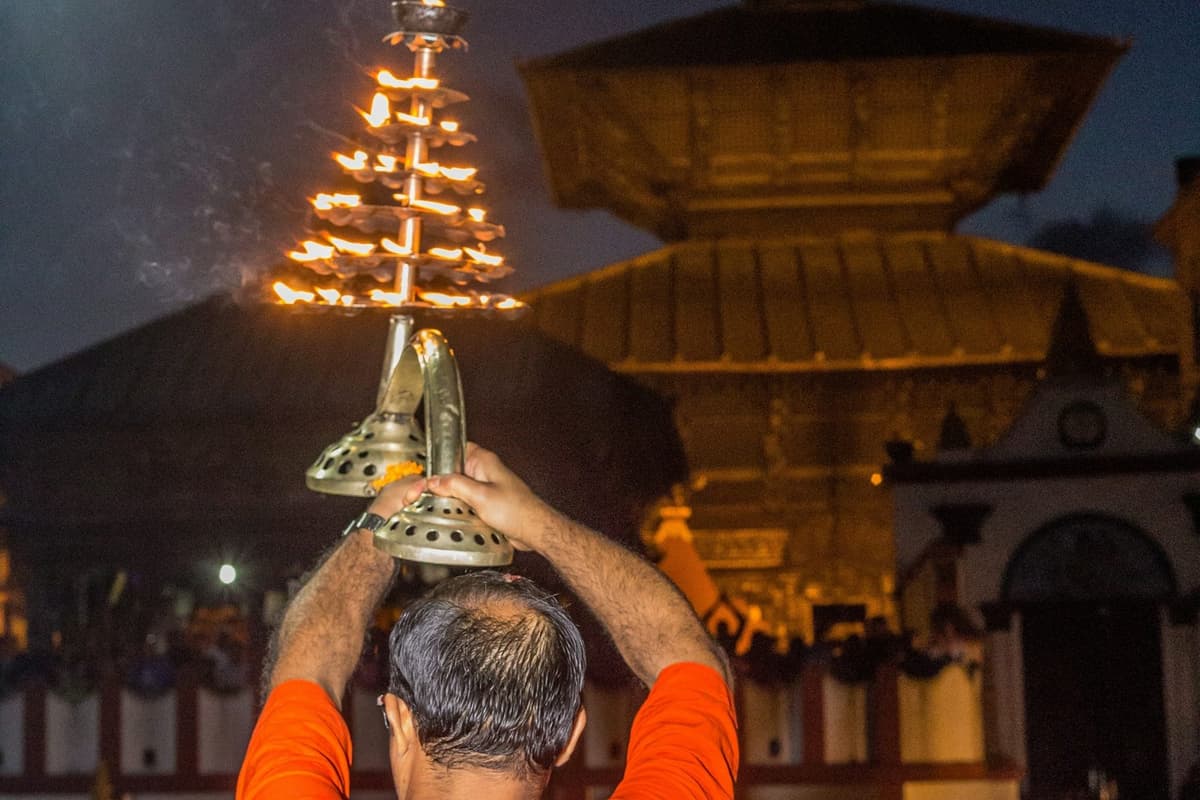
The image of the goddess inside is hidden, and only priests go in. Treat the stairway as part of a working temple. If you sit on the steps, leave room for people coming to worship, and keep a hand on small children, because old stone steps can be steep and uneven.
Bhairavnath temple
Across Taumadhi Square stands the temple of Bhairav (Bhairavnath), which also came through the 2015 earthquake. Taumadhi is a good place to sit for a while and watch people coming and going from the temples and the shops around them.
Pottery Square and Dattatreya Square
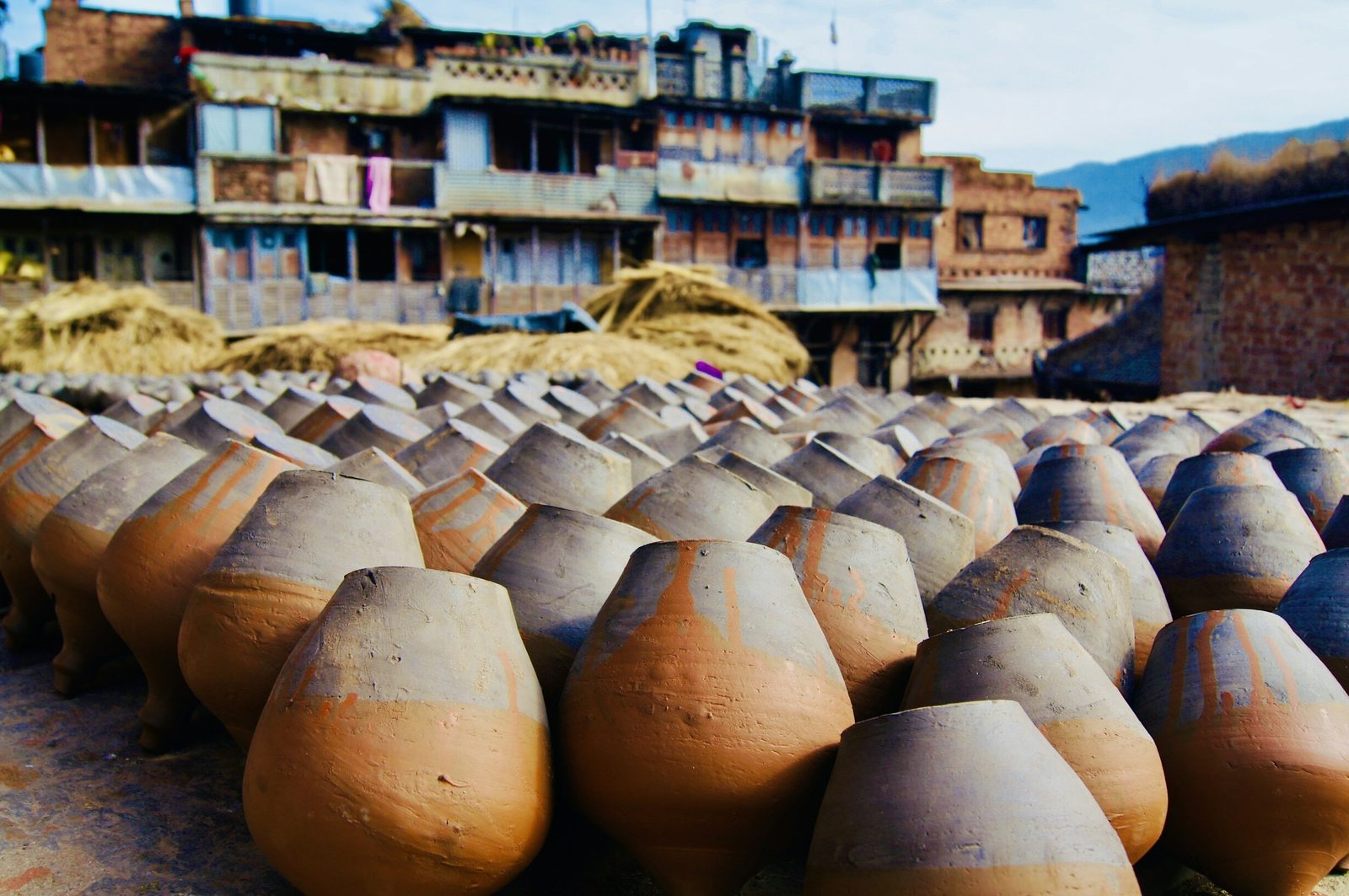
Pottery Square, in the Talako area, is where Bhaktapur's potters shape and dry clay pots in the open. Walk slowly, watch the wheels turning and the rows of pots drying, and always ask before you photograph a potter at work. If you would like to try a potter's wheel yourself, our Nepali cooking class with pottery is a hands-on half day in Kathmandu that pairs a cooking class with a turn at the wheel.
Dattatreya Square is another of the old town's squares and a good place to end a longer walk if you have the time and energy. Ask your guide, or at the ticket counter, for the way, because the old lanes are easy to get turned around in.
After the 2015 earthquake
The earthquake of 25 April 2015, magnitude 7.8, damaged dozens of monuments in Bhaktapur and brought down the Vatsala Durga temple, while Nyatapola and the Bhairav temple stayed standing. Rebuilding in the square has been overseen by the Department of Archaeology's Monument Preservation and Palace Supervision Office.
The rebuilding has been slow, careful work. The Kathmandu Post reported in 2018 that about 70 people were working on monument renovation in Bhaktapur, around 60 per cent of them general workers and the rest artisans. By 2017 the square's gate and three Narayan temples had been completed, and the Siddhi Lakshmi temple followed in 2018.
It was not the first time: the city also rebuilt after the 1681 and 1934 earthquakes.
What this means for your visit:
- Some details may have changed since older guidebooks were written. Ask your guide what is original, what was rebuilt and what is still in progress.
- Scaffolding or fences may appear around a temple under repair. Respect any barrier, and do not climb on plinths that are fenced off.
- Photographs labelled "before" or "after" online are not always accurate. Trust what you see on the day and ask locally.
How to get to Bhaktapur from Kathmandu
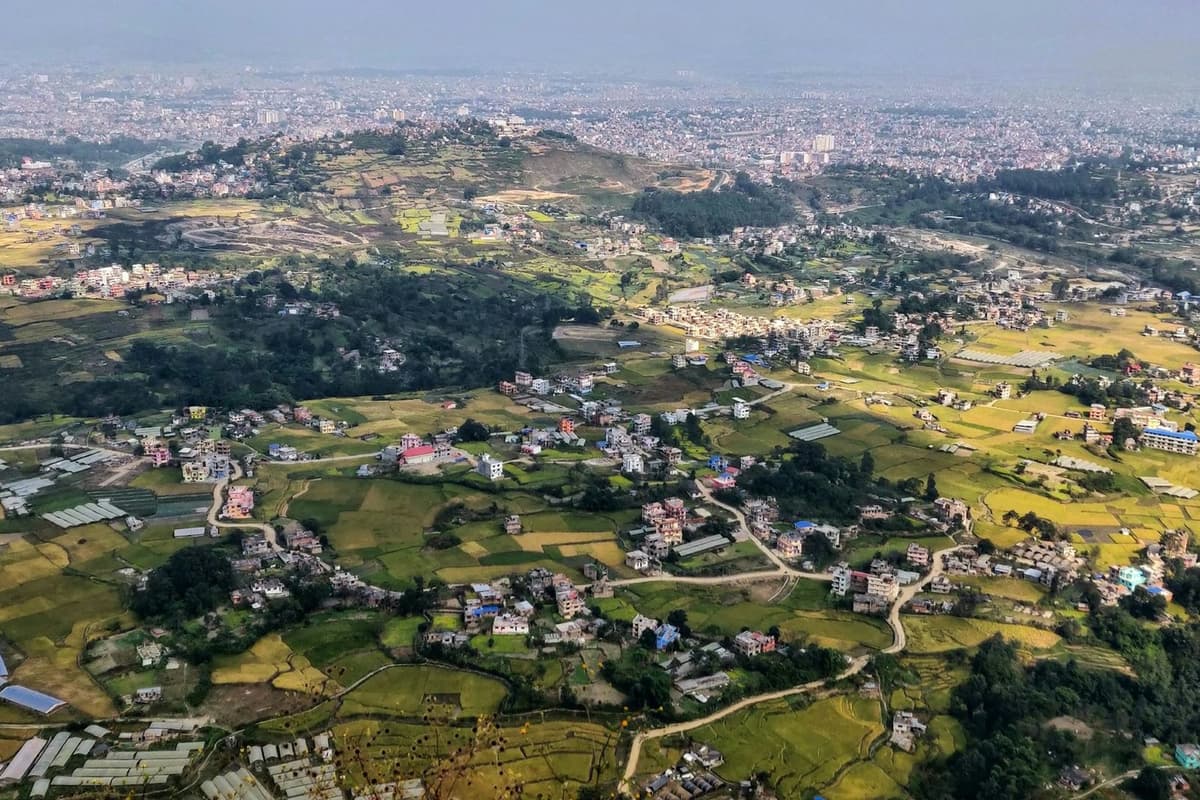
Bhaktapur lies east of central Kathmandu, in the same valley, a short drive that takes longer in heavy traffic. How long it takes depends on where you start and the time of day, so ask us for a realistic estimate for your dates. You can come by private car with a driver, by taxi, or as part of a guided day tour.
- Private car with a driver. The easiest choice for families and anyone combining stops. You set the start time, which matters if you want to arrive early.
- Taxi. Fine for a simple out-and-back trip. Agree the fare, and whether the driver will wait, before you get in.
- Guided day tour. Useful if you want the history explained as you walk and other valley sites in the same day.
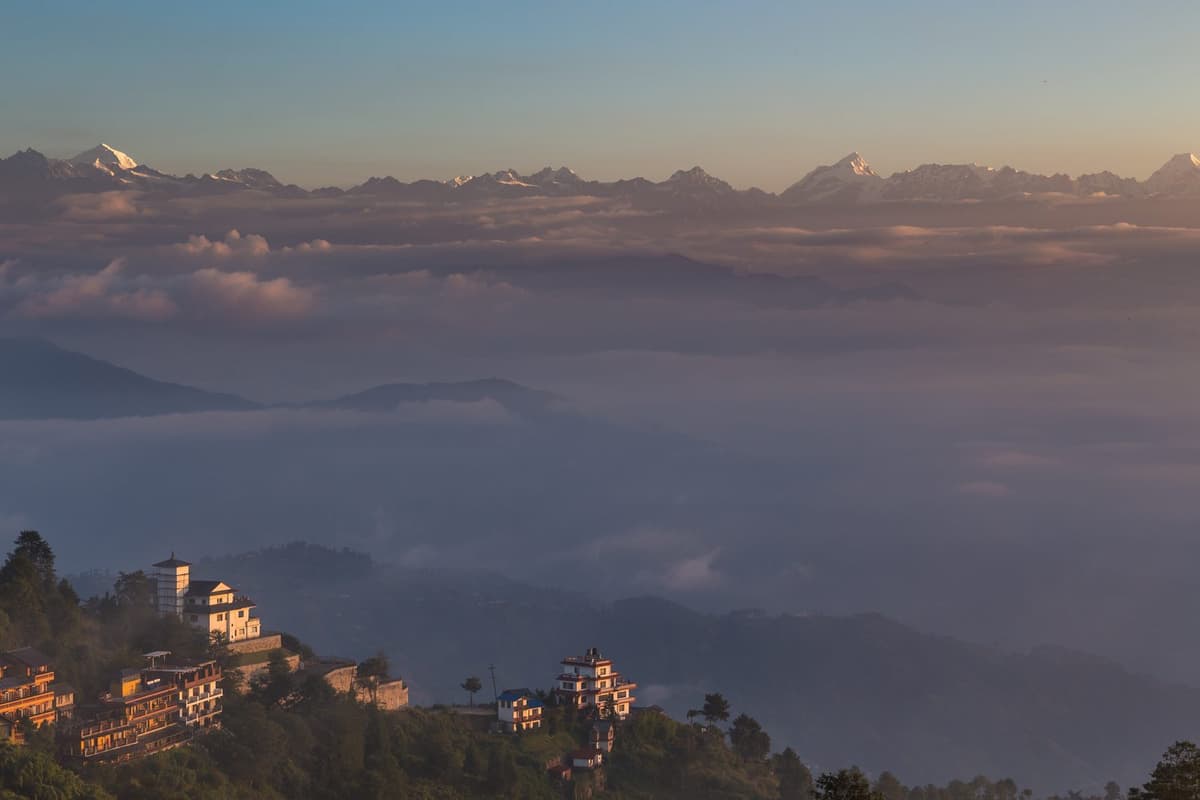
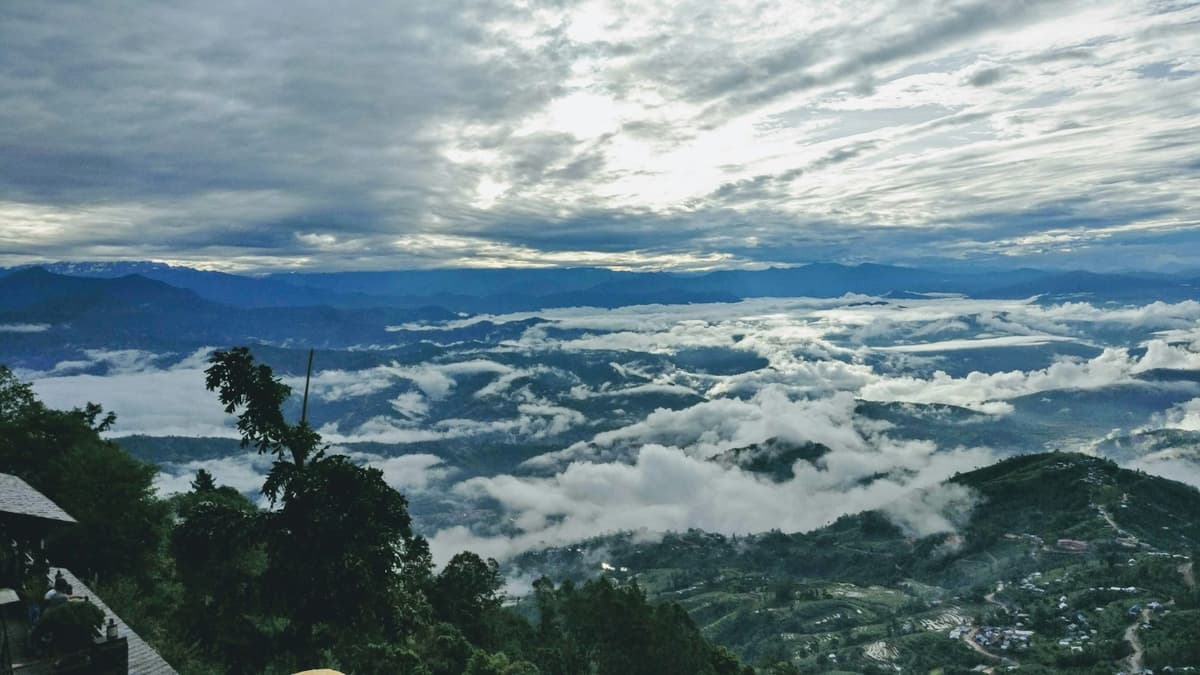
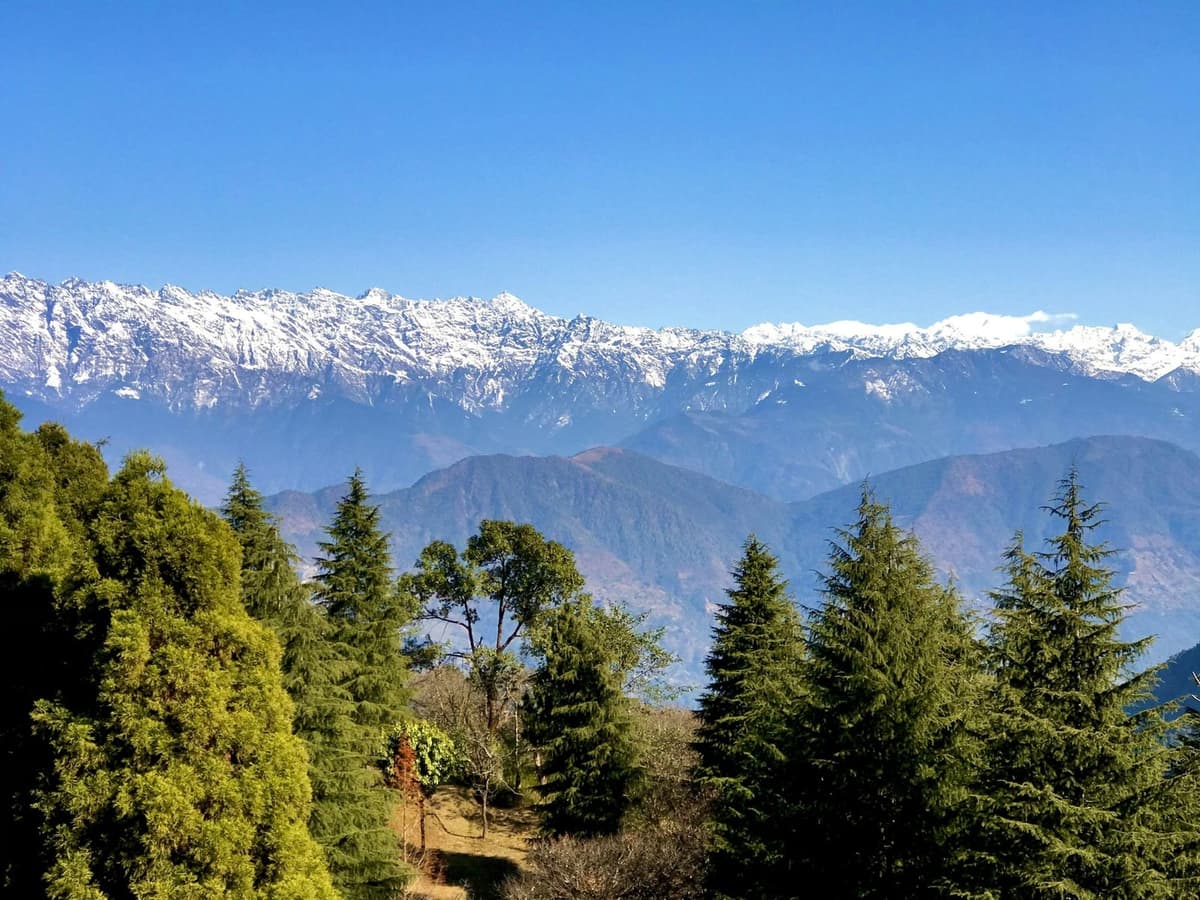
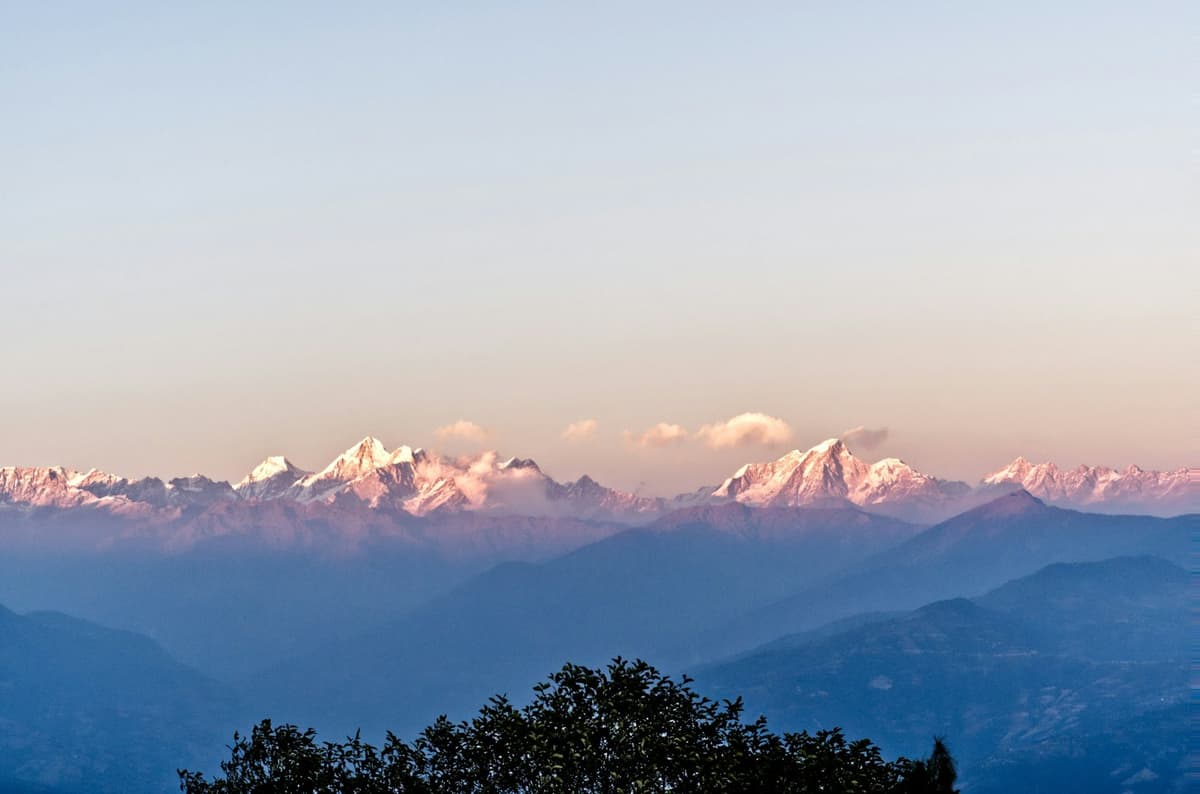
Bhaktapur also pairs well with Nagarkot. You can stay a night there for the sunrise and visit Bhaktapur on the way there or back. For more ideas on combining stops, see our guide to day trips from Kathmandu.
Best time of day to visit
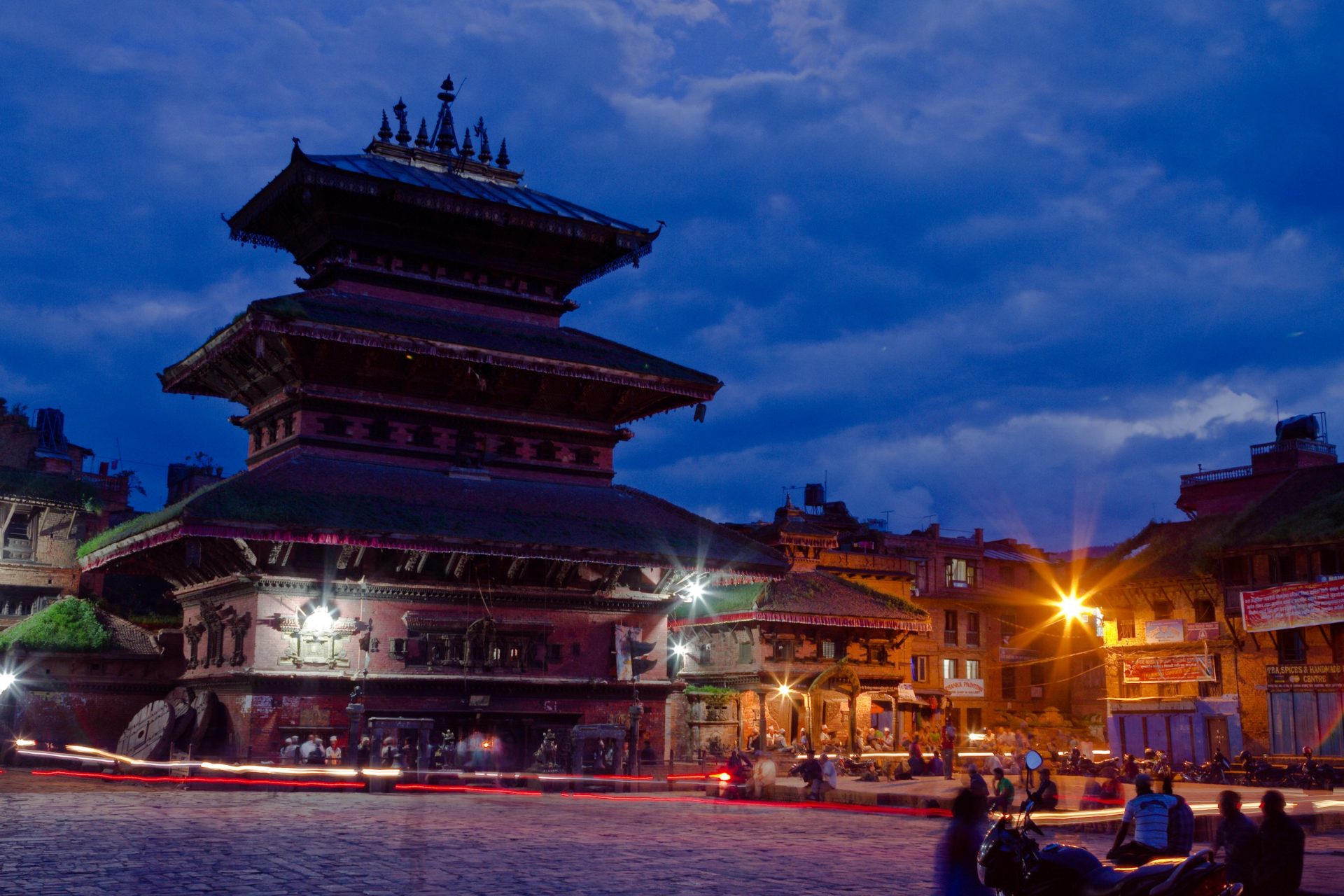
Early morning and late afternoon are the best times to visit Bhaktapur Durbar Square. The squares are quieter, the light is softer on the brick and carved wood, and you see more of daily life. Midday brings the most tour groups, so use that time for lunch, the National Art Gallery or a rest.
| Time of day | What it is like | Good for |
|---|---|---|
| Early morning | Quieter squares, people stopping at shrines on the way to work, soft light | Photographs, watching daily worship from a respectful distance |
| Midday | Busiest, with the most tour groups | Lunch, indoor visits, a slow juju dhau |
| Late afternoon | Crowds thin, warm light on brick and wood | Photographs, sitting on the edge of Taumadhi Square |
Festivals: Bisket Jatra and others
Bisket Jatra, also spelled Biska Jatra, is Bhaktapur's nine-day festival around Nepali New Year, which falls in April. A jatra is a festival with a procession. Bisket Jatra starts in the last days of the old year and runs into the first four days of the new year. A three-storey wooden chariot in the pagoda style carries an image of Bhairav through the town, young people haul the chariot of the goddess Bhadrakali, and a wooden pole called the lingo is raised and then pulled down on the final day.
In 2026, Nepali New Year (Baisakh 1, 2083 in the Nepali calendar) fell on 14 April, and the festival ended with the lowering of the pole later that month. We do not yet have confirmed dates for 2027, so ask us before you plan around it. Gai Jatra is another festival celebrated in the valley; check dates locally if you hope to see it.
Festival days are crowded and physically intense. If you go:
- Stand well back from the chariot and its ropes. A chariot pulled by a crowd can move suddenly.
- Keep to the edges of the square. Do not stand where people are pulling, pushing or carrying anything.
- Agree a meeting point before you go in, such as the Taleju Bell or a named shop, in case you get separated.
- Keep valuables zipped away and carry only what you need.
- Follow instructions from police, organisers and your guide, even if it means missing a photograph.
- Leave if it feels too crowded. You can come back to the squares on a quieter day.
Juju dhau and eating around the square
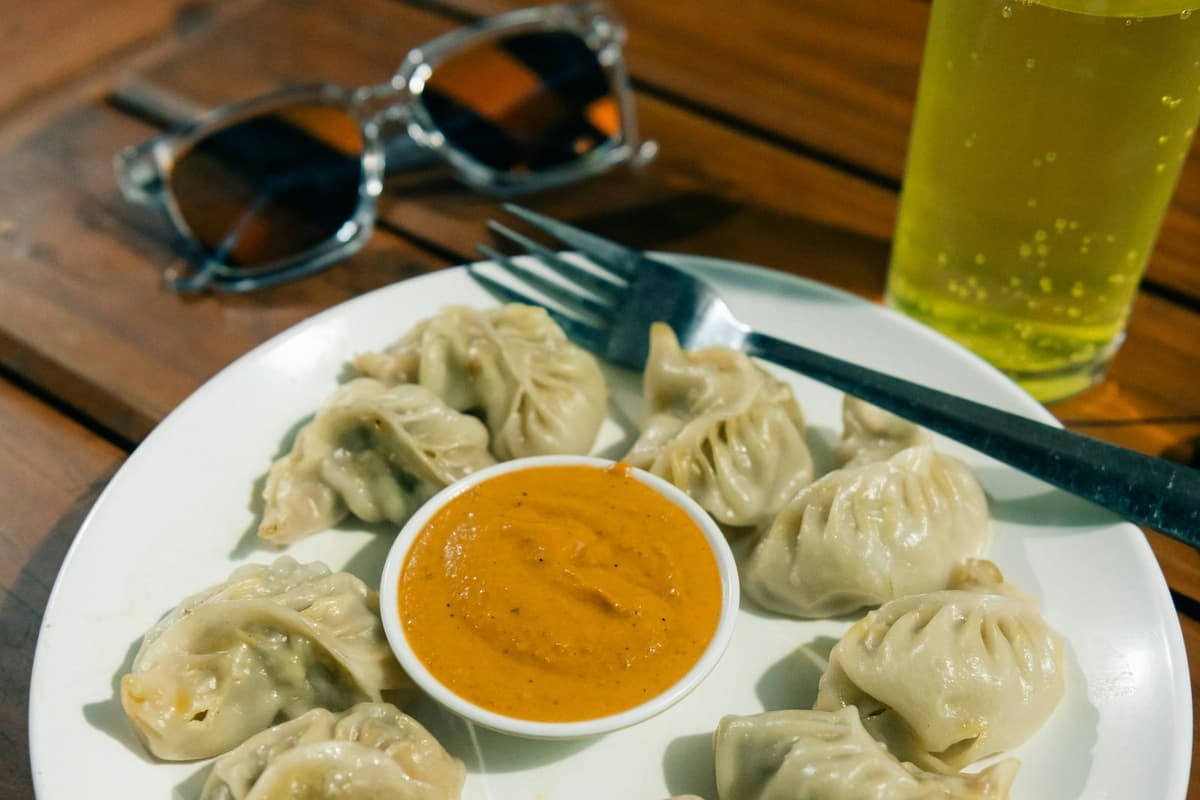
Juju dhau, meaning "king of curd", is the sweet set yoghurt Bhaktapur is known for. It is sold in small shops around the squares in clay pots, which links it neatly to the potters you will see in Pottery Square. Treat it as dessert and a reason to finish your walk sitting down.
A few practical points on eating while you explore:
- Buy juju dhau from shops where it is clearly fresh and turning over quickly.
- Drink bottled or filtered water, and carry some with you on a warm day.
- If you are vegetarian, or avoid onion, garlic or egg, ask what is in a dish before you order.
Etiquette at the temples
Bhaktapur Durbar Square is a place of worship as well as a heritage site, so a few simple habits make a real difference:
- Dress to cover your shoulders and knees when you visit temples.
- Take your shoes off where signs ask you to.
- Walk clockwise around shrines and temples.
- Do not touch offerings, such as flowers, rice, coloured powder or food left at shrines.
- Ask before photographing people at worship, and accept a no.
- Follow the signs at the palace. Parts of the palace and some shrines are closed to visitors.
If you are unsure, watch what local people do or ask your guide.
A suggested walking route
This route takes in the main sights in a logical order and ends with juju dhau. We give no distances or walking times, because they depend on your pace and the crowds.
| Stop | What to see | Tip |
|---|---|---|
| 1. Entry point and ticket counter | Buy your ticket and ask about validity and coverage | Keep the ticket somewhere safe |
| 2. Statue of King Bhupatindra Malla | Gold-plated bronze king on a stone column | Look for the bullet mark the statue is said to carry |
| 3. 55 Window Palace | Palace front, completed in 1708 | Stand back first, then look at the carving up close |
| 4. Golden Gate | Gateway into the palace, built 1751 to 1754 | Follow the signs; parts of the palace are closed |
| 5. Taleju Bell | The great bell offered by Ranajit Malla | A good meeting point |
| 6. Vatsala Durga and Siddhi Lakshmi temples | Stone temples hit by the 2015 earthquake | Ask your guide what was rebuilt |
| 7. Yaksheshvara temple | The "Pashupati of Bhaktapur", consecrated 1484 | Not the same as Pashupatinath in Kathmandu |
| 8. Chyasilin Mandap | Pavilion restored in 1987 | A pause to look back across the square |
| 9. Taumadhi Square | Nyatapola and the Bhairav temple | Count the five roofs and the five pairs of guardians |
| 10. Pottery Square (Talako) | Potters at work, pots drying in the open | Ask before you take photos |
| 11. Dattatreya Square (optional) | Another of the old town's squares | Ask the way; the lanes twist |
| 12. A juju dhau shop | Sweet set yoghurt in a clay pot | Sit down and enjoy it |
Read next: Bhaktapur city guide and Patan Durbar Square guide.
Frequently asked questions
How much is the entry fee for Bhaktapur Durbar Square?
Foreign visitors pay NPR 2,000 per person and SAARC nationals NPR 500, at rates in force since 17 July 2025. Bhaktapur Municipality collects the fee. The Rising Nepal has reported, citing the municipality, that visitors from China also pay NPR 500. Ignore older figures on other websites, and confirm the current rate at the ticket counter or on the municipality's fee page.
Is the Bhaktapur Durbar Square ticket valid for more than one day?
Ask at the ticket counter. We could not confirm the current validity rule from the municipality's own page for this update, so we do not give a number of days. If you plan to come back on another day or stay overnight in Bhaktapur, ask when you buy your ticket whether it can be extended and what you need for that.
Was Bhaktapur Durbar Square damaged in the 2015 earthquake?
Yes. The earthquake of 25 April 2015, magnitude 7.8, damaged dozens of monuments in Bhaktapur and brought down the Vatsala Durga temple. Nyatapola and the Bhairav temple survived. Rebuilding has been overseen by the Department of Archaeology: the square's gate and three Narayan temples were completed in 2017, and the Siddhi Lakshmi temple in 2018.
How tall is Nyatapola temple?
We do not give a height, because the sources we checked disagree. What is certain is in the name: Nyatapola means "five-storeyed roof" in Nepal Bhasa. It was built by King Bhupatindra Malla and completed in 1702, and it survived the 1934 and 2015 earthquakes. It stands in Taumadhi Square, next to Durbar Square.
When is Bisket Jatra in Bhaktapur?
Bisket Jatra is held in Bhaktapur around Nepali New Year, which falls in April, and lasts nine days. It begins in the last days of the old year and runs into the first four days of the new one. In 2026, Nepali New Year fell on 14 April. Dates for 2027 are not yet confirmed, so ask us before you plan a trip around it.
Is Bhaktapur Durbar Square worth visiting if I have seen Kathmandu Durbar Square?
Yes, in our view. Both are royal palace squares in the same World Heritage Site, but Bhaktapur adds Nyatapola and Taumadhi Square, Pottery Square and a lived-in old town around them. If you have time for one more royal square, we would choose Bhaktapur.
Plan your visit to Bhaktapur
How long you spend at Bhaktapur Durbar Square depends on your pace, and on whether Nagarkot, Patan or Boudhanath are part of your plans. Tell us your days and we will suggest a plan. For the bigger picture, go back to our guide to places to visit in Kathmandu, and look out for our Bhaktapur city guide and Nyatapola guide, coming soon.
If you would like us to arrange it, two of our trips include Bhaktapur:
- Nagarkot sunrise and Bhaktapur tour, a day trip from Kathmandu with a Nagarkot sunrise followed by Bhaktapur Durbar Square.
- Patan, Bhaktapur and Boudhanath tour, a two-day heritage tour that also takes in Patan Durbar Square, Boudhanath and Pashupatinath.
Not sure which fits your days? Message us on WhatsApp or send an enquiry with your dates and group size, and our Kathmandu team will tell you honestly what works.