
Explore by activity
Not listed yet

We run Motorbiking & Overland trips — we just haven’t put the itinerary on the site yet. Tell us your dates and we’ll send a costed day-by-day plan.

Explore by experience
Explore by region
by gomayu
Search Tours or Places

White Gumba (Druk Amitabha): Visiting Guide

15 min read Posted 27 Oct 2026Updated 27 Oct 2026
White Gumba (Druk Amitabha): Visiting Guide

By Uncover Nepal Team · Checked by our Kathmandu travel team · Last checked 27 October 2026

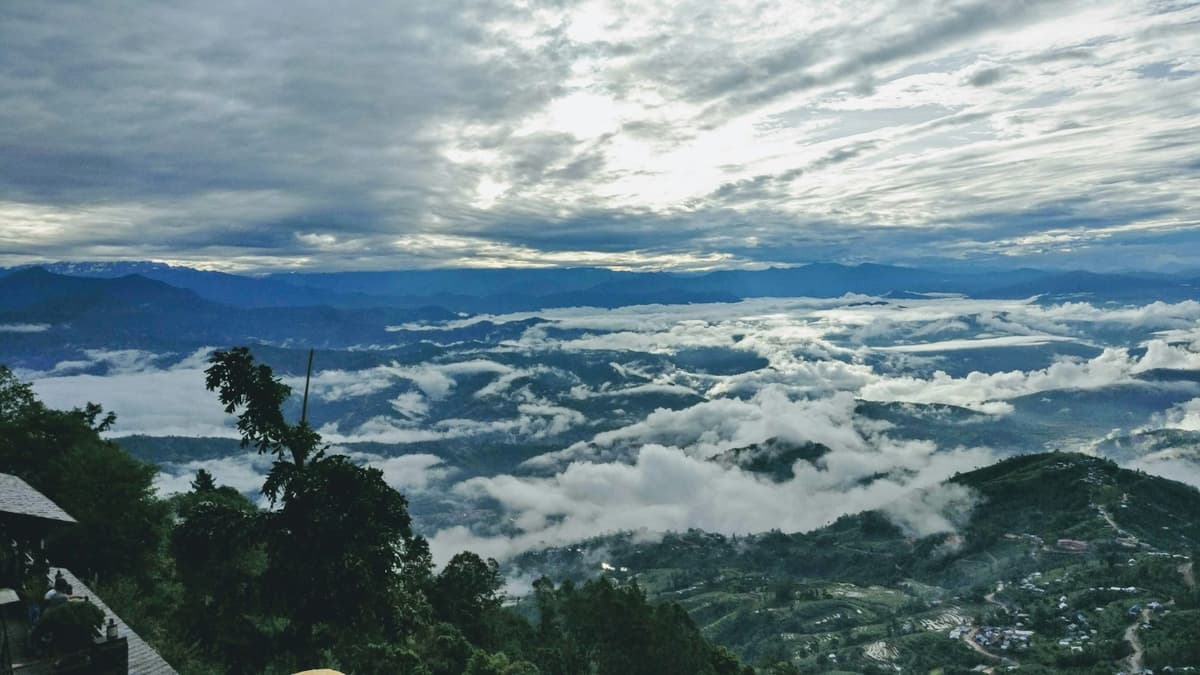
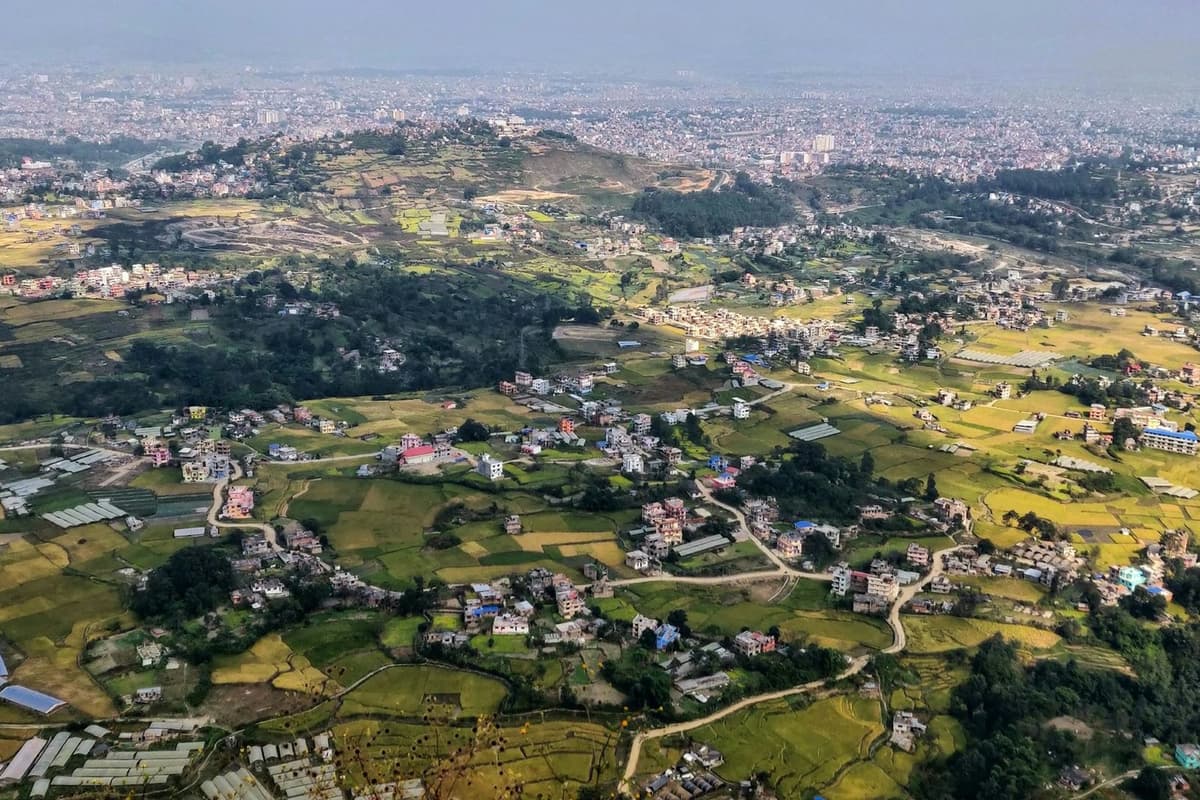
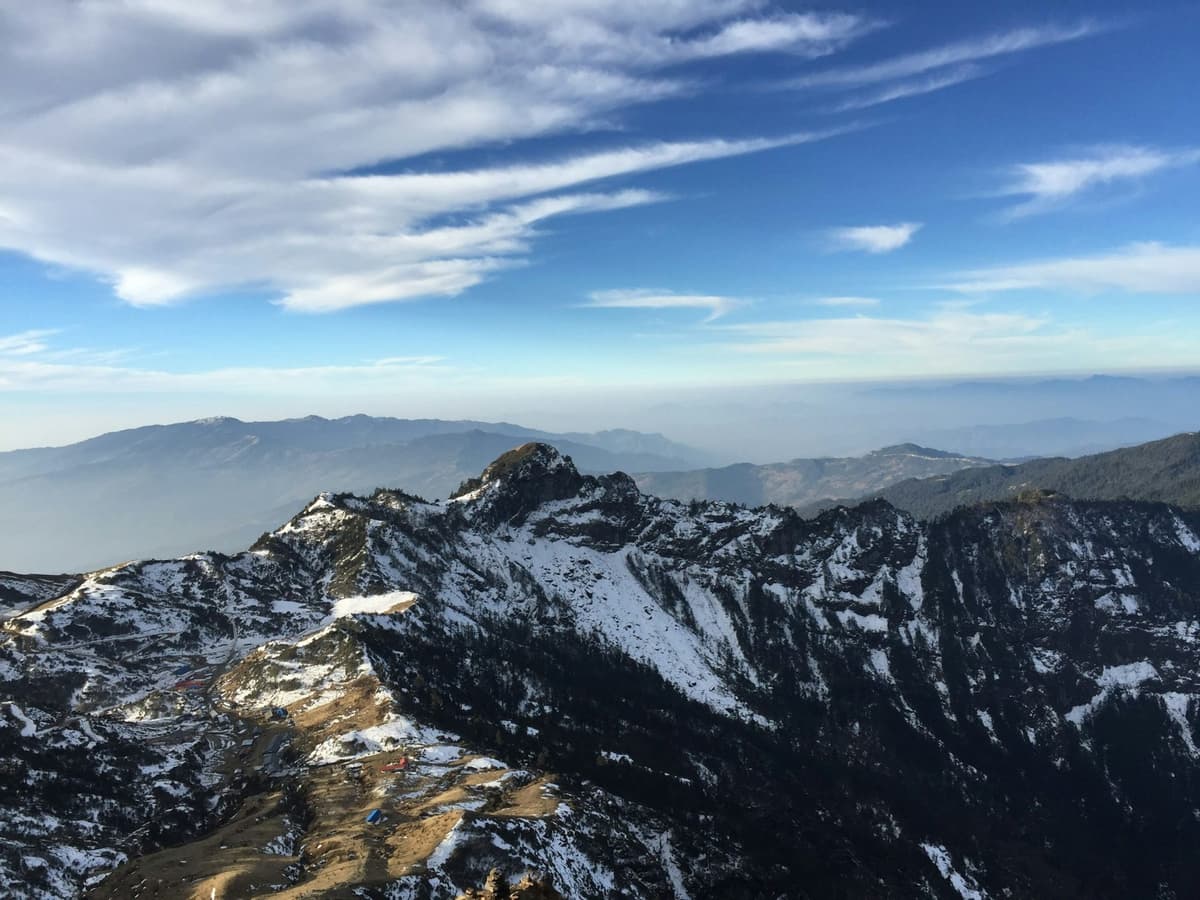
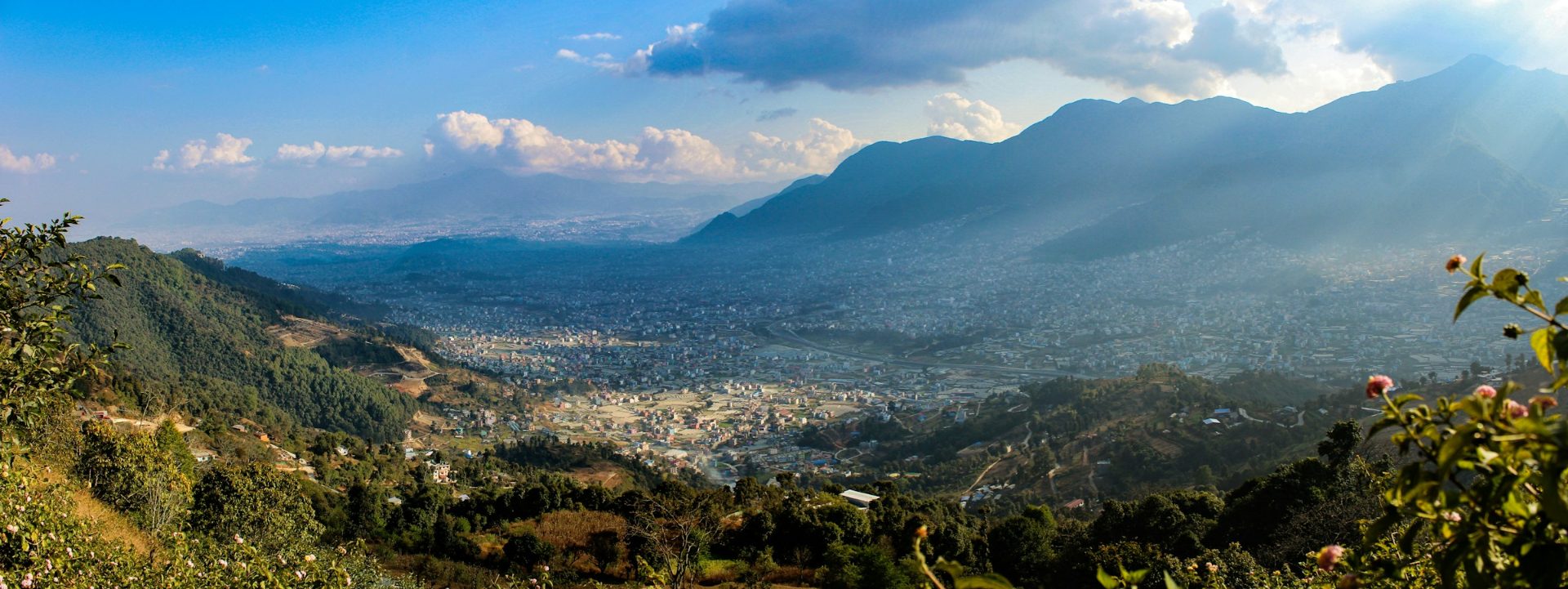
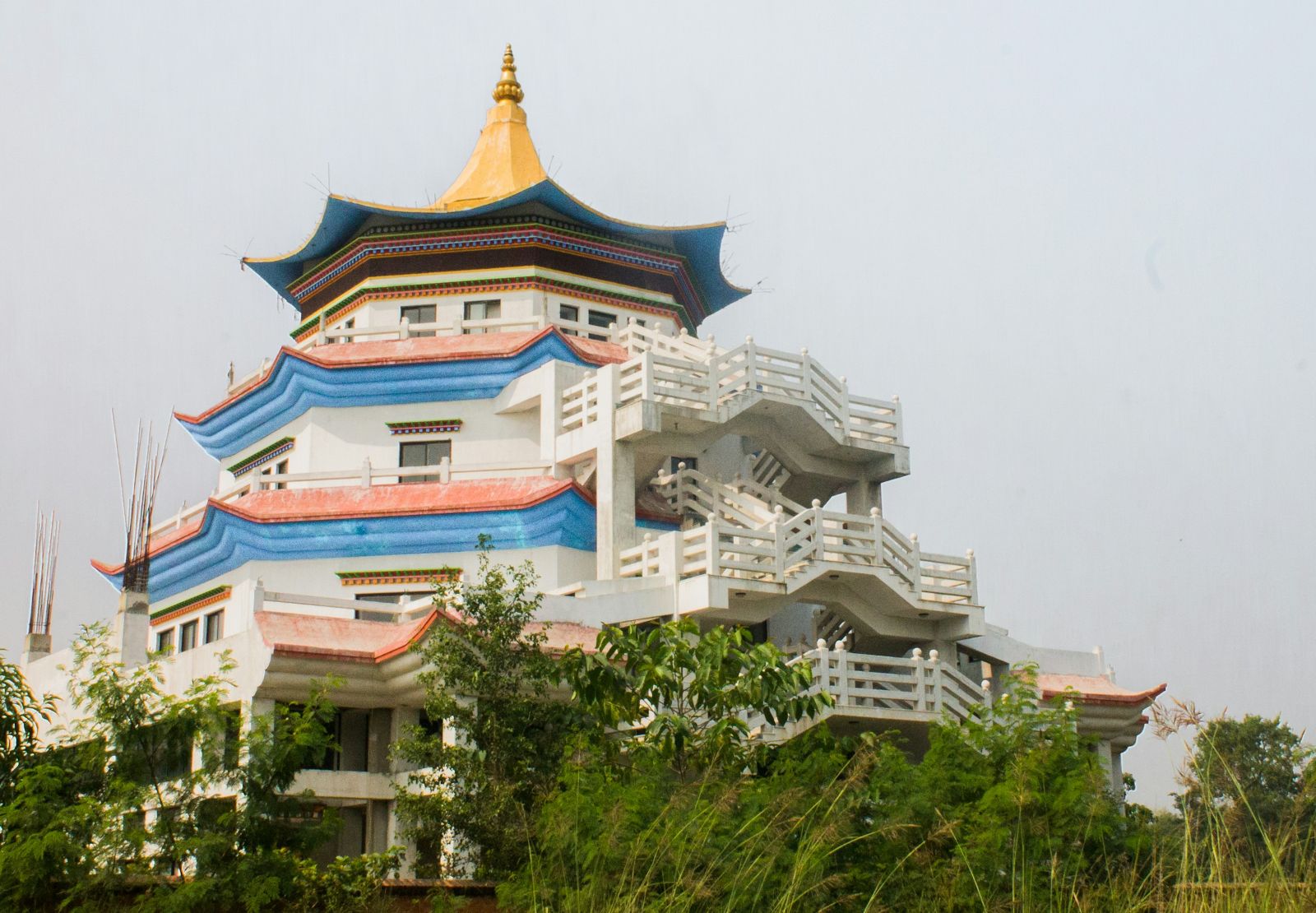
Leave the Ring Road at Sitapaila and head north, and the road soon climbs hard towards the edge of the Nagarjun hills. The last stretch is a steep paved road. At the top stand the white buildings of Druk Amitabha Mountain, with the Kathmandu Valley spread out below.

White Gumba, also called Seto Gumba or Druk Amitabha Mountain, is a Drukpa Buddhist nunnery on a hill north-west of Swayambhu. It has no regular opening schedule. It opens to the public only on announced dates, and we found no opening reported for 2026 as of 27 October 2026. Check before you go.

White Gumba is one of the stops in our guide to places to visit in Kathmandu. This page goes further: the dated openings since December 2024, the ticket, the road and the walk up, what to wear, and how to fit the gumba into a day with Swayambhu.

In this guide

  • Key facts
  • What is White Gumba?
  • A short history of Druk Amitabha Mountain
  • Who are the Kung Fu nuns?
  • When is White Gumba open?
  • What does a visit cost?
  • How do you get to White Gumba?
  • Can you combine White Gumba with Swayambhu or a hike?
  • What should you wear, and how should you behave?
  • When is the best time to visit?
  • How do you plan a White Gumba visit, step by step?
  • Frequently asked questions

Key facts

Other names
Seto Gumba, the White Monastery, Druk Amitabha Mountain, Druk Amitabha Monastery (Nepal Traveller; Wikipedia; OnlineKhabar, 27 Oct 2026)
Who lives there
Nuns of the Druk Gawa Khilwa nunnery, Drukpa lineage; several hundred, about 300 by Reuters' count in December 2024 (Drukpa UK centre; Reuters, 27 Oct 2026)
Location
Dandagaun, Nagarjun Municipality ward 6, Kathmandu district; about 3 km north of Sitapaila, according to Setopati (Gorkhapatra; Setopati, 27 Oct 2026)
Opening
No published schedule; opens on announced dates (Nepal Traveller; Yatra Magazine, 27 Oct 2026)
Openings in 2026
None reported as of 27 October 2026 (Our English and Nepali searches, 27 Oct 2026)
Ticket
Reported as NPR 40 in June 2025; check at the gate (Yatra Magazine, 27 Oct 2026)
Park fee, Nagarjun forest and Jamacho
NPR 1,000 foreign, NPR 600 SAARC, NPR 100 Nepali, per person per entry (Nepal Tourism Board; park office, 27 Oct 2026)

What is White Gumba?

White Gumba is the everyday Kathmandu name for Druk Amitabha Mountain, a nunnery of the Drukpa lineage of Tibetan Buddhism. Seto is Nepali for white, so Seto Gumba simply means the white monastery. You will also see it written as the White Monastery or Druk Amitabha Monastery. When you look for news of an opening, search all of these names.

The community on the mountain is the Druk Gawa Khilwa nunnery. The lineage's UK centre calls Druk Gawa Khilwa "the main training centre and currently, the administration headquarter of all the nunneries in the Himalayas". Reuters describes the nuns as members of "the 1,000 year-old Drukpa lineage, which gives nuns equal status as monks". The lineage is headed by His Holiness the 12th Gyalwang Drukpa, and the gumba is dedicated to Amitabha, the Buddha of Boundless Light.

Reports disagree on exactly how many nuns live here. The safest description is several hundred; Reuters put the community at about 300 in December 2024.

This is a working nunnery first and a sight second. The nuns live, pray and train here, and visitors come in only when the gates are opened to the public.

A short history of Druk Amitabha Mountain

The story is younger than many websites claim. These are the dates we could source:

  • 1989: the site was acquired by the 12th Gyalwang Drukpa, according to Lion's Roar.
  • 1999: "about 40 nuns from Ladakh were sent by His Holiness to live in a village next to Druk Amitabha Mountain", according to the lineage's UK centre.
  • 2009: the Gyalwang Drukpa opened the nunnery, according to Reuters.
  • 2015: the April earthquake "destroyed nearly three-quarters of the Amitabha Drukpa Nunnery", NPR reported, and the nuns lived in tents for nearly two years while rebuilding was planned. Several sources say the site then closed to visitors for repairs.
  • End of December 2024: the nunnery reopened to the public with a kung fu display after several years closed to visitors, during the 10th Annual Drukpa Council held at the mountain from 28 December 2024 to 1 January 2025.

Older descriptions of the site list a large assembly hall, a library, a medical clinic, an animal refuge and vegetable gardens, and in 2009 the nuns ran a coffee shop, a gift shop and a guesthouse. We could not confirm which of these, if any, are open to visitors today, so do not plan your day around them.

Who are the Kung Fu nuns?

The nuns of Druk Amitabha Mountain are known around the world as the Kung Fu nuns. According to Lion's Roar, the Gyalwang Drukpa started kung fu training for the Drukpa nuns in 2008, after watching nuns in Vietnam practise it.

The nuns say it is about strength, not fighting. Jigme Yangchen Gamo told Asia News Network: "It's not about violence but maintaining physical and mental strength." Lion's Roar adds that the training helps focus their minds for meditation and builds inner and outer strength.

"We do kung fu to keep ourselves mentally and physically fit"

Jigme Jangchub Chosdon, 23, a nun from Ladakh, India, to Reuters, Kathmandu, December 2024

Their work goes well beyond the training ground:

  • Earthquake relief: after the April 2015 earthquake the nuns walked from the nunnery to nearby villages to clear rubble and deliver food and aid, as the Washington Post reported.
  • Cycling: in 2016 they cycled from Kathmandu to Ladakh on a long pilgrimage ride promoting care for the environment and women's empowerment.
  • Awards: they were honoured at Asia Society's Asia Game Changer Awards in New York on 24 October 2019, and in 2021 they received the Martial Arts Education Prize 2021 from the UNESCO International Centre for Martial Arts, Tribune India reported.

At the December 2024 reopening, about a dozen nuns aged 17 to 30 performed, some with swords. Jigme Konchok Lhamo, 30, from India, put their outlook simply to Reuters: "Helping others is our religion."

Can you watch them train? There is no published public timetable for training or displays, so treat any kung fu you see as a bonus, not the reason to go.

When is White Gumba open?

White Gumba opens only on announced dates, with no published weekly or yearly schedule. Yatra Magazine wrote in June 2025 that it "is not open year-round" and told visitors to "follow official announcements for future opening dates". As far back as 2020 Nepal Traveller gave the same advice: "The place is not open every day for the visitors, so it is always best to know if it is open or not before you go."

These are the openings we could date:

When What was reported Source
End of December 2024 Reopened to the public with a kung fu display, alongside the 10th Annual Drukpa Council Reuters; Asia News Network
From 17 May 2025 (Jestha 3, 2082) Open to the public for ten days only, scheduled 10 am to 5 pm; crowds caused a traffic jam on the road Setopati; Shilapatra
22 May 2025 Closed at 2 pm instead of 5 pm for safety Shilapatra
24 June 2025 "Temporarily reopened" to visitors; no dates or hours given Yatra Magazine
2026 No public opening reported as of 27 October 2026 Our searches

We cannot tell whether the June 2025 report is a second opening or the May window reported late. The May hours are history, not a timetable.

What about Saturdays or Sundays? Older guides say the gumba opened on Saturdays, and later on Sundays. That is no longer a reliable guide.

Is it worth going on a closed day? We could not confirm what visitors can see or reach when the gates are shut, so we would not make the trip unless an opening has been announced.

What does a visit cost?

The gumba's own ticket is small; the bigger fees come from what you pair it with.

Place Fee Notes
White Gumba Reported as NPR 40 in June 2025 (Yatra Magazine) No official fee page; check at the gate
Swayambhu Stupa NPR 200 foreign, NPR 50 SAARC, NPR 200 Chinese; Nepali and under 10 free Nepal Tourism Board heritage-site table
Shivapuri Nagarjun National Park NPR 1,000 foreign, NPR 600 SAARC, NPR 100 Nepali, per person per entry; under 10 free For the Nagarjun forest and Jamacho; see below for the gumba

We have not printed a taxi fare: the only figure we found was old and from a single source.

How do you get to White Gumba?

White Gumba stands in Dandagaun, ward 6 of Nagarjun Municipality in Kathmandu district. It is outside the Ring Road, north-west of Swayambhu, on a hilltop about 3 km north of Sitapaila by Setopati's description. The nearby village of Ramkot sits on the same road.

Way up What to expect Source
Taxi or private vehicle from Halchowk or Sitapaila Public vehicles are not allowed up to the gumba; take public transport to the Ring Road, then a taxi, "just a 20-30 mins ride" Nepal Traveller, 2020
Public vehicle to the Ramkot junction, then walk Public vehicles go only as far as the junction; the walk is about an hour Nepal Traveller, 2021
On foot from Swayambhu, Sitapaila or Halchowk About one to two hours, depending on where you start and your pace Nepal Traveller; Yatra Magazine

The road. It is very steep. Cars and bikes manage it, but scooters are not recommended. Yatra Magazine says four-wheelers can reach the base. The last stretch is a steep paved road, and mountain bikers use it as a climb from Halchowk.

On open days. In May 2025 the crowds jammed the road and the gates closed early. Allow time for traffic both ways.

Walking up. Wear shoes with grip, carry water and start early; the final climb is steep.

Can you combine White Gumba with Swayambhu or a hike?

Yes. The gumba is north-west of Swayambhu, so the two fit well into one day.

Swayambhu. The Nepal Tourism Board puts Swayambhu "on a hillock 3 km west of Kathmandu", and UNESCO calls it "the oldest Buddhist monument (a stupa) in the Valley". Visit Swayambhu in the morning, then take a taxi up from Sitapaila or walk if you have the legs and the time. Our Swayambhunath guide covers the stupa, and our Nepal pilgrimage guide covers how to behave at Buddhist sites.

Jamacho and the Nagarjun forest. The park office names Ichangu Narayan, Nagarjun and Jamacho as the main destinations on the Nagarjun side of Shivapuri Nagarjun National Park; White Gumba is not on that list. We could not find an official map or notice that places the gumba itself inside or outside the park boundary. If that matters for your plans, check with the park office on +977-01-4370355.

What we can say clearly:

  • The park fee applies if you go into the Nagarjun forest or up to Jamacho (see the fee table above).
  • A park-certified guide: the park office says foreign and SAARC visitors must be accompanied by a park-certified guide.
  • Be out of the forest before sunset.
  • Jamacho is a separate hike. The trail starts at the Fulbari gate near the Balaju bypass; the park's own timing is about three hours from the gate to Jamacho, and there are no tea houses, so carry food and water. We have no reliable route or time from White Gumba to Jamacho.

Our Kathmandu hiking guide covers the Jamacho trail in more detail.

A fuller day. For the old city, see our Kathmandu Durbar Square guide; for places further out, see our Kathmandu day trips guide.

What should you wear, and how should you behave?

We found no dress or conduct rules published by the nunnery itself. The points below are the general custom at monasteries in Nepal, and they are what we ask of our own guests:

  • Cover your shoulders and knees.
  • Take your shoes off before you enter a shrine room.
  • Walk clockwise round stupas, and spin prayer wheels clockwise.
  • Keep your voice low during prayers.
  • Ask before you photograph nuns, anyone at prayer, or the inside of a shrine room. We found no official photo rule either way, so asking is the safe course.
  • Leave the snacks outside. Yatra Magazine reported in June 2025 that "no food is allowed inside the monastery". Eat before you go up.

Give the nuns room, and follow any instruction from them or staff on the day.

When is the best time to visit?

The best time to visit White Gumba is whenever it is open, since openings are few, short and announced rather than scheduled. If you have a choice, aim for clear weather, because the view is half the reason to climb.

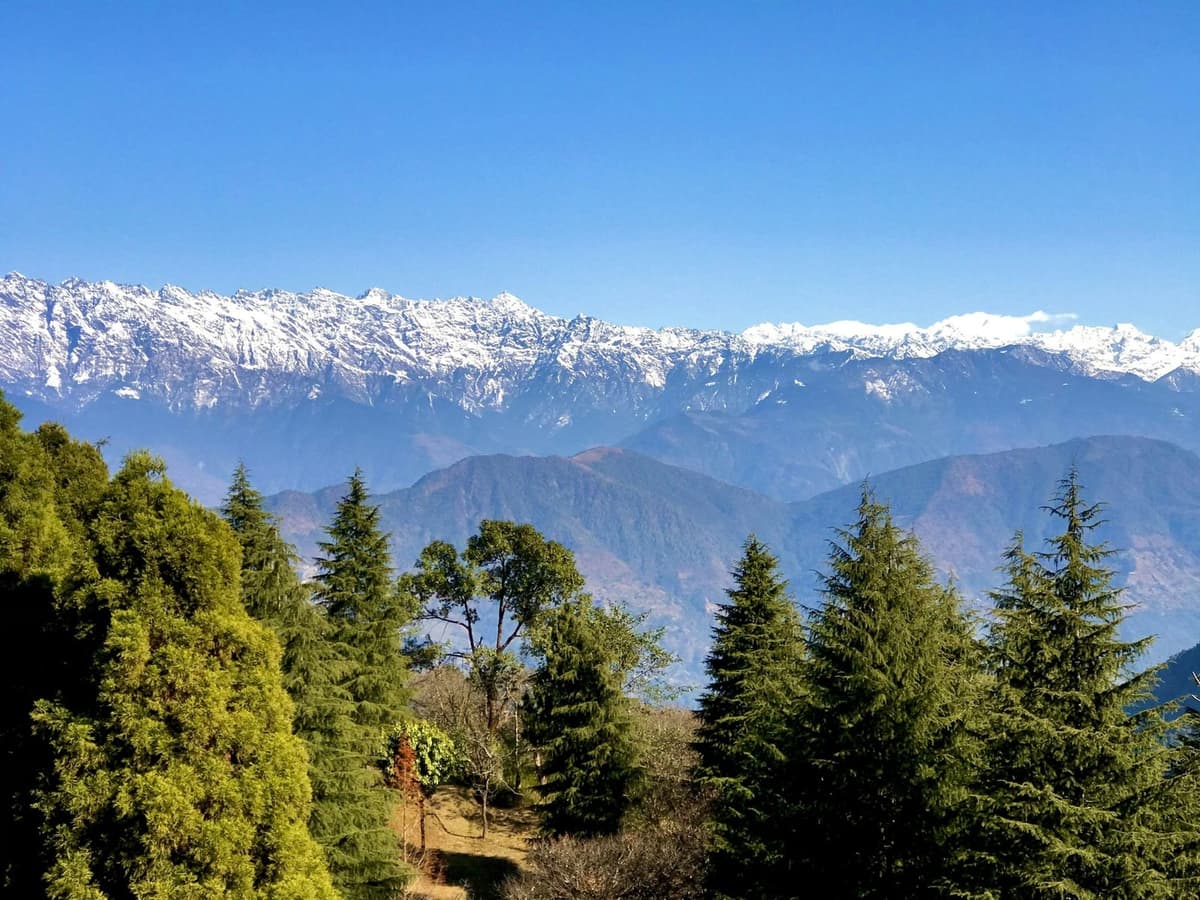
  • For views: the Nepal Tourism Board says "the clearest skies are found after the monsoon in October and November". The 2026 monsoon fully withdrew from Nepal on 14 October 2026. From the top you look over the Kathmandu Valley, and Nepal Traveller says that on a clear day you can glimpse the mountains.
  • Holidays: Tihar public holidays run from 8 to 12 November 2026, so expect busier roads.
  • Winter: snow is rare this close to Kathmandu, but on 9 February 2019 it fell at places including Ramkot, the village beside the nunnery road.

How do you plan a White Gumba visit, step by step?

  1. Check for an announced opening. Search the English and Nepali names (Seto Gumba, सेतो गुम्बा) with the current month, and look for a dated notice. If you find nothing, assume it is closed.
  2. Go early, in the window and in the day. In May 2025 the crowds jammed the road and the gates began closing before time.
  3. Choose how to go up: a taxi from Halchowk or Sitapaila, or a walk of about one to two hours.
  4. Carry rupees in cash for the ticket, and for Swayambhu if you combine them.
  5. Eat before you go, and carry water. Food is not allowed inside.
  6. Dress for a monastery: shoulders and knees covered, shoes easy to slip off.
  7. For the forest or Jamacho, budget for the park fee, go with a park-certified guide, and be out before sunset.

Frequently asked questions

Is White Gumba open now?

We found no public opening reported for 2026 as of 27 October 2026. White Gumba has no published schedule and opens only on announced dates. The last dated openings were ten days from 17 May 2025 and a "temporary" reopening reported in June 2025. Look for a dated notice before you go, or ask us.

How do I get to White Gumba from Kathmandu?

Take public transport or a taxi to Halchowk or Sitapaila on the Ring Road, then a taxi or private vehicle up the steep road, about 20 to 30 minutes. Public vehicles are not allowed up to the gumba. You can also walk up in about one to two hours, depending on where you start. Scooters are not recommended on the climb.

Is there an entry fee for White Gumba?

Yes, a small one when it is open. Yatra Magazine reported the ticket as NPR 40 in June 2025. There is no official fee page, so check at the gate and carry cash in small notes. Older websites give other figures, so trust the price at the gate.

Can I walk to White Gumba from Swayambhu?

Yes. The gumba is on a hill north-west of Swayambhu, and published walking times from Swayambhu, Sitapaila or Halchowk range from about one hour to two, depending on your start and pace. The last stretch is a steep paved road. Carry water, start early, and check the gumba is open before you set off.

Can visitors see the Kung Fu nuns?

Sometimes, but do not count on it. The nuns gave a public kung fu display at the reopening at the end of December 2024. There is no published timetable for training or displays. When the gates are open you visit a working nunnery, so watch quietly and ask before you take photographs.

Do I need a national park ticket for White Gumba?

We could not confirm either way. No official map or notice we found places White Gumba inside or outside Shivapuri Nagarjun National Park. If you continue into the Nagarjun forest or up to Jamacho, the park fee applies: NPR 1,000 foreign, NPR 600 SAARC, NPR 100 Nepali, per person per entry. The park office is on +977-01-4370355.

Plan your Kathmandu day with us

If you would like White Gumba in a Kathmandu day, ask us. Our day tours and day hikes from Kathmandu show the kind of days we run. For the rest of the city, start with our guide to places to visit in Kathmandu.
Tags
White GumbaSeto GumbaDruk Amitabha MountainKung Fu nunsKathmandu monasteriesSwayambhu
Share
U
Uncover Nepal Team
Writer at Uncover Nepal
More in Temples & cultureSee all Temples & culture

White Gumba (Druk Amitabha): Visiting Guide

15 min read Posted 27 Oct 2026Updated 27 Oct 2026
White Gumba (Druk Amitabha): Visiting Guide

By Uncover Nepal Team · Checked by our Kathmandu travel team · Last checked 27 October 2026

Leave the Ring Road at Sitapaila and head north, and the road soon climbs hard towards the edge of the Nagarjun hills. The last stretch is a steep paved road. At the top stand the white buildings of Druk Amitabha Mountain, with the Kathmandu Valley spread out below.

White Gumba, also called Seto Gumba or Druk Amitabha Mountain, is a Drukpa Buddhist nunnery on a hill north-west of Swayambhu. It has no regular opening schedule. It opens to the public only on announced dates, and we found no opening reported for 2026 as of 27 October 2026. Check before you go.

White Gumba is one of the stops in our guide to places to visit in Kathmandu. This page goes further: the dated openings since December 2024, the ticket, the road and the walk up, what to wear, and how to fit the gumba into a day with Swayambhu.

In this guide

  • Key facts
  • What is White Gumba?
  • A short history of Druk Amitabha Mountain
  • Who are the Kung Fu nuns?
  • When is White Gumba open?
  • What does a visit cost?
  • How do you get to White Gumba?
  • Can you combine White Gumba with Swayambhu or a hike?
  • What should you wear, and how should you behave?
  • When is the best time to visit?
  • How do you plan a White Gumba visit, step by step?
  • Frequently asked questions

Key facts

Other names
Seto Gumba, the White Monastery, Druk Amitabha Mountain, Druk Amitabha Monastery (Nepal Traveller; Wikipedia; OnlineKhabar, 27 Oct 2026)
Who lives there
Nuns of the Druk Gawa Khilwa nunnery, Drukpa lineage; several hundred, about 300 by Reuters' count in December 2024 (Drukpa UK centre; Reuters, 27 Oct 2026)
Location
Dandagaun, Nagarjun Municipality ward 6, Kathmandu district; about 3 km north of Sitapaila, according to Setopati (Gorkhapatra; Setopati, 27 Oct 2026)
Opening
No published schedule; opens on announced dates (Nepal Traveller; Yatra Magazine, 27 Oct 2026)
Openings in 2026
None reported as of 27 October 2026 (Our English and Nepali searches, 27 Oct 2026)
Ticket
Reported as NPR 40 in June 2025; check at the gate (Yatra Magazine, 27 Oct 2026)
Park fee, Nagarjun forest and Jamacho
NPR 1,000 foreign, NPR 600 SAARC, NPR 100 Nepali, per person per entry (Nepal Tourism Board; park office, 27 Oct 2026)

What is White Gumba?

White Gumba is the everyday Kathmandu name for Druk Amitabha Mountain, a nunnery of the Drukpa lineage of Tibetan Buddhism. Seto is Nepali for white, so Seto Gumba simply means the white monastery. You will also see it written as the White Monastery or Druk Amitabha Monastery. When you look for news of an opening, search all of these names.

The community on the mountain is the Druk Gawa Khilwa nunnery. The lineage's UK centre calls Druk Gawa Khilwa "the main training centre and currently, the administration headquarter of all the nunneries in the Himalayas". Reuters describes the nuns as members of "the 1,000 year-old Drukpa lineage, which gives nuns equal status as monks". The lineage is headed by His Holiness the 12th Gyalwang Drukpa, and the gumba is dedicated to Amitabha, the Buddha of Boundless Light.

Reports disagree on exactly how many nuns live here. The safest description is several hundred; Reuters put the community at about 300 in December 2024.

This is a working nunnery first and a sight second. The nuns live, pray and train here, and visitors come in only when the gates are opened to the public.

A short history of Druk Amitabha Mountain

The story is younger than many websites claim. These are the dates we could source:

  • 1989: the site was acquired by the 12th Gyalwang Drukpa, according to Lion's Roar.
  • 1999: "about 40 nuns from Ladakh were sent by His Holiness to live in a village next to Druk Amitabha Mountain", according to the lineage's UK centre.
  • 2009: the Gyalwang Drukpa opened the nunnery, according to Reuters.
  • 2015: the April earthquake "destroyed nearly three-quarters of the Amitabha Drukpa Nunnery", NPR reported, and the nuns lived in tents for nearly two years while rebuilding was planned. Several sources say the site then closed to visitors for repairs.
  • End of December 2024: the nunnery reopened to the public with a kung fu display after several years closed to visitors, during the 10th Annual Drukpa Council held at the mountain from 28 December 2024 to 1 January 2025.

Older descriptions of the site list a large assembly hall, a library, a medical clinic, an animal refuge and vegetable gardens, and in 2009 the nuns ran a coffee shop, a gift shop and a guesthouse. We could not confirm which of these, if any, are open to visitors today, so do not plan your day around them.

Who are the Kung Fu nuns?

The nuns of Druk Amitabha Mountain are known around the world as the Kung Fu nuns. According to Lion's Roar, the Gyalwang Drukpa started kung fu training for the Drukpa nuns in 2008, after watching nuns in Vietnam practise it.

The nuns say it is about strength, not fighting. Jigme Yangchen Gamo told Asia News Network: "It's not about violence but maintaining physical and mental strength." Lion's Roar adds that the training helps focus their minds for meditation and builds inner and outer strength.

"We do kung fu to keep ourselves mentally and physically fit"

Jigme Jangchub Chosdon, 23, a nun from Ladakh, India, to Reuters, Kathmandu, December 2024

Their work goes well beyond the training ground:

  • Earthquake relief: after the April 2015 earthquake the nuns walked from the nunnery to nearby villages to clear rubble and deliver food and aid, as the Washington Post reported.
  • Cycling: in 2016 they cycled from Kathmandu to Ladakh on a long pilgrimage ride promoting care for the environment and women's empowerment.
  • Awards: they were honoured at Asia Society's Asia Game Changer Awards in New York on 24 October 2019, and in 2021 they received the Martial Arts Education Prize 2021 from the UNESCO International Centre for Martial Arts, Tribune India reported.

At the December 2024 reopening, about a dozen nuns aged 17 to 30 performed, some with swords. Jigme Konchok Lhamo, 30, from India, put their outlook simply to Reuters: "Helping others is our religion."

Can you watch them train? There is no published public timetable for training or displays, so treat any kung fu you see as a bonus, not the reason to go.

When is White Gumba open?

White Gumba opens only on announced dates, with no published weekly or yearly schedule. Yatra Magazine wrote in June 2025 that it "is not open year-round" and told visitors to "follow official announcements for future opening dates". As far back as 2020 Nepal Traveller gave the same advice: "The place is not open every day for the visitors, so it is always best to know if it is open or not before you go."

These are the openings we could date:

When What was reported Source
End of December 2024 Reopened to the public with a kung fu display, alongside the 10th Annual Drukpa Council Reuters; Asia News Network
From 17 May 2025 (Jestha 3, 2082) Open to the public for ten days only, scheduled 10 am to 5 pm; crowds caused a traffic jam on the road Setopati; Shilapatra
22 May 2025 Closed at 2 pm instead of 5 pm for safety Shilapatra
24 June 2025 "Temporarily reopened" to visitors; no dates or hours given Yatra Magazine
2026 No public opening reported as of 27 October 2026 Our searches

We cannot tell whether the June 2025 report is a second opening or the May window reported late. The May hours are history, not a timetable.

What about Saturdays or Sundays? Older guides say the gumba opened on Saturdays, and later on Sundays. That is no longer a reliable guide.

Is it worth going on a closed day? We could not confirm what visitors can see or reach when the gates are shut, so we would not make the trip unless an opening has been announced.

What does a visit cost?

The gumba's own ticket is small; the bigger fees come from what you pair it with.

Place Fee Notes
White Gumba Reported as NPR 40 in June 2025 (Yatra Magazine) No official fee page; check at the gate
Swayambhu Stupa NPR 200 foreign, NPR 50 SAARC, NPR 200 Chinese; Nepali and under 10 free Nepal Tourism Board heritage-site table
Shivapuri Nagarjun National Park NPR 1,000 foreign, NPR 600 SAARC, NPR 100 Nepali, per person per entry; under 10 free For the Nagarjun forest and Jamacho; see below for the gumba

We have not printed a taxi fare: the only figure we found was old and from a single source.

How do you get to White Gumba?

White Gumba stands in Dandagaun, ward 6 of Nagarjun Municipality in Kathmandu district. It is outside the Ring Road, north-west of Swayambhu, on a hilltop about 3 km north of Sitapaila by Setopati's description. The nearby village of Ramkot sits on the same road.

Way up What to expect Source
Taxi or private vehicle from Halchowk or Sitapaila Public vehicles are not allowed up to the gumba; take public transport to the Ring Road, then a taxi, "just a 20-30 mins ride" Nepal Traveller, 2020
Public vehicle to the Ramkot junction, then walk Public vehicles go only as far as the junction; the walk is about an hour Nepal Traveller, 2021
On foot from Swayambhu, Sitapaila or Halchowk About one to two hours, depending on where you start and your pace Nepal Traveller; Yatra Magazine

The road. It is very steep. Cars and bikes manage it, but scooters are not recommended. Yatra Magazine says four-wheelers can reach the base. The last stretch is a steep paved road, and mountain bikers use it as a climb from Halchowk.

On open days. In May 2025 the crowds jammed the road and the gates closed early. Allow time for traffic both ways.

Walking up. Wear shoes with grip, carry water and start early; the final climb is steep.

Can you combine White Gumba with Swayambhu or a hike?

Yes. The gumba is north-west of Swayambhu, so the two fit well into one day.

Swayambhu. The Nepal Tourism Board puts Swayambhu "on a hillock 3 km west of Kathmandu", and UNESCO calls it "the oldest Buddhist monument (a stupa) in the Valley". Visit Swayambhu in the morning, then take a taxi up from Sitapaila or walk if you have the legs and the time. Our Swayambhunath guide covers the stupa, and our Nepal pilgrimage guide covers how to behave at Buddhist sites.

Jamacho and the Nagarjun forest. The park office names Ichangu Narayan, Nagarjun and Jamacho as the main destinations on the Nagarjun side of Shivapuri Nagarjun National Park; White Gumba is not on that list. We could not find an official map or notice that places the gumba itself inside or outside the park boundary. If that matters for your plans, check with the park office on +977-01-4370355.

What we can say clearly:

  • The park fee applies if you go into the Nagarjun forest or up to Jamacho (see the fee table above).
  • A park-certified guide: the park office says foreign and SAARC visitors must be accompanied by a park-certified guide.
  • Be out of the forest before sunset.
  • Jamacho is a separate hike. The trail starts at the Fulbari gate near the Balaju bypass; the park's own timing is about three hours from the gate to Jamacho, and there are no tea houses, so carry food and water. We have no reliable route or time from White Gumba to Jamacho.

Our Kathmandu hiking guide covers the Jamacho trail in more detail.

A fuller day. For the old city, see our Kathmandu Durbar Square guide; for places further out, see our Kathmandu day trips guide.

What should you wear, and how should you behave?

We found no dress or conduct rules published by the nunnery itself. The points below are the general custom at monasteries in Nepal, and they are what we ask of our own guests:

  • Cover your shoulders and knees.
  • Take your shoes off before you enter a shrine room.
  • Walk clockwise round stupas, and spin prayer wheels clockwise.
  • Keep your voice low during prayers.
  • Ask before you photograph nuns, anyone at prayer, or the inside of a shrine room. We found no official photo rule either way, so asking is the safe course.
  • Leave the snacks outside. Yatra Magazine reported in June 2025 that "no food is allowed inside the monastery". Eat before you go up.

Give the nuns room, and follow any instruction from them or staff on the day.

When is the best time to visit?

The best time to visit White Gumba is whenever it is open, since openings are few, short and announced rather than scheduled. If you have a choice, aim for clear weather, because the view is half the reason to climb.

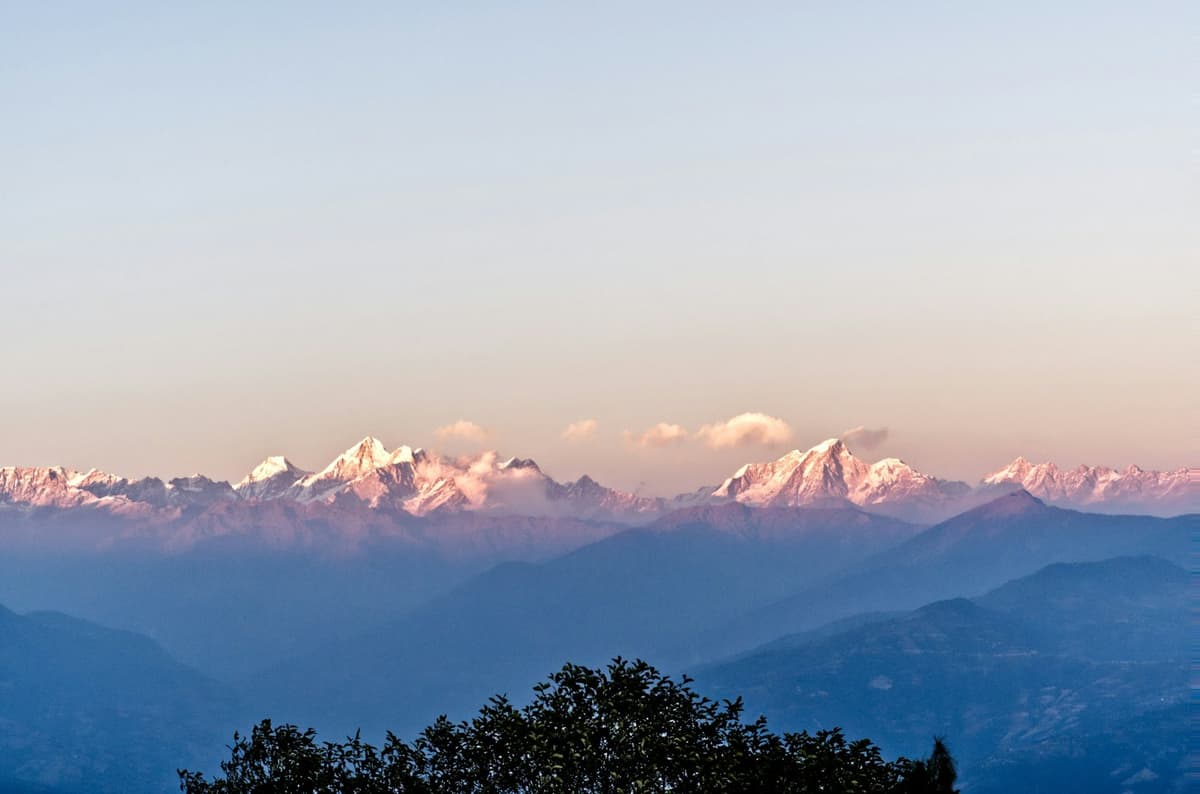
  • For views: the Nepal Tourism Board says "the clearest skies are found after the monsoon in October and November". The 2026 monsoon fully withdrew from Nepal on 14 October 2026. From the top you look over the Kathmandu Valley, and Nepal Traveller says that on a clear day you can glimpse the mountains.
  • Holidays: Tihar public holidays run from 8 to 12 November 2026, so expect busier roads.
  • Winter: snow is rare this close to Kathmandu, but on 9 February 2019 it fell at places including Ramkot, the village beside the nunnery road.

How do you plan a White Gumba visit, step by step?

  1. Check for an announced opening. Search the English and Nepali names (Seto Gumba, सेतो गुम्बा) with the current month, and look for a dated notice. If you find nothing, assume it is closed.
  2. Go early, in the window and in the day. In May 2025 the crowds jammed the road and the gates began closing before time.
  3. Choose how to go up: a taxi from Halchowk or Sitapaila, or a walk of about one to two hours.
  4. Carry rupees in cash for the ticket, and for Swayambhu if you combine them.
  5. Eat before you go, and carry water. Food is not allowed inside.
  6. Dress for a monastery: shoulders and knees covered, shoes easy to slip off.
  7. For the forest or Jamacho, budget for the park fee, go with a park-certified guide, and be out before sunset.

Frequently asked questions

Is White Gumba open now?

We found no public opening reported for 2026 as of 27 October 2026. White Gumba has no published schedule and opens only on announced dates. The last dated openings were ten days from 17 May 2025 and a "temporary" reopening reported in June 2025. Look for a dated notice before you go, or ask us.

How do I get to White Gumba from Kathmandu?

Take public transport or a taxi to Halchowk or Sitapaila on the Ring Road, then a taxi or private vehicle up the steep road, about 20 to 30 minutes. Public vehicles are not allowed up to the gumba. You can also walk up in about one to two hours, depending on where you start. Scooters are not recommended on the climb.

Is there an entry fee for White Gumba?

Yes, a small one when it is open. Yatra Magazine reported the ticket as NPR 40 in June 2025. There is no official fee page, so check at the gate and carry cash in small notes. Older websites give other figures, so trust the price at the gate.

Can I walk to White Gumba from Swayambhu?

Yes. The gumba is on a hill north-west of Swayambhu, and published walking times from Swayambhu, Sitapaila or Halchowk range from about one hour to two, depending on your start and pace. The last stretch is a steep paved road. Carry water, start early, and check the gumba is open before you set off.

Can visitors see the Kung Fu nuns?

Sometimes, but do not count on it. The nuns gave a public kung fu display at the reopening at the end of December 2024. There is no published timetable for training or displays. When the gates are open you visit a working nunnery, so watch quietly and ask before you take photographs.

Do I need a national park ticket for White Gumba?

We could not confirm either way. No official map or notice we found places White Gumba inside or outside Shivapuri Nagarjun National Park. If you continue into the Nagarjun forest or up to Jamacho, the park fee applies: NPR 1,000 foreign, NPR 600 SAARC, NPR 100 Nepali, per person per entry. The park office is on +977-01-4370355.

Plan your Kathmandu day with us

If you would like White Gumba in a Kathmandu day, ask us. Our day tours and day hikes from Kathmandu show the kind of days we run. For the rest of the city, start with our guide to places to visit in Kathmandu.
Tags
White GumbaSeto GumbaDruk Amitabha MountainKung Fu nunsKathmandu monasteriesSwayambhu
Share
U
Uncover Nepal Team
Writer at Uncover Nepal
More in Temples & cultureSee all Temples & culture