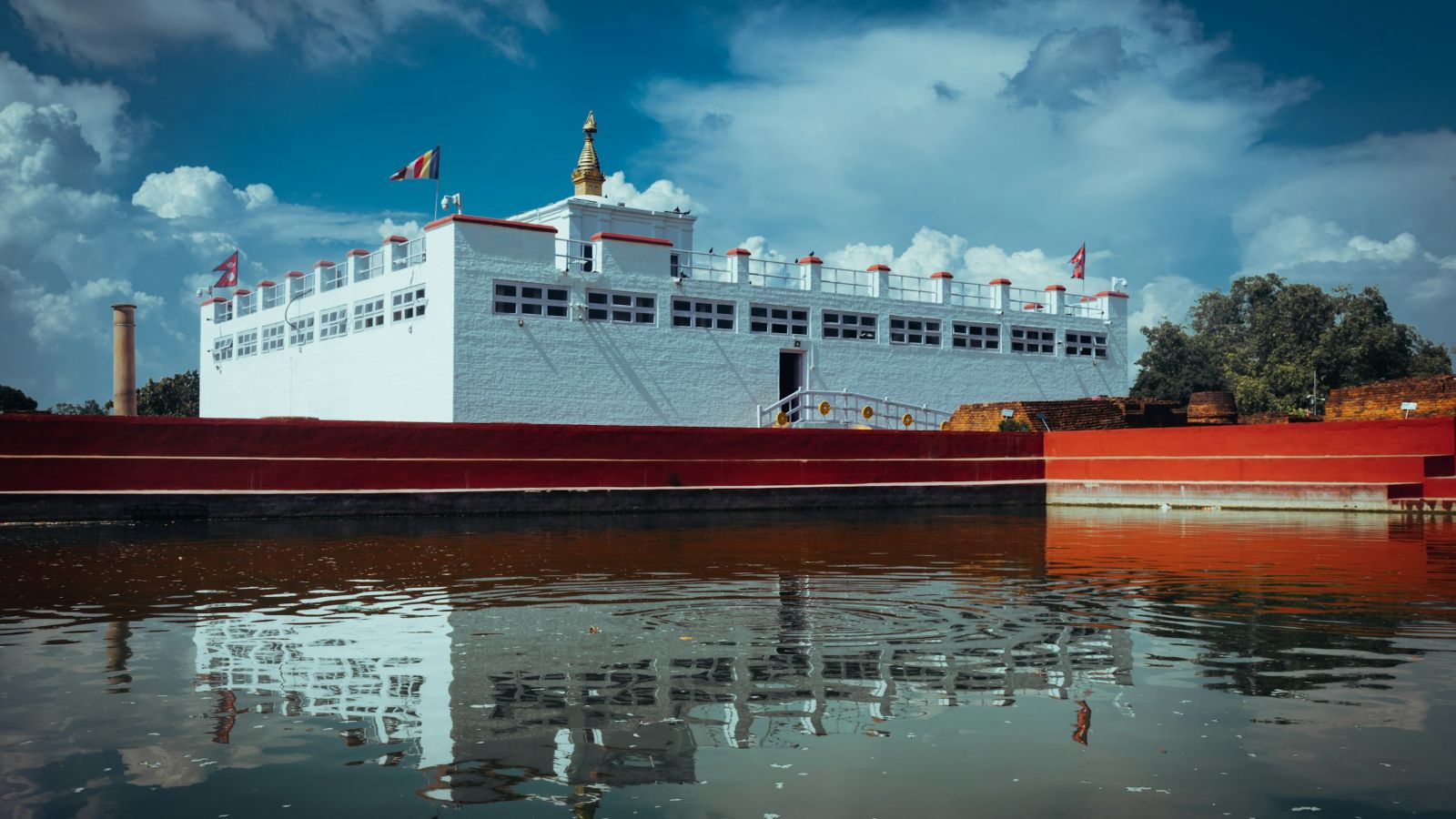


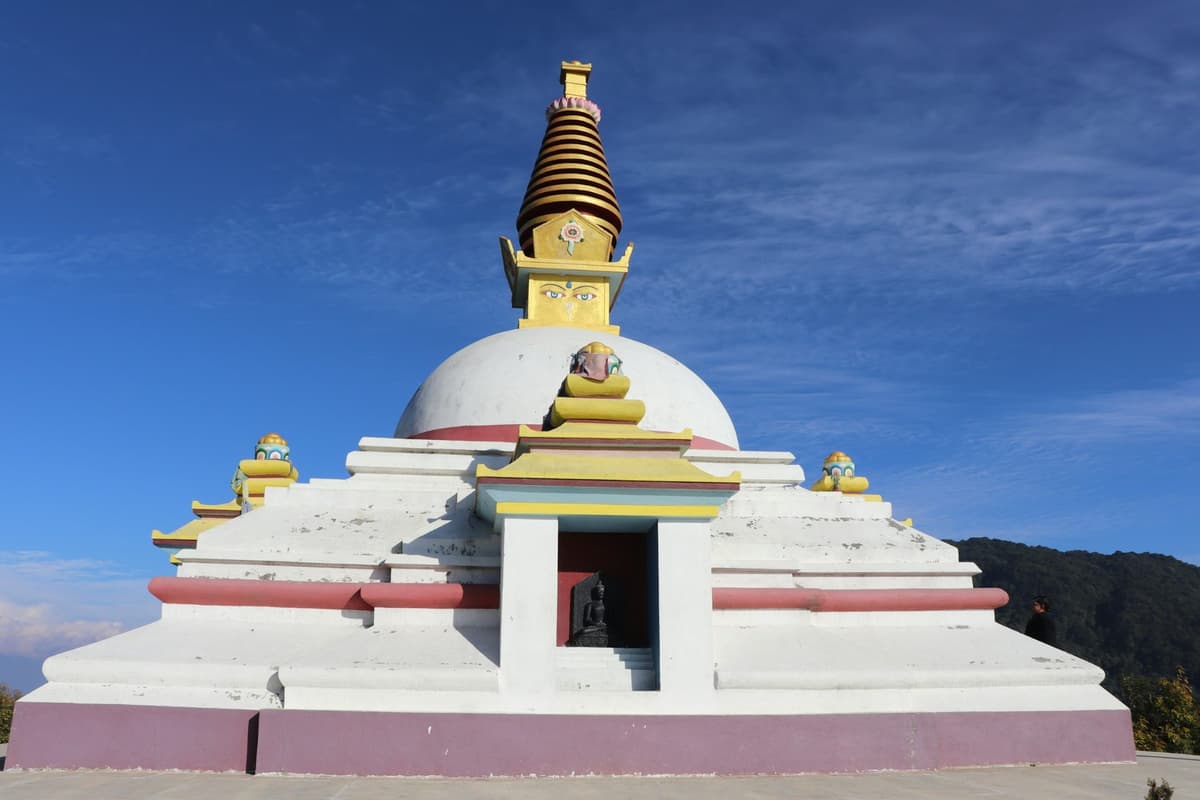

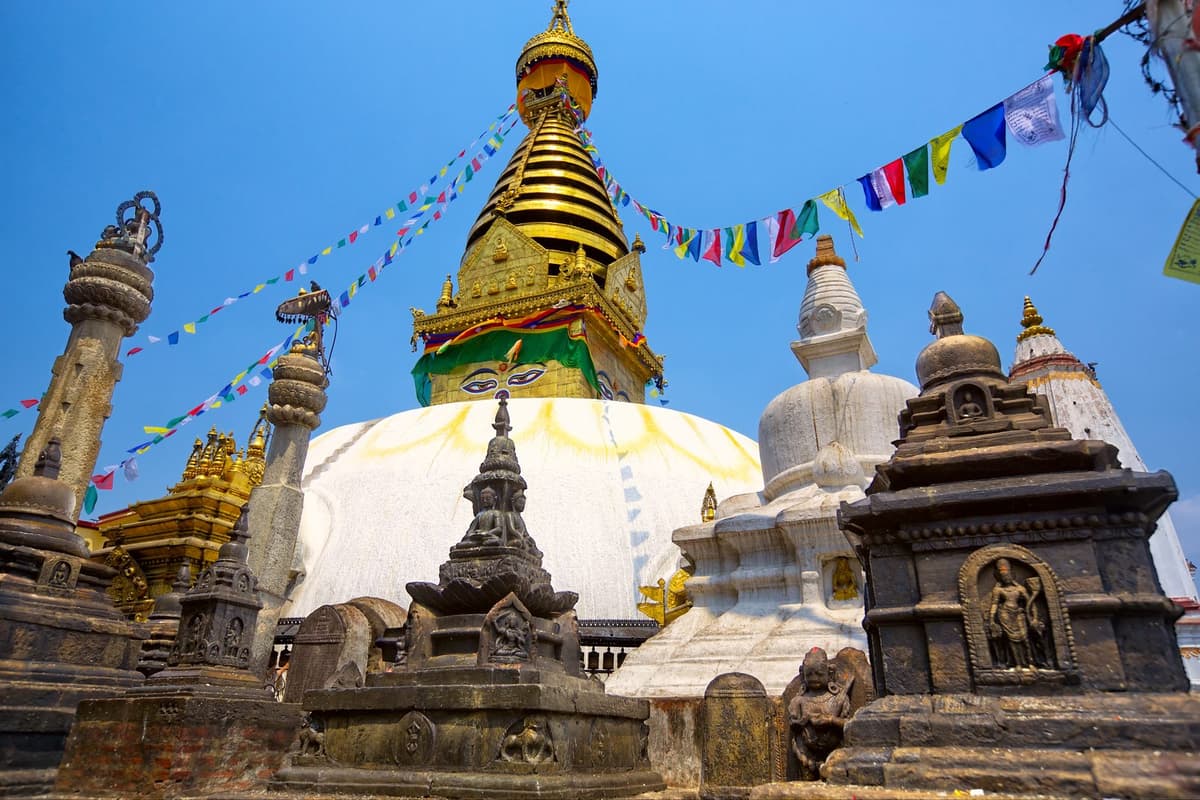
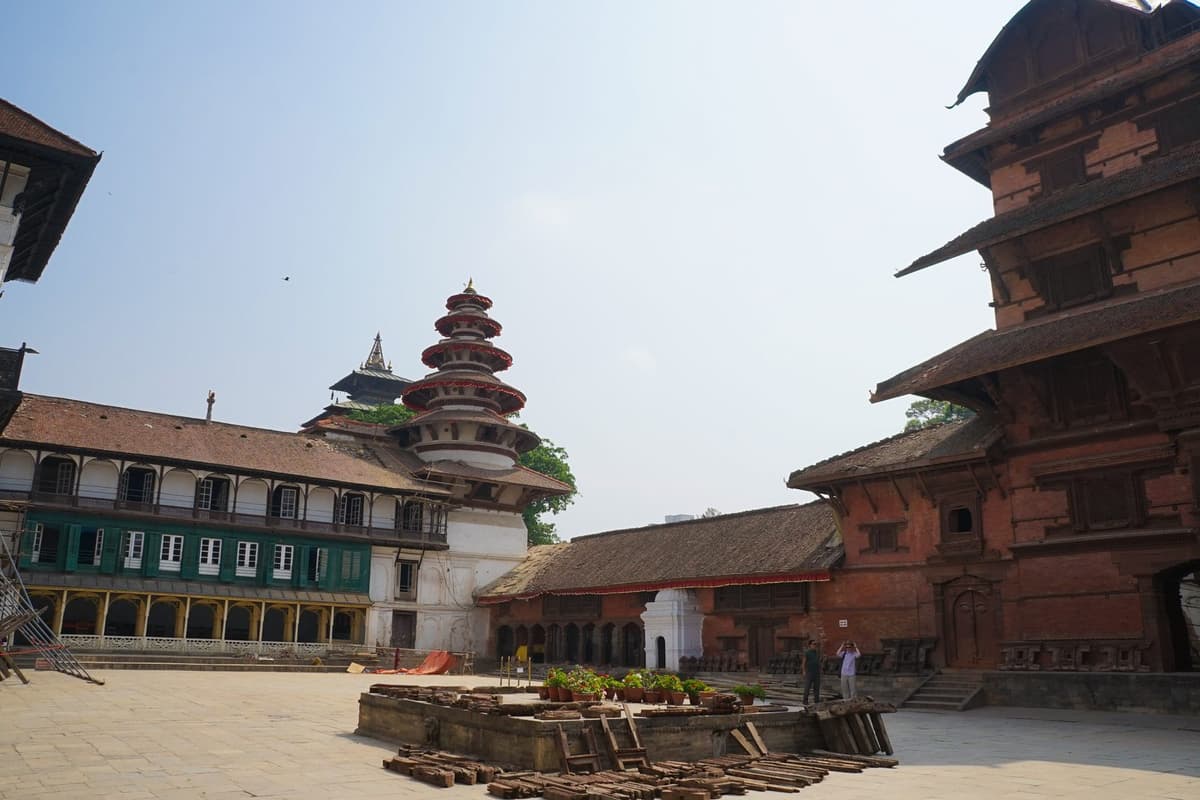
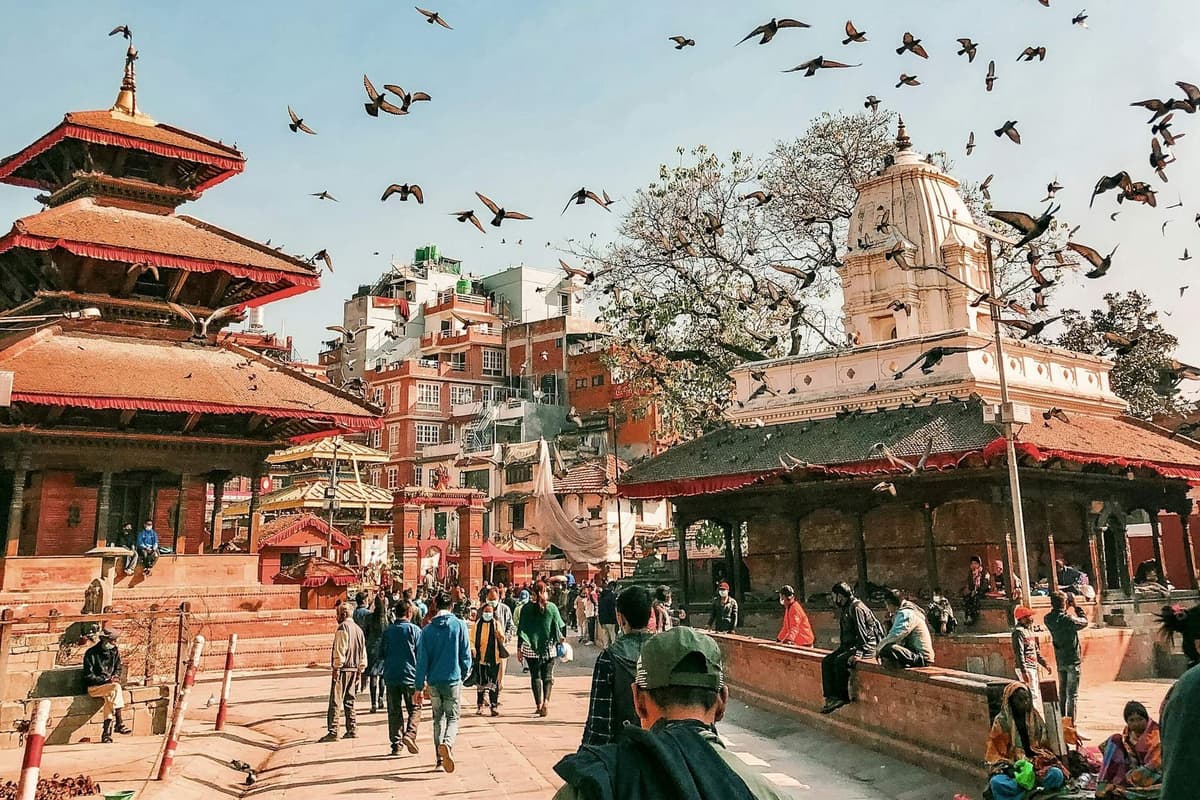
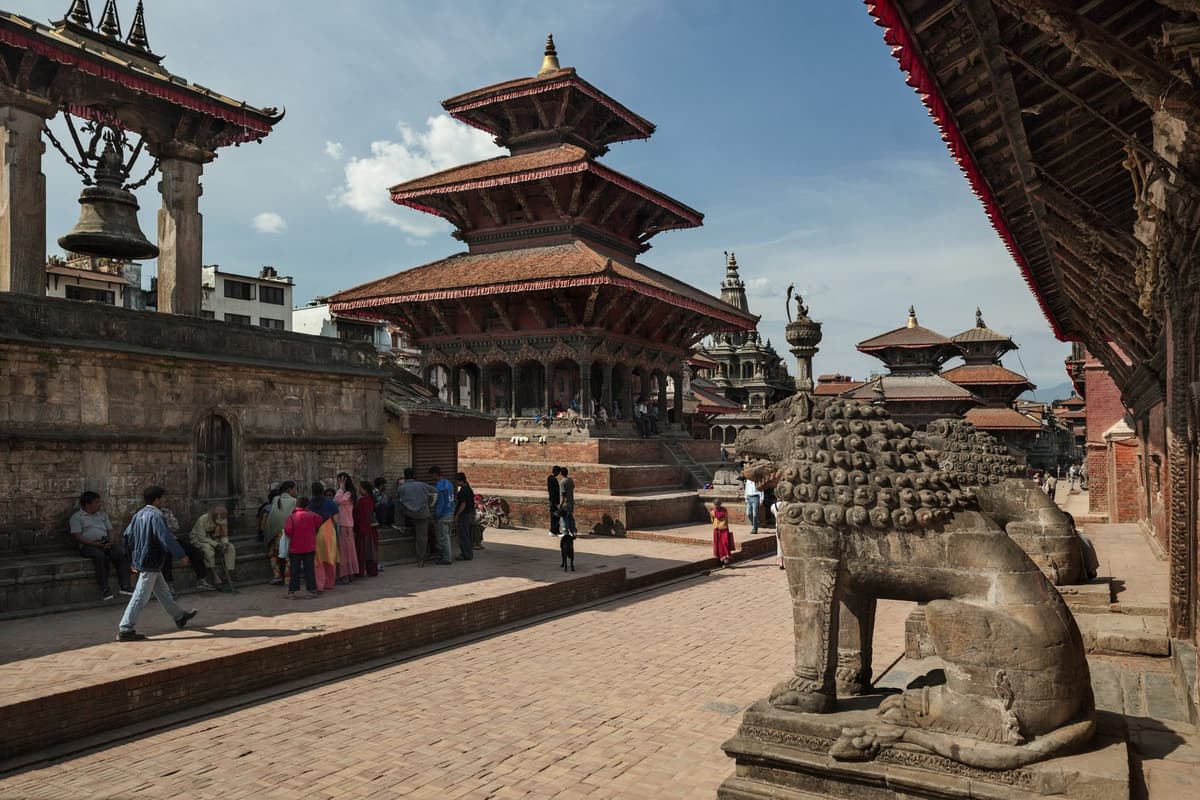


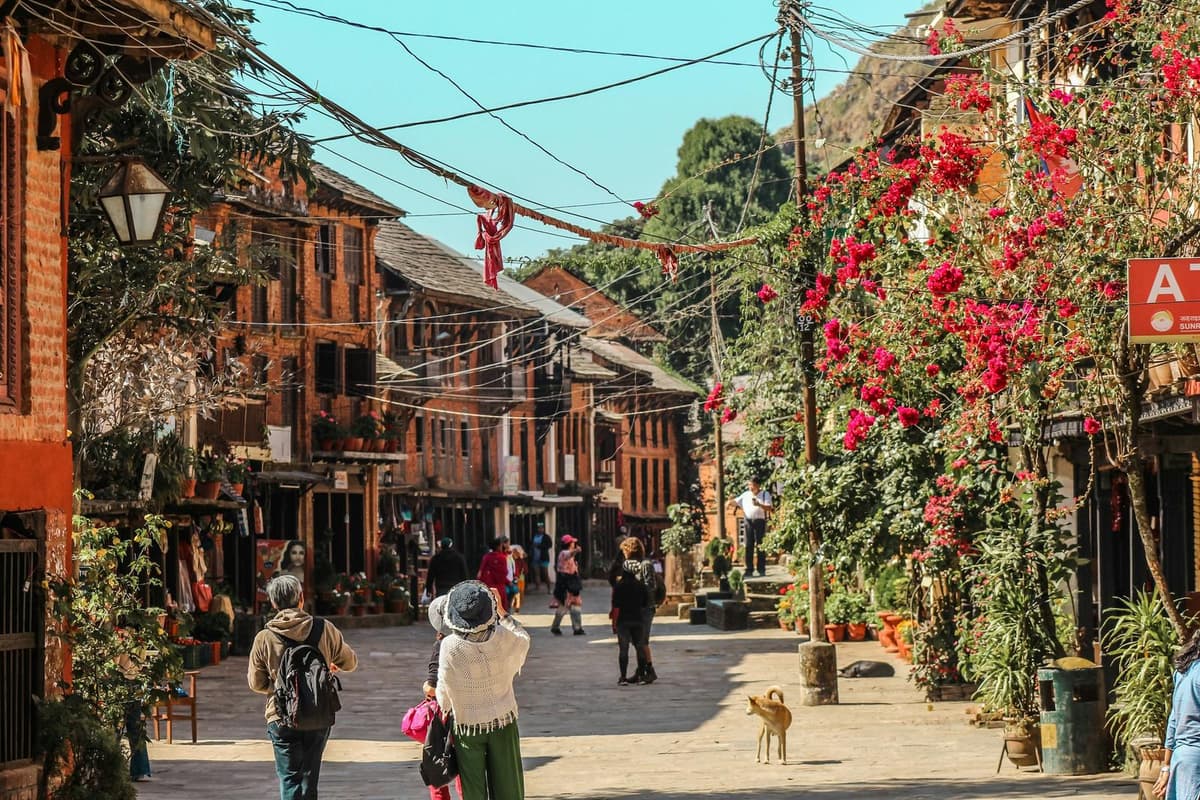
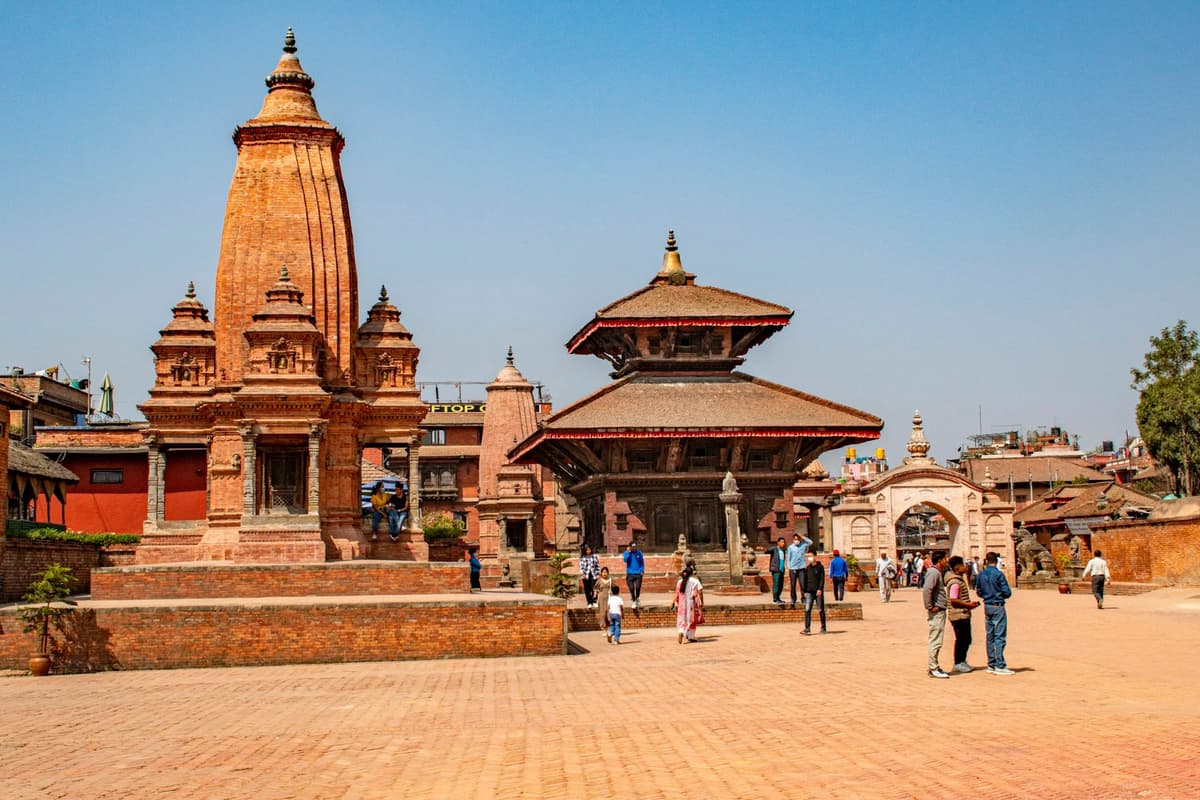
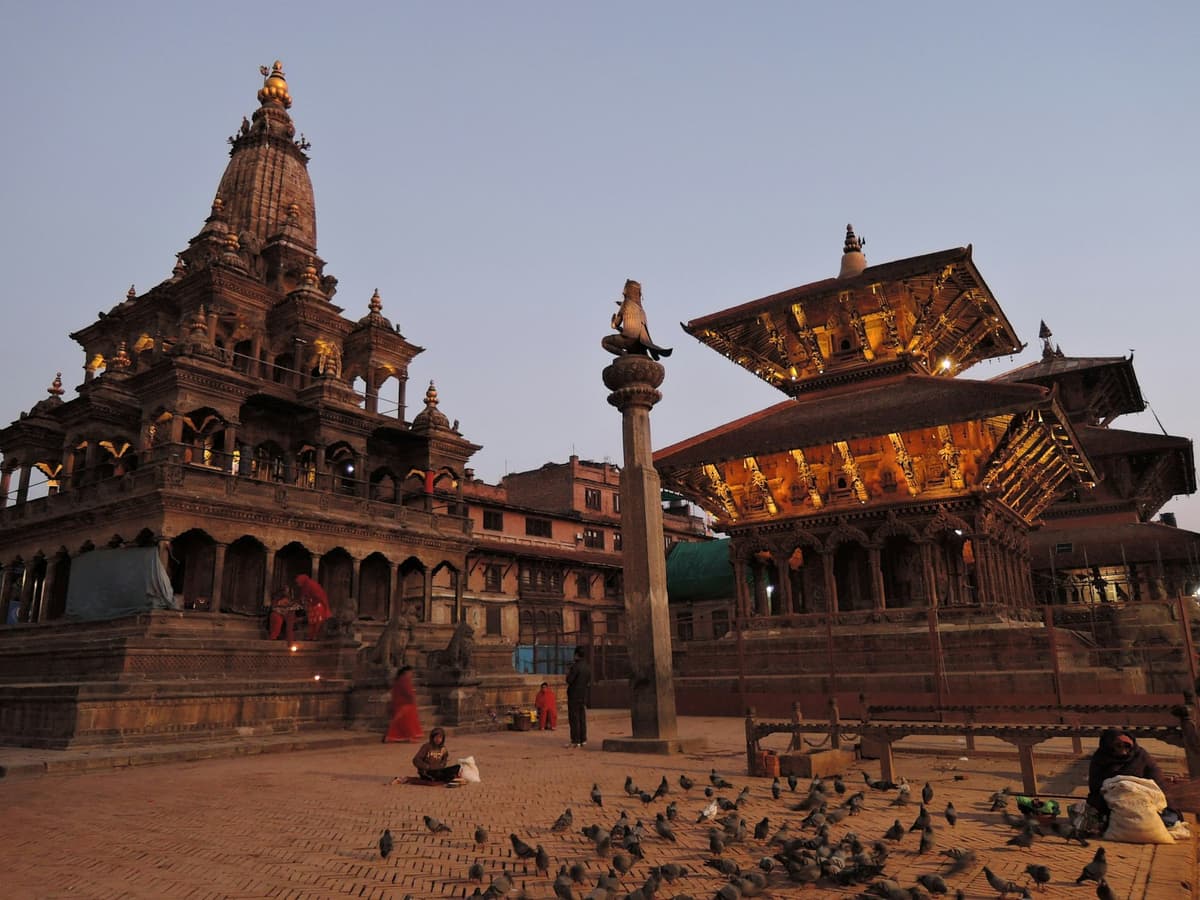

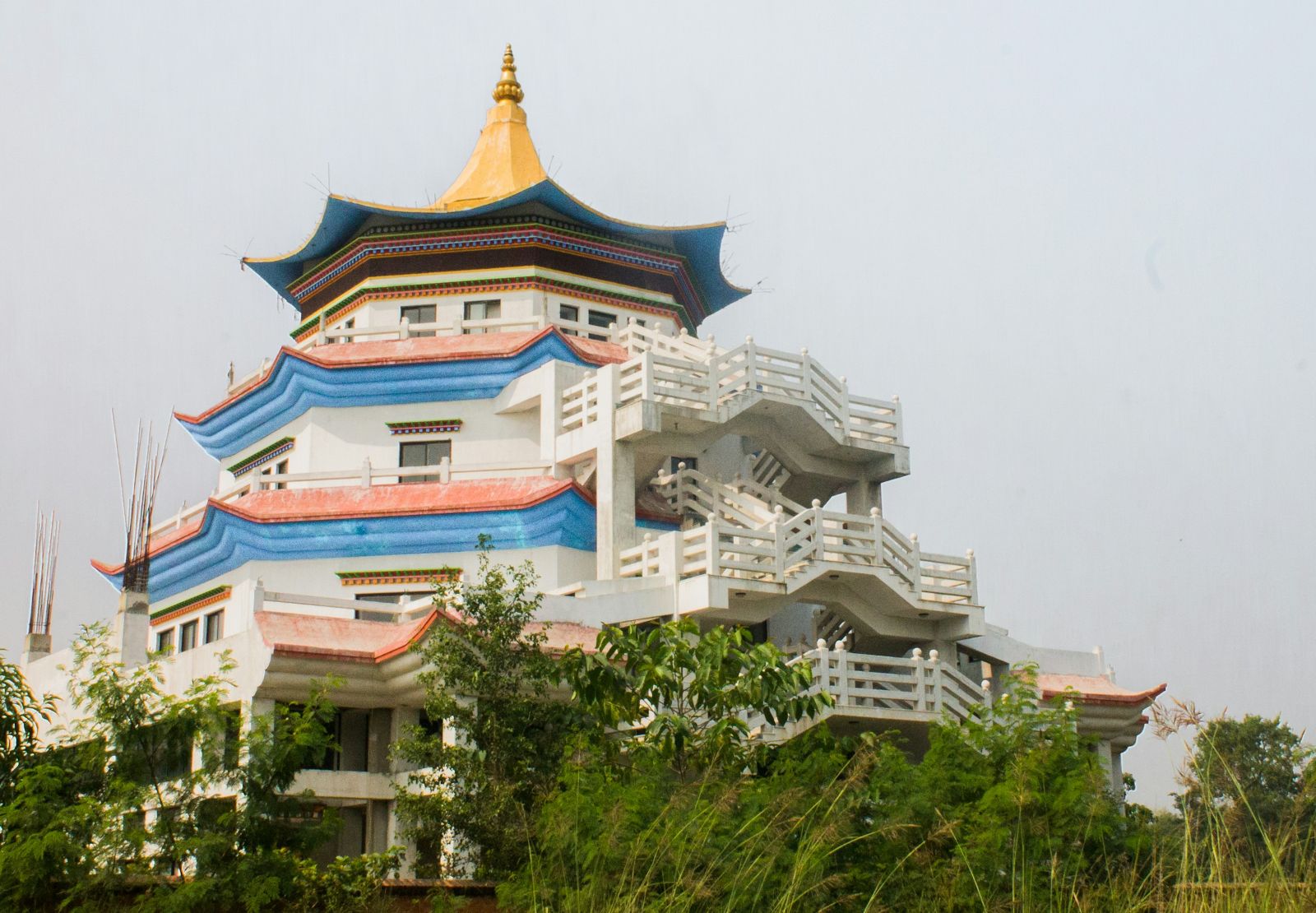
A straight walkway and a long canal run through the middle of Lumbini's monastic zone. On either side, behind their own gates and gardens, stand temples built by Buddhist communities from Thailand, Myanmar, Sri Lanka, Korea, China, Vietnam, Germany, France, Nepal and beyond. Monks, pilgrims, cyclists and electric rickshaws share the paths.
By Uncover Nepal Team · Checked by our Kathmandu travel team · Last checked 31 October 2026
If you are looking for a Buddhist temple in Lumbini, Nepal beyond the Maya Devi Temple, most stand in the monastic zone north of the Sacred Garden. The Lumbini Development Trust (LDT) lists 29 monasteries and meditation centres there, one still being built, on 13 Theravada plots in the East and 29 Mahayana plots in the West.
For fees, transport and the rest of the site, start with our Lumbini travel guide.
In this guide
- How is Lumbini's monastic zone laid out?
- Key facts
- Which monasteries are in the East and West zones?
- Which Buddhist temple in Lumbini, Nepal should you see first?
- Which monasteries are still being built?
- How do you get around the monastic zone?
- What should you wear and how should you behave?
- What does it cost, and when is it open?
- Frequently asked questions
- How can we help you plan your visit to Lumbini?
How is Lumbini's monastic zone laid out?
The monastic zone is the middle part of a master plan drawn by the Japanese architect Kenzo Tange. A walkway and canal split it into an East zone for Theravada monasteries and a West zone for Mahayana ones. The Sacred Garden lies to the south and the World Peace Pagoda area to the north.
Kenzo Tange's master plan
The Government of Nepal commissioned the plan after a visit by U Thant, then Secretary-General of the United Nations, in 1967. The two main sources date it slightly differently. LDT says the government approved the plan in 1978. UNESCO says Tange carried out the plan between 1972 and 1978, and that the planning was started together with the United Nations. Both sources place the finished plan in 1978.
LDT describes the plan like this:
"The Lumbini Master Plan, which covers an area of 1x3 square miles, is oriented along the north-south axis"
Lumbini Development Trust, Lumbini page, updated 28 September 2026
The plan has three zones, each about one square mile: the Sacred Garden, the Monastic Zone, and the Cultural Center and New Lumbini Village. The Sacred Garden holds the Maya Devi Temple, which our guide to the Maya Devi Temple covers in detail. LDT, set up by the Government of Nepal in 1985, also has its own Lumbini Monastic Zone Regulations.
The walkway, the canal and the landmarks on it
LDT says the Monastic Zone is "divided into two subzones by a 1.6 km long pedestrian walkway and a canal". LDT calls the water the Central Canal and describes it as having boating facilities, though its page does not say whether boats run today. Along the zone you will also find the Eternal Peace Flame and the Peace Bell. The flame was lit in 1986, according to the In Your Pocket guide (April 2026). LDT's own peace walk in June 2026 started at the Eternal Peace Flame and went about two kilometres north to the International Meditation and Conference Center, which gives you a feel for the scale.
The World Peace Pagoda to the north
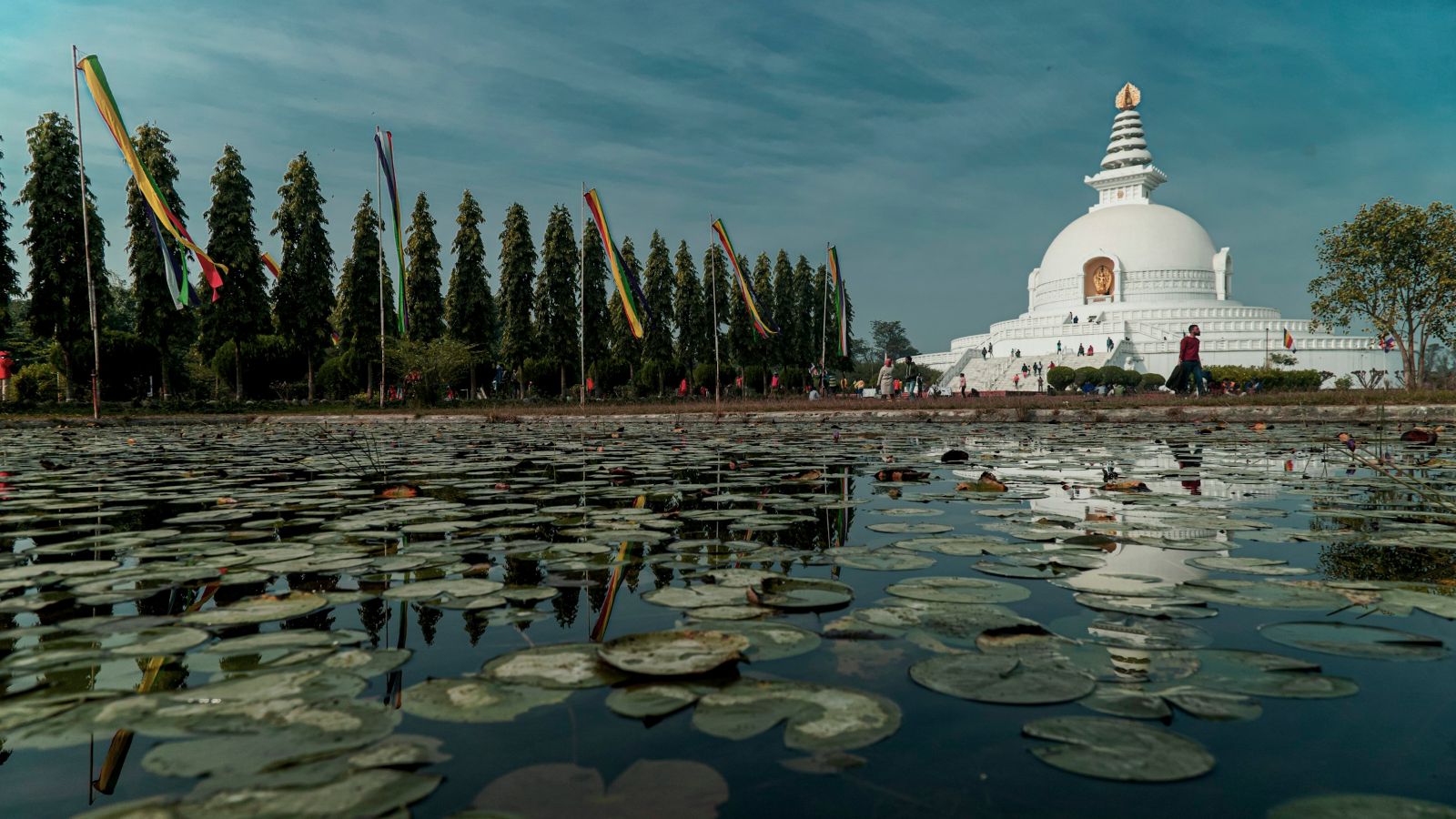
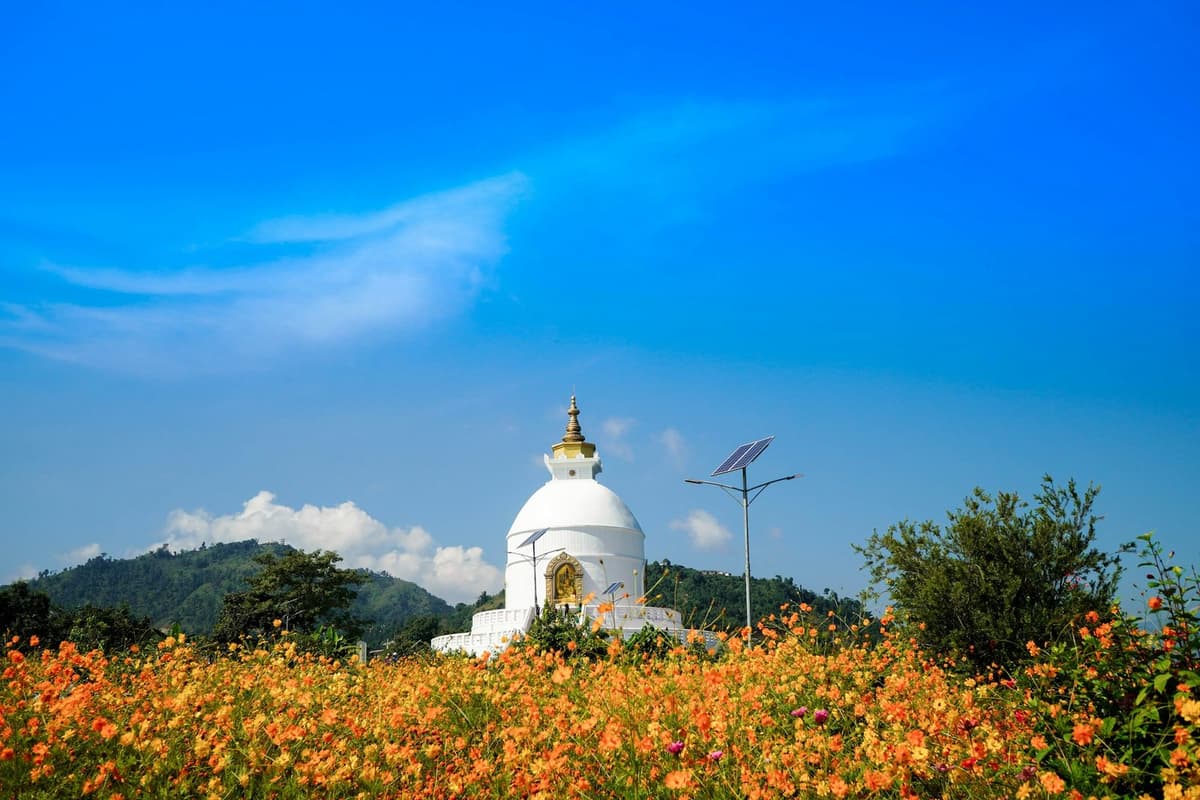
The World Peace Pagoda stands in the northern zone, the Cultural Center and New Lumbini Village, and LDT calls it "the World Peace Pagoda of Japan". Sources give different years for it, so we do not date it here. Our World Peace Pagoda guide has the detail.
Key facts
- Master plan
- By Kenzo Tange. LDT: approved 1978, after U Thant's 1967 visit. UNESCO: carried out 1972 to 1978 (LDT Lumbini page (updated 28 Sep 2026); UNESCO World Heritage listing; both checked 31 Oct 2026)
- Plan layout
- "1x3 square miles", north-south axis, three zones of about one square mile each (LDT Lumbini page; checked 31 Oct 2026)
- What divides the monastic zone
- A 1.6 km pedestrian walkway and a canal (LDT Lumbini page; checked 31 Oct 2026)
- East Monastic Zone
- Theravada, 13 plots (LDT Lumbini page; checked 31 Oct 2026)
- West Monastic Zone
- Mahayana, 29 plots (LDT Lumbini page; checked 31 Oct 2026)
- Monasteries listed
- East: 9 (7 monasteries and 1 Vipassana centre operating, 1 under construction). West: 20 (18 monasteries and 2 meditation centres operating) (LDT Lumbini page; checked 31 Oct 2026)
- Landmarks in the zone
- Central Canal, Eternal Peace Flame, Peace Bell (LDT Lumbini page; checked 31 Oct 2026)
- Entry fee (LDT conservation fee)
- NPR 1,000 other foreign nationals, NPR 700 SAARC and Myanmar, NPR 80 Indian, NPR 20 Nepali, per day (LDT ticket site and Entry Formalities page (updated 28 Sep 2026); checked 31 Oct 2026)
- Opening hours
- None published by LDT online (LDT pages and ticket site; checked 31 Oct 2026)
- Guide requirement
- None found in LDT's rules (LDT Entry Formalities and Lumbini page; checked 31 Oct 2026)
Which monasteries are in the East and West zones?
LDT's lists name nine monasteries and centres in the East zone and 20 in the West. The East zone follows Theravada, the school found mainly in Sri Lanka, Myanmar, Thailand and Cambodia. The West zone follows Mahayana, the school of China, Korea, Japan, Vietnam and the Himalaya. Only one listed temple, in the East, is marked as still being built.
LDT's own counts match its lists. In the East it counts seven monasteries and one Vipassana (insight meditation) centre in operation, plus one under construction. In the West it counts 18 monasteries and two meditation centres in operation, though another line on the same page says three meditation centres. There are more plots than temples, 13 in the East and 29 in the West, so some plots are still empty.
Tibetan-style (Vajrayana) monasteries sit in the West zone too, as names such as Nepal Vajrayana Maha Vihara show. Seto Gumba means "white monastery"; a gumba is a Tibetan-style monastery.
Here are the monasteries in Lumbini by the names LDT uses. The second column gives the country or community LDT puts in brackets; where LDT gives none, we say so or take it from the monastery's own name.
| Monastery (LDT name) | Country or community | Zone | Note |
|---|---|---|---|
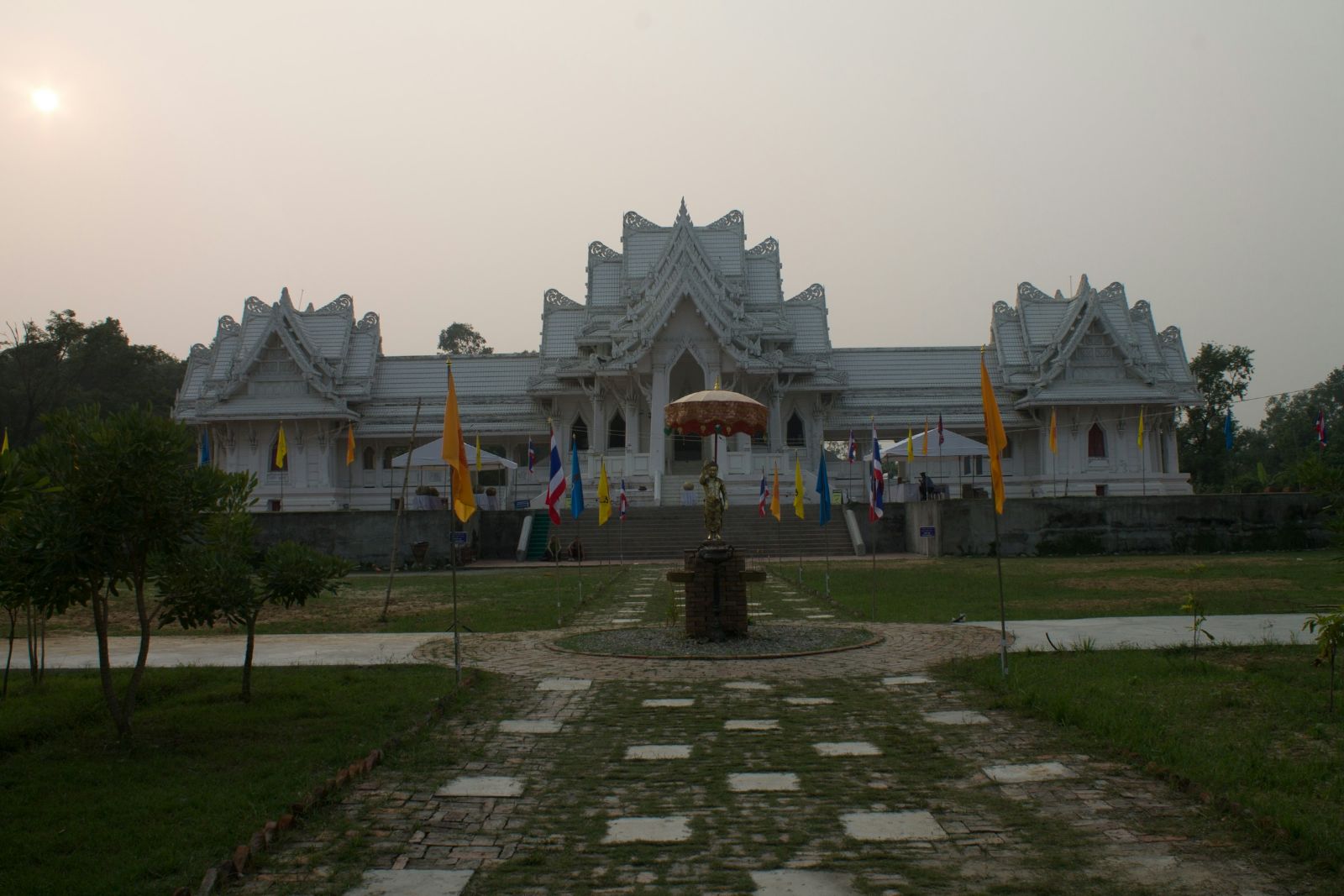
| The Royal Thai Monastery | Thailand | East (Theravada) | |
| Bodhi Institute Monastery and Dharma Center | Not given by LDT (Canada, per a 2022 press list) | East (Theravada) | |
| Mahabodhi Society Temple of India | India (from the name) | East (Theravada) | |
| Nepal Theravada Buddha Vihar | Nepal (from the name) | East (Theravada) | Under construction (LDT) |
| Cambodian Temple | Cambodia (from the name) | East (Theravada) | |
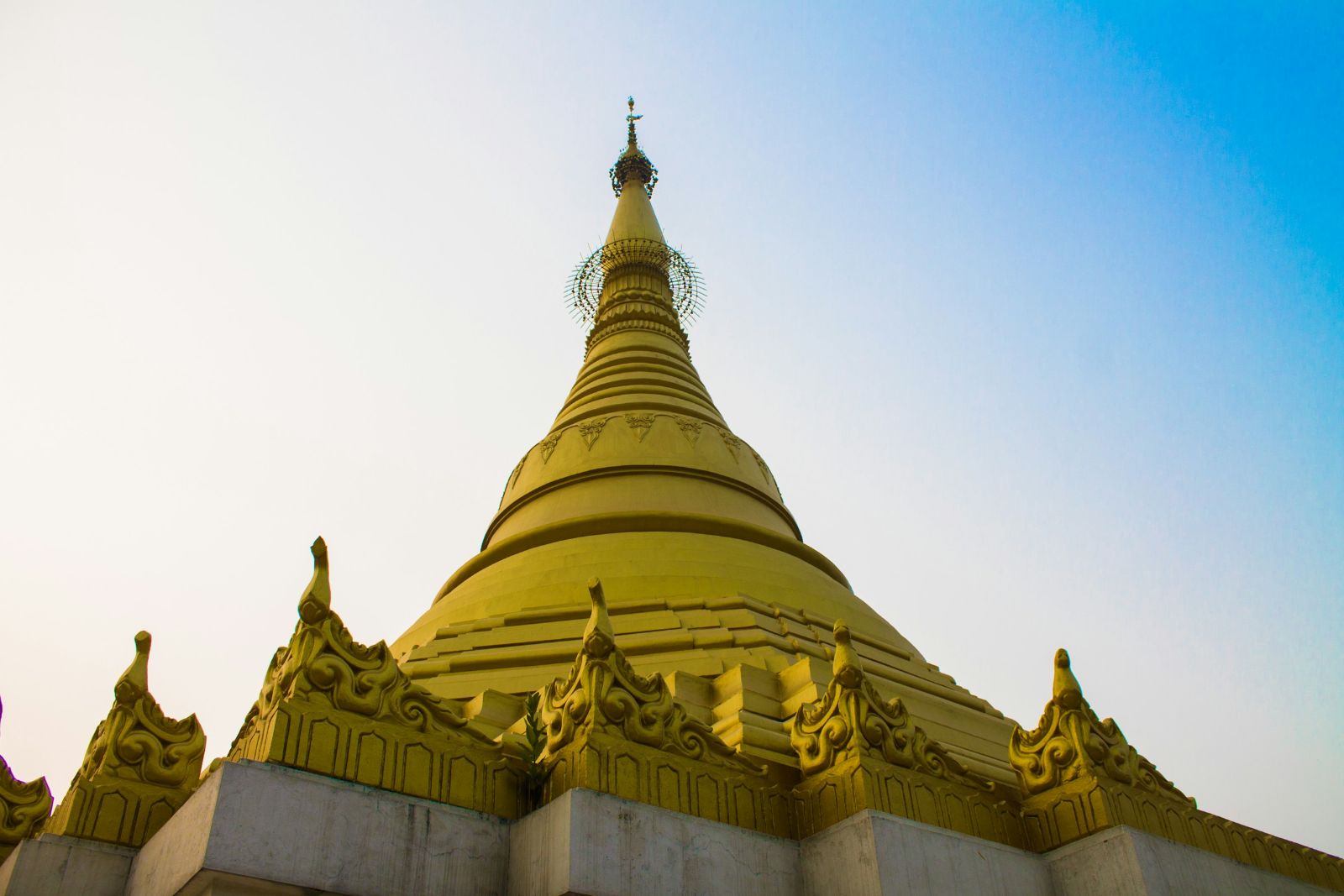
| Myanmar Golden Temple | Myanmar | East (Theravada) | |
| International Gautami Nuns Temple | Nepal | East (Theravada) | A nuns' temple |
| Sri Lankan Monastery | Sri Lanka | East (Theravada) | |
| Dhamma Janani Vipassana Center | Nepal | East (Theravada) | Meditation centre |
| Ka-Nying Shedrup Monastery (Seto Gumba) | Nepal | West (Mahayana) | |
| Zarong Tgupten Mendol Dogna Chholing | Nepal | West (Mahayana) | |
| Urgen Dorjee Chholing Buddhist Center | Singapore | West (Mahayana) | |
| Nepal Vajrayana Maha Vihara | Nepal (from the name) | West (Mahayana) | |
| French Buddhist Association | France | West (Mahayana) | |
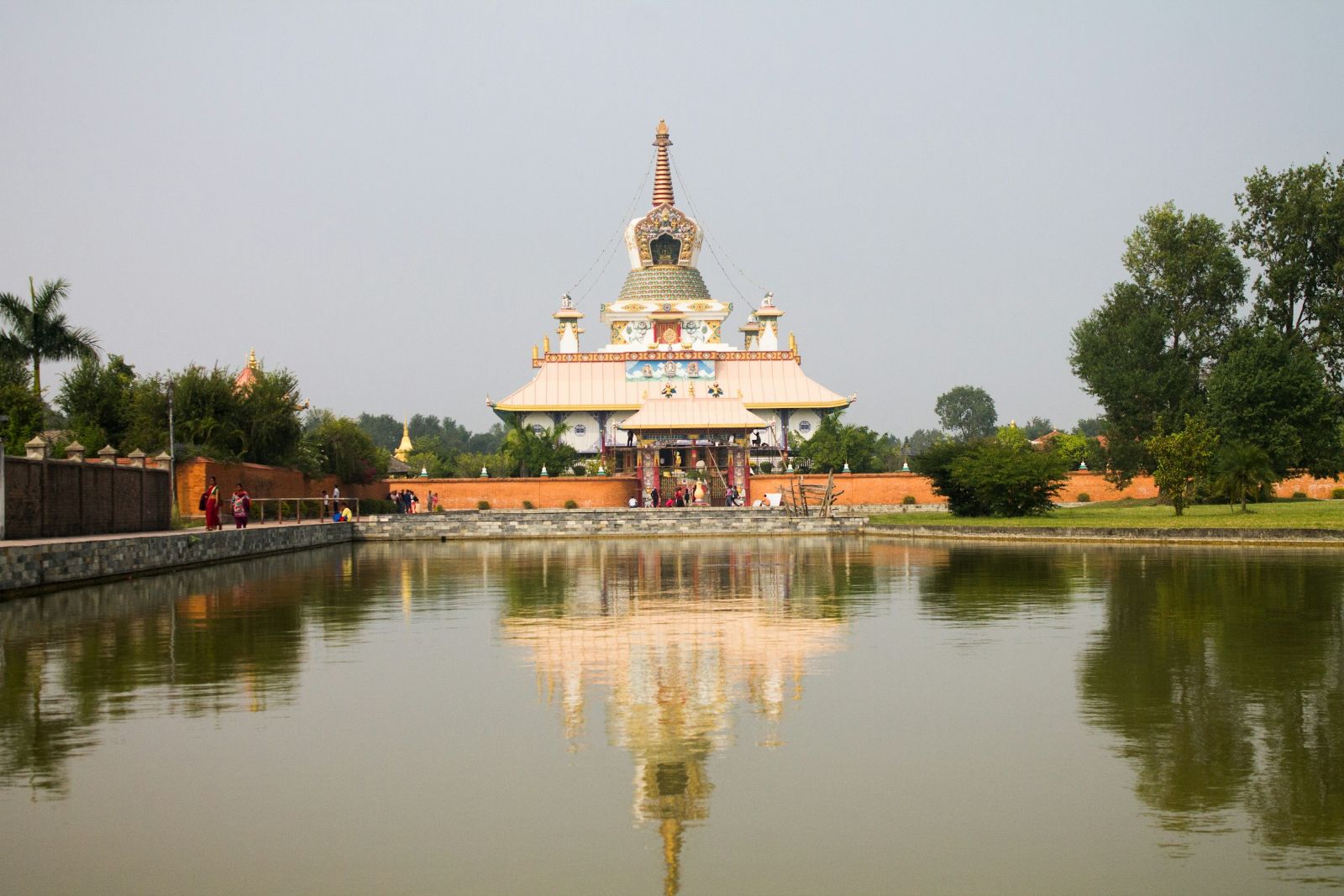
| The Great Lotus Stupa | Tara Foundation, Germany | West (Mahayana) | Often called the Great Drigung Kagyud Lotus Stupa |
| Drigung Kagyud Meditation Center | Ladakh | West (Mahayana) | A separate entry on LDT's list |
| The World Linh Son Buddhist Congregation | France | West (Mahayana) | |
| Sokyo Japanese Monastery | Japan (from the name) | West (Mahayana) | |
| United Tungaram Buddhist Foundation | Nepal | West (Mahayana) | |
| Thrangu Vajra Vidhya Buddhist Association | Canada | West (Mahayana) | |
| Vietnam Phat Quoc Tu | Vietnam | West (Mahayana) | |
| Geden International Monastery | Austria | West (Mahayana) | |
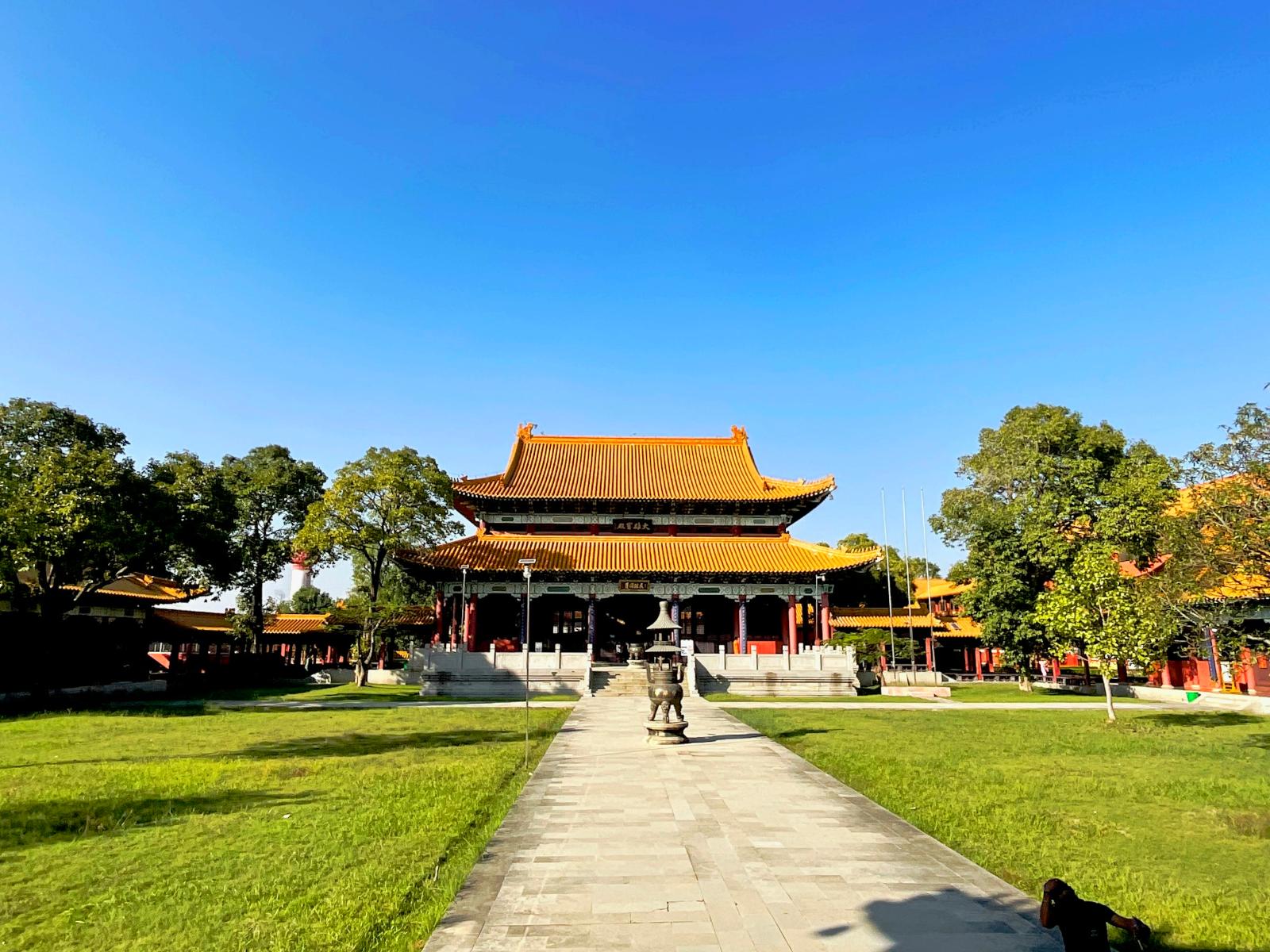
| Chinese Monastery | China | West (Mahayana) | Also called Zhong Hua |
| Dae Sung Shakya Temple | South Korea | West (Mahayana) | The Korean temple |
| Drubgyud Chhoeling Monastery | Nepal Mahayana Temple | West (Mahayana) | |
| Dharmodhaya Sabha Nepal | Swayambhu Mahavihara | West (Mahayana) | |
| Karma Samtenling Monastery | Nepal | West (Mahayana) | |
| Manang Samaj Stupa | Nepal | West (Mahayana) | |
| Pandirarama Lumbini International Meditation Center | Myanmar | West (Mahayana) | Meditation centre |
Sources for the table: LDT Lumbini page, updated 28 September 2026, checked 31 October 2026; Bodhi Institute's country from OnlineKhabar, 9 July 2022; Zhong Hua name from Nepali Times, 8 March 2013.
The Korean temple and the Chinese Monastery
LDT names the Korean temple Dae Sung Shakya Temple, and lists the Chinese one simply as the Chinese Monastery. A 2013 Nepali Times guide called the Chinese one the Zhong Hua Buddhist Monastery, so you may see either name on maps and signs. Both sit in the West zone.
The Great Lotus Stupa
LDT lists The Great Lotus Stupa under the Tara Foundation of Germany. Travel sources often call it the Great Drigung Kagyud Lotus Stupa and credit it to the same German Tara Foundation, so you may see that name on maps. LDT lists the Drigung Kagyud Meditation Center (Ladakh) as a separate entry. A 2013 Nepali Times guide says the Tara Foundation built the stupa in 1999; other sources give other years, so treat the date as approximate. The same guide describes an L-shaped pond around it and large prayer wheels at its four corners. We found no founding dates for the other monasteries in an official or press source, so we give none.
Which Buddhist temple in Lumbini, Nepal should you see first?
If you only have time for one, choose by style. For an East Asian Mahayana temple, see the Korean Dae Sung Shakya Temple or the Chinese Monastery in the West zone. For Theravada, see the Myanmar Golden Temple or the Royal Thai Monastery in the East zone. That is our team's suggestion, not a ranking.
With more time, try this route. It follows only the layout LDT describes, so ask your driver or the gate staff where each temple sits.
- Start at the Eternal Peace Flame on the central walkway. LDT's own peace walk started here.
- Walk the West side first. Pick three or four Mahayana temples: the Korean Dae Sung Shakya Temple, the Chinese Monastery, the Great Lotus Stupa and Vietnam Phat Quoc Tu make a varied set.
- Cross the walkway to the East side. See the Myanmar Golden Temple, the Royal Thai Monastery and the Sri Lankan Monastery for the Theravada style.
- Stop at a meditation centre if you are curious. The Dhamma Janani Vipassana Center (East) and the Pandirarama Lumbini International Meditation Center (West) are both on LDT's lists. Retreats and courses are a separate subject that this guide does not cover; ask the centres directly.
- Finish at the World Peace Pagoda in the northern zone. The In Your Pocket guide (April 2026) calls the sites "too far apart to cover comfortably on foot", particularly between April and September, so take a vehicle or bicycle for this leg.
Allow time. We give no walking time because we found no reliable source for one.
When to walk
Walk early and late, and rest at midday. The nearest climate station, at Bhairahawa airport about 18 km from Lumbini, records mean daily highs of 36.2 °C in April and 36.6 °C in May. In October the mean high is 32.6 °C, falling to 29.1 °C in November and 23.5 °C in December. In Your Pocket also reports that the monasteries generally close for a couple of hours around midday.
For the other sights in and around Lumbini, from the Sacred Garden to Kapilvastu, see our guide to places to visit in Lumbini.
Which monasteries are still being built?
On LDT's list, only the Nepal Theravada Buddha Vihar in the East zone is marked as under construction. Outside that list, Bhutan has started building in the West zone and Bangladesh holds an allotted plot there. With 42 plots and 29 listed temples, expect empty plots, scaffolding and closed gates in places.
- Bhutan began building a temple complex on an 80 by 80 m plot in the West Monastic Zone, with the groundbreaking in late June 2026 (The Himalayan Times).
- Bangladesh was given Plot WC 19 in the West Monastic Zone at an event on 7 August 2018 (LDT). We found no current report on building there.
How do you get around the monastic zone?
On foot for the walkway, and by bicycle or electric rickshaw for longer hops. The walkway itself is 1.6 km, short enough to walk. Reaching the World Peace Pagoda or the far side of each zone is a longer trip, and the In Your Pocket guide advises against doing it all on foot in the hot months.
Your options, as the sources describe them:
- Bicycle. In Your Pocket (April 2026) reports bicycle hire near the main gate "for a small daily fee". We could not confirm a current rate.
- Electric rickshaw (tuk-tuk). Electric tuk-tuks work around Lumbini, according to a 2022 OnlineKhabar report. The fares in that report are now old, so agree the price before you set off.
- LDT electric van. In April 2026 LDT announced an electric van service for visitors to sites including Lumbini, Kapilavastu, Devadaha and Ramagrama "at an affordable price". No fares or hours were published.
- Boat. LDT's page mentions boating facilities on the Central Canal but does not say whether boats run now. Ask locally.
What should you wear and how should you behave?
Dress modestly, take shoes off at temple doors and ask before photographing. LDT's rules for the Maya Devi Temple say: "Visitors must remove their shoes before entering the temple premises." and "Modest, respectful clothing is preferred when visiting the sacred shrine." A 2022 OnlineKhabar report says shoes come off at the monasteries too, and some restrict photos and videos.
A short checklist for the monasteries, using LDT's temple rules as the standard:
- Cover shoulders and knees. Modest clothing is LDT's stated preference.
- Shoes off before you step inside a temple.
- Leave food and drink outside, as LDT asks at the Maya Devi Temple entrance.
- Ask before photographing, especially people and shrine interiors; some monasteries do not allow it.
- Walk clockwise around stupas, shrines and prayer wheels, as Buddhists do.
- Keep quiet during chanting and in the meditation centres.
- Do not touch monks or nuns, and if you are unsure what is polite, watch what other visitors do or ask at the gate.
- No drones without permission from the District Administration Office, the Civil Aviation Authority of Nepal and LDT.
- Check the camera fees. LDT charges daily still and video camera fees; they are in the table below.
What does it cost, and when is it open?
The main charge is LDT's Lumbini conservation fee, charged per day. You pay it to enter the Sacred Garden around the Maya Devi Temple. Kantipur reported the latest fee rise in May 2026. You can pay in cash, by QR code or online on LDT's ticketing website. LDT publishes no opening hours online.
| Ticket (LDT) | Rate | Source and date checked |
|---|---|---|
| Other foreign nationals | NPR 1,000 per day | LDT ticket site and Entry Formalities page; checked 31 Oct 2026 |
| SAARC nationals (including Myanmar) | NPR 700 per day | as above |
| Indian nationals | NPR 80 per day | as above |
| Nepali citizens | NPR 20 per day | as above |
| Students | NPR 10 Nepali student, NPR 32 Indian student (no student rate shown for others) | LDT ticket site; checked 31 Oct 2026 |
| Meditation pass, other foreign nationals | NPR 1,500 for 12 days | LDT ticket site and Entry Formalities page; checked 31 Oct 2026 |
| Still / video camera, SAARC and other foreign | USD 3 / USD 25 per day | as above |
The fee is waived for monks, nuns, persons with disabilities and local residents of the three surrounding districts. Some older LDT pages still show the earlier, lower rates, so go by LDT's Entry Formalities page and the ticket site.
Frequently asked questions
Which monasteries should I see in the monastic zone, and how do I get around?
Pick a few on each side of the central walkway. In the West zone, try the Korean Dae Sung Shakya Temple, the Chinese Monastery and the Great Lotus Stupa; in the East, the Myanmar Golden Temple and the Royal Thai Monastery. Walk the 1.6 km walkway, then use a bicycle or an electric rickshaw for longer hops, because the In Your Pocket guide finds the sites too far apart to cover comfortably on foot.
Do I need a guide in Lumbini?
No rule we could find says so. LDT's entry rules and its Lumbini page do not mention any guide requirement. That is an absence of a rule, not a ban on guides. You can walk the monastic zone on your own, though a guide helps with the stories behind each temple. LDT says staff at its Visitor Information Centre "offer free information and guide visitors". If you would like a licensed guide for your Lumbini day, ask us.
What are the Maya Devi Temple entry fee and opening hours?
LDT's conservation fee for the Sacred Garden, where the Maya Devi Temple stands, is NPR 1,000 a day for foreign visitors, NPR 700 for SAARC and Myanmar nationals, NPR 80 for Indians and NPR 20 for Nepalis. A still camera costs USD 3 a day for foreign visitors. LDT publishes no opening hours online, so ask at the gate. Our Maya Devi Temple guide covers the temple itself.
Is Lumbini really the birthplace of the Buddha?
Yes, by Buddhist tradition and by UNESCO's World Heritage listing. UNESCO gives the birth as 623 BC and says it is testified by the inscription on the pillar the Mauryan Emperor Asoka erected there in 249 BC. UNESCO also points to excavated monasteries from the 3rd century BC to the 5th century AD and stupas from the 3rd century BC to the 15th century AD as evidence of an early pilgrimage centre. Scholars still debate the exact dates of the Buddha's life. For the wider pilgrim circuit, see our guide to Buddhist pilgrimage sites in Nepal.
How do I reach Lumbini from the Sunauli/Bhairahawa border?
Take a taxi, and do not count on a bus. Belahiya, the Nepali side of the Sunauli crossing, is about 20 to 26 km from Lumbini: The Rising Nepal gave 20 km in 2023, In Your Pocket about 26 km in 2026. Sunauli is 3 km south of Bhairahawa, says Buddha Air. An electric bus resumed service on the Lumbini to Bhairahawa to Belahiya route on 1 April 2026, free at the time (The Kathmandu Post). In June 2026, Ratopati reported that three of the five electric buses had been moved to other airports and the two left at Bhairahawa were out of use, so ask locally whether any bus is running. Border entry and visas are your own arrangement; check the Nepal Tourism Board's tourist visa page.
How can we help you plan your visit to Lumbini?
Tell us how much time you have and what you want to see, and we will suggest a plan for the monasteries, the Sacred Garden and the Kapilvastu sites nearby. We have no set Lumbini trip page yet, so each Lumbini plan is made to order. To combine Lumbini with other heritage sites, browse our cultural heritage tours for ideas.
For the journey itself, we cover Kathmandu to Lumbini and Pokhara to Lumbini in separate guides, and our Lumbini travel guide has the full picture. When you are ready, message us on WhatsApp or use the enquiry form.