


Introduction to Annapurna Base Camp Trek
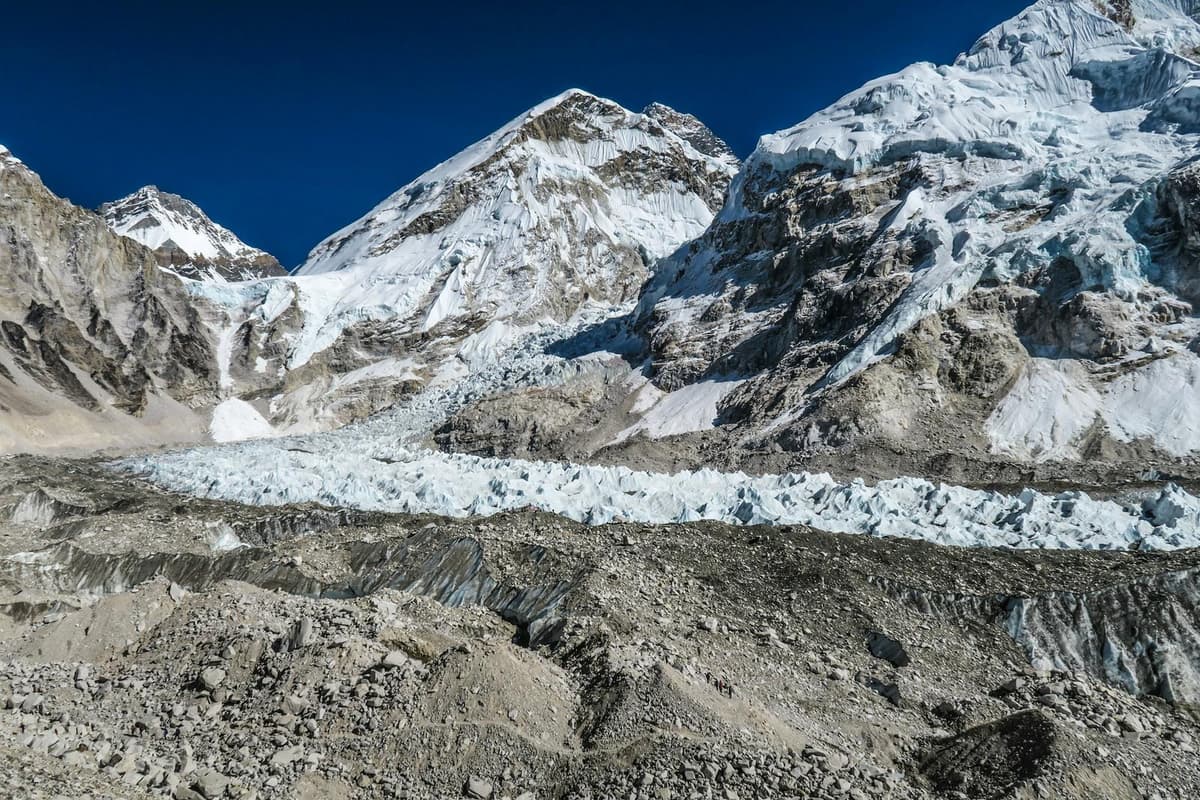
The Annapurna Trek is one of the most iconic trekking experiences in Nepal, as it offers a potent blend of high-altitude adventure, cultural immersion, and various natural landscapes. This trek is located in the Annapurna region and takes you deep into the heart of the Himalayas and to the base of the tenth-highest mountain in the world, Annapurna I (8,091m). The Annapurna Base Camp Trek, in contrast to many other high altitude treks, offers a direct and rewarding journey into a glacial basin, surrounded by towering mountains, commonly known as the Annapurna Sanctuary.
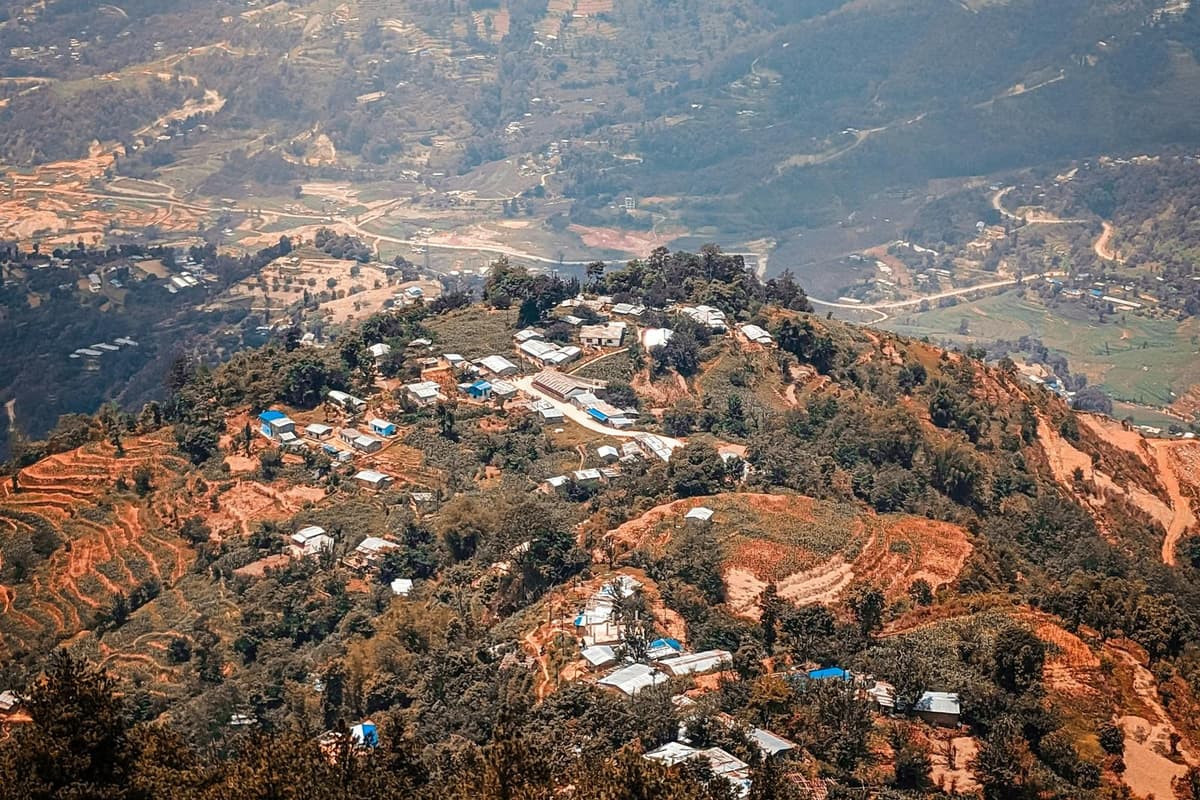
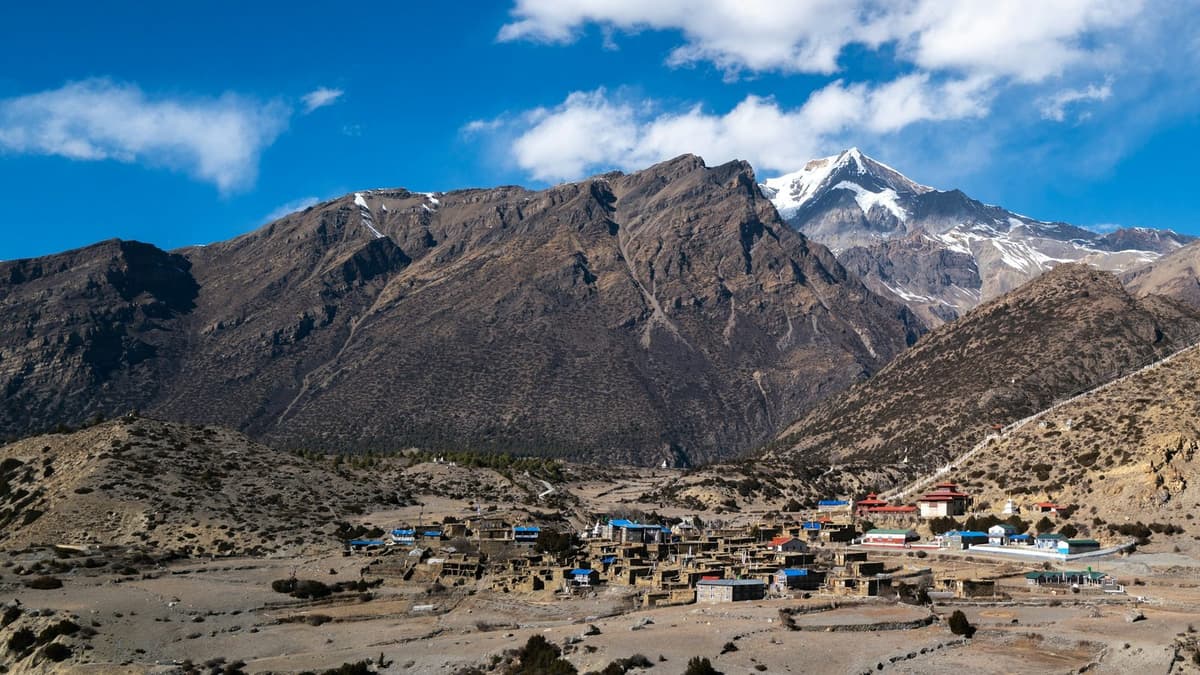
Dramatic landscape variation is what makes the Annapurna Base Camp Trek unique. The change is that in a couple of days you are no longer in subtropical forests and terraced arable lands but in alpine settings and snow-covered landscapes. The trail boasts of biodiversity and cultural diversity and traverses through traditional villages inhabited by Gurung and Magar communities. This trek is the one that will provide the full Himalayan experience that will involve adventure, scenic beauty and valuable cultural encounters.
Why to Select Annapurna Base Camp Trek?
The Trek to Annapurna Base Camp is a well-balanced trekking experience that is challenging and accessible. This trek is shorter in length as compared to longer expeditions such as the Everest Base Camp but yet it reaches a very high altitude of 4,130 meters. This enables trekkers to be exposed to high altitude conditions without necessarily having to go through a long acclimatization process.
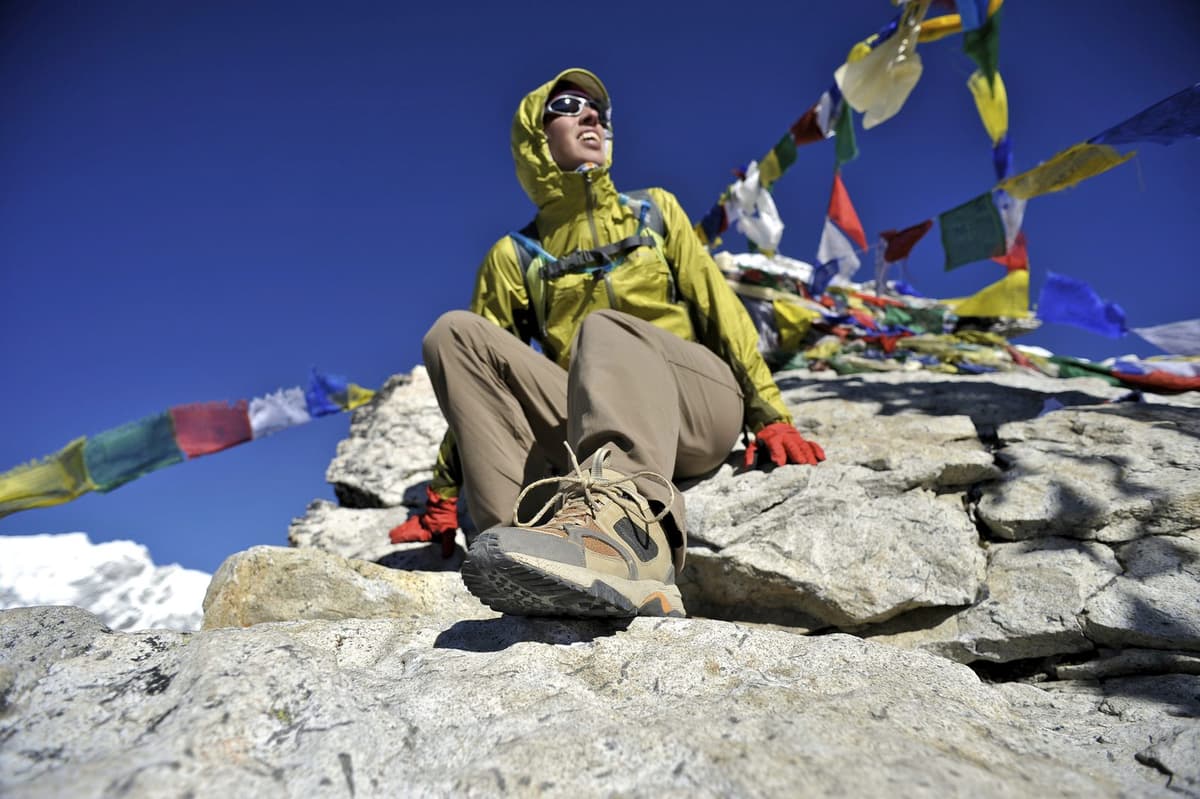
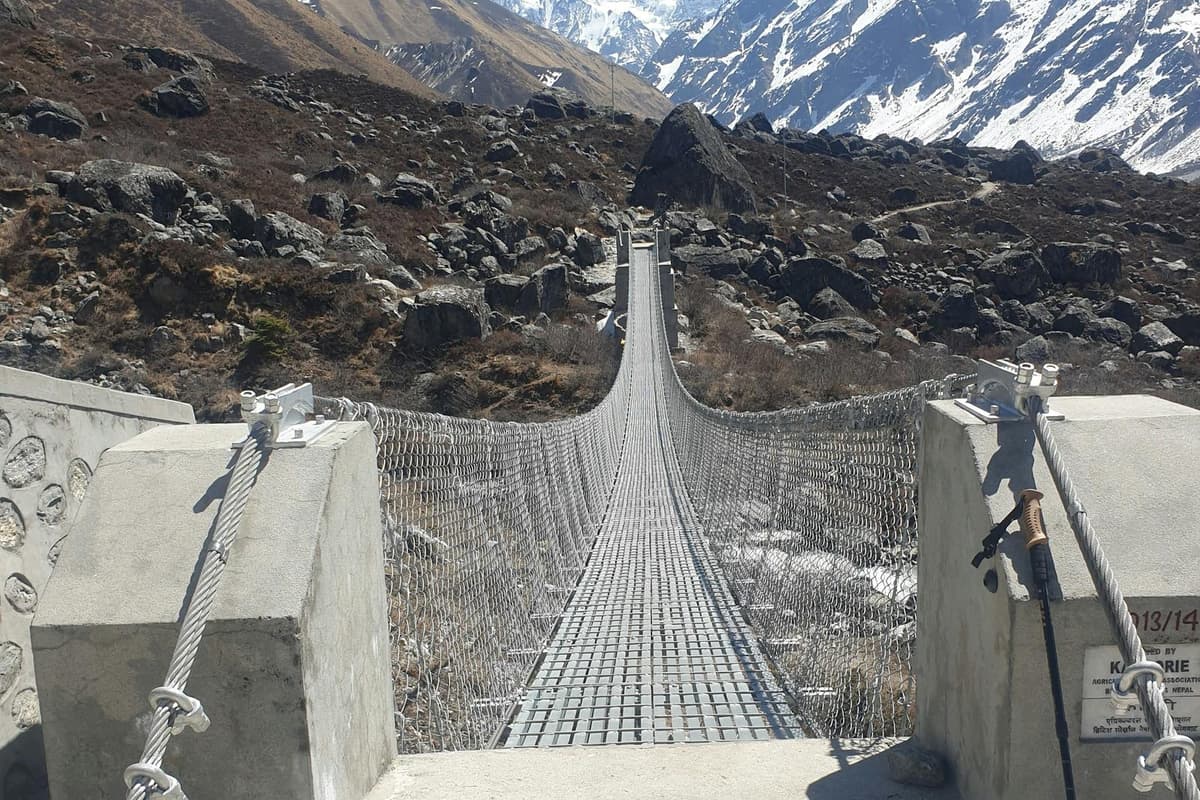
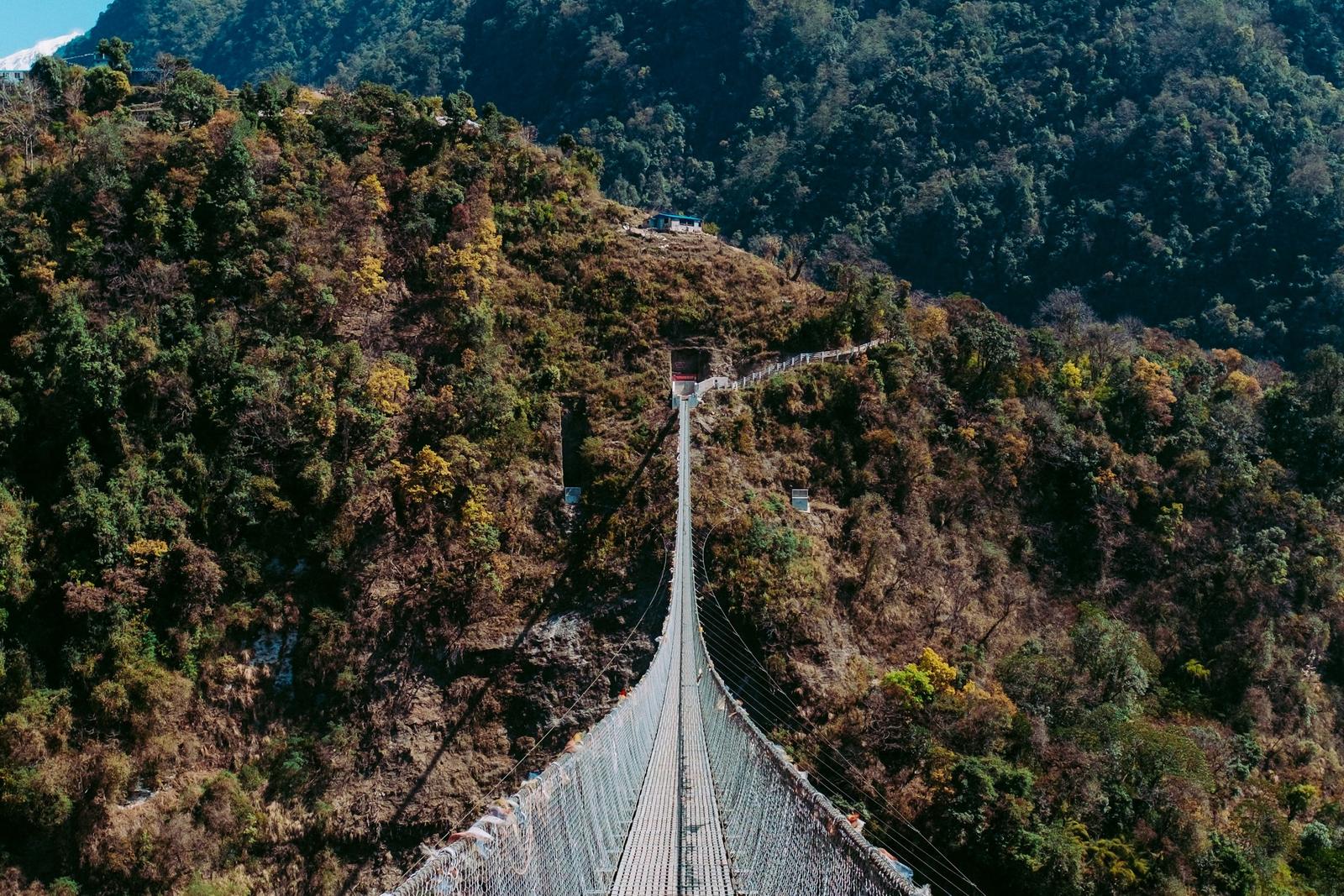
The diversity of experiences it provides is another crucial benefit. Every day something new emerges, whether it be a stroll through the green trees and suspension bridges, or standing in the centre of a natural amphitheater of snow-capped mountains. The Annapurna Base Camp Trek is also teahouse-supported, and thus is comfortable and logistically easy. This trek is a good option to those travelers who are interested in adventure as well as convenience.
Best Season for ABC Trek
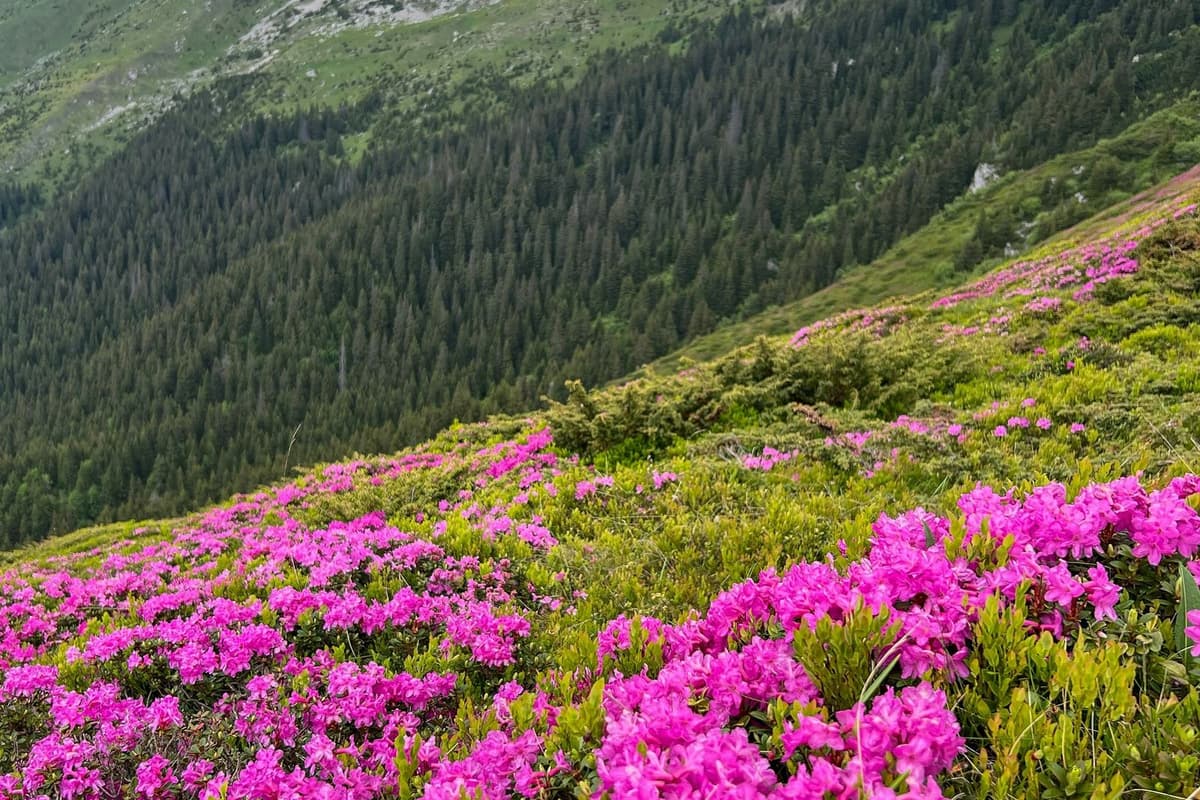
Autumn (October to November) and spring (March to May) are the best seasons to go on the Annapurna Base Camp Trek. These seasons give predictable weather, clear skies and optimum mountain visibility. Fall is also a popular season due to its cool breeze as well as panoramic views, whereas spring is popular because of its rhododendron forests that bloom in the spring and give the trail a colorful look.
It can also be winter (December to February) but it is colder, and there may be snows at the higher elevations. The monsoon season (June to September) is not so pleasant because of heavy rainfall, slippery trails and low visibility. It is important to note that the season you want to go on influences greatly the experience you are going to have during your trekking.
Route and Trekking Experience
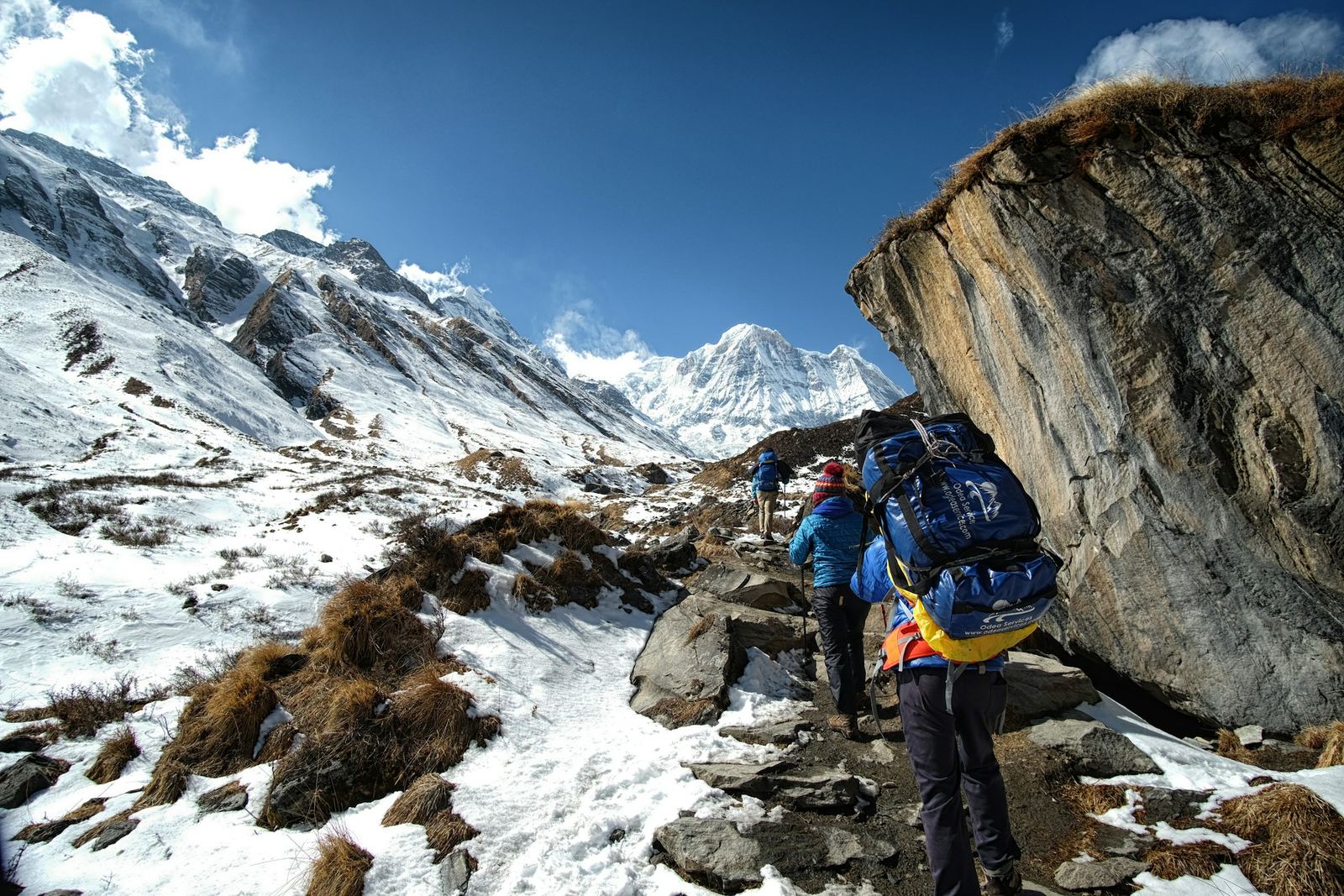
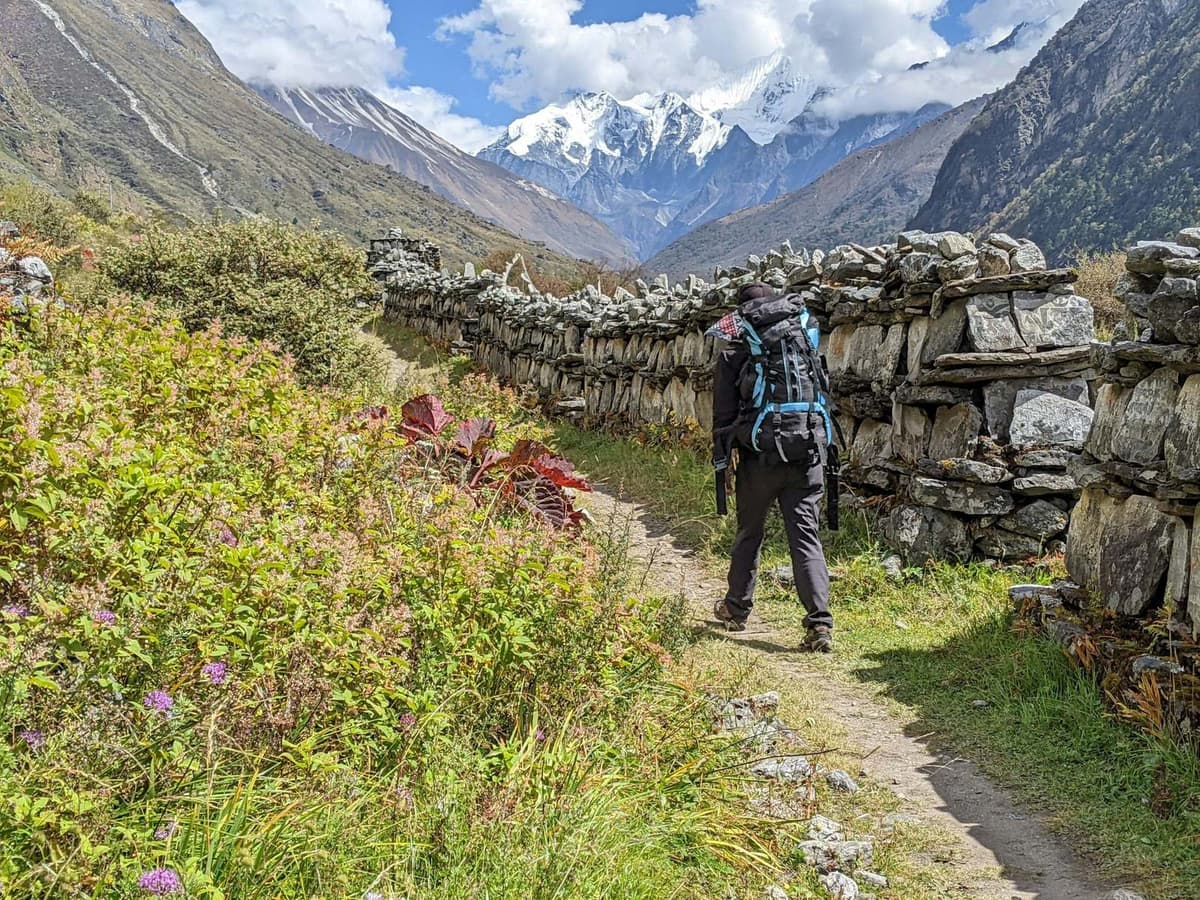
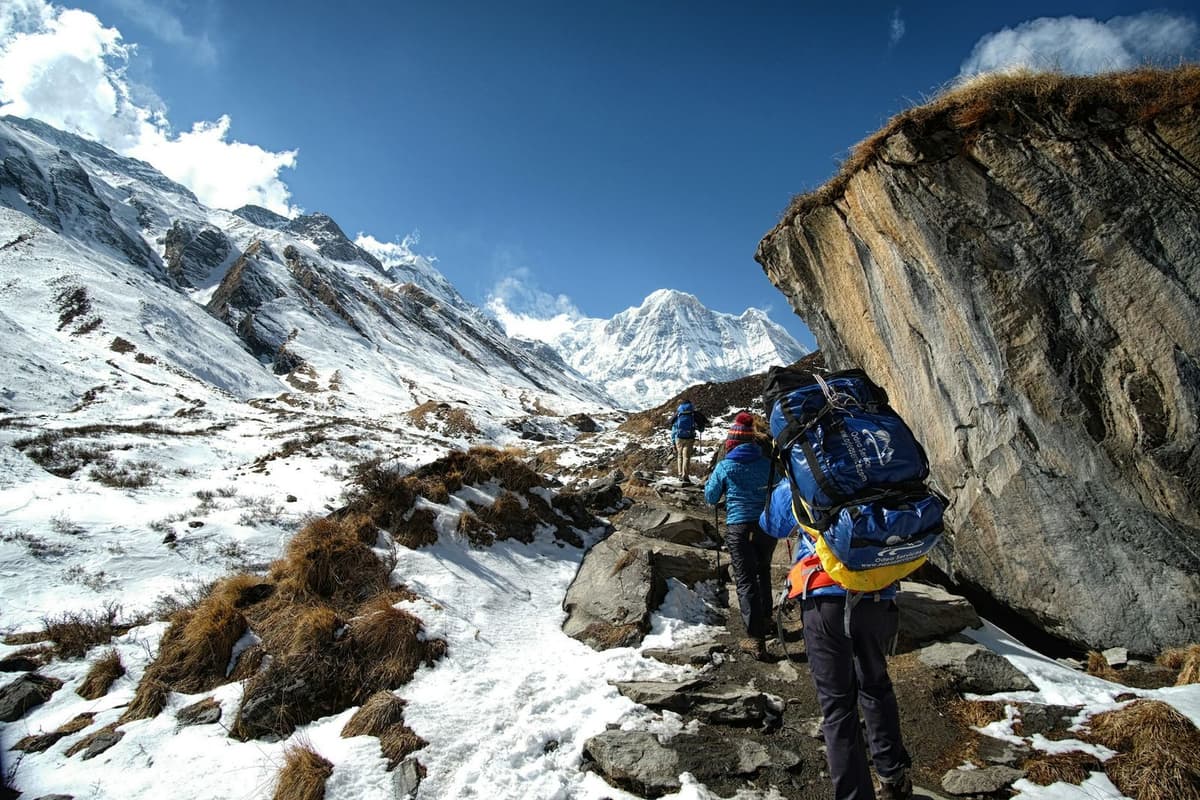
The Annapurna Base Camp Trek normally starts at Pokhara and follows a route along Ghandruk, Chhomrong, Bamboo, Deurali and Machapuchare Base Camp before reaching Annapurna Base Camp. It is a well-established trail with a combination of stone staircase, forest paths, and river valleys.
Entering the Annapurna Sanctuary, a high-altitude valley located between the peaks Annapurna I, Machapuchare, Hiunchuli and Annapurna South is among the most memorable moments of the trek. In this part of the world, the feeling of being isolated and the beauty of nature is unparalleled. The trek goes on further to descend through a trail known as Jhinu Danda where natural hot springs are located and provide a relaxing conclusion to the trek.
Challenge and Physical Training
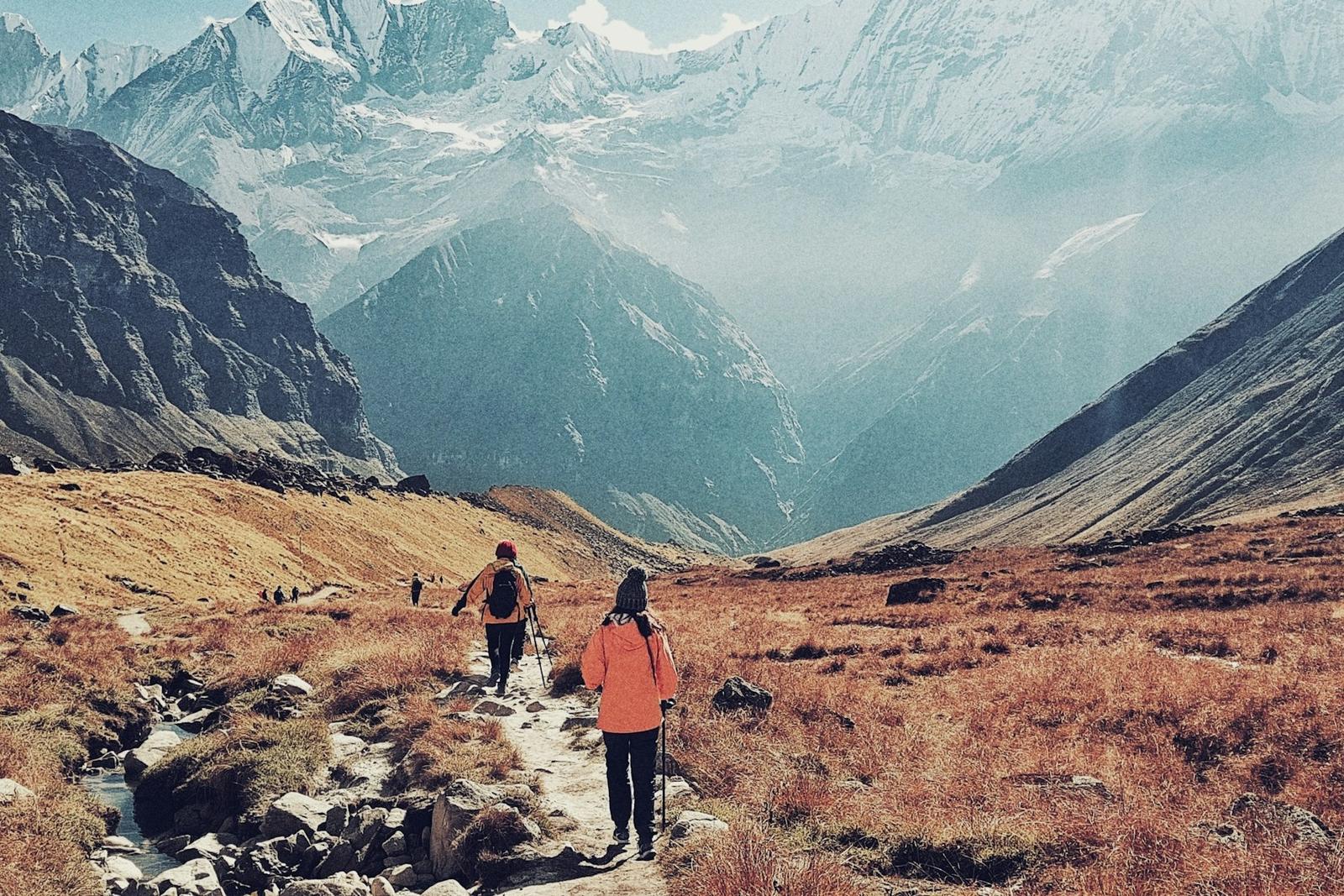
The Annapurna Base Camp Trek is considered moderate to challenging. The number of hours of trekking may be 5-7 hours a day, and the trekking should include both ascends and descents. The altitude gain is not too steep, but the last days are associated with walking at a higher altitude, which may be physically challenging.
This is necessary so that the experience is comfortable. Endurance can be enhanced by walking around, cardio workouts, and light strength training prior to the trek. Pacing yourself, maintaining hydration and taking adequate rest is also important. Although at an altitude of above 3,000 meters, altitude sickness is a factor of concern, with proper acclimatization and awareness, the risks can be reduced.
Food and Accommodation
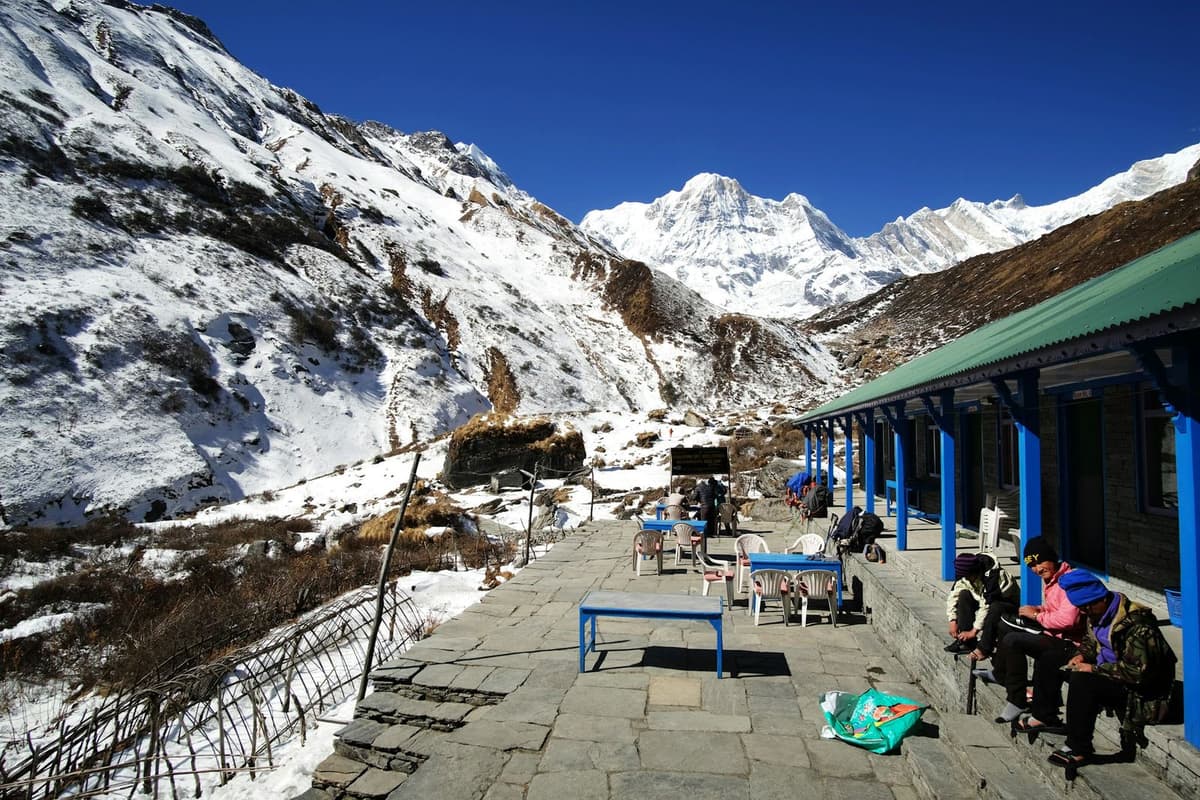
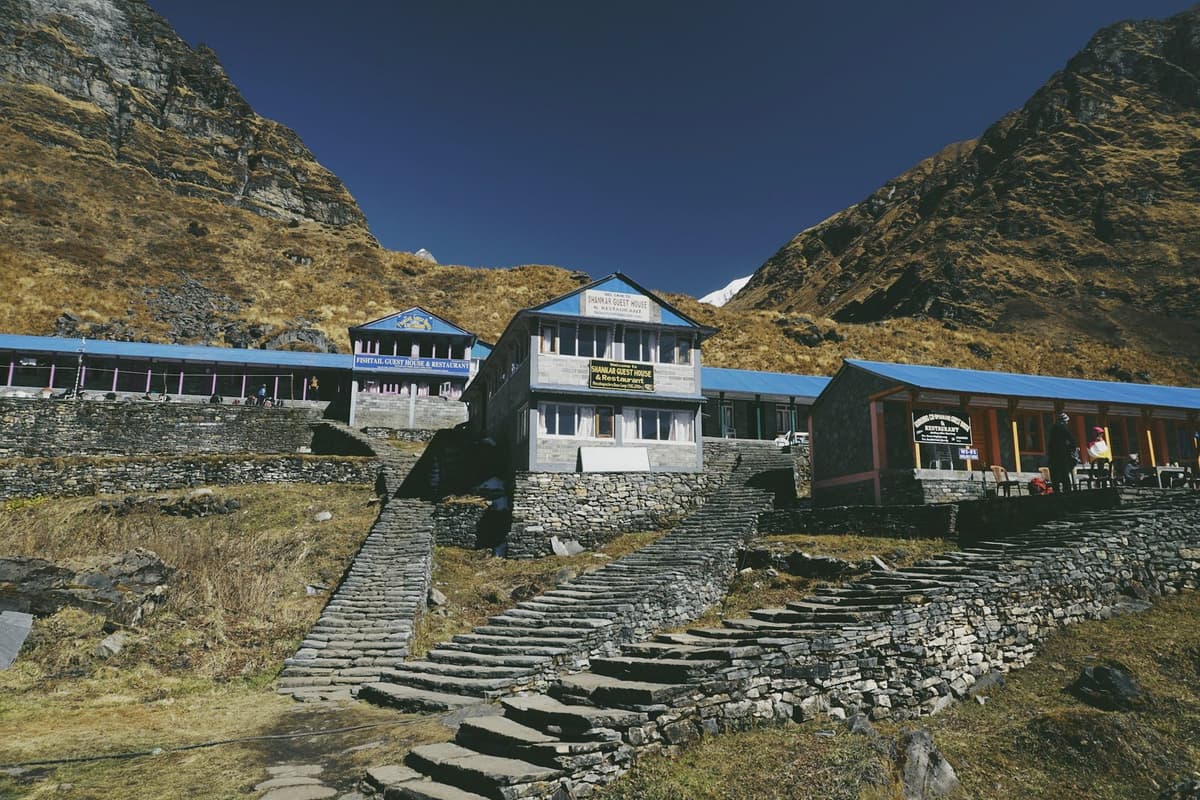
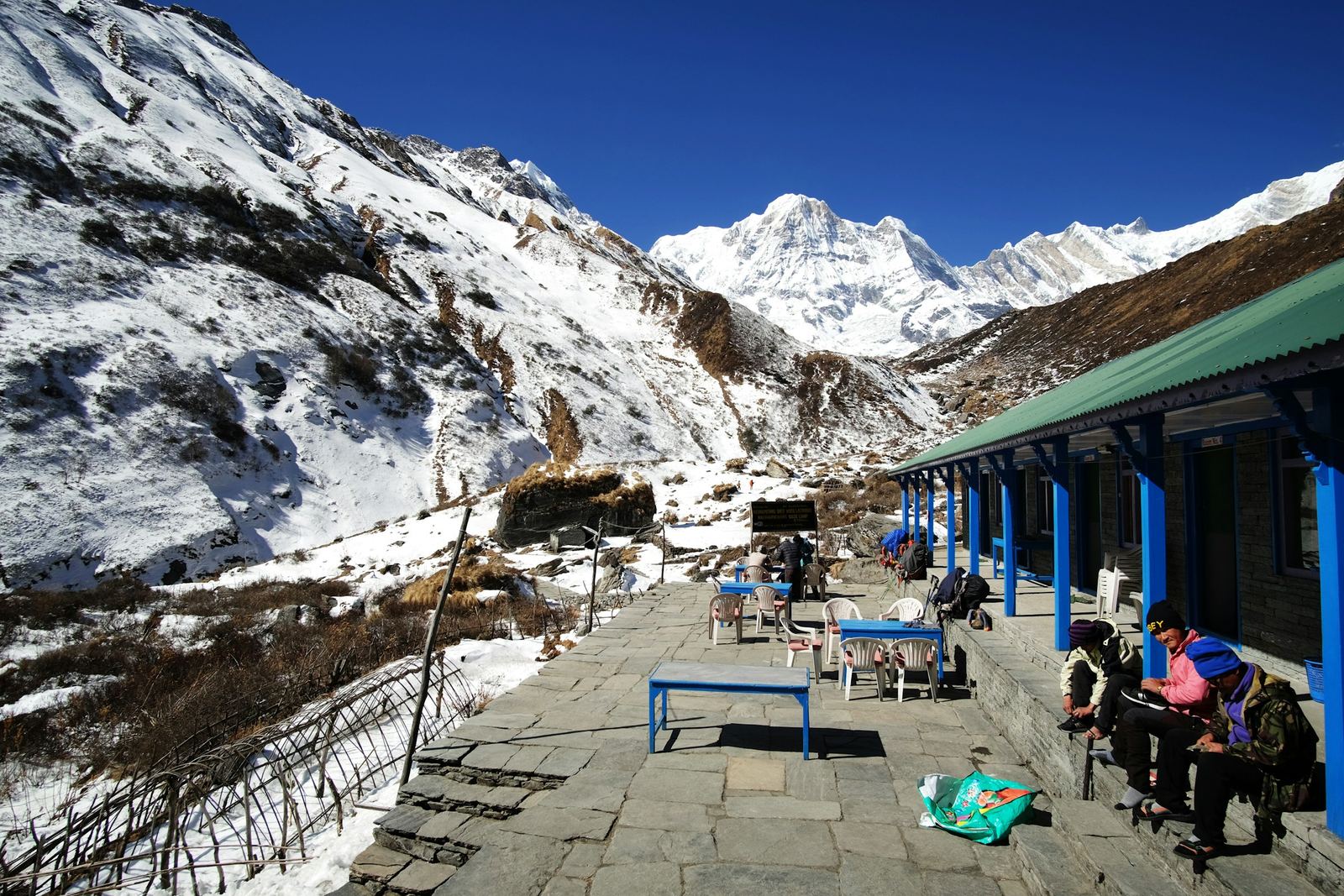
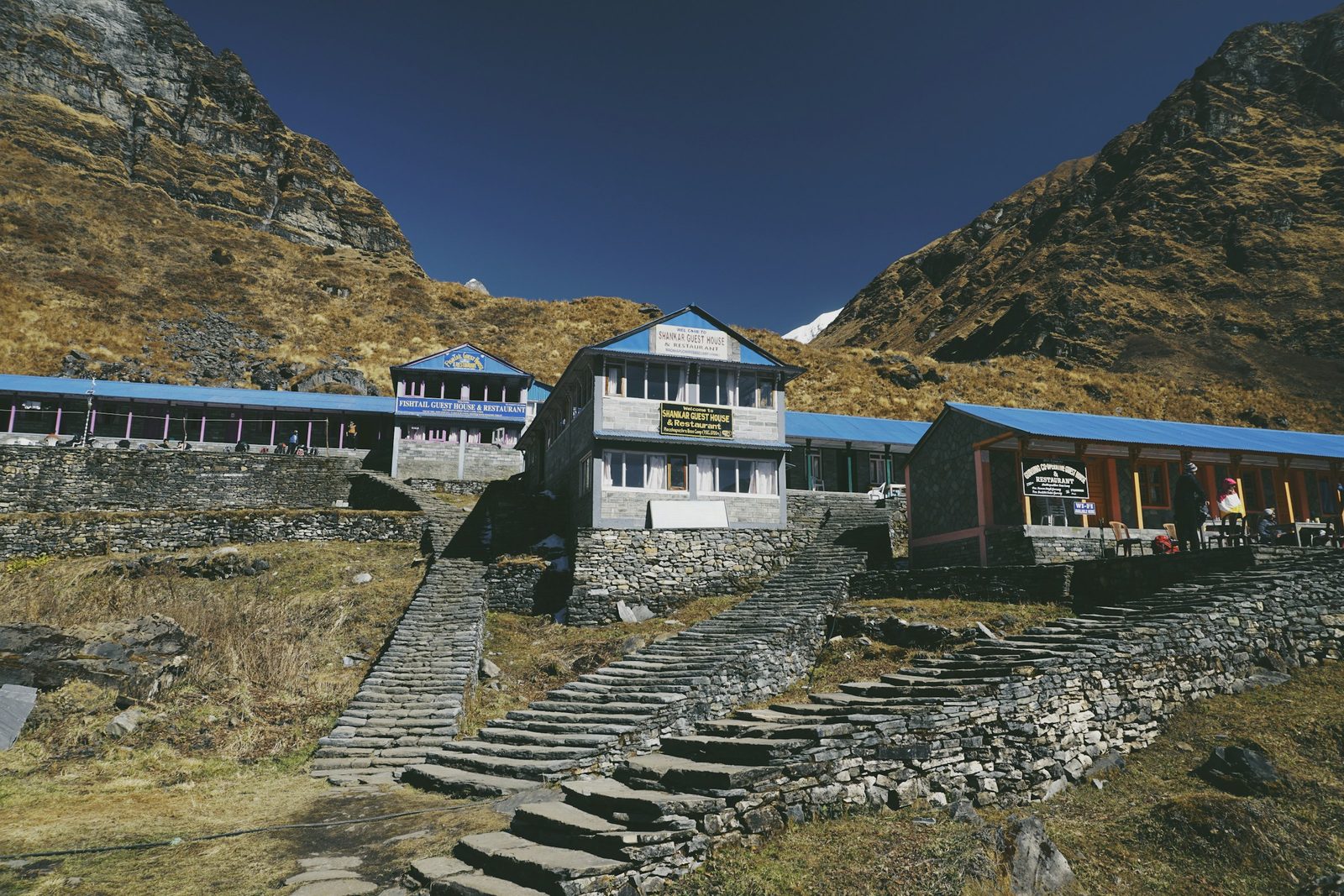
Teahouse accommodation can be found all along the ABC Trek. These lodges offer simple but comfortable facilities such as beds, meals and shared eating areas. The facilities get more primitive as you get higher, yet they are adequate to the trekking requirements.
There are food selections of both traditional Nepali delicacies such as dal bhat or international dishes like noodles, pasta, soups and eggs. The meals will be geared towards supplying energy to trekking and hot drinks are readily available. It is advisable to carry snacks as an extra source of energy on days of long trekking.
Kathmandu to Pokhara Travel Experience
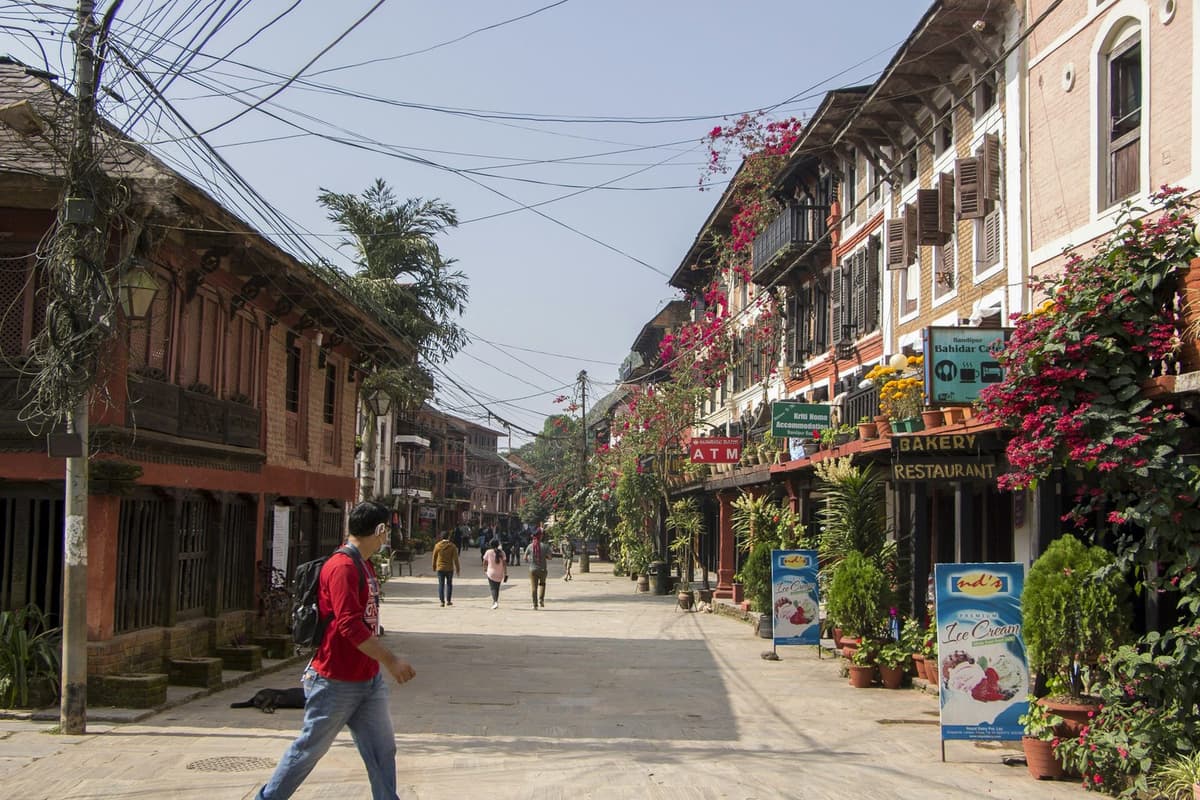
Annapurna Base Camp Trek from Kathmandu is the first major trek from Kathmandu to Pokhara. The route of the scenic road runs along the winding road of rivers, terraced farmlands, waterfalls, and traditional villages. The travelers have a chance to see the Nepal countryside lifestyle and evolve changes in the countryside as they slowly head towards the Annapurna region.
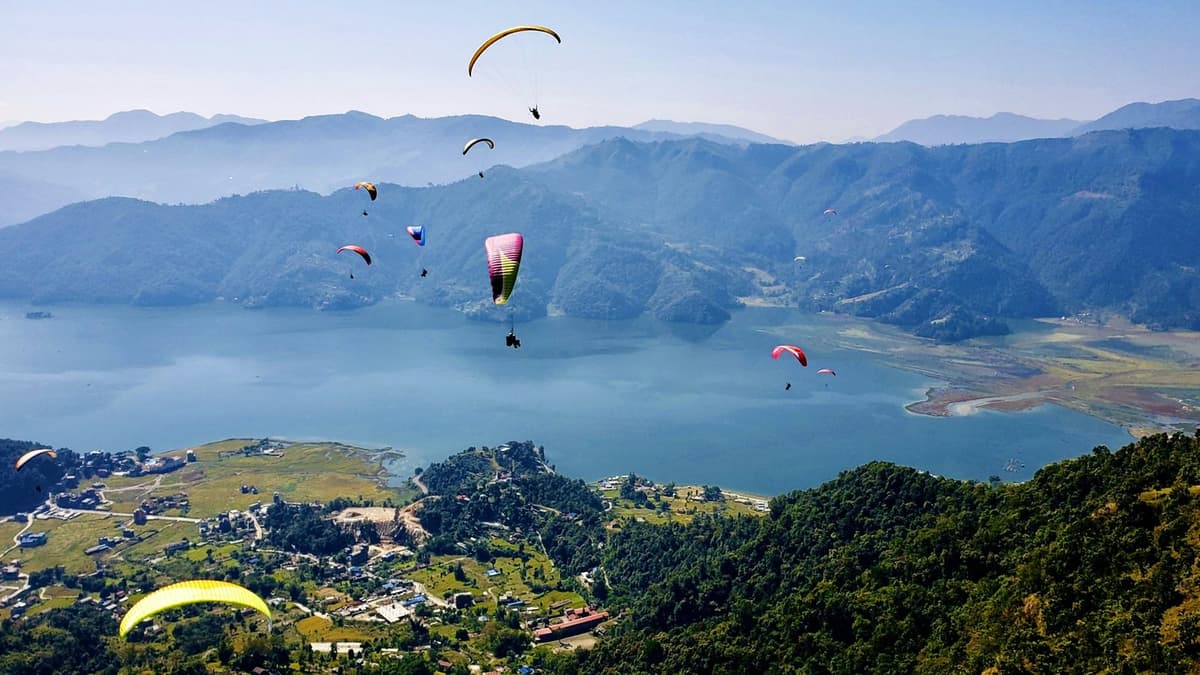
The tourism capital of Nepal, Pokhara is also the gateway to the Annapurna trekking region. Travelers can enjoy Phewa Lake, visit cafes and restaurants, or have a view of the mountains around the valley before embarking on the trek. The serene environment of Pokhara provides an ideal stepping stone between city and adventure in the Himalayas.
Ghandruk Village Cultural Experience
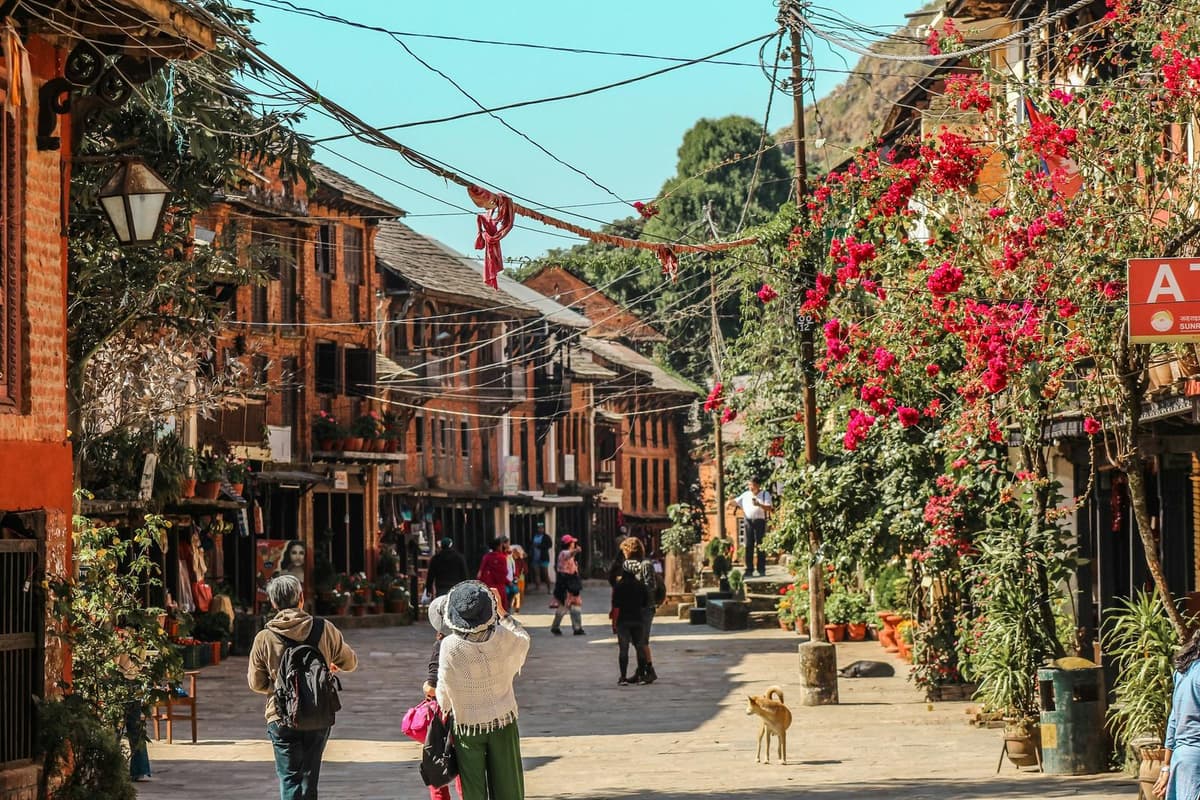
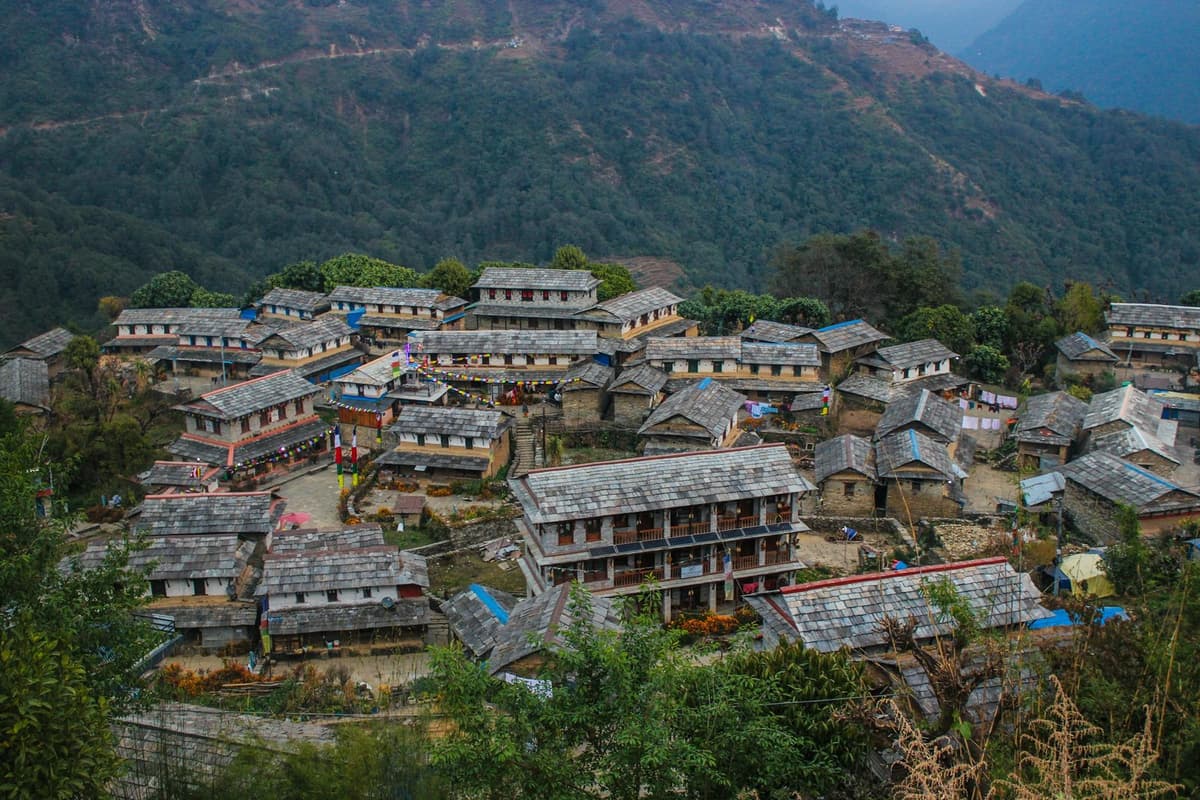
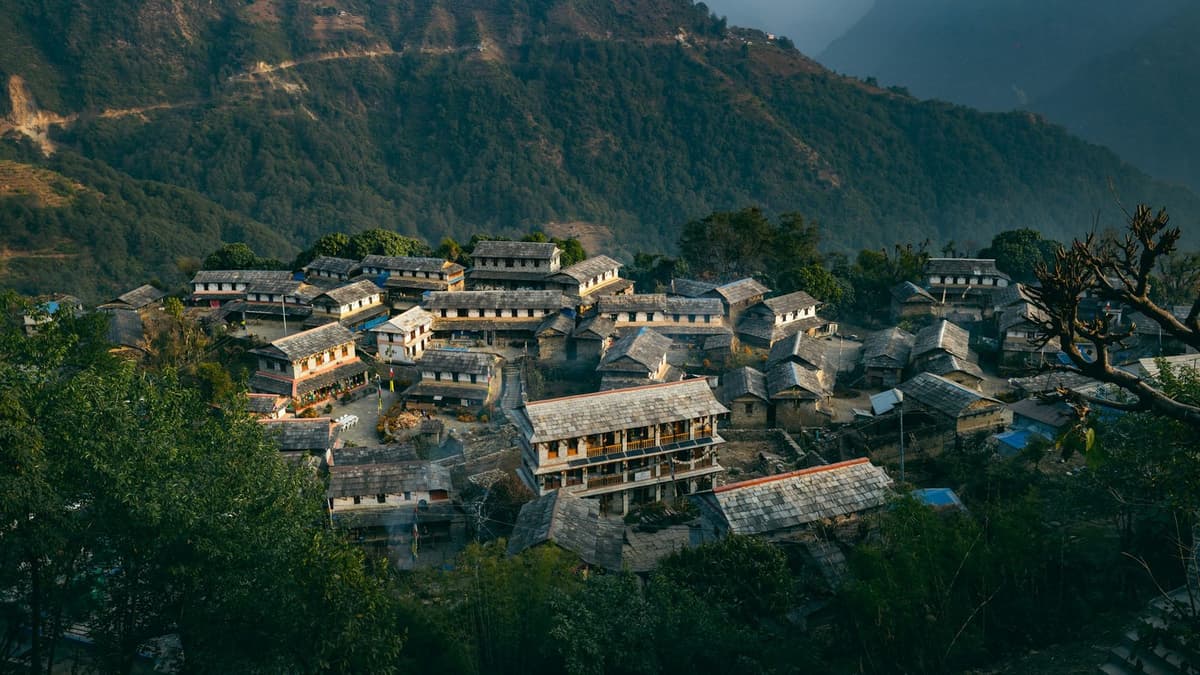
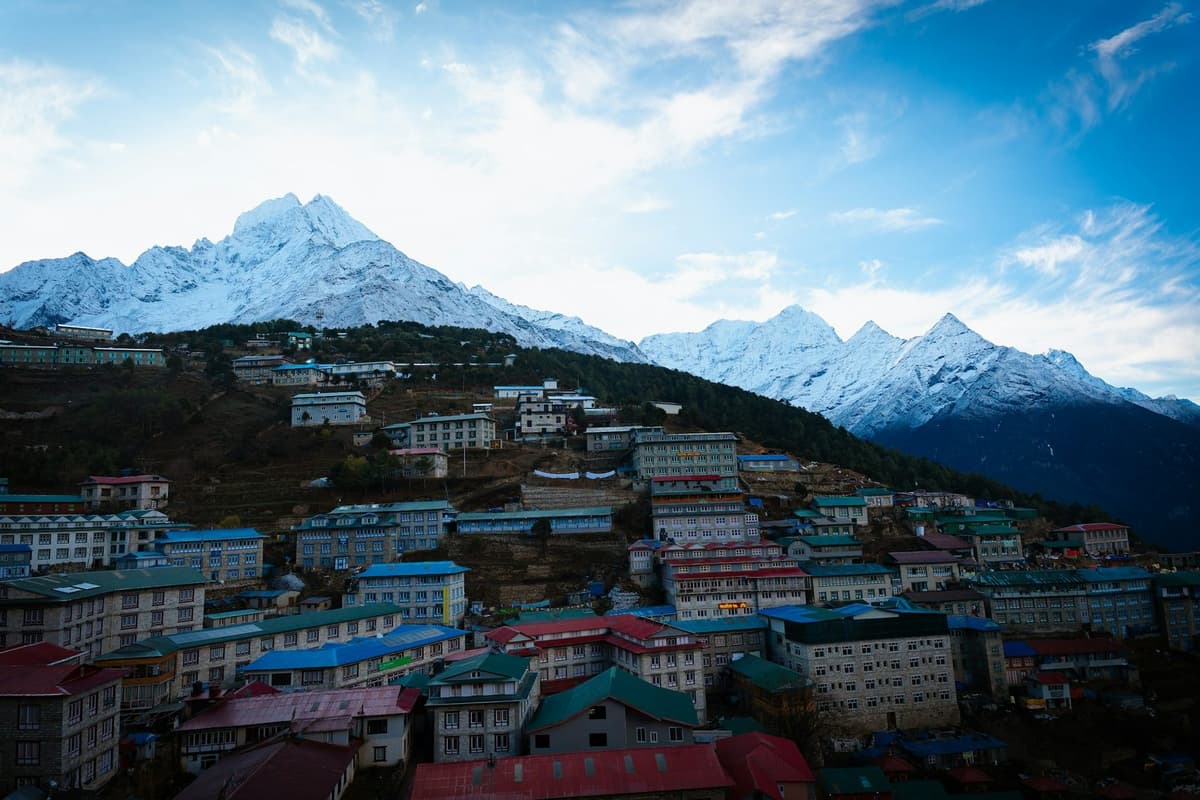
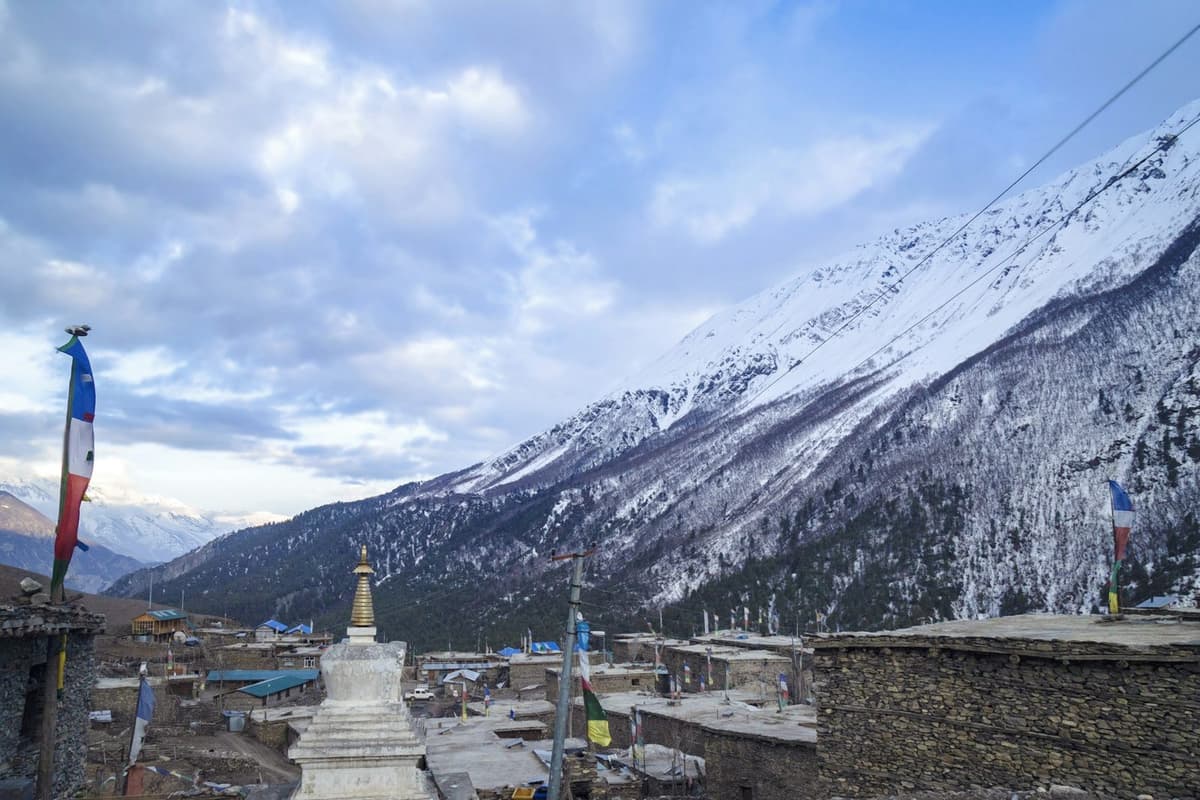
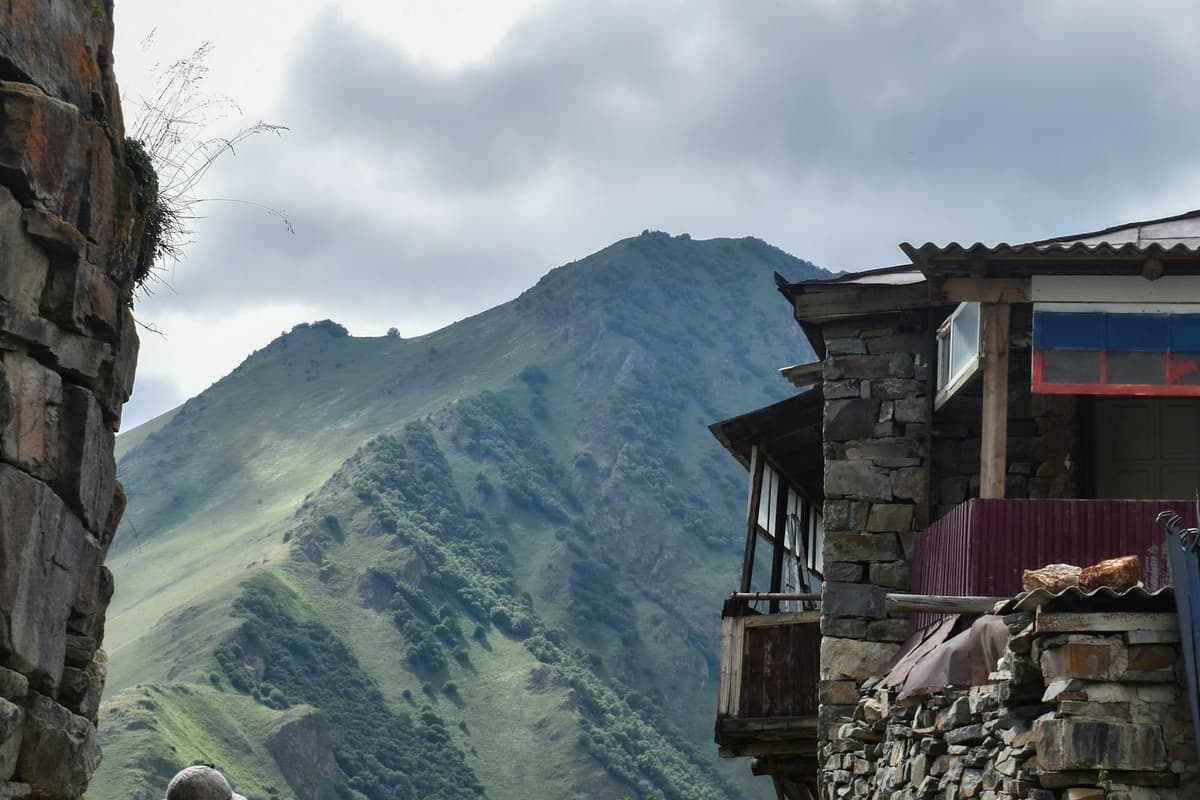
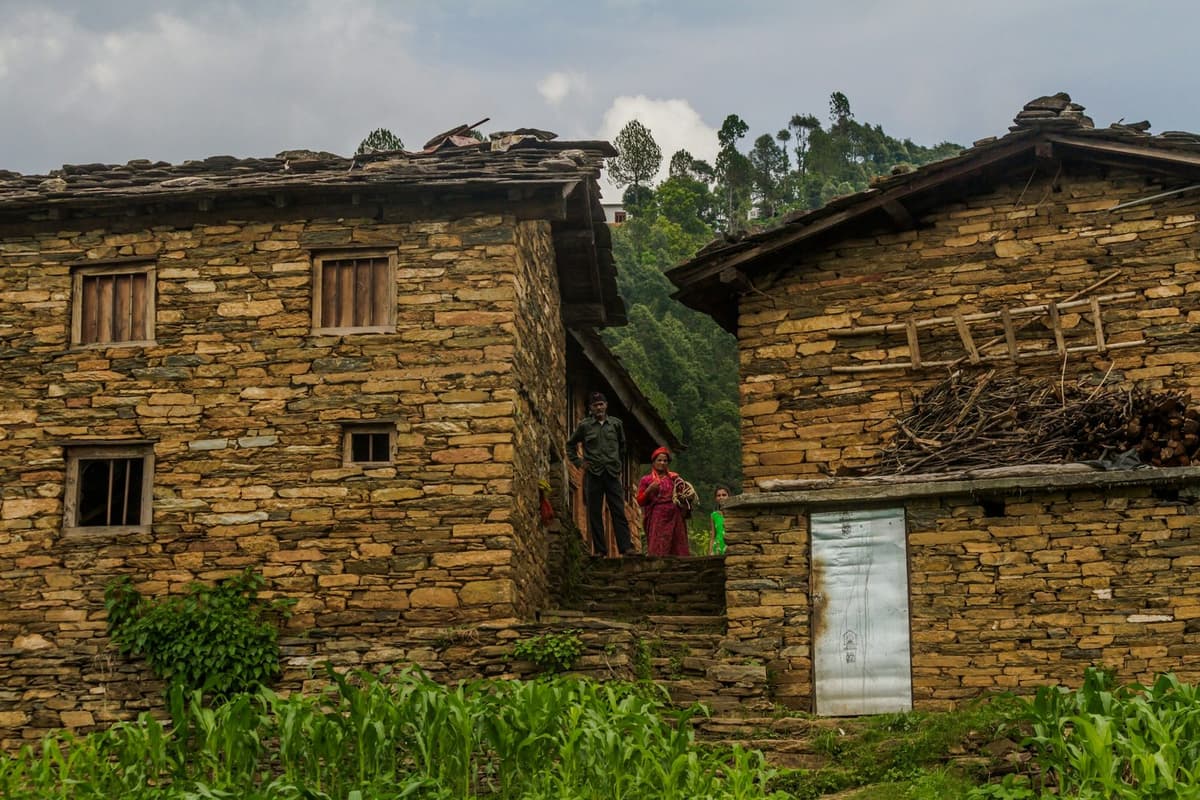
Ghandruk is one of the most beautiful traditional villages along the Annapurna Base Camp Trek route. It is a famous Gurung settlement for its stone houses, mountain views, local museums and its hospitality. The village offers trekkers a chance to experience the true Himalayan culture prior to deep trekking.
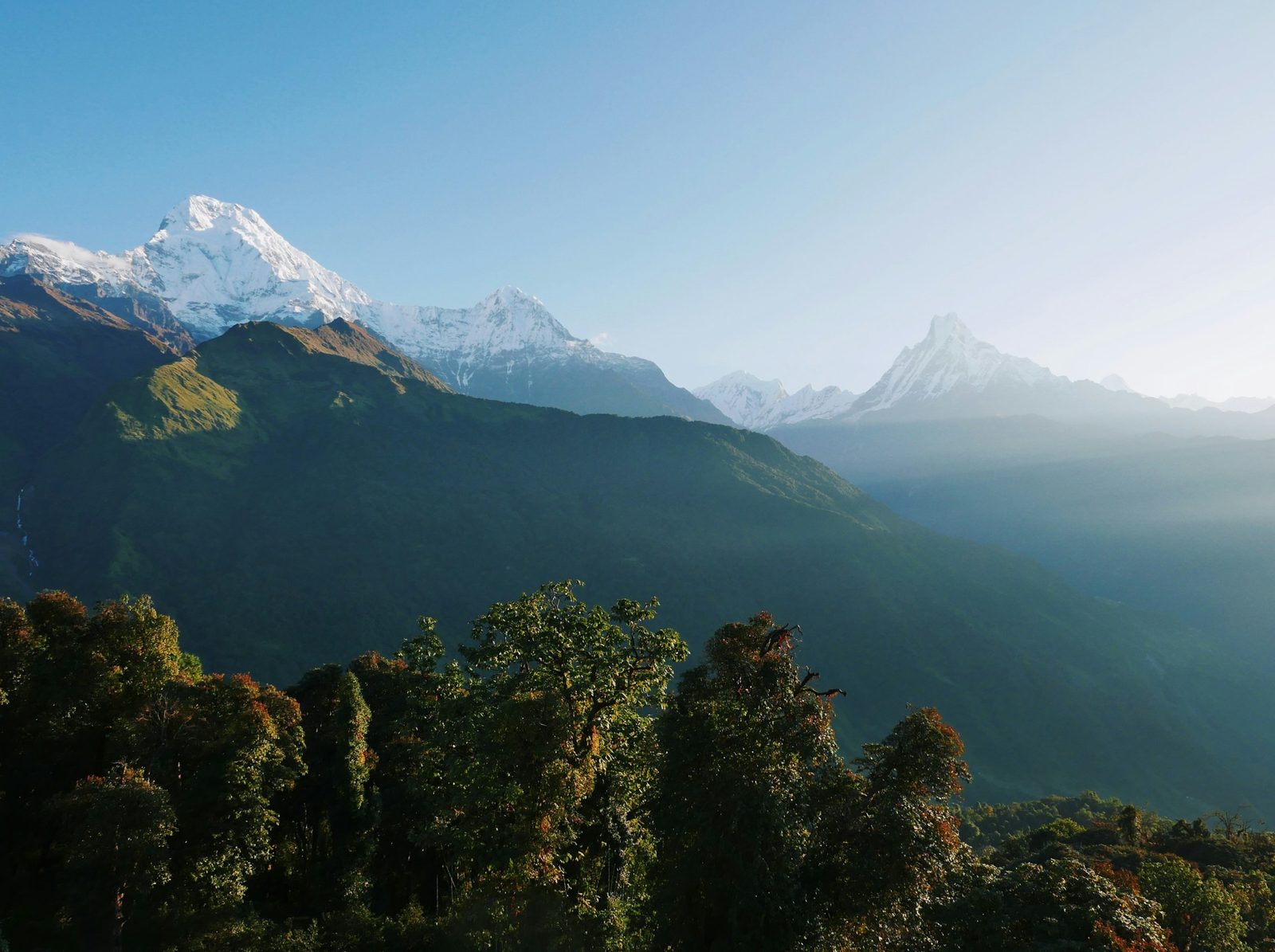
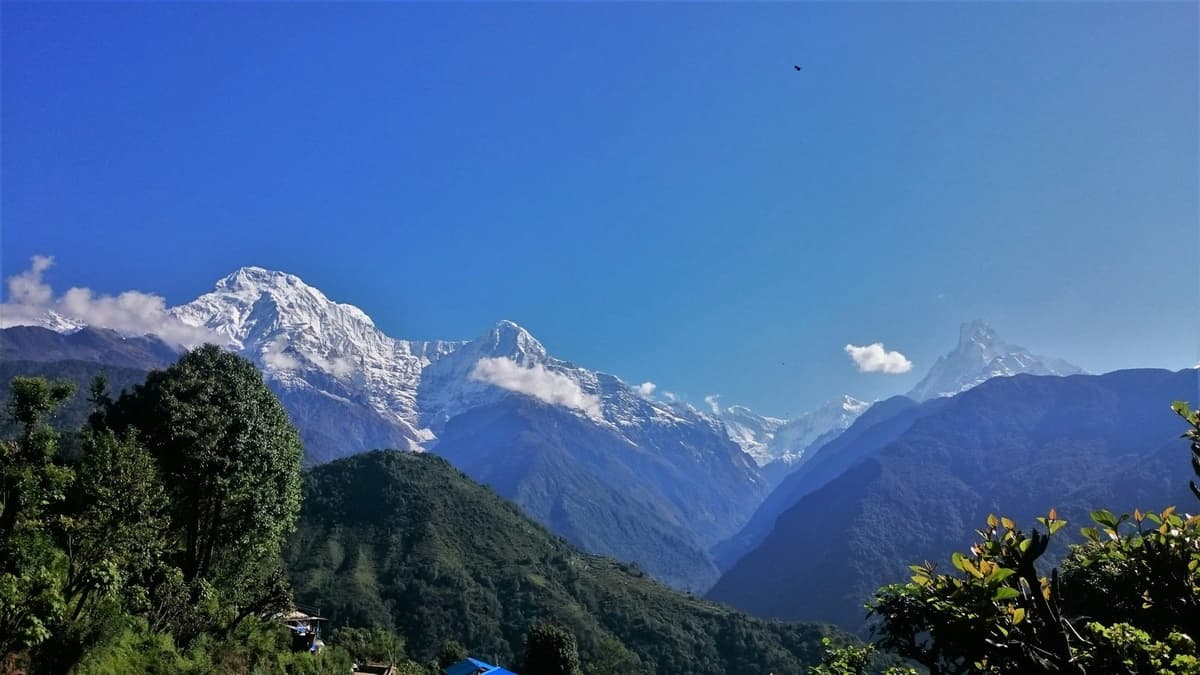
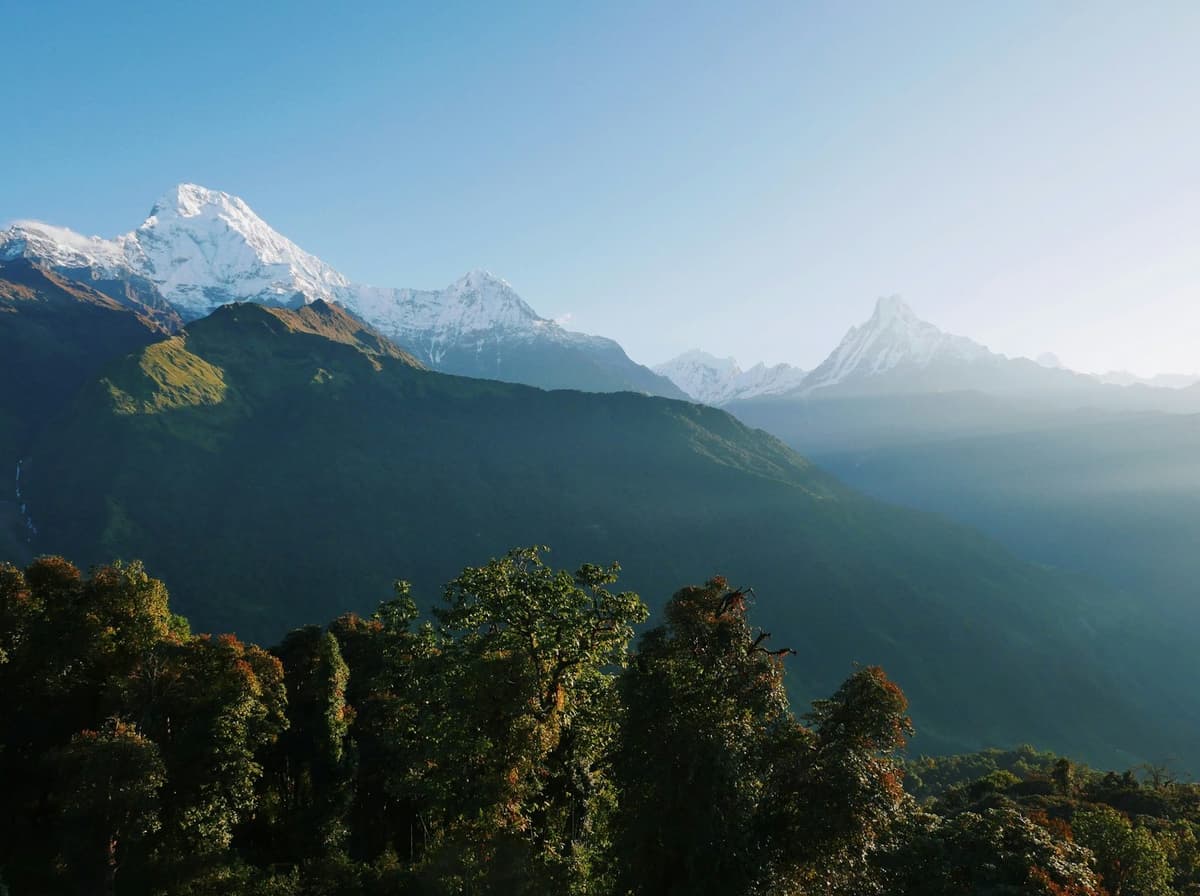
Visitors can enjoy the traditional way of life of the Gurung people, their farming practices, their traditional dress, and their customs and traditions, which have been maintained over the centuries. The panoramic views of Annapurna South, Hiunchuli and Machhapuchhre from Ghandruk make it one of the most scenic overnight stops during the trek.
Annapurna Sanctuary Experience
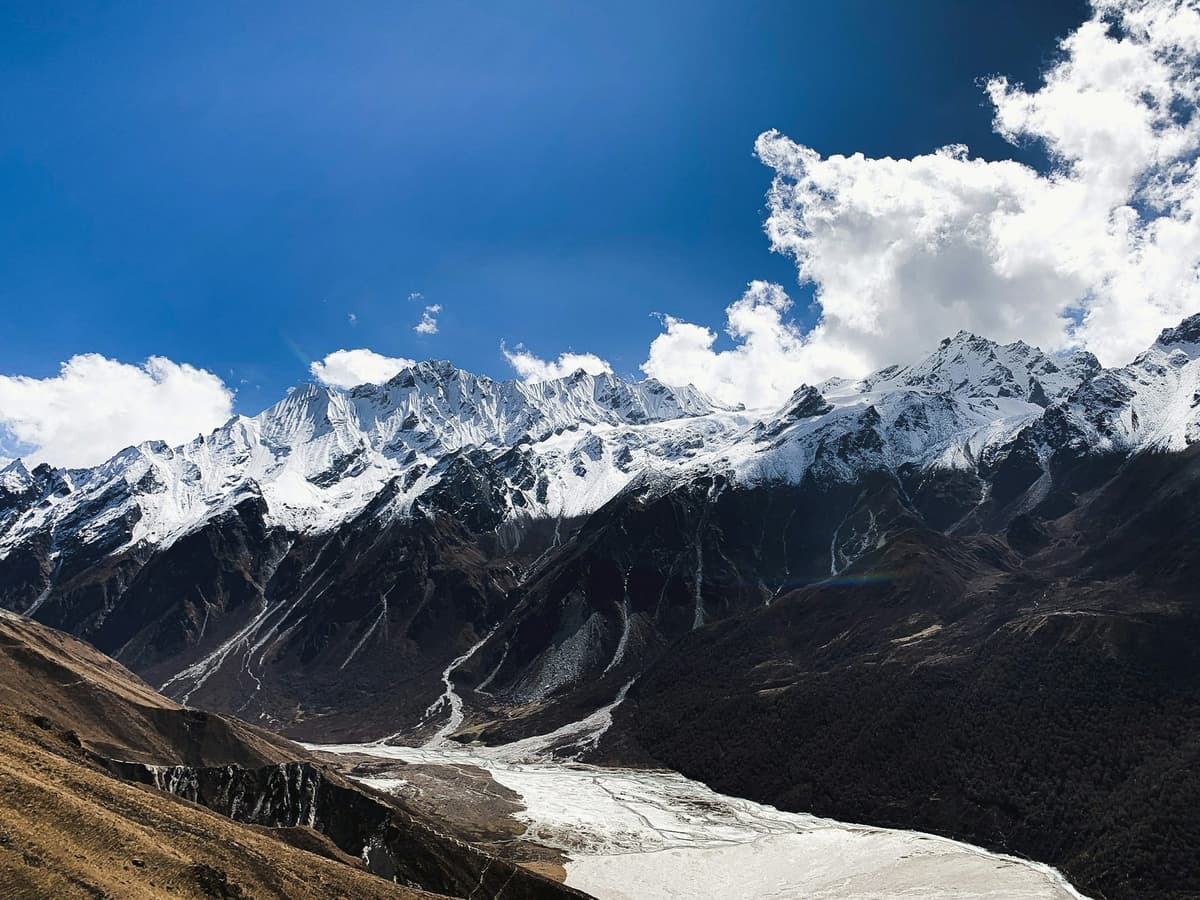
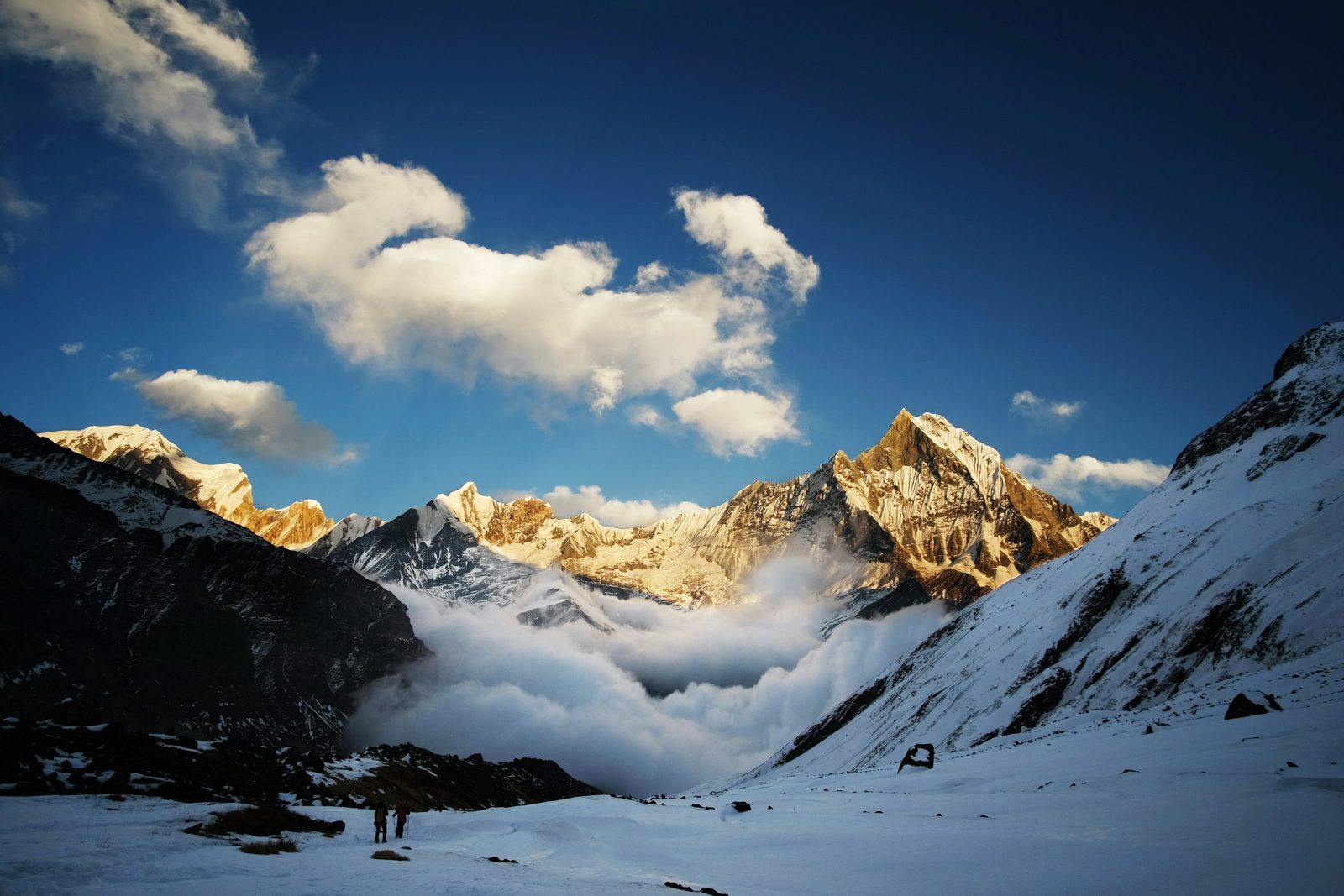
The Annapurna Base Camp Trek is one of the most amazing experiences in the Kathmandu Valley, as you enter the Annapurna sanctuary. This natural amphitheater is encircled by the towering mountains of the Himalayas - Annapurna I, Annapurna South, Machhapuchhre, Hiunchuli and Gangapurna. The sanctuary is a dramatic high altitude area unlike any other in Nepal.
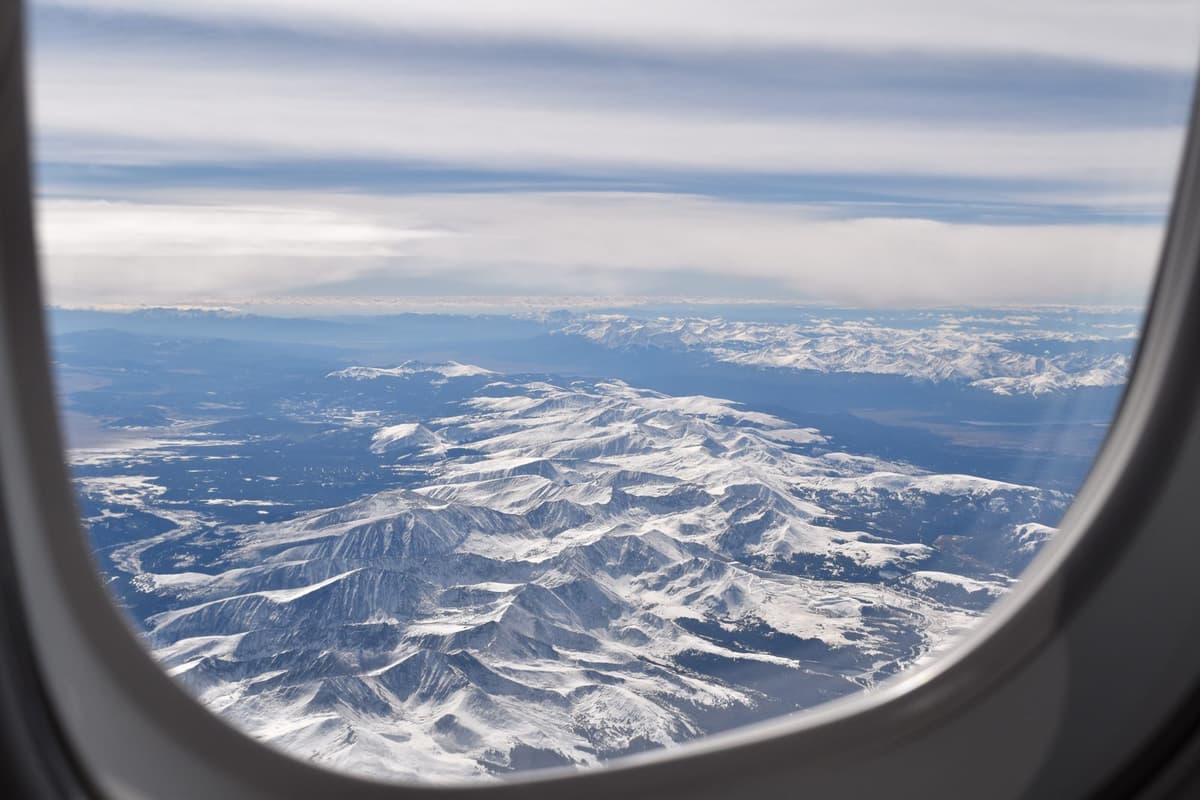
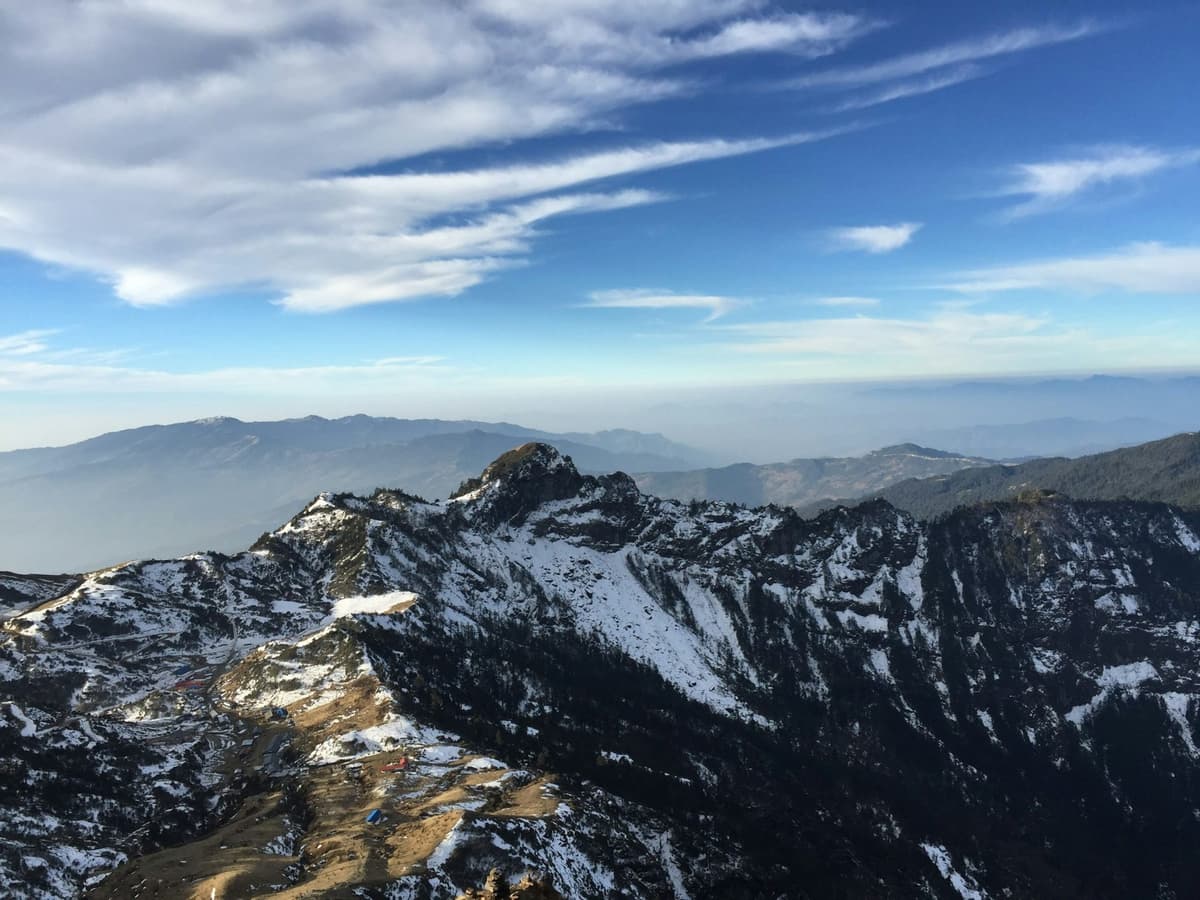
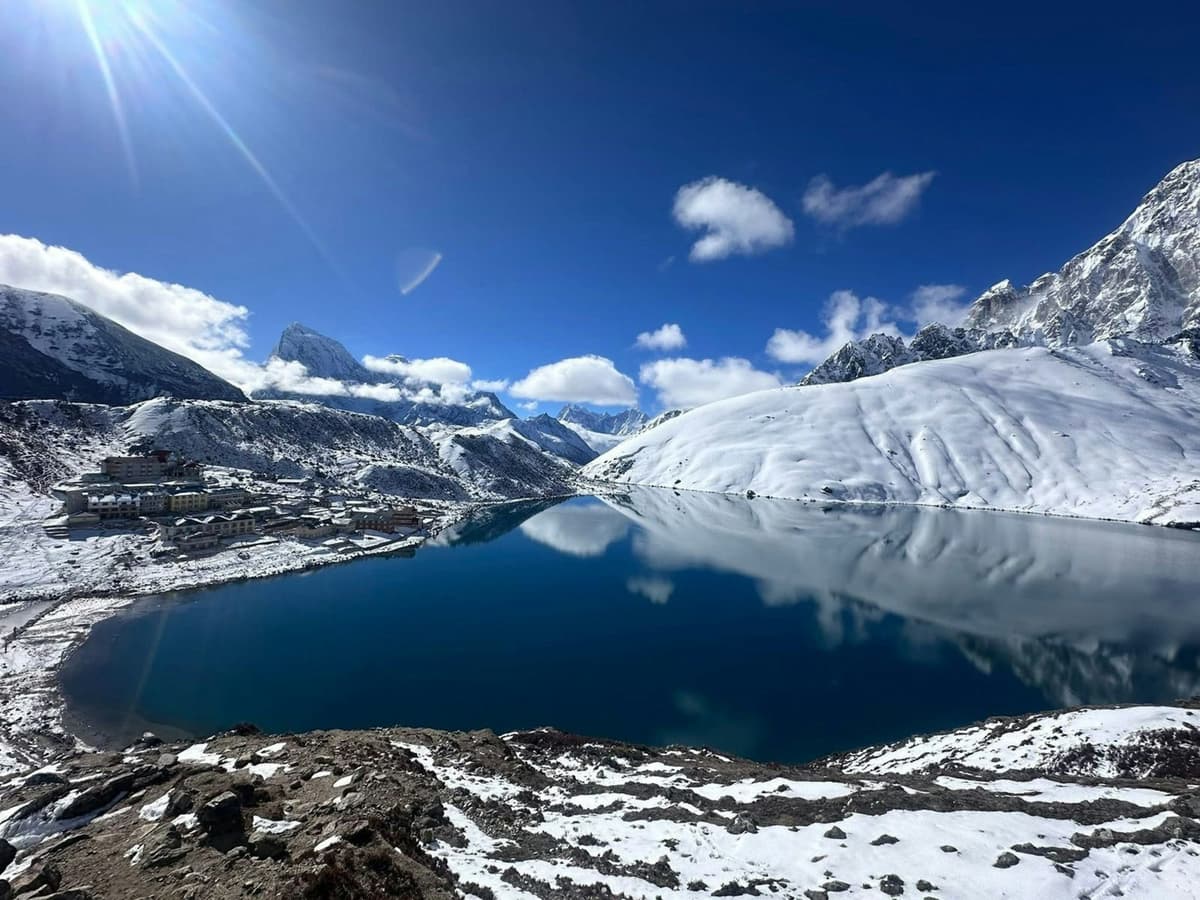
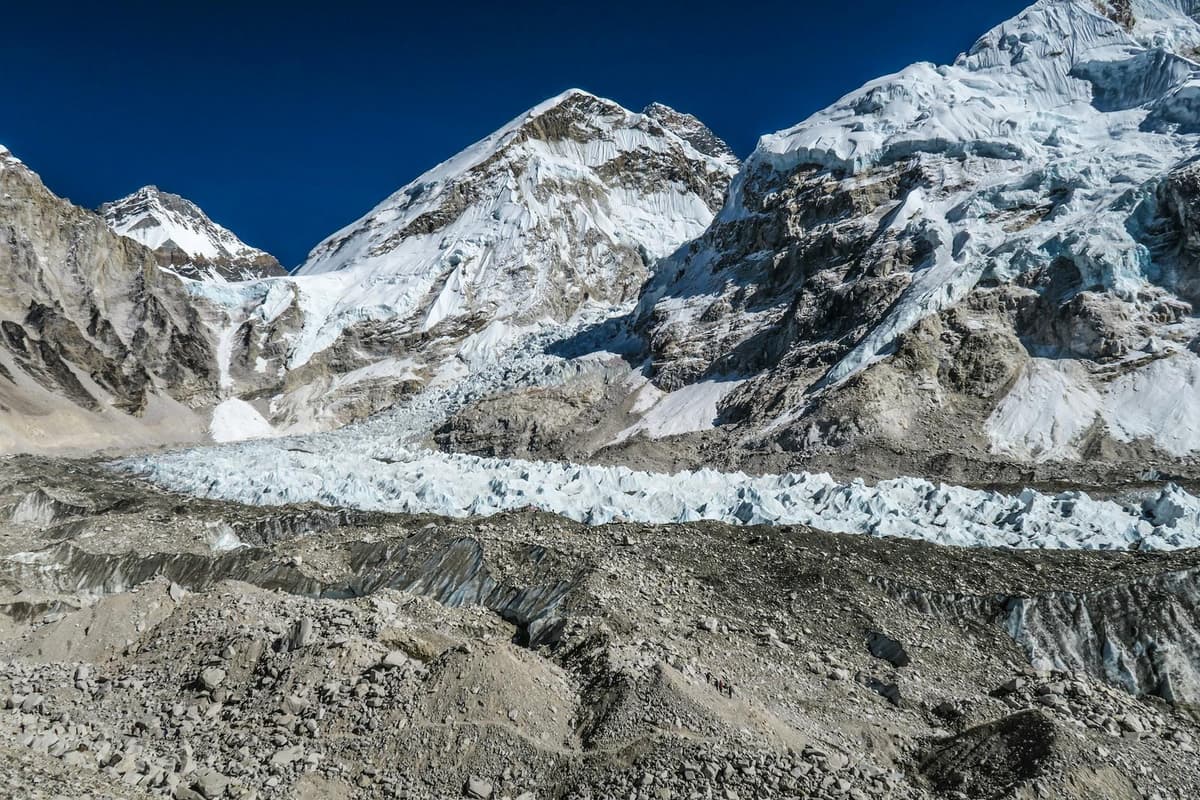
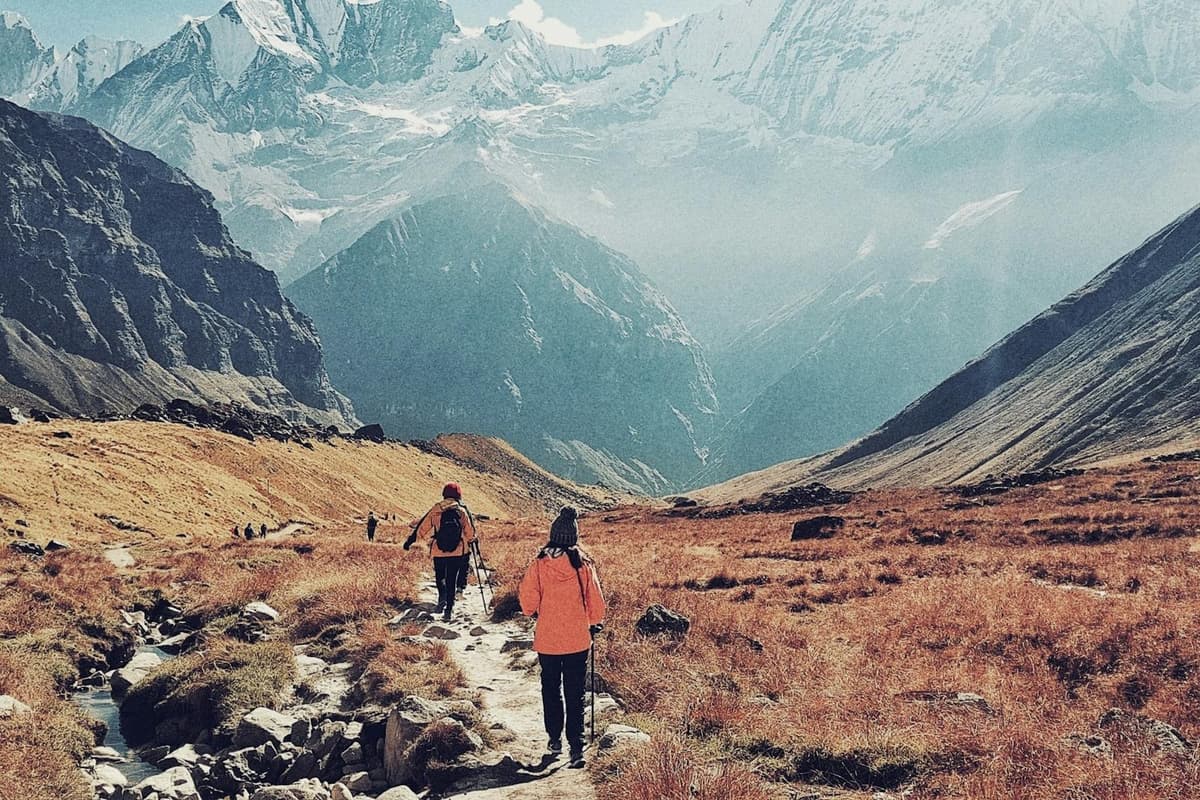
As trekkers ascend to Annapurna Base Camp, the scenery gradually changes from village, forest to glacial valleys, snow terrain of mountains. This sense of being in the middle of giant Himalayan mountains offers an unforgettable trekking experience which is visited annually by thousands of trekkers.
Mountain Views from Annapurna Base Camp
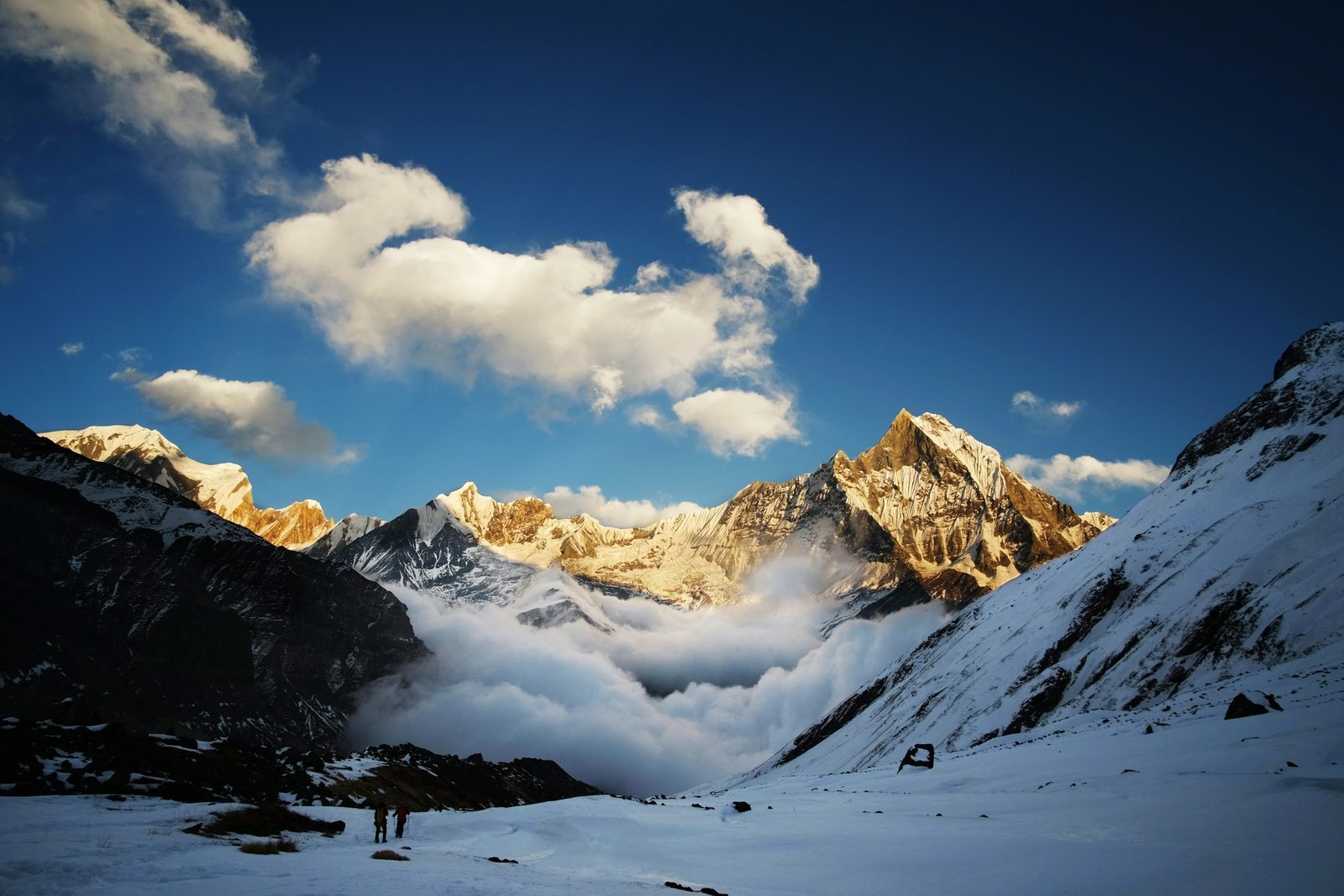
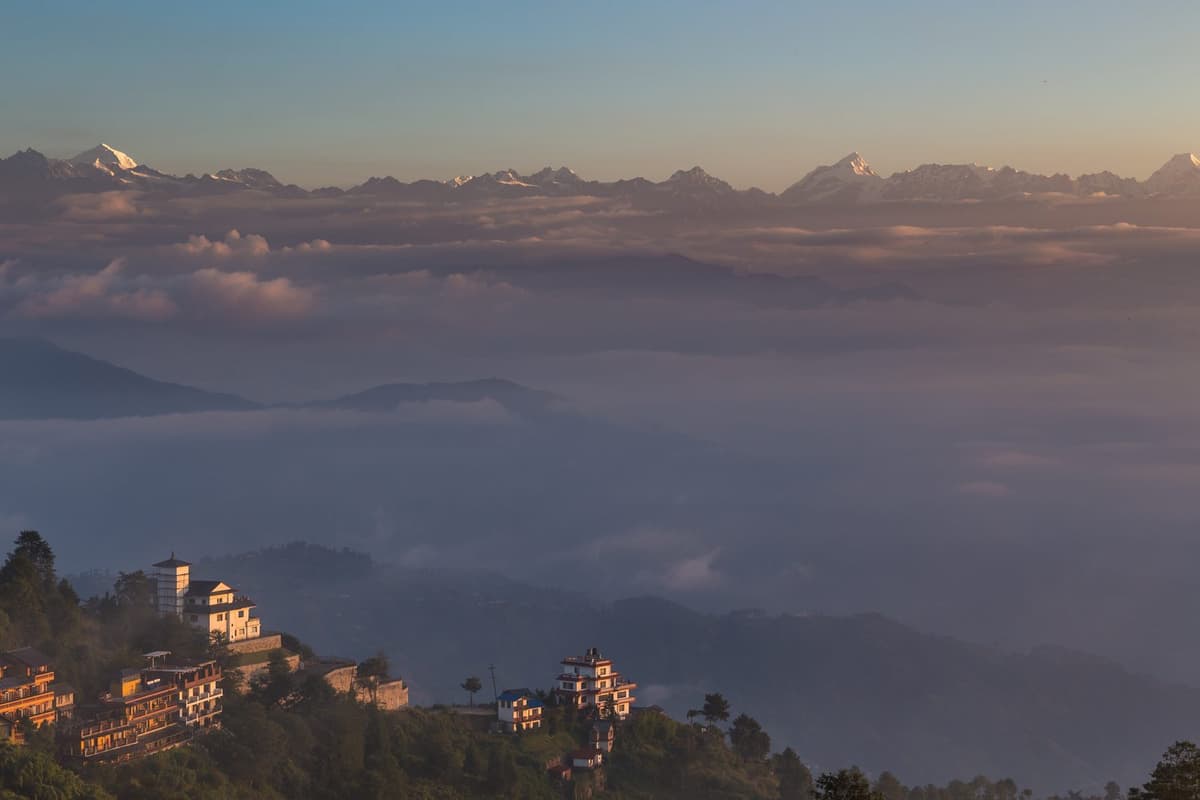
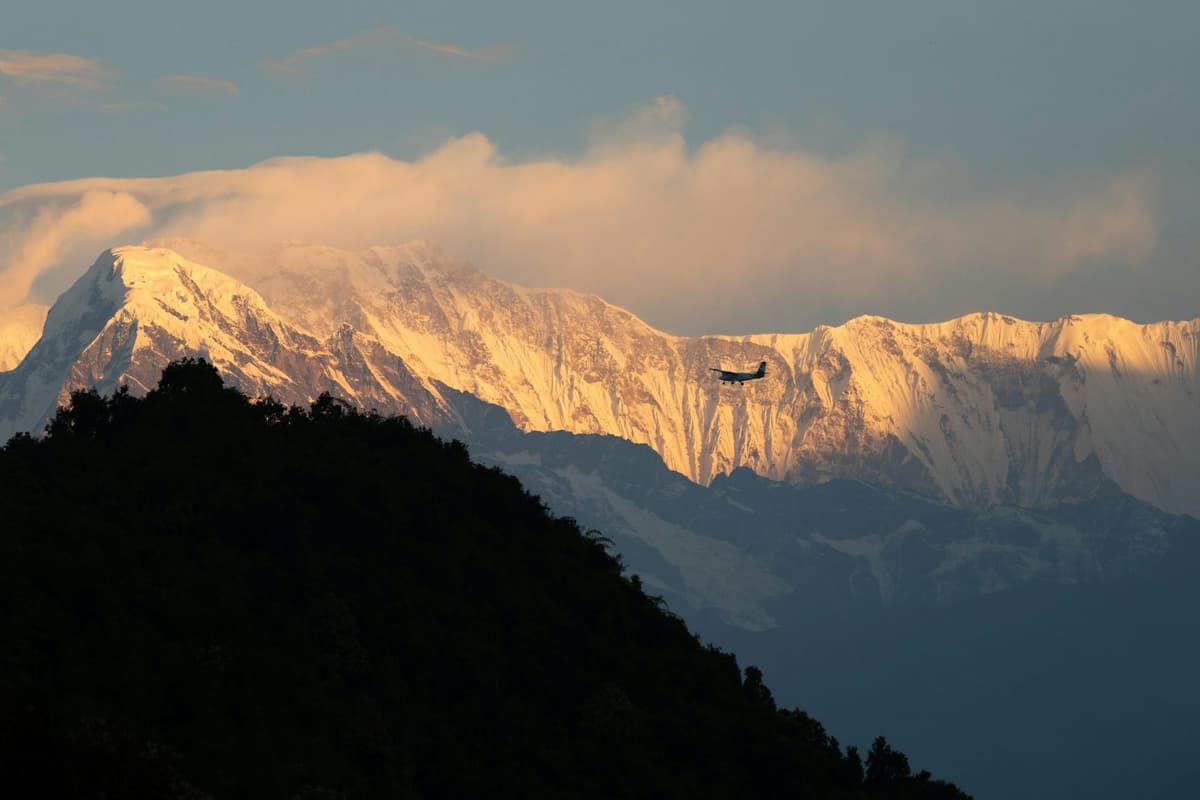
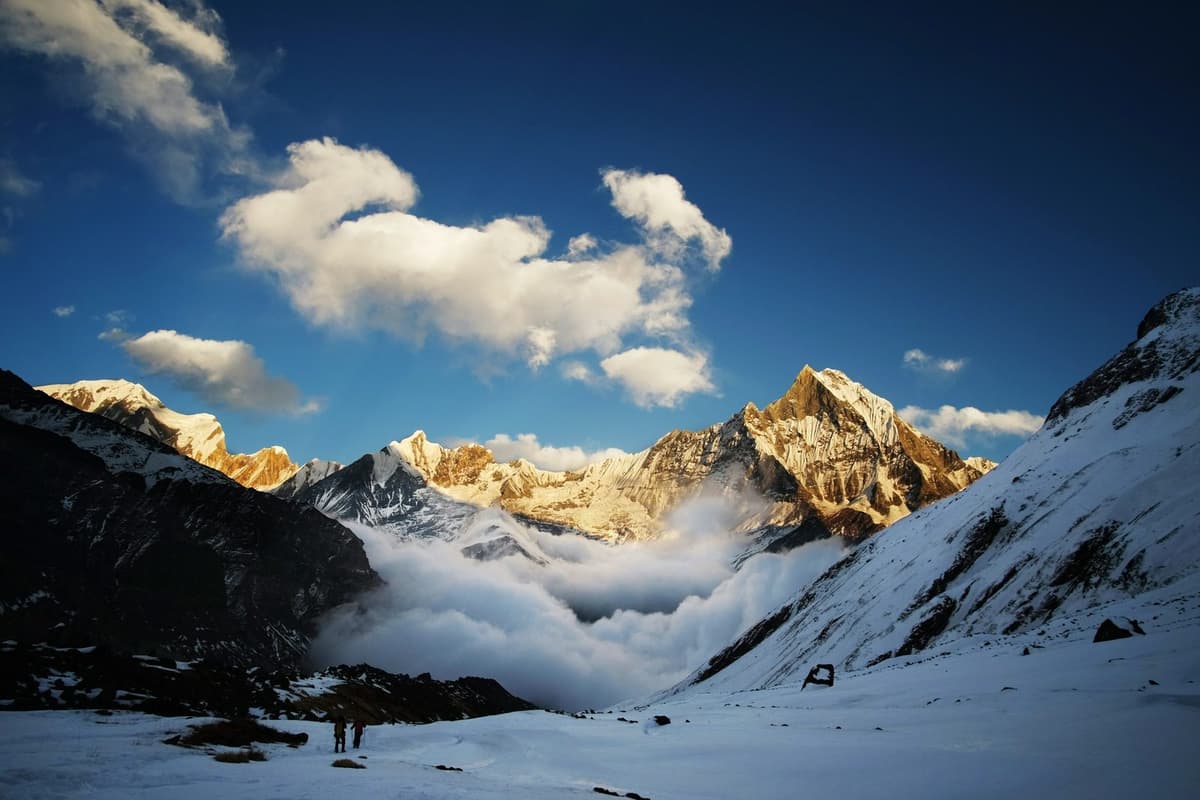
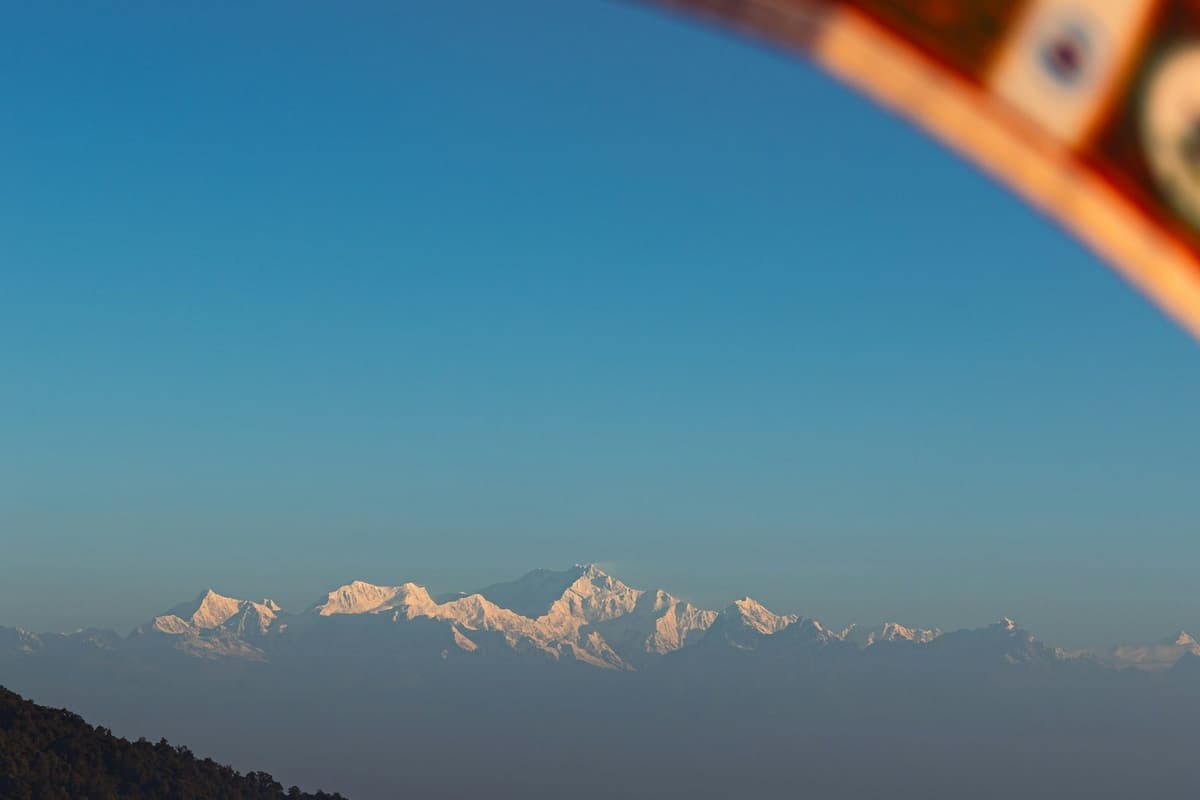
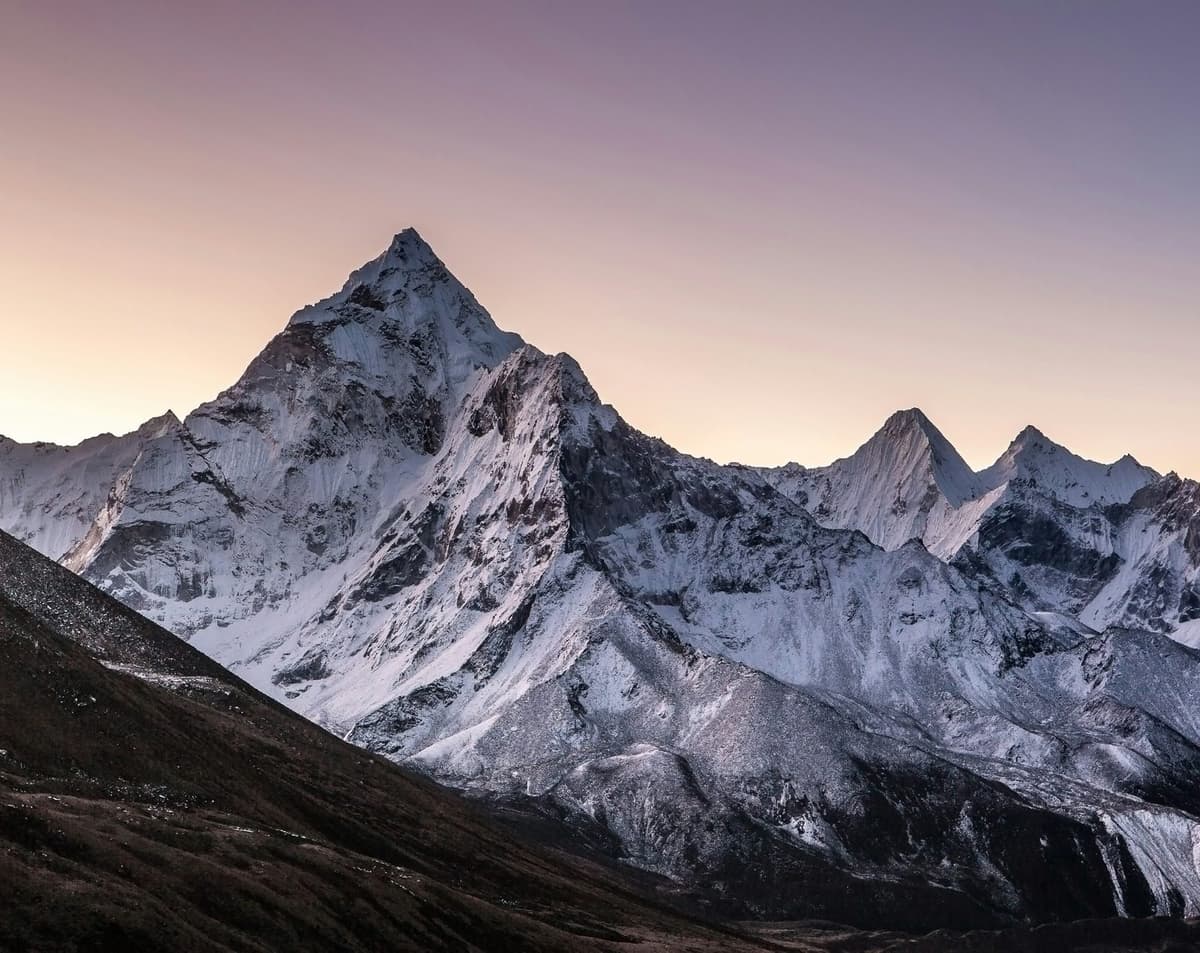
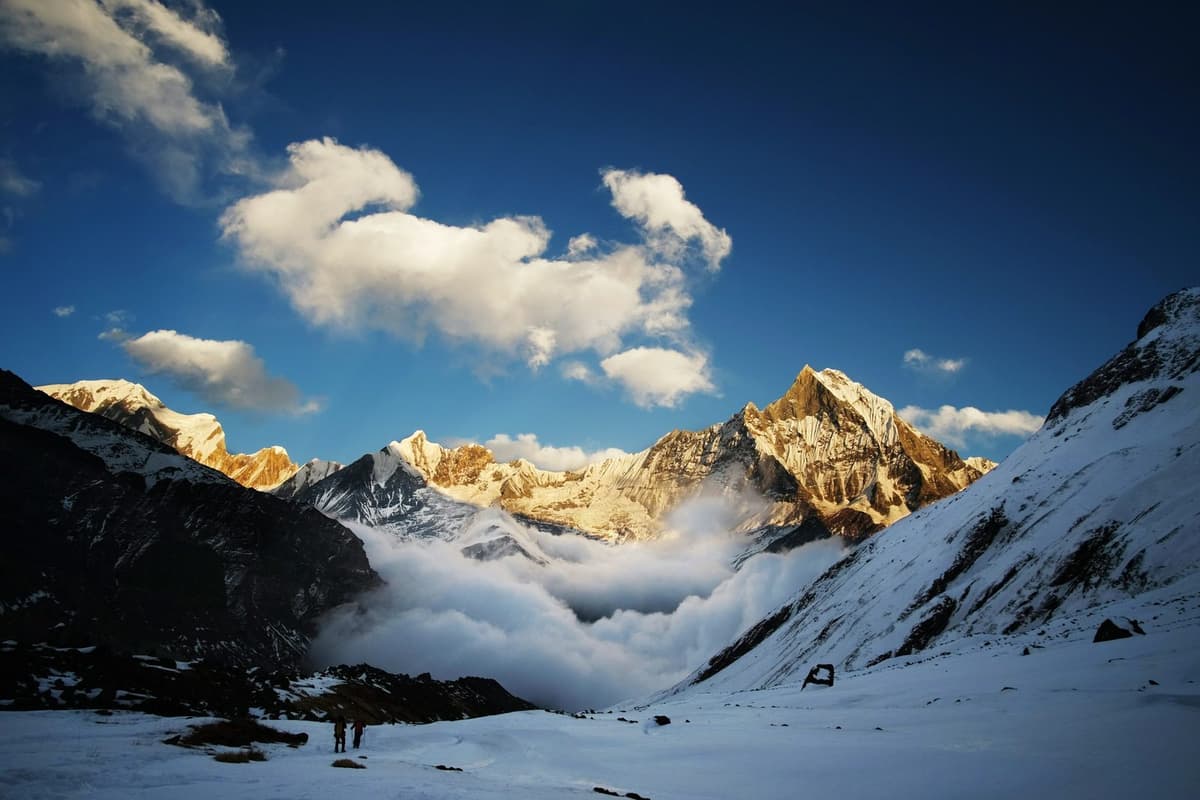
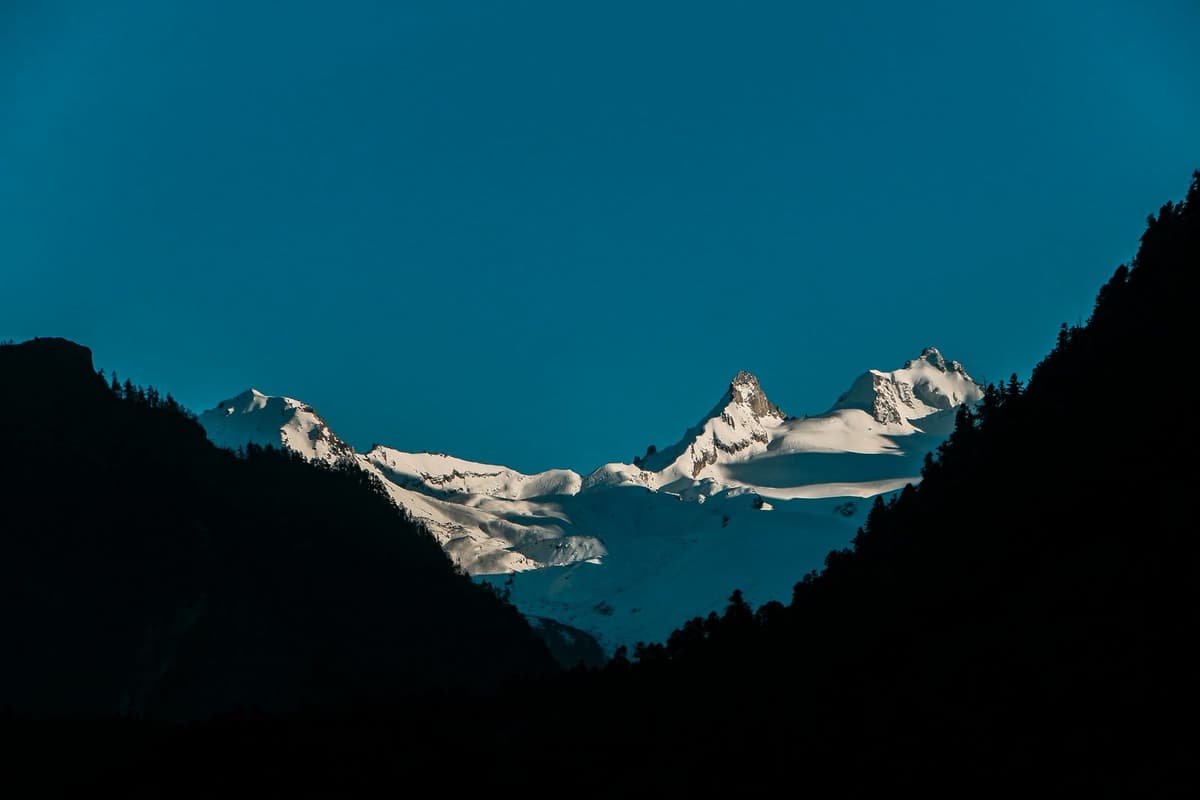
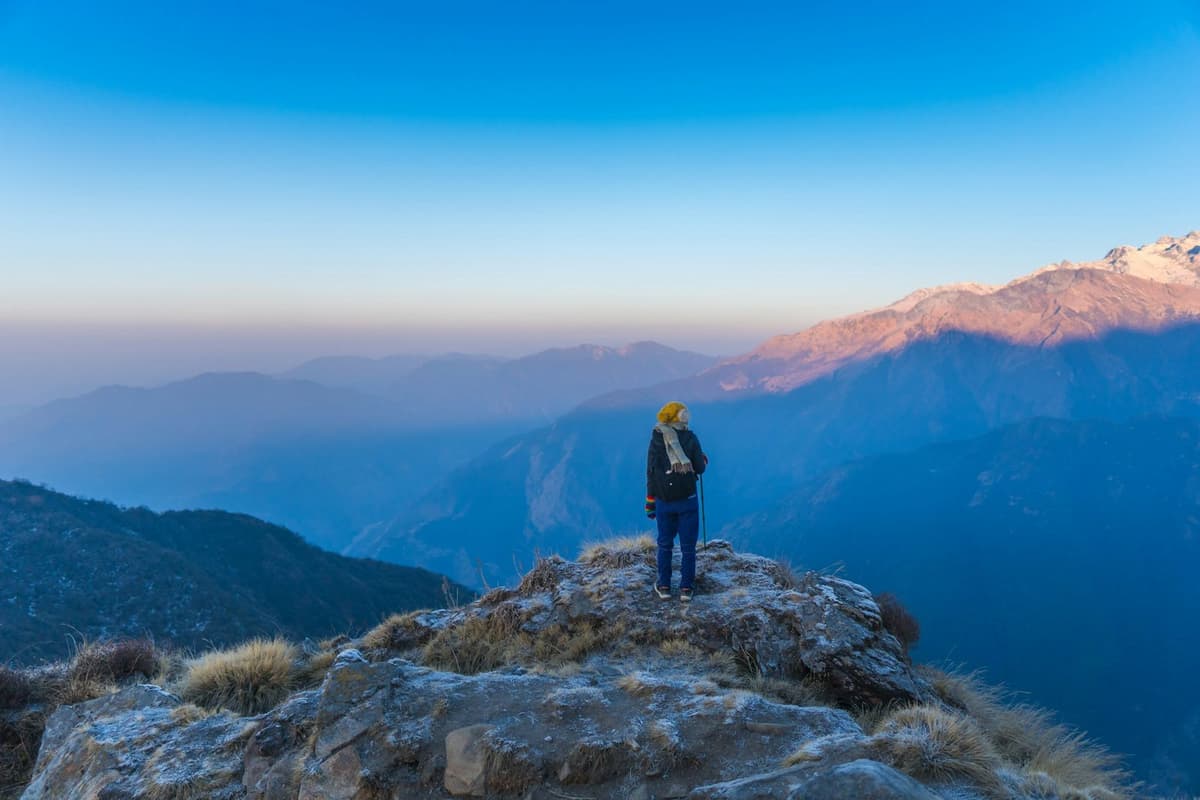
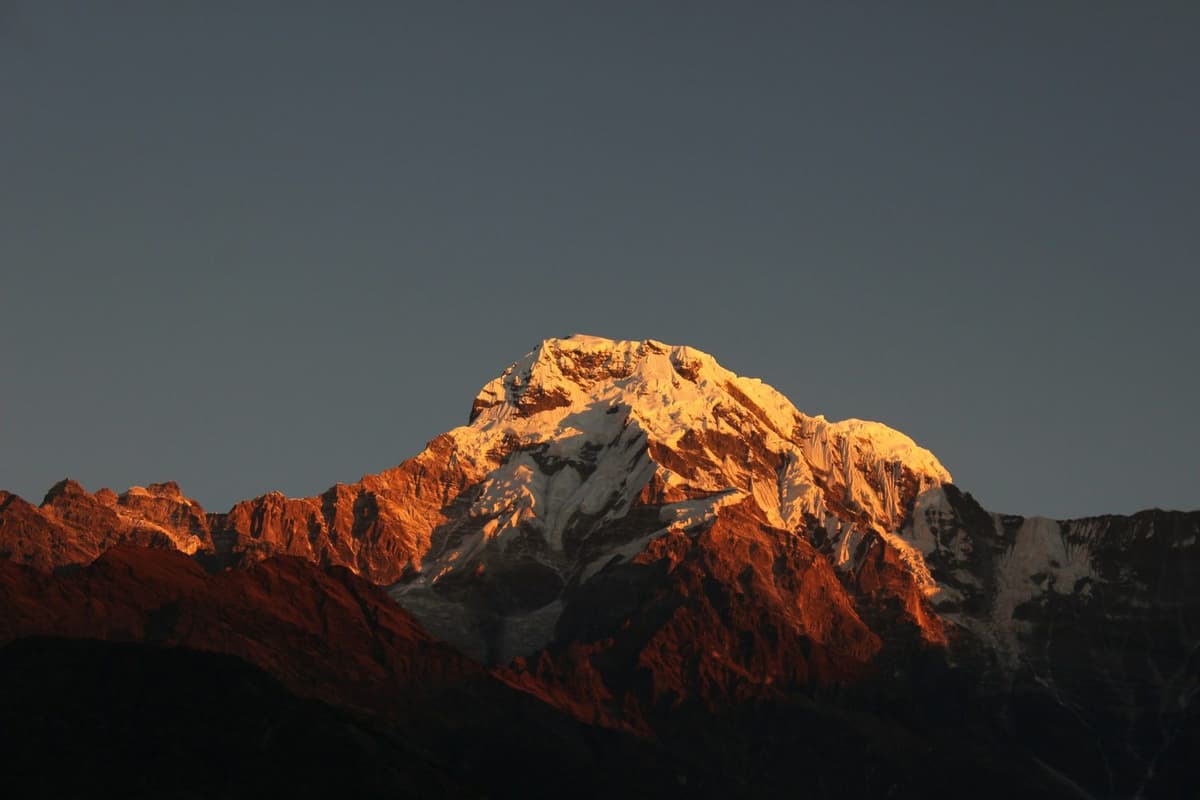
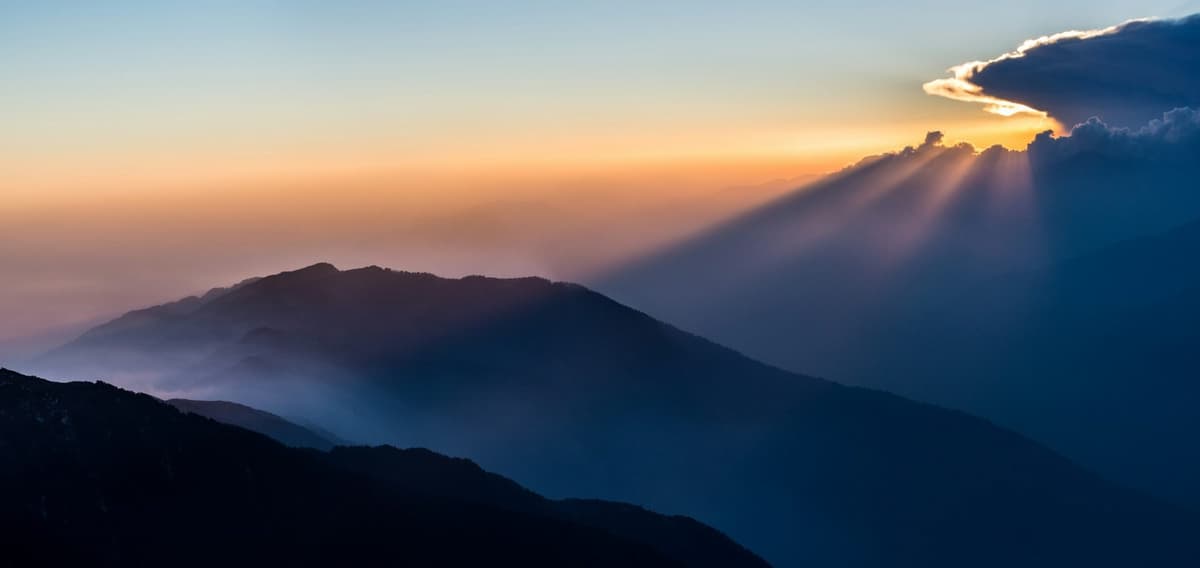
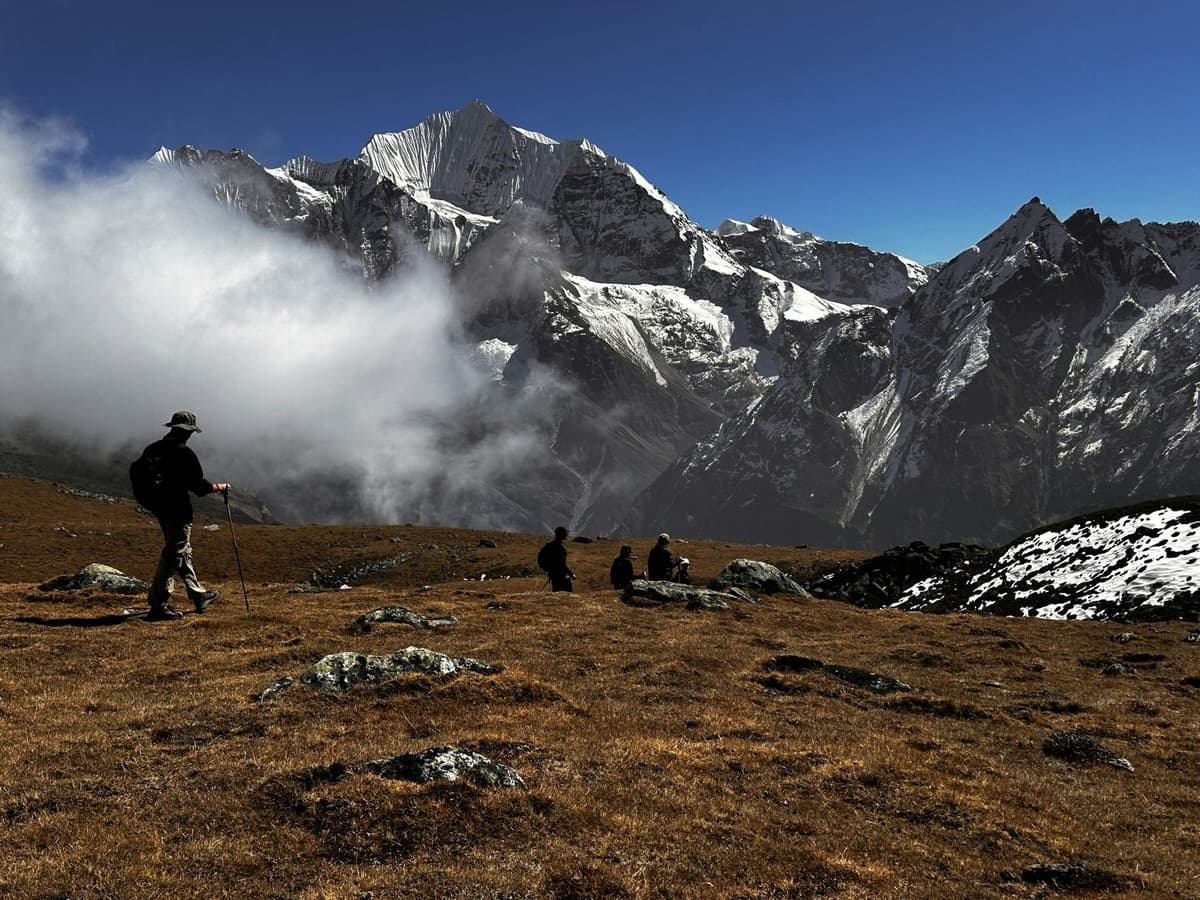
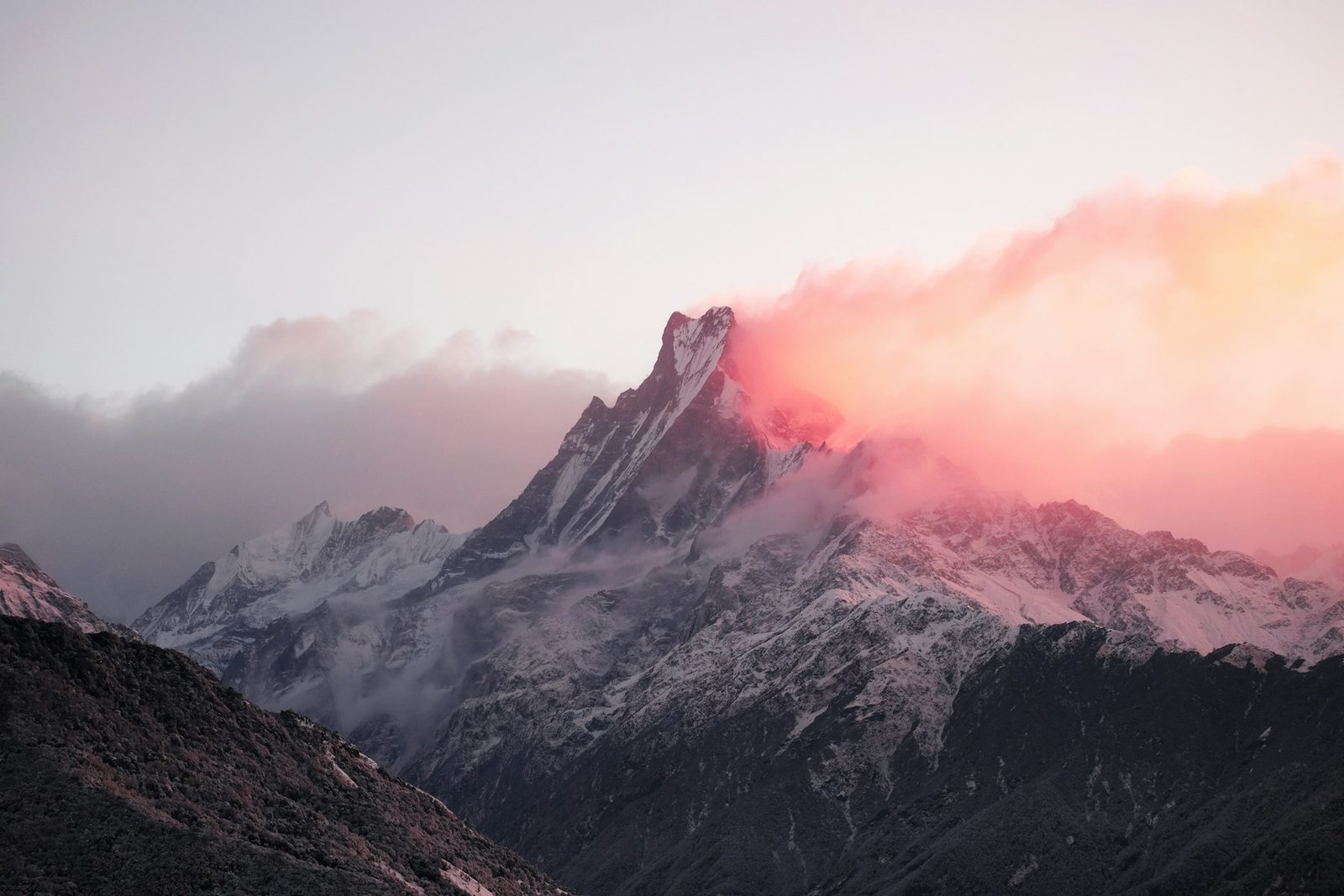
One of the best views from Annapurna Base Camp is the sunrise. The snow-covered peaks around the sanctuary slowly begin to shed light in the early morning. The mountains turn shades of dark blue to golden orange to present an unforgettable Himalayan view.
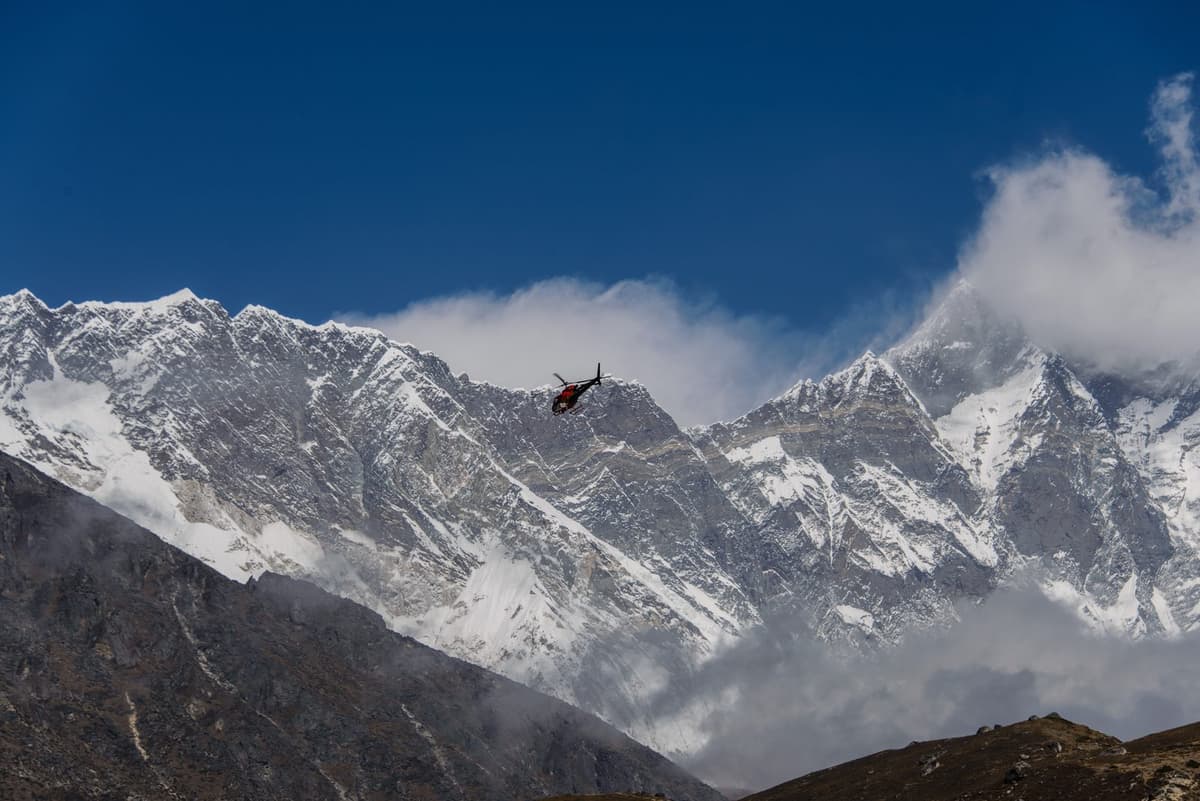
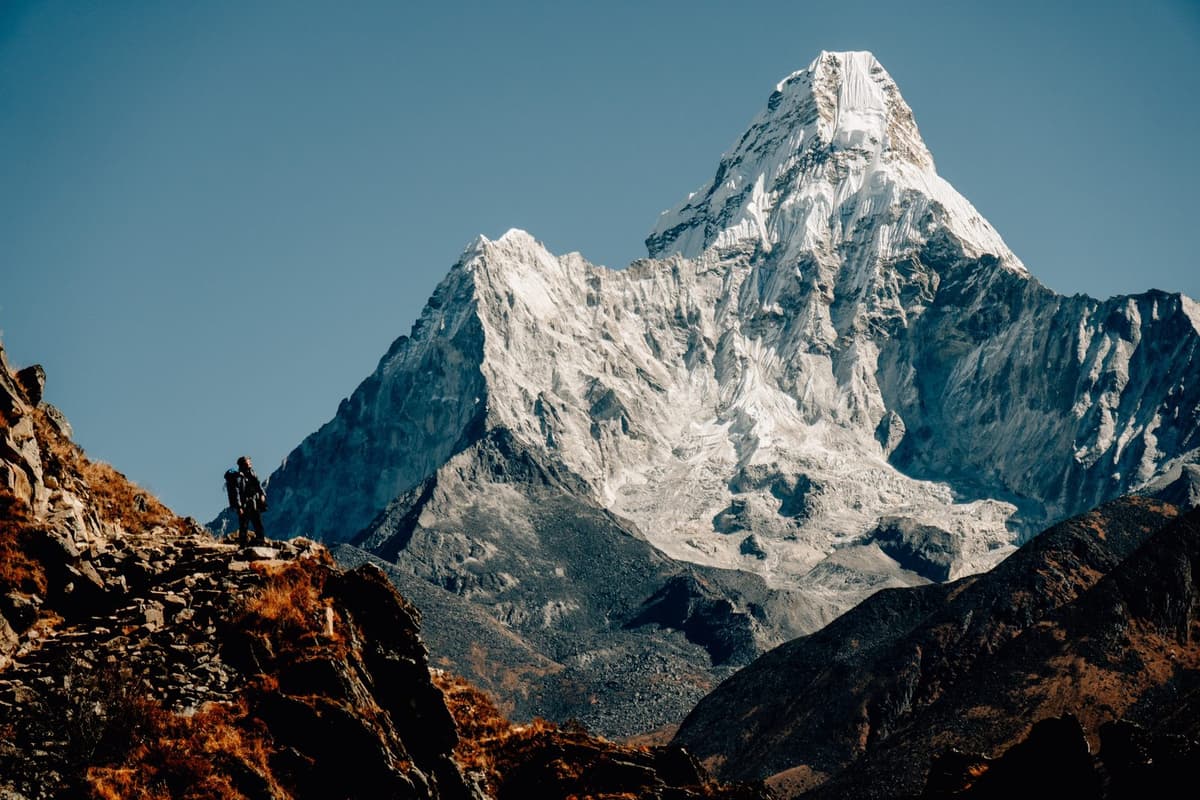
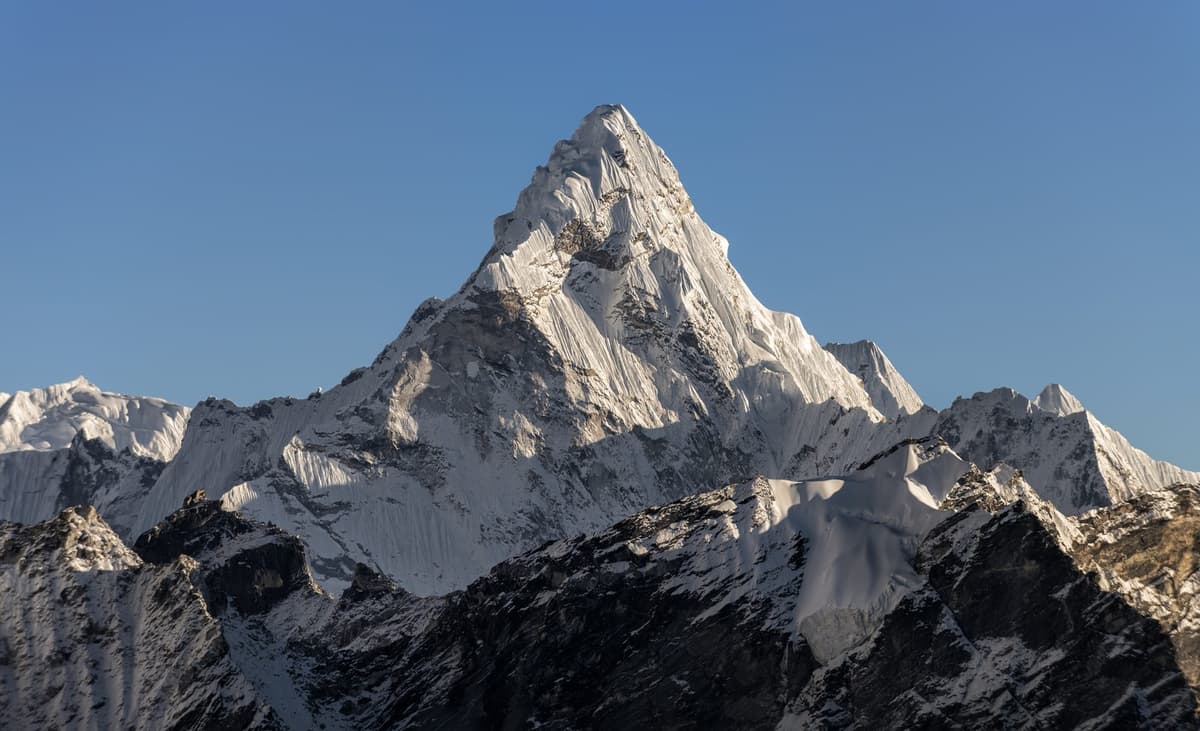
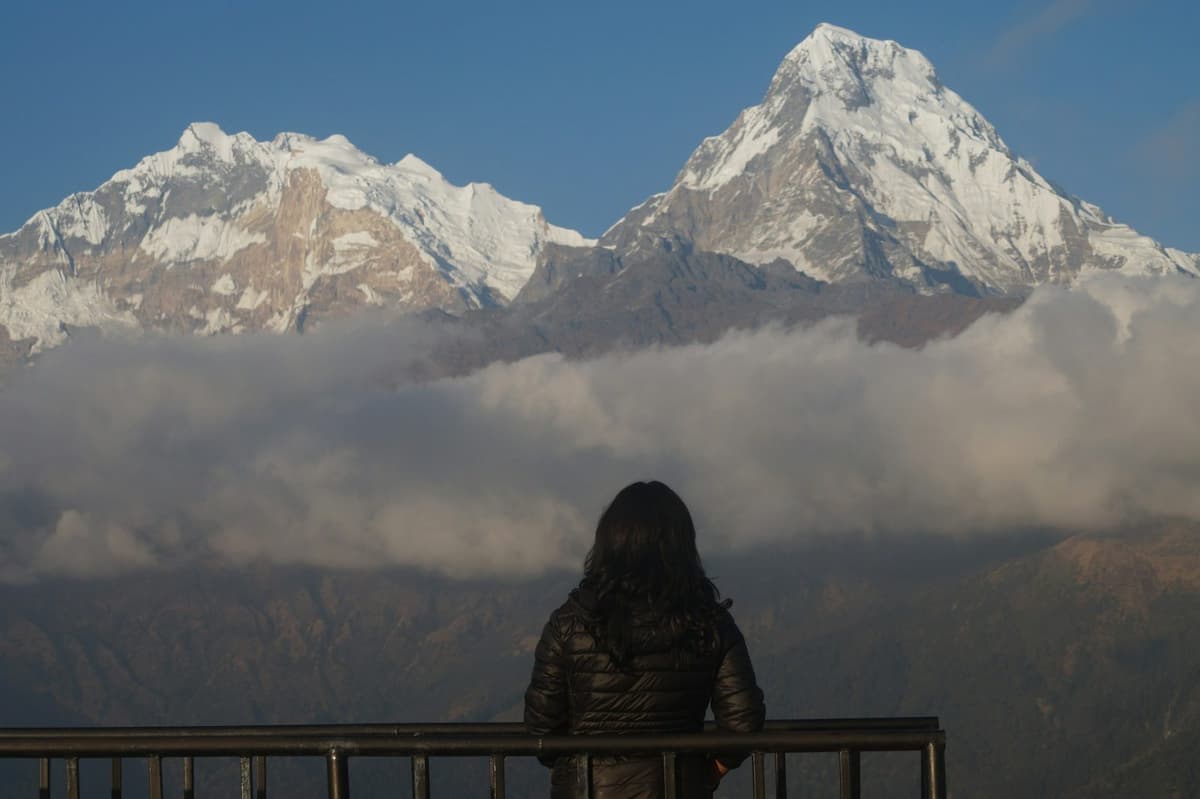
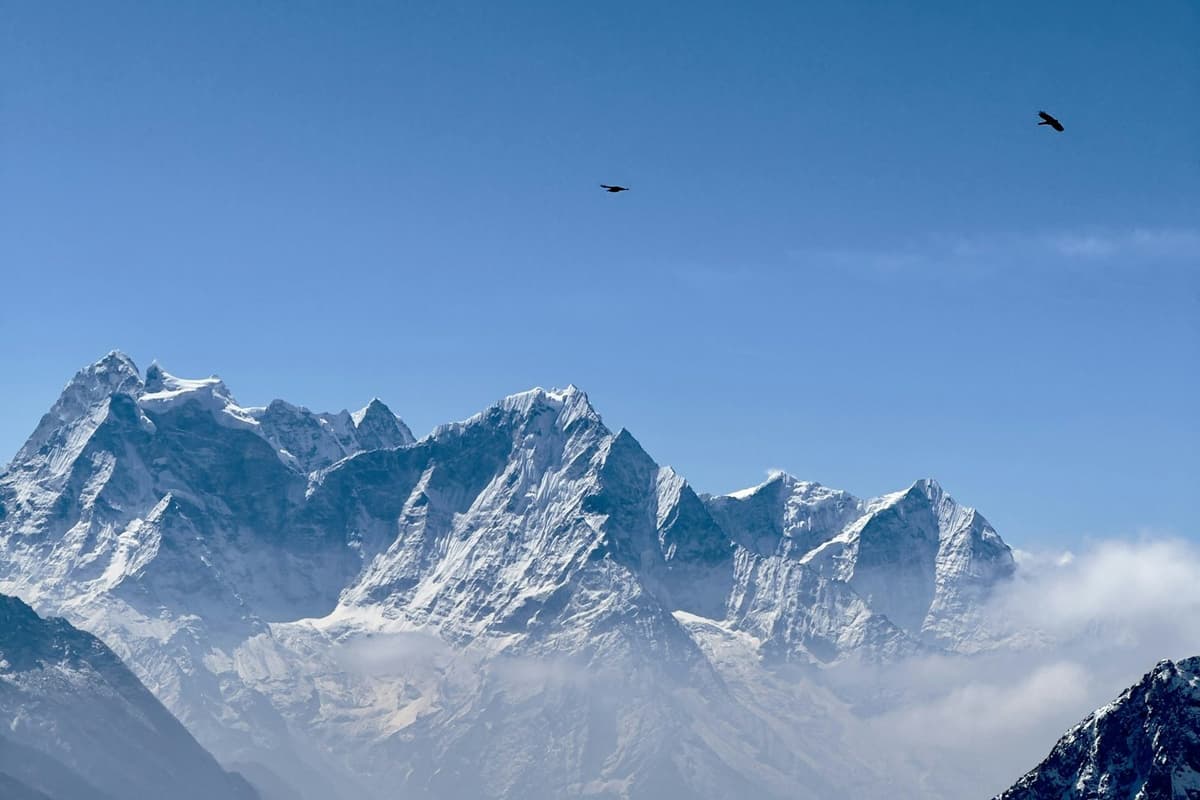
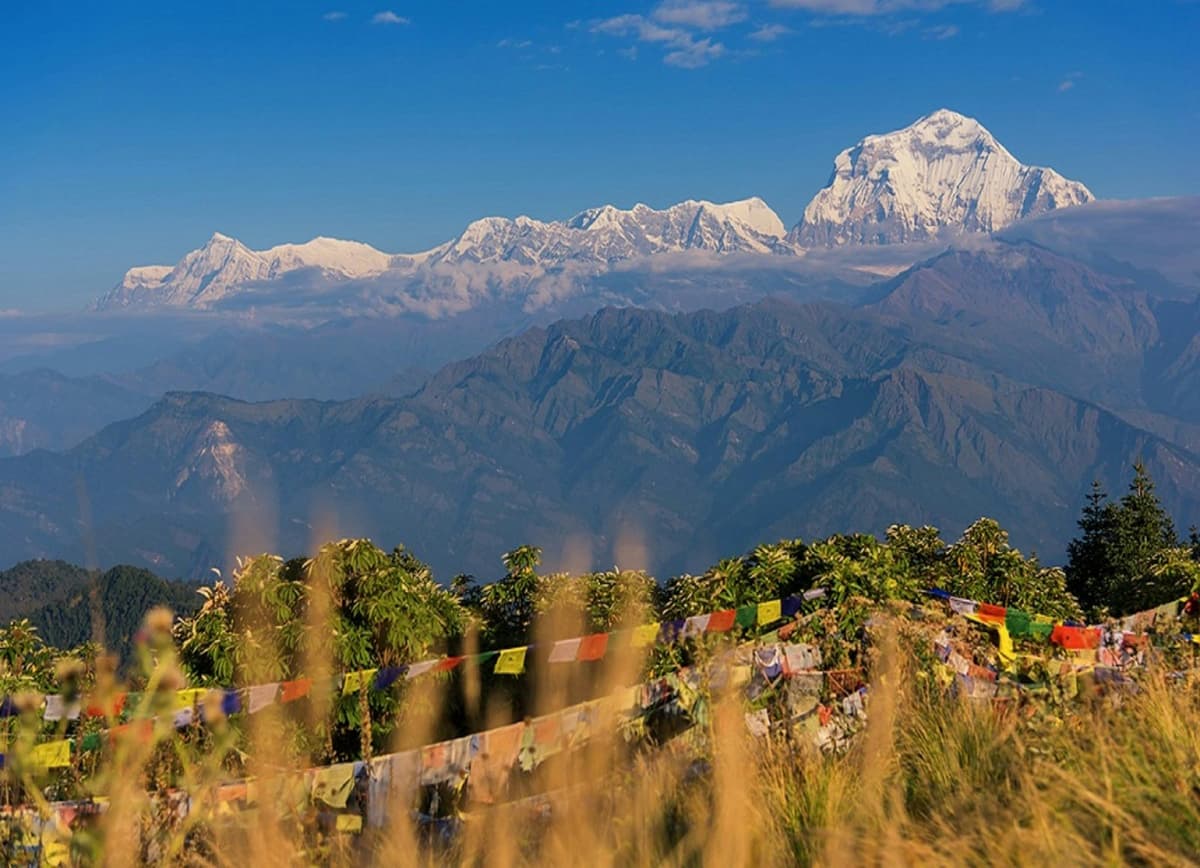
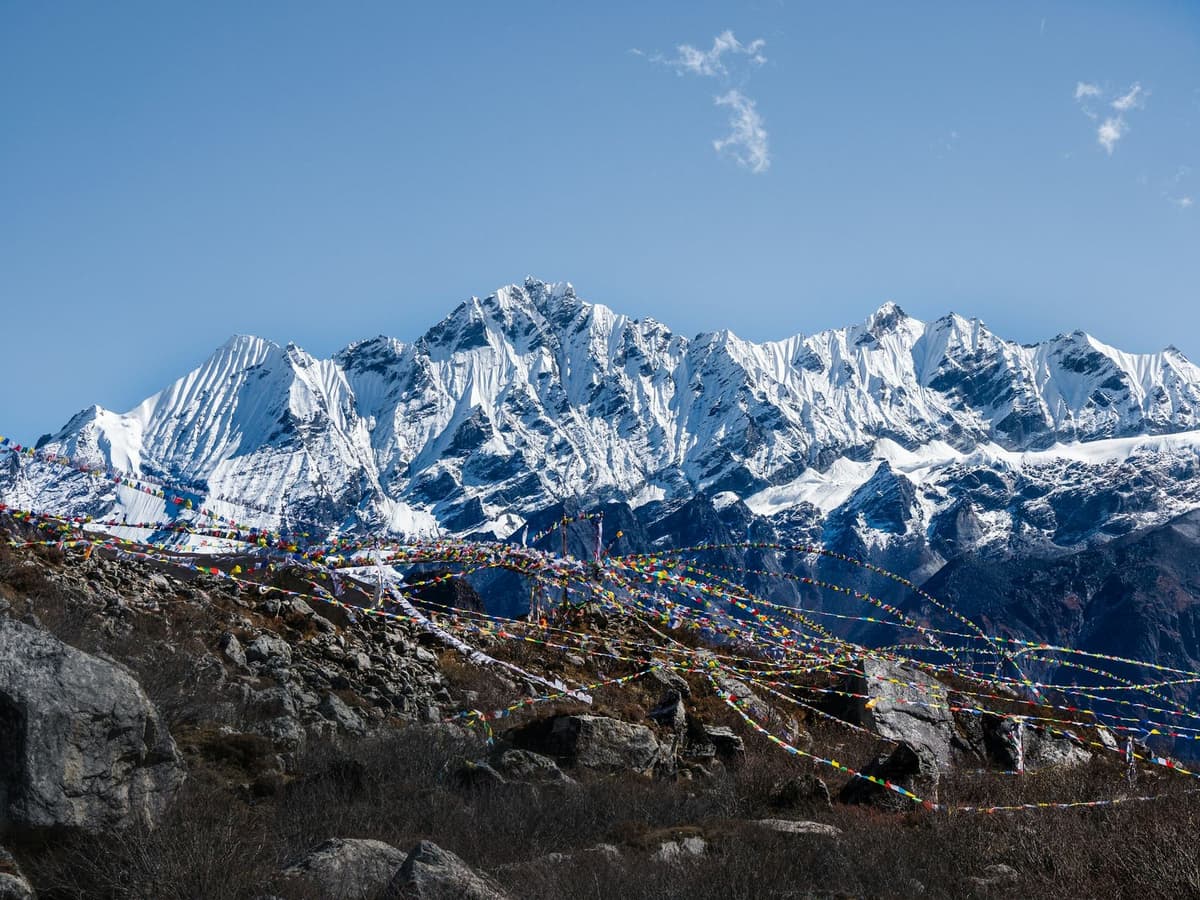
From the base camp area trekkers can see these mountains close up, including Annapurna I (8,091m), Machhapuchhre (Fishtail), Annapurna South, and Hiunchuli. The Annapurna Base Camp Trek is unlike many treks in which you view the mountains from afar, as you are right under the feet of the giants of the planet.
Rhododendron Forests & Natural Beauty
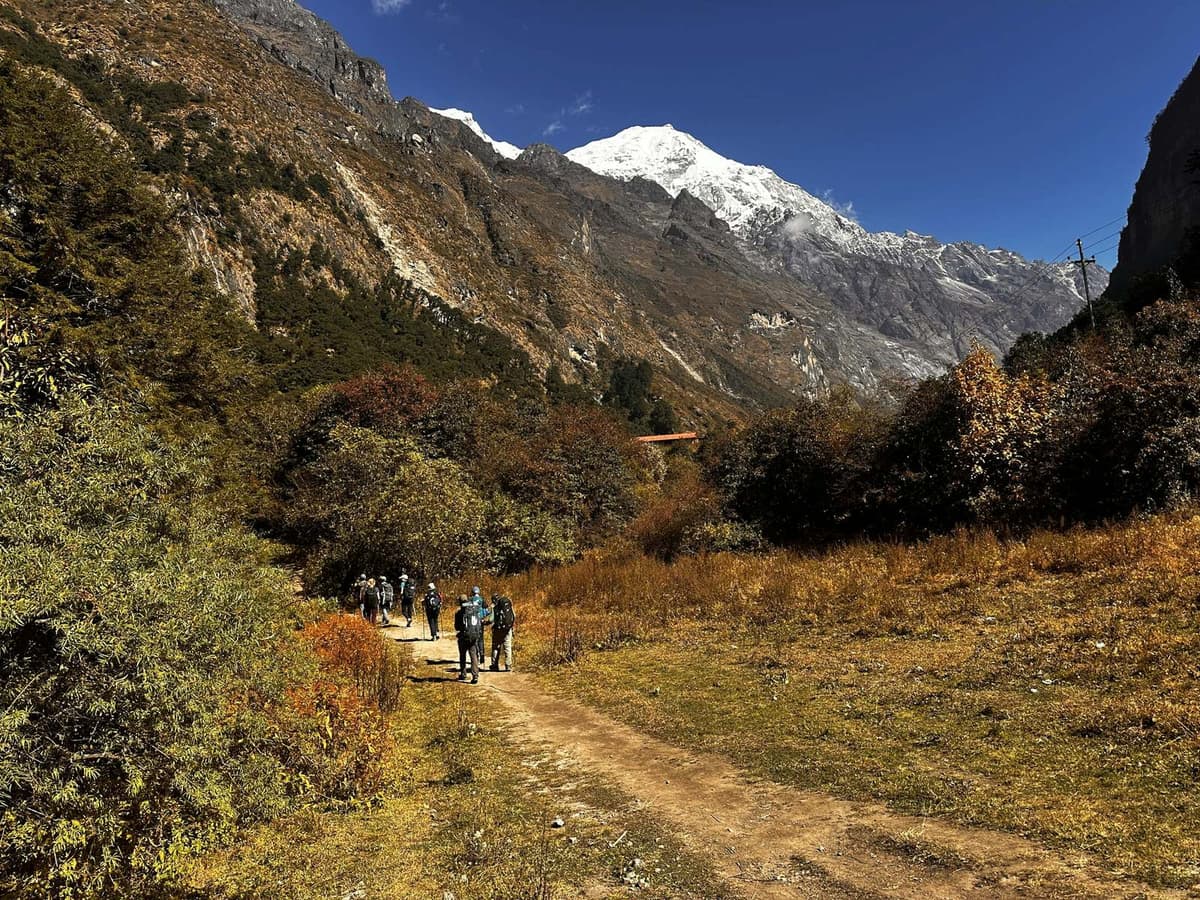
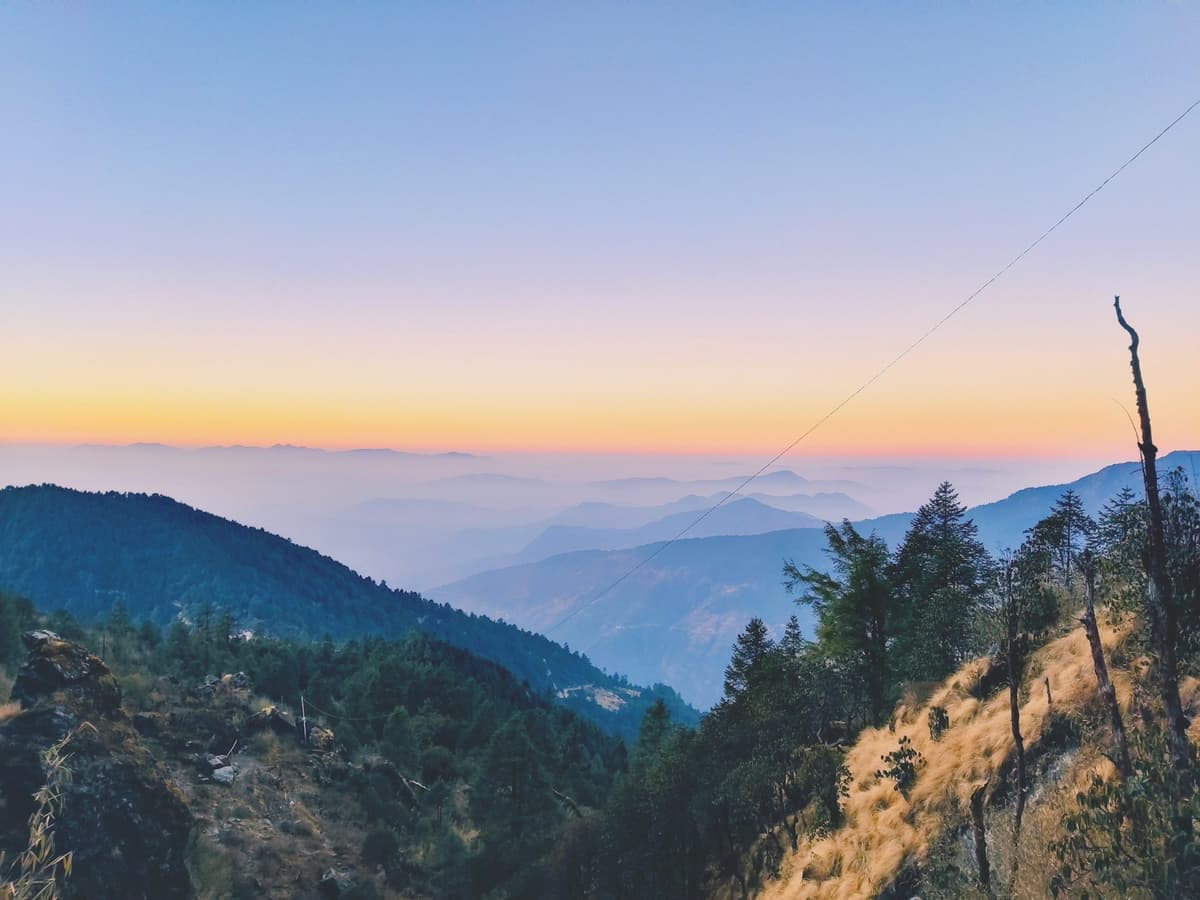
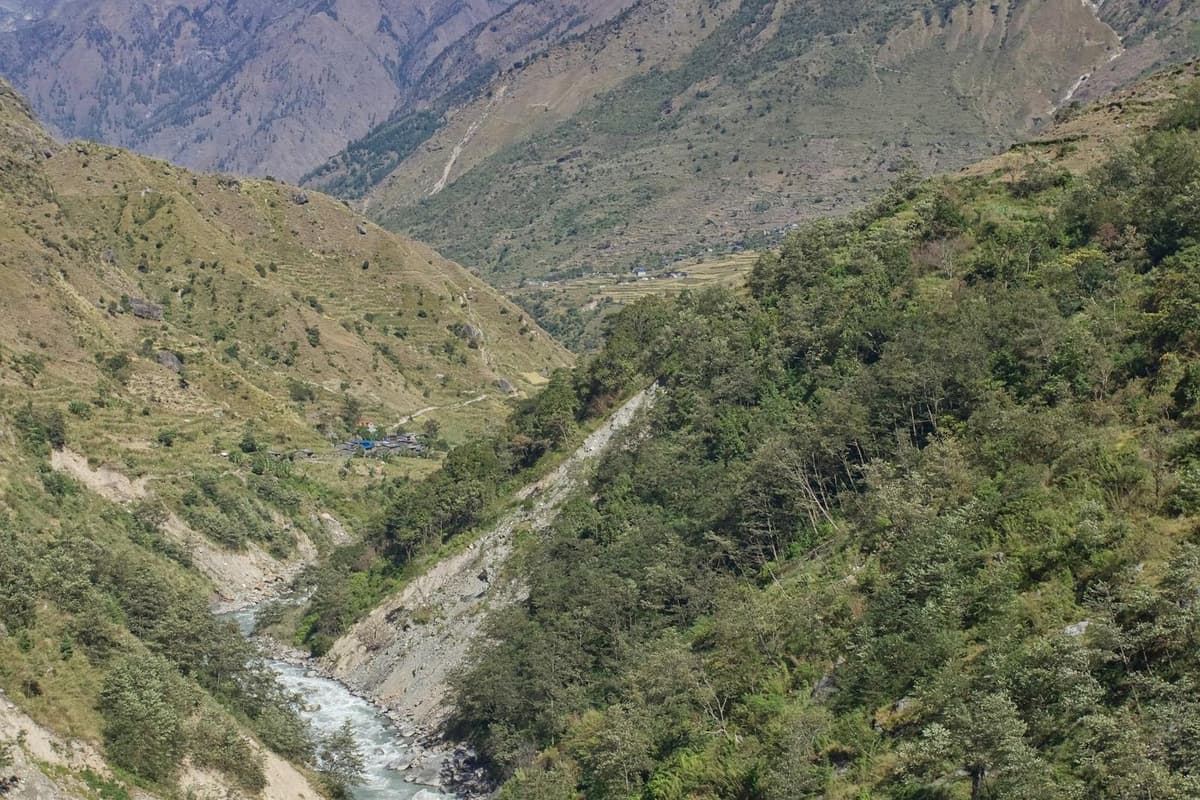
Annapurna Base Camp Trek from Kathmandu involves a thick forest of rhododendrons, bamboo forests, waterfalls, rivers, and terraced farmlands. In the spring season, there are colorful rhododendron flowers in the forests, adding beauty to the hiking trail and making it one of the most scenic trekking routes in Nepal.
The lower areas at Chhomrong, Bamboo and Deurali are rich in natural beauty and biodiversity. Waterfalls, suspension bridges, mountain streams and forest animals are common sights on the trail as trekkers go. Annapurna region is geologically diverse due to alpine landscapes and subtropical flora.
Machhapuchhre Base Camp Experience
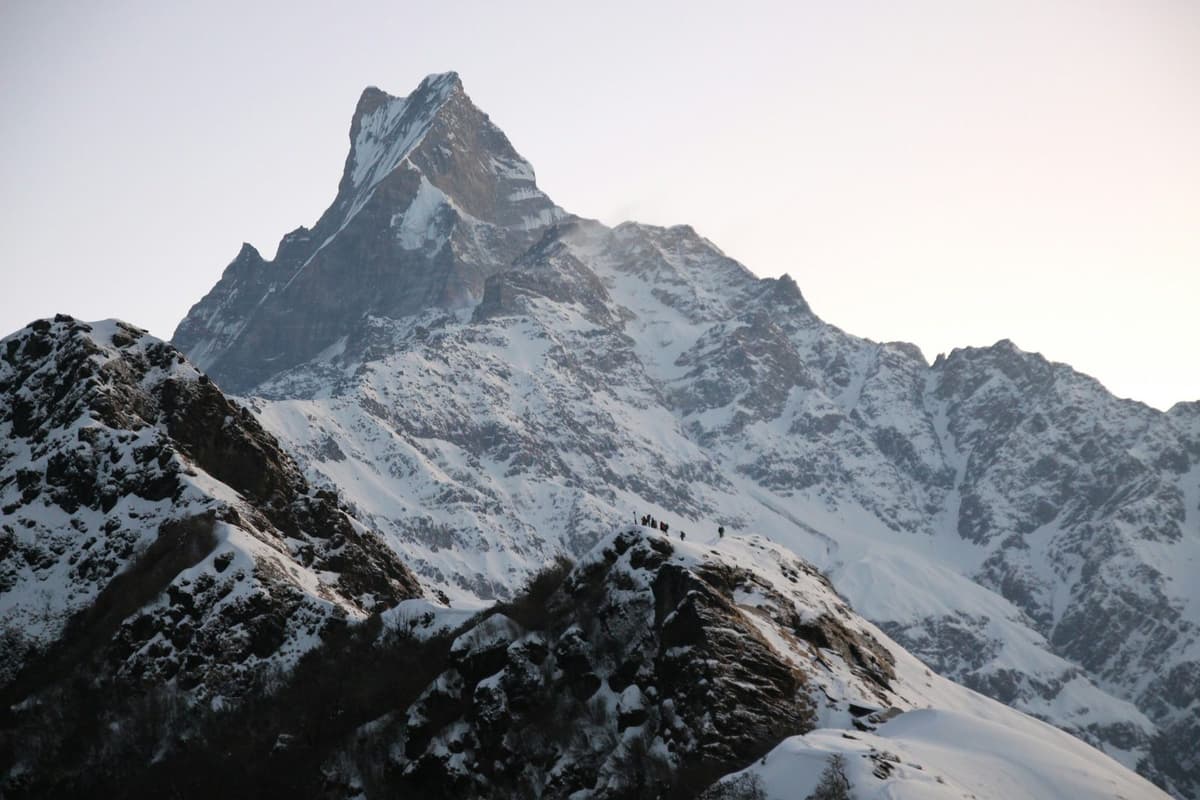
The trekkers cross the Machhapuchhre Base Camp (MBC) before they enter Annapurna Base Camp. This is under the shelter of the sacred mountain of Machhapuchhre, offering breathtaking vistas of steep peaks of the Himalayas and glacial scenic landscapes.
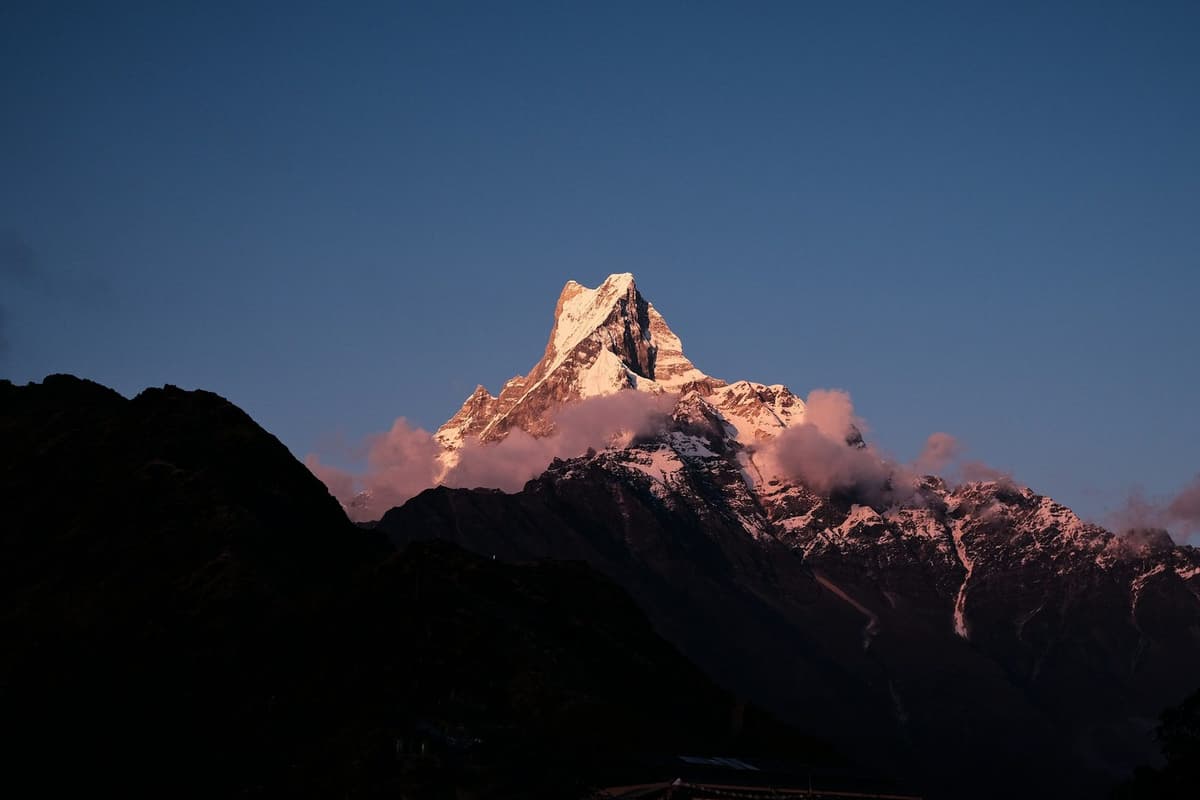
Machhapuchhre, also known as Fishtail Mountain, is one of Nepal’s most iconic mountains due to its unique shape and religious significance. The mountain is not open for climbing for the local people regard it as sacred. The scenic and tranquil surroundings of MBC make it one of the picture-perfect stretches of the hike.
Annapurna Conservation Area
The Annapurna Base Camp Trek is located within the Annapurna Conservation Area, Nepal's biggest conservation region. The region serves to conserve the local cultural heritage, wildlife habitats, forests and Himalayan ecosystems.
The trekkers help in conservation directly by paying the permit fee and also through responsible trekking activities. By engaging in sustainable tourism practices, including minimizing plastic waste, conserving wildlife, and promoting local communities, we can help ensure the Annapurna region is preserved for future generations.
Photography Opportunities in ABC Trek
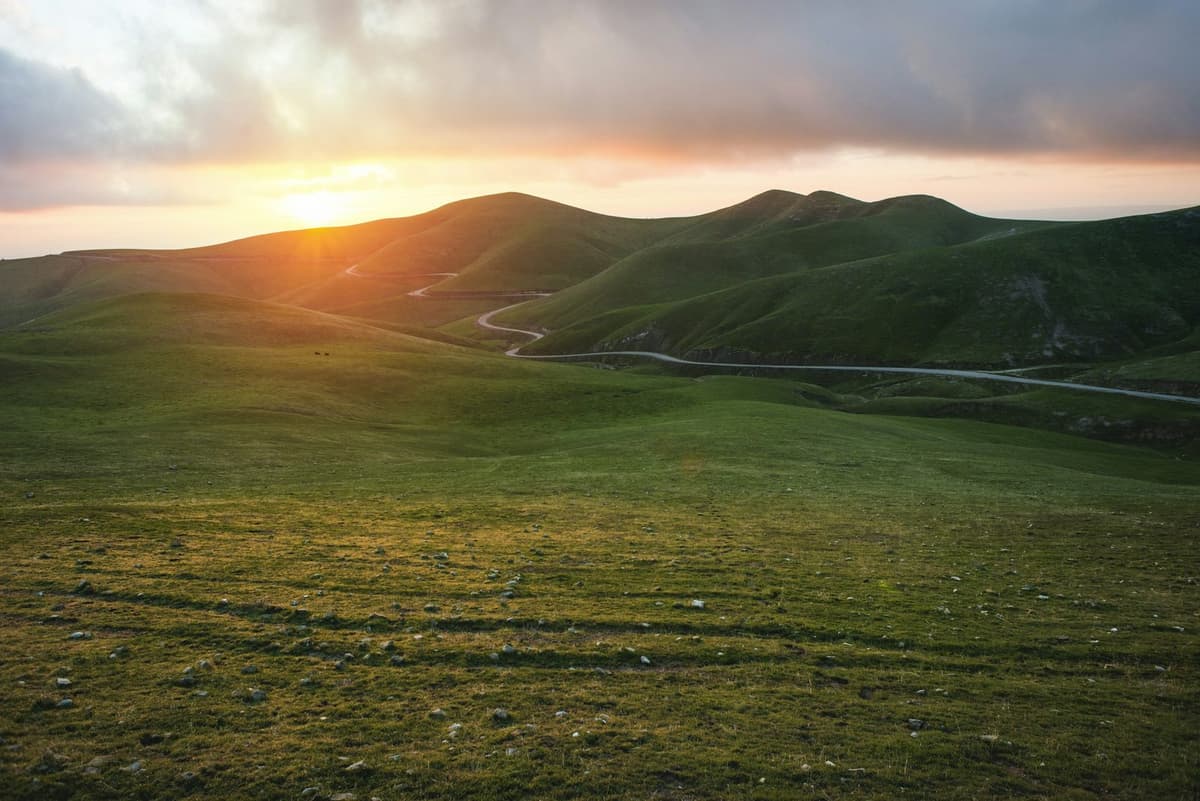
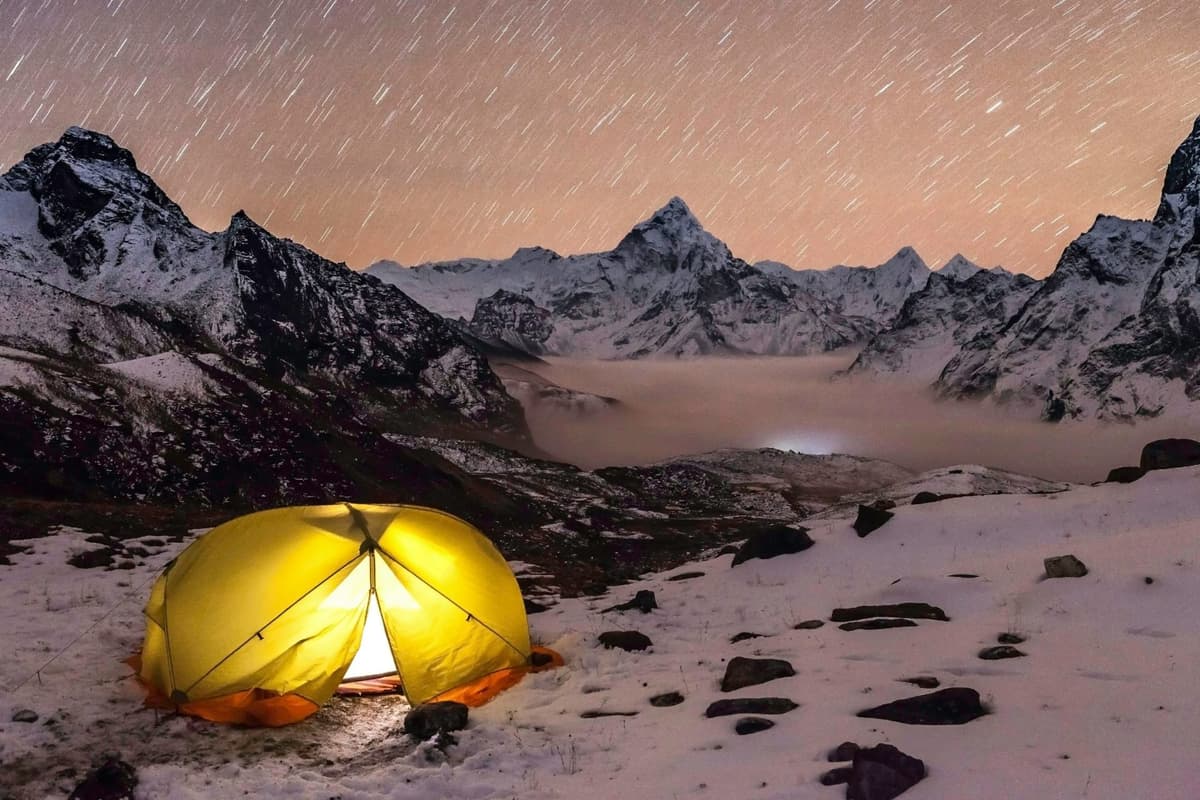
The Annapurna Base Camp Trek is a great opportunity to capture photos all the way through. The continuous transformation of landscapes from green hills and old villages to glaciers and snow-covered mountains. The light around Annapurna Base Camp is incredible for mountain photography, as sunrises and sunsets are spectacular.
The villages like Ghandruk and Chhomrong are a place for cultural photography and forests and waterfalls are a good spot for nature photography. The spring and autumn seasons are ideal for taking pictures due to the clear visibility and colorful landscapes.
Internet, Electricity and Communication Facilities
Electricity, mobile network and WiFi facilities are available in most of the villages along the Annapurna base camp trekking route. More charges may be needed for charging of electronic gadgets at higher altitudes. As the trekkers go further up the mountains, the internet will begin to slow down but it is available in most of the major stops.
Because there isn't enough power for charging in remote areas, travelers are encouraged to bring power banks and extra batteries. Even with modern facilities, the journey offers a tranquil and serene break from the hustle and bustle of urban life.
Annapurna Base Camp Trek: One of the Best Treks in Nepal
Overall, the trek to Annapurna Base Camp from Kathmandu is one of the most rewarding and enjoyable experiences in Nepal, offering a unique opportunity to see the Himalayas up close and personal while immersing oneself in the local culture and history. The trekkers see a variety of landscapes, traditional mountain villages, dense forests, rivers, glaciers and a close-up view of some of the world's highest mountains.
The Annapurna Base Camp Trek is a trek that is well balanced for hikes of all levels and is not as remote or technical as the other treks of the Himalayas. It is one of Nepal's most famous and popular trekking routes, thanks to its scenic beauty, comfortable trails, cultural encounters, and rewarding mountain views.