




Overview
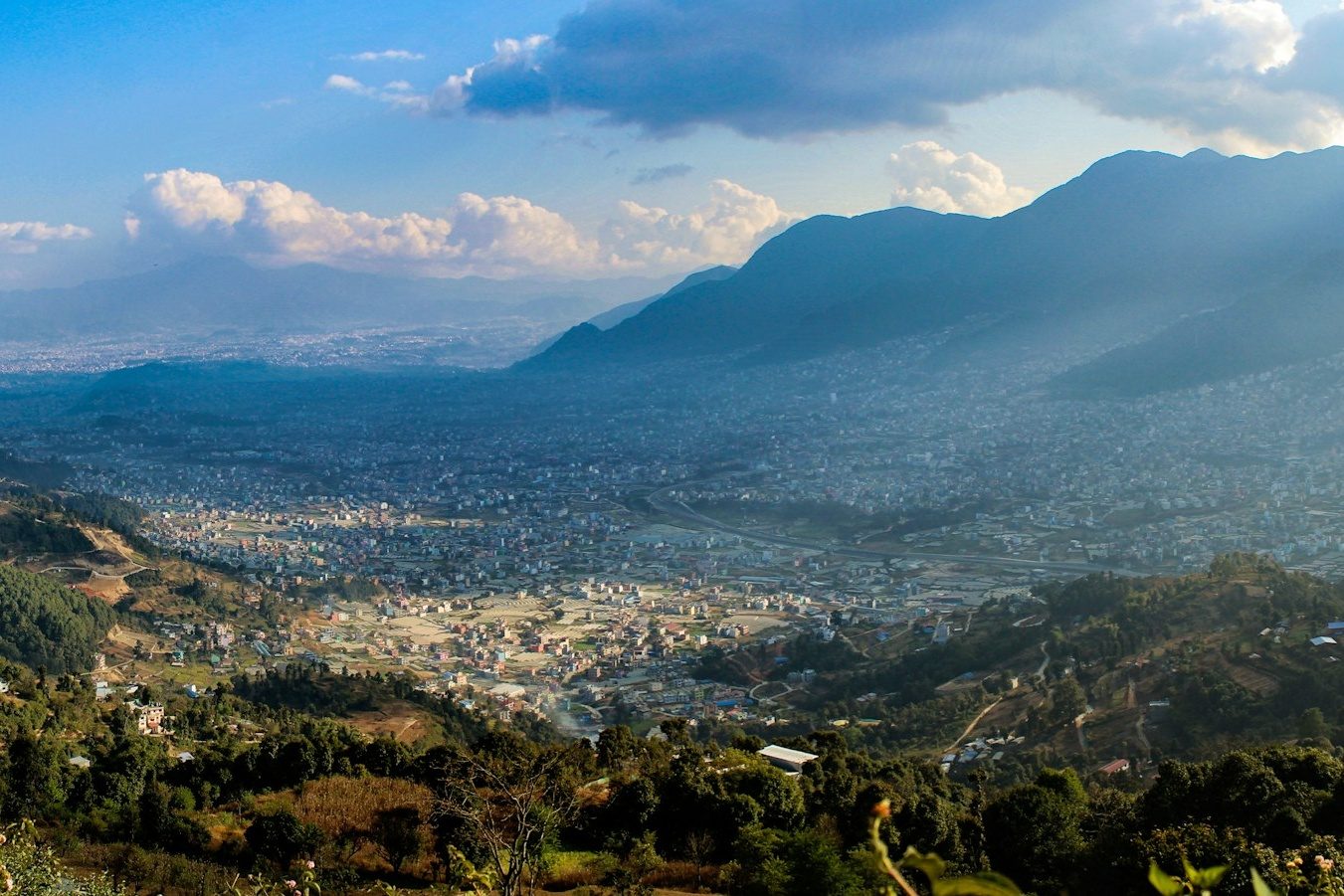
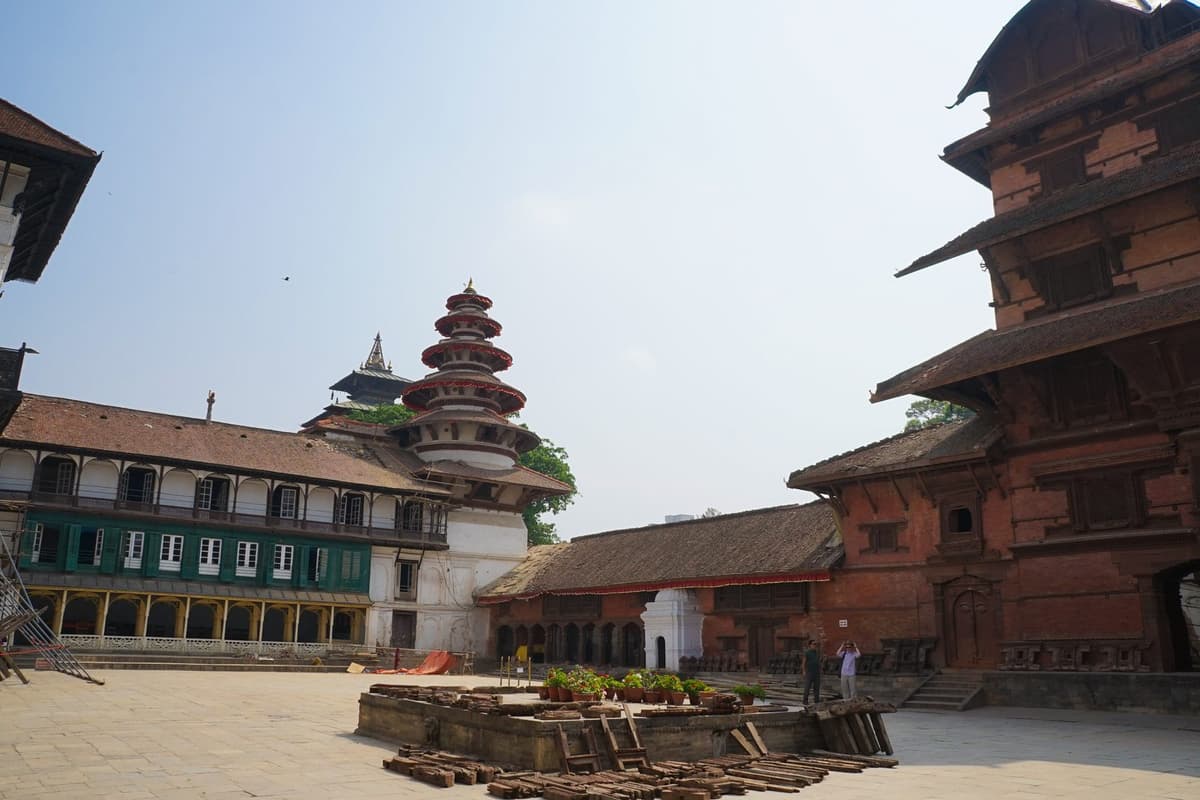
This Kapan monastery day tour follows the Kathmandu Valley's Buddhist and Hindu sites in a single loop from its northern hills down to its southern gorge. You begin at Kopan Monastery, a Gelug-tradition centre founded in 1969 on a quiet hilltop above Boudhanath, where prayer halls, gardens and long valley views set the mood. From there the day drops south across the valley to Pharping, one of the most revered Buddhist pilgrimage places in the country, with the Asura cave where Guru Padmasambhava is said to have meditated and a scatter of Tibetan monasteries on the wooded hillsides. It ends a little further on at Dakshinkali, a forest temple to the goddess Kali about 22 kilometres south of the city. It is a contemplative day of hilltops, caves and shrines, with plenty of stillness between the drives.
The itinerary
- Begin at hilltop Kopan Monastery above Boudhanath, with its prayer halls, gardens and valley views
- Drive south across the valley to the Buddhist pilgrimage village of Pharping
- Visit the Asura cave linked to Guru Padmasambhava and the Tibetan gompas on the hillside
- Continue to the forest temple of Dakshinkali, about 22 km south of Kathmandu, before returning to the city
Things to carry
- Modest clothing that covers shoulders and knees for the shrines
- Slip-on shoes that are easy to remove at temple entrances
- A camera or phone for the hilltop views and monastery grounds
- Sunglasses, sun hat and sunscreen for the open hillsides
- A little cash for offerings, tea and small purchases
Good to know
Complete guide
The Kathmandu Valley is ringed and dotted with monasteries and temples, and a satisfying way to see them is to follow a single thread from north to south in one day. This route links the calm of a hilltop Buddhist monastery, the pilgrimage caves of Pharping and a Hindu forest shrine, with the drives between them part of the experience. Here is how it works.
What the Kapan monastery day tour covers
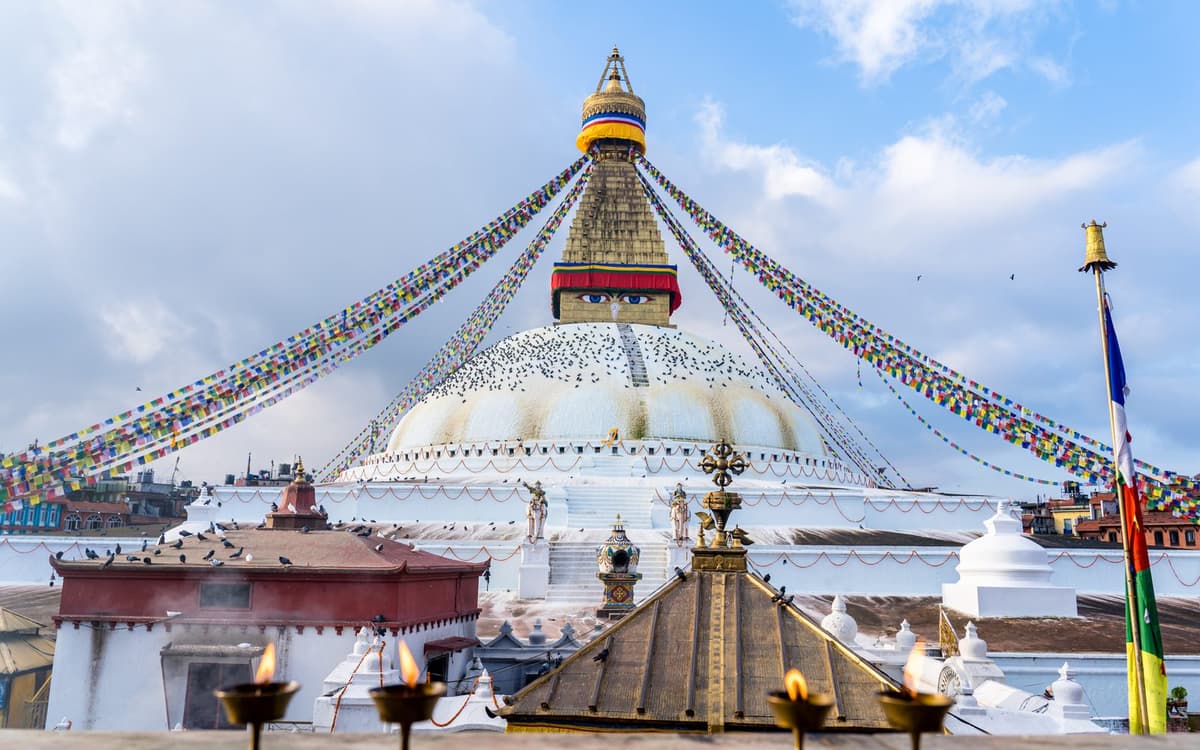
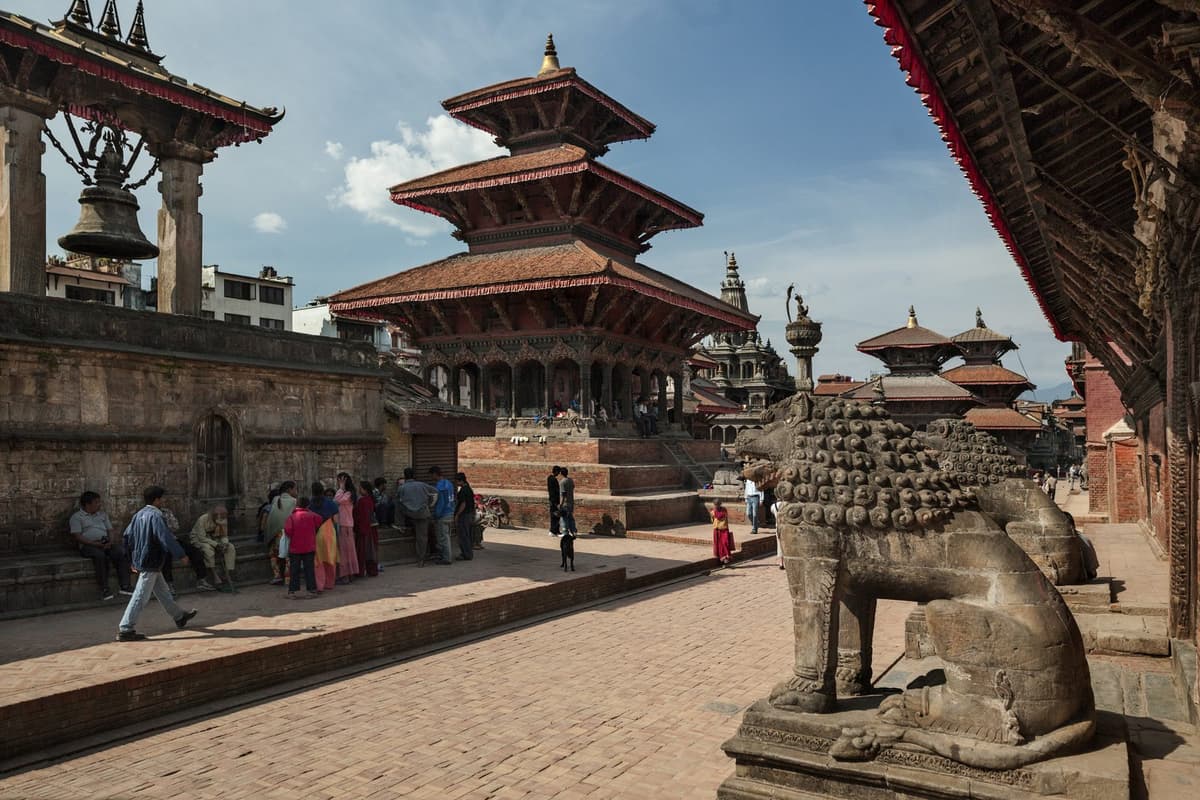
The day runs from Kopan Monastery in the northern hills, across the valley to the Buddhist village of Pharping, and on to the Dakshinkali temple in the south. It is built as a loop rather than an out-and-back, so you cross the whole valley and see how its sacred sites are strung between the hills. If you would rather focus on the stupa and temple heart of the city, the Patan, Boudhanath and Pashupatinath day tour keeps to the central monuments in a single day.
Kopan Monastery and its hill
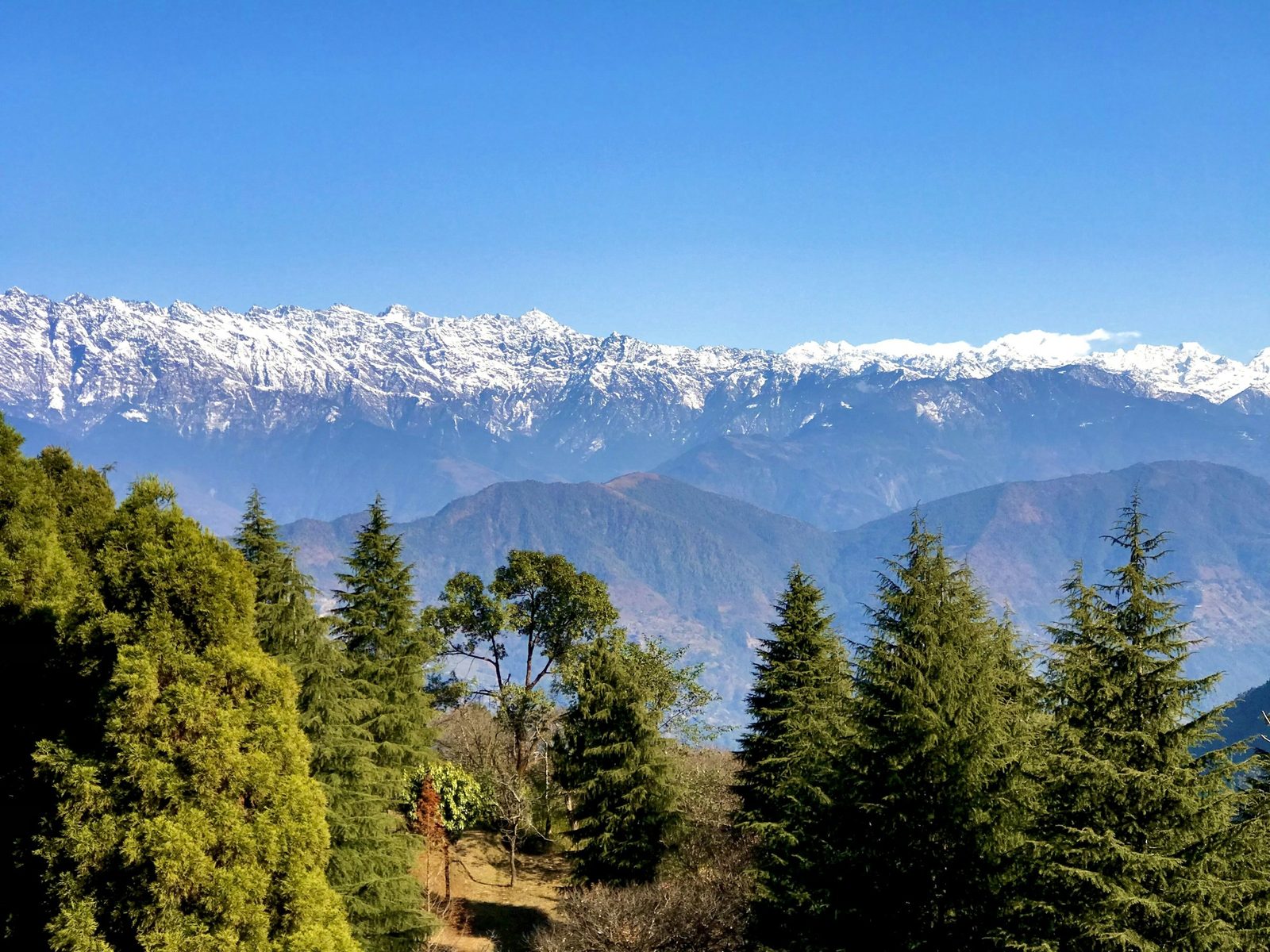
Kopan, founded in 1969 in the Gelug tradition and part of the Foundation for the Preservation of the Mahayana Tradition, is the calm opening to the day. Its hilltop position above Boudhanath gives long views over the valley, and its gardens and prayer halls are made for slow wandering. Because it is an active monastery known for its month-long meditation courses, it rewards a quiet, unhurried visit rather than a quick photo stop.
Pharping and Dakshinkali
The southern half of the day is denser with sites. Pharping is a working pilgrimage centre where the Asura cave, linked to Guru Padmasambhava, sits among a cluster of Tibetan monasteries on the wooded hills. A short way on, Dakshinkali is a very different place: a Hindu temple to Kali tucked into a forest gorge, alive with offerings and ritual. The contrast between the two, Buddhist pilgrimage and Hindu worship within a few kilometres, is the heart of the trip.
Who this tour suits
This suits travellers drawn to religion, quiet places and the culture of the valley rather than mountain views, with only gentle walking at each stop and comfortable drives in between. It is a calmer, more reflective alternative to the busy central-city circuits. For an evening of ritual and lamplight instead, the Boudhanath and Pashupatinath aarti tour catches the sunset ceremonies at the two great sites.