




Overview
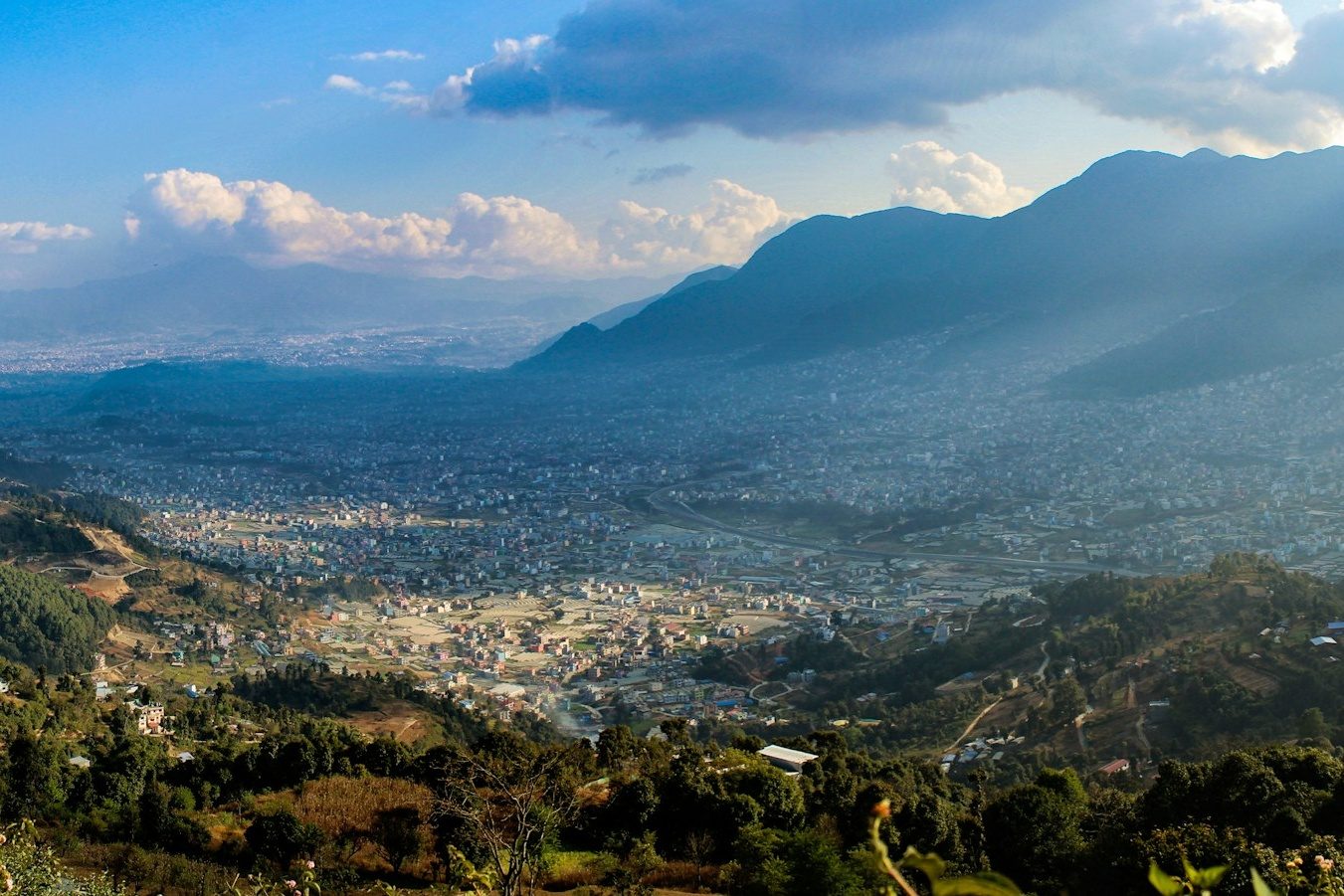
This Chisapani Nagarkot hike is a two-day walk across the northern rim of the Kathmandu Valley, linking two of its best-loved hill viewpoints on foot. You start at Sundarijal at 1,350 metres and climb through the forest of Shivapuri Nagarjun National Park, crossing the Borlang Bhanjyang pass at around 2,400 metres before dropping to the ridge village of Chisapani at about 2,215 metres for the night. The second day follows the rim trail through terraced villages to Nagarkot at about 2,175 metres, famous for its long line of Himalaya, before the drive back to the city. It suits anyone who wants a real taste of trekking, with a teahouse night and mountain sunrises, without leaving the edge of Kathmandu.
The itinerary
- Drive to Sundarijal at 1,350 m, about an hour from the city, and start walking beside the water pipeline into Shivapuri Nagarjun National Park
- Climb steadily through forest past the settlement of Mulkharka, then over the Borlang Bhanjyang pass at around 2,400 m, the high point of the day
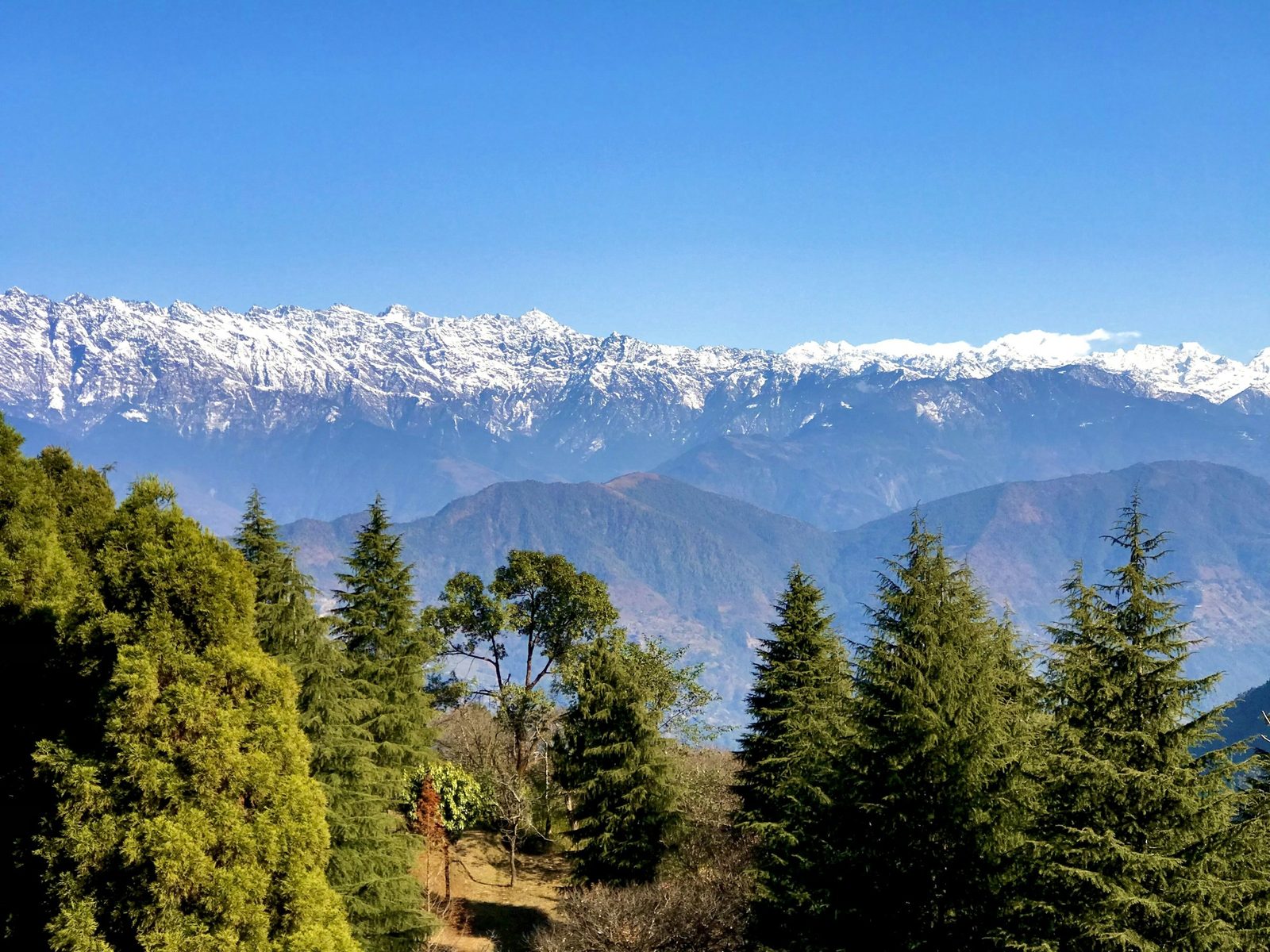
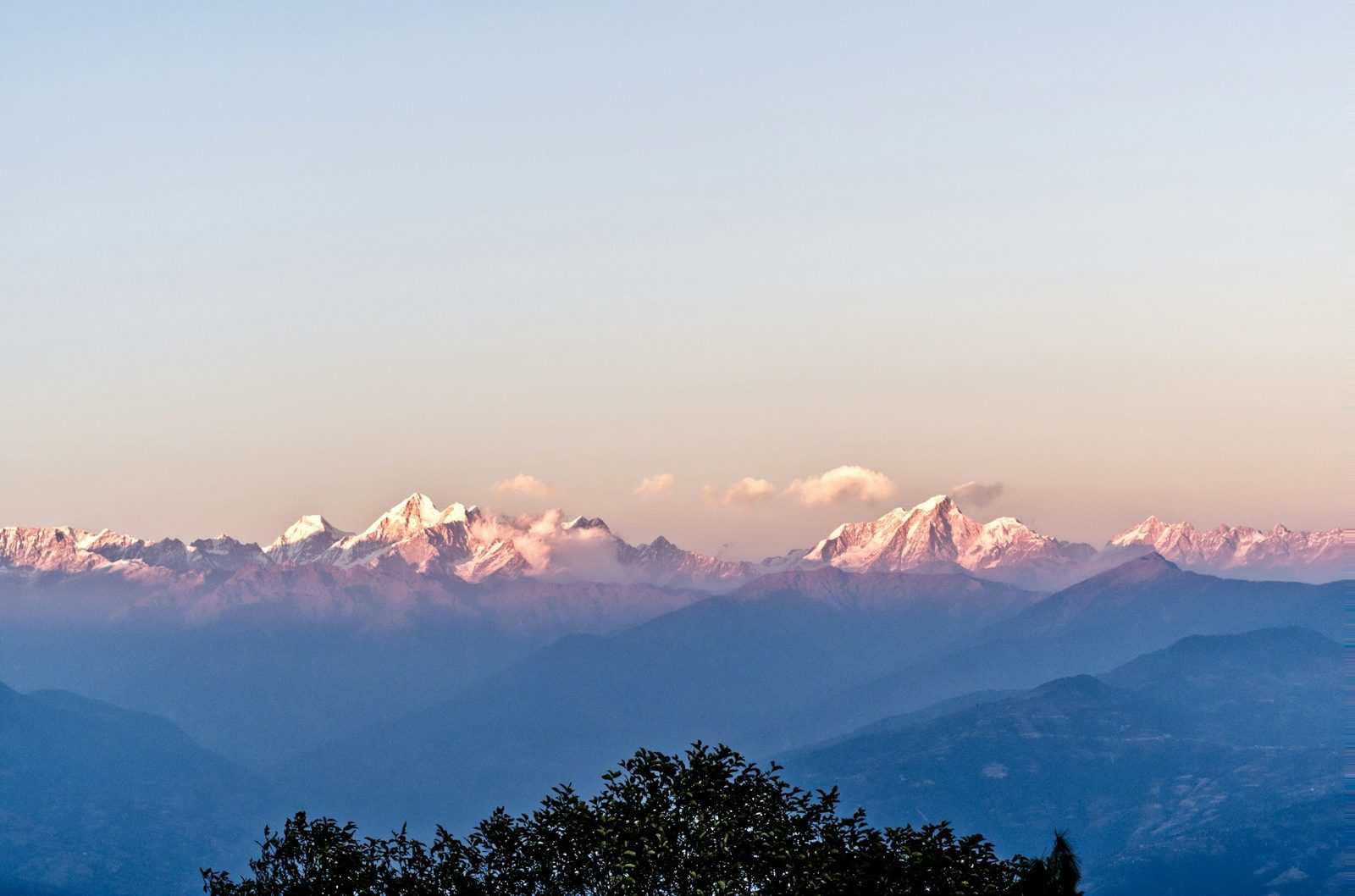
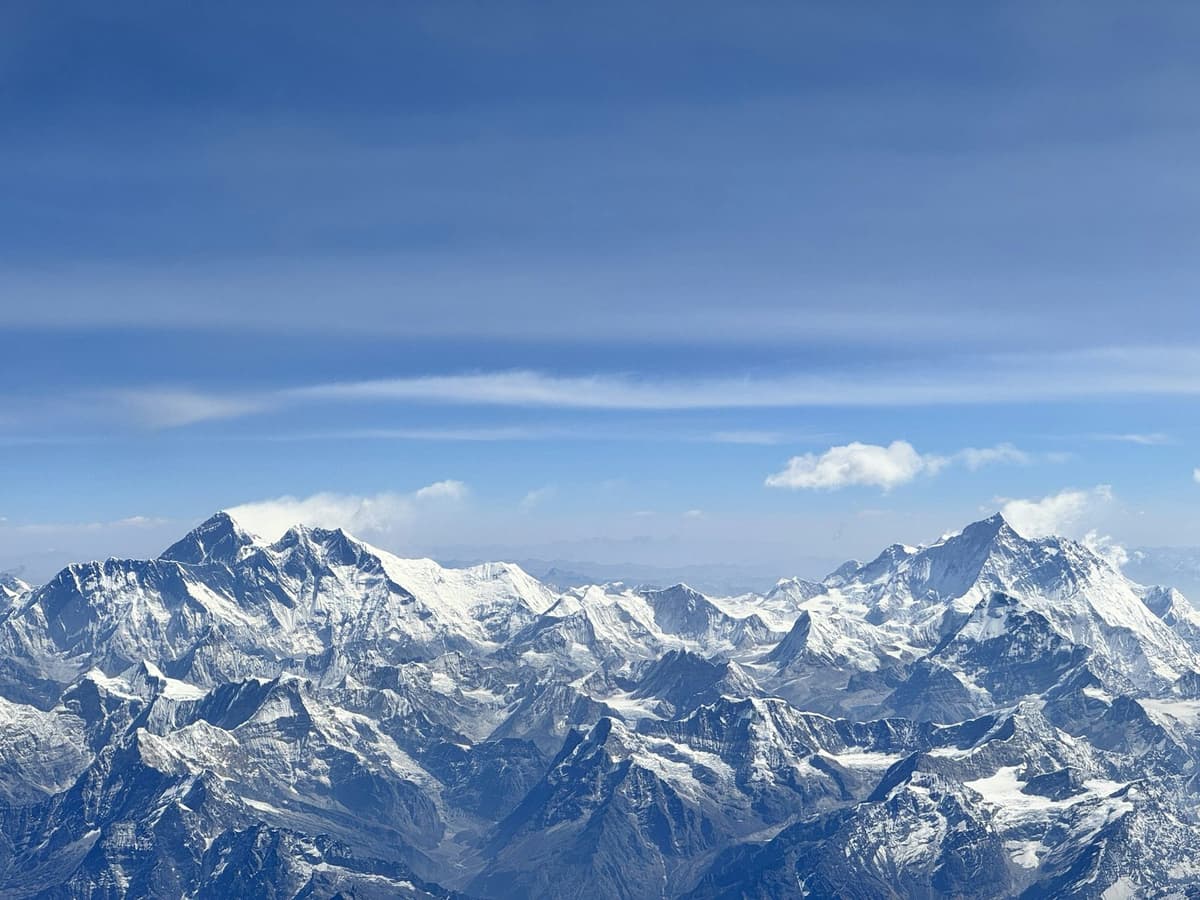
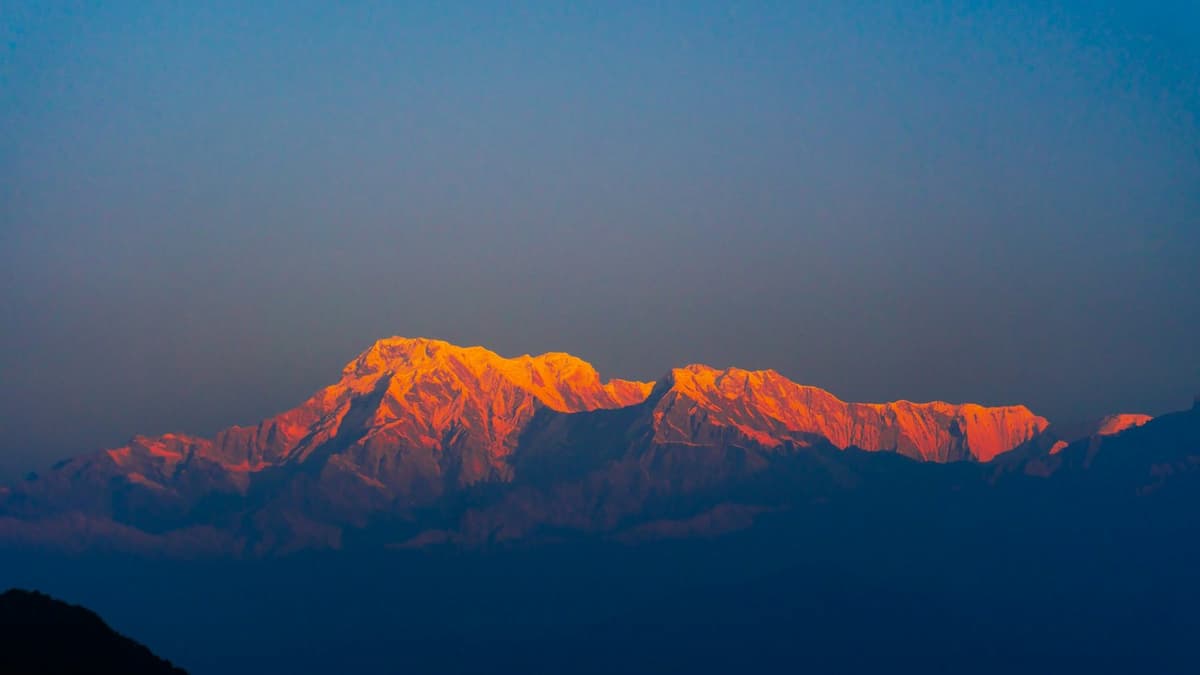
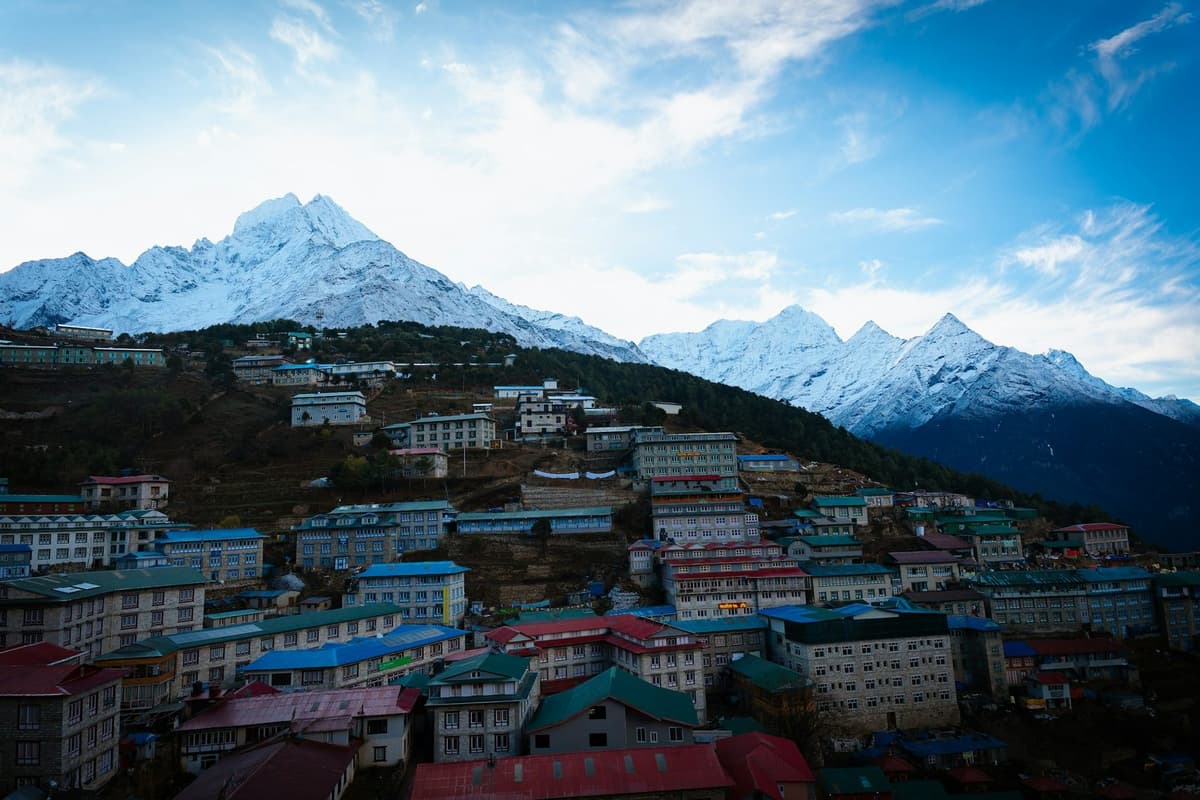
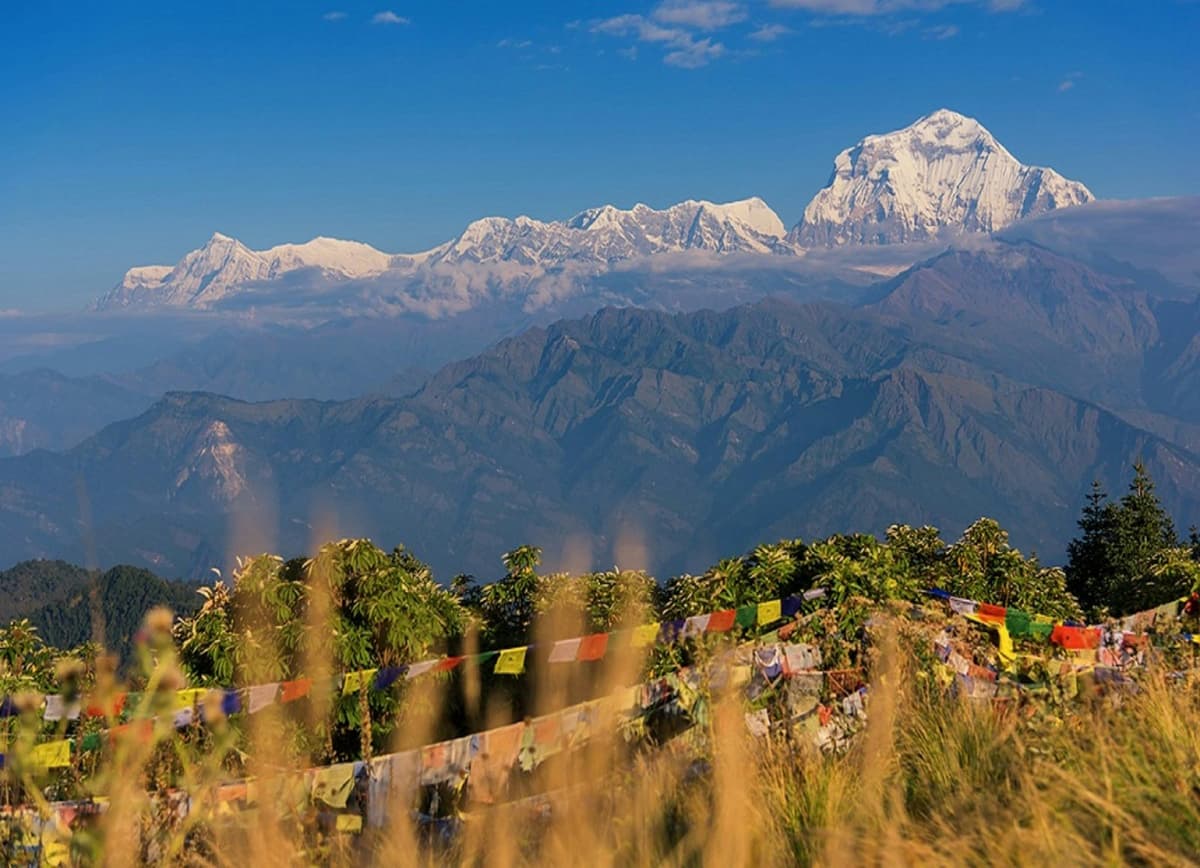
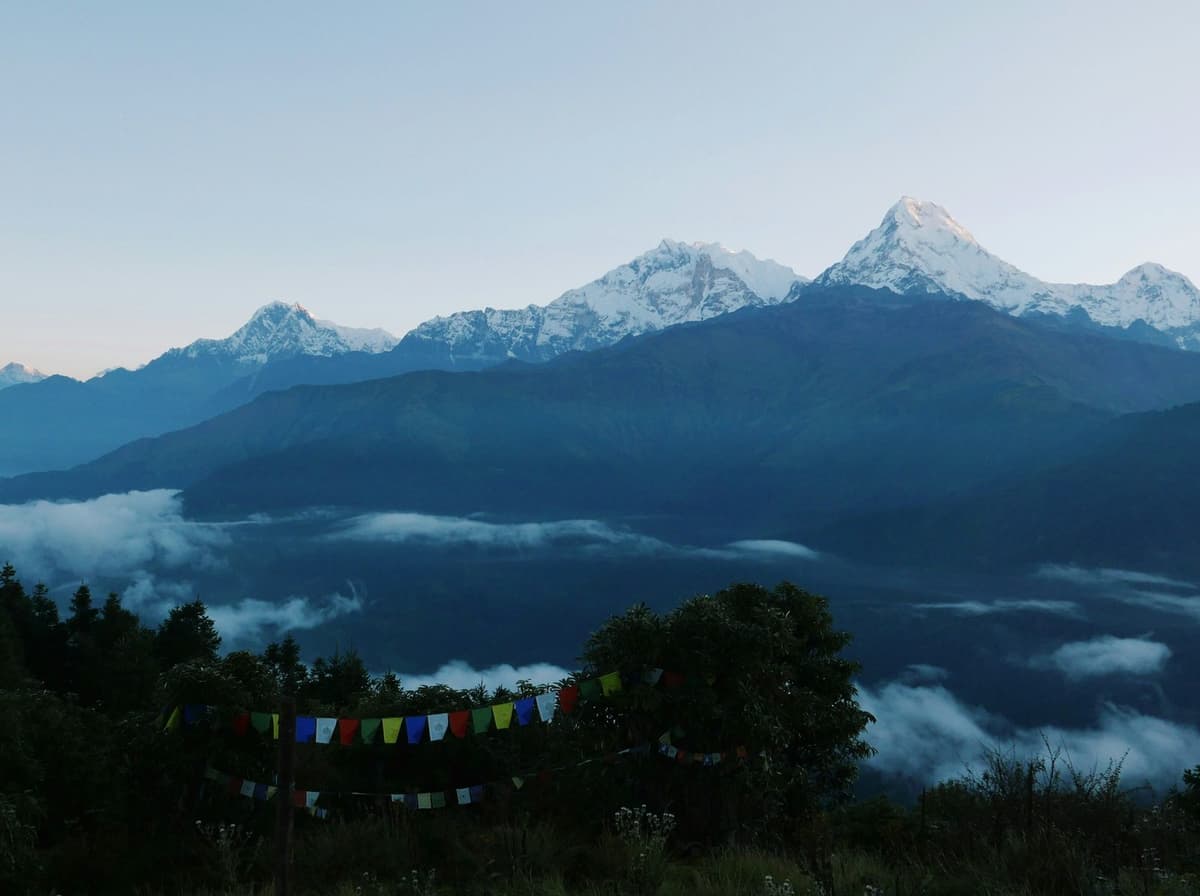
- Drop down to the ridge village of Chisapani at about 2,215 m for the night, with a wide Himalayan skyline at dusk and dawn
- Wake early at Chisapani for sunrise over the Langtang and Ganesh ranges before breakfast
- Follow the rim trail through terraced villages and forest, with the option to take the road for a stretch past Jhule to keep the day manageable
- Reach Nagarkot at about 2,175 m in the afternoon for its famous mountain panorama, then drive back to your hotel in Kathmandu
Things to carry
- Sturdy walking shoes or boots with grip
- Warm layers and a jacket for the ridge evenings
- Head torch for the early sunrise starts
- Sun protection, water and snacks for each day
- A small change of clothes for the night at Chisapani
Good to know
Complete guide
Most visitors see the Kathmandu Valley rim as a single viewpoint reached by road. This two-day hike walks a whole stretch of it instead, from the waterfalls of Sundarijal, up over the forested shoulder of Shivapuri, to a night on the ridge at Chisapani, and on to Nagarkot the next day. It is the closest thing to a Himalayan trek you can do from the edge of the city, with two mountain sunrises and a teahouse night, and no long journey to reach the trailhead.
What the Chisapani Nagarkot hike covers
The route starts at Sundarijal at 1,350 metres and climbs through Shivapuri Nagarjun National Park, past the settlement of Mulkharka and over the Borlang Bhanjyang pass at around 2,400 metres, before descending to Chisapani at about 2,215 metres for the night. The second day follows the rim trail through villages and forest to Nagarkot at about 2,175 metres, where the road meets you for the drive home. Your guide handles the park permit and sets a pace that suits the group, and the long second day can be shortened by taking the road for a stretch.
The climb through Shivapuri National Park
The first day is the heart of the hike. From Sundarijal the trail follows the water pipeline into dense, shaded forest alive with birds, climbing steadily to the pass and its prayer flags. This is the same protected forest that the Shivapuri Peak day hike climbs from the other side, and it is cool walking even in the warmer months. Chisapani, just beyond the park boundary, is a scattered ridge village whose name means cold water, and its lodges look straight out at the Langtang Himalaya.
The ridge to Nagarkot and its views
The second day trades forest for open country, following the valley rim through terraced fields and small settlements towards Nagarkot. It is a long walk, so many people ride the road for part of it, but the reward is a slow approach to one of Nepal's best-known viewpoints rather than a car park arrival. Nagarkot can also be reached on a shorter day walk on our Changu Narayan to Nagarkot hike, which pairs the sunset with the valley's oldest temple.
Best time to go and what to know
October to April is the most reliable window, with clear skies and the best odds of the Himalaya being out at both Chisapani and Nagarkot. Spring brings rhododendron colour to the forest, while the monsoon, June to September, makes the trail muddy and slippery and often keeps the peaks behind cloud. Wear proper shoes, carry warm layers for the ridge nights, and bring a head torch for the early sunrise starts. The hike enters a national park, so an entry fee applies, arranged at the gate.