



Overview
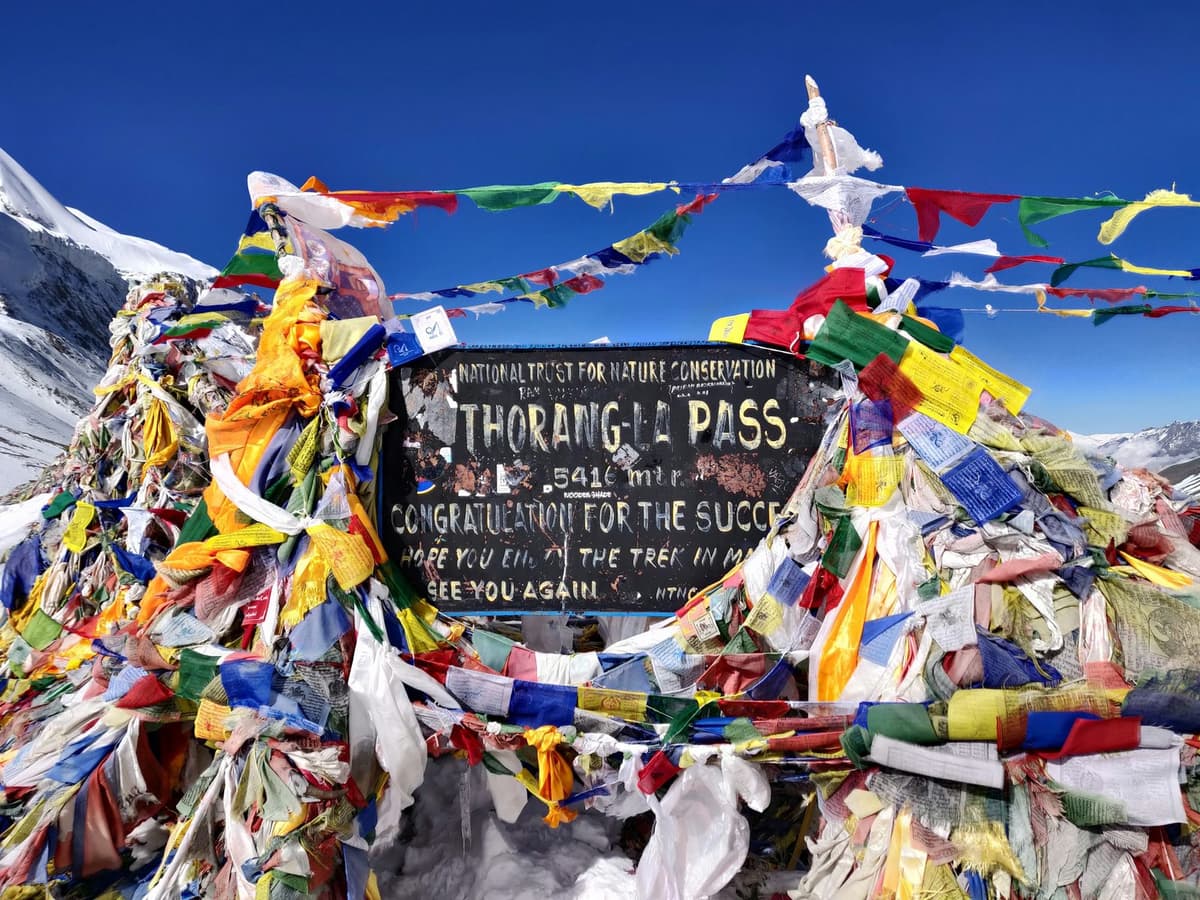
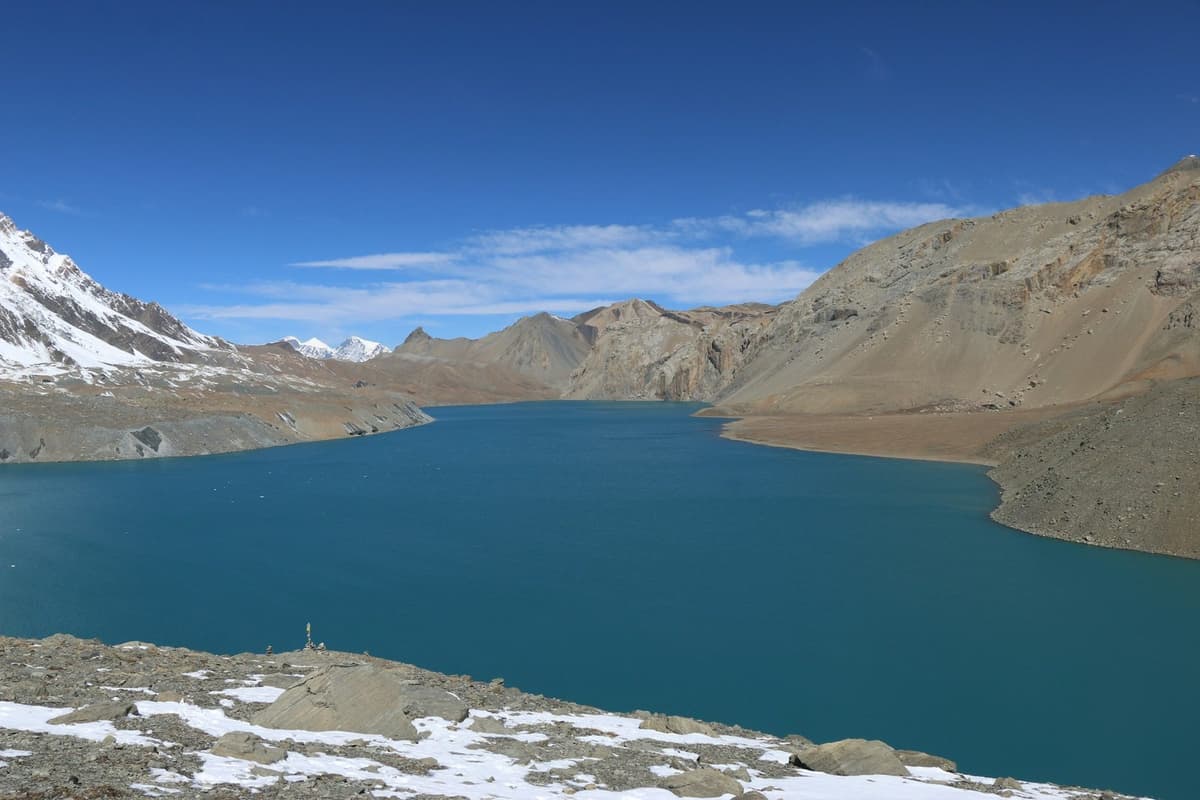
The Everest Three Passes trek with Gokyo takes an eighteen-day teahouse route through the Khumbu that reaches the Gokyo Lakes early, crossing Renjo La first before Cho La and Kongma La. From the Lukla flight it climbs through Namche Bazaar and the Sherpa village of Thame, then crosses Renjo La at 5,360 metres to the turquoise Gokyo Lakes and the dawn viewpoint of Gokyo Ri. It traverses the glaciated Cho La at 5,420 metres to reach Everest Base Camp at 5,364 metres and Kala Patthar at 5,545 metres, then completes the circuit over Kongma La at 5,535 metres and descends through Tengboche to Lukla. It keeps all three passes but on a tighter schedule than the full loop, with two nights at Gokyo to enjoy the lakes. This is a strenuous, high-altitude trek for fit and experienced walkers; the passes are crossed on foot, with no peak climbing.
The itinerary
- Morning mountain flight from Kathmandu to Lukla
- Trek along the Dudh Koshi River through Sherpa settlements
- Overnight at Phakding (2,610 m)
- Cross several suspension bridges, including the Hillary bridge
- Enter Sagarmatha National Park and climb to Namche
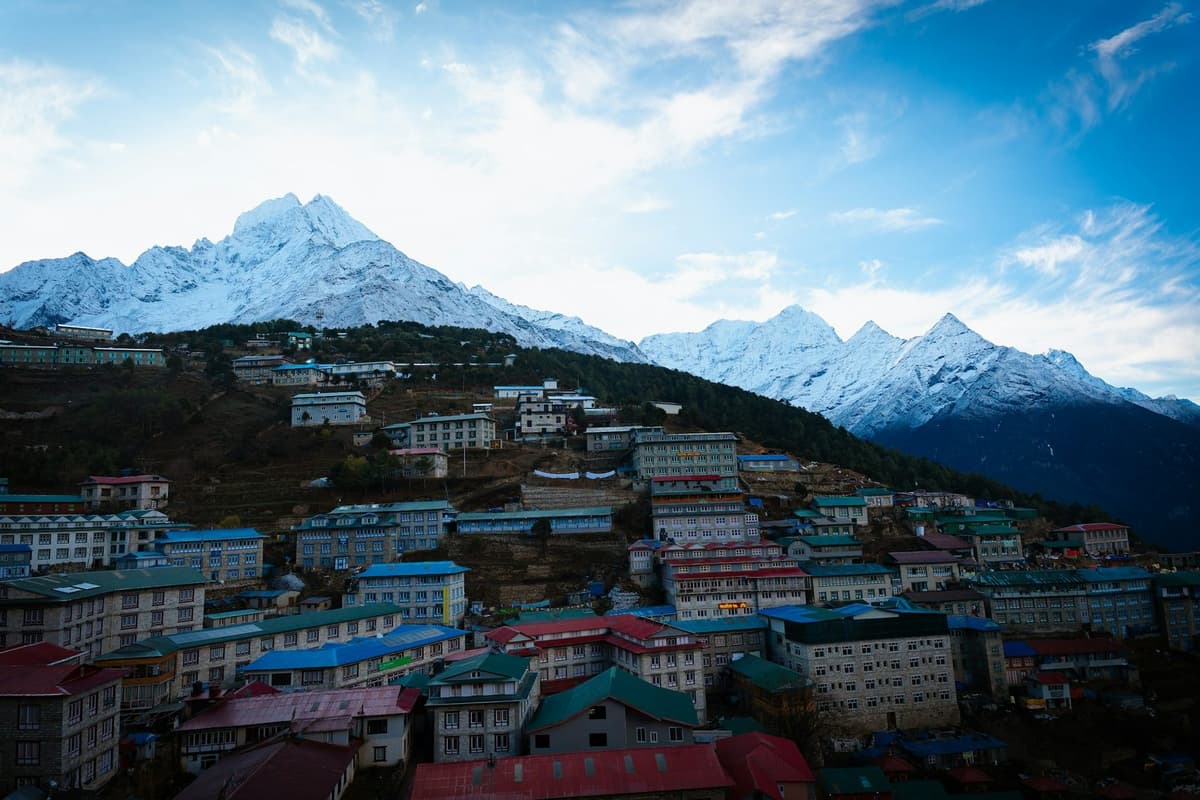
- Overnight at Namche Bazaar (3,440 m)
- Acclimatisation hike to the Everest View Hotel viewpoint at 3,880 m
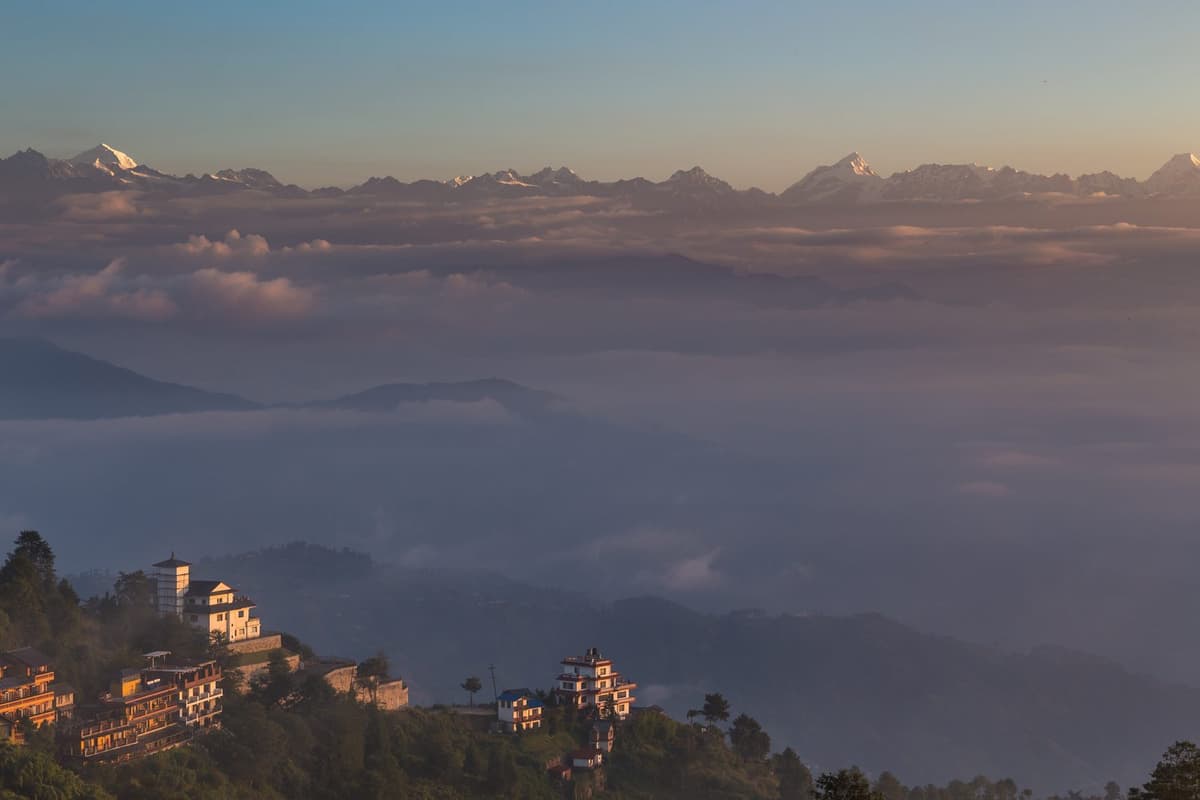
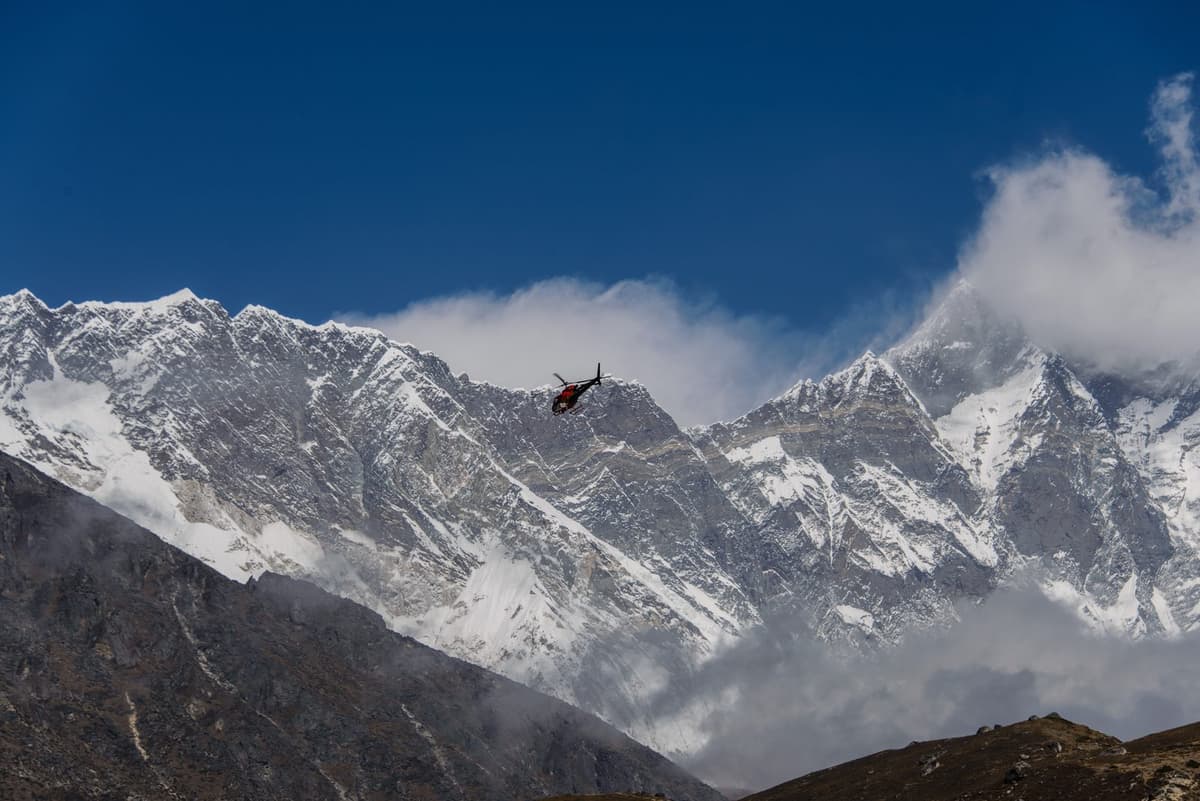
- First panoramas of Everest, Lhotse, Ama Dablam and Thamserku
- Second night at Namche to adjust to the altitude
- Branch west into the quieter Bhote Koshi valley
- Visit the hillside Thame monastery, one of the oldest in the Khumbu
- Overnight at Thame (3,820 m)
- Follow the Bhote Koshi valley steadily higher above the tree line
- Quiet trail with wide, open mountain scenery
- Overnight at Lungden (4,380 m)
- Early start for the first pass, Renjo La at 5,360 m
- A superb first view of Everest, Lhotse and the Gokyo Lakes from the top
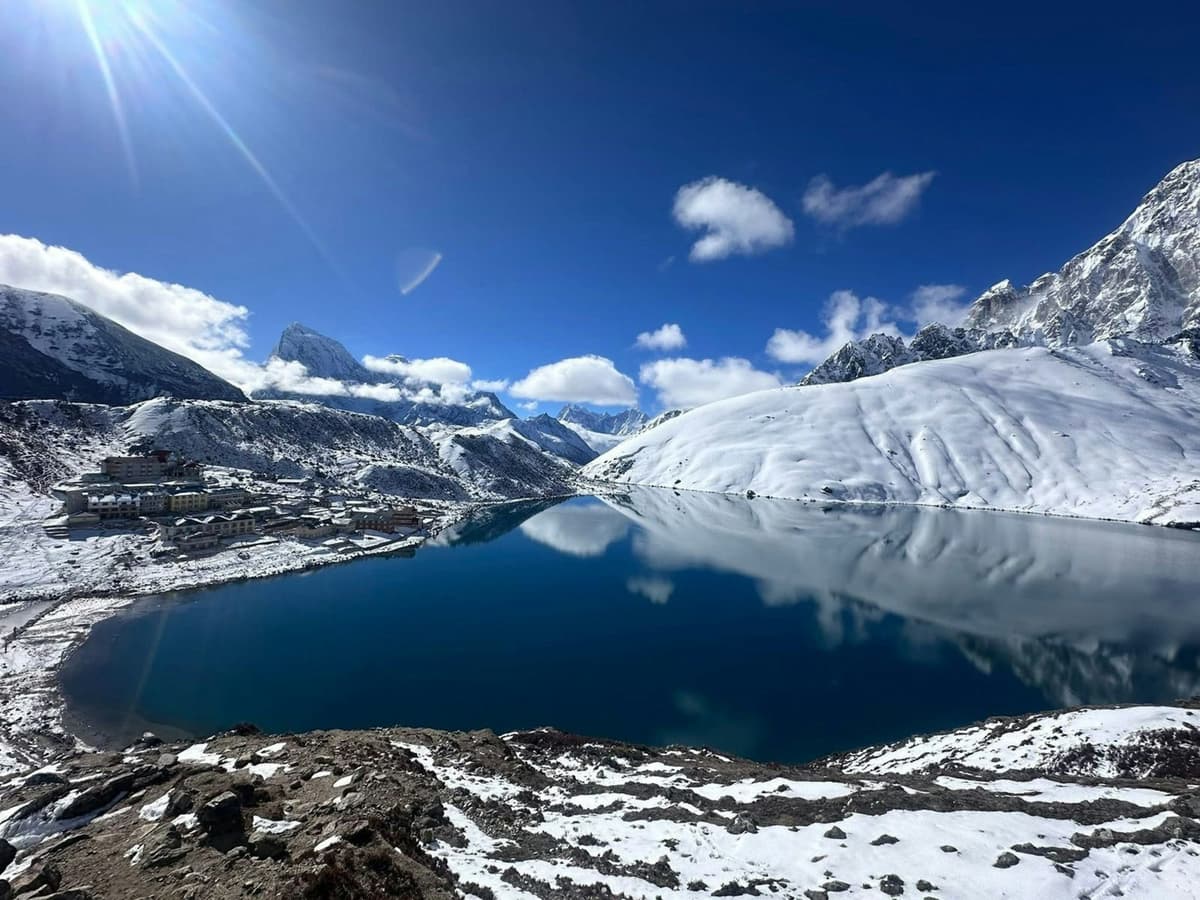
- Descend to Gokyo village beside the third lake (4,790 m)
- Pre-dawn climb of Gokyo Ri (5,357 m) for a panorama of Everest, Lhotse, Makalu and Cho Oyu
- Return to Gokyo to rest and acclimatise beside the lakes
- Second night at Gokyo
- Walk north along the Ngozumpa Glacier to the fourth and fifth lakes
- Views towards Cho Oyu and the head of the valley from Scoundrel's Viewpoint
- Return for a third night at Gokyo
- Cross the Ngozumpa Glacier, the largest glacier in Nepal
- Short day to position for the Cho La crossing
- Overnight at Thangnak (4,700 m)
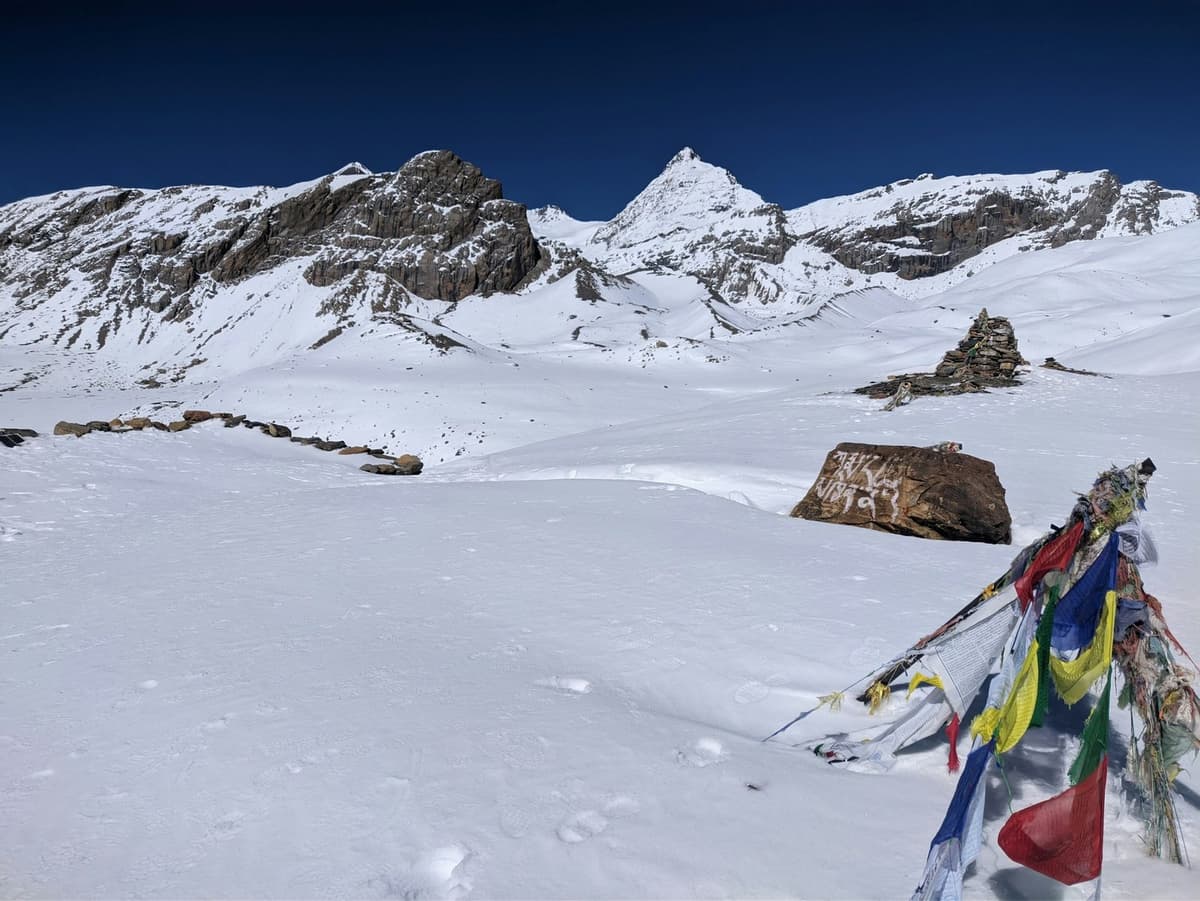
- Early start for the glaciated crossing of the Cho La at 5,420 m
- Sections of ice and steep rock, one of the toughest days of the trek
- Descend to Dzongla (4,830 m) for the night
- Join the classic Everest Base Camp trail
- Traverse alpine terrain with views of Pumori and the Khumbu giants
- Overnight at Lobuche (4,940 m)
- Follow the glacial trail to Gorakshep, then on to Everest Base Camp
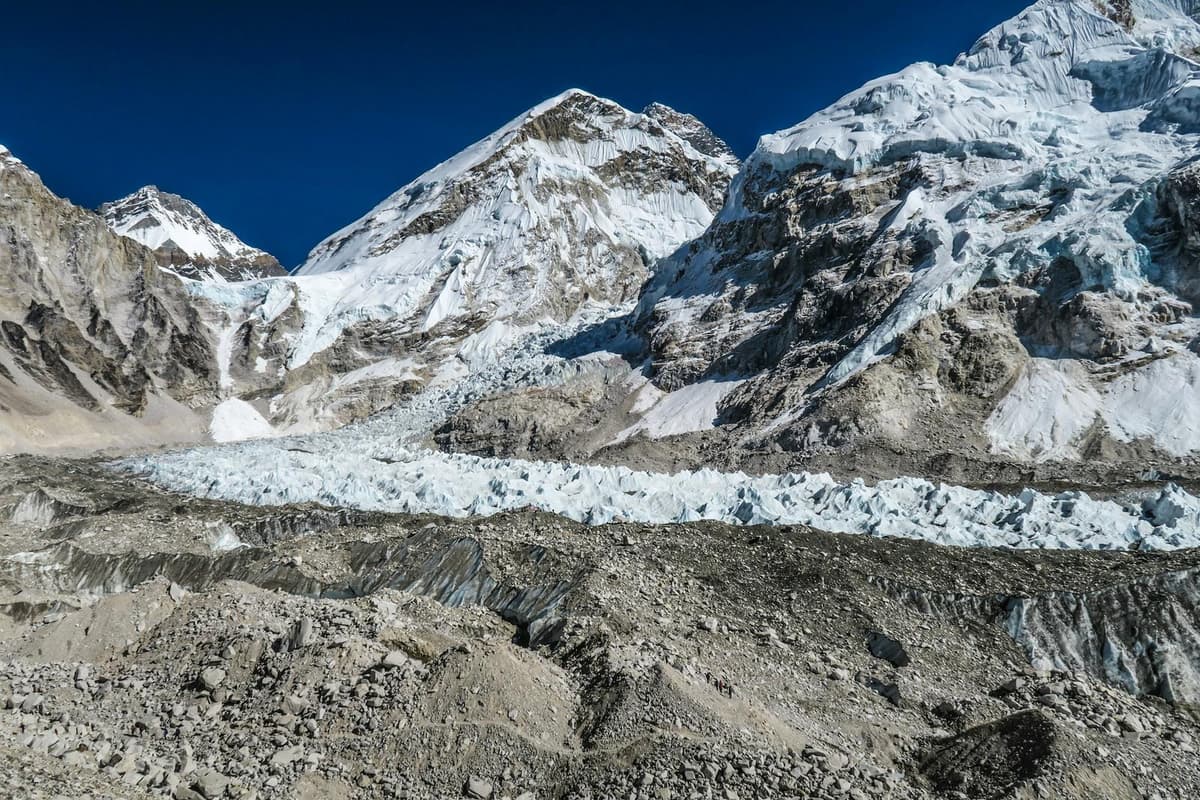
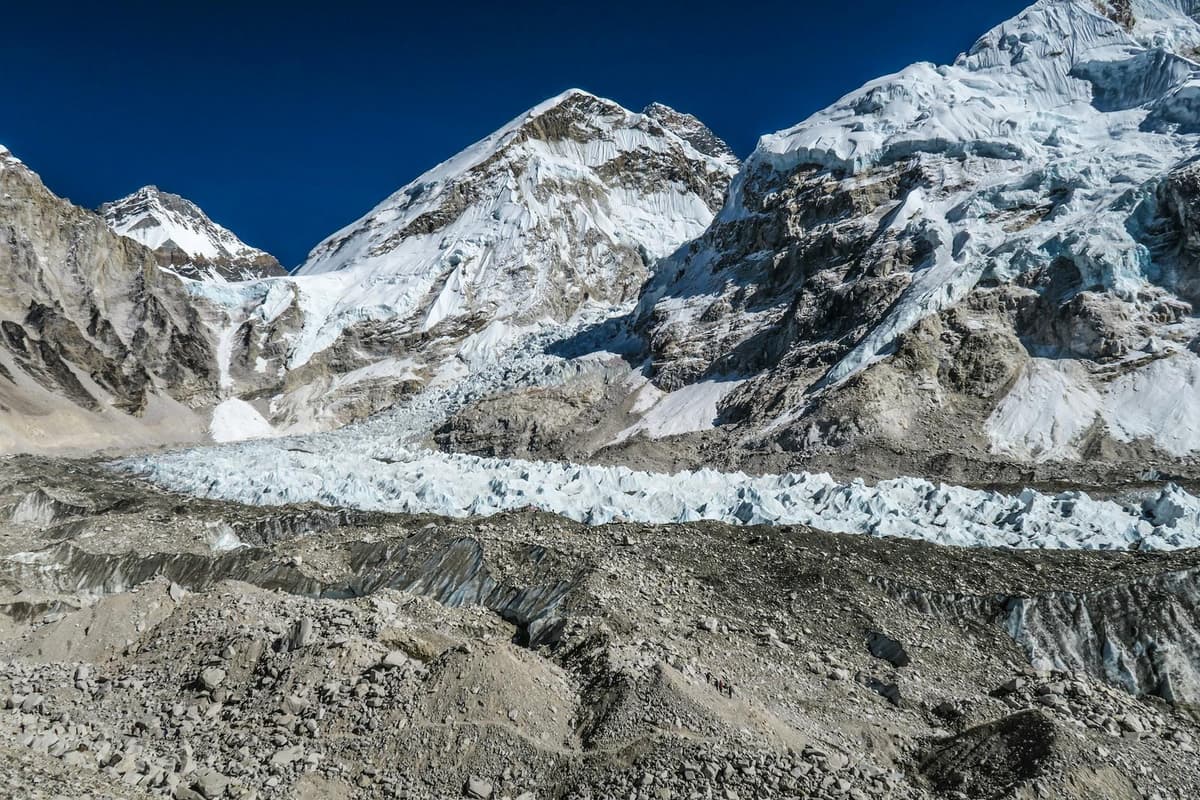
- Stand beneath the Khumbu Icefall at 5,364 m
- Return to Gorakshep (5,164 m) for the night
- Pre-dawn climb of Kala Patthar (5,545 m) for sunrise on Everest
- Sunrise over Everest, Nuptse and the Khumbu giants
- Descend to Lobuche (4,940 m) for the night
- Early start for the highest of the three passes, Kongma La at 5,535 m
- A long, demanding day over the Khumbu Glacier moraine and boulder fields
- Descend to Chukhung (4,730 m) for the night
- Descend the Imja valley through Dingboche and Pangboche
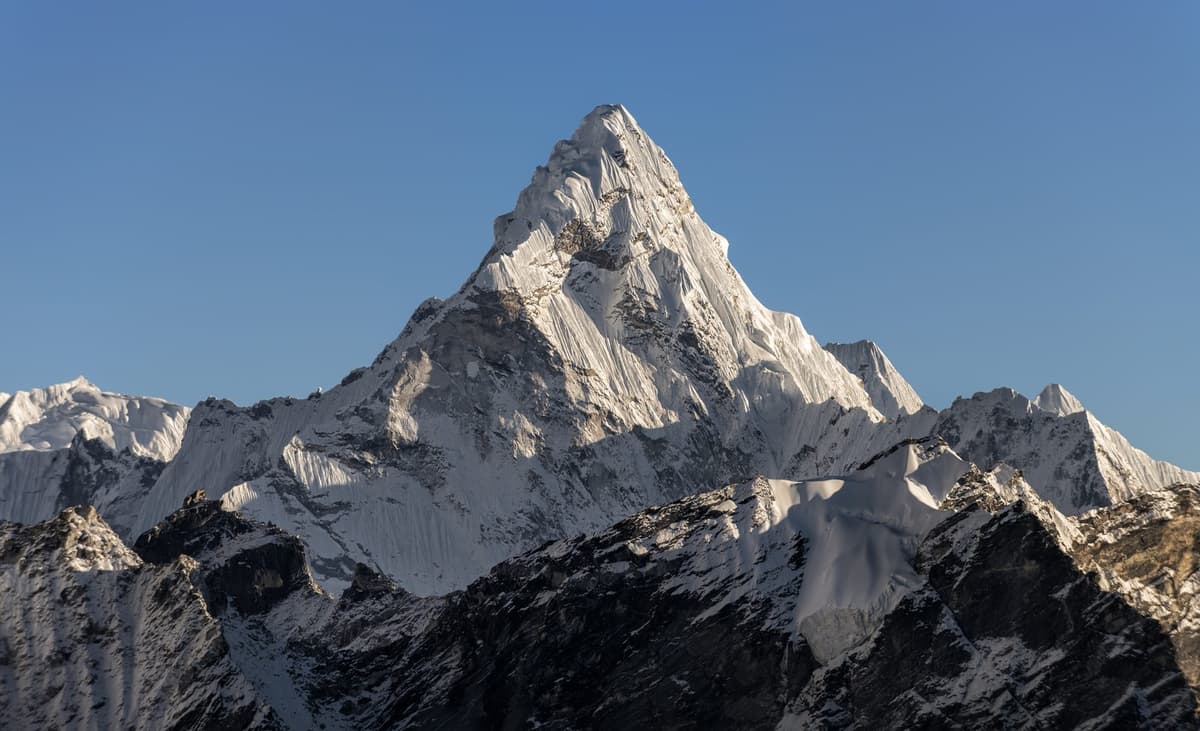
- Reach Tengboche and its monastery beneath Ama Dablam
- Overnight at Tengboche (3,860 m)
- Descend through rhododendron forest to the Dudh Koshi
- Climb back to Namche Bazaar (3,440 m)
- Easier walking as the altitude drops
- Final trekking day along the Dudh Koshi through villages and bridges
- Recross the suspension bridges towards Lukla
- Celebrate the trek in Lukla (2,860 m)
- Scenic morning flight from Lukla back to Kathmandu (1,400 m)
- Transfer to your hotel on arrival
Things to carry
- A warm four-season sleeping bag and a down jacket for the cold at altitude
- Layered clothing, broken-in trekking boots and warm socks
- Trekking poles plus microspikes or crampons for the Cho La, a warm hat, buff and sturdy gloves
- Sunglasses, sun hat, high-factor sunscreen and lip balm
- A soft duffel kept within the Lukla flight weight limit, plus a daypack, a refillable water bottle with purification and a power bank
Good to know
Complete guide
The Everest Three Passes trek with Gokyo is the classic Khumbu circuit reordered to put the Gokyo Lakes first: you cross Renjo La early, spend two nights among the turquoise lakes, and only then take on the Cho La, Everest Base Camp and Kongma La. It keeps all three of the region’s great passes but on a slightly tighter schedule than the full loop, and it suits trekkers who want the lakes to be a highlight rather than an afterthought. Here is how the trek works and what to know before you commit.
What the Everest Three Passes trek with Gokyo covers
From the Lukla flight the route climbs through Namche Bazaar and Thame, then crosses Renjo La at 5,360 metres to the Gokyo Lakes and Gokyo Ri at 5,357 metres for one of the widest panoramas in the region. It traverses the glaciated Cho La at 5,420 metres to reach Everest Base Camp at 5,364 metres and Kala Patthar at 5,545 metres, then completes the circuit over Kongma La at 5,535 metres before descending through Tengboche to Lukla. If you would rather skip the passes altogether, the standard Everest Base Camp trek reaches the same base camp on a shorter, more direct itinerary.
How hard it is and how the altitude feels
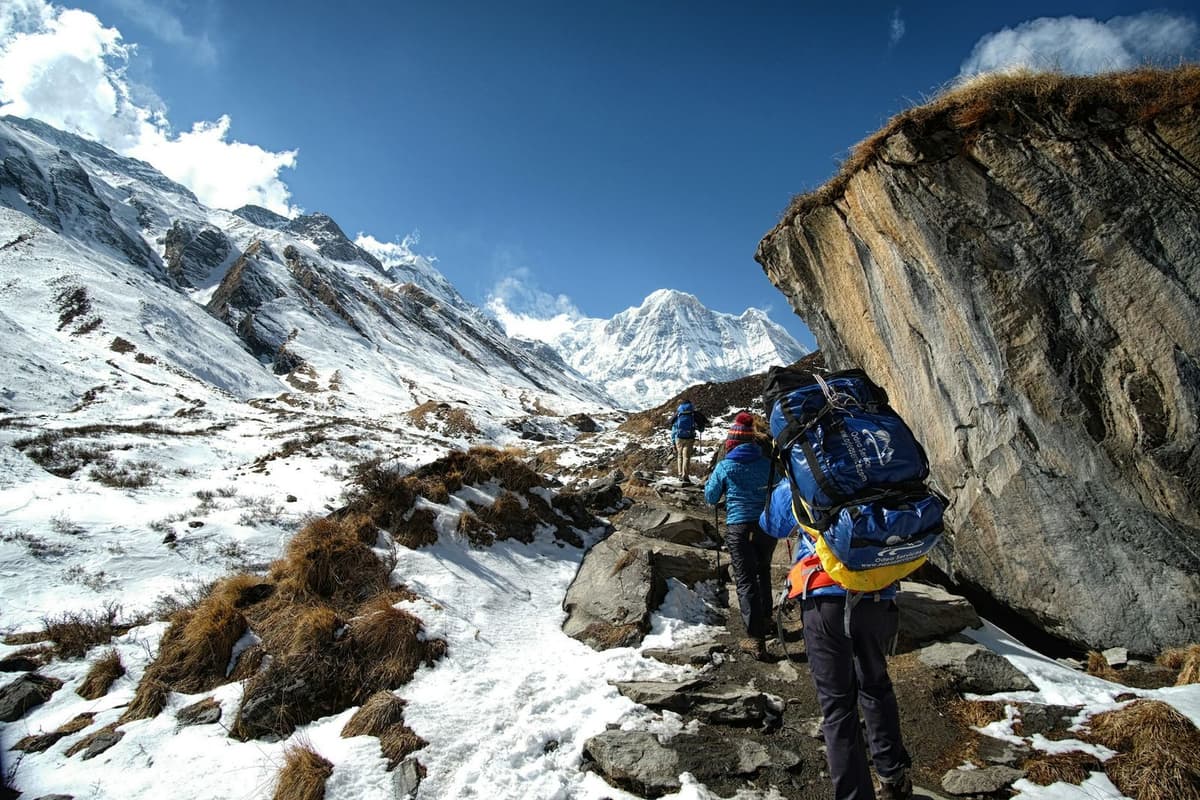
This is a strenuous trek and should not be underestimated. You spend more than two weeks at altitude, walk five to eight hours on many days, and cross three passes that all top 5,300 metres, one of them, the Cho La, on a mix of ice and steep rock. Reaching the Gokyo Lakes early helps you acclimatise before the hardest ground, but altitude sickness is still a real risk on a route this high, which is why the Namche day and the two nights at Gokyo are built in. Come with solid fitness, walk slowly, hydrate well, and be ready to tell your guide the moment you feel unwell.
Permits, guides and teahouses
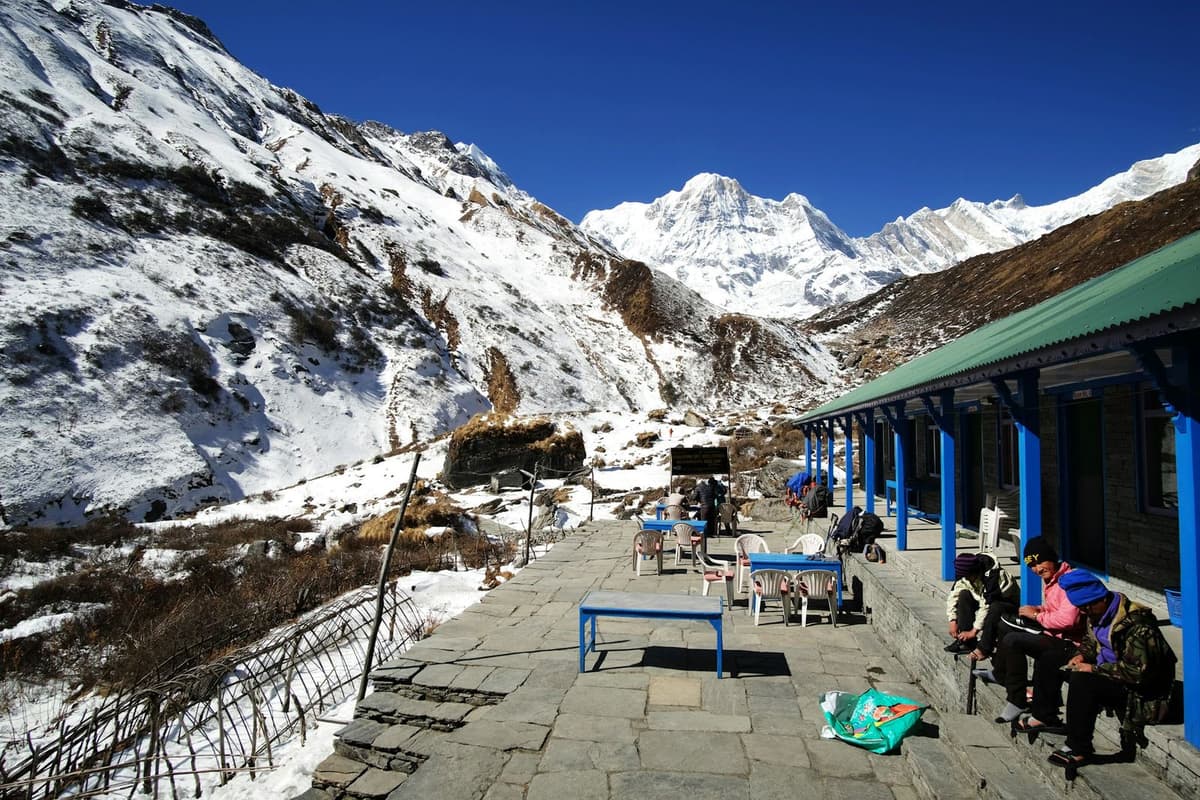
You need the Sagarmatha National Park permit and the Khumbu Pasang Lhamu Rural Municipality entry permit, and since April 2023 a licensed guide is mandatory in Nepal’s national parks; the old TIMS card is not used in the Khumbu. We arrange the permits and the guide, whose judgement matters most on the passes and at altitude. Nights are spent in teahouses, family-run Sherpa lodges that grow simpler and colder as you climb, so bring a warm sleeping bag and carry only a daypack while your guide’s team helps with the load.
Shorter ways to see this side of Everest
Eighteen days at altitude with three passes is a serious undertaking, and it is not the only way to enjoy the Gokyo Lakes. Trekkers who want the lakes and a single genuine pass without the full circuit can take the Everest Base Camp trek via Gokyo Lakes and Cho La, which reaches base camp and the lakes on a shorter route with only one high crossing. For fit, experienced walkers, though, the three passes with Gokyo remain the most rewarding way to see the Khumbu.