



Overview
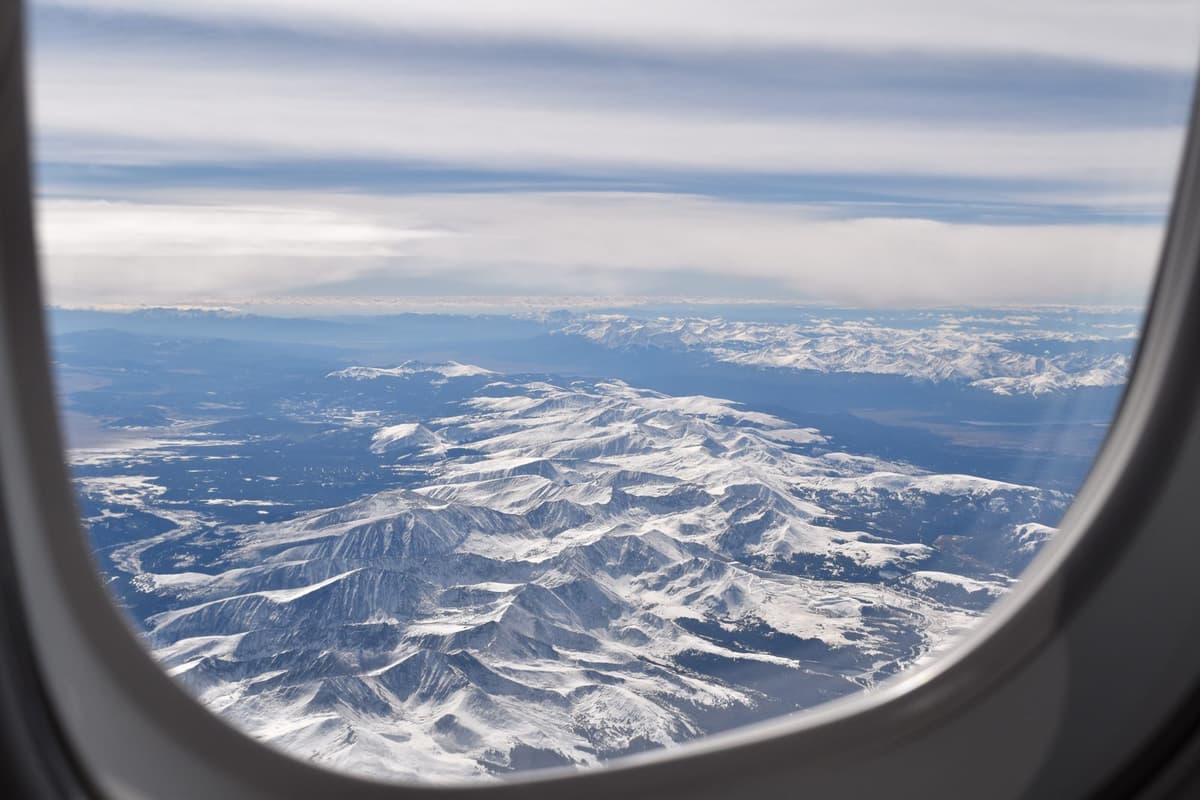
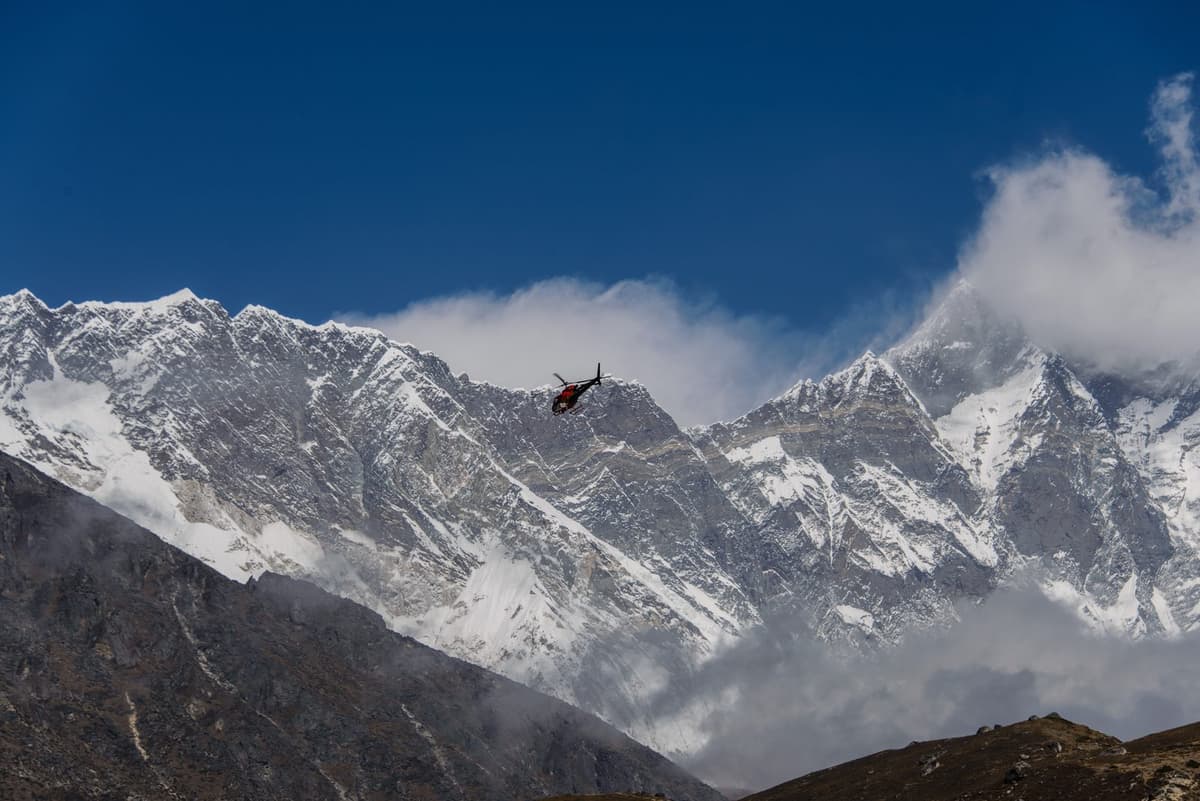
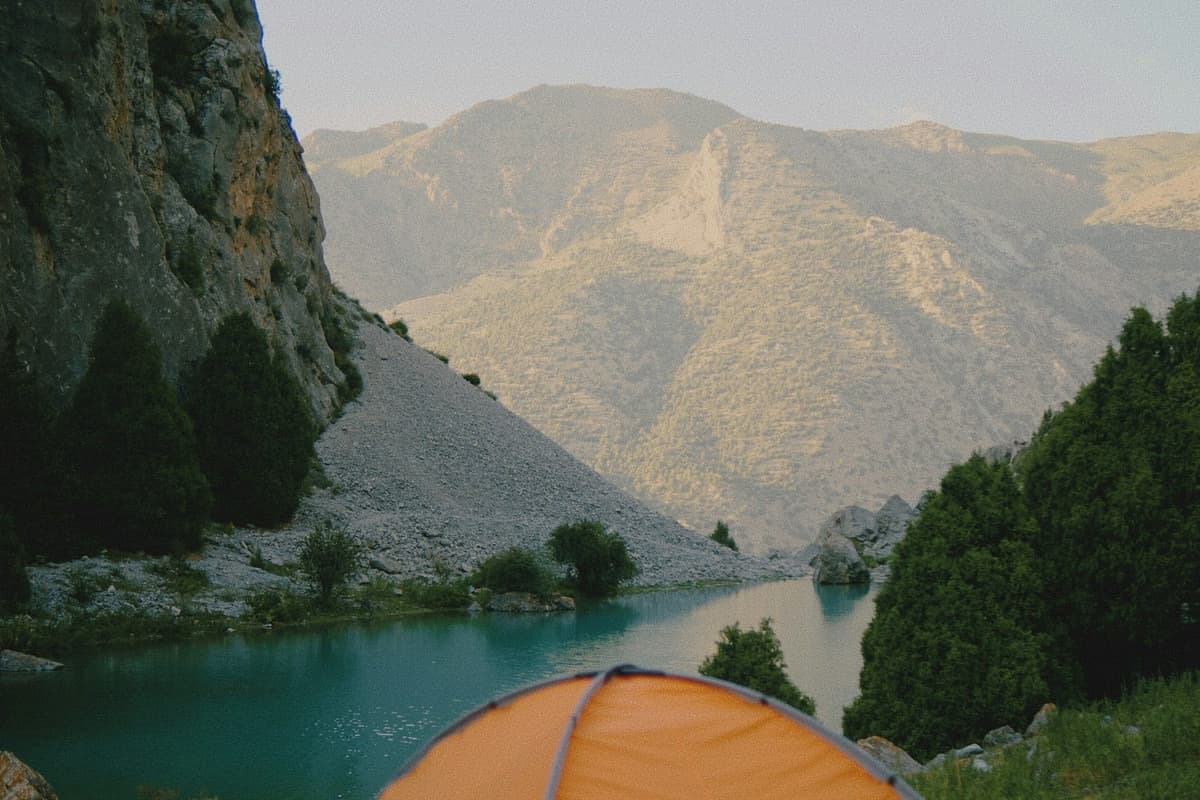
The Gosaikunda Lake trek is a seven-day teahouse trek to the cluster of sacred alpine lakes at 4,380 metres in the Langtang region north of Kathmandu. After the drive up to the roadhead at Dhunche you climb through rhododendron and pine forest to Sing Gompa, cross the exposed ridge past Cholangpati and Lauribina, and reach the string of glacial lakes that Hindus and Buddhists have held holy for centuries. It is graded moderate, walked on clear teahouse trails, and gains height quickly, so a spare day around the lakes gives your body time to adjust and lets you take in the Laurebina La viewpoint before the descent. This short trek suits travellers based in Kathmandu who want a genuine high-Himalayan lake in a single week.
The itinerary
- Drive roughly 6 to 7 hours north along the Trishuli and up into the Langtang foothills
- Arrive at the hill town of Dhunche (2,030 m), the gateway to the trek
- First views of the Ganesh Himal and time to sort permits at the park checkpoint
- Climb steadily through dense pine, oak and rhododendron forest
- Reach Sing Gompa, also called Chandanbari, at 3,330 m
- Visit the small monastery and the local cheese factory
- Ascend the ridge past Cholangpati (about 3,580 m) as the forest thins
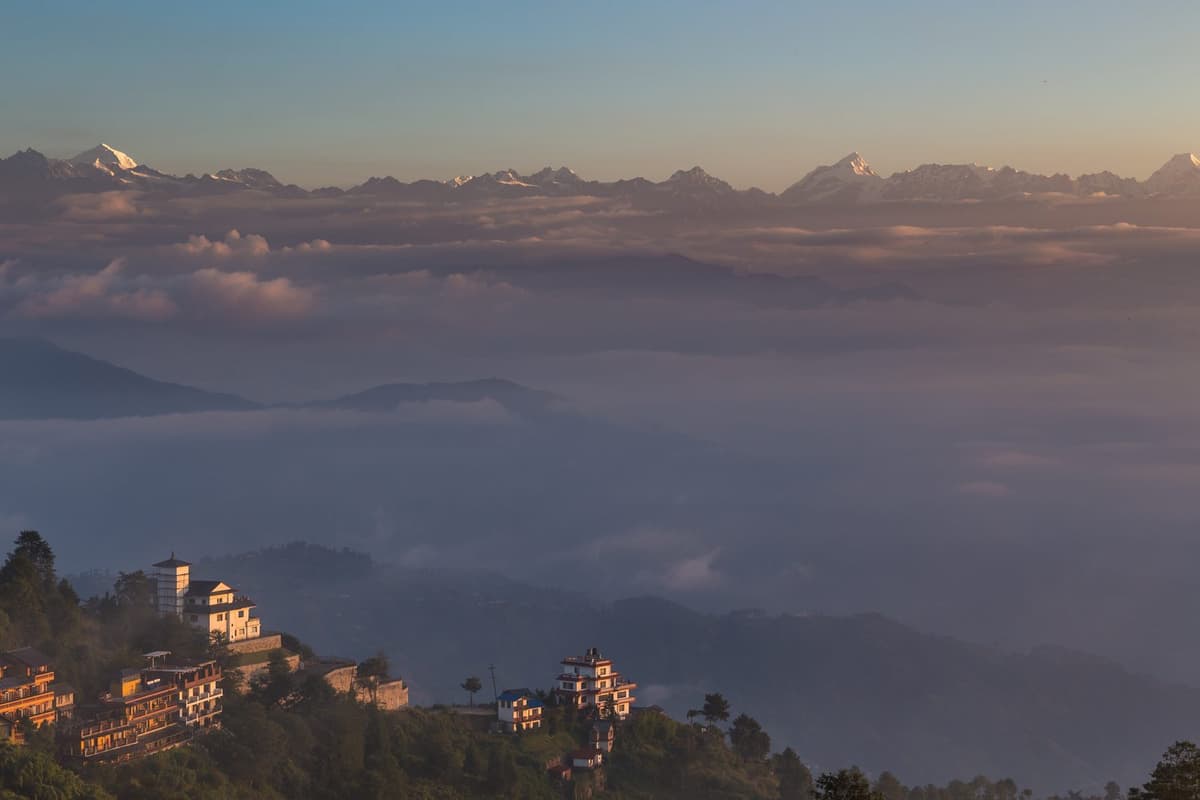
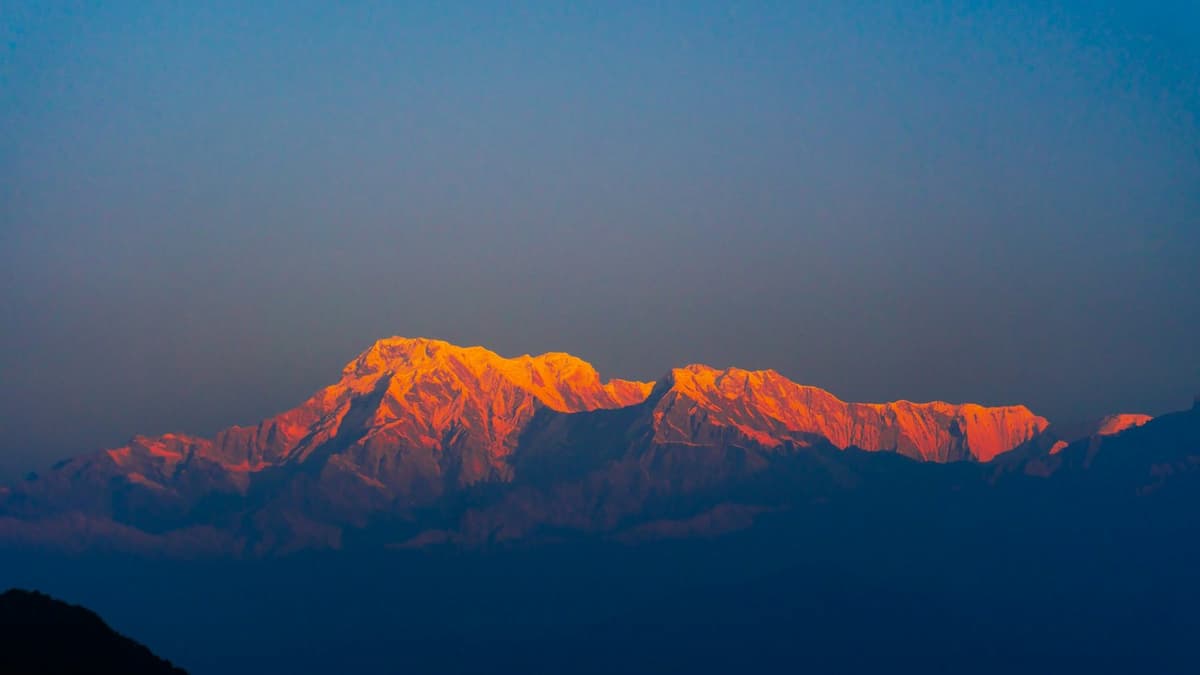
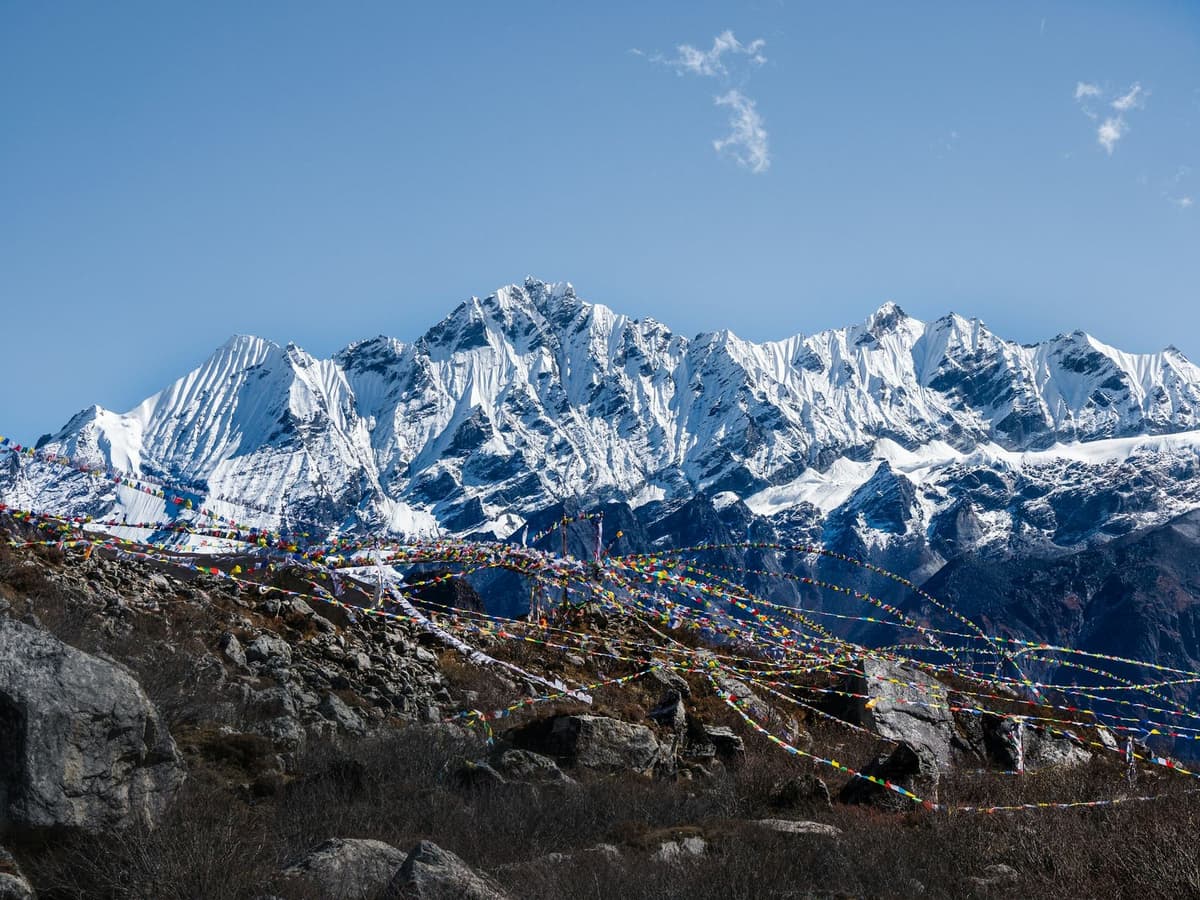
- Wide views open over the Langtang, Ganesh and Manaslu ranges
- Short acclimatisation day, overnight at Lauribina (3,910 m)
- Follow the rocky cliffside trail higher into alpine terrain
- Pass the smaller Saraswati and Bhairav lakes before the main lake
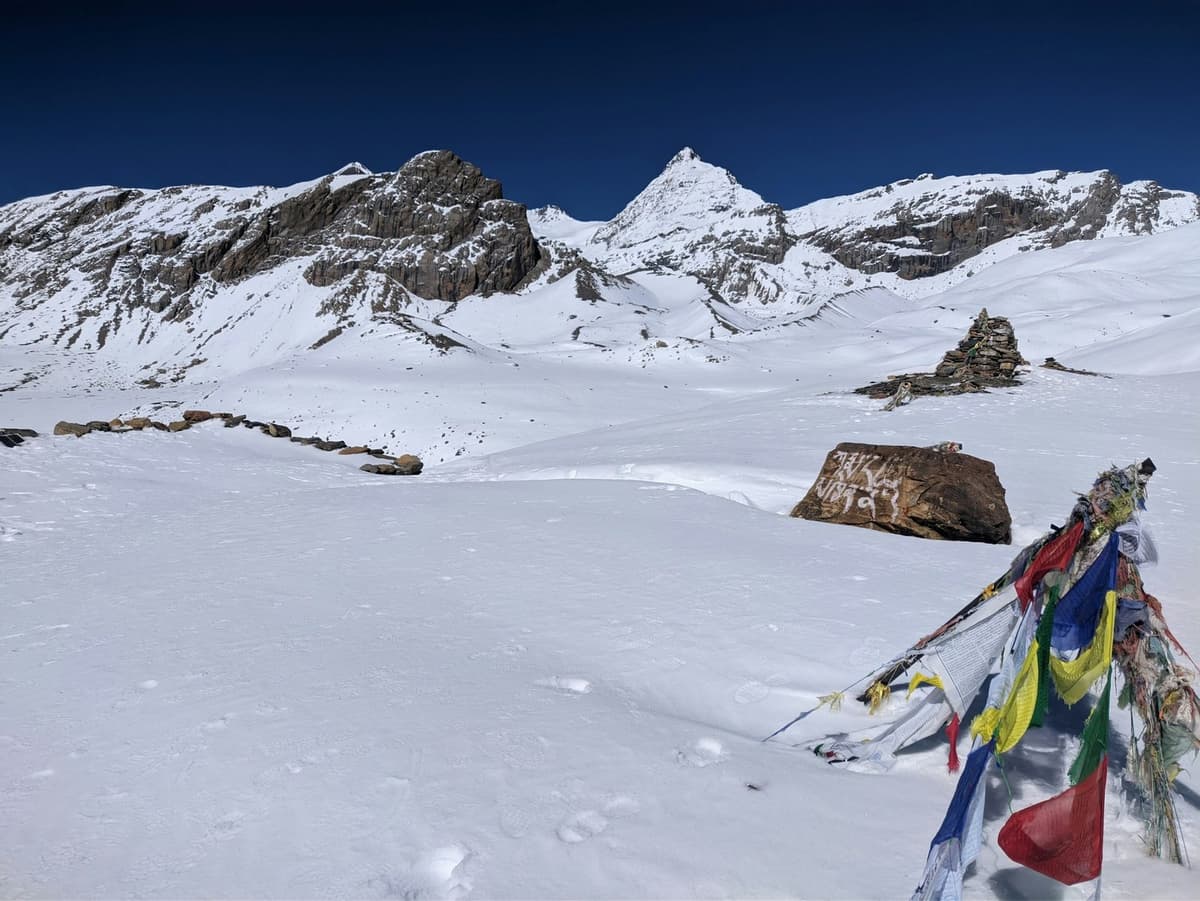
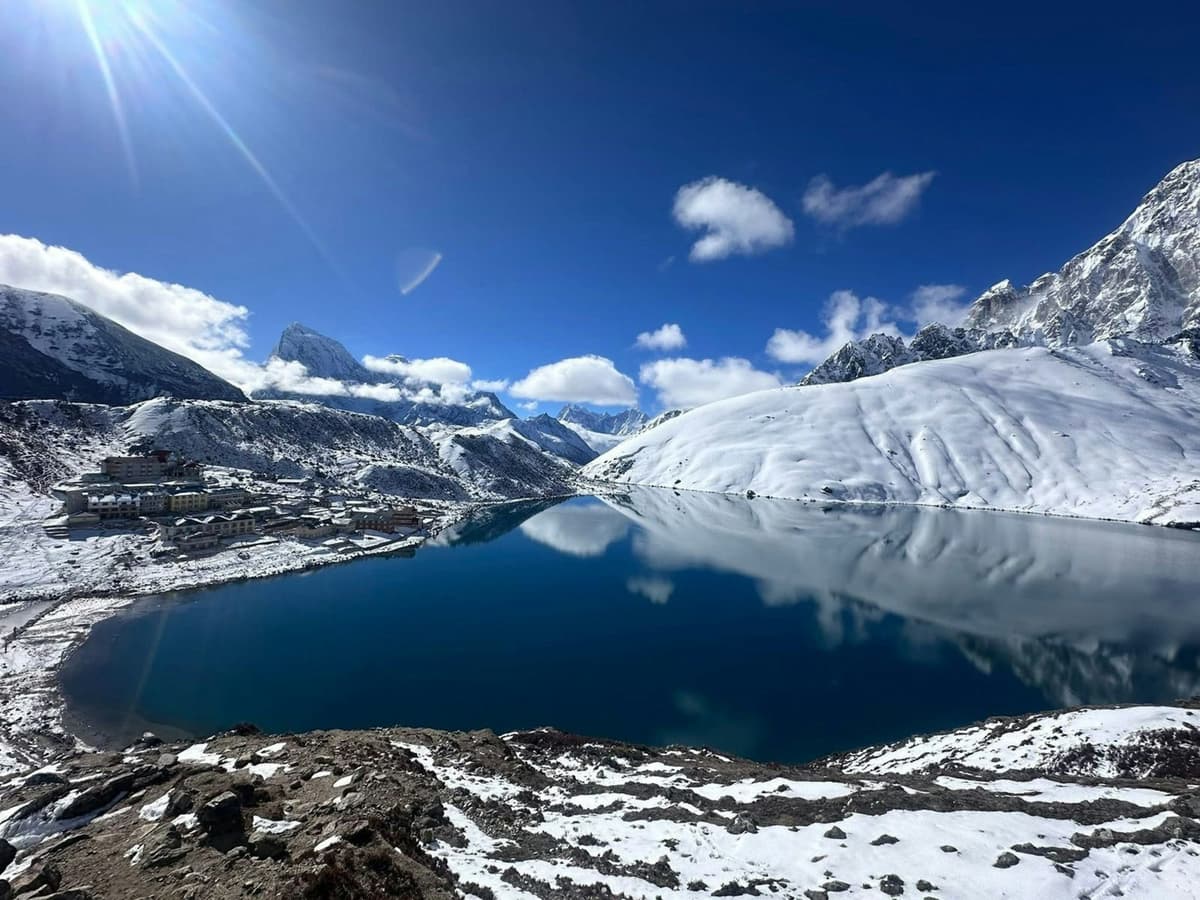
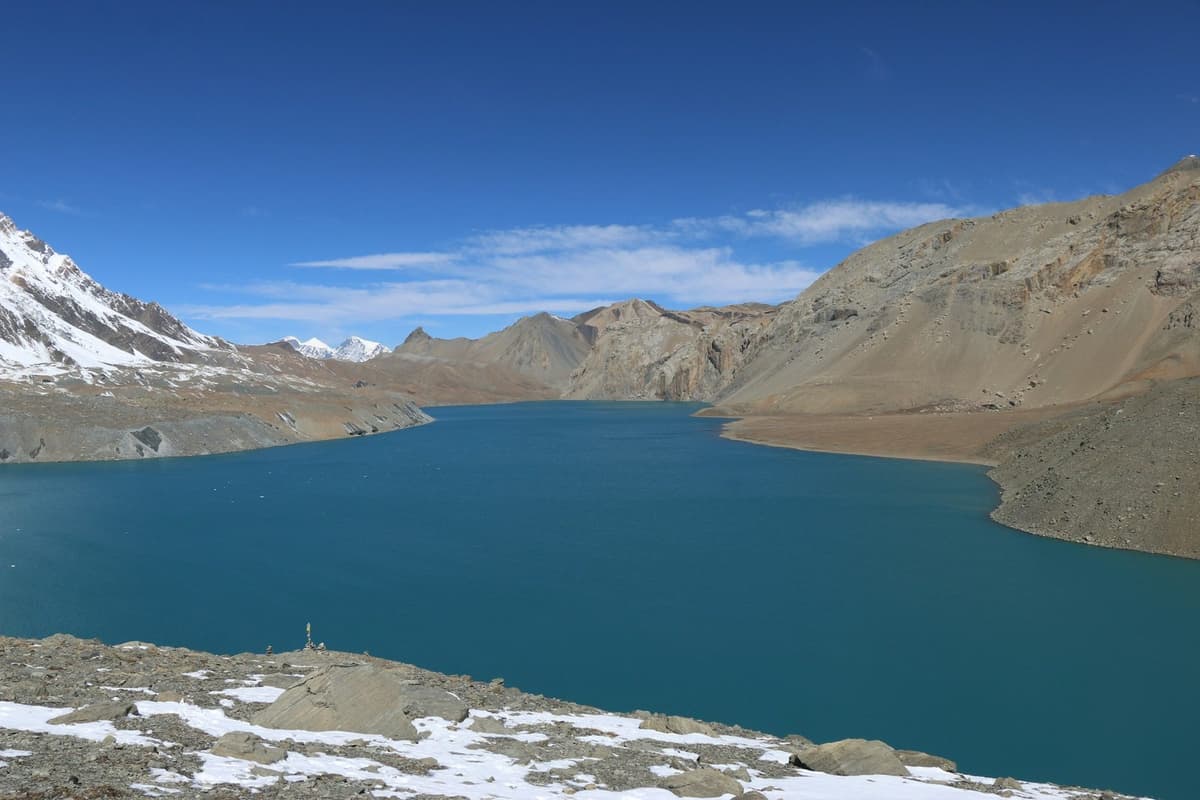
- Reach Gosaikunda Lake at 4,380 m, ringed by bare peaks
- Sunrise over the frozen shoreline and the surrounding summits
- Optional climb towards the Laurebina La at 4,610 m for the wider panorama
- Walk the shrines and cairns around the sacred lakes
- Retrace the ridge down past Lauribina and Cholangpati
- Long, knee-friendly descent back into the treeline
- Overnight at Sing Gompa (3,330 m)
- Morning descent through forest and Tamang farming hamlets to Dhunche
- Scenic drive back down the Trishuli valley to Kathmandu
- The trek concludes with the last forest walk to the roadhead
Things to carry
- Layered clothing including a warm down jacket for the ridge and the lakes
- Broken-in trekking boots and warm socks
- A sleeping-bag liner, hat, gloves and a buff
- Sunglasses, sun hat, high-factor sunscreen and lip balm
- A refillable water bottle with purification, a daypack and a power bank
Good to know
Complete guide
Gosaikunda packs a genuine high-Himalayan experience into a single week, which is why it is one of the most popular short treks within easy reach of Kathmandu. It climbs through rhododendron forest to a cluster of glacial lakes that Hindus and Buddhists have held sacred for centuries, set against the bare peaks of the Langtang range. Here is how the trek works and what to know before you go.
What the Gosaikunda Lake trek covers
The route runs from the roadhead at Dhunche up through Sing Gompa, along the ridge past Cholangpati and Lauribina, to the sacred lakes at 4,380 metres, then back down the same trail. The drive from Kathmandu to Dhunche opens and closes the trip, so the walking is concentrated into a tight, rewarding week. If you have more time in the region, the classic Langtang Valley trek to Kyanjin Gompa pairs naturally with the lakes for a longer loop.
How hard it is and how the altitude feels
This is a moderate trek, not a technical one, but it is honest work: the climb from Dhunche gains height quickly and the final approach follows a rocky, exposed ridge to 4,380 metres. Because you reach real altitude in only a few days, the acclimatisation night at Lauribina and the spare day around the lakes matter more here than on a slower trek. Walk slowly, hydrate well, and treat any headache seriously.
Permits, guides and teahouses
You need the Langtang National Park entry permit and a trekkers' information card, and since April 2023 a licensed guide is mandatory in the region; we arrange all of this. Nights are spent in teahouses, family-run lodges with simple twin rooms and a warm dining room, so you carry only a daypack. Facilities thin out as you climb, so bring a sleeping-bag liner, a power bank and small cash for charging, Wi-Fi and hot showers.
The sacred lakes and other alpine-lake treks
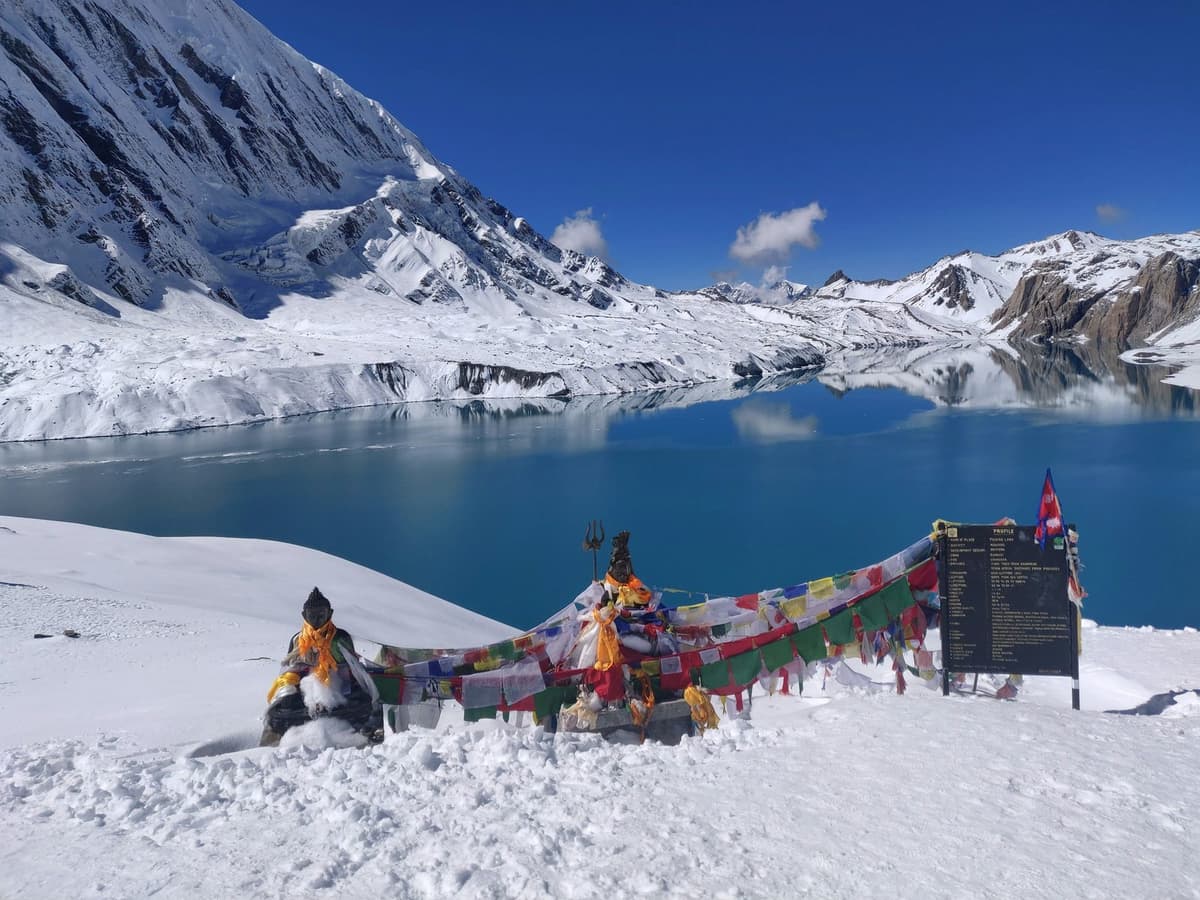
The Gosaikunda basin holds more than a hundred lakes, with the main one revered as a creation of Lord Shiva and busiest during the Janai Purnima pilgrimage each August. If the high alpine lakes are the real draw, the Tilicho Lake trek in the Annapurna region reaches one of the highest lakes in the world and makes a natural next step for lake-focused trekkers.