
Explore by activity
Not listed yet

We run Motorbiking & Overland trips — we just haven’t put the itinerary on the site yet. Tell us your dates and we’ll send a costed day-by-day plan.

Explore by experience
Explore by region
by gomayu
Search Tours or Places

Muktinath Temple: How to Reach, Best Time, Altitude

27 min read Posted 28 Oct 2026Updated 30 Oct 2026
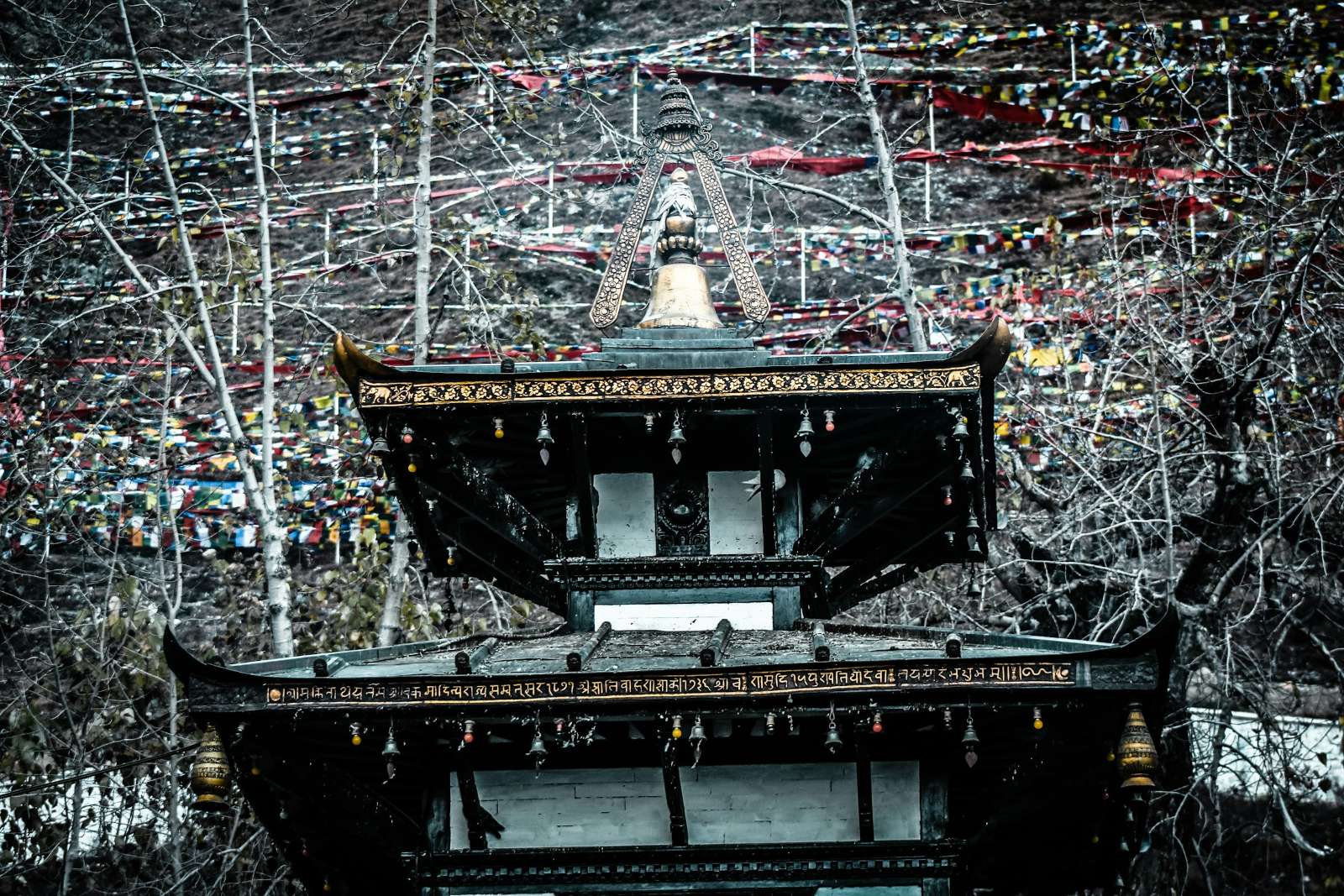
The pagoda roof of Muktinath Temple framed by prayer flags in Mustang, Nepal

By Uncover Nepal Team · Checked by our Kathmandu travel team · Last checked 29 October 2026

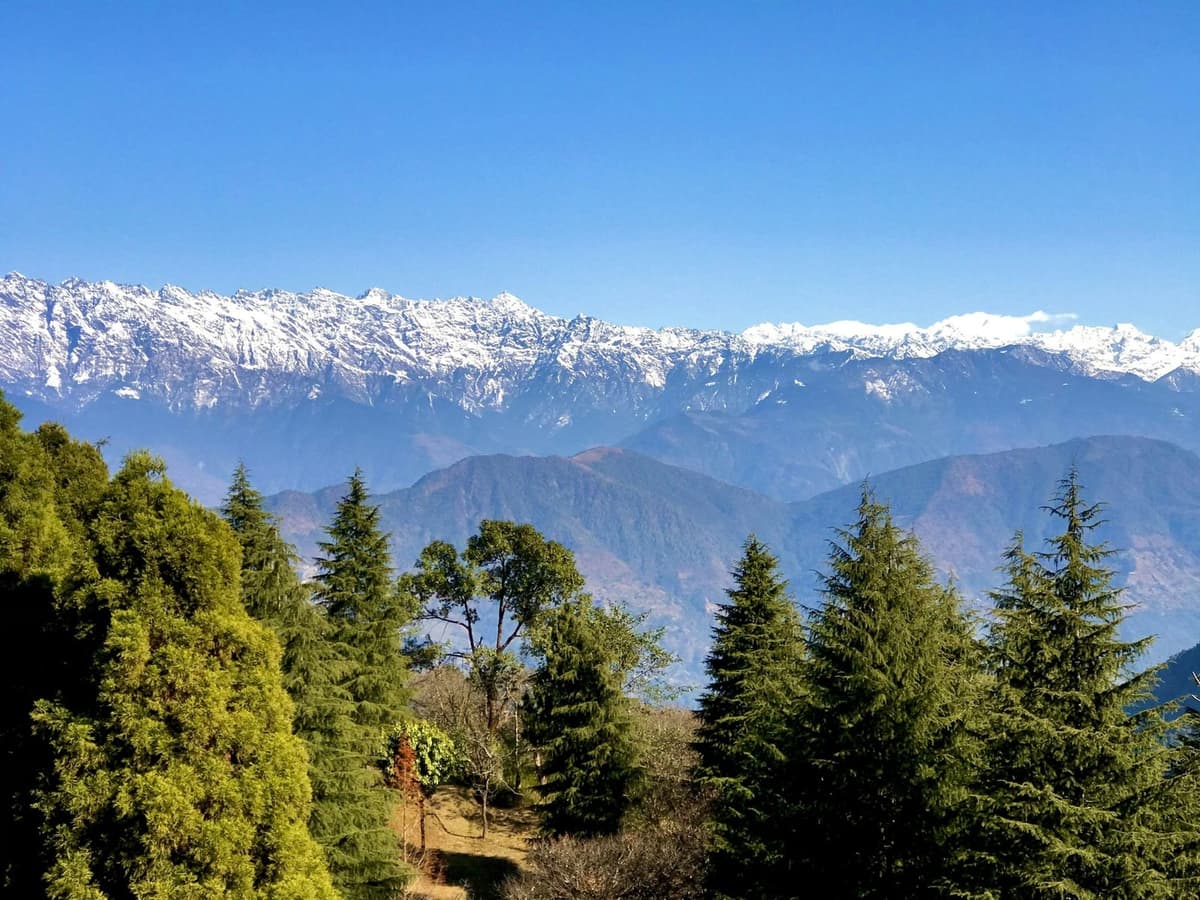
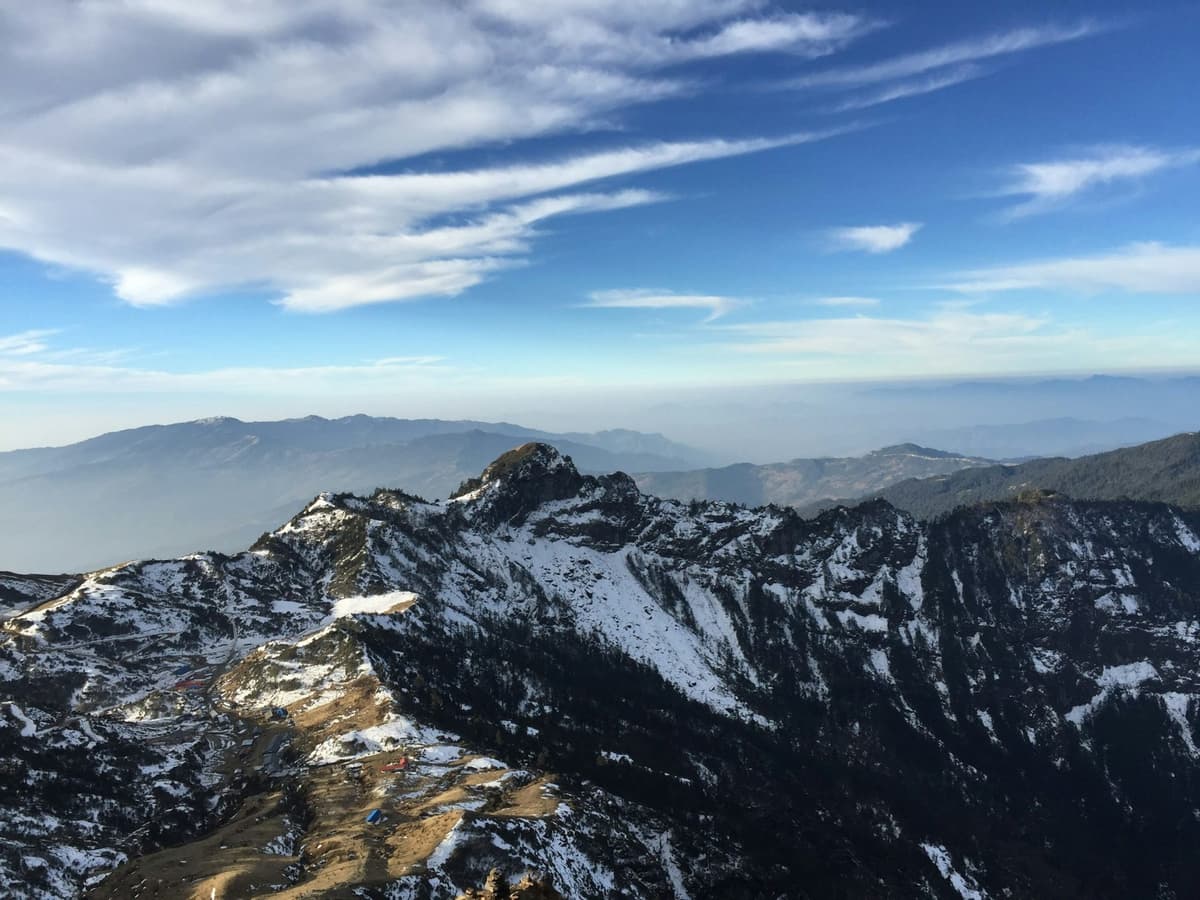
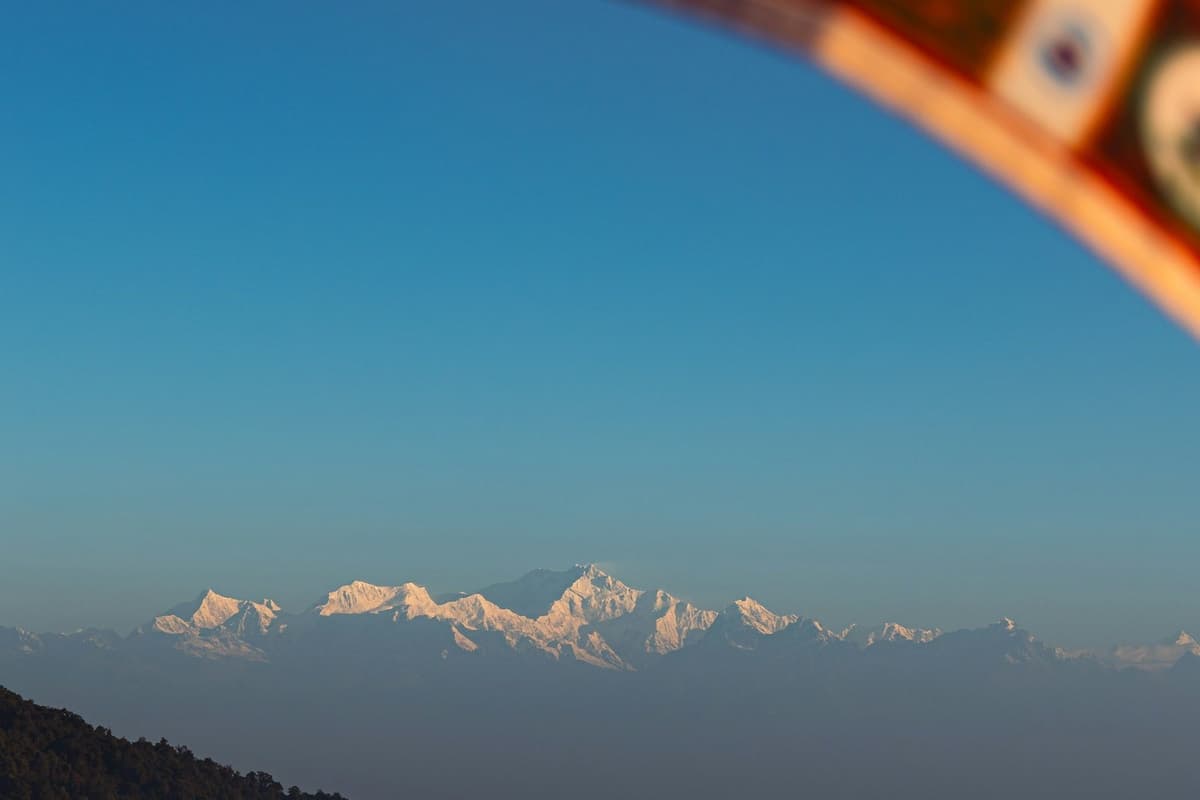
Cold water pours from a ring of 108 spouts around a pagoda courtyard, and pilgrims pass under them one after another. Nearby, a blue flame burns inside the Jwala Mai shrine, a flame that tradition says never goes out. Behind it all rise the snow-covered ranges of the trans-Himalaya.

Muktinath Temple is a Vishnu temple in Mustang District, sacred to Hindus and Buddhists, at about 3,800 m (about 12,470 ft) according to the Nepal Tourism Board; other sources give slightly lower figures. You reach it by road via Jomsom or by charter helicopter, as scheduled Jomsom flights are suspended. You need an ACAP permit.

Muktinath is one of the sites in our Nepal pilgrimage guide to Hindu and Buddhist sites, which explains how the great temples fit together on one journey. This guide covers the temple itself: what it means, how to get there this season, when to go, how high it is, and how to bring older parents safely.

Key facts

Where it is
Ward 1 of Varagung Muktichhetra Rural Municipality, Mustang District (spellings vary). Not in Kathmandu (The Rising Nepal, 3 Sep 2026; NTB "Muktinath, Mustang"; checked 29 Oct 2026)
Altitude
About 3,800 m (about 12,470 ft), according to NTB. Other published figures range from about 3,600 m to 3,760 m (NTB "Muktinath, Mustang"; checked 29 Oct 2026)
Faiths
Sacred to both Hindus and Buddhists. Hindus worship Lord Vishnu; Buddhists worship him as Avalokiteshwar (NTB "Muktinath, Mustang"; checked 29 Oct 2026)
The present temple
Pagoda style, built in the early 19th century (around 1815); the Vishnu idol is considered 16th century (NTB; Muktinath Foundation International; checked 29 Oct 2026)
Entry fee
No published entry fee found for the temple; offerings are by donation (The Rising Nepal, 24 Nov 2025; checked 29 Oct 2026)
Permit
ACAP entry permit: NPR 3,000 foreigners, NPR 1,000 SAARC nationals (including India), children below 10 free (NTB park entry fees; NTNC e-permit; checked 29 Oct 2026)
Upper Mustang permit
Not needed for Muktinath itself (NTB trekking permit page; checked 29 Oct 2026)
Pokhara to Jomsom flights
Scheduled flights suspended in mid-October 2026, no restart date announced (Kantipur, 17 and 19 Oct 2026; checked 29 Oct 2026)
Road
Beni to Jomsom road reopened in mid-October 2026 after the September floods, with some damaged, one-way stretches (The Himalayan Times, 11 Oct 2026; OnlineKhabar, 9 Oct 2026; checked 29 Oct 2026)
Best time
Spring and autumn; the clearest skies come in October and November (NTB climate page; checked 29 Oct 2026)
Opening hours
No timings published by NTB or in press reports; ask us or ask in Ranipauwa for the day's timings (NTB and press reports searched, 29 Oct 2026)

In this guide

  • What is Muktinath Temple?
  • What will you see at Muktinath?
  • Where is Muktinath, and is it in Kathmandu?
  • How do you reach Muktinath Temple in October 2026?
  • How far is Jomsom to Muktinath, and can you walk it?
  • Why do many pilgrims stop at Kagbeni first?
  • When is the best time to visit Muktinath?
  • How high is Muktinath, and how do you handle the altitude?
  • Is Muktinath safe for elderly parents?
  • Do you need a permit for Muktinath?
  • How do darshan and the ritual bath work?
  • Where should you stay: Ranipauwa or Jomsom?
  • How should you plan a Muktinath visit, step by step?
  • Frequently asked questions
  • Visit Muktinath with us

What is Muktinath Temple?

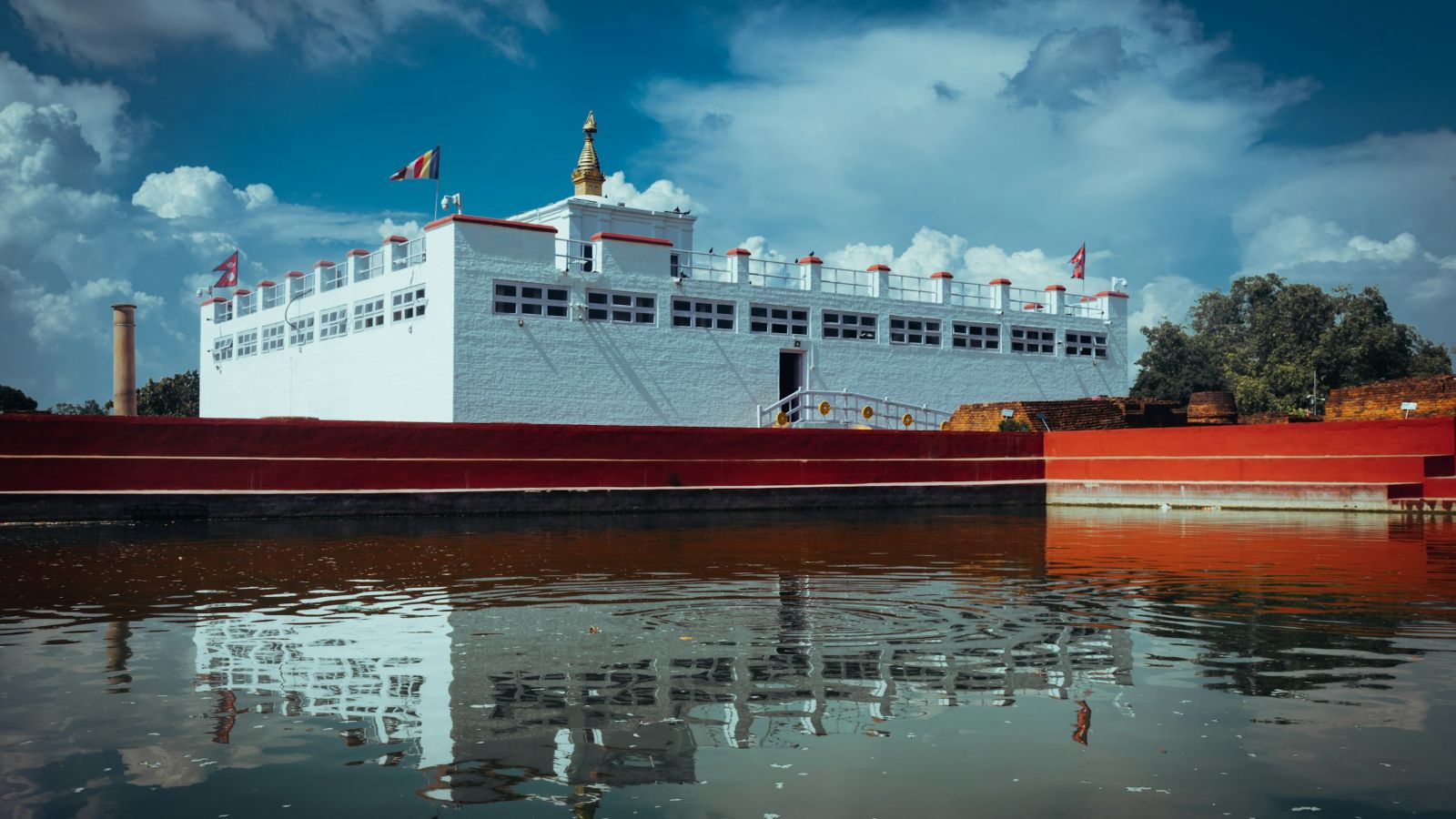
Muktinath Temple is a pagoda-style temple to Lord Vishnu in Mustang, and a shrine where Hindus and Buddhists both worship. The area is also known as Mukti Kshetra, the "Place of Salvation". Tibetan Buddhists call it Chumig Gyatsa, which means "Hundred Waters".

The Nepal Tourism Board says the present temple is believed to have been built at the beginning of the 19th century, while the Vishnu idol inside is considered to date from the 16th century. That gap suggests an earlier temple stood on the same spot. Other accounts credit Queen Subarna Prabha of Nepal with starting the present building around 1815.

Today the site is managed by the Muktinath Development Committee, which has been chaired by Mustang's Chief District Officer. The committee's figures, as reported by The Rising Nepal, put visitors at about 800,000 Nepali and foreign pilgrims and tourists a year. After Nepalis, Indians are the largest group.

Muktinath for Hindu pilgrims

For Hindus, Muktinath is a place of moksha, release from the cycle of rebirth. The Nepal Tourism Board notes that Mukti Kshetra is mentioned in Hindu scriptures such as the Ramayana, the Barah Purana and the Skanda Purana. According to Hindu scriptures, as The Rising Nepal has reported, Lord Brahma performed a yogic sacrifice at Muktinath to attain salvation.

Many Hindus believe that visiting Muktinath once and bathing in its 108 streams and ponds can bring salvation.

For many Sri Vaishnavas, followers of the Vishnu tradition strongest in South India, Muktinath has a second name: Thiru Salagramam. They count it among the 108 Divya Desams, the abodes of Vishnu praised in the Tamil hymns of the Alvars, the poet-saints of the first millennium CE.

Chumig Gyatsa for Buddhist pilgrims

Buddhists worship the deity in the main shrine as Avalokiteshwar, the bodhisattva of compassion. The Nepal Tourism Board notes that Buddhist nuns and Brahmin priests both worship at the temple. The traditional caretakers of the site are Tibetan Buddhist nuns.

In Tibetan Buddhism, Chumig Gyatsa is counted as one of the 24 Tantric places. Padmasambhava (Guru Rinpoche) and the Mahasiddhas are said to have visited, and the site is described as the home of the 21 Taras and of many dakinis, which it calls "Sky Dancers". These descriptions come from the Muktinath Foundation International, which supports the temple's nuns.

A temple priest told The Rising Nepal that, according to Buddhist texts, a scholar from Tibet collected water from Mount Kailash and created the 108 spouts.

The shaligram and the Kali Gandaki

Shaligrams are fossil stones found along the Kali Gandaki, the river that runs through Mustang below Muktinath. Hindus hold them sacred. The Nepal Tourism Board says the stones are said to represent Lord Vishnu in stone form, and that there is a black shaligram in the temple. Geologically, they are ammonite fossils.

What will you see at Muktinath?

At Muktinath you see the main pagoda shrine with its Vishnu image, a courtyard ringed by 108 water spouts, two sacred ponds in front of the temple, and, nearby, the Jwala Mai shrine with its ever-burning flame. You can see all four in one visit, with darshan in the main shrine at the centre of it.

  • The 108 spouts (Muktidhara). The spouts enclose the temple courtyard. They are described as copper or brass, shaped as bull heads, called gaumukh. Pilgrims take a ritual bath by passing under them.
  • The two ponds. There are two ponds on the temple premises, usually named Lakshmi Kunda and Saraswati Kunda. Many Hindu pilgrims dip in them as well.
  • Jwala Mai. A nearby temple worshipped by both Hindus and Buddhists, where the Nepal Tourism Board describes an eternal blue flame that keeps burning. Tradition holds that this natural flame never goes out.
  • Donation boxes. There are five donation boxes inside and outside the temple. With receipted offerings, donations come to more than Rs 110 million a year, The Rising Nepal reported in November 2025.

A dispenser giving 200 litres of purified hot water was installed because the spout water is so cold. Stone paving now covers 3,140 sq ft around the spouts and pond, after people slipped, and railings have been built at the bathing area.

More work is planned. In September 2026 the Department of Archaeology approved raising the height of the 108 spouts, building changing rooms and separate toilets, and making a new pathway and entrance gate, at a cost of about Rs 60 million. A detailed project report comes first, so the new facilities may not be ready when you visit.

Where is Muktinath, and is it in Kathmandu?

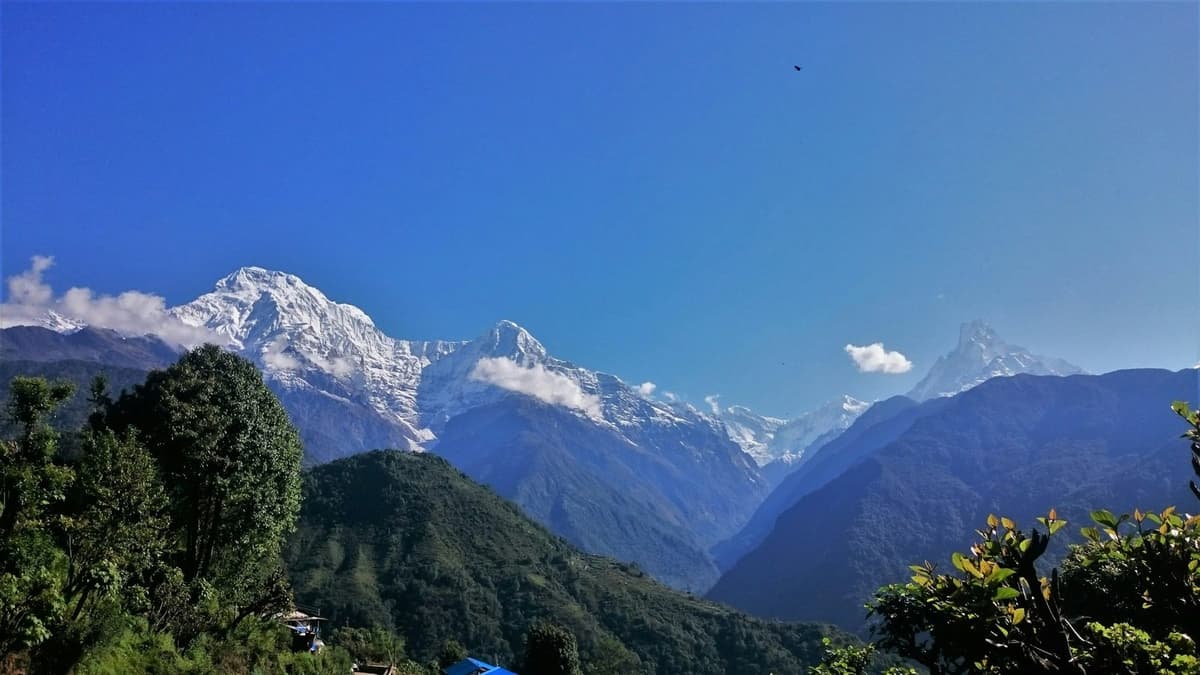
No, Muktinath Temple is not in Kathmandu. Muktinath is in Mustang District, north of the main Himalaya, in Ward 1 of Varagung Muktichhetra Rural Municipality. The Nepal Tourism Board describes the setting as trans-Himalayan, at the foot of snow-covered ranges.

The great Hindu temple in Kathmandu is Pashupatinath; our Pashupatinath Temple guide covers it, and you can see both on one journey.

The villages on the way matter for planning:

  • Jomsom sits on the Kali Gandaki, at about 2,700 m. The road from Beni and the airstrip are here, and many visitors change to a jeep for the last stretch.
  • Kagbeni lies north of Jomsom on the Kali Gandaki, where the road turns up towards Muktinath. Traditional Lo, Upper Mustang, begins just north of Kagbeni.
  • Jharkot is a village between Kagbeni and Muktinath.
  • Ranipauwa is the main gateway to Muktinath, the village of hotels, guesthouses and shops just below the temple.

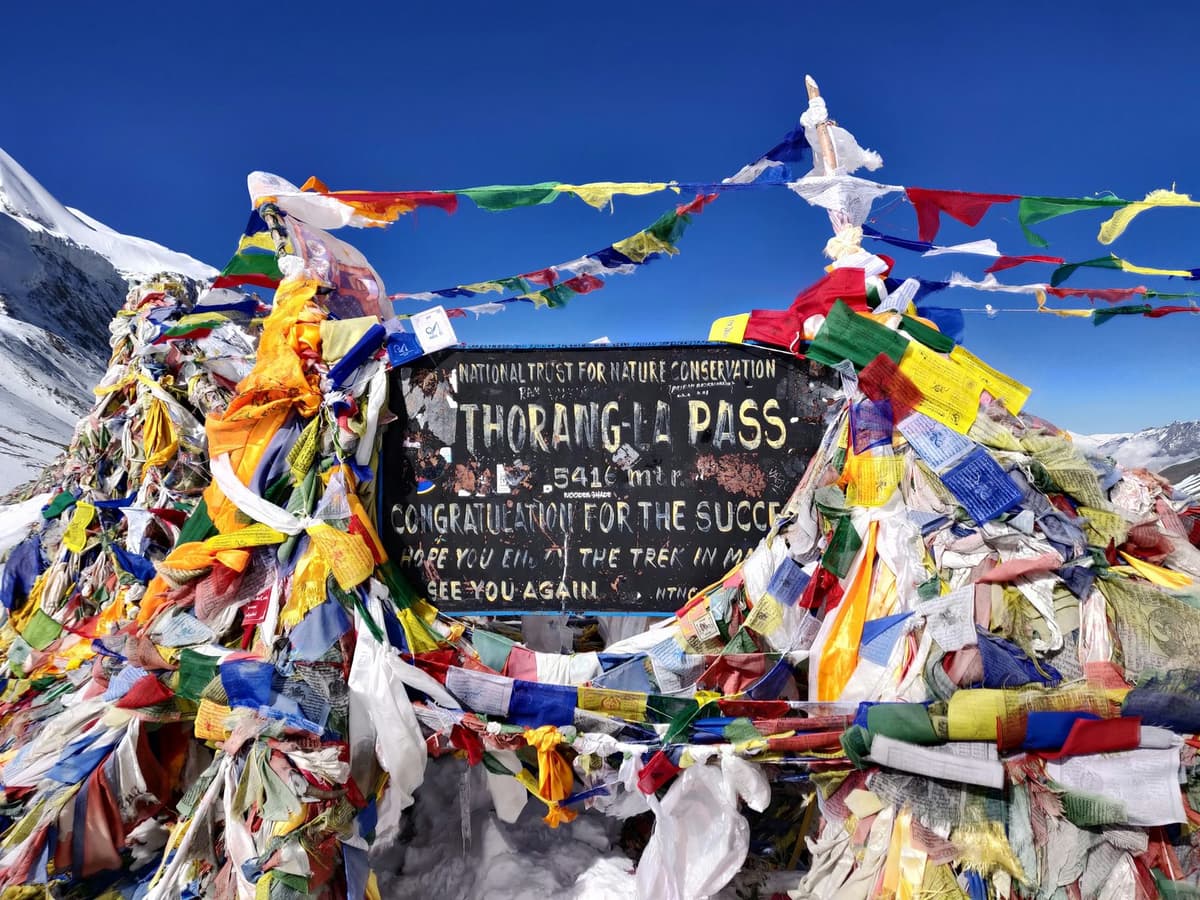
Muktinath also sits on the Annapurna Circuit. Trekkers on the circuit reach it from the other side, coming down after crossing the Thorong La at 5,416 m. If that is your plan, read our Thorong La pass guide first. For other places worth combining with a Mustang trip, see our list of Nepal tourist places, and if your pilgrimage also takes in the plains, our Janakpur guide covers another of the country's great pilgrimage cities.

How do you reach Muktinath Temple in October 2026?

In late October 2026 you reach Muktinath Temple by road through Beni and Jomsom, or by charter helicopter. Both airlines on the Pokhara to Jomsom route suspended scheduled flights in mid-October 2026, with no restart date announced, so the usual fly-then-drive route is not running this season.
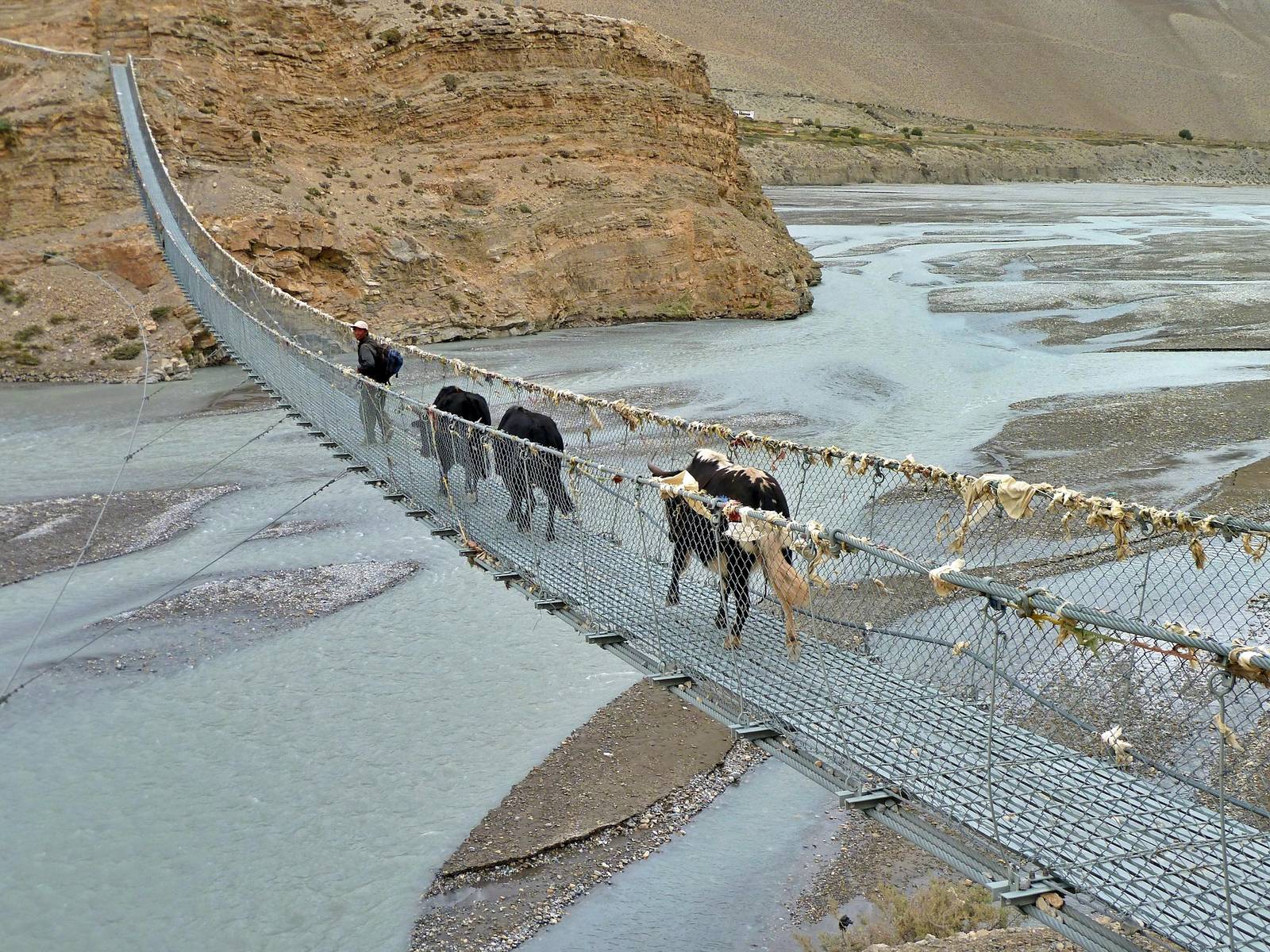
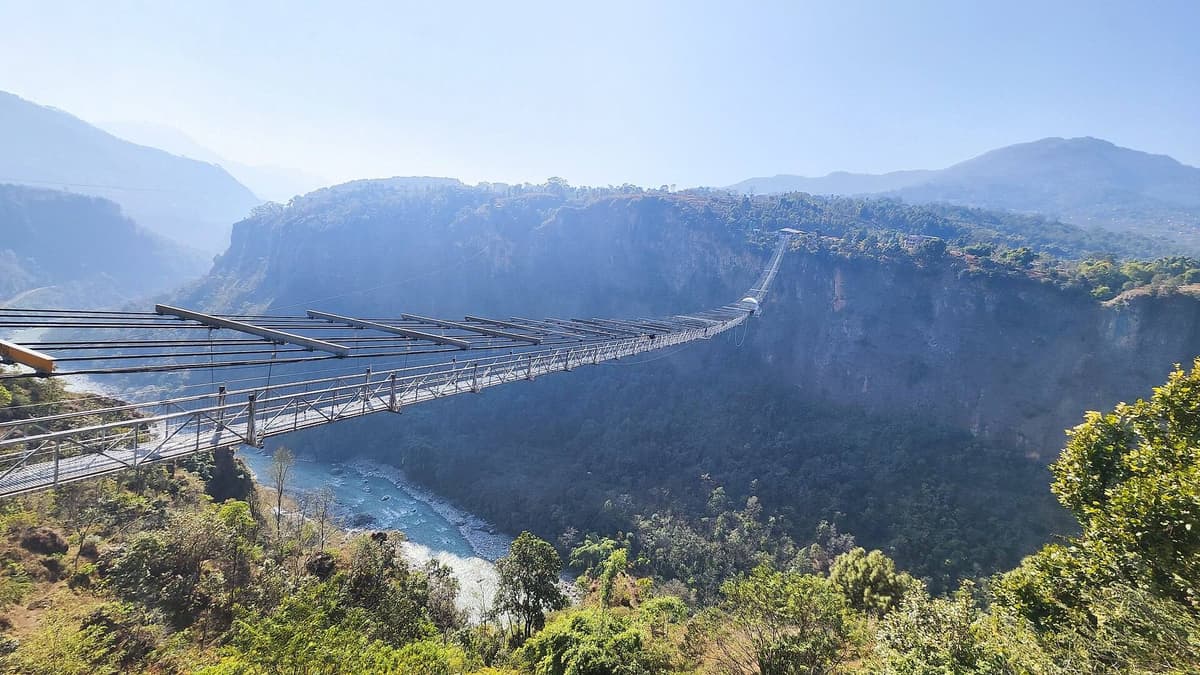
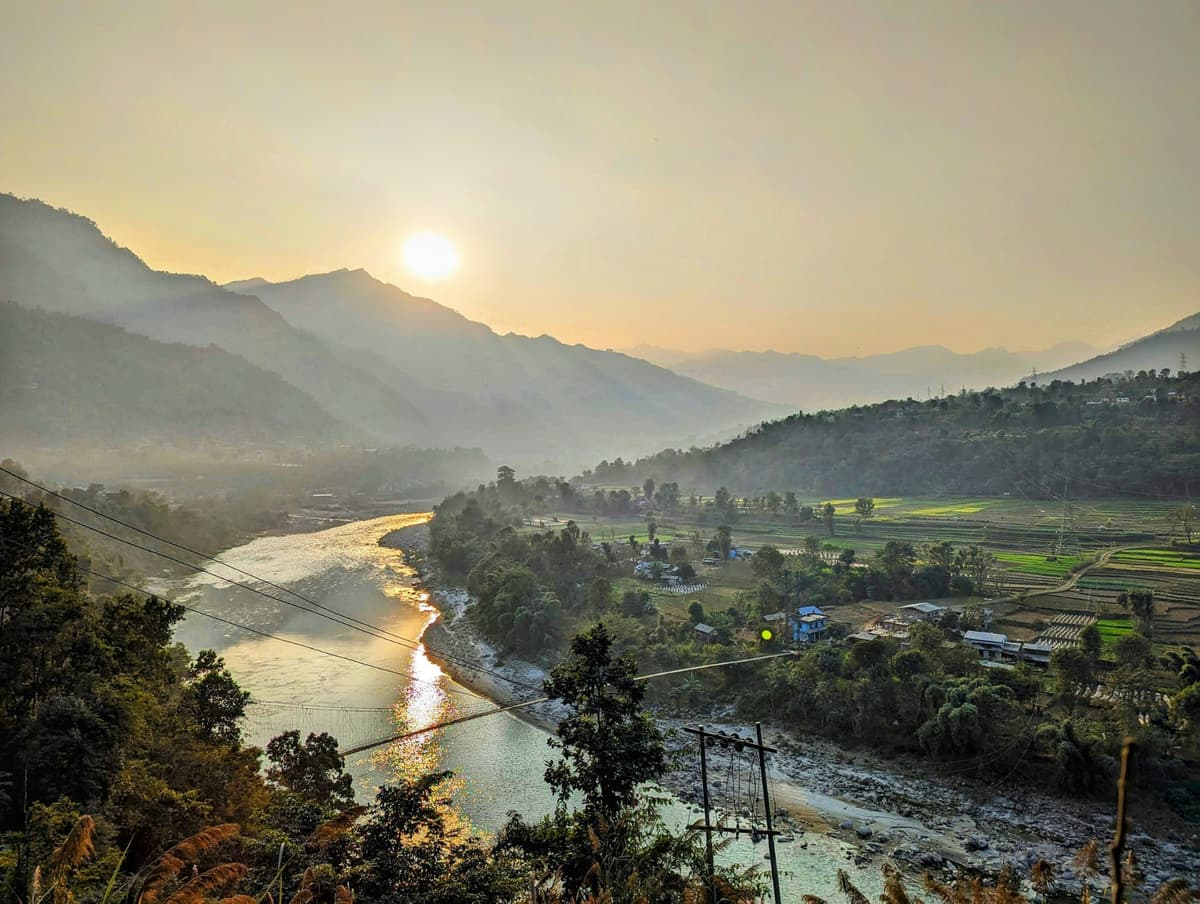
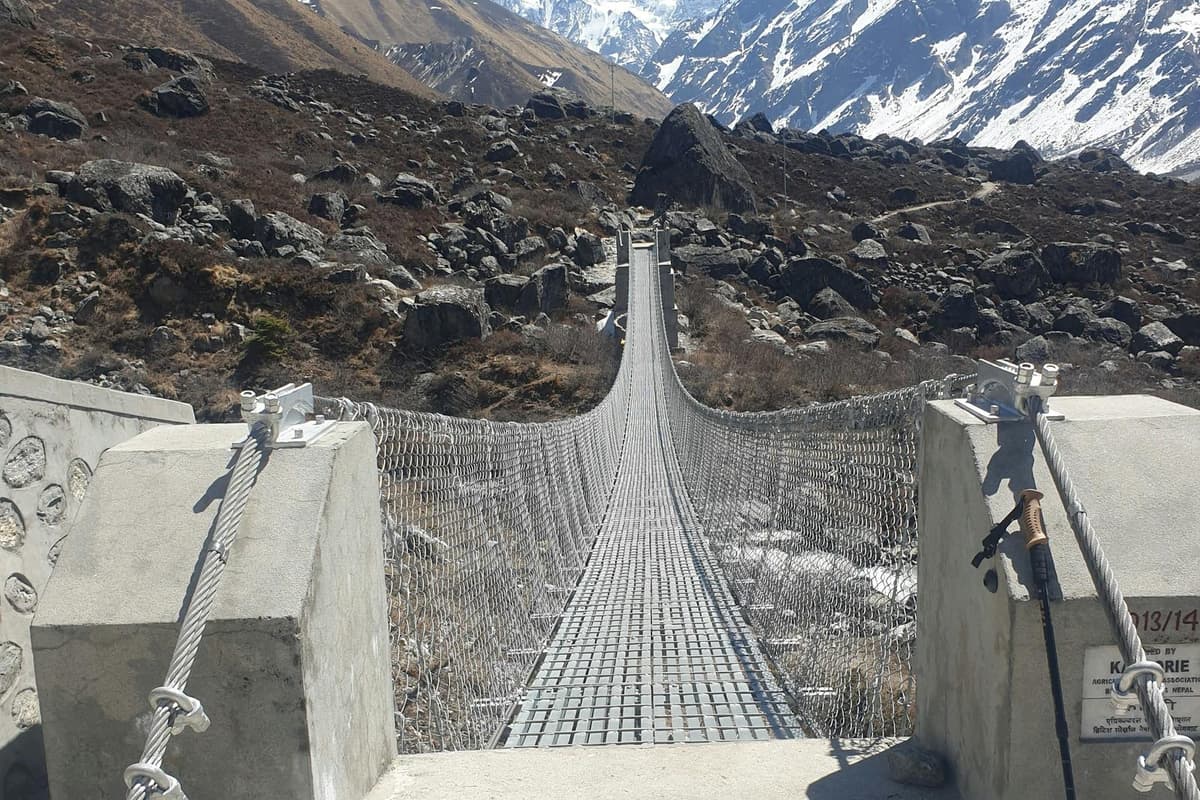
Suspension bridge over the Kali Gandaki river in Mustang
A suspension bridge over the Kali Gandaki in Mustang. The road to Jomsom follows this river valley north.

Both the road and the Jomsom flight begin from Pokhara, the lakeside city west of Kathmandu. Kathmandu to Pokhara takes most of a day by road, often six to nine hours with traffic and roadworks, or about 30 minutes by air.

Option Status in late October 2026 Suits Watch out for
Road via Beni and Jomsom Reopened in mid-October after the September floods, with some damaged, one-way stretches Families, older pilgrims who want to climb gradually, anyone with spare days Landslides and blockages; keep a spare day
Scheduled flight Pokhara to Jomsom, then jeep Suspended in mid-October 2026, no restart date When it runs: travellers short of road time Morning-only flights, strong winds, winter stops
Charter plane to Jomsom Summit Air said charter flights would continue Small groups who want to avoid the road Same wind and weather limits as scheduled flights
Charter helicopter to Muktinath Pilgrims were arriving by helicopter almost daily in early October Those with very little time A sudden altitude jump and a short stay at the temple

By road through Beni and Jomsom

The road follows the Kali Gandaki valley north. The Beni to Jomsom section is 76 km, part of a longer road that runs 202 km from Maldhunga in Parbat to Korala. From Jomsom, a road continues via Kagbeni to Muktinath, and the Nepal Tourism Board says buses can now run all the way.

The road is the weak point of any Muktinath plan. Floods and landslides between 24 and 27 September 2026 damaged it at about 50 places; the Kali Gandaki washed away sections at 10 sites, and more than 20 km of the 33-km Myagdi section was badly damaged. The road reopened in the second week of October 2026, first for cargo and then for general traffic, with some damaged and one-way stretches.

Blockages also happen outside flood season: a fatal rockfall closed the road for 12 hours in June 2026, and mudflows blocked it in August 2026, after which it reopened one-way. Keep at least one spare day in any road plan, and check the latest status with us before you travel.

By flight to Jomsom

Twin Otter aircraft carrying up to 18 passengers fly the route, and The Rising Nepal reports that strong winds limit flights to mornings, until 11 am each day. The service is suspended in the monsoon and winter and operates for only about six months of the year; its regular season runs from August to November.

This season, both airlines on the route, Tara Air and Summit Air, suspended scheduled flights in mid-October 2026: Tara Air until further notice and Summit Air until the next season (Kantipur, 17 and 19 October 2026). No restart date has been given. Last winter, Tara Air suspended the route from 4 December to 4 March. Flights on this route normally stop for the winter, so they may not restart before spring.

The Nepal Tourism Board's Muktinath page still says regular flights connect Jomsom with Pokhara; that line is out of date this season.

By helicopter

Pilgrims arrive at Muktinath by chartered helicopter almost daily, operated by several companies, The Rising Nepal reported in October 2026. The same report said tourists arriving by helicopter to visit religious sites in Mustang must be accompanied by at least one representative of a security agency.

A helicopter saves days, but it is the hardest option on the body. From Kathmandu, at about 1,338 m, you land roughly 2,300 to 2,500 m higher within a morning, with no time to adjust. A helicopter visit also gives you only a short time at the temple. Prices vary with season, shared or private charter, and starting point, and the published figures we found do not agree, so we give no range here.

How far is Jomsom to Muktinath, and can you walk it?

Jomsom to Muktinath is roughly 25 km, as usually quoted, and the Nepal Tourism Board puts the walk at about five hours. Many pilgrims ride the road by shared or reserved jeep, or by bus, while fit walkers can follow the valley on foot through Kagbeni or Jharkot.
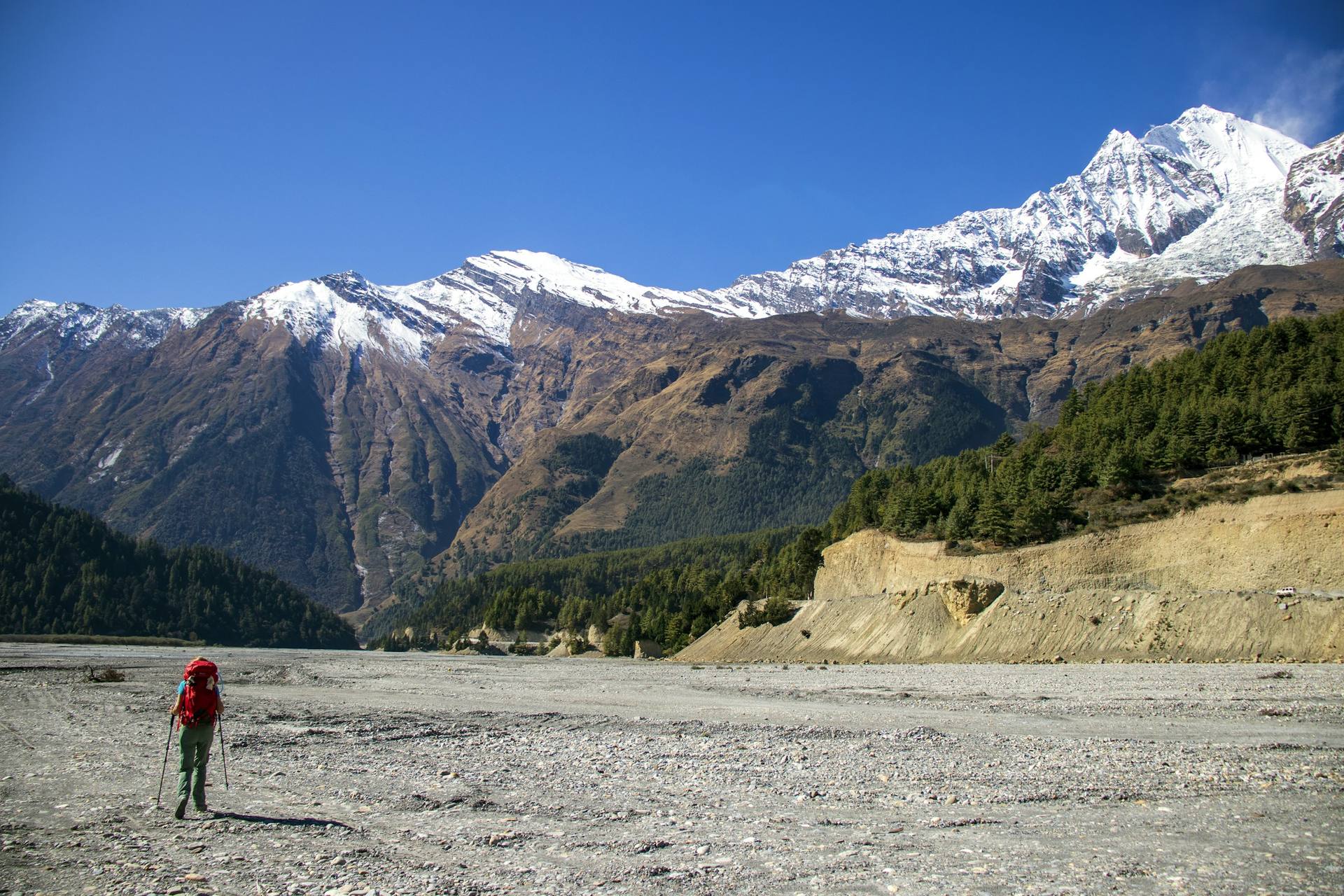
Trekker walking in the Kali Gandaki valley in Mustang
A trekker in the Kali Gandaki valley, Mustang. The Nepal Tourism Board puts the walk from Jomsom to Muktinath at about five hours.

Shared and reserved jeeps run between Jomsom and Ranipauwa. Fares are set locally and change, and we found no published fare from a transport committee or the press, so ask us for the current fare.

The climb is the part to respect. Muktinath stands roughly 900 to 1,100 m higher than the Jomsom weather station, depending on which published temple height you use. That is a big gain for one day, by jeep or on foot.

For trekkers coming the other way on the Annapurna Circuit, our guide to Annapurna Circuit trek cost explains how the Muktinath leg fits the budget. A licensed guide walks with you on every trek we run.

Why do many pilgrims stop at Kagbeni first?

Many Nepali and Indian pilgrims stop at Kagbeni, on the Kali Gandaki below Muktinath, to perform rites for their ancestors before going up to the temple. This is most common during the Sorha Shraddha, the ancestor fortnight also called Pitri Paksha, when crowds at both places grow.
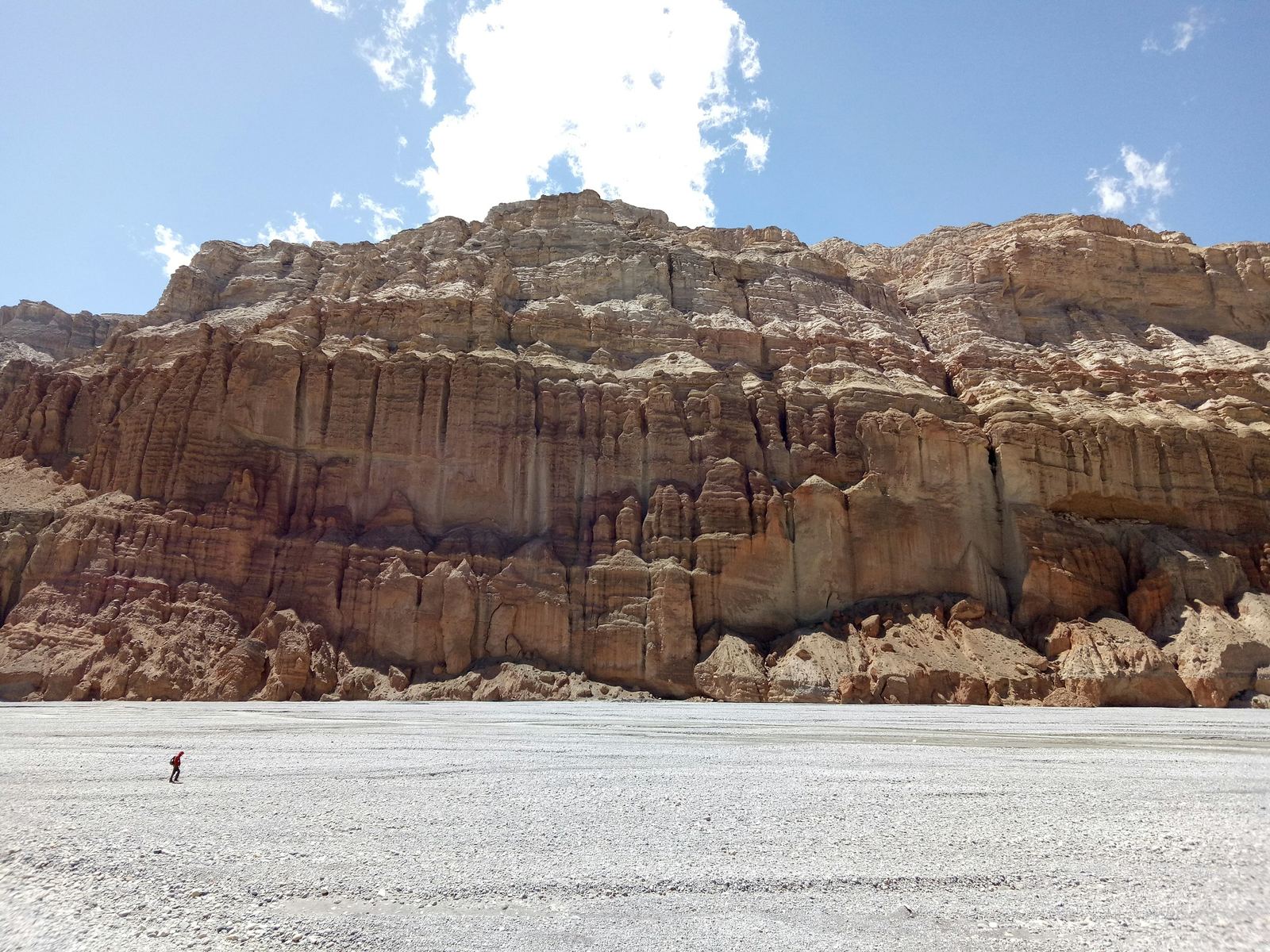
Monastery at Kagbeni below the cliffs in Lower Mustang
The monastery at Kagbeni, below the cliffs. Many pilgrims stop in Kagbeni before going up to Muktinath.

Shraddha rites are rituals for parents and forebears who have died. If you plan to perform shraddha, tell us when you enquire, and ask us how to fit unhurried time at Kagbeni into the same day as the temple.

Upper Mustang begins just north of Kagbeni, and going further north needs a restricted-area permit. Ask us to check the permits for every place on your route.

When is the best time to visit Muktinath?

The best time to visit Muktinath is spring or autumn. The Nepal Tourism Board recommends both seasons for Nepal and notes that the clearest skies come after the monsoon, in October and November. Mustang itself stays fairly dry in summer, but the road below is at its worst then, with landslides and blockages.

The Nepal Tourism Board says Mustang and Manang fall in the rain shadow behind the mountains, with rainfall below 300 mm a year in Mustang. The problem is getting there: the monsoon normally starts on 13 June and withdraws on 2 October (DHM normals), and in 2026 it fully withdrew on 14 October.

There is no weather station at Muktinath itself, so the table below uses the nearest long-term record, at Jomsom.

Jomsom weather station, 2,741 m: DHM normals 1991 to 2020. Muktinath is roughly 900 to 1,100 m higher, so expect it colder than these figures.

Month Mean daily max (°C) Mean daily min (°C) Rain (mm) What it means for a Muktinath visit
January 10.4 -1.9 14.4 Freezing nights; record low -11.6 °C; snow reported in Mustang on 28 January 2026
February 11.8 -0.6 21.2 Freezing nights; flights stopped last winter
March 15.2 2.0 30.4 Last winter's flight stop ended on 4 March; spring begins
April 18.6 4.4 21.4 Spring, a good month
May 20.6 7.8 18.6 Spring, a good month; warmer nights
June 22.6 12.1 31.8 Monsoon normally starts on 13 June; a rockfall closed the road in June 2026
July 22.8 14.1 46.8 Wettest month at Jomsom; landslide risk on the road below
August 22.6 13.8 43.9 Mudflows blocked the road in August 2026; flights' regular season begins
September 21.3 11.5 36.0 Late-monsoon floods possible, as in 2026
October 18.0 5.5 18.2 Clear skies and festival crowds; early snow possible late in the month
November 14.8 1.5 4.6 Clear skies and dry; nights near freezing
December 12.3 -1.2 5.1 Freezing nights; record low -10.0 °C; flights stopped last winter from 4 December
Year 17.6 5.8 292.4

Autumn: clear skies, big crowds

October and November give the clearest weather, and they are also when the festival crowds come. After Tihar, the festival of lights, in 2025, more than 5,000 devotees arrived in one morning and people stood in line for hours. In the two days after Dashain Tika, the main day of the Dashain festival, in 2026, 7,846 people entered Mustang. If you travel at festival time with older parents, plan for long queues and go up as early as you can.

Snow can come early. On 28 October 2025, the first snowfall of the season reached the Muktinath area, the District Administration Office urged people not to travel to Muktinath, and devotees had trouble reaching the temple. A late-October visit can go well, but keep the plan flexible.

Spring, winter and the monsoon

Spring is the other good window. Nights at Jomsom stay above freezing on average from March, and rain is light. Last winter's flight suspension ended on 4 March, so flights may run again in spring; check before you book. Winter is the hardest season: nights at Jomsom average below freezing from December to February, Muktinath is colder still, and snow can block the last stretch. In the monsoon, Mustang stays fairly dry, but the road below can be blocked for hours or days, so add spare days.

How high is Muktinath, and how do you handle the altitude?

Muktinath stands at about 3,800 m (about 12,470 ft), according to the Nepal Tourism Board. Other published figures range from about 3,600 m to 3,760 m, so treat it as a high-altitude visit either way. That is well above the height at which altitude sickness can start, about 2,450 m.

Five different heights have been published for Muktinath, and we found no survey figure:

Published altitude Source
3,800 m Nepal Tourism Board; also The Rising Nepal, July 2025
3,762 m Wikipedia infobox, no source given
3,750 m Muktinath Foundation International
3,710 m The Himalayan Times and OnlineKhabar, September 2021
3,610 m The Rising Nepal, October 2025 to September 2026

The danger is the speed of the climb from Jomsom or Kathmandu, not the temple itself.

The standard altitude advice, from the US CDC and the Wilderness Medical Society, applies to Muktinath:

  • Symptoms can start from about 2,450 m.
  • Above 3,000 m, do not raise your sleeping height by more than about 500 m a night.
  • Take a rest day every 3 to 4 days when you keep climbing.
  • Walk slowly: "bistarai, bistarai", slowly, slowly, as people say in Nepal.
  • Drink enough water through the day.
  • No alcohol in the first days at altitude.
  • Never go higher with symptoms. If they get worse, go down.
  • Before the trip, ask your doctor about preventive medicine such as acetazolamide. Your doctor decides whether you need it and the dose.

Garlic soup and other hot soups are a comforting local habit at altitude. They help you drink more fluid, but they are not a proven cure.

If someone has severe symptoms, go down at once and get help. Our guide arranges a rescue if needed. For the warning signs and what to do, read our guide to altitude sickness on Nepal treks, and for prevention, our guide on how to avoid altitude sickness.

The simplest rule for Muktinath is to sleep low and visit high. Sleeping in Jomsom and going up to the temple for the day keeps your night below 3,000 m. Sleeping in Ranipauwa puts your night close to the temple's height.

Is Muktinath safe for elderly parents?

Muktinath can be visited by older pilgrims, but it is a high-altitude site with very cold water and wet stone, so it needs planning. Ask a doctor first, sleep low in Jomsom, go up by road, and remember that bathing is optional.

The risks are specific: the spout water is cold enough that the committee installed a hot-water dispenser, and devotees have been injured hitting their heads on the spouts, which is why the committee plans to raise them.

The temple committee itself has said that no one has to bathe:

"We have been warning those who violate the rules. Those who cannot bathe may simply have darshan."

Pramesh Gurung, treasurer of the Muktinath Development Committee, quoted in The Rising Nepal, "Umbrella, plastic and raincoats banned in Muktinath springs", 24 November 2025

A careful plan for older parents, step by step:

  1. See a doctor before you book. Ask whether a visit to about 3,800 m is safe with any heart, lung or blood pressure condition, and ask about preventive medicine.
  2. Choose the road over the helicopter if health is a concern. The road lets you sleep in Jomsom first; a helicopter does not.
  3. Sleep in Jomsom, not at the temple. Go up in the morning, take your time, and come back down to sleep below 3,000 m.
  4. Avoid peak festival mornings. After Tihar in 2025, people stood in line for hours.
  5. Decide about the bath in advance. If you bathe, hold the railings and walk slowly on wet stone.
  6. Warm up straight after. Use the hot-water dispenser, dry off fully and change into warm clothes at once.
  7. Do not rely on a clinic at the temple. A high-altitude medical centre was reported in October 2025, but nobody can promise it is open on your day. If symptoms appear, go down; our guide arranges a rescue if needed.
  8. Buy travel insurance that covers altitude and helicopter evacuation.

If a parent feels unwell on the way up, stop. Turning back from Jharkot or Ranipauwa is not a failed pilgrimage, and going down is the treatment that works.

Do you need a permit for Muktinath?

Yes. Muktinath is inside the Annapurna Conservation Area, so every visitor, including Indian pilgrims at the SAARC rate, needs the ACAP entry permit. It costs NPR 3,000 for foreigners, NPR 1,000 for SAARC nationals and NPR 100 for Nepalis, and children below 10 enter free. Ask us to arrange it with your trip.

The Annapurna Conservation Area Project (ACAP) permit is charged per person per entry. The National Trust for Nature Conservation's e-permit portal says the fee includes tax, that online payment adds a 2.9% gateway charge, and that double fees are charged for permits issued at check-posts. The permit must be carried for the whole trip. Official fee details are on the Nepal Tourism Board park entry fees page.

Document Needed for Muktinath? Who arranges it
ACAP entry permit Yes, for every visitor Ask us to arrange it with your trip
Upper Mustang restricted-area permit No: Muktinath is outside the restricted area. Further north it costs USD 50 per person per day Ask us if your route goes further north
Nepal visa (most nationalities) Needed to enter Nepal; visa on arrival costs USD 30 for 15 days, USD 50 for 30 days, USD 125 for 90 days Your own arrangement
Indian ID (Indian nationals, no visa) Needed to enter Nepal; accepted ID listed by NTB Your own arrangement

Indian nationals do not need a visa. The Nepal Tourism Board lists a valid passport or an Election Commission of India card; for elderly people above 65, a PAN card, driving licence or ration card with photo and age confirmation; and a school principal's ID for children below 18. The Aadhaar card is not accepted. Check the official Nepal Tourism Board tourist visa page before you travel. Visas and entry ID are your own arrangement; we do not arrange them.

For 29 to 31 October 2026, the Department of Immigration stopped issuing trekking permits for restricted areas in the high hills and Himalayan regions (The Himalayan Times, 28 October 2026). Muktinath needs no such permit, but the NDRRMA and Mustang district advice to avoid high-altitude travel on those dates still covers it.

How do darshan and the ritual bath work?

Darshan means seeing the deity and being seen, the heart of a Hindu temple visit. At Muktinath you queue for darshan in the main shrine, and many pilgrims also bathe under the 108 spouts and dip in the two ponds first. Bathing is optional, and since November 2025 there are rules for it.

The committee has banned umbrellas, plastic and raincoats while bathing at the 108 springs, and swimming attire in the two ponds. The committee warns people who break the rules. Wear simple clothes you do not mind getting soaked, and bring a full dry change.

The temple does not publish its timings, and they can change with the season and the crowds. Ask us, or ask in Ranipauwa, for the day's timings.

A bath at Muktinath, step by step:

  1. Leave dry clothes, a towel and warm layers with someone who is not bathing.
  2. Walk slowly on the wet stone and hold the railings.
  3. Dry off and change at once, then use the hot-water dispenser.
  4. Go for darshan in the main shrine and, if you wish, visit Jwala Mai.

Ask before you photograph nuns, priests or anyone bathing, and follow what the priests and nuns ask of you. At Buddhist shrines and prayer wheels, walk clockwise, keeping them on your right.

Where should you stay: Ranipauwa or Jomsom?

Ranipauwa is the main gateway to Muktinath, the village of hotels, guesthouses and shops just below the temple. Jomsom is lower, at about 2,700 m. Sleeping in Jomsom keeps your night below 3,000 m; sleeping in Ranipauwa puts it close to the temple's height.

Choose Ranipauwa if you are fit, have already spent time at altitude, and want to be at the temple early before the queues build. Choose Jomsom if you are travelling with older parents, coming up from Pokhara in one go, or have any health concern.

The biggest crowds come around Dashain, Tihar and the Sorha Shraddha. Tell us your dates early, and ask us about food needs, such as vegetarian or Jain meals.

How should you plan a Muktinath visit, step by step?

Plan a Muktinath visit around three things: how you will cover the Beni to Jomsom road while flights are suspended, where you will sleep, and how much time you leave for weather. Start in Pokhara, sleep low in Jomsom, visit the temple in the morning, and keep a spare day.

  1. Pick your season: spring or autumn, away from festival peak days if you travel with older parents.
  2. Check the route with us a few days before you go: road status and any flight restart.
  3. Sort your documents and health: your visa or Indian ID is your own arrangement, ask us to arrange the ACAP permit, and your doctor advises on altitude.
  4. Travel to Pokhara, then up to Jomsom by road, and sleep there.
  5. Visit Muktinath in the morning, by jeep or bus from Jomsom.
  6. Come down to sleep in Jomsom or lower.
  7. Keep one spare day for road blockages or snow.

What to pack for the temple day:

  • Warm layers, a hat and gloves: Muktinath is colder than Jomsom, where winter nights average below freezing.
  • A towel and a full change of dry clothes if you plan to bathe.
  • Simple clothes to bathe in, not swimwear.
  • Sunglasses, sun cream and a sun hat.
  • A water bottle, and your usual medicines.
  • Your ACAP permit and your ID.
  • Small notes for offerings.

Frequently asked questions

How do I reach Muktinath from Kathmandu or Pokhara?

From Pokhara, go by road through Beni and Jomsom, then by jeep or bus to Muktinath; scheduled Pokhara to Jomsom flights were suspended in mid-October 2026 with no restart date. From Kathmandu, first reach Pokhara: most of a day by road or about 30 minutes by air. Charter helicopters also fly to Muktinath, but the altitude jump is sudden.

When is the best time to visit Muktinath?

Spring and autumn are the best times to visit Muktinath, and the Nepal Tourism Board says the clearest skies come in October and November. Autumn also brings festival crowds and, some years, early snow in late October. Winter is very cold and flights stop, while the monsoon brings landslides on the road below.

How high is Muktinath, and is it safe for elderly parents?

Muktinath stands at about 3,800 m, according to the Nepal Tourism Board, though other sources give figures from about 3,600 m to 3,760 m. Older parents can visit with care: see a doctor first, sleep in Jomsom, go up by road and come down the same day. Bathing is optional; the committee says those who cannot bathe may have darshan.

Do I need a permit for Muktinath?

Yes, you need the ACAP entry permit, because Muktinath lies inside the Annapurna Conservation Area. It costs NPR 3,000 for foreigners and NPR 1,000 for SAARC nationals, including Indians; children below 10 are free. Muktinath is outside the Upper Mustang restricted area, so no restricted-area permit is needed for the temple itself.

How far is Jomsom to Muktinath, and what is the jeep fare?

Jomsom to Muktinath is roughly 25 km, as usually quoted, and the Nepal Tourism Board puts the walk at about five hours. Shared and reserved jeeps run between Jomsom and Ranipauwa, the village below the temple. Fares are set locally and change, and we found no published fare, so ask us for the current one before you travel.

Visit Muktinath with us

Muktinath is one stop on a longer journey, and our Nepal pilgrimage guide shows how it fits with the other Hindu and Buddhist sites. Our Mustang and Pokhara Tour by Road is a four-day trip that visits Muktinath. You can also browse our cultural heritage tours. Tell us your dates, who is travelling and any health needs, and ask us which route suits you this season. Ask us on WhatsApp or through the enquiry form. Your visa or entry ID and your journey to Nepal are your own arrangements.
Tags
MuktinathMustangHindu pilgrimageBuddhist sitesAnnapurna Conservation AreaAltitude
Share
U
Uncover Nepal Team
Writer at Uncover Nepal
More in Temples & cultureSee all Temples & culture

Muktinath Temple: How to Reach, Best Time, Altitude

27 min read Posted 28 Oct 2026Updated 30 Oct 2026
The pagoda roof of Muktinath Temple framed by prayer flags in Mustang, Nepal

By Uncover Nepal Team · Checked by our Kathmandu travel team · Last checked 29 October 2026

Cold water pours from a ring of 108 spouts around a pagoda courtyard, and pilgrims pass under them one after another. Nearby, a blue flame burns inside the Jwala Mai shrine, a flame that tradition says never goes out. Behind it all rise the snow-covered ranges of the trans-Himalaya.

Muktinath Temple is a Vishnu temple in Mustang District, sacred to Hindus and Buddhists, at about 3,800 m (about 12,470 ft) according to the Nepal Tourism Board; other sources give slightly lower figures. You reach it by road via Jomsom or by charter helicopter, as scheduled Jomsom flights are suspended. You need an ACAP permit.

Muktinath is one of the sites in our Nepal pilgrimage guide to Hindu and Buddhist sites, which explains how the great temples fit together on one journey. This guide covers the temple itself: what it means, how to get there this season, when to go, how high it is, and how to bring older parents safely.

Key facts

Where it is
Ward 1 of Varagung Muktichhetra Rural Municipality, Mustang District (spellings vary). Not in Kathmandu (The Rising Nepal, 3 Sep 2026; NTB "Muktinath, Mustang"; checked 29 Oct 2026)
Altitude
About 3,800 m (about 12,470 ft), according to NTB. Other published figures range from about 3,600 m to 3,760 m (NTB "Muktinath, Mustang"; checked 29 Oct 2026)
Faiths
Sacred to both Hindus and Buddhists. Hindus worship Lord Vishnu; Buddhists worship him as Avalokiteshwar (NTB "Muktinath, Mustang"; checked 29 Oct 2026)
The present temple
Pagoda style, built in the early 19th century (around 1815); the Vishnu idol is considered 16th century (NTB; Muktinath Foundation International; checked 29 Oct 2026)
Entry fee
No published entry fee found for the temple; offerings are by donation (The Rising Nepal, 24 Nov 2025; checked 29 Oct 2026)
Permit
ACAP entry permit: NPR 3,000 foreigners, NPR 1,000 SAARC nationals (including India), children below 10 free (NTB park entry fees; NTNC e-permit; checked 29 Oct 2026)
Upper Mustang permit
Not needed for Muktinath itself (NTB trekking permit page; checked 29 Oct 2026)
Pokhara to Jomsom flights
Scheduled flights suspended in mid-October 2026, no restart date announced (Kantipur, 17 and 19 Oct 2026; checked 29 Oct 2026)
Road
Beni to Jomsom road reopened in mid-October 2026 after the September floods, with some damaged, one-way stretches (The Himalayan Times, 11 Oct 2026; OnlineKhabar, 9 Oct 2026; checked 29 Oct 2026)
Best time
Spring and autumn; the clearest skies come in October and November (NTB climate page; checked 29 Oct 2026)
Opening hours
No timings published by NTB or in press reports; ask us or ask in Ranipauwa for the day's timings (NTB and press reports searched, 29 Oct 2026)

In this guide

  • What is Muktinath Temple?
  • What will you see at Muktinath?
  • Where is Muktinath, and is it in Kathmandu?
  • How do you reach Muktinath Temple in October 2026?
  • How far is Jomsom to Muktinath, and can you walk it?
  • Why do many pilgrims stop at Kagbeni first?
  • When is the best time to visit Muktinath?
  • How high is Muktinath, and how do you handle the altitude?
  • Is Muktinath safe for elderly parents?
  • Do you need a permit for Muktinath?
  • How do darshan and the ritual bath work?
  • Where should you stay: Ranipauwa or Jomsom?
  • How should you plan a Muktinath visit, step by step?
  • Frequently asked questions
  • Visit Muktinath with us

What is Muktinath Temple?

Muktinath Temple is a pagoda-style temple to Lord Vishnu in Mustang, and a shrine where Hindus and Buddhists both worship. The area is also known as Mukti Kshetra, the "Place of Salvation". Tibetan Buddhists call it Chumig Gyatsa, which means "Hundred Waters".

The Nepal Tourism Board says the present temple is believed to have been built at the beginning of the 19th century, while the Vishnu idol inside is considered to date from the 16th century. That gap suggests an earlier temple stood on the same spot. Other accounts credit Queen Subarna Prabha of Nepal with starting the present building around 1815.

Today the site is managed by the Muktinath Development Committee, which has been chaired by Mustang's Chief District Officer. The committee's figures, as reported by The Rising Nepal, put visitors at about 800,000 Nepali and foreign pilgrims and tourists a year. After Nepalis, Indians are the largest group.

Muktinath for Hindu pilgrims

For Hindus, Muktinath is a place of moksha, release from the cycle of rebirth. The Nepal Tourism Board notes that Mukti Kshetra is mentioned in Hindu scriptures such as the Ramayana, the Barah Purana and the Skanda Purana. According to Hindu scriptures, as The Rising Nepal has reported, Lord Brahma performed a yogic sacrifice at Muktinath to attain salvation.

Many Hindus believe that visiting Muktinath once and bathing in its 108 streams and ponds can bring salvation.

For many Sri Vaishnavas, followers of the Vishnu tradition strongest in South India, Muktinath has a second name: Thiru Salagramam. They count it among the 108 Divya Desams, the abodes of Vishnu praised in the Tamil hymns of the Alvars, the poet-saints of the first millennium CE.

Chumig Gyatsa for Buddhist pilgrims

Buddhists worship the deity in the main shrine as Avalokiteshwar, the bodhisattva of compassion. The Nepal Tourism Board notes that Buddhist nuns and Brahmin priests both worship at the temple. The traditional caretakers of the site are Tibetan Buddhist nuns.

In Tibetan Buddhism, Chumig Gyatsa is counted as one of the 24 Tantric places. Padmasambhava (Guru Rinpoche) and the Mahasiddhas are said to have visited, and the site is described as the home of the 21 Taras and of many dakinis, which it calls "Sky Dancers". These descriptions come from the Muktinath Foundation International, which supports the temple's nuns.

A temple priest told The Rising Nepal that, according to Buddhist texts, a scholar from Tibet collected water from Mount Kailash and created the 108 spouts.

The shaligram and the Kali Gandaki

Shaligrams are fossil stones found along the Kali Gandaki, the river that runs through Mustang below Muktinath. Hindus hold them sacred. The Nepal Tourism Board says the stones are said to represent Lord Vishnu in stone form, and that there is a black shaligram in the temple. Geologically, they are ammonite fossils.

What will you see at Muktinath?

At Muktinath you see the main pagoda shrine with its Vishnu image, a courtyard ringed by 108 water spouts, two sacred ponds in front of the temple, and, nearby, the Jwala Mai shrine with its ever-burning flame. You can see all four in one visit, with darshan in the main shrine at the centre of it.

  • The 108 spouts (Muktidhara). The spouts enclose the temple courtyard. They are described as copper or brass, shaped as bull heads, called gaumukh. Pilgrims take a ritual bath by passing under them.
  • The two ponds. There are two ponds on the temple premises, usually named Lakshmi Kunda and Saraswati Kunda. Many Hindu pilgrims dip in them as well.
  • Jwala Mai. A nearby temple worshipped by both Hindus and Buddhists, where the Nepal Tourism Board describes an eternal blue flame that keeps burning. Tradition holds that this natural flame never goes out.
  • Donation boxes. There are five donation boxes inside and outside the temple. With receipted offerings, donations come to more than Rs 110 million a year, The Rising Nepal reported in November 2025.

A dispenser giving 200 litres of purified hot water was installed because the spout water is so cold. Stone paving now covers 3,140 sq ft around the spouts and pond, after people slipped, and railings have been built at the bathing area.

More work is planned. In September 2026 the Department of Archaeology approved raising the height of the 108 spouts, building changing rooms and separate toilets, and making a new pathway and entrance gate, at a cost of about Rs 60 million. A detailed project report comes first, so the new facilities may not be ready when you visit.

Where is Muktinath, and is it in Kathmandu?

No, Muktinath Temple is not in Kathmandu. Muktinath is in Mustang District, north of the main Himalaya, in Ward 1 of Varagung Muktichhetra Rural Municipality. The Nepal Tourism Board describes the setting as trans-Himalayan, at the foot of snow-covered ranges.

The great Hindu temple in Kathmandu is Pashupatinath; our Pashupatinath Temple guide covers it, and you can see both on one journey.

The villages on the way matter for planning:

  • Jomsom sits on the Kali Gandaki, at about 2,700 m. The road from Beni and the airstrip are here, and many visitors change to a jeep for the last stretch.
  • Kagbeni lies north of Jomsom on the Kali Gandaki, where the road turns up towards Muktinath. Traditional Lo, Upper Mustang, begins just north of Kagbeni.
  • Jharkot is a village between Kagbeni and Muktinath.
  • Ranipauwa is the main gateway to Muktinath, the village of hotels, guesthouses and shops just below the temple.

Muktinath also sits on the Annapurna Circuit. Trekkers on the circuit reach it from the other side, coming down after crossing the Thorong La at 5,416 m. If that is your plan, read our Thorong La pass guide first. For other places worth combining with a Mustang trip, see our list of Nepal tourist places, and if your pilgrimage also takes in the plains, our Janakpur guide covers another of the country's great pilgrimage cities.

How do you reach Muktinath Temple in October 2026?

In late October 2026 you reach Muktinath Temple by road through Beni and Jomsom, or by charter helicopter. Both airlines on the Pokhara to Jomsom route suspended scheduled flights in mid-October 2026, with no restart date announced, so the usual fly-then-drive route is not running this season.

Suspension bridge over the Kali Gandaki river in Mustang
A suspension bridge over the Kali Gandaki in Mustang. The road to Jomsom follows this river valley north.

Both the road and the Jomsom flight begin from Pokhara, the lakeside city west of Kathmandu. Kathmandu to Pokhara takes most of a day by road, often six to nine hours with traffic and roadworks, or about 30 minutes by air.

Option Status in late October 2026 Suits Watch out for
Road via Beni and Jomsom Reopened in mid-October after the September floods, with some damaged, one-way stretches Families, older pilgrims who want to climb gradually, anyone with spare days Landslides and blockages; keep a spare day
Scheduled flight Pokhara to Jomsom, then jeep Suspended in mid-October 2026, no restart date When it runs: travellers short of road time Morning-only flights, strong winds, winter stops
Charter plane to Jomsom Summit Air said charter flights would continue Small groups who want to avoid the road Same wind and weather limits as scheduled flights
Charter helicopter to Muktinath Pilgrims were arriving by helicopter almost daily in early October Those with very little time A sudden altitude jump and a short stay at the temple

By road through Beni and Jomsom

The road follows the Kali Gandaki valley north. The Beni to Jomsom section is 76 km, part of a longer road that runs 202 km from Maldhunga in Parbat to Korala. From Jomsom, a road continues via Kagbeni to Muktinath, and the Nepal Tourism Board says buses can now run all the way.

The road is the weak point of any Muktinath plan. Floods and landslides between 24 and 27 September 2026 damaged it at about 50 places; the Kali Gandaki washed away sections at 10 sites, and more than 20 km of the 33-km Myagdi section was badly damaged. The road reopened in the second week of October 2026, first for cargo and then for general traffic, with some damaged and one-way stretches.

Blockages also happen outside flood season: a fatal rockfall closed the road for 12 hours in June 2026, and mudflows blocked it in August 2026, after which it reopened one-way. Keep at least one spare day in any road plan, and check the latest status with us before you travel.

By flight to Jomsom

Twin Otter aircraft carrying up to 18 passengers fly the route, and The Rising Nepal reports that strong winds limit flights to mornings, until 11 am each day. The service is suspended in the monsoon and winter and operates for only about six months of the year; its regular season runs from August to November.

This season, both airlines on the route, Tara Air and Summit Air, suspended scheduled flights in mid-October 2026: Tara Air until further notice and Summit Air until the next season (Kantipur, 17 and 19 October 2026). No restart date has been given. Last winter, Tara Air suspended the route from 4 December to 4 March. Flights on this route normally stop for the winter, so they may not restart before spring.

The Nepal Tourism Board's Muktinath page still says regular flights connect Jomsom with Pokhara; that line is out of date this season.

By helicopter

Pilgrims arrive at Muktinath by chartered helicopter almost daily, operated by several companies, The Rising Nepal reported in October 2026. The same report said tourists arriving by helicopter to visit religious sites in Mustang must be accompanied by at least one representative of a security agency.

A helicopter saves days, but it is the hardest option on the body. From Kathmandu, at about 1,338 m, you land roughly 2,300 to 2,500 m higher within a morning, with no time to adjust. A helicopter visit also gives you only a short time at the temple. Prices vary with season, shared or private charter, and starting point, and the published figures we found do not agree, so we give no range here.

How far is Jomsom to Muktinath, and can you walk it?

Jomsom to Muktinath is roughly 25 km, as usually quoted, and the Nepal Tourism Board puts the walk at about five hours. Many pilgrims ride the road by shared or reserved jeep, or by bus, while fit walkers can follow the valley on foot through Kagbeni or Jharkot.

Trekker walking in the Kali Gandaki valley in Mustang
A trekker in the Kali Gandaki valley, Mustang. The Nepal Tourism Board puts the walk from Jomsom to Muktinath at about five hours.

Shared and reserved jeeps run between Jomsom and Ranipauwa. Fares are set locally and change, and we found no published fare from a transport committee or the press, so ask us for the current fare.

The climb is the part to respect. Muktinath stands roughly 900 to 1,100 m higher than the Jomsom weather station, depending on which published temple height you use. That is a big gain for one day, by jeep or on foot.

For trekkers coming the other way on the Annapurna Circuit, our guide to Annapurna Circuit trek cost explains how the Muktinath leg fits the budget. A licensed guide walks with you on every trek we run.

Why do many pilgrims stop at Kagbeni first?

Many Nepali and Indian pilgrims stop at Kagbeni, on the Kali Gandaki below Muktinath, to perform rites for their ancestors before going up to the temple. This is most common during the Sorha Shraddha, the ancestor fortnight also called Pitri Paksha, when crowds at both places grow.

Monastery at Kagbeni below the cliffs in Lower Mustang
The monastery at Kagbeni, below the cliffs. Many pilgrims stop in Kagbeni before going up to Muktinath.

Shraddha rites are rituals for parents and forebears who have died. If you plan to perform shraddha, tell us when you enquire, and ask us how to fit unhurried time at Kagbeni into the same day as the temple.

Upper Mustang begins just north of Kagbeni, and going further north needs a restricted-area permit. Ask us to check the permits for every place on your route.

When is the best time to visit Muktinath?

The best time to visit Muktinath is spring or autumn. The Nepal Tourism Board recommends both seasons for Nepal and notes that the clearest skies come after the monsoon, in October and November. Mustang itself stays fairly dry in summer, but the road below is at its worst then, with landslides and blockages.

The Nepal Tourism Board says Mustang and Manang fall in the rain shadow behind the mountains, with rainfall below 300 mm a year in Mustang. The problem is getting there: the monsoon normally starts on 13 June and withdraws on 2 October (DHM normals), and in 2026 it fully withdrew on 14 October.

There is no weather station at Muktinath itself, so the table below uses the nearest long-term record, at Jomsom.

Jomsom weather station, 2,741 m: DHM normals 1991 to 2020. Muktinath is roughly 900 to 1,100 m higher, so expect it colder than these figures.

Month Mean daily max (°C) Mean daily min (°C) Rain (mm) What it means for a Muktinath visit
January 10.4 -1.9 14.4 Freezing nights; record low -11.6 °C; snow reported in Mustang on 28 January 2026
February 11.8 -0.6 21.2 Freezing nights; flights stopped last winter
March 15.2 2.0 30.4 Last winter's flight stop ended on 4 March; spring begins
April 18.6 4.4 21.4 Spring, a good month
May 20.6 7.8 18.6 Spring, a good month; warmer nights
June 22.6 12.1 31.8 Monsoon normally starts on 13 June; a rockfall closed the road in June 2026
July 22.8 14.1 46.8 Wettest month at Jomsom; landslide risk on the road below
August 22.6 13.8 43.9 Mudflows blocked the road in August 2026; flights' regular season begins
September 21.3 11.5 36.0 Late-monsoon floods possible, as in 2026
October 18.0 5.5 18.2 Clear skies and festival crowds; early snow possible late in the month
November 14.8 1.5 4.6 Clear skies and dry; nights near freezing
December 12.3 -1.2 5.1 Freezing nights; record low -10.0 °C; flights stopped last winter from 4 December
Year 17.6 5.8 292.4

Autumn: clear skies, big crowds

October and November give the clearest weather, and they are also when the festival crowds come. After Tihar, the festival of lights, in 2025, more than 5,000 devotees arrived in one morning and people stood in line for hours. In the two days after Dashain Tika, the main day of the Dashain festival, in 2026, 7,846 people entered Mustang. If you travel at festival time with older parents, plan for long queues and go up as early as you can.

Snow can come early. On 28 October 2025, the first snowfall of the season reached the Muktinath area, the District Administration Office urged people not to travel to Muktinath, and devotees had trouble reaching the temple. A late-October visit can go well, but keep the plan flexible.

Spring, winter and the monsoon

Spring is the other good window. Nights at Jomsom stay above freezing on average from March, and rain is light. Last winter's flight suspension ended on 4 March, so flights may run again in spring; check before you book. Winter is the hardest season: nights at Jomsom average below freezing from December to February, Muktinath is colder still, and snow can block the last stretch. In the monsoon, Mustang stays fairly dry, but the road below can be blocked for hours or days, so add spare days.

How high is Muktinath, and how do you handle the altitude?

Muktinath stands at about 3,800 m (about 12,470 ft), according to the Nepal Tourism Board. Other published figures range from about 3,600 m to 3,760 m, so treat it as a high-altitude visit either way. That is well above the height at which altitude sickness can start, about 2,450 m.

Five different heights have been published for Muktinath, and we found no survey figure:

Published altitude Source
3,800 m Nepal Tourism Board; also The Rising Nepal, July 2025
3,762 m Wikipedia infobox, no source given
3,750 m Muktinath Foundation International
3,710 m The Himalayan Times and OnlineKhabar, September 2021
3,610 m The Rising Nepal, October 2025 to September 2026

The danger is the speed of the climb from Jomsom or Kathmandu, not the temple itself.

The standard altitude advice, from the US CDC and the Wilderness Medical Society, applies to Muktinath:

  • Symptoms can start from about 2,450 m.
  • Above 3,000 m, do not raise your sleeping height by more than about 500 m a night.
  • Take a rest day every 3 to 4 days when you keep climbing.
  • Walk slowly: "bistarai, bistarai", slowly, slowly, as people say in Nepal.
  • Drink enough water through the day.
  • No alcohol in the first days at altitude.
  • Never go higher with symptoms. If they get worse, go down.
  • Before the trip, ask your doctor about preventive medicine such as acetazolamide. Your doctor decides whether you need it and the dose.

Garlic soup and other hot soups are a comforting local habit at altitude. They help you drink more fluid, but they are not a proven cure.

If someone has severe symptoms, go down at once and get help. Our guide arranges a rescue if needed. For the warning signs and what to do, read our guide to altitude sickness on Nepal treks, and for prevention, our guide on how to avoid altitude sickness.

The simplest rule for Muktinath is to sleep low and visit high. Sleeping in Jomsom and going up to the temple for the day keeps your night below 3,000 m. Sleeping in Ranipauwa puts your night close to the temple's height.

Is Muktinath safe for elderly parents?

Muktinath can be visited by older pilgrims, but it is a high-altitude site with very cold water and wet stone, so it needs planning. Ask a doctor first, sleep low in Jomsom, go up by road, and remember that bathing is optional.

The risks are specific: the spout water is cold enough that the committee installed a hot-water dispenser, and devotees have been injured hitting their heads on the spouts, which is why the committee plans to raise them.

The temple committee itself has said that no one has to bathe:

"We have been warning those who violate the rules. Those who cannot bathe may simply have darshan."

Pramesh Gurung, treasurer of the Muktinath Development Committee, quoted in The Rising Nepal, "Umbrella, plastic and raincoats banned in Muktinath springs", 24 November 2025

A careful plan for older parents, step by step:

  1. See a doctor before you book. Ask whether a visit to about 3,800 m is safe with any heart, lung or blood pressure condition, and ask about preventive medicine.
  2. Choose the road over the helicopter if health is a concern. The road lets you sleep in Jomsom first; a helicopter does not.
  3. Sleep in Jomsom, not at the temple. Go up in the morning, take your time, and come back down to sleep below 3,000 m.
  4. Avoid peak festival mornings. After Tihar in 2025, people stood in line for hours.
  5. Decide about the bath in advance. If you bathe, hold the railings and walk slowly on wet stone.
  6. Warm up straight after. Use the hot-water dispenser, dry off fully and change into warm clothes at once.
  7. Do not rely on a clinic at the temple. A high-altitude medical centre was reported in October 2025, but nobody can promise it is open on your day. If symptoms appear, go down; our guide arranges a rescue if needed.
  8. Buy travel insurance that covers altitude and helicopter evacuation.

If a parent feels unwell on the way up, stop. Turning back from Jharkot or Ranipauwa is not a failed pilgrimage, and going down is the treatment that works.

Do you need a permit for Muktinath?

Yes. Muktinath is inside the Annapurna Conservation Area, so every visitor, including Indian pilgrims at the SAARC rate, needs the ACAP entry permit. It costs NPR 3,000 for foreigners, NPR 1,000 for SAARC nationals and NPR 100 for Nepalis, and children below 10 enter free. Ask us to arrange it with your trip.

The Annapurna Conservation Area Project (ACAP) permit is charged per person per entry. The National Trust for Nature Conservation's e-permit portal says the fee includes tax, that online payment adds a 2.9% gateway charge, and that double fees are charged for permits issued at check-posts. The permit must be carried for the whole trip. Official fee details are on the Nepal Tourism Board park entry fees page.

Document Needed for Muktinath? Who arranges it
ACAP entry permit Yes, for every visitor Ask us to arrange it with your trip
Upper Mustang restricted-area permit No: Muktinath is outside the restricted area. Further north it costs USD 50 per person per day Ask us if your route goes further north
Nepal visa (most nationalities) Needed to enter Nepal; visa on arrival costs USD 30 for 15 days, USD 50 for 30 days, USD 125 for 90 days Your own arrangement
Indian ID (Indian nationals, no visa) Needed to enter Nepal; accepted ID listed by NTB Your own arrangement

Indian nationals do not need a visa. The Nepal Tourism Board lists a valid passport or an Election Commission of India card; for elderly people above 65, a PAN card, driving licence or ration card with photo and age confirmation; and a school principal's ID for children below 18. The Aadhaar card is not accepted. Check the official Nepal Tourism Board tourist visa page before you travel. Visas and entry ID are your own arrangement; we do not arrange them.

For 29 to 31 October 2026, the Department of Immigration stopped issuing trekking permits for restricted areas in the high hills and Himalayan regions (The Himalayan Times, 28 October 2026). Muktinath needs no such permit, but the NDRRMA and Mustang district advice to avoid high-altitude travel on those dates still covers it.

How do darshan and the ritual bath work?

Darshan means seeing the deity and being seen, the heart of a Hindu temple visit. At Muktinath you queue for darshan in the main shrine, and many pilgrims also bathe under the 108 spouts and dip in the two ponds first. Bathing is optional, and since November 2025 there are rules for it.

The committee has banned umbrellas, plastic and raincoats while bathing at the 108 springs, and swimming attire in the two ponds. The committee warns people who break the rules. Wear simple clothes you do not mind getting soaked, and bring a full dry change.

The temple does not publish its timings, and they can change with the season and the crowds. Ask us, or ask in Ranipauwa, for the day's timings.

A bath at Muktinath, step by step:

  1. Leave dry clothes, a towel and warm layers with someone who is not bathing.
  2. Walk slowly on the wet stone and hold the railings.
  3. Dry off and change at once, then use the hot-water dispenser.
  4. Go for darshan in the main shrine and, if you wish, visit Jwala Mai.

Ask before you photograph nuns, priests or anyone bathing, and follow what the priests and nuns ask of you. At Buddhist shrines and prayer wheels, walk clockwise, keeping them on your right.

Where should you stay: Ranipauwa or Jomsom?

Ranipauwa is the main gateway to Muktinath, the village of hotels, guesthouses and shops just below the temple. Jomsom is lower, at about 2,700 m. Sleeping in Jomsom keeps your night below 3,000 m; sleeping in Ranipauwa puts it close to the temple's height.

Choose Ranipauwa if you are fit, have already spent time at altitude, and want to be at the temple early before the queues build. Choose Jomsom if you are travelling with older parents, coming up from Pokhara in one go, or have any health concern.

The biggest crowds come around Dashain, Tihar and the Sorha Shraddha. Tell us your dates early, and ask us about food needs, such as vegetarian or Jain meals.

How should you plan a Muktinath visit, step by step?

Plan a Muktinath visit around three things: how you will cover the Beni to Jomsom road while flights are suspended, where you will sleep, and how much time you leave for weather. Start in Pokhara, sleep low in Jomsom, visit the temple in the morning, and keep a spare day.

  1. Pick your season: spring or autumn, away from festival peak days if you travel with older parents.
  2. Check the route with us a few days before you go: road status and any flight restart.
  3. Sort your documents and health: your visa or Indian ID is your own arrangement, ask us to arrange the ACAP permit, and your doctor advises on altitude.
  4. Travel to Pokhara, then up to Jomsom by road, and sleep there.
  5. Visit Muktinath in the morning, by jeep or bus from Jomsom.
  6. Come down to sleep in Jomsom or lower.
  7. Keep one spare day for road blockages or snow.

What to pack for the temple day:

  • Warm layers, a hat and gloves: Muktinath is colder than Jomsom, where winter nights average below freezing.
  • A towel and a full change of dry clothes if you plan to bathe.
  • Simple clothes to bathe in, not swimwear.
  • Sunglasses, sun cream and a sun hat.
  • A water bottle, and your usual medicines.
  • Your ACAP permit and your ID.
  • Small notes for offerings.

Frequently asked questions

How do I reach Muktinath from Kathmandu or Pokhara?

From Pokhara, go by road through Beni and Jomsom, then by jeep or bus to Muktinath; scheduled Pokhara to Jomsom flights were suspended in mid-October 2026 with no restart date. From Kathmandu, first reach Pokhara: most of a day by road or about 30 minutes by air. Charter helicopters also fly to Muktinath, but the altitude jump is sudden.

When is the best time to visit Muktinath?

Spring and autumn are the best times to visit Muktinath, and the Nepal Tourism Board says the clearest skies come in October and November. Autumn also brings festival crowds and, some years, early snow in late October. Winter is very cold and flights stop, while the monsoon brings landslides on the road below.

How high is Muktinath, and is it safe for elderly parents?

Muktinath stands at about 3,800 m, according to the Nepal Tourism Board, though other sources give figures from about 3,600 m to 3,760 m. Older parents can visit with care: see a doctor first, sleep in Jomsom, go up by road and come down the same day. Bathing is optional; the committee says those who cannot bathe may have darshan.

Do I need a permit for Muktinath?

Yes, you need the ACAP entry permit, because Muktinath lies inside the Annapurna Conservation Area. It costs NPR 3,000 for foreigners and NPR 1,000 for SAARC nationals, including Indians; children below 10 are free. Muktinath is outside the Upper Mustang restricted area, so no restricted-area permit is needed for the temple itself.

How far is Jomsom to Muktinath, and what is the jeep fare?

Jomsom to Muktinath is roughly 25 km, as usually quoted, and the Nepal Tourism Board puts the walk at about five hours. Shared and reserved jeeps run between Jomsom and Ranipauwa, the village below the temple. Fares are set locally and change, and we found no published fare, so ask us for the current one before you travel.

Visit Muktinath with us

Muktinath is one stop on a longer journey, and our Nepal pilgrimage guide shows how it fits with the other Hindu and Buddhist sites. Our Mustang and Pokhara Tour by Road is a four-day trip that visits Muktinath. You can also browse our cultural heritage tours. Tell us your dates, who is travelling and any health needs, and ask us which route suits you this season. Ask us on WhatsApp or through the enquiry form. Your visa or entry ID and your journey to Nepal are your own arrangements.
Tags
MuktinathMustangHindu pilgrimageBuddhist sitesAnnapurna Conservation AreaAltitude
Share
U
Uncover Nepal Team
Writer at Uncover Nepal
More in Temples & cultureSee all Temples & culture